When The Biggest Star Walks Away
Losing a major star can send a television series straight toward cancellation. Yet some of America's most beloved shows somehow kept going after losing the performers who helped make them famous. From unexpected replacements to remarkable ensemble comebacks, these programs proved that sometimes the show really can go on.
 ABC Television, Wikimedia Commons
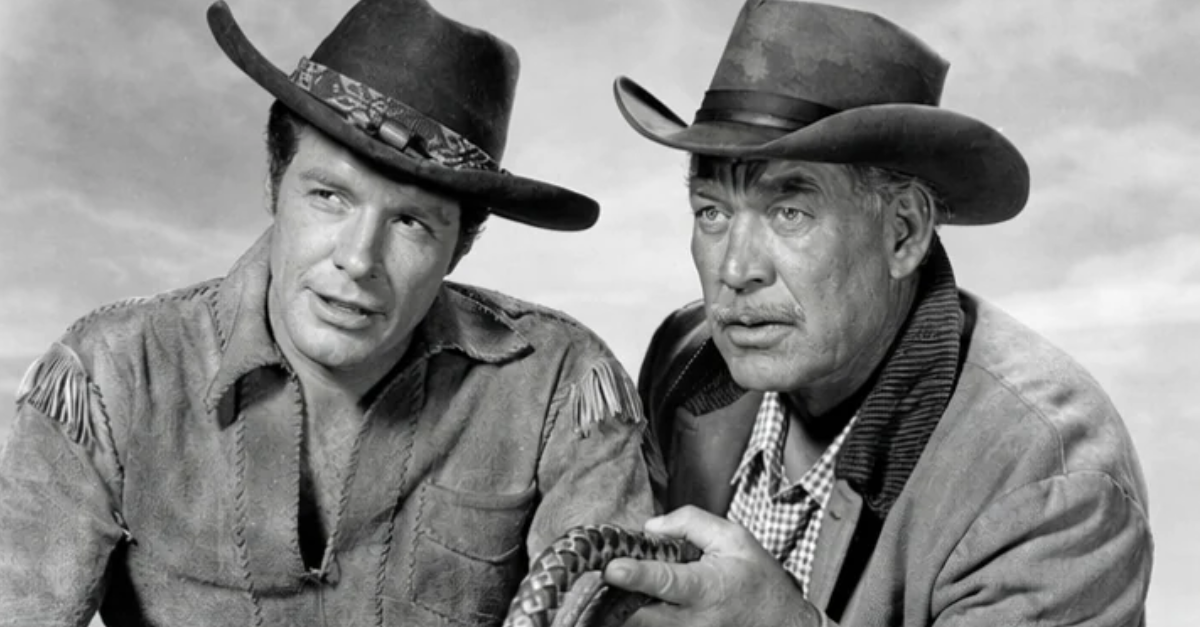
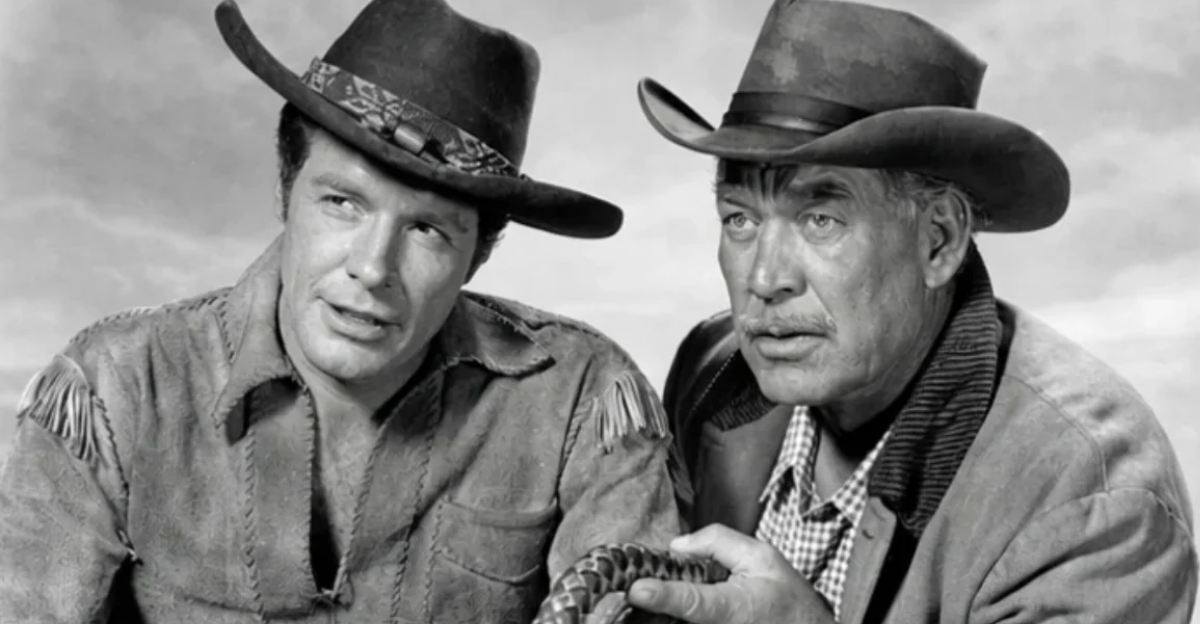
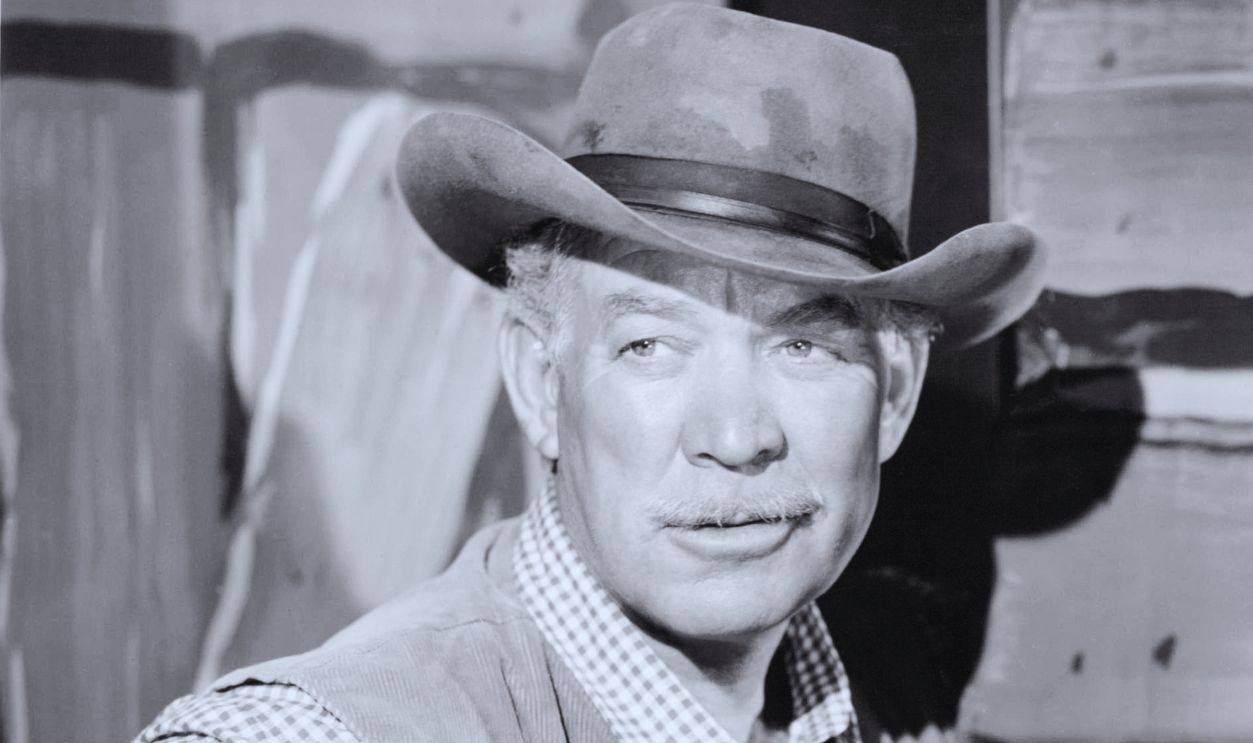
Wagon Train Kept Rolling Without Ward Bond
Ward Bond played wagon master Major Seth Adams until his passing in 1960, leaving Wagon Train without its commanding lead. John McIntire arrived as Christopher Hale, and the western continued its journey across television screens until 1965.
 Silver Screen Collection, Getty Images
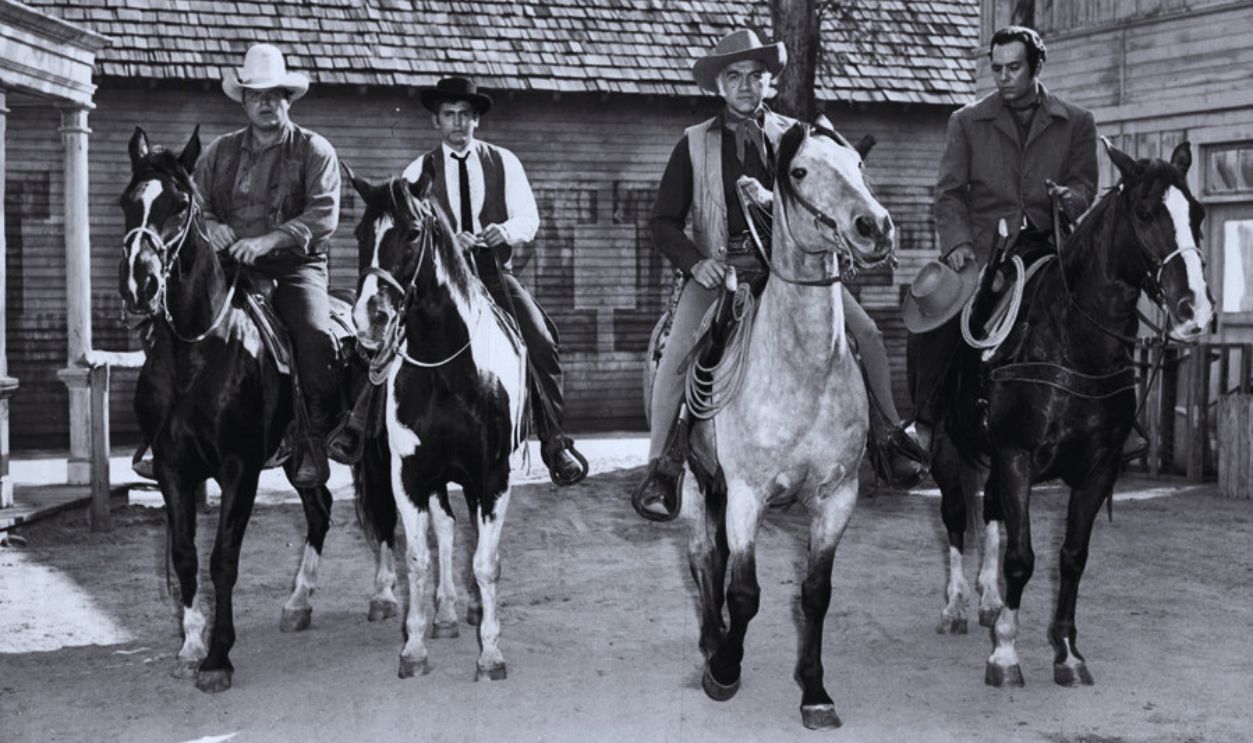
Bonanza Lost A Cartwright Brother
Pernell Roberts helped establish Bonanza as Adam Cartwright, the eldest son of Ben Cartwright. He departed in 1965 after six seasons, but Lorne Greene, Dan Blocker, and Michael Landon carried the western forward until 1973, eight years later.
 NBC Television, Wikimedia Commons
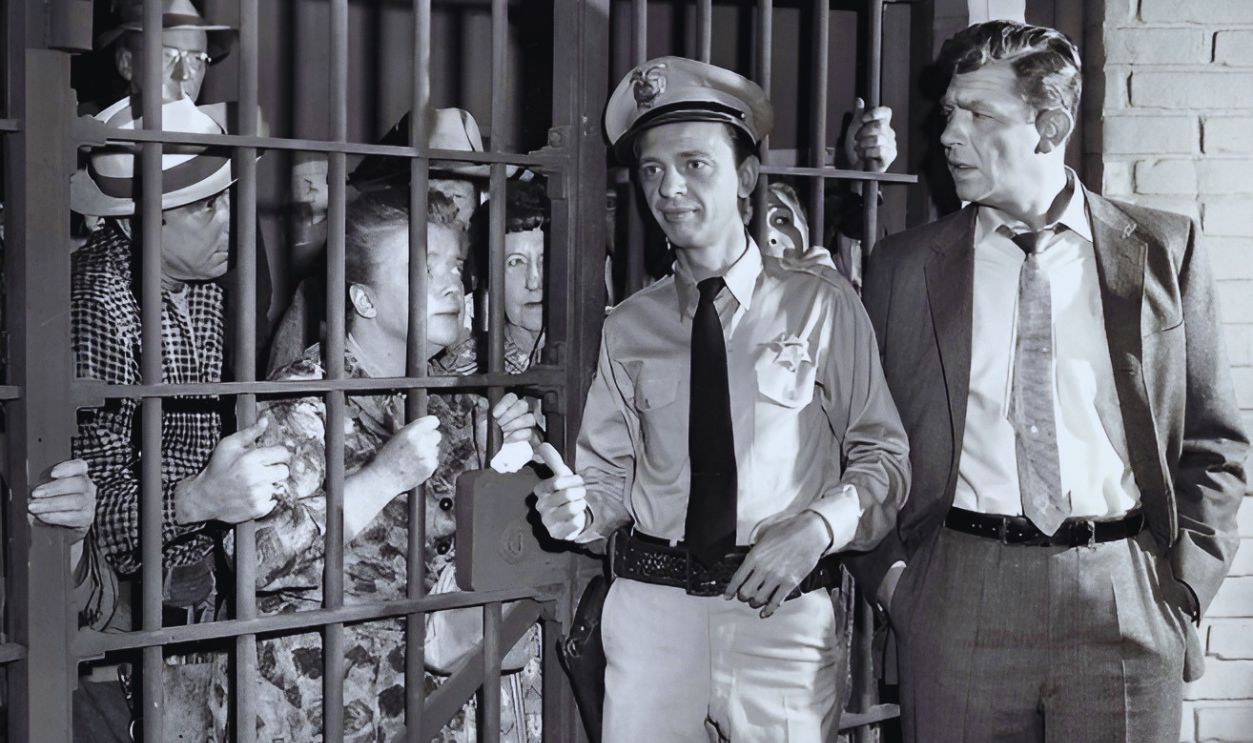
The Andy Griffith Show Lost Barney Fife
Don Knotts was a major reason audiences loved Mayberry, but he left his regular role as Deputy Barney Fife in 1965. Andy Griffith remained, and the sitcom continued for three more seasons, with Knotts occasionally returning for guest appearances.
 CBS Television, Wikimedia Commons
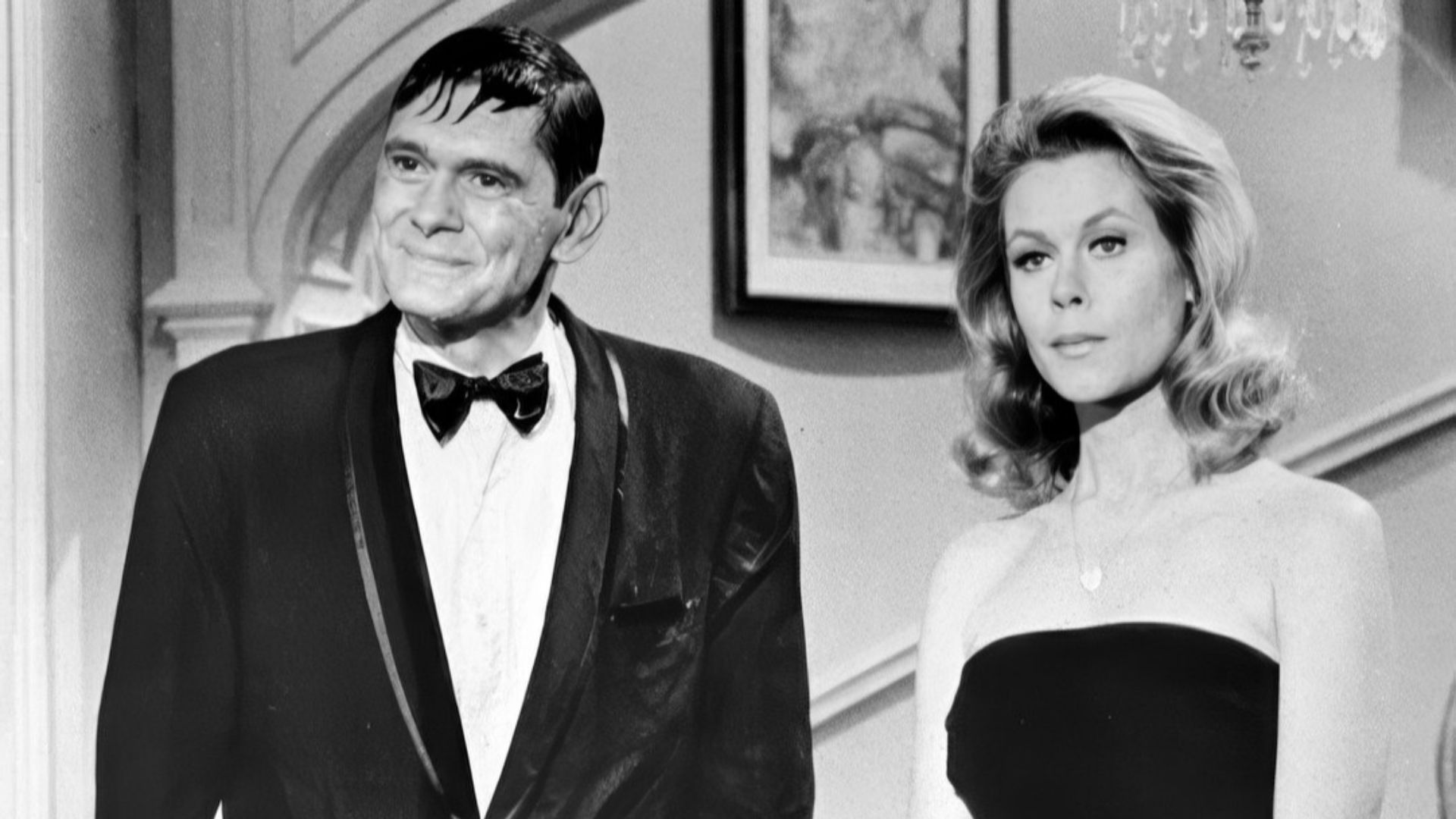
Bewitched Changed Husbands Without Changing Characters
Dick York portrayed Darrin Stephens for five seasons before health problems forced his departure in 1969. Instead of writing Darrin out, Bewitched hired Dick Sargent to play the same character, continuing for another three seasons until 1972.
 ABC Television Uploaded by We hope at en.wikipedia, Wikimedia Commons
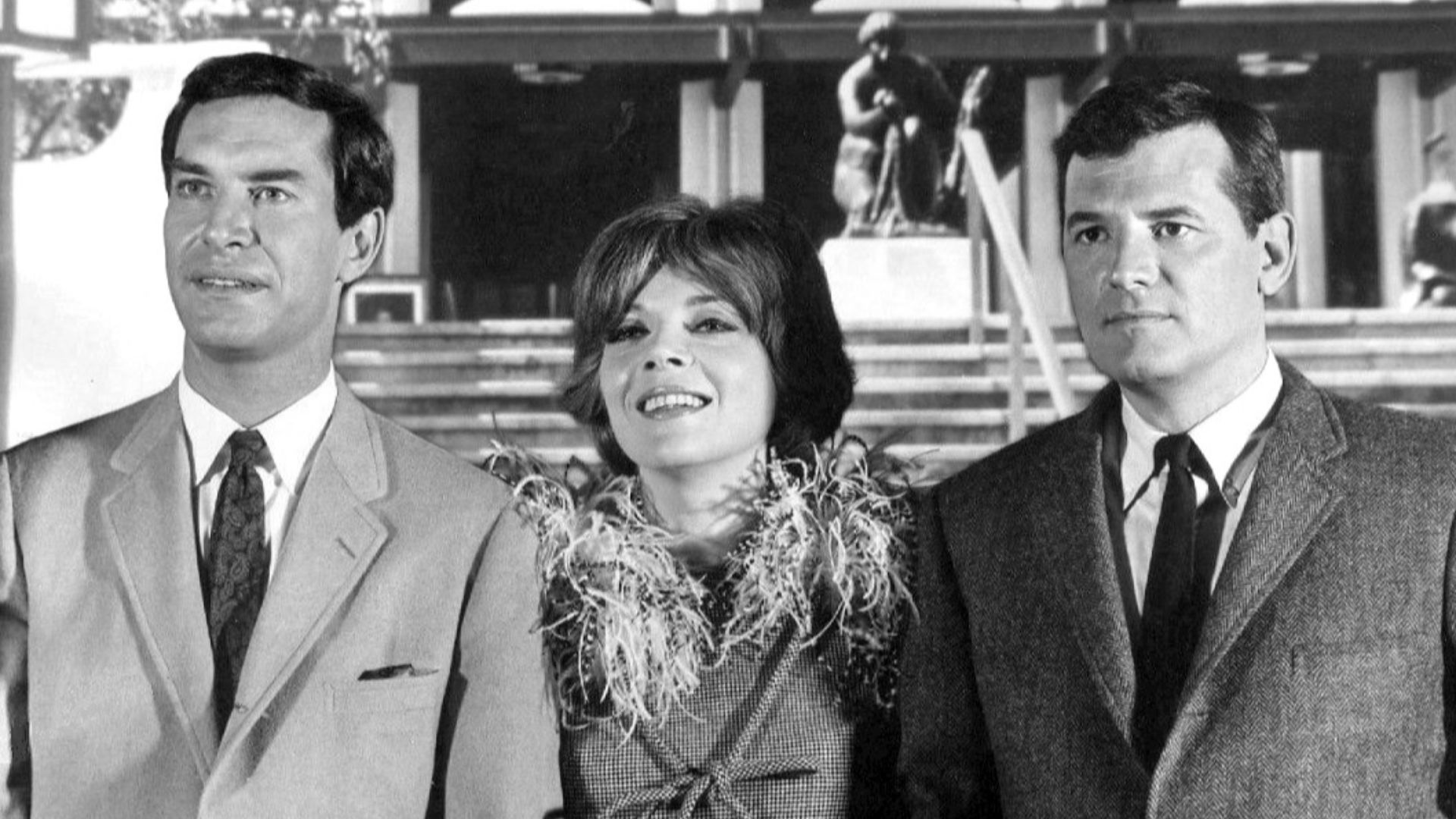
Mission: Impossible Lost Two Original Favorites
Martin Landau and Barbara Bain brought considerable star power to Mission: Impossible as Rollin Hand and Cinnamon Carter. Both departed after its third season. Leonard Nimoy joined the cast, and the espionage series continued until 1973.
 CBS Television, Wikimedia Commons
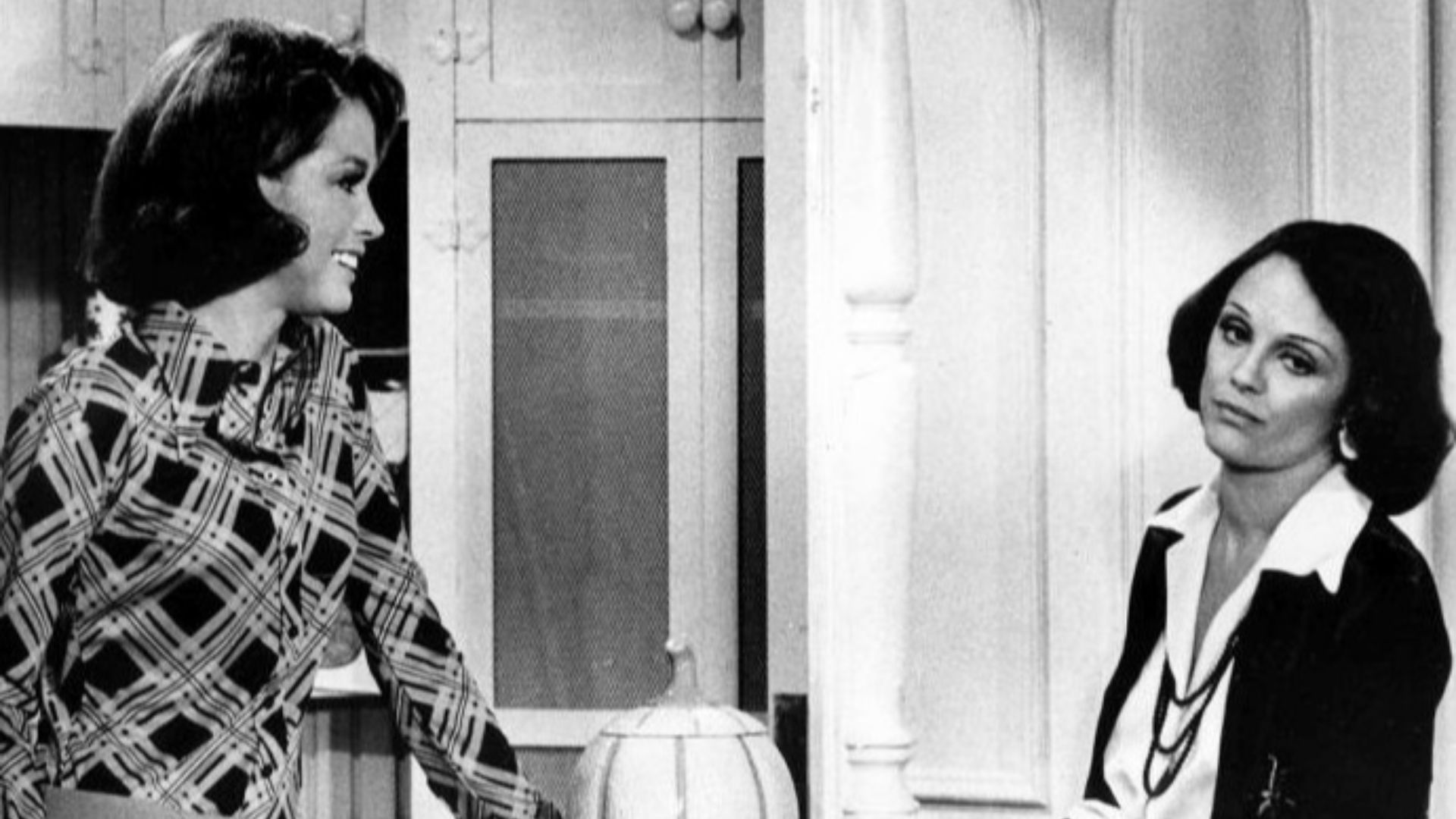
The Mary Tyler Moore Show Survived Rhoda's Departure
Valerie Harper became a favorite as Mary's outspoken friend Rhoda Morgenstern. Her popularity earned her a separate sitcom, Rhoda, in 1974. Meanwhile, Mary Tyler Moore and the WJM newsroom ensemble kept the original series running until 1977.
 CBS Television Uploaded by We hope at en.wikipedia, Wikimedia Commons
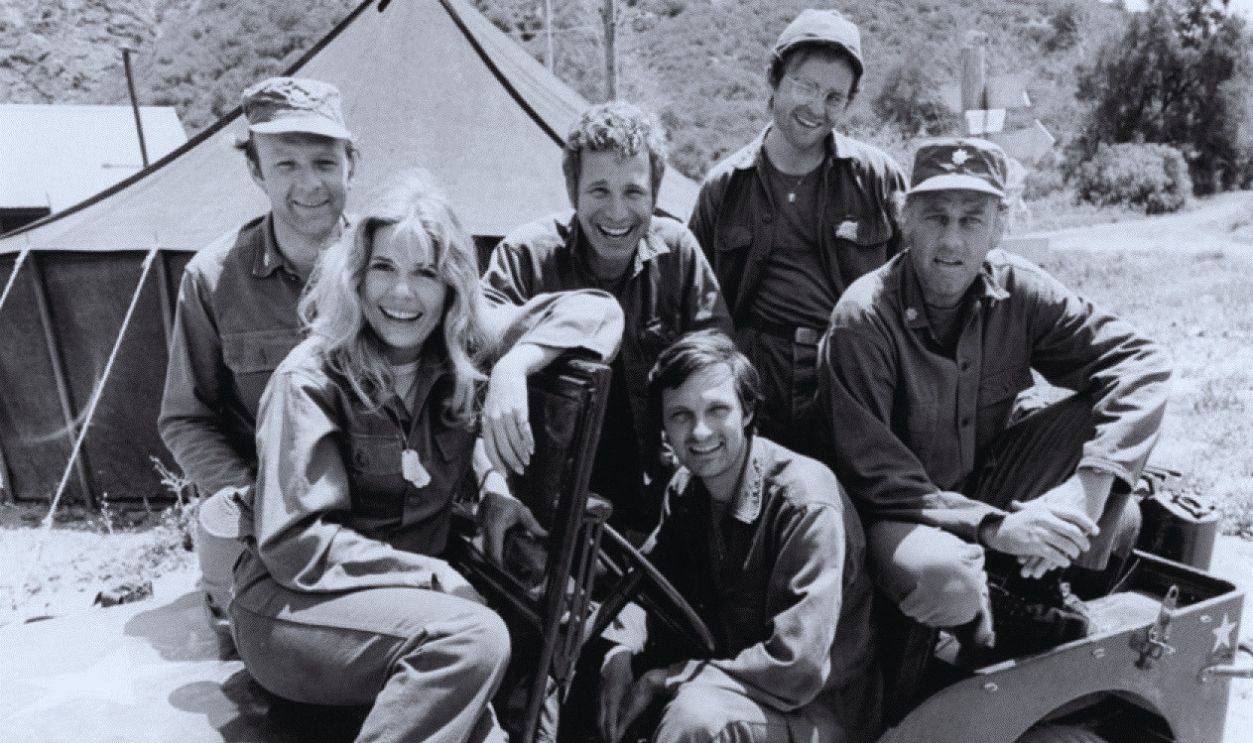
MAS*H Lost Henry Blake And Trapper John
The third season brought enormous changes when McLean Stevenson and Wayne Rogers departed MASH*. Harry Morgan and Mike Farrell joined as Colonel Potter and B.J. Hunnicutt. The comedy-drama continued for eight additional seasons, concluding in 1983.
 CBS Television, Wikimedia Commons
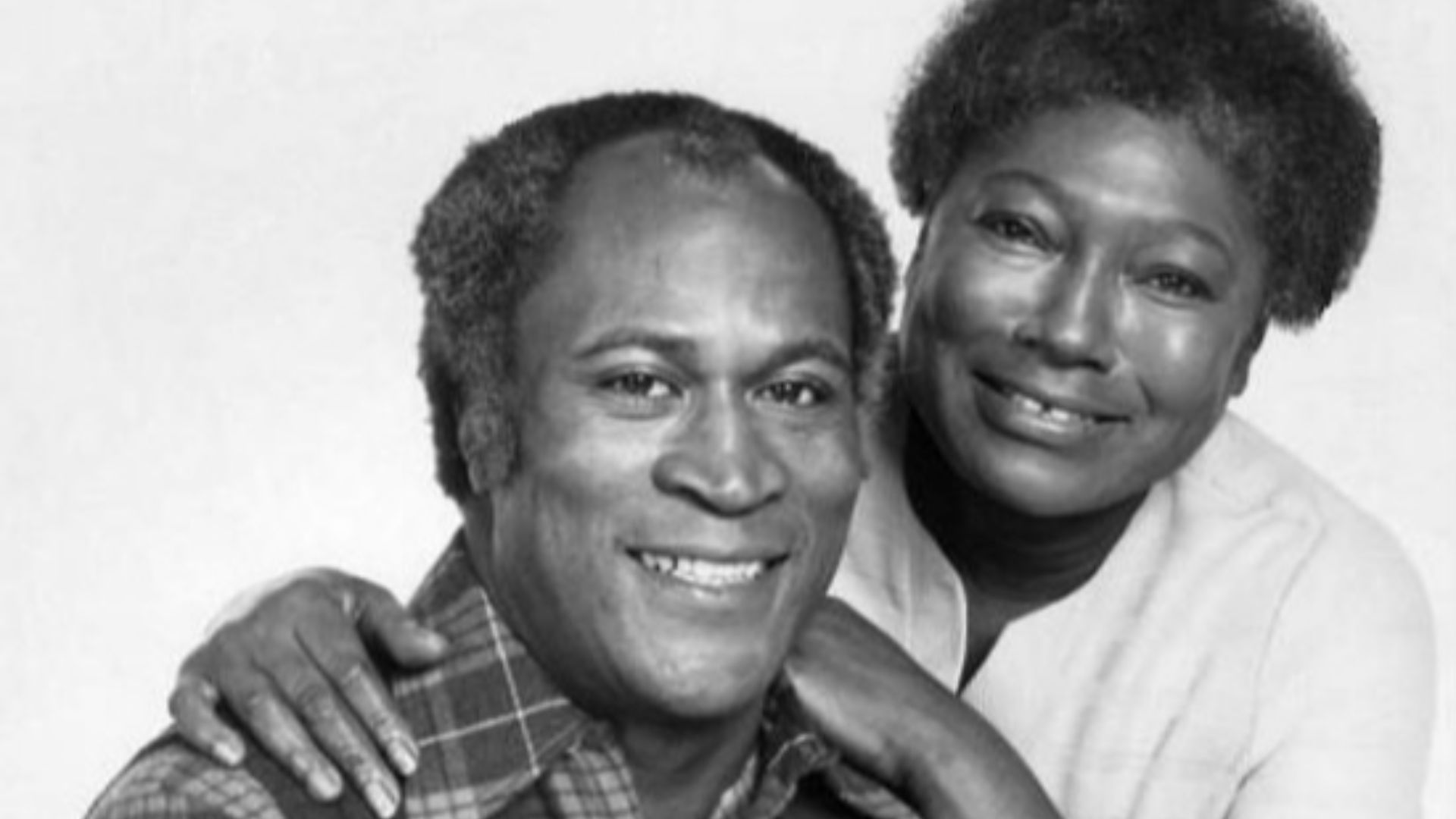
Good Times Carried On Without James Evans
John Amos played James Evans, the family patriarch, until his departure in 1976. His character's absence fundamentally changed Good Times, but Esther Rolle and Jimmie Walker remained central figures as the sitcom continued through 1979.
 CBS Television. Uploaded by We hope at en.wikipedia, Wikimedia Commons
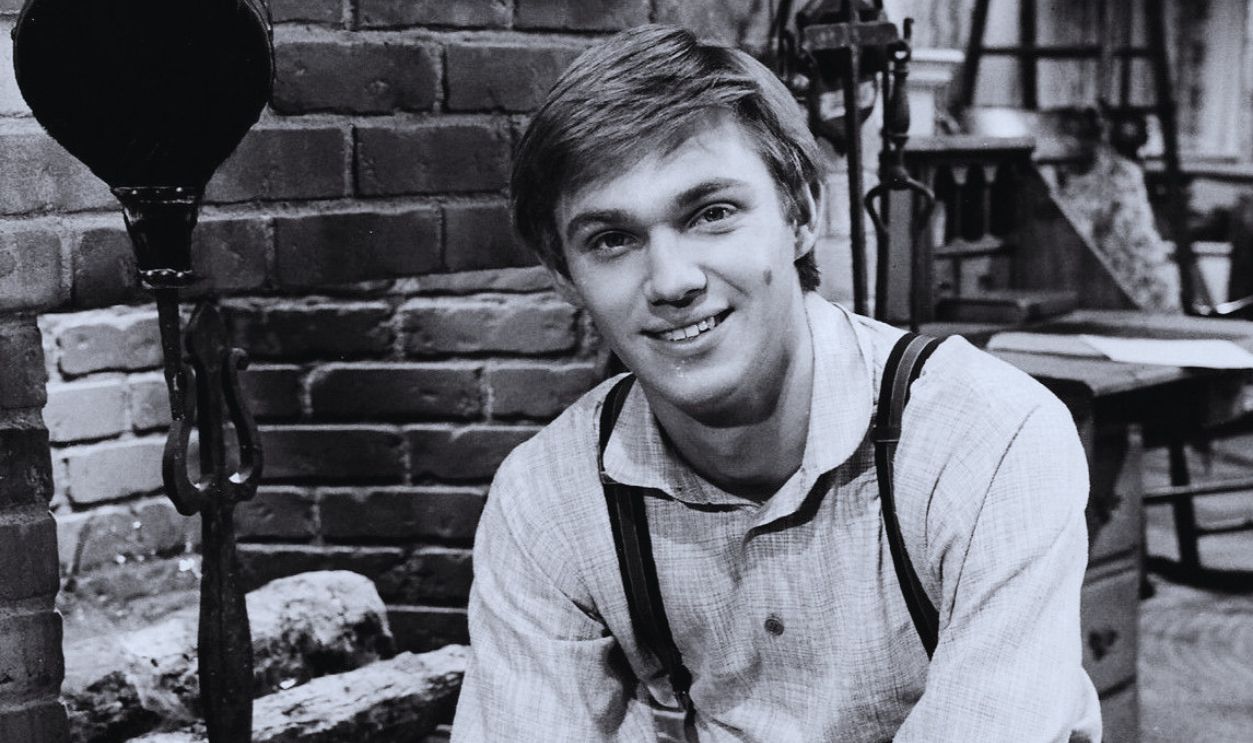
The Waltons Said Goodbye To John-Boy
Richard Thomas earned an Emmy for portraying John-Boy Walton, making him one of the drama's defining performers. He departed in 1977, and Robert Wightman eventually assumed the role. The family series continued until 1981 despite losing its original narrator.
 CBS Television, Wikimedia Commons
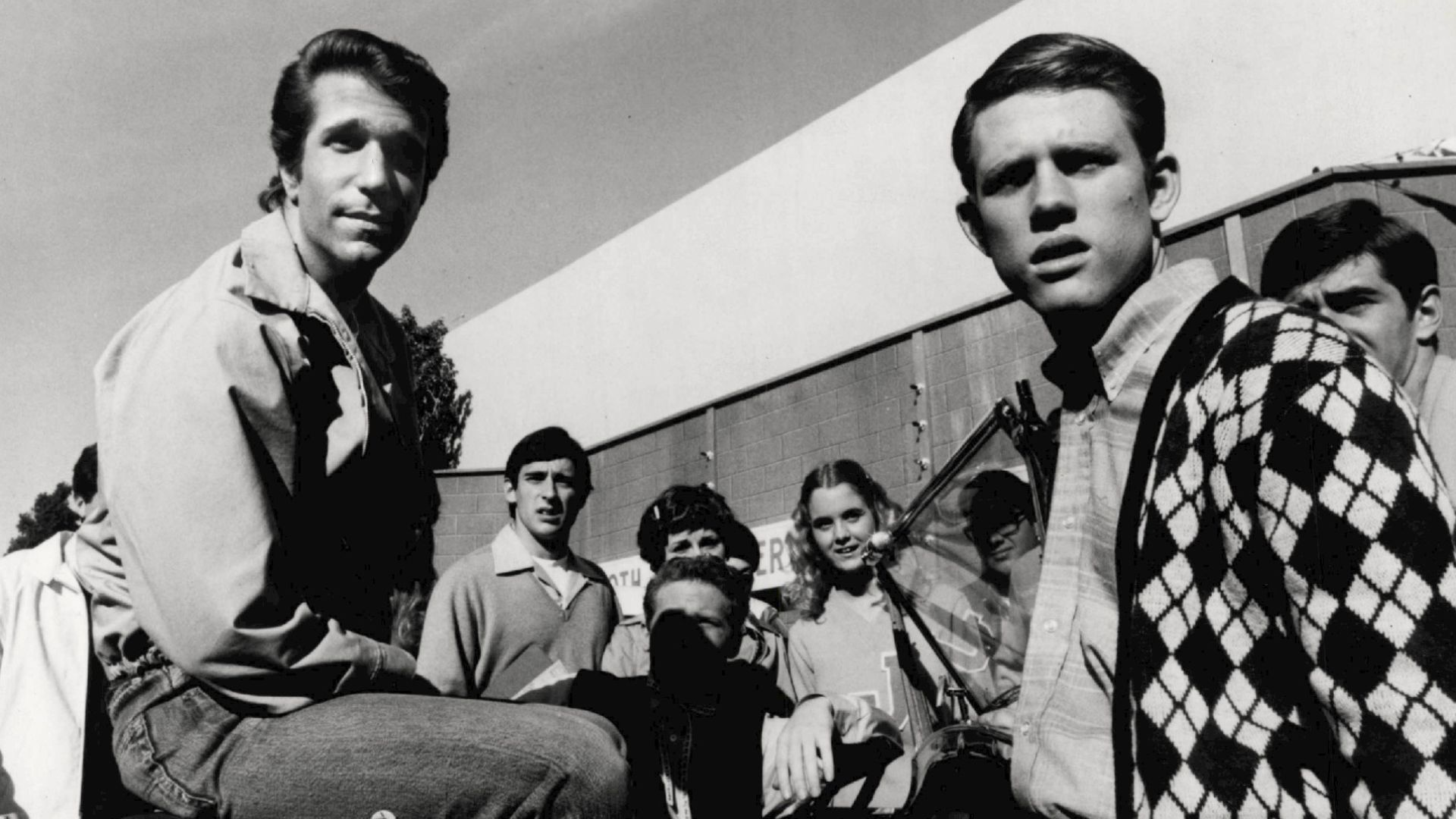
Happy Days Continued Without Richie Cunningham
Ron Howard's Richie Cunningham was initially central to Happy Days, but Howard left regular appearances in 1980. Henry Winkler's Fonzie became increasingly important, helping sustain the sitcom through 1984. Howard also returned for occasional appearances.
 ABC Television, Wikimedia Commons
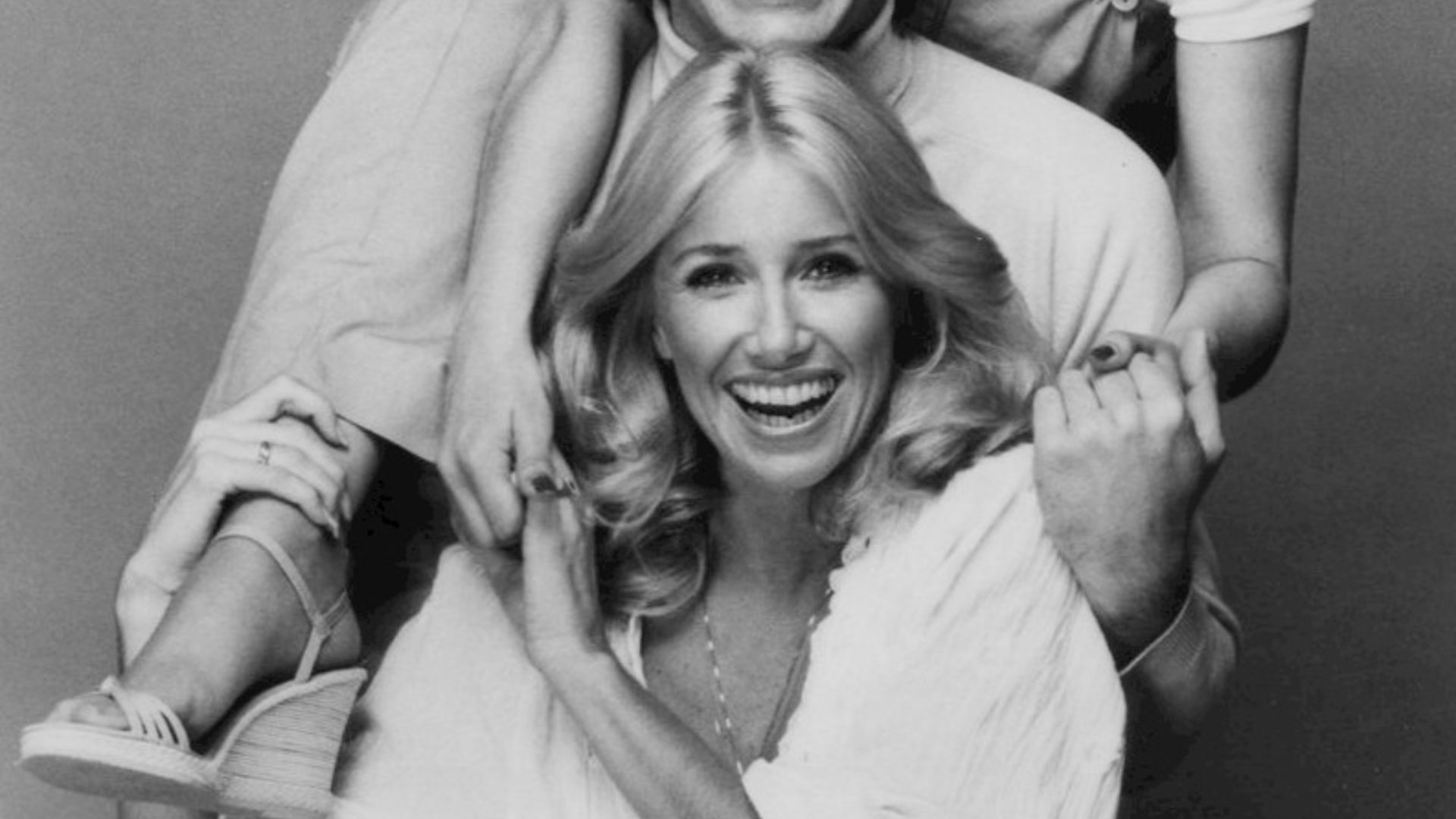
Three's Company Lost Chrissy Snow
Suzanne Somers became a household name playing Chrissy Snow, but a salary dispute preceded her departure from Three's Company. Jenilee Harrison and later Priscilla Barnes joined the cast, helping the sitcom continue until 1984 without its original comedic trio.
 ABC Television, Wikimedia Commons
Cheers Found Another Leading Lady
Shelley Long's departure as Diane Chambers in 1987 ended the sitcom's original central romance. Kirstie Alley joined as Rebecca Howe, giving Sam Malone a different sparring partner. Remarkably, Cheers continued for six more seasons, ending in 1993.
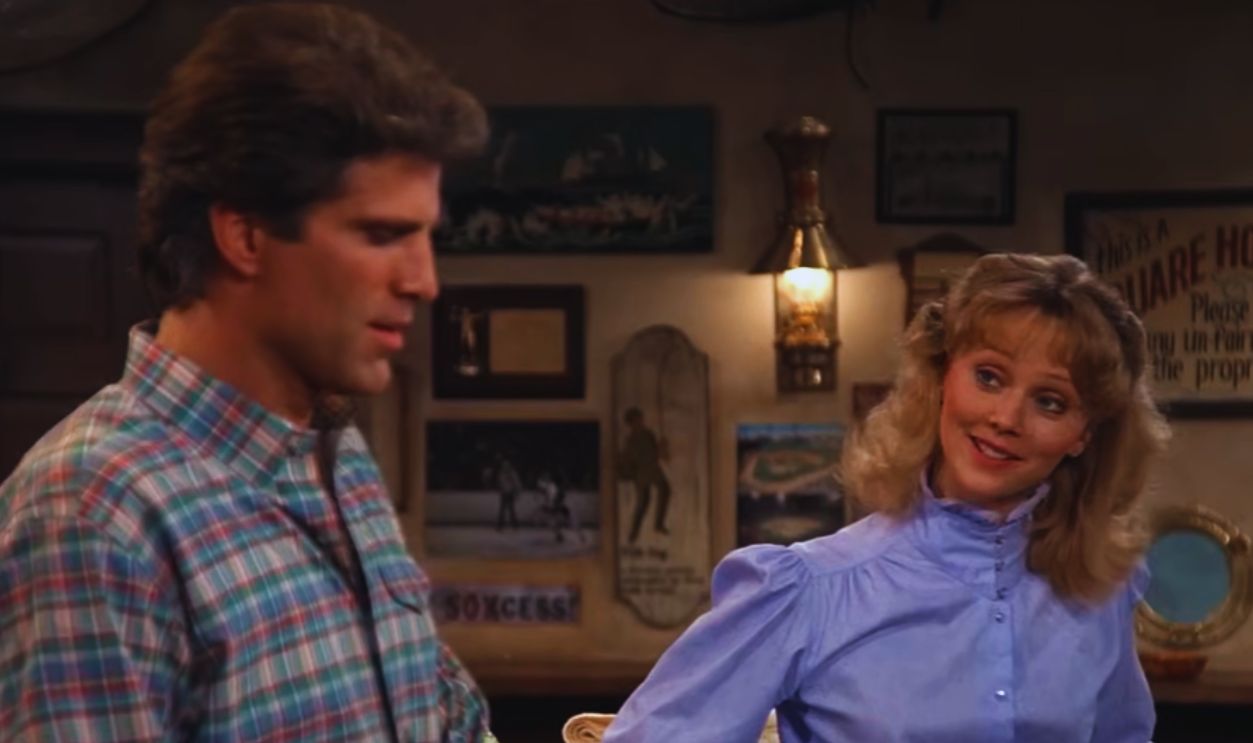 Screenshot from Cheers, Paramount (1982-1993)
A Different World Outgrew Its Original Star
Lisa Bonet's Denise Huxtable originally provided the connection between The Cosby Show and its college-centered spinoff. Bonet left after the first season, but Whitley Gilbert and Dwayne Wayne helped carry A Different World through 1993.
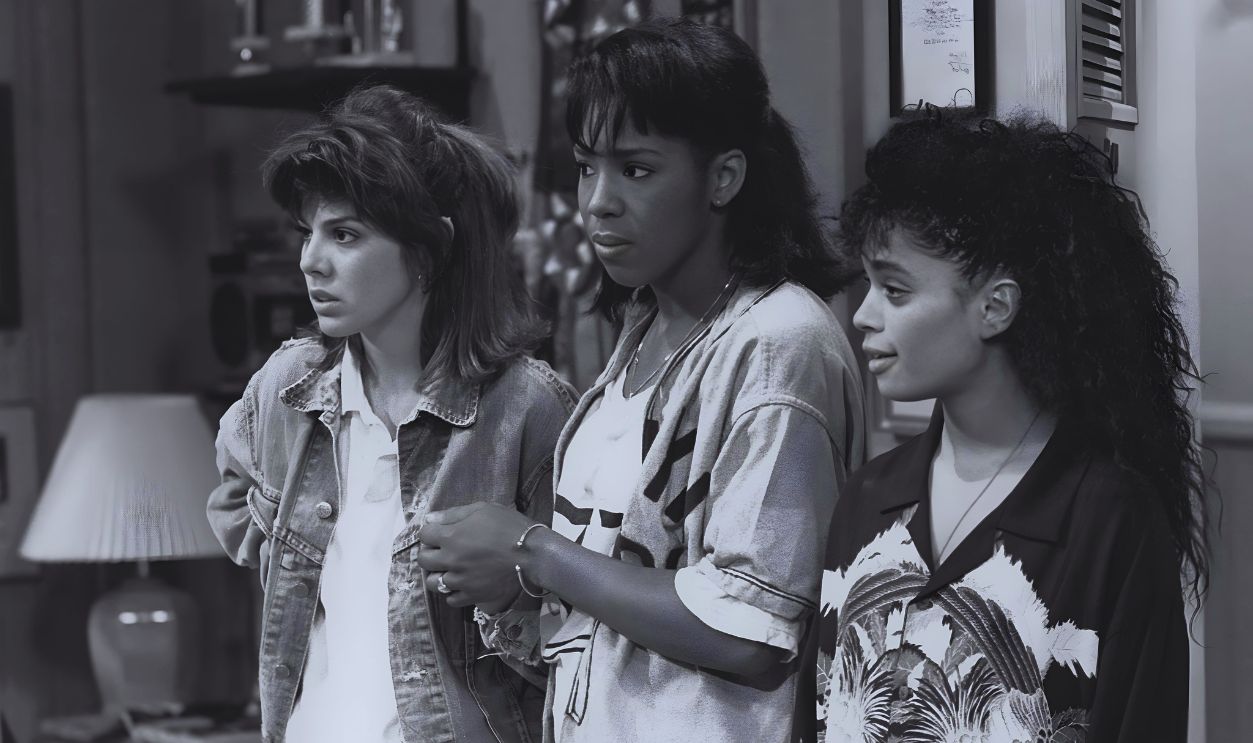 Screenshot from A Different World, NBC (1987–1993)
Designing Women Lost Two Familiar Faces
Delta Burke and Jean Smart departed Designing Women after its fifth season in 1991. New performers joined the Atlanta-based comedy, while Dixie Carter and Annie Potts remained. The show managed another two seasons before ending in 1993.
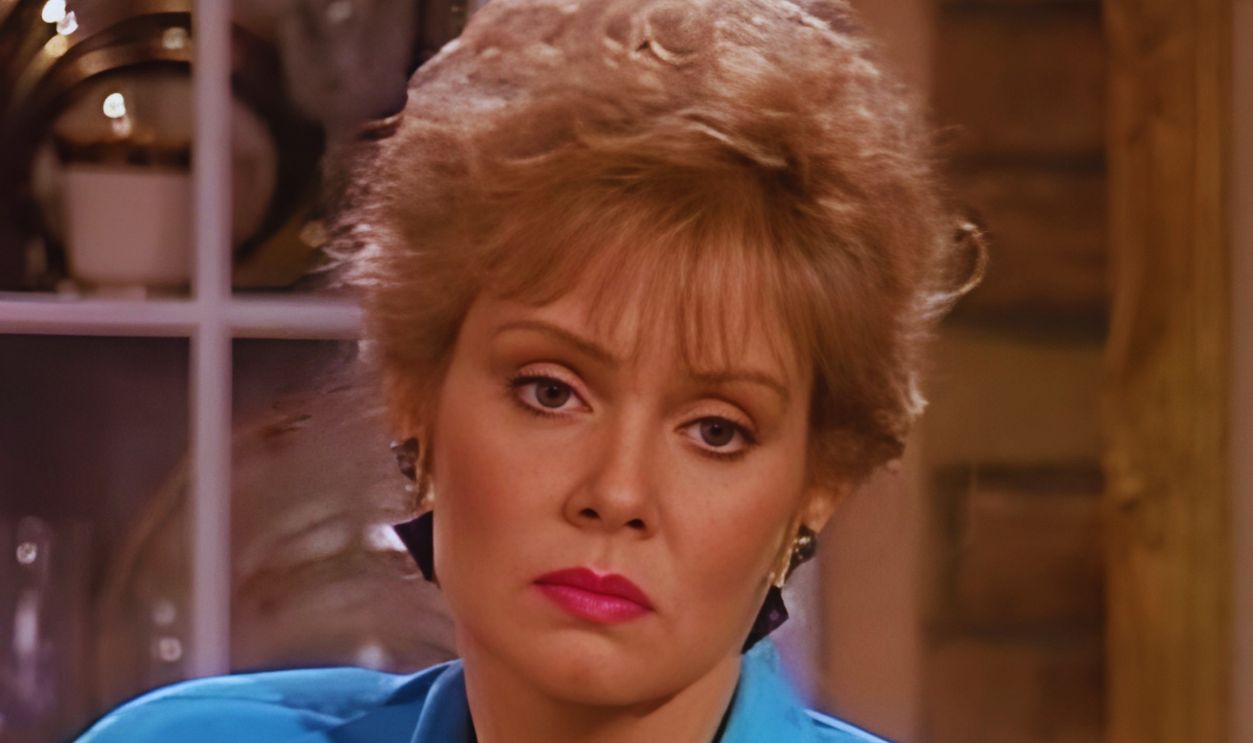 Screenshot from Designing Women, Columbia Pictures Television (1986–1993)
Beverly Hills, 90210 Moved Beyond Brenda
Shannen Doherty's Brenda Walsh was central to the teen drama's early popularity. Following her 1994 departure, Tiffani-Amber Thiessen arrived as Valerie Malone. The series continued exploring its characters' adult lives until its finale in 2000.
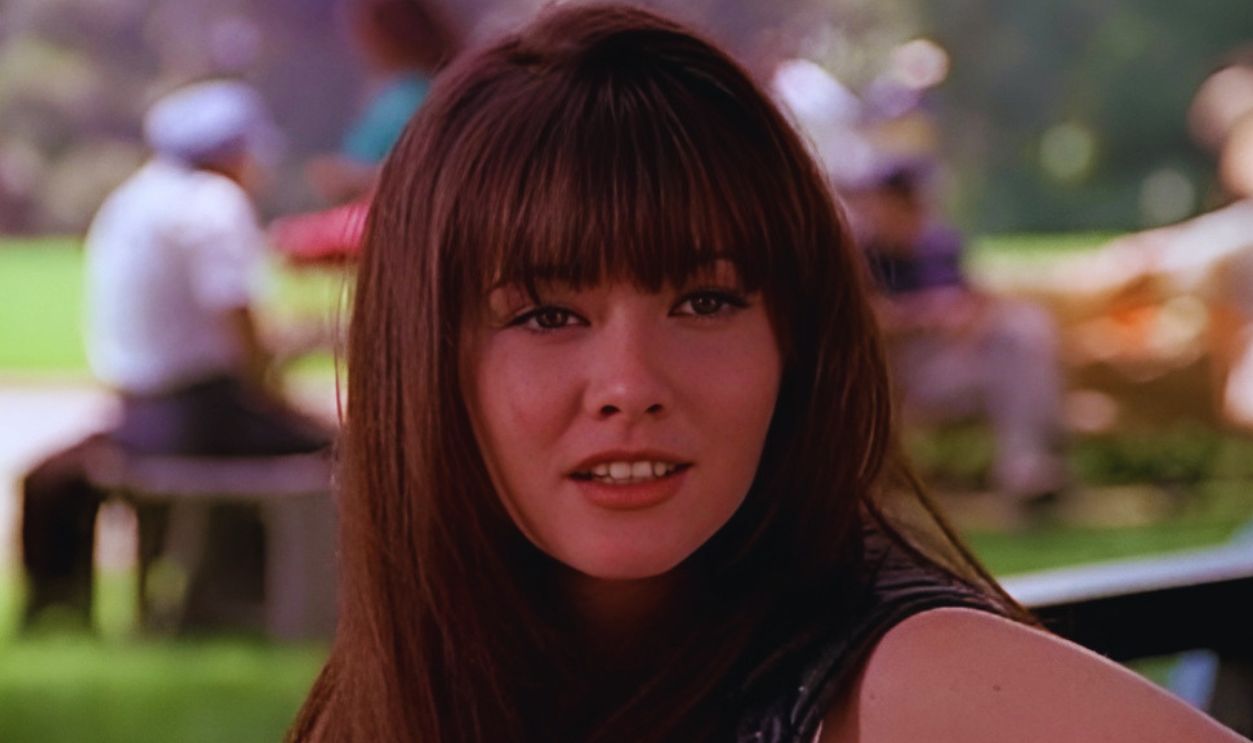 Screenshot from Beverly Hills, 90210, Fox (1990–2000)
NYPD Blue Replaced Its Original Leading Detective
David Caruso's John Kelly was a defining character when NYPD Blue premiered in 1993. Caruso departed early in the second season, and Jimmy Smits joined opposite Dennis Franz. The acclaimed police drama remained on television until 2005.
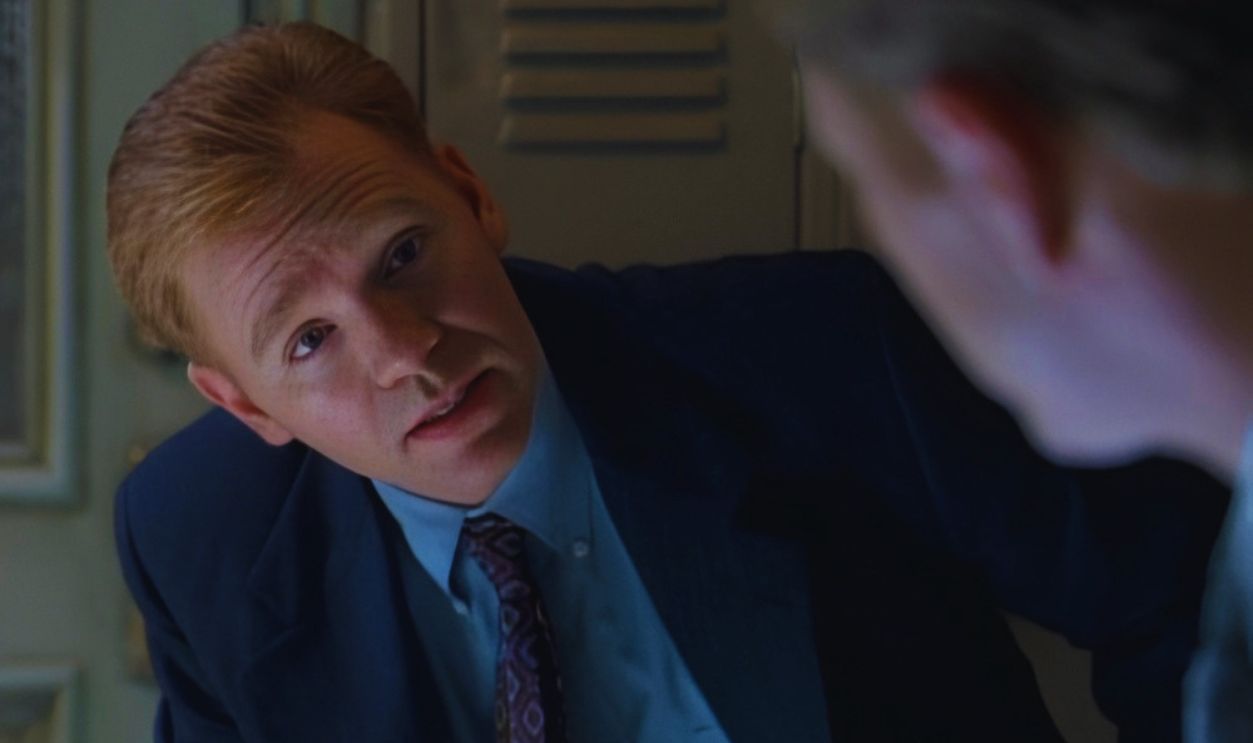 Screenshot from NYPD Blue, ABC (1993–2005)
ER Kept Its Doors Open Without George Clooney
George Clooney became a major star playing Dr. Doug Ross, but he left his regular ER role in 1999. The medical drama continued introducing new doctors and hospital storylines, eventually completing 15 seasons in 2009.
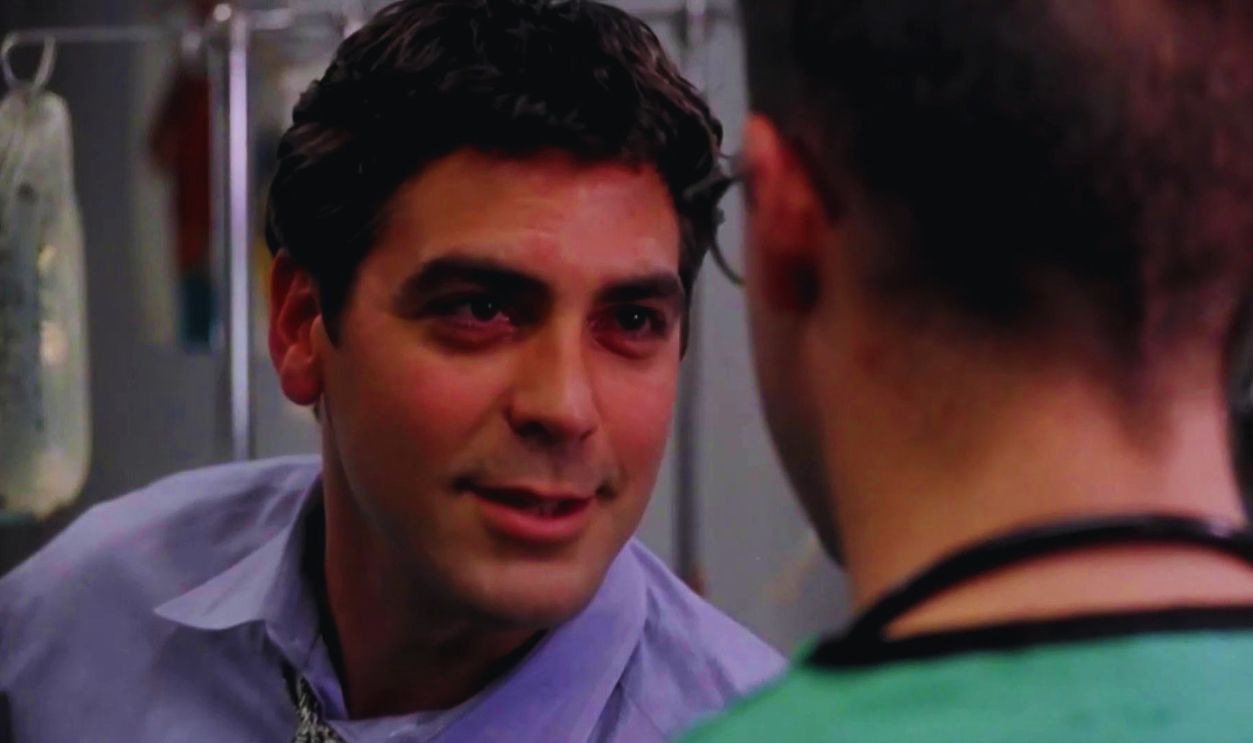 Screenshot from ER, NBC (1994–2009)
Spin City Found A New Deputy Mayor
Michael J. Fox left Spin City in 2000 as he managed Parkinson's disease. Rather than recast Mike Flaherty, producers introduced Charlie Sheen as Charlie Crawford. The political sitcom continued for two additional seasons, finally ending in 2002.
 Screenshot from Spin City, Lottery Hill Entertainment / DreamWorks Television (1996–2002)
The West Wing Continued Without Sam Seaborn
Rob Lowe's Sam Seaborn was part of The West Wing's original White House team. Lowe departed in 2003, but the political drama continued following President Bartlet and his staff through the 2006 finale, with other characters taking greater prominence.
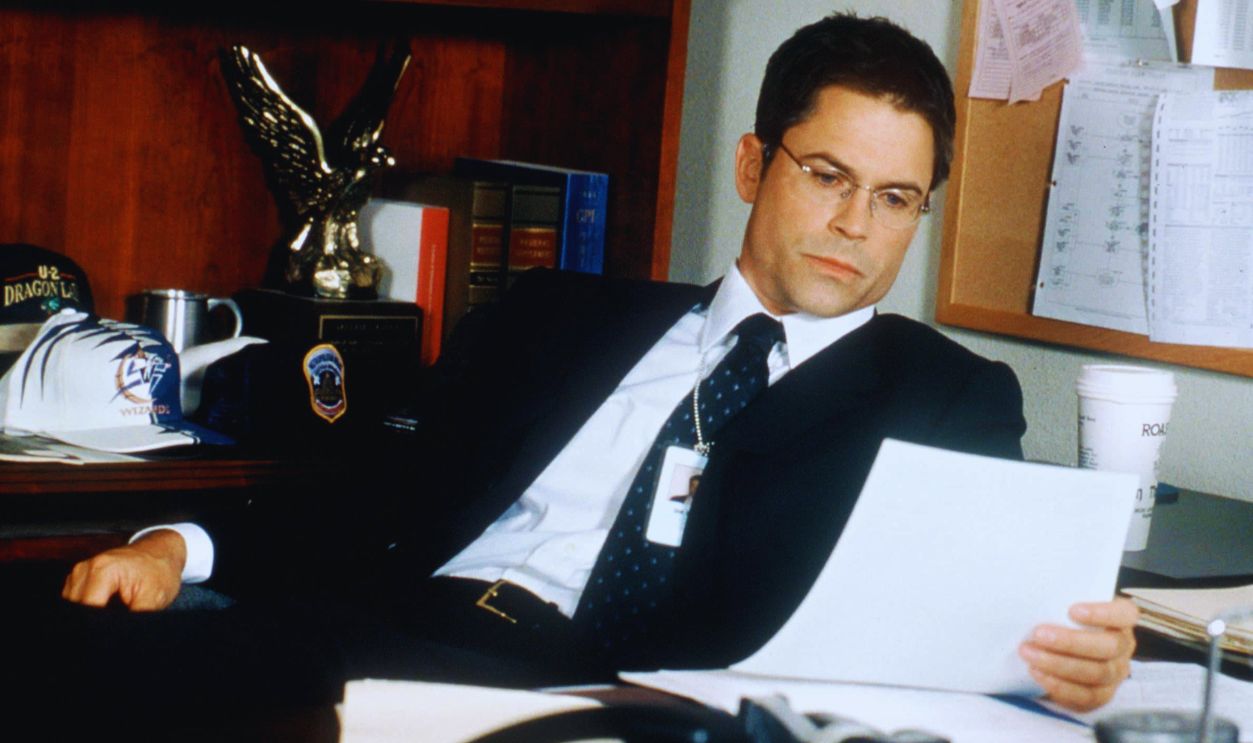
The Price Is Right Said Goodbye To Bob Barker
Bob Barker hosted the modern version of The Price Is Right for 35 years before retiring in 2007. Drew Carey took over, and the beloved game show kept welcoming contestants for nearly two decades afterward.
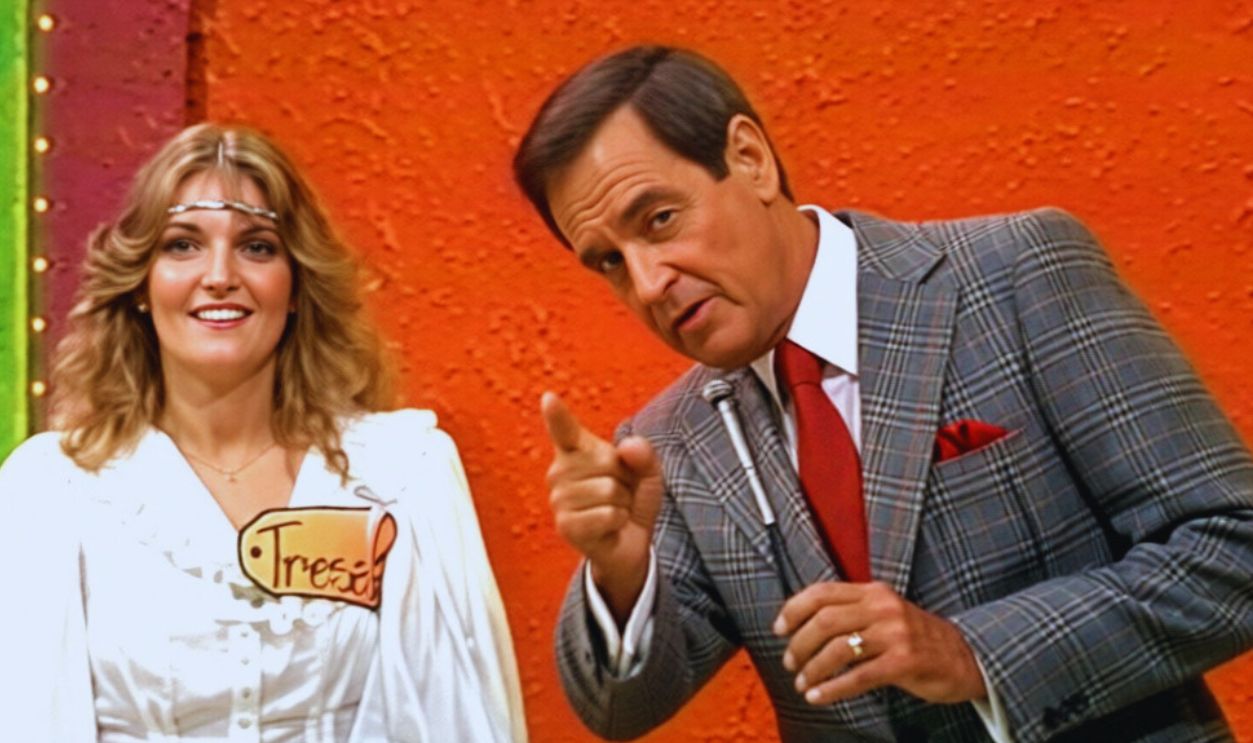 Screenshot from The Price Is Right, CBS (1972–Present), Enhanced
CSI Continued Investigating Without Gil Grissom
William Petersen's Gil Grissom was the intellectual center of CSI: Crime Scene Investigation. After Petersen left the regular cast in 2009, Laurence Fishburne and subsequently Ted Danson took prominent roles. The original series continued until 2015.
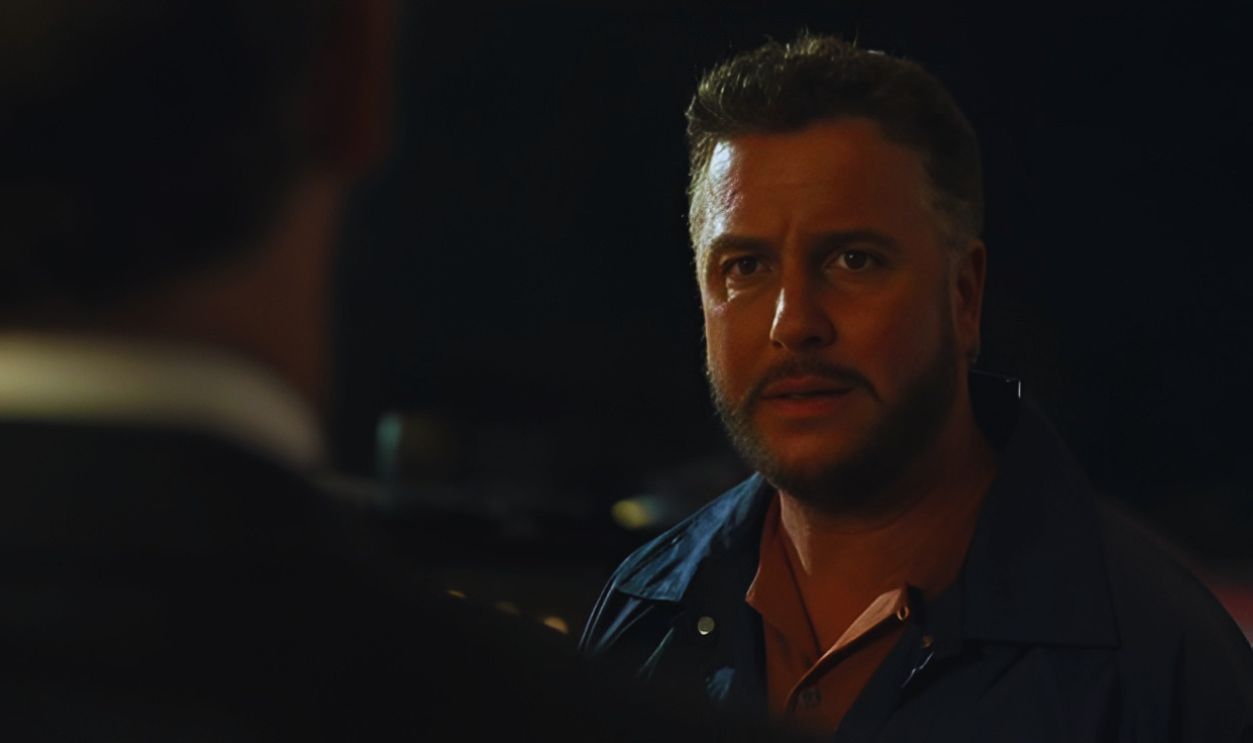 Screenshot from CSI: Crime Scene Investigation, CBS (2000–2015)
Law & Order: SVU Survived Without Elliot Stabler
Christopher Meloni departed his regular role as Detective Elliot Stabler in 2011, ending a television partnership that had lasted 12 seasons. Mariska Hargitay's Olivia Benson remained central, and Law & Order: SVU continued well beyond his departure.
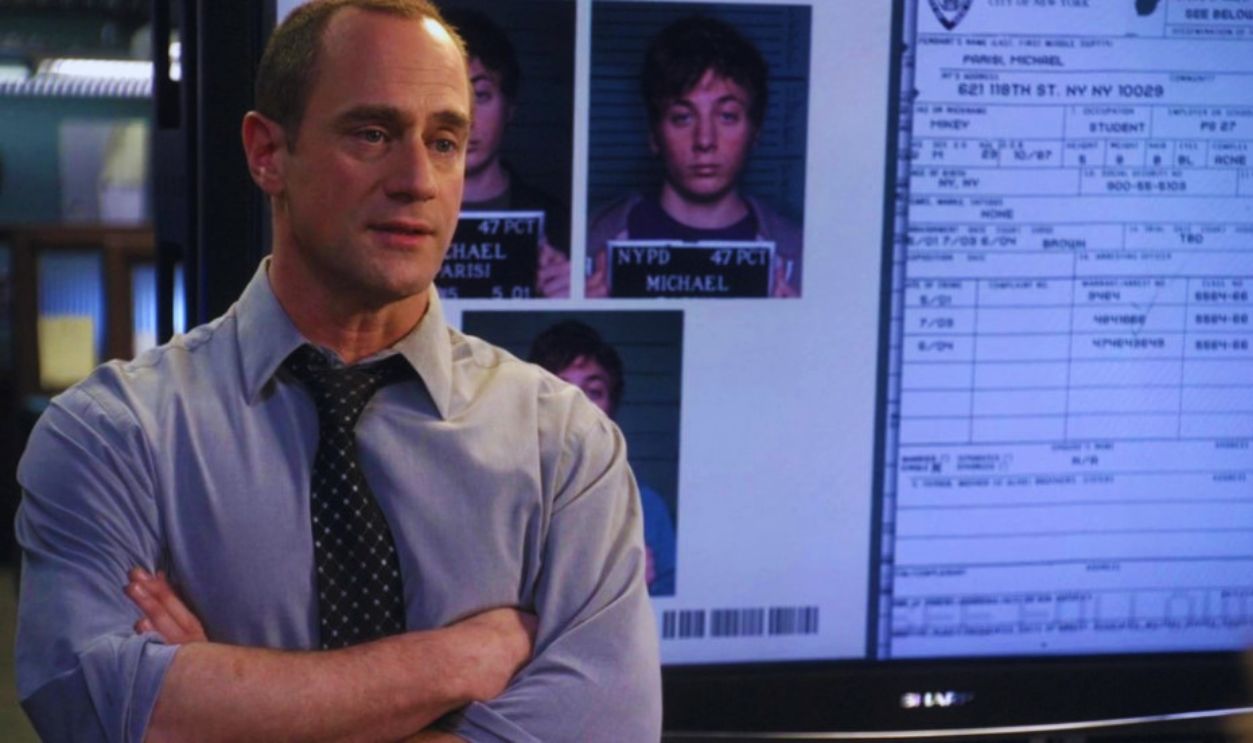 Screenshot from Law & Order, NBC (1990–Present)
Two And A Half Men Found A New Leading Man
Charlie Sheen's 2011 exit could have ended Two and a Half Men. Instead, Ashton Kutcher arrived as wealthy newcomer Walden Schmidt, joining Jon Cryer. The sitcom continued for four more seasons before signing off in 2015.
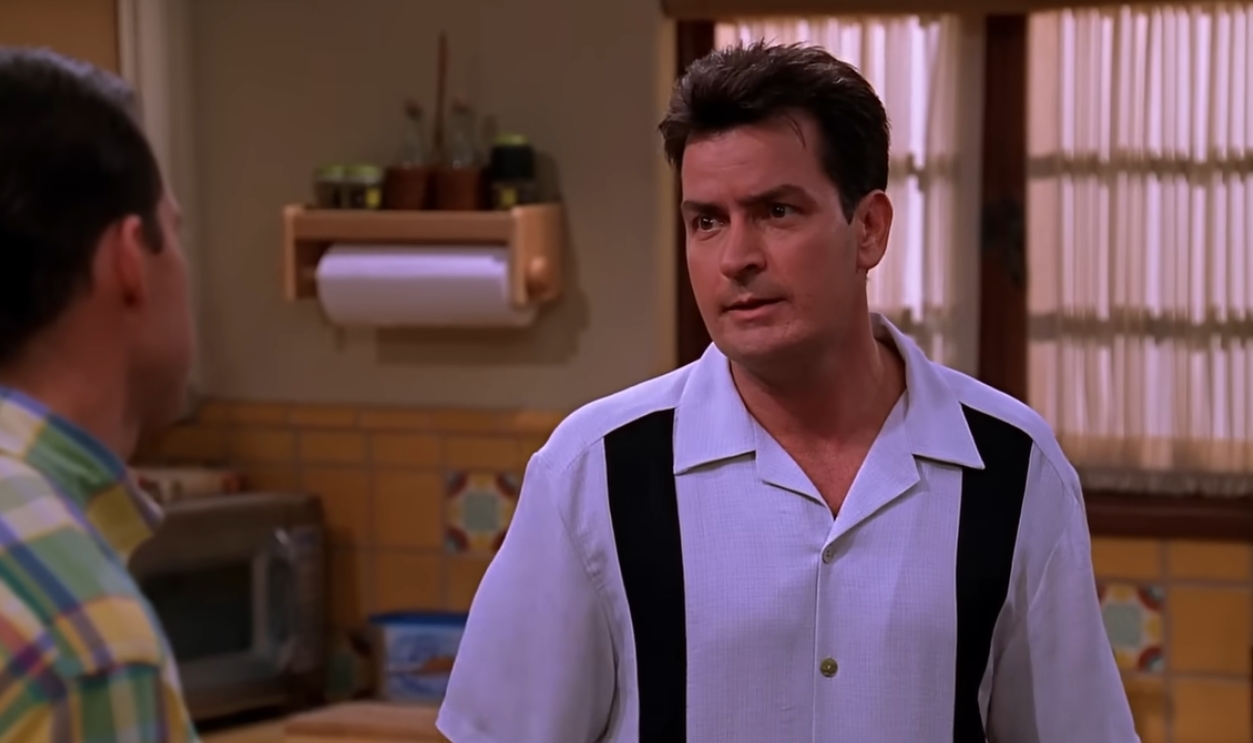 Screenshot from Two and a Half Men, CBS (2003–2015)
The Office Kept Working Without Michael Scott
Steve Carell departed The Office in 2011 after seven seasons as Michael Scott. Rather than close Dunder Mifflin, the sitcom shifted attention toward its remaining employees. It completed two additional seasons, ending in 2013 with a brief Carell appearance.
 Screenshot from The Office, NBC (2005-2013)
Downton Abbey Continued Without Matthew Crawley
Dan Stevens left Downton Abbey after its third season, bringing Matthew Crawley's story to an unexpected conclusion. The period drama continued exploring the Crawley family and its changing world through three further seasons, concluding with season six.
 Screenshot from Downton Abbey, ITV (2010–2015)
The Walking Dead Carried On Without Rick Grimes
Andrew Lincoln's Rick Grimes had anchored The Walking Dead since its premiere. His departure from the regular cast in 2018 changed the series considerably, but Daryl, Carol, and the remaining survivors continued until the original show's 2022 finale.
 Screenshot from The Walking Dead, AMC (2010–2022)
Shameless Continued Without Fiona Gallagher
Emmy Rossum played Fiona Gallagher for nine seasons, making her the emotional center of Shameless. She departed in 2019, leaving William H. Macy and the younger Gallagher siblings to carry the story through its final two seasons, ending in 2021.
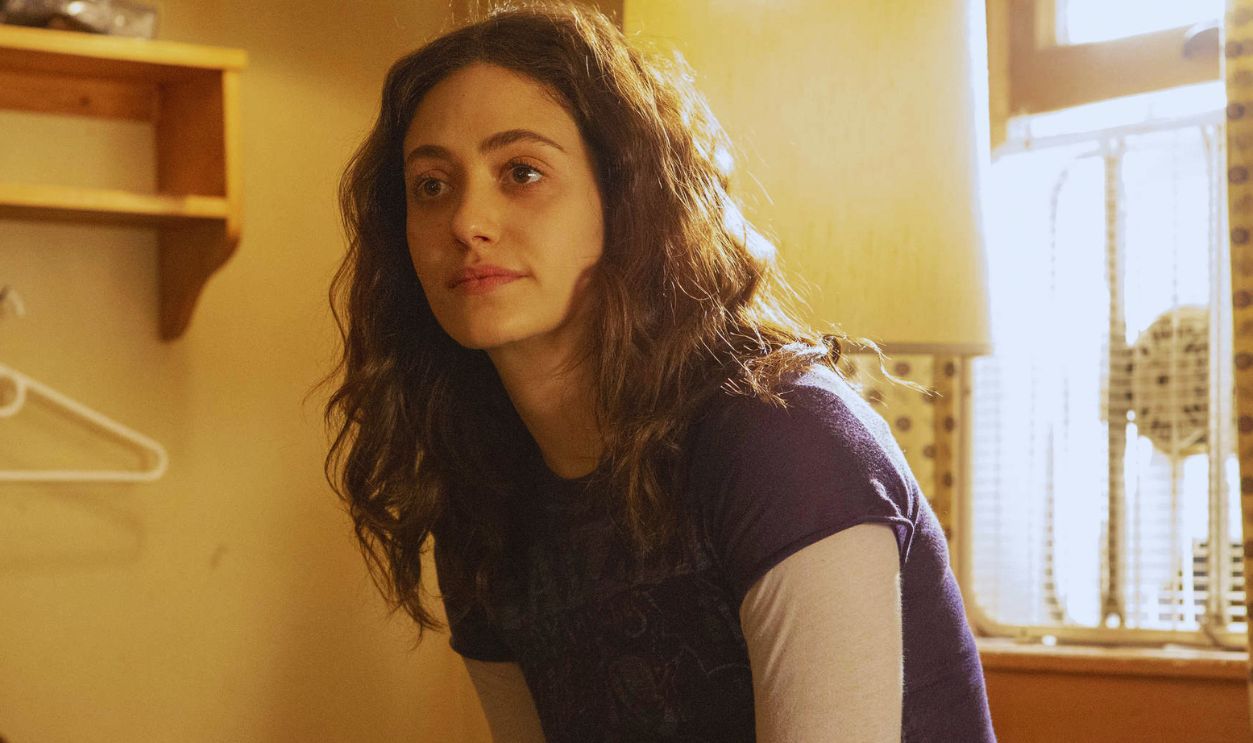 Screenshot from Shameless, Showtime (2011–2021)
You May Also Like:
Forgotten 1970s TV Pilots That Never Actually Made It On Air
TV Dramas From The 1970s That No One Remembers—Be Honest, Do You Remember Even 5 Of These Shows?