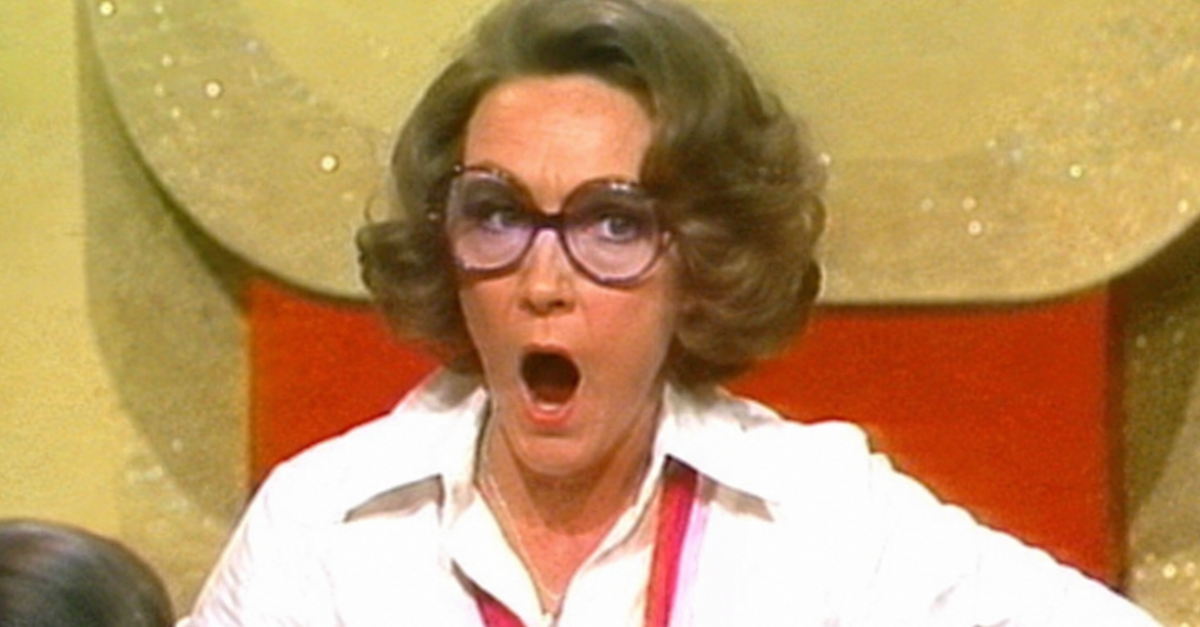
They Did Not Need Hollywood.
Armed with cue cards, quick comebacks, and brightly colored sets, these game-show personalities became celebrities simply by showing up in America’s living rooms every day. Some hosted the action while others turned one panel seat into a full-blown television career.
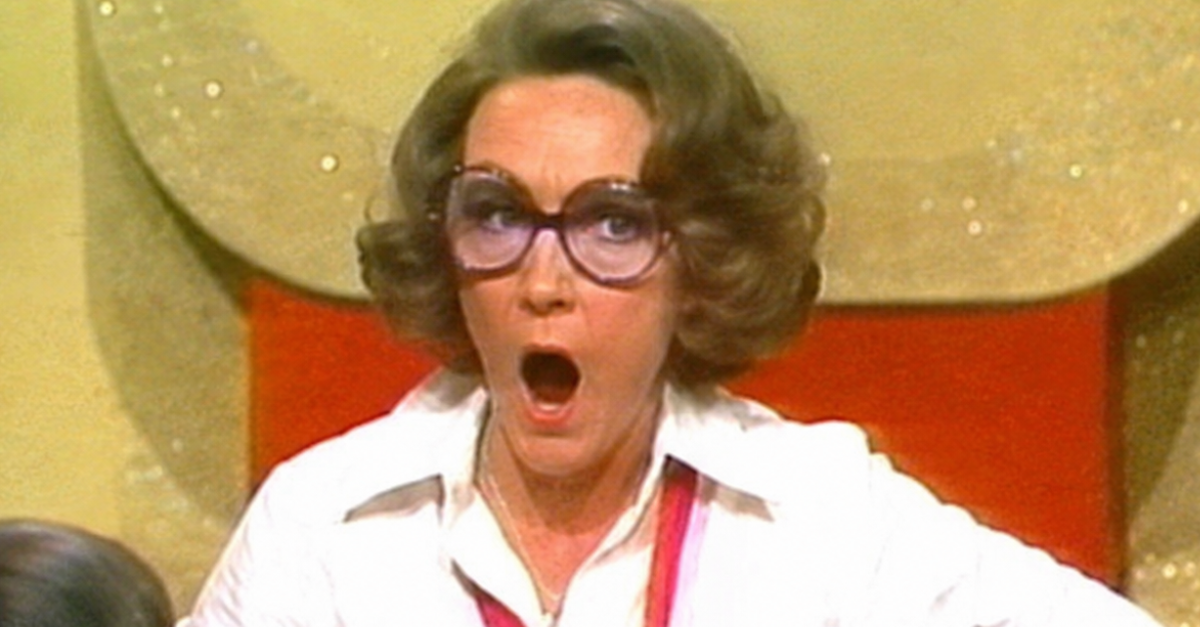
Gene Rayburn Became The Ringmaster Of Chaos
Gene Rayburn had worked in radio and television before Match Game, but the outrageous 1970s revival made him a daytime icon. He managed suggestive questions, unpredictable celebrities, and a long, skinny microphone with the patience of a man hosting a very strange party. In 1976, the program became the highest-rated show on daytime television. Rayburn became one of the decade’s best-known TV personalities without needing to become a movie leading man.
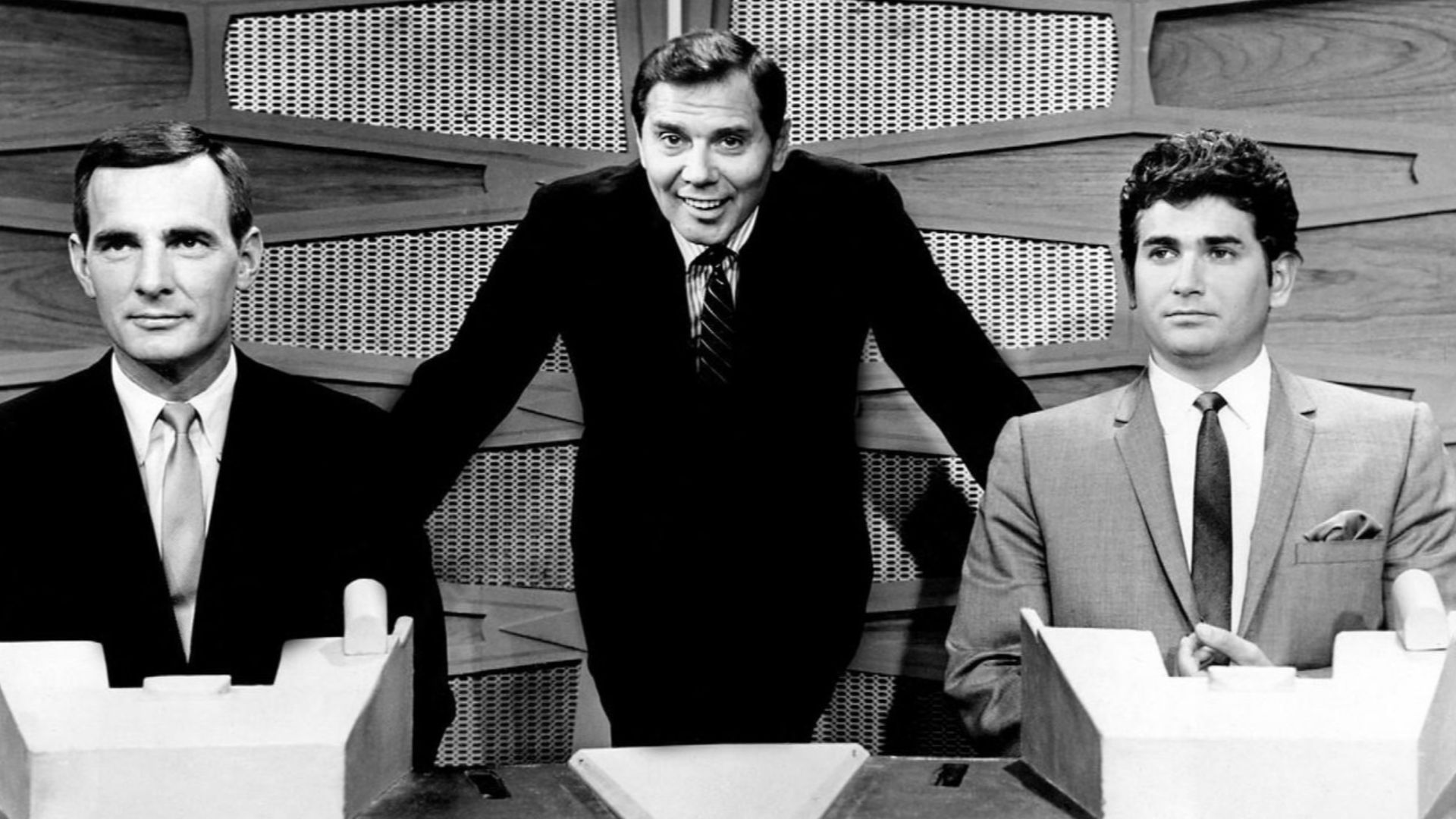 NBC Television, Wikimedia Commons
Bob Barker Made Pricing Feel Like An Event
Bob Barker moved from Truth or Consequences to The Price Is Right in 1972 and turned shopping knowledge into daytime spectacle. His calm authority, playful conversations with contestants, and famous closing reminder about pets made him one of television’s longest-serving hosts. Barker became more recognizable than many actors with hit series. His stage, microphone, and enthusiastic audience were all the celebrity machinery he needed.
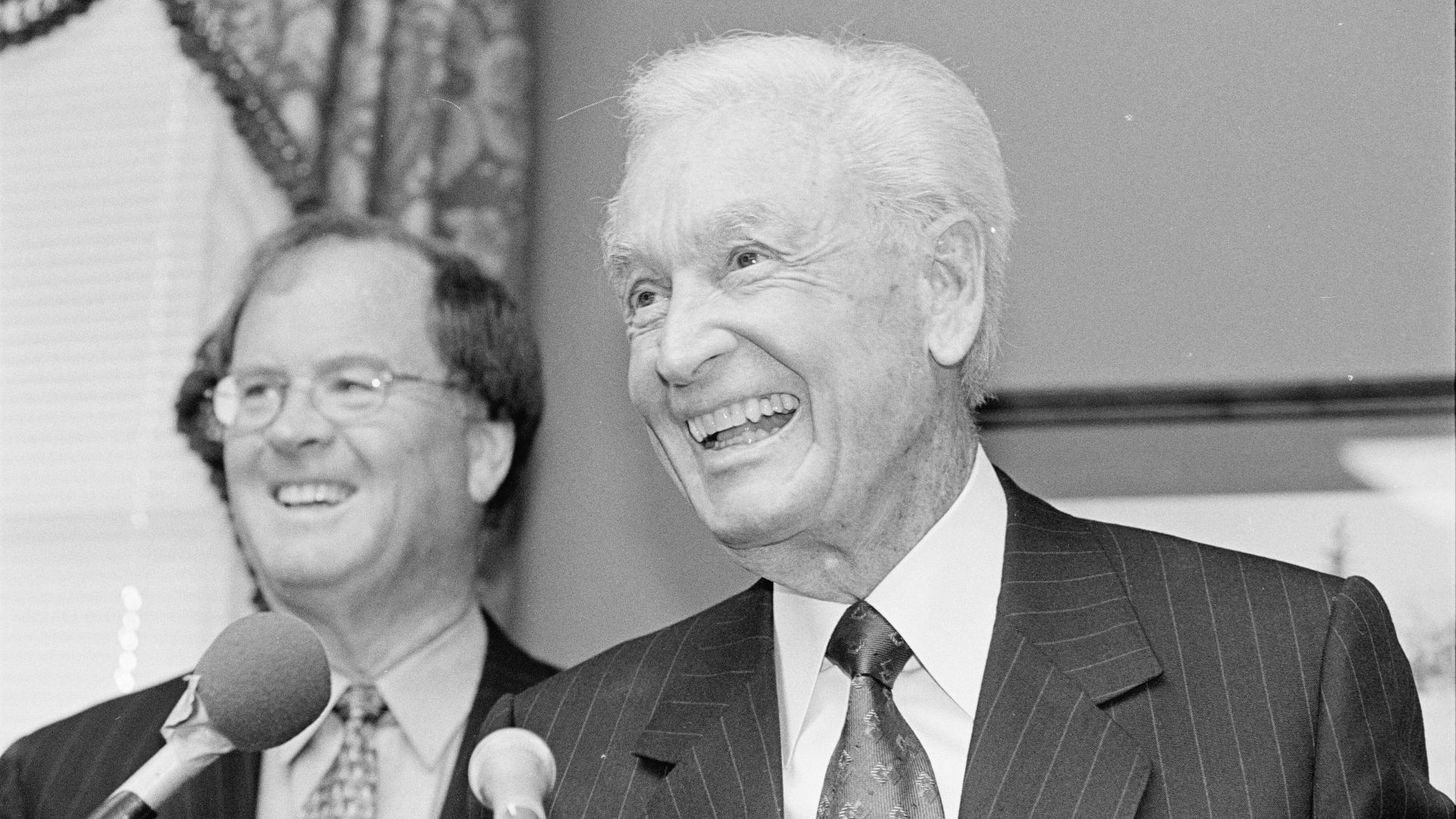 Rebecca Roth, Wikimedia Commons
Brett Somers Made Sarcasm Look Effortless
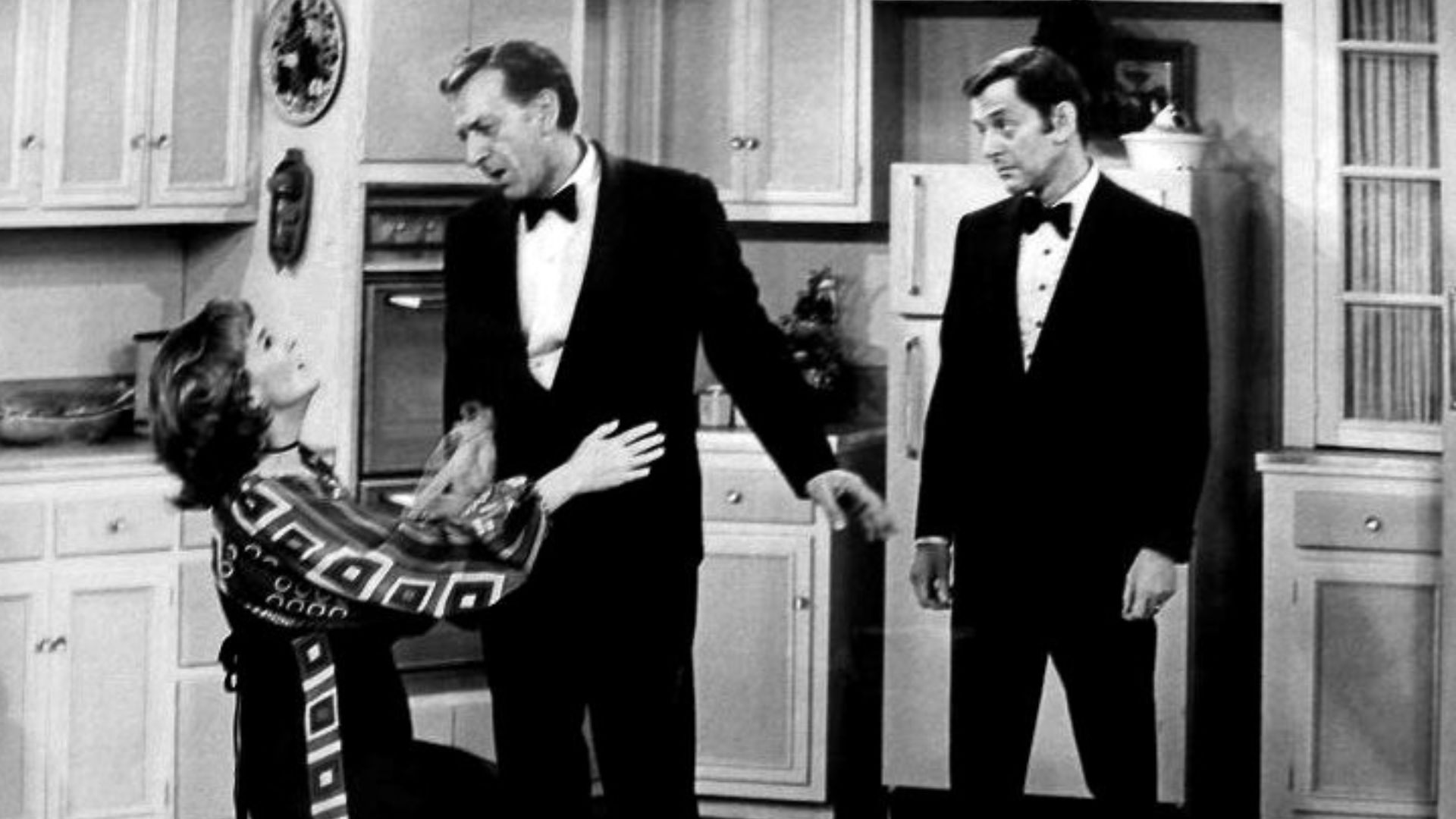
Brett Somers became a game-show favorite through her arch comments, oversized glasses, and mock arguments with Charles Nelson Reilly. She was not trying to look polished or agreeable, which made her feel refreshingly unpredictable. Her upper-middle seat on Match Game became one of the show’s visual constants. Television audiences knew her primarily as herself, and that familiarity turned a supporting actress into a beloved personality.
 ABC Television, Wikimedia Commons
Monty Hall Made Every Curtain Dangerous
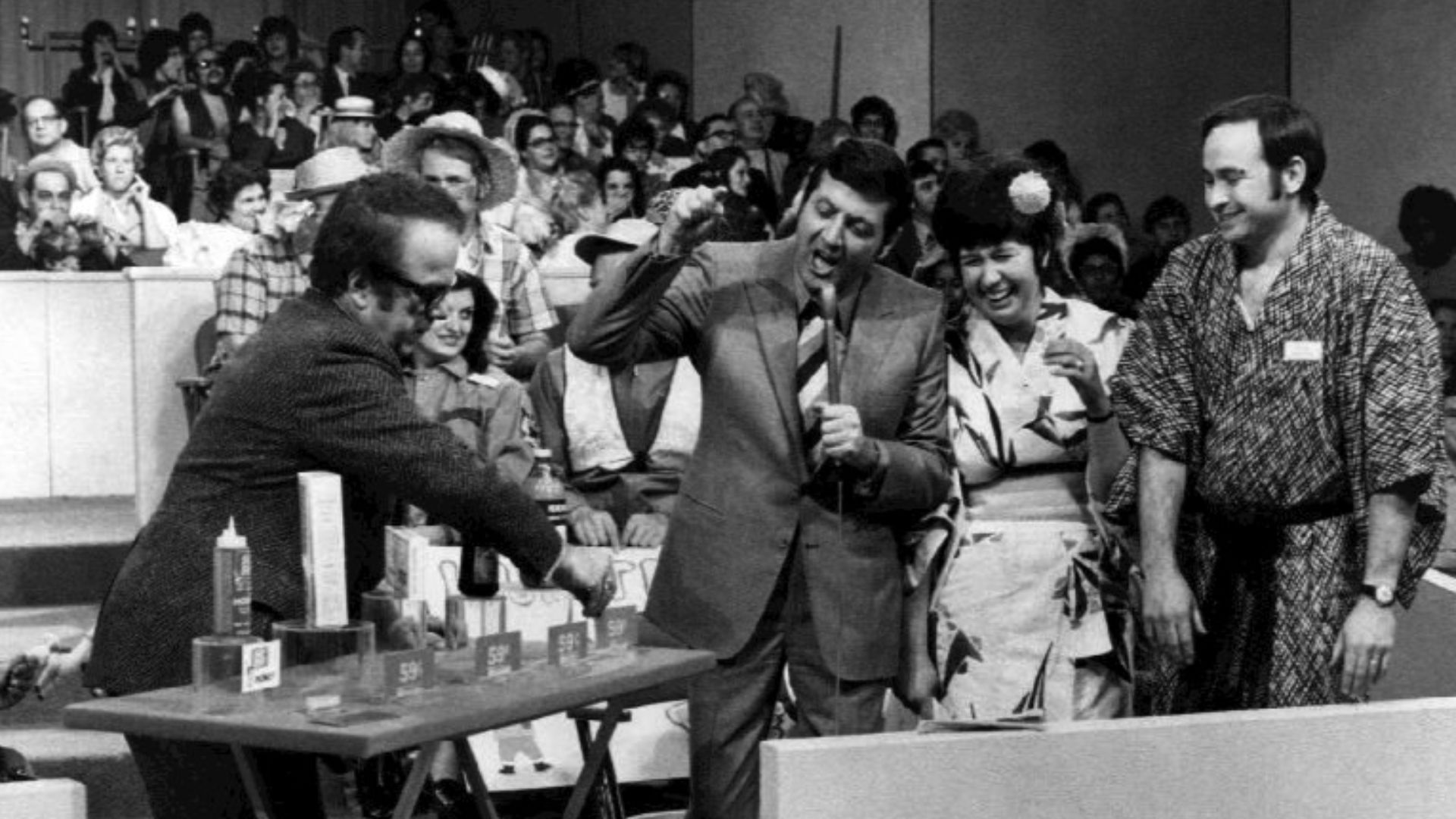
Monty Hall became synonymous with Let’s Make a Deal, which moved through network and syndicated versions during the 1970s. He encouraged audience members to arrive in outrageous costumes, then made them choose between visible prizes and mysterious curtains. Hall’s speed, warmth, and ability to calculate complicated trades in real time became central to the program’s appeal. The game made him a household name without any need for movie stardom.
 ABC Television Uploaded by We hope at en.wikipedia, Wikimedia Commons
Richard Dawson Turned Answers Into Stardom
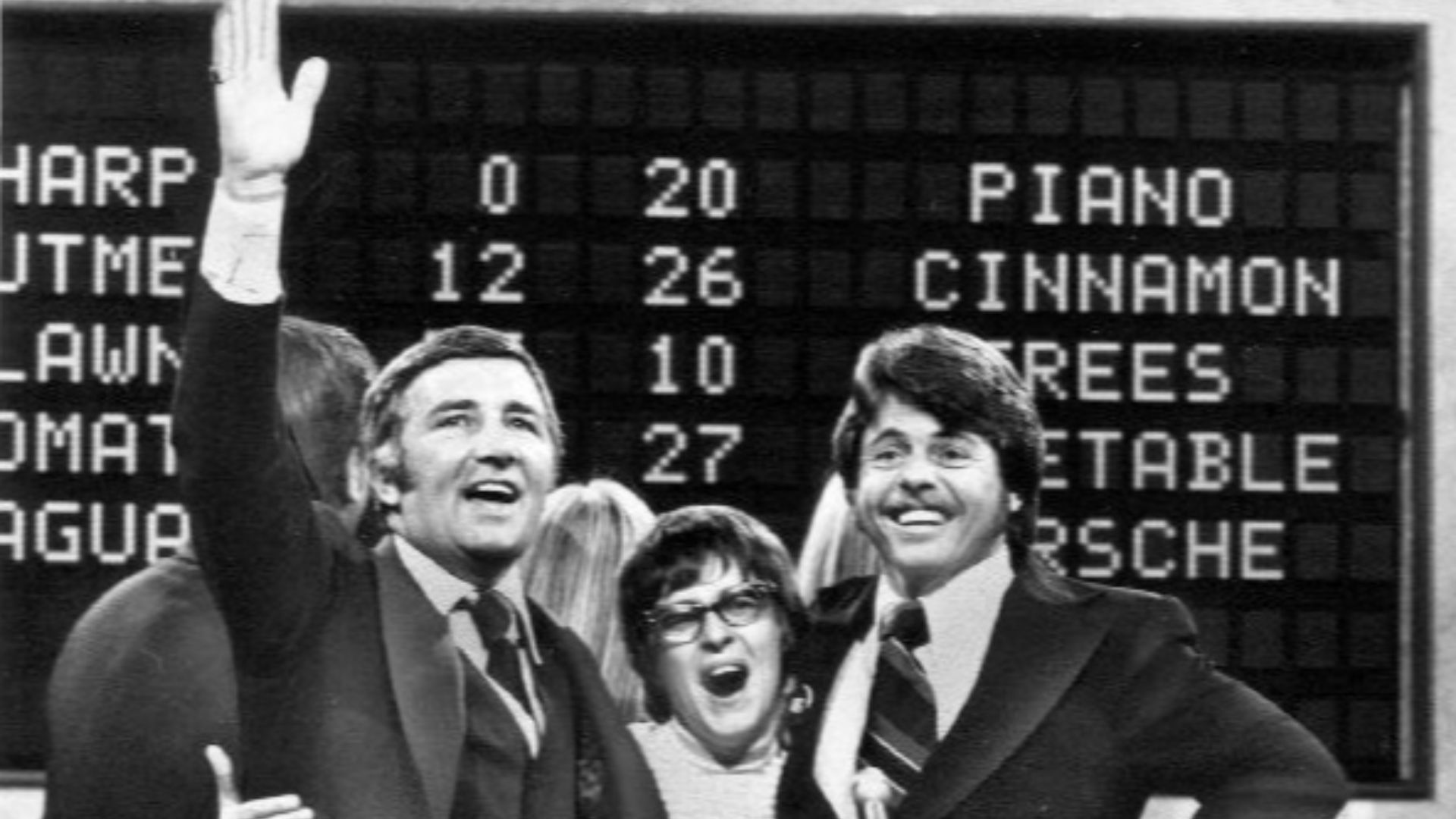
Richard Dawson was already familiar from Hogan’s Heroes when he became a commanding presence on Match Game. He was witty, competitive, and so skilled at guessing contestants’ answers that producers often placed him in the crucial final position. His popularity led directly to Family Feud, where his warmth and habit of kissing contestants made him one of television’s most recognizable hosts. Game shows ultimately defined his public identity more than his acting roles did.
 ABC Television, Wikimedia Commons
Tom Kennedy Gave Name That Tune Its Voice
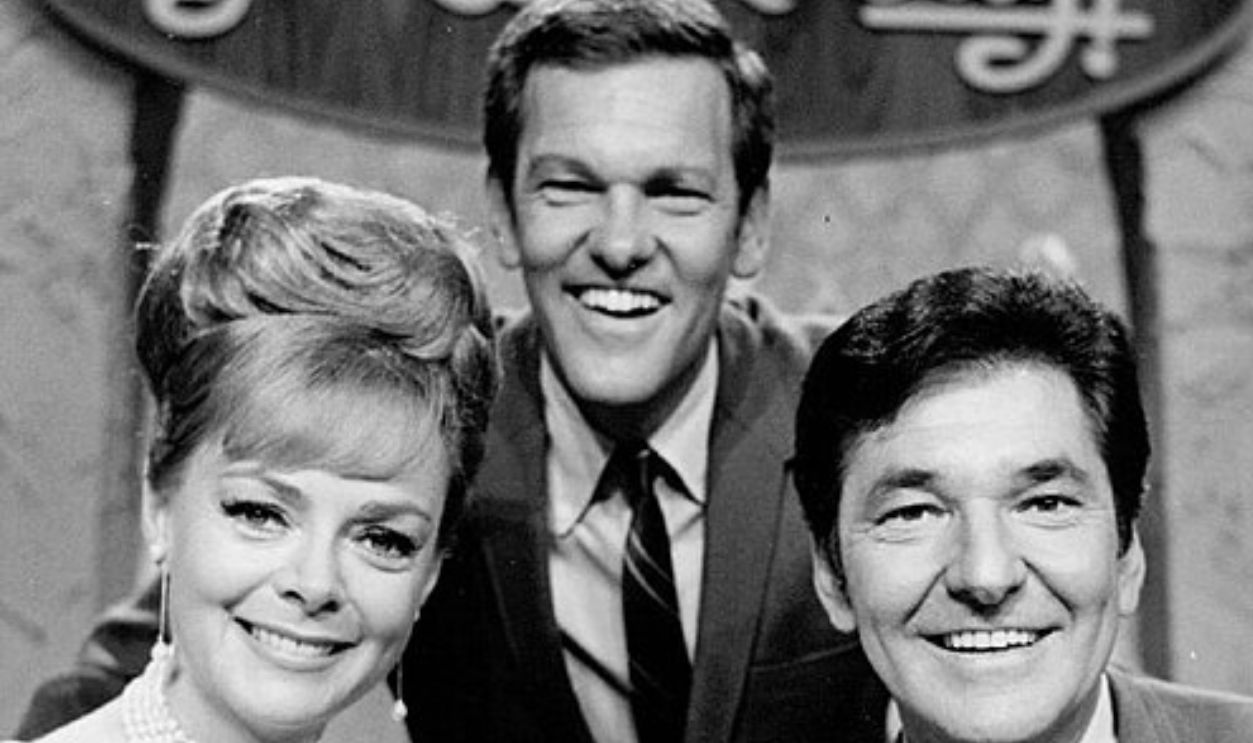
Tom Kennedy hosted several successful game shows, but the syndicated Name That Tune became one of his biggest 1970s showcases. His confident delivery helped turn musical identification into a dramatic competition complete with increasingly bold wagers. Kennedy also hosted Split Second and later Password Plus. The Television Academy credits him with nearly three decades of game-show work, proving that hosting alone could sustain a major celebrity career.
 NBC Television, Wikimedia Commons
Peter Marshall Kept The Squares Moving
Peter Marshall hosted more than 5,000 episodes of The Hollywood Squares between the daytime and syndicated editions. He read questions, managed celebrities, and laughed at jokes while making a complicated production look relaxed. Marshall had worked in radio, theater, music, and comedy, but the game show made him a household name. What he expected to be a short job became a television legacy lasting well over a decade.
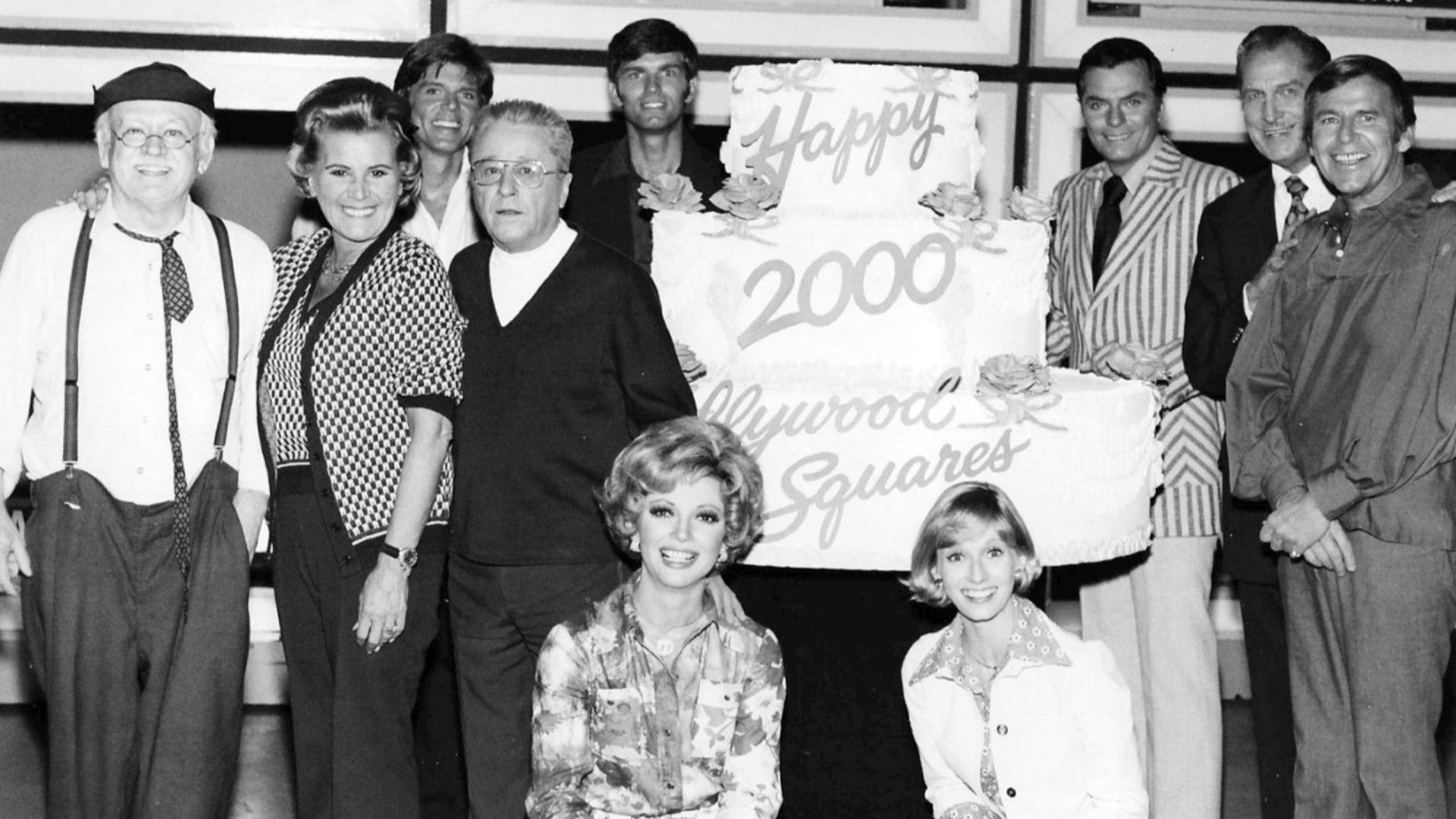 NBC Television, Wikimedia Commons
Charles Nelson Reilly Made One Seat A Stage
Charles Nelson Reilly arrived on Match Game with a Broadway résumé, a Tony Award, and absolutely no interest in behaving quietly. His exaggerated reactions, hats, jokes, and running feud with Brett Somers turned the panel into his personal theater. Reilly also became a frequent late-night guest, but game shows gave his flamboyant comic persona its largest audience. For millions of viewers, he was not a character actor but simply Charles Nelson Reilly.
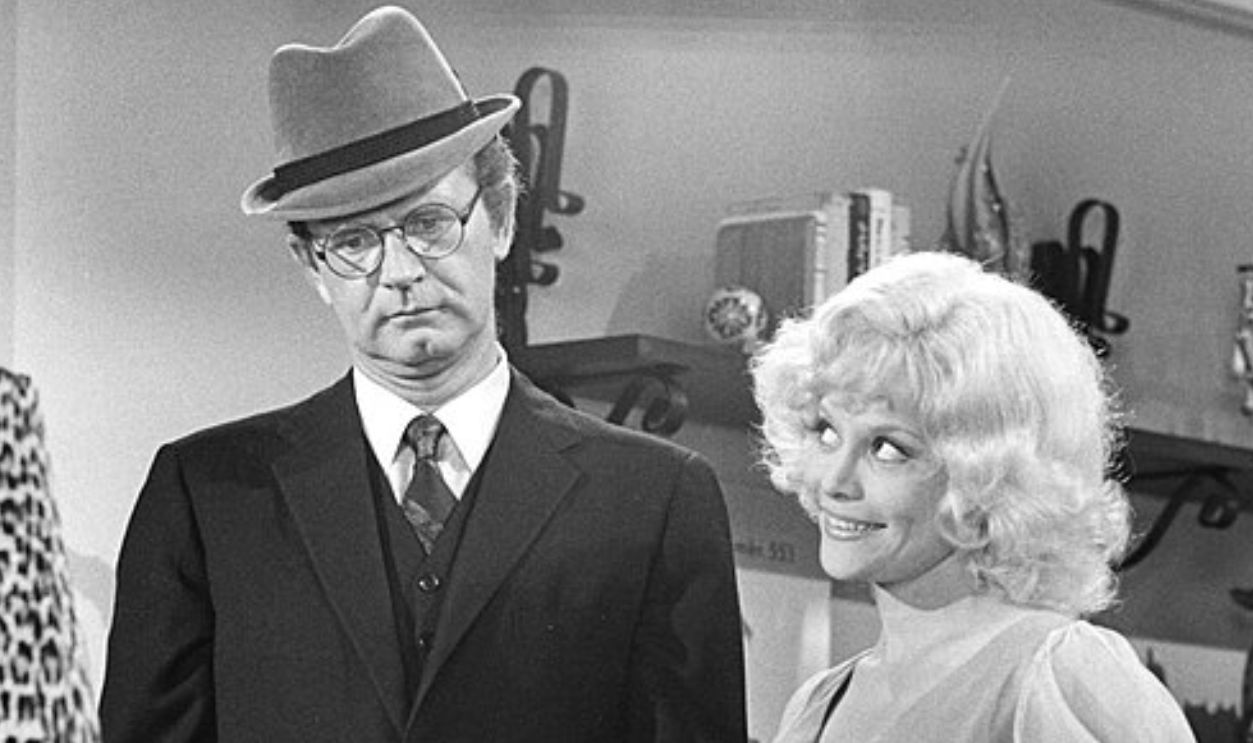 ABC Television, Wikimedia Commons
Fannie Flagg Was More Than A Clever Answer
Fannie Flagg became one of Match Game’s most dependable semi-regular panelists, reportedly appearing in hundreds of episodes. Her warm Southern humor and deceptively offbeat answers made her an easy fit beside the show’s louder personalities. She later became a bestselling novelist and earned an Academy Award nomination for adapting Fried Green Tomatoes at the Whistle Stop Cafe. Her fame crossed several fields, but she first became a familiar face through television rather than movie stardom.
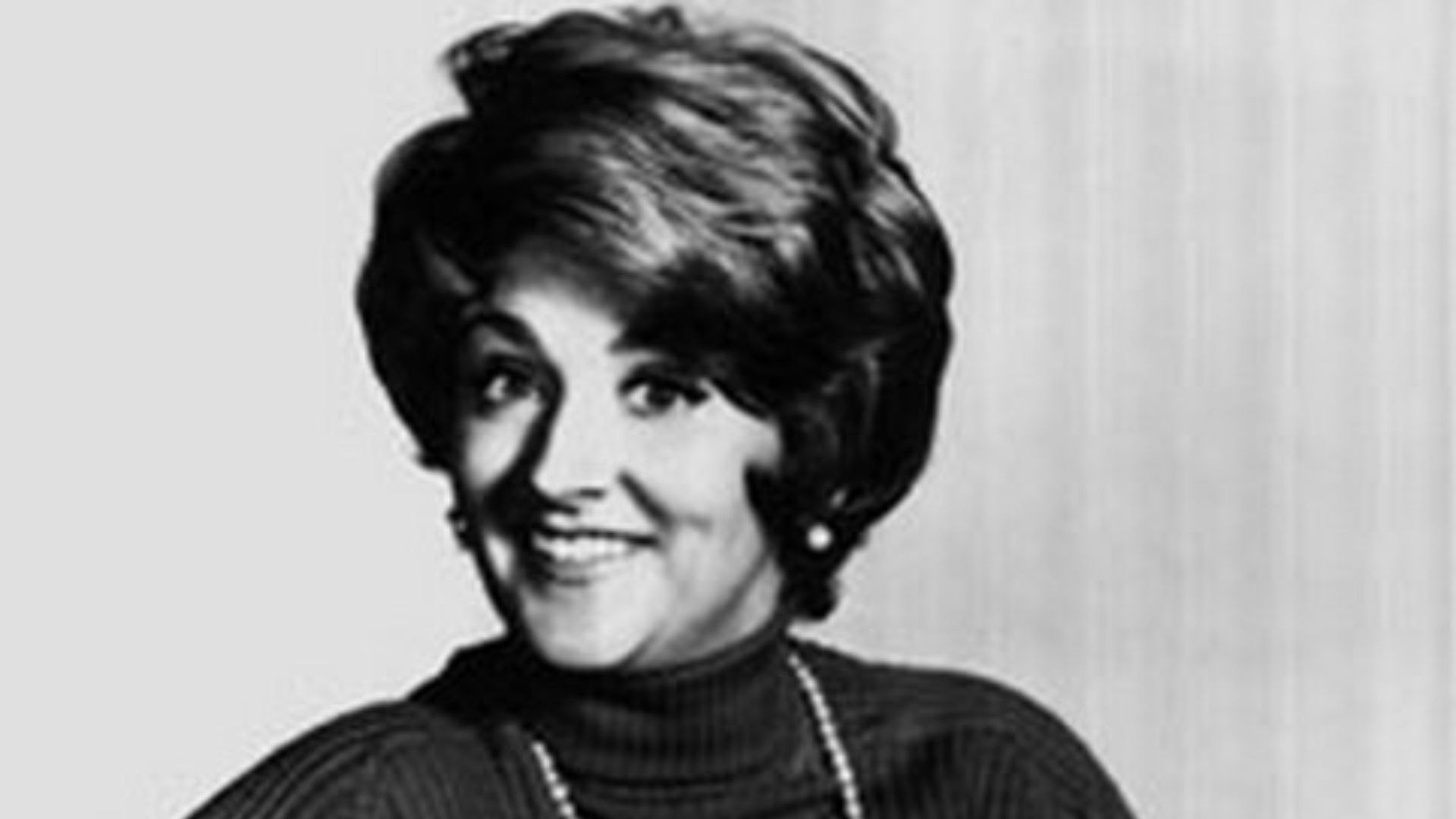 CBS Network, Wikimedia Commons
Paul Lynde Ruled The Center Square
Paul Lynde did not host Hollywood Squares, but he became the person viewers waited to see. From the center square, he delivered carefully sharpened one-liners with a nasal drawl and barely concealed mischief. The program’s writers understood his comic voice, while Lynde made even ordinary trivia questions sound dangerous. His game-show persona became more famous than nearly any character he played elsewhere.
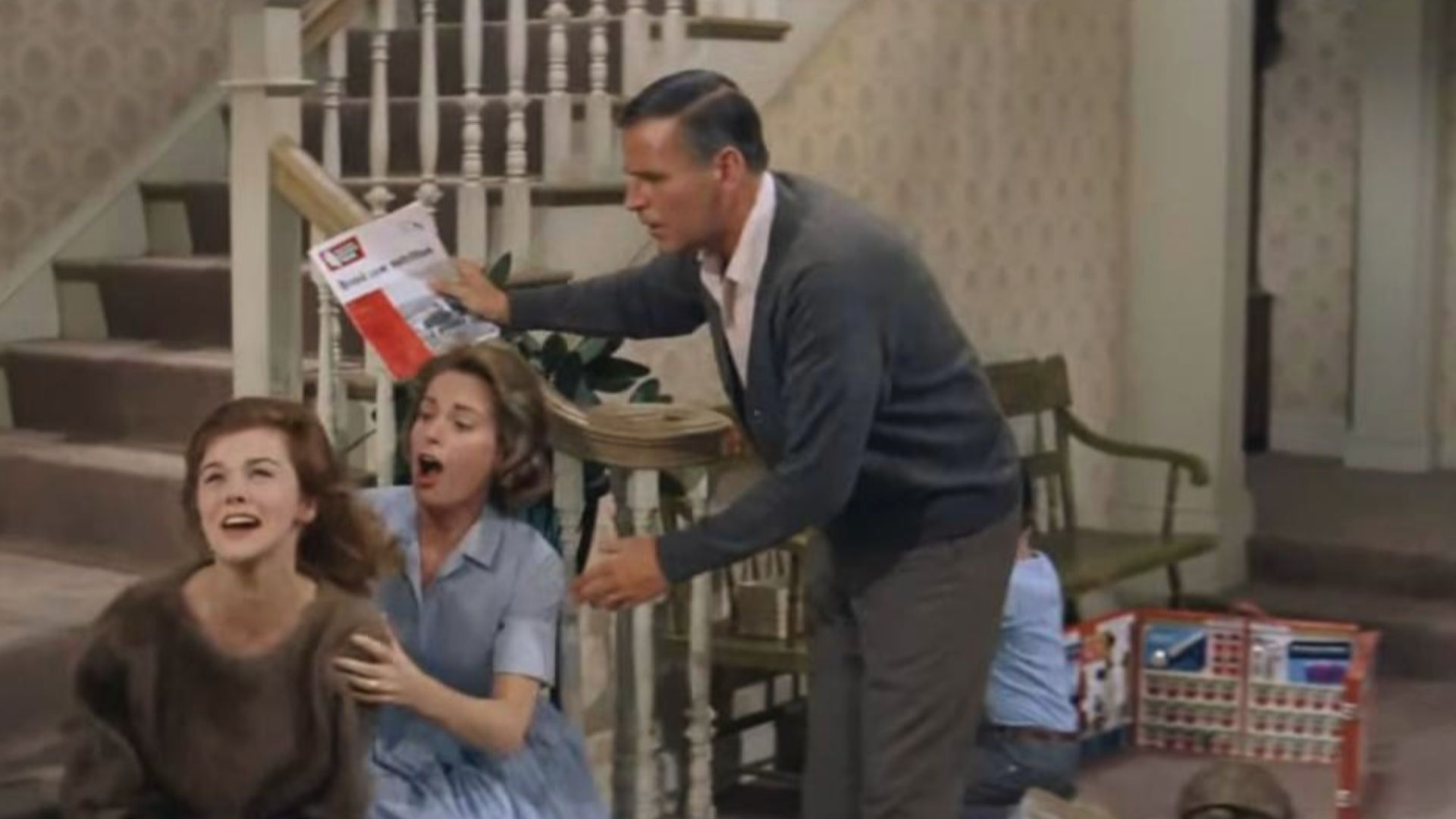 film trailer screenshot (Columbia Pictures), Wikimedia Commons
Patti Deutsch Mastered The Bizarre Answer
Patti Deutsch rarely gave the obvious response on Match Game. Her strange, winding logic often seemed to come from another planet, which made Gene Rayburn’s reactions almost as funny as her answers. Deutsch also appeared on Tattletales and worked extensively in comedy and voice acting. Game shows gave her eccentric humor a national showcase that traditional acting roles rarely could.
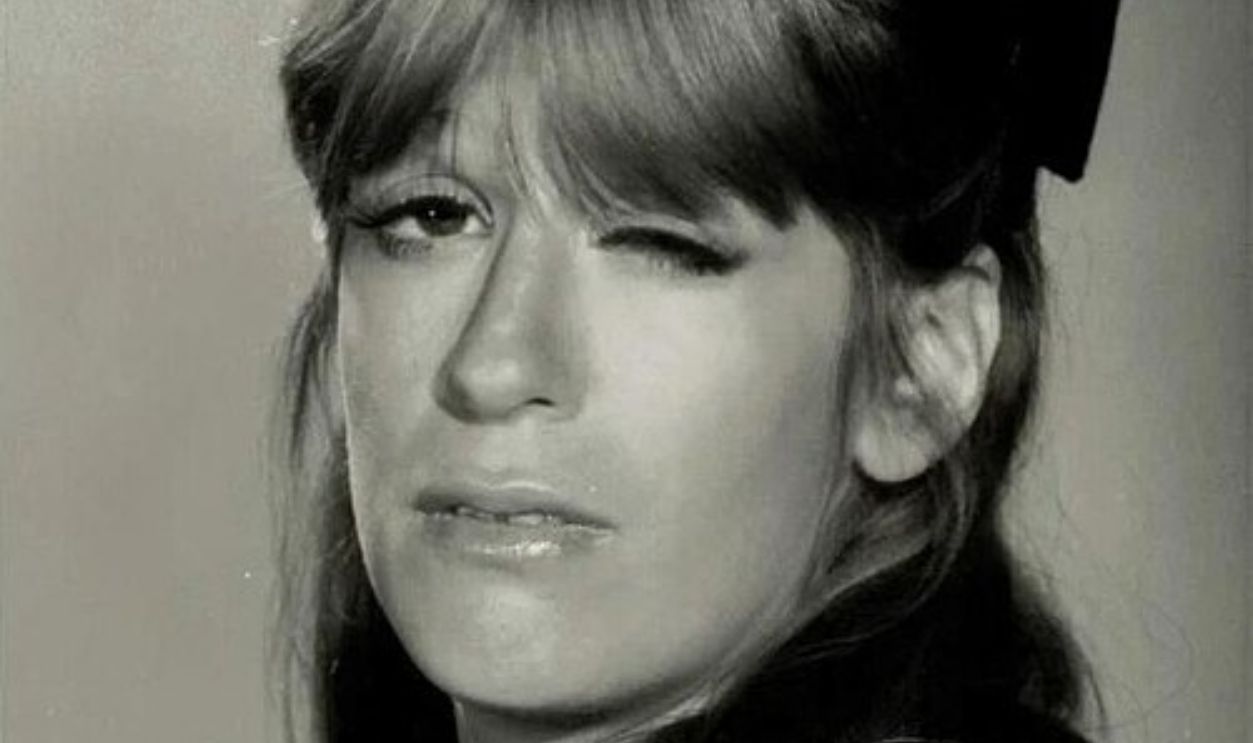 NBC Television, Wikimedia Commons
Nipsey Russell Became Television’s Poet Laureate
Nipsey Russell could turn almost any television question into a short rhyme. That skill made him a fixture on Match Game, Hollywood Squares, and numerous other panel and variety programs. Game Show Network later honored his memorable mid-1970s appearances, while the Television Academy described him as a decades-long game-show staple. His poetry and personality made him famous without requiring a string of starring movie roles.
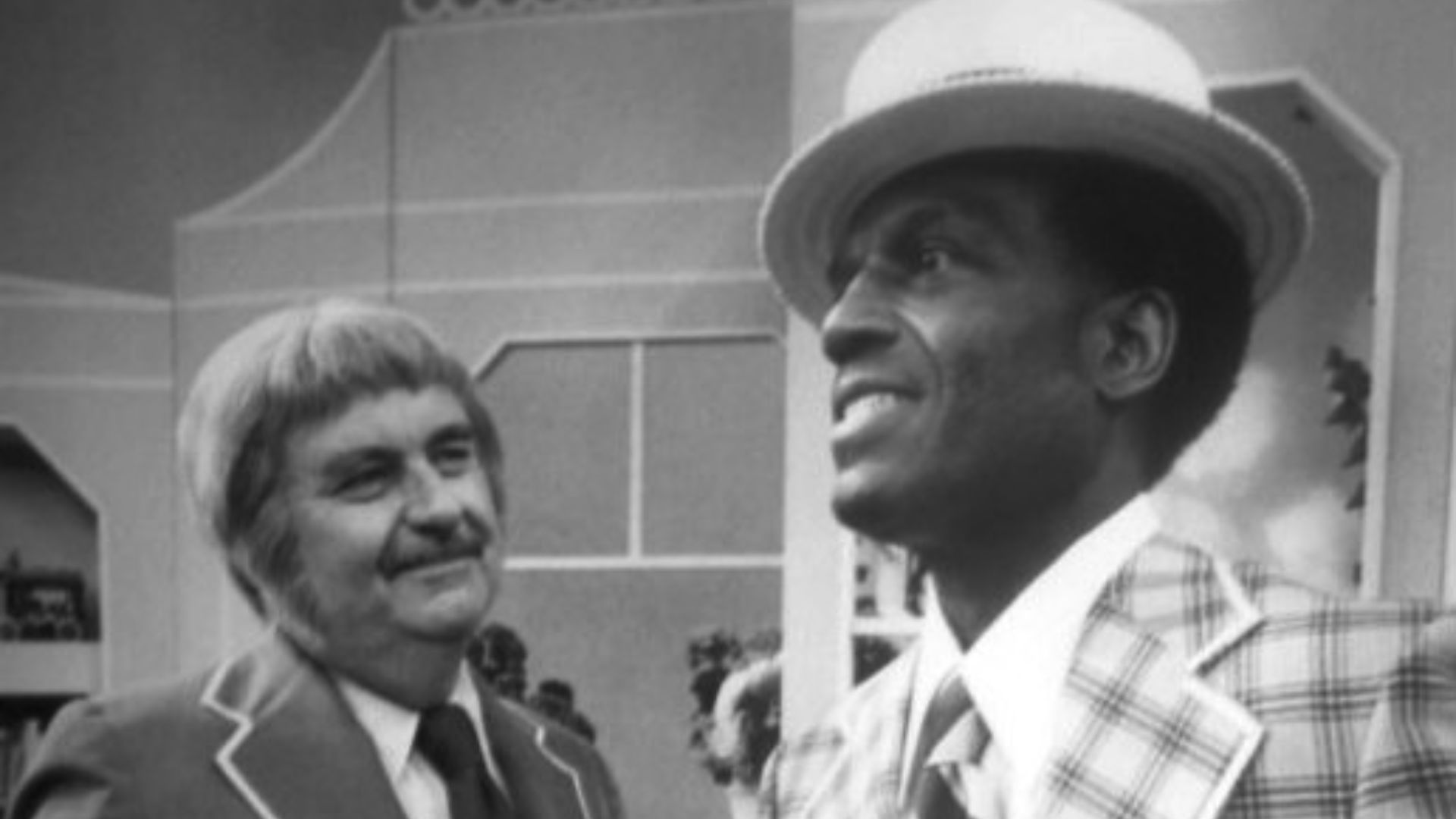 CBS Uploaded by We hope at en.wikipedia, Wikimedia Commons
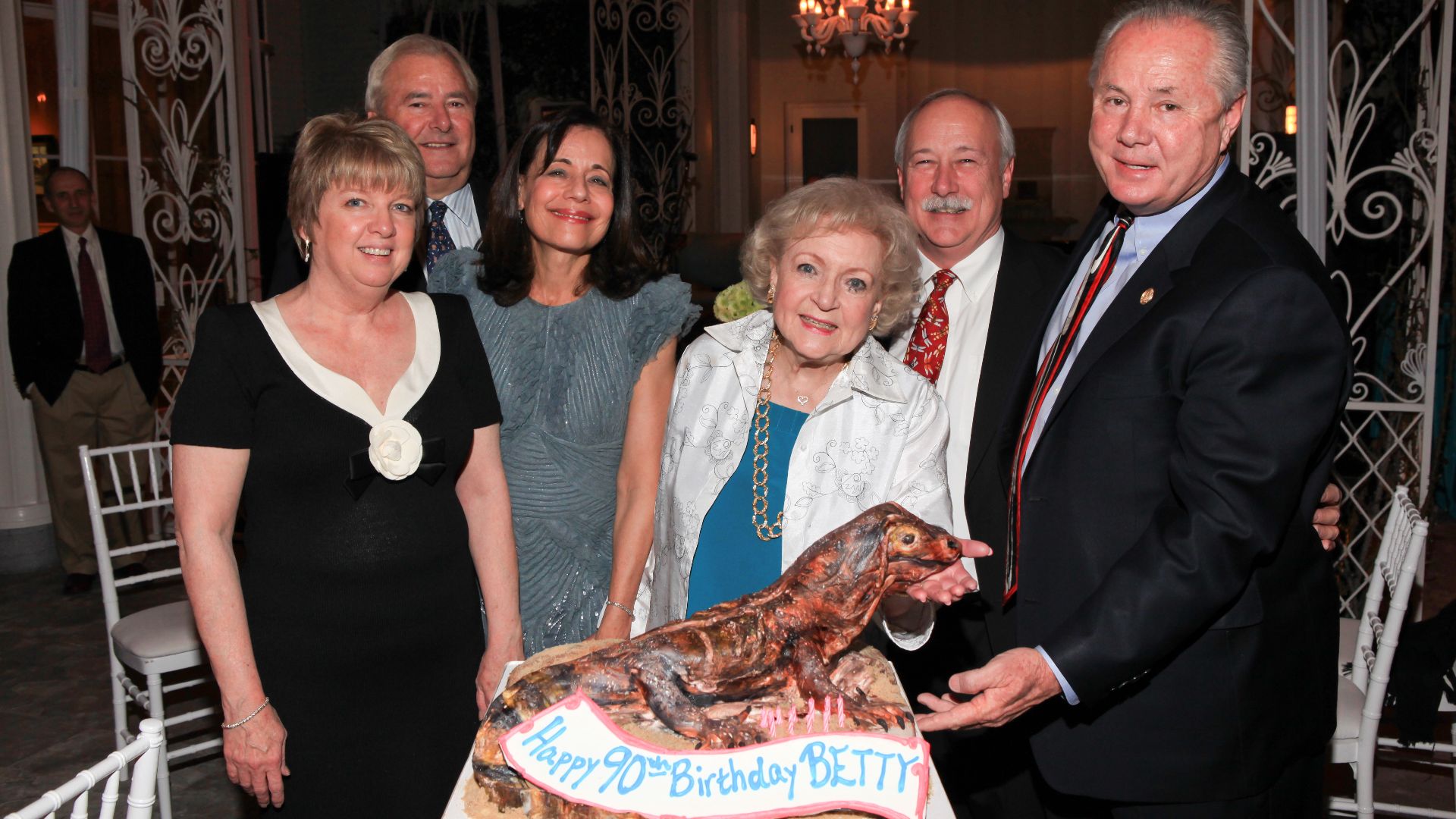
Betty White Became The First Lady Of Game Shows
Betty White had already helped build early television before becoming one of its most competitive celebrity players. She appeared repeatedly on Password, Match Game, Tattletales, and other programs, combining cheerful manners with a fierce desire to win. Her marriage to Password host Allen Ludden added another layer to her connection with the format. Decades before The Golden Girls, game shows helped make White feel like a trusted friend who visited viewers every week.
Rose Marie Became The Square With Bite
Rose Marie had enjoyed a long career before joining the rotating celebrity lineup on Hollywood Squares. Her fast, blunt humor made her one of the show’s dependable female voices in an era when male comics often dominated the panel. The Television Academy credits regulars such as Rose Marie with helping make the Squares famous in their own right. She remained recognizable largely through television, stage, and nightclub work rather than as a major movie star.
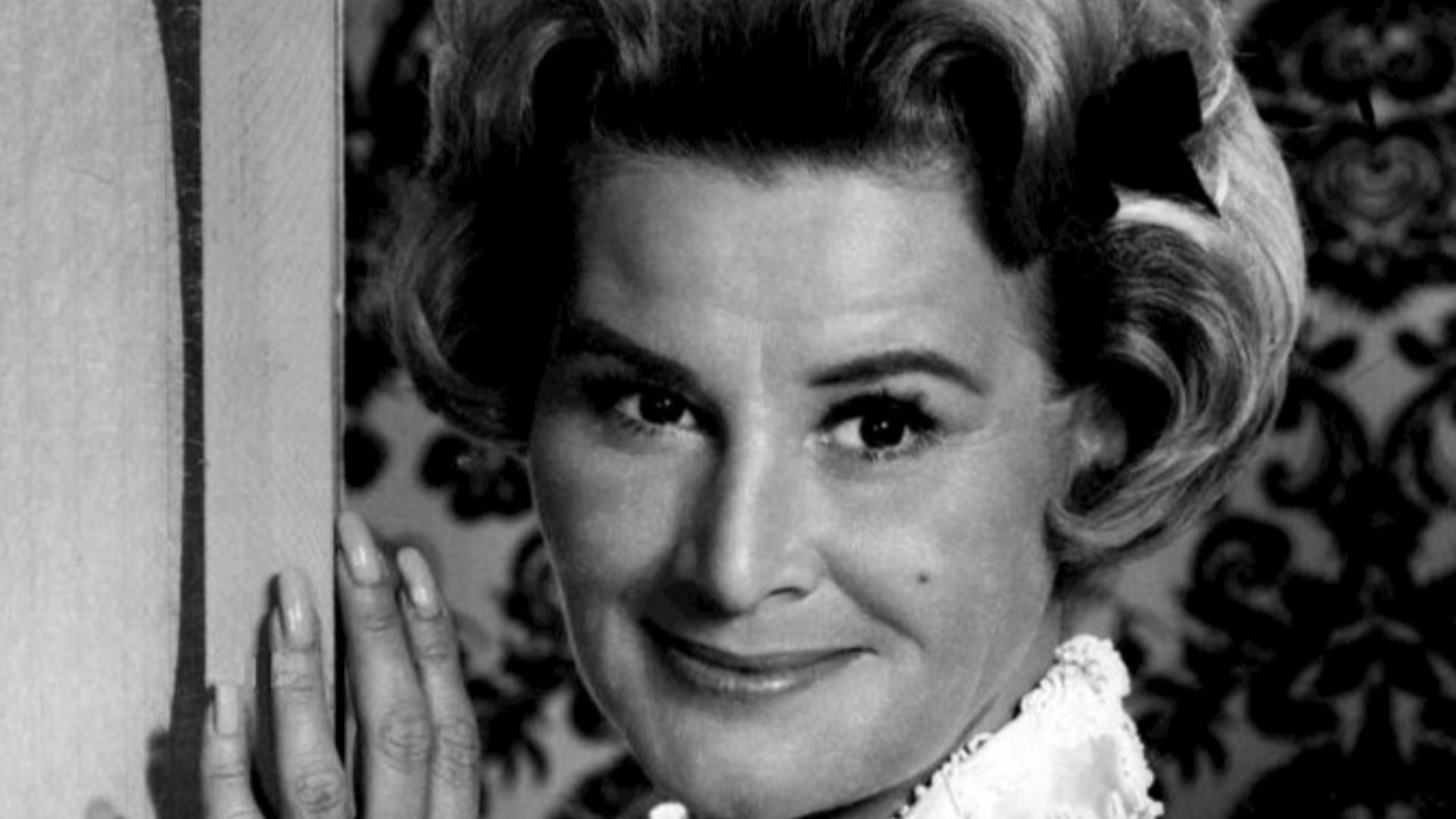 CBS Television, Wikimedia Commons
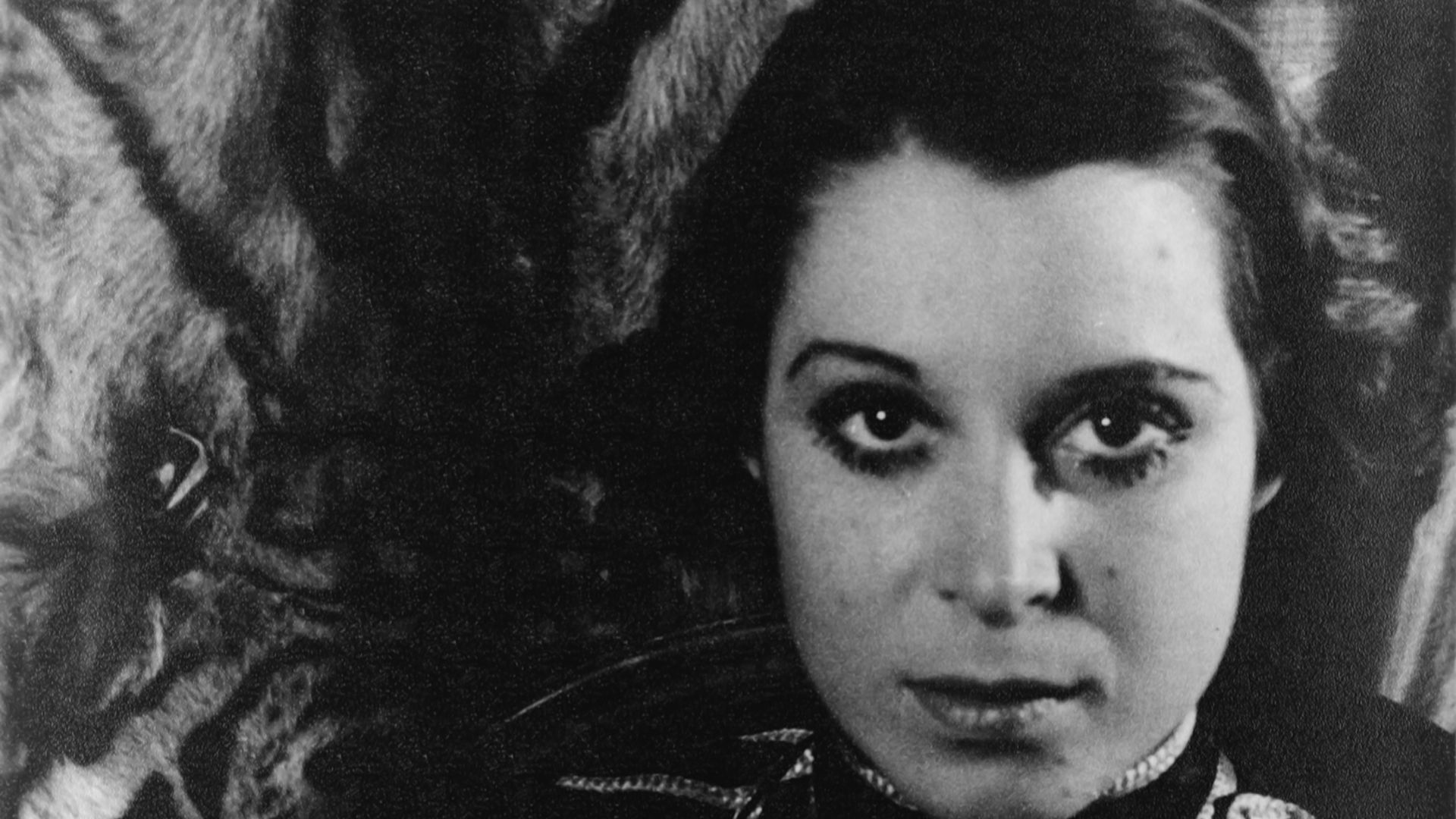
Kitty Carlisle Became The Picture Of Elegance
Kitty Carlisle brought intelligence, glamour, and perfect posture to To Tell the Truth. She appeared as a regular panelist across multiple versions of the program from the 1950s into the 1990s. Although she had worked on stage and in a handful of early films, her enduring public identity came from television and the arts. Viewers trusted her judgment even when the impostors managed to fool her.
 Carl Van Vechten, Wikimedia Commons
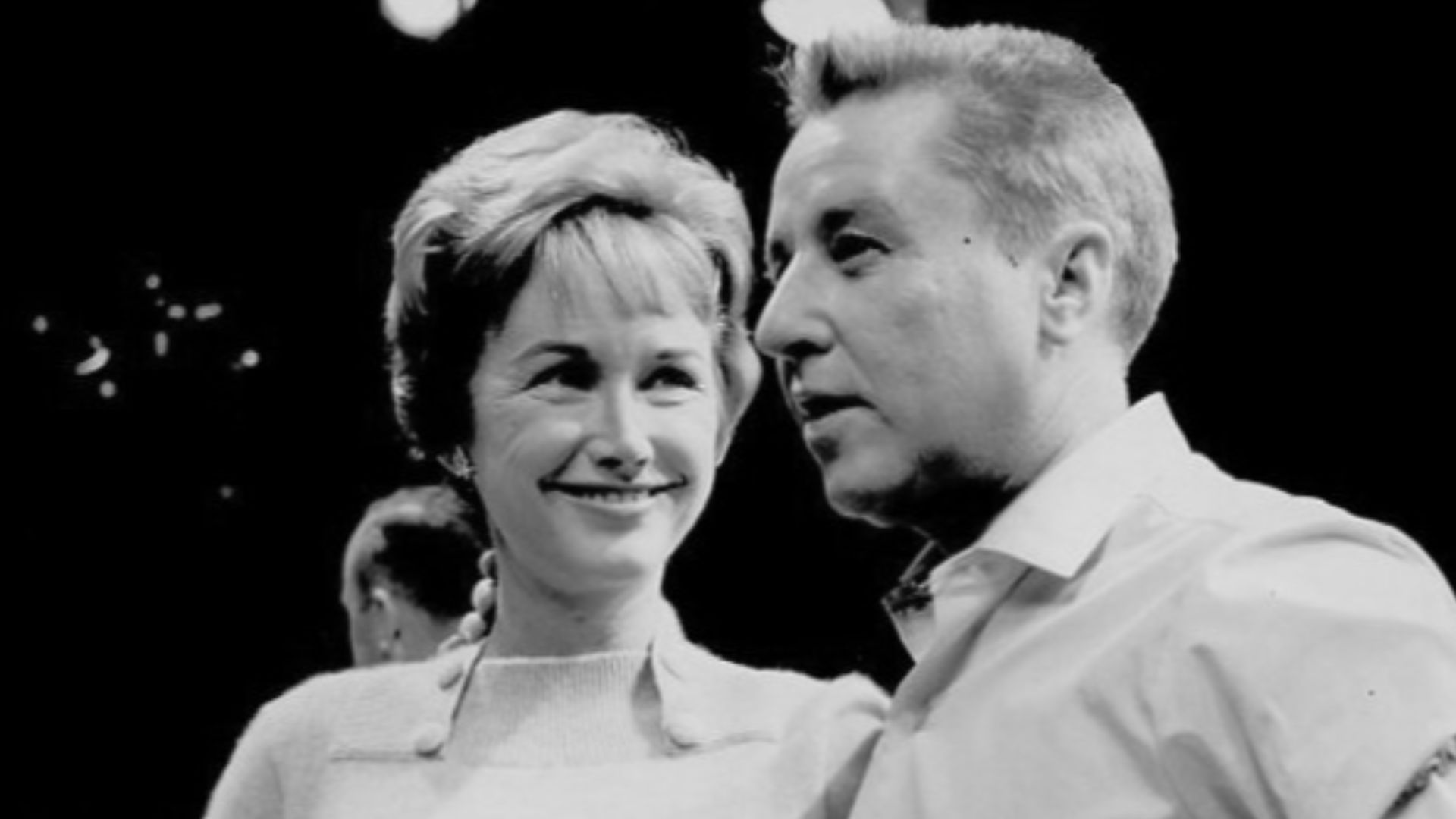
George Gobel Perfected The Slow Burn
George Gobel’s soft voice and deliberately unhurried delivery made him an ideal Hollywood Squares regular. He could wait through the audience’s anticipation before landing a line that sounded almost accidental. The Television Academy notes that the show helped make comics including Gobel household names. His fame depended less on film roles than on the intimate power of television comedy.
 NBC Television, Wikimedia Commons
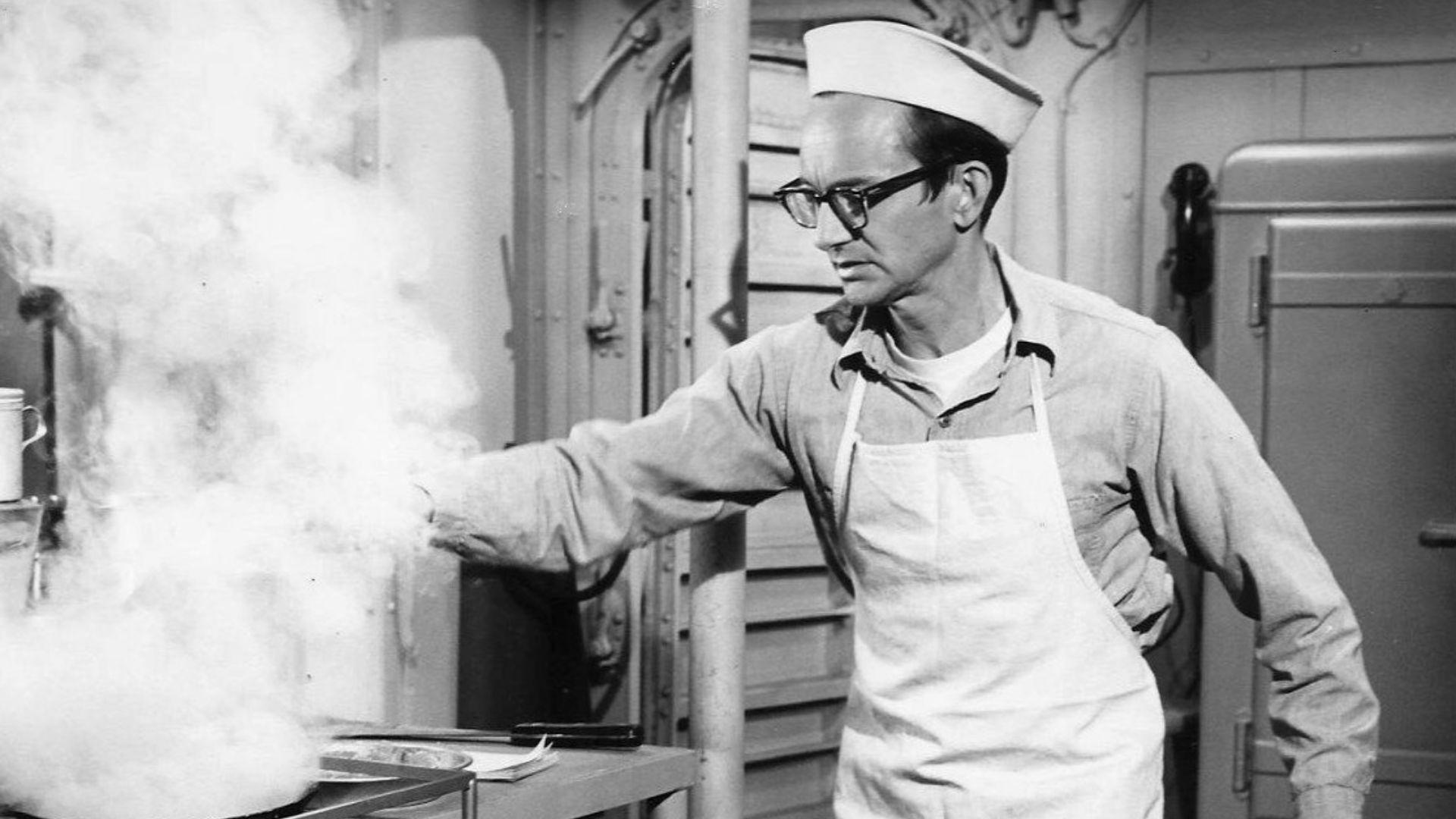
Wally Cox Made Nervousness Funny
Wally Cox brought an anxious, intellectual persona to Hollywood Squares that contrasted beautifully with the show’s brasher stars. He had previously become known through television comedy, especially Mister Peepers, but the game show let audiences see a version closer to his public personality. Cox became one of the original Squares viewers expected to find on the board. His gentle wit made him famous without the traditional path of movie stardom.
 NBC Television, Wikimedia Commons
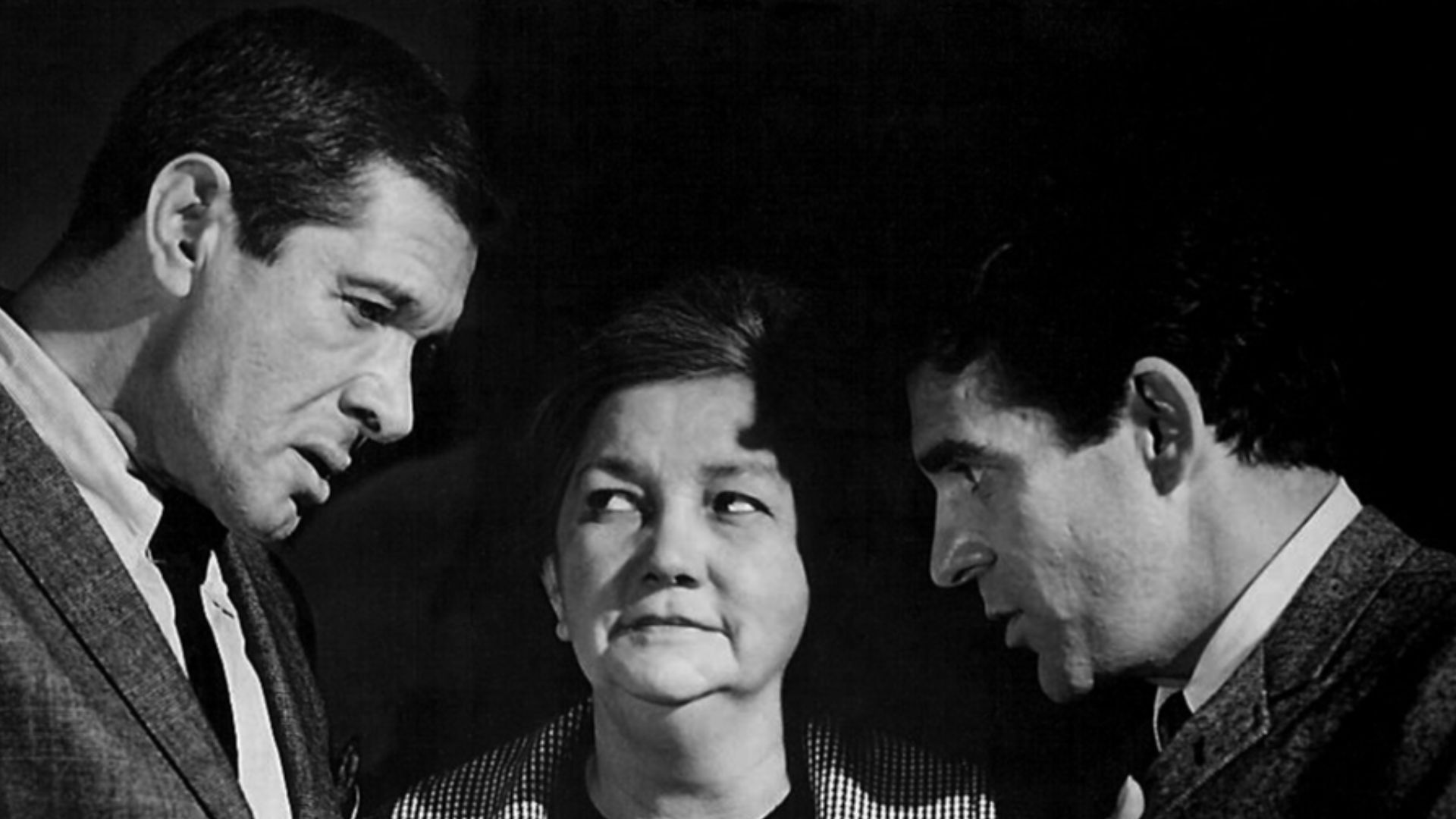
Jan Murray Always Had A Line Ready
Jan Murray arrived at Hollywood Squares with decades of experience in stand-up, radio, and television hosting. His quick jokes and practiced timing made him a natural fit for a format that depended on turning trivia into comedy. The Television Academy includes Murray among the performers whose appearances made them household names. He embodied an era when a television panelist could become famous simply by being reliably entertaining.
 NBC Television, Wikimedia Commons
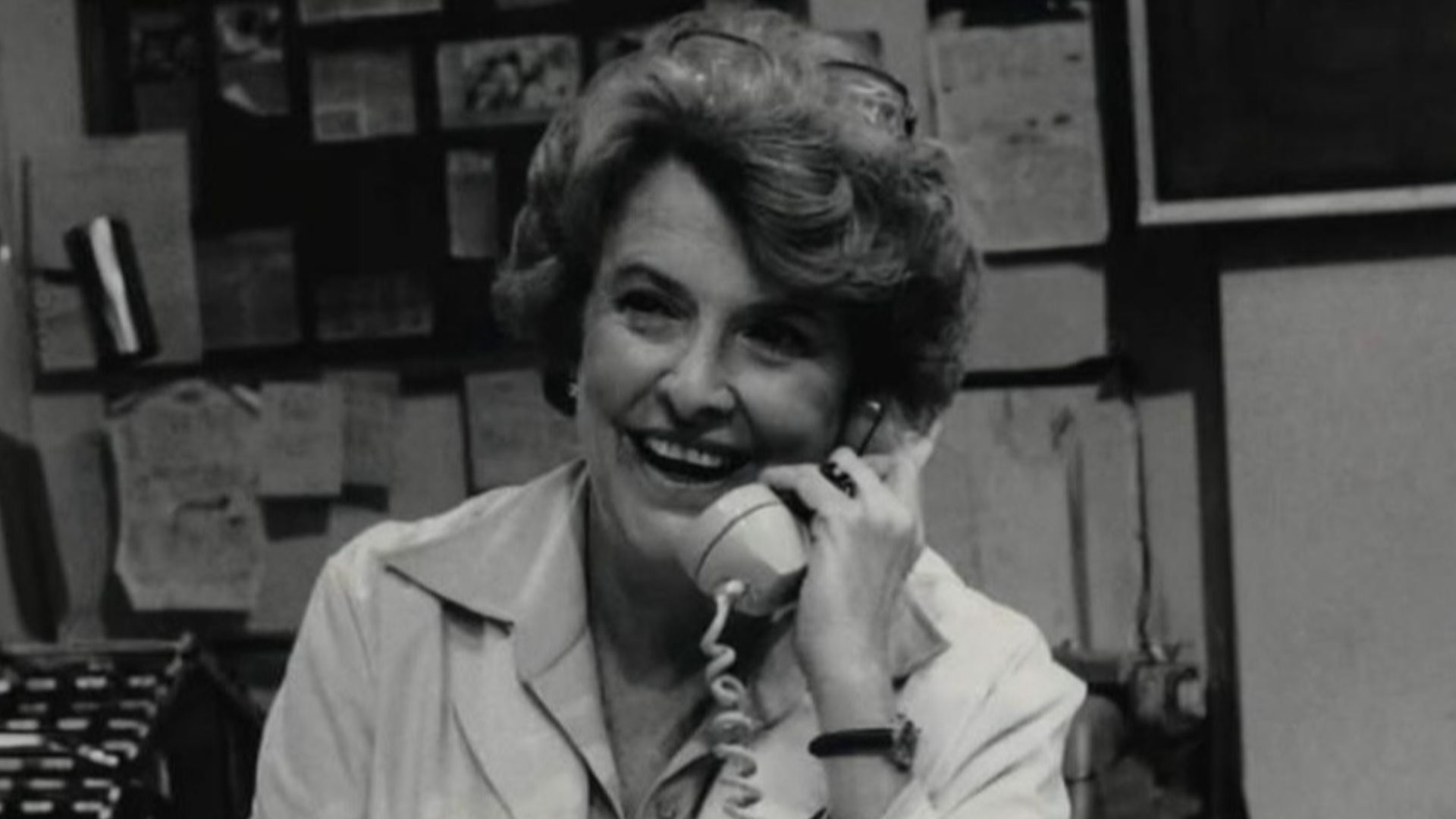
Peggy Cass Made Guessing Sound Delightful
Peggy Cass became one of the most recognizable regulars on To Tell the Truth. She approached each mystery with curiosity, laughter, and an unmistakable voice that could make a simple question entertaining. Cass had earned acclaim on Broadway, but game shows brought her into homes far beyond the theater district. Her fame rested on personality and wit rather than conventional movie glamour.
 NBC Television, Wikimedia Commons
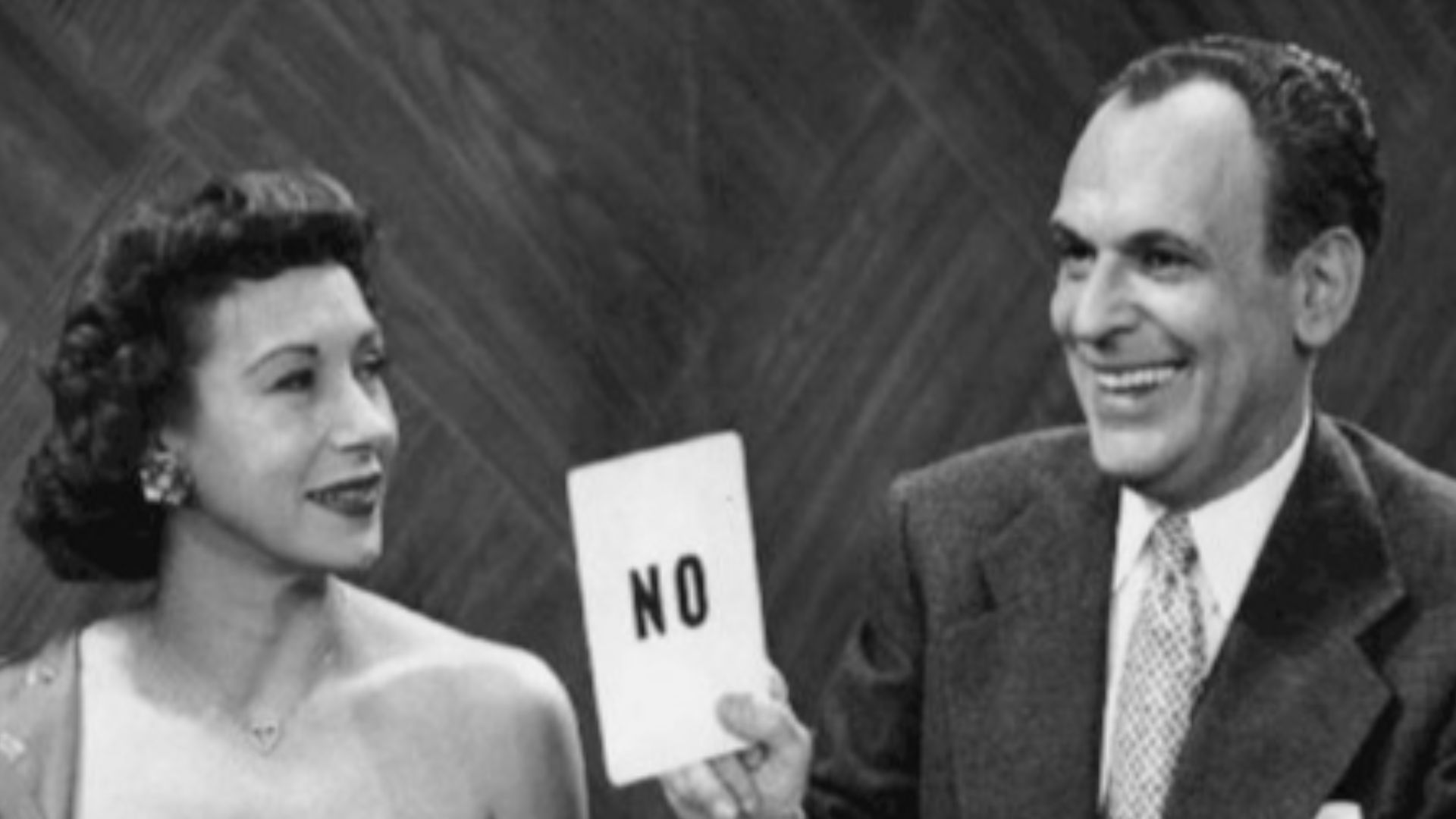
Arlene Francis Made Panel Shows Look Sophisticated
Arlene Francis was already a pioneering broadcaster when panel shows became a major part of her television identity. She spent years on What’s My Line? and remained a familiar presence on quiz and talk programs into the 1970s. Her intelligence, polished questions, and warm laugh helped turn guessing games into sophisticated entertainment. Francis became famous as a broadcaster and television personality rather than as a film star.
 NBC Television, Wikimedia Commons
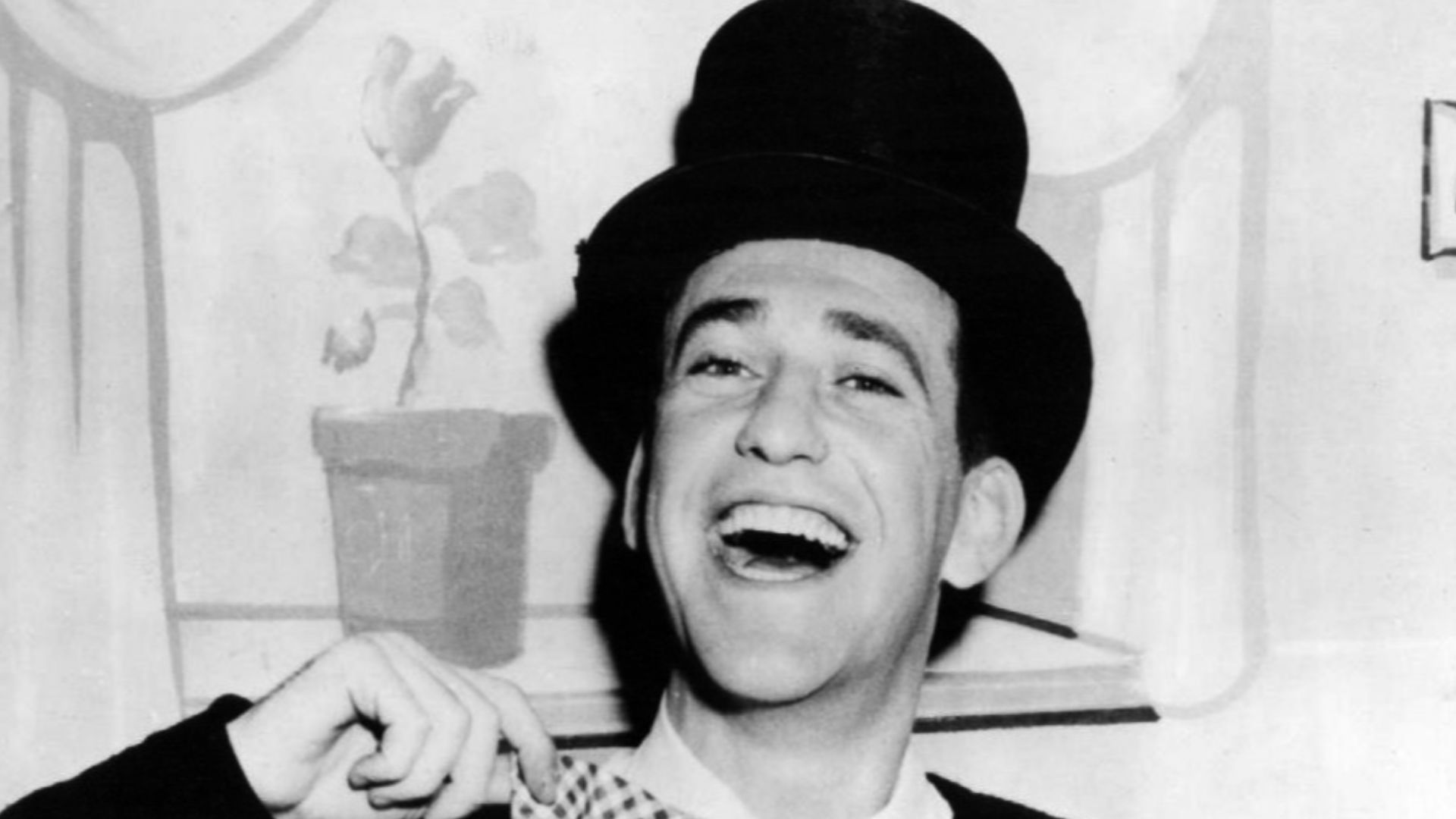
Soupy Sales Turned Every Answer Into Mischief
Soupy Sales had built a devoted audience through children’s television before becoming a prolific game-show guest. His chaotic humor fit neatly into programs such as Match Game, Hollywood Squares, and What’s My Line? He never treated the panel like a serious examination, which was exactly why producers kept inviting him back. Game shows extended his celebrity far beyond the audience that had grown up watching his comedy program.
 ABC Television, Wikimedia Commons
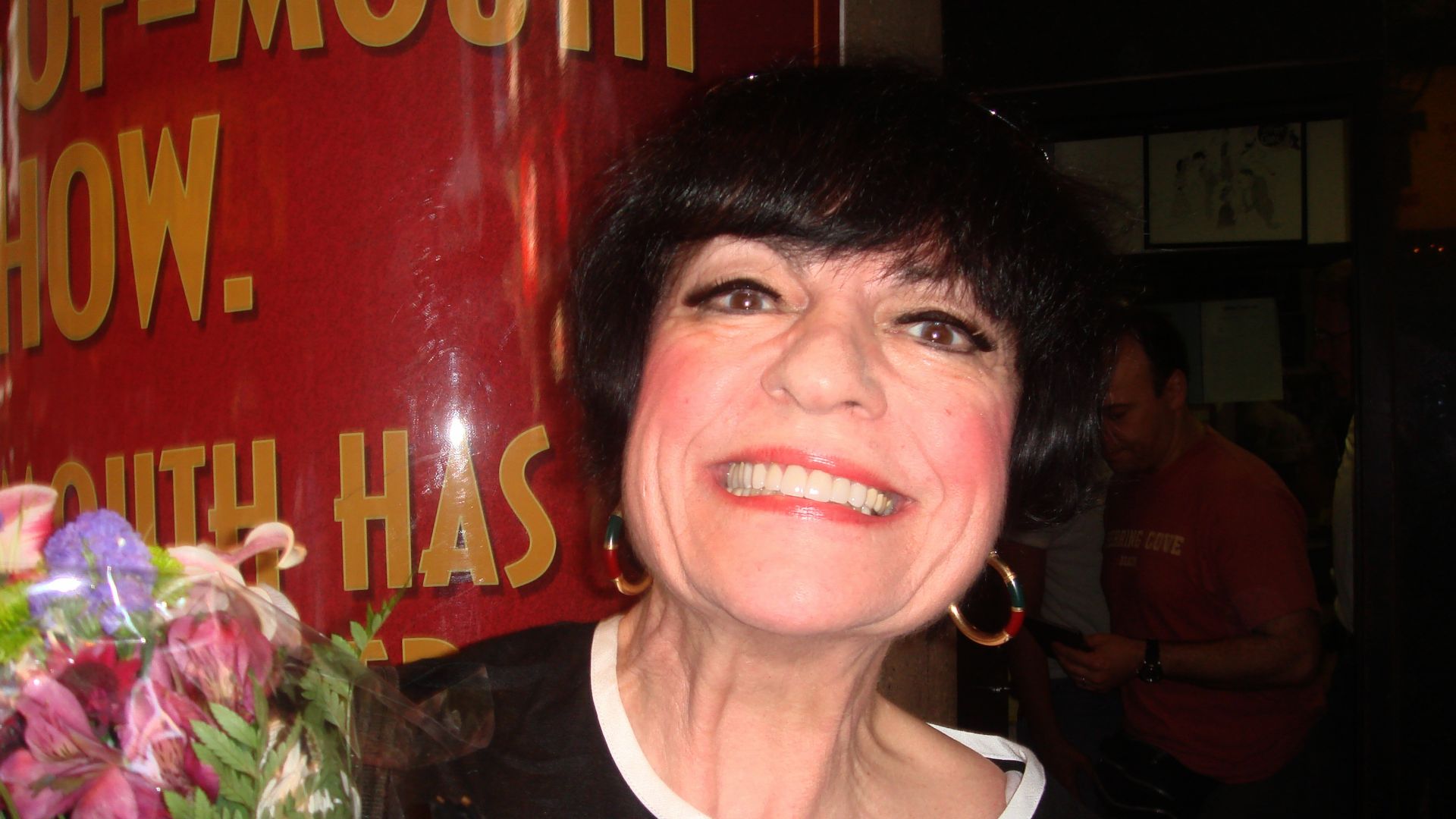
Jo Anne Worley Could Not Be Ignored
Jo Anne Worley brought the same enormous voice and exaggerated reactions from Laugh-In to the game-show circuit. She appeared on Match Game, Hollywood Squares, Password Plus, and other programs where restraint was never required. Her laugh could dominate the studio before she even offered an answer. Television turned Worley’s unapologetically theatrical personality into the main attraction.
 danimaniacs, Wikimedia Commons
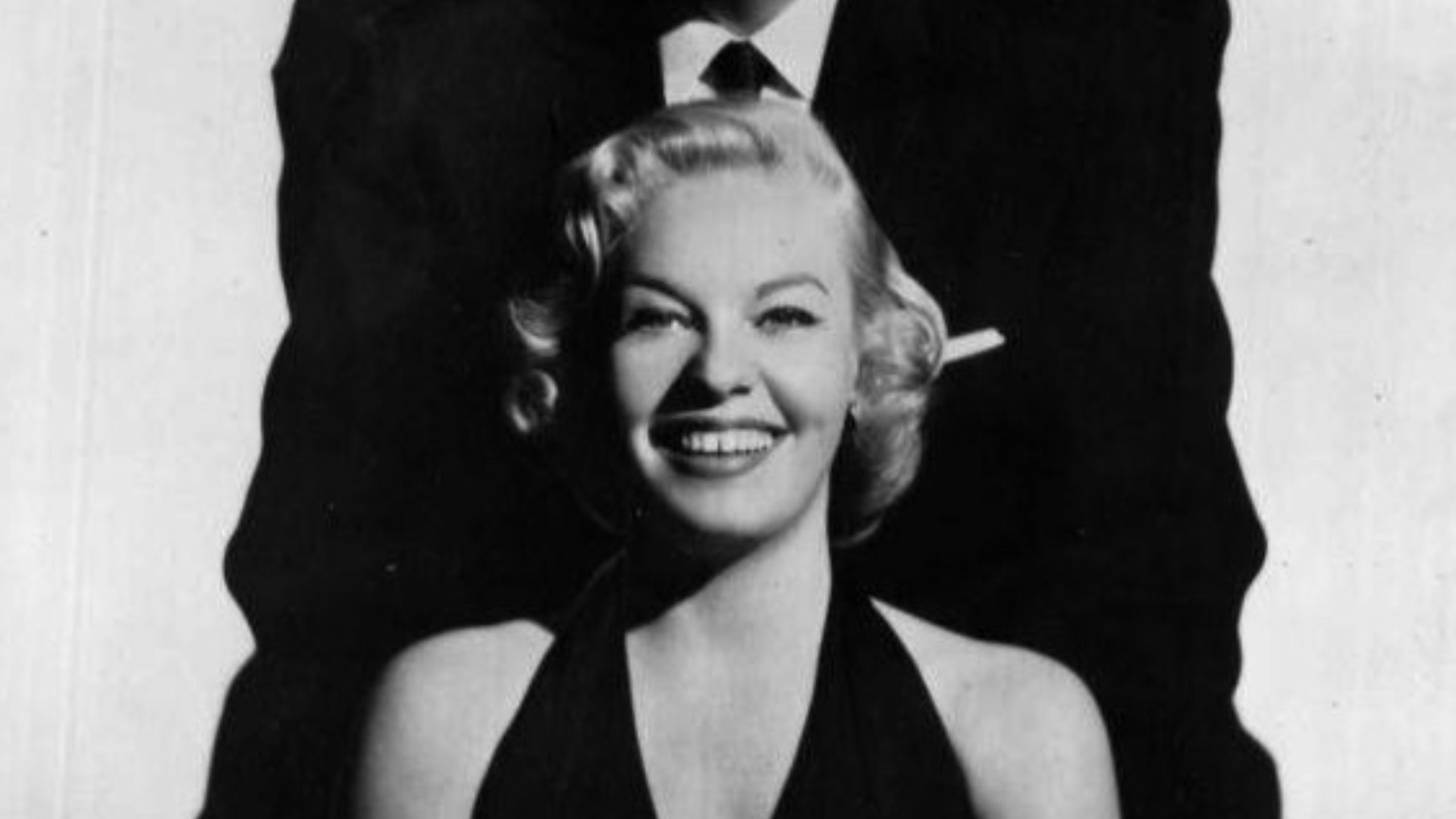
Jaye P. Morgan Made The Gong Show Wilder
Jaye P. Morgan had enjoyed success as a singer before Chuck Barris recruited her as a judge on The Gong Show. Her unpredictable comments and willingness to join the madness made her one of the program’s defining personalities. The cult talent show reintroduced Morgan to a generation that did not know her earlier recordings. Her renewed celebrity came from reacting to bizarre performers, not from starring in movies.
 CBS Television, Wikimedia Commons
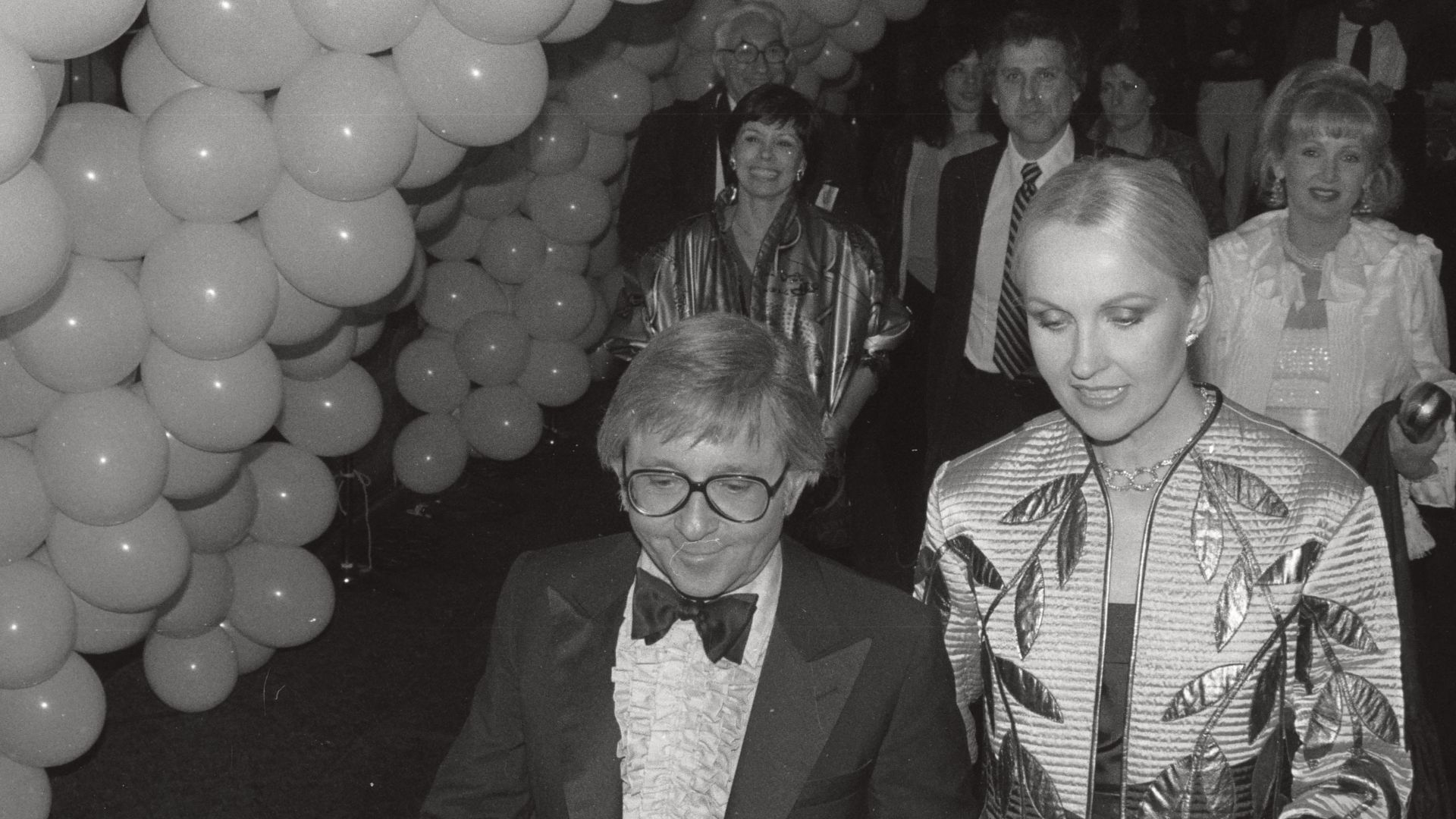
Arte Johnson Judged The Madness
Arte Johnson had become famous through Rowan & Martin’s Laugh-In, where his characters and catchphrases made him a television favorite. He later brought that comic energy to game and talent programs, including regular judging appearances on The Gong Show. Johnson understood that the judges were supposed to be nearly as entertaining as the contestants. His celebrity remained rooted in sketch comedy and television personality work.
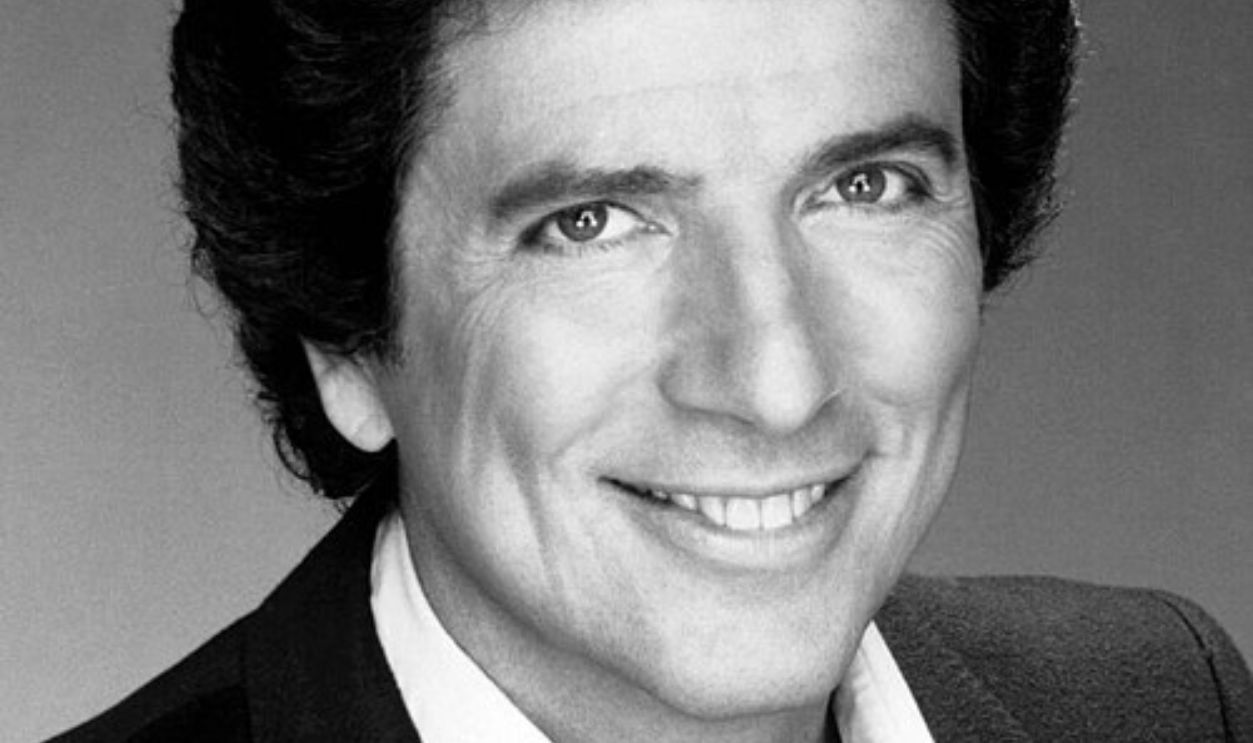
Bert Convy Played Both Sides Of The Desk
Bert Convy spent years appearing as a celebrity panelist before becoming a successful host himself. Tattletales placed him in charge of famous couples revealing awkward details about their relationships, and the job earned him a Daytime Emmy. He later hosted programs including Super Password and Win, Lose or Draw. Convy became a game-show celebrity by proving he was equally comfortable answering questions and asking them.
 ABC Visual Communication, Wikimedia Commons
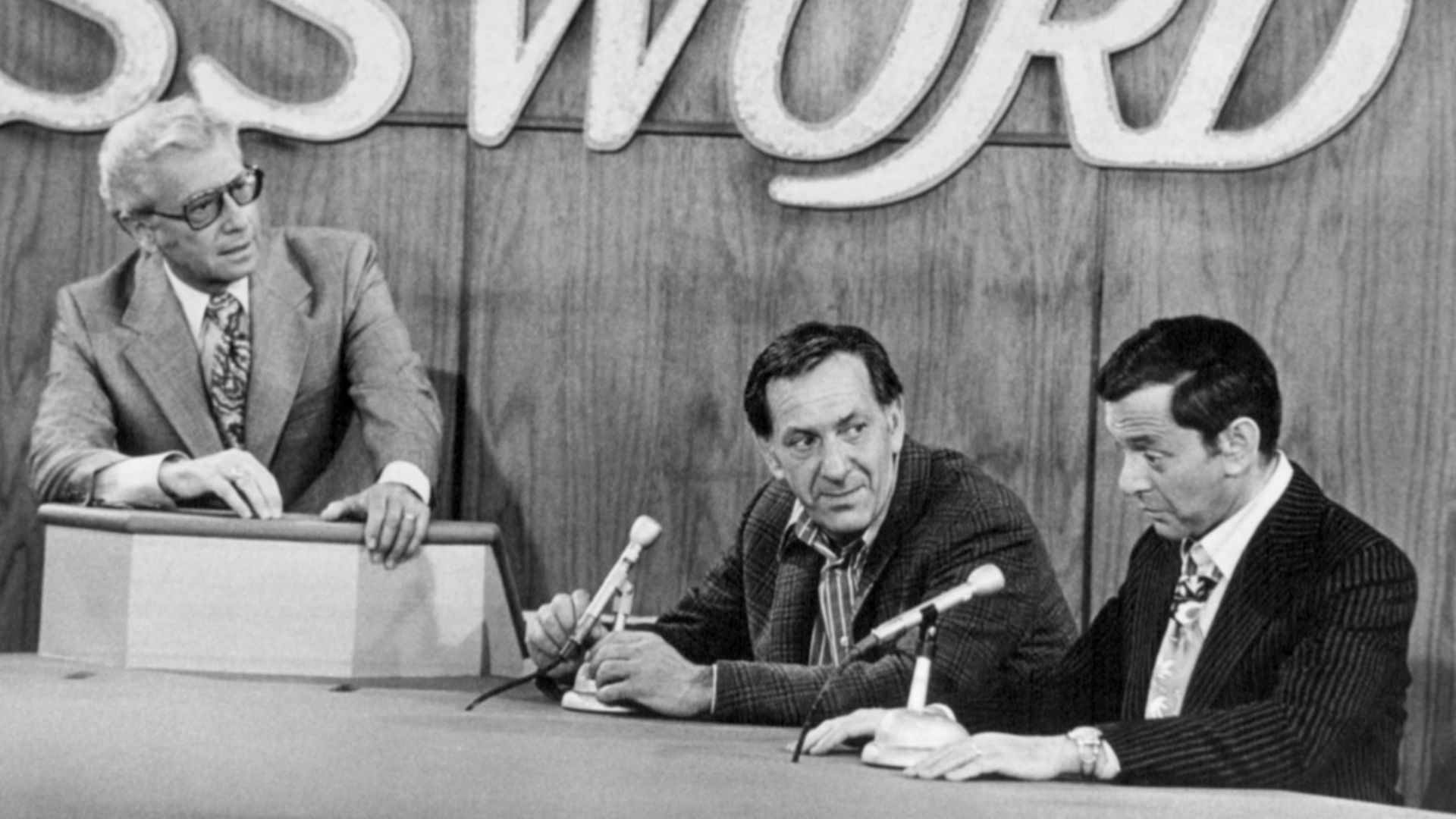
Allen Ludden Made Password Feel Personal
Allen Ludden hosted Password with a gentleness that made the word game feel like an intimate party. Celebrity players sat beside ordinary contestants, and Ludden kept the pace moving without making anyone feel foolish. His marriage to frequent celebrity player Betty White became one of classic television’s best-loved relationships. Ludden’s fame came from intelligence, warmth, and thousands of quiet clues rather than the big screen.
 ABC Television, Wikimedia Commons
Bill Cullen Became The Dean Of Hosts
Bill Cullen worked on an extraordinary number of radio and television game shows. During the 1970s, he hosted programs such as Three on a Match, The $25,000 Pyramid, and Blockbusters, while remaining a frequent celebrity guest elsewhere. His calm delivery and astonishing command of the format made other hosts view him as a master. Cullen became famous for making games look easier than they actually were.
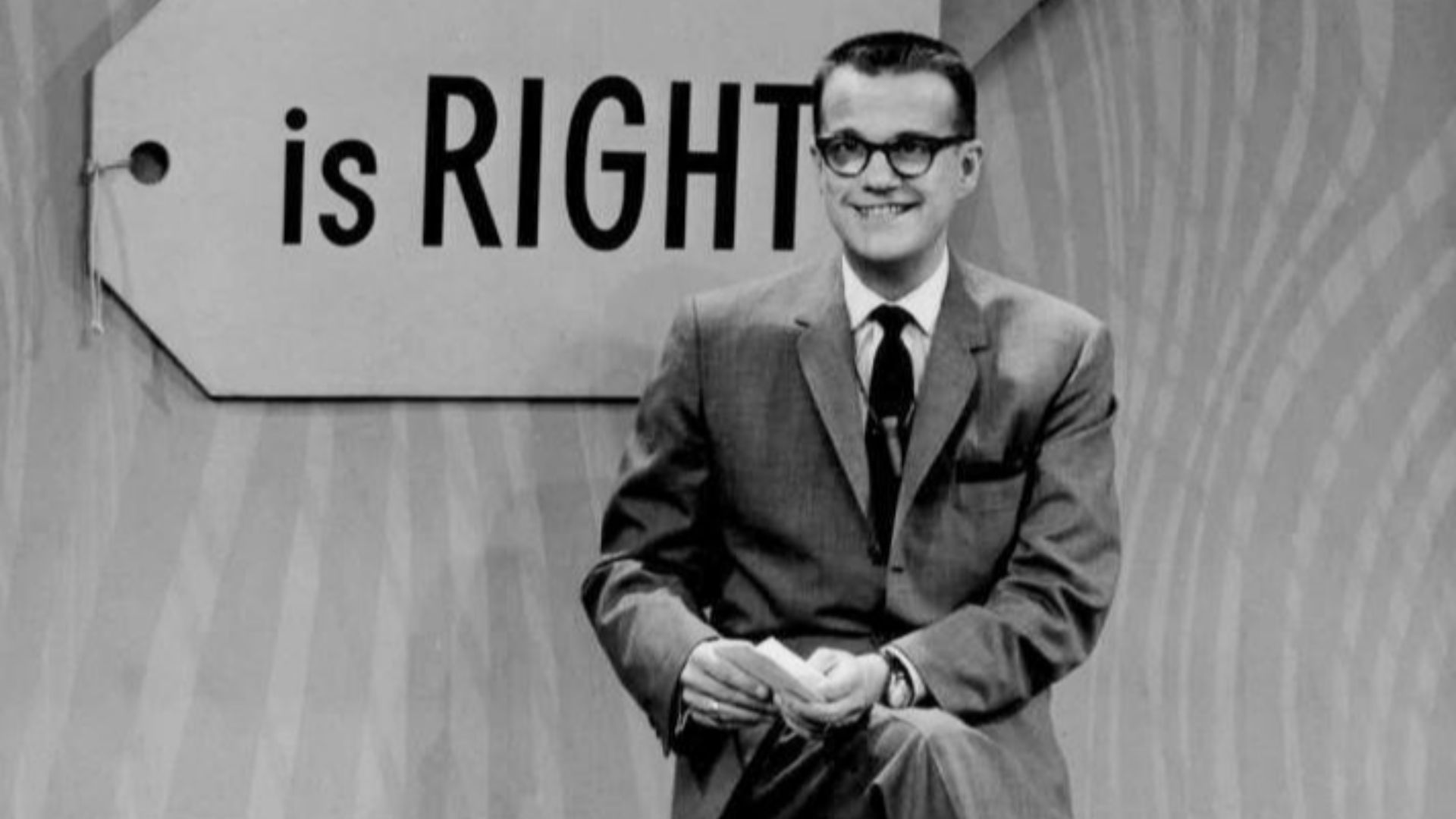 NBC Television, Wikimedia Commons
You May Also Like:
Actual Game Shows From The 1970s That Would Never Cut It On TV Today
The Most Absurd TV Game Shows Ever Aired
Game Shows From The 1960s That Used To Be Huge—Did You Ever Watch These When Home Sick From School?
Sources: 1, 2, 3, 4, 5, 6, 7, 8, 9, 10, 11, 12, 13, 14, 15, 16, 17, 18, 19, 20, 21, 22, 23, 24, 25, 26, 27, 28, 29, 30, 31, 32, 33, 34, 35