The Game Shows Everyone Rushed Home to Watch Before Streaming Was Even a Dream
Back in the 1960s, you didn't binge-watch television—you made sure you were sitting in front of it when your favorite game show came on. These shows turned everyday people into TV stars, made hosts into household names, and convinced millions they definitely knew the right answer... from the comfort of their couch, of course.
Which of these iconic game shows do you remember?
 NBC Television, Wikimedia Commons
#25. Eye Guess
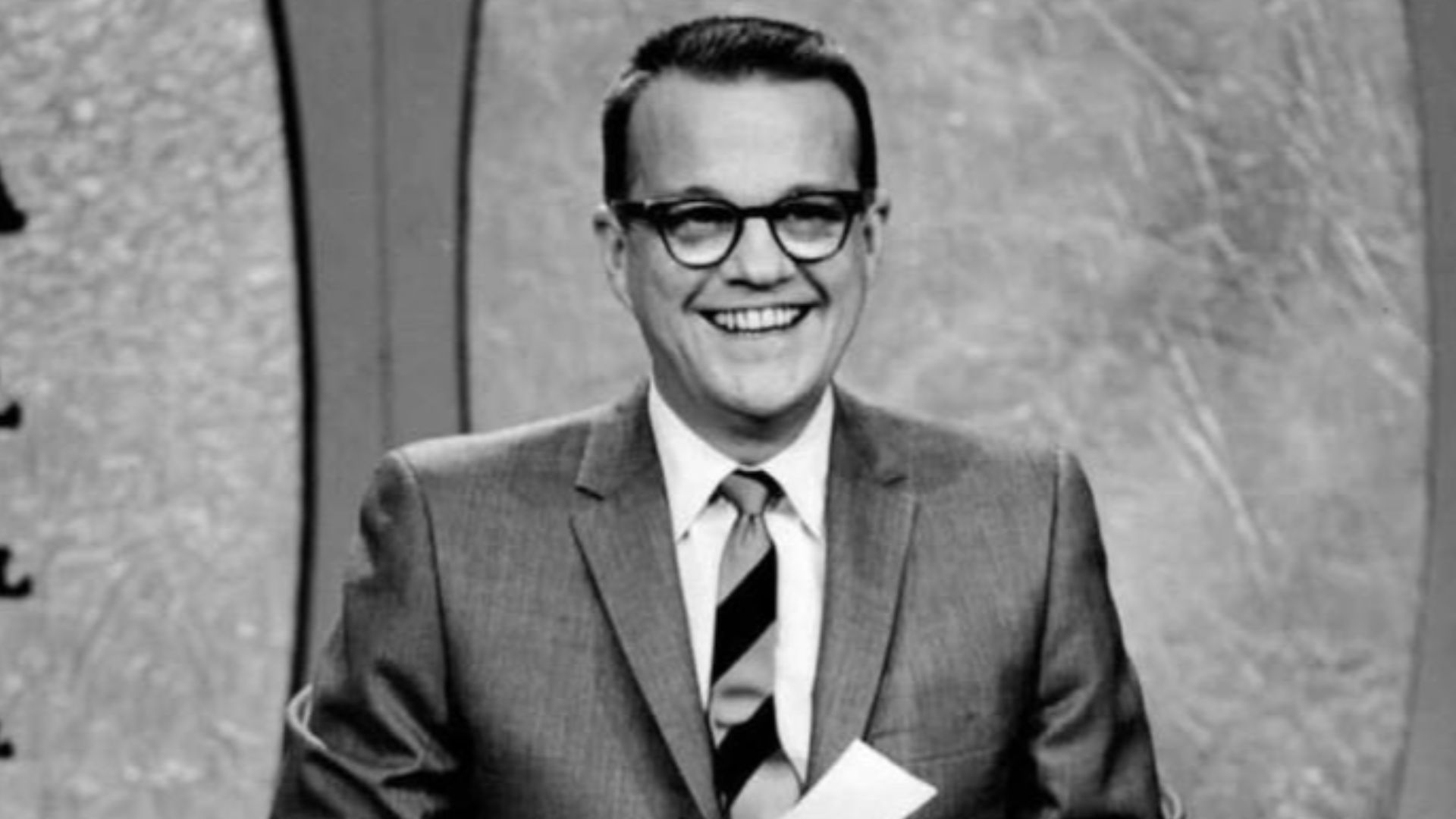
Hosted by Bill Cullen, Eye Guess debuted in 1966 and asked contestants to identify objects from photos that were slowly uncovered piece by piece. It sounded simple until someone confidently guessed "elephant" and it turned out to be a toaster. Viewers loved playing along, and the show quietly built a loyal following before disappearing after four seasons.
 NBC Television, Wikimedia Commons
#24. Personality
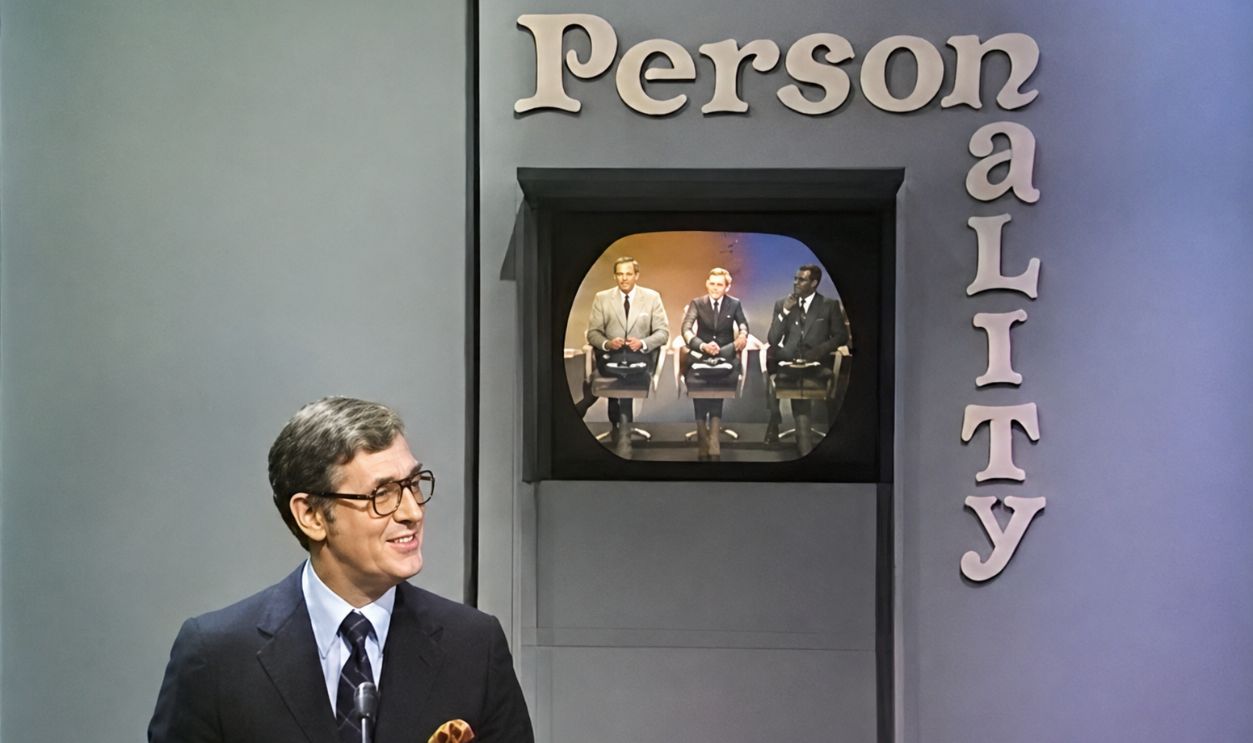
Larry Blyden hosted this clever word-association game beginning in 1967. Contestants tried to predict how celebrity panelists would answer questions, which usually led to plenty of laughs and a few wonderfully awkward moments. It was popular with daytime audiences but eventually lost ground to newer panel games with flashier formats.
 Screenshot from Personality, Screen Gems (1967–1969)
#23. Dream House
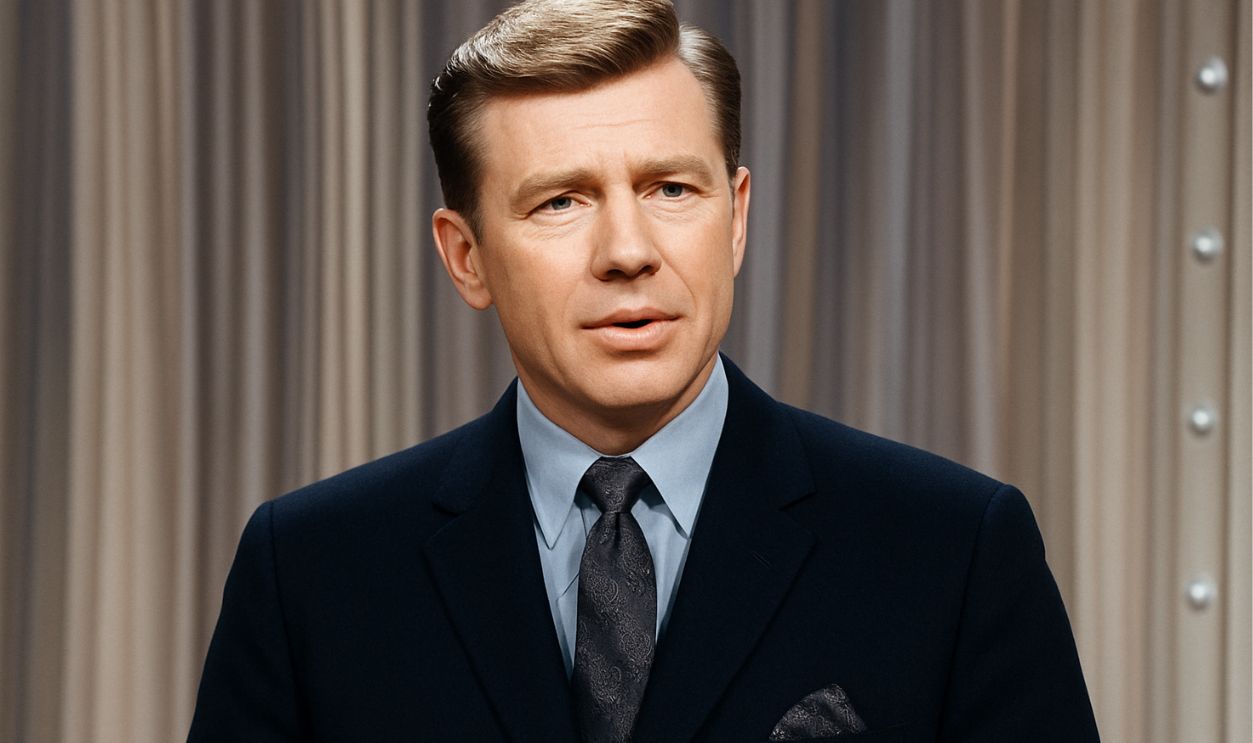
Imagine winning an actual house instead of a gift card. That's exactly what Dream House offered when it premiered in 1968 with Mike Darow as host. The prize alone kept viewers glued to the television. Even if they never won, dreaming was free.
 Screenshot from Dream House, ABC (1968–1984)
#22. PDQ
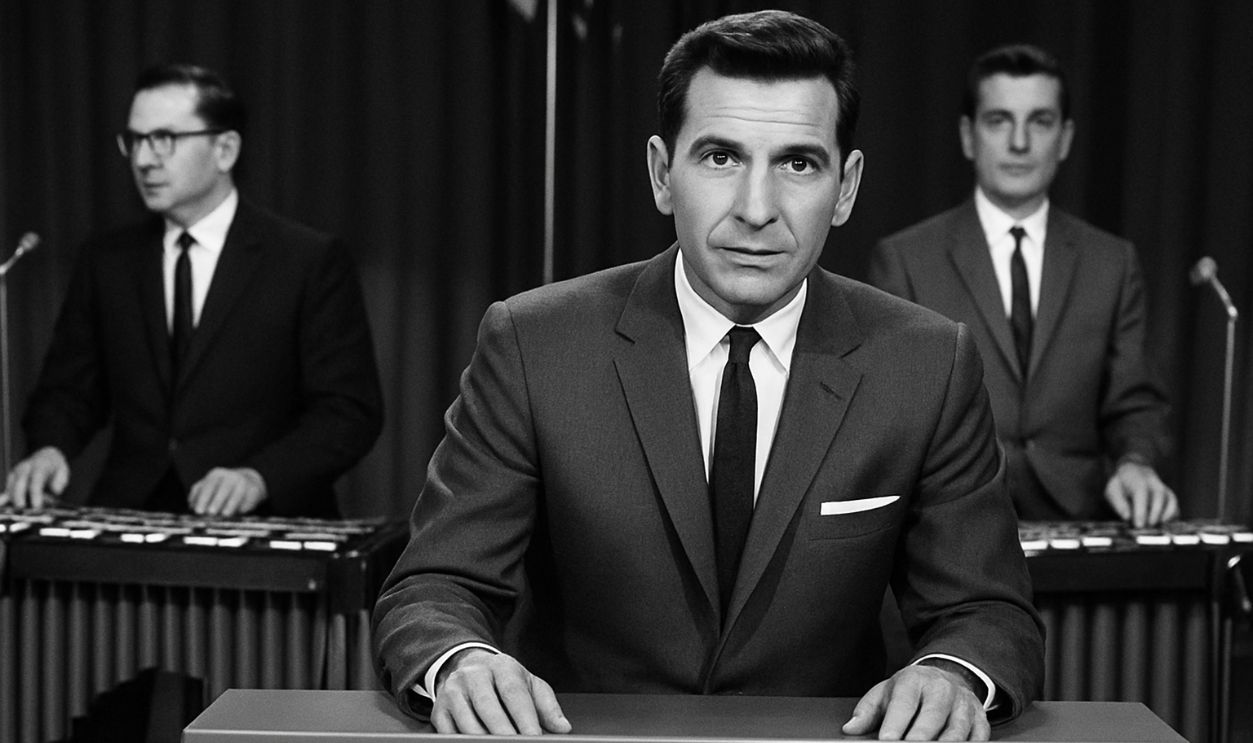
Dennis James kept contestants on their toes in this speedy word game that debuted in 1965. Quick thinking was everything, and there wasn't much time to second-guess yourself. Watching contestants panic over simple words made everyone at home feel like a spelling champion.
 Screenshot from PDQ, Four Star Television (1965–1969)
#21. You're Putting Me On
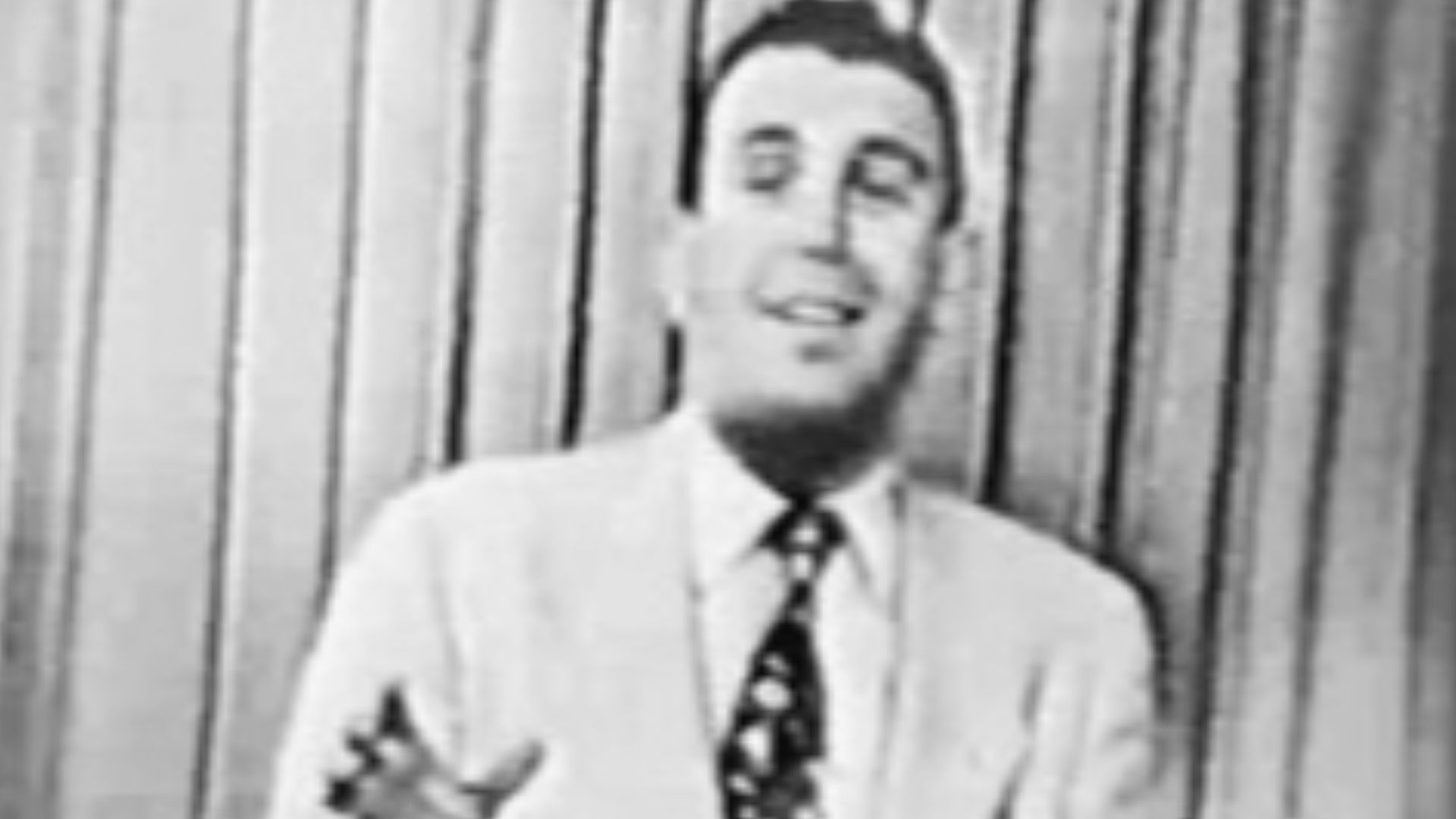
This unusual panel show challenged contestants to figure out whether bizarre stories were completely true or completely made up. Hosted by Dennis James, it blended trivia with bluffing and kept viewers guessing right until the end. Sometimes the fake stories sounded more believable than the real ones.
 DuMont Television Network, Wikimedia Commons
#20. The Face Is Familiar
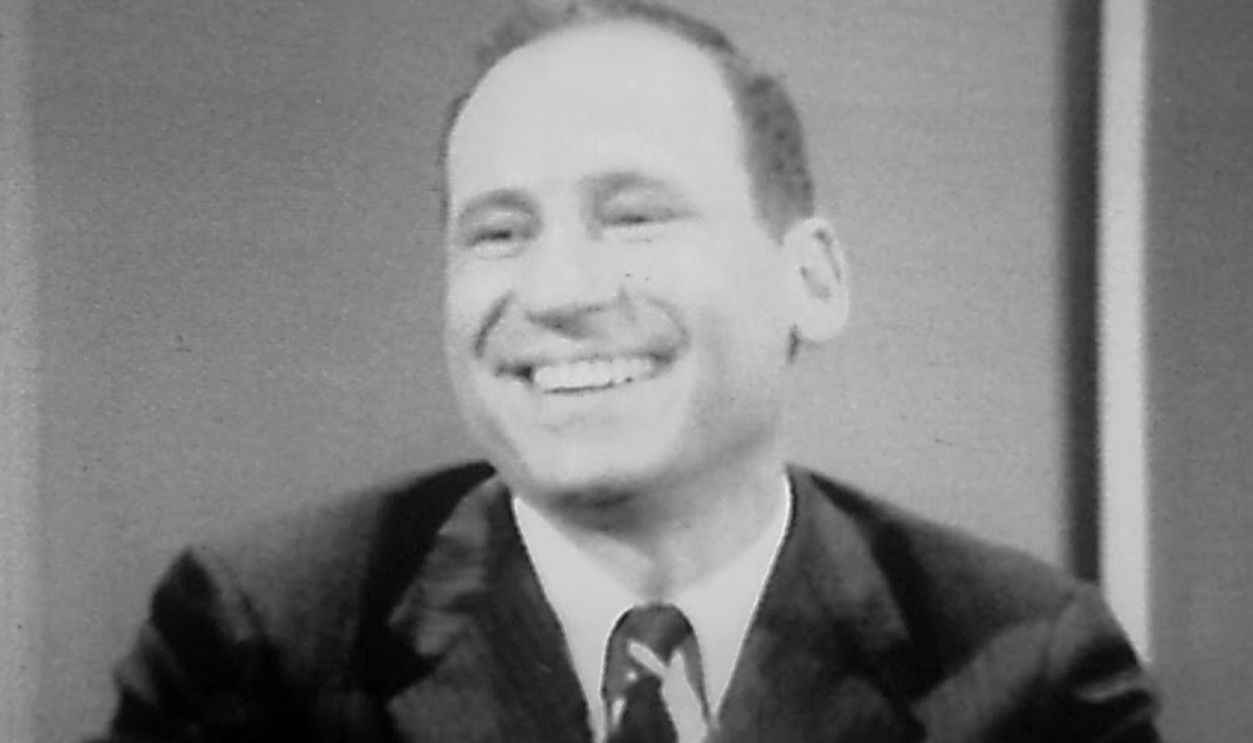
Hosted by Jack Whitaker in 1966, contestants identified celebrities from altered or partially hidden photographs. It was basically the 1960s version of squinting at your phone trying to recognize someone with sunglasses on. Viewers loved testing both their eyesight and memory.
 Screenshot from The Face Is Familiar, CBS (1966)
#19. Snap Judgment
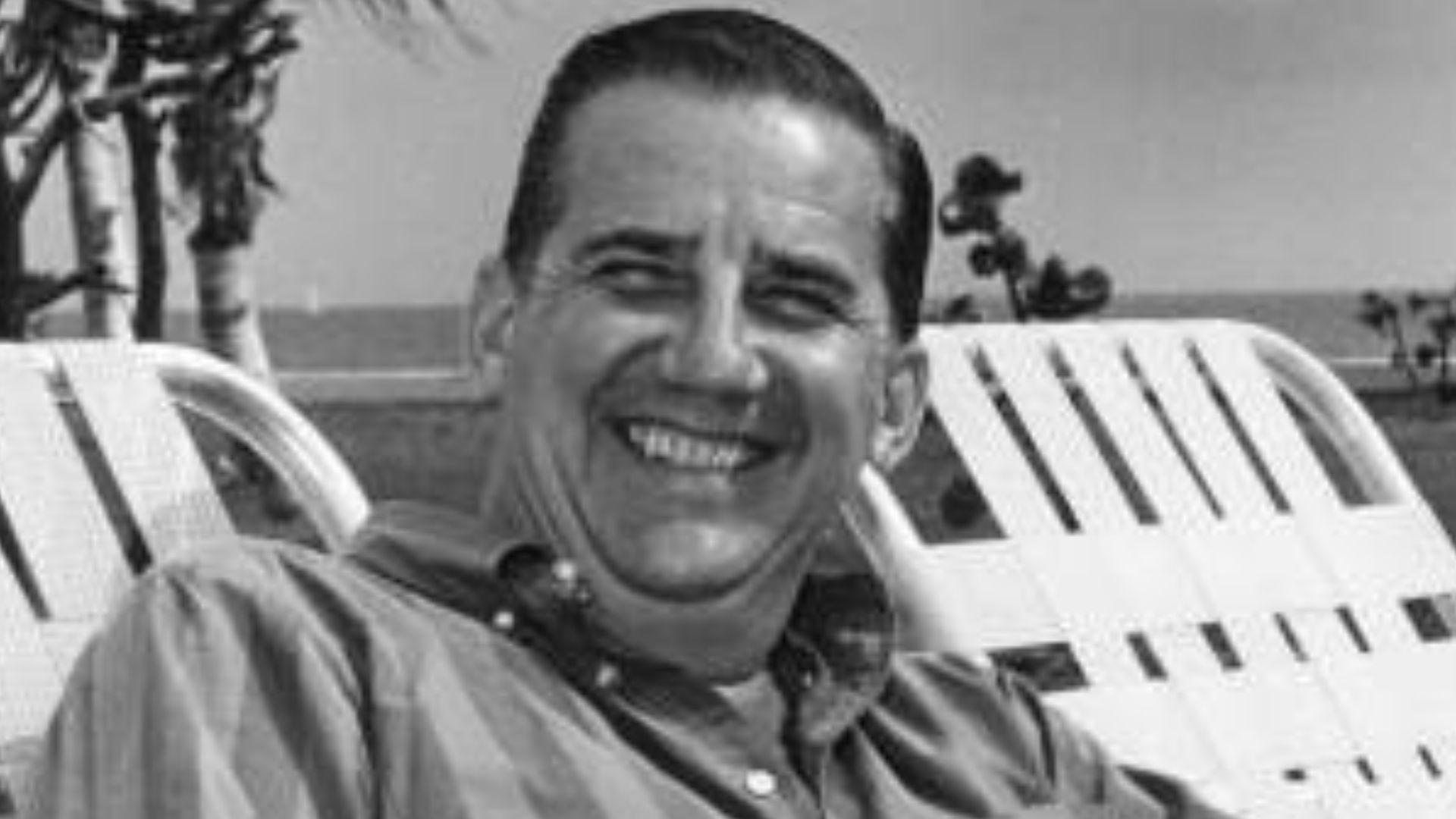
Ed McMahon hosted this unusual game where contestants formed opinions about complete strangers after hearing short introductions. Human nature took center stage, and plenty of guesses turned out hilariously wrong. It proved first impressions don't always age very well.
 Roy Erickson, Wikimedia Commons
#18. Get the Message
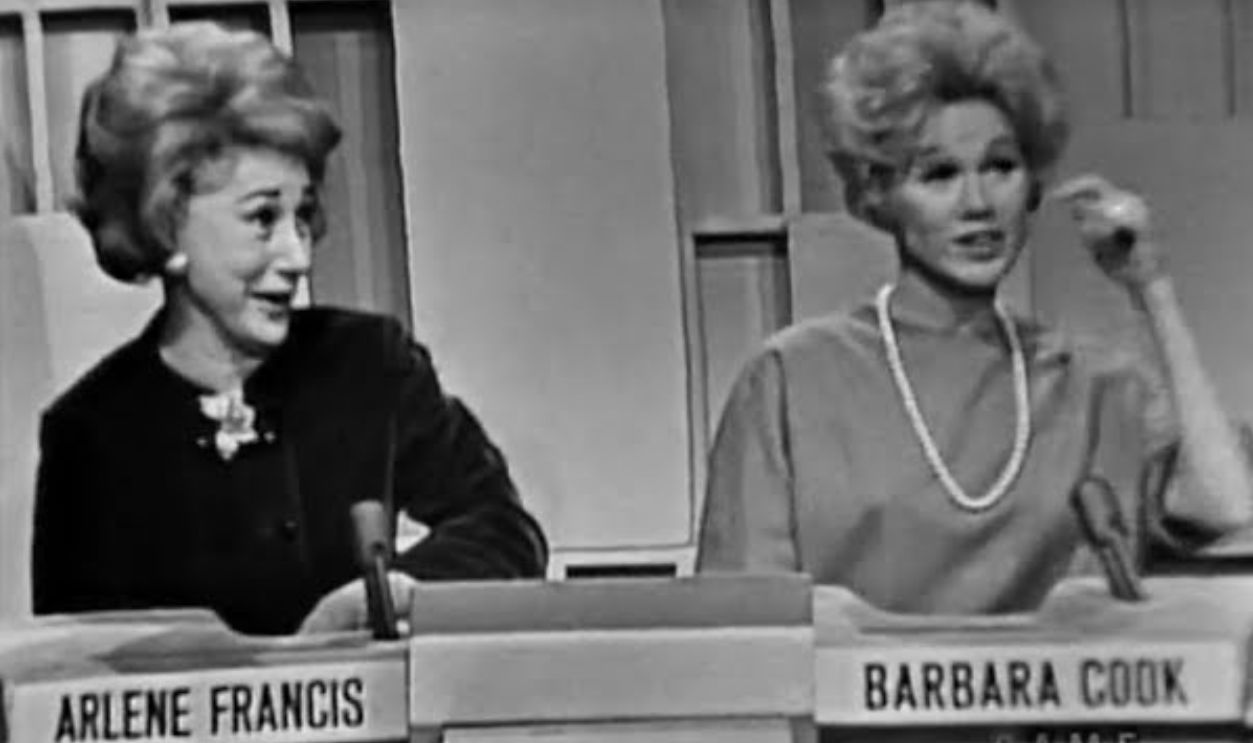
Frank Buxton led celebrity panelists through a series of clues designed to reveal hidden messages. The stars often spent as much time making each other laugh as actually solving the puzzles. Sometimes the comedy completely stole the spotlight—and nobody seemed to mind.
 Screenshot from Get the Message, ABC (1964)
#17. Missing Links
Ed McMahon returned as host for this addictive word game that asked contestants to complete missing connections between clues. Families loved shouting answers at the television, even if nobody in the living room actually agreed on what the answer was.
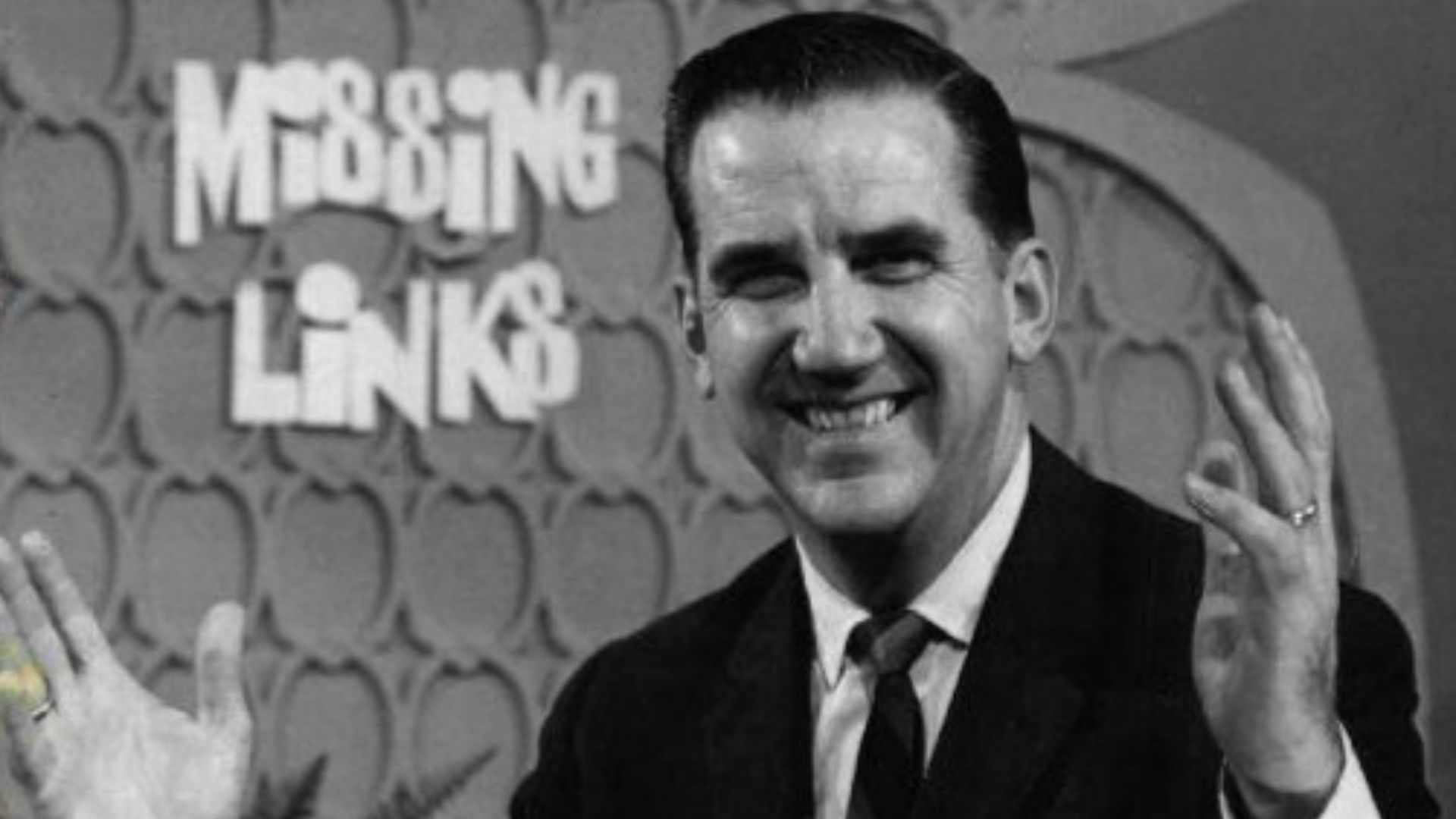 NBC Television, Wikimedia Commons
#16. The Big Showdown
Hosted by Jim Peck, this quiz competition rewarded contestants who could stay calm under pressure while answering increasingly difficult questions. The format wasn't flashy, but it proved that a good trivia question can still make palms sweat.
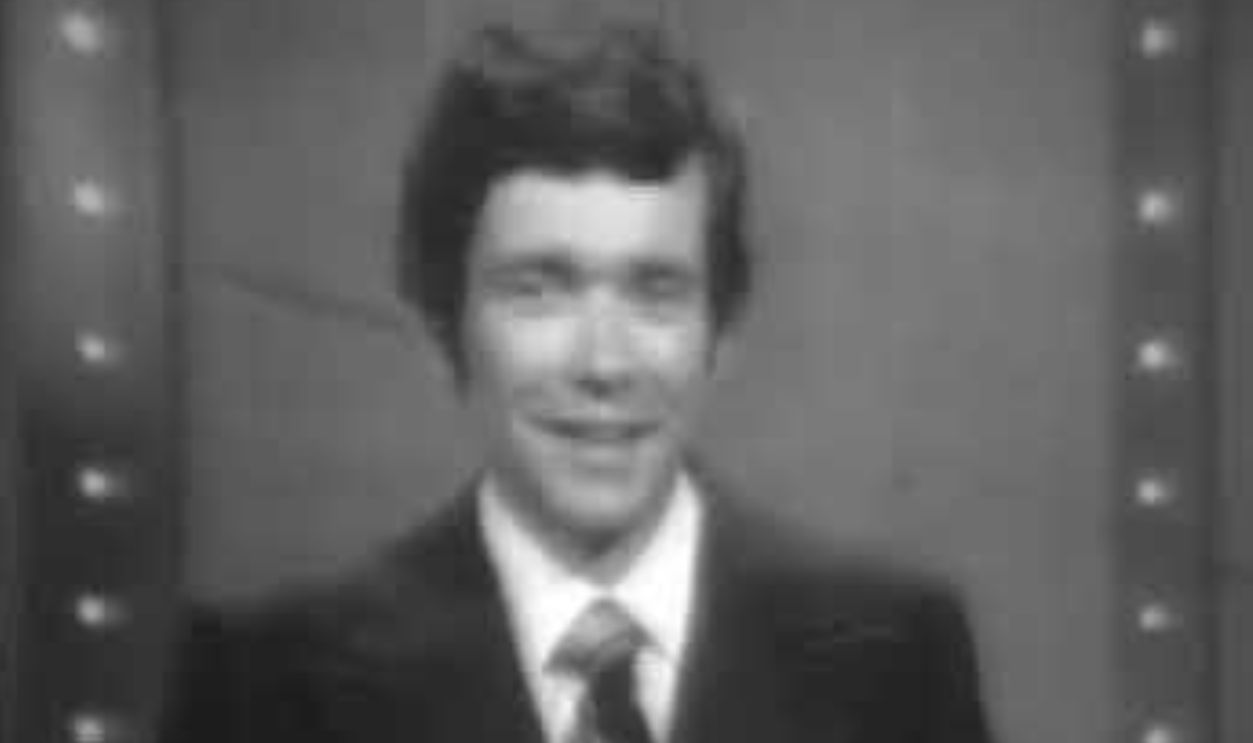 Screenshot from The Big Showdown, ABC (1974–1975)
#15. Gambit
Although Gambit officially premiered in the early 1970s, its success grew directly out of the card-game craze that exploded during the 1960s. Wink Martindale mixed blackjack with trivia, creating a format that was easy to follow and surprisingly addictive. Apparently everyone secretly thought they could beat the dealer.
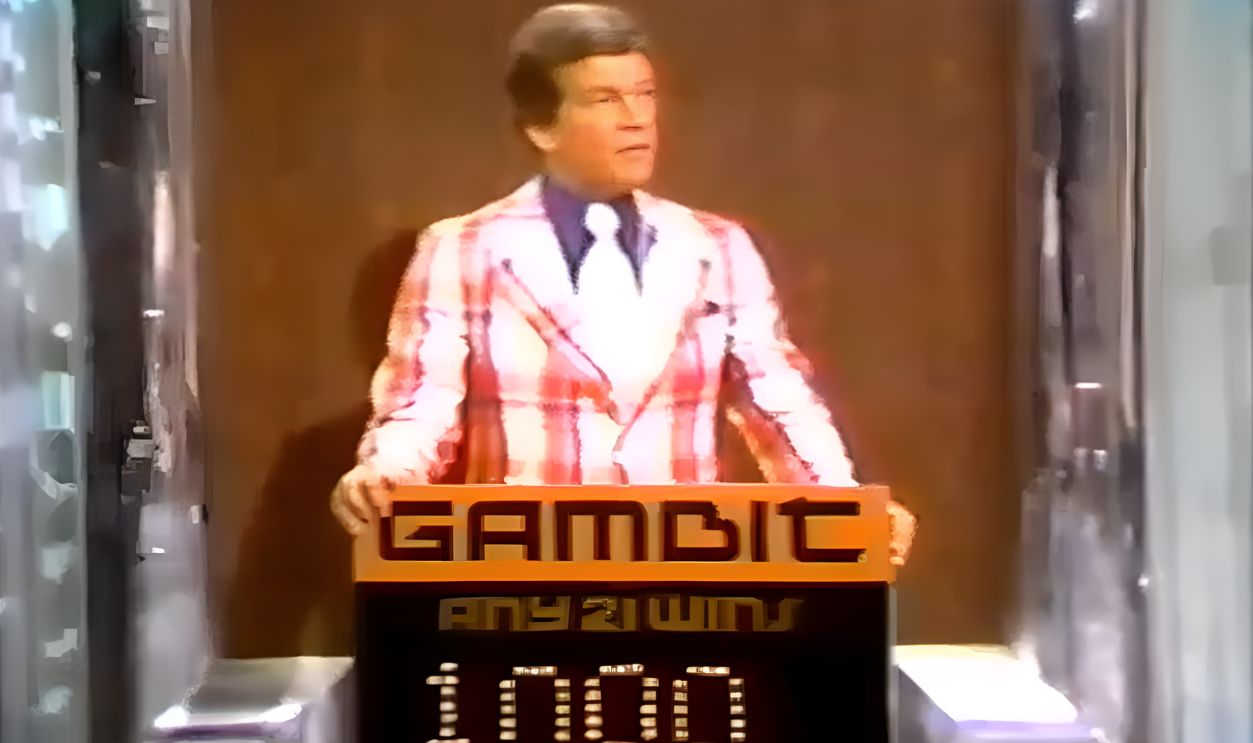 Screenshot from Gambit, CBS (1972–1981), Modified
#14. Video Village
Jack Narz hosted one of television's most creative game shows, where contestants became giant game pieces walking around an oversized board. Watching grown adults carefully count giant squares never got old. It looked like someone had turned a family board game into live television.
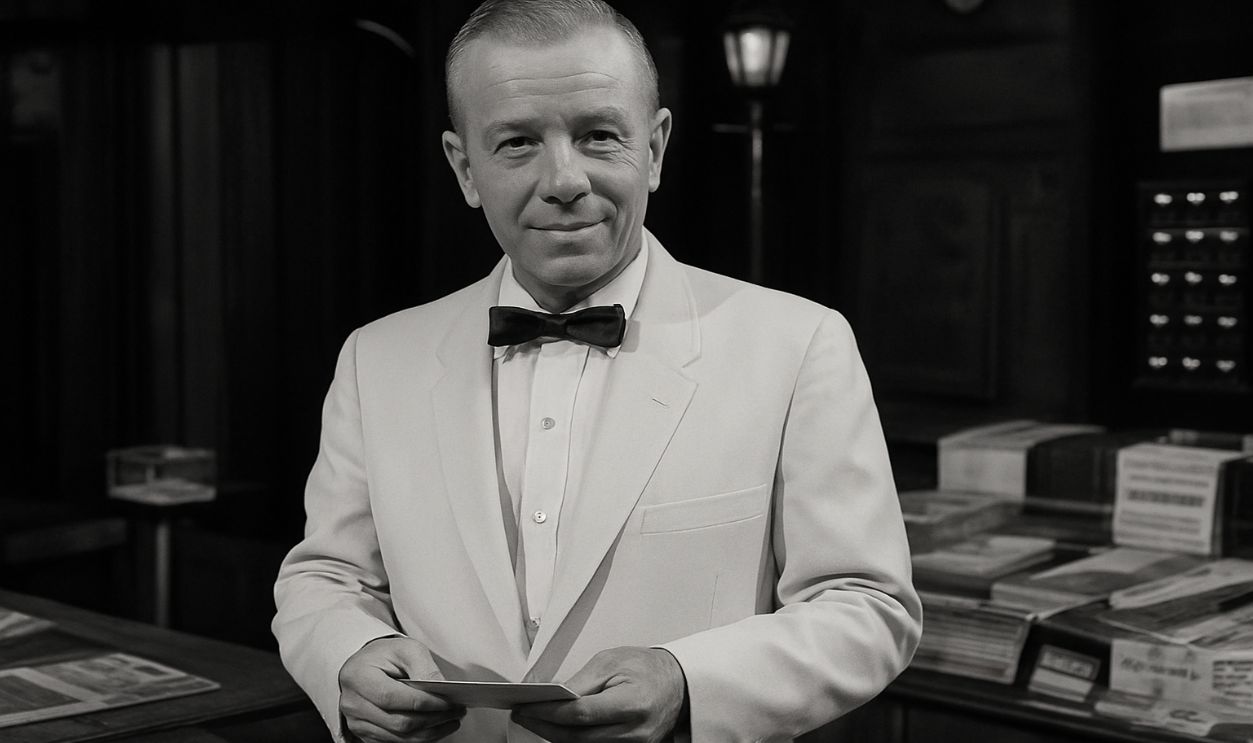 Screenshot from Video Village, CBS (1960–1962)
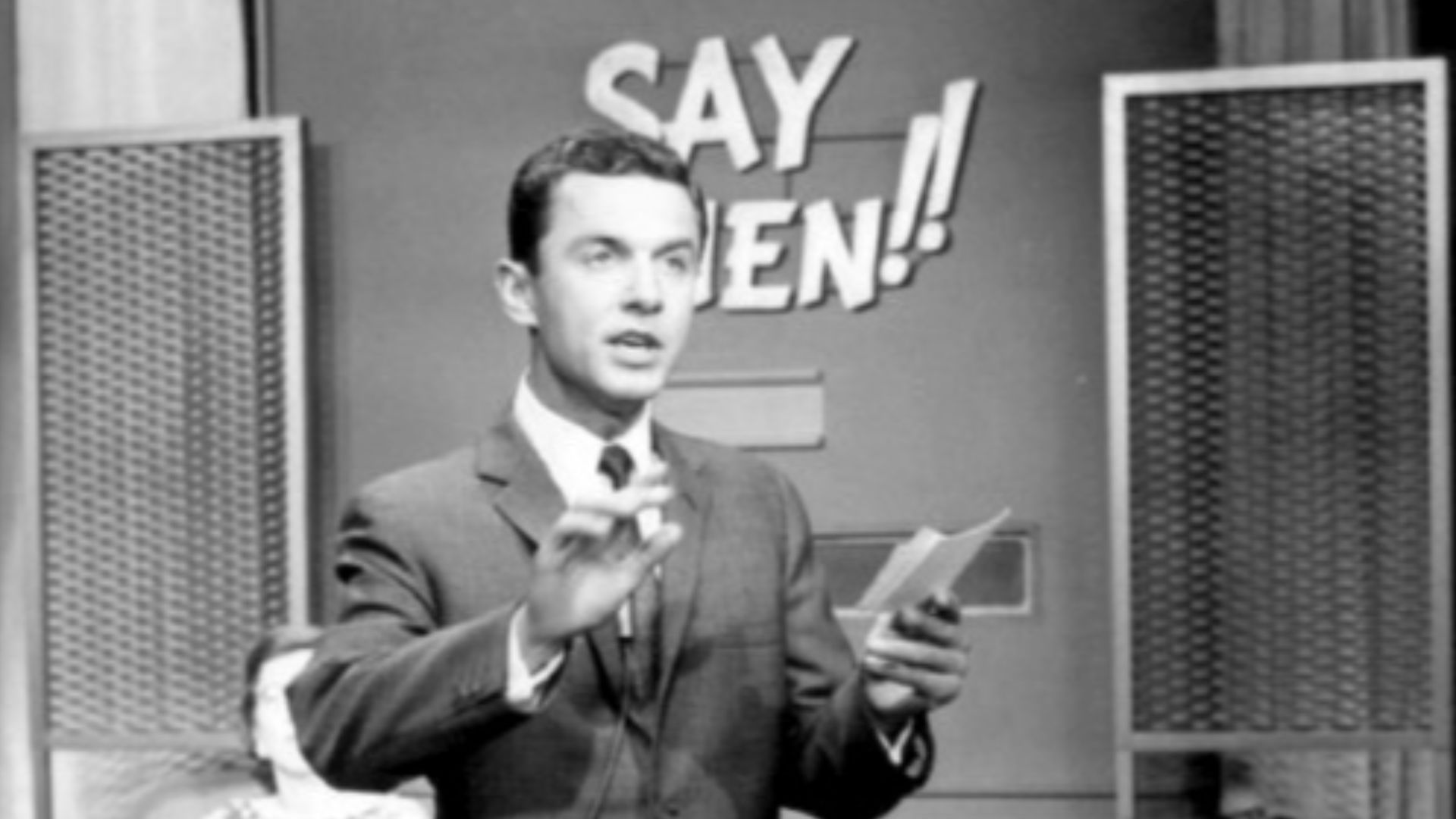
#13. Say When!!
Art James hosted this fast-moving word game beginning in 1961, where players raced to identify familiar phrases from clues. The pace kept everyone engaged, and viewers often solved the answers before contestants did—which probably made them feel pretty smart for the rest of the afternoon.
 NBC Television, Wikimedia Commons
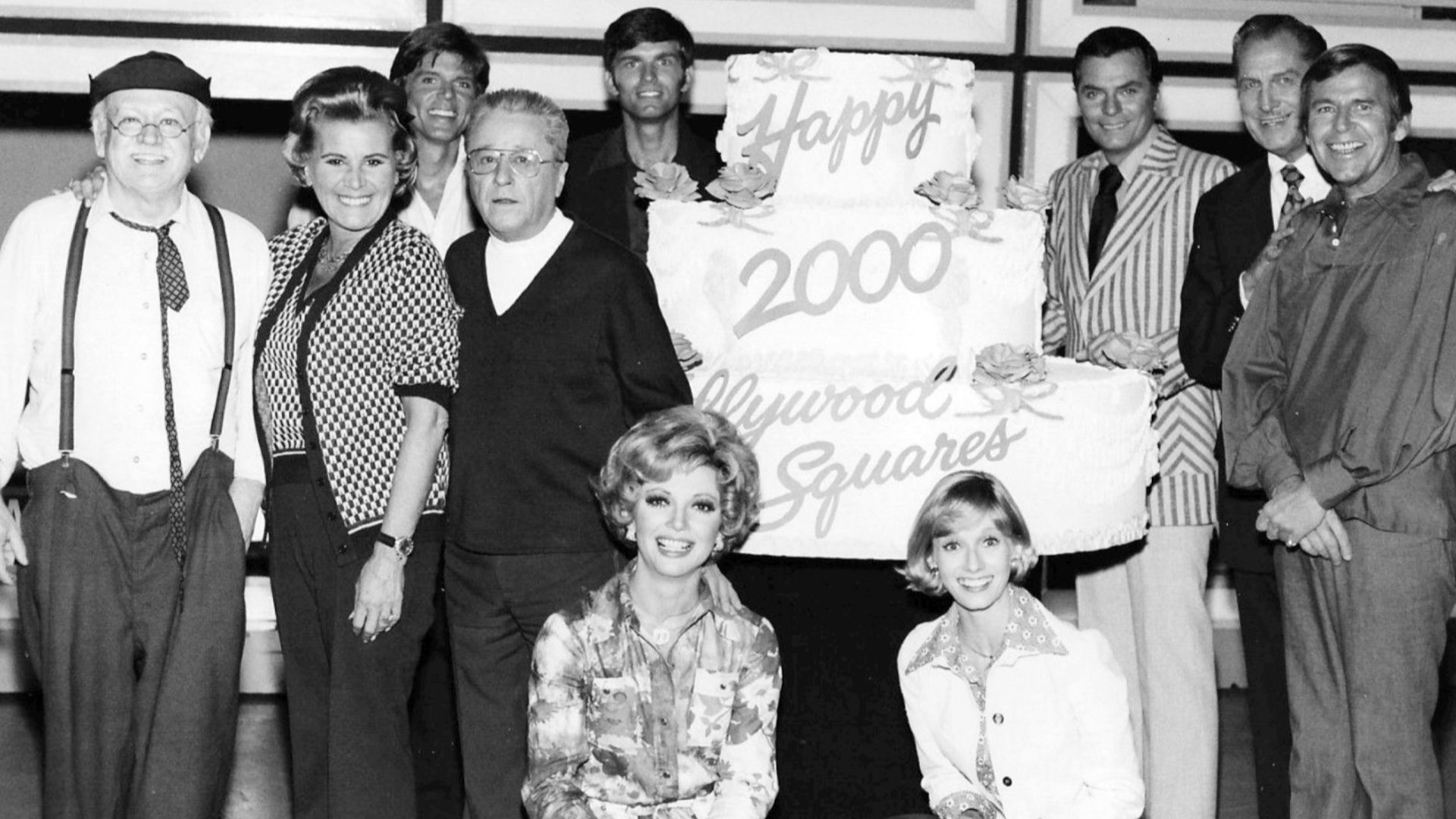
#12. Hollywood Squares
Peter Marshall turned Hollywood Squares into television gold beginning in 1966. The celebrity guests filled giant tic-tac-toe squares, but the real attraction was their constant stream of jokes. Half the audience probably forgot there was even a game being played.
 NBC Television, Wikimedia Commons
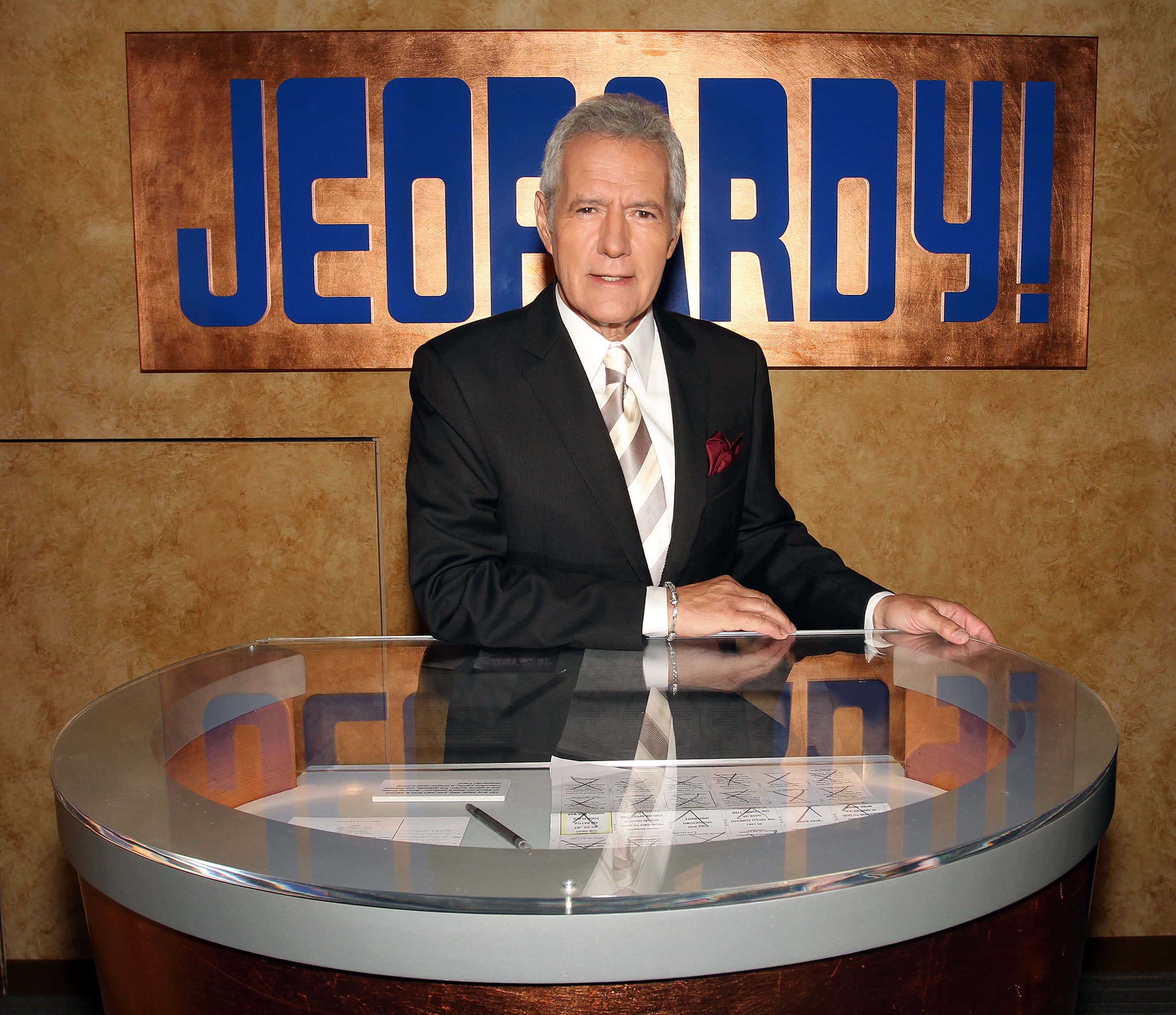
#11. Jeopardy!
Art Fleming introduced audiences to a quiz show unlike any they'd seen before in 1964. Instead of giving answers, contestants had to respond with questions. It confused a few viewers at first, but before long everyone was pretending to be smarter than the contestants from their recliners.
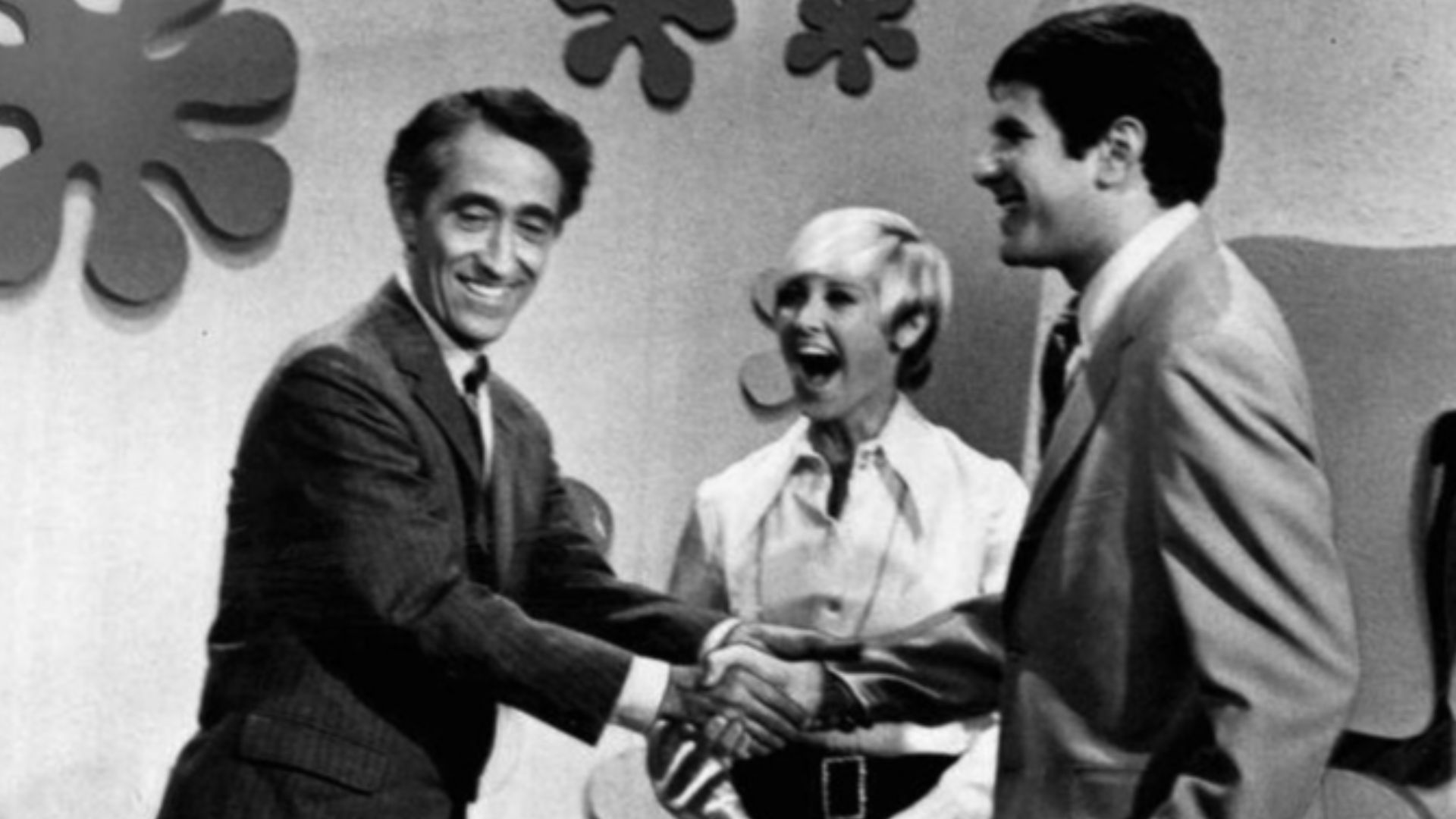
#10. The Dating Game
Jim Lange hosted television's most famous matchmaking experiment beginning in 1965. Contestants picked dates based solely on funny answers from hidden bachelors or bachelorettes. Sometimes sparks flew. Other times...well, let's just say not every TV romance deserved a sequel.
 ABC Television, Wikimedia Commons
#9. The Newlywed Game
Bob Eubanks discovered that asking married couples simple questions could create television magic—and occasional marital panic. Viewers tuned in knowing somebody was almost guaranteed to answer, "That's not what you told me at home."
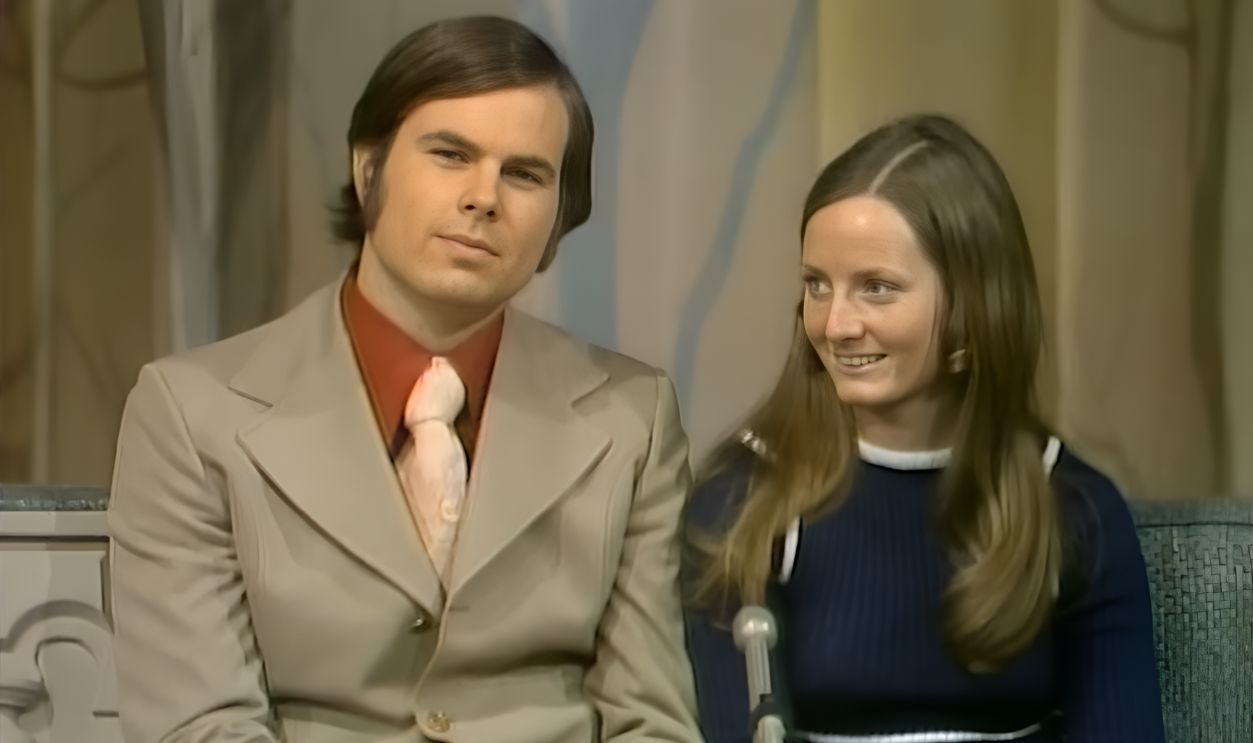 Screenshot from The Newlywed Game, Broadcast syndication (1977-1980)
#8. To Tell the Truth
Hosted by Bud Collyer, this clever panel show featured contestants pretending to be the same person while celebrities tried sorting out fact from fiction. Bluffing became an art form, and audiences loved proving they could spot the impostor before the panel did.
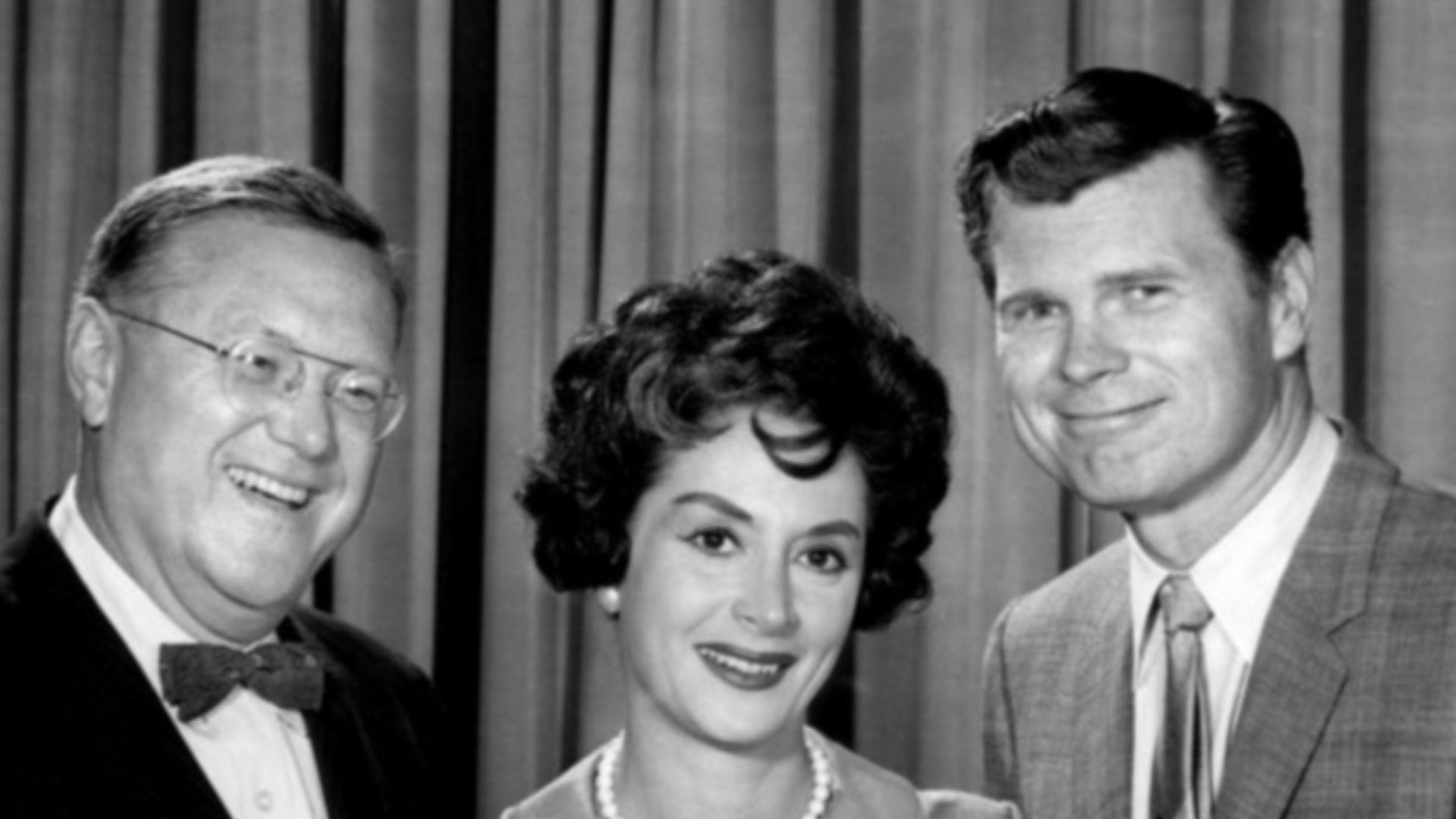 CBS Television, Wikimedia Commons
#7. Password
Allen Ludden hosted this brilliantly simple word game where celebrities teamed with contestants using one-word clues. Betty White became a frequent guest before eventually marrying Ludden. Not many game shows can say they handed out both prize money and love stories.
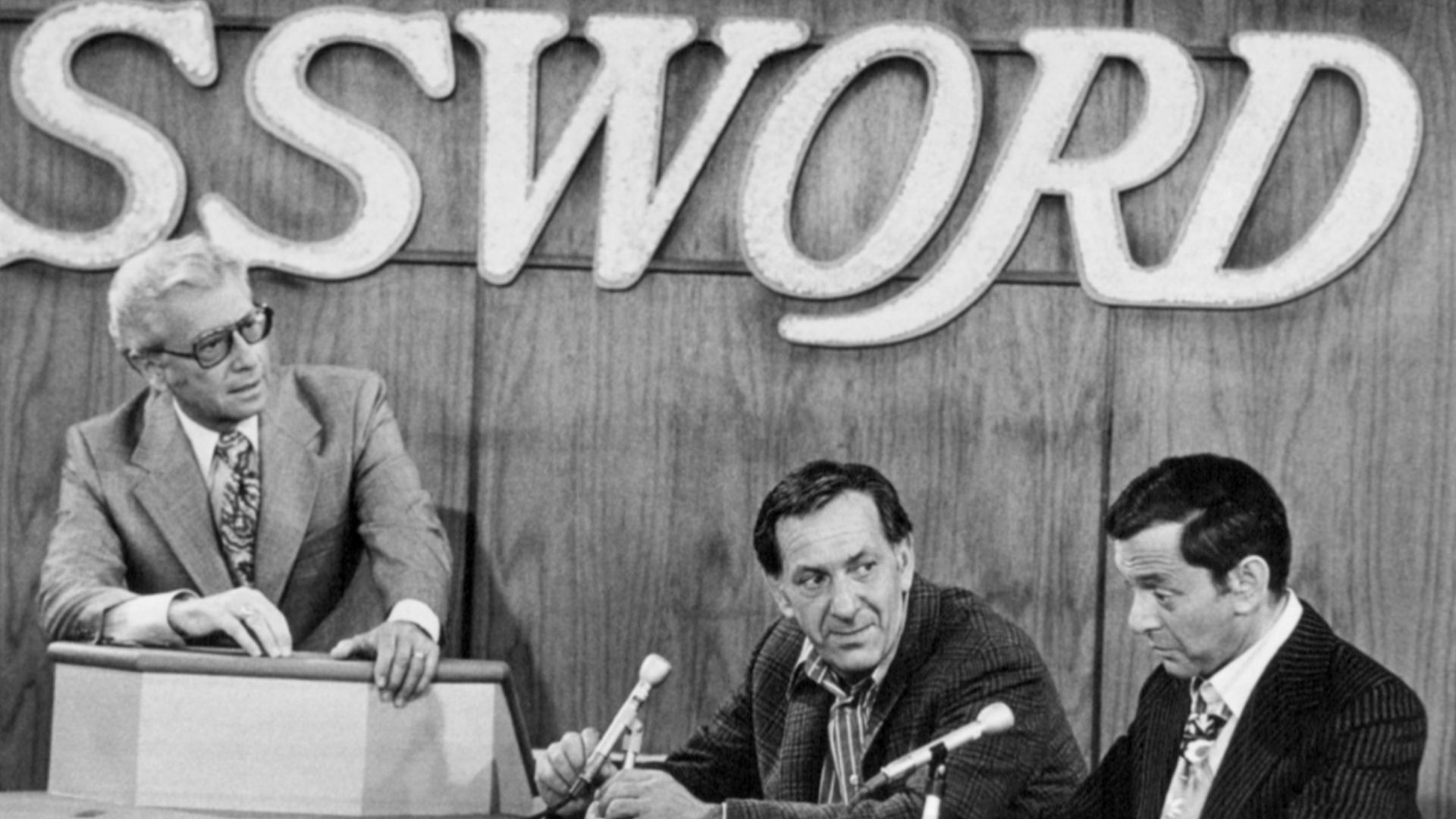 ABC Television, Wikimedia Commons
#6. Let's Make a Deal
Monty Hall made television history by convincing audience members dressed as bananas, pirates, and just about everything else to trade prizes they couldn't see. The Zonks became legendary, and suddenly everyone questioned whether opening Door Number Two was really a good idea.
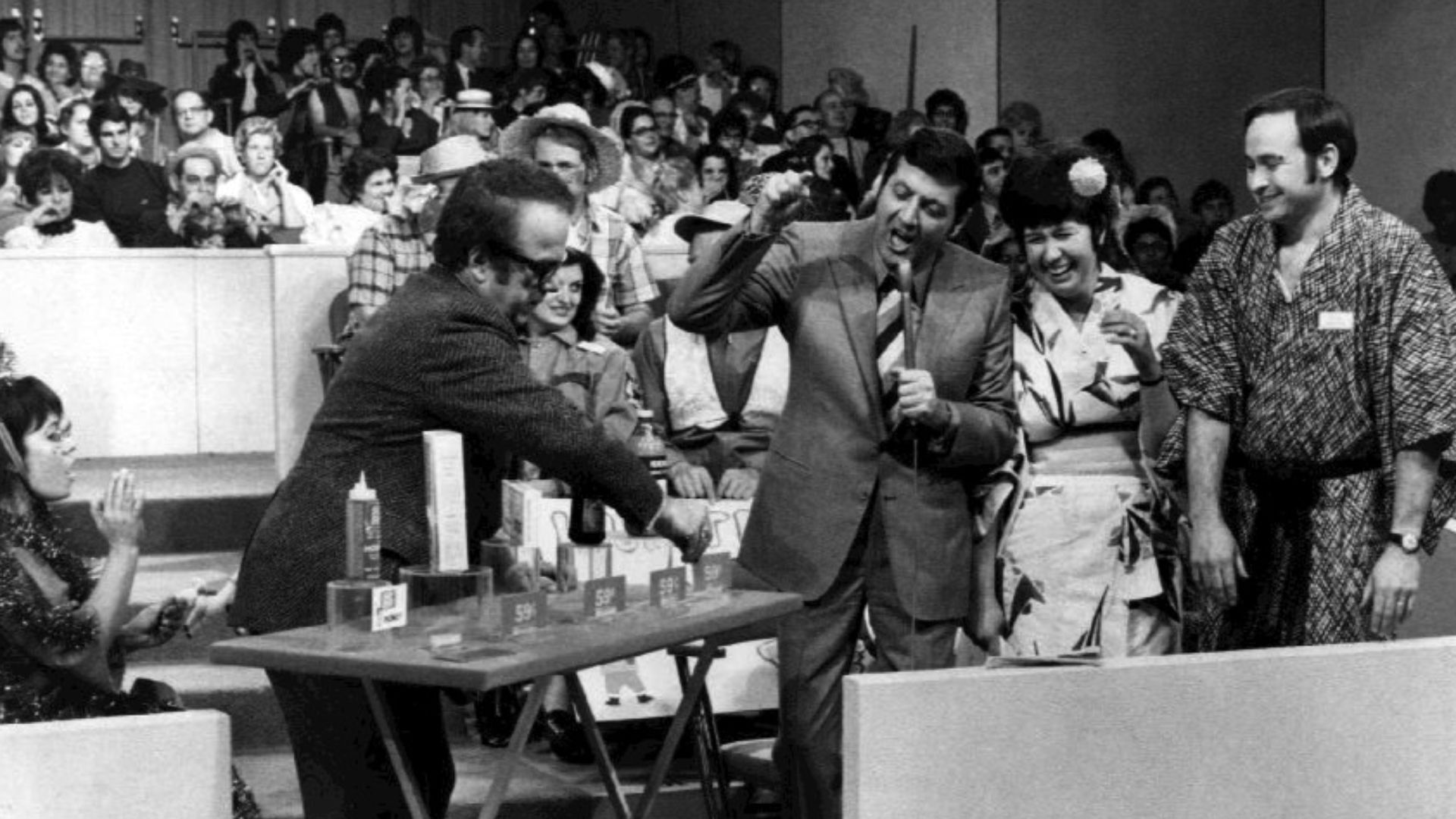 ABC Television Uploaded by We hope at en.wikipedia, Wikimedia Commons
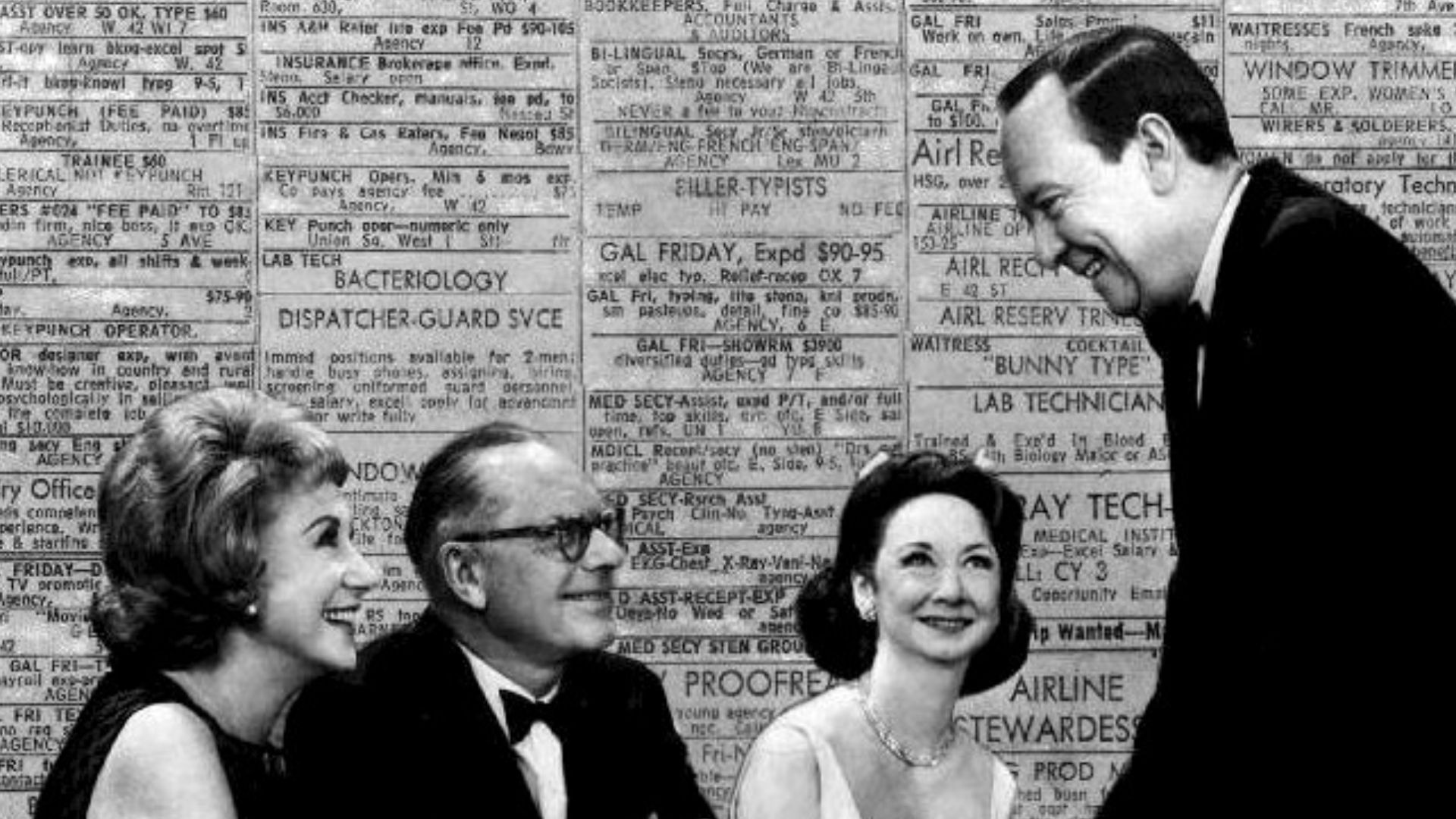
#5. What's My Line?
John Charles Daly guided celebrity panelists through clever questioning as they tried identifying contestants' occupations. It proved that watching people ask polite questions could somehow become must-see television. Good luck pulling that off today.
 CBS Television, Wikimedia Commons
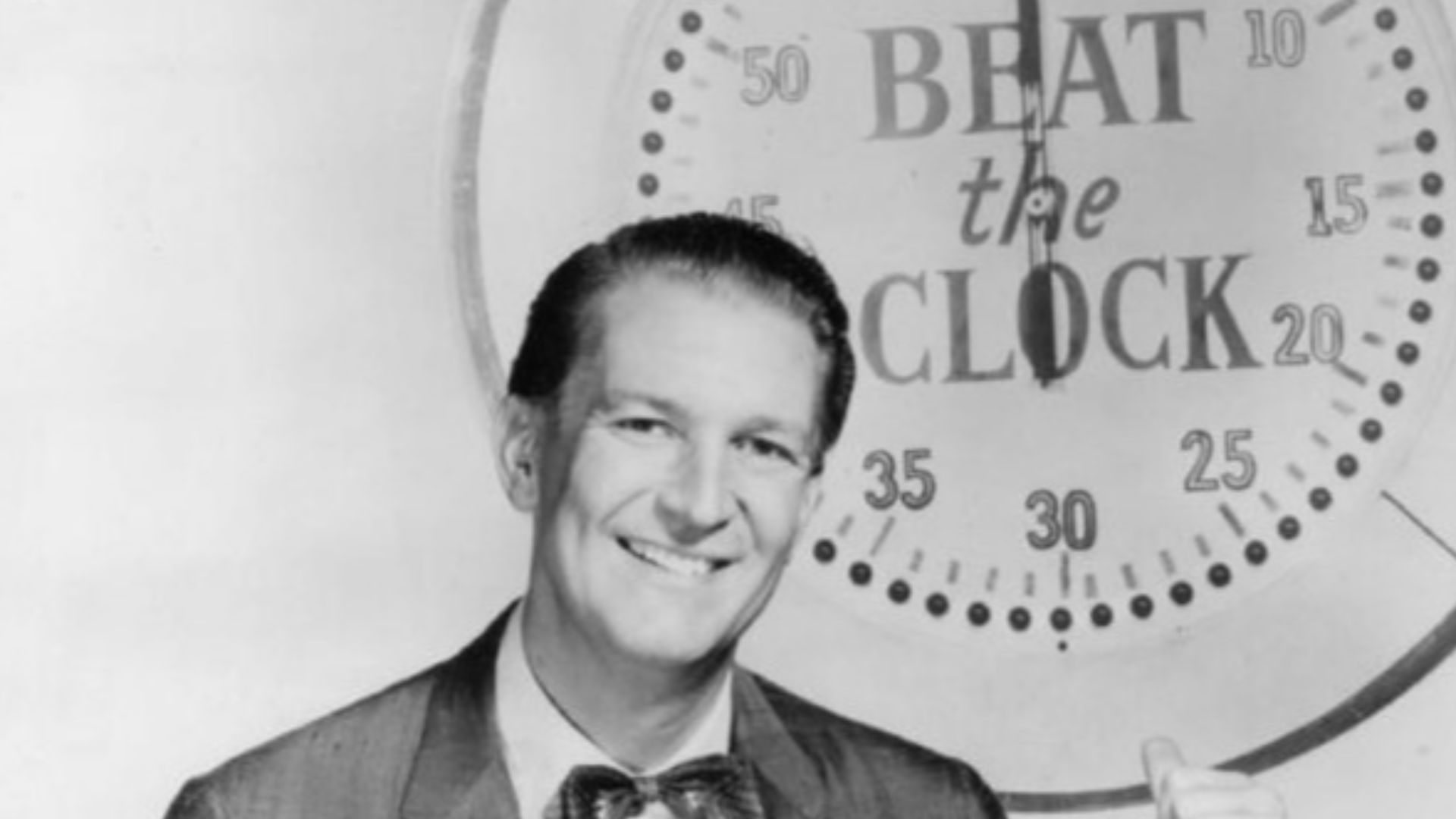
#4. Beat the Clock
Bud Collyer hosted contestants racing against time to complete ridiculous physical challenges using ordinary household items. Somehow balloons, buckets, and broomsticks became edge-of-your-seat entertainment. It looked like family game night with a television budget.
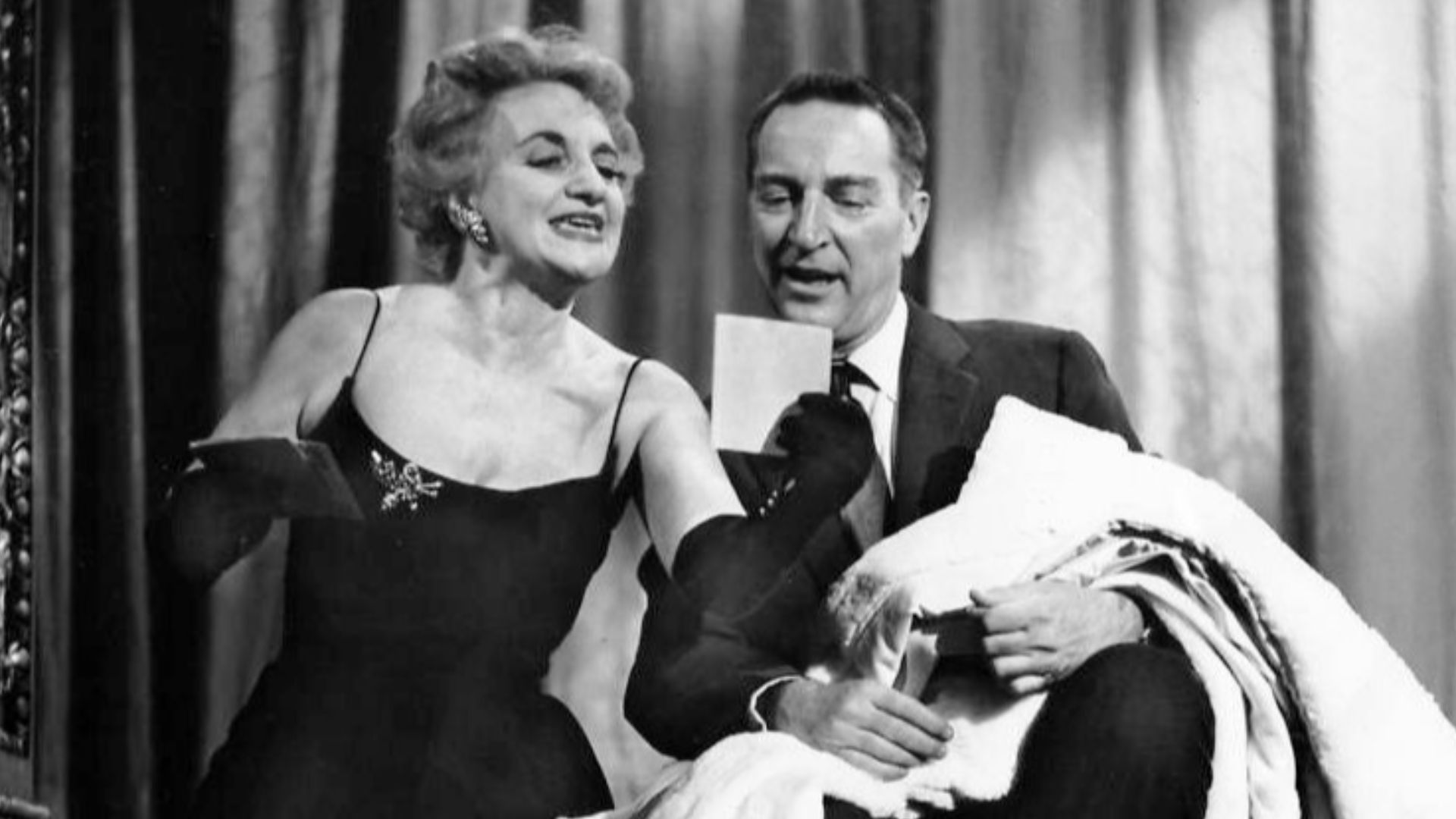
#3. I've Got a Secret
Hosted by Garry Moore, contestants revealed unusual secrets while celebrity panelists tried to uncover them through questioning. Some secrets were heartwarming, others were downright bizarre. Either way, everyone watching thought they would've figured it out much faster.
 CBS Television, Wikimedia Commons
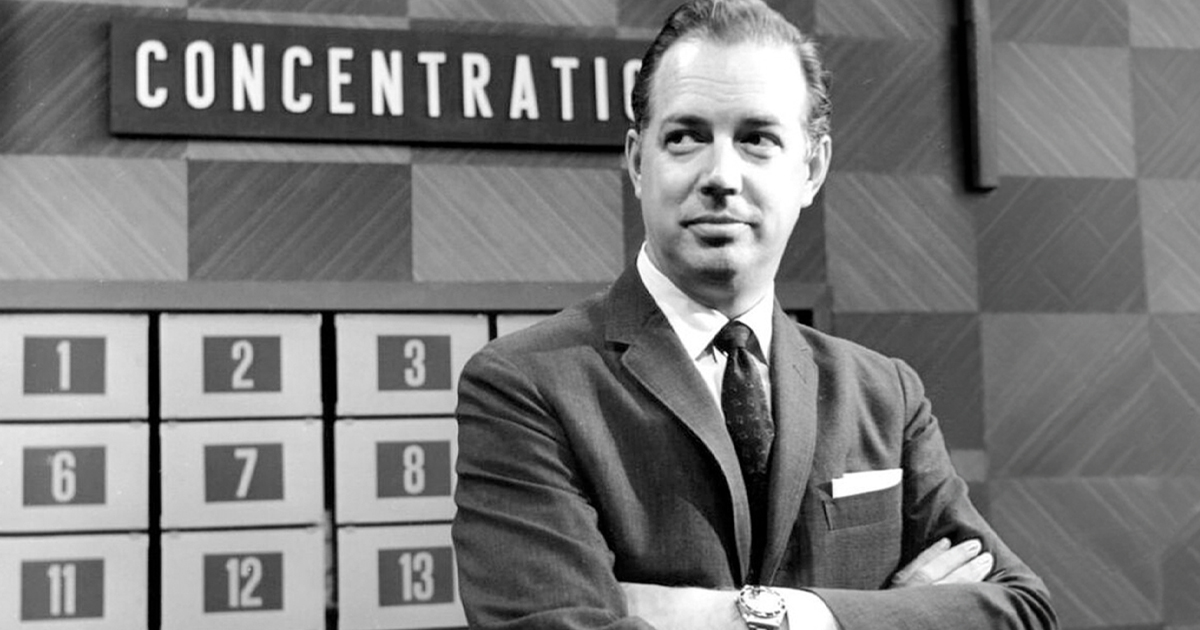
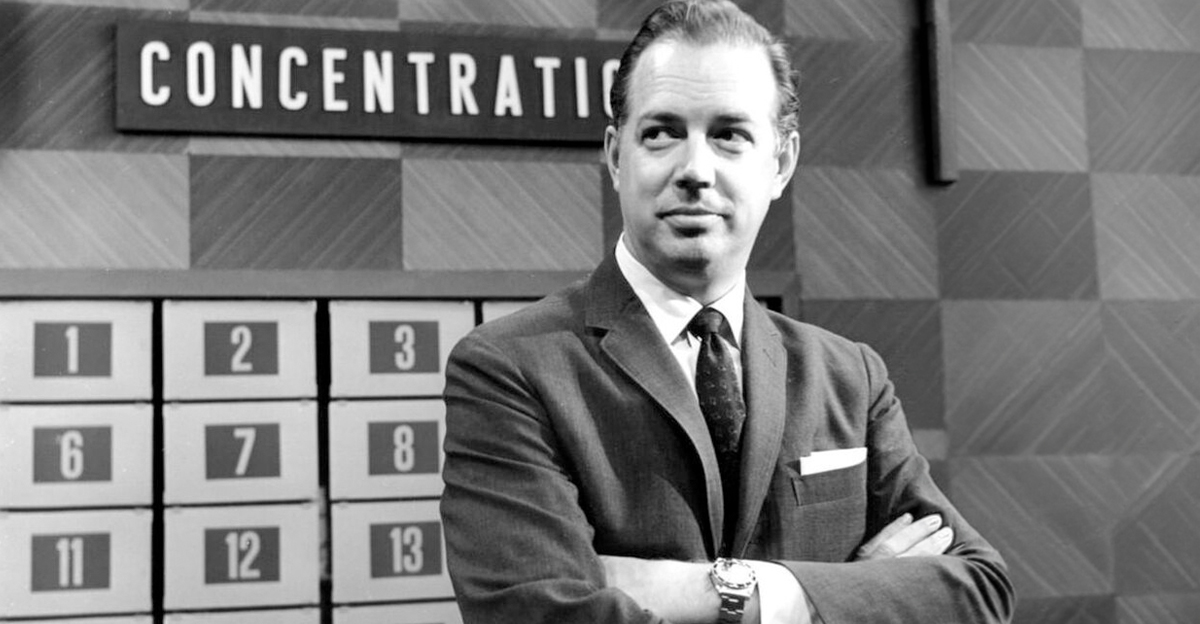
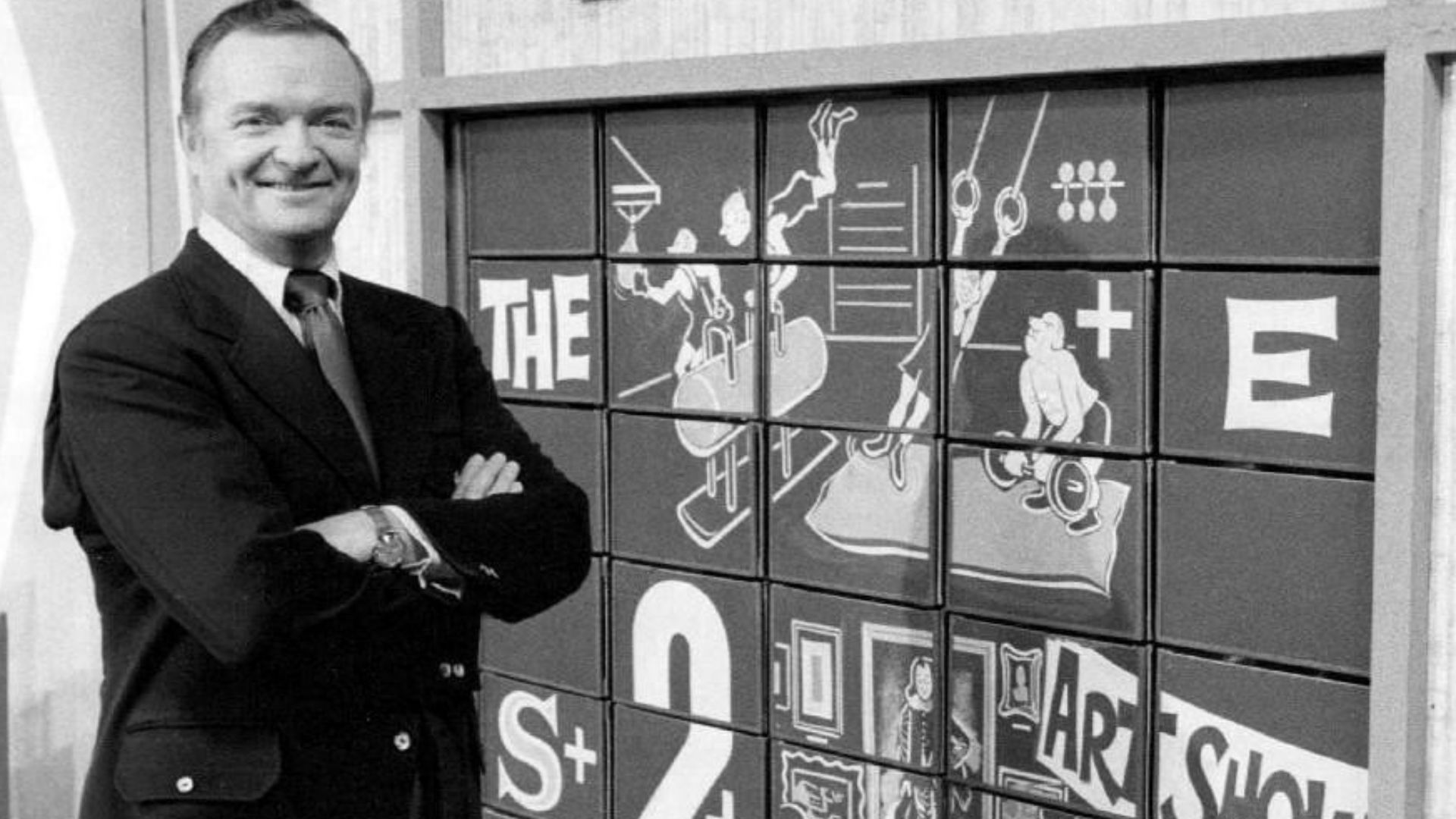
#2. Concentration
Hugh Downs hosted this puzzle favorite where contestants matched hidden prizes while solving rebus puzzles. Families practically held competitions in their living rooms trying to beat the players to the answers. Sometimes the loudest contestant wasn't even on television.
 NBC Television, Wikimedia Commons
#1. The Price Is Right
Before Bob Barker became the face of the franchise, Bill Cullen hosted the original The Price Is Right. Throughout the 1960s, audiences couldn't get enough of pricing games, surprise prizes, and contestants celebrating like they'd just won the lottery. Looking back, it's proof that guessing the price of a washing machine can actually be incredibly entertaining.
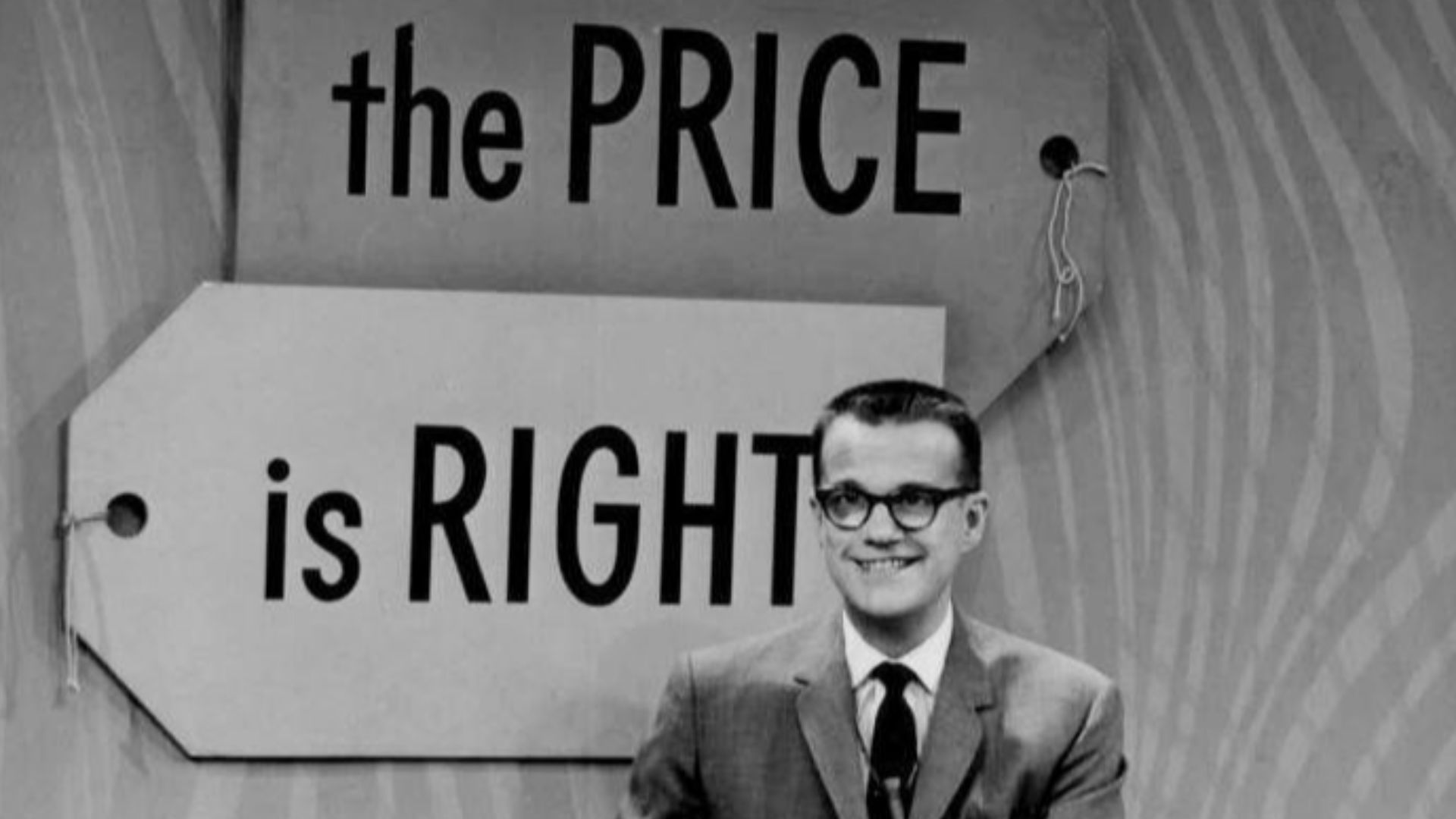 NBC Television, Wikimedia Commons
Final Thoughts
These game shows didn't need giant LED screens, celebrity influencers, or million-dollar jackpots to keep millions entertained. They relied on clever ideas, charismatic hosts, and contestants who were brave enough to guess on national television. And honestly? Some of them are still more fun than half the reality shows on today.
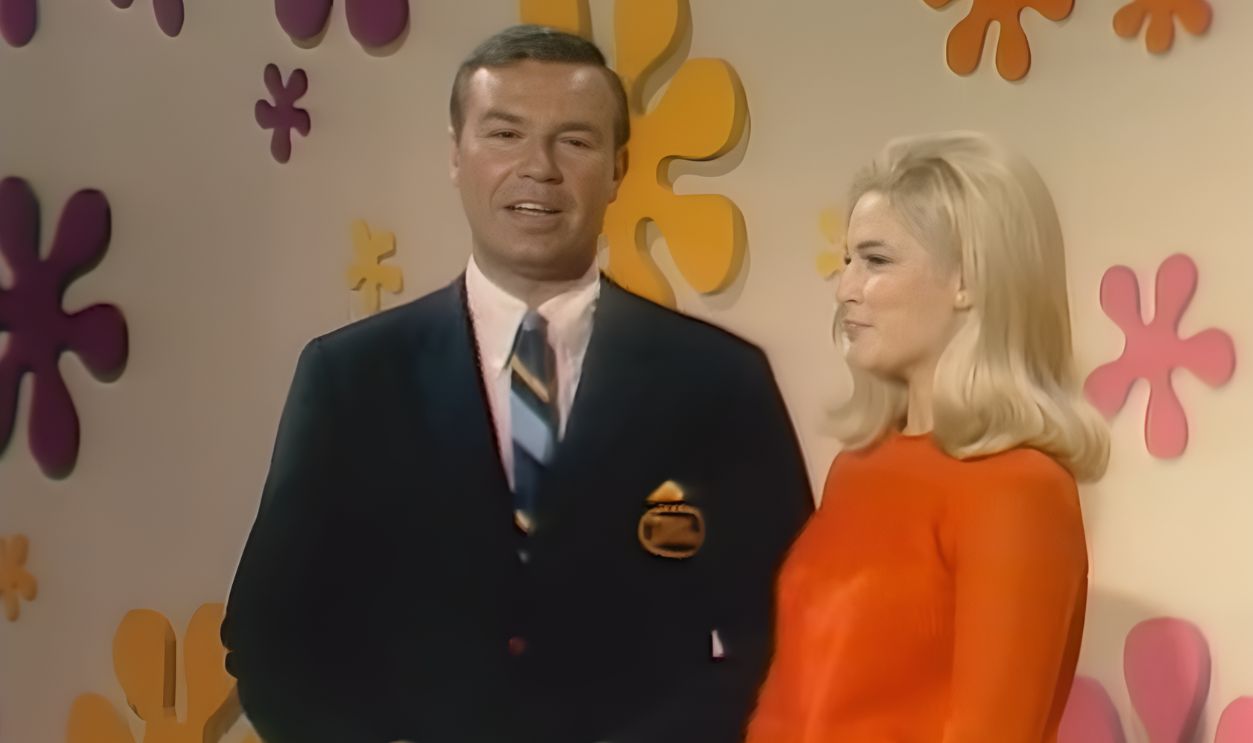 Screenshot from The Dating Game, ABC (1965–2021)
You May Also Like:
TV Shows That Were Huge Abroad—But Never Took Off In The U.S.
20 Years Ago, These Controversial Movies Were Hits—Today They’d Spark Outrage
30 of the Longest-Running TV Shows