The laughs came at a price
Barney Miller made a shabby police station and a terrible pot of coffee into some of the funniest television of the 70s. But the people making it saw a side of Danny Arnold viewers never did. And some of their stories make you wonder how they kept coming back.
He knew his way around a sitcom
Arnold had worked as an actor and comedian before building a career behind the camera. His credits included “The Real McCoys,” “Bewitched,” and “That Girl.” By the time Barney Miller came along, he had experience, success, and very firm ideas about how television should be made.
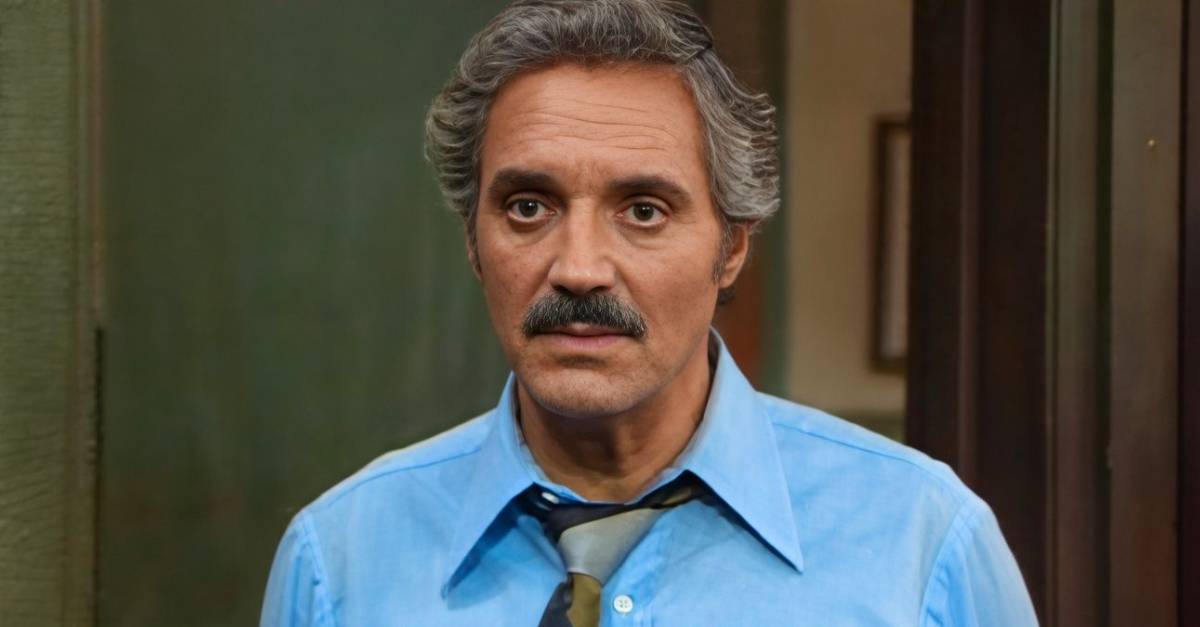
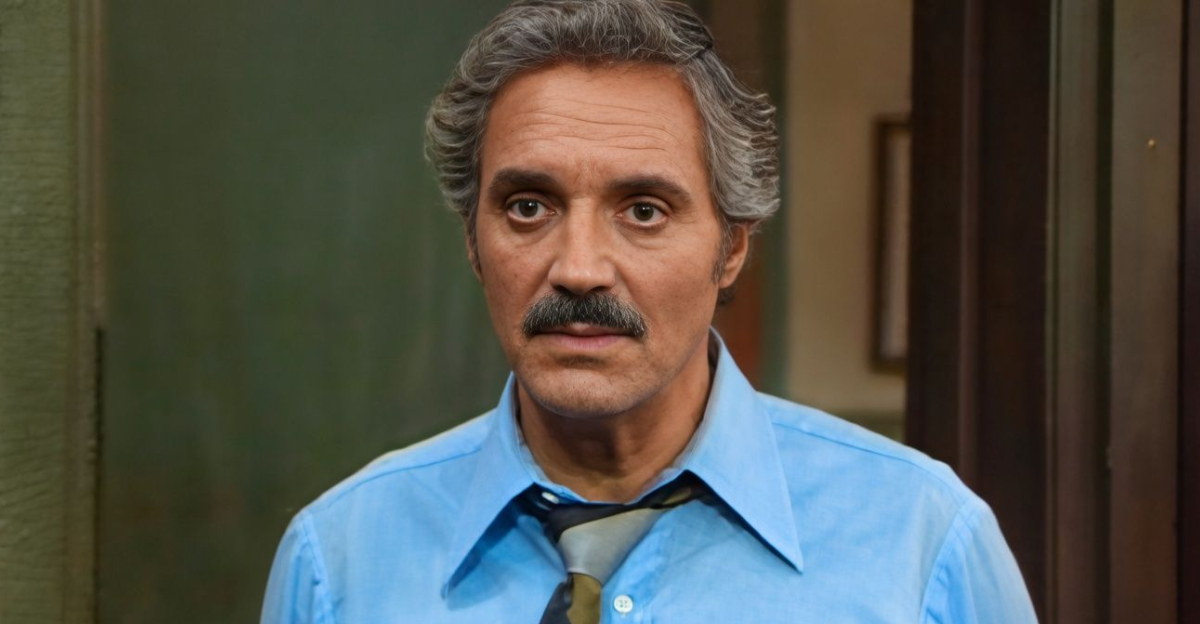
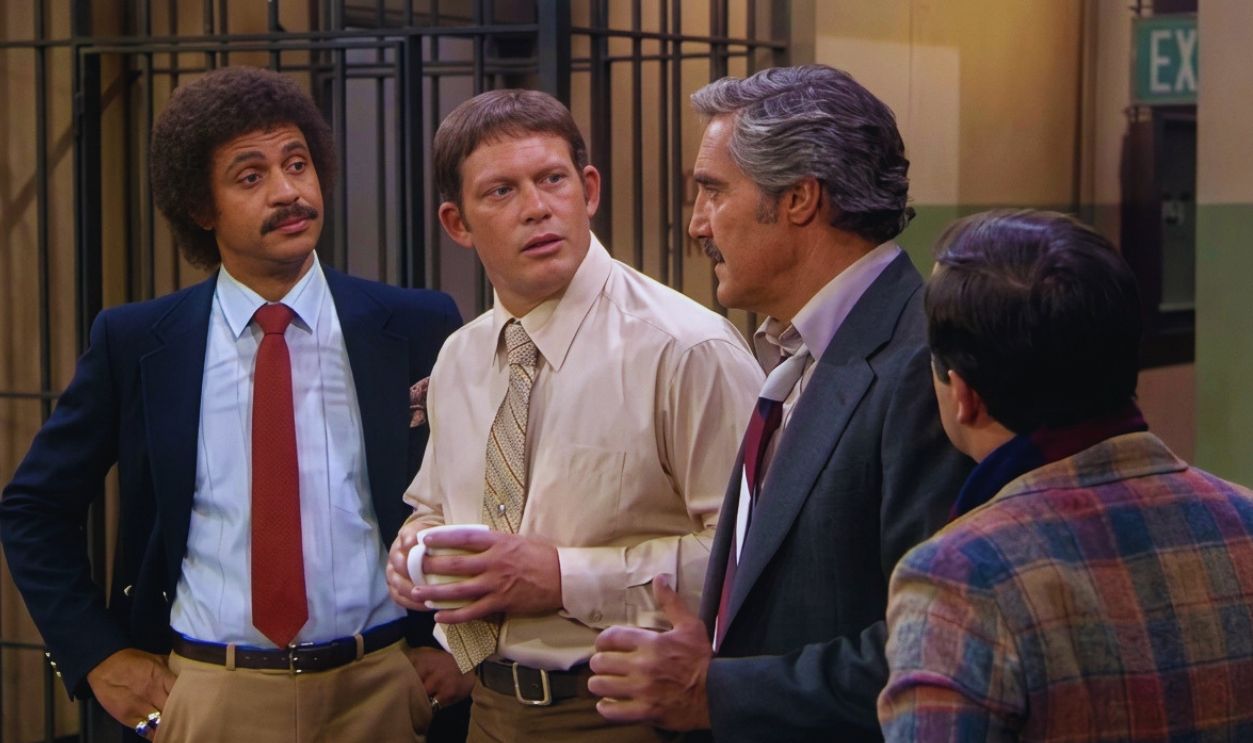 Screenshot from Barney Miller, ABC (1975–1982), Enhanced
This show became personal
Arnold co-created Barney Miller with Theodore J. Flicker, but it became Arnold’s defining project. Author Otto W. Bruno describes him treating the series as his chance to leave something lasting. That ambition helped shape the show—and the demands placed on everyone making it.
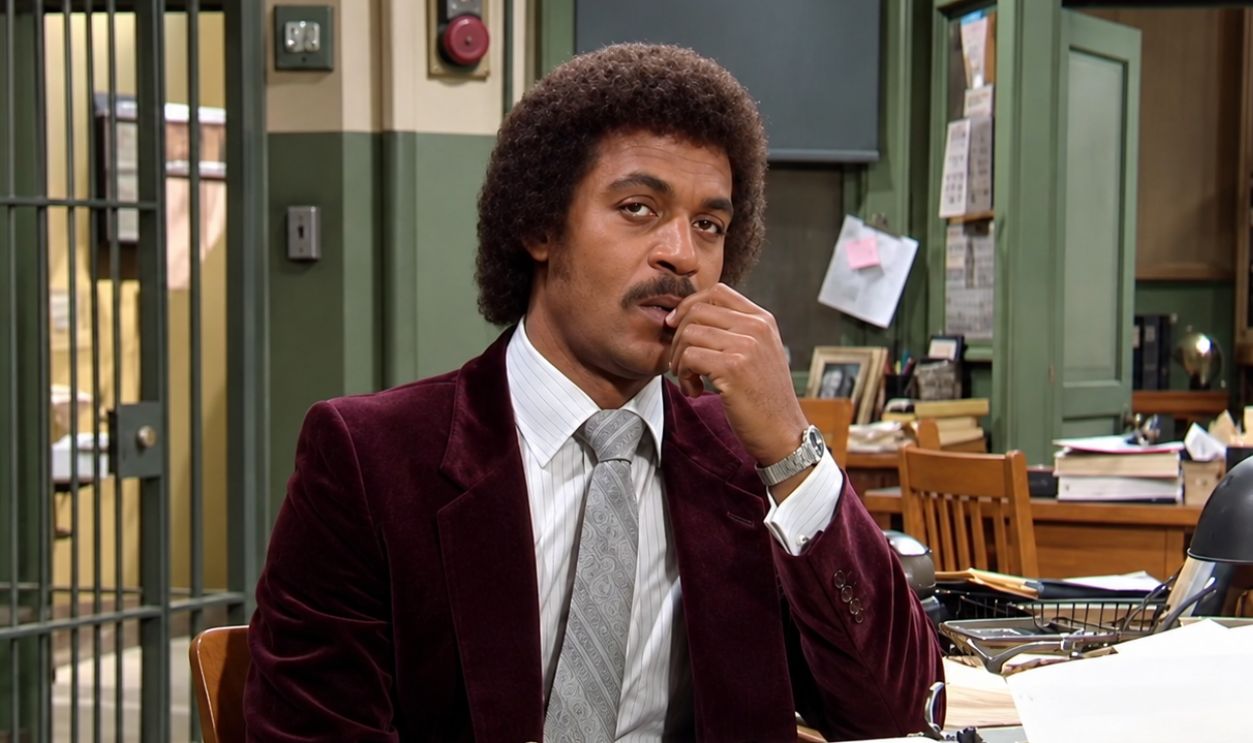 Screenshot from Barney Miller, ABC (1975–1982), Enhanced
The first attempt went nowhere
The original pilot divided its time between Barney’s police work and his family at home. ABC passed. Arnold reworked the idea and eventually secured a series. But the failed pilot had already been followed by another problem: his partnership with Flicker had come apart.
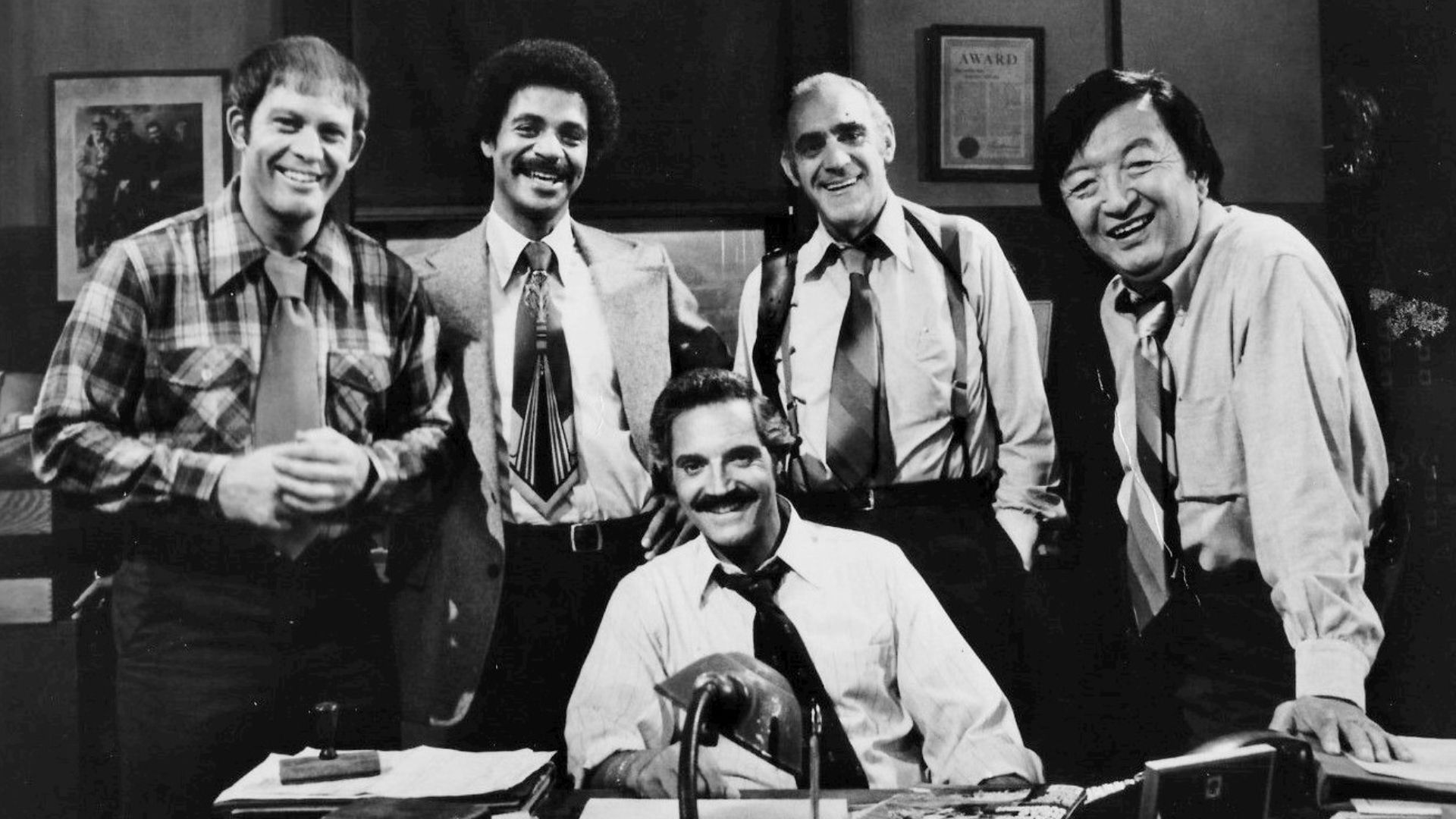 ABC Television, Wikimedia Commons
The partnership turned bitter
According to Bruno’s history, Flicker’s involvement ended after the first pilot, although his co-creator credit remained. Arnold ran the series without him. Disputes over proceeds later led to legal action. The names stayed together in the credits long after the men stopped working together.
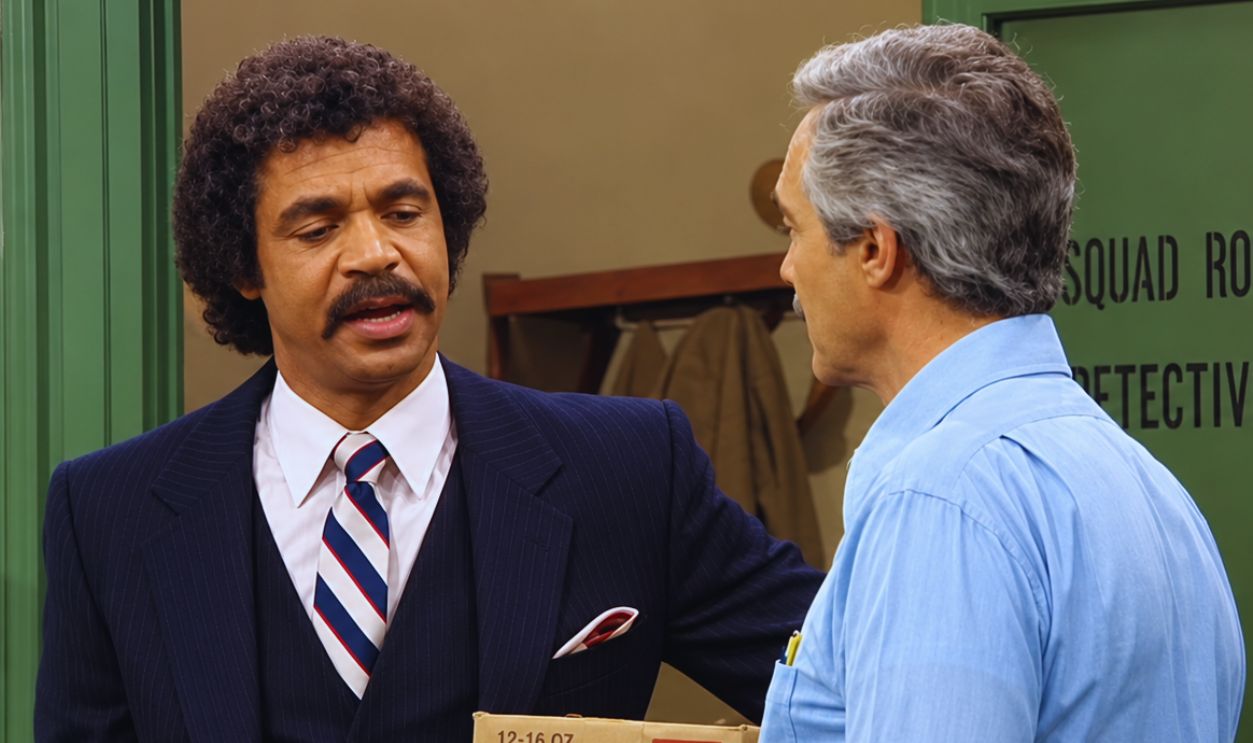 Screenshot from Barney Miller, ABC (1975–1982), Enhanced
The squad room had everything they needed
When the series began in 1975, Barney’s home life gradually slipped into the background. The detectives and the people arriving at the precinct supplied the stories. Paperwork, strange complaints, and terrible coffee became familiar pleasures. Viewers could settle in and enjoy the company.
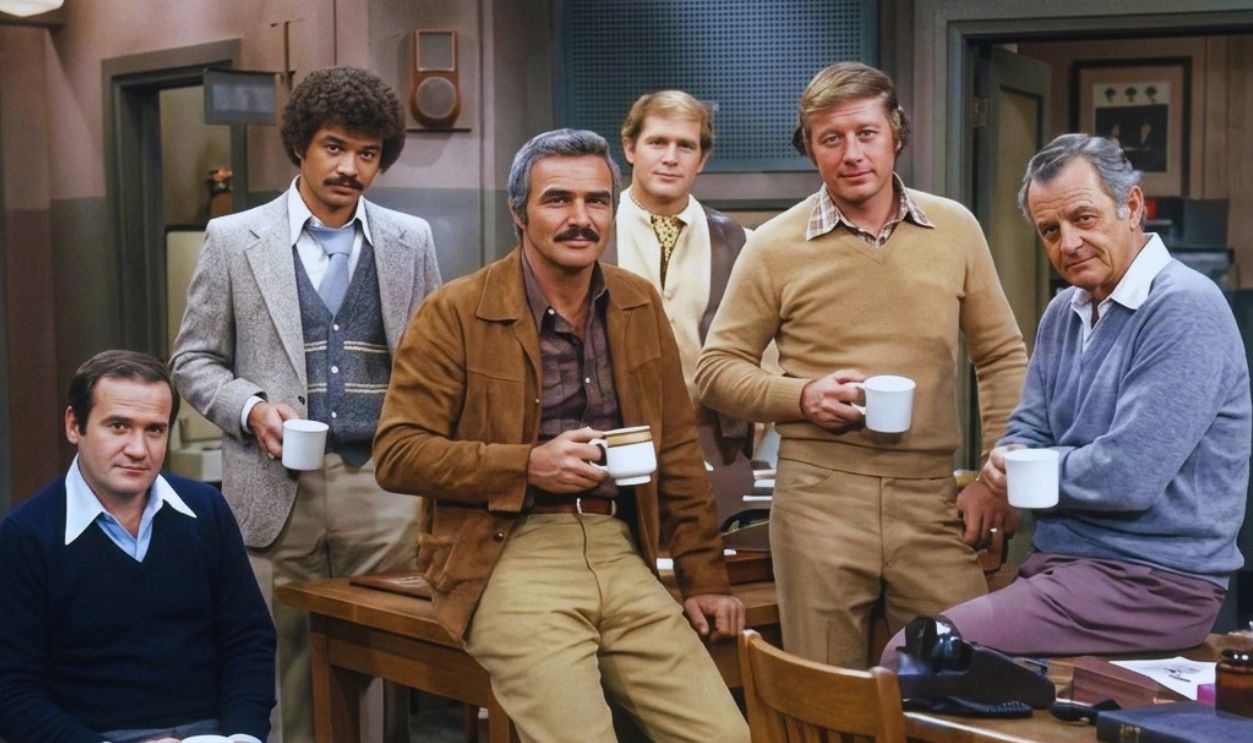 Screenshot from Barney Miller, ABC (1975–1982), Enhanced
Barney was supposed to show compassion
Hal Linden recalled Arnold wanting Barney to have “a sense of Talmudic justice.” The captain needed to recognize the humanity in the people across his desk. That patience gave the show much of its warmth. Dealing with Arnold himself could be a different experience.
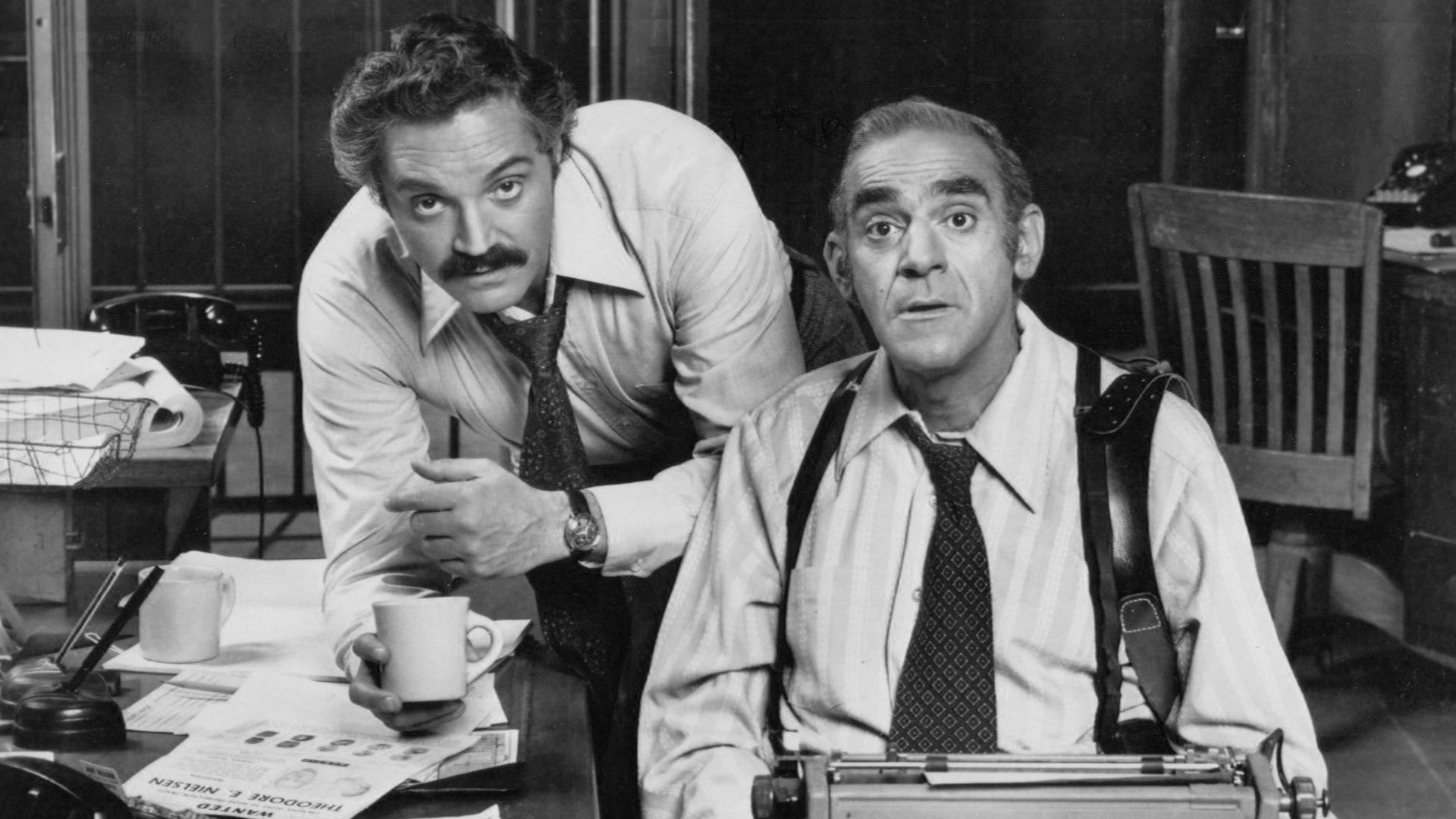 ABC Television, Wikimedia Commons
The friendly welcome didn’t last
According to Ken Levine, he and David Isaacs first met an enthusiastic Danny Arnold who loved their work. A week later, Arnold attacked their pitches with profanity and demanded, “HAVE YOU EVER WATCHED OUR SHOW?” Levine admitted they were intimidated. The friendly introduction hadn’t prepared them for this.
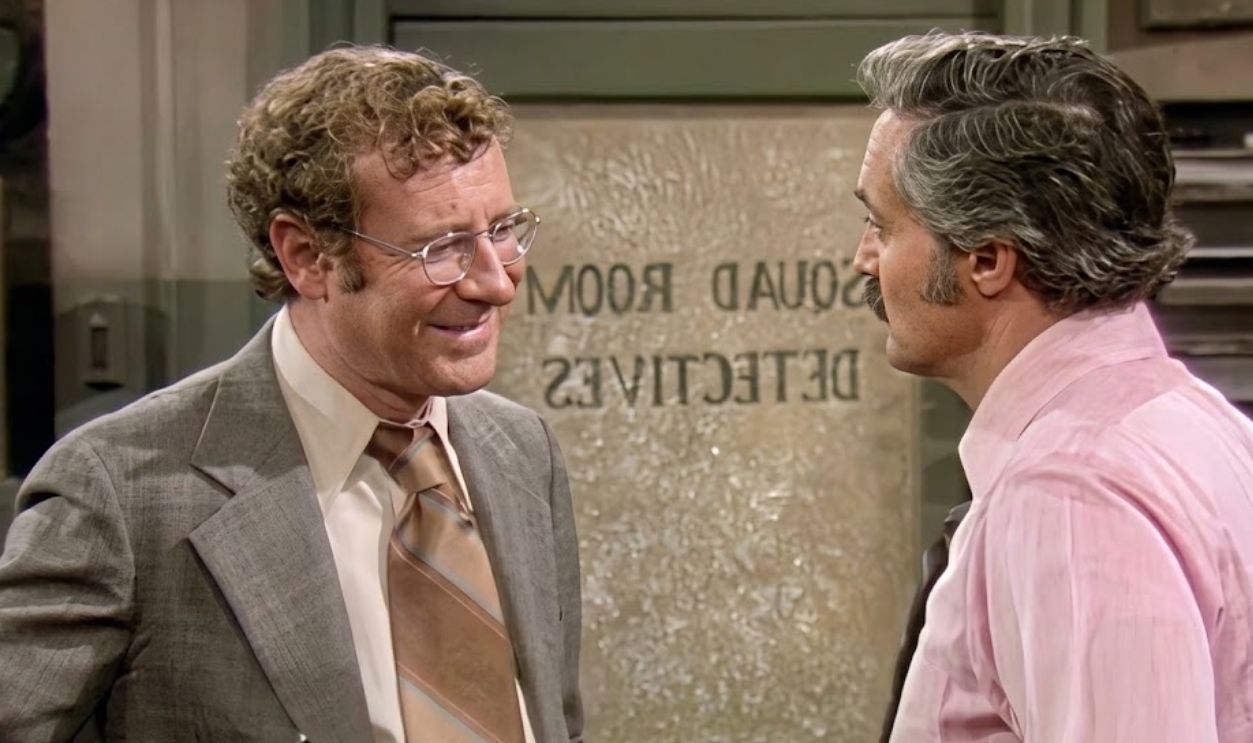 Screenshot from Barney Miller, ABC (1975-1982), Enhanced
He kept pulling the rug out
Arnold bought their outline, praised it, then stopped the assignment. When he summoned them back, Levine expected another dressing-down. Instead, Arnold offered doughnuts and revived the project—only to stop it again after another revision. They were paid, but never got to write the episode.
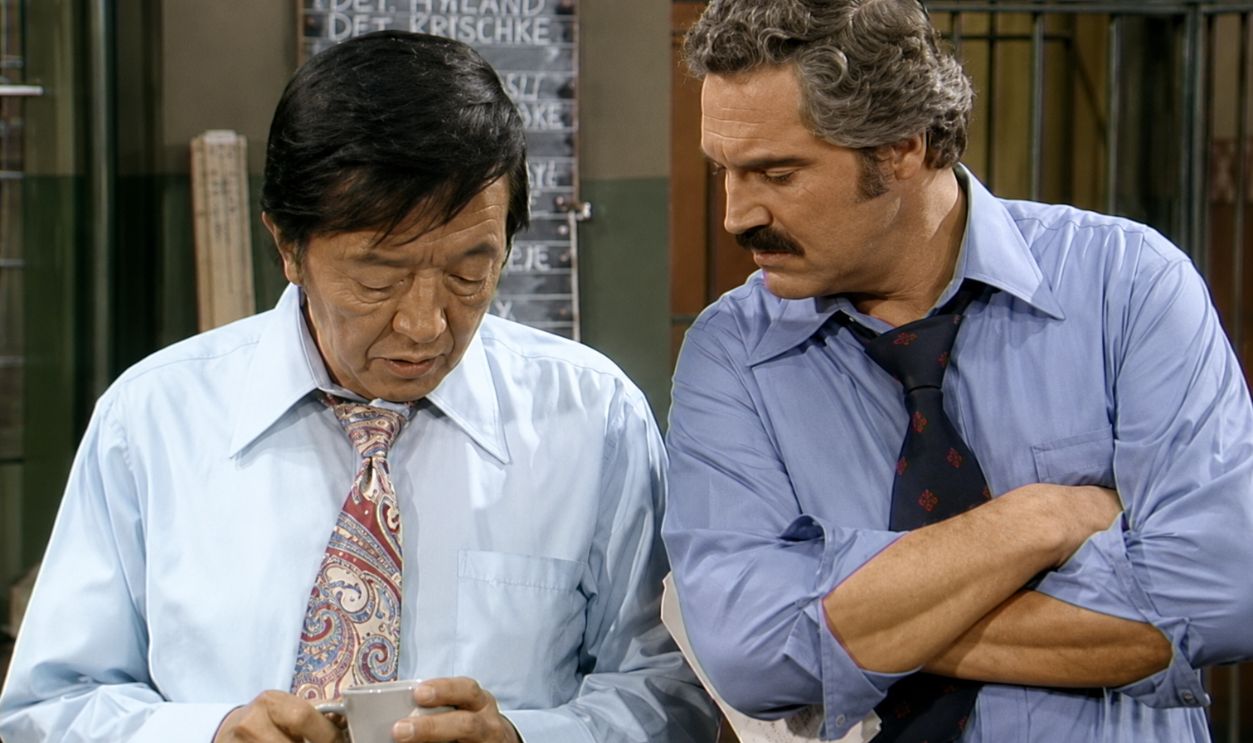 Screenshot from Barney Miller, ABC (1975-1982), Enhanced
This time, they turned him down
Years later, Arnold offered them the chance to run Barney Miller. Levine and Isaacs were now head writers on “M*A*S*H,” and they stayed there. Arnold had gone from rejecting their outlines to offering them the top writing job. This time, they declined the offer.
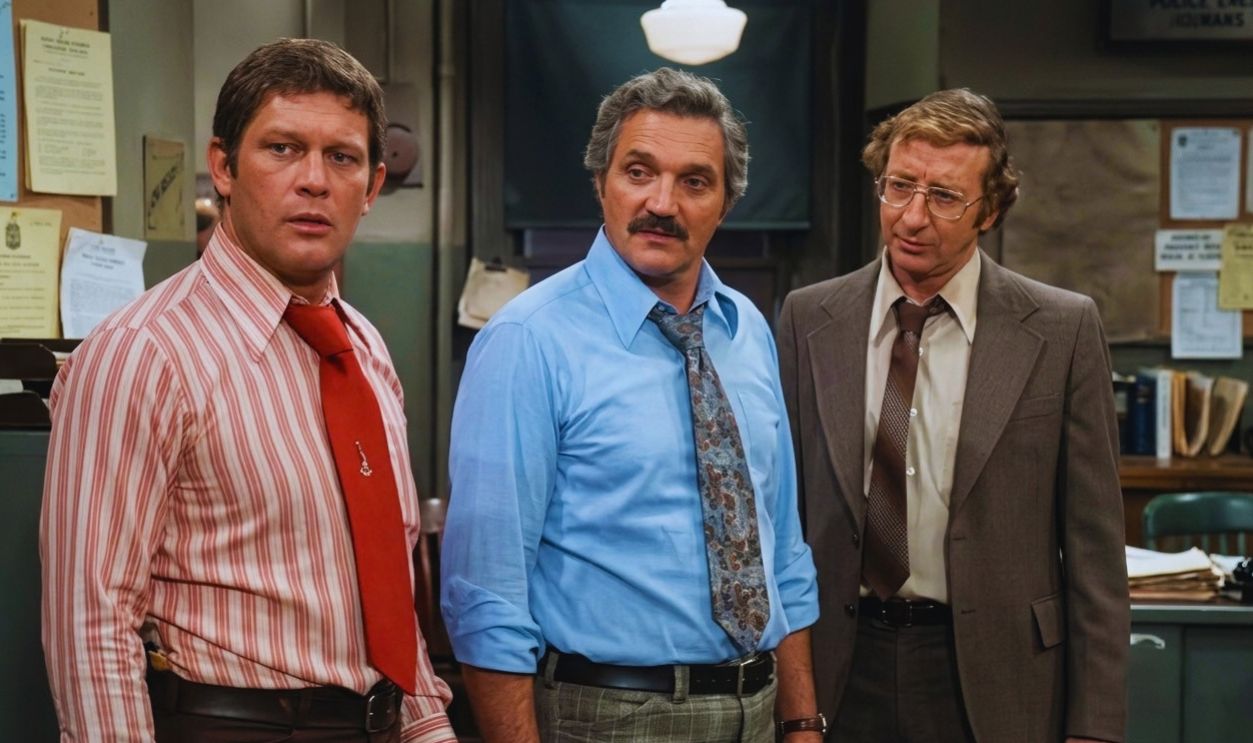 Screenshot from Barney Miller, ABC (1975–1982), Enhanced
A new writer thought the chaos was normal
For Tom Reeder, Barney Miller was his first television writing job. He hadn’t realized every show wasn’t this chaotic. He admired Arnold’s ability to invent scenes and jokes, but remembered him obsessively rewriting material he had already created.
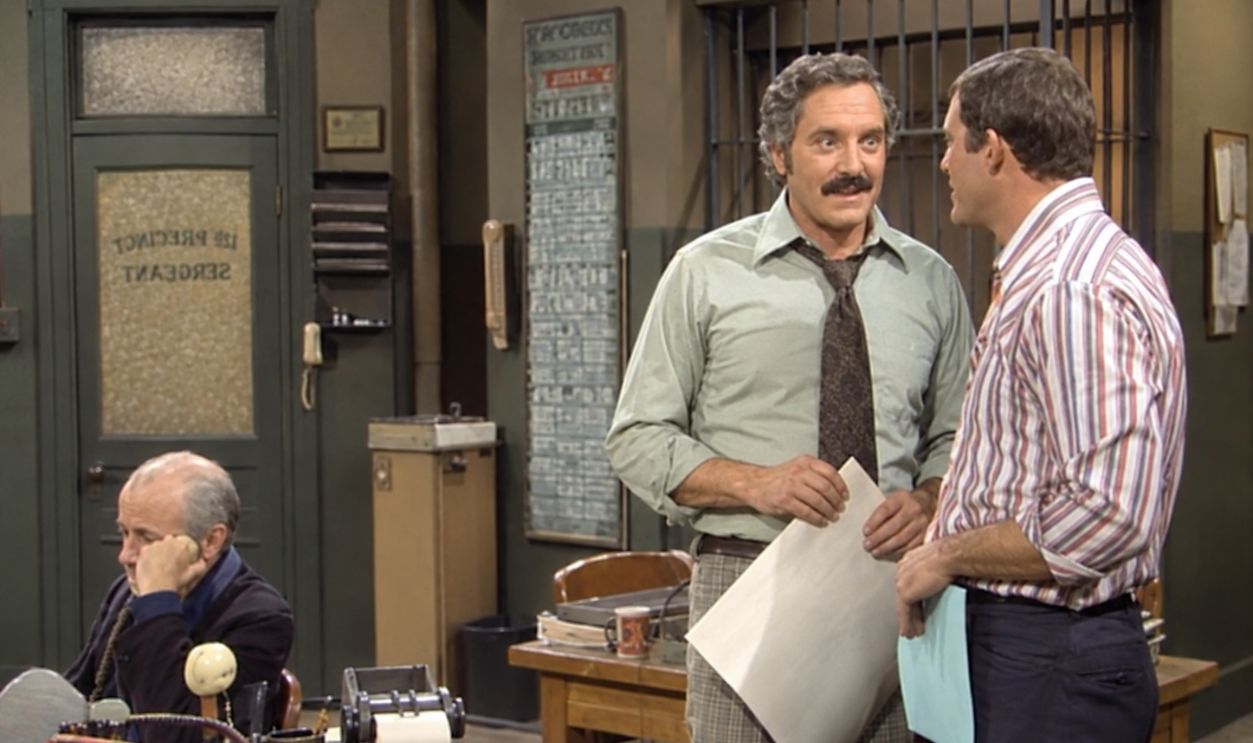 Screenshot from Barney Miller, ABC (1975-1982), Enhanced
His agent kept turning down staff jobs
Reeder wrote that his agent repeatedly declined Arnold’s annual offers of a staff position, negotiating freelance assignments instead. Looking back, Reeder called that decision wise. Even with that arrangement, he still found himself working at a frantic pace.
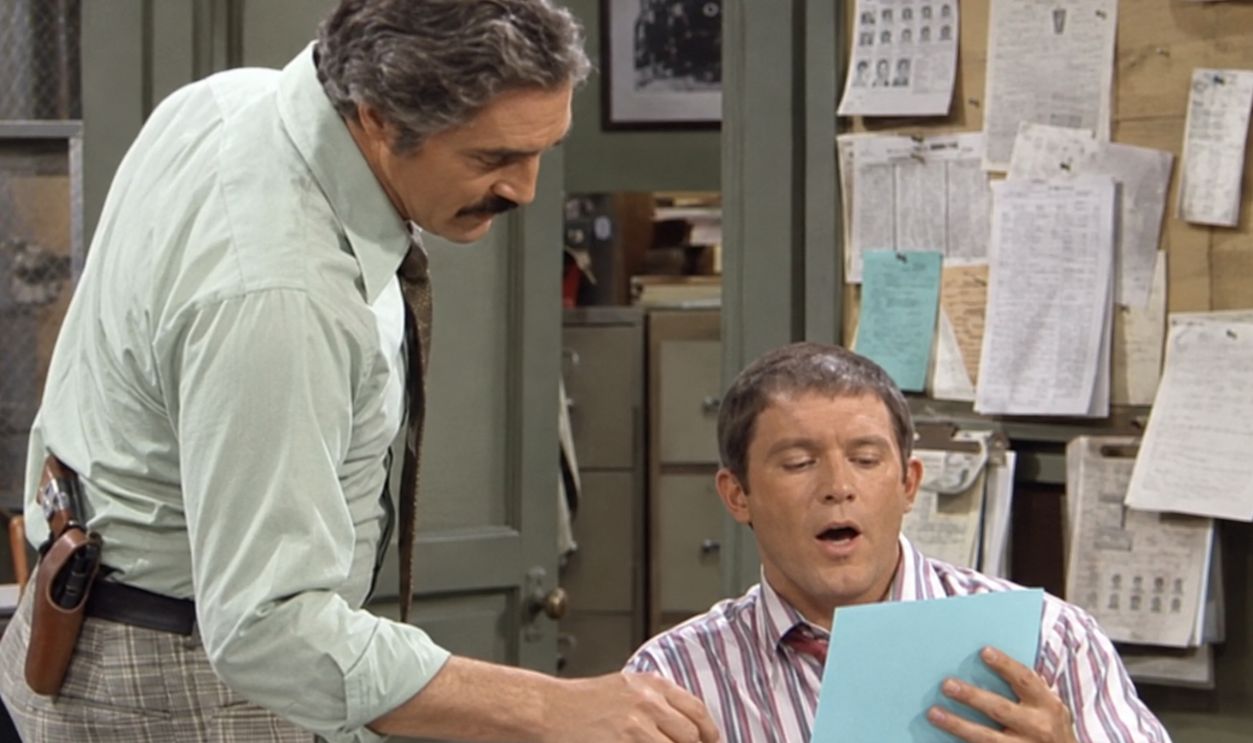 Screenshot from Barney Miller, ABC (1975-1982), Enhanced
Six pages—and a very long night
Reeder recalled a season beginning with just six pages of one script ready. Actors sometimes waited onstage for more material, then learned fresh scenes at 2 a.m. Steve Landesberg could find himself memorizing lengthy Dietrich speeches while the night dragged on.
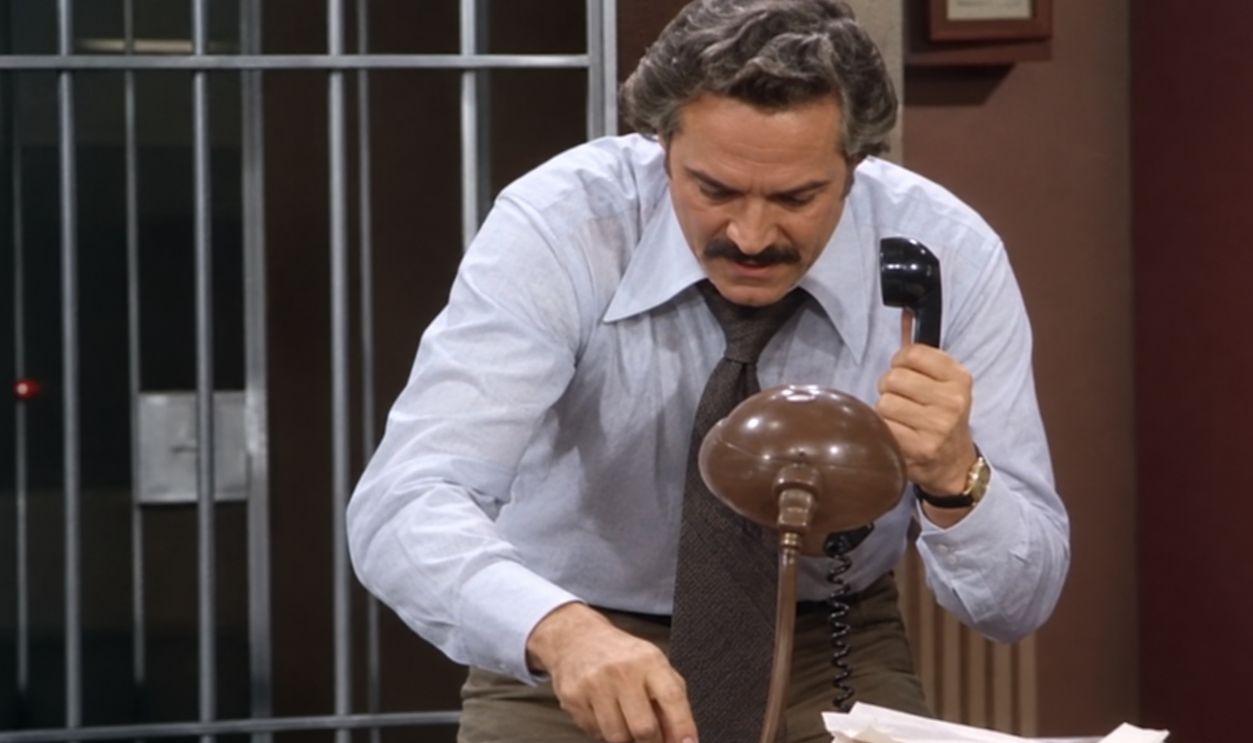 Screenshot from Barney Miller, ABC (1975-1982), Enhanced
The actors were waiting on his typewriter
Reeder once had three hours to produce a story outline. Another time, he declined lunch because the script he was typing was already onstage. The production needed those pages immediately. Even stepping out for something to eat could be difficult.
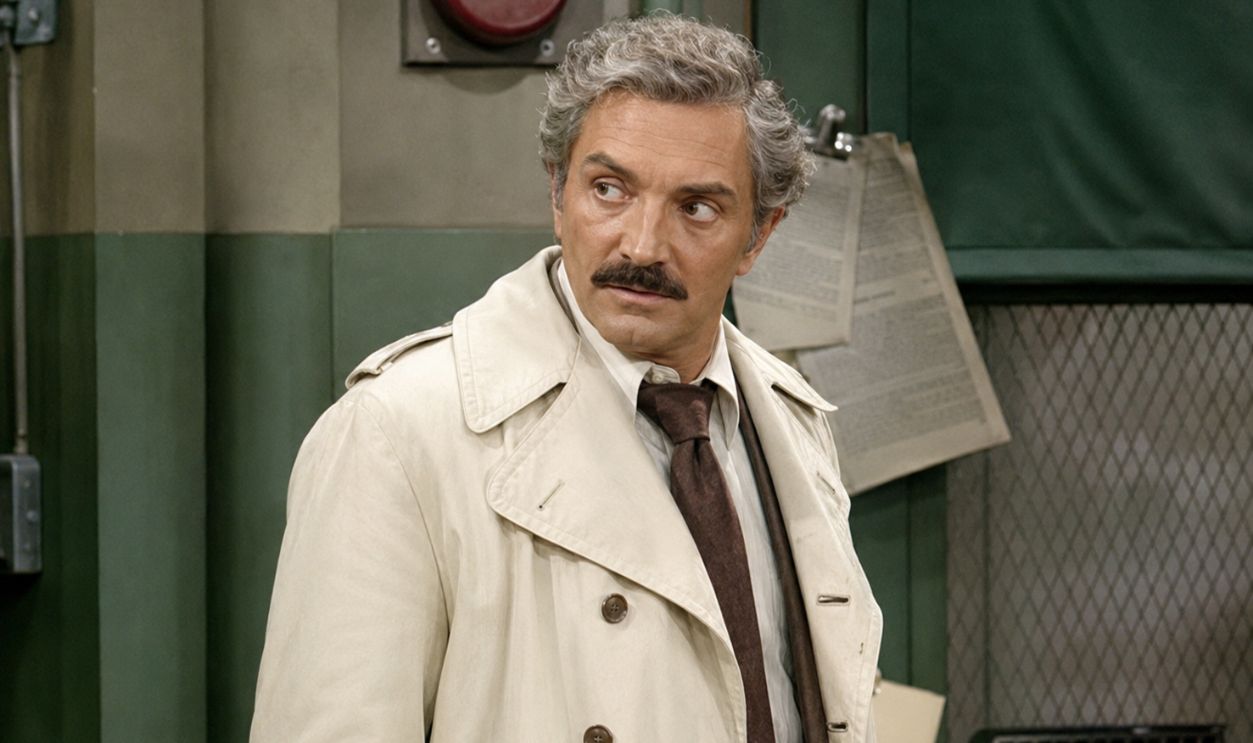 Screenshot from Barney Miller, ABC (1975-1982), Enhanced
Finishing the taping didn’t finish the work
Mark Evanier described evenings when the audience left and extensive rewriting began. Arnold supervised or handled much of it himself, then the cast recorded the changes. The audience could head home while the people they had just watched faced another round of work.
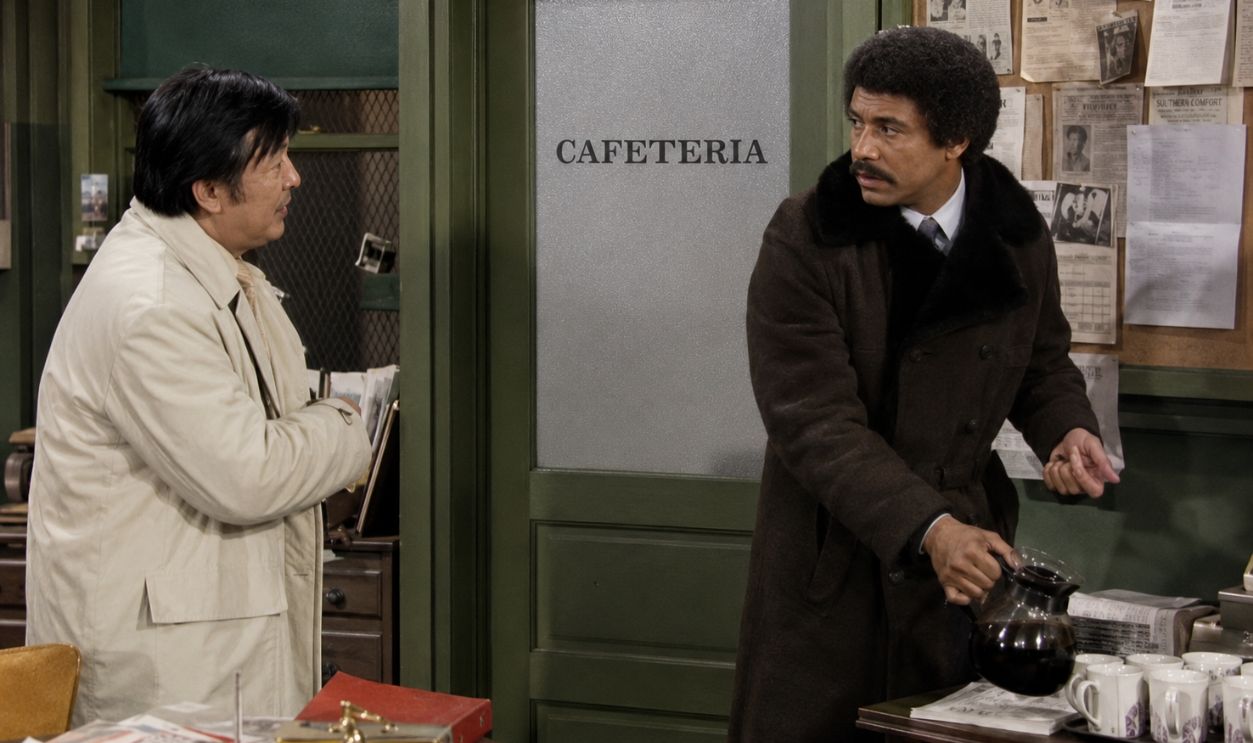 Screenshot from Barney Miller, ABC (1975-1982), Enhanced
Eventually, the audience stopped coming
Those marathon sessions helped make a studio audience impractical, and the series eventually stopped using one. Removing the audience solved that scheduling problem. It didn’t remove Arnold’s insistence on continuing to work through the material, sometimes well into the following morning.
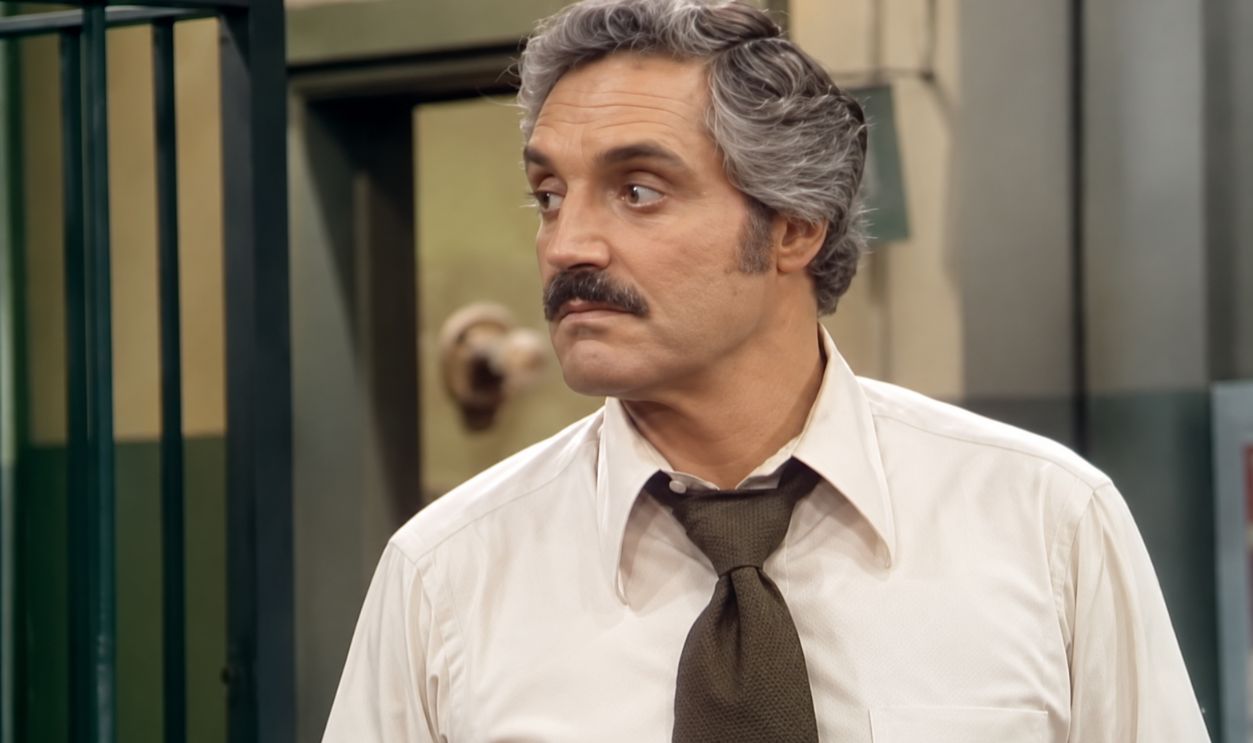 Screenshot from Barney Miller, ABC (1975-1982), Enhanced
They could still be there at sunrise
Linden remembered a taping lasting until 6:30 in the morning. The finished episode would occupy half an hour of television. Making it could consume the entire night, with the cast still expected to remember new dialogue and deliver it convincingly.
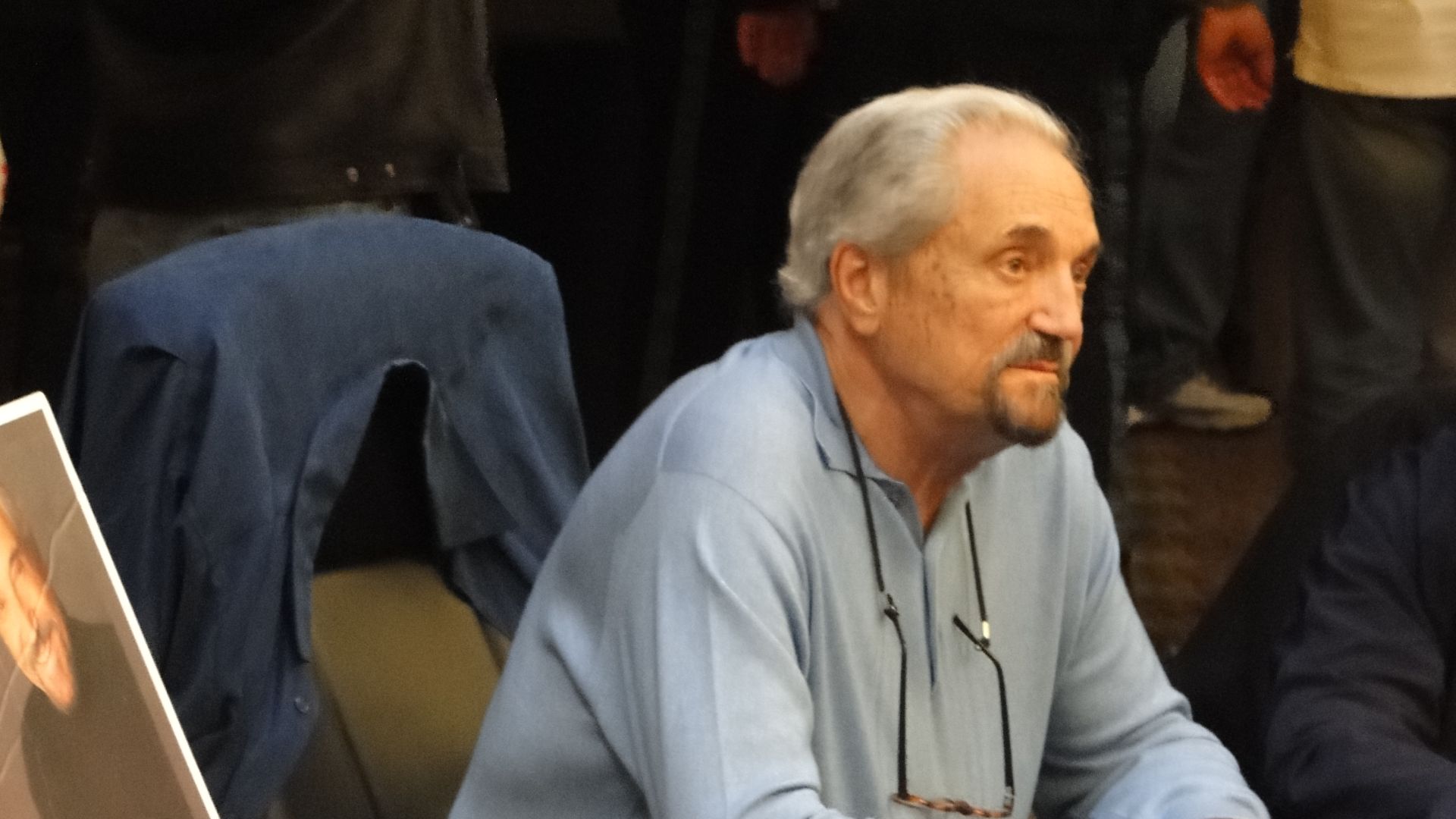 Chamber of Fear, Wikimedia Commons
He even brought oxygen onto the set
According to Levine, Arnold had an oxygen tent installed on the set so he could keep working through shooting nights that routinely lasted until 5 a.m. His account describes a production where even Arnold’s health problems hadn’t brought those overnight sessions to an end.
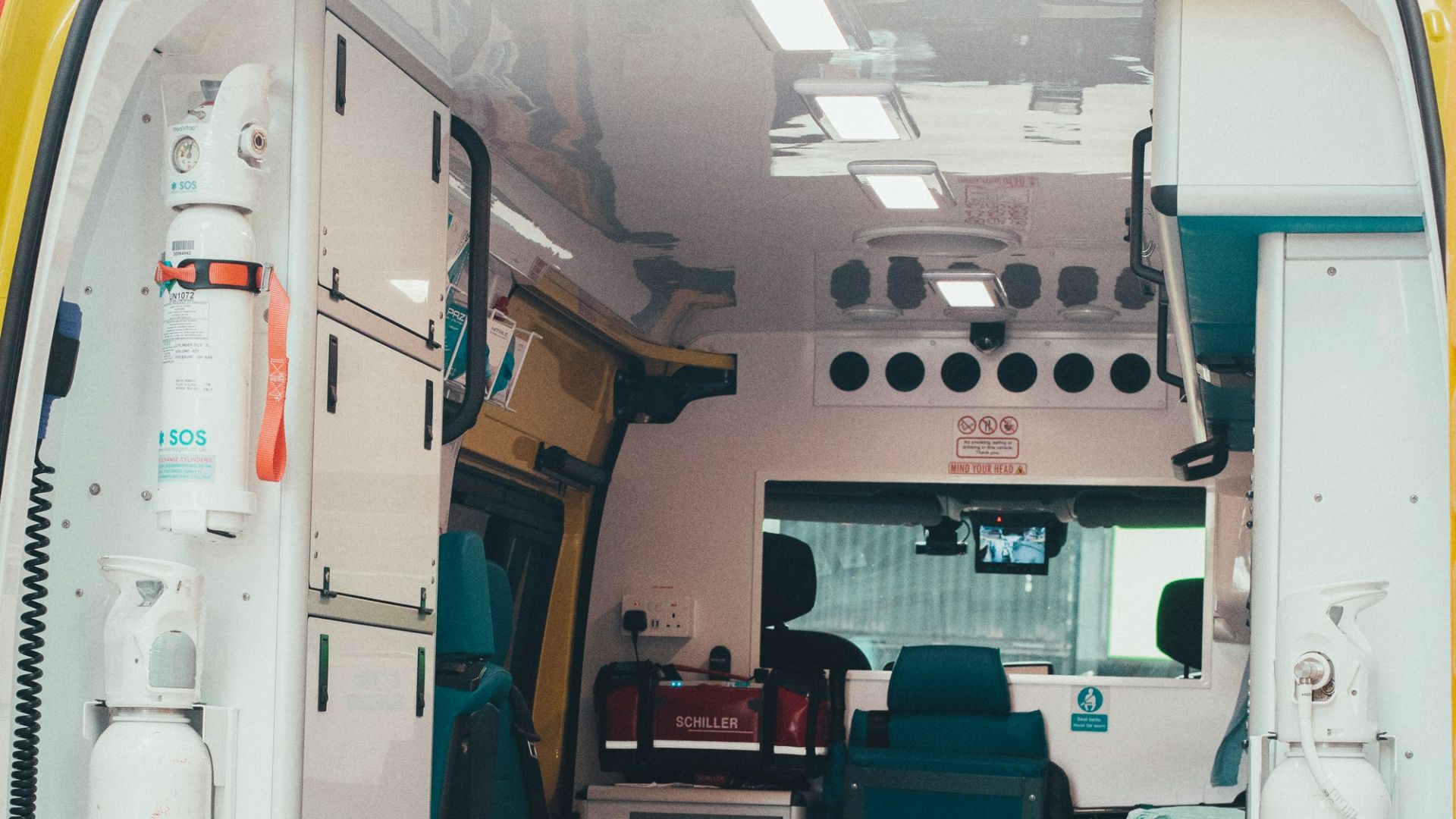
An ambulance reportedly couldn’t stop the changes
Reeder said he was told Arnold continued suggesting changes while being wheeled toward an ambulance after developing chest pains. Reeder hadn’t witnessed it himself. The story remains secondhand, but he included it in his account of the show’s frantic working conditions.
 ABC Television, Wikimedia Commons
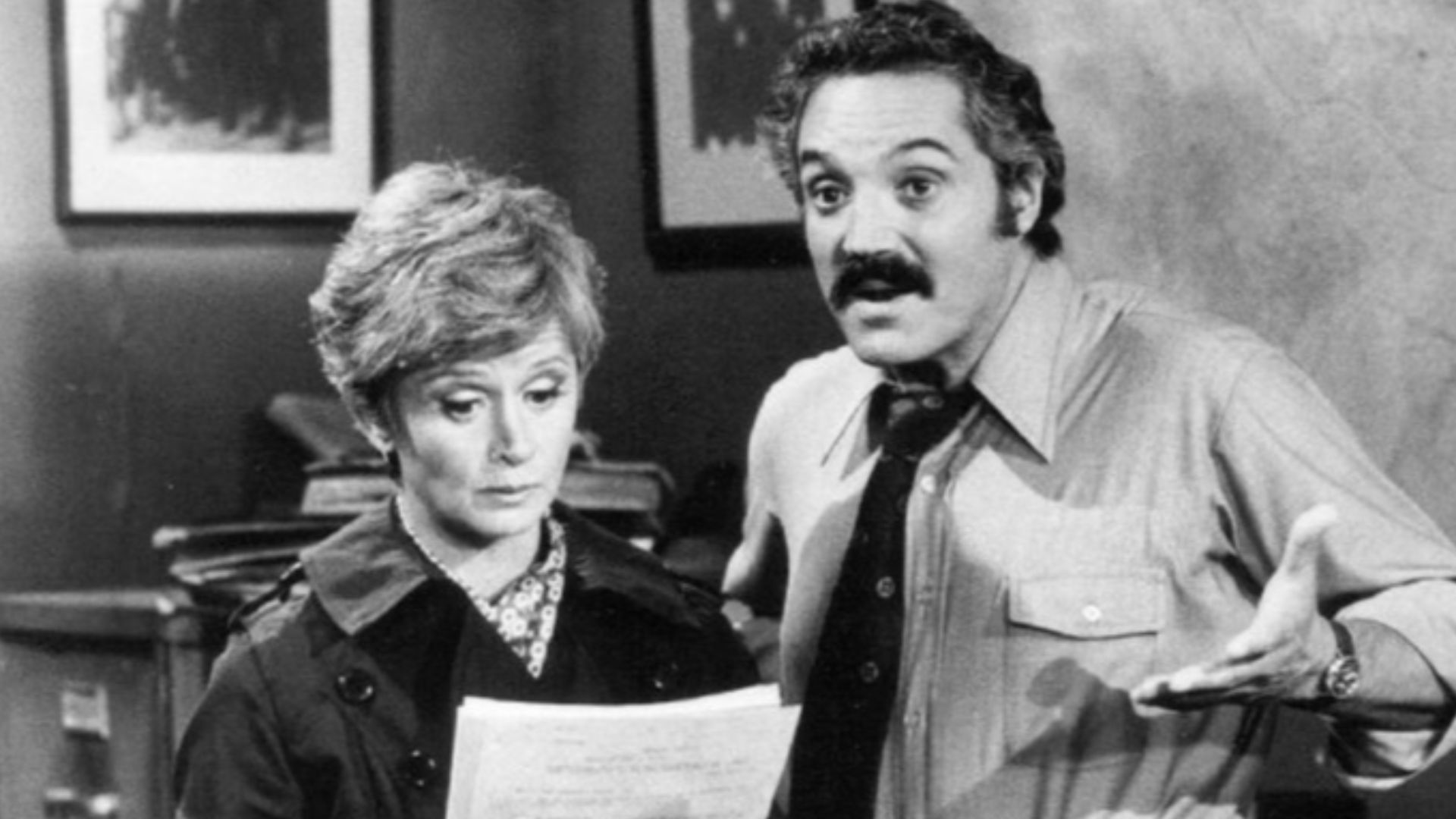
Eventually, he had to step away
Bruno’s history says heart problems forced Arnold away from daily production after the fifth season. He underwent bypass surgery, and Tony Sheehan ran the show during his two-season absence. Arnold returned for the final season. The production had continued while he recovered.
 ABC Television, Wikimedia Commons
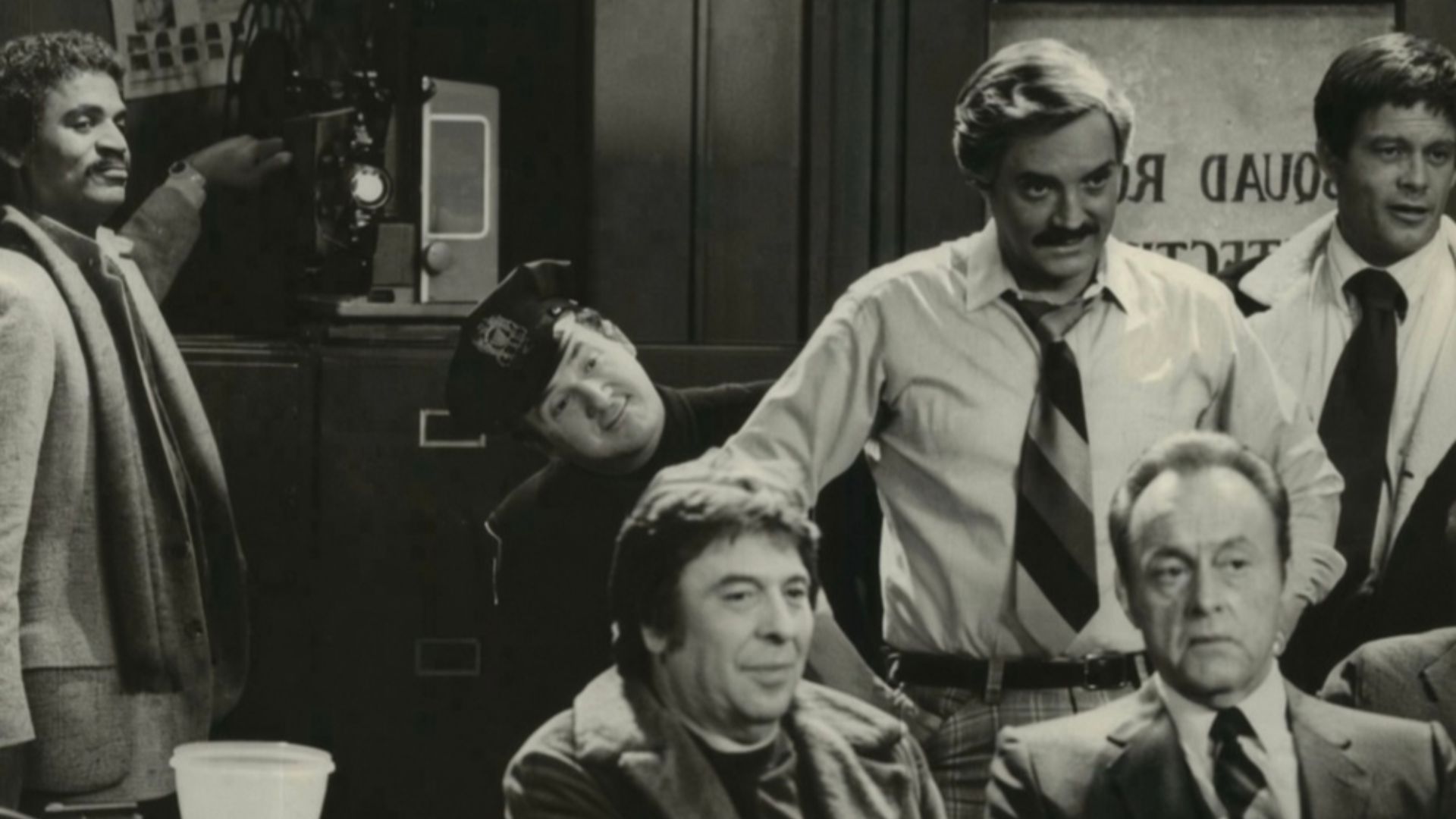
ABC could get an ultimatum
Linden recalled the network objecting to a joke in an early episode. Arnold refused to change it and threatened to stop making the series if ABC wouldn’t air his version. A disagreement over one line could become a confrontation over the future of the show.
 Screenshot from Barney Miller, ABC (1975–1982), Enhanced
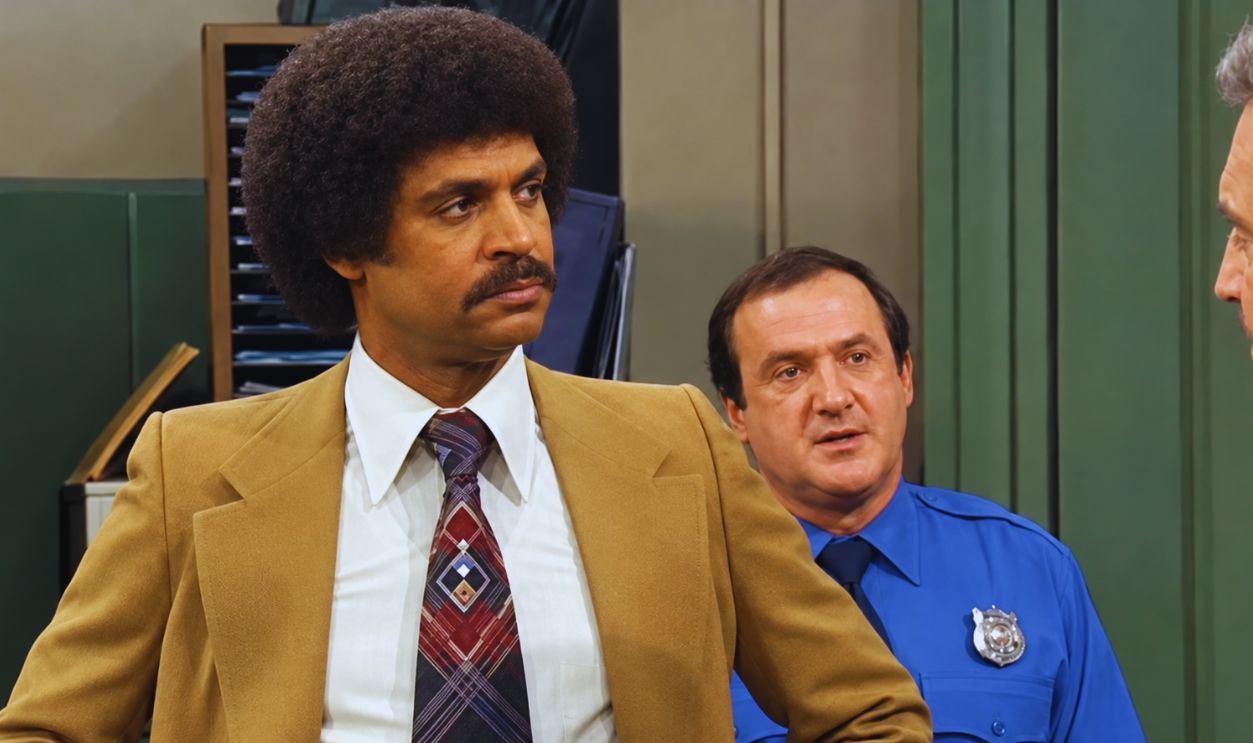
One argument nearly became physical
ABC standards chief Alfred Schneider described a confrontation with Arnold that nearly came to blows. According to Harvard’s coverage of Schneider’s memoir, the dispute concerned whether a couple specific words could be used on the series. An argument over television dialogue had escalated that far.
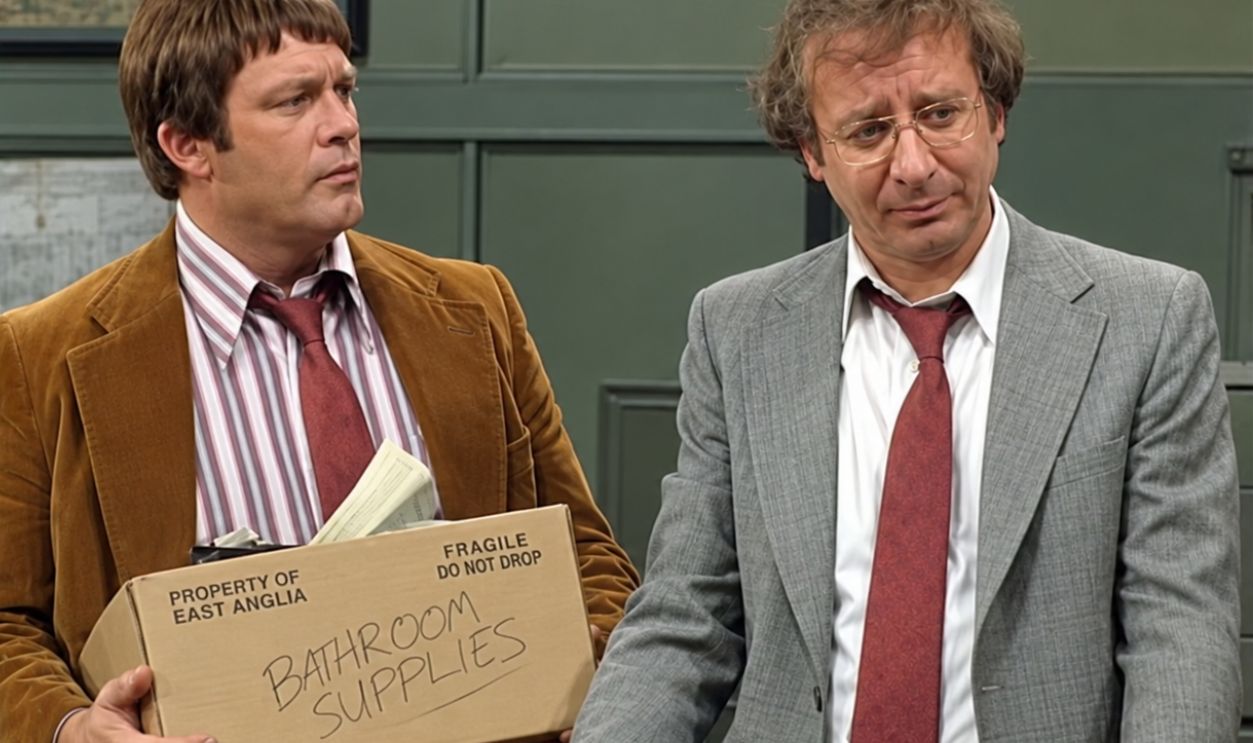 Screenshot from Barney Miller, ABC (1975–1982), Enhanced
Ron Glass challenged the script
During “The Harris Incident,” Ron Glass objected to his character apologizing after an argument with Barney. Harris had just been fired at by another officer. Linden recalled Arnold joining a discussion after midnight, and the ending was rewritten so Harris didn’t have to apologize.
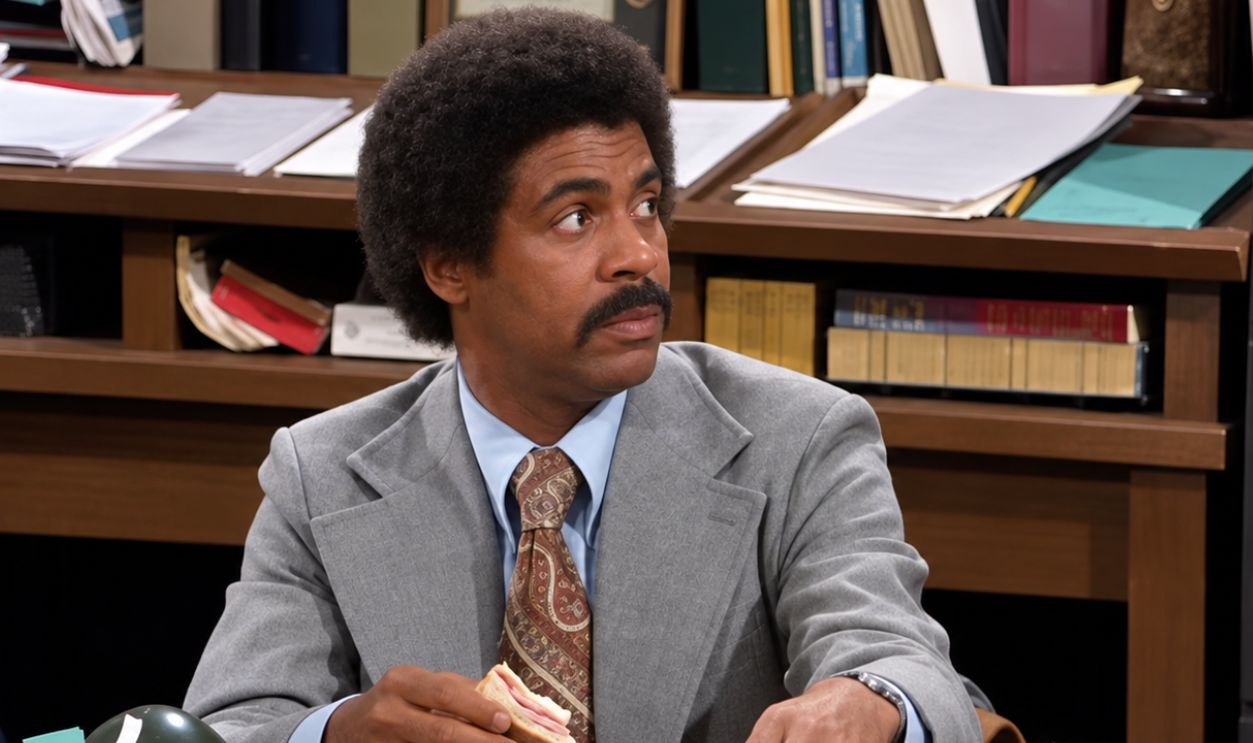 Screenshot from Barney Miller, ABC (1975–1982), Enhanced
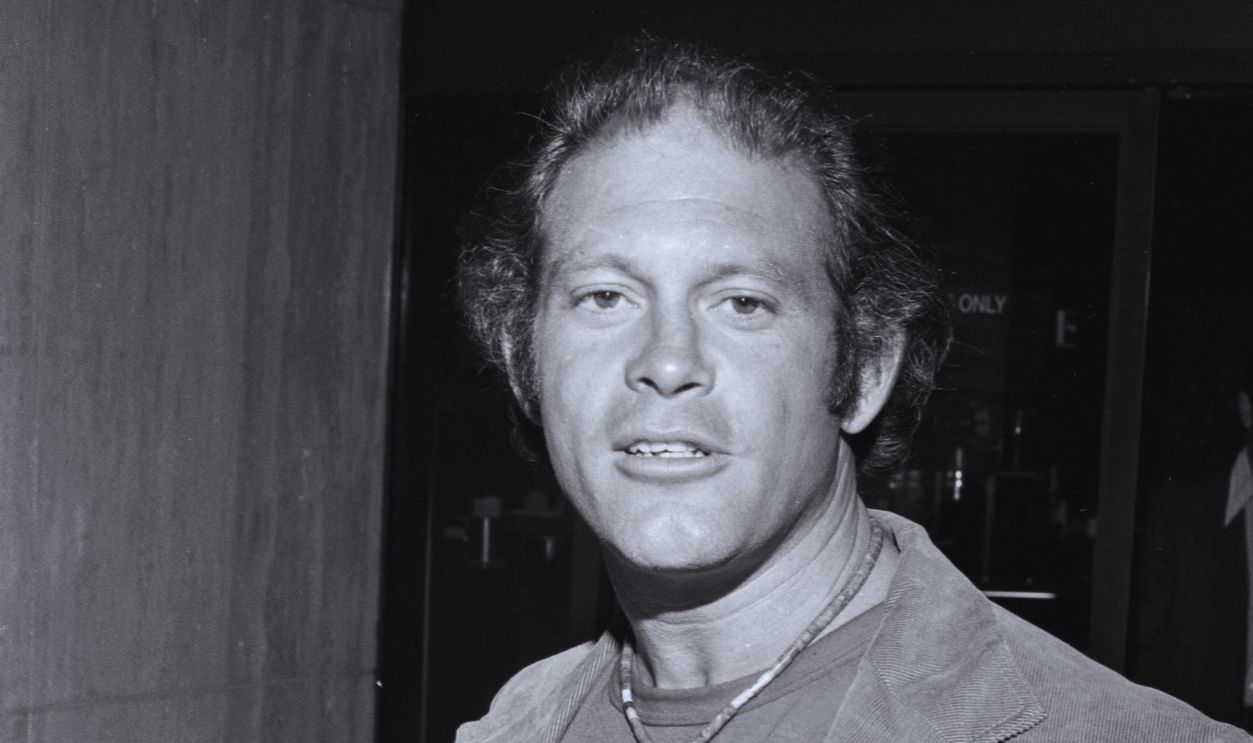
Some colleagues remembered him warmly
Max Gail described Arnold as generous, full of life, and devoted to his family. Those recollections sit alongside the difficult ones. Arnold could inspire affection in colleagues while other people remembered intimidating meetings, frantic deadlines, and the uncertainty of trying to satisfy him.
The awards recognized the finished product
Barney Miller earned a Peabody Award for 1978 and won the Emmy for Outstanding Comedy Series in 1982. The quality viewers saw was real. So were the accounts of what went into making it—the praise and the difficult working conditions belong to the same history.
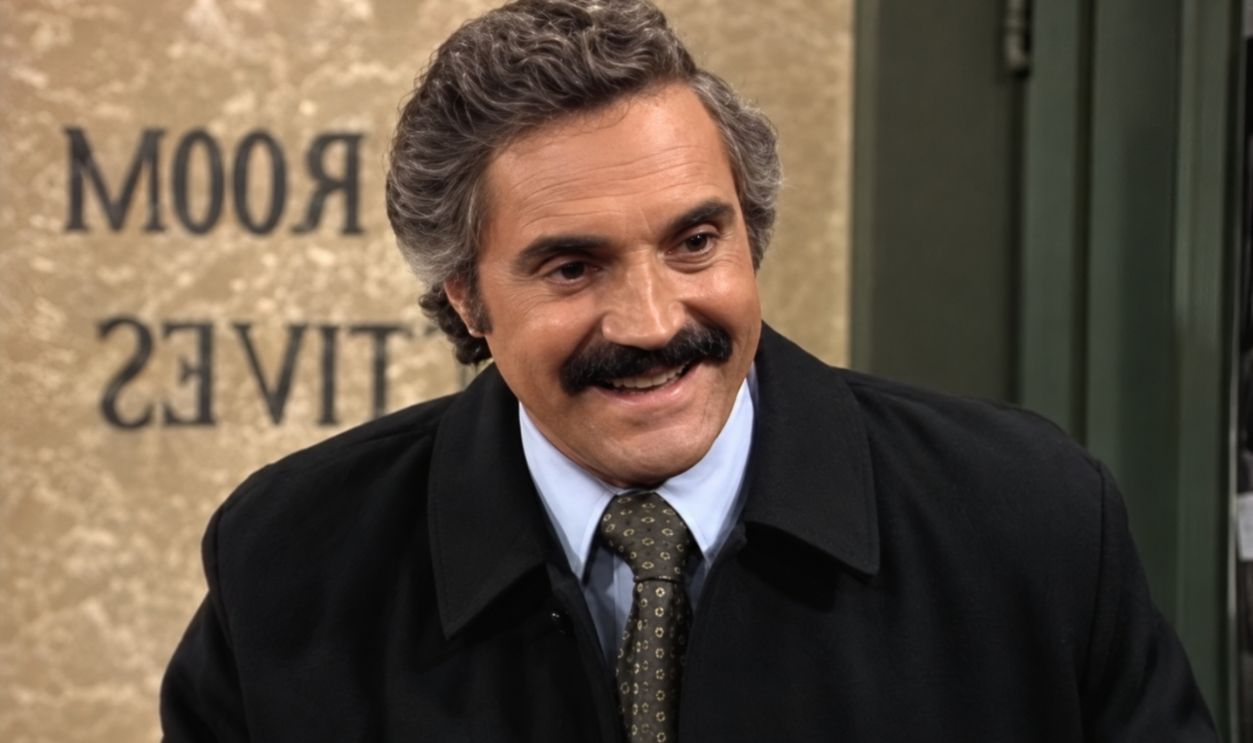 Screenshot from Barney Miller, ABC (1975-1982), Enhanced
He decided when it was over
Linden said Arnold ended the series after struggling to find fresh writers and seeing familiar ideas return. His explanation was blunt: “There’s no reason to do this show unless we can do it well.” The series finished in May 1982, after eight seasons.
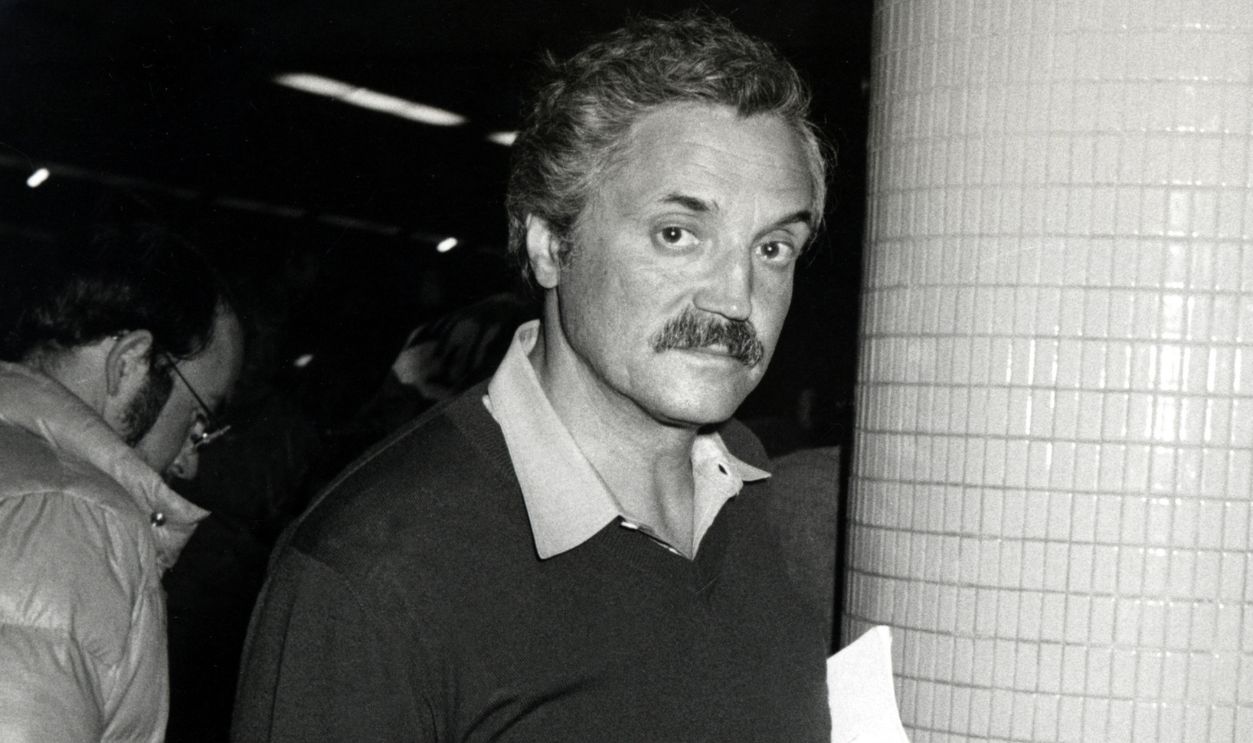
 Ron Galella, Ltd., Getty Images
Would you have kept coming back?
A great sitcom sounds like a dream job—until approval disappears, a meeting turns ugly, and another evening lasts until morning. Barney Miller gave viewers plenty to laugh about. Would you have kept coming back to make it under those conditions?
 Ron Galella, Ltd., Getty Images
You Might Also Like:
Actors From Classic Cop Shows Who Became Familiar Faces Without Becoming Household Names
The Hardest 1980s TV Theme Song Quiz—The "Skip Intro" Generation Won't Know A Single One