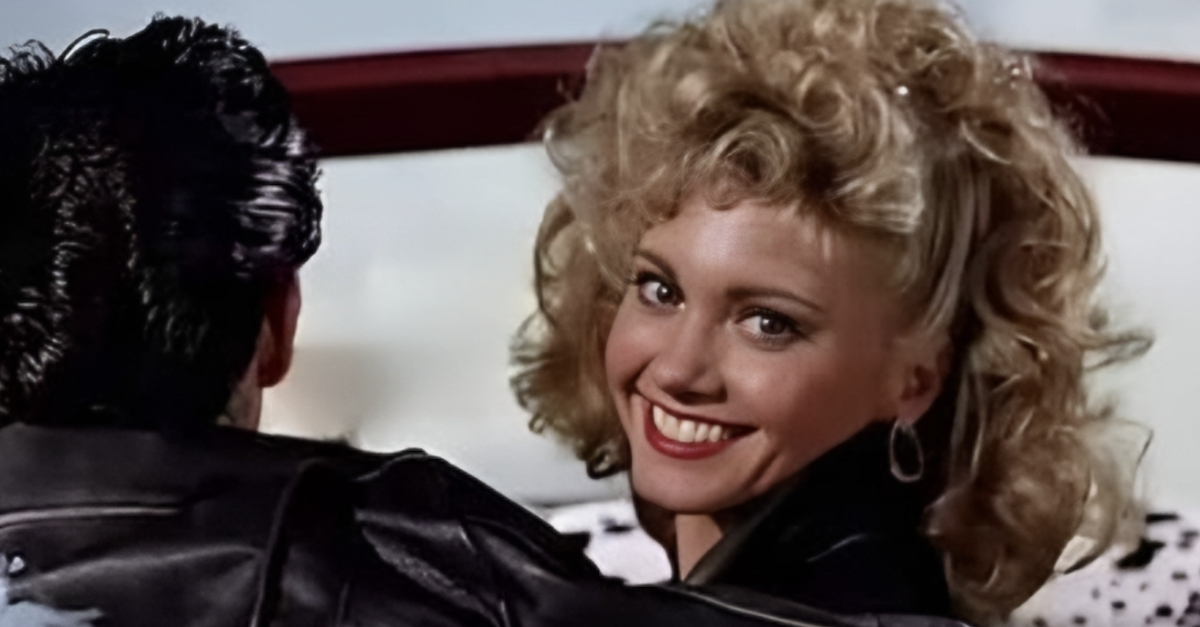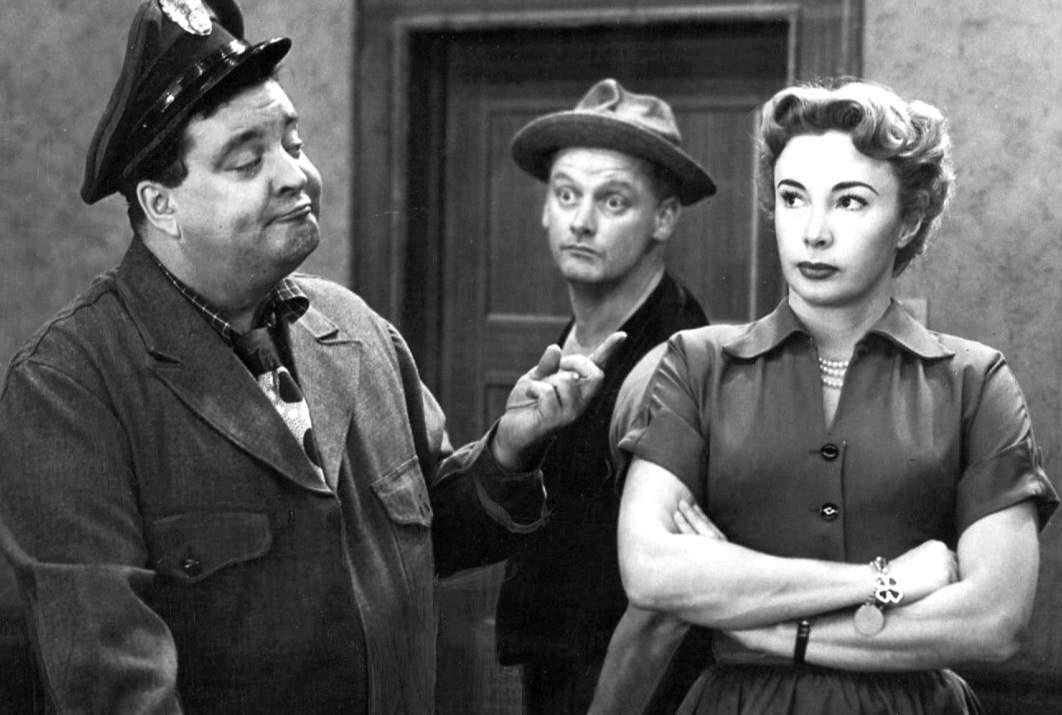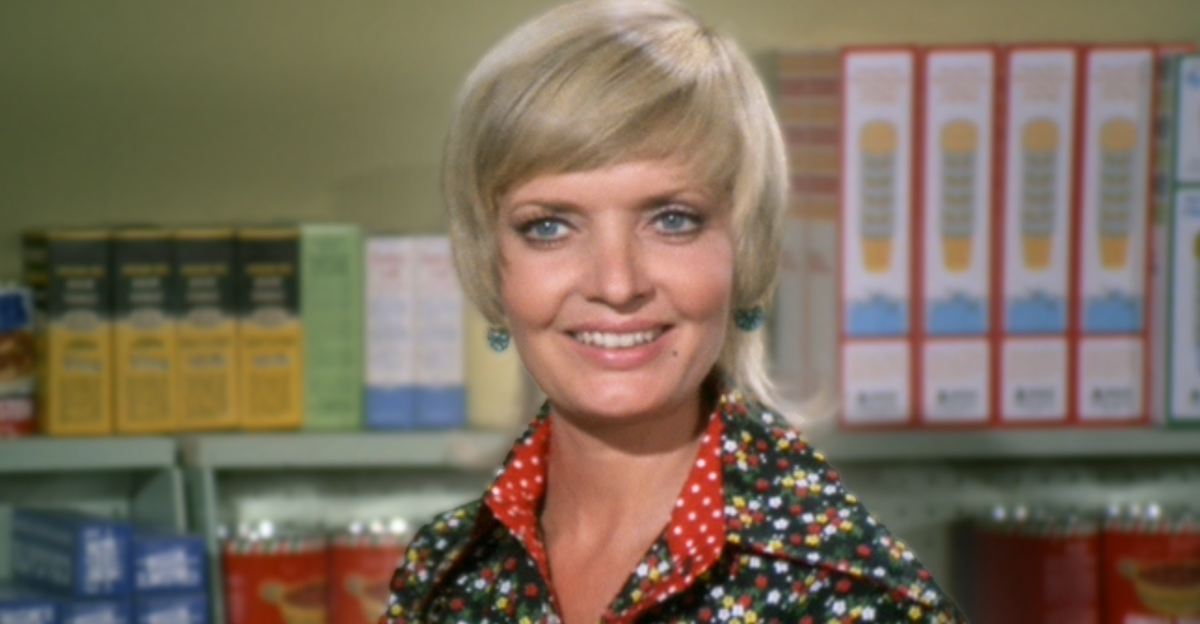
The TV Moms Who Always Seemed To Be Home
Long before streaming made it possible to watch an entire season in a weekend, Americans spent years checking in with the same television families one episode at a time. The sitcom mothers of the 1970s and 1980s ranged from traditional homemakers to lawyers, reporters, waitresses, musicians, divorcees, widows, and women who gleefully rejected practically every rule of respectable motherhood. Some offered comfort, some delivered tough love, and a few probably taught viewers exactly what not to do. Together, these memorable characters helped redefine what a TV mom could look like.
 The Brady Bunch, Paramount / CBS
Carol Brady Made Blended Families Look Easy
Florence Henderson played Carol Brady, the mother at the center of The Brady Bunch, which brought three daughters and three sons together under one roof. Henderson later recalled developing Carol beyond the basic premise and thinking carefully about what she could bring to the character. The series ran on ABC from 1969 to 1974, but its long life in reruns kept Carol in American living rooms well beyond the show's original run. For generations of viewers, her remarkable calm in a house containing six children became part of her charm.
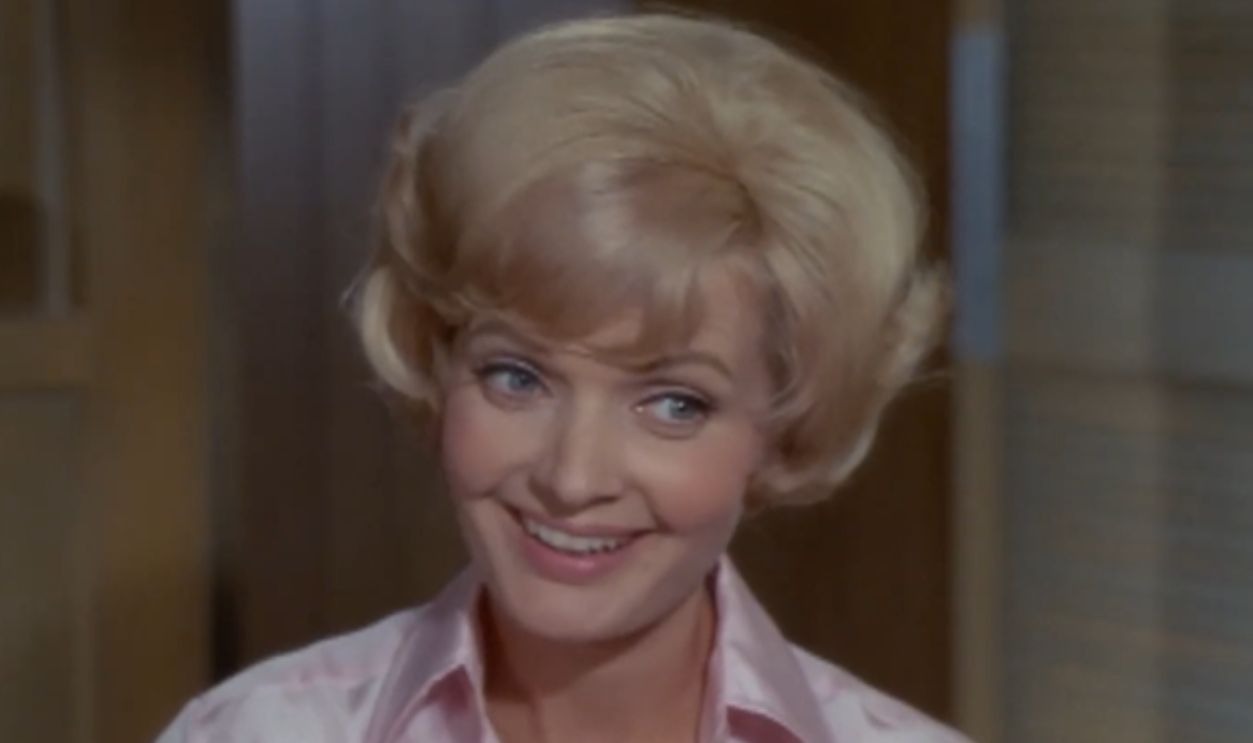 Screenshot from The Brady Bunch, ABC (1969-1974)
Shirley Partridge Took The Family On Tour
Most sitcom moms had to worry about getting their children to school, but Shirley Partridge also had to get hers to the next concert. Shirley Jones starred as the widowed mother of five on The Partridge Family, whose family formed a musical group and traveled together in a famously colorful bus. The ABC series ran from 1970 to 1974 and became particularly popular with younger viewers, while David Cassidy became a major teen idol. Jones later said that writers sometimes borrowed ideas from her own life when shaping Shirley Partridge.
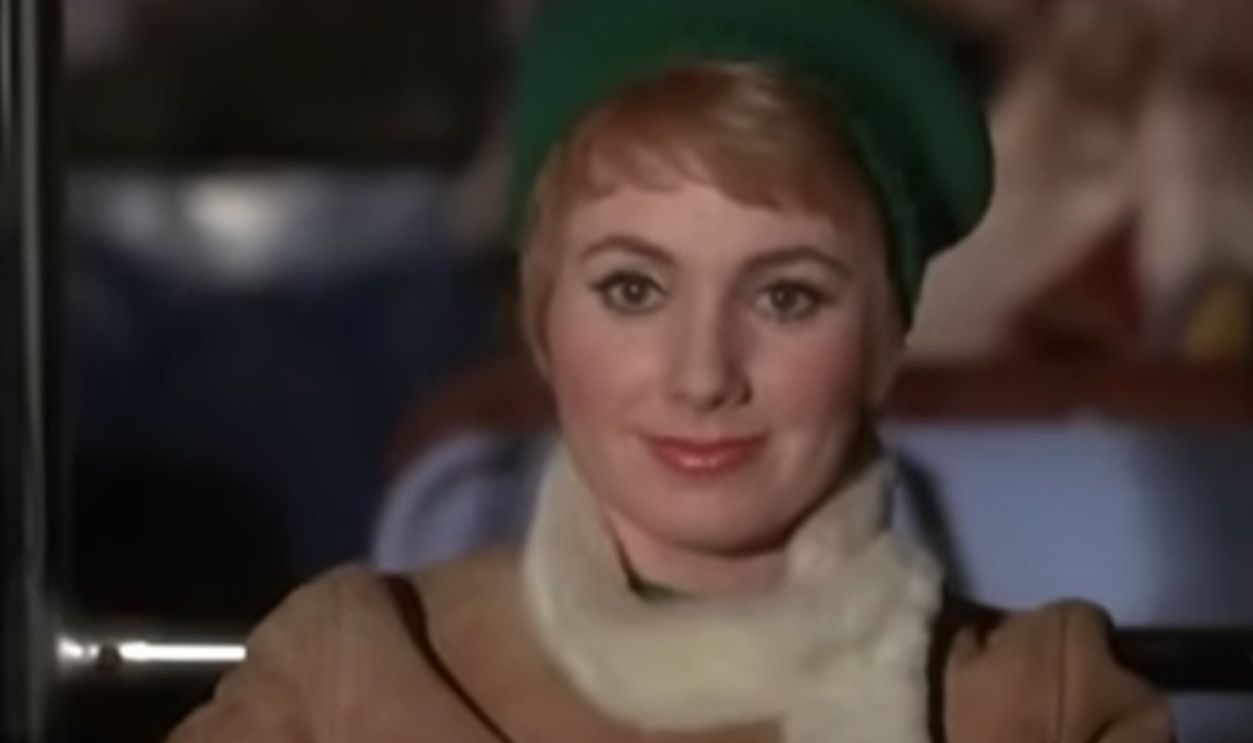 Screenshot from The Partridge Family, Screen Gems Television (1970-1974)
Edith Bunker Was Stronger Than She First Appeared
Jean Stapleton's Edith Bunker initially seemed like the gentle counterweight to Archie Bunker's explosive personality on All in the Family. As the series progressed, however, Edith became more assertive and was given storylines that allowed Stapleton to show far more than her character's famously hurried manner and distinctive voice. She was also the mother of Gloria, played by Sally Struthers, whose marriage to Mike Stivic kept multiple generations under the Bunker roof during much of the series. Stapleton specifically recalled the growth of Edith over the course of the show, which helped make her much more than Archie's endlessly patient wife.
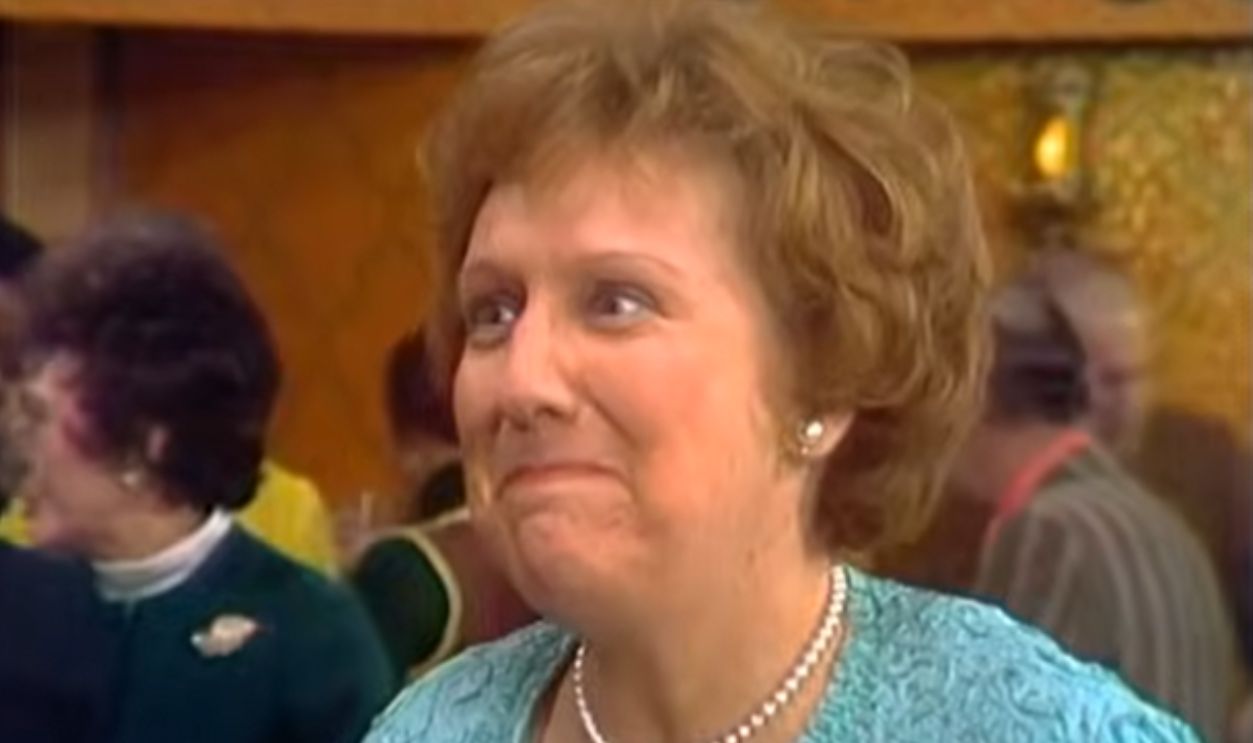 Screenshot from All in the Family, Columbia Pictures Television (1971-1979)
Florida Evans Refused To Let Hard Times Win
Esther Rolle brought Florida Evans from Maude to the center of her own family on Good Times. The CBS sitcom, which aired from 1974 to 1979, followed Florida, her husband James, and their children J.J., Thelma, and Michael while dealing with financial problems, discrimination, unemployment, and other pressures. Those subjects could become serious, but Florida's devotion to keeping her family together remained one of the show's anchors. Rolle's performance turned a former supporting character into one of the most memorable sitcom mothers of the decade.
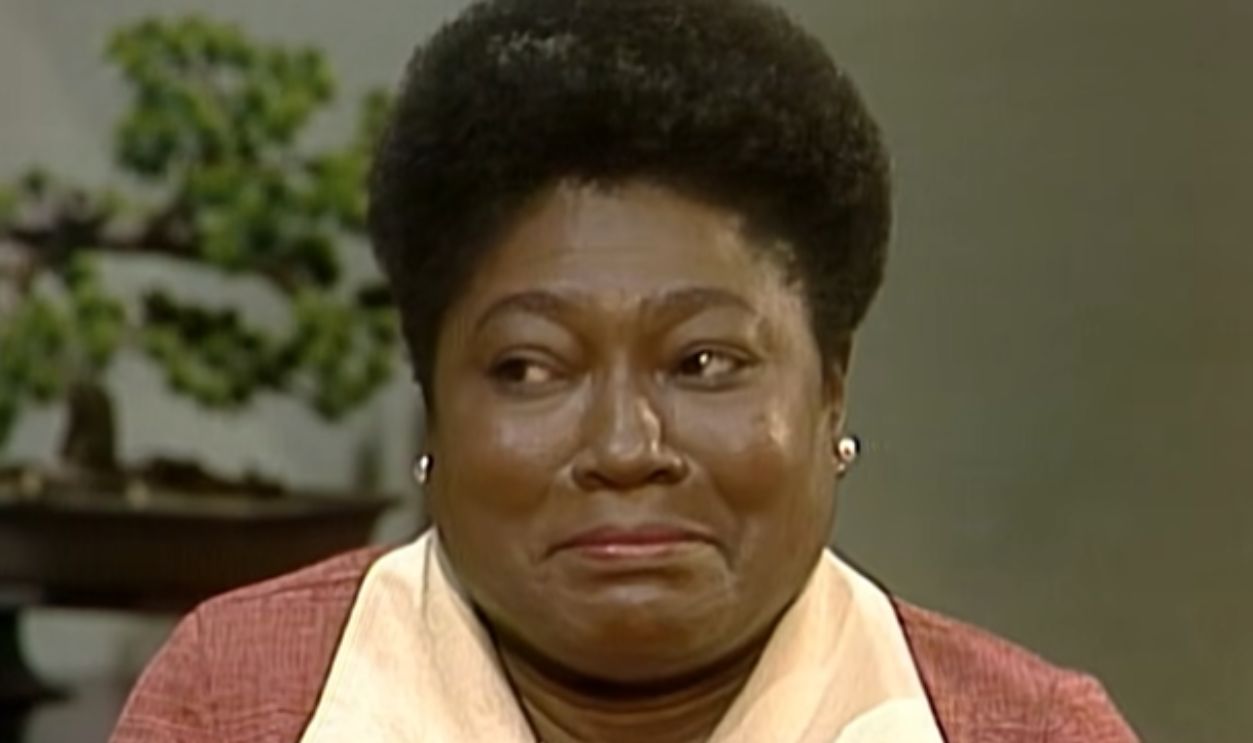 Screenshot from Good Times, CBS (1974-1979)
Louise Jefferson Kept George Grounded
George Jefferson may have supplied much of the noise, but Louise Jefferson often supplied the perspective. Isabel Sanford first played Louise on All in the Family before the Jefferson family moved into their own CBS spinoff, The Jeffersons. Sanford and Sherman Hemsley developed a comic partnership as Louise and George, with Louise frequently standing her ground when her husband's ego took over. The role ultimately made Sanford one of the most recognizable television mothers of the era.
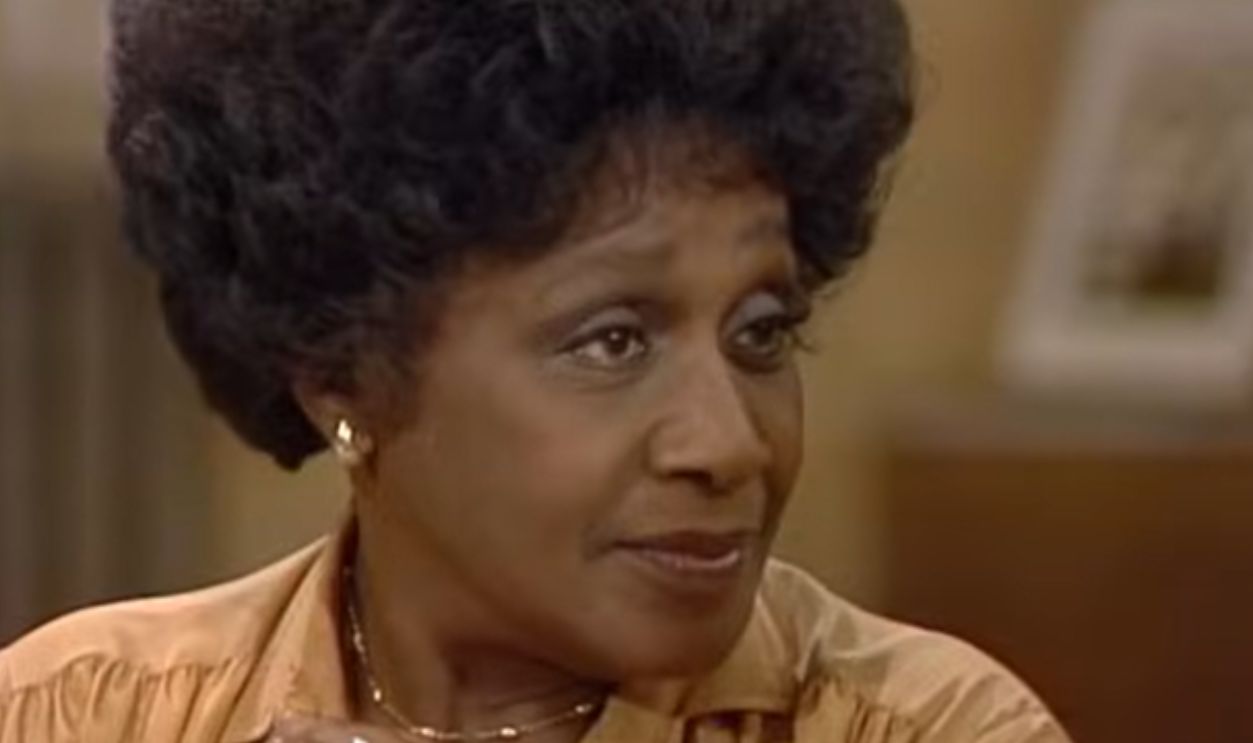 Screenshot from All in the Family, Columbia Pictures Television (1971-1979)
Marion Cunningham Welcomed Everyone In
Marion Ross played Marion Cunningham on Happy Days, the mother of Richie and Joanie and the warm center of the Cunningham household. Ross discussed how Marion developed as the series continued and how the character's place within the family evolved over time. She also had a memorable relationship with Henry Winkler's Fonzie, who became so close to the Cunninghams that he eventually felt like another member of the household. In a show packed with jukeboxes, leather jackets, and teenage adventures, Marion gave everyone a dependable place to come home to.
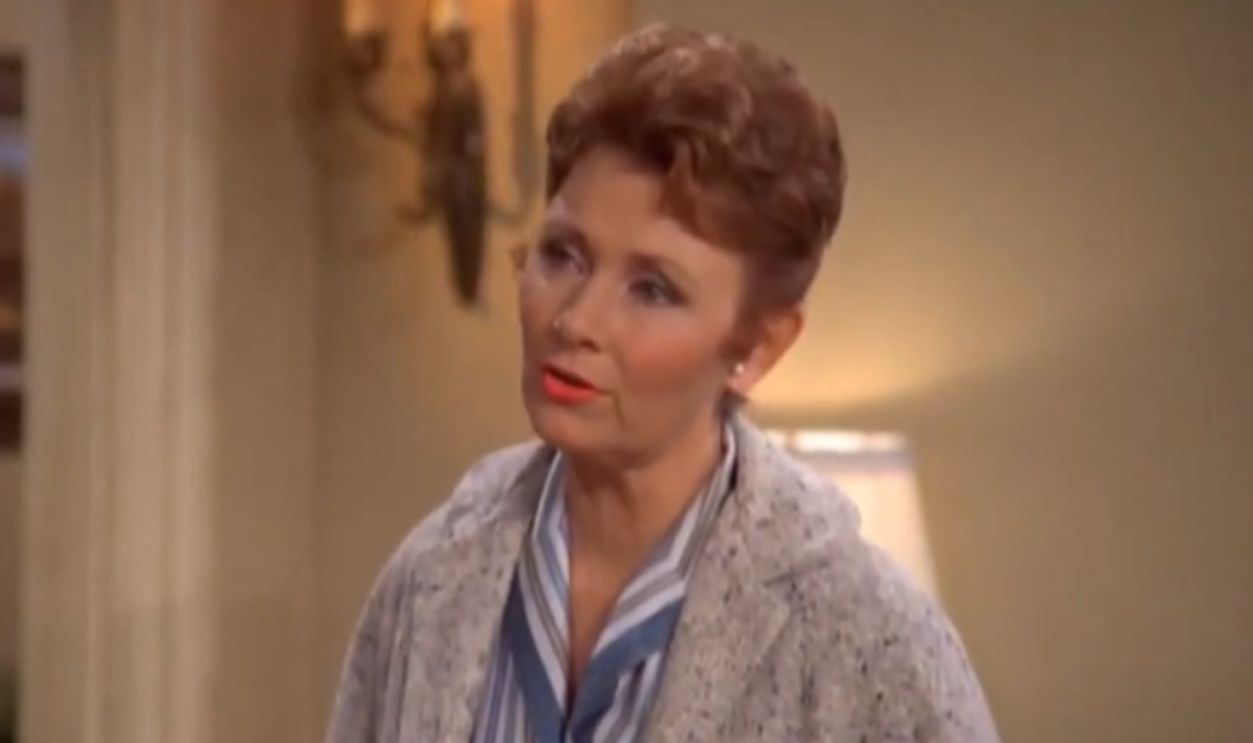 Screenshot from Happy Days, Paramount Television (1974-1984)
Ann Romano Was Doing It On Her Own
When One Day at a Time premiered in 1975, Bonnie Franklin's Ann Romano was a divorced mother raising teenage daughters Julie and Barbara. Norman Lear recalled developing the series and casting Franklin as Ann, while the show's nine-season run allowed viewers to follow the family through years of changes. Ann's status as a divorced mother was central to the premise rather than a temporary complication that needed to be fixed. That helped make her especially distinctive during an era when American sitcom families were becoming much less conventional.
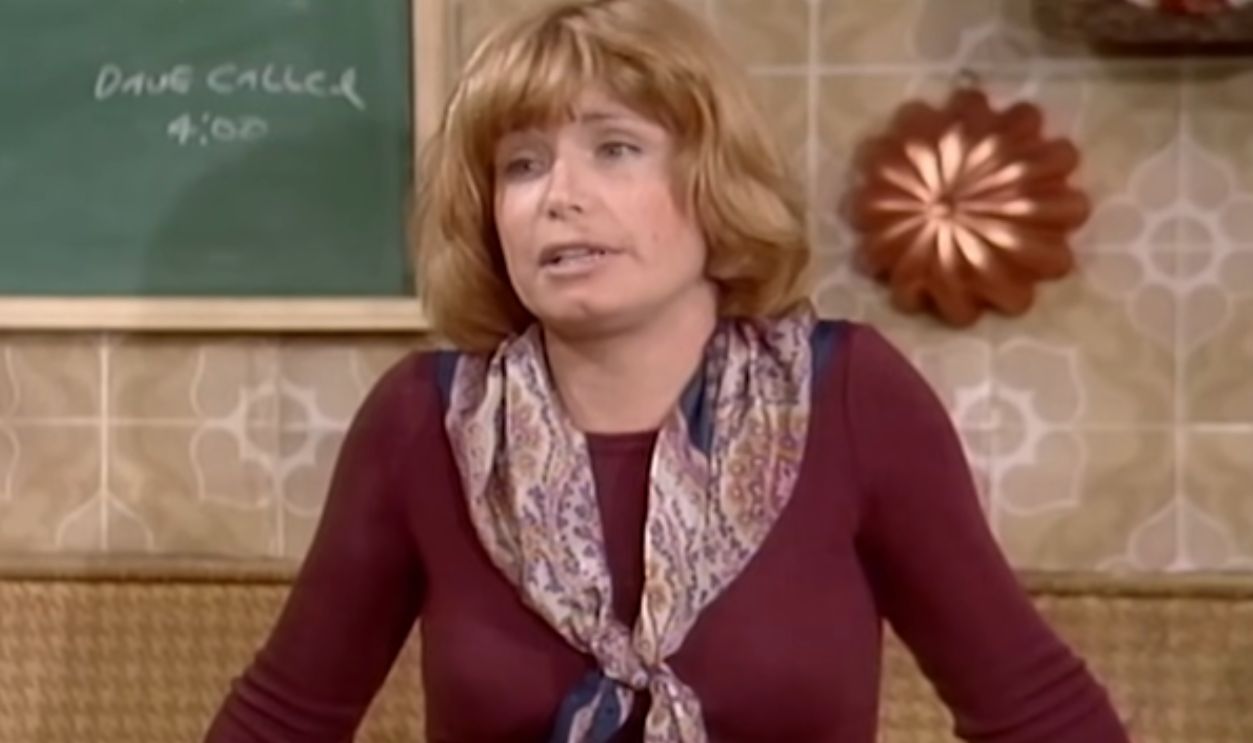 Screenshot from One Day at a Time, Sony Pictures Television (1975-1984)
Alice Hyatt Started Over From Scratch
Linda Lavin's Alice Hyatt arrived on television as a widow trying to build a new life with her young son, Tommy. In the CBS sitcom Alice, she wound up in Phoenix and took a job at Mel's Diner while continuing to dream about a singing career. The series ran from 1976 to 1985, giving audiences nearly a decade with a mother whose life included work, bills, friendships, ambitions, and parenting. Alice was not waiting for someone else to rescue the family, because she was already doing the rebuilding herself.
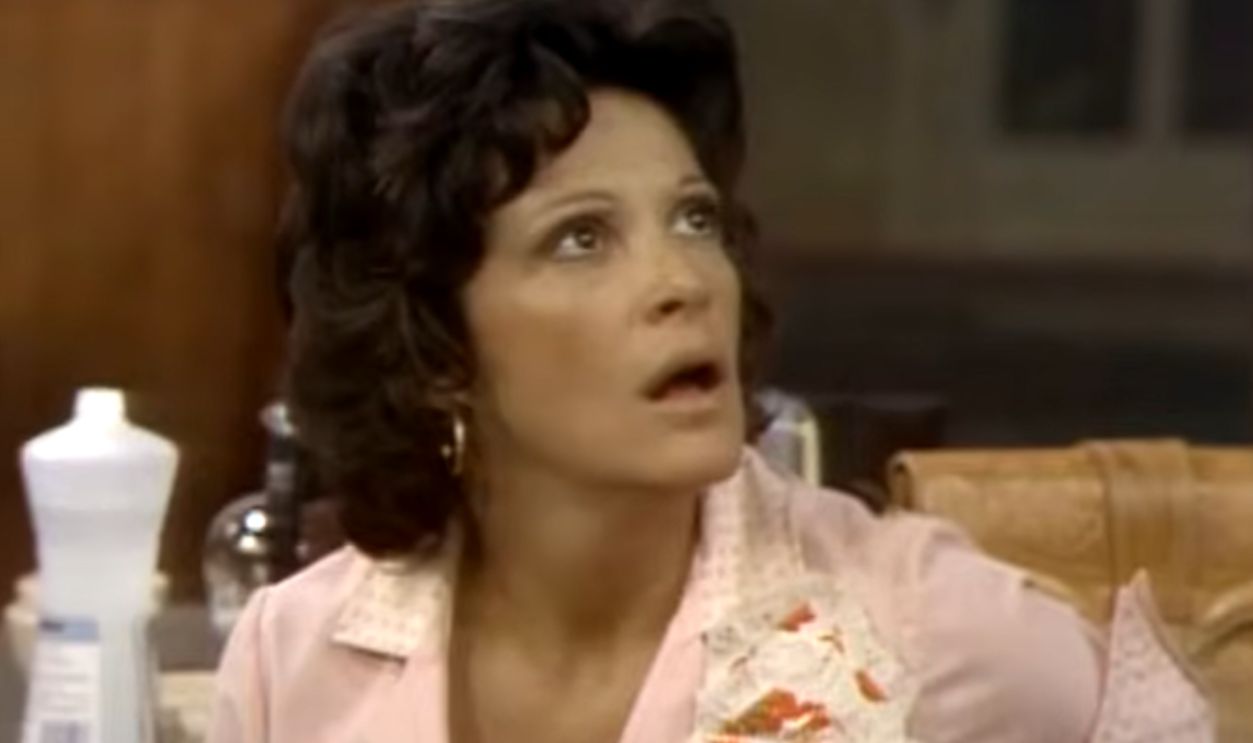 Screenshot from Alice, Warner Bros. Television (1976-1985)
Mabel Thomas Could Handle Raj And Dee
Mabel King played Mabel Thomas on What's Happening!!, the mother of Raj and Dee Thomas. The sitcom was developed by Bernie Orenstein and Saul Turteltaub and drew inspiration from the film Cooley High. King was an important part of the original family setup before leaving the series, forcing the producers to adjust the show without Mabel. Her firm presence made her a memorable counterbalance to the teenage schemes unfolding around her.
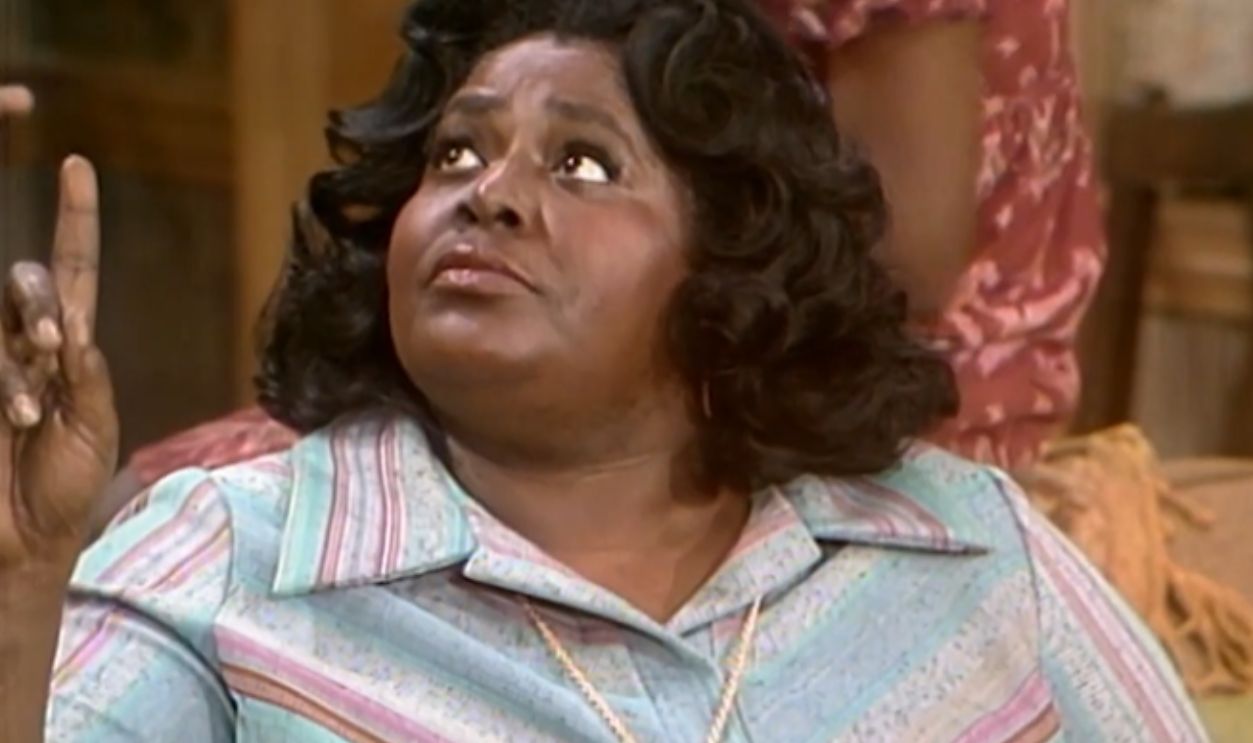 Screenshot from What's Happening!!, Sony Pictures Television (1976-1979)
Maude Findlay Was Nobody's Quiet Little Mother
Bea Arthur's Maude Findlay was outspoken, political, stubborn, and completely uninterested in pretending she did not have opinions. Maude placed her in a household with husband Walter, divorced daughter Carol, and grandson Phillip, making her both a mother and grandmother while tackling unusually serious subjects for a 1970s sitcom. The series ran on CBS from 1972 to 1978 and addressed topics including women's rights, birth control, menopause, alcoholism, and abortion. Maude could be maddening even to the people she loved, but the show never required her to become less formidable simply because she was a mother.
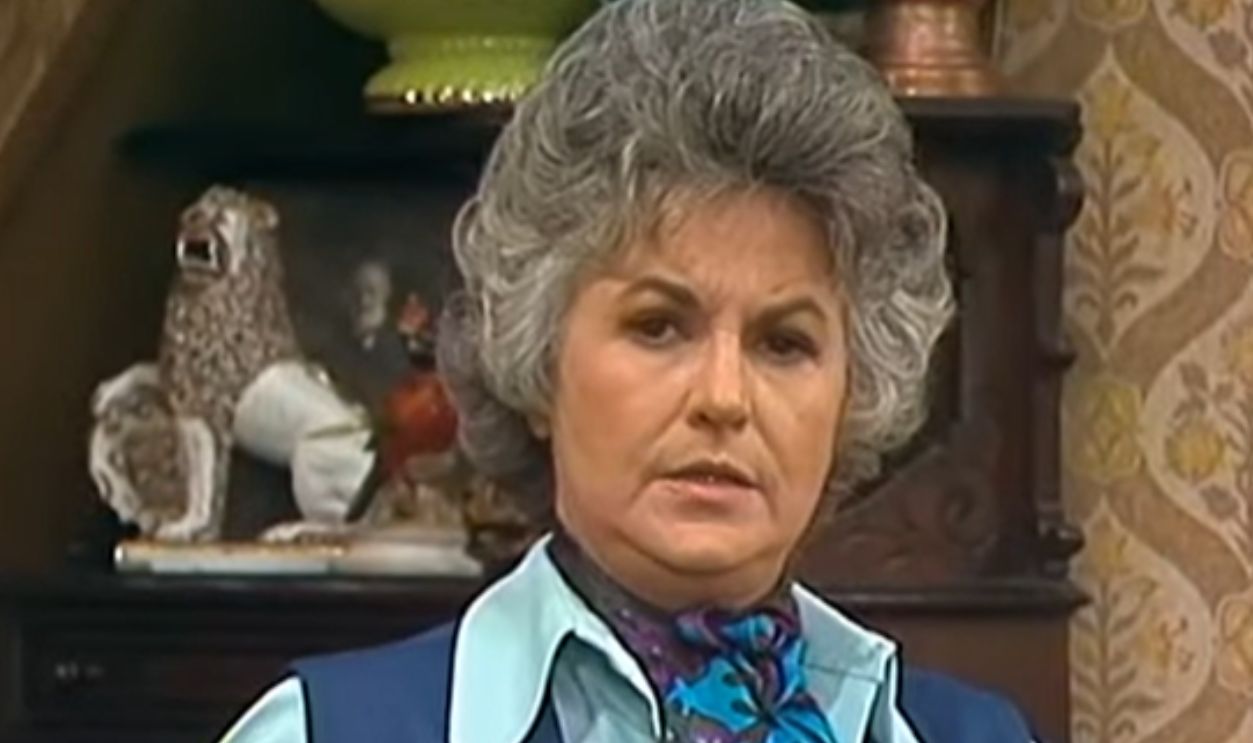 Screenshot from Maude, Sony Pictures Television (1972-1978)
Ida Morgenstern Was Impossible To Ignore
Nancy Walker's Ida Morgenstern was already a memorable presence as Rhoda's mother before becoming a recurring character on the Mary Tyler Moore Show spinoff Rhoda. Ida's relationships with daughters Rhoda and Brenda produced plenty of friction because she was rarely shy about offering her opinion. Walker appeared throughout much of the series, which ran from 1974 to 1978. She represented a very different TV-mom dynamic because her children were adults, yet she could still make them feel like teenagers with a single conversation.
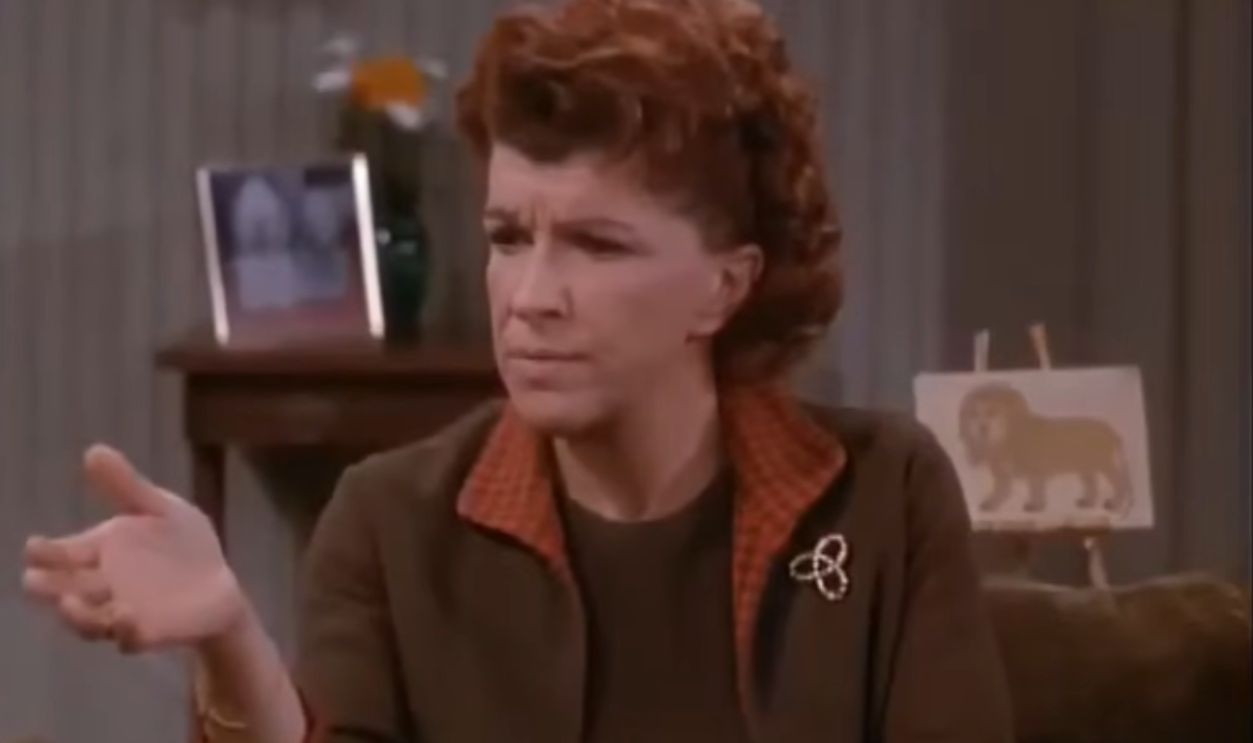 Screenshot from The Mary Tyler Moore Show, 20th Century Fox Television (1970-1977)
Phyllis Lindstrom Had To Begin Again
Cloris Leachman's Phyllis Lindstrom began as Mary Richards' self-involved landlady on The Mary Tyler Moore Show, where viewers also met her daughter, Bess. In the spinoff Phyllis, mother and daughter moved from Minneapolis to San Francisco following the death of Phyllis' husband, Lars. That gave the character a new situation in which she had to rebuild her life while continuing to raise Bess. The show lasted two seasons, but it gave one of television's great supporting characters a chance to become the head of her own household.
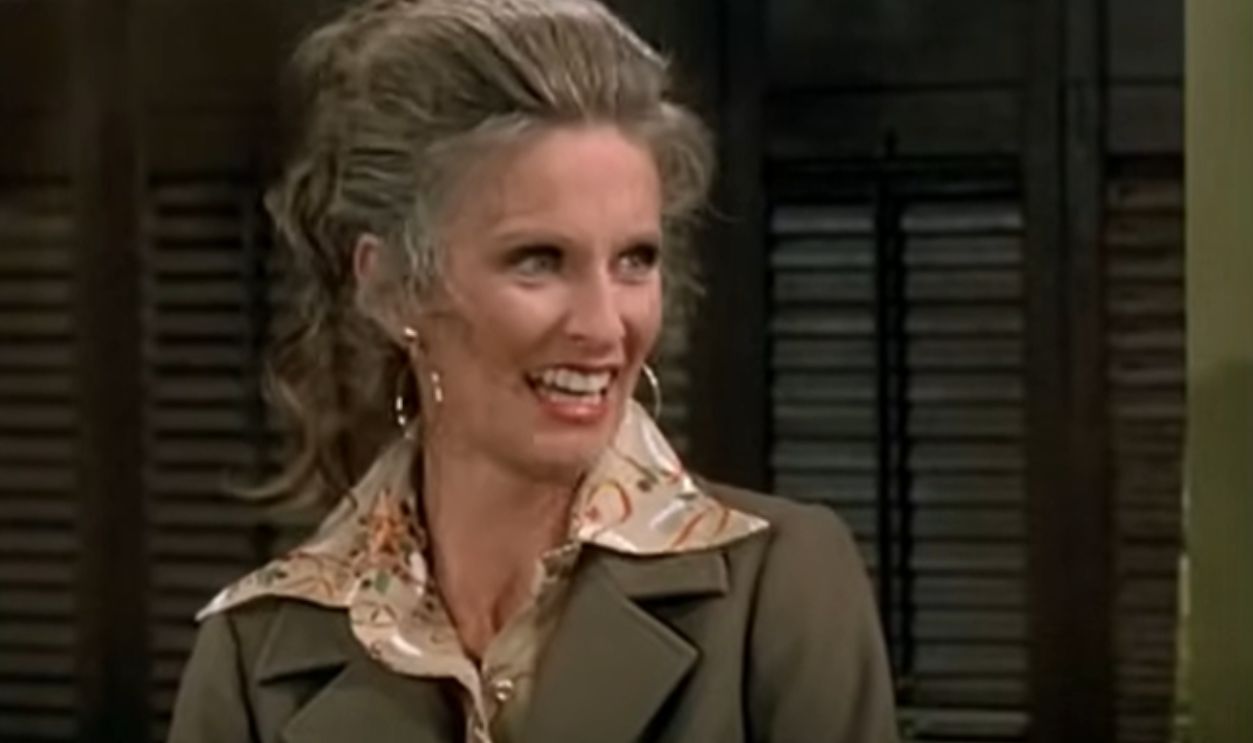 Screenshot from The Mary Tyler Moore Show, 20th Century Fox Television (1970-1977)
Jessica Tate Made Motherhood Look Deliciously Chaotic
Katherine Helmond's Jessica Tate lived in a world where absolutely nothing stayed simple for very long. Soap, which debuted in 1977, was constructed as a parody of daytime soap operas and followed two connected families through increasingly outrageous situations. Jessica was the mother of Corinne, Eunice, and Billy Tate, placing her squarely in the middle of the show's escalating family complications. Producer Tony Thomas later singled out Helmond's work as Jessica while discussing the ensemble that made the risky comedy work.
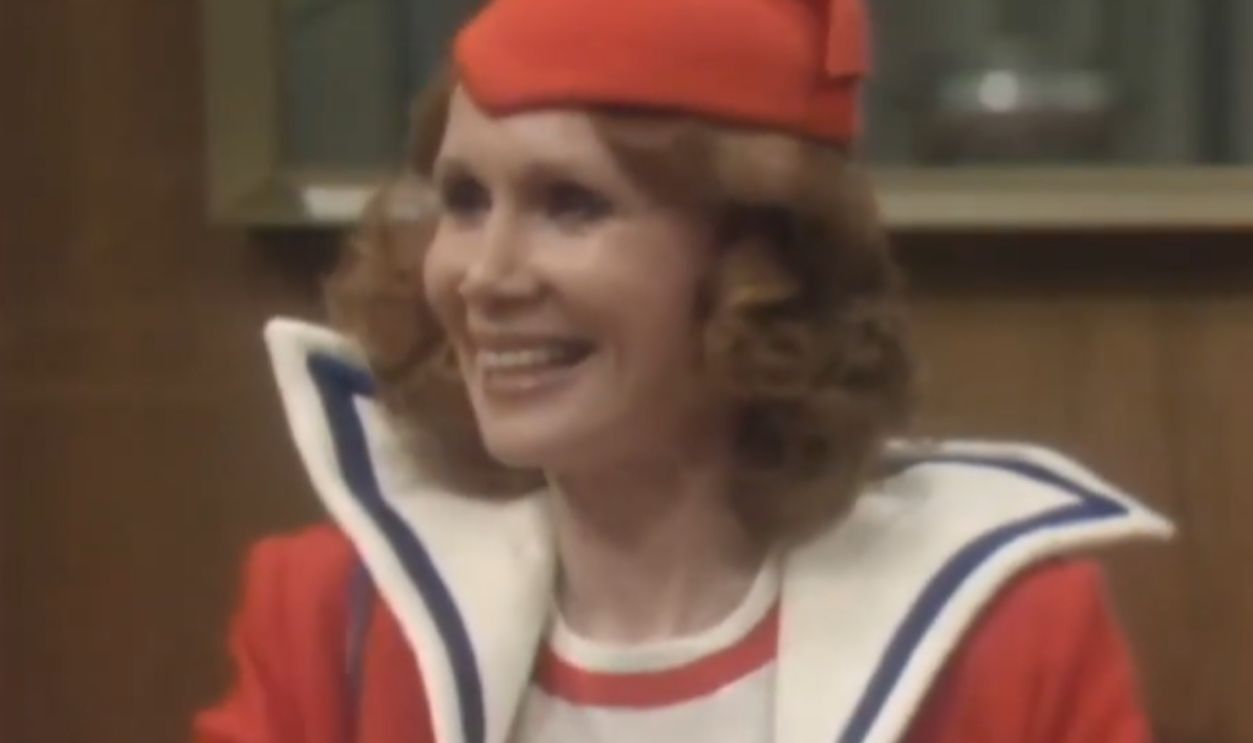 Screenshot from Soap, Columbia Pictures Television (1977-1981)
Mary Campbell Had Her Own Side Of The Madness
Jessica Tate was not the only mother trying to survive Soap. Cathryn Damon played Jessica's sister Mary Campbell, whose household generated an equally remarkable collection of storylines. Producer Tony Thomas specifically discussed Damon as Mary when recalling the show's central cast, alongside Helmond, Richard Mulligan, Robert Mandan, Billy Crystal, and Robert Guillaume. With two mothers anchoring its intertwined families, Soap could parody melodrama while still giving its chaos a recognizable domestic foundation.
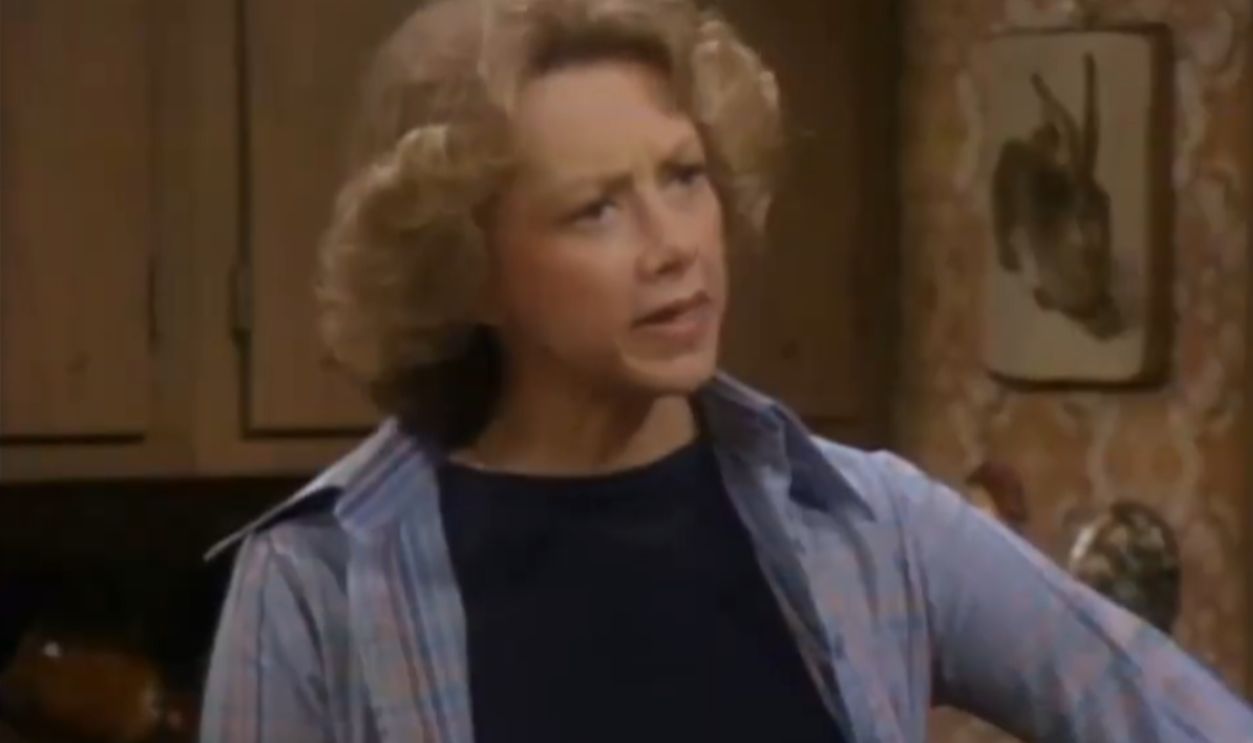 Screenshot from Soap, Columbia Pictures Television (1977-1981)
Elyse Keaton Raised A Very Unexpected Republican
On paper, Elyse and Steven Keaton were former 1960s liberals raising a family in suburban Ohio. Then their ambitious, conservative son Alex P. Keaton became the breakout character of Family Ties. Meredith Baxter played Elyse, the mother of Alex, Mallory, Jennifer, and later Andrew, while Michael Gross played Steven. Creator Gary David Goldberg explained that the show began with greater emphasis on the parents before Michael J. Fox's Alex became its breakout star, but Elyse remained an essential part of the family dynamic throughout the run.
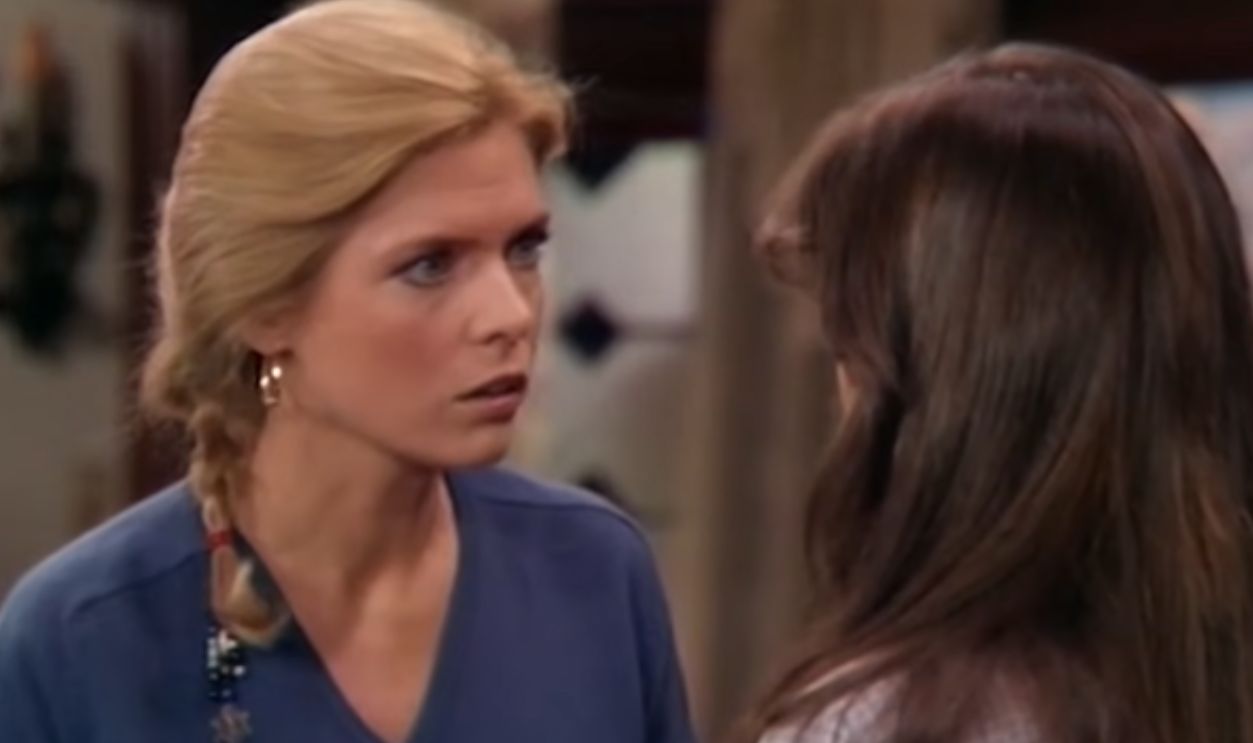 Screenshot from Family Ties, Paramount Television (1982-1989)
Clair Huxtable Had A Career And Five Kids
Phylicia Rashad's Clair Huxtable was a lawyer, wife, and mother of five on The Cosby Show. The series centered on the everyday experiences of the Huxtable family and became an enormous ratings success for NBC after premiering in 1984. Rashad later discussed the evolution of Clair and the relationship the character had with her children, including Theo. Whatever chaos arrived in the Huxtable home, Clair was rarely portrayed as someone who could be easily outmaneuvered.
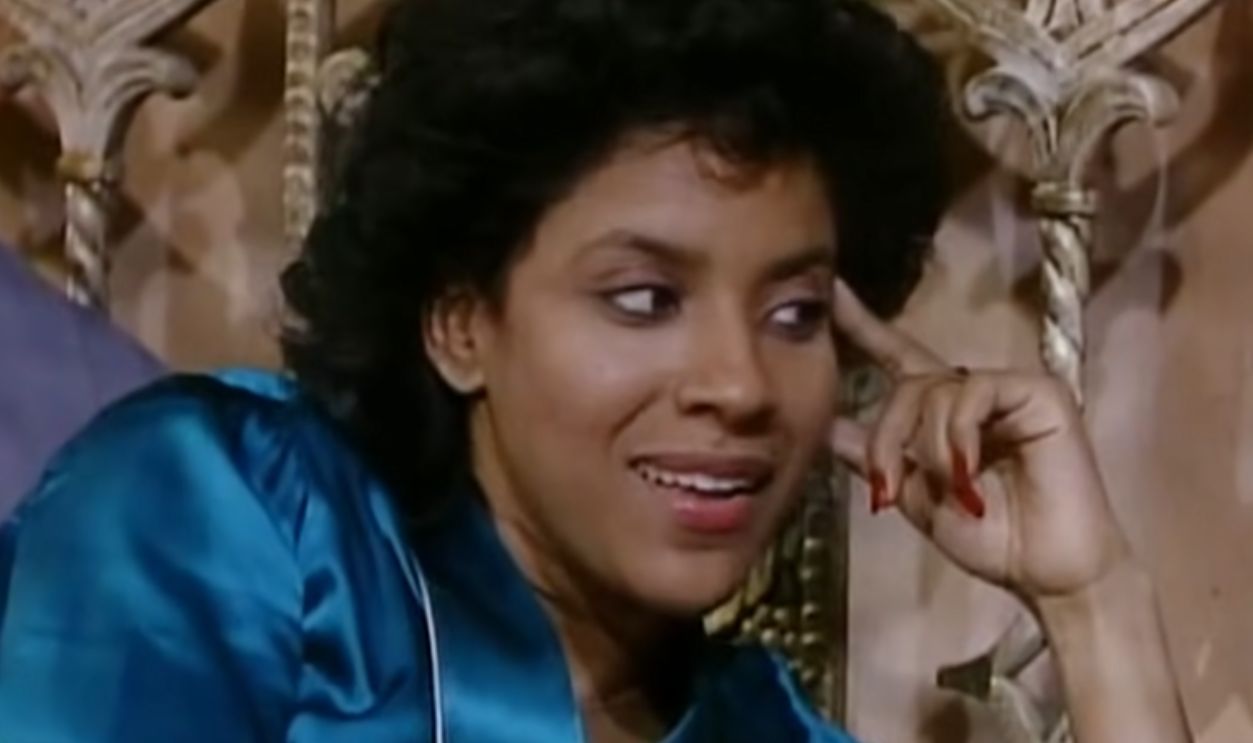 Screenshot from The Cosby Show, Carsey-Werner Distribution (1984-1992)
Maggie Seaver Went Back To Work
Growing Pains opened with a family arrangement that deliberately changed the usual sitcom setup. Joanna Kerns played Maggie Seaver, a mother who returned to work as a reporter while her psychiatrist husband, Jason, moved his practice home and took on more responsibility for their children. The original Seaver kids were Mike, Carol, and Ben, with daughter Chrissy later joining the family. Maggie's career was therefore not a side story but part of the premise that set the series in motion.
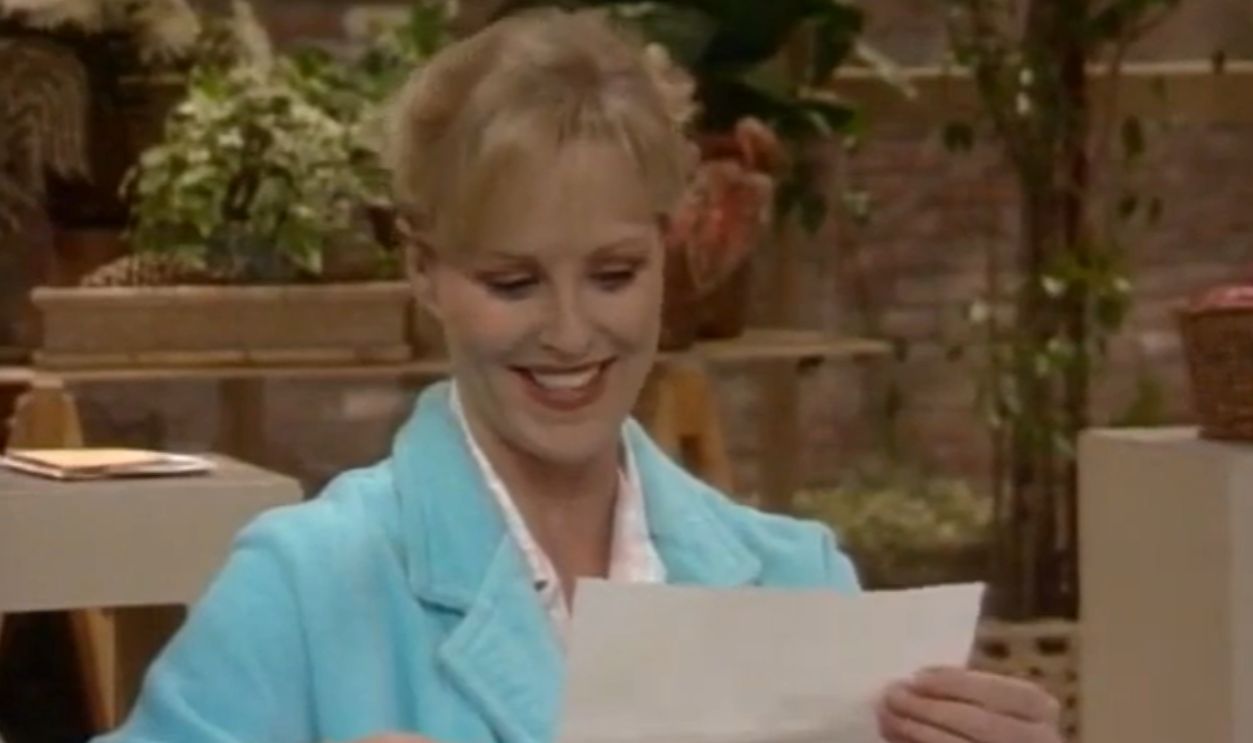 Screenshot from Growing Pains, Warner Bros. Television (1985-1992)
Angela Bower Was The Boss At Home Too
Judith Light played Angela Bower on Who's the Boss?, a successful advertising executive and single mother raising her son Jonathan. Tony Micelli, played by Tony Danza, moved into Angela's home with daughter Samantha and worked as the household's live-in housekeeper. That setup deliberately played with traditional gender expectations, placing Angela in the executive role while Tony managed much of the domestic work. Light later discussed both her portrayal of Angela and her work with Danny Pintauro, who played Jonathan.
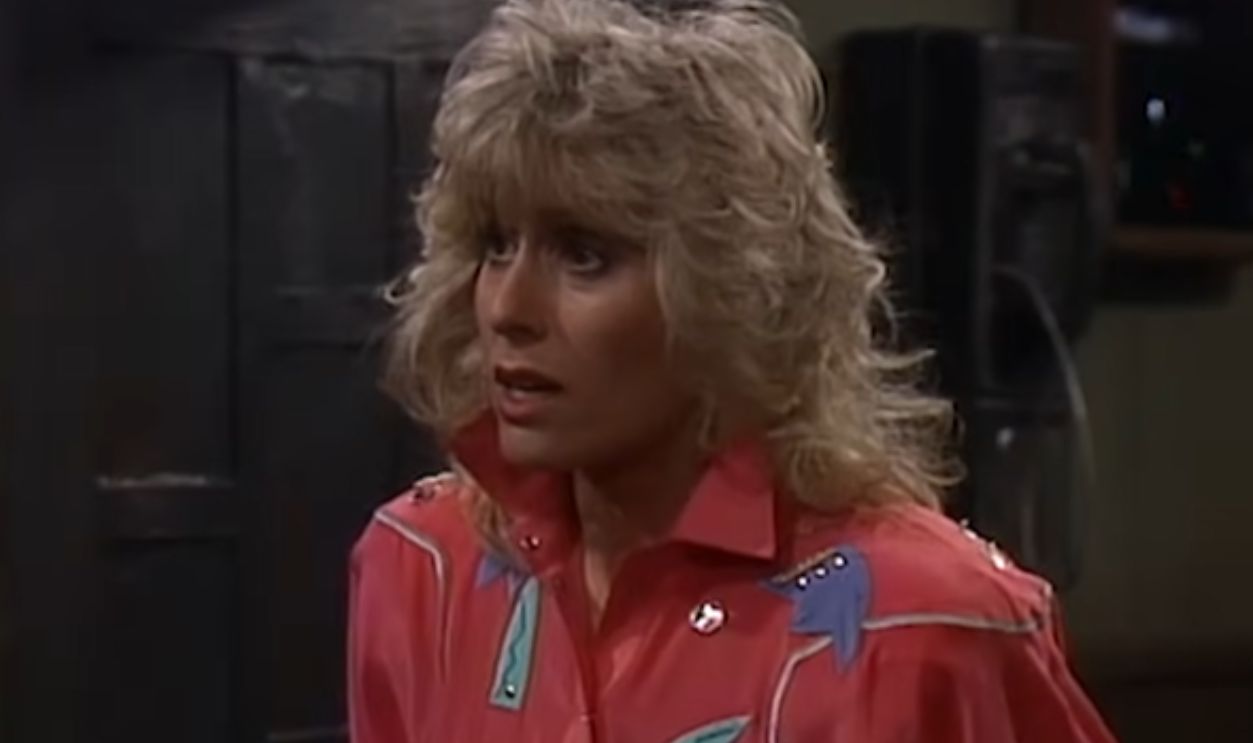 Screenshot from Who's the Boss?, Sony Pictures Television (1984-1992)
Mary Jenkins Always Knew What Was Happening
Marla Gibbs followed her scene-stealing run as Florence Johnston on The Jeffersons by starring as Mary Jenkins in 227. The NBC sitcom centered on residents of a Washington, D.C., apartment building, with Mary living there alongside husband Lester and daughter Brenda, played by a young Regina King. Gibbs was also an executive producer and later discussed adapting the property for television as well as shaping its cast. Mary could observe the neighborhood commotion from her front stoop, but her family remained at the heart of the show.
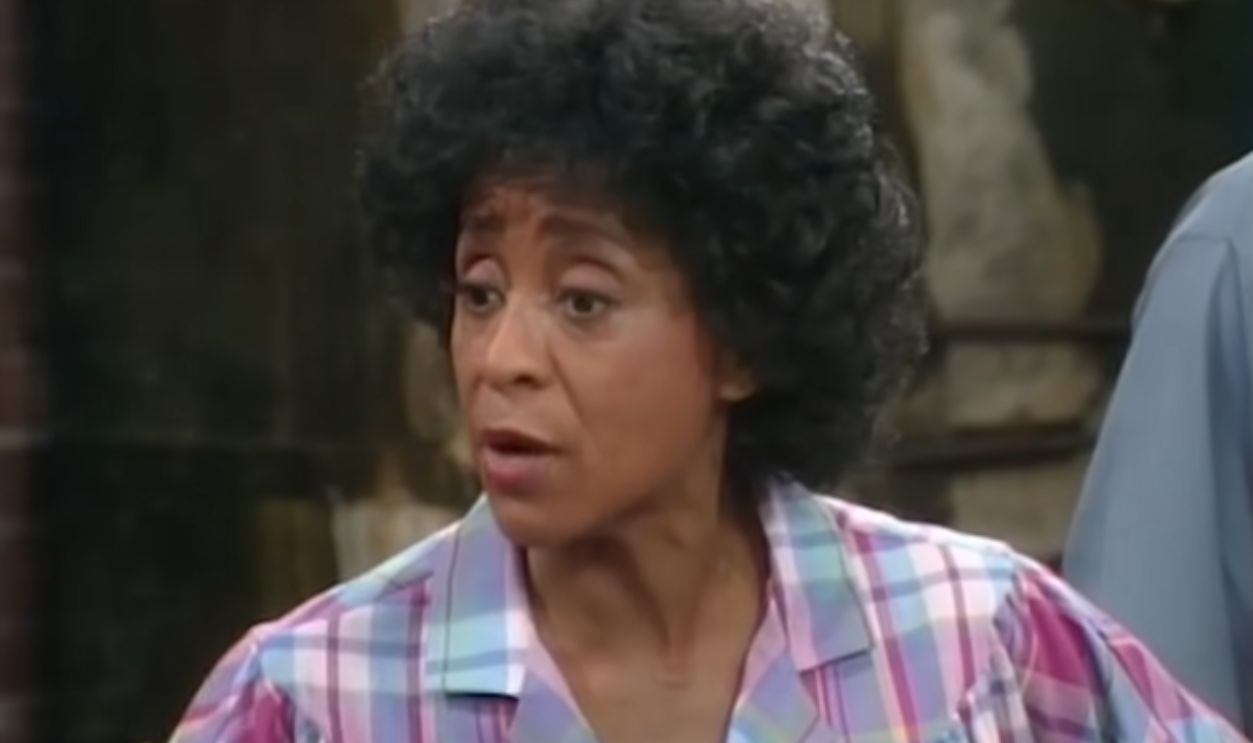 Screenshot from 227, Sony Pictures Television (1985-1990)
Kate McArdle Helped Create A New Kind Of Household
Susan Saint James played Kate McArdle on Kate & Allie, one of two divorced mothers who decided to combine households and raise their children together. Kate brought daughter Emma into the arrangement, while her longtime friend Allie had two children of her own. The CBS sitcom debuted in 1984 and found immediate ratings success with its unconventional family premise. Instead of treating divorce as the end of family life, Kate & Allie built an entirely new family structure around friendship and cooperation.
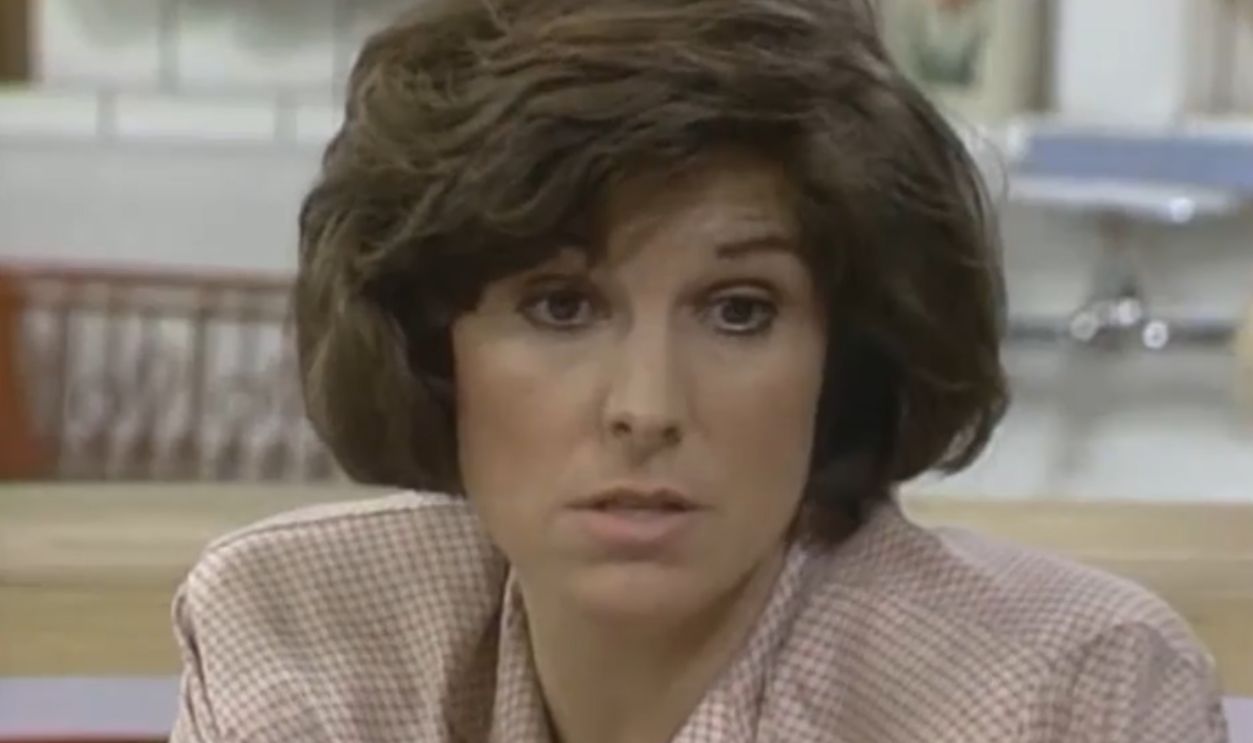 Screenshot from Kate & Allie, NBCUniversal Syndication Studios (1984-1989)
Allie Lowell Made Co-Parenting A Team Sport
Jane Curtin's Allie Lowell supplied the other half of the partnership that made Kate & Allie work. She moved in with Kate while raising children Jennie and Chip, creating a household where two mothers shared the burdens and absurdities of everyday parenting. Curtin later discussed how the show reflected the culture of its era and how the characters' relationship evolved. She also won two Emmy Awards for playing Allie, giving this unconventional television mom some very conventional industry recognition.
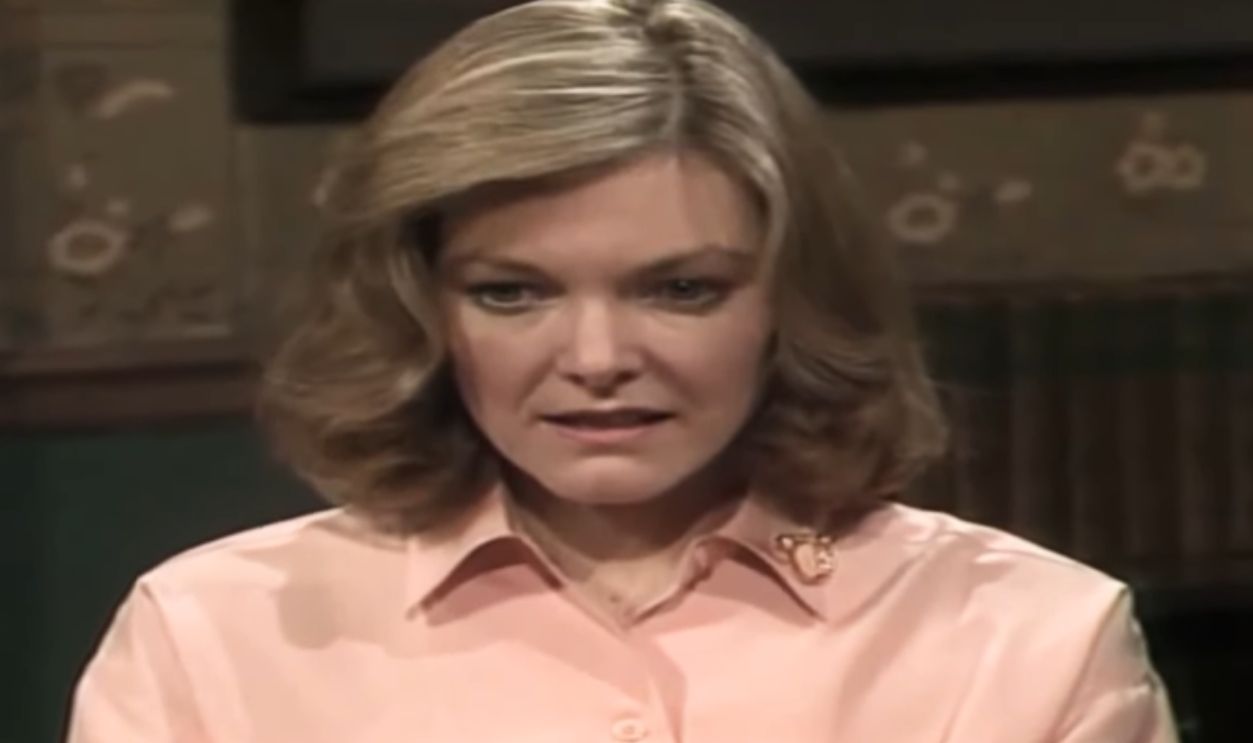 Screenshot from Kate & Allie, NBCUniversal Syndication Studios (1984-1989)
Roseanne Conner Changed The Sitcom Kitchen
When Roseanne premiered on ABC in 1988, the Conners did not live like an idealized television family. Roseanne Conner and husband Dan were working-class parents raising Becky, Darlene, and D.J. while repeatedly dealing with financial pressure, jobs, and household conflict. The comedy grew from Roseanne Barr's "domestic goddess" stand-up persona and made its sarcastic, mother-centered family an immediate hit. Roseanne's parenting could be blunt and exasperated, but the show consistently balanced its insults with affection and loyalty.
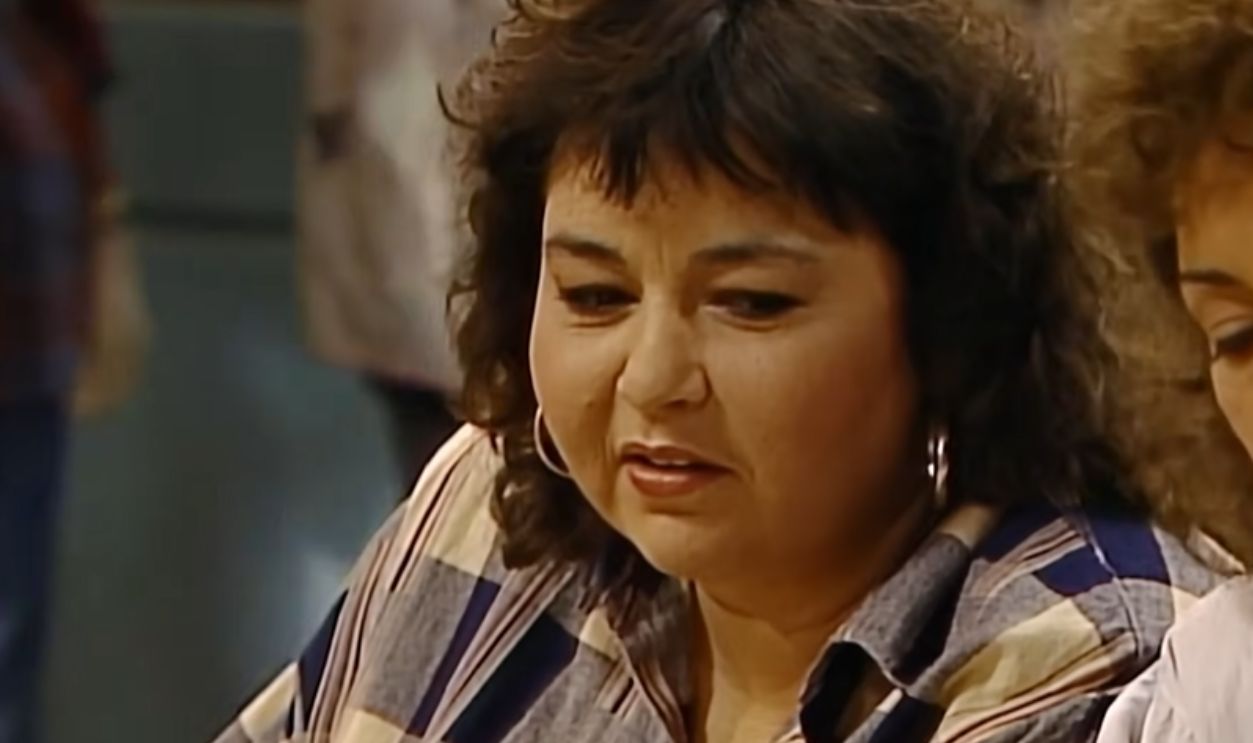 Screenshot from Roseanne, Carsey-Werner Distribution (1988-1997)
Norma Arnold Quietly Started Changing Her Life
On The Wonder Years, young Kevin Arnold was the center of the story, but his mother Norma was undergoing changes of her own. Alley Mills played Norma, the mother of Kevin, Wayne, and Karen in the series' nostalgic portrait of suburban life from the late 1960s into the early 1970s. As the show progressed, Norma moved beyond the role of frustrated homemaker, enrolling in college classes and beginning a career. That evolution gave viewers an adult coming-of-age story quietly unfolding beside Kevin's much more obvious one.
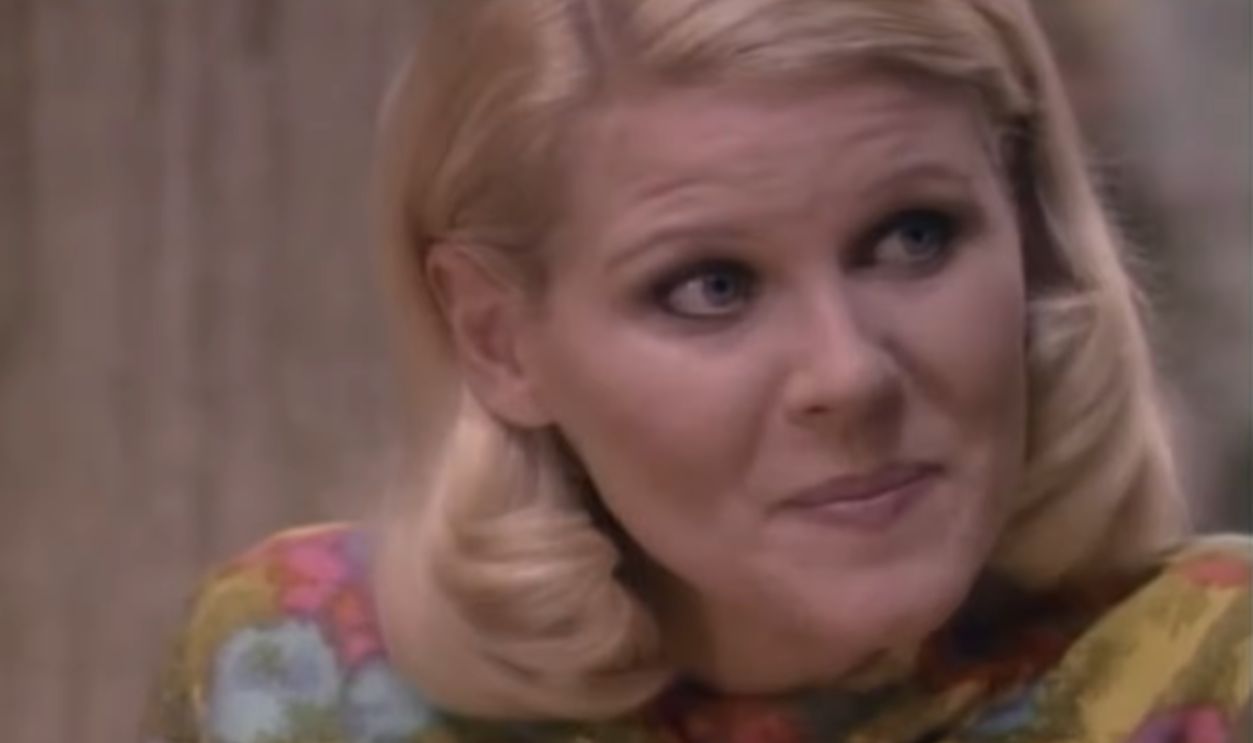 Screenshot from The Wonder Years, 20th Television (1988-1993)
Peggy Bundy Broke Every Sitcom Mom Rule
If earlier television mothers were expected to cook, clean, and sacrifice cheerfully, Peggy Bundy seemed determined to do the opposite. Katey Sagal played Peggy on Married... with Children, the Fox sitcom that debuted in 1987 and built much of its comedy around the dysfunctional Bundy household. Peggy was the mother of Kelly and Bud, but the series openly mocked the spotless domestic perfection associated with older television families. Sagal's gleefully exaggerated performance helped turn the anti-domestic Peggy into one of the decade's most distinctive mothers.
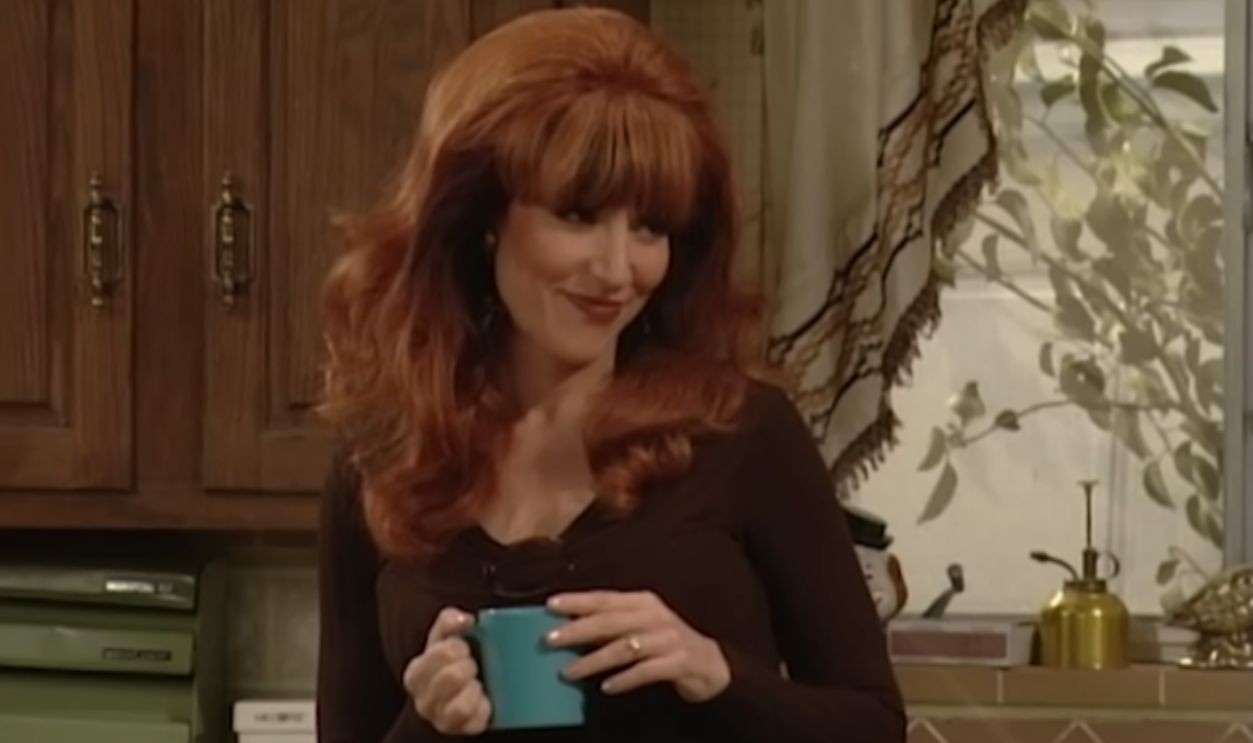 Screenshot from Married... with Children, Columbia Pictures Television (1987-1997)
Sophia Petrillo Proved Moms Never Stop Parenting
Estelle Getty played Sophia Petrillo on The Golden Girls, and the unusual casting made her the mother of Bea Arthur's Dorothy Zbornak even though Getty was actually younger than Arthur. Within the series, Sophia moved into the Miami home shared by Dorothy, Blanche, and Rose and quickly became its most fearless dispenser of opinions. Writers gave her stories about aging, family, Sicily, romance, and her complicated bond with Dorothy. Her children were grown, but Sophia demonstrated that motherhood apparently comes with no retirement age.
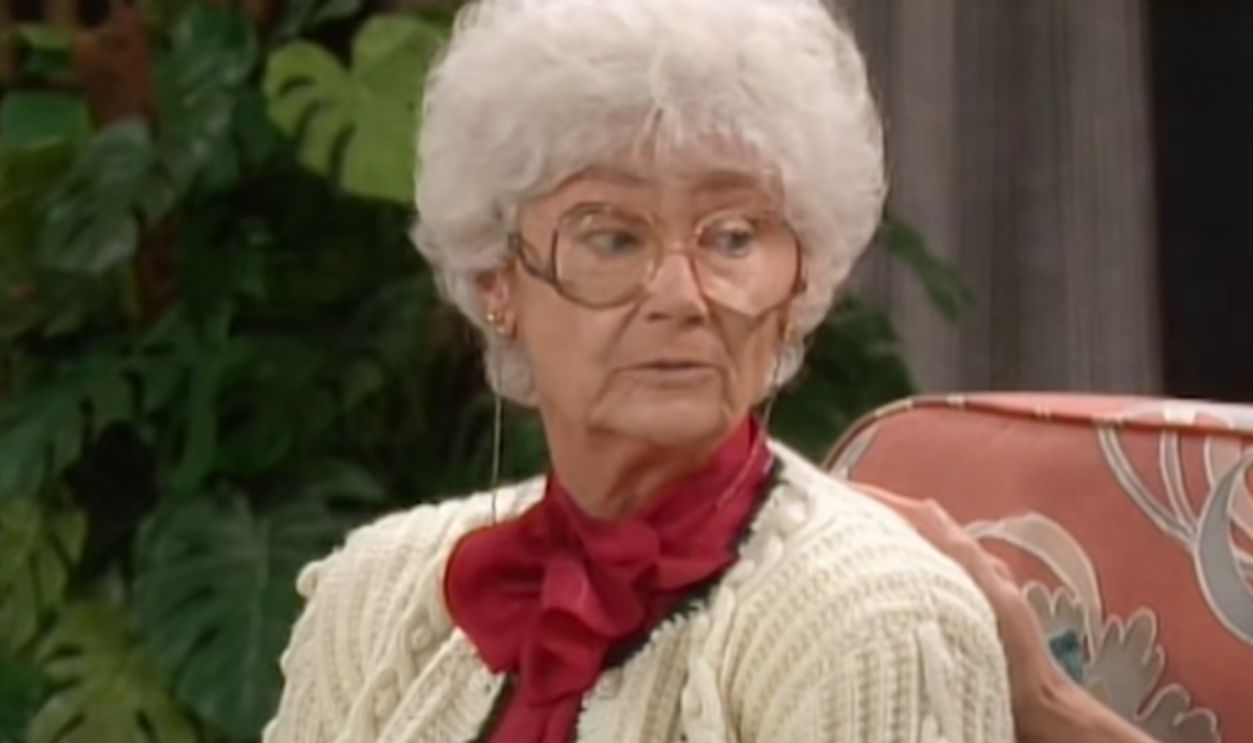 Screenshot from The Golden Girls, Disney-ABC Domestic Television (1985-1992)
Joan Lawson Had The Strangest New Daughter On Television
Small Wonder gave sitcom motherhood a science-fiction complication that most parents never have to consider. The syndicated comedy followed inventor Ted Lawson, who brought home a robot named Vicki and eventually passed her off as an adopted daughter while the family tried to conceal her true identity. Joan Lawson therefore had to help raise both her human son Jamie and a child-sized android learning how people behaved. The premise was absurd by design, but it still placed a familiar family structure around one of the strangest sitcom children of the 1980s.
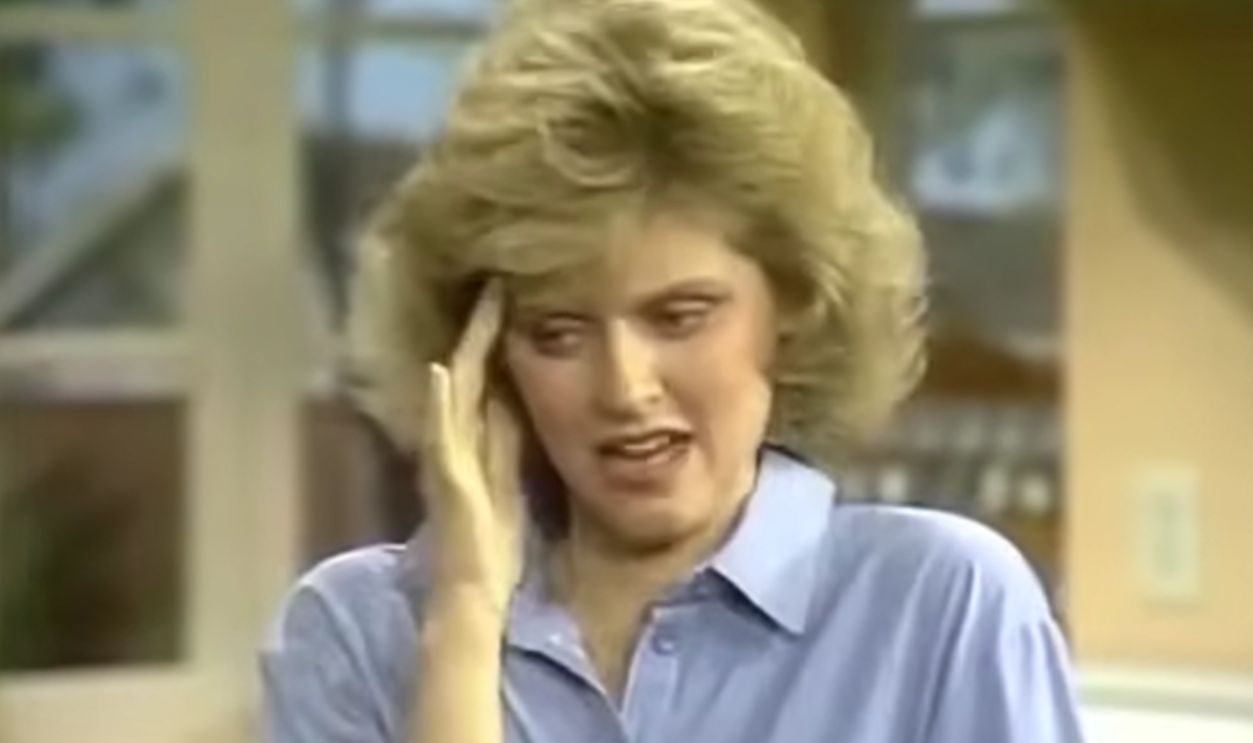 Screenshot from Small Wonder, 20th Century Fox Television (1985-1989)
Mrs. Garrett Became The Mother Away From Home
Charlotte Rae's Edna Garrett was not the biological mother of the girls on The Facts of Life, but television gave her one of the decade's clearest maternal roles. The character originated as the Drummond family's housekeeper on Diff'rent Strokes before Rae moved to the spinoff, where Mrs. Garrett supervised and guided a group of girls at Eastland School. Rae later discussed deliberately developing the character during the run of The Facts of Life. For countless viewers, Mrs. Garrett represented the adult who could listen to a crisis, deliver a lesson, and still make the kids figure out part of the answer for themselves.
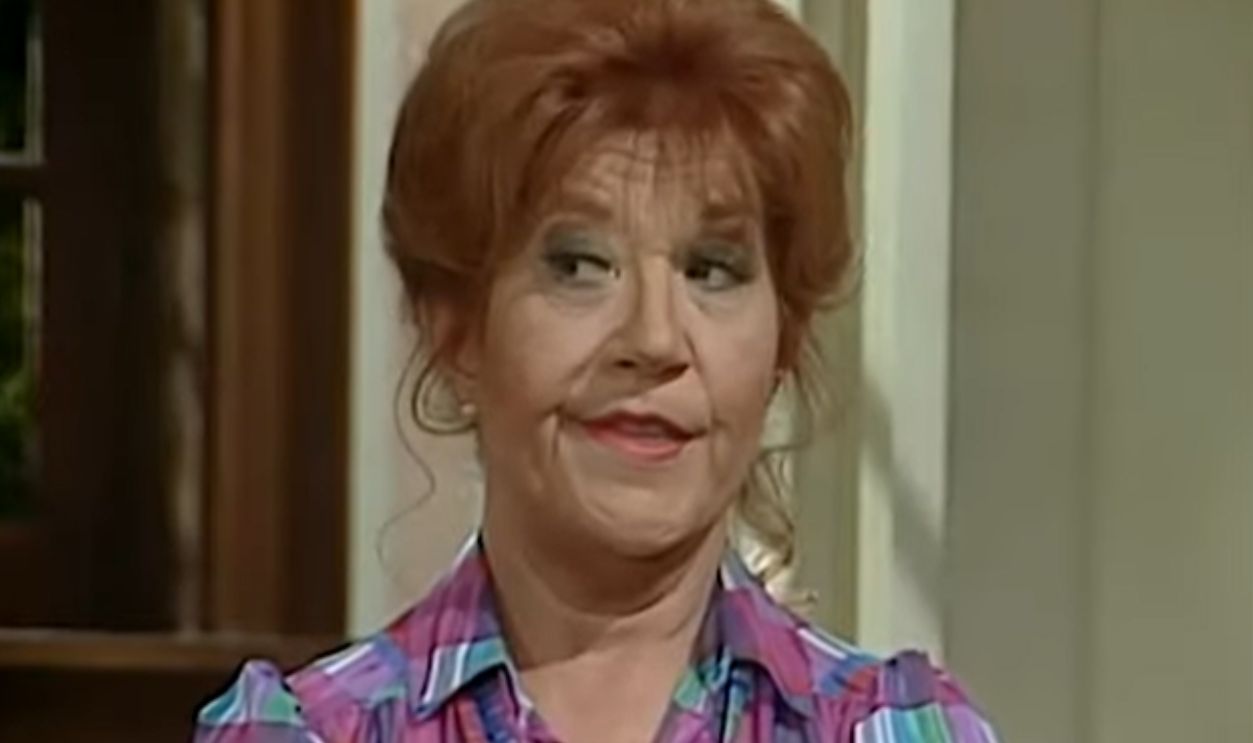 Screenshot from The Facts of Life, Sony Pictures Television (1979-1988)
They Made The Sitcom Family Much Bigger
Taken together, these mothers show how dramatically the American sitcom household changed across just two decades. Television moved from the blended optimism of the Bradys through single-parent homes, working-class families, divorced households, two-mother arrangements, career-focused parents, and even the gloriously dysfunctional Bundys. The women playing these characters also helped prove that motherhood could generate comedy without reducing a woman to one personality or one kind of life. They did not all parent the same way, which may be exactly why so many of them remain recognizable decades later.
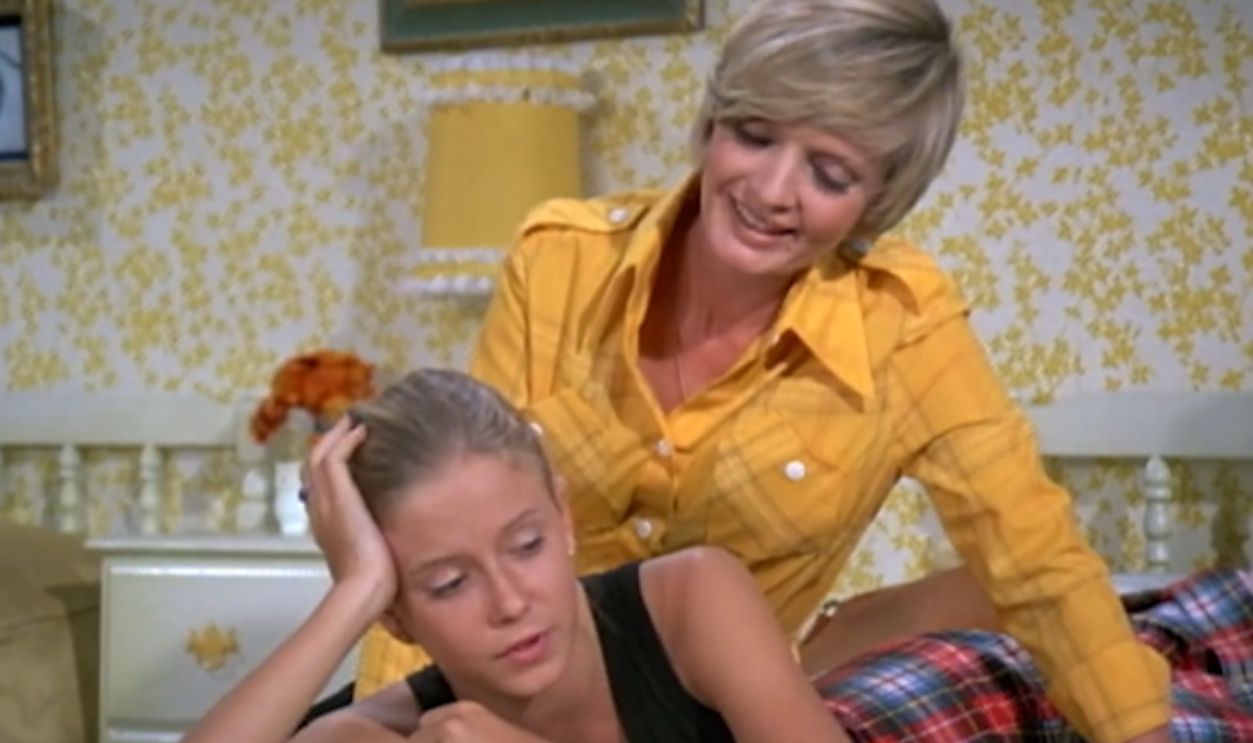 Screenshot from The Brady Bunch, ABC (1969-1974)
You May Also Like:
Can You Identify The Classic Sitcom From Just Three Character Names? Take The Classic TV Quiz
The Most Underrated Sitcom Actors Of The 1970s—Which Was Your Favorite?
Sources: 1, 2, 3, 4, 5, 6, 7, 8, 9, 10, 11, 12, 13, 14, 15, 16, 17, 18, 19, 20, 21, 22, 23, 24, 25, 26, 27, 28, 29, 30, 31, 32, 33, 34, 35, 36, 37, 38