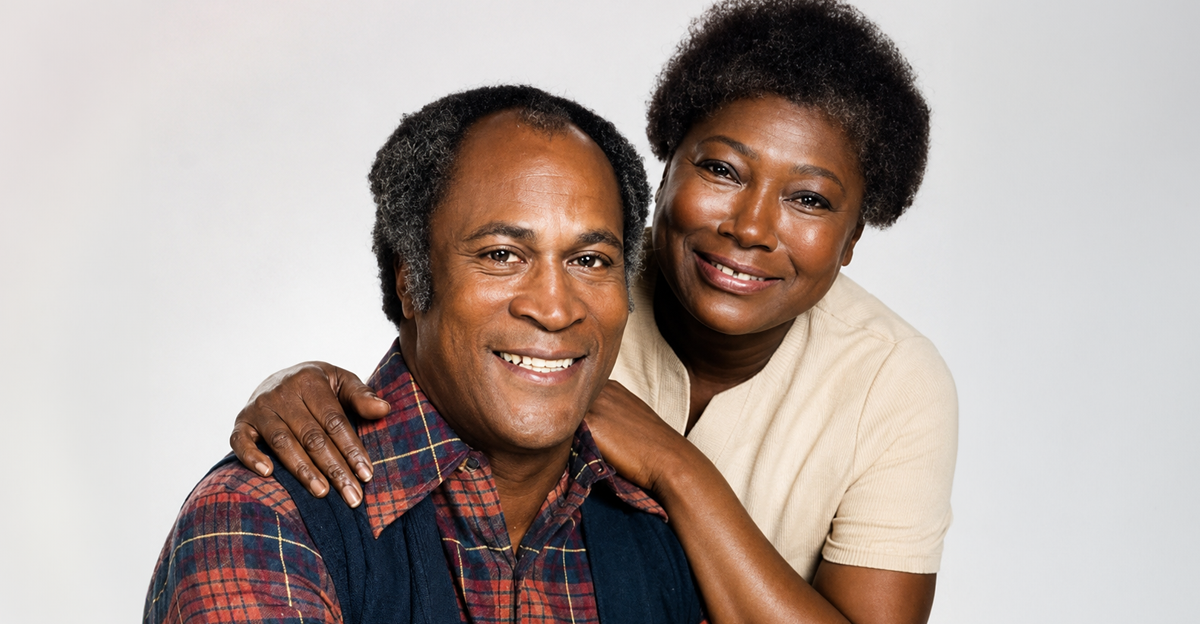
Good Times Was Not One Big Happy Family
For millions of viewers, Good Times was one of the most beloved sitcoms of the 1970s. John Amos brought strength, dignity, and warmth to James Evans Sr., creating one of television's most influential portrayals of a Black father. Behind the scenes, though, Amos spent years fighting over the show's direction, and those battles eventually cost him the role that made him famous.
 CBS Television. Uploaded by We hope at en.wikipedia
A Groundbreaking Family Arrived
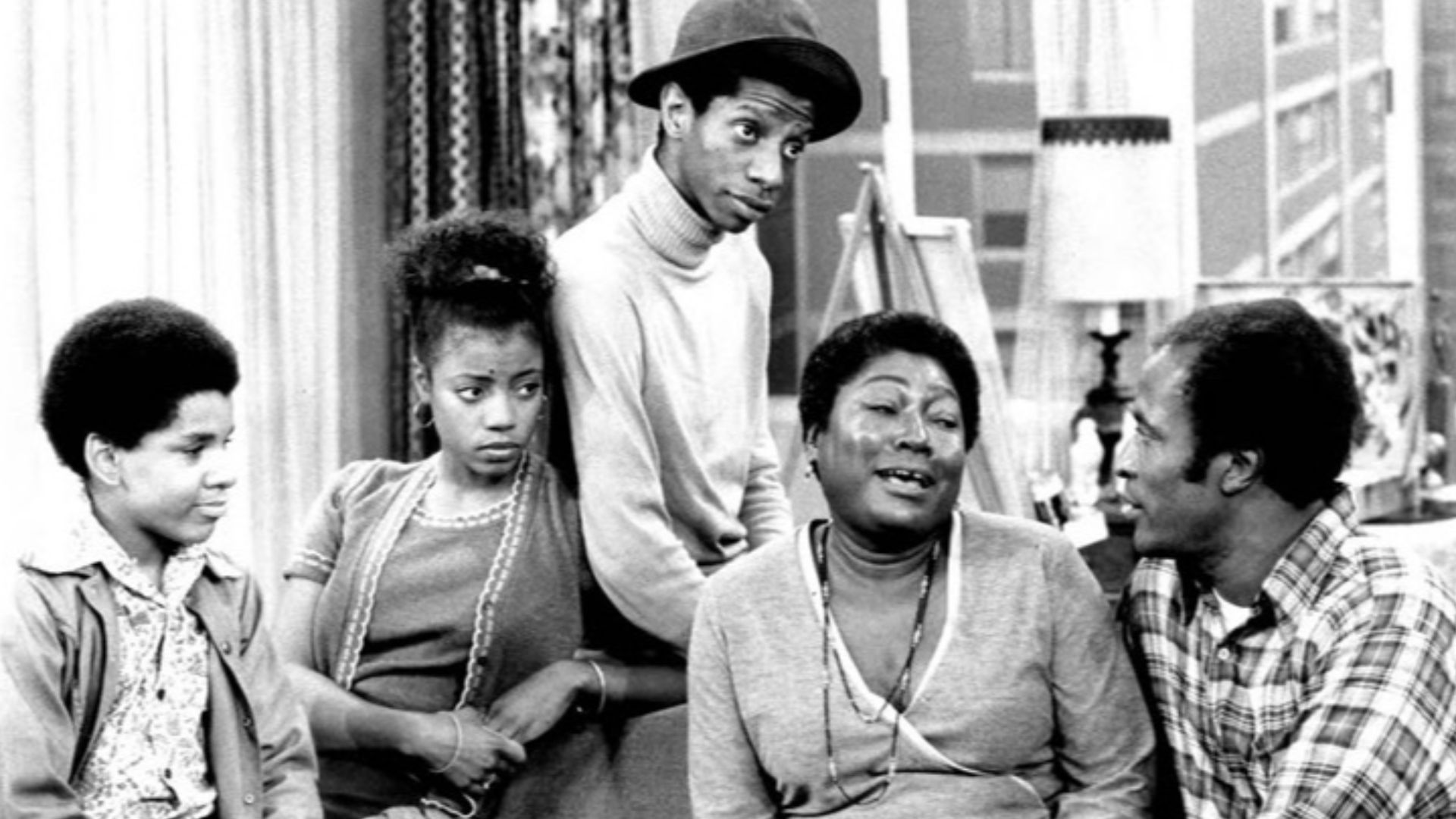
When Good Times premiered on CBS in 1974, it broke new ground. The sitcom centered on the Evans family, who lived in a Chicago public housing project while facing financial hardship with humor, resilience, and love. It quickly became one of Norman Lear's most important television successes.
 CBS Television, Wikimedia Commons
John Amos Was Already A Working Actor
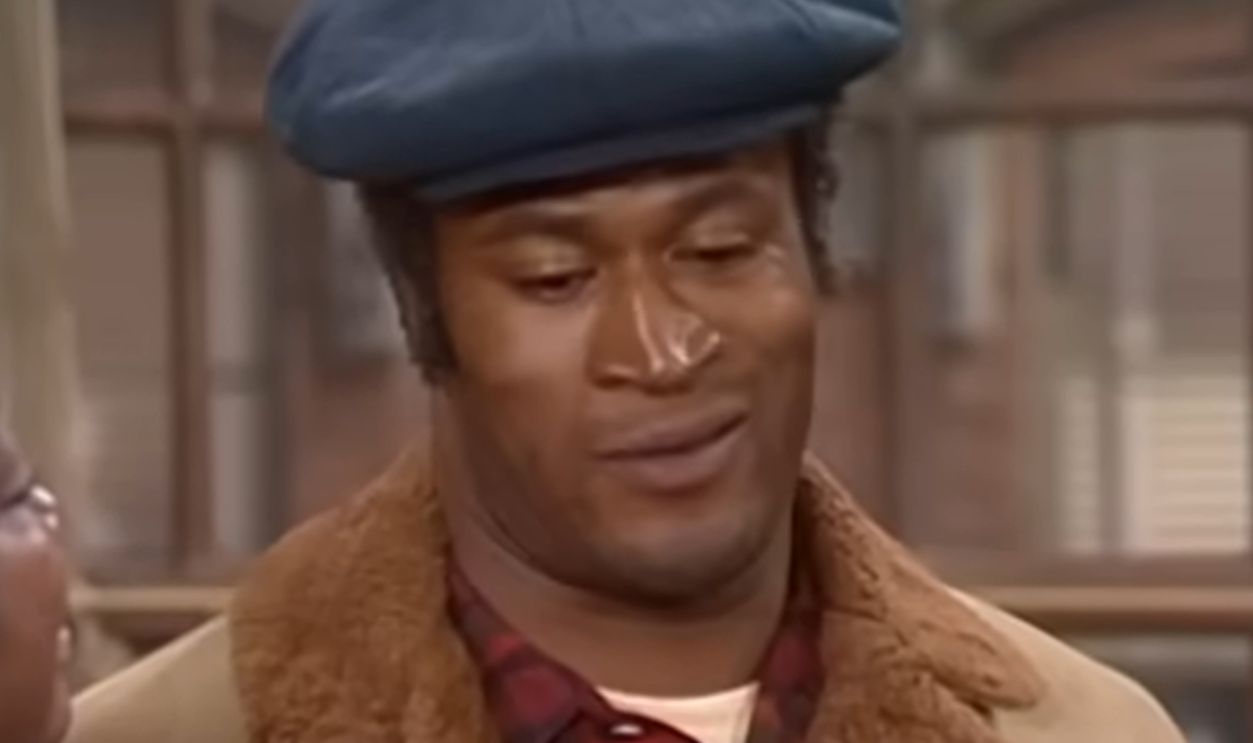
Although many viewers discovered him through Good Times, Amos was hardly an overnight success. Before joining the sitcom, he had appeared as weatherman Gordy Howard on The Mary Tyler Moore Show and had also worked as a writer and performer after briefly pursuing professional football. His varied background gave him confidence both on and off camera.
 Screenshot from Good Times, CBS (1974–1979)
The Evans Family Began Somewhere Else
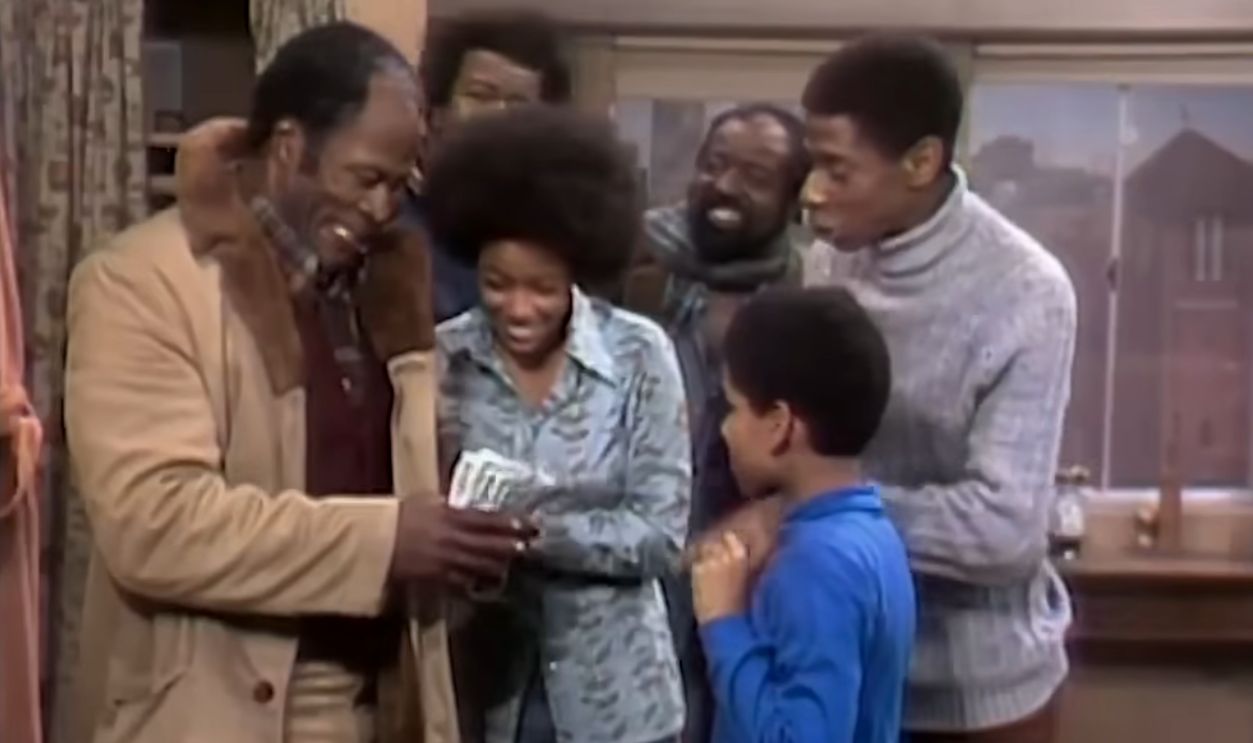
James and Florida Evans did not actually debut on Good Times. The married couple first appeared as supporting characters on Maude, another Norman Lear sitcom starring Bea Arthur. Their popularity led CBS to give them a spinoff centered entirely on their family.
 Screenshot from Good Times, CBS (1974–1979)
James Evans Became Television's Moral Center
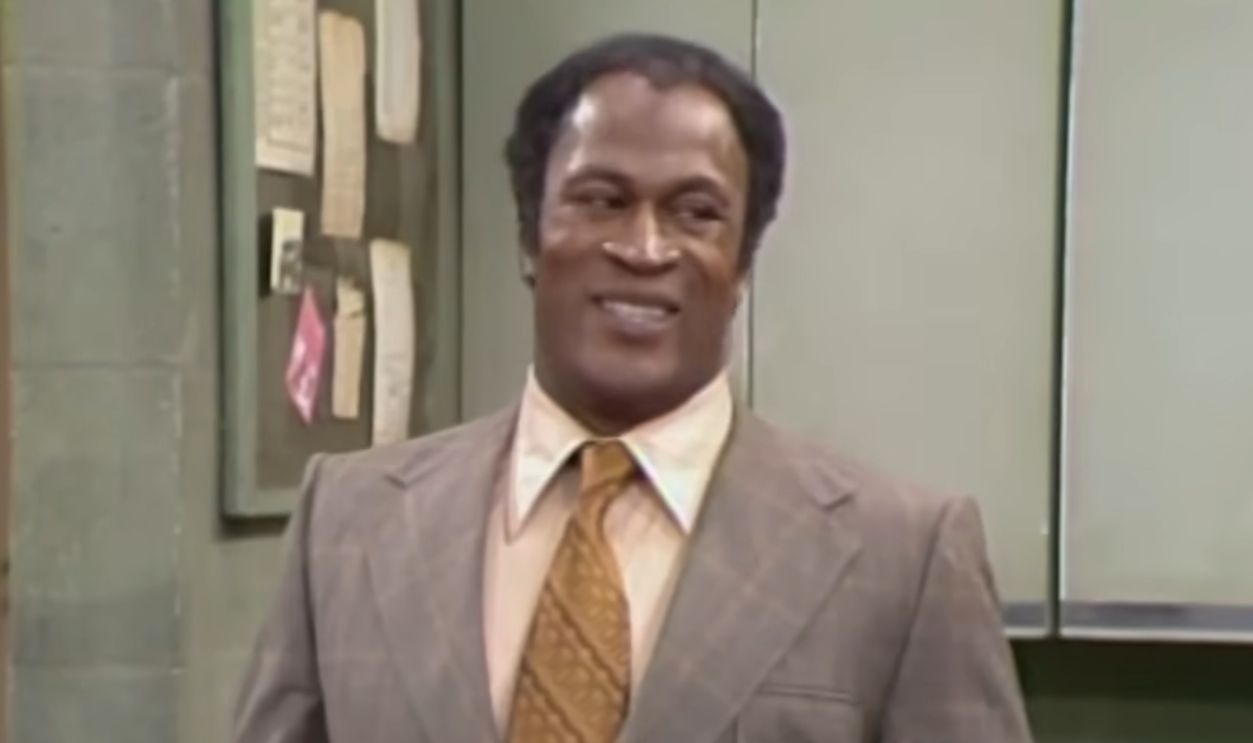
Amos portrayed James as a hardworking father who often juggled multiple jobs to support his family. He was strict but deeply loving, and viewers responded to his honesty and determination. James quickly became one of television's most respected father figures.
 Screenshot from Good Times, CBS (1974–1979)
Amos Took The Role Personally
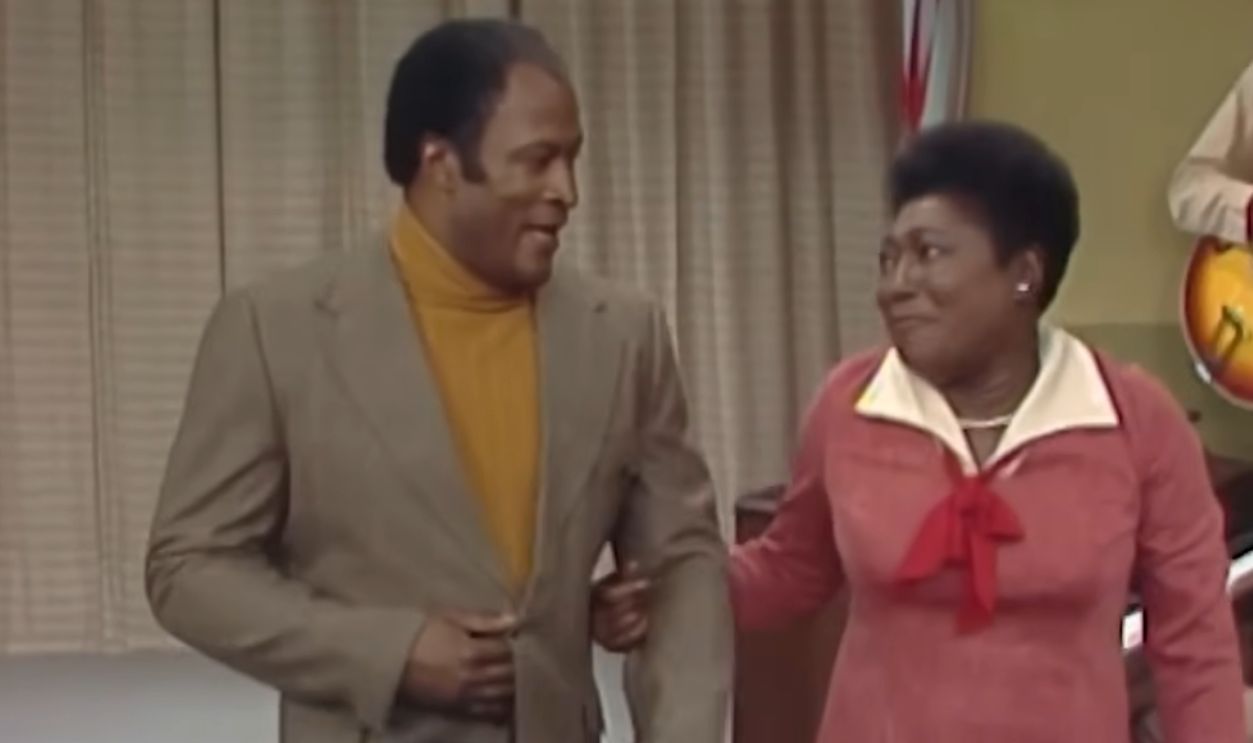
Years later, Amos explained that he felt enormous responsibility portraying one of television's first prominent Black fathers leading a complete family. He believed millions of Black viewers were watching closely, including his own family. That sense of responsibility shaped nearly every creative disagreement that followed.
 Screenshot from Good Times, CBS (1974–1979)
Success Changed The Show
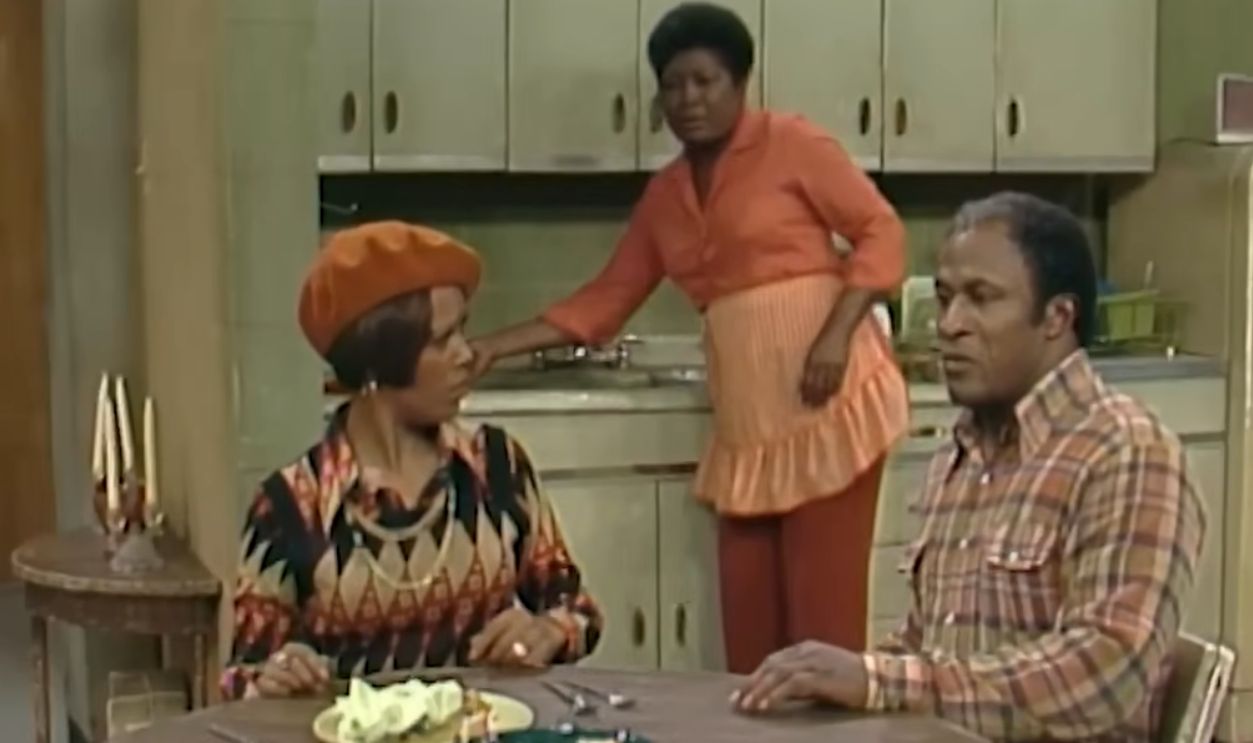
As ratings climbed, one character unexpectedly became the breakout star. Jimmie Walker's energetic portrayal of J.J. Evans captivated audiences with his "Dy-no-mite!" catchphrase and exaggerated comedic style. Network executives leaned into what viewers seemed to love.
 Screenshot from Good Times, CBS (1974–1979)
Amos Was Not Happy With That Direction
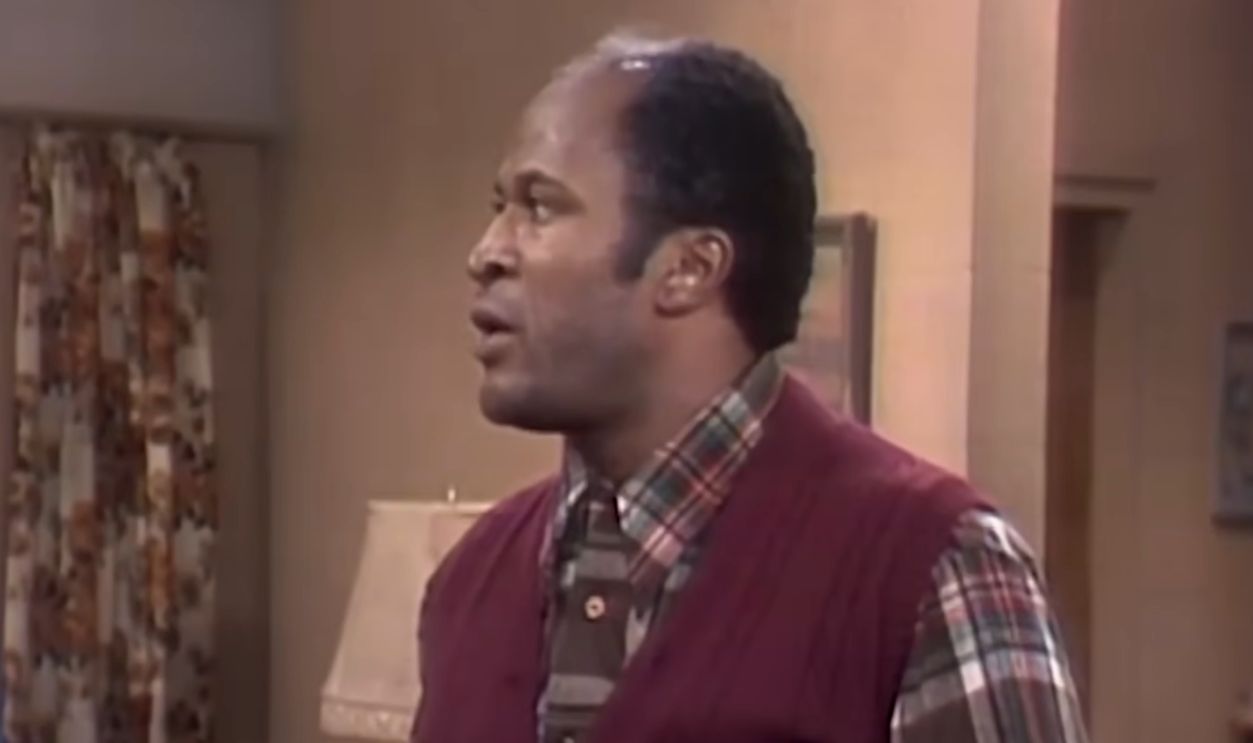
Amos believed the show risked drifting away from its original purpose. Instead of focusing equally on the Evans family's struggles and aspirations, he felt too much attention was shifting toward broad comedy built around J.J. He worried the series was becoming less authentic.
 Screenshot from Good Times, CBS (1974–1979)
Esther Rolle Shared Many Of His Concerns
Amos was not alone. Esther Rolle, who played Florida Evans, also pushed for more realistic stories and stronger family-centered themes. Both actors believed the sitcom had an opportunity to present a richer picture of Black family life.
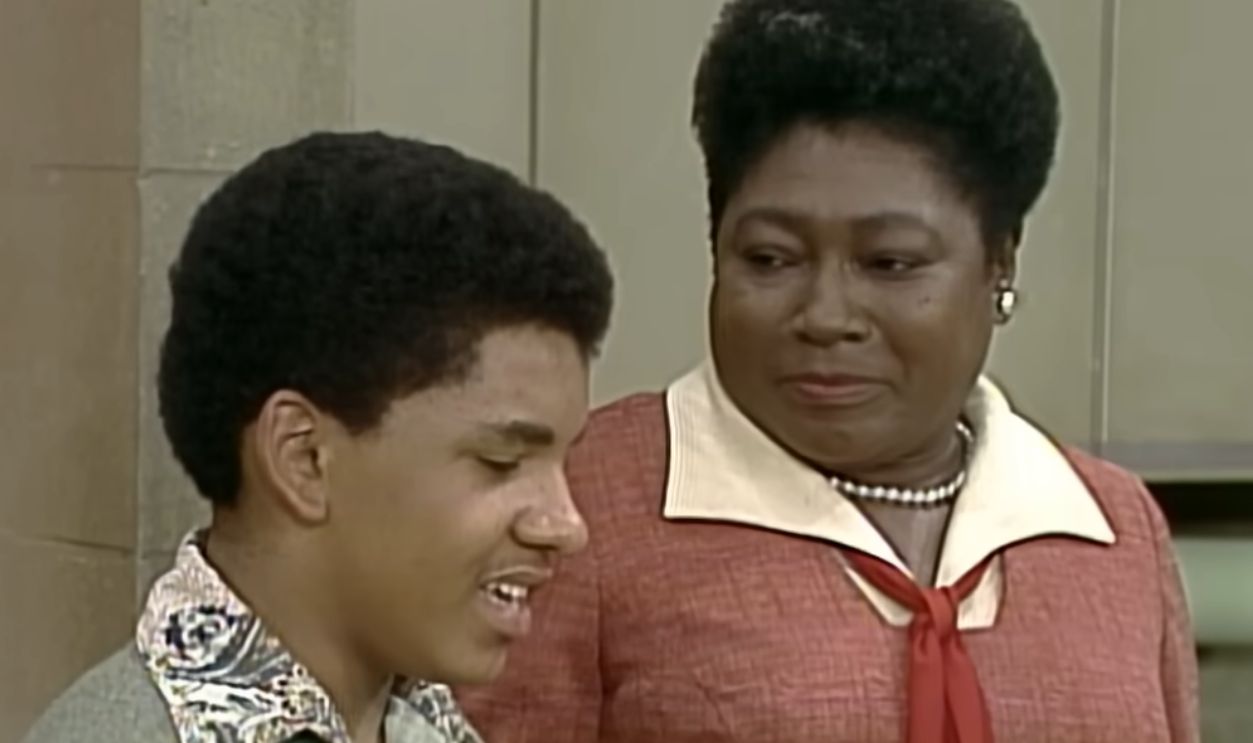 Screenshot from Good Times, CBS (1974–1979)
The Writers Heard Plenty Of Feedback
Amos frequently challenged scripts during production. He later said he believed he understood Black family dynamics better than the show's largely white writing staff. While some suggestions were accepted, many disagreements became increasingly heated.
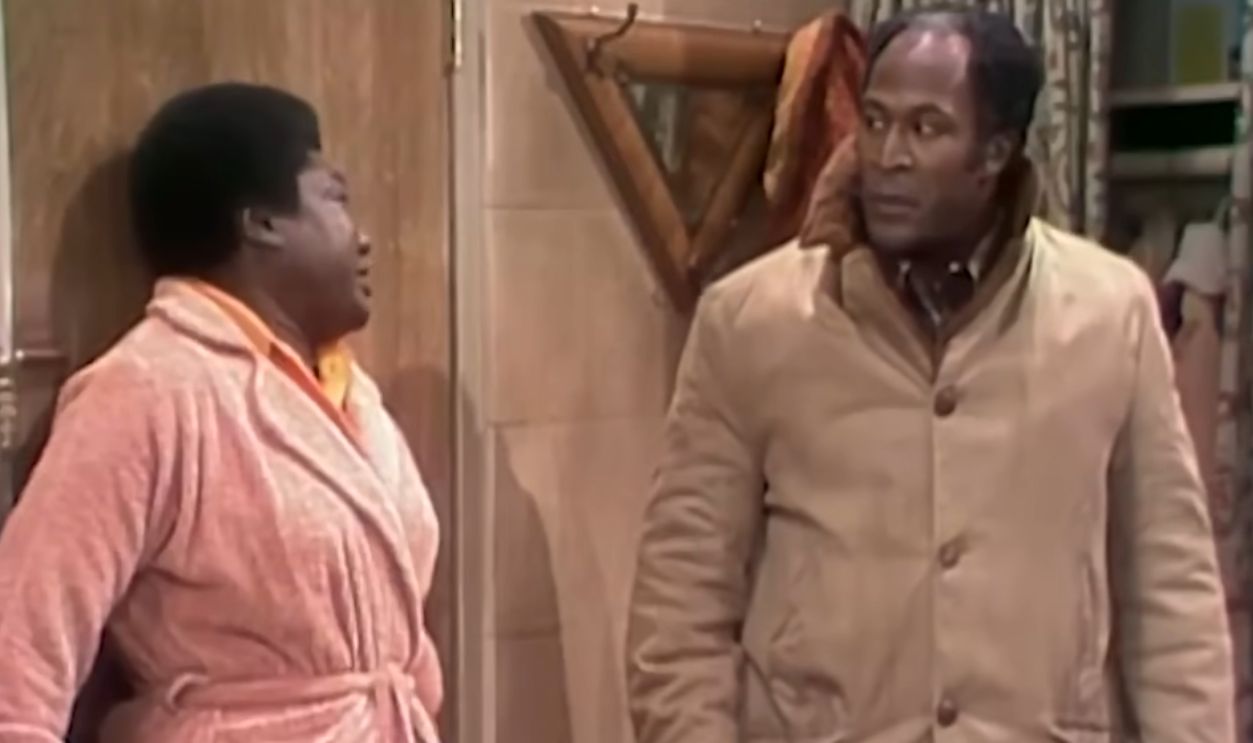 Screenshot from Good Times, CBS (1974–1979)
He Never Claimed To Be Diplomatic
Looking back, Amos admitted that he was not always tactful. He said his delivery could be blunt even when he believed he was defending the show's integrity. In hindsight, he recognized that his approach sometimes intensified conflicts.
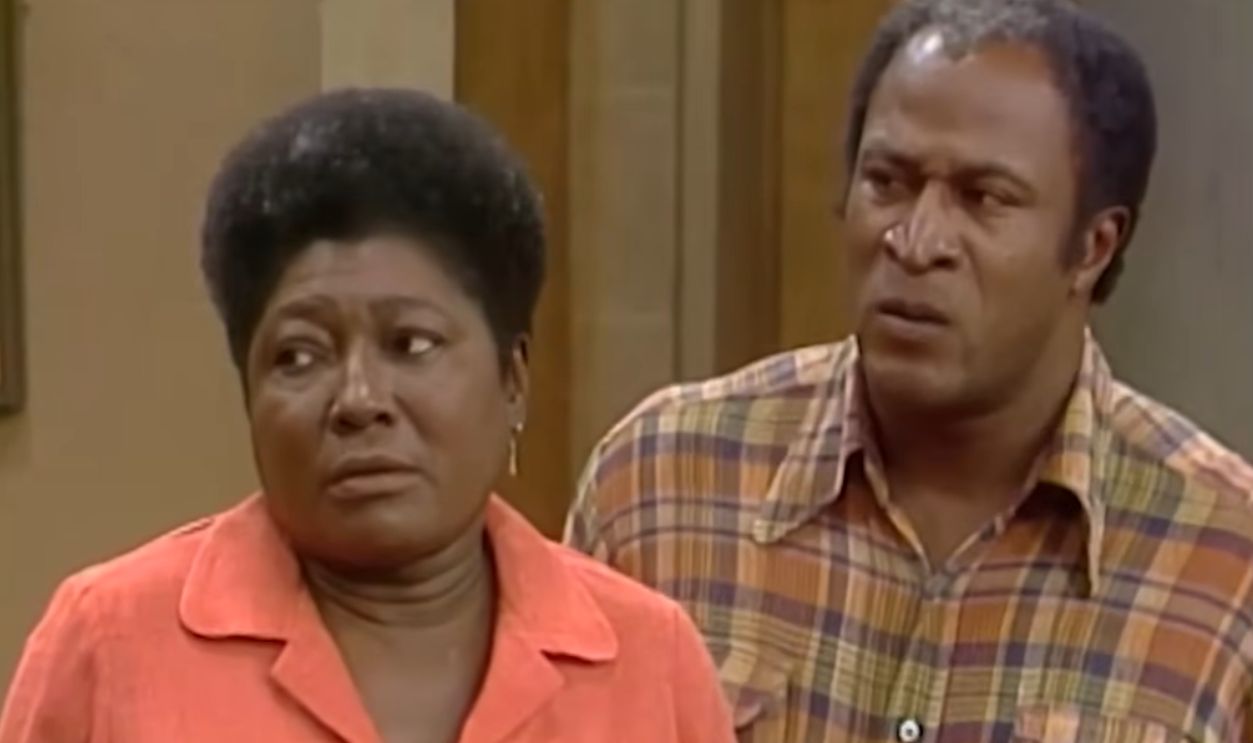 Screenshot from Good Times, CBS (1974–1979)
The Relationship With Norman Lear Became Strained
Producer Norman Lear respected Amos as a performer, but the ongoing creative clashes became difficult to manage. Both men strongly believed in their vision for the series. Eventually, the disagreements outweighed their ability to work together comfortably.
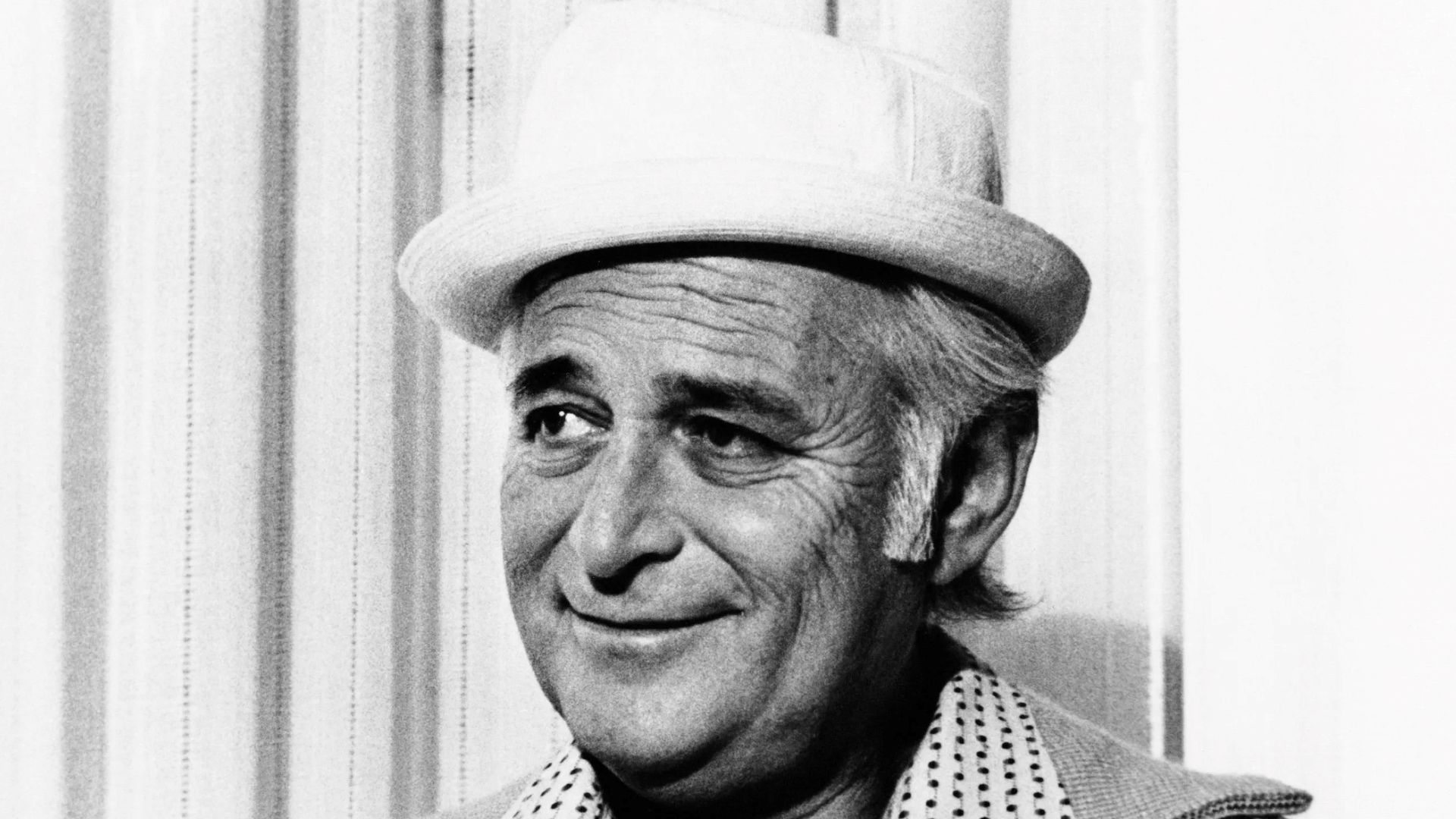 PBS Television, Wikimedia Commons
Then Came The Phone Call
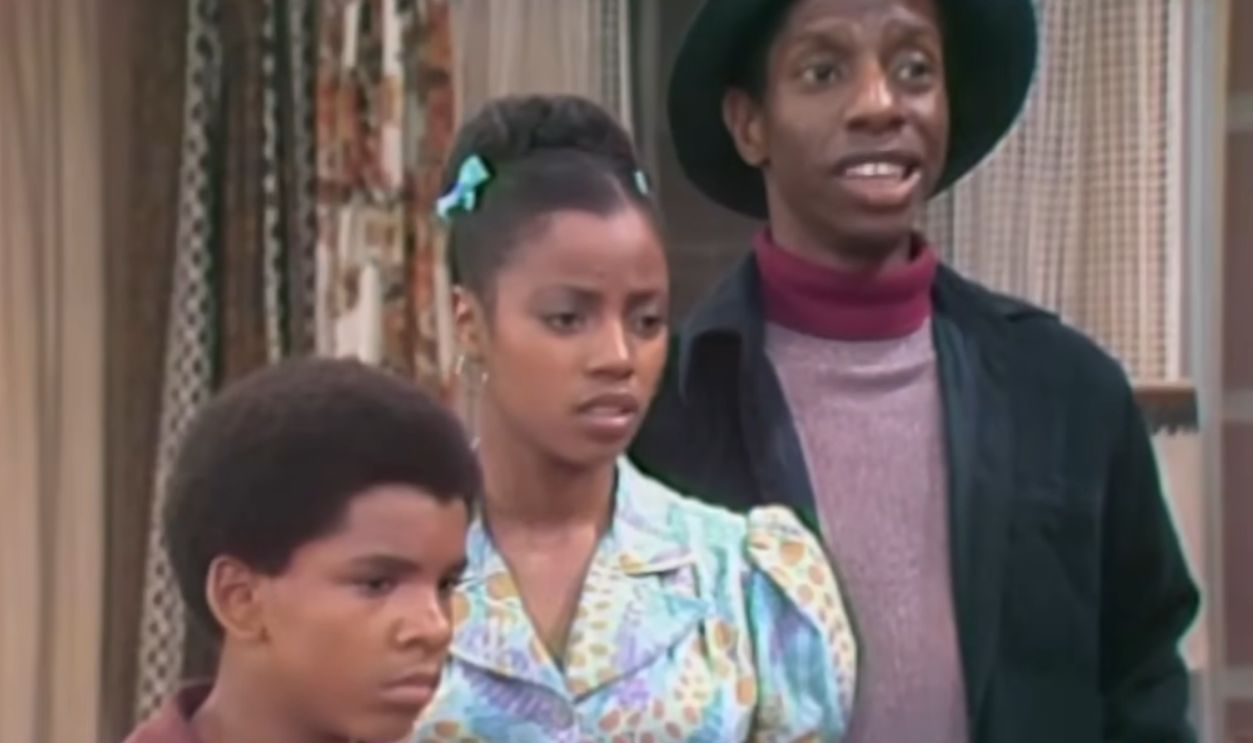
After the third season, Lear personally called Amos with bad news. Amos had been fired from Good Times. The decision shocked both the actor and many viewers who considered James Evans essential to the show.
 Screenshot from Good Times, CBS (1974–1979)
James Evans Was Written Out Forever
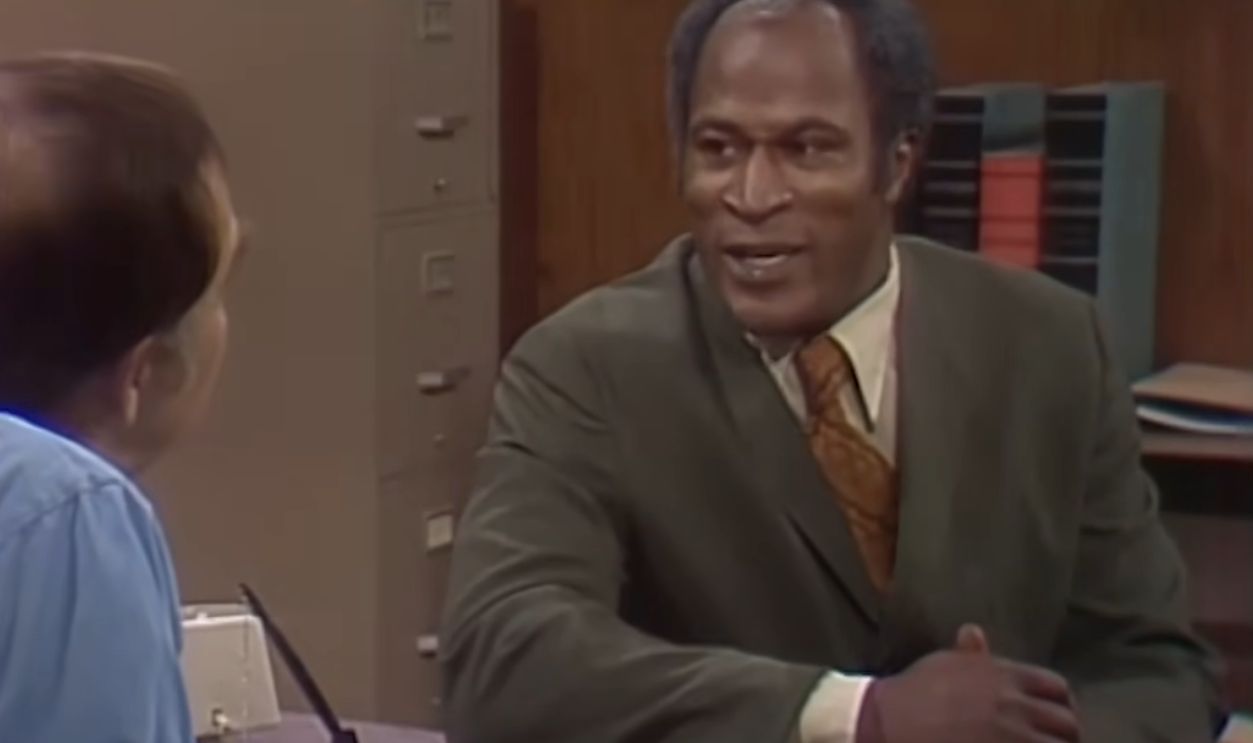
Rather than simply moving the character away, the writers killed James in an off-screen automobile accident while he was working in Alaska. It was an unusually dramatic exit for a sitcom character. The decision permanently closed the door on Amos returning as the family patriarch.
 Screenshot from Good Times, CBS (1974–1979)
One Scene Became Television History
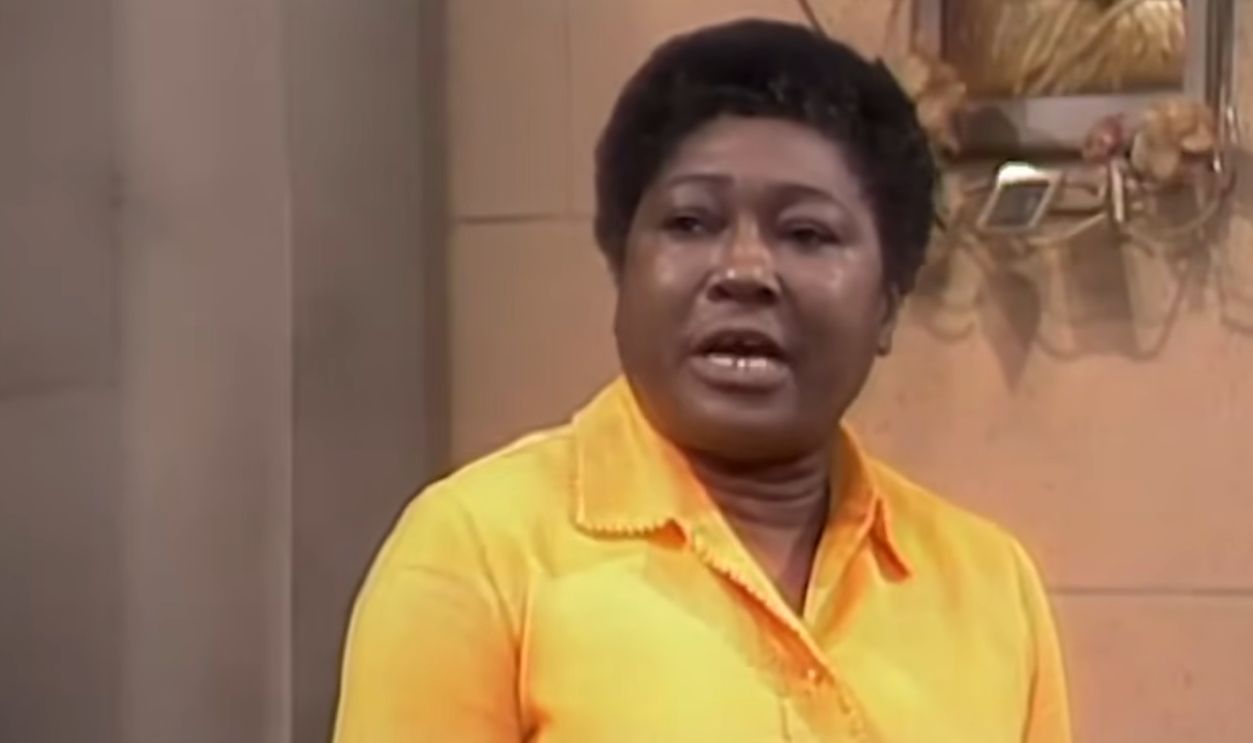
Florida Evans learning of her husband's death became one of the most unforgettable moments in sitcom history. Esther Rolle's anguished cries of "Damn! Damn! Damn!" remain among the most famous dramatic scenes ever aired on a comedy series.
 Screenshot from Good Times, CBS (1974–1979)
Fans Were Heartbroken
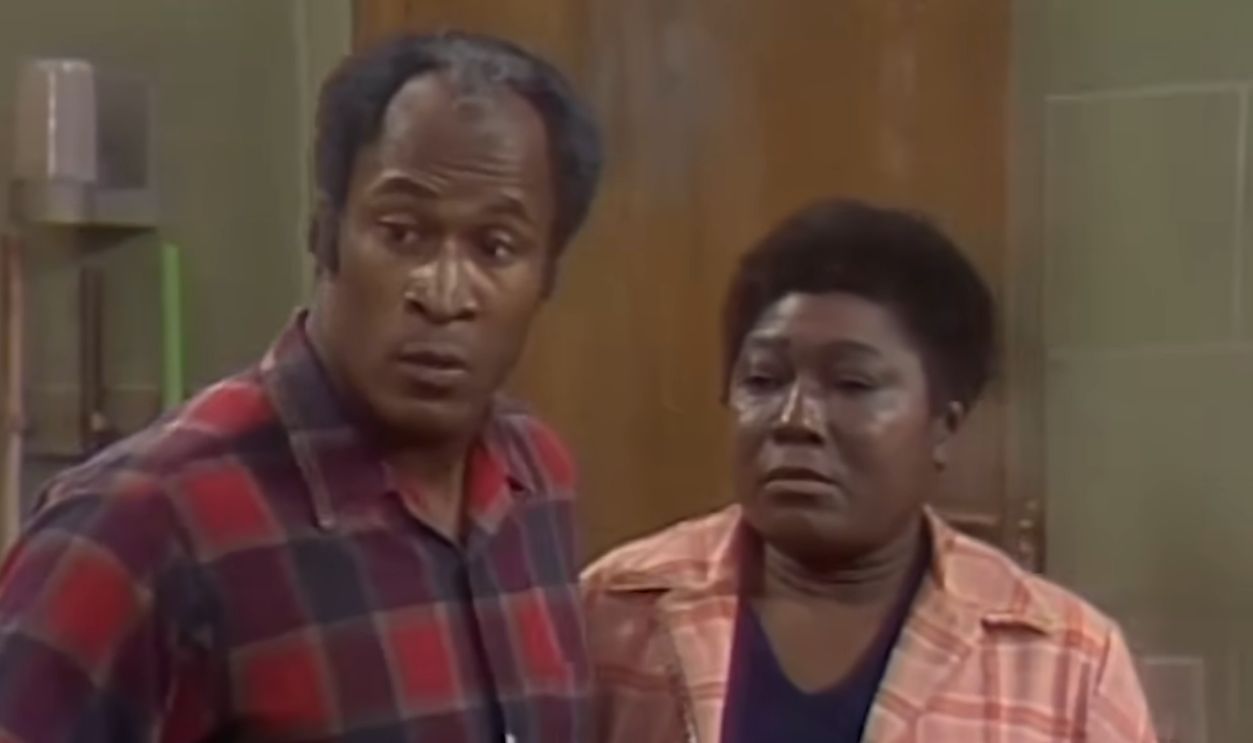
Many viewers struggled to imagine Good Times without James Evans. His strength and stability had anchored the family through countless challenges. Losing him fundamentally changed the show's emotional balance.
 Screenshot from Good Times, CBS (1974–1979)
The Show Continued Anyway
Good Times remained on the air for three more seasons. While it continued attracting viewers, many longtime fans believed the series never fully recaptured the chemistry of its original cast. The tone also leaned more heavily into comedy.
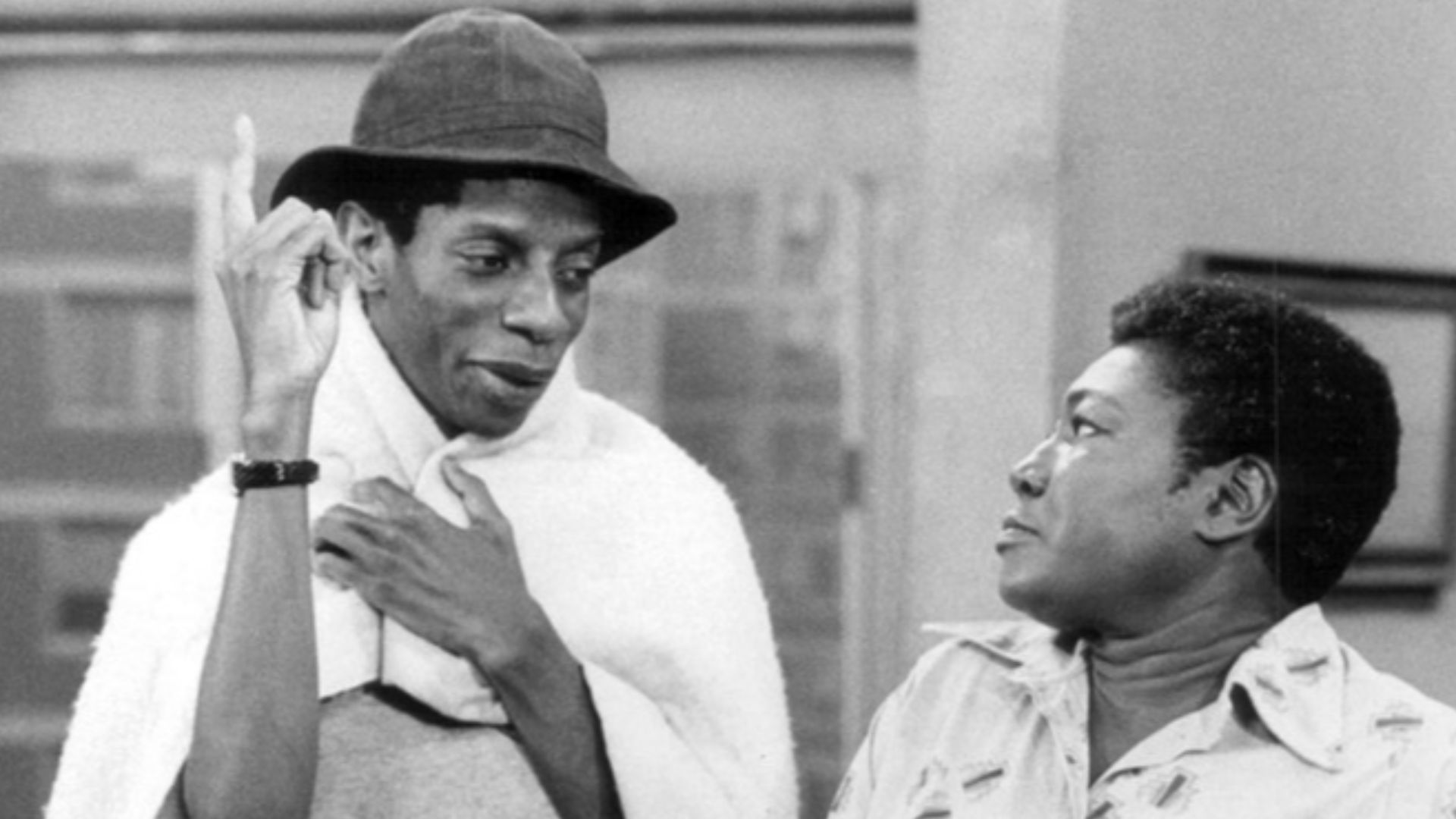 CBS Television Uploaded by We hope at en.wikipedia, Wikimedia Commons
Amos Never Backed Away From His Views
Over the decades, Amos repeatedly explained why he fought so hard. He insisted he was trying to protect the dignity of the characters and the importance of Black family representation. Even after leaving the show, he rarely softened those convictions.
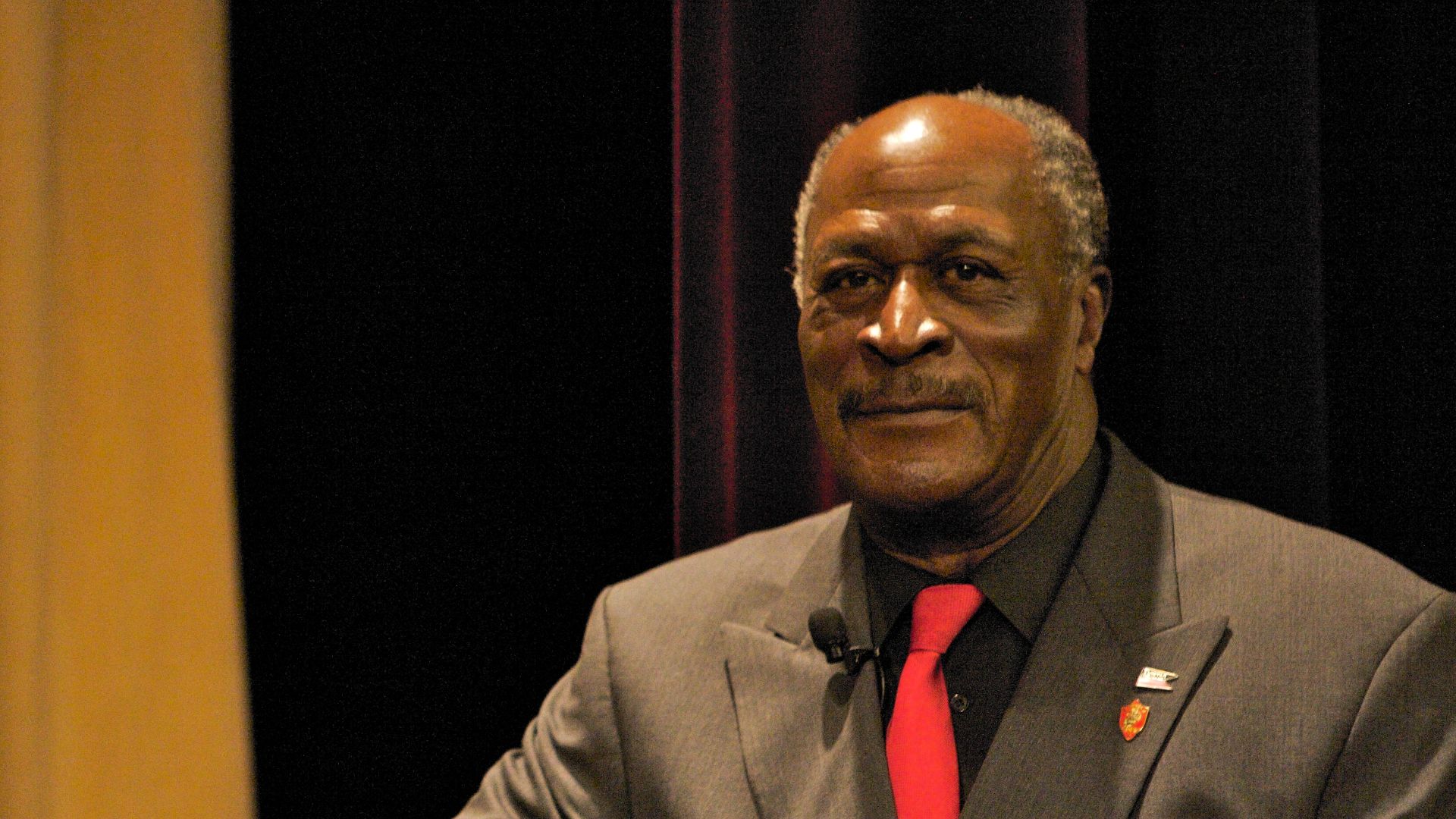 U.S. National Archives, Wikimedia Commons
His Gamble Paid Off Quickly
Only a year after leaving Good Times, Amos landed one of the most important roles of his career. He portrayed the adult Kunta Kinte in ABC's landmark miniseries Roots. The performance introduced him to an even larger audience.
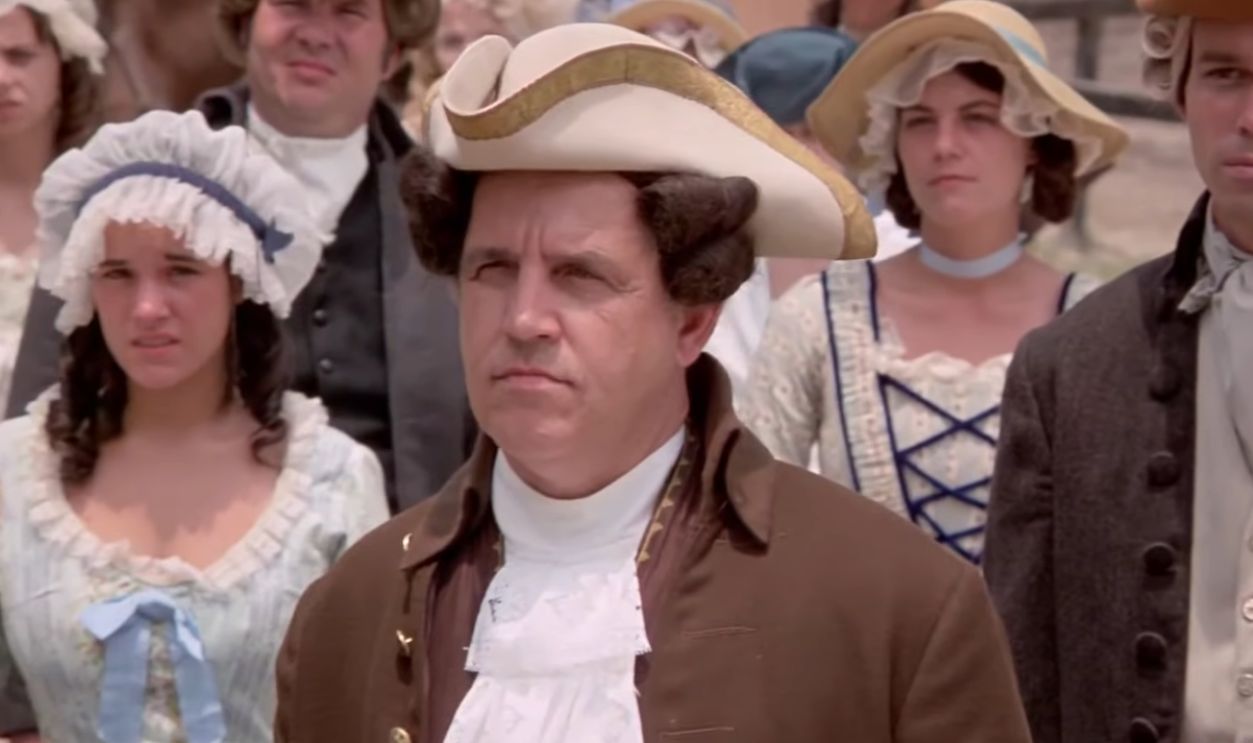 Screenshot from Roots, ABC (1977)
An Emmy Nomination Followed
Amos earned an Emmy nomination for his performance in Roots. The acclaimed miniseries became a cultural phenomenon and remains one of the most influential television productions ever made. His career had not been derailed after all.
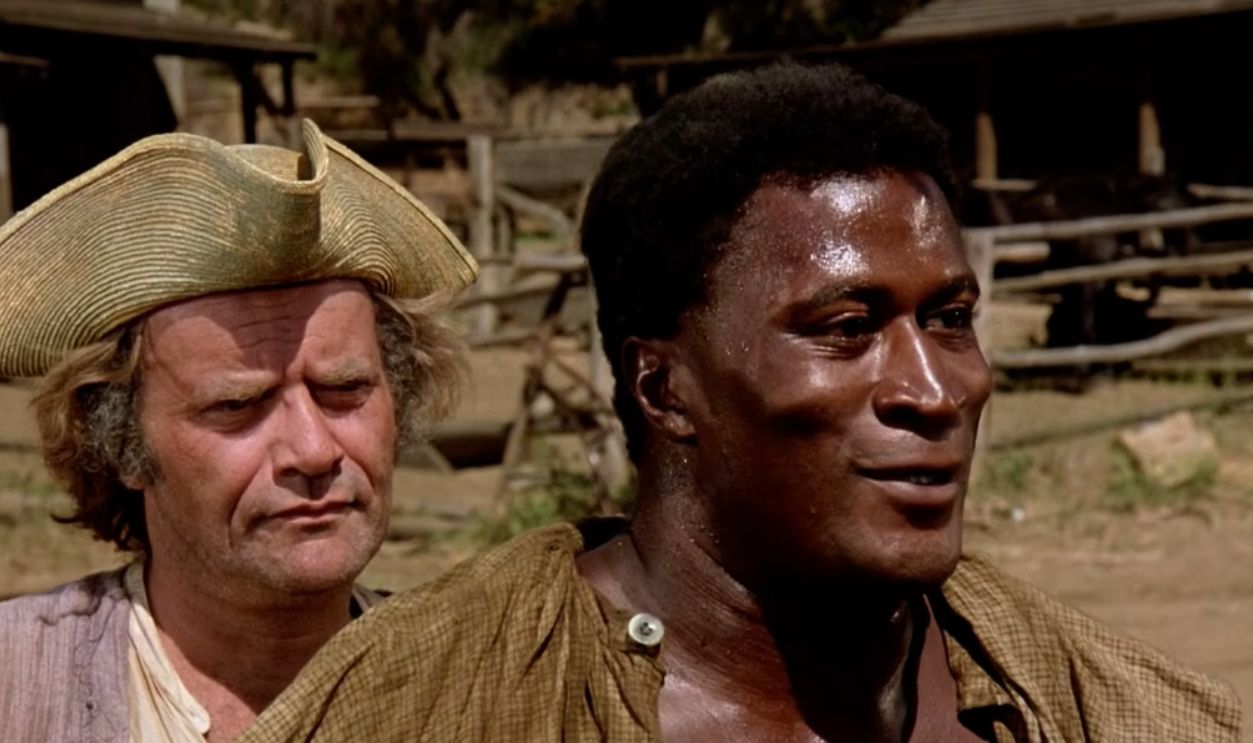 Screenshot from Roots, ABC (1977)
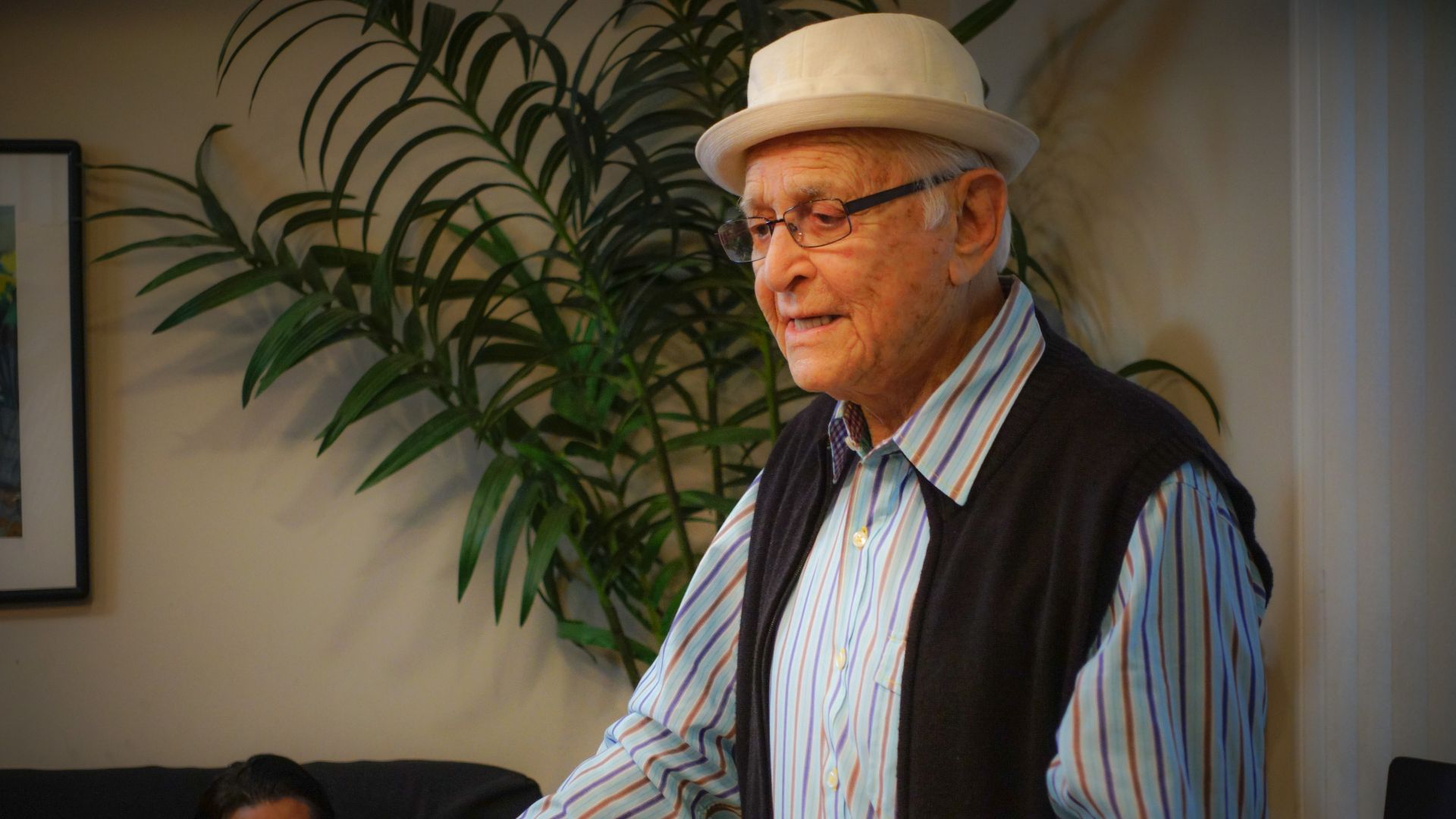
Time Softened Old Wounds
Although Amos and Lear parted on difficult terms, their relationship eventually improved. They later collaborated again on other projects and publicly expressed respect for one another. Years of bitterness gradually gave way to reconciliation.
 Louise Palanker from Los Angeles/Santa Barbara, USA, Wikimedia Commons
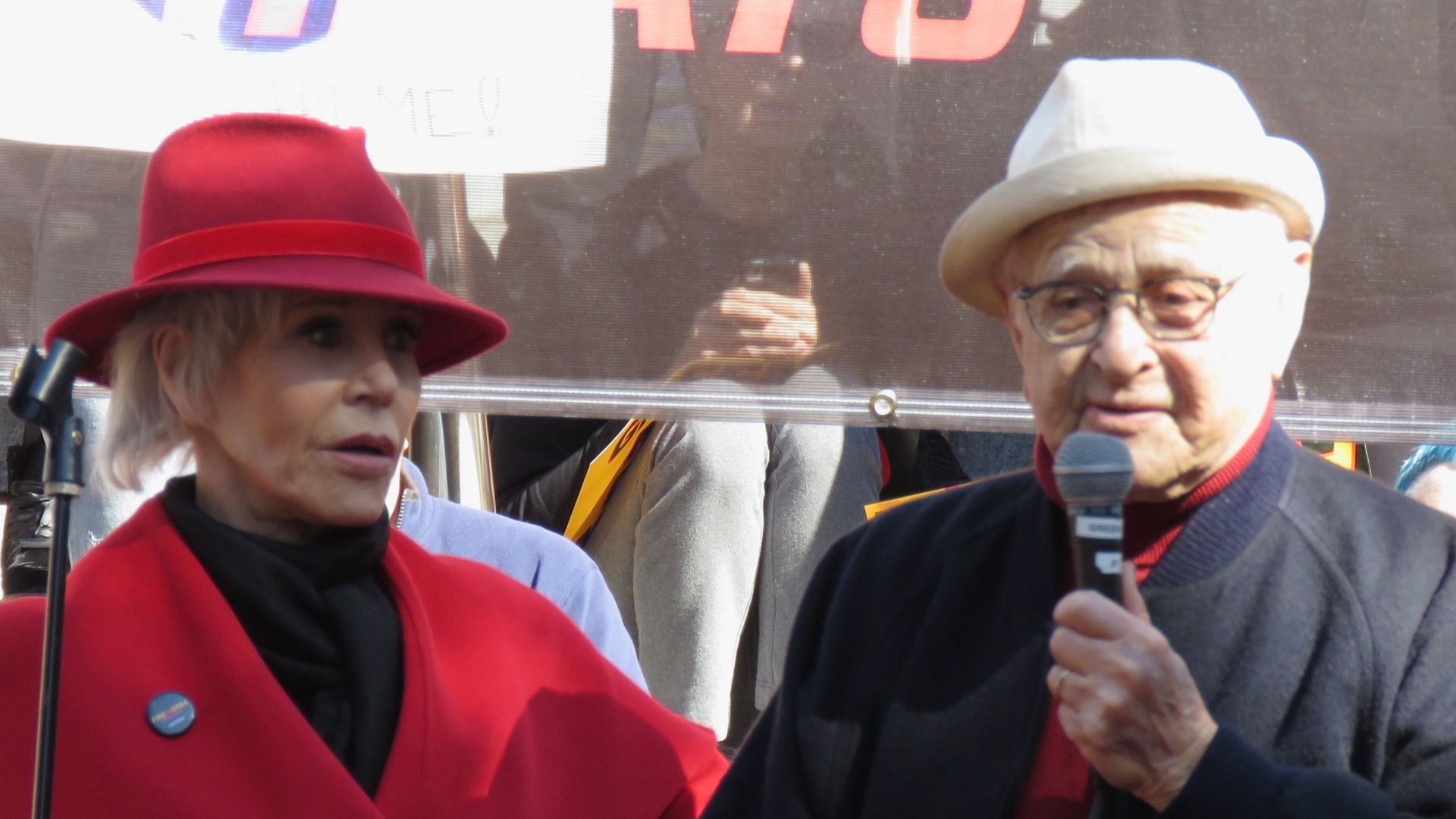
A Memorable Reunion Arrived
In 2019, Amos reunited with Lear during ABC's Live in Front of a Studio Audience. Amos later described the experience as emotional because the old conflicts had finally been put to rest. He said the reunion healed long-standing wounds.
 Chris Long from Los Angeles, CA, USA, Wikimedia Commons
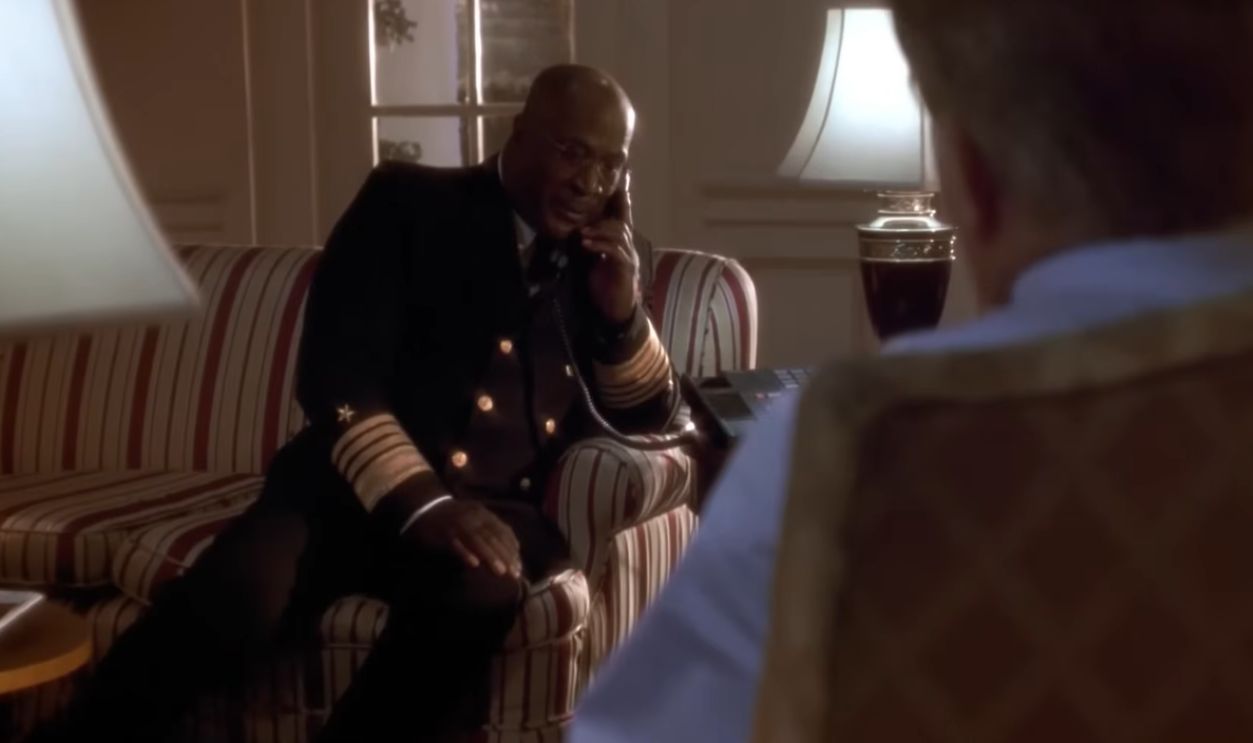
Amos Continued Building His Legacy
Beyond Good Times and Roots, Amos appeared in memorable projects including Coming to America, Die Hard 2, The Fresh Prince of Bel-Air, and The West Wing. His career ultimately stretched across more than five decades.
 Screenshot from The West Wing, NBC (1999–2006)
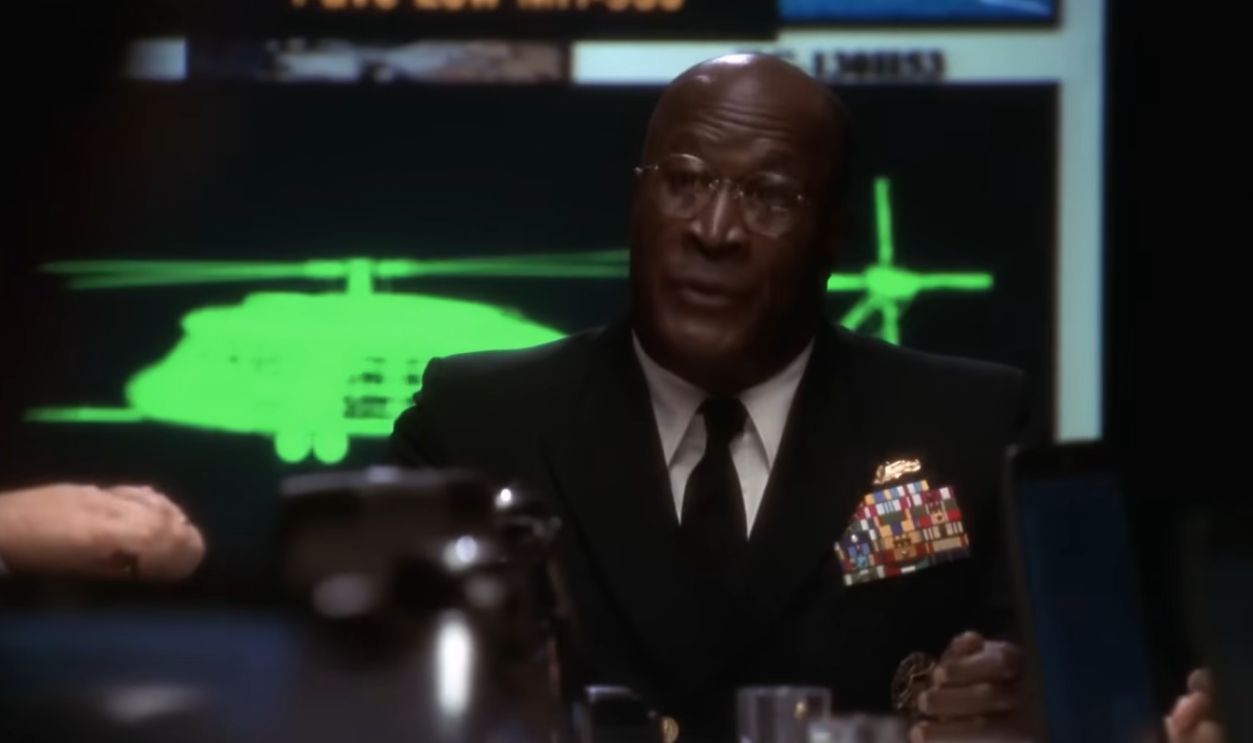
His Stand Became Part Of His Legacy
Many people remember Amos not only for his performances but also for his willingness to challenge Hollywood when he believed something was wrong. He accepted significant professional risk in pursuit of more authentic representation. That decision remains a defining part of his story.
 Screenshot from The West Wing, NBC (1999–2006)
Good Times Changed Television Forever
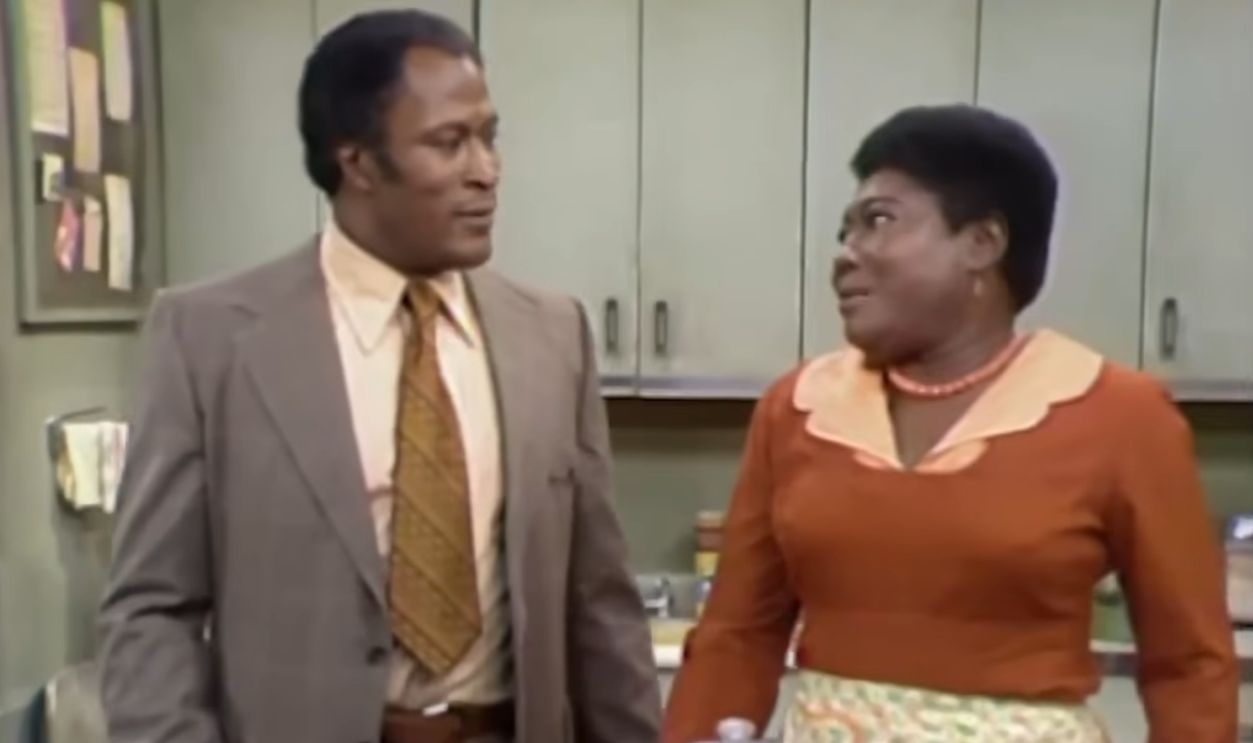
Despite the behind-the-scenes conflict, Good Times remains a landmark sitcom. It helped bring a loving Black family into millions of American homes and influenced generations of television that followed. Both the show and Amos left a lasting mark on entertainment history.
 Screenshot from Good Times, CBS (1974–1979)
The Story Behind The Story Endures
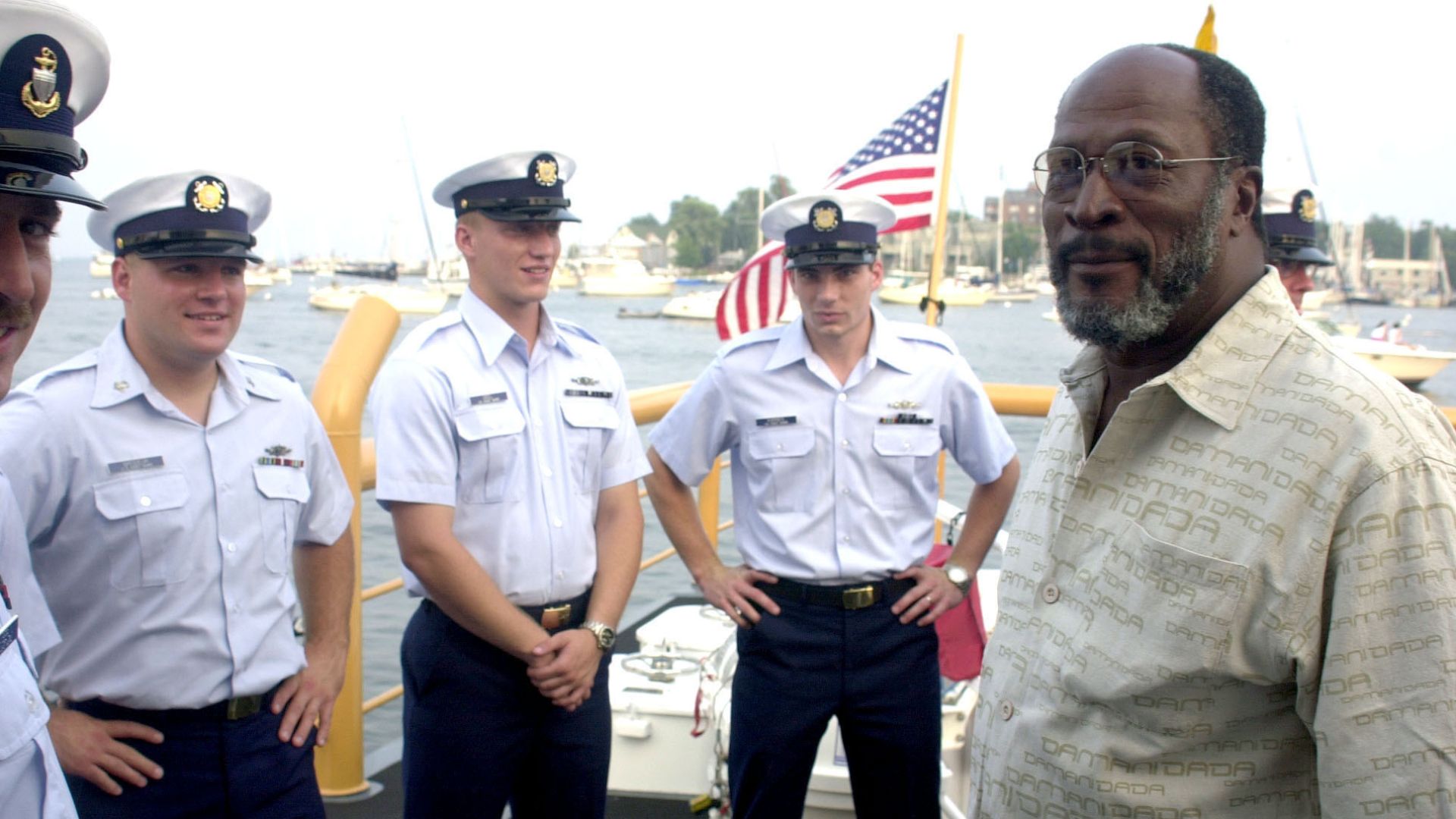
John Amos lost the role that made him famous because he refused to stay silent about issues he believed mattered. Decades later, even after reconciliation with Norman Lear, he never expressed regret for standing up for his convictions. That honesty is one reason his legacy continues to resonate.
 Telfair H. Brown, Wikimedia Commons
You May Also Like:
The Most Influential TV Shows Of All Time
TV Shows So Wild, No One Could Believe They Were Based On Real Stories