Anne Rice Built A World Hollywood Could Not Ignore
Anne Rice’s novels have inspired a surprisingly varied screen history, including gothic vampire blockbusters, historical drama, racy comedy, biblical filmmaking, and a growing television universe. Her most famous creations are Louis and Lestat from The Vampire Chronicles, but Hollywood has also adapted books such as The Feast of All Saints, Exit to Eden, and Christ the Lord: Out of Egypt.
The results have ranged from major commercial successes to notorious critical disappointments, which makes Rice’s adaptation history almost as dramatic as her fiction.
 Francois Duhamel/Sygma via Getty Images
Interview With The Vampire Finally Escaped Development Limbo
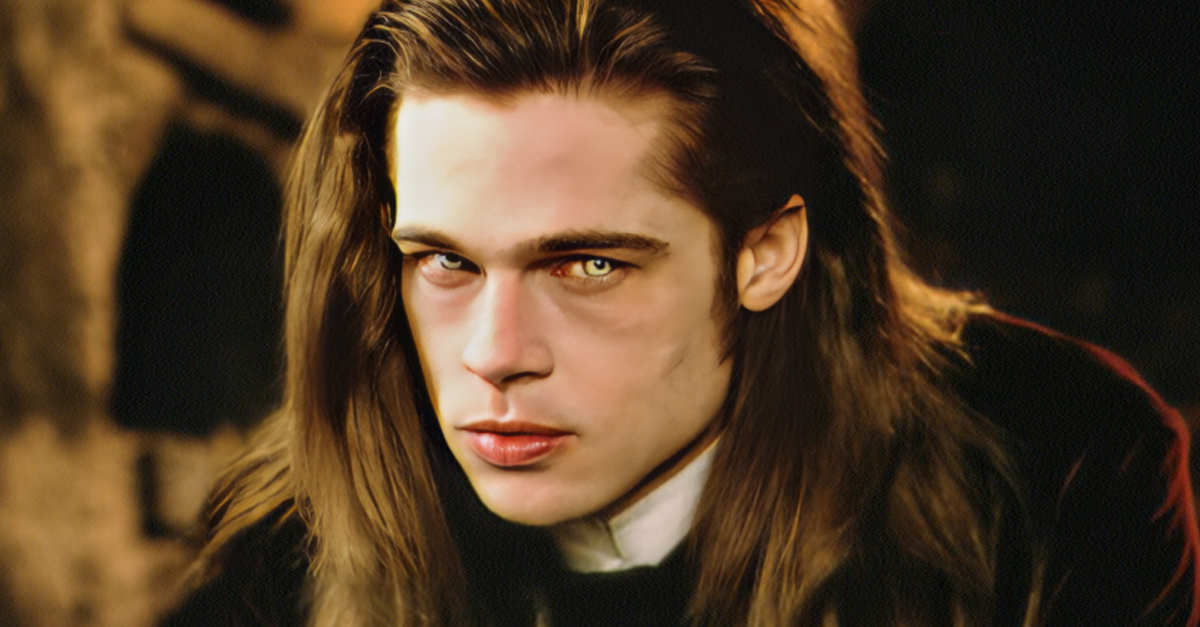
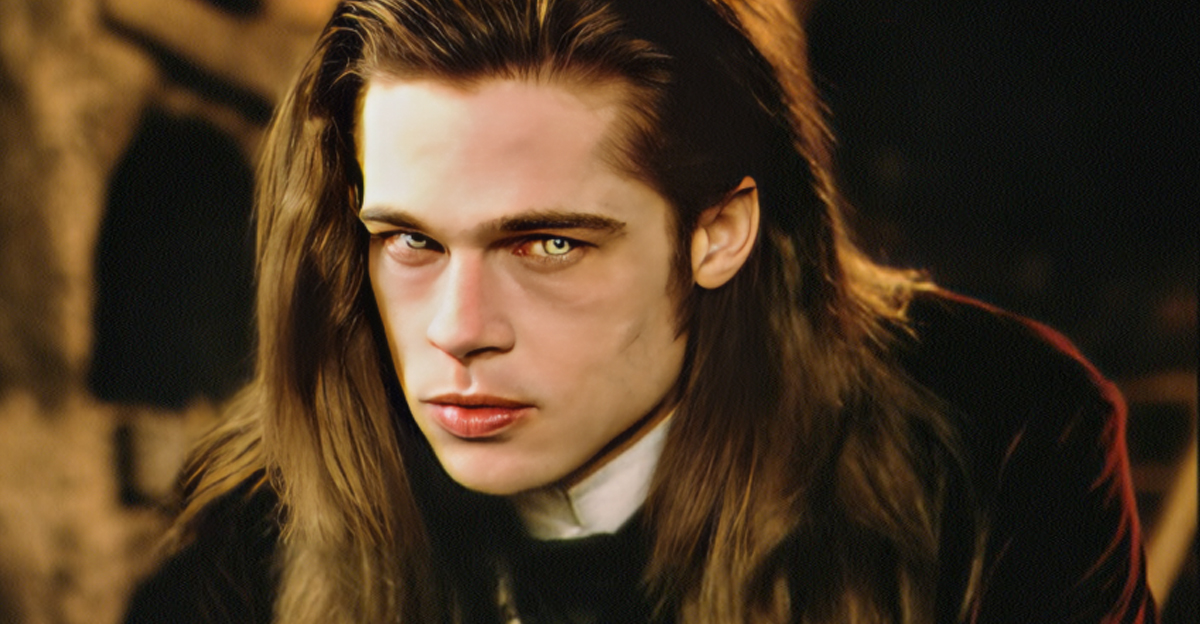
Rice’s 1976 novel Interview with the Vampire spent years moving through Hollywood before becoming Neil Jordan’s lavish 1994 film. Rice received screenplay credit, while producer David Geffen helped bring the project to Warner Bros. after earlier attempts had stalled. The finished movie assembled Tom Cruise, Brad Pitt, Kirsten Dunst, Antonio Banderas, Stephen Rea, and Christian Slater around one of the decade’s most recognizable gothic stories.

Tom Cruise Nearly Started A Vampire War
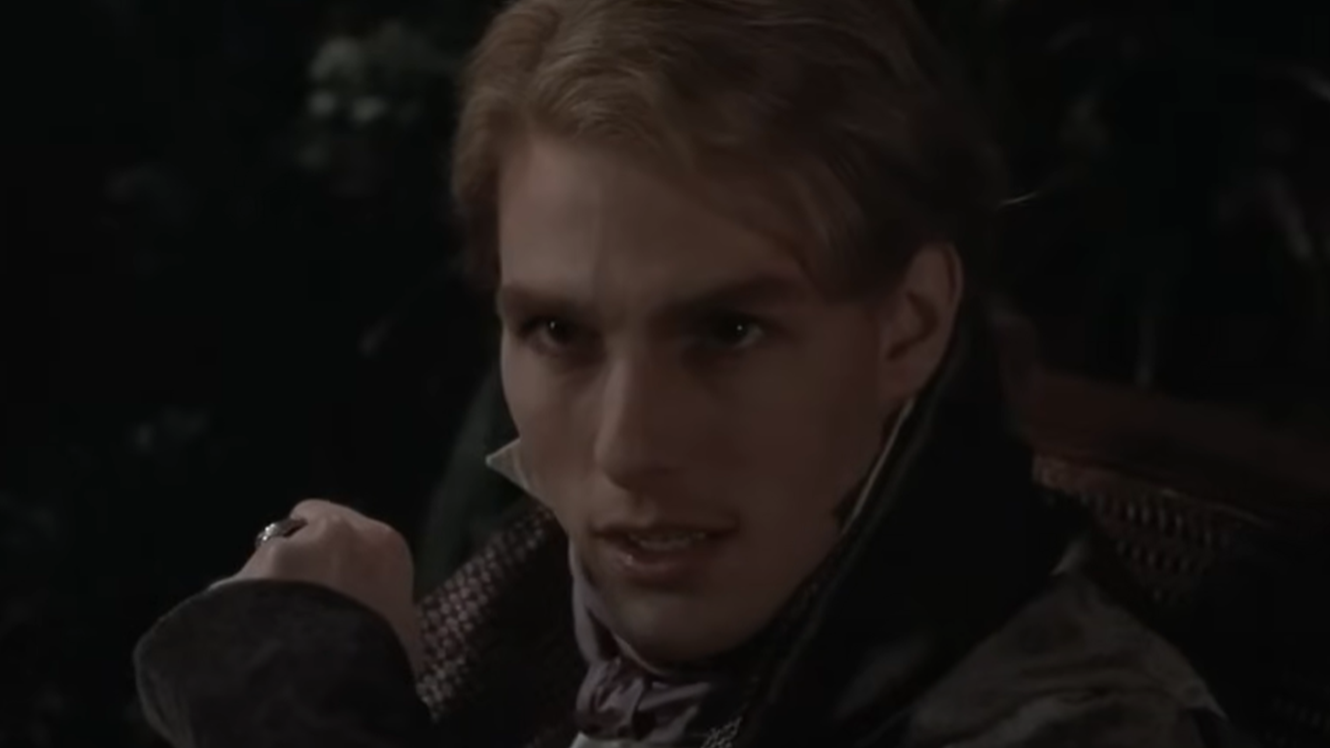
The casting of Tom Cruise as Lestat produced a very public backlash before cameras had even finished rolling. Rice criticized the choice and told the Los Angeles Times that Cruise did not match her conception of the aristocratic and androgynous vampire. Many readers shared her concern, which meant Cruise entered the role with an unusually skeptical fan base watching him.
 Screenshot from Interview with the Vampire, Warner Bros. (1994)
Then Anne Rice Completely Changed Her Mind
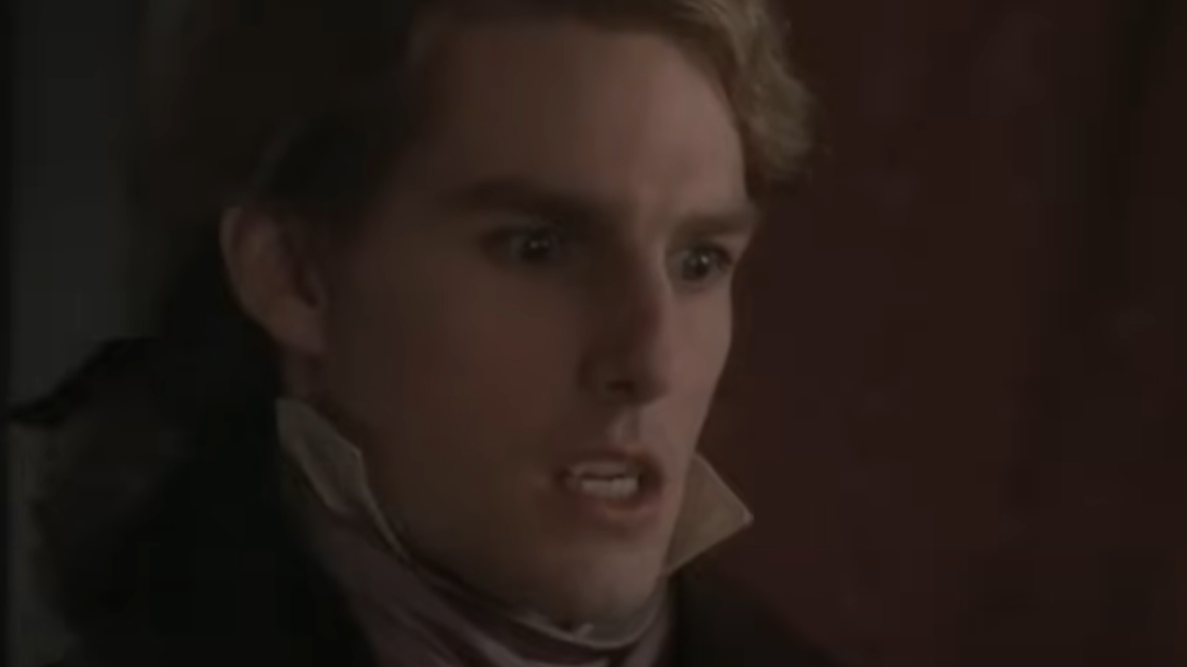
The story took an unexpected turn once Rice actually saw the finished movie. She reversed her earlier position, publicly praised the film, and personally spoke with Cruise after deciding his performance worked. Producer David Geffen told the Los Angeles Times that Rice admitted she had been wrong about him, turning one of the film’s biggest controversies into part of its legend.
 Screenshot from Interview with the Vampire, Warner Bros. (1994)
Kirsten Dunst Became The Film’s Secret Weapon
Cruise and Pitt had the star power, but a young Kirsten Dunst made an enormous impression as Claudia. Producer Stephen Woolley recalled that the filmmakers initially considered younger children closer to Claudia’s age in the novel, but the role demanded an actor capable of handling unusually sophisticated material. Dunst’s performance as a vampire psychologically aging inside a child’s body became one of the movie’s most widely admired elements.
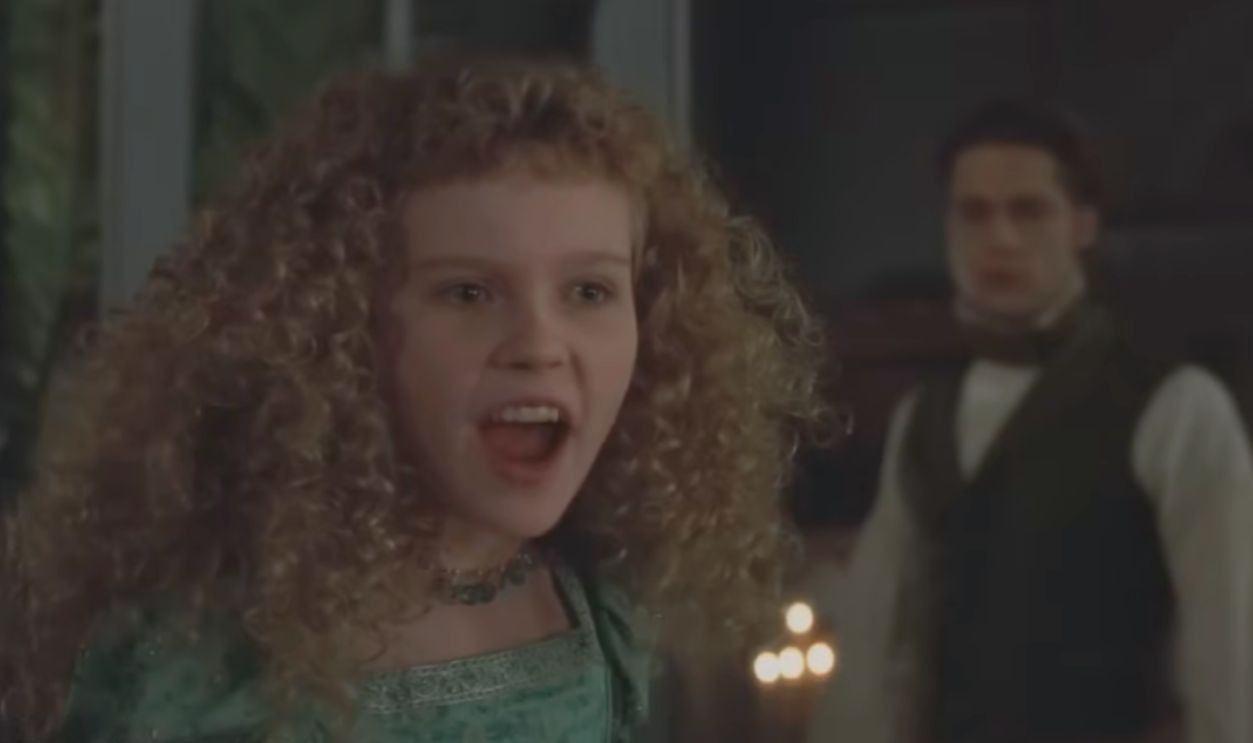 Screenshot from Interview With The Vampire, Warner Bros. (1994)
The Gothic Look Did Heavy Lifting
Neil Jordan surrounded his stars with a formidable creative team that included cinematographer Philippe Rousselot, production designer Dante Ferretti, costume designer Sandy Powell, composer Elliot Goldenthal, and effects legend Stan Winston. Their work created opulent versions of New Orleans and Paris while keeping the vampires beautiful, eerie, and unmistakably decadent. Even reviewers who found the drama emotionally distant often praised the film’s atmosphere and visual craft.
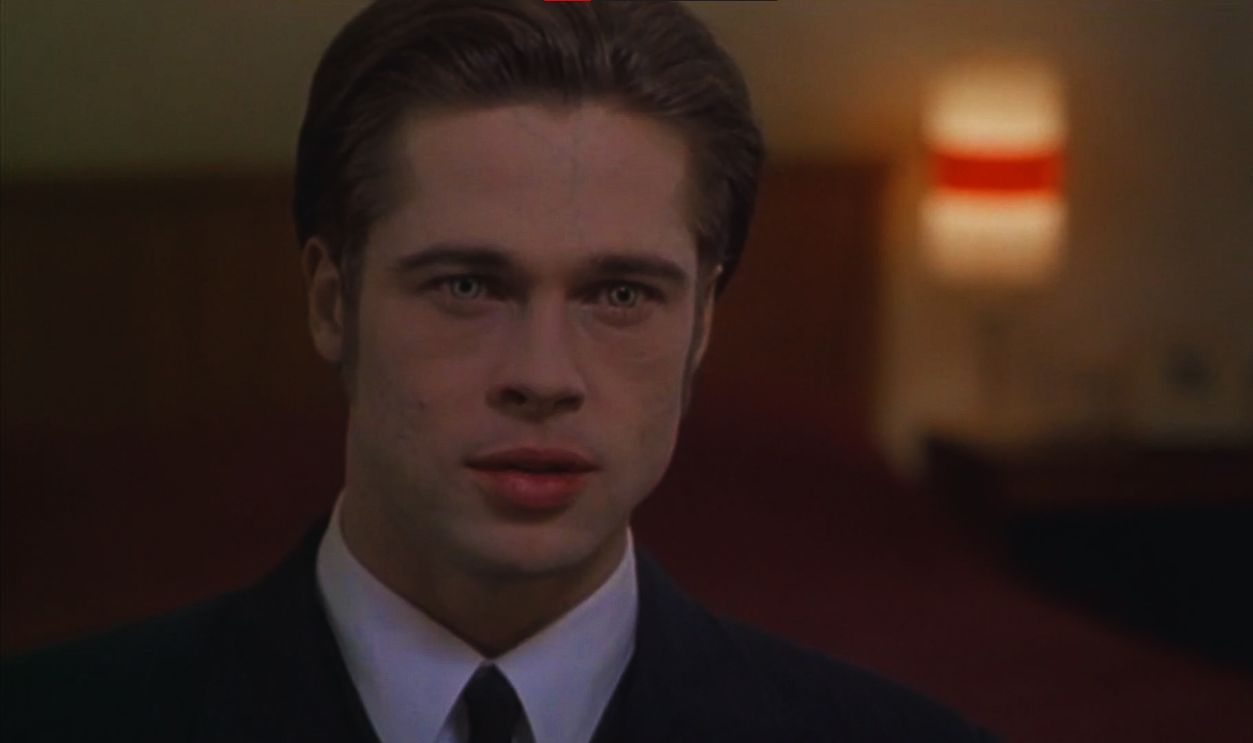 Screenshot from Interview with the Vampire, Warner Bros. (1994)
Interview Became A Genuine Hit
The 1994 film grossed more than $100 million in the United States and has remained far more popular with audiences than its early casting controversy suggested. Rotten Tomatoes currently lists it at 66 percent from critics and 86 percent from audiences. Roger Ebert also praised its melancholy conception of immortality and found Cruise convincing in a role that had initially seemed like a questionable fit.
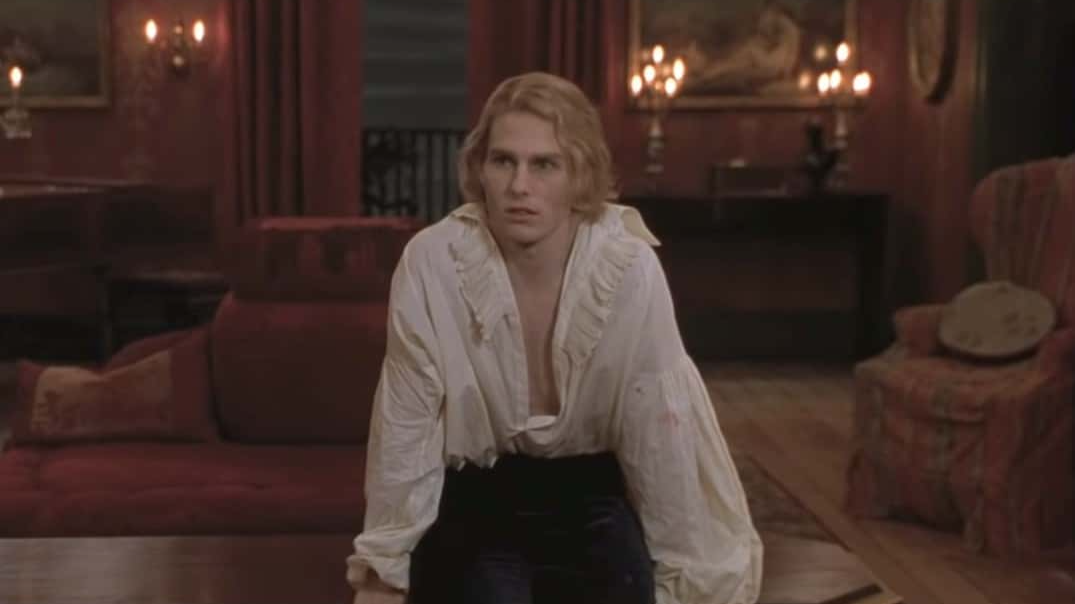 Screenshot from Interview with the Vampire, Warner Bros. (1994)
Exit To Eden Took A Very Strange Detour
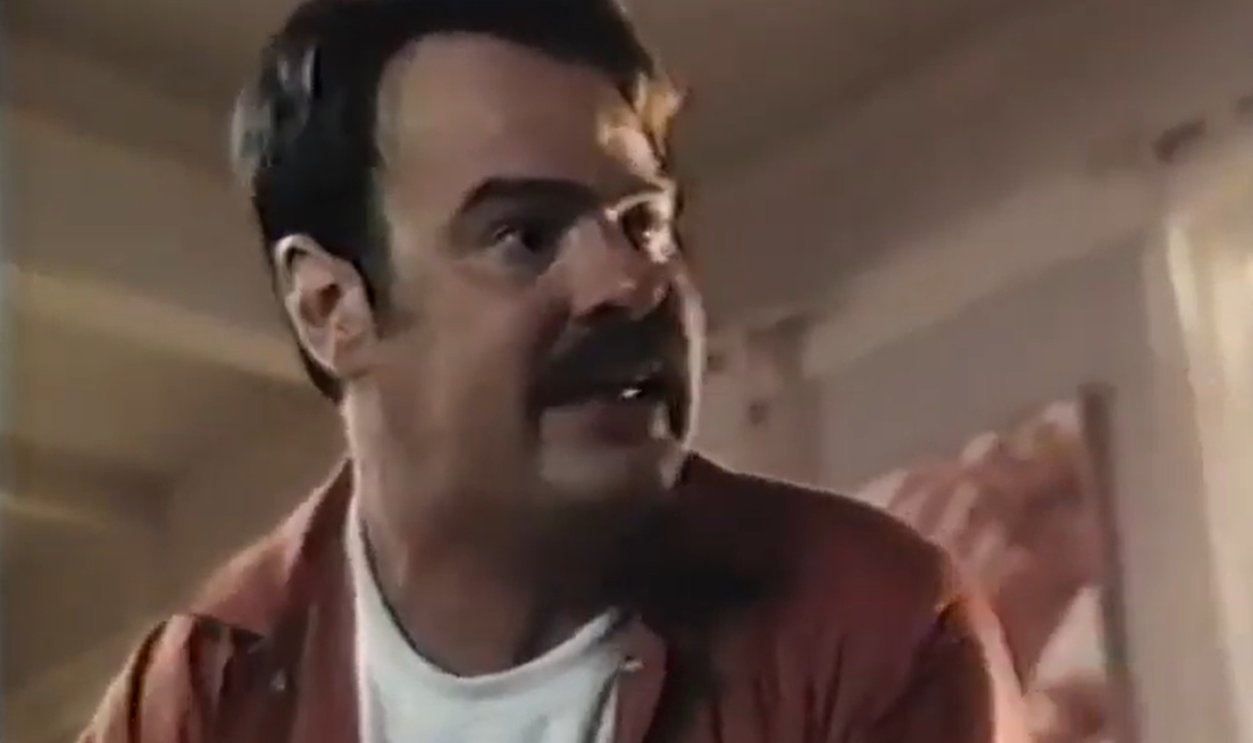
One of the earliest Rice adaptations was 1994’s Exit to Eden, based on the racy novel she originally published under the name Anne Rampling. Garry Marshall directed Dana Delany and Paul Mercurio as Lisa and Elliot, while Dan Aykroyd and Rosie O’Donnell played police officers added to the film’s expanded comic plot. That combination transformed Rice’s spicy romance into a much broader comedy thriller, and critics were not impressed.
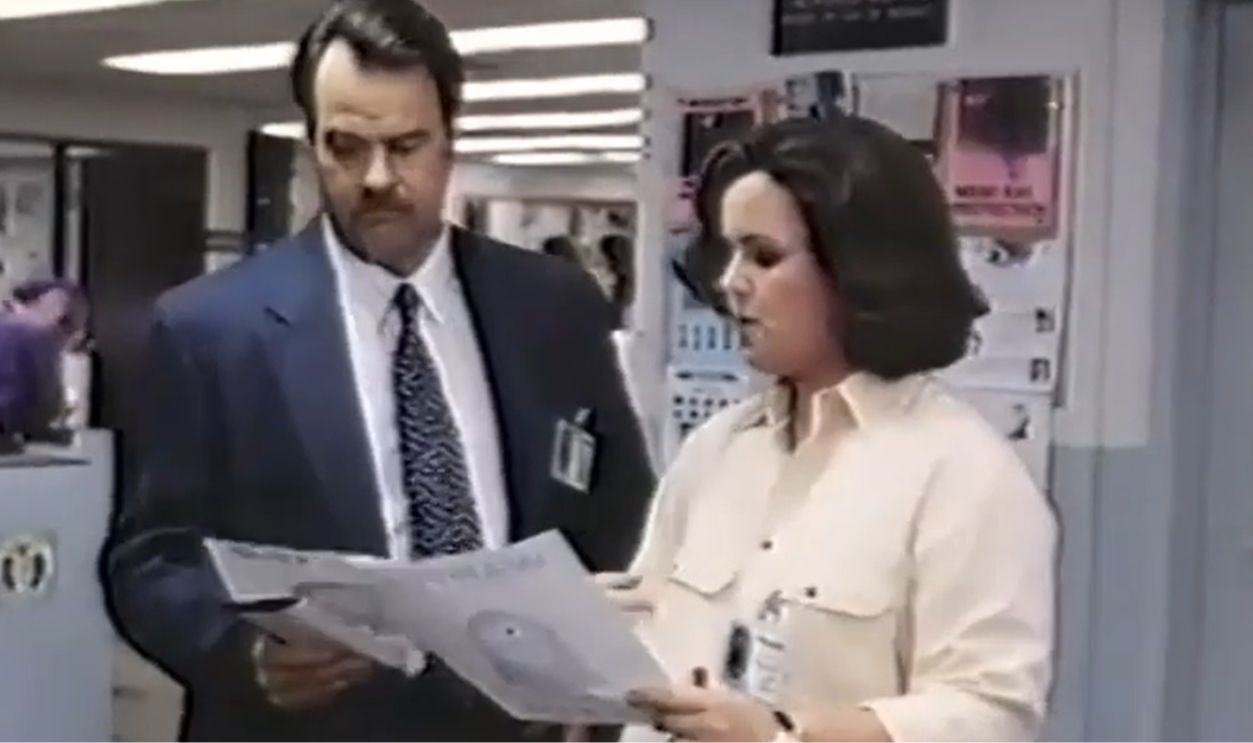 Screenshot from Exit to Eden, Savoy Pictures (1994)
Critics Wanted To Leave Eden Early
Exit to Eden currently has a 6 percent Tomatometer score and a 26 percent audience score on Rotten Tomatoes, making it one of the least acclaimed Rice adaptations. Critics particularly struggled with the collision between the novel’s saucy material and the newly invented police comedy. The movie grossed about $6.8 million domestically, leaving the experiment without much appetite for a sequel.
 Screenshot from Exit to Eden, Savoy Pictures (1994)
Queen Of The Damned Tried To Restart The Party
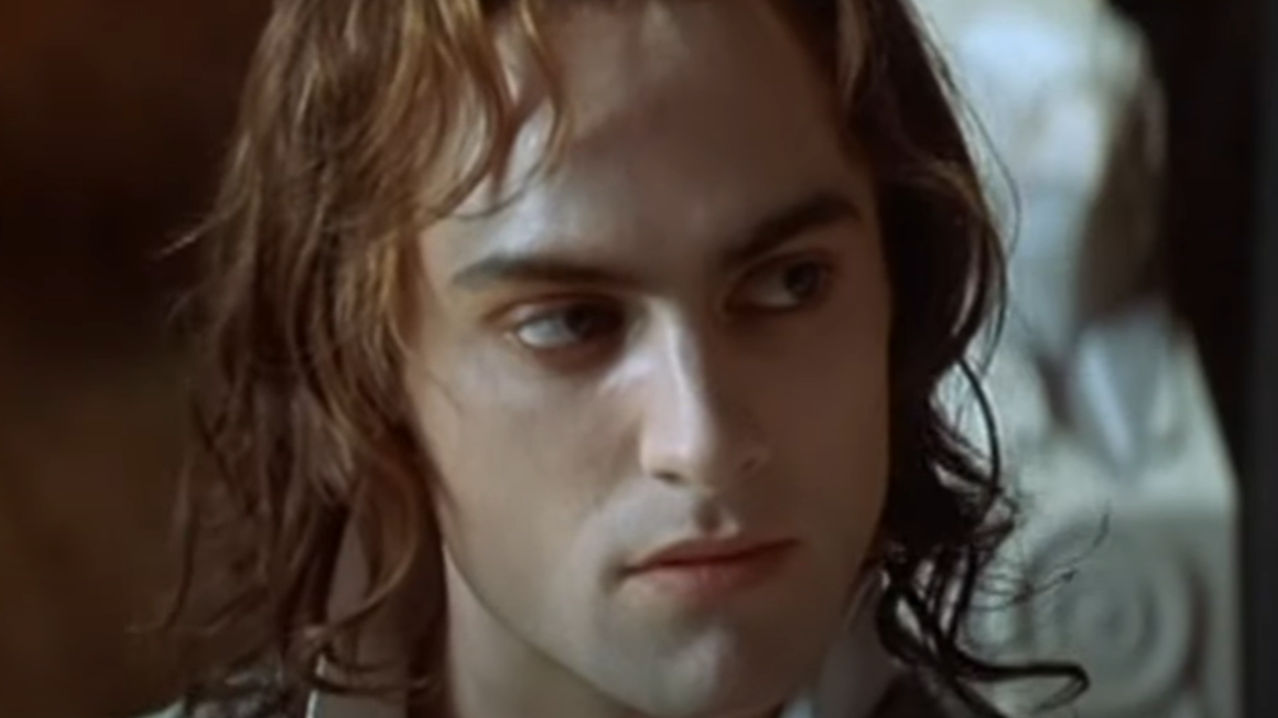
Eight years later, Warner Bros. returned to The Vampire Chronicles with Queen of the Damned. Michael Rymer directed a story that drew heavily from Rice’s The Queen of the Damned while also incorporating elements of The Vampire Lestat. This time Stuart Townsend replaced Cruise as Lestat, with Marguerite Moreau as Jesse, Vincent Perez as Marius, and Aaliyah as the ancient vampire queen Akasha.
 Screenshot from Queen of the Damned, Warner Bros. (2002)
Aaliyah Became The Movie’s Haunting Center
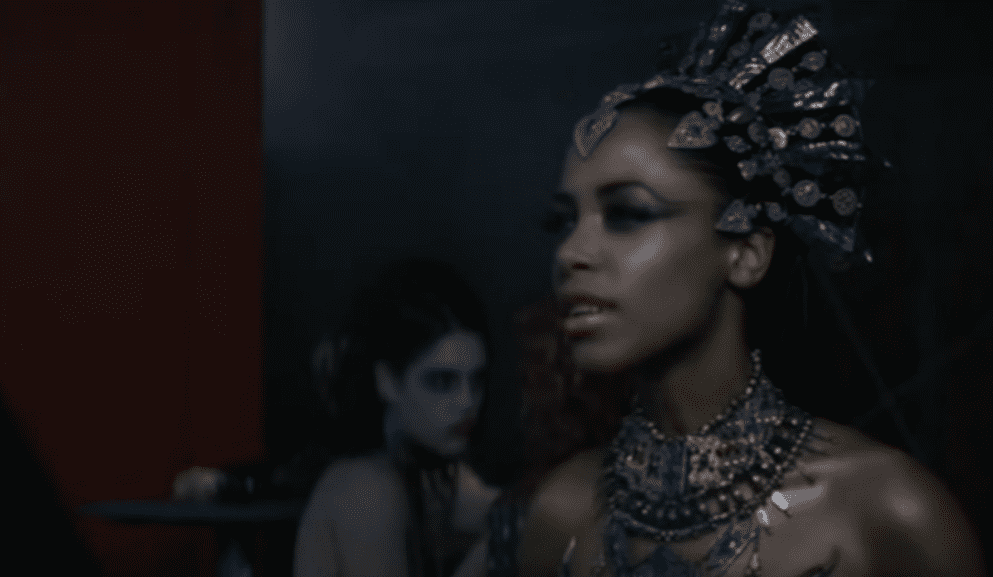
Aaliyah brought glamour and menace to Akasha, but the film reached theaters after her death in an August 2001 plane crash. Her presence consequently gave the movie an emotional weight completely separate from the story on screen. For many viewers, her performance and the film’s aggressive rock soundtrack remain the most memorable pieces of an otherwise divisive adaptation.
 Screenshot from Queen of the Damned, Warner Bros. (2002)
Critics Damned The Queen
Critics were far less forgiving toward Queen of the Damned than they had been toward Interview with the Vampire. The film currently holds a 17 percent Tomatometer score, with reviewers criticizing its compressed storytelling, campiness, and music-video aesthetic. Audiences have been considerably warmer, giving it a 66 percent score, which helps explain why the movie still has a nostalgic following despite its critical reputation.
 Screenshot from Queen of the Damned, Warner Bros. (2002)
The Feast Of All Saints Showed Another Side Of Rice
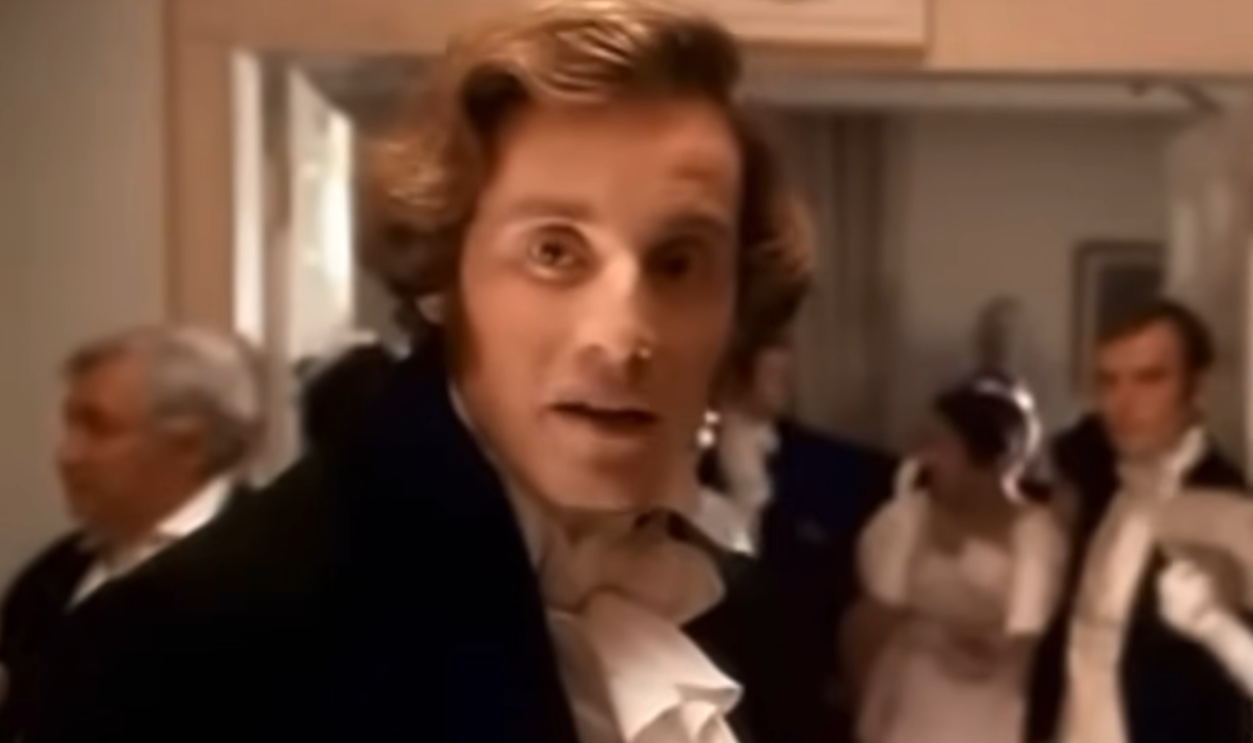
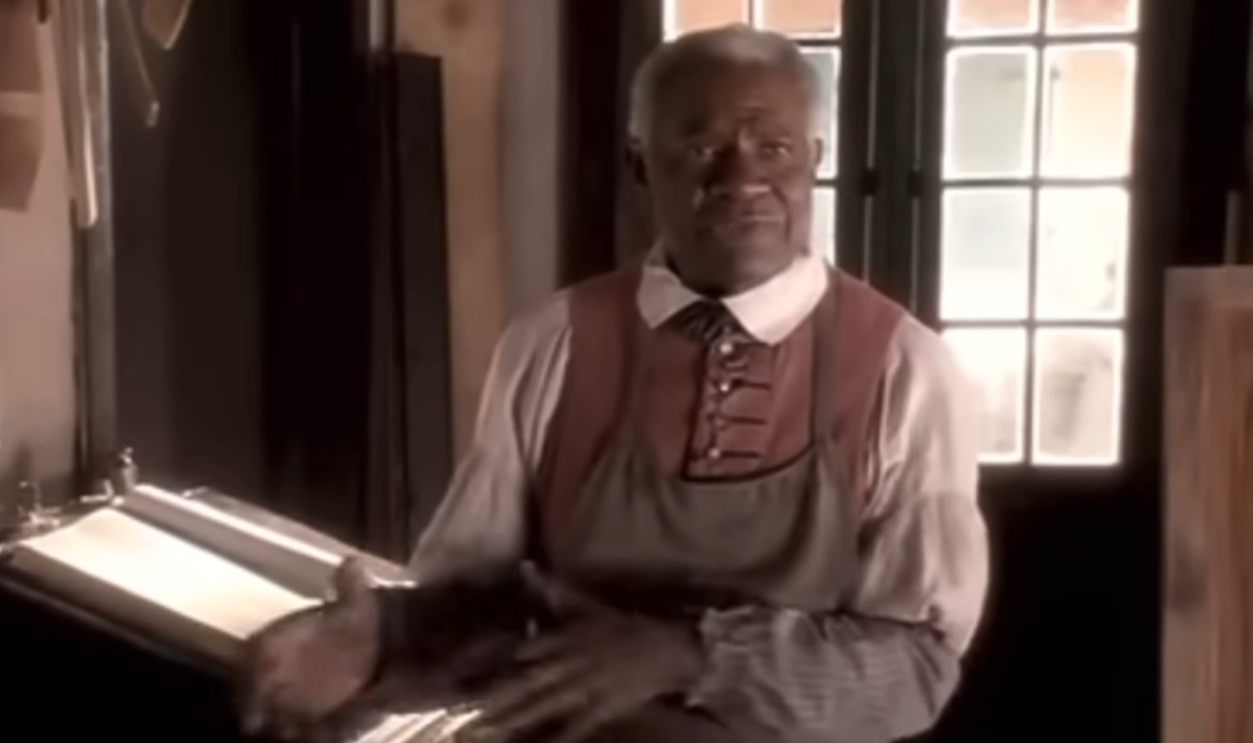
Rice was never exclusively a vampire novelist, and television demonstrated that with the 2001 adaptation of The Feast of All Saints. Peter Medak directed the historical drama from John Wilder’s teleplay, with Rice and Forest Whitaker among its executive producers. Robert Ri’chard, Gloria Reuben, Peter Gallagher, Jennifer Beals, Ossie Davis, Ruby Dee, Pam Grier, and Bianca Lawson populated its nineteenth-century New Orleans world.
 Screenshot from Feast of All Saints, Showtime Networks (2001)
Feast Found A More Appreciative Audience
The miniseries explored the lives of free people of color in antebellum New Orleans, giving viewers material dramatically different from Rice’s supernatural fiction. Rotten Tomatoes lists only a small number of professional reviews, so its critical sample is too limited for a meaningful consensus. Its audience score sits much higher at 83 percent, suggesting that viewers responded more positively to the ambitious historical production.
 Screenshot from Feast of All Saints, Showtime Networks (2001)
The Young Messiah Was Another Major Left Turn
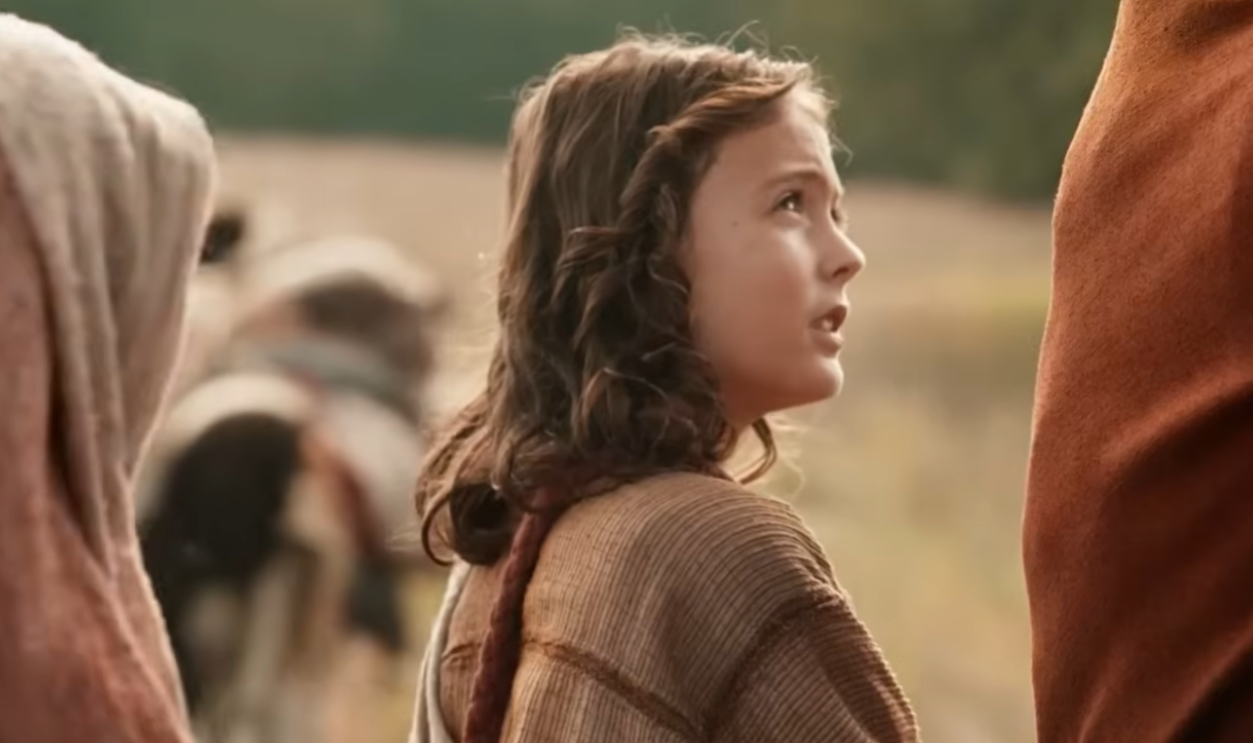
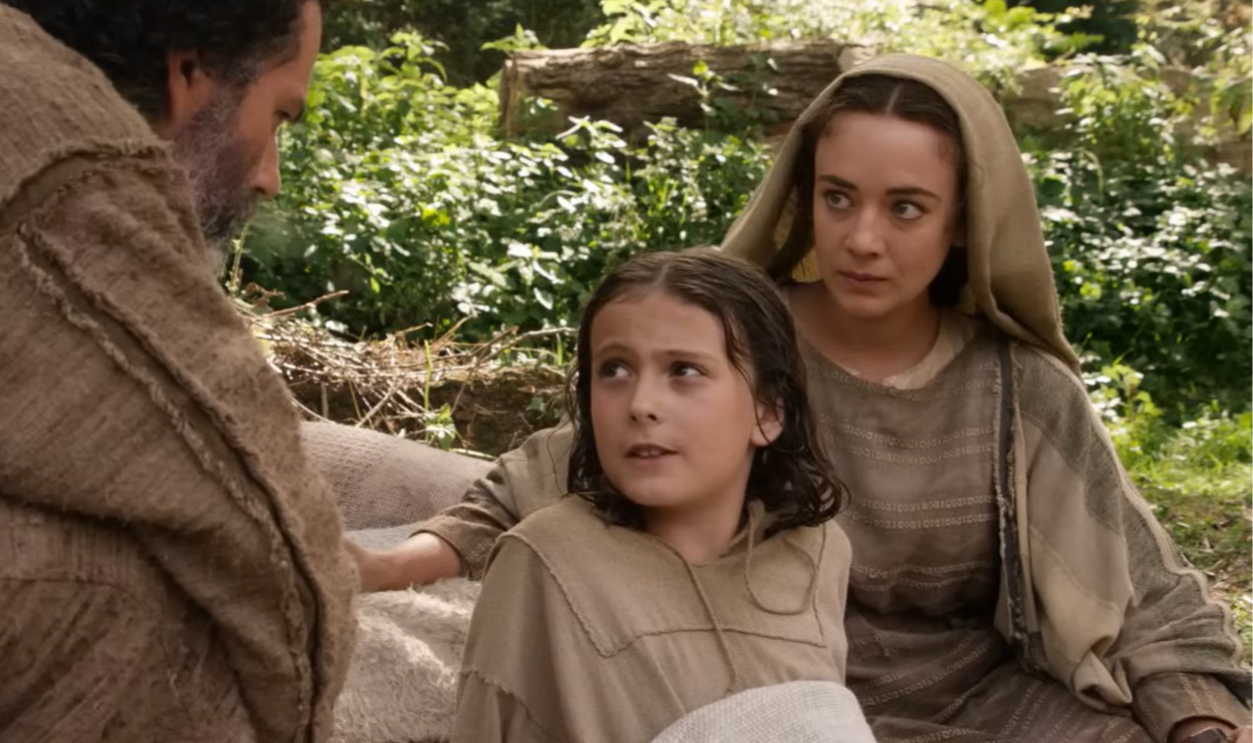
Rice’s religious novel Christ the Lord: Out of Egypt reached theaters in 2016 as The Young Messiah. Cyrus Nowrasteh directed and co-wrote the adaptation with Betsy Giffen Nowrasteh, centering the story on seven-year-old Jesus and his family. Adam Greaves-Neal played Jesus alongside Sara Lazzaro as Mary, Vincent Walsh as Joseph, Jonathan Bailey as Herod Archelaus, and Sean Bean as the Roman centurion Severus.
 Screenshot from The Young Messiah, Focus Features (2016)
Critics Split On The Young Messiah
The Young Messiah received a much more mixed response than the outright hostility directed at Exit to Eden or Queen of the Damned. Rotten Tomatoes currently gives the film a 50 percent critics score and a 66 percent audience score. Its modest reception also showed how dramatically Rice’s screen legacy could change depending on which corner of her bibliography filmmakers chose to explore.
 Screenshot from The Young Messiah, Focus Features (2016)
Television Finally Offered Rice More Breathing Room
The biggest transformation in Rice’s screen legacy came when AMC began treating her work as material for an interconnected television franchise. Instead of compressing an entire novel into a two-hour feature, the network could spend seasons exploring relationships, conflicting memories, and characters who recur across multiple books. Producer Mark Johnson became the executive overseeing what AMC calls the Anne Rice Immortal Universe.
 Screenshot from The Young Messiah, Focus Features (2016)
Interview With The Vampire Returned Completely Reimagined
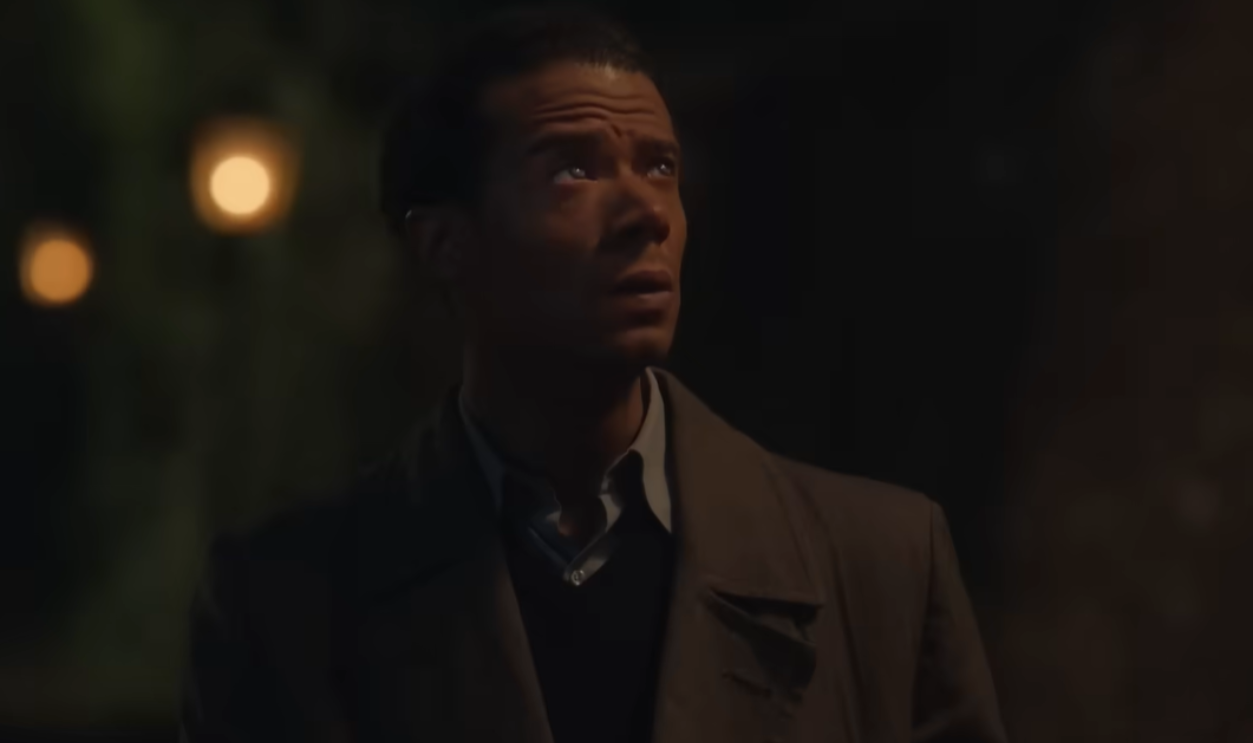
AMC’s Interview with the Vampire premiered in October 2022 with Rolin Jones as creator and showrunner. Jacob Anderson took over the role of Louis, Sam Reid became Lestat, Bailey Bass played Claudia in the first season, Eric Bogosian portrayed journalist Daniel Molloy, and Assad Zaman gradually emerged as Armand. Rather than duplicate the 1994 movie, Jones openly approached the novels as material that could be reshaped for long-form television.
 Screenshot from Interview with the Vampire, AMC Studios (2022–)
The New Timeline Changed Everything
AMC moved Louis’s early story from the eighteenth century to New Orleans beginning in 1910, allowing the series to engage directly with race, segregation, business ownership, and changing social life. Production designer Mara LePere-Schloop said the altered timeline initially surprised her before she came to see the adaptation as an evolution of Rice’s story. Costume designer Carol Cutshall similarly used the passing decades to show a world transforming around vampires who barely age.
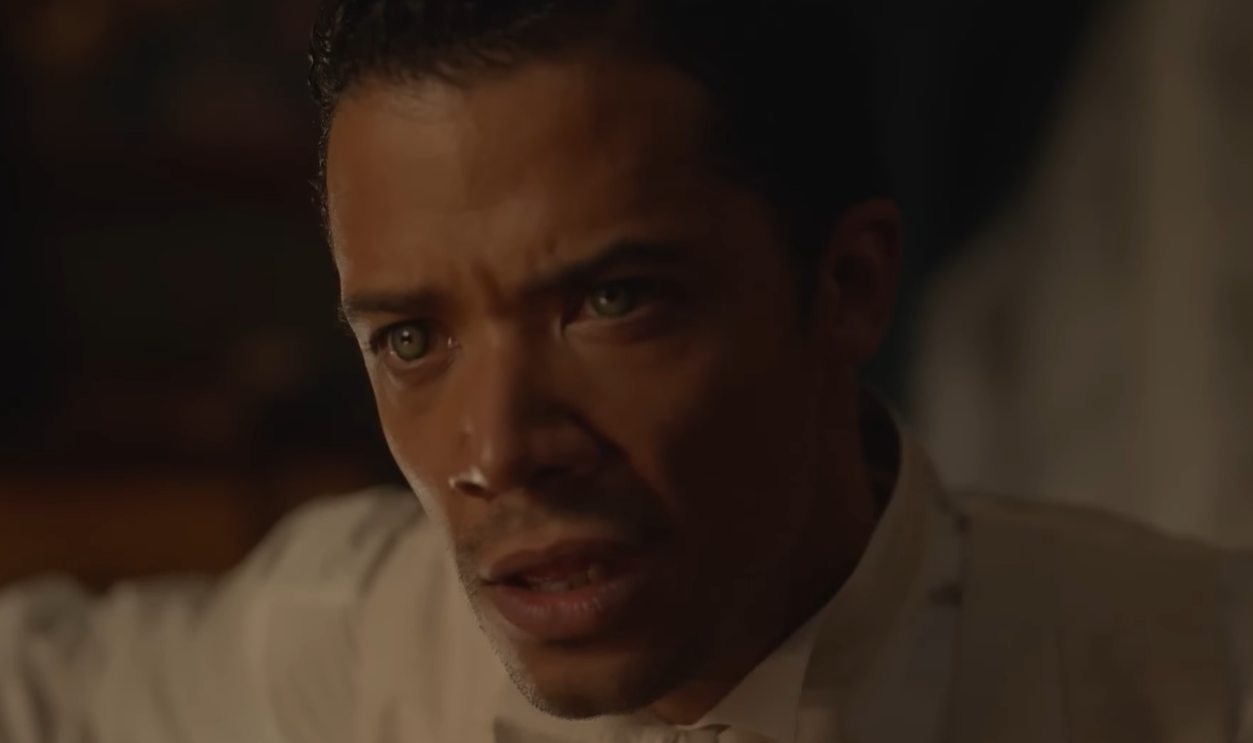 Screenshot from Interview with the Vampire, AMC Studios (2022–present)
Louis And Lestat Became An Explicit Love Story
The series also placed the romantic and sexual relationship between Louis and Lestat squarely at the center rather than relying on implication. Jones has said he approached the project wanting to write a love story, while Sam Reid praised the scripts for preserving what he saw as the essential feeling of Rice’s books even when details changed. That decision helped distinguish the television version from earlier screen interpretations almost immediately.
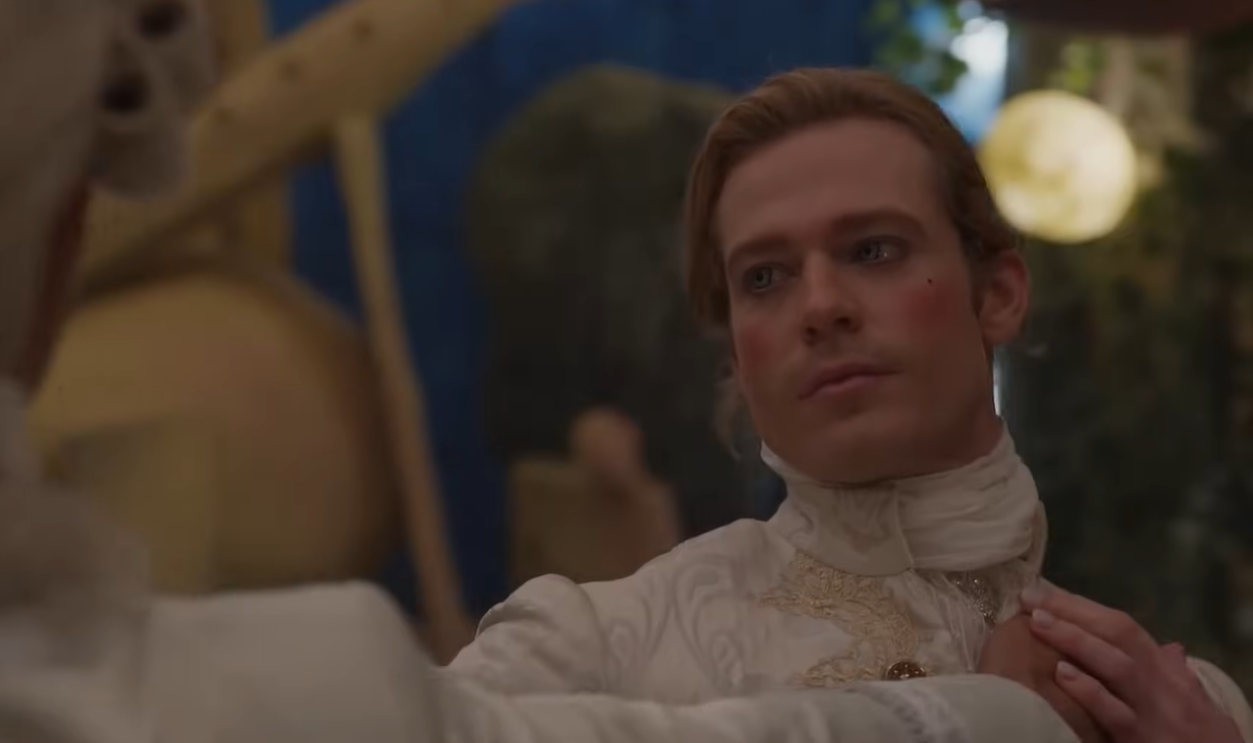 Screenshot from Interview with the Vampire, AMC Studios (2022–present)
Season One Silenced Most Of The Skeptics
The extensive changes might have alienated longtime readers, but the critical reaction was extremely strong. Season one currently has a 98 percent Tomatometer score, with critics praising its performances, production values, and willingness to reinterpret rather than simply reproduce the novel. Its audience score is lower at 73 percent, reflecting a more divided response among viewers but still a solid base for the franchise.
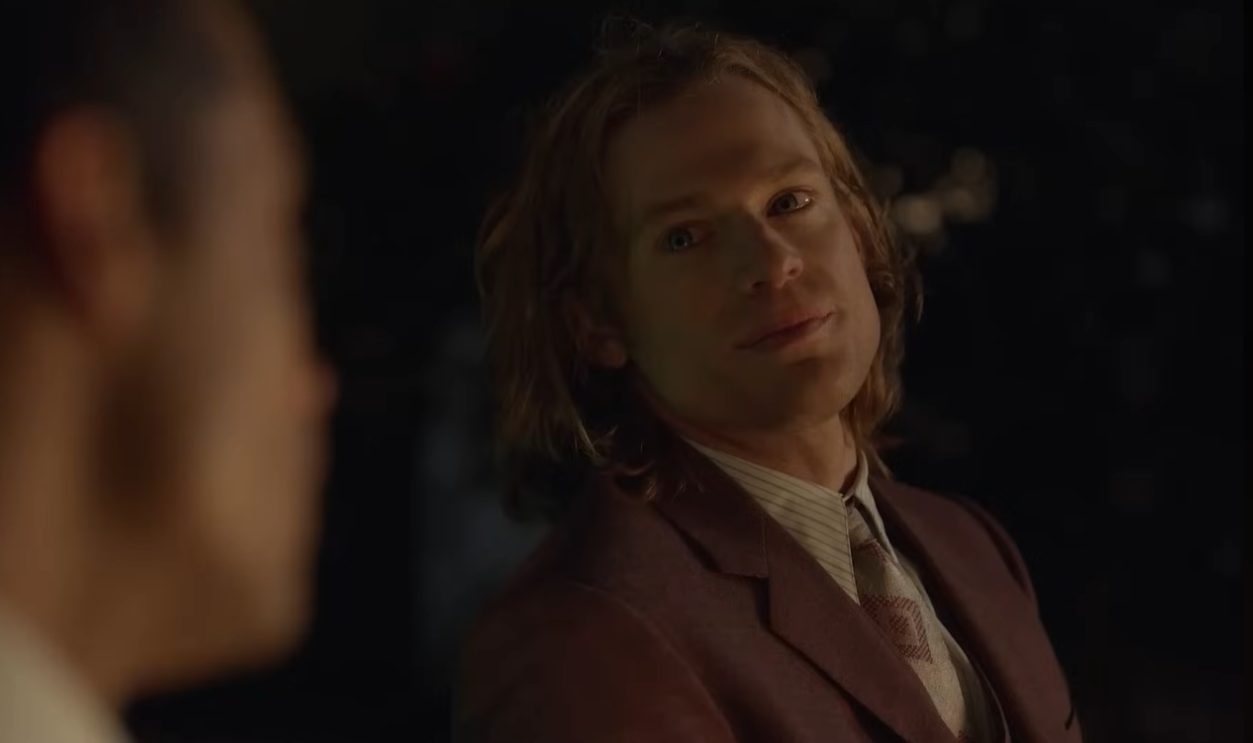 Screenshot from Interview with the Vampire, AMC Studios (2022–present)
Season Two Went Deeper Into Memory And Paris
Season two followed Louis and Claudia into Europe and the Théâtre des Vampires while continuing the increasingly complicated present-day interview in Dubai. Delainey Hayles took over the role of Claudia, while Assad Zaman’s Armand moved into the center of the drama alongside Anderson and Bogosian.
Jones had already described memory, competing versions of truth, and Louis’s relationship with Daniel as essential pieces of the second season.
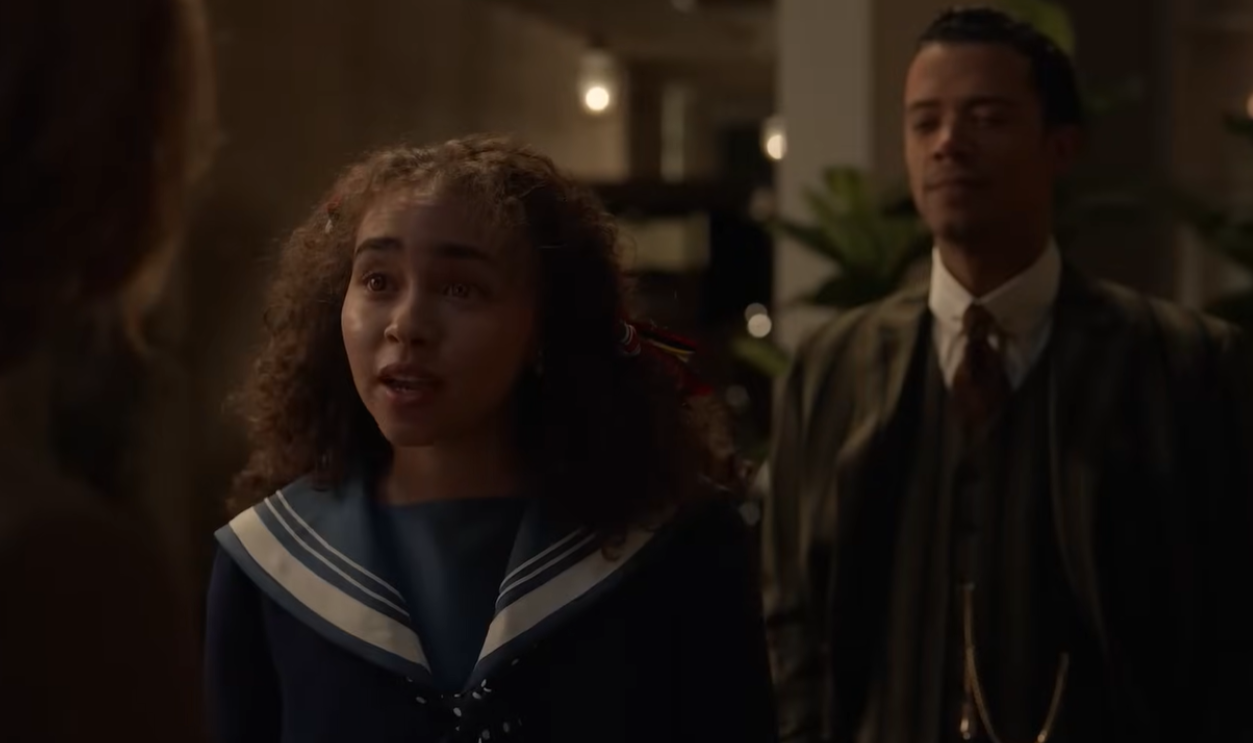 Screenshot from Interview with the Vampire, AMC Studios (2022–present)
The Reviews Somehow Got Even Better
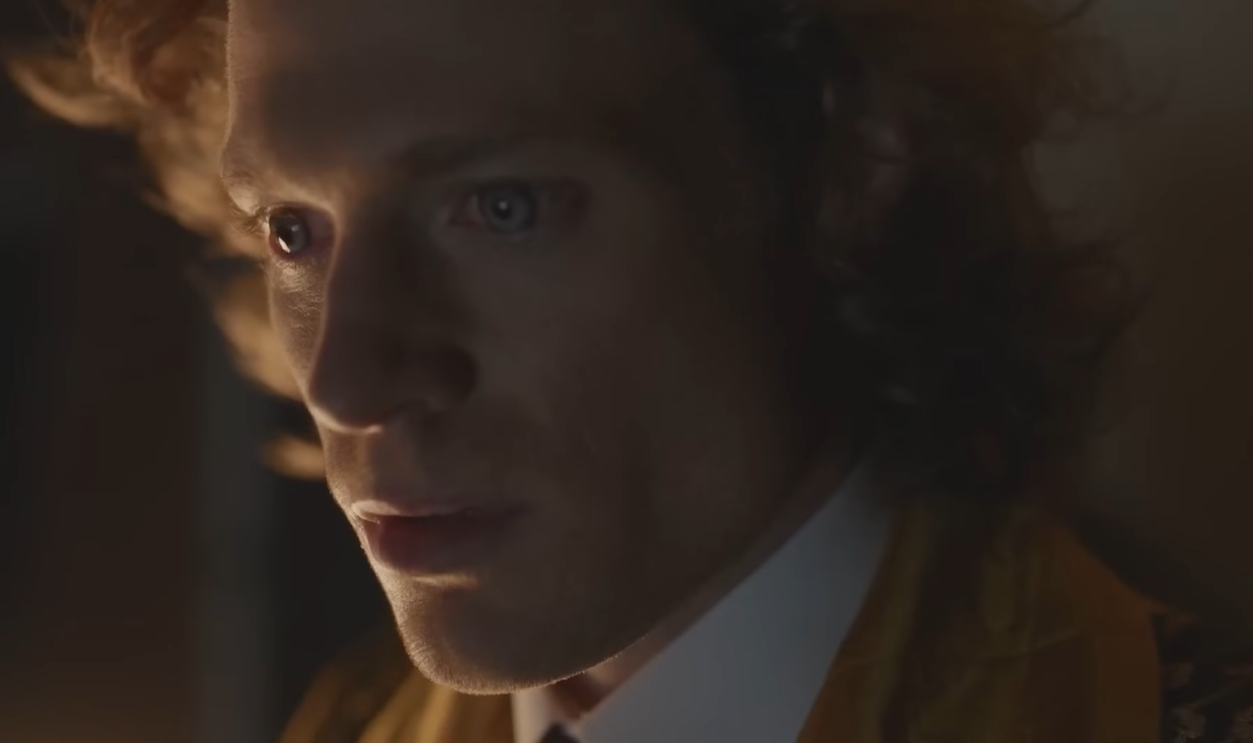
The second season achieved a perfect 100 percent Tomatometer score on Rotten Tomatoes and an 84 percent audience score. Critics particularly responded to the performances, the Paris storyline, and the way the adaptation used unreliable memory to reconsider events audiences thought they understood. By this point, AMC had turned a risky reboot into the critical centerpiece of its Rice franchise.
 Screenshot from Interview with the Vampire, AMC Studios (2022–)
Mayfair Witches Expanded The Universe
AMC launched Mayfair Witches in January 2023 as its second major Rice series. Based on the Lives of the Mayfair Witches trilogy, it stars Alexandra Daddario as neurosurgeon Rowan Fielding, with Harry Hamlin as Cortland Mayfair, Tongayi Chirisa as Talamasca agent Ciprien Grieve, and Jack Huston as the supernatural Lasher.
Esta Spalding and Michelle Ashford developed the series, with Spalding serving as its original showrunner.
 Screenshot from Anne Rice’s Mayfair Witches, AMC Studios (2023–)
Mayfair Witches Had A Rougher Reception
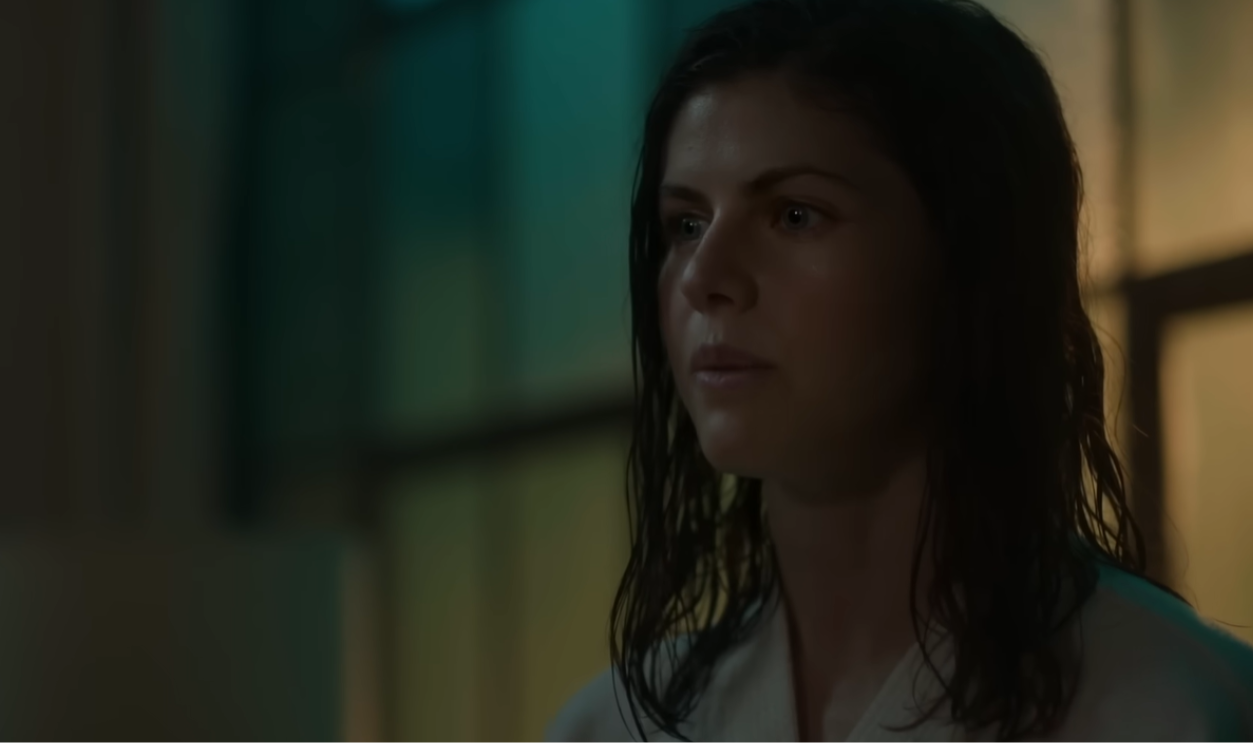
Unlike Interview with the Vampire, the first season of Mayfair Witches struggled to win critics over. Rotten Tomatoes gives season one a 47 percent critics score and a 46 percent audience score, with reviewers often praising Daddario and the New Orleans atmosphere while finding the storytelling less distinctive.
Still, the show attracted enough viewers for AMC to keep investing in the Mayfair branch of the universe.
 Screenshot from Anne Rice’s Mayfair Witches, AMC Studios (2023–)
Season Two Improved But Did Not Break The Spell
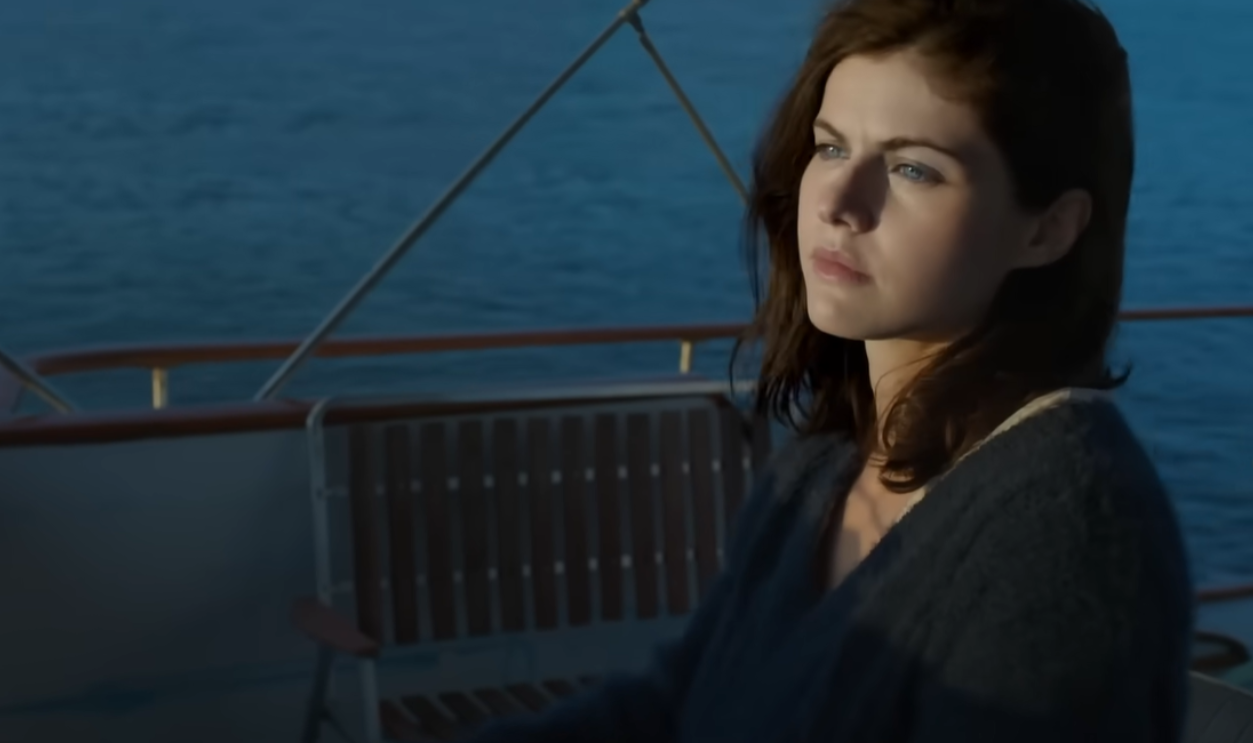
The second season premiered in January 2025 and continued Rowan’s attempt to understand Lasher and protect the Mayfair family. Its Tomatometer climbed to 71 percent, although individual reviews remained sharply divided over the increasingly complicated plotting.
AMC nevertheless renewed the show again, and season three is now scheduled for 2027 with part of its story moving to Salem, Massachusetts.
 Screenshot from Anne Rice’s Mayfair Witches, AMC Studios (2023–)
The Talamasca Finally Got Its Own Show
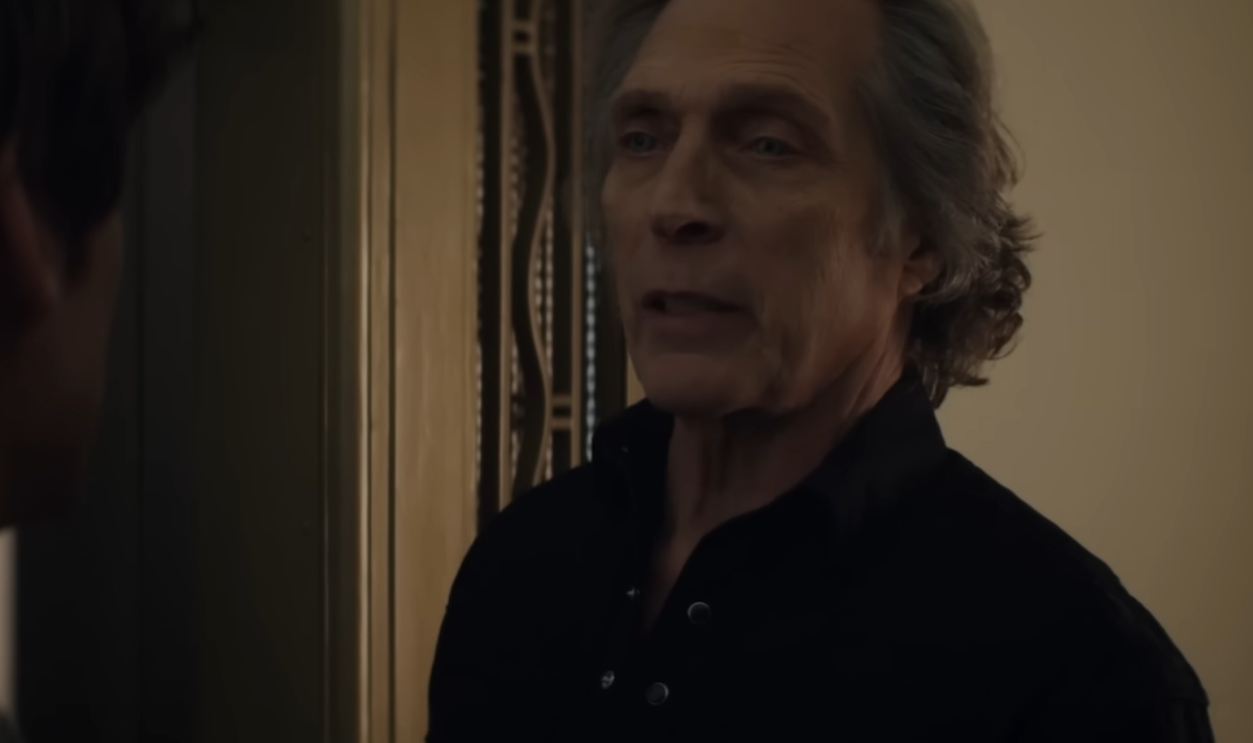
AMC expanded beyond direct novel adaptation with 2025’s Talamasca: The Secret Order, built around the secret supernatural surveillance organization that appears throughout Rice’s fiction. John Lee Hancock and Mark Lafferty developed the series, with Nicholas Denton playing recruit Guy Anatole alongside Elizabeth McGovern, William Fichtner, Maisie Richardson-Sellers, and Celine Buckens.
The concept effectively turned a piece of Rice’s world-building into a supernatural espionage drama.
 Screenshot from The Talamasca: The Secret Order, AMC Studios (2025–)
Talamasca Divided Critics And Fans
The first season landed at 61 percent from critics and 68 percent from audiences on Rotten Tomatoes. Some reviewers enjoyed its paranoid spy-thriller approach, while others felt that it lacked the emotional pull and distinctive personality of Interview with the Vampire.
Its reception demonstrated that sharing Rice’s mythology does not automatically reproduce the chemistry that made AMC’s flagship vampire series such a hit.
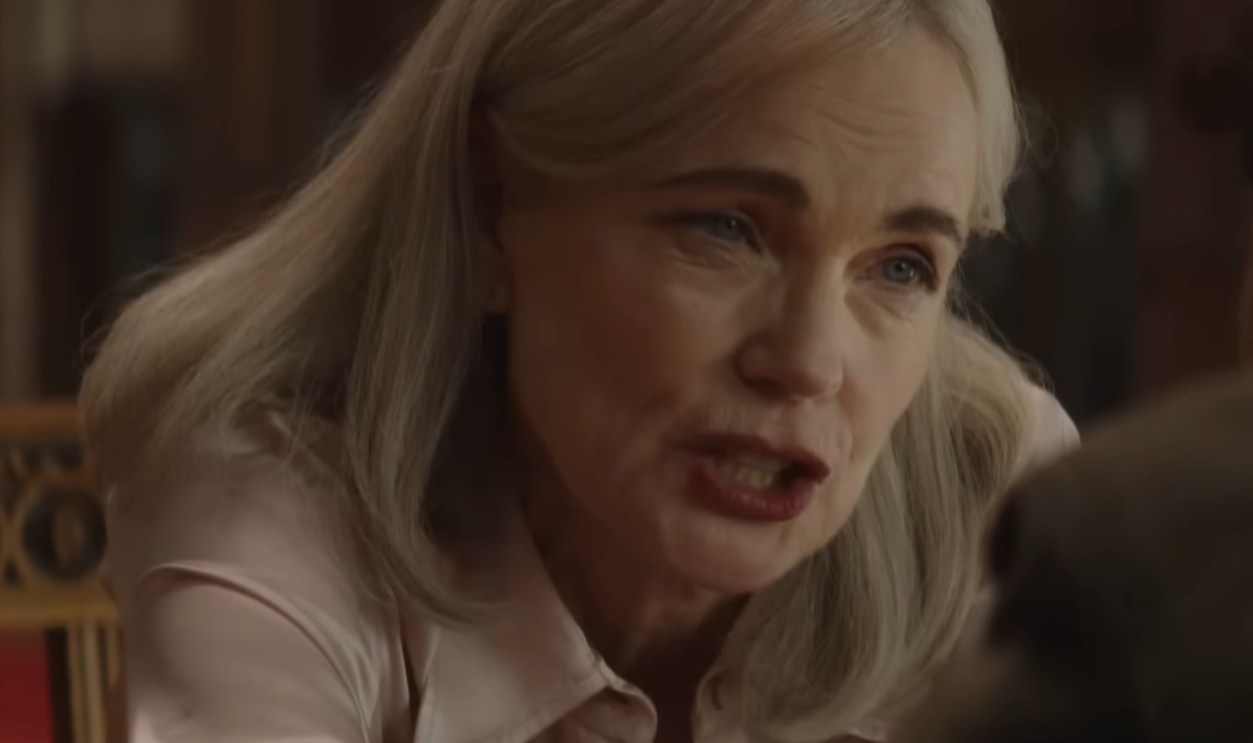 Screenshot from The Talamasca: The Secret Order, AMC Studios (2025–)
The Vampire Lestat Finally Became A Rock Star
In June 2026, AMC transformed the third season of its vampire saga into The Vampire Lestat, placing Sam Reid’s flamboyant vampire at the center. The season draws from Rice’s second Vampire Chronicle while giving Lestat a contemporary rock career, with original songs written into the production by composer Daniel Hart and performed by Reid.
Jacob Anderson, Eric Bogosian, Assad Zaman, Delainey Hayles, Jennifer Ehle, and Sheila Atim joined him, with Atim taking on the pivotal role of Akasha.
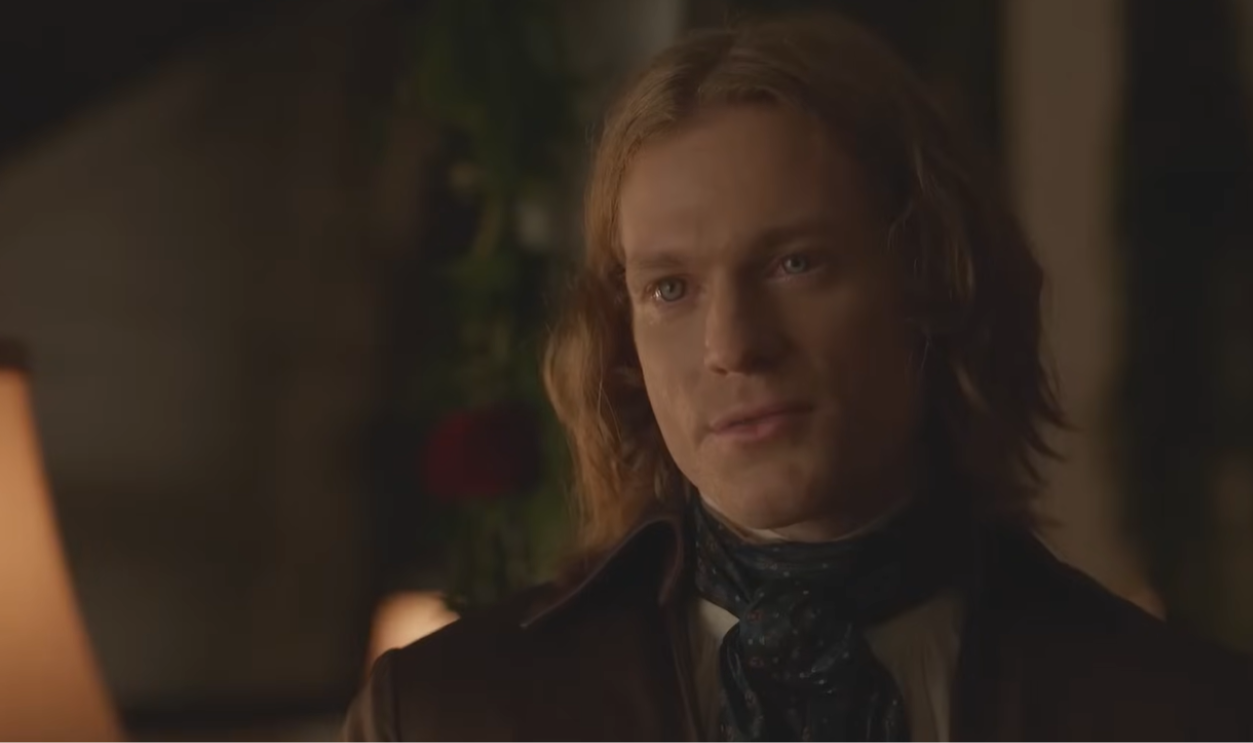 Screenshot from Interview with the Vampire, AMC Studios (2022–)
Lestat Became A Critical Rock God
The gamble worked. The Vampire Lestat currently holds a 96 percent Tomatometer score and an 85 percent audience score, with the critical consensus singling out Sam Reid’s magnetic performance. After Cruise, Townsend, and decades of debate about how Lestat should look and behave on screen, Reid has become the defining version for a new generation of viewers.
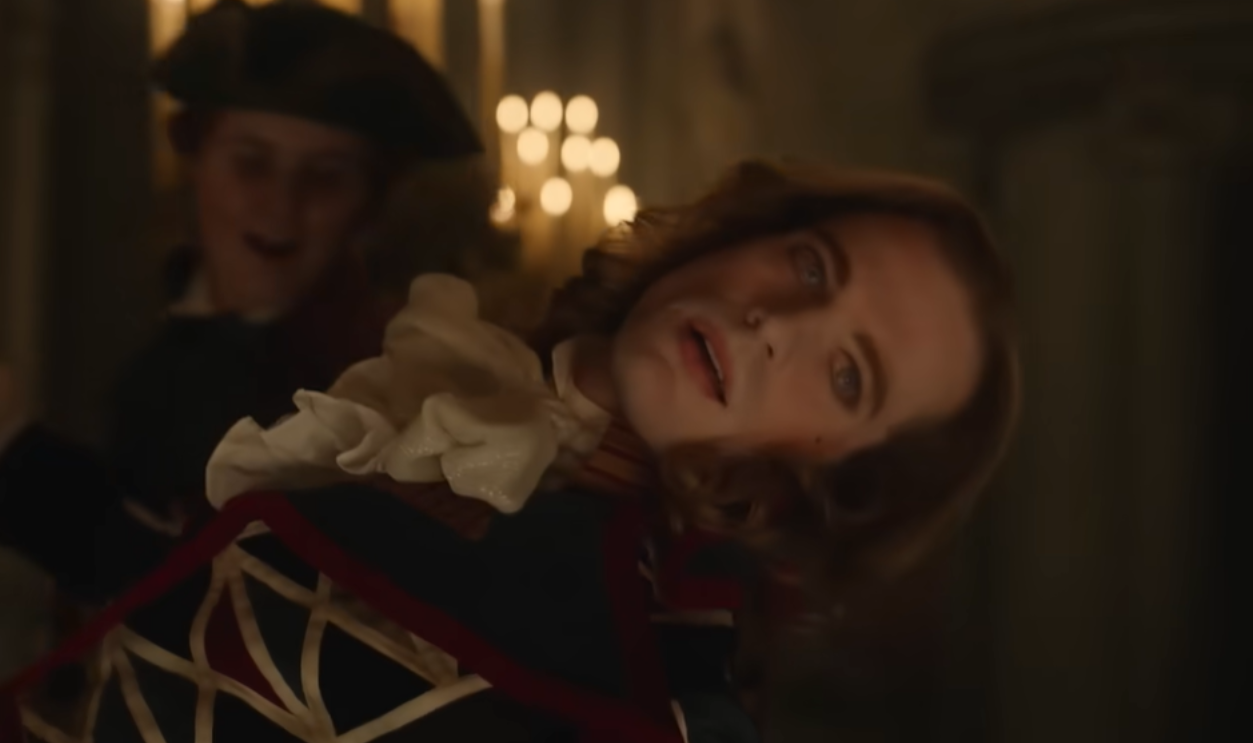 Screenshot from Interview with the Vampire, AMC Studios (2022–)
Queen Of The Damned Is Getting Another Chance
AMC confirmed in July 2026 that the vampire drama will continue with a fourth season titled Anne Rice’s Queen of the Damned. Hannah Moscovitch will serve as showrunner, with Mark Johnson and Rolin Jones among the executive producers, giving Rice’s third Vampire Chronicle another shot at screen adaptation nearly a quarter-century after the Aaliyah film.
Between that project and a third season of Mayfair Witches, Anne Rice’s screen afterlife is considerably busier now than it was during her original Hollywood era.
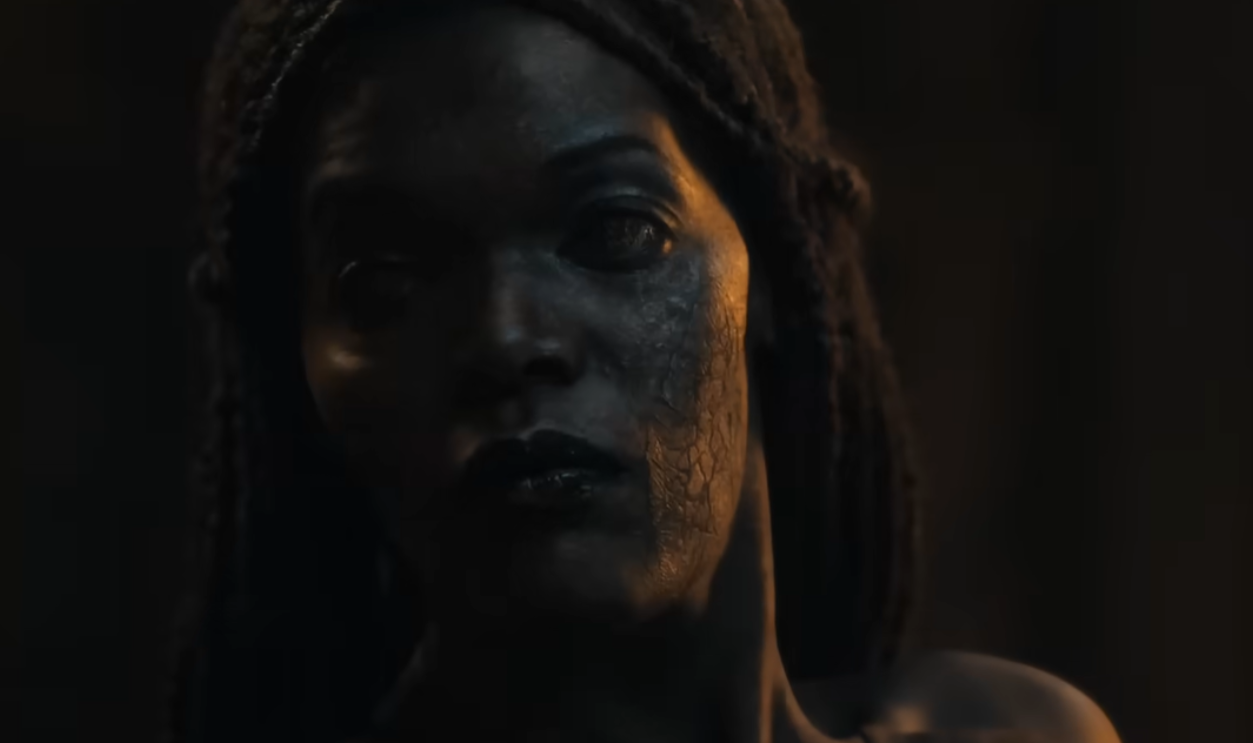 Screenshot from Anne Rice's Queen of the Damned, AMC Studios (2026–)
You May Also Like:
Hidden TV Gems You’ve Probably Never Seen
Casting Choices That Seemed Crazy—But Worked Perfectly
TV Shows That Turned Books Into Binge-Worthy Stories
Sources: 1, 2, 3, 4, 5, 6, 7, 8, 9, 10, 11, 12, 13, 14, 15, 16, 17, 18, 19, 20, 21, 22, 23