The Lawyers We Invited Into Our Living Rooms
For decades, television convinced Americans that the best lawyer was not necessarily the one with the fanciest office. Sometimes it was a rumpled defense attorney, a brilliant Southern gentleman, or even a guy practicing law out of the back of a bowling alley. These classic TV attorneys made courtroom drama irresistible.
 Photographer unknown for CBS Television, Public domain, via Wikimedia Commons
Perry Mason
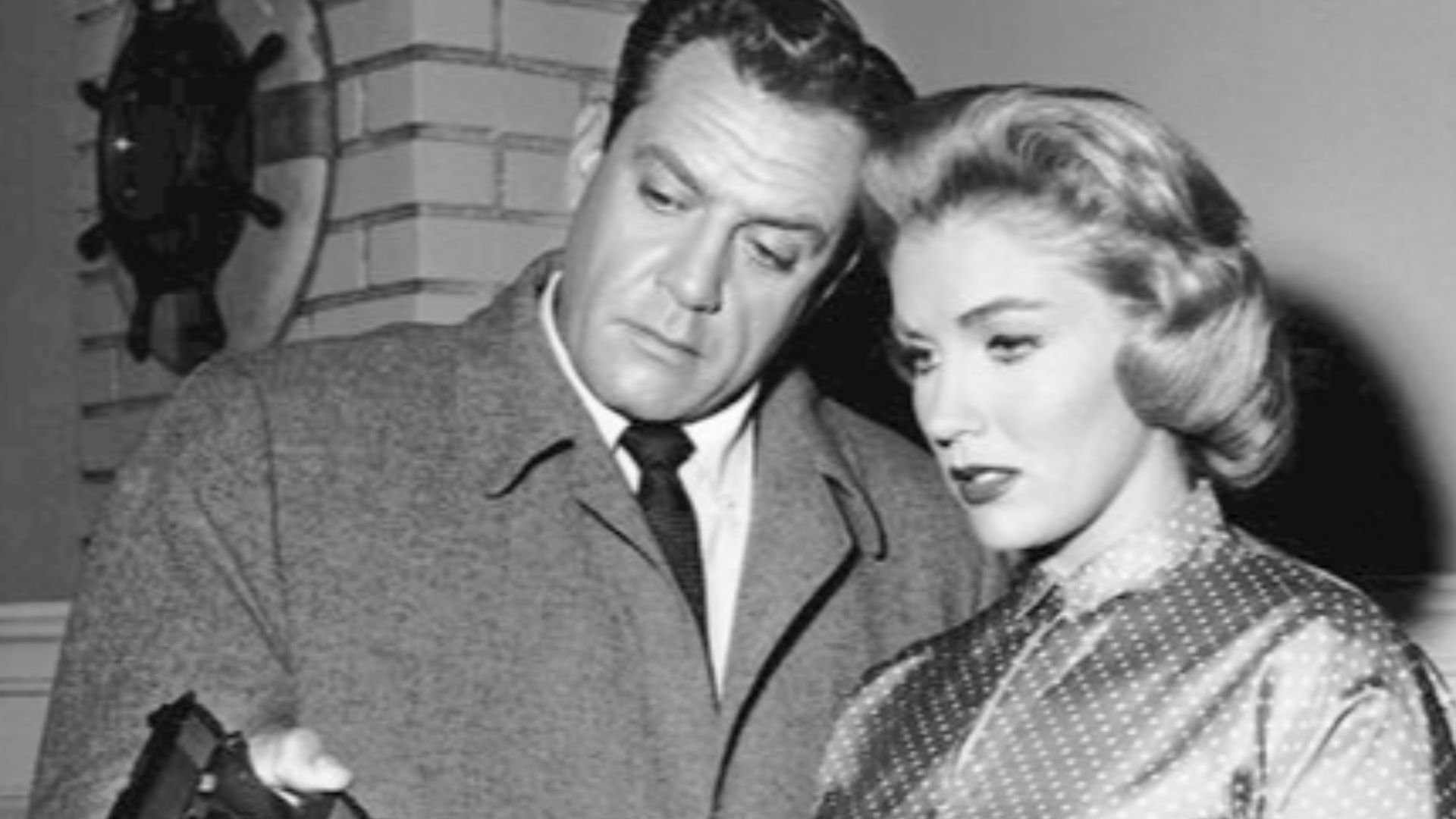
When Americans pictured the perfect television lawyer, Perry Mason was often the first face that came to mind. Raymond Burr played him as calm, brilliant, and almost impossible to fool. Better yet, Mason rarely just proved his client innocent—he somehow got the real culprit to confess right there in court.
 CBS Television, Wikimedia Commons
Ben Matlock
Matlock looked more like somebody's friendly grandfather than a legal shark, which was exactly the trick. Andy Griffith's Georgia attorney wore inexpensive-looking suits, loved hot dogs, and quietly dismantled complicated murder cases. Criminals usually underestimated him right up until he started asking the questions they really did not want answered.
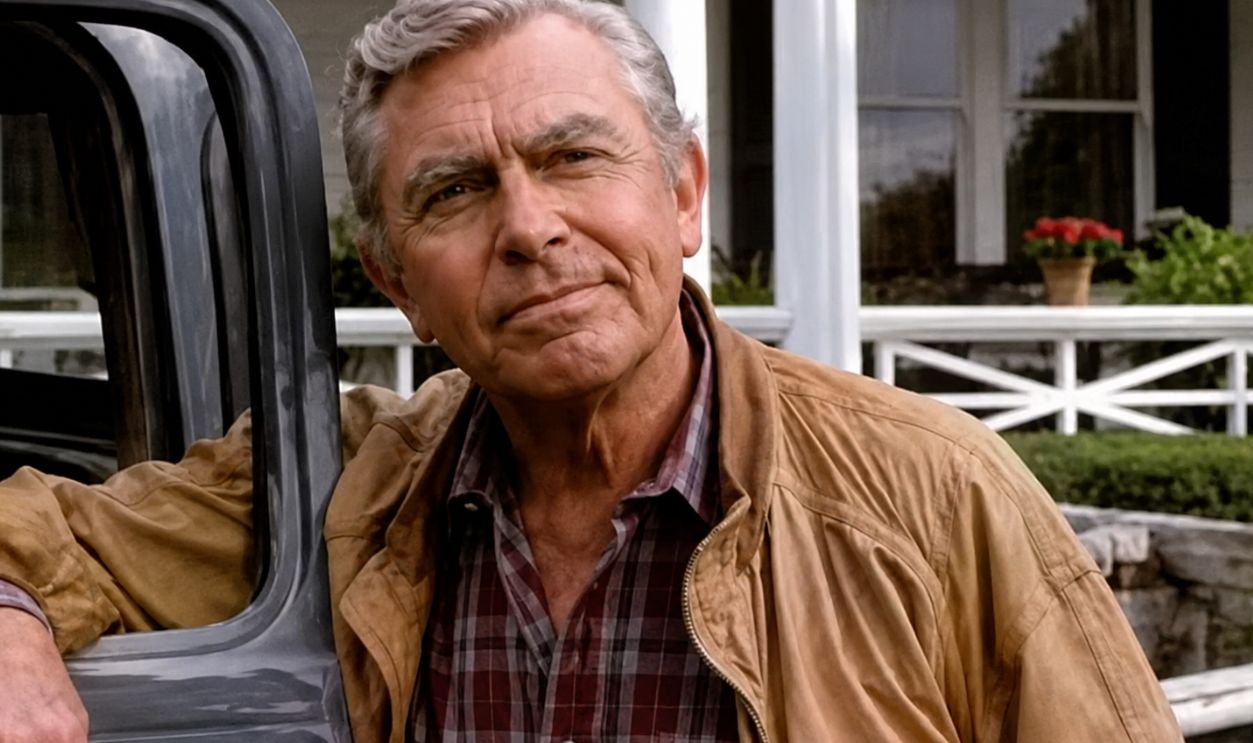 Screenshot from Matlock, Paramount Global (1986-1995), Enhanced
Atticus Finch
Gregory Peck's Atticus Finch from To Kill a Mockingbird became one of pop culture's most respected fictional attorneys. Soft-spoken and principled, Finch represented the idea that a lawyer should defend justice even when the entire community stands against him. Few screen attorneys ever carried quite the same moral weight.
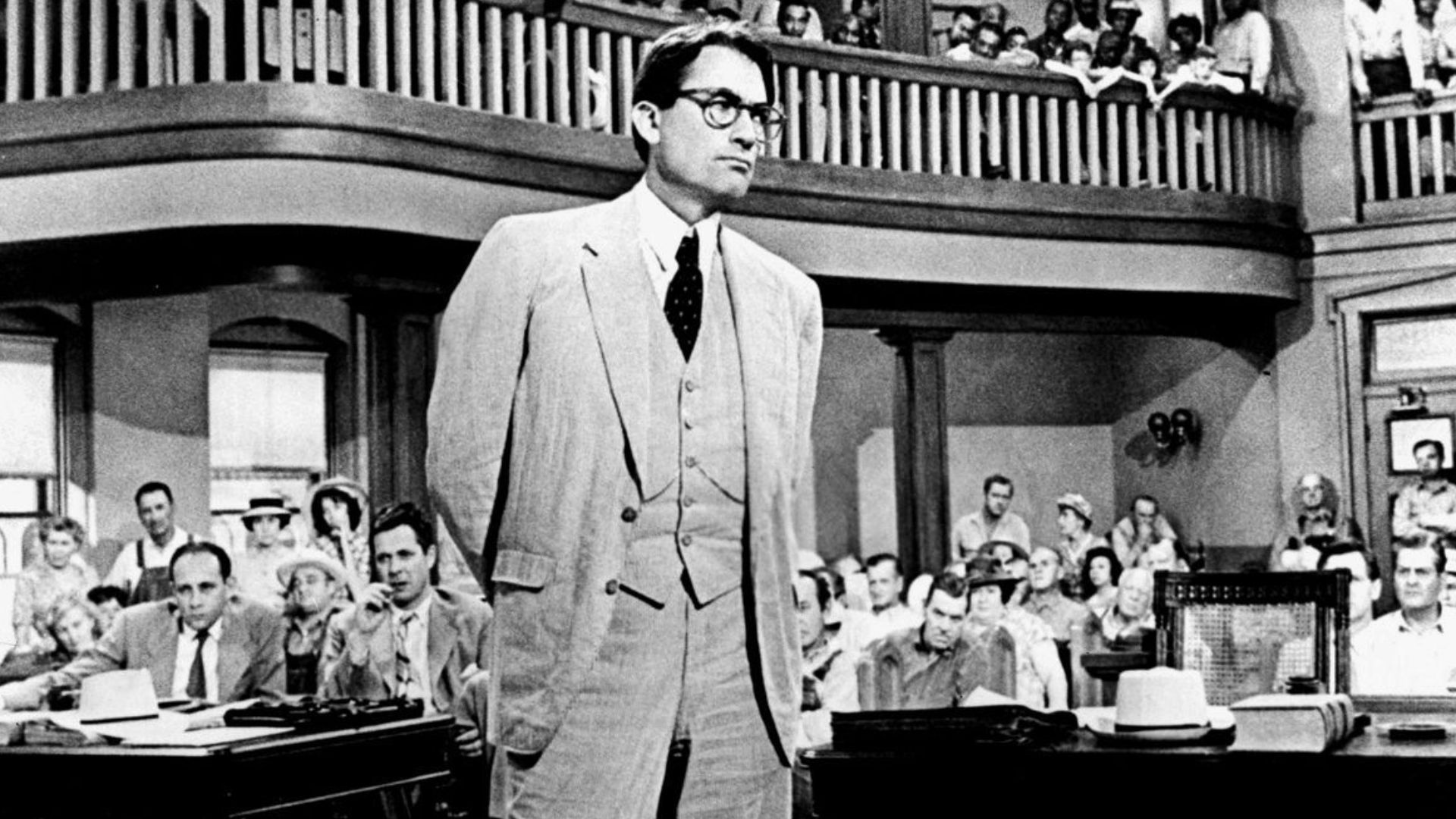 Universal Pictures, Wikimedia Commons
Lawrence Preston
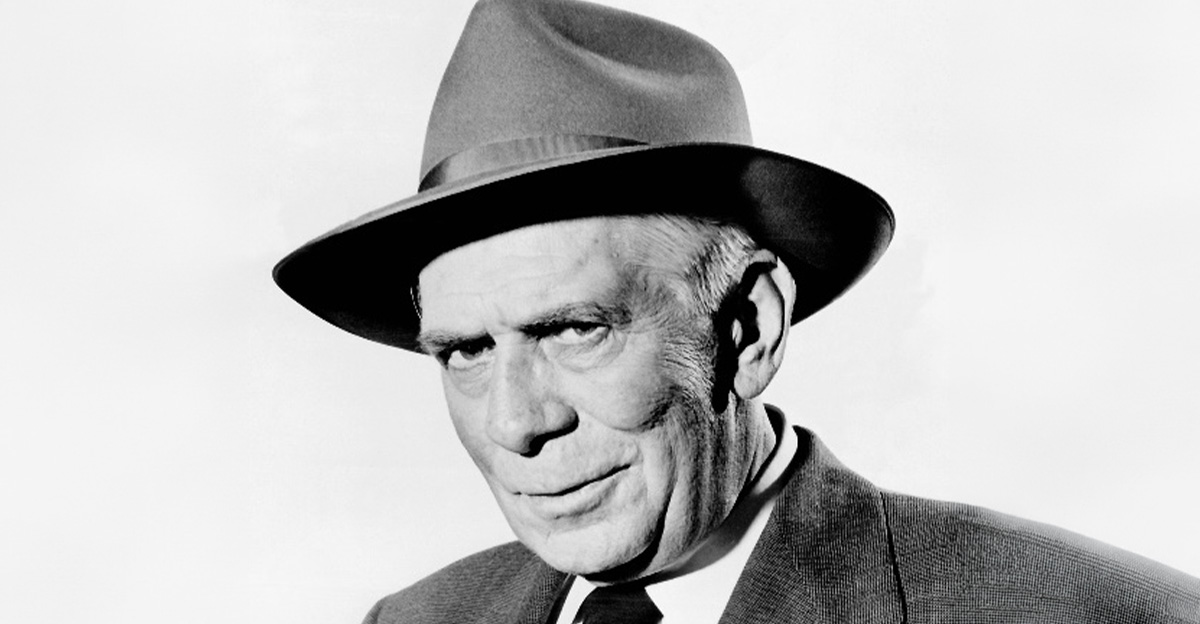
E.G. Marshall brought intelligence and seriousness to Lawrence Preston on The Defenders. The groundbreaking 1960s drama tackled subjects television usually avoided, while Preston approached difficult cases with thoughtfulness rather than theatrics. He seemed like the kind of attorney who would actually read every page before walking into the courtroom.
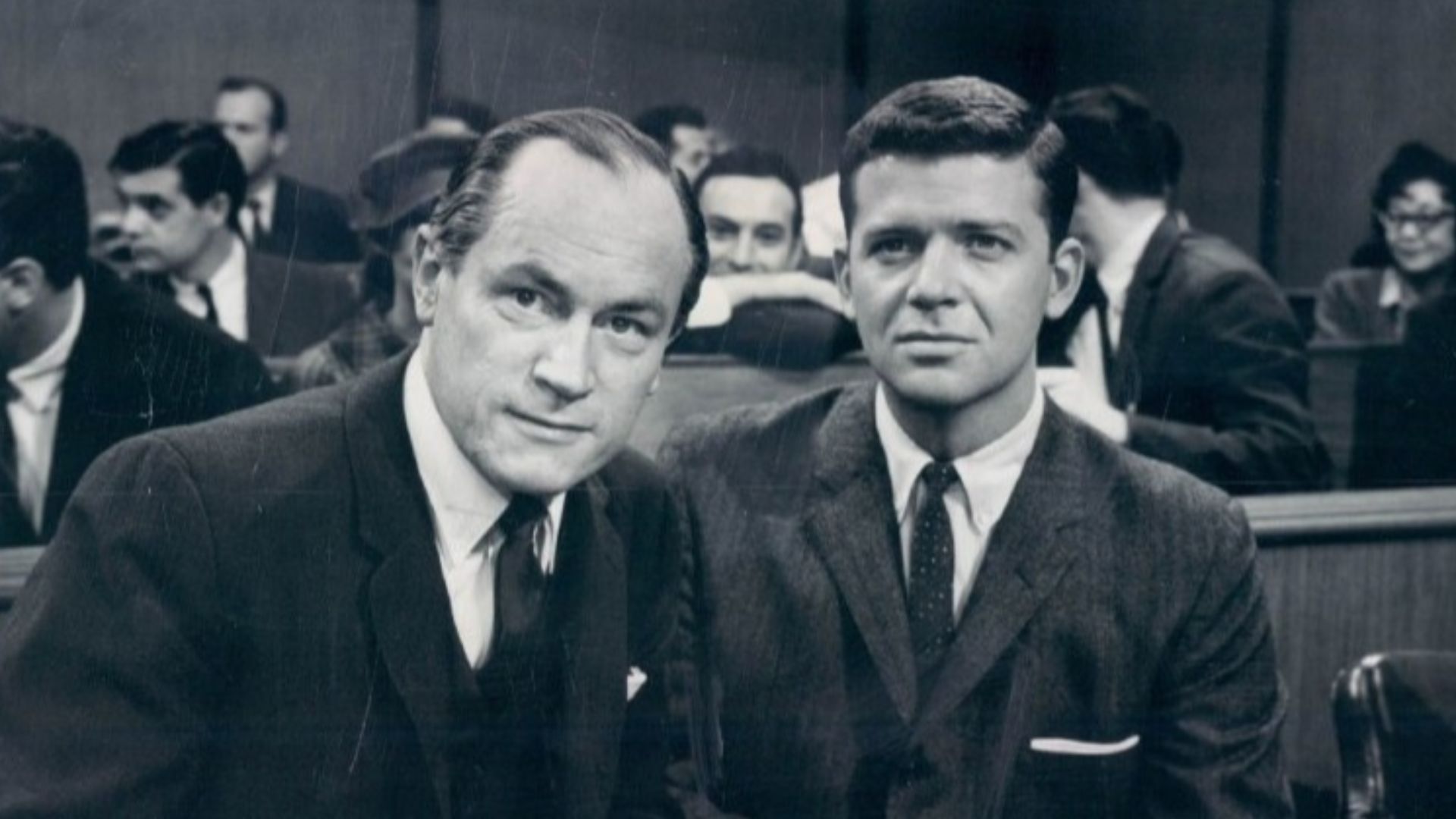 CBS Television, Wikimedia Commons
Owen Marshall
Arthur Hill's Owen Marshall was another lawyer who won viewers over by remaining surprisingly normal. On Owen Marshall, Counselor at Law, he handled emotionally complicated cases without turning every courtroom appearance into a circus. His calm professionalism made him feel less like a TV superhero and more like someone viewers could actually hire.
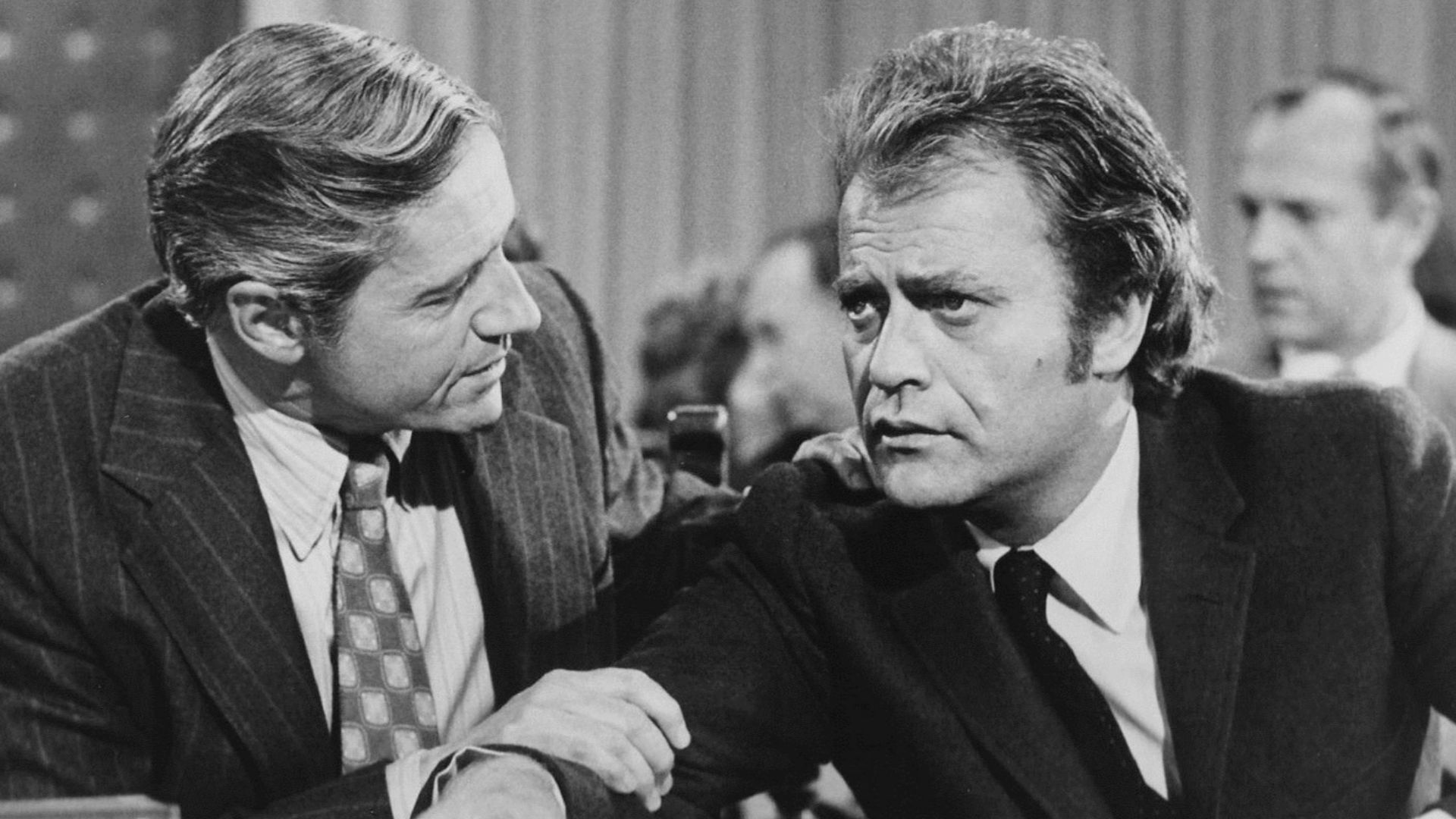 ABC Television, Wikimedia Commons
Judd For The Defense
Carl Betz played Clinton Judd, a defense attorney willing to tackle controversial cases during a particularly turbulent period in American history. Judd, for the Defense only lasted two seasons, but its thoughtful stories and confident lead made Judd one of television's memorable late-1960s lawyers.
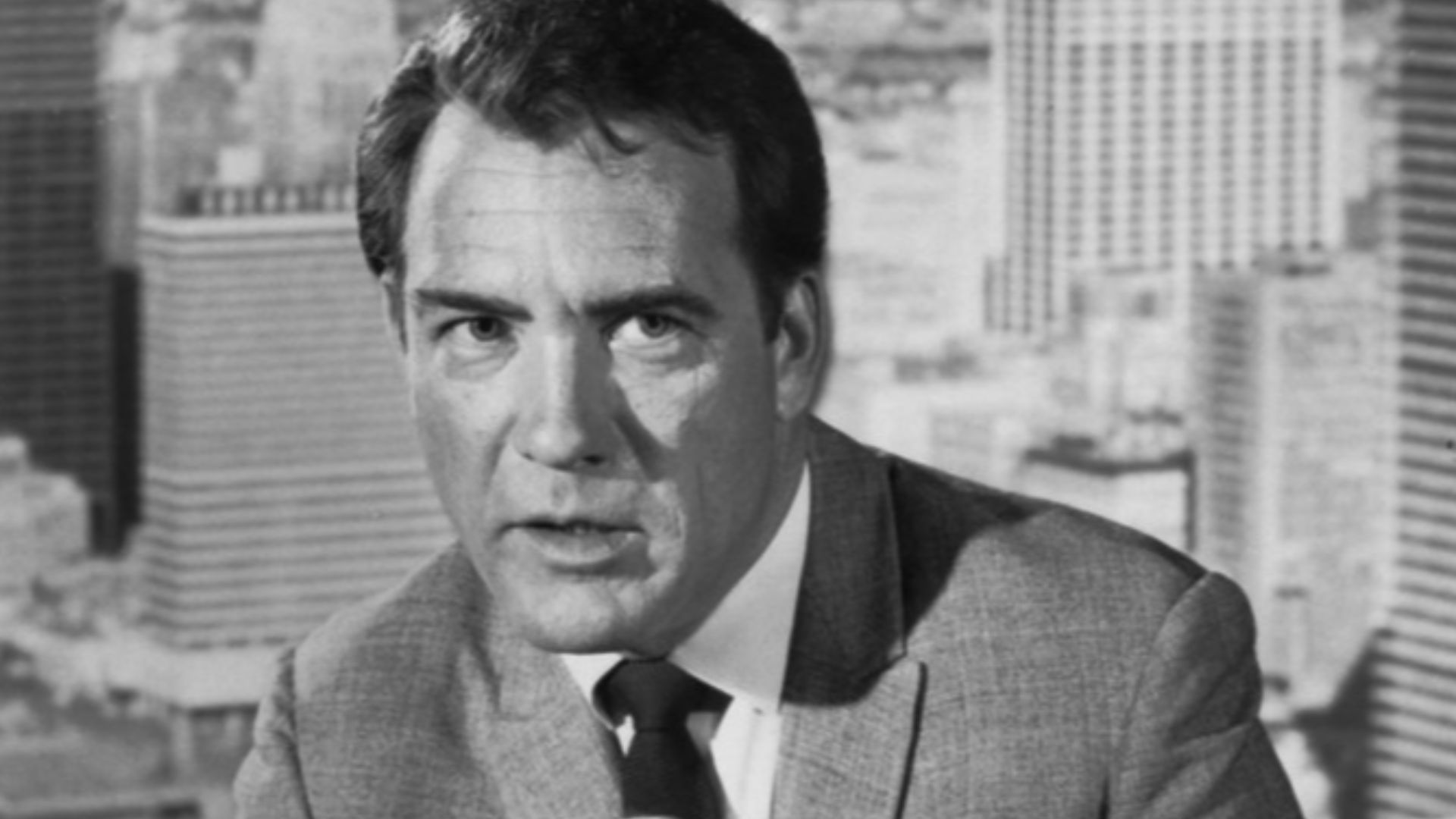 ABC Television, Wikimedia Commons
Petrocelli
Tony Petrocelli was not interested in fancy offices. In fact, Barry Newman's attorney spent much of Petrocelli living in a trailer while his dream house remained unfinished. What he lacked in glamorous surroundings, however, he made up for with stubborn determination and an impressive ability to uncover what really happened.
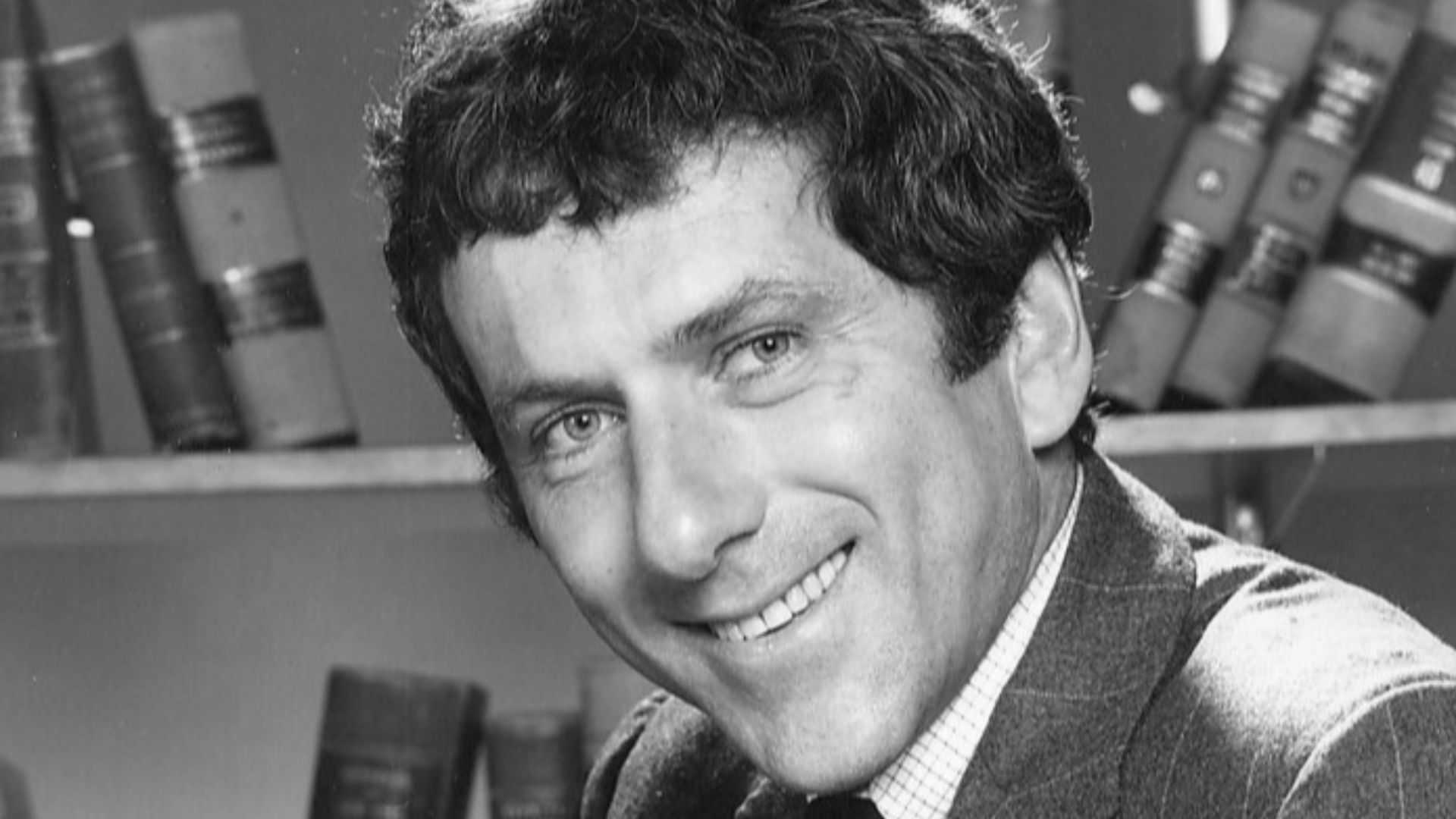 NBC Television, Wikimedia Commons
Harry McGraw
Harry McGraw was technically a private investigator rather than an attorney, but his connection to television's legal world made him irresistible to courtroom fans. Jerry Orbach's charming Boston investigator regularly crossed paths with Jessica Fletcher before receiving his own series, The Law & Harry McGraw, alongside attorney Ellie Maginnis.
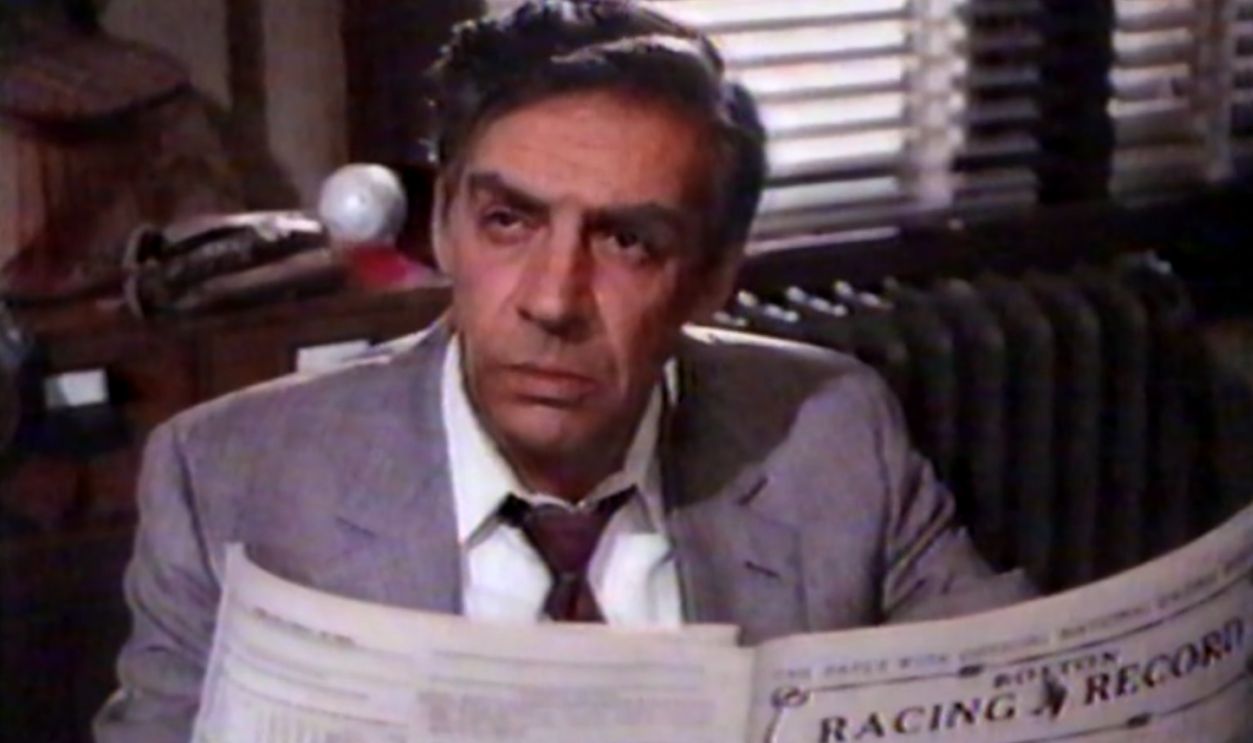 Screenshot from The Law & Harry McGraw, NBC (1987–1988)
Douglas Brackman Jr.
L.A. Law introduced viewers to an entire office full of memorable attorneys, but Douglas Brackman Jr. stood apart. Alan Rachins played him as uptight, ambitious, insecure, and often hilarious. He certainly was not the coolest lawyer in Los Angeles, yet watching him desperately try to maintain authority was endlessly entertaining.
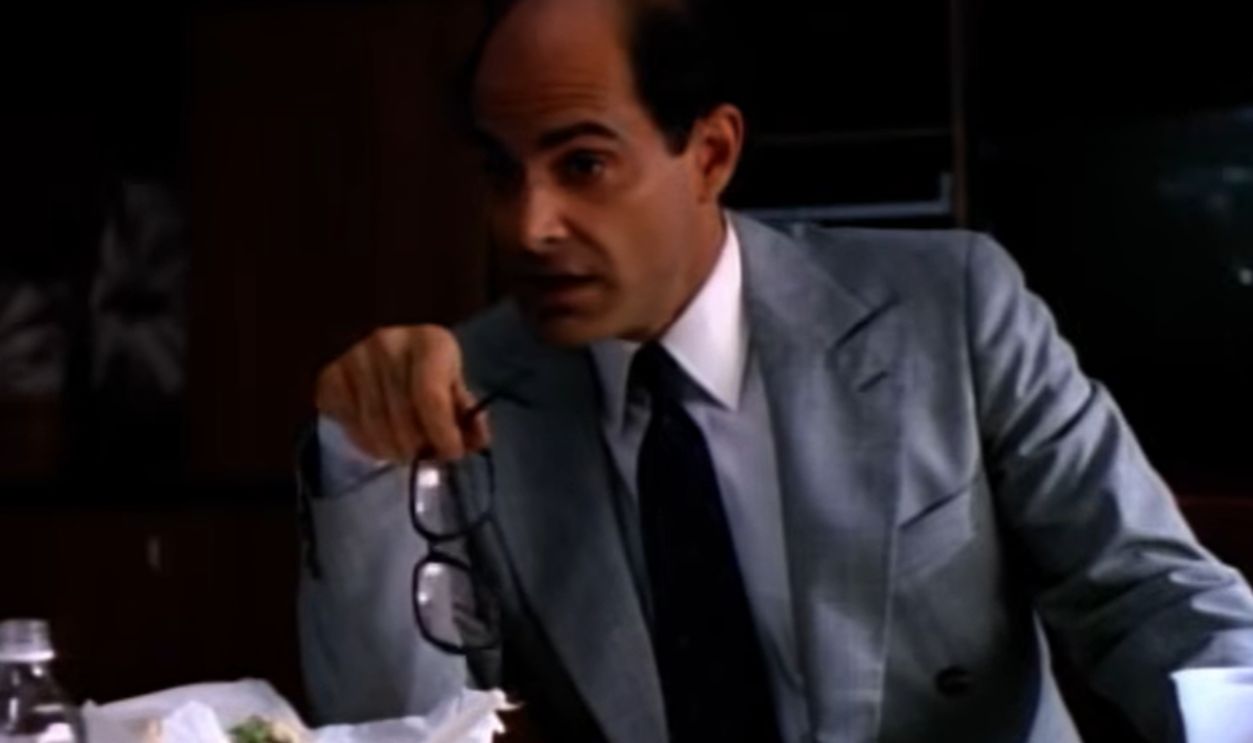 Screenshot from L.A. Law, NBC (1986-1994)
Arnie Becker
If Douglas Brackman represented the nervous side of L.A. Law, Arnie Becker represented its swagger. Corbin Bernsen's divorce attorney was handsome, smooth, confident, and frequently his own worst enemy. Becker could charm clients and juries, but his complicated personal life kept reminding viewers that winning cases did not mean winning everything.
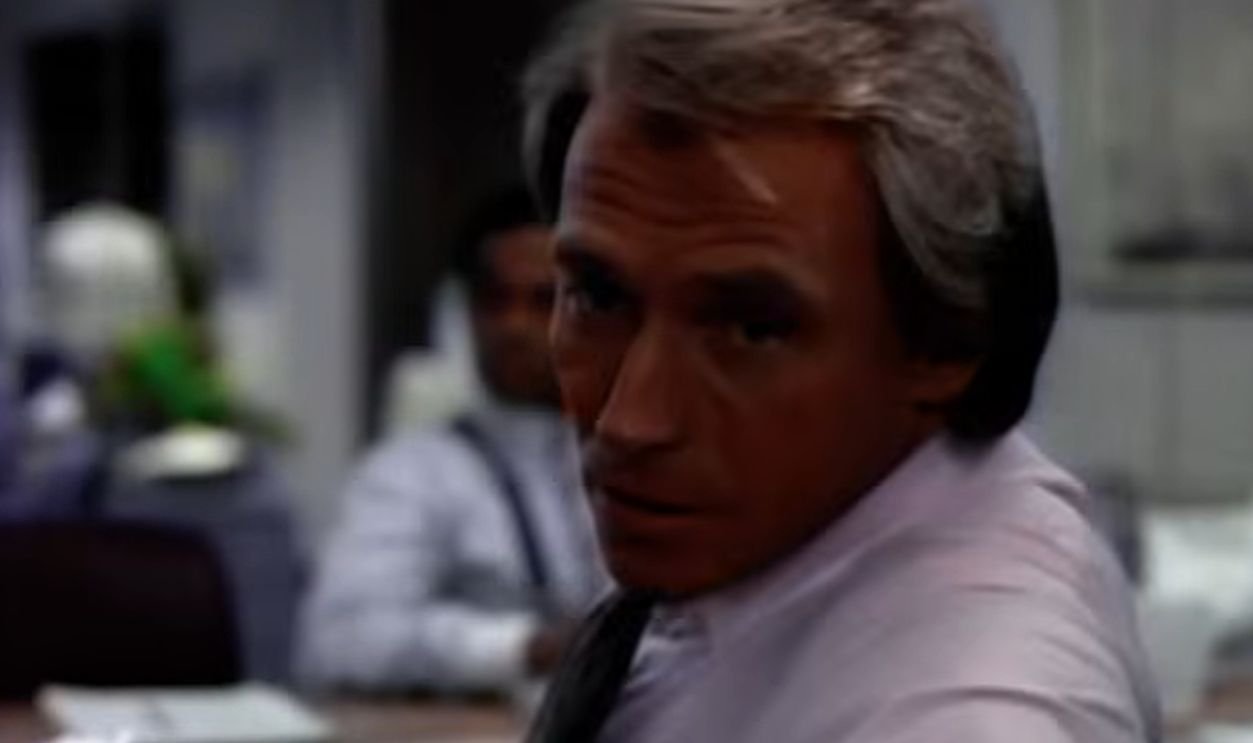 Screenshot from L.A. Law, NBC (1986-1994)
Ann Kelsey
Jill Eikenberry's Ann Kelsey gave L.A. Law something television legal dramas badly needed: a smart female attorney who felt fully developed rather than decorative. Kelsey could be compassionate without becoming soft and ambitious without becoming ruthless. Viewers trusted her because she seemed genuinely interested in doing the job well.
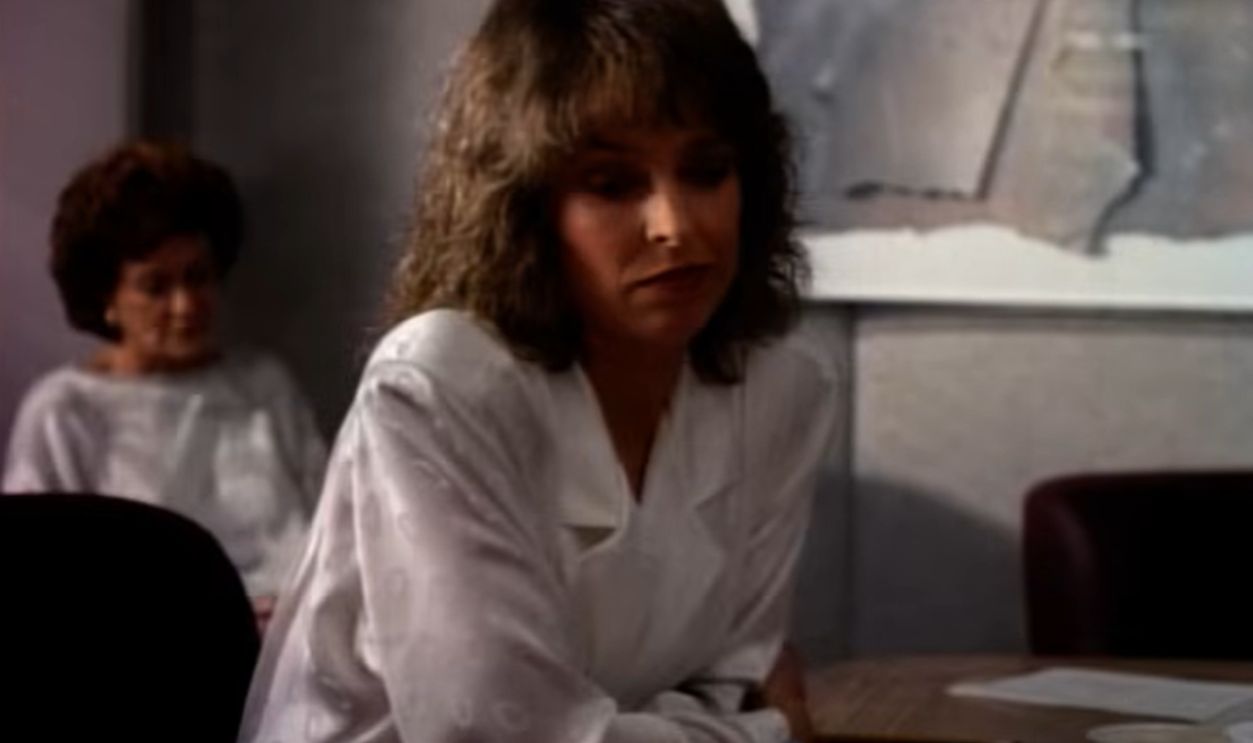 Screenshot from L.A. Law, NBC (1986-1994)
Jonathan Rollins
Blair Underwood's Jonathan Rollins arrived on L.A. Law as a young Harvard-educated attorney and quickly became one of the show's standout characters. Rollins faced professional ambition, racism, difficult clients, and office politics while maintaining a strong sense of purpose. He helped broaden television's image of who a powerful attorney could be.
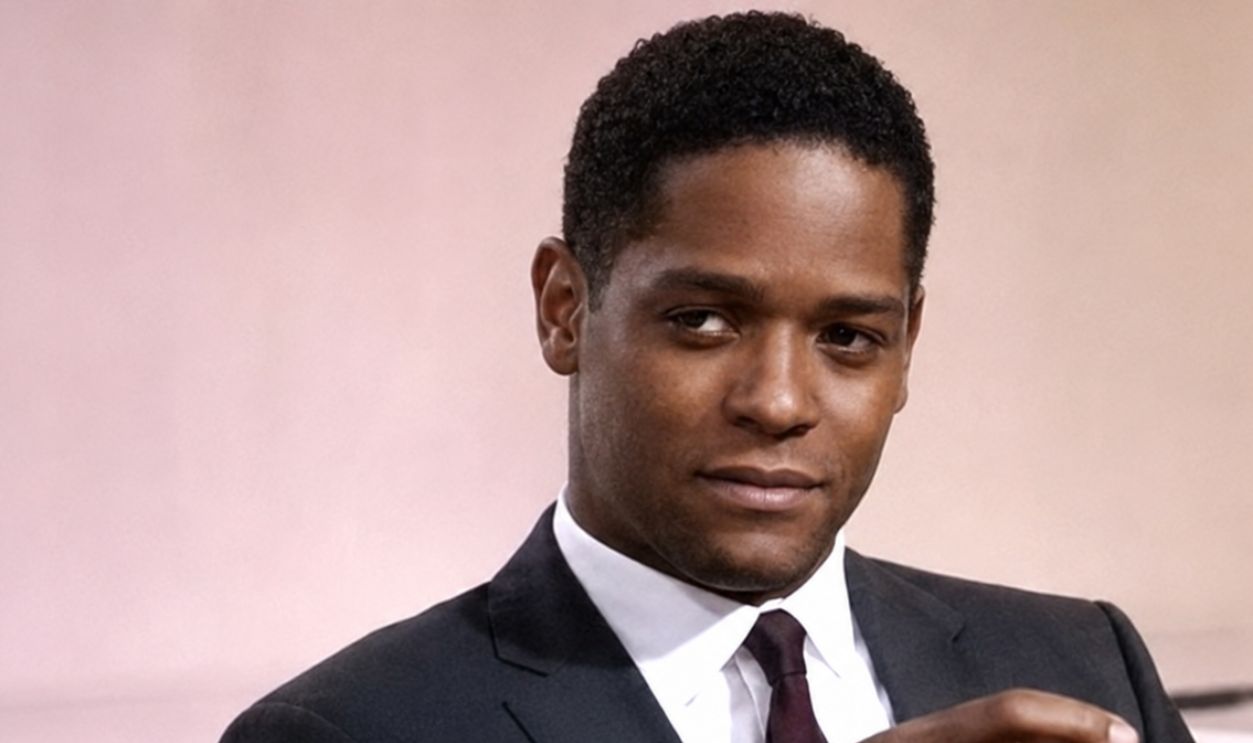 Screenshot from L.A. Law, NBC (1986-1994)
Victor Sifuentes
Jimmy Smits made Victor Sifuentes one of L.A. Law's most passionate attorneys. Sifuentes often represented people who needed someone firmly in their corner, and Smits gave the character both toughness and empathy. When Victor became emotionally invested in a case, audiences usually found themselves invested right along with him.
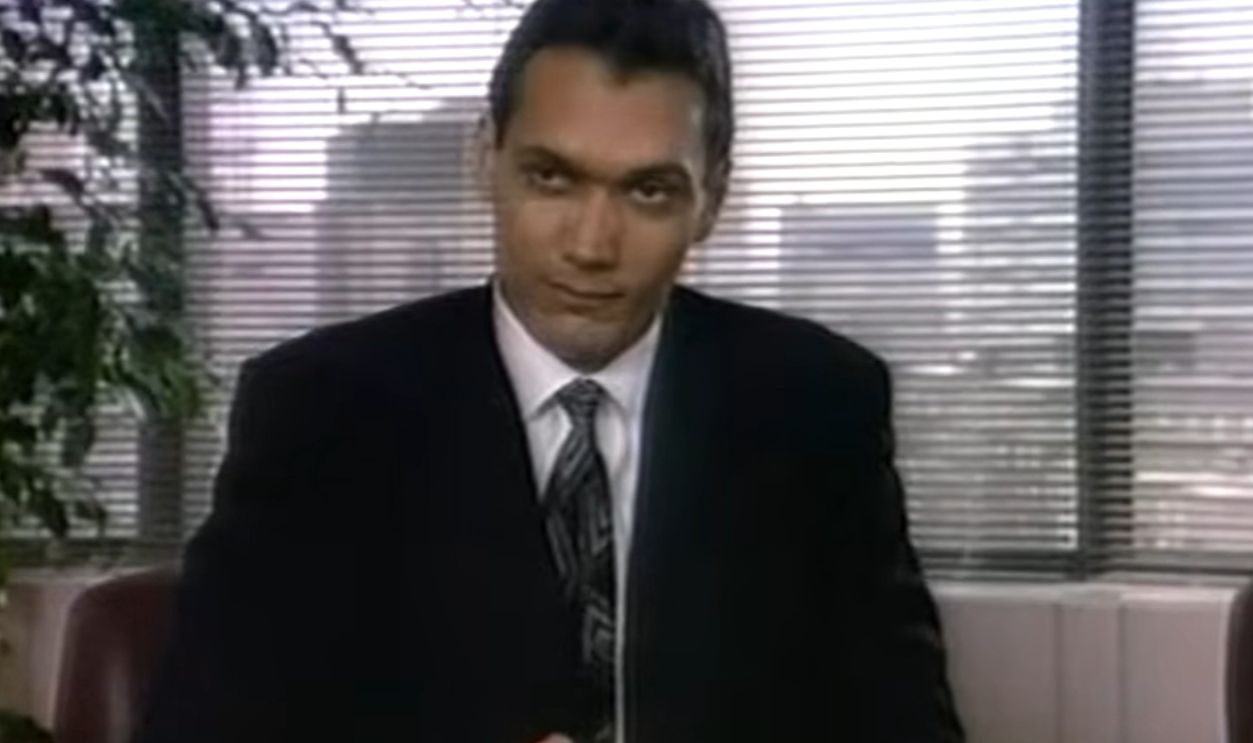 Screenshot from L.A. Law, NBC (1986-1994)
Grace Van Owen
Susan Dey's Grace Van Owen started as a prosecutor before eventually becoming a judge, giving L.A. Law viewers a look at several sides of the justice system. Smart, composed, and principled, she could stand her ground against the show's biggest personalities without needing to become louder than everyone else.
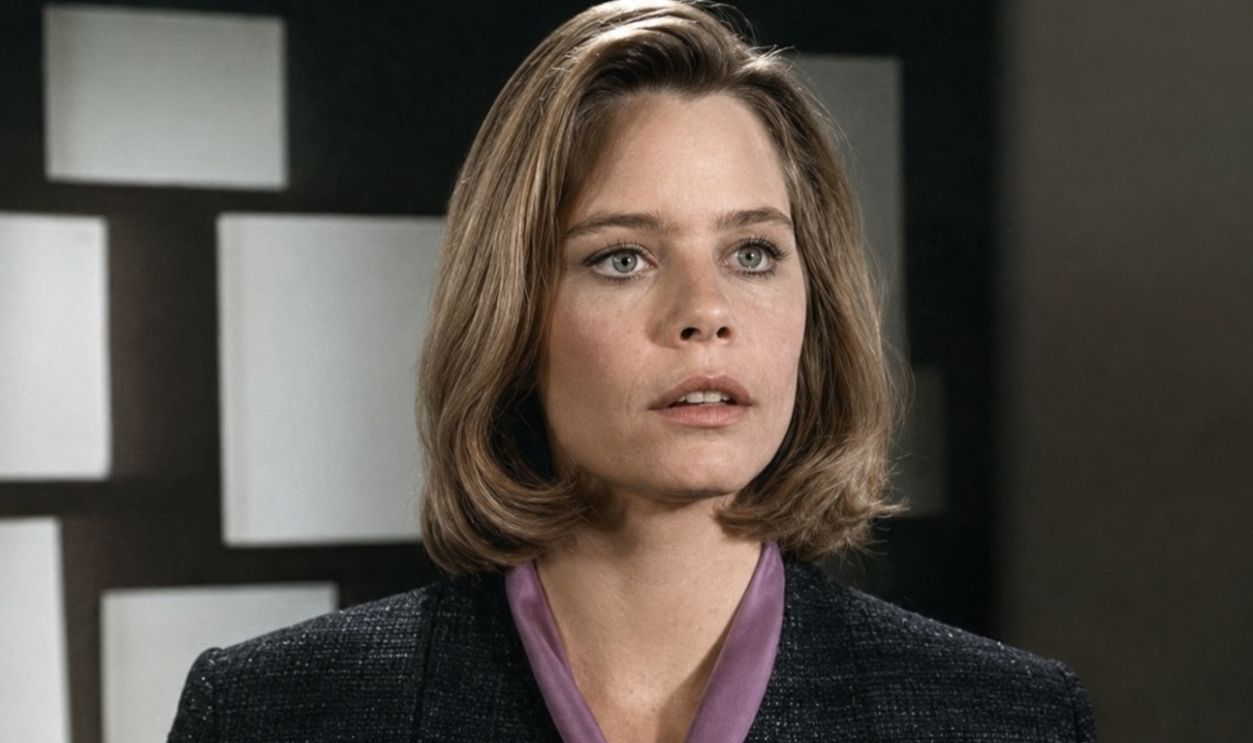 Screenshot from L.A. Law, NBC (1986-1994)
Jack McCoy
Sam Waterston's Jack McCoy became such a familiar presence on Law & Order that viewers practically watched him grow into a legal institution. McCoy was passionate, stubborn, occasionally reckless, and absolutely determined to win. His courtroom arguments helped define the show's fast-moving, no-nonsense approach to television justice.
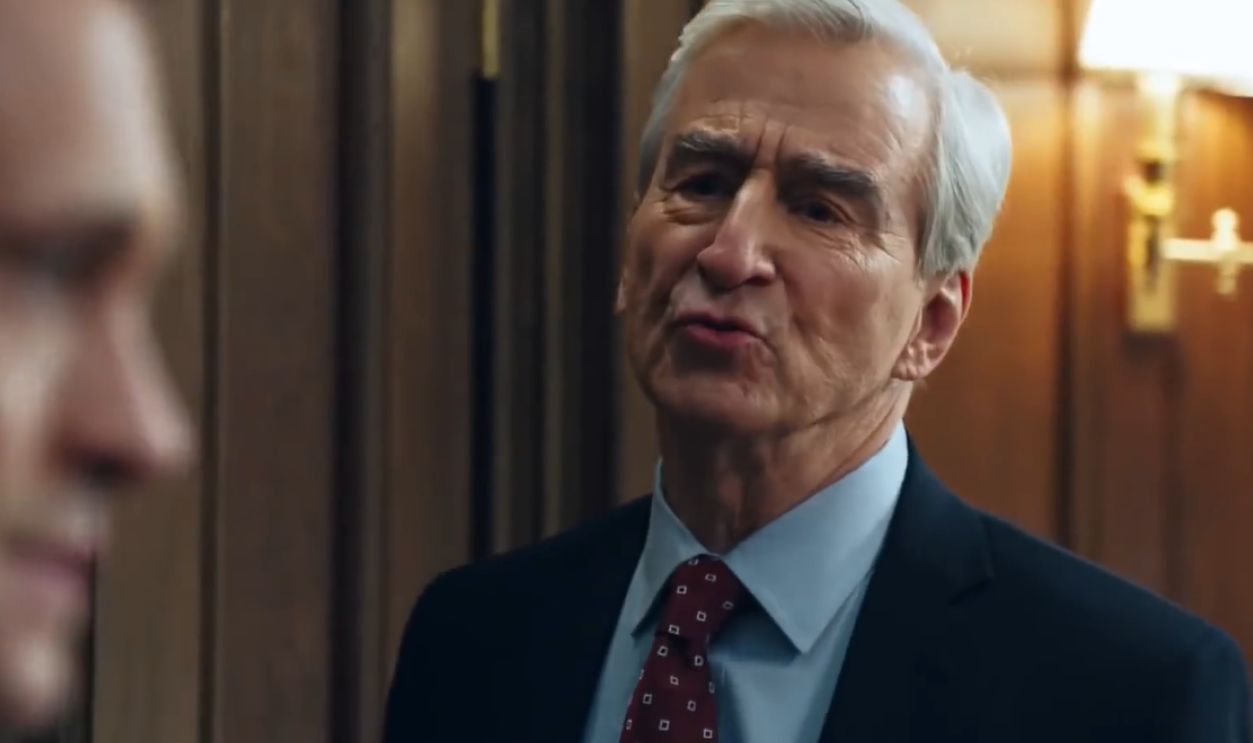 Screenshot from Law & Order, NBC (1994–2024)
Ben Stone
Before Jack McCoy, Michael Moriarty's Ben Stone handled prosecutions on Law & Order. Stone was quieter and more restrained than his successor, but that made him feel remarkably believable. He often seemed painfully aware that every legal decision affected real people, giving those early episodes an unusually thoughtful quality.
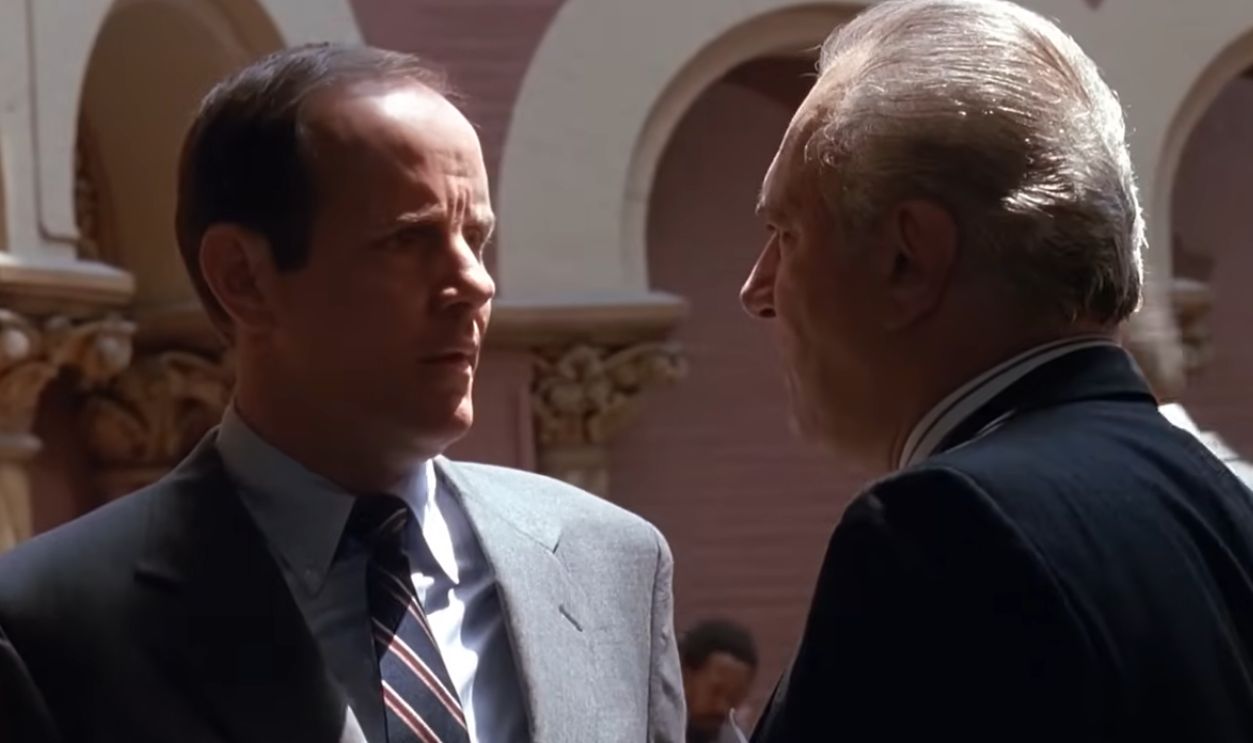 Screenshot from Law & Order, NBC (1994–2024)
Paul Robinette
Richard Brooks played Paul Robinette, one of Law & Order's original assistant district attorneys. Robinette brought intelligence and a valuable perspective to cases involving race and inequality. His measured approach made him a memorable part of the show's early years, even though his original run was relatively short.
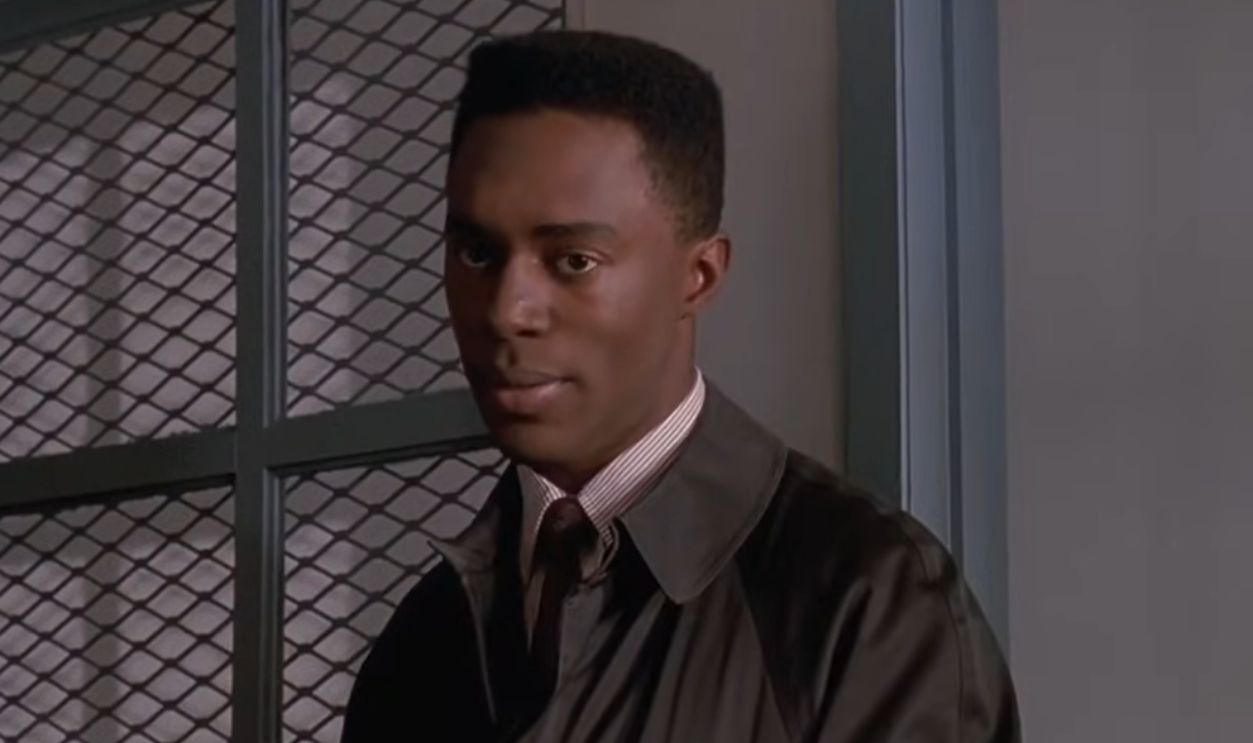 Screenshot from Law & Order, NBC (1994–2024)
Joyce Davenport
Veronica Hamel's Joyce Davenport on Hill Street Blues was more than the romantic partner of Captain Frank Furillo. She was a capable public defender who regularly challenged police officers—including Furillo himself. That independence made her compelling, especially on a show where the line between law enforcement and justice was rarely simple.
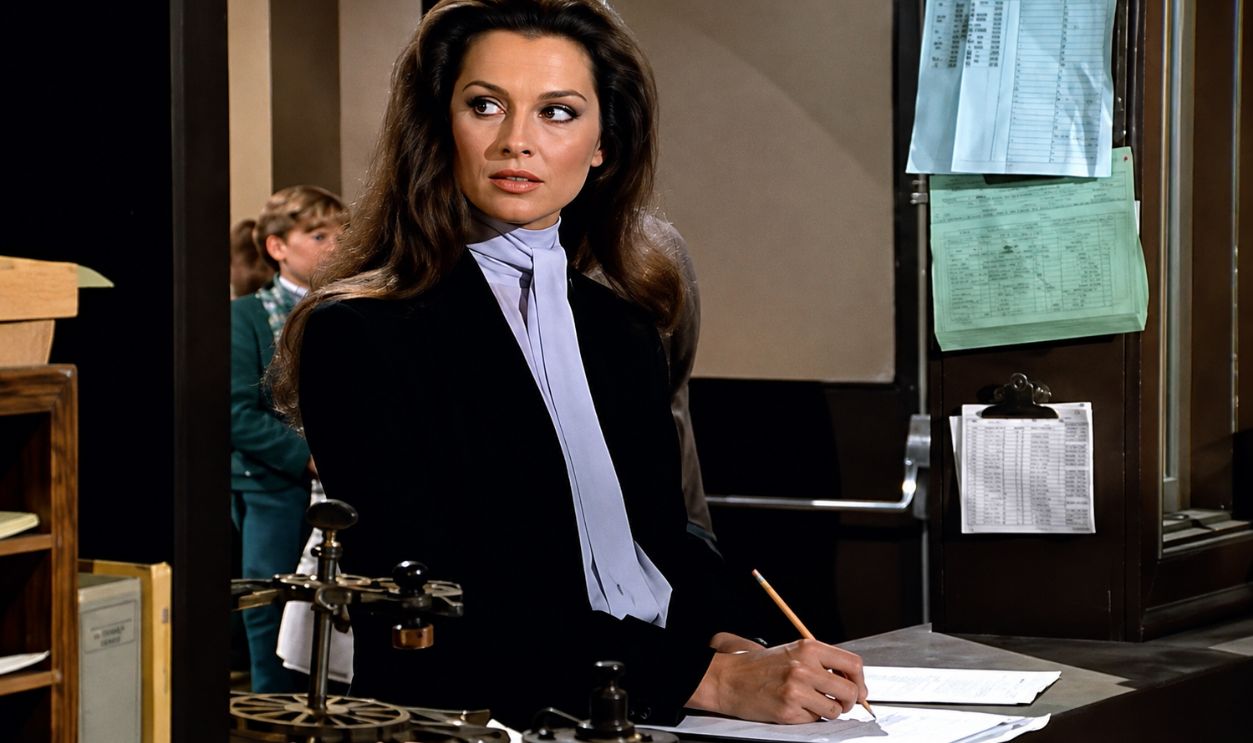 Screenshot from Law & Order, NBC (1994–2024)
Christine Sullivan
Markie Post's Christine Sullivan became the sensible center of the wonderfully ridiculous Night Court. As a public defender, Christine frequently tried to bring compassion and reason into a courtroom overflowing with eccentric defendants. She was intelligent, idealistic, and somehow able to survive years of Harry Stone's strangest cases.
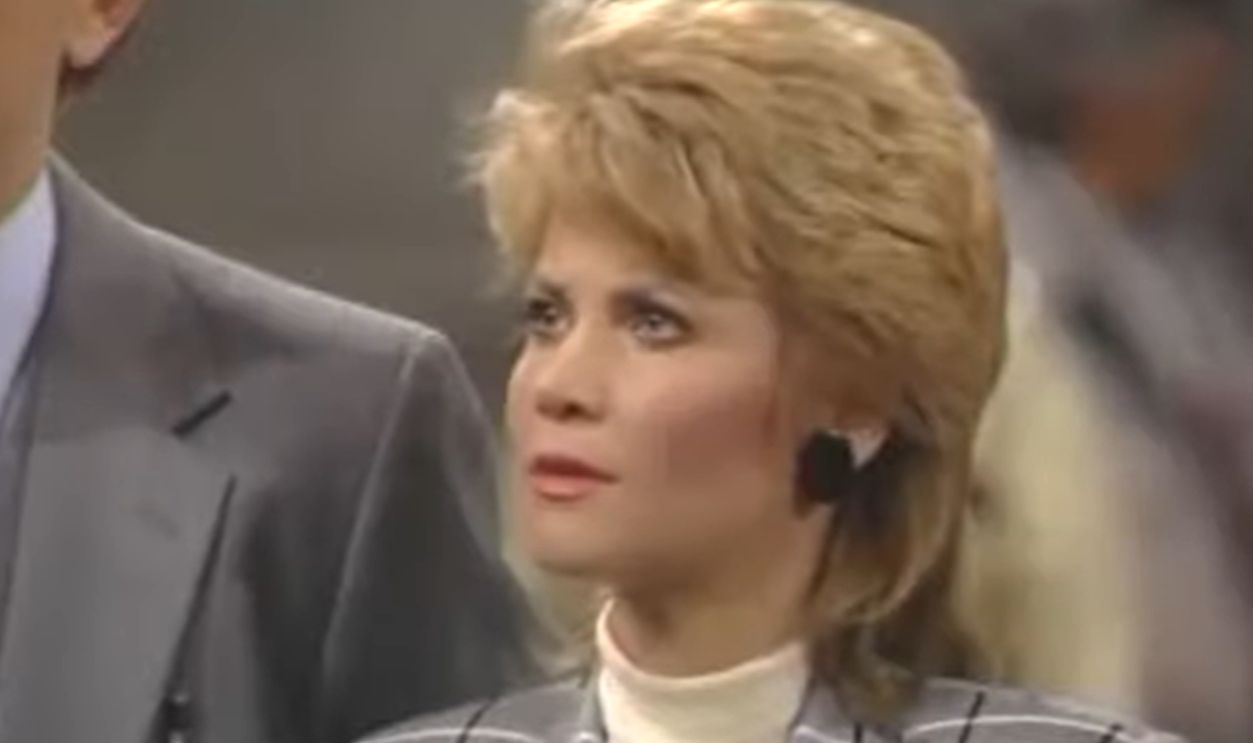 Screenshot from Night Court, Warner Bros. Television Distribution (1984)
Dan Fielding
Would you actually hire Dan Fielding? Probably not. Would you watch him every week? Absolutely. John Larroquette's prosecutor on Night Court was vain, shameless, sarcastic, and endlessly confident. Fielding turned selfishness into an art form, while occasional flashes of humanity prevented him from becoming completely impossible to like.
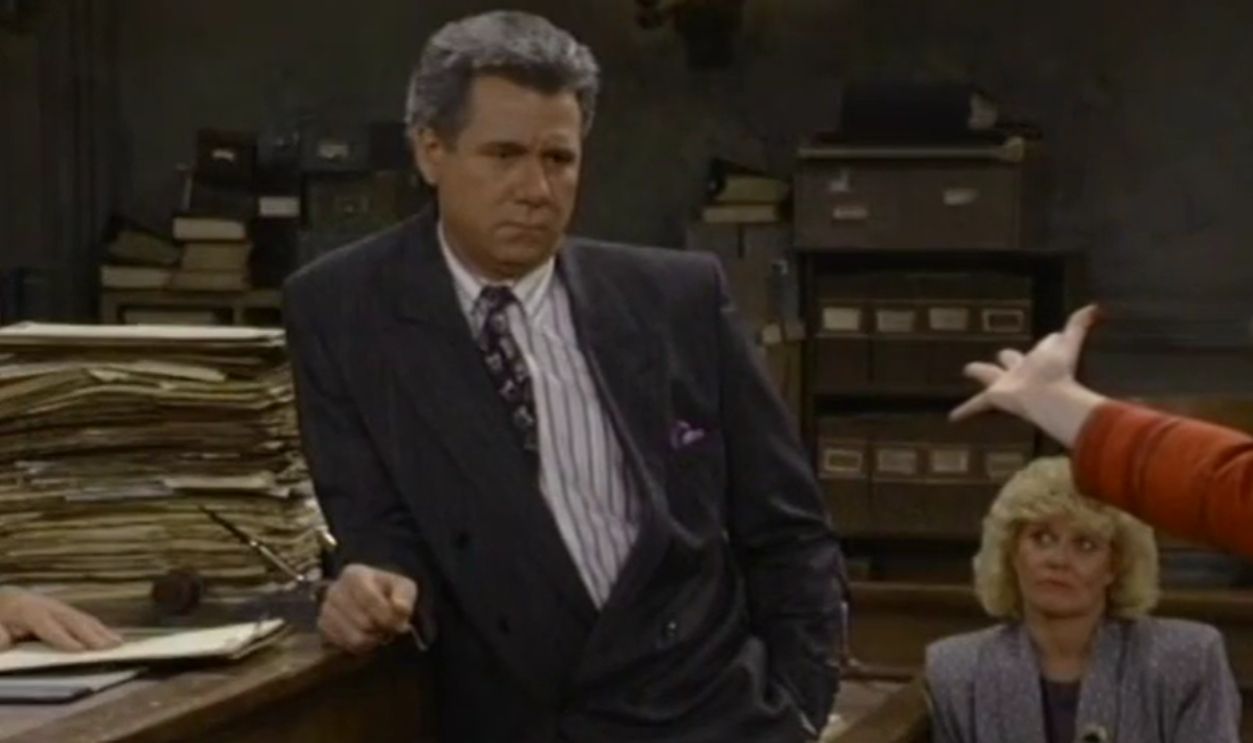 Screenshot from Night Court, Warner Bros. Television Distribution (1984)
Clair Huxtable
Clair Huxtable was not the star of a legal drama, but audiences never forgot that she was a successful attorney. Phylicia Rashad portrayed Clair as sharp, accomplished, funny, and completely capable of winning an argument at home or at work. She helped make professional motherhood look both demanding and impressive.
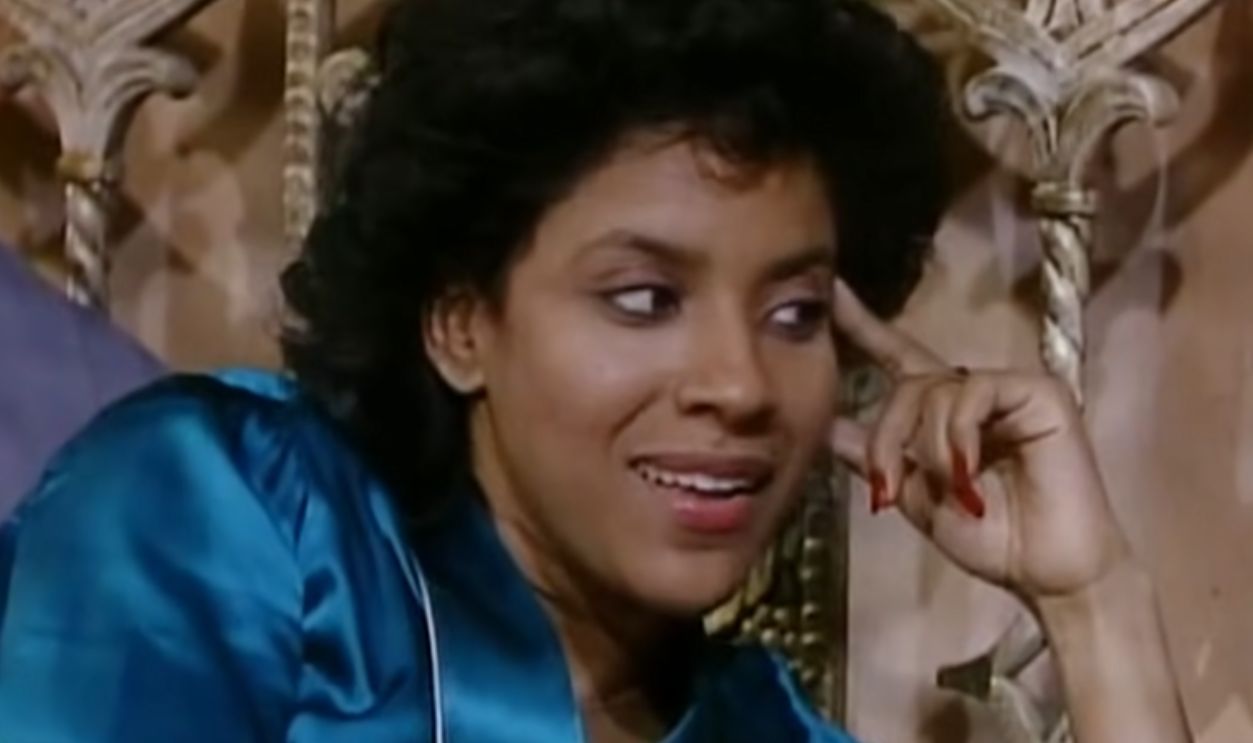 Screenshot from The Cosby Show, Carsey-Werner Distribution (1984-1992)
Michael Kuzak
Harry Hamlin's Michael Kuzak was one of the original stars who made L.A. Law appointment television. Idealistic and charismatic, Kuzak threw himself into cases while navigating a complicated relationship with Grace Van Owen. He brought just enough movie-star polish to make law practice look unusually glamorous.
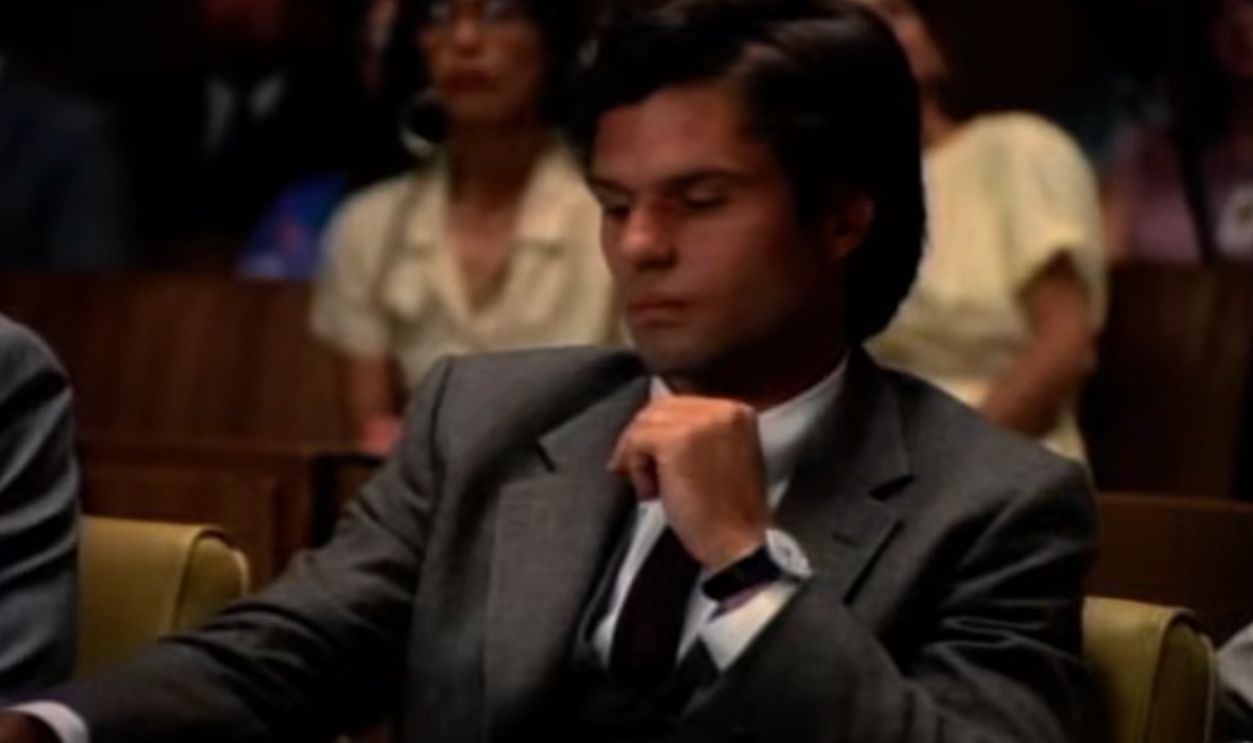 Screenshot from L.A. Law, NBC (1986-1994)
Patty Hewes
Glenn Close's Patty Hewes arrived later than many classic TV attorneys, but she quickly joined television's legal hall of fame. On Damages, Patty was brilliant, terrifying, manipulative, and usually several steps ahead of everyone around her. Trusting her personally seemed dangerous. Trusting her to win? That was another matter.
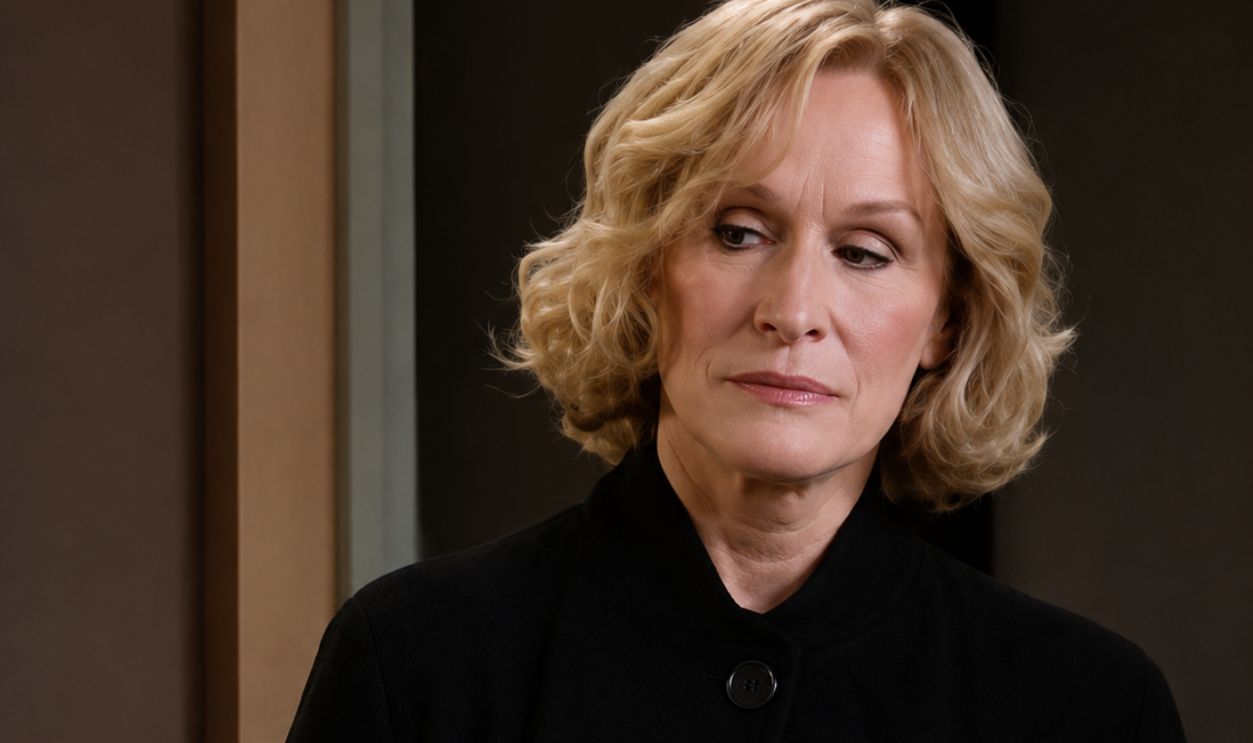 Screenshot from Damages, FX (2007–2012), Enhanced
Ally McBeal
Calista Flockhart's Ally McBeal was nothing like Perry Mason. Her cases shared screen time with disastrous romances, dancing babies, workplace chaos, and elaborate fantasies. Yet underneath the show's eccentric style, Ally was a talented attorney trying to build an adult life while rarely feeling like she had anything figured out.
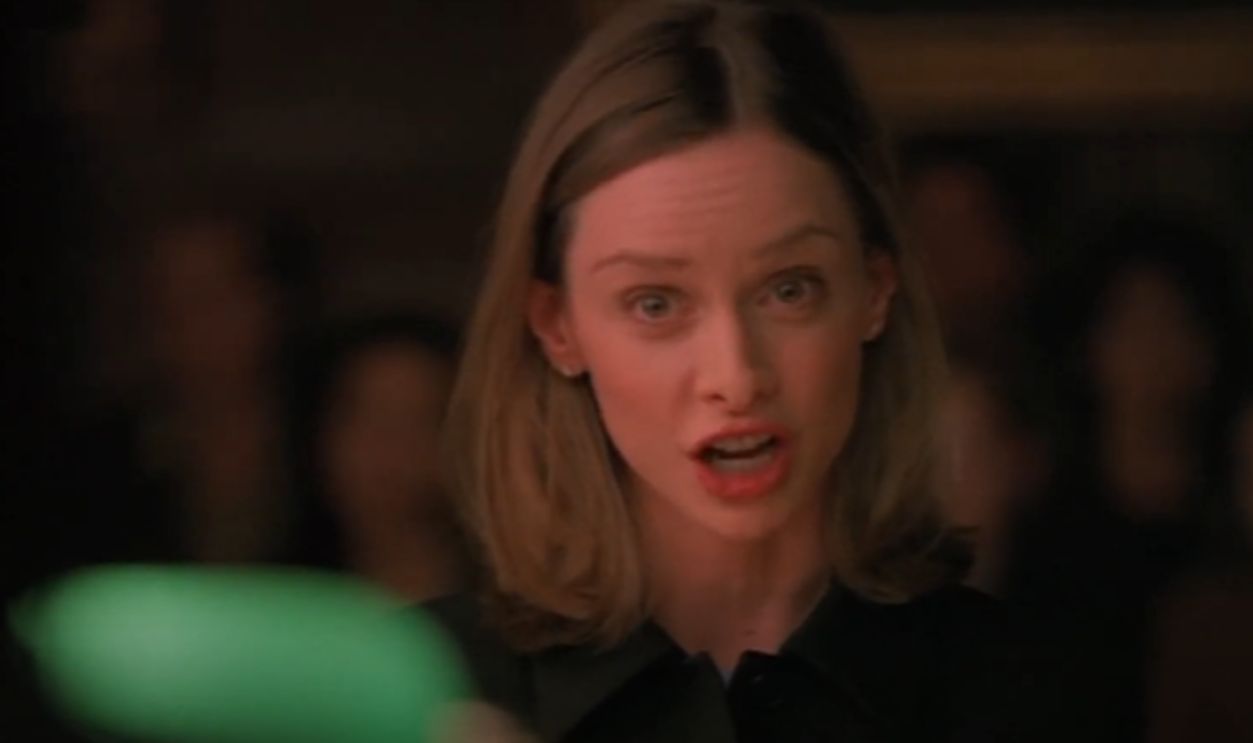 Screenshot from Ally McBeal, Fox (1997–2002)
Bobby Donnell
Dylan McDermott's Bobby Donnell headed the scrappy Boston firm at the center of The Practice. Unlike the glossy attorneys on many earlier legal dramas, Bobby and his colleagues frequently operated in uncomfortable moral territory. He fought fiercely for clients while forcing viewers to ask whether defending someone meant believing them.
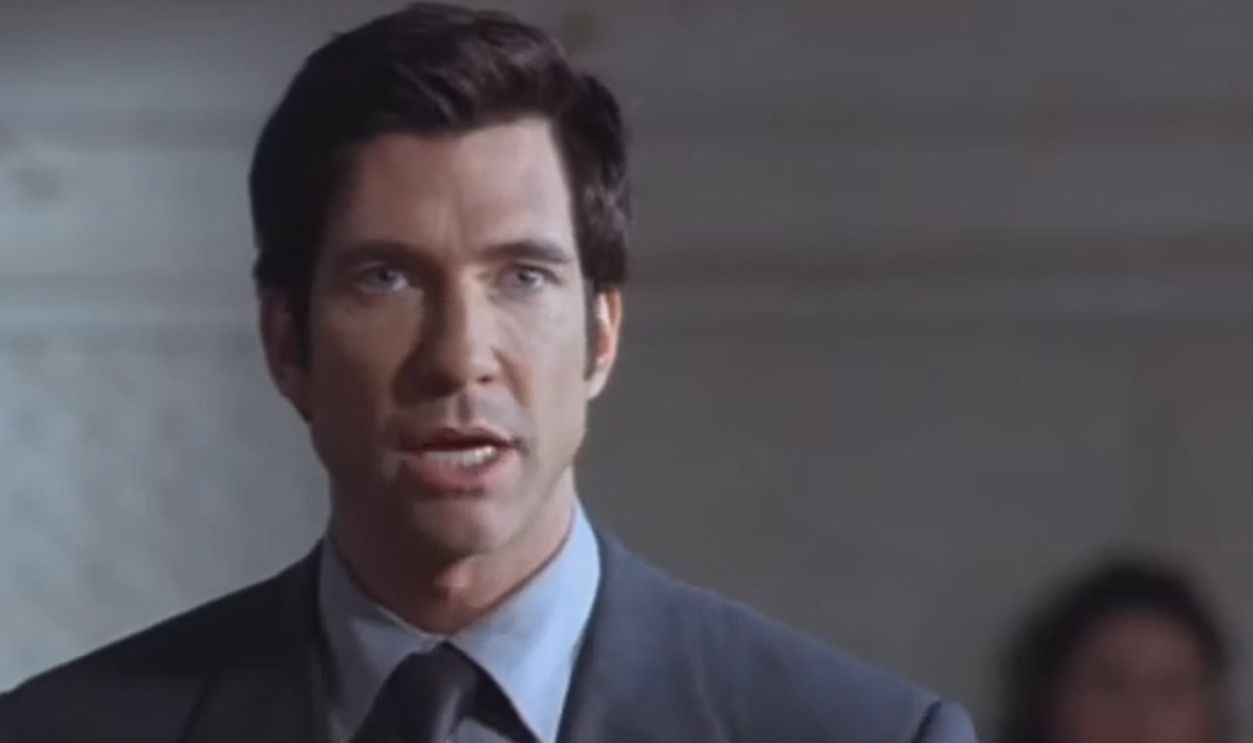 Screenshot from The Practice, 20th Century Fox Television (1997-2004)
Denny Crane
William Shatner turned the words “Denny Crane” into practically an entire personality. The legendary Boston Legal attorney constantly reminded everyone of his past victories, even as age began complicating his life. Ridiculous one minute and surprisingly moving the next, Denny became one of television's strangest—and most lovable—legal legends.
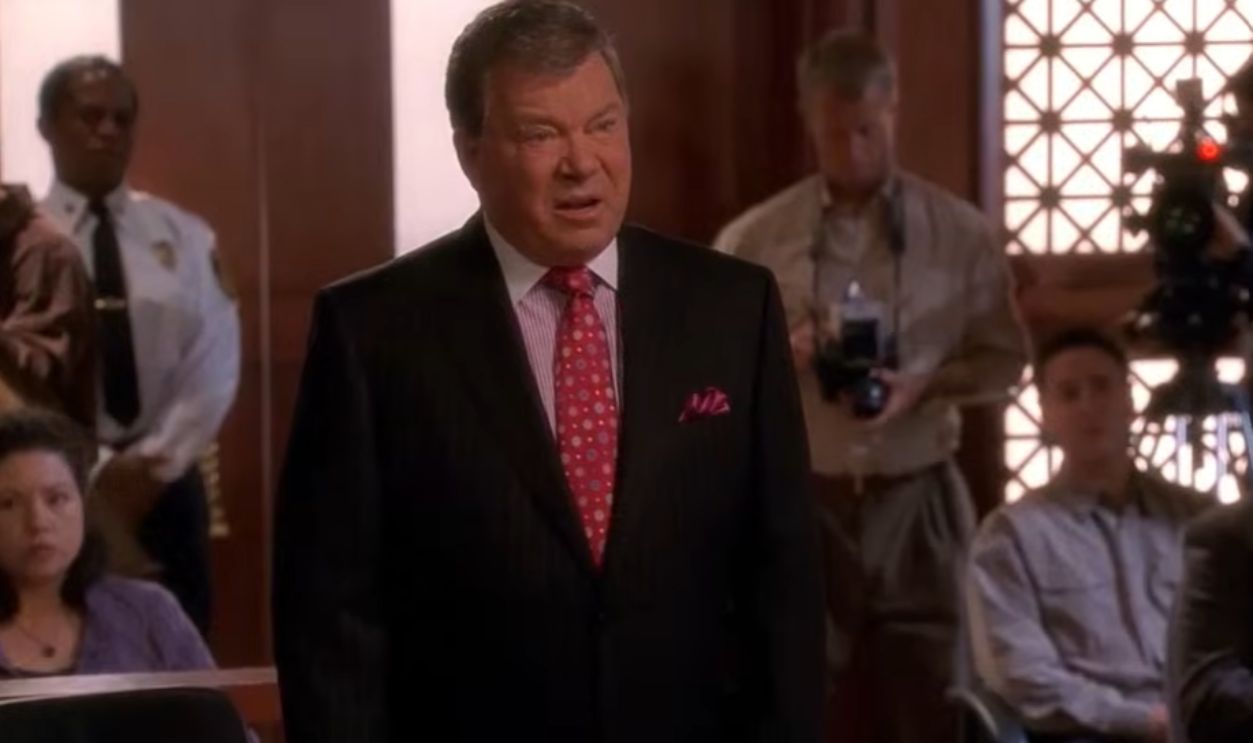 Screenshot from Boston Legal, ABC (2004-2008)
Why TV Lawyers Still Win The Case
Real attorneys rarely uncover surprise witnesses five minutes before closing arguments, and defendants generally do not leap up to confess dramatically. Television never cared much about that. These lawyers gave audiences confidence, humor, outrage, and satisfying victories. For generations of viewers, they made the law seem complicated—but justice wonderfully simple.
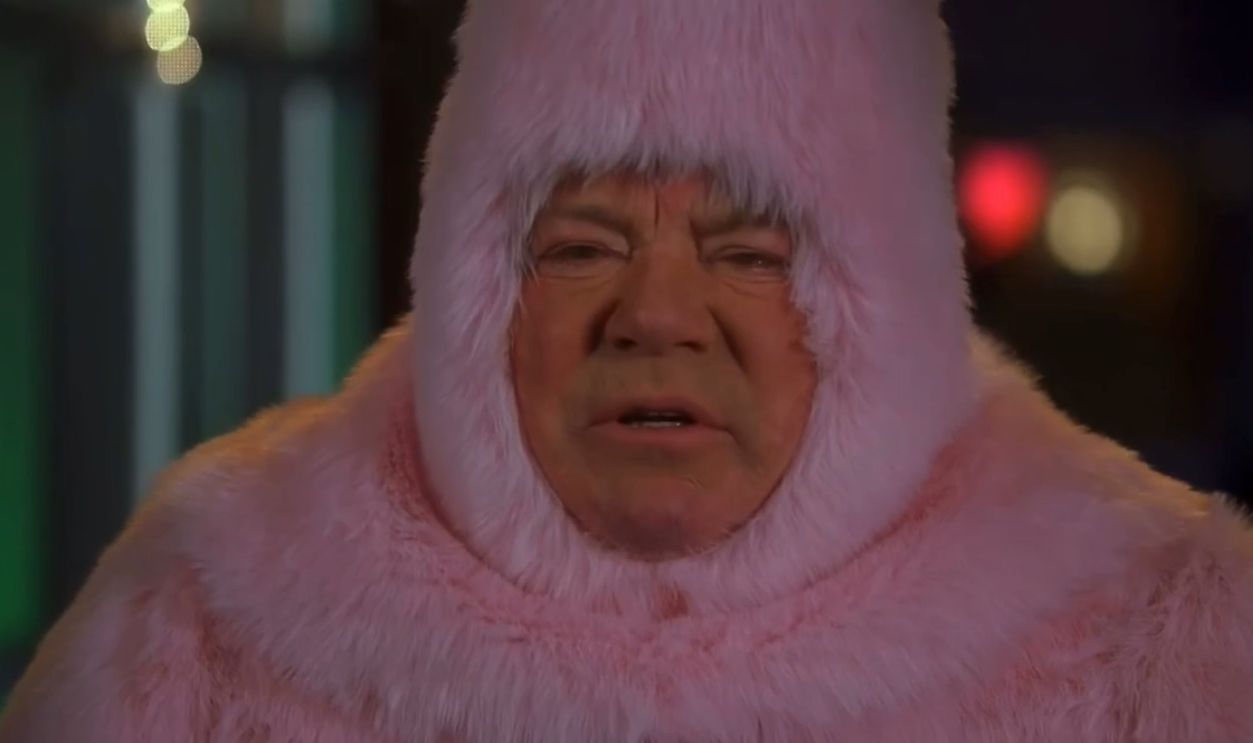 Screenshot from Boston Legal, ABC (2004-2008)
You May Also Like:
1980s TV Shows That Were Canceled After One Season—But Deserved Way More
50s Monster Movies That Are Better Than Everybody Thinks. How Many Do You Remember?