A Brick In The Wall, A Crack In The Band
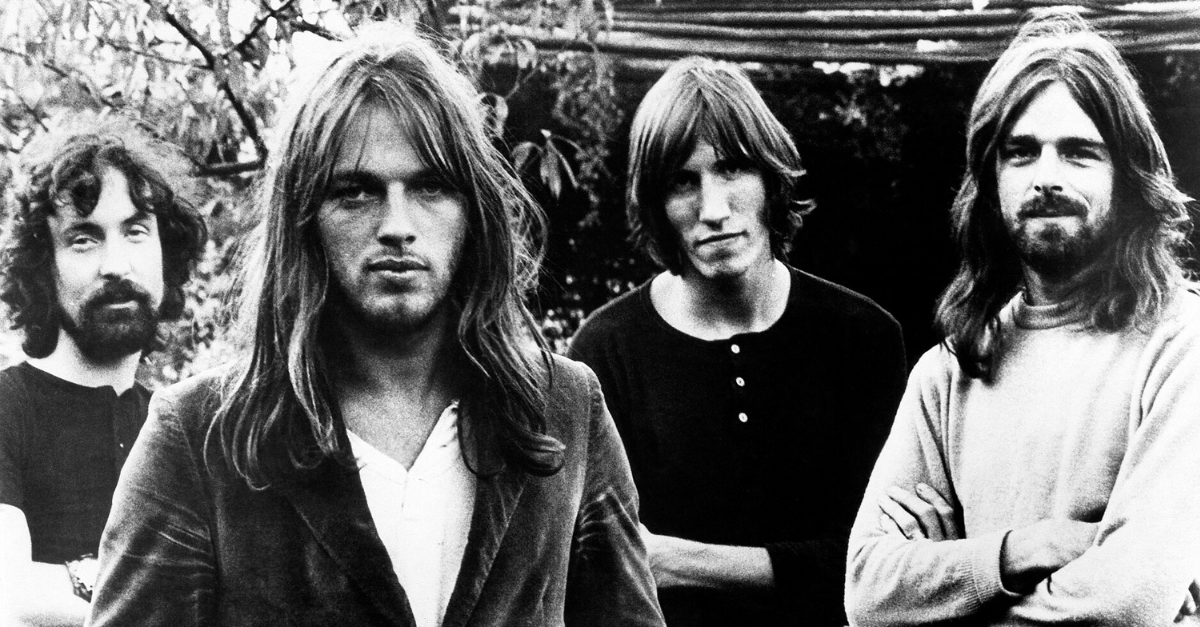
By the late 1970s, Pink Floyd wasn’t just a band—it was a pressure cooker. Egos were swelling, creative control was tightening, and tensions had been simmering since The Dark Side of the Moon turned them into global icons. By the time they began work on The Wall, things were no longer collaborative—they were combustible. And right in the middle of that storm stood Richard Wright, quietly slipping out of the picture.
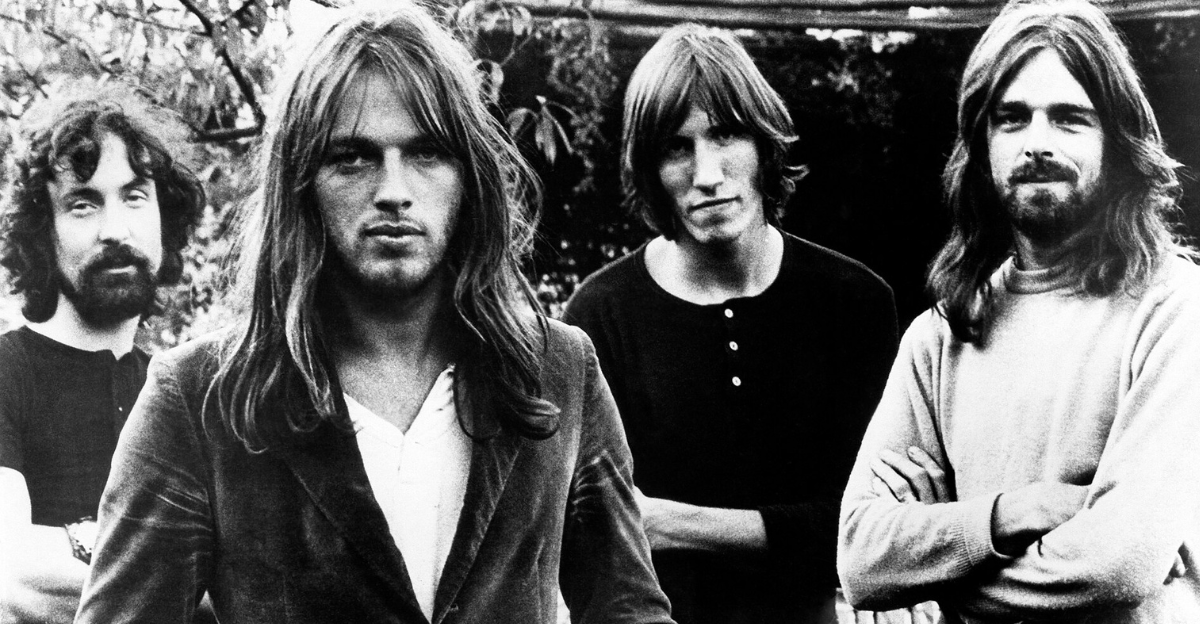 Unknown author, Wikimedia Commons
The Quiet Architect Of Pink Floyd’s Sound
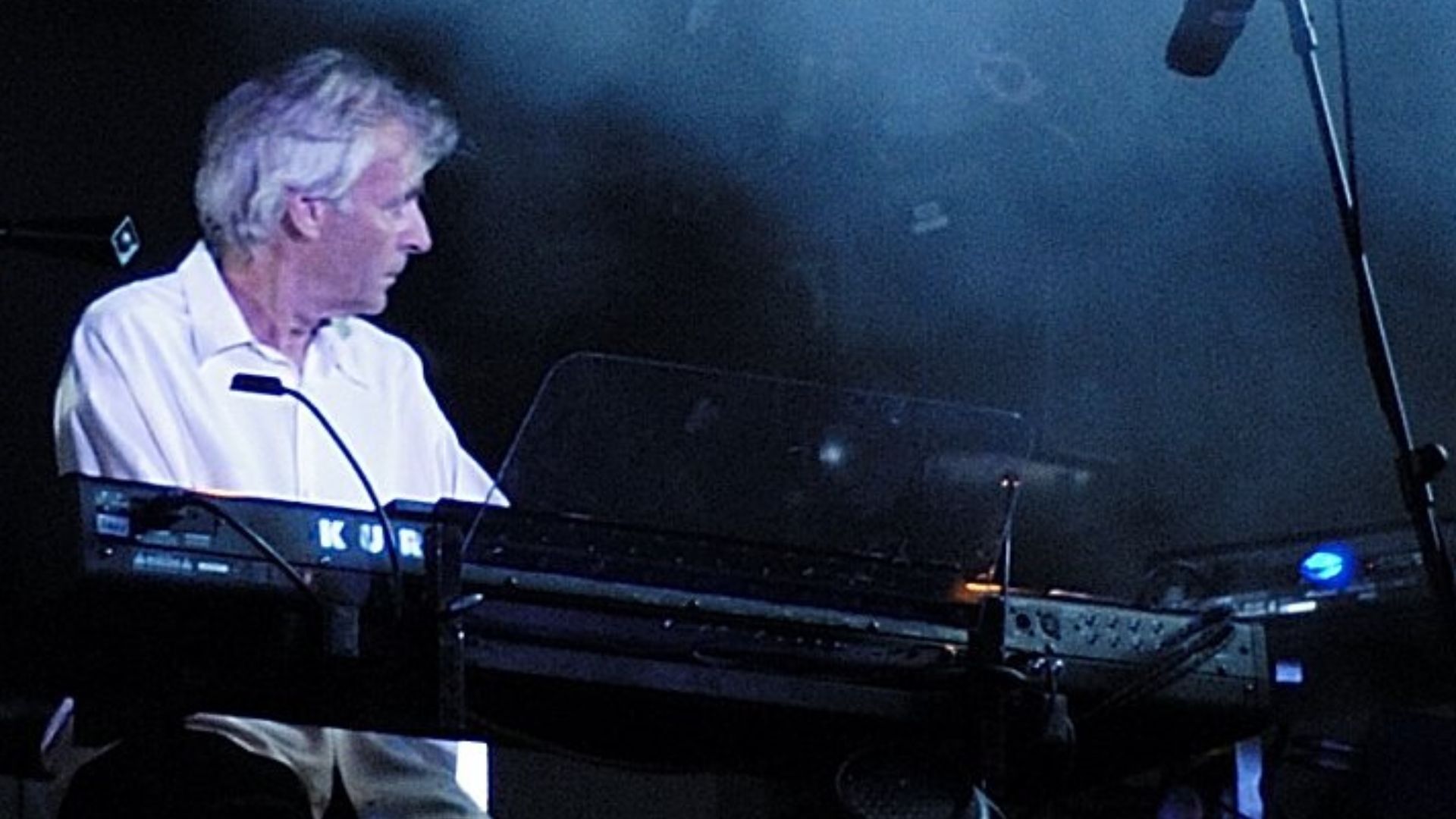
Rick Wright wasn’t the loudest member of Pink Floyd, but he was essential. His atmospheric keyboards shaped the band’s signature sound, from the dreamy textures of Us and Them to the haunting tones of Echoes. Without Wright, Pink Floyd’s sonic identity would have felt dramatically different.
 Deep Schism, Wikimedia Commons
Creative Tensions Begin To Boil
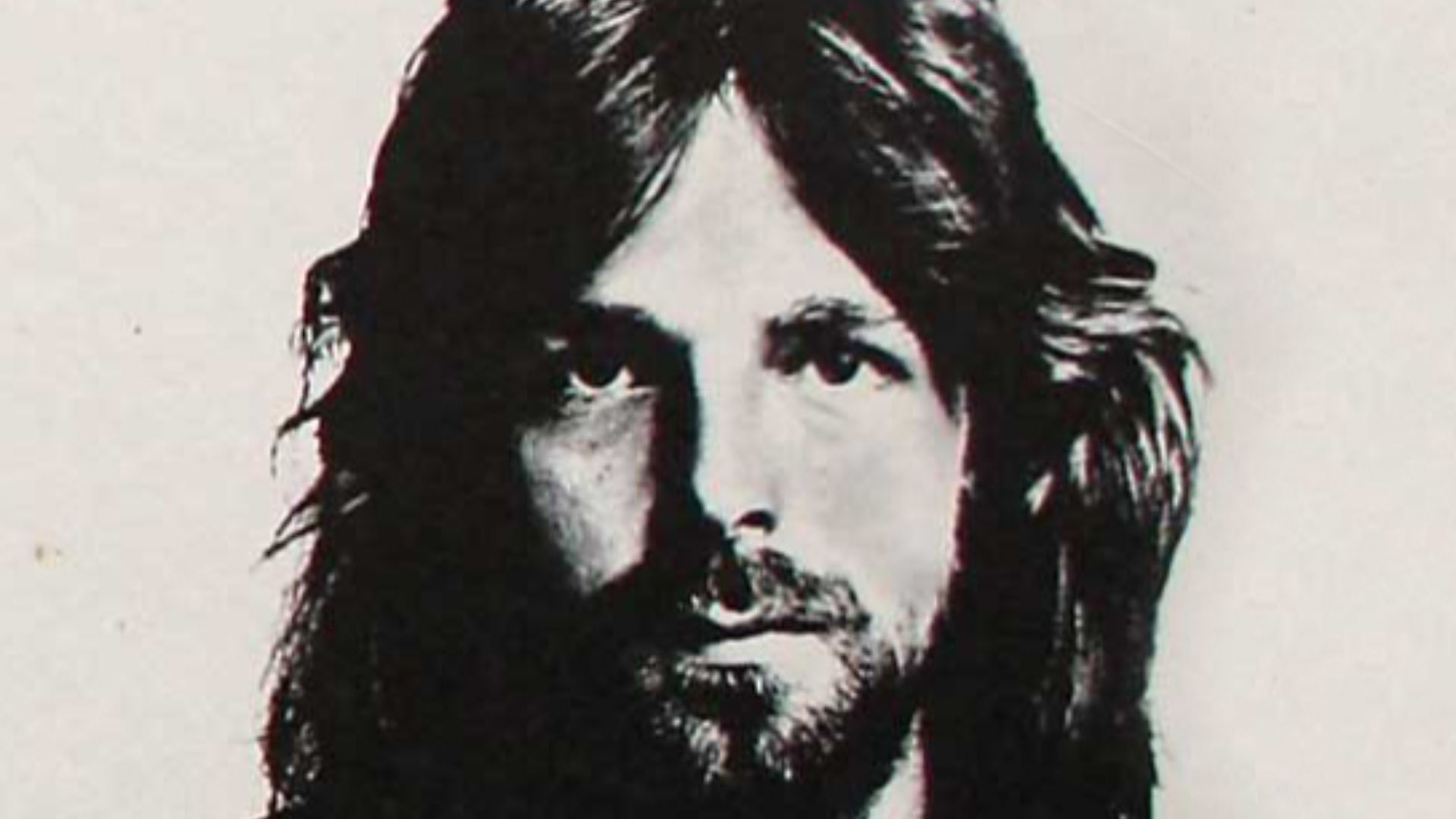
As Roger Waters took increasing control of the band’s direction, the collaborative spirit that once defined Pink Floyd started to erode. Wright, who had already begun to feel sidelined, struggled to keep up with the increasingly rigid expectations. Waters wanted precision and dominance—Wright preferred a more fluid, exploratory approach. That difference would soon become a breaking point.
 Capitol Records, Wikimedia Commons
The Concept Of The Wall Changes Everything
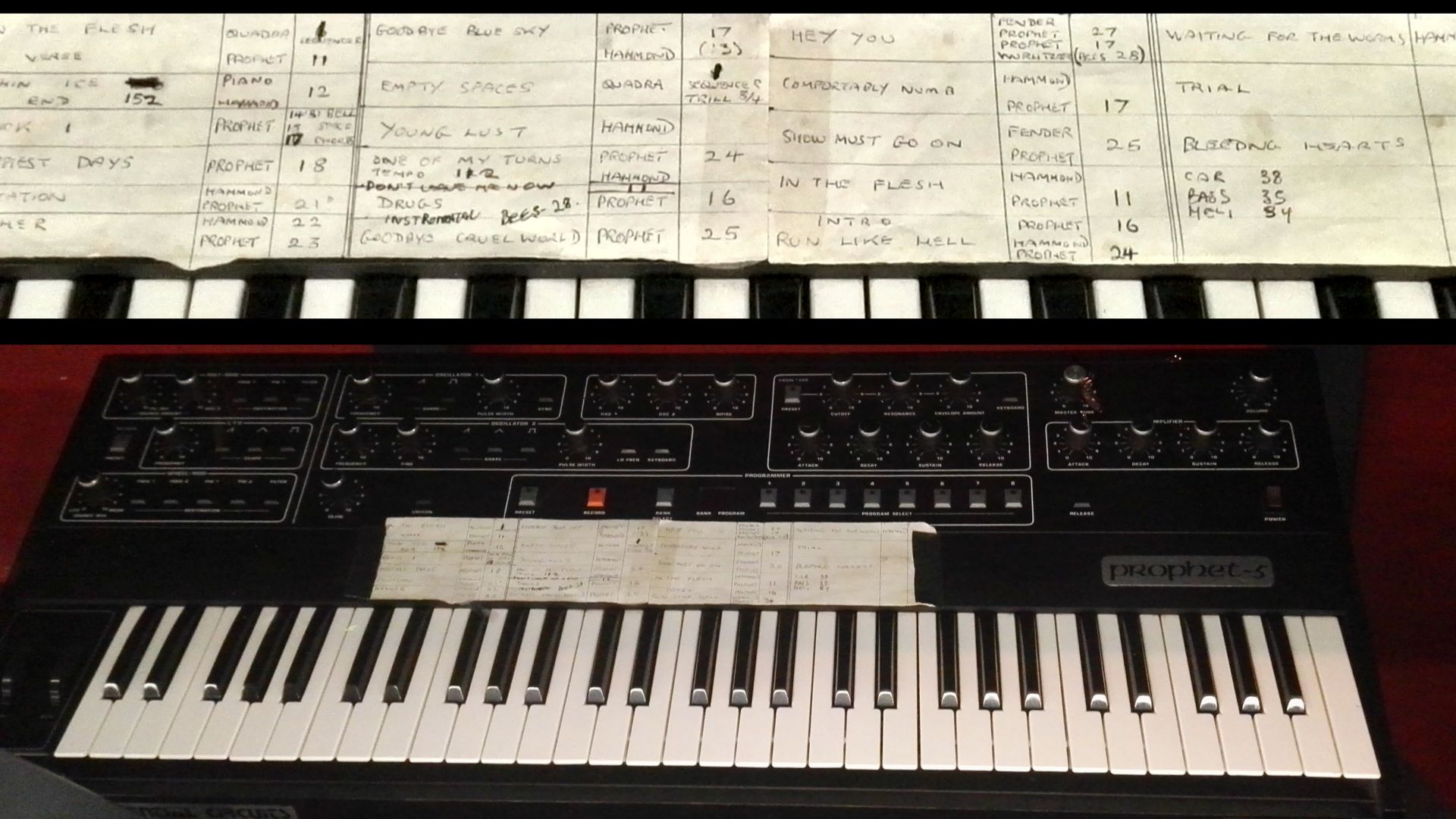
The Wall wasn’t just another album—it was Roger Waters’ deeply personal project. Built around themes of isolation, trauma, and psychological barriers, it demanded a unified vision. Unfortunately, that vision left little room for dissent or deviation. Wright found himself increasingly out of sync with the direction the band was heading.
 Michele Brina, Wikimedia Commons
Recording Sessions Turn Hostile
The recording process for The Wall was notoriously tense. Sessions dragged on, costs ballooned, and tempers flared. Wright, dealing with personal issues and struggling to contribute in the way Waters expected, became an easy target. What had once been a partnership now felt like a hierarchy.
 Deep Schism @ Flickr, Wikimedia Commons
Roger Waters Draws A Line
Eventually, Waters issued an ultimatum: Wright had to leave the band. It wasn’t framed as a suggestion—it was a demand. The rest of the band, already fractured and under pressure, didn’t push back hard enough to stop it. Wright was effectively forced out during the album’s production.
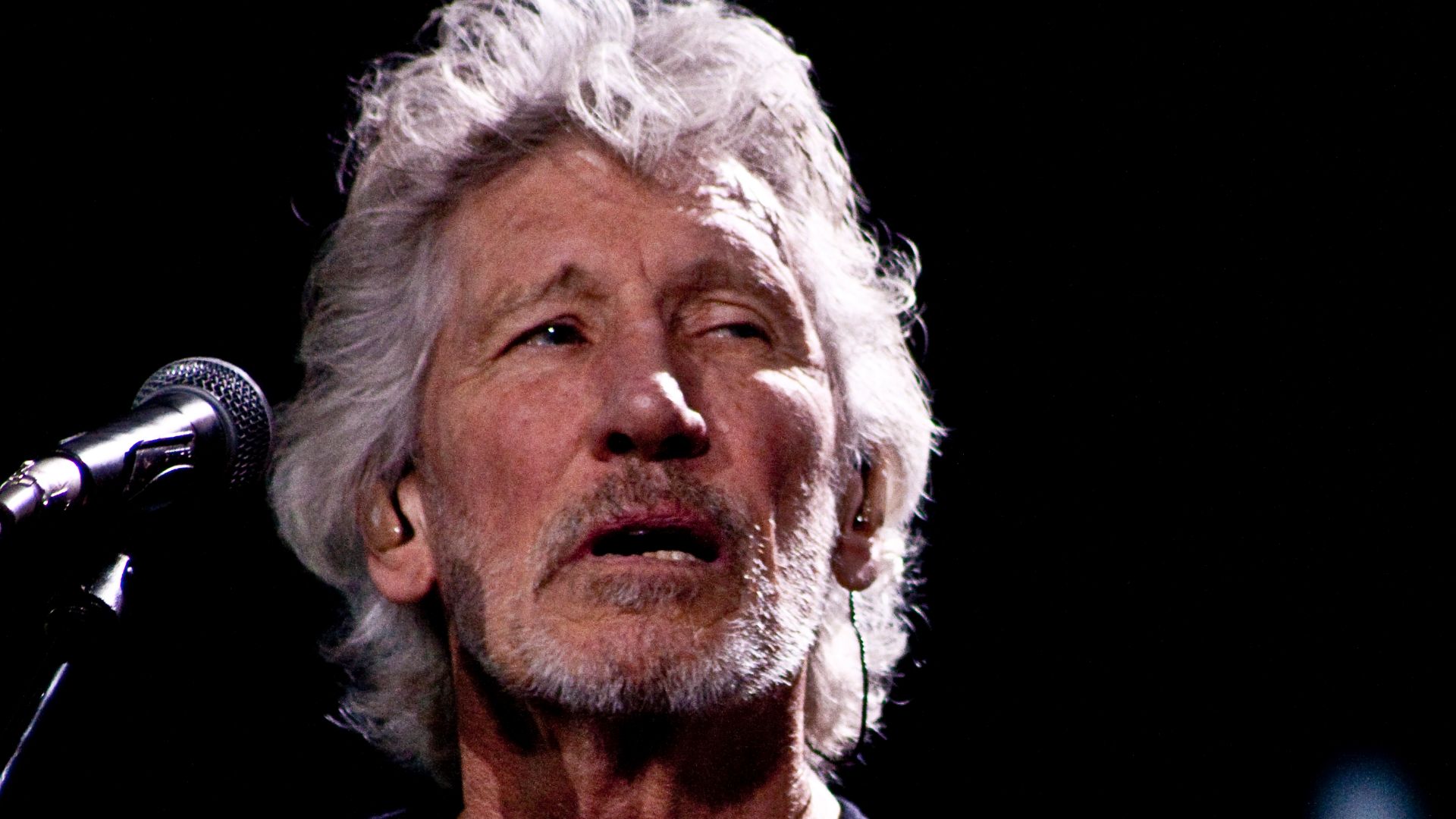 Andres Ibarra, Wikimedia Commons
Fired… But Not Gone
Here’s where things take a surreal turn. Even after being dismissed as a full member, Wright still played on The Wall. He contributed keyboards to the album, but no longer as an equal. Instead, he was rehired as a salaried session musician—a hired hand in the band he helped build.
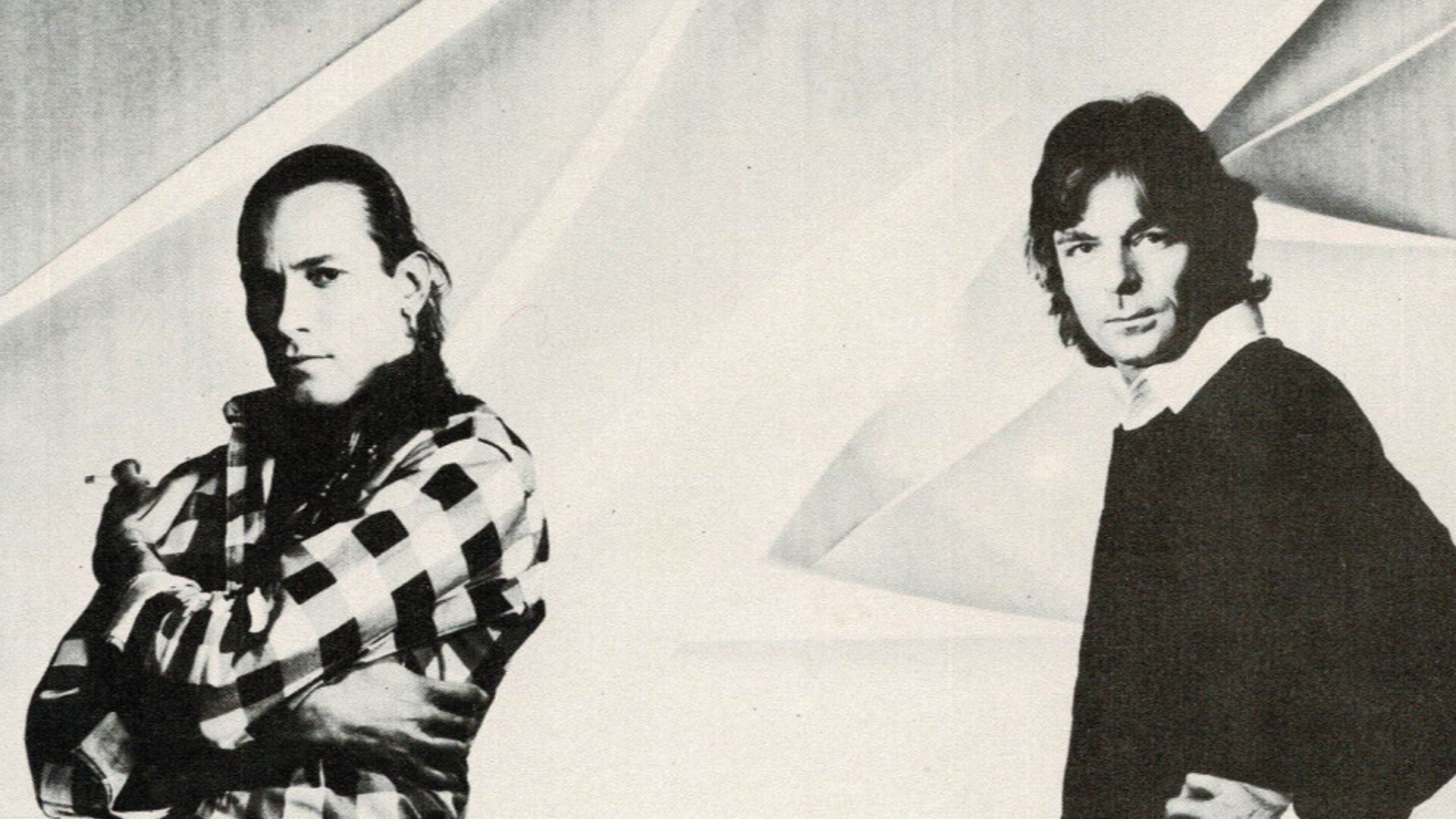 Harvest Records, Wikimedia Commons
A Ghost In His Own Band
Imagine being part of a group that reshaped music history, only to return as an employee. Wright’s role during The Wall era was exactly that—present, contributing, but stripped of ownership. He was there in sound but absent in status. It was one of the strangest arrangements in rock history.
 Majalah Aktuil, Wikimedia Commons
The Only Member Paid During The Tour
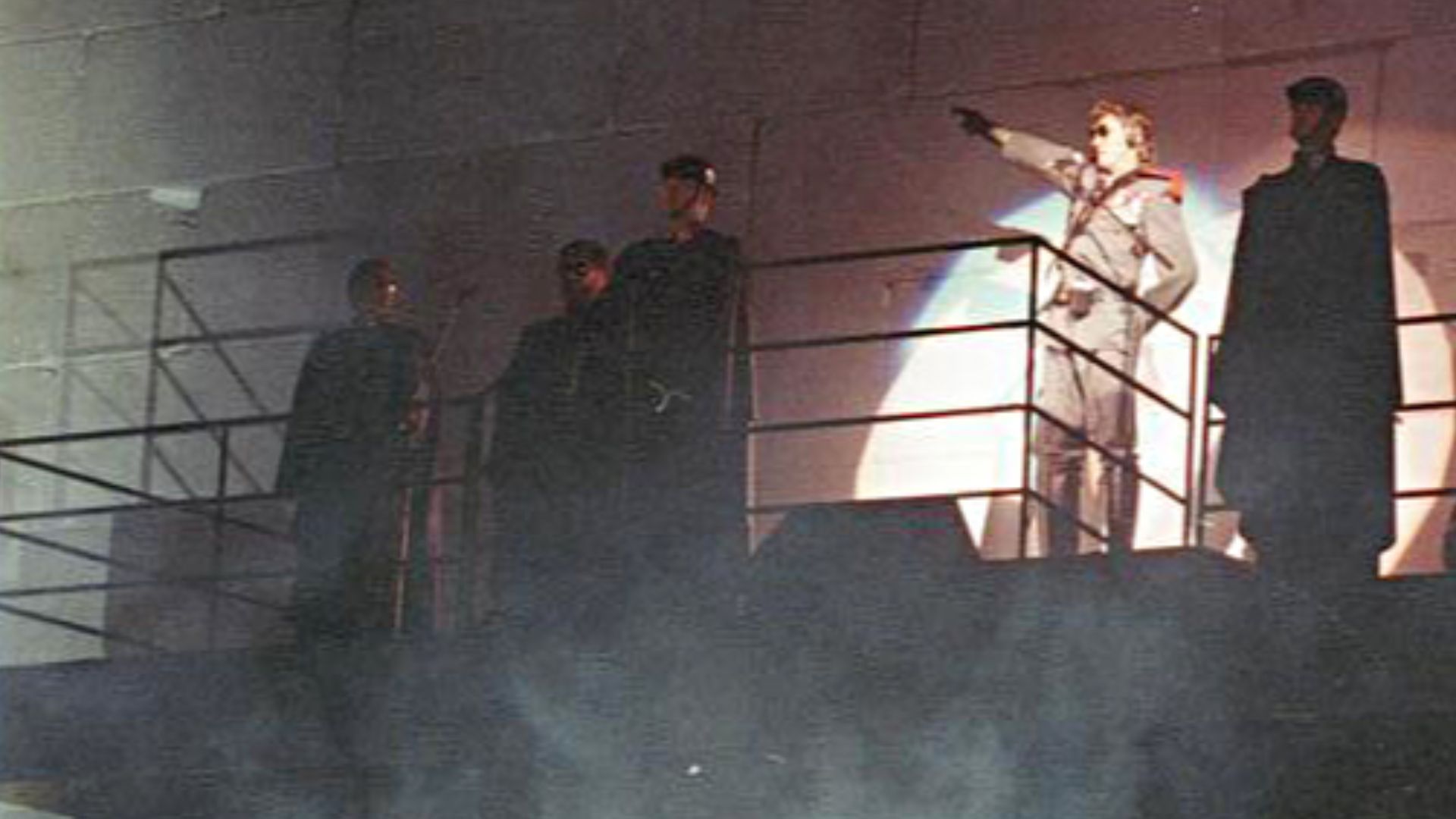
Ironically, Wright ended up being the only member of Pink Floyd who made money from The Wall tour. Because he was technically a salaried musician, he was paid for performances while the band itself absorbed massive financial losses from the production. It was a twist no one could have predicted.
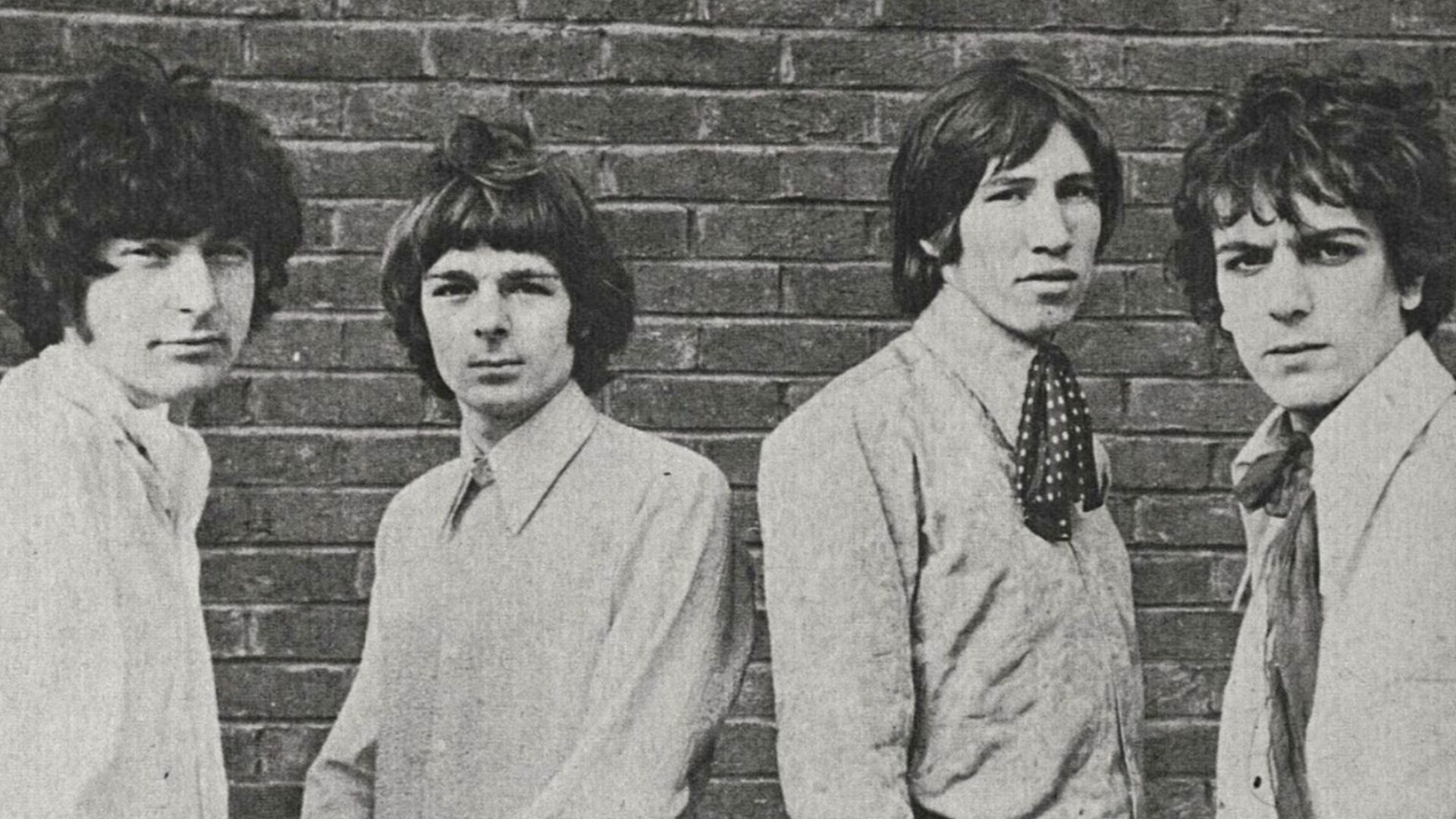
Financial Chaos Behind The Scenes
The The Wall tour was incredibly expensive, featuring elaborate stage designs, animations, and theatrical elements. Costs spiraled out of control, and profits were slim to nonexistent. While the official band members felt the financial strain, Wright’s fixed salary insulated him from the chaos.
 Roeske, Robert, Wikimedia Commons
Personal Struggles Behind The Curtain
Wright’s dismissal wasn’t just about creative differences. He was also dealing with personal issues, including a divorce and a general lack of motivation during the recording sessions. These struggles affected his contributions and gave Waters further justification to push him out.

A Band No Longer United
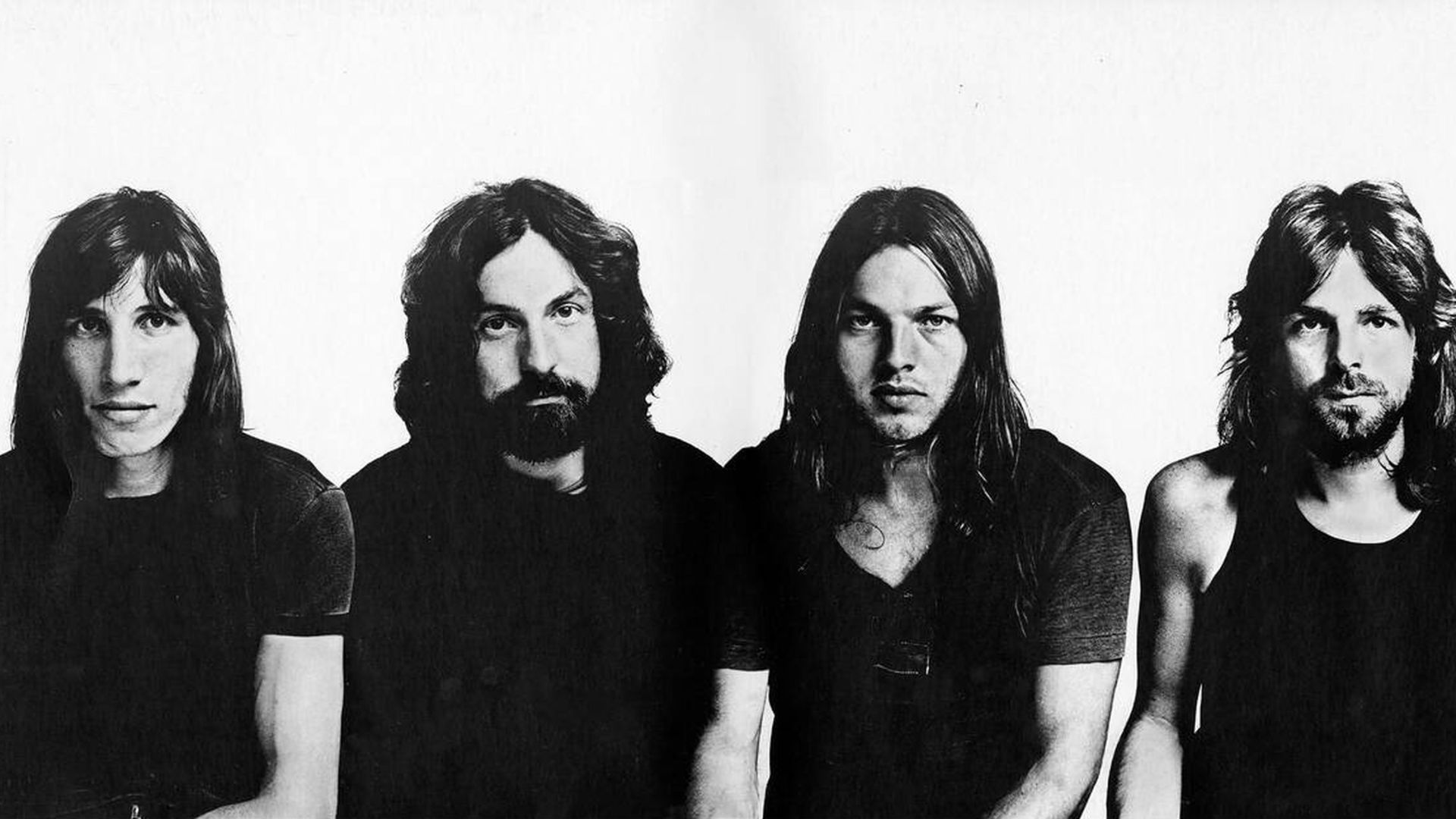
By the time The Wall was completed, Pink Floyd barely resembled a cohesive group. Communication had broken down, trust was fractured, and collaboration was minimal. Wright’s departure symbolized the larger disintegration happening within the band.
 Capitol Records, Wikimedia Commons
The Album Still Becomes Legendary
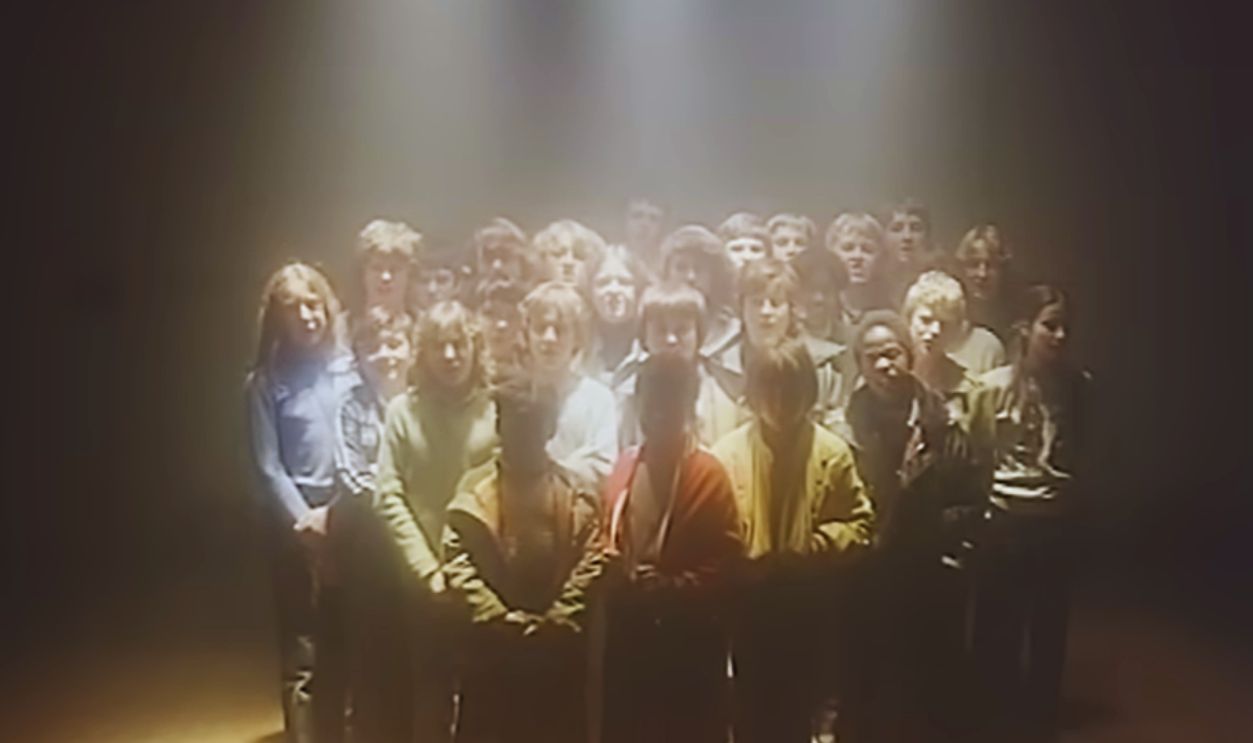
Despite the turmoil, The Wall became one of Pink Floyd’s most iconic works. Its themes resonated globally, and tracks like Another Brick in the Wall, Part 2 became cultural touchstones. Wright’s contributions, though diminished, were still woven into the album’s DNA.
 Screenshot from Another Brick in the Wall (Part2), Sony Music Entertainment (1979)
Minimal Credit, Maximum Impact
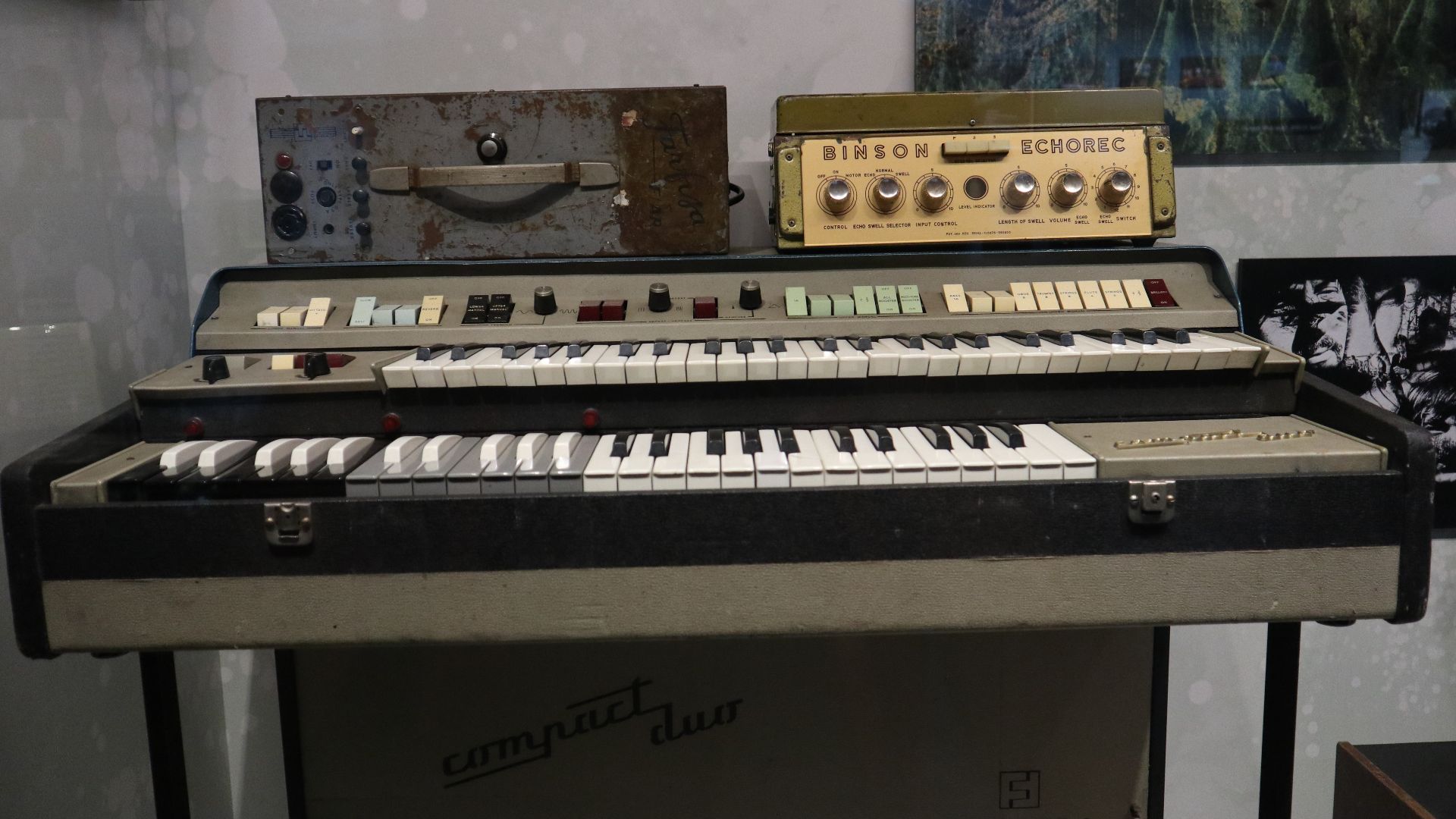
Even as a salaried player, Wright’s keyboard work remained crucial. His textures and tones helped maintain the emotional depth that defined Pink Floyd’s sound. It’s a reminder that influence doesn’t always disappear just because recognition does.
The Strange Dynamics Of Power
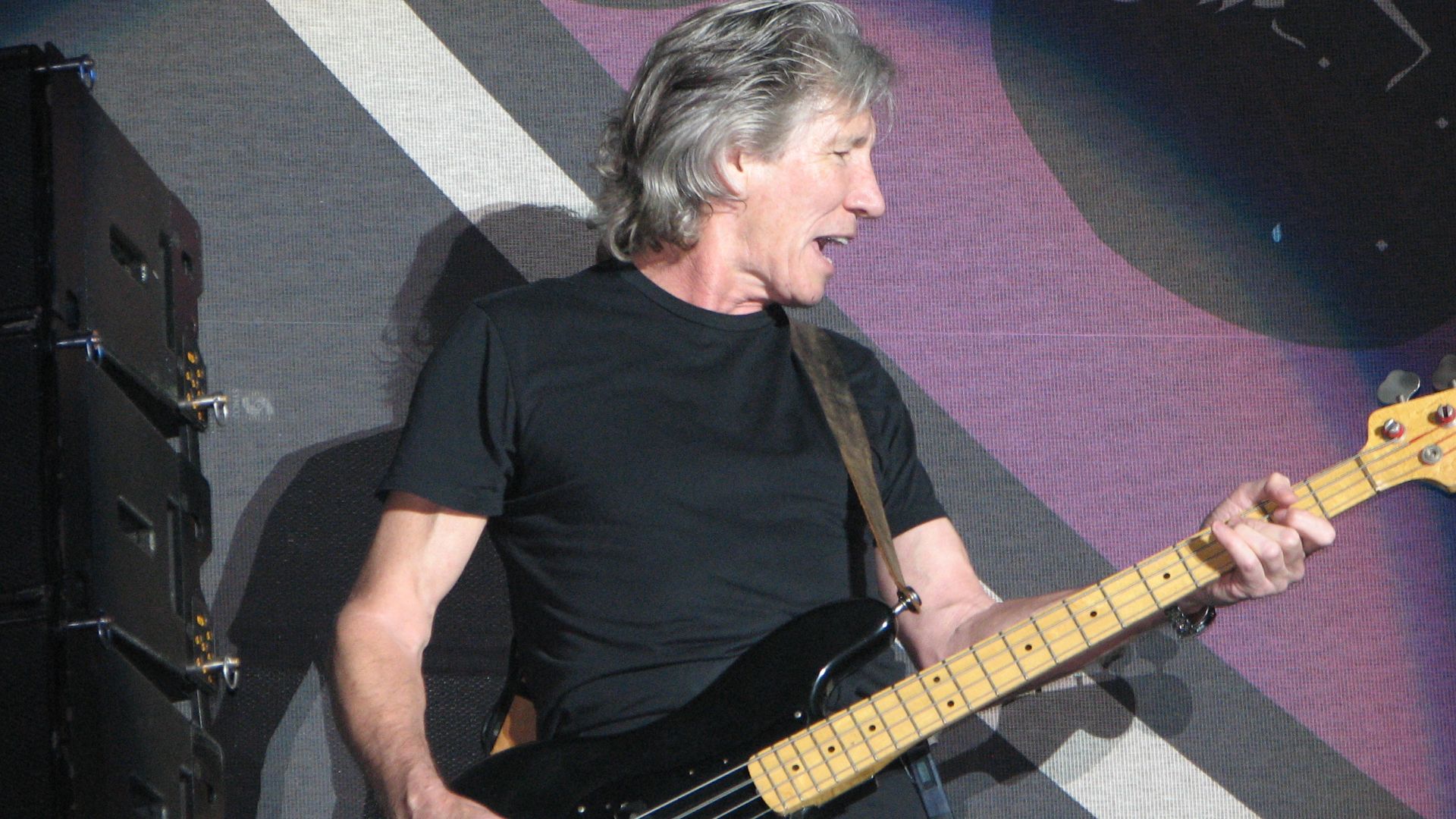
The situation highlighted just how much control Roger Waters had assumed. Decisions were no longer democratic—they were dictated. Wright’s firing wasn’t just a personnel change; it was a shift in how Pink Floyd operated as a band.
Life After The Exit
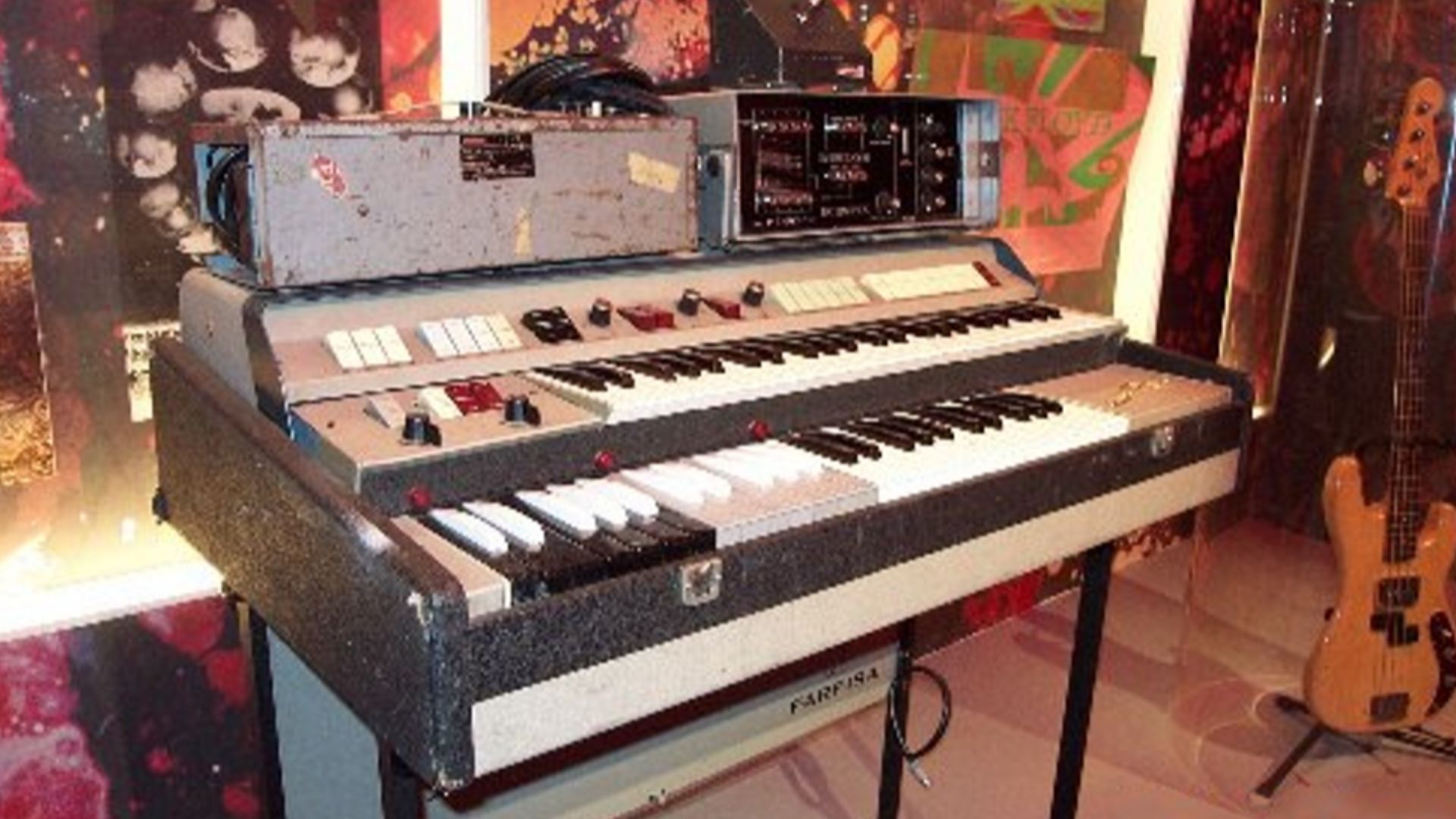
After The Wall, Wright stepped away from Pink Floyd entirely for a time. He worked on solo projects and tried to rebuild his identity outside the band that had defined much of his career. It was a quiet period, but not an unproductive one.
 Benoit Darcy from Paris, France, Wikimedia Commons
The Band Moves Forward Without Him
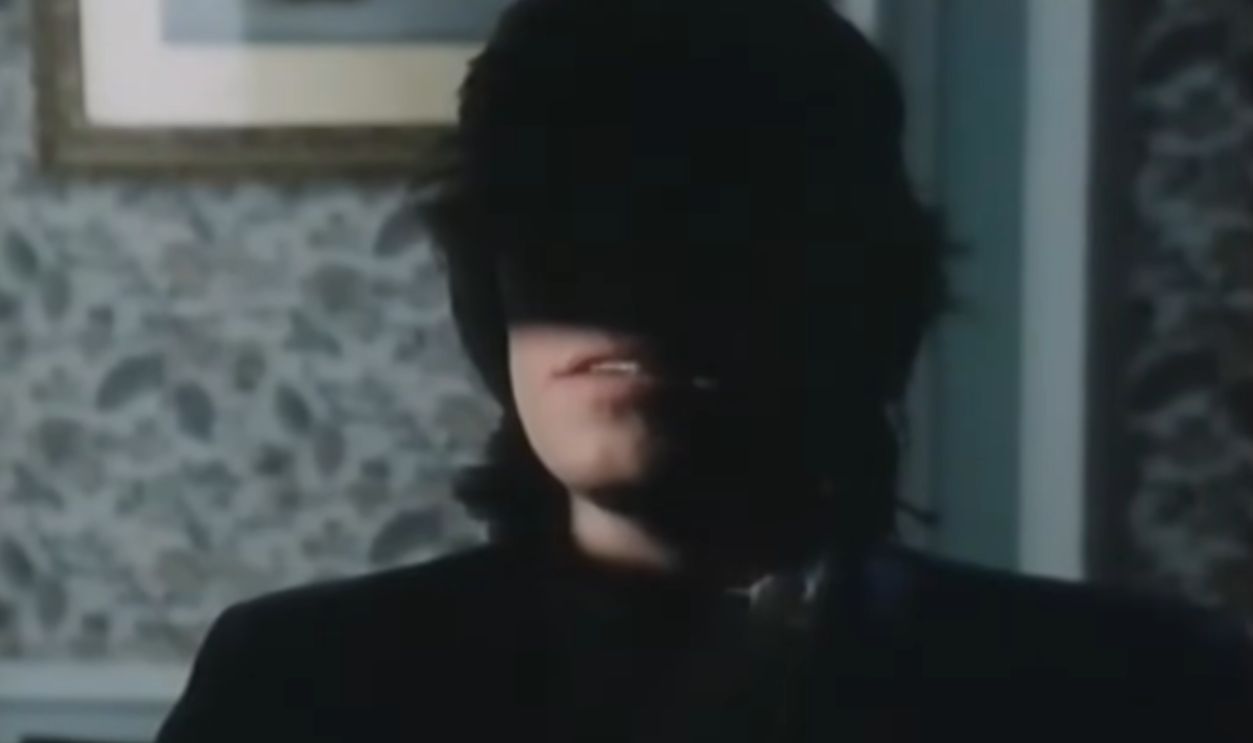
Pink Floyd continued without Wright on The Final Cut, an album that leaned even further into Waters’ vision. The absence of Wright’s signature sound was noticeable, giving the record a different tonal feel. It underscored just how integral he had been.
 Screenshot from The Final Cut, Columbia (1983)
A Gradual Return To The Fold
In the mid-1980s, after Roger Waters left the band, Wright rejoined Pink Floyd. This time, the dynamics were different. The band moved toward a more collaborative approach again, and Wright regained his place as a full member.
 Alterna2 http://www.alterna2.com, Wikimedia Commons
Redemption On Later Albums
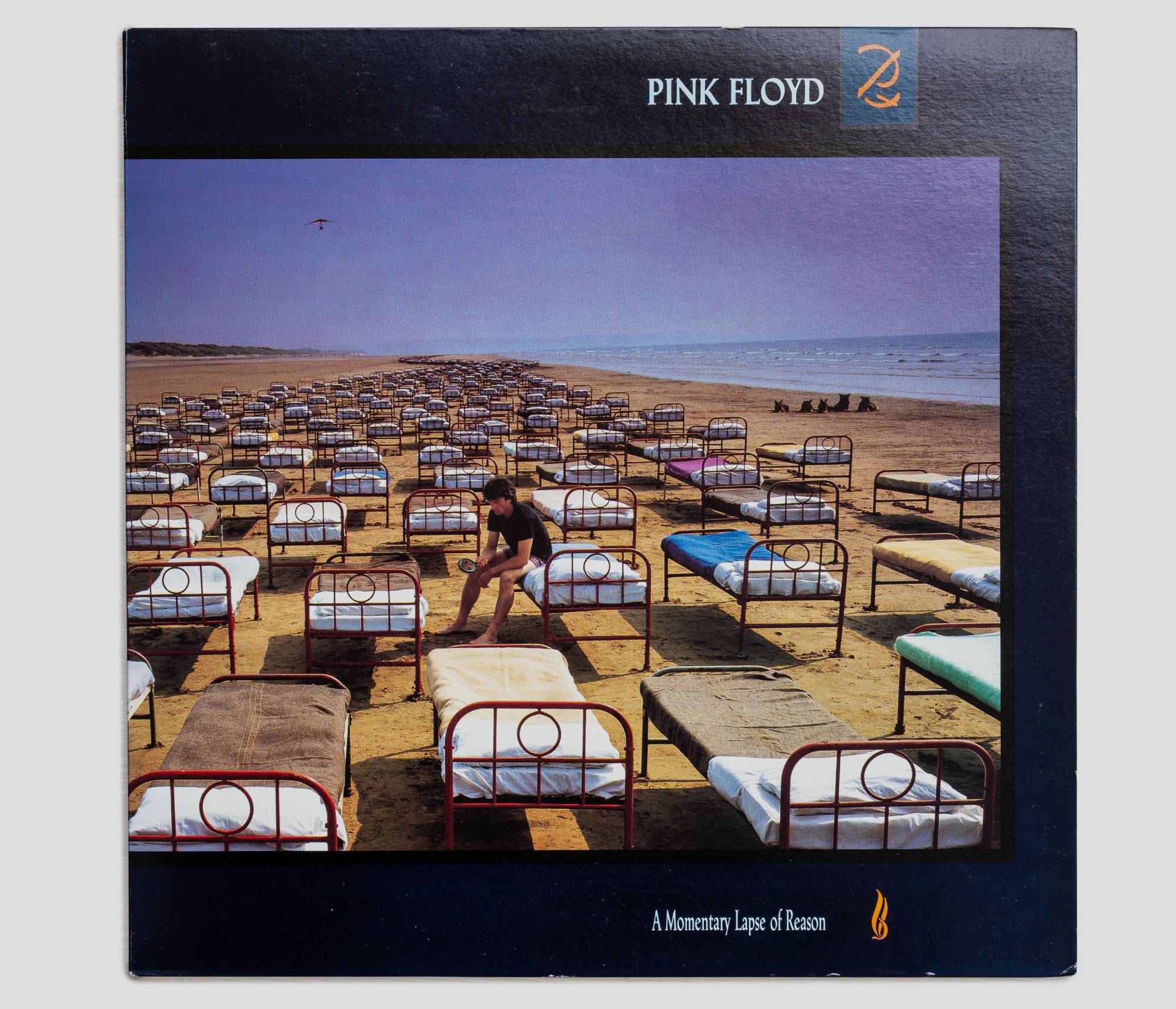
Wright contributed to albums like A Momentary Lapse of Reason and The Division Bell, helping restore some of the classic Pink Floyd sound. His return wasn’t just symbolic—it was sonic. Fans could hear the difference immediately.
The Legacy Of A Complicated Chapter
Wright’s firing and rehiring during The Wall era remains one of the most unusual stories in music history. It’s a tale of creative conflict, shifting power, and the cost of artistic control. And at its center is a musician who never stopped contributing—even when he was pushed aside.
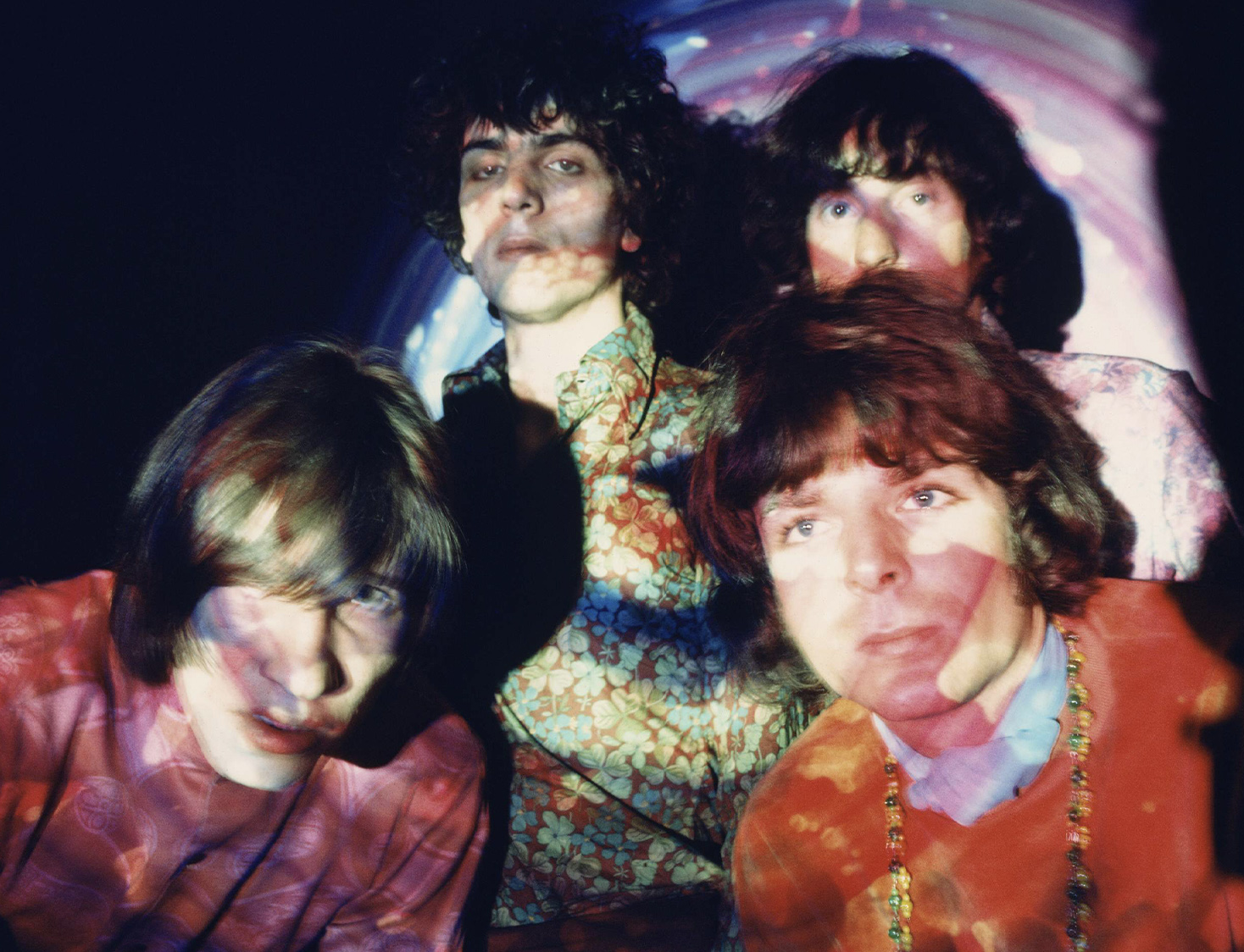 Andrew Whittuck/Redferns, Getty Images
The Sound That Never Left
Even when treated as an outsider, Wright’s influence never truly disappeared. His style, his tone, and his musical instincts remained embedded in Pink Floyd’s identity. You can remove the person, but the sound lingers.

More Than Just A Ghost
Calling Wright a “ghost” in his own band feels accurate—but also incomplete. He wasn’t just haunting the music; he was still shaping it. And in the end, his quiet resilience ensured that his legacy remained firmly intact, even after one of the strangest chapters in rock history.
You May Also Like:
Hit Songs From The 90s That Everyone Knows—But Nobody Remembers The Artist
Bands Who Left A Mark That Still Shapes Music Today