Fleetwood Mac Didn’t Start as a Pop Band
Fleetwood Mac didn’t start as a pop band. It started with Peter Green—a blues guitarist who terrified Eric Clapton. He built the band, led it, and shaped everything it was meant to be. Then he disappeared. What followed wasn’t reinvention—it was a quiet collapse into schizophrenia that erased one of rock’s most gifted minds.
Clapton’s Heir Apparent
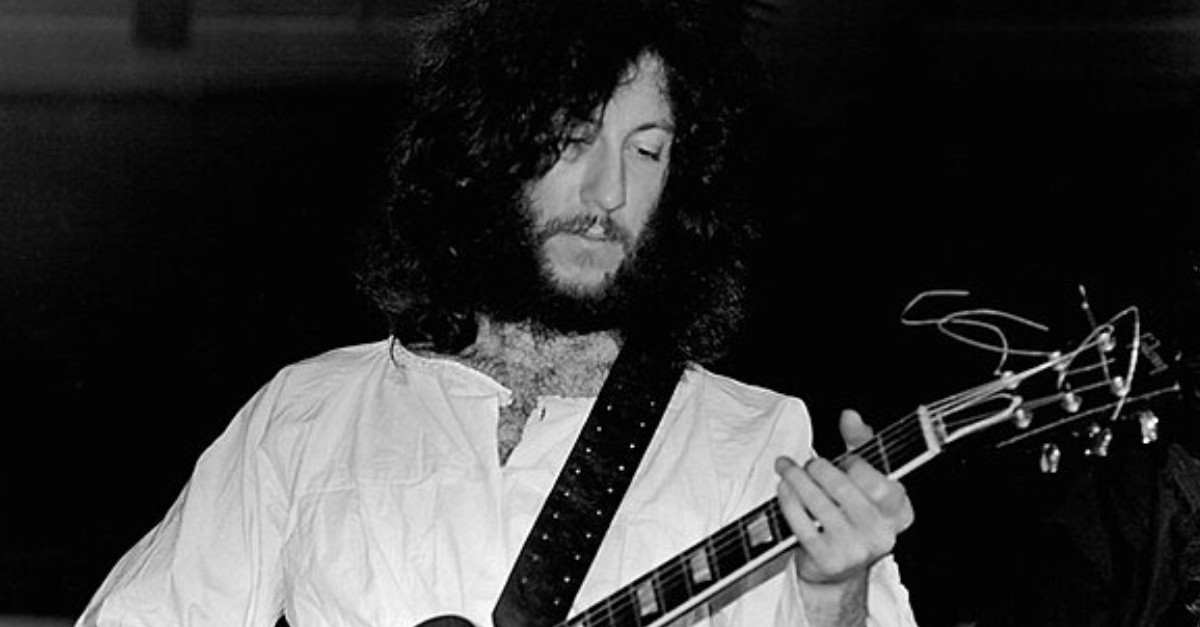
When Peter Green replaced Eric Clapton in John Mayall’s Bluesbreakers, expectations were unforgiving. Green didn’t just rise to them—he unsettled people. Clapton later admitted, “He was the only one who ever scared me.” Green’s playing wasn’t about speed or flash. It was about control, space, and emotional pressure.
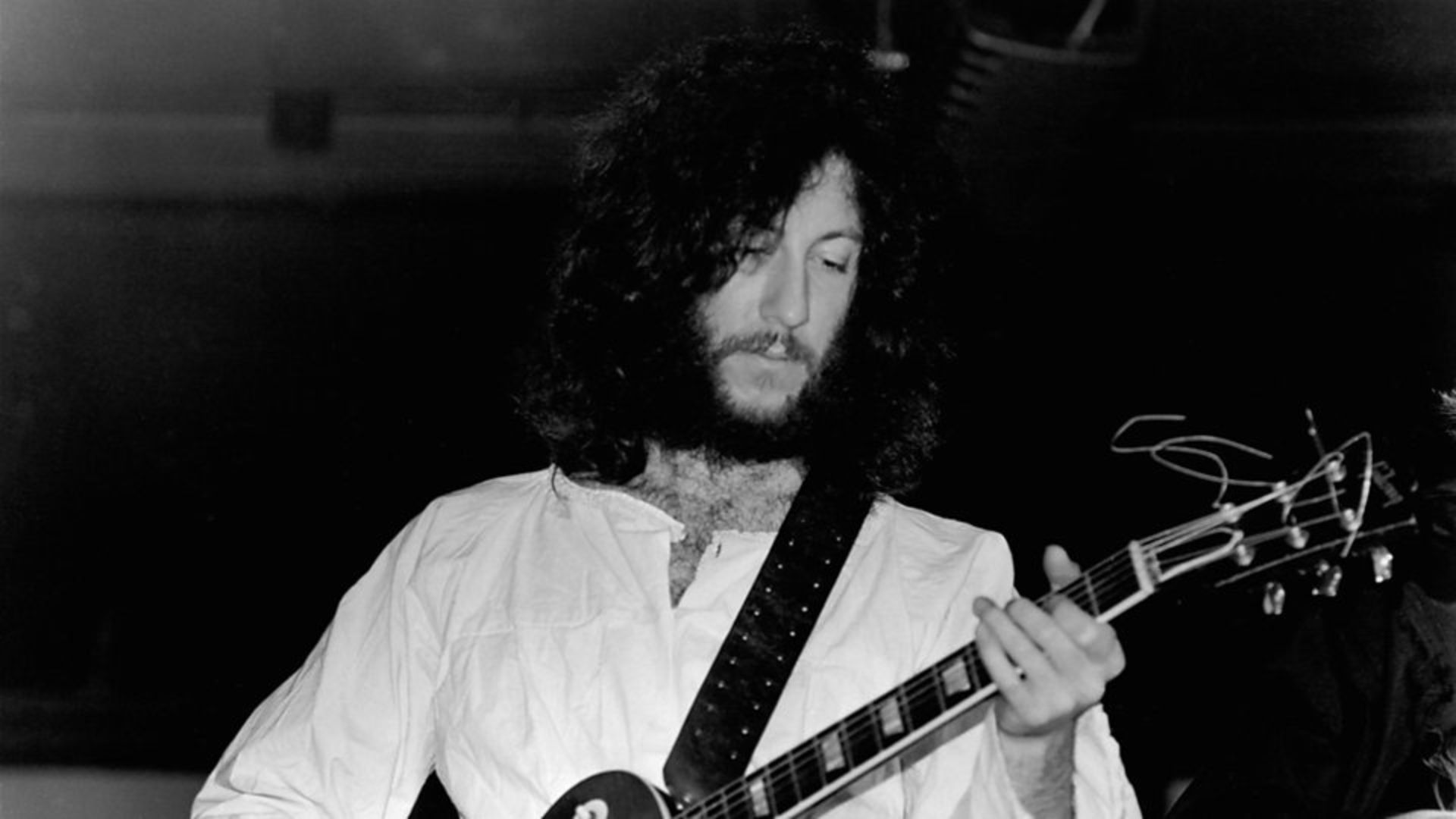 Nick contador, Wikimedia Commons
Fleetwood Mac Starts as a Blues Band
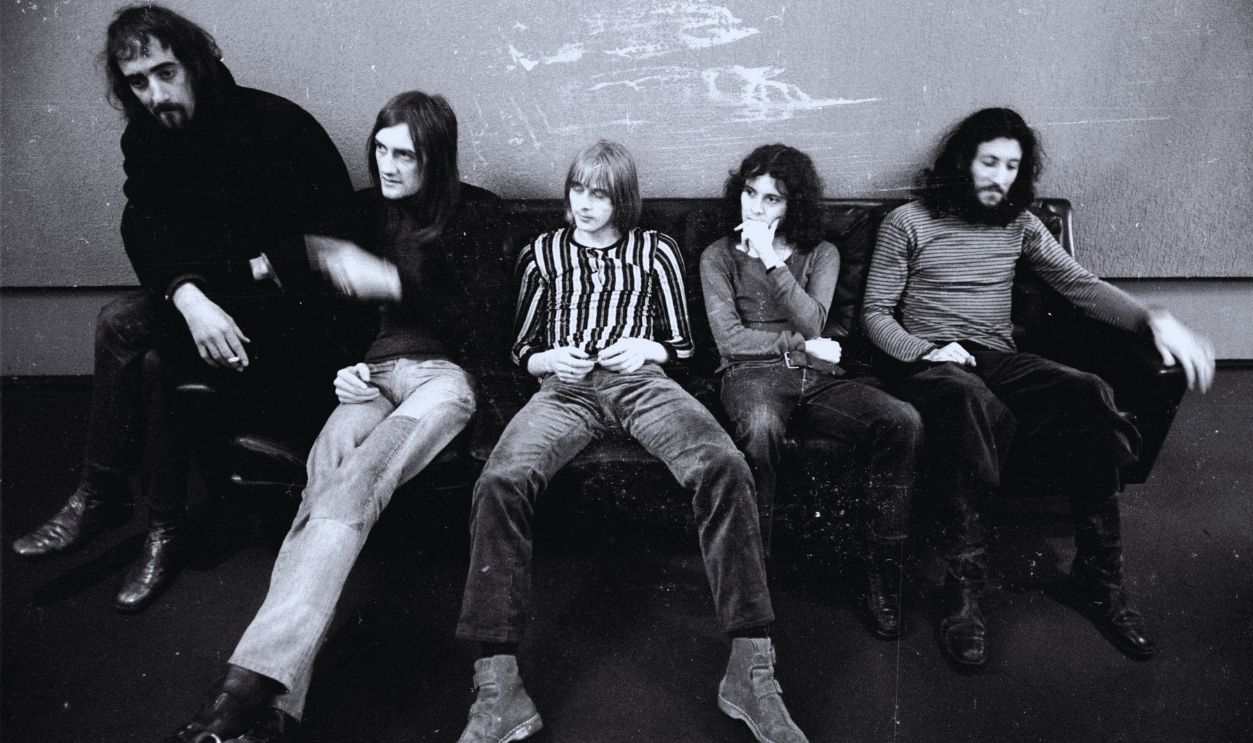
Fleetwood Mac formed in 1967 as a serious British blues band, not a pop project. Though named after Mick Fleetwood and John McVie, the group revolved around Green’s songwriting and musical direction. He led quietly but decisively, shaping the band’s sound before it ever became commercially successful.
 Michael Ochs Archives, Getty Images
Music That Felt Emotionally Exposed
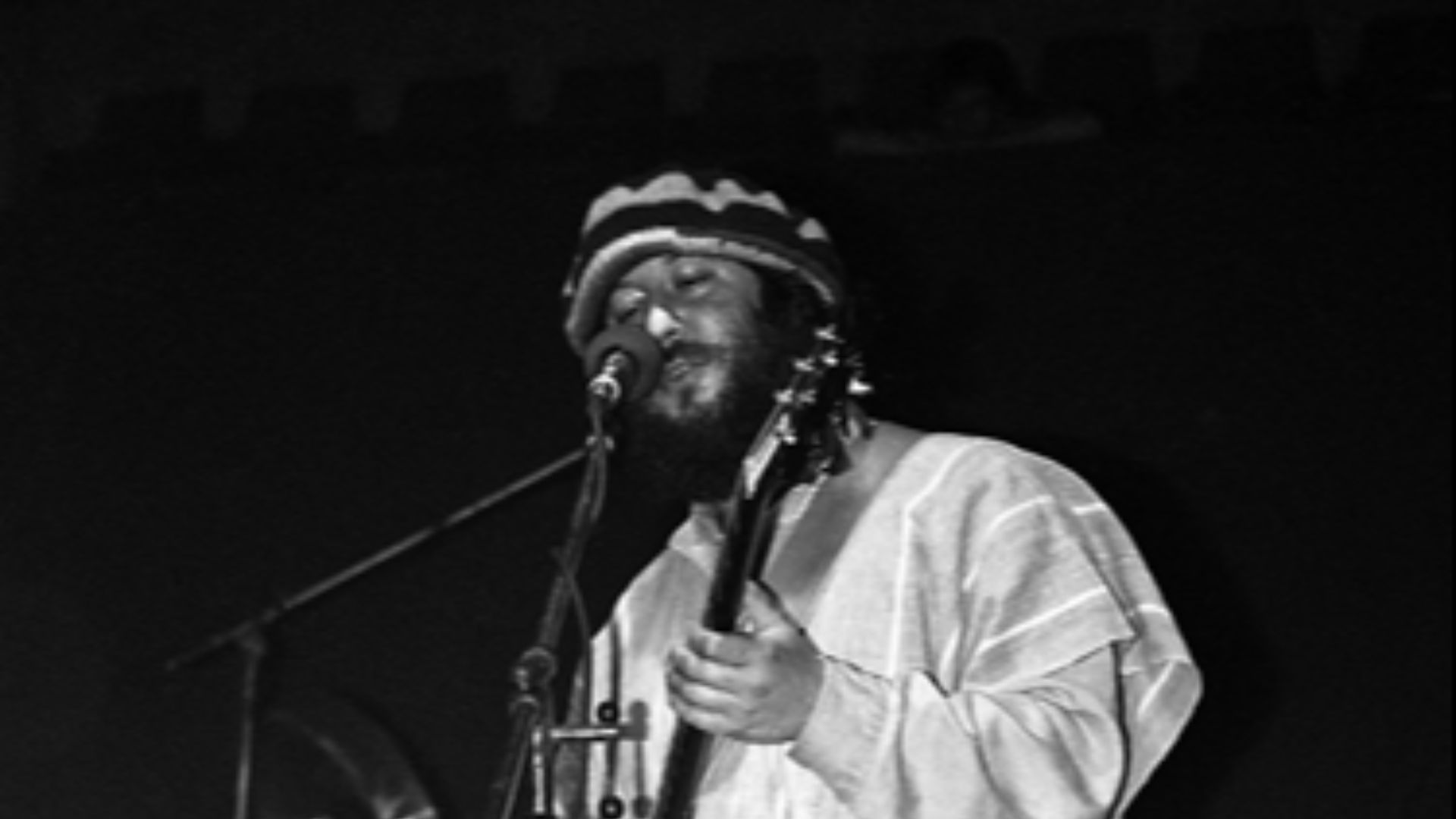
Green’s songs stood apart because they avoided dramatics. Albatross and Man of the World felt unresolved, intimate, and emotionally bare. They suggested loneliness rather than declaring it outright. Even during moments of commercial success, his writing hinted at inner conflict rather than triumph.
 Zoran Veselinovic, Wikimedia Commons
Success Becomes a Source of Tension
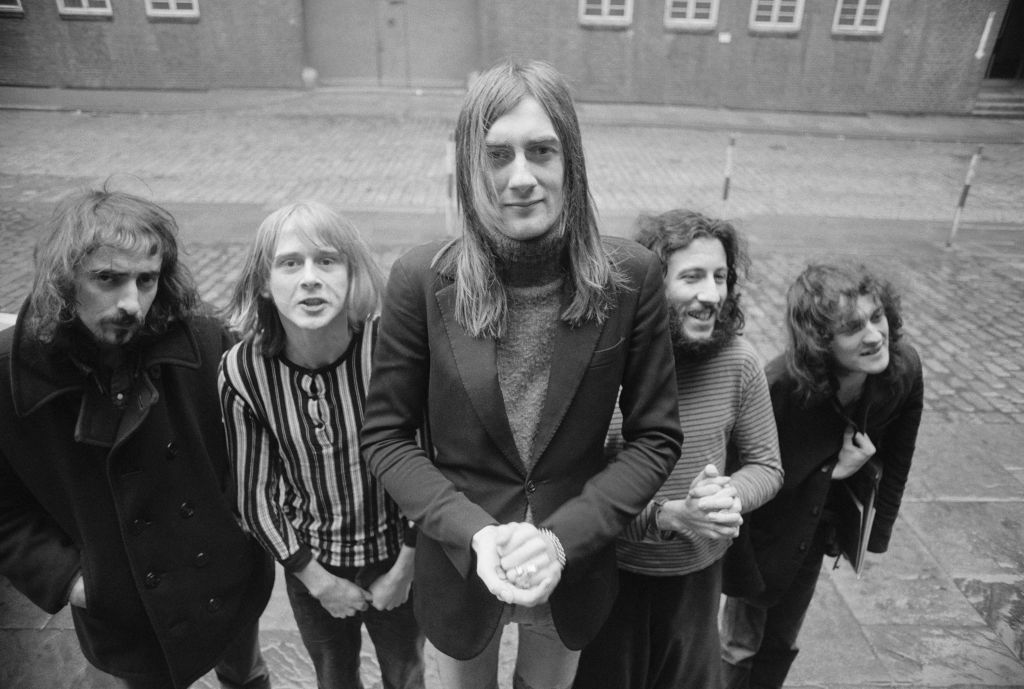
Fleetwood Mac’s rapid rise made Green increasingly uneasy. Money and attention felt uncomfortable, even corrupting. He once said, “I didn’t want to be rich. I wanted to be happy.” Fame didn’t energize him—it amplified doubts he couldn’t articulate or escape.
 Michael Ochs Archives, Getty Images
The Munich "Trip"
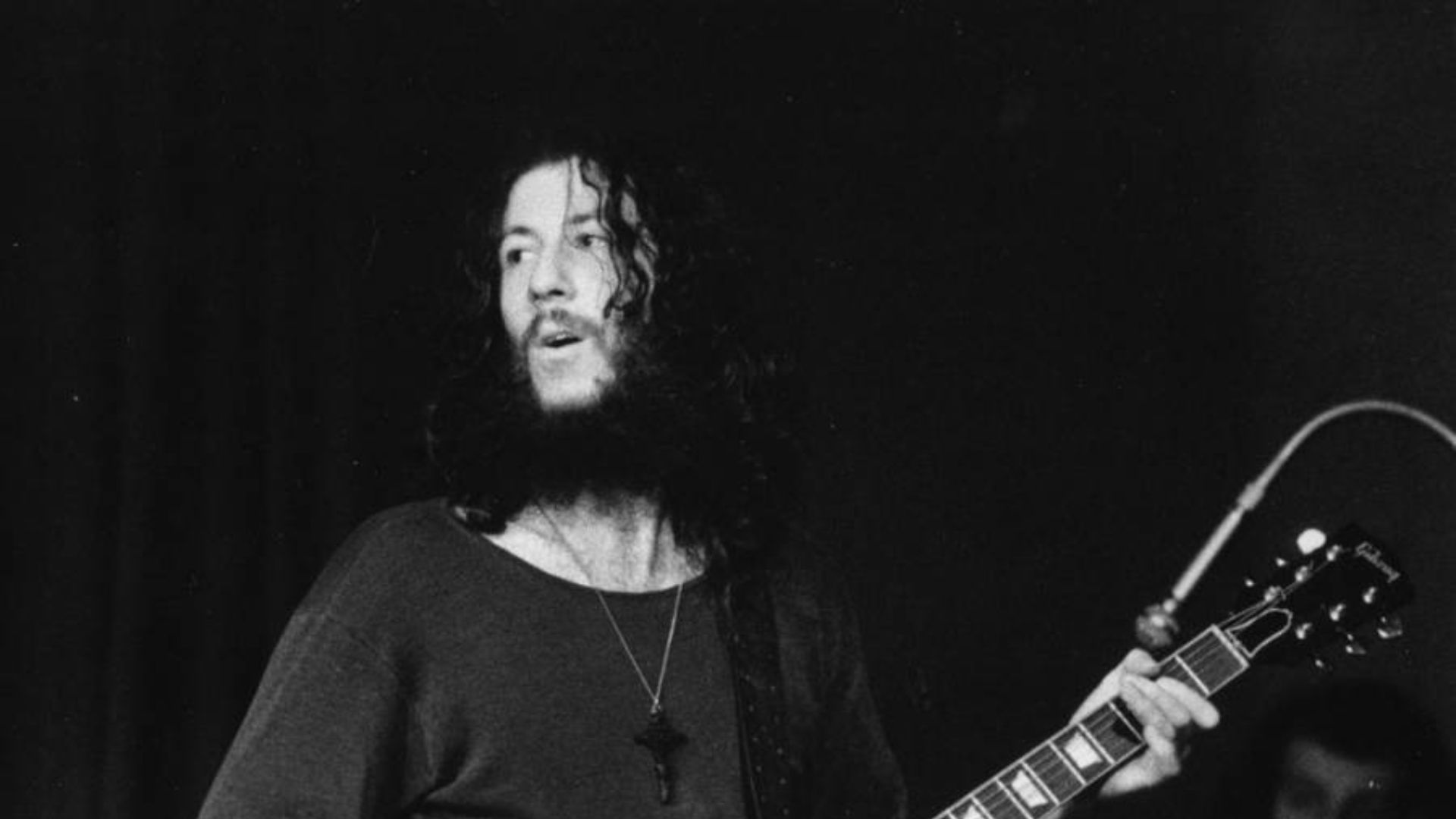
In 1970, Green attended a party in Munich where he took a heavy dose of hallucinogens. Friends later pointed to this night as a turning point. While drugs didn’t cause schizophrenia, many believe the experience accelerated a psychological break that was already developing beneath the surface.
 Nick contador, Wikimedia Commons
Behavior That Alarmed the Band
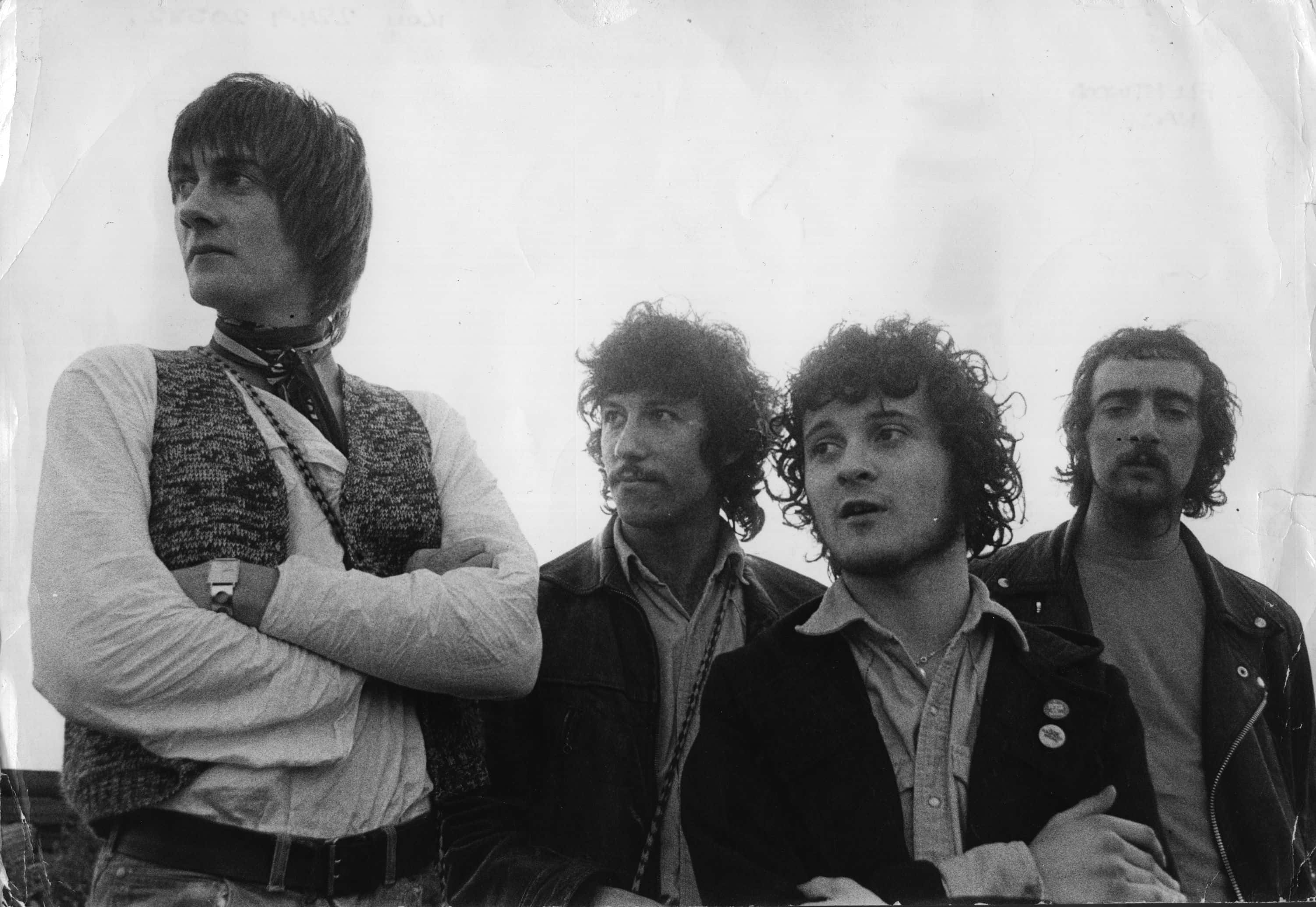
After Munich, Green’s behavior changed noticeably. He became withdrawn, suspicious, and difficult to communicate with. Conversations grew disjointed. Bandmates sensed something was seriously wrong, but mental illness—especially schizophrenia—was poorly understood in the music world at the time.
 Keystone Features, Getty Images
Fixation on Money and Morality
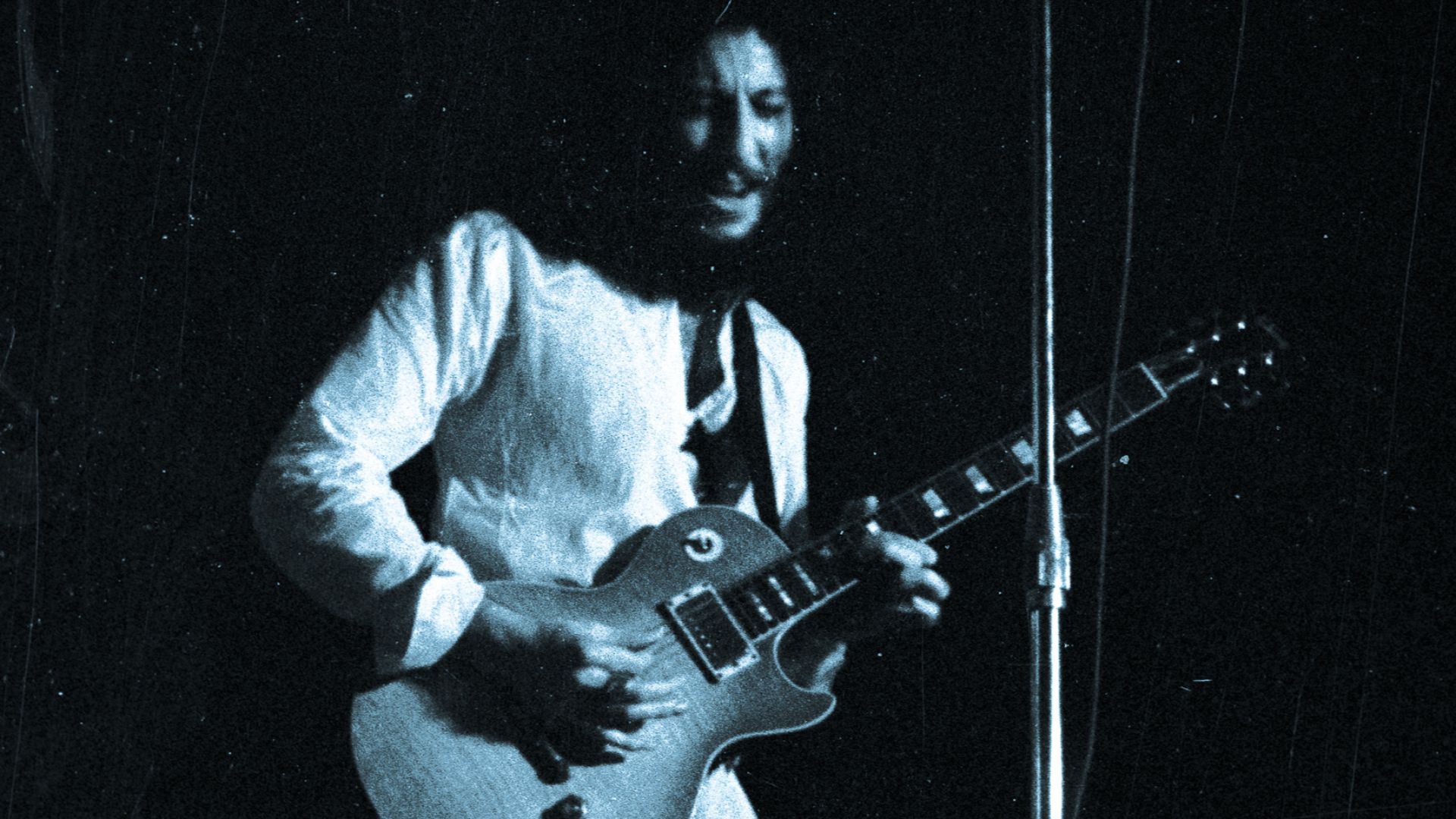
Green became obsessed with the idea that money was inherently corrupt. He repeatedly urged Fleetwood Mac to give away its earnings and reject wealth altogether. What began as a philosophical concern hardened into an inflexible belief, widening the gap between Green and the rest of the band.
 W.W.Thaler - H. Weber, Hildesheim, Wikimedia Commons
Leaving Fleetwood Mac Abruptly
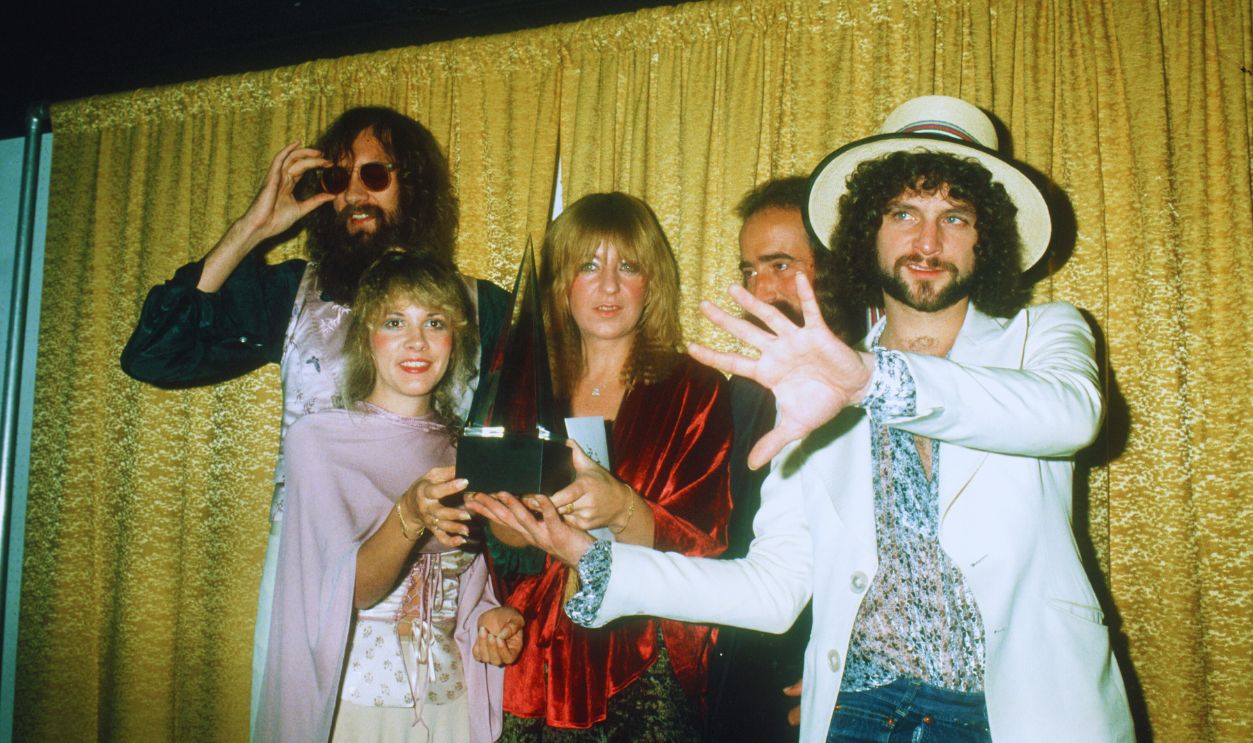
In May 1970, Peter Green quit Fleetwood Mac with little explanation. There was no public meltdown, no farewell tour. He simply walked away from the band he had created. For fans and bandmates alike, the departure felt sudden, confusing, and deeply unsettling.
 Michael Ochs Archives, Getty Images
A Diagnosis Brings Clarity—and Fear
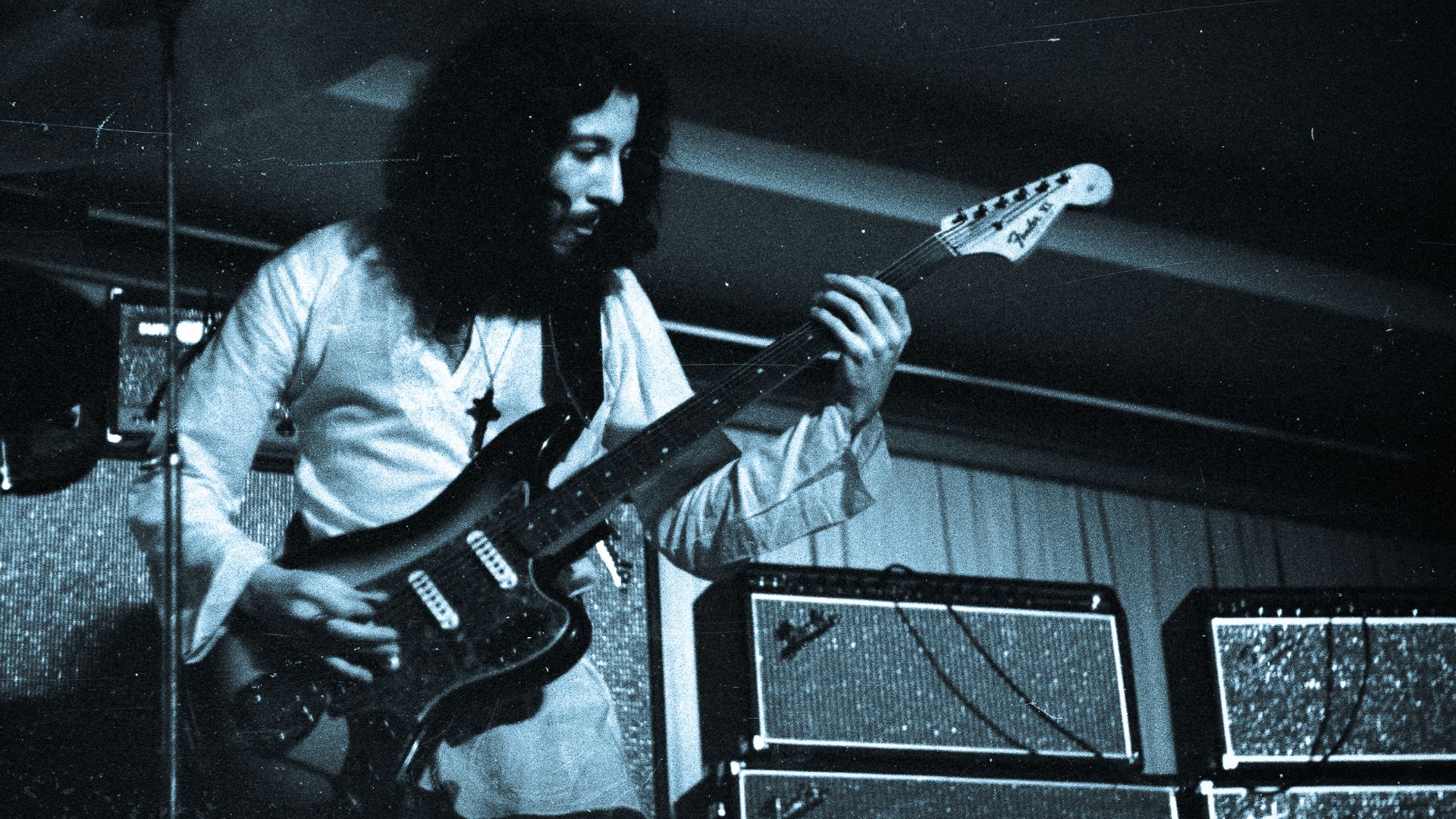
Soon after leaving the band, Green was diagnosed with schizophrenia. Hallucinations, paranoia, and severe depression became part of his daily reality. What had once been labeled eccentricity was now clearly illness—chronic, unpredictable, and life-altering.
 W.W.Thaler - H. Weber, Hildesheim, Wikimedia Commons
Years of Institutional Treatment
Throughout the 1970s, Green spent long periods in psychiatric hospitals. Treatments included electroconvulsive therapy, which was far more aggressive at the time. Green later said, “They took away the music inside me,” suggesting stability came at a steep personal cost.
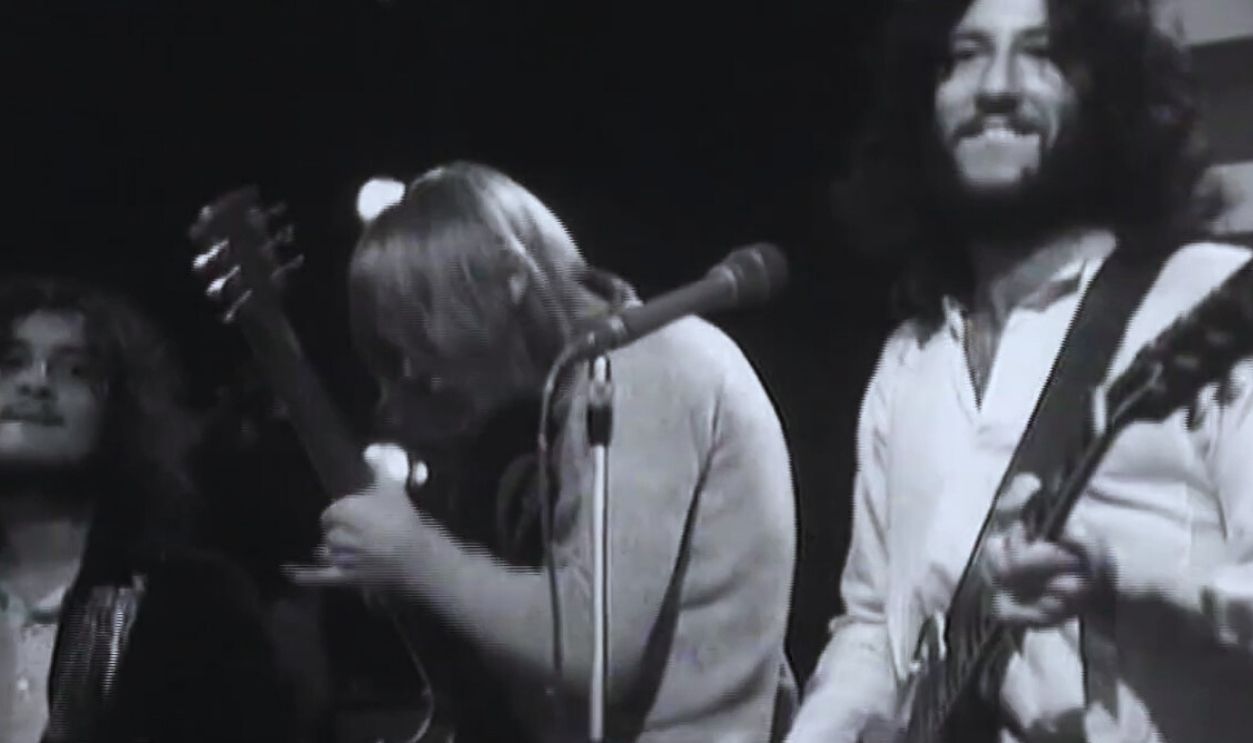 Screenshot from Oh Well, Reprise (1969)
The Band Reinvents Itself Without Him
As Green disappeared from public life, Fleetwood Mac rebuilt itself entirely. New members brought new sounds, and eventually enormous global success followed. The transformation was remarkable—but it also meant Green’s role in founding the band gradually faded from the public narrative.
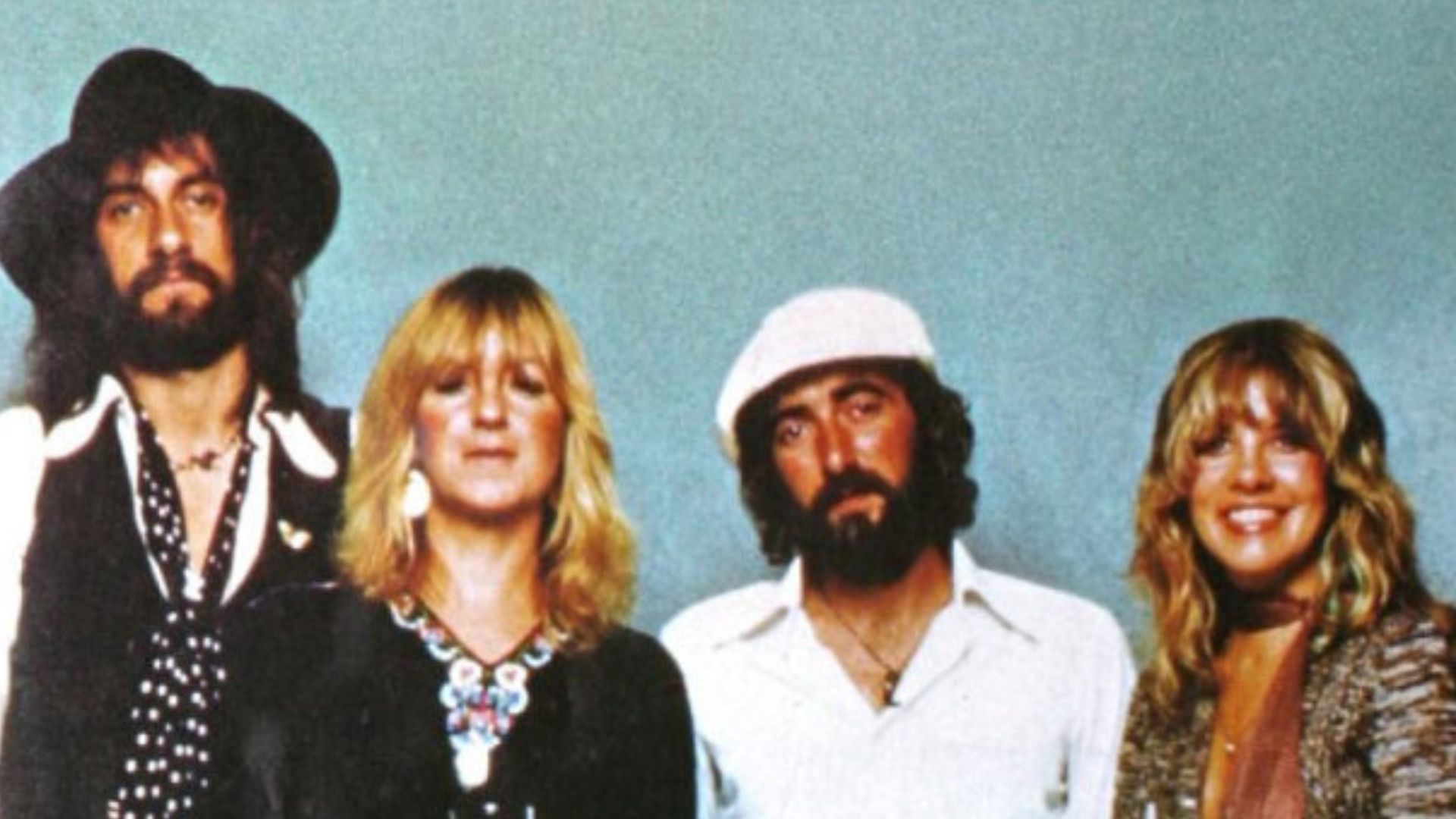 Warner Bros. Records, Wikimedia Commons
Life Far From Rock Stardom
During his lowest years, Green lived quietly on government assistance and worked manual jobs, including as a gravedigger. He sold many of his guitars, distancing himself from the identity that once defined him. Survival and routine replaced ambition altogether.
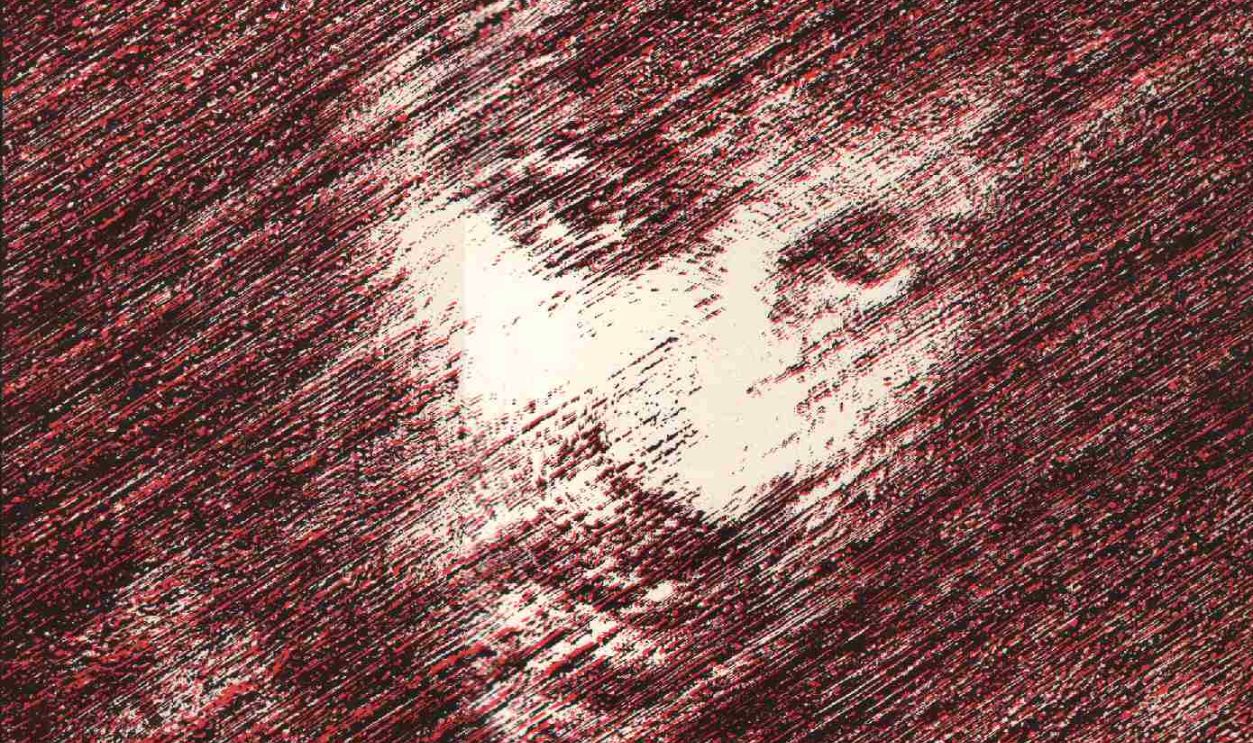
Long Periods Without Playing Music
For years at a time, Green barely touched a guitar. The instrument that once felt inseparable from him became something he avoided. To fans, it seemed as though one of rock’s great voices had gone silent for good.
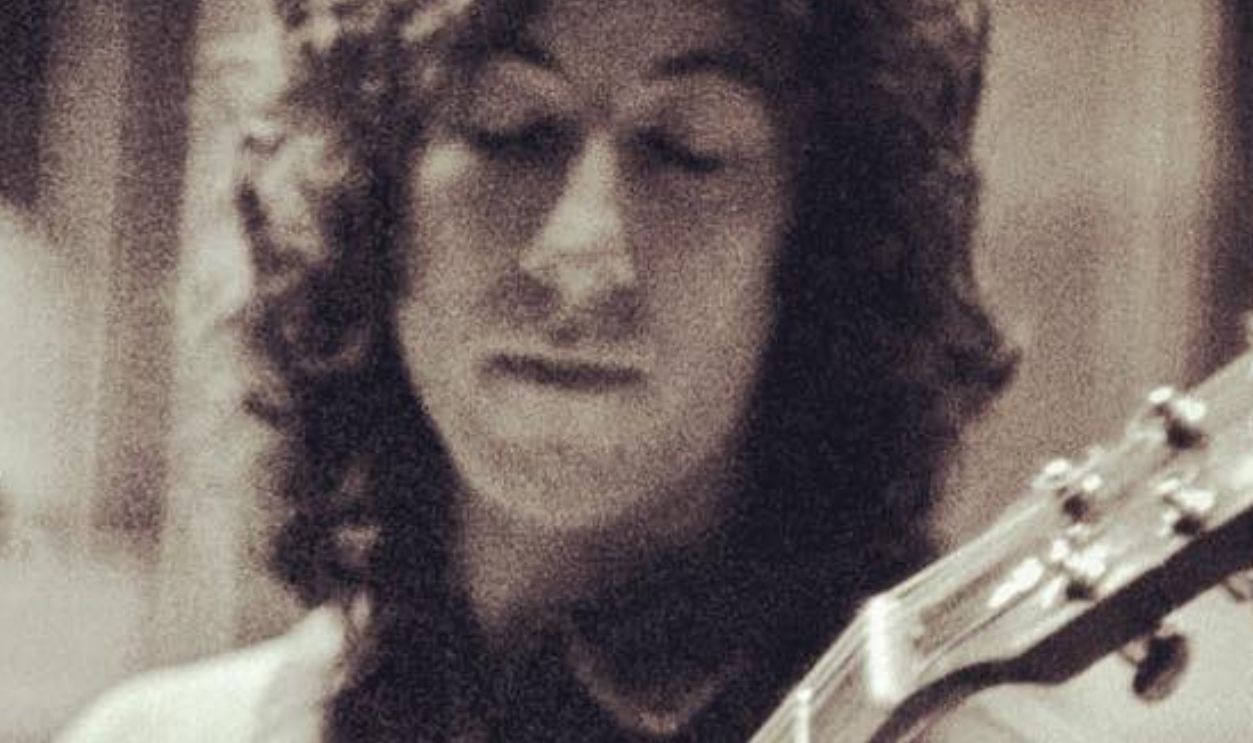
A Measured Return in the 1990s
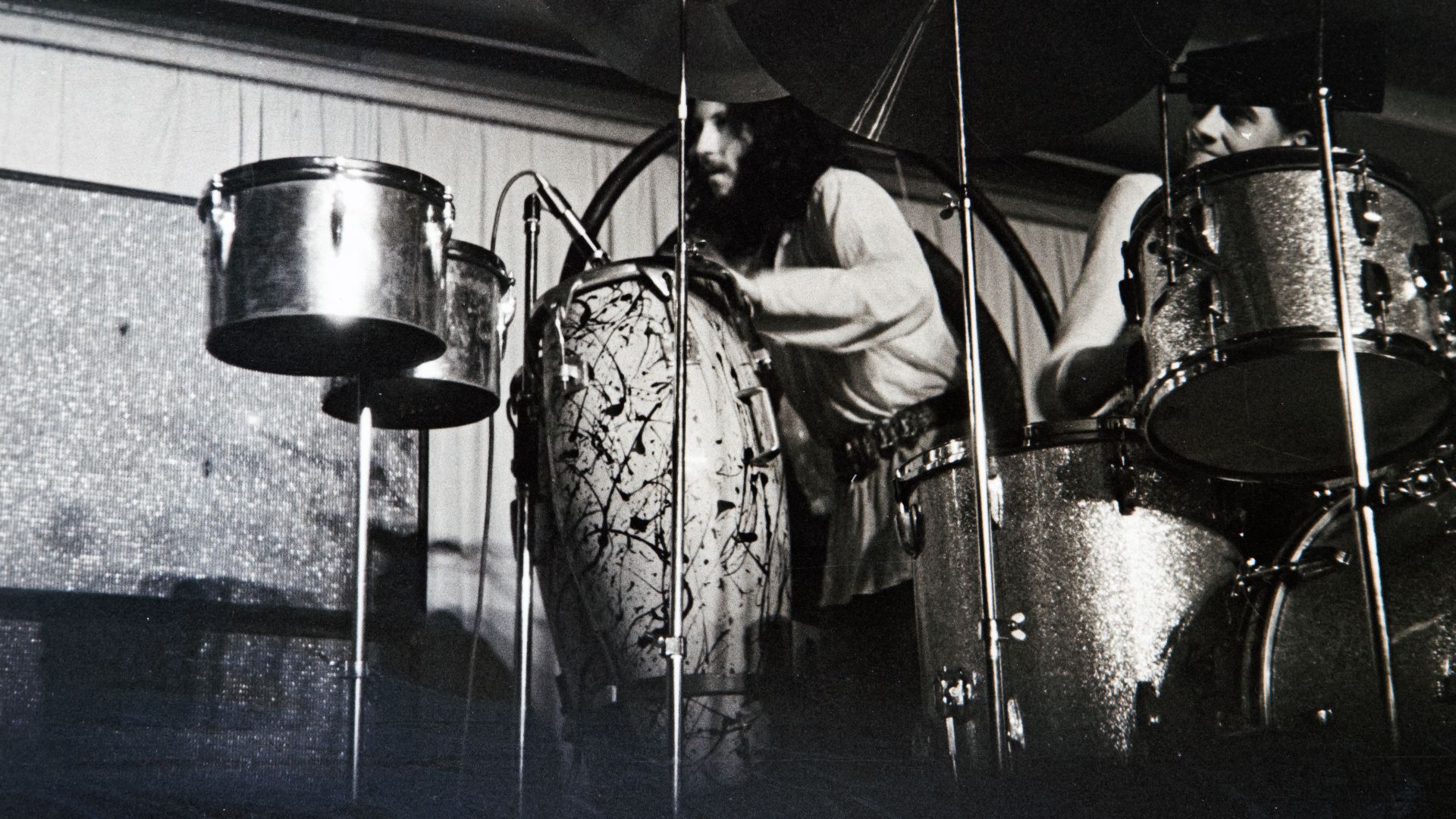
In the 1990s, Green cautiously returned to performing with the Peter Green Splinter Group. His playing was simpler and more restrained, but still emotionally resonant. The intensity was quieter now, focused on expression rather than virtuosity.
 Herbert Weber, Hildesheim, Wikimedia Commons
Avoiding the Spotlight by Design
Even during his return, Green resisted attention. Interviews unsettled him, and praise made him uncomfortable. He once explained, “I play because it helps me—not because I want applause.” Music had become personal rather than performative.
Musicians Never Let Him Go
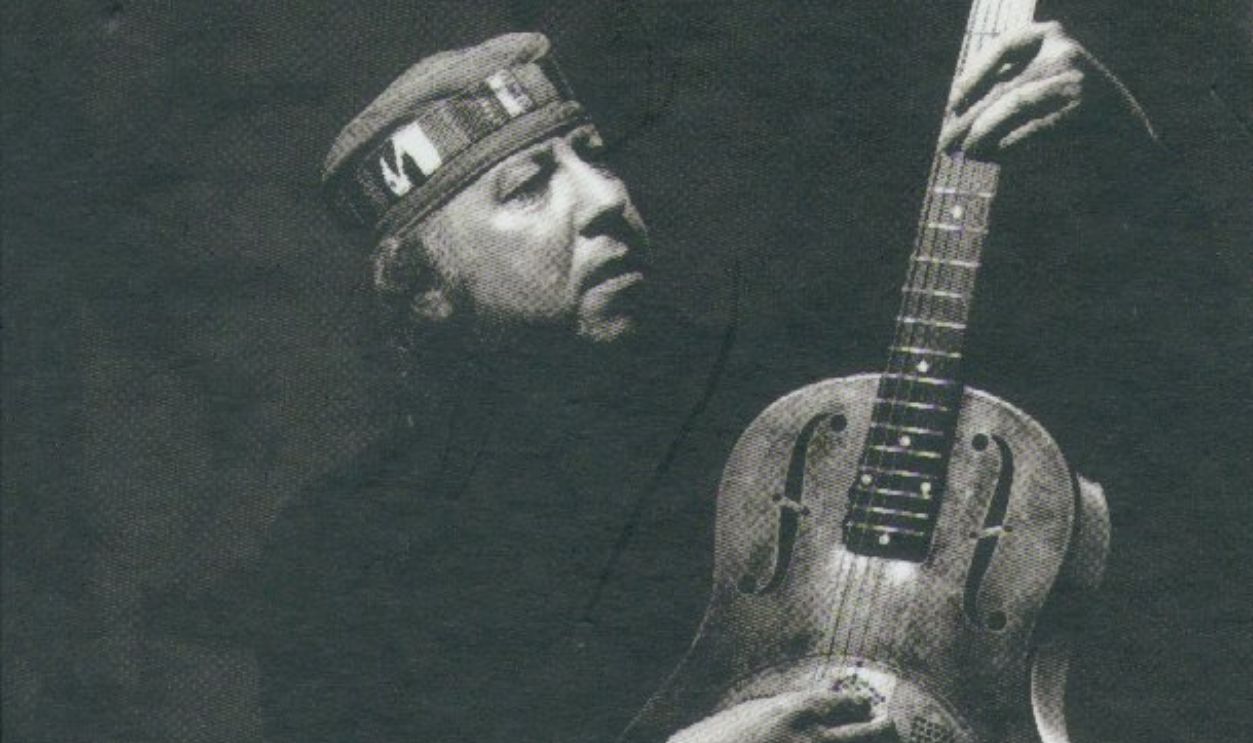
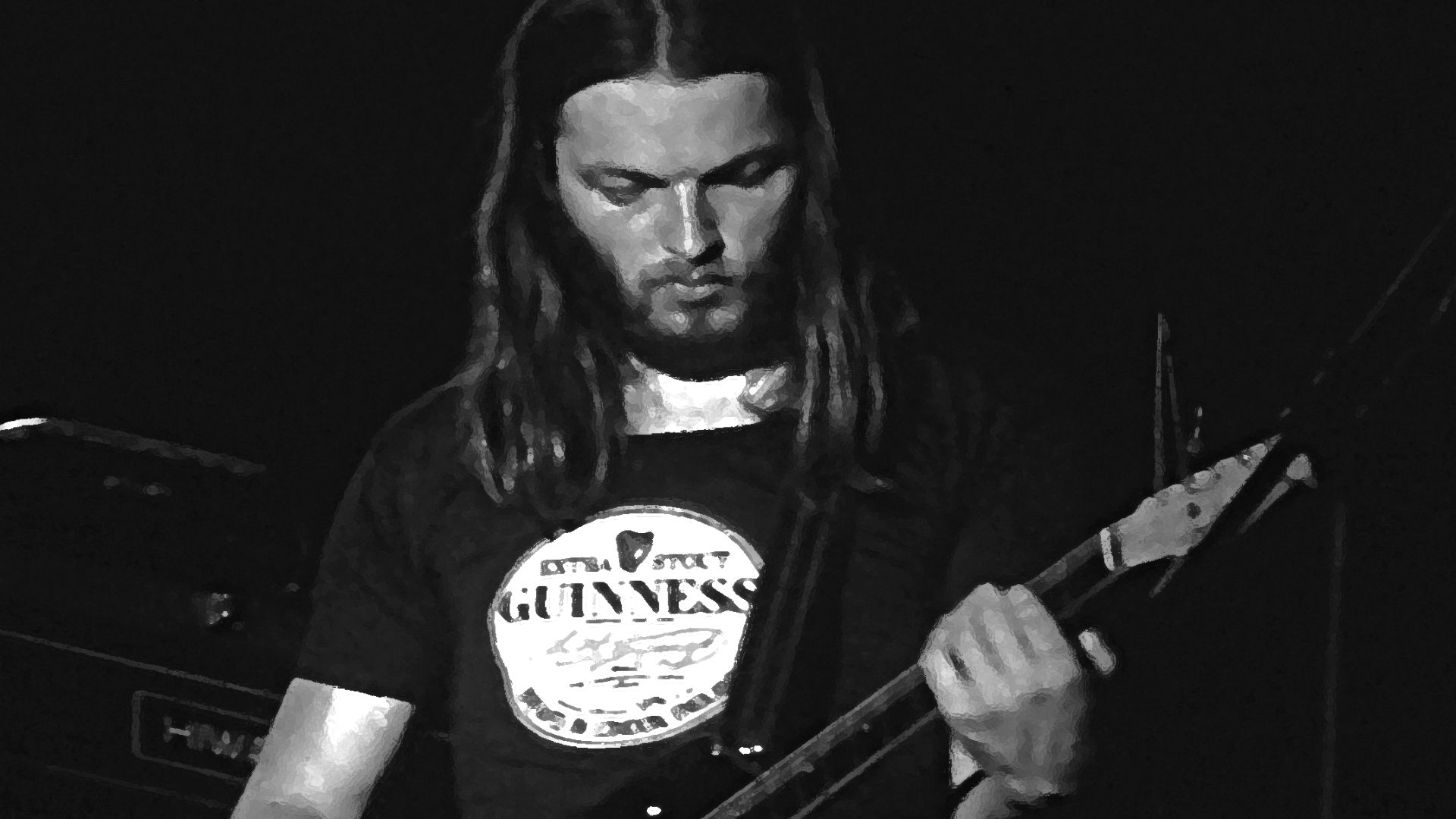
While mainstream audiences moved on, musicians didn’t. B.B. King called Green’s tone “the sweetest I ever heard.” David Gilmour, Jimmy Page, and countless others cited him as a foundational influence. Among guitarists, his reputation never dimmed.
 Jean-Pierre Jeannin, Wikimedia Commons
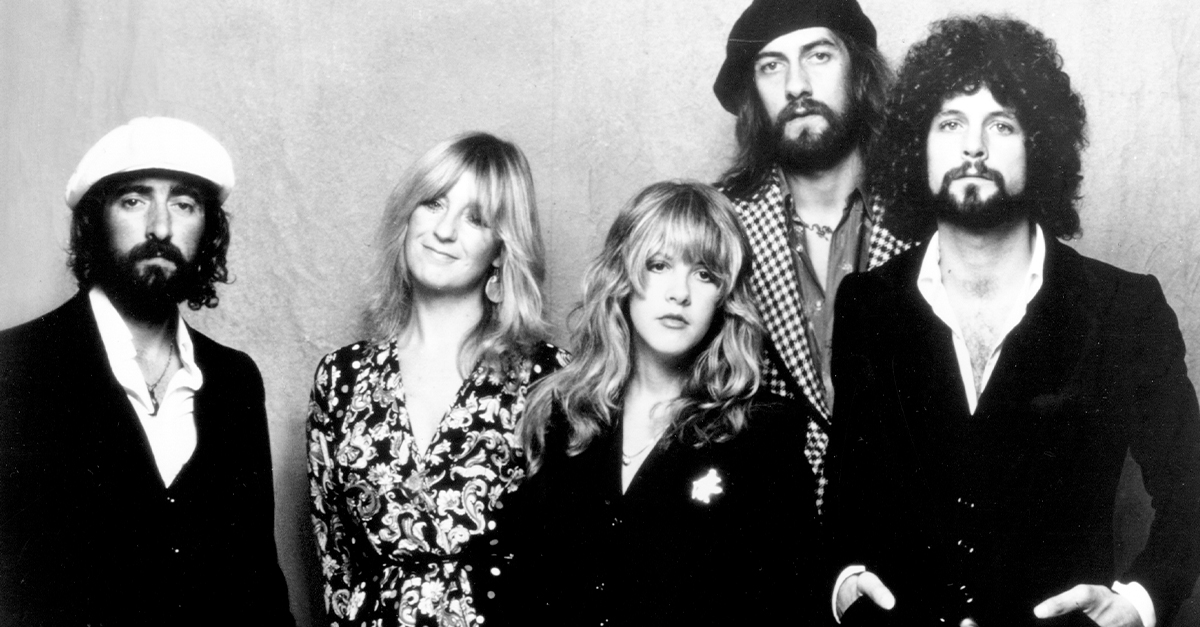
Fleetwood Mac’s Complicated History
As Fleetwood Mac grew into a global phenomenon, Peter Green’s role in its creation became easier to overlook. Later lineups spoke respectfully about him, but rarely lingered on the circumstances of his departure. The band’s success without Green was undeniable—yet the emotional cost was seldom examined.
 Michael s Archives, Getty Images
A Tragedy Without a Villain
Peter Green’s story resists simple blame. There was no betrayal or conspiracy. Instead, it was mental illness colliding with fame, drugs, and limited understanding. At the time, schizophrenia was deeply stigmatized, leaving few tools to help someone unraveling in plain sight.
Living Quietly Into Old Age
Peter Green lived until 2020, reaching age 73. His later years were private and routine rather than celebratory. He never reclaimed superstardom, but he found moments of calm. For someone once consumed by internal chaos, longevity itself became a quiet achievement.
 Tony Hisgett from Birmingham, UK, Wikimedia Commons
The Fleetwood Mac That Disappeared
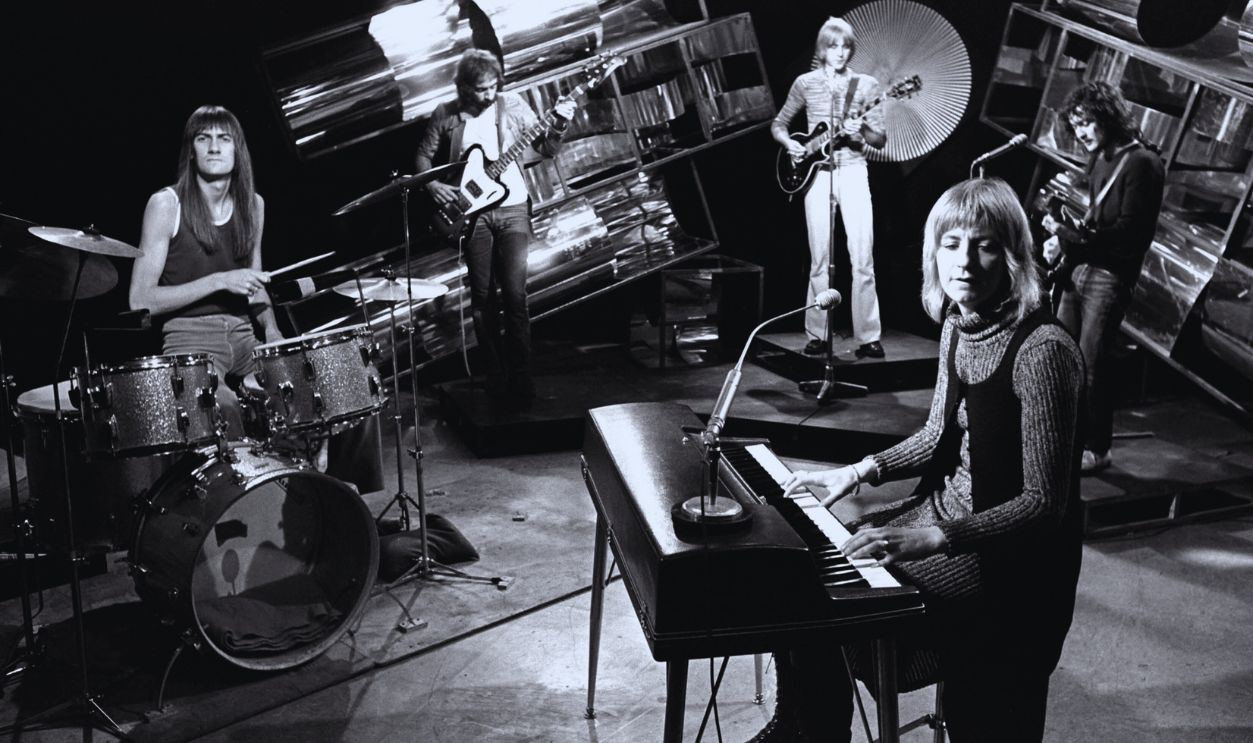
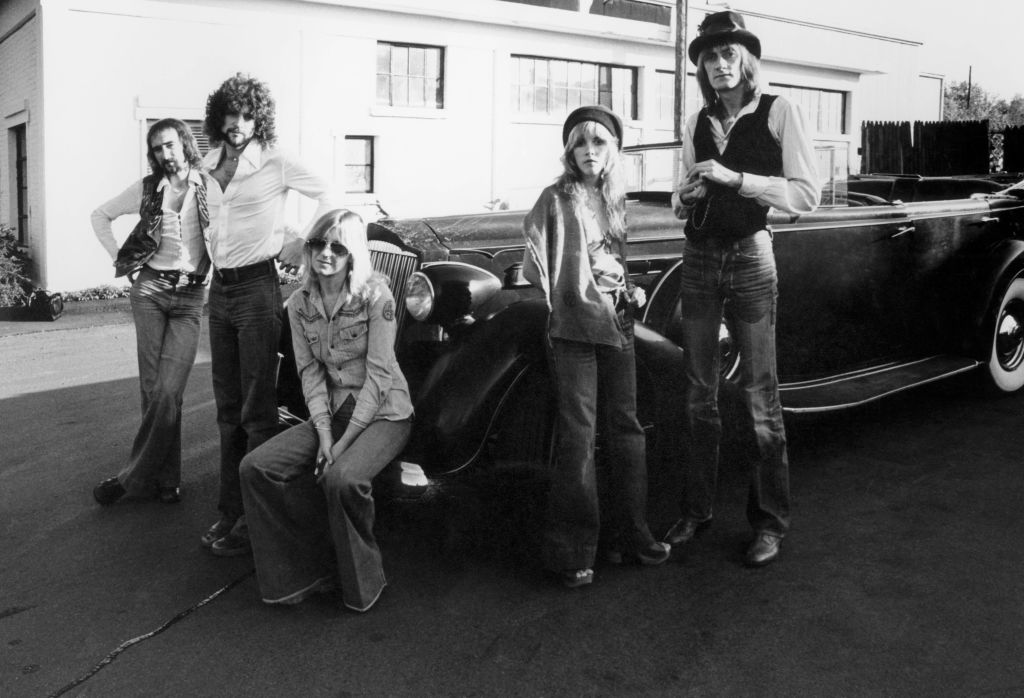
Before arena tours and radio staples, Fleetwood Mac was introspective, blues-driven, and emotionally restrained. That version of the band existed almost entirely under Peter Green’s leadership. When he left, that sound—and that emotional core—left with him.
 Weatherman90 at English Wikipedia, Wikimedia Commons
Talent Isn’t Protection
Green’s brilliance didn’t shield him from illness. If anything, it made the loss more painful to witness. His story underscores a difficult truth: creativity often walks alongside vulnerability, and genius offers no defense when the mind turns inward.
 Tony Hisgett, Wikimedia Commons
Why His Story Still Resonates
Mental health stories in music often focus on excess or burnout. Peter Green’s story is quieter and harder to package. It’s about withdrawal, confusion, and endurance—which makes it one of rock’s most human narratives.
A Legacy Worth Reexamining
Peter Green didn’t burn out or sell out. He vanished because his illness overtook him. Yet his music endures—subtle, emotional, and deeply influential. Revisiting his story isn’t nostalgia; it’s overdue recognition.
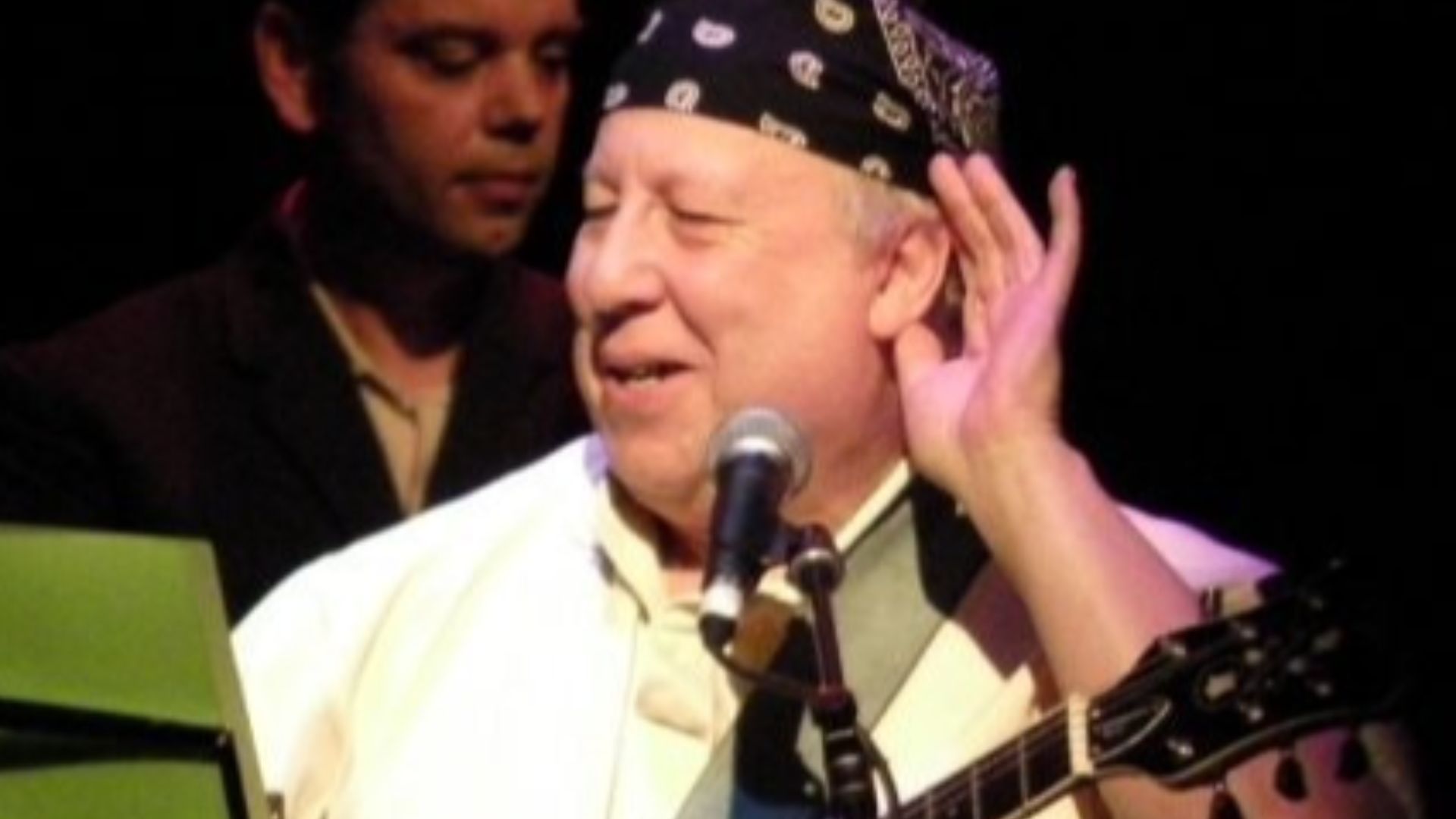 Marco Rosanova, Wikimedia Commons
Remembering Peter Green
Peter Green wasn’t just Fleetwood Mac’s first leader—he was its emotional foundation. Before the fame, reinventions, and legends, there was a man playing the blues like he was trying to keep himself intact. That honesty remains his greatest legacy.
 LBowdenMBABABAFTA, Wikimedia Commons
You Might Also Like: