Kenny Rogers Was Already Famous, But Not Yet Immortal
Before “The Gambler,” Kenny Rogers was not exactly waiting tables and hoping for a break. He had already tasted success with The First Edition and had a voice people recognized. But he was still searching for the thing every artist dreams of: a song that becomes bigger than a hit.

He Had Tried Almost Everything
Rogers’ career was already a musical road trip. He had moved through jazz, folk, pop, rock, and country, picking up fans along the way. That could have made him hard to define. Instead, it prepared him for the gamble that would make him unforgettable.
The First Edition Gave Him A Head Start
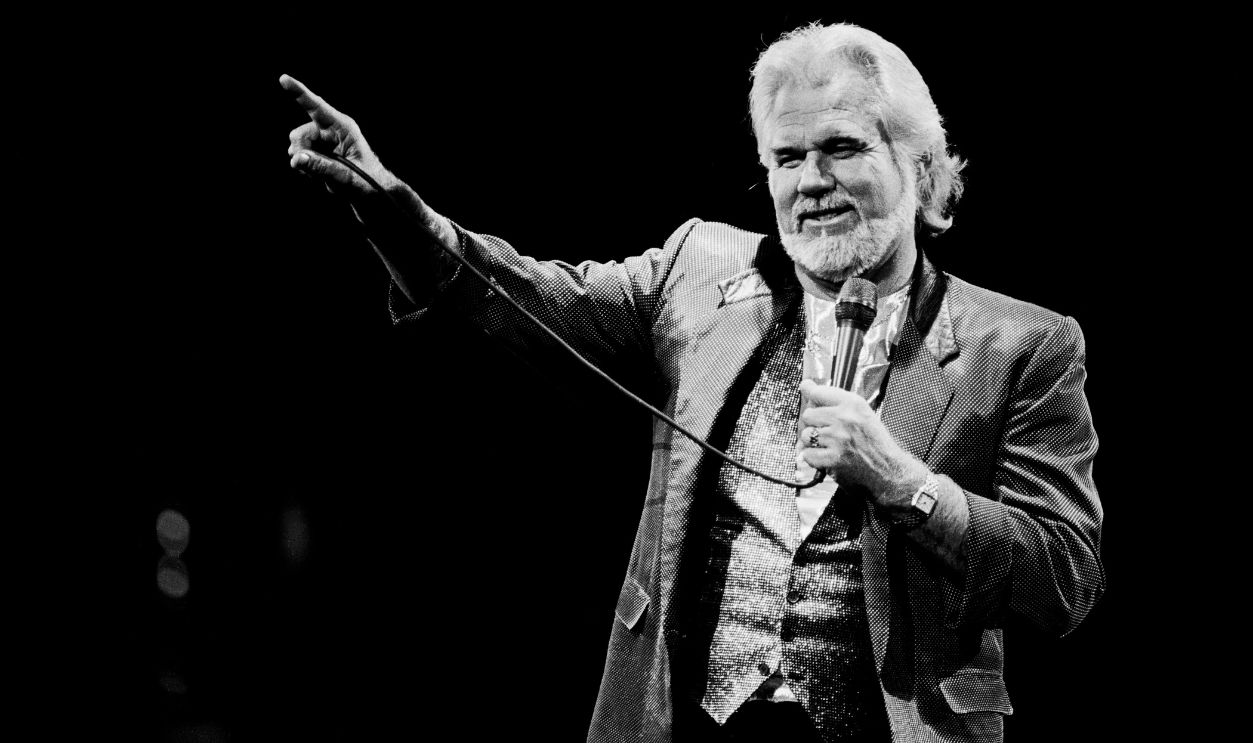
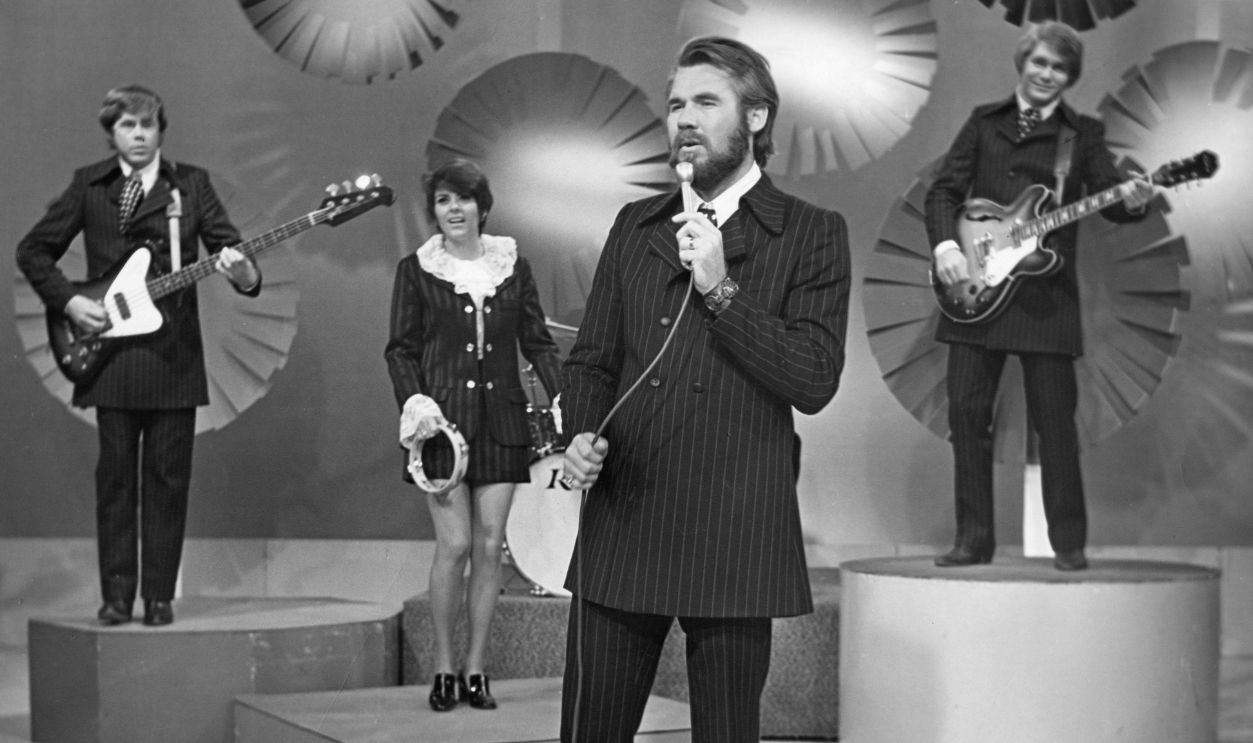
With The First Edition, Rogers had scored attention with songs like “Just Dropped In” and “Ruby, Don’t Take Your Love To Town.” He knew radio. He knew performance. He knew how to sell a story. Still, the next chapter would require him to go all in.
 Michael Ochs Archives, Getty Images
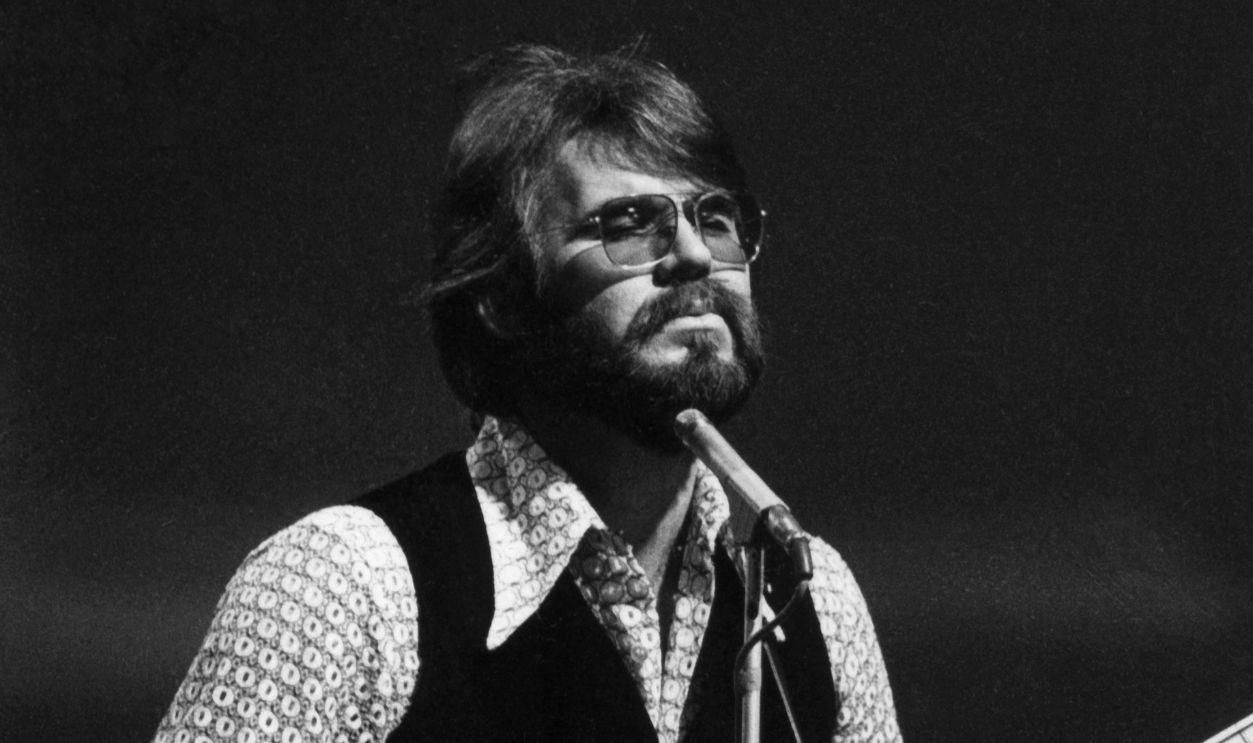
Going Solo Was The First Big Bet
Leaving a group and becoming a solo star is never easy. The safety net disappears. Suddenly, every song, every album, and every stage belongs to one name. For Rogers, that move was risky, but it also gave him room to become something much larger.
 Donaldson Collection, Getty Images
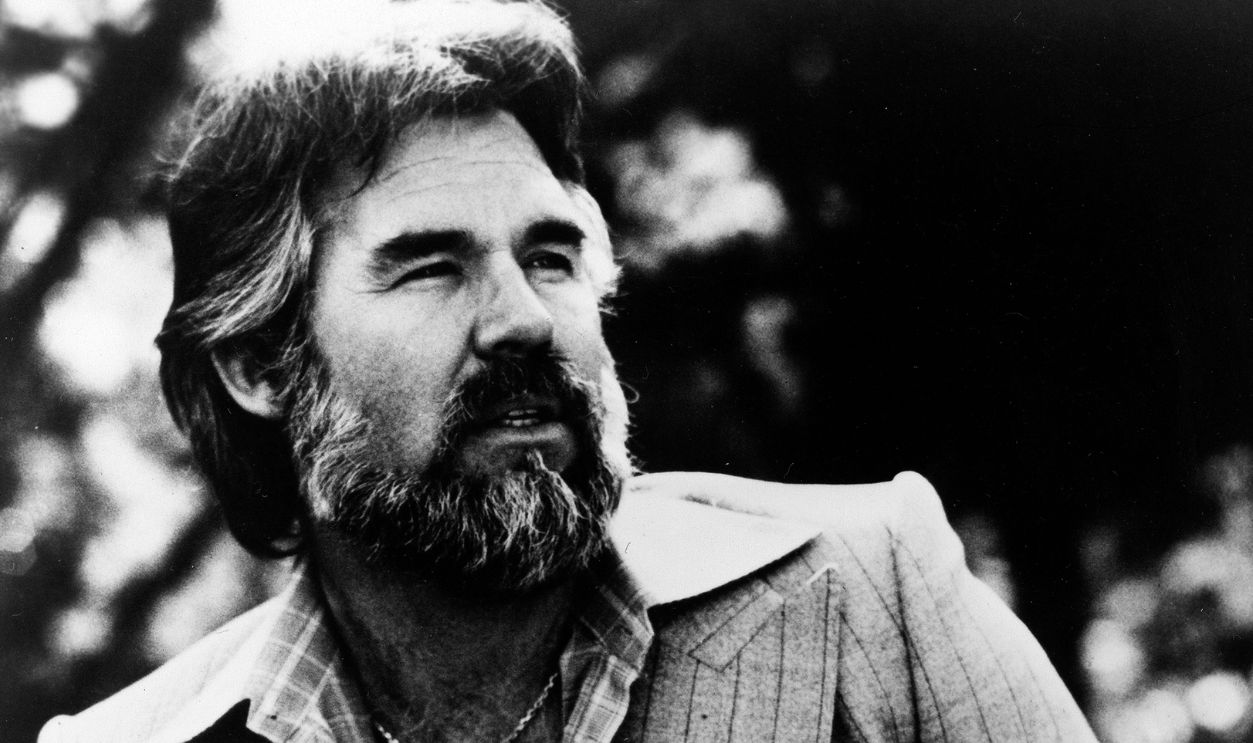
Country Music Needed A Smooth Storyteller
By the late 1970s, country music was changing. The genre still loved grit, heartbreak, and wisdom, but polished voices were reaching pop audiences too. Rogers had the perfect sound for that moment: warm, gentle, believable, and just rough enough around the edges.
 Michael Ochs Archives, Getty Images
Then Came Don Schlitz’s Song
“The Gambler” was written by Don Schlitz, and it was not just another country tune about cards. It was a little movie in three minutes. A stranger on a train. A late-night conversation. Advice that sounded like poker but felt like life.
The Song Had Already Been Around
Here is the wild part: Rogers was not the first artist connected to “The Gambler.” The song had been recorded before his version became famous. That meant there was no obvious guarantee it would become his signature. Rogers had to hear what others had missed.
 Screenshot from The Gambler, United Artists Records (1978)
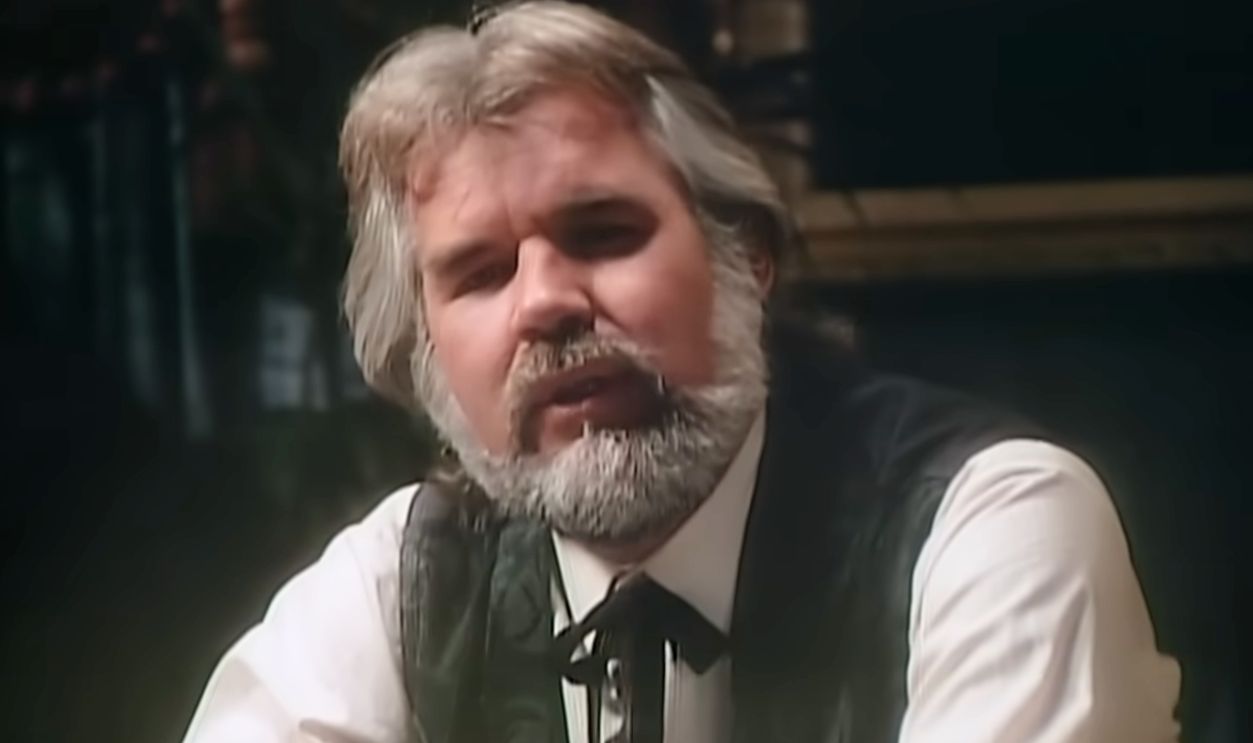
Rogers Saw The Character
Some singers perform lyrics. Kenny Rogers inhabited them. When he sang about the gambler, he did not sound like a man acting mysterious. He sounded like he had actually met this tired card shark and carried his advice out of that train car forever.
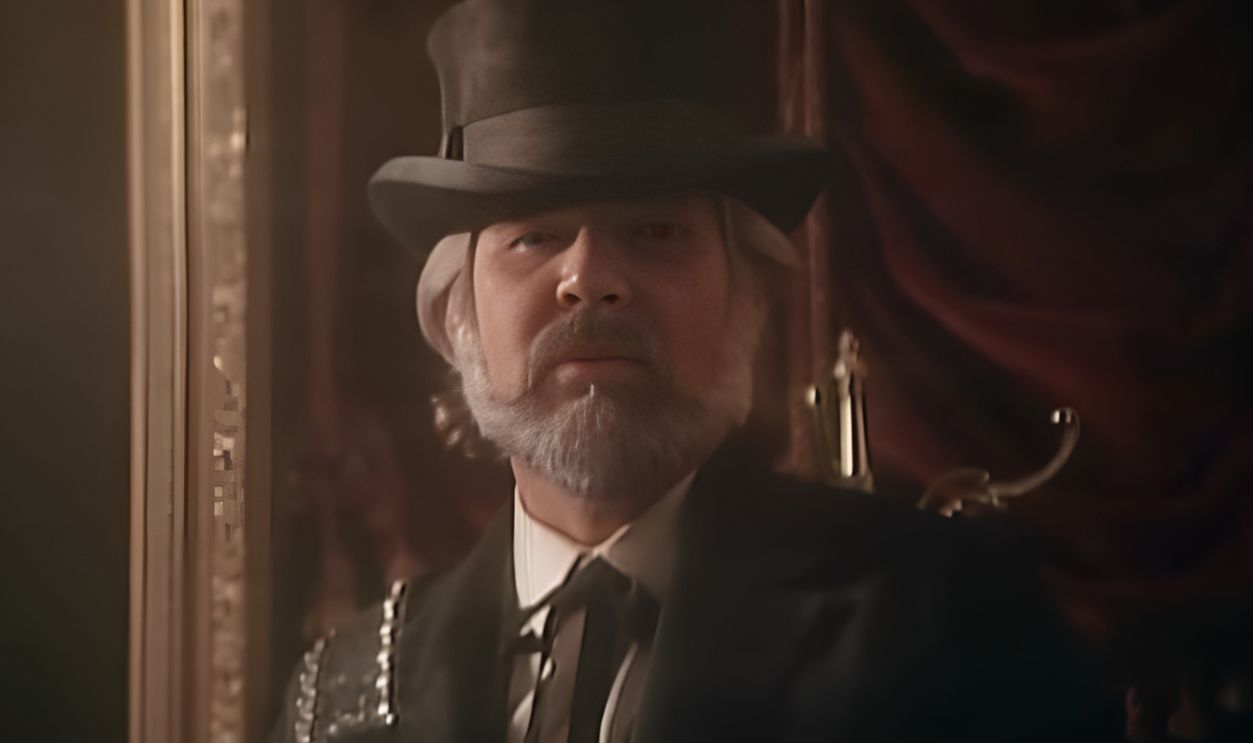 Screenshot from The Gambler, United Artists Records (1978), Modified
The Gamble Was In The Image
The real career gamble was not simply recording the song. It was letting the song reshape his public image. Rogers leaned into the wise, silver-bearded storyteller role, and suddenly he was not just Kenny Rogers. He was the man who knew when to hold ’em.
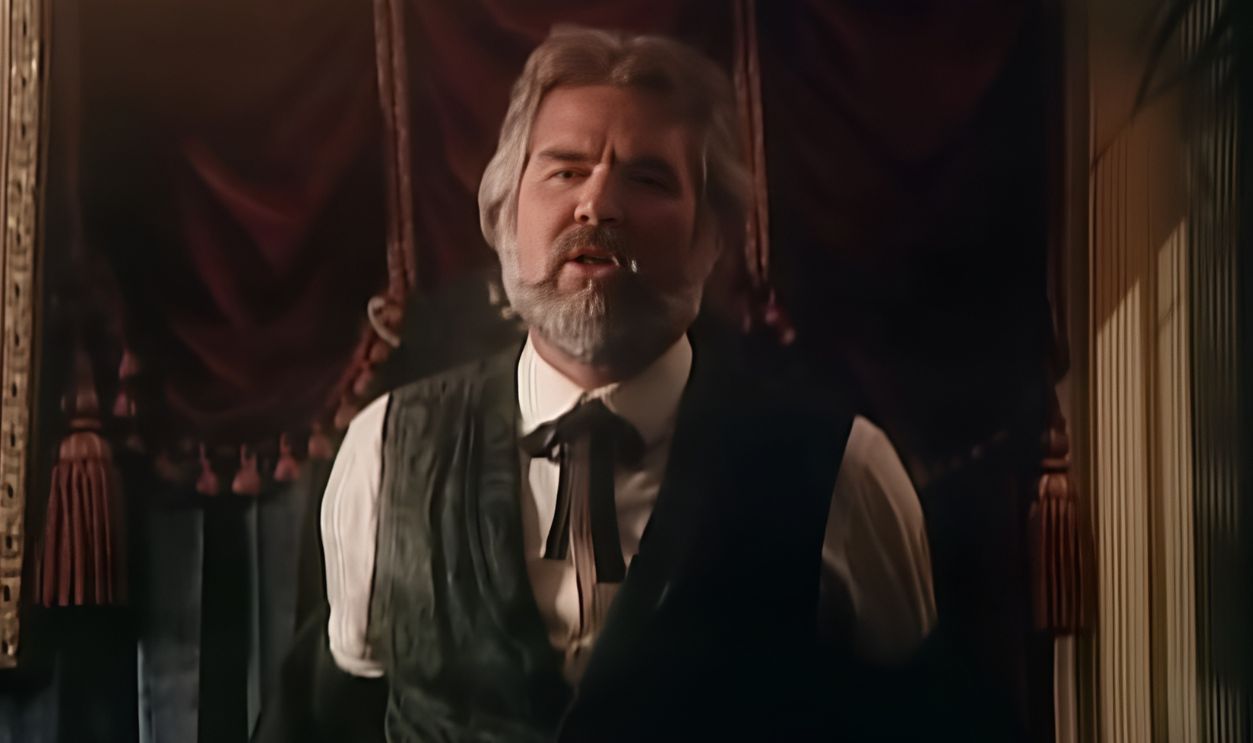 Screenshot from The Gambler, United Artists Records (1978), Modified
The Chorus Became Instant Memory Glue
Some choruses sneak up on you. This one walked in wearing boots and sat at the head of the table. “The Gambler” had a hook so clear that listeners could sing along after one spin. It felt old, even when it was brand new.
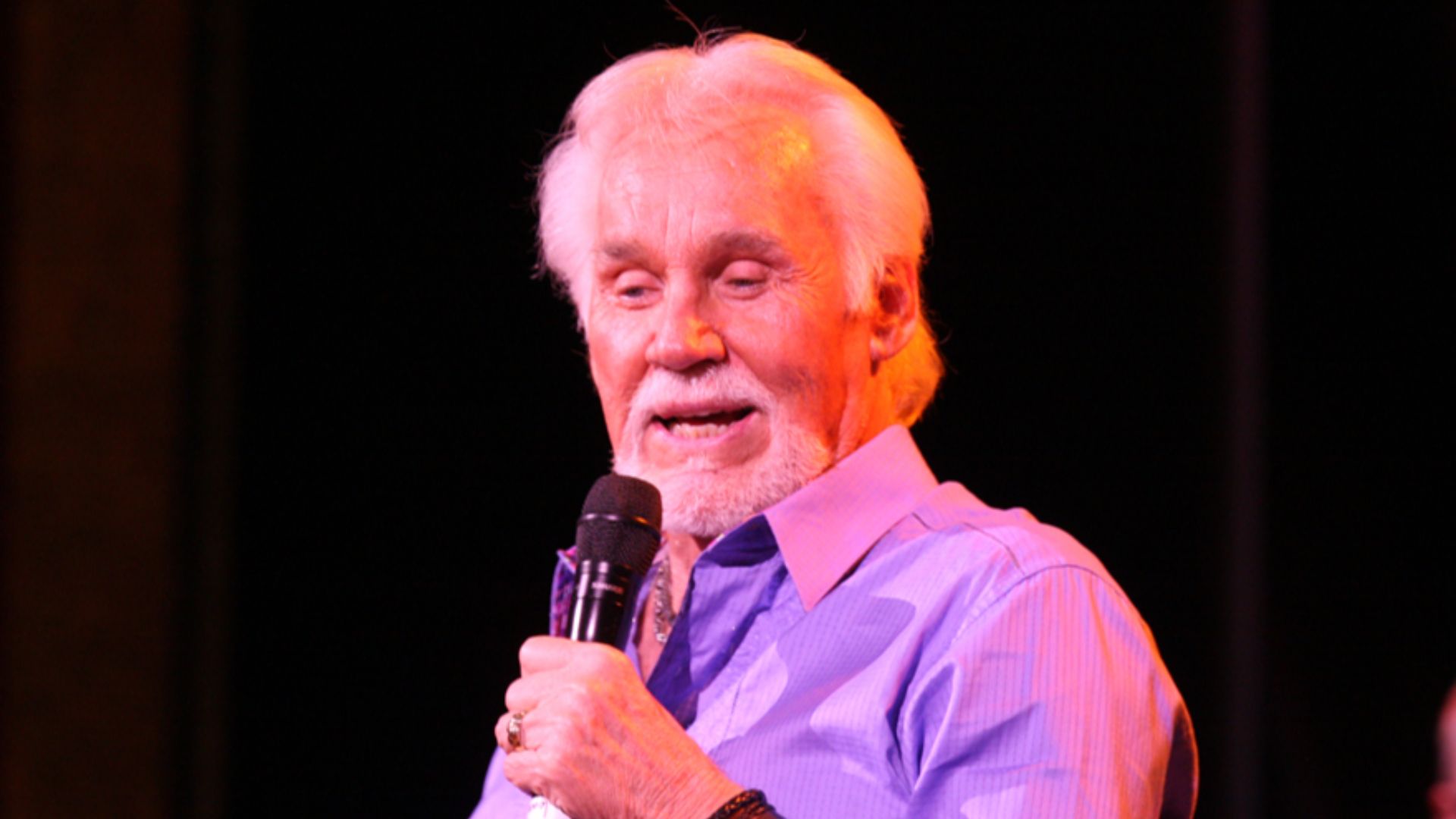 Eva Rinaldi, Wikimedia Commons
It Was Country, But Bigger Than Country
“The Gambler” fit perfectly on country radio, but it did not stay there politely. The song crossed into pop culture because its message was universal. You did not need to know Nashville. You did not need to play poker. You just needed a life decision.
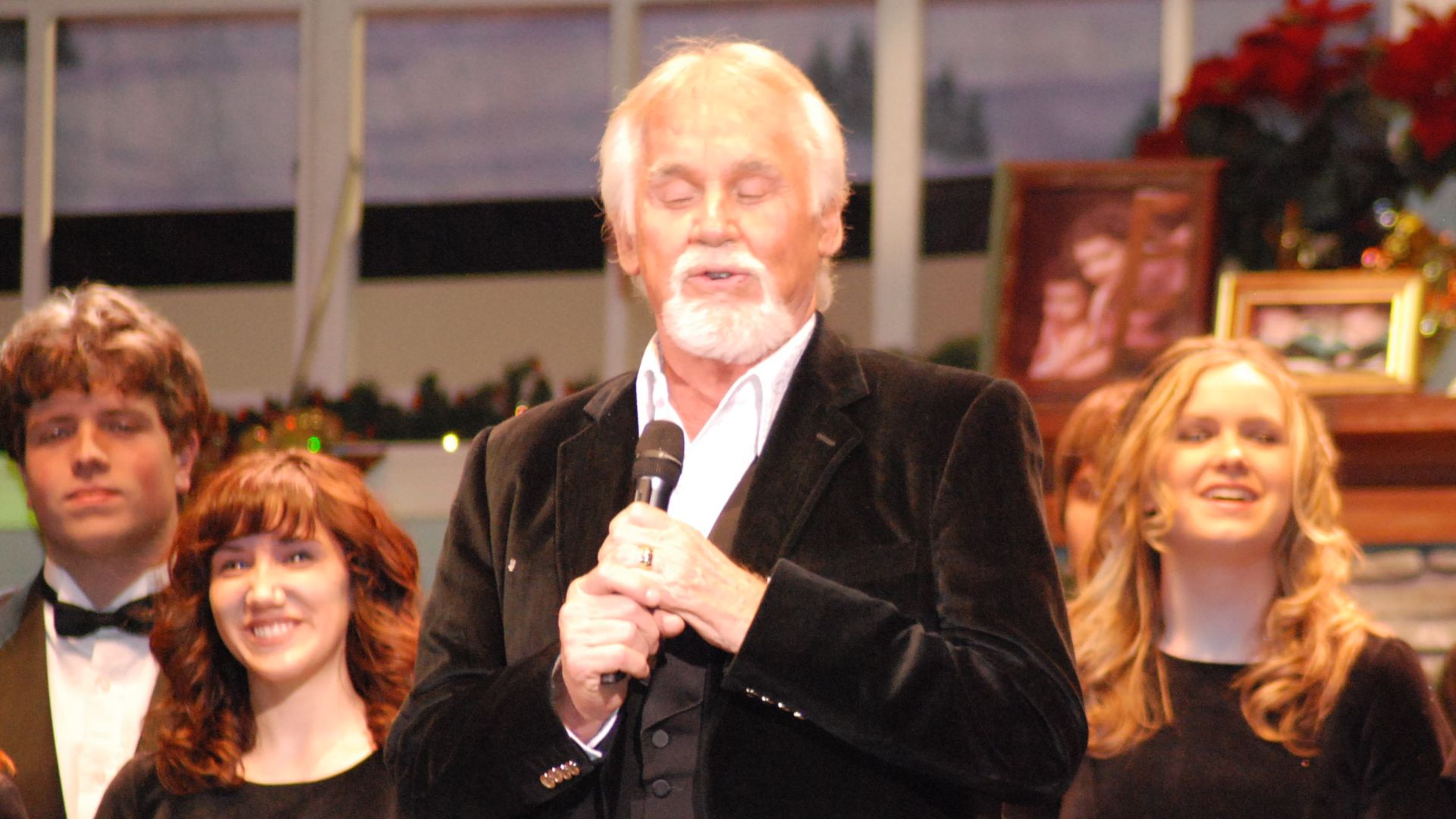 Sheila Herman, Wikimedia Commons
Rogers Became A Brand Overnight
After “The Gambler,” Rogers had something most artists never get: a persona. The beard, the calm voice, the knowing smile, the slightly dangerous wisdom. He became the guy who could tell you the truth without raising his voice. That is powerful showbiz magic.
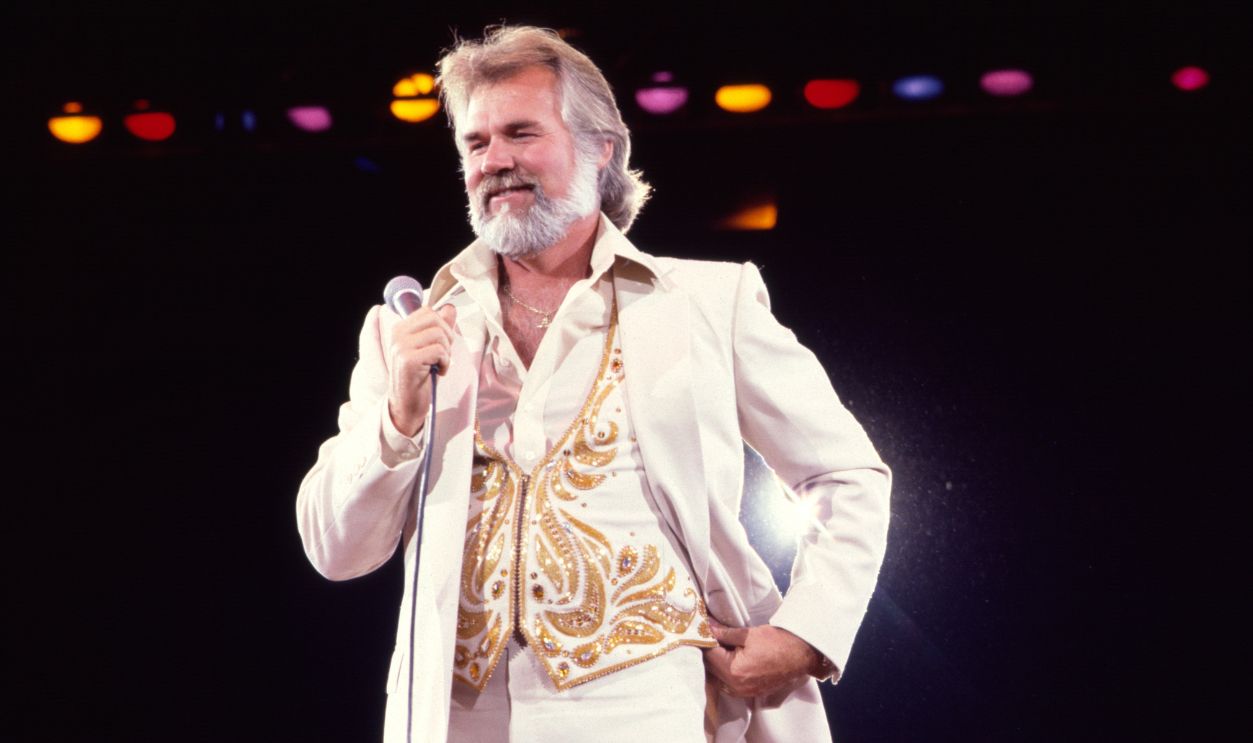
The Album Sealed The Deal
The song was the title track of his 1978 album, and that mattered. Rogers was not hiding it as a novelty single. He placed the whole project around this mood of grown-up country storytelling. It told listeners: this is who I am now.
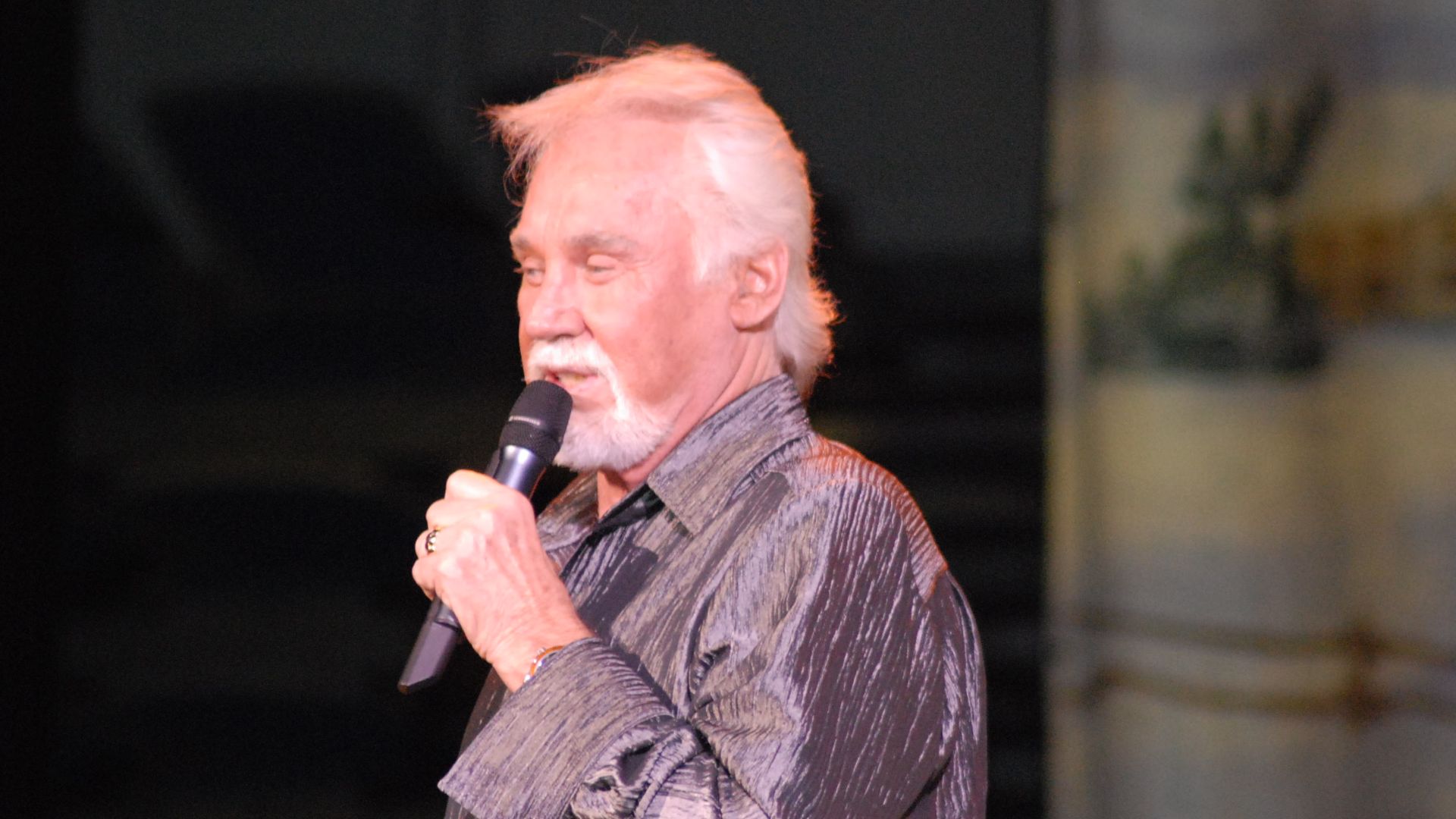 Sheila Herman, Wikimedia Commons
The Grammy Made It Official
“The Gambler” did not just become a fan favorite. It won Rogers a Grammy for Best Male Country Vocal Performance. Awards do not always create legends, but they can confirm what the public already knows. In this case, the voters simply caught up.
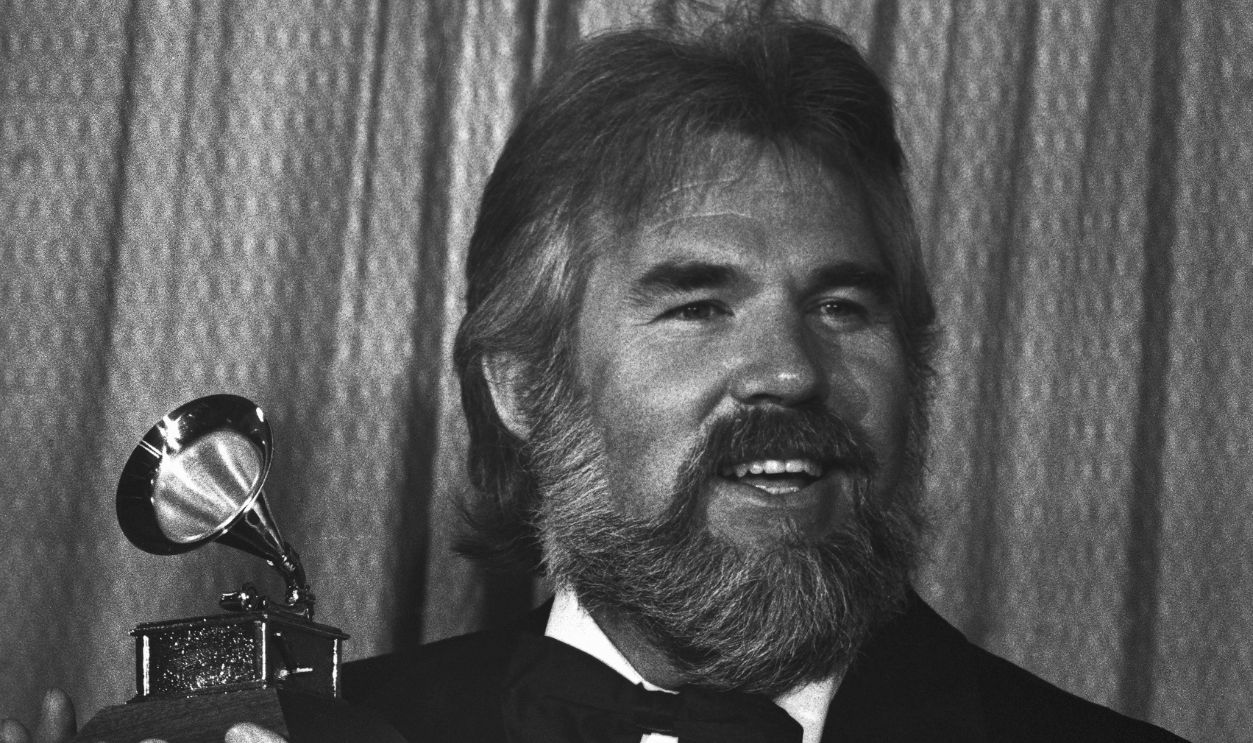
Suddenly, Everyone Knew Kenny
After “The Gambler,” Rogers was not just another successful singer with a familiar voice. He was a household name. His appeal stretched across country fans, pop listeners, parents, grandparents, and kids who only understood that the chorus sounded extremely important.
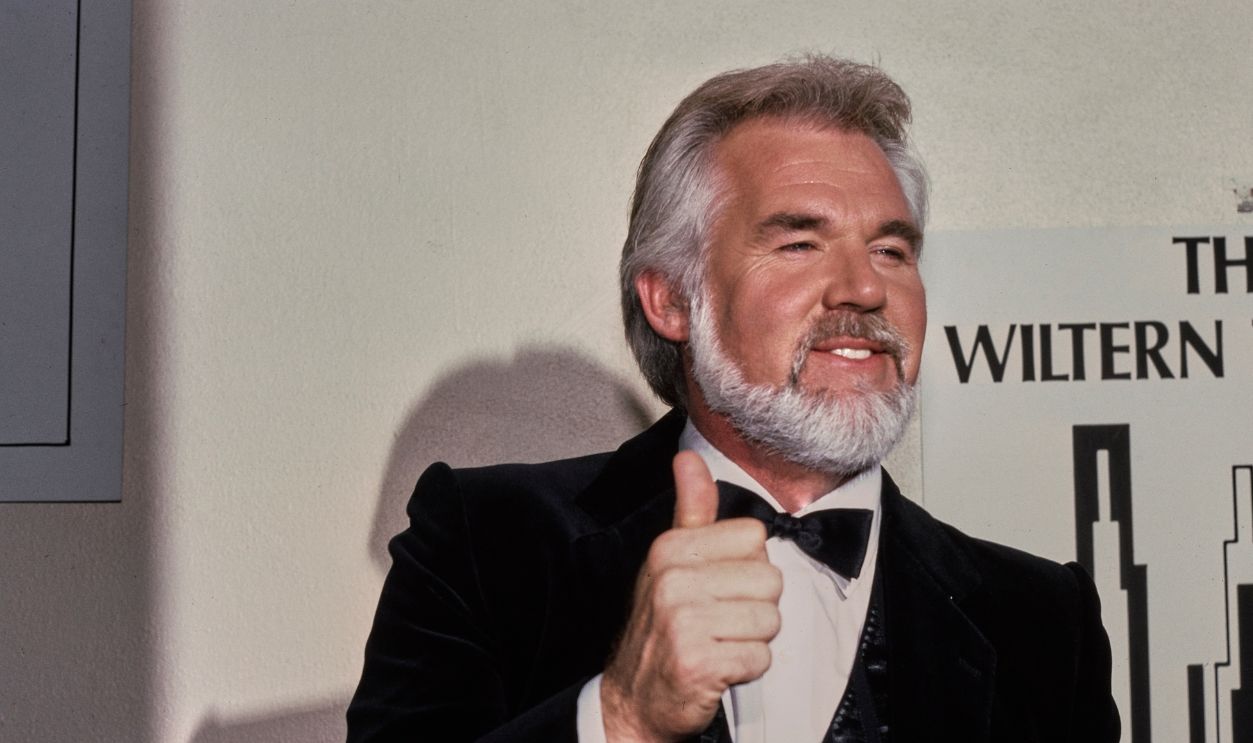
The Song Turned Into A Life Manual
The genius of “The Gambler” is that it sounds like advice about cards, but nobody treats it that way. People use it for breakups, jobs, friendships, bad investments, awkward dinners, and knowing when to leave a group chat. That is staying power.
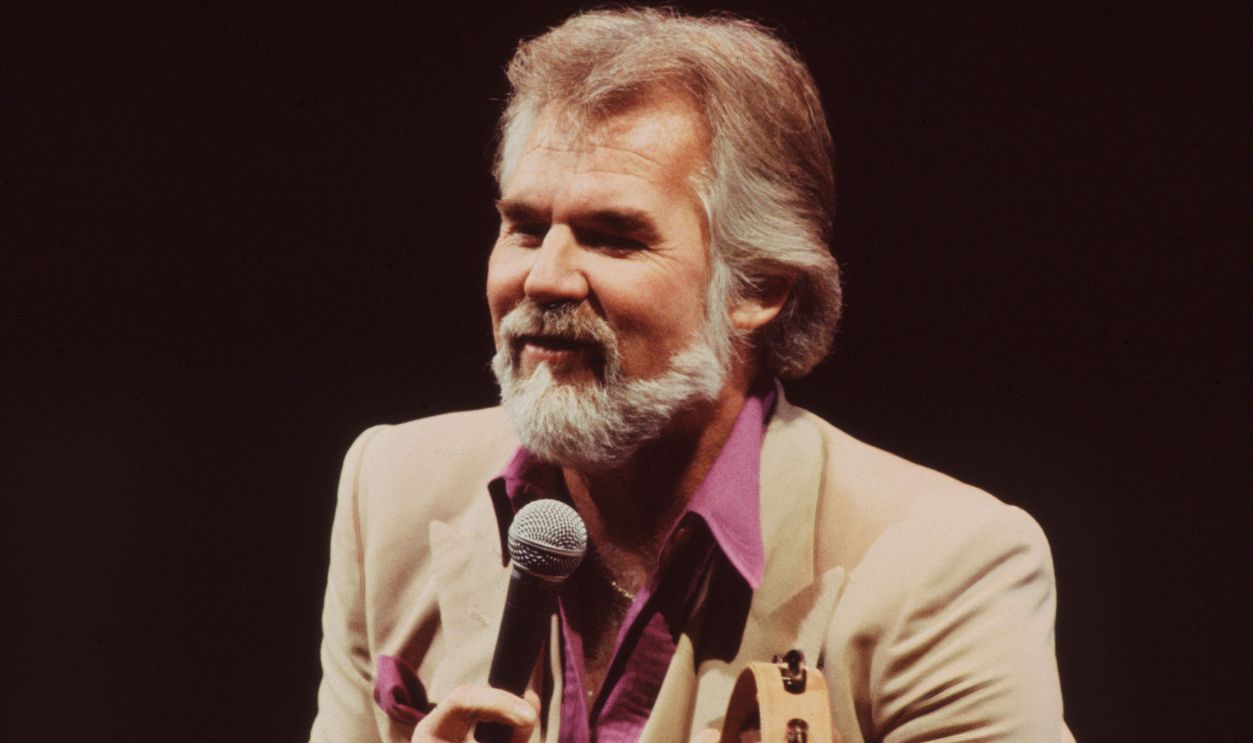
Television Came Calling
The character was too good to leave inside a song. Rogers later starred in TV movies inspired by “The Gambler,” turning the mysterious figure into a screen identity. That move pushed him beyond music and helped make him an entertainment personality, not just a singer.
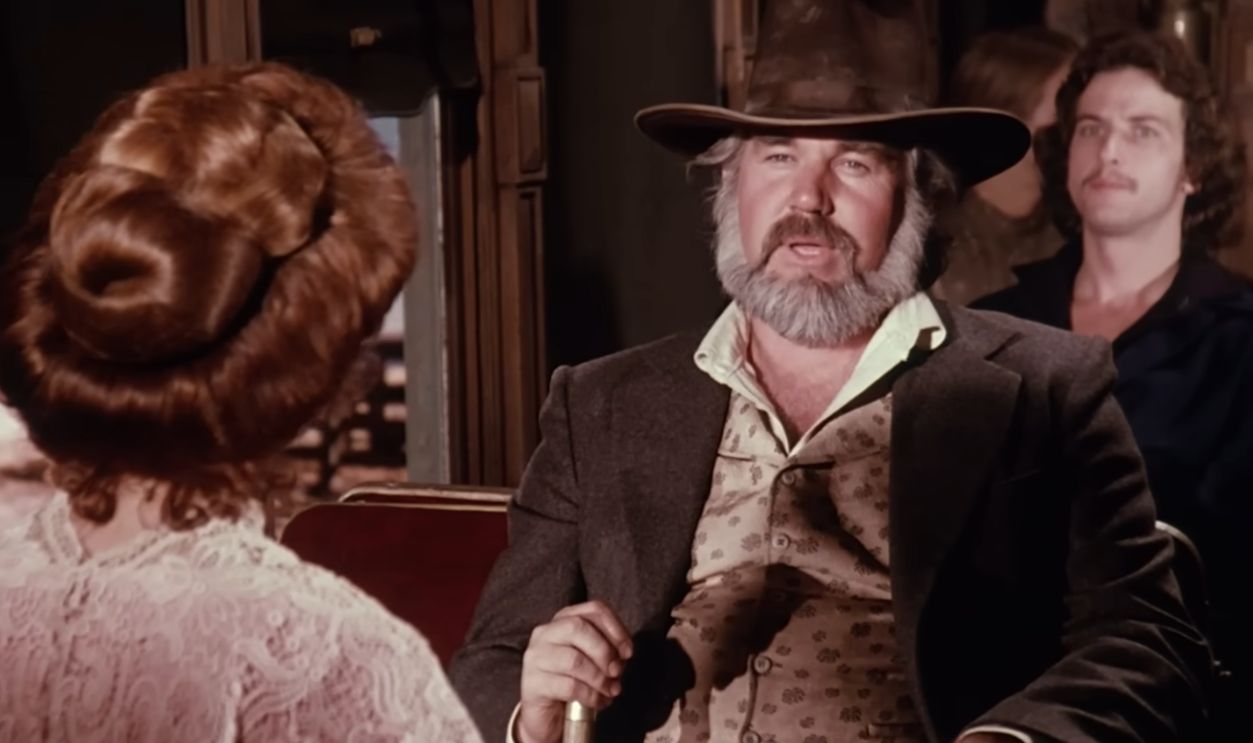 Screenshot from The Gambler, CBS (1980–1994)
He Played The Long Game
Plenty of artists chase whatever sound is hot. Rogers did something smarter. He found a lane where maturity was a strength. He did not have to pretend to be young, wild, or trendy. He could be calm, seasoned, and completely believable.
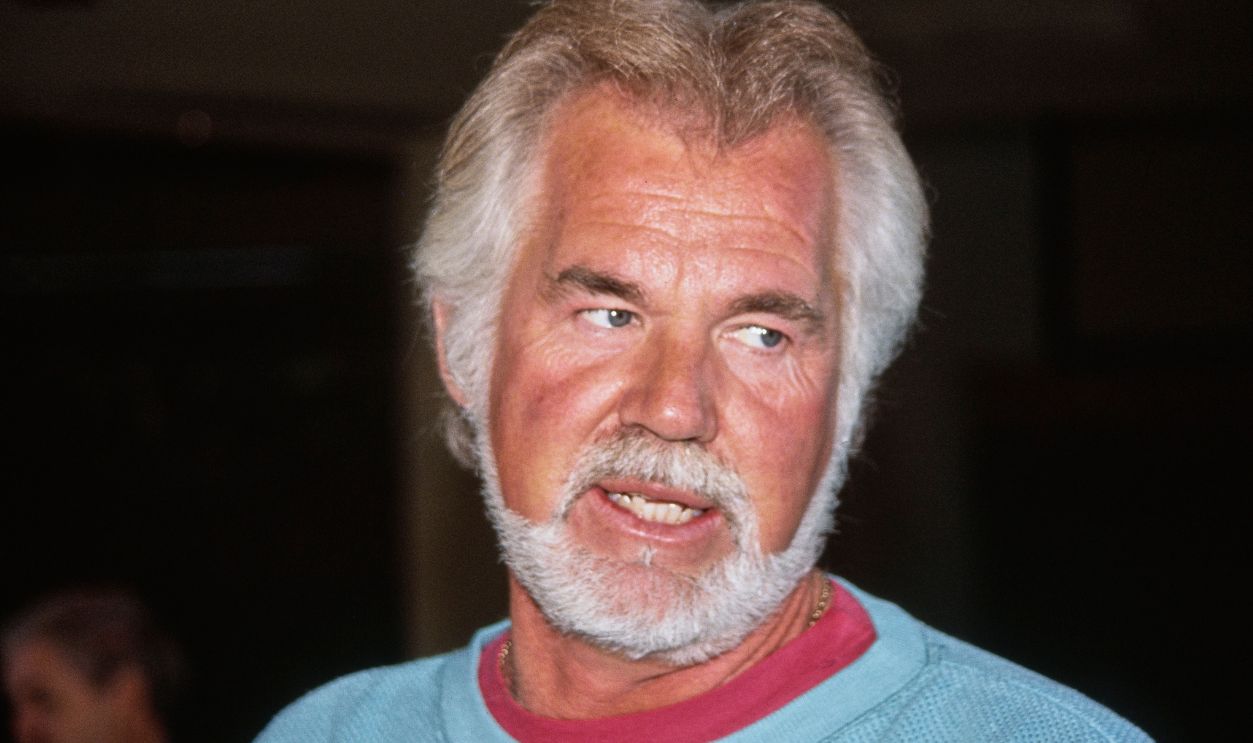
The Beard Became Part Of The Myth
Let’s be honest: the beard helped. By the time “The Gambler” took over, Rogers had one of the most recognizable looks in music. He seemed like the friendly uncle who might own a ranch, give perfect advice, and quietly win every card game.
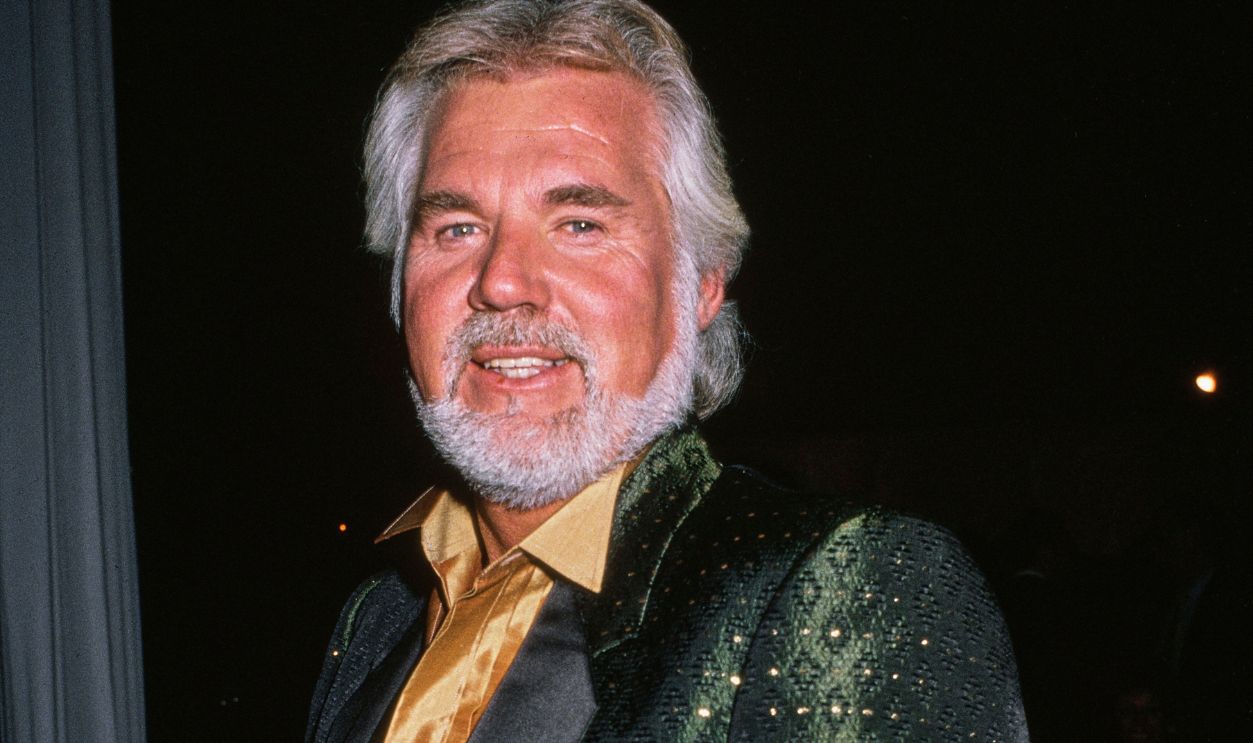
It Opened The Door For Bigger Hits
“The Gambler” did not end the story. It made the next wins possible. Songs like “Lady” and “Islands In The Stream” later reached huge audiences because Rogers had already earned trust. Once people believed in him, they followed him almost anywhere.
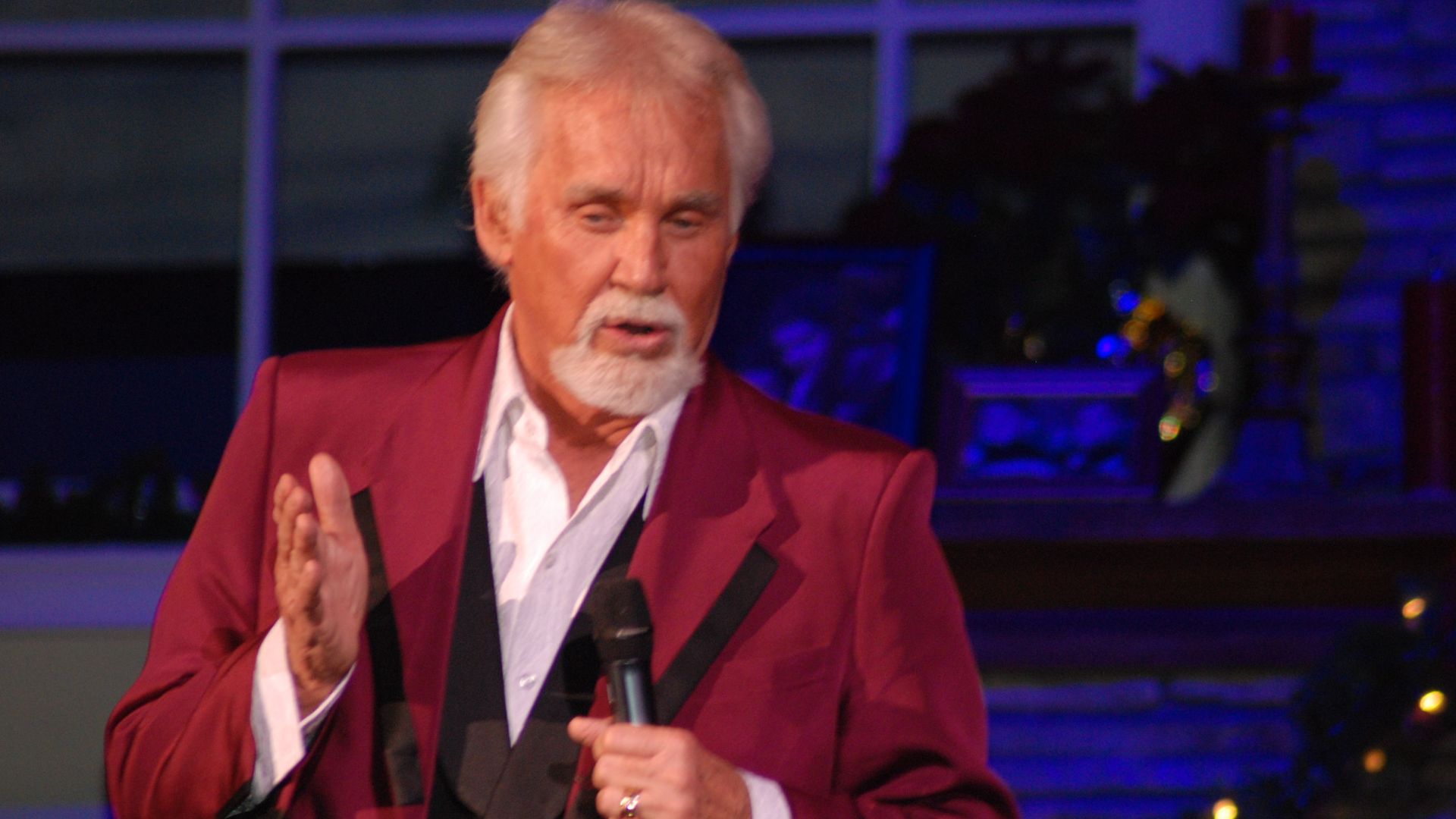 Sheila Herman, Wikimedia Commons
It Made Him A Crossover King
Rogers became one of the rare artists who could live comfortably in country and pop without sounding lost in either place. “The Gambler” was the bridge. It proved his voice could carry Nashville storytelling into living rooms far beyond traditional country circles.
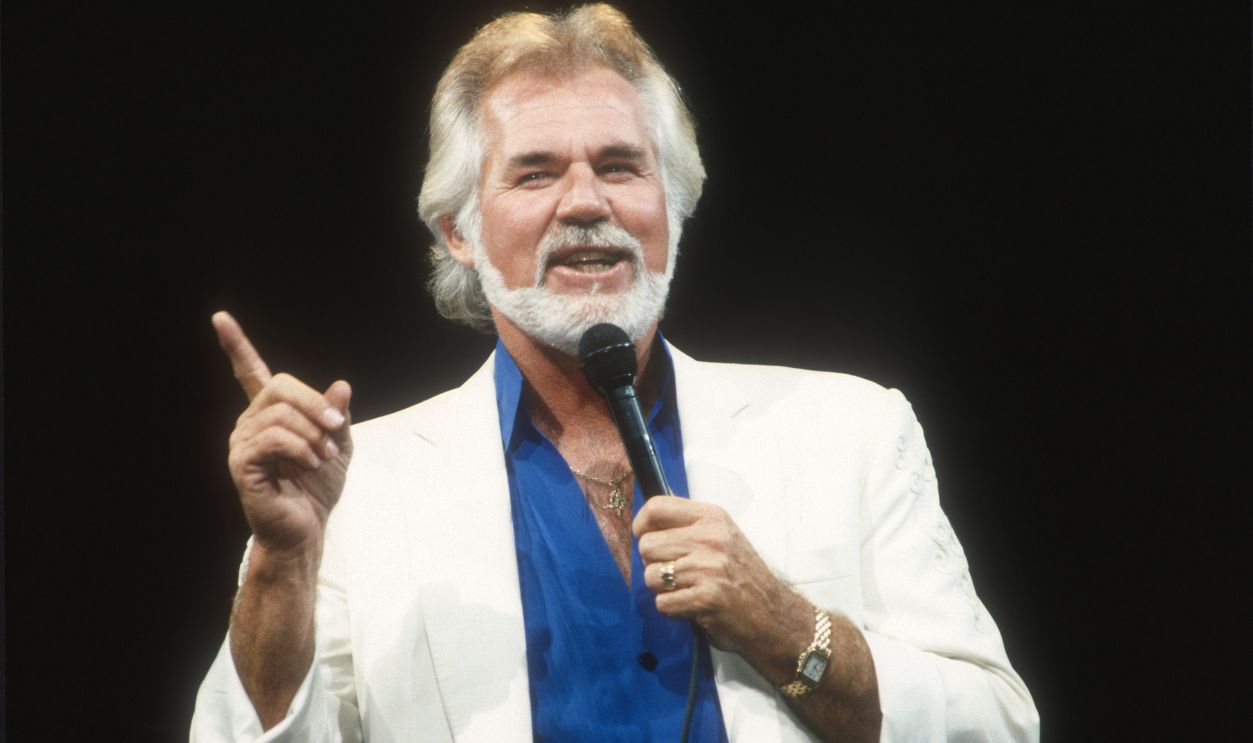
The Risk Was Choosing Simplicity
In a flashy era, Rogers bet on simplicity. No vocal gymnastics. No complicated production. No desperate attempt to look edgy. Just a great song, a steady voice, and a story people could understand. That kind of restraint can be risky—and incredibly effective.
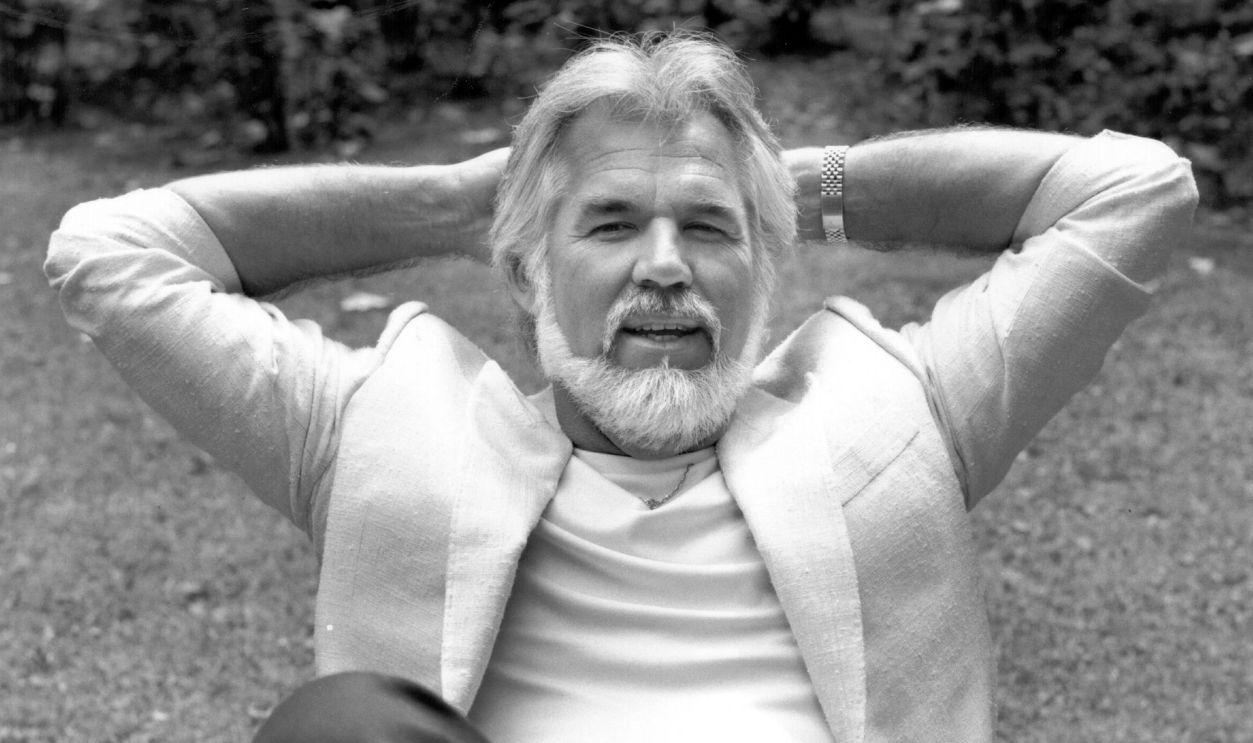
The Song Never Got Old
Some hits stay trapped in their year. “The Gambler” did the opposite. It became a campfire song, a karaoke classic, a sports-bar chant, and a punchline that still works. Its wisdom aged well because it was never trying too hard to be cool.
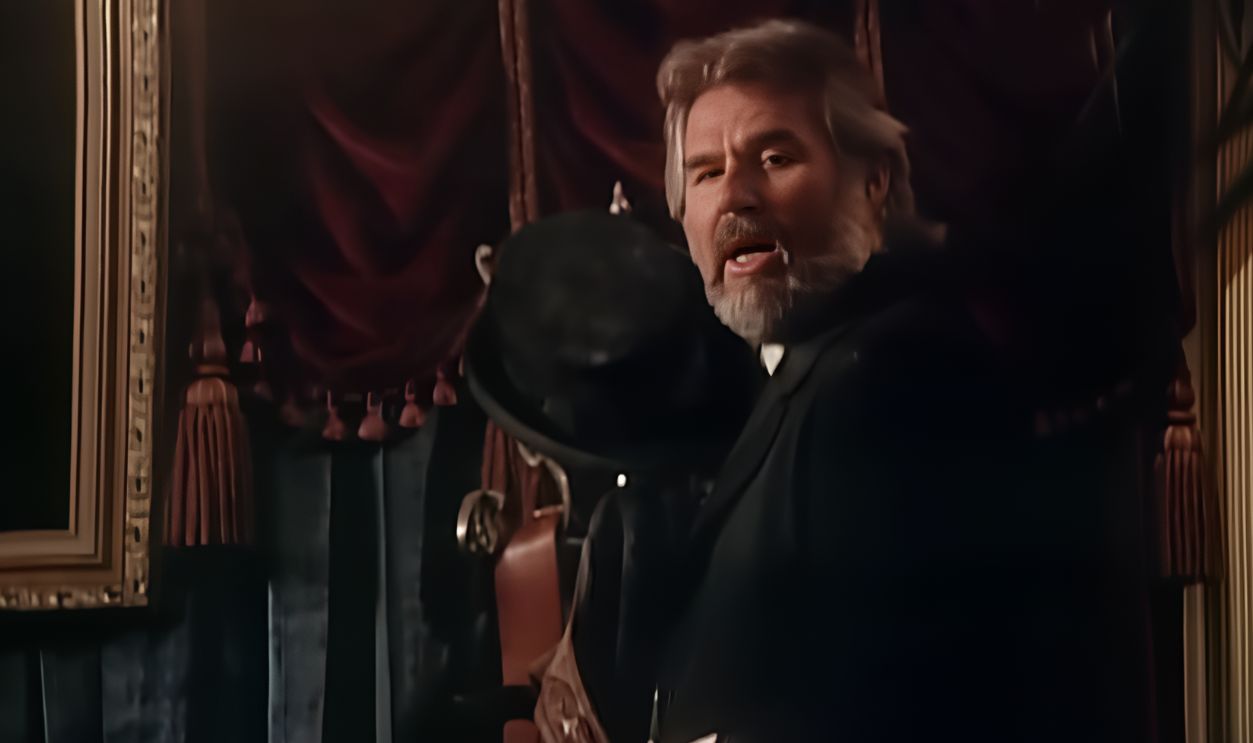 Screenshot from The Gambler, United Artists Records (1978), Modified
Rogers Understood The Assignment
The reason the song worked so well is that Rogers never winked at it. He treated the story with respect. He sang it like the advice mattered. That sincerity made the whole thing land. A lesser performer might have turned it into costume drama.
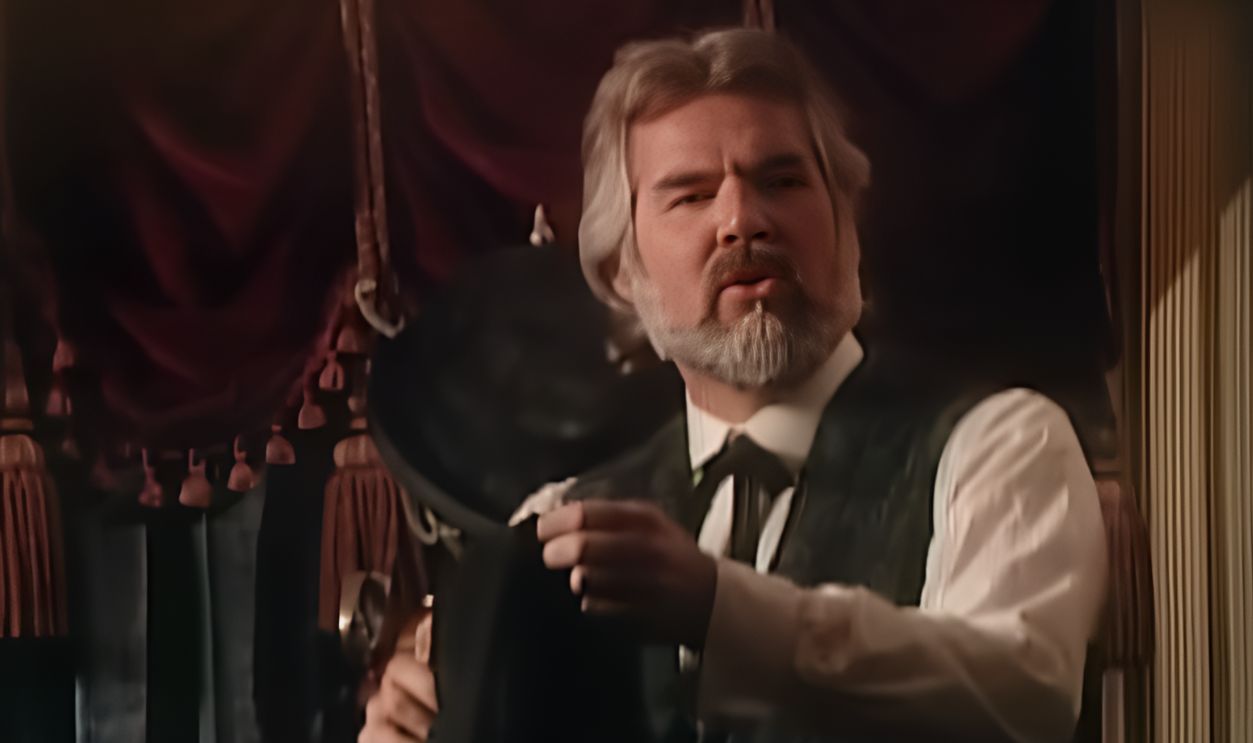 Screenshot from The Gambler, United Artists Records (1978), Modified
The Gambler Became His Second Name
For the rest of his life, Rogers was tied to “The Gambler.” That can be a trap for some artists, but for him it became a crown. The song did not shrink his career. It gave his whole catalog a legendary center of gravity.
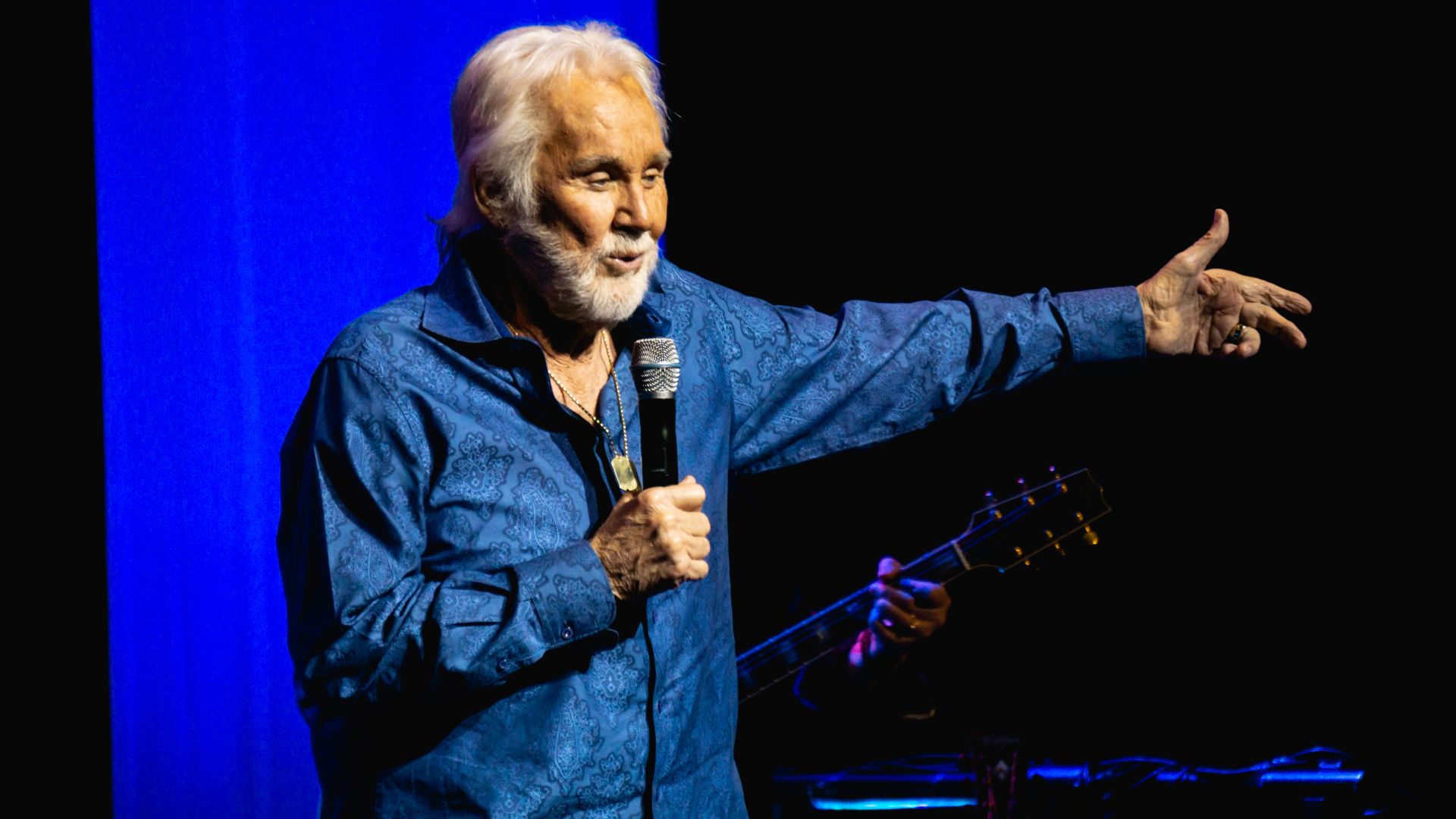
His Biggest Gamble Was Trusting The Story
So, which career gamble catapulted Kenny Rogers to superstardom? It was his decision to embrace “The Gambler” completely: the song, the character, the country-pop lane, and the wise storyteller image. He bet that a simple story could change everything. He was right.
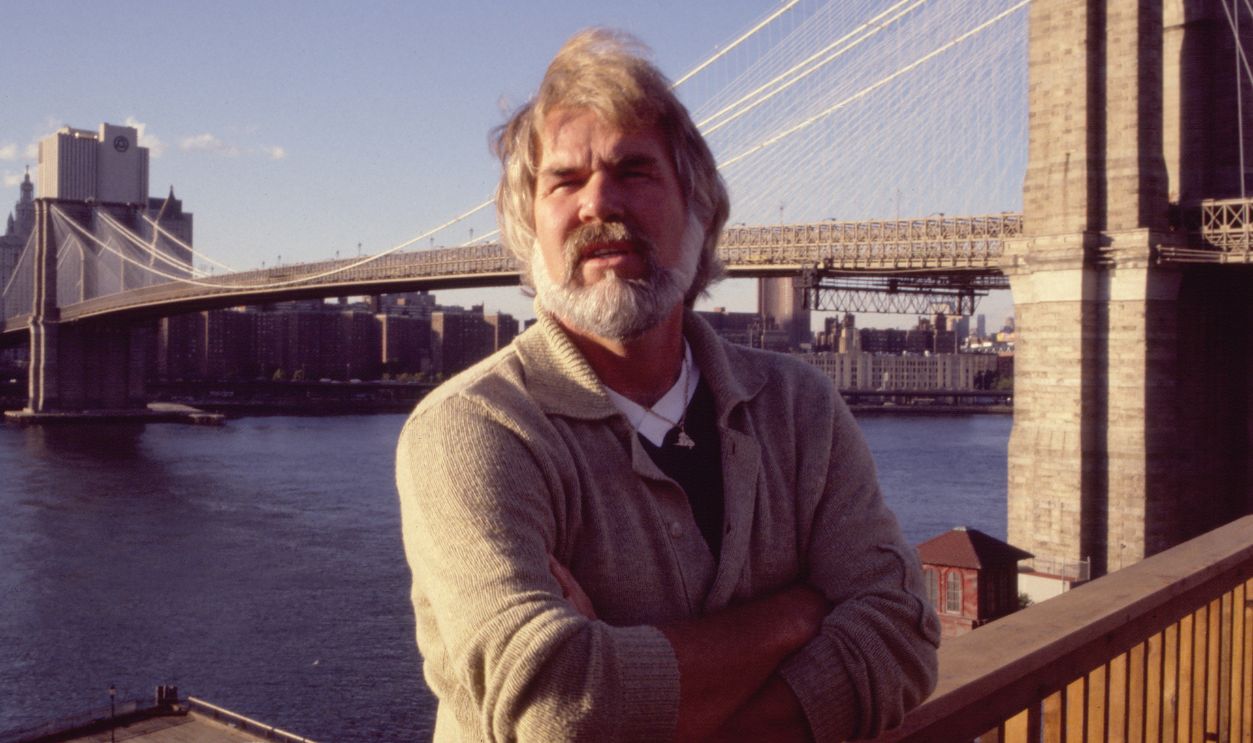
Kenny Rogers Knew When To Hold ’Em
“The Gambler” changed Kenny Rogers’ career because it gave him more than a hit. It gave him a myth. He became the voice of calm advice, hard choices, and unforgettable choruses. In the end, Rogers did exactly what the song taught: he played the hand perfectly.
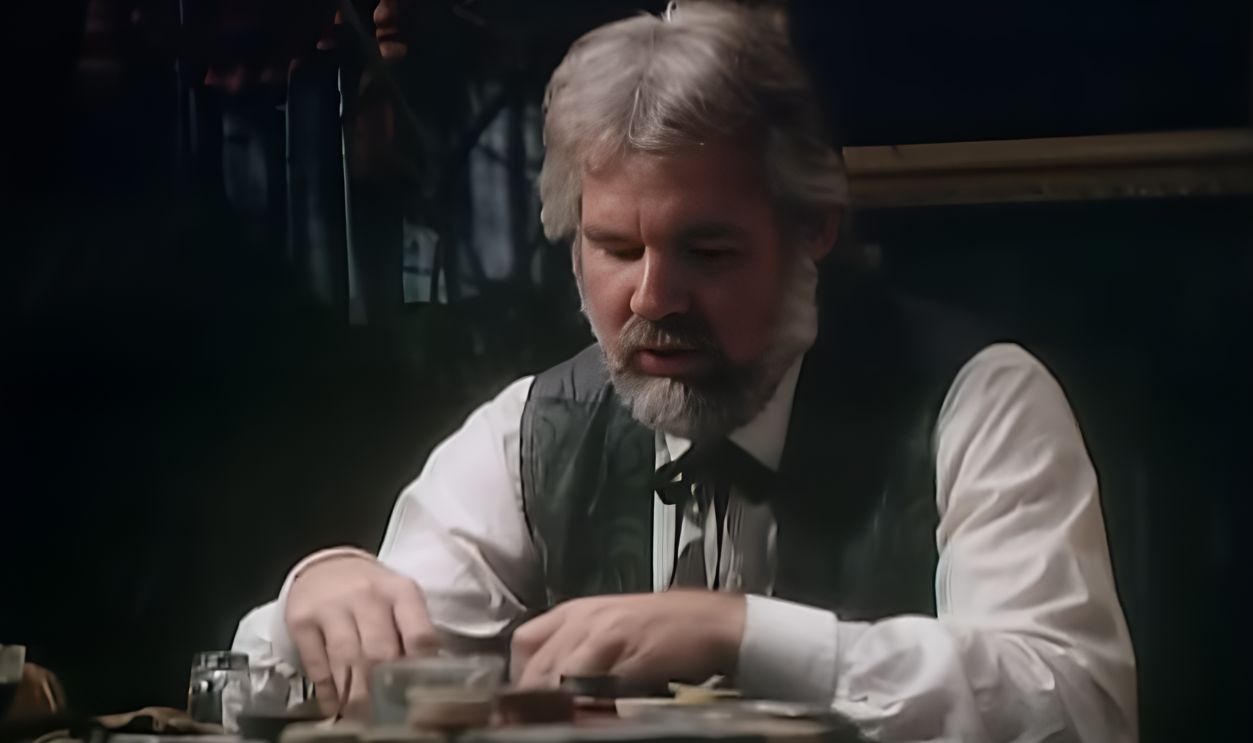 Screenshot from The Gambler, United Artists Records (1978), Modified
You May Also Like:
Great Movies From The 1960s That No One Remembers—Seriously, Do You Remember Even 5 Of These Films?