An Admission
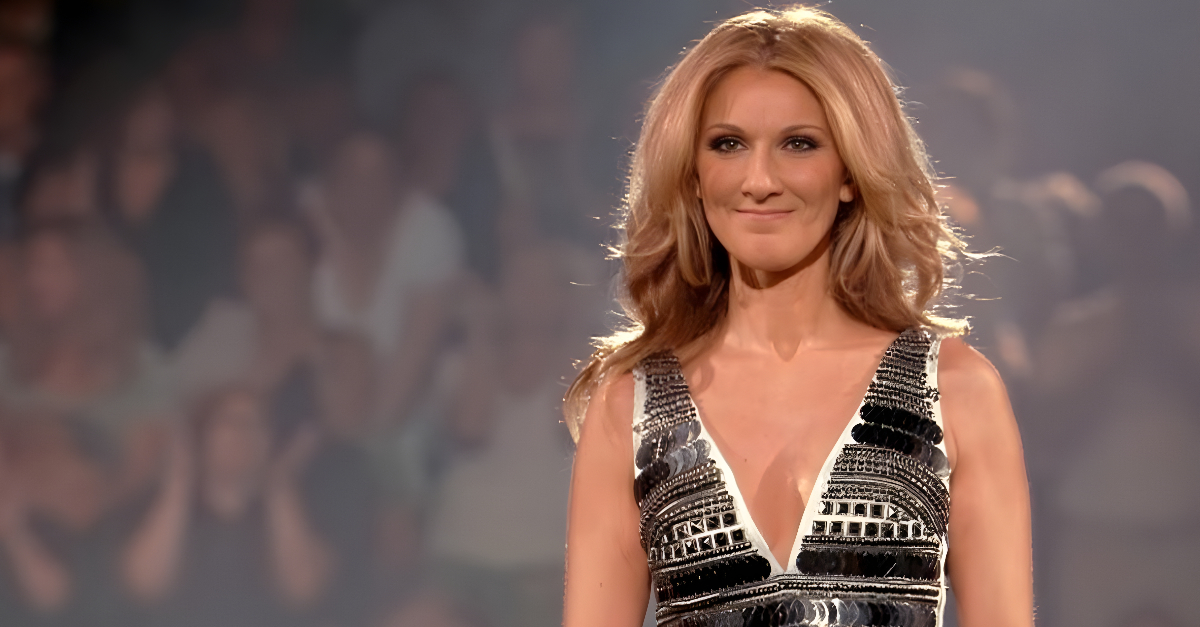
When Celine Dion finally admitted, “I can’t do this anymore,” it was a breaking point. And the story behind that moment is heavier—and longer—than most people realized.
The Voice That Never Missed
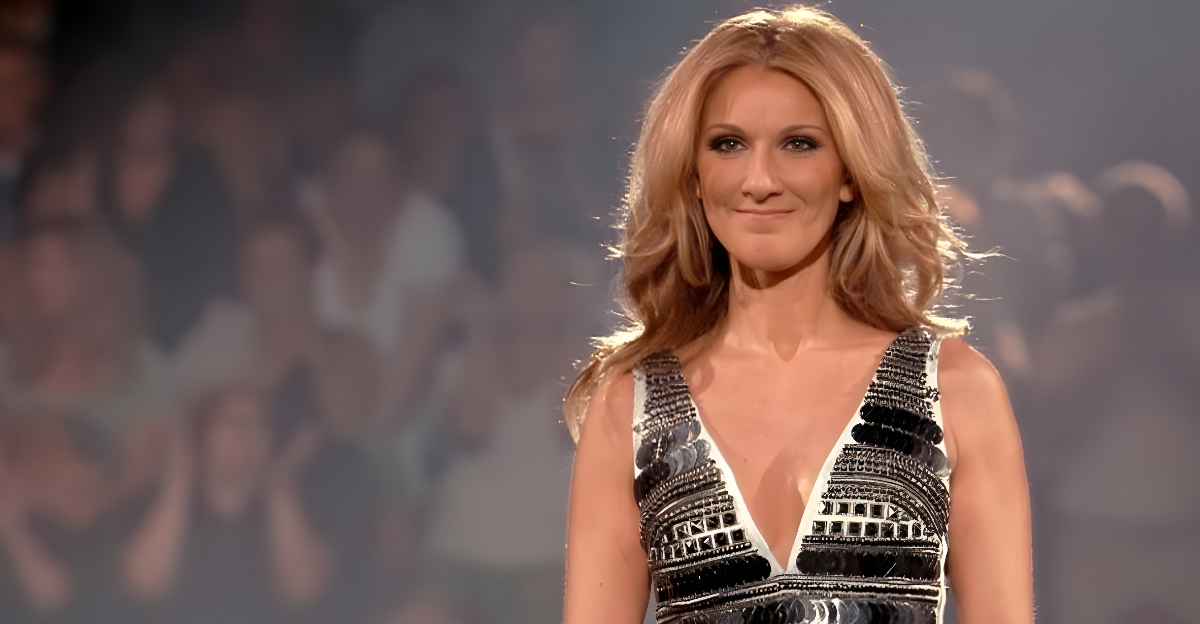
From My Heart Will Go On to Las Vegas, Celine built a career on technical control. She wasn’t just powerful—she was precise. Live performances were expected to be flawless. And for years, they were.
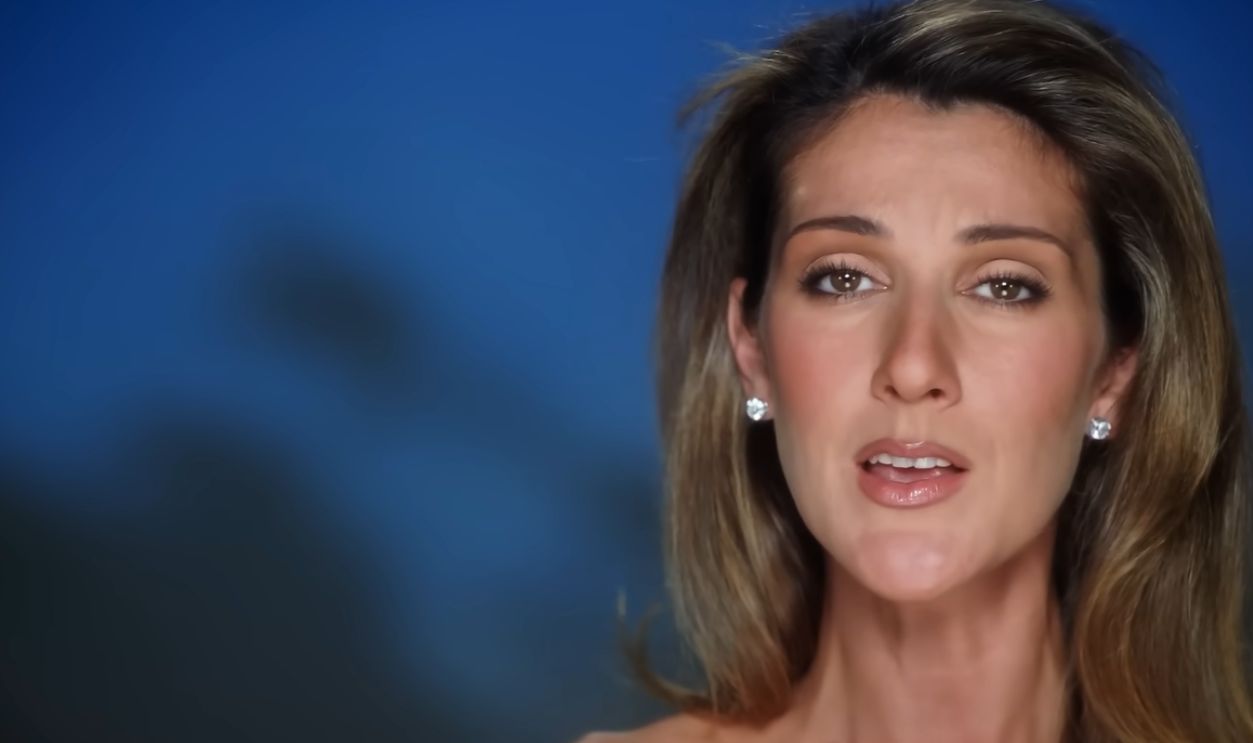 Screenshot from My Heart Will Go On, Epic Records (1997)
A Career Built on Endurance
Celine wasn’t a sporadic performer. She toured relentlessly in the 90s and 00s, then redefined the Las Vegas residency model. Her schedule wasn’t casual—it was industrial. She became synonymous with consistency.
2008: The First Crack
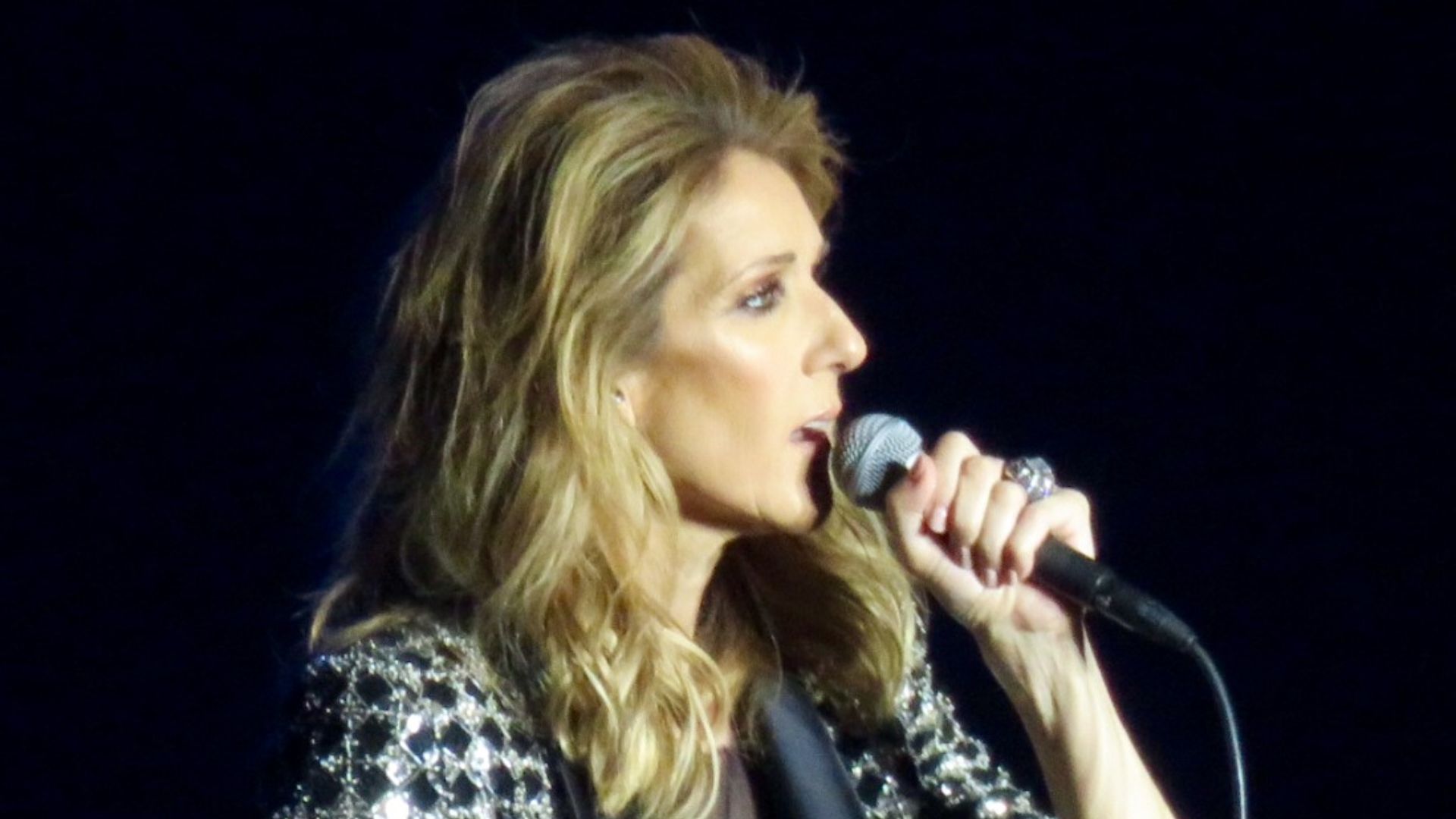
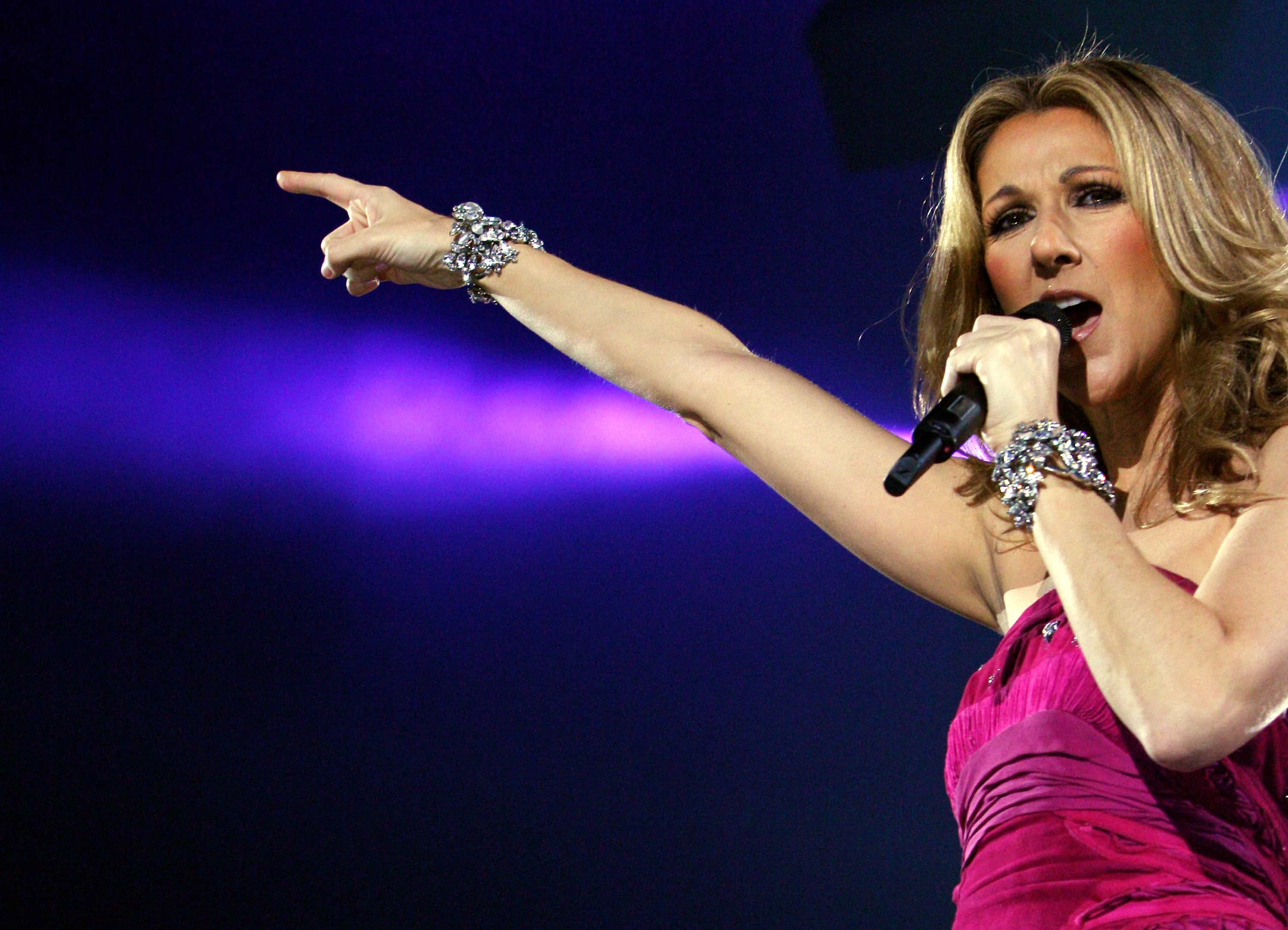
During the Taking Chances World Tour in 2008, she later revealed something felt wrong. Her voice would tighten unpredictably. Doctors reportedly told her her vocal cords looked “pristine.” No visible damage. No explanation. So she kept performing.
No Diagnosis—Just Discipline
Without a medical answer, she did what she had always done: adjust and push forward. She trusted training, muscle memory, and repetition. If something felt off, she worked harder.
The Long Vegas Run
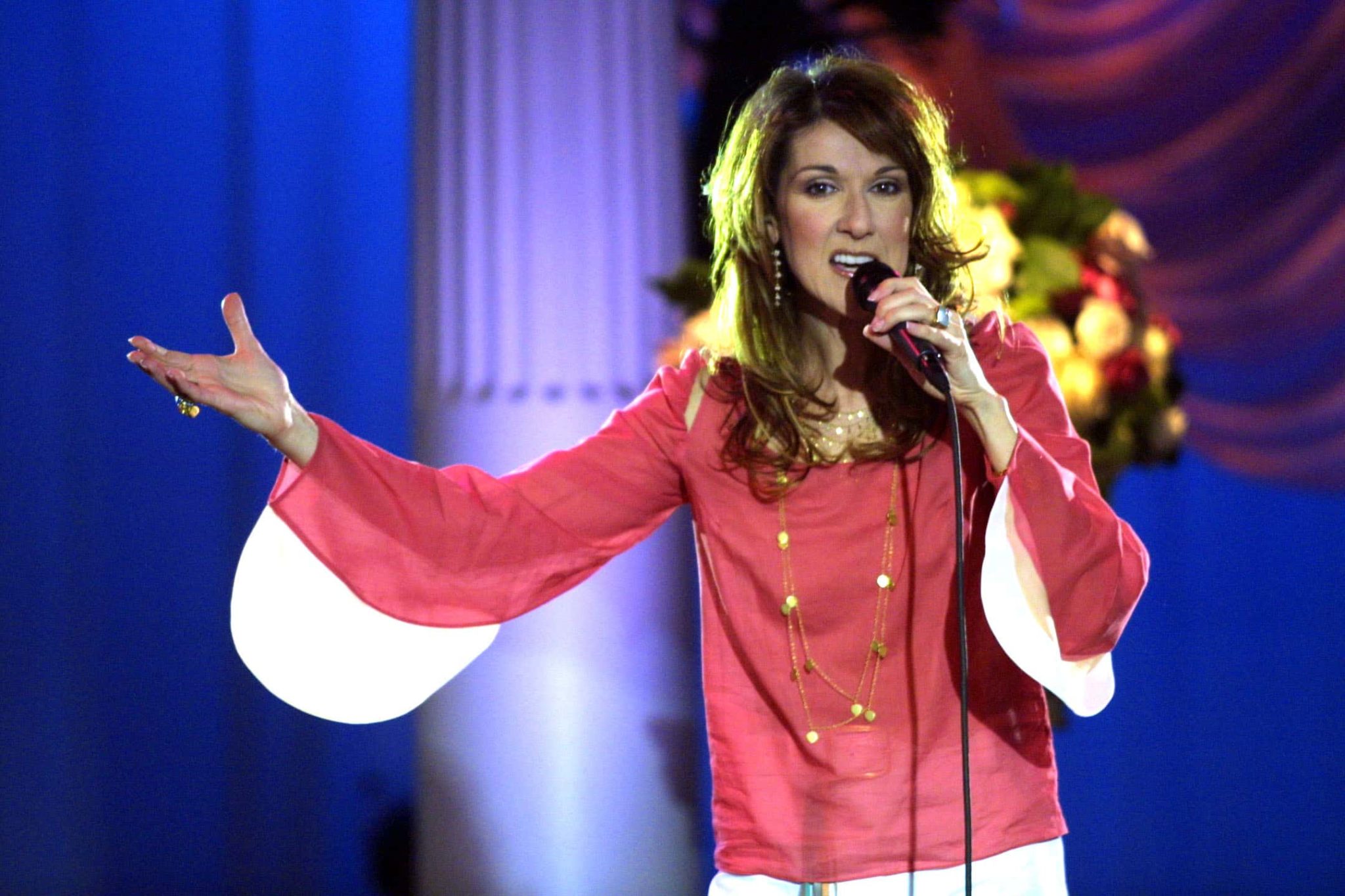
From 2011 to 2019, she headlined a second Las Vegas residency that grossed hundreds of millions. Hundreds of shows. Identical staging. Vocal consistency night after night. Whatever was brewing physically, she kept it contained.
She Worked Through It for Years
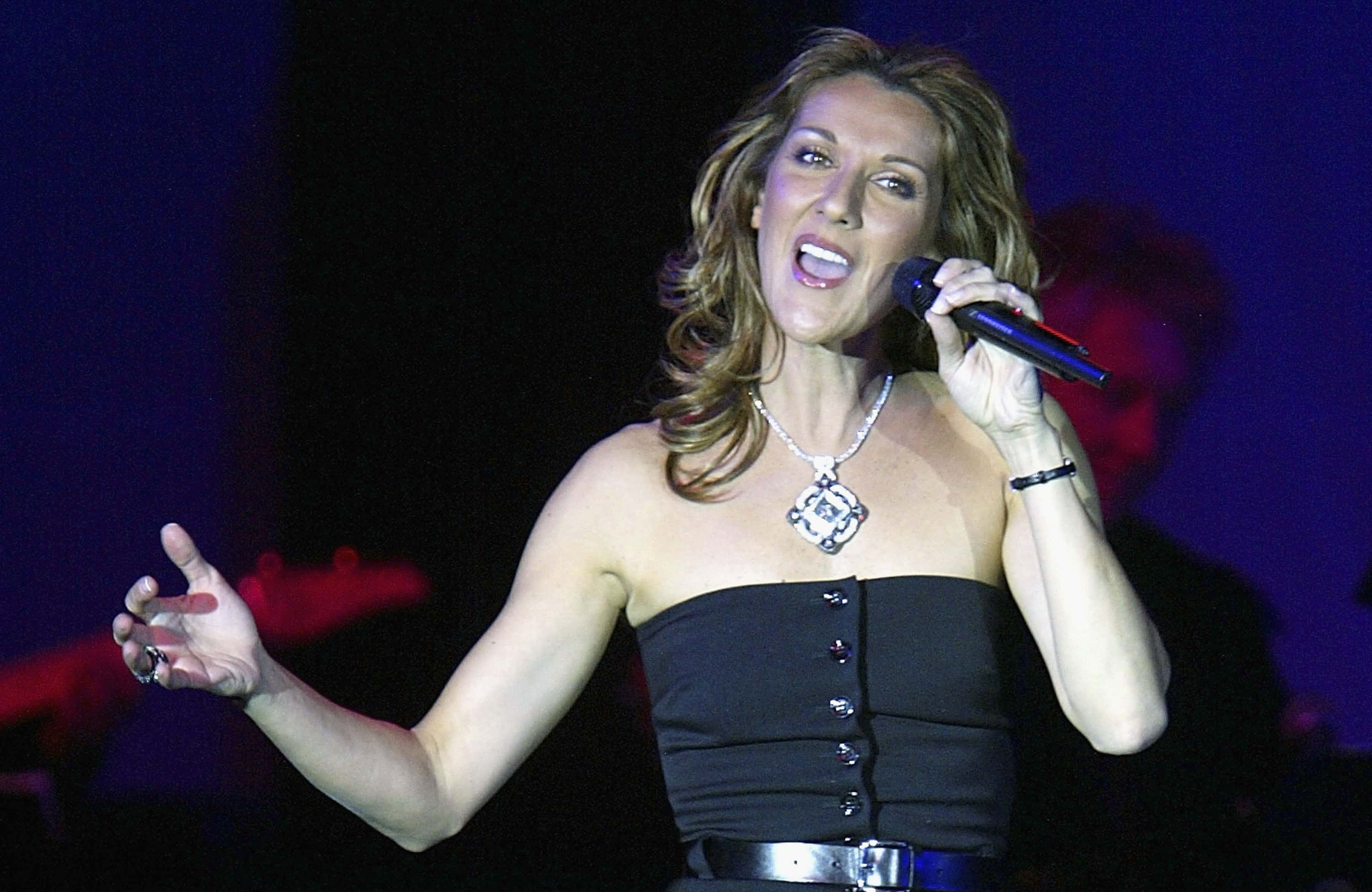
Between tours, Vegas, and albums, she continued appearing publicly without mentioning a neurological condition. The symptoms didn’t stop. They evolved. She adapted instead of retreating.
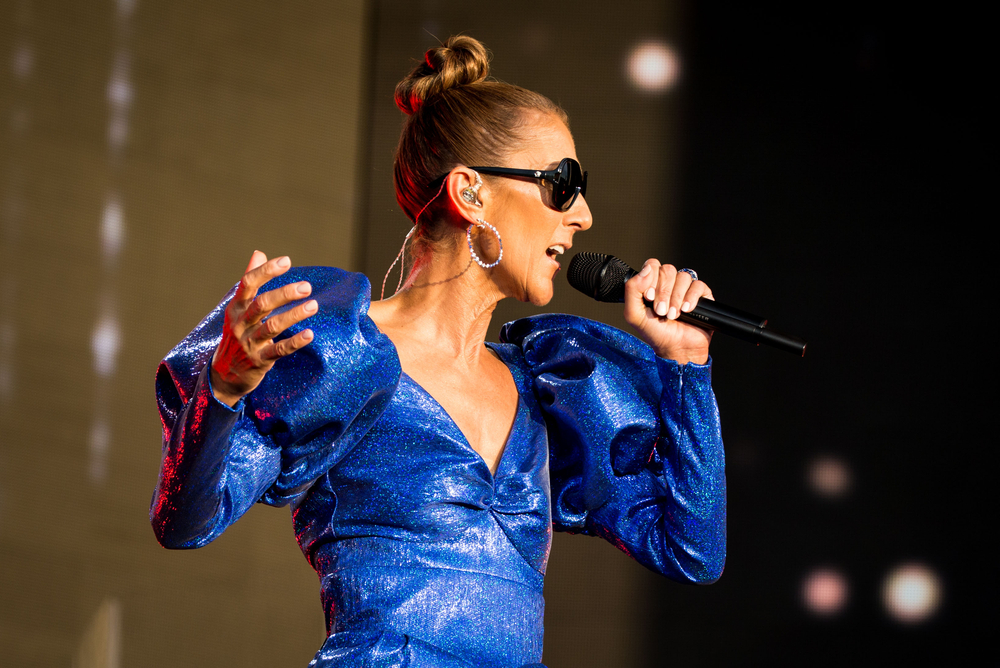
 Kingkongphoto & www.celebrity-photos.com from Laurel Maryland, USA, Wikimedia Commons
How She Covered For It Onstage
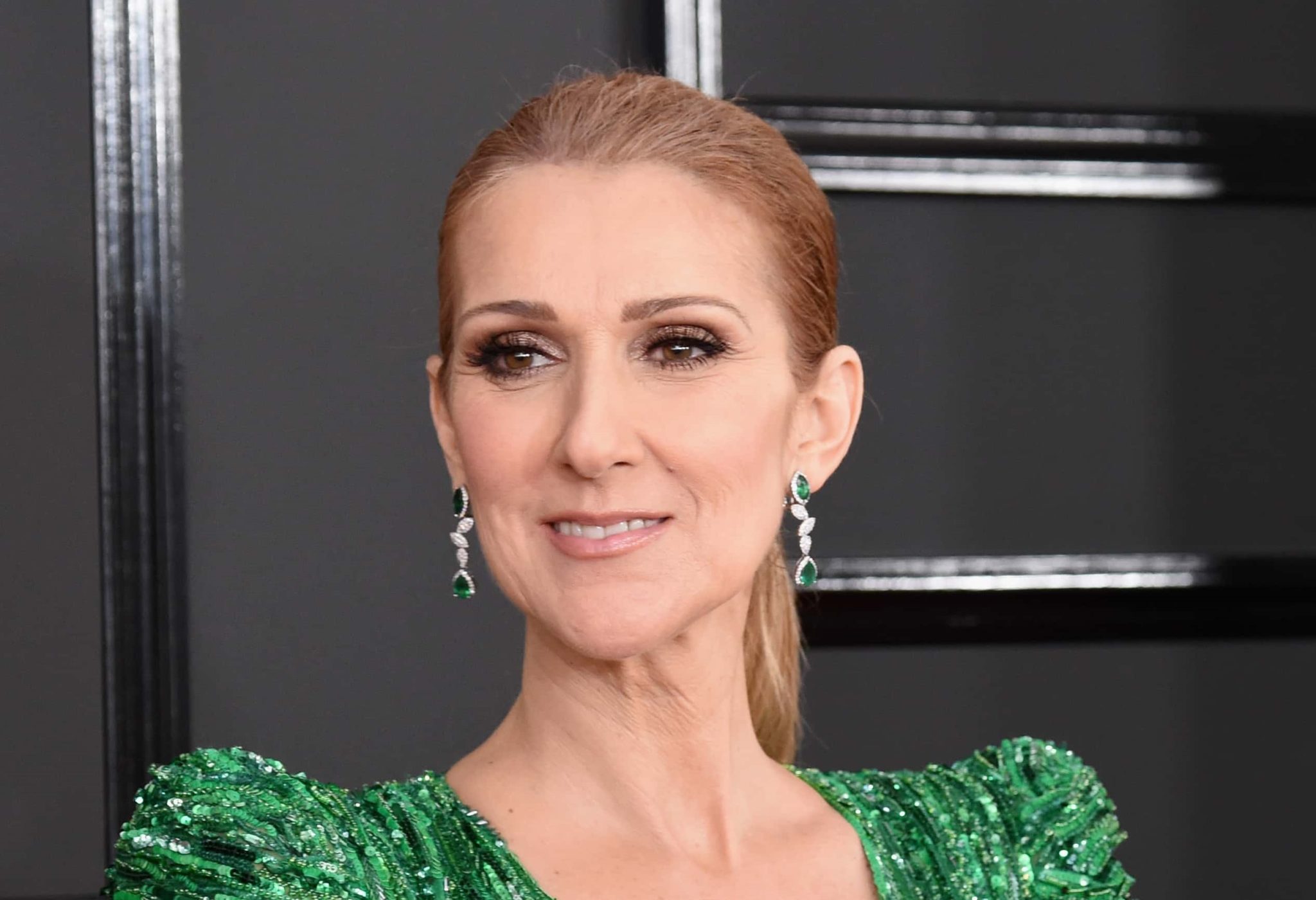
In I Am: Celine Dion, she explains that she quietly modified performances. She lowered keys, shortened notes, avoided sustaining certain belts, and sometimes let the audience carry a chorus while she reset. At first, it felt like control. Eventually, it felt like concealment.
When Control Started Slipping
Stiffness began affecting not just high notes but breath support and posture. The body that once felt automatic required conscious effort. For a performer who built her brand on precision, that shift was destabilizing.
What It Actually Felt Like
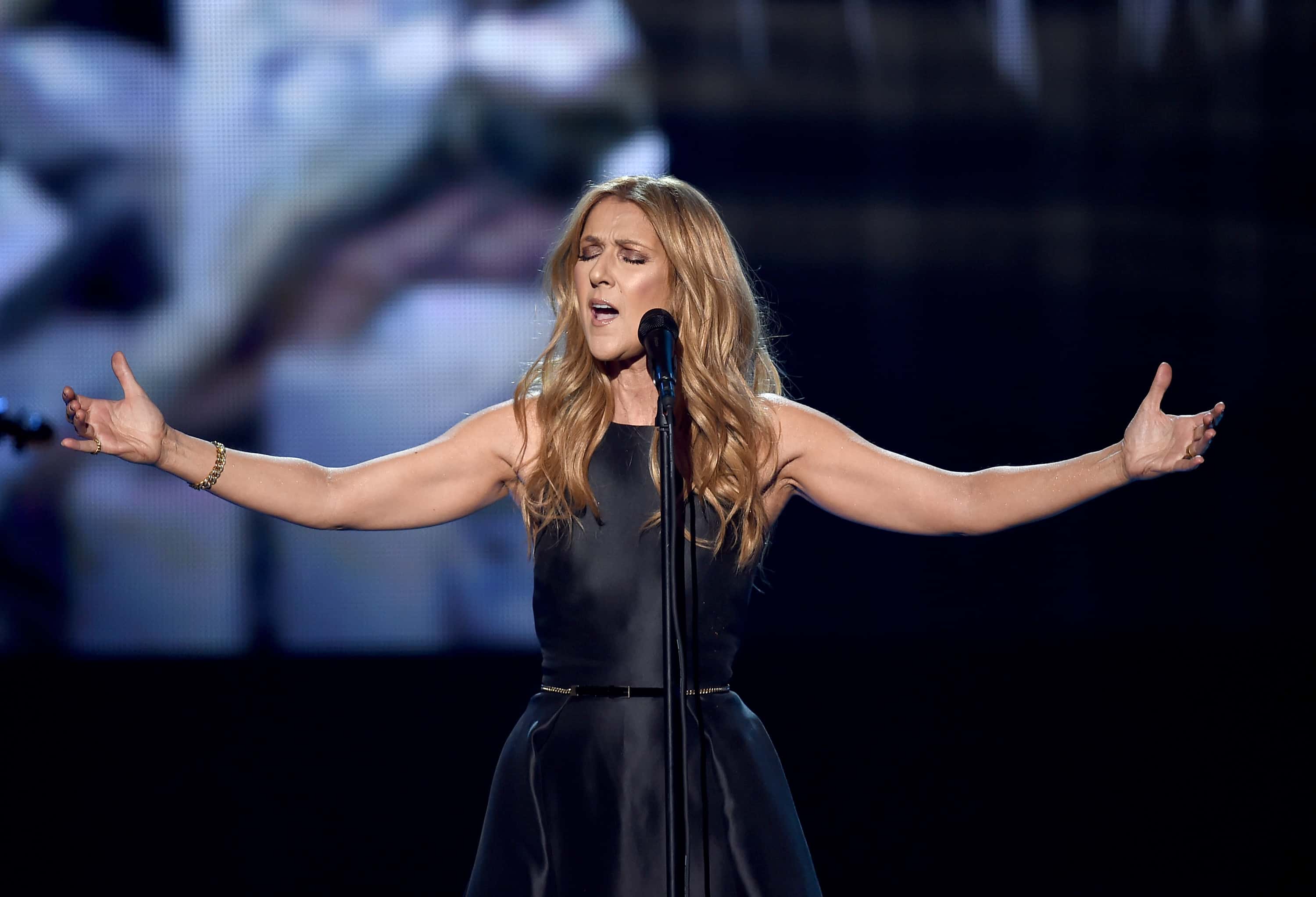
In her NBC interview with Hoda Kotb, she described singing during spasms as “Like somebody is strangling you.” She also revealed, “I have broken ribs at one point.” This wasn’t strain. It was her muscles locking involuntarily.
 RepliCarter, Wikimedia Commons
2021: The Cancellations Begin
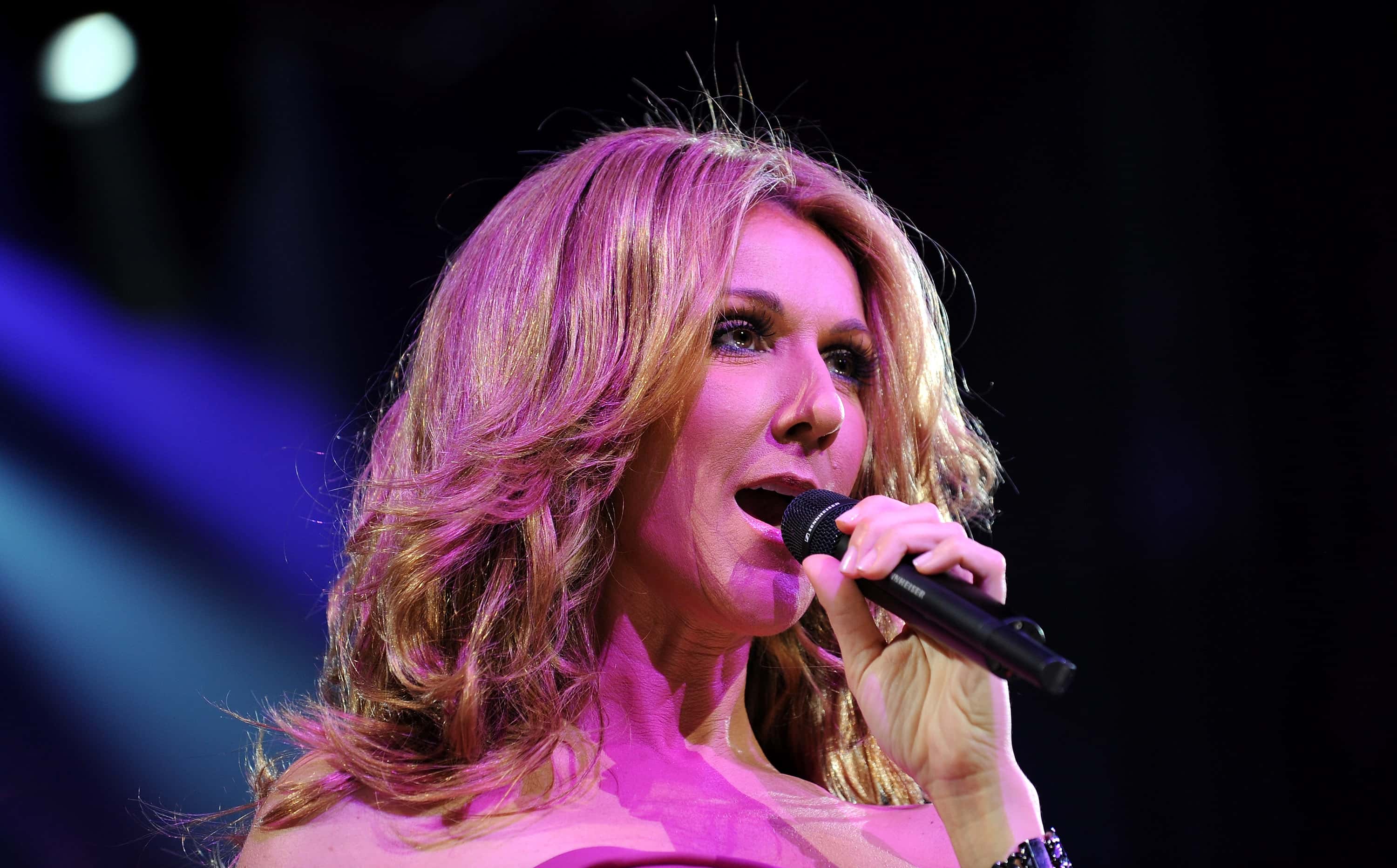
By 2021, she began canceling shows citing “severe and persistent muscle spasms.” Earlier explanations had been framed as manageable health issues—things like spasms or sinus-related problems that didn’t sound career-altering. The tone shifted. These weren’t isolated nights. The interruptions were increasing. Something systemic was happening.
The Public Still Didn’t Know
At that stage, fans saw postponements. They didn’t see neurological evaluations. They didn’t see escalating muscle rigidity. The severity wasn’t public yet.
2022: The Diagnosis
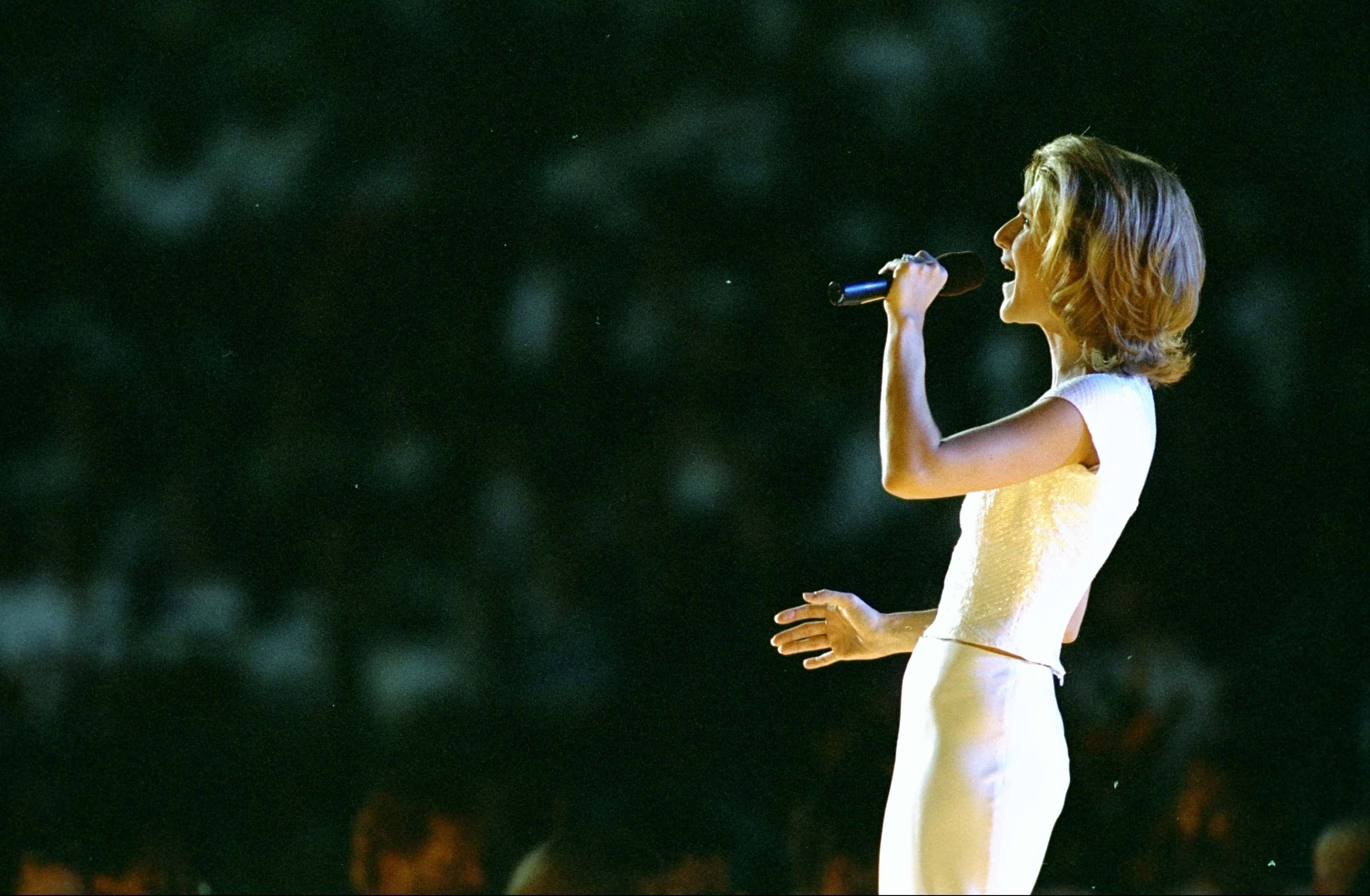
In December 2022, she publicly revealed she had stiff-person syndrome. It’s a rare autoimmune neurological disorder affecting roughly one to two people per million. It causes muscle rigidity and sudden spasms that can be triggered by stress, sound, or movement. There is no cure—only symptom management.
Why It Took So Long
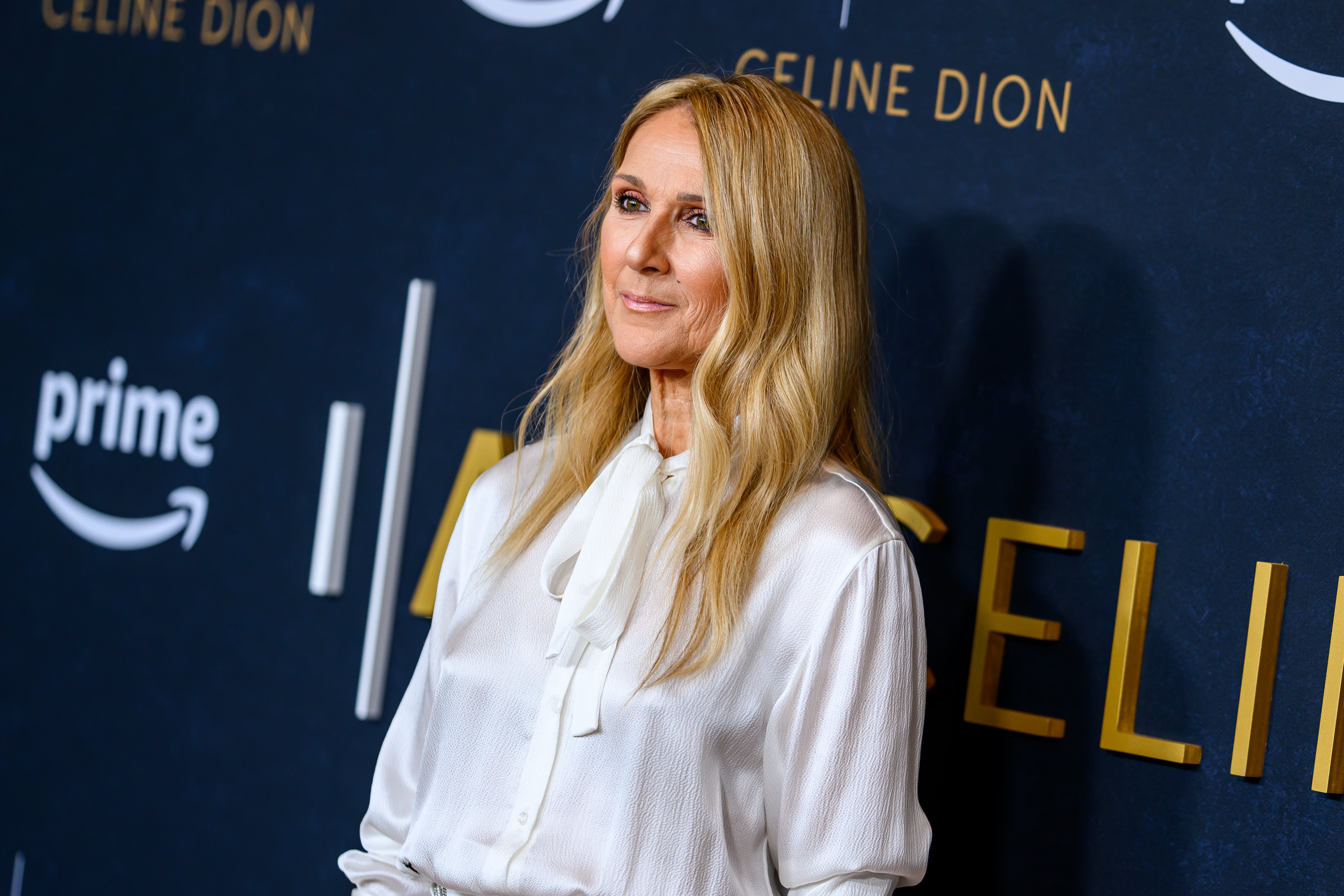
Stiff-person syndrome is notoriously difficult to diagnose. Early symptoms often mimic other conditions. Years can pass before a clear answer emerges. Looking back, 2008 doesn’t feel isolated—it feels early.
2023: The Full Tour Shutdown
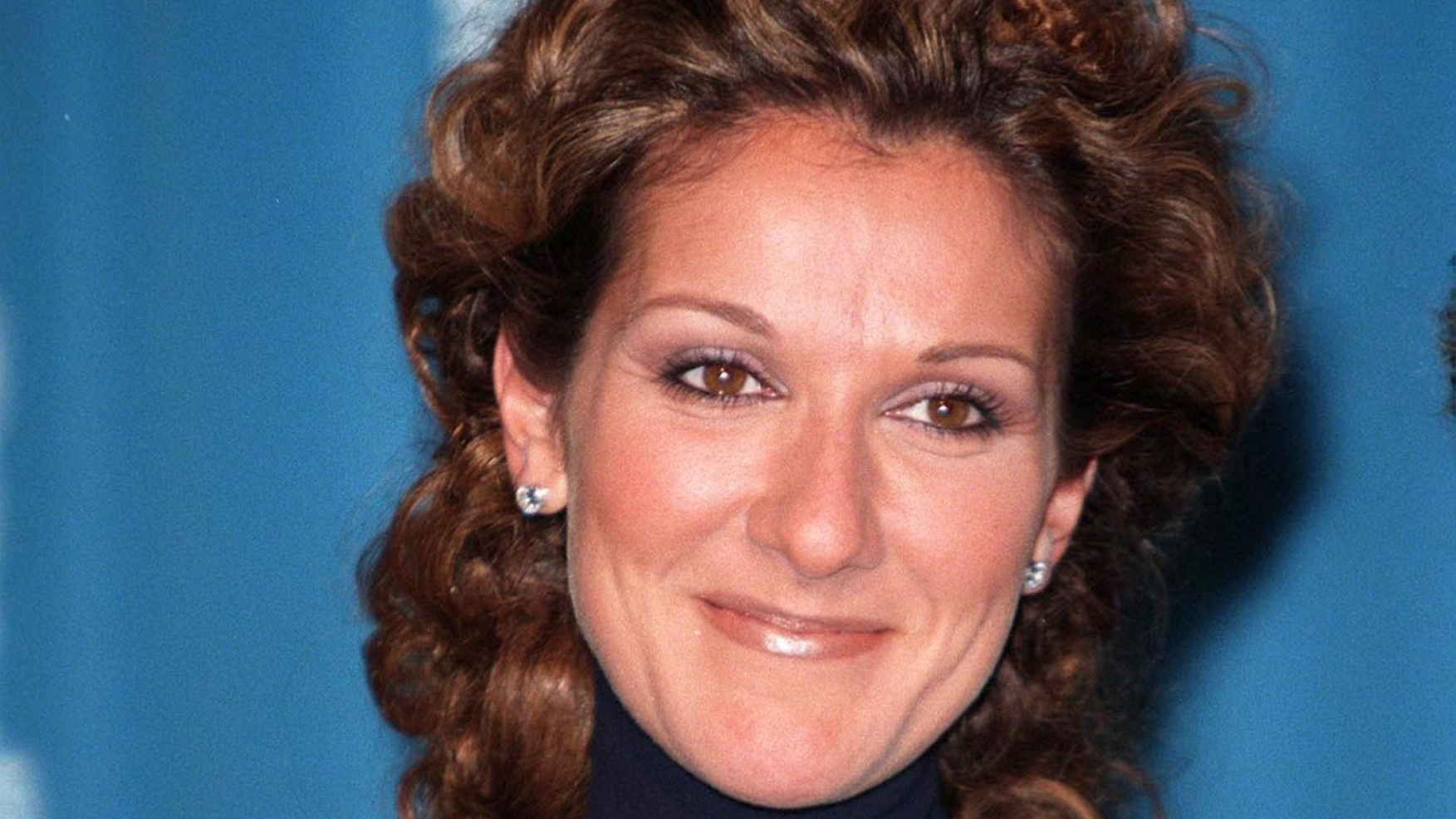
In May 2023, she officially canceled the remainder of her Courage World Tour. Not postponed. Canceled. That meant shutting down a global schedule—dozens of dates and an entire touring cycle. That decision marked a definitive shift—she could no longer push through it.
The Moment She Stopped Hiding
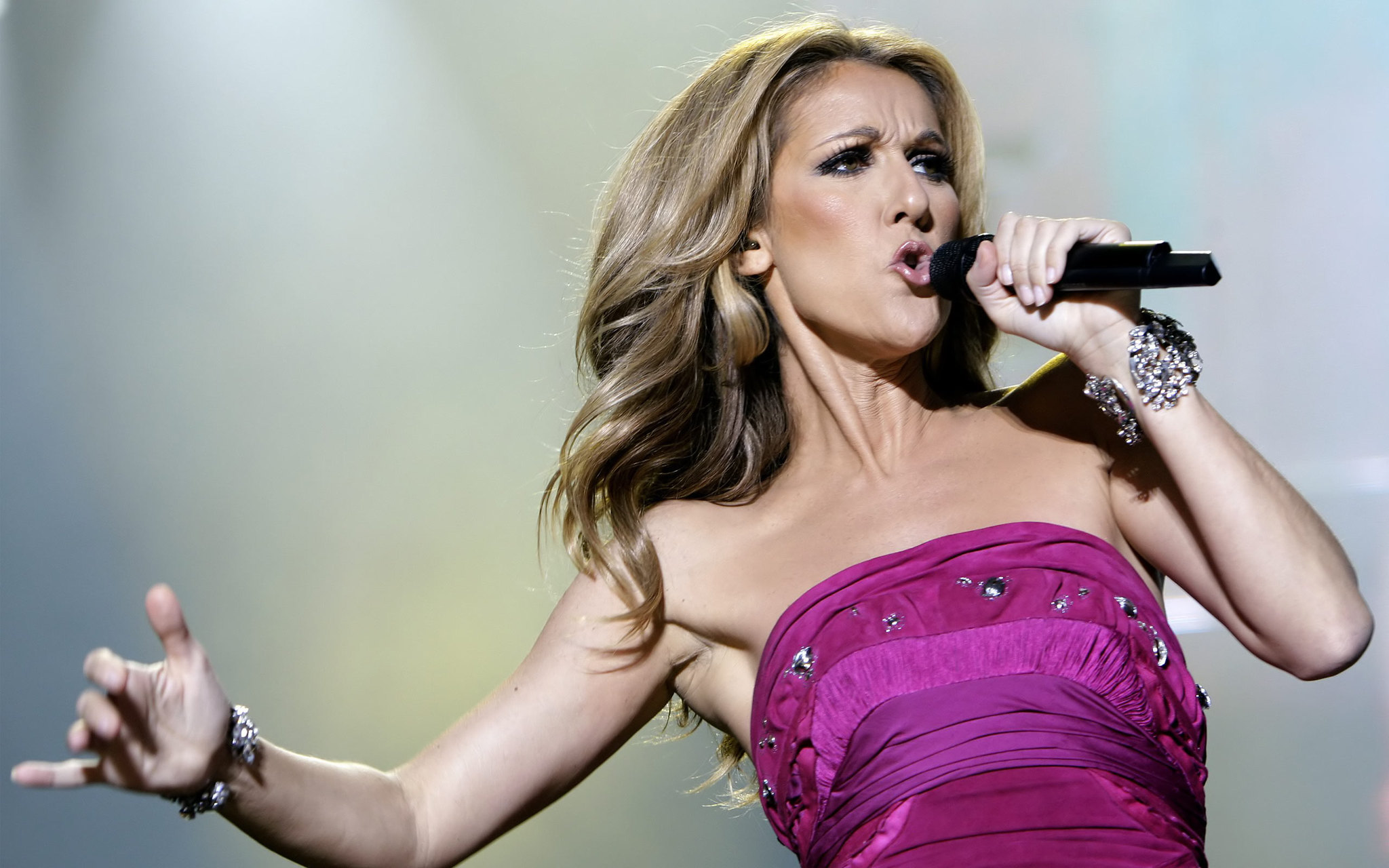
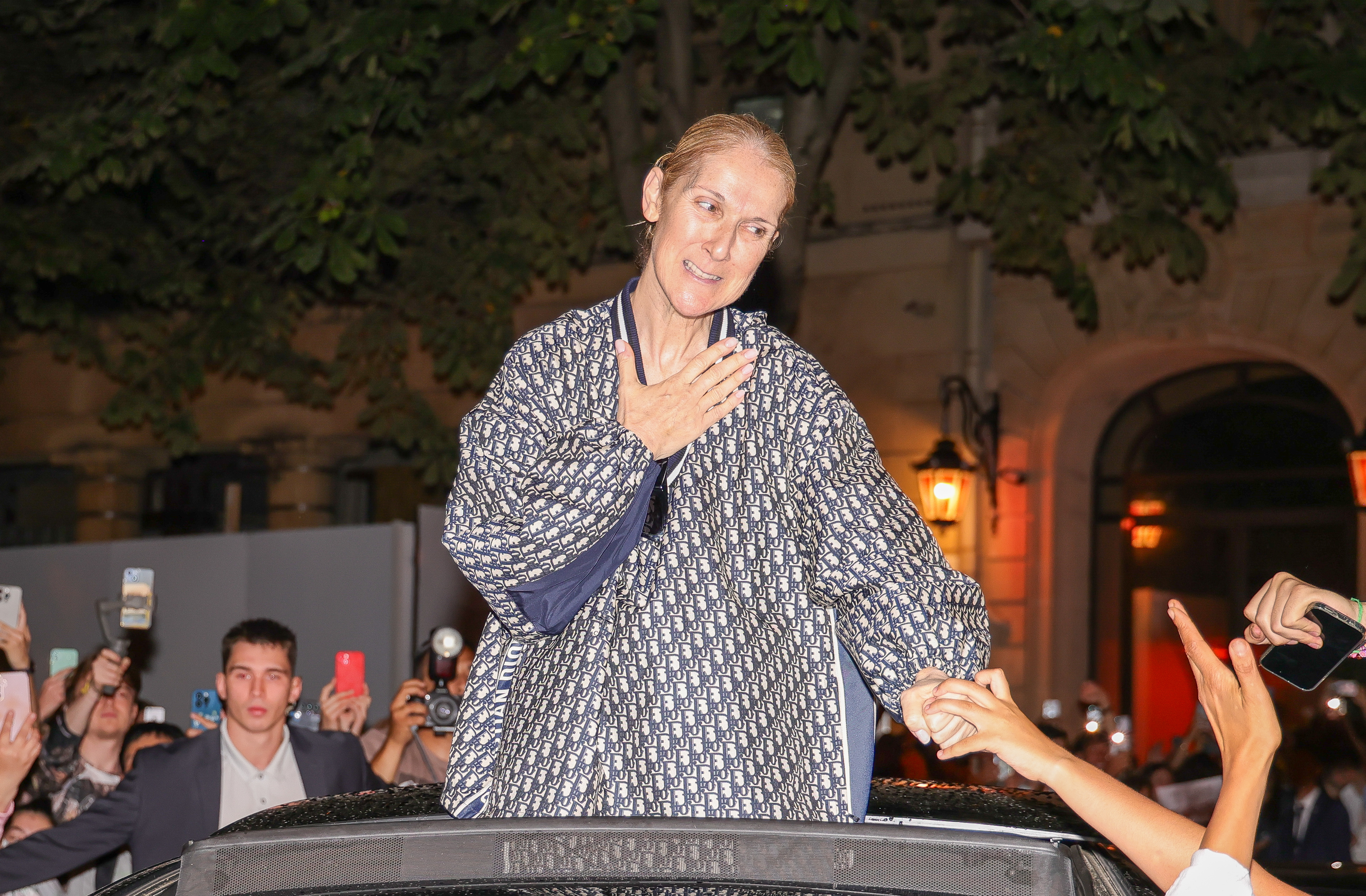
In her NBC special, she said plainly: “I could not do this anymore. Lying for me, the burden was too much.” She also admitted, “I didn’t want to live in this bunker anymore because the burden was so heavy.” And at one point she added, “I’m not gonna say sinus infection.” She reached a point where minimizing it wasn’t sustainable.
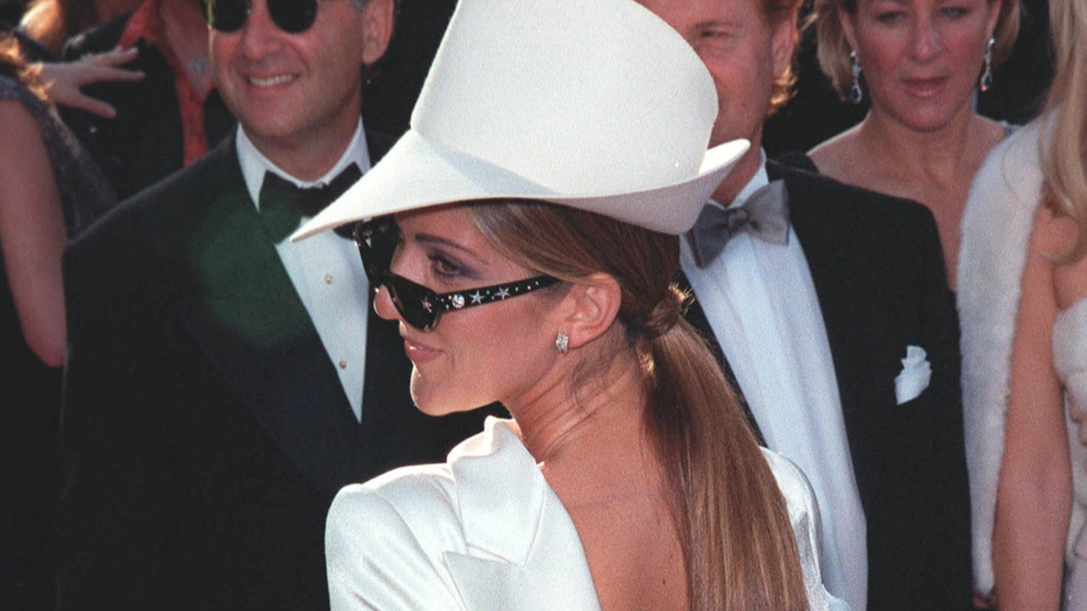 Featureflash Photo Agency, Shutterstock
The Cost of Pushing Through
Looking back, she admitted she “should have stopped” earlier instead of trying to power through symptoms that were worsening without answers. At the time, she believed pushing forward was strength. In hindsight, she suggests stepping back sooner might have allowed her to focus fully on diagnosis, treatment, and protecting her voice before the strain escalated.
The Documentary Didn’t Soften It
In I Am: Celine Dion, cameras captured a prolonged spasm episode in real time, with medical staff present. She chose to leave it in the film. No dramatic music. No cutaways. Just the reality of what the condition does to her body.
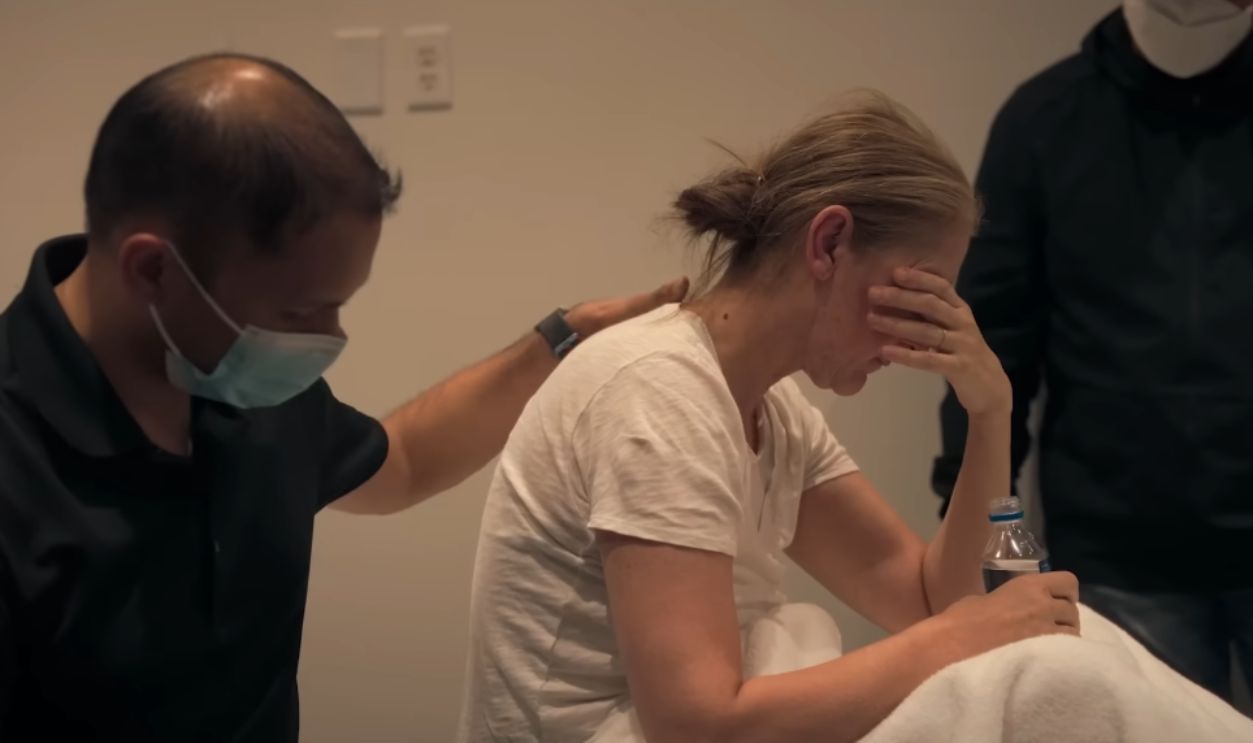 Screenshot from I Am: Celine Dion, Amazon MGM Studios (2024)
Identity, Not Just Illness
She said plainly: “I did not know who I was anymore… I was not Céline Dion.” When your voice defines your identity, losing stability in that voice forces a recalibration of self—not just career.
The Personal Layer
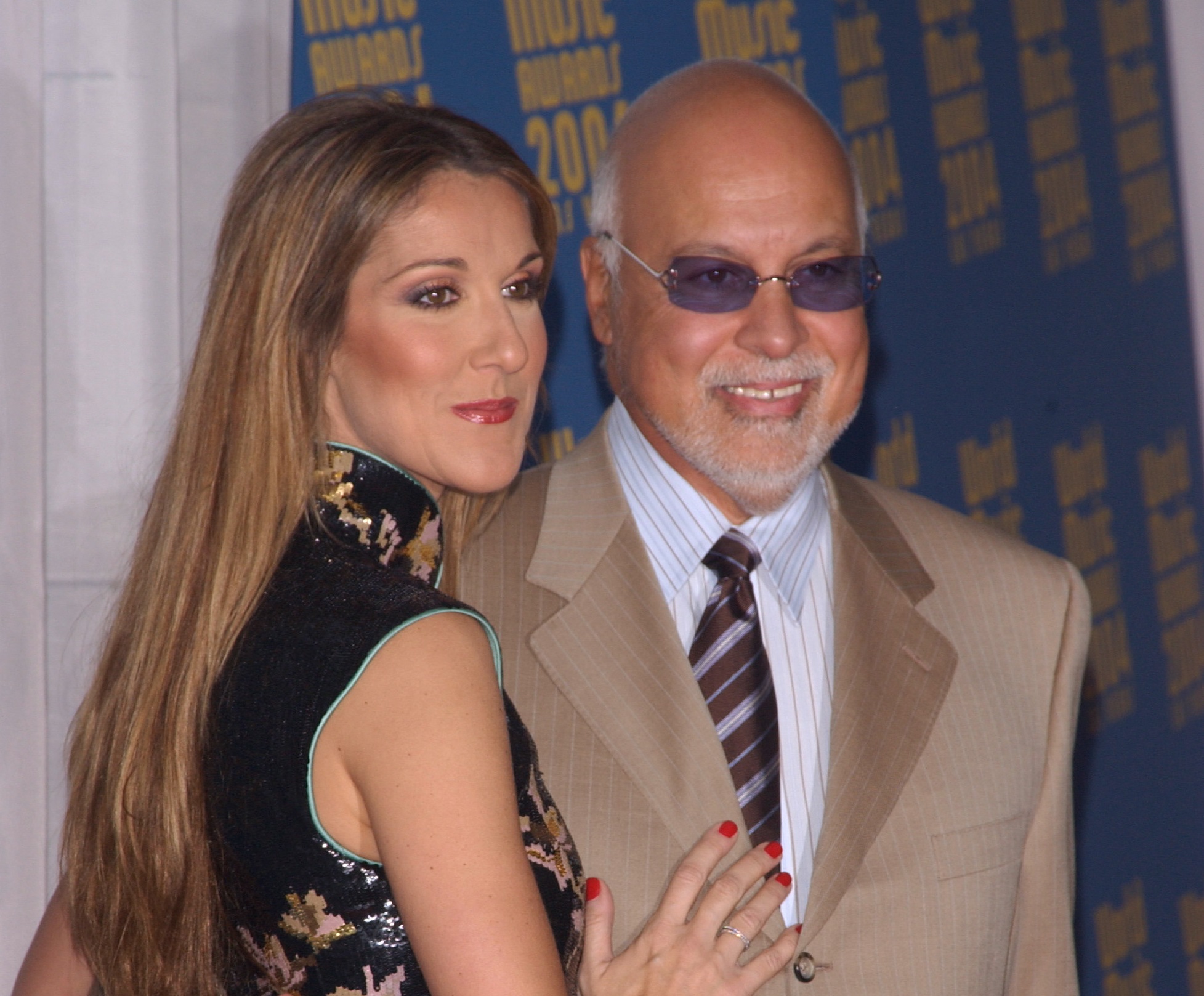
All of this unfolded after the 2016 death of her husband and longtime manager René Angélil. He had guided her career since she was a teenager. Facing a rare, progressive condition without him added another dimension to the fight.
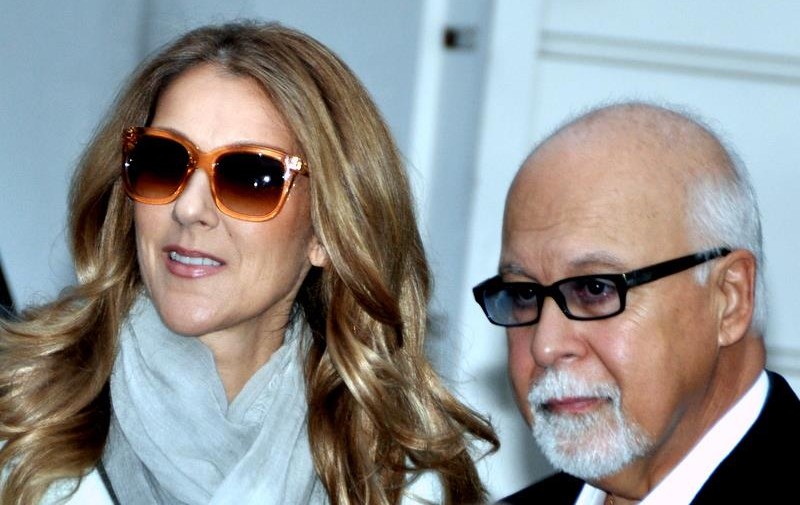 Georges Biard, CC BY-SA 3.0, Wikimedia Commons
The Breaking Point
There wasn’t one dramatic collapse. It was accumulation. Years of adjustments. Years of pushing. Years of thinking she could outwork it. Eventually, continuing as if nothing was wrong stopped being discipline—and started being denial. That’s the real meaning behind “I can’t do this anymore.”
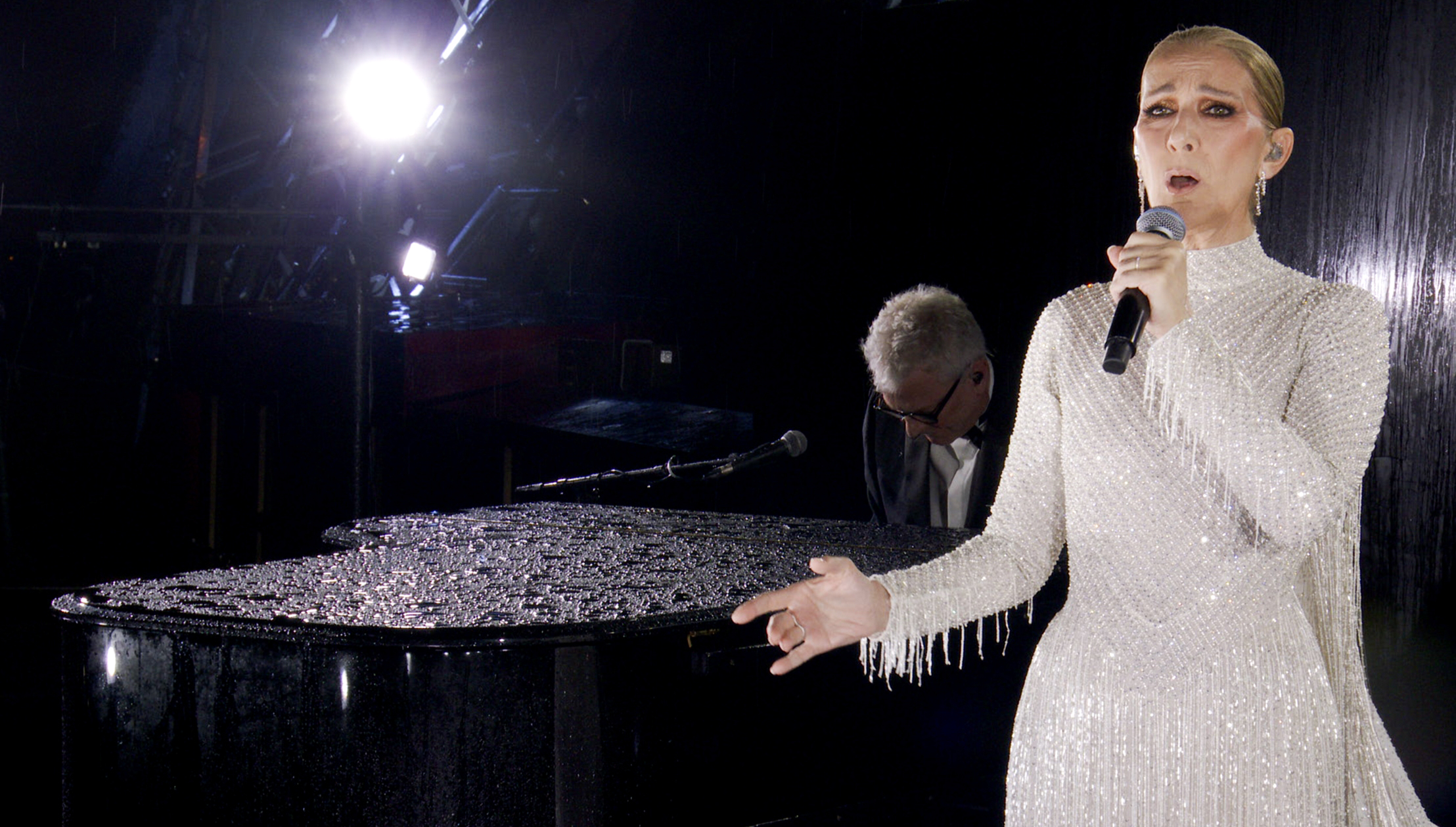
2024: The Olympic Performance
In July 2024, she made a surprise appearance at the Paris Olympic opening ceremony, performing live beneath the Eiffel Tower. It wasn’t a return to touring or a revival of residency life. It was a single, deliberate moment on one of the world’s biggest stages. And while that distinction mattered, so did something simpler—she was there, and she sounded as extraordinary as fans remembered.
What Comes Next
She has not announced permanent retirement. She has said, “I will come back.” But if she returns, it will be on different terms. The era of pushing through without limits is over.
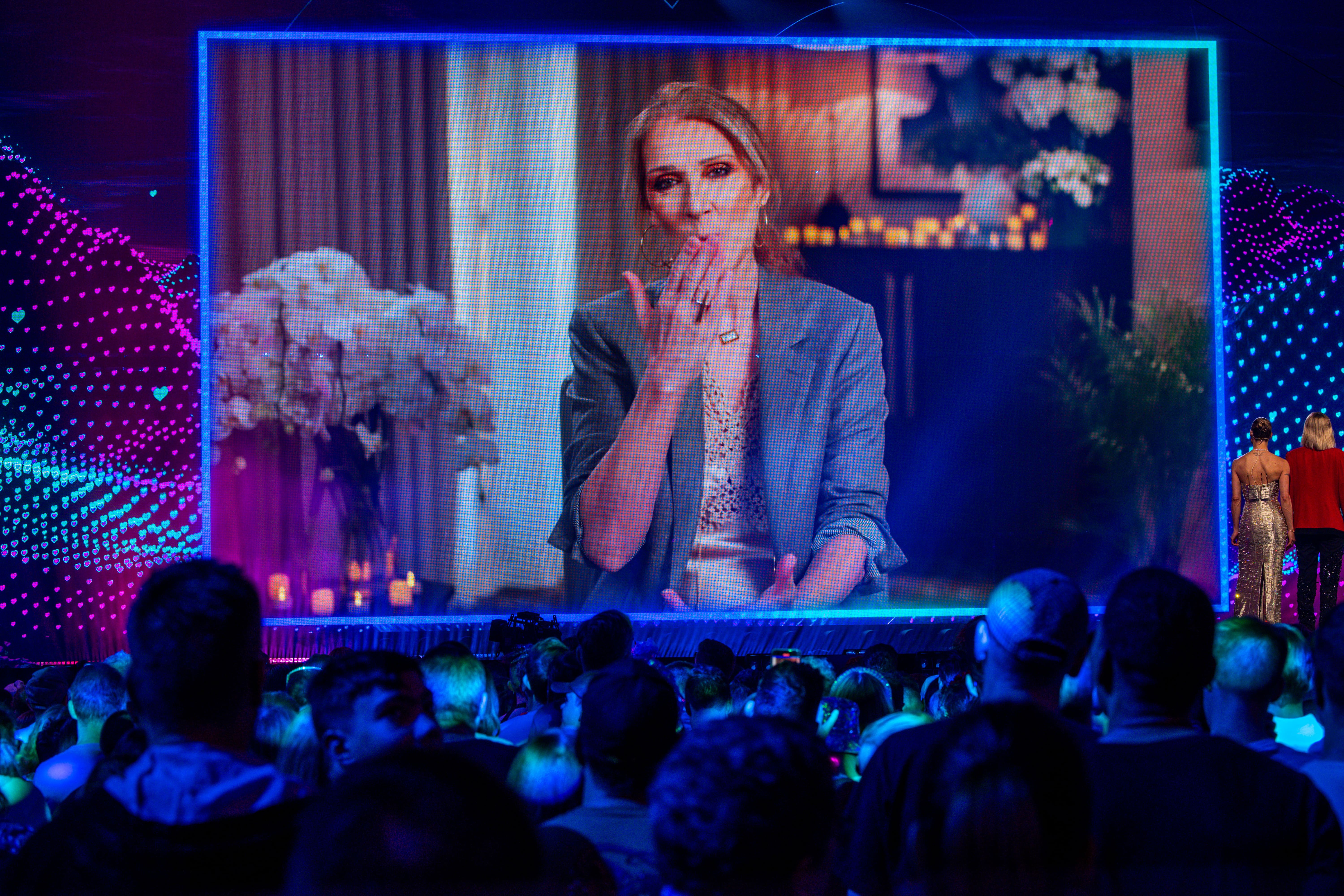 picture alliance, Getty Images
You Might Also Like: