

The Comeback Nobody Thought Was Possible
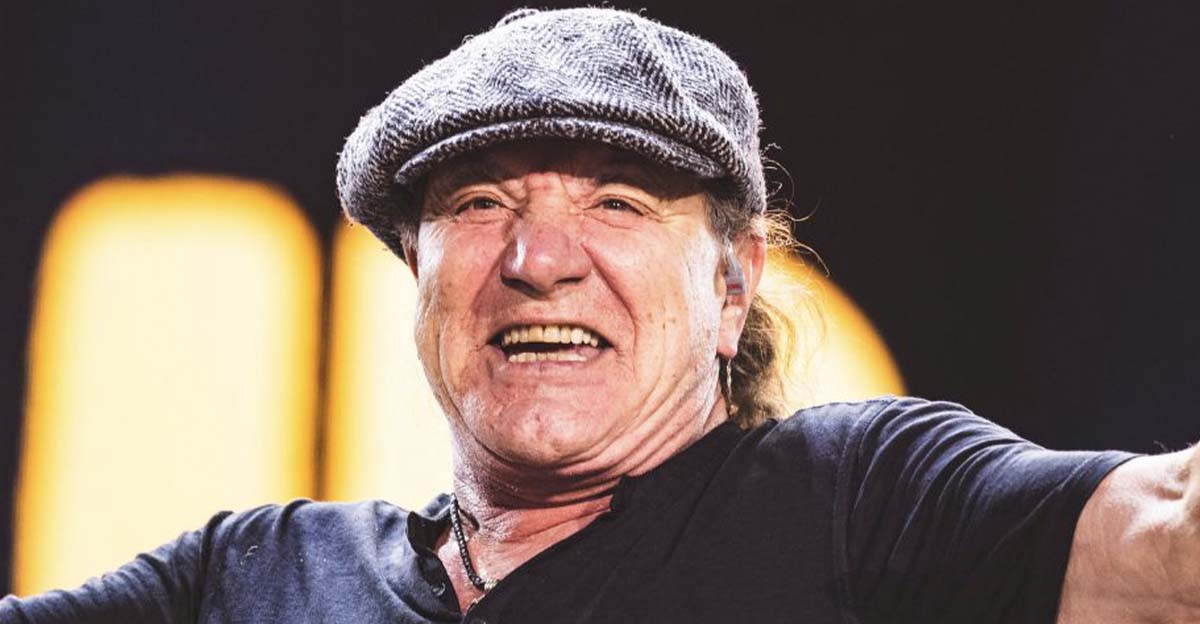
For decades, Brian Johnson’s voice was AC/DC. From the moment he stepped in after Bon Scott’s death in 1980, Johnson helped shape the sound of one of the biggest rock bands in history. But in 2016, after more than 35 years fronting the band, everything changed. A sudden and serious hearing problem forced Johnson off the stage—and for the first time in his AC/DC career, someone else had to take the mic.
A Voice That Defined AC/DC
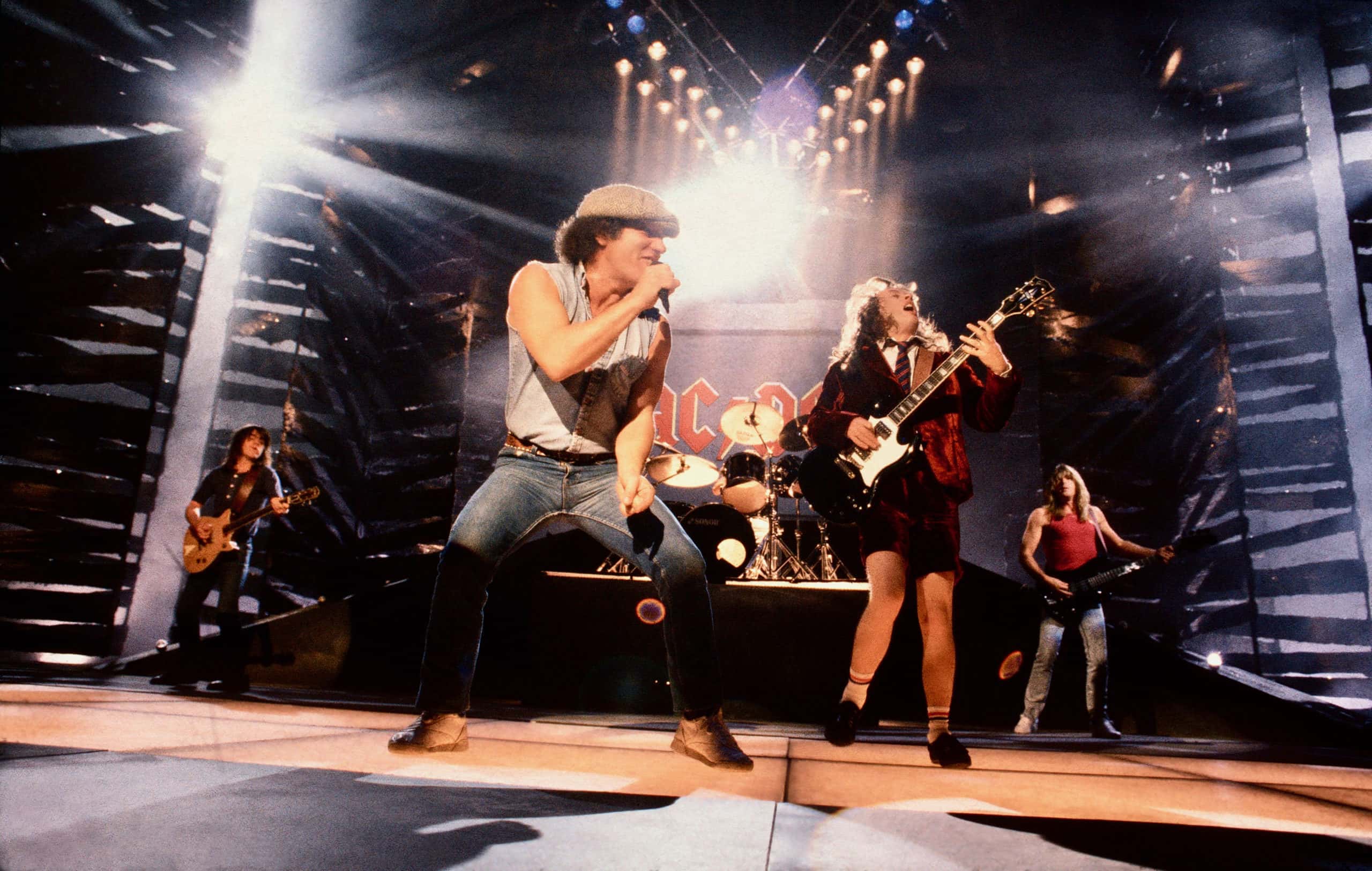
Brian Johnson became the lead singer of AC/DC in 1980, stepping in after the tragic death of Bon Scott. His debut on Back in Black helped turn that album into one of the best-selling rock records of all time. Known for his raw delivery, distinctive tone, and unrepentant energy, Johnson’s voice became inseparable from AC/DC’s identity.
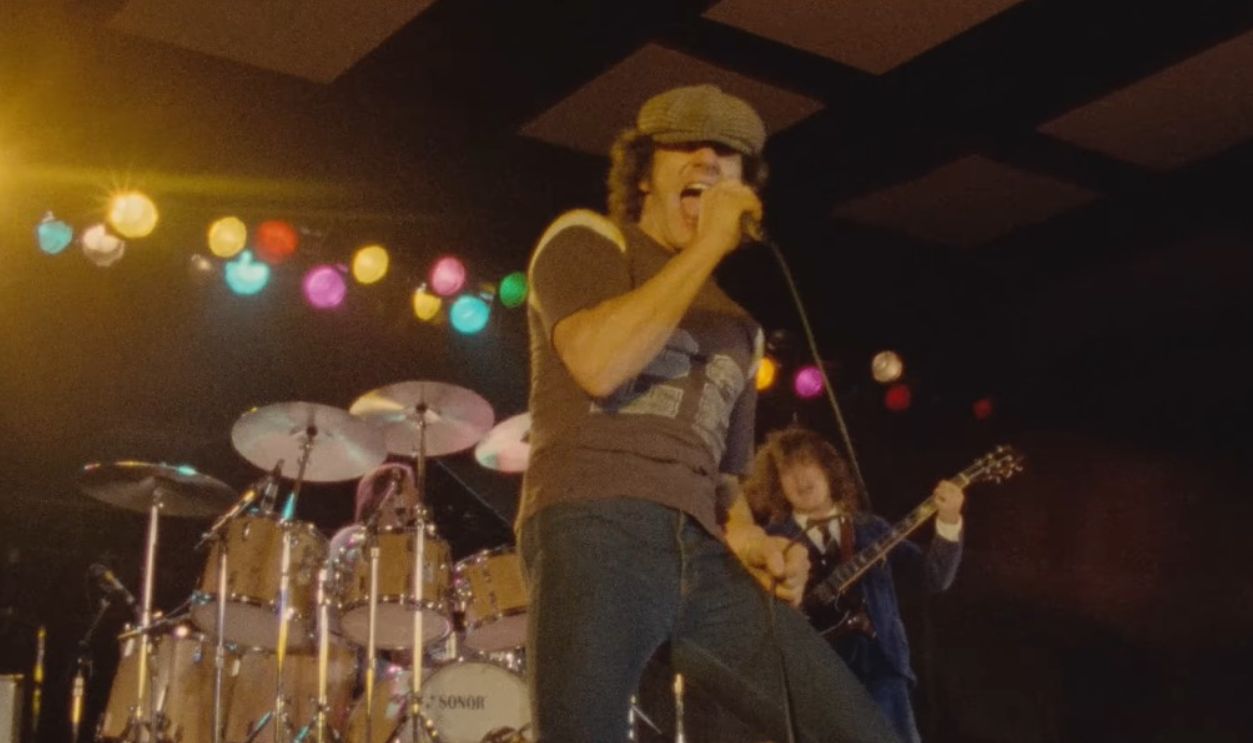 Screenshot from Back in Black, Atlantic Records (1980)
The Road To Rock Or Bust
By 2016, AC/DC had been touring the world for decades. The band’s Rock or Bust World Tour was meant to celebrate more than three decades of hard rock hits and relentless energy. But behind the scenes, Johnson was dealing with something that not even legendary grit could ignore: serious hearing loss.

When The Doctors Delivered The Hardest News
In early 2016, Johnson’s doctors delivered a stark warning. They told him that if he continued touring, he risked total and irreversible hearing loss. For someone whose career depended on sound, someone who had spent decades in “the loudest band in the world,” the news was devastating.
 Jaguar MENA, CC BY 2.0, Wikimedia Commons
Denial And Determination
At first, Johnson tried to push through. He had been coping with hearing issues for some time, sometimes relying on “muscle memory and mouth shapes” to sing live, and growing frustrated when he couldn’t hear guitar tones properly. But it was worse than just frustrating; it was crippling, eroding his confidence on stage.

A Forced Decision: Step Away Or Go Deaf
Ultimately, the choice was clear: protect his hearing or risk losing it entirely. Johnson made the heart-wrenching call to step away from the tour. “It was one of the most difficult conversations of my life,” he wrote in his memoir, describing the emotional toll of telling the tour manager he couldn’t continue. But in a twist that shocked everyone, another rock legend would stepped in to help finish the tour: Guns N’ Roses frontman Axl Rose.

How It Felt To Be Replaced
For a man who had sung with AC/DC for more than three decades, watching someone else take his place was profoundly painful. Johnson admitted he couldn’t watch Rose perform in his stead. He likened it to “finding a stranger in your house, sitting in your favorite chair”.
 MATT BECKER, Wikimedia Commons
Axl Rose Steps Up
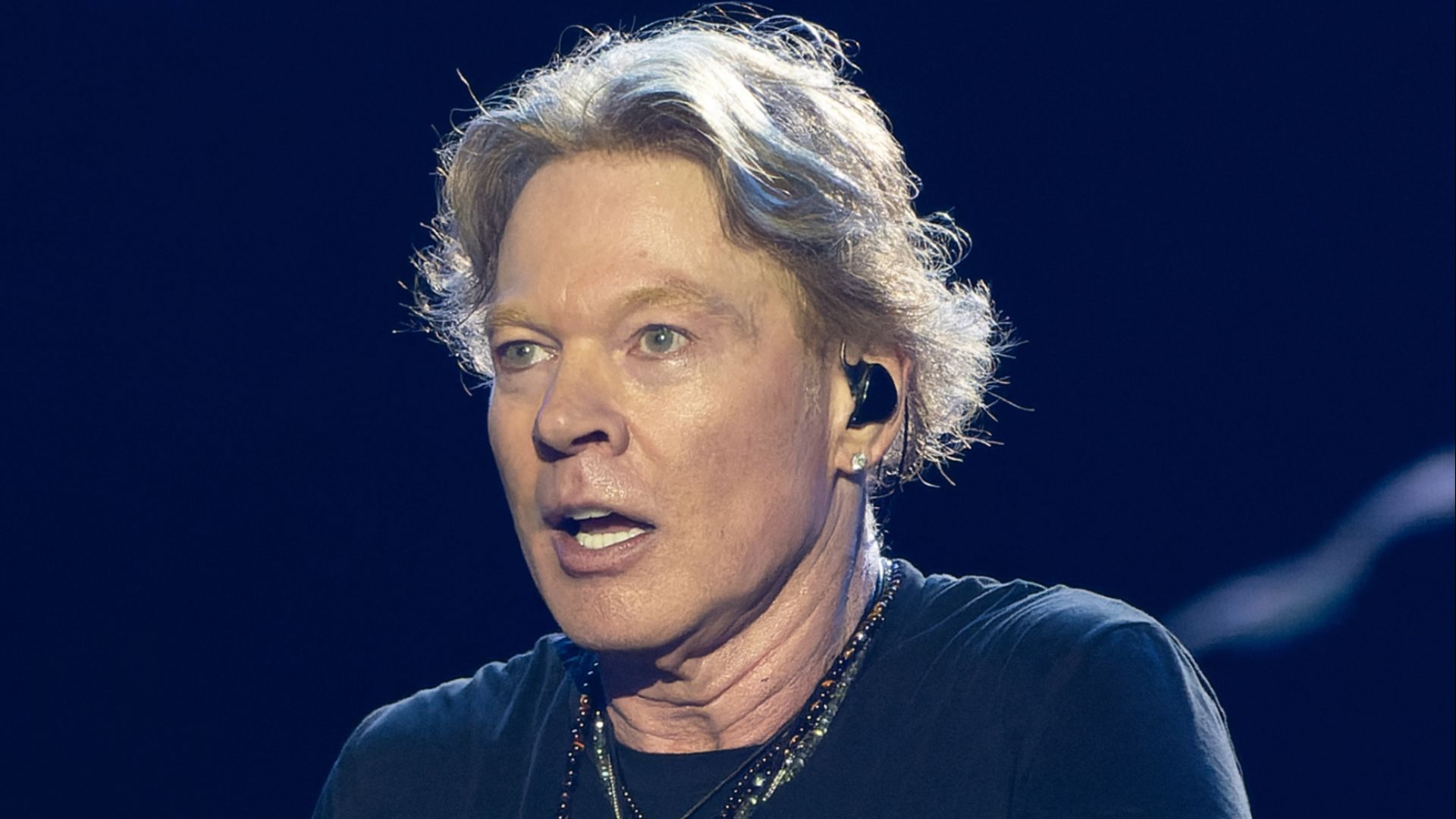
When AC/DC announced that Axl Rose would be filling in for Johnson for the remaining tour dates, reactions were mixed. Fans were surprised, skeptical, and intrigued. Rose’s vocal style was different, but his rock star presence and respect for the band helped him carry the torch for Johnson.
No Grudges, Just Respect
Despite the emotional turmoil, Johnson held no ill will toward Rose. He publicly acknowledged that Rose did a fantastic job on vocals and understood the band’s decision. “But I bear no grudges,” Johnson reflected. His compassion showed maturity and respect, cementing a rare moment of camaraderie among rock icons under difficult circumstances.
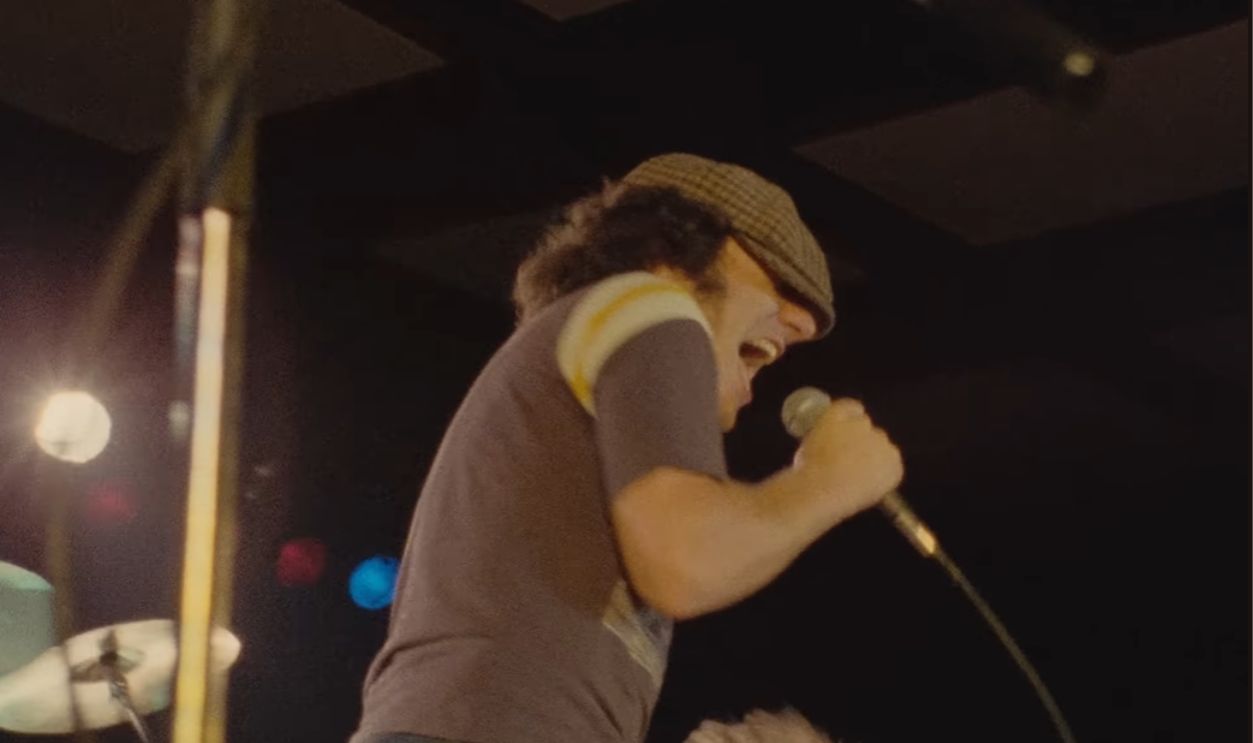 Screenshot from Back in Black, Atlantic Records (1980)
The Emotional Low Tide
For Johnson, stepping away from the band was like losing a piece of his identity. In his memoir, he described feeling a kind of despair that wasn’t quite depression but “something close to despair”. He struggled to concentrate, relax, or come to terms with his situation for weeks as the tour went on without him.

Blaming Himself And The Band
Part of Johnson’s emotional struggle came from self-blame. He noted that his hearing problems were partly the result of spending decades playing in one of the loudest bands on earth. He carried guilt for having put himself in that position, even though it was part of a life he had built passionately.
The Science Of Silence
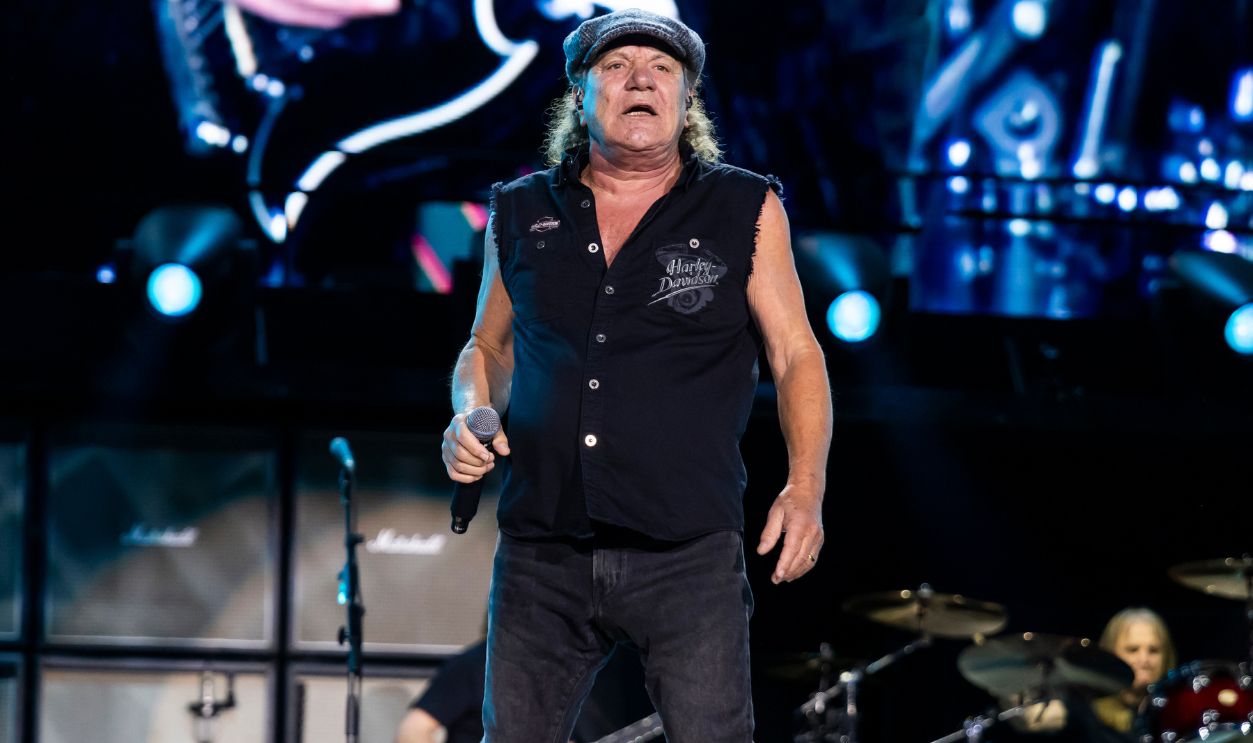
The root cause of Johnson’s hearing loss was complex. Doctors believed that a combination of exposure to extreme volumes and specific medical issues (like fluid buildup and ear damage over time) left his hearing deteriorated to a point where continued touring was medically unsafe.

Grieving The Stage
After stepping away, Johnson explored life beyond AC/DC. He recorded collaborative works, made guest appearances, and slowly adapted to a life not constantly on tour. But the longing to sing with his band never went away. Fans missed him. The band missed him.
A Ray Of Hope
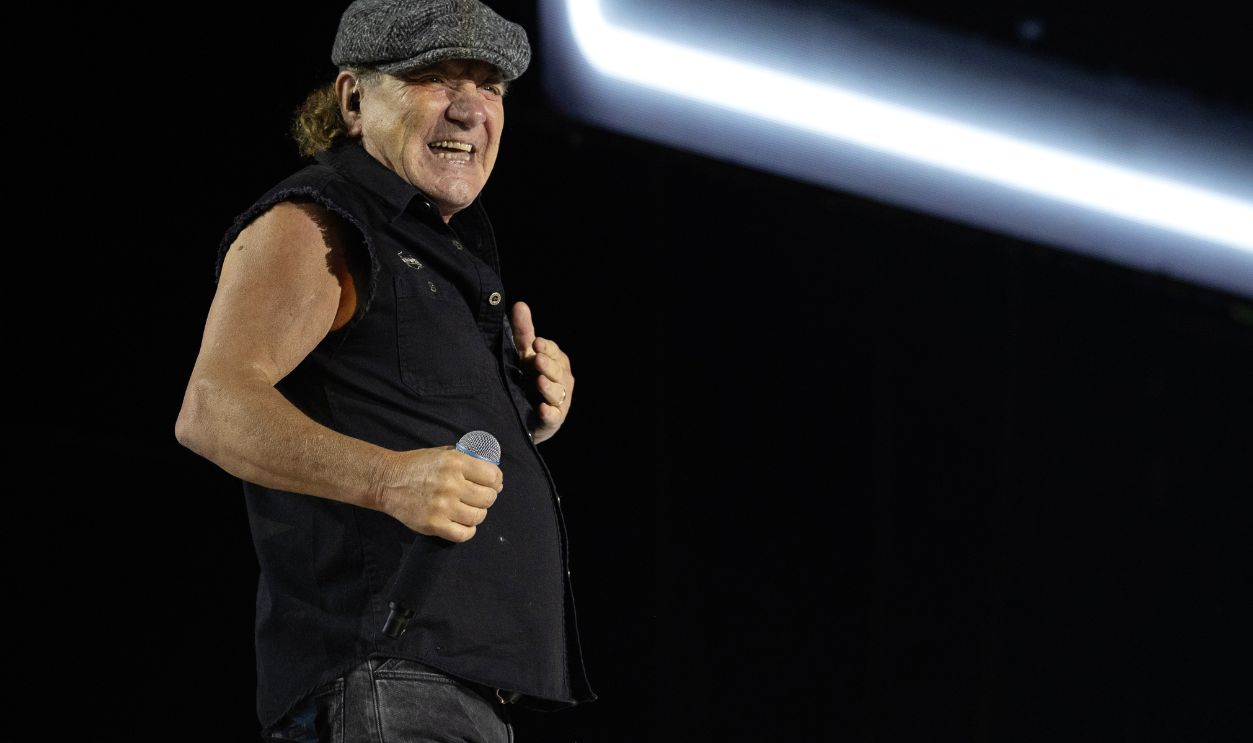
Then came the breakthrough. Johnson began working with an ear specialist who used experimental technology that worked with the bone structure of his skull as a receiver. The treatment required years of sessions and a lot of patience, but it started restoring enough hearing for Johnson to resume performing.
Patient Progress And Perseverance
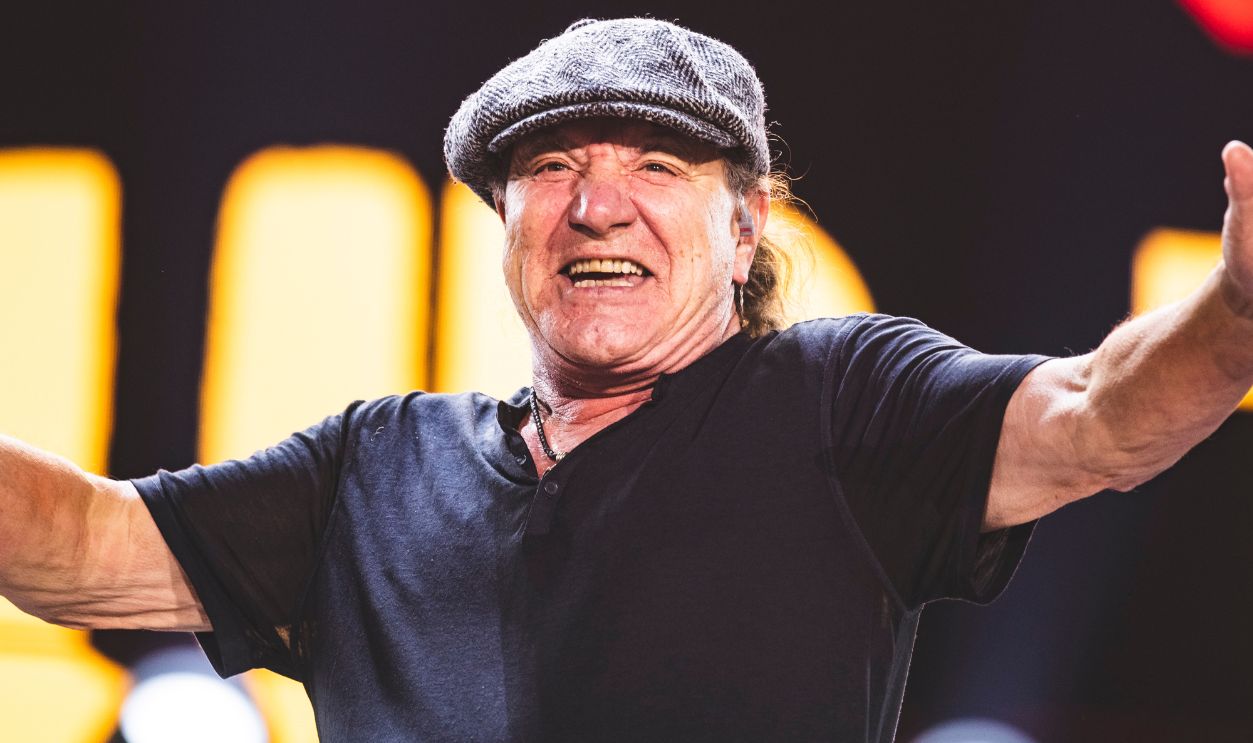
The treatment was not quick or glamorous. Johnson described it as months of “boring” sessions with wires and computer screens—but even slow progress was meaningful. As his hearing improved, so did his confidence and ability to engage with sound again.
Return To The Band For Power Up
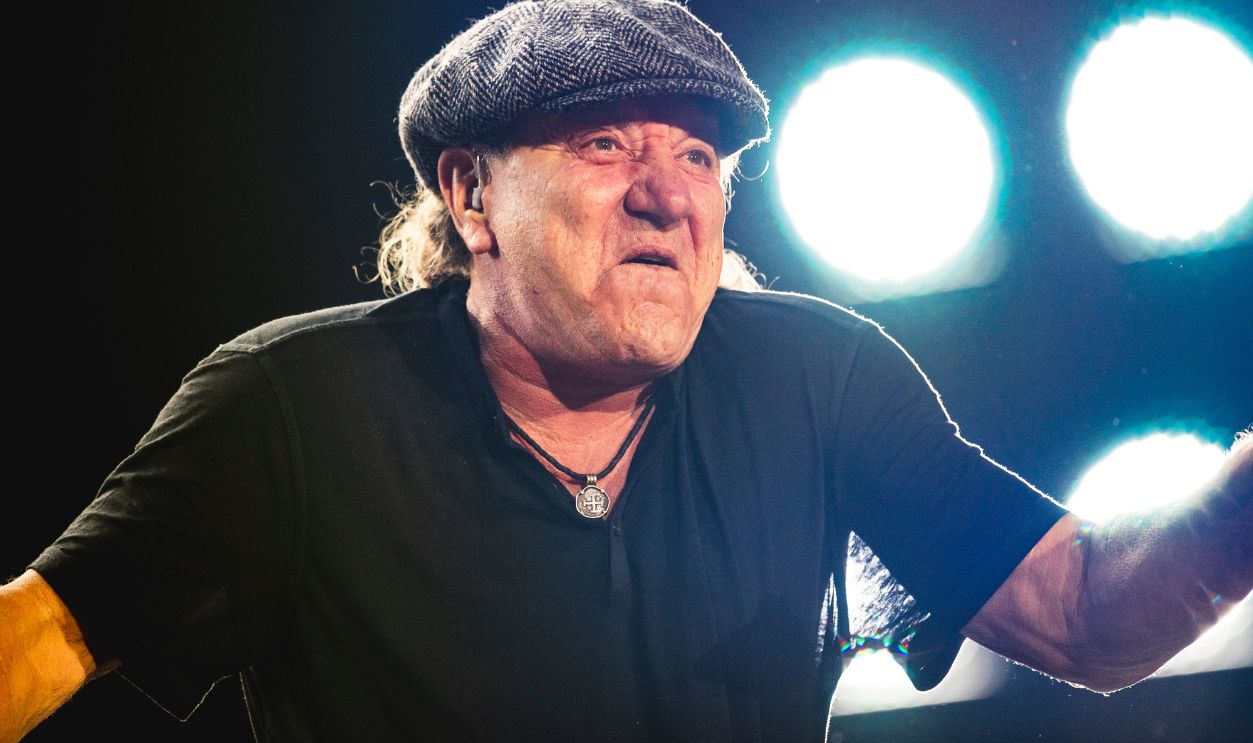
Johnson’s recovery culminated in his triumphant return to AC/DC for their 2020 album Power Up, recorded with the reunited band. Batting back from the brink of total hearing loss, he was back behind the mic for new material, proving that the legendary band could withstand even the toughest challenges.
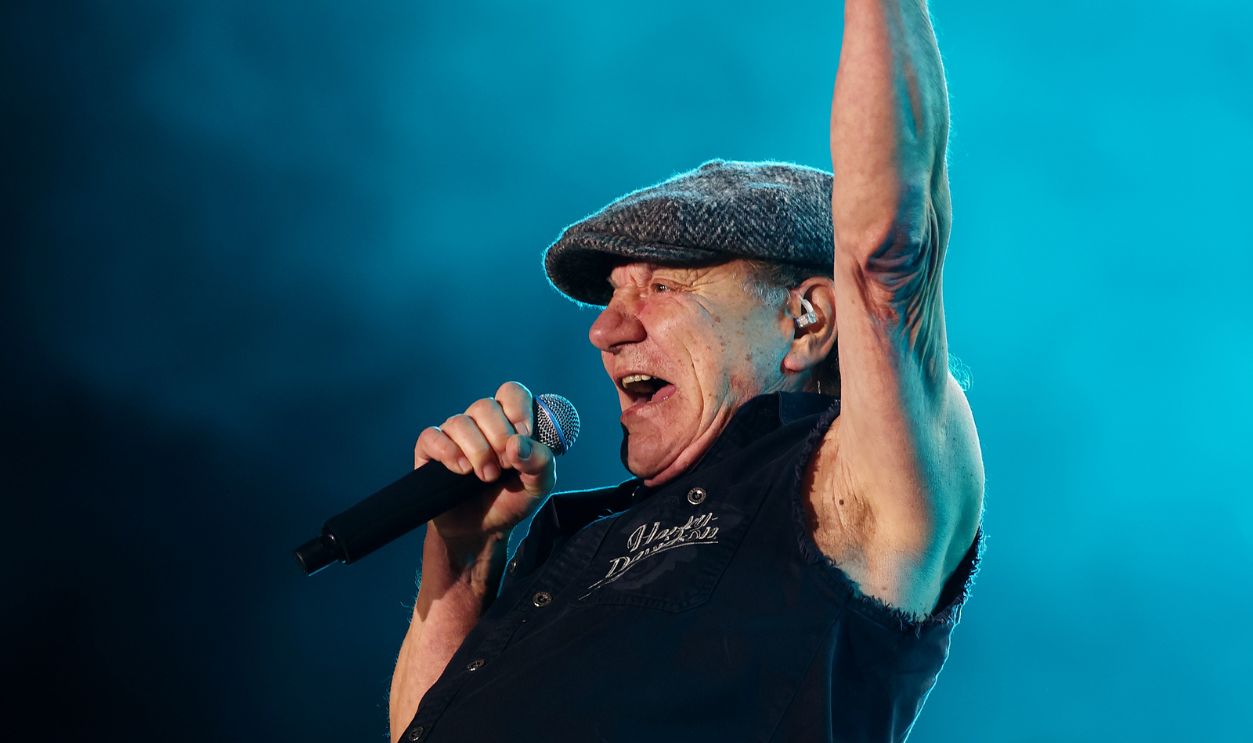
Stage Return For The Power Trip Festival
In July 2023, Johnson made a live return with AC/DC at the Power Trip Festival, the band’s first performance since the 2016 tour. It was a powerful moment for fans and for Johnson personally, showcasing both his resilience and his restored ability to perform.

How Hearing Loss Impacts Him Today
Johnson has been open about the long-term effects of his hearing issues. While not “cured” in the traditional sense, the specialist technology he uses allows him to engage with music and performance safely. He remains aware of the fragility of hearing and advocates for care among musicians.
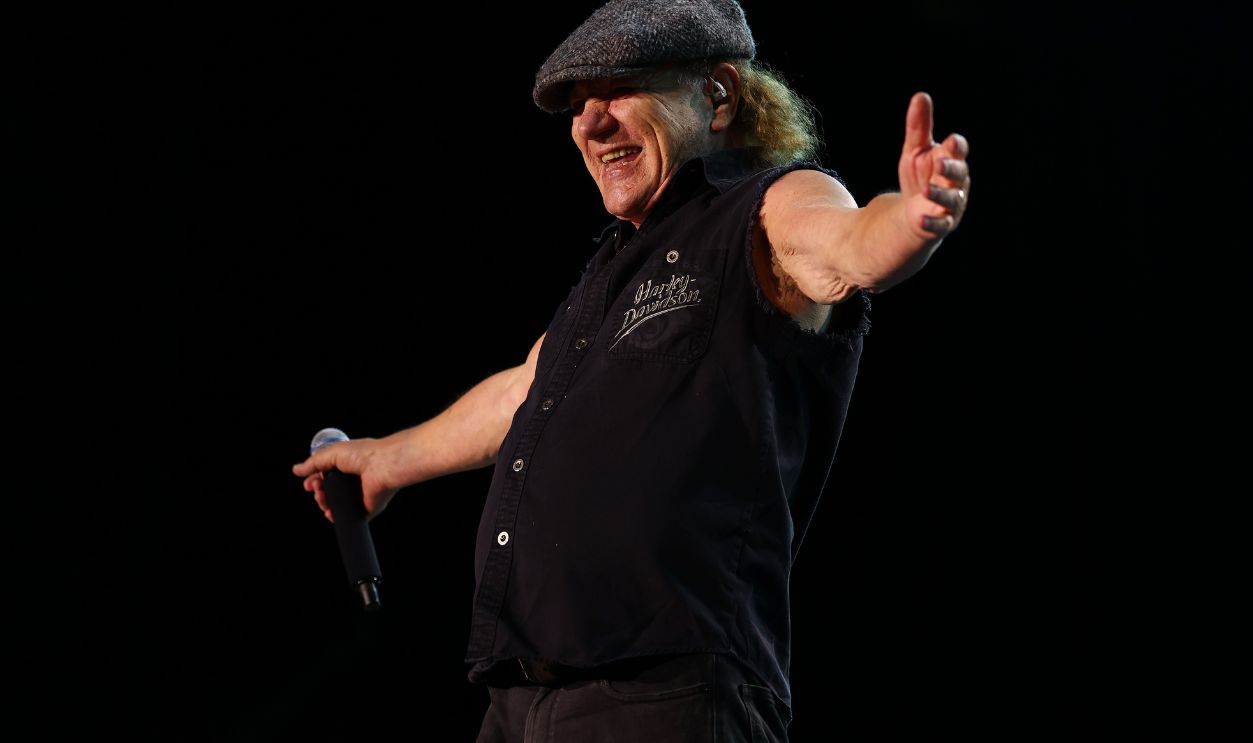 Sergione Infuso - Corbis, Getty Images
Axl Rose’s Role In Rock History
Axl Rose’s contributions during AC/DC’s 2016 tour didn’t just keep the shows going, they helped preserve a legacy. Many fans came away impressed with his energy and dedication to honoring AC/DC’s sound, even under intense pressure and tight timelines.
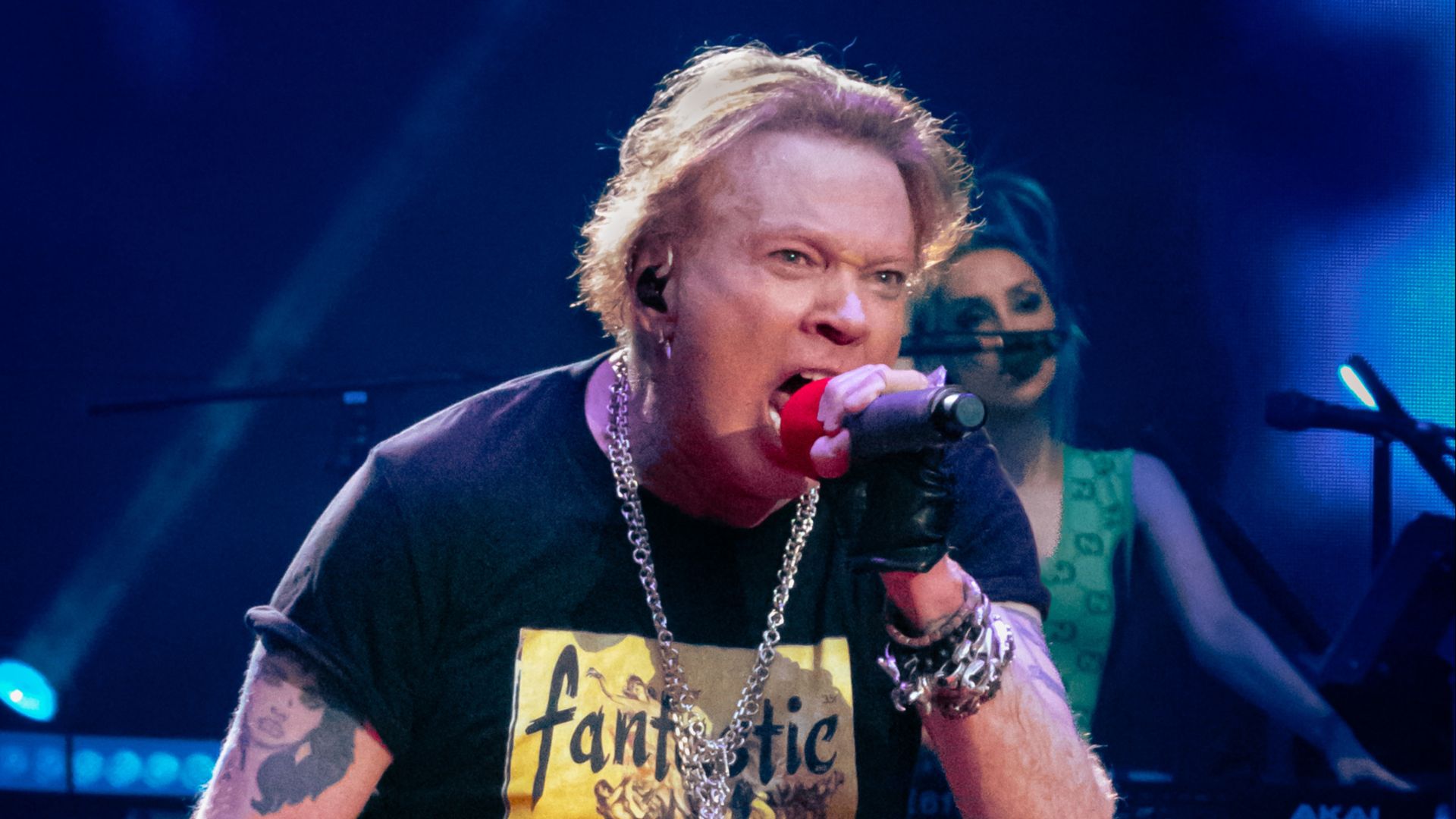 Kreepin Deth, Wikimedia Commons
Legacy Of Resilience
Brian Johnson’s journey from almost losing his career to reclaiming his place in AC/DC is a testament to perseverance. Even outside of rock lore, Johnson’s experience underscores universal themes: loss, identity, adaptation, and comeback. He faced the possibility of silence and chose not to let it define him. That’s a lesson both inside and outside the world of rock music.
You May Also Like:
When Bob Dylan “went electric” in 1965, fans booed, purists fumed—and rock music changed forever.




.jpg)