
The Brightest Pop Band Took Its Biggest Gamble
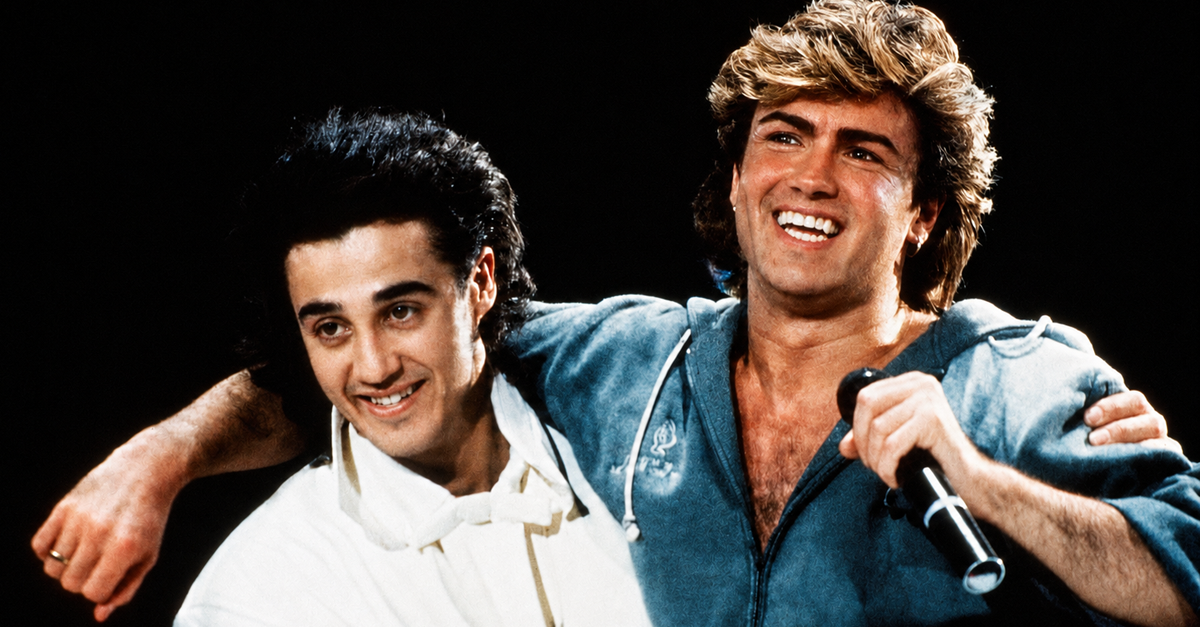
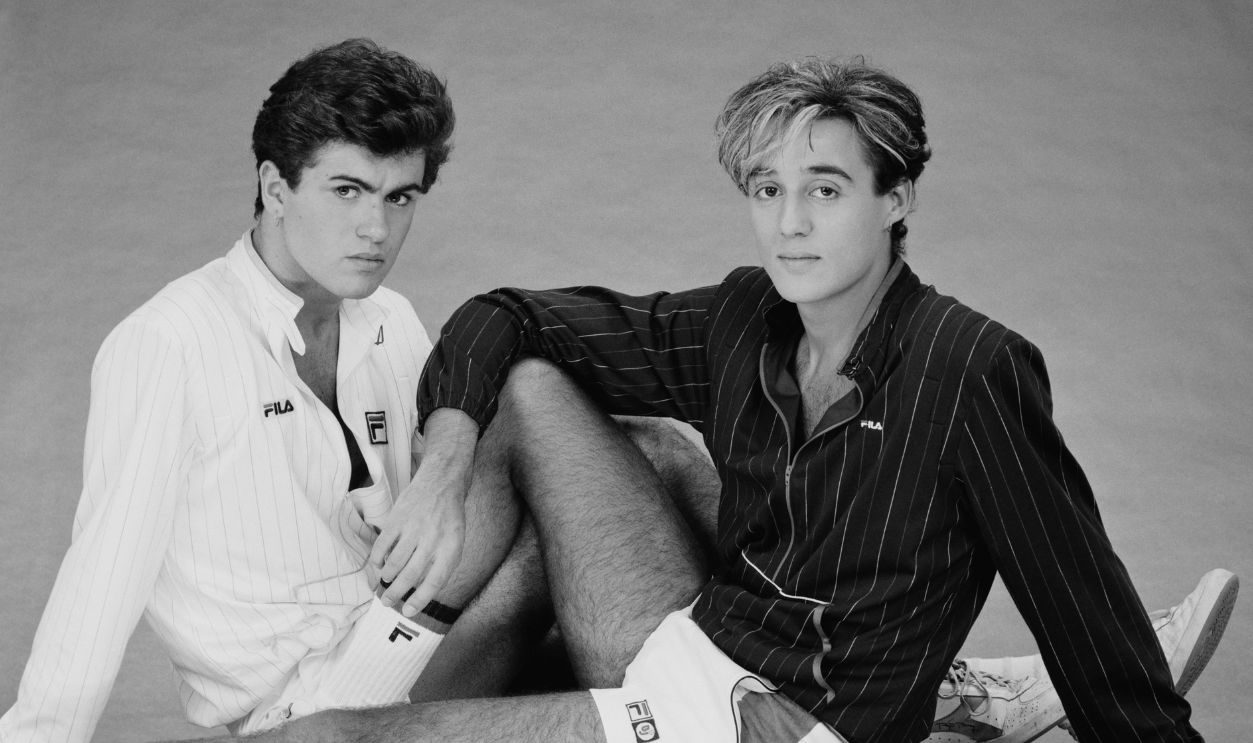
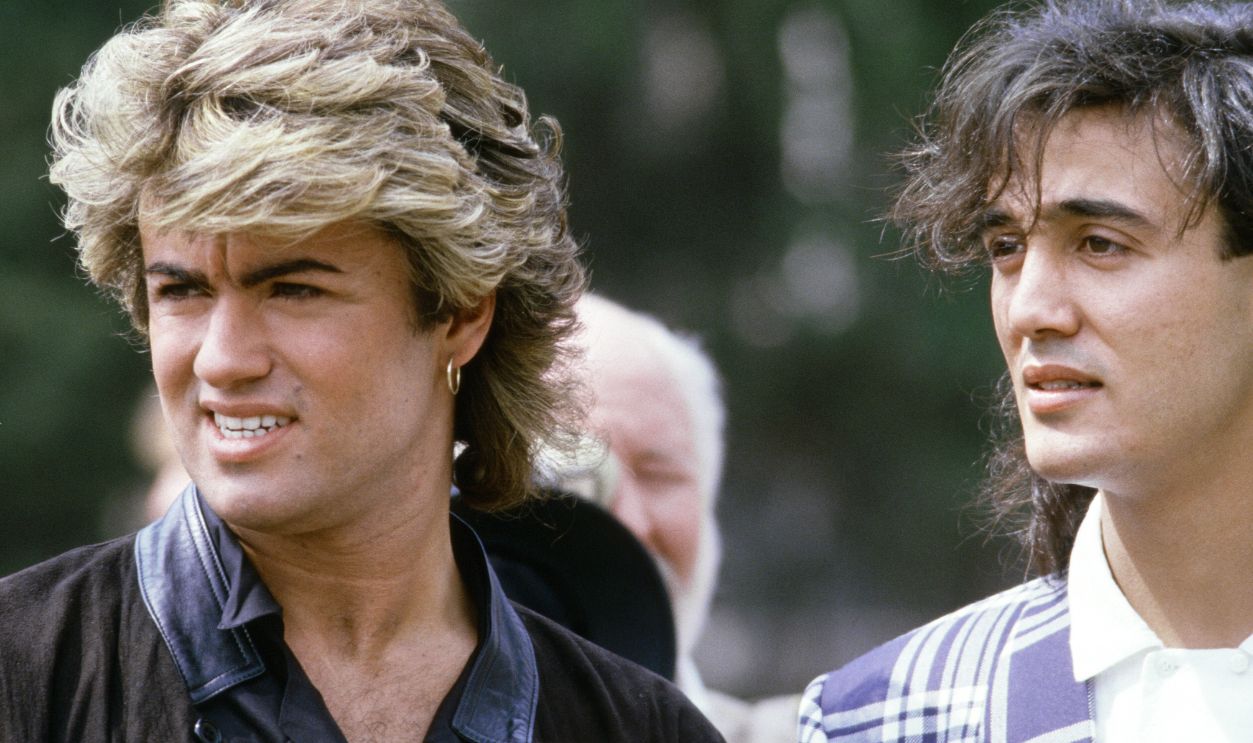
By early 1985, Wham! had turned big hooks and cheerful style into worldwide pop success. George Michael and Andrew Ridgeley were already stars when they agreed to become the first Western pop group to tour mainland China. The trip promised history and priceless publicity, but tense audiences, strict policing, a frightening flight, and a failed documentary nearly overwhelmed the triumph.
A School Friendship Started It All
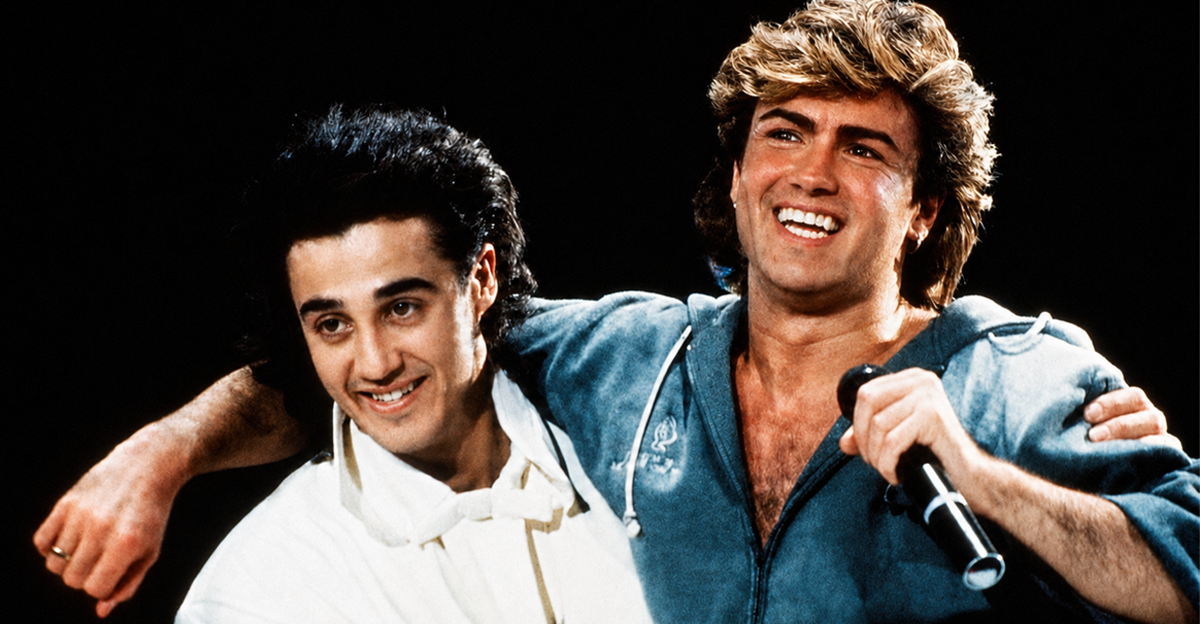
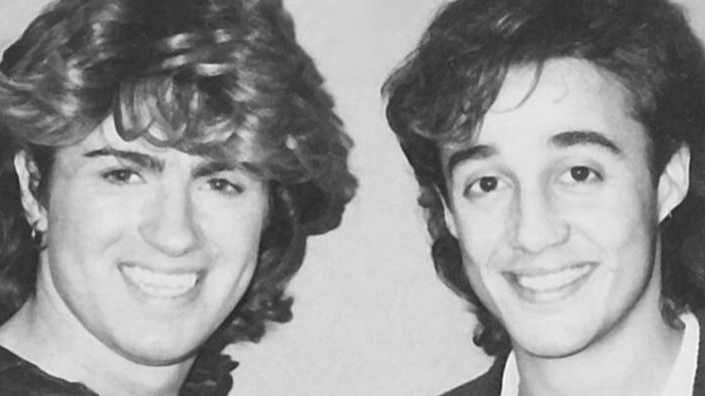
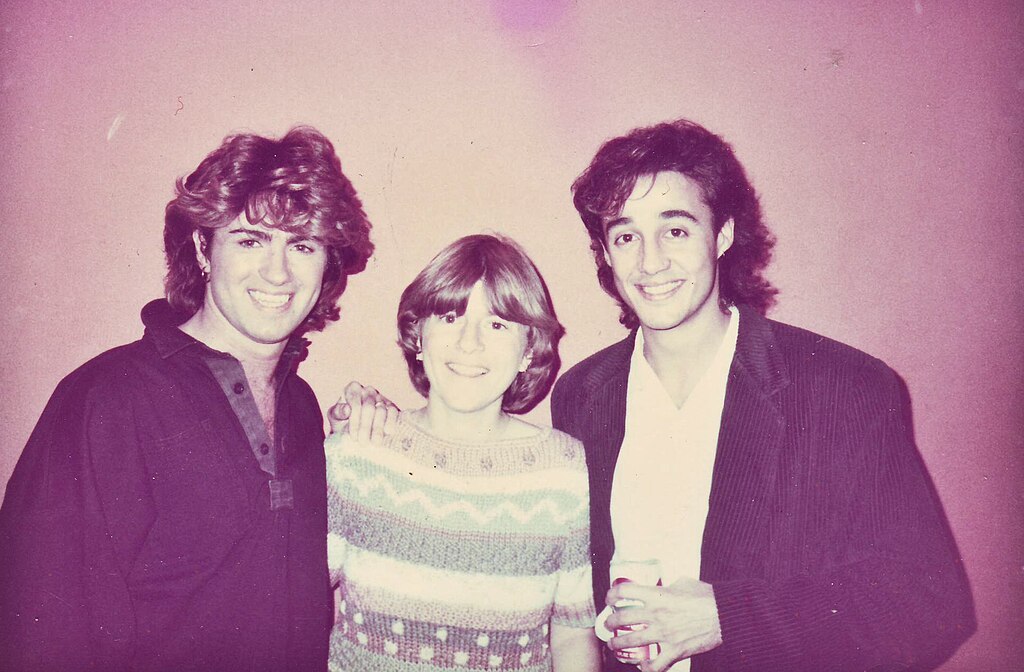
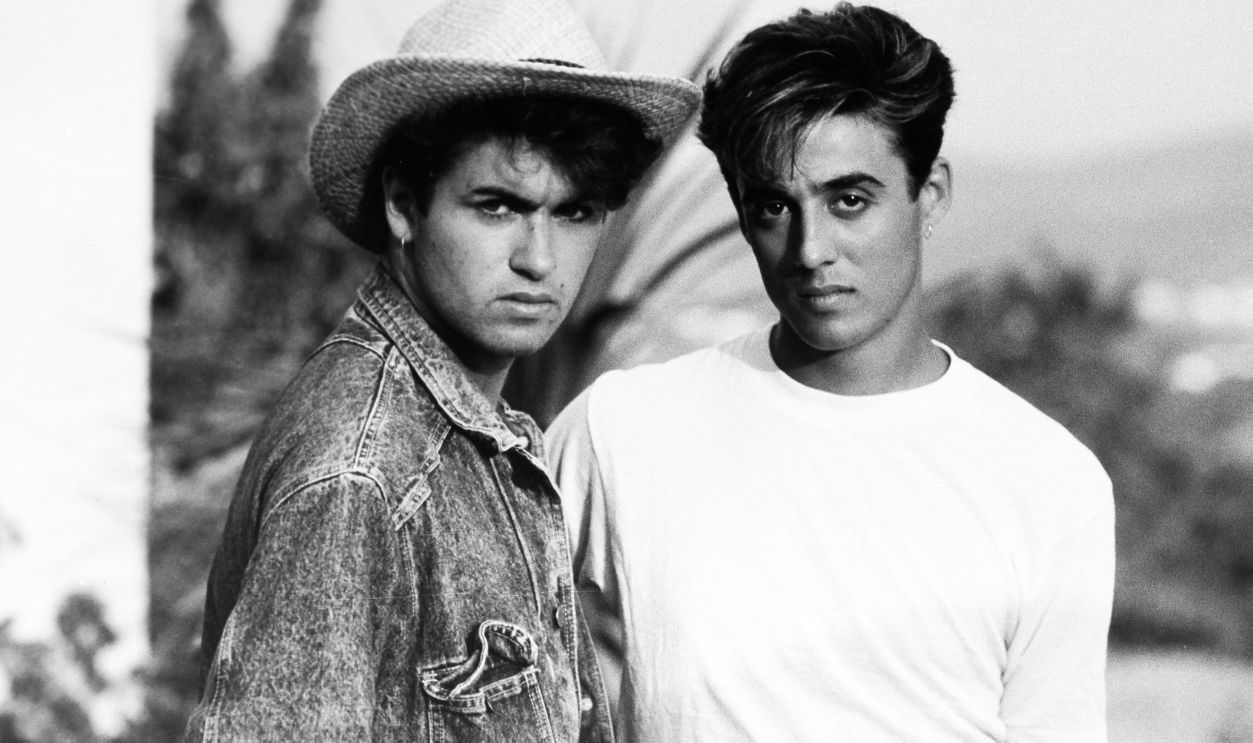
Ridgeley met Michael, then known as Georgios Panayiotou, when Michael arrived as a new student at their school in Hertfordshire. Music and a shared sense of humor quickly made them close friends. Their bond eventually became the foundation of a pop act built around the energy of being young and having fun.
 Louise Palanker, Wikimedia Commons
Their First Band Did Not Last
The friends first played in a short-lived ska-influenced group called the Executive. After that band broke up, they made a three-song demo at Ridgeley’s home that included “Wham Rap!,” “Club Tropicana,” and “Careless Whisper.” Most record companies passed, but the duo finally secured a deal in March 1982.
One Television Appearance Changed Everything
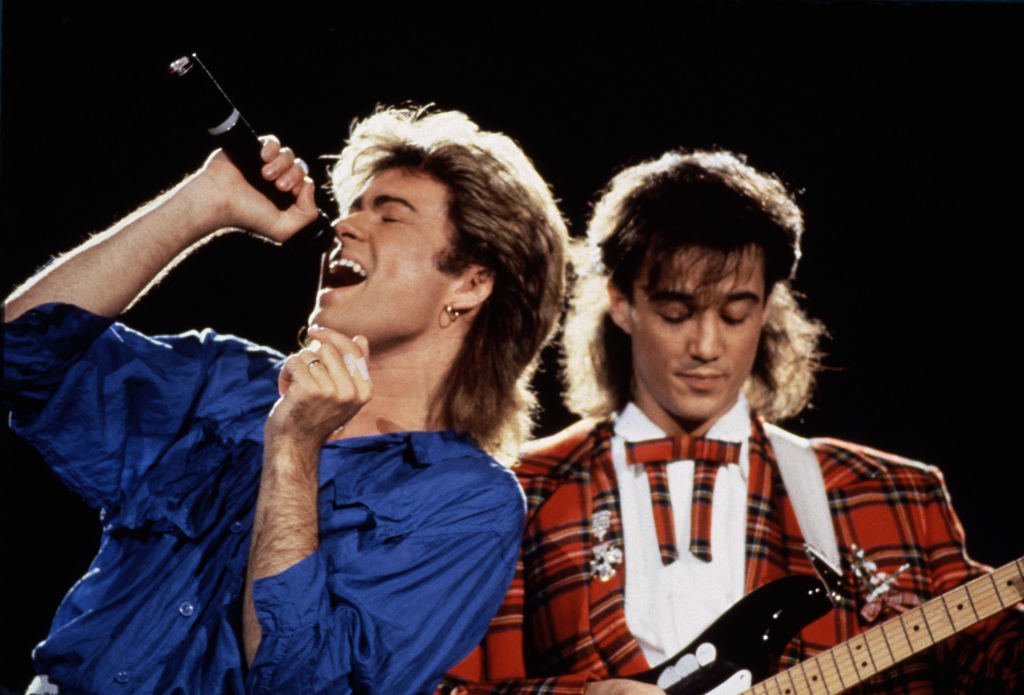
Wham!’s first two singles initially struggled, leaving their recording contract in danger. A late-1982 appearance on Top of the Pops gave “Young Guns (Go For It!)” the exposure it needed. The song took off, and the teenagers who had been sharing clothes for publicity photos suddenly had a national audience.
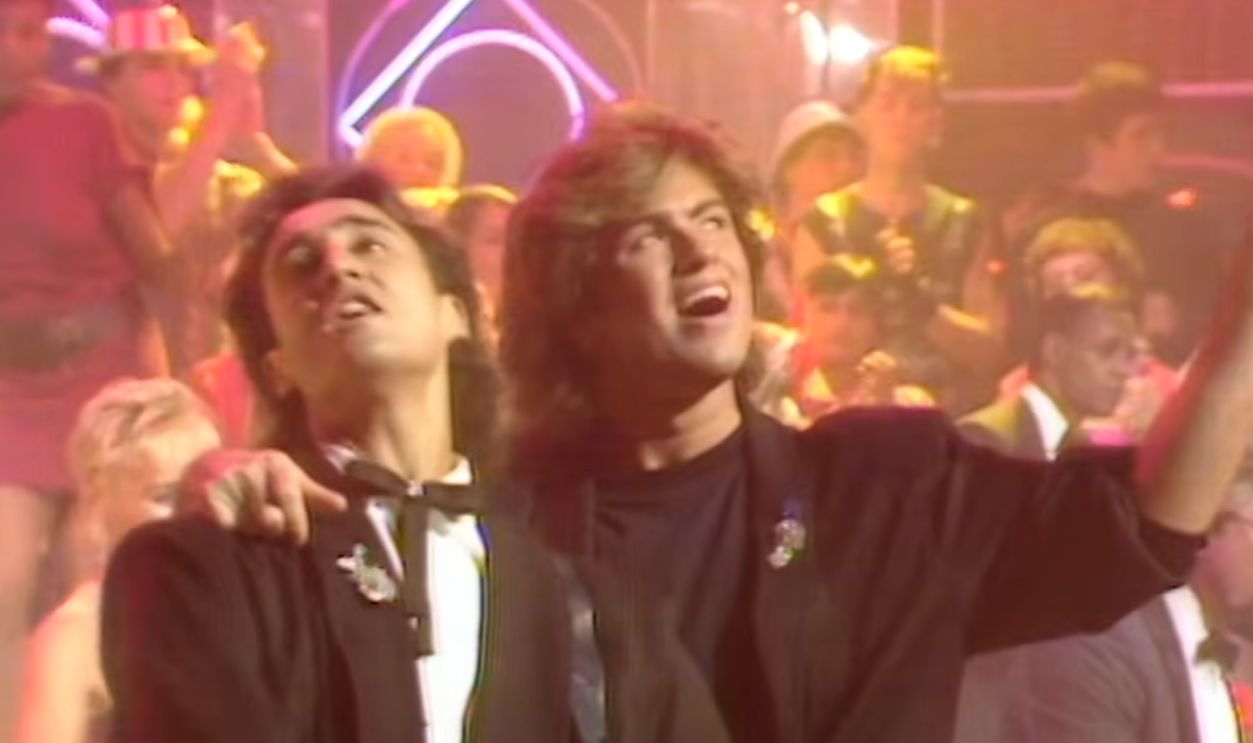 Screenshot from Top of the Pops, BBC (1984)
Wham! Chose Fun Over Approval
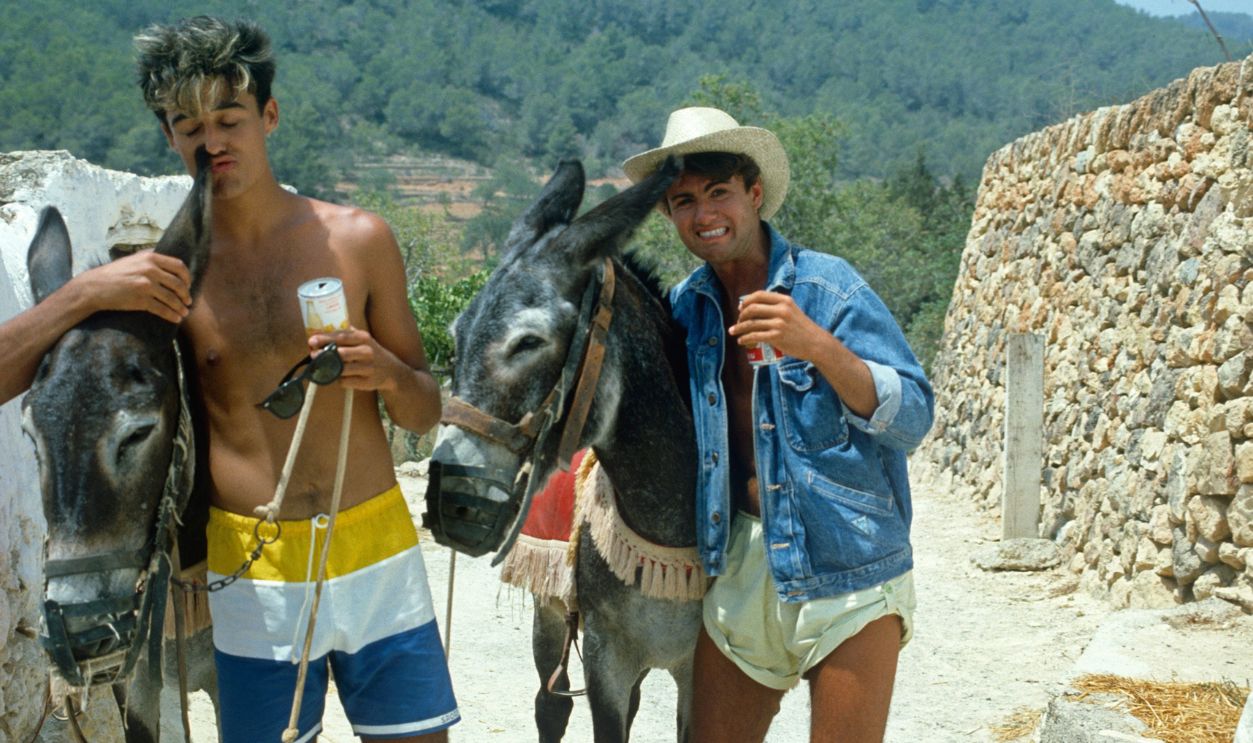
Their earliest material touched on youth unemployment and social pressure, but “Club Tropicana” revealed the image that defined Wham!. Its sunny video, filmed in Ibiza, presented Michael and Ridgeley as glamorous friends enjoying an endless holiday. Some music critics dismissed the approach, yet record buyers embraced the duo’s confidence, humor, and unmistakable hooks.
Make It Big Lived Up To Its Name
The 1984 album Make It Big carried Wham! from British stardom to international fame. “Wake Me Up Before You Go-Go,” “Freedom,” “Careless Whisper,” and “Everything She Wants” showed that Michael could write both sparkling pop and sophisticated ballads. “Last Christmas” added another enduring hit before the year was over, and Wham! entered 1985 as one of the decade’s biggest groups.
America Presented A Difficult Problem
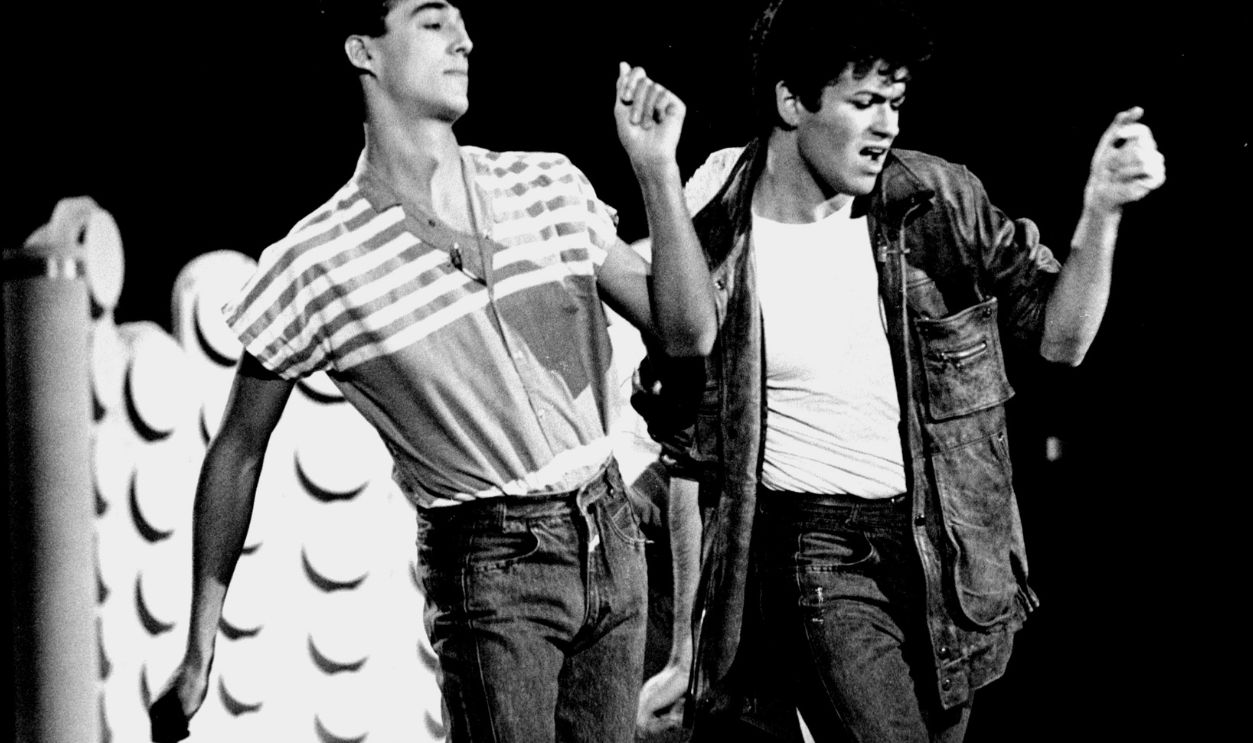
Wham! wanted to secure its place in the United States, where sustained success usually required extensive touring. Michael had experienced serious trouble with his voice during the 1983 Club Fantastic tour and feared causing lasting damage. He resisted the proposed 90-date American schedule, so manager Simon Napier-Bell began looking for a faster way to generate nationwide attention.
 Louise Palanker, Wikimedia Commons
The Solution Sounded Almost Impossible
Napier-Bell proposed taking Wham! into mainland China, where no Western pop group had previously toured. French electronic artist Jean-Michel Jarre had performed in China in 1981, but a visit by a chart-dominating Western pop band would still be unprecedented. Ridgeley later recalled thinking the plan had almost no chance of succeeding, while Michael recognized its potential.
China Was Opening With Great Caution
China was changing under the reform policies that followed Mao Zedong’s death, but Western popular culture remained tightly controlled. Many young people had little access to foreign music, and public dancing had only recently become more acceptable. A colorful British pop act therefore represented both an attractive symbol of openness and a risk for officials responsible for maintaining order.
Lunches Became A Management Strategy
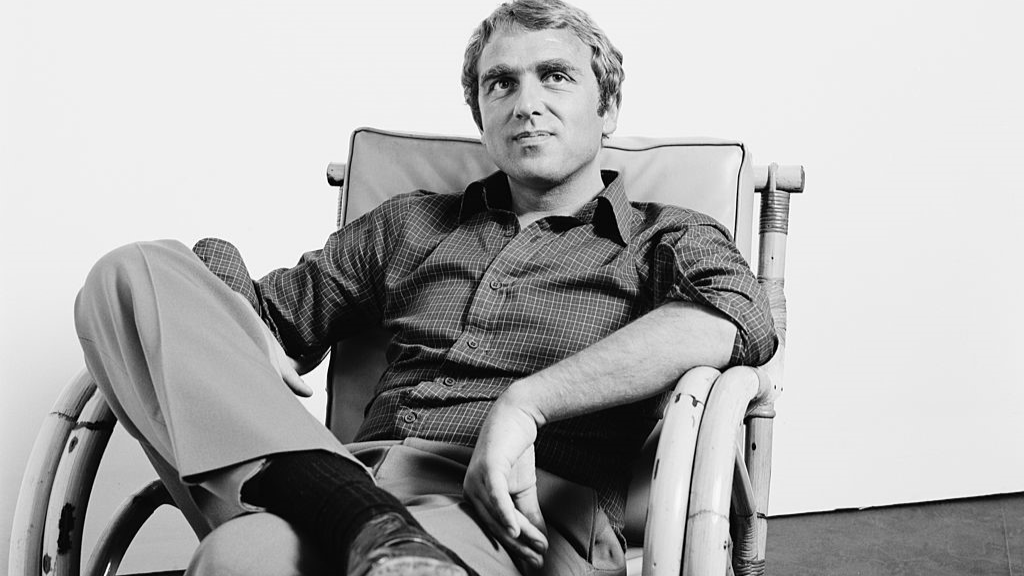
Napier-Bell spent roughly 18 months trying to persuade Chinese officials to approve the concerts. He argued that welcoming Wham! would show the outside world that China was open to visitors and foreign investment. The effort required repeated trips, official meetings, and meals with more than 140 government representatives.
Queen Was Competing For The Same Prize
Queen was also interested in becoming the first Western pop group to play in China. Napier-Bell later acknowledged creating contrasting brochures for officials, with Wham! presented as wholesome and Freddie Mercury shown in flamboyant poses. The tactic helped make the younger duo appear like the safer choice, and Wham! received permission to proceed.
Permission Came With Tight Restrictions
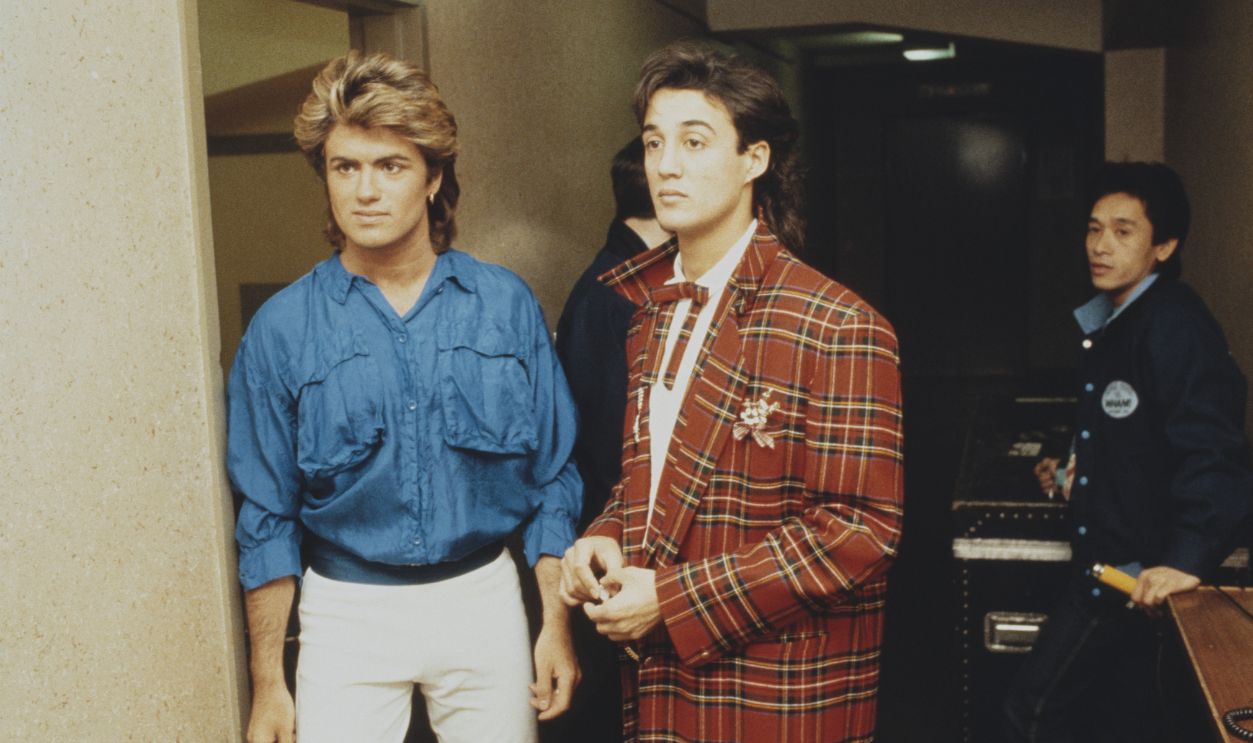
Chinese authorities did not simply hand the visitors complete freedom. Officials objected to Michael’s more suggestive dance moves and warned young concertgoers against copying Western behavior. Wham! also agreed to perform the mainland concerts without a fee, making worldwide attention rather than ticket revenue the real prize.
The Tour Became A Traveling Media Event
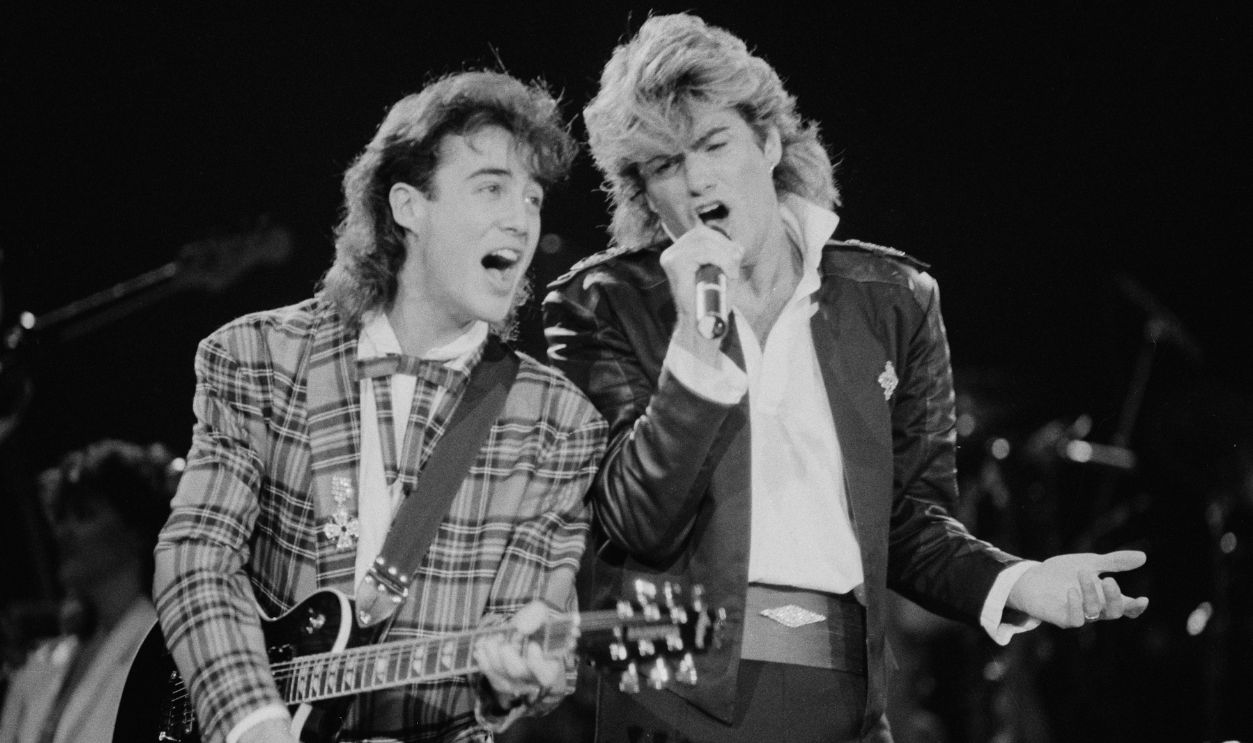
The itinerary began with two concerts in Hong Kong before moving to Beijing and Guangzhou, then widely called Canton in English-language coverage. An international press contingent and a large documentary crew traveled with the band. The musicians were not arriving for a conventional tour, because every concert, banquet, and sightseeing stop had become part of a carefully managed publicity campaign.
 Peter Charlesworth, Getty Images
Beijing Offered No Pop-Star Welcome
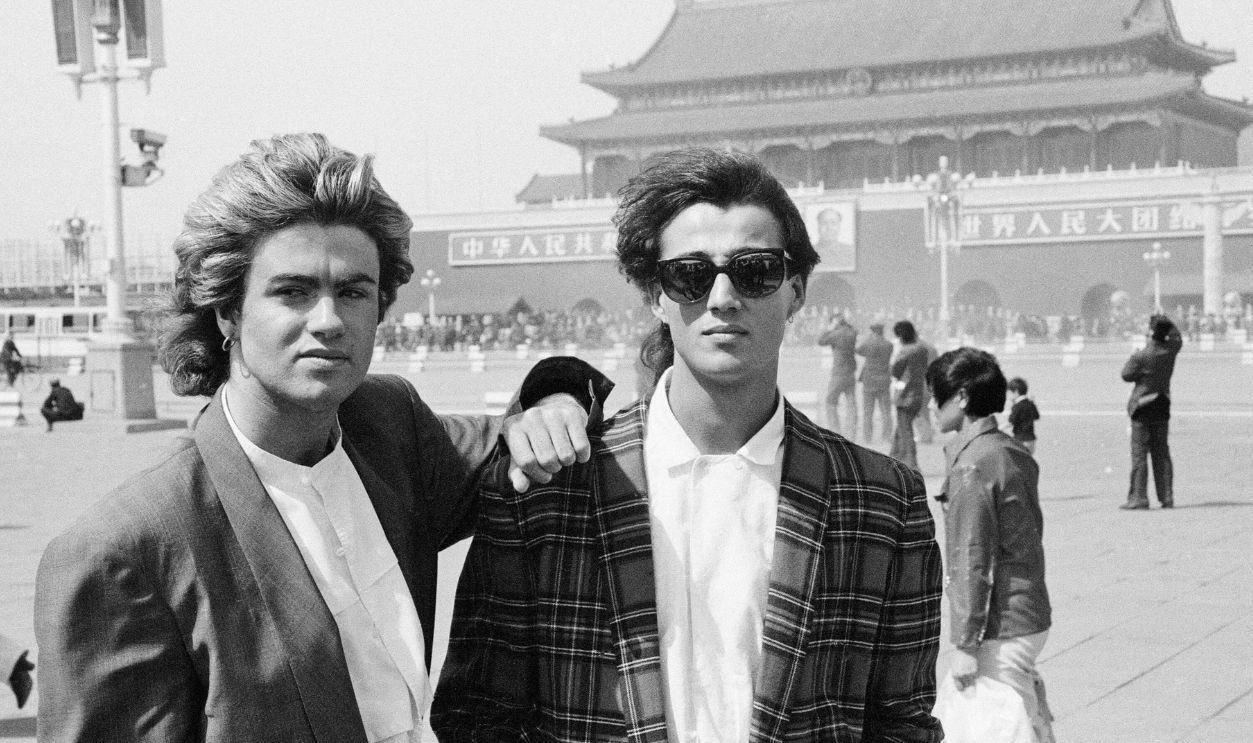
Wham! was accustomed to screaming fans, but its arrival at Beijing’s airport was strikingly quiet. Photographers, officials, and puzzled onlookers replaced the usual crowd of excited teenagers. The subdued reception immediately showed Michael and Ridgeley that their fame did not carry the same meaning inside China.
Official Hospitality Tested Their Patience
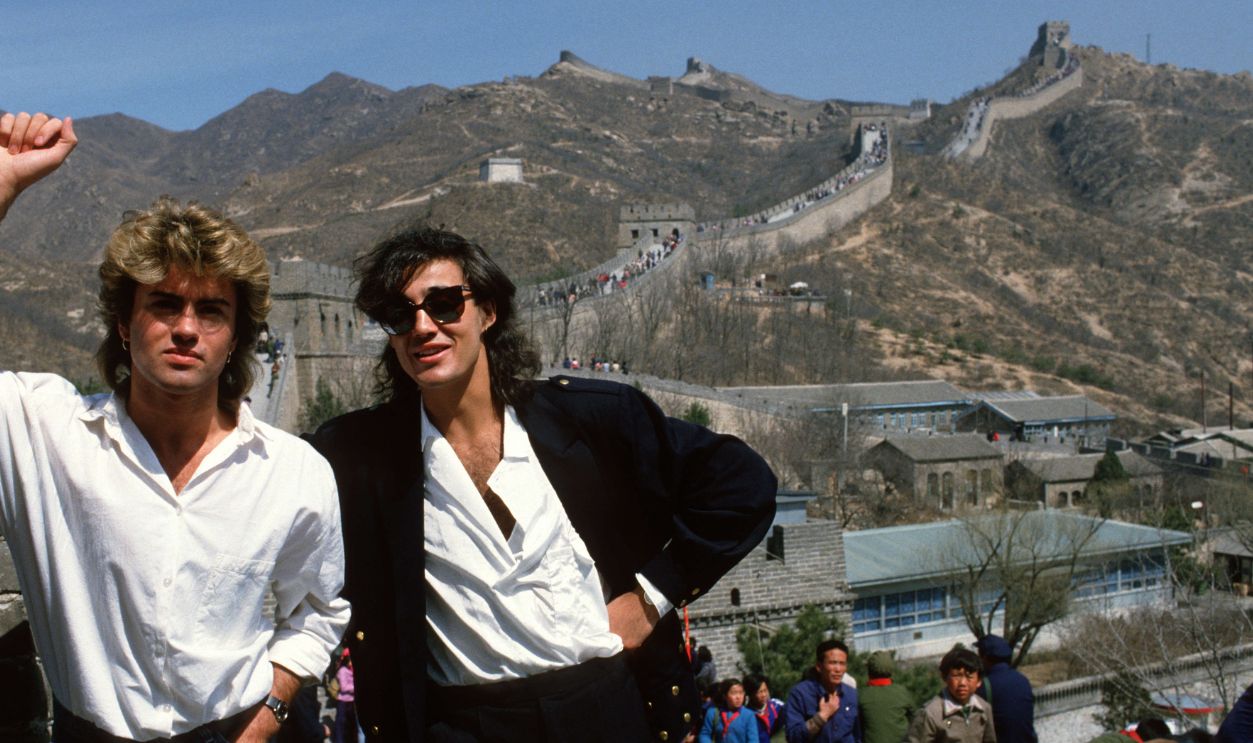
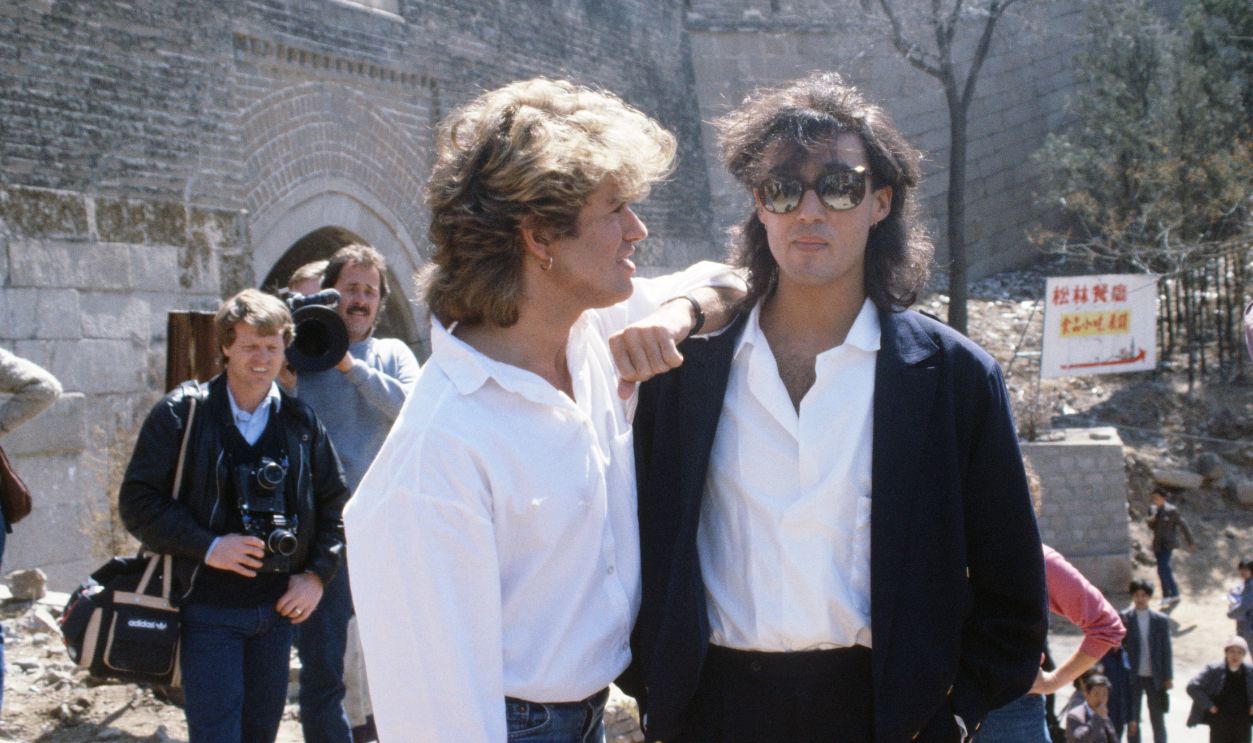
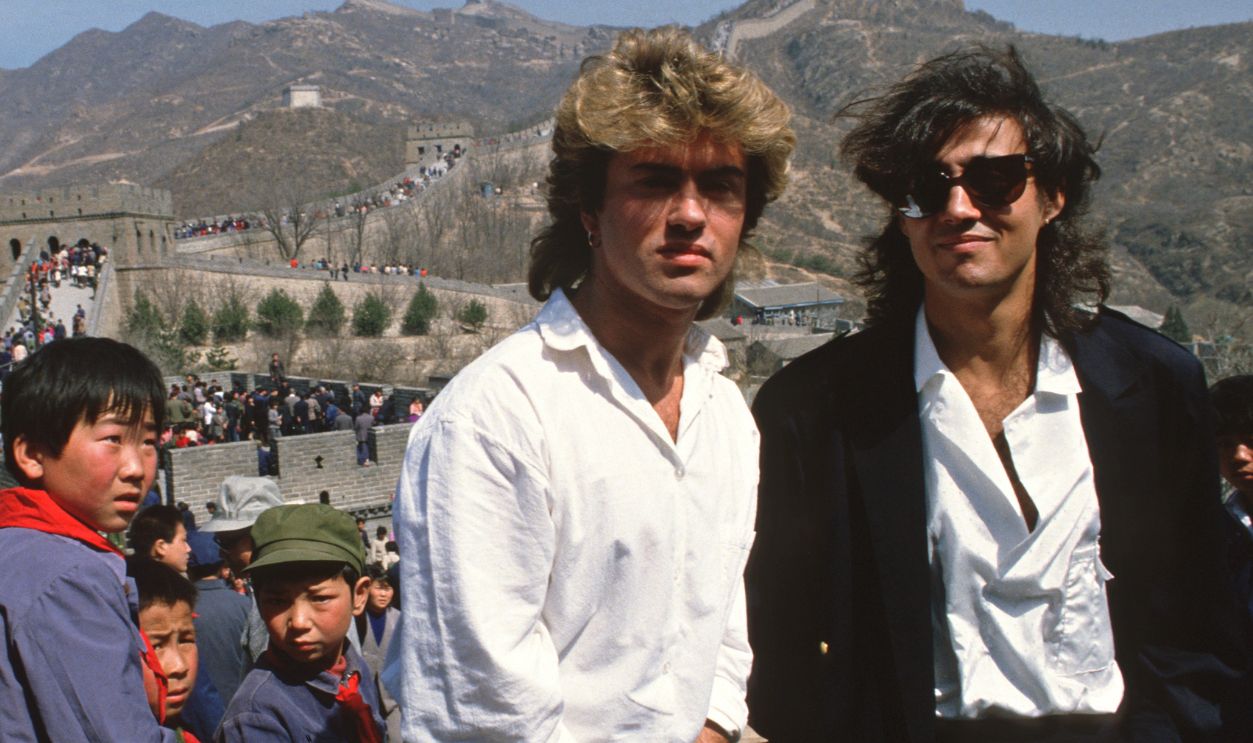
The schedule included formal banquets, diplomatic receptions, staged photographs, and a visit to the Great Wall. Chaperones accompanied the visitors, and Ridgeley later described feeling restricted in Beijing. Michael disliked the forced small talk, while Ridgeley openly bristled at journalists whose coverage was essential to the tour’s purpose.
The Documentary Was In Trouble From The Start
Wham!’s management hired respected British filmmaker Lindsay Anderson to record the historic trip. Anderson was more interested in the collision between Wham! and a changing China than in making a polished pop showcase. He injured his knee at the Great Wall early in the visit, which reduced his mobility and left much of the filming to his camera team.
 Peter Charlesworth, Getty Images
Chinese Listeners Received A Musical Guide
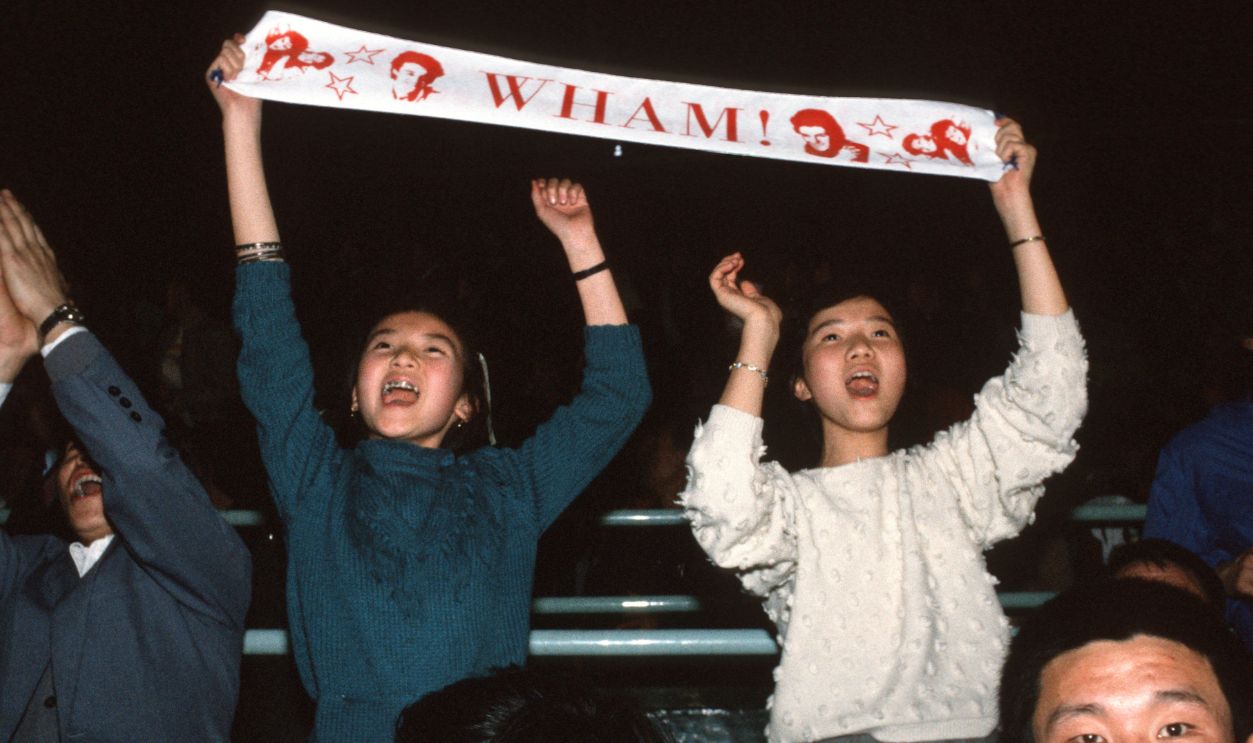
Many ticket holders knew little about Wham! before entering the venue. Singer Cheng Fangyuan recorded Mandarin versions of the group’s songs for a cassette distributed to concertgoers. The unusual introduction gave the audience some familiarity with the music, but it could not teach them how a Western pop crowd was expected to behave.
 Peter Charlesworth, Getty Images
The Historic Night Finally Arrived
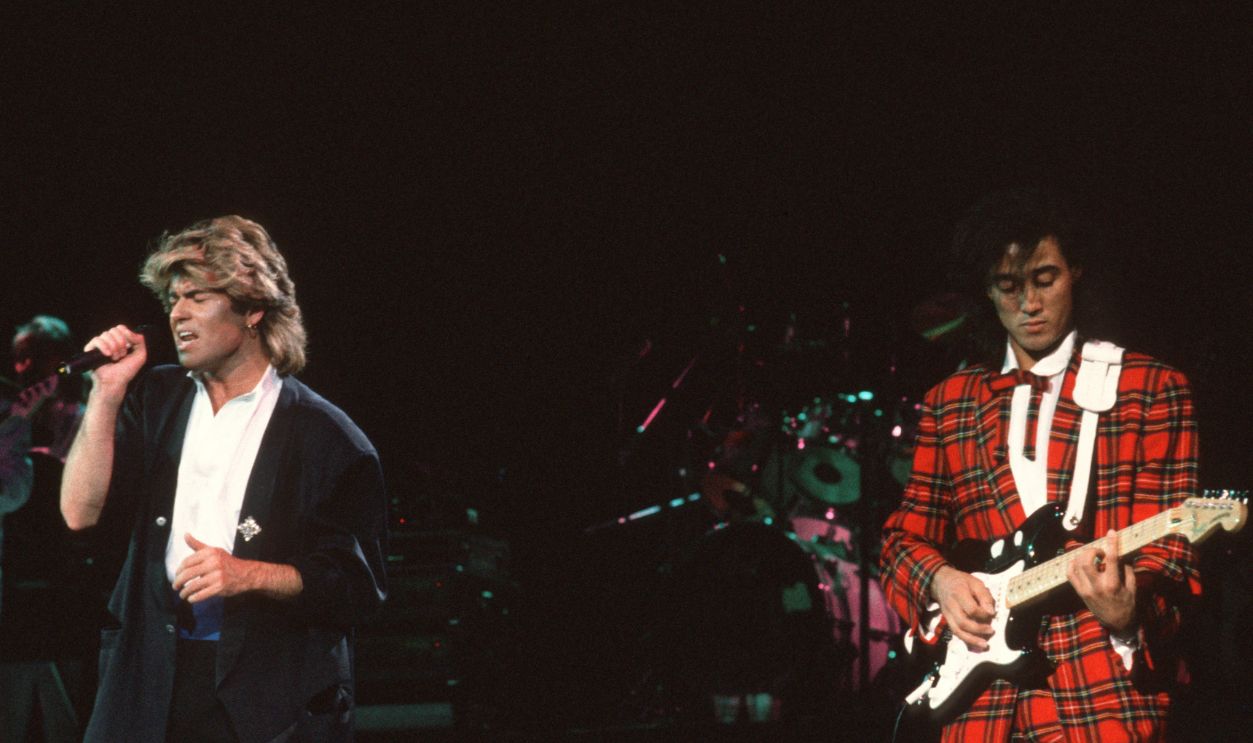
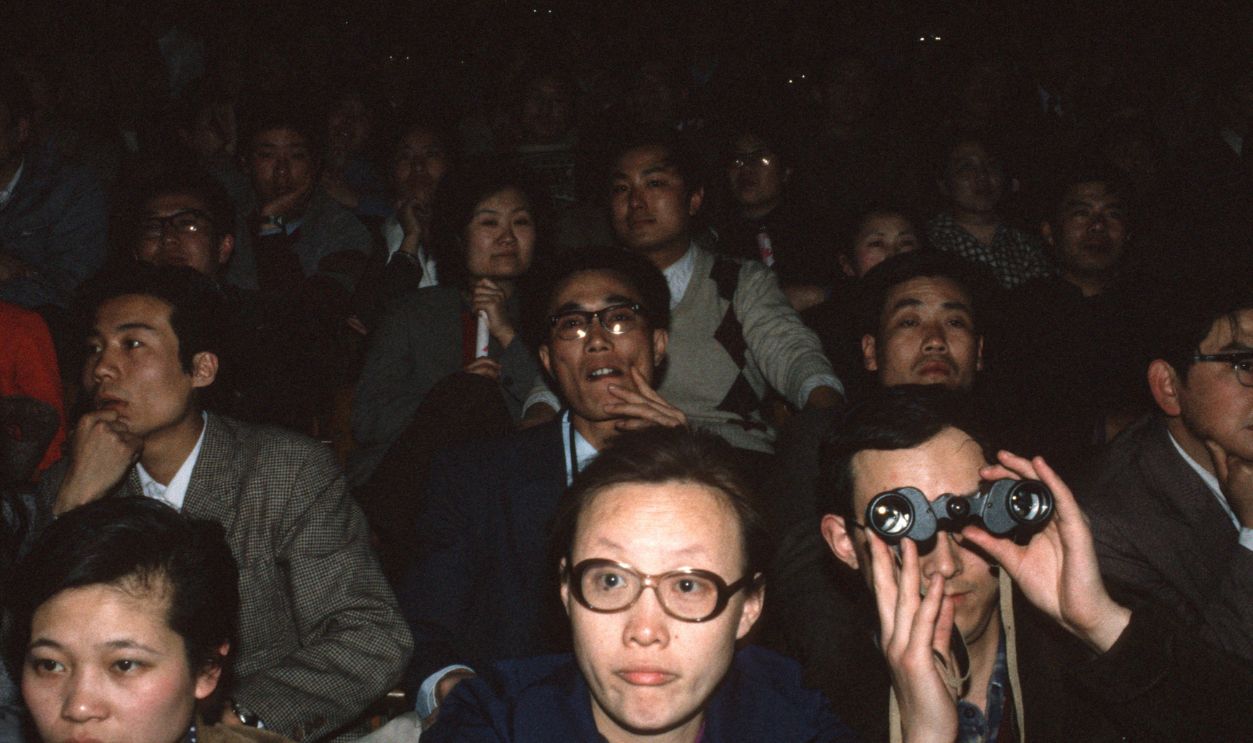
Wham! performed at Beijing’s Workers’ Gymnasium on April 7, 1985. Around 12,000 people attended, with some receiving tickets through government ministries and others paying about $1.75. For some buyers, that price represented several days of wages, even though many in the crowd had barely heard of the performers.
The Police Feared Losing Control
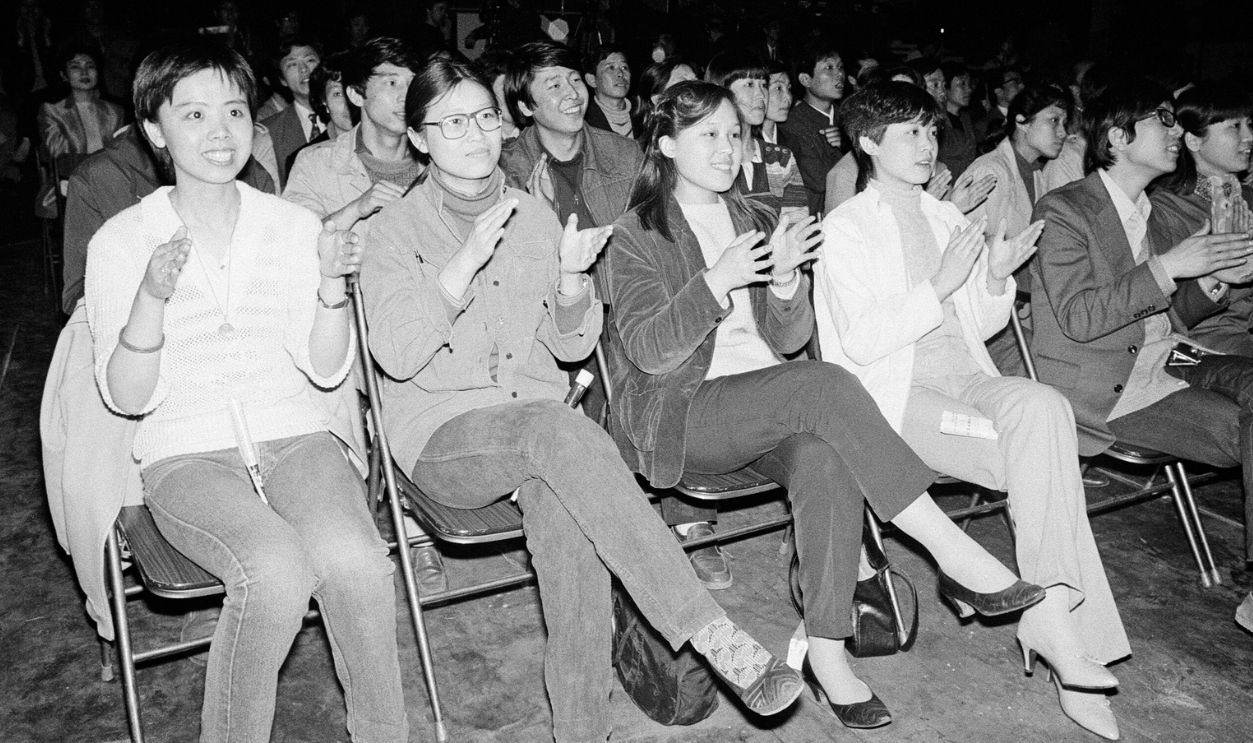
Security officers worried that dancing could become disorder and instructed the audience to remain seated. A breakdancer sent into the crowd before Wham!’s set only made officials more nervous, prompting another warning not to leave the seats. Some spectators who stood up were removed, which made everyone else more reluctant to respond.
Wham! Walked Into An Eerie Silence
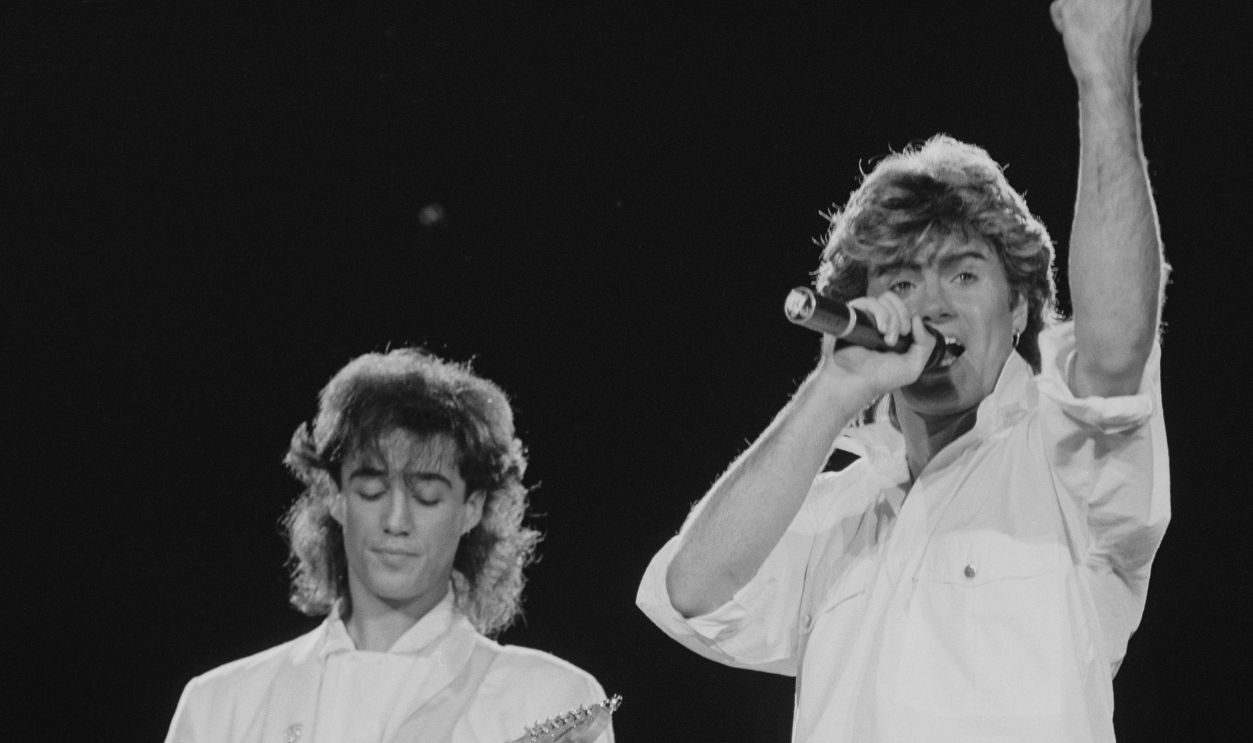
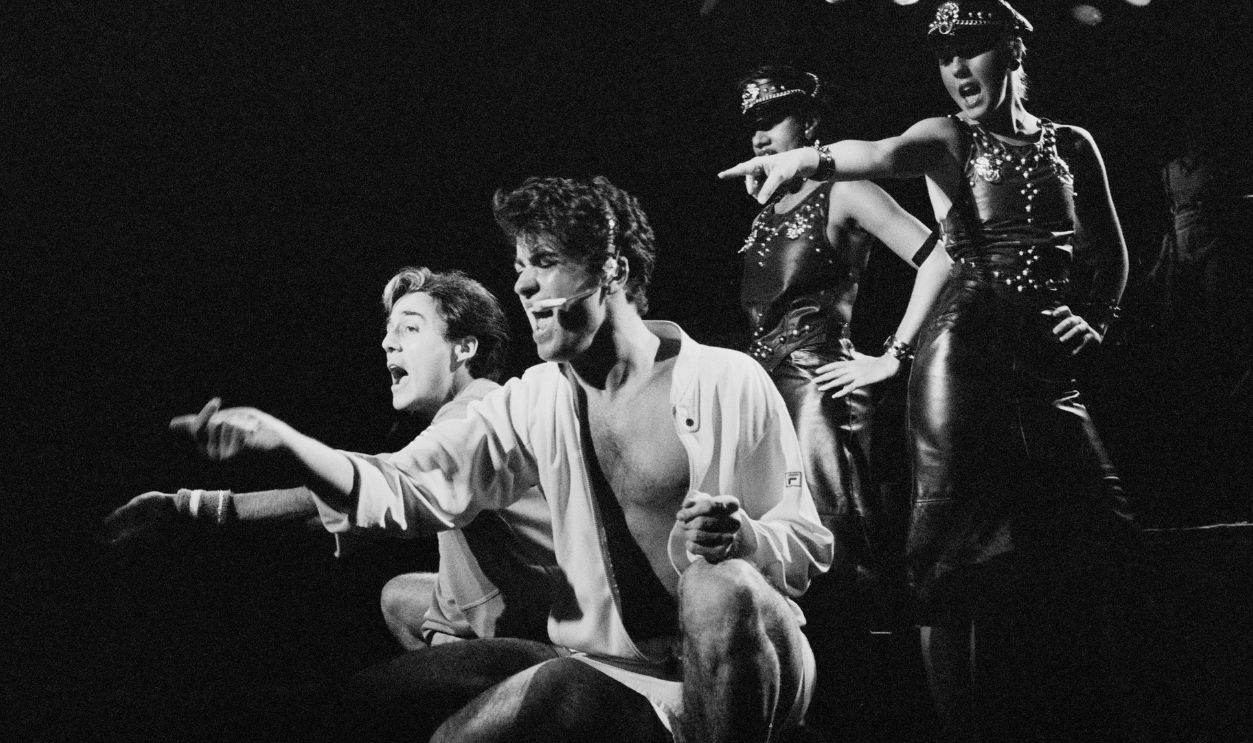
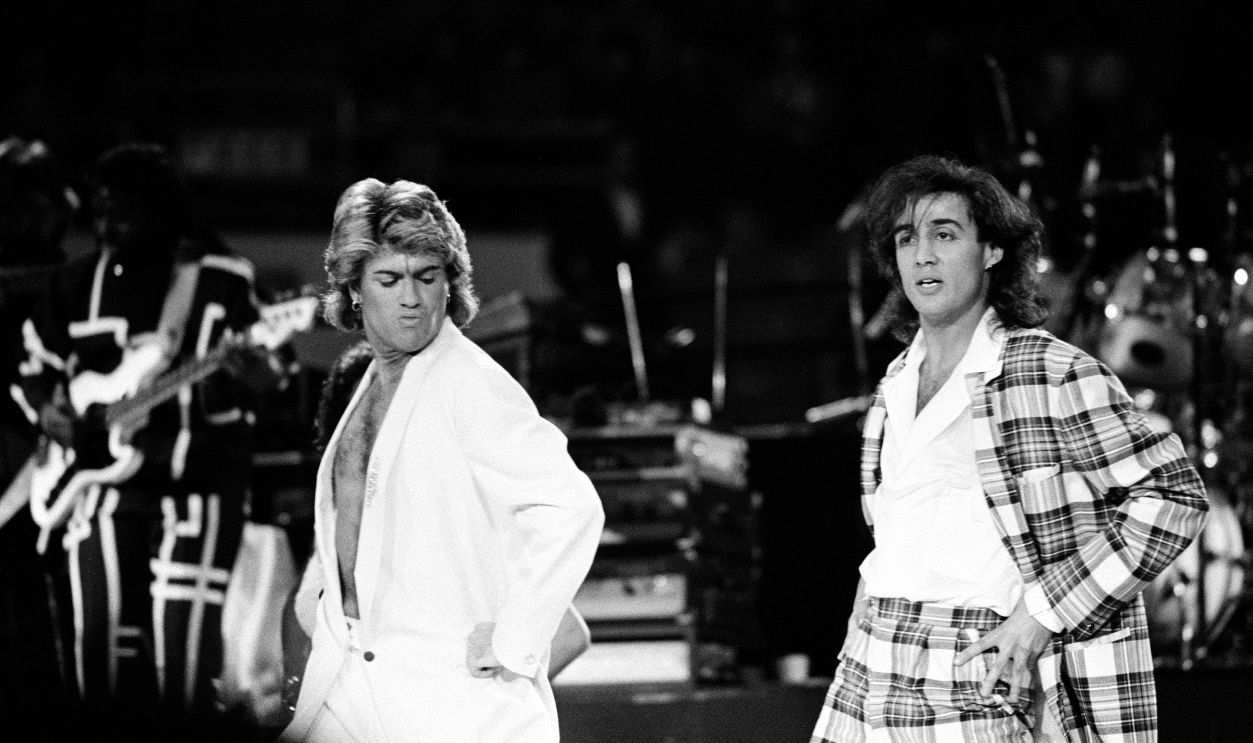
Michael and Ridgeley opened with the lively performance style that had worked around the world, but the Beijing audience stayed largely still. Michael tried to encourage clapping and received restrained applause instead of the roar he expected. He later called it the hardest performance of his life because he initially believed the group had failed to communicate.
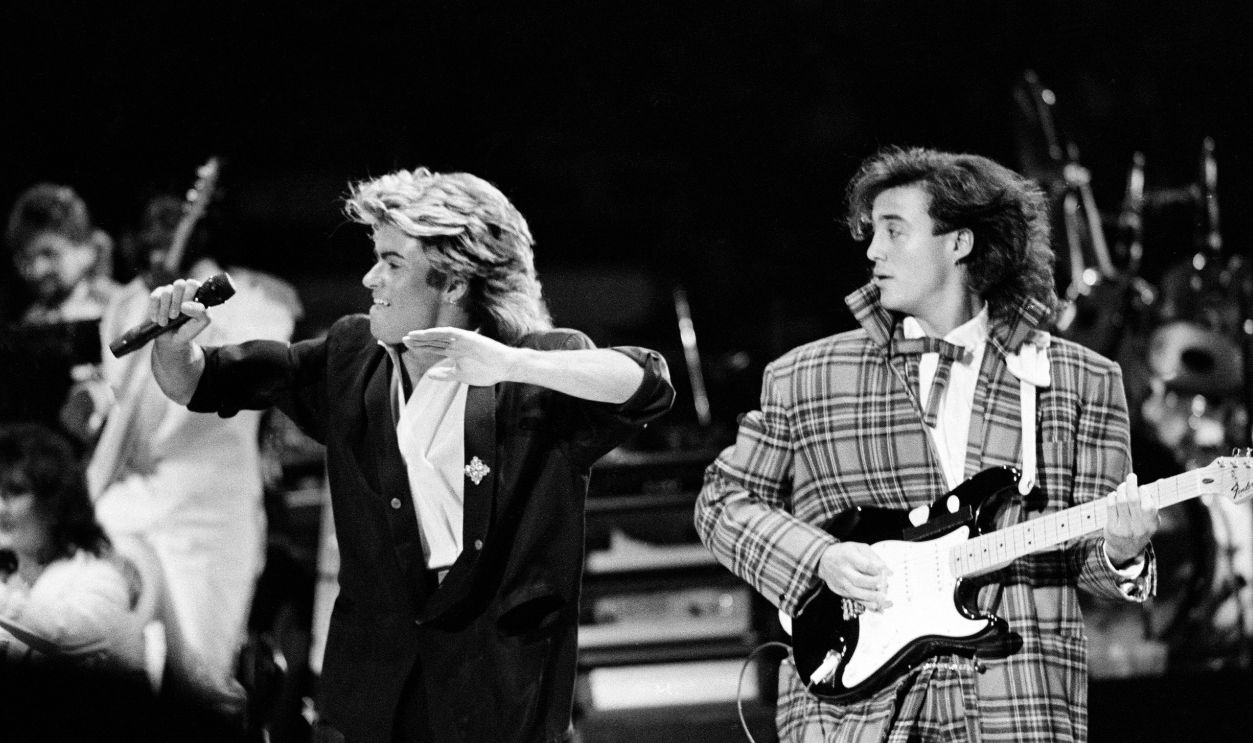
The Cameras Made The Mood Even Stranger
Anderson’s production needed clear images of the audience, so bright lights illuminated sections of the crowd during the show. People nearest the cameras and police became especially cautious, while some fans in the upper levels reacted more freely. The band could sense excitement in the building, but fear and unfamiliarity kept much of it from reaching the stage.
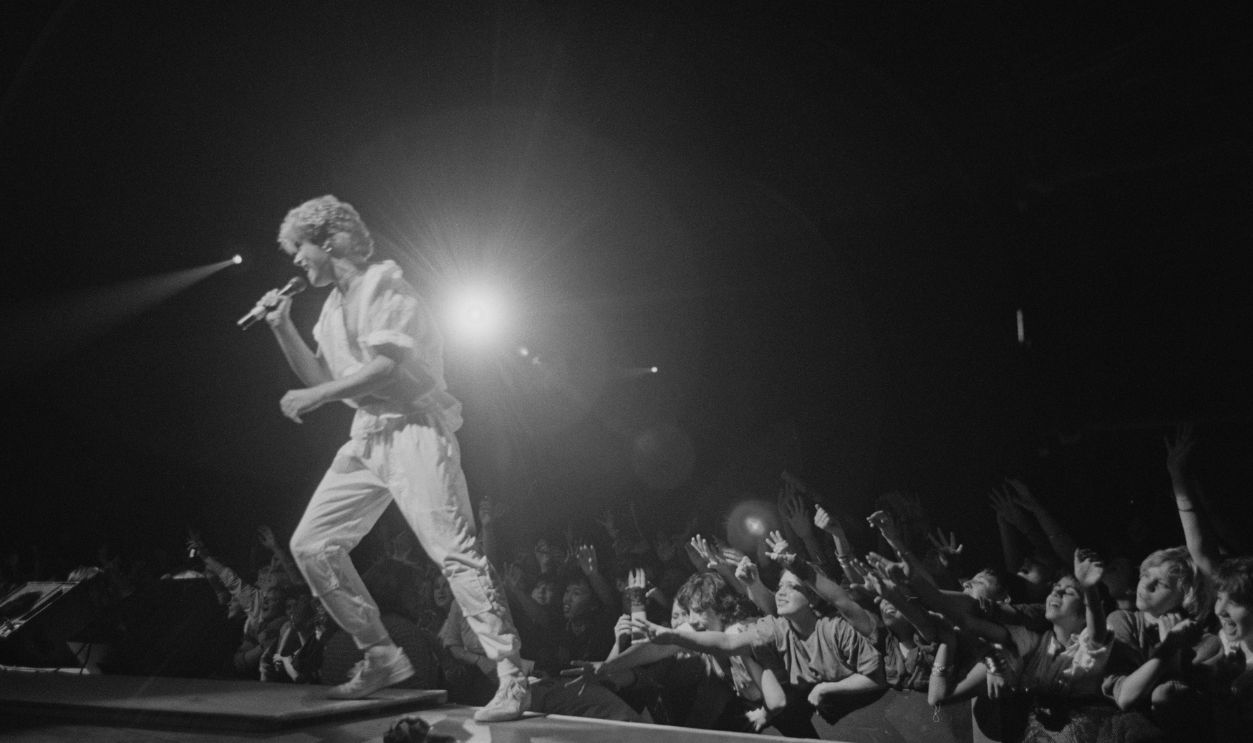
A Power Problem Created One Bright Moment
The concert also suffered a temporary electrical problem that cut the main lights. A bassist filled the interruption with a short breakdance, according to one attendee interviewed years later by the Associated Press. The improvised display delighted spectators, yet it also underlined how unpredictable this supposed publicity masterpiece had become.
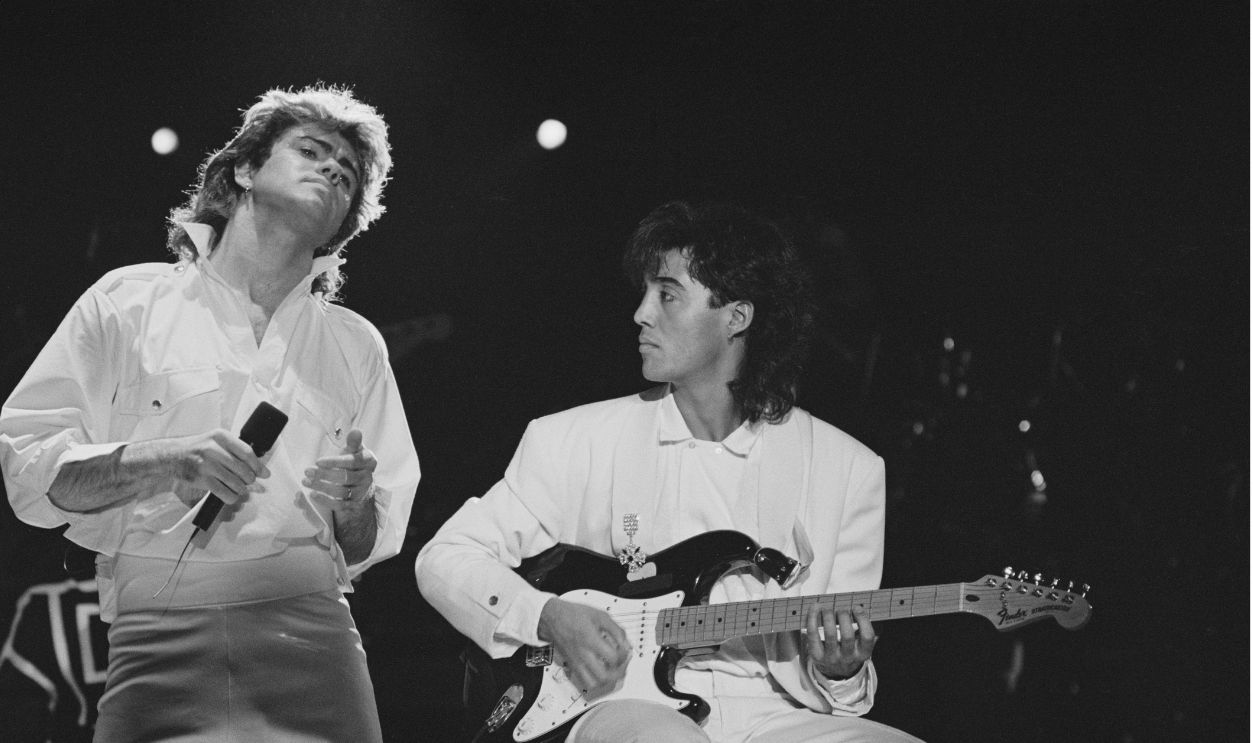
The Flight South Became Terrifying
The journey to the second mainland concert produced the tour’s most dangerous incident. Trumpeter Raul D’Oliveira suffered an acute mental health crisis aboard the plane, injured himself with a knife, and forced his way toward the cockpit. The flight returned to Beijing so he could receive care, and the rest of the touring party escaped physical injury, but the episode badly shook the band and crew.
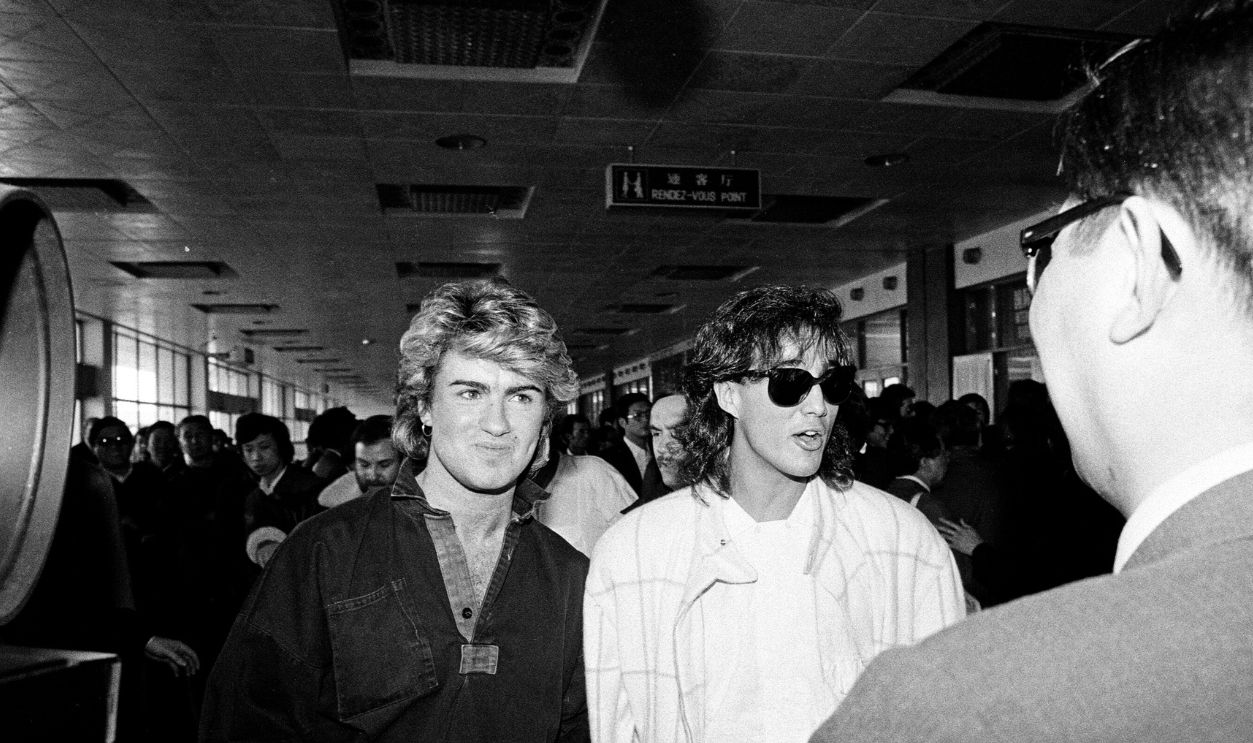
Guangzhou Finally Loosened The Mood
Wham! continued to Guangzhou and played for about 5,000 people on April 10. The southern city was more accustomed to outside influences, and the audience responded more warmly than the crowd in Beijing. After the confusion and fear surrounding the first show and the flight, the second concert gave the musicians a more recognizable connection with their listeners.
The Publicity Plan Still Worked
The trip produced the international attention Napier-Bell had promised. Wham! appeared on American national news and received extensive newspaper coverage without completing the exhausting arena tour Michael wanted to avoid. Ridgeley later said the strategy achieved its aim, and the group soon moved into major American stadium dates.
 FG/Bauer-Griffin, Getty Images
The Concerts Opened A Cultural Window
For many Chinese spectators, Wham! provided a first close look at Western pop performance, fashion, electric instruments, and concert sound. Musicians and music writers later described the shows as an influence on China’s developing rock scene. Cui Jian, who became known as a pioneering figure in Chinese rock, was among those who attended the Beijing concert.
 Peter Charlesworth, Getty Images
The Planned Film Fell Apart
Anderson spent months editing a documentary that emphasized China, street life, and the boredom behind touring rather than Wham!’s star image. The band and its management rejected his cut in October 1985, removed him from the project, and paid for additional concert material to be filmed in London. A shorter reworked movie, Wham! in China: Foreign Skies, was eventually shown at the duo’s Wembley farewell concert in June 1986.
The Mess Became Part Of The Triumph
Wham!’s China visit succeeded commercially, but almost nothing about it unfolded like an ordinary victory lap. A controlled crowd made the landmark Beijing show feel like failure, a mid-tour flight became dangerous, and the documentary intended to preserve the moment collapsed into conflict. Yet the publicity lifted Wham!’s American profile, while the concerts left a cultural impression far greater than the clever management stunt that started everything.
 Peter Charlesworth, Getty Images
You May Also Like:
The Craziest Things That Happened To Famous Musicians On Stage—Ranked
.jpg)
