Vanilla Ice Shot to the Top of the Charts—and Fell Just as Fast
In 1990, it felt like Vanilla Ice came out of nowhere. One song. One hook. One unforgettable bassline. Suddenly he was the face of mainstream rap, selling millions of records and breaking chart records. But just as quickly as he rocketed to fame, controversies began piling up—and the backlash was swift, loud, and relentless.
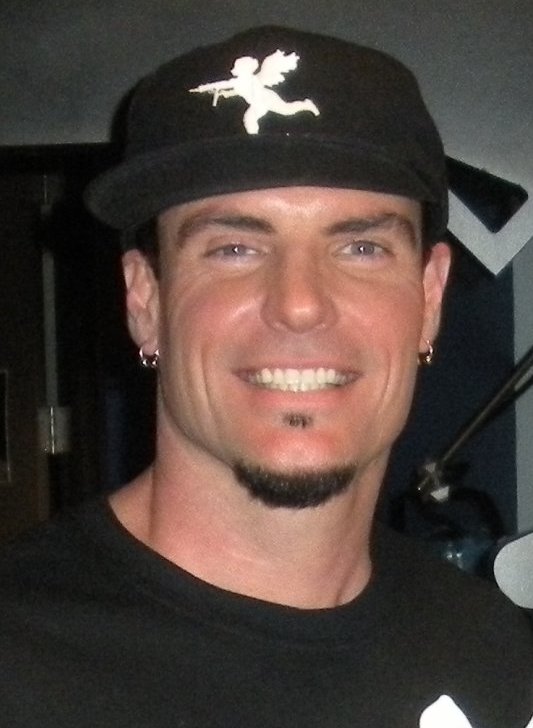
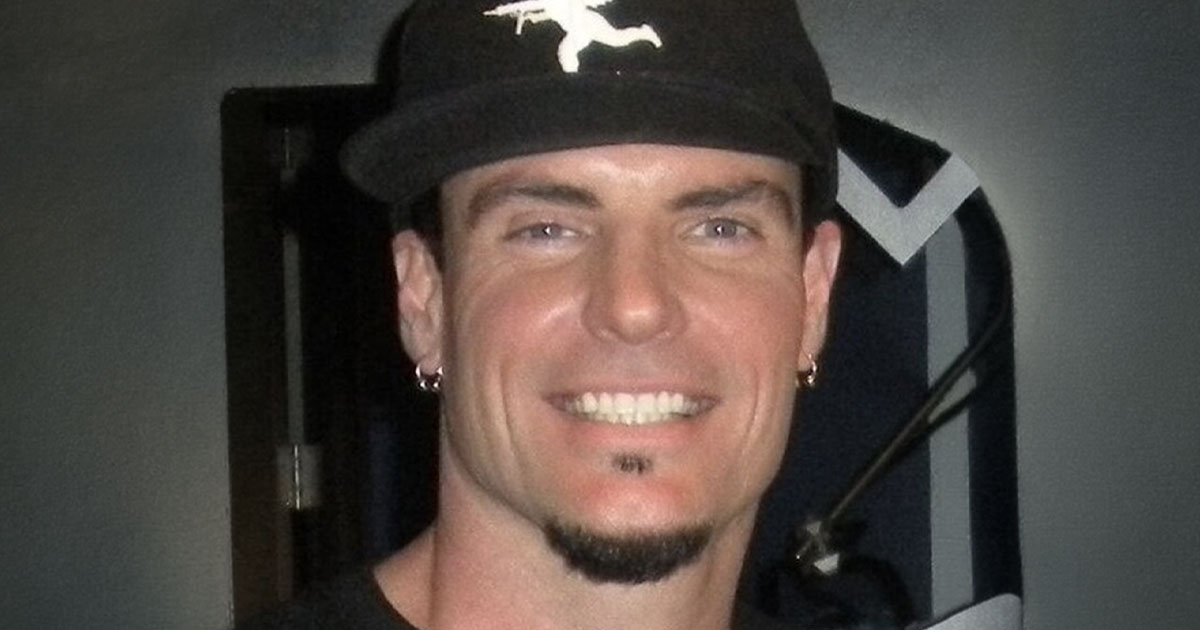
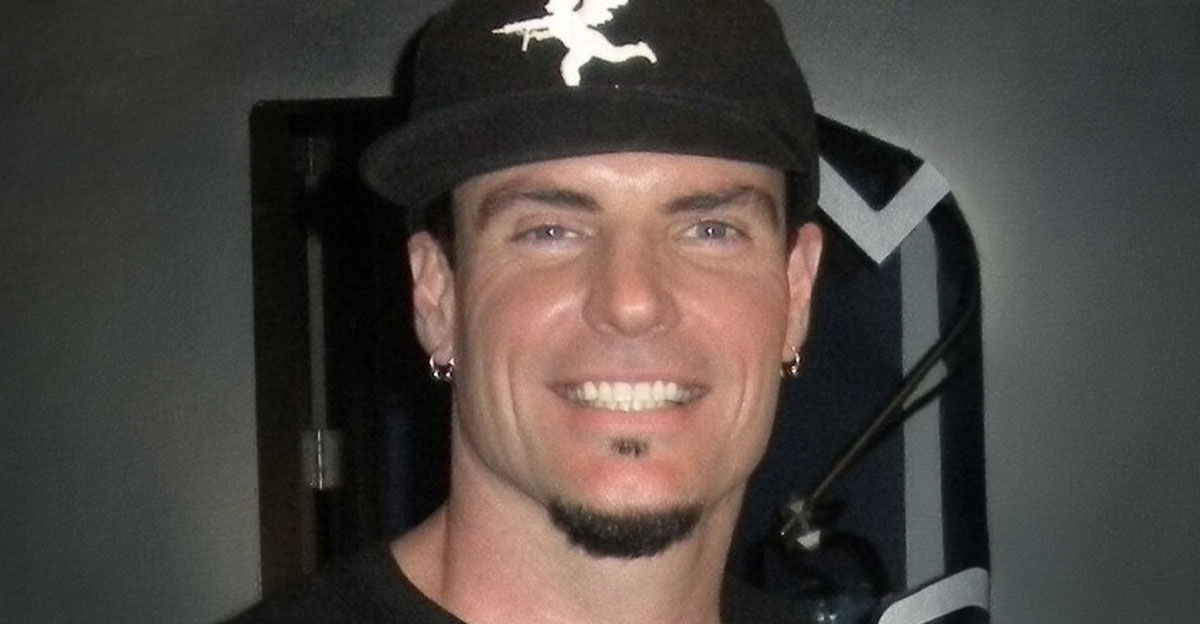 Rick Marshall, CC BY 2.0 , via Wikimedia Commons
From Robert Van Winkle to “Vanilla Ice”
Born Robert Matthew Van Winkle on October 31, 1967, in Dallas, Texas, he grew up moving between Texas and Florida. He was into motocross, breakdancing, and hip-hop culture at a time when rap was still growing nationally. The nickname “Vanilla Ice” came from his breakdancing crew days—long before the world knew his name.
A White Rapper in a Growing Genre
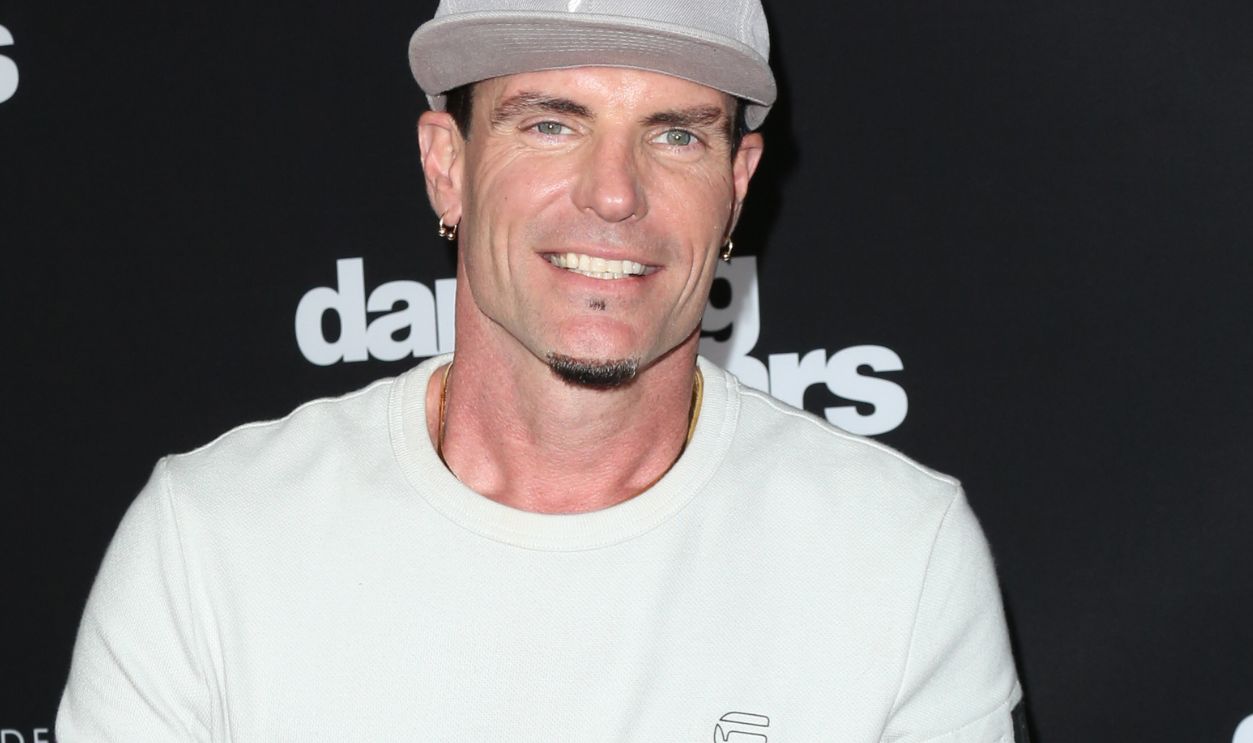
In the late 1980s, hip-hop was still fighting for mainstream legitimacy. As a white rapper from the South, Vanilla Ice stood out immediately. For some, that was exciting. For others, it raised eyebrows. The tension between authenticity and image would follow him for years.
“Ice Ice Baby” Changes Everything (1990)
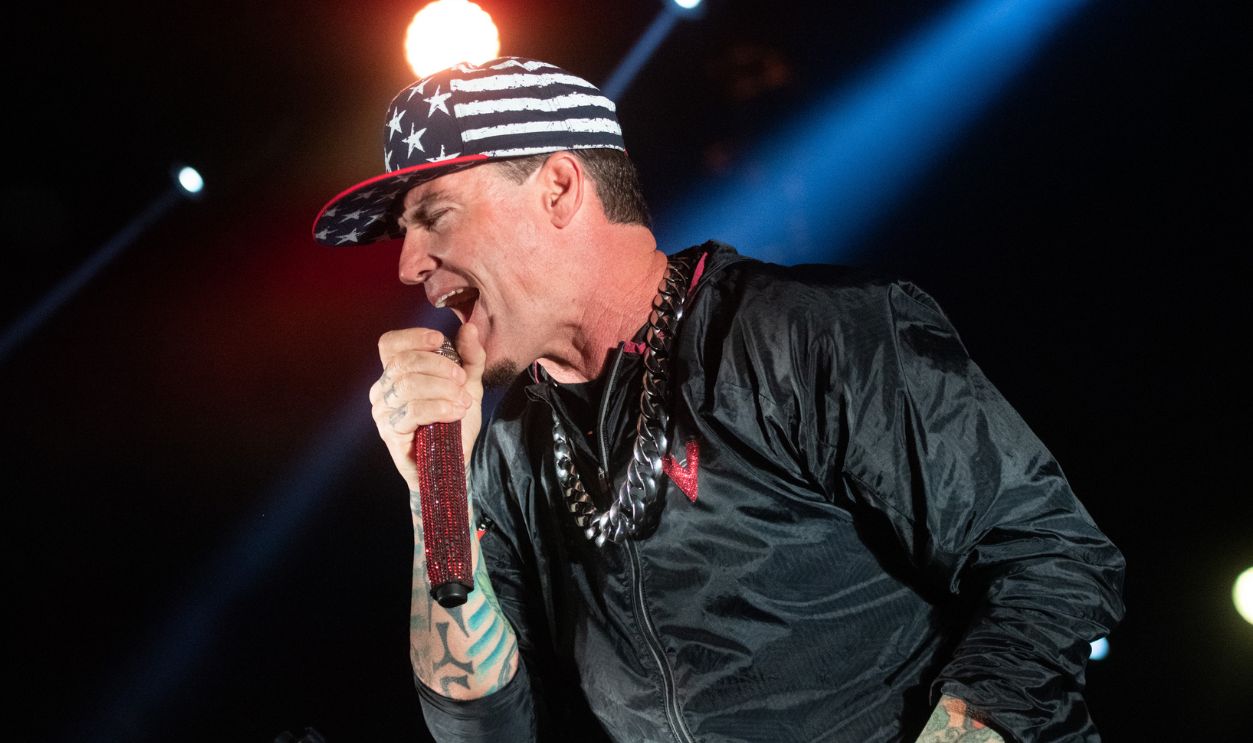
In 1990, “Ice Ice Baby” exploded. Built around a sample of Queen and David Bowie’s “Under Pressure,” the song became the first hip-hop single to top the Billboard Hot 100. It wasn’t just a hit—it was a cultural takeover.
Vanilla Ice was suddenly everywhere.
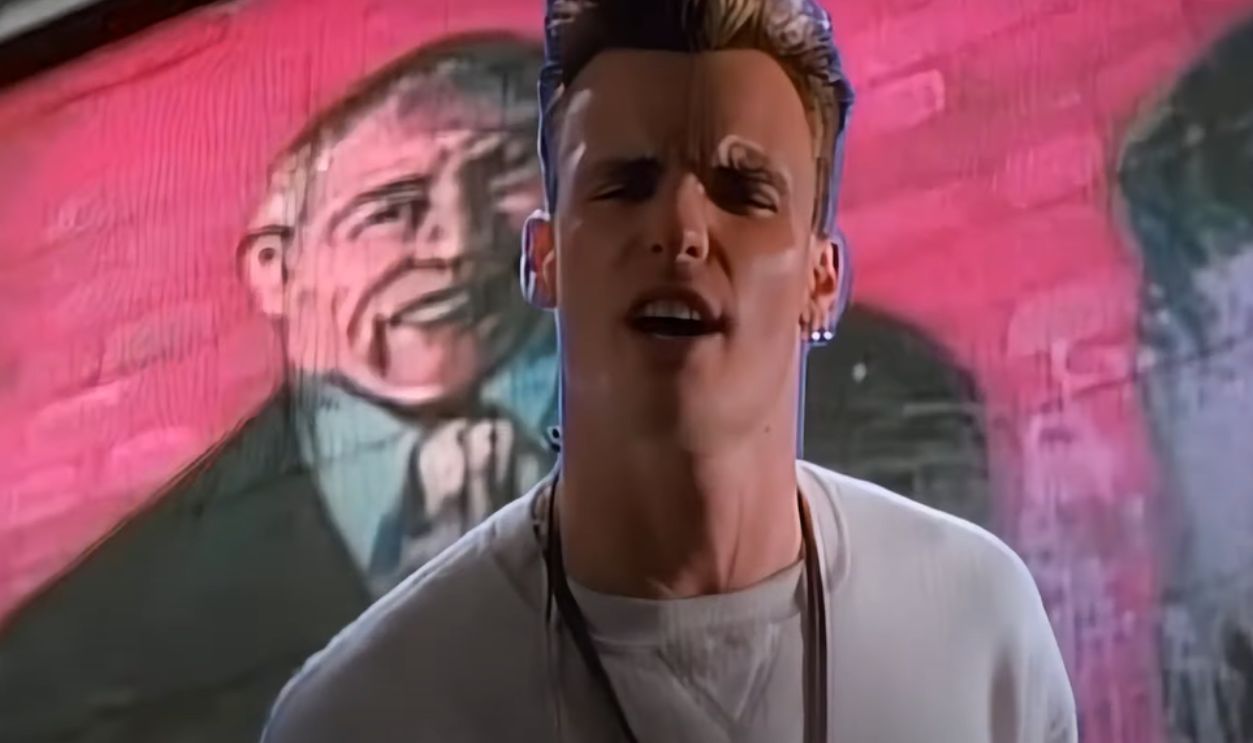 Screenshot from Ice Ice Baby, SBK Records (1990)
The Album That Broke Records
His debut album, To the Extreme, sold over 15 million copies worldwide. It dominated the charts for weeks. Teen magazines, talk shows, and endorsement deals followed. For a brief moment, he was one of the biggest pop stars on the planet.
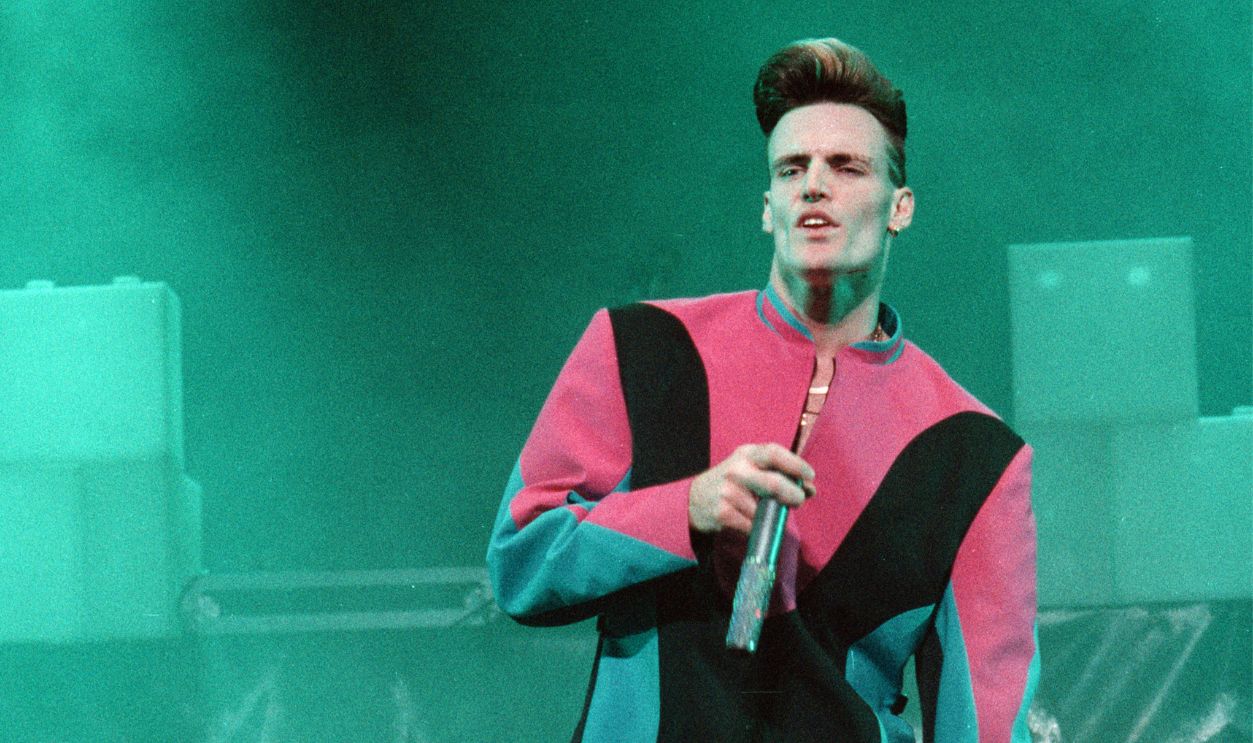
Fame at Warp Speed
Vanilla Ice was just 22 years old when his life flipped overnight. Interviews stacked up. Appearances multiplied. He went from performing in small clubs to headlining arenas in months. That kind of acceleration doesn’t leave much time to process what’s happening.
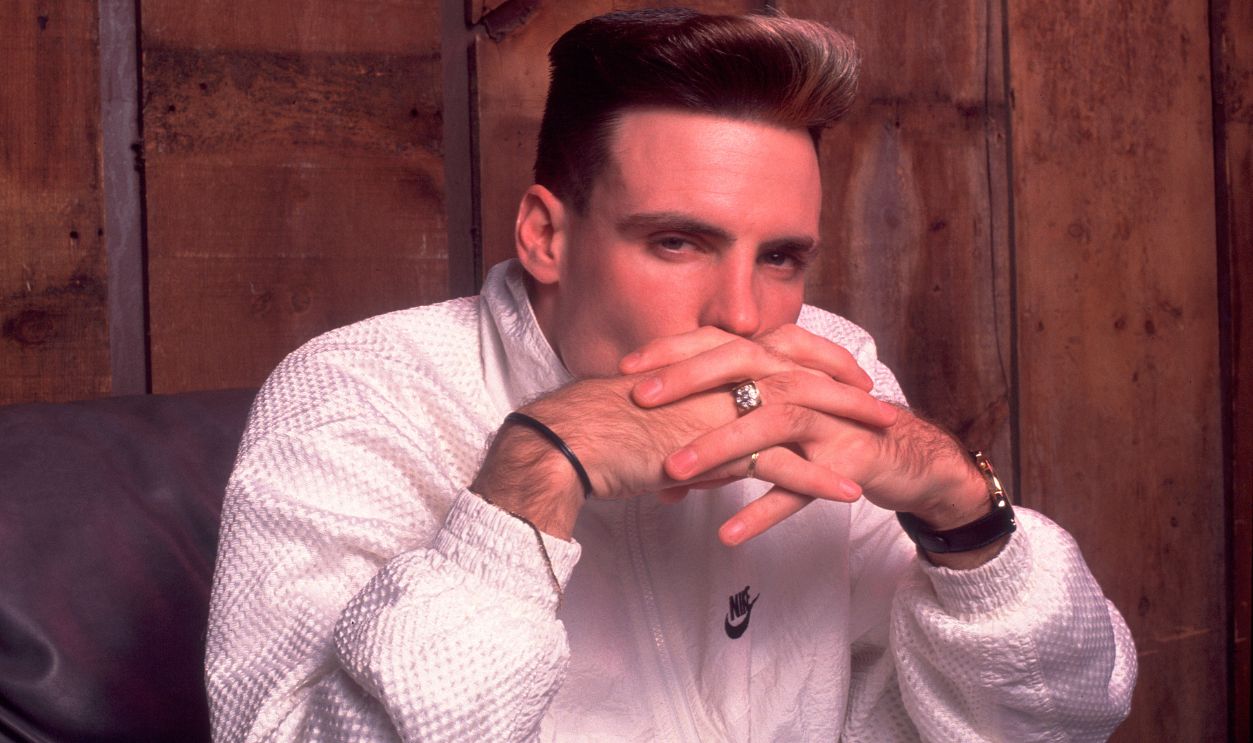
The Image Machine Kicks In
Record executives leaned hard into a flashy, hyper-confident persona. Stories about his background began circulating—including exaggerated claims about growing up in rough Miami neighborhoods. Those details would later come back to haunt him.
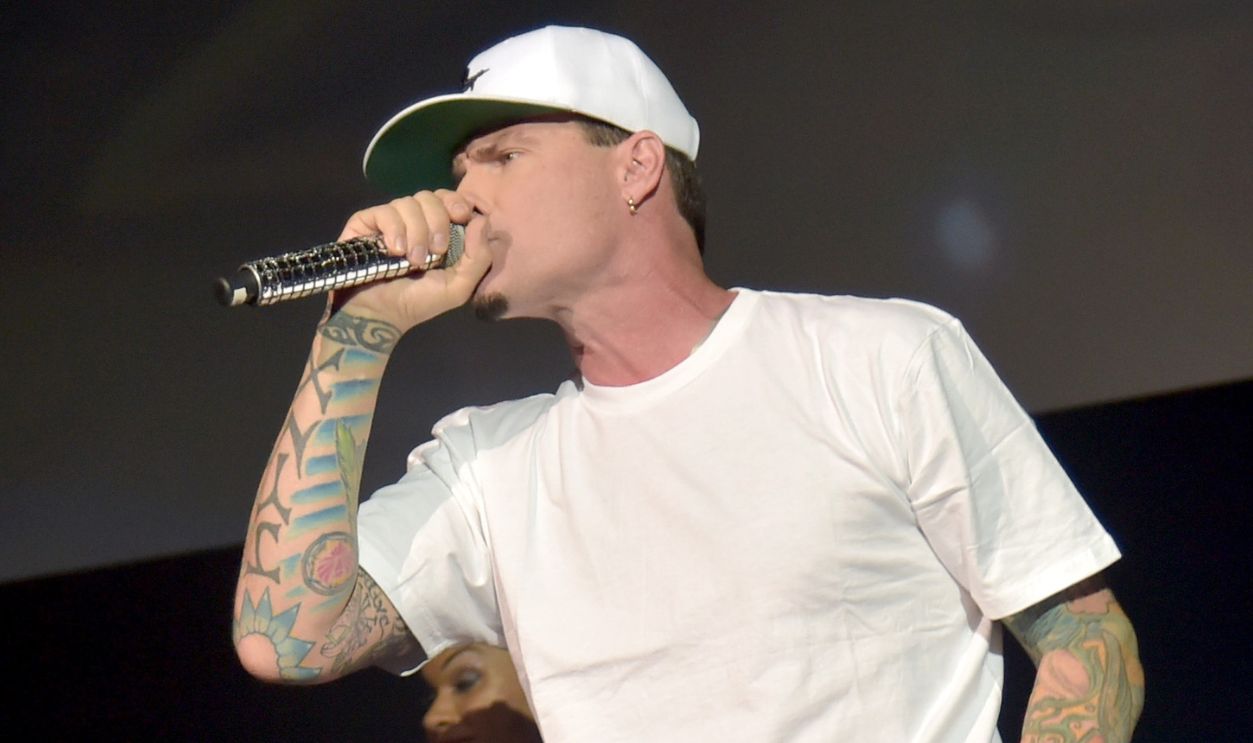 Alberto E. Rodriguez, Getty Images
The “Under Pressure” Controversy
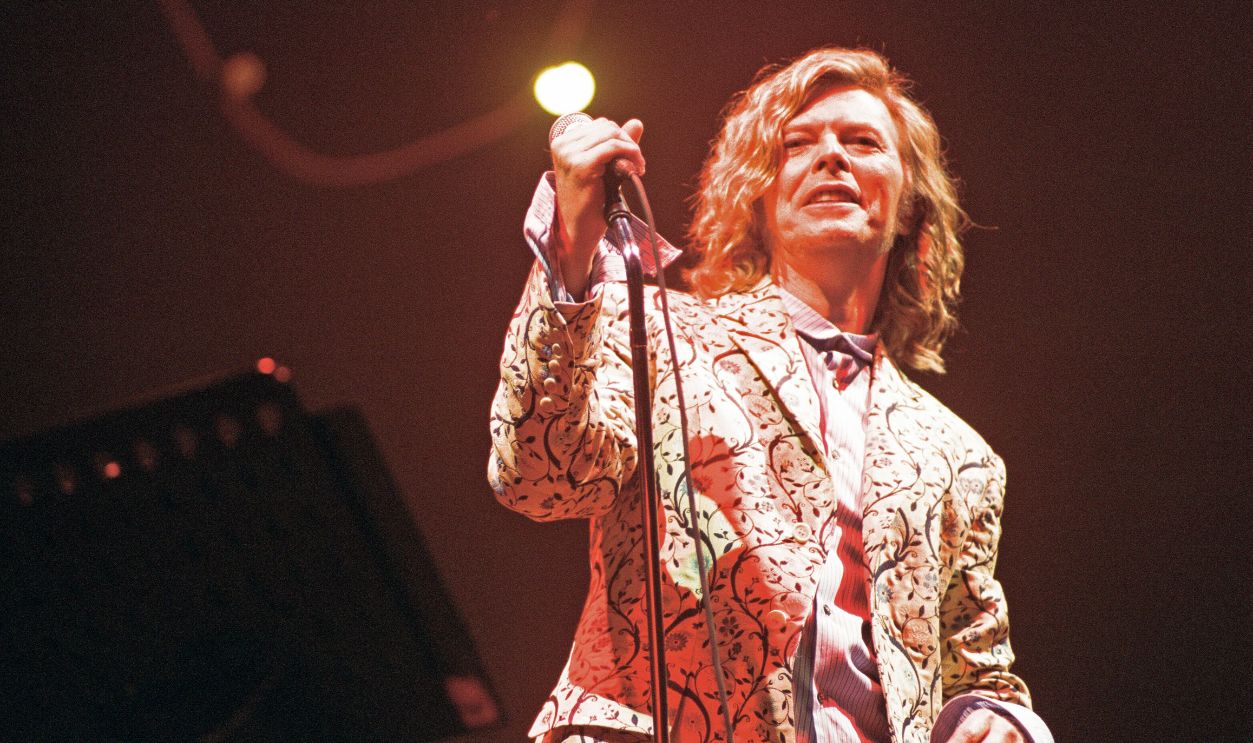
Almost immediately, Queen and David Bowie’s team raised concerns about the use of their bassline. Vanilla Ice initially denied it was the same riff, even famously trying to demonstrate a difference on television.
The denial didn’t age well.
Eventually, he settled the matter out of court and gave songwriting credit to the original artists—but the damage to his credibility had begun.
Questions About Authenticity
As fame grew, so did skepticism. Critics and hip-hop purists questioned whether his image was manufactured. When inconsistencies in his personal backstory surfaced, it fueled accusations that he was a product of marketing more than culture.
In hip-hop, authenticity matters deeply.
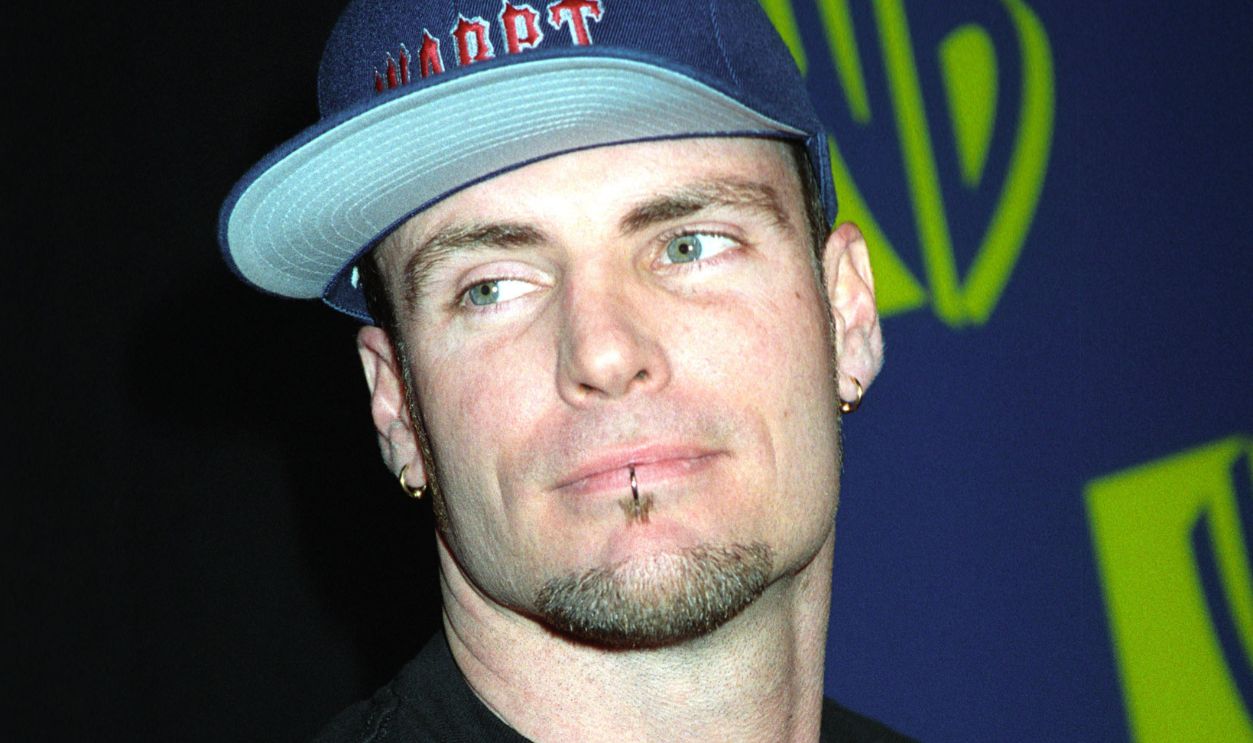 Christina Radish, Getty Images
The Media Turns
What started as curiosity became mockery. Interviews grew more confrontational. Headlines shifted from celebrating a breakout star to dissecting him. The same outlets that once praised him now questioned whether he deserved his place in rap history.

Public Backlash Intensifies
By 1991, the backlash was in full swing. Other rappers criticized him openly. Some radio stations pulled support. Audiences that once screamed his name began treating him like a punchline.
The fall felt almost as fast as the rise.
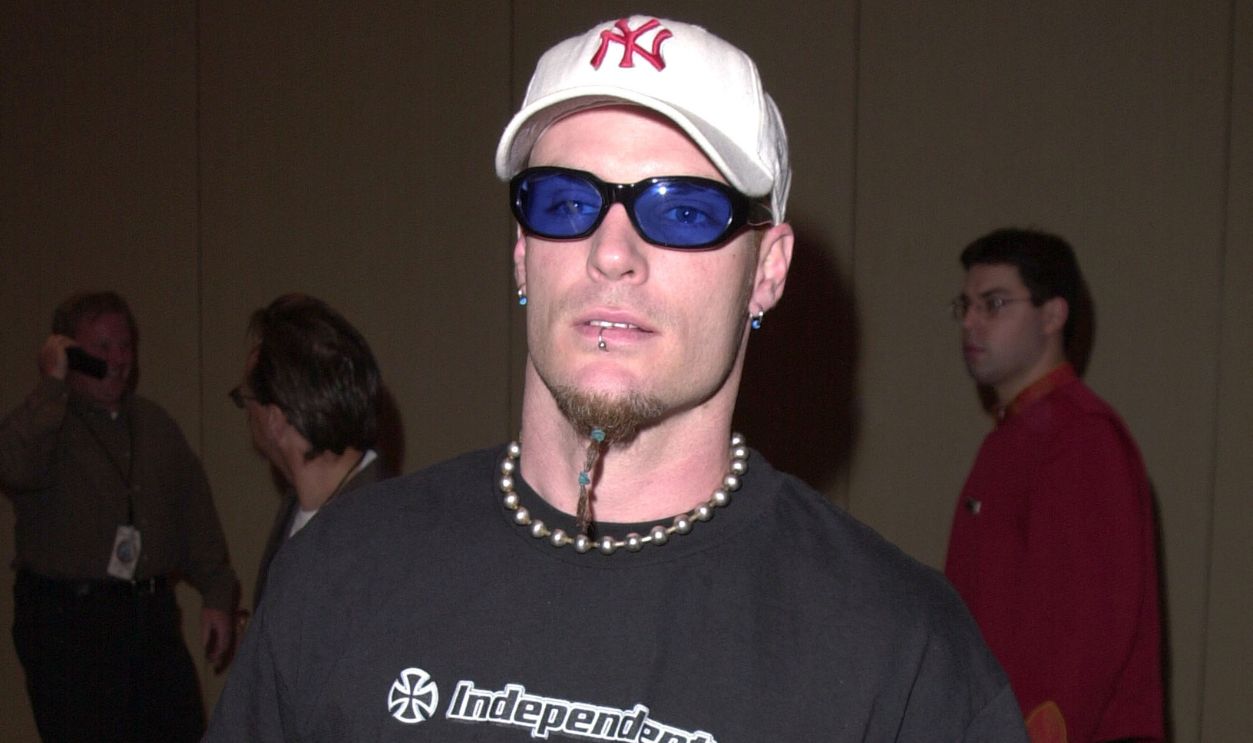
The Film That Didn’t Help
In 1991, he starred in Cool as Ice, a teen romance built around his persona. The movie flopped critically and commercially. Instead of cementing his status, it amplified the perception that his fame was more style than substance.
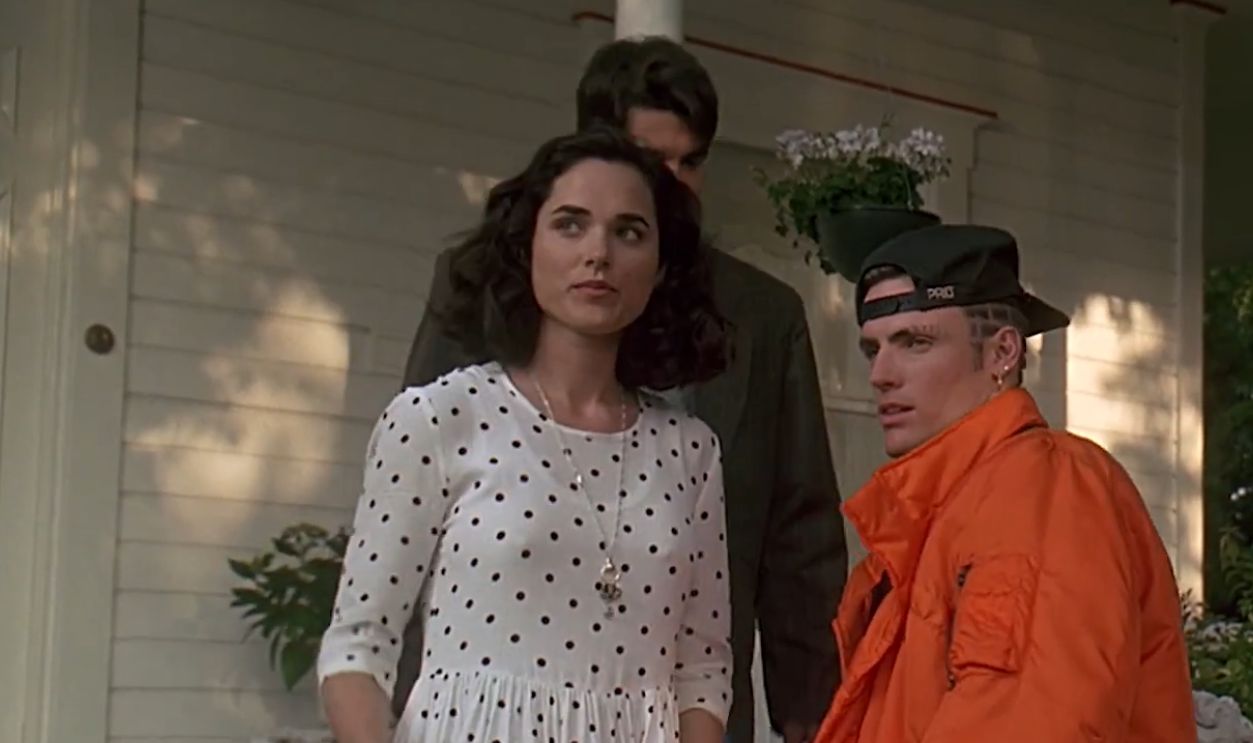 Screenshot from Cool As Ice, Universal Pictures (1991)
Burnout and Pressure
Behind the scenes, Vanilla Ice later admitted he was overwhelmed. In interviews years later, he described feeling trapped by the character he was expected to play. The bravado wasn’t always real—but it became mandatory.
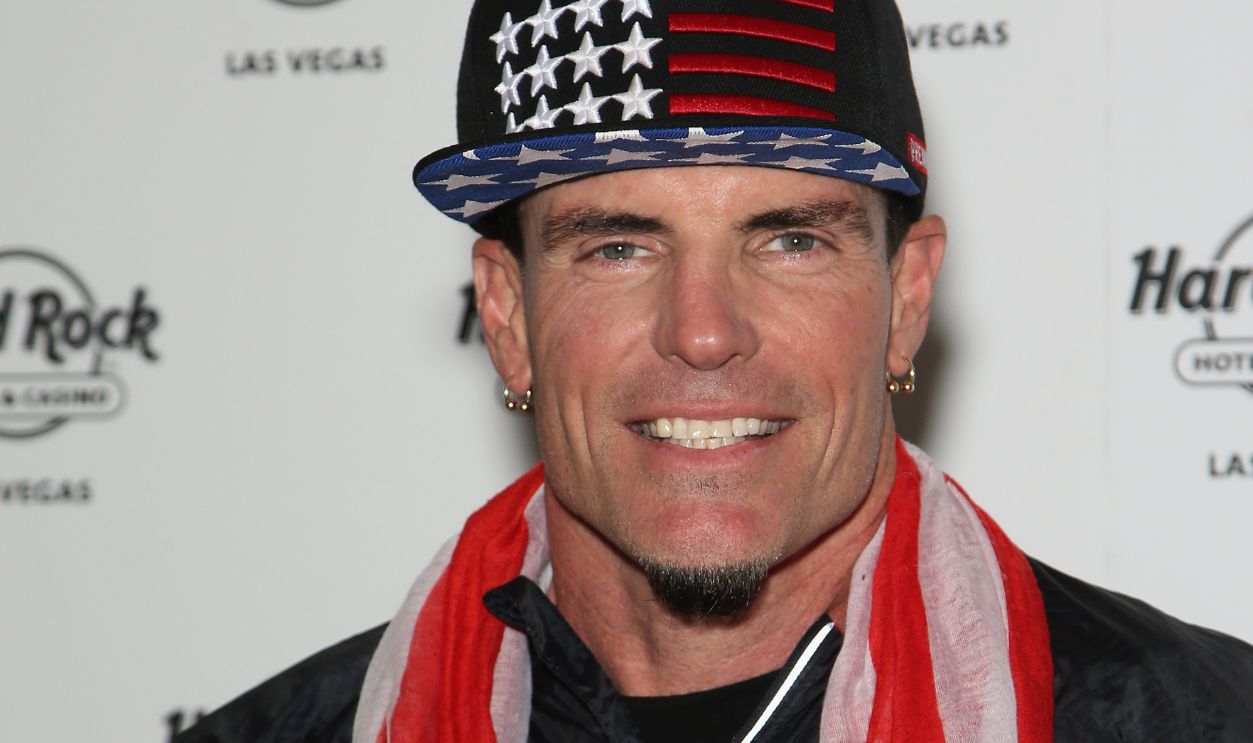
Personal Struggles
As the spotlight dimmed, personal issues surfaced. In the mid-1990s, he faced legal trouble, including charges related to weapons possession and domestic disputes. These incidents added to the public narrative that his career had spiraled.
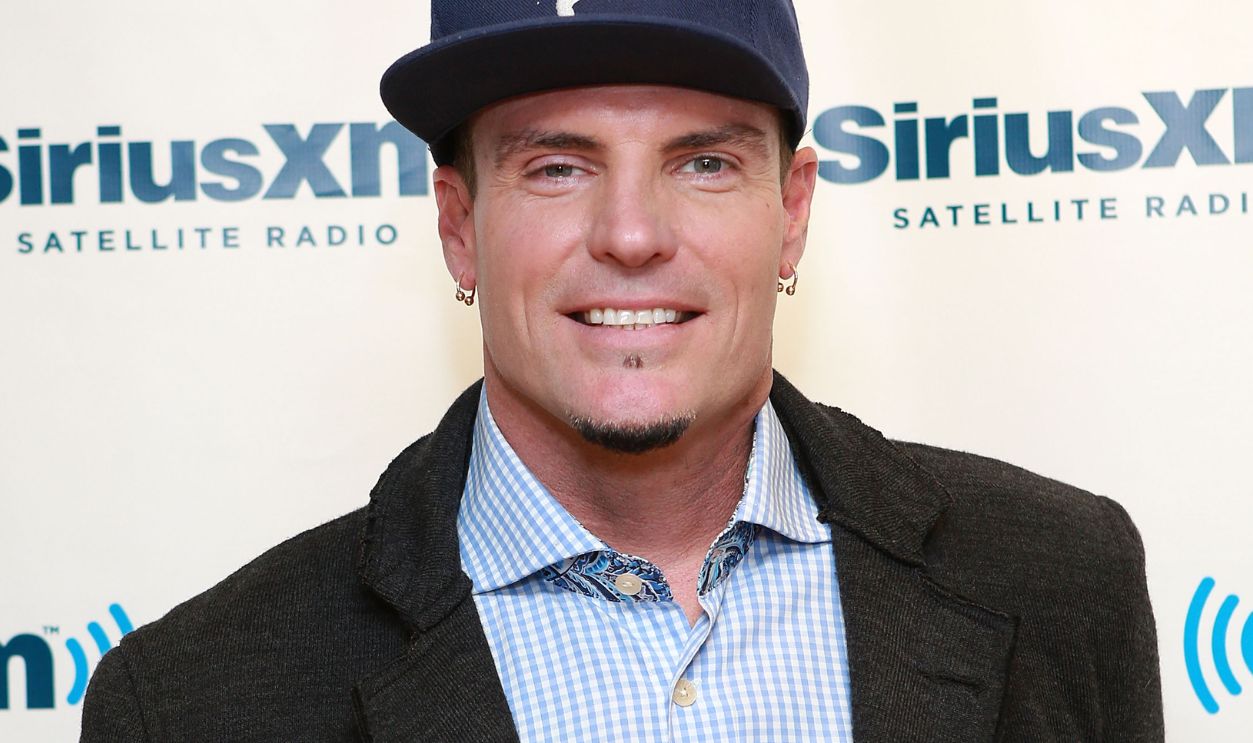
Reinvention Attempts
In 1994, he released Mind Blowin’, attempting a harder, more serious sound. It failed commercially. Later albums experimented with rock and nu-metal influences, showing he wanted artistic growth—but the mainstream wasn’t ready to forgive.
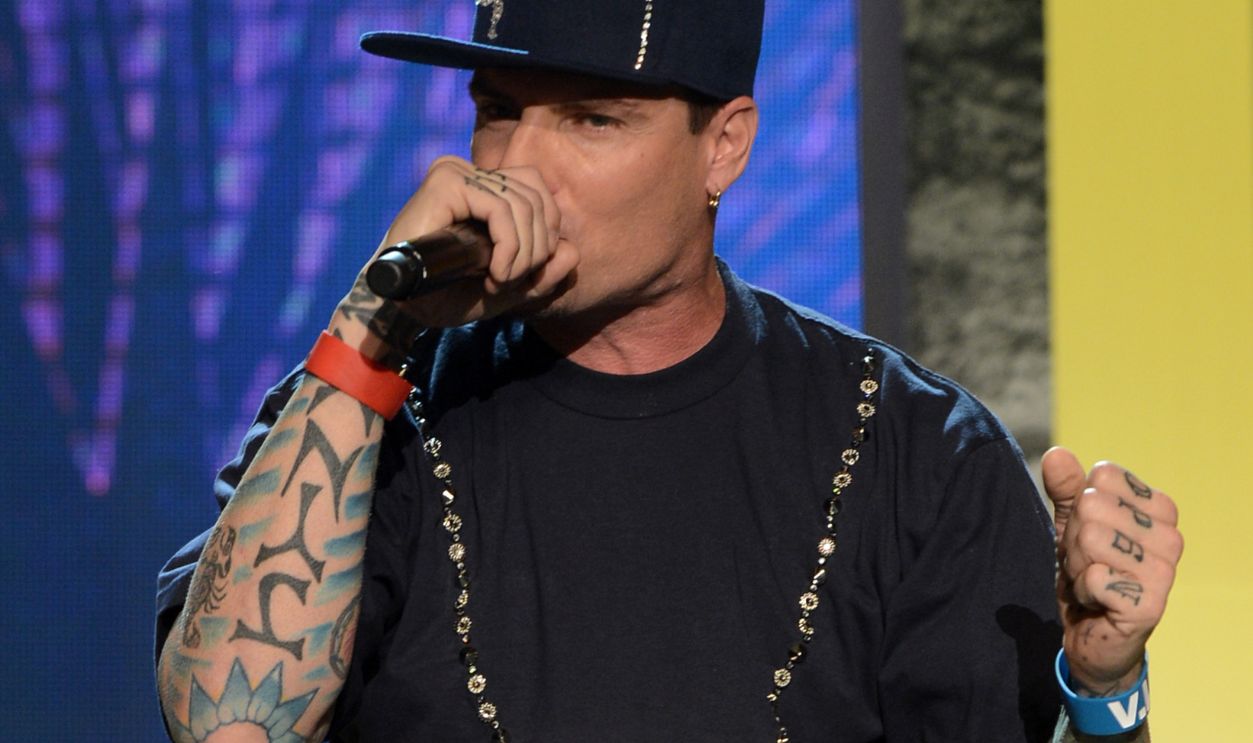 Kevin Winter/SAs 2013, Getty Images
Becoming a Cultural Punchline
By the late 1990s, Vanilla Ice was often referenced ironically. “Ice Ice Baby” remained famous, but sometimes as nostalgia—sometimes as parody. For many artists, that would have been the end.
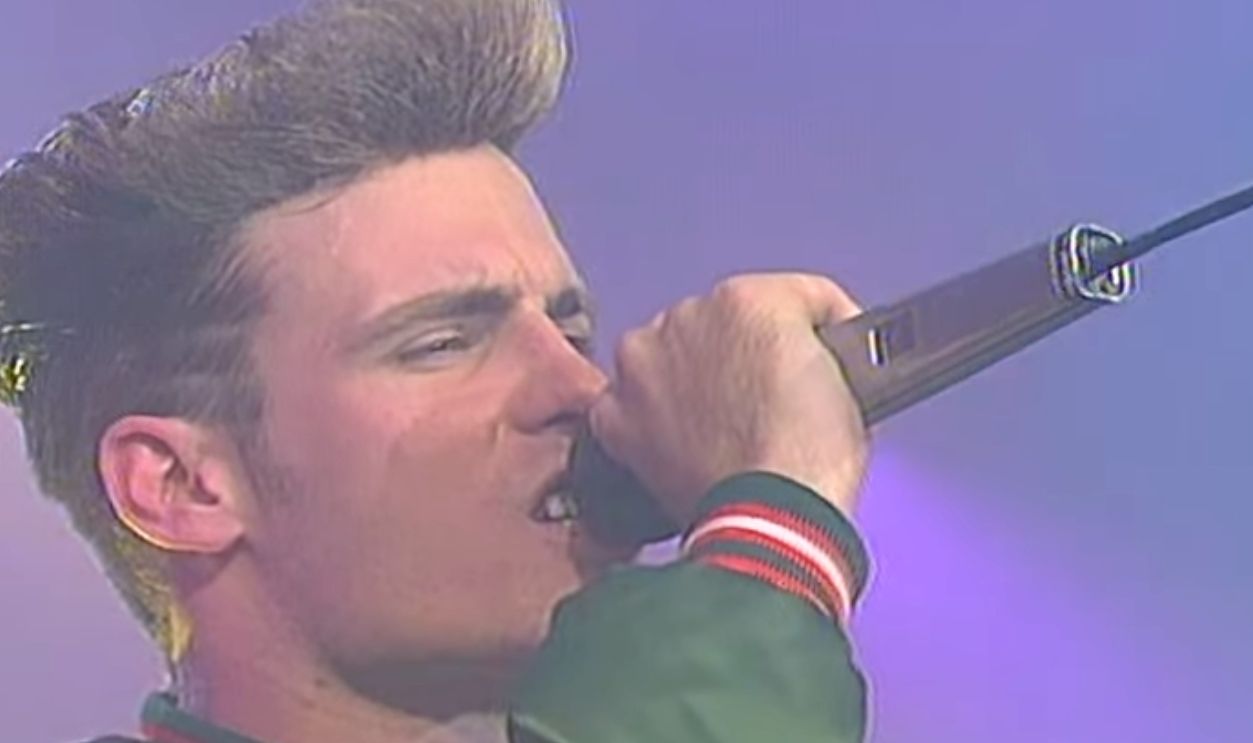 Screenshot from Ice Ice Baby, SBK Records (1990)
Reality TV Revival
In the 2000s, he leaned into reinvention differently. Appearances on shows like The Surreal Life reintroduced him to audiences in a more self-aware way. He didn’t fight the past—he acknowledged it.
That shift helped soften public perception.
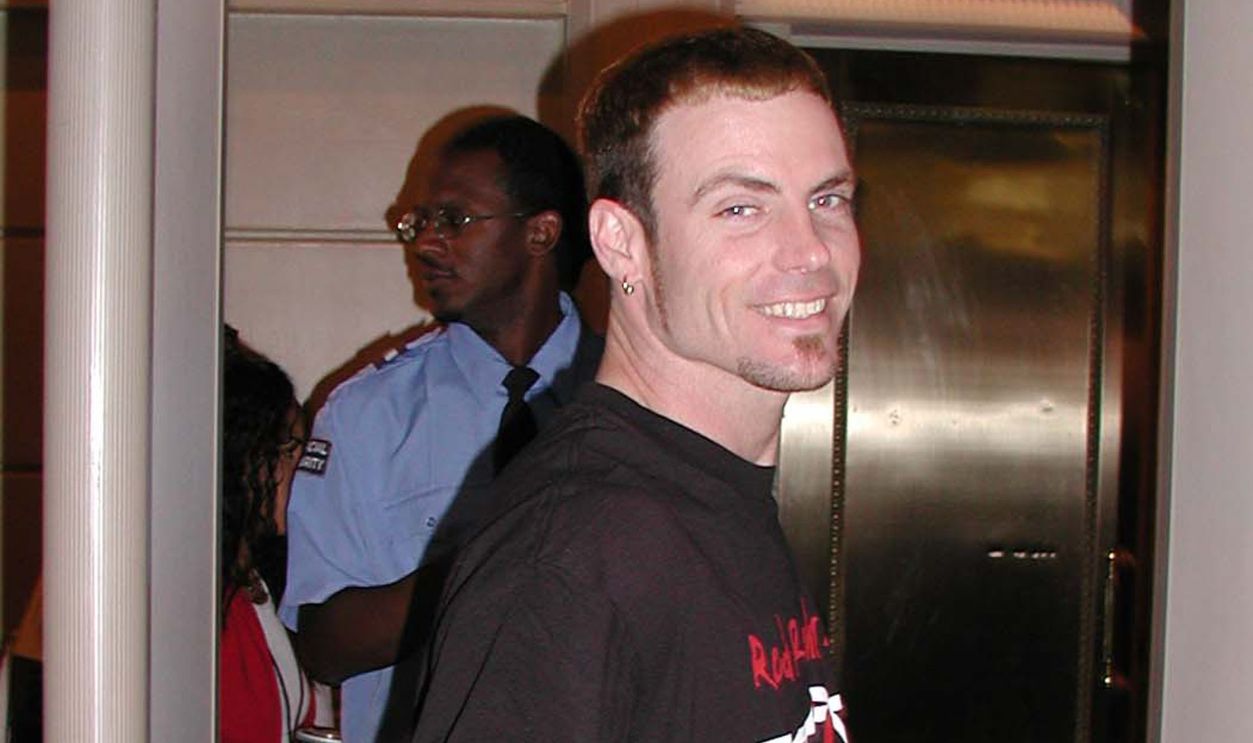
A Second Career in Home Renovation
Surprisingly, he found steady success outside music. His home renovation series, The Vanilla Ice Project, showcased a different side of him—practical, skilled, and grounded. It wasn’t flashy. It was sustainable.
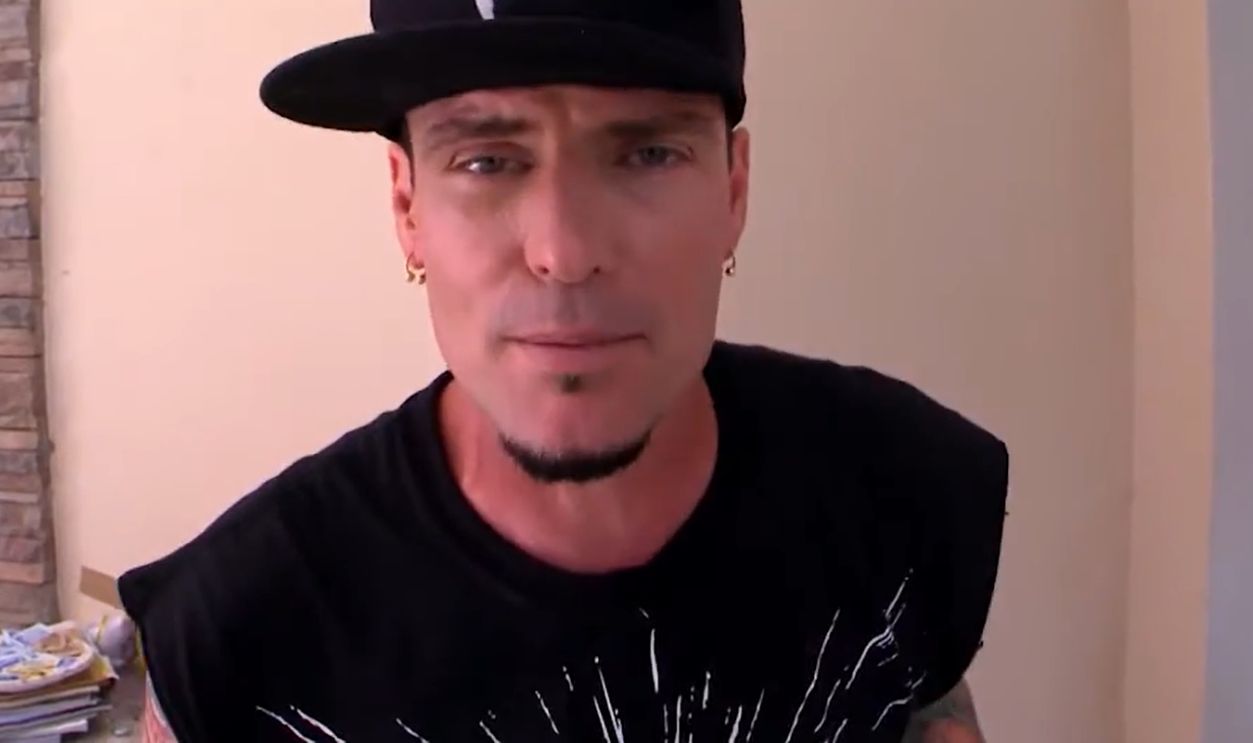 Screenshot from The Vanilla Ice Project, DIY Network (2010–2019)
Owning the Narrative
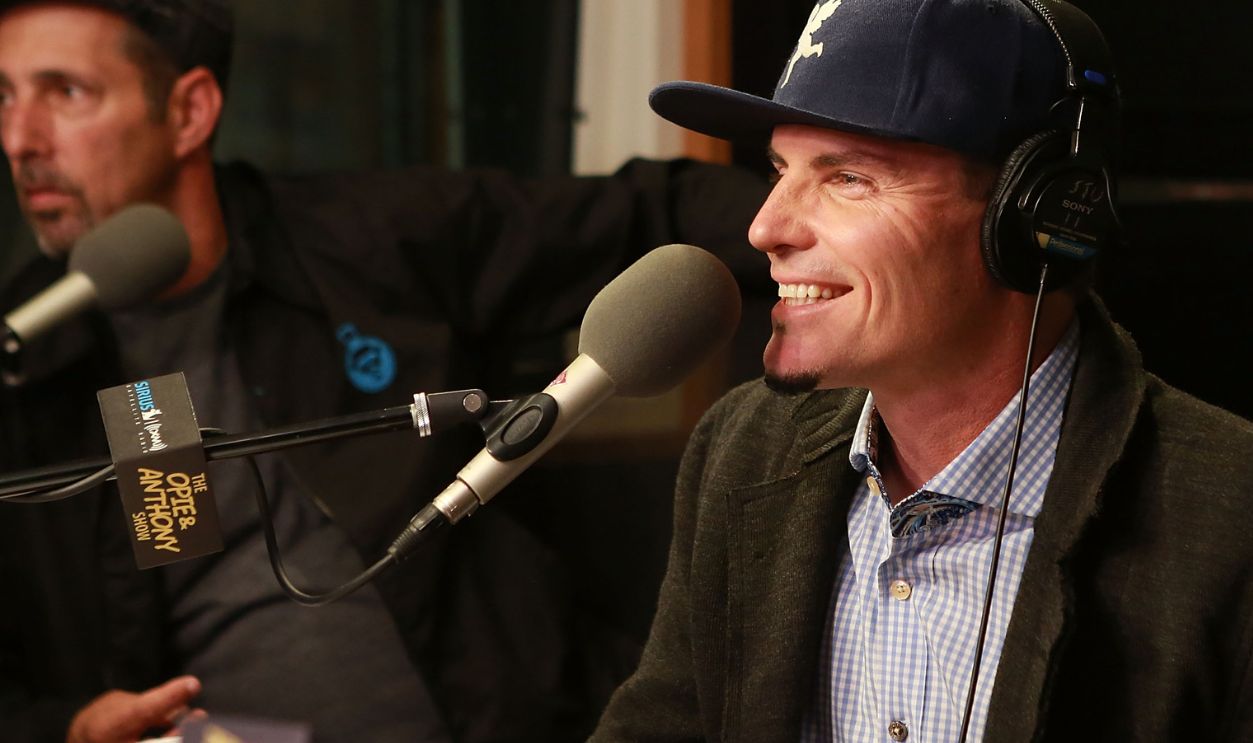
In interviews over the years, Vanilla Ice has openly admitted mistakes—especially around the “Under Pressure” denial and exaggerated biographical claims. That honesty didn’t erase the past, but it showed growth.
He stopped pretending and started reflecting.
How Fast Fame Can Turn
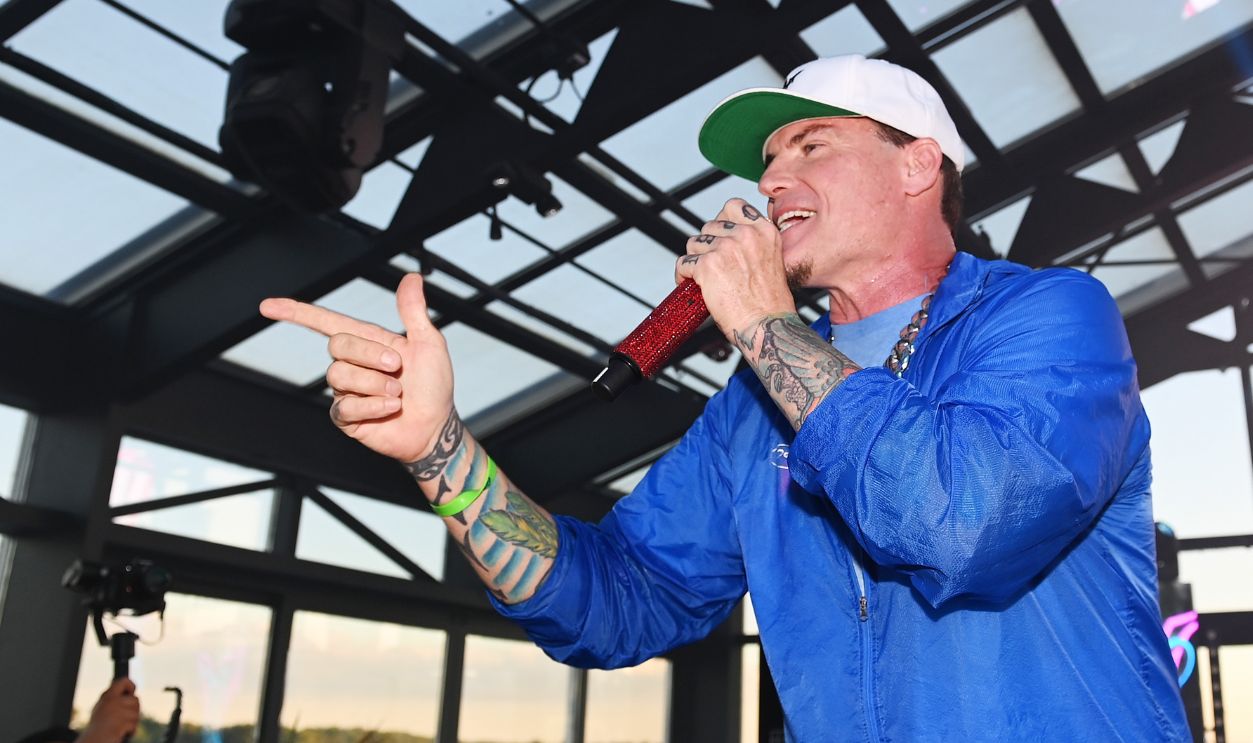
Vanilla Ice’s story became one of the earliest examples of how quickly pop culture can elevate someone—and then dismantle them. In the pre-social-media era, the backlash still felt massive. Today, it might have been even harsher.
Still Standing Decades Later
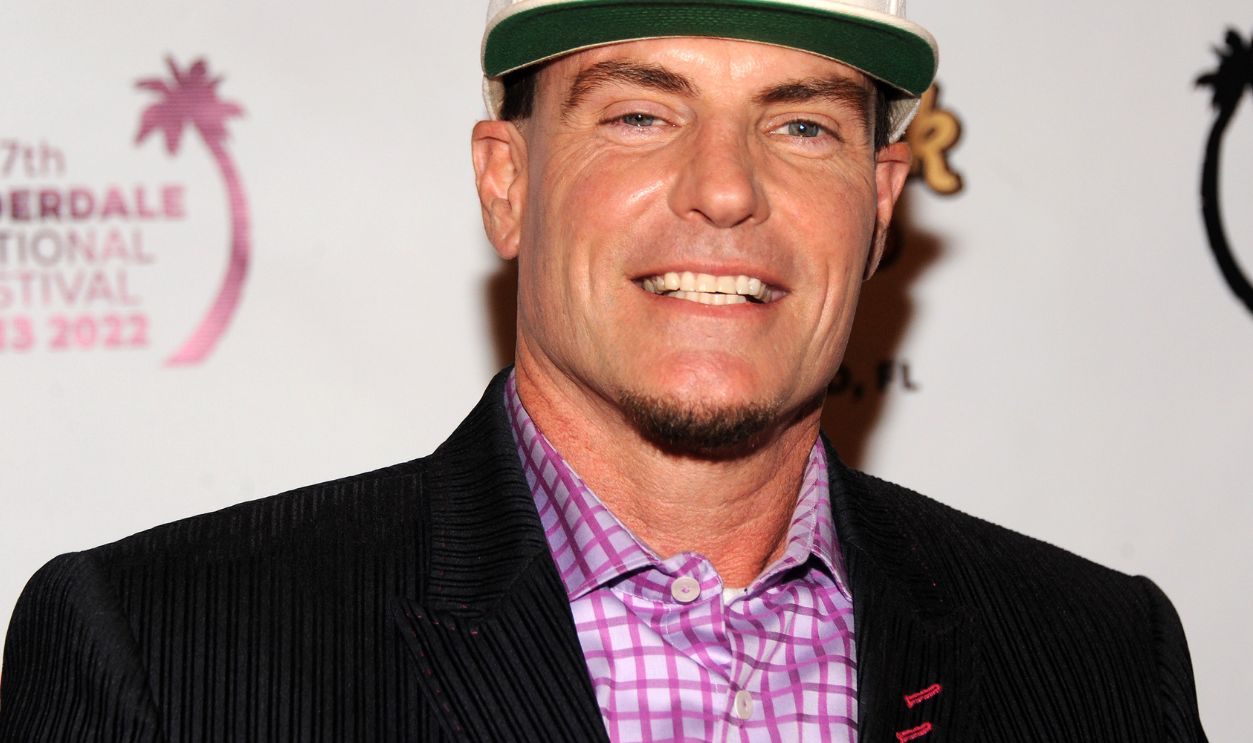
Robert Van Winkle is no longer the 22-year-old who topped the charts overnight. He’s older, more self-aware, and surprisingly resilient. While his peak was brief, it was historic—and his ability to adapt has kept him relevant in unexpected ways.
His stardom rocketed fast. The controversies hit hard. But he’s still here—and that counts for something.
You May Also Like: