When Turning Everything Down Made the Song Hit Harder
Some songs improve when you strip them down. Others completely change. Suddenly the drama, the noise, and the polish disappear—and what’s left either works or it doesn’t. These acoustic performances didn’t just work. They quietly became the versions people remember, talk about, and keep coming back to.
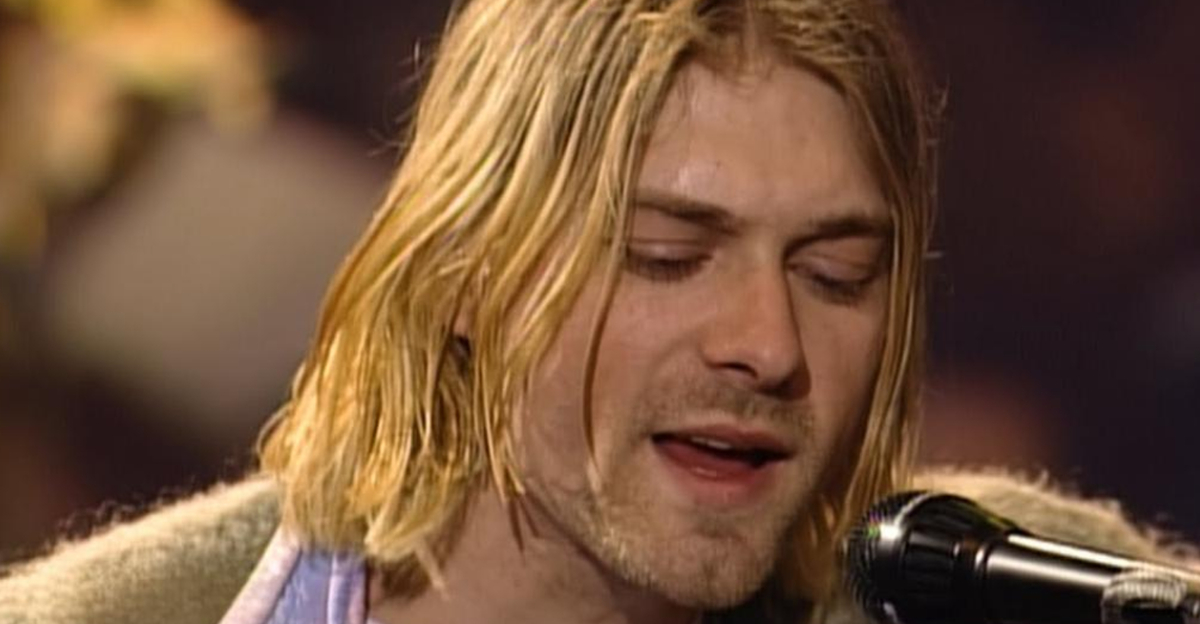 “Hallelujah”: Jeff Buckley (Live)
Jeff Buckley didn’t cover Hallelujah—he inhabited it. Just a guitar, a near-whisper of a voice, and long pauses that somehow say more than the lyrics. Buckley once said he wanted the song to sound as stripped down as possible, and that’s exactly what it feels like. For a lot of people, this is simply the version now.
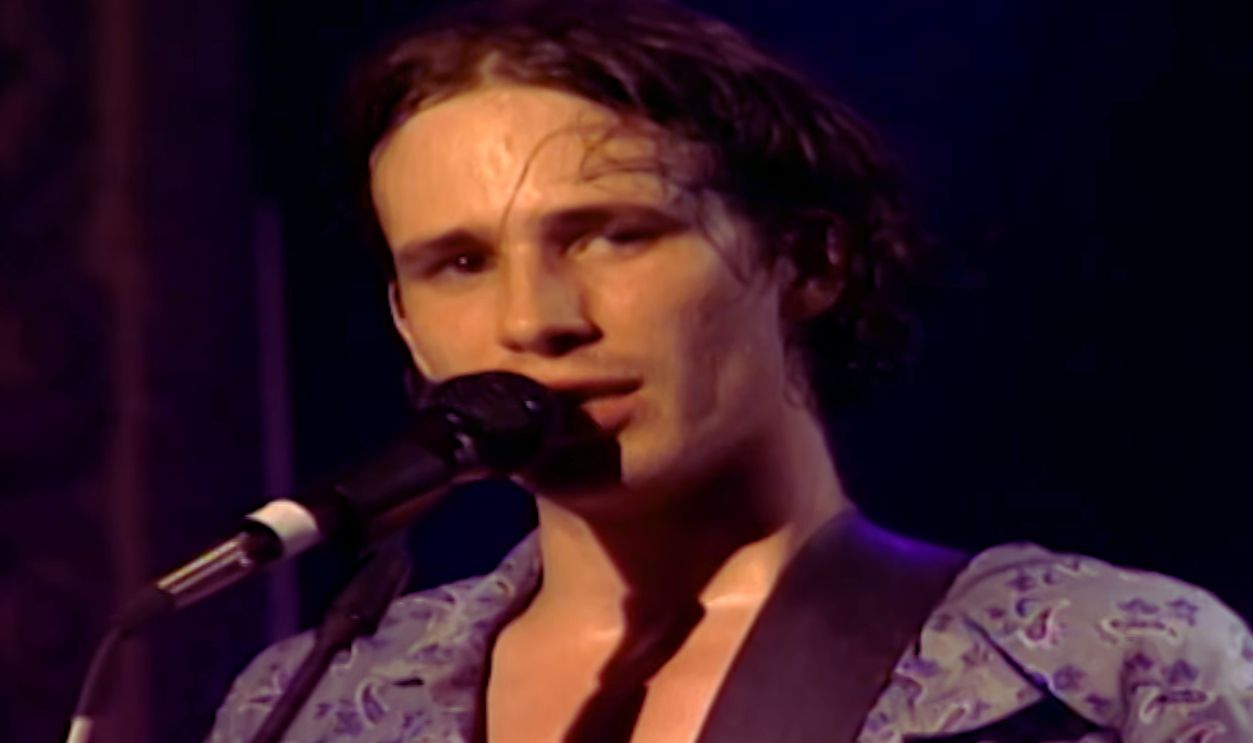 Screenshot from Hallelujah, Columbia Records (1994)
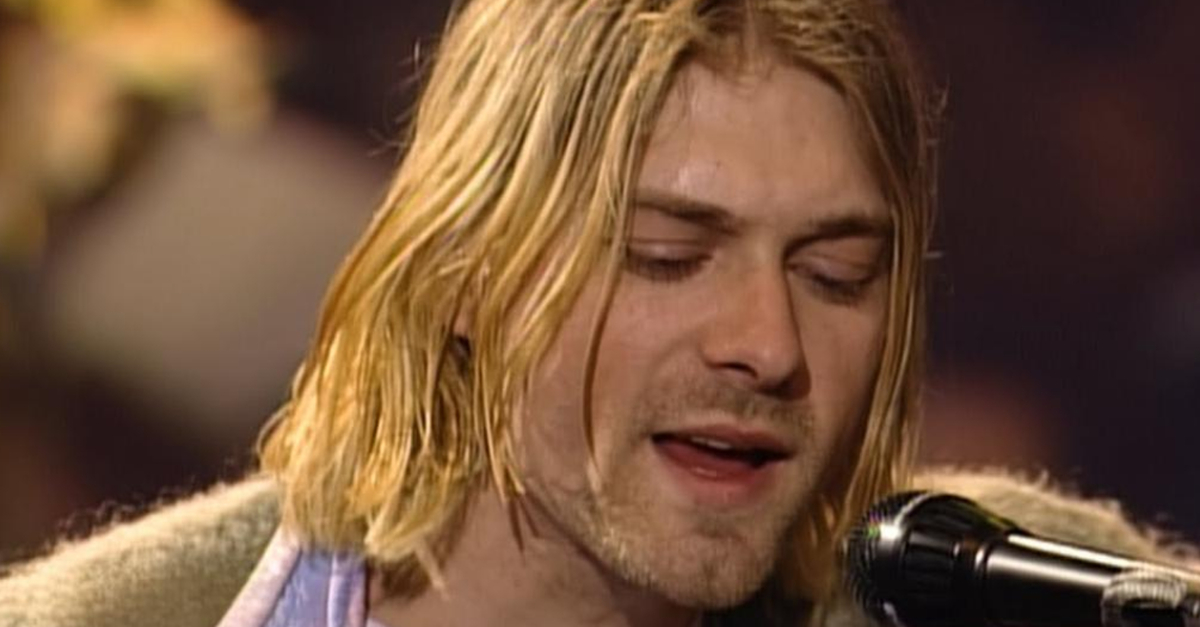
“All Apologies”: Nirvana (MTV Unplugged)
Kurt Cobain famously didn’t love the Unplugged concept, but this performance proves why it mattered. The song loses its edge and gains something heavier—resignation. Cobain later described the set as feeling “honest,” and that honesty is what makes this version linger longer than the studio cut ever did.
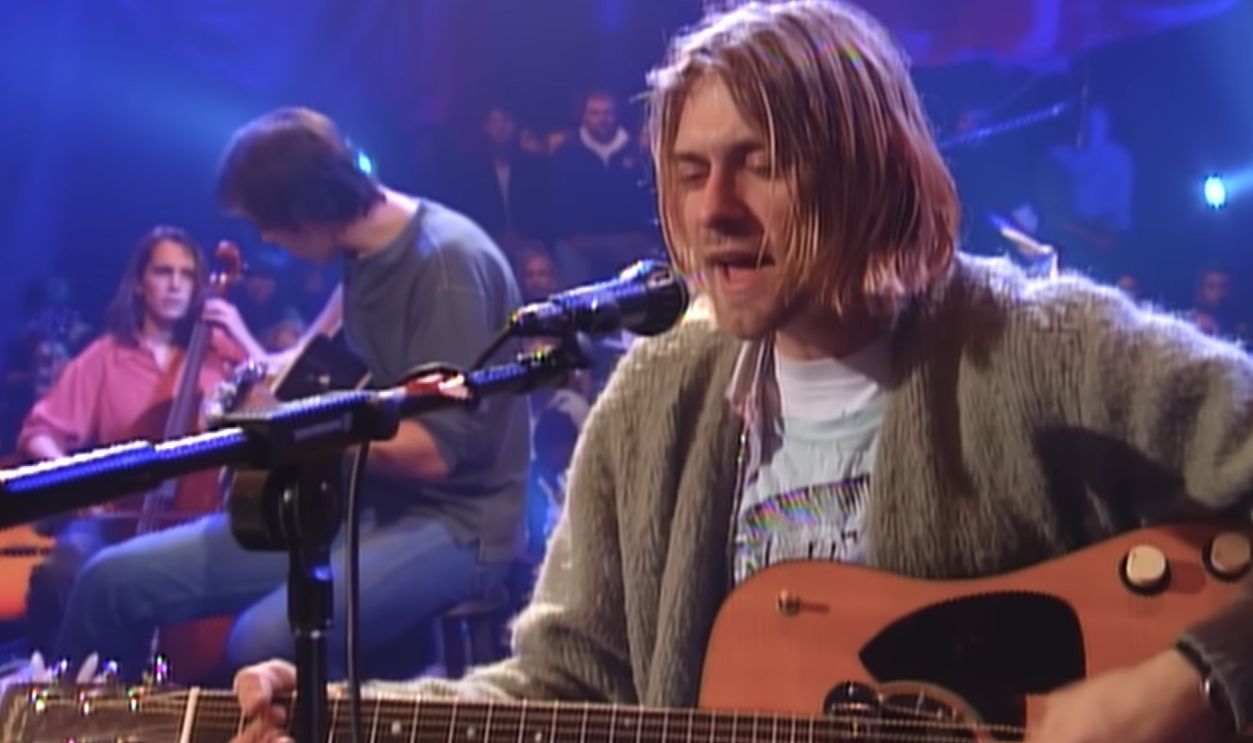 Screenshot from All Apologies, DGC Records (1993)
“Layla”: Eric Clapton (Unplugged)
When Clapton slowed Layla down, it shocked fans expecting fireworks. Instead, he turned obsession into regret. Clapton later said he wanted the song to reflect where he actually was emotionally at that point in his life. That choice worked so well that many people forget the loud version even exists.
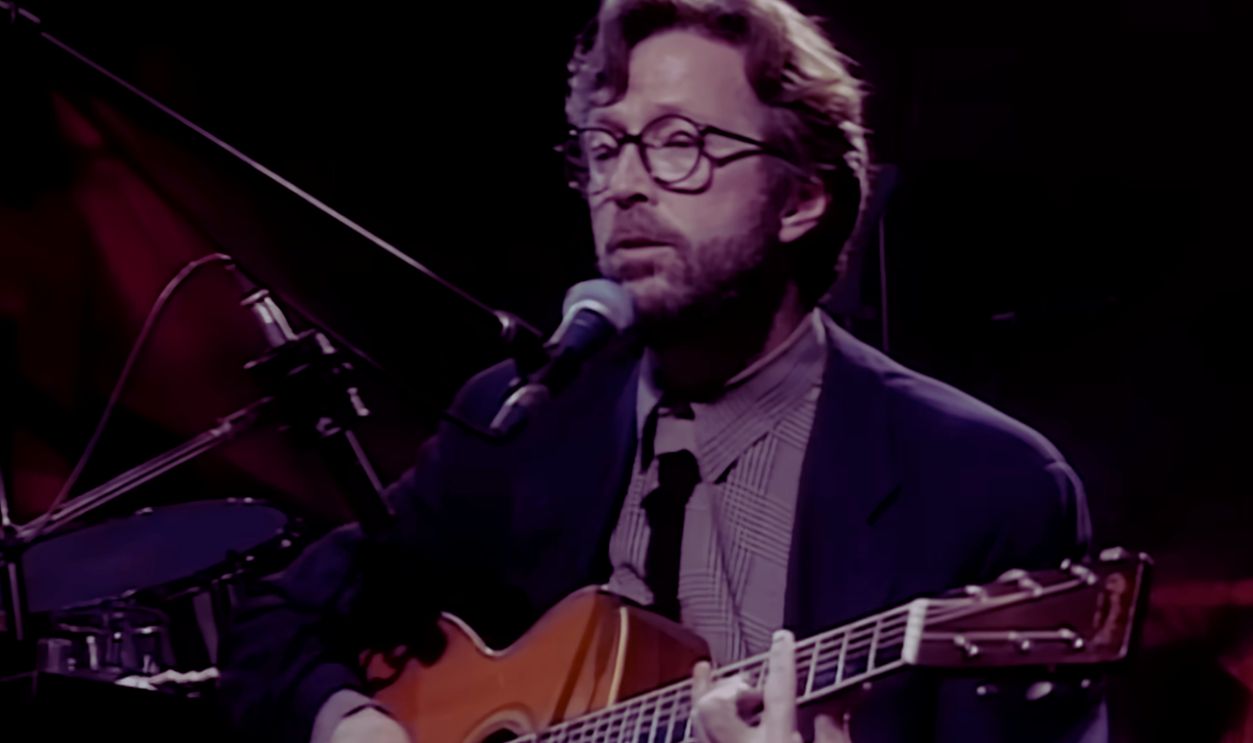 Screenshot from Layla, Reprise Records (1992)
“Black”: Pearl Jam (MTV Unplugged)
Eddie Vedder’s raw vocal delivery makes this version feel almost uncomfortable—in a good way. The pauses, the cracks, the restraint—it all builds tension. By the end, it feels less like a performance and more like emotional exposure. The studio version simply doesn’t hit the same after this.
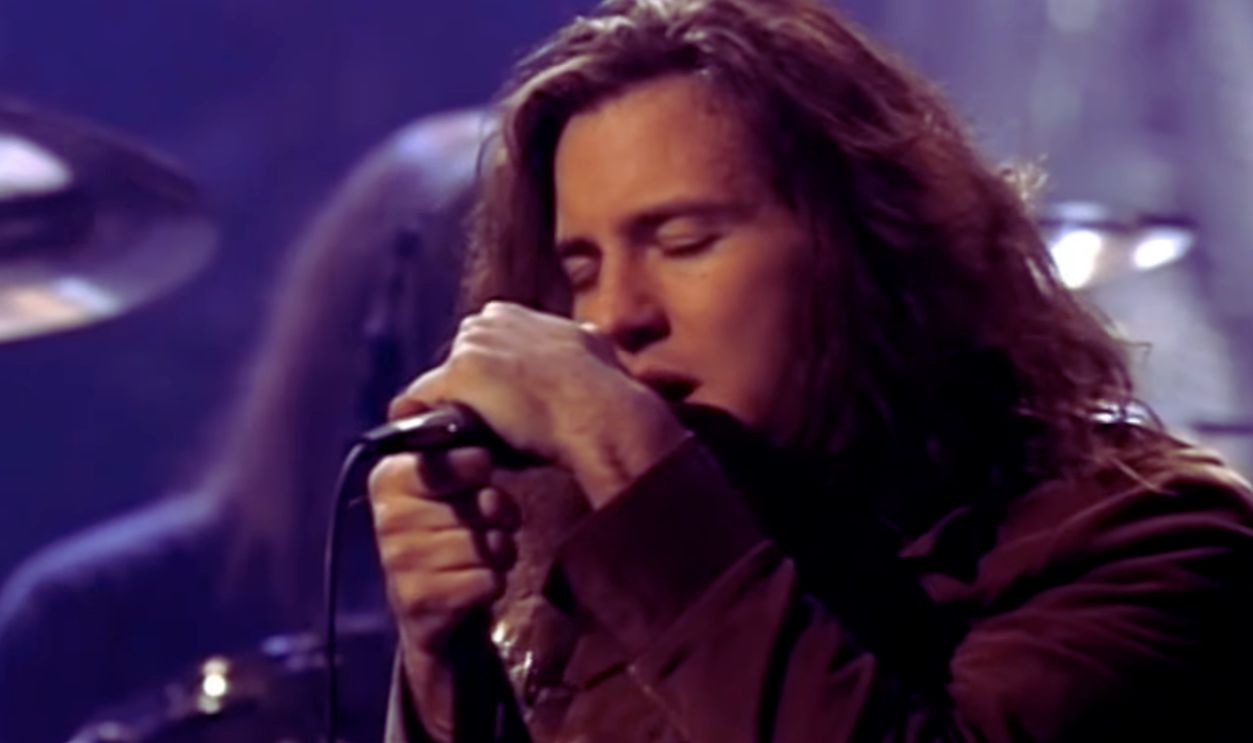 Screenshot from Black, Epic Records (1991)
“Fast Car”: Tracy Chapman (Live)
Acoustic performance suits this song perfectly. Chapman’s calm, steady voice makes the story feel intimate and lived-in. Without added production, the lyrics land with more clarity and weight. It’s storytelling at its most direct—and most effective.
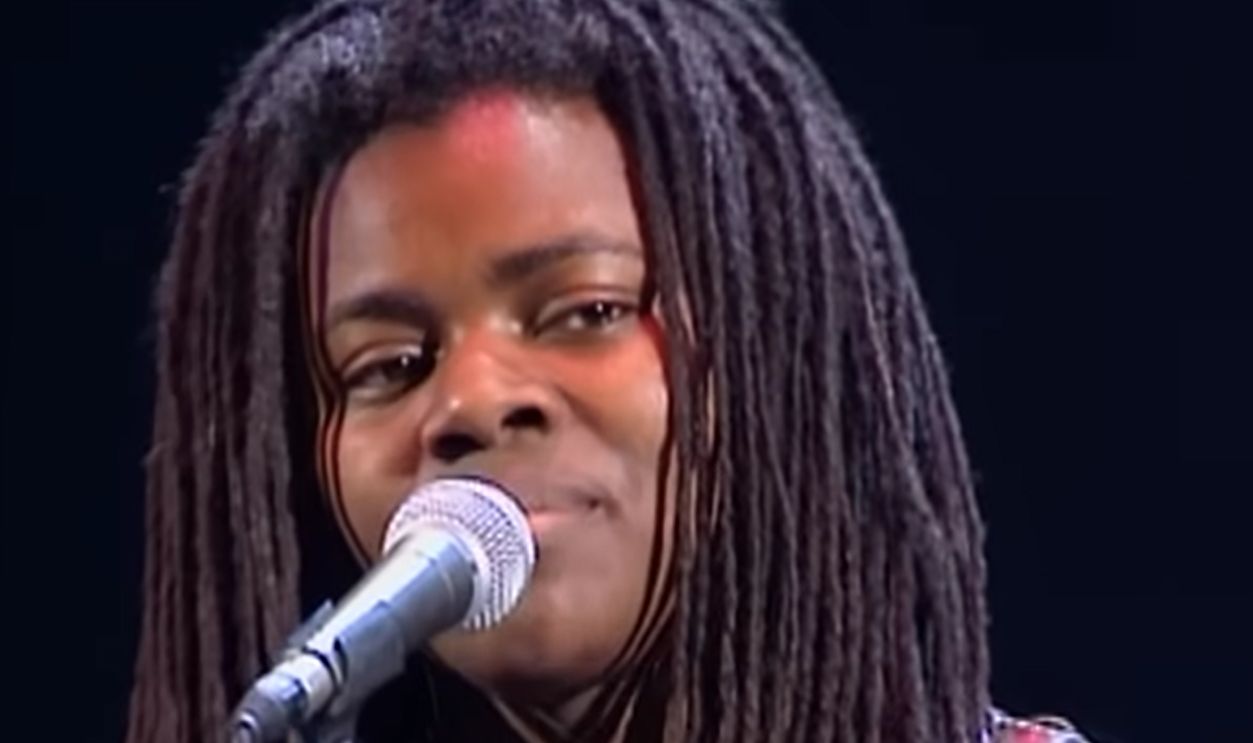 Screenshot from Fast Car, Elektra Records (1988)
“Redemption Song”: Bob Marley (Acoustic)
Just Marley and a guitar. No band. No rhythm section. No distractions. The message becomes sharper and more urgent. Acoustic turns the song into a statement rather than a performance—and once you hear it this way, it’s hard to imagine it any other way.
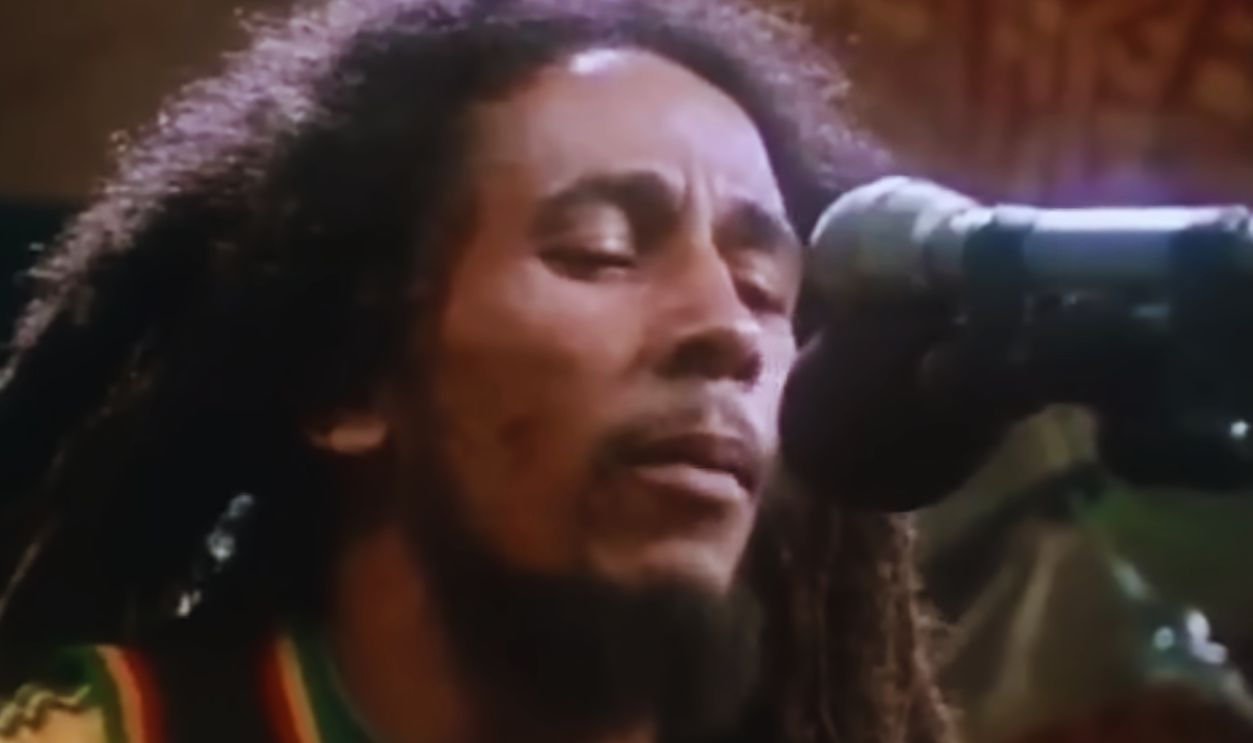 Screenshot from Redemption Song, Island Records (1980)
“Tears in Heaven”: Eric Clapton (Unplugged)
Clapton didn’t oversing this. He didn’t dramatize it. He just let it sit there. That restraint is what makes it unbearable in the best way. Clapton once said performing the song live was “part of the healing,” and the quiet acoustic version feels like exactly that—nothing extra, nothing protected.
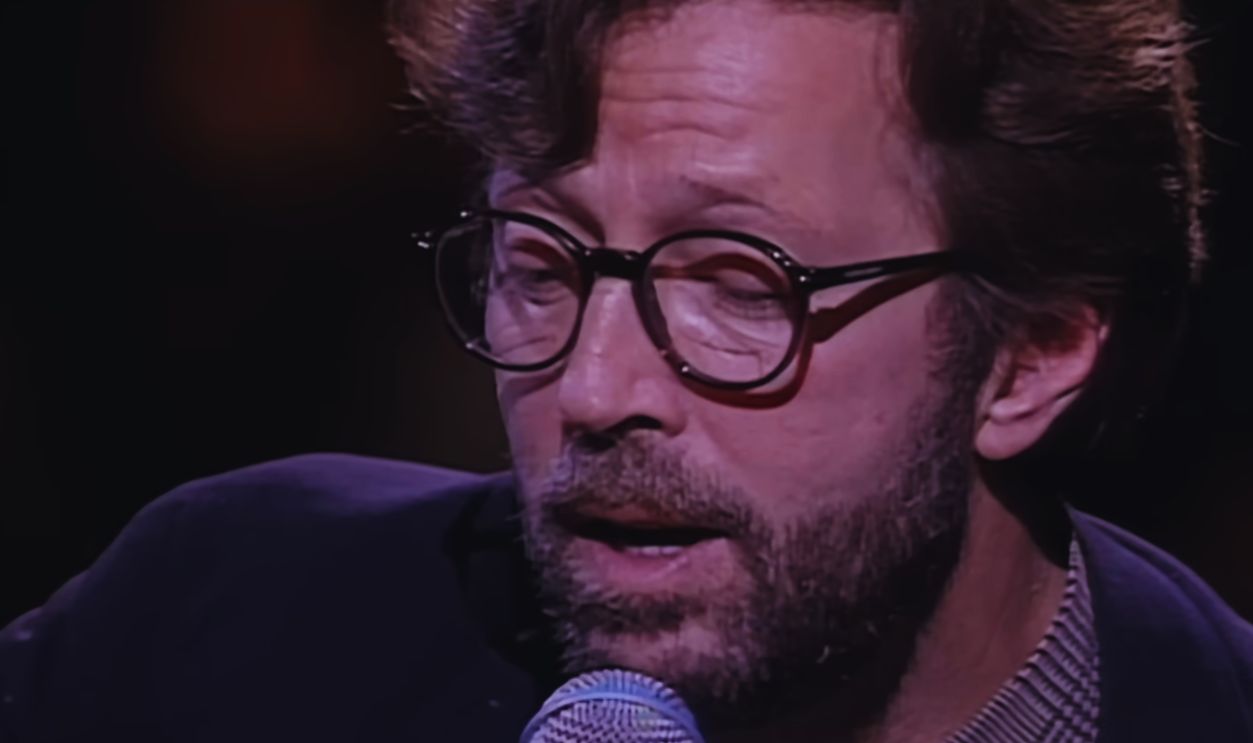 Screenshot from Tears in Heaven, Warner Bros. (1992)
“The Man Who Sold the World”: Nirvana (MTV Unplugged)
Many listeners didn’t even realize this was a cover. Nirvana’s acoustic take feels eerie and detached, perfectly suited to Cobain’s voice. The song became associated with him almost instantly. For a generation, this version replaced the original entirely.
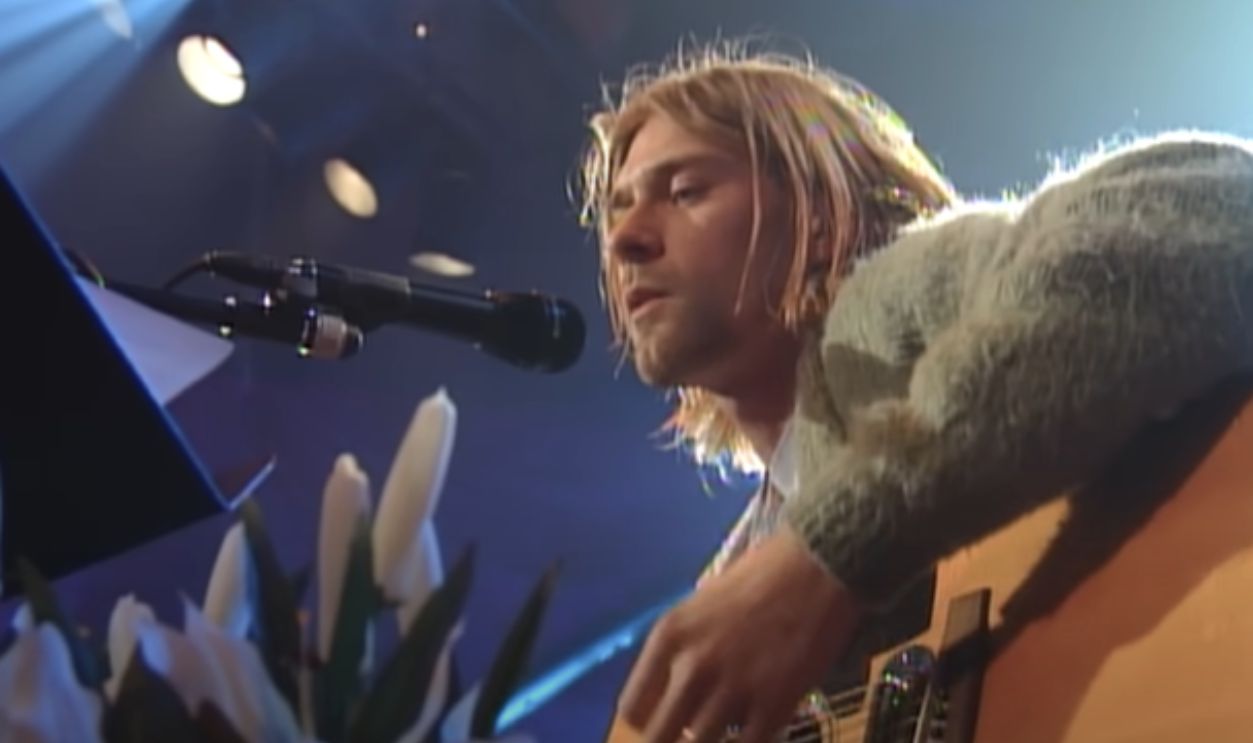 Screenshot from The Man Who Sold the World, DGC Records (1995)
“Landslide”: Stevie Nicks (Live)
Acoustic versions let Stevie Nicks’ voice carry the full emotional weight. The song feels reflective, worn-in, and deeply personal. Without production gloss, the lyrics feel like they’re being spoken directly to the listener.
 Screenshot from Landslide, Reprise Records (1975)
“Skinny Love”: Bon Iver (Live)
Fragile, imperfect, and emotionally exposed, this acoustic performance feels like it might fall apart at any second. That vulnerability is the point. The cracks in Justin Vernon’s voice aren’t flaws—they’re the reason the performance hits so hard.
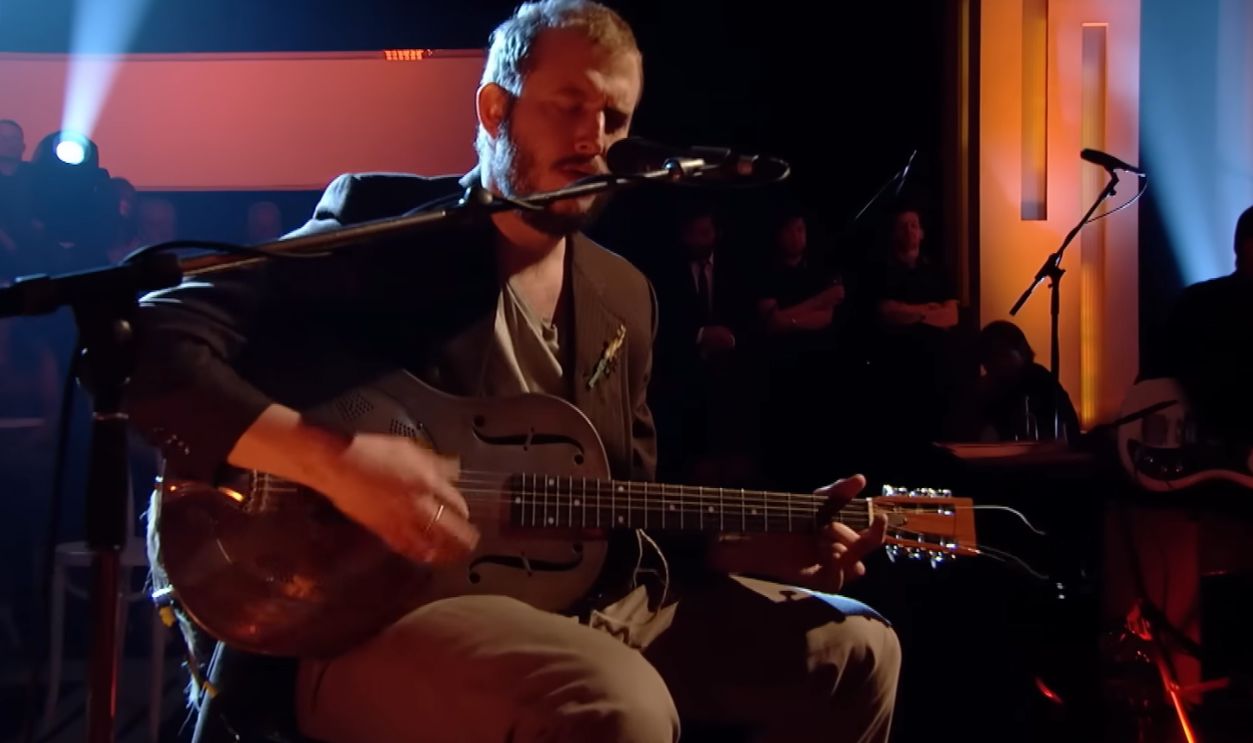 Screenshot from Skinny Love, 4AD (2007)
“I Will Follow You Into the Dark”: Death Cab for Cutie (Live)
This song thrives on simplicity. Acoustic performances turn it into a whispered promise instead of a pop track. The quiet delivery makes the lyrics feel sincere rather than sentimental.
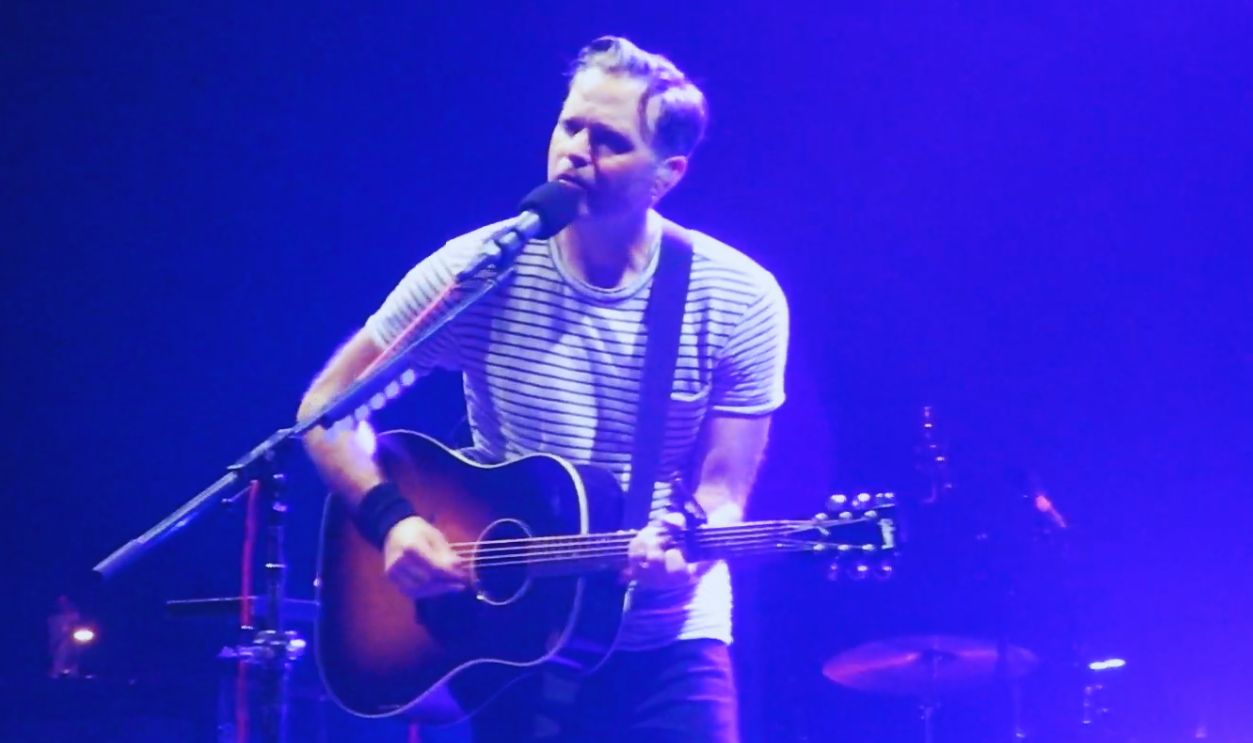 Screenshot from I Will Follow You Into the Dark, Atlantic Records (2006)
“No Woman, No Cry”: Bob Marley (Live)
The acoustic feel turns this song into something communal rather than polished. The crowd interaction, the relaxed pacing, and the unforced delivery make it feel lived-in rather than recorded.
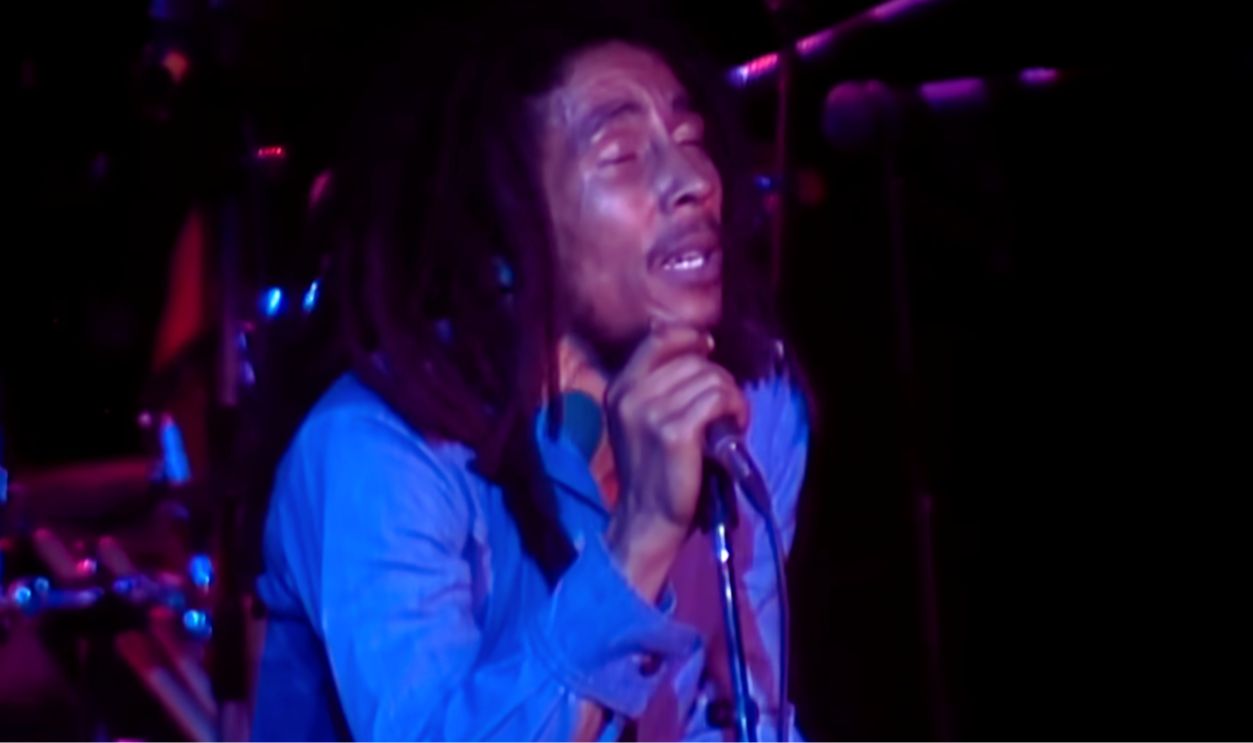 Screenshot from No Woman, No Cry, Island Records (1974)
“Everlong”: Foo Fighters (Acoustic)
Stripped down, the song becomes about vulnerability instead of urgency. Dave Grohl’s acoustic delivery shifts the focus to the lyrics and melody. Many fans now prefer this softer version.
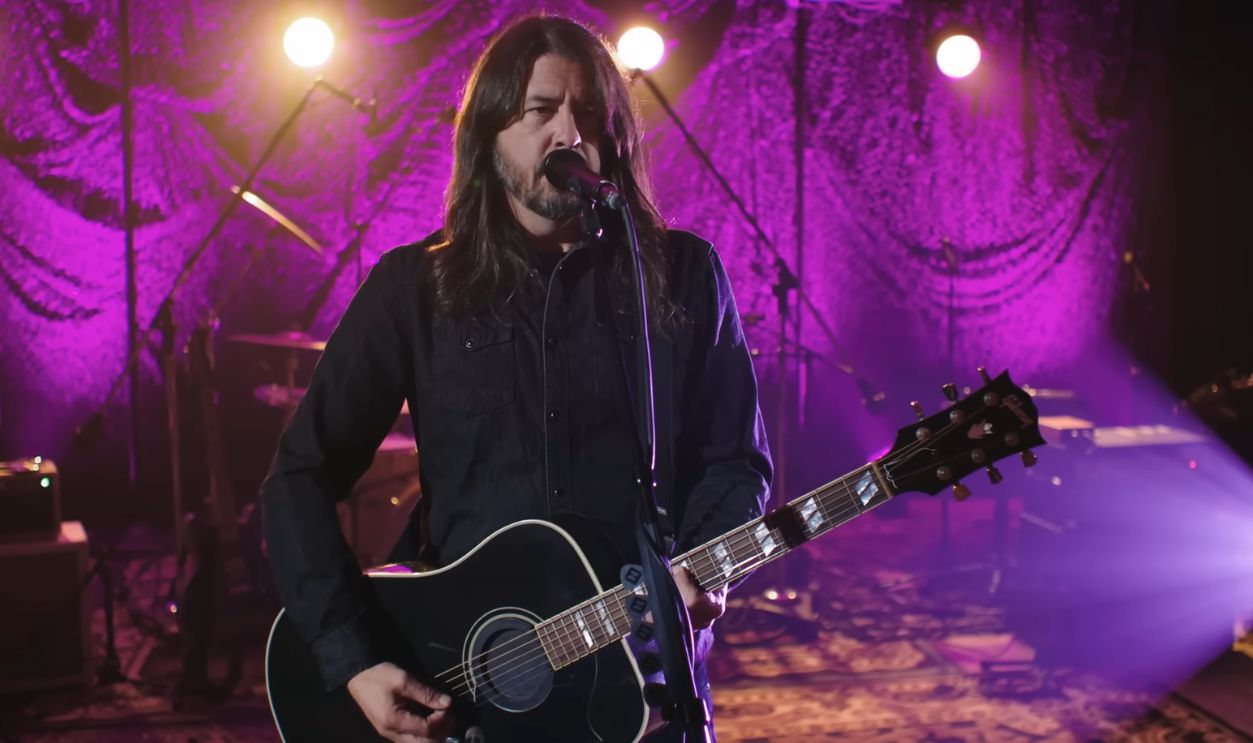 Screenshot from Everlong, Capitol Records (1997)
“The Boxer”: Simon & Garfunkel (Live)
Few acoustic performances showcase harmony like this one. The simplicity lets the vocals breathe and the lyrics land cleanly. Production would only get in the way.
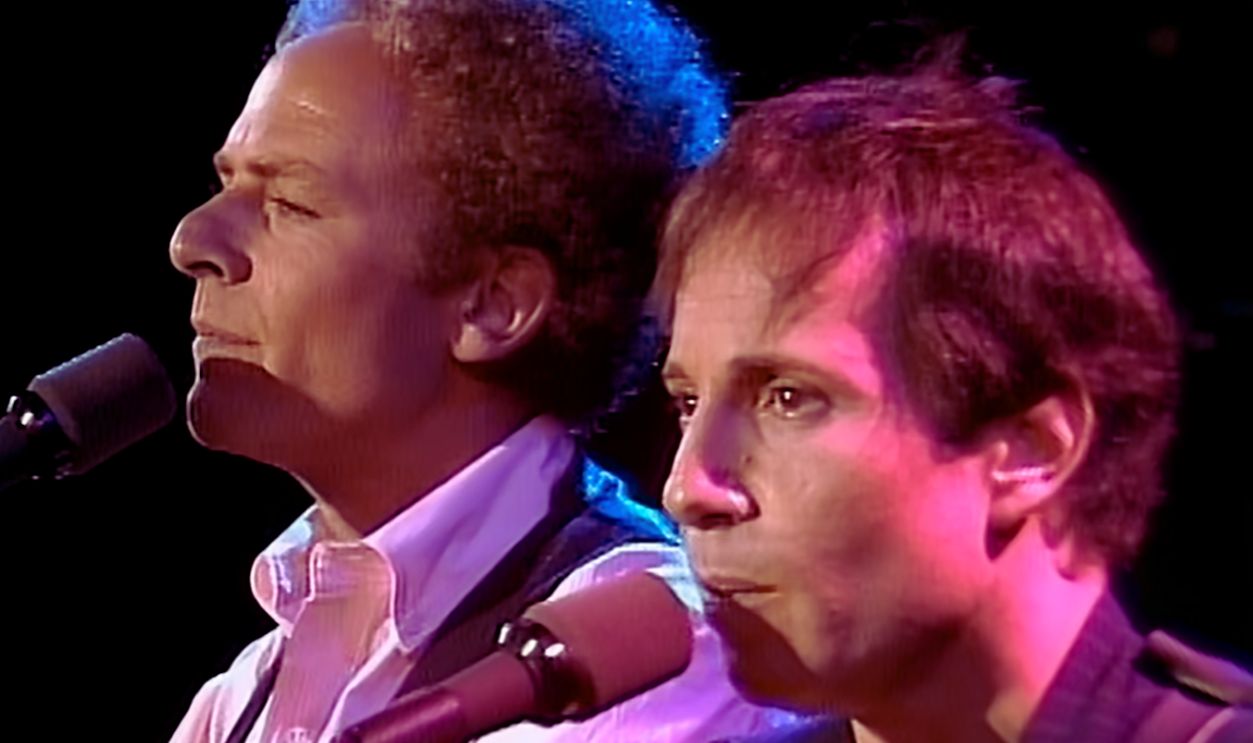 Screenshot from The Boxer, Columbia Records (1969)
“Losing My Religion”: R.E.M. (Acoustic)
Without its jangly production, the song feels more fragile and introspective. Michael Stipe’s vocal delivery sounds closer, more exposed. Acoustic reframes the song as emotional uncertainty rather than alt-rock angst—and it works beautifully.
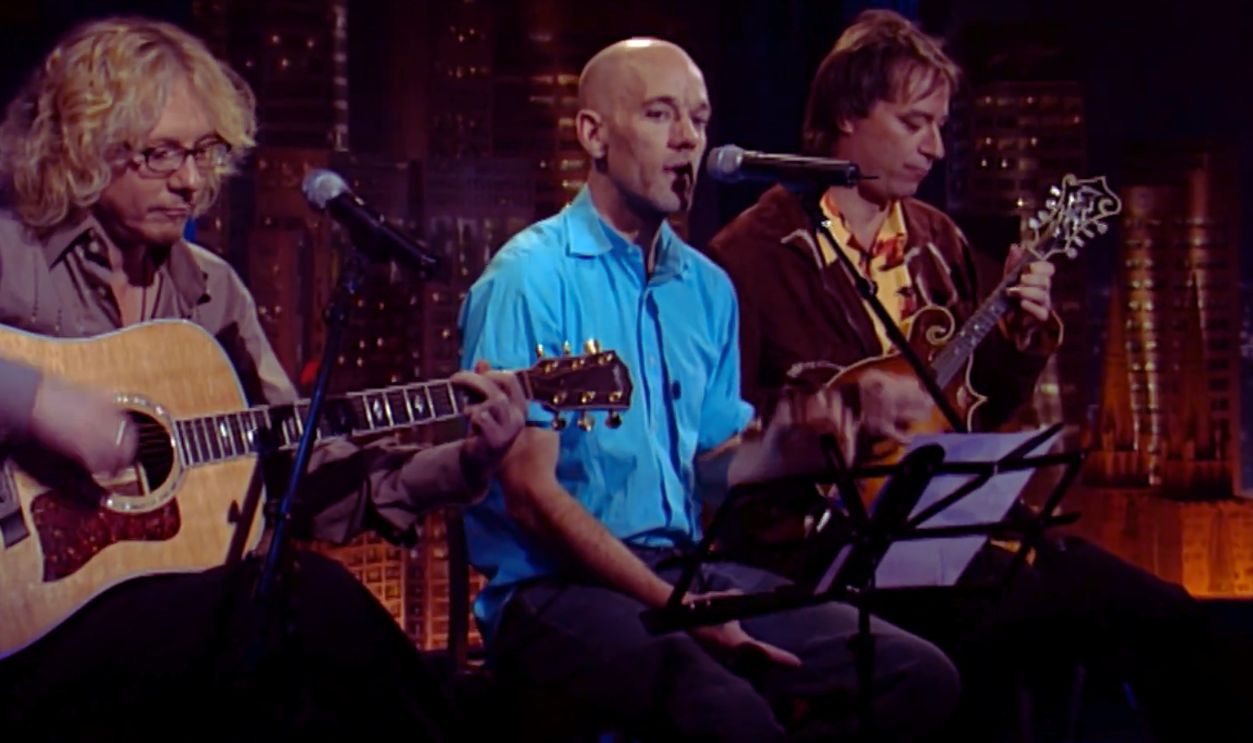 Screenshot from Losing My Religion, Warner Bros. Records (1991)
“Hotel California”: Eagles (Acoustic)
The acoustic arrangement gives the song a darker, more mysterious tone. The lyrics feel more ominous without glossy production.
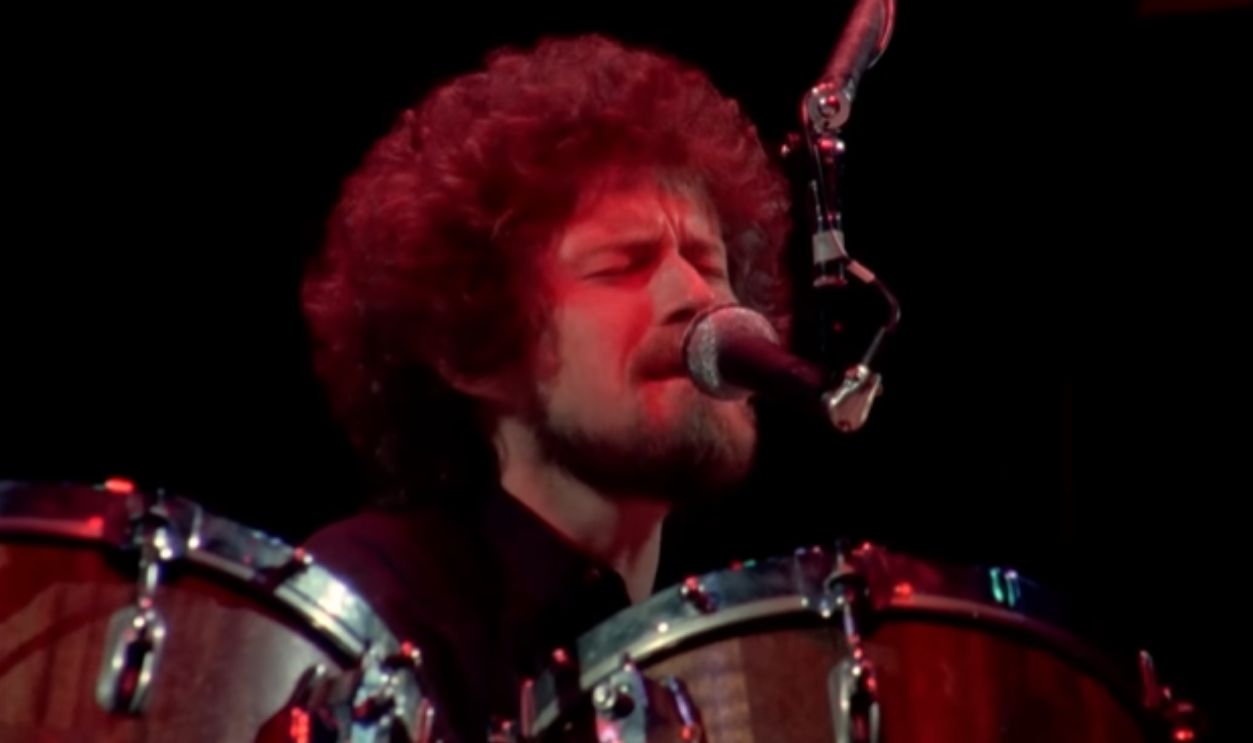 Screenshot from Hotel California, Asylum Records (1976)
“Fields of Gold”: Sting (Live)
Acoustic performance brings warmth and clarity. Sting’s voice sounds softer and more reflective, turning the song into memory rather than melody.
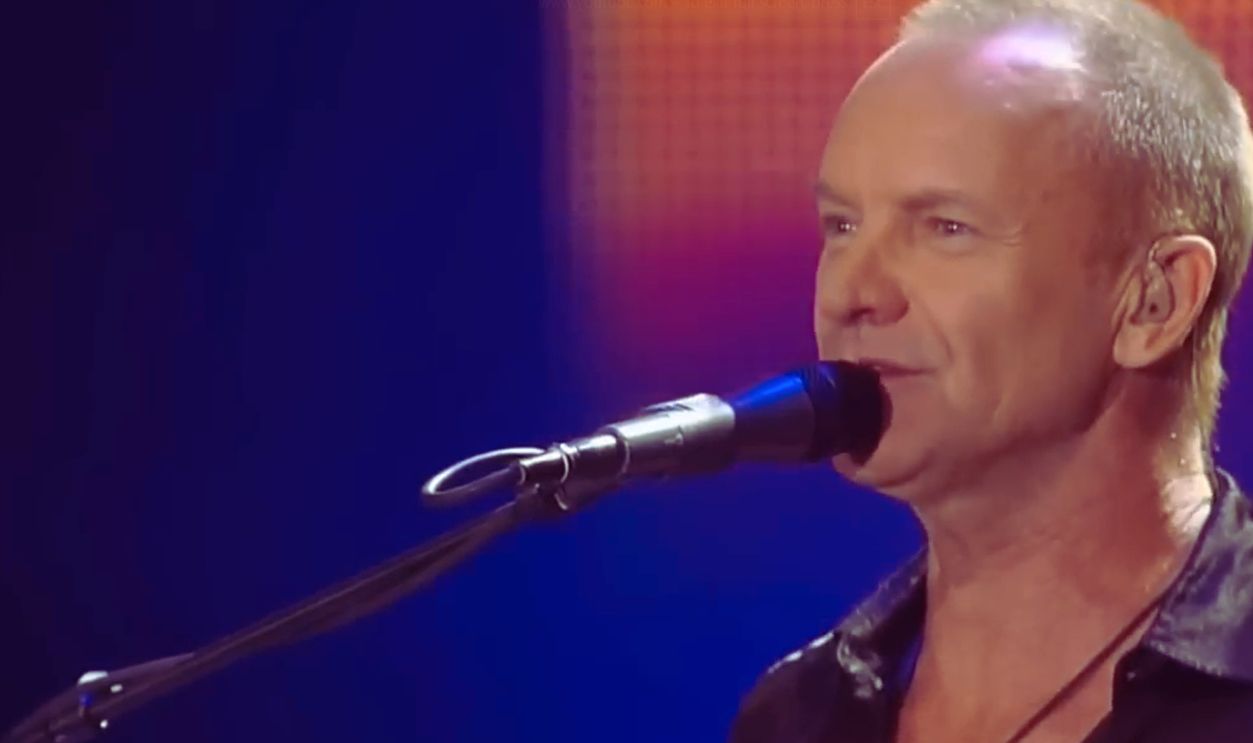 Screenshot from Fields of Gold, A&M Records (1993)
“Heart of Gold”: Neil Young (Live)
This song feels like it was born acoustic. Neil Young’s unpolished voice and harmonica sound honest, imperfect, and timeless.
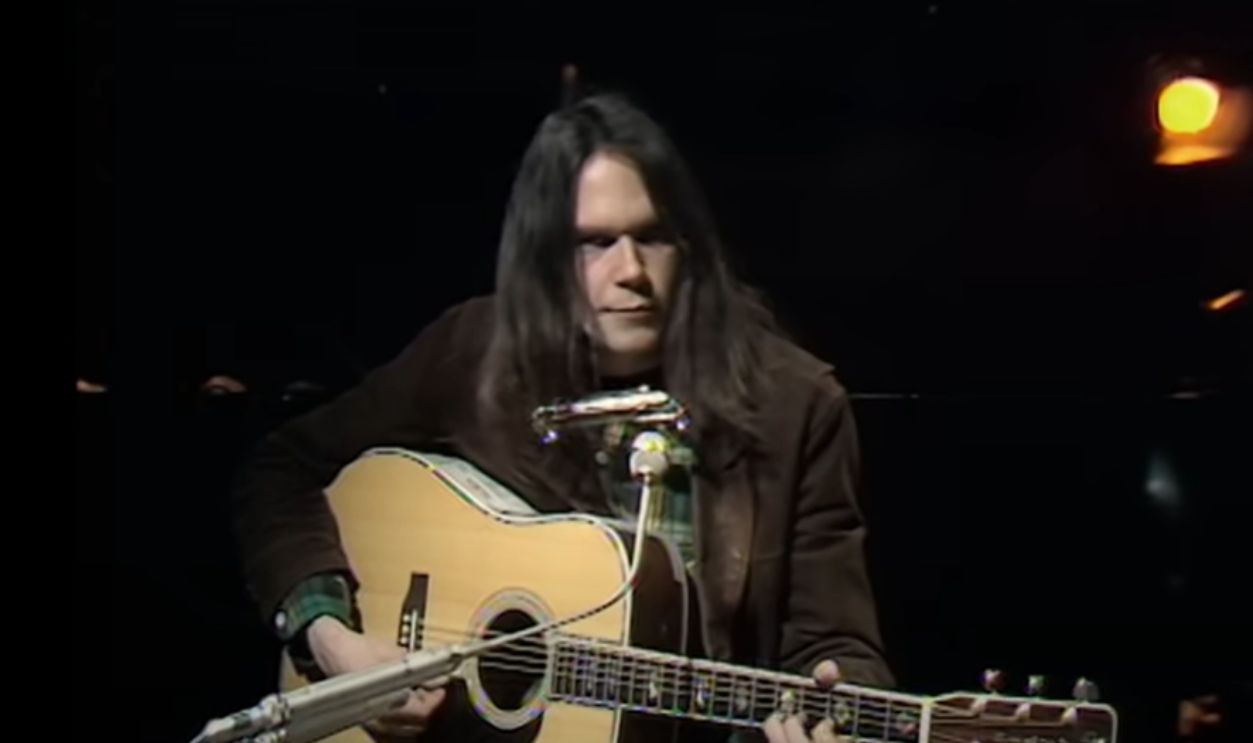 Screenshot from Heart of Gold, Reprise Records (1972)
“Wonderwall”: Oasis (Acoustic)
Stripped of its Britpop bombast, the song becomes surprisingly tender. Acoustic performances highlight the melody and lyrics instead of the swagger. It’s calmer, more sincere, and easier to connect with emotionally.
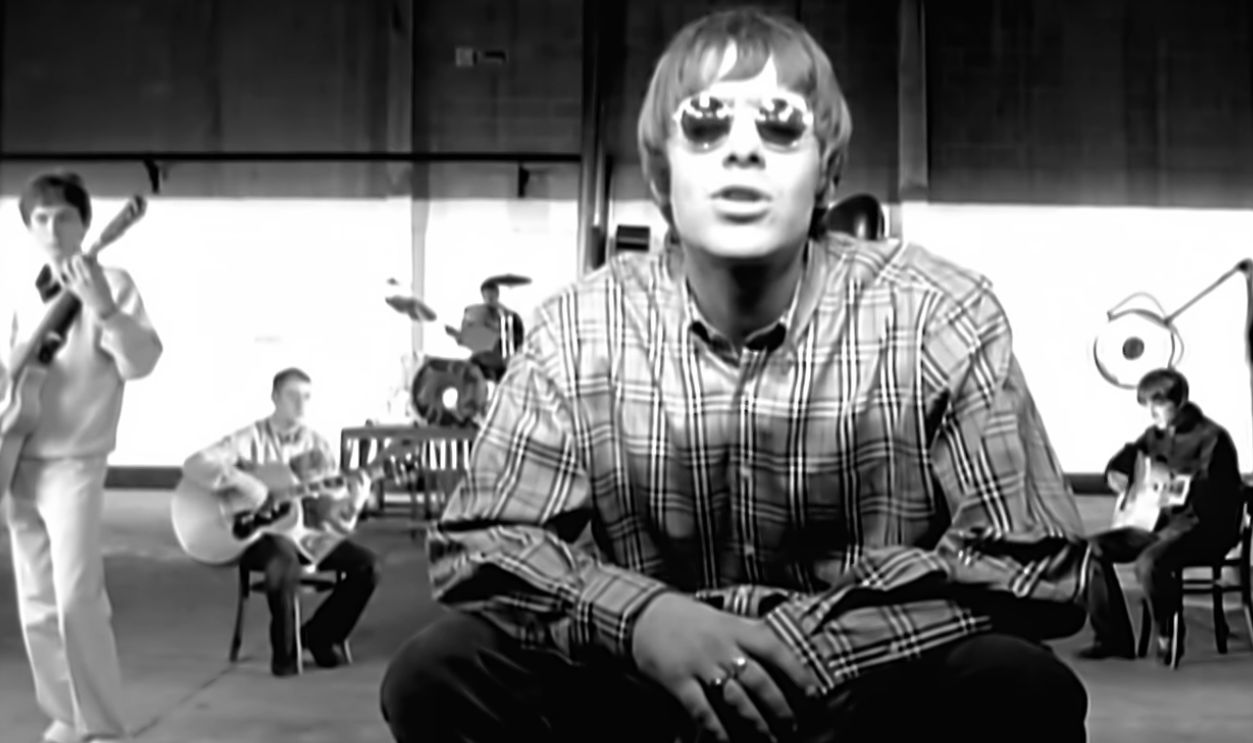 Screenshot from Wonderwall, Creation Records (1995)
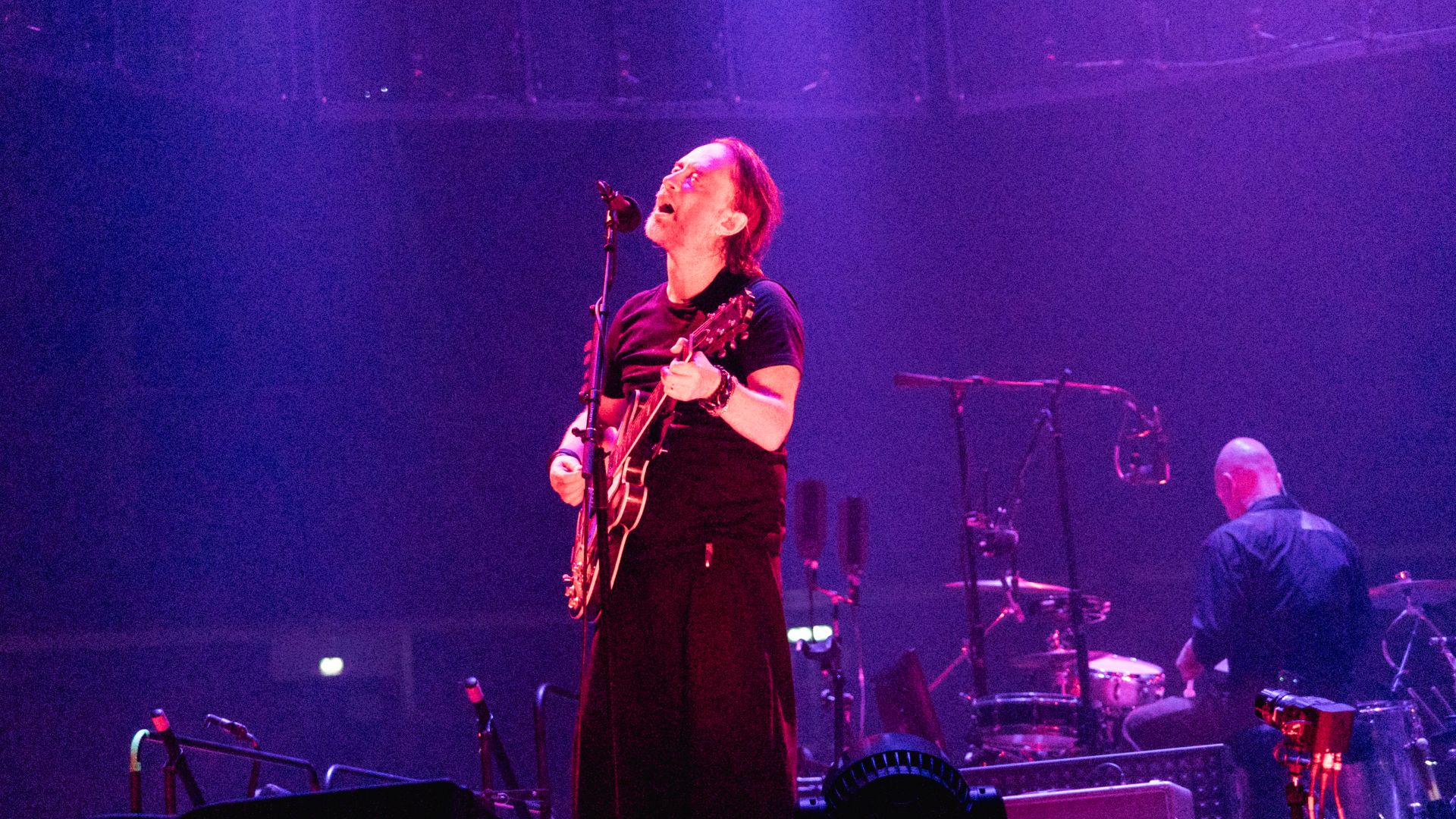
“Creep”: Radiohead (Acoustic)
Acoustic versions emphasize the song’s vulnerability rather than its anger. Thom Yorke’s voice sounds smaller, shakier, and more exposed. The emotional discomfort becomes the focus—and that discomfort is what made the song resonate in the first place.
“Nothing Else Matters”: Metallica (Acoustic)
Without the heavy instrumentation, the song’s emotional core becomes unmistakable. Acoustic performance reveals it as a ballad first and a metal anthem second. The lyrics feel more intimate, and the sentiment lands harder.
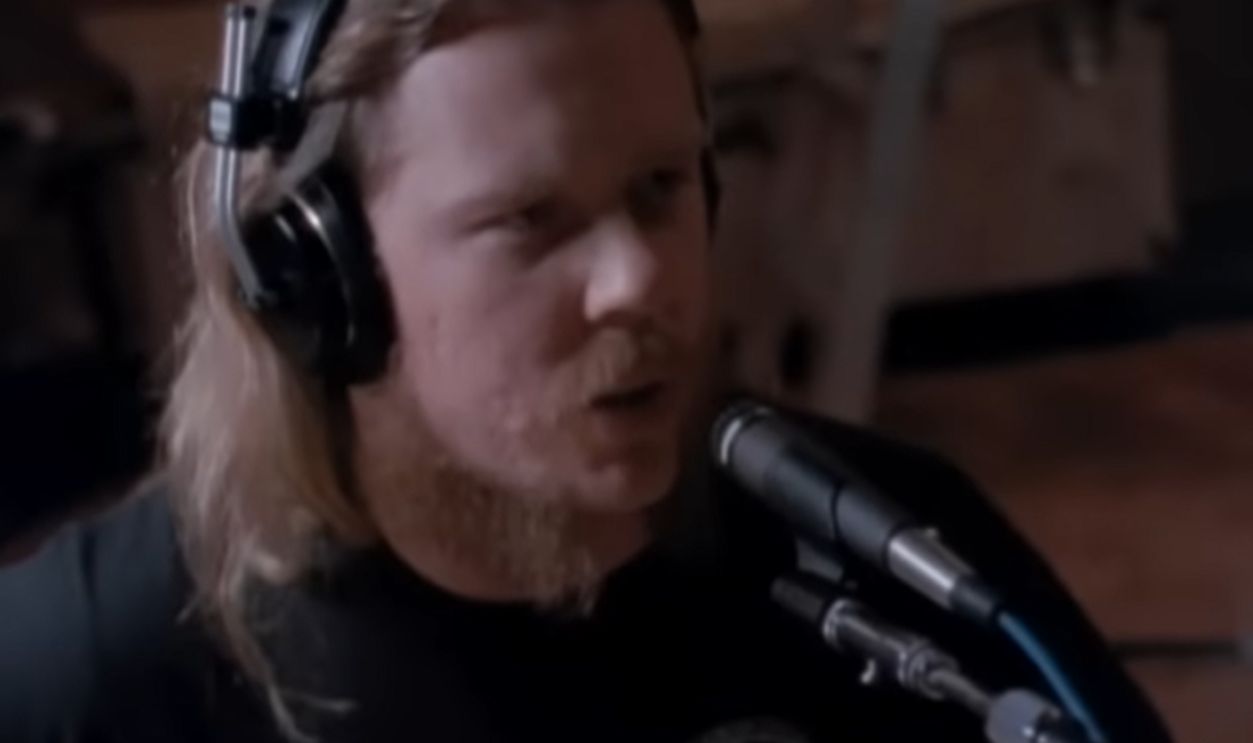 Screenshot from Nothing Else Matters, Elektra Records (1992)
“Angel from Montgomery”: Bonnie Raitt (Live)
Bonnie Raitt didn’t write this song, but many people associate it with her anyway. Acoustic performances strip it down to voice, guitar, and quiet devastation. Raitt once said she connected to the song immediately because it felt “lived-in,” and that’s exactly how it sounds—like a life being examined in real time.
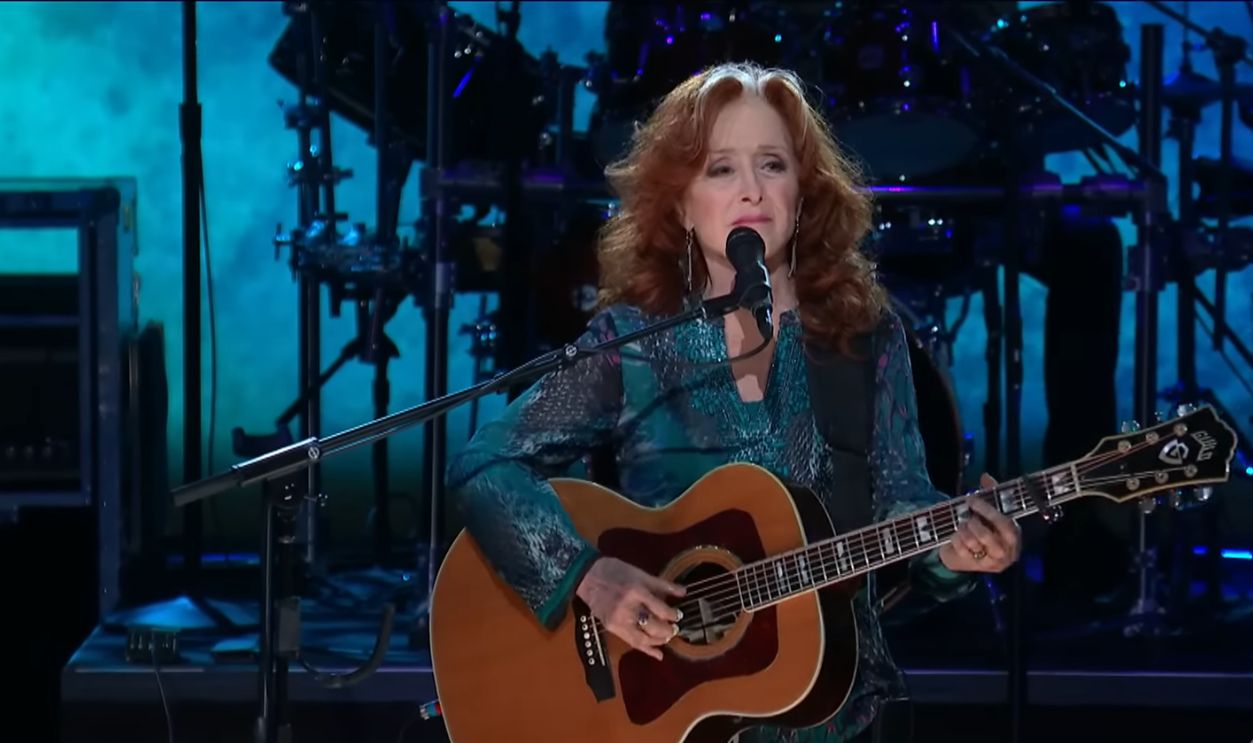 Screenshot from Angel from Montgomery, Warner Bros. Records (1974)
“River”: Joni Mitchell (Live)
This song already feels bare, but acoustic performances make it even more intimate. Joni Mitchell’s phrasing turns every line into a small emotional shift. She once described the song as being about regret and seasonal loneliness, and acoustic delivery lets those feelings sit without being softened or dressed up.
 Library of Congress Life, Wikimedia Commons
“Take On Me”: a-ha (MTV Unplugged)
Hearing this song acoustically is genuinely surprising. Stripped of its synths, it becomes melancholic instead of energetic. Morten Harket’s voice carries the weight effortlessly, revealing a sadness that was always there.
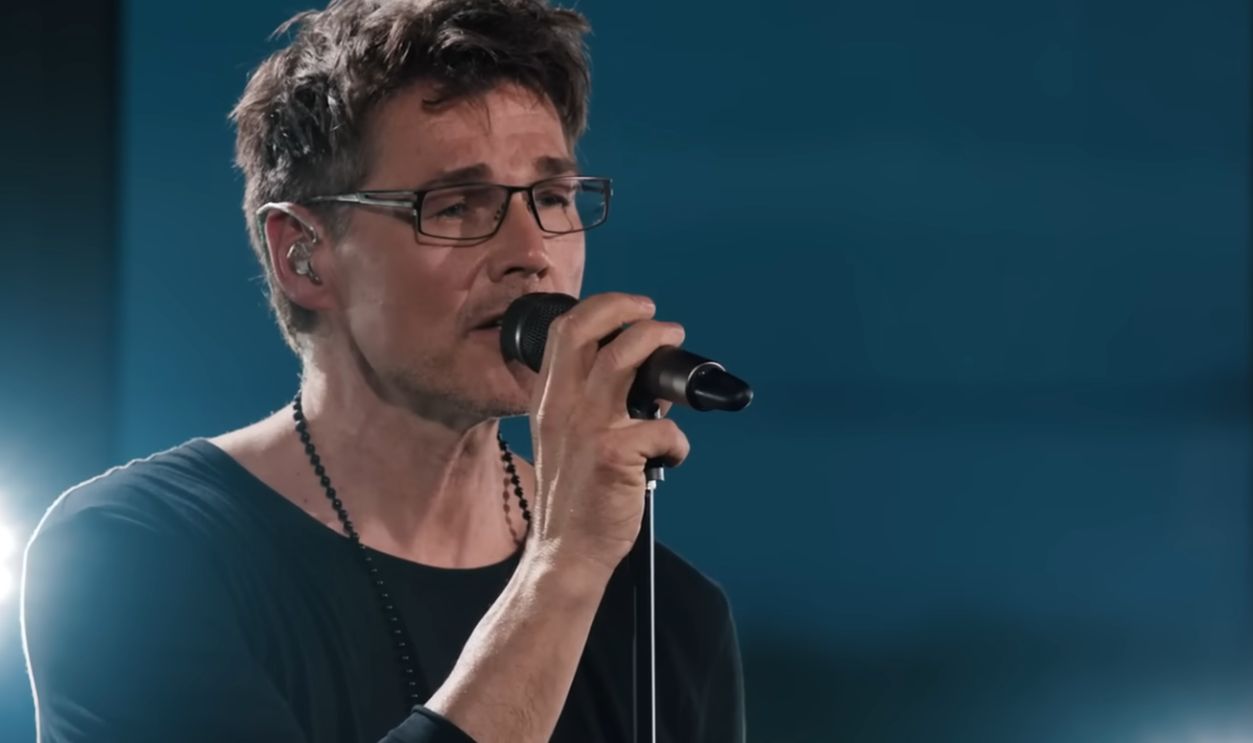 Screenshot from Take On Me, Warner Bros. Records (1984)
You Might Also Like:
Rock Bands That Peaked With Their First Album—And Never Made Anything As Good After