
A Stranger Walked Into Abbey Road
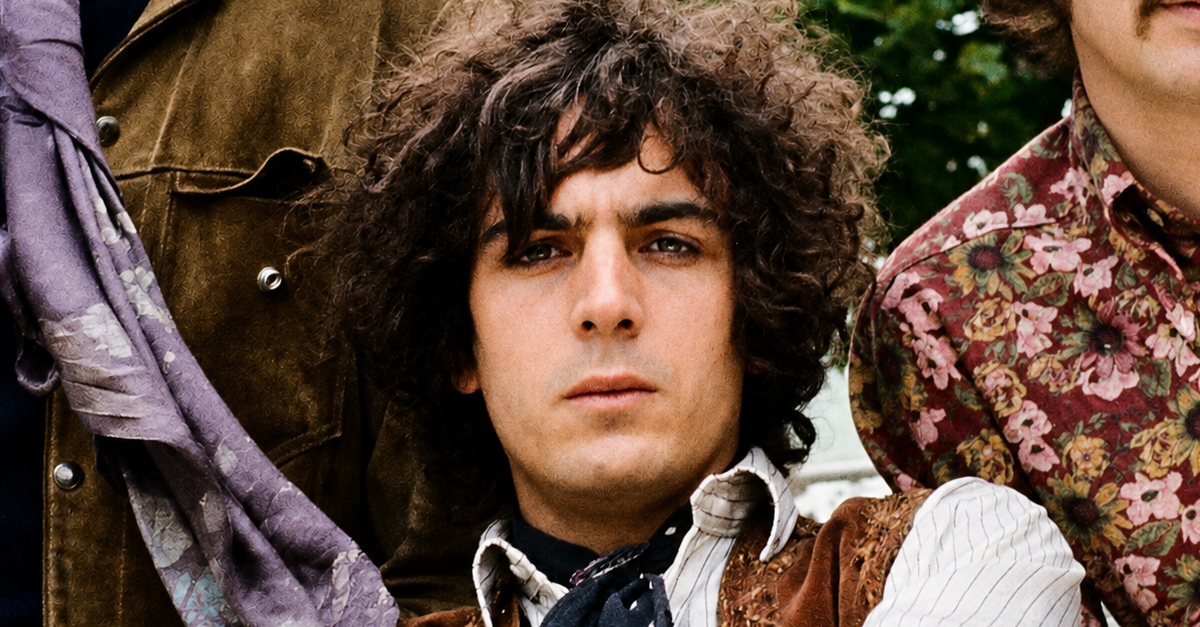
On June 5, 1975, Pink Floyd were working at EMI’s Abbey Road Studios when an unfamiliar man appeared without warning. He was heavyset, his head and eyebrows were shaved, and he carried a plastic shopping bag. Nobody in the room seemed to know why he was there.
 Chris Walter/WireImage, Getty Images
Nobody Recognized Their Old Friend
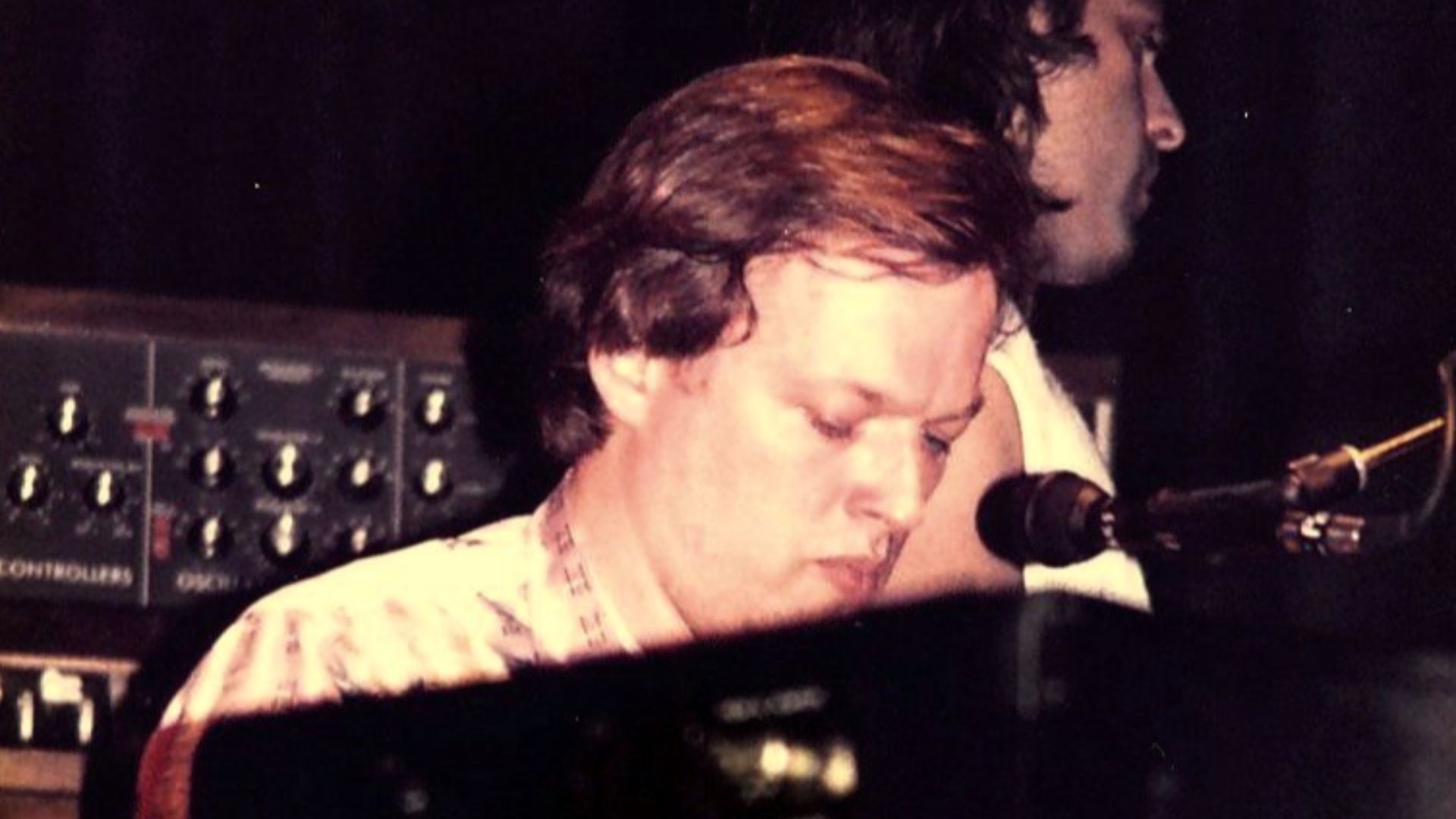
The visitor quietly remained in the studio while the musicians continued working. David Gilmour initially assumed he was an EMI employee, while Richard Wright reportedly thought he might be a friend of Roger Waters. Even drummer Nick Mason failed to recognize him at first.
 Klaus Hiltscher, Wikimedia Commons
Then The Truth Became Clear
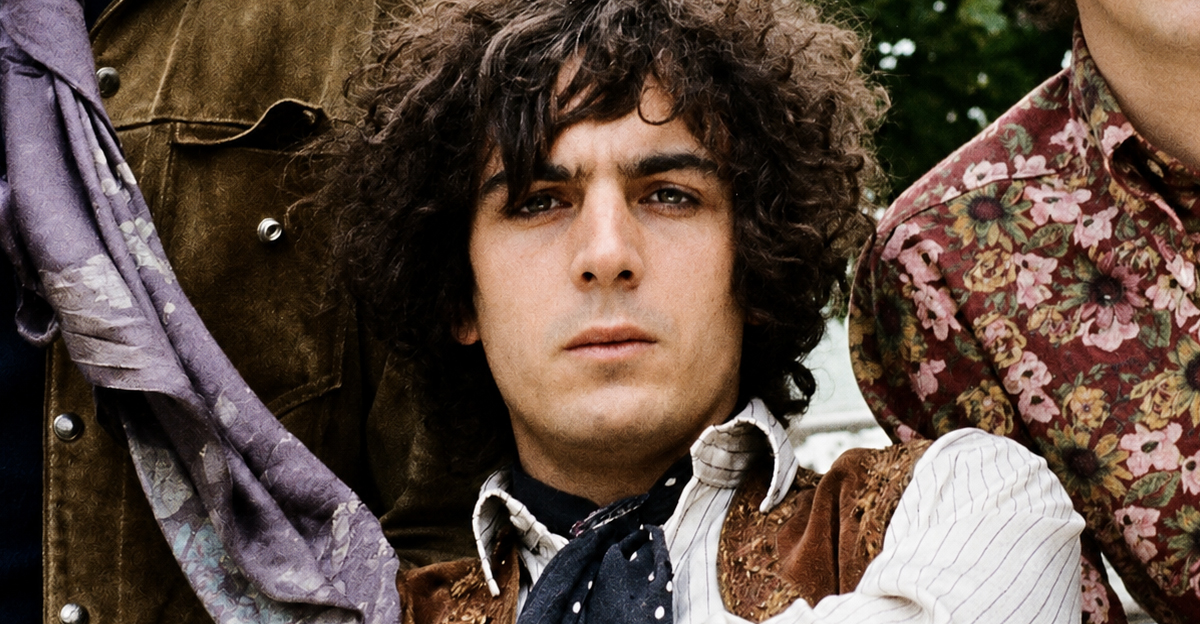
Eventually, someone realized that the mysterious visitor was Syd Barrett, Pink Floyd’s former leader and principal early songwriter. His appearance had changed so dramatically that men who had once worked beside him could not identify him. The recognition transformed an awkward interruption into a deeply upsetting reunion.
Roger Waters Broke Down
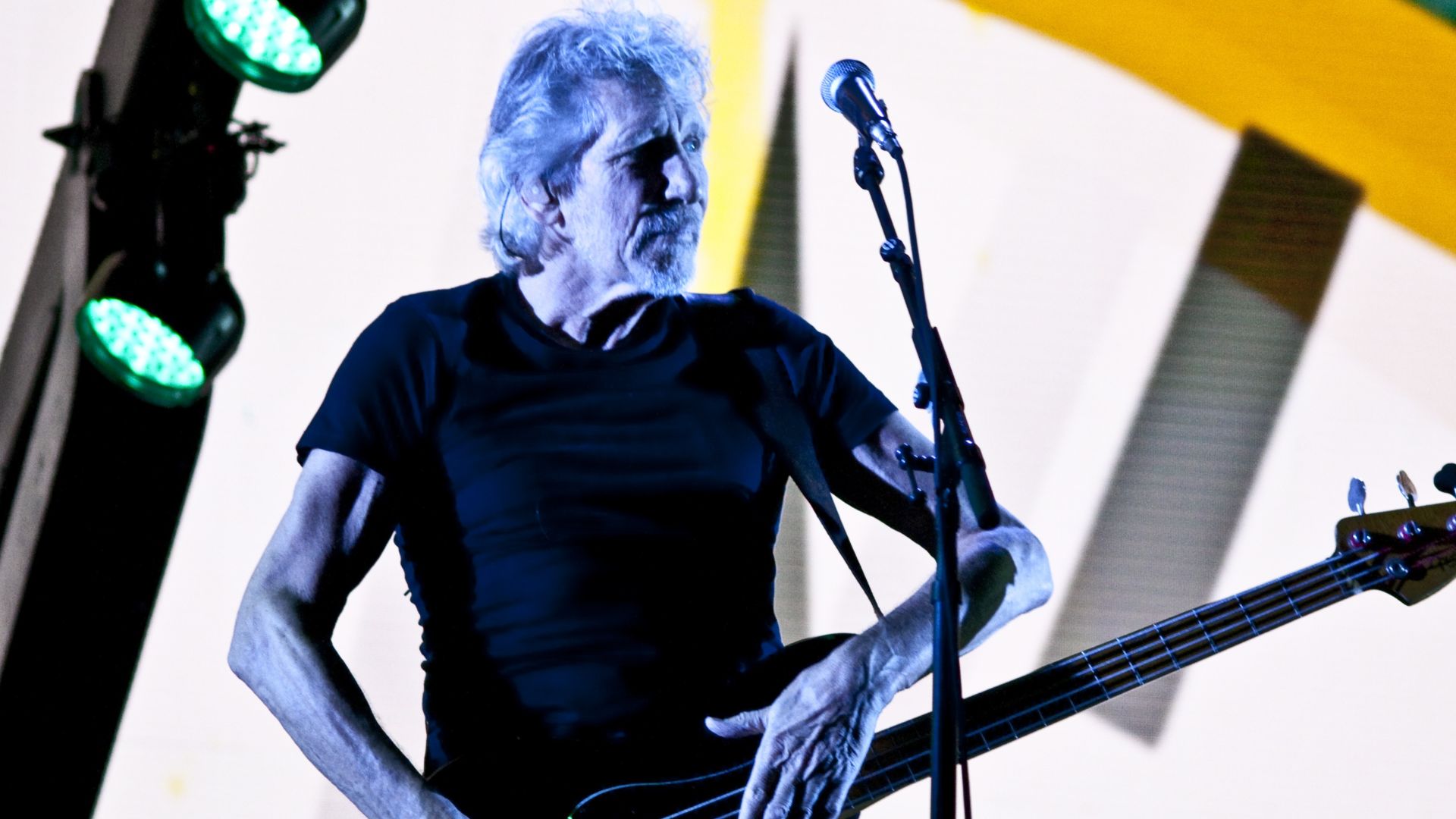
Roger Waters was reportedly reduced to tears when he understood who was sitting in the room. Storm Thorgerson, the designer closely associated with Pink Floyd, later recalled that more than one person cried that day. Barrett was physically present, but his old friends struggled to connect with the man they remembered.
Syd Had Once Led Pink Floyd
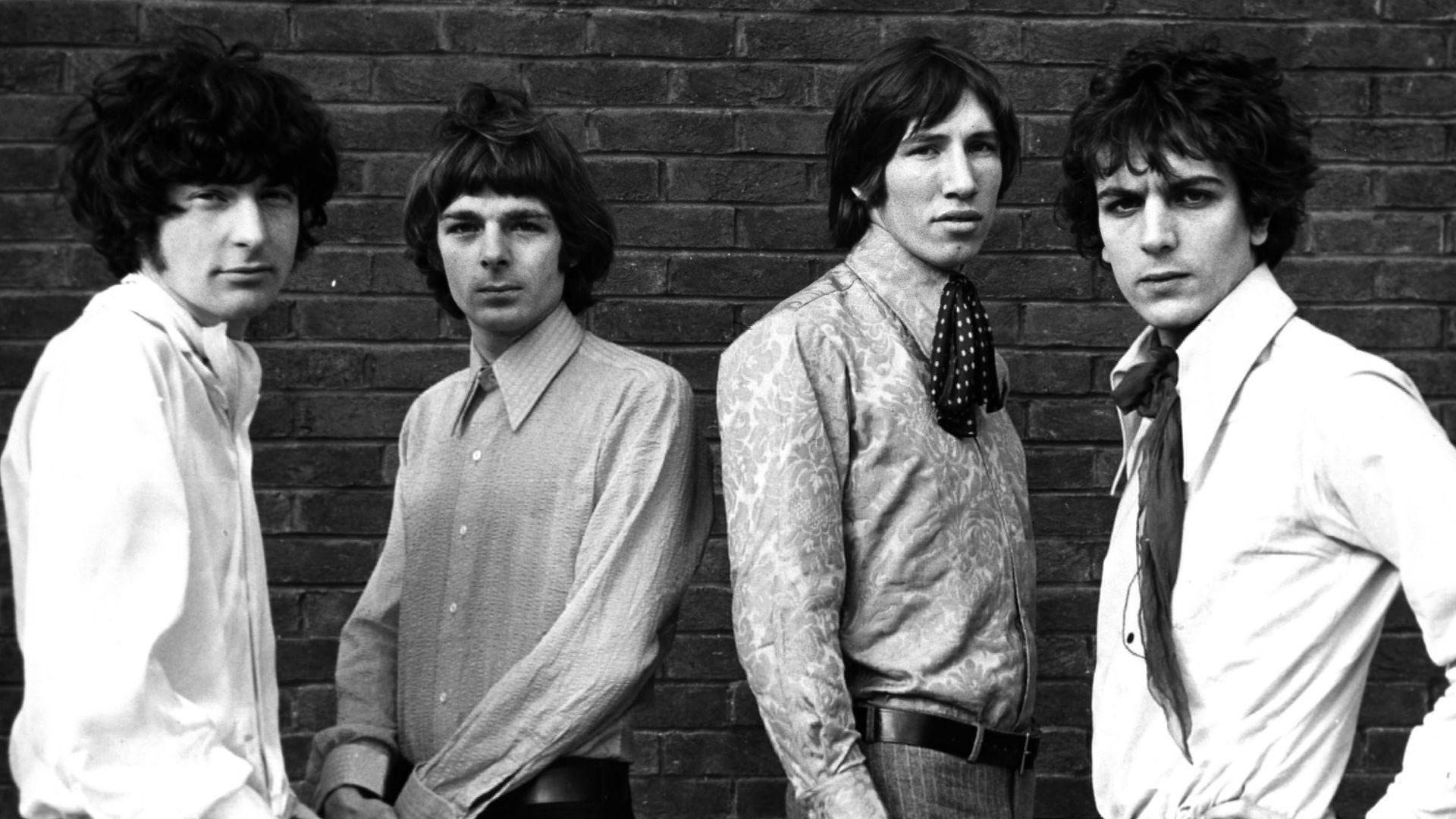
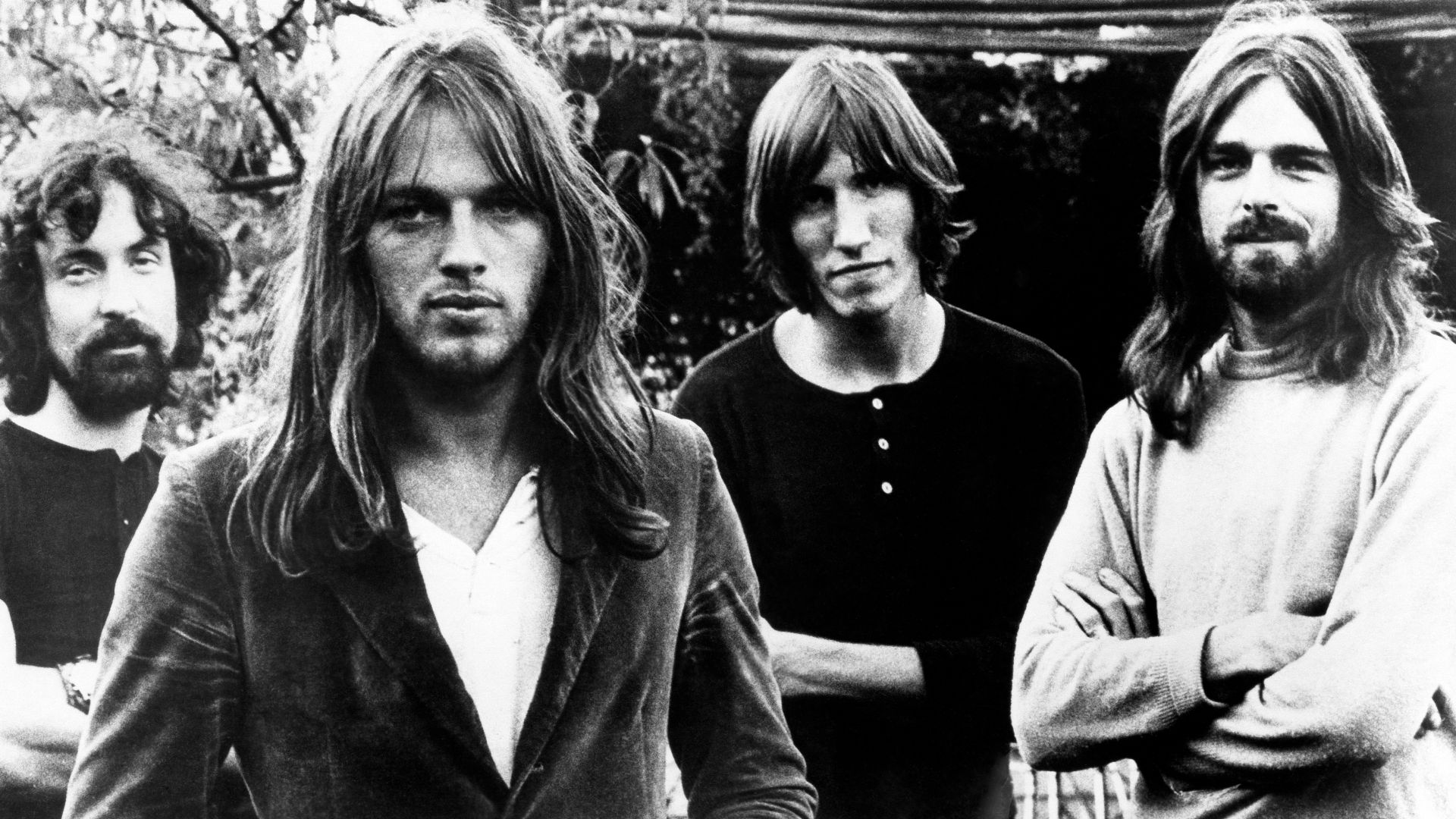
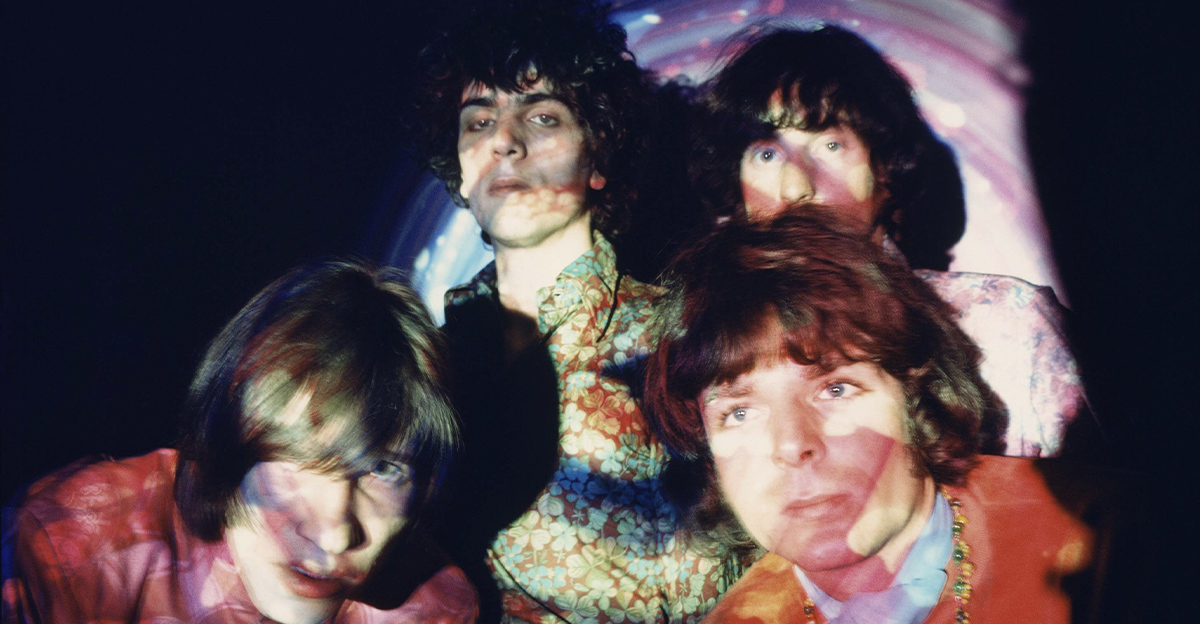
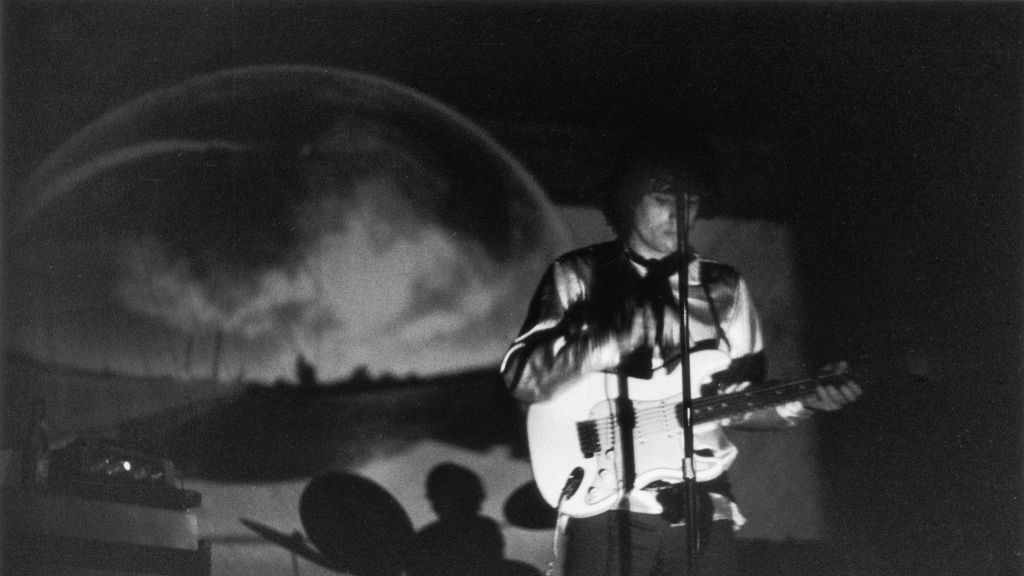
The scene was especially painful because Barrett had not been a minor figure in the band’s past. He co-founded Pink Floyd and became its original frontman, guitarist, and creative leader. His whimsical lyrics, unusual guitar techniques, and surreal imagination helped establish the group’s early identity.
 Unknown authorUnknown author, Wikimedia Commons
He Gave The Band Its First Voice
Barrett wrote most of the material on Pink Floyd’s 1967 debut, The Piper at the Gates of Dawn. The record mixed concise psychedelic pop songs with longer, more experimental pieces. It reached number six on the British album chart and made Pink Floyd one of the defining groups of London’s psychedelic scene.
His Imagination Seemed Limitless
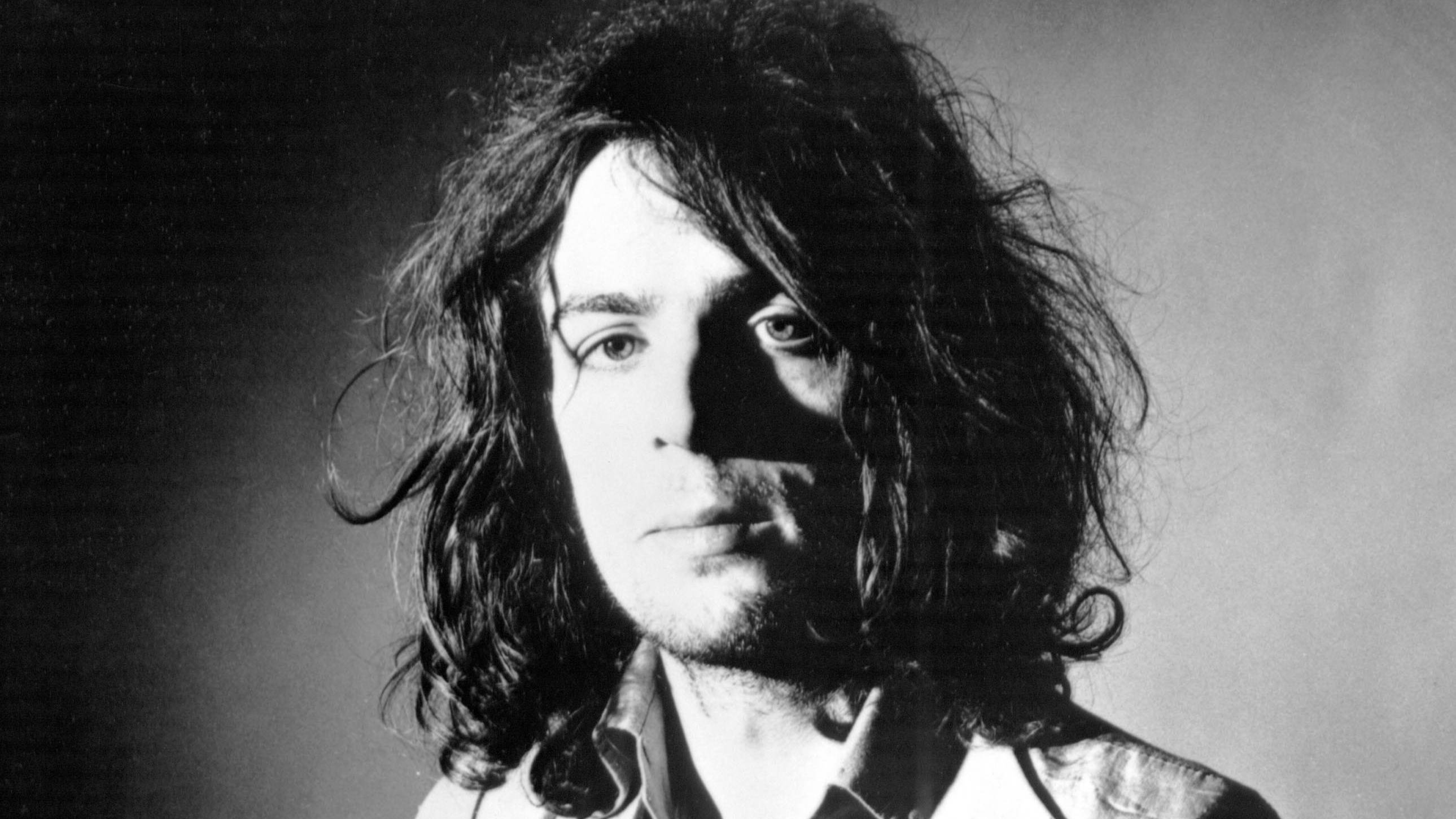
Songs such as “Astronomy Domine,” “The Gnome,” “Bike,” and “Lucifer Sam” revealed Barrett’s distinctive creative personality. His writing could sound childlike, cosmic, funny, and unsettling within the same album. His unconventional use of distortion, feedback, echo, and dissonance also helped broaden the possibilities of rock guitar.

Success Came With Warning Signs
During 1967, Barrett’s behavior became increasingly unpredictable during performances, interviews, and recording sessions. His bandmates and associates described periods when he appeared withdrawn or unresponsive. Substance misuse was widely reported, but later accounts have cautioned against reducing his decline to one simple explanation.
The Band Tried To Adapt
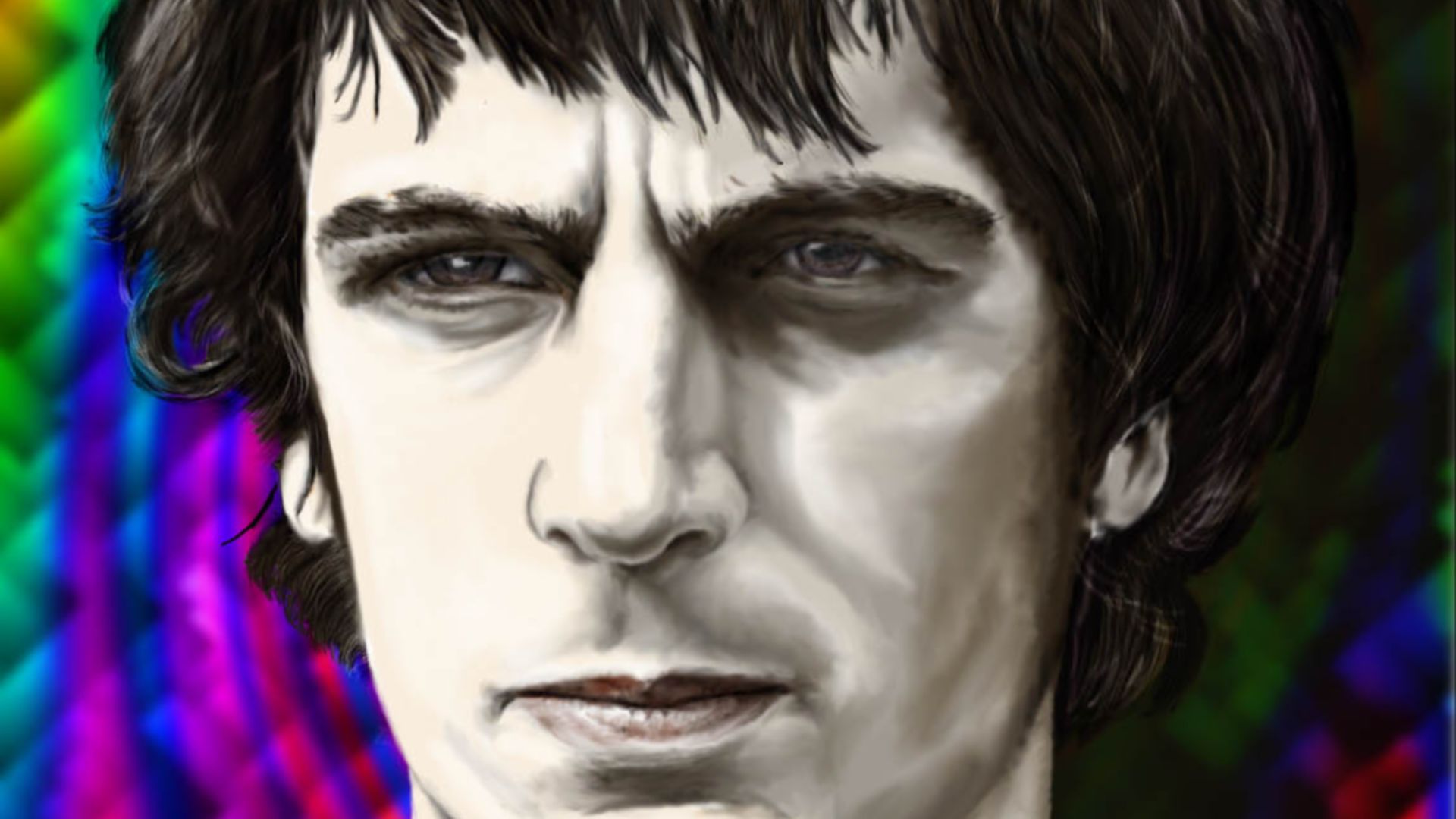
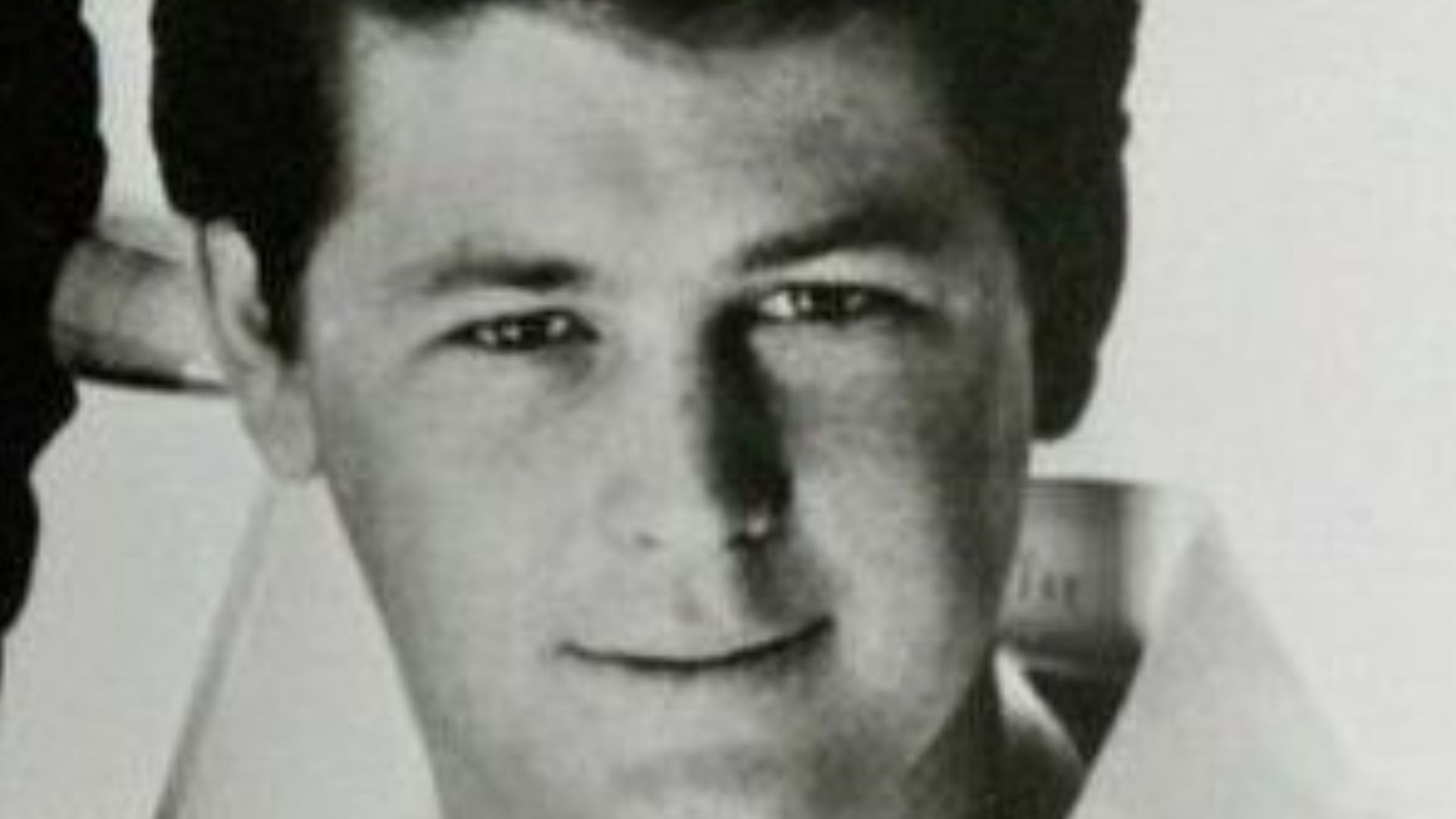
By the end of 1967, Pink Floyd invited Barrett’s old Cambridge friend to join as an additional guitarist. The original plan was for Gilmour to handle live performances while Barrett remained behind as a songwriter. The arrangement was partly inspired by the Beach Boys’ division of responsibilities with Brian Wilson, but it quickly proved impractical.
 Distributed by Capitol Records, Wikimedia Commons
Syd Became Impossible To Follow
One frequently repeated story involved a song Barrett introduced during rehearsal called “Have You Got It Yet?” Each time the other musicians began learning it, Barrett changed its structure. The group eventually realized that he was deliberately making the song impossible to master.
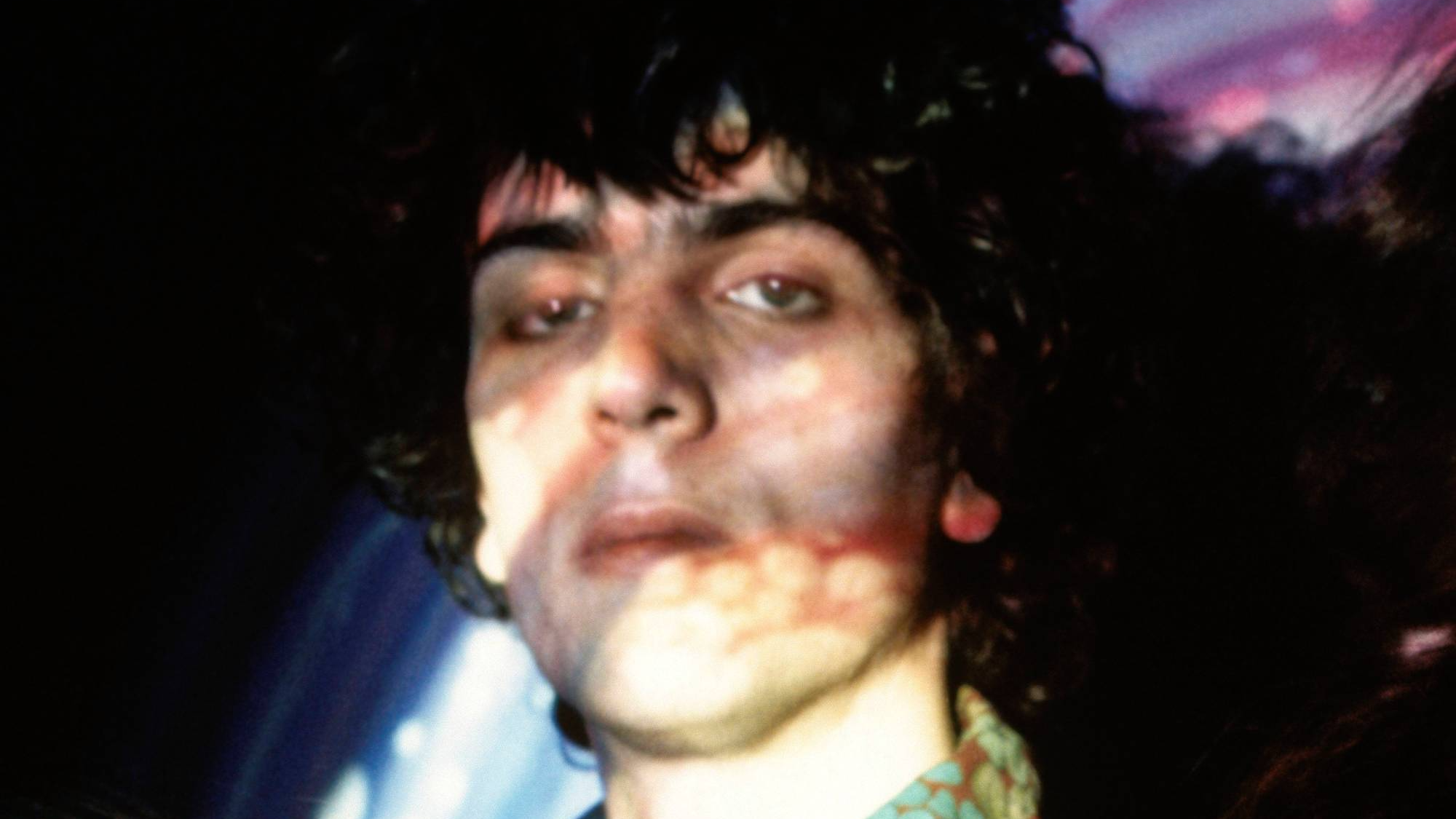
They Stopped Picking Him Up
The decisive moment came in January 1968, when the musicians were traveling to a performance in Southampton. Someone asked whether they should collect Barrett on the way, and the group decided not to bother. Although the separation was not formally announced until April, Barrett’s working life with Pink Floyd was effectively over.
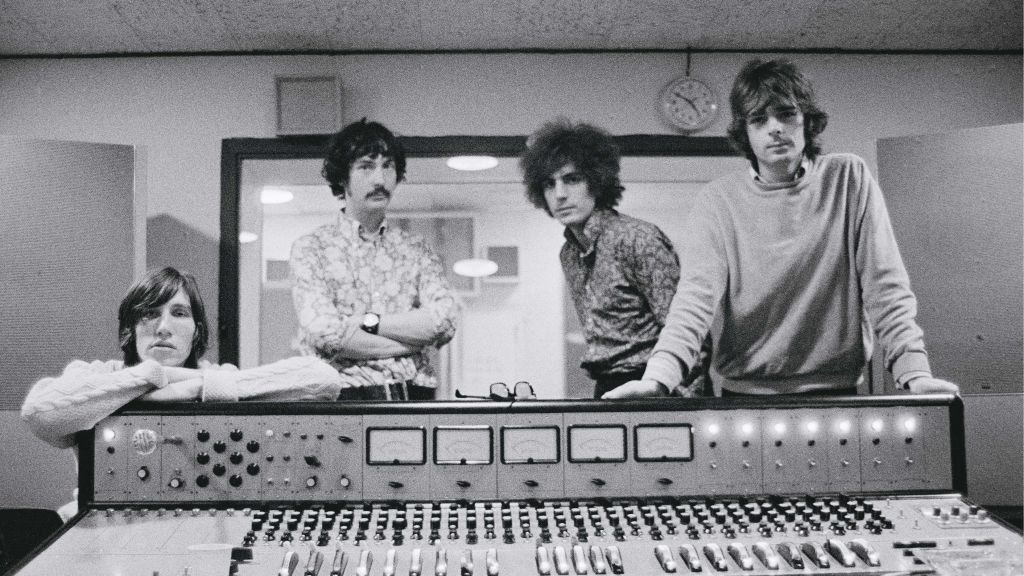
The Split Left Deep Wounds
Barrett had been their colleague, creative leader, and friend. Removing him may have been necessary for the band to continue, but that did not erase the emotional cost. Pink Floyd moved forward while remaining haunted by the person who had launched them.
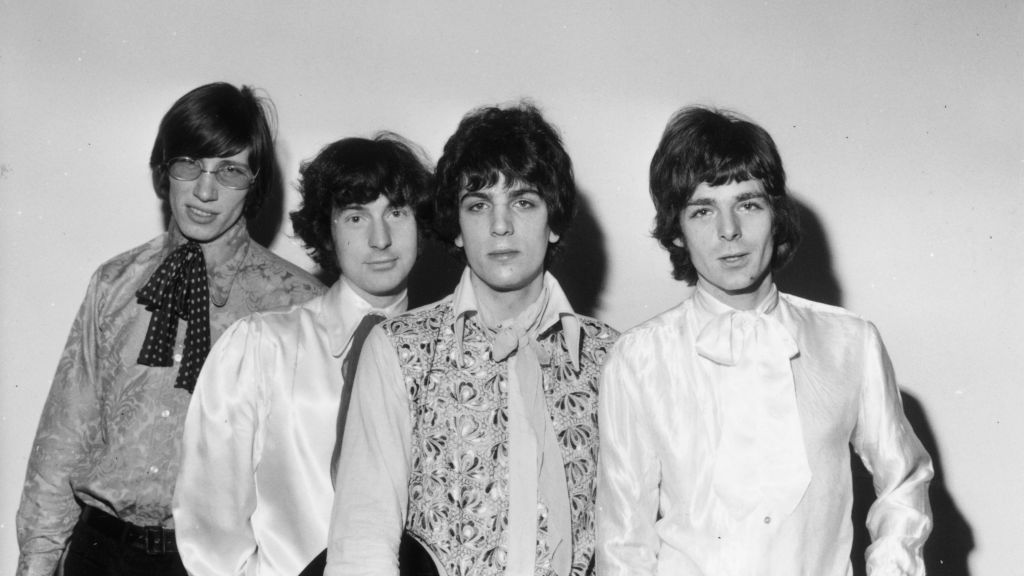
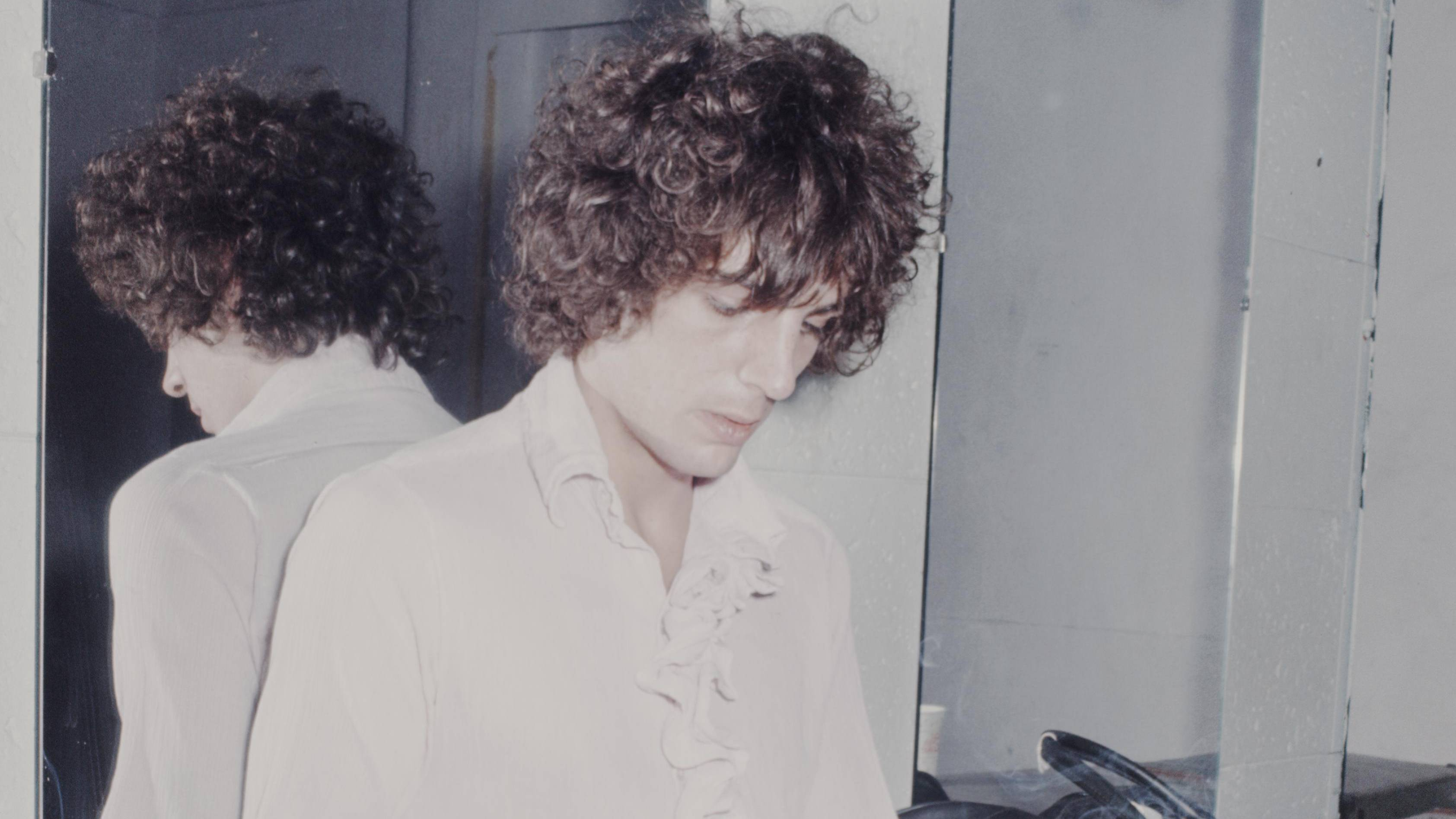
Syd Attempted A Solo Career
After leaving the group, Barrett recorded two solo albums, The Madcap Laughs and Barrett, both released in 1970. Gilmour and Waters helped produce portions of the first record, while Gilmour and Wright contributed to the second. The albums preserved flashes of Barrett’s songwriting talent, although the sessions were often difficult.
 Koh Hasebe/Shinko Music, Getty Images
Then He Withdrew
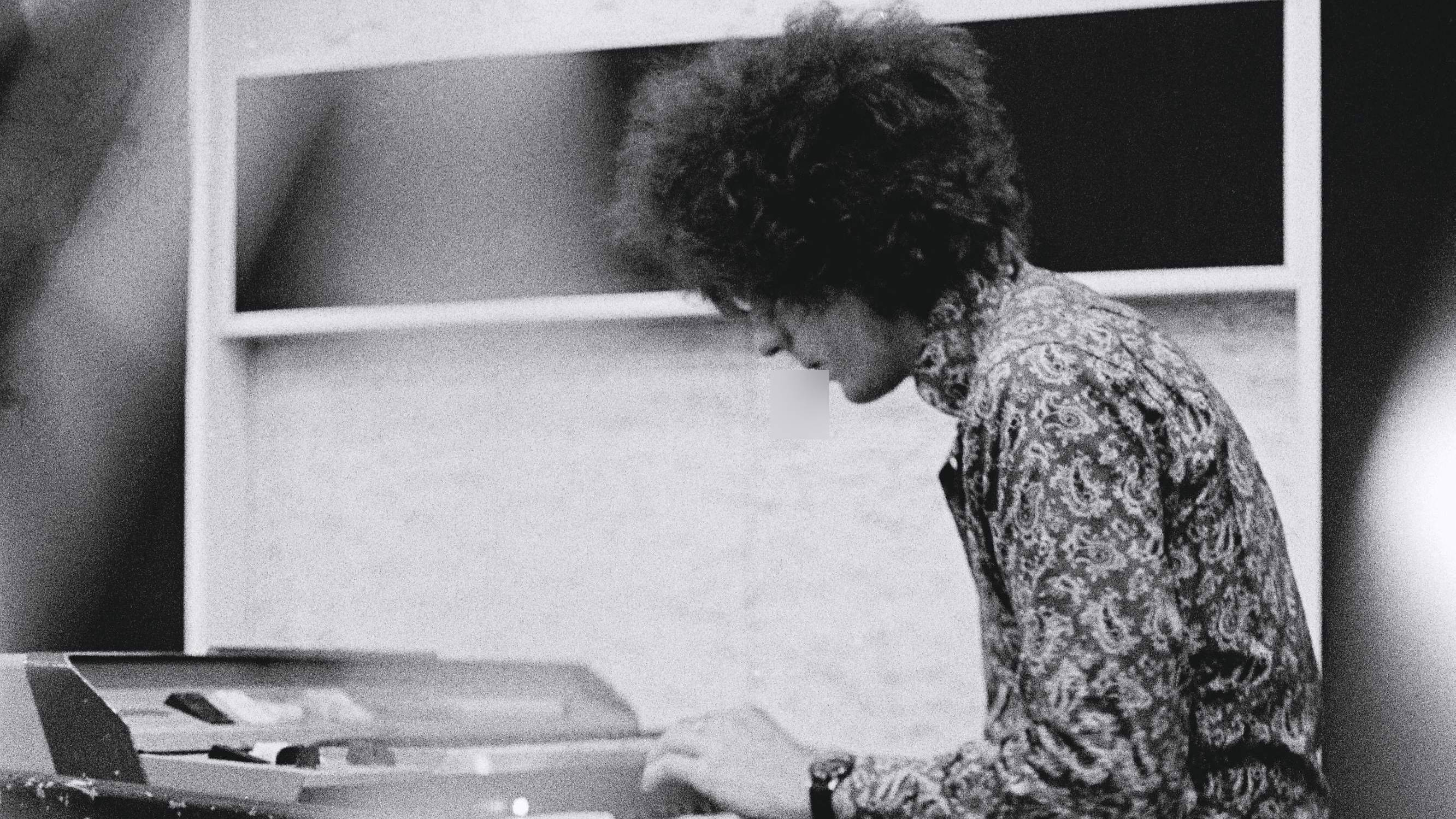
Barrett’s active musical career faded rapidly during the early 1970s. A short-lived Cambridge band called Stars ended after a poorly received performance in 1972. By 1974, he had largely left the music business and public life behind.
Pink Floyd Became Superstars
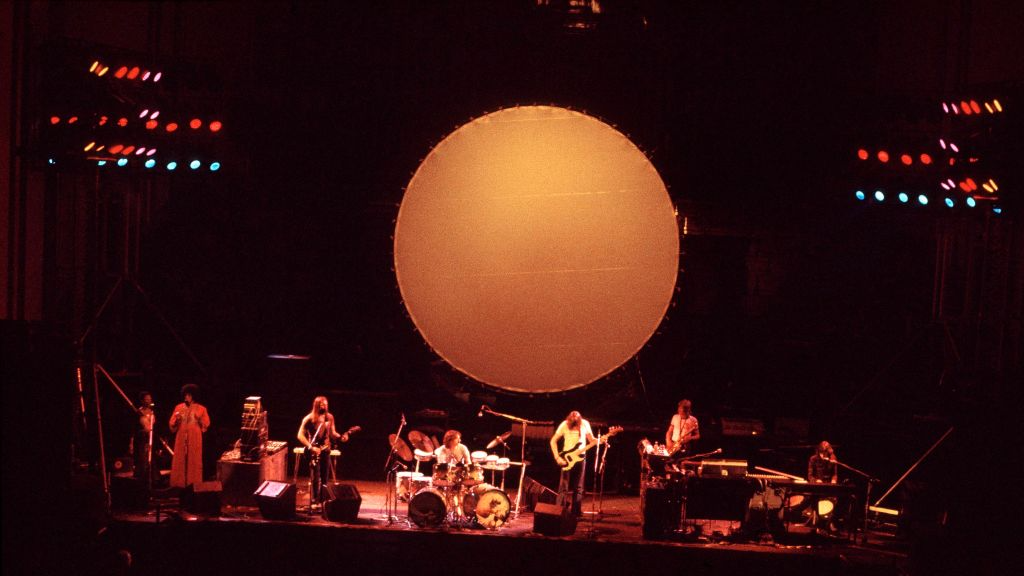
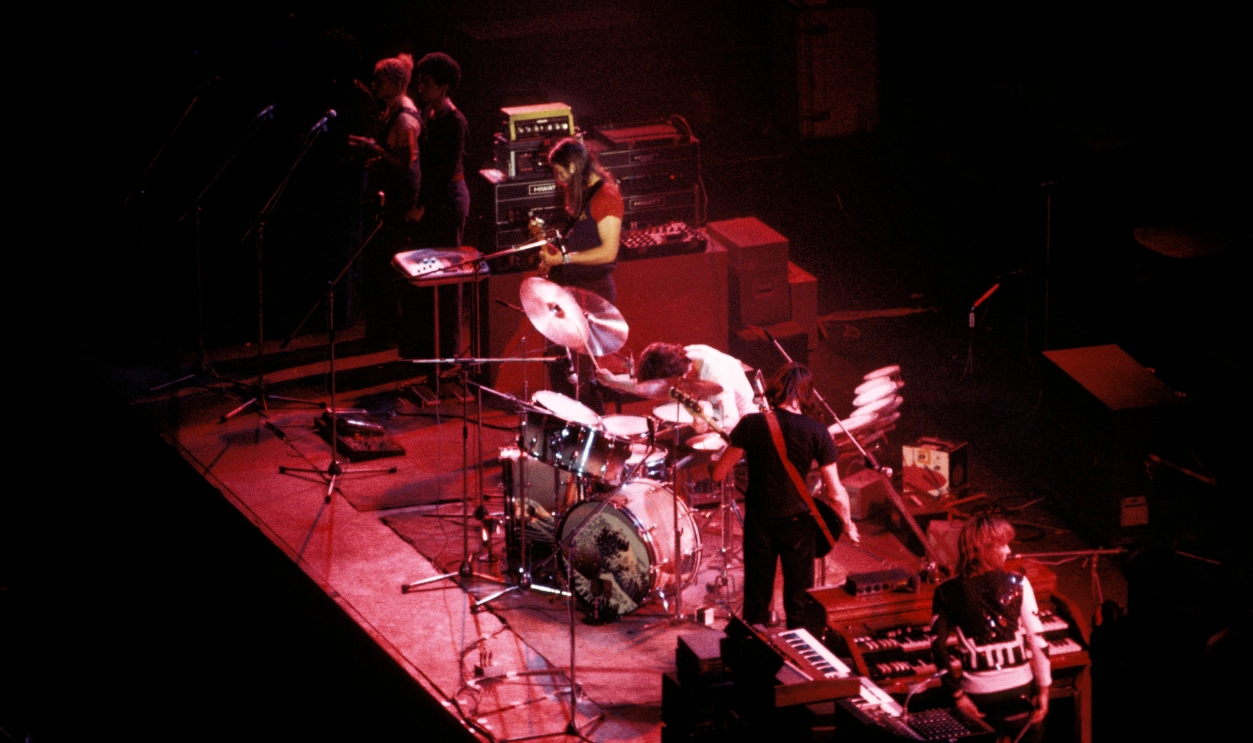
While Barrett retreated, his former bandmates reached an extraordinary level of commercial success. The Dark Side of the Moon, released in 1973, turned Pink Floyd into one of the world’s biggest rock acts. The group had achieved the kind of fame Barrett once seemed destined to share.
Success Did Not Feel Entirely Real
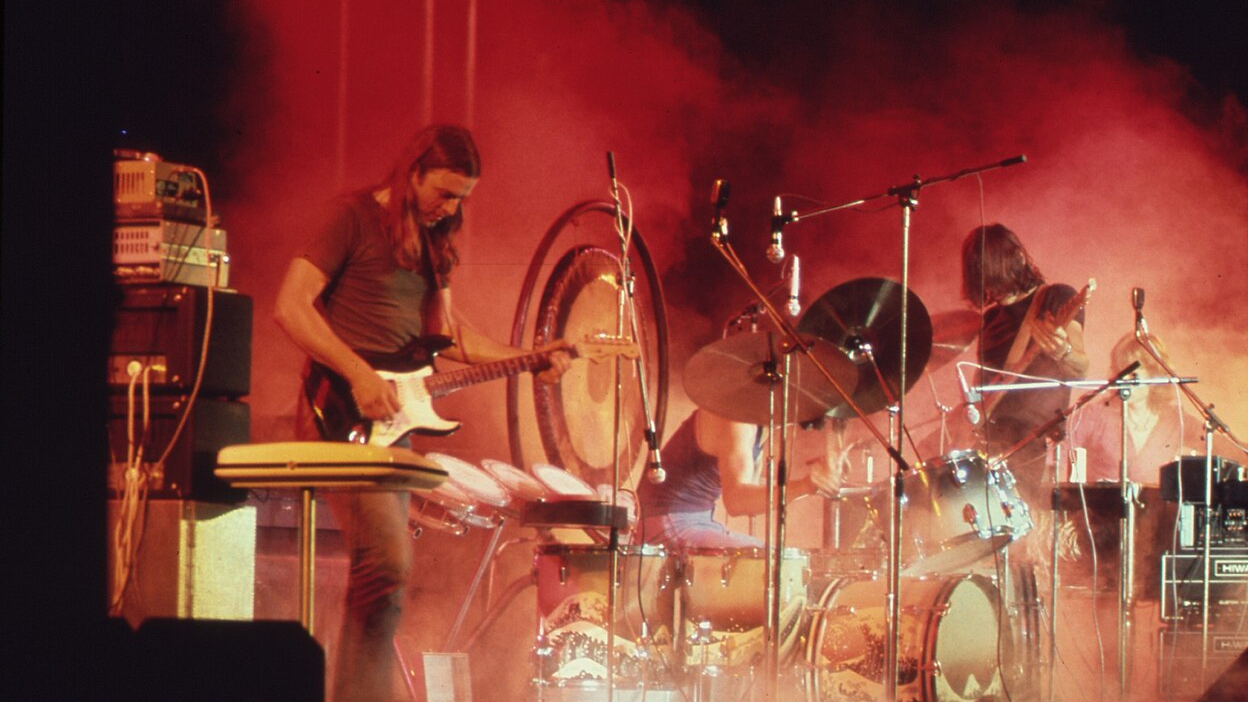
When Pink Floyd began creating its follow-up, the musicians were exhausted and struggling for direction. The success of The Dark Side of the Moon had brought wealth and recognition, but it also intensified their dissatisfaction with the music business. Roger Waters began developing an album centered on absence, alienation, and emotional disconnection.
 Erik Calonius, Wikimedia Commons
Four Notes Brought Syd Back
David Gilmour played a simple four-note guitar phrase during the sessions. The sound immediately reminded Waters of Barrett and the painful distance that had grown between them. That musical idea became the foundation of “Shine On You Crazy Diamond.”
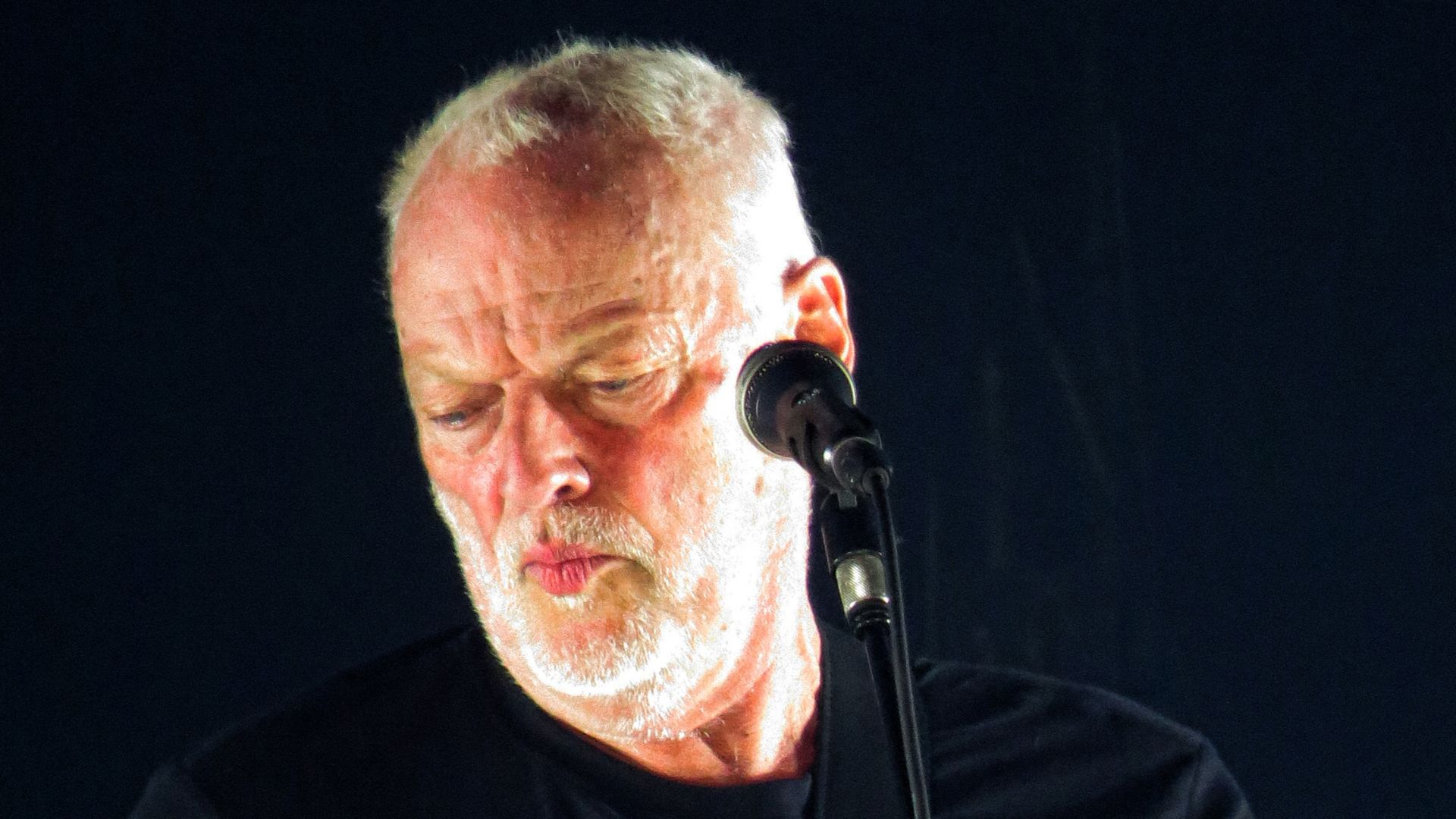
The Song Became An Elegy
“Shine On You Crazy Diamond” grew into a multipart suite that opened and closed Wish You Were Here. Barrett served as its most obvious inspiration, although Waters later explained that the piece also addressed withdrawal and absence more broadly. It was an affectionate tribute, but it was filled with grief.
 Andrew Whittuck/Redferns, Getty Images
Syd Arrived During His Own Tribute
Barrett’s appearance at Abbey Road became almost unbearably symbolic because the band was working on “Shine On You Crazy Diamond.” Some participants later differed over the precise stage of recording underway that day. However, the visit unquestionably occurred during the Wish You Were Here sessions, when Barrett’s absence was central to the album.
He Appeared Unaware Of The Connection
According to accounts of the session, the band played the music while Barrett listened. When Waters asked what he thought, Barrett reportedly replied that it sounded “a bit old.” Those present did not believe he understood that the song had been written largely in response to him.
His Behavior Grew More Unsettling
Barrett reportedly spent part of the visit brushing his teeth while standing in the studio. Nick Mason later described the conversation as disconnected and difficult to follow. Barrett also expressed an interest in contributing to the album, despite apparently failing to recognize the emotional significance of the music.
 anyonlinyr from Canada, Wikimedia Commons
The Worst Part Was The Distance
His shaved head, missing eyebrows, and unusual behavior made the encounter visually shocking. The deeper tragedy was that the band could not meaningfully reach the friend sitting only a few feet away. Barrett had returned to the place where Pink Floyd’s earliest records were made, yet the shared connection that once united them appeared inaccessible.
A Celebration Followed The Session
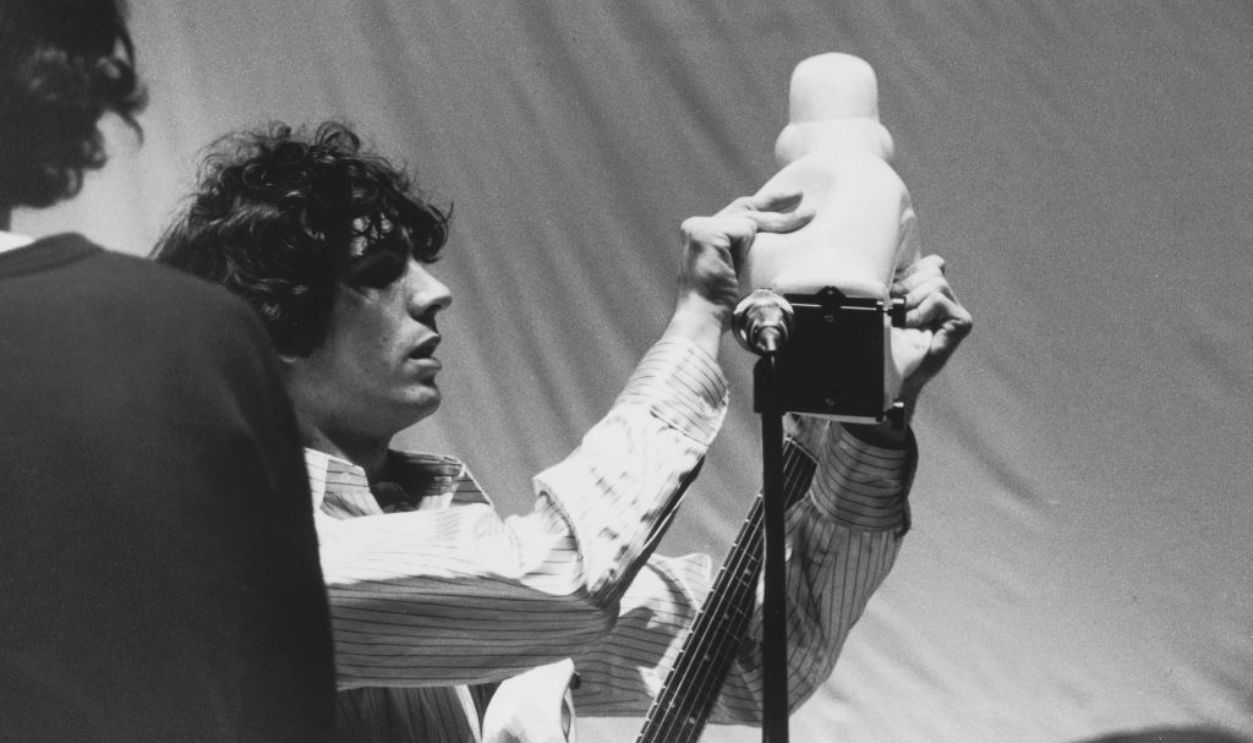
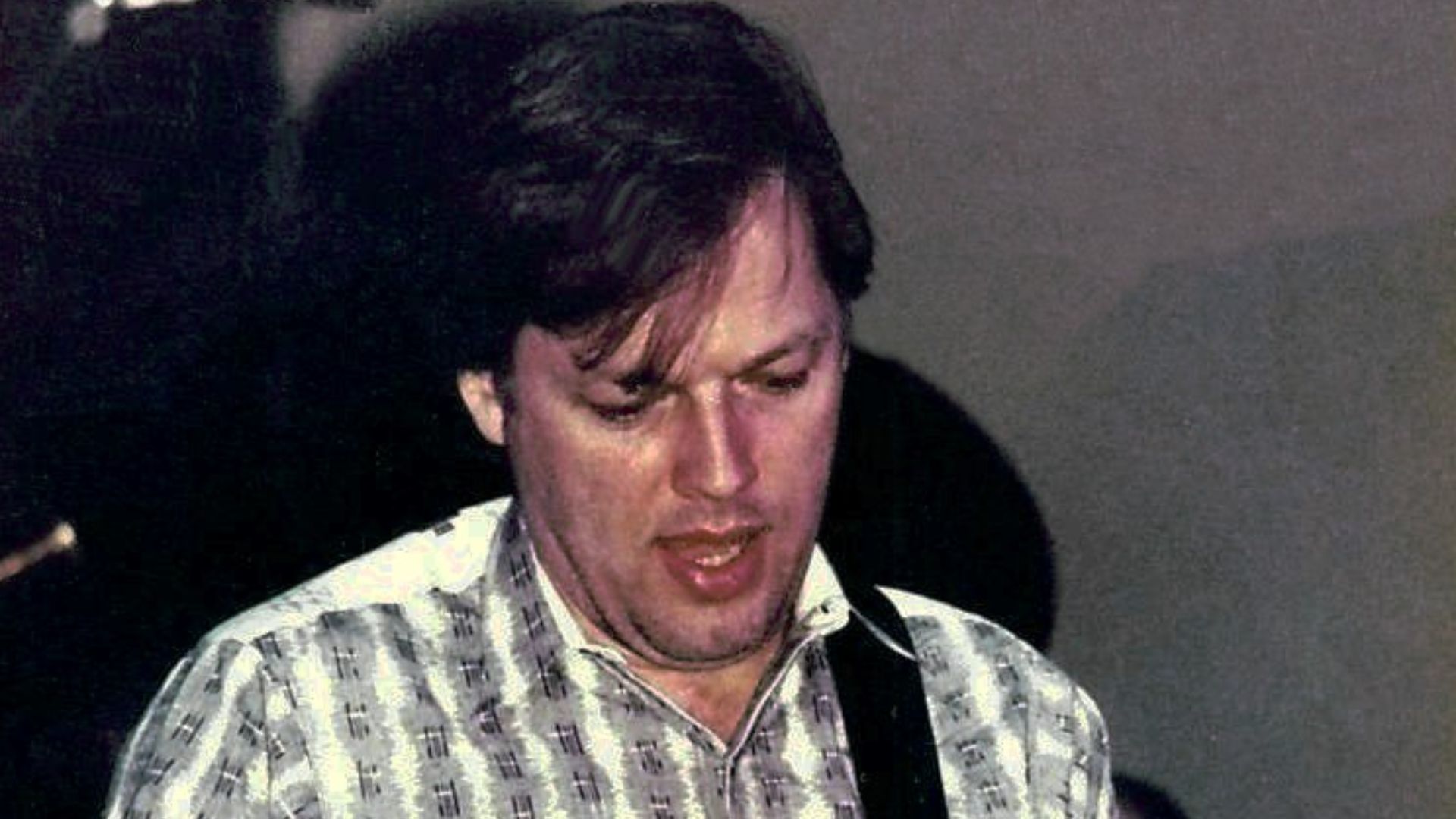
June 5 was also the day Gilmour married his first wife, Ginger. A wedding reception was held in the EMI canteen after the studio work. Several accounts state that Barrett attended briefly before disappearing without anyone noticing him leave, although Gilmour later said he did not remember Barrett being at the reception.
 Klaus Hiltscher, Wikimedia Commons
He Slipped Away Again
The uncertainty surrounding Barrett’s departure made the encounter feel even more haunting. He had arrived without warning, sat among his former friends, and then vanished from the gathering. The band returned to its work, but the emotional impact of the visit remained.
 Michael Ochs Archives, Getty Images
Their Final Meeting Became Legend
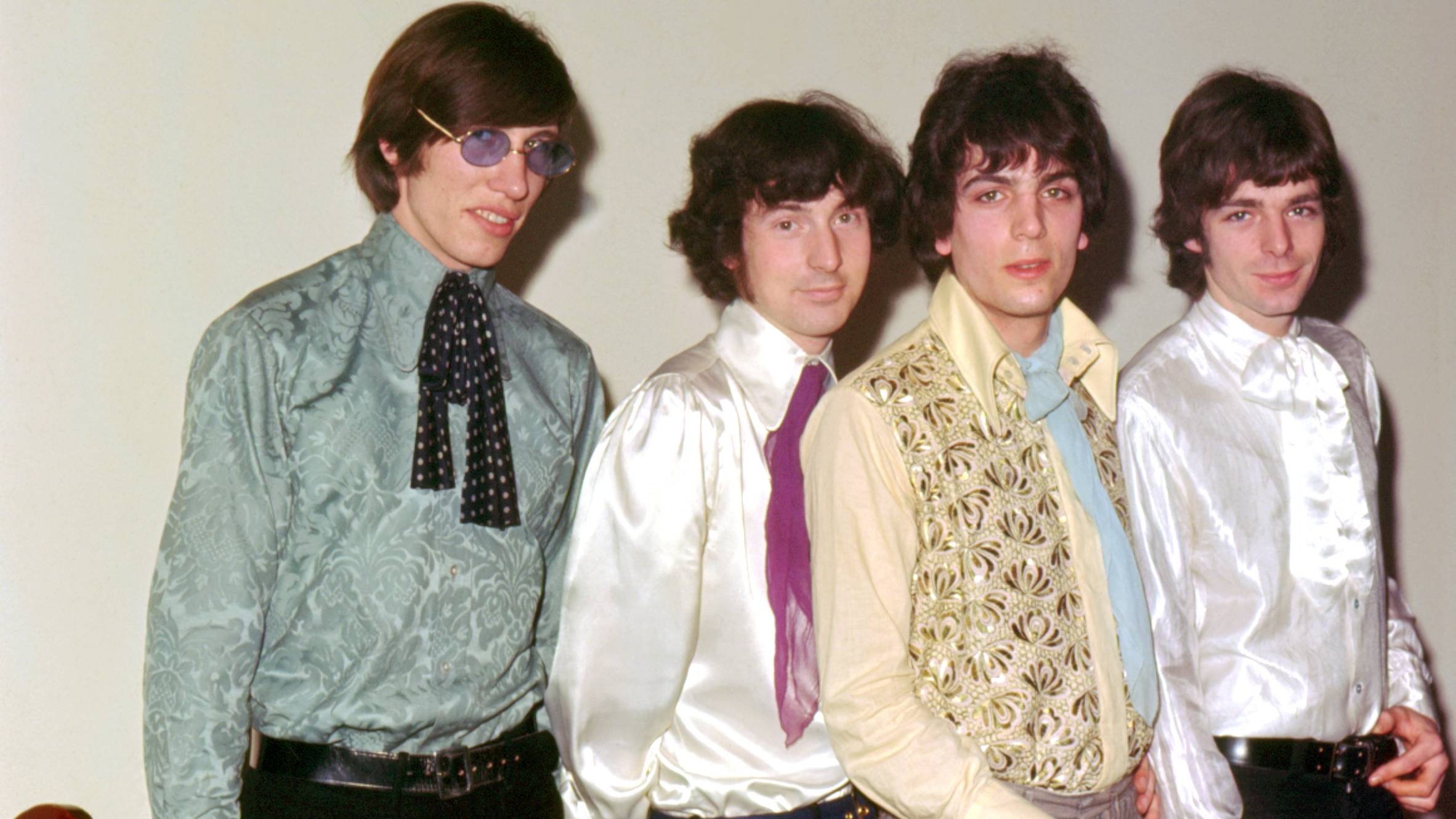
The Abbey Road encounter is generally described as the last time the full group saw Barrett. Some accounts say Waters spotted him at Harrods several years later, but the studio visit was their final significant reunion. Barrett eventually settled permanently in Cambridge and lived quietly, devoting time to painting and gardening.
The Album Turned Absence Into Art
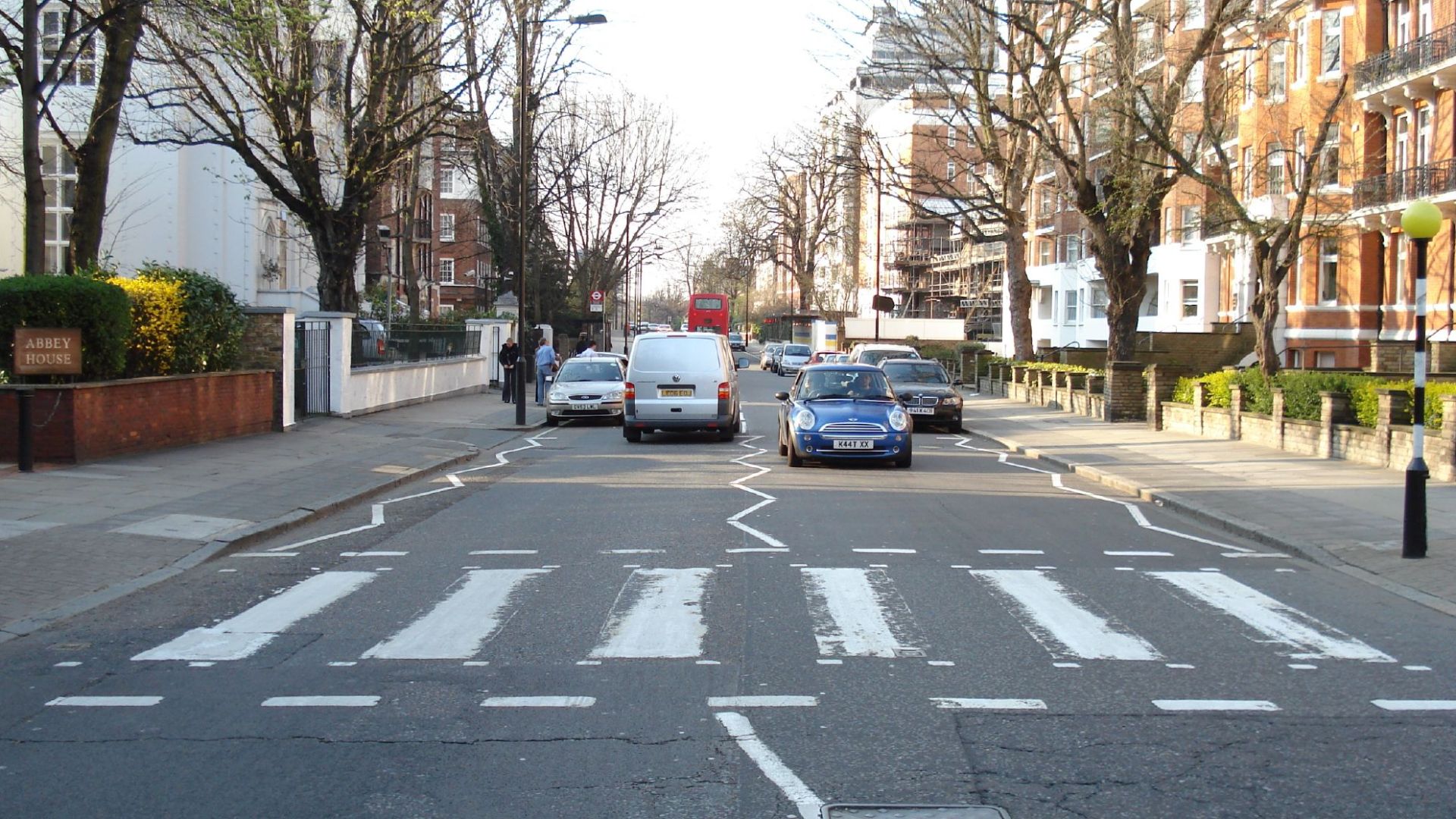
Wish You Were Here was released in September 1975 and reached number one in both Britain and the United States. Its songs criticized the music industry while examining loss, disillusionment, and emotional separation. Barrett’s story gave those themes a painfully human center.
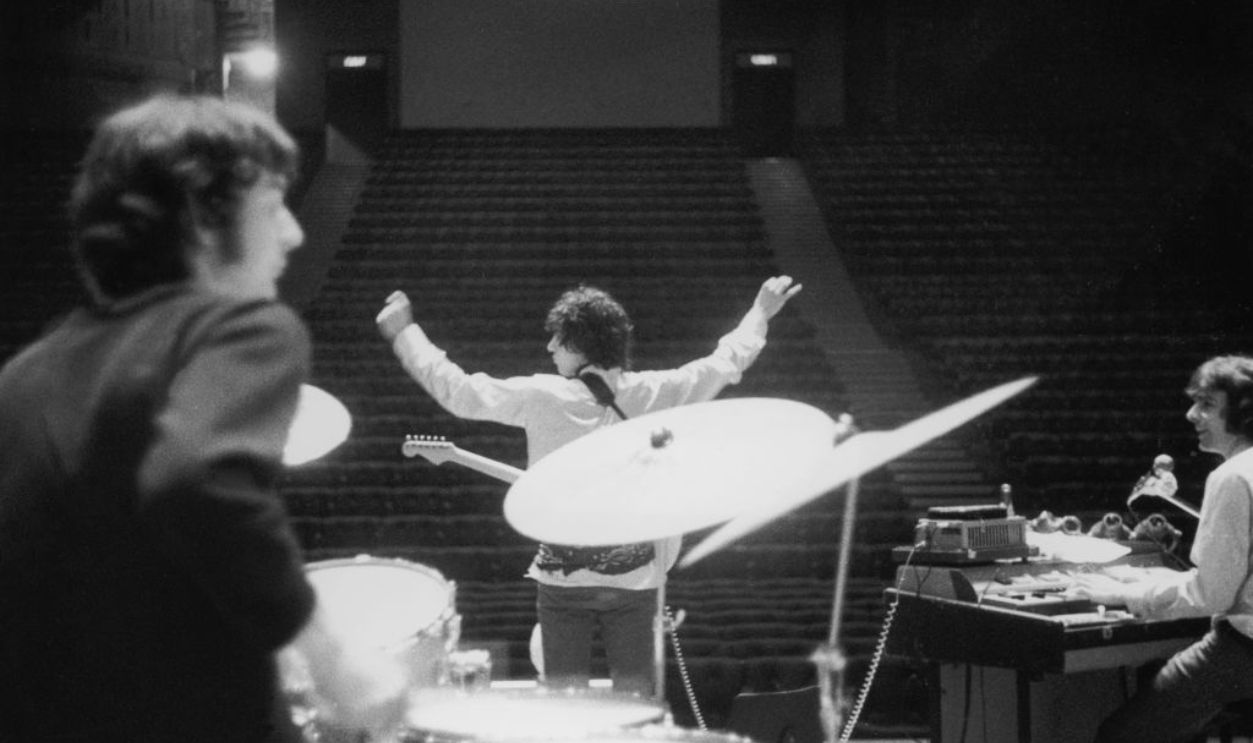
Syd Never Entirely Left Pink Floyd
Syd Barrett died in Cambridge on July 7, 2006, at the age of 60. By then, his brief career had inspired generations of musicians and become inseparable from the mythology surrounding Pink Floyd. His old band’s most enduring tribute did not simply mourn a missing colleague. It captured the agony of being beside someone and still feeling that person was unreachable.
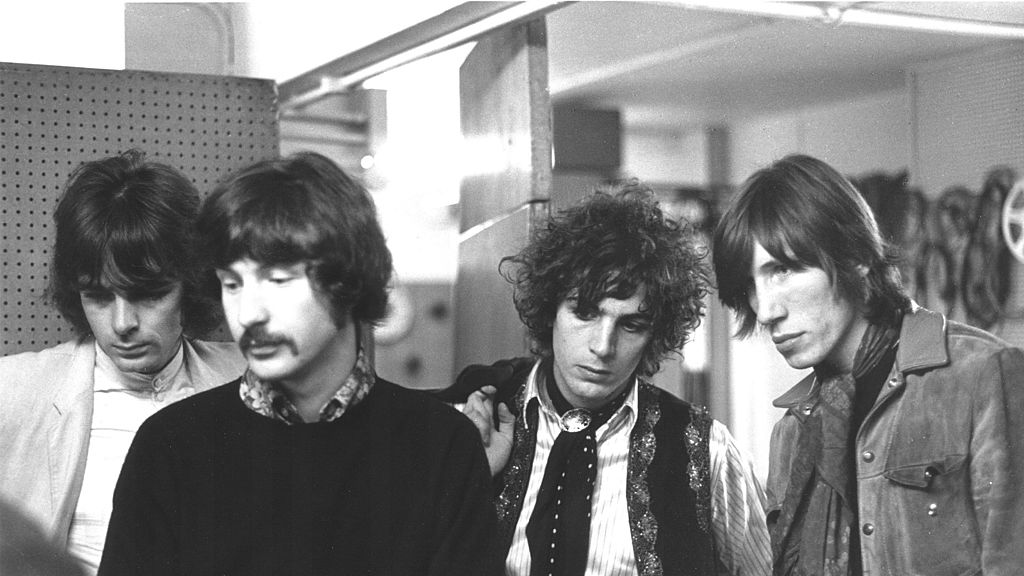
You May Also Like:
Pink Floyd Fought More Than Any Band In History



_-_NARA_-_553890.jpg)