The Encore Was Sometimes Bigger
The 1980s made these musicians famous, but it did not necessarily contain their most surprising work. Some found entirely new audiences decades later, often in places nobody watching MTV would have predicted.
Cyndi Lauper Conquered Broadway
Cyndi Lauper could easily have spent the rest of her career being introduced through her colorful 1980s hits. Instead, she wrote the music and lyrics for Kinky Boots, which became one of Broadway's major successes of 2013. Lauper won the Tony Award for Best Original Score, giving the former MTV fixture a remarkable second identity as a Broadway composer.
 Taís Melillo from New York, USA, Wikimedia Commons
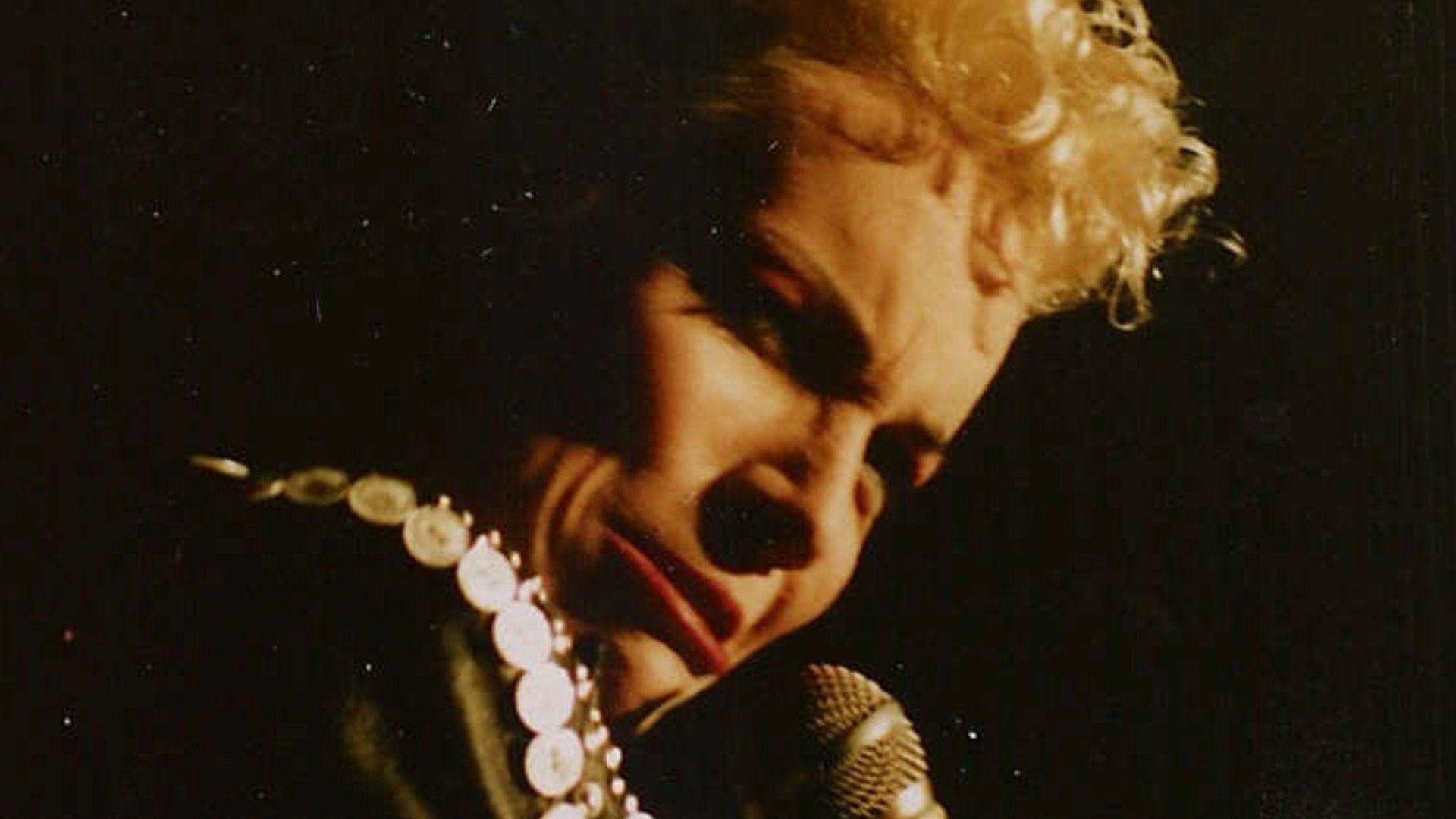
Annie Lennox Became A Solo Institution
Eurythmics made Annie Lennox one of the decade's most recognizable singers, but the duo's hiatus opened an equally impressive solo chapter. Her 1992 album Diva produced major hits and earned Grammy nominations, while later albums kept her near the top of the charts. Lennox also became a prominent humanitarian campaigner, giving her public life a scope far beyond Eurythmics.
 Elmar J. Lordemann, Wikimedia Commons
Belinda Carlisle Became Bigger After The Go-Go's
Belinda Carlisle had already fronted a groundbreaking hit band when the Go-Go's broke up in 1985. She then transformed herself into a polished solo pop star, with Heaven on Earth and its title hit giving her international success beyond the group's American breakthrough. Decades later, she was still touring and recording, making that supposed post-band period into a career almost as substantial as the original one.
 Ron Baker (Kingsnake) from Austin, Texas, Wikimedia Commons
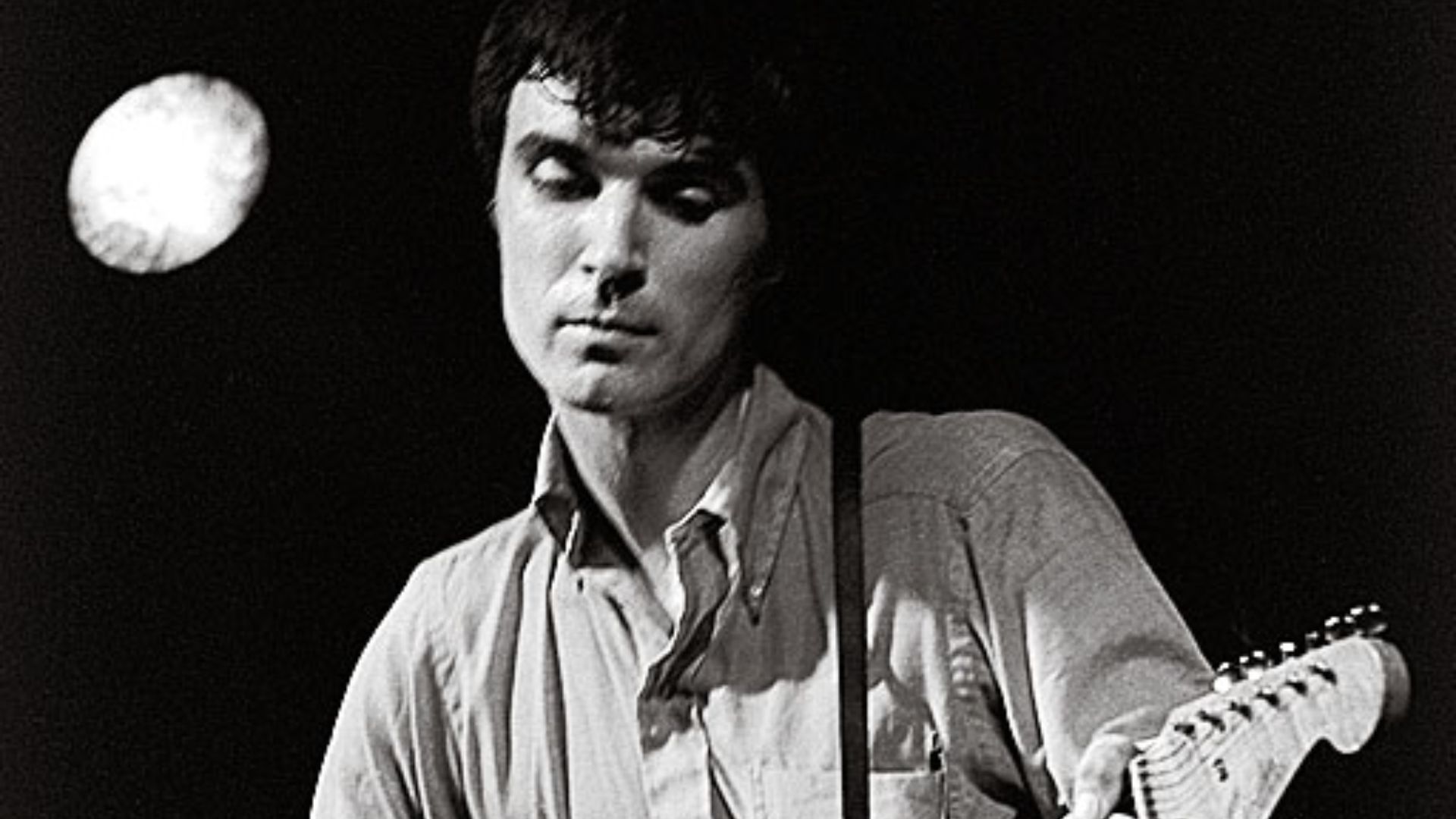
David Byrne Turned Rock Into Theatre
Talking Heads established David Byrne as one of new wave's strangest and smartest frontmen. After the group ended, he moved through solo albums, filmmaking, visual art, collaborations, and theatrical performance instead of trying to recreate the band. American Utopia eventually became an acclaimed Broadway production and a Spike Lee film, introducing Byrne's restless creativity to another generation.
 Michael Markos - [email protected], Wikimedia Commons
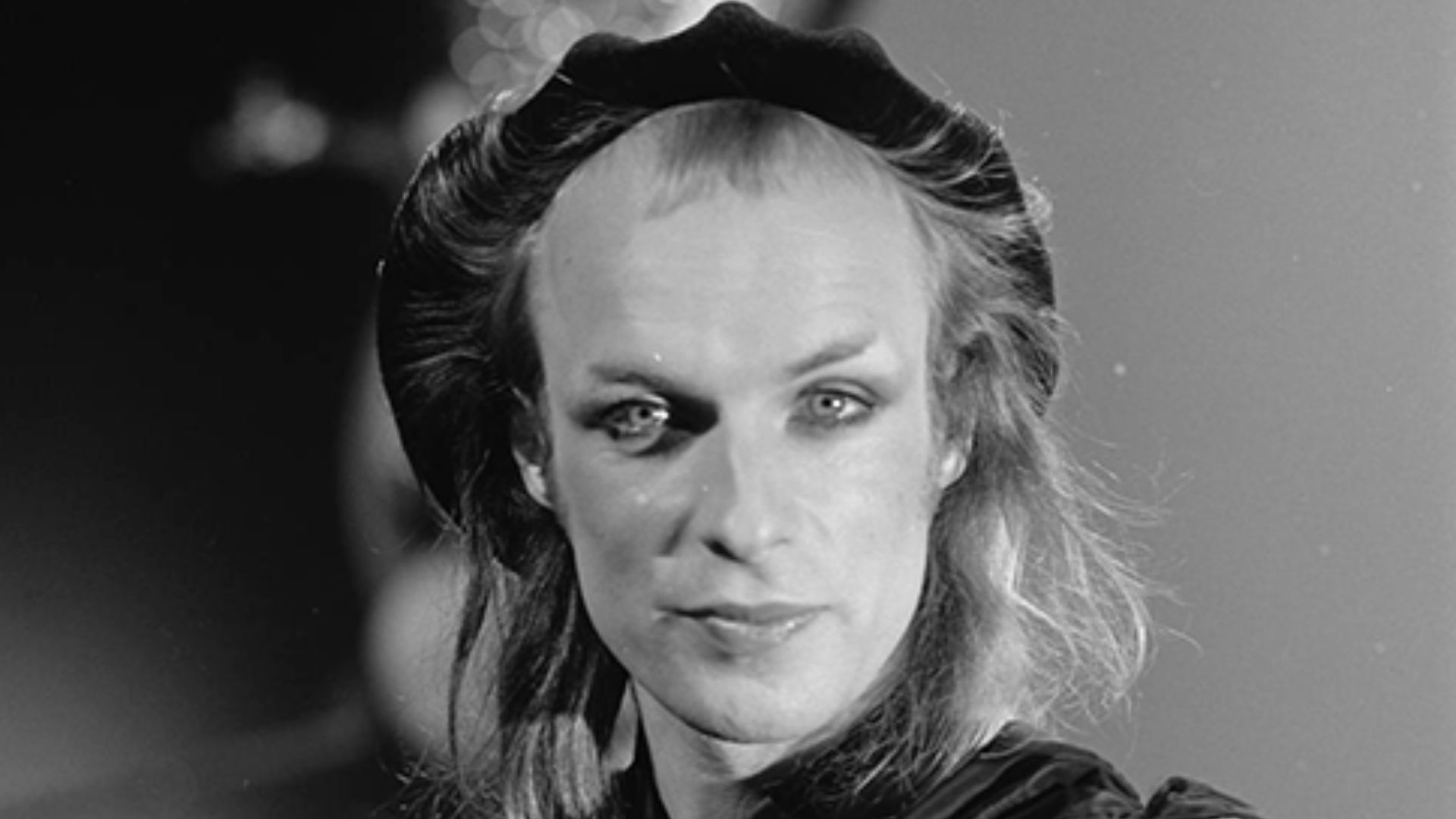
Brian Eno Became The Man Behind Other People's Classics
Brian Eno was already a cult figure by the 1980s thanks to Roxy Music, solo records, and ambient music. His later influence increasingly came from the producer's chair, where his work helped shape records by artists including U2 and many other major acts. Eno's second act made him less visible onstage but arguably even more important to the sound of modern rock.
Ric Ocasek Quietly Built The 1990s
The Cars made Ric Ocasek one of MTV's most recognizable new-wave figures. After the band ended, Ocasek increasingly became valuable behind the console, producing records for a new generation of alternative bands. Most famously, he produced Weezer's hugely successful 1994 debut and returned for the group's 2001 album, helping connect 1980s new wave directly to 1990s alternative rock.

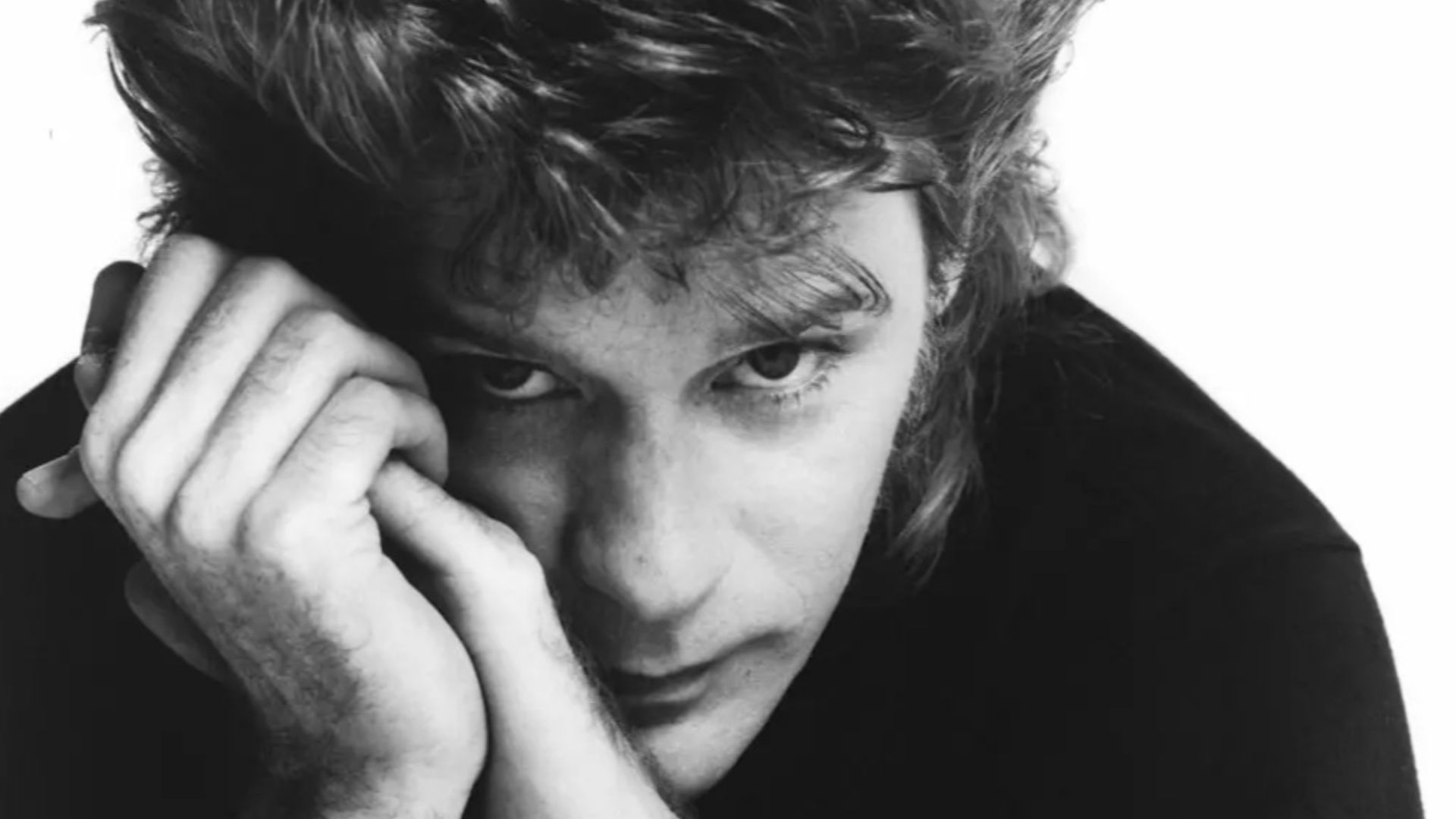
Daryl Hall Turned His House Into A Stage
Daryl Hall had already spent the 1980s filling radio with Hall and Oates hits. In 2007, he launched the web series Live From Daryl's House, inviting musicians from different generations to perform informally with him. The series became popular enough to develop into a television property and gave Hall an entirely new identity as a musical host and collaborator.
 Jean Pagliuso; Distributed by RCA Records, Wikimedia Commons
Robert Plant Walked Away From The Obvious Comeback
Robert Plant spent the 1980s proving he could have a solo career after Led Zeppelin. His truly unexpected second act arrived much later when he teamed with Alison Krauss for Raising Sand. The project won five Grammys in one night, including Album of the Year, and opened an Americana chapter that was about as far from arena-rock nostalgia as he could have traveled.
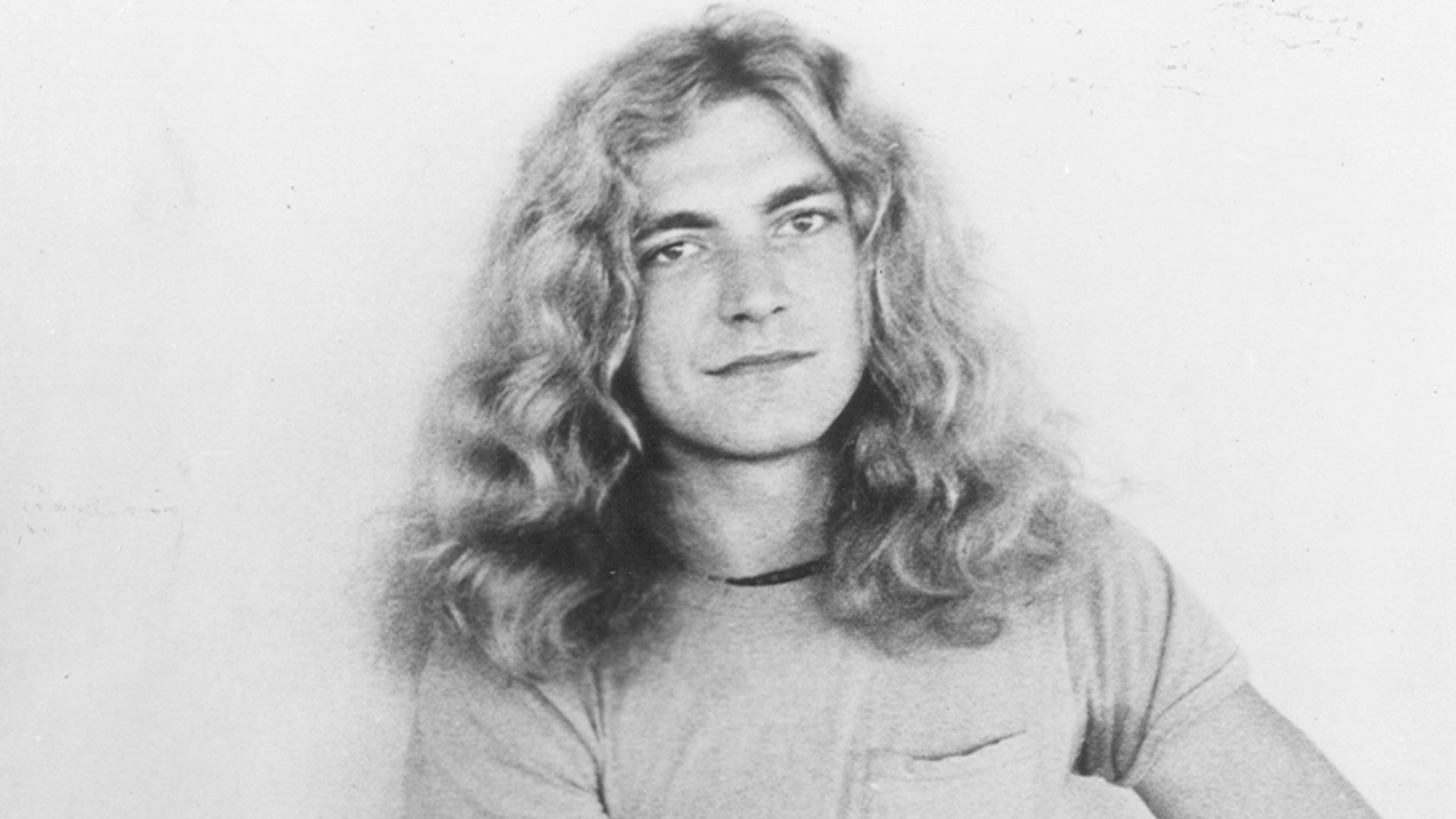 Atlantic Records, Wikimedia Commons
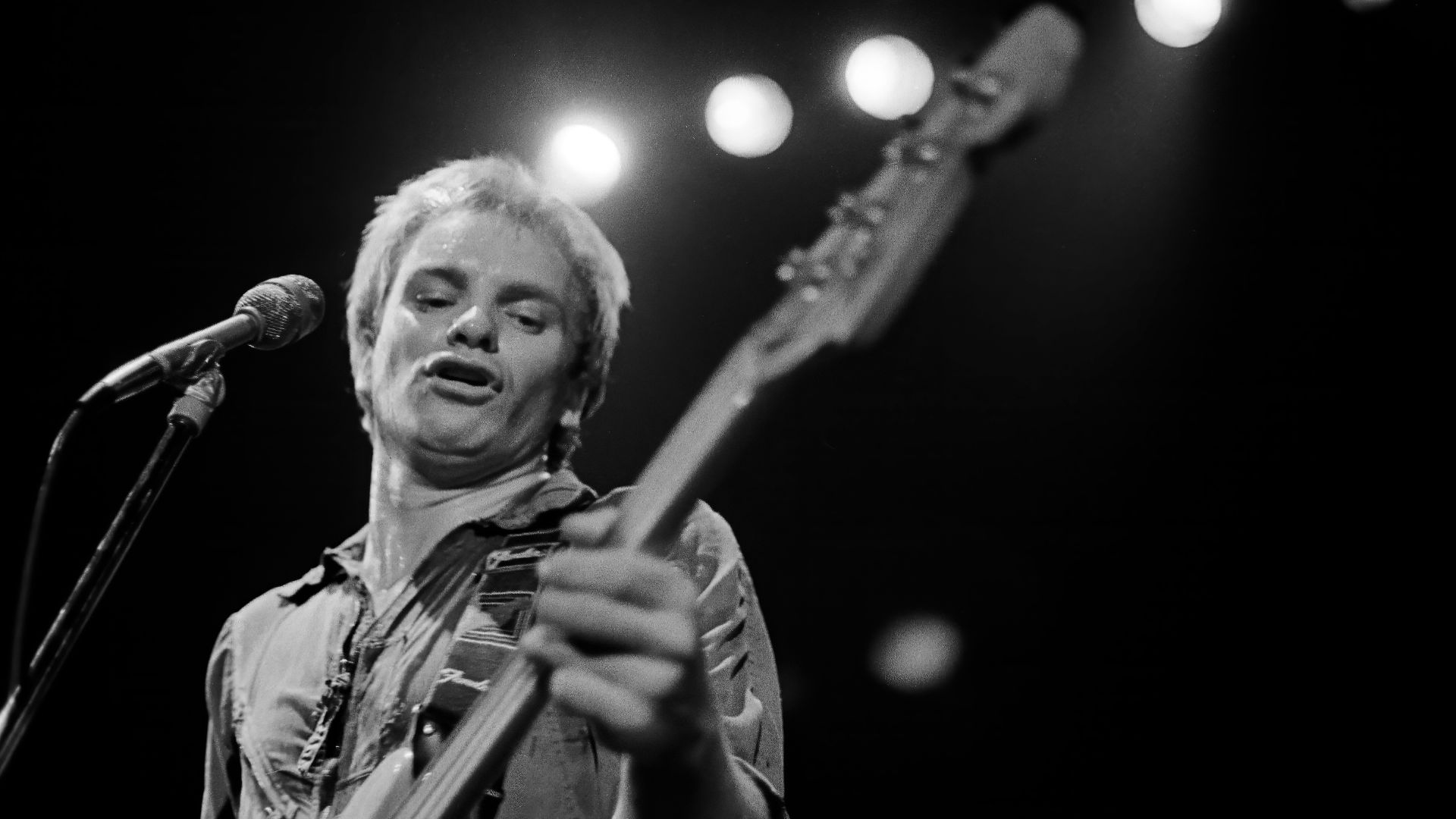
Sting Became Much More Than The Police
Sting left the Police at their commercial peak and immediately built a major solo career during the second half of the 1980s. That career kept expanding through jazz-influenced records, film work, theater, philanthropy, and environmental activism. His Rainforest Fund, founded in 1989, became an international organization while his solo albums kept him commercially relevant far beyond the lifespan of his original band.
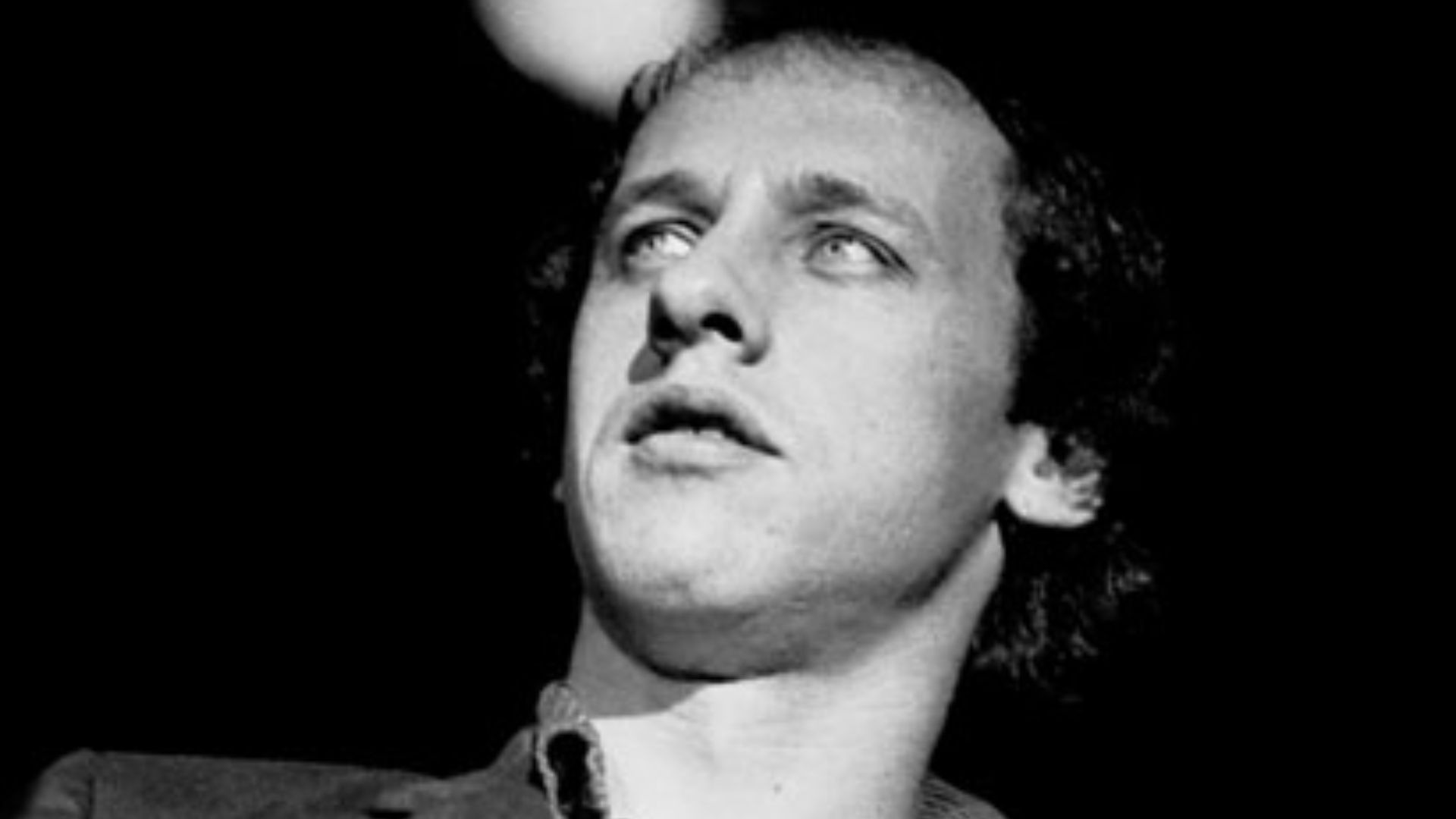
Mark Knopfler Chose The Long Road
Dire Straits made Mark Knopfler an arena star, especially after Brothers in Arms exploded during the 1980s. When the group faded from view, Knopfler moved toward a quieter mixture of solo records, collaborations, and film music rather than attempting to repeat the same scale. His post-band catalog eventually became large enough that Dire Straits looked like only one chapter in a much broader songwriting career.
Paul Weller Came Back From The Wilderness
Paul Weller closed the Jam at its peak, then spent much of the 1980s leading the Style Council. When that project collapsed, his commercial future looked uncertain, but his 1992 self-titled solo album began a dramatic revival. Weller eventually accumulated six solo No. 1 albums in Britain and managed the rare feat of topping the album chart across five different decades.

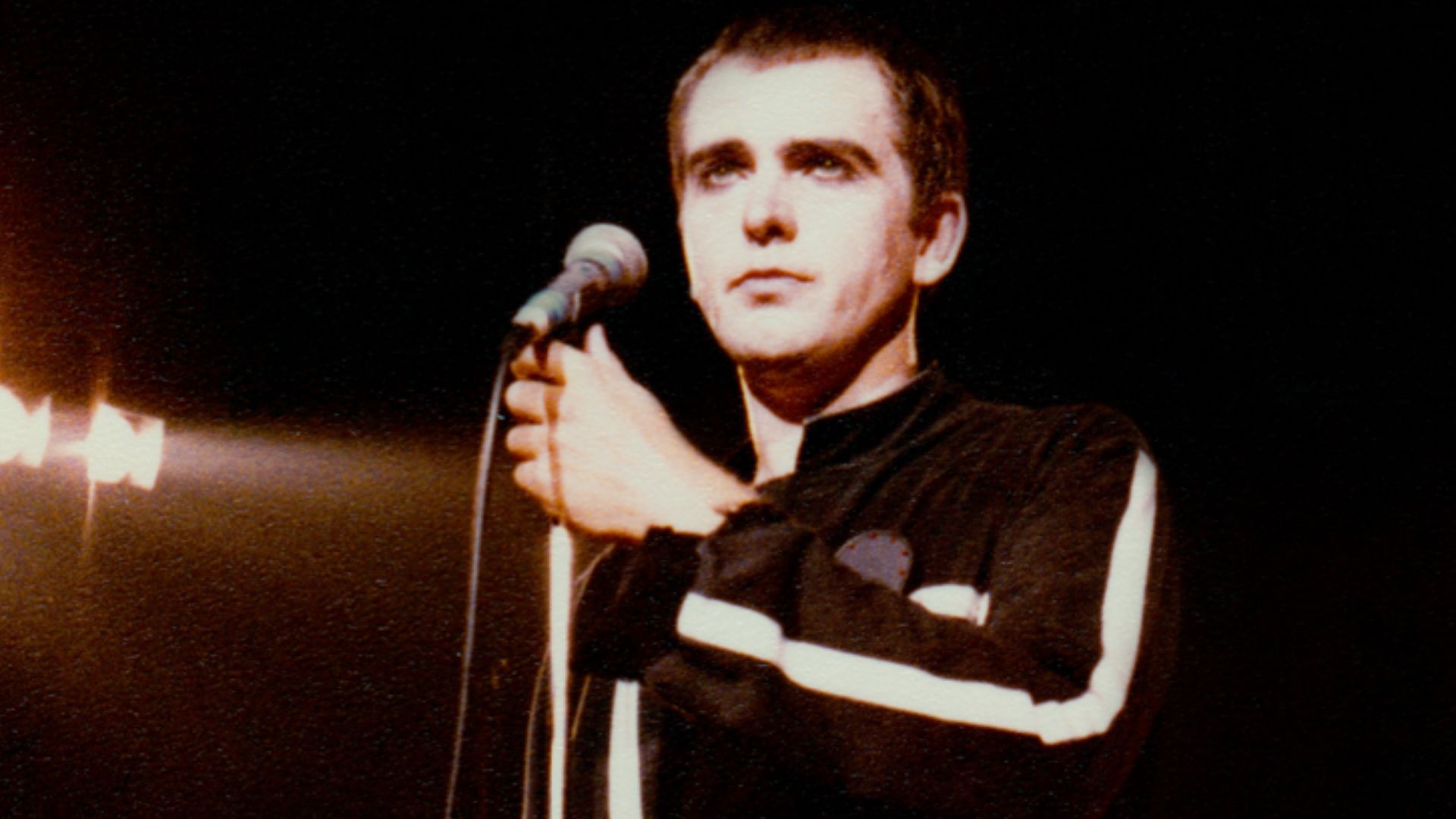
Peter Gabriel Built An Entire Creative World
Peter Gabriel's 1980s solo success could have been enough for most careers, particularly after So became a worldwide hit. He used that success to build Real World Studios and Real World Records while helping establish WOMAD as a major international music festival. Gabriel gradually became as well known for championing global artists and human-rights causes as for the songs that once dominated MTV.
Joan Jett Became Her Own Record Executive
Joan Jett's first post-Runaways album was rejected by American labels, so she and Kenny Laguna created Blackheart Records and released it themselves. That decision eventually made Jett one of the early women in rock to own and operate her own label while she continued touring with the Blackhearts. The star behind "I Love Rock 'n Roll" therefore built a second career as an independent-business pioneer as well as a performer.

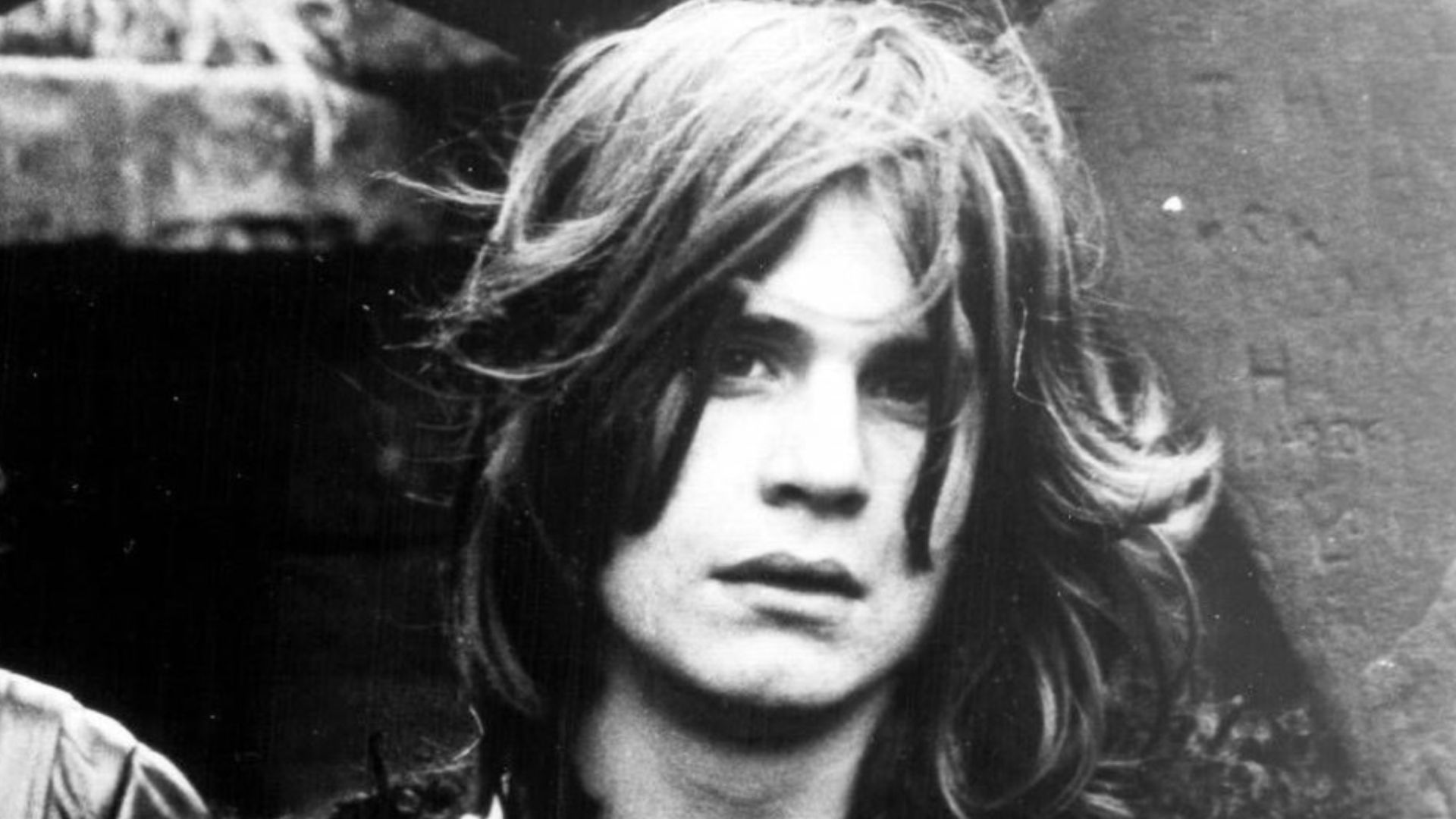
Ozzy Osbourne Became A Television Personality
Ozzy Osbourne's 1980s solo career already constituted a huge comeback after Black Sabbath. Then the 1990s brought Ozzfest, which the Rock & Roll Hall of Fame describes as the most successful metal festival ever, followed by The Osbournes in the 2000s. Reality television turned a heavy-metal legend into a household personality for millions who had never bought one of his records.
 Warner Bros. Records, Wikimedia Commons
Sammy Hagar Became A Business Mogul
Sammy Hagar had already been in Montrose, built a solo career, and fronted Van Halen before most musicians would have considered slowing down. Instead, he turned a Cabo San Lucas restaurant into the foundation for the Cabo Wabo tequila brand. Hagar later sold his stake for nearly $100 million, creating a business second act that rivaled the scale of his musical success.
 PHOTO BY MATT BECKER www.melodicrockconcerts.com [email protected], Wikimedia Commons
Sebastian Bach Went From Arenas To Broadway
Sebastian Bach became famous screaming at the front of Skid Row during the band's late-1980s breakthrough. A decade later, he surprised audiences by taking over the demanding title roles in Broadway's Jekyll & Hyde. The experience forced Bach to develop a completely different kind of stage discipline and opened a long stretch of theater and television work after his original band career.

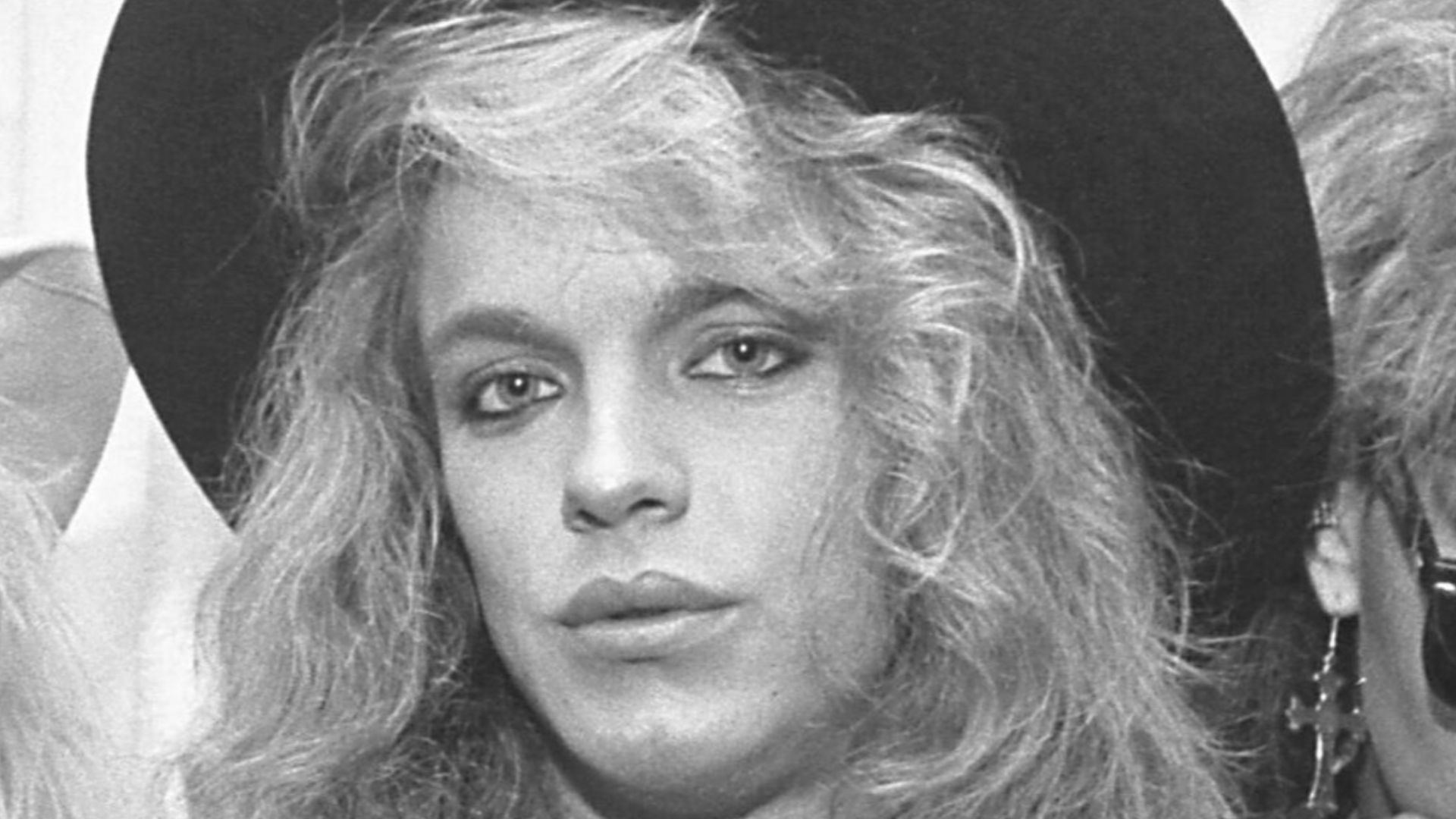
Bret Michaels Became Reality TV Royalty
Poison made Bret Michaels an MTV star, but reality television introduced him to an entirely new audience. Rock of Love became a pop-culture phenomenon, while Michaels later won The Celebrity Apprentice. His television success was large enough that a generation came to know him as a reality personality who also happened to front one of the 1980s' biggest glam-rock bands.
 Marsha Traeger, Los Angeles Times, Wikimedia Commons
Rick Springfield Became An Actor Again
Rick Springfield's music and acting careers had always overlapped, especially during his General Hospital years. Decades after "Jessie's Girl," he returned to television in more adventurous parts, including a heightened version of himself on Californication and a role in True Detective. He also appeared opposite Meryl Streep in Ricki and the Flash, turning a familiar pop star into an unexpectedly durable character actor.
 The original uploader was Kelvingeis at English Wikipedia., Wikimedia Commons
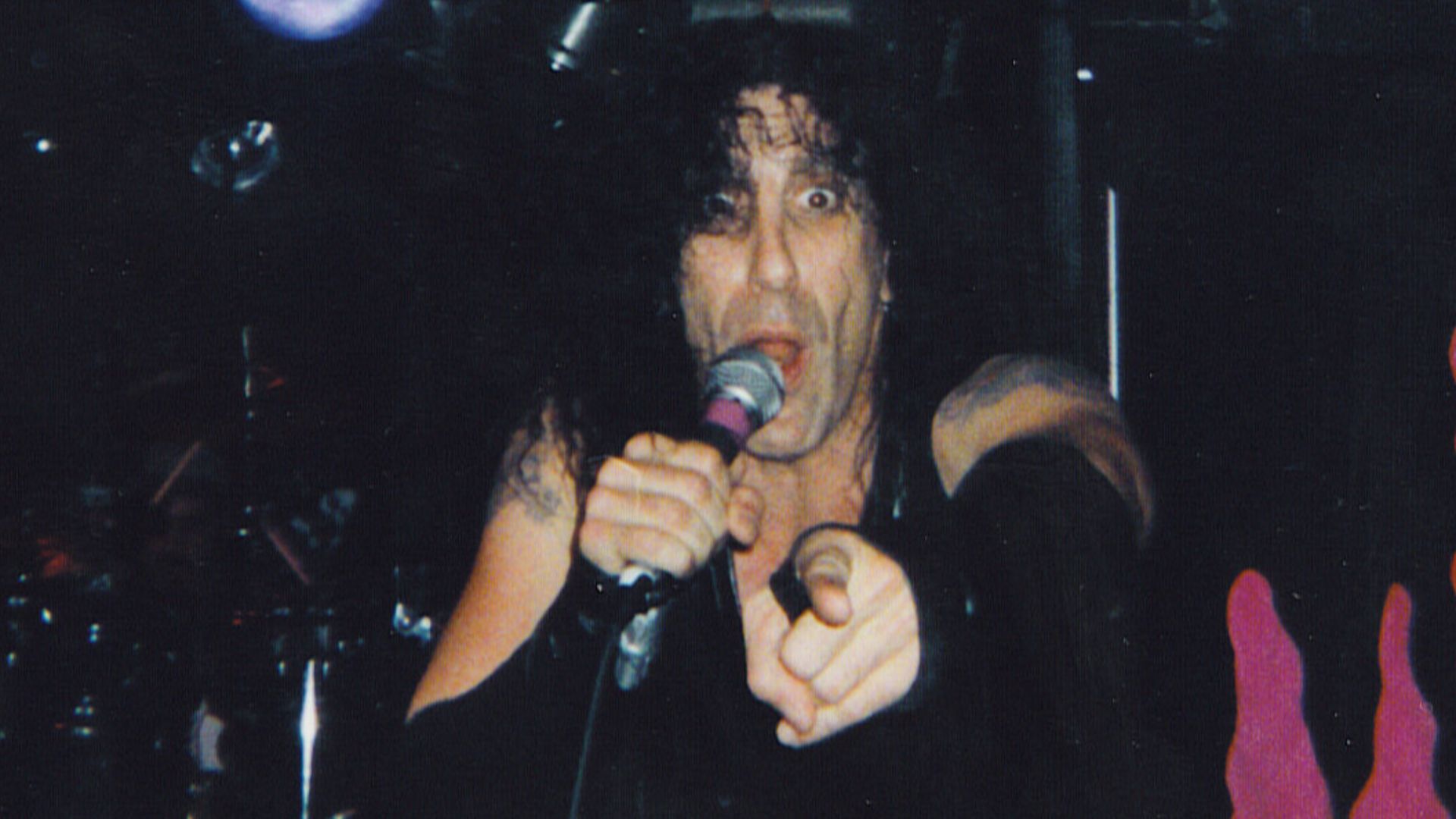
Dee Snider Turned Himself Into A Broadcaster
Twisted Sister gave Dee Snider one of the 1980s' most recognizable faces. After the band's commercial peak, he moved into radio and hosted House of Hair, which became a long-running syndicated rock program. Snider also performed on Broadway in Rock of Ages, showing that the man who once terrified television parents could become surprisingly adaptable entertainment-industry talent.
 cometstarmoon, Wikimedia Commons
Debbie Harry Got Blondie Back To Number One
Debbie Harry spent much of the 1980s and early 1990s moving between solo work and acting after Blondie split. Then the group reunited, released No Exit in 1999, and sent "Maria" to No. 1 in Britain. A band identified completely with an earlier era suddenly had a genuine new hit nearly two decades after its first peak.

Cher Reinvented Herself Again With Believe
Cher had already survived several career transformations before becoming a major rock and movie star in the 1980s. She nevertheless found another level in 1998 with "Believe," whose electronic vocal effect became enormously influential. The single sold millions worldwide and earned Cher a Grammy, making one of pop's most durable careers suddenly feel modern again.
 Laura Patterson, Wikimedia Commons
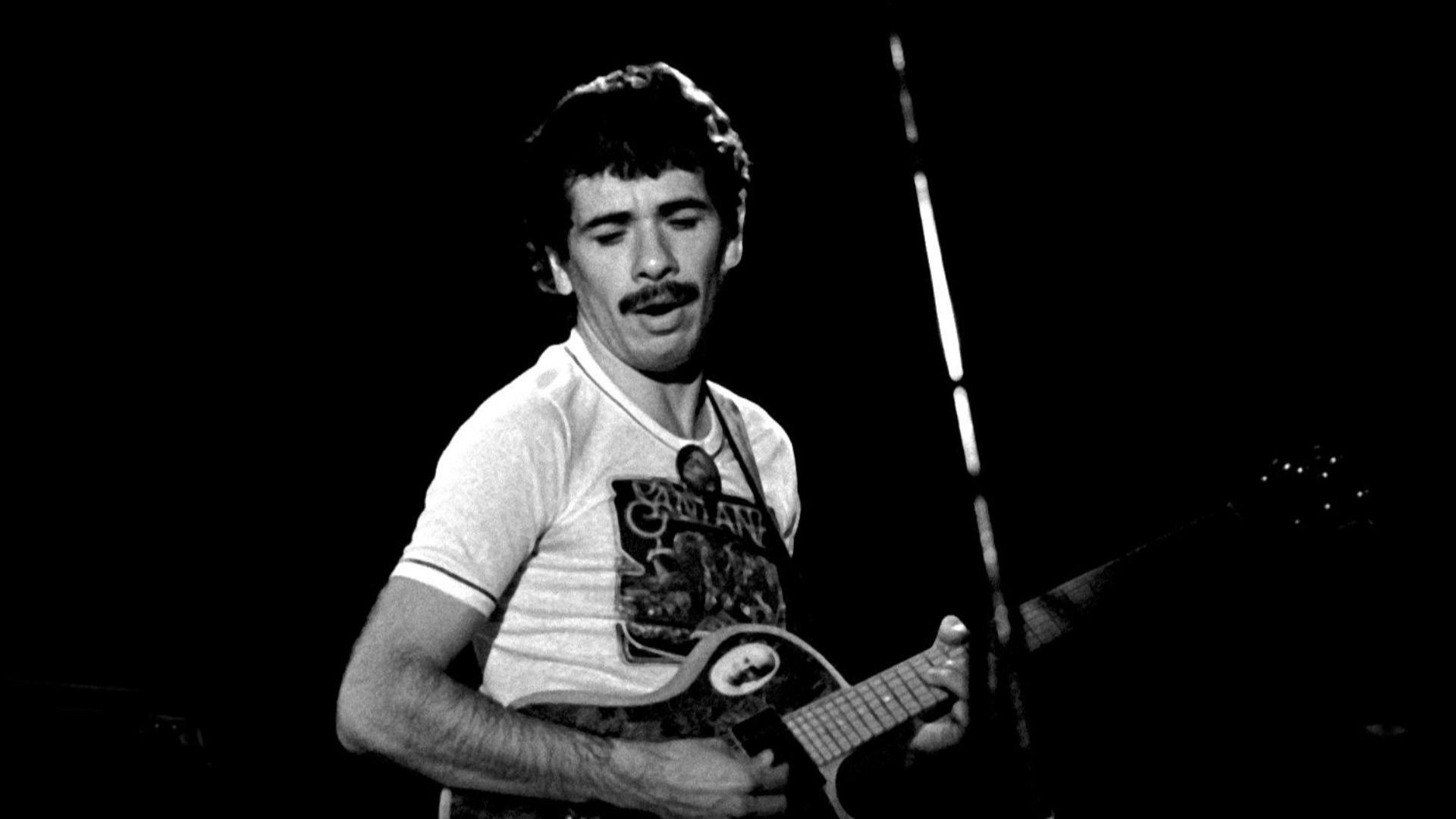
Carlos Santana Had One Of Rock's Greatest Comebacks
Carlos Santana was already a legend by the time the 1980s arrived, but his commercial momentum had slowed considerably by the following decade. Supernatural changed everything in 1999, pairing his guitar with contemporary artists and producing the massive hit "Smooth." The album won nine Grammys and transformed a veteran concert attraction back into one of the biggest recording artists in the world.
 Heinrich Klaffs, Wikimedia Commons
Bonnie Raitt Went From Being Dropped To Album Of The Year
Bonnie Raitt entered the 1980s as a respected musician without the sales her reputation suggested she deserved. After her label dropped her, Nick of Time turned into an astonishing commercial rebirth at the decade's end. The album went to No. 1 and won Album of the Year, beginning a long second peak that eventually included another surprise Song of the Year Grammy in 2023.
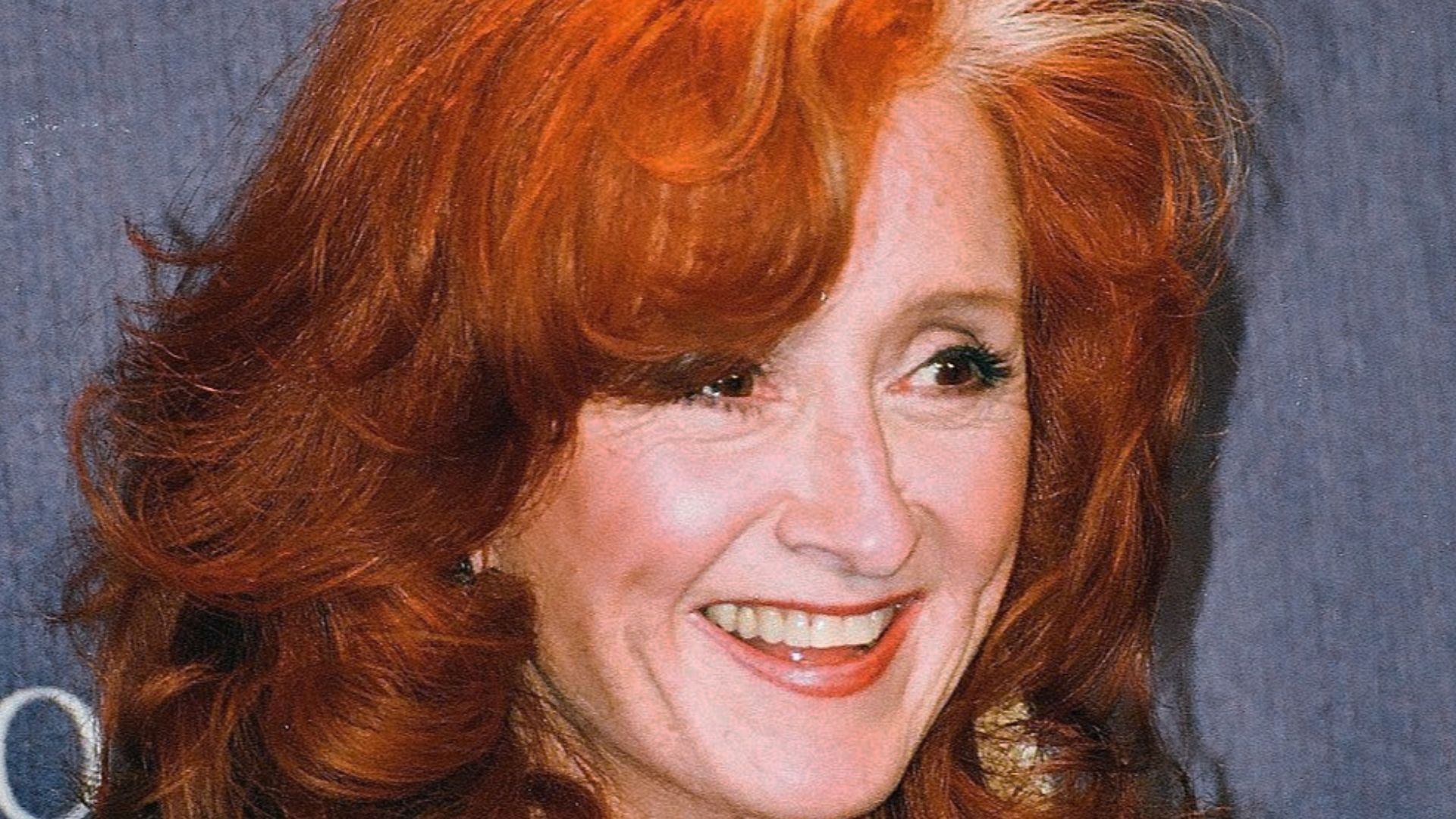 John Mathew Smith & www.celebrity-photos.com from Laurel Maryland, USA, Wikimedia Commons
Steven Van Zandt Became Silvio Dante
Steven Van Zandt was already famous to rock fans as Bruce Springsteen's bandmate and a solo musician. Then David Chase cast a man with almost no acting experience as Silvio Dante on The Sopranos. Van Zandt became instantly recognizable to television audiences and later starred in Lilyhammer, while simultaneously expanding into radio, education, activism, and record-label work.
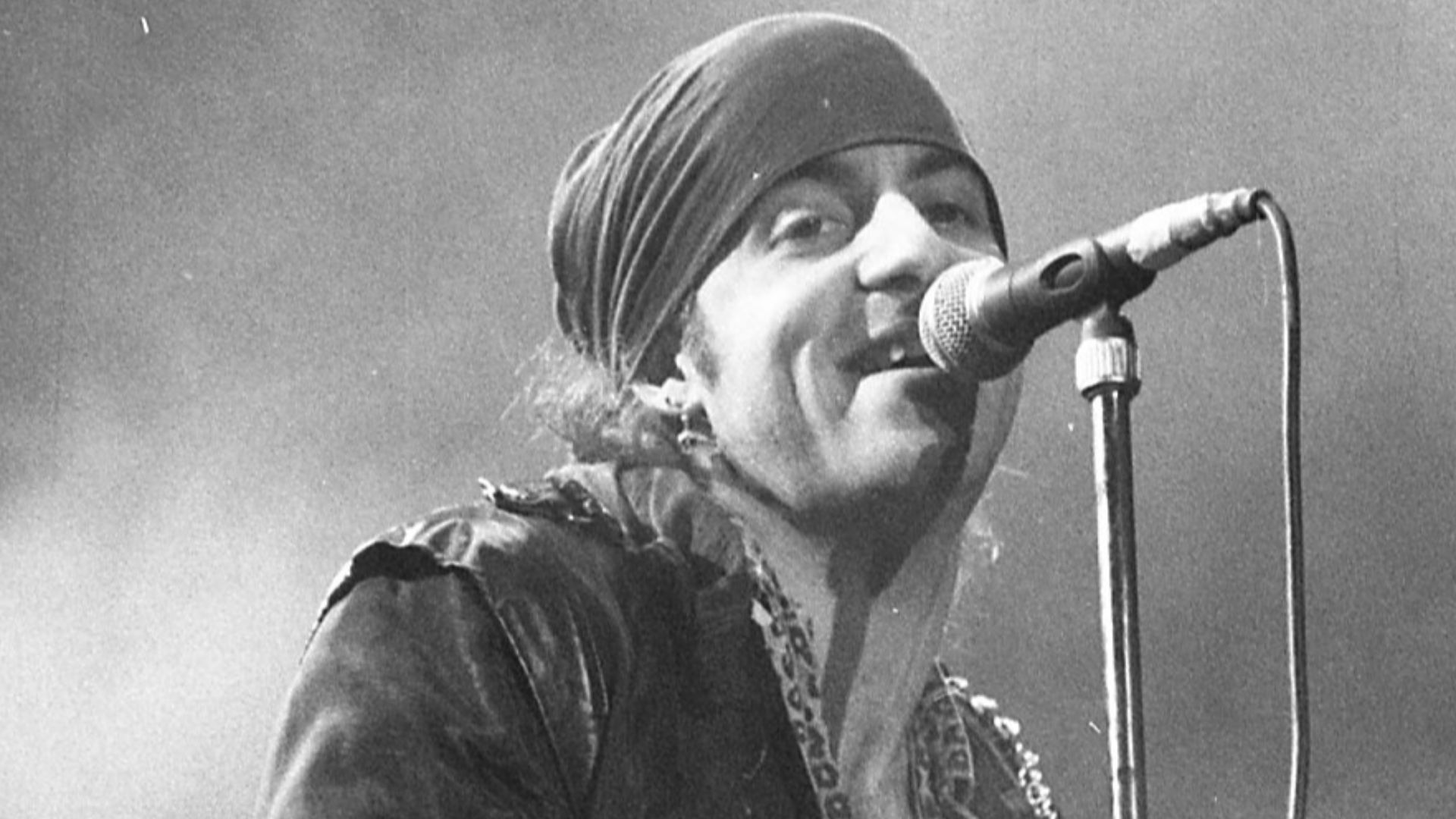 Steve Knight from Halstead, United Kingdom, Wikimedia Commons
Bruce Dickinson Became A Commercial Pilot
Bruce Dickinson's day job as Iron Maiden's frontman would have been enough excitement for almost anyone. Away from the stage, he trained as a commercial airline pilot and eventually worked in aviation management while pursuing several entrepreneurial ventures. His later business career included aircraft maintenance, pilot training, and investment in new aviation technology.
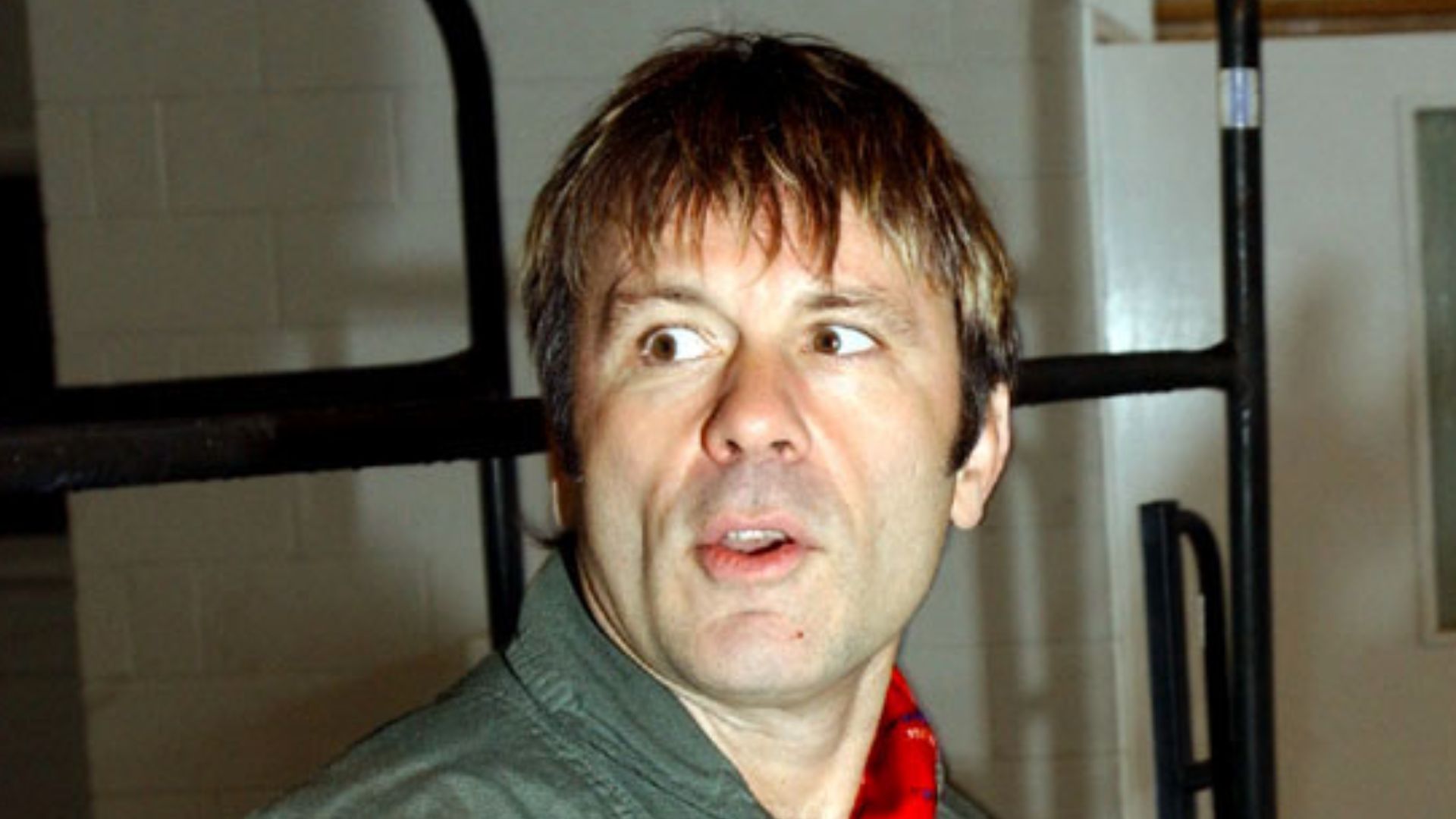 United States Air Force, Wikimedia Commons
Aimee Mann Became More Acclaimed After 'Til Tuesday
Aimee Mann first became widely visible as the singer of 'Til Tuesday in the 1980s. Her post-band career developed much more slowly, but albums under her own name eventually established her as one of America's most respected singer-songwriters. Her work on Magnolia brought major awards attention, and Mental Illness won the Grammy for Best Contemporary Folk Album in 2018.
 Andy (6tee-zeven), Wikimedia Commons
Phil Collins Became A Disney Composer
Phil Collins spent the 1980s somehow maintaining simultaneous superstar careers with Genesis and as a solo artist. Later, Disney asked him to write songs for Tarzan, and the soundtrack gave him yet another creative identity. Collins won a Grammy for the soundtrack, while "You'll Be in My Heart" became one of the most enduring songs of his later career.
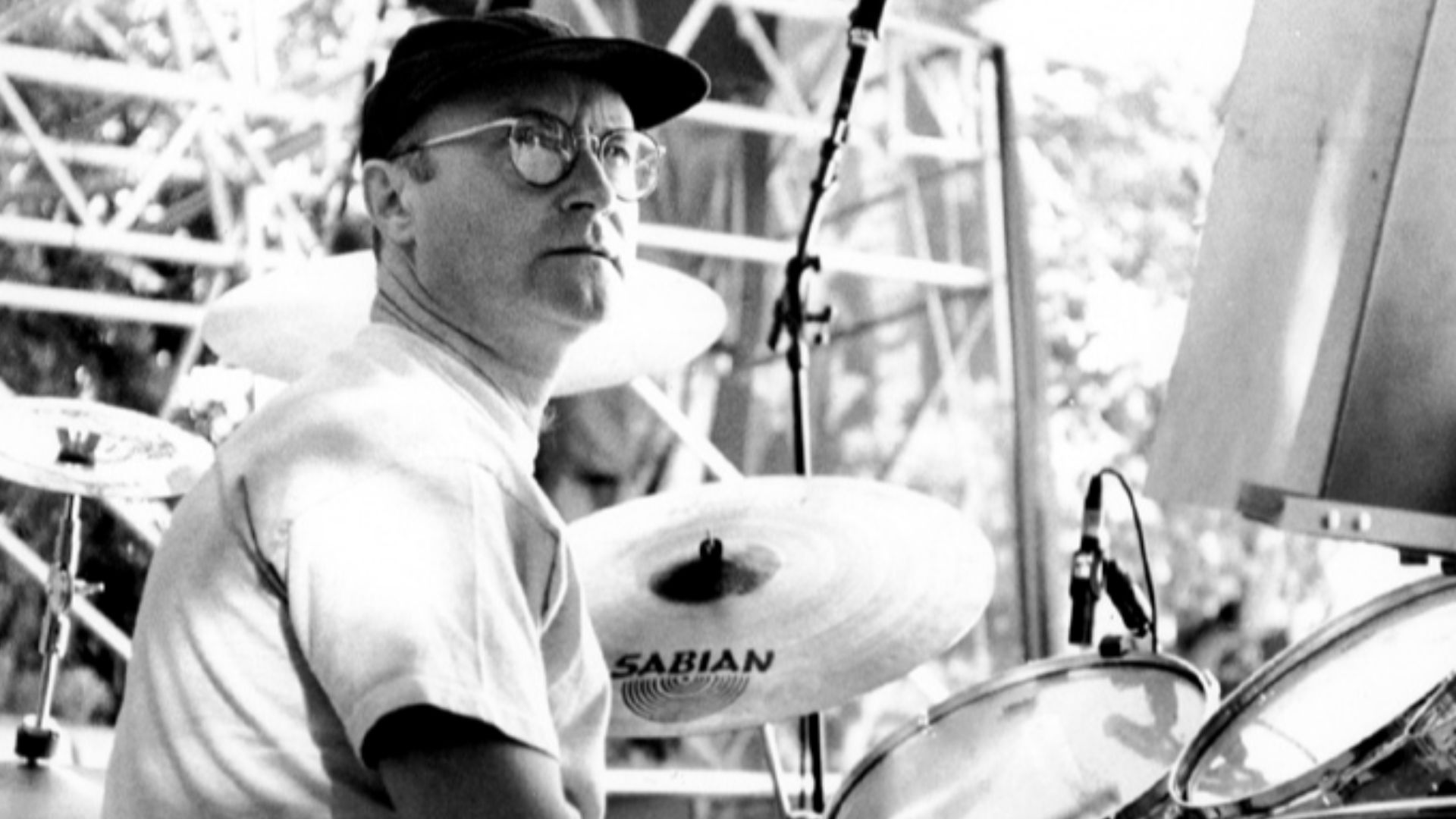
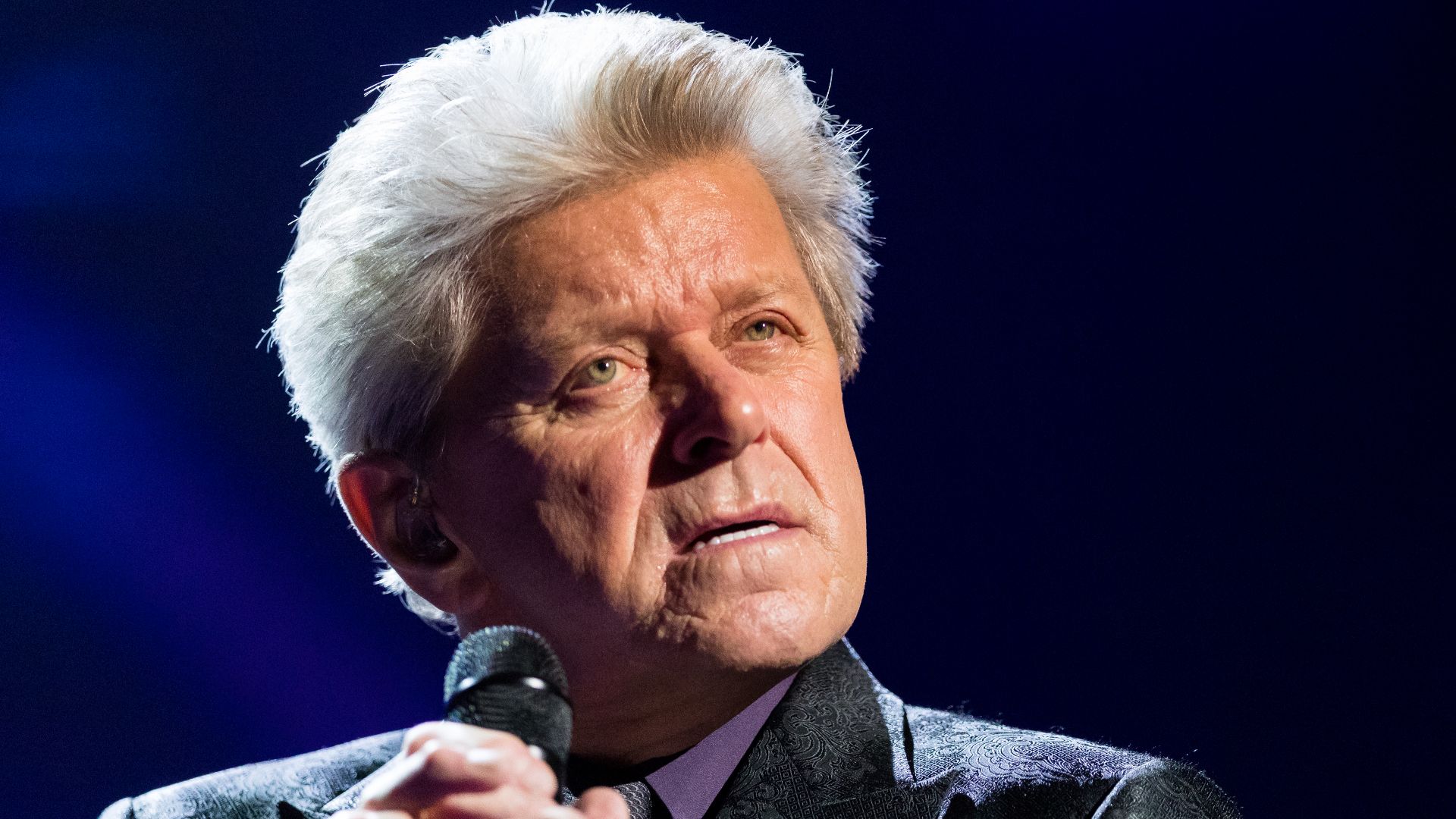
Peter Cetera Proved He Didn't Need Chicago
Peter Cetera's voice had become inseparable from Chicago by the time he left after the enormously successful Chicago 17. His solo career took off immediately with "Glory of Love," the theme from The Karate Kid Part II, which reached No. 1 in the United States. More hits followed, allowing Cetera to become a recognizable solo balladeer rather than simply the former singer of a famous band.
 Sven Mandel, Wikimedia Commons
Stevie Nicks Became A Solo Icon Without Leaving Fleetwood Mac
Stevie Nicks made one of the trickiest career moves imaginable by launching a solo career while remaining part of Fleetwood Mac. Bella Donna and The Wild Heart created a second catalog of major hits without requiring her to abandon the band. The long-term result was historic: in 2019, Nicks became the first woman inducted into the Rock & Roll Hall of Fame twice.
 David Wainwright, Wikimedia Commons
Don Henley Built A Second Songbook
The Eagles' breakup in 1980 could have left Don Henley permanently associated with Hotel California. Instead, records including Building the Perfect Beast and The End of the Innocence produced major solo hits and Grammy recognition. When the Eagles later reunited, Henley effectively had two successful careers running alongside each other rather than one replacing the other.
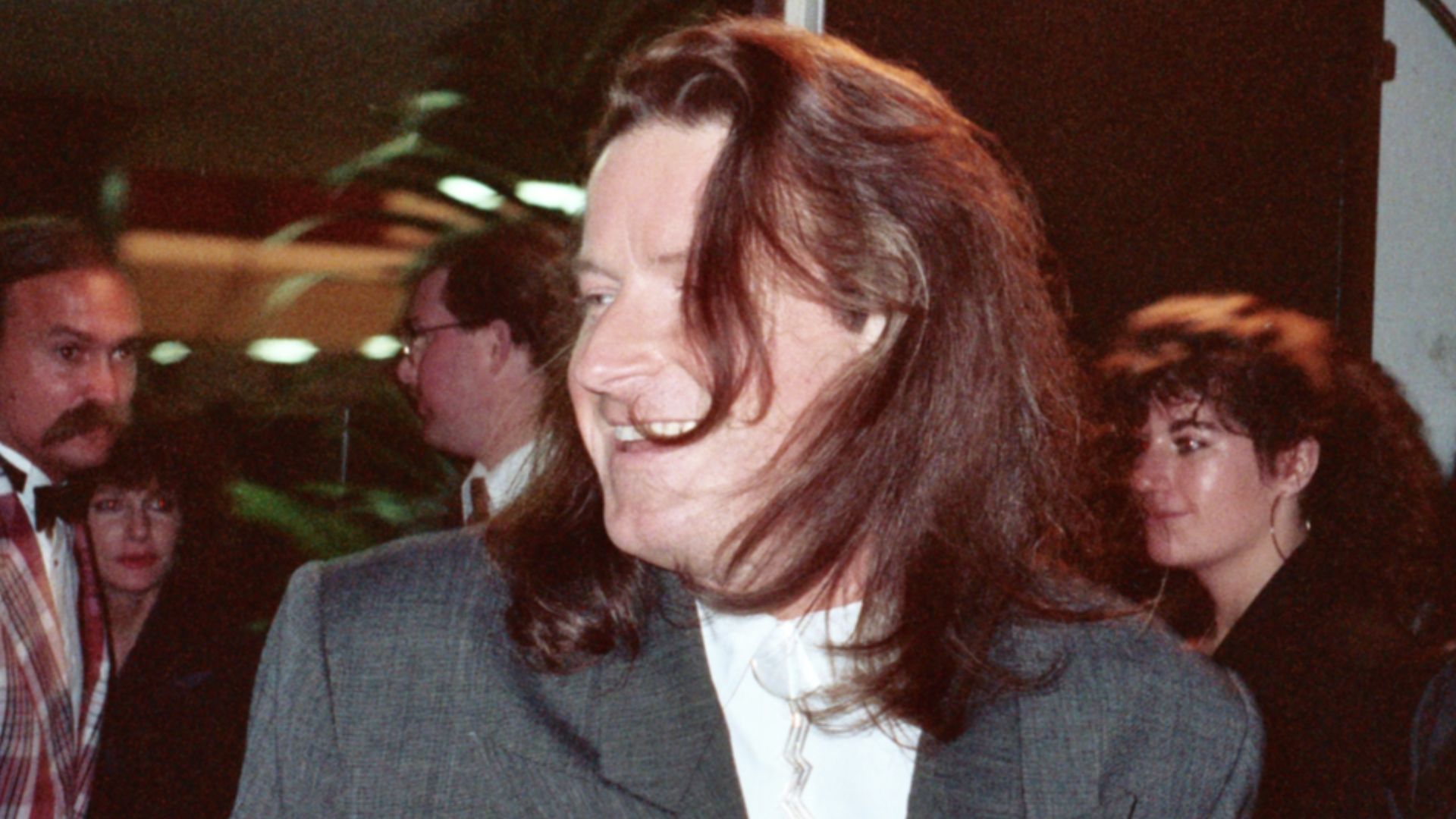
Tina Turner Turned A Comeback Into A New Life
Tina Turner belongs on almost any list about second acts because her 1980s rebirth was itself one of music's great reinventions. Private Dancer transformed her from a veteran performer whose commercial momentum had faded into an arena-filling international superstar. What followed included huge tours, movie work, later albums, a hit stage musical built from her life, and a legacy so powerful that her second act eventually eclipsed much of the first.
 Iris Schneider, Los Angeles Times, Wikimedia Commons
You May Also Like:
Forget The Critics: These Are The 50 Greatest Rock Albums Of The 1970s—Do You Agree?
Critics Say These Rock Albums Don’t Have Any Weak Tracks—Do You Agree?
Sources: 1, 2, 3, 4, 5, 6, 7, 8, 9, 10, 11, 12, 13, 14, 15, 16, 17, 18, 19, 20, 21, 22, 23, 24, 25, 26, 27, 28, 29, 30, 31, 32, 33, 34, 35, 36, 37, 38, 39, 40, 41, 42, 43, 44, 45, 46