
A Charismatic Star With A Tragic Fate
Phil Lynott overcame a tough childhood in Ireland to become one of rock’s most distinctive voices and personalities. As the leader of Thin Lizzy, he helped define a generation of music. But behind his amazing success, his life was marked by struggles that would ultimately lead to his tragic and untimely death.
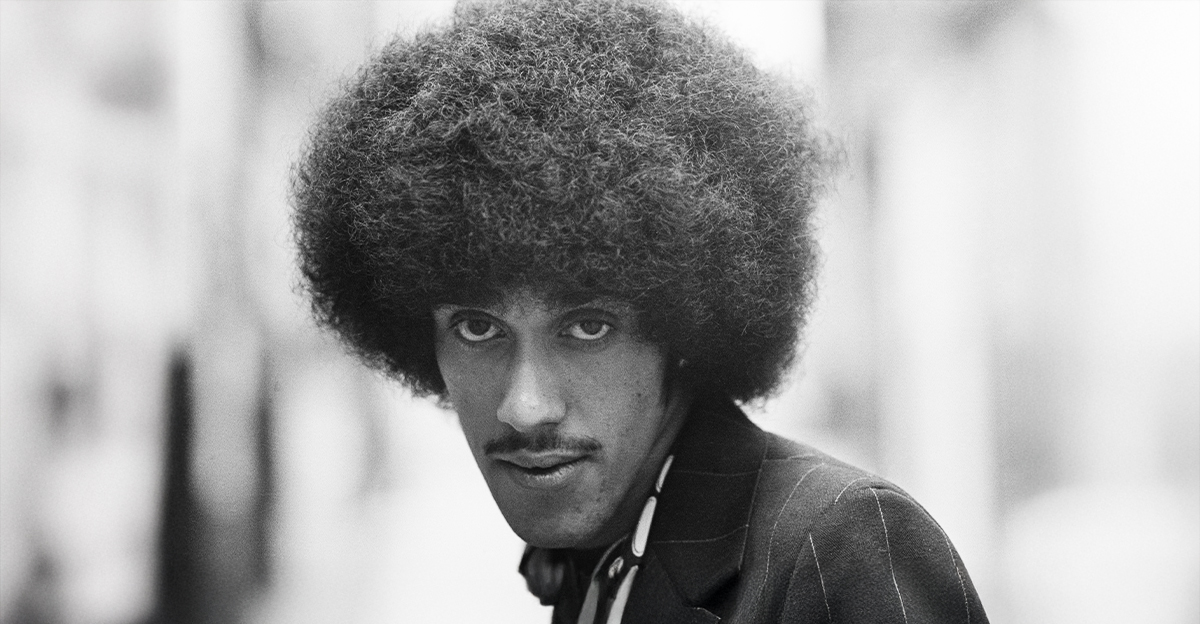 Jack Kay/Express/Hulton Archive/Getty Images
Born Between Two Worlds
Phil Lynott was born in 1949 in England to an Irish mother, Philomena Lynott, and a Guyanese father, Cecil Parris. His father was largely absent during Phil's earliest years. Young Phil was later sent to Dublin to be raised by his grandparents, which gave him some early stability and an everyday father figure to look up to.
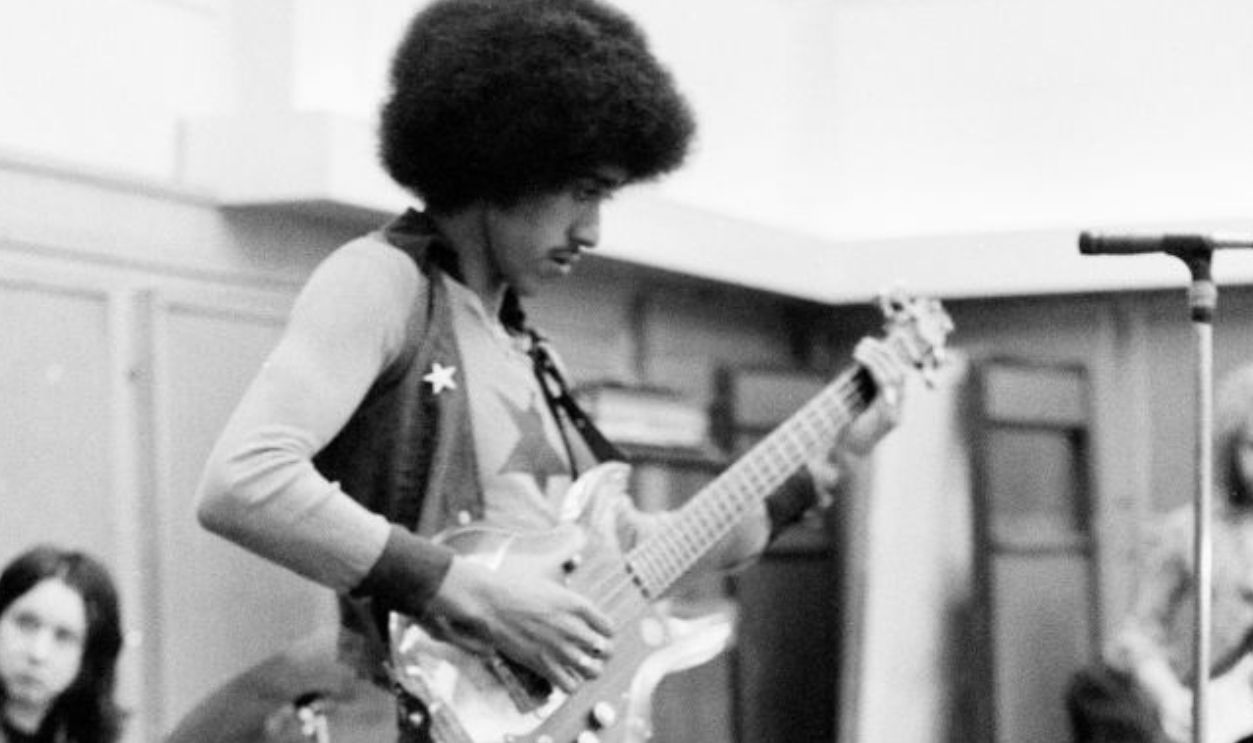
Growing Up In Dublin
Raised in working class Dublin, Lynott was one of the few Black children in his community. Though he obviously stood out from the other kids, he was also popular in school and had a generally happy childhood. Along the way Phil was able to build a strong sense of individuality that would later define his commanding presence as a performer.
 Ben Brooksbank, Wikimedia Commons
Early Fascination With Music
Music became an escape and a source of identity for Lynott during his teenage years. Influenced by artists across rock’n’roll, soul, and Motown, he dove into his own explorations of songwriting and performance. These early experiences developed structure for the poetic and storytelling style that would later define his lyrics.

First Steps Into The Music Scene
Lynott started his career in several local Dublin bands, including Kama Sutra where he honed his skill as a lead singer. He then formed the band Skid Row, with bassist Brendan “Brush” Shiels. Although he was eventually replaced, the experience gave Lynott valuable insight into the music industry and helped shape his ambitions.
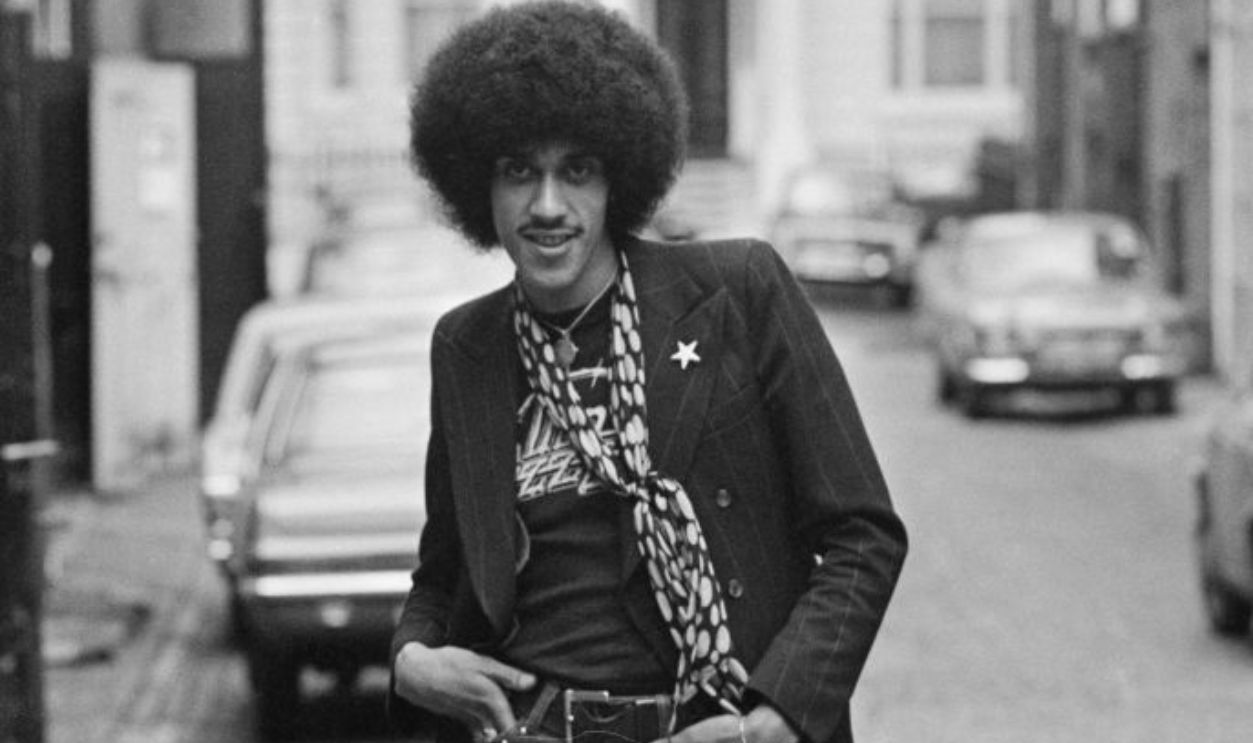
Forming Thin Lizzy
In 1969, Lynott co-founded Thin Lizzy as lead singer and bassist alongside drummer Brian Downey and guitarist Eric Bell. They were soon joined by keyboardist Eric Wrixon, formerly of the Belfast band Them. Thin Lizzy blended rock with strong Irish influences, giving them a sound clearly distinct from their peers. Lynott quickly emerged as the group’s leader and creative force.
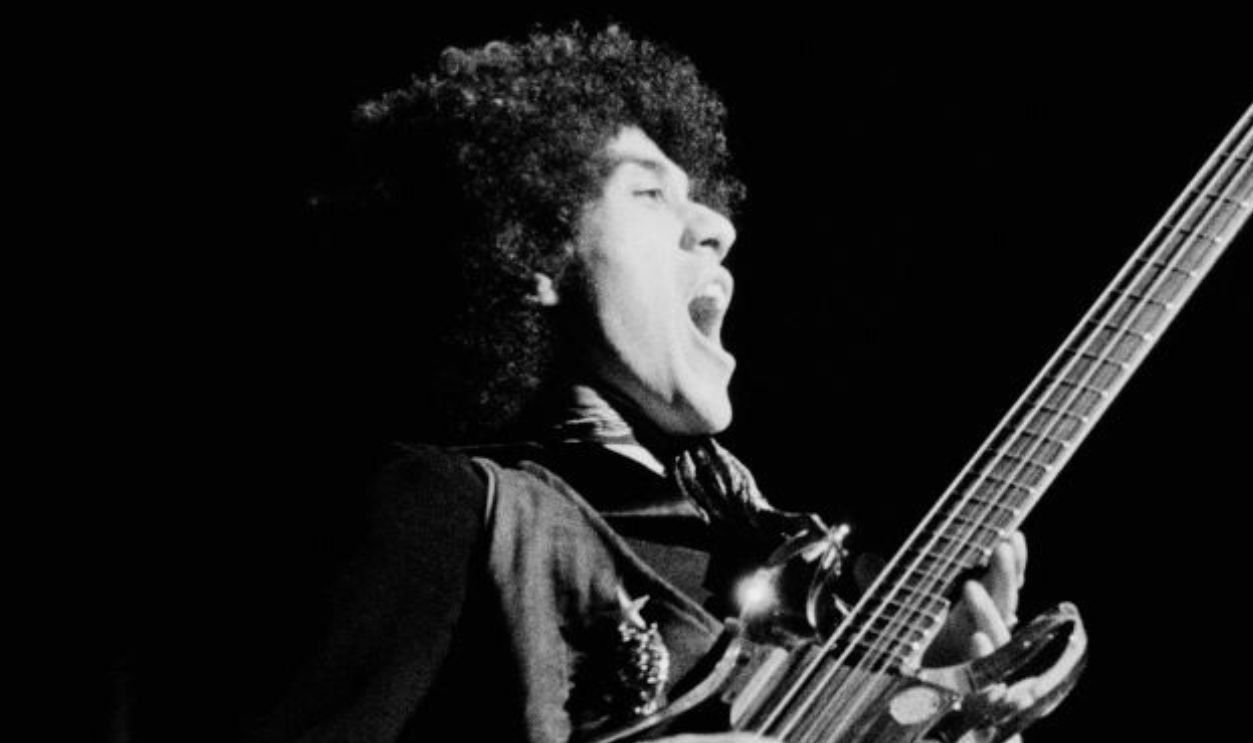
Early Struggles And Modest Success
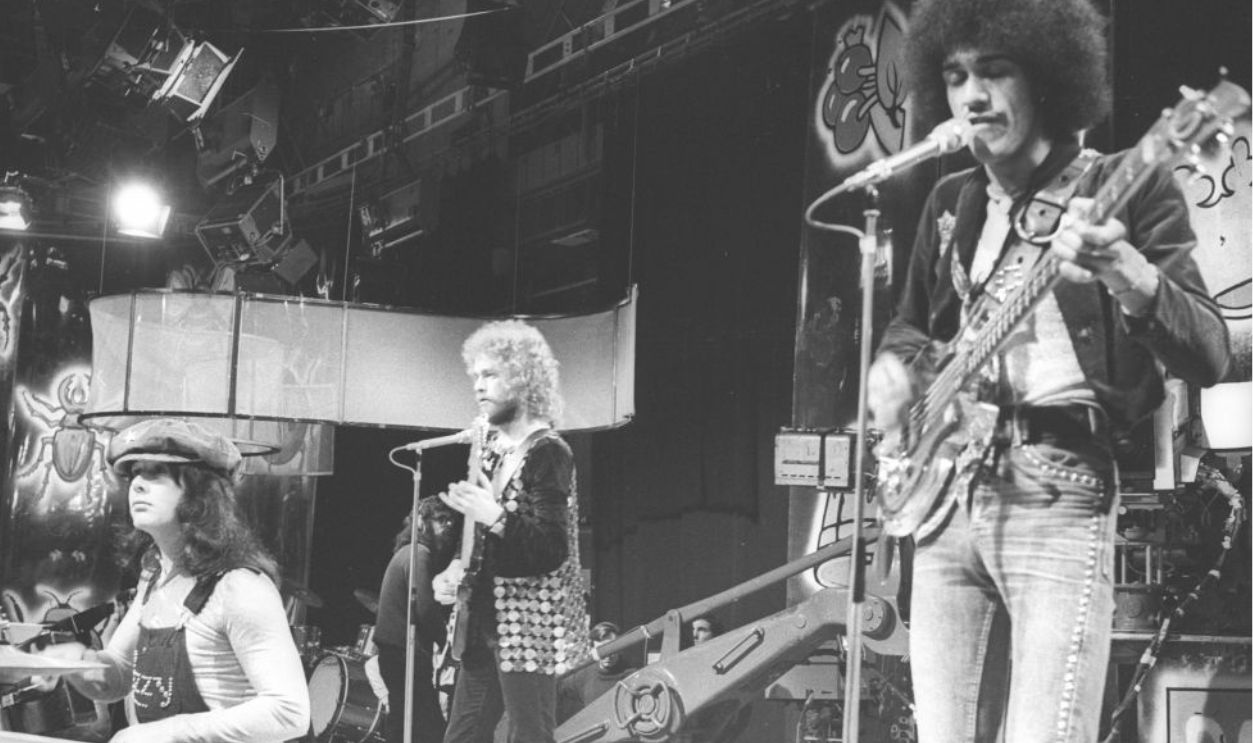
Like a lot of rock bands, Thin Lizzy’s early years were marked by financial struggles and limited recognition. Their first albums only got modest attention, and the band faced constant uncertainty about their future. Despite the tough uphill path, Lynott stayed focused on his vision, writing songs and improving the band’s sound.
 Watal Asanuma/Shinko Music, Getty Images
Breakthrough With Whiskey In The Jar
The band achieved their first major success with their rendition of the traditional Irish song “Whiskey in the Jar.” The track became a hit in the early 1970s, introducing Thin Lizzy to a wider audience and providing the momentum they needed to continue building their career. Ironically, the band wasn’t happy with the recording, feeling that it didn’t properly reflect their true sound, which continued to evolve.
Finding Their Signature Sound
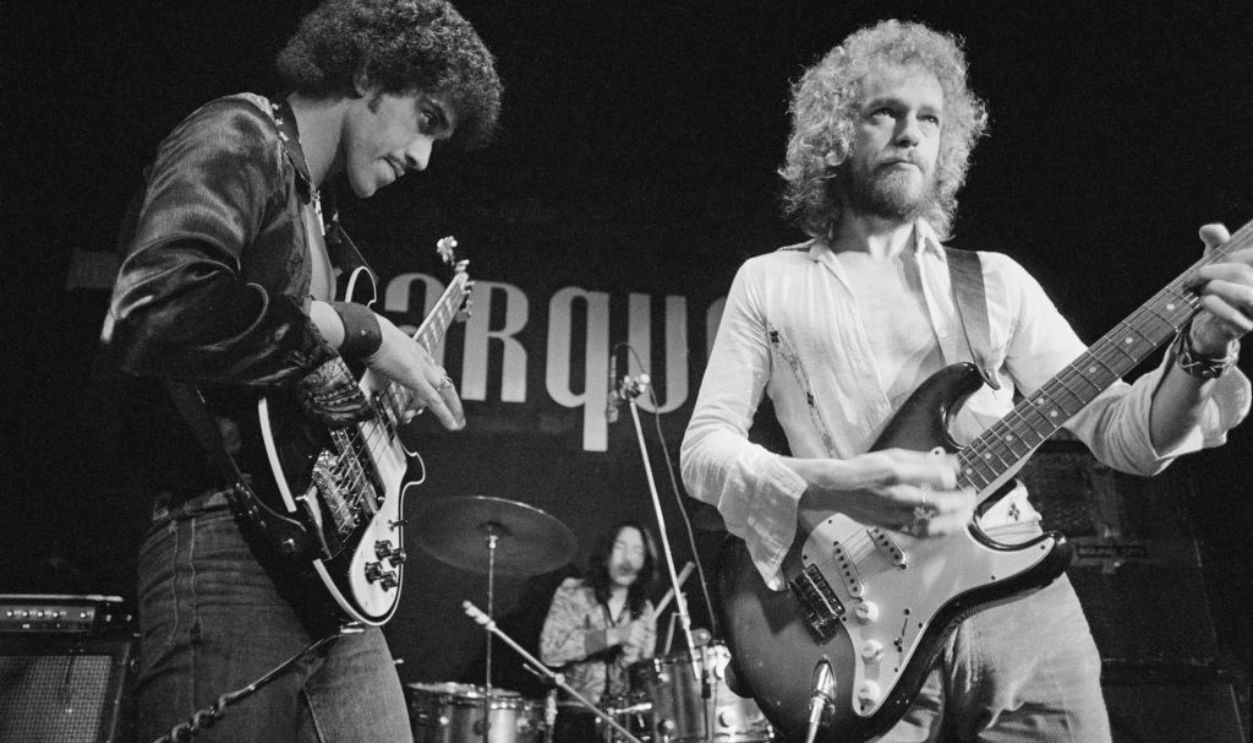
As they evolved, they developed the twin guitar harmony style that became their trademark. Lynott’s songwriting matured, blending hard rock with lyrical storytelling. This combination helped Thin Lizzy stand out and set the stage for their biggest successes. Starting in early 1974, the band went through a series of personnel changes.
The Boys Are Back In Town
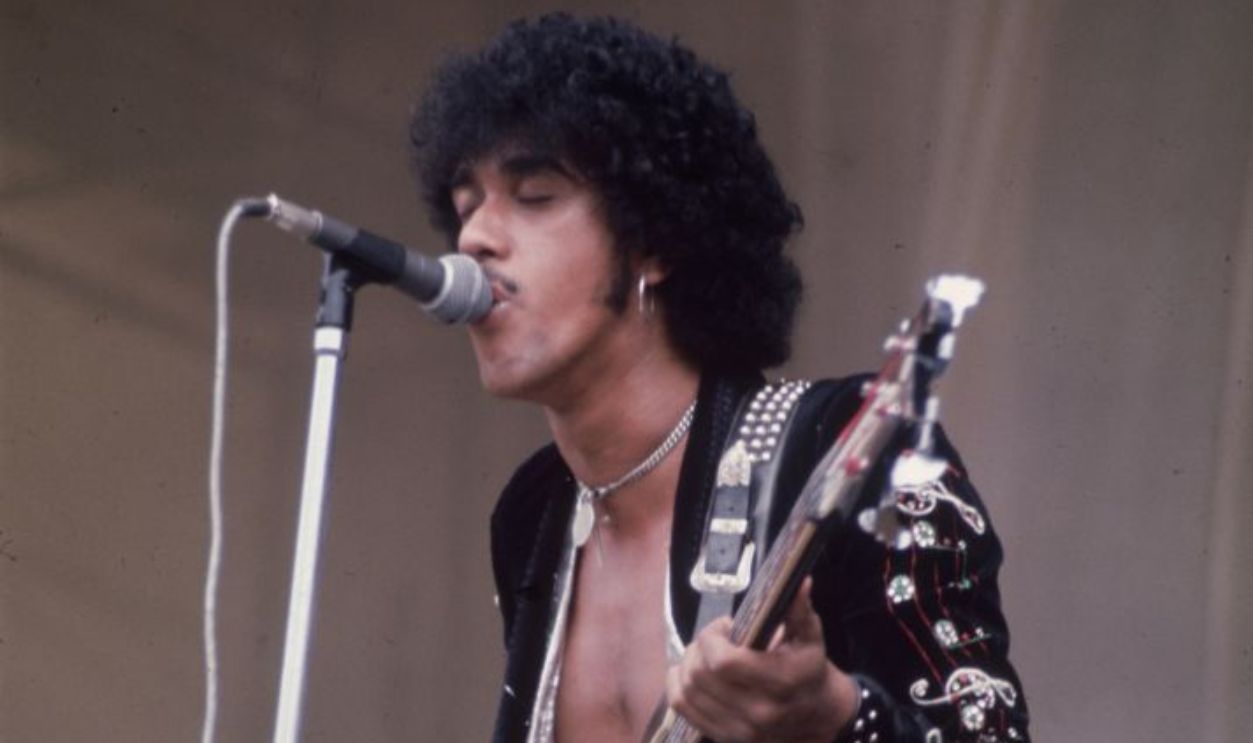
Thin Lizzy’s breakthrough moment came with the 1976 album Jailbreak and its single “The Boys Are Back in Town,” which became an international hit. The song solidified their place in rock history and brought Lynott global recognition. With their first American tour under their belt and new guitarists Scott Gorham and Brian Robertson, the turning point marked the beginning of the band’s most successful period.
Relentless Touring Schedule
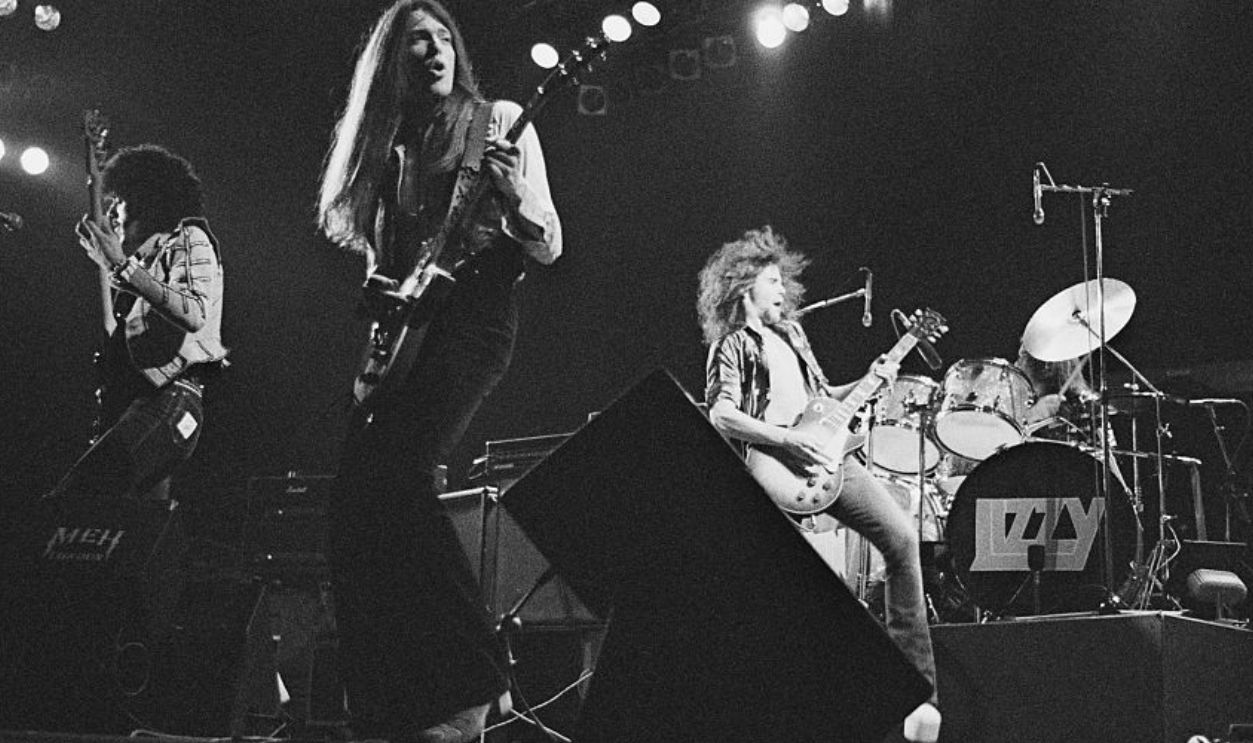
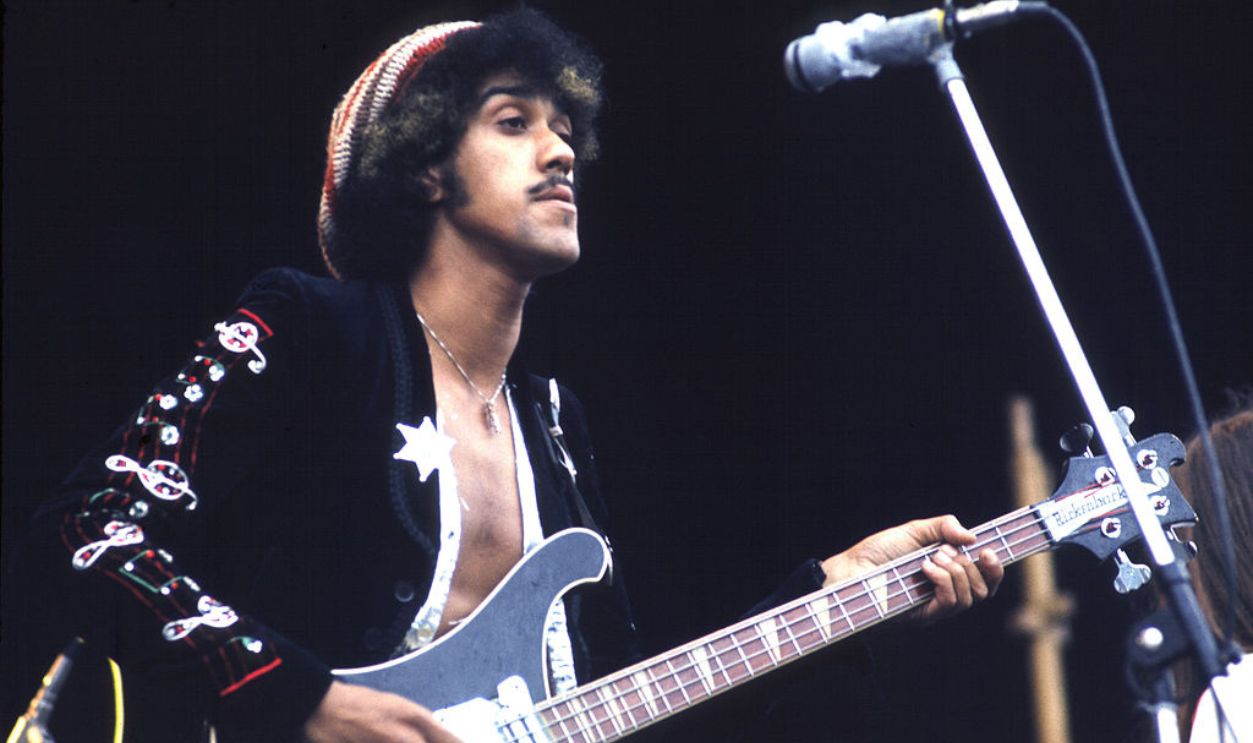
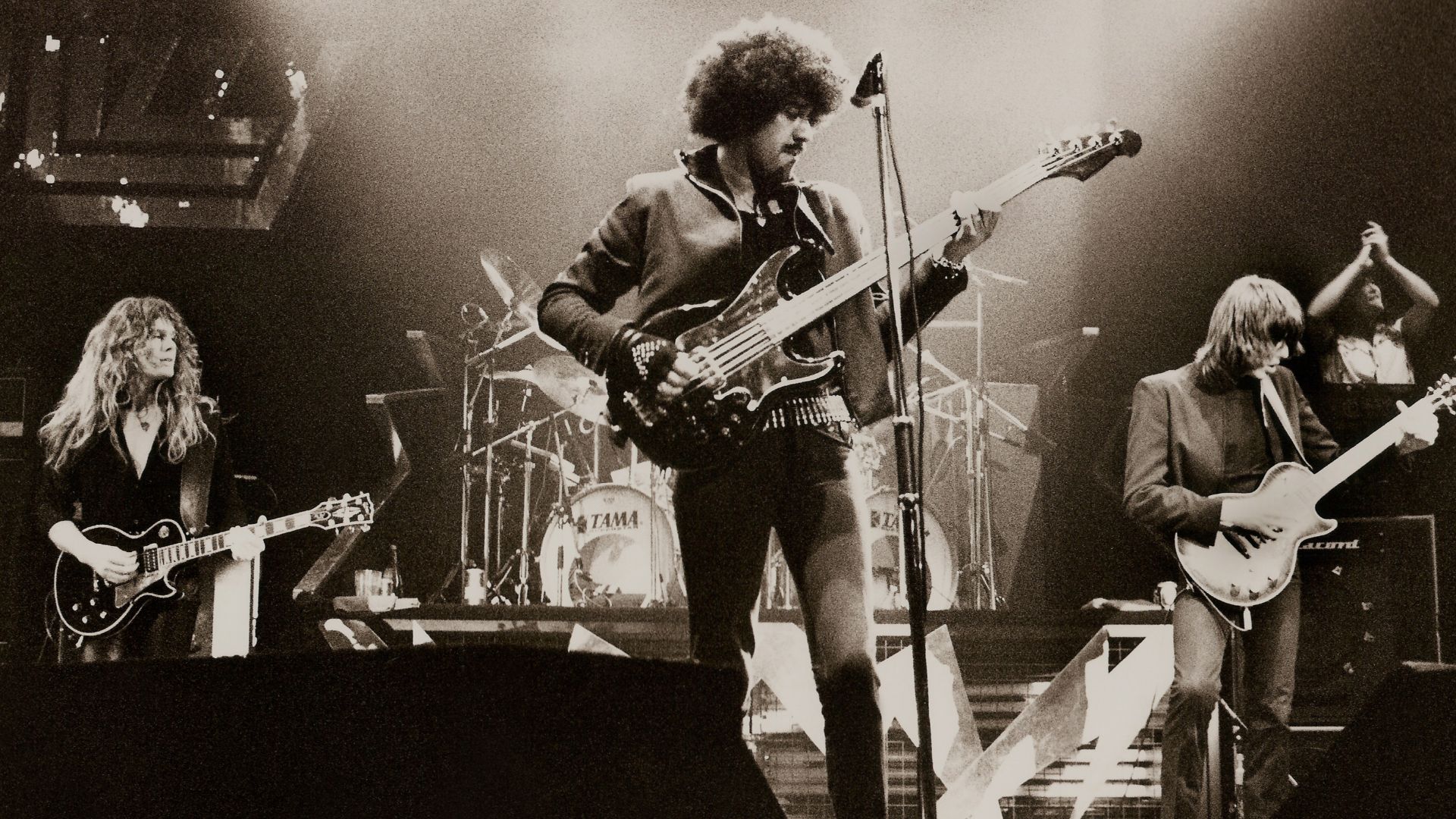
With success came constant touring, as Thin Lizzy performed across Europe and North America. Behind Lynott’s image as a natural frontman lay years of hard work and practice. It all paid off now as Lynott thrived on stage, where his charisma and energy captivated audiences. But the demanding rock lifestyle was also starting to take a toll on his health and personal life.
A Magnetic Frontman
Lynott’s stage presence was central to Thin Lizzy’s appeal. He combined confidence, charm, and vulnerability, creating a connection with audiences that few performers could match. But behind Lynott’s image as a natural frontman lay years of hard work and practice. It was all paying off, and his formidable songwriting talents had grown as well.
Expanding His Creative Output
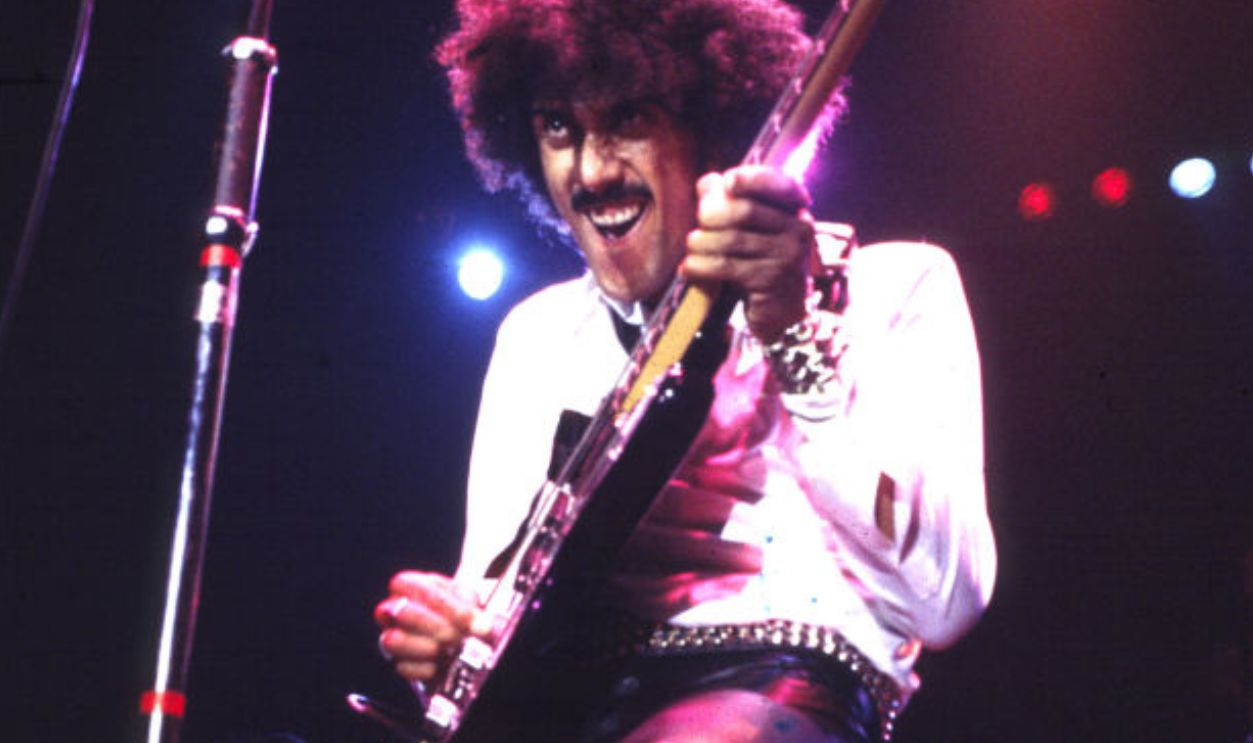
Beyond Thin Lizzy, Phil Lynott pursued solo projects and high-profile collaborations. He released his solo albums Solo in Soho (1980) and The Philip Lynott Album (1982), and worked with Gary Moore on the hit single “Parisienne Walkways.” These ventures showcased his versatility and reflected his driving ambition to grow beyond the band’s identity.
Personal Life And Relationships
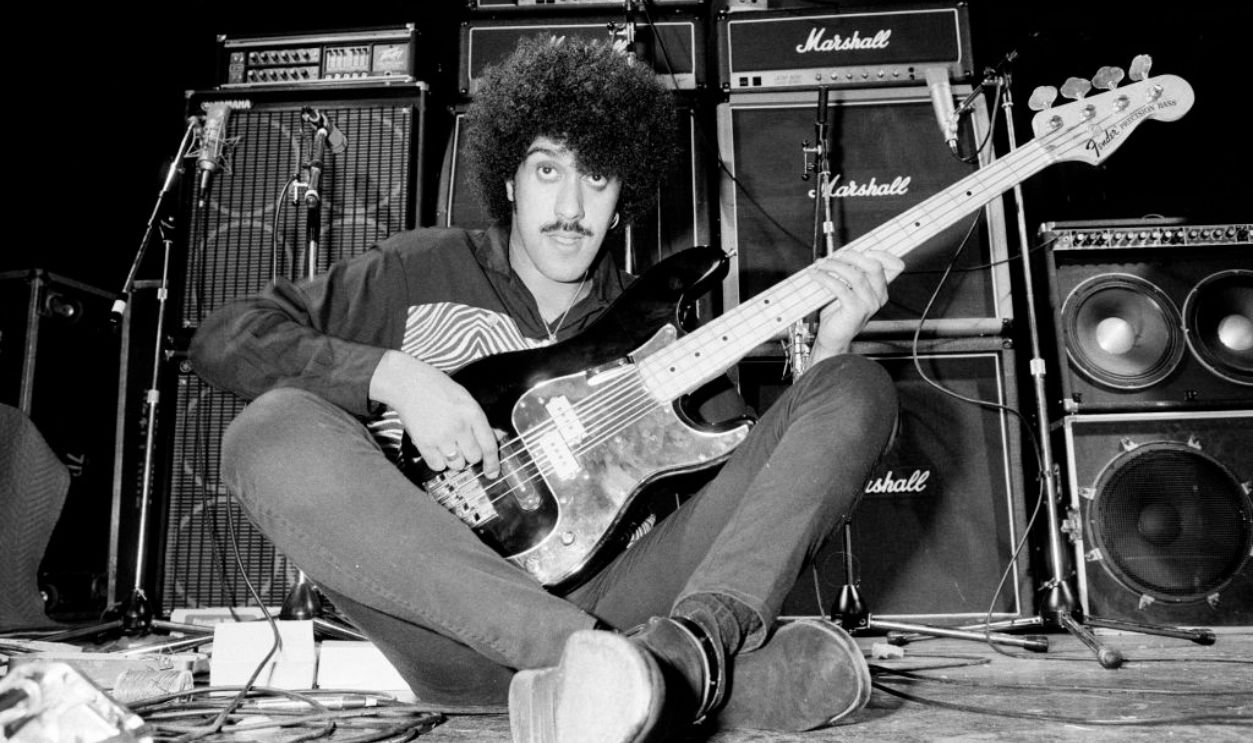
Lynott’s personal life included high profile relationships, including his marriage to Caroline Crowther. The couple had two daughters; Lynott, the product of a difficult family life, often spoke about the importance of family. But the reality was that his lifestyle made it extremely difficult to maintain a semblance of normality and stability at home.

Fame And Its Pressures
As Thin Lizzy’s fame grew, so did the pressures associated with it. Lynott faced the normal show business expectations of being both a bandleader and a public figure. The demands of success started to weigh heavily on him, contributing to the personal struggles that followed.
The Start Of Substance Use
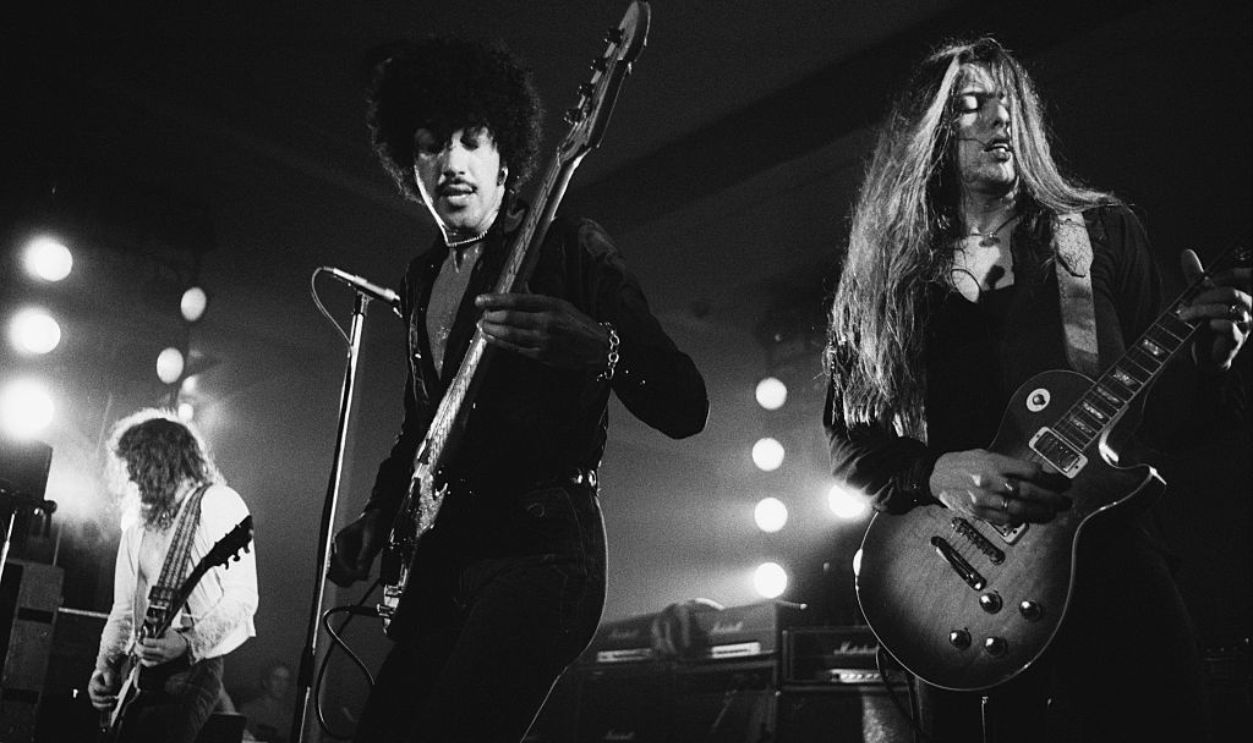
During the height of his career, Lynott started using substances. What most likely started out as a recreational part of the rock lifestyle gradually started to turn into a more serious problem. Substance use began to affect both his health and his ability to keep his career going.
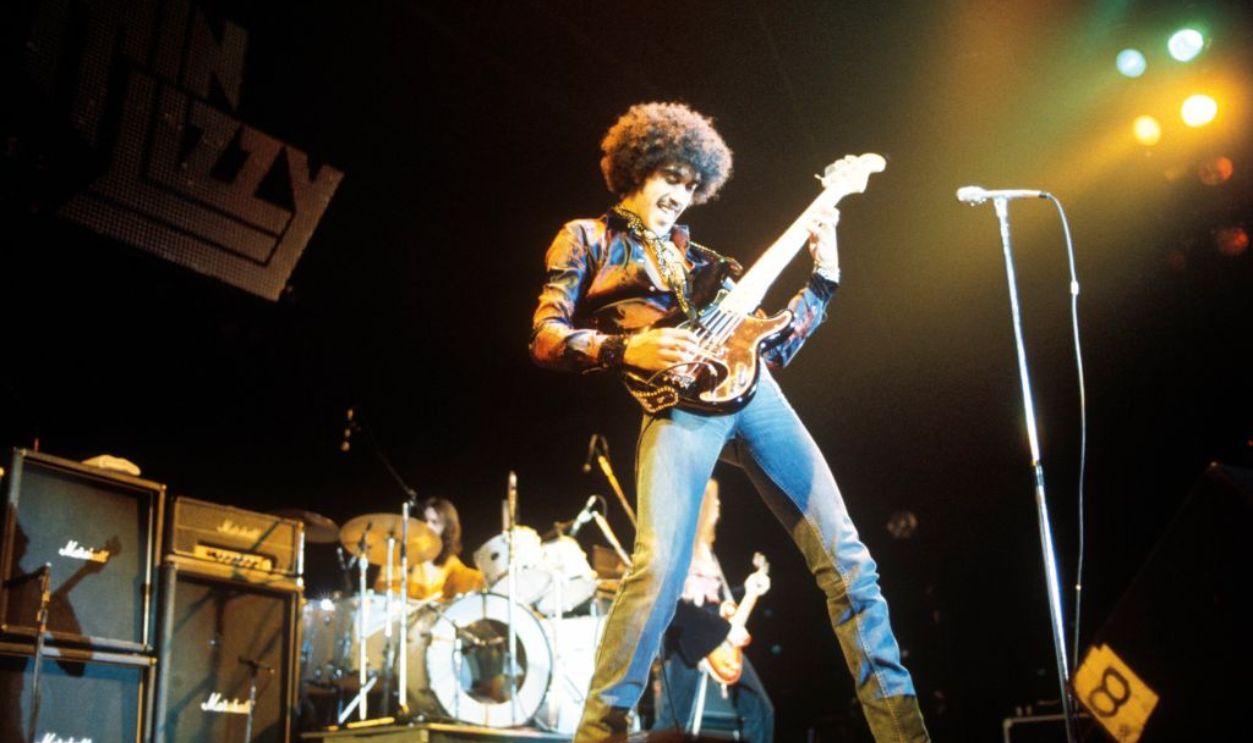
Struggles Within The Band
Throughout the band’s existence, Thin Lizzy saw frequent lineup changes, which created tension and instability. Lynott often had to rebuild the band around him, adding to the pressure he already faced. These challenges made it harder and harder to sustain the group’s earlier momentum.
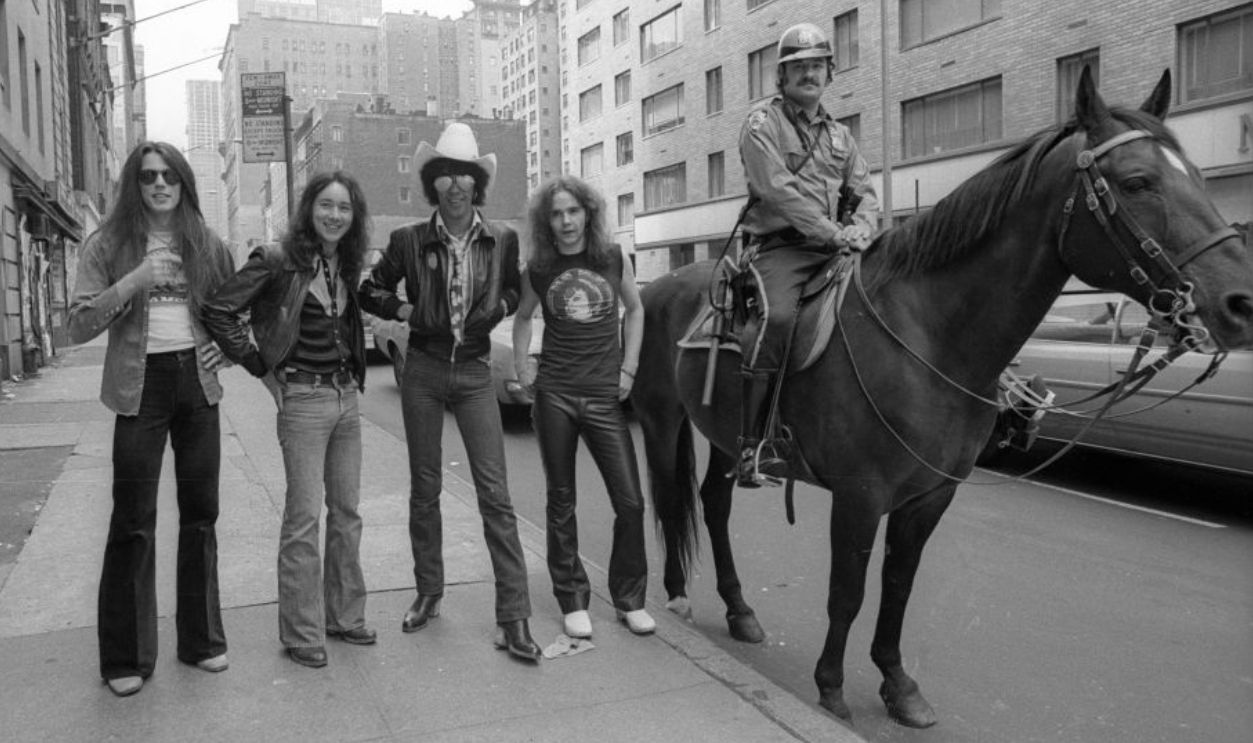 Richard E. Aaron, Getty Images
Decline Of Thin Lizzy
By the early 80s, Thin Lizzy’s popularity began to decline. Internal issues and the changing musical trends of the time didn’t make the band’s struggles any easier to deal with. Lynott eventually disbanded the group in 1983. It was the end of a significant chapter in rock history, and in the life of Phil Lynott.
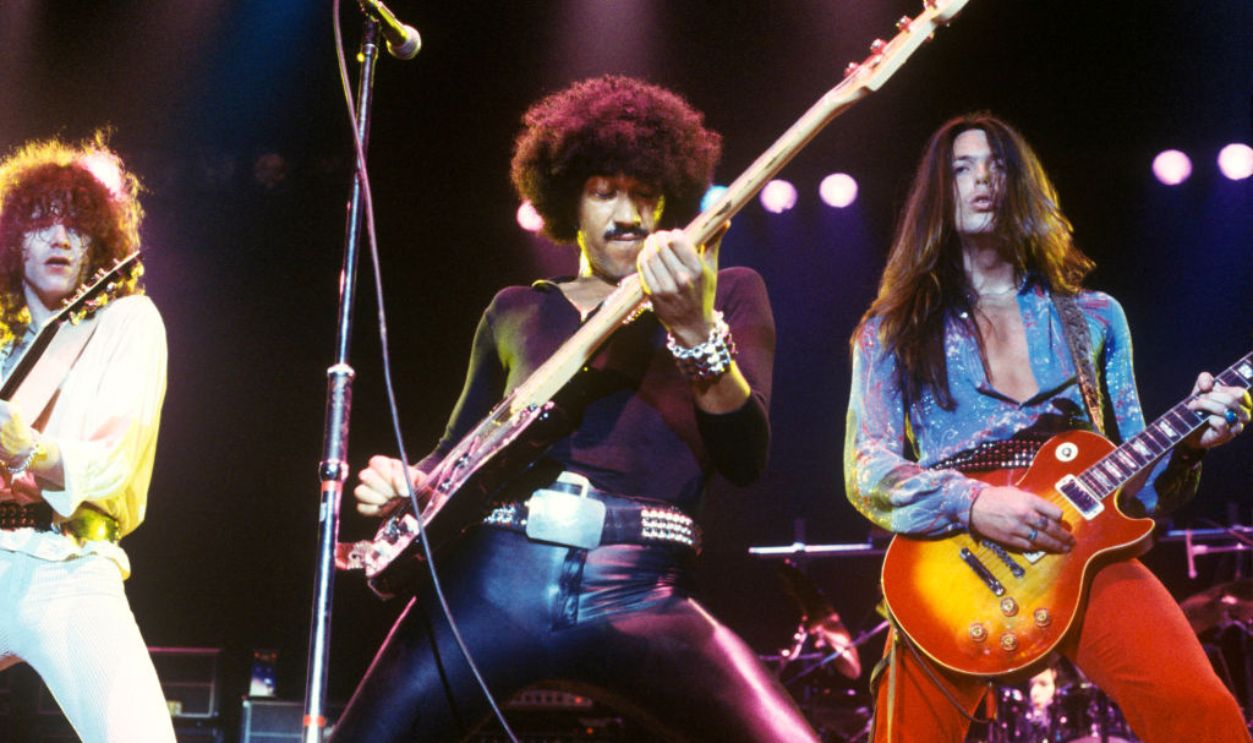
Attempting A Solo Comeback
After Thin Lizzy disbanded, Lynott focused on his solo career. While he had several productive collaborations, notably with Gary Moore, he struggled to get anything off the ground. It was a difficult transition, both professionally and personally. He was infuriated at not being invited to perform at Live Aid in 1985 by his friends and concert organizers, Bob Geldof and Midge Ure.
 Harry (Howard) Potts, Wikimedia Commons
Health Problems
Lynott’s ongoing substance use started to take a visible toll on his health. Friends and colleagues noticed changes in his appearance and behavior. Despite these warning signs, his struggles only worsened over time.
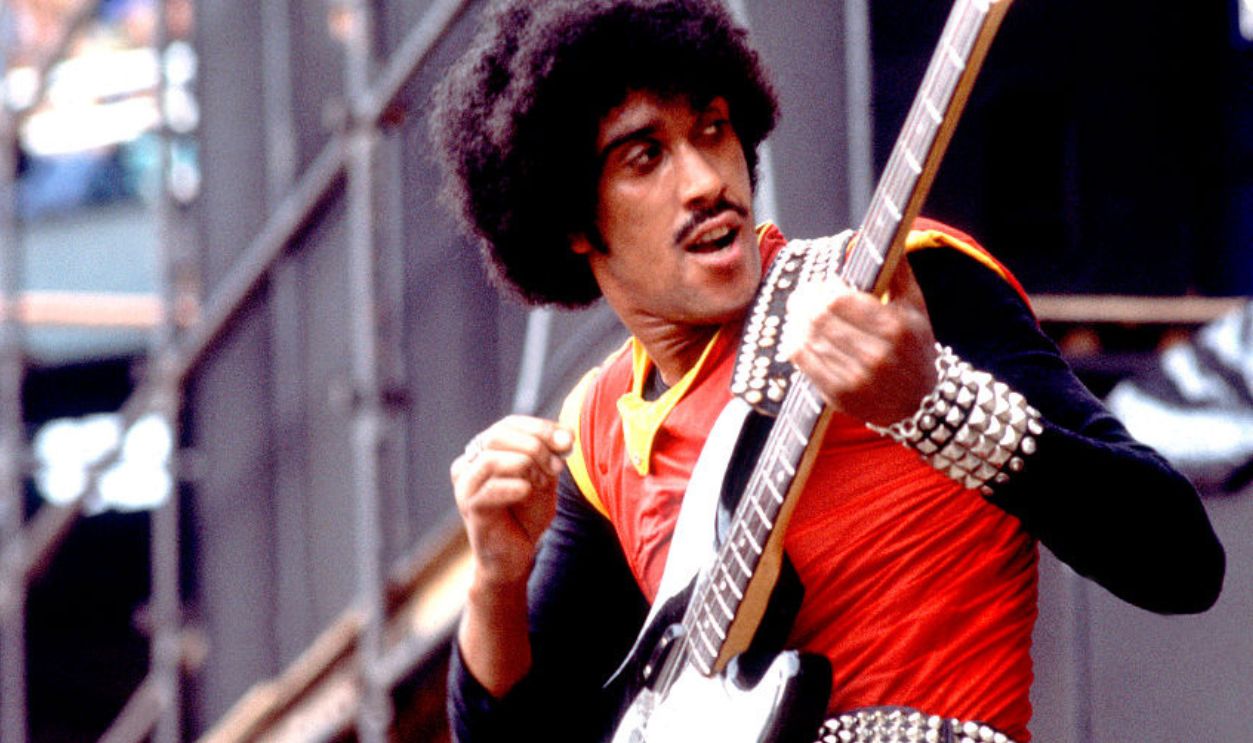
A Life Spiraling Out Of Control
By the mid 1980s, Lynott’s personal life had gotten increasingly unstable. His relationships suffered, his marriage to Catherine Crowther ended in 1984, and his health continued to decline. His life was now far removed from his earlier wave success.
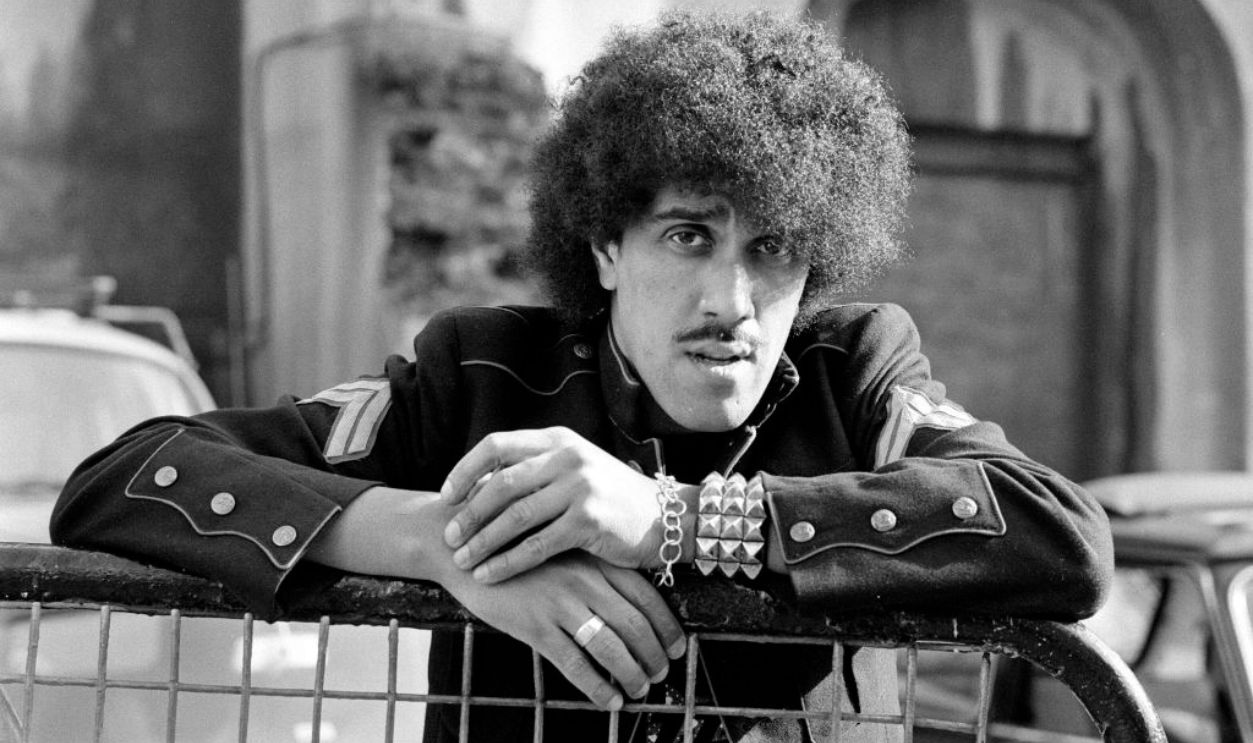
Collapse And Hospitalization
Over the Christmas holidays of 1985, Lynott collapsed after years of substance abuse. He was hospitalized with severe complications, including septicemia and organ failure. His condition highlighted the terrible damage his lifestyle had done to his body. Doctors placed Lynott on a ventilator.
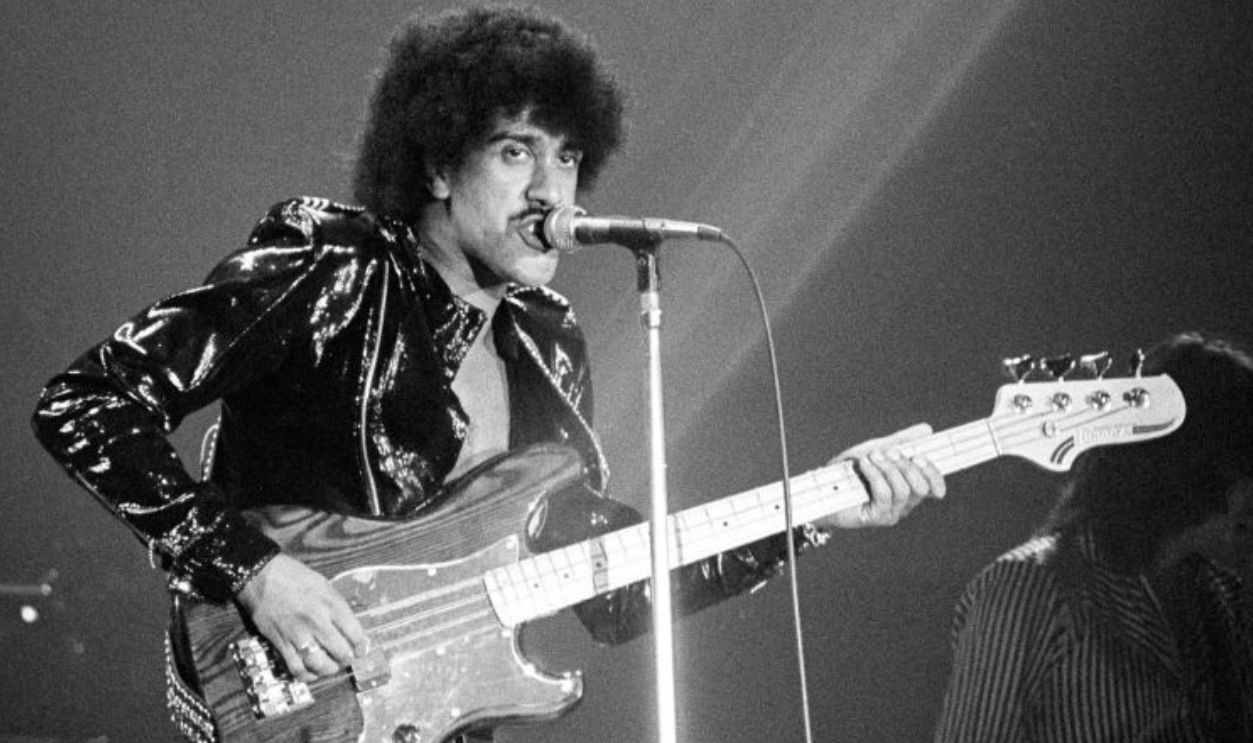
Death At Just 36
On January 4, 1986, Phil Lynott died at the age of 36. His death shocked fans and the music world, bringing a tragic end to a life filled with both extraordinary success and profound struggle.
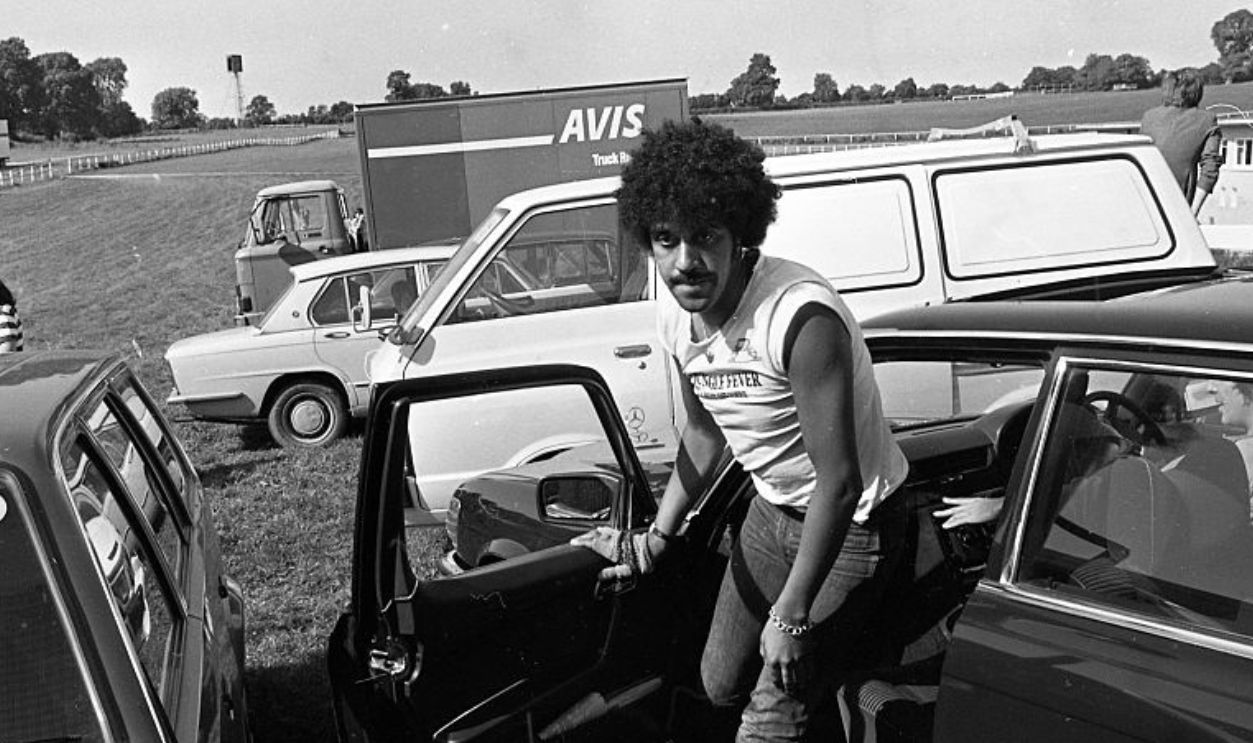 Independent News and Media, Getty Images
Mourning A Music Icon
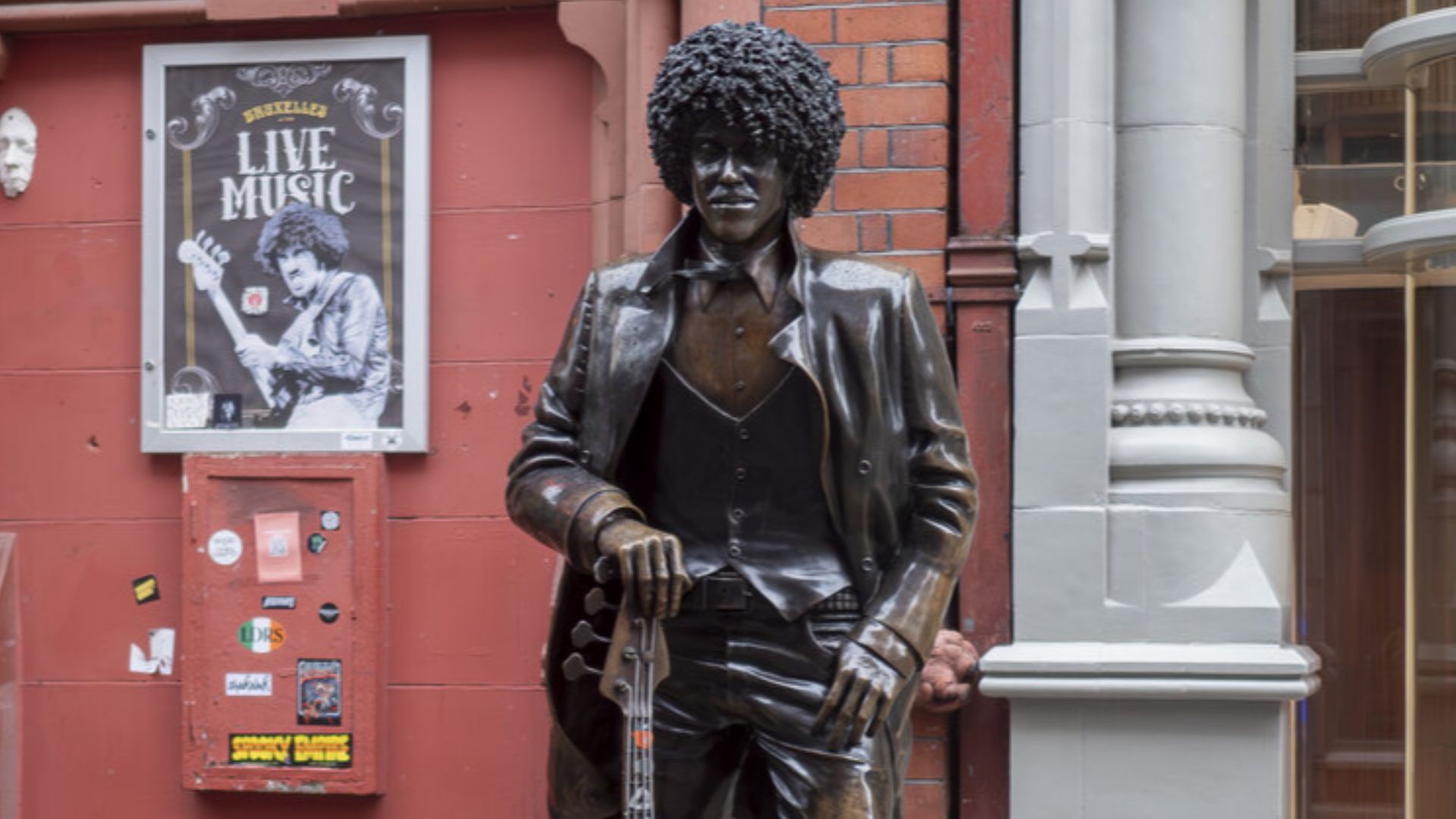
Following his death, tributes poured in from fans and fellow musicians. Lynott has been remembered ever since, not only for his music but for his personality and influence. His passing left a lasting impact on rock in his native Ireland and around the world. Lynott’s songwriting and distinctive voice remain central to Thin Lizzy’s enduring appeal. If only he could have stuck around longer.
 Rossographer , Wikimedia Commons
Brilliant Career Cut Short
Phil Lynott’s life is a story of talent, ambition, and tragedy. He rose from daunting circumstances to achieve international success, only to have his life unravel under the weight of personal struggles. Phil's story makes us stop and think about the cost of fame and the rock'n'roll lifestyle. But his amazing rock legacy as a frontman and songwriter lives on.
 Harry Potts, Wikimedia Commons
You May Also Like: