The Songs Hiding Behind The Biggest Hits
Not every 1970s favorite became a permanent classic-rock staple. Some once poured from car radios, jukeboxes, roller rinks, and bedroom stereos before quietly slipping away. Hearing them again can unlock memories you had completely forgotten. How many do you remember?
“Hold Your Head Up” — Argent
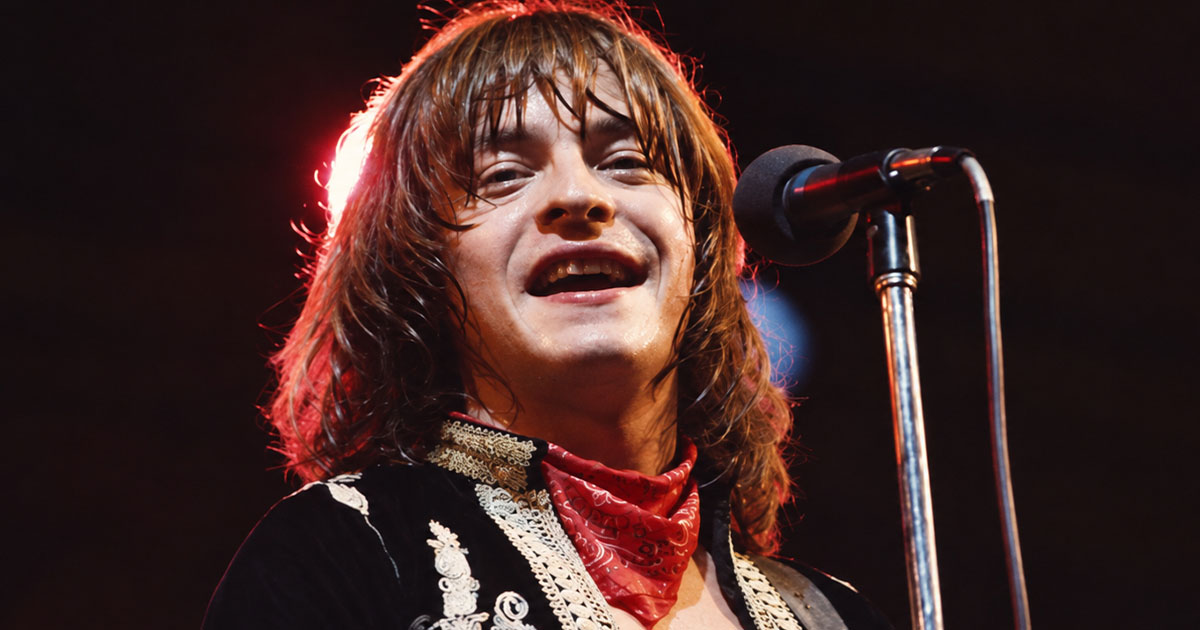
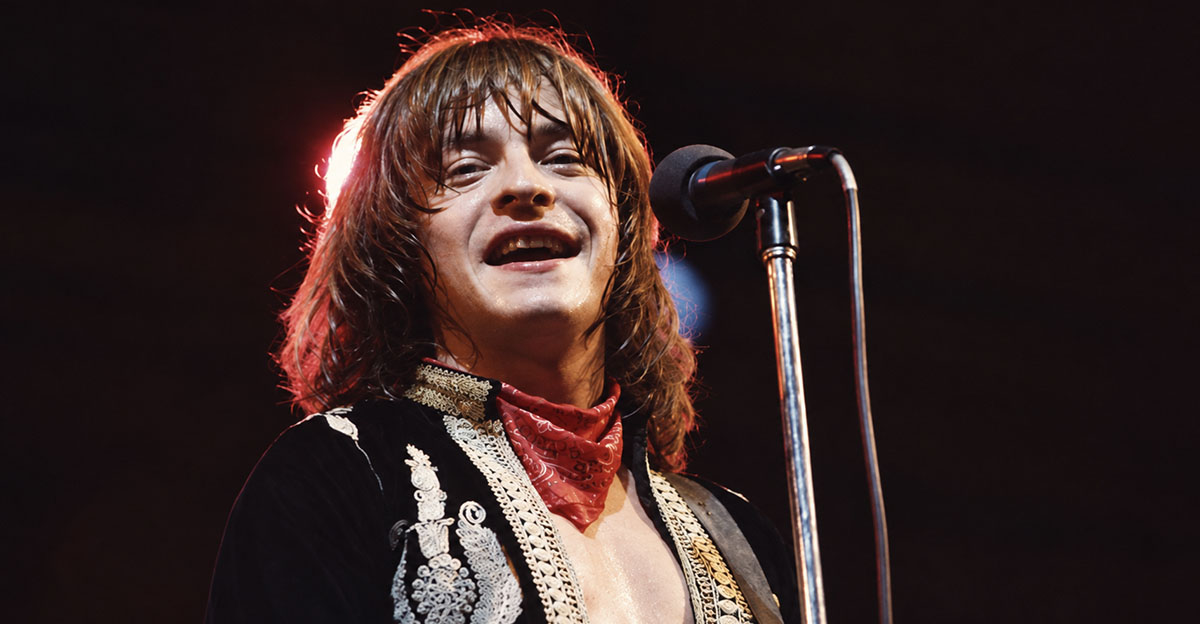
Released in 1972, “Hold Your Head Up” gave British band Argent its biggest American hit, reaching number five on the Billboard Hot 100. Its churning organ, heavy guitar, and uplifting chorus once seemed to be everywhere. Today, many listeners recognize the song immediately but struggle to name the band.

“Go All The Way” — The Raspberries
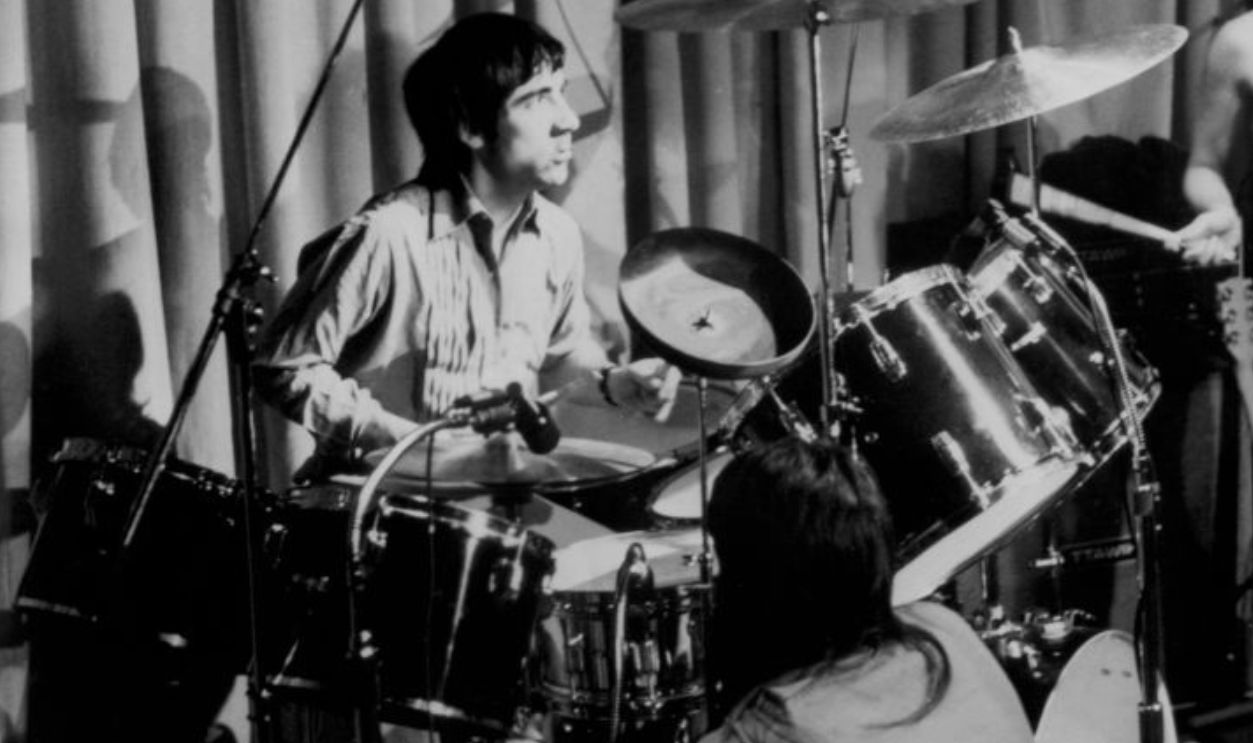
The Raspberries combined sweet Beatles-style harmonies with surprisingly powerful guitars on “Go All the Way.” Released in 1972, it reached number five in America and established Eric Carmen as a major talent. The opening riff still sounds enormous, even if the band’s matching suits have aged less gracefully.
 Michael Ochs Archives, Getty Images
“Rock And Roll, Hoochie Koo” — Rick Derringer
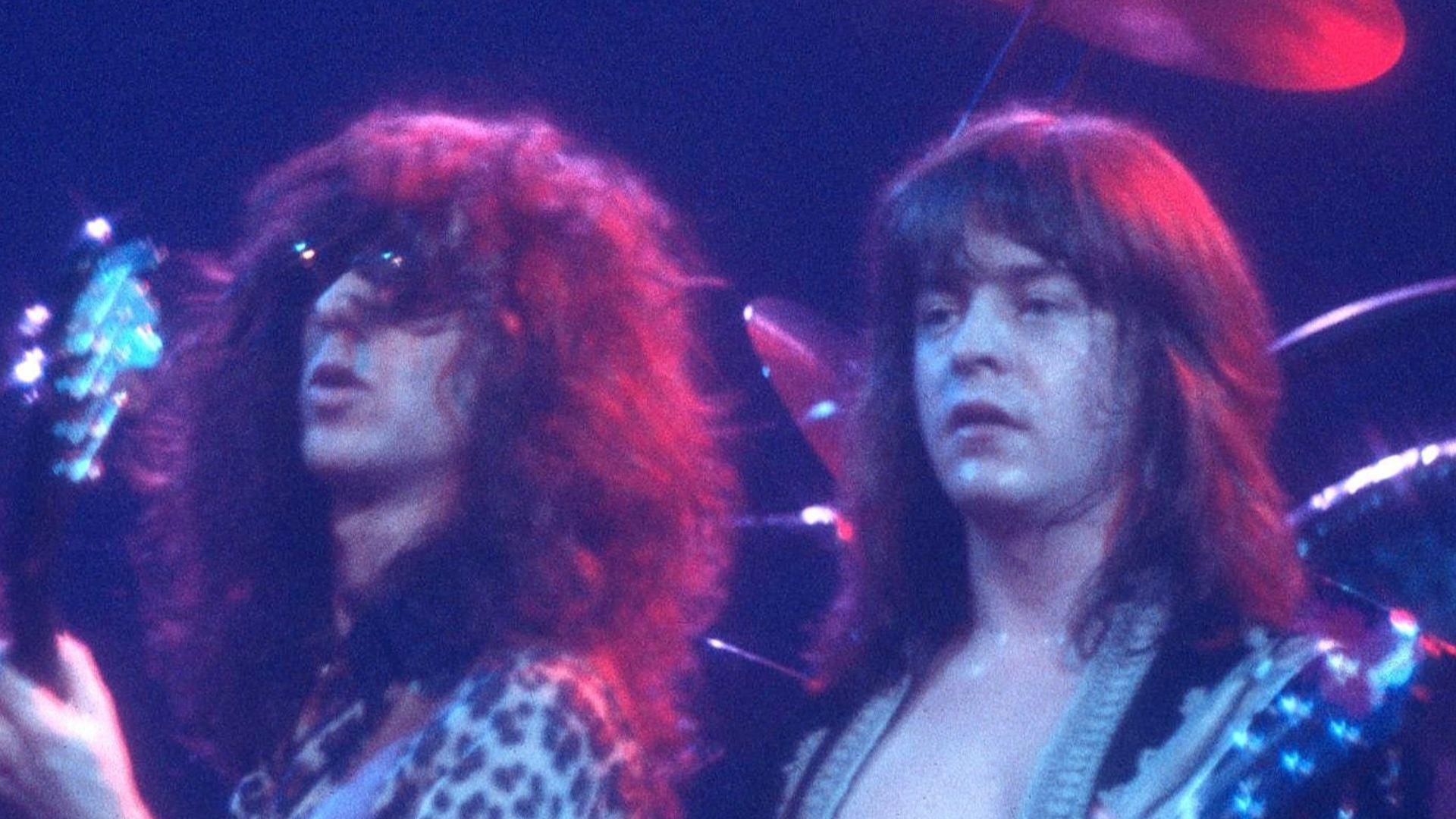
Rick Derringer originally recorded “Rock and Roll, Hoochie Koo” with Johnny Winter And, then revisited it for his 1973 solo album All American Boy. The solo version became a radio favorite in 1974. Its title was slightly ridiculous, but that guitar riff certainly was not.
 Carl Lender, Wikimedia Commons
“Brother Louie” — Stories
Stories scored a number-one American hit in 1973 with “Brother Louie,” a song originally recorded by the British group Hot Chocolate. Its story about an interracial relationship gave the record more substance than the average summer single. The chorus remains recognizable, although the band’s name is often forgotten.
 Michael Borkson, Wikimedia Commons
“Smokin’ In The Boys Room” — Brownsville Station
Before Mötley Crüe revived it in the 1980s, Brownsville Station took “Smokin’ in the Boys Room” to number three in 1974. The rebellious schoolhouse story delighted teenagers and probably annoyed countless principals. It sounded dangerous then, although the spoken introduction now feels almost charmingly theatrical.
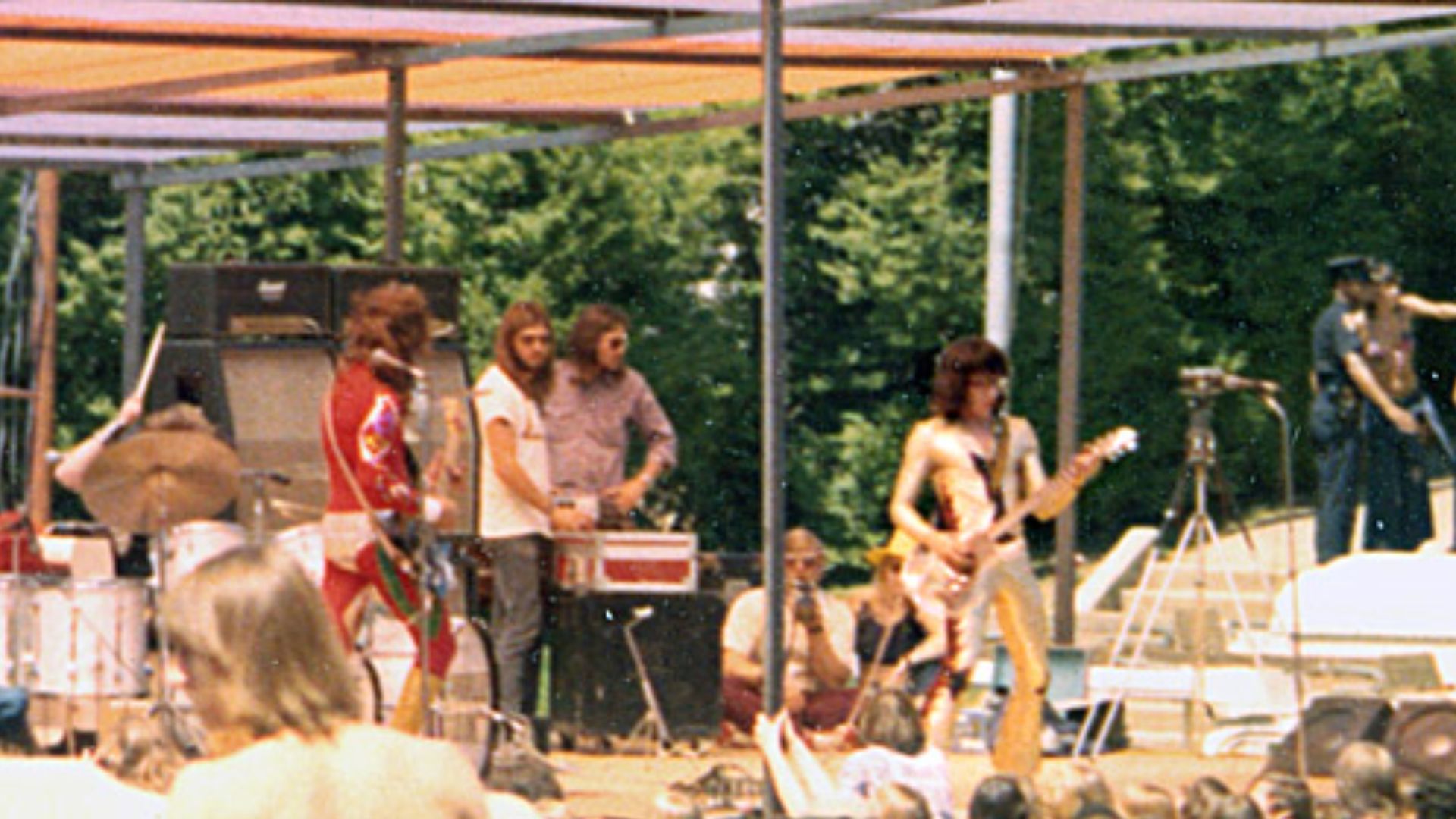
“Rock Me Gently” — Andy Kim
Canadian singer-songwriter Andy Kim reached number one in America with “Rock Me Gently” in 1974. Kim reportedly financed the recording himself after struggling to secure a label deal. Its warm melody, handclaps, and instantly familiar chorus made it a radio fixture that has since become surprisingly easy to overlook.
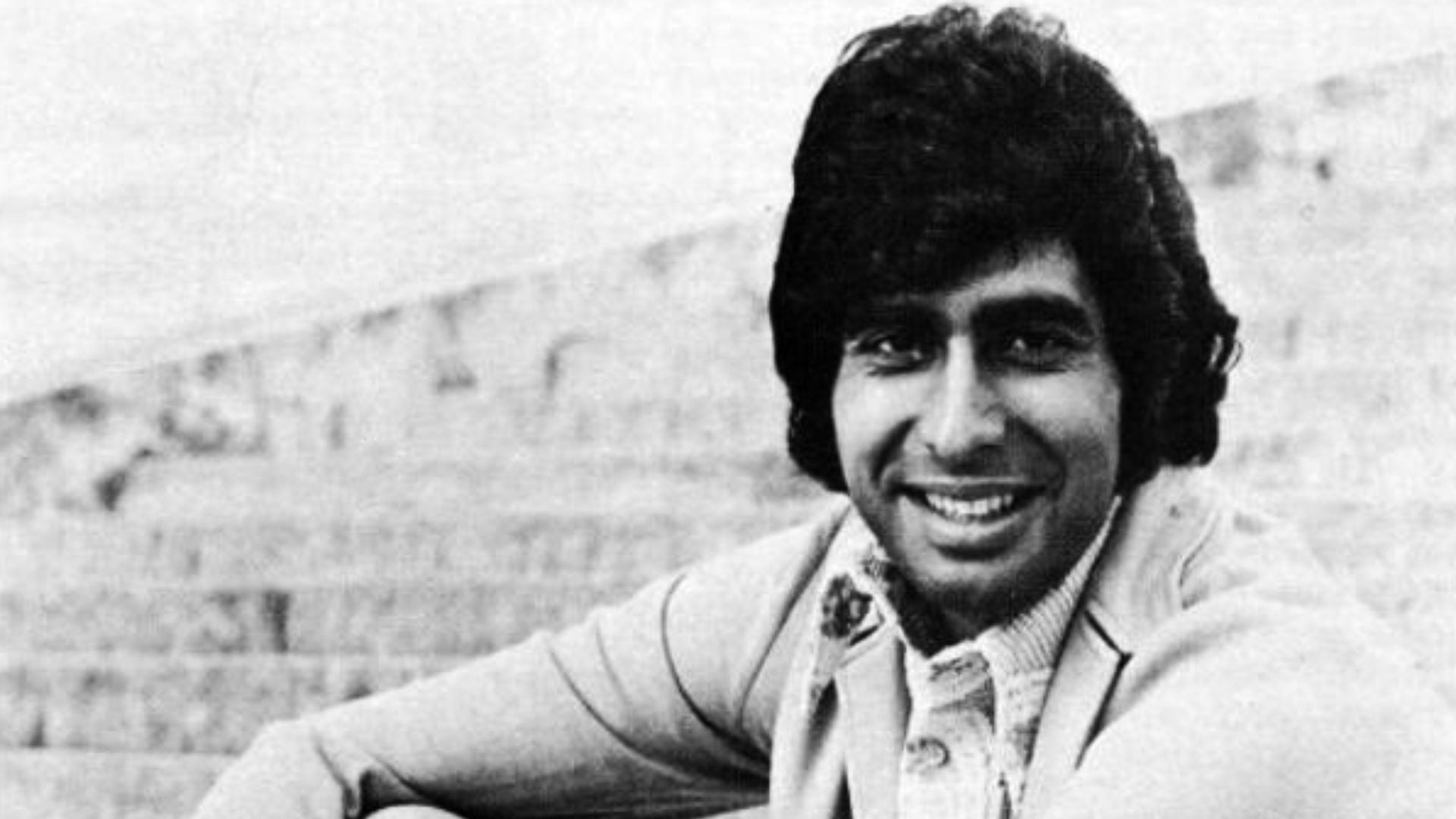 Feld Brothers Management Corp., Wikimedia Commons
“How Long” — Ace
Many listeners assumed “How Long” concerned an unfaithful romantic partner, but bassist Terry Comer’s temporary work with another band inspired Paul Carrack’s lyrics. Released in Britain in 1974, it became an American hit in 1975. That smooth bass line can still transport listeners straight back to an AM radio.
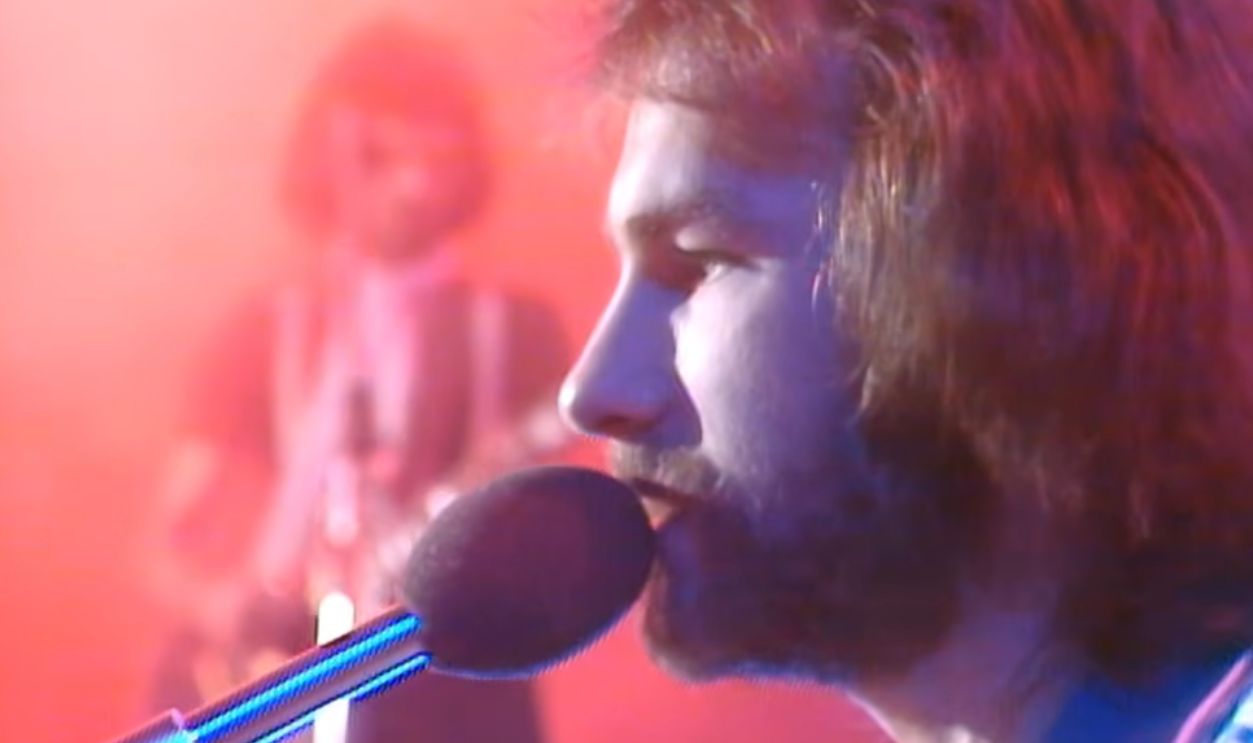 Screenshot from How Long, Anchor Records (1974)
“Magic” — Pilot
“Magic” was released by Scottish group Pilot in 1974 and became a major American hit the following year. Its bouncing piano, bright harmonies, and repeated refrain were practically engineered to stick inside the listener’s head. Mention the band Pilot today, however, and plenty of people will picture an airline employee.
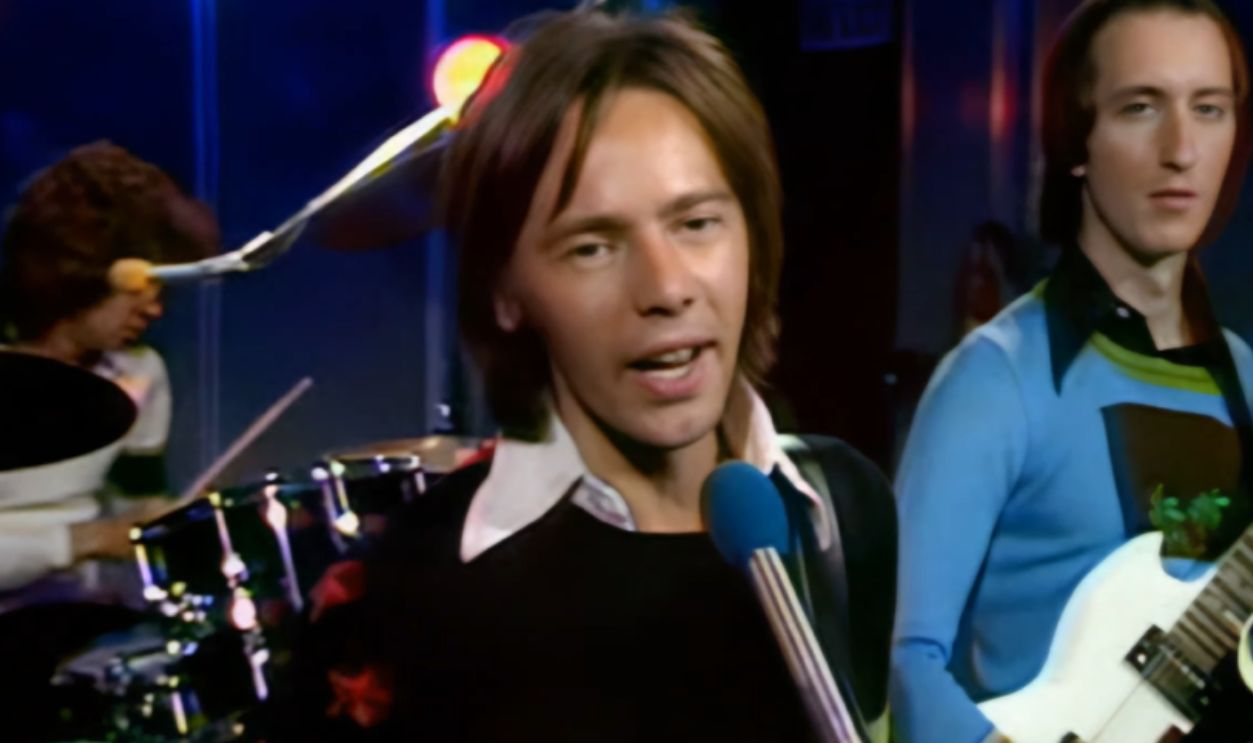 Screenshot from Magic, Parlophone (1974)
“Roll On Down The Highway” — Bachman-Turner Overdrive
Bachman-Turner Overdrive had bigger hits, but “Roll On Down the Highway” was built for open roads and dashboard radios. Released in 1974, it reached the American Top 20 and became especially popular in the band’s native Canada. It still makes an ordinary drive feel like a trucking montage.
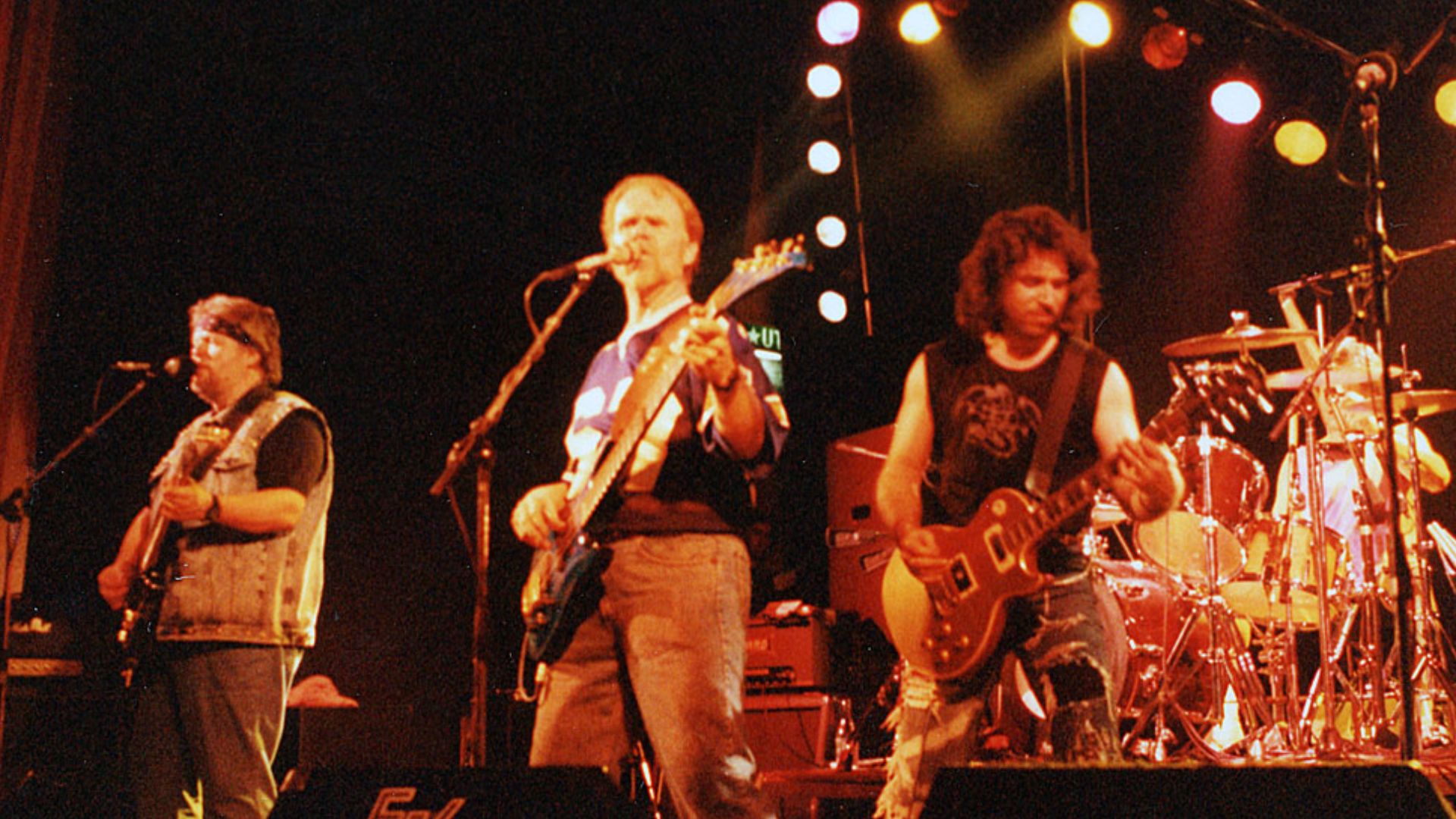 Håkan Henriksson (Narking), Wikimedia Commons
“Never Been Any Reason” — Head East
“Never Been Any Reason” appeared on Head East’s 1975 album Flat as a Pancake. Although it only reached number 68 on the Billboard Hot 100, album-rock radio kept it alive for years. The synthesizer opening remains instantly familiar to listeners who may have completely forgotten the song’s title.
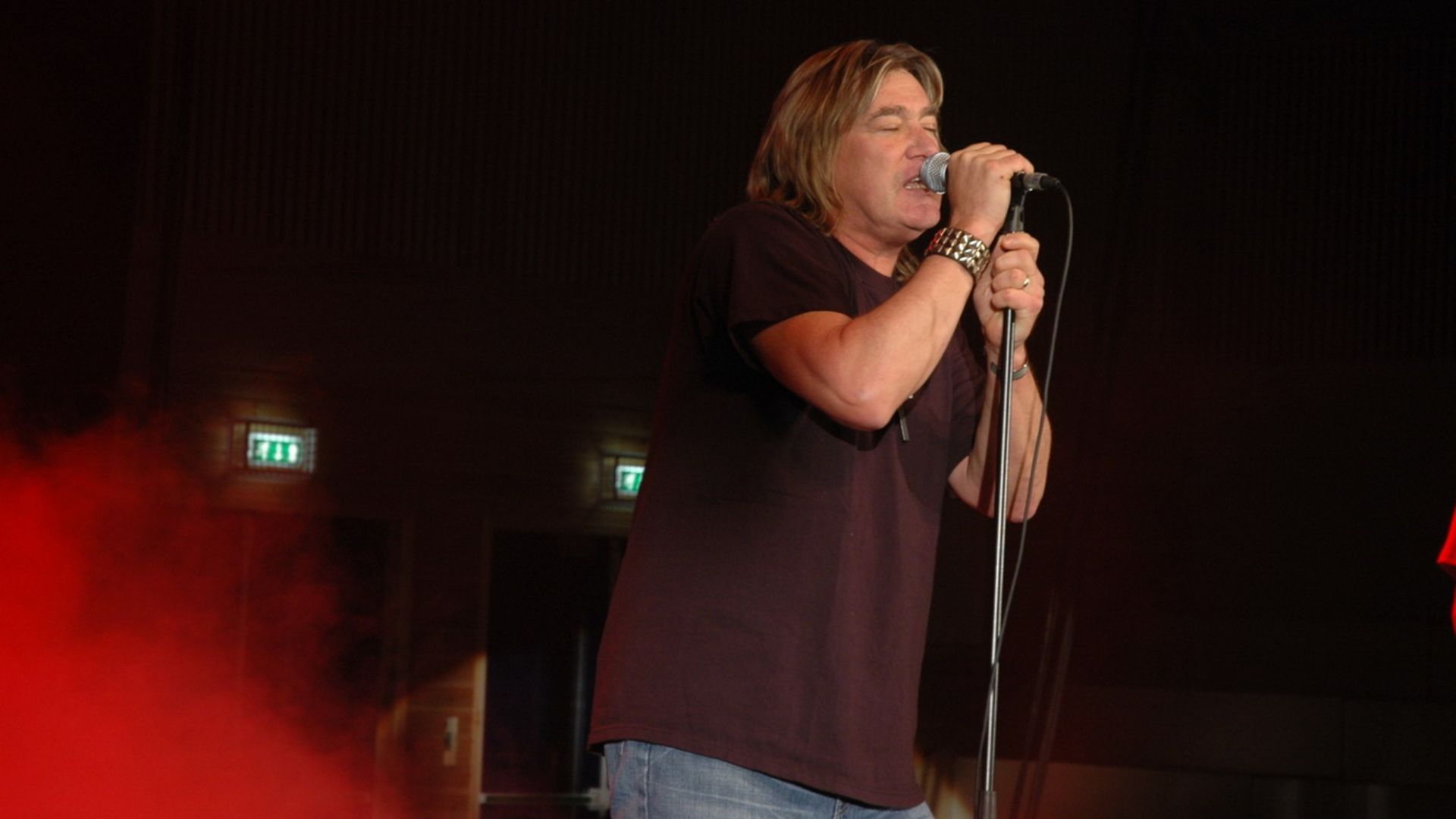 Professional photographer Maltesen at da.wikipedia, Wikimedia Commons
“Sky High” — Jigsaw
British band Jigsaw recorded “Sky High” for the film The Man from Hong Kong, and the song became a number-three American hit in 1975. Its dramatic strings and soaring chorus sounded ready for an action sequence. These days, hearing it unexpectedly can feel like discovering an old record collection in the attic.
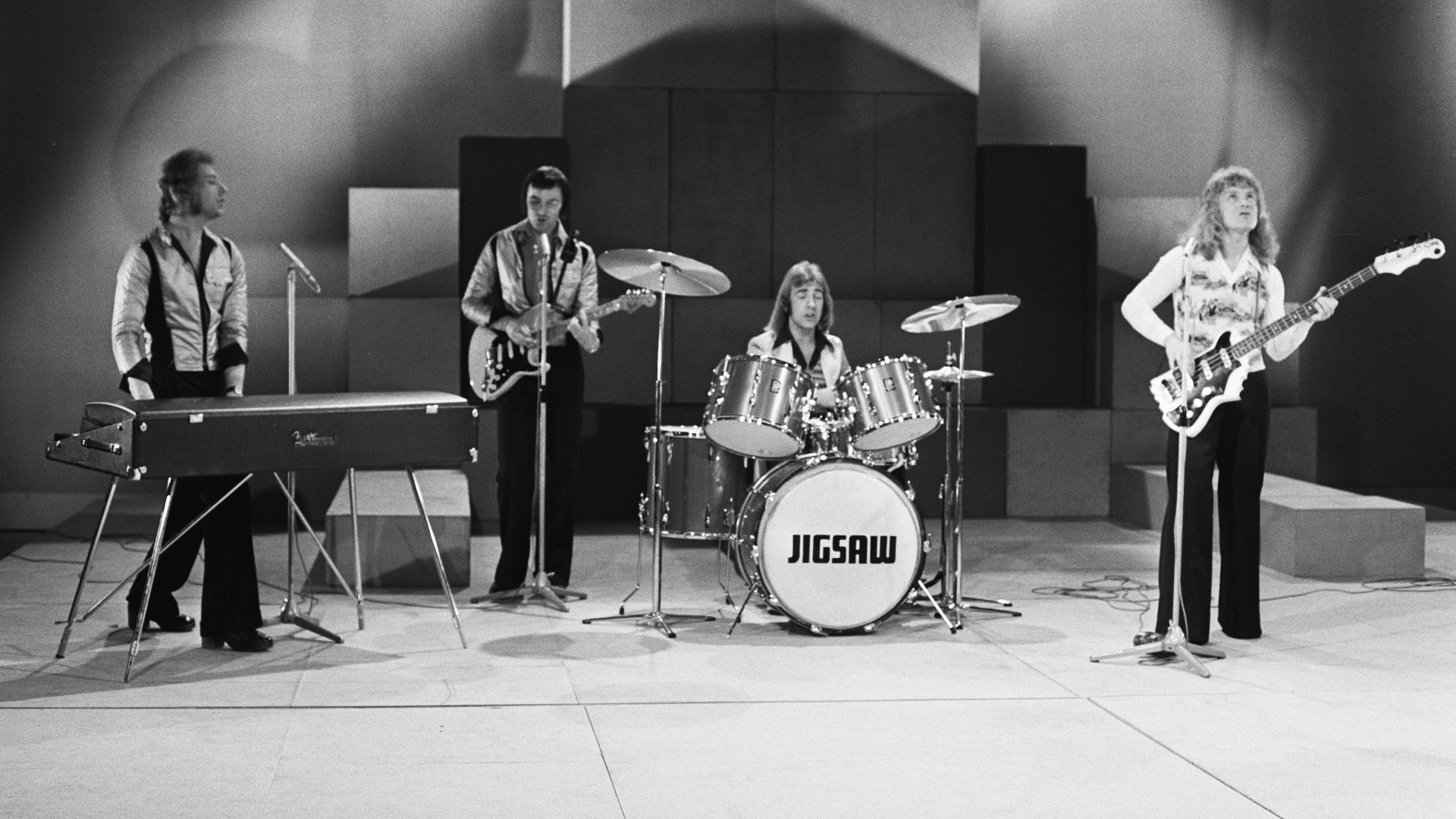 Rob C. Croes (ANEFO), Wikimedia Commons
“Chevy Van” — Sammy Johns
Sammy Johns recorded “Chevy Van” in 1973, but it did not become a major hit until 1975. The laid-back song reached number five in America and became part of the decade’s van-culture soundtrack. Its wandering story instantly recalls shag carpeting, open highways, and vehicles nobody worried about parallel parking.
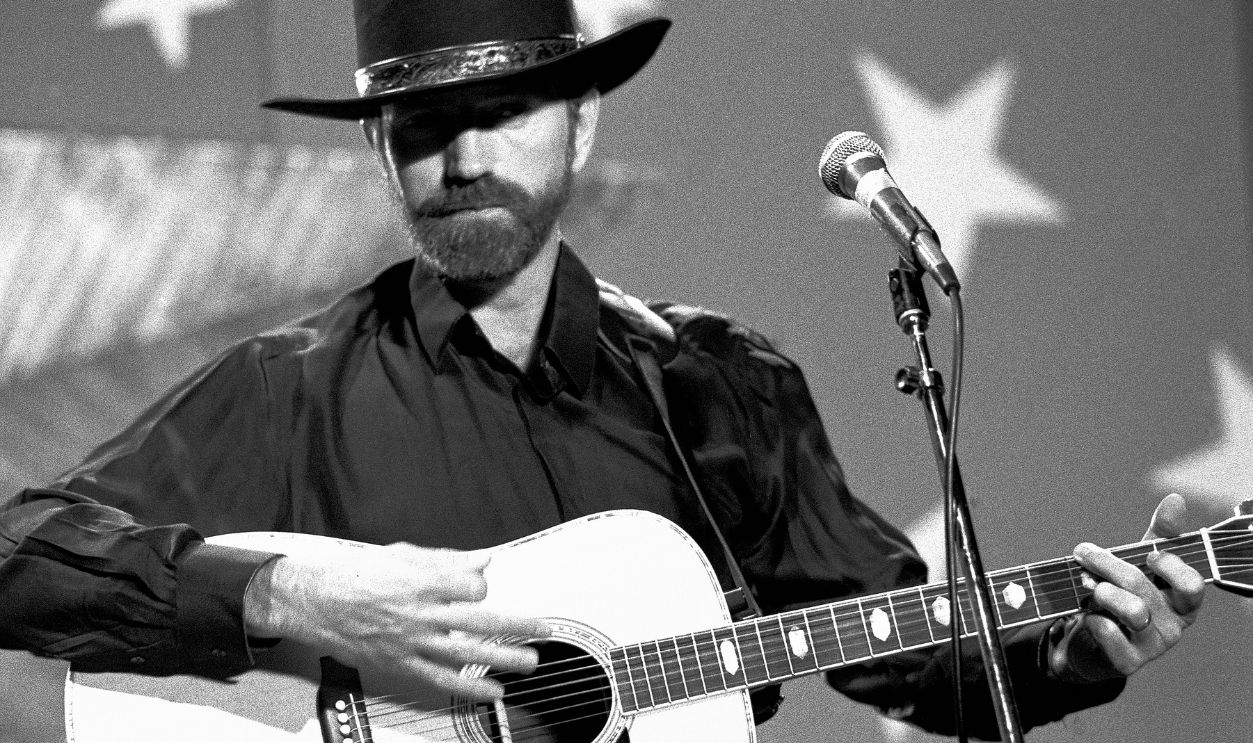
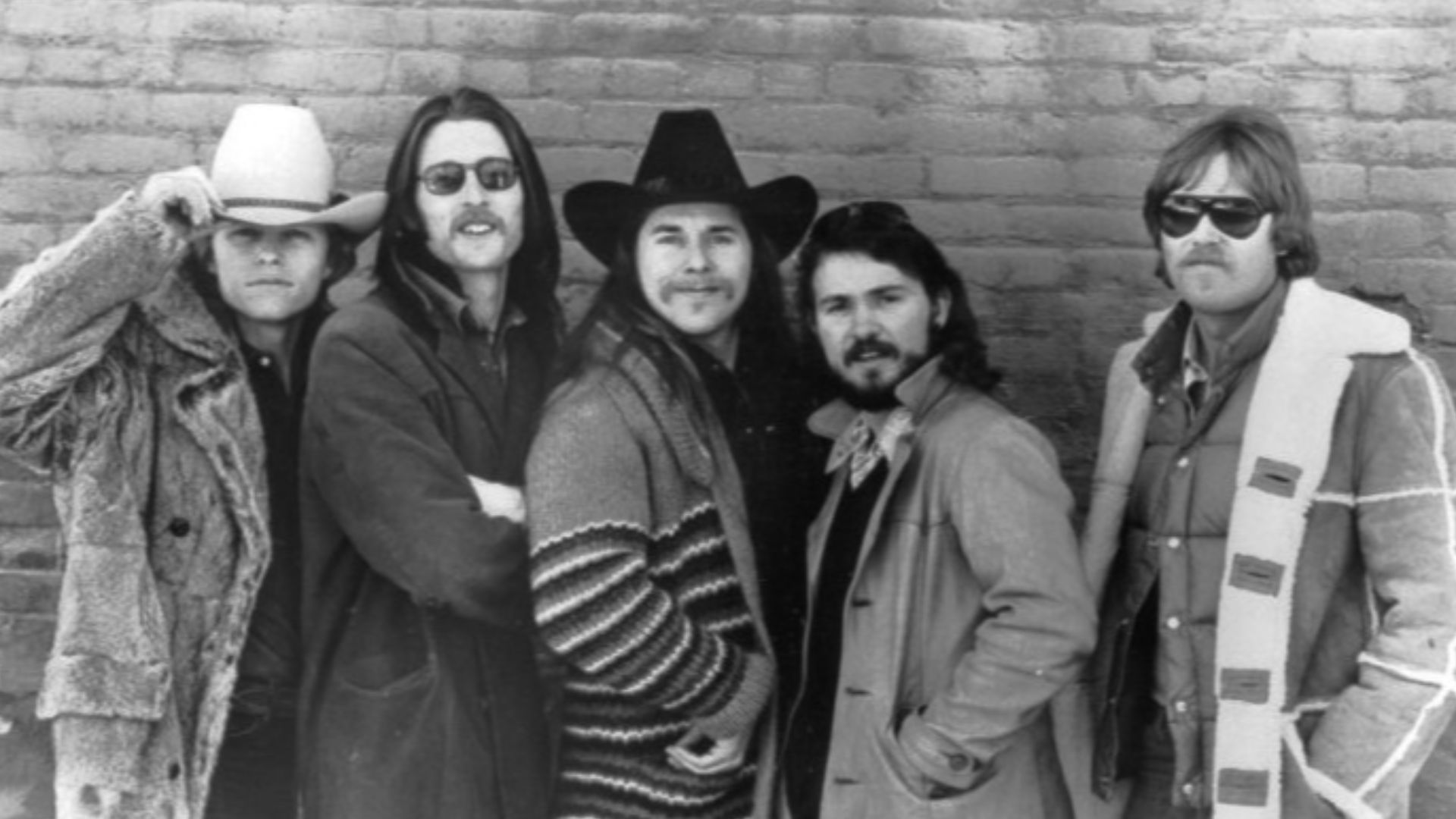
“You Are The Woman” — Firefall
Firefall’s “You Are the Woman” reached number nine in 1976 and became one of soft rock’s most recognizable romantic songs. Its flute introduction can awaken memories within seconds. The record once seemed unavoidable at weddings and on radio, yet Firefall rarely receives the nostalgic attention given to bigger groups.
 Atlantic Records, Wikimedia Commons
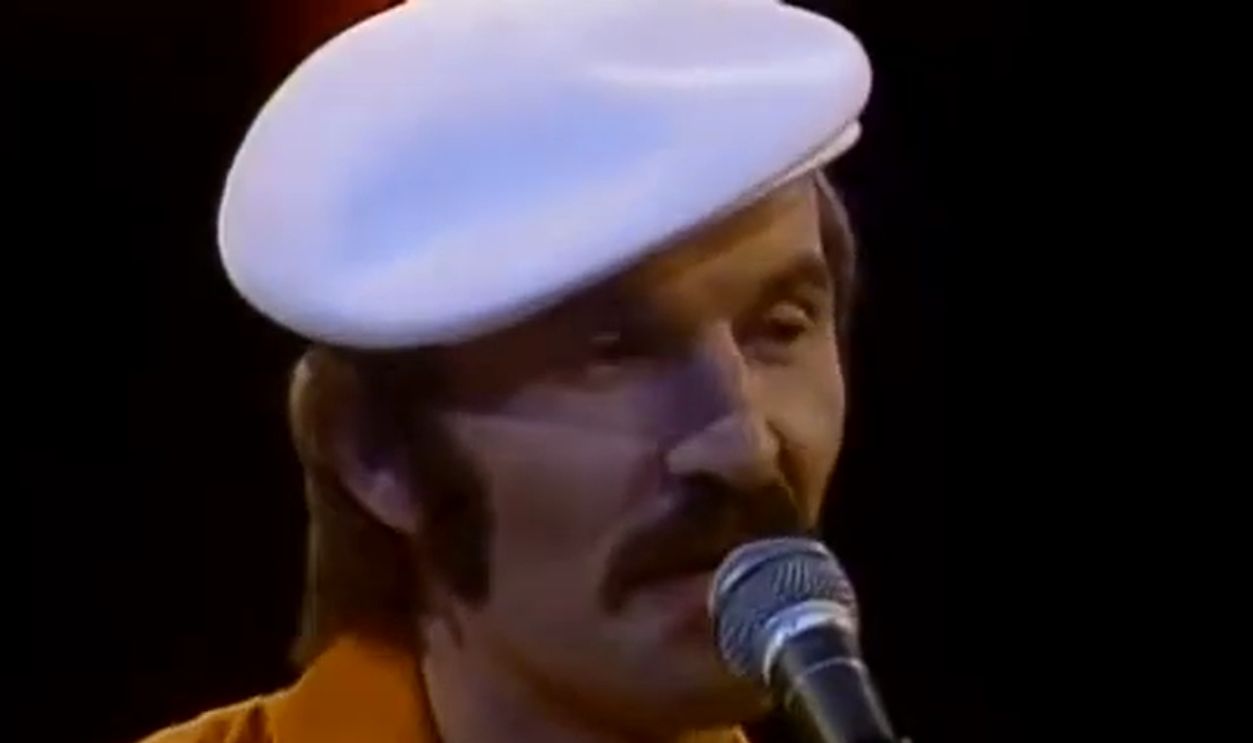
“Moonlight Feels Right” — Starbuck
Starbuck’s “Moonlight Feels Right” climbed to number three in America during the summer of 1976. Its breezy vocals and famous marimba solo gave it a sound unlike almost anything else on the radio. It remains an ideal soundtrack for warm evenings—and possibly conversations about whatever happened to marimbas.
 Screenshot from Moonlight Feels Right, Private Stock Records (1976)
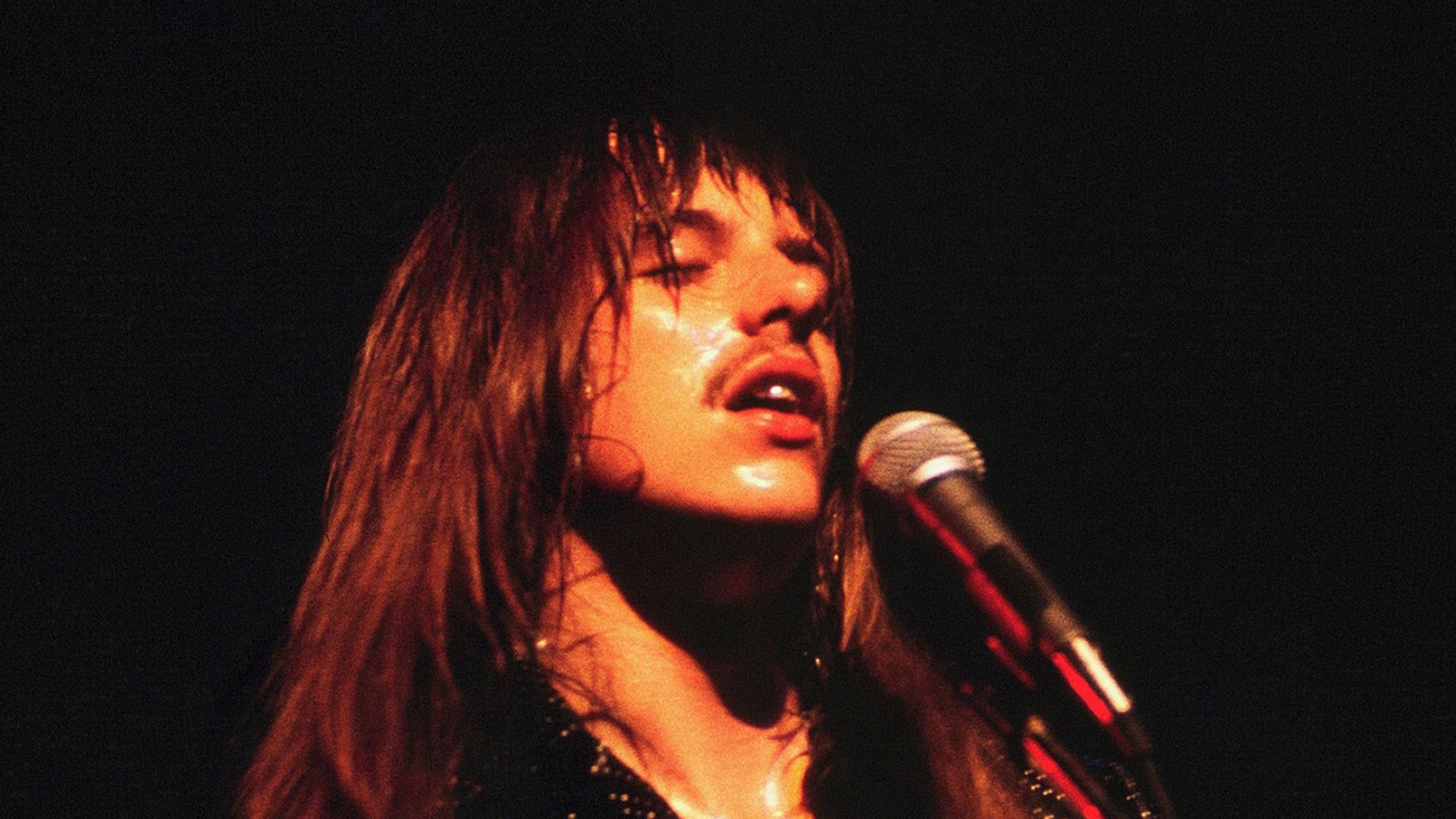
“Couldn’t Get It Right” — Climax Blues Band
Despite its title, the Climax Blues Band got plenty right with this 1976 recording. “Couldn’t Get It Right” became a number-three American hit in 1977, driven by its pulsing rhythm and memorable chorus. The group had existed for years, but this was the song that briefly made it unavoidable.
 Jim Summaria, Wikimedia Commons
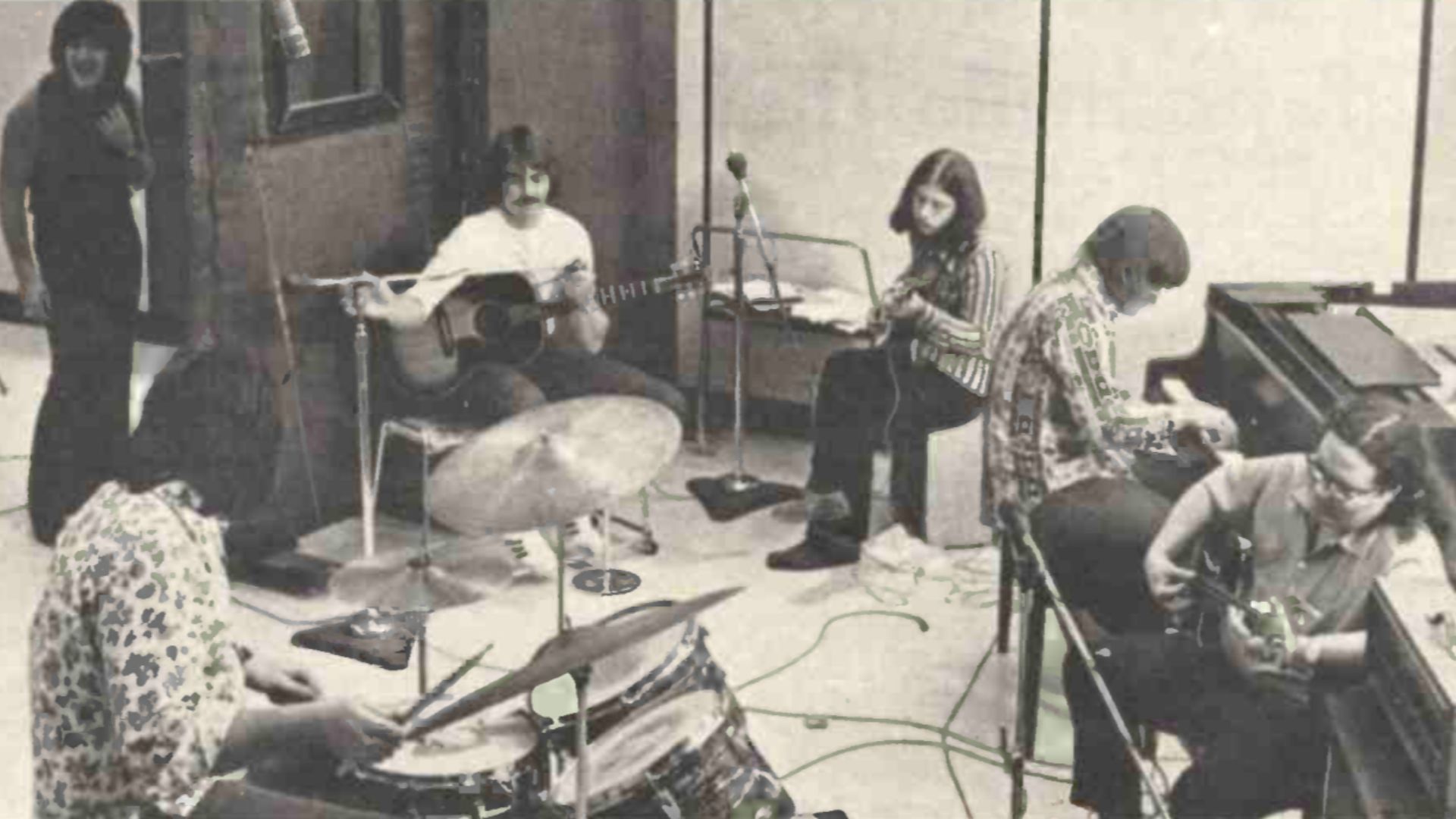
“So Into You” — Atlanta Rhythm Section
Released in 1977, “So Into You” gave the Atlanta Rhythm Section a number-seven hit on the Billboard Hot 100. Its smooth groove and coolly delivered vocal made infatuation sound remarkably sophisticated. It was romantic without becoming syrupy, which was no small achievement during the soft-rock-heavy 1970s.
 Decca Records, Wikimedia Commons
“Smoke From A Distant Fire” — Sanford-Townsend Band
“Smoke from a Distant Fire” reached number nine in America in 1977, becoming the Sanford-Townsend Band’s defining hit. The song combined rock, soul, and a sharp horn arrangement with lyrics about discovering betrayal. It was far livelier than its unhappy story had any right to be.
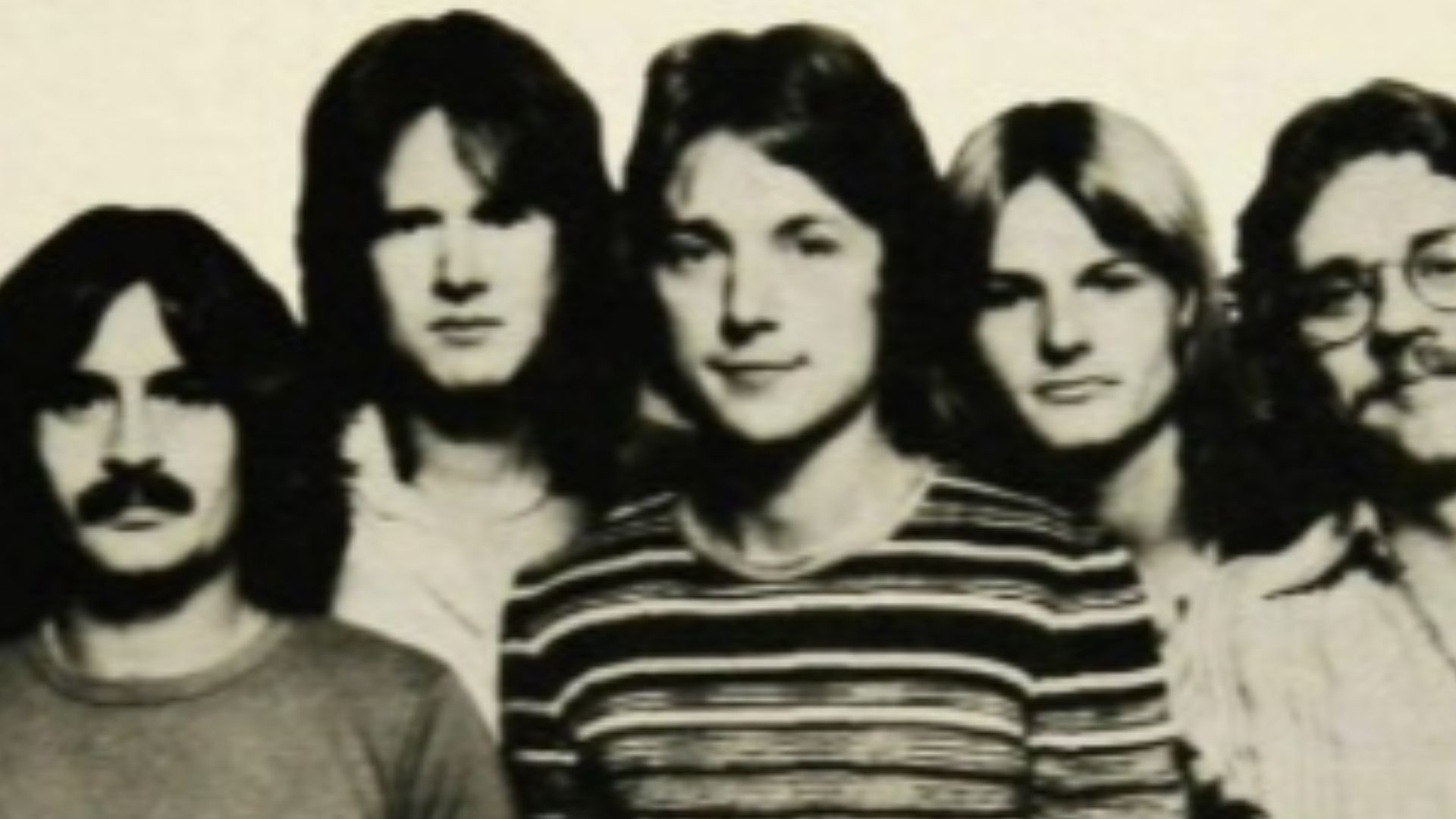 Warner Brothers, Wikimedia Commons
“Isn’t It Time” — The Babys
The Babys released “Isn’t It Time” in 1977, with John Waite delivering the impassioned lead vocal years before his solo success. The song reached number 13 in America and featured powerful female backing singers. It still sounds wonderfully dramatic, like a relationship discussion requiring its own horn section.

“Thunder Island” — Jay Ferguson
Former Spirit and Jo Jo Gunne member Jay Ferguson scored a number-nine American hit with “Thunder Island” in 1978. Joe Walsh played guitar on the recording, adding extra muscle to its sunny sound. The song practically smells like suntan lotion, although its fictional destination has largely disappeared from radio.
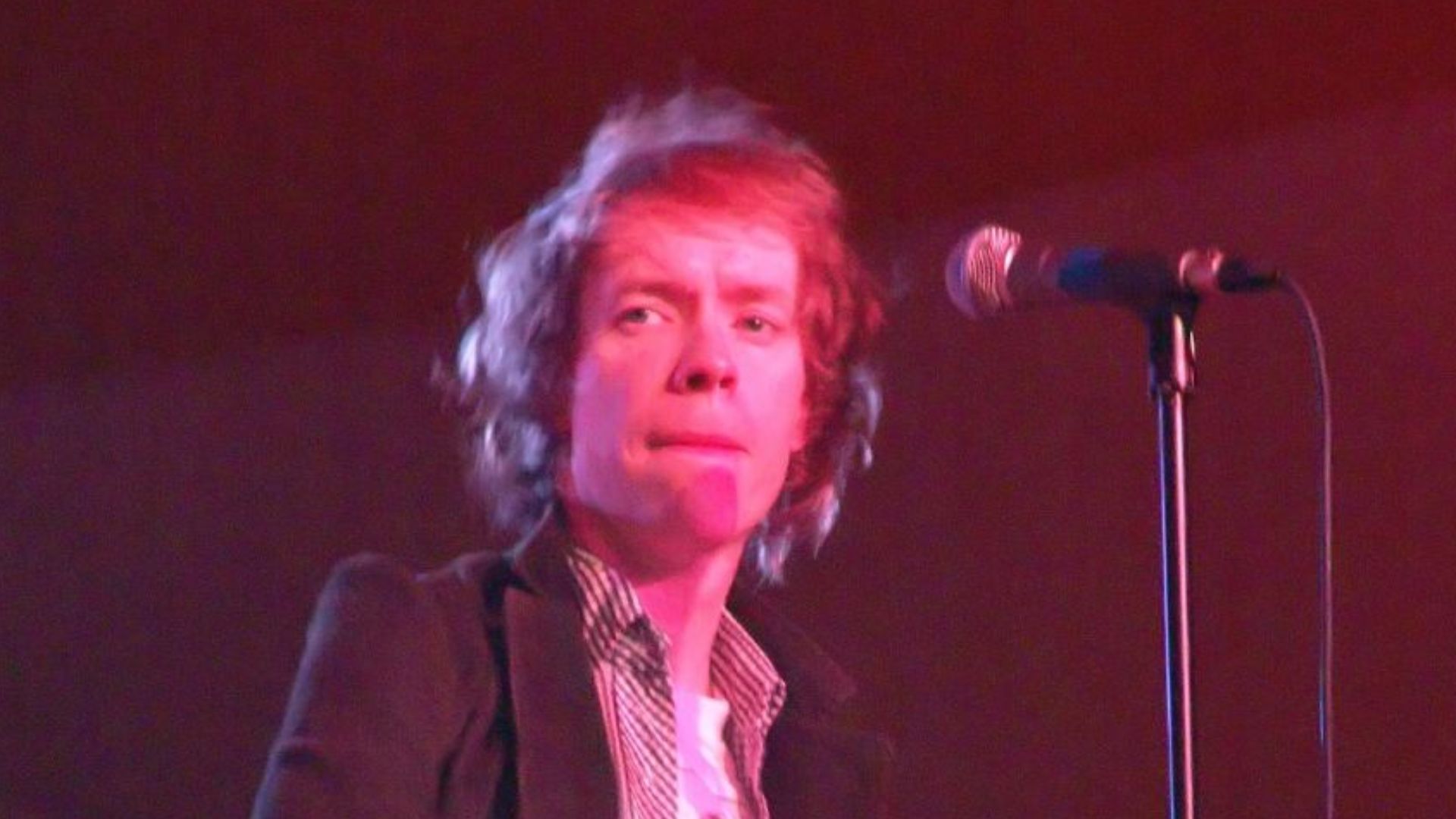 cdnmusicdiva, Wikimedia Commons
“Magnet And Steel” — Walter Egan
Walter Egan’s “Magnet and Steel” reached number eight on the Billboard Hot 100 in 1978. Lindsey Buckingham and Stevie Nicks contributed to the recording, with Nicks providing backing vocals. Its relaxed beat and slightly quirky delivery once filled the airwaves, even if Egan’s name now produces puzzled expressions.
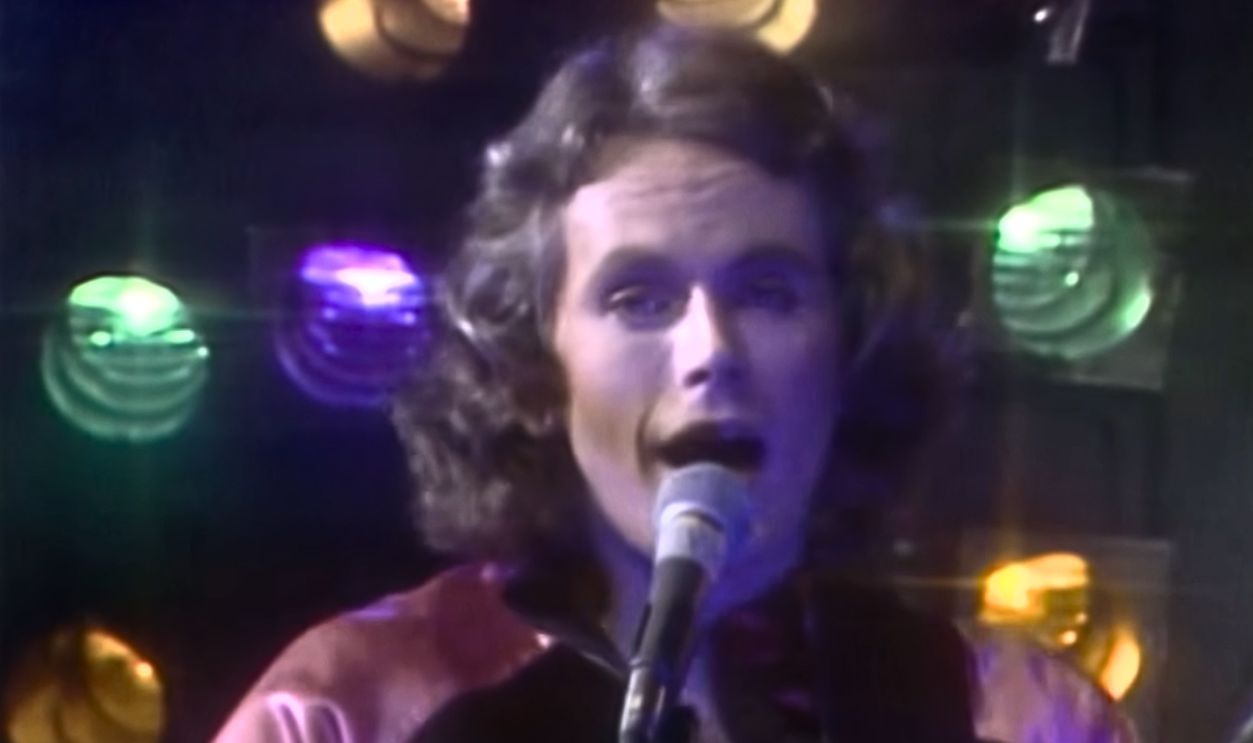 Screenshot from Magnet and Steel, Columbia Records (1978)
“Hot Child In The City” — Nick Gilder
Nick Gilder reached number one in America with “Hot Child in the City” in 1978. His high voice, glam-rock background, and the song’s strutting rhythm made the record immediately distinctive. People still recognize the chorus, but many would have difficulty identifying the Canadian singer responsible for it.
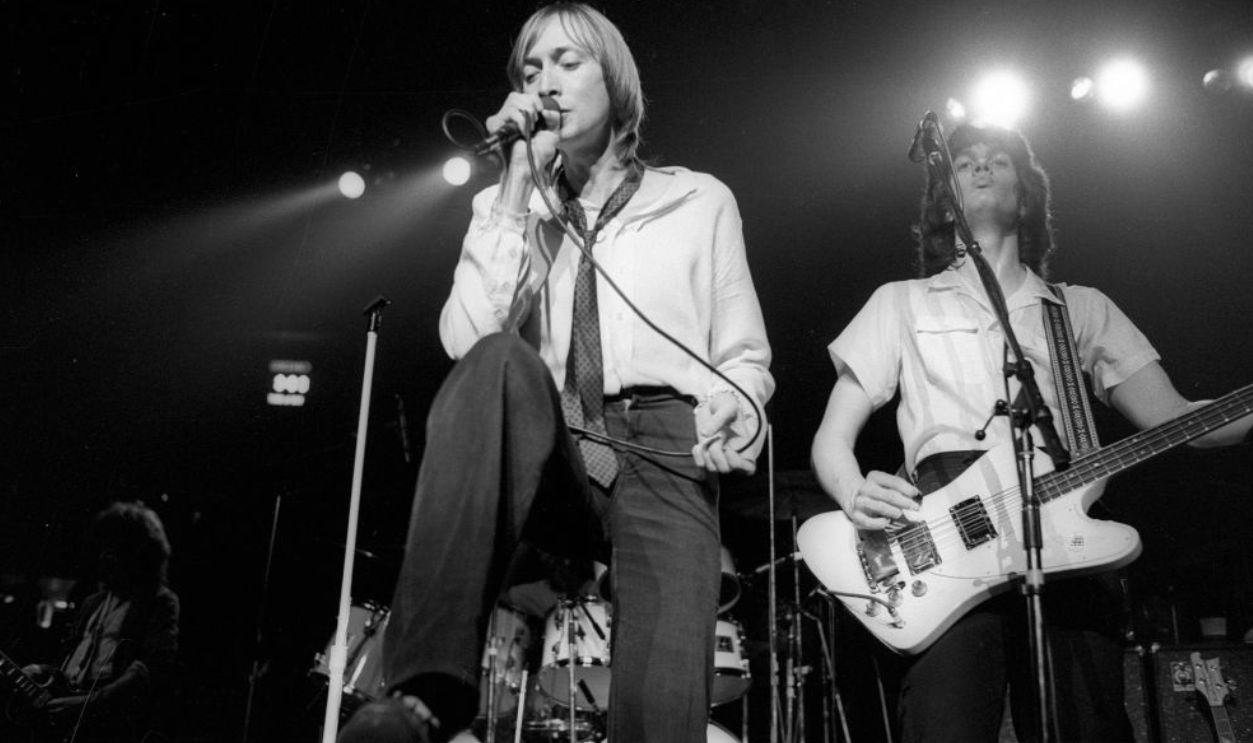 Richard E. Aaron, Getty Images
“Love Will Find A Way” — Pablo Cruise
Pablo Cruise’s “Love Will Find a Way” reached number six in 1978 and captured the polished California sound that dominated late-decade radio. The optimistic chorus was difficult to resist. The band’s name sounded like a person, but Pablo Cruise was actually a group—and contained nobody named Pablo.
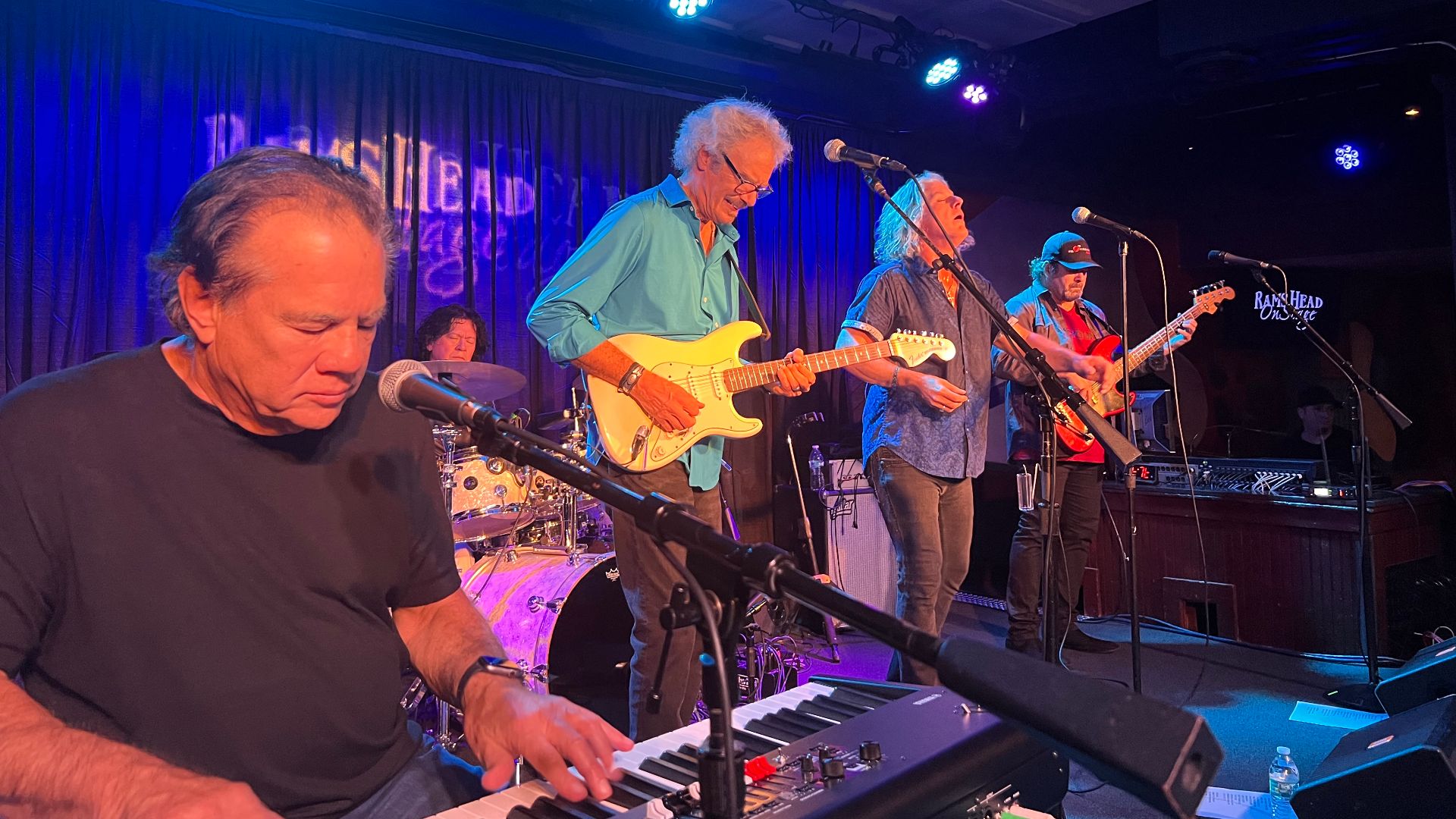
“Ebony Eyes” — Bob Welch
Former Fleetwood Mac guitarist Bob Welch released “Ebony Eyes” on his 1977 album French Kiss, and the single reached the American Top 20 in 1978. Its glossy production and driving guitar made it ideal for FM radio. Welch’s solo work, however, gradually slipped behind Fleetwood Mac’s enormous shadow.
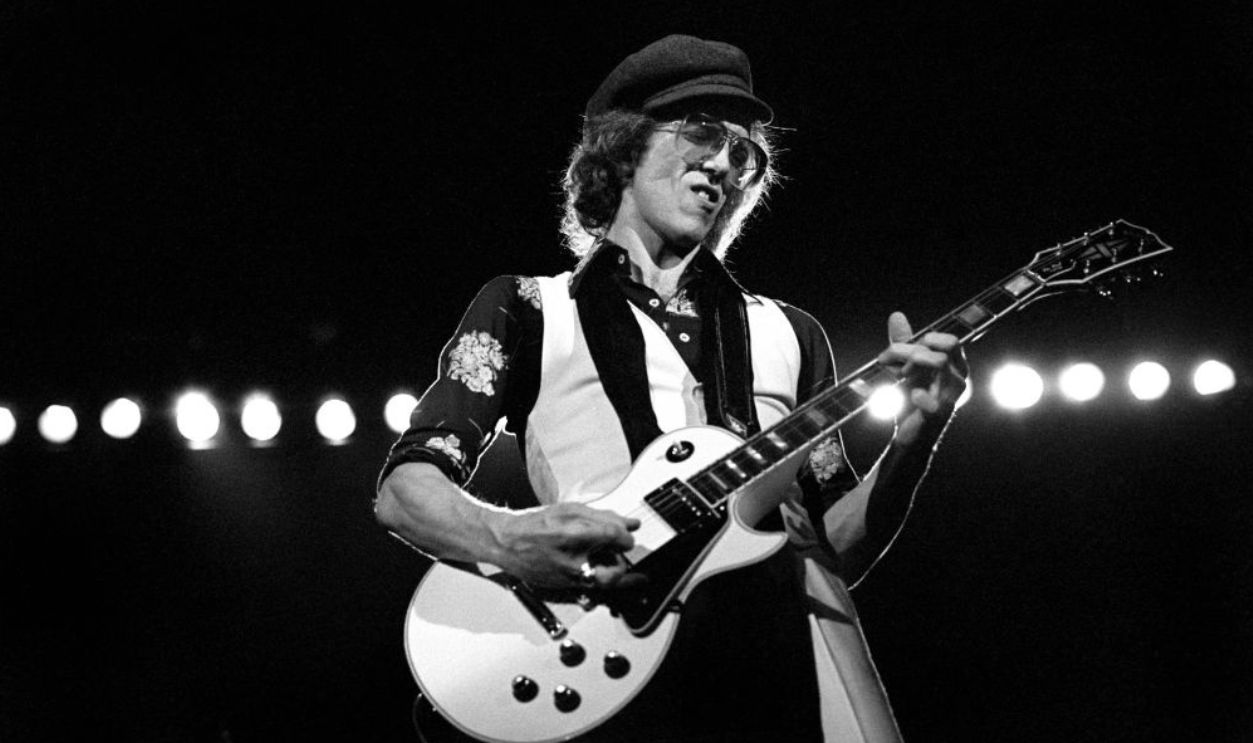
“Driver’s Seat” — Sniff ’N’ The Tears
British band Sniff ’N’ the Tears released “Driver’s Seat” in 1978, and it became an American Top 20 hit in 1979. Its restless beat and road-ready atmosphere made it sound perfect inside a moving car. The song remains recognizable, even if that unusual band name has escaped many memories.
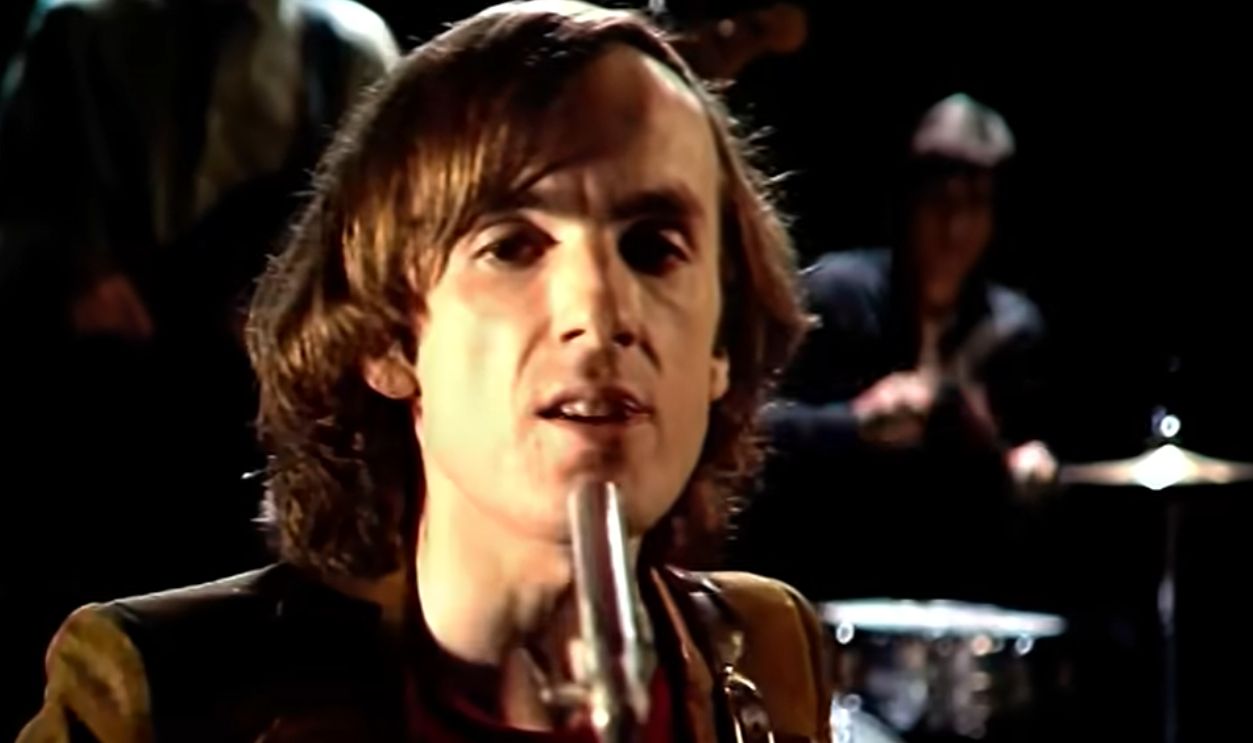 Screenshot from Driver's Seat, Chiswick Records (1978)
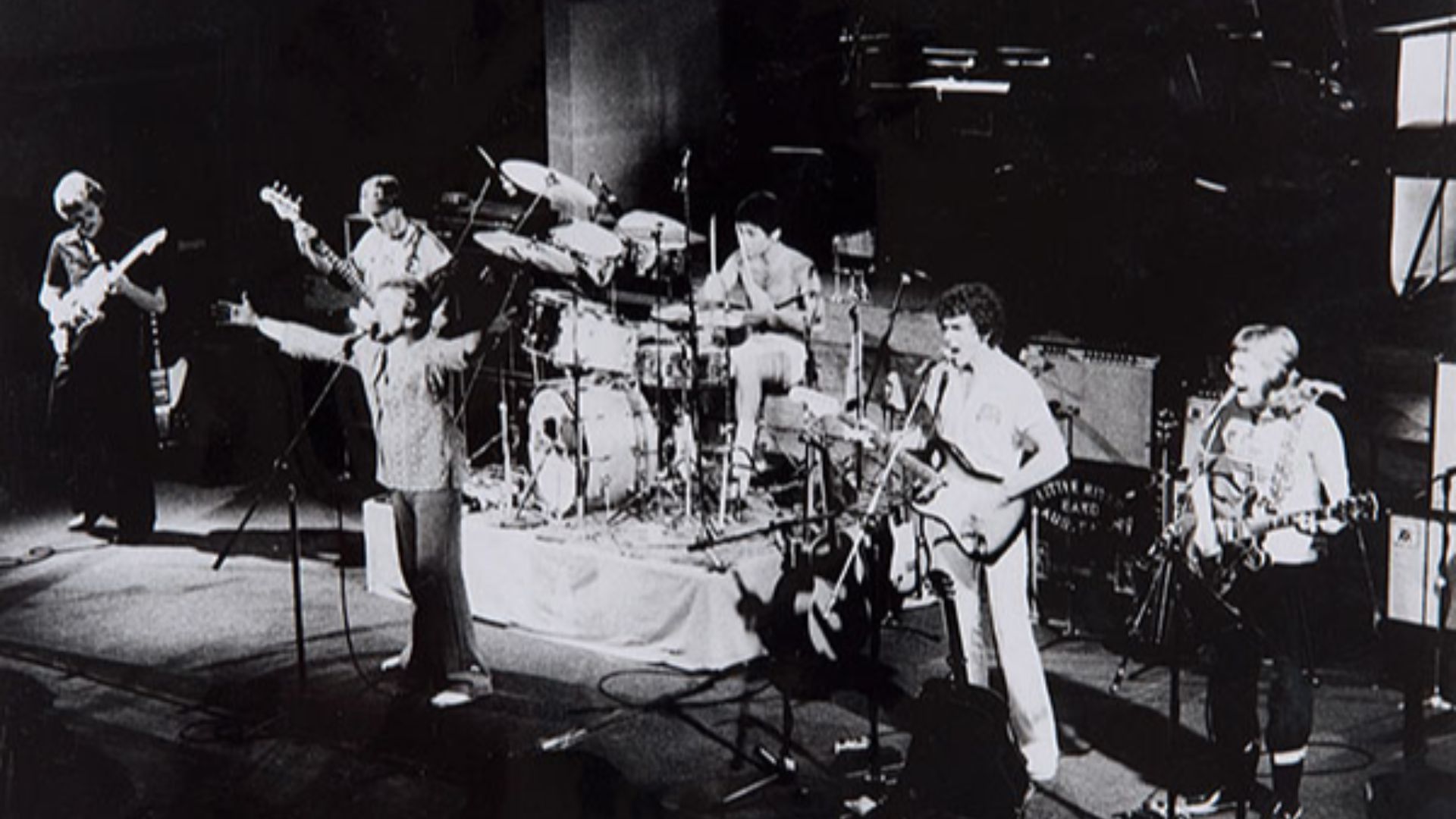
“Lonesome Loser” — Little River Band
Little River Band released “Lonesome Loser” in 1979, and it reached number six on the Billboard Hot 100. Its layered harmonies and unusually cheerful treatment of defeat made it difficult to forget. It also gave audiences permission to sing the word “loser” enthusiastically without directing it at anyone nearby.
 WWGB (talk), Wikimedia Commons
You May Also Like:
Rock Ballads That Dominated The 1980s—Then Quietly Disappeared
Rock Legends Who Turned Down Fortune For Freedom
Sources: 1, 2, 3, 4