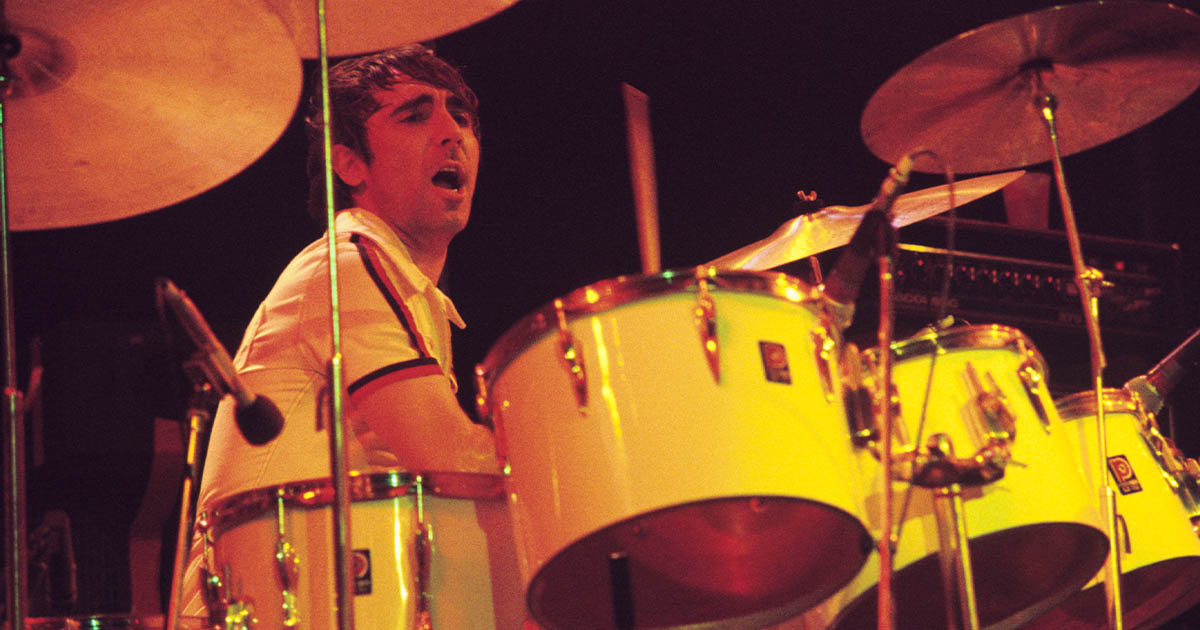
The Night the Party Cracked and the Fragility Beneath It Showed
By the early 1970s, Keith Moon wrecking a hotel room barely raised an eyebrow. Broken furniture, flooded bathrooms, shattered televisions — it all felt like part of the legend. That night was no different at first glance. Loud, chaotic, and soaked in excess. But what followed just hours later exposed how thin the line was between Keith Moon’s public chaos and his private pain.
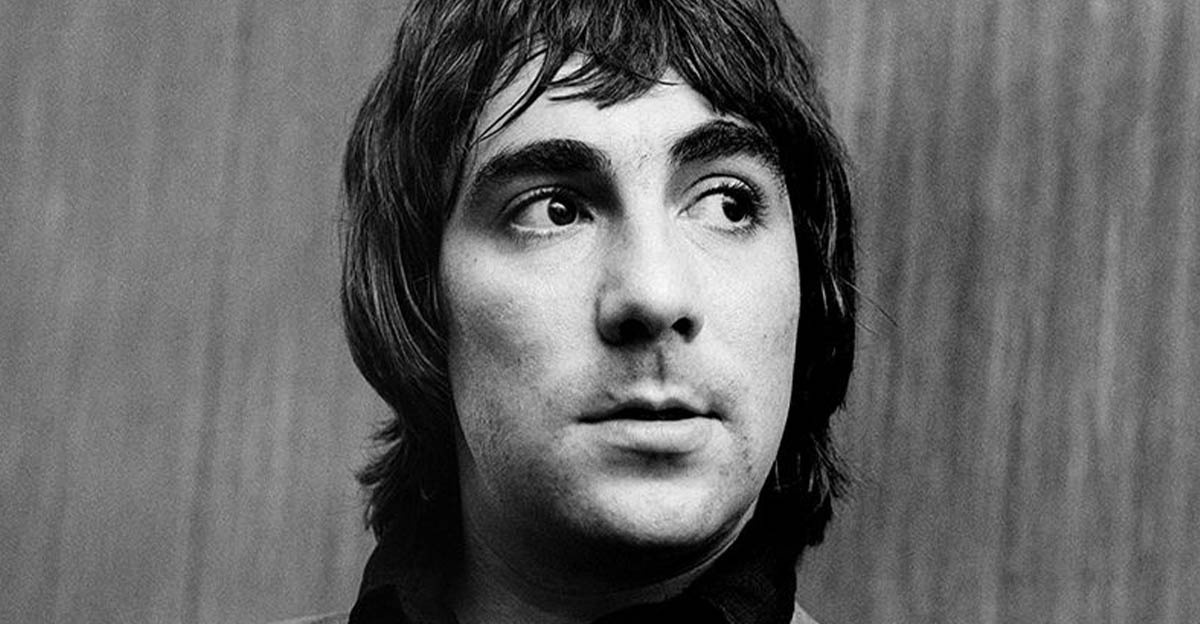
The Man Who Turned Drumming Into Theater
Keith Moon wasn’t just The Who’s drummer — he was its heartbeat and its wildest performer. His drumming didn’t keep time so much as explode around it. Pete Townshend once said Moon played “like a man falling down a staircase and somehow landing on his feet.” That unpredictability became his signature.
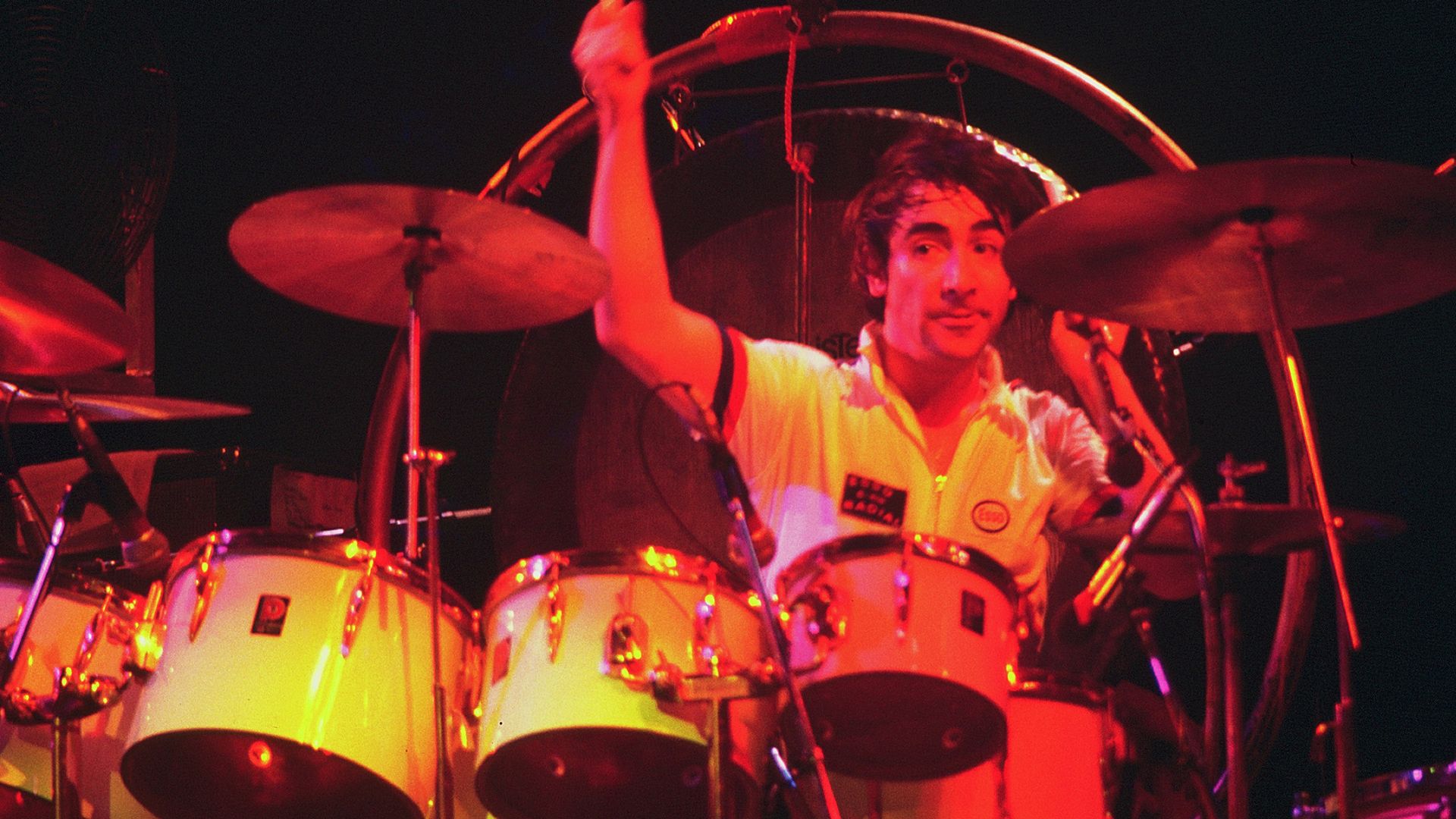 Jim Summaria, Wikimedia Commons
Fame Came Fast, and Keith Ran With It
Success amplified everything Keith already was. Fame gave him permission to be louder, bolder, and more reckless. Crowds adored him. The press followed his antics closely. But beneath the jokes and explosions was a man struggling to regulate himself in a world that rewarded excess.
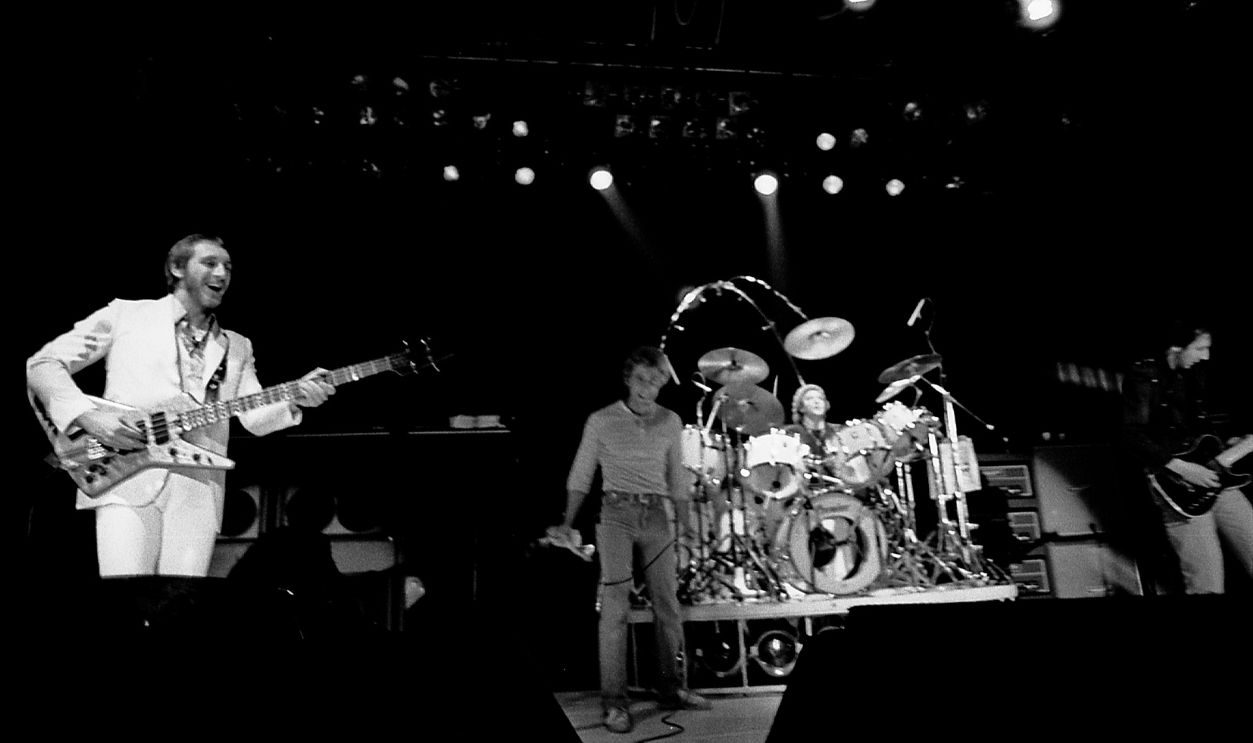 BSR Entertainment, Getty Images
Hotel Rooms Became Stages for Destruction
Wrecked hotel rooms became shorthand for Keith Moon’s identity. Managers paid the bills. Stories spread. Fans laughed. What most people didn’t see was that these moments weren’t always joyful — they were often fueled by anxiety, loneliness, and a desperate need to feel something.
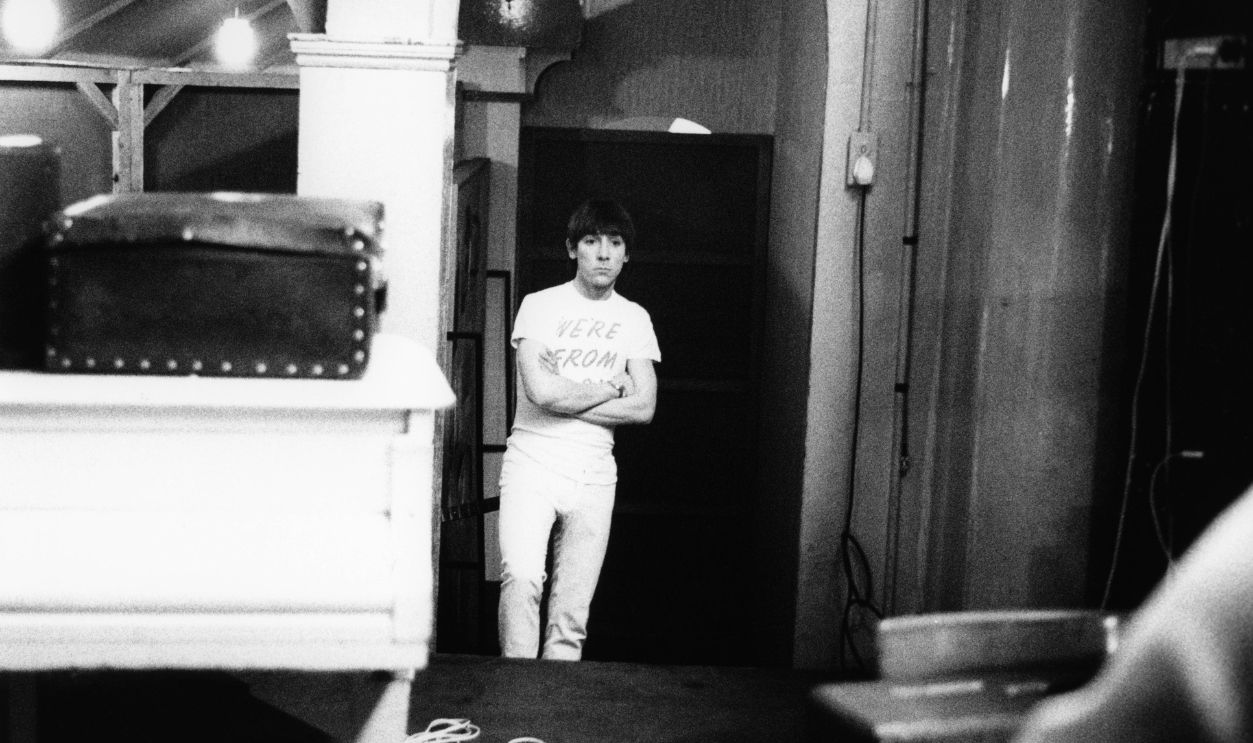
The Night Things Went Too Far
That particular night, after another round of destruction, Keith didn’t laugh it off. Instead, he became quiet. Friends noticed the shift. The adrenaline faded, leaving behind exhaustion and a visible emptiness that no amount of chaos could cover.
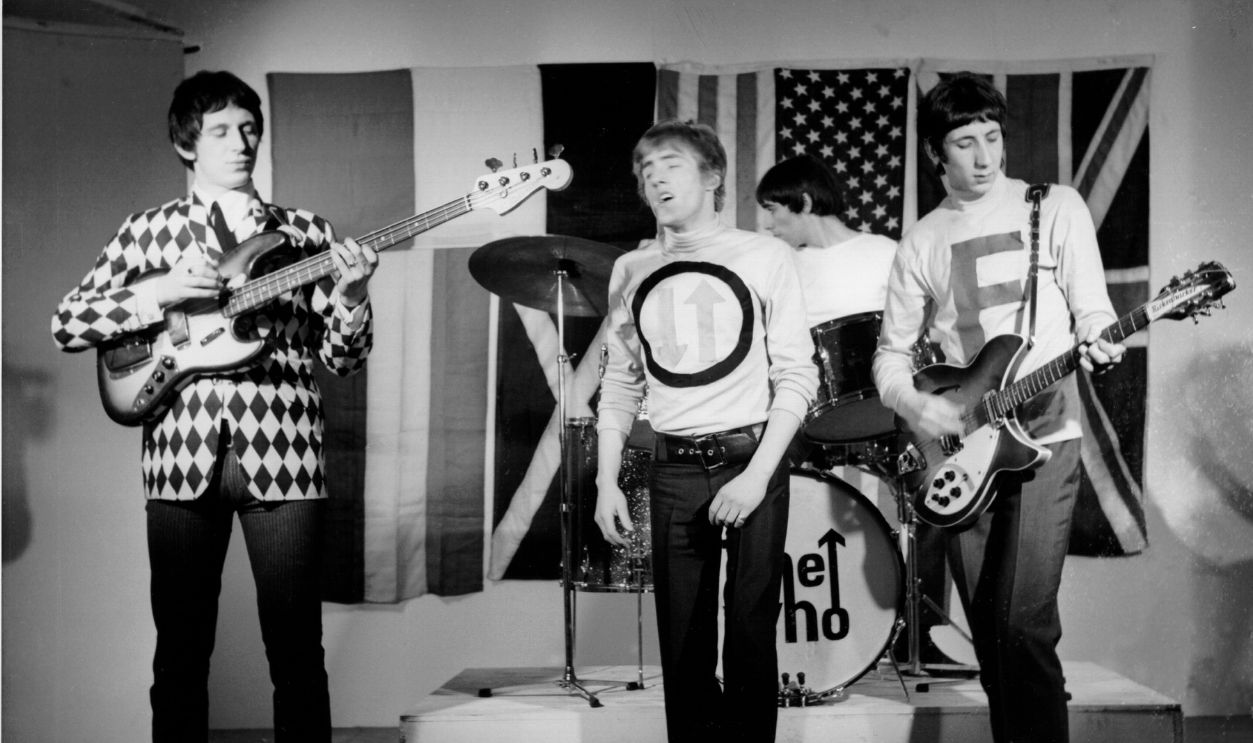 Michael Ochs Archives, Getty Images
What Happened Hours Later Changed the Mood
In the early hours of the morning, Keith suffered a medical emergency. What had started as “typical Keith behavior” suddenly turned serious. The room went silent. Jokes stopped. The fragility everyone ignored became impossible to miss.
 Klaus Hiltscher, CC BY-SA 2.0, Wikimedia Commons
The Body Couldn’t Keep Up Anymore
Years of relentless touring, stress, and unhealthy coping mechanisms had taken a toll. Keith’s body was failing him long before his spirit did. Doctors warned him repeatedly. Friends begged him to slow down. But Keith didn’t know who he was without the noise.
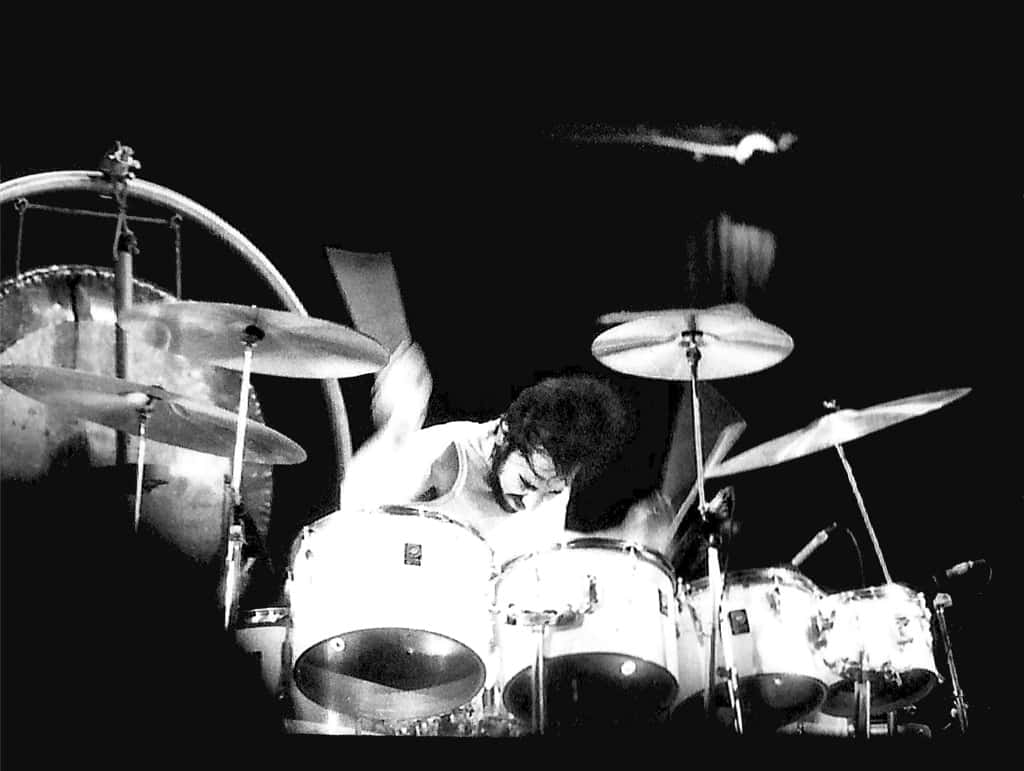
A Clown Who Felt Deeply Alone
Despite always being surrounded by people, Keith often felt isolated. He once admitted that when the laughter stopped, he felt empty. The clown persona protected him — but it also trapped him. People wanted the wild Keith, not the vulnerable one.
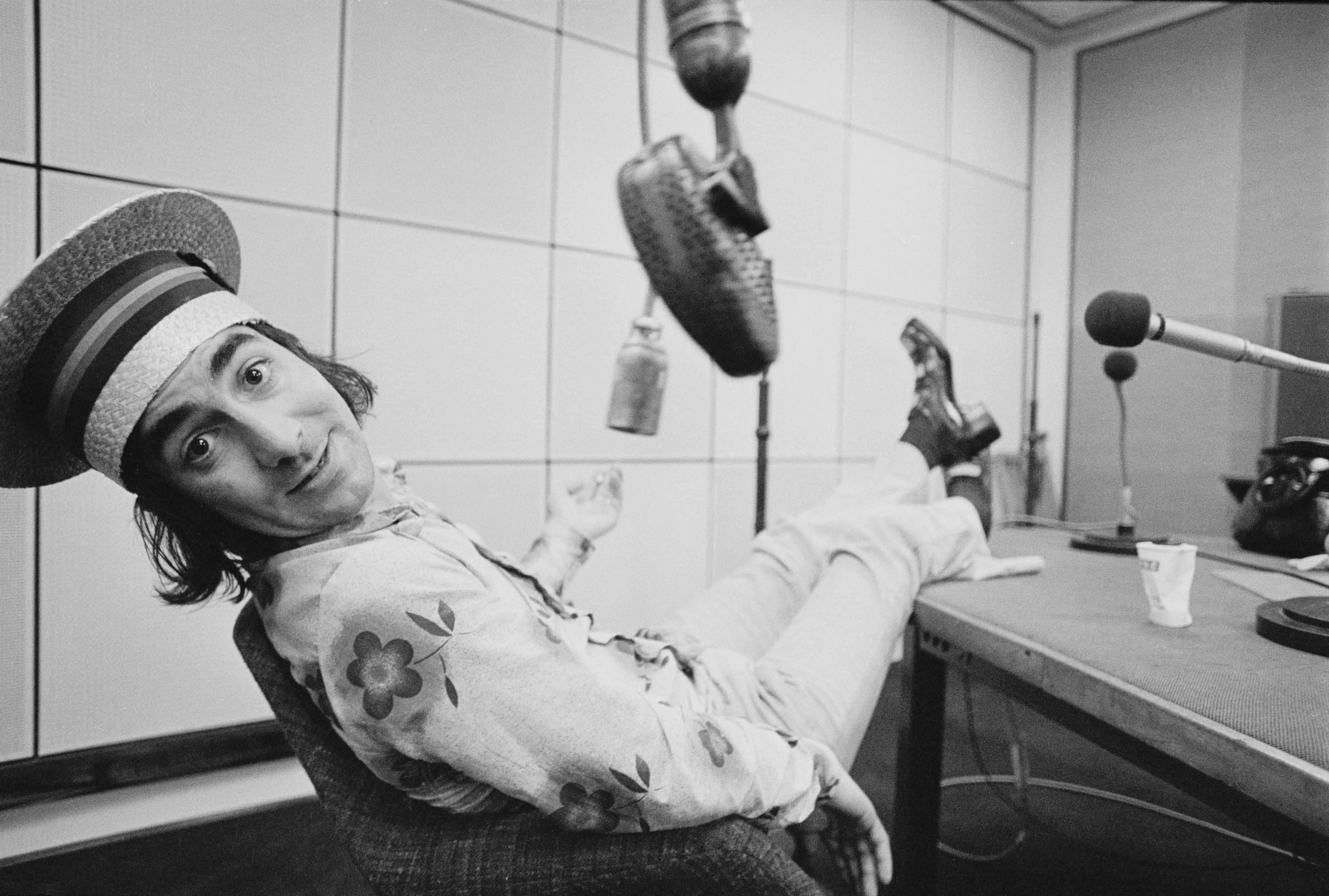
The Pressure to Always Be “On”
Keith believed he had a role to play. If he wasn’t outrageous, he feared he’d disappear. That pressure made quiet moments terrifying. Calm felt unfamiliar. Destruction felt safe because it was expected.
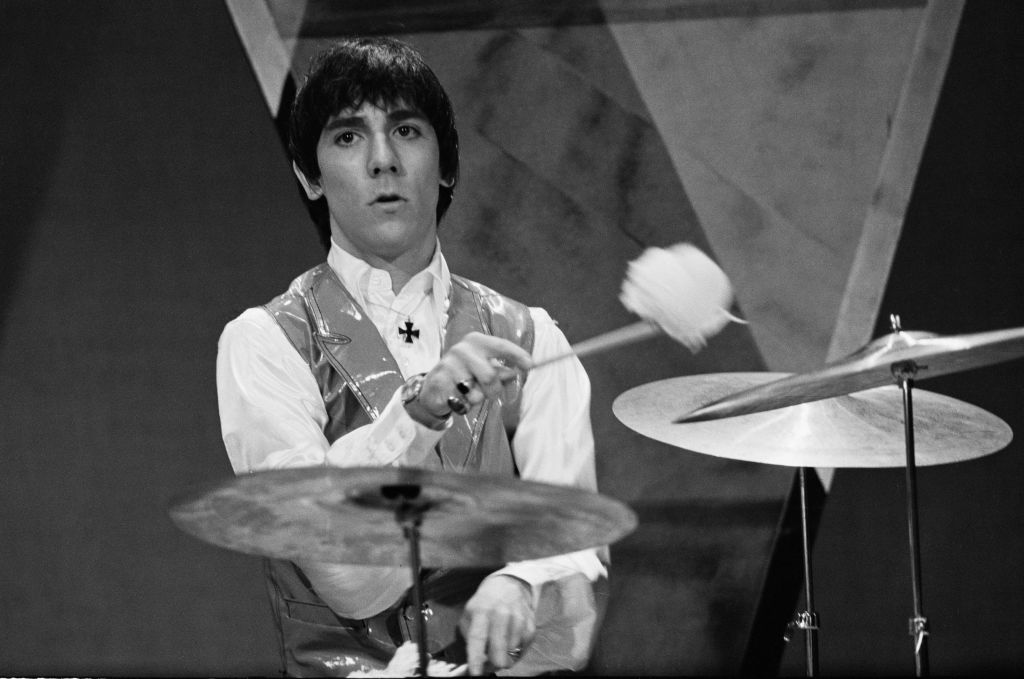
Bandmates Began to Worry
Pete Townshend and Roger Daltrey saw the toll firsthand. The jokes were still there, but the spark dimmed. Pete later said Keith was “burning himself out in public.” It wasn’t rebellion anymore — it was erosion.
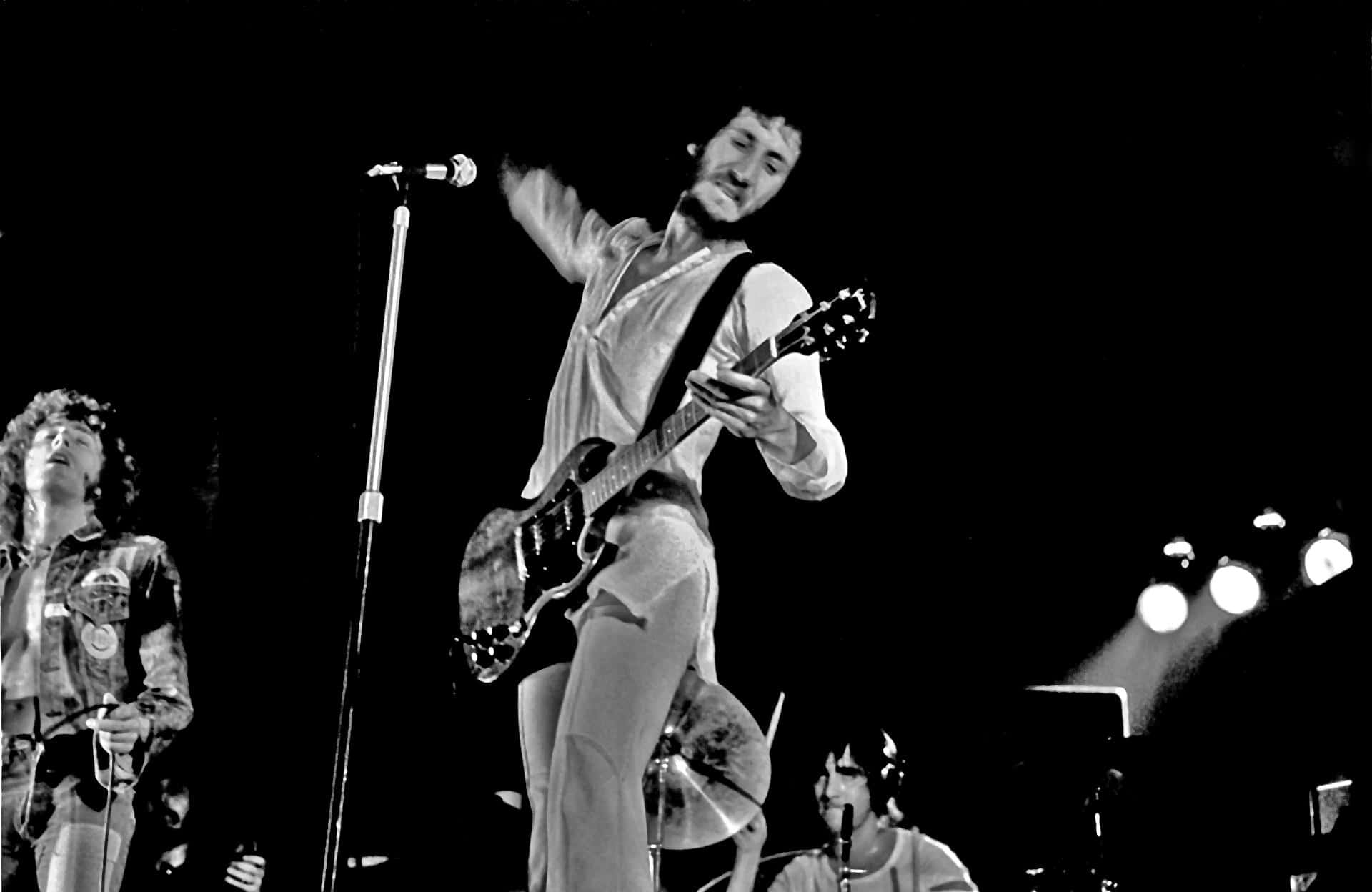 Heinrich Klaffs, CC BY-SA 2.0, Wikimedia Commons
Humor Became a Shield, Not a Joy
Keith’s humor remained sharp, but it increasingly masked pain. Friends noticed that laughter often came with sadness just beneath the surface. He could make a room roar — then sit alone minutes later, completely drained.
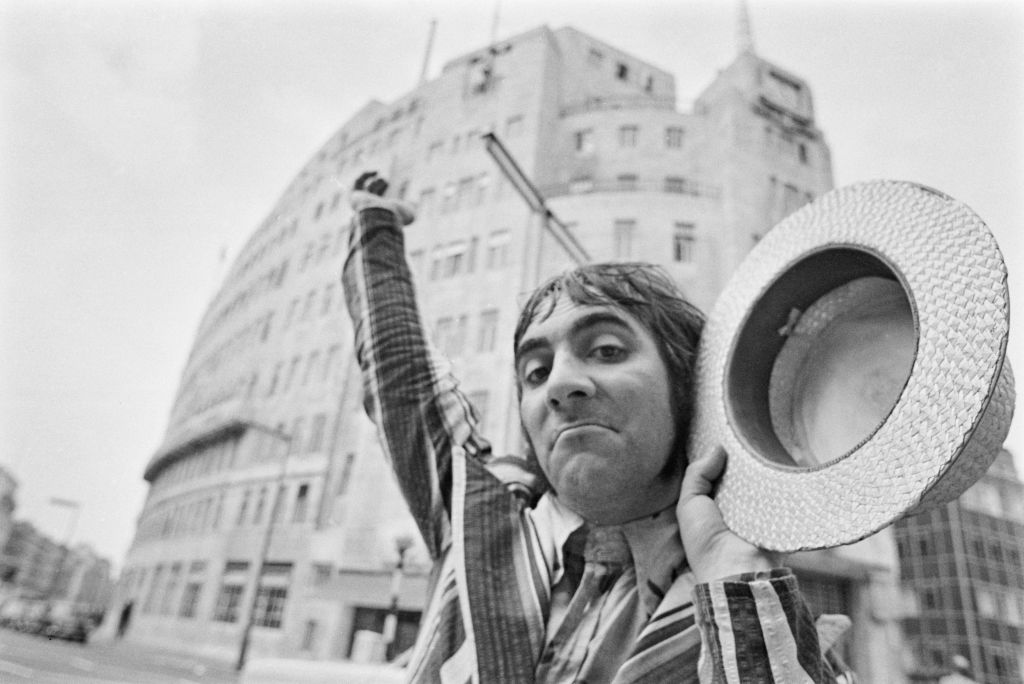
Moments of Sobriety Revealed the Cost
In rare quieter moments, Keith acknowledged he was struggling. He spoke about wanting peace, wanting to feel normal. But normal felt unreachable. The myth of Keith Moon had grown bigger than the man himself.
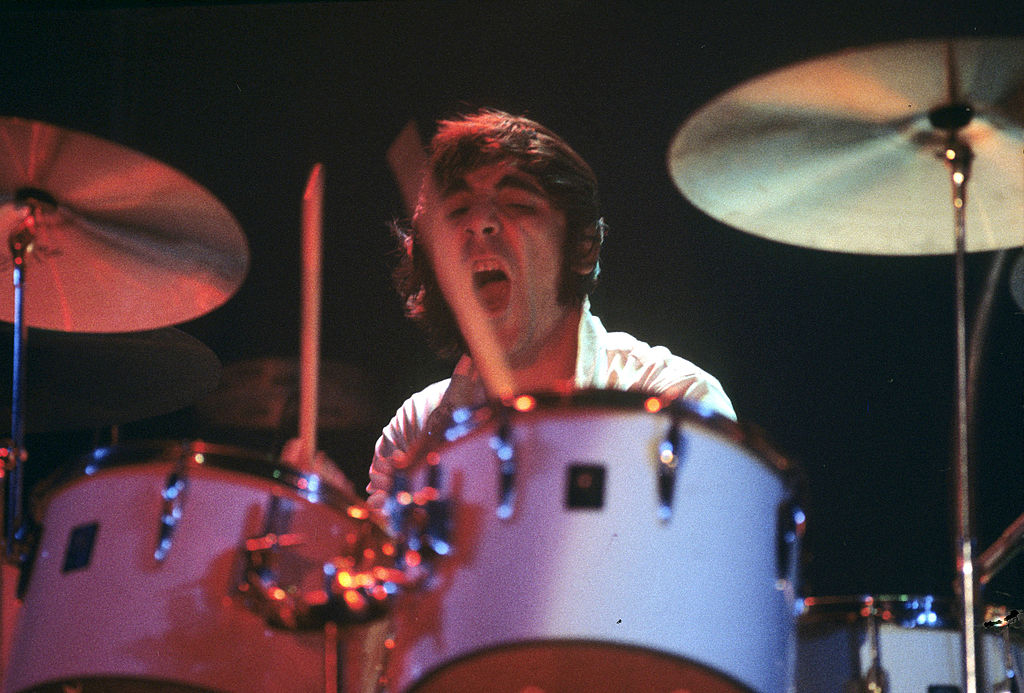
That Night Became a Turning Point for Some
For those who witnessed what happened after the hotel chaos, something changed. It wasn’t funny anymore. The destruction suddenly felt like a warning sign no one wanted to ignore.
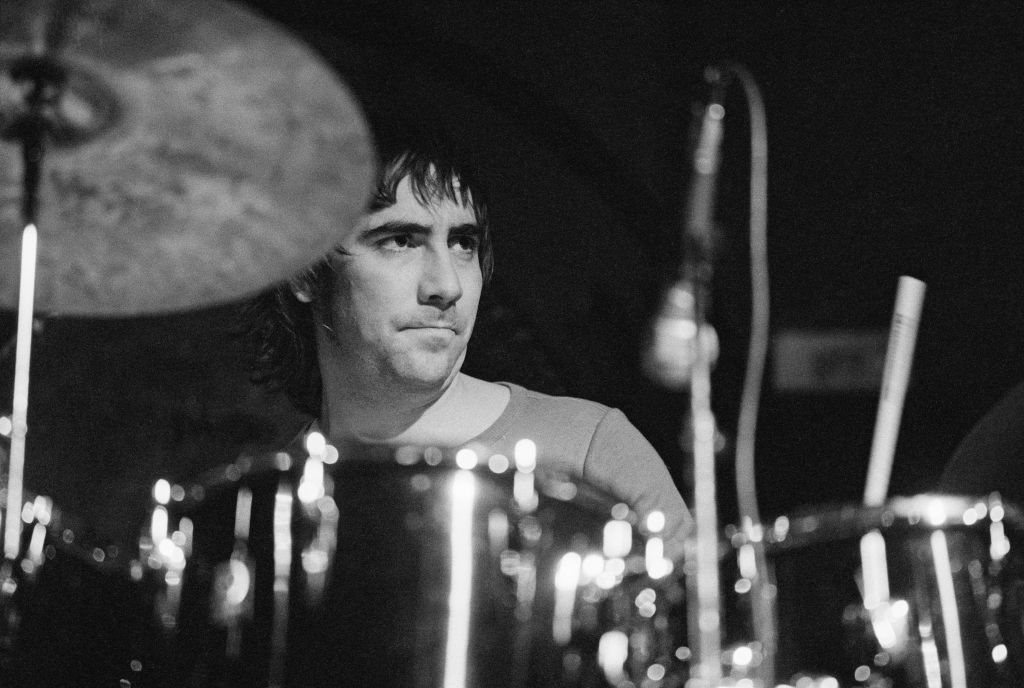
Keith Tried to Reinvent Himself
Later, Keith made attempts to change — to calm down, to reclaim control. But reinvention is hard when the world only applauds one version of you. Every step toward stability felt like stepping away from the love he feared losing.
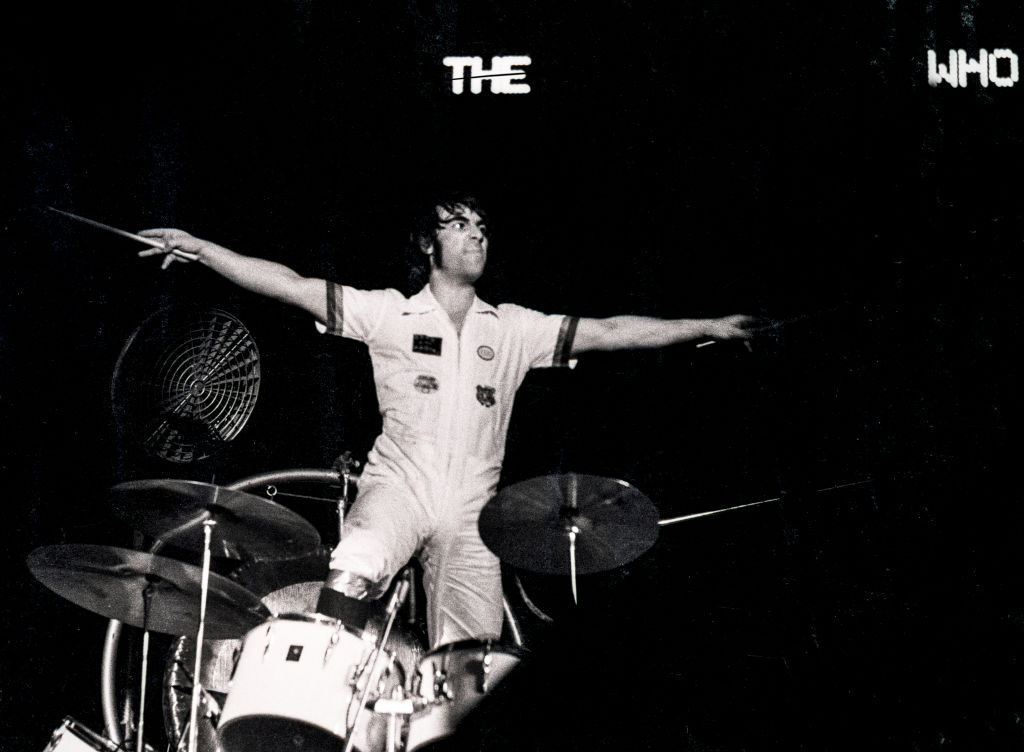 Gisjbert Hanekroot, Getty Images
The Weight of Expectations Crushed the Quiet Keith
Fans wanted explosions. Promoters wanted headlines. Keith wanted relief. The mismatch between who he was and who he was expected to be grew heavier every year.
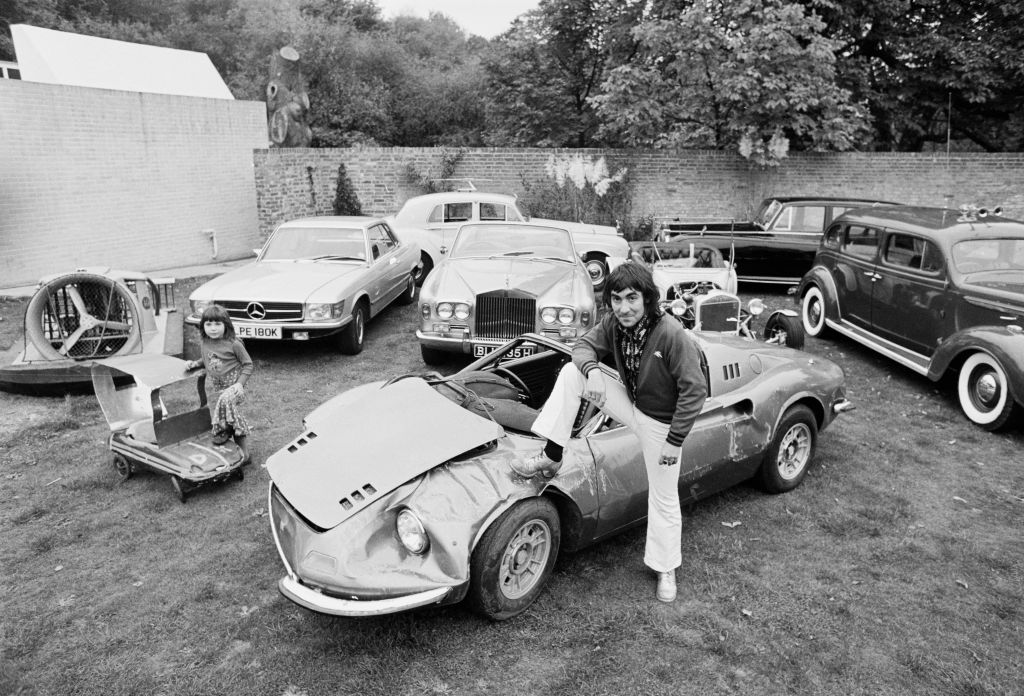
The Final Years Were Marked by Exhaustion
By the late 1970s, Keith looked tired. His body slowed. His energy flickered. The joy that once fueled his chaos had been replaced by habit and fatigue.
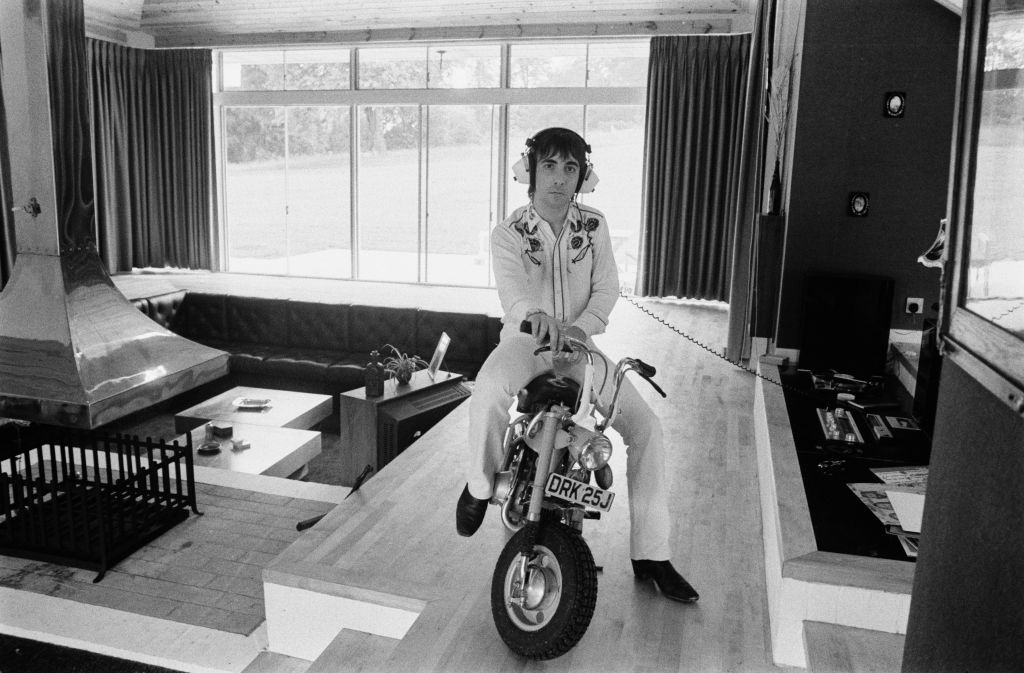 Evening Standard, Getty Images
A Tragic End That Felt Inevitable — But Still Shocking
Keith Moon died on September 7, 1978, at just 32 years old. The news stunned fans, even those who knew his struggles. It felt both sudden and tragically predictable — the end of a life lived too loudly for too long.
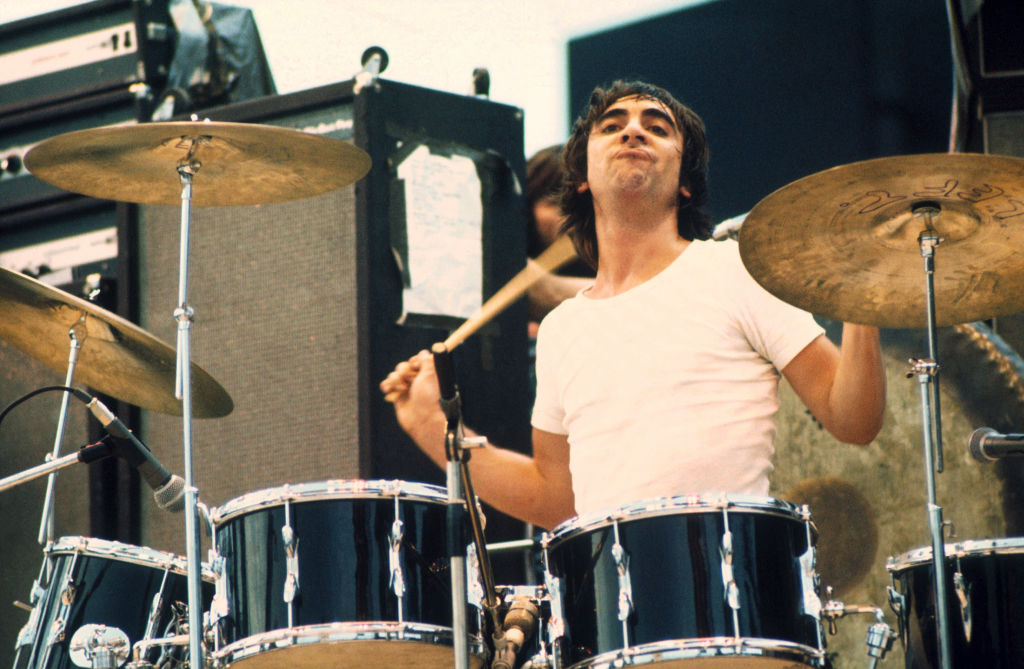
The Who Lost More Than a Drummer
The band lost its pulse. Keith wasn’t replaceable because he wasn’t just a musician — he was a force of nature. His absence left a silence that no technical skill could fill.
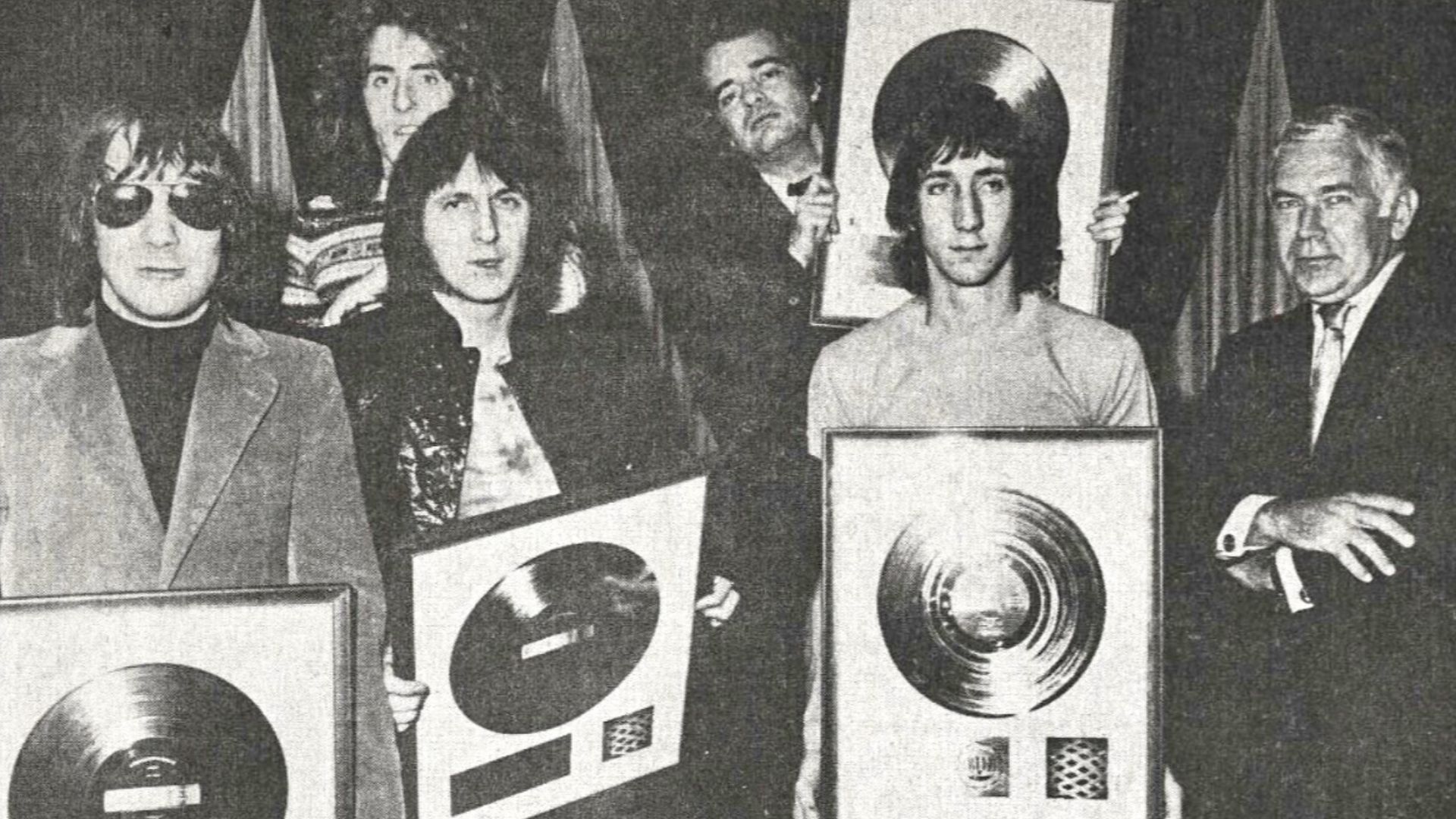
Looking Back at That Night Differently
Today, that hotel room incident reads differently. Not as a funny anecdote — but as a moment when the cracks were impossible to ignore. It was the night chaos stopped being entertaining and started being alarming.
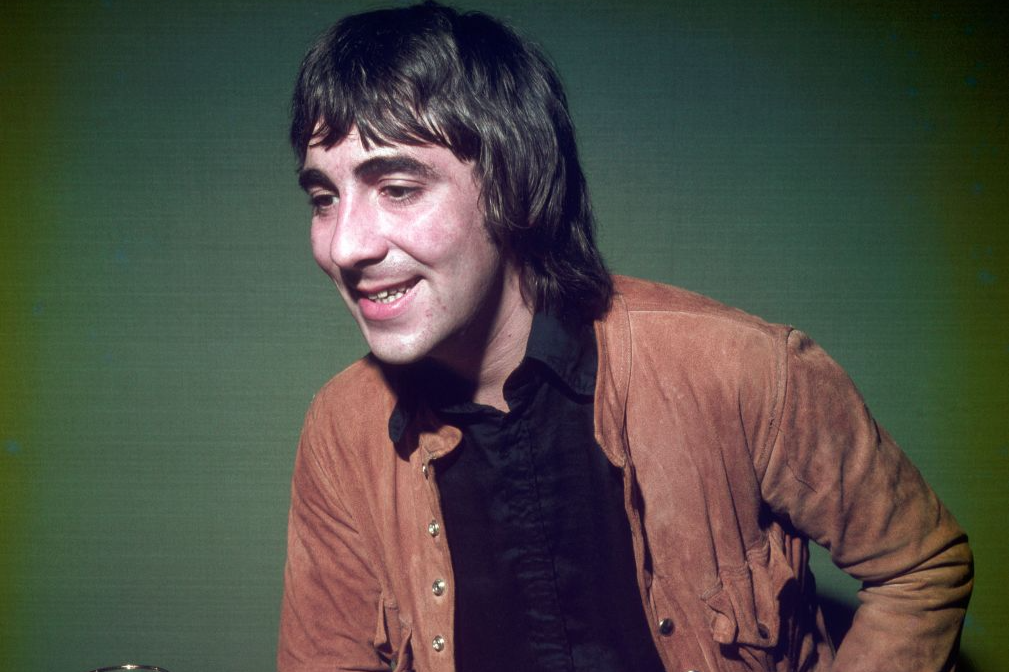 George Wilkes Archives, Getty Images
What Keith Moon Really Needed
More than applause, Keith needed rest. More than laughter, he needed care. But the era didn’t know how to give it — and Keith didn’t know how to ask.
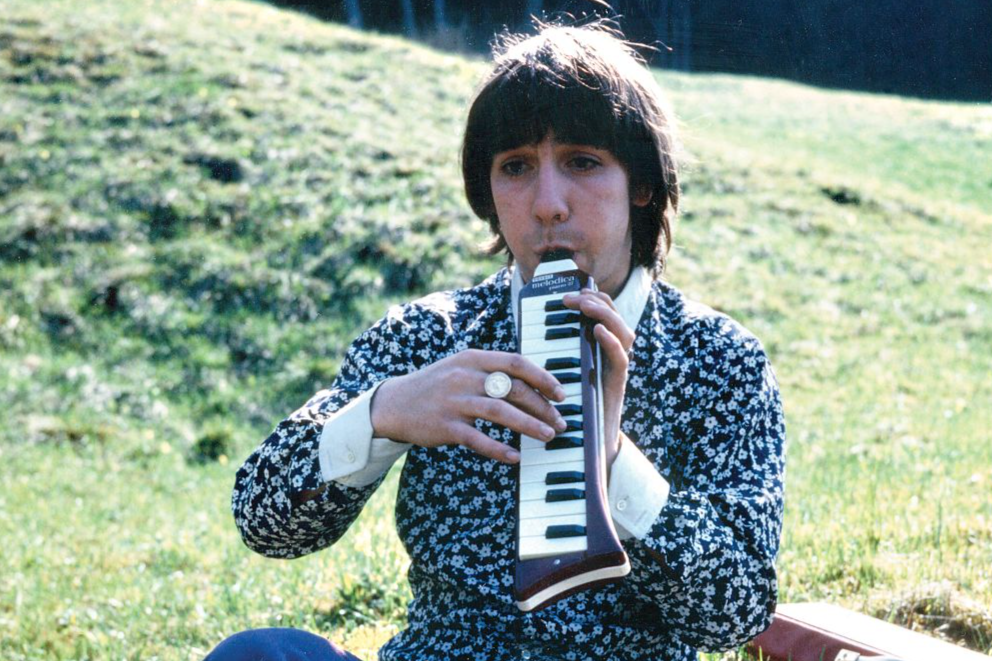
A Legacy of Brilliance and Warning
Keith Moon remains one of the greatest drummers in rock history. But his story also serves as a reminder: talent doesn’t protect you from fragility. Sometimes, the loudest people are the ones hurting most.
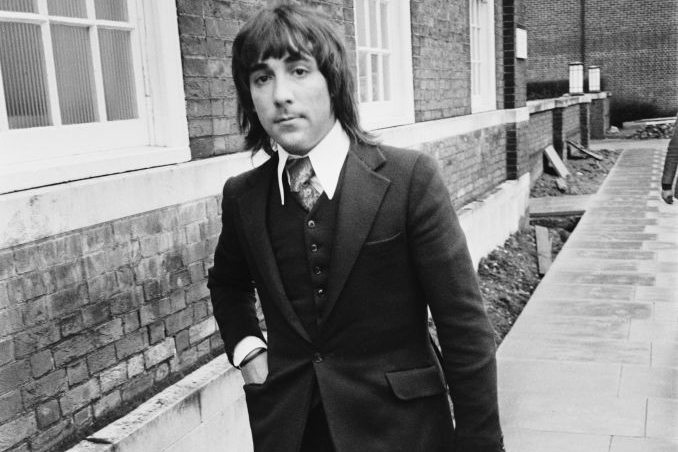
Remembering the Man Behind the Mayhem
Beyond the smashed rooms and wild stories was a deeply sensitive man who loved music fiercely. Keith Moon wasn’t just chaos — he was creativity, humor, and vulnerability wrapped into one unforgettable soul.
 Michael Ochs Archives, Getty Images
You May Also Like: