When Artists Got A Second Life (Or Third, Or Fourth)
In music, the road to the top is rarely a straight line. Sometimes artists drop out of the spotlight, watch trends shift without them, or face personal challenges that throttle their careers. But every so often, someone refuses to stay down. Whether reinventing their sound, reclaiming their confidence, or surprising the world with something bold, these artists proved that comebacks can be just as defining as breakthroughs.
 Screenshot from Believe, A Band Apart/Swivel Films (1998)
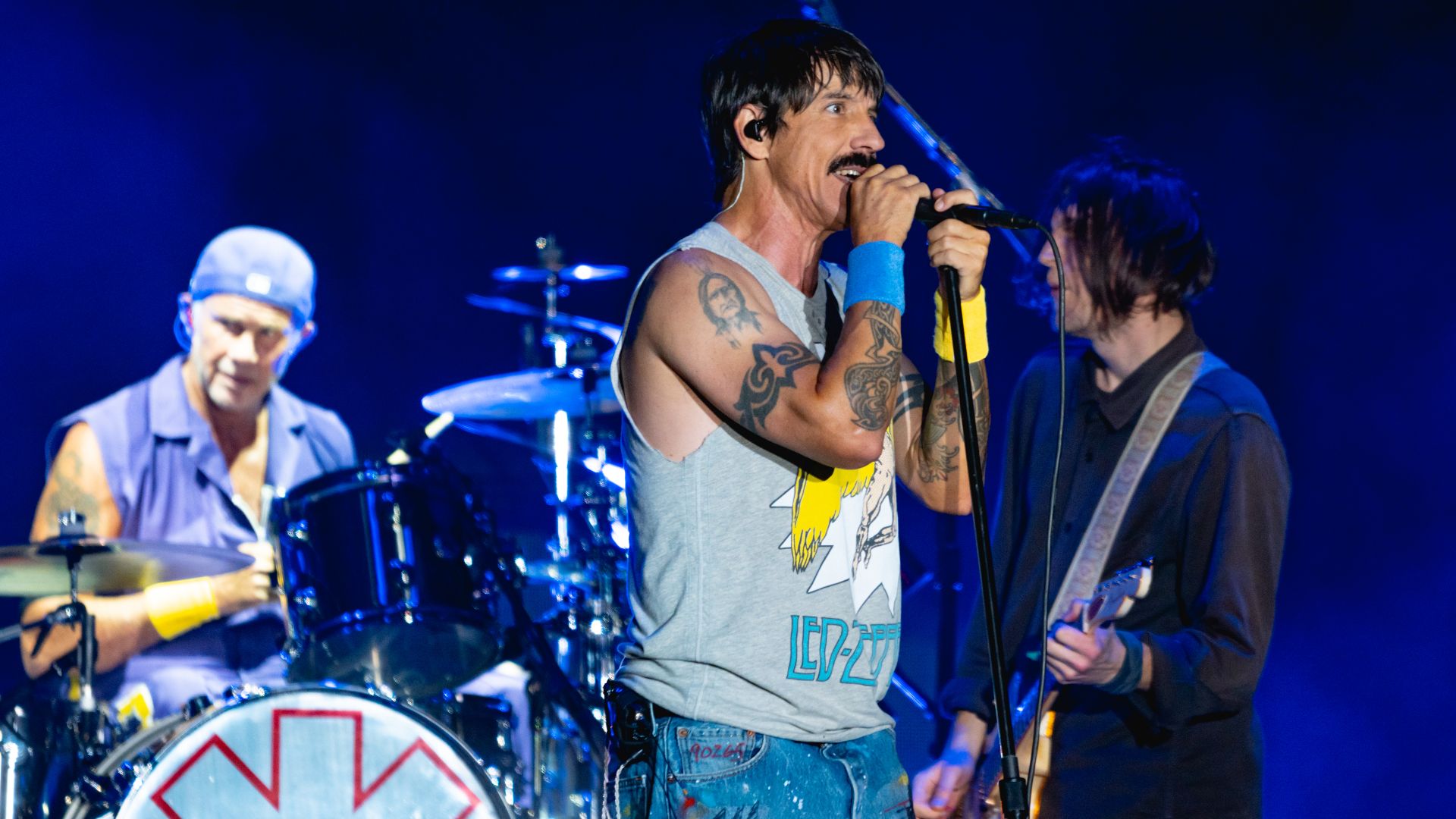
Red Hot Chili Peppers
Few comebacks in modern rock were as refreshing as the Red Hot Chili Peppers’ return with Californication in 1999. After a turbulent decade that saw guitarist John Frusciante leave the band, the Chili Peppers struggled creatively and commercially, especially on 1995’s One Hot Minute. But Frusciante’s return restored their chemistry. Californication delivered a mellower, more melodic sound without losing the band’s funky edge, spawning hits like “Scar Tissue” and “Otherside”. More than just recovering their momentum, this album reintroduced them as a band capable of growth and reinvention.
Metallica
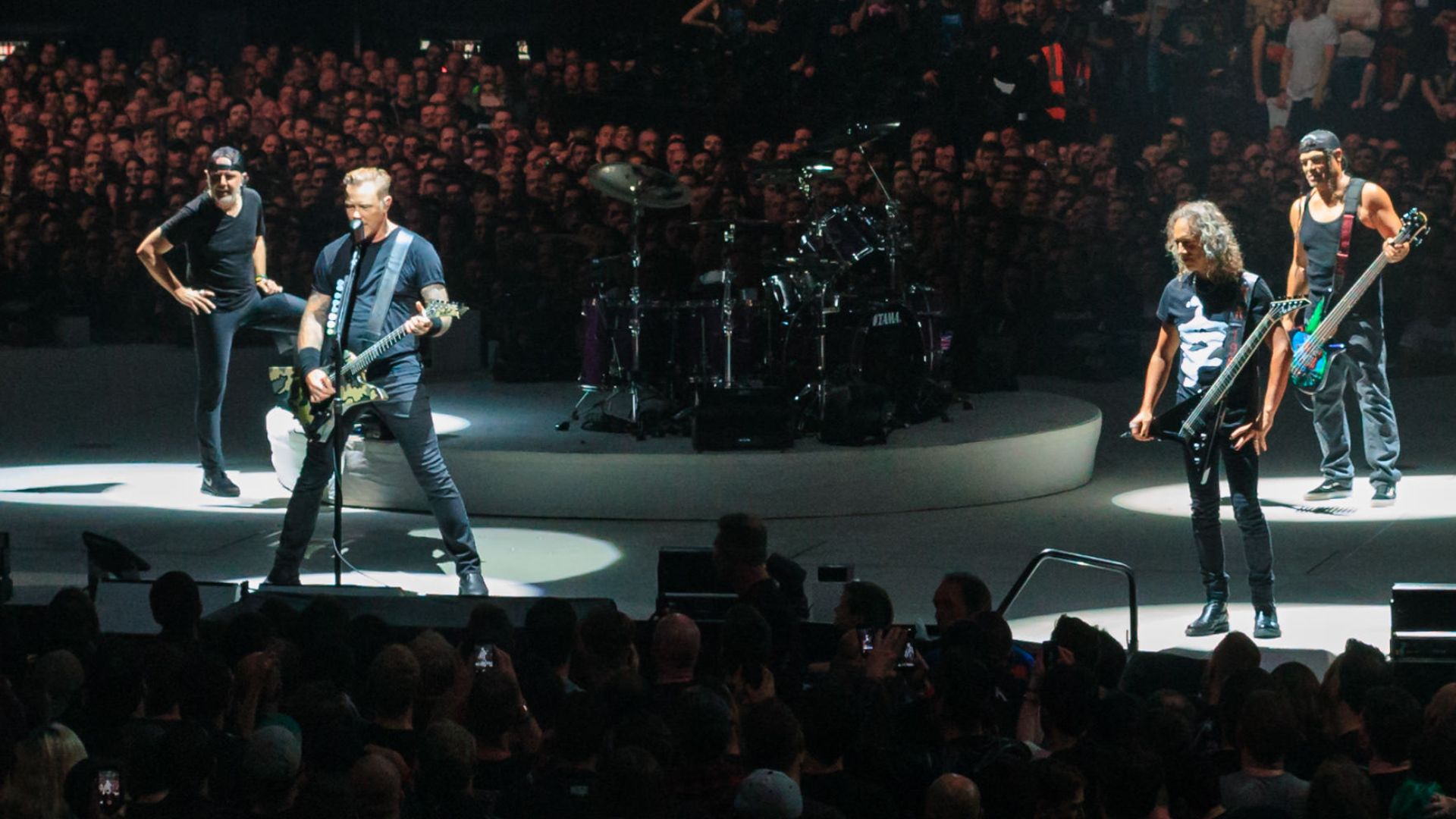
Metallica’s late-2000s comeback proved heavy metal could still roar. After experimenting with hard rock influences on Load and Reload in the 90s, and facing mixed reactions to 2003’s St. Anger, many wondered if the band had lost its edge. Then came Death Magnetic in 2008. Fueled by a renewed focus on thrash roots and complex songwriting, the album hit the top of charts first time in years, showing that they still had the fire that made them giants of metal.
 Kreepin Deth, Wikimedia Commons
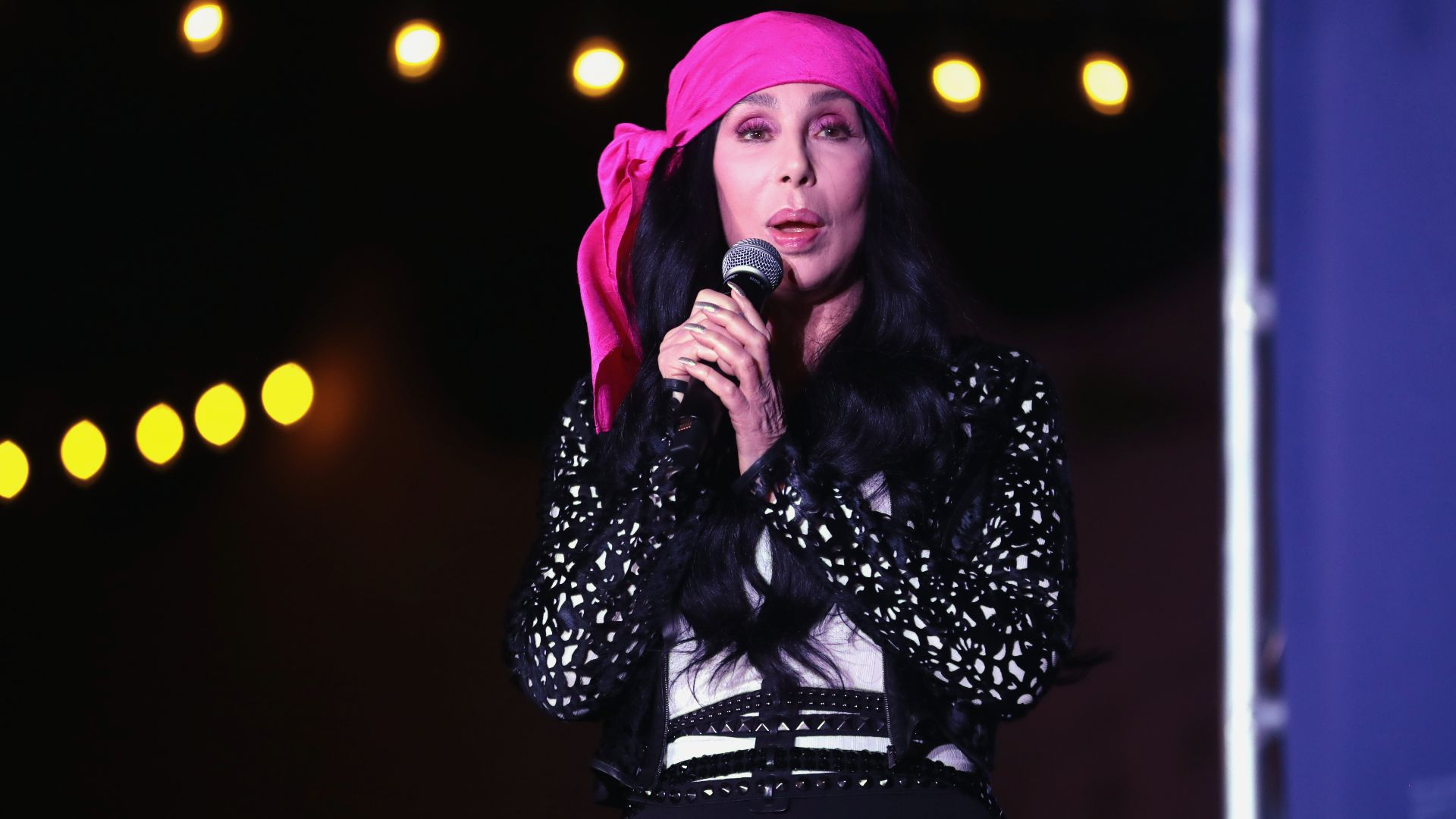
Cher
If anyone deserves the title “Queen of Comebacks,” it’s Cher. After decades in the spotlight, her career stalled by the mid-1990s, with her last big hits years behind her. Then, in 1998, she released Believe, powered by its title track’s pioneering use of Auto-Tune. The song topped charts in more than 20 countries and sold over 10 million copies worldwide, making her the oldest female artist to reach number one on the Billboard Hot 100 at 52. It wasn’t just a comeback, it was a global pop phenomenon all over again.
 Gage Skidmore from Surprise, AZ, United States of America, Wikimedia Commons
Elvis Presley
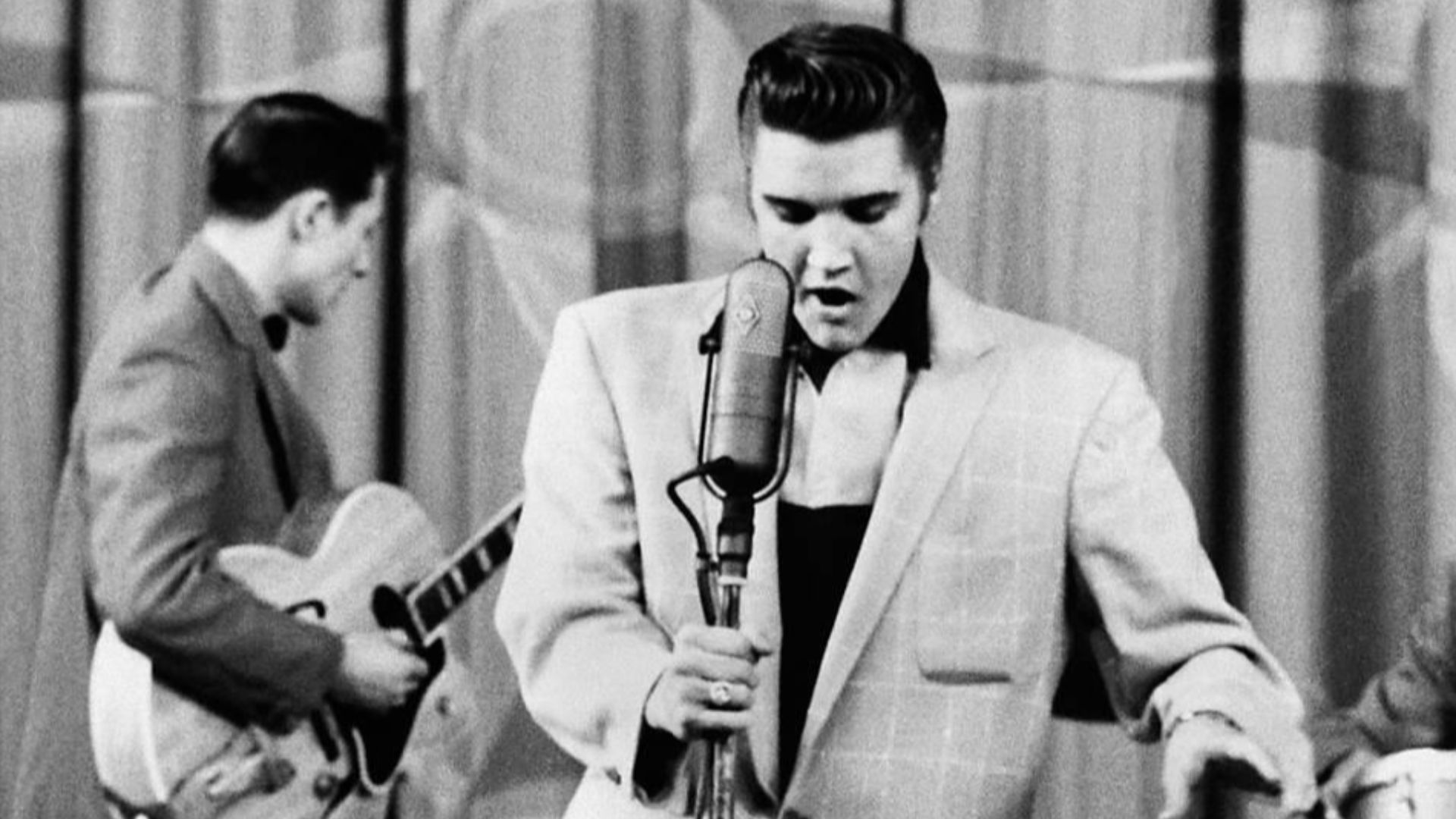
Elvis seemed unstoppable in the 1950s, but by the mid-1960s his career had plateaued, and he was stuck in a cycle of forgettable Hollywood films. The turning point came with his 1968 NBC television special, often called the 68 Comeback Special. Dressed in black leather and brimming with energy, Elvis reconnected with his roots and reminded the world he was the King of Rock and Roll. The performance reignited his recording and touring career, leading straight into hits like “Suspicious Minds” and the legendary Las Vegas residency years.
 Unknown authorUnknown author, Wikimedia Commons
Aerosmith
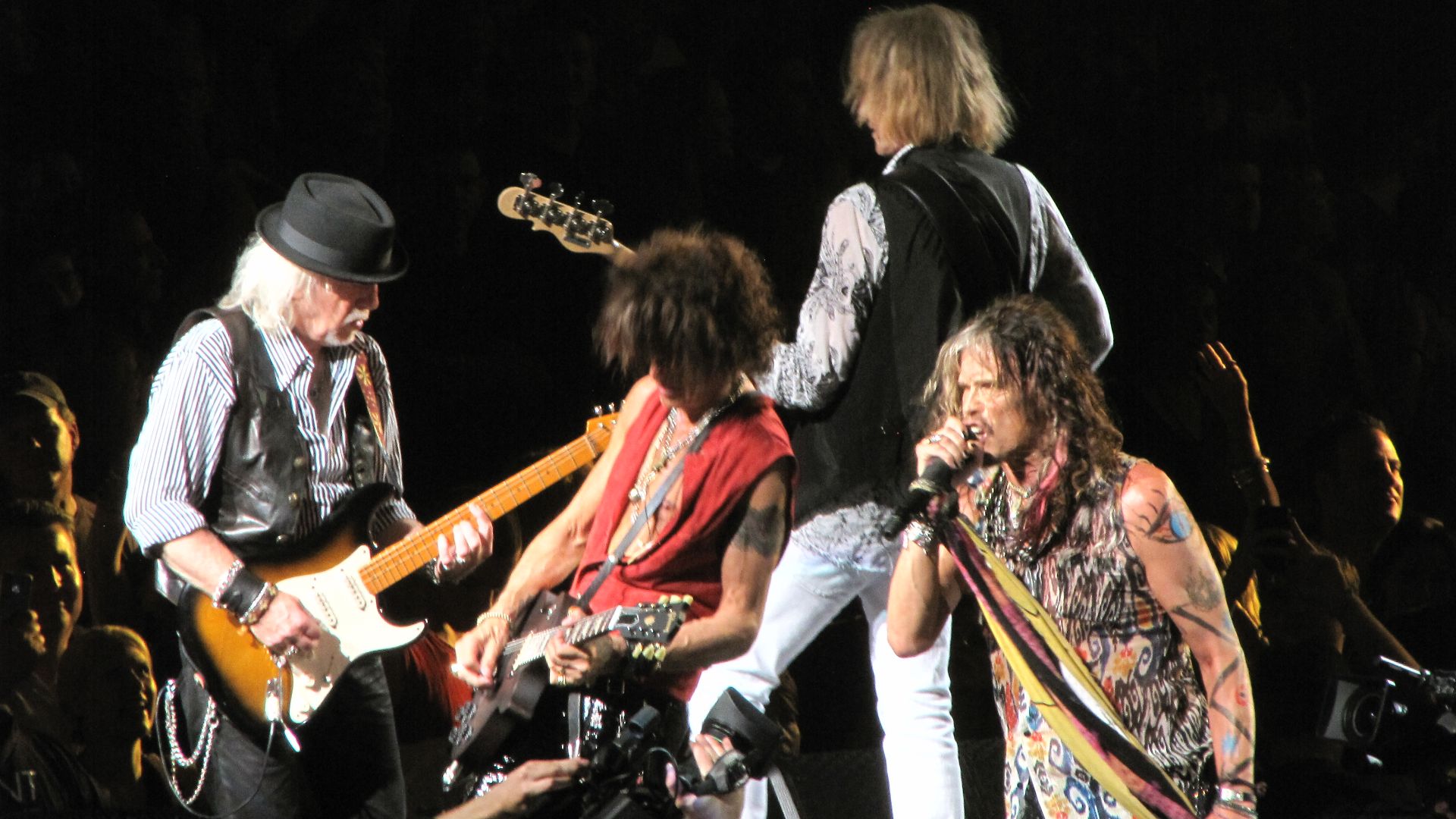
Aerosmith dominated rock in the 70s, but by the early 80s, drug struggles and lineup changes left them on the brink. Things picked up when rap trio Run-D.M.C. covered “Walk This Way” in 1986, merging hip-hop and rock in a way that reintroduced the band to a new generation. The momentum carried into Permanent Vacation in 1987, which spawned hits like “Dude (Looks Like a Lady)” and “Angel”. Suddenly, Aerosmith wasn’t just remembered, they were bigger than ever.
 bobnjeff from Malden, MA, Wikimedia Commons
ABBA
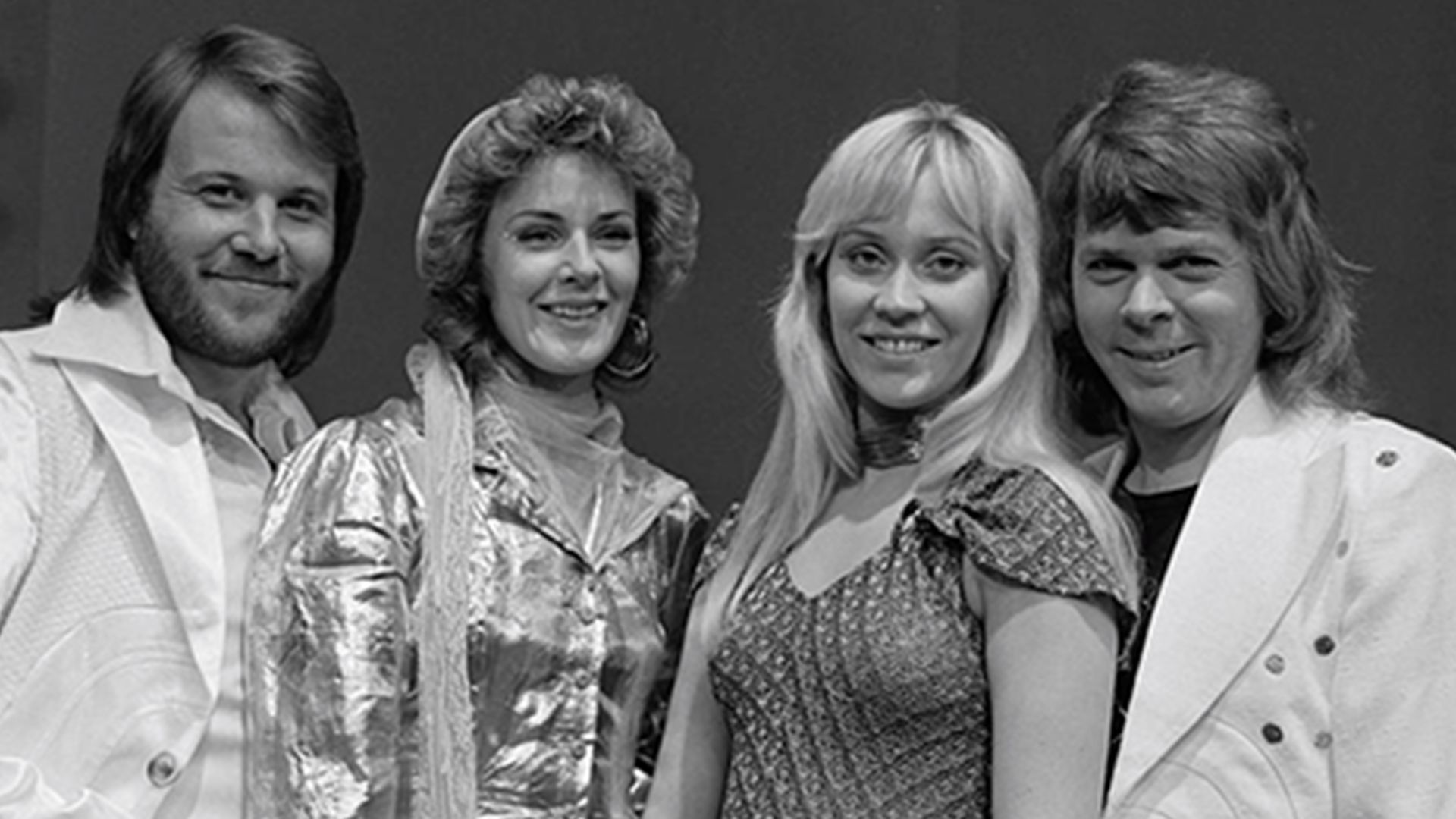
ABBA’s comeback story is unique in music history. After splitting in 1982 at the peak of their pop dominance, the Swedish group stayed out of the spotlight for decades. The 1992 release of their greatest hits compilation ABBA Gold reignited global interest, turning their old catalog into a cultural staple again. But the real comeback came in 2021 with Voyage, their first studio album in 40 years. The band even performed with digital avatars in a purpose-built London venue, blending nostalgia with futuristic presentation and proving their appeal is timeless.
Fleetwood Mac
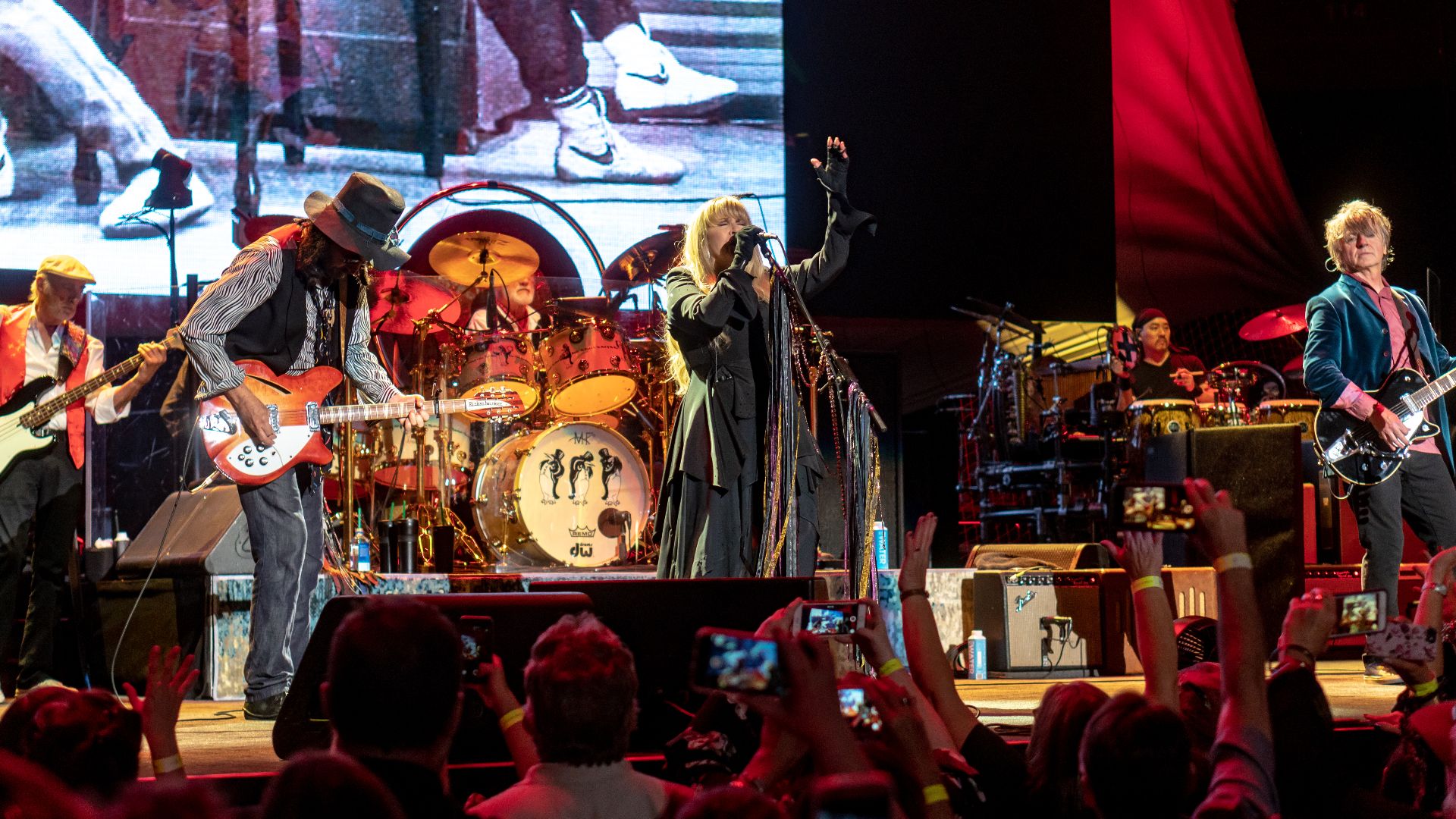
The story of Rumours is part breakup album and part masterpiece. By the mid-1970s, Fleetwood Mac was in emotional and interpersonal turmoil, with relationships dissolving and tensions running high inside the band. Instead of exploding, they poured all that energy into Rumours. The result was a flawless blend of pop hooks and raw emotion, producing massive hits like “Go Your Own Way” and “Dreams”. The success of Rumours turned Fleetwood Mac’s internal friction into worldwide acclaim, proving that artistic brilliance can rise from the ashes of conflict.
The Spice Girls
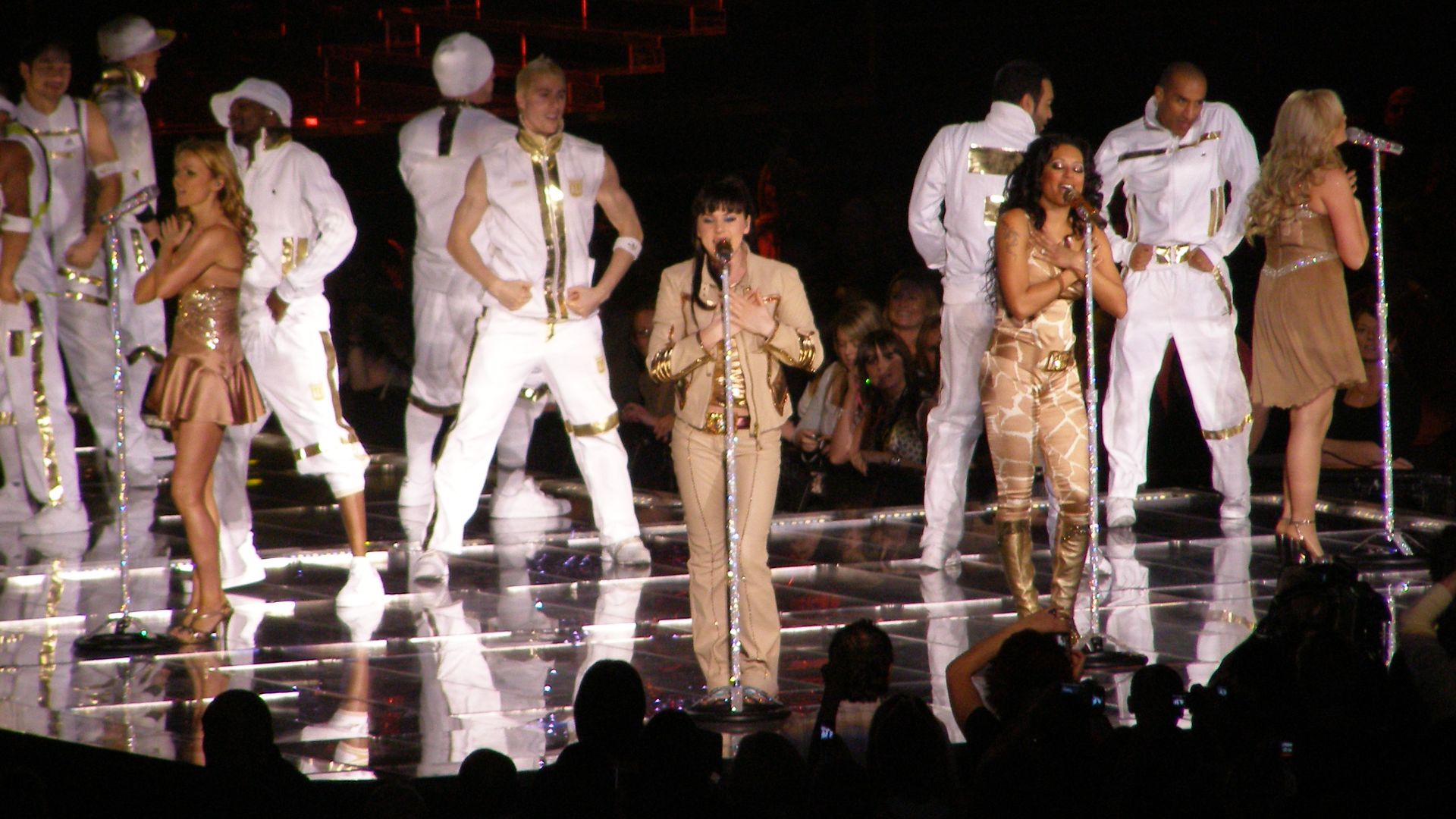
In 2000, the Spice Girls stopped performing together, and the world wondered if it was the end of girl power. Their first comeback attempt came in 2007 with a reunion tour, but the real resurgence happened in 2019 (without Victoria Beckham). The Spice World tour broke records and became one of the highest-grossing UK tours that year, proving that the world still had room for Ginger, Scary, Sporty, and Posh-power vibes.
 Tips For Travellers, Wikimedia Commons
Mariah Carey
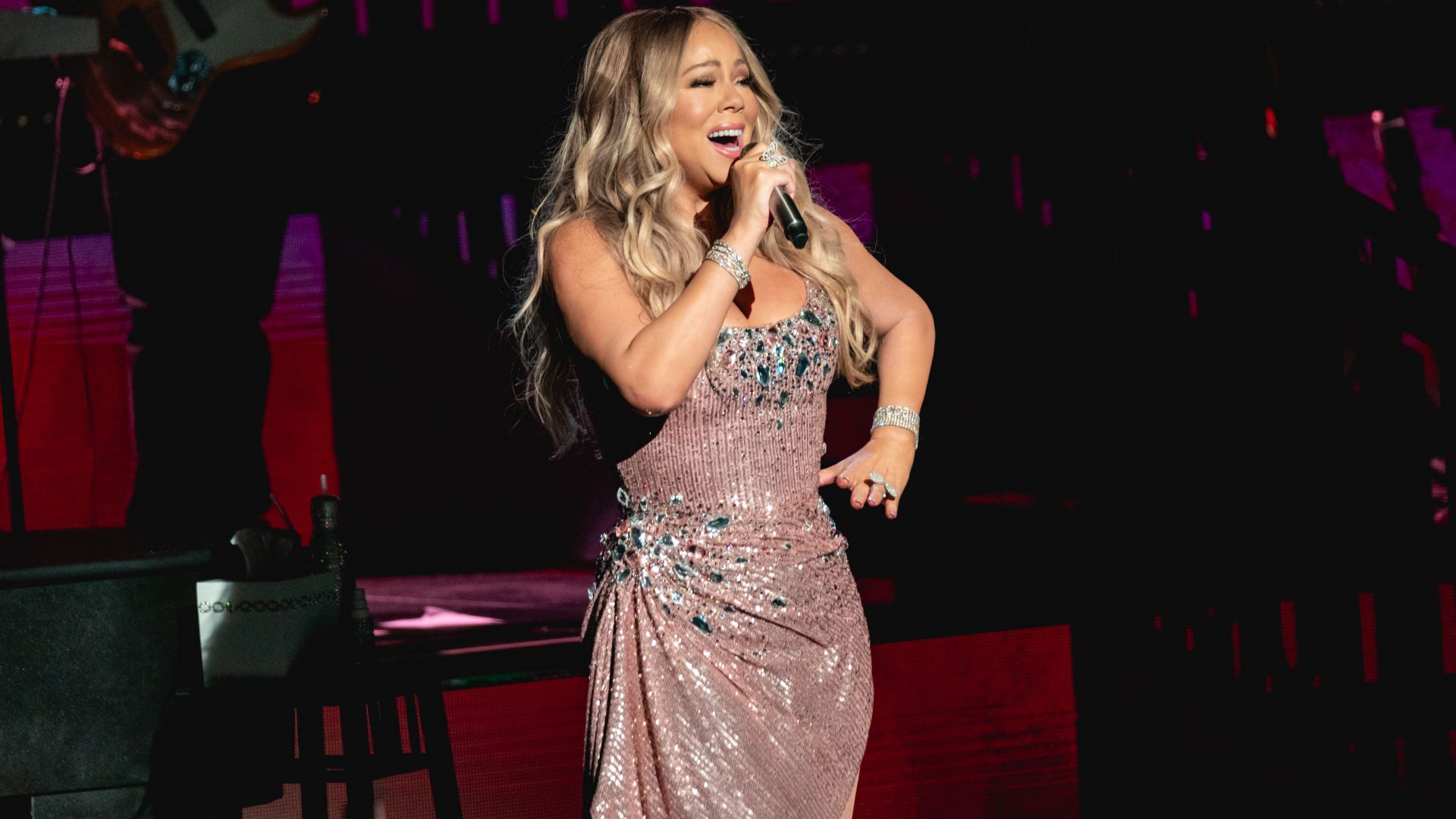
In the early 2000s, Mariah Carey’s career hit turbulence. Personal struggles and underperforming projects had critics questioning her once-untouchable star power. Then in 2005 she released The Emancipation of Mimi, a hugely successful album that debuted at number one and sold over 10 million copies worldwide. The single “We Belong Together” became one of her biggest hits, spending 14 weeks atop the Billboard Hot 100. It was a comeback that reminded everyone why she was one of pop’s greatest voices.
Ozzy Osbourne
Ozzy’s career has been a saga of ups and downs, but one of his biggest comebacks came after being fired from Black Sabbath in 1979. His solo career started rocky, but he found new footing with albums like Blizzard of Ozz, which introduced classics like “Crazy Train”. Over the decades, Ozzy battled personal and health challenges while staying culturally relevant, and his enduring persona and catalog have made him a permanent icon in rock and metal.
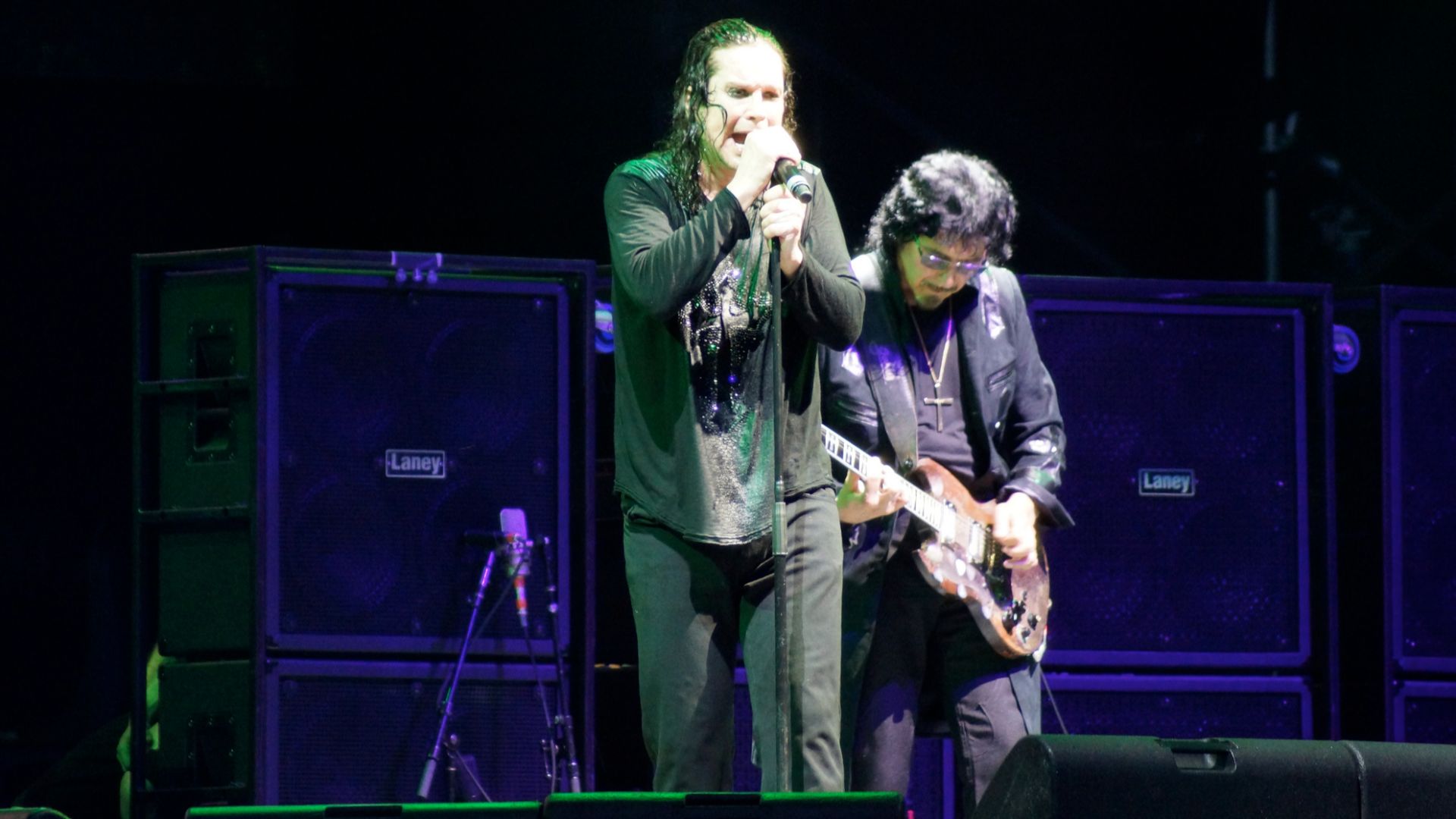 Shane Hirschman, Wikimedia Commons
Johnny Cash
By the late 1980s, Johnny Cash was seen more as a relic than a relevant artist. Then producer Rick Rubin invited him to record for his new label, resulting in American Recordings in 1994. Stripped-down and raw, the album reintroduced Cash’s voice and presence to a new generation. His later American series included riveting covers like “Hurt,” which was hailed as one of the most powerful performances of his career. Cash’s second life as a cultural figure continued until his death, solidifying his status as country music royalty.
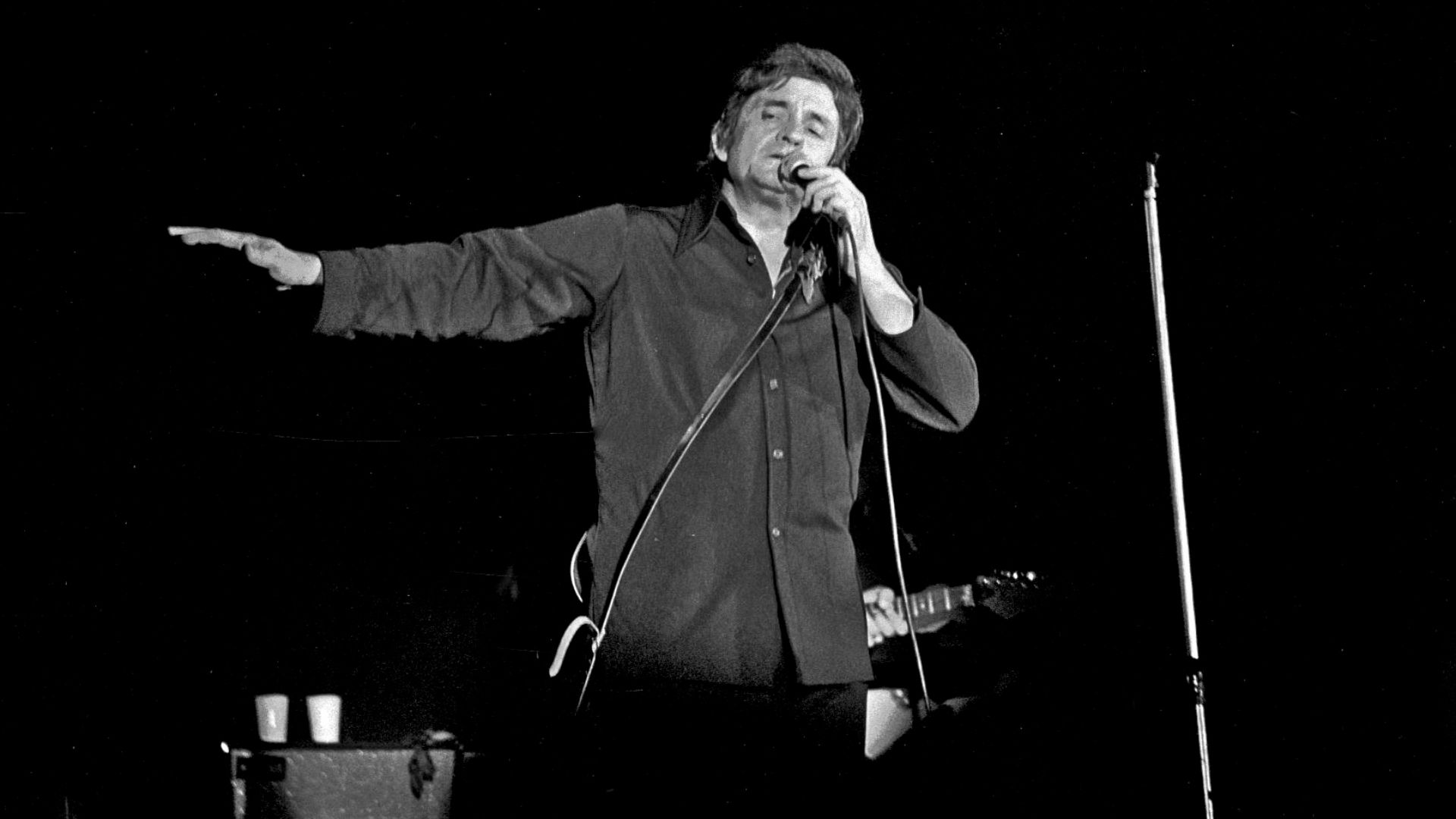 Heinrich Klaffs, Wikimedia Commons
Tina Turner
Tina Turner was a major star in the 60s and 70s with Ike Turner, but after escaping an abusive relationship and struggling through low-profile gigs in the early 80s, it looked like her career might never recover. Then in 1984 she released Private Dancer, featuring hits like “What’s Love Got to Do with It”. The album was a global smash, won multiple Grammys, and cemented her solo superstardom. Turner went on to tour the world and became a defining voice of rock and pop.
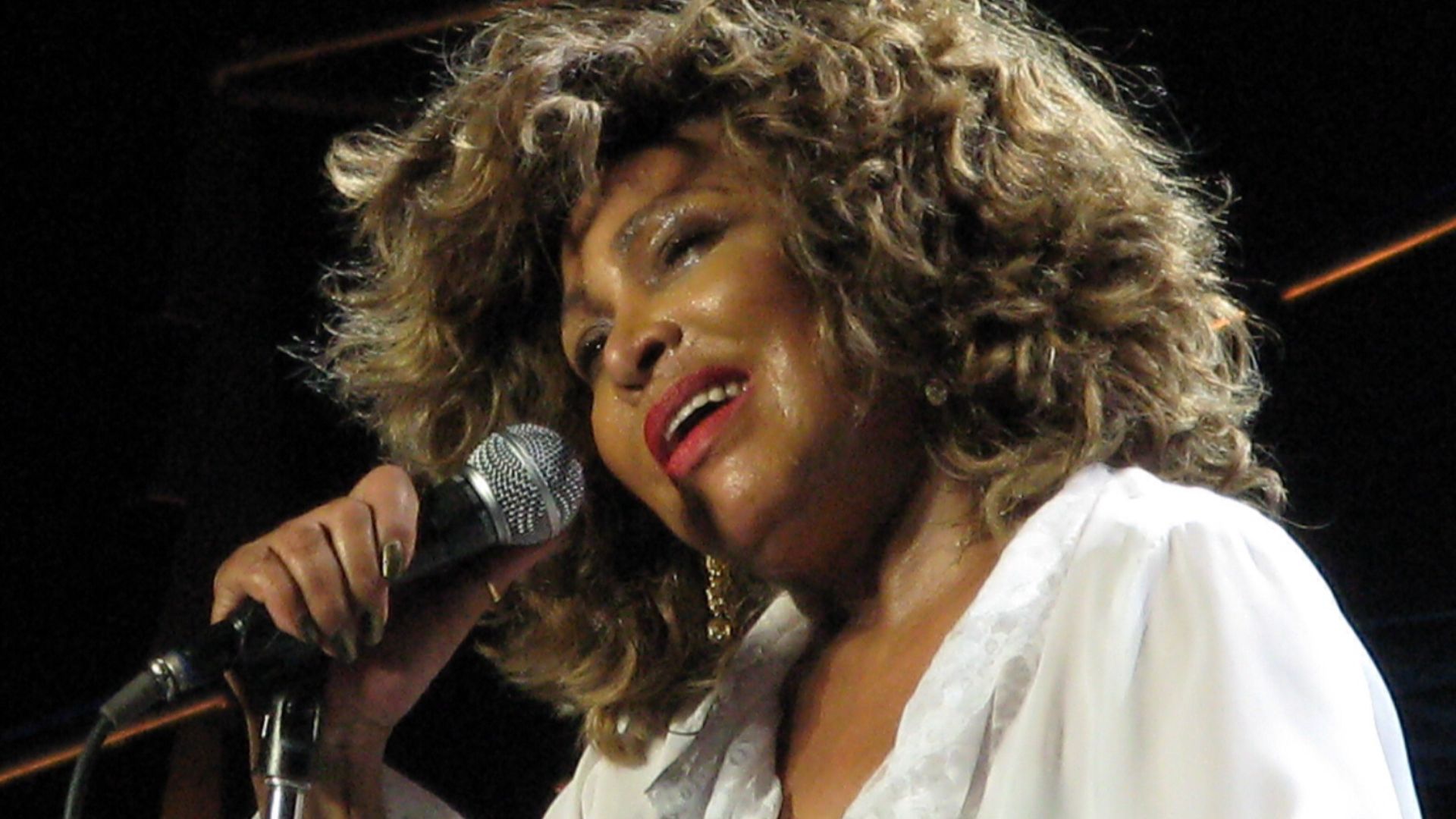 Philip Spittle, Wikimedia Commons
Elton John
By the late 80s, Elton John was still beloved but creatively stuck. His true comeback came in the 90s with hits like “Sacrifice” and “Don’t Let the Sun Go Down on Me” (duet with George Michael). The 90s also saw him embrace new collaborations and a broader pop audience. Later, Rocket Man biopics and ongoing tours reaffirmed his relevance across generations. Elton’s ability to adapt without losing his lyrical heart remains legendary.
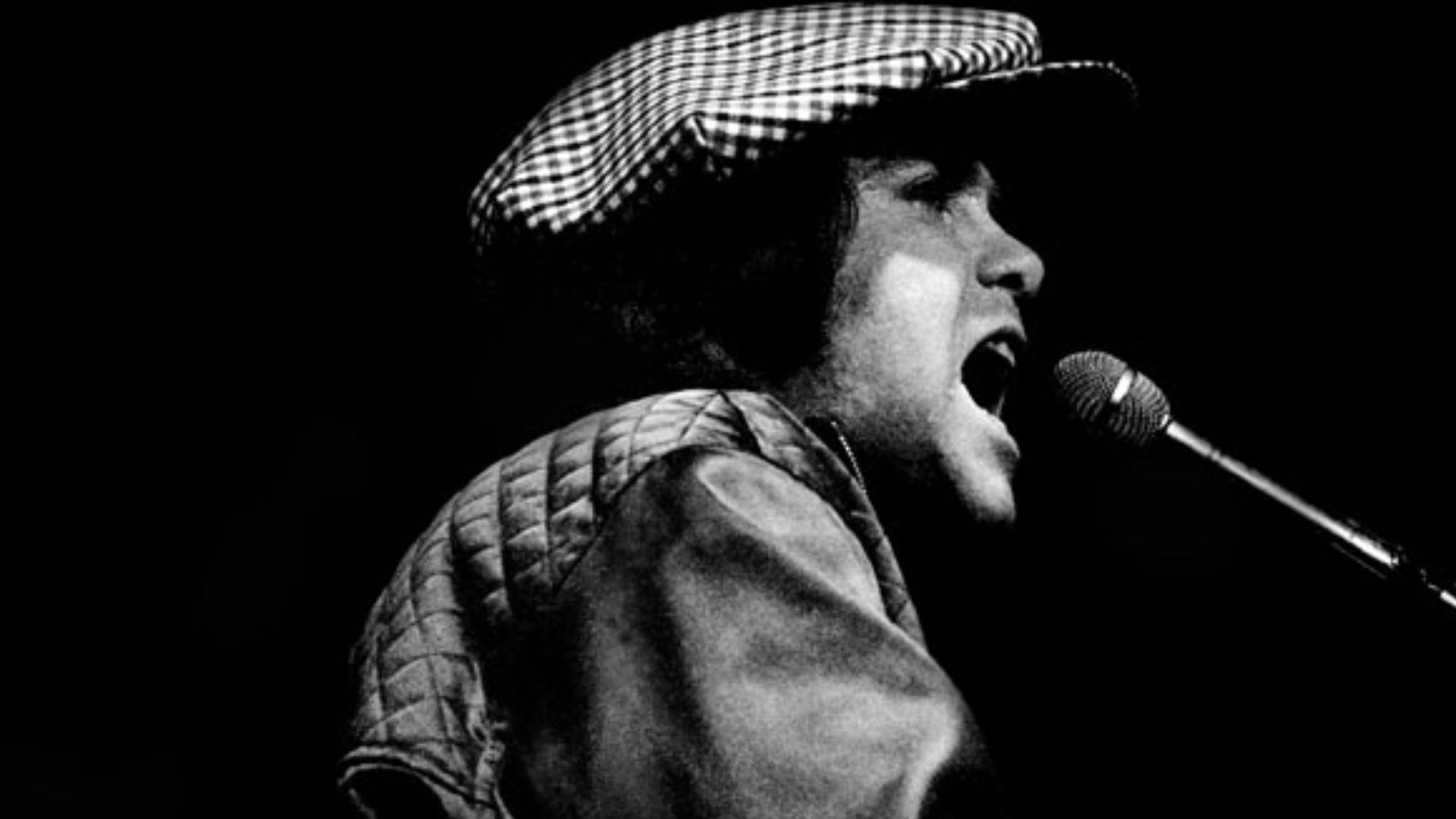
Loretta Lynn
Country legend Loretta Lynn’s early career made her a household name in the 60s and 70s, but by the 80s she’d taken a step back from mainstream charts. Her resurgence came with critical acclaim and renewed interest in roots country. Albums like Van Lear Rose in 2004 (produced by Jack White) introduced her to younger audiences and earned her multiple Grammys. Lynn’s raw songwriting and enduring spirit brought her back into the spotlight with authority.
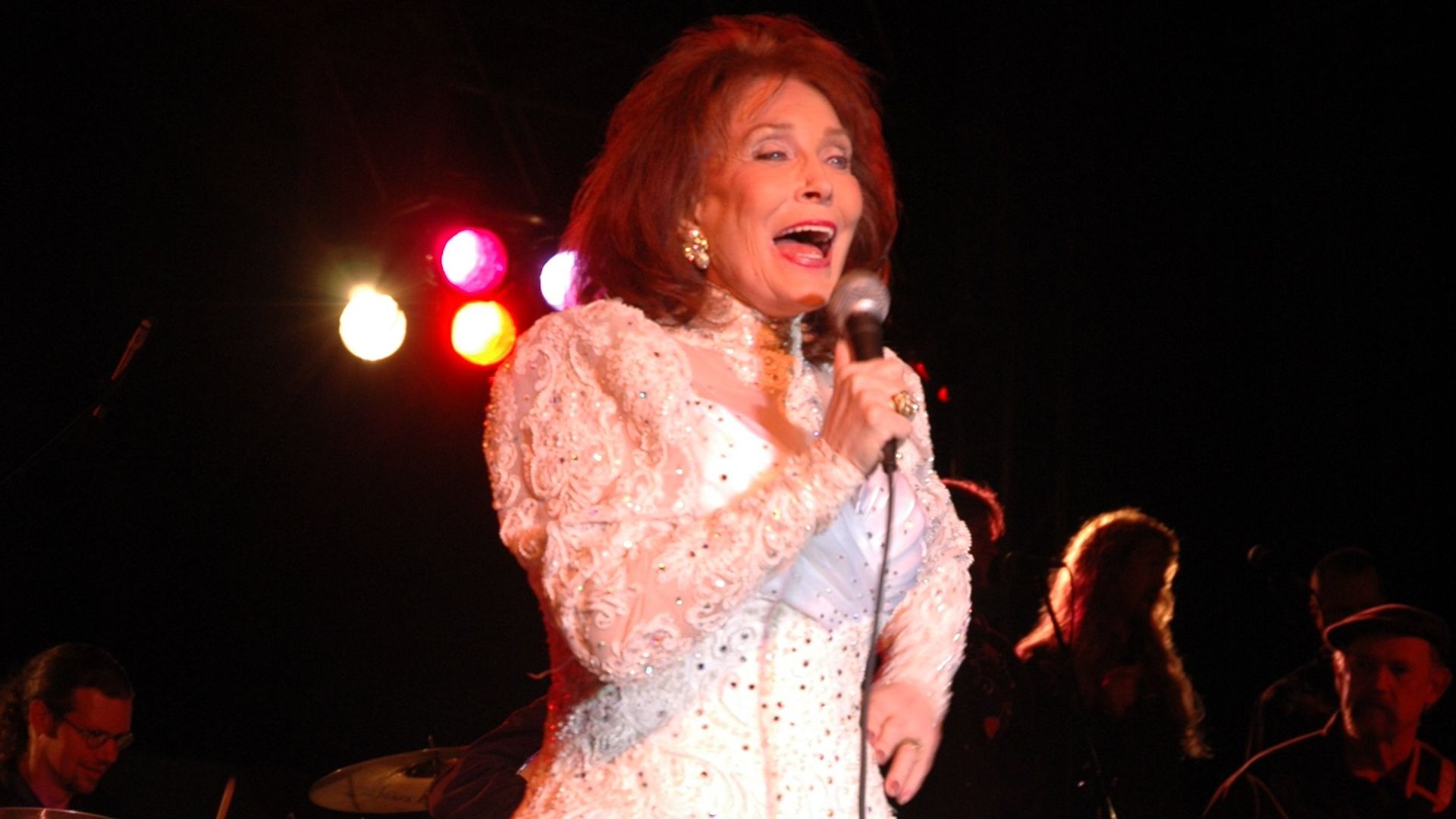 Scott Schram (http://schram.net/ ], Wikimedia Commons
Frank Sinatra
Ol’ Blue Eyes had a career high in the 40s and 50s, but by the early 50s his popularity waned and his film career faltered. A triumphant return came with his performance in From Here to Eternity (1953), which won him an Academy Award and relaunched his singing career. His timeless voice and classic phrasing kept him relevant for decades through constant reinvention. Sinatra’s comeback wasn’t just a moment, it was the beginning of his legend.
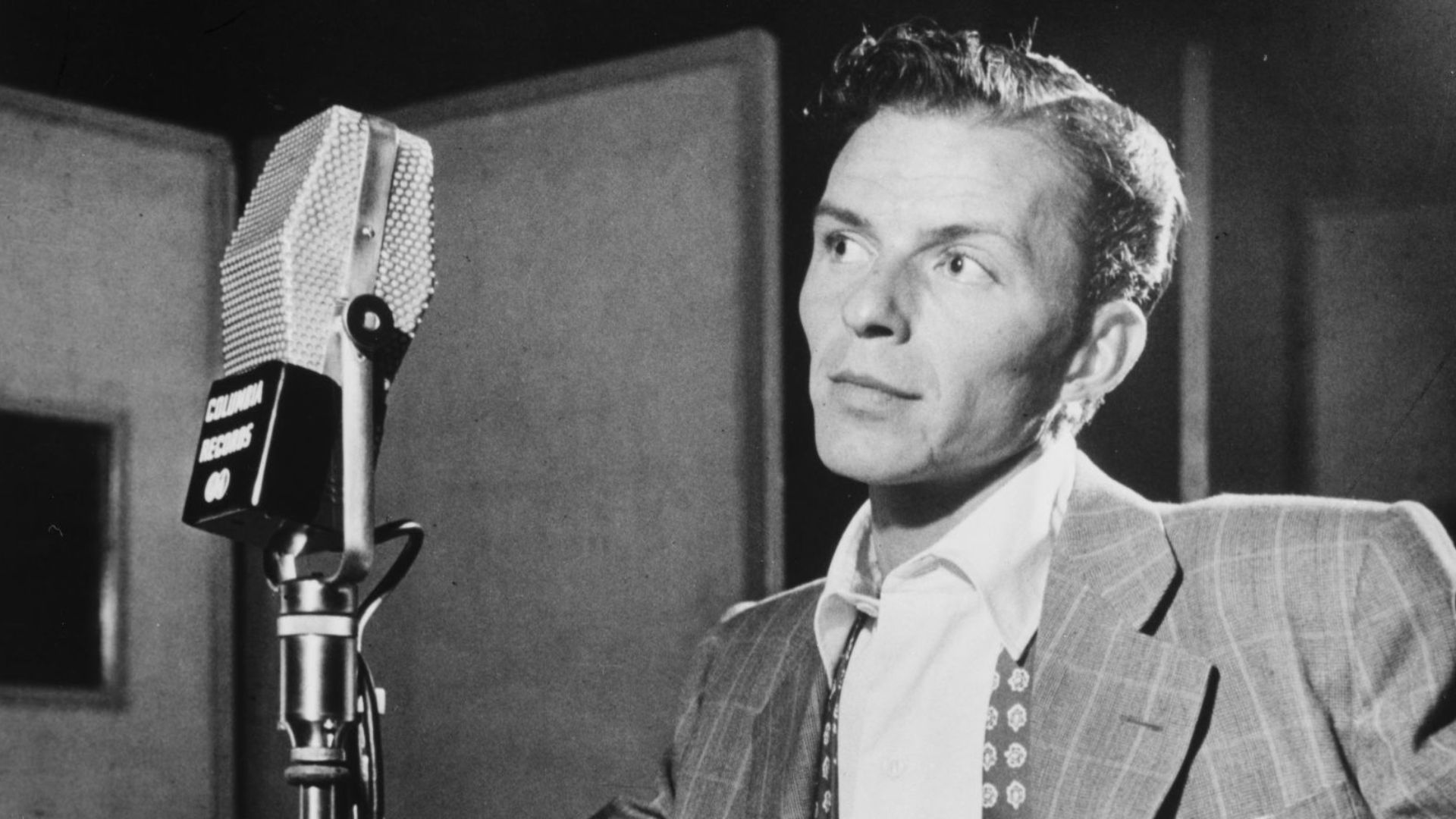 The Library of Congress, Wikimedia Commons
Mississippi John Hurt
Blending blues and folk in the 1920s, Mississippi John Hurt’s early recordings were modestly noticed and then forgotten until the folk revival of the 1960s. When collectors rediscovered his music and tracked him down, he returned to performing at festivals and clubs, introducing his gentle, intricate style to new audiences. This second chapter in his career made him a beloved figure in American roots music history.
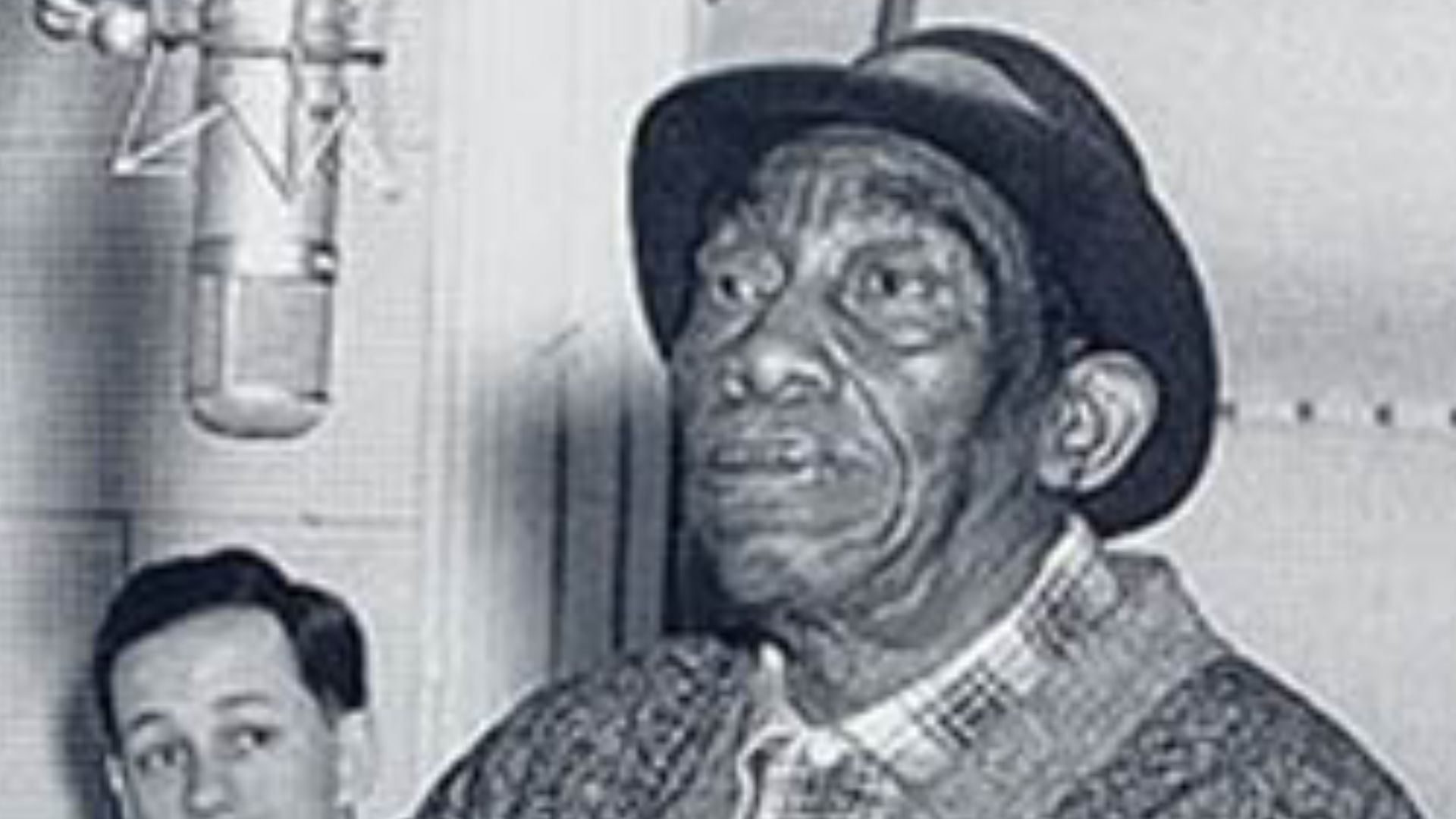 Library of Congress photo, Wikimedia Commons
Meat Loaf
After the massive success of Bat Out of Hell in 1977, Meat Loaf’s follow-up albums initially didn’t match expectations, and his career flagged. Then in 1993 he released Bat Out of Hell II: Back into Hell, anchored by the anthem “I’d Do Anything for Love (But I Won’t Do That)”. The album was a global smash, recapturing the theatrical rock style that made him famous and proving his larger-than-life persona still commanded attention.
 TubularWorld, Wikimedia Commons
Alice Cooper
The godfather of shock rock enjoyed massive success in the 70s but faced declining sales and personal issues in the early 80s. A resurgence came later in the decade and into the 90s with albums that embraced heavy metal influences and a renewed stage persona. Cooper’s comeback reaffirmed his flair for theatrical, genre-blending rock and kept him active in touring and recording for decades.
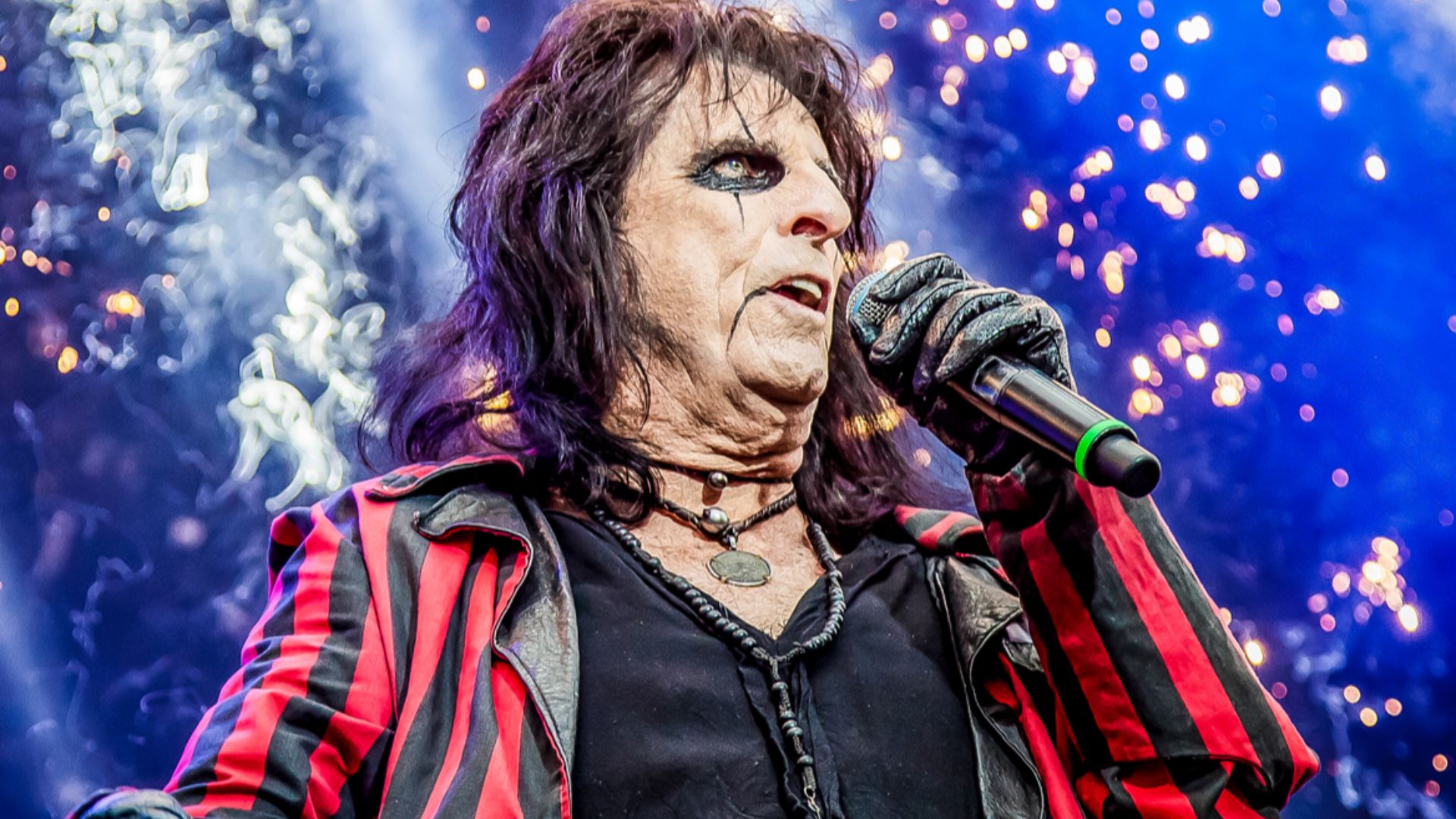
AC/DC
After the death of lead singer Bon Scott in 1980, many thought AC/DC might fold. Instead they hired Brian Johnson and released Back in Black, one of the best-selling albums of all time. The title track and others like “You Shook Me All Night Long” propelled the band to new commercial heights, turning tragedy into triumph and affirming their status as rock legends.
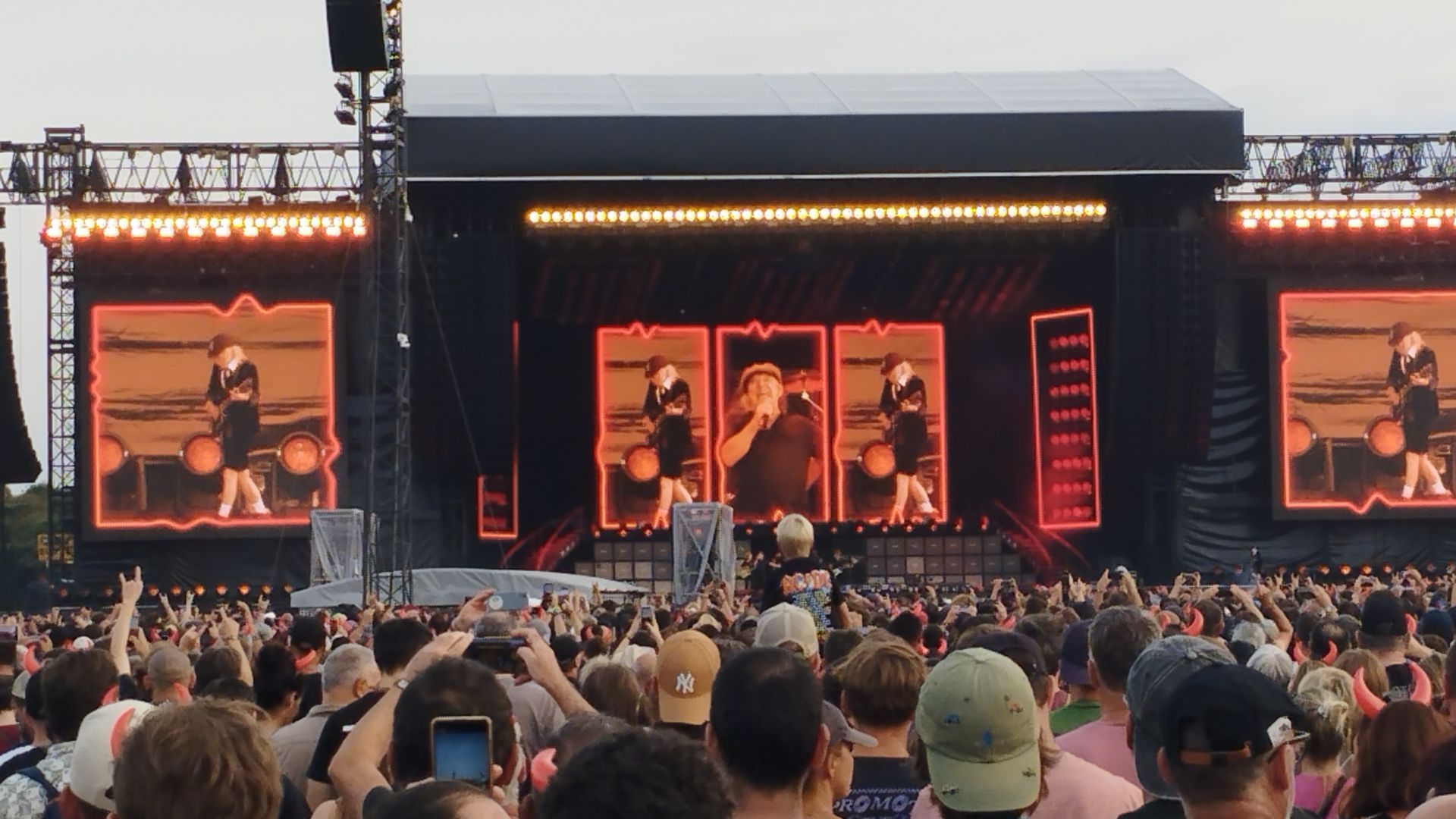 ManoSolo13241324, Wikimedia Commons
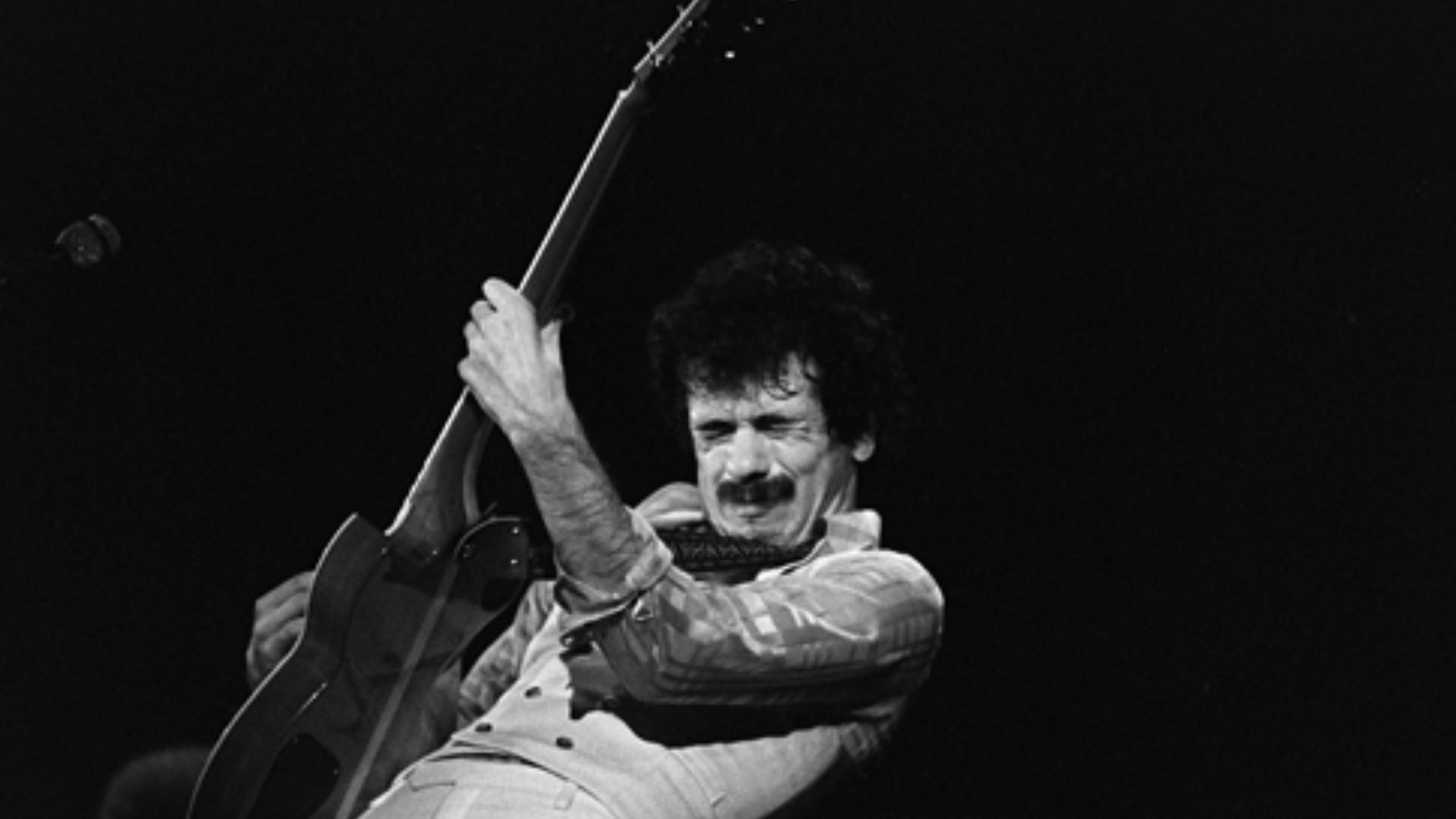
Santana
By the mid-1990s, Santana’s popularity had waned and the band was without a label. Then in 1999 they released Supernatural, working with Clive Davis and collaborators to blend Latin rock with contemporary pop. The album featured breakout collaborations like “Smooth” with Rob Thomas and introduced Santana to a whole new generation. It became one of the most successful albums of their career and one of the most famous comeback records in rock history.
You May Also Like:
Actors Who Made an Epic Comeback After Everyone Thought They Were Washed Up