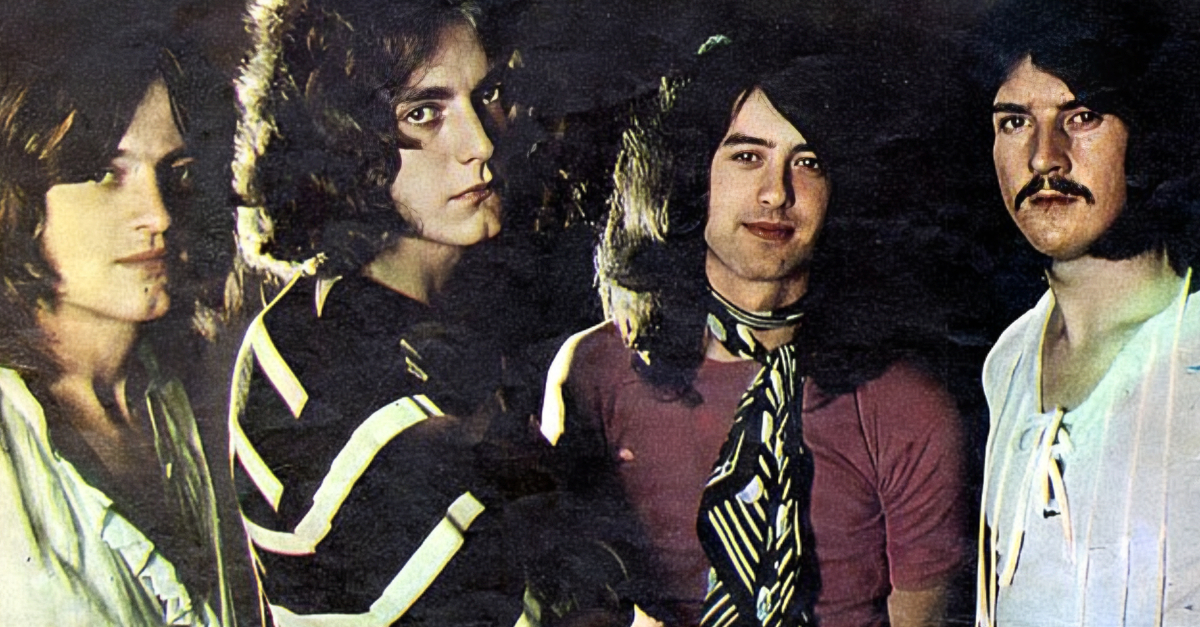
The 70s Had One Clear Giant
You can argue about almost anything from the 70s. Albums. Bands. Genres. But when it comes to the single biggest song of the decade, one title keeps rising above the rest: Stairway to Heaven.
That spot is locked.
The real question is what comes after it (or technically, before it). The 70s were stacked—rock epics, soul masterpieces, disco anthems, songs that still fill arenas and dance floors today. So if Stairway is number one, what rounds out the rest of the top 30? Let’s count it down. Do you agree?
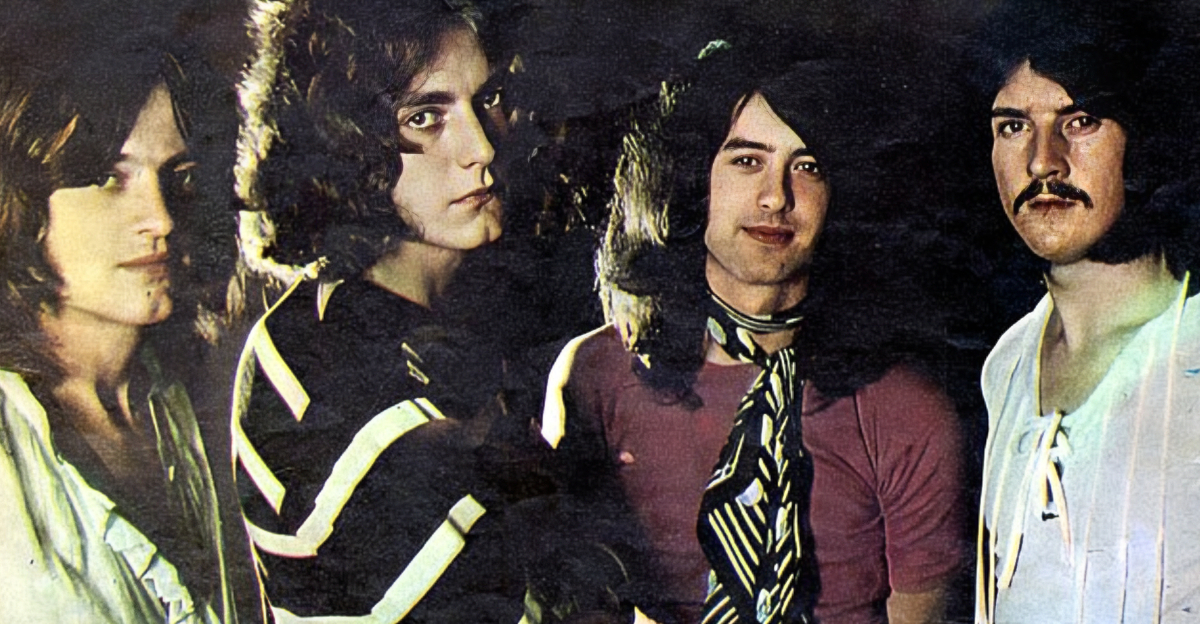 Pelo magazine #16, Wikicommons
30: David Bowie: “Heroes” (1977)
Not a massive hit on release, but it grew into something bigger over time. Recorded near the Berlin Wall, its soaring chorus and unconventional structure helped cement Bowie’s late-70s reinvention. It’s now a fixture on greatest-songs lists and feels more powerful with every passing year.
 Screenshot from David Bowie – “Heroes”, RCA Records (1977)
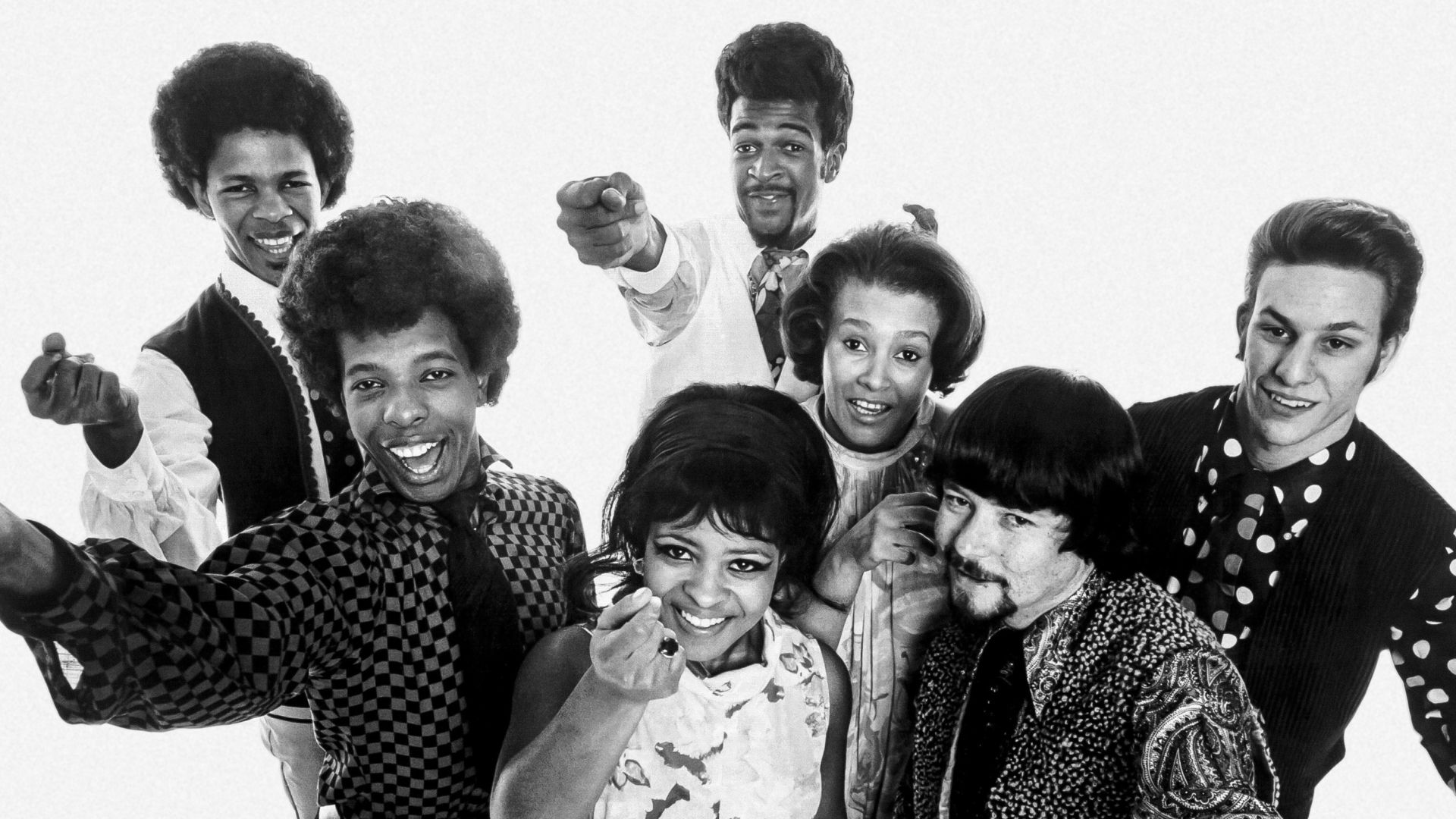
29: Sly & The Family Stone: “If You Want Me to Stay” (1973)
Built around one of the tightest bass lines of the decade—played by Sly himself—it was a top-20 pop hit and a reminder that funk didn’t need to be loud to be powerful. Loose, sharp, and endlessly sampled, it quietly shaped the sound of modern R&B.
28: The Rolling Stones: “Wild Horses” (1971)
Slower and more reflective than their usual swagger, it showed a different side of the band. Not their biggest chart hit, but consistently ranked among The Stones' finest recordings. Stripped down and emotionally direct, it’s aged beautifully.
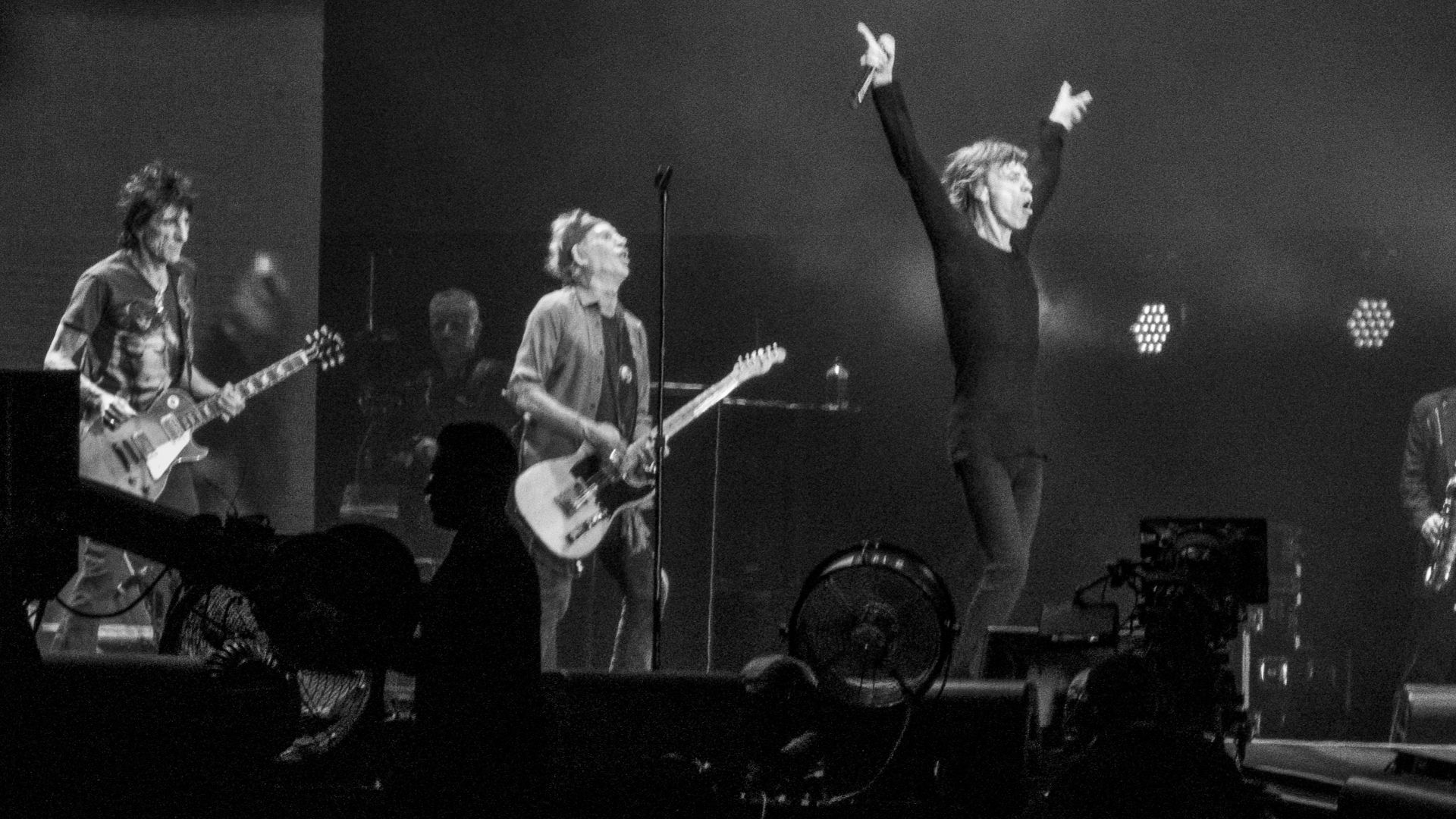 Andrea Sartorati, Wikimedia Commons
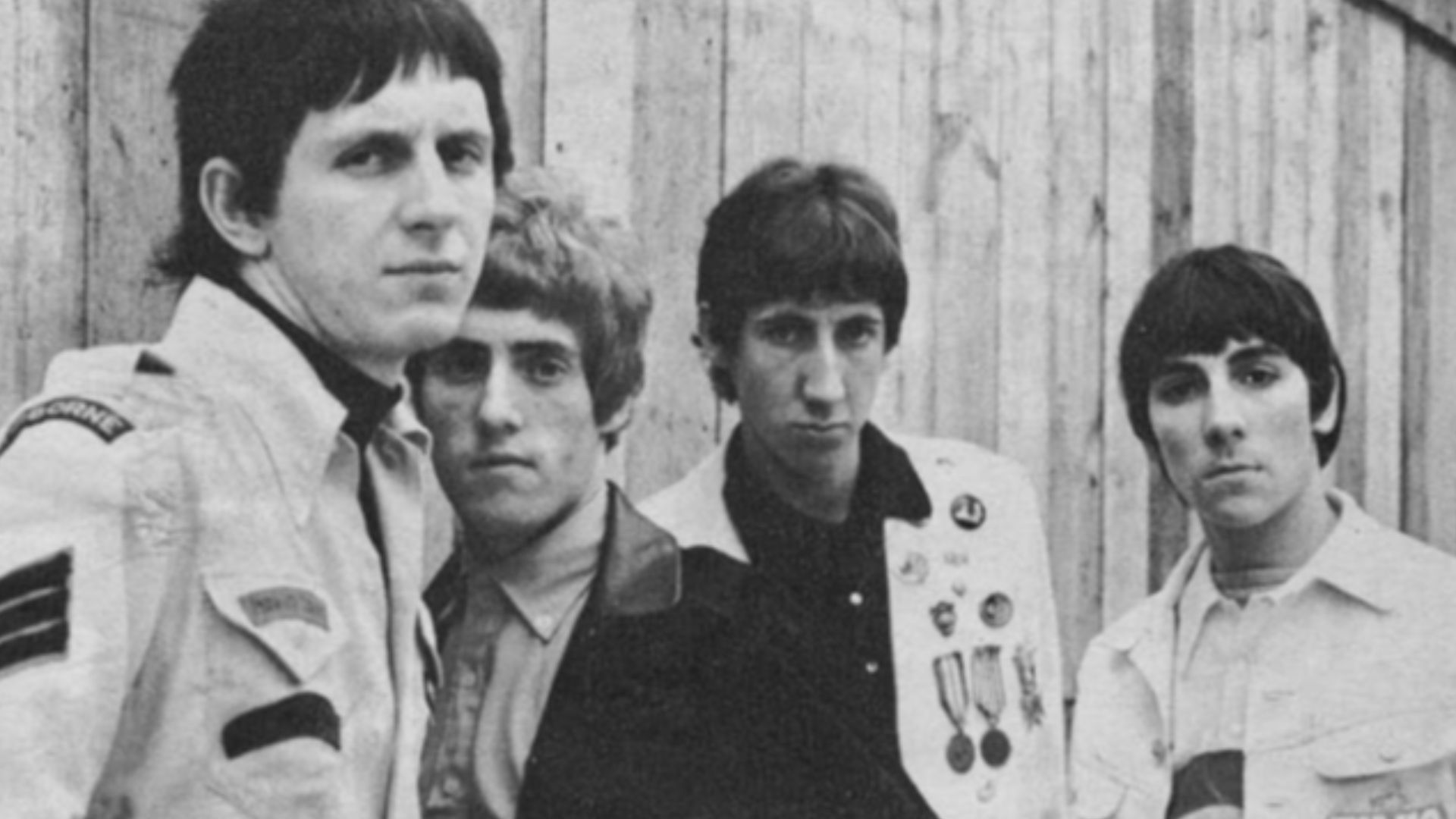
27: The Who: “Baba O’Riley” (1971)
That synth intro is instantly recognizable. Originally part of Pete Townshend’s ambitious Lifehouse project, it became one of the band’s most enduring tracks. And no, the song is not actually called “Teenage Wasteland.”
 KRLA Beat/Beat Publications, Inc., Wikimedia Commons
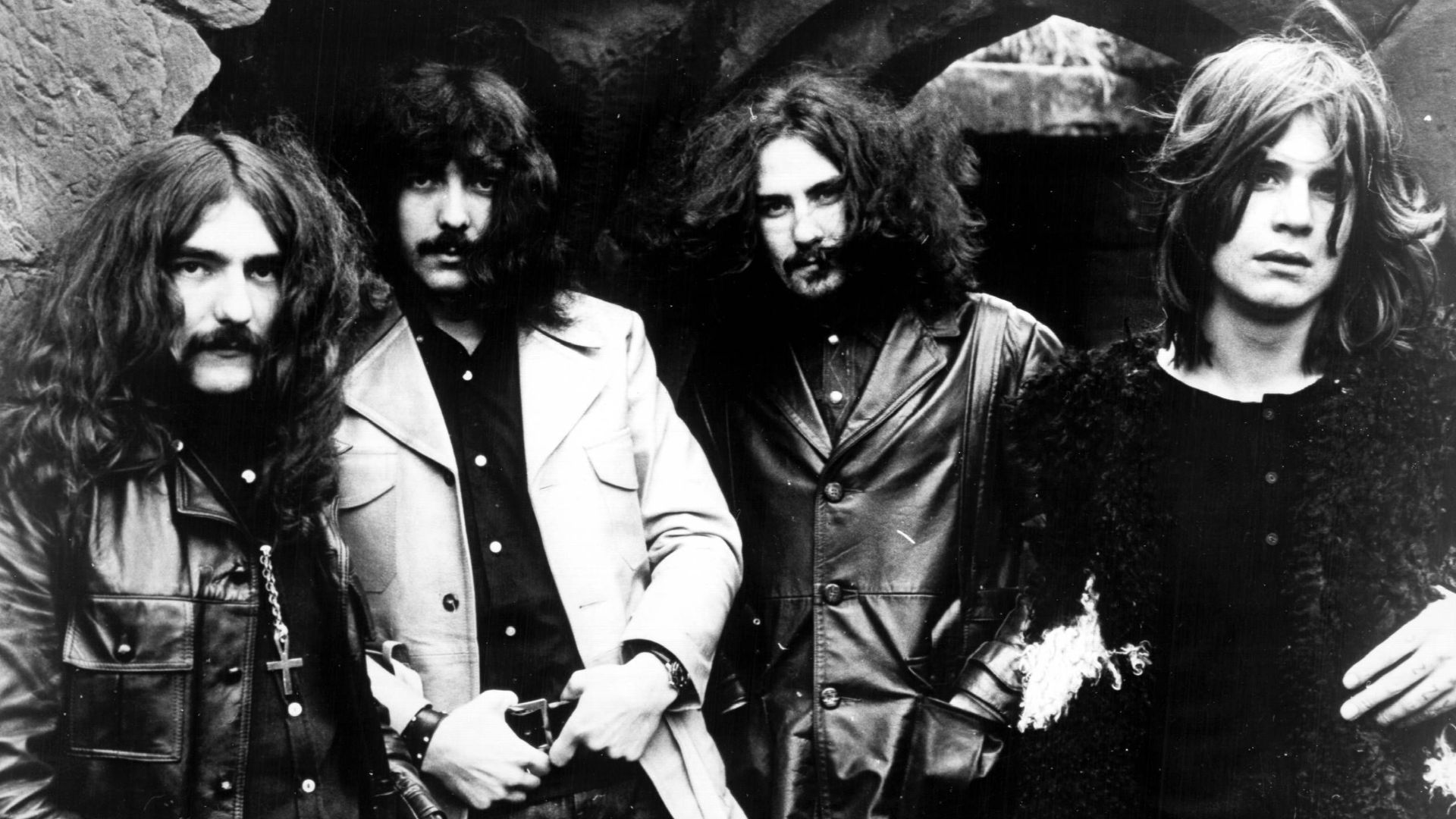
26: Black Sabbath: “Paranoid” (1970)
Written quickly to fill album space, it became the band’s signature song. Just under three minutes long, it proved heavy music didn’t need to drag to hit hard.
 Warner Bros. Records, Wikimedia Commons
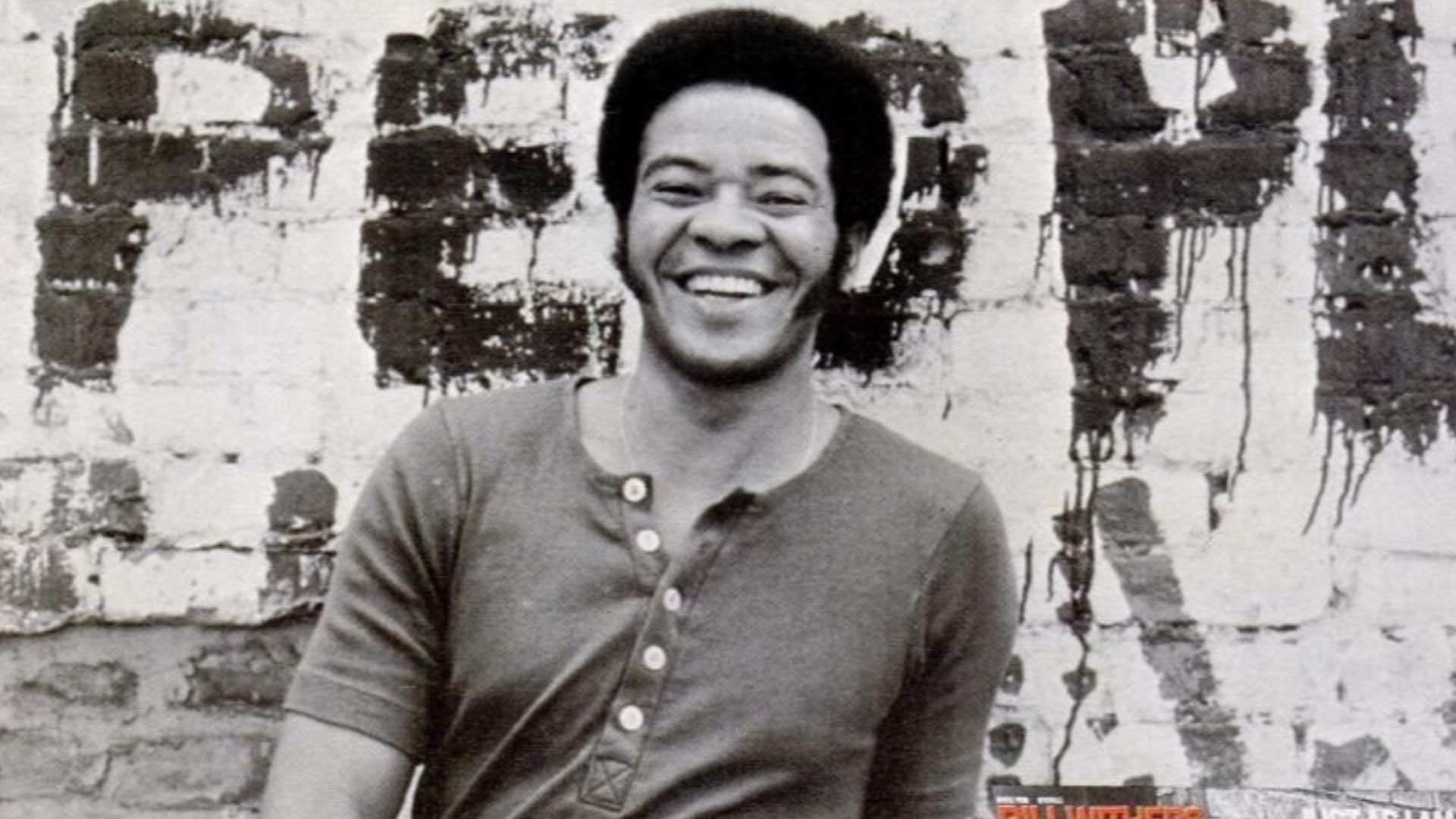
25: Bill Withers: “Lean on Me” (1972)
Recorded with members of Booker T. & the M.G.’s, it hit number one on the Billboard Hot 100. Direct, warm, and built around a melody that feels universal without trying too hard.
 Sussex Records, Wikimedia Commons
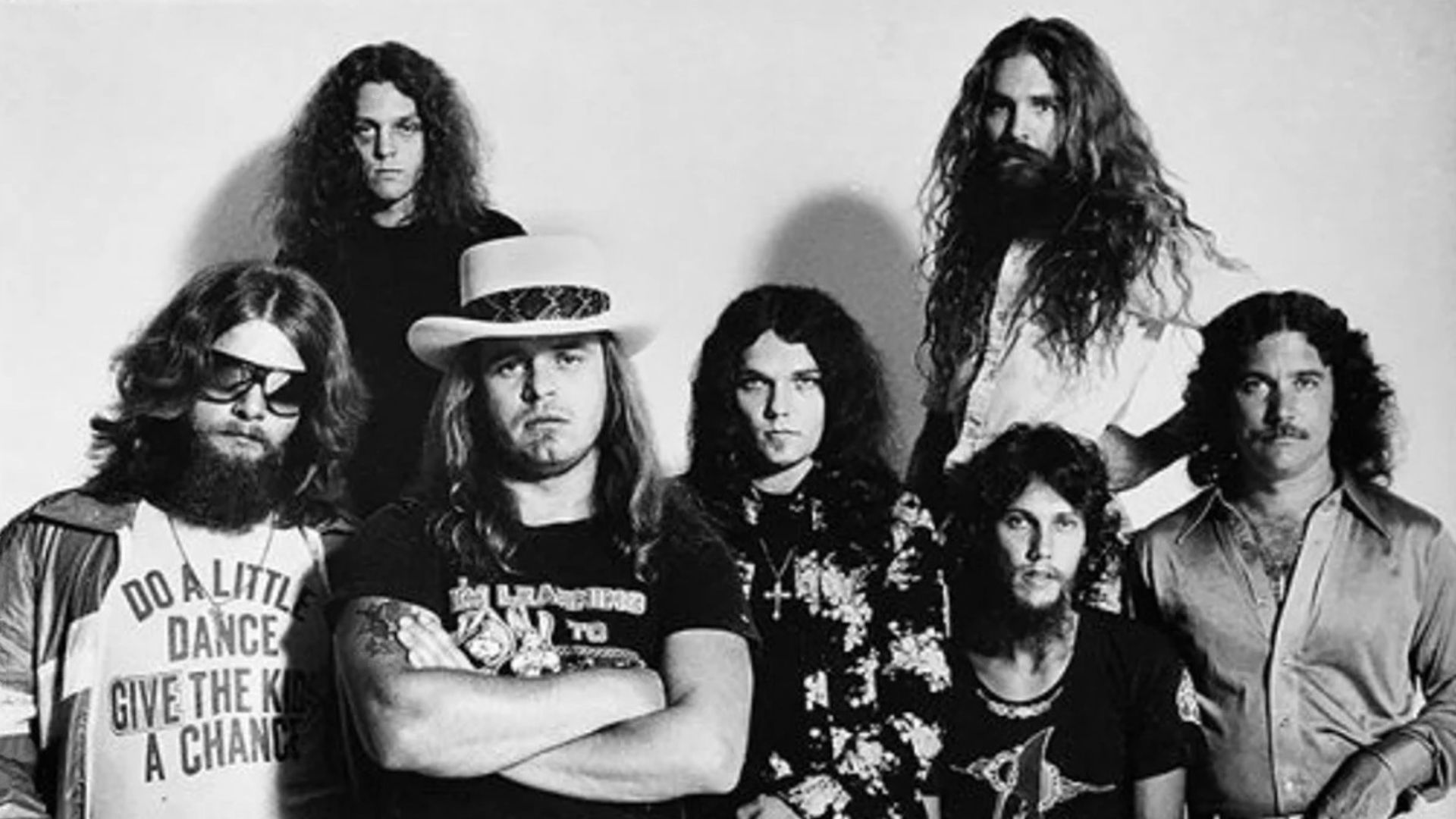
24: Lynyrd Skynyrd: “Free Bird” (1973)
Slow build, extended guitar solo, and pure arena-rock energy. It became one of the most requested live songs of the decade. Who among us hasn't yelled out “Free Bird” at a concert? (and not just a Lynyrd Skynyrd concert either)
 MCA Records, Wikimedia Commons
23: Gloria Gaynor: “I Will Survive” (1978)
Originally released as a B-side before DJs flipped it. It hit number one on the Billboard Hot 100 and outlived the disco backlash to become a permanent empowerment anthem.
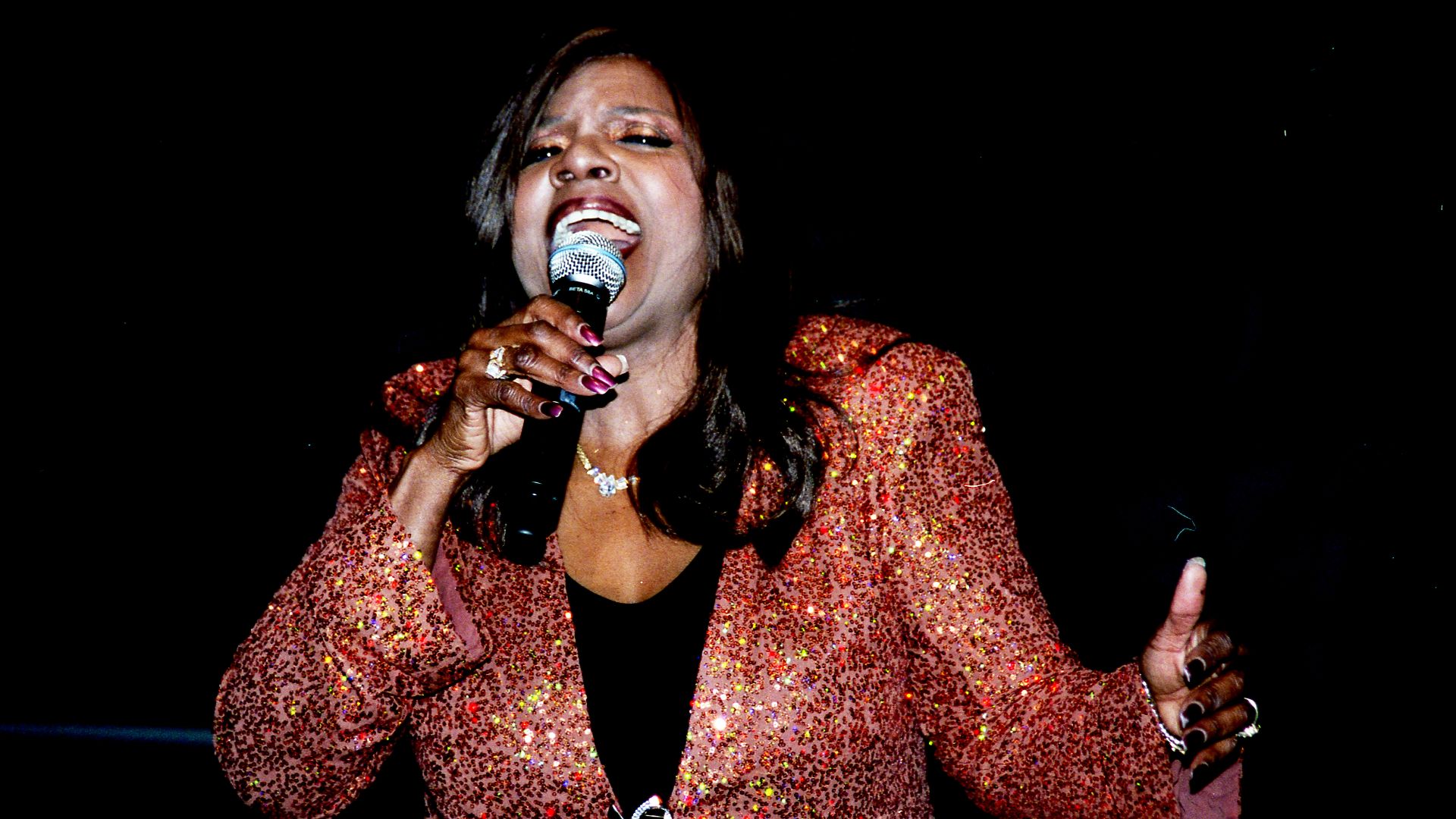 giorgioerriquez, Wikimedia Commons
22: Earth, Wind & Fire: “September” (1978)
Do you remember this one? Of course you do. Released on a greatest hits album and still became one of their biggest songs. That groove hasn’t aged at all, and it shows up everywhere—from weddings to playoff games.
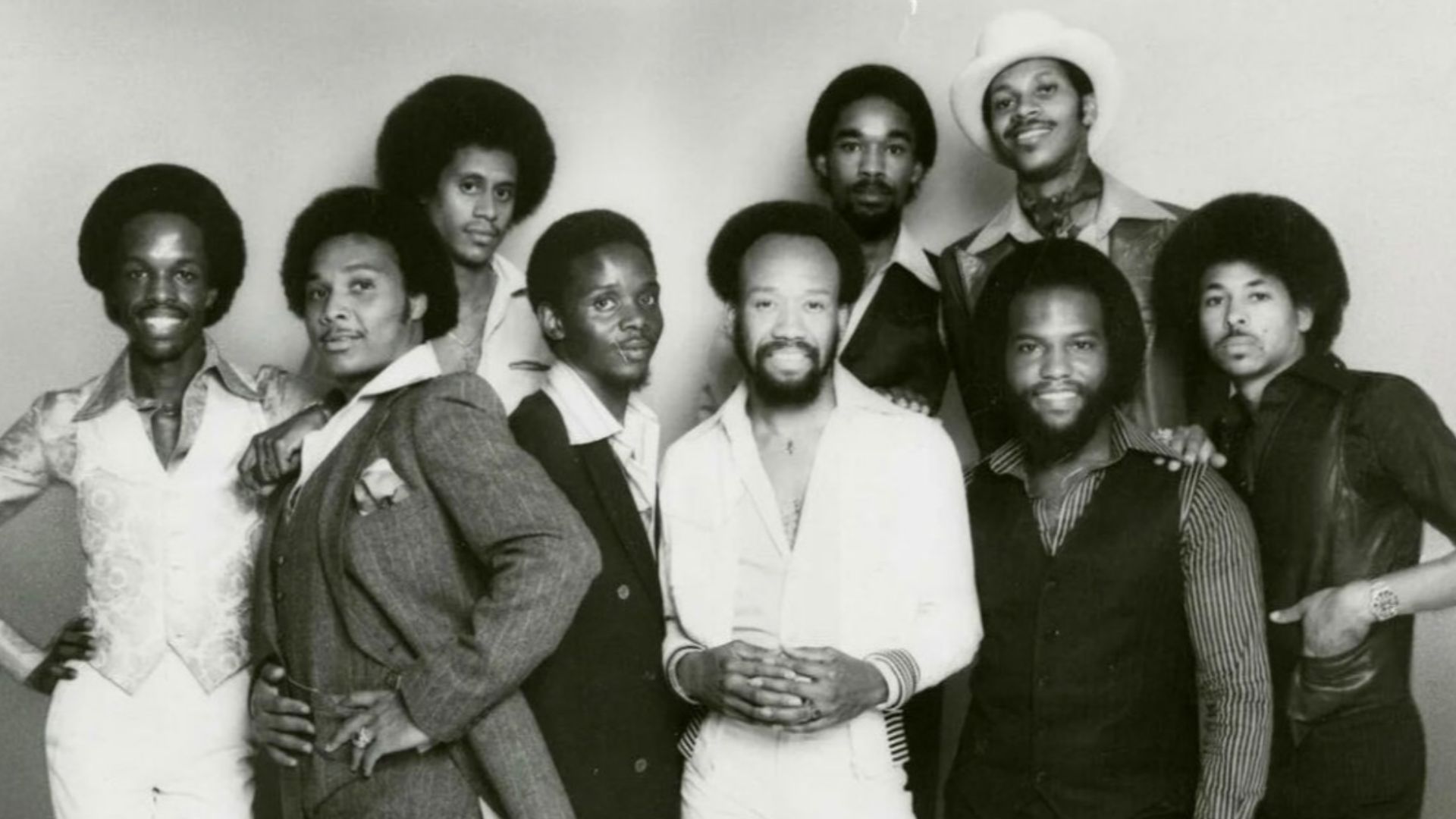 Distributed by Columbia Records, Wikimedia Commons
21: Billy Joel: “Piano Man” (1973)
Based on Joel’s real experiences playing in a Los Angeles bar. It wasn’t a massive hit at first, but it gradually became his signature song and one of the decade’s most reliable crowd sing-alongs.
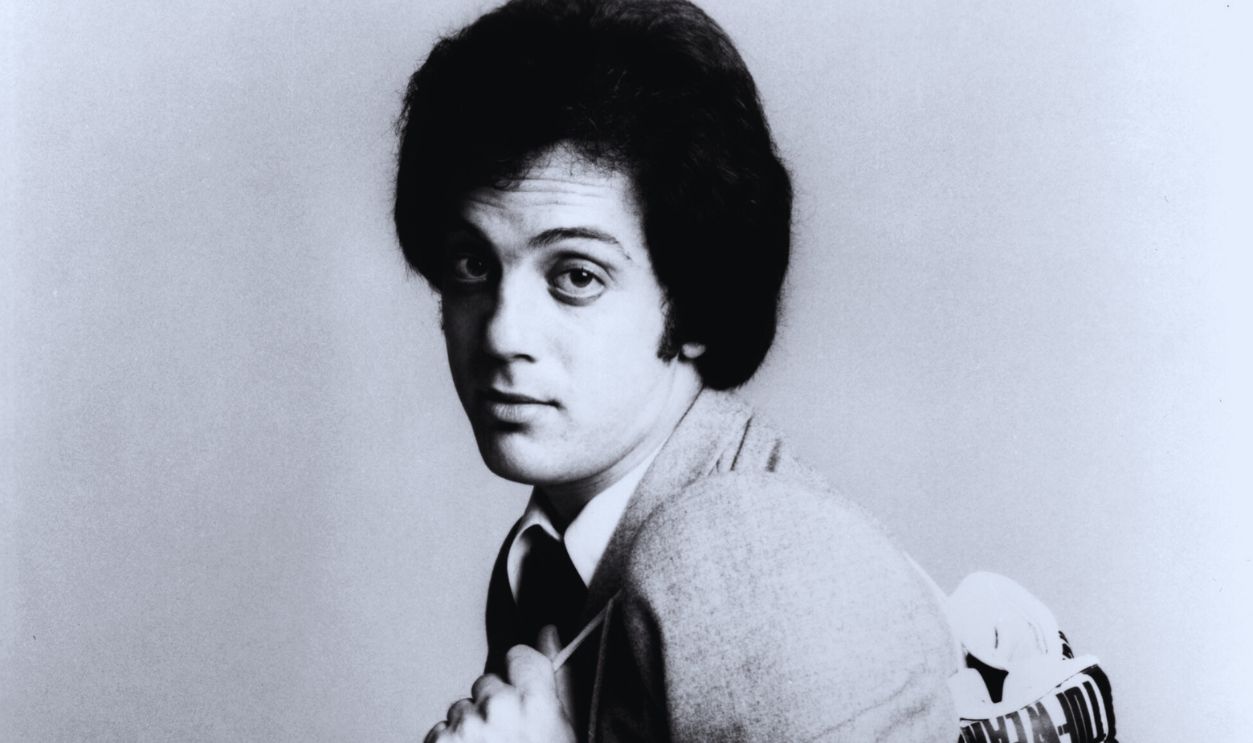 Uncredited (possibly Jim Houghton); Distributed by Columbia Records, Wikimedia Commons
20: Marvin Gaye: “Let’s Get It On” (1973)
A number-one hit and one of the defining slow burns of the decade. Smooth, confident, and endlessly referenced, it became one of the most recognizable R&B tracks ever recorded.
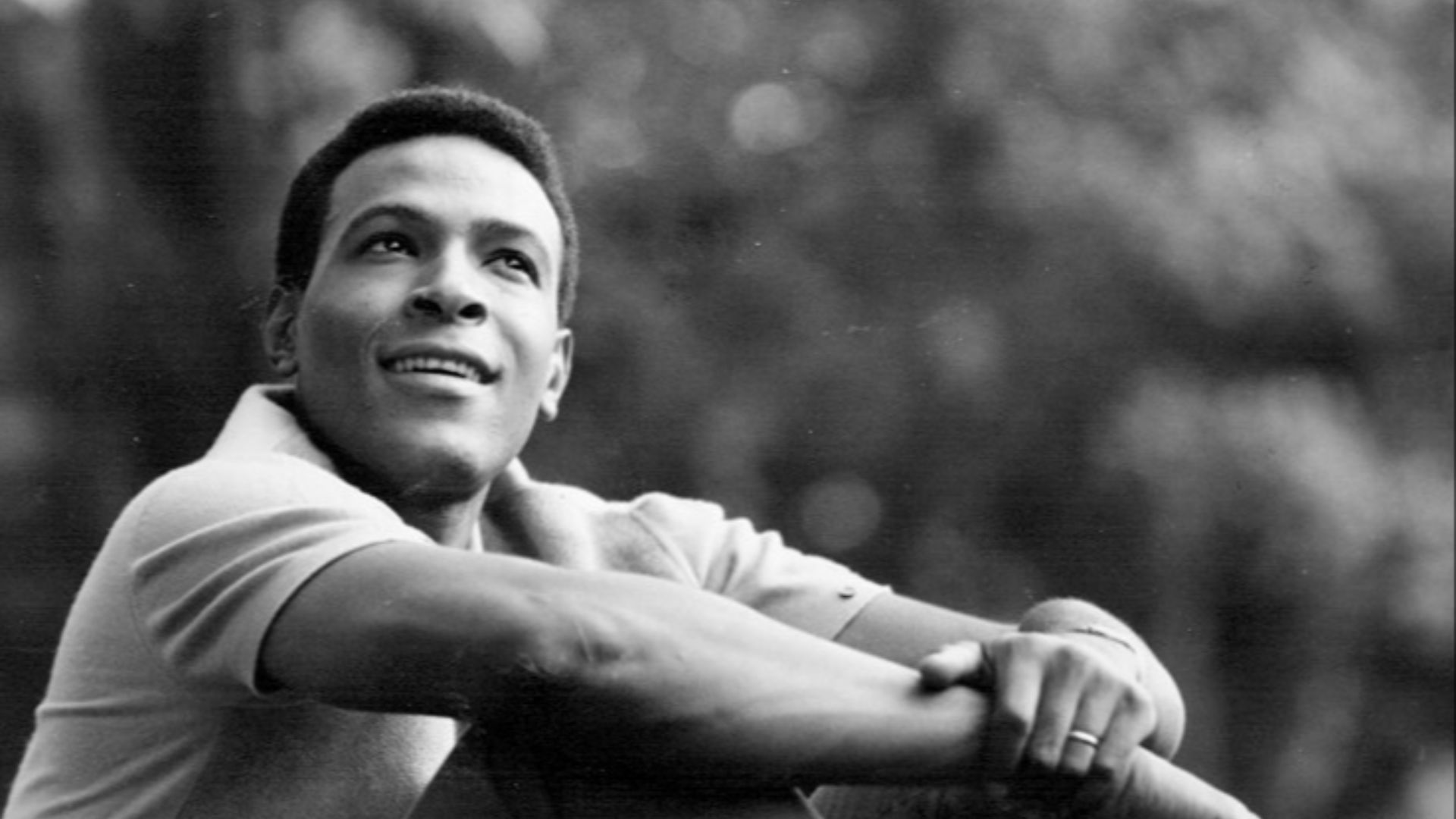 photo by-J. Edward Bailey, Wikimedia Commons
19: Pink Floyd: “Wish You Were Here” (1975)
Built around a simple acoustic intro that almost sounds unfinished, it became one of Pink Floyd’s most enduring songs. Reflective without being dramatic, it remains one of the band’s most universally loved recordings.
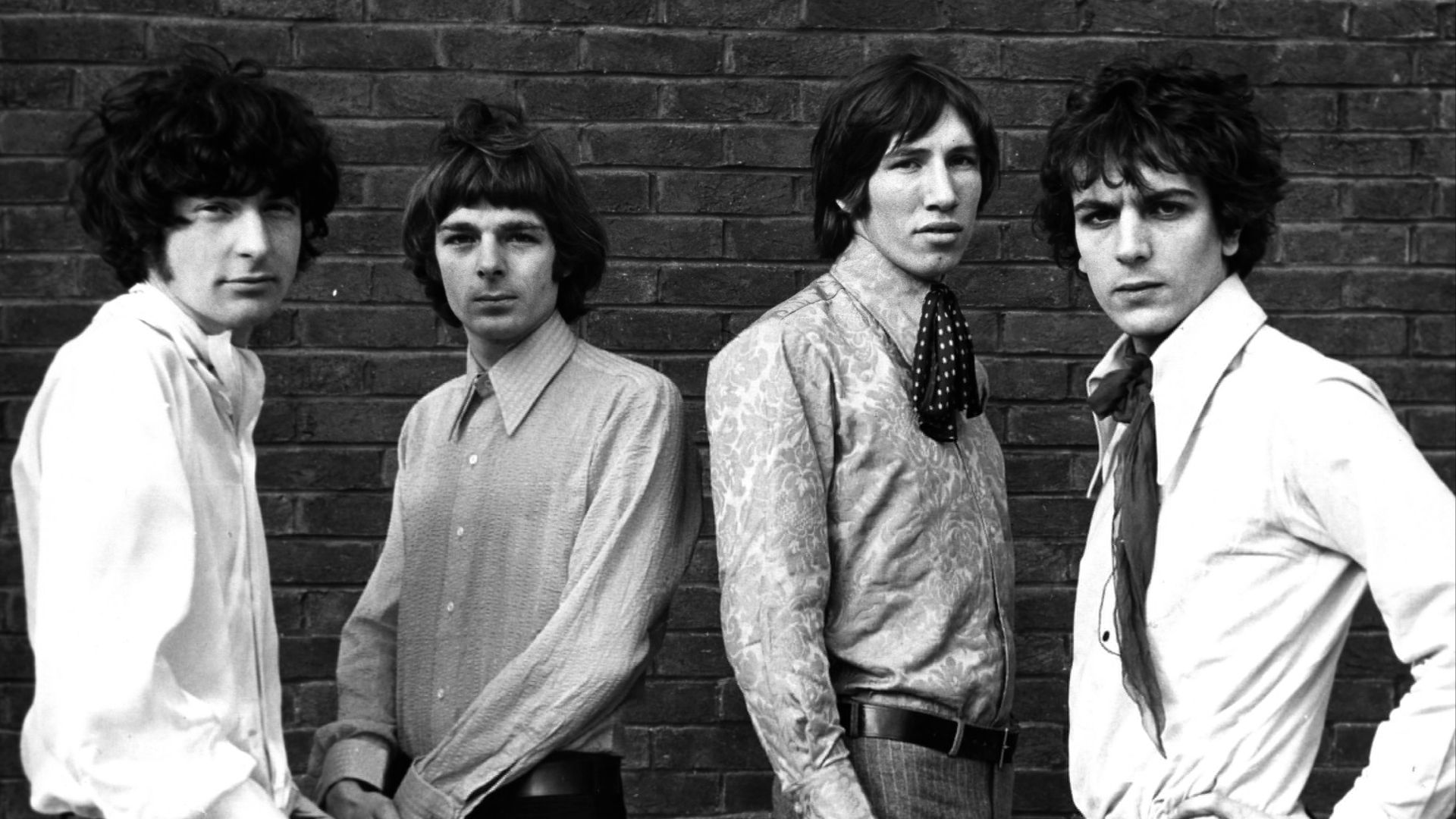
18: Aerosmith: “Dream On” (1973)
It barely charted at first. After a 1976 re-release, it climbed into the top 10. That soaring vocal finish still lands decades later and remains one of the band’s defining moments.
 Julio Aprea, Wikimedia Commons
17: Fleetwood Mac: “Go Your Own Way” (1977)
Written during intense internal band drama, it became one of the biggest hits from Rumours, which went on to sell over 40 million copies worldwide. Tension has rarely sounded this catchy.
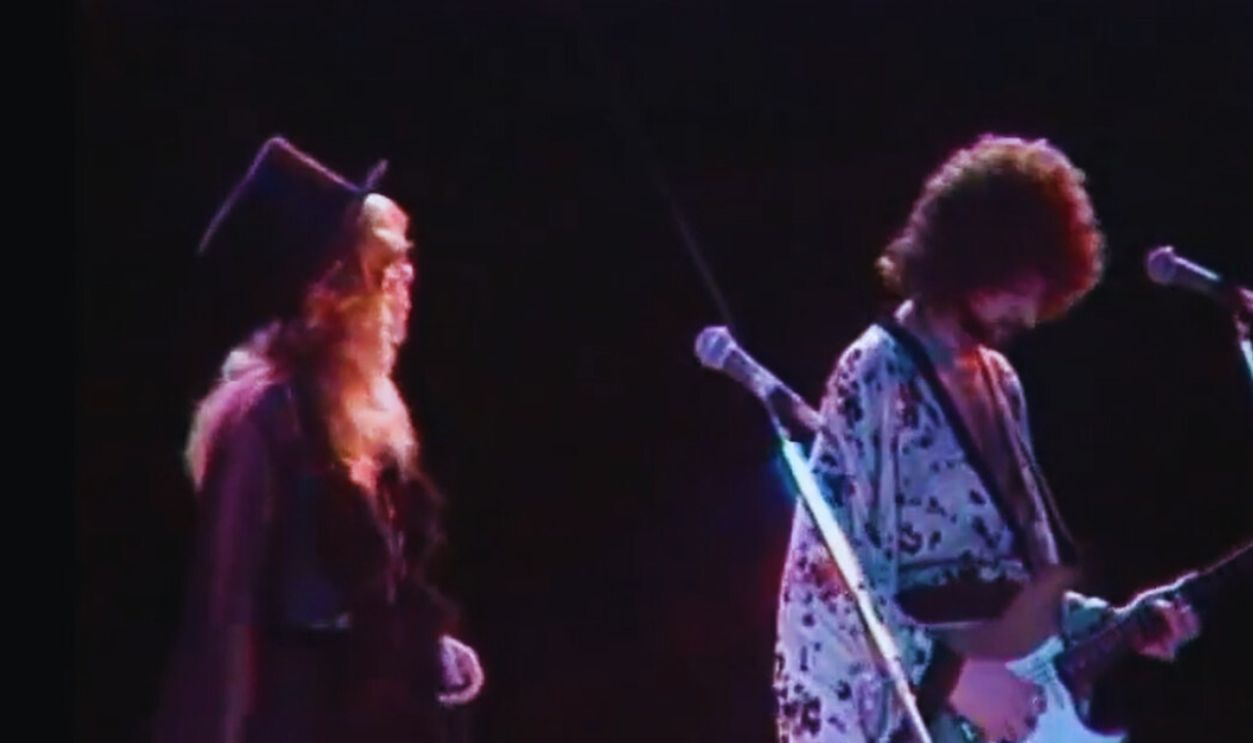 Screenshot from Fleetwood Mac – Go Your Own Way (1977 Rumours Tour), Warner Bros. Records (1977)
16: Bruce Springsteen: “Born to Run” (1975)
Big, ambitious, and built for open highways. It took months to record and nearly burned Springsteen out, but it turned him into a national figure and became one of the defining rock statements of the decade.
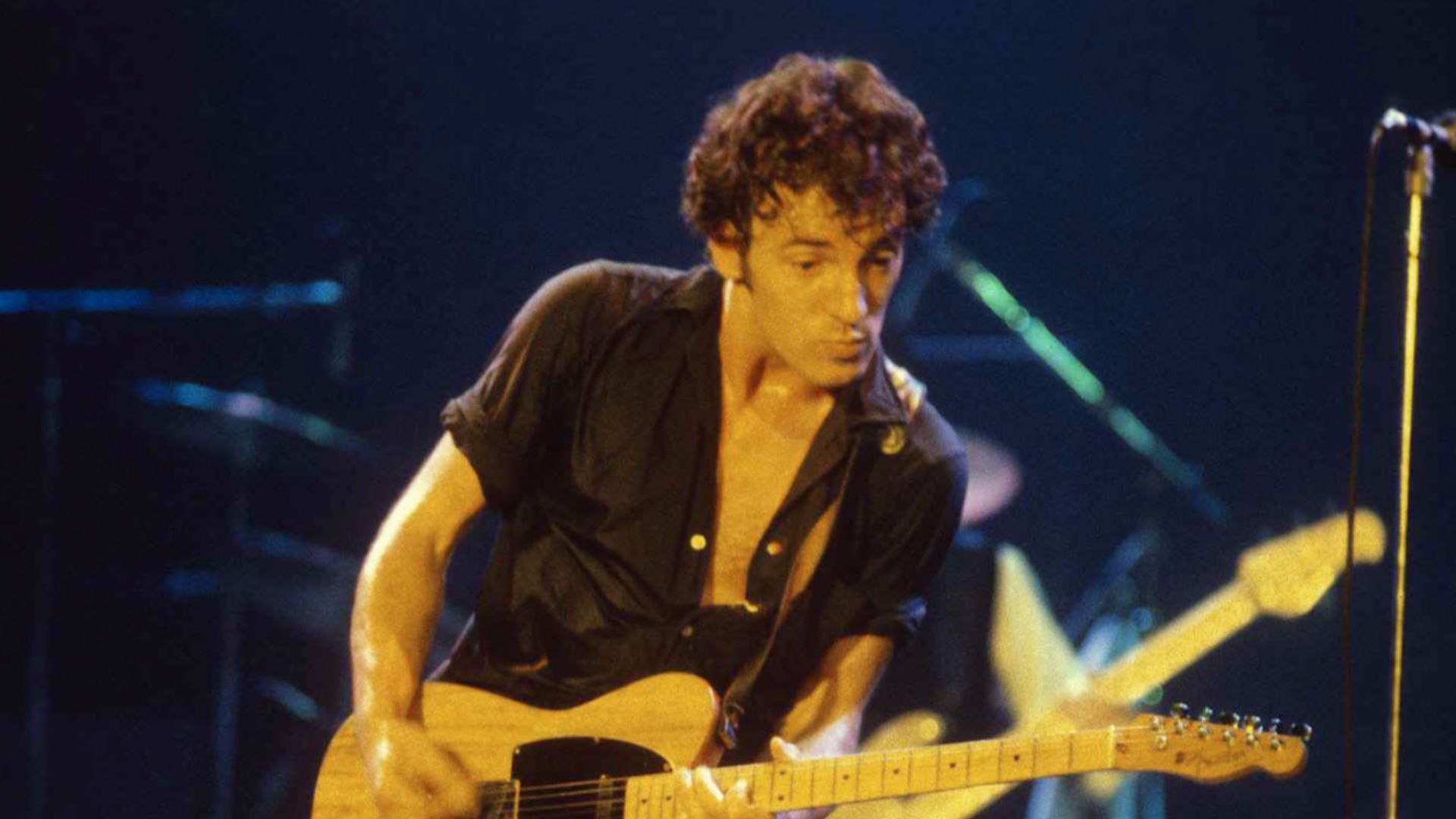 Carl Lender, Wikimedia Commons
15: Elton John: “Tiny Dancer” (1971)
Warm, melodic, and built around one of Elton’s most recognizable choruses. Then Almost Famous gave it a second life, turning a bus sing-along into one of the most memorable movie music moments of the last 25 years.
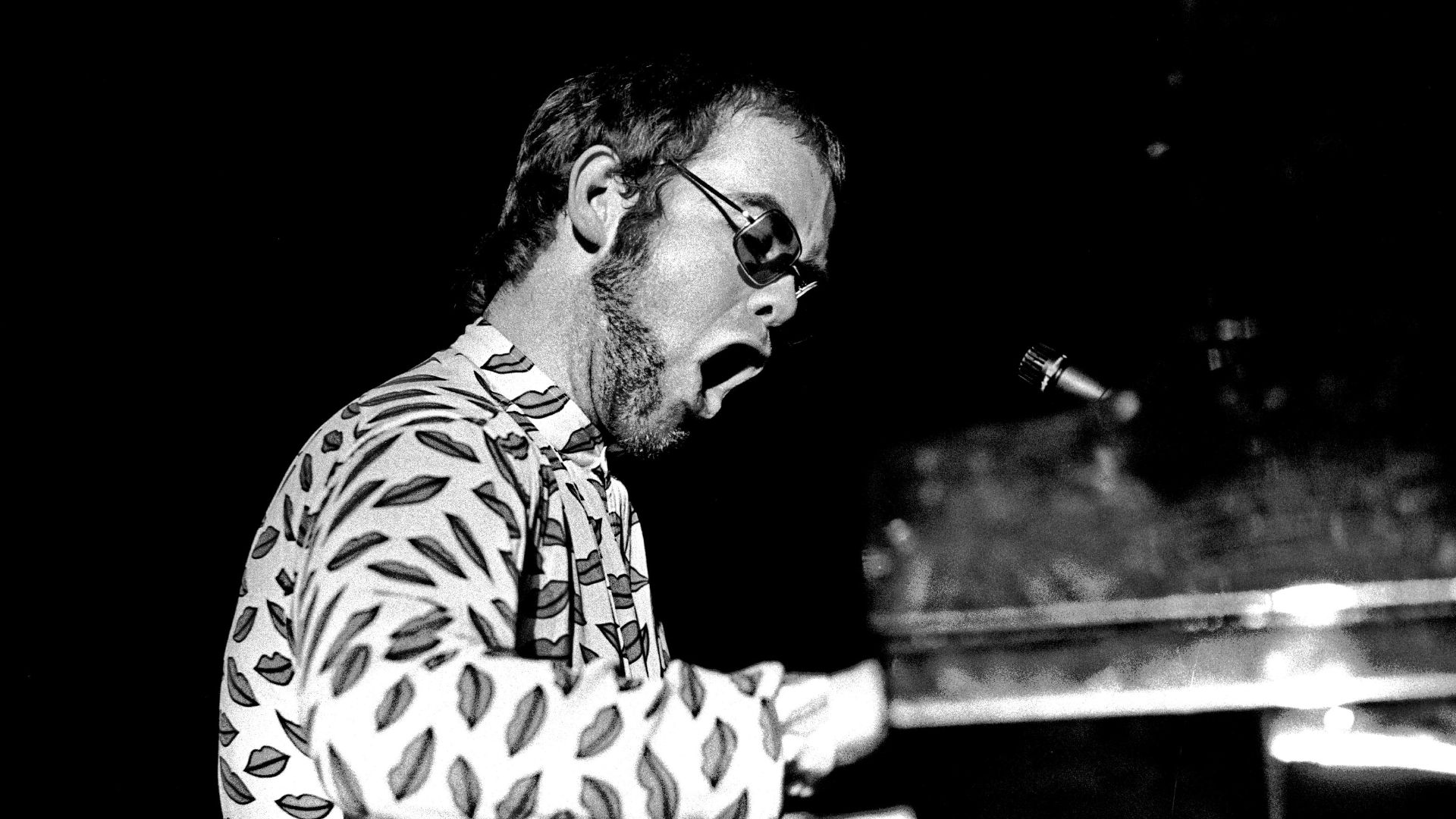 Heinrich Klaffs, Wikimedia Commons
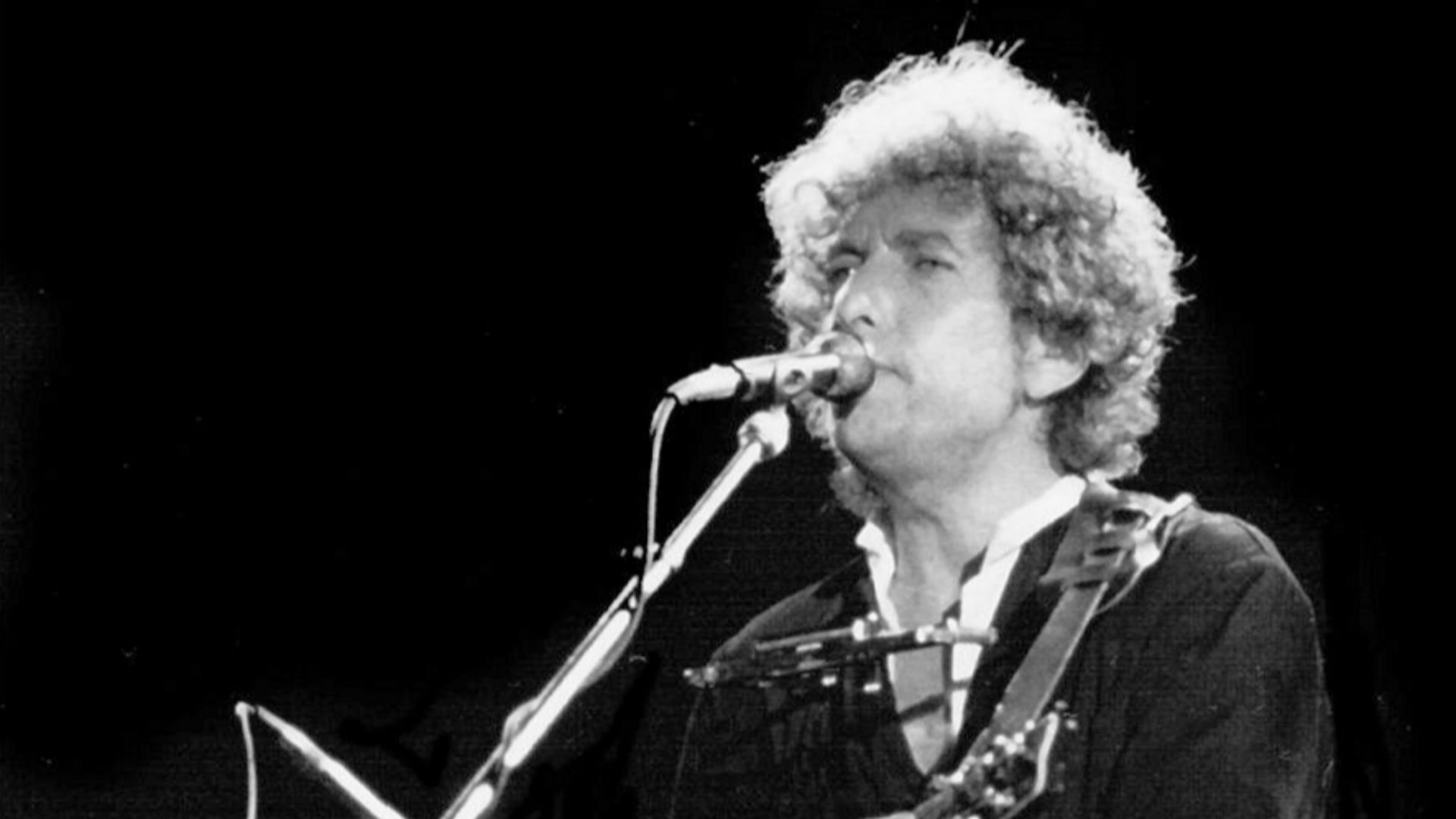
14: Bob Dylan: “Tangled Up in Blue” (1975)
The opening track on Blood on the Tracks and one of Dylan’s most celebrated songs. Its shifting perspectives and narrative structure influenced generations of songwriters and remains one of the defining pieces of 70s songwriting.
13: Simon & Garfunkel: “Bridge Over Troubled Water” (1970)
Won Record of the Year and Song of the Year at the Grammys. It became one of the best-selling singles of the decade and one of the duo’s defining performances.
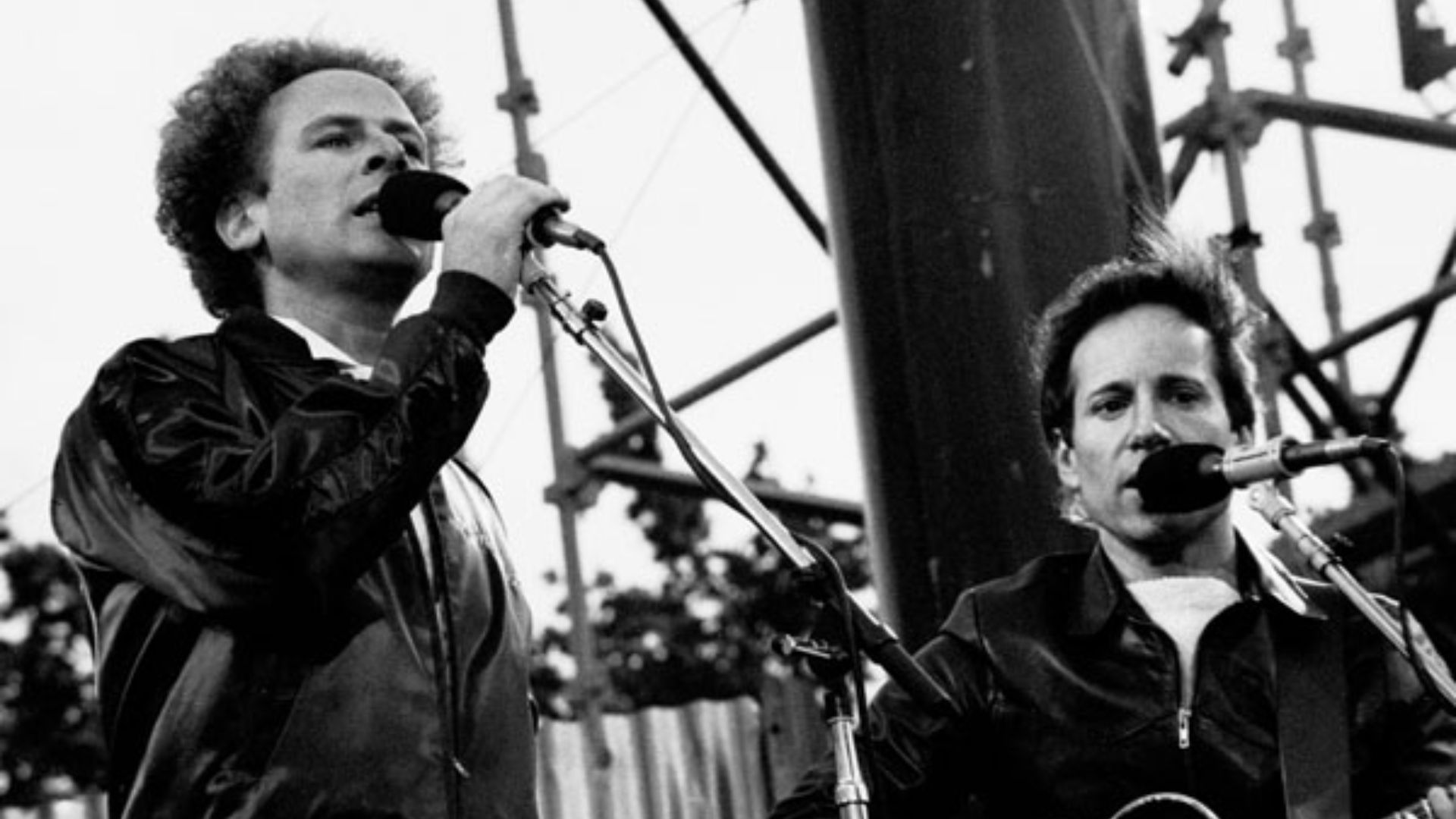 Eddie Mallin, Wikimedia Commons
12: The Clash: “London Calling” (1979)
Not a massive U.S. chart smash at the time, but hugely influential. It pushed punk into broader territory and hinted at where rock was heading in the 80s.
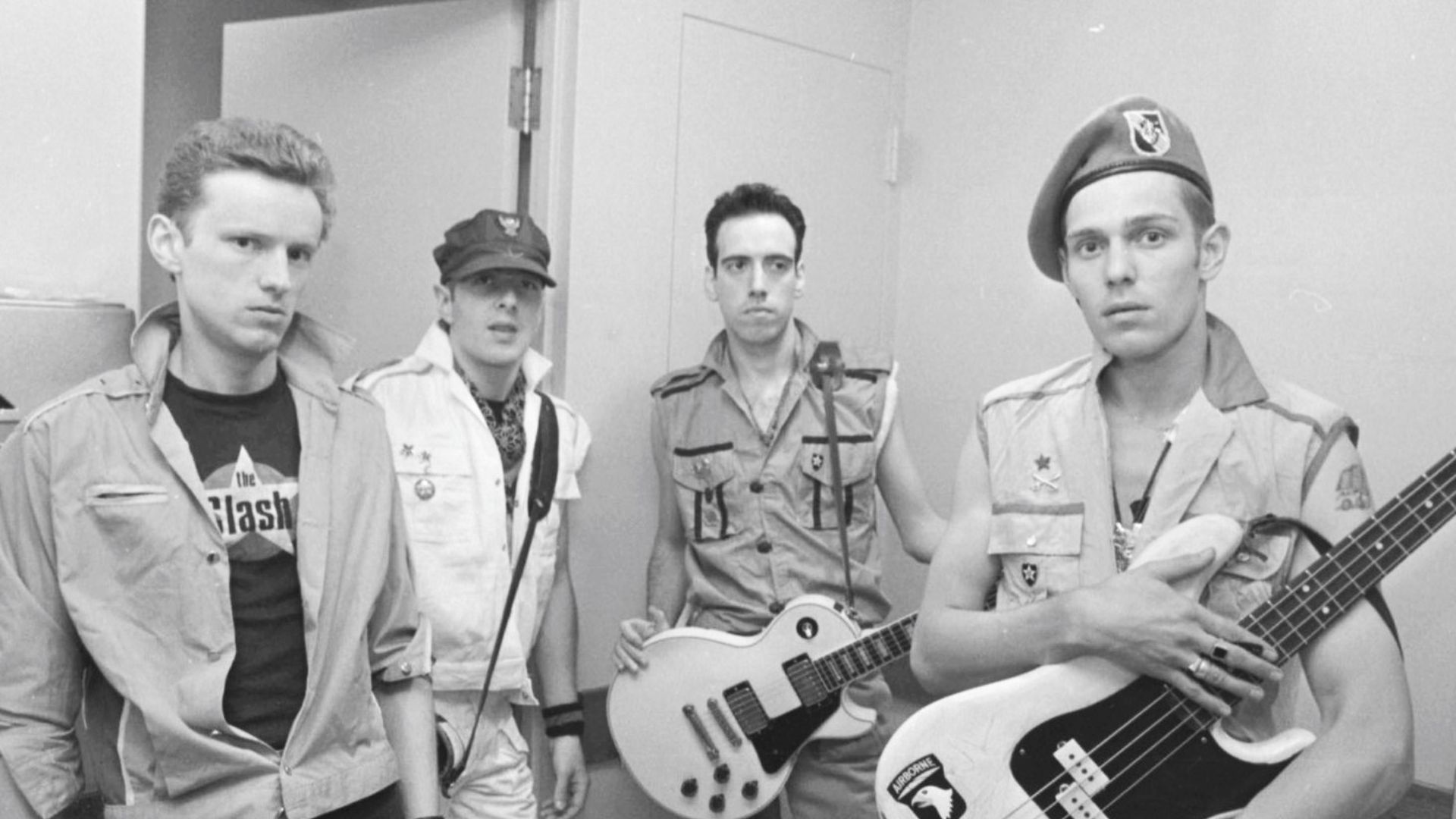 UCLA Library Special Collections, Wikimedia Commons
11: Al Green: “Let’s Stay Together” (1971)
Green’s first number-one R&B hit and a major crossover success. Smooth but emotionally sharp, it helped define early-70s soul and remains one of the genre’s standards.
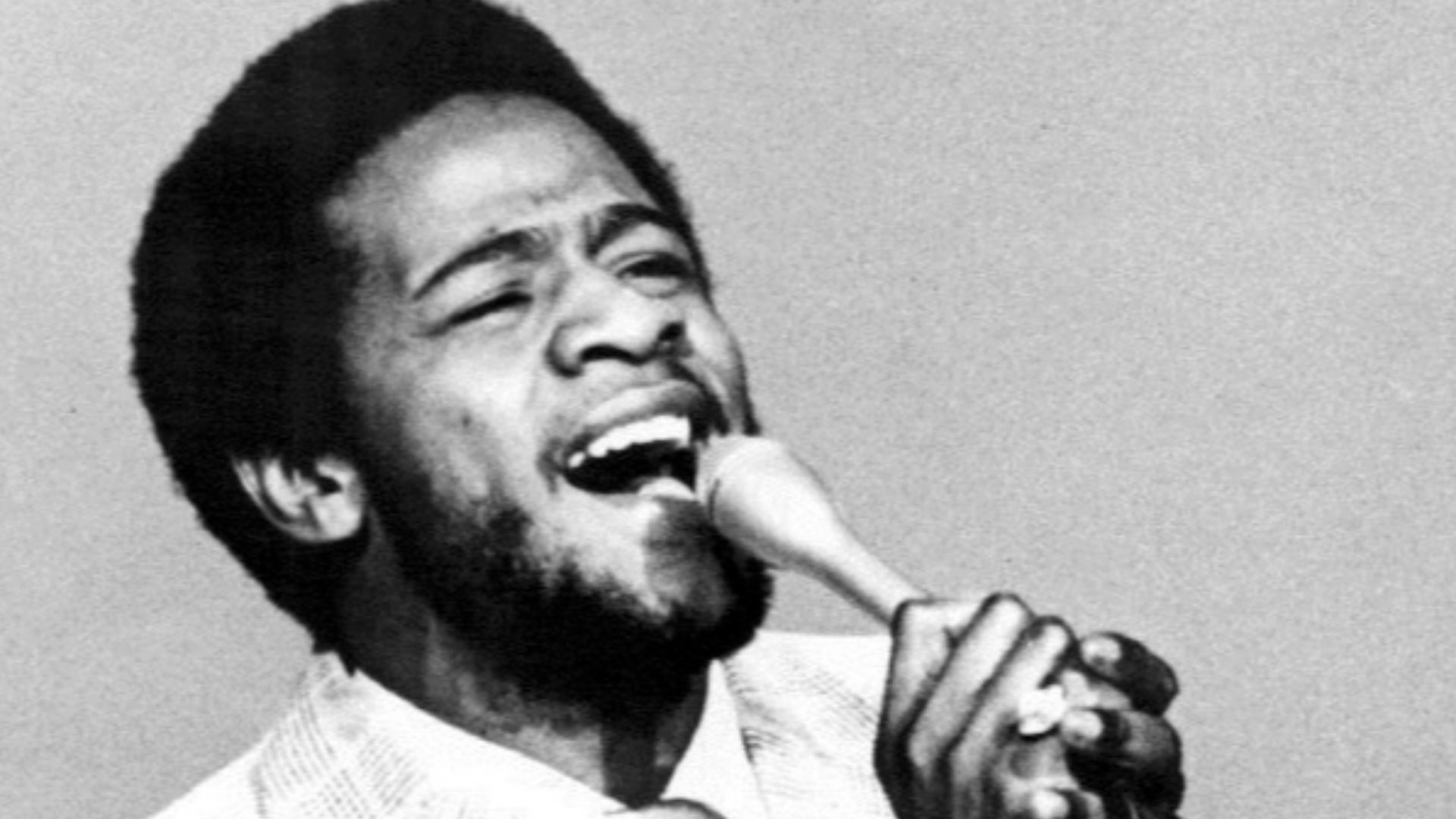 Mike Douglas Show, Wikimedia Commons
10: Led Zeppelin: “When the Levee Breaks” (1971)
Built around one of the most famous drum sounds in rock history—recorded by John Bonham in a stairwell at Headley Grange—this Led Zeppelin IV closer feels heavier with every passing decade. That opening beat has been sampled endlessly, especially in hip-hop. Some fans even argue it’s the band’s true masterpiece.
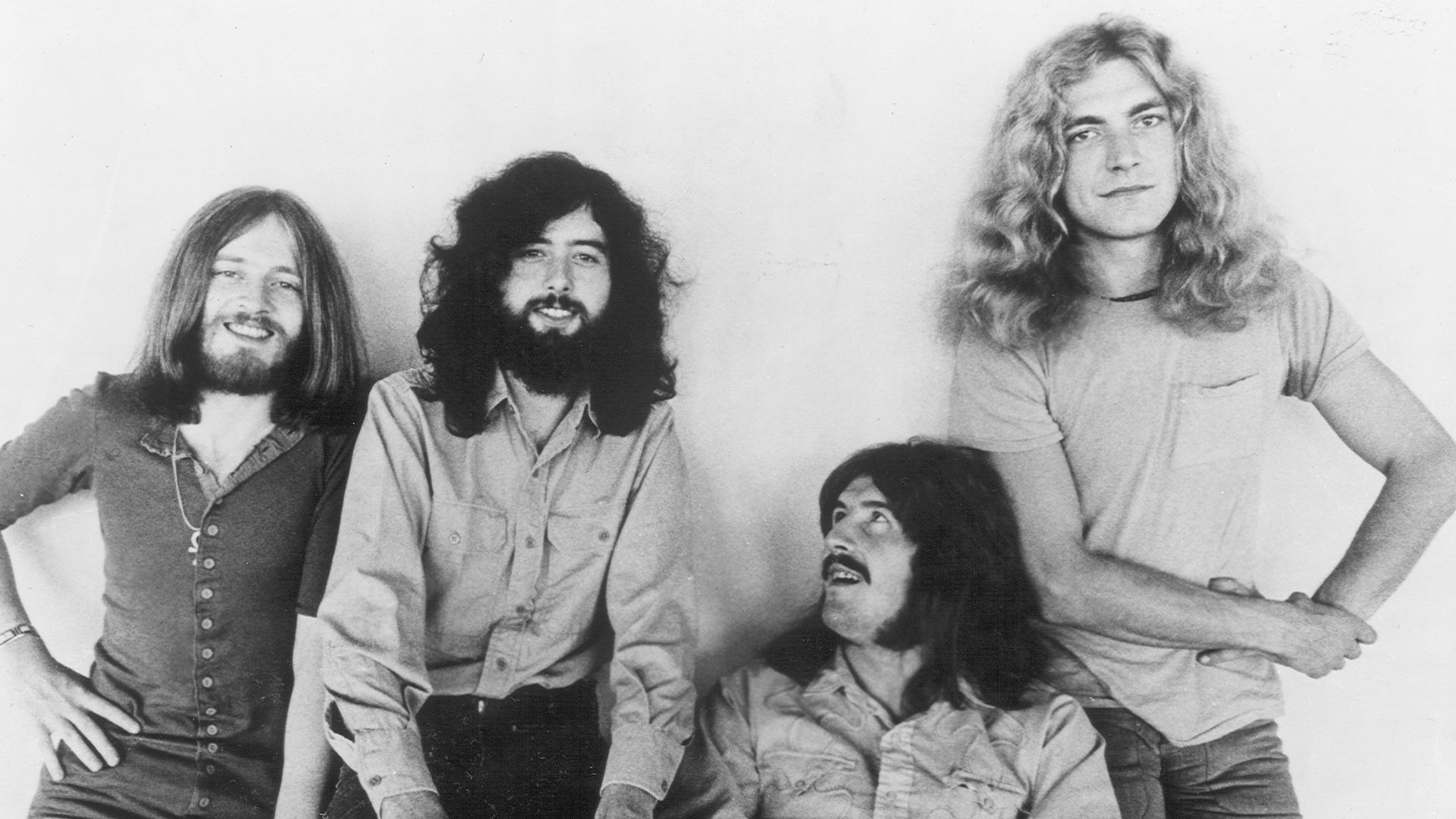 Atlantic Records, Wikimedia Commons
9: The Beatles: “Let It Be” (1970)
Released as the band was falling apart, it became one of their final number-one singles. A piano-driven bridge between the end of one era and the beginning of another.
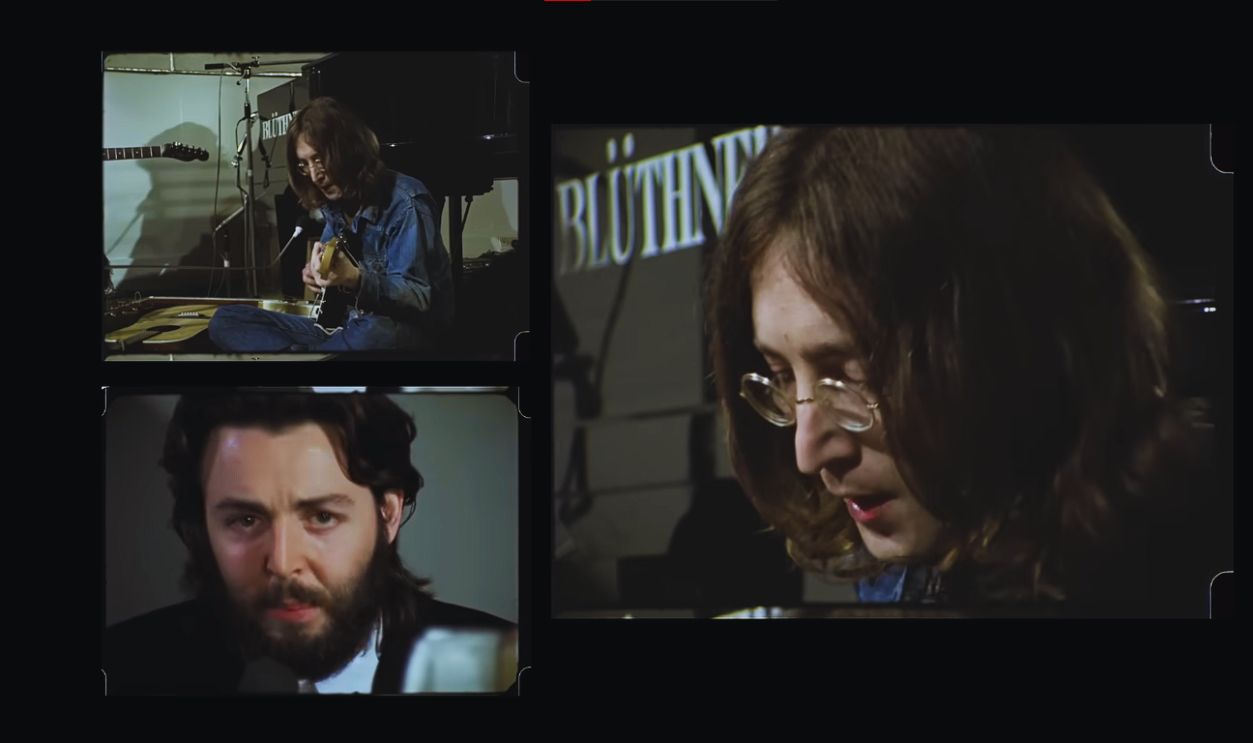 Screenshot from The Beatles – “Let It Be”, Apple Records (1970)
8: Bill Withers: “Ain’t No Sunshine” (1971)
Barely over two minutes and still devastating. It won a Grammy and became one of the most covered songs of the decade. That repeated “I know” section wasn’t even meant to stay—but it’s the part everyone remembers.
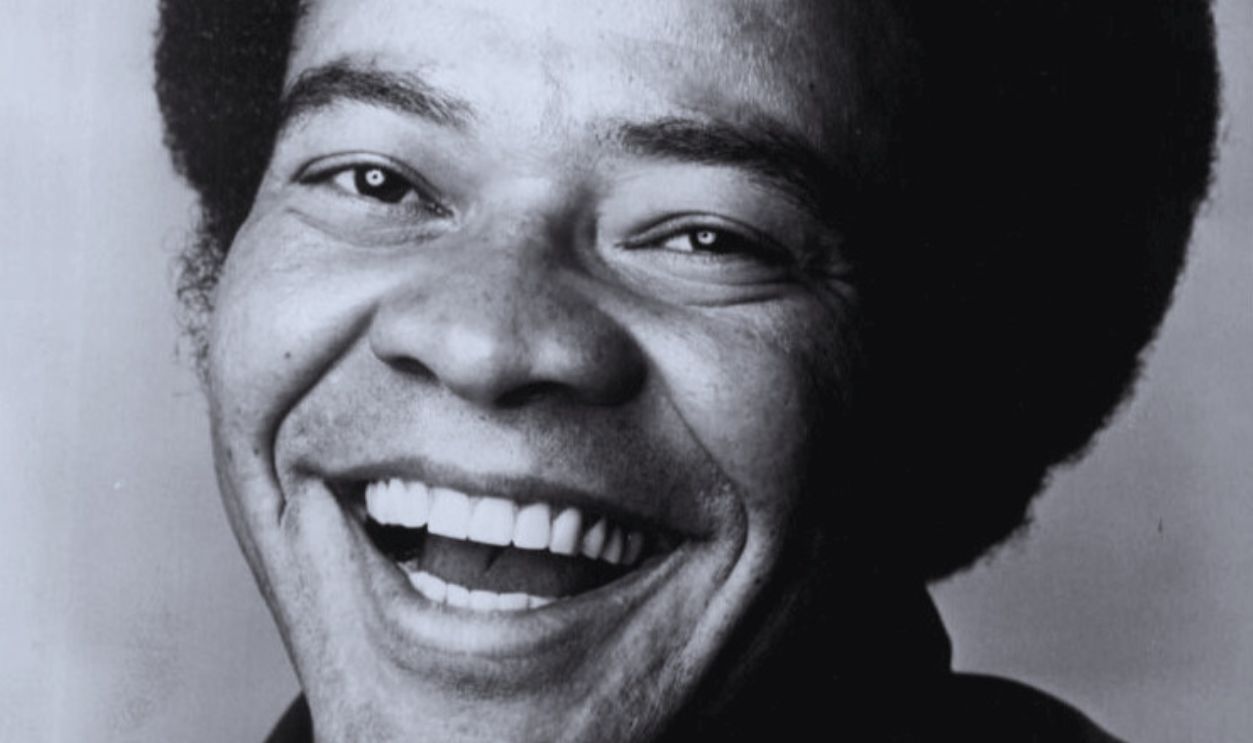 Columbia Records, Wikimedia Commons
7: Eagles: “Hotel California” (1976)
Won the Grammy for Record of the Year. That dual-guitar solo between Don Felder and Joe Walsh is still ranked among the greatest ever recorded—and still humbling to anyone who tries to learn it.
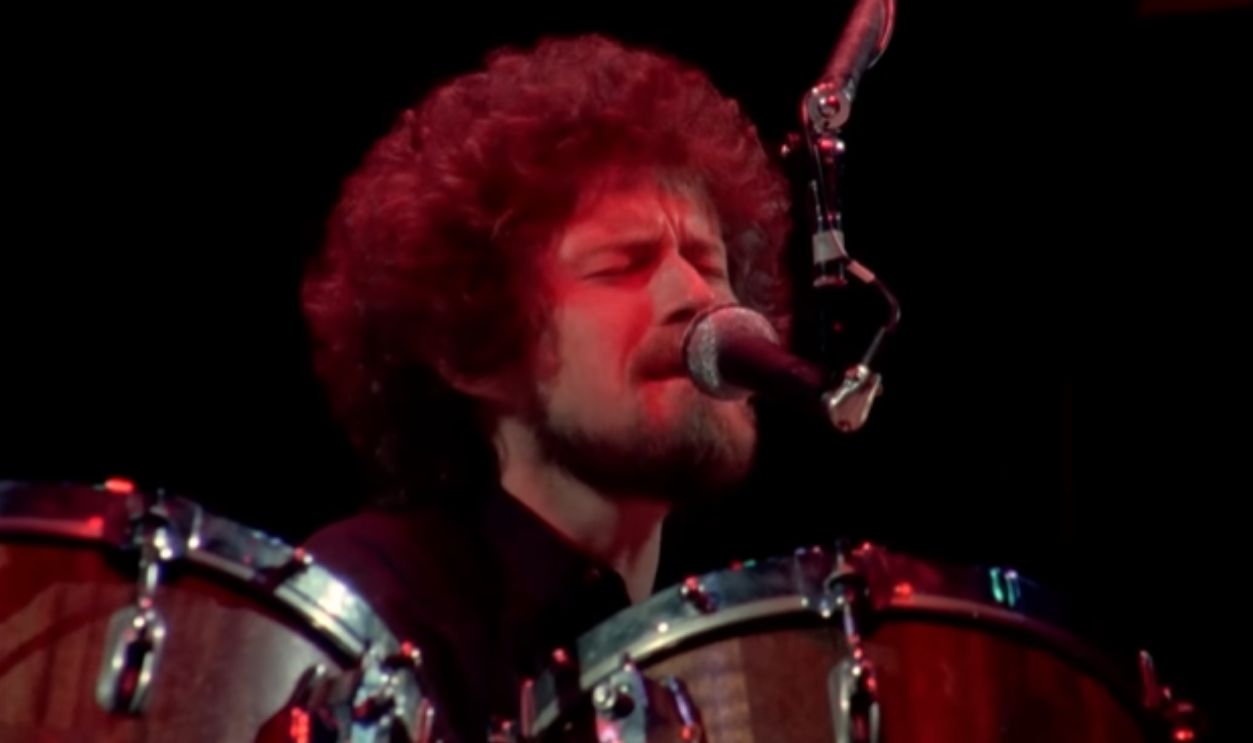 Screenshot from Hotel California, Asylum Records (1976)
6: Queen: “Bohemian Rhapsody” (1975)
Six minutes. No chorus. Opera section. Hard rock ending. It shouldn’t have worked. It absolutely did. One of the boldest mainstream hits of the decade. And we're not just saying that because we are big Wayne’s World fans.
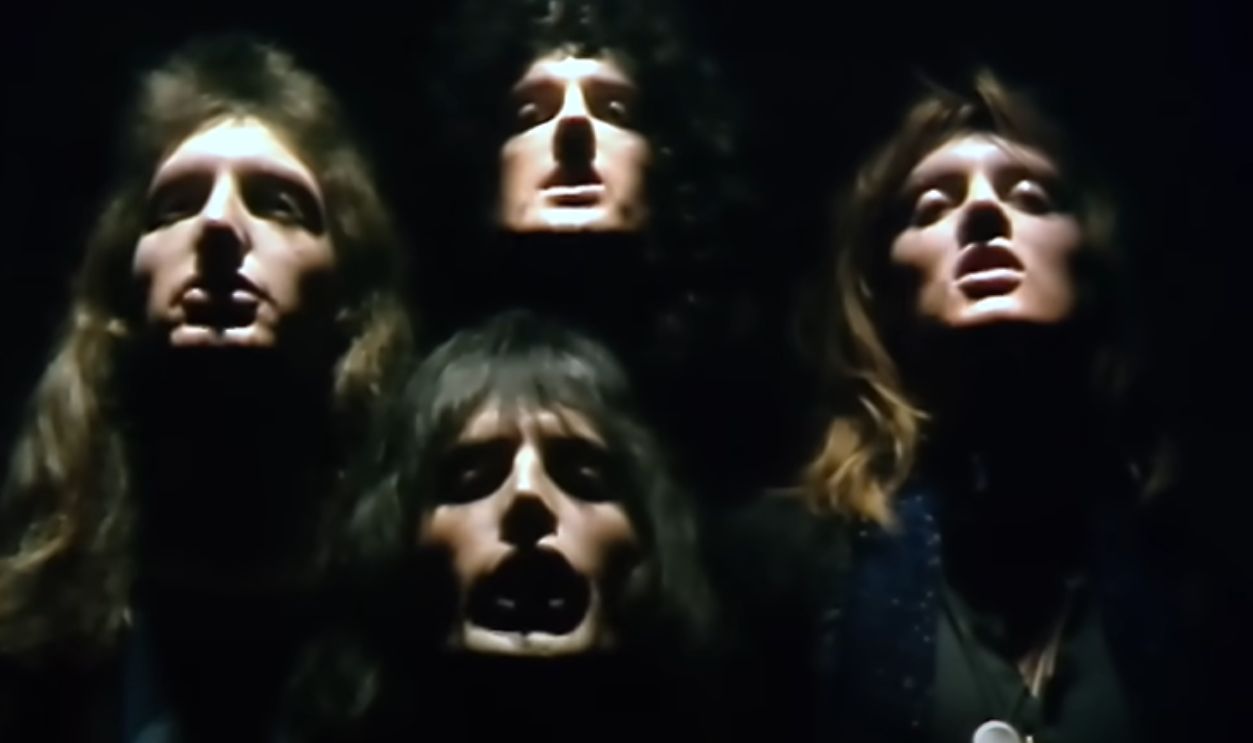 Screenshot from Bohemian Rhapsody, EMI Records / Elektra Records (1975)
5: Stevie Wonder: “Superstition” (1972)
Built around a clavinet riff that helped redefine funk production. It topped the Billboard Hot 100 and anchored one of the strongest creative runs of the decade.
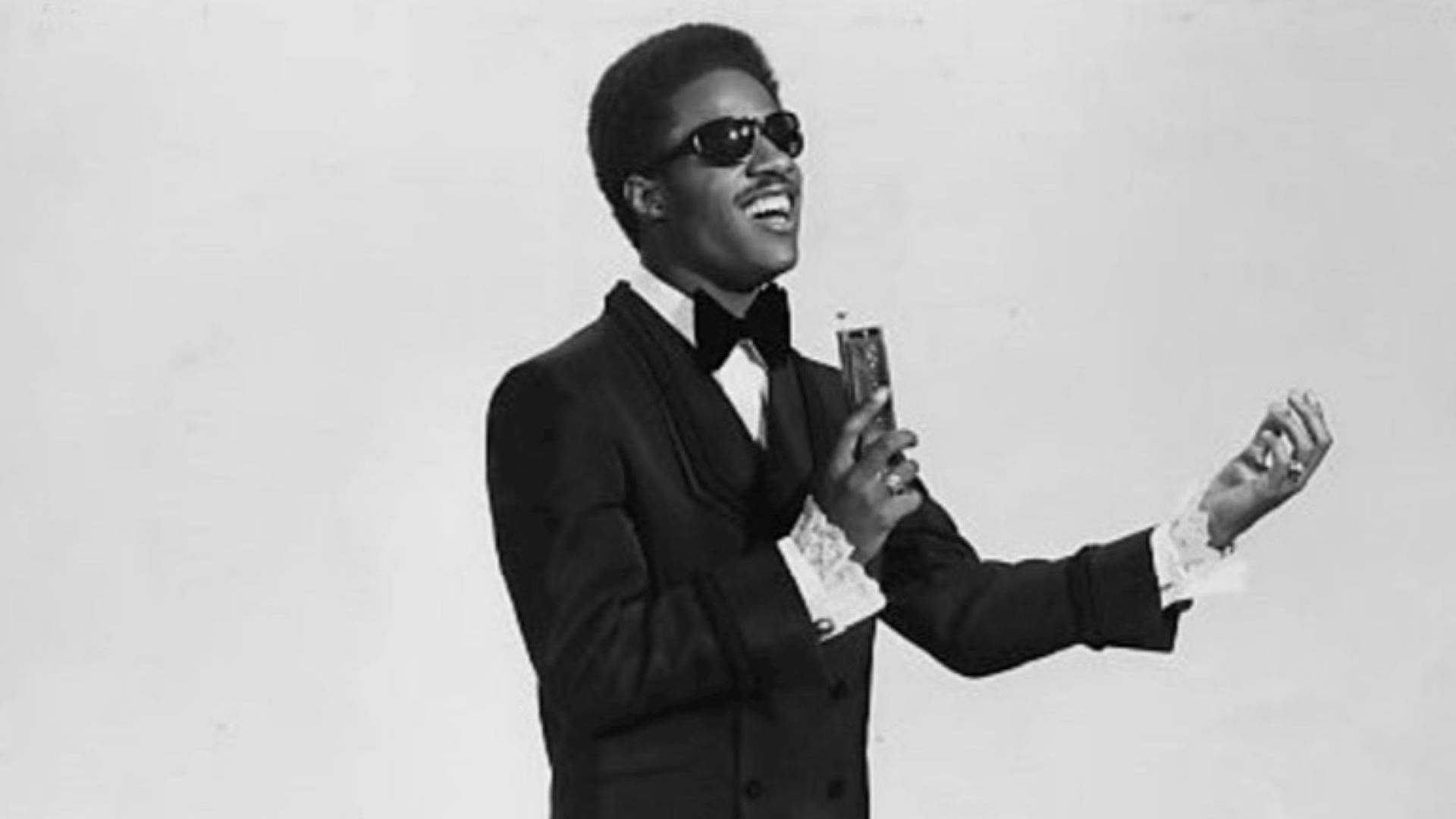 William Morris Agency (management)/Photo ny James Kriegsmann, New York,, Wikimedia Commons
4: John Lennon: “Imagine” (1971)
Peaked at number three in the U.S. on release and later became one of the most covered songs ever written. Its simplicity is part of why it stuck.
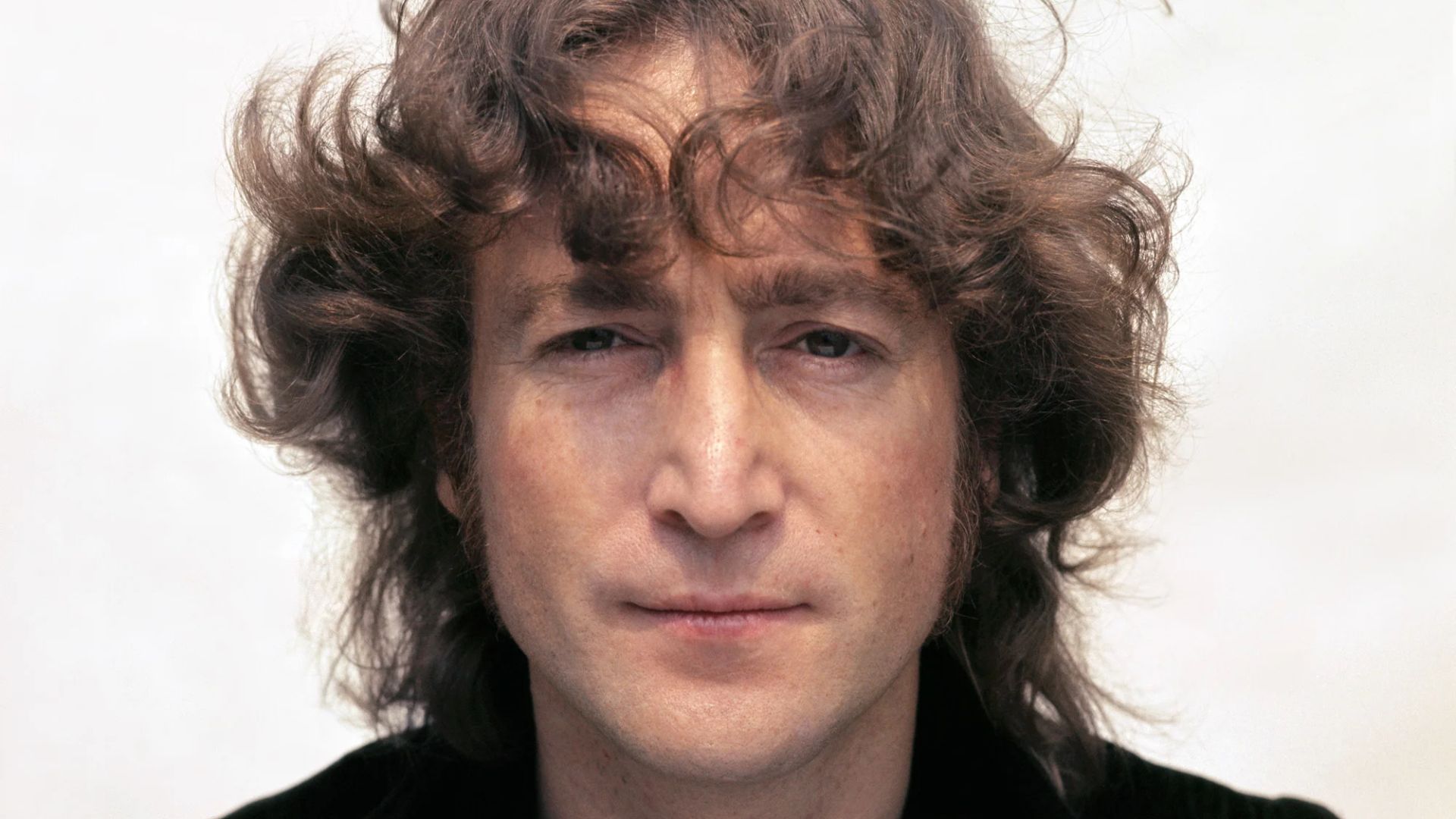 Bob Gruen; Distributed by Capitol Records, Wikimedia Commons
3: Marvin Gaye: “What’s Going On” (1971)
A number-two pop hit that reshaped Motown’s direction. Critics consistently rank it among the greatest songs ever recorded for both its message and its layered production.
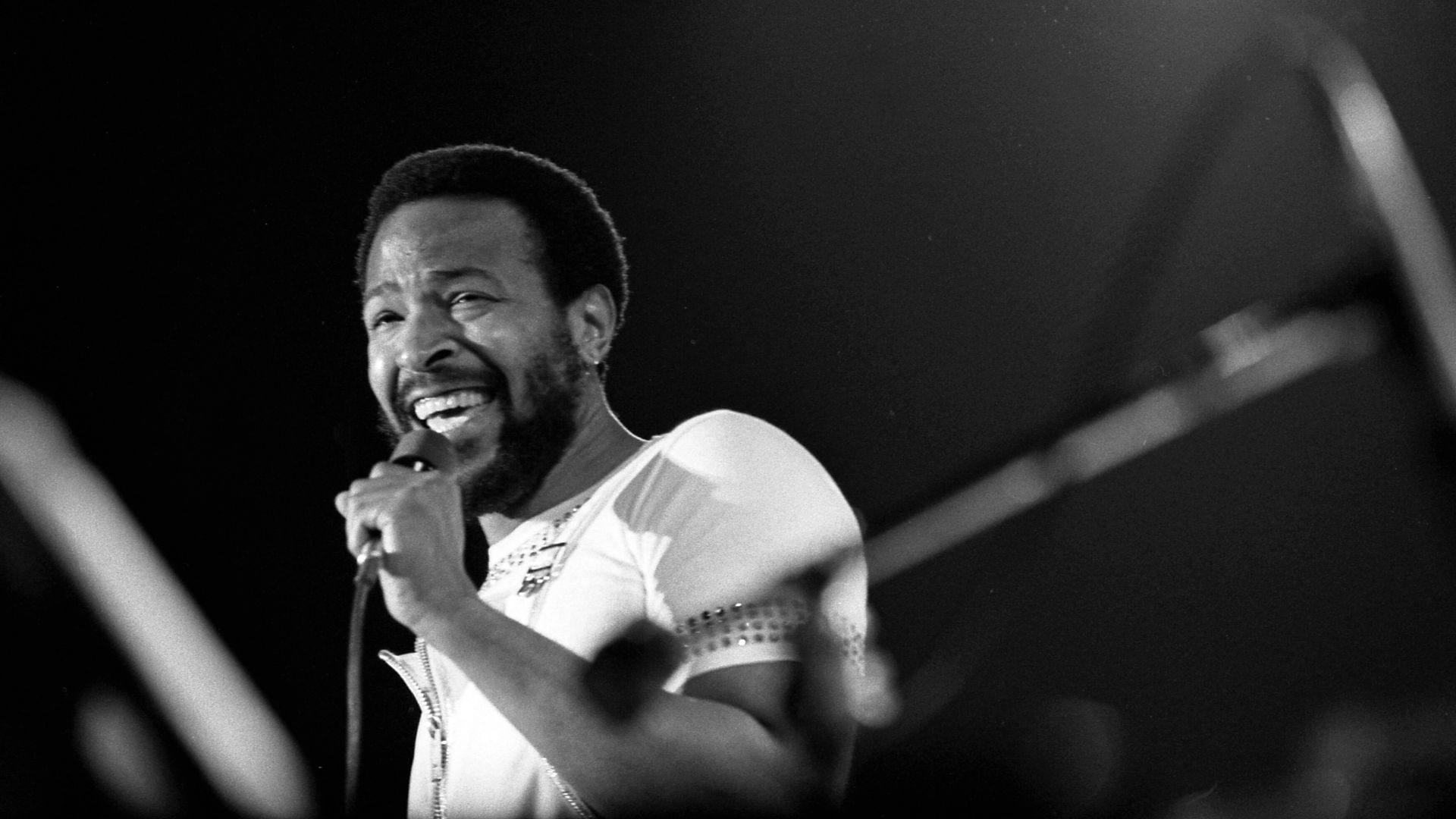 Los Angeles Times, Wikimedia Commons
2: Stevie Wonder: “As” (1976)
One of the emotional centerpieces of Songs in the Key of Life, it’s widely considered one of Wonder’s finest recordings. Expansive, warm, and built on a groove that never lets up.
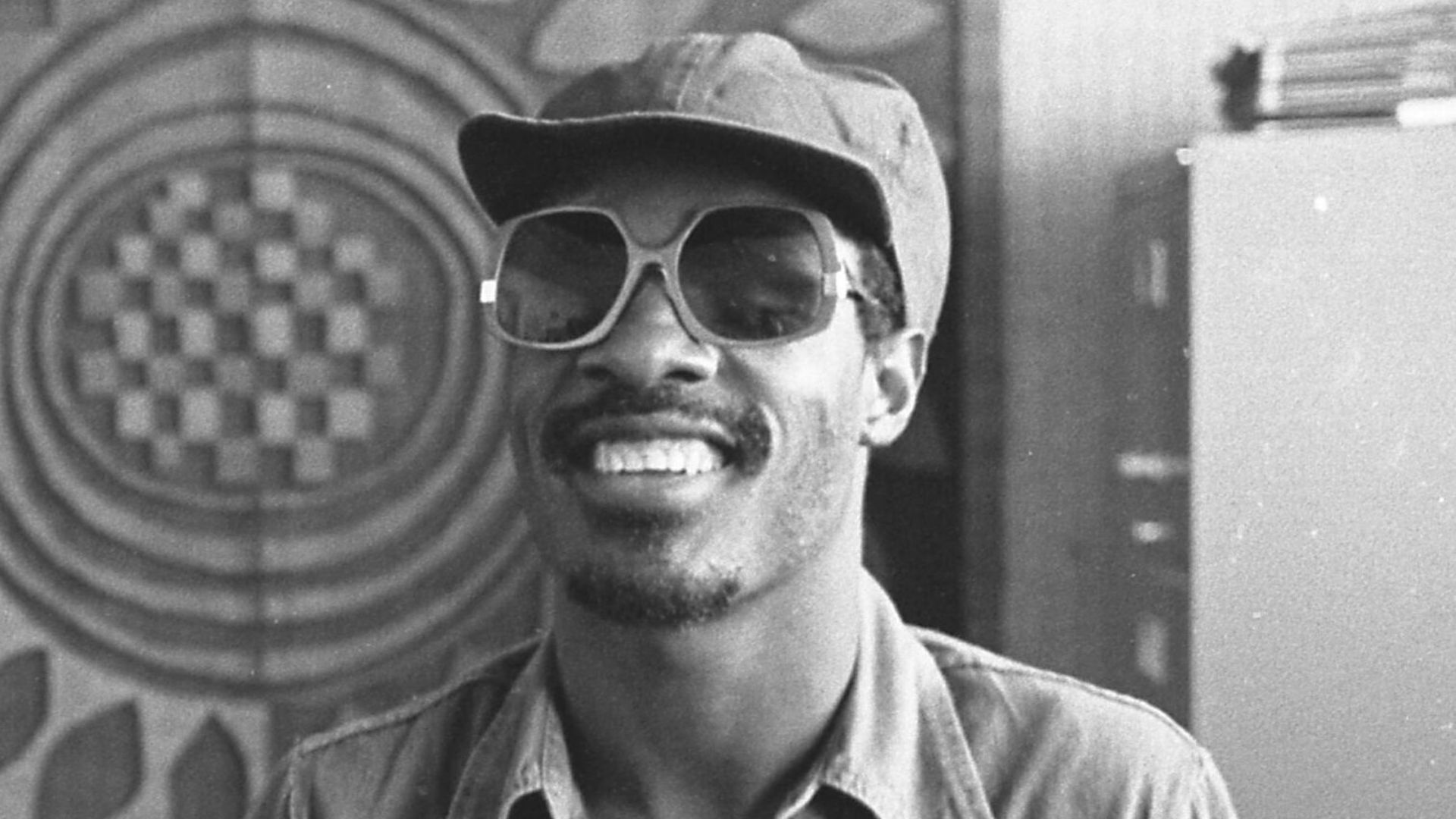 UCLA digital library, Wikimedia Commons
1: Led Zeppelin: “Stairway to Heaven” (1971)
And here we are at number one: Eight minutes long. Rarely edited. Never released as a commercial single in the U.S.—and still one of the most played songs in radio history. It defined arena rock, influenced generations of musicians, and became the closing song at high school dances across the country for decades.
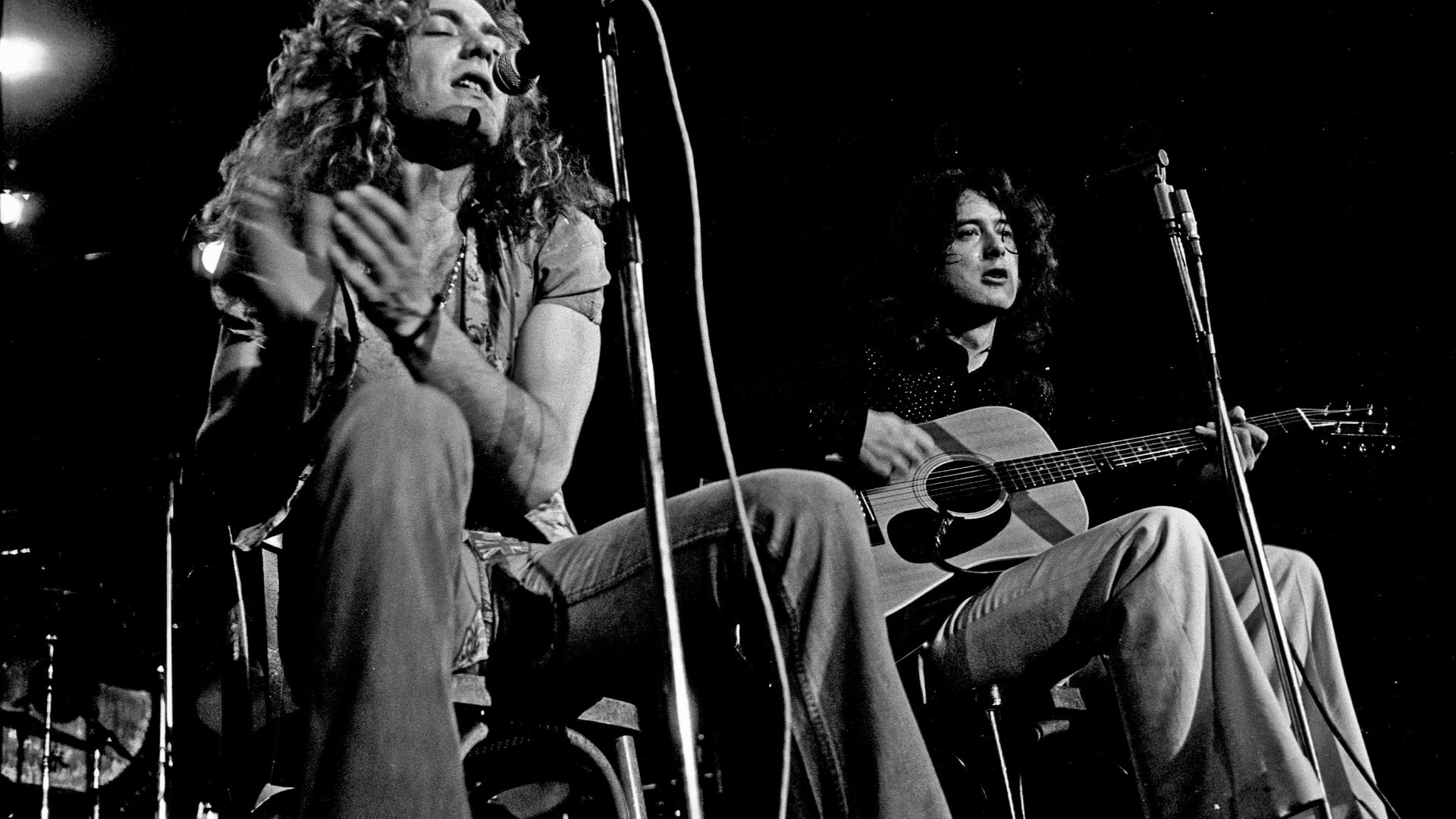 Heinrich Klaffs, Wikimedia Commons
You Might Also Like: