When The Radio Raised Us
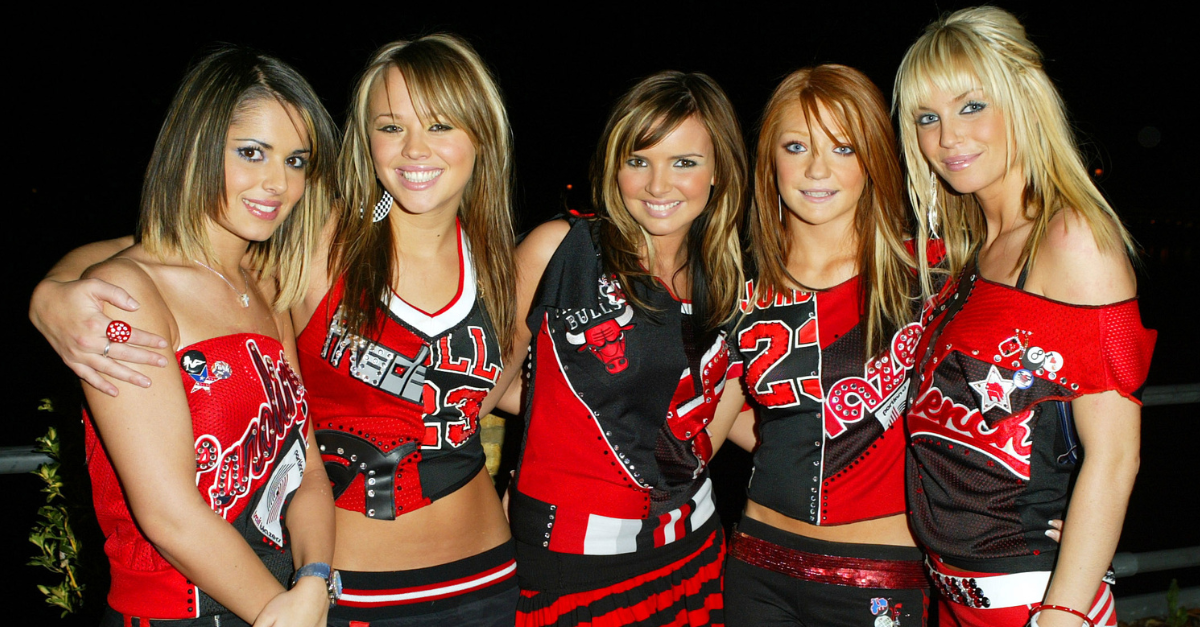
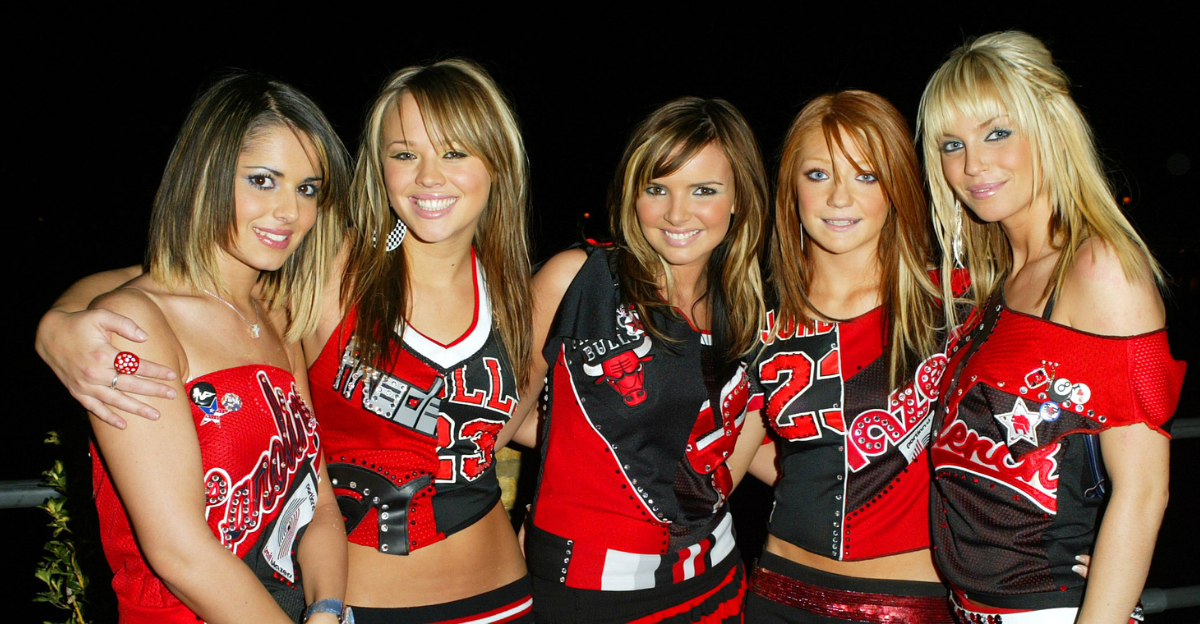
Millennial women may have jobs, responsibilities, and a concerning number of browser tabs open at all times—but emotionally, many of us are still exactly who we were the first time a girl group chorus hit just right. The 2000s weren’t just a great era for girl groups; they were a full-on personality-forming experience. These songs taught confidence, heartbreak, friendship, independence, and how to dramatically stare out a car window like you were in a music video.
 Justin Goff Photos, Getty Images
Independent Women Part I—Destiny’s Child
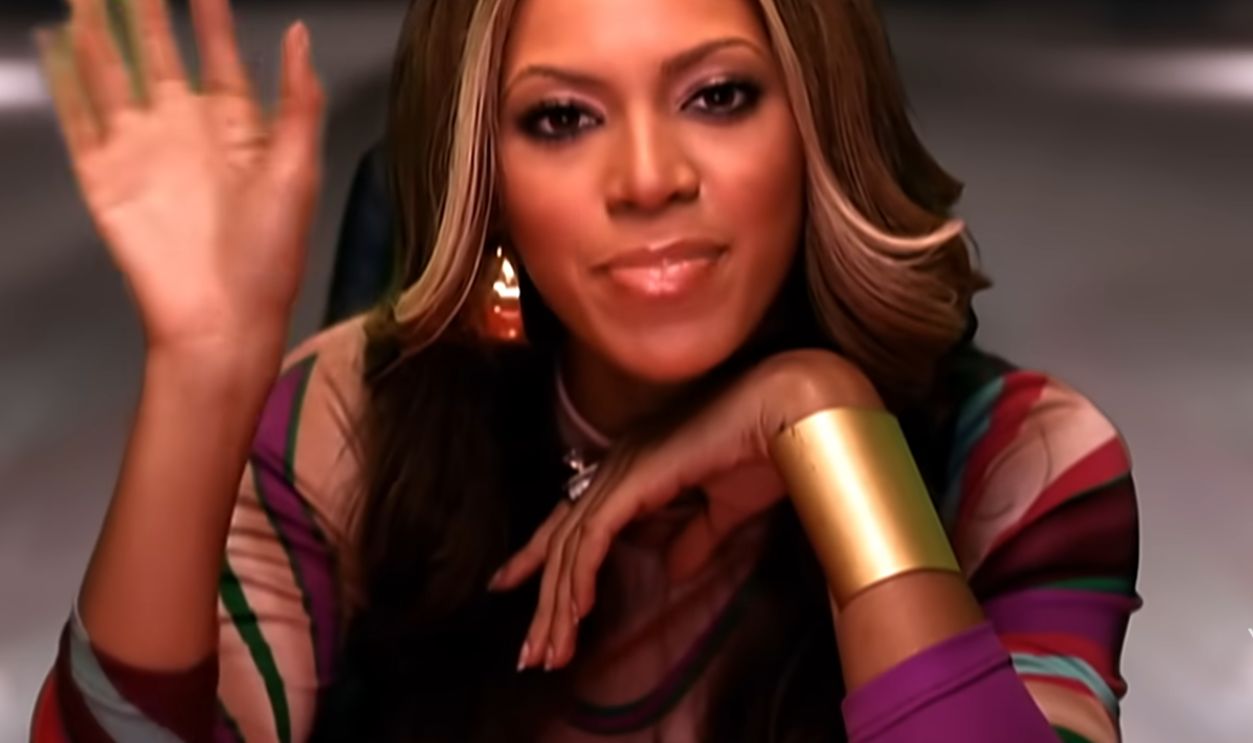
This song didn’t just top charts—it rewired brains. Suddenly knowing your bills were paid was the most attractive personality trait imaginable. It made independence sound glamorous and gave millennial girls their first taste of main-character confidence.
 Screenshot from Independent Women Part I, Columbia
Jumpin’, Jumpin’—Destiny’s Child
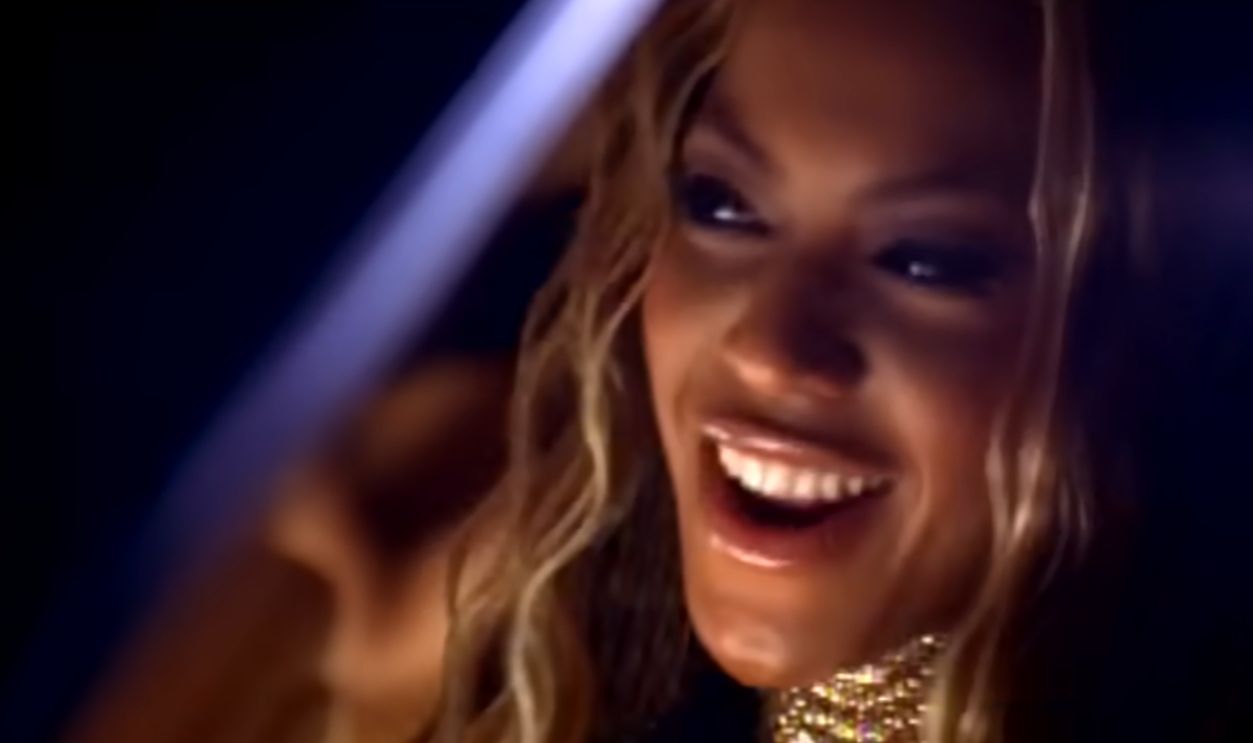
The ultimate “we’re leaving the house” anthem. The second this came on, plans became real. It captured that chaotic, hopeful energy of group chats lighting up and friendships feeling like the best part of life.
 Screenshot from Jumpin’, Jumpin’, Columbia
Bootylicious—Destiny’s Child
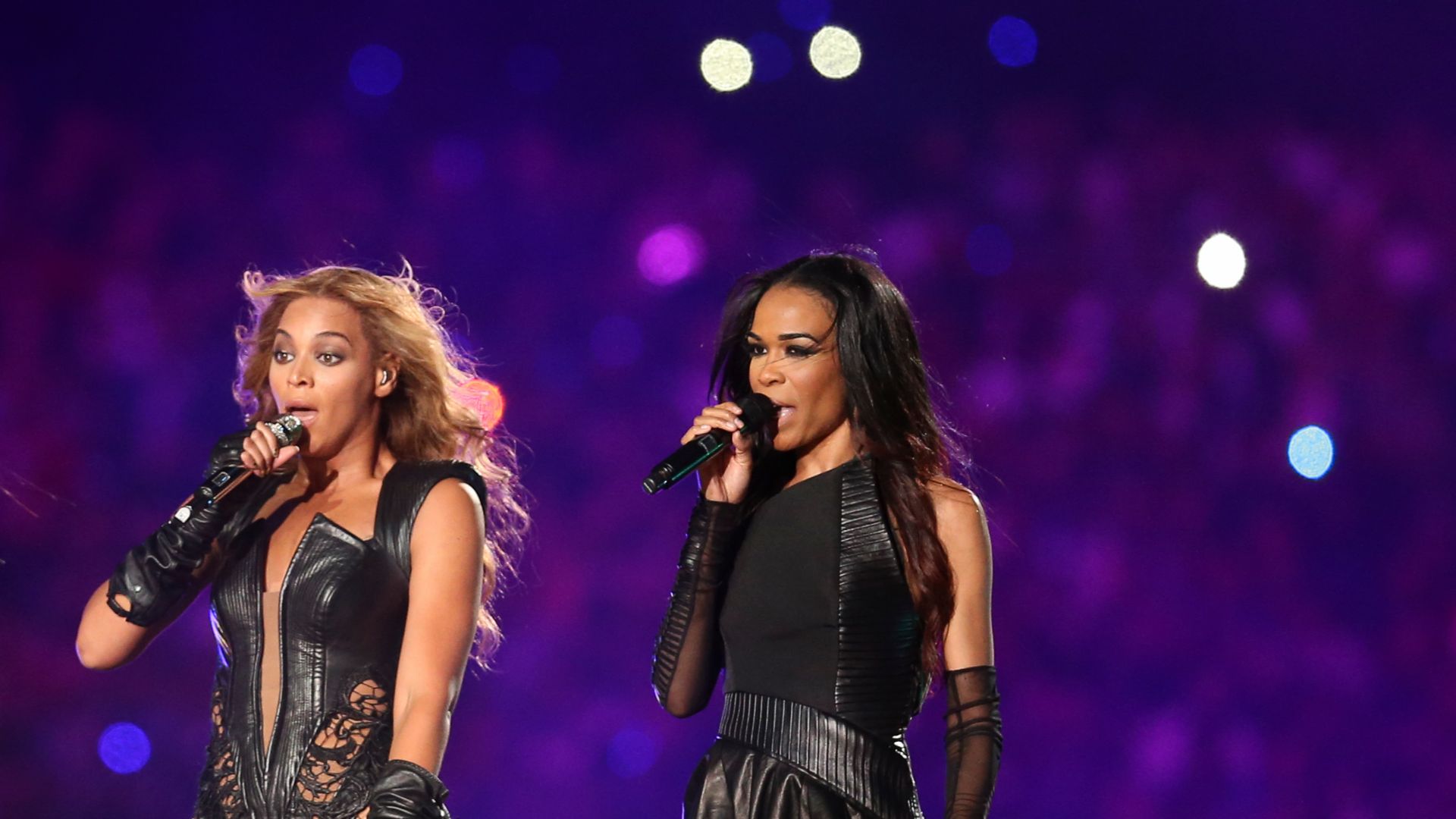
A masterclass in confidence before confidence was a brand. This song taught an entire generation to stand taller, dance harder, and stop apologizing for taking up space—especially on the dance floor.
 Pete Sekesan from New York, USA, Wikimedia Commons
Survivor—Destiny’s Child
Nothing says emotional resilience like dramatically singing about it in unison. This one became the go-to anthem for breakups, betrayals, and situations where you absolutely wanted someone to know you were thriving.
 Screenshot from Survivor, Columbia
Don’t Cha—The Pussycat Dolls
This song caused permanent attitude shifts. Suddenly everyone was a little bolder, a little flirtier, and fully convinced they could steal attention just by walking past someone. Dangerous energy, honestly.
 Screenshot from Don’t Cha, Universal
Stickwitu—The Pussycat Dolls
The soft side of the group that proved vulnerability could still feel powerful. This was the slow-dance song, the dedication song, the “I swear I’m serious about this” moment of the decade.
 Screenshot from Stickwitu, Interscope
I Don’t Need A Man—The Pussycat Dolls
A post-breakup anthem disguised as a pop banger. It gave millennial women permission to be single, self-sufficient, and slightly smug about it—an energy many still carry proudly.
 Screenshot from I Don't Need A Man, Interscope
Hole In The Head—Sugababes
This song perfected the art of sounding fed up while still being catchy. It was the musical equivalent of realizing you deserve better and immediately strutting away from the situation.
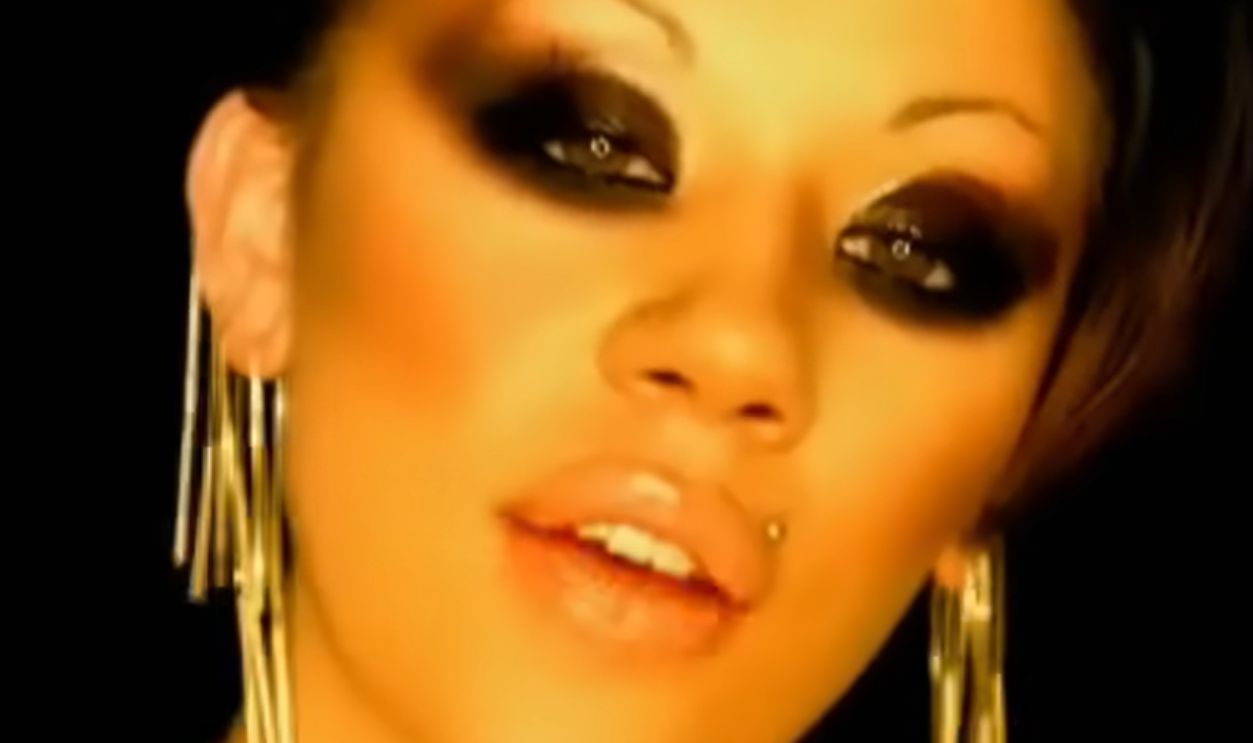 Screenshot from Hole In The Head, Island
Push The Button—Sugababes
Flirty without trying too hard, playful without losing control. This track felt like confidence that didn’t need validation, which is exactly why it still feels so cool now.
 Screenshot from Push The Button, Island
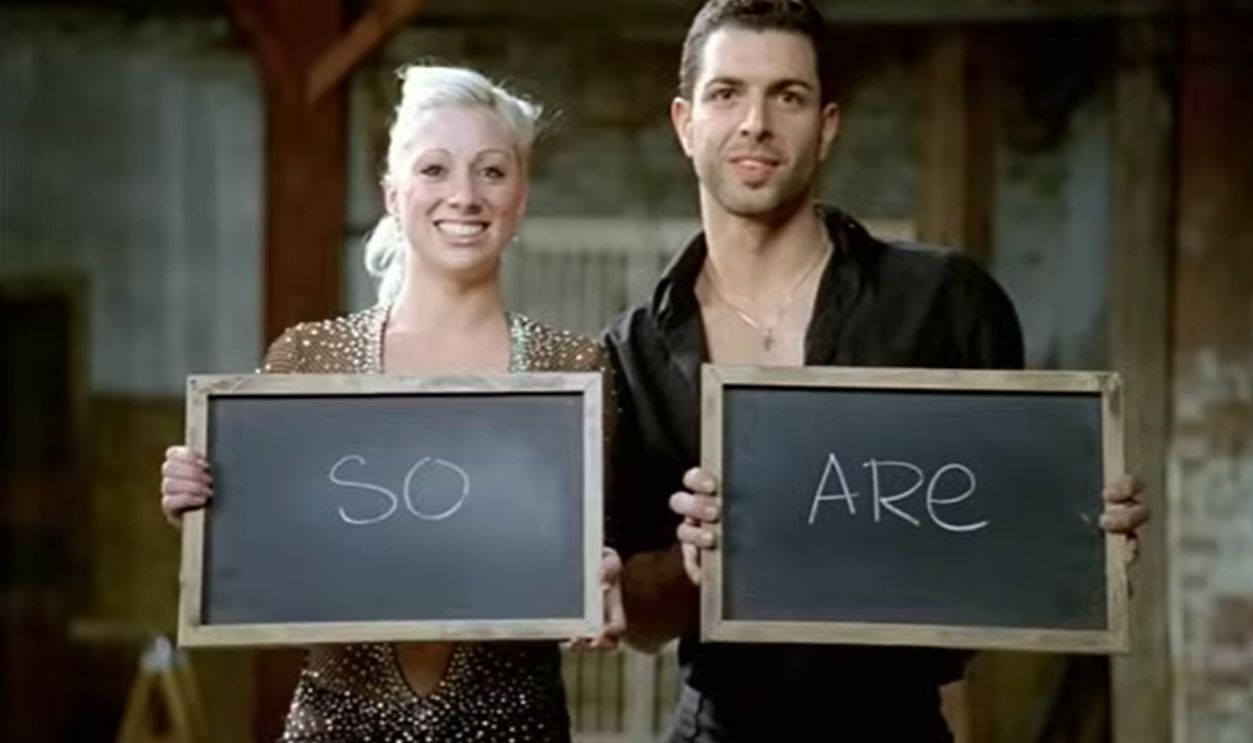
Ugly—Sugababes
One of the most quietly important songs of the era. It addressed insecurity without preaching and made self-acceptance feel personal rather than performative. This one hit harder than anyone expected.
Whole Again—Atomic Kitten
Pure emotional devastation wrapped in soft pop harmonies. This song turned breakups into dramatic events and made teenage heartbreak feel world-ending—in the best, most cathartic way.
 Screenshot from Whole Again, Virgin
The Tide Is High—Atomic Kitten
Optimism, patience, and belief in yourself, all disguised as an upbeat sing-along. It felt like reassurance set to music, which is probably why it still feels comforting.
 Screenshot from The Tide Is High, Chrysalis
Scandalous—Mis-Teeq
Cool, sleek, and effortlessly confident. This song didn’t beg for attention—it assumed it already had it. Millennial women learned a lot from that energy.
 Screenshot from Scandalous, Reprise
One Night Stand—Mis-Teeq
Fun, bold, and just reckless enough to feel thrilling. It captured that early-2000s freedom where consequences were abstract and vibes were everything.
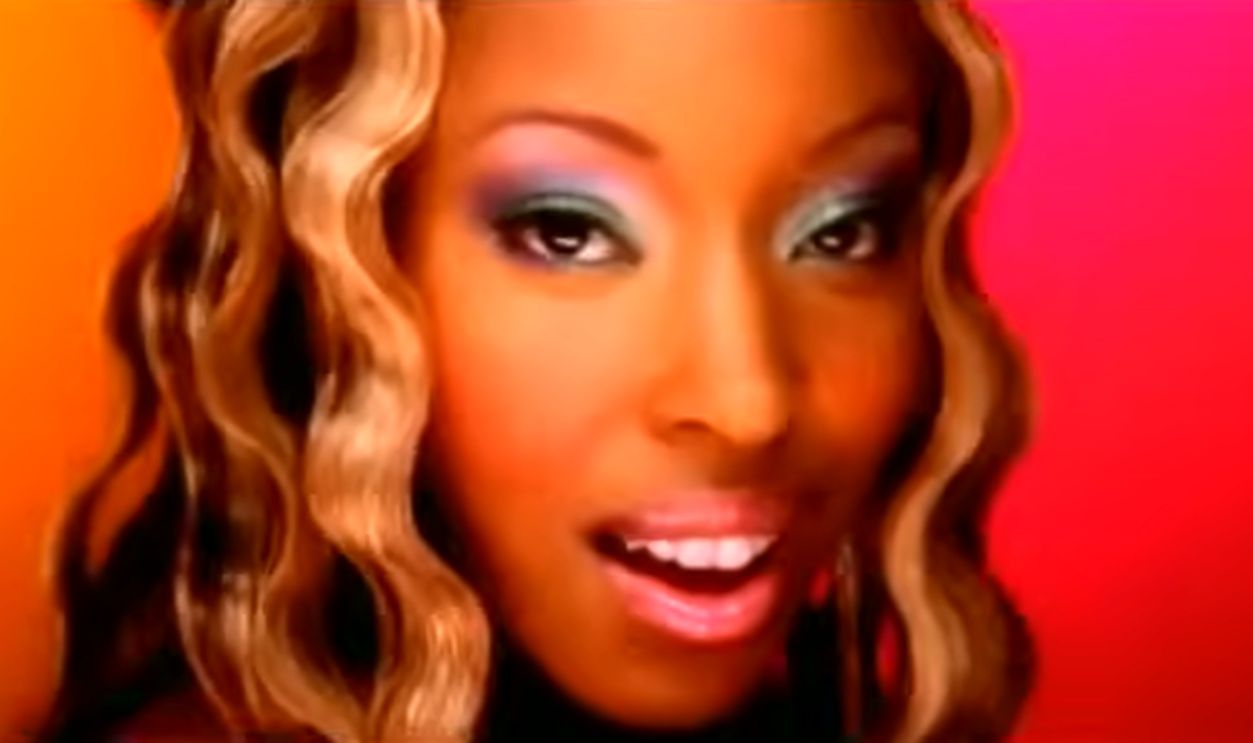 Screenshot from One Night Stand, Reprise
Sound Of The Underground—Girls Aloud
This song felt rebellious without trying to be edgy. It sounded different, looked different, and helped redefine what a girl group could be—louder, messier, and unapologetic.
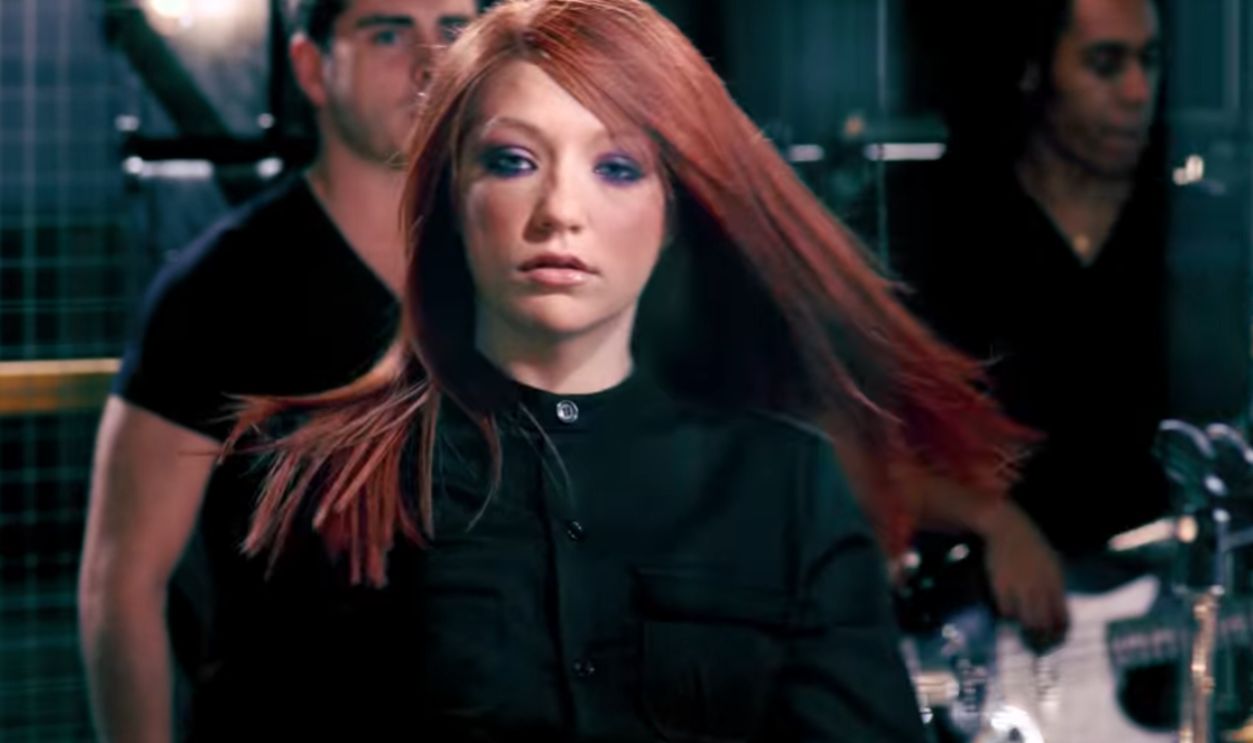 Screenshot from Sound Of The Underground, Polydor
Love Machine—Girls Aloud
Playful confidence perfected. It leaned into charm and personality rather than perfection, making it feel like the kind of song you blast while getting ready with friends.
 Screenshot from Love Machine, Polydor
Something About Us—No Angels
Romantic without being overdramatic. This one lived in the space between hope and uncertainty, which made it painfully relatable at the time—and still now.
 Screenshot from Something About Us, Polydor
Still In Love With You—No Angels
A song for realizing feelings don’t disappear just because you want them to. It was honest, emotional, and quietly devastating in that early-2000s pop way.
 Screenshot from Still In Love With You, Polydor Records
Damaged—Danity Kane
Pop heartbreak at its most cinematic. The emotion was messy, intense, and impossible to ignore. It felt like a diary entry set to a beat, which is why it still stings.
 Screenshot from Damaged, Bad Boy
Ride—Dream
Bright, breezy, and underrated. This song captured that moment when the future felt open and anything could happen, as long as the windows were down and the music was loud.

Why These Songs Never Let Us Go
These girl group songs didn’t just define a decade—they defined a mindset. They taught millennial women how to feel everything loudly, how to lean on friendships, and how to turn personal chaos into a perfectly timed chorus.
No matter how grown-up life gets, these songs still unlock something familiar. That younger version of yourself who felt things deeply, sang dramatically, and believed every lyric applied directly to her life? She’s still there.
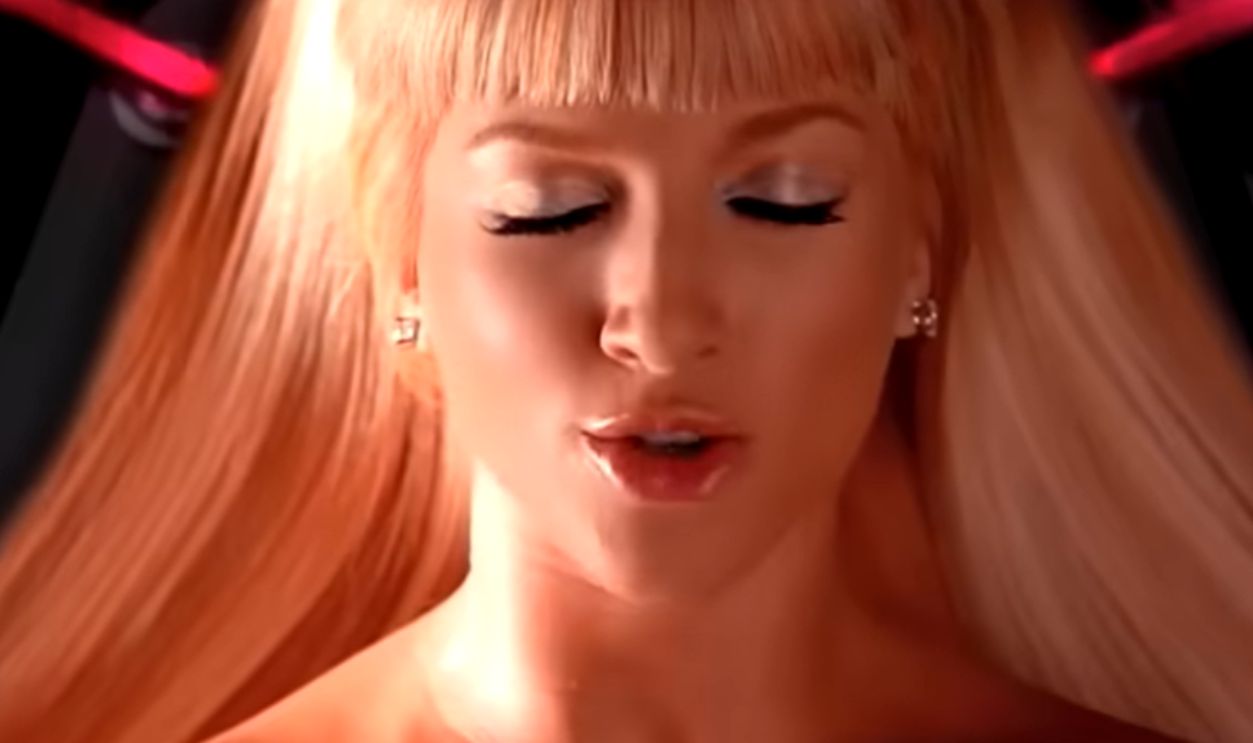 Screenshot from Damaged, Bad Boy
You May Also Like: