When The Block Party Became A Blueprint
Hip-hop didn’t arrive like a neatly packaged genre with a mission statement. It showed up loud, clever, and hungry—built out of whatever people had on hand: turntables, records, speakers, and a need to turn the neighborhood into a party. Then it grew up fast. It learned how to tell the truth, how to boast, how to crack jokes, how to mourn, how to protest, and how to reinvent itself every time someone tried to trap it in a box.
So these aren’t just “good songs”. These are cornerstones.
 Atlantic Records, Wikimedia Commons
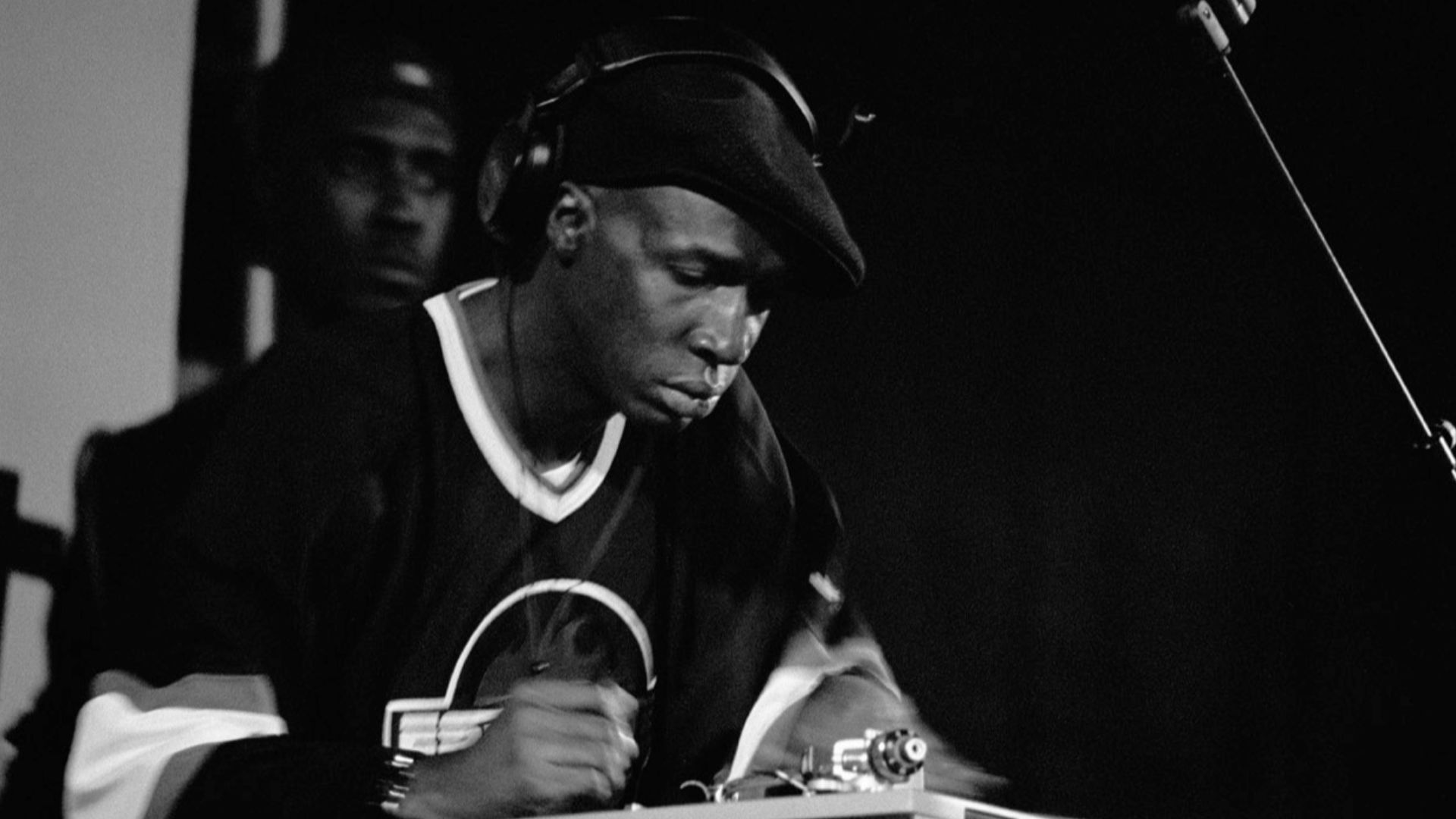
The Adventures Of Grandmaster Flash On The Wheels Of Steel
This is hip-hop in its natural habitat: the DJ controlling the room like a wizard with a mixer. It’s basically proof that a turntable isn’t a playback device—it’s an instrument. You can almost hear the crowd in the background, because the whole point is movement, momentum, and surprise.
 Mika-photography, Wikimedia Commons
Planet Rock
This song didn’t just bend the rules—it swapped the whole rulebook for a spaceship manual. Those synths and robotic grooves expanded hip-hop’s world beyond funk loops and party chants. Suddenly, the genre could sound like the future and still hit like a block party.
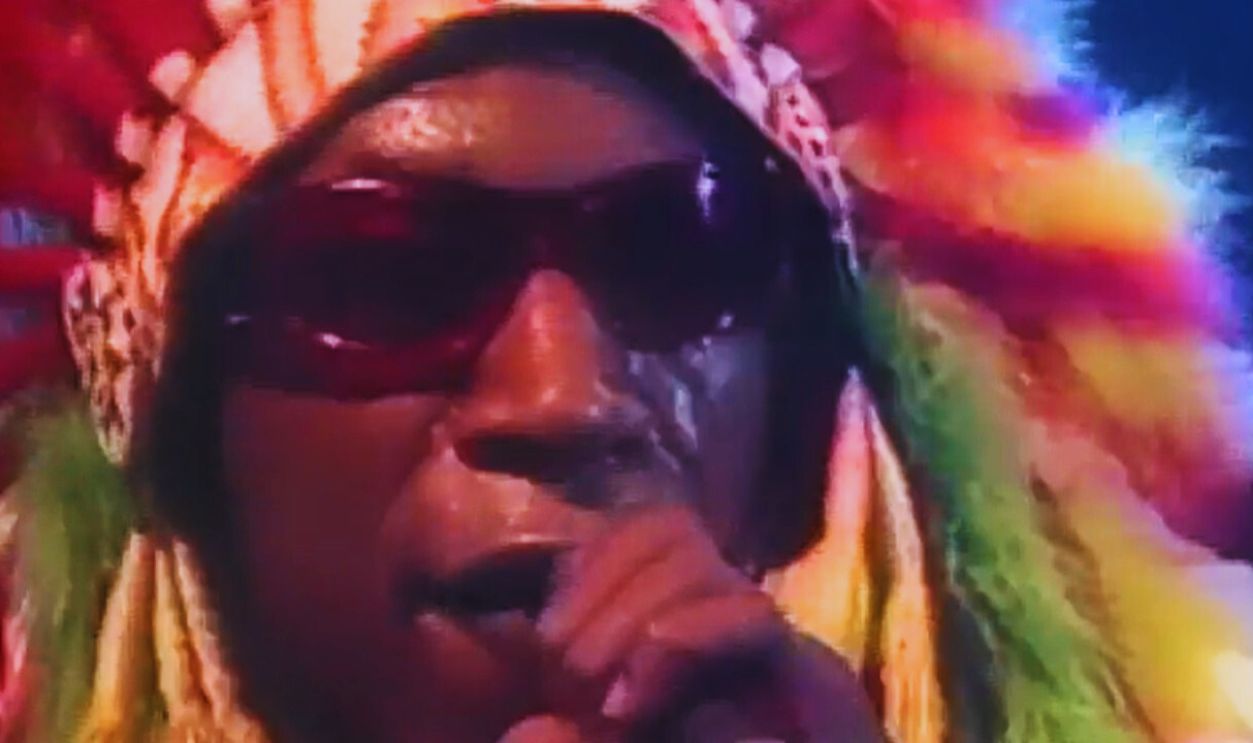 Screenshot from Afrika Bambaataa & The Soulsonic Force – Planet Rock, Tommy Boy Records (1982)
Walk This Way
There are crossover songs, and then there are “everything changed after this” moments. This one is the latter. Run-DMC didn’t politely borrow rock credibility—they kicked the door down and made rock meet them on hip-hop’s terms.
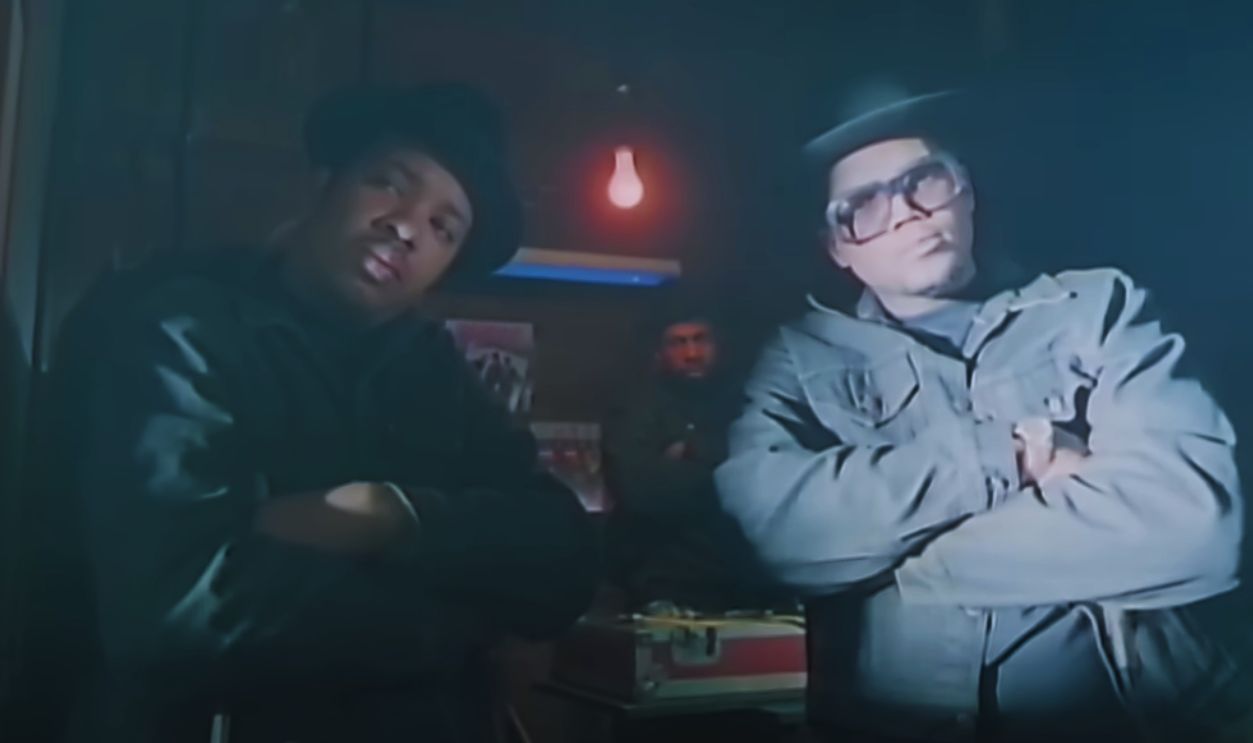 Screenshot from RUN-D.M.C. – Walk This Way, Profile Records (1986)
Follow The Leader
Rakim shows up here like he’s casually rewriting the craft while everyone else is still warming up. His flow is smooth, but the rhyme patterns are sharp enough to cut glass. After this era, “good” rapping wasn’t just about volume or confidence—it was about skill.
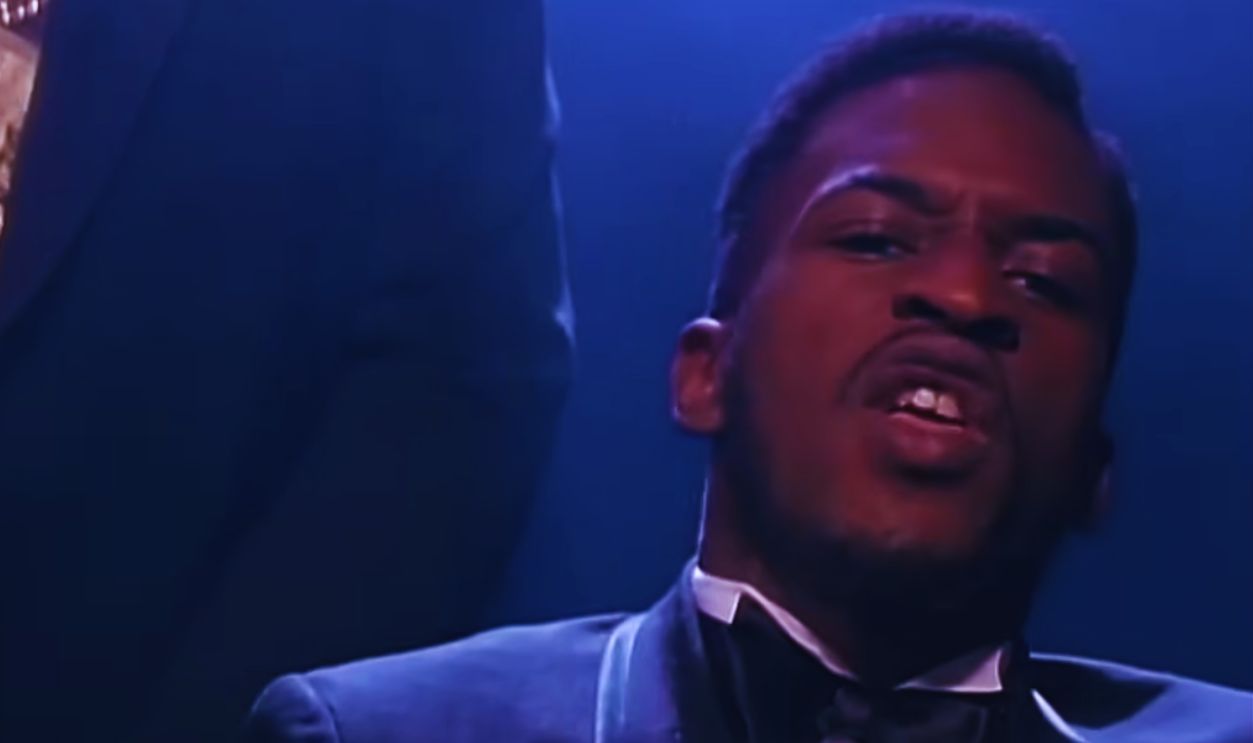 Screenshot from Eric B. & Rakim – Follow the Leader, Uni Records (1988)
The Message
This is the point where hip-hop stops being only about rocking a party and starts documenting reality. The song is blunt, vivid, and uncomfortable in a way that feels intentional—like it’s daring you to look away. It doesn’t glamorize struggle; it reports it.
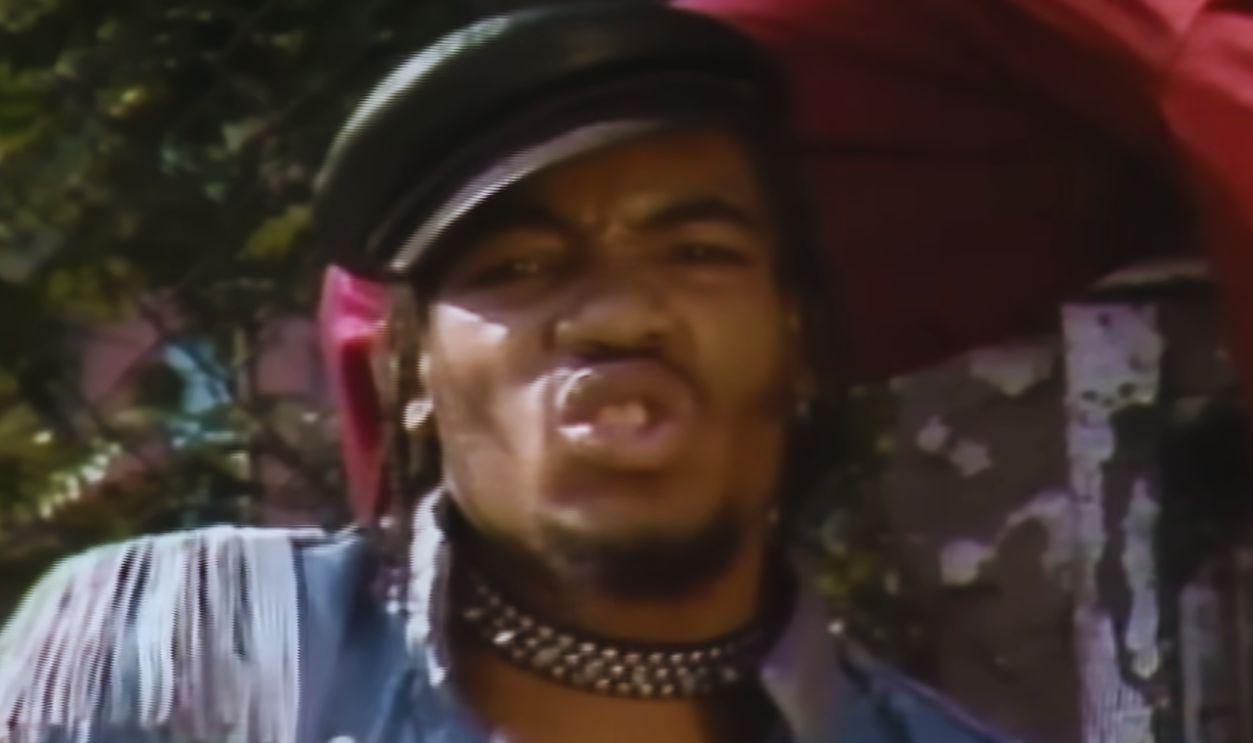 Screenshot from Grandmaster Flash & The Furious Five – The Message, Sugar Hill Records (1982)
Fight The Power
Public Enemy didn’t make music that politely asked for attention. This song is a siren. It’s loud, layered, relentless, and aimed straight at the system. You don’t just listen to it—you feel like you’re being pulled into motion.
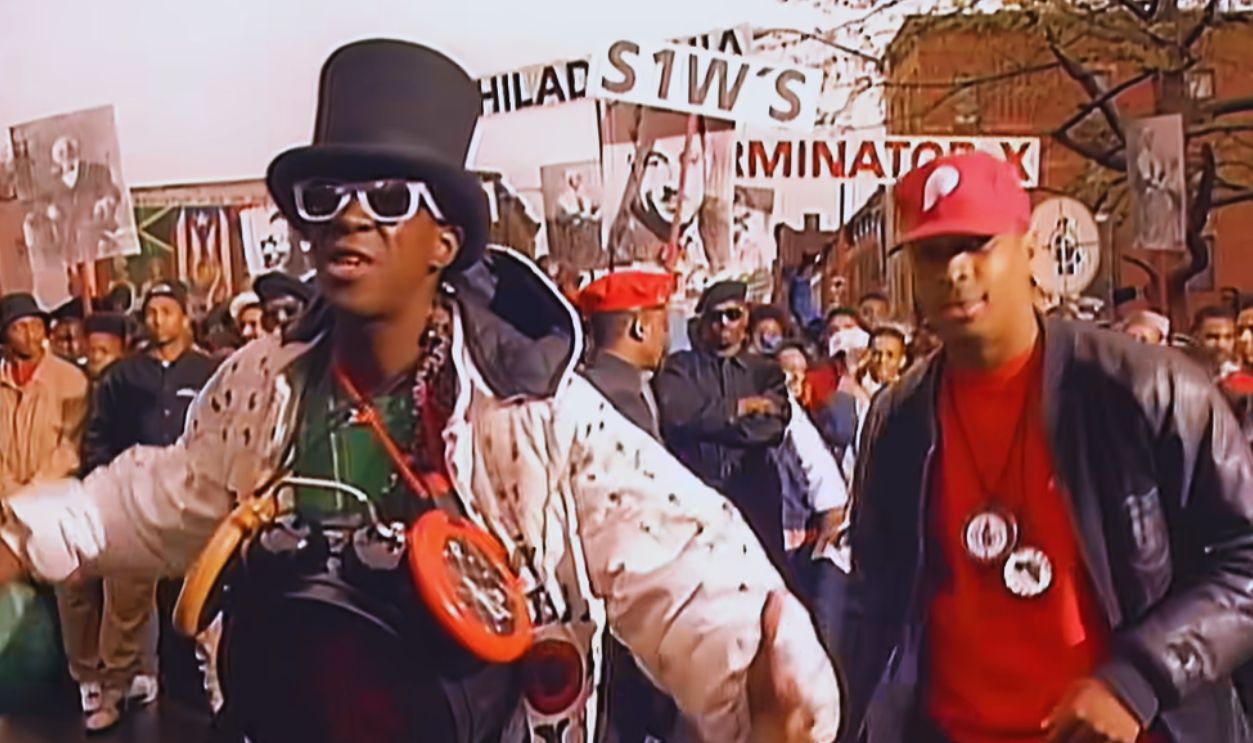 Screenshot from Public Enemy – Fight the Power, Def Jam Recordings (1989)
Straight Outta Compton
This track hits like a headline…then like a whole newspaper thrown through your window. N.W.A made a sound that felt dangerous to outsiders and brutally familiar to insiders. It wasn’t designed to comfort anyone—it was designed to be heard.
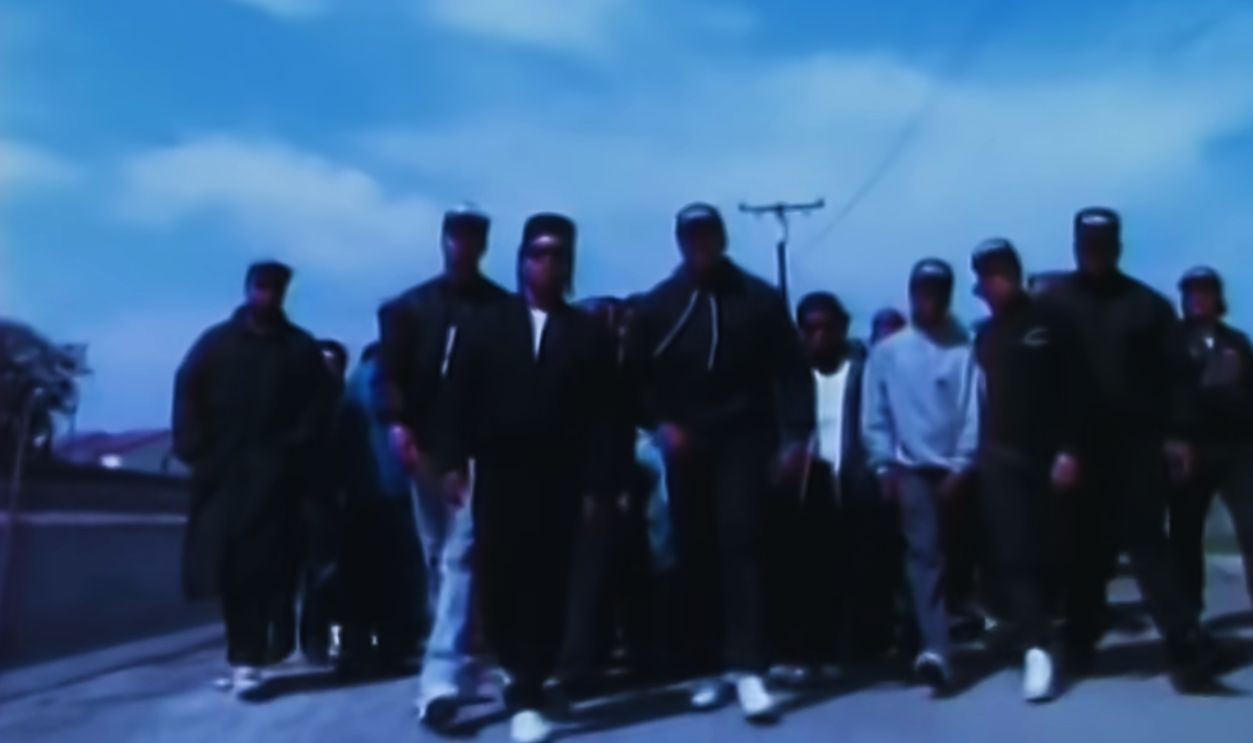 Screenshot from N.W.A. – Straight Outta Compton, Priority Records (1988)
Scenario
If you’ve ever loved a posse cut—the kind where everybody shows up hungry—this is the textbook. The energy is pure chaos in the best way, but it’s controlled chaos: witty lines, sharp deliveries, perfect timing. It’s playful without being lightweight.
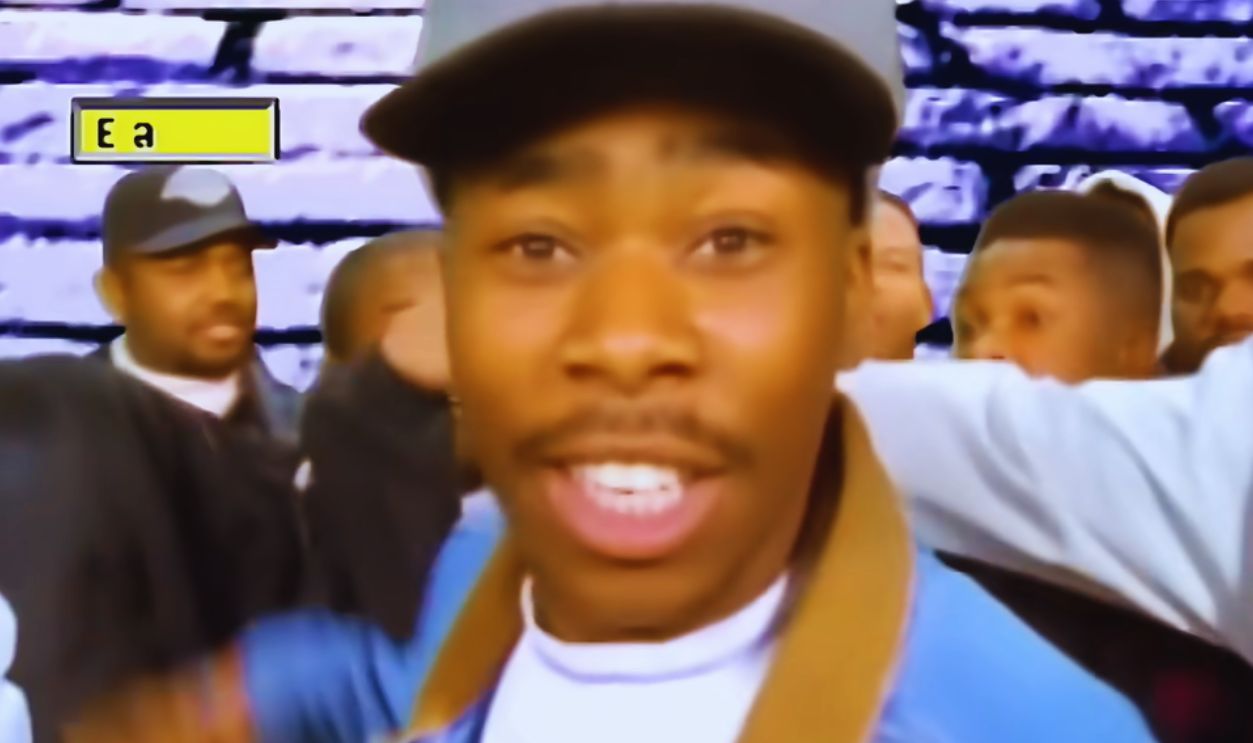 Screenshot from A Tribe Called Quest – Scenario, Jive Records (1991)
Shoop
Hip-hop culture isn’t complete without women owning the spotlight—and this song is a big reason why. Salt-N-Pepa made confidence sound effortless here: flirtatious, funny, and totally in control. It’s the kind of track that makes you sit up and realize the perspective has shifted.
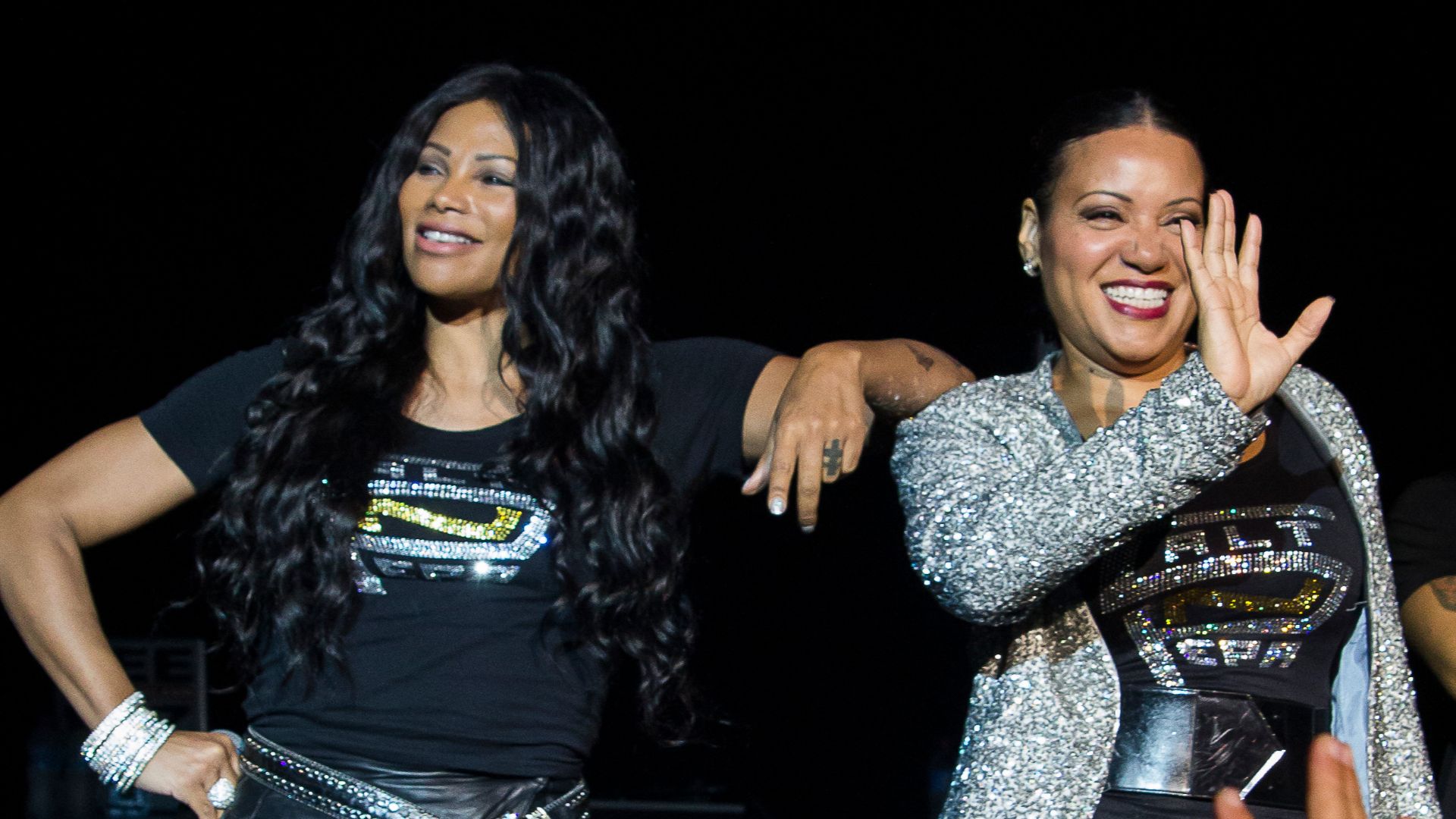 David Burke, Wikimedia Commons
C.R.E.A.M.
Some songs become slogans. This one became a worldview. Wu-Tang took grim realities and turned them into something memorable, quotable, and painfully true. The beat feels like cold city air, and the verses sound like hard-earned perspective.
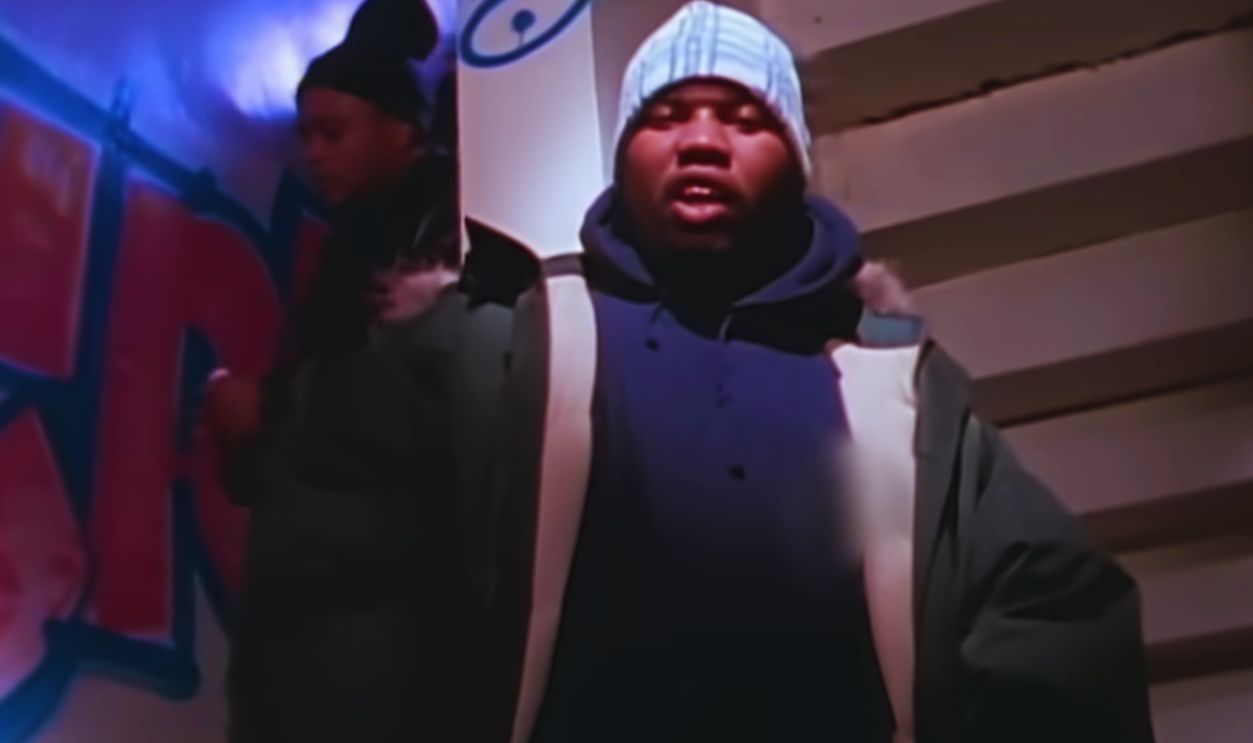 Screenshot from Wu-Tang Clan – C.R.E.A.M., RCA Records (1993)
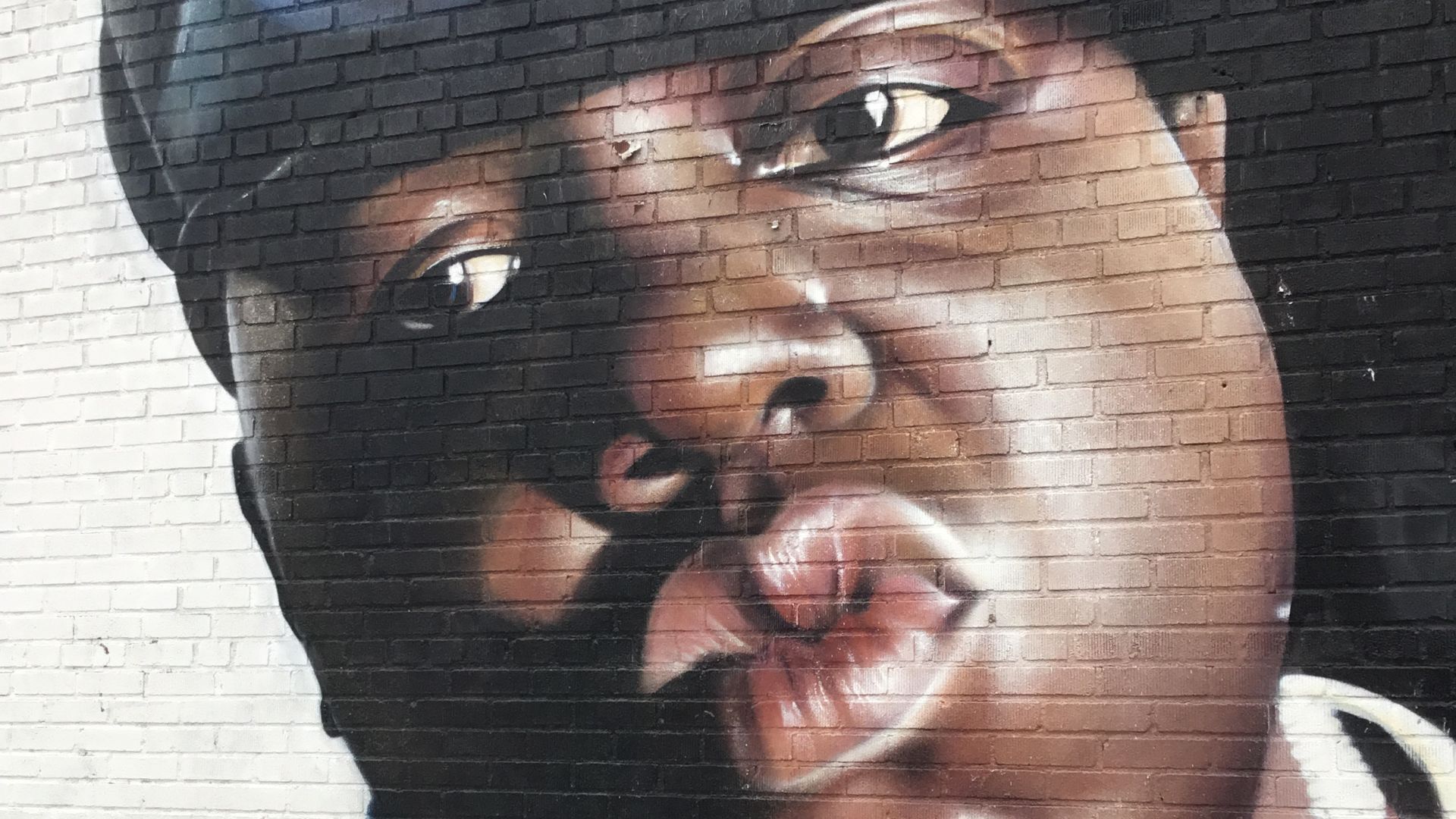
Things Done Changed
Nas didn’t arrive sounding like a beginner. He arrived sounding like someone who had been quietly taking notes for years. This track has that observational, “let me show you what I see” energy—less showboating, more scene-setting.
Dear Mama
This is rap’s emotional depth in full focus. Tupac strips away armor and speaks with a kind of sincerity that still feels rare. It’s tender, complicated, grateful, and haunted all at once.It proved hip-hop could be vulnerable without losing strength, and that a tribute could hit harder than a diss track.
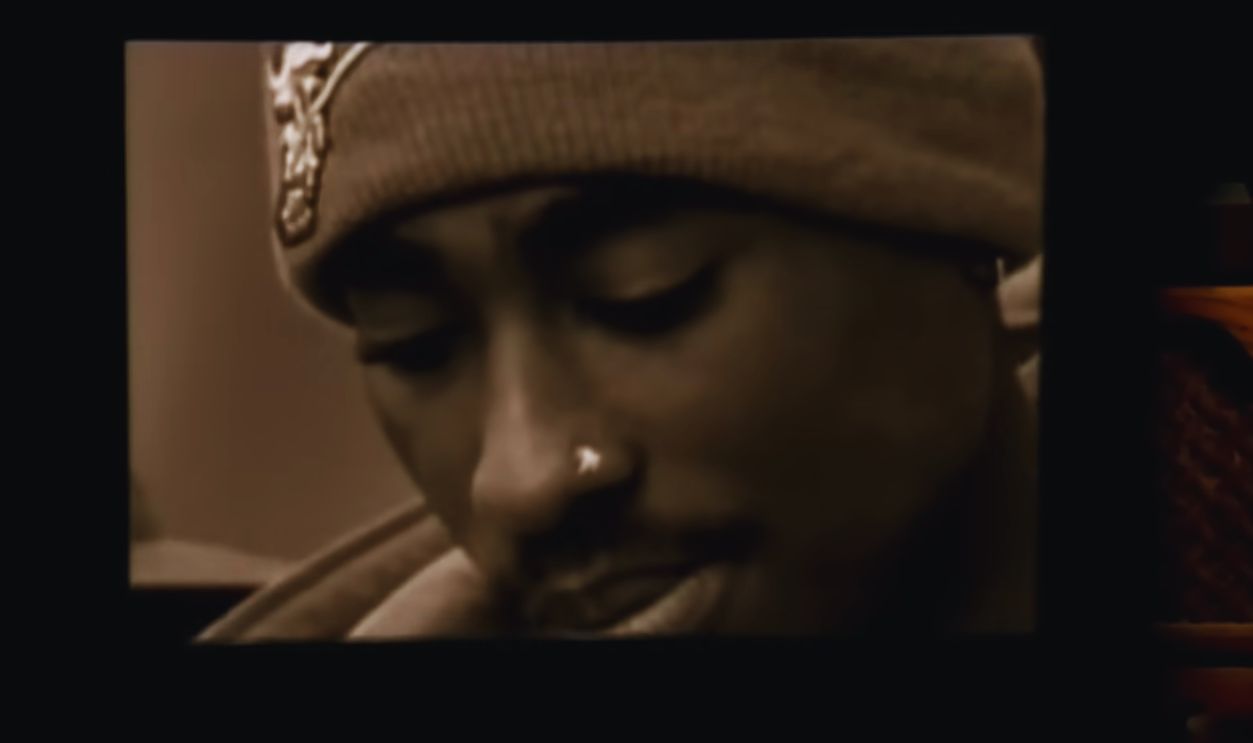 Screenshot from 2Pac – Dear Mama, Interscope Records (1995)
Step Into A World (Rapture’s Delight)
KRS-One is basically hip-hop’s professor who also knows how to rock the crowd. This track feels like a celebration and a lesson at the same time—an invitation into the culture’s values, history, and pride.
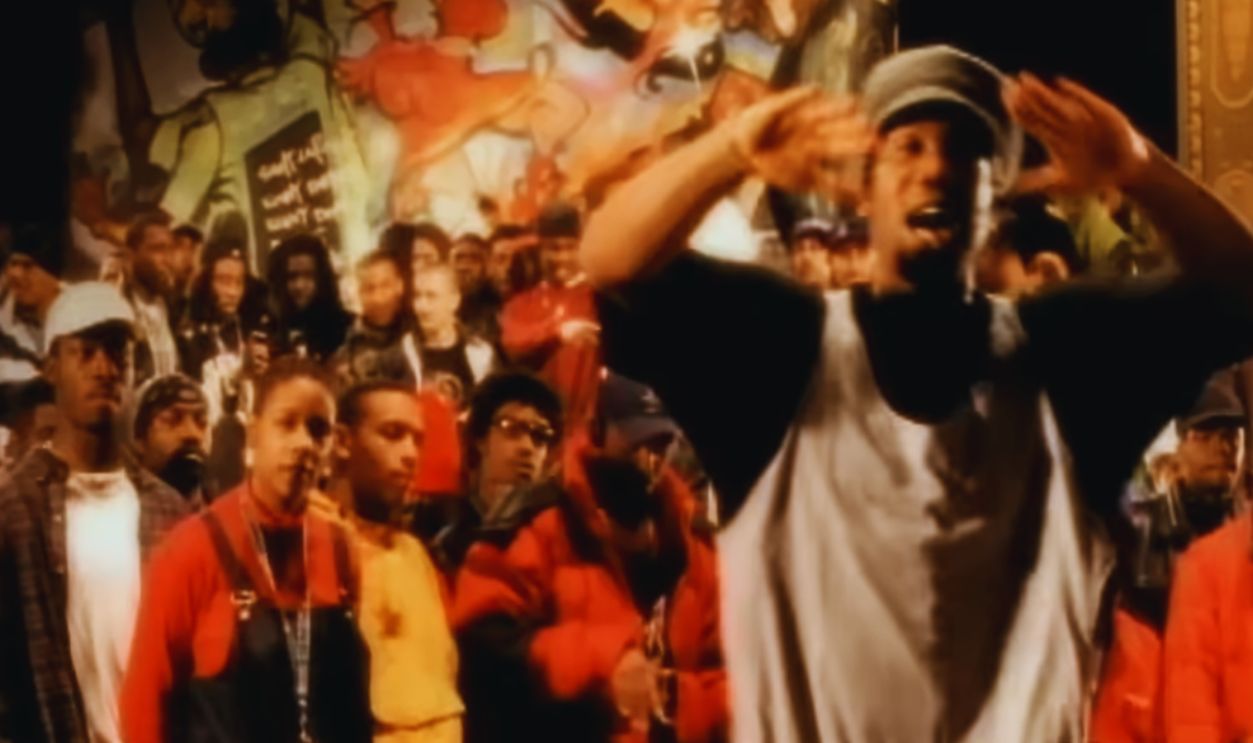 Screenshot from KRS-One – Step Into a World (Rapture’s Delight), Jive Records (1997)
Everything Is Everything
Lauryn Hill had a way of sounding calm while absolutely cutting through the noise. This track blends rap, soul, and reflection so smoothly it feels effortless, but the writing is razor-sharp. It’s personal without being small, thoughtful without being preachy.
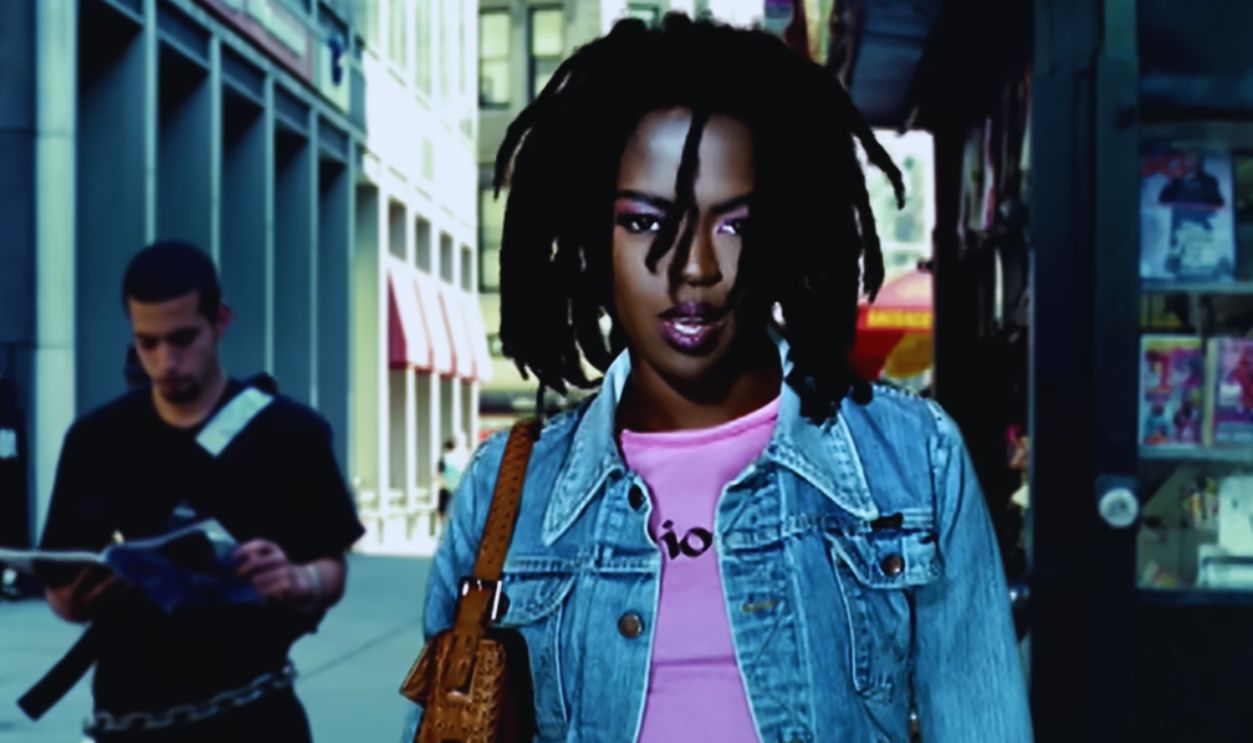 Screenshot from Lauryn Hill – Everything Is Everything, Columbia Records (1999)
B.O.B.
OutKast made this song like they were trying to outrun the speed of sound. It’s frantic, bold, and absolutely unbothered by expectations. Southern hip-hop had already been thriving, but this track made the point in neon lights: innovation isn’t location-dependent.
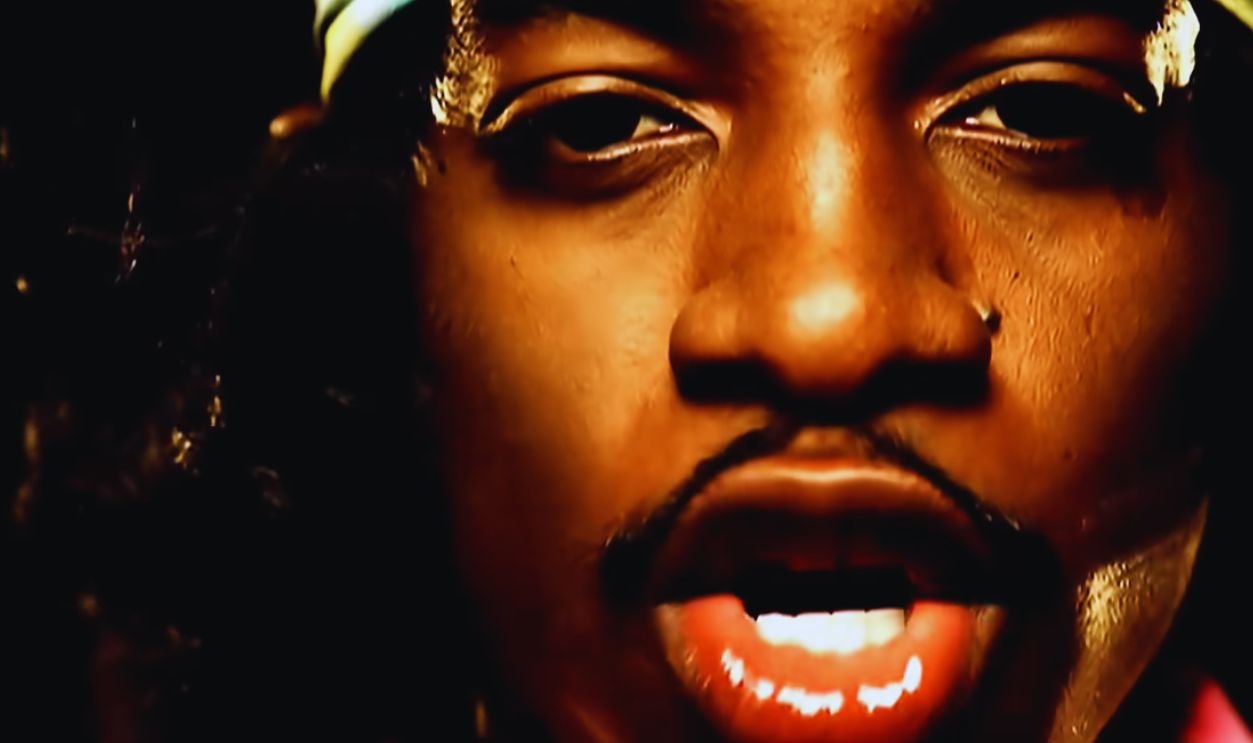 Screenshot from Outkast – B.O.B. (Bombs Over Baghdad), Arista Records (2000)
Stan
This track didn’t just tell a story—it built a whole psychological thriller in rap form. The pacing, the perspective shifts, the detail…Eminem turned narrative into a weapon here. It’s uncomfortable, gripping, and weirdly heartbreaking.
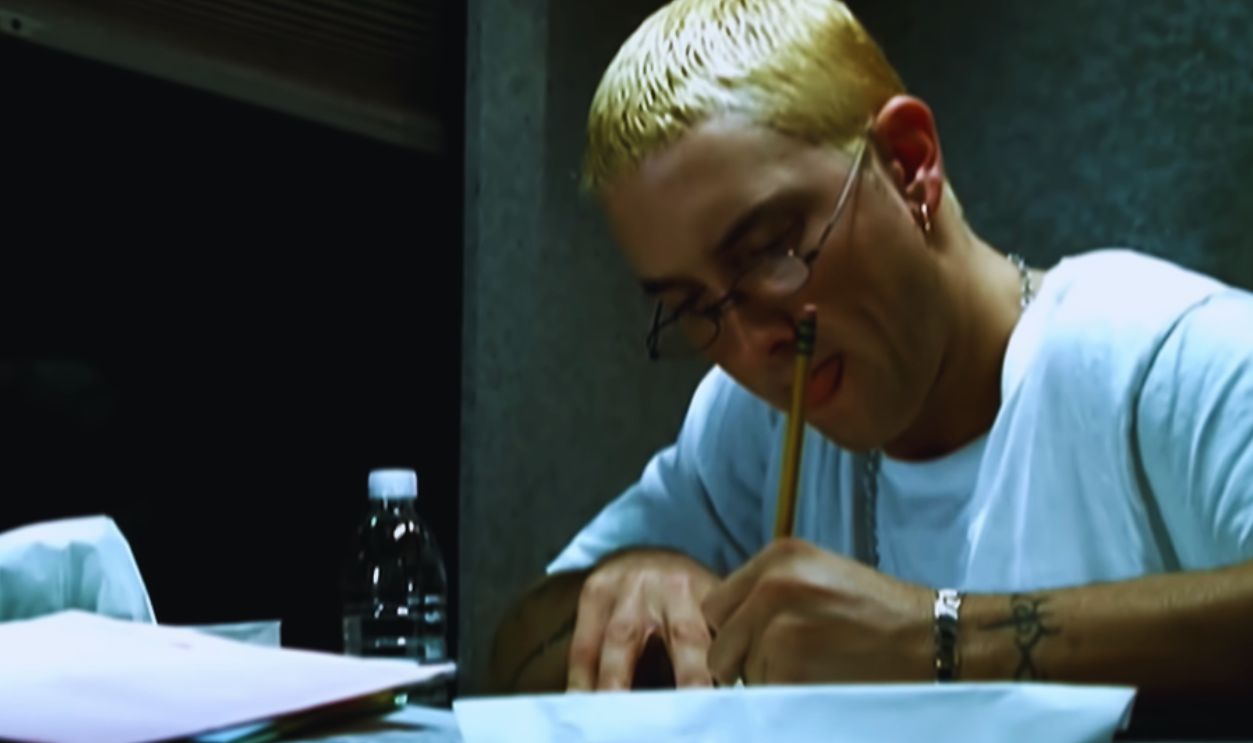 Screenshot from Eminem – Stan, Interscope Records (2000)
Get Ur Freak On
Missy Elliott treated the mainstream like her personal playground. This track is weird in all the right ways—global percussion, futuristic production, sharp command in her delivery. It made “different” sound like the most obvious choice.
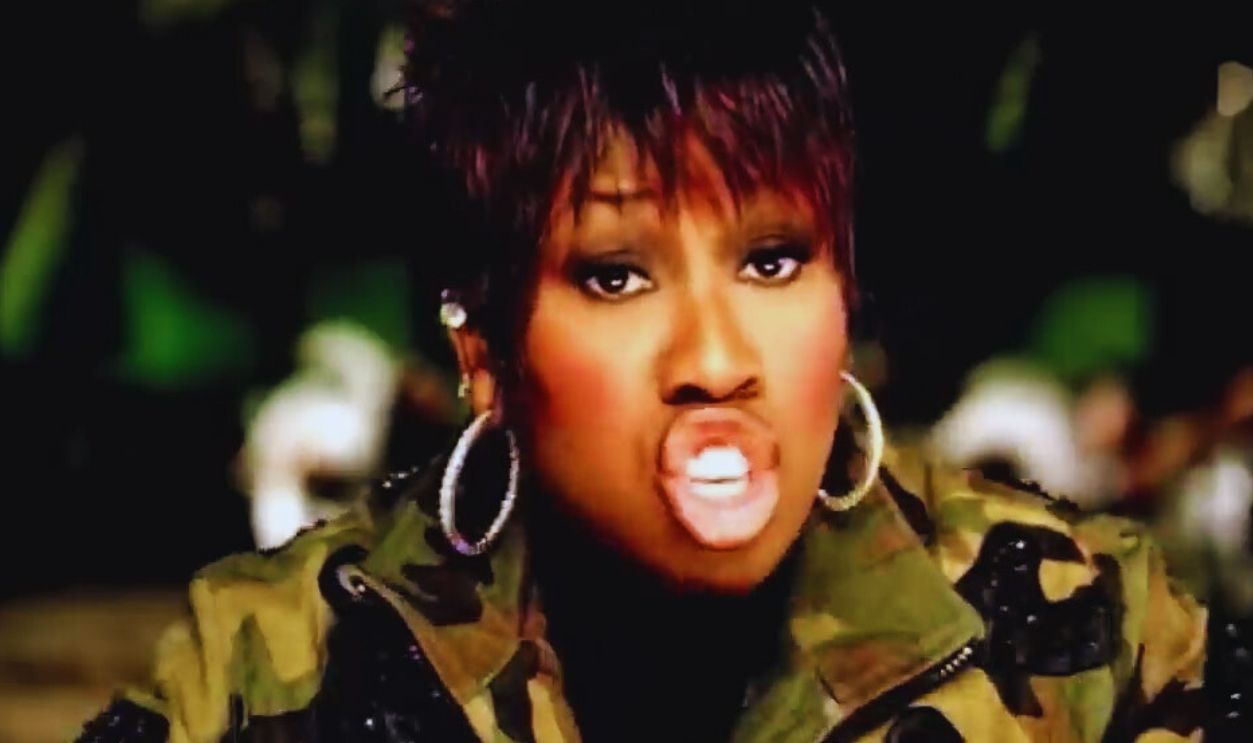 Screenshot from Missy Elliott – Get Ur Freak On, Elektra Records (2001)
Diamonds From Sierra Leone (Remix)
This is hip-hop staring directly at its own reflection—fame, money, luxury, and the uncomfortable reality behind what those things can represent. The verses don’t float above the problem; they step into it. That tension is the whole point.
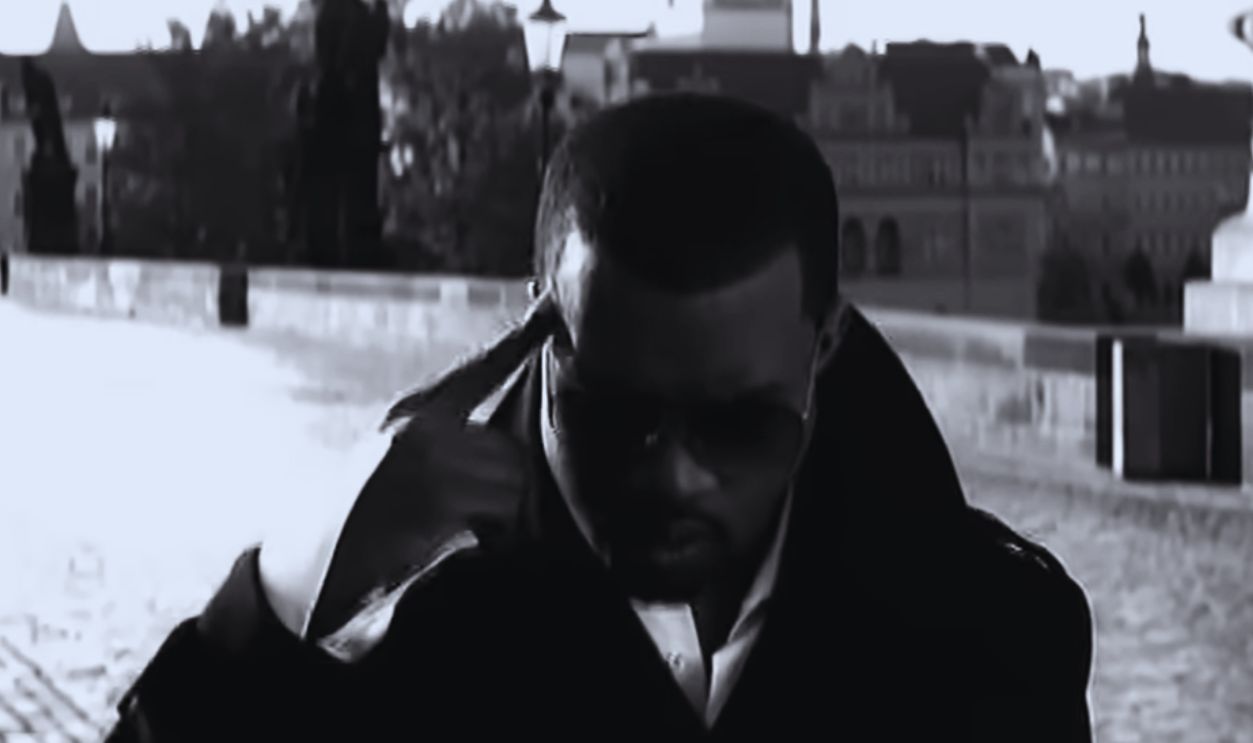 Screenshot from Kanye West – Diamonds from Sierra Leone, Def Jam Recordings (2005)
Here I Come
The Roots have always been proof that hip-hop isn’t limited by instrumentation. This track flexes live-band energy without losing the grit or the bounce. It feels like a performance you want to watch, not just hear.
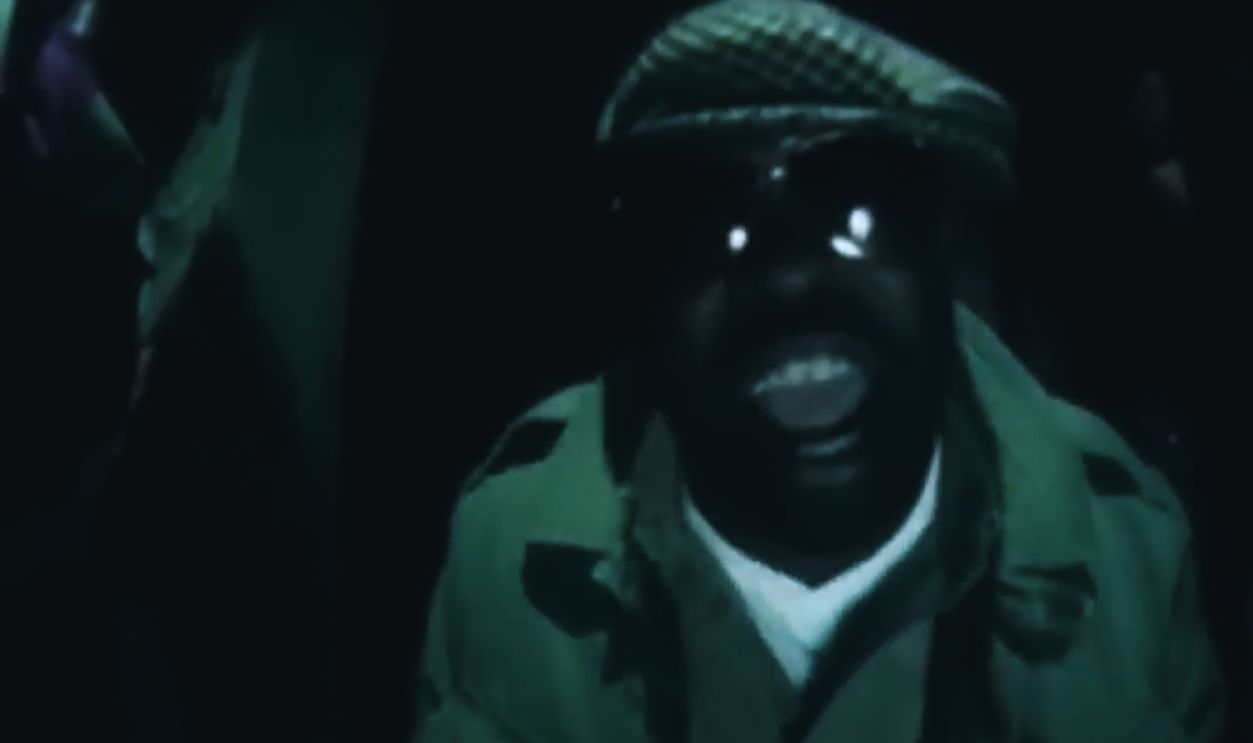 Screenshot from The Roots – Here I Come, Def Jam Recordings (2008)
Alright
Some songs become more than songs. This became a rallying cry, a survival chant, and a public moment all at once. Kendrick captured a feeling a lot of people needed—pain acknowledged, hope still standing.
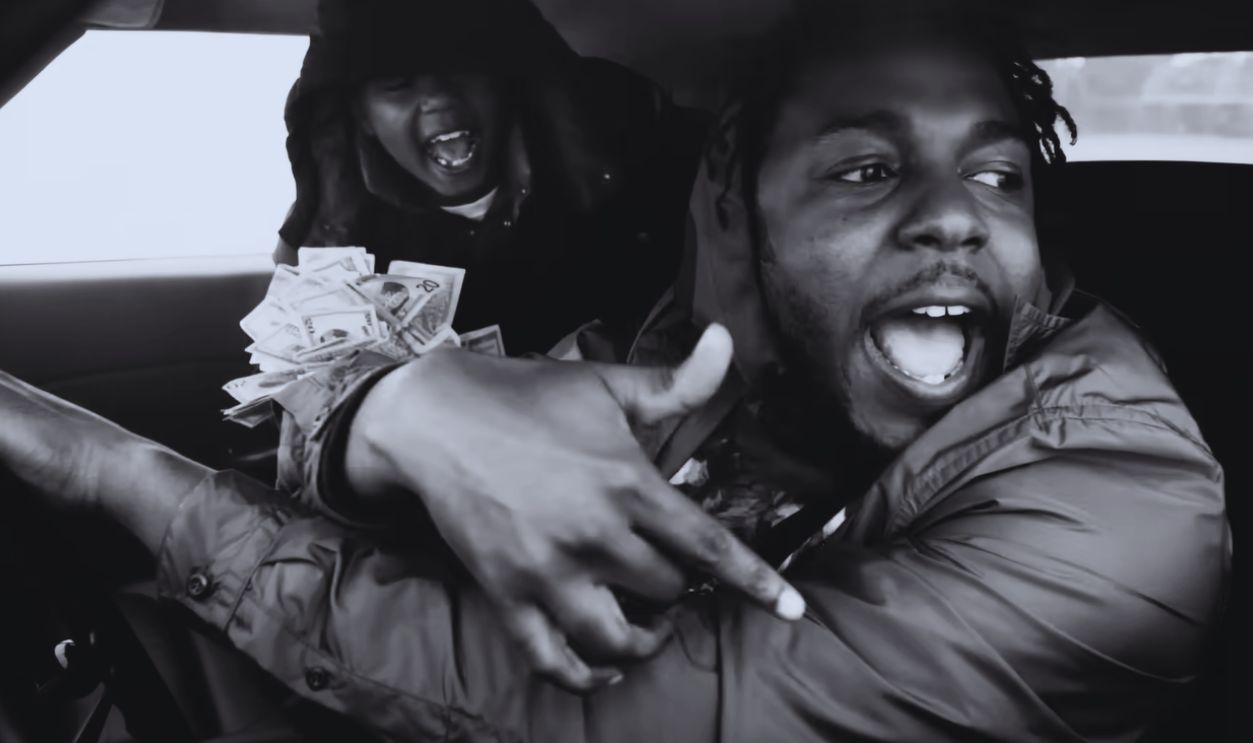 Screenshot from Kendrick Lamar – Alright, Interscope Records (2015)
You May Also Like:
Peter Grant Was The Business Mastermind Behind Led Zeppelin
Music Stars That People Love, But Their Fan Bases Are Actually A Problem
Source: 1