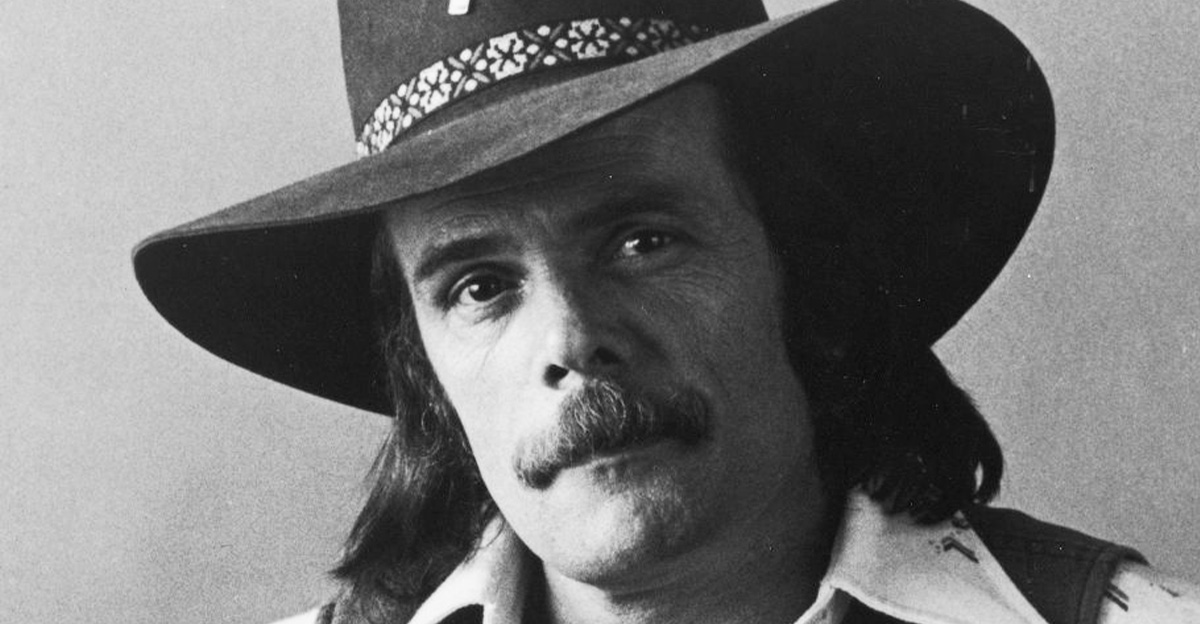
The Outlaw Image Eventually Became Too Real
Johnny Paycheck spent years singing about hard drinking, bad decisions, angry men, and lives lived one mistake from disaster. Then, in December 1985, the persona stopped feeling like entertainment. A barroom argument ended with Paycheck opening fire on another man, yet somehow, his lowest point also became the beginning of a long, uneven climb back.
He Started Out As Donald Lytle
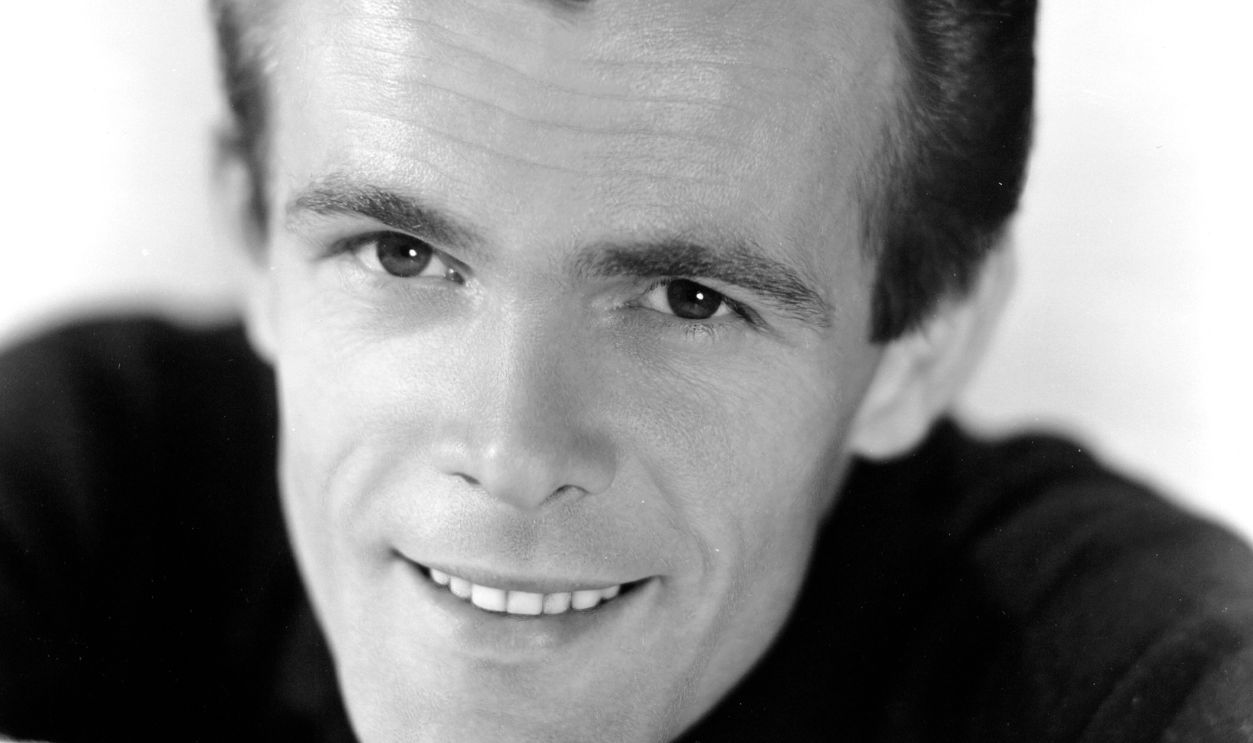
Paycheck was born Donald Eugene Lytle in Greenfield, Ohio, on May 31, 1938. Music came early. He was playing guitar as a child and performing professionally by his teens, sometimes billing himself as "The Ohio Kid". His hometown was small, but Lytle had little interest in staying put. He left young and began bouncing through the honky-tonks and clubs that would become his real education.
 Michael Ochs Archives, Getty Images
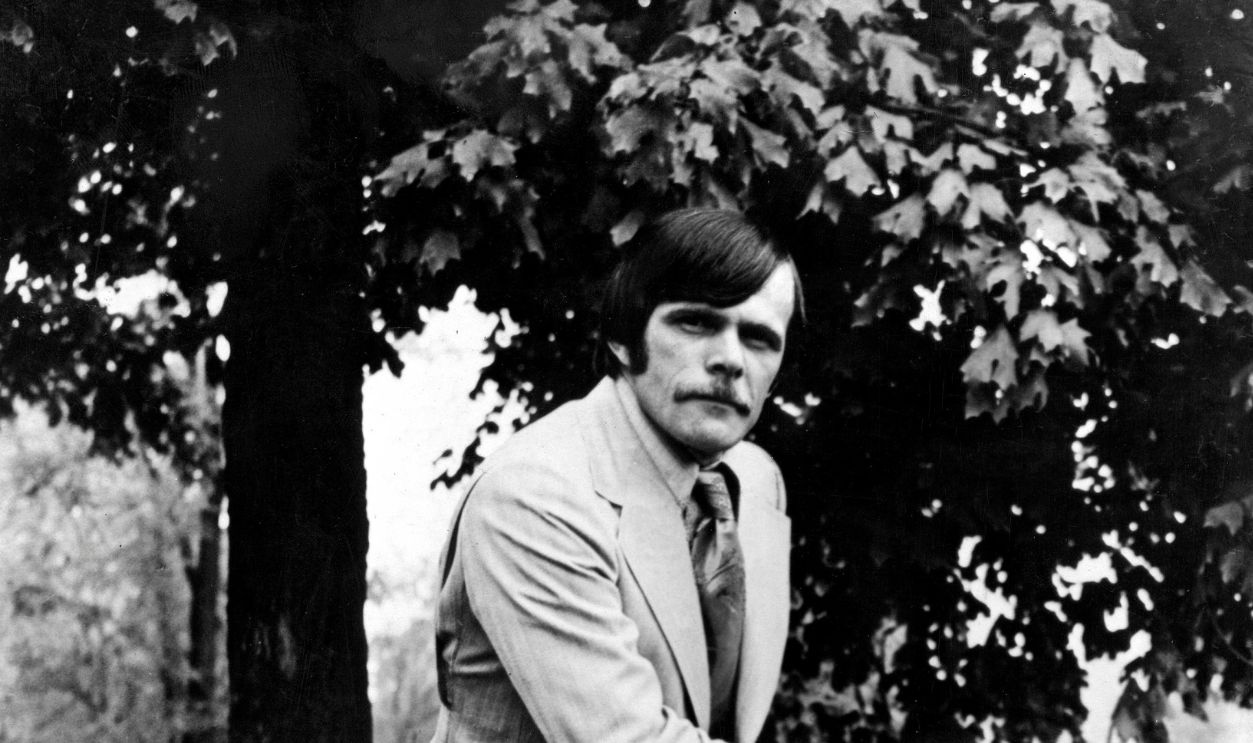
Trouble With Authority Came Early
Before Nashville made him famous, Lytle joined the US Navy in the 1950s. The experience ended badly. He was court-martialed after striking a superior officer and spent time in Navy lockup. It was an early glimpse of a pattern that would follow him for decades: enormous musical ability paired with a temper and a resistance to authority that could turn ordinary conflicts into serious problems.
Nashville First Knew Him As A Sideman
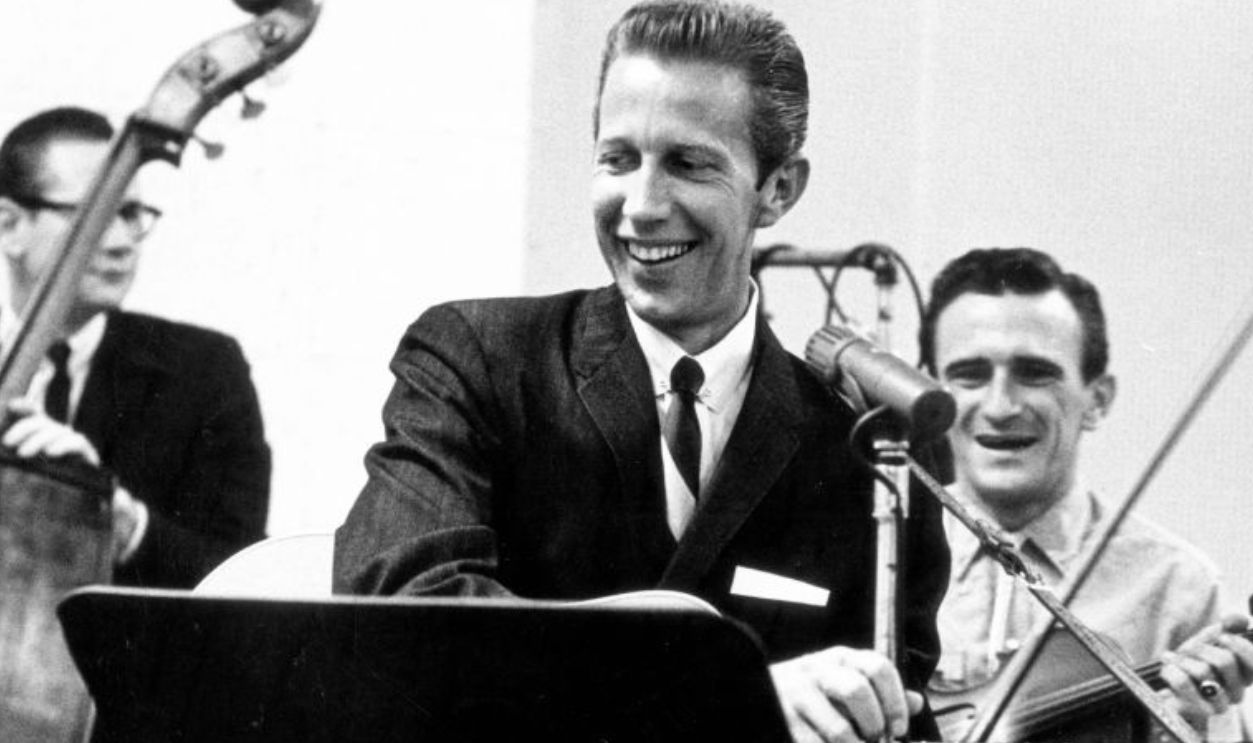
After leaving the Navy, Lytle headed toward Nashville and found work not as a star but as an exceptionally useful musician. He played bass and sometimes steel guitar for performers including Porter Wagoner, Faron Young, and Ray Price. He also recorded unsuccessfully under the name Donny Young. The hits weren't his yet, but he was learning country music from inside some of its best bands.
 Michael Ochs Archives, Getty Images
George Jones Became His Most Important Musical Connection
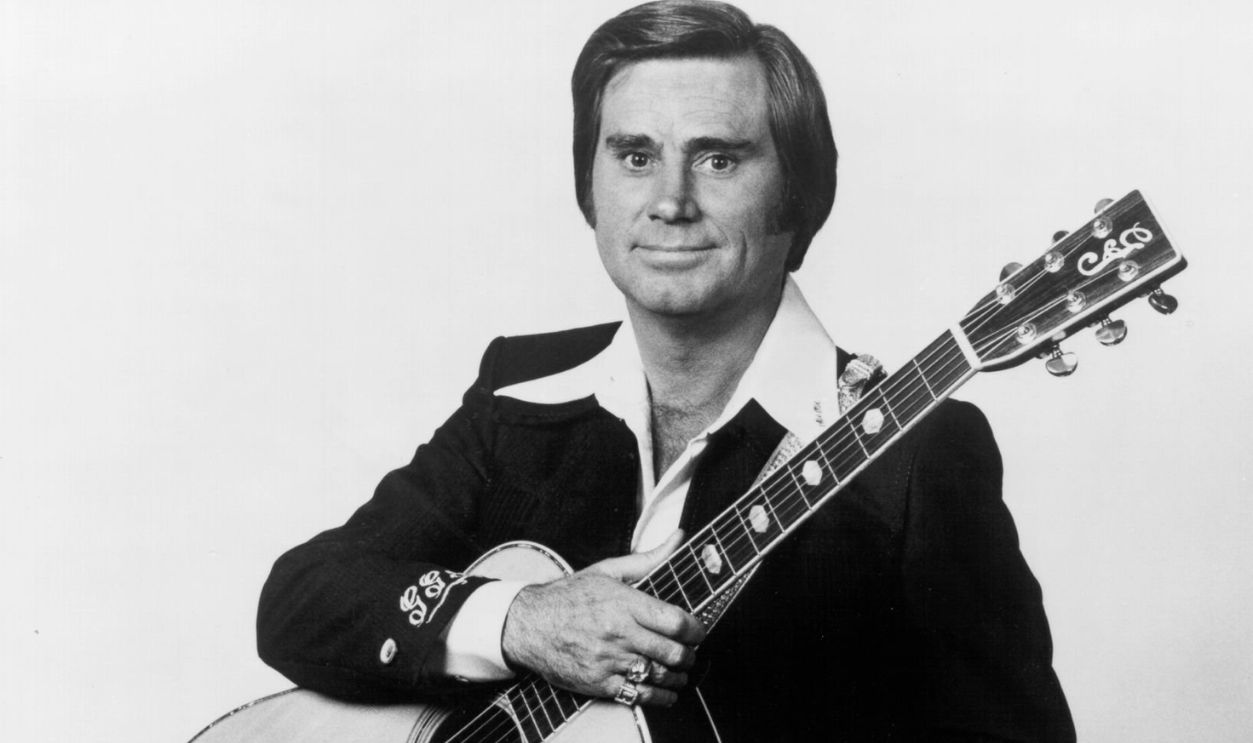
Paycheck eventually joined George Jones' road band, the Jones Boys, and spent several years working closely with one of country's greatest singers. He played, sang harmony, and absorbed Jones' ability to make heartbreak sound painfully immediate. Their friendship survived plenty of chaos over the decades. Jones wasn't simply an employer. He became one of the few people who remained connected to Paycheck through almost every rise and collapse.
 Michael Ochs Archives, Getty Images
Johnny Paycheck Was A Reinvention
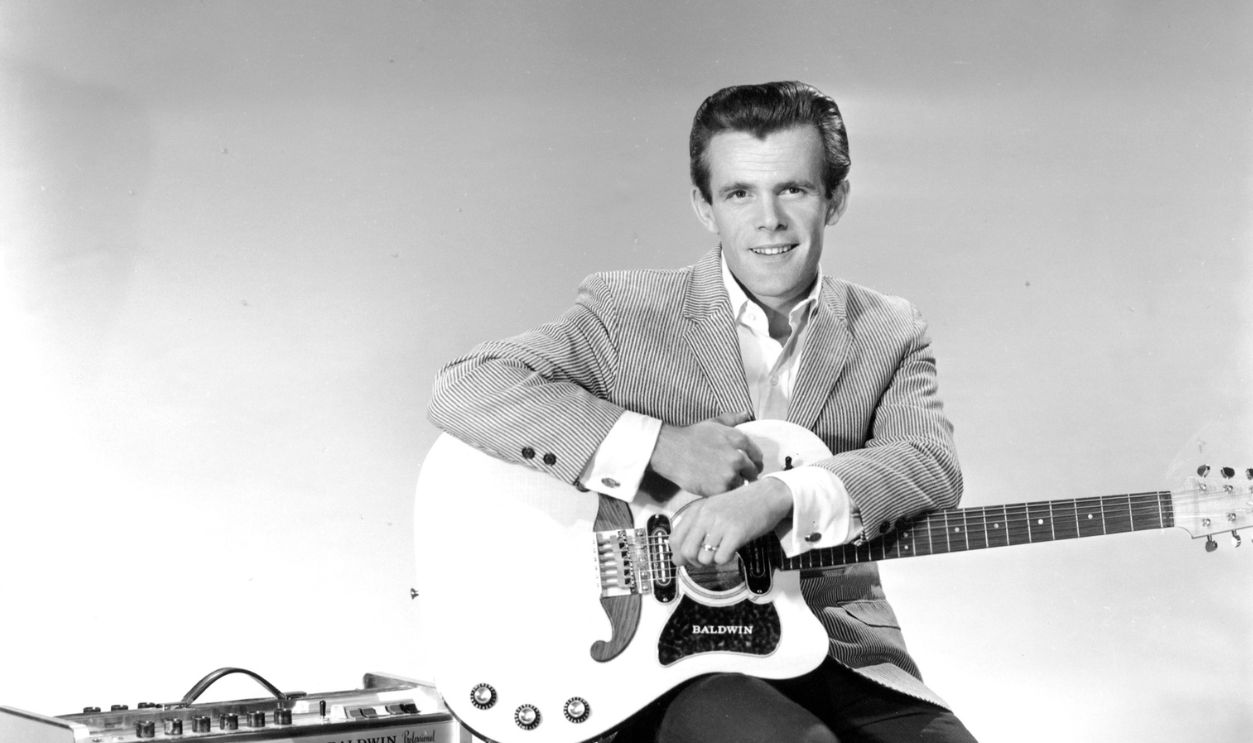
By the mid-1960s, Donald Lytle had become Johnny Paycheck, taking the stage name from a heavyweight boxer. The change worked. "A-11," released in 1965, became an important early country hit and helped establish the high, emotionally strained vocal style that would define him. Paycheck could make a honky-tonk song sound as if the singer had reached the end of his rope before the first chorus arrived.
 Michael Ochs Archives, Getty Images
Little Darlin’ Captured Him At His Rawest
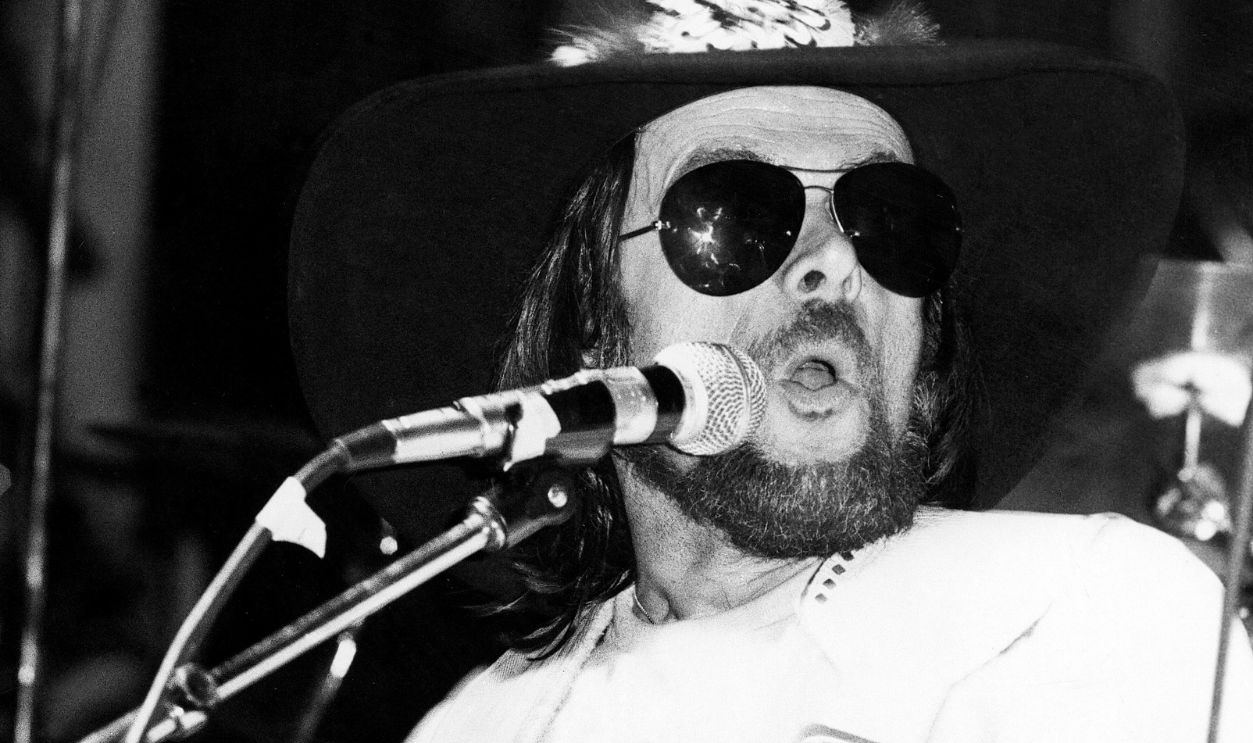
Paycheck and producer Aubrey Mayhew formed Little Darlin' Records in 1966, giving the singer greater freedom than Nashville's larger labels might have allowed. Records including "The Lovin' Machine," "Motel Time Again," and "Jukebox Charlie" earned him a devoted following. The recordings were sharp, strange, and uncompromising, and many later critics would regard the Little Darlin' era as some of his finest work.
He Was A Serious Songwriter Too
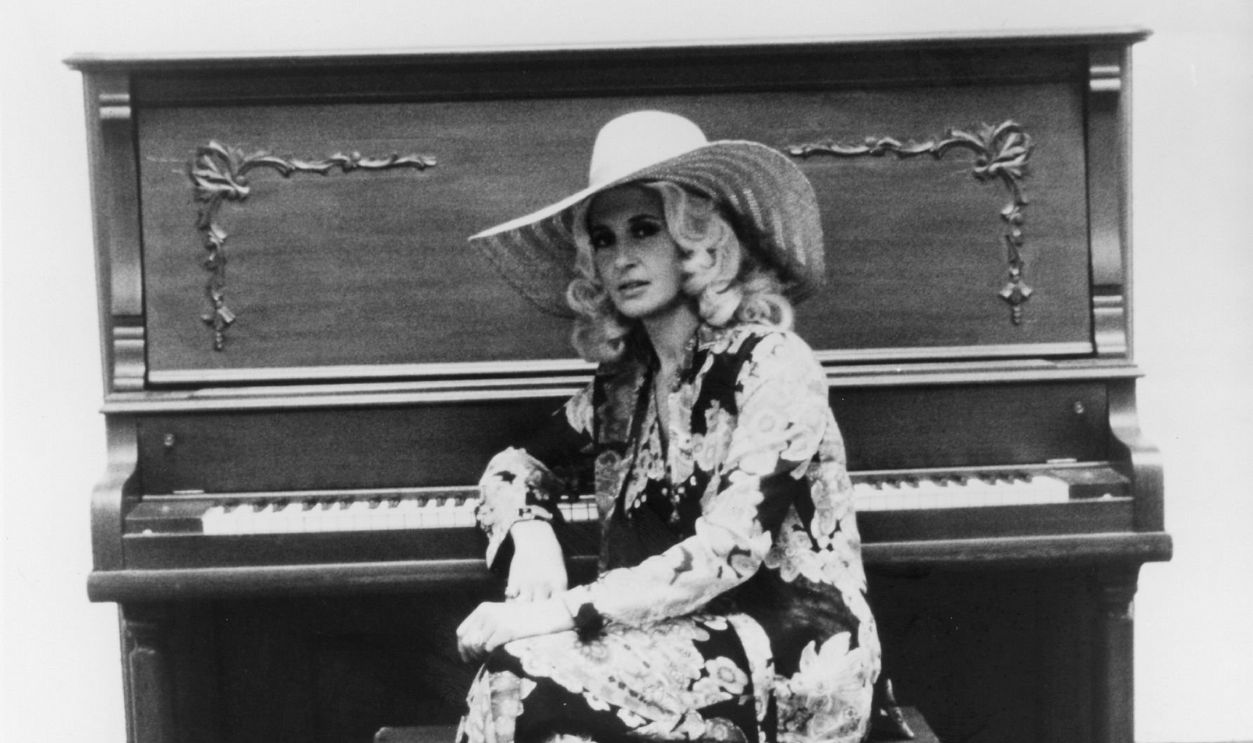
Paycheck's reputation as a wild singer sometimes obscured how skilled he was as a writer. He co-wrote "Apartment #9," which became Tammy Wynette's first charting single, and wrote "Touch My Heart," a major hit for Ray Price. Even before his own commercial breakthrough, other performers understood that Paycheck could write directly about jealousy, loneliness, and romantic damage without smoothing away the uglier emotions.
 Michael Ochs Archives, Getty Images
The First Rise Ended In A Crash
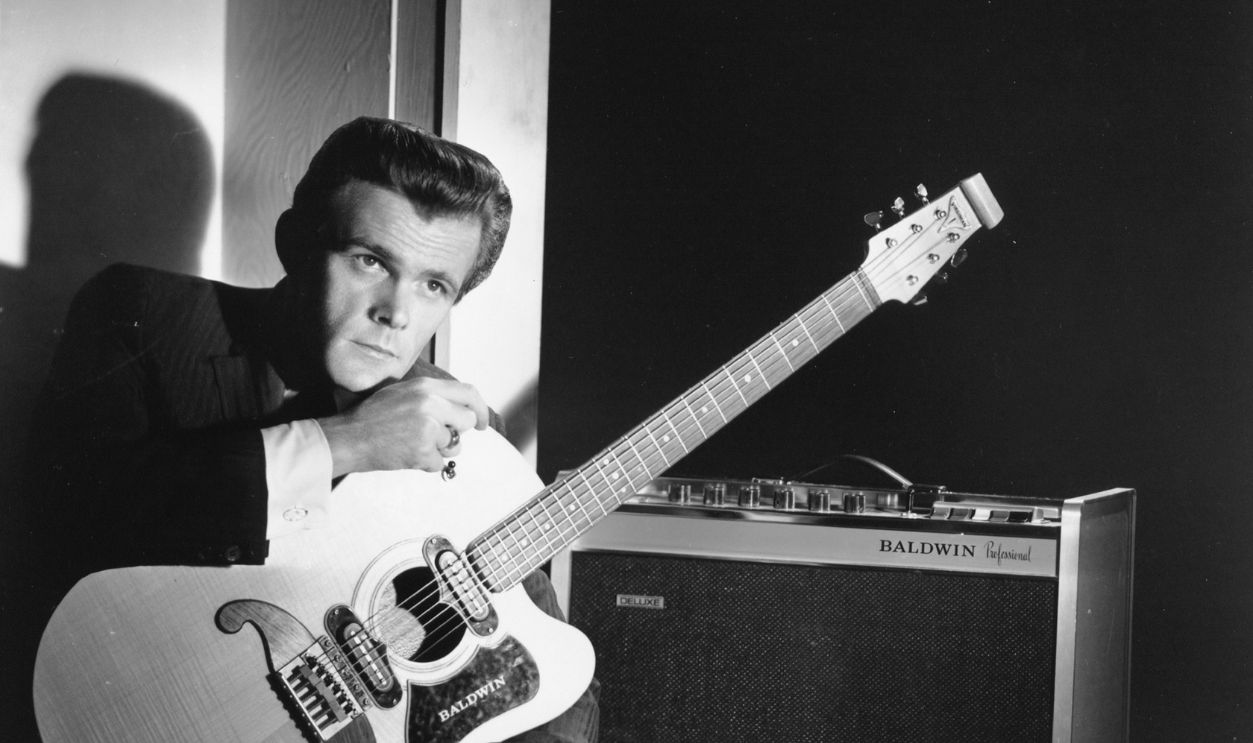
Little Darlin' eventually collapsed under financial pressure, and Paycheck's personal life fell apart with it. By the end of the 1960s, he was drinking heavily, using illicit substances, and struggling badly enough that accounts from the period place him living on the streets in Los Angeles. The first version of his career seemed finished. He'd already had talent, hits, and industry respect, but none of those things had been enough to keep him stable.
 Michael Ochs Archives, Getty Images
Billy Sherrill Gave Him Another Chance
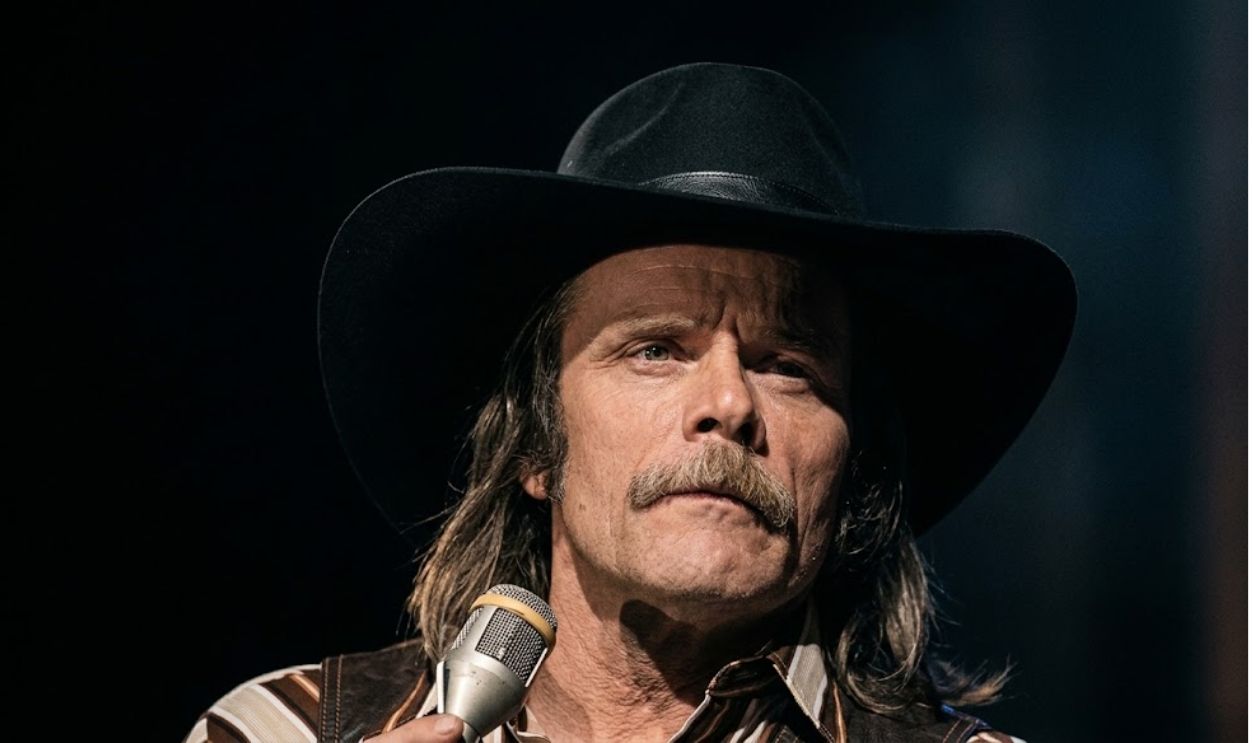
Producer Billy Sherrill helped bring Paycheck back to Nashville prominence in 1971. Signing with Epic Records meant smoothing some of the roughest edges of his earlier honky-tonk sound, but it worked commercially. "She's All I Got" reached No. 2 on the country chart and became his only entry on the Billboard Hot 100. The accompanying album She’s All I Got reached the country Top Five.
 Screenshot from She’s All I Got, Epic Records (1971), Modified
The Comeback Produced More Than One Hit
Paycheck followed with songs including "Someone to Give My Love To," "Mr Lovemaker," and "Song and Dance Man". He could still sound dangerous, but the Epic recordings also proved he was an exceptional ballad singer. Paycheck's voice never seemed polished in the conventional sense. That was the point. He sounded as if heartbreak had already happened before someone switched on the microphone.
Then Outlaw Country Caught Up With Him
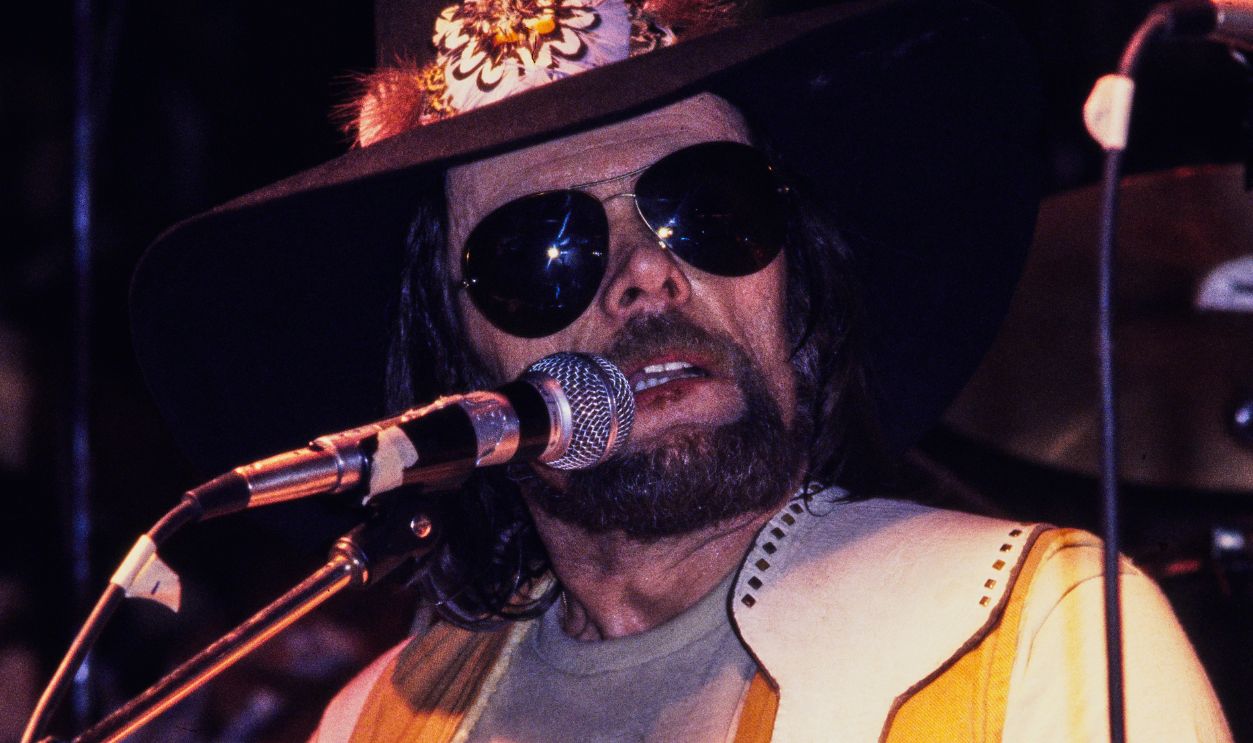
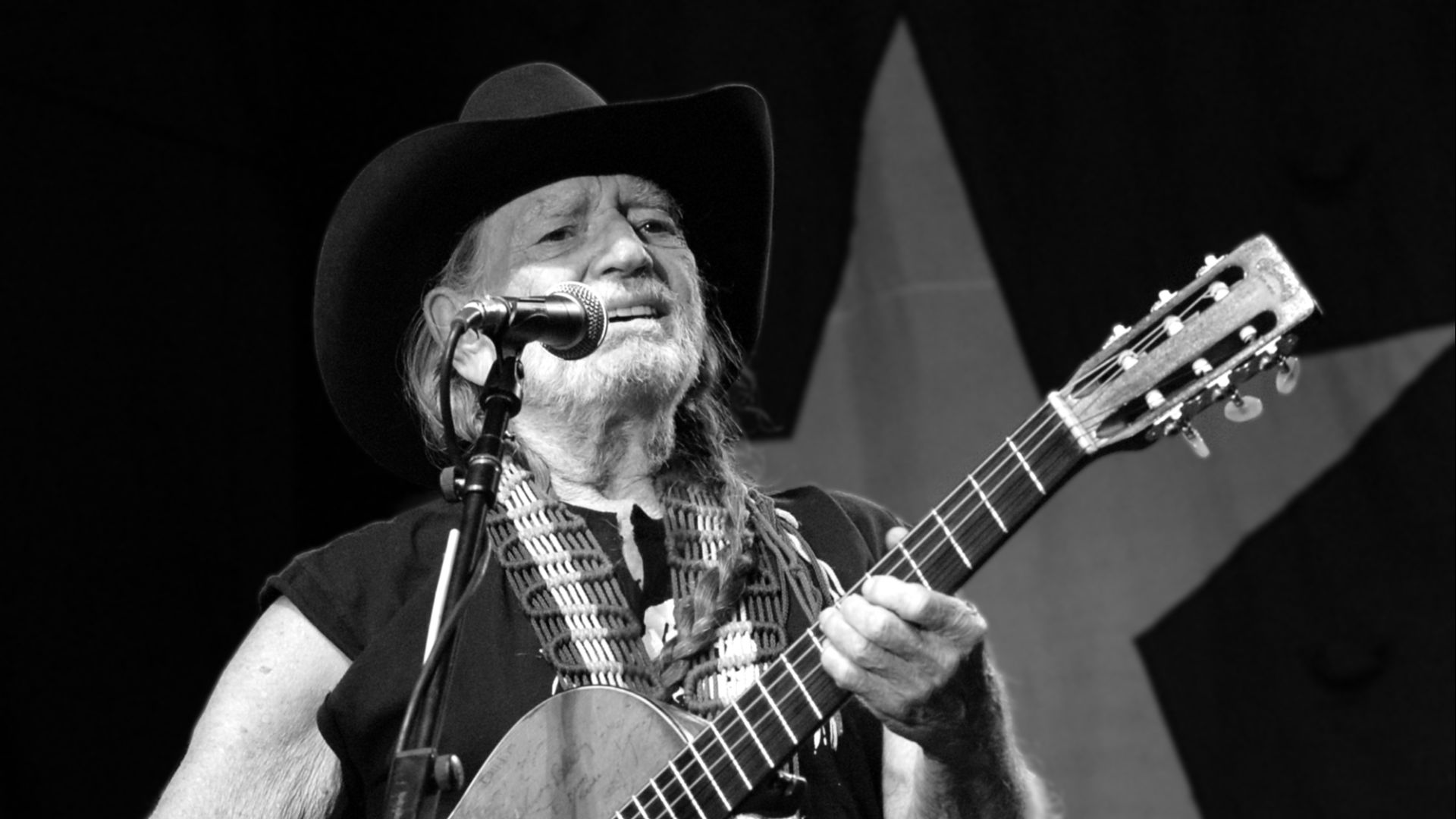
As country music's outlaw movement gathered momentum during the 1970s, Paycheck suddenly fit the moment perfectly. Willie Nelson and Waylon Jennings were challenging Nashville convention, while Paycheck had been ignoring convention for years without needing a marketing campaign. Records such as 11 Months and 29 Days leaned harder into incarceration, drinking, defiance, and rough living. The songs increasingly resembled the man singing them".
 Minette Layne, Wikimedia Commons
"I’m The Only Hell" Fit Almost Too Well
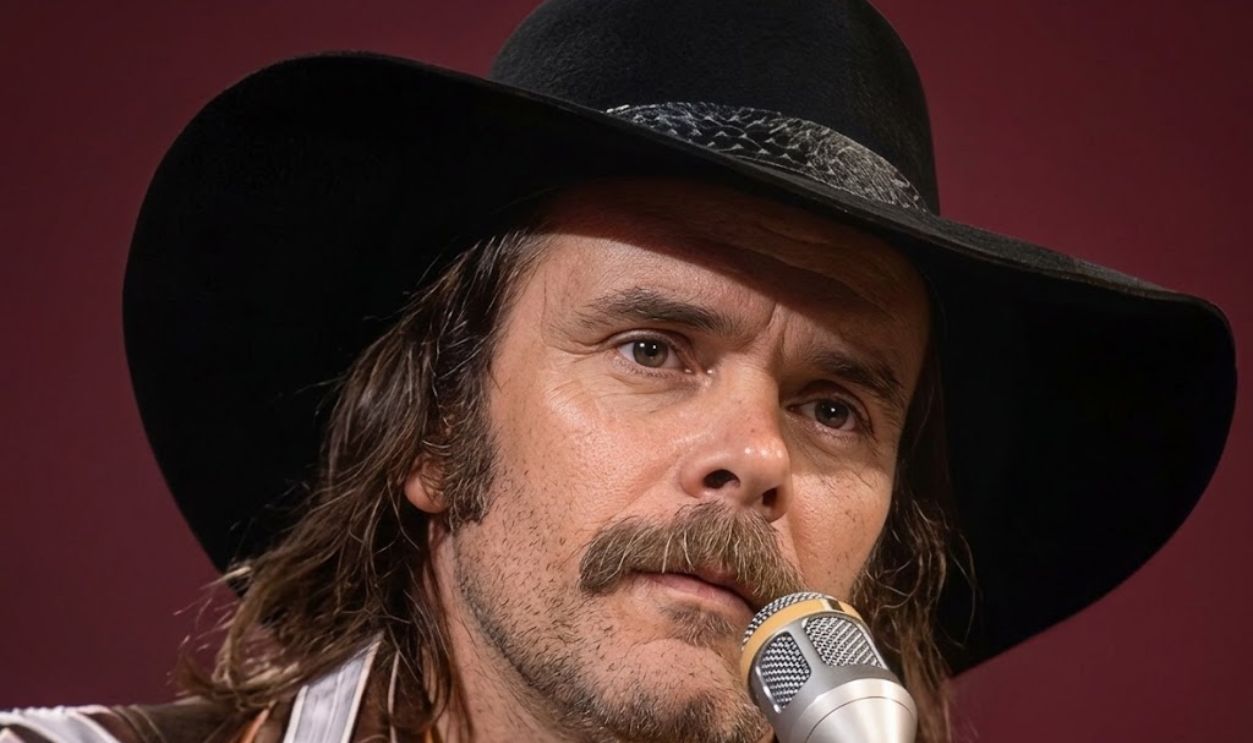
"I'm the Only Hell (Mama Ever Raised)" arrived in 1977 and sounded practically autobiographical coming from Paycheck. The song had been written by Bobby Borchers, Mack Vickery, and Wayne Kemp, but Paycheck inhabited it completely. By then, the difference between Johnny Paycheck the performer and Johnny Paycheck the notorious honky-tonk character was becoming difficult for audiences to see".
 Screenshot from “I’m the Only Hell (Mama Ever Raised),” Epic Records (1977), Modified
"Take This Job And Shove It" Made Him A Working-Class Hero
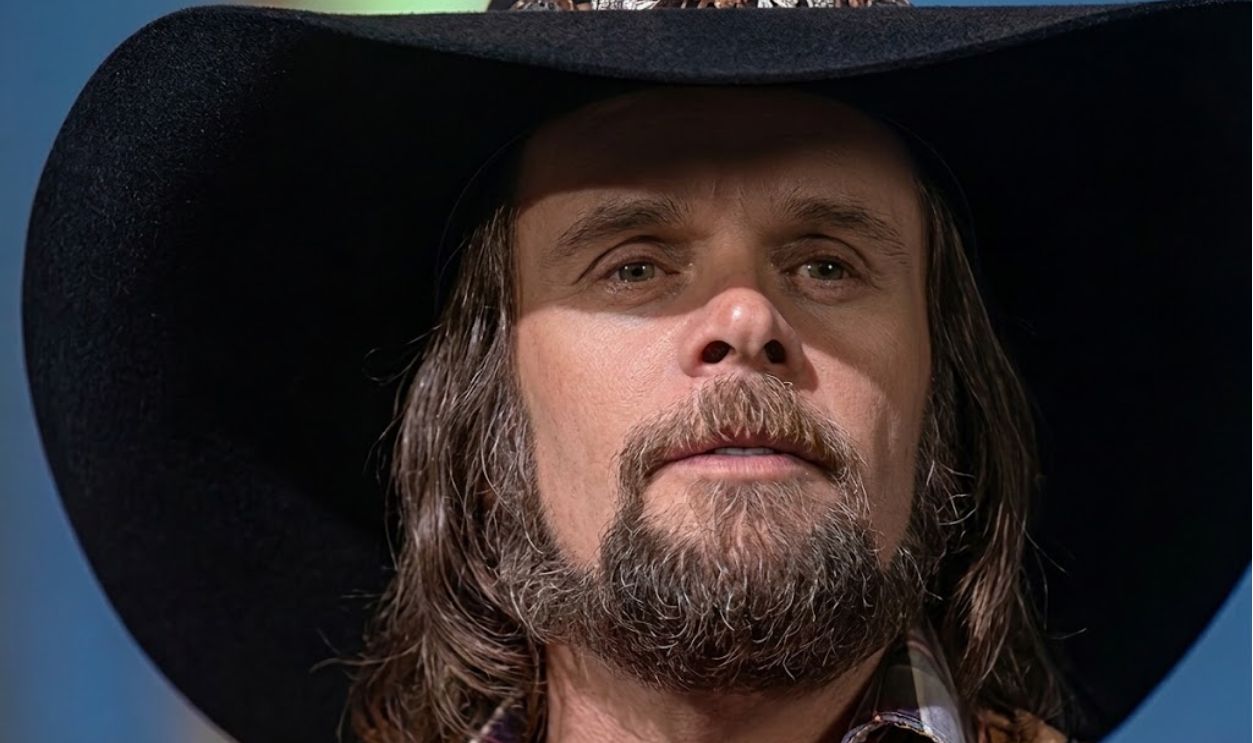
Then came the song that overwhelmed everything else. David Allan Coe wrote "Take This Job and Shove It," but Paycheck's 1977 recording turned it into a cultural catchphrase. It spent two weeks at No. 1 on the country chart and became the only chart-topper of Paycheck's career. The album Take This Job and Shove It eventually went platinum, and the title became shorthand for quitting a miserable job.
 Screenshot from Take This Job and Shove It, Epic Records (1977), Modified
The Song Made His Defiance Look Heroic
The timing couldn't have been better for Paycheck's image. He now represented the frustrated worker who was tired of bosses, rules, and being pushed around. The problem was that the real Paycheck wasn't merely performing rebellion. Illicit substances, booze, financial problems, and confrontations were becoming serious parts of his life. The outlaw image helped sell records, but it also made increasingly destructive behavior look like part of the brand.
By The Early 1980s, The Problems Were Piling Up
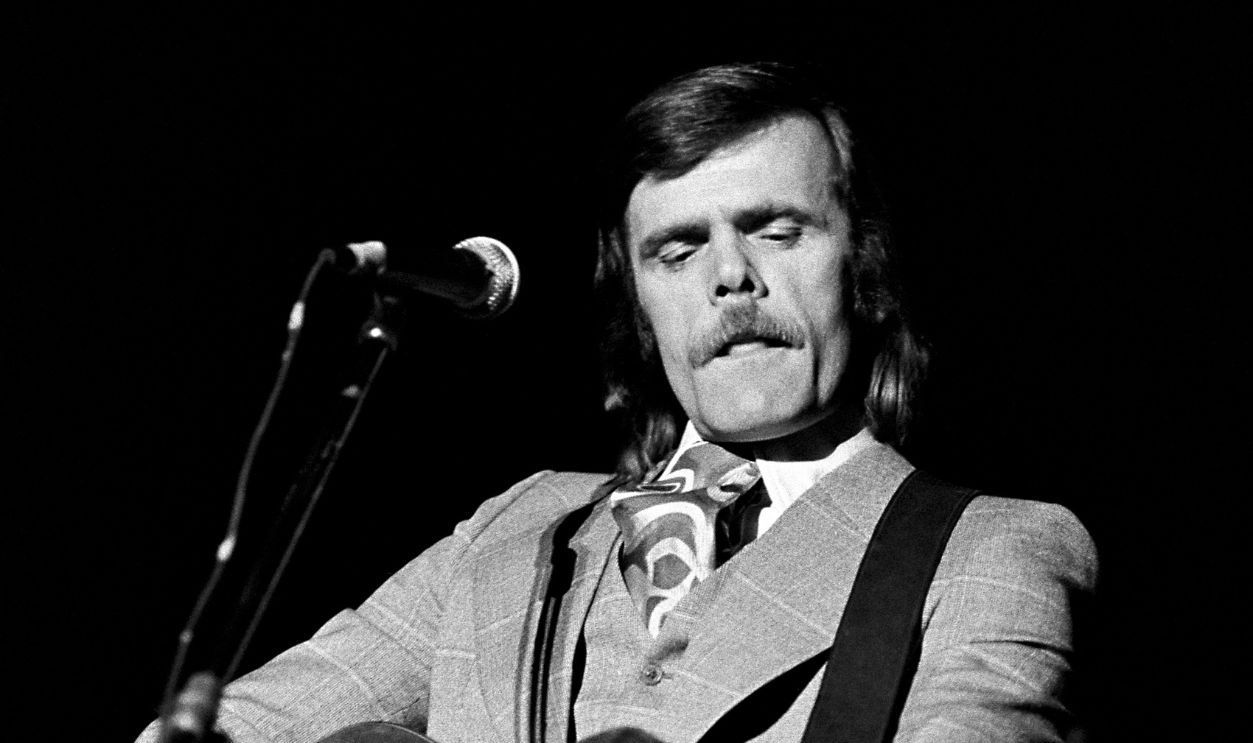
Paycheck's career and finances deteriorated sharply after his late-1970s peak. The IRS pursued him for back taxes, and other civil and court disputes followed. In Wyoming, he was accused of inappropriate contact with a 12-year-old girl after a concert. The case was ultimately reduced to a misdemeanor; Paycheck pleaded no contest, received a fine and probation, and a subsequent civil lawsuit did not reach trial. His public image was becoming increasingly difficult to separate from scandal.
December 19, 1985 Changed Everything
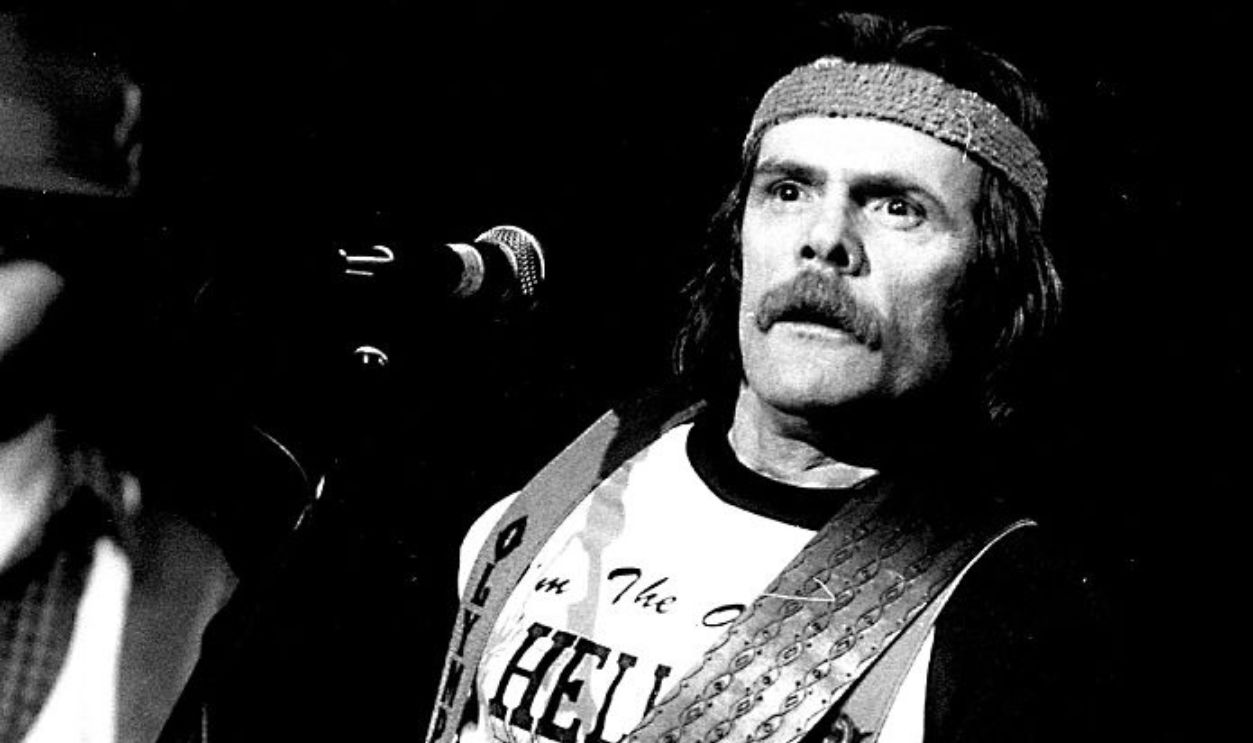
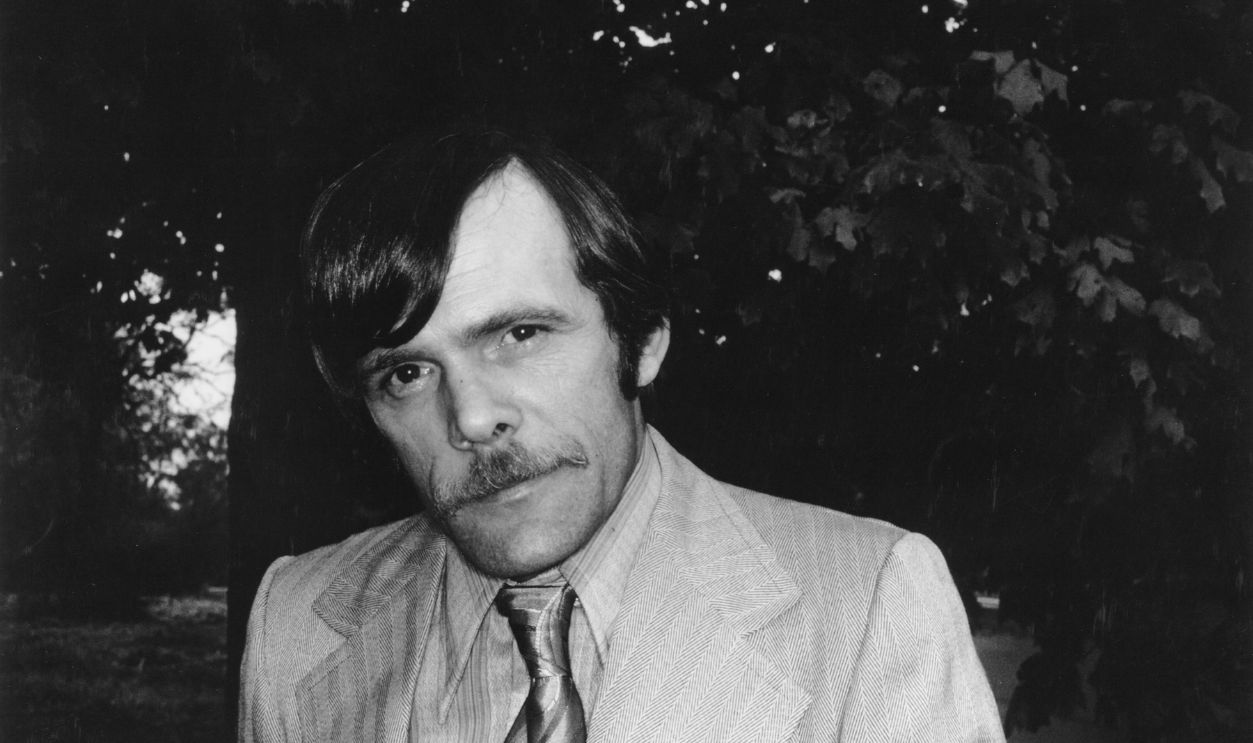
The incident that would define Paycheck's downfall happened at the North High Lounge in Hillsboro, Ohio, on December 19, 1985. Paycheck was near his hometown of Greenfield during the Christmas season when an argument developed with bar patron Larry Wise. Accounts differed dramatically over what sparked the confrontation, but everyone agreed on what happened near its end: Paycheck pulled a .22-caliber handgun.
 Michael Ochs Archives, Getty Images
Even Turtle Soup Became Part Of The Story
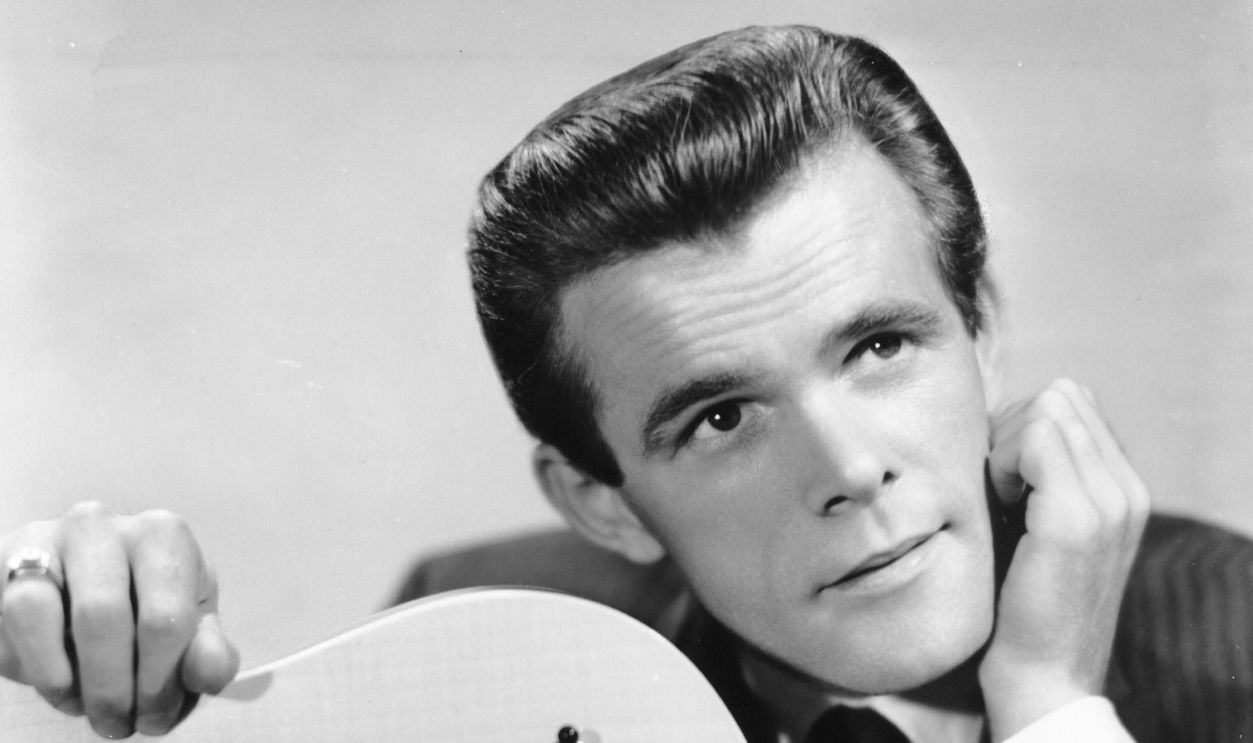
The trial produced one of the strangest details in country music history. Wise testified that the dispute intensified after he offered Paycheck a home-cooked meal involving deer meat and turtle soup, which he said offended the singer. Paycheck described the encounter differently, maintaining that Wise and another man had been harassing him and that he felt threatened. The bizarre disagreement soon became far more serious than whatever had started it.
 Michael Ochs Archives, Getty Images
It Grazed Larry Wise’s Head
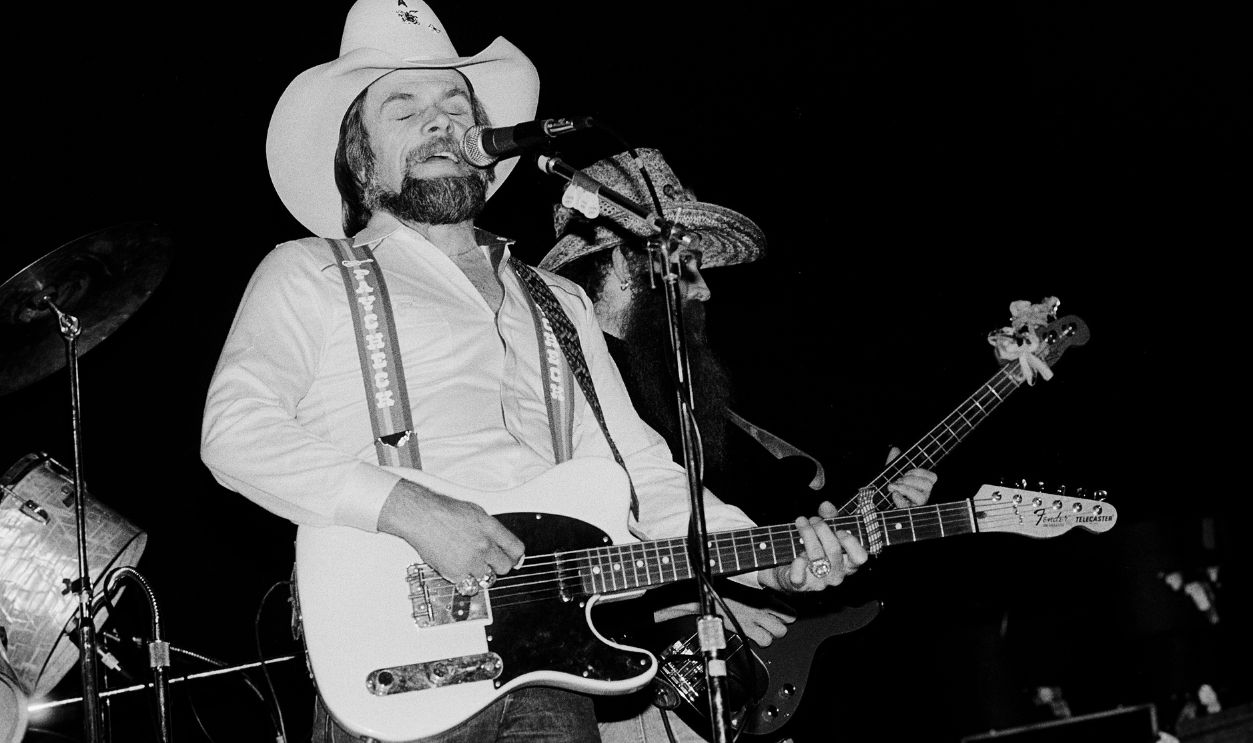
Paycheck fired the piece, and the shot grazed Wise's scalp. Wise was treated at a hospital and released, but Paycheck now faced serious charges. He was apprehended hours later and released on bond. The singer insisted he hadn't intended to fire on Wise, later testifying that he'd drawn the gun to frighten him and that it discharged accidentally as the confrontation escalated.
A Jury Didn’t Accept His Explanation
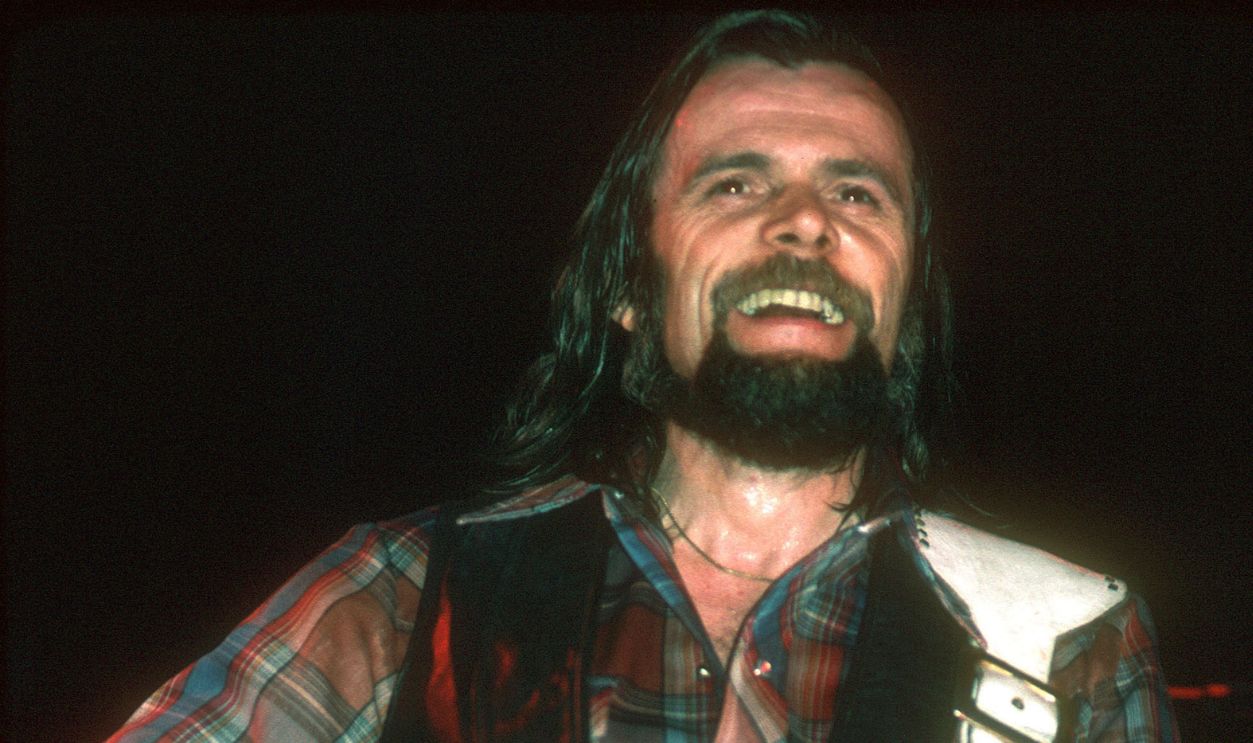
In May 1986, a jury convicted Paycheck of aggravated assault and tampering with evidence after prosecutors argued that he had discarded the weapon following the incident. He was acquitted of a concealed-weapon charge. The sentence was severe: consecutive terms that amounted to seven to nine and a half years. His lawyer immediately argued the punishment was excessive and began appealing".
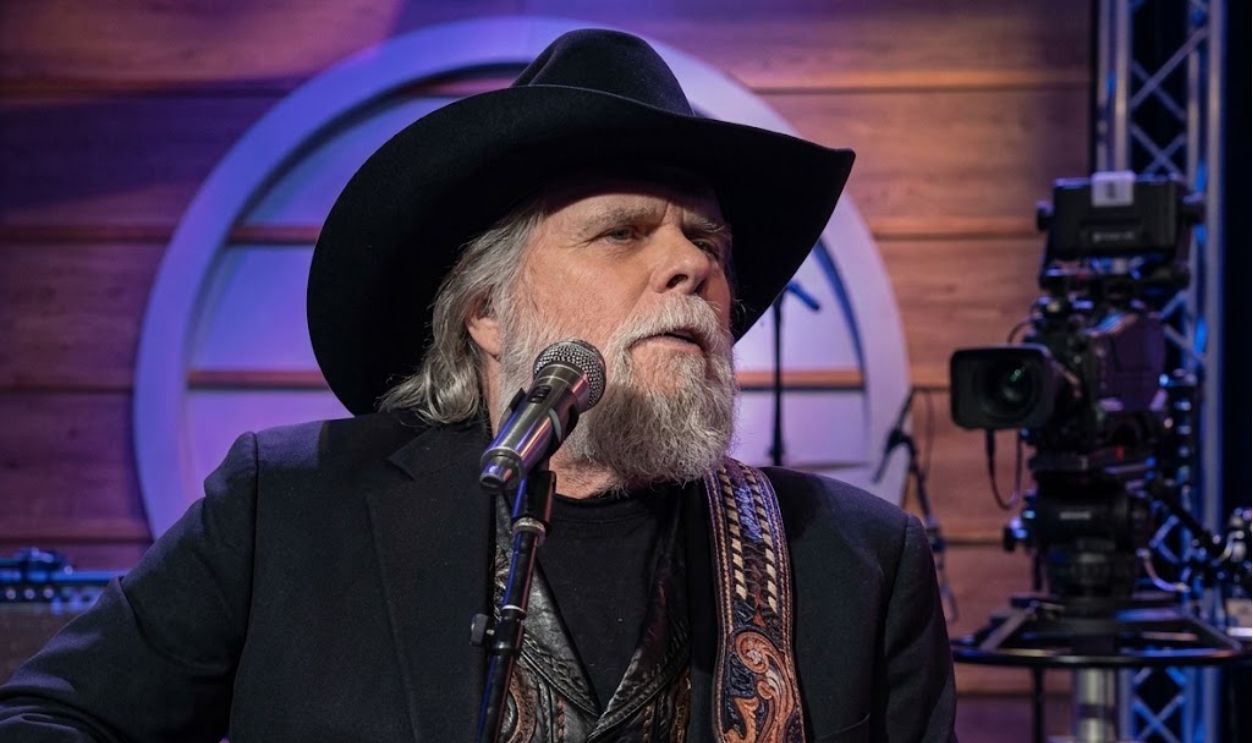
"Old Violin" Suddenly Sounded Like A Confession
Around the same period, Paycheck released one of his most haunting recordings, "Old Violin". Written by Paycheck himself, the song compared an aging performer to an instrument that might soon be put away and forgotten. Coming from a singer facing incarceration, fading commercial fortunes, and years of damage to his reputation, it carried an uncomfortable weight. The swagger was giving way to something more reflective.
 Screenshot from Old Violin, Mercury Records (1986), Modified
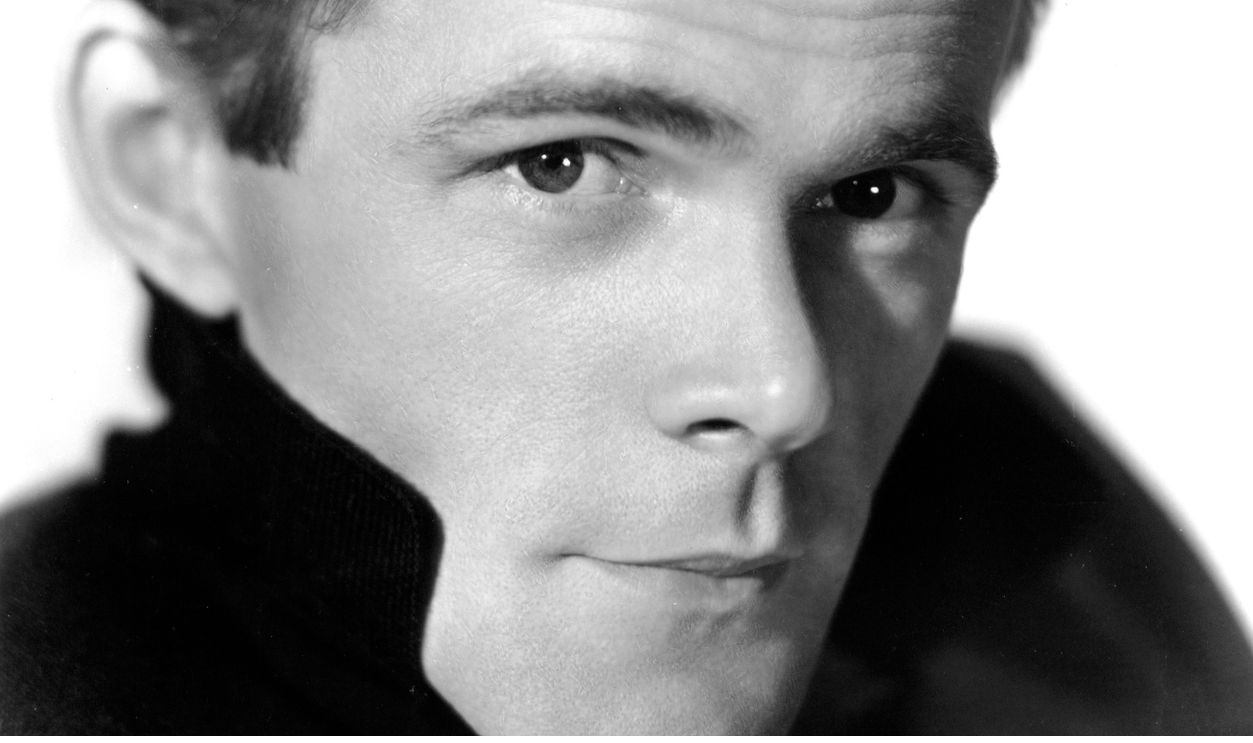
Appeals Delayed Lockup, But Couldn’t Erase The Conviction
Paycheck remained free for several years while lawyers challenged his sentence. An appeals court ordered a new sentencing hearing, but the result ultimately changed little. In February 1989, a judge again imposed the lengthy term in lockup, and Paycheck was taken into custody. The man who had made rebellion against authority his public identity was suddenly living under rules he couldn't ignore.
 Michael Ochs Archives, Getty Images
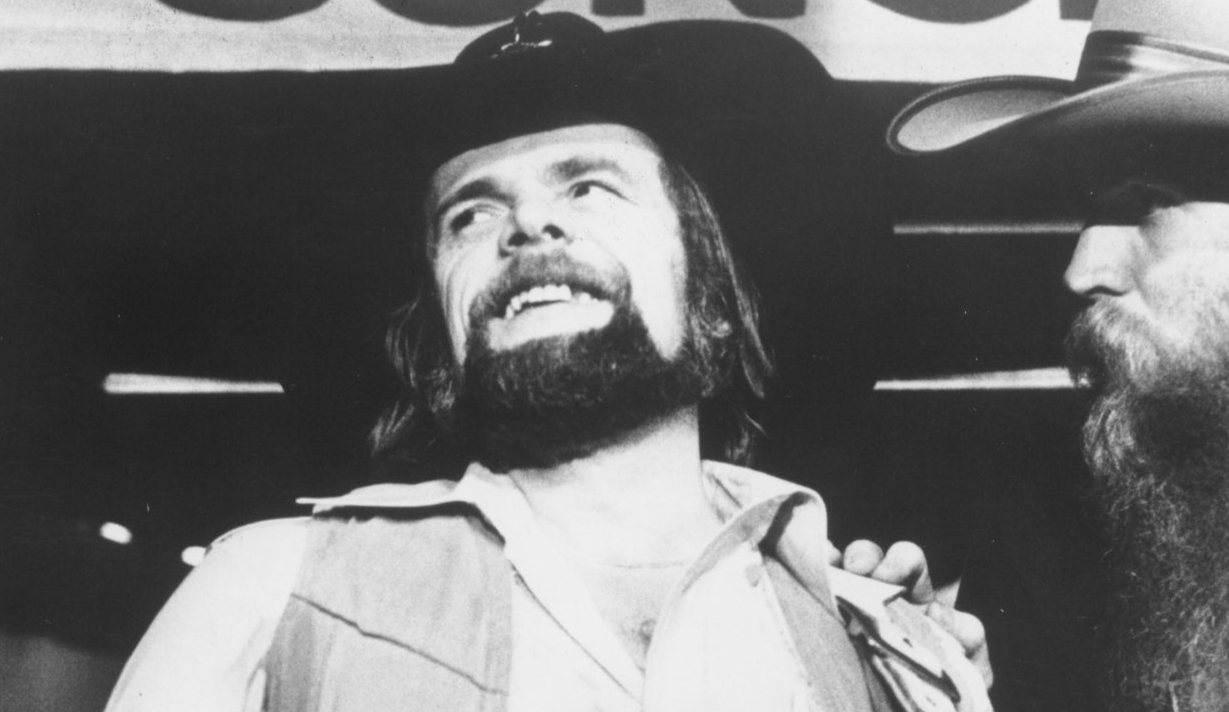
Being Behind Bars Finally Stopped The Momentum
Paycheck spent close to two years behind bars in Ohio. For perhaps the first time in decades, touring, drinking, substances, and endless nights in honky-tonks weren't available to distract him from what his life had become. He later spoke positively about the enormous volume of fan mail he received. Whatever the courts thought of him, listeners hadn't completely abandoned the singer whose records had accompanied their own troubles.
 Michael Ochs Archives, Getty Images
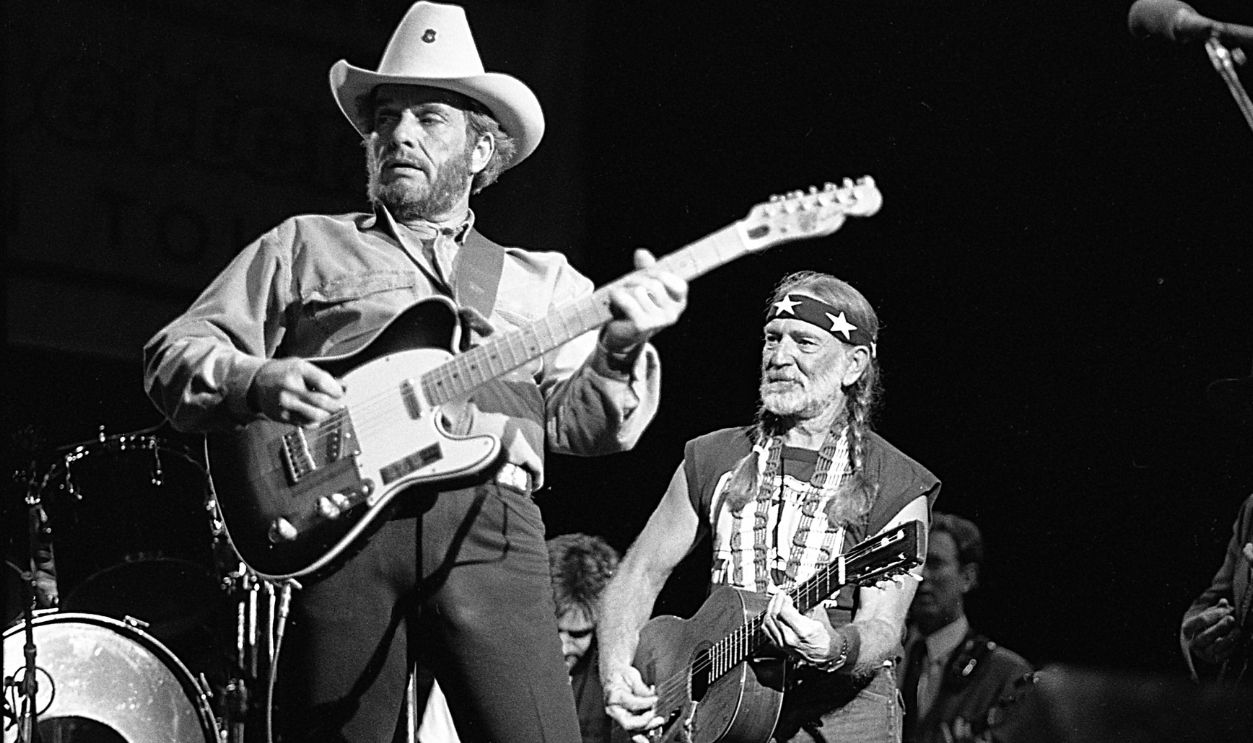
Merle Haggard Came Inside To Play With Him
One especially symbolic moment came when Merle Haggard performed at the Chillicothe Correctional Institute while Paycheck was incarcerated. Haggard knew something about turning lockup experience into country music history, having served time himself before becoming a star. The two men performed together for inmates. For Paycheck, his time behind bars no longer belonged only to one of his song titles. It was now part of his biography.
The Governor Cut His Sentence Short
In January 1991, outgoing Ohio Governor Richard Celeste commuted Paycheck's sentence after he had served nearly two years. The decision was controversial, particularly with the prosecutor who had opposed clemency. Celeste required Paycheck to complete 200 hours of community service and remain drink-free. Paycheck emerged from the slammer facing the harder question of whether he could build a life that didn't simply recreate the circumstances that had put him there.
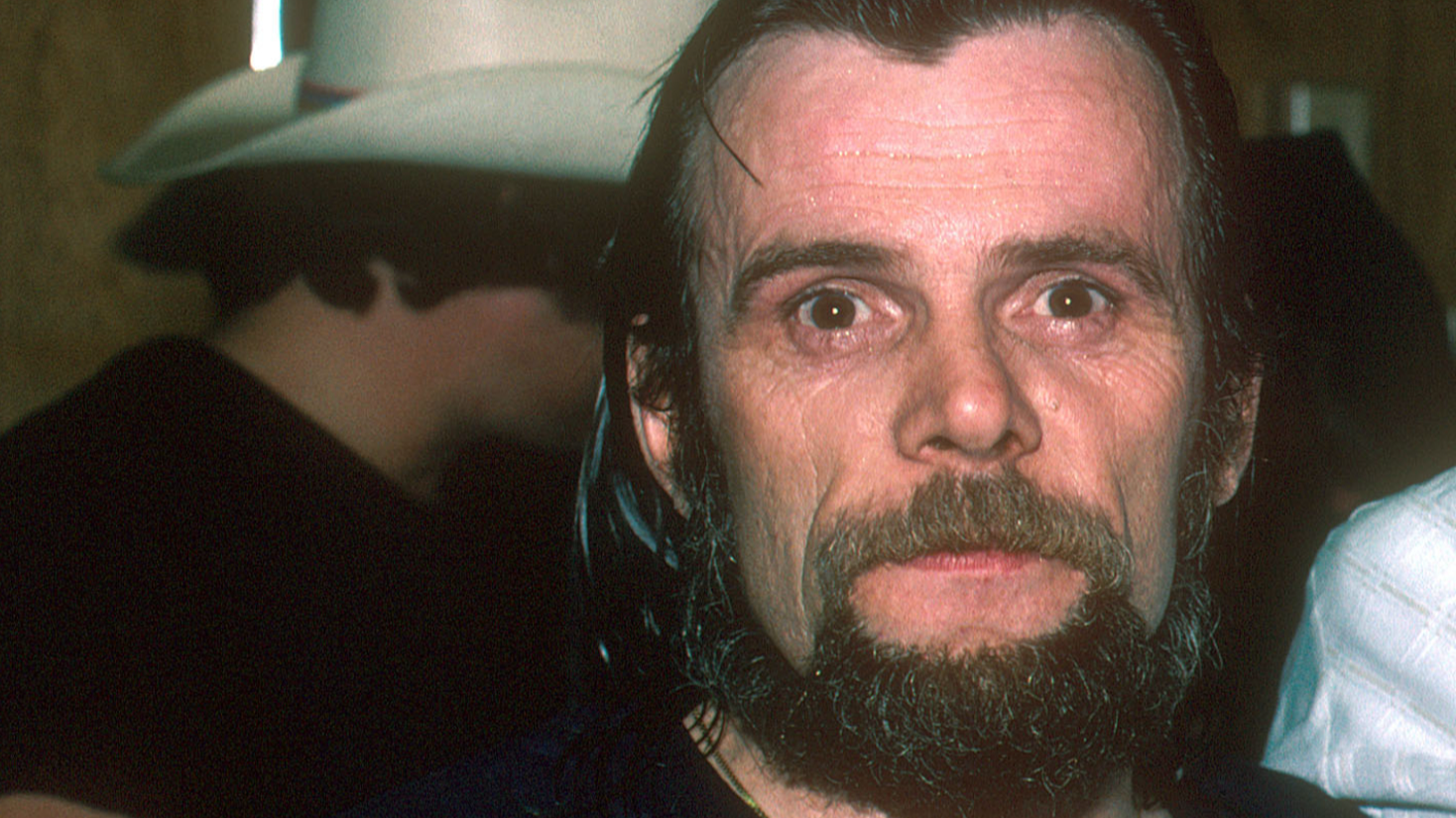
Freedom Didn’t Fix His Finances
Paycheck's financial problems remained severe. Bankruptcy proceedings revealed debts exceeding $1 million, much of it connected to the IRS. He no longer had the commercial power he'd enjoyed after "Take This Job and Shove It," and country radio had moved toward a new generation of stars. His comeback wasn't going to look like the one Billy Sherrill had engineered twenty years earlier. This time, survival itself counted as progress.
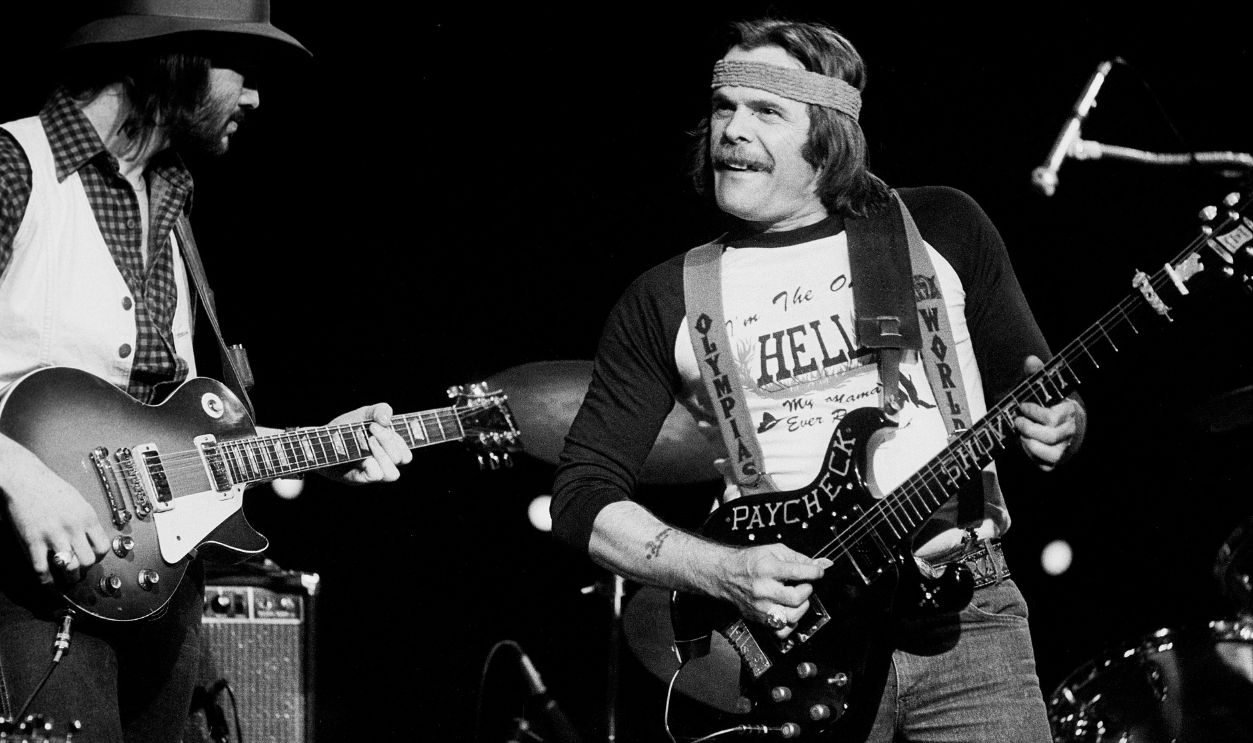
Nashville Slowly Let Him Back In
Paycheck returned to performing and gradually repaired some of the relationships his behavior had damaged. He also spoke to young people about illicit substances, using his own history as the cautionary example. In 1997, Nashville offered one of its clearest gestures of acceptance when Paycheck became a member of the Grand Ole Opry. After incarceration, bankruptcy, and decades of chaos, the institution at country music's center had welcomed him onto its stage.
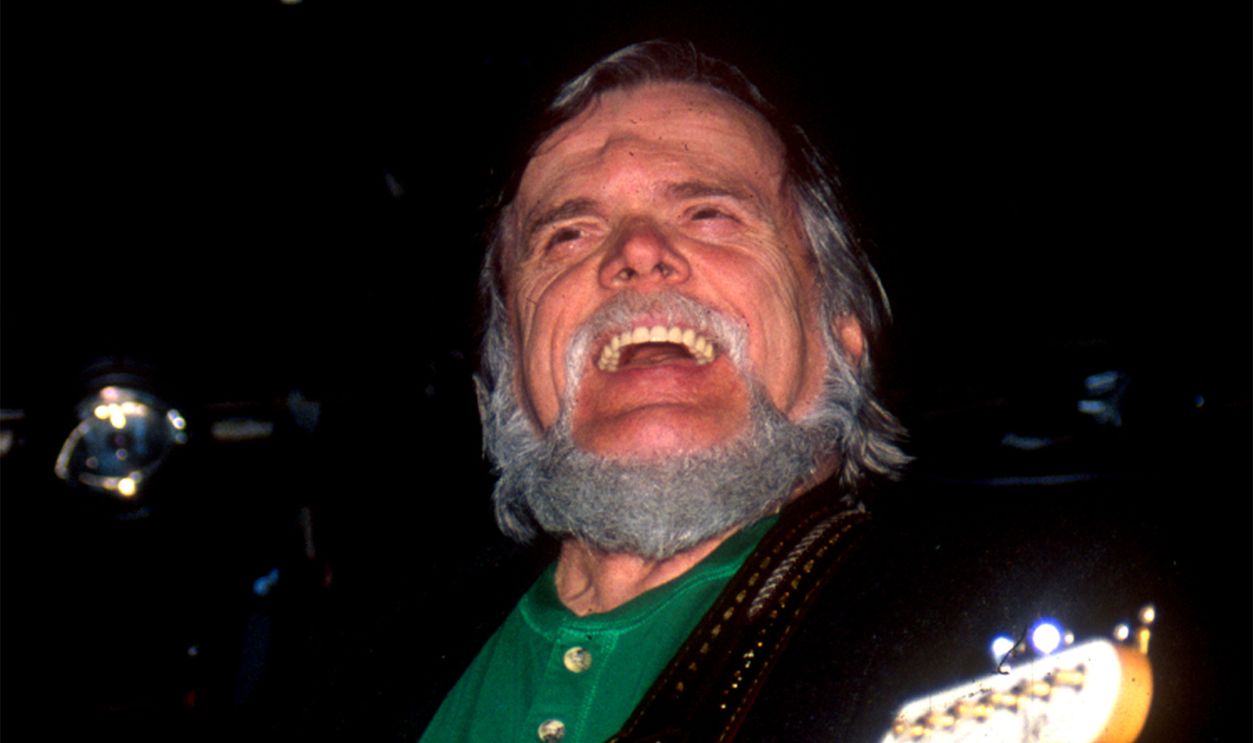
The Opry Meant More Than Another Award
For Paycheck, Opry membership represented something his outlaw image never could. It suggested belonging. He'd spent much of his career positioning himself against authority, while simultaneously wanting recognition from the country establishment. By the late 1990s, he didn't need to pretend the wild years hadn't happened. Audiences still expected the notorious Johnny Paycheck, but the older singer could acknowledge that he'd survived things the younger man had nearly let destroy him.
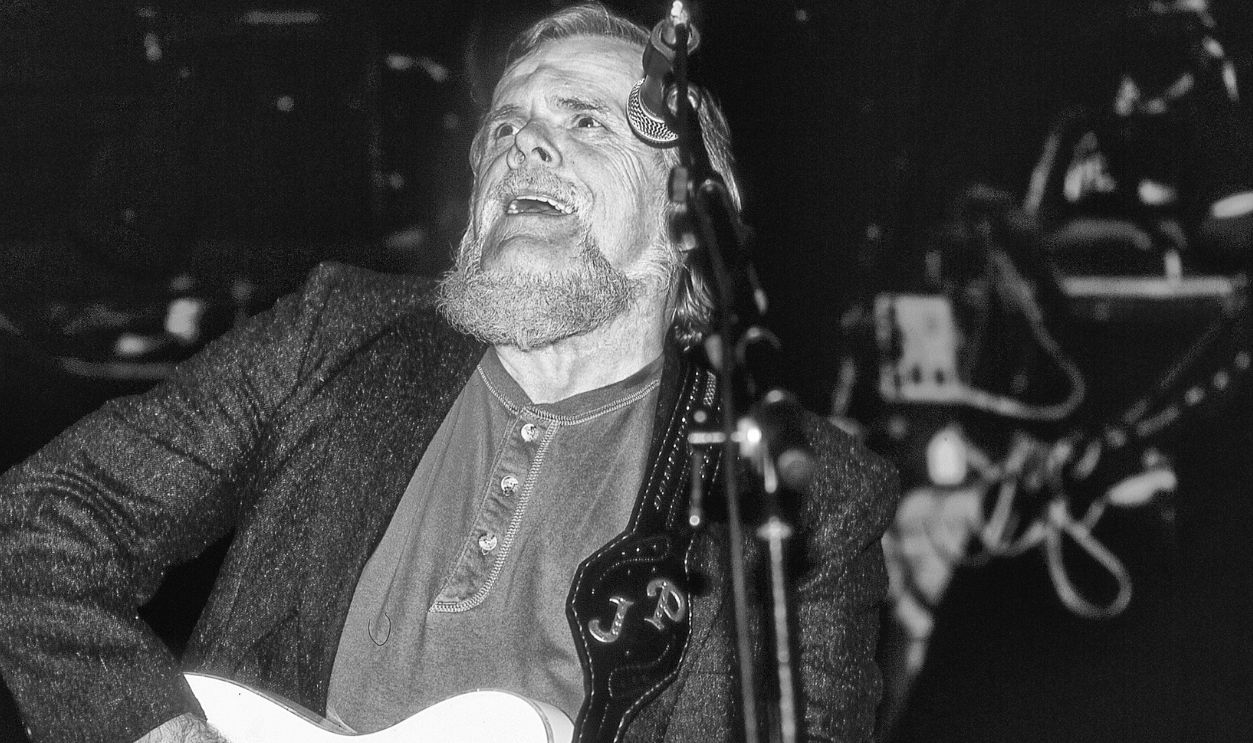
His Health Finally Took Away The Stage
Years of hard living eventually caught up physically as well. Paycheck developed severe emphysema and asthma, making the act of singing increasingly difficult. By the beginning of the 2000s, his health allowed only limited appearances, and he spent time in a nursing home. Even then, younger country musicians continued citing him, recording his songs, and recognizing that there was much more to Paycheck than his most famous novelty-like anthem.
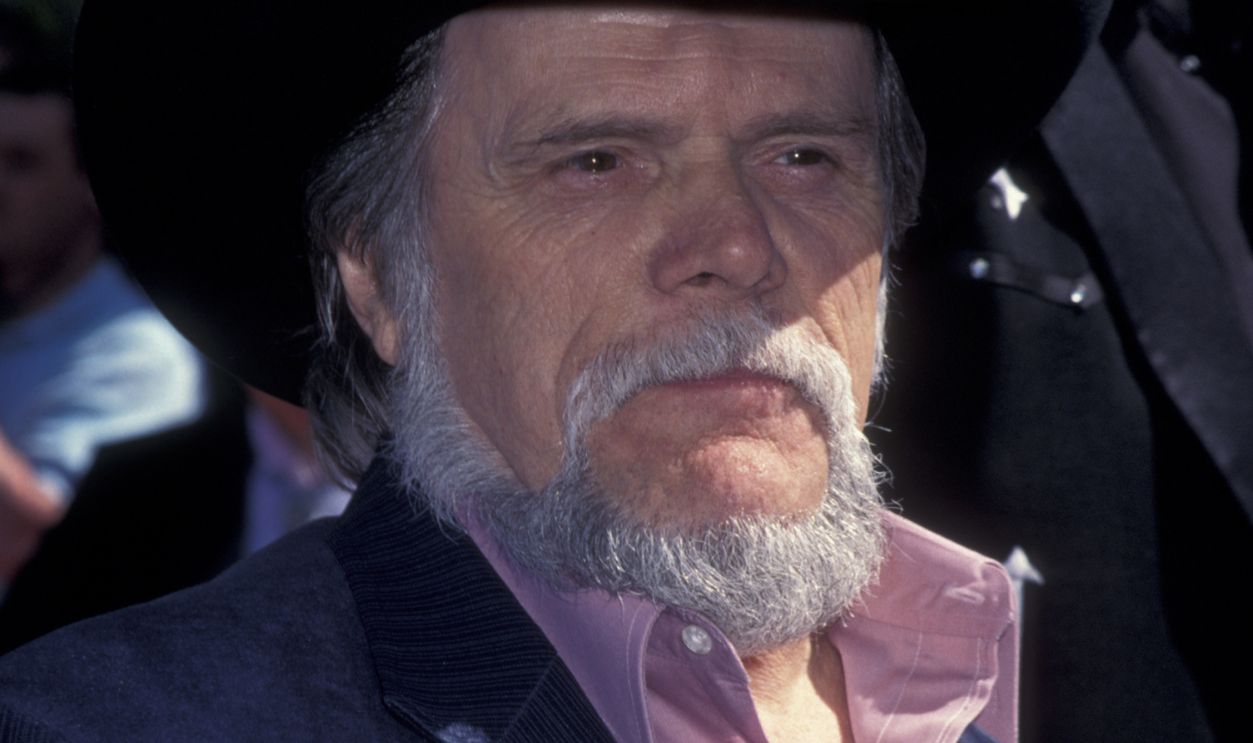
One Last "Old Violin" Carried His Voice Forward
Singer Daryle Singletary recorded "Old Violin" for his 2002 album That’s Why I Sing This Way and wanted Paycheck included. By then, Paycheck was too ill for normal studio work, so his closing recitation was recorded from his hospital bed. It became one of his final recordings. The song he'd written about being an old instrument facing silence now sounded less metaphorical than ever.
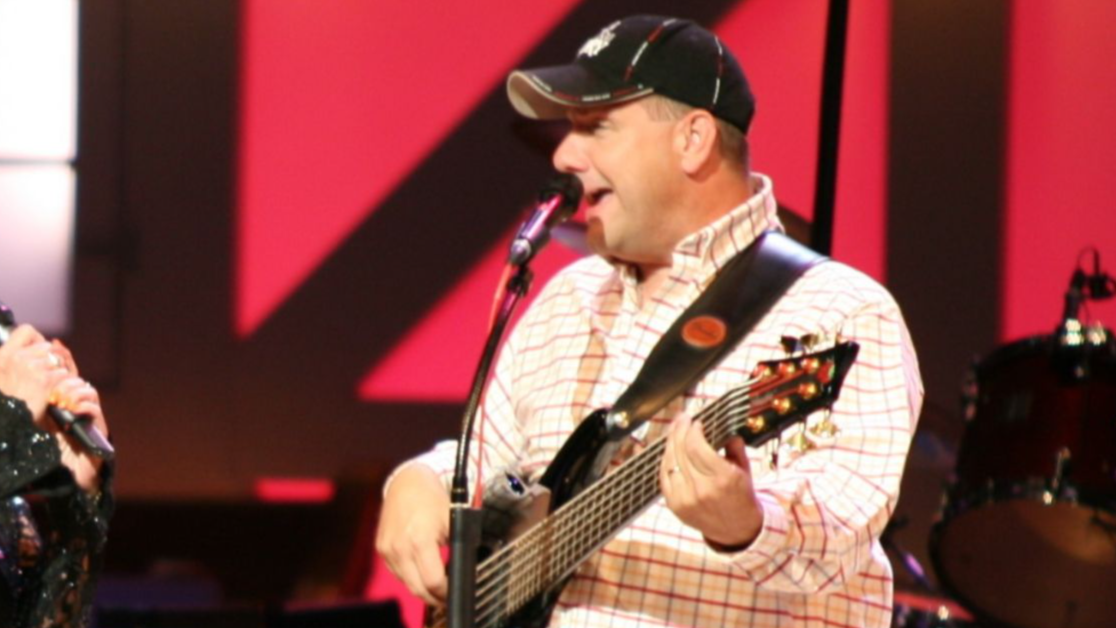 Cliff from Arlington, Virginia, USA, Wikimedia Commons
George Jones Was There At The End Too
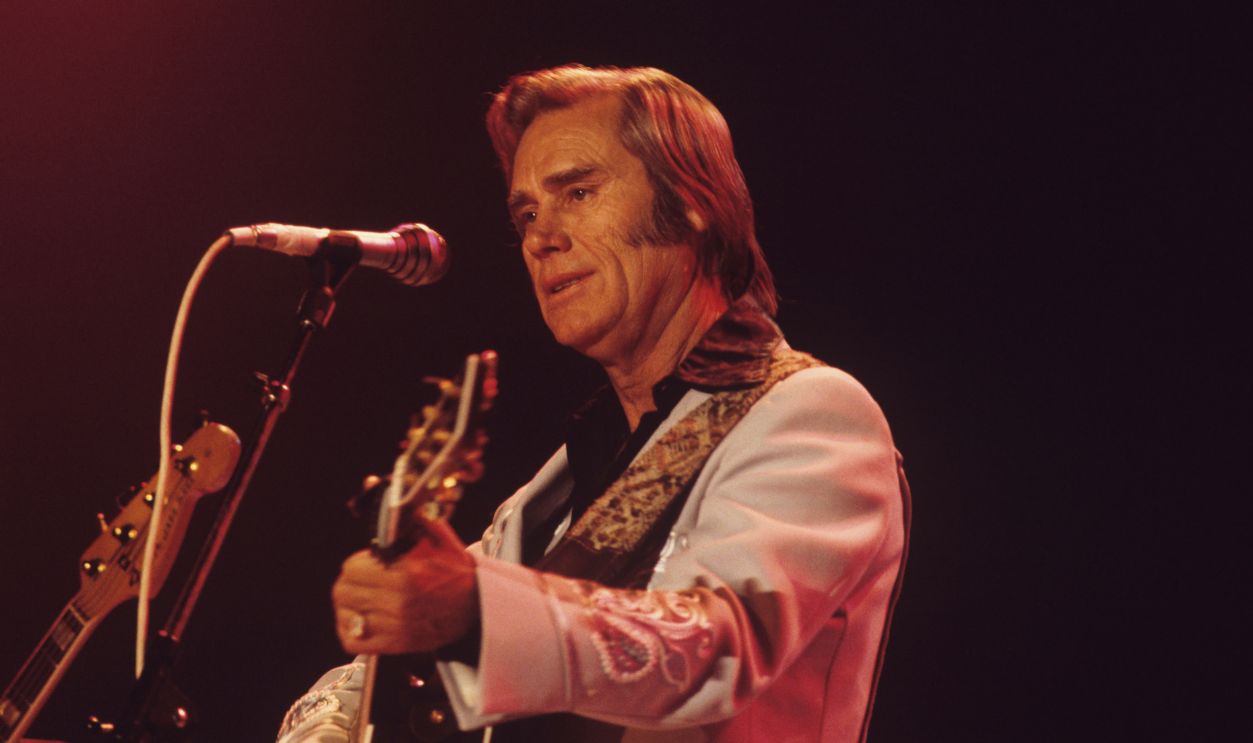
Johnny Paycheck passed on in Nashville on February 19, 2003, after a long struggle with emphysema and asthma. He was 64. George Jones, the man whose band had helped Paycheck find his footing decades earlier, donated a burial plot beside his own at Woodlawn Memorial Park. It was a final gesture in a friendship that had somehow survived country music, addiction, incarceration, fame, and nearly everything else Paycheck could throw at it.
The Outlaw Finally Became A Warning
"Take This Job and Shove It" guaranteed Johnny Paycheck would always symbolize defiance, but his life ultimately told a less comfortable story about what happens when rebellion stops having boundaries. Incarceration cemented the outlaw legend, but it also stripped some of the romance away. Paycheck's later years weren't a perfect redemption story. They were quieter and more believable than that. He got sober, returned to work, entered the Opry, and spent his remaining years proving that even country's most notorious troublemaker could still find a little grace.
You May Also Like: