The Bands That Survived Shifting Faces
Lineup changes can kill a band’s chemistry, confuse fans, or signal the beginning of the end. But some groups flip the script and turn personnel turnover into a rebirth. Whether due to musical evolution, tragedy, personality clashes, or creative ambition, the following bands kept their spark alive despite major changes, sometimes becoming even better in the process.
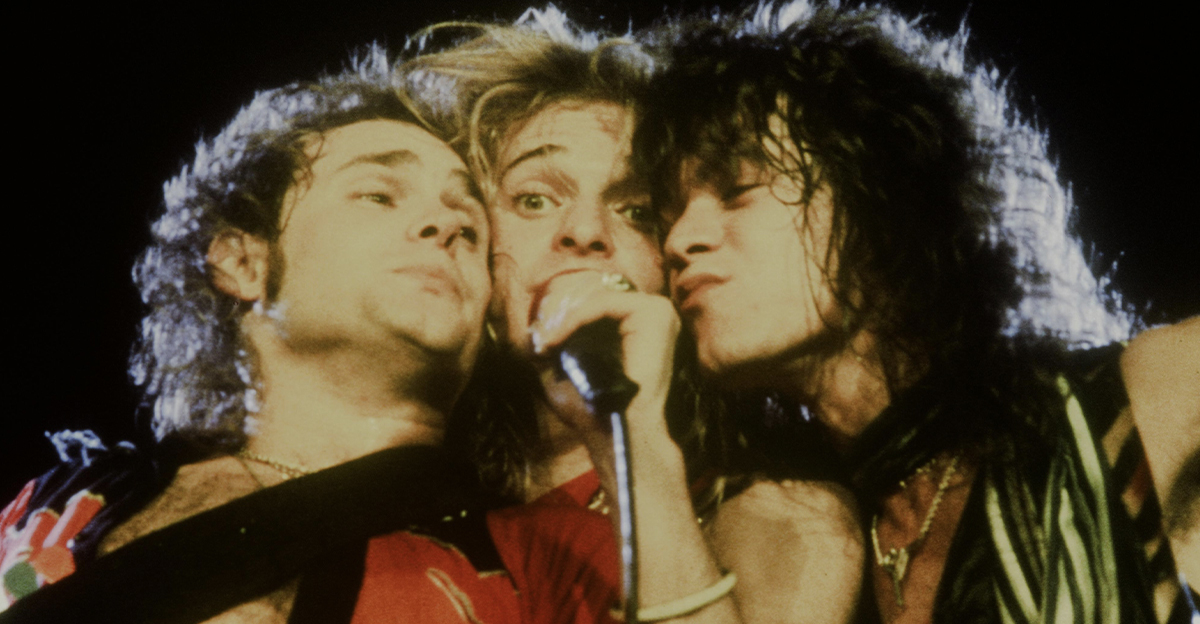
Deep Purple
Deep Purple is basically the poster child for lineup reinvention. The band has gone through at least eight official incarnations, from the early psychedelic hard rock of Mark I to the classic Mark II era that spawned Machine Head. Members like David Coverdale and Glenn Hughes brought new influences before moving on to other successes, yet the group’s core thunder remained intact with drummer Ian Paice holding the reins.
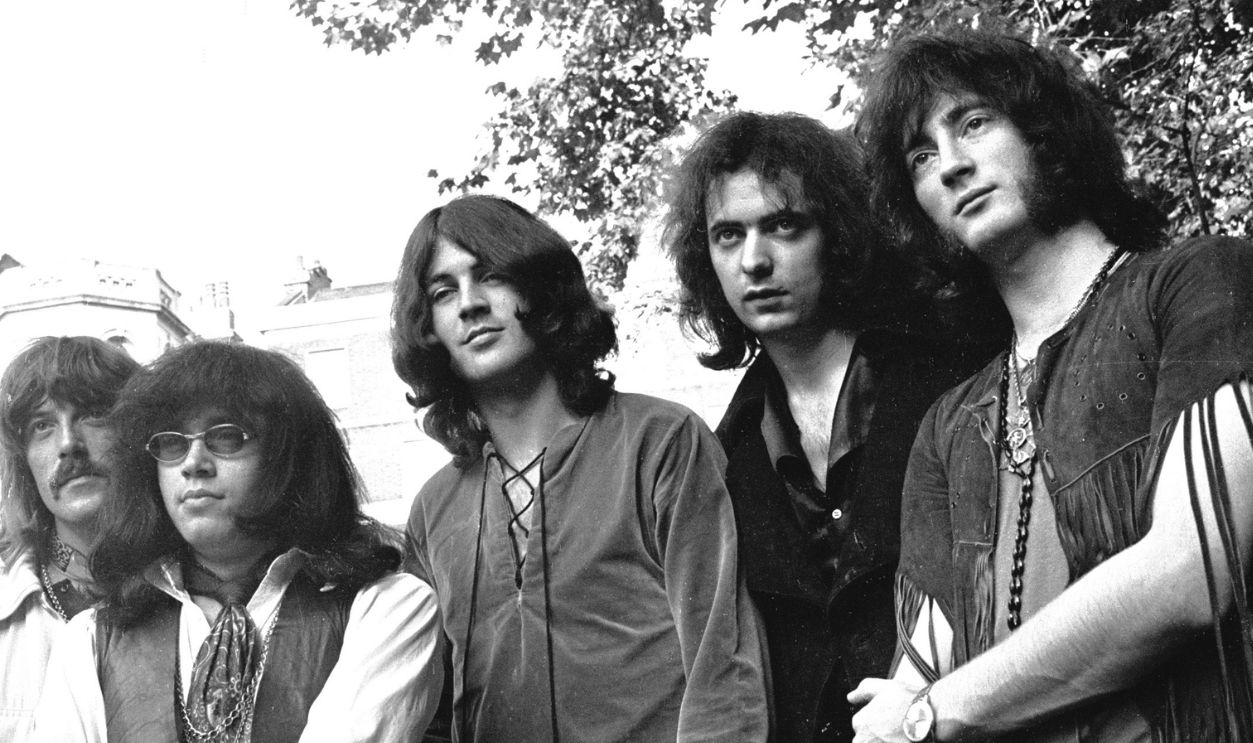
Pretenders
The Pretenders survived early member turnover that could have sunk a less resilient band. When their original rhythm section and co-founder James Honeyman-Scott died, Chrissie Hynde kept going, eventually recruiting new players who matched her blend of punk attitude and melodic instinct. The heart of the band has always been Hynde’s voice and vision, proving the group was more than the sum of its parts.
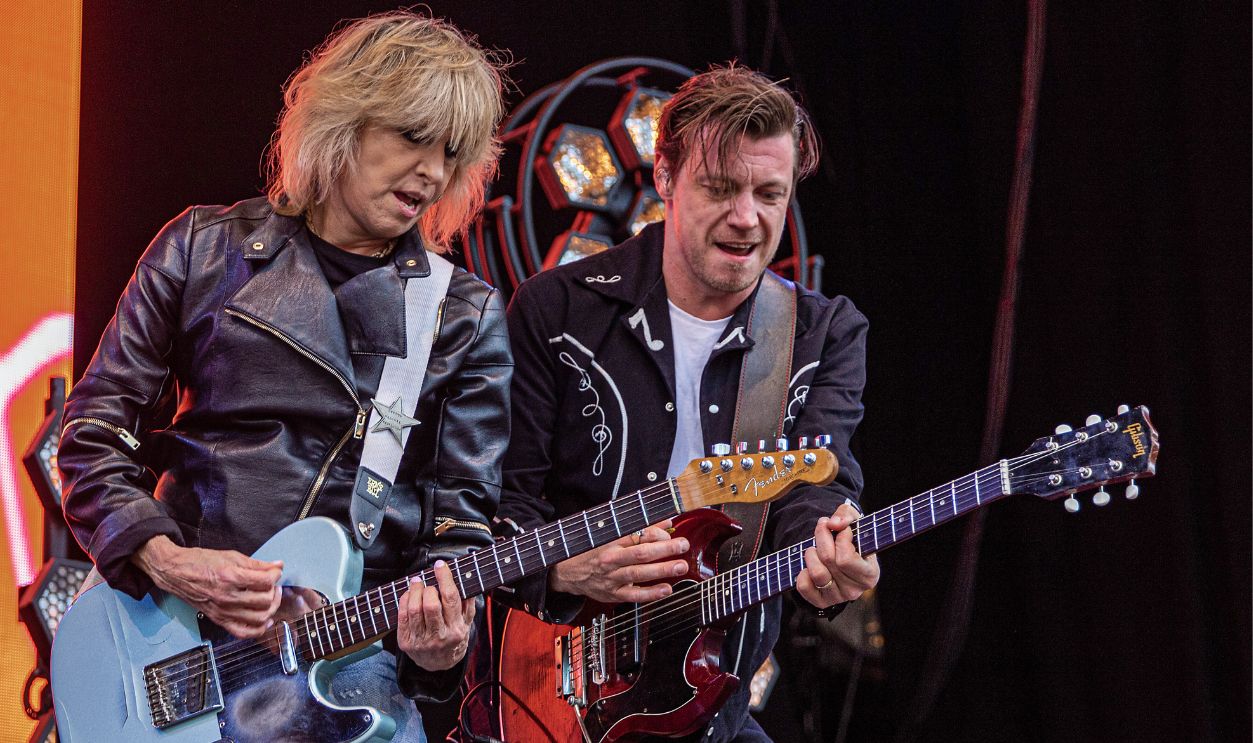
Small Faces / Faces
Originally the Small Faces, lineup shifts helped reshape this British outfit into Faces with the addition of Rod Stewart and Ronnie Wood after Steve Marriott’s departure. The new iteration brought a looser, bluesier vibe and produced classic material. Stewart’s presence launched his solo career while the original members spread into other influential projects.
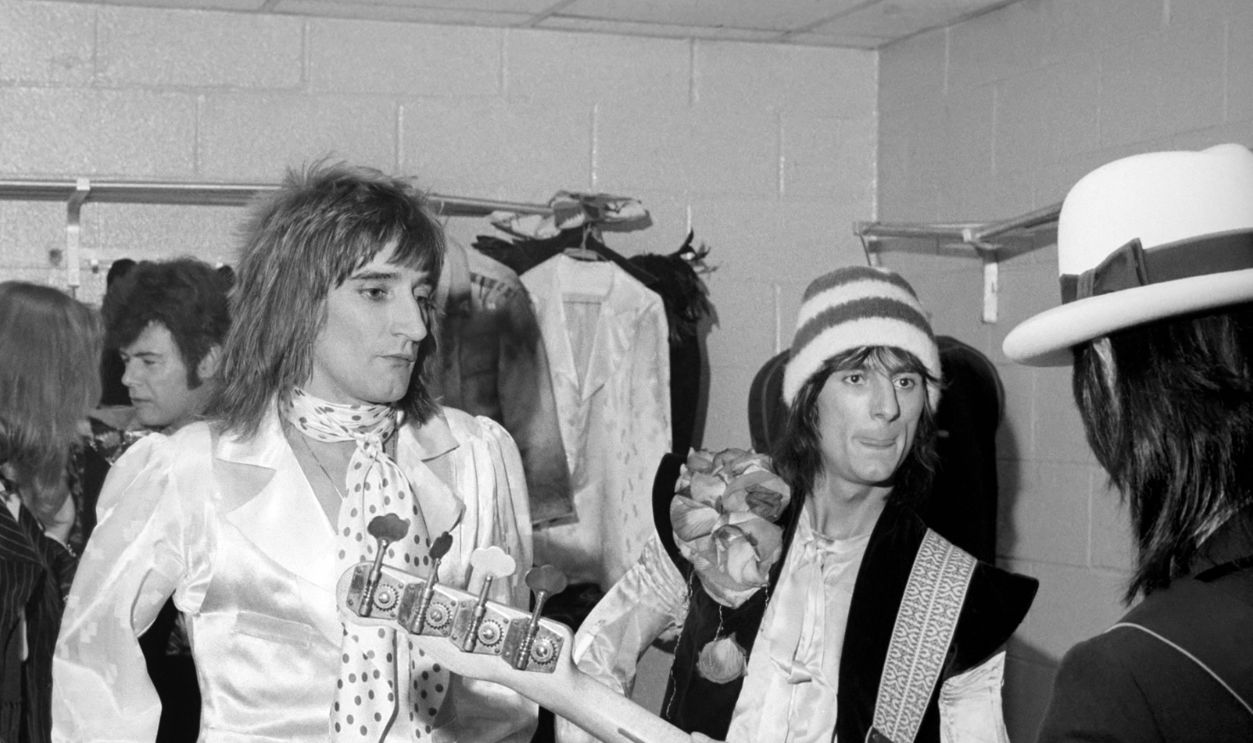
The Yardbirds
The Yardbirds are one of rock’s most famous lineup-change success stories because they passed through three of rock’s greatest guitarists: Eric Clapton, Jeff Beck, and Jimmy Page. Rather than dilute their impact, each era brought fresh sonic approaches that expanded the band’s legacy from blues-based roots into psychedelic and early hard rock territory.
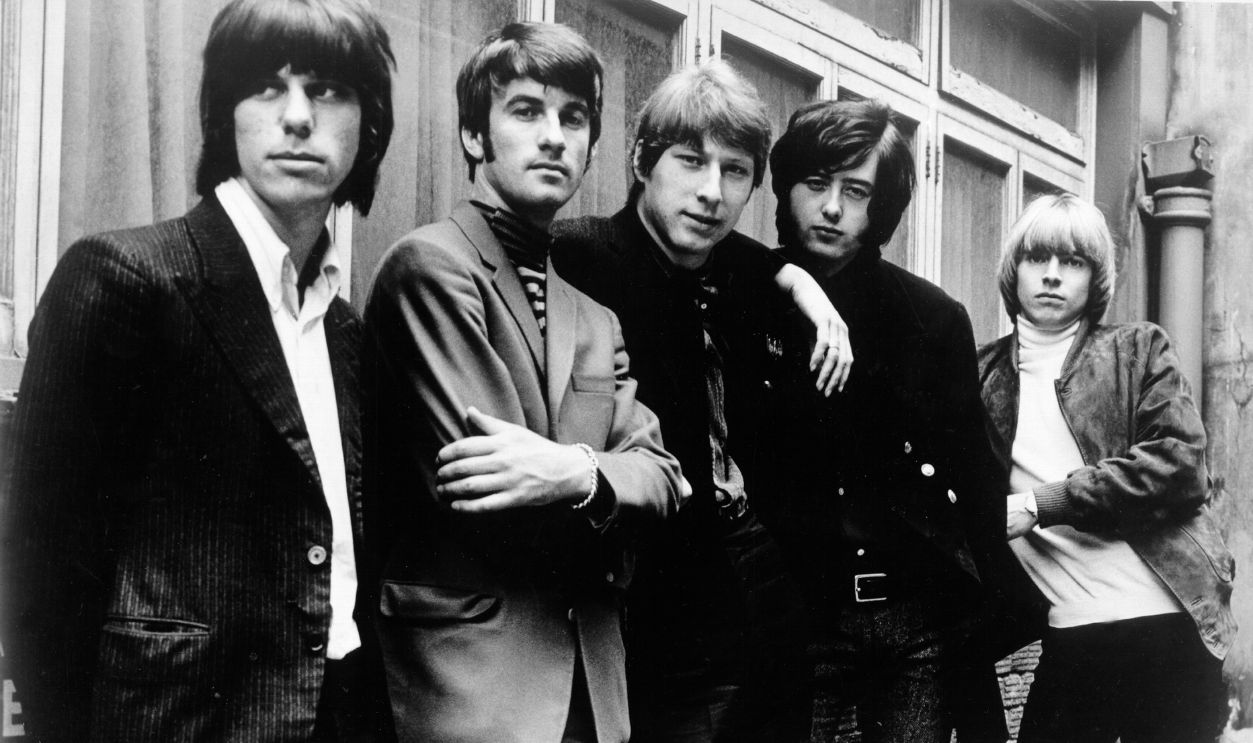 Michael Ochs Archives, Getty Images
Van Halen
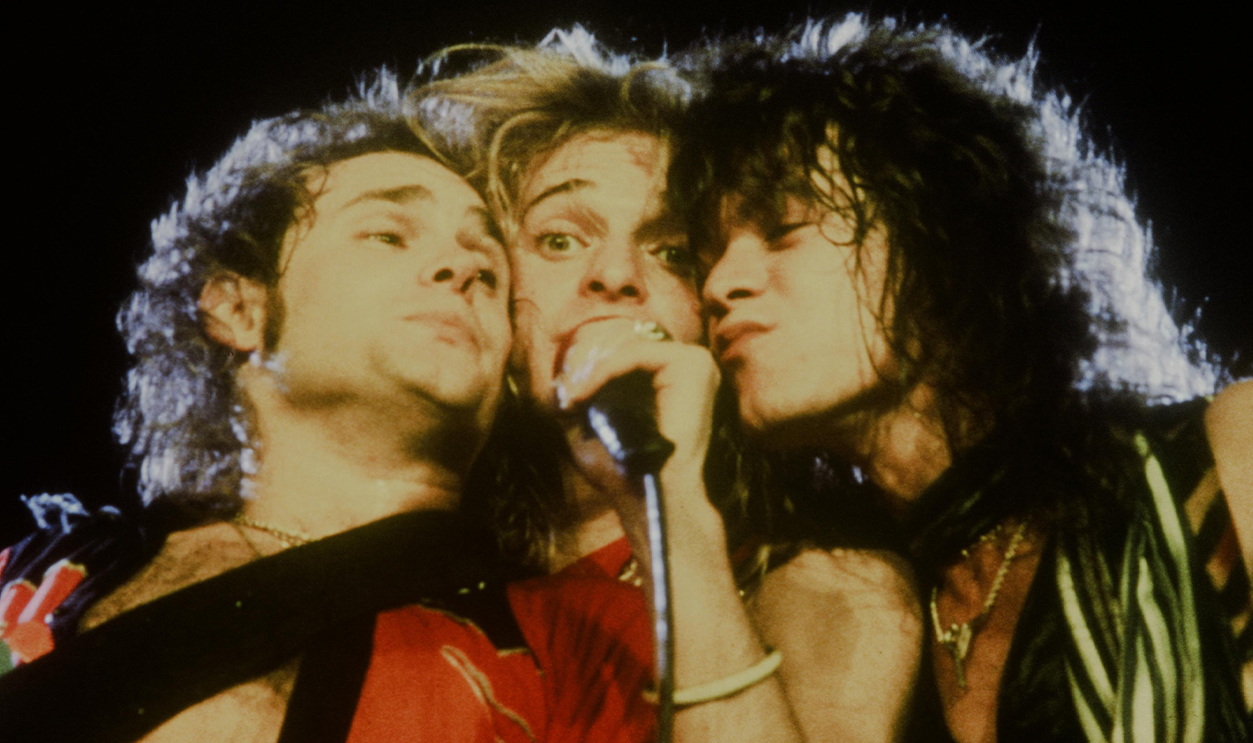
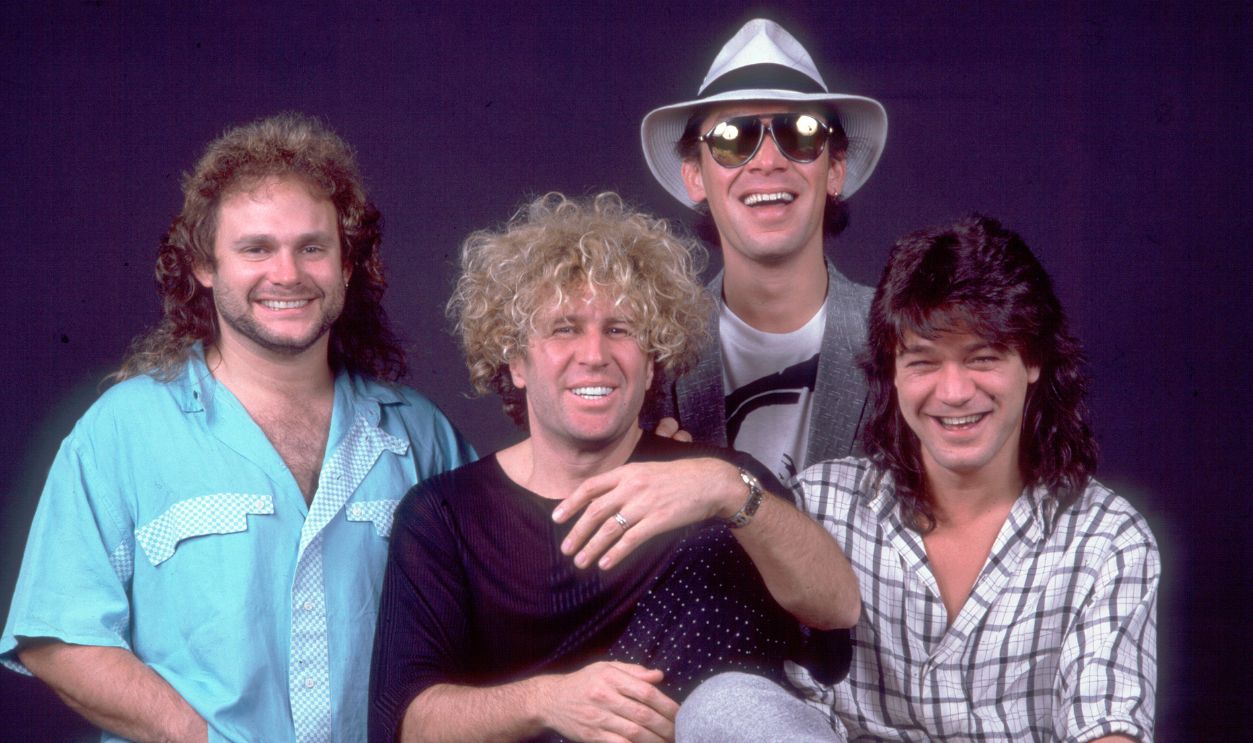
When David Lee Roth left, fans wondered if Van Halen would fizzle. Instead the band brought in Sammy Hagar, whose smoother style pushed the group into new pop-metal territory with hits and strong albums. Another change later with Gary Cherone didn’t stick, but the early shift to Hagar proved that Van Halen’s energy was bigger than any one frontman.
Fleetwood Mac
Fleetwood Mac’s evolution from British blues outfit to global pop-rock phenomenon is one of the wildest lineup turnarounds in history. Original members came and went, but the addition of Lindsey Buckingham and Stevie Nicks transformed the band’s sound and led to Rumours, one of the best-selling albums of all time. The band kept morphing but never lost its emotional core.

Pink Floyd
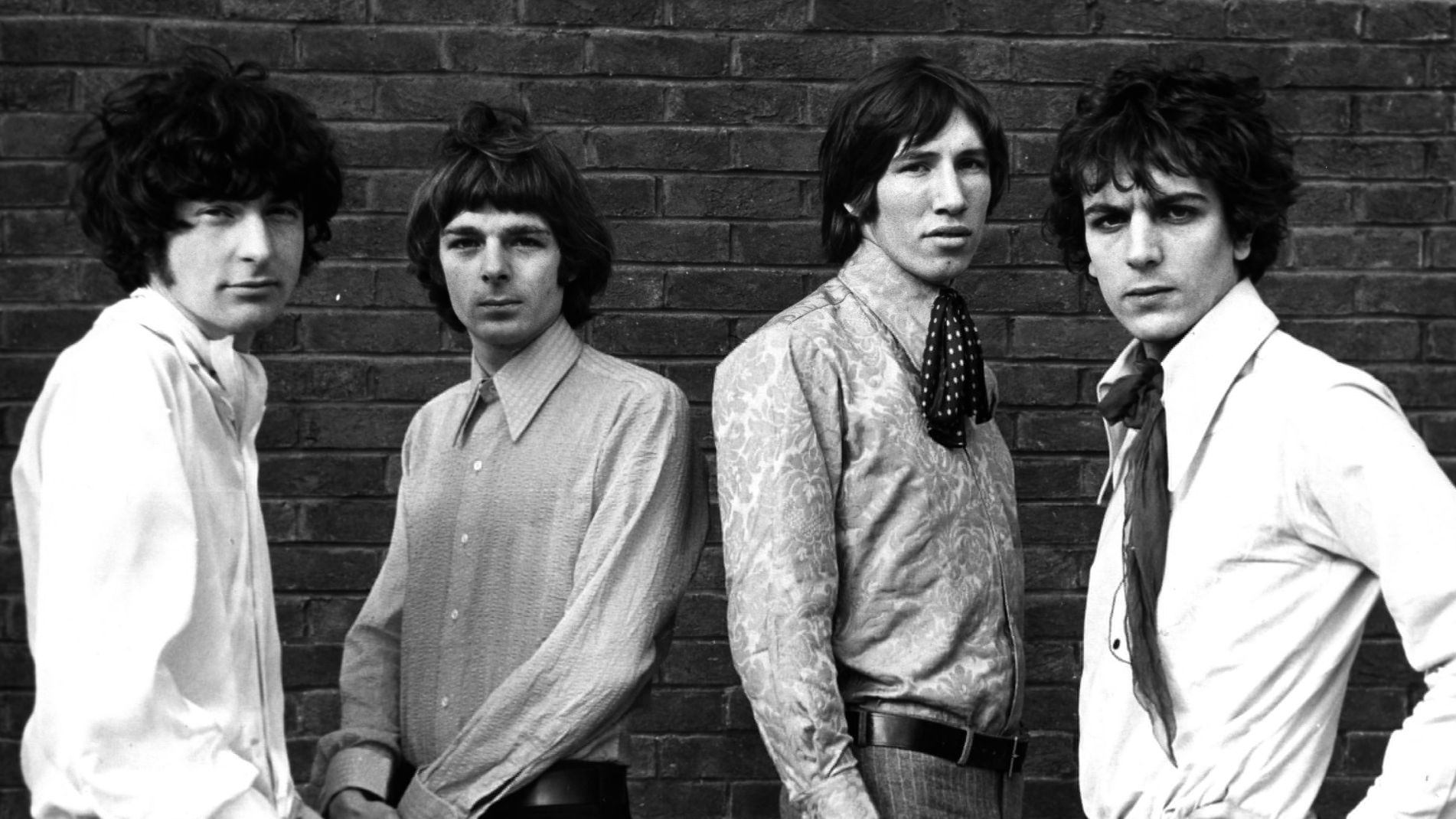
Pink Floyd weathered one of the most dramatic lineup shifts imaginable when founding member Syd Barrett was replaced by David Gilmour. Rather than collapse, the band reinvented its sound into sprawling, conceptual art rock with Dark Side of the Moon and Wish You Were Here. They proved evolution could push them into bigger artistic realms.
Allman Brothers Band
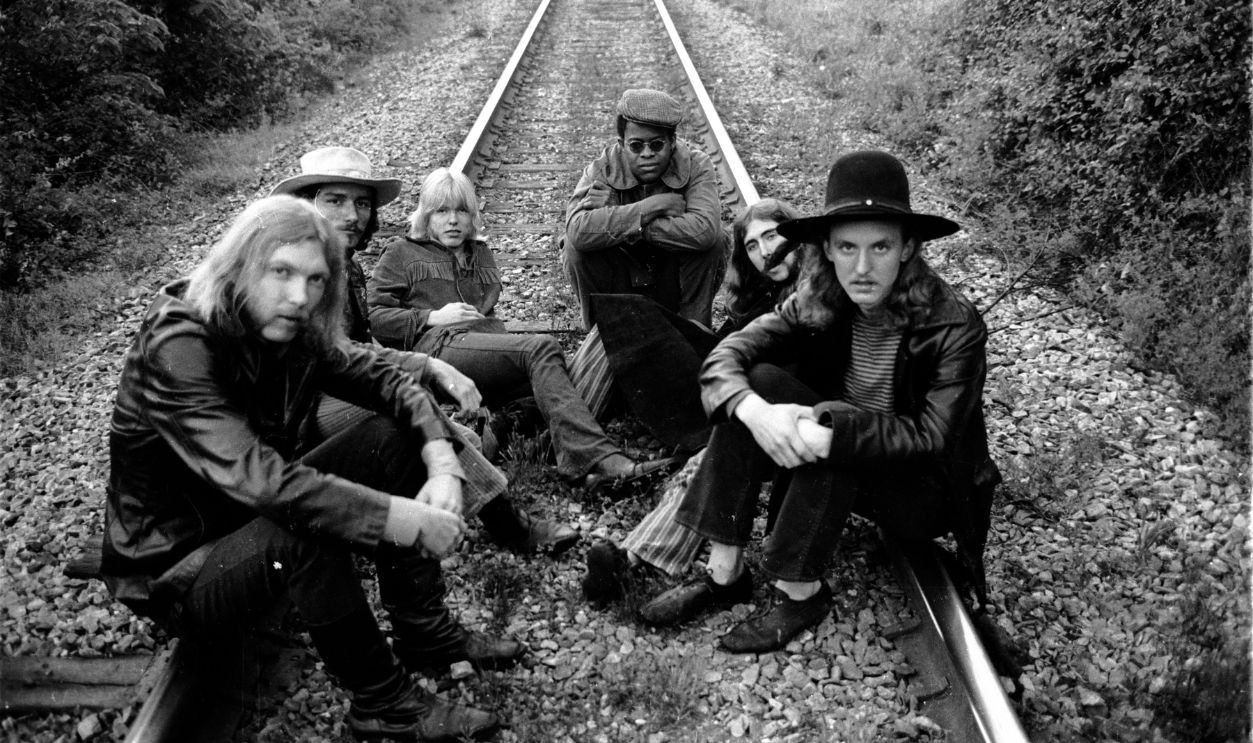
The Allman Brothers Band dealt with tragic losses early on but kept the spirit of their improvisational Southern rock alive. After the deaths of Duane Allman and Berry Oakley, the group brought in new players and continued to explore deeper grooves and extended jams. Their resilience kept them on the road and in the hearts of fans for decades.
 Michael Ochs Archives, Getty Images
The Rolling Stones
The Rolling Stones have changed sidemen and collaborators constantly, yet always remained a defining force in rock. When Brian Jones left and then died, Mick Taylor stepped in and helped drive the group through some of their most acclaimed work. Later, Ronnie Wood filled Taylor’s shoes, and the band has continued to tour and record for more than half a century.
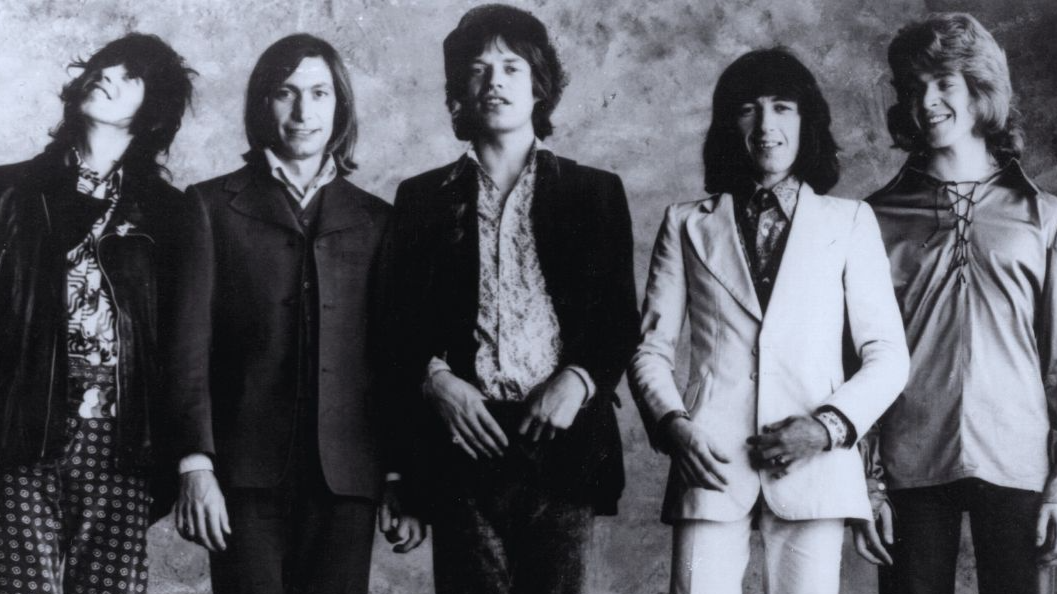 Michael Ochs Archives, Getty Images
Black Sabbath
Black Sabbath’s lineup shifts( especially Ozzy Osbourne’s departure and eventual returns) could have spelled disaster. Instead, they embraced new voices like Ronnie James Dio, which gave the band fresh creative energy and produced some of their heaviest, most revered albums. Sabbath’s legacy survived because the core riffs and mood remained unmistakably theirs.
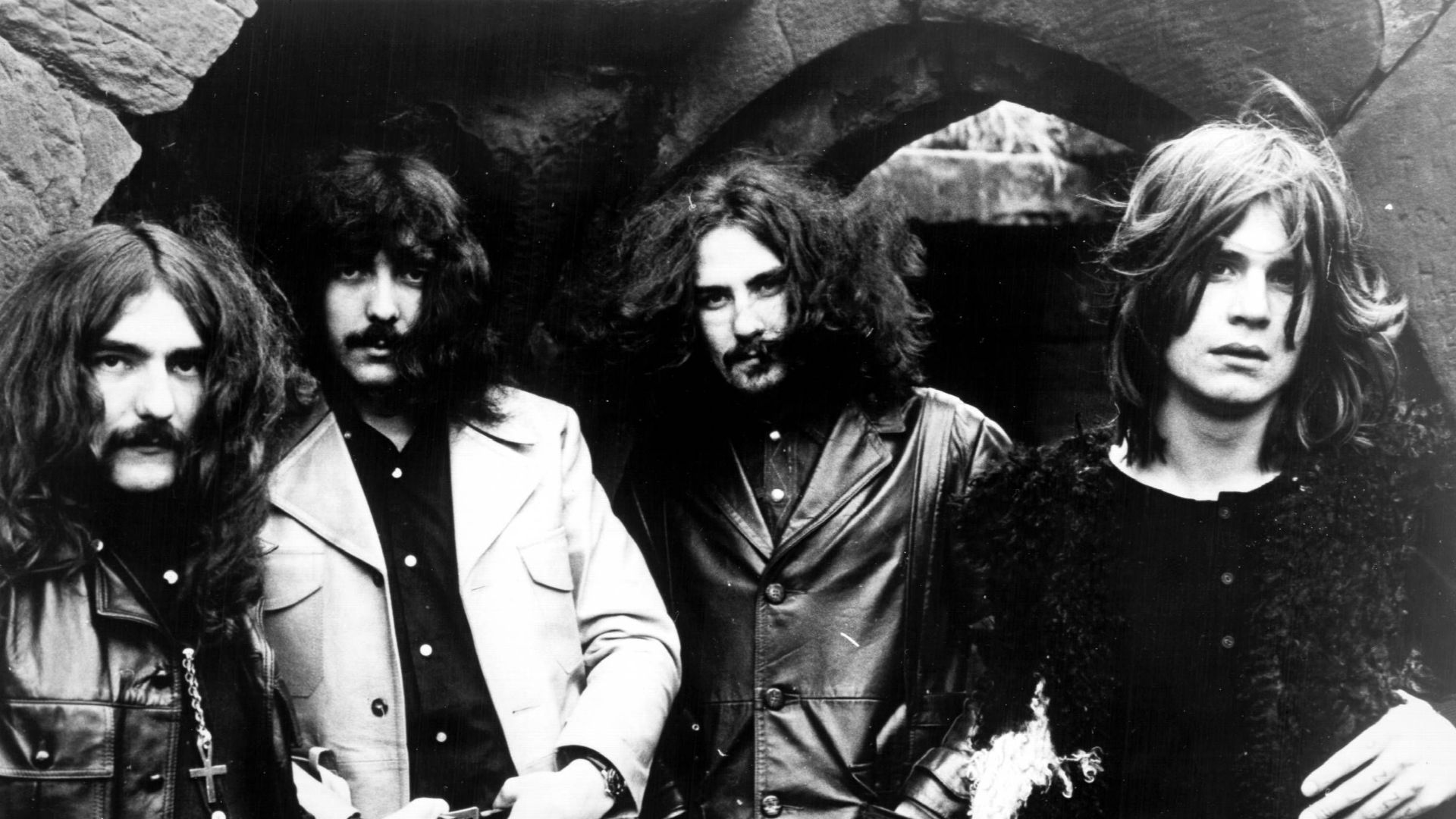 Warner Bros. Records, Wikimedia Commons
AC/DC
AC/DC faced one of rock’s toughest tests when Bon Scott died suddenly. Rather than fold, the Young brothers hired Brian Johnson and recorded Back in Black, one of the biggest albums in rock history. Later changes like replacing Malcolm Young with nephew Stevie Young proved the band’s commitment to continuity and raw power, keeping fans fired up decades later.
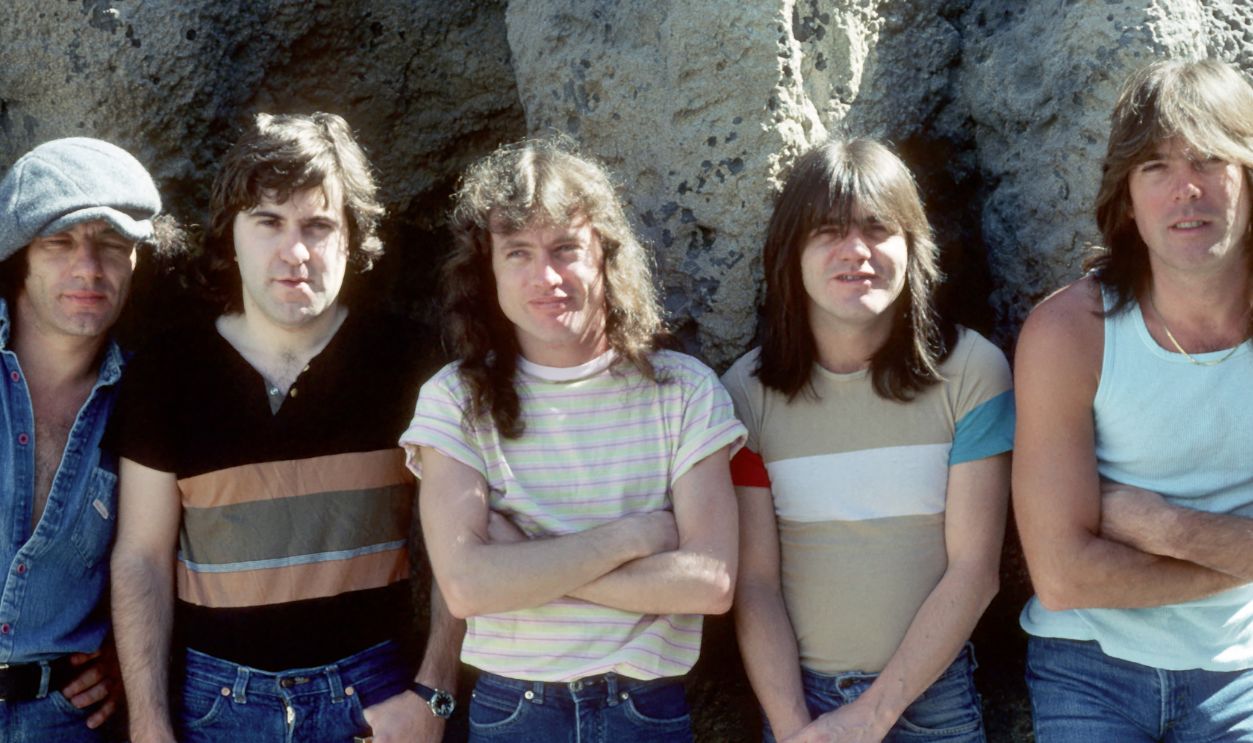 Michael Ochs Archives, Getty Images
Anthrax
Anthrax’s frequent shifts between vocalists, especially between Joey Belladonna and John Bush, could have destabilized the band. Instead, each era brought a slightly different flavor to their thrash metal sound. With Belladonna’s triumphant return, the group maintained a loyal fanbase and stayed relevant alongside fellow thrash titans.
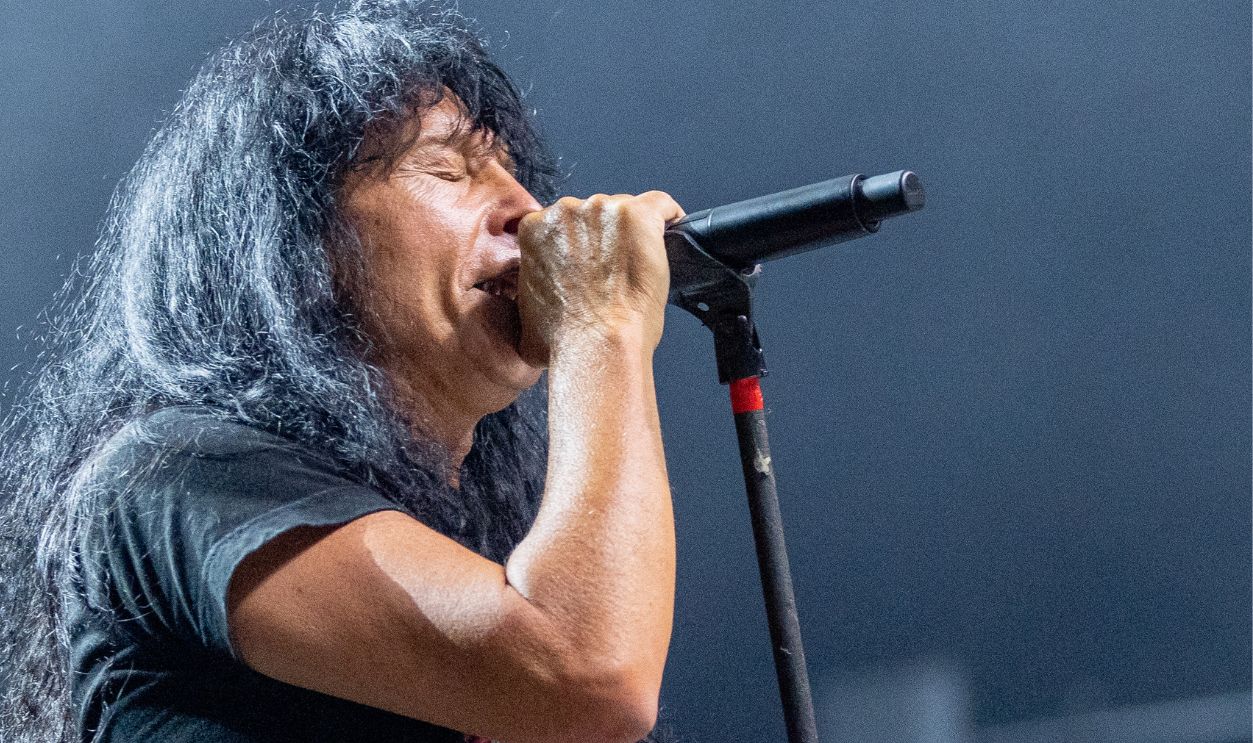
Megadeth
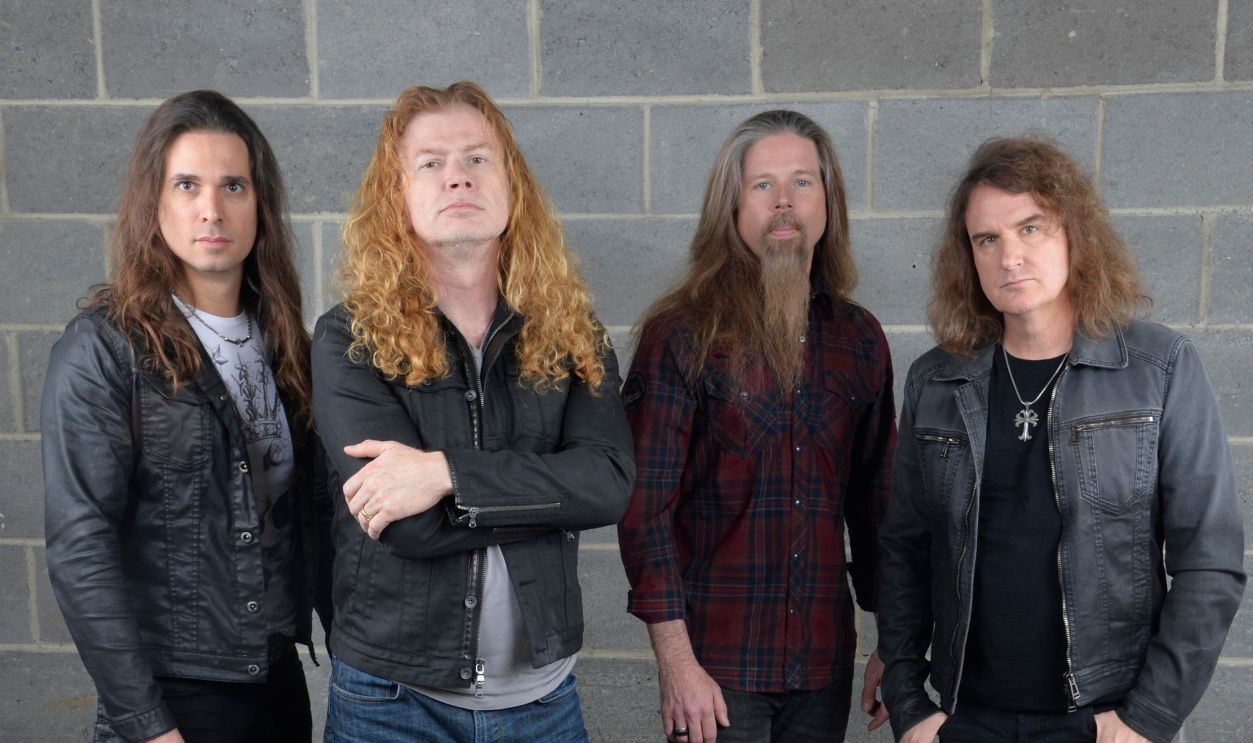
Megadeth has practically been founder Dave Mustaine’s creative vehicle, even when other lineup members came and went. His intense leadership saw many personnel changes, but Mustaine’s songwriting and relentless touring kept the band’s identity intact. Each new lineup brought fresh technical skills that helped Megadeth remain a defining metal force.
Guns N’ Roses
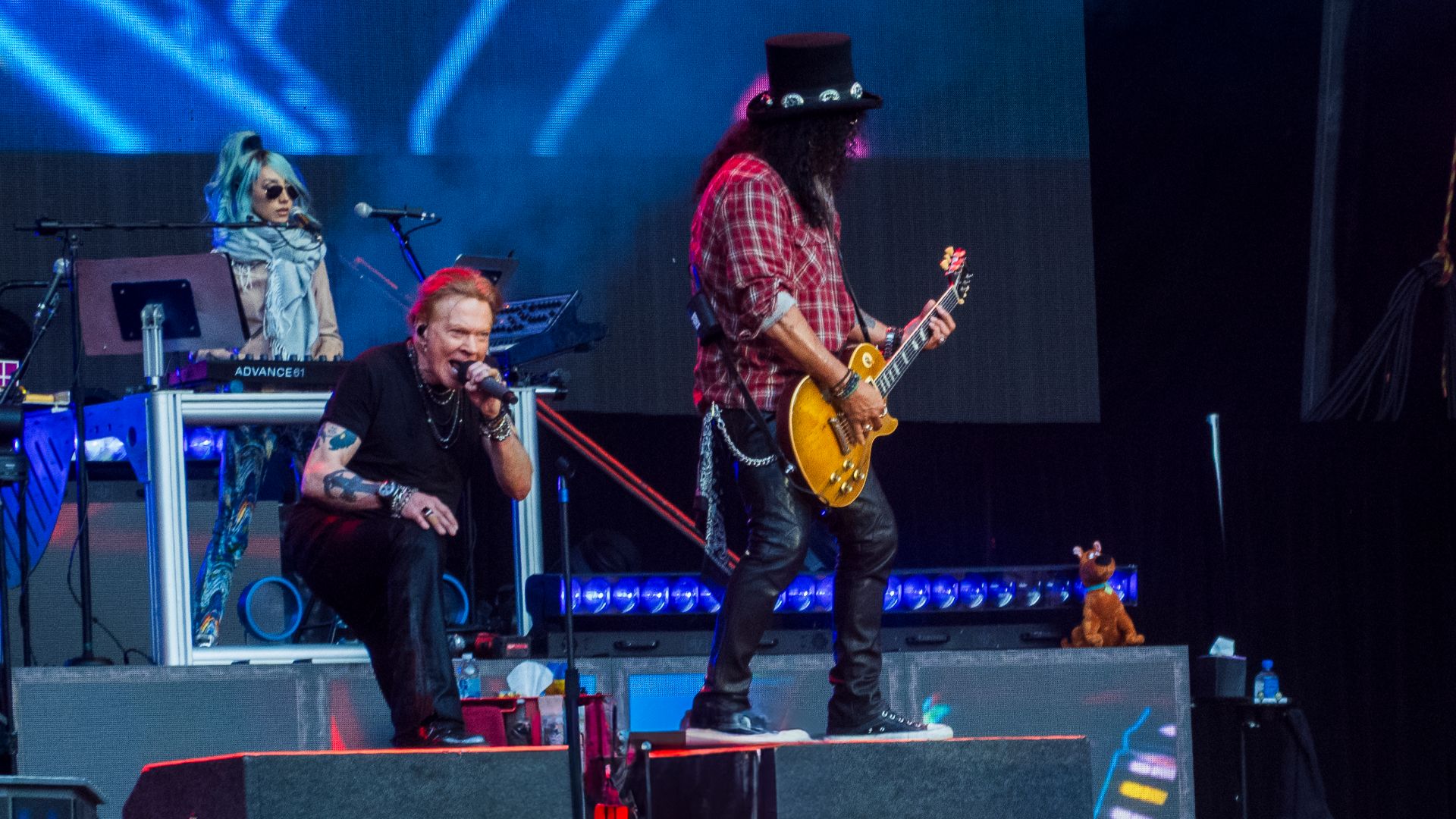
Guns N’ Roses made headlines in the 1990s and 2000s for lineup instability, particularly with changing guitarists and rhythm sections, but that turbulence didn’t kill the brand. Axl Rose kept the band alive through long gaps between records, later culminating in major reunions. Newer eras still draw massive crowds based on the strength of their early catalog.
Iron Maiden
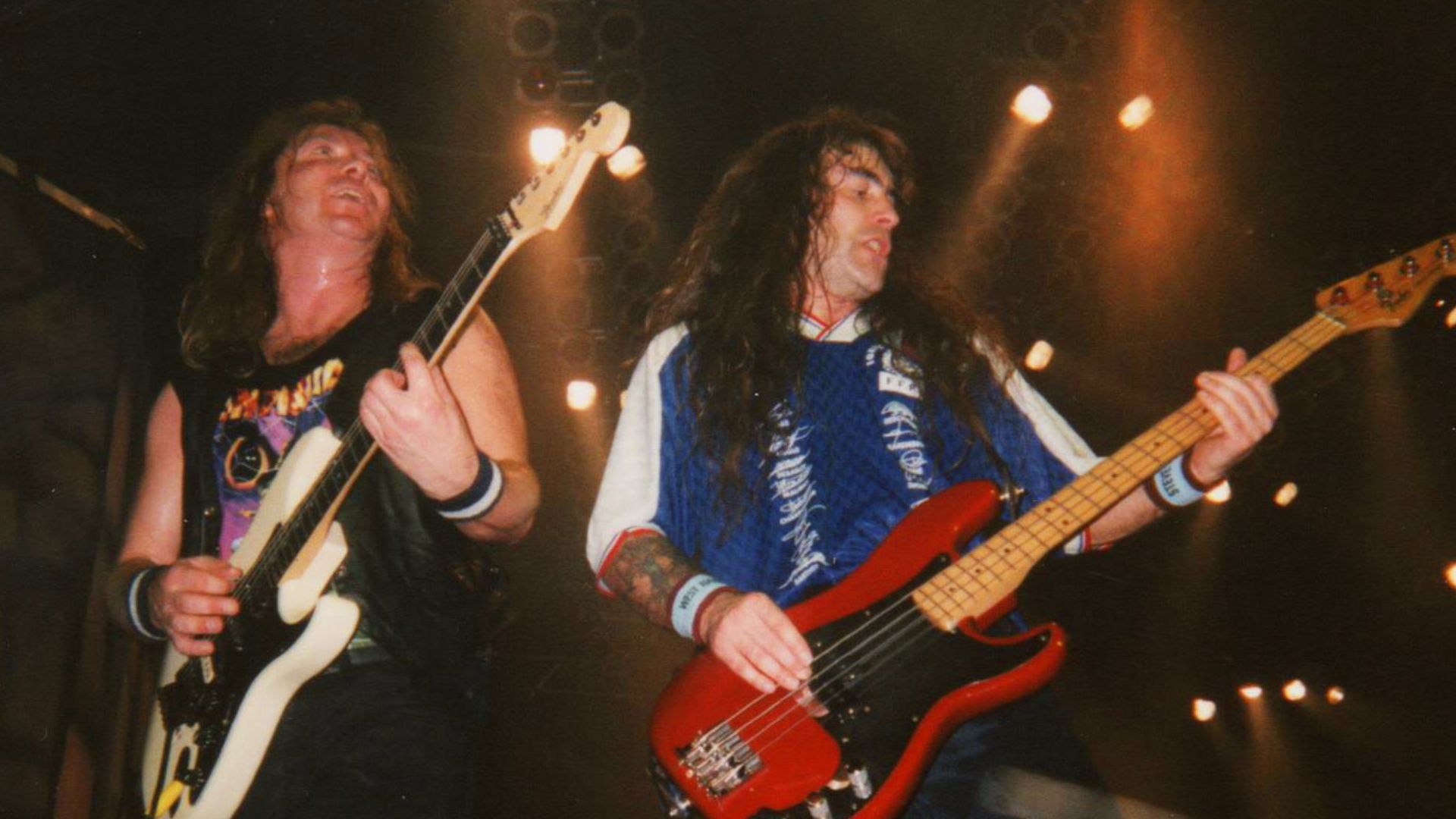
Iron Maiden has seen multiple vocalists and guitarists over the years, yet their signature galloping metal sound endured. Transitions like the switch from Paul Di’Anno to Bruce Dickinson gave the band new life and helped define the classic era. Later shifts, including Blaze Bayley’s tenure and Dickinson’s triumphant return, proved the band’s adaptability and lasting appeal.
 Tilly antoine, Wikimedia Commons
King Crimson
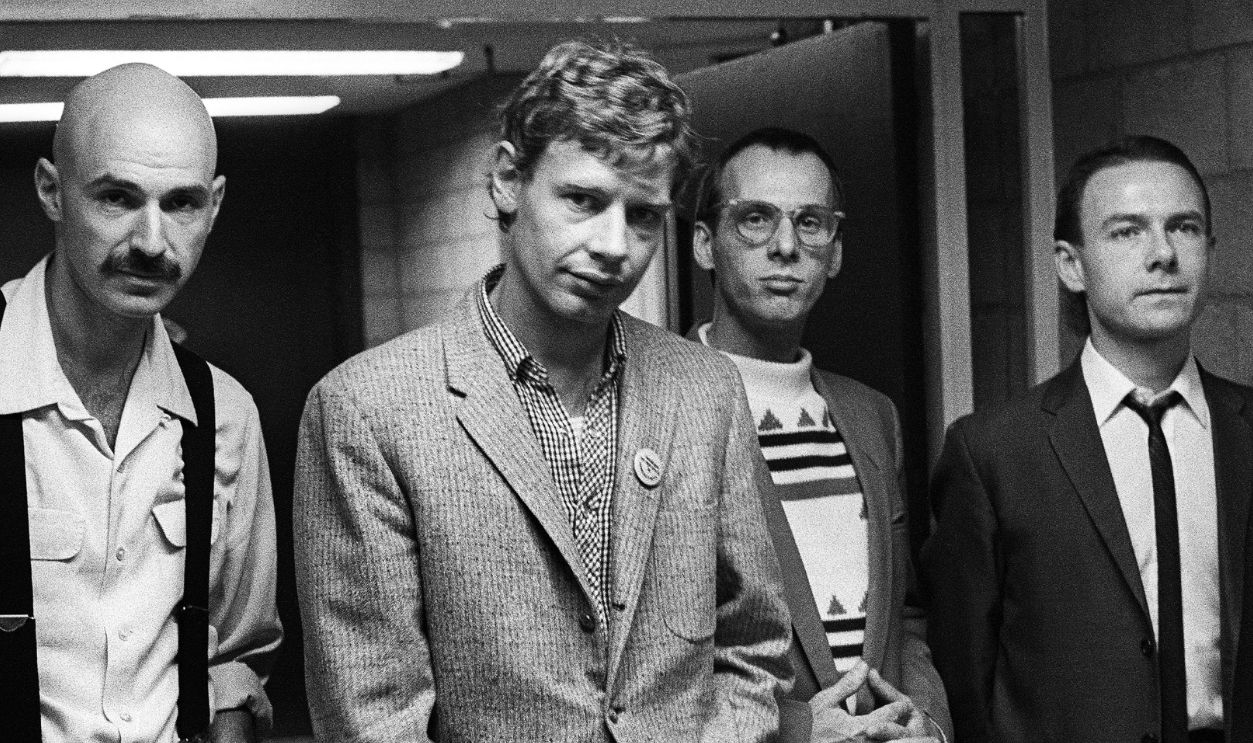
King Crimson is almost defined by lineup change. Robert Fripp’s vision is the only constant in a group that has shifted shapes many times, from jazzier textures to heavy prog monoliths. Each version of the band brought distinct sonic explorations, proving that continual reinvention can be a strength when guided by a clear creative purpose.
Whitesnake
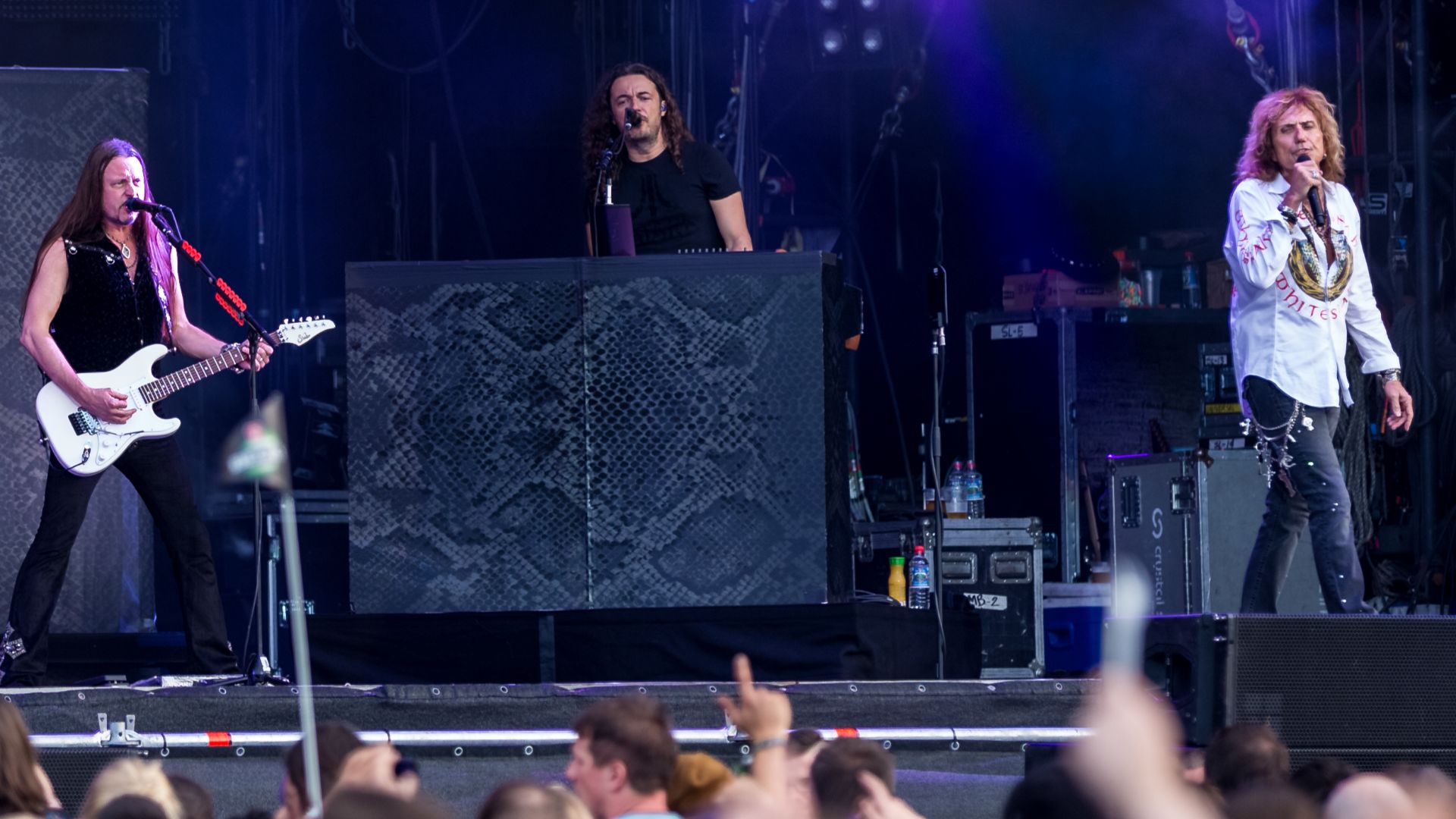
Whitesnake went through a rotating cast of players around leader David Coverdale but kept delivering hard rock with soul. Guitar virtuosos and backing musicians came and went, but the band’s swagger and blues-rock roots endured. Even as members spun off into other projects, Whitesnake remained a reliable stage presence.
 Andreas Lawen, Fotandi, Wikimedia Commons
Red Hot Chili Peppers
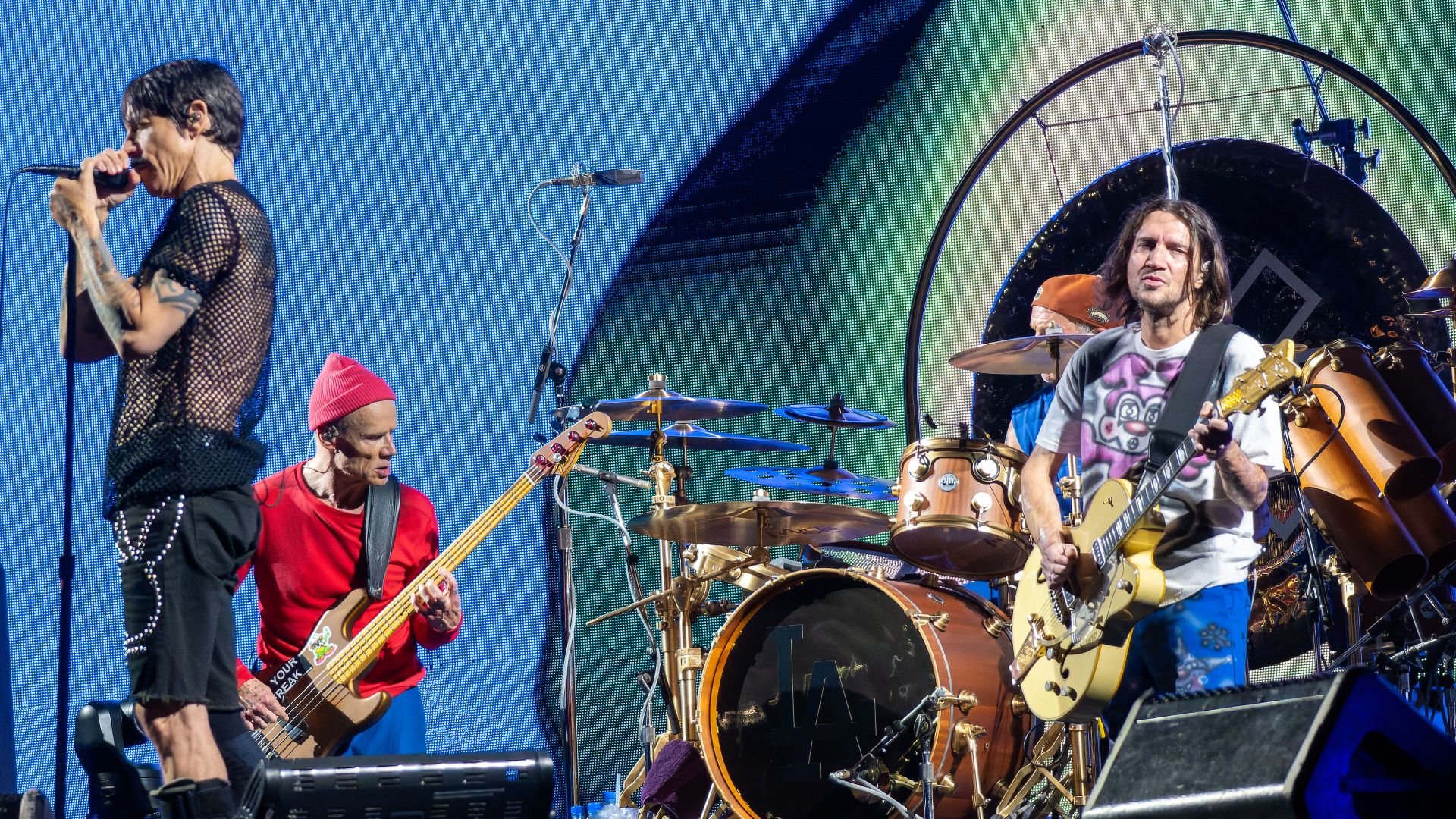
The Chili Peppers’ sound evolved significantly with members leaving and returning, especially guitarist John Frusciante. His departures and returns colored their style, pushing the band from funk-rock roots toward more melodic and experimental territory. Through it all, their emotional intensity and rhythm kept them a mainstay in modern rock.
Metallica
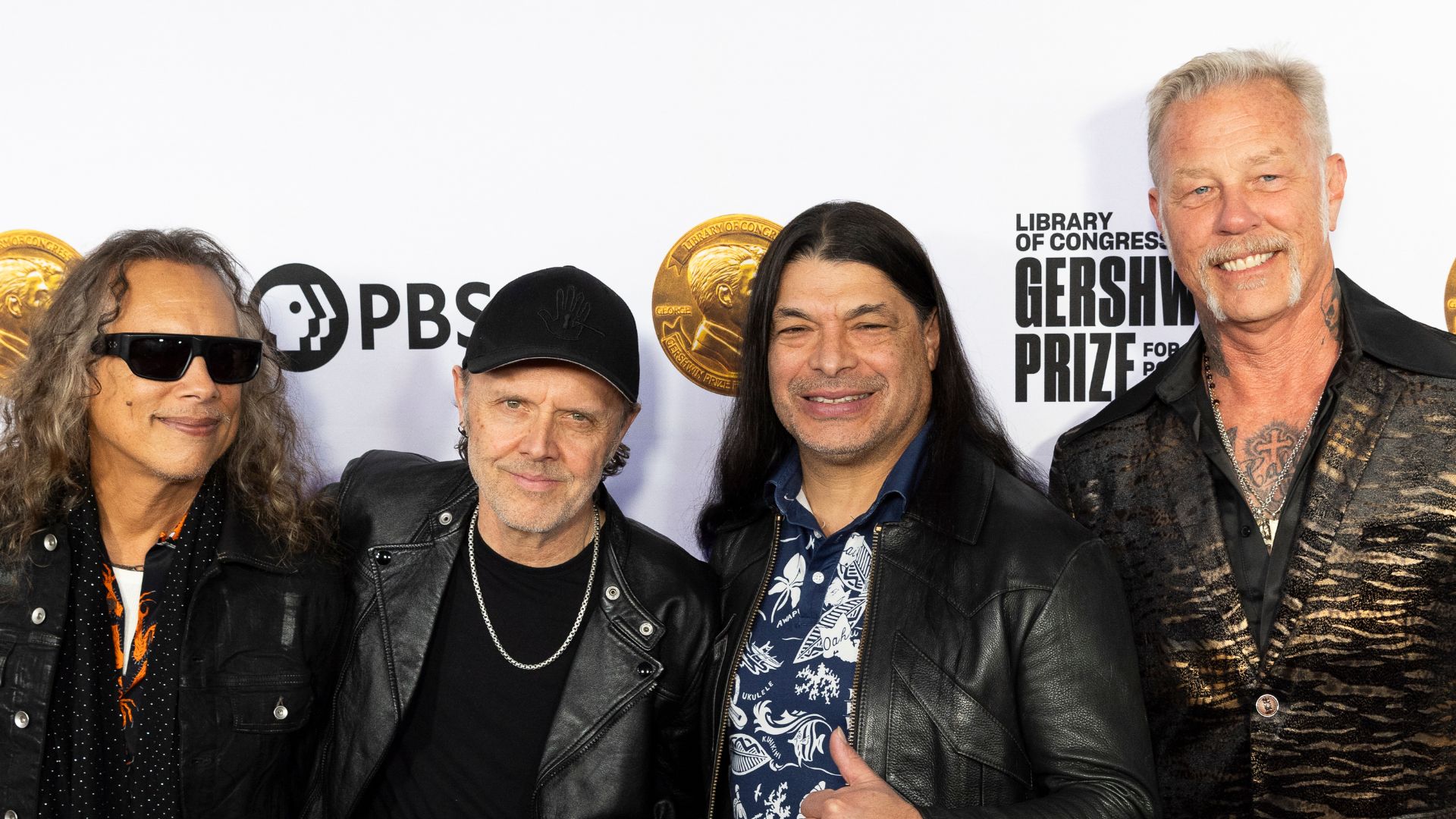
Metallica’s early lineup change replacing original bassist Ron McGovney with Cliff Burton helped tighten their chemistry and sharpen their sound. Later shifts, like recruiting Robert Trujillo, reinforced their adaptability. Despite personal conflict and tragedy, Metallica stayed true to their core while still growing their reach.
 Library of Congress Life, Wikimedia Commons
Queens Of The Stone Age
Queens of the Stone Age always felt more like a collective around Josh Homme than a static lineup. Members rotated in and out, bringing influences from desert rock, alternative, and metal. Instead of diluting their identity, the revolving cast enriched their sound and ensured each album had fresh creative energy.

You May Also Like:
Bands That Couldn’t Stand Each Other But Made Magic Anyway
Bands That Were Too Weird For Radio—And Too Good To Ignore