Timing Is Everything
What would it be like to be in the biggest band in the world? What would it be like to be in that band right before they became the biggest band in the world, then quit at the worst possible moment?
Ask these people.
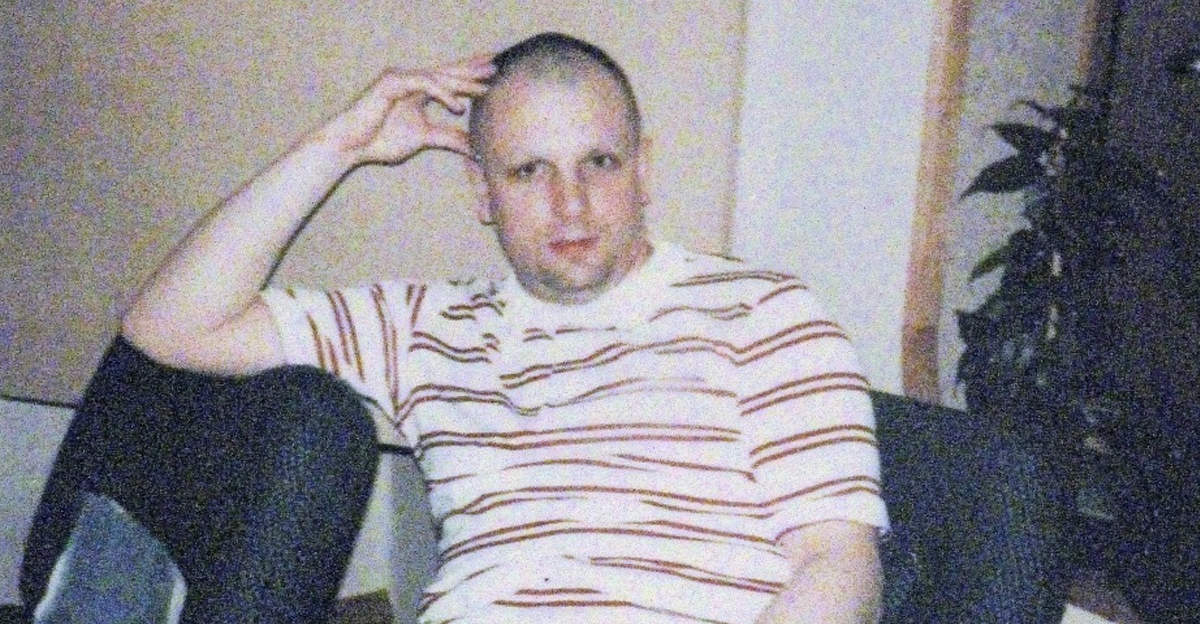
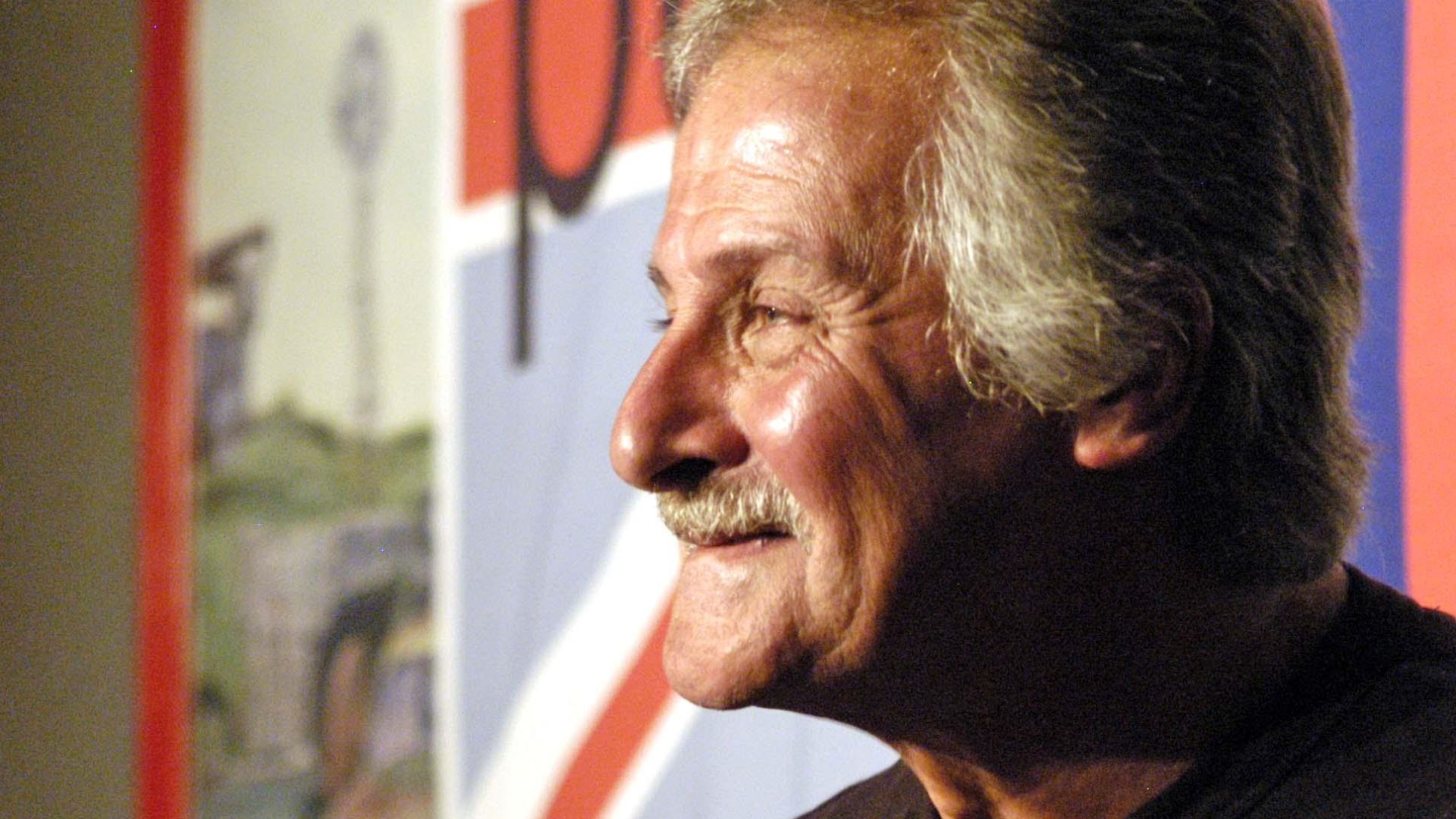
Pete Best — The Beatles
Pete Best was the original drummer for The Beatles during their formative years in Liverpool and Hamburg. He played with the band as they developed their early sound and gained a loyal local following. By 1962, The Beatles were finally on the brink of a recording breakthrough.
 Urbankayaker at English Wikipedia, Wikimedia Commons
The Worst Possible Timing
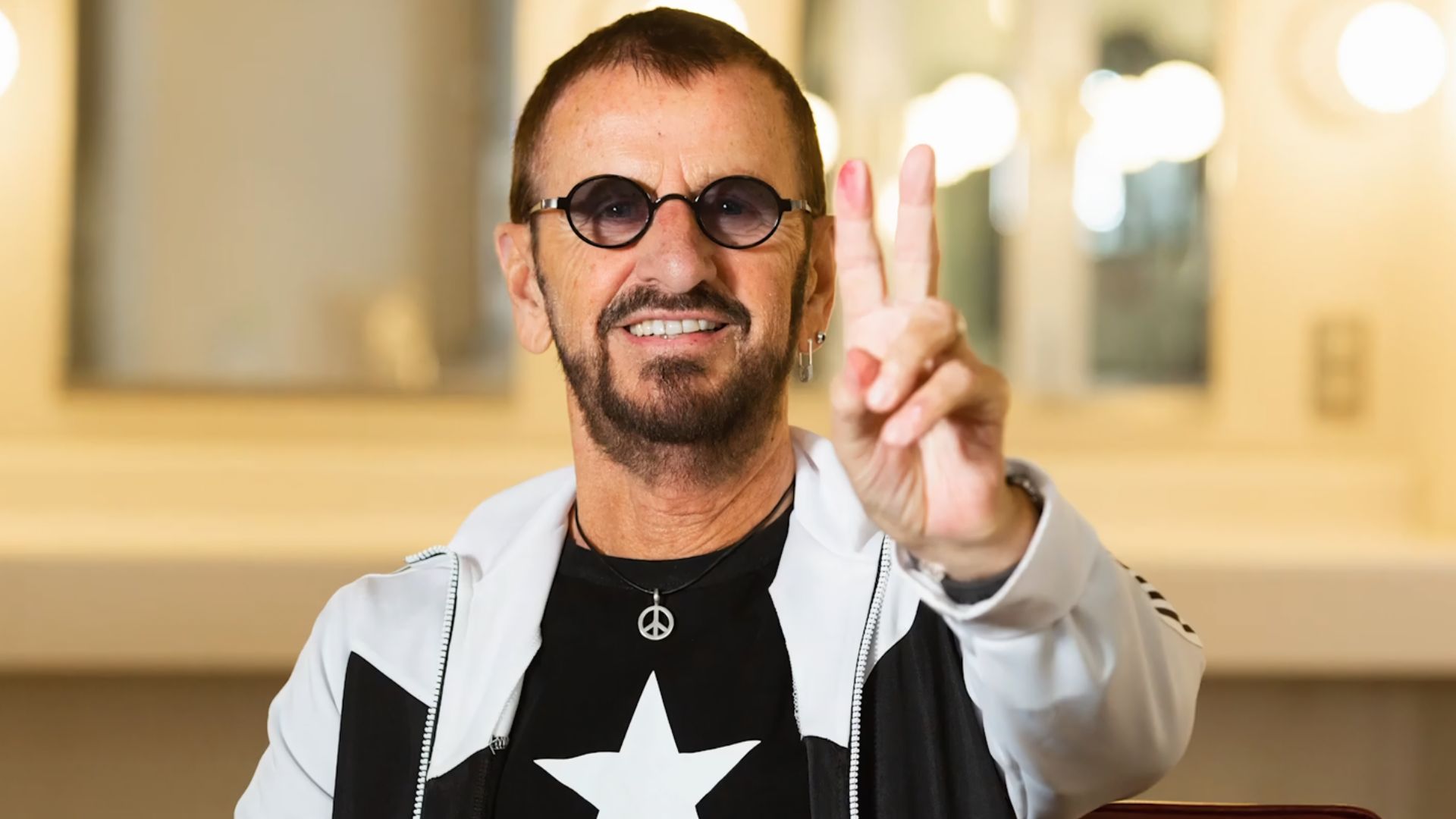
Best was abruptly dismissed just weeks before the band recorded its first single. His replacement, Ringo Starr, joined at the exact moment The Beatles entered the public eye. The band soon became the most successful musical act in history.
Syd Barrett — Pink Floyd
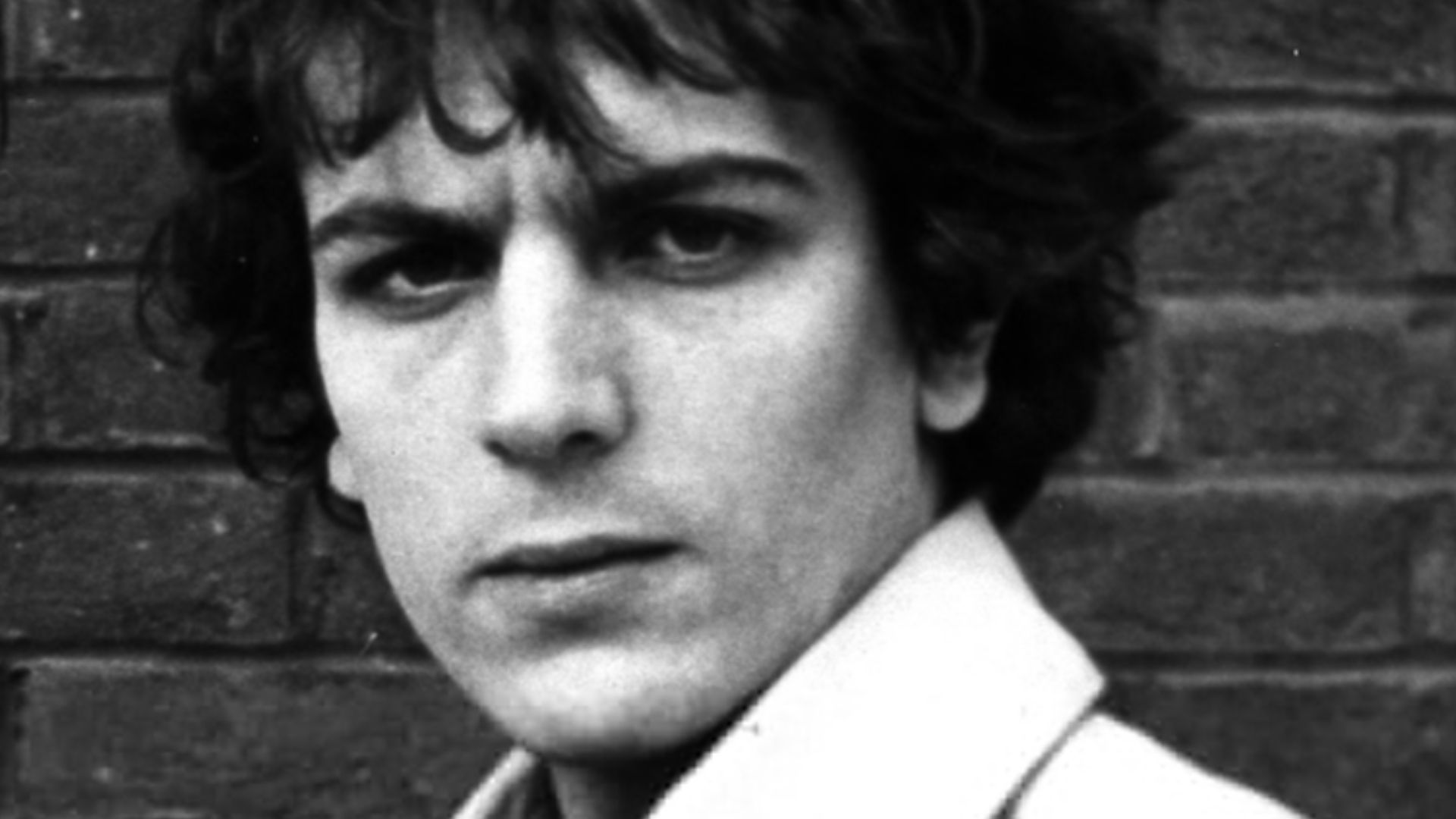
Syd Barrett founded Pink Floyd and served as its original creative leader. His songwriting and experimental style defined the band’s early psychedelic identity. Pink Floyd’s debut album was largely shaped by Barrett’s vision.
Left Behind as Legends Rose
Barrett left the band in 1968 as his mental health rapidly deteriorated. After his departure, Pink Floyd shifted toward a more structured and expansive sound. The band went on to achieve worldwide success without its founder.
 Dave Bushe - https://www.flickr.com/people/davebushe/, Wikimedia Commons
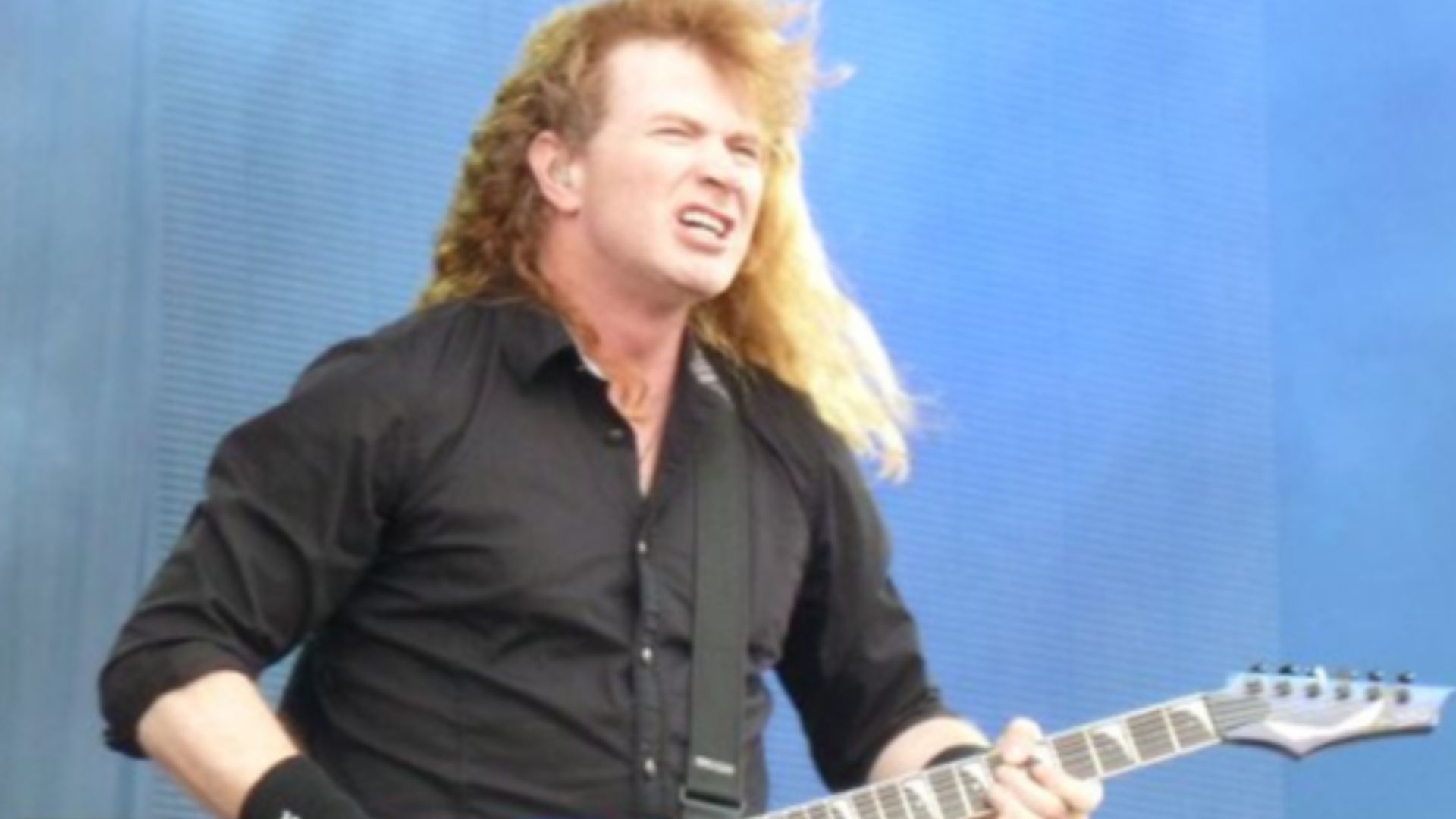
Dave Mustaine — Metallica
Dave Mustaine was a founding member of Metallica and an early creative force behind the band. His aggressive guitar style helped shape Metallica’s initial direction. However, substance abuse and internal conflicts quickly escalated.
 Will Russell, Wikimedia Commons
Gone Before the First Album
Mustaine was fired in 1983 just before Metallica recorded their debut album. That album launched the band’s rise to metal dominance. Mustaine later formed Megadeth, but his exit remains infamous for its timing.
 Justice for the Beholder of the Harvester of Blackened Straw, Wikimedia Commons
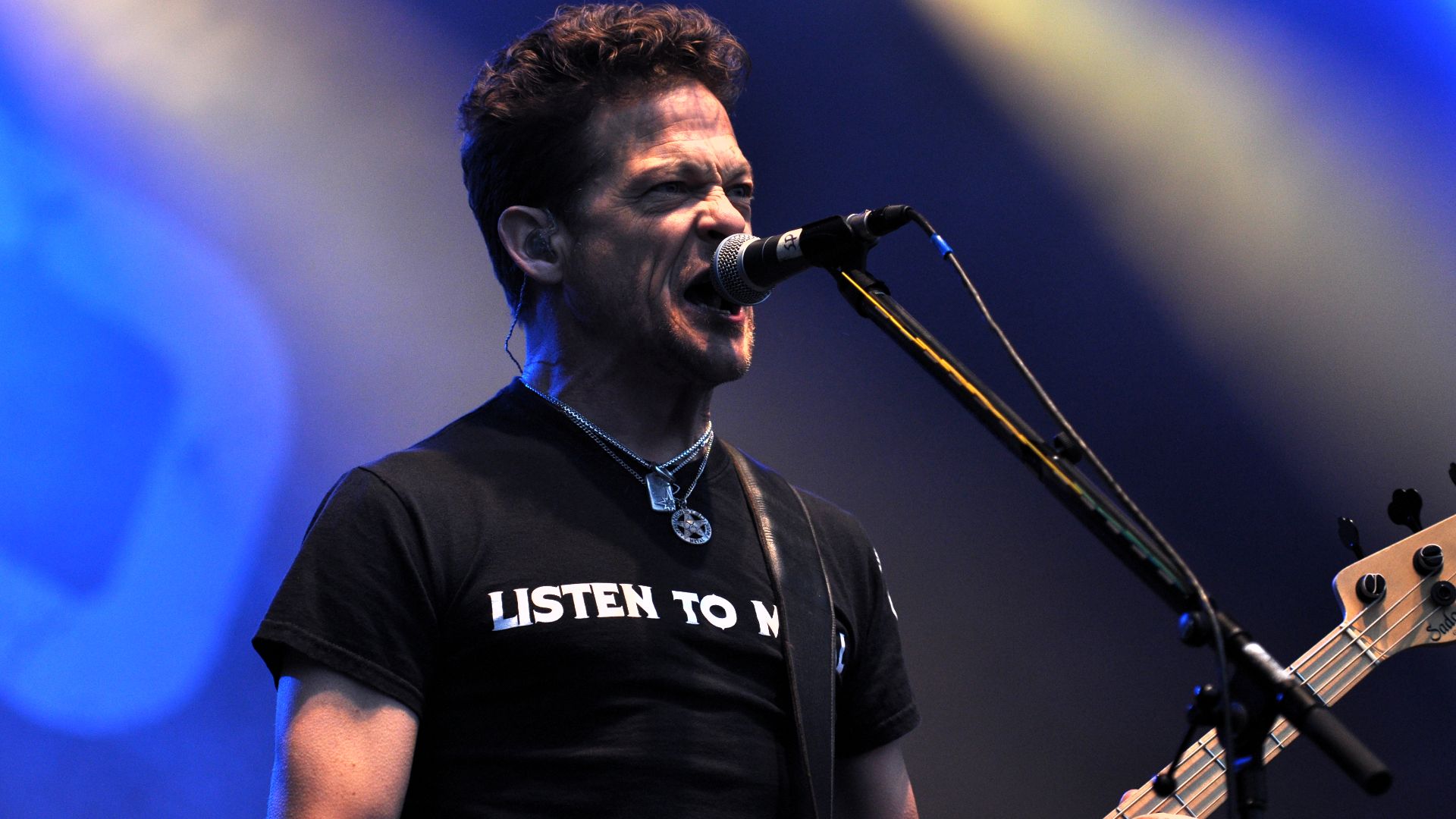
Jason Newsted — Metallica
Jason Newsted joined Metallica following the tragic death of bassist Cliff Burton. He endured years of hazing and creative restrictions within the band. Despite this, Metallica continued to sell millions of records worldwide.
 Achim Raschka (talk), Wikimedia Commons
Exiting Before the Revival
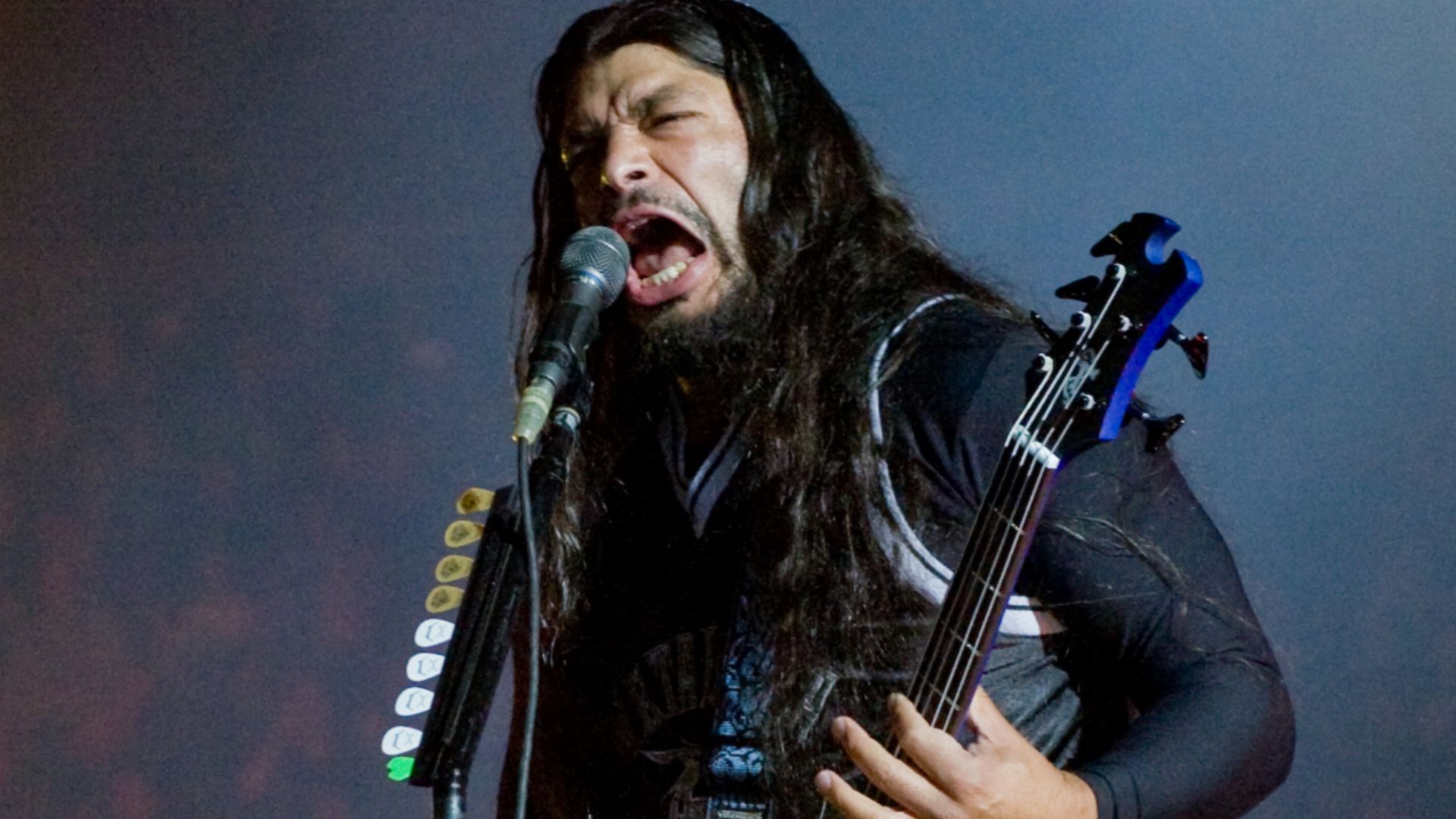
Newsted left in 2001, citing burnout and frustration with limited artistic input. Soon after, Metallica reemerged as a major cultural force. Their renewed success came without one of their most loyal members.
 Kreepin Deth, Wikimedia Commons
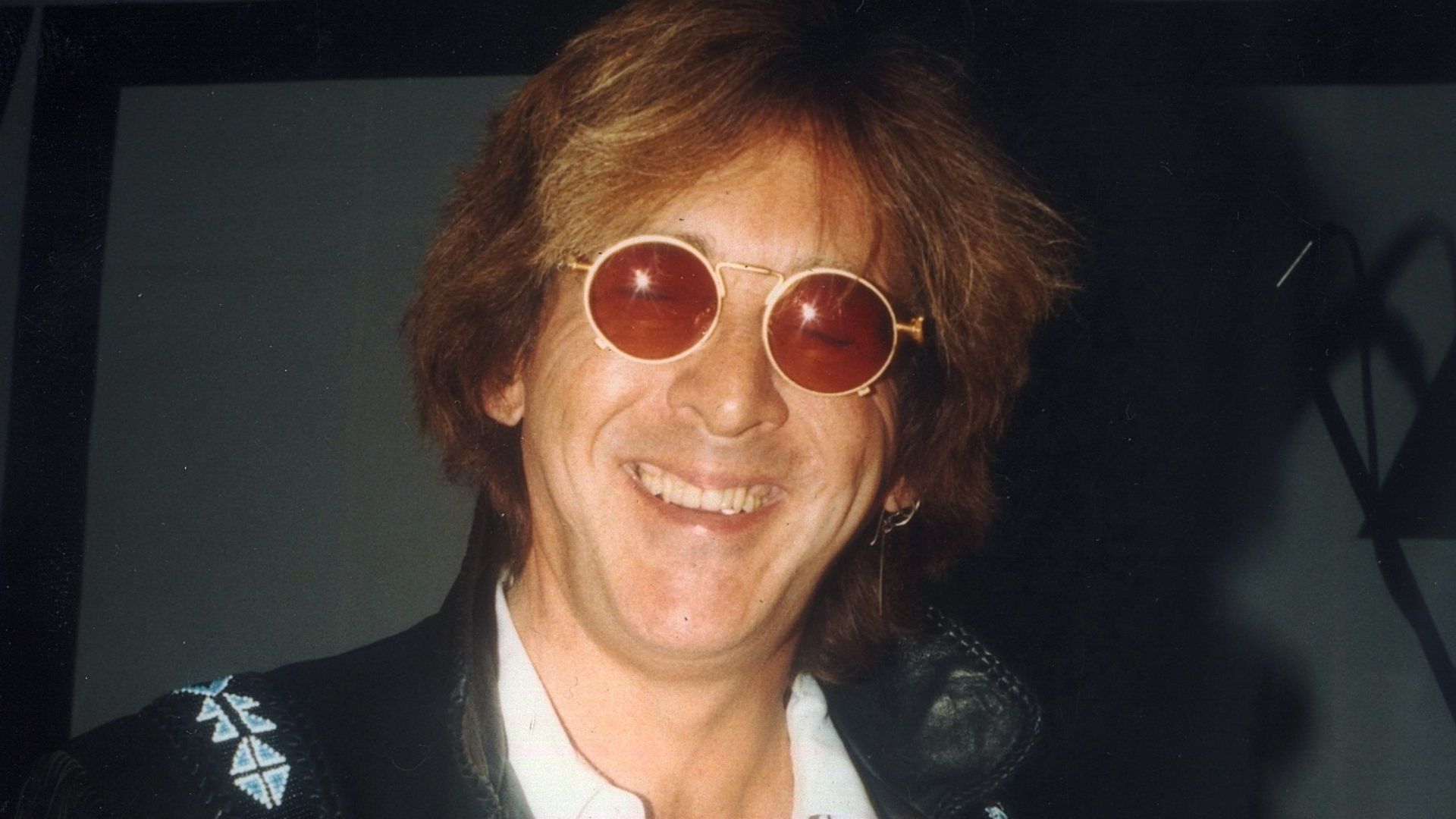
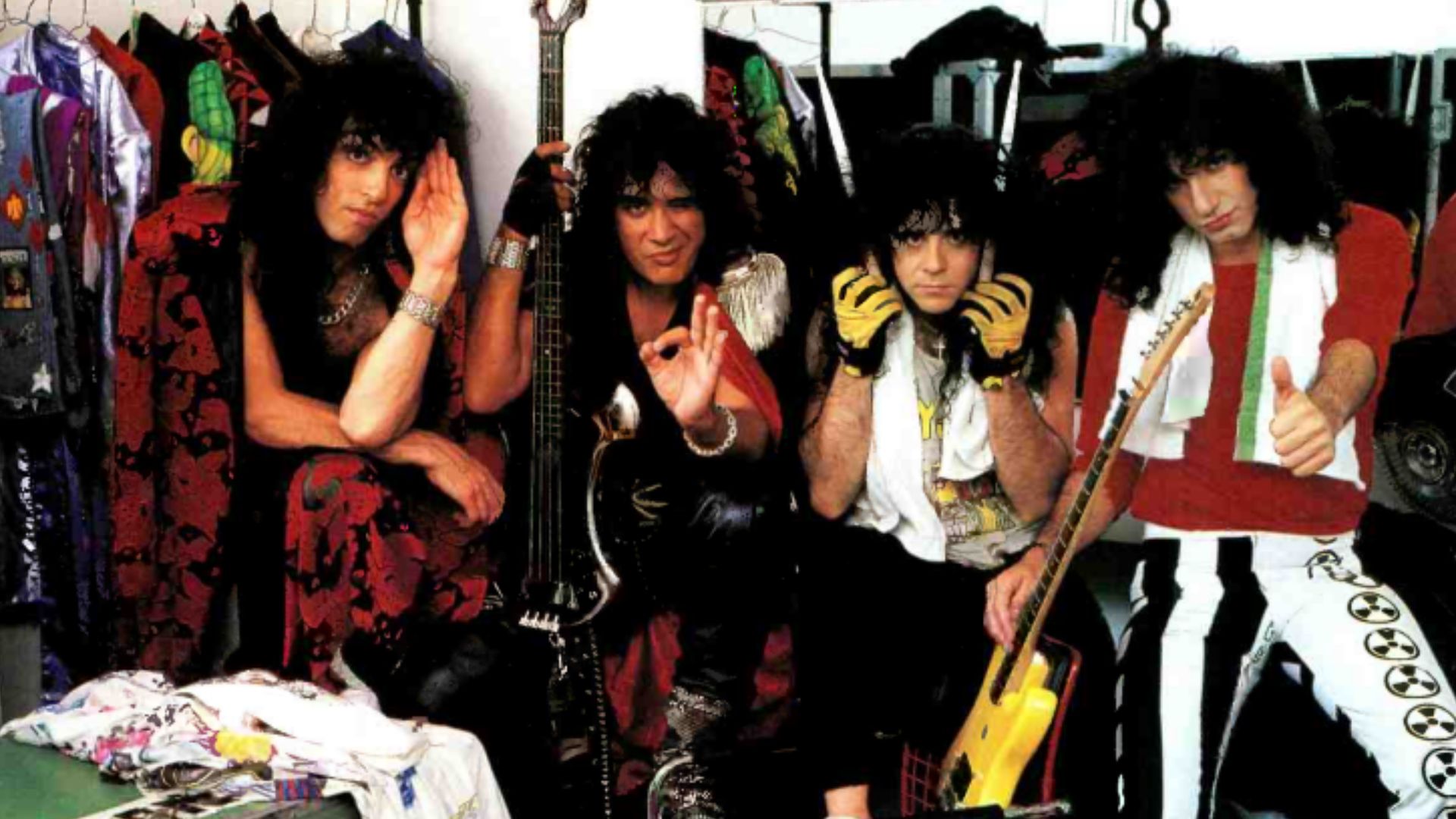
Peter Criss — Kiss
Peter Criss was a founding member of Kiss and a central part of their original lineup. His raspy vocals even carried one of the band’s biggest hits, “Beth.” Criss was deeply tied to Kiss’s early image and sound.
 Steven Hoffmaster, Wikimedia Commons
Walking Away at the Peak
He left the band in 1980 amid internal conflict and personal struggles. At the time, Kiss was still filling arenas and dominating pop culture. Criss walked away while the band remained at its commercial peak.
 Mercury Records, Wikimedia Commons
Ace Frehley — Kiss
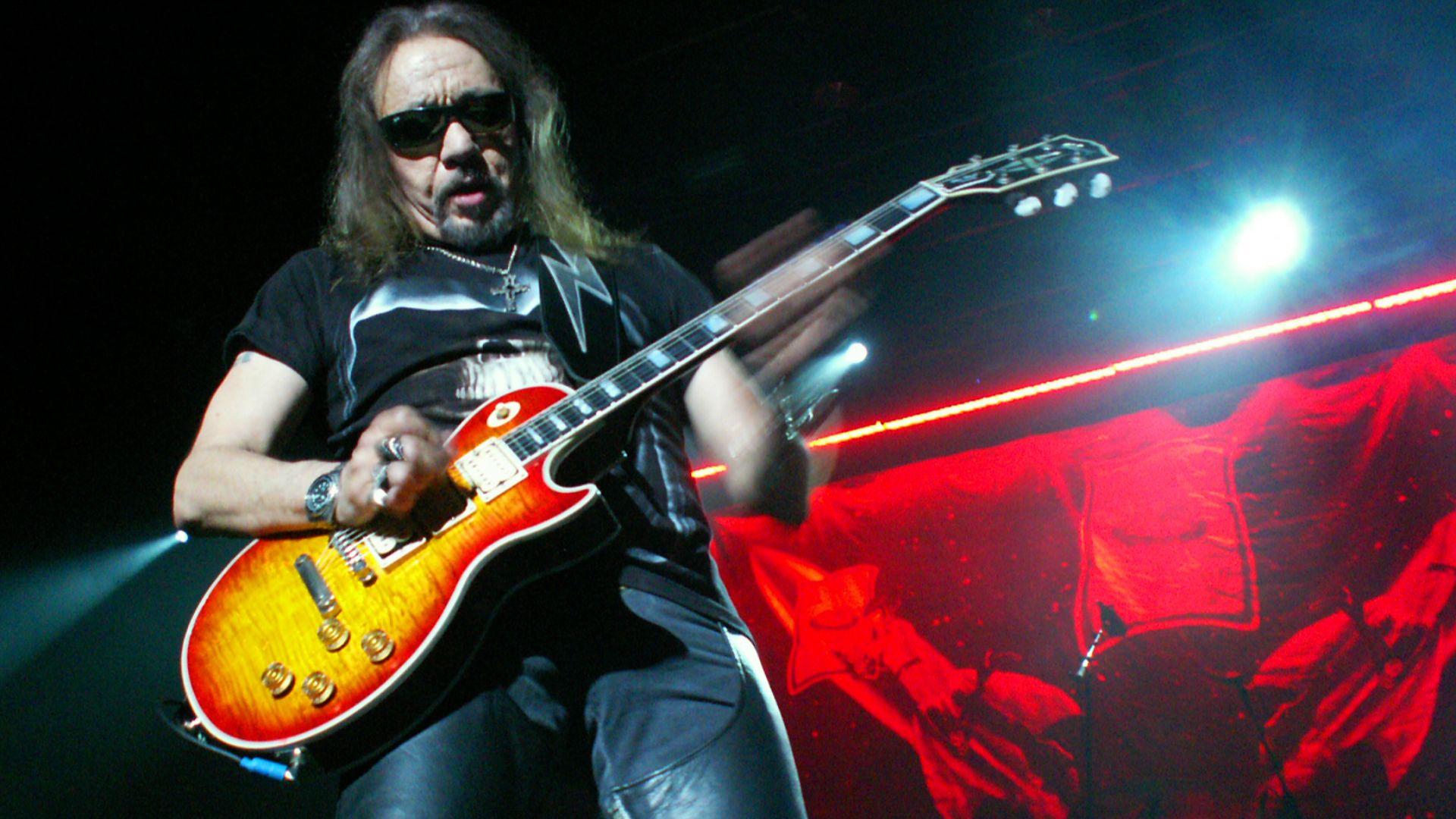
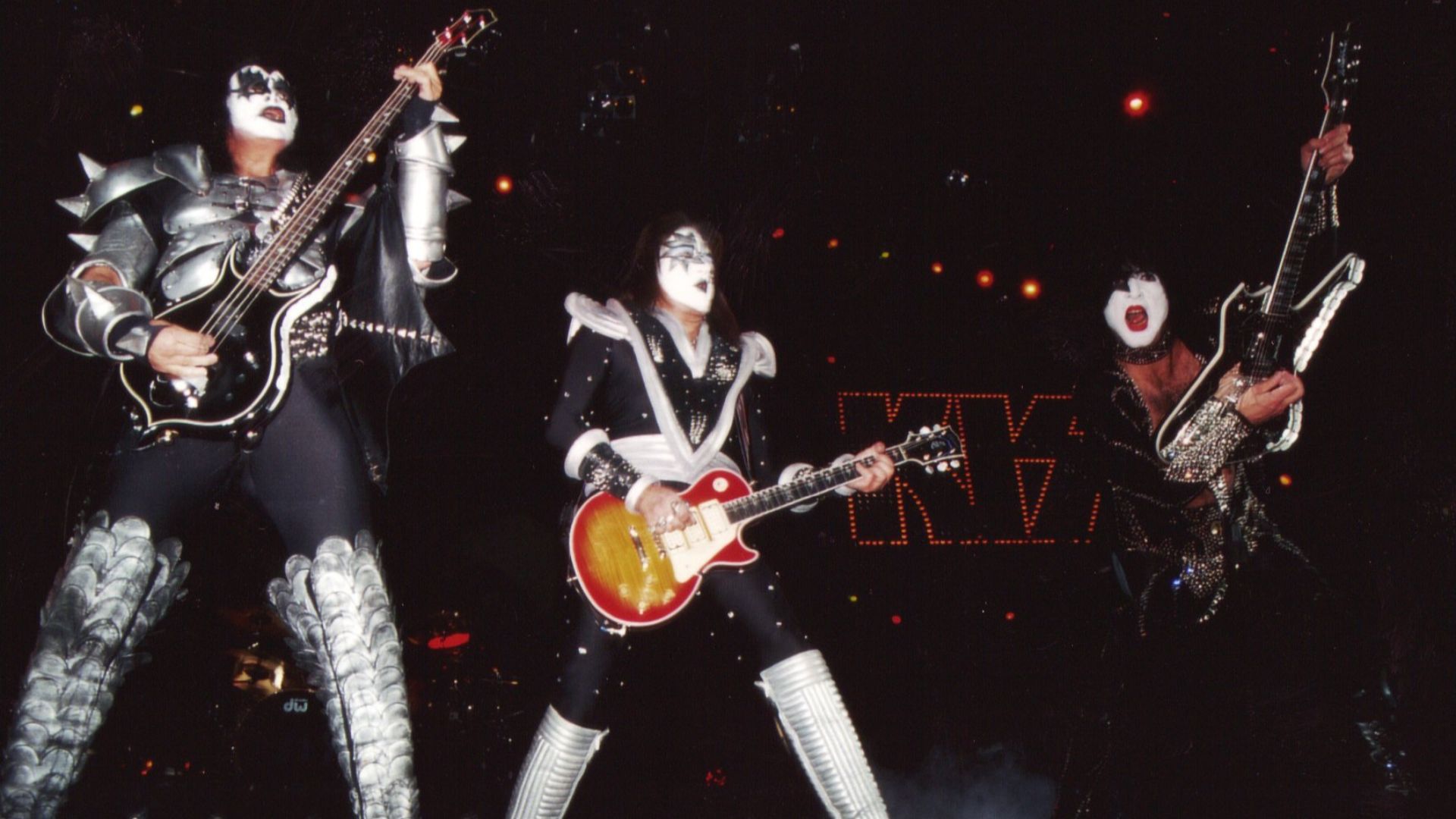
Ace Frehley helped define Kiss’s guitar sound and flamboyant visual identity. His Space Ace persona became one of the band’s most recognizable characters. Frehley was a fan favorite throughout the 1970s.
 Tilly antoine, Wikimedia Commons
Missing the MTV Makeover
He exited the band in 1982 due to creative and personal differences. Soon after, Kiss reinvented itself for the MTV generation. Frehley missed the band’s next major wave of success.
Glen Matlock — Sex Pistols
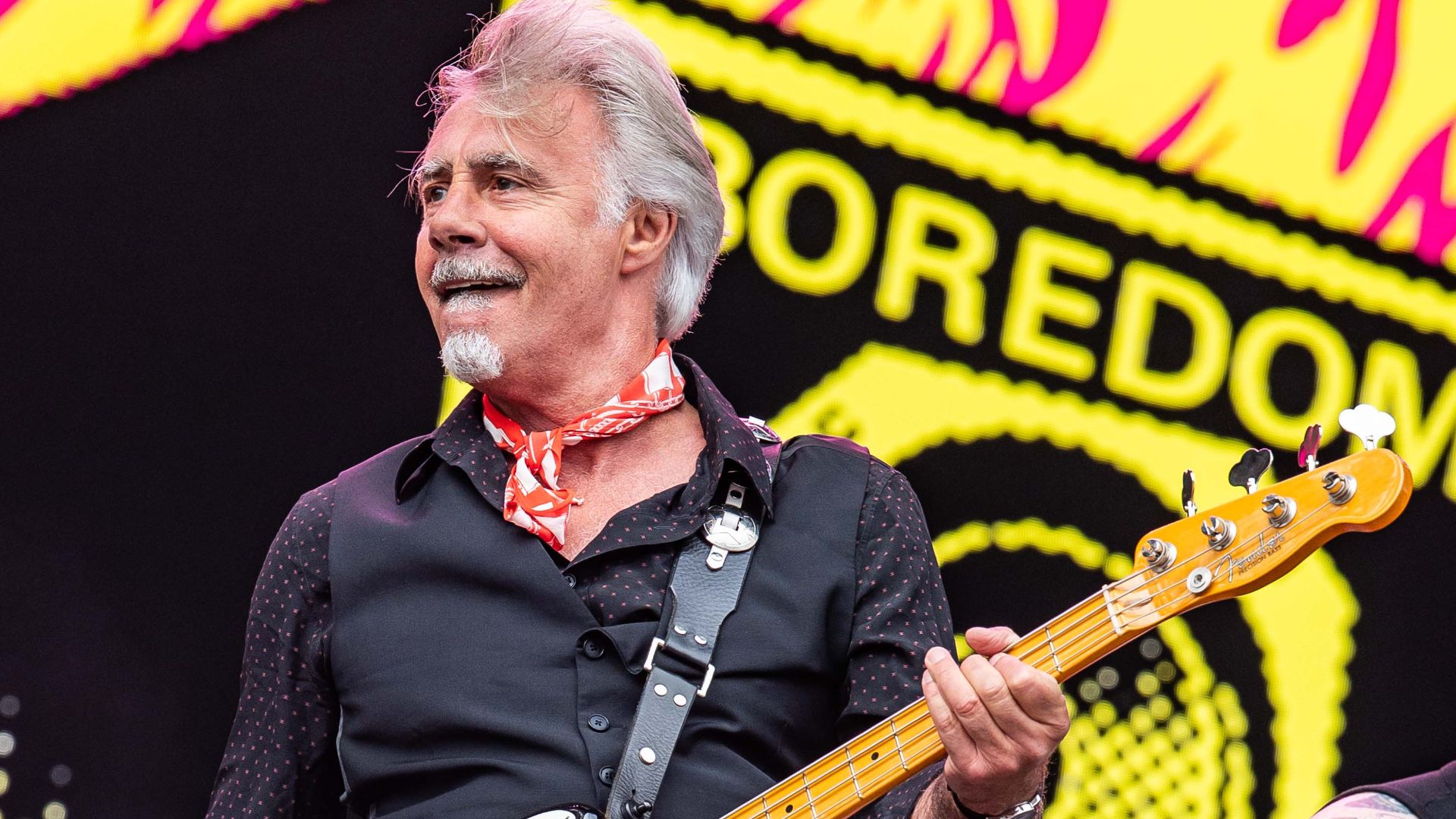
Glen Matlock was a founding member of the Sex Pistols and a primary songwriter. He helped write many of the band’s most iconic tracks. Despite this, his personality clashed with the band’s chaotic image.
 Birgit Fostervold, Wikimedia Commons
Punk History Without Him
Matlock left the band in 1977 before their debut album was released. The Sex Pistols’ notoriety and cultural impact exploded soon after. Punk history was made without one of its architects.
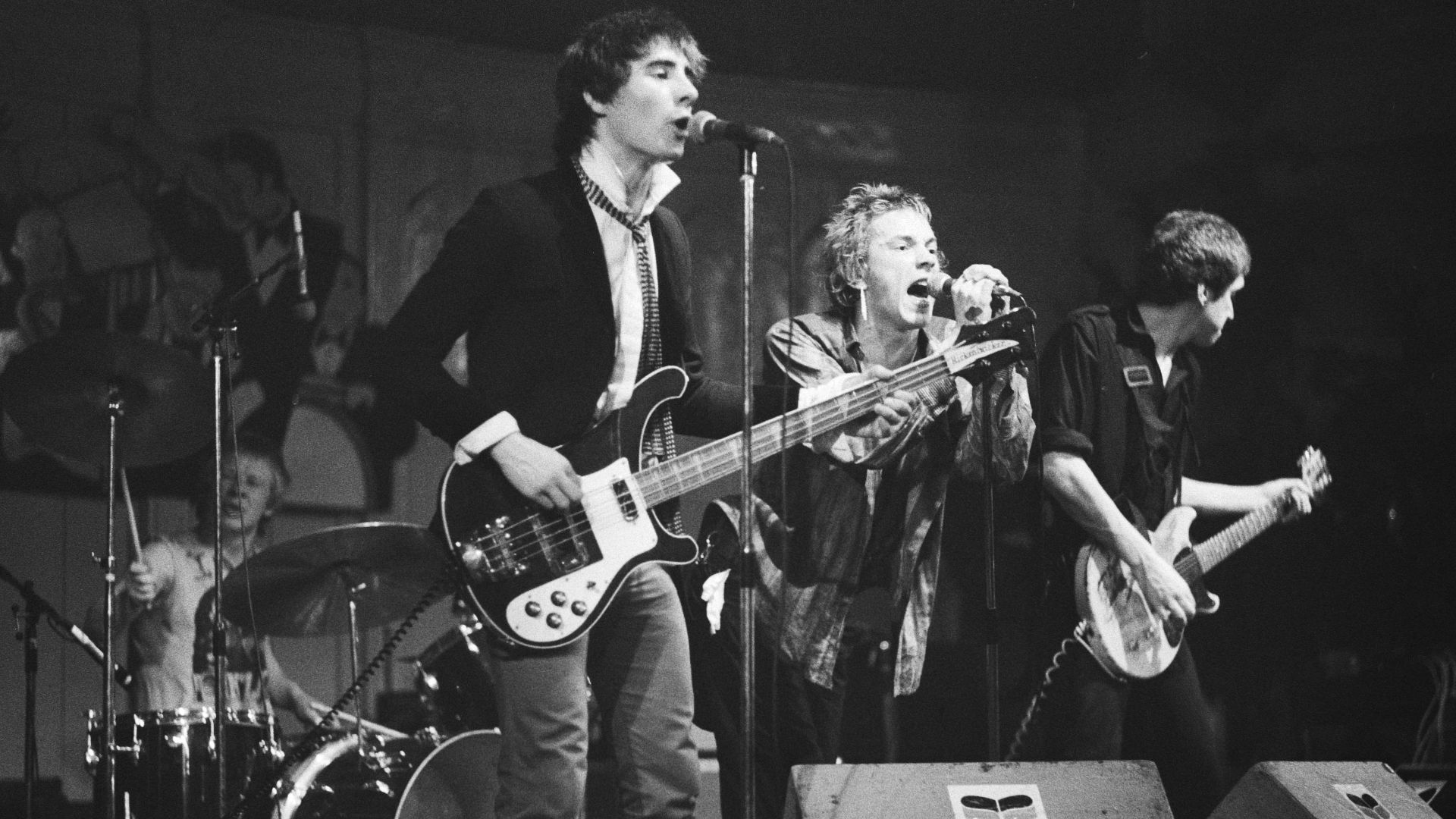
Paul Di’Anno — Iron Maiden
Paul Di’Anno was Iron Maiden’s original lead singer during their early rise. His raw vocal style suited the band’s gritty beginnings. Maiden quickly built a devoted fanbase under his leadership.
 As fotos da Virada!, Wikimedia Commons
Replaced Before Takeoff
Di’Anno was replaced in 1981 due to personal and professional issues. His successor, Bruce Dickinson, helped transform Iron Maiden into a global metal powerhouse. Di’Anno departed just before the band’s defining era.
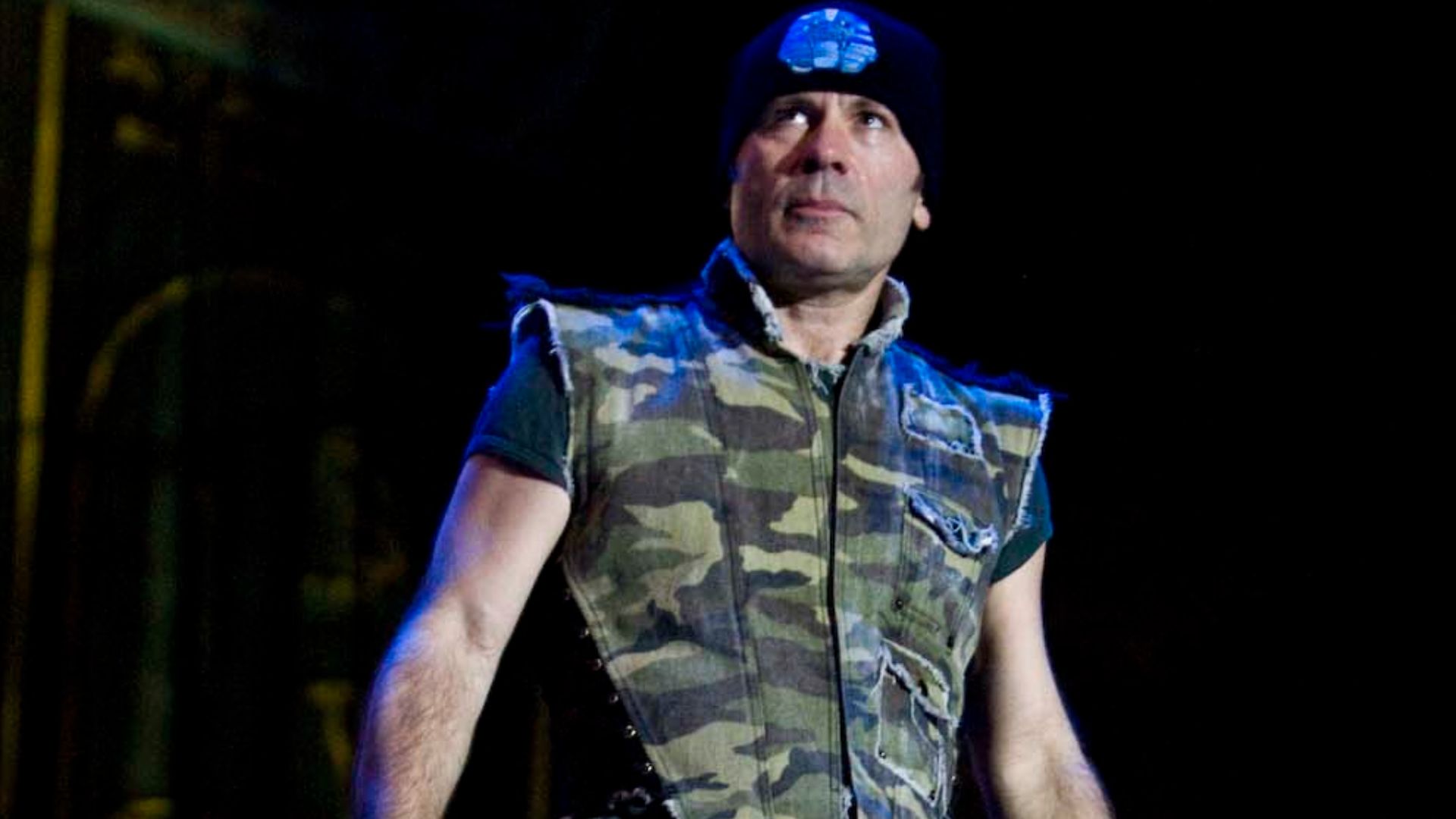
Steve Hackett — Genesis
Steve Hackett joined Genesis during their progressive rock phase. His textured guitar work added depth to the band’s sound. Hackett played a key role in several classic albums.
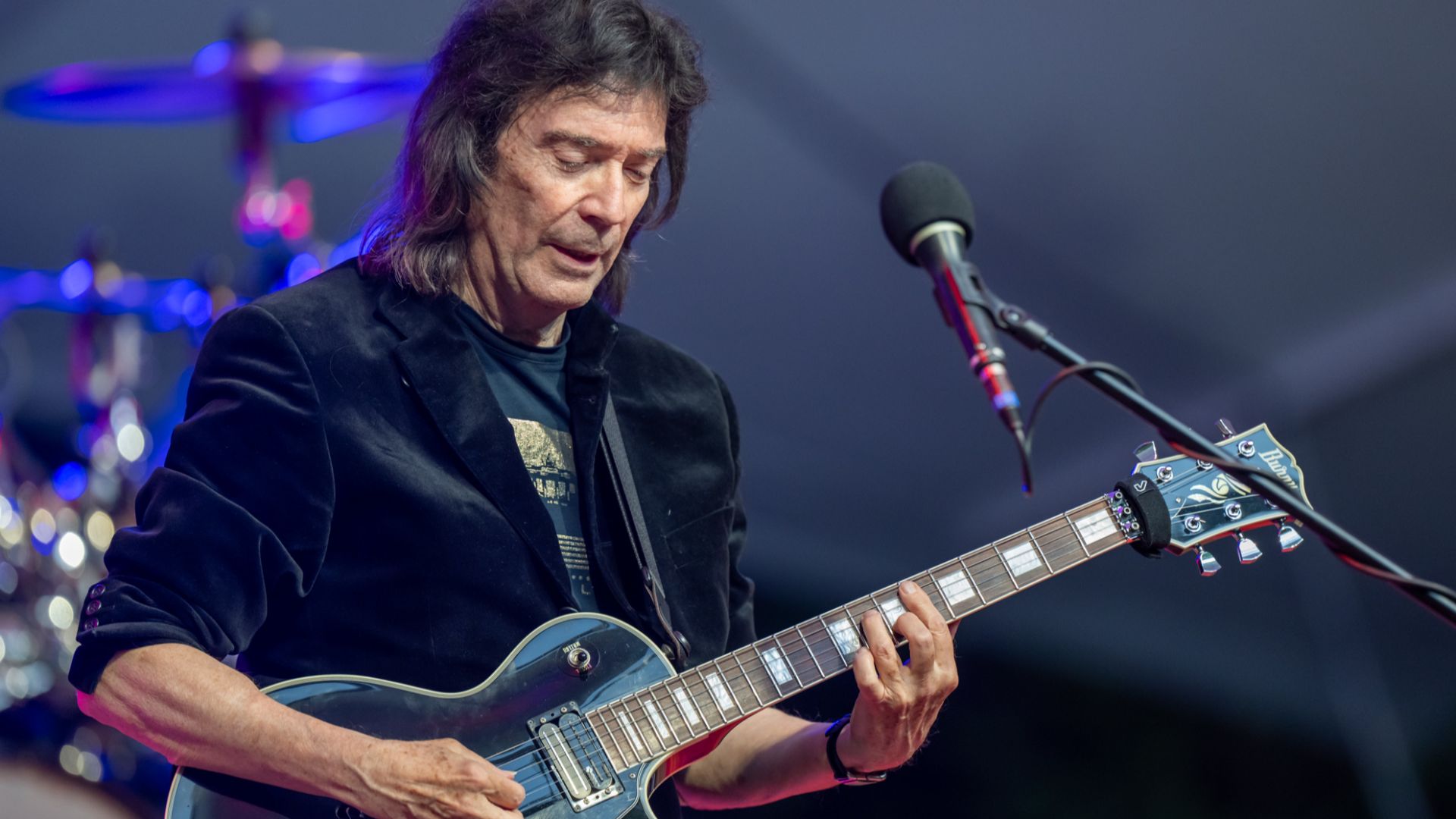 Stefan Brending (2eight), Wikimedia Commons
Leaving Before the Payoff
He left the band in 1977 as creative tensions grew. Genesis soon streamlined into a trio and shifted toward a pop-oriented direction. That change led to massive commercial success in the 1980s.
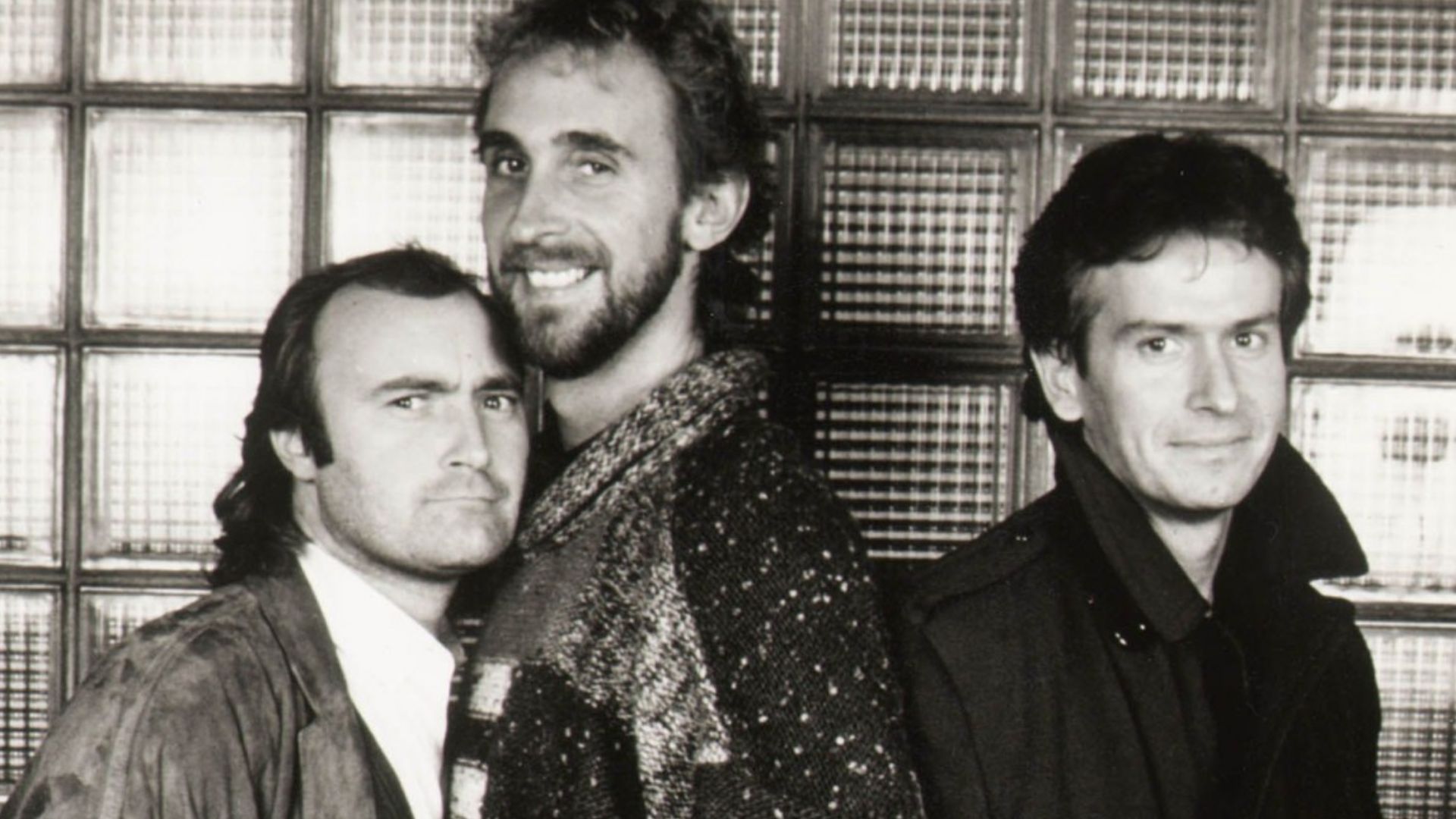 Distributed by Atlantic Records, Wikimedia Commons
Peter Gabriel — Genesis
Peter Gabriel was Genesis’s original frontman and visual centerpiece. His elaborate costumes and storytelling defined the band’s early identity. Gabriel was central to Genesis’s artistic reputation.
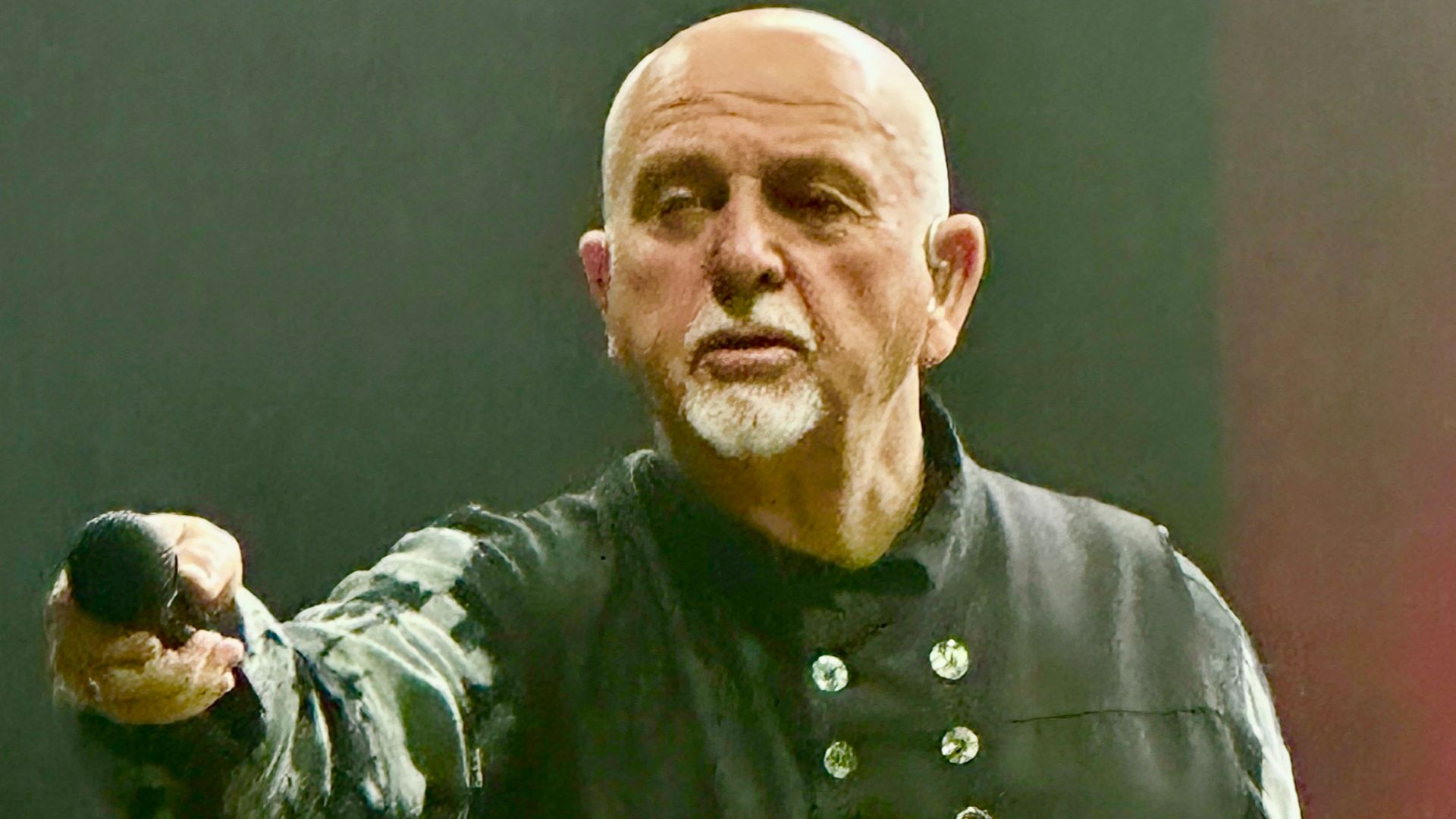 MerleEllaPatsy, Wikimedia Commons
A Different Path Forward
He left the band in 1975 after the ambitious The Lamb Lies Down on Broadway. Genesis later became a stadium-filling mainstream act. Gabriel’s exit marked a permanent turning point.
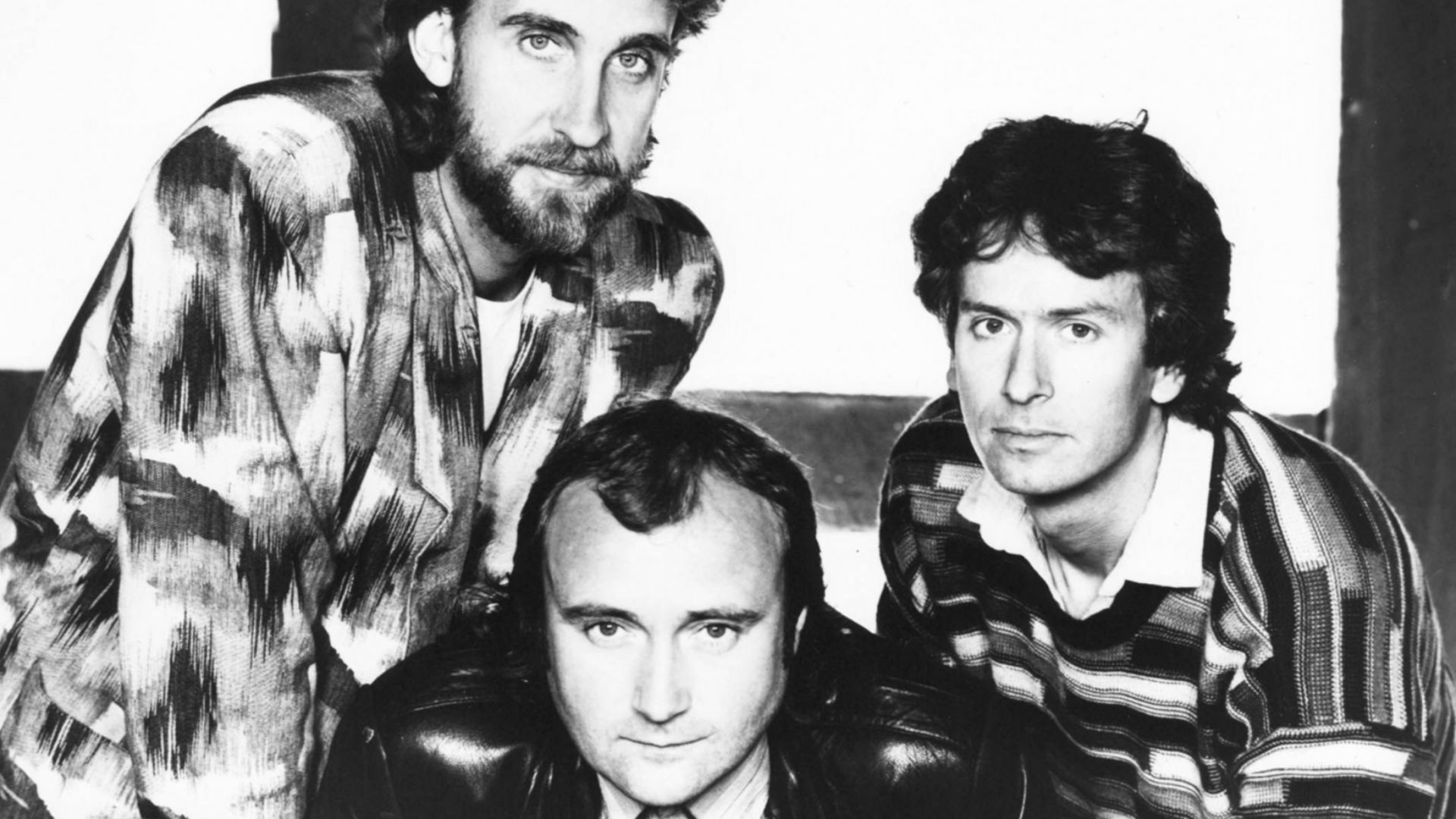 Distributed by Atlantic Records, Wikimedia Commons
Brian “Head” Welch — Korn
Brian Welch was a founding guitarist of Korn and a core contributor to their sound. The band dominated heavy music during the late 1990s. Korn became one of the defining acts of the nu-metal era.
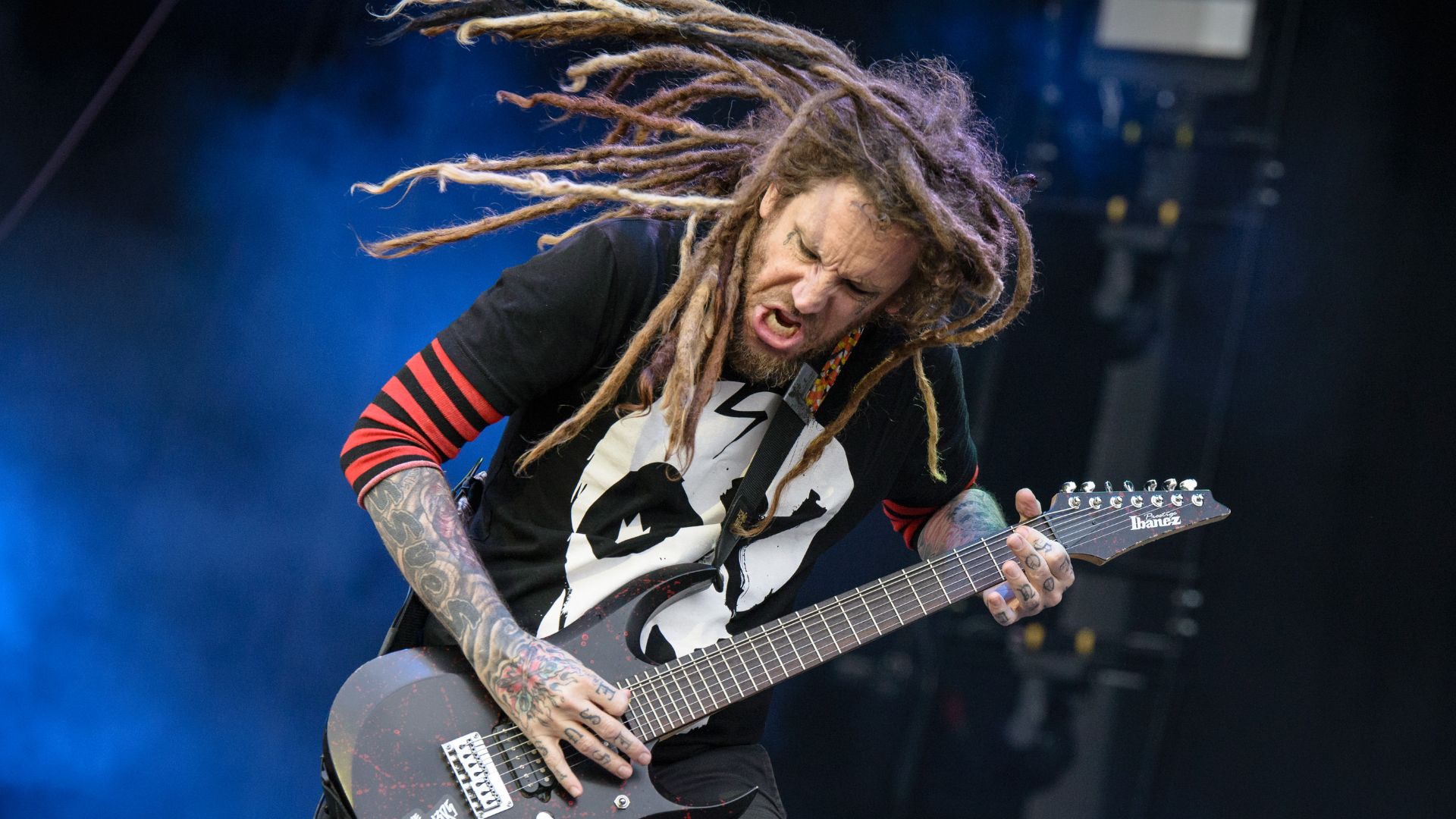 pitpony.photography, Wikimedia Commons
Faith Over Fame
Welch left in 2005 following a personal religious conversion. His departure coincided with a decline in Korn’s mainstream dominance. The band never fully recaptured its earlier cultural impact.
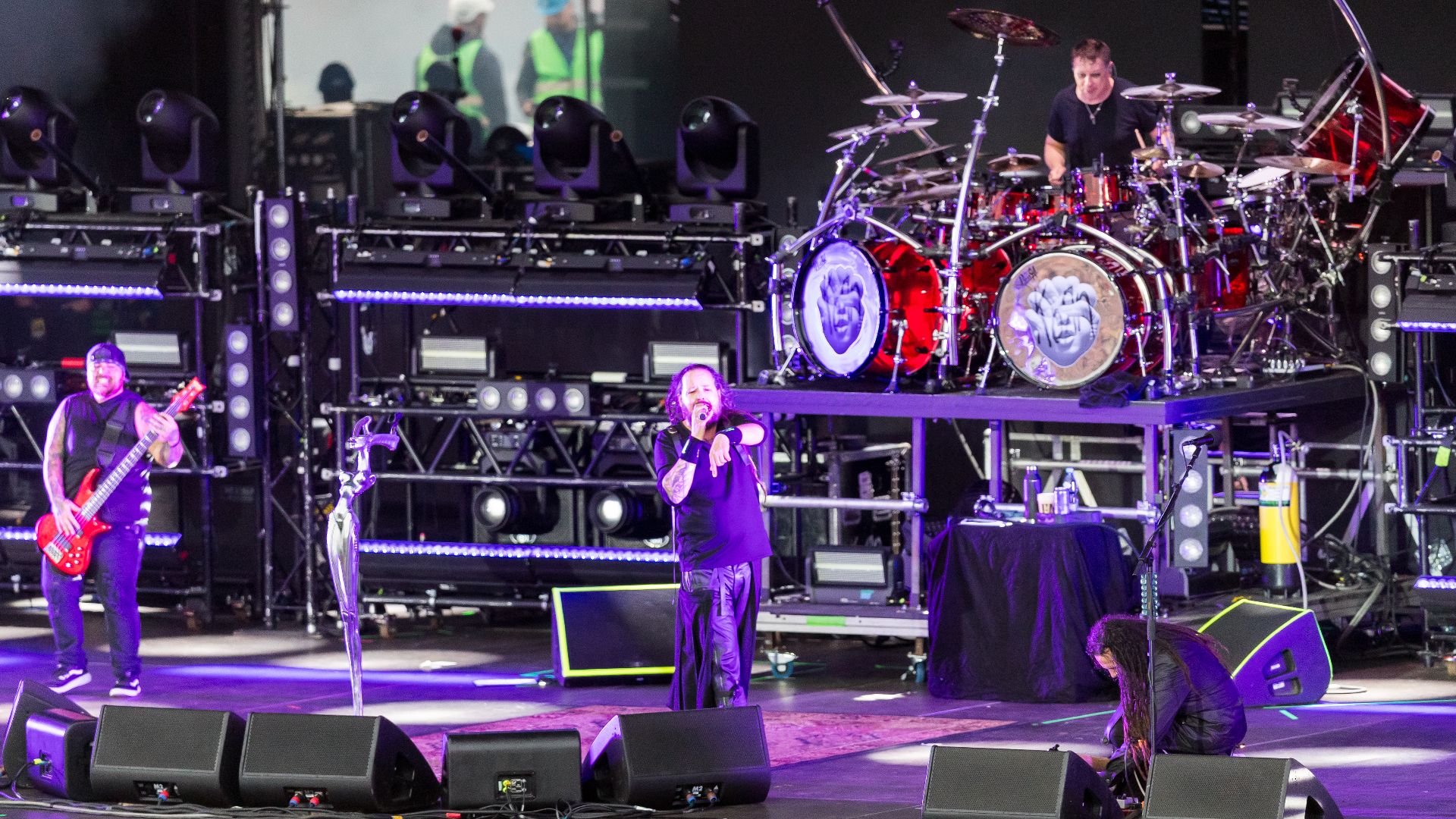 Sven Mandel, Wikimedia Commons
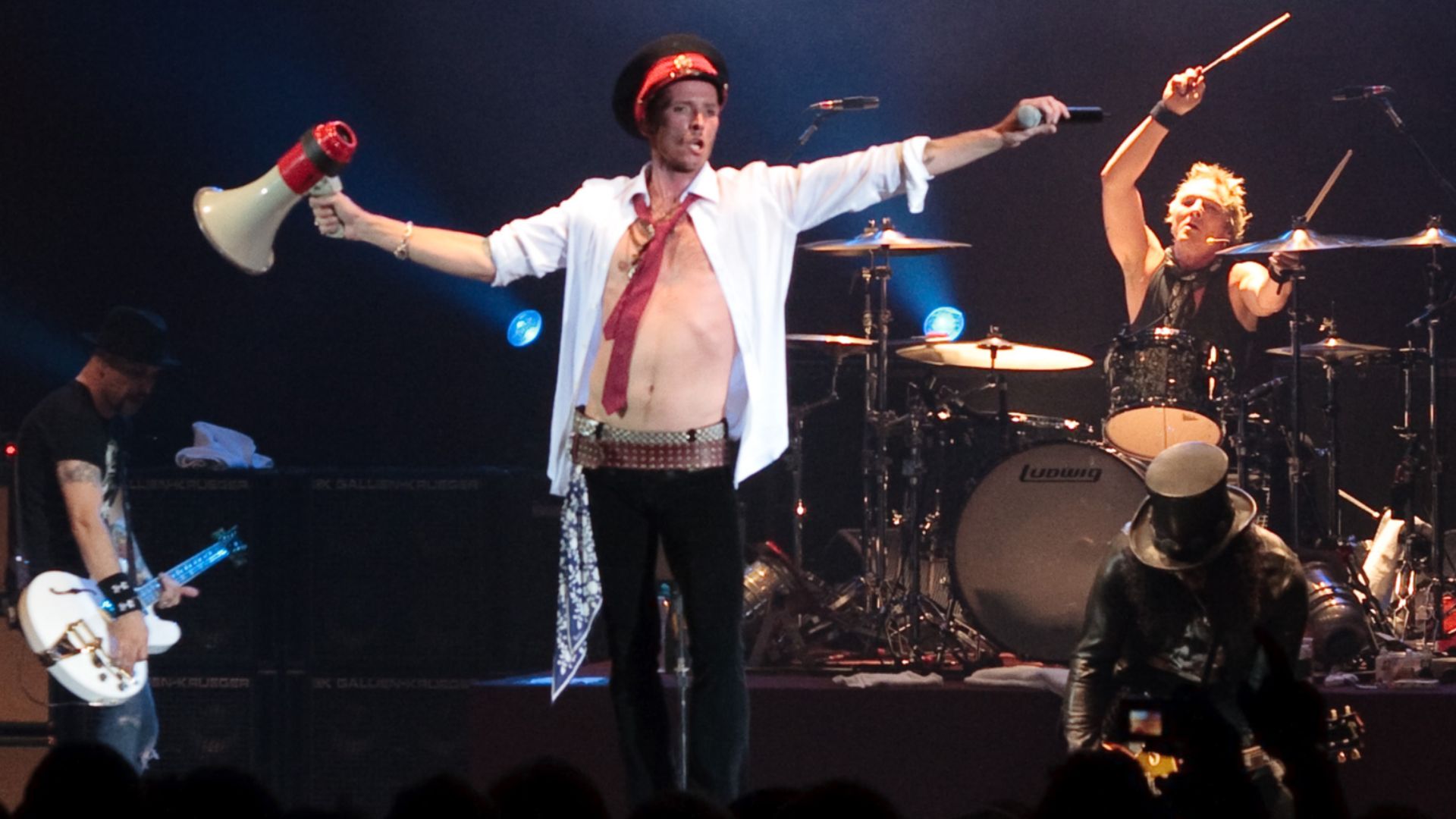
Scott Weiland — Stone Temple Pilots
Scott Weiland’s voice and charisma defined Stone Temple Pilots. The band was a major force during the 1990s alternative rock boom. Weiland became one of the era’s most recognizable frontmen.
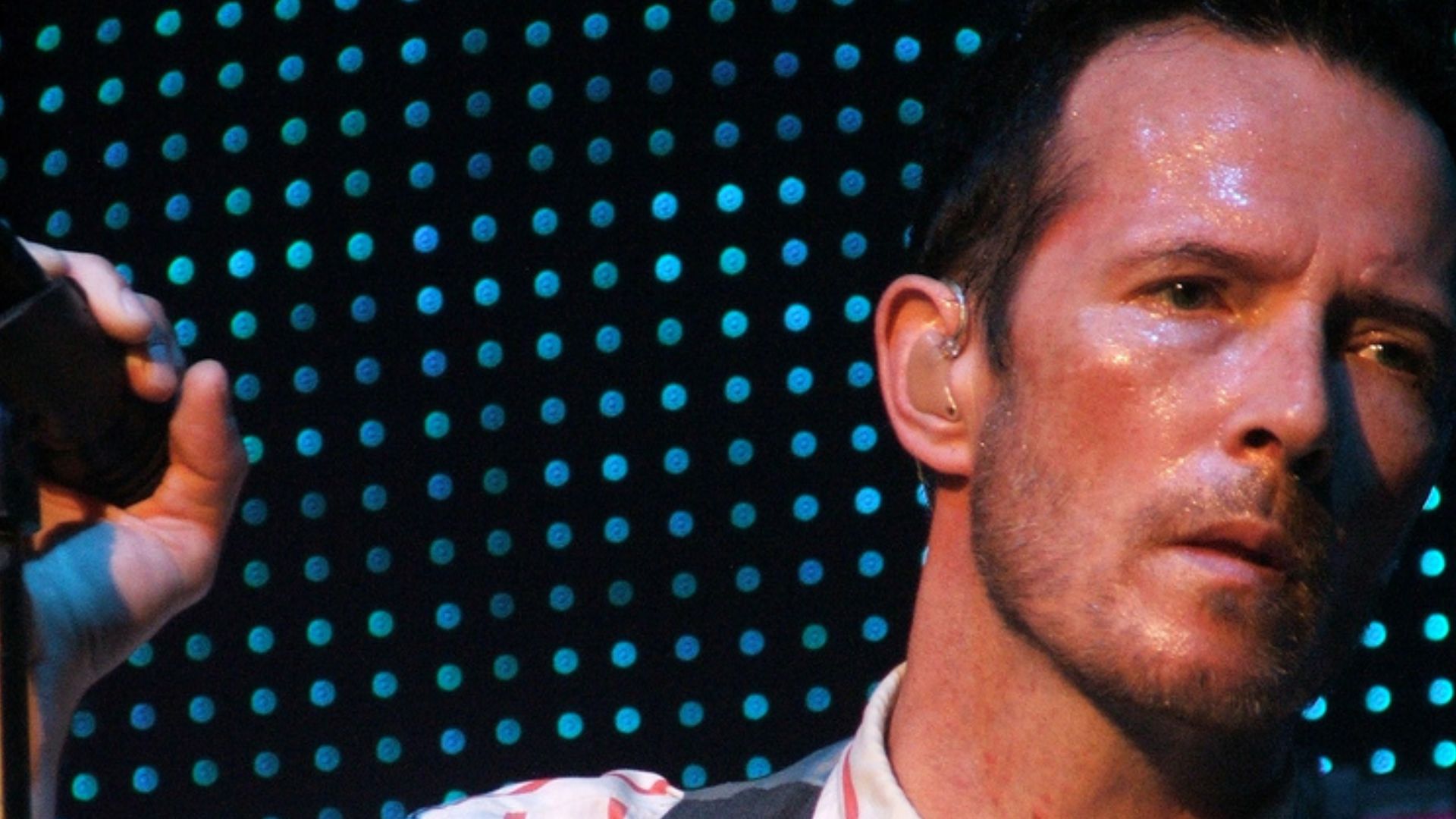
Momentum Lost Again and Again
Weiland left the band multiple times beginning in 2003. Each departure came as the group seemed poised for a comeback. The instability repeatedly halted their momentum.
 Kreepin Deth, Wikimedia Commons
Zayn Malik — One Direction
Zayn Malik rose to fame as a member of One Direction. The group dominated global charts, tours, and pop culture throughout the early 2010s. They became one of the most successful boy bands ever.
 Eva Rinaldi, Wikimedia Commons
Walking Out Mid-Tour
Malik left the group in 2015 during an active world tour. His exit shocked fans and disrupted the band’s trajectory. One Direction entered hiatus less than a year later.
 Mary Moline, Wikimedia Commons
Camila Cabello — Fifth Harmony
Camila Cabello emerged as Fifth Harmony’s most prominent member. The group enjoyed consistent radio hits and mainstream success. Cabello’s profile continued to rise within the group.
 MTV International, Wikimedia Commons
The Beginning of the End
She left Fifth Harmony in 2016 amid growing internal tension. The group struggled to maintain momentum without her. Fifth Harmony disbanded two years later.
 Natanya Hansen, CC BY 2.0, Wikimedia Commons
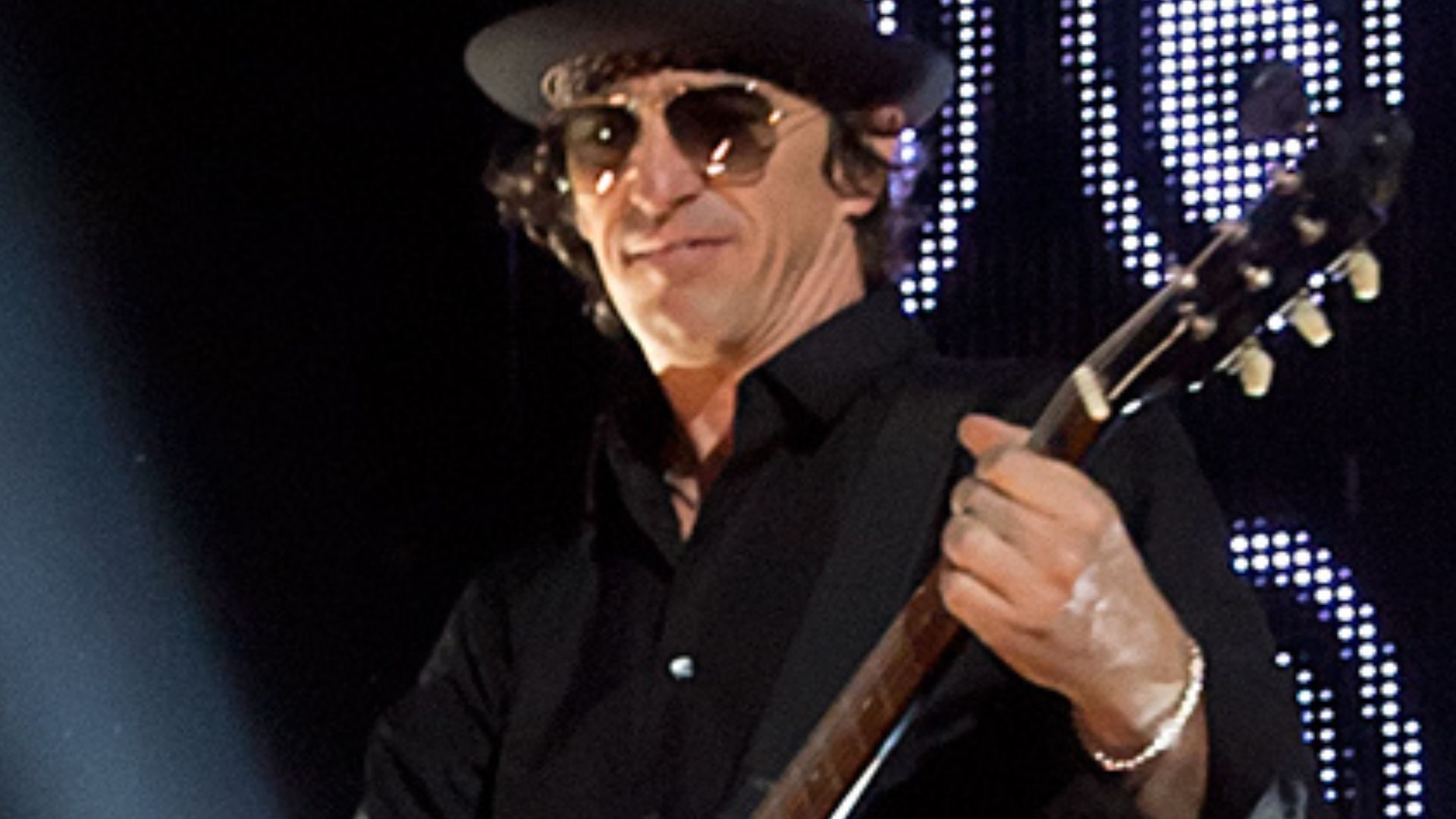
Izzy Stradlin — Guns N’ Roses
Izzy Stradlin was a founding member of Guns N’ Roses and a key songwriter. His rhythm guitar helped anchor the band’s classic sound. Stradlin was essential to their early chemistry.
 Dineshraj Goomany from London, United Kingdom, Wikimedia Commons
The Cracks Become Permanent
He left the band in 1991 during the massive Use Your Illusion tour. Internal conflict soon fractured the remaining lineup. The classic era of Guns N’ Roses effectively ended.
You Might Also Like:
The Most Iconic MTV Music Videos
Cancelled TV Shows That The Networks Might Have Actually Been Right To Pull The Plug On
Directors Who Got Fired Mid-Production
 Original uploader was אליבאבא at he.wikipedia, Wikimedia Commons