There Can Only Be One Winner
Since 1959, the Grammys have crowned themselves the official judges of musical greatness. But history has a sense of humor—and a long memory. Over the past seven decades, some of the most acclaimed and generation-defining albums ever recorded were overlooked, underestimated, or edged out by “safer” choices.
Here are the albums that critics, fans, and historians widely argue should have won major Grammy album honors…but didn’t.
Rubber Soul — The Beatles (1965)
This was the Beatles’ moment of transformation, the pivot from pop idols to album artists. Rubber Soul inspired entire generations of musicians…but Grammy voters didn’t treat it as anything special at the time.
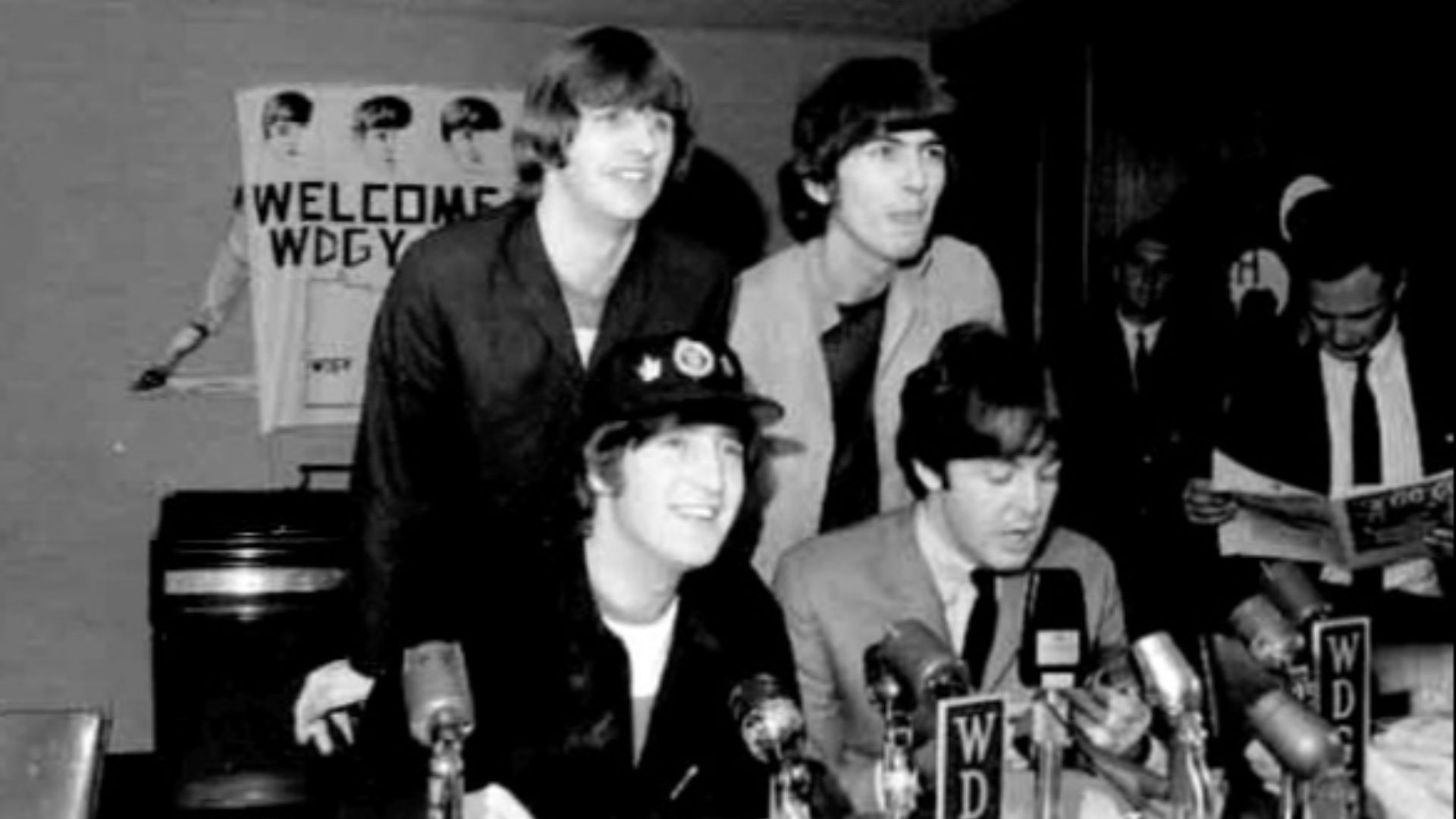 Minnesota Historical Society, Wikimedia Commons
Highway 61 Revisited — Bob Dylan (1965)
Bob Dylan electrified folk, reinvented rock, and delivered an album still hailed as one of the greatest ever made. It later earned a place in the Grammy Hall of Fame, but in its own year, the Grammys didn’t acknowledge it as a landmark.
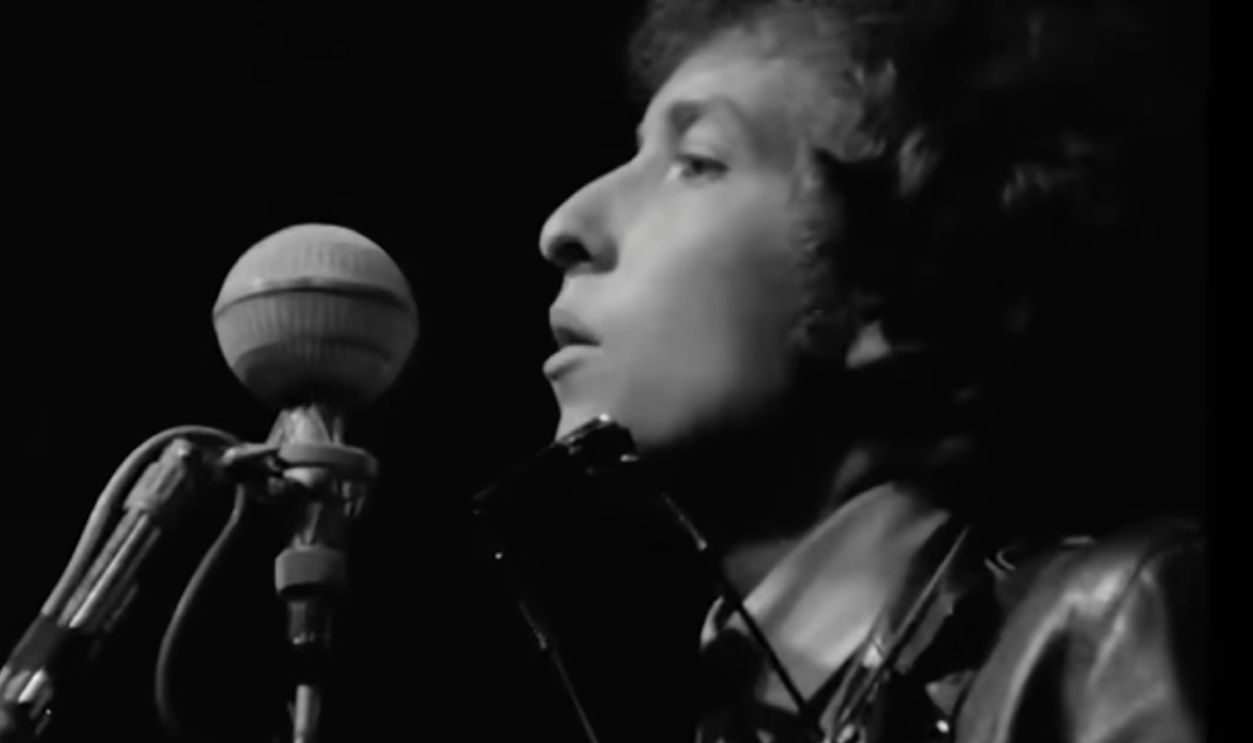 Screenshot from Like a Rolling Stone, Columbia Records (1965)
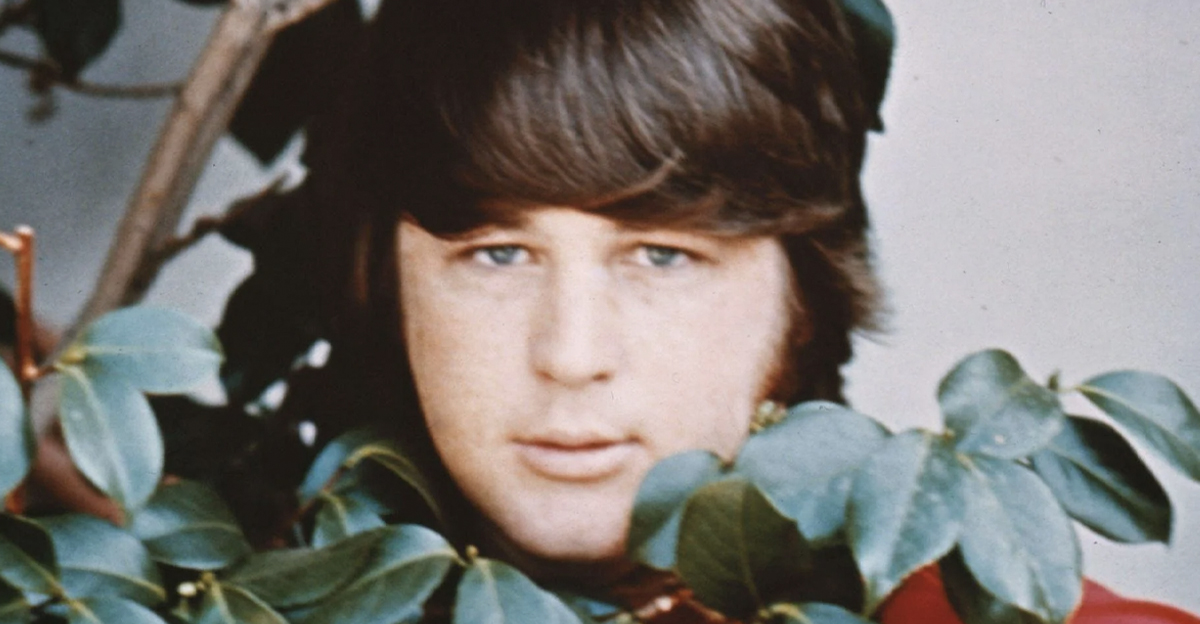
Pet Sounds — The Beach Boys (1966)
Now considered one of the finest pop albums ever created, Pet Sounds didn’t receive a single nomination the year it came out. Critics still point to this as one of the earliest, clearest examples of the Grammys missing a masterpiece in real time.
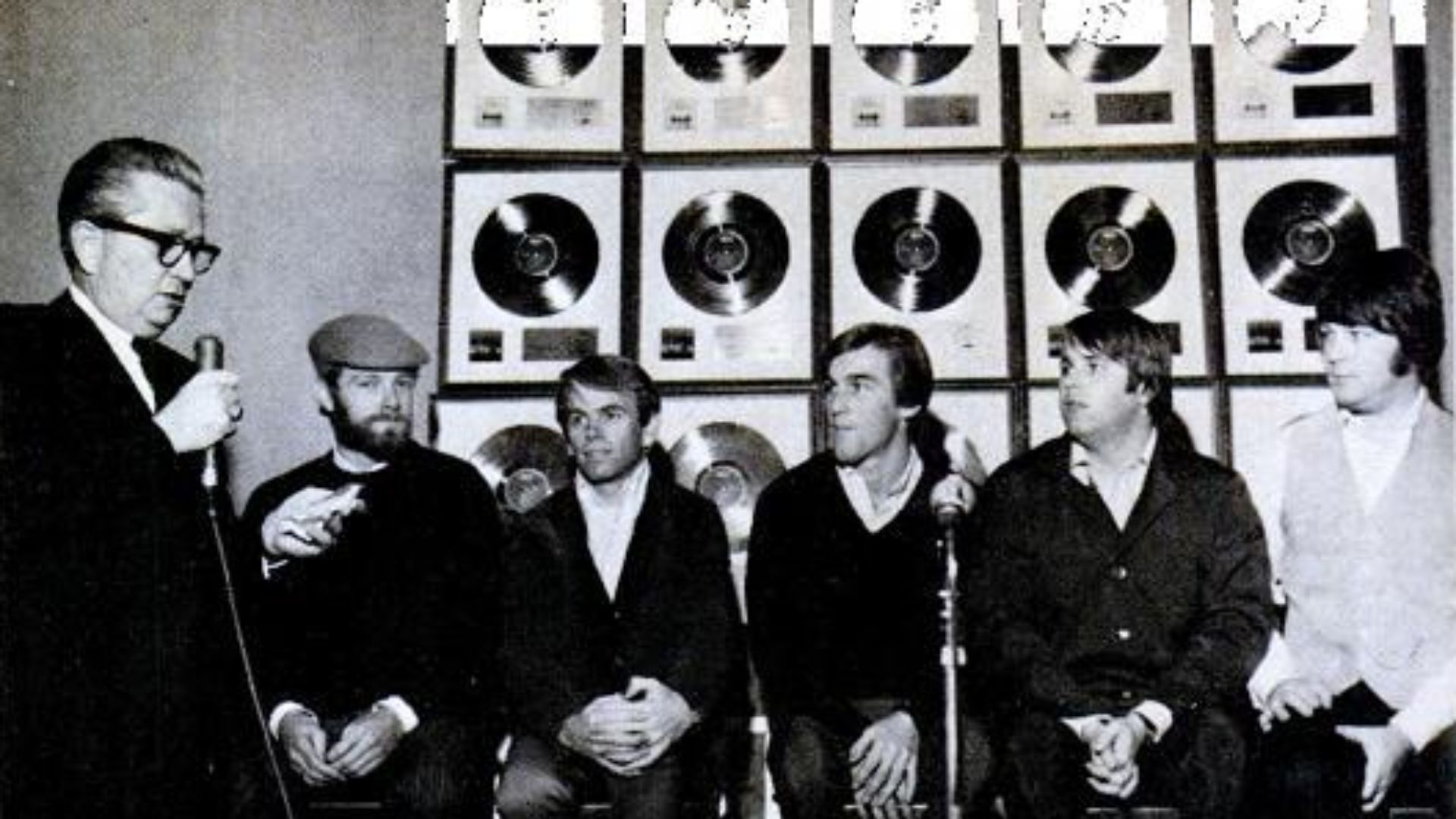 Author unknown, Wikimedia Commons
Cosmo’s Factory — Creedence Clearwater Revival (1970)
CCR’s best-selling album was packed with hits and stamped the band’s place in American rock. But retrospectives often note how little Grammy attention the band’s classic era received, and Cosmo’s Factory is Exhibit A.
 Screenshot from Lookin' Out My Back Door, Fantasy Records (1970)
Who’s Next — The Who (1971)
Thundering drums, towering synthesizers, and some of Pete Townshend’s sharpest songwriting made Who’s Next a rock benchmark. Today it’s legendary; at the time, Grammy voters didn’t give it major awards love.
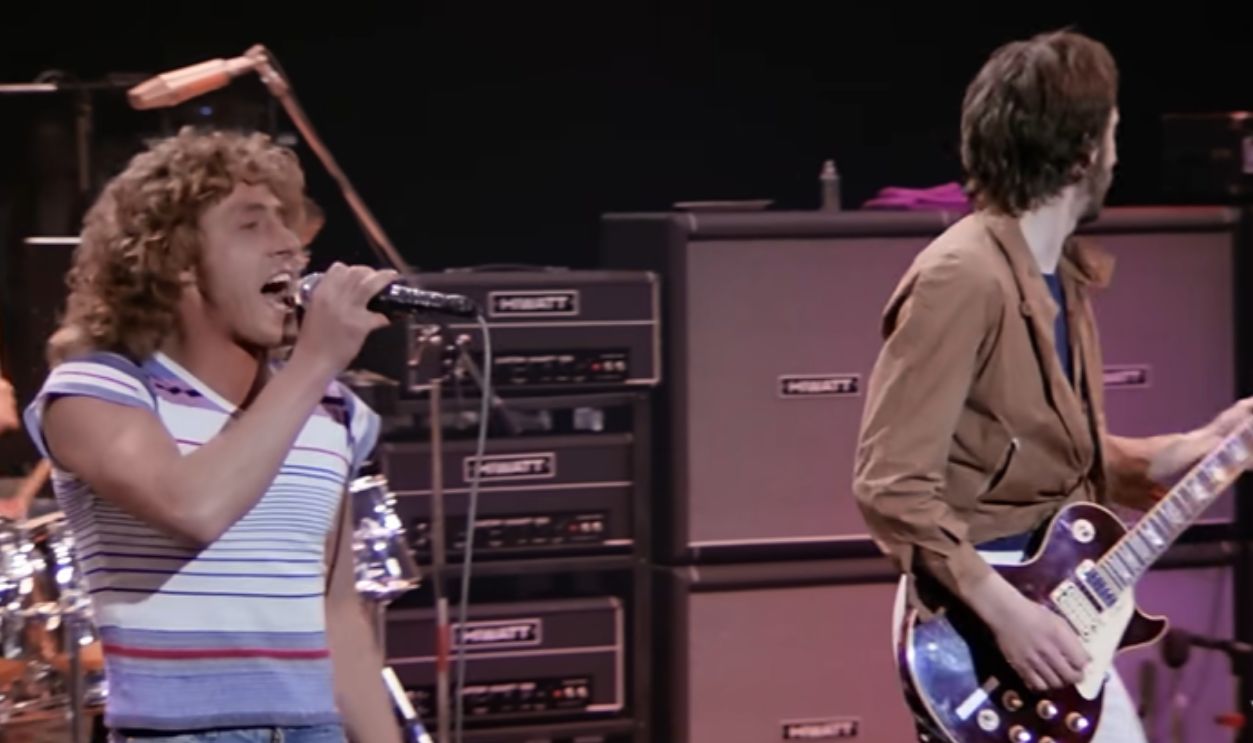 Screenshot from Won't Get Fooled Again, Track Records (1971)
Exile on Main St. — The Rolling Stones (1972)
A sprawling, gritty double album often ranked as the Stones’ greatest work. It would eventually be honored in the Grammy Hall of Fame—but not during the year it debuted, when voters passed over it for bigger industry favorites.
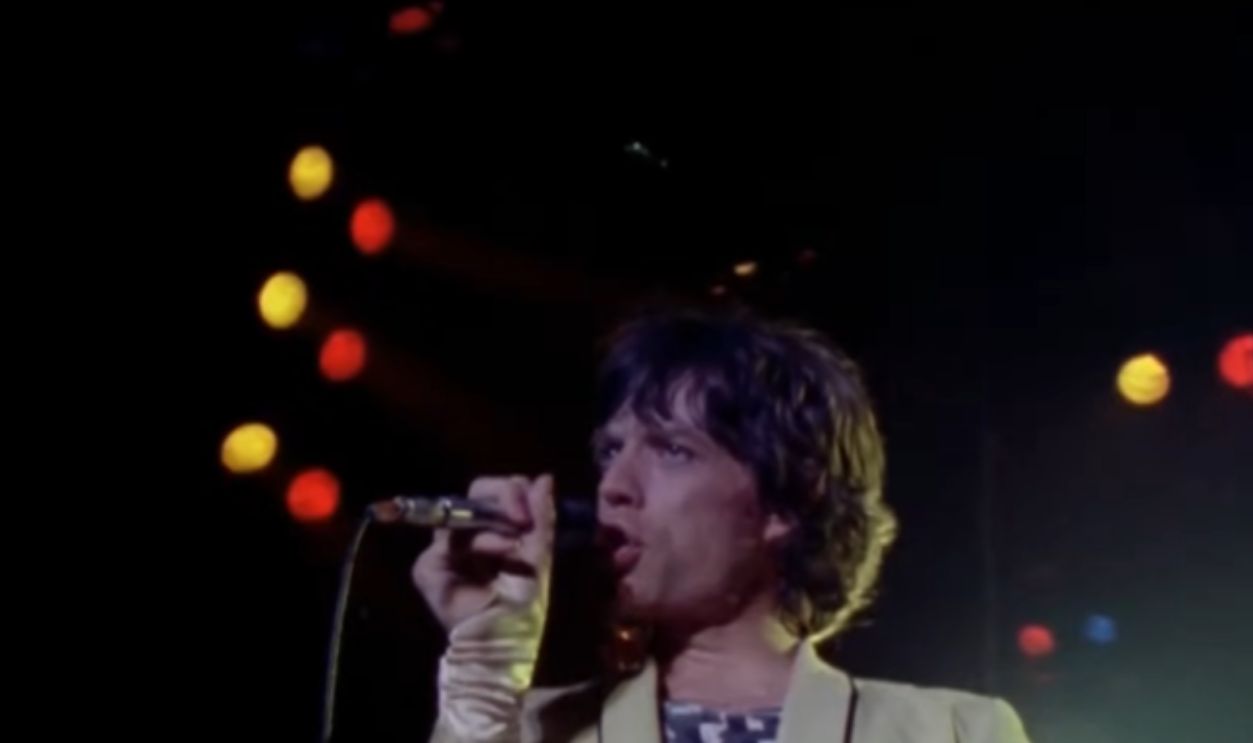 Screenshot from Tumbling Dice, Rolling Stones Records (1972)
The Dark Side of the Moon — Pink Floyd (1973)
One of the best-selling, most influential albums ever recorded…that still didn’t take home the biggest Grammy prize. Fans and critics often look back at its Grammy year and wonder how a record this monumental didn’t sweep everything.
 Screenshot from Money, Harvest.(1973)
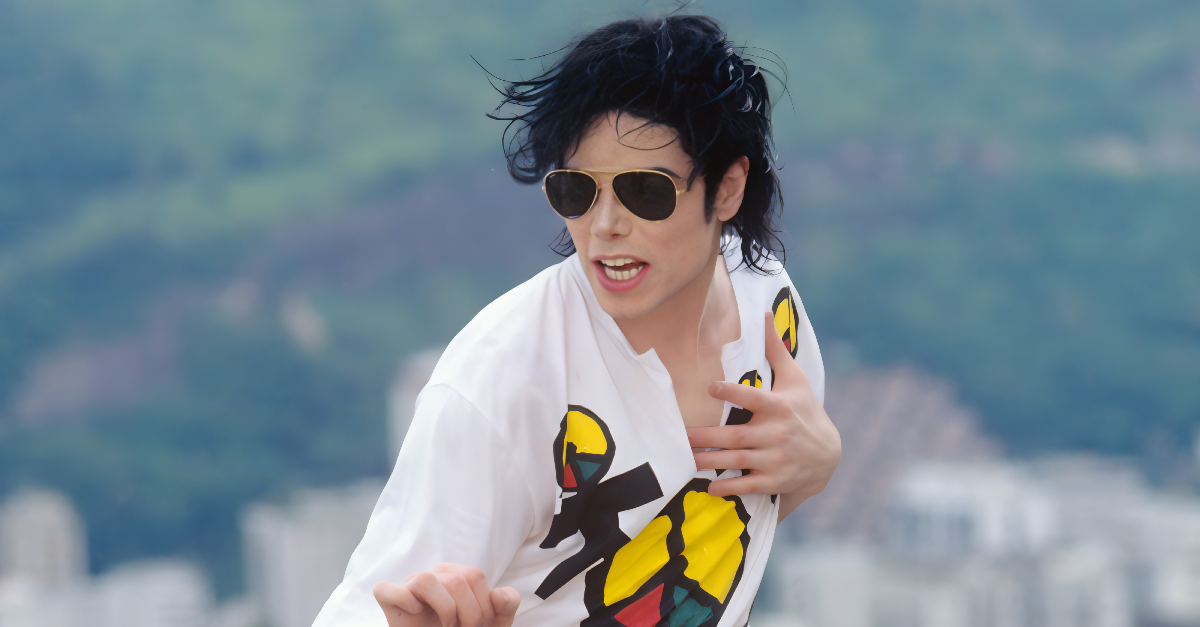
Off the Wall — Michael Jackson (1979)
Michael Jackson’s leap into solo superstardom earned a genre Grammy, but not Album of the Year. Today, many see Off the Wall as every bit as important to pop history as the albums that followed, and deserving of far more recognition.
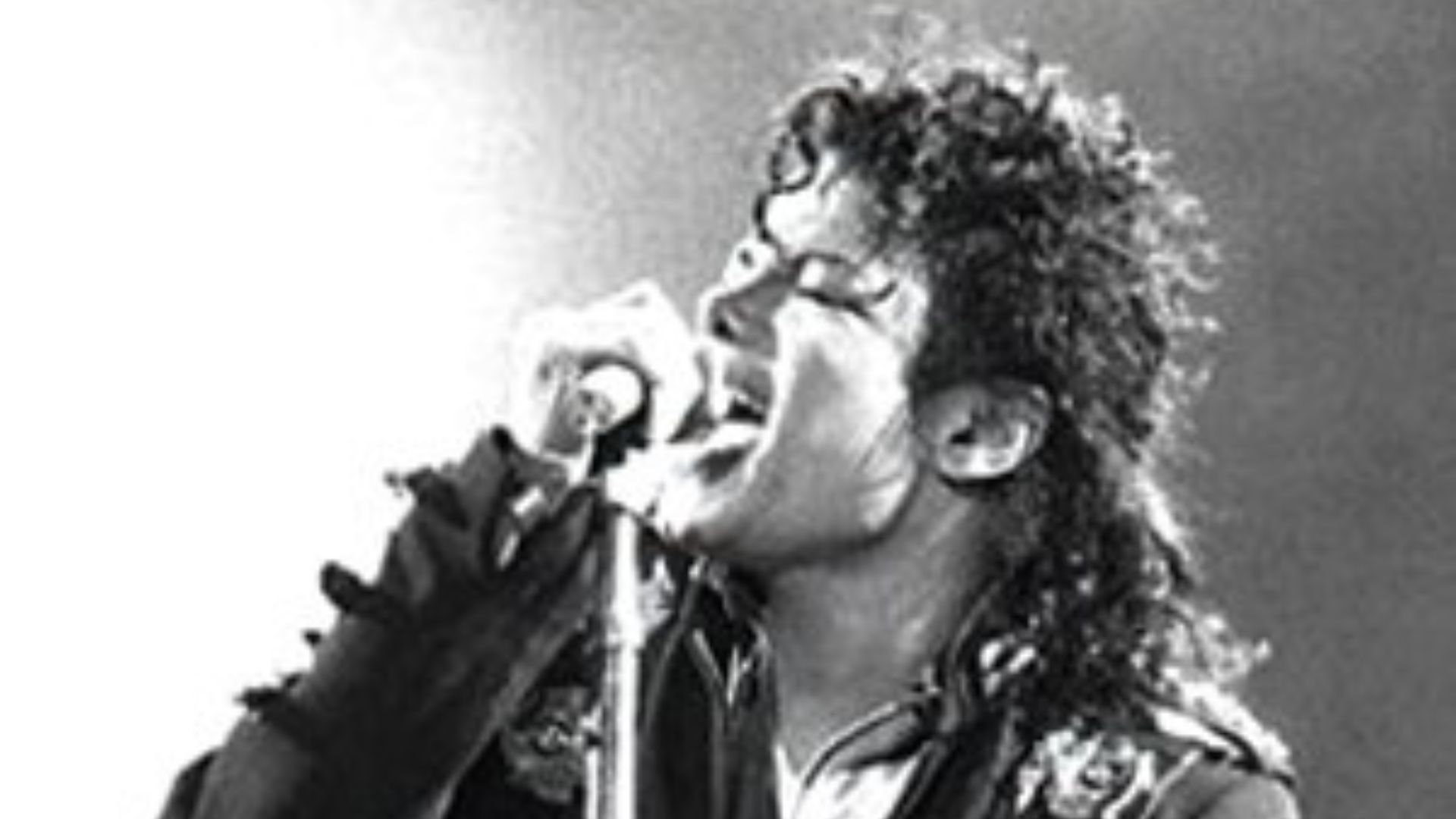 Zoran Veselinovic, Wikimedia Commons
London Calling — The Clash (1979)
A punk record that blended reggae, rockabilly, and R&B to create something new and revolutionary. Retrospectives frequently highlight how little Grammy attention it received, especially given its towering influence now.
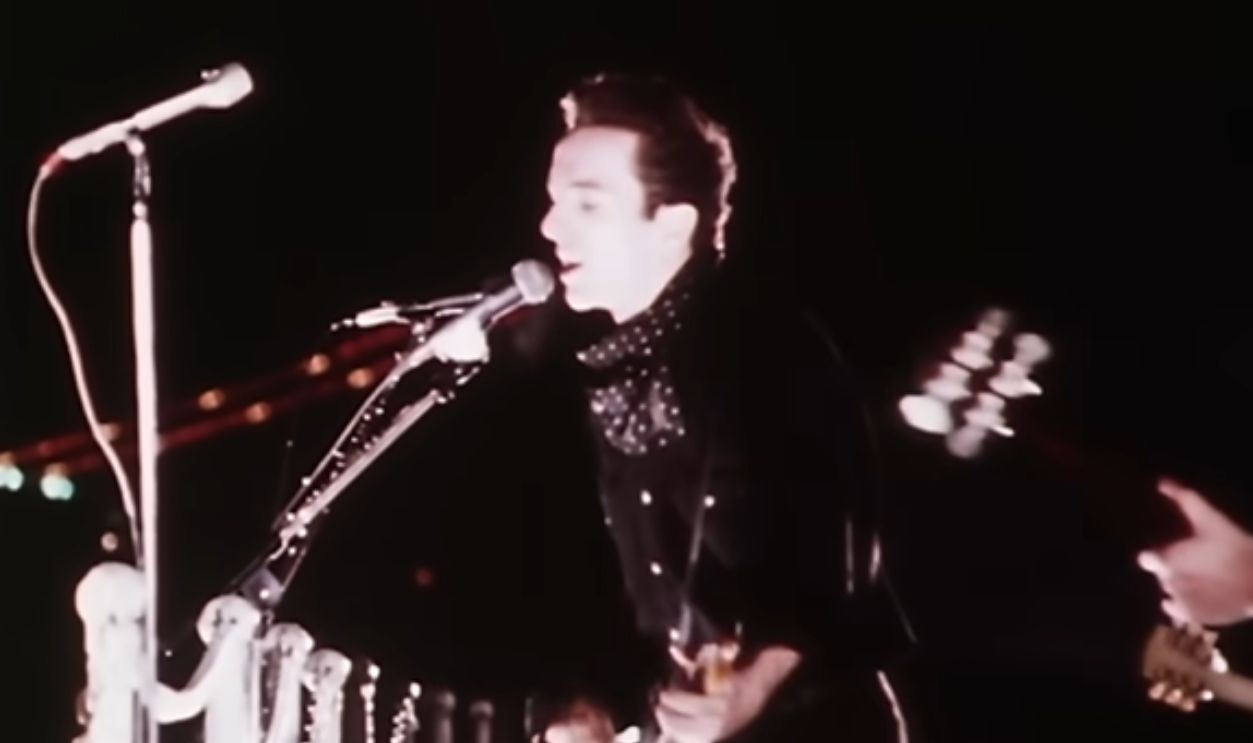 Screenshot from London Calling, CBS Records (1979)
Back in Black — AC/DC (1980)
One of the best-selling albums of all time, and a cornerstone of hard rock. Critics routinely list Back in Black among the most surprising Grammy oversights, given how massively it reshaped rock music worldwide.
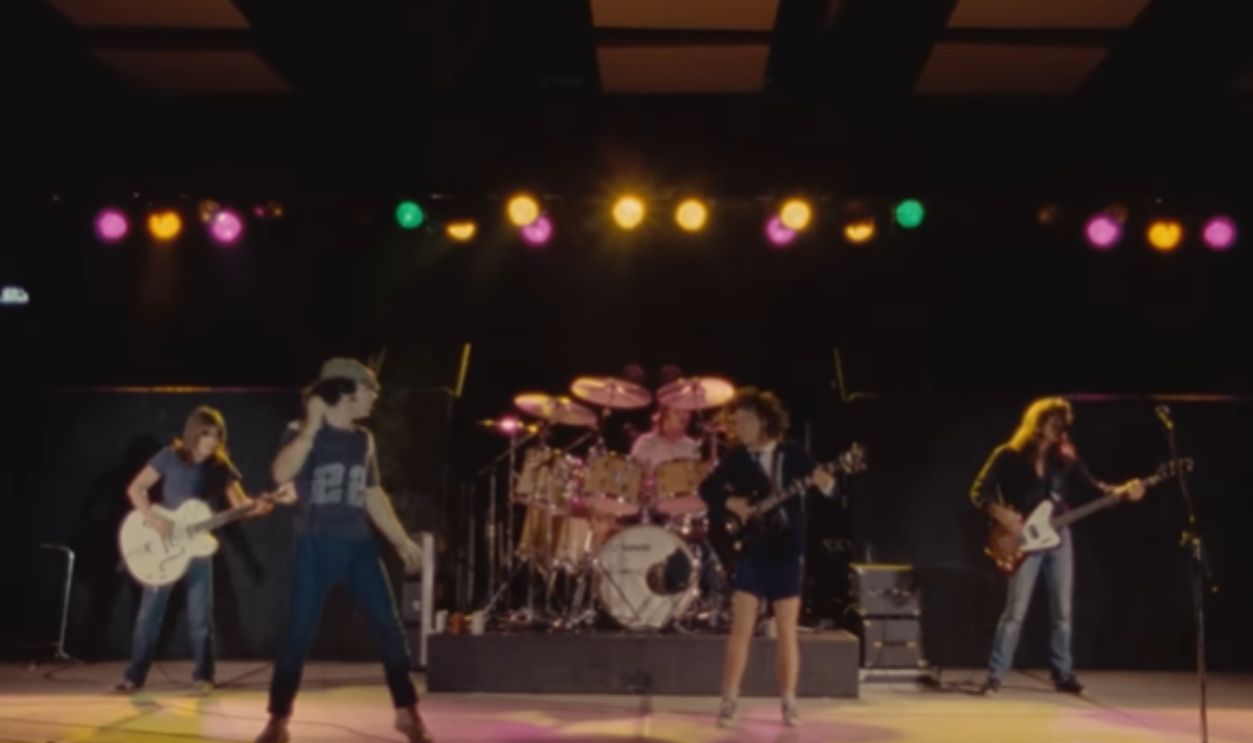 Screenshot from Back in Black, Albert Productions (1980)
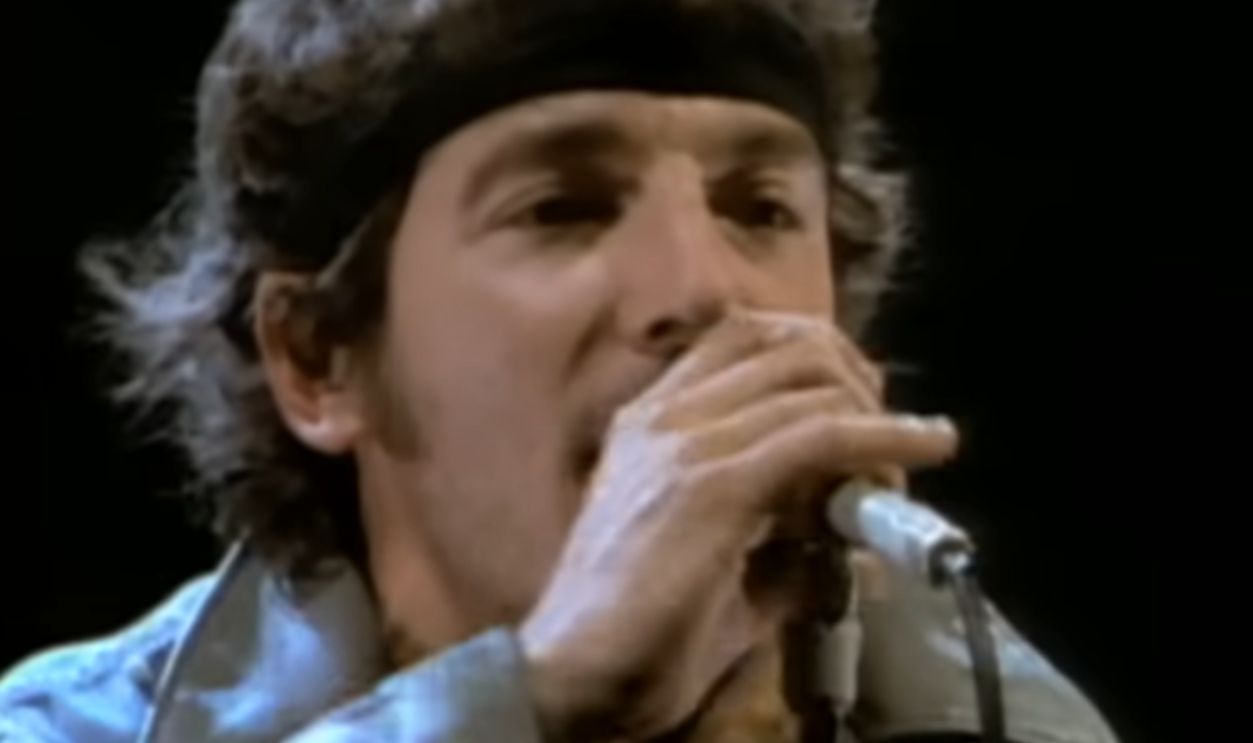
Born in the U.S.A. — Bruce Springsteen (1984)
Nominated for Album of the Year but ultimately losing to Can’t Slow Down, Springsteen’s blockbuster became a defining soundtrack of the ’80s. Looking back, many see it as the more enduring work.
 Screenshot from Born in the U.S.A., Columbia Records
Like a Virgin — Madonna (1984)
A pop earthquake that launched Madonna into superstardom, shaping pop culture for decades. Critics often note how slow the Grammys were to acknowledge her influence, and how this album deserved far more.
 Screenshot from Like a Virgin., Warner Bros.
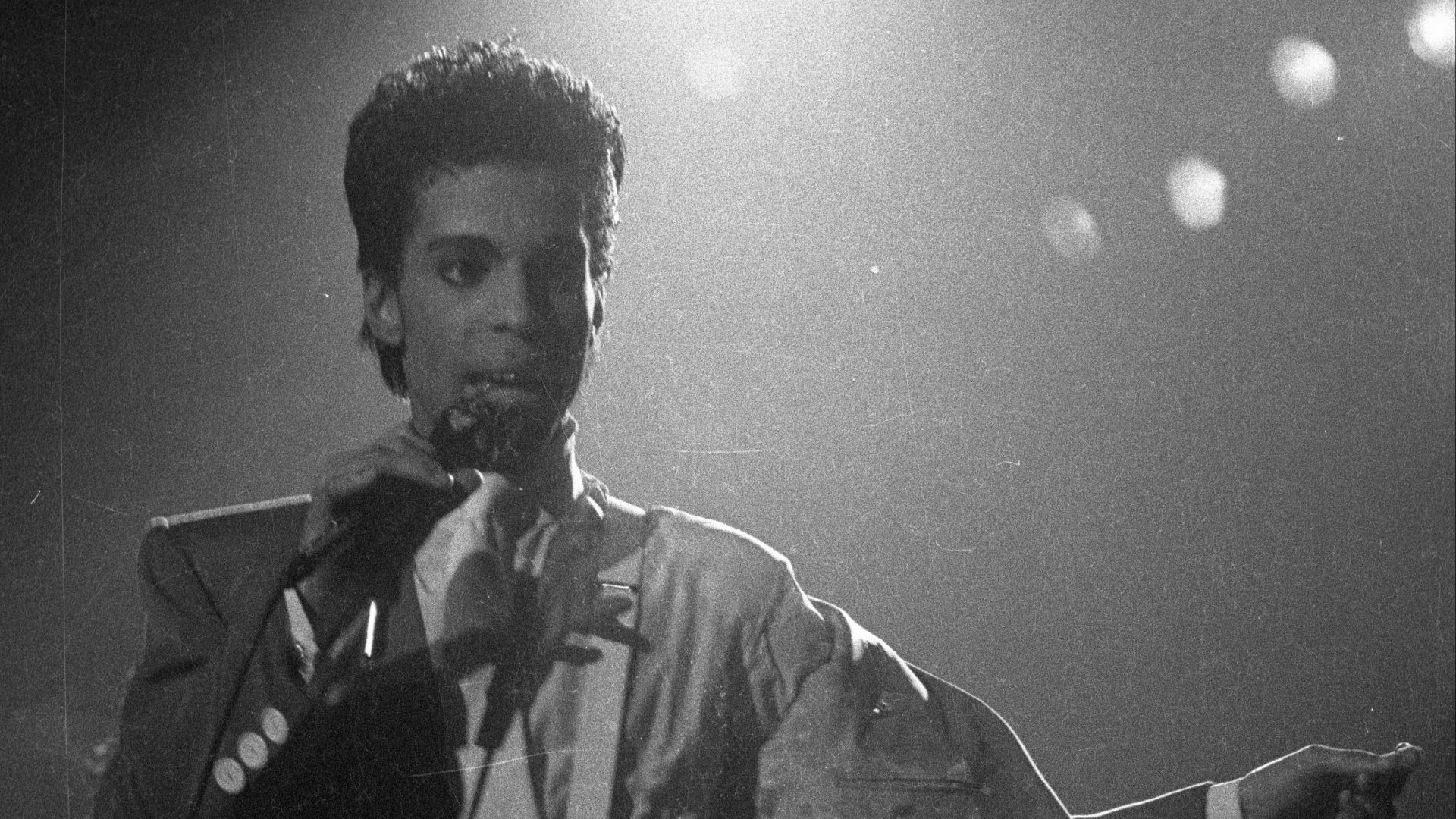
Sign o’ the Times — Prince (1987)
Prince’s audacious double album earned an Album of the Year nomination but lost to U2. Both albums are classics, but many critics now place Sign o’ the Times among the decade’s true masterpieces.
 Yves Lorson, Wikimedia Commons
…And Justice for All — Metallica (1988)
One of the most infamous Grammy moments ever. Metallica seemed poised to take home the new metal award... until the trophy went to Jethro Tull. The shock waves still echo through metal history.
 Distributed by Megaforce Records, Wikimedia Commons
Nevermind — Nirvana (1991)
The album that detonated grunge and redefined mainstream rock. The Grammys didn’t reward Nirvana's Nevermind with their biggest prizes, but history certainly has.
 P.B. Rage from USA, Wikimedia Commons
Automatic for the People — R.E.M. (1992)
Beautiful, haunting, and deeply influential, R.E.M.’s masterpiece stands as one of the finest alternative albums of its era. Its Grammy recognition, however, didn’t match its critical stature.

Paul’s Boutique — Beastie Boys (1989)
A dense, sample-heavy hip-hop experiment, now hailed as a classic. At the time, though, the Grammys didn’t recognize its innovation, a fact critics love to revisit.
 Céline Haentzler, Wikimedia Commons
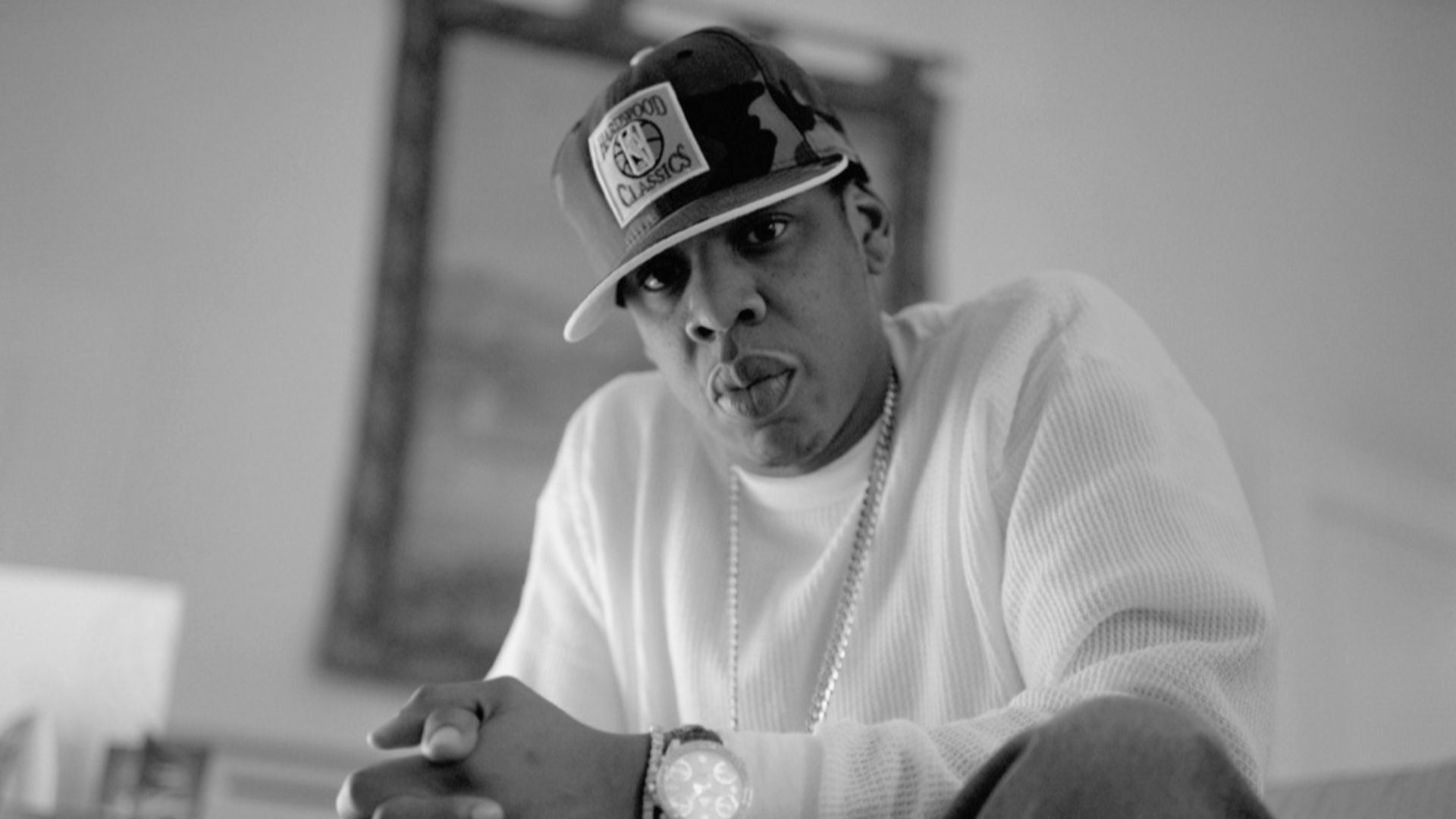
Reasonable Doubt — Jay-Z (1996)
Jay-Z’s debut helped launch a career that would eventually dominate the Grammys. Critics frequently argue that Reasonable Doubt was an early landmark that deserved more respect from voters.
Back to Black — Amy Winehouse (2006)
Winehouse won a genre Grammy but lost Album of the Year to River: The Joni Letters. Critics commonly argue that Back to Black has had far more cultural resonance.
 berlinfotos, Wikimedia Commons
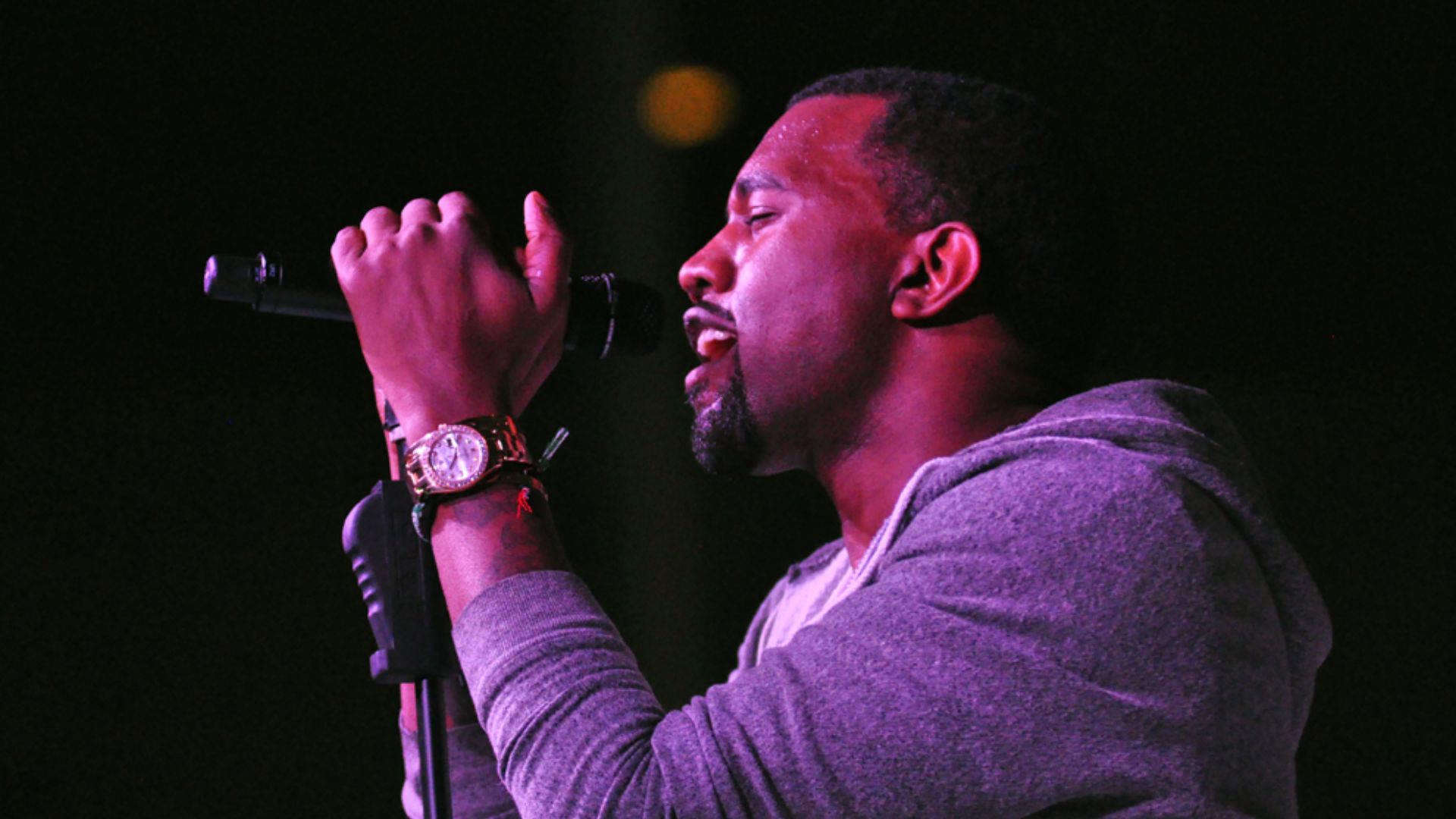
Graduation — Kanye West (2007)
A triumphant, synth-driven evolution of hip-hop. Kanye West's Graduation was nominated for Album of the Year but lost to the same jazz tribute album, which was a result widely debated in retrospective lists. It did, however, win Best Rap Album.
 Jason Persse, Wikimedia Commons
Channel Orange — Frank Ocean (2012)
Ocean’s breakthrough was a stunning blend of R&B and experimental pop. It lost Album of the Year to Mumford and Sons' Babel, and critics have highlighted that decision ever since. Thankfully, Ocean didn't go home completely empty-handed, as he did snag a Grammy for Best Urban Contemporary Album.
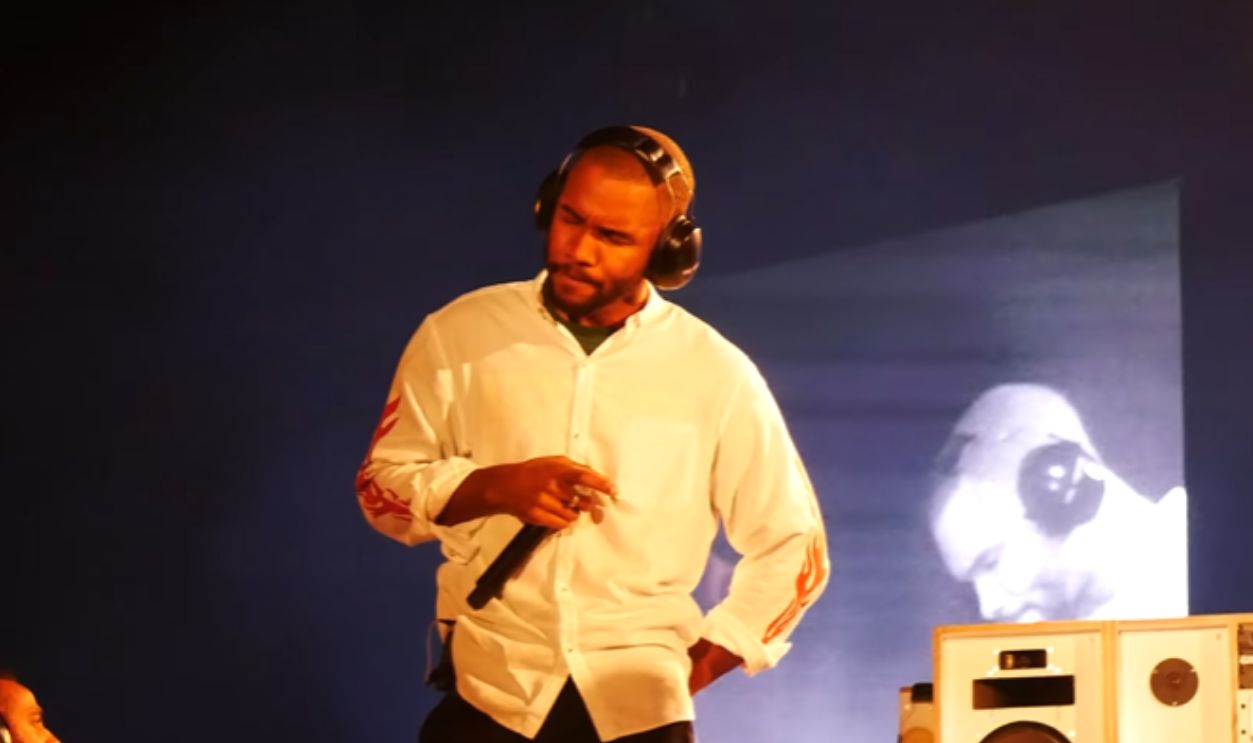 Screenshot from Thinkin Bout You, Def Jam Recordings (2012)
The Fame Monster — Lady Gaga (2009)
With massive hits and innovative pop production, this mini-album became Gaga’s artistic arrival. To be fair, it did win Grammys, including Best Pop Vocal Album. However, it still didn't win the big prize of Album of the Year. Instead, Arcade Fire won the coveted Grammy with their album, The Suburbs.
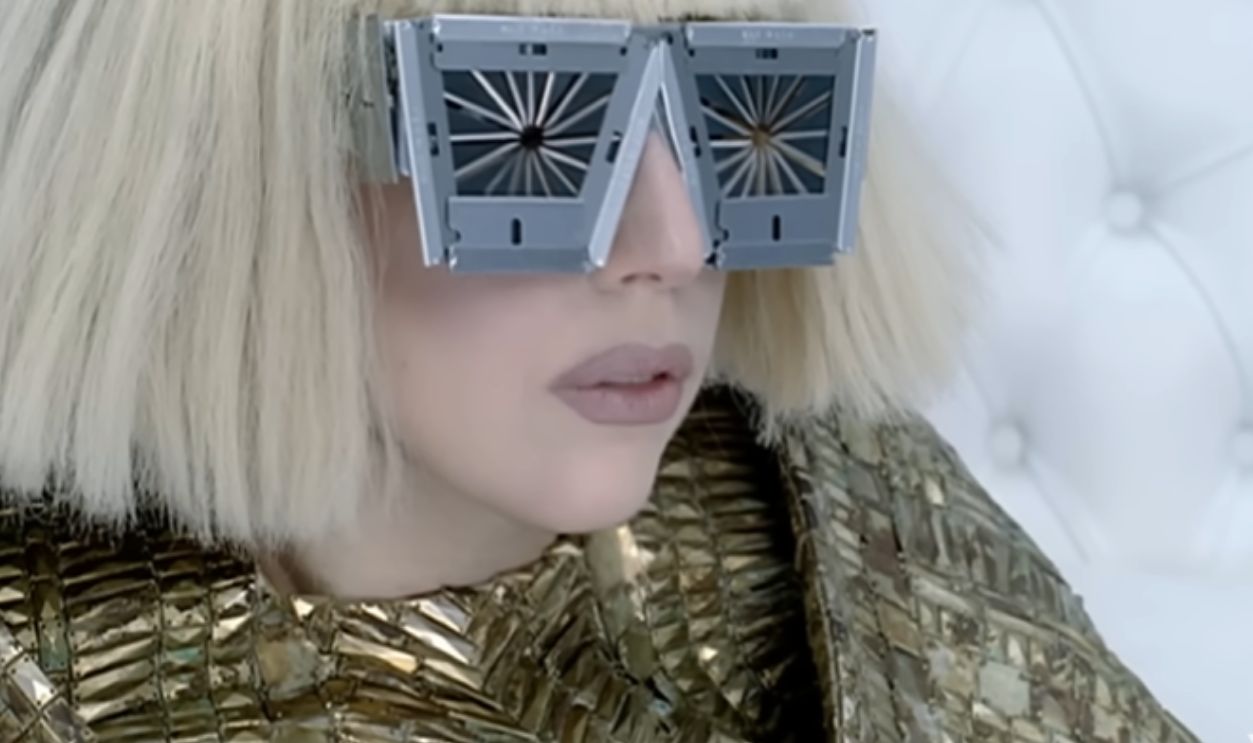 Screenshot from Bad Romance, Interscope Records (2009)
Beyoncé — Beyoncé (2013)
2013's Beyoncé was a groundbreaking visual album that redefined pop release strategies and certainly rakes in some Grammys. However, it lost Album of the Year to Beck's Morning Phase, a decision that sparked widespread criticism and debate.
 Featureflash Photo Agency, Shutterstock
Lemonade — Beyoncé (2016)
A cultural and artistic milestone, Lemonade won Best Urban Contemporary Album and Best Music Video at the Grammys. Everyone expected Beyoncé to bring home Album of the Year too, but Adele's 25 won instead. Even Adele publicly said it deserved the win. Critics still cite this as one of the defining Grammy snubs of the modern era.
 Screenshot from Lemonade, Columbia
Melodrama — Lorde (2017)
An electrifying, emotionally rich pop album, many critics argued that Lorde's Melodrama was one of the most vital works of the year, despite losing Album of the Year to Bruno Mars' 24K Magic.
 Screenshot from Melodrama, Universal (2017)
Thank U, Next — Ariana Grande (2019)
A sharp, moving, deeply personal pop album that dominated the charts, Ariana Grande's Thank U, Next lost to Billie Eilish’s breakout project, though many observers felt Grande delivered the year’s most impactful pop statement.
 Screenshot from Thank U, Next, Republic Records (2018)
The Lasting Truth
The Grammys have honored incredible music across their long history, but they’ve also overlooked albums that changed everything. Whether ignored, misunderstood, overshadowed, or simply unlucky, these albums ultimately won something more important than a trophy: They won the future.
You May Also Like:
The Most Overused Wedding Songs Of All Time
These Albums Defined The MTV Generation