A Voice That Could Break Your Heart
Donny Hathaway didn’t just sing, he inhabited every note. His voice, shaped by gospel and grief, could turn a simple lyric into something transcendent. Roberta Flack would later reflect that his singing reached listeners on a level few artists ever could.
But behind that astonishing voice was a mind quietly unraveling, long before the world realized it.
A Childhood Built on Gospel
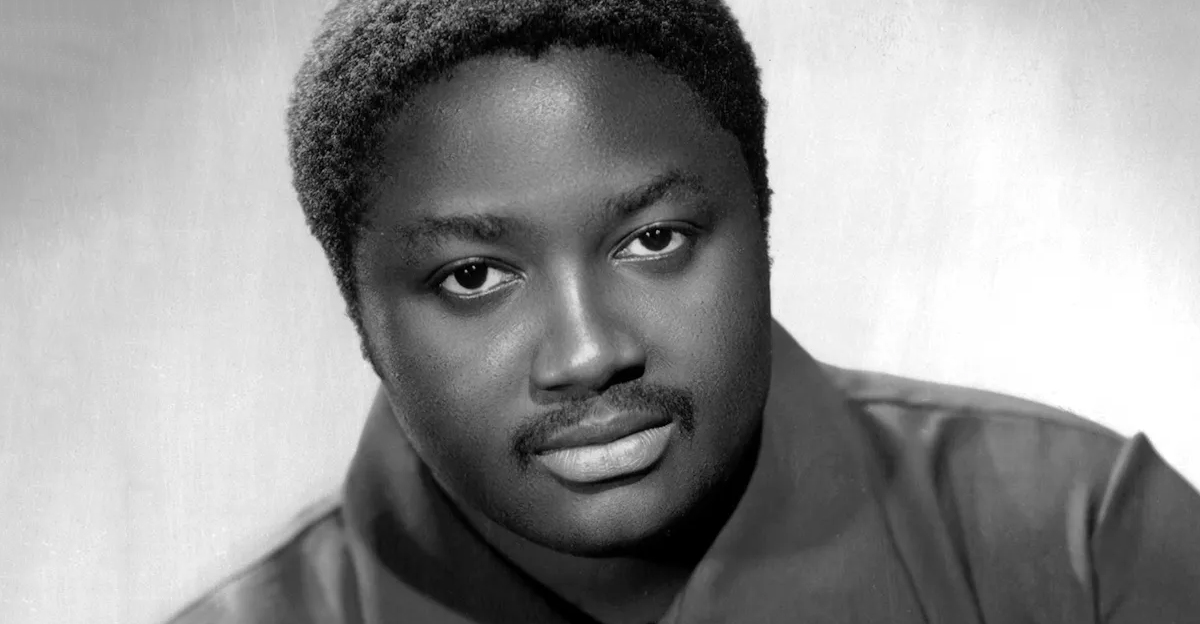
Donny Hathaway was born on October 1, 1945, in Chicago, and raised primarily in St. Louis by his grandmother, Martha Pitts, a professional gospel singer. His earliest memories were shaped by church choirs, hymns, and spiritual music.
He showed unusual talent almost immediately.
Learning Piano as a Lifeline
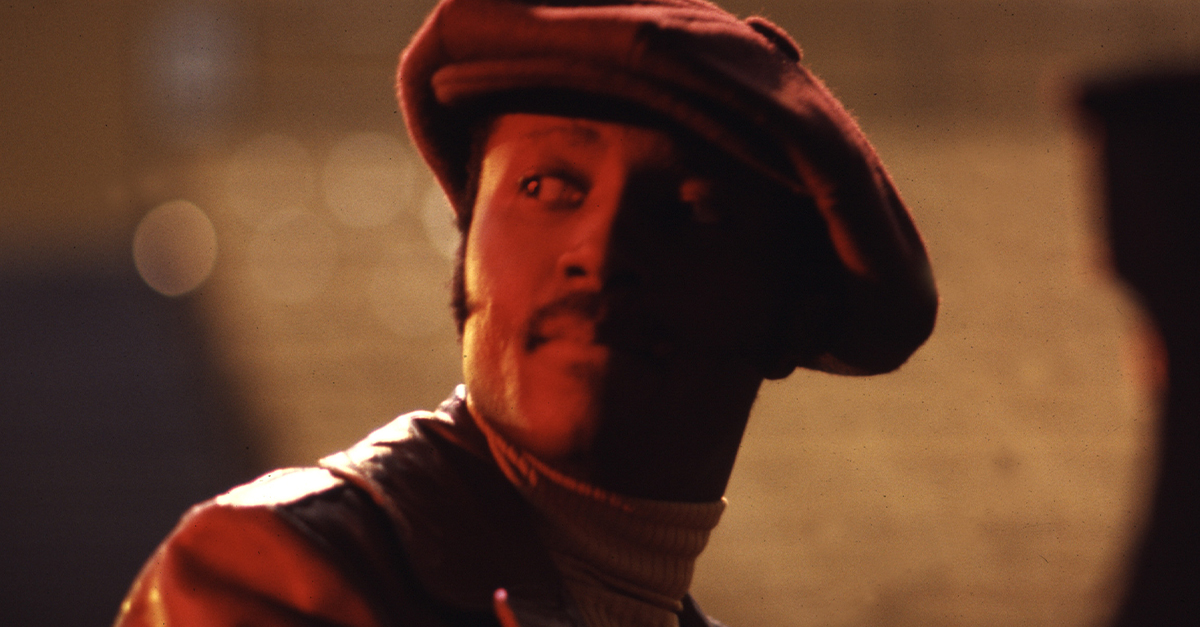
As a young boy, Hathaway gravitated to the piano and was only three years old when he first began to play. Music became his refuge, discipline, and identity, long before he understood how much he would need it.
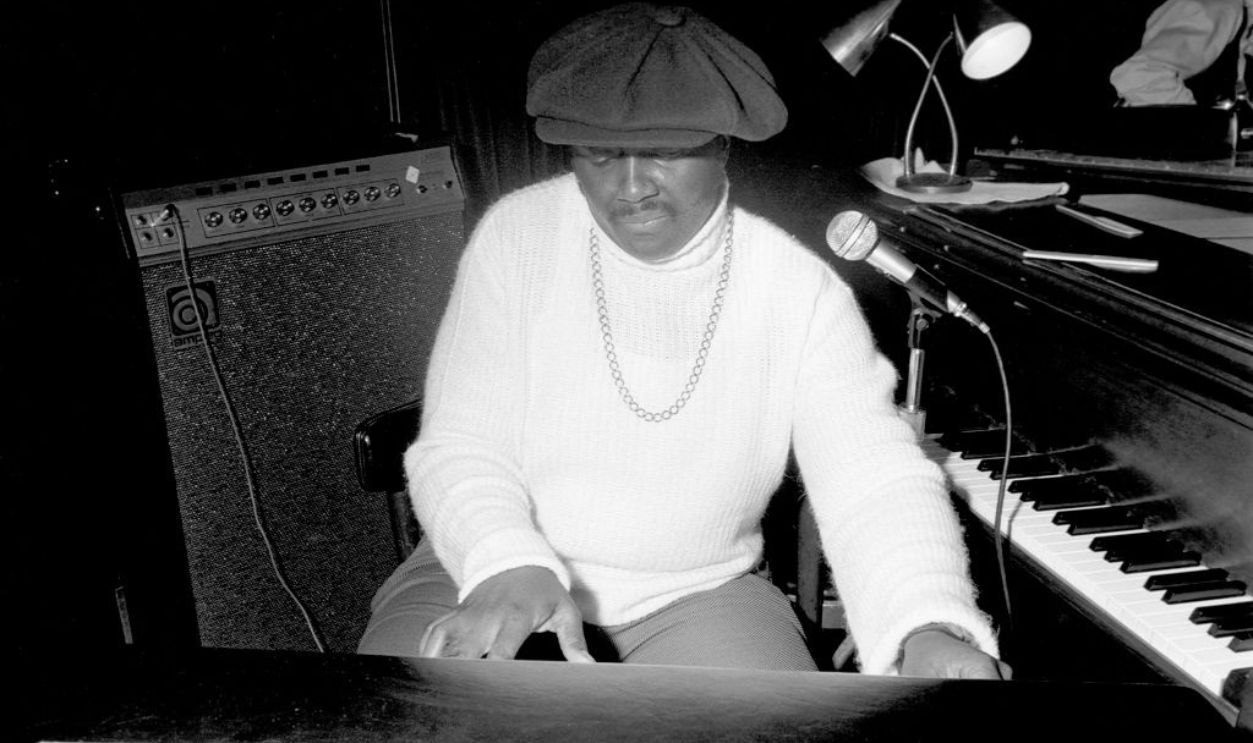 Michael Ochs Archives, Getty Images
A Scholar at Howard University
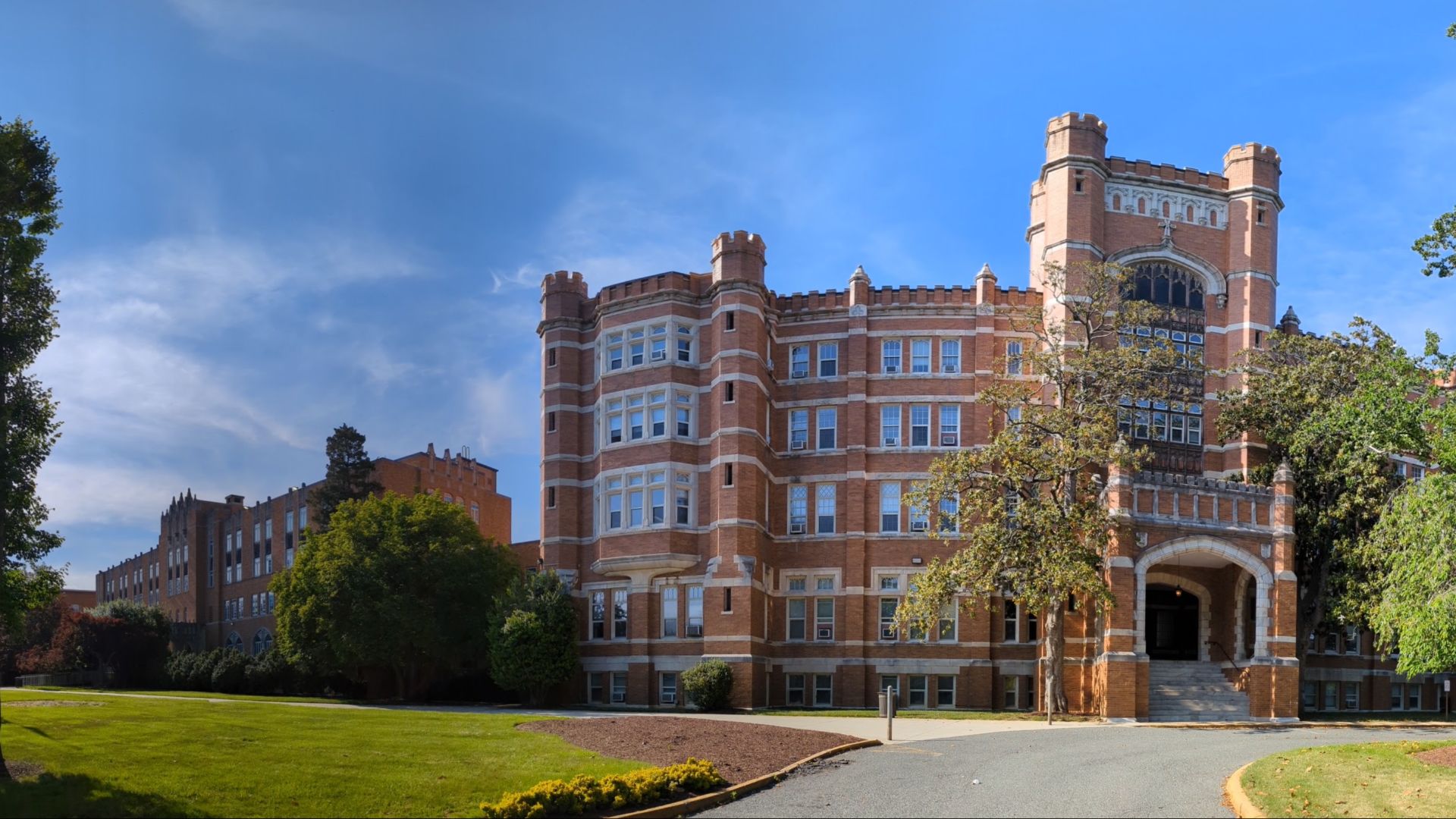
His abilities eventually earned him a fine-arts scholarship to Howard University, where he studied composition and music theory. Howard placed him in a vibrant community of young musicians and future collaborators.
It was there that he first crossed paths with Roberta Flack—an artistic connection that would one day define both their careers.
Leaving College to Chase Destiny
In 1967, Hathaway made a bold decision: he left Howard without graduating and moved directly into professional music work. Producers, arrangers, and artists noticed him immediately.
It wouldn’t take long for him to become indispensable.
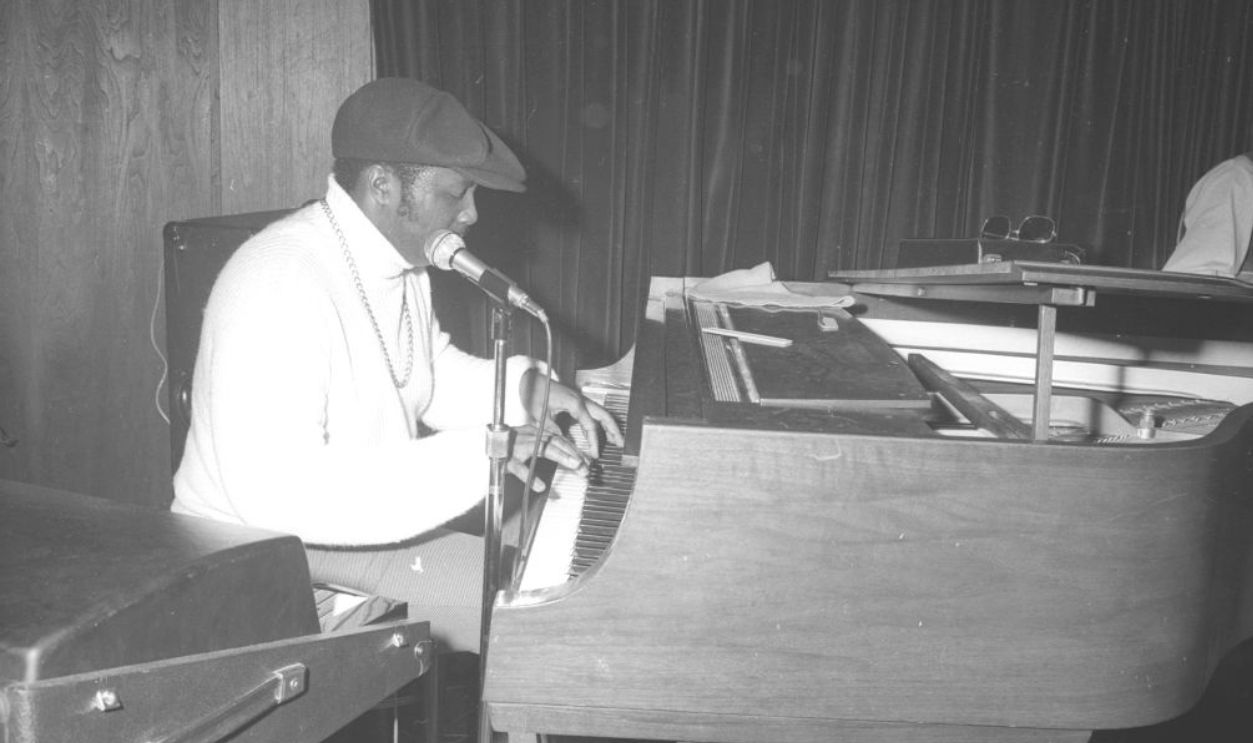 Michael Ochs Archives, Getty Images
Becoming the Genius Behind the Scenes
Hathaway’s early professional years were spent as a session musician, arranger, and producer for Curtis Mayfield’s label. He contributed to projects across the Chicago soul scene, building a reputation as both a musical architect and a quiet powerhouse.
His solo moment was coming.
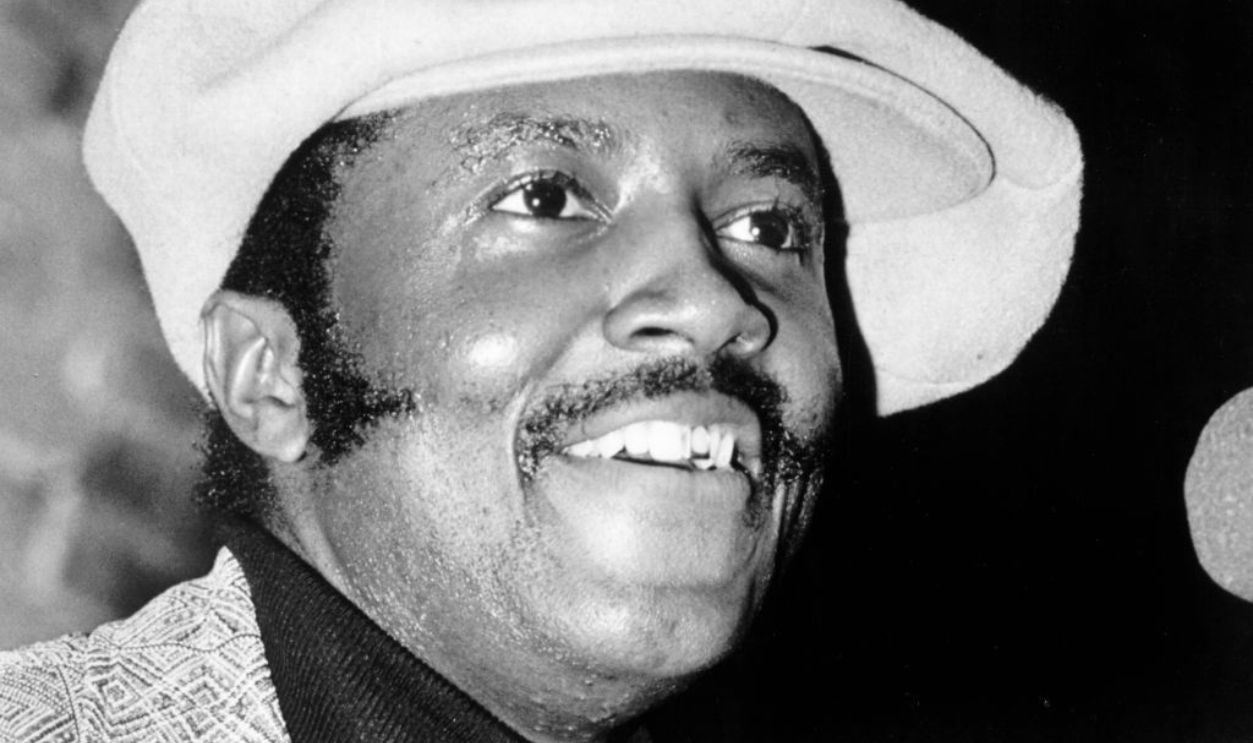 Michael Ochs Archives, Getty Images
A Solo Debut That Announced a Revelation
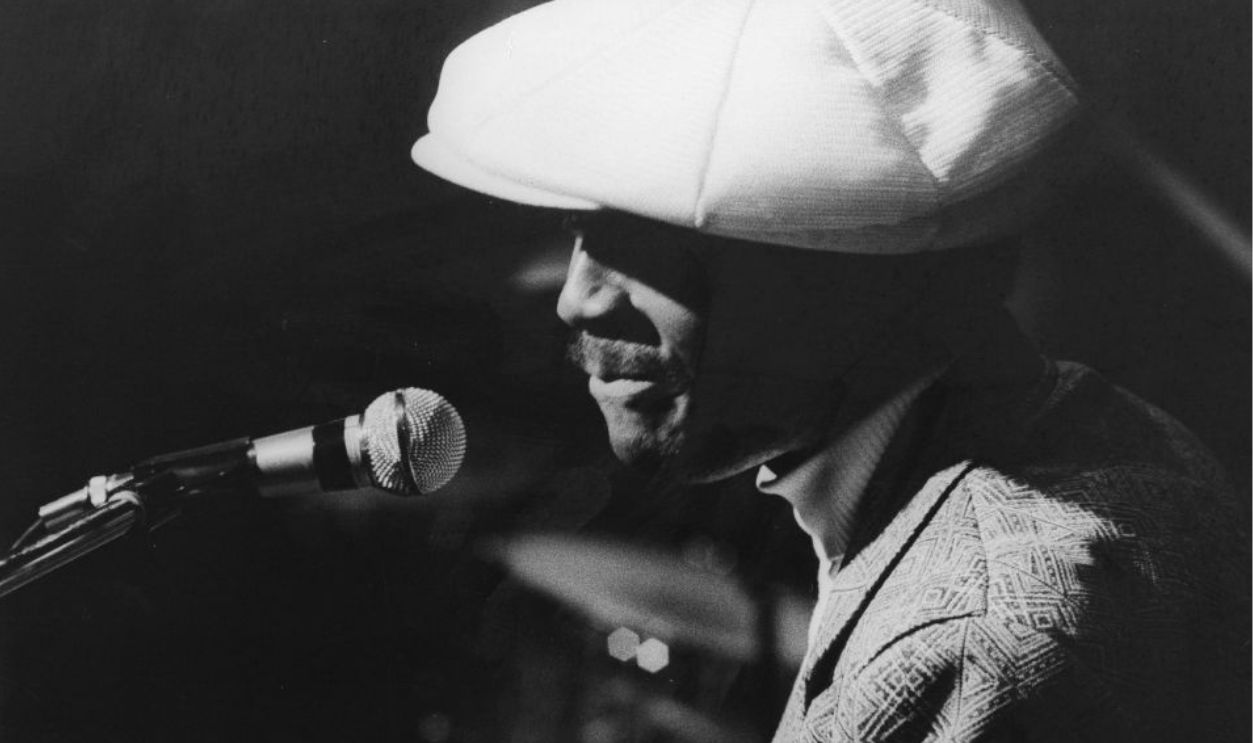
Signing with Atco/Atlantic Records, Hathaway released a debut that critics hailed as groundbreaking. “The Ghetto” showcased his mastery of rhythm, improvisation, and atmosphere, establishing him as a formidable new voice in soul. The industry took notice.
 Michael Ochs Archives, Getty Images
A Classic Christmas Song for the Ages
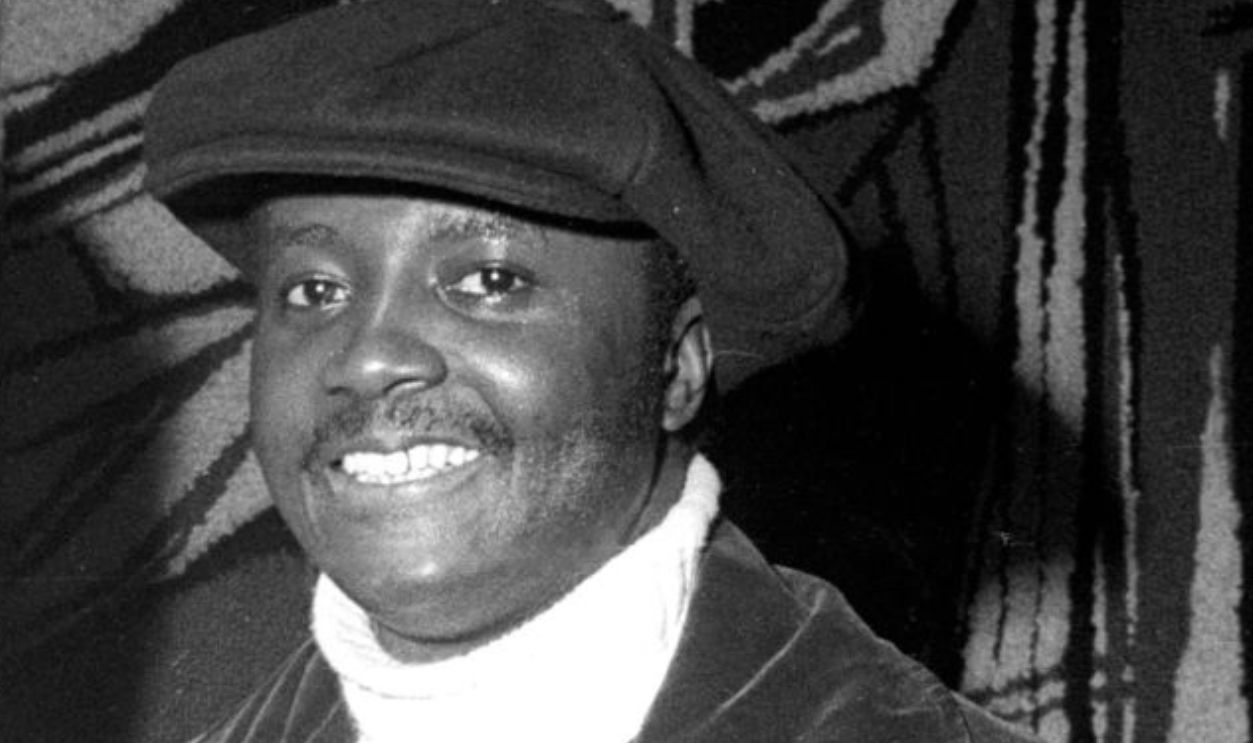
In 1970, Hathaway released “This Christmas". It entered the world modestly but grew into a holiday standard embraced across generations. Few artists get a seasonal classic; Hathaway achieved it on his first try.
 Michael Ochs Archives, Getty Images
Music as a Spiritual Offering
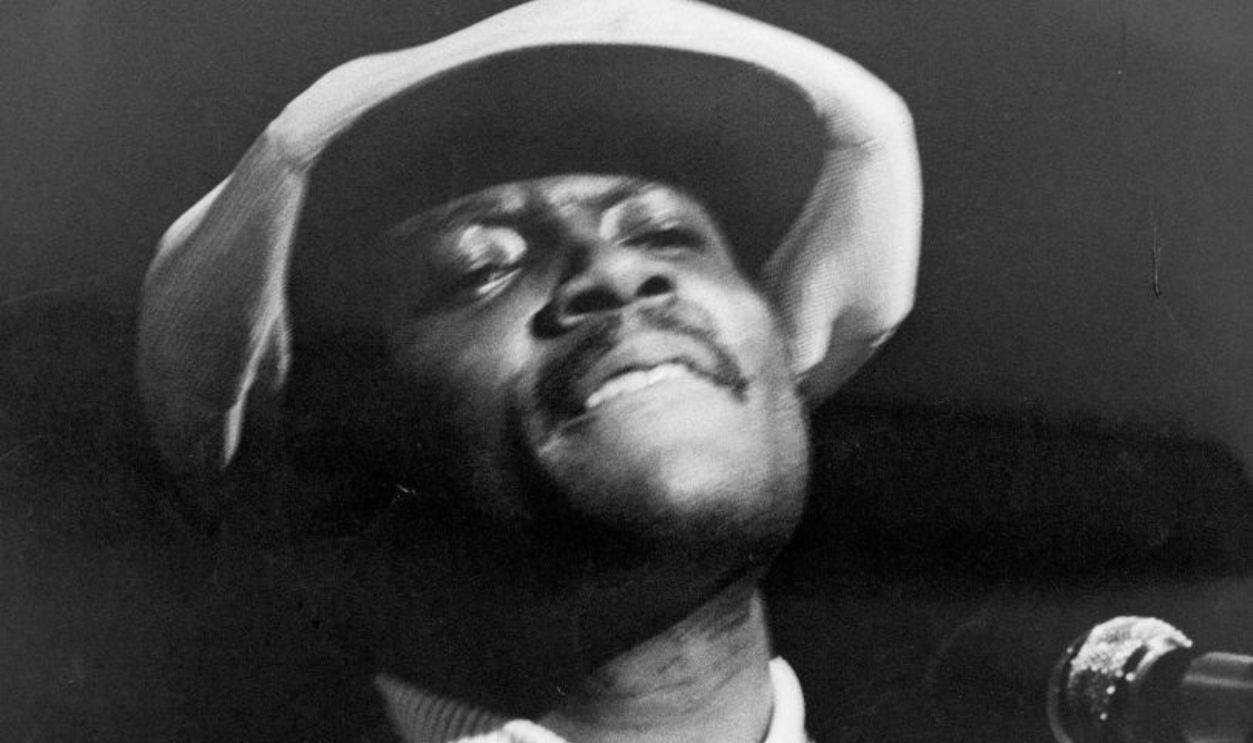
His early 1970s recordings revealed a rare blend of vulnerability and precision. His 1973 masterpiece “Someday We’ll All Be Free,” written during a chaotic period of his life, carried an ache listeners would only fully understand later. The beauty was overwhelming. The cost was invisible.
 Michael Ochs Archives, Getty Images
The Perfect Musical Marriage
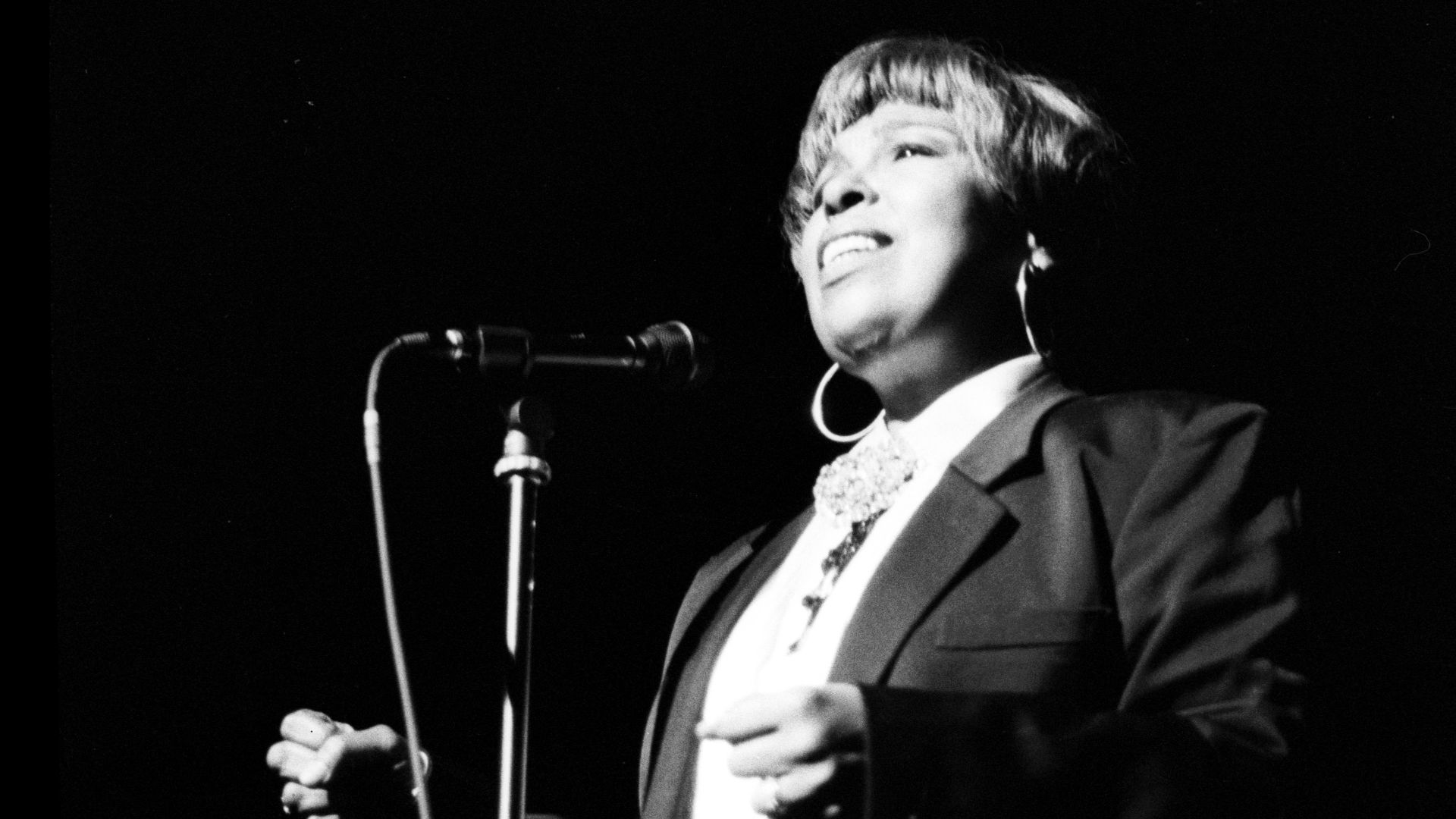
Hathaway’s duets with Roberta Flack became instant classics. “Where Is the Love” (1972) won a Grammy and solidified them as one of soul’s most magical pairings. When their voices met, the effect was alchemical—gentle, yearning, unstoppable.
 Roland Godefroy, Wikimedia Commons
The First Signs of Trouble
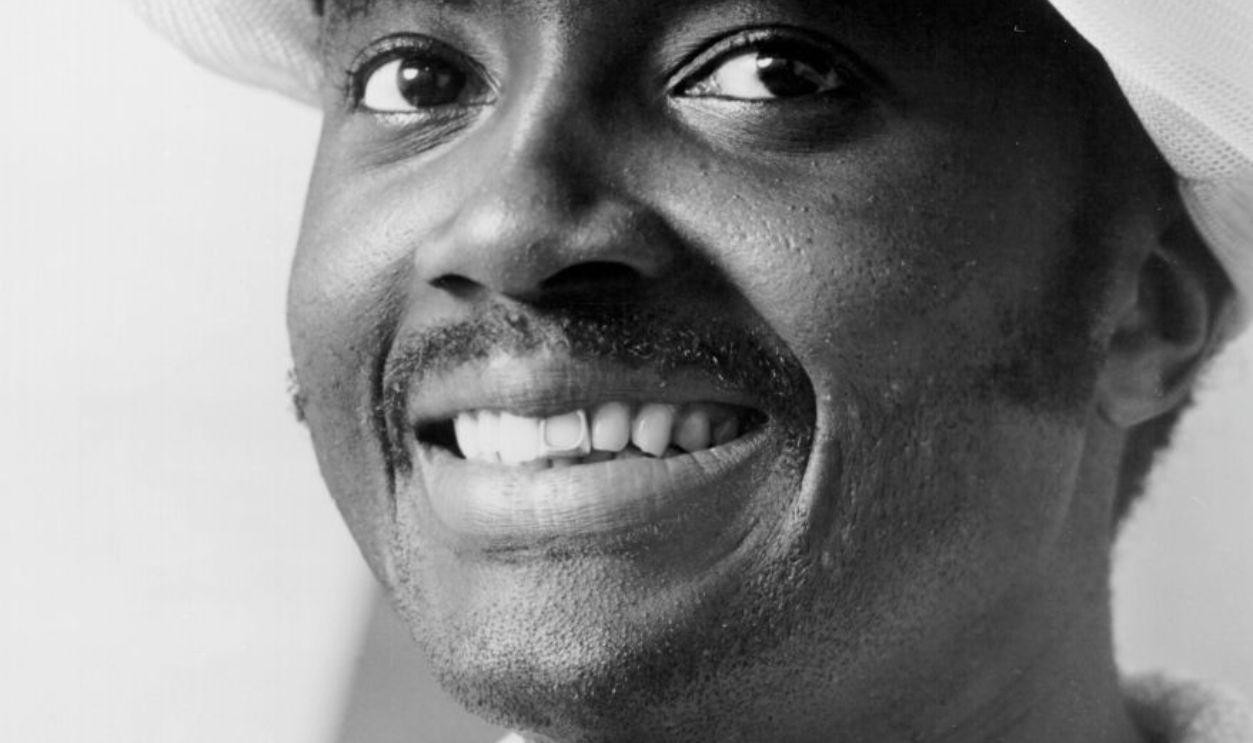
Behind the success, something darker was stirring. By 1973, Hathaway began experiencing frightening shifts in mood, perception, and behavior. Hospitalizations followed. Doctors diagnosed him with paranoid schizophrenia, a condition that would shadow every part of his life.
 Michael Ochs Archives, Getty Images
Living With a Devastating Diagnosis
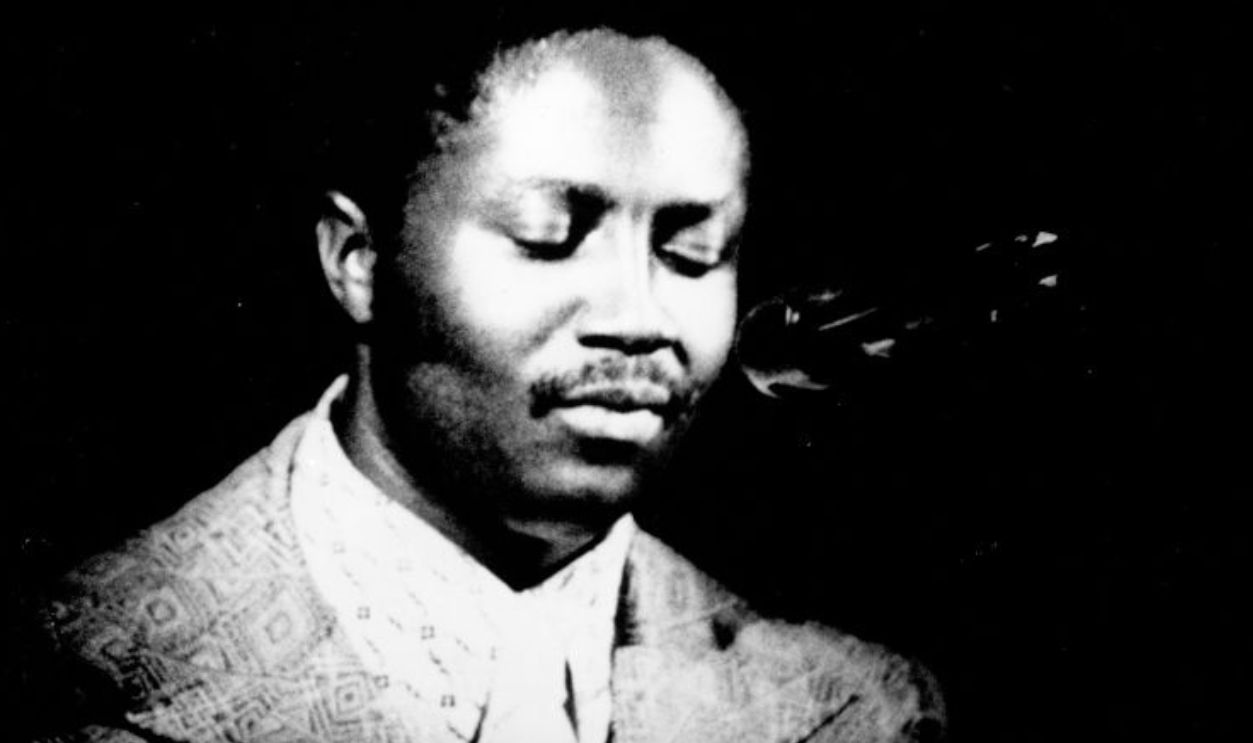
The treatment was intense. At times, he was prescribed up to 14 medications a day. But though the medications did stabilize him, they also drained him. According to Hathaway's wife Eulaulah, the musician had a bad habit of halting his dosages whenever he began feeling better. Tragically, this was a dangerous cycle.
 Michael Ochs Archives, Getty Images
The Battle Within
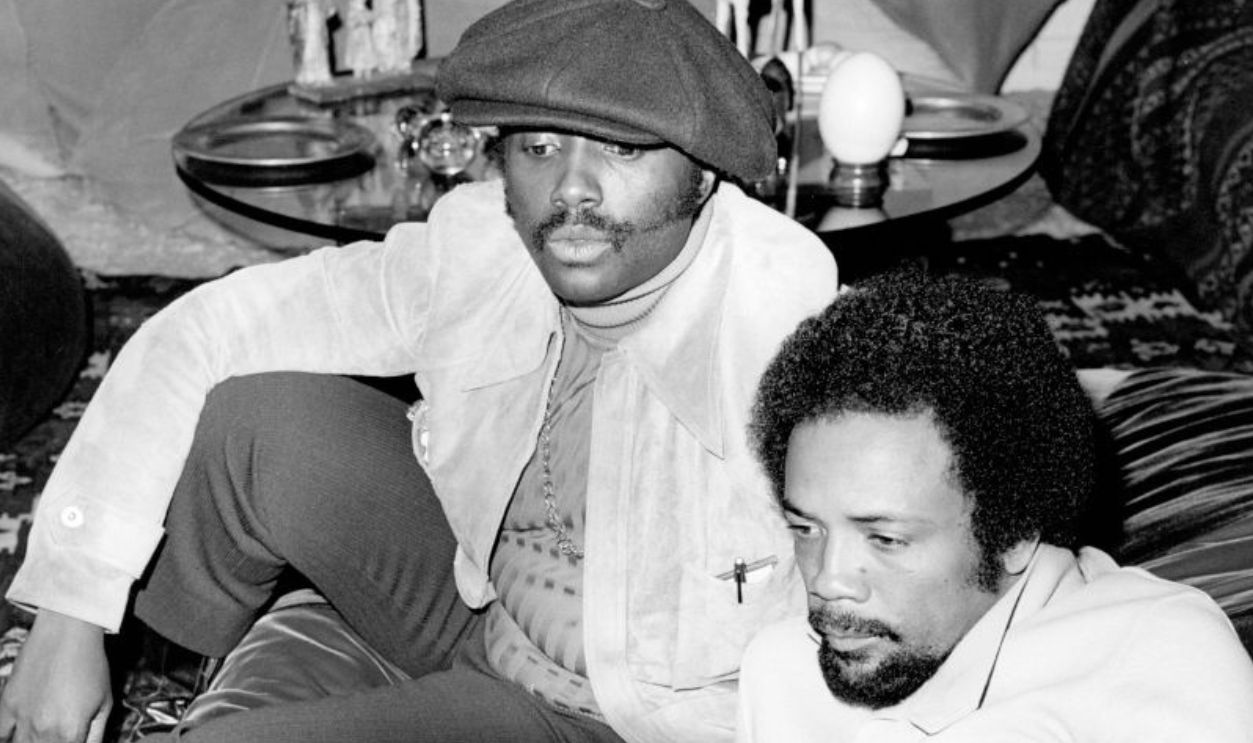
Schizophrenia brought hallucinations, paranoia, and emotional volatility. For Hathaway, music—the thing he loved most—began slipping from his grasp. His output slowed. His performances dwindled.
 Michael Ochs Archives, Getty Images
A Shadow Over His Career
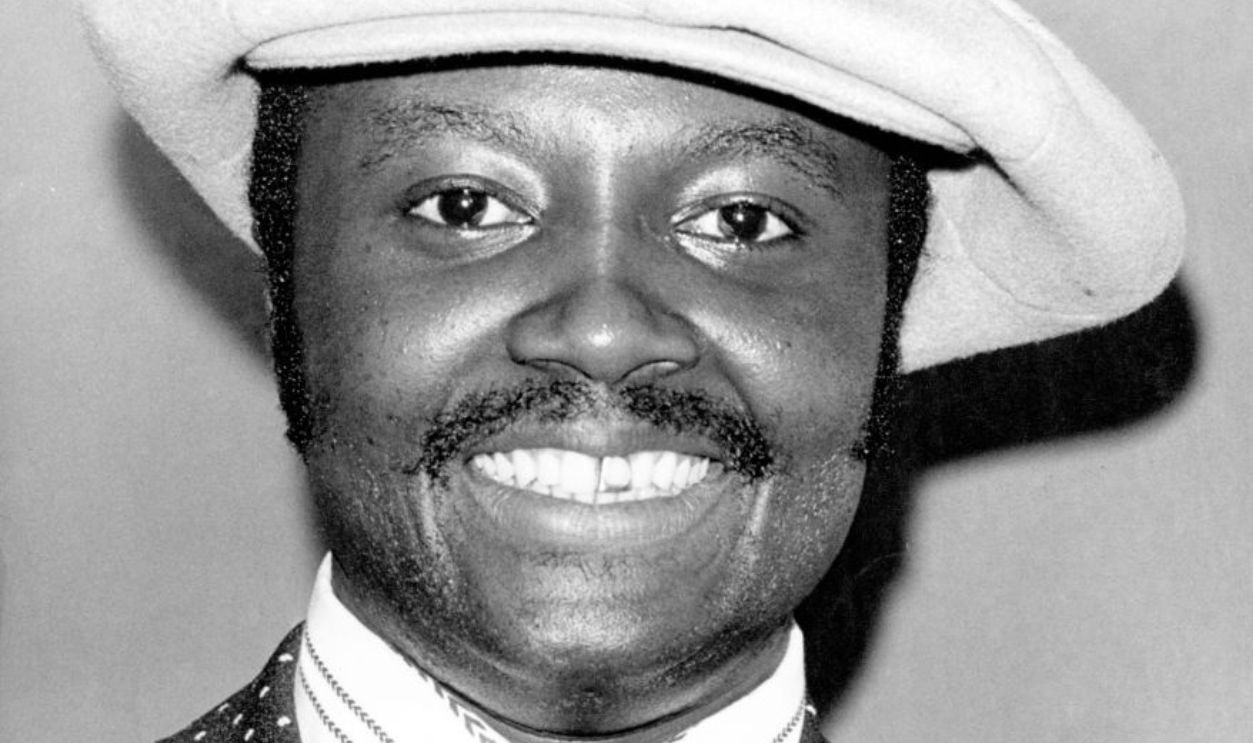
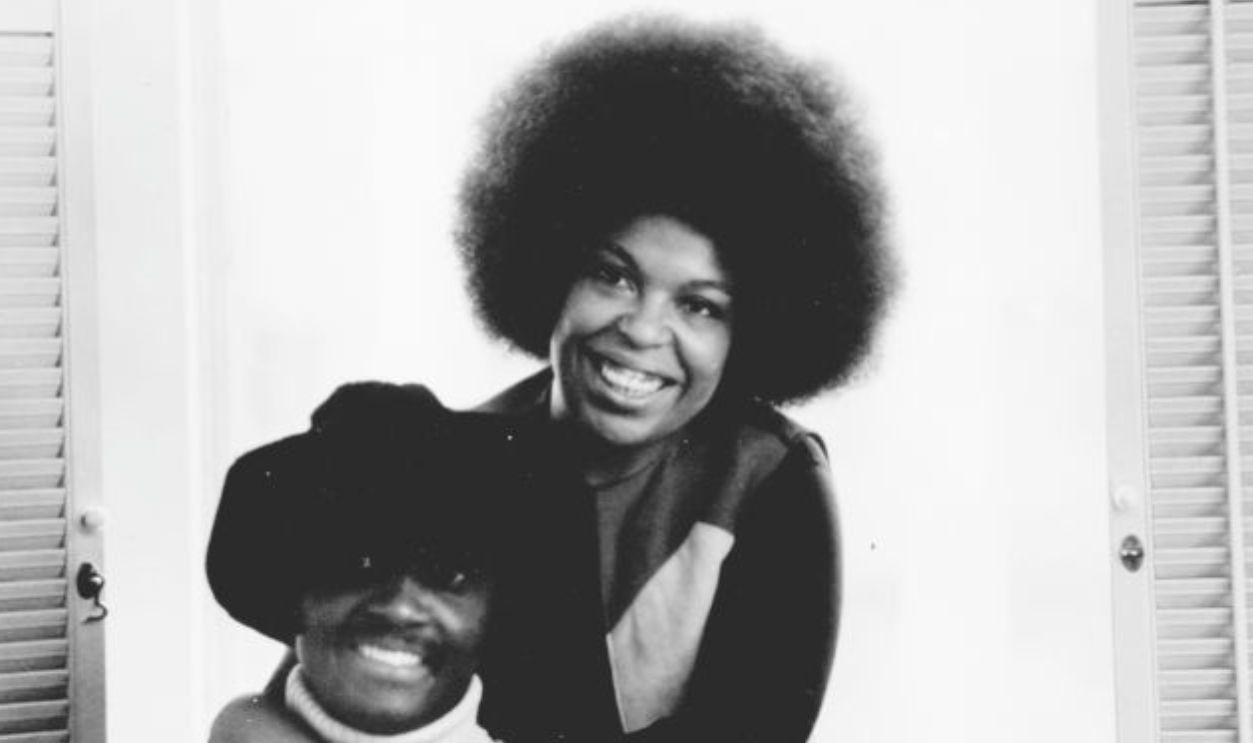
The mid-1970s became a blur of hospital stays and creative dead ends. His depression also had a devastating effect on his friendship with Roberta Flack, with whom he stopped collaborating for a time. But thankfully, their story wasn't over yet.
 Michael Ochs Archives, Getty Images
A Sudden Spark of Hope
There was still hope for Hathaway and Flack. In 1978, they reunited for new duets. “The Closer I Get to You” soared up the charts, proving the magic was still there.
 Michael Ochs Archives, Getty Images
A New Album in the Works
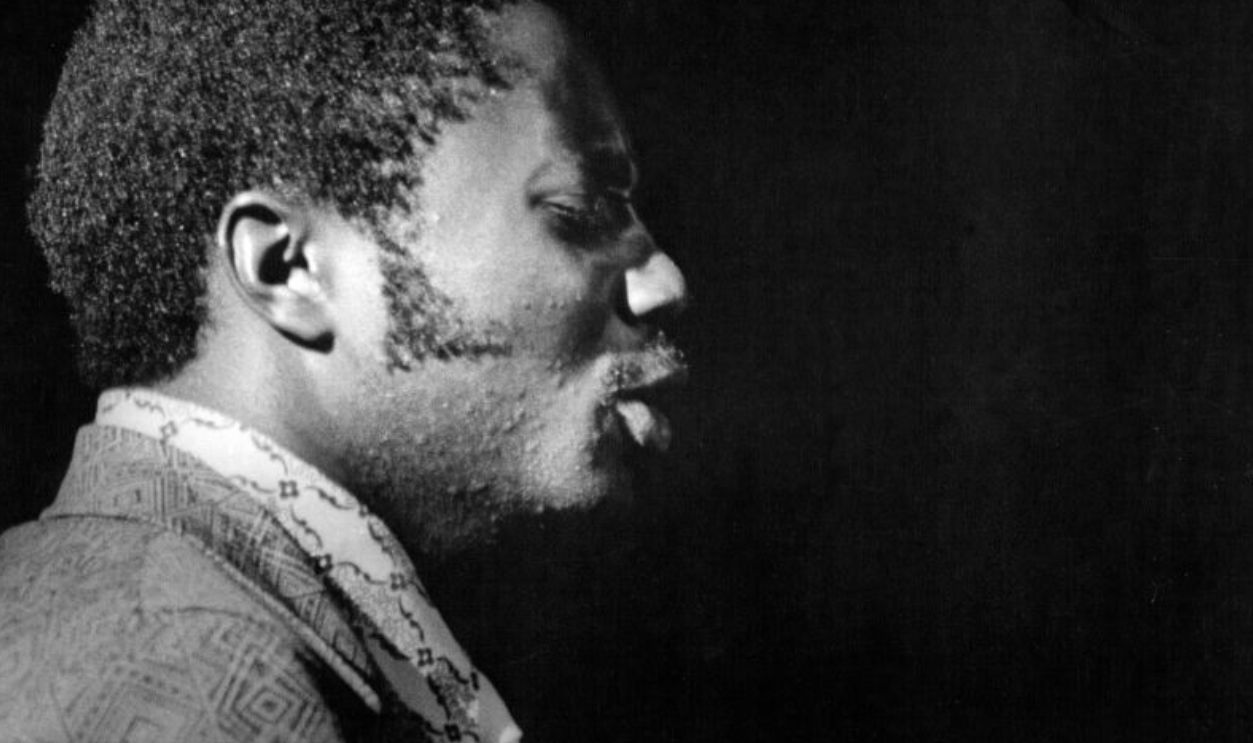
Encouraged by their success, Hathaway and Flack began working on a second duet album. The sessions were meant to revive their artistic partnership and perhaps stabilize his life again.
Instead, they led to the darkest moment of his career.
 Michael Ochs Archives, Getty Images
The Last Recording Session
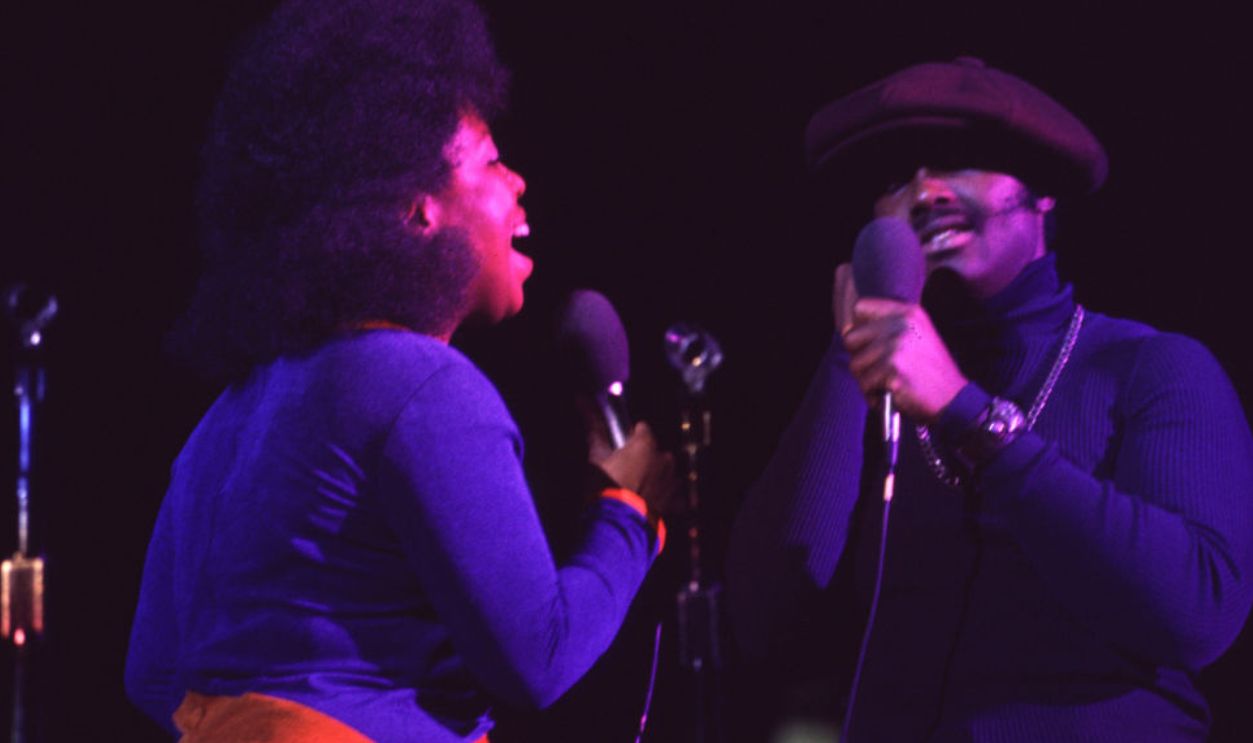
On January 13, 1979, Hathaway arrived at the studio. He became increasingly paranoid, expressing delusions that people were trying to kill him or steal his music through a machine. The session ended abruptly for everyone’s safety. But the worst was yet to come.
Returning to the Essex House
Following the disastrous recording session, Hathaway returned to his room at the Essex House hotel overlooking Central Park. It was the last place he was seen alive.

A Window Removed, a Door Locked
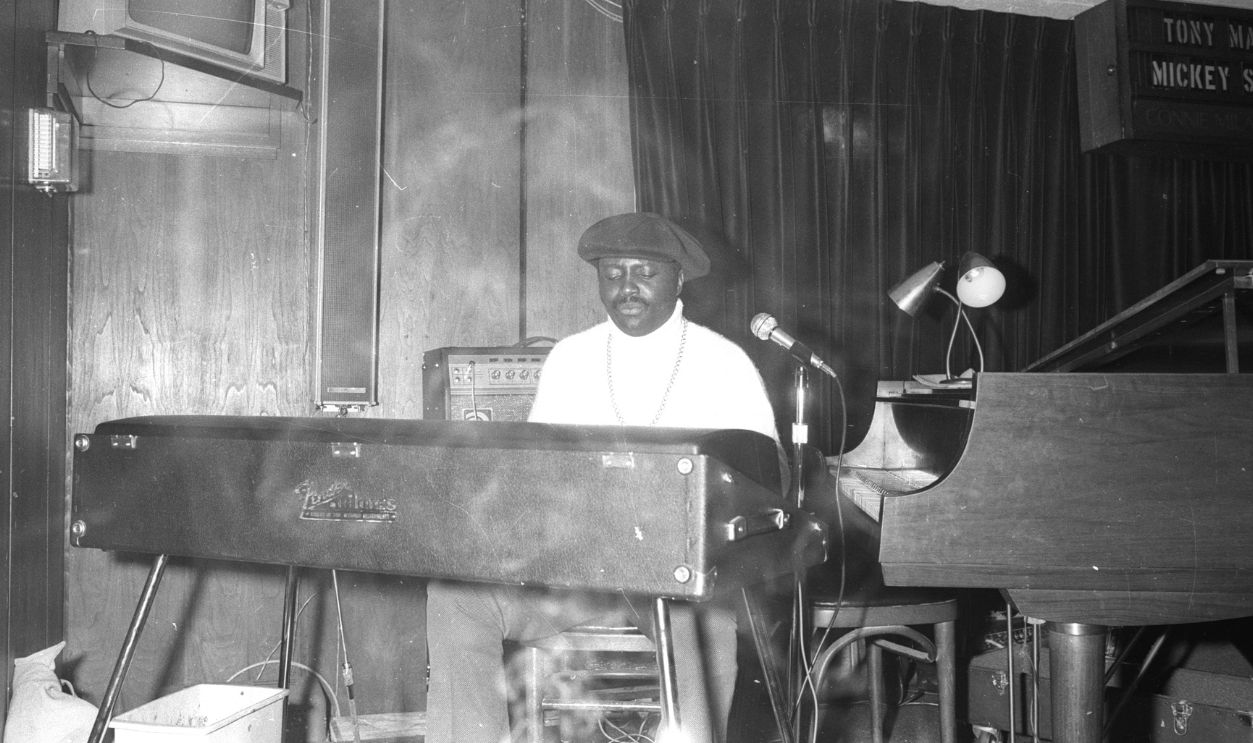
Late that evening, Hathaway's body was discovered on the pavement below his 15th-floor window. The door was locked from the inside. The windowpane had been carefully removed. No signs of struggle were found. The medical examiner ruled that Hathaway had taken his own life.
 Michael Ochs Archives, Getty Images
The Shockwaves That Followed
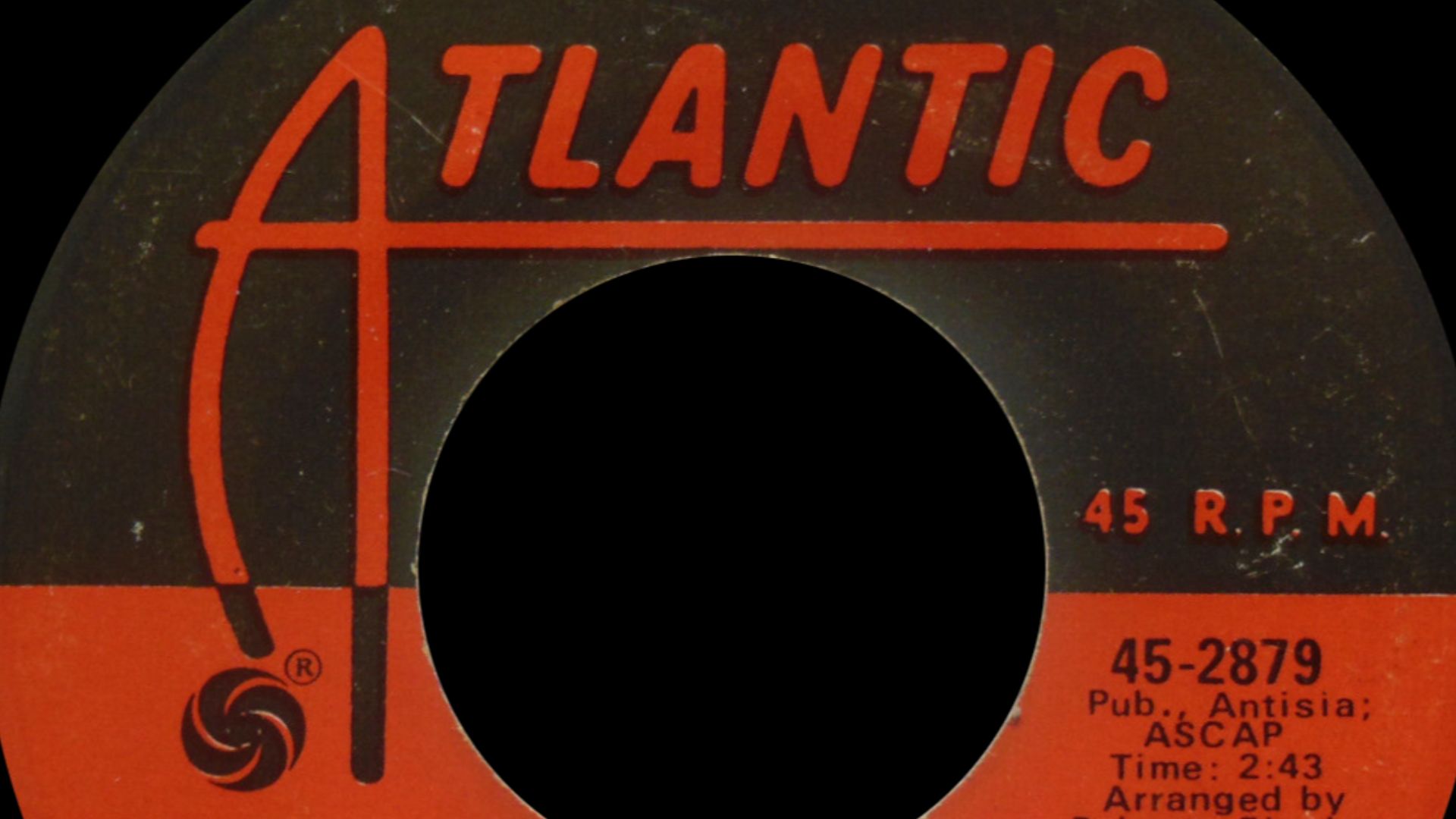
The loss devastated collaborators and fans alike. Hathaway was just 33 years old—only beginning what should have been his artistic prime.
 Atlantic Records, Wikimedia Commons
Finishing the Album Without Him
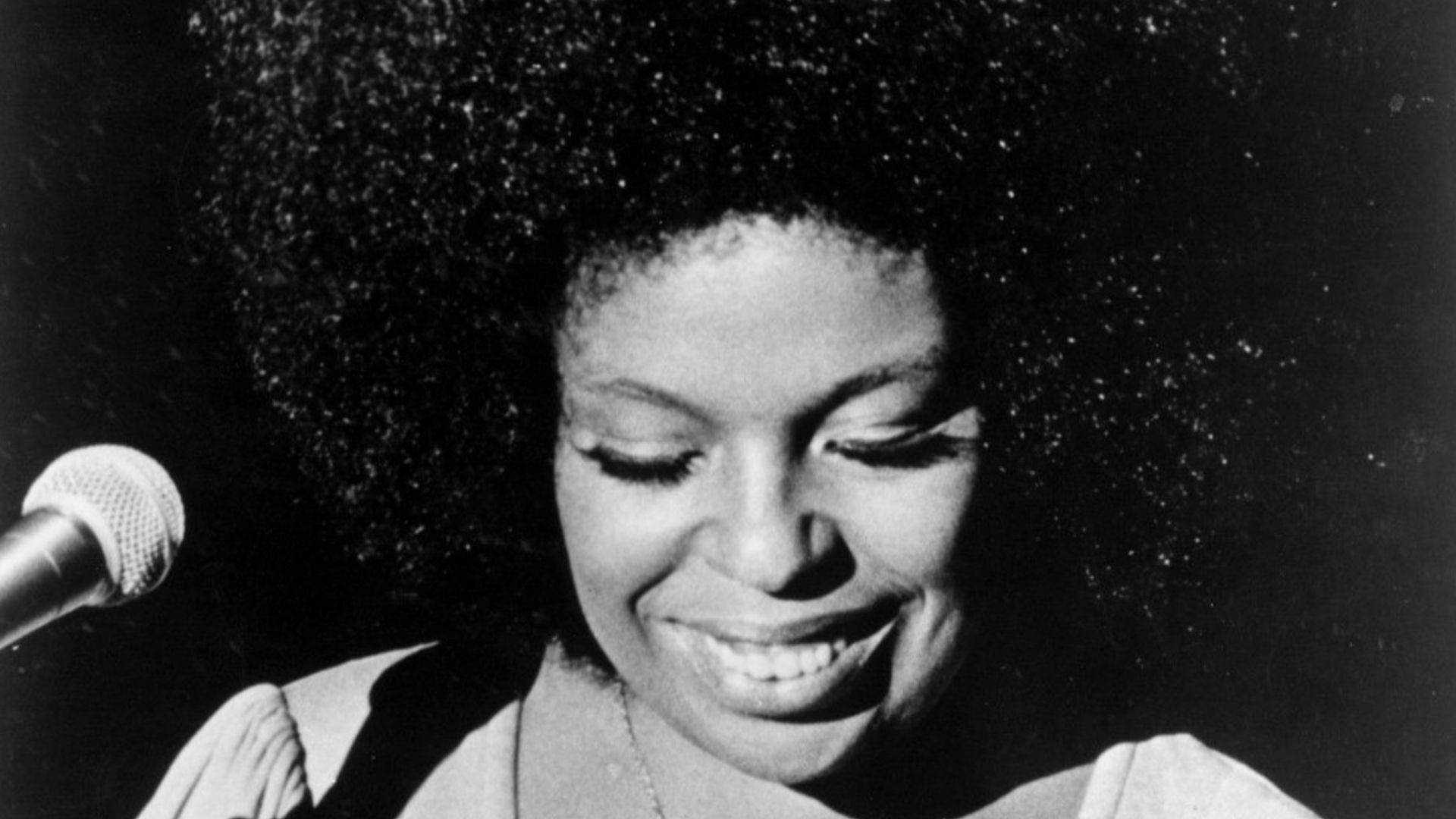
Roberta Flack later completed the album Roberta Flack Featuring Donny Hathaway, using vocals he had already recorded. It was released in 1980. One track, “You Are My Heaven,” became an unintended farewell.
 CMA-Creative Management Associates, Wikimedia Commons
A Funeral Led by a Civil Rights Giant
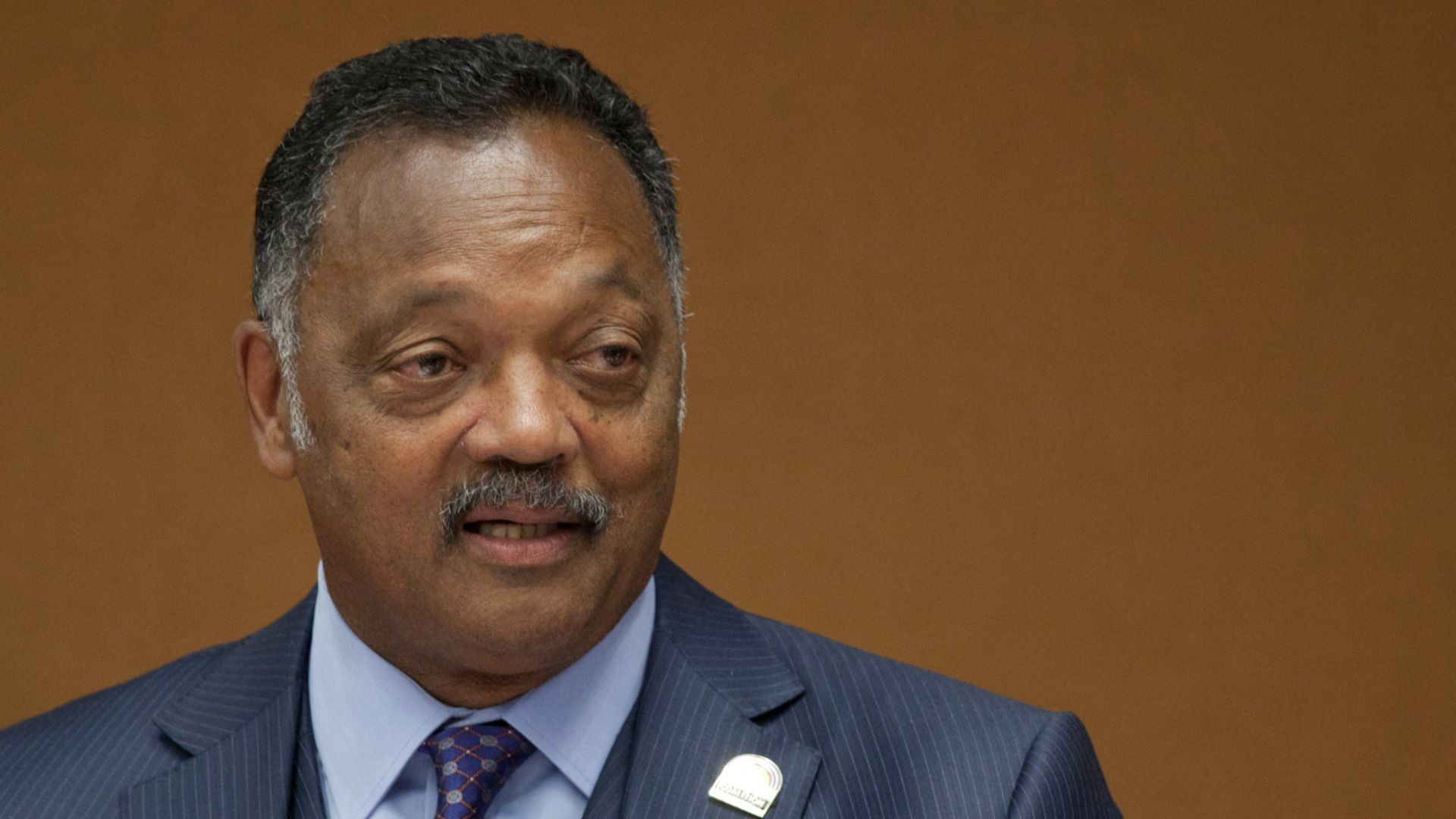
Reverend Jesse Jackson conducted Hathaway’s funeral service, honoring both the magnitude of the loss and the brilliance of his life.
 United States Mission Geneva, Wikimedia Commons
The Legacy He Never Saw
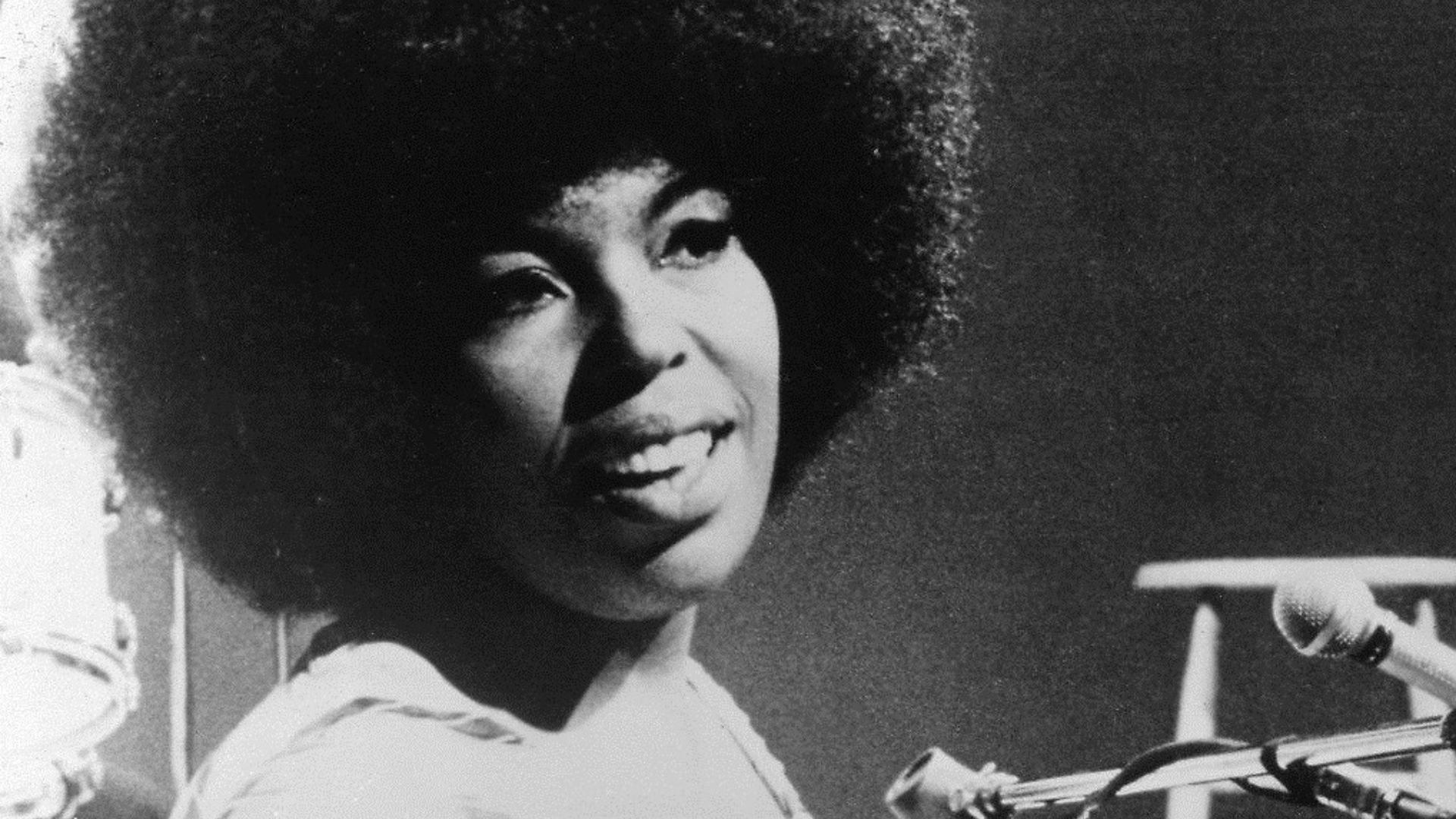
After his death, Hathaway’s influence only deepened. His recordings became cornerstones of soul and R&B. “Someday We’ll All Be Free” endured as an anthem of hope.
 CMS-Creative Management Associates/John Levy (management), Wikimedia Commons
Tributes Across Time
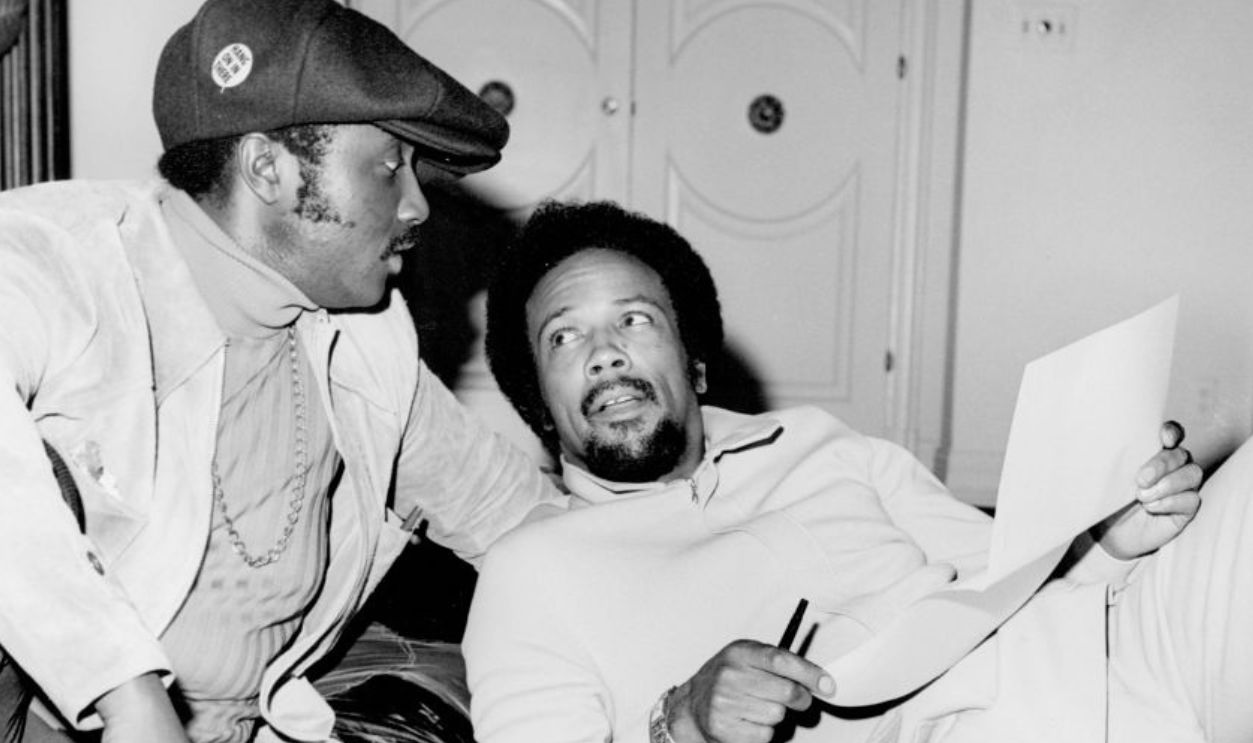
His life inspired documentaries and the acclaimed stage production Twisted Melodies, which dramatizes his final hours and explores the collision of genius and mental illness.
 Michael Ochs Archives, Getty Images
The Man Behind the Myth
Hathaway was a husband, father, composer, and believer. He fought an illness that medicine barely understood at the time. When Donny Hathaway fell from his New York hotel window in 1979, soul music lost one of its most gifted voices. But his songs endure. In every chord and every aching note, his voice remains alive.
You May Also Like:
The Life And Career Of The King Of Country, George Strait
These Songs Sound Like The 2020s In A Nutshell (And It’s Pretty Chaotic)