Why Was Everyone Singing About the Devil?
For a stretch there, musicians couldn’t stop name-dropping him. Blues singers blamed him. Rock bands partied with him. Country artists outran him. The 60s and 70s especially treated him like a recurring guest star.
This list is unranked—because, well, arguing about the devil never ends well.
“Sympathy for the Devil” (The Rolling Stones)
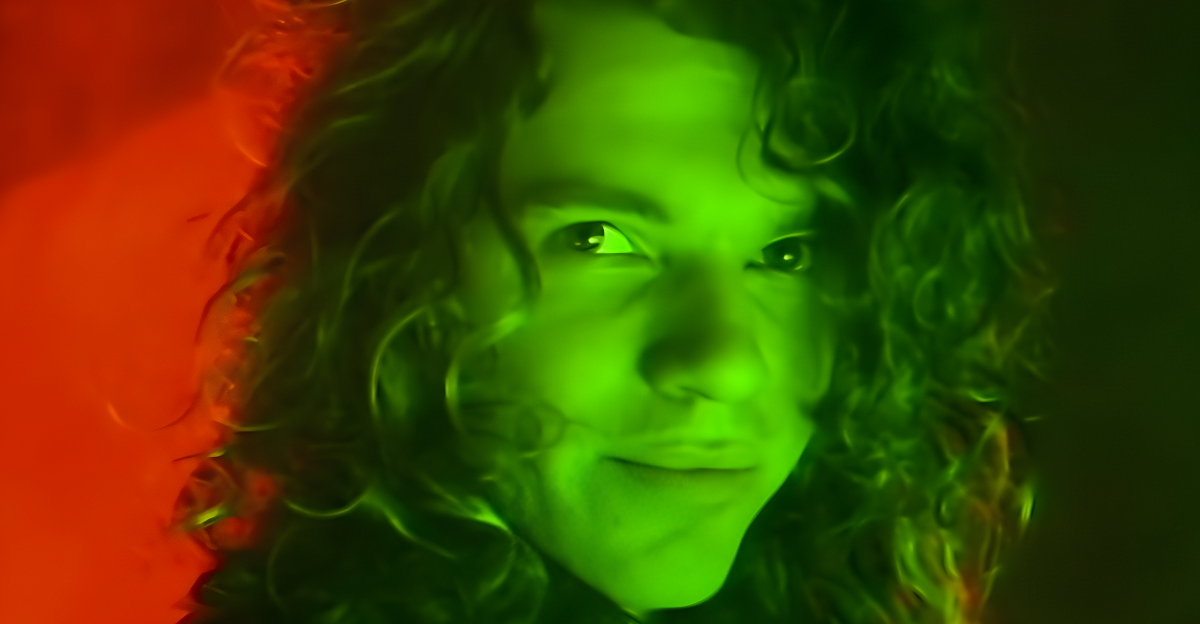
If you’re writing about devil songs, this is the obvious ringleader. Mick Jagger plays Lucifer like he’s hosting a cocktail party during the fall of civilization. Smooth, sinister, weirdly charming. And even if they'd gone with the original working title, "The Devil Is My Name" it still would've made the list.
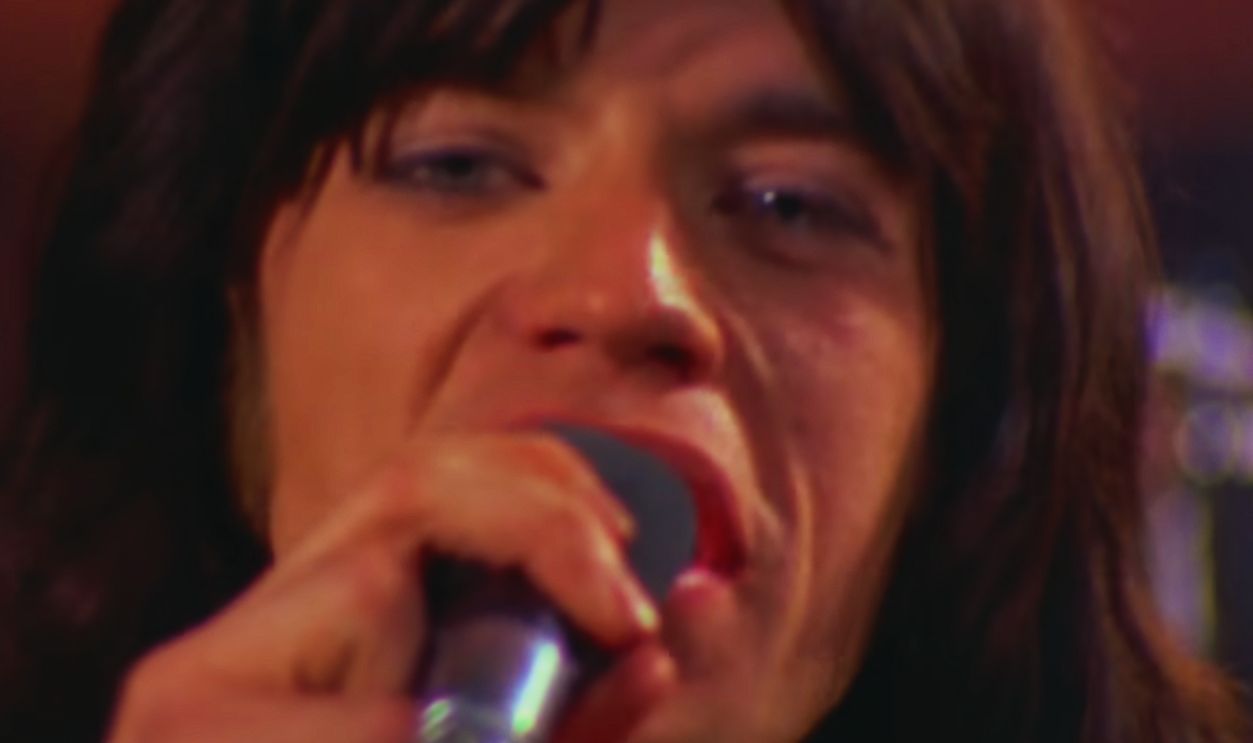 Screenshot from The Rolling Stones – “Sympathy for the Devil”, ABKCO Records (1968)
“The Devil Went Down to Georgia” (The Charlie Daniels Band)
A fiddle duel against Satan himself. Trash talk included. It’s country, it’s rock, it’s storytelling theater—and somehow it became a radio staple. Also, let’s be honest, most of us still air-fiddle during the fast part.
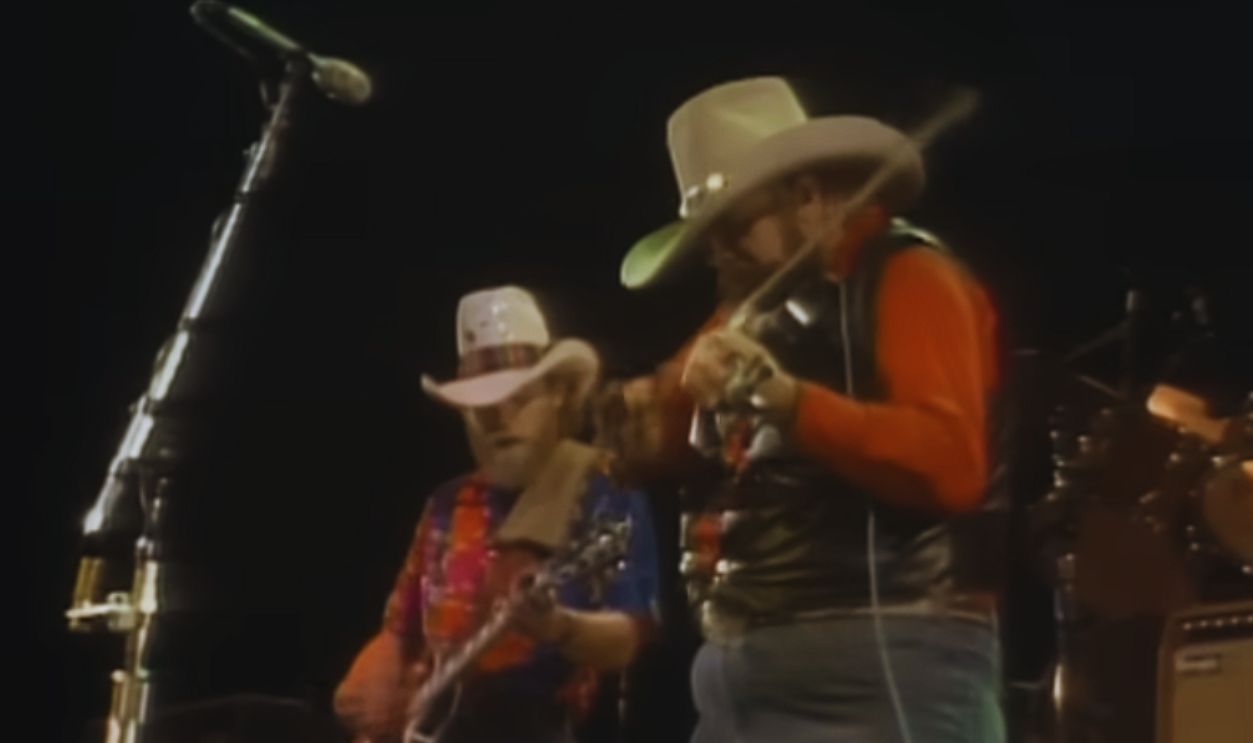 Screenshot from The Charlie Daniels Band – “The Devil Went Down to Georgia”, Epic Records (1979)
“Friend of the Devil” (Grateful Dead)
The devil here isn’t fire and brimstone—he’s more of a laid-back outlaw complication. The Dead turned running from the law into something breezy and almost relaxing. Only they could make fugitives sound like a pleasant road trip.
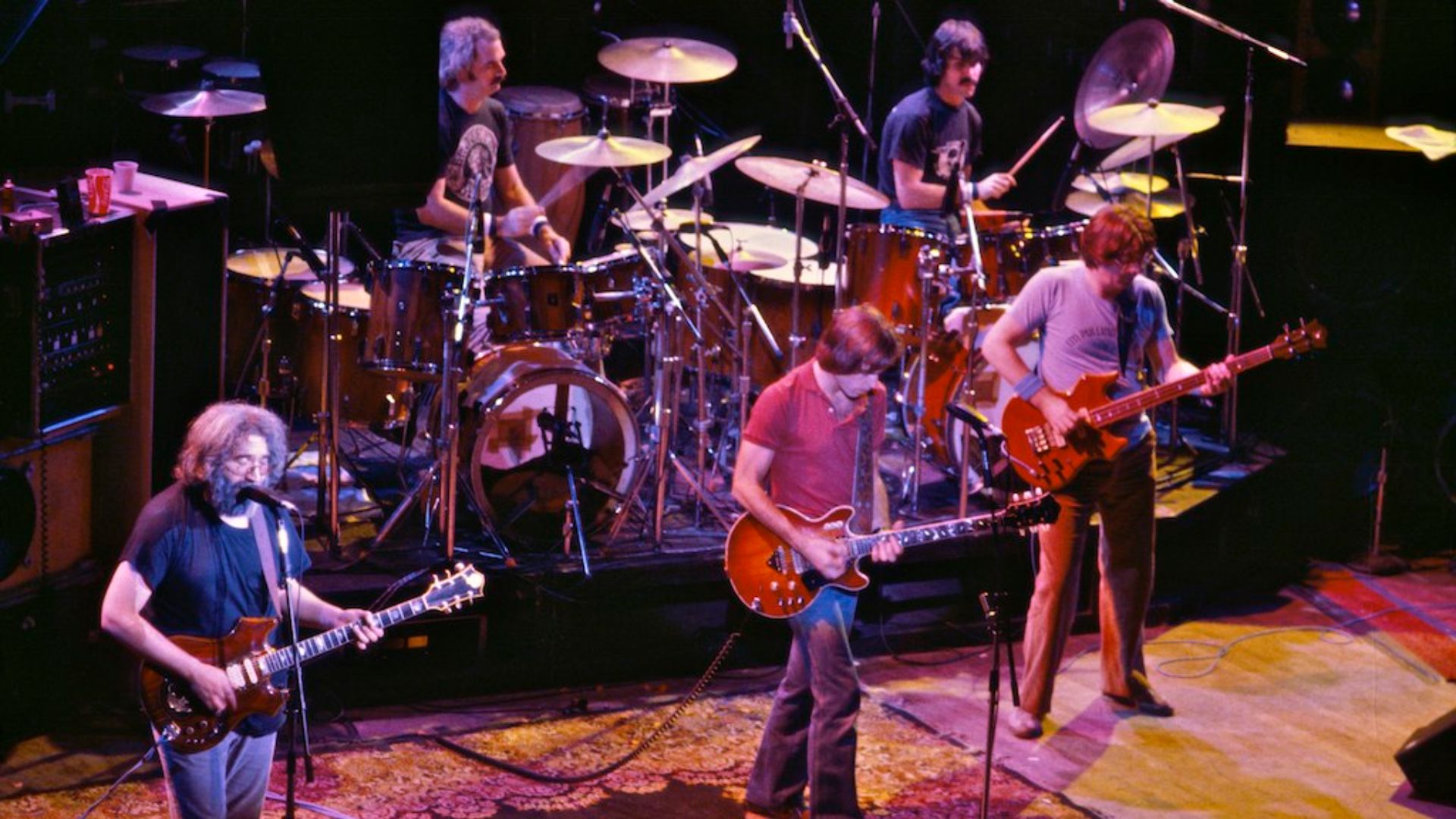 Chris Stone https://gratefulphoto.com, Wikimedia Commons
“Runnin’ with the Devil” (Van Halen)
That opening bass note alone could power a stadium. Van Halen didn’t treat the devil like a metaphor—they treated him like a tour manager. Loud, reckless, and built for arenas. Parents were not thrilled.
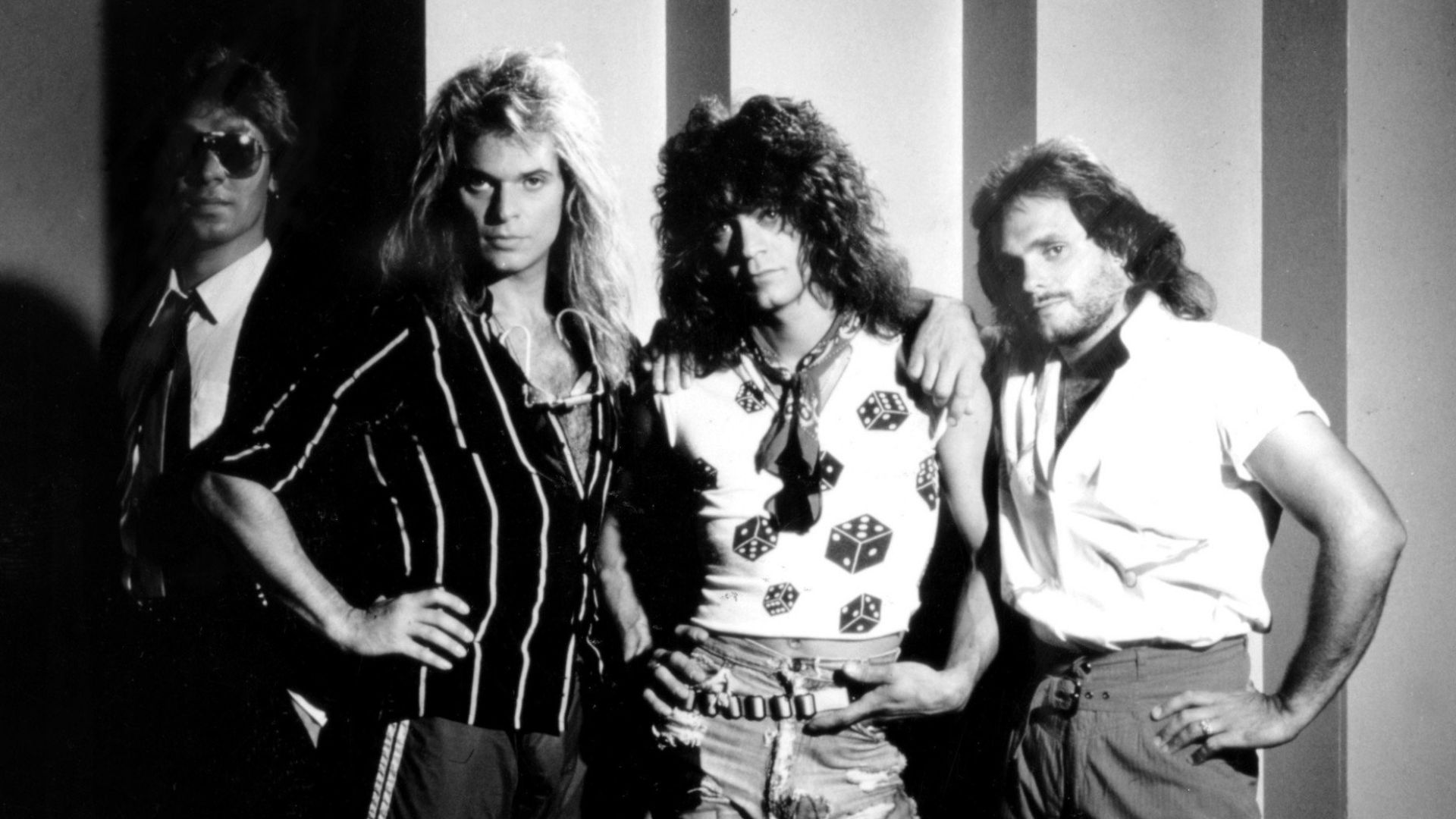 Warner Records, Wikimedia Commons
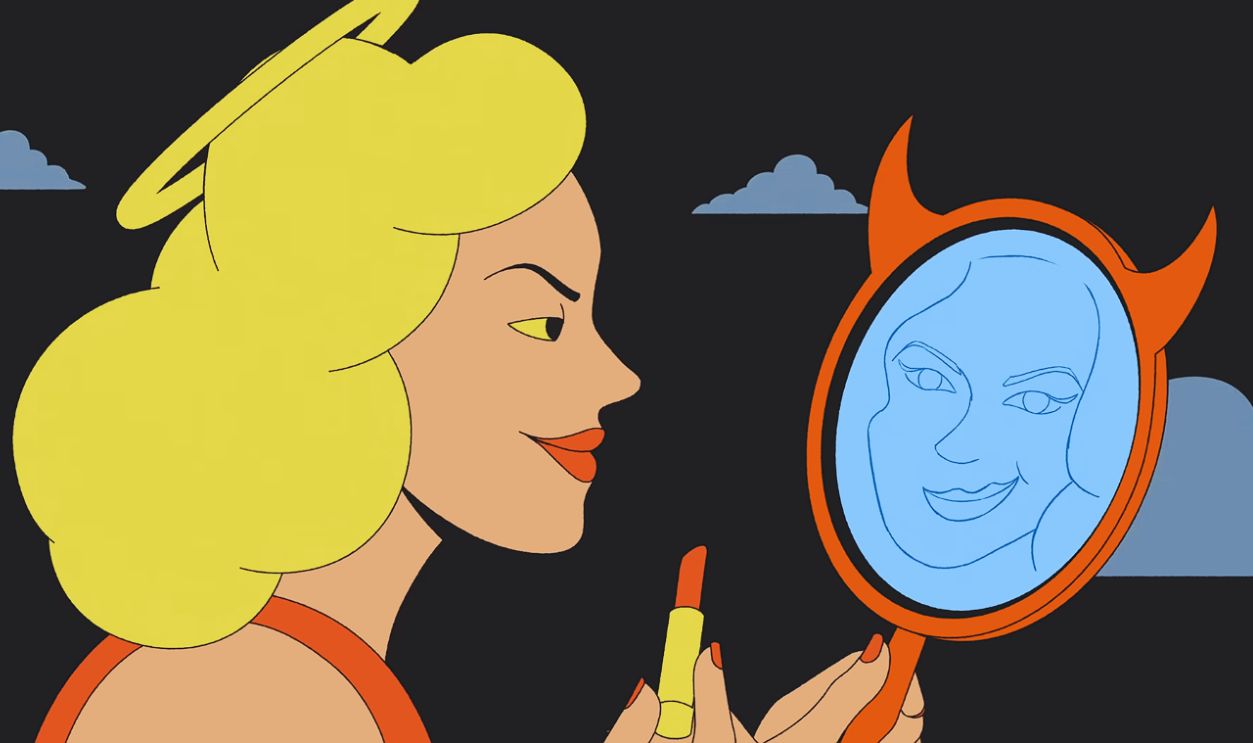
“Devil in Disguise” (Elvis Presley)
Even Elvis wasn’t safe. Here the devil shows up looking suspiciously charming. Slick production, classic early-60s swagger, and proof that temptation always has great hair.
“Devil Woman” (Marty Robbins)
This isn’t subtle. Robbins leans fully into dramatic Western storytelling. The devil doesn’t just visit—he complicates your entire moral compass. Country music has always loved a good warning label.
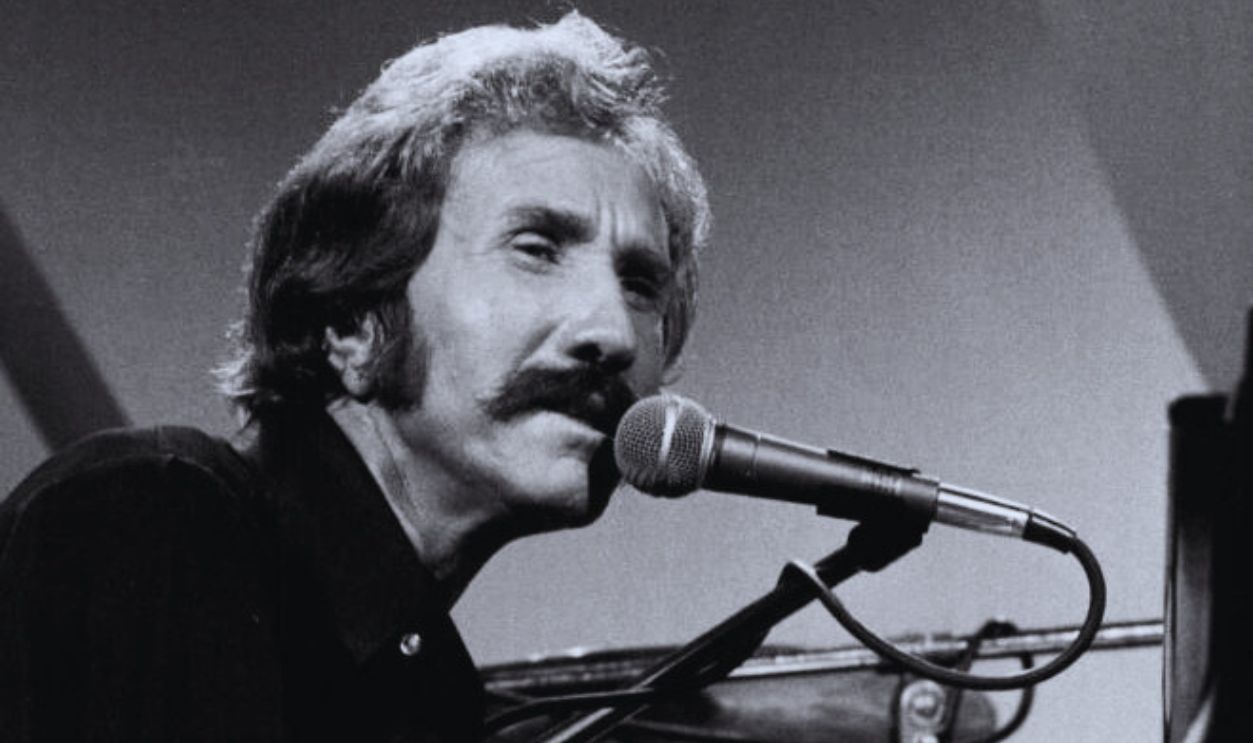 NBC Television, Wikimedia Commons
“Devil Woman” (Cliff Richard)
Same title. Very different vibe. This one’s moody 70s pop-rock with a touch of theatrical flair. It sounds like it belongs on late-night FM radio right between a power ballad and something vaguely mysterious.
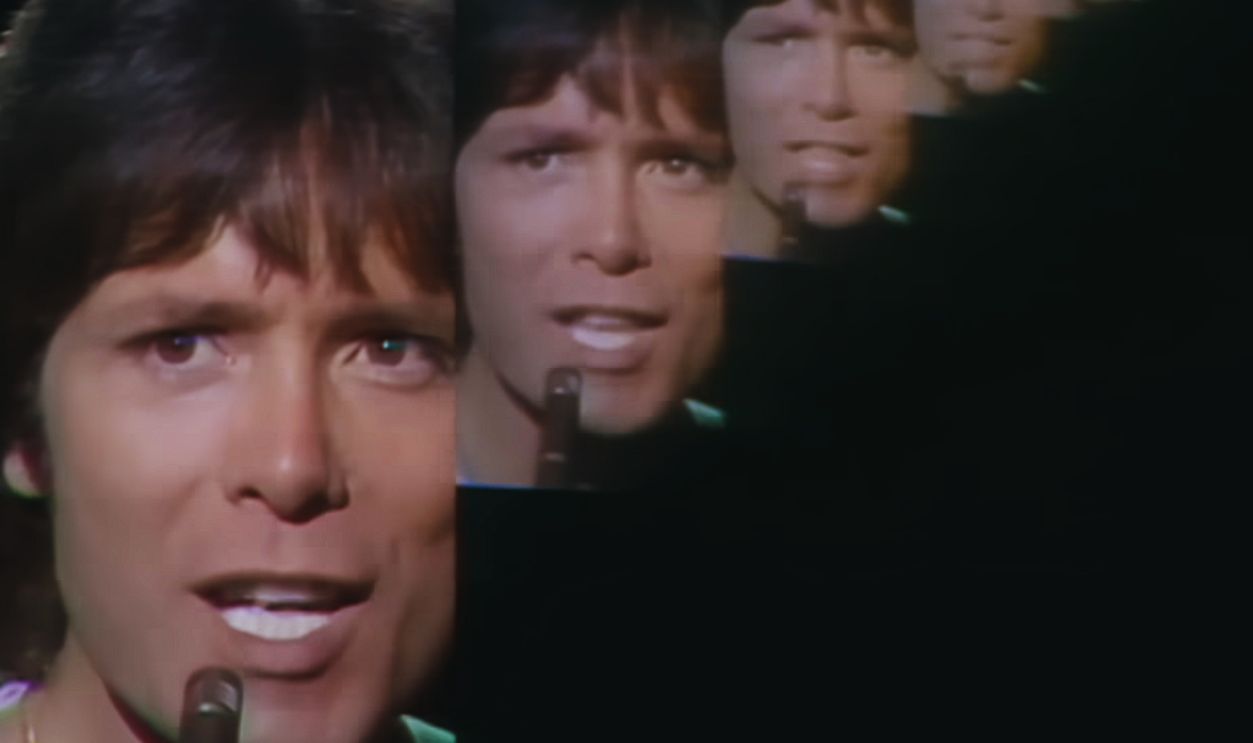 Screenshot from Cliff Richard – “Devil Woman”, EMI Records (1976)
“Devil with a Blue Dress On” (Mitch Ryder & The Detroit Wheels)
This devil came dressed for the dance floor. Pure mid-60s energy. The kind of song that makes you move whether you planned to or not. Zero theology. Maximum sweat.
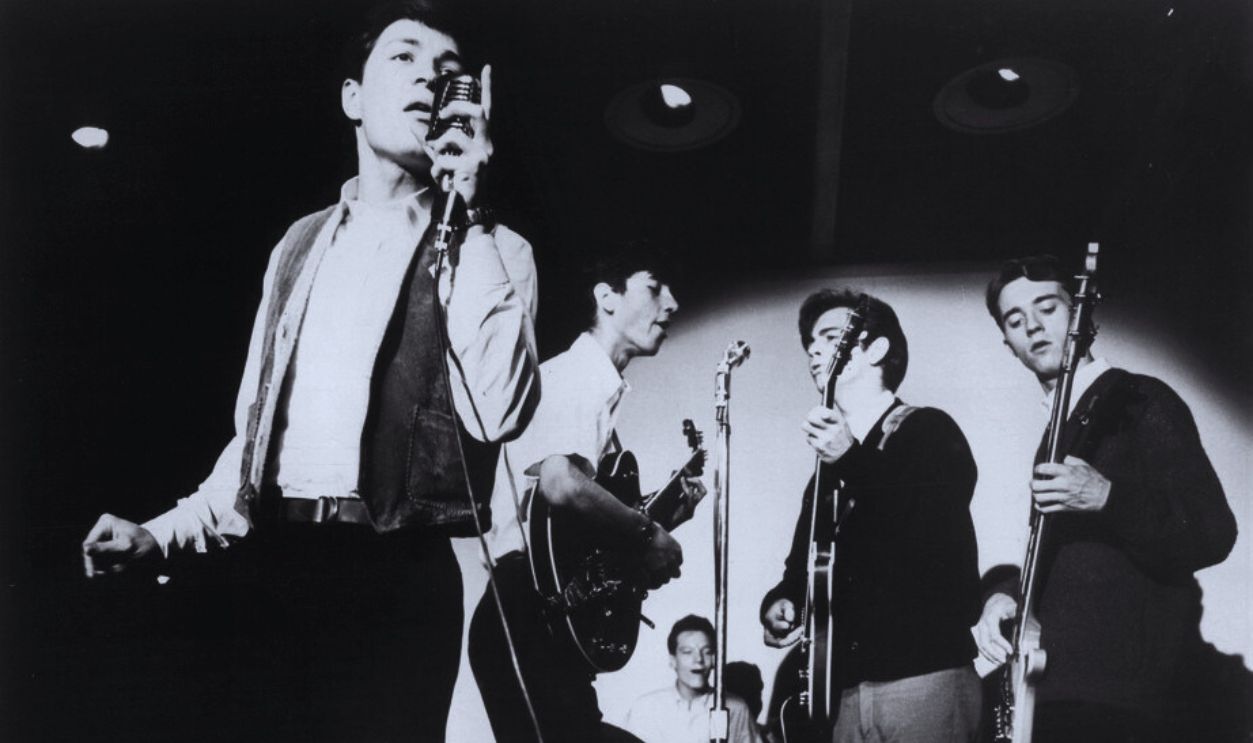 New Voice Records, Wikimedia Commons
“Devil Inside” (INXS)
By the late 80s, the devil got sleek. Minimalist groove, cool detachment, and Michael Hutchence looking like he absolutely meant it. This one feels less haunted forest and more neon-lit city.
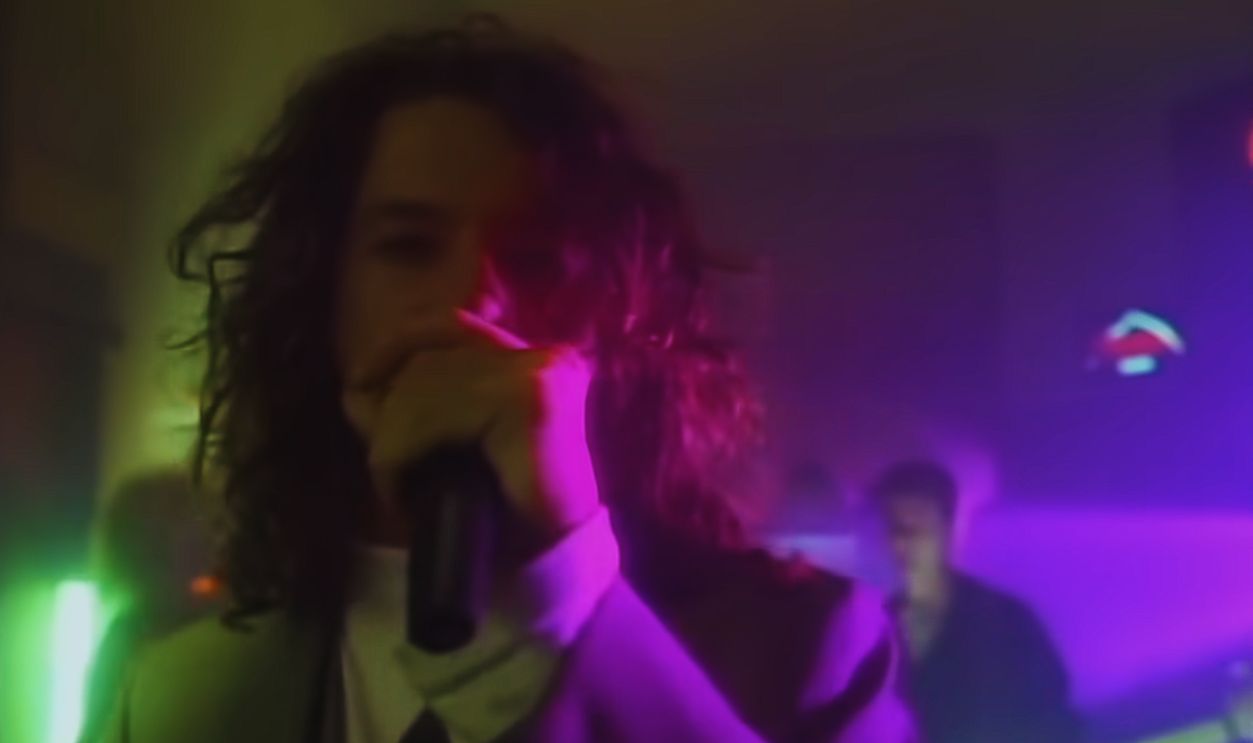 Screenshot from INXS – “Devil Inside”, Atlantic Records (1987)
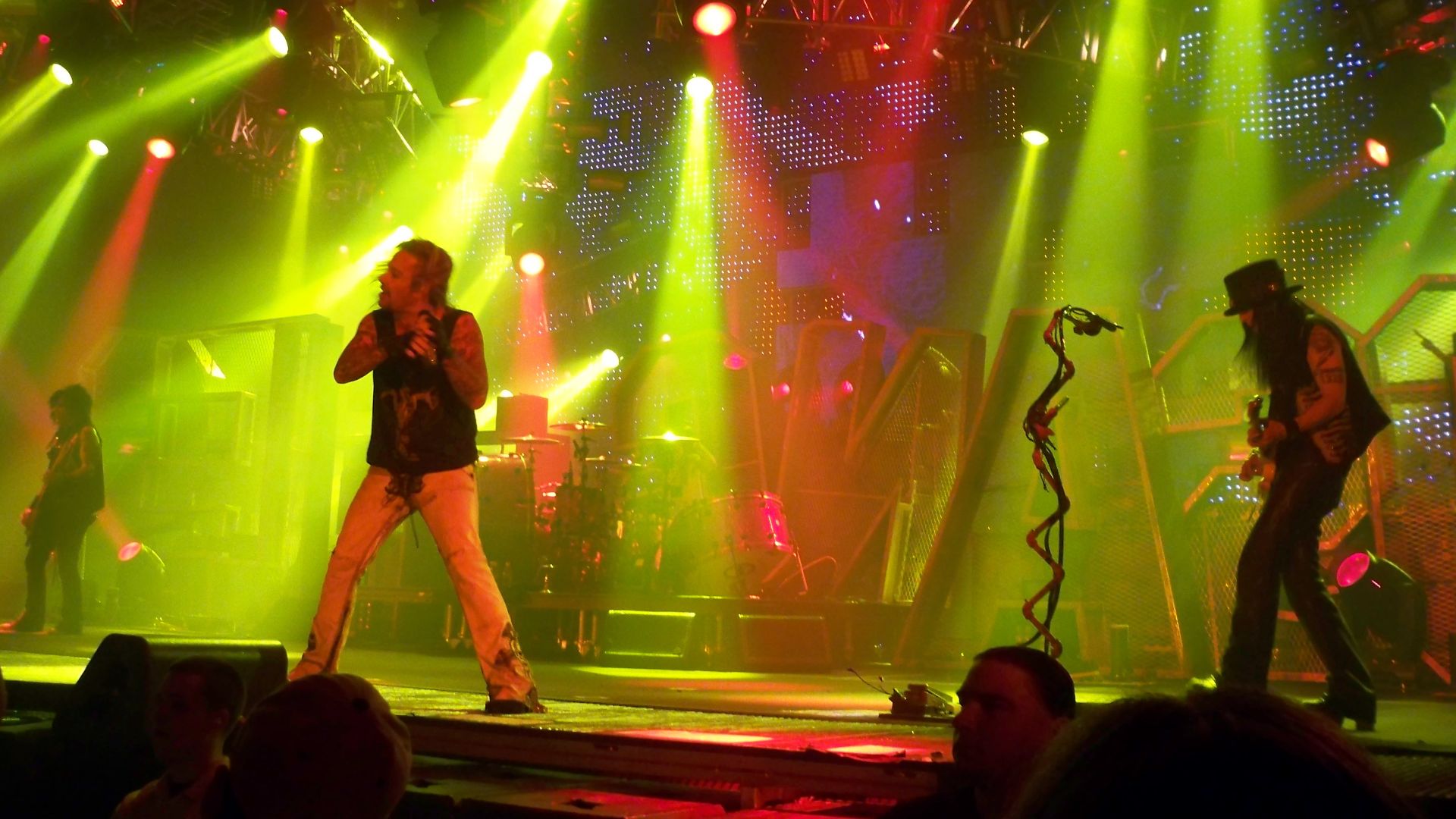
“Shout at the Devil” (Mötley Crüe)
Subtlety was not invited. This is peak early-80s metal drama—loud, theatrical, and designed to alarm at least one PTA meeting. Whether you loved it or feared it, you definitely knew the title.
 De-fexxx666, Wikimedia Commons
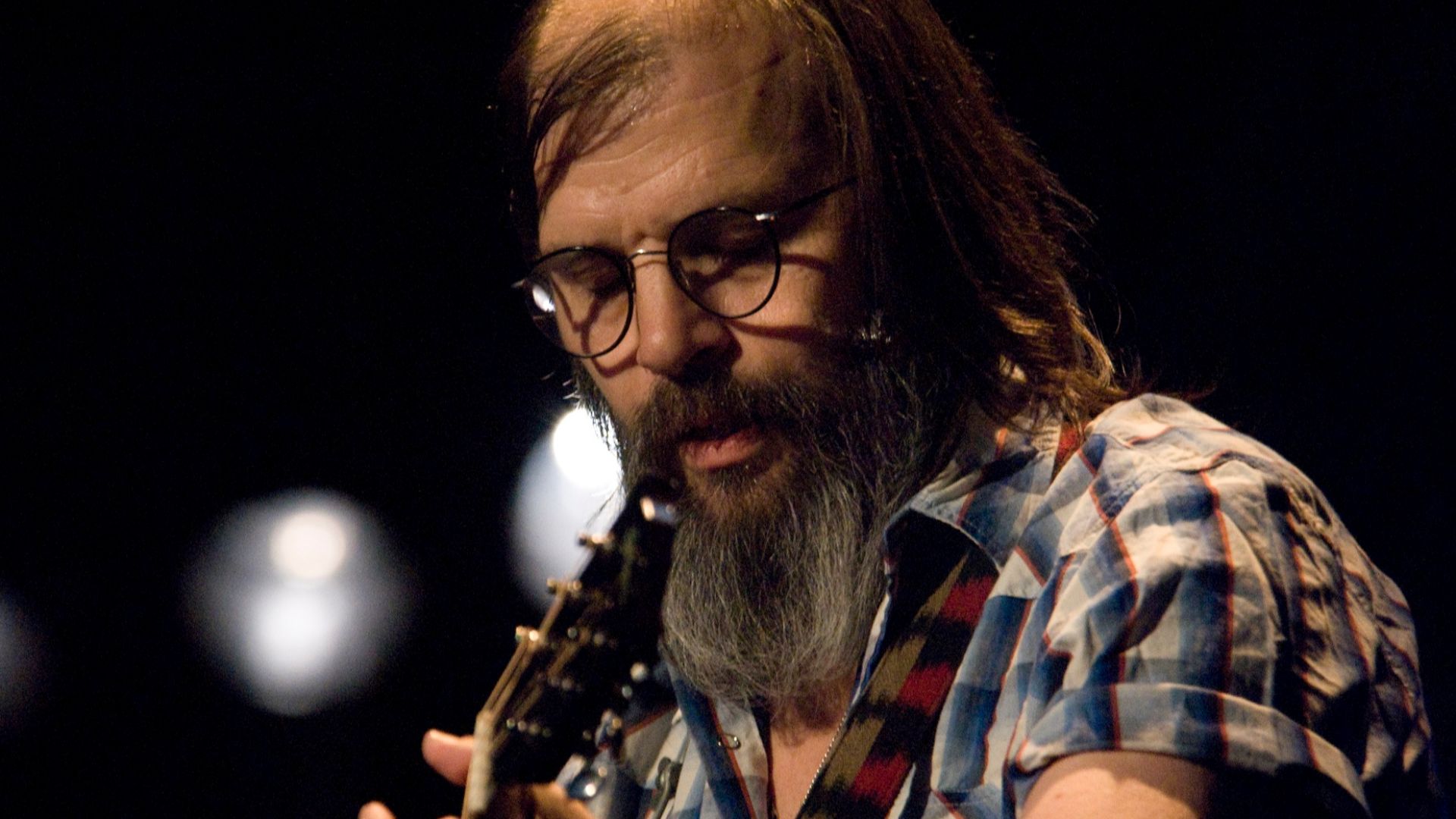
“The Devil’s Right Hand” (Steve Earle)
Here the devil isn’t mystical—he’s mechanical. A sharp, story-driven country-rock warning about the damage people do with the tools they create. Dark, grounded, and far less cartoonish than most devil appearances.
 Bryan Ledgard, Wikimedia Commons
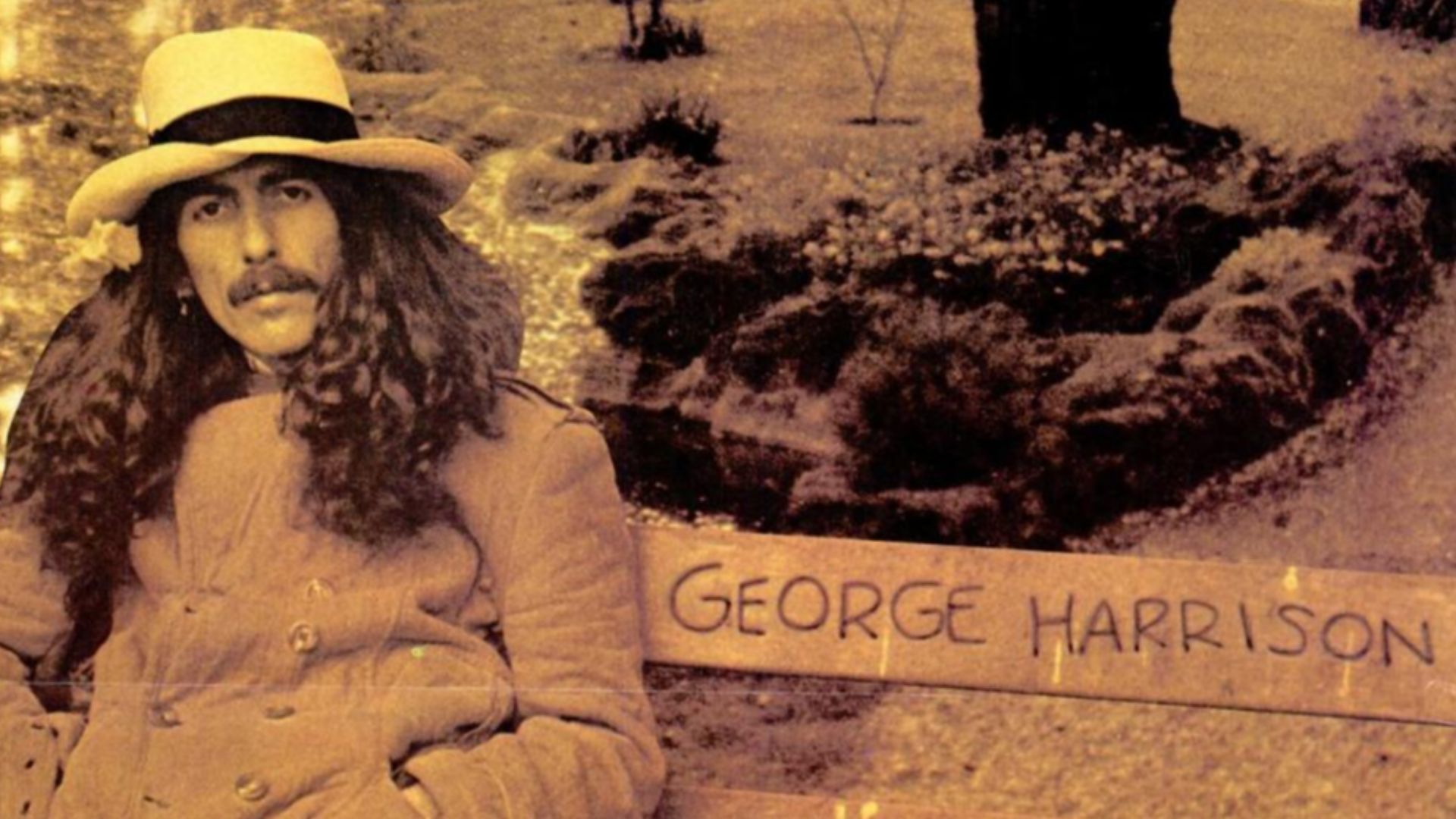
“Devil’s Radio” (George Harrison)
Harrison wasn’t conjuring demons—he was calling out gossip. The “devil’s radio” is rumor, noise, endless chatter. Leave it to a former Beatle to turn moral panic into a thoughtful groove.
 Apple Records, Wikimedia Commons
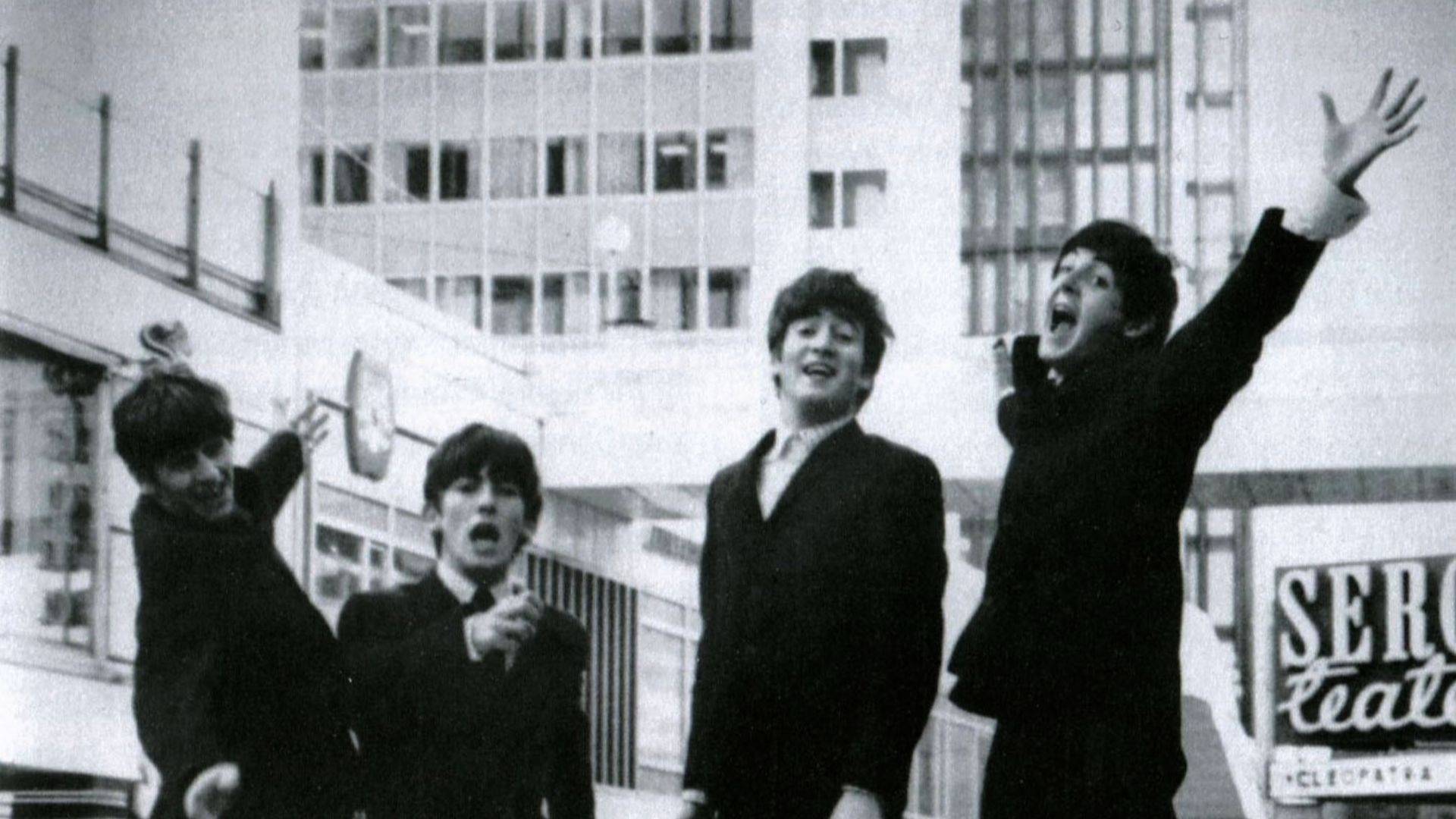
“Devil in Her Heart” (The Beatles)
Early Beatles, early 60s innocence—with just a little dramatic flair. It’s not exactly satanic panic material. More like teenage suspicion set to harmony.
 ingen uppgift, Wikimedia Commons
“Devil Got My Woman” (Skip James)
Before rock bands made the devil cool, blues musicians made him personal. This haunting classic—rediscovered during the 60s blues revival—reminds you that rock didn’t invent darkness. It inherited it.
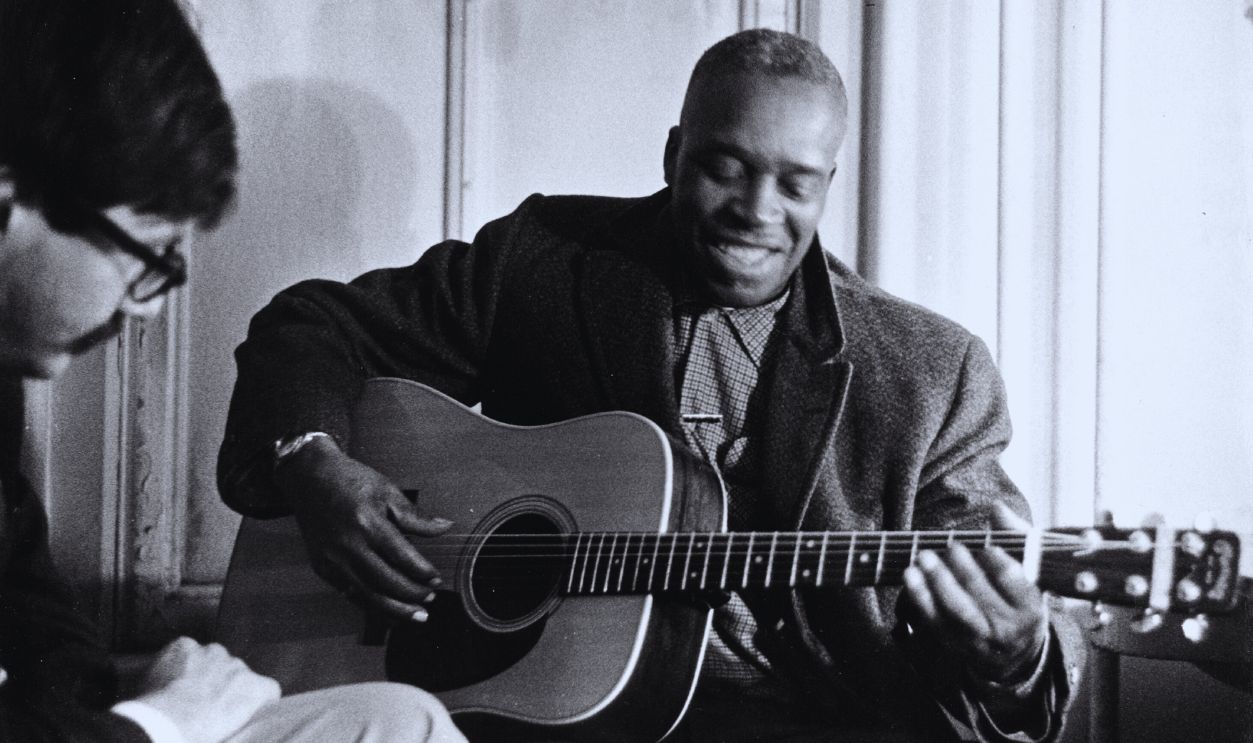 Michael Ochs Archives, Getty Images
“Devil’s Answer” (Atomic Rooster)
Prog rock decided the devil needed keyboards. Dramatic, heavy, slightly theatrical—exactly what early 70s British rock did best. This one feels like it belongs in a smoky club with very serious lighting.
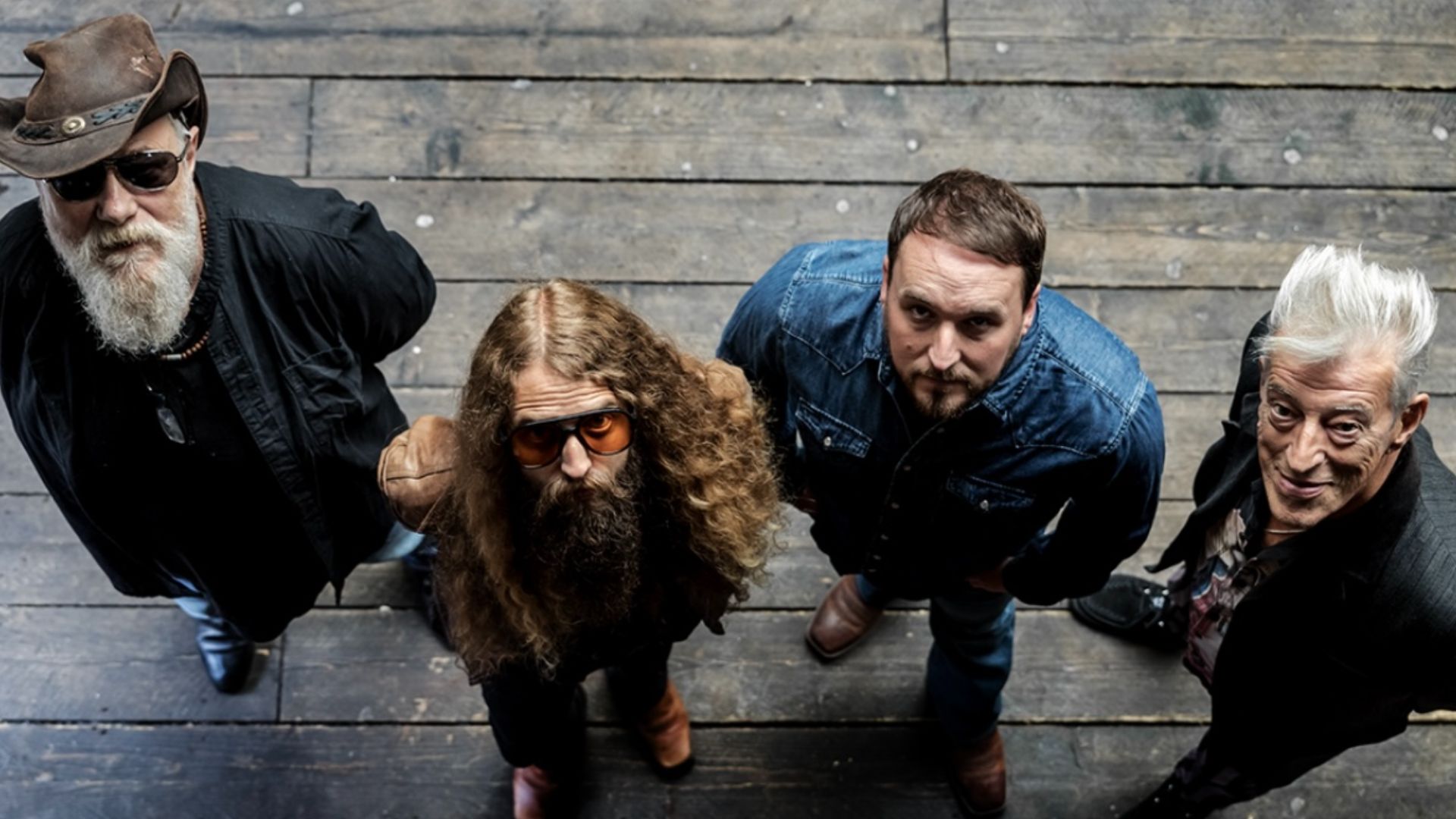 AtomicRooster2025, Wikimedia Commons
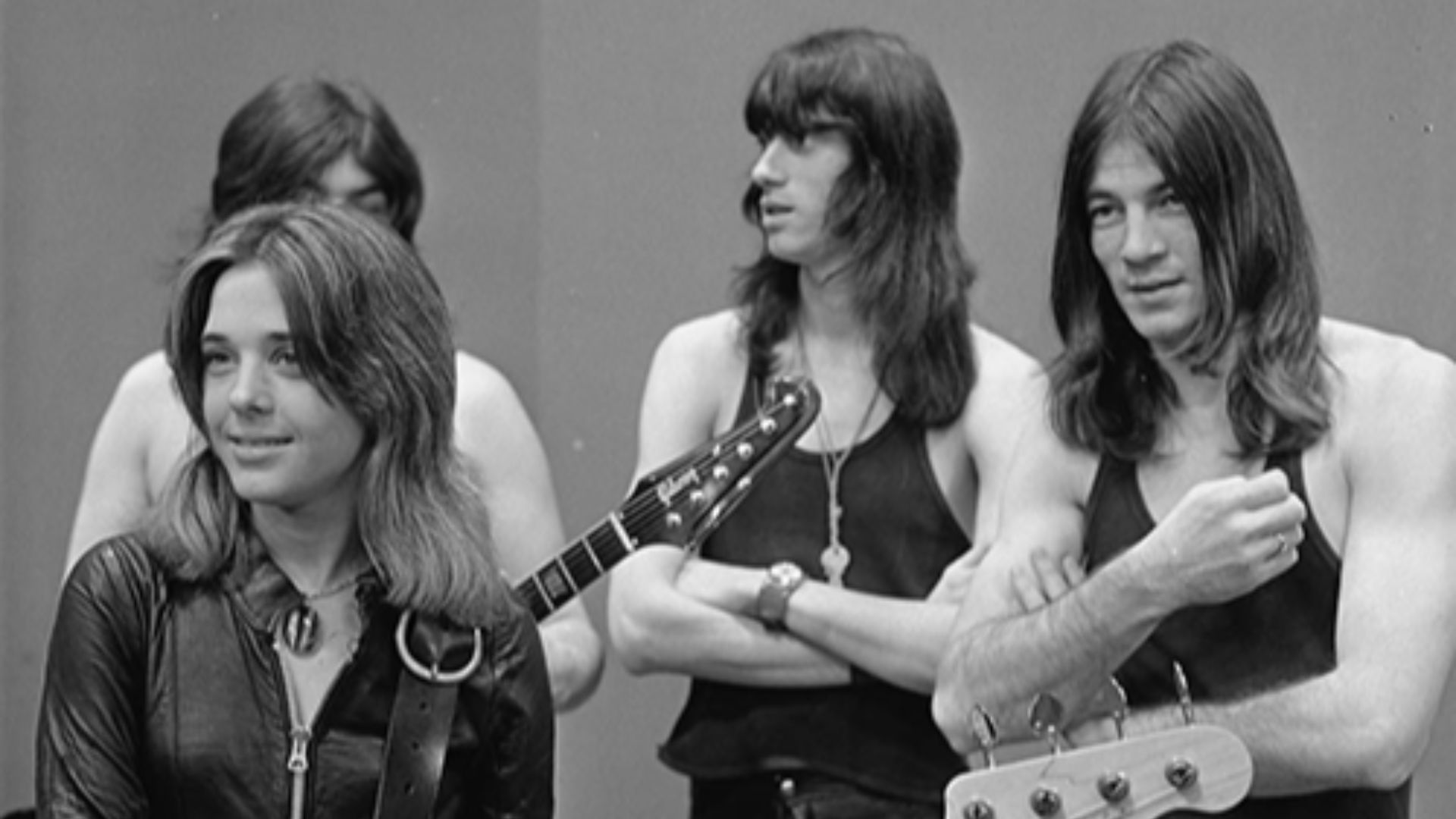
“Devil Gate Drive” (Suzi Quatro)
Glam rock energy with attitude to spare. Suzi Quatro didn’t ask permission—she just plugged in and went. The devil here sounds more like high-speed rebellion than eternal damnation.
“Devil or Angel” (Bobby Vee)
Early 60s pop loved a moral dilemma. Is she heaven-sent or trouble? The drama feels sweet now, but at the time, this was high-stakes teenage theology.
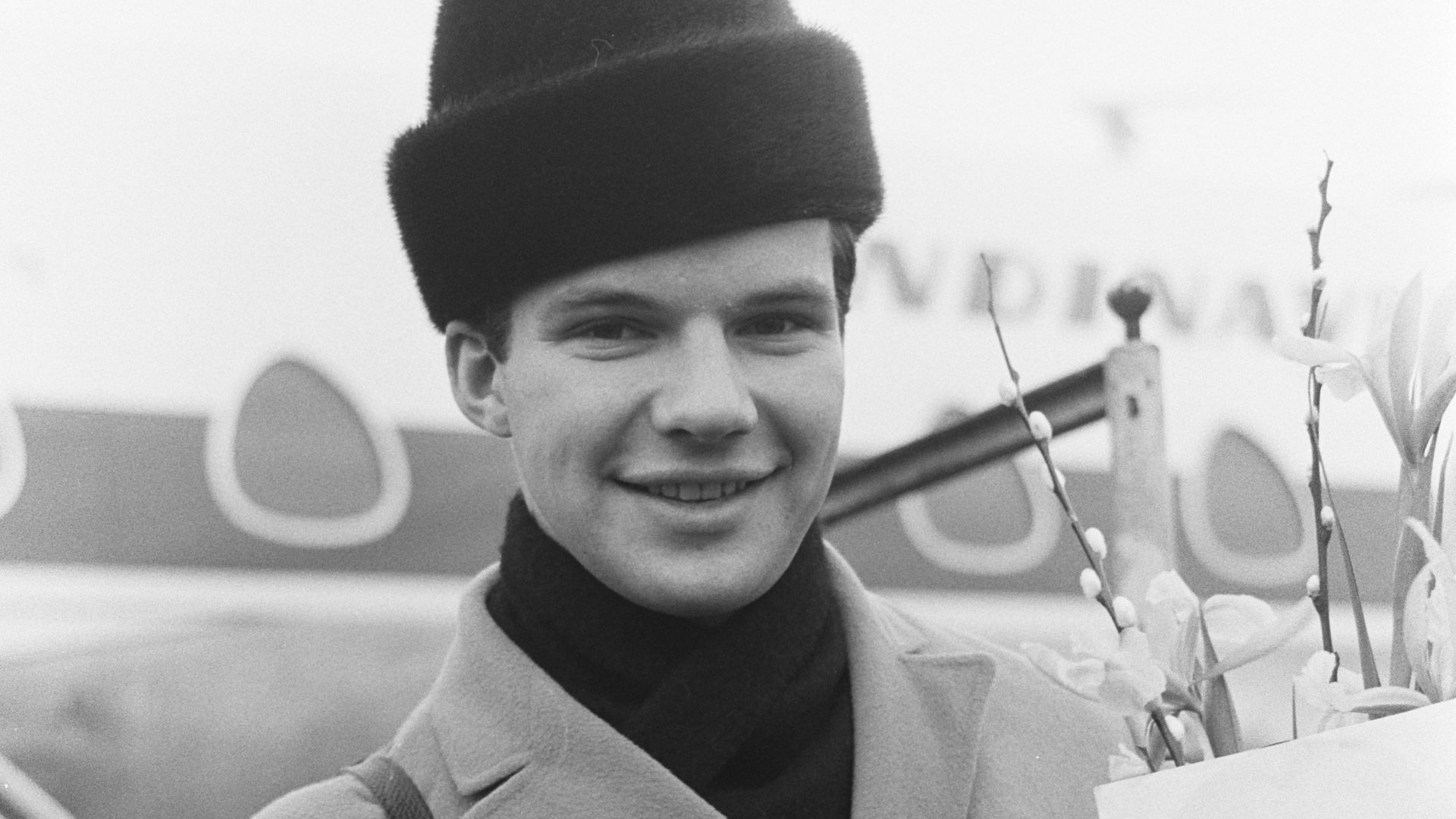 Harry Pot / Anefo, Wikimedia Commons
“The Devil Made Me Do It” (Golden Earring)
Before arena rock took over completely, bands still leaned into mischief. This one practically shrugs and says, “Hey, don’t blame me.” The devil as convenient excuse—timeless concept.
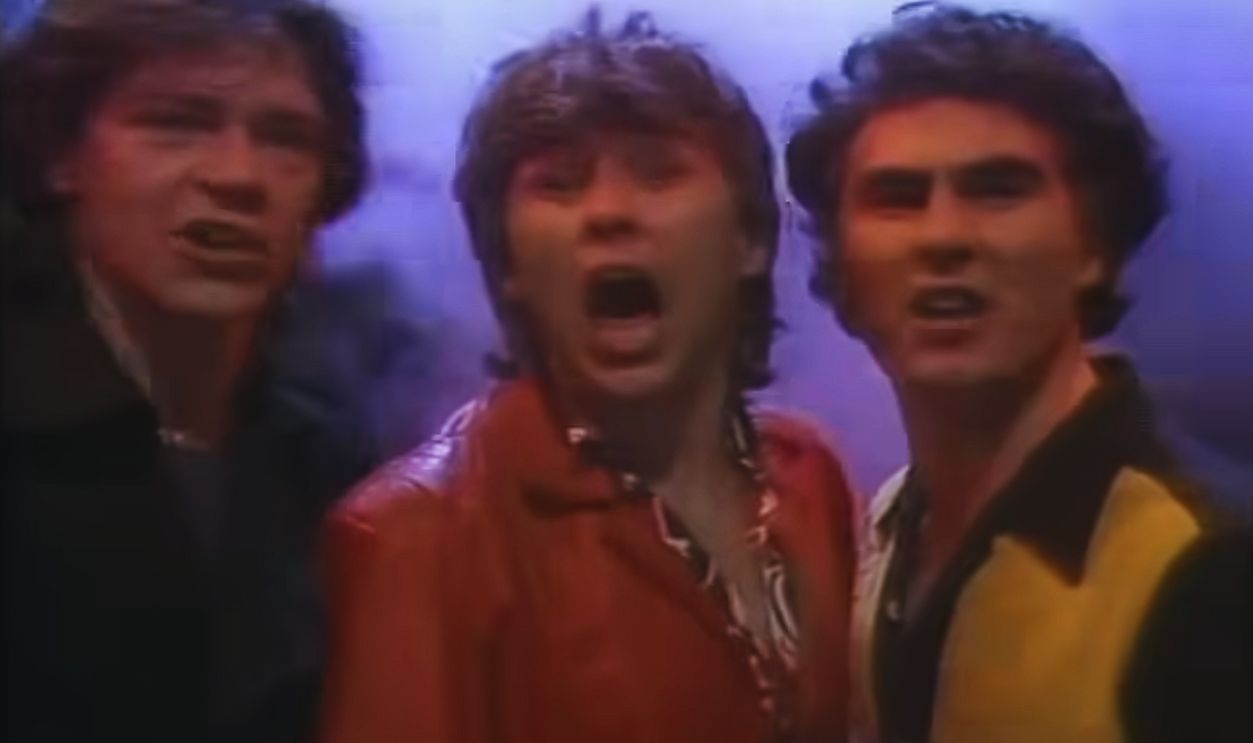 Screenshot from Golden Earring – “The Devil Made Me Do It”, Polydor Records (1973)
“Devil’s Daughter” (Ozzy Osbourne)
By the late 80s, Ozzy had perfected his spooky brand. Big riffs, dramatic flair, and just enough theatrical darkness to make headlines. If the devil had a booking agent, it was probably him.
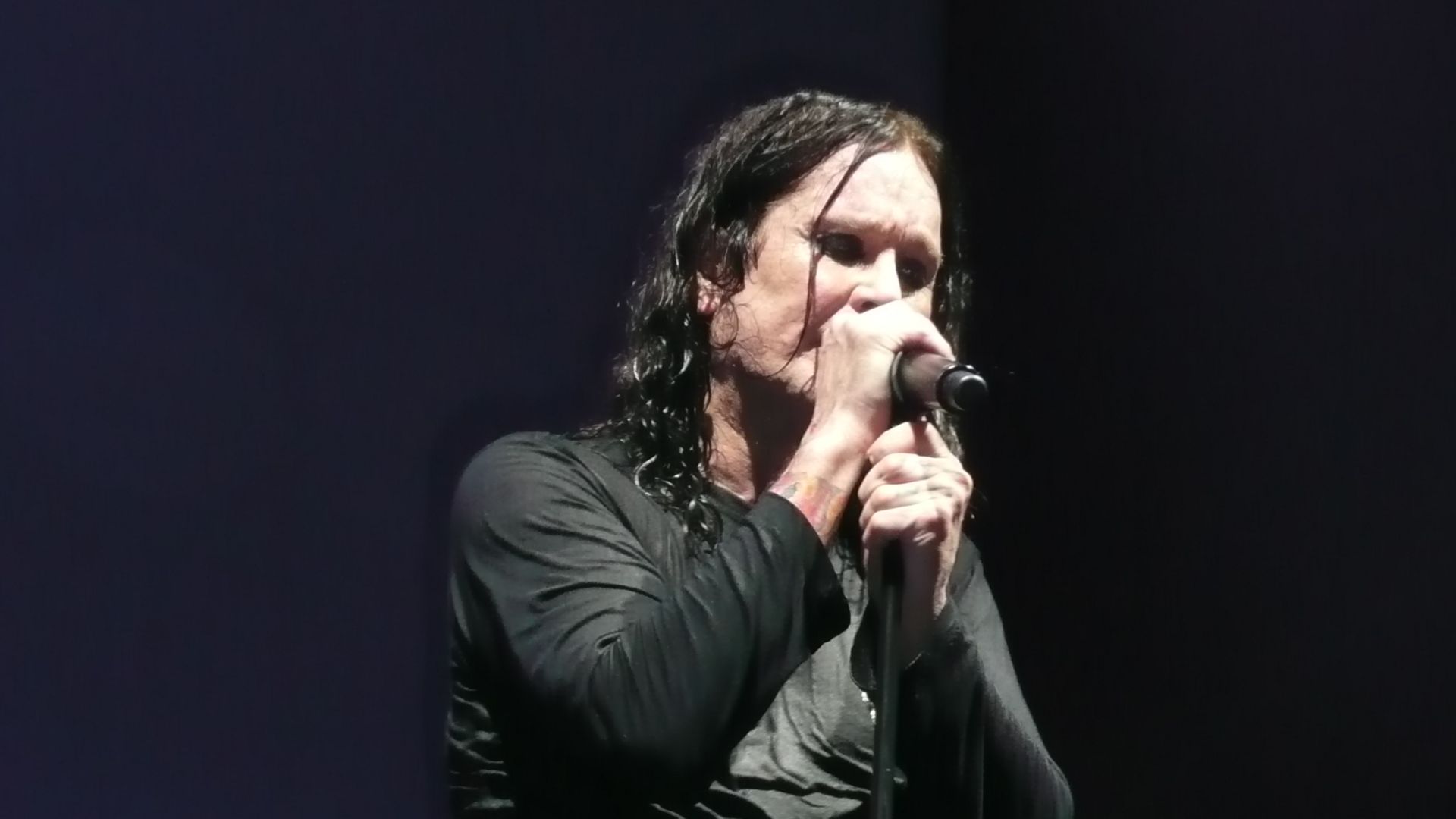 Kyle Overholtzer, Wikimedia Commons
“Dancing with the Devil” (Cozy Powell)
Hard rock theatrics with a pounding pulse. Cozy Powell brought arena-sized intensity, and the title leaves absolutely nothing to subtle interpretation. The devil here definitely travels with pyrotechnics.
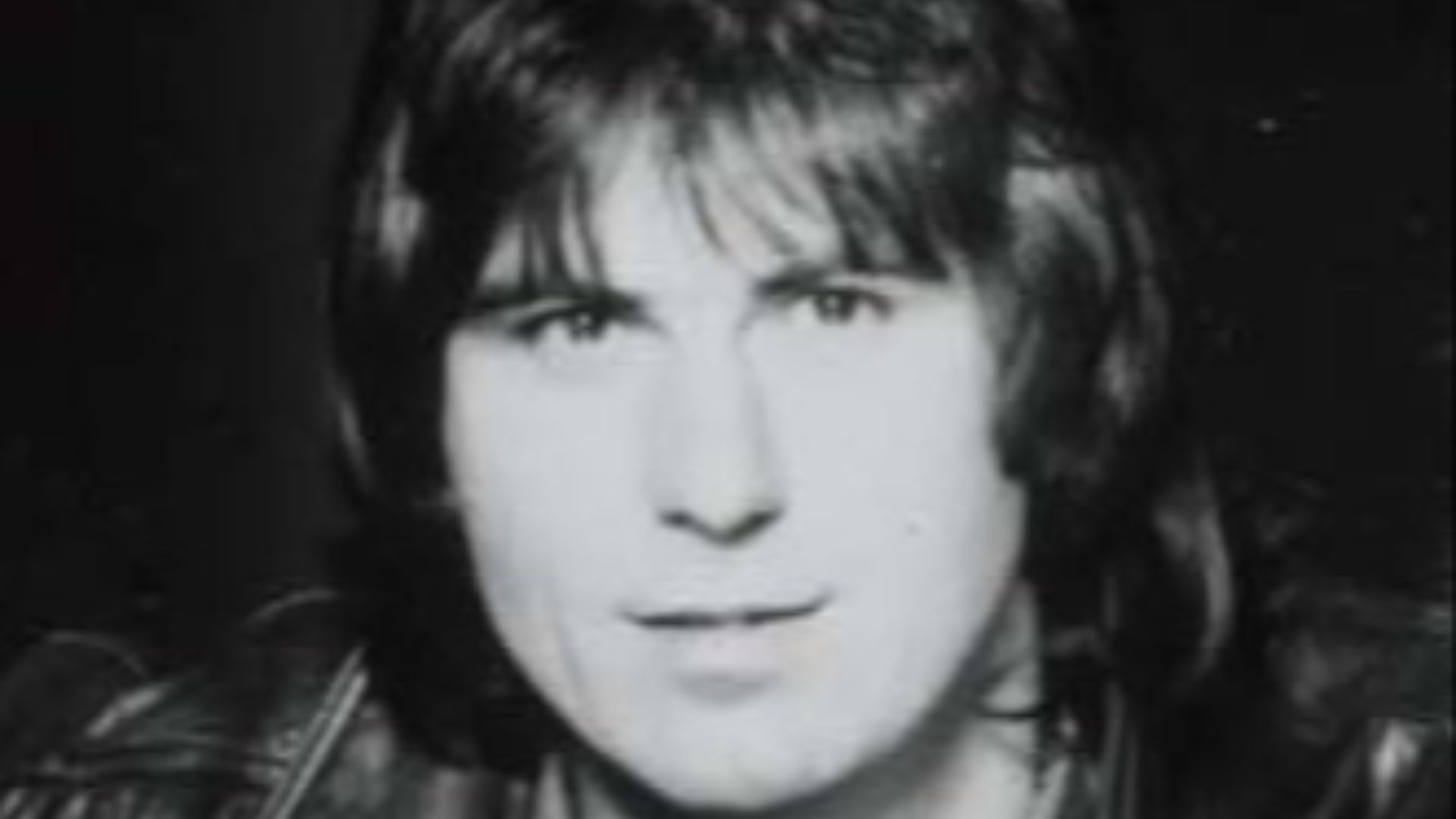 Geffen Records, Wikimedia Commons
“Devil in the Bottle” (T.G. Sheppard)
Country music has long known the devil sometimes comes disguised as a habit. This one’s a straight-up cautionary tale. No flames required—just consequences.
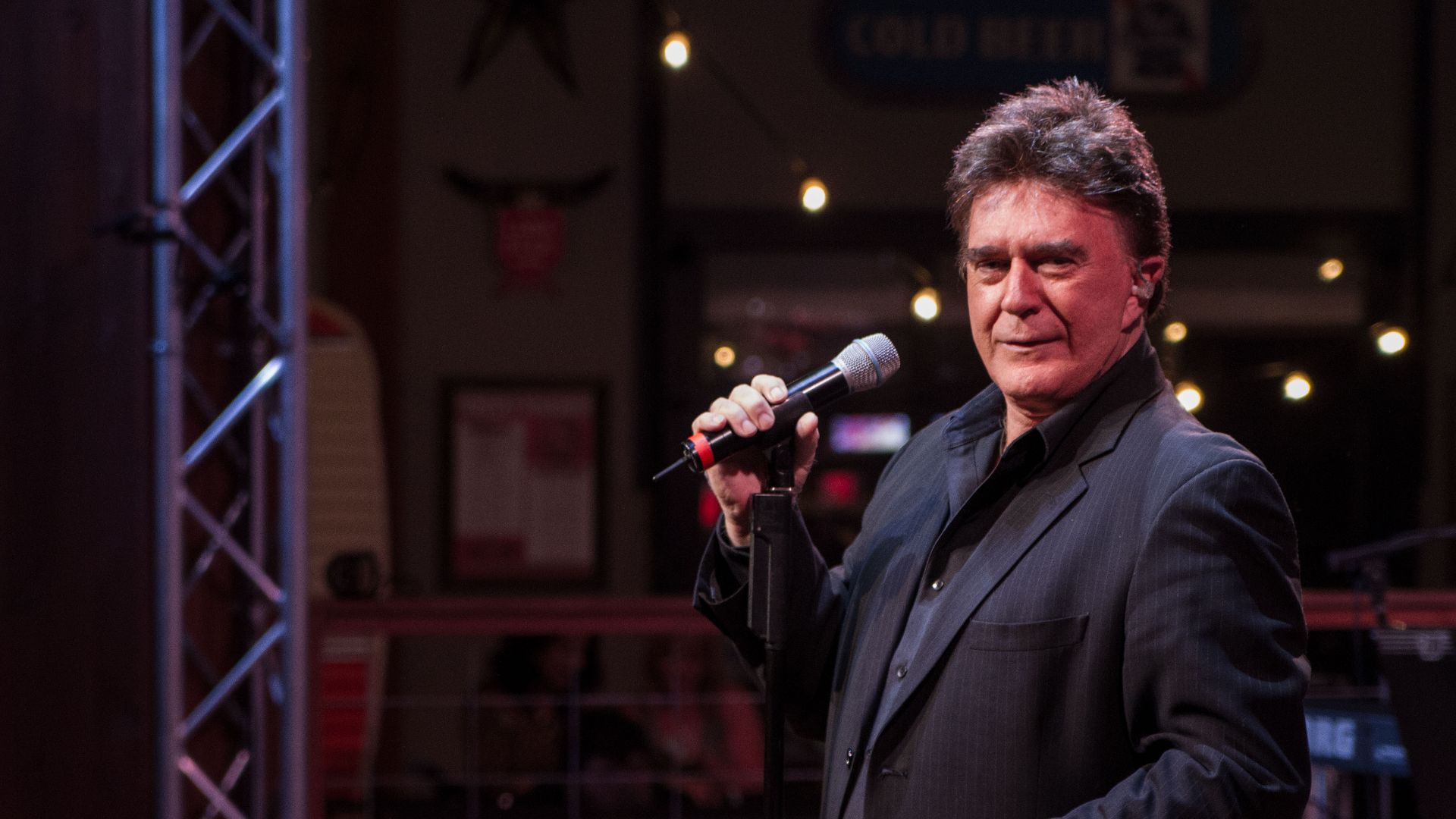 Republic Country Club, Wikimedia Commons
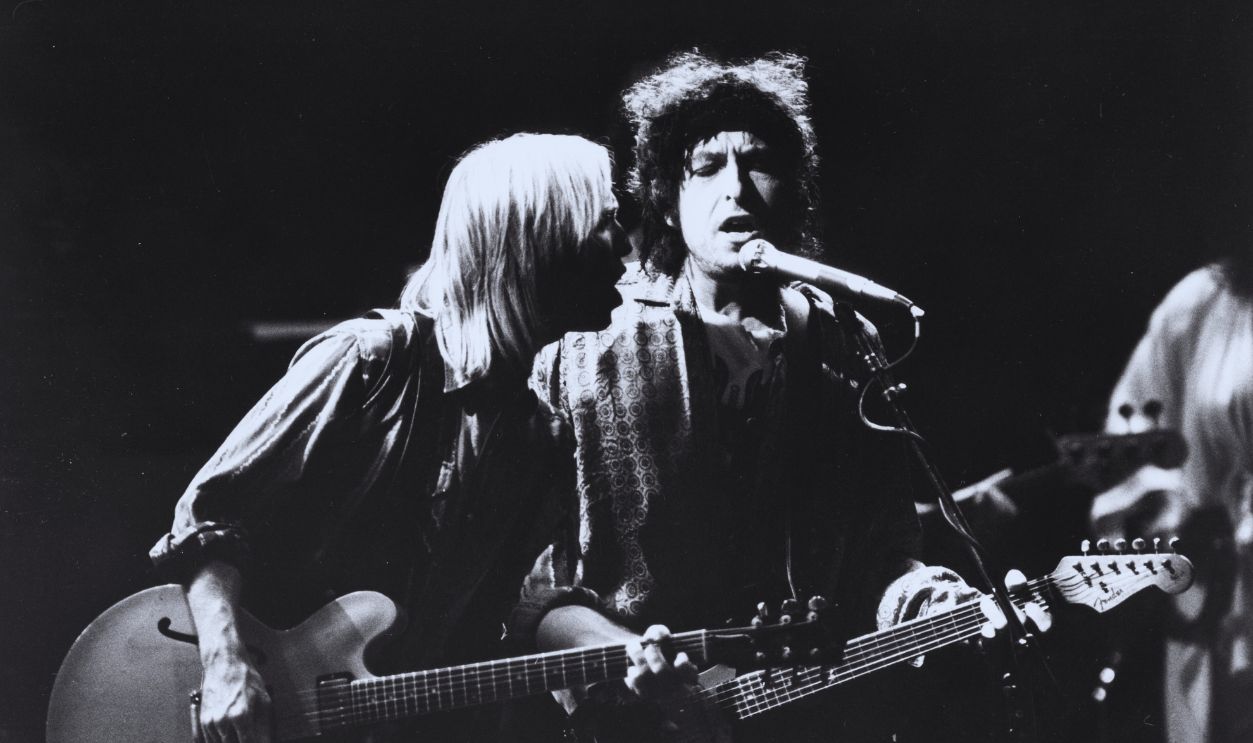
“The Devil’s Been Busy” (Traveling Wilburys)
When George Harrison, Tom Petty, Bob Dylan, Roy Orbison, and Jeff Lynne sing about the devil, it feels less ominous and more wry. The supergroup makes mischief sound downright polite.
“Devil’s Haircut” (Beck)
Mid-90s alternative weirdness with a groove that somehow feels vintage and modern at the same time. Boomers may pretend they missed this era—but this one definitely snuck onto the radio.
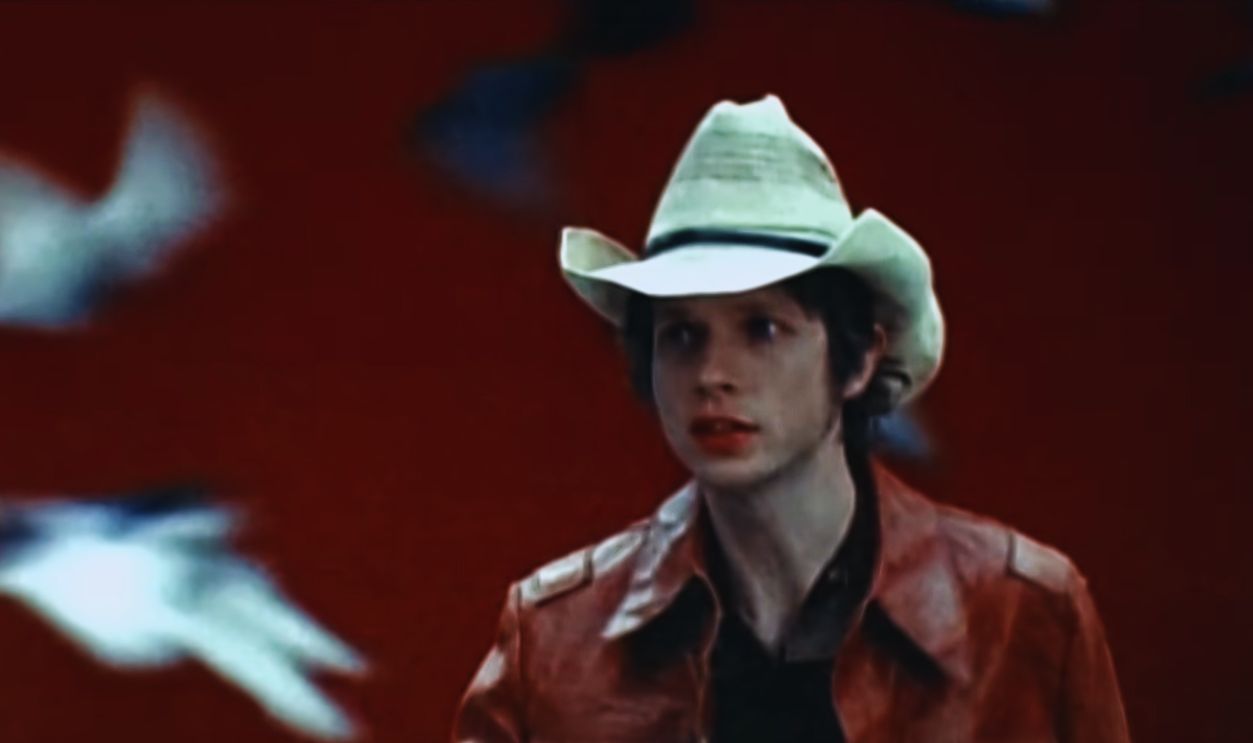 Screenshot from Beck – “Devils Haircut”, DGC Records / Geffen Records (1996)
“Devil’s Dance” (Metallica)
Slow, heavy, bluesy. Metallica leaned into swagger instead of speed here. The devil isn’t sprinting—he’s stalking. It’s menace by way of a very large amplifier.
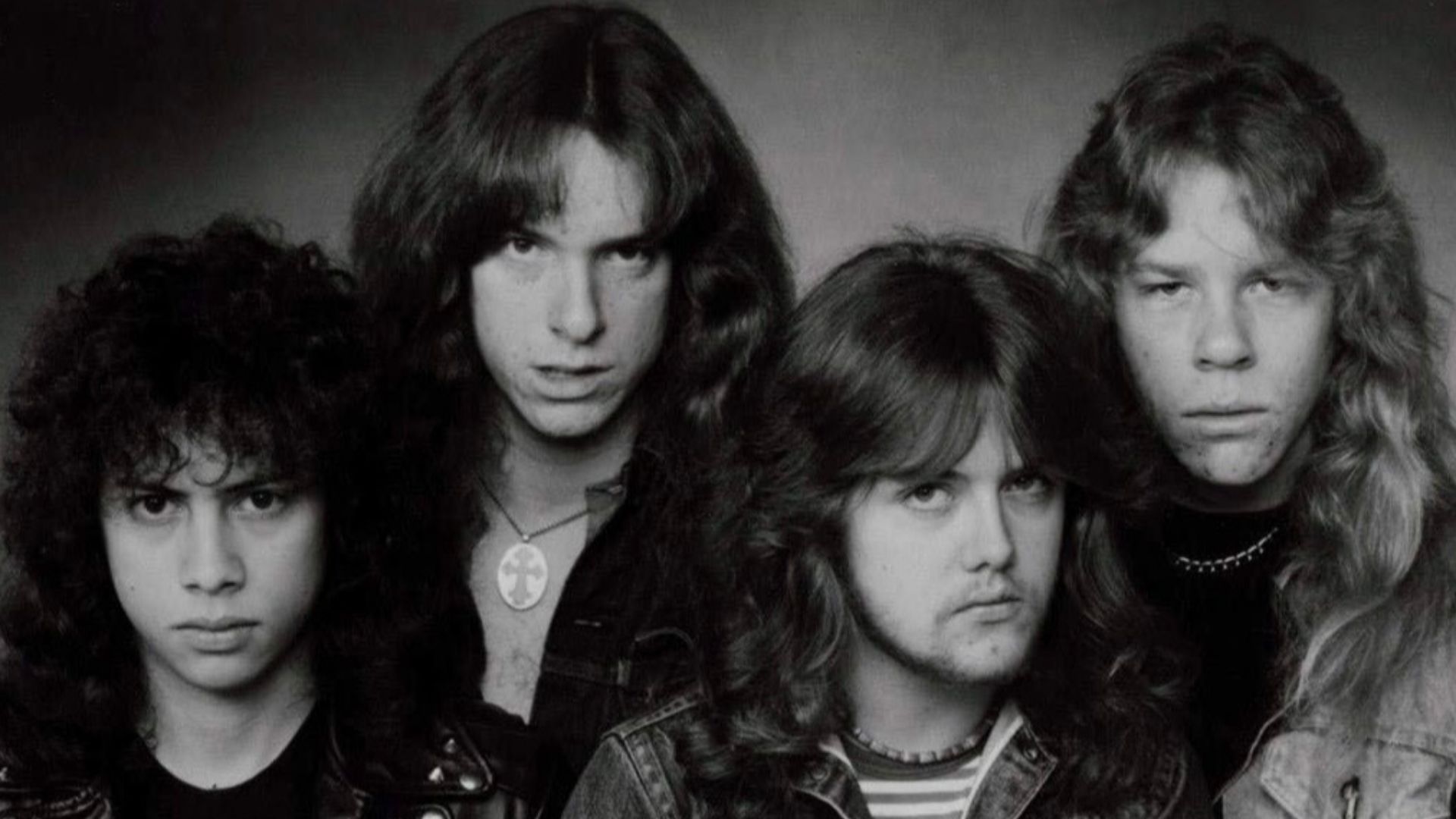 Distributed by Megaforce Records, Wikimedia Commons
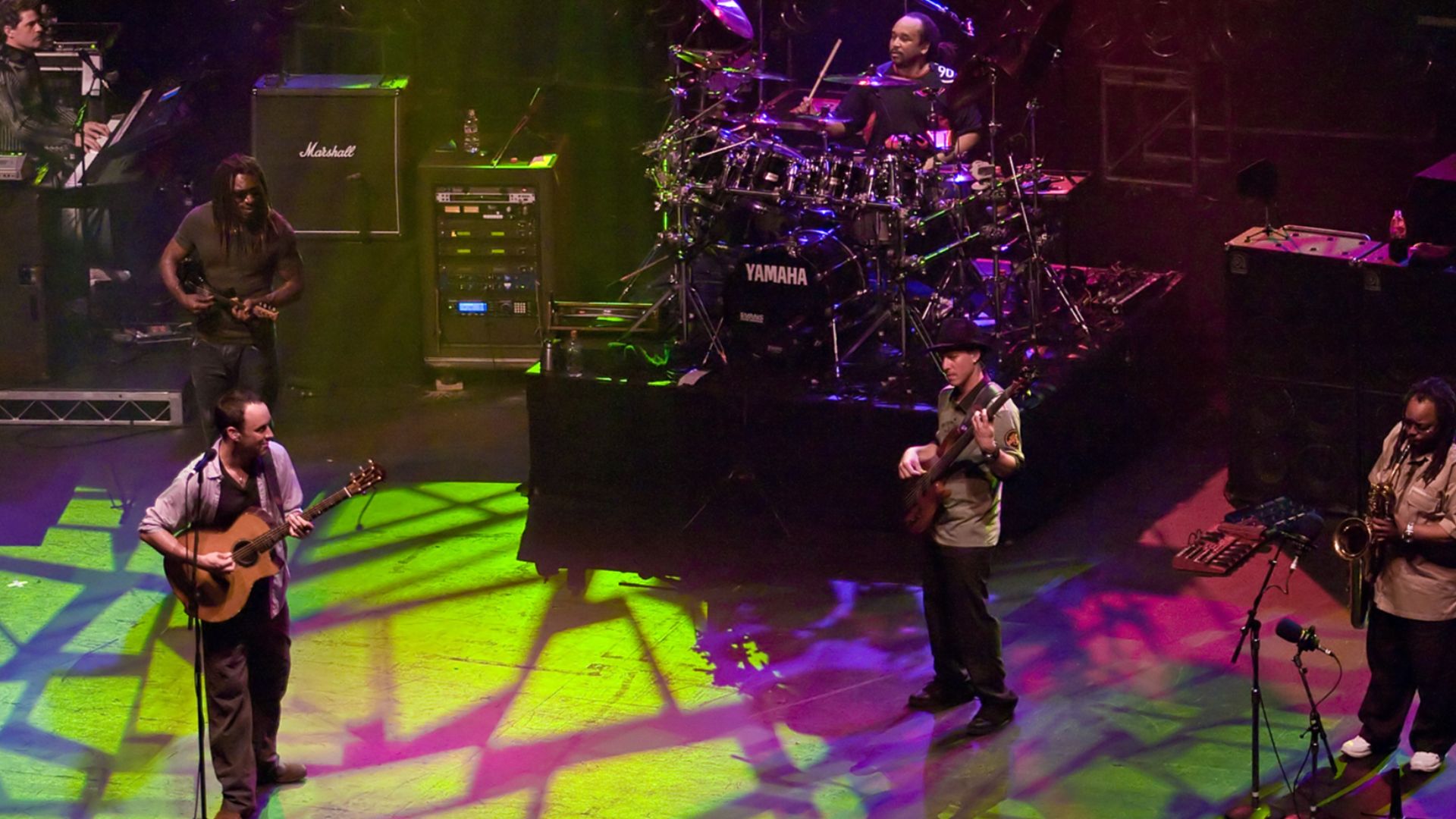
“Some Devil” (Dave Matthews Band)
A little introspective, a little restless. Not fire-and-brimstone stuff—more existential shrugging. Even in the 2000s, the devil was still a convenient metaphor for complicated feelings.
“The Devil You Know” (Social Distortion)
Gritty, stripped-down rock that feels older than its release date. The phrase alone is timeless. Sometimes the familiar trouble is worse than the unknown.
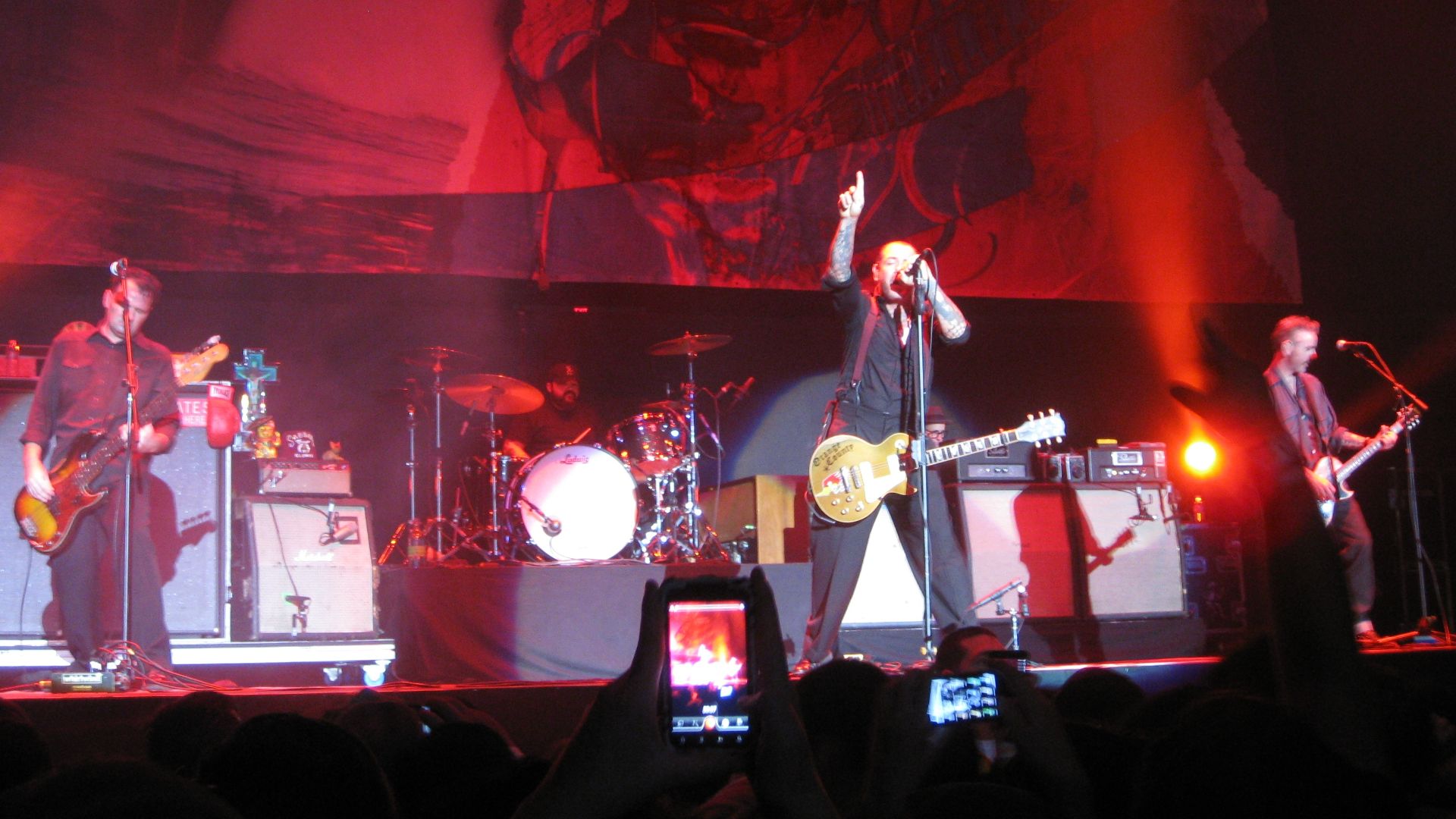
“Devil Pray” (Madonna)
Yes, Madonna made it onto the list. Moody, acoustic, and reflective, this one treats temptation like a modern confession. The devil adapts with the times.
 David Shankbone, Wikimedia Commons
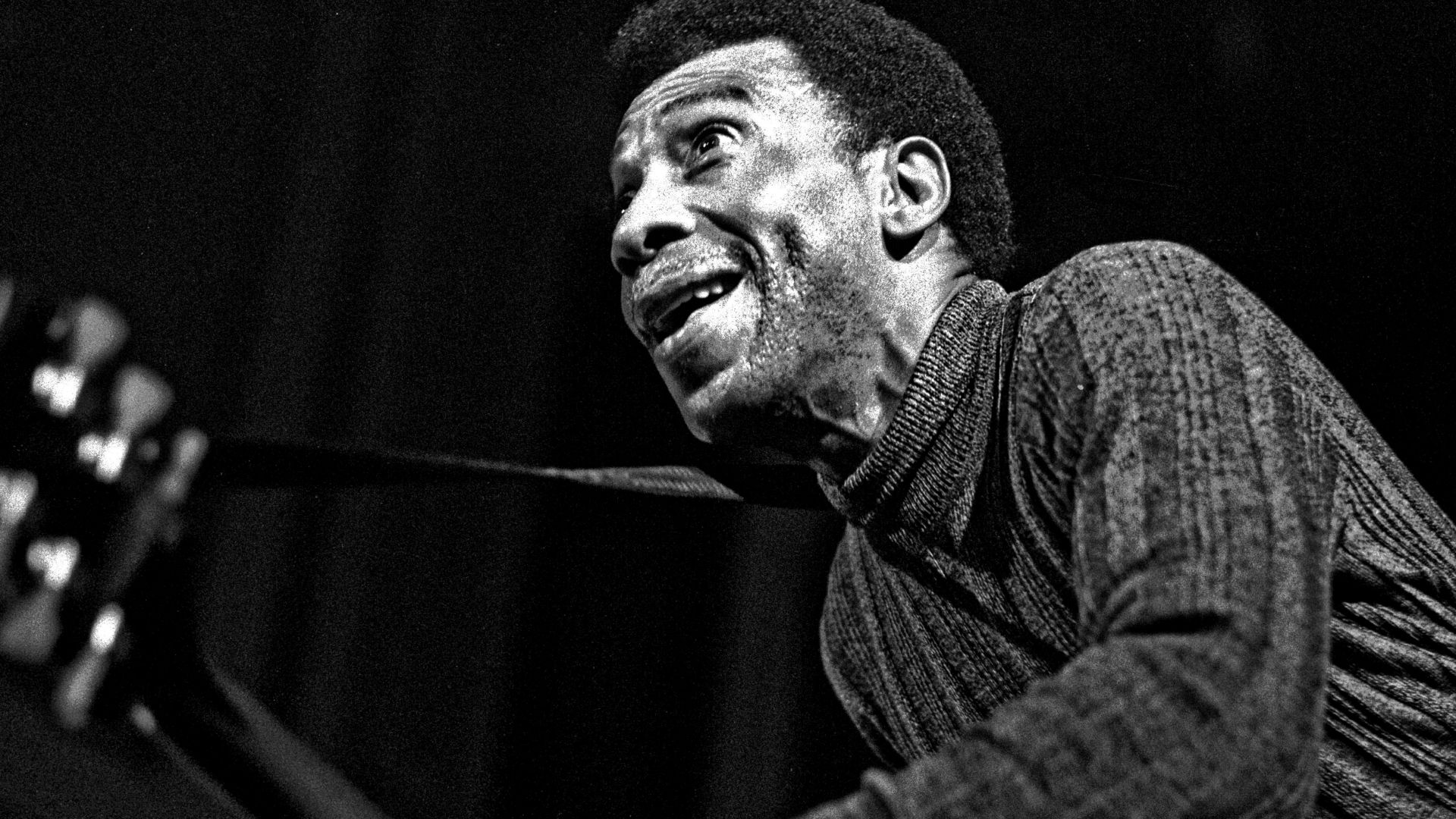
“The Devil Is a Woman” (T-Bone Walker)
Electric blues helped shape everything that followed. T-Bone Walker’s take reminds you that long before stadium lights and hair spray, the devil lived in smoky clubs and heartbreak lyrics.
 Heinrich Klaffs, Wikimedia Commons
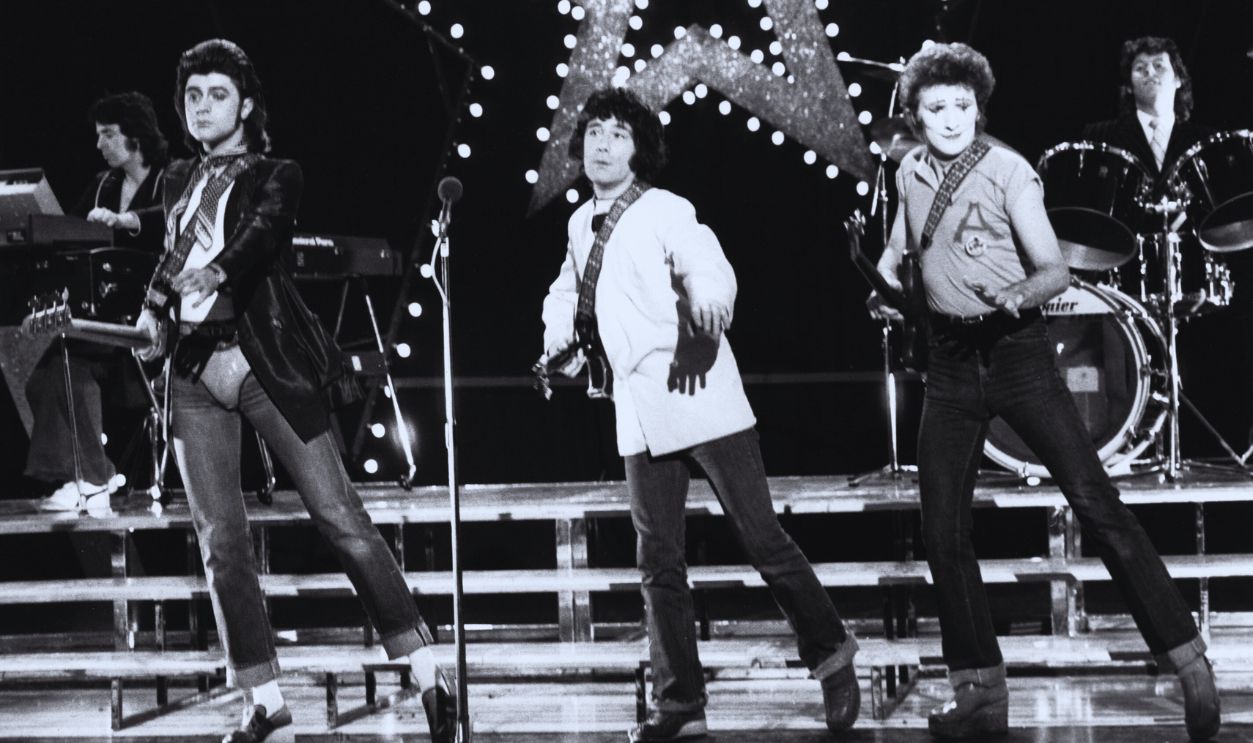
“The Devil’s Beat” (The Sensational Alex Harvey Band)
Theatrical, dramatic, slightly unhinged—in the best way. The Sensational Alex Harvey Band always sounded like they were staging a rock opera whether you asked for one or not.
You Might Also Like: