Big Bands, Even Bigger Backlash
Some names topped charts while still driving people crazy. In the '70s, a band could be wildly popular and deeply disliked at the same time, sparking arguments that had nothing to do with talent or success.

Bee Gees
No group took more heat during the disco explosion than the Bee Gees. Their high-pitched voices and glittery style became disco’s symbol and target. In 1979, angry fans even held a rally where Bee Gees records were burned on a baseball field.
 Atco Records., Wikimedia Commons
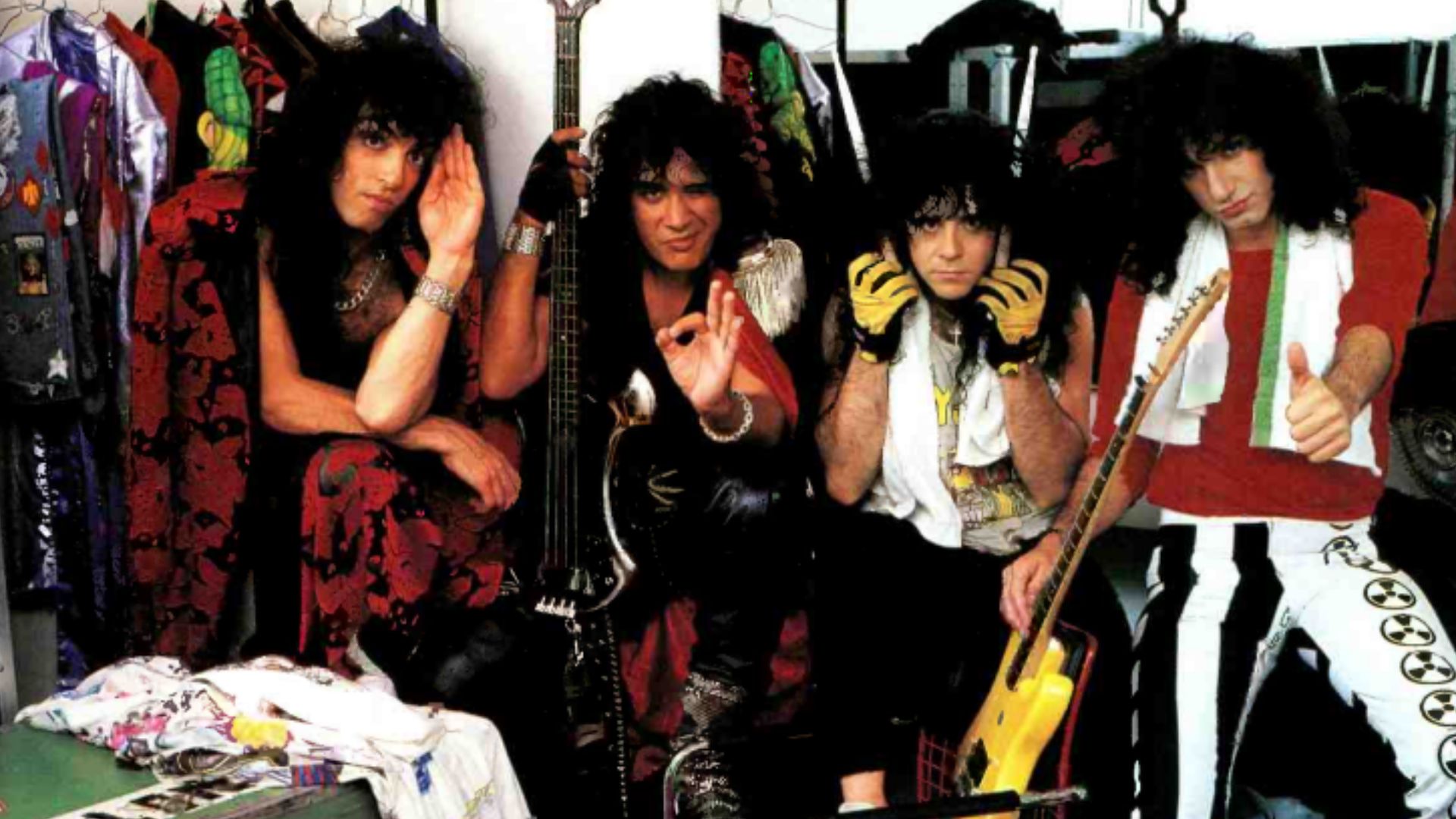
KISS
Seeing KISS live was like watching a rock concert and a sci-fi show collide. Music snobs hated it. They said the music felt secondary to the makeup and explosions. Still, people showed up—maybe for the noise, maybe just to see fire.
 Mercury Records, Wikimedia Commons
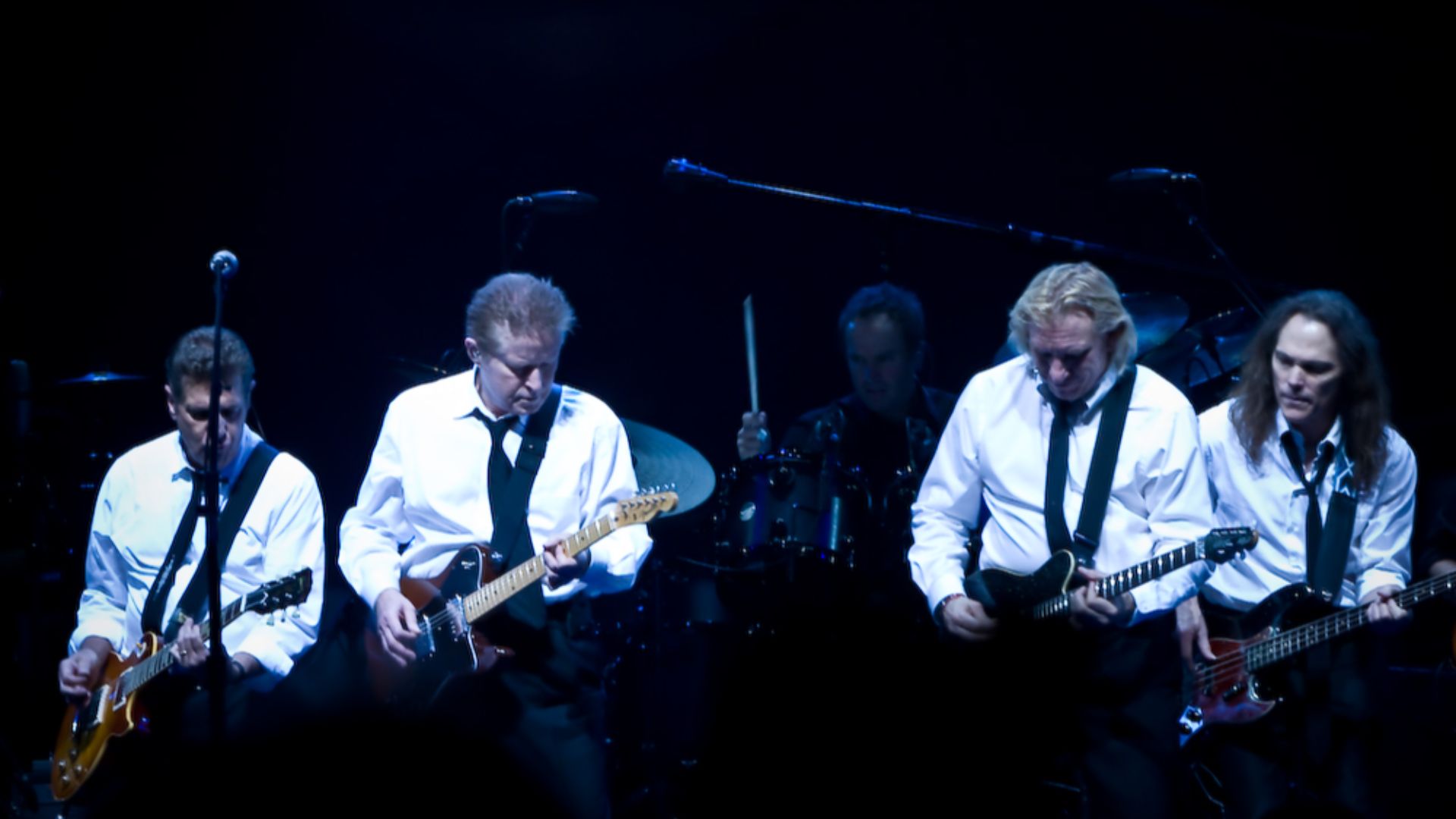
The Eagles
People bought the records, but not everyone liked what they heard. Some fans said the music was too smooth to feel real. Additionally, when Hotel California played every ten minutes, complaints grew louder, especially from rock lovers who missed grit and mess.
 Steve Alexander, Wikimedia Commons
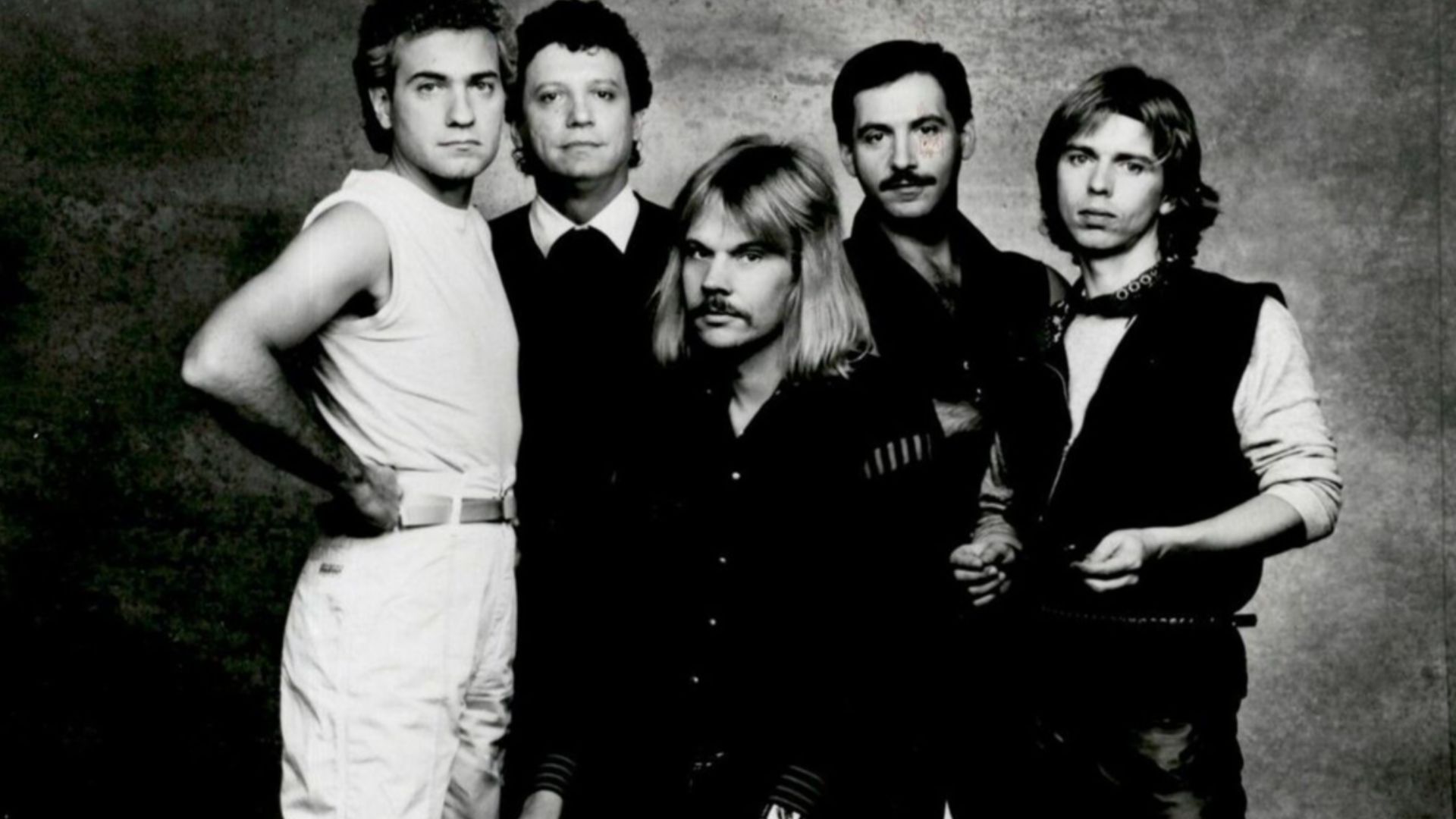
Styx
Styx liked going big. Their albums told stories, their ballads stretched out, and everything came with a little drama. Critics didn’t love the flair, calling it corny or forced. But Come Sail Away kept sneaking back onto playlists anyway.
 Front Line Management Company; Distributed by A&M Records, Wikimedia Commons
Boston
Boston's sound was almost too perfect. Every note felt polished, every chorus huge, and that didn't sit well with people who liked their rock messy. Even More Than a Feeling—a massive hit—got mocked for being so clean it sounded machine-made.
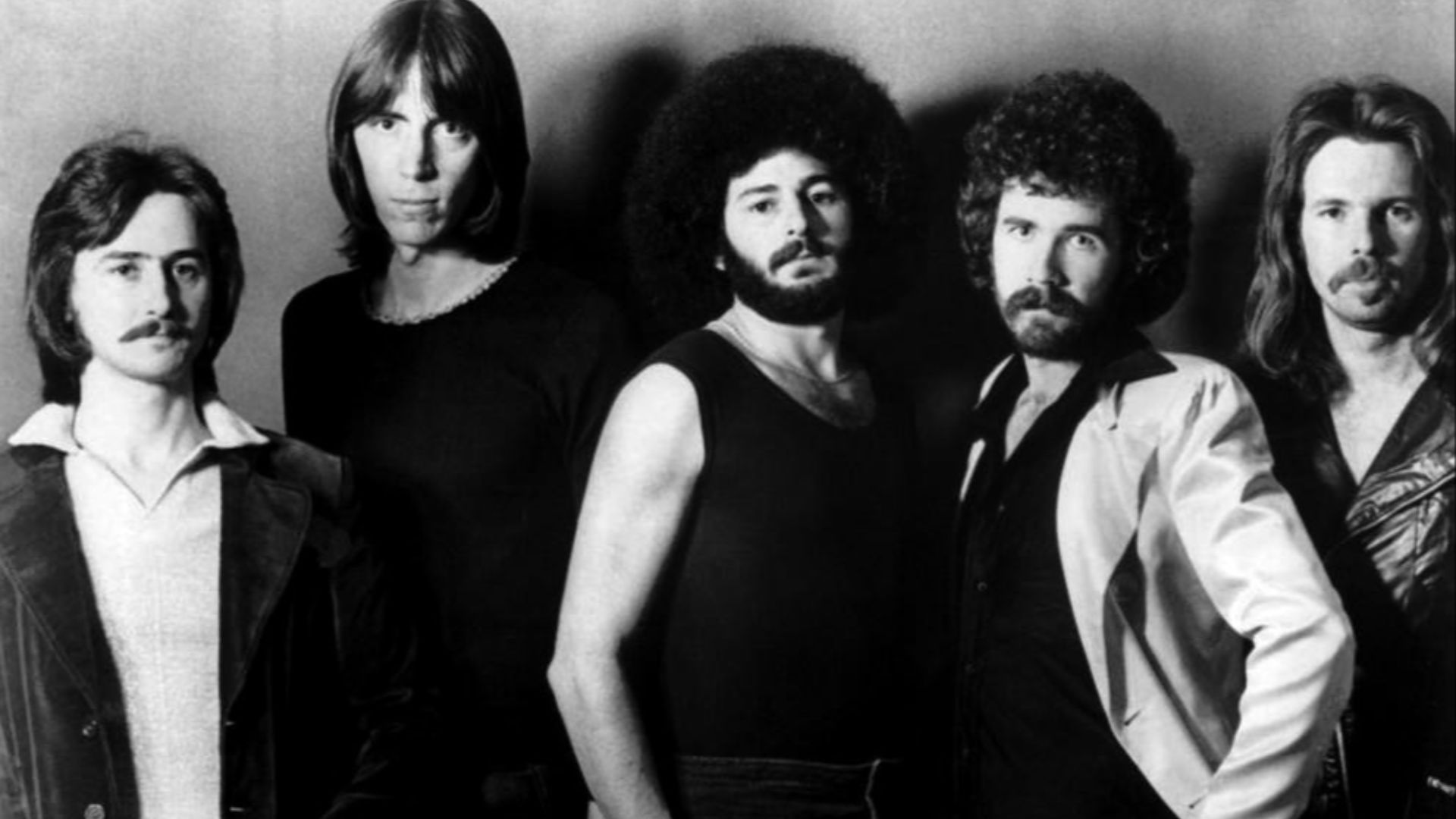 Premier Talent Associates (management company), Wikimedia Commons
Queen
With glitter, opera vocals, and dramatic flair, Queen didn’t exactly whisper their arrival. Some purists rolled their eyes at the layered sound and massive stage presence. Yet the same over-the-top approach helped We Will Rock You echo for generations.
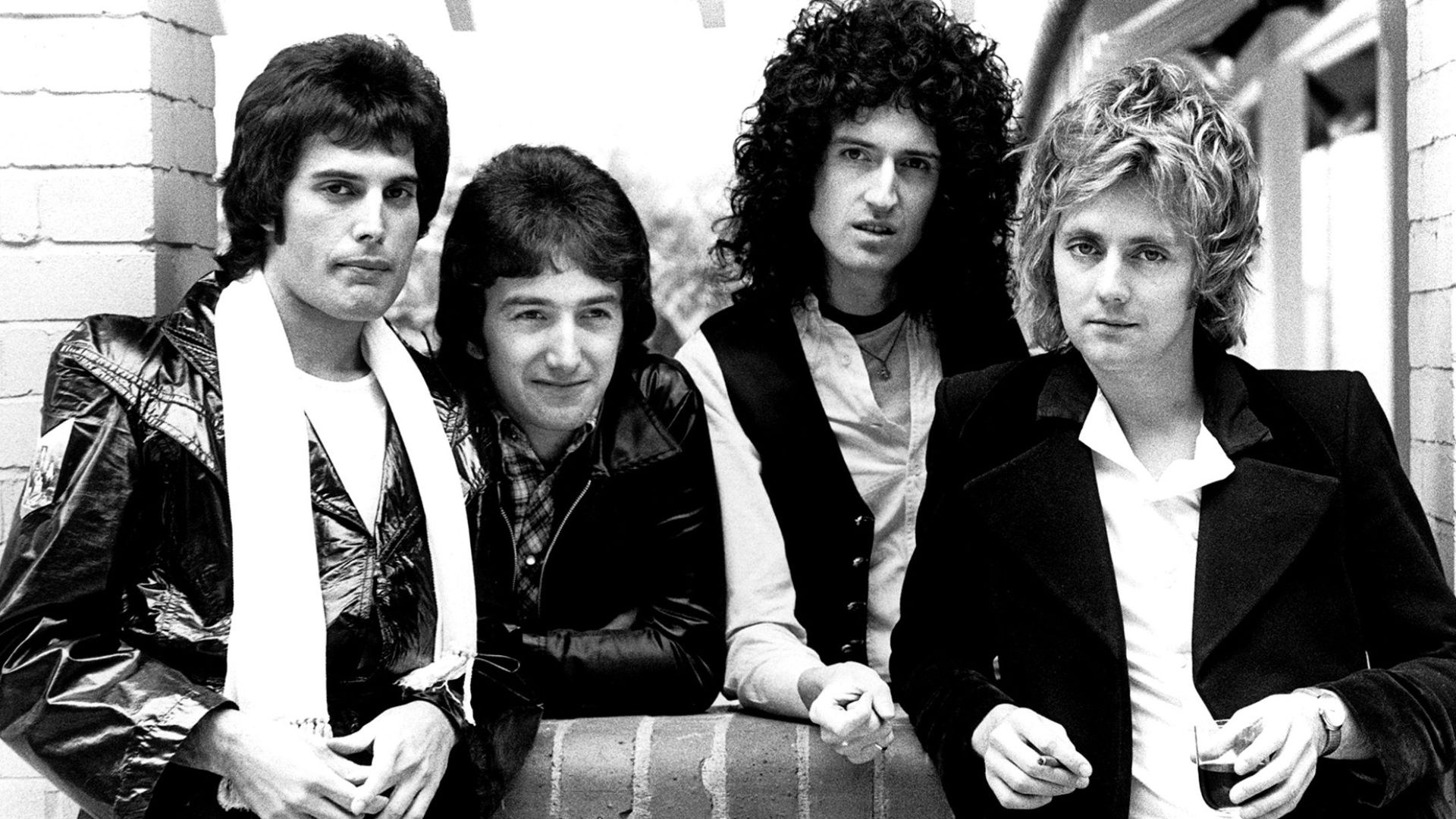 Christopher Hopper; distributed by Elektra Records, Wikimedia Commons
Foreigner
Some saw Foreigner as the musical version of a fast-food combo—easy to find, easy to forget. Radio couldn’t get enough of them, which only made reviewers crankier. Songs like I Want to Know What Love Is also got played to death.
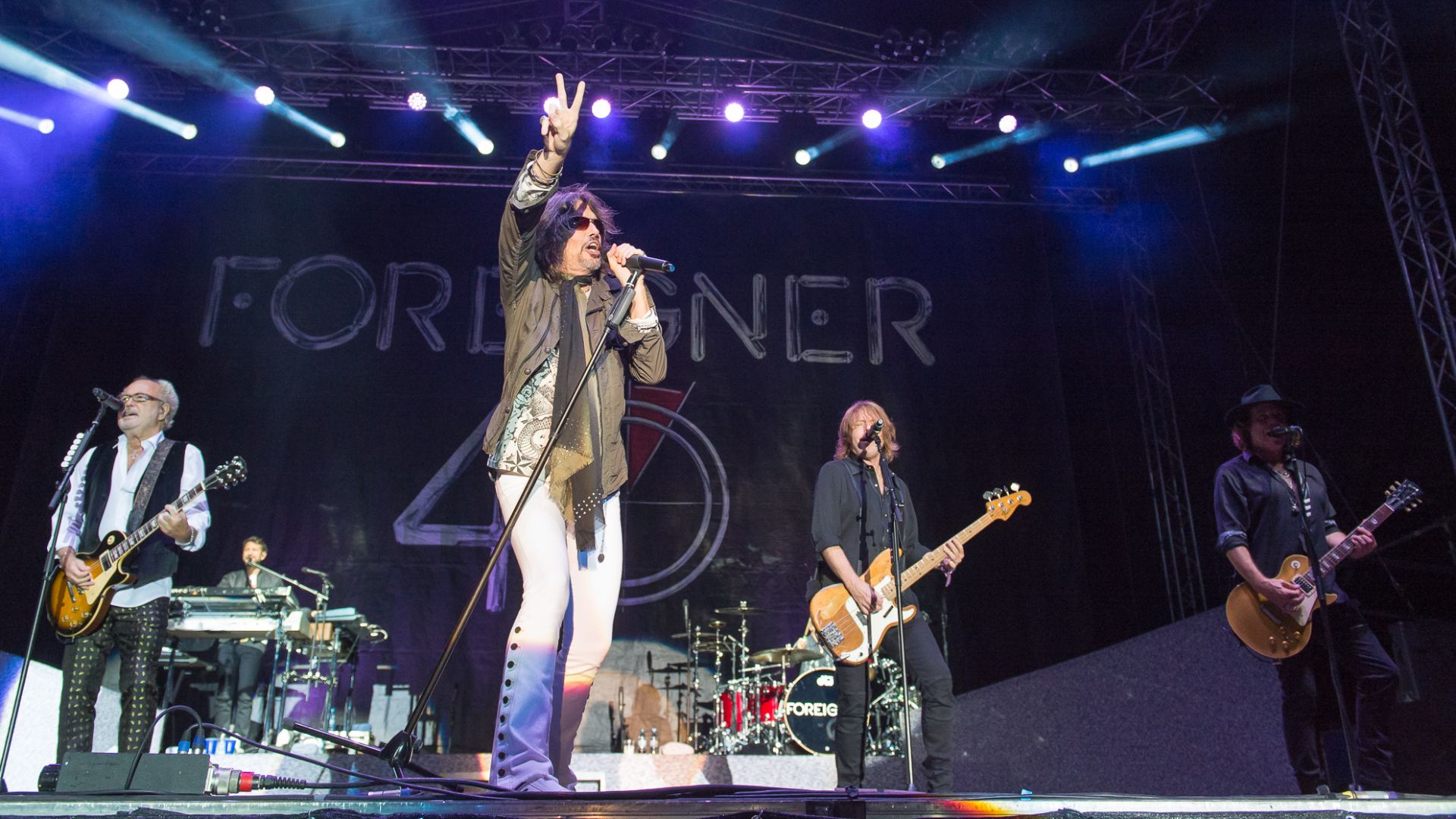 Stefan Brending (2eight), Wikimedia Commons
Rush
Early on, Rush confused a lot of people. The songs were long, the rhythms twisted, and Geddy Lee’s voice hit pitches that made some listeners flinch. Reviewers threw around words like “pretentious”, but serious musicians treated Rush records like puzzles worth solving.
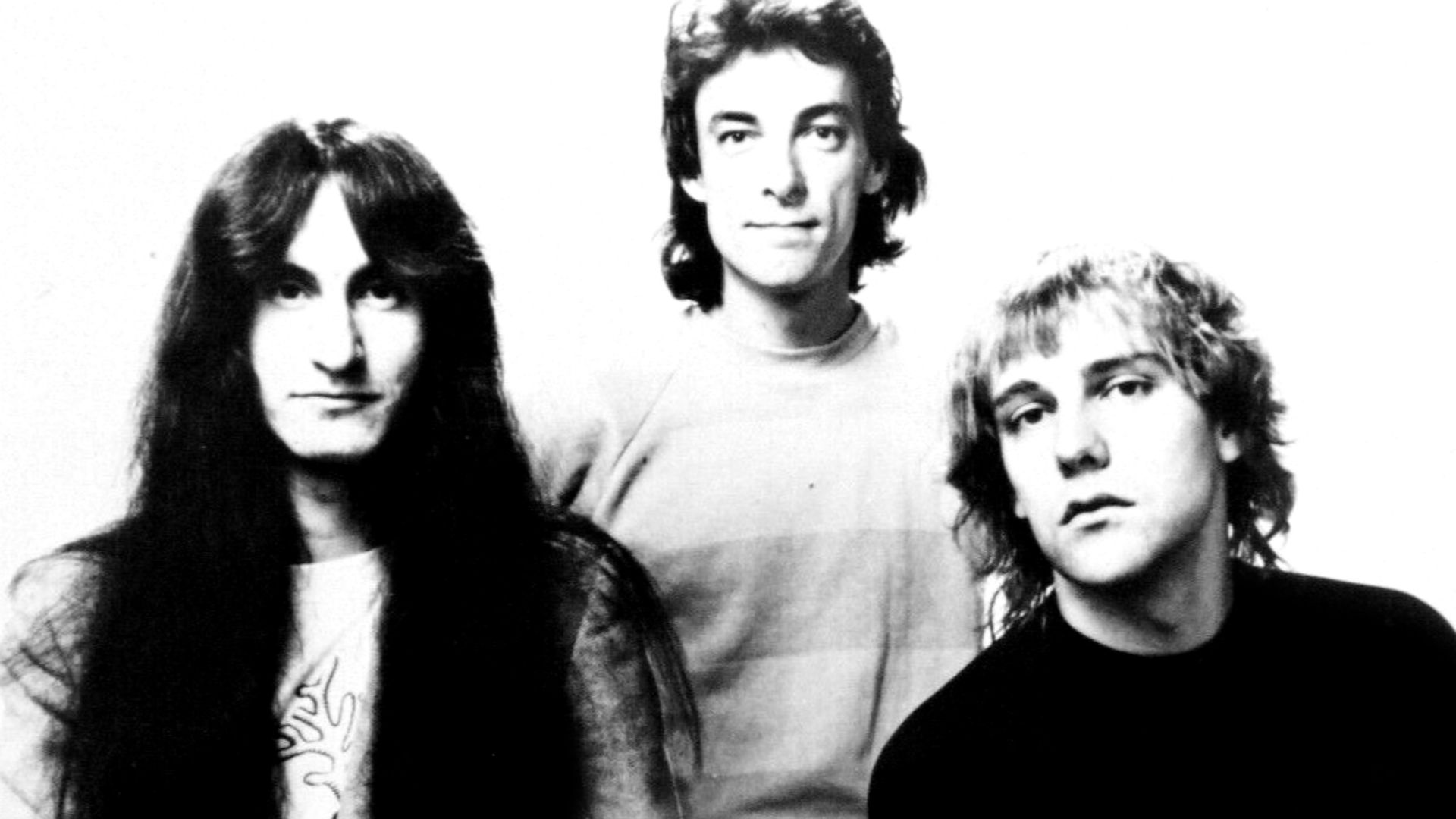
Kansas
When a rock band adds a violin, you’re bound to lose a few purists. Kansas leaned into their prog side, building long songs that didn’t always land with casual listeners. However, Carry On Wayward Son ended up becoming an unexpected rock staple.
 DanielleCannova, Wikimedia Commons
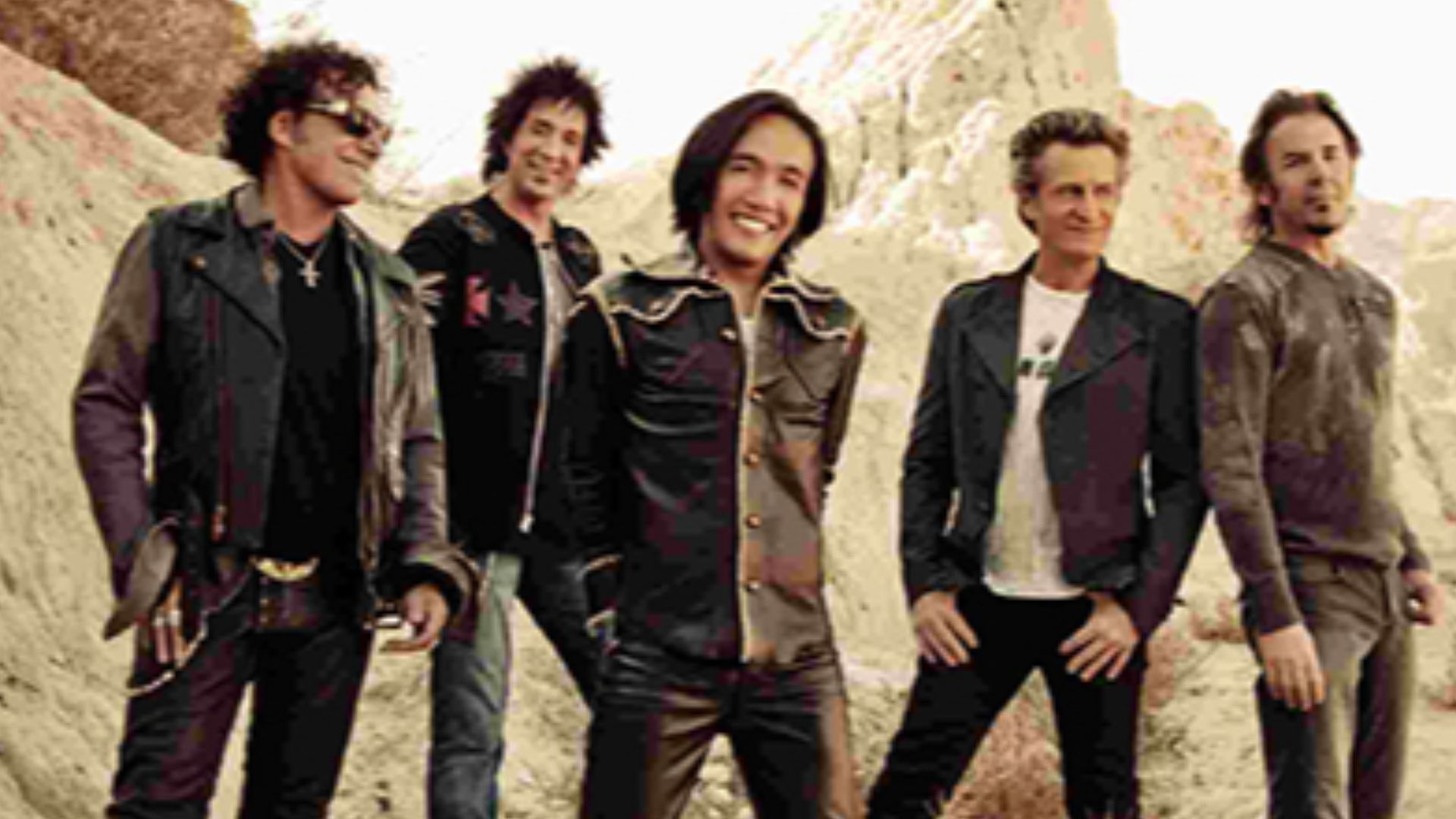
Journey
The louder the chorus, the more people complained. Journey’s soaring ballads weren’t subtle, and for some, that was the problem. Don’t Stop Believin’ was everywhere—beloved by many, but also blamed for making rock too polished or just too much.
 Travis Shinn, Wikimedia Commons
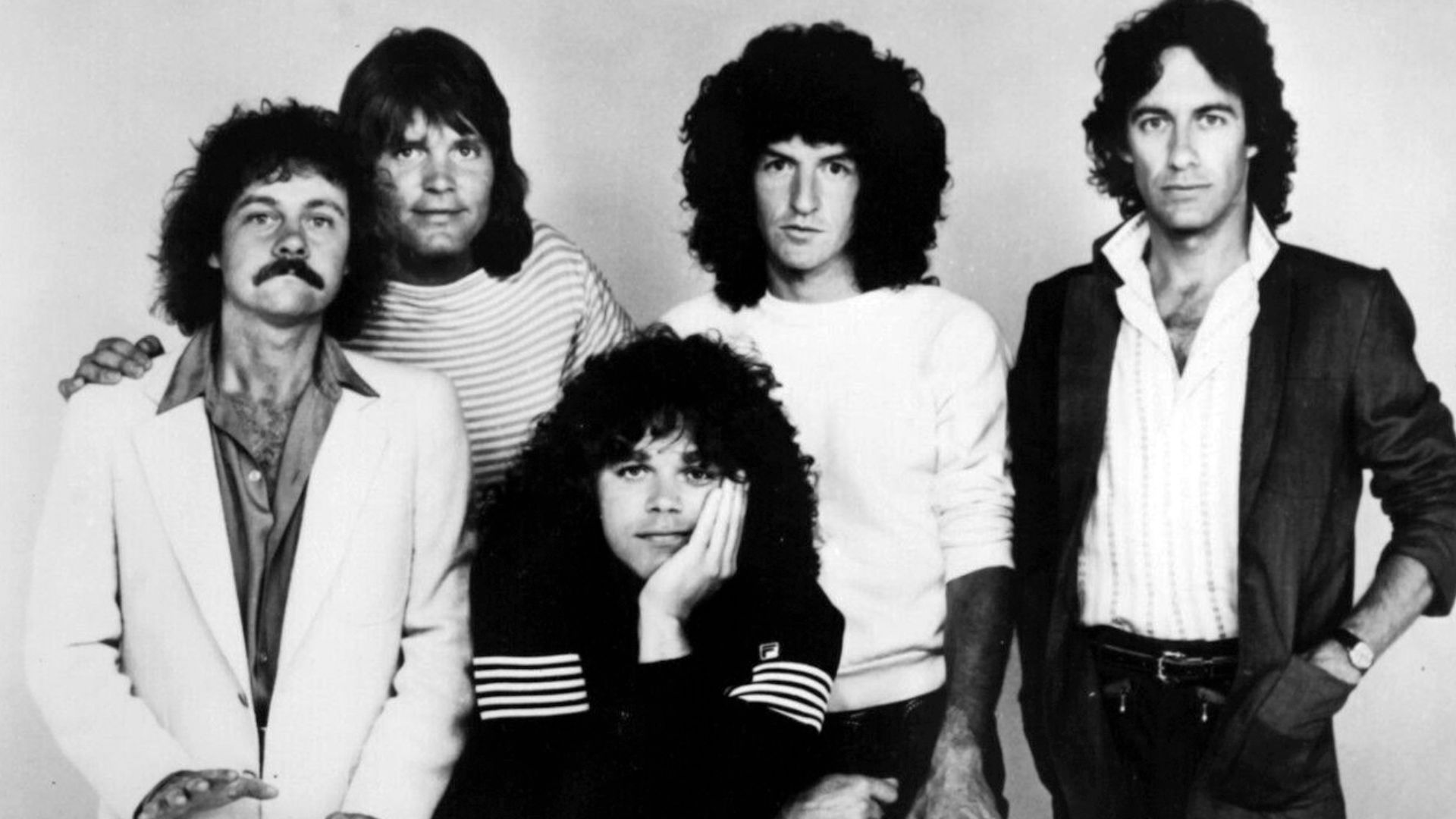
REO Speedwagon
REO Speedwagon had ballads that ruled radio, but that soft-rock success came with plenty of shade. Music snobs rolled their eyes at albums like Hi Infidelity, saying it was formulaic. Still, crowds kept singing along like nothing was wrong with being a little cheesy.
 Epic Records, Wikimedia Commons
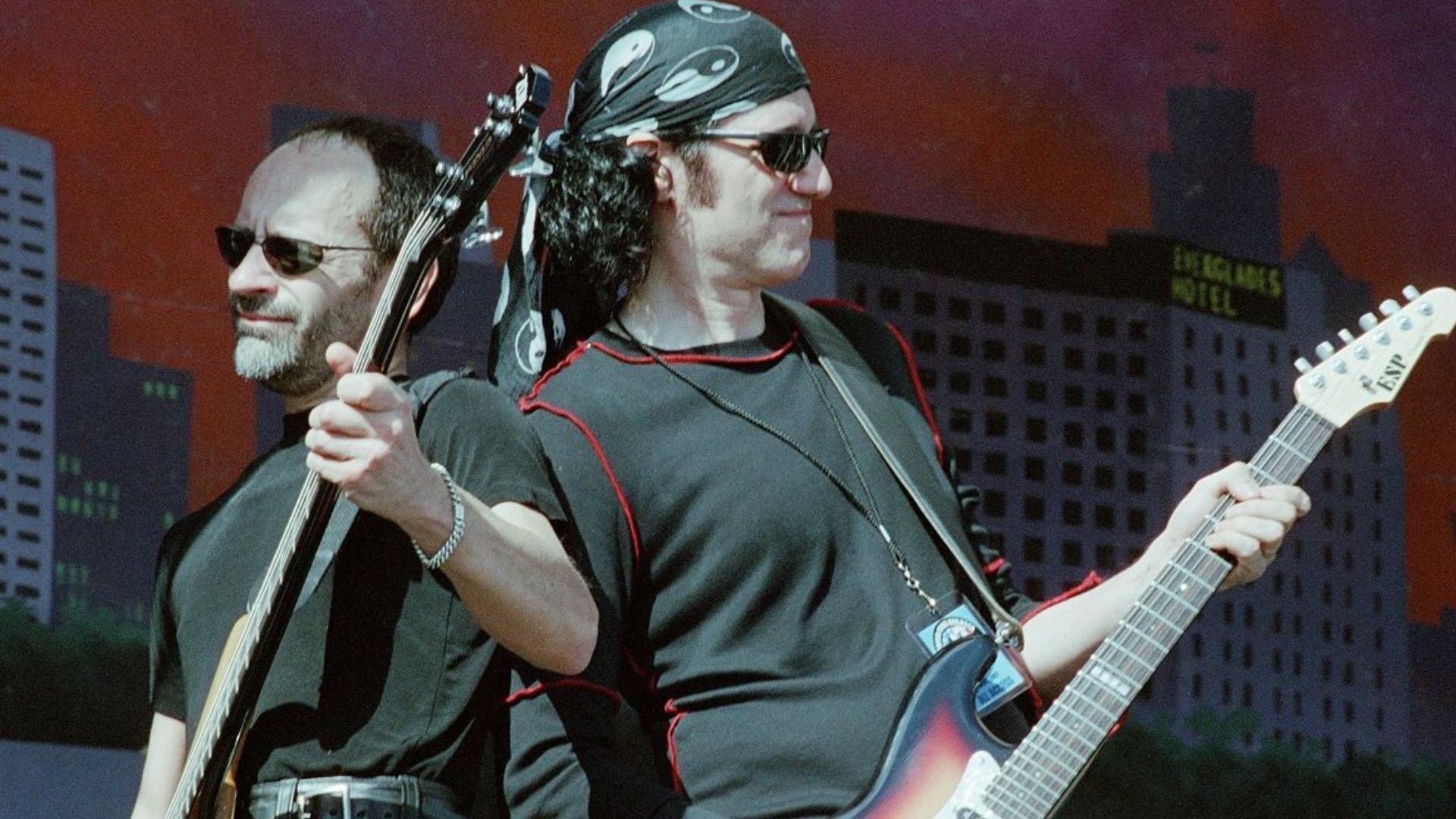
Grand Funk Railroad
Critics almost seemed allergic to Grand Funk. Reviews slammed them as loud and lazy, calling the music clunky and overhyped. But that didn’t matter to fans. The band sold out Shea Stadium faster than The Beatles, proving that loud music worked just fine.
 Carl Lender at https://www.flickr.com/photos/clender/, Wikimedia Commons
The Osmonds
Matching outfits, big smiles, and teen magazine covers made The Osmonds easy to mock. Rock fans didn’t take them seriously, and bubblegum pop didn’t help. But behind all the gloss, the group had real vocal chops—just hidden under squeaky-clean branding.
 CBS Television-part of the logo remains for ID, Wikimedia Commons
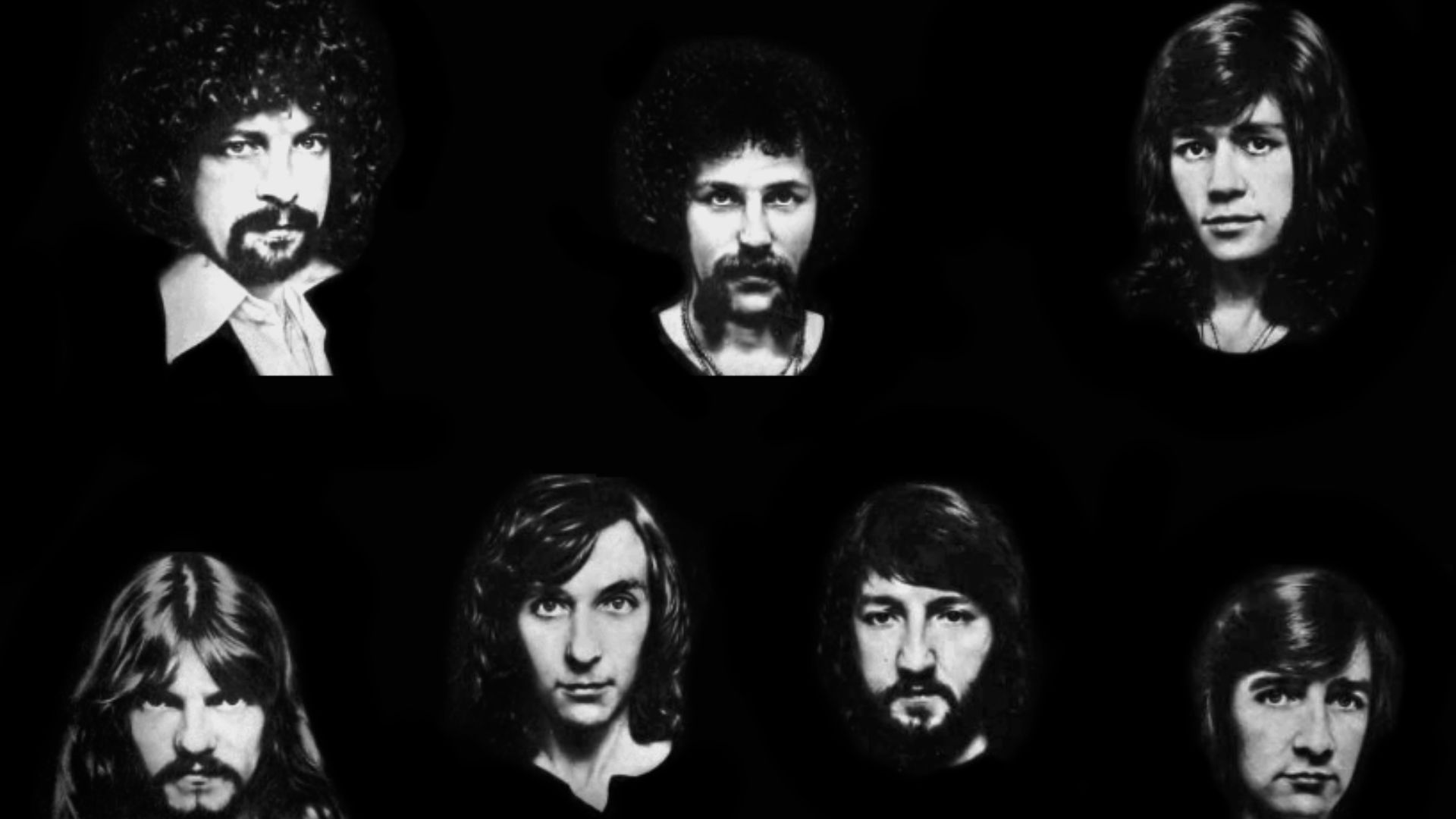
Electric Light Orchestra (ELO)
ELO added violins to rock songs and packed stages with light shows, which didn’t thrill everyone. Some listeners found it overproduced, while others missed the point entirely. However, songs like Mr. Blue Sky became proof that big sound could still feel joyful.
 Jet Records, Wikimedia Commons
Bay City Rollers
Tartan pants, screaming teens, and sugary hooks put the Bay City Rollers on the map—and in the crosshairs. Rock audiences bailed instantly. Their hit Saturday Night topped charts, but plenty of people were done with it by Sunday morning.
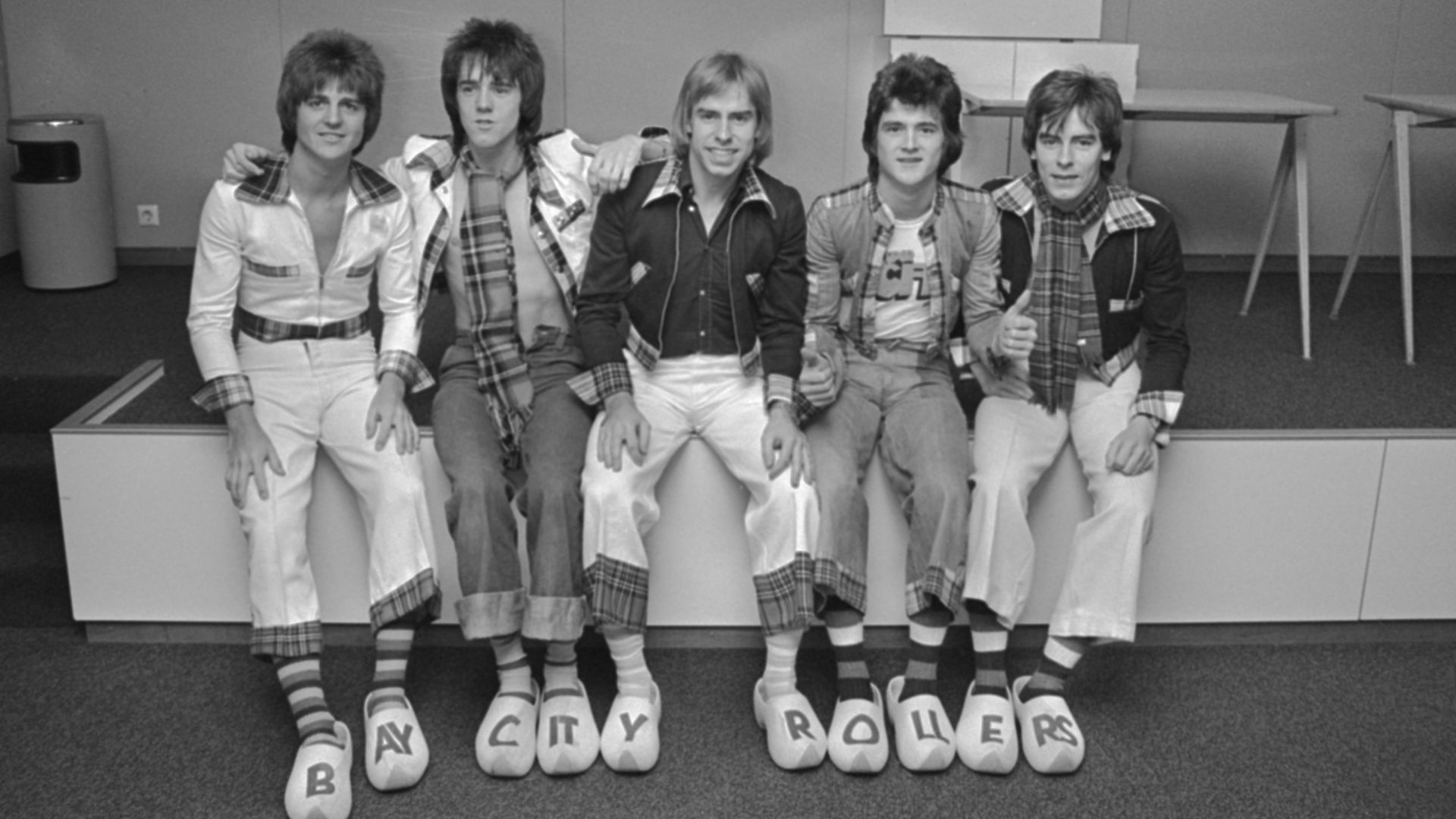 Rob Bogaerts (ANEFO), Wikimedia Commons
Captain & Tennille
Their soft pop sound dominated radio, even if not everyone was on board. Songs like Do That to Me One More Time were called too sugary, and Muskrat Love got mocked often—but their studio work quietly shaped a lot of pop music.
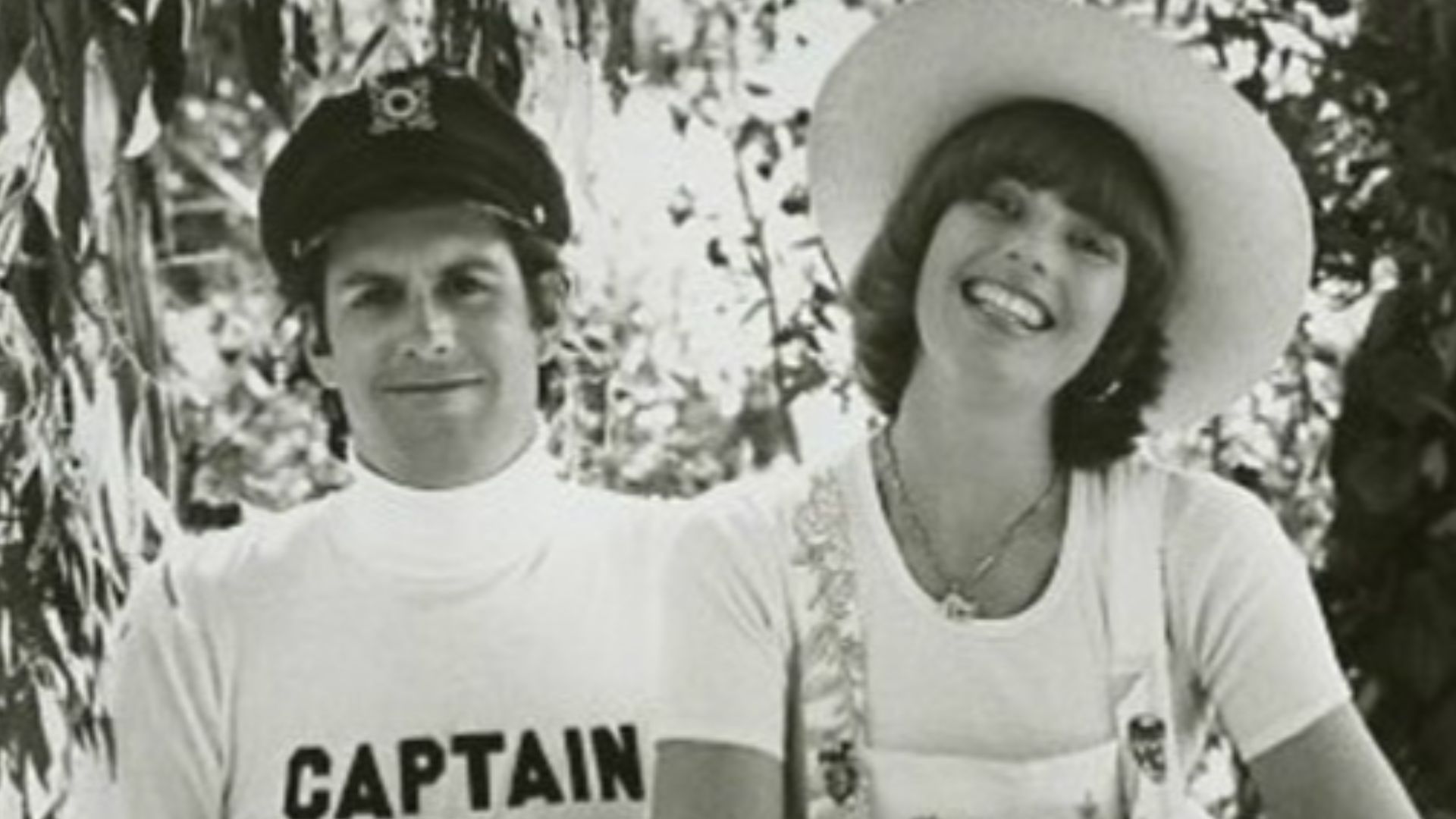 ABC Television, Wikimedia Commons
Village People
With costumes and choreographed moves, Village People felt more like a party than a band, and music snobs didn’t get it. Rock fans mocked the act as campy, especially once disco backlash hit. But YMCA still turns every crowd into a dance floor.
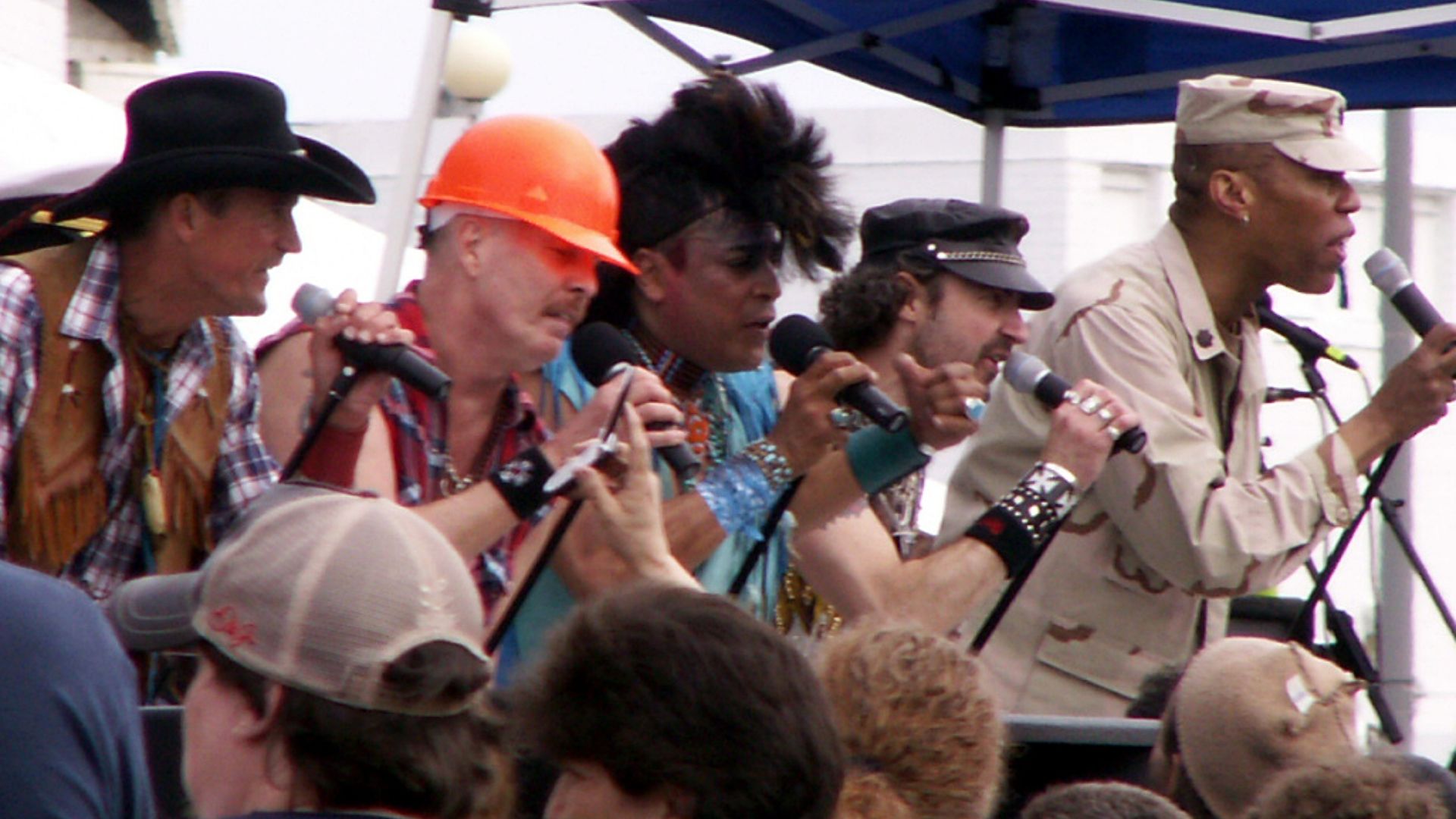 Jackie from Monmouth County, NJ, USA, Wikimedia Commons
KC And The Sunshine Band
KC and the Sunshine Band had a formula—funky beats, bright hooks, repeat. Detractors called it mindless, and disco critics lumped them into the “all style, no substance” pile. Despite that, songs like Get Down Tonight get the party started.
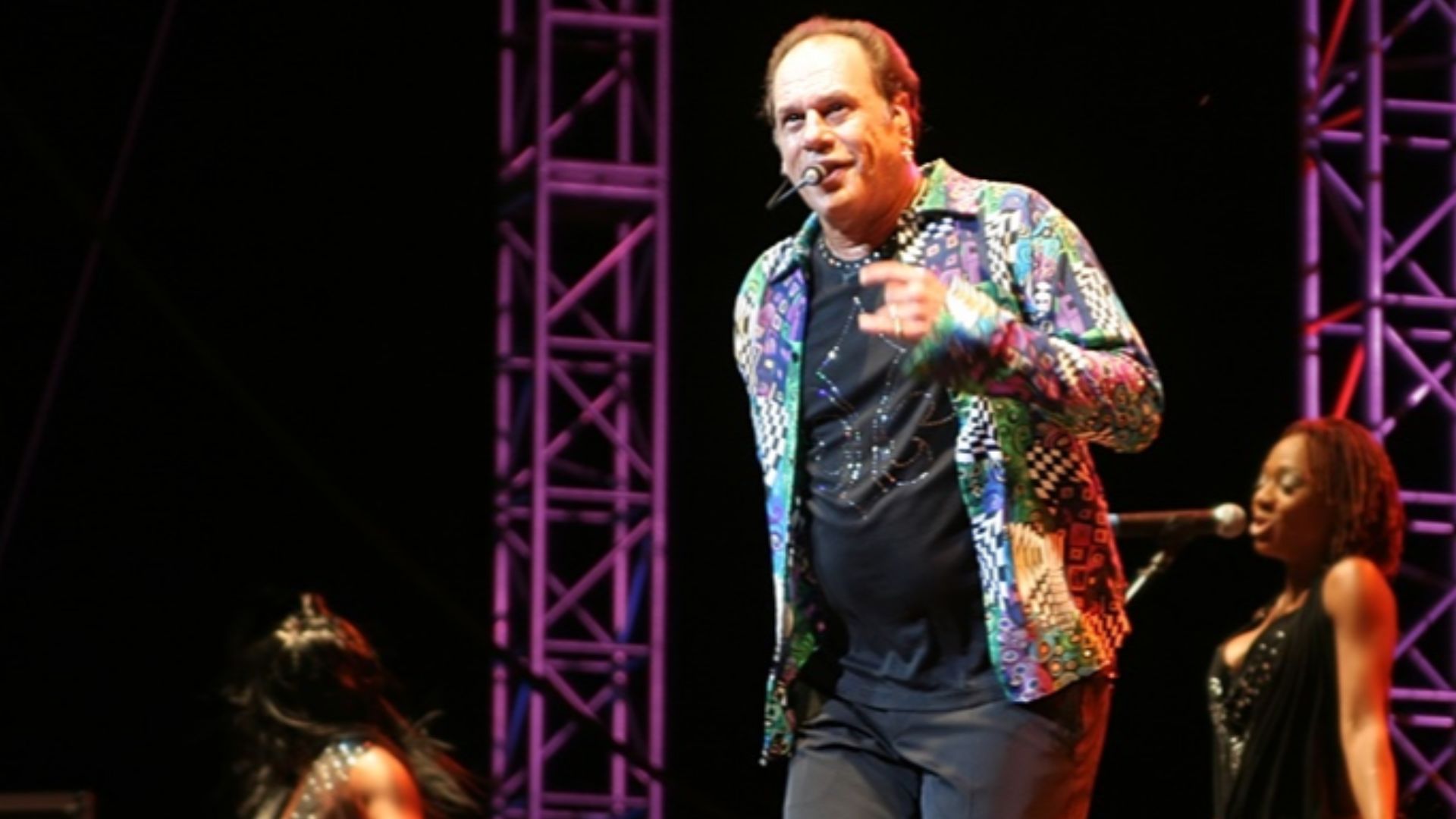
Emerson, Lake & Palmer (ELP)
When songs stretch for 10 minutes and involve church organs, not everyone’s onboard. ELP’s live shows felt like classical concerts hijacked by rock stars. Reviewers called them overblown, but their technical skill blows the minds of music students learning composition to this day.
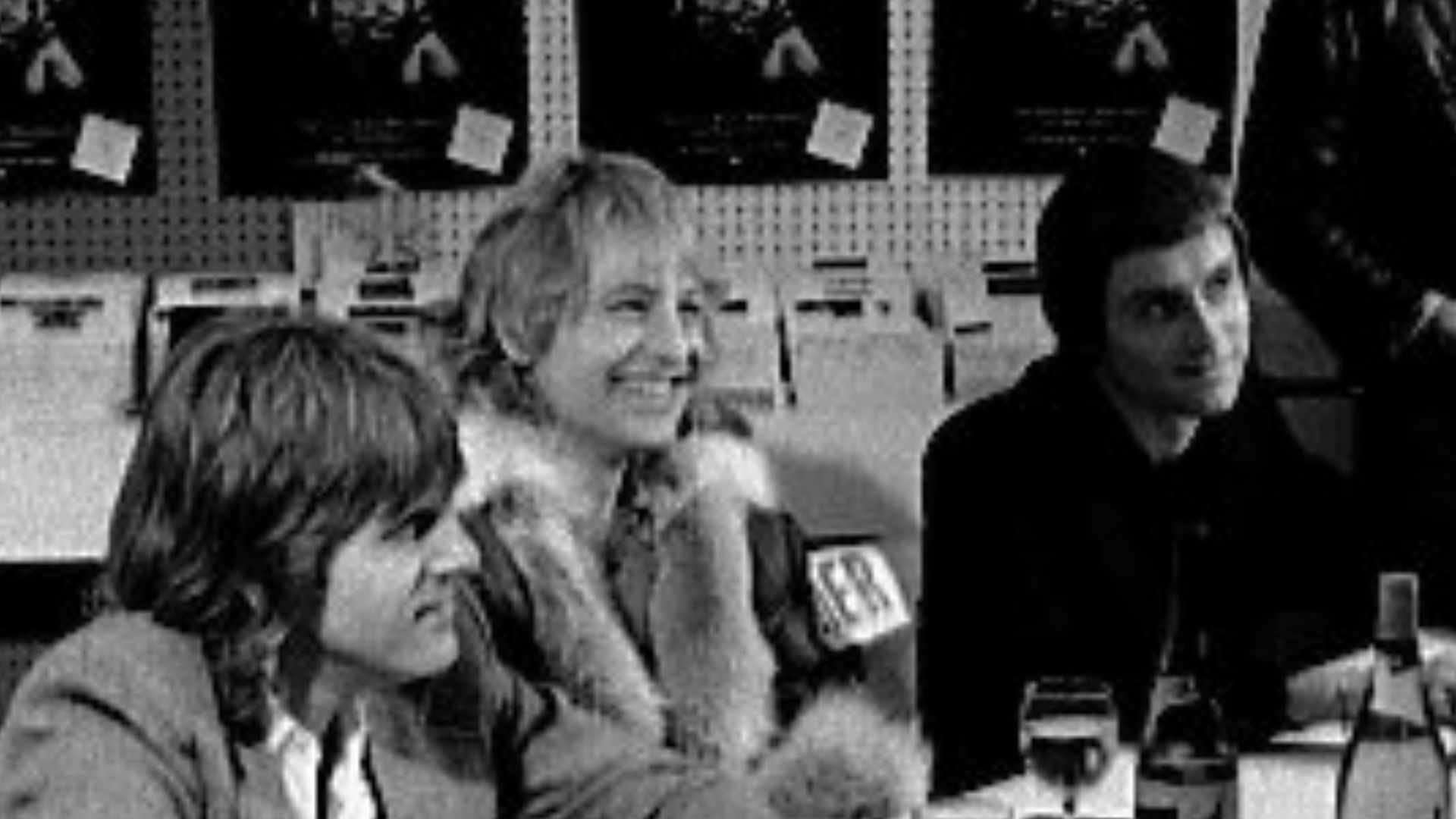
ABBA
ABBA looked like pop perfection in sequins, and for some, that was the problem. Their polished image drew sneers, especially from rock purists. But as the years passed, even skeptics had to admit—melodies like Dancing Queen never really went out of style.
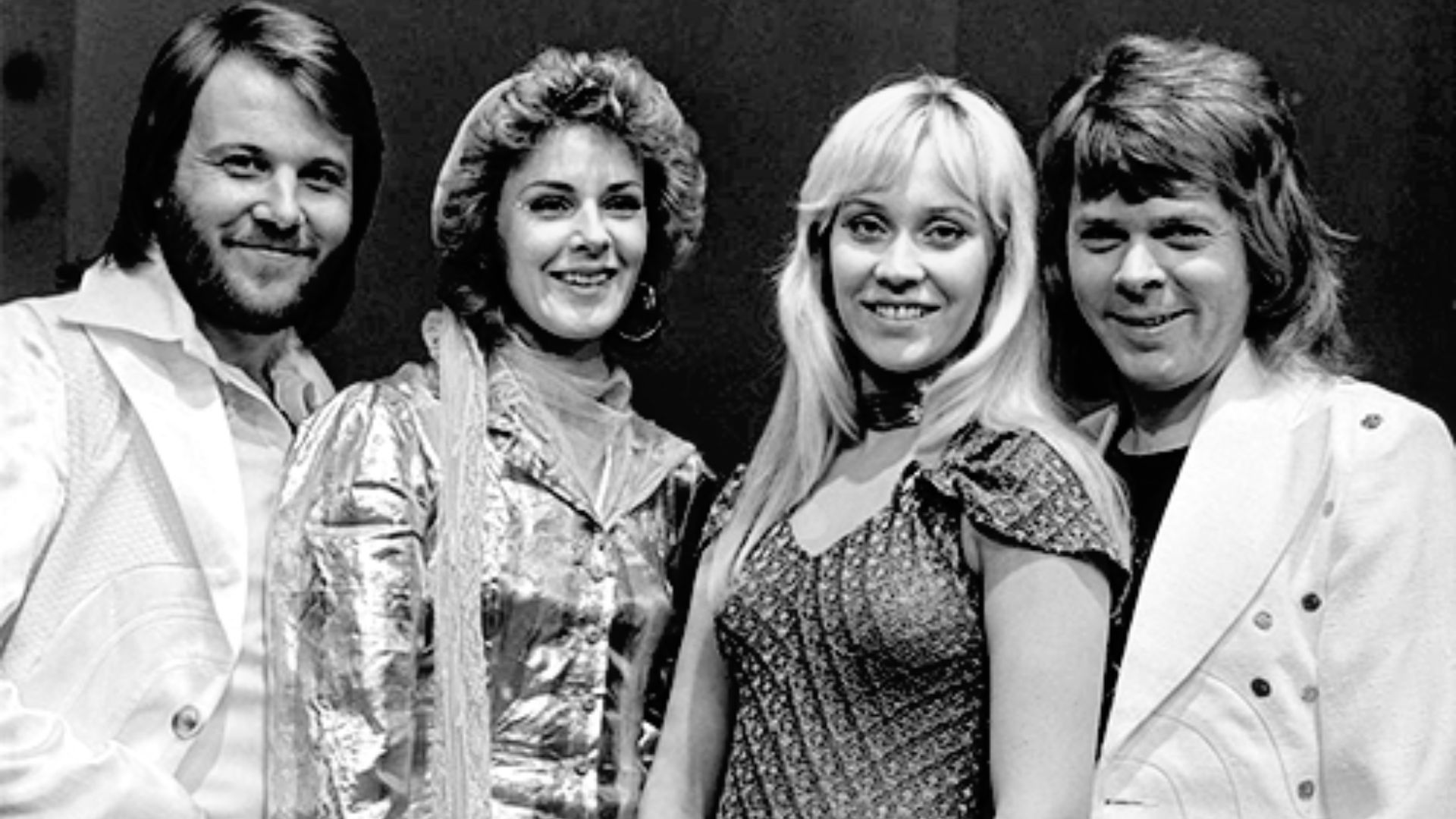
Supertramp
Supertramp played with polished keyboards and abstract lyrics, which didn’t click with everyone. People in the press box said it was all too controlled. Yet The Logical Song quietly kept gaining fans, thanks to clever wordplay and that oddly catchy melody stuck in its center.
 21st CENTURY GREENSTUFF, Wikimedia Commons
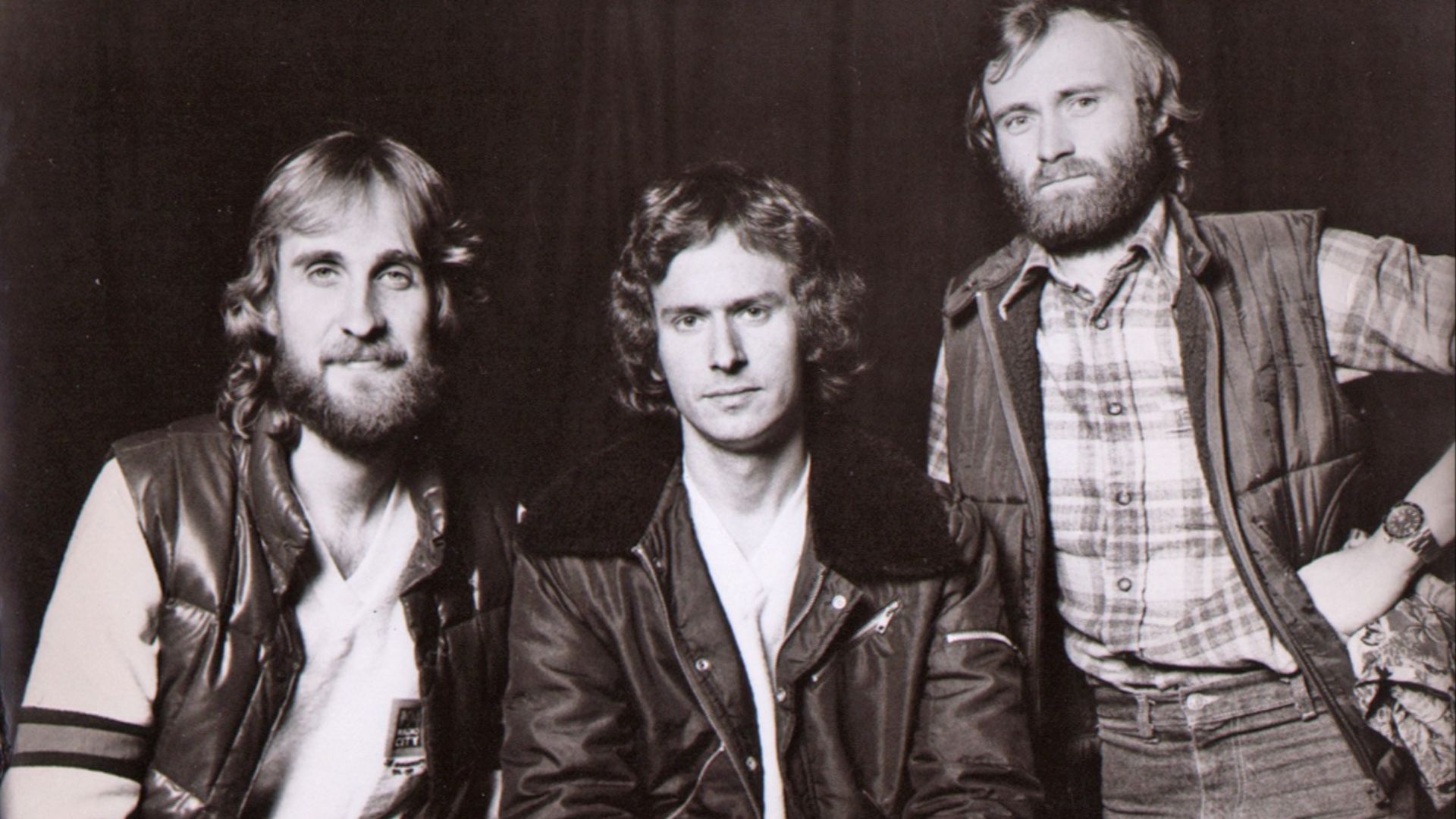
Genesis
Early Genesis leaned hard into long, theatrical tracks—costumes included. That turned off casual listeners right away. Later, when they shifted to pop, diehard fans yelled “sellout”. Even so, both eras had hits, proving you can lose everyone and still win.
 Distributed by Atlantic Records, Wikimedia Commons
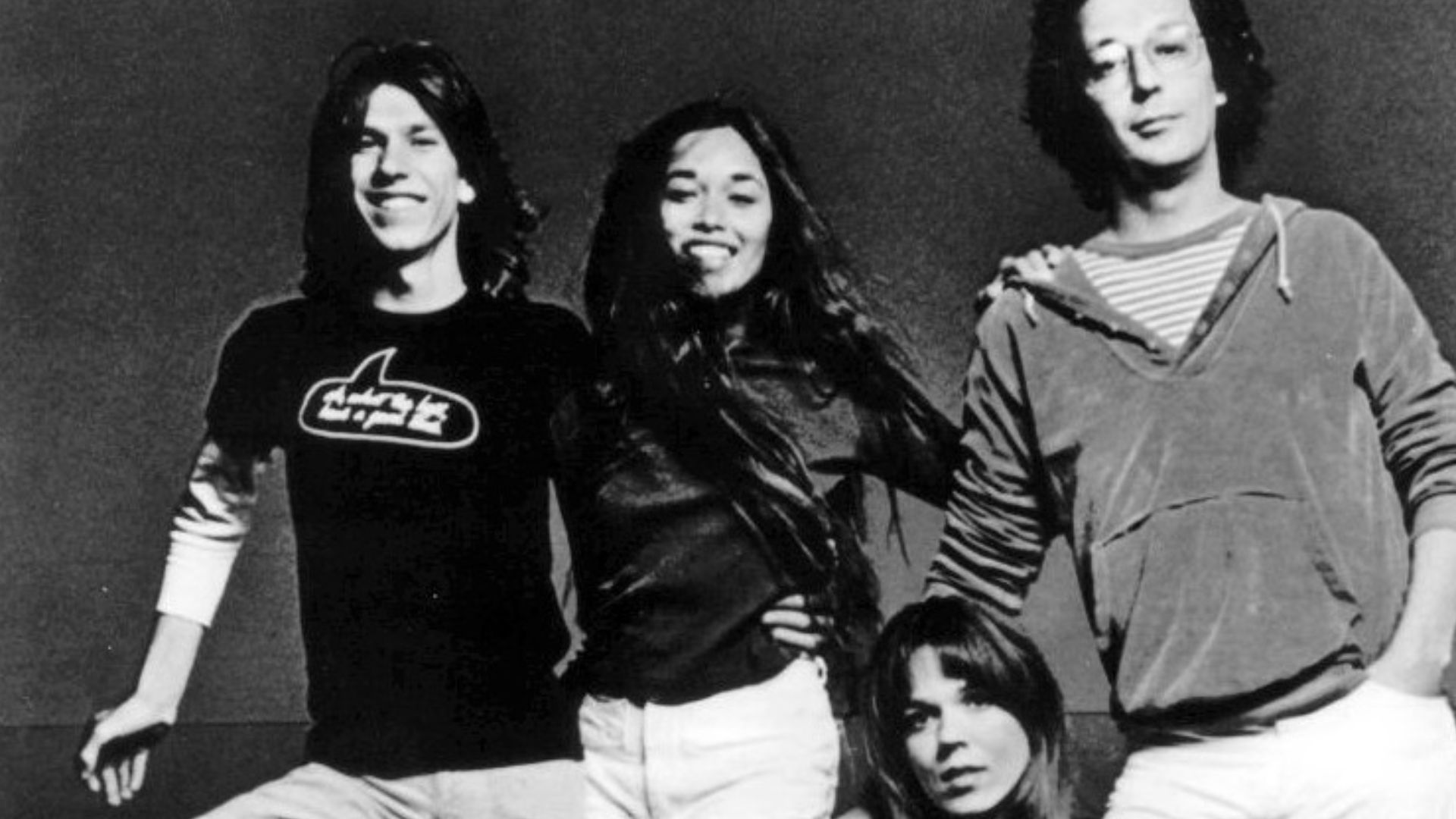
Starland Vocal Band
Soft vocals and a song about daytime romance turned Afternoon Delight into a surprise hit and an easy target. People joked about its lyrics, while others couldn’t stand how gentle it all sounded. Still, the harmonies had an oddly sweet charm.
 Windsong/RCA Records, Wikimedia Commons
Edison Lighthouse
One song—Love Grows (Where My Rosemary Goes)—put Edison Lighthouse on the map, and instantly split opinions. Some loved the sugary hook; others dismissed it as fluff. Rock fans weren’t impressed, calling the whole thing manufactured pop in a bell-bottom disguise.
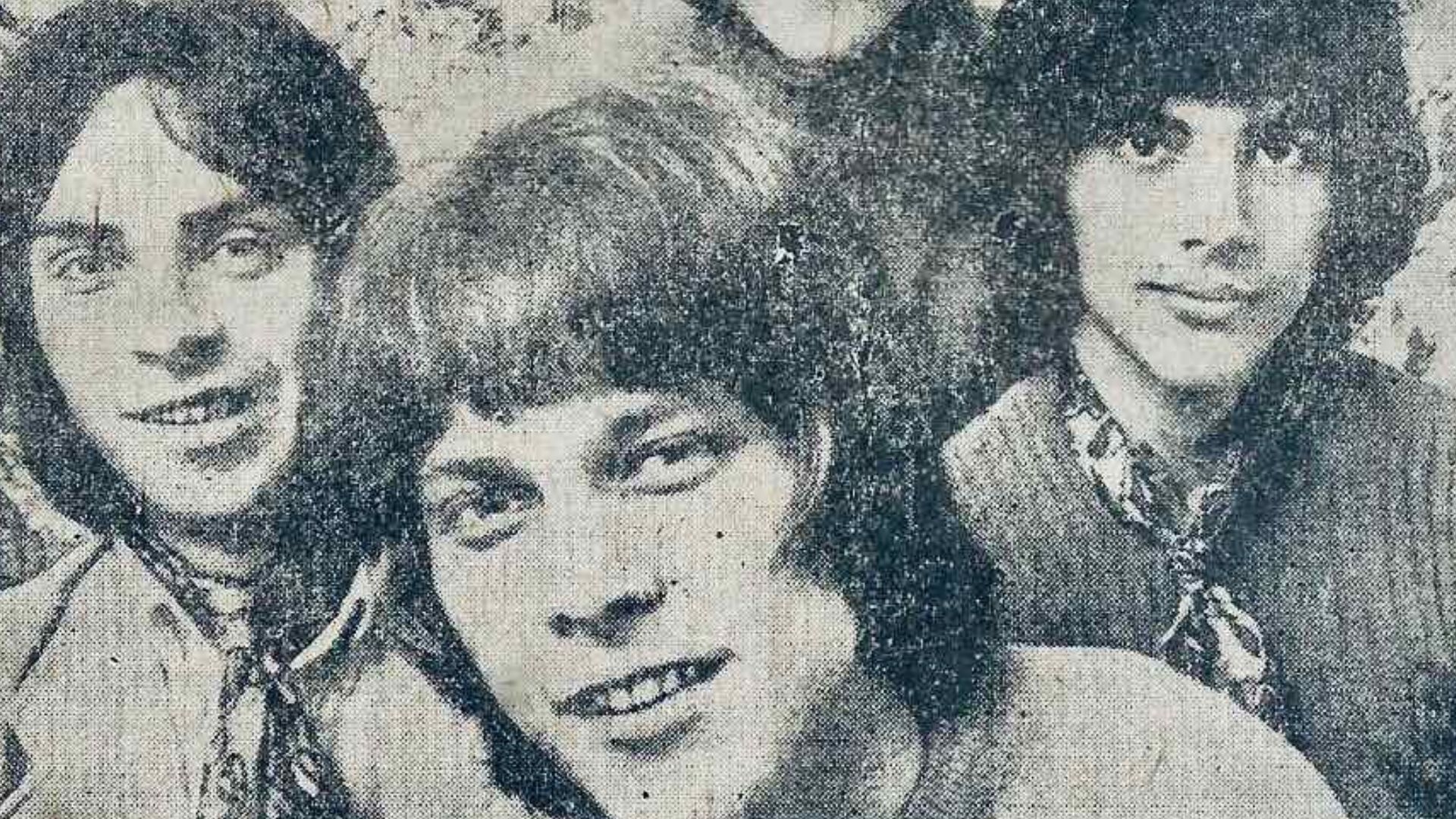 Majalah Aktuil, Wikimedia Commons
Steely Dan
Steely Dan’s smooth sound and brainy lyrics split listeners. Critics said their perfectionism made the music feel cold, as rock fans wanted grit, not jazz chords. Yet, bands today study tracks like Reelin’ In the Years like they’re dissecting a science project.
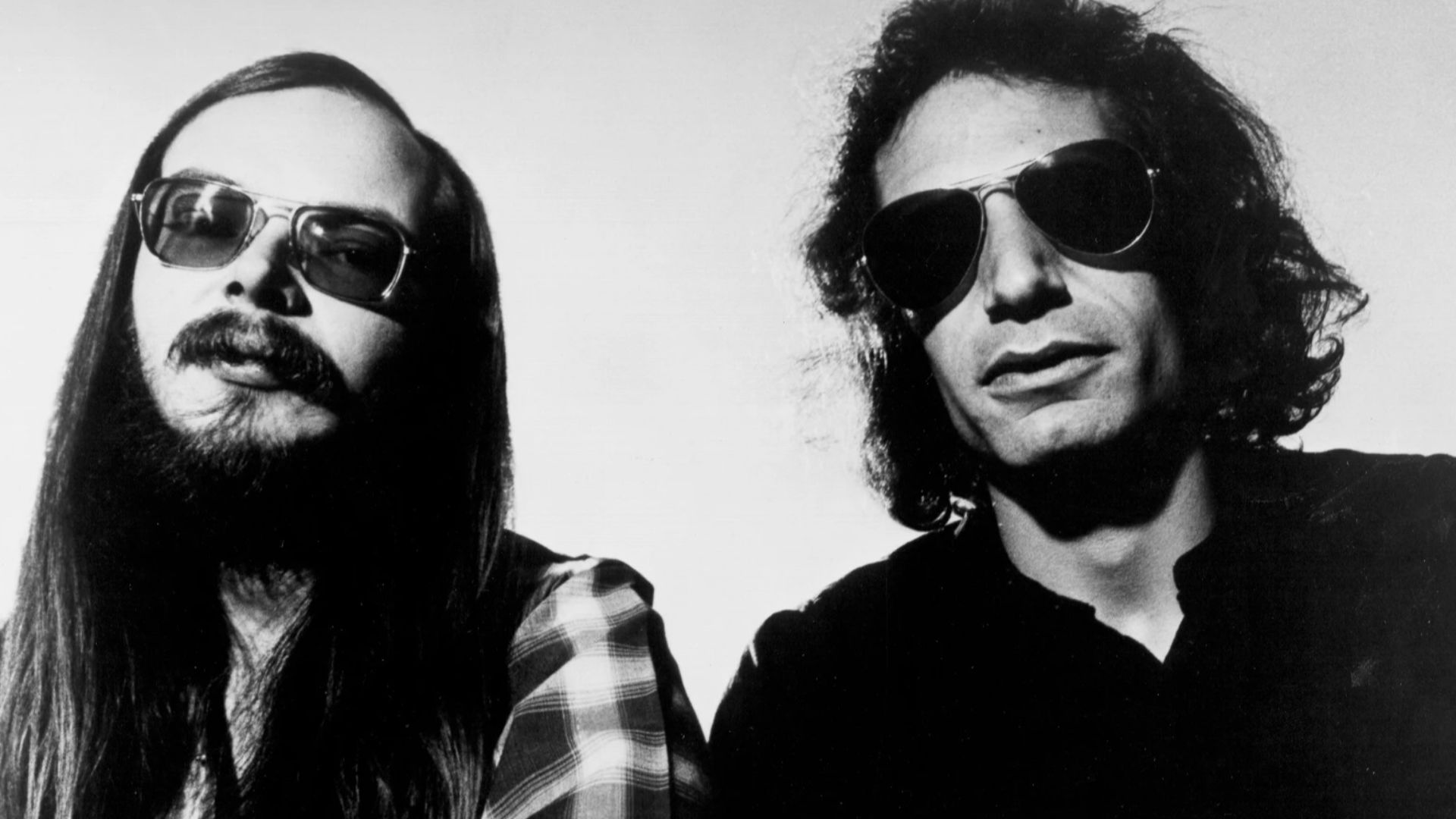 Distributed by ABC Records, Wikimedia Commons