The Grammys Had One Job
The 1970s produced so many classic albums that choosing just one winner every year was never going to be easy—or make everyone happy. And some of the albums that didn’t even get nominations will shock you.
Here is what won Album of the Year at every Grammy ceremony from 1970 through 1979—and what really should have won. Do you agree?
 Jeffrey Mayer, Chris Walter, Getty Images
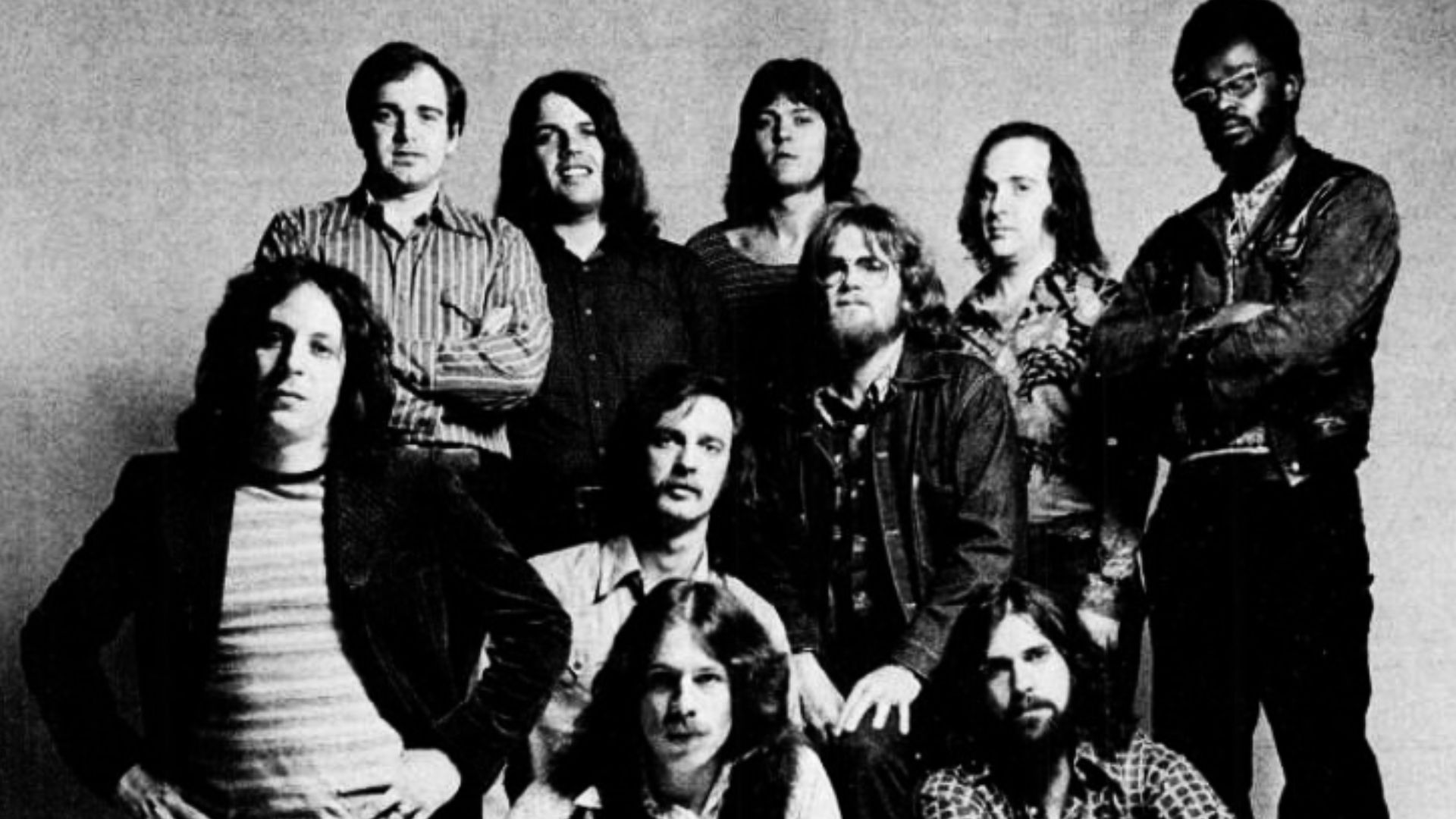
1970 Grammy Winner: "Blood, Sweat & Tears" (Blood, Sweat & Tears)
Blood, Sweat & Tears had already lost founder, keyboardist and vocalist Al Kooper, brought in David Clayton-Thomas as their new lead singer and somehow become even bigger. “Spinning Wheel,” “You’ve Made Me So Very Happy” and “And When I Die” helped bring jazz-rock into the mainstream. It was a huge album and a perfectly respectable winner.
 Columbia Records, Wikimedia Commons
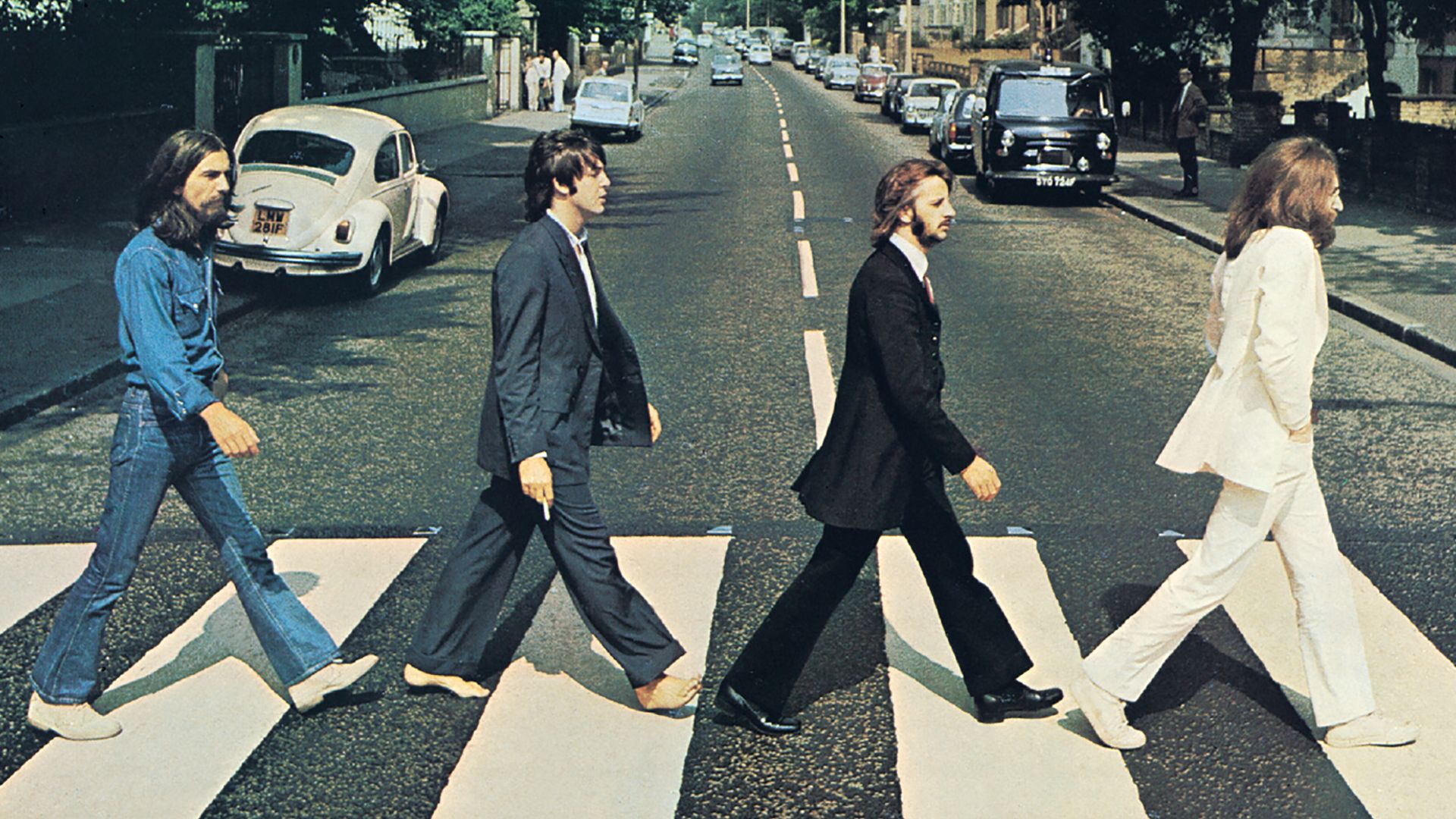
1970 Should’ve Won: "Abbey Road" (The Beatles)
Unfortunately, perfectly respectable was not enough when Abbey Road was sitting beside it. “Come Together,” “Something,” “Here Comes the Sun” and that glorious side-two medley made the Beatles’ final recorded album sound like one last burst of brilliance. This Grammy decision becomes harder to defend with every passing year.
 John Kosh / Iain Macmillan, Wikimedia Commons
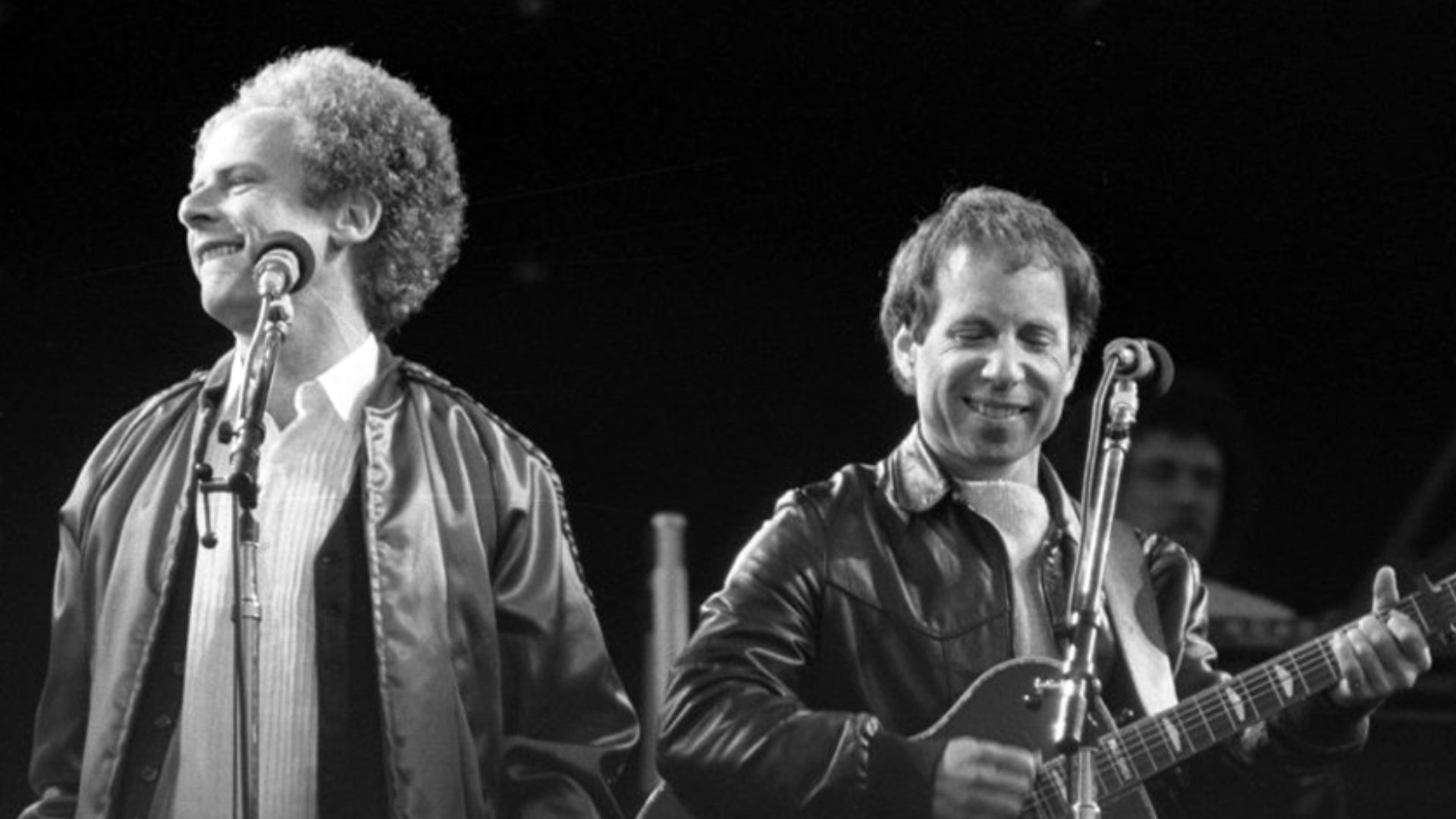
1971 Grammy Winner: "Bridge Over Troubled Water" (Simon & Garfunkel)
Simon & Garfunkel were barely holding their partnership together, but apparently musical perfection was still on the schedule. Bridge Over Troubled Water gave us “The Boxer,” “Cecilia,” “El Condor Pasa” and that enormous title song. It dominated the Grammys, and it is certainly not difficult to understand why.
 Nationaal Archief, Wikimedia Commons
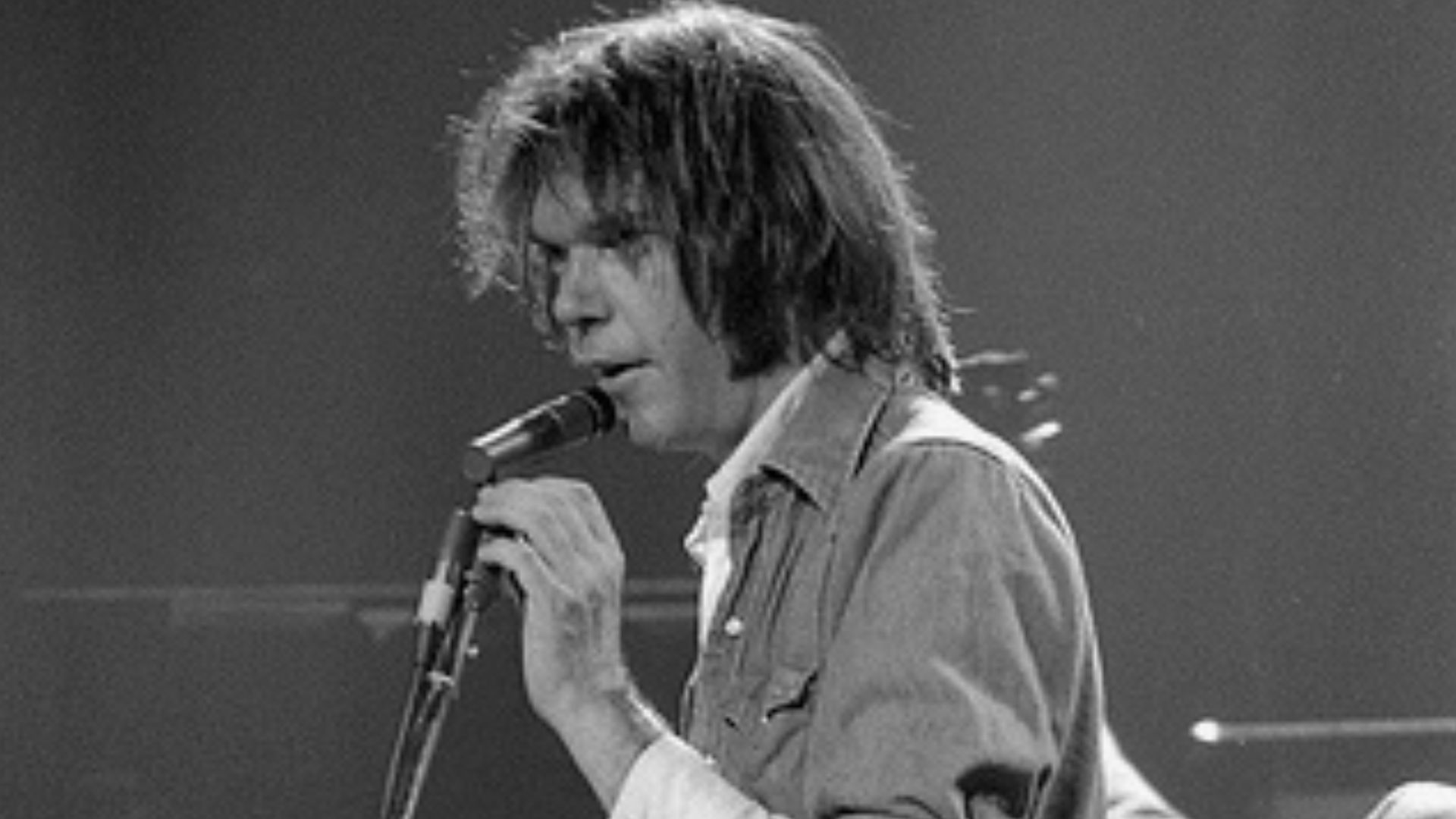
1971 Should’ve Won: "After the Gold Rush" (Neil Young)
But the album that really should have taken it was not even nominated. After the Gold Rush gave us “Tell Me Why,” “Only Love Can Break Your Heart,” “Southern Man,” “Don’t Let It Bring You Down” and that haunting title track. Bridge Over Troubled Water was beautiful. Young made the better complete album.
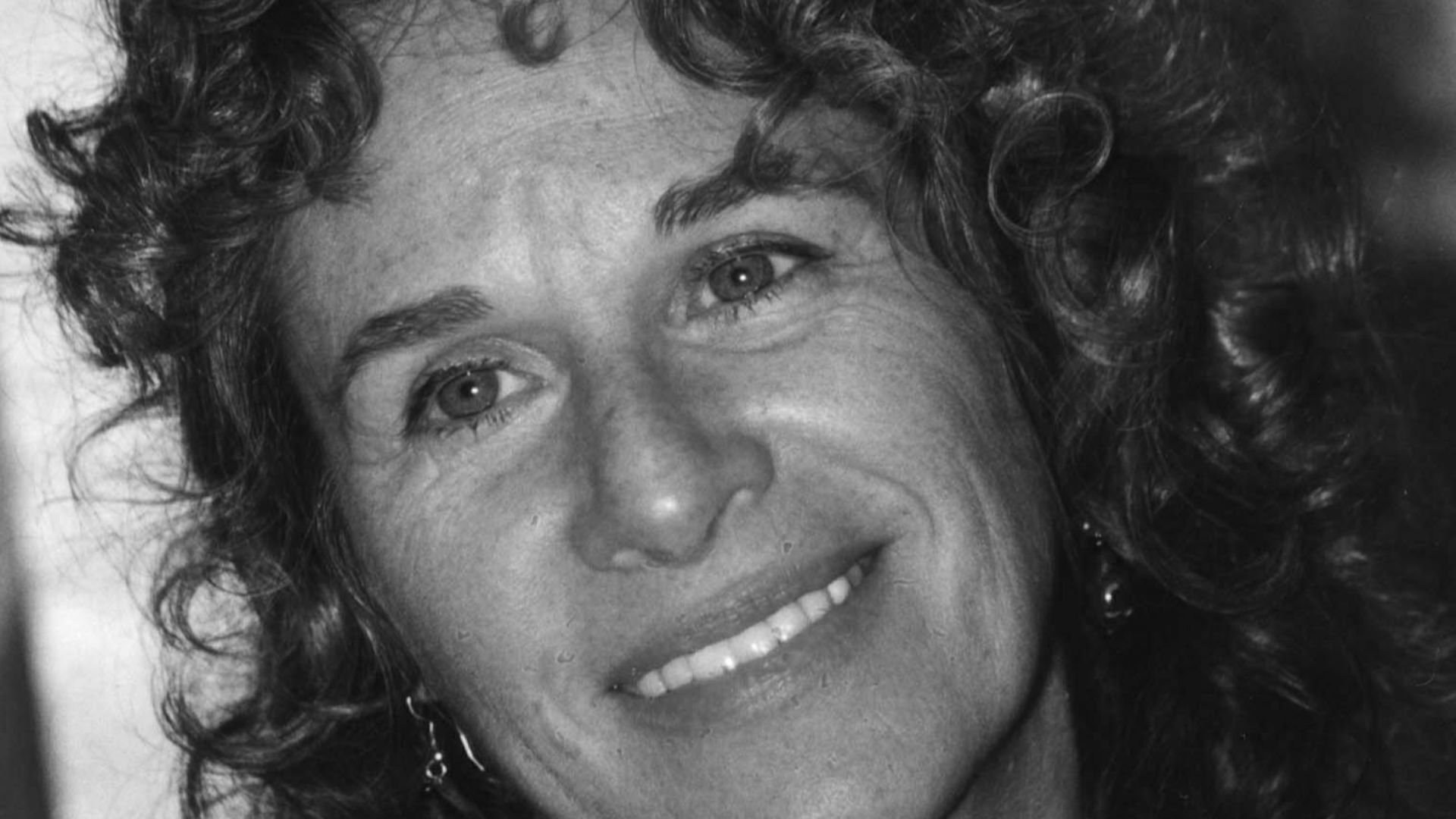
1972 Grammy Winner: "Tapestry" (Carole King)
Tapestry barely feels like an album anymore because its songs have become part of everyday life. “It’s Too Late,” “I Feel the Earth Move,” “So Far Away” and “You’ve Got a Friend” still sound intimate enough to make it seem like Carole King is sitting at the piano in the next room.

1972 Should’ve Won: "Tapestry" (Carole King)
George Harrison’s All Things Must Pass was a magnificent alternative, and plenty of people will always choose it. But Tapestry was tighter, more consistent and almost impossibly influential. King made an intensely personal album that somehow seemed to speak for everyone. There is nothing to fix here. The Grammys got it right.
 Kingkongphoto & www.celebrity-photos.com from Laurel Maryland, USA, Wikimedia Commons
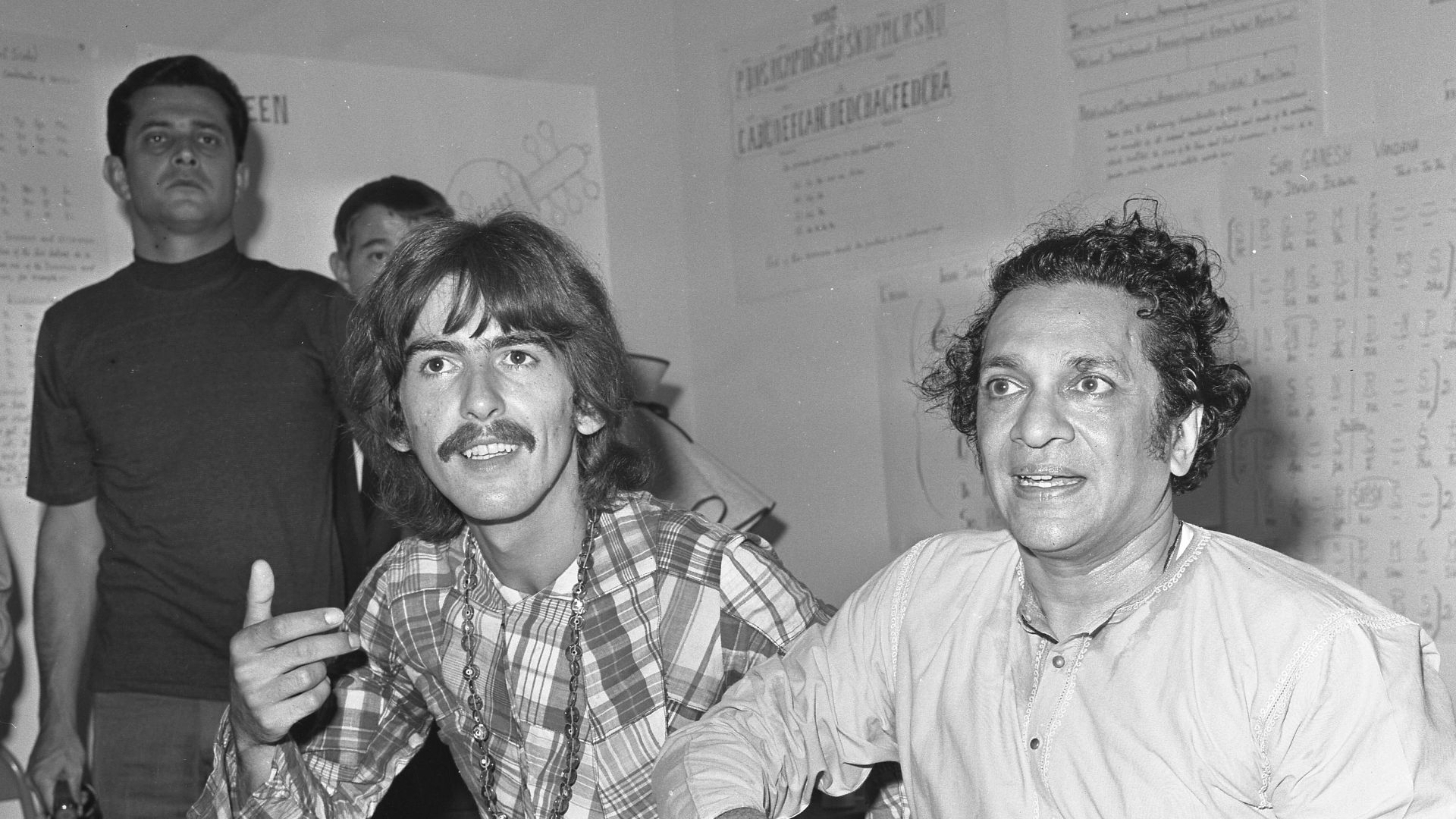
1973 Grammy Winner: "The Concert for Bangla Desh" (George Harrison and Friends)
George Harrison brought together Bob Dylan, Ringo Starr, Eric Clapton, Leon Russell, Billy Preston and others for a groundbreaking benefit concert. The resulting album was historically important and helped create the blueprint for the enormous celebrity charity events that followed. Its impact reached far beyond the music inside the box.
 John Malmin, Los Angeles Times, Wikimedia Commons
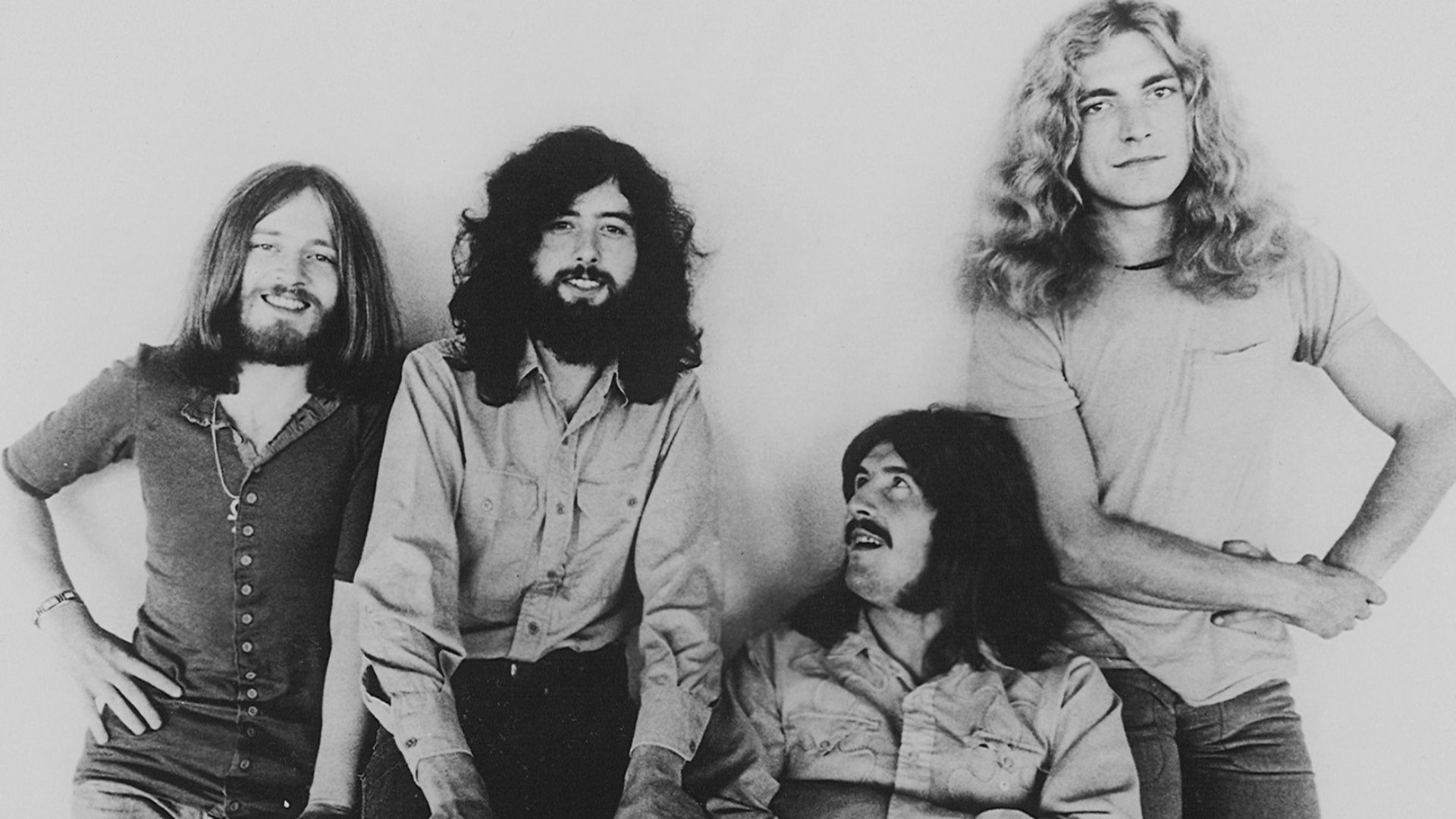
1973 Should’ve Won: "Led Zeppelin IV" (Led Zeppelin)
But Album of the Year was supposed to recognize the best album—and somehow Led Zeppelin IV was not even nominated. “Black Dog,” “Rock and Roll,” “Going to California,” “When the Levee Breaks” and “Stairway to Heaven” were all on the same record. That omission does not look strange today. It looks ridiculous.
 Atlantic Records, Wikimedia Commons
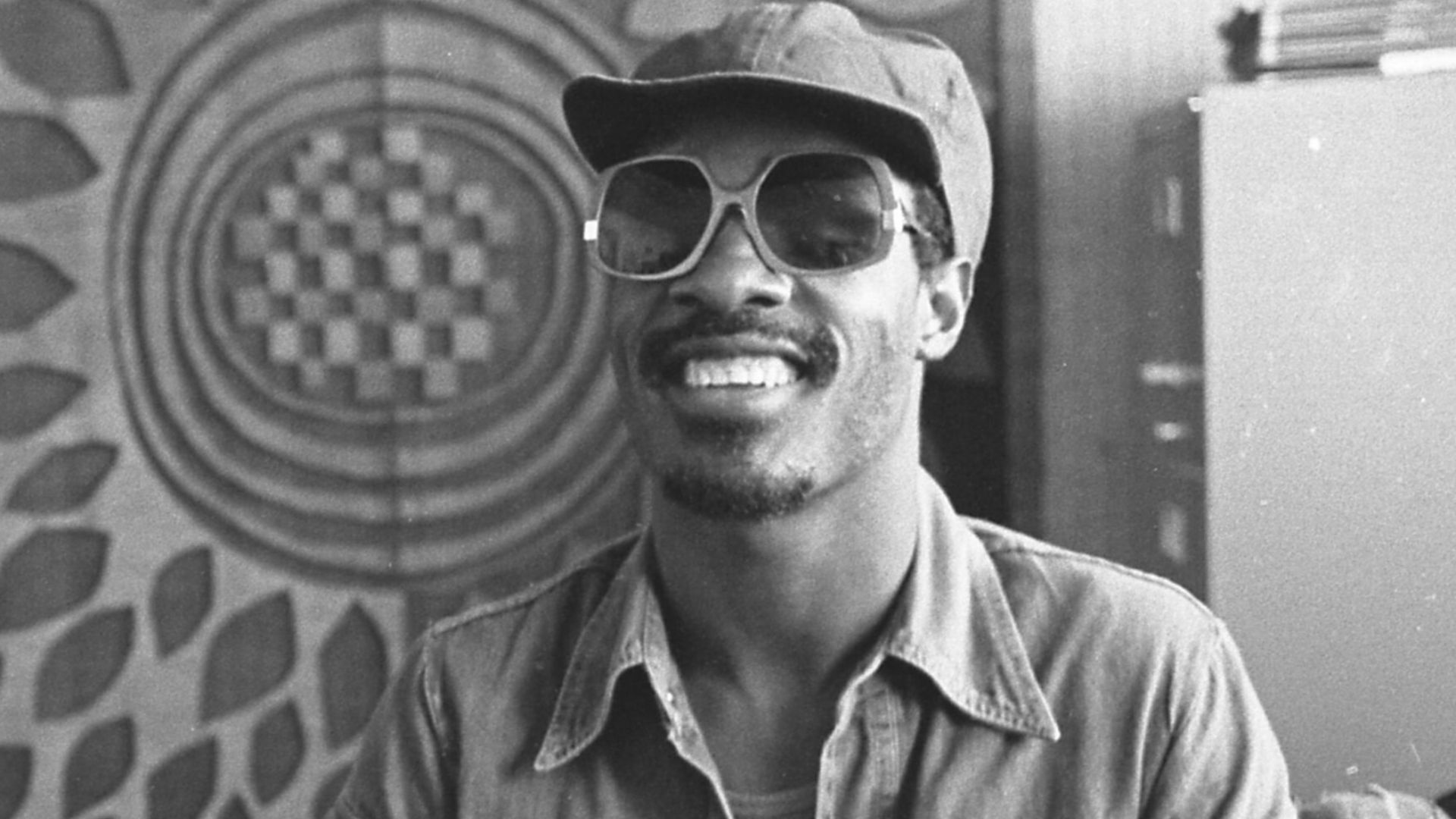
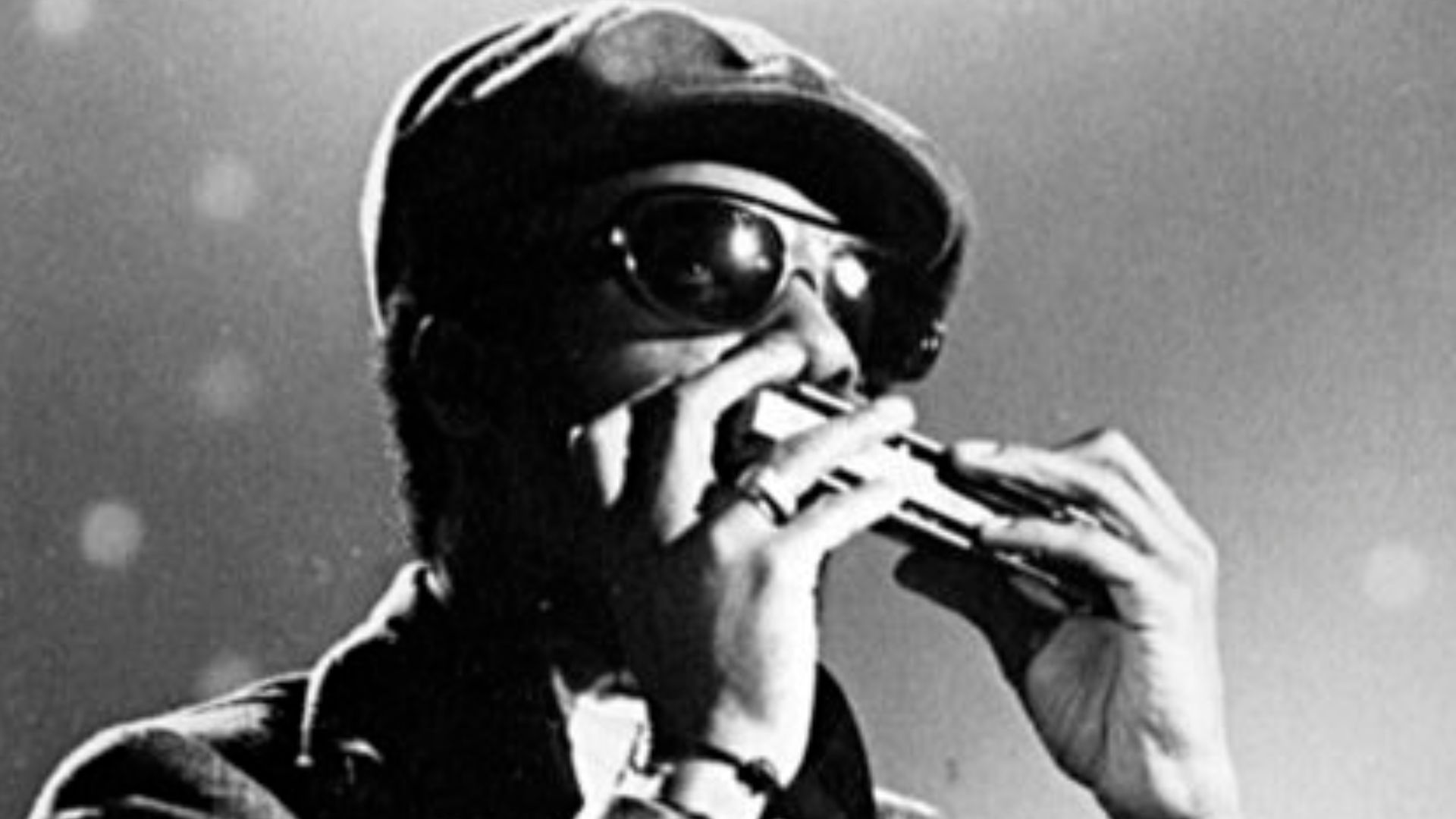
1974 Grammy Winner: "Innervisions" (Stevie Wonder)
Stevie Wonder packed an absurd amount into nine songs. Innervisions moved through politics, poverty, spirituality, romance and social frustration without ever forgetting that people still wanted a groove. “Living for the City,” “Higher Ground” and “Don’t You Worry ’Bout a Thing” made the result incredibly difficult to challenge.
 Los Angeles Times, Wikimedia Commons
1974 Should’ve Won: "Innervisions" (Stevie Wonder)
Roberta Flack’s Killing Me Softly was beautiful, while Paul Simon’s There Goes Rhymin’ Simon might have won in a less ridiculous year. Neither was Innervisions. Stevie made an ambitious album that still sounded immediate, accessible and fun. The Grammys handed him the trophy because there really was no better answer.
 Unknown author, Wikimedia Commons
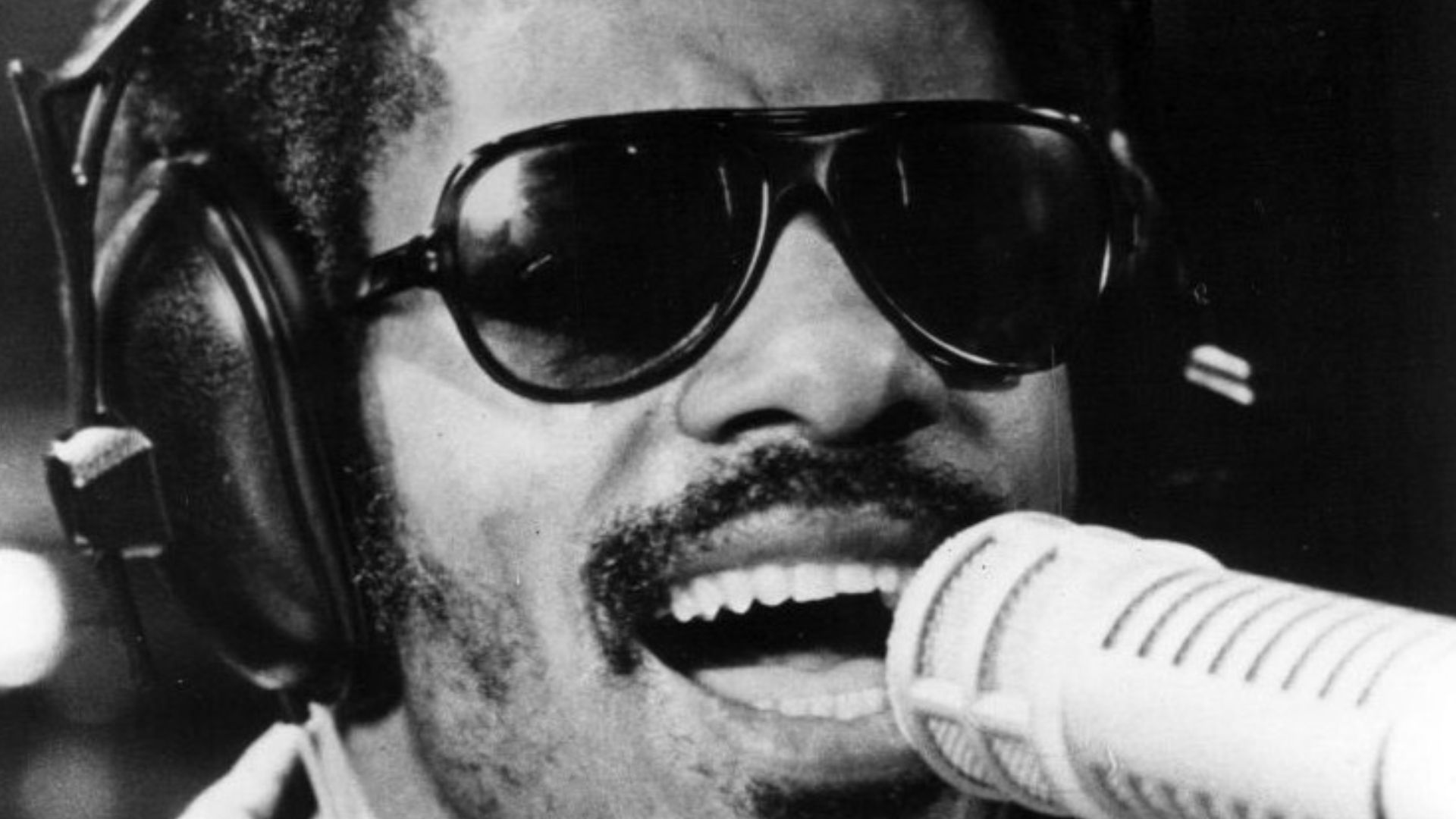
1975 Grammy Winner: "Fulfillingness’ First Finale" (Stevie Wonder)
A slightly lesser Stevie Wonder album is still better than what most artists manage at their absolute peak. Fulfillingness’ First Finale delivered “Boogie On Reggae Woman” and the wonderfully unsubtle “You Haven’t Done Nothin’.” It was warm, inventive and more than worthy of being somewhere in the conversation.
 Motown Records, Wikimedia Commons
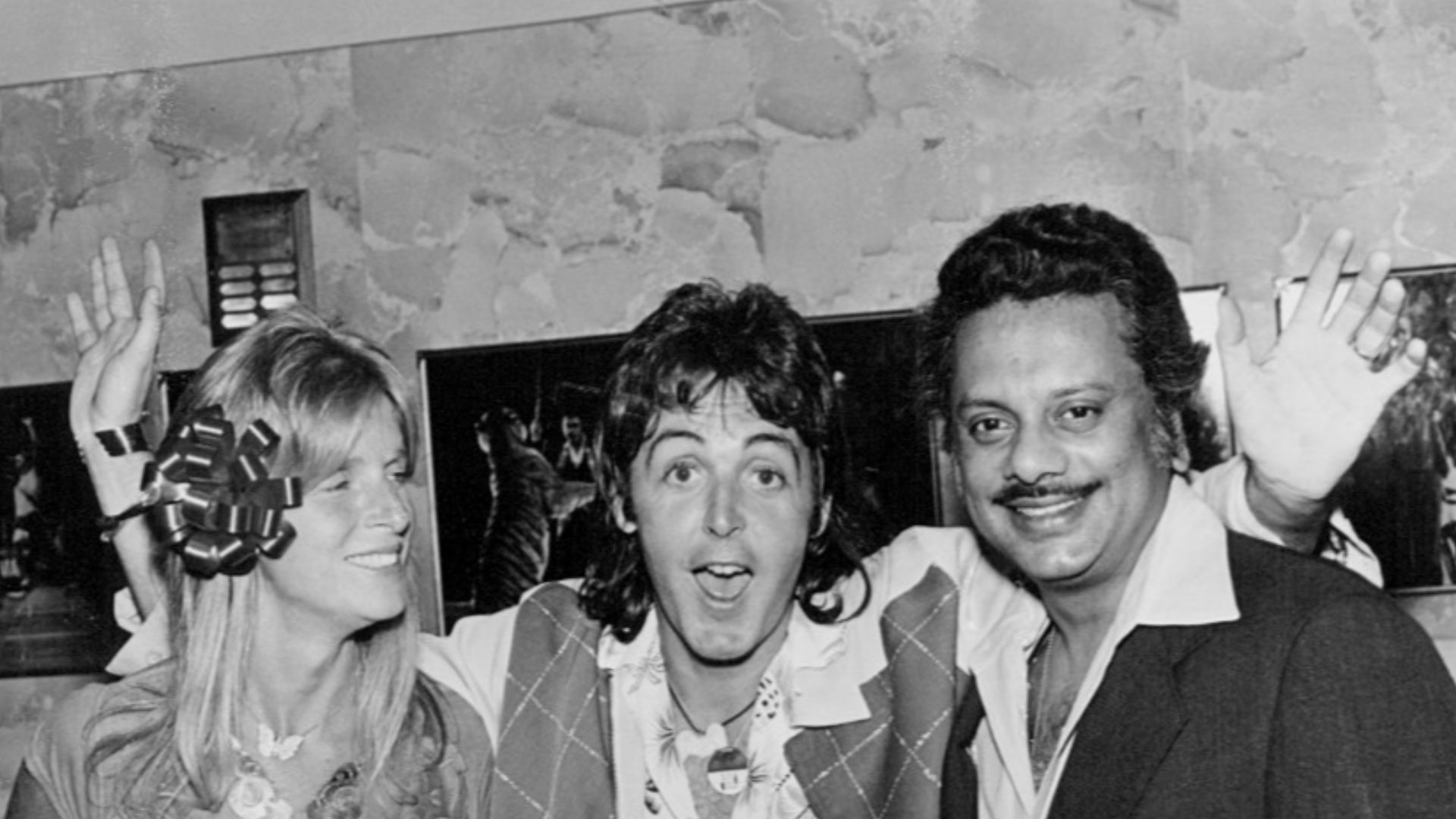
1975 Should’ve Won: "Band on the Run" (Paul McCartney and Wings)
Paul McCartney had already conquered the world once. With Band on the Run, he reminded everyone he did not need the Beatles to make a great album. “Jet,” “Let Me Roll It,” “Bluebird,” “Nineteen Hundred and Eighty-Five” and the title track made this far more than a former Beatle trading on his old reputation.
 Capitol Records, Wikimedia Commons
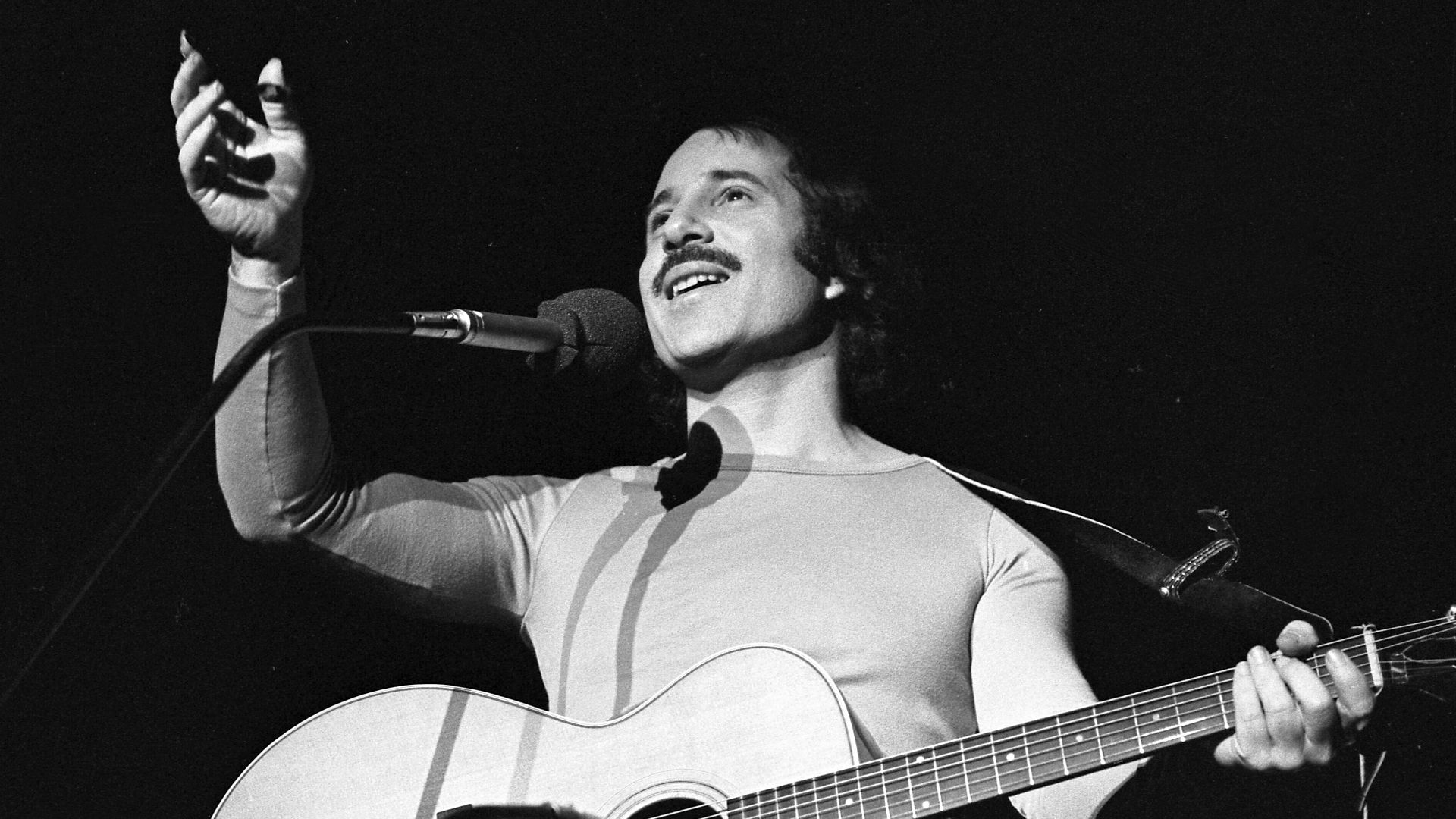
1976 Grammy Winner: "Still Crazy After All These Years" (Paul Simon)
After winning, Paul Simon joked that he wanted to thank Stevie Wonder for not releasing an album that year. Still Crazy After All These Years had “50 Ways to Leave Your Lover,” “My Little Town” and one of Simon’s finest title tracks. It was polished, mature and extremely Grammy-friendly.
 Harry Chase, Los Angeles Times, Wikimedia Commons
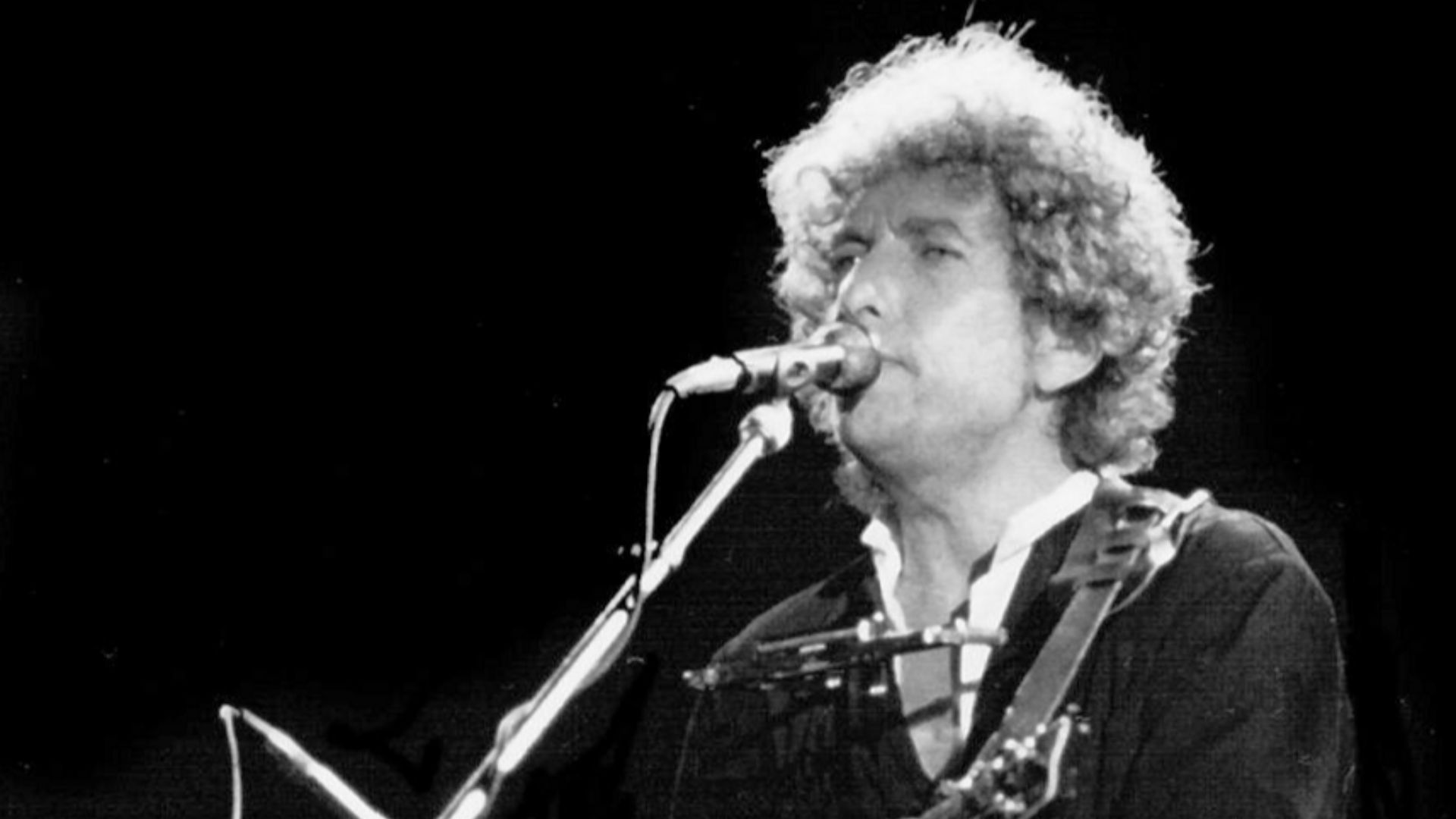
1976 Should’ve Won: "Blood on the Tracks" (Bob Dylan)
Somehow, Blood on the Tracks was not even nominated. “Tangled Up in Blue,” “Simple Twist of Fate,” “Shelter from the Storm” and “Buckets of Rain” gave Bob Dylan one of the most emotionally direct albums of his career. Paul Simon made a very good record. Dylan made one people are still trying to recover from.
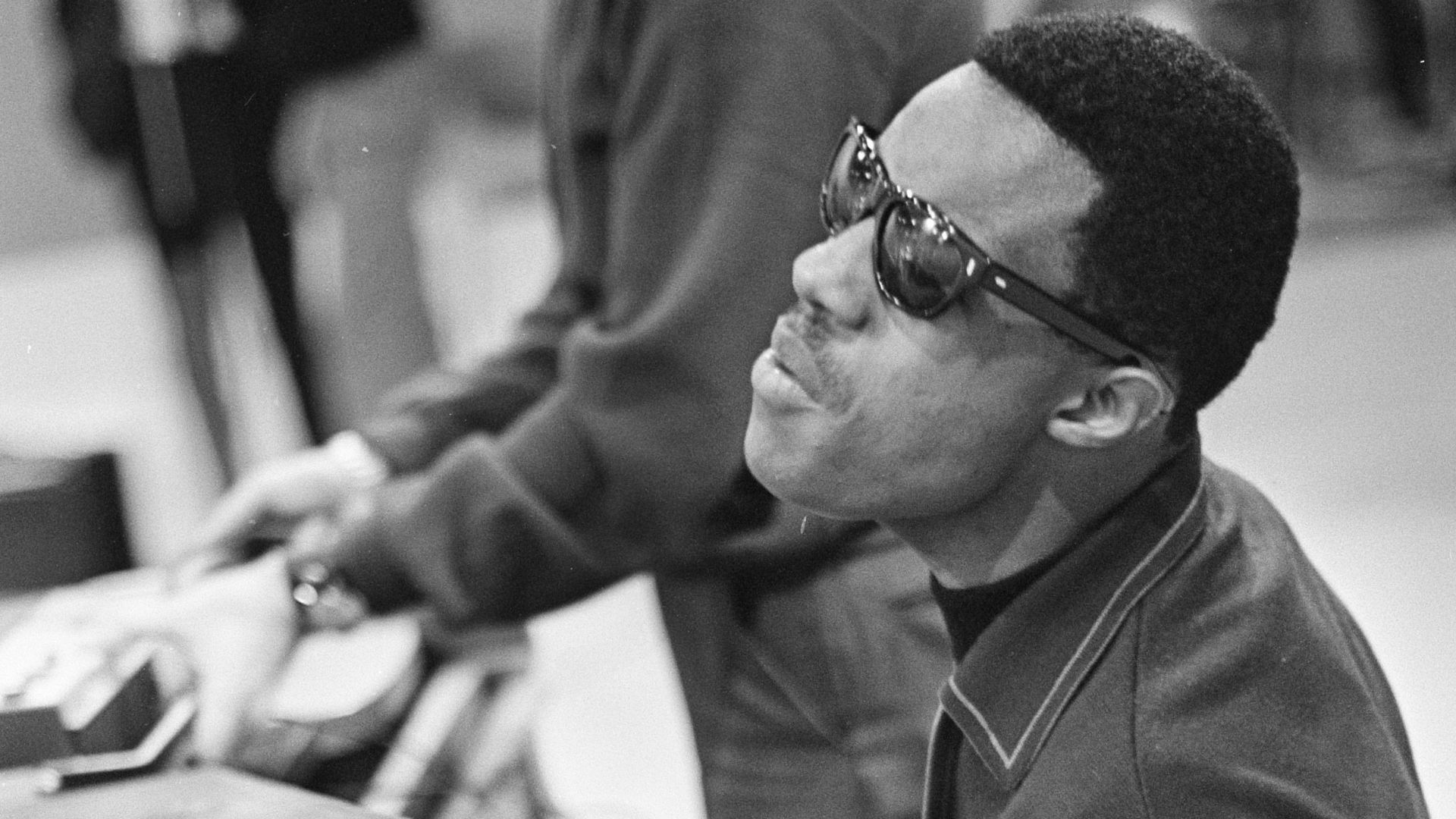
1977 Grammy Winner: "Songs in the Key of Life" (Stevie Wonder)
Stevie Wonder apparently decided a normal-sized masterpiece would not be enough. Songs in the Key of Life was enormous, ambitious and somehow packed with songs people still genuinely want to hear. “Sir Duke,” “I Wish,” “Isn’t She Lovely” and “Pastime Paradise” would have been enough material for several successful albums.
 Jack de Nijs for Anefo, Wikimedia Commons
1977 Should’ve Won: "Songs in the Key of Life" (Stevie Wonder)
Frampton Comes Alive! captured 70s arena rock perfectly, while Boz Scaggs made Silk Degrees nearly impossible to stop playing. Neither should have beaten Stevie. Songs in the Key of Life was the kind of sprawling double album that should have collapsed under its own ambition. Instead, nearly every part worked.
![Collectie / Archief : Fotocollectie Anefo
Reportage / Serie : [ onbekend ]
Beschrijving : Stevie Wonder (zanger) voor TROS-TV
Datum : 30 oktober 1967
Trefwoorden : zangers
Persoonsnaam : Stevie Wonder
Instellingsnaam : TROS
Fotograaf : Nijs, Jac. de / Ane](https://www.factinate.com/storage/app/media/theshot/2026/7/30/1785420552d6499753f2b83ccc2fecca56f46bf678b676c5ef.jpg) Jack de Nijs for Anefo, Wikimedia Commons
Jack de Nijs for Anefo, Wikimedia Commons
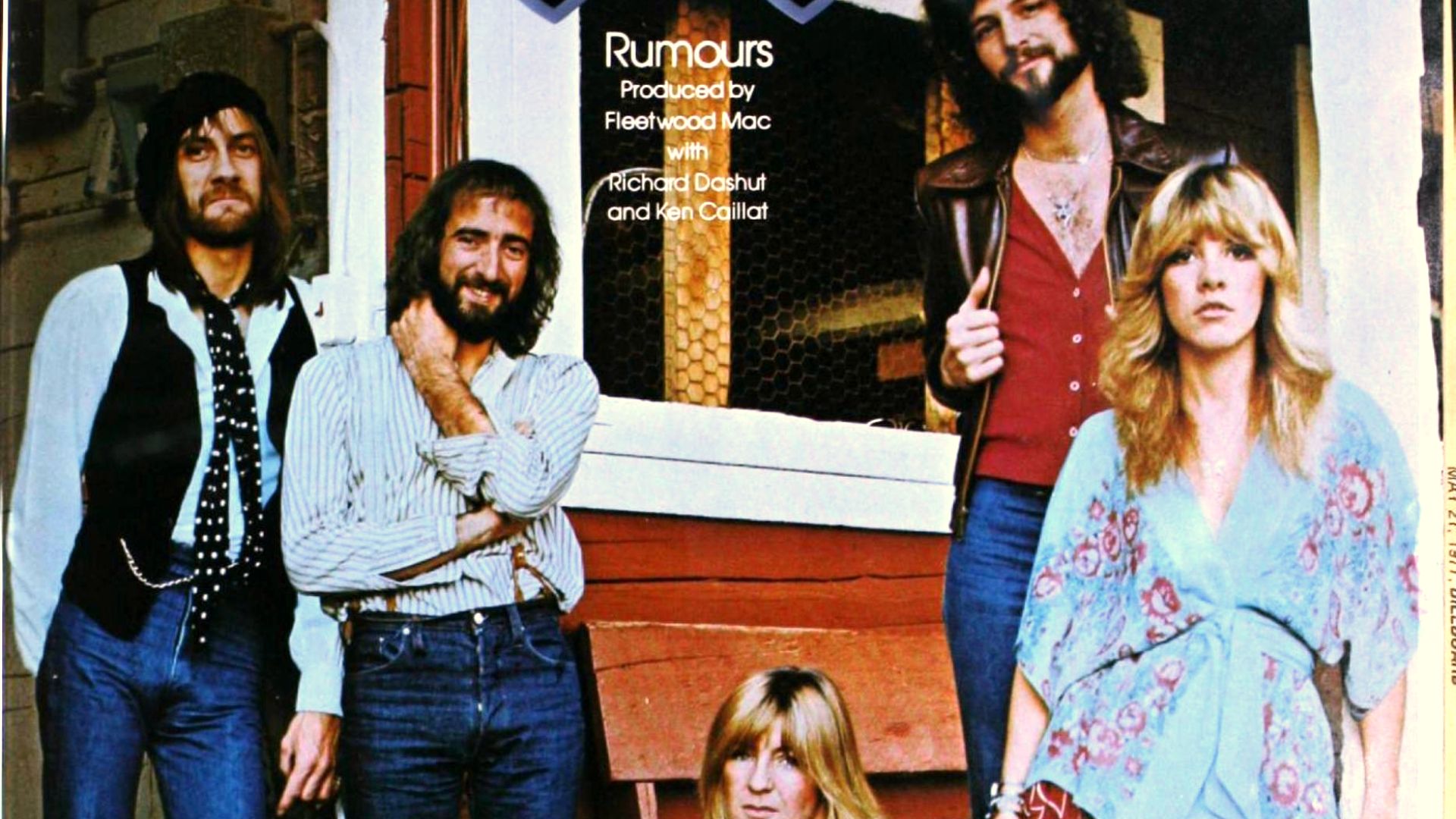
1978 Grammy Winner: "Rumours" (Fleetwood Mac)
Most bands dealing with this much personal chaos would have cancelled the recording sessions and contacted several lawyers. Fleetwood Mac made Rumours. “Dreams,” “Go Your Own Way,” “Don’t Stop” and “The Chain” turned several collapsing relationships into one of the smoothest, biggest and most replayable albums ever released.
 Warner Bros. Records, Wikimedia Commons
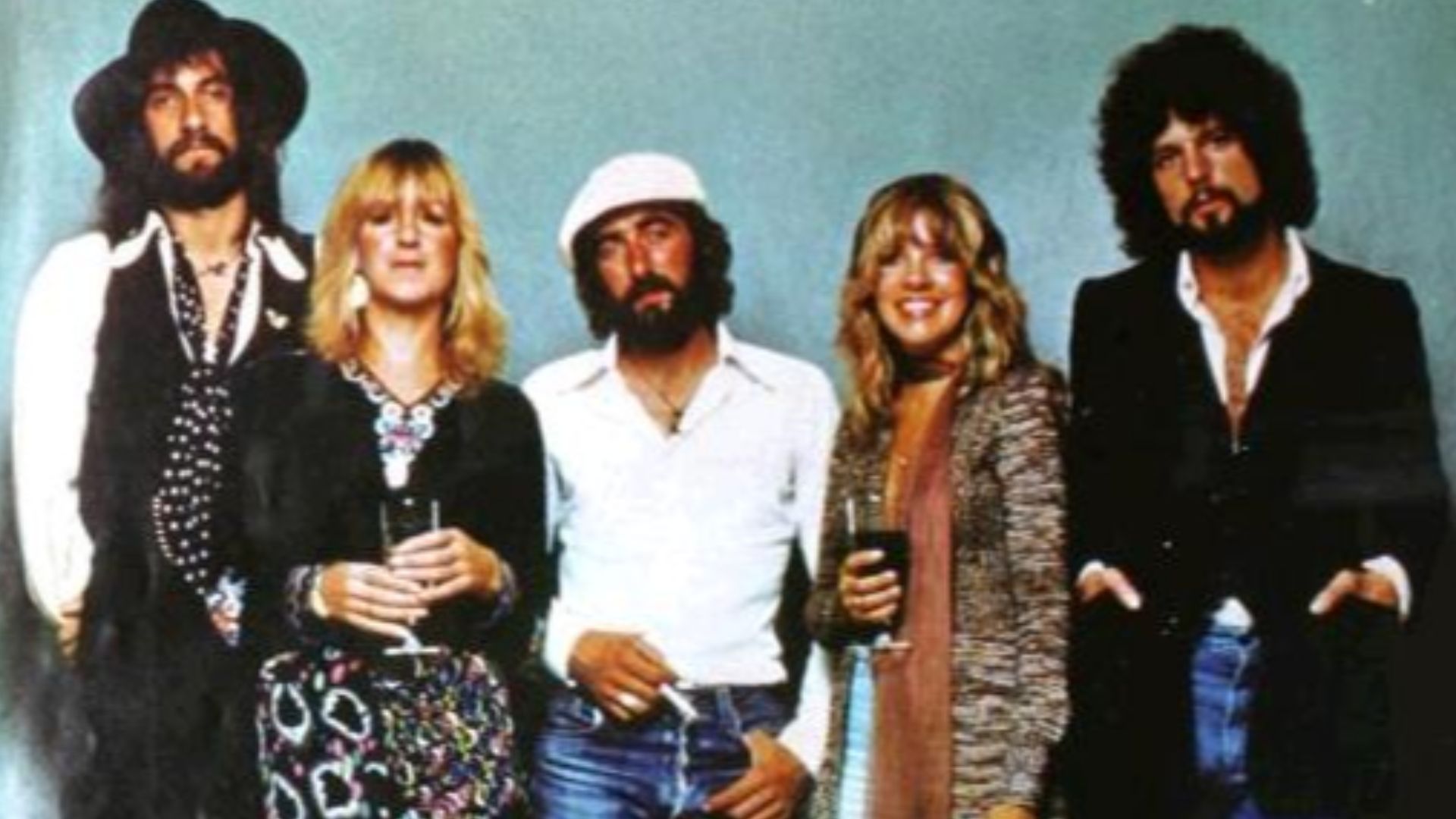
1978 Should’ve Won: "Rumours" (Fleetwood Mac)
This may have been the decade’s most brutal decision. Hotel California was enormous, while Steely Dan’s Aja was nearly flawless. But Rumours had the songs, the performances, the drama and the kind of widespread appeal that rarely comes without sacrificing something. Fleetwood Mac sacrificed plenty—just not the quality of the album.
 Warner Bros. Records, Wikimedia Commons
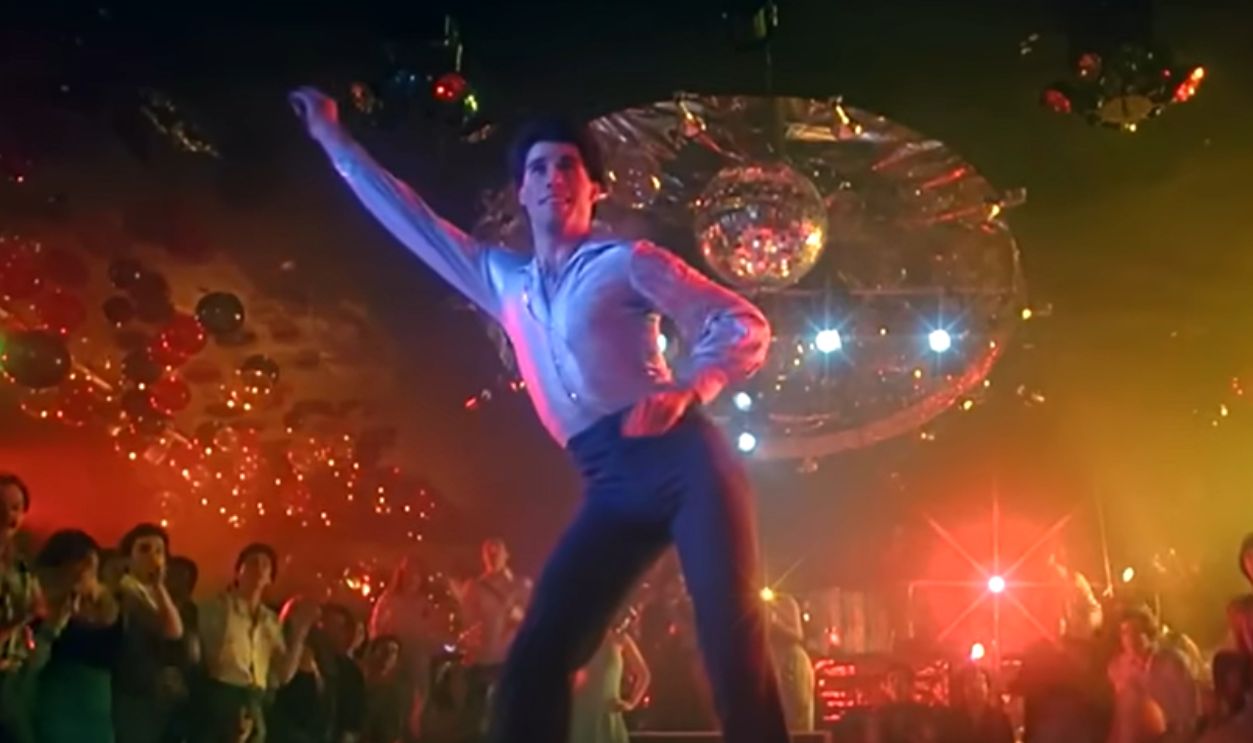
1979 Grammy Winner: "Saturday Night Fever" (Various Artists)
For a brief moment, Saturday Night Fever did not simply reflect popular culture—it swallowed it whole. The Bee Gees gave the soundtrack “Stayin’ Alive,” “Night Fever” and “How Deep Is Your Love,” while disco spread into nearly every corner of American life. Suddenly every man wanted a white suit. Most should not have.
 Screenshot from Saturday Night Fever, Paramount Pictures (1977)
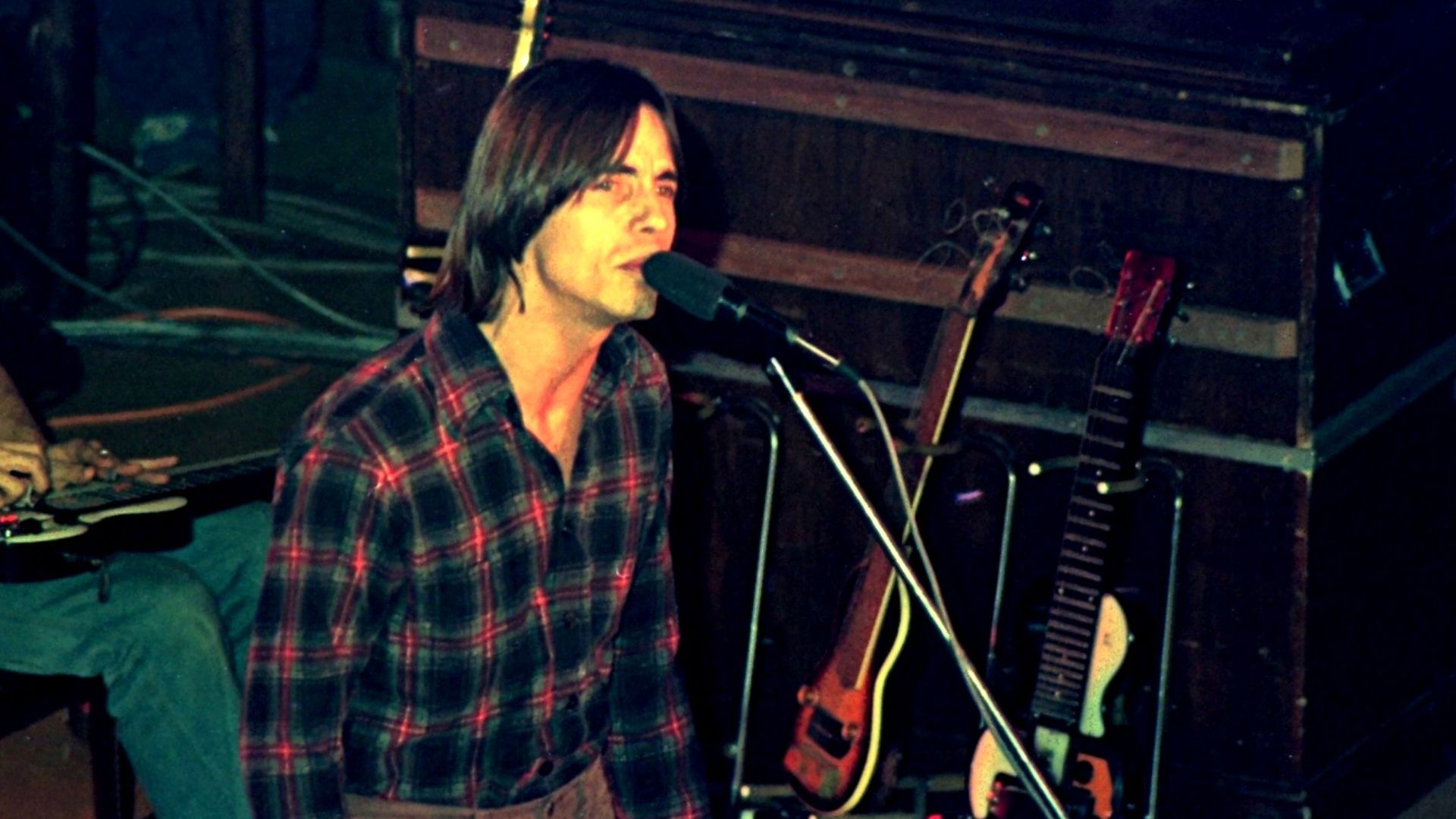
1979 Should’ve Won: "Running on Empty" (Jackson Browne)
The best parts of Saturday Night Fever are undeniable, but the Bee Gees material does a lot of heavy lifting. Jackson Browne made something far more consistent: an album about life on tour, recorded onstage, backstage, in hotel rooms and even aboard a moving bus. Bigger hits do not always mean a better complete album.
 Klaus Hiltsher, Wikimedia Commons
So How Often Did the Grammys Get It Right?
Four times out of ten is not great. Tapestry, Innervisions, Songs in the Key of Life and Rumours all deserved their trophies. But when Abbey Road, After the Gold Rush, Led Zeppelin IV and Blood on the Tracks all finish the decade without Album of the Year, the Grammys have some explaining to do.
 Jshreve95018, Wikimedia Commons
You Might Also Like:
Bands From The 1960s Music Boom That Once Packed Arenas, But Are Barely Remembered Today
Songs That Send Baby Boomers Running To The Dance Floor—And Millennials Running For The Exits