When Accuracy Becomes The Main Character
Some historical movies treat real events like a vibe—close enough, toss in a speech, throw on a costume, roll credits. But these films? These are the ones that clearly had someone on set going, Actually, that button didn’t exist yet. The result is a lineup of movies that didn’t just aim for “inspired by”. They went all-in on getting the details right, even when that meant making things harder, slower, or less conventionally “Hollywood”. If you love when a film feels like it actually stepped out of a time machine, you’re in the right place.
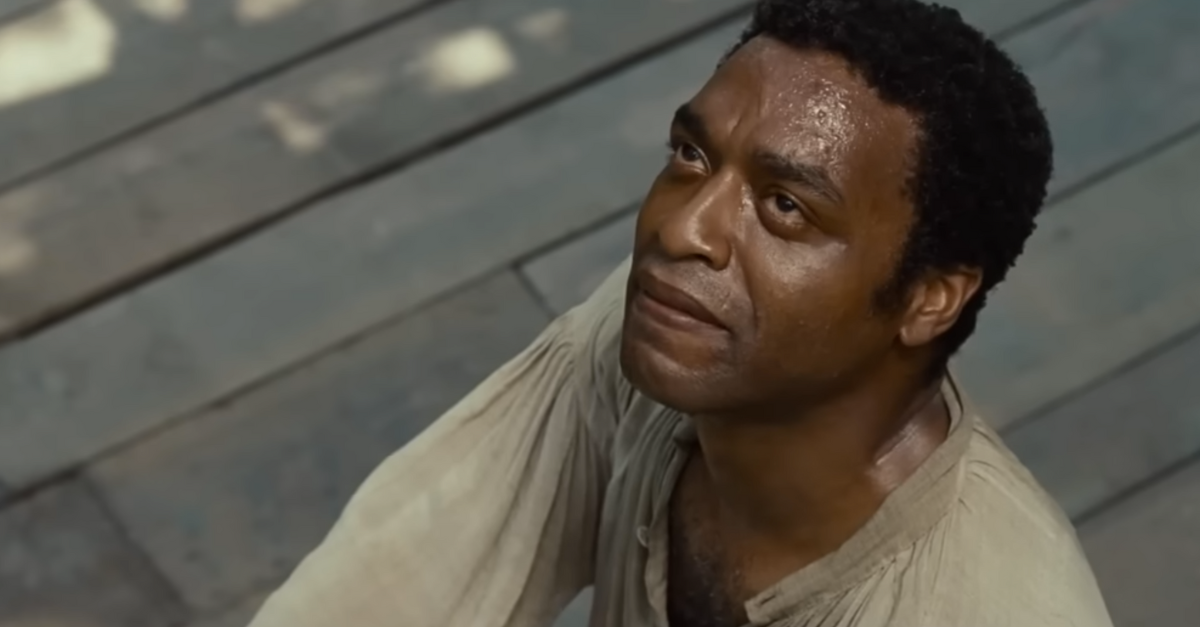
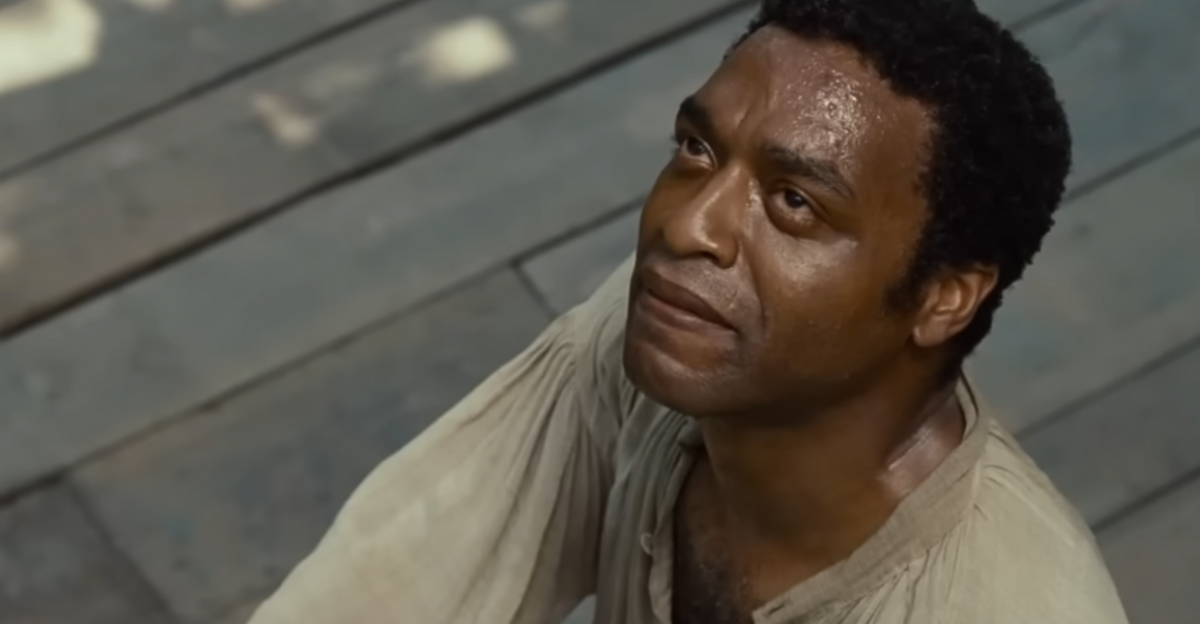 Screenshot from 12 Years A Slave, Netflix.com
Glory
Glory doesn’t coast on big emotions and patriotic music—it earns everything the hard way. The story of the 54th Massachusetts Infantry feels lived-in, from the training to the tension within the ranks. It’s the kind of film where the smallest details make the biggest difference, because it treats its soldiers like real people, not props.
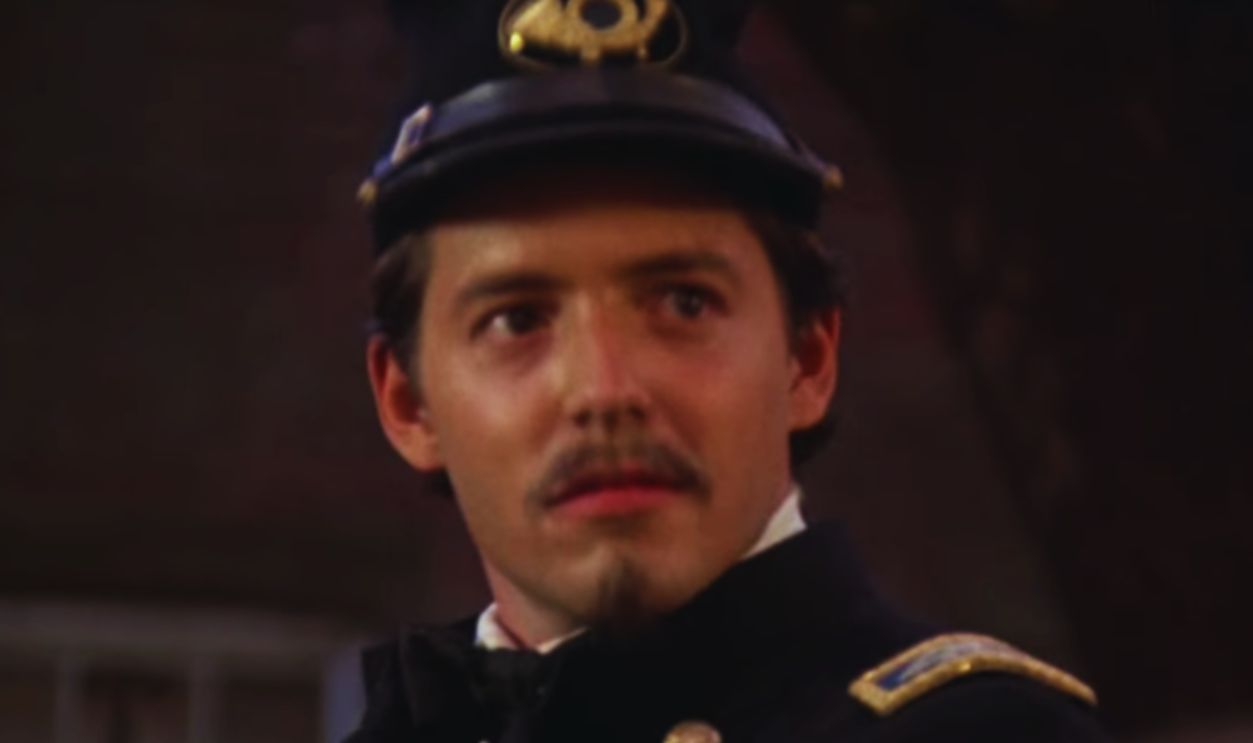 Screenshot from Glory, Tri-Star Pictures (1989)
Schindler’s List
Schindler’s List hits like a quiet avalanche. It’s not trying to entertain you, it’s trying to tell the truth as clearly as possible—and that commitment shows in every scene. The film’s realism isn’t flashy, it’s relentless, which is exactly why it lands the way it does.
 Screenshot from Schindler’s List, Universal Pictures (1993)
Gandhi
Gandhi is the rare epic that doesn’t feel like it’s rushing to the highlights reel. It takes time to show the slow grind of political change, the weight of personal sacrifice, and the cultural reality surrounding it. It’s basically the cinematic version of “no, we’re doing this properly”.
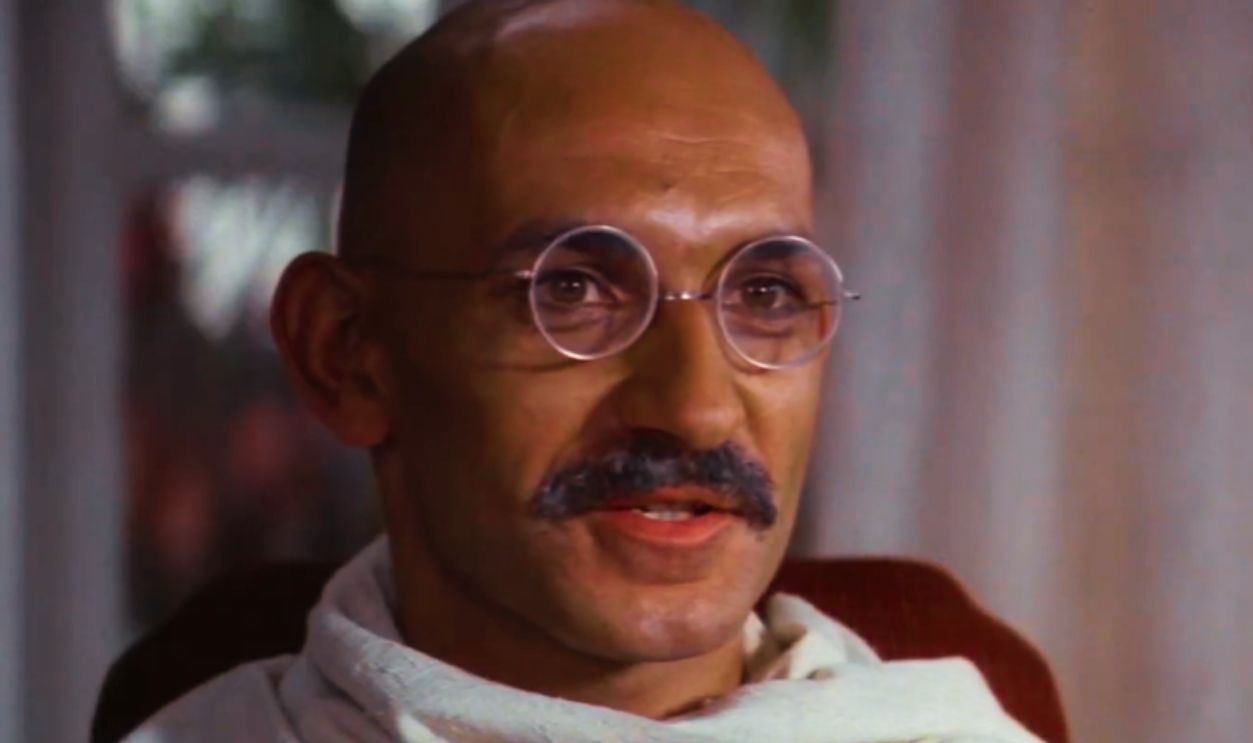 Screenshot from Gandhi, Columbia Pictures (1982)
Selma
Selma understands that history isn’t just one big moment—it’s meetings, arguments, strategy, fear, and people trying to stay brave while everything pushes back. The film makes the 1965 marches feel immediate, not like a distant chapter in a textbook. It’s grounded, human, and sharp about what change actually costs.
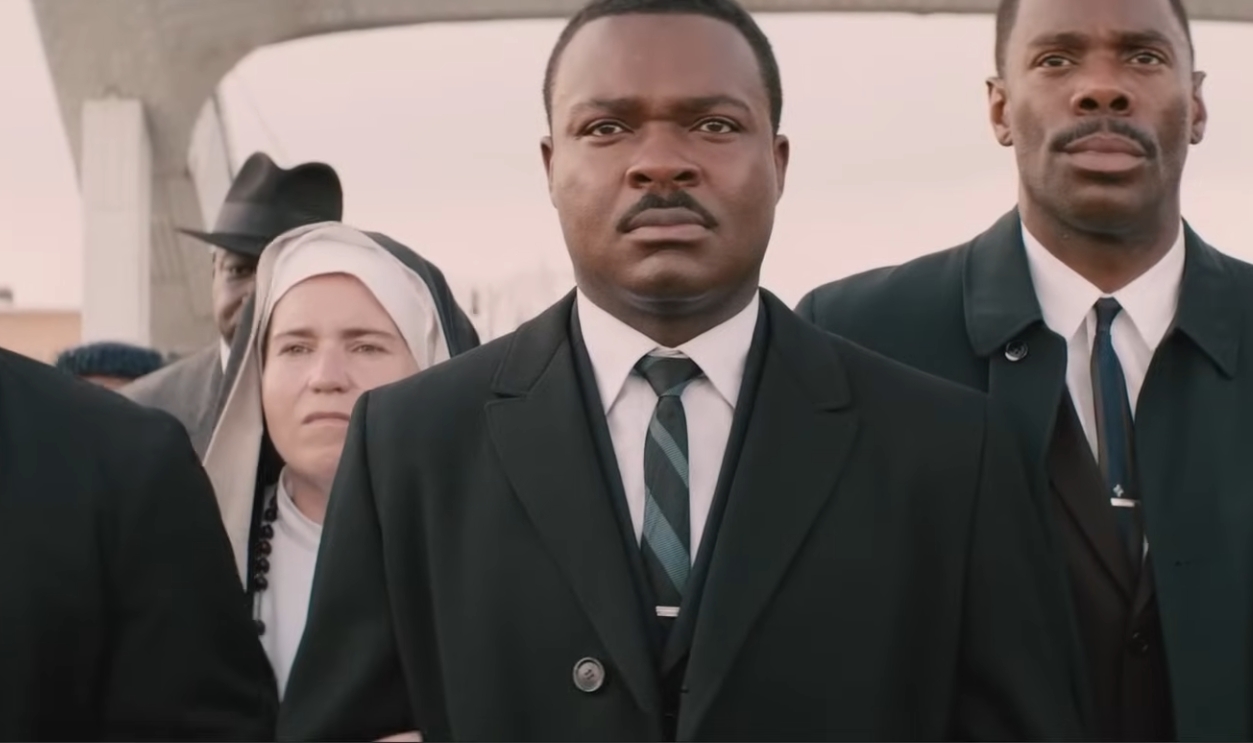 Screenshot from Selma, Paramount Pictures (2014)
Gettysburg
Gettysburg is not here to be short and sweet. It’s long, detailed, and very serious about the mechanics of the battle it’s portraying. If you like films that feel like they’re showing you what happened instead of what would look coolest, this is the one.
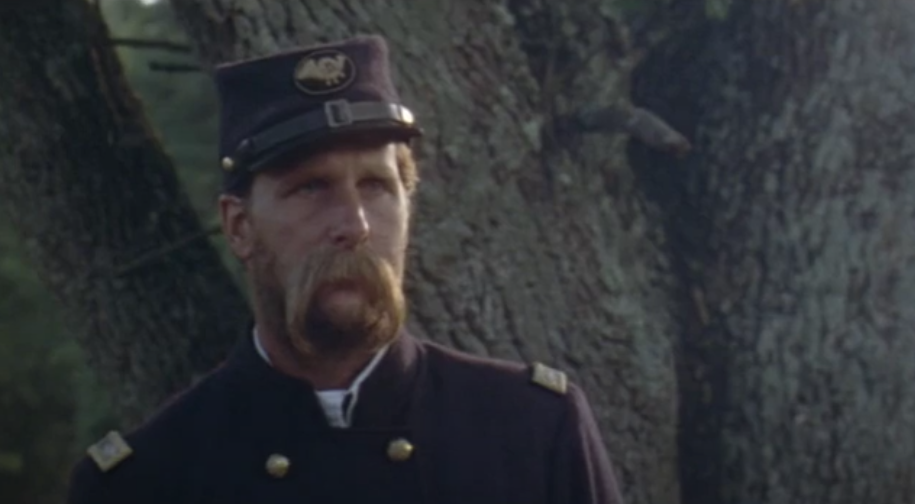 Screenshot from Gettysburg, TriStar Television (1993)
First Man
First Man has zero interest in turning space travel into a shiny victory lap. It makes every launch feel like a coin toss, and every success feels earned rather than inevitable. The vibe is “this is amazing, but also extremely terrifying”.
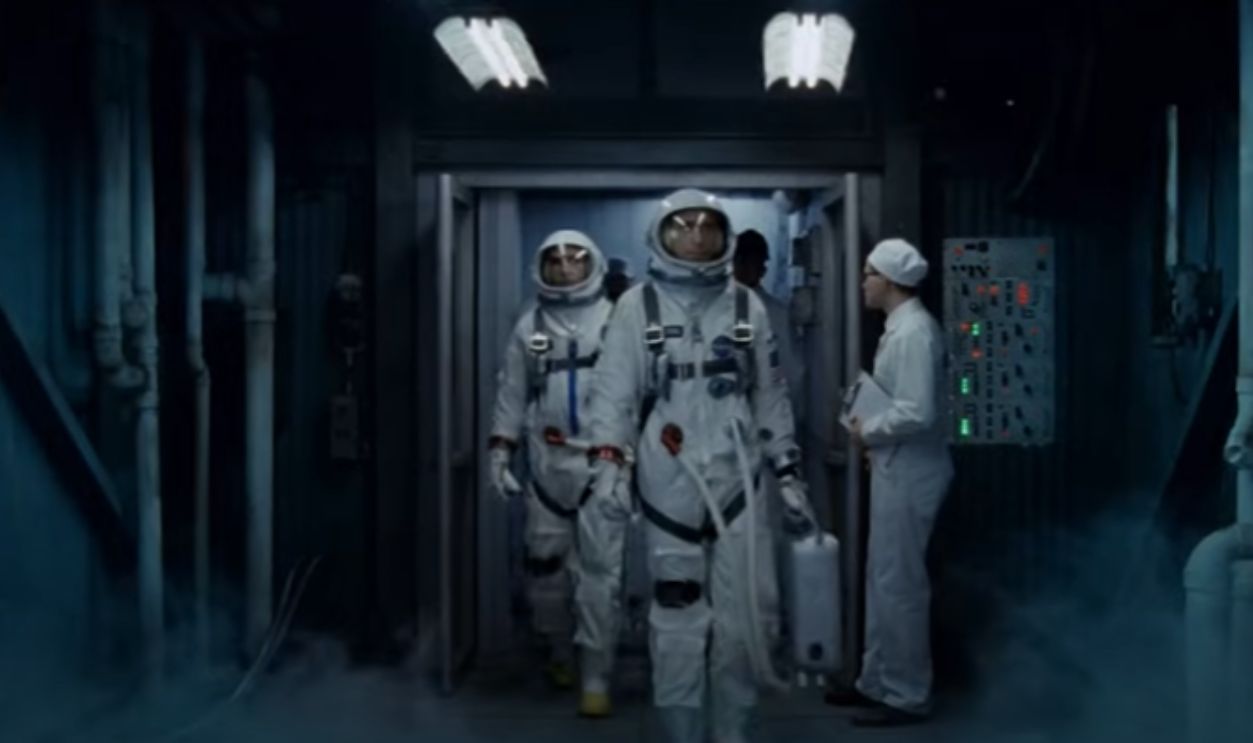 Screenshot from First Man, Universal Pictures (2018)
Hotel Rwanda
Hotel Rwanda tells its story with a sobering steadiness that makes it even more painful. It focuses on what people did to survive, what people did to help, and what the world failed to do. There’s no movie-magic gloss here—just a hard look at real stakes and real consequences.
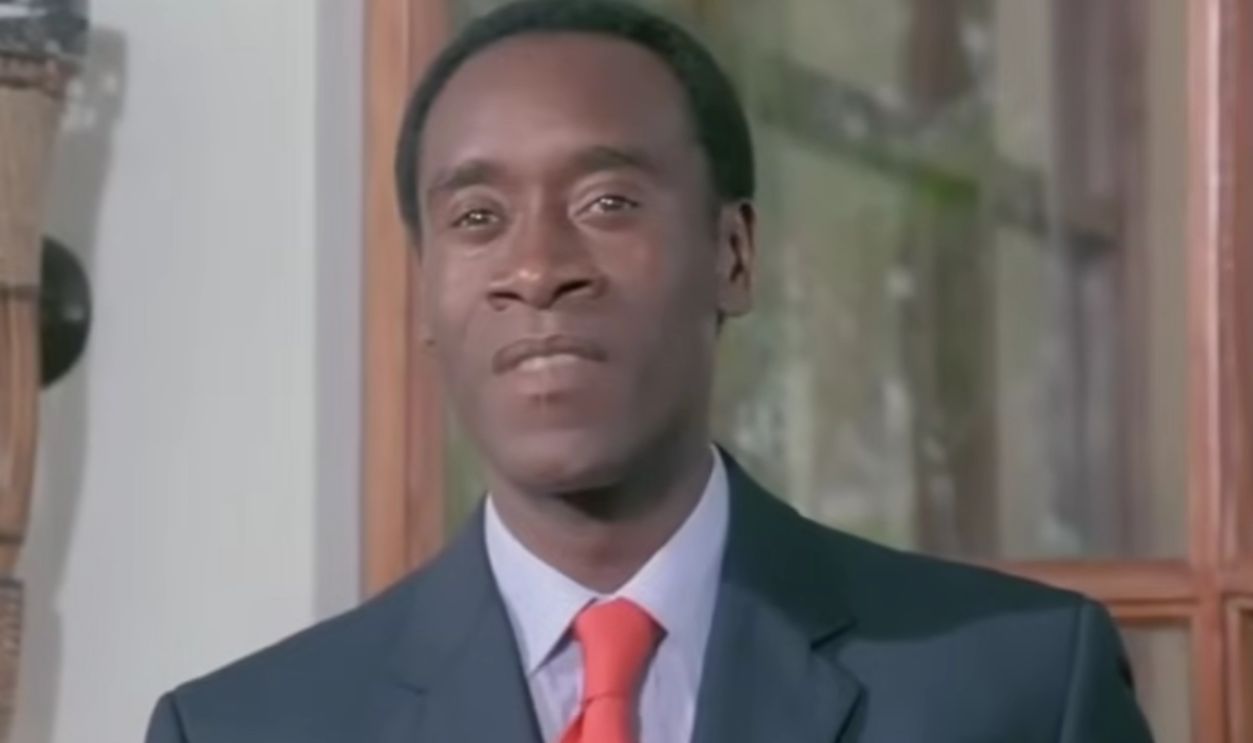 Screenshot from Hotel Rwanda, United Artists (2004)
Dunkirk
Dunkirk throws you into the chaos and trusts you to keep up. The film’s realism comes from how it treats the evacuation as a massive, messy logistical miracle instead of a tidy heroic tale. It’s tense in a way that feels physical, like your shoulders are slowly creeping up to your ears.
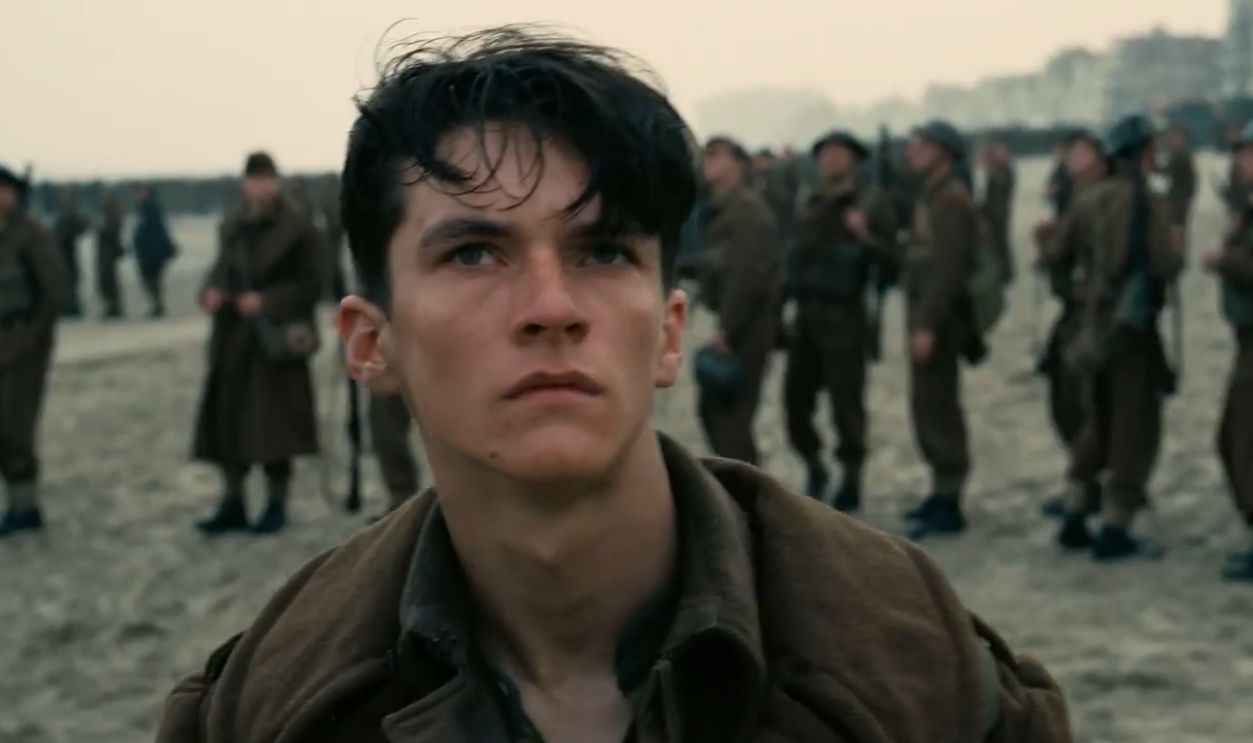 Screenshot from Dunkirk, Warner Bros. Pictures (2017)
Midway
Midway is one of those films where you can tell someone cared deeply about getting the moving pieces right. Planes, ships, strategy—it’s very focused on showing the battle as a chain of decisions and risks, not just a sequence of explosions. It’s basically “WWII, but make it a detailed chess match”.
 Screenshot from Midway, Lionsgate (2019)
The Right Stuff
The Right Stuff captures that early space-race era where confidence was high and safety was…let’s call it “aspirational”. It’s not just about rockets, it’s about the culture of test pilots, the pressure to perform, and the weird mix of ego and bravery that defined the time. It feels specific, which is always a good sign when you’re dealing with history.
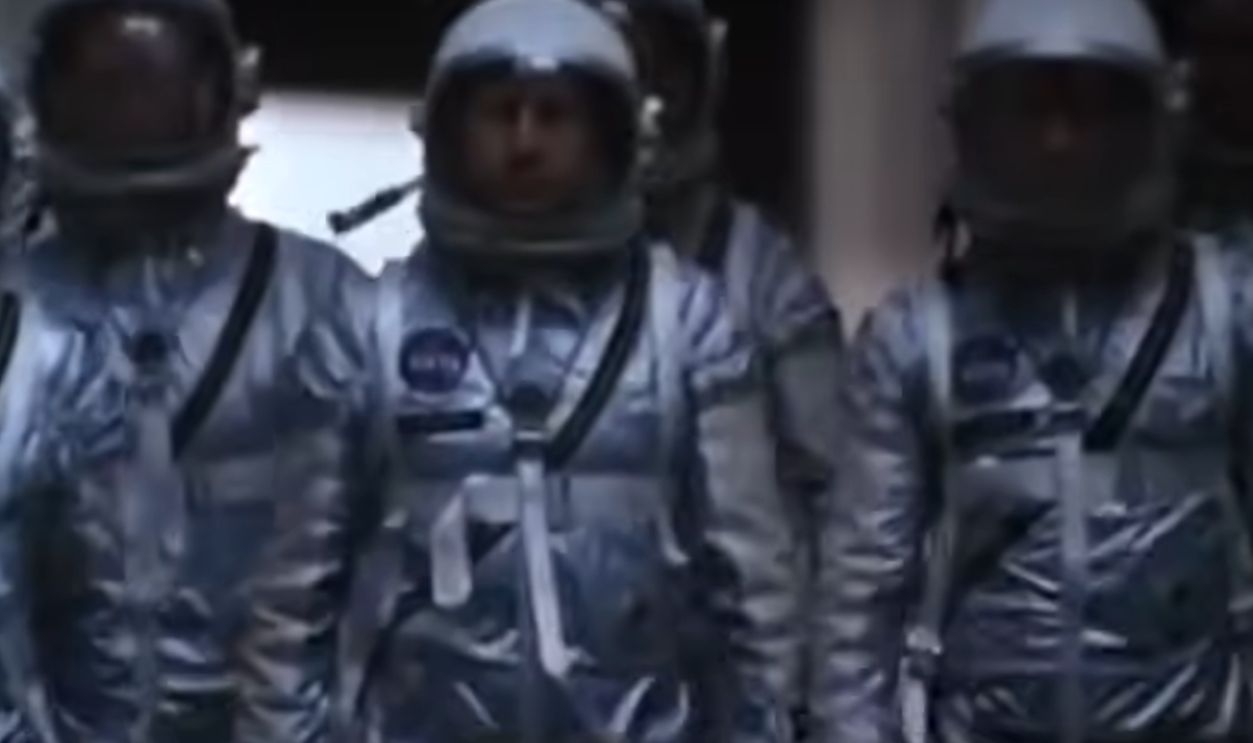 Screenshot from The Right Stuff, Warner Bros. (1983)
Iron Jawed Angels
Iron Jawed Angels doesn’t pretend the fight for voting rights was polite or easy. It shows pressure, pushback, and the kind of public outrage that tends to get smoothed over in watered-down versions of the story. The film’s power comes from how direct it is—no soft lighting, no gentle lessons, just a movement that had to claw its way forward.
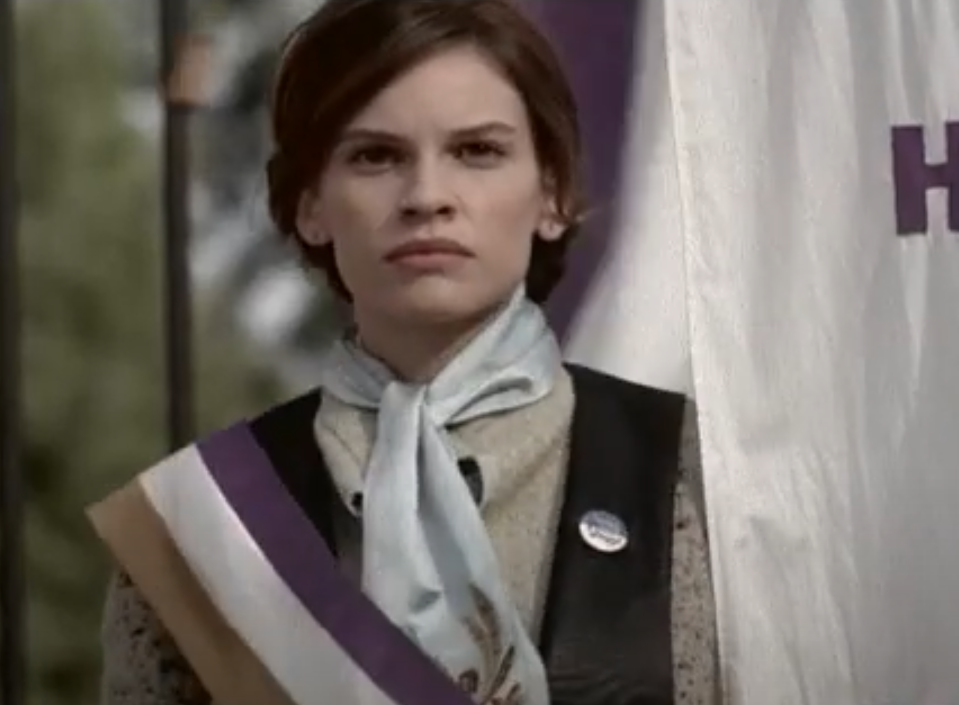 Screenshot from Iron Jawed Angels, HBO (2004)
12 Years A Slave
12 Years a Slave is the definition of unflinching. It doesn’t frame its story as “inspiring” to make it easier to swallow—it shows what happened, how systems worked, and what it meant to be trapped inside them. It’s one of those films where accuracy isn’t a flex—it’s a responsibility.
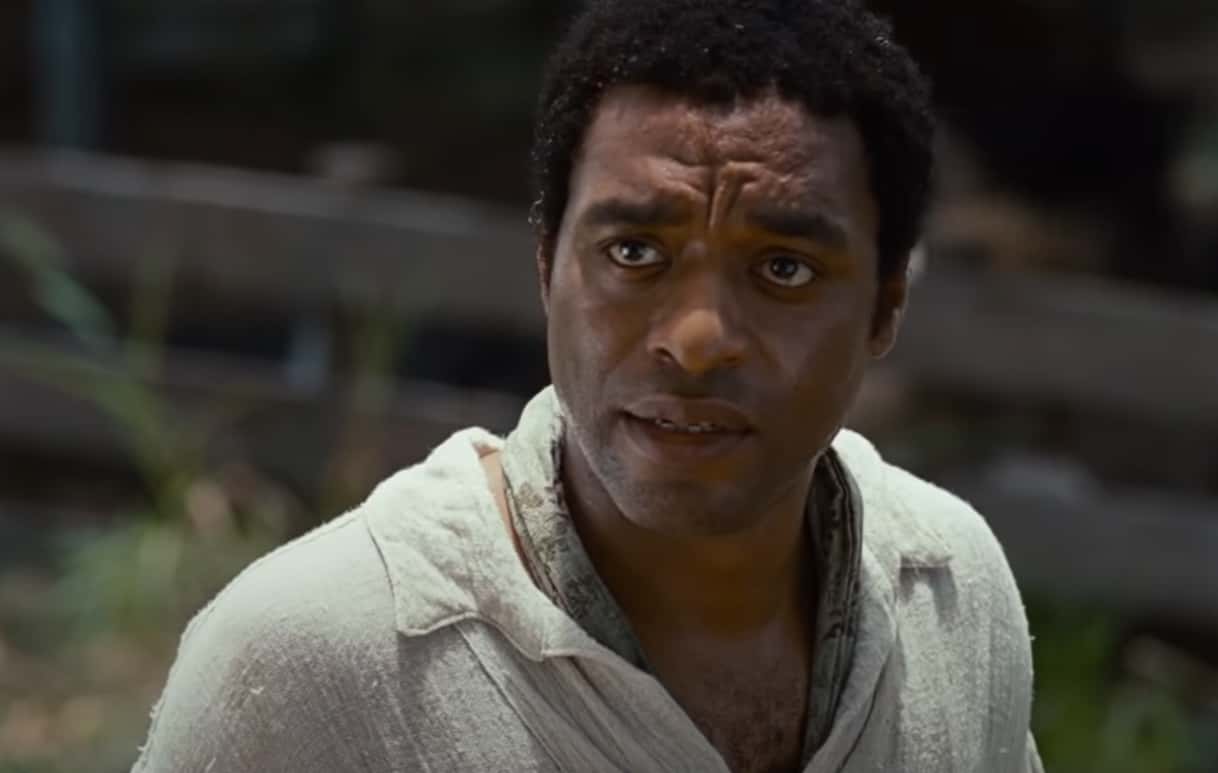 Screenshot from 12 Years Of Slave, Fox Searchlight Pictures (2013)
Lincoln
Lincoln takes a potentially dry subject—political maneuvering—and somehow makes it tense. The film lives in the details: debates, backroom bargaining, shifting alliances, and the grinding reality of how laws actually get passed. It’s less “great man mythology” and more “watch how hard this was to pull off”.
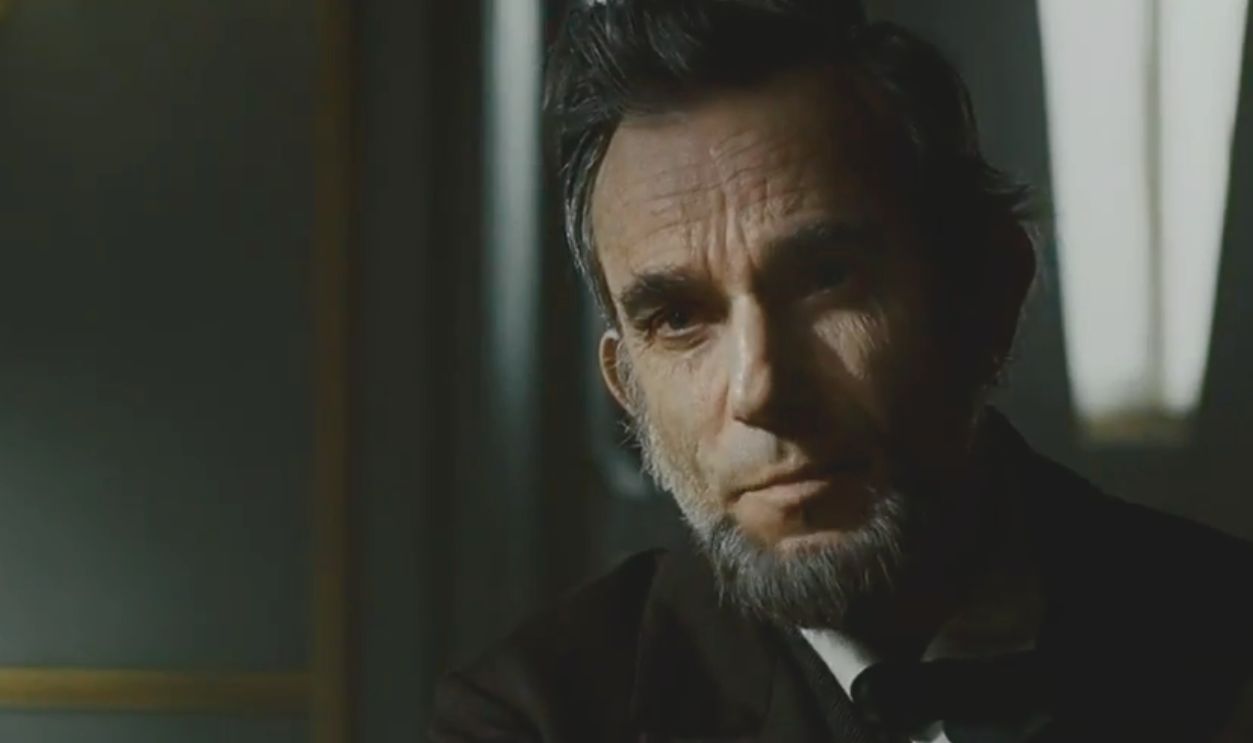 Screenshot from Lincoln, Walt Disney Studios Motion Pictures (2012)
Apollo 13
Apollo 13 is pure procedural stress in the best way. The tension doesn’t come from villains or plot twists—it comes from physics, engineering, and the terrifying idea of being stranded in space with limited options. Even if you know how it ends, the film still makes you feel like it could all go sideways.
 Screenshot from Apollo 13, Universal Pictures (1995)
The Longest Day
The Longest Day has that classic war-epic scale, but it’s surprisingly disciplined about what it’s doing. It treats D-Day like the enormous, complicated operation it was, showing multiple perspectives without forcing everything into one tidy narrative. It’s the kind of movie that feels like a whole historical event, not a single storyline.
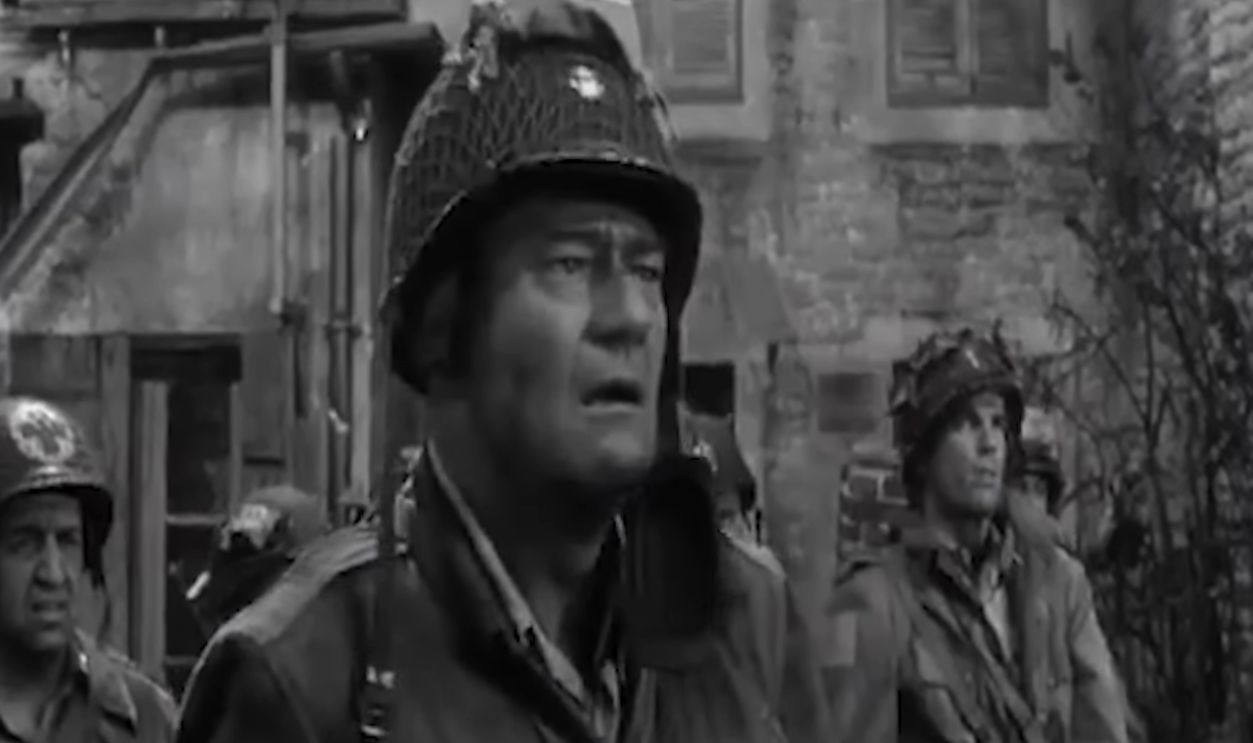 Screenshot from The Longest Day, United Artists (1962)
Amistad
Amistad digs into history that isn’t always given the spotlight, and it does it by focusing on the messy, complicated reality. It’s a courtroom film, but it doesn’t treat the courtroom like a stage—it treats it like the battleground it was. The drama comes from the stakes, not from invented theatrics.
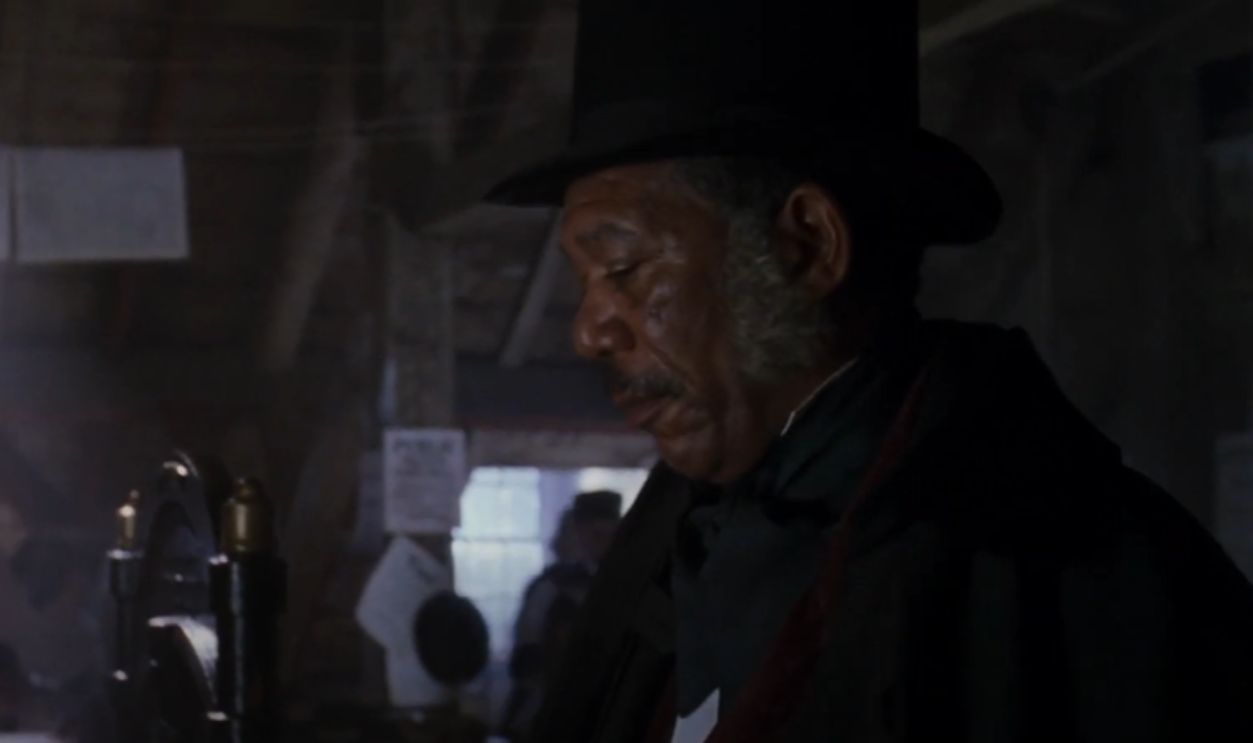 Screenshot from Amistad, DreamWorks Pictures (1997)
Letters From Iwo Jima
Letters From Iwo Jima is a film that feels unusually thoughtful, and that’s not an accident. By telling the story from the Japanese perspective, it brings cultural specificity and human texture that a lot of movies skip. It’s accurate in the ways that matter most: language, hierarchy, fear, and the quiet dread of being trapped in history.
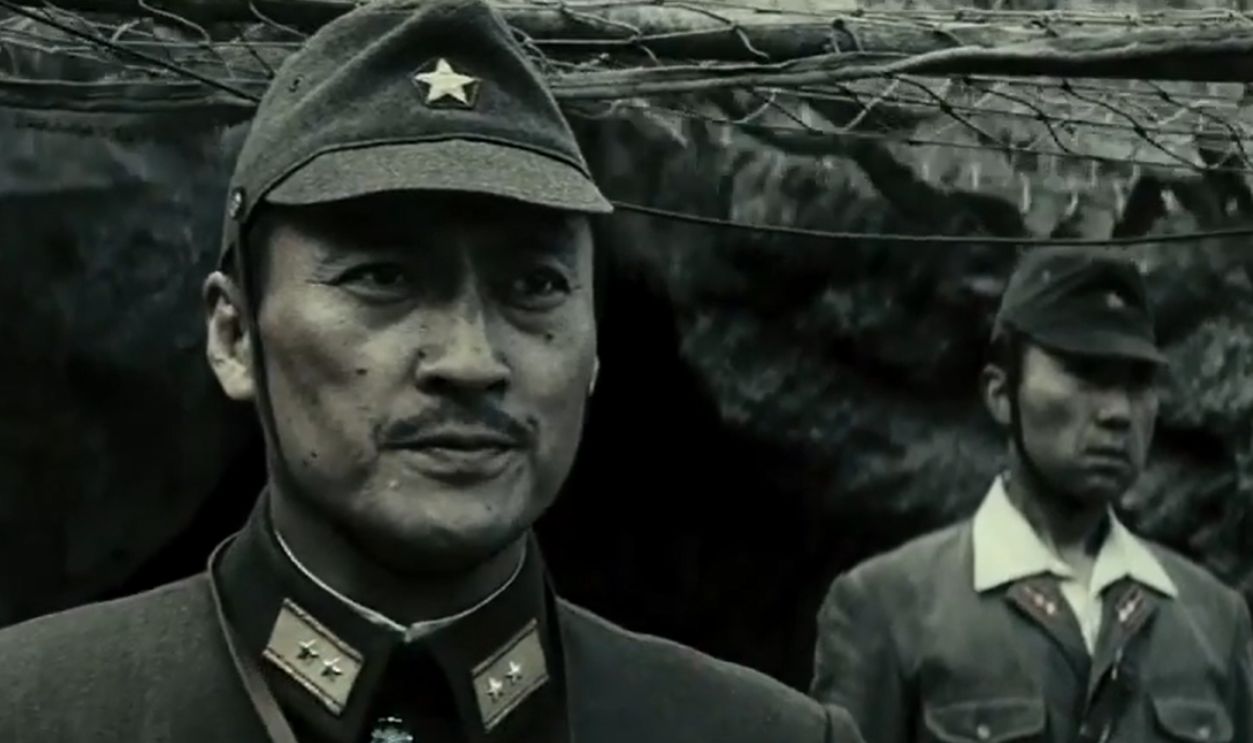 Screenshot from Letters From Iwo Jima, Paramount Pictures (2006)
Malcolm X
Malcolm X doesn’t rush through its subject like it’s checking boxes. It lets the evolution happen, showing how ideas shift when life hits you hard enough to force you to rethink everything. It’s not just a biography—it’s a full-on transformation story, with history pushing from every side.
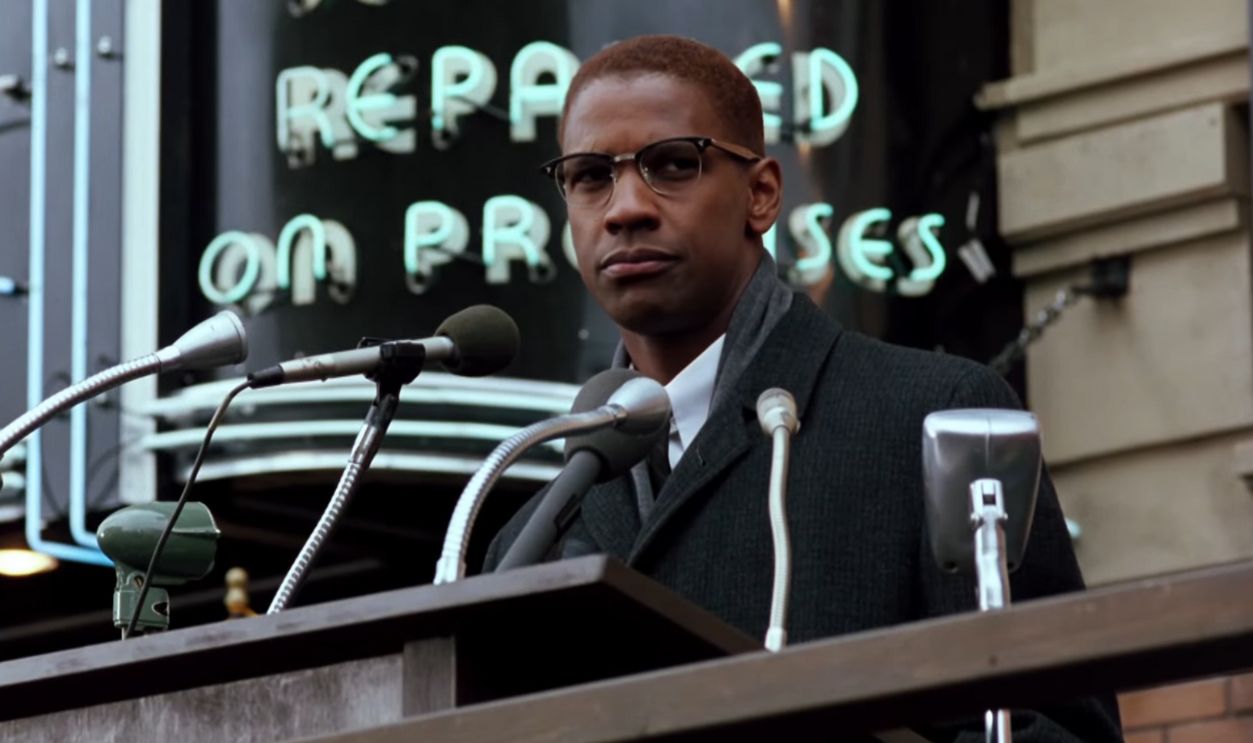 Screenshot from Malcolm X, Warner Bros. Pictures (1992)
Frida
Frida is vibrant, but it’s not doing the “pretty tragedy” thing. It ties Kahlo’s art, politics, relationships, and pain together in a way that feels rooted in her world, not just her legend. The movie understands that accuracy isn’t only dates and locations—it’s also mindset, atmosphere, and what a person’s life actually felt like.
 Screenshot from Frida, Miramax Films (2002)
Black Hawk Down
Black Hawk Down is intense because it doesn’t tidy anything up. It captures the confusion, the rapid escalation, and the sense of plans collapsing in real time. The realism isn’t about making anyone look cool—it’s about showing how chaotic combat can be when control disappears.
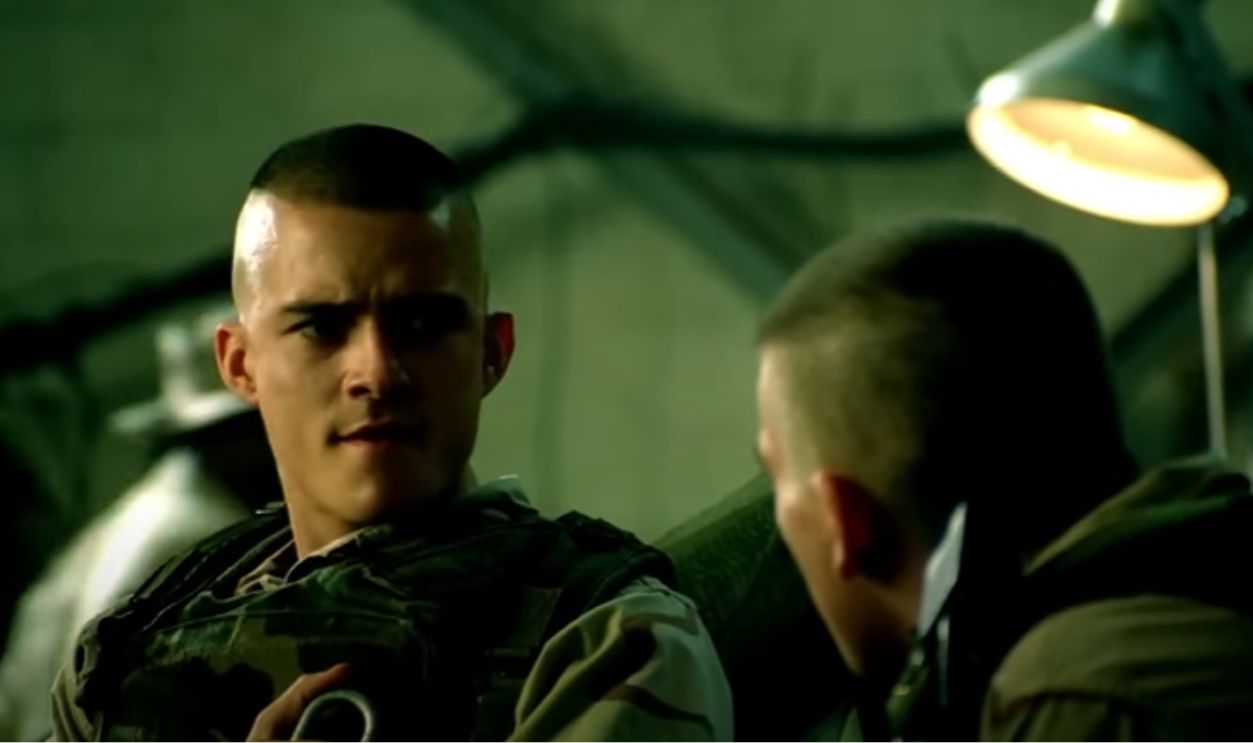 Screenshot from Black Hawk Down, Columbia Pictures (2001)
Tora! Tora! Tora!
Tora! Tora! Tora! is one of those films that feels like it was built out of research first, then turned into a movie second. It’s careful about chronology and decision-making, and it doesn’t try to flatten everything into one simple narrative. It’s historical filmmaking with the confidence to let reality be the dramatic part.
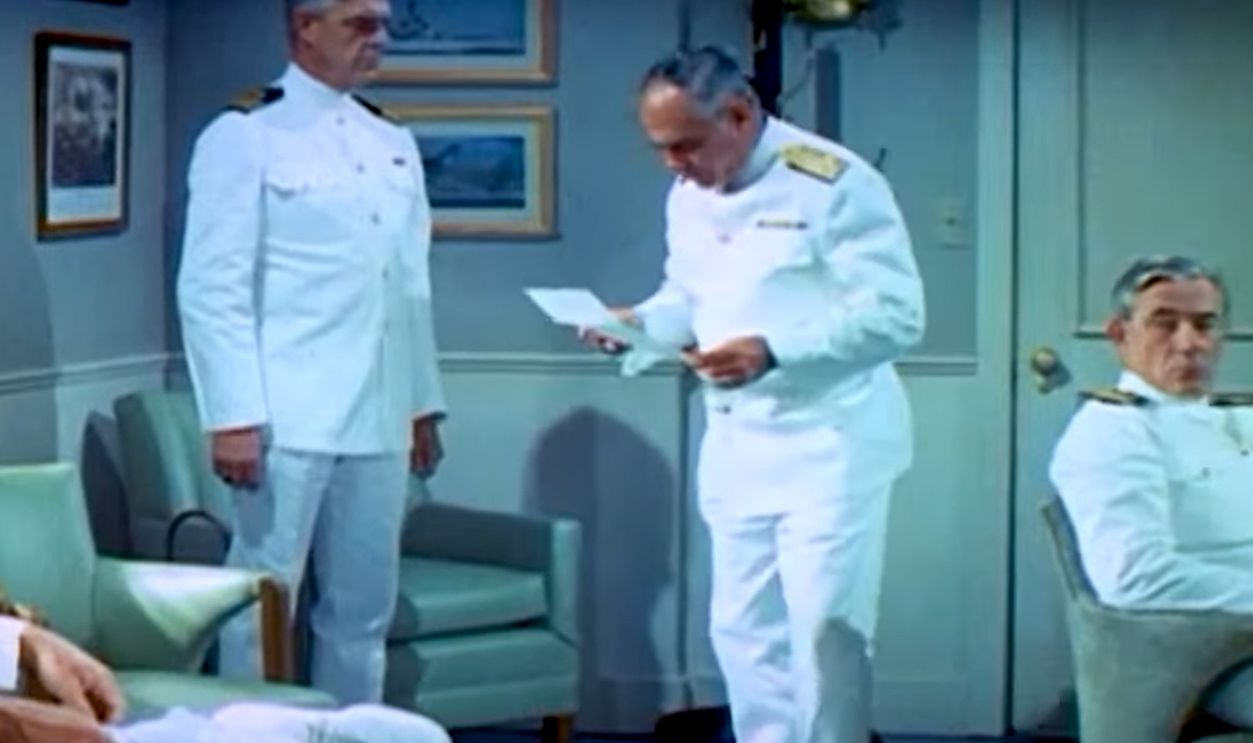 Screenshot from Tora! Tora! Tora!, 20th Century Fox (1970)
You May Also Like:
Movies That Never Should Have Had A Sequel, According To Fans
Movies That Were Banned Around The World—For Reasons That Range From Absurd To Completely Fair
The Greatest Sports Documentaries Ever Made
Source: 1