When Report Cards Turned Into Personality Tests
Somewhere along the way, teacher movies stopped being about “kids behaving badly” and started being about everything else—identity, confidence, ambition, class, race, grief, hope, and that one teacher who makes you feel like you’re not doomed. These films didn’t just show classrooms. They made school look like the place where your whole future gets decided in a single speech, a single lesson, or a single moment when someone finally says, “I see you”.
Below are 21 teacher movies that changed the way we picture school in our heads, whether we realized it at the time or not.
 Columbia Pictures/Getty Images
Dead Poets Society
This is the movie that made English class feel like a rebellion you could earn extra credit for. John Keating doesn’t just teach poems—he teaches the idea that your inner voice matters, even if it’s inconvenient for the adults in charge. After this, “good teaching” in movies basically required at least one desk-standing moment.
 Screenshot from Dead Poets Society, Buena Vista Pictures (1989)
The Great Debaters
This one doesn’t treat debate like an after-school hobby. It treats it like a tool for survival, dignity, and real power in a world that doesn’t hand any of that over willingly. Watching these students sharpen their minds feels like watching someone build a weapon out of words.
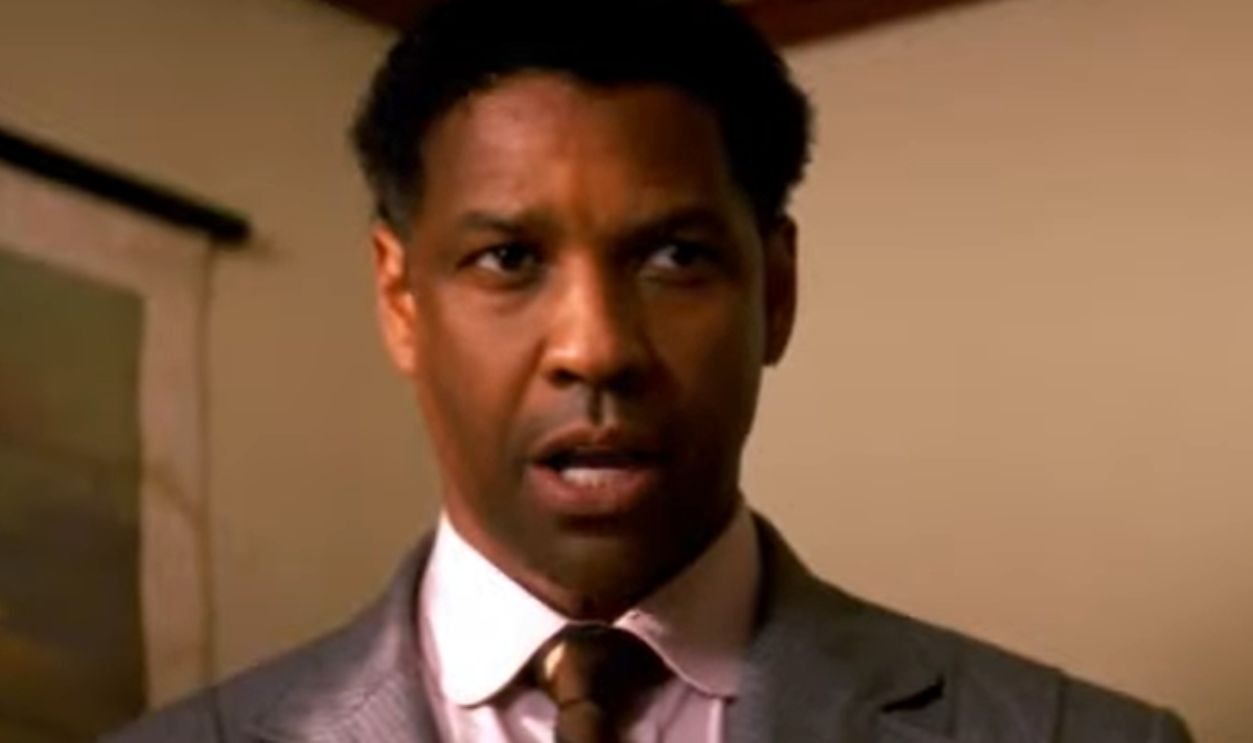 Screenshot from The Great Debaters, MGM (2007)
Stand and Deliver
This movie made “you can do it” feel less like a poster and more like a dare. Escalante pushes his students hard, but it’s never just about math—it’s about expectations, and who gets to have them. It’s the rare school story where the big triumph is academic, and it still feels like a sports movie win.
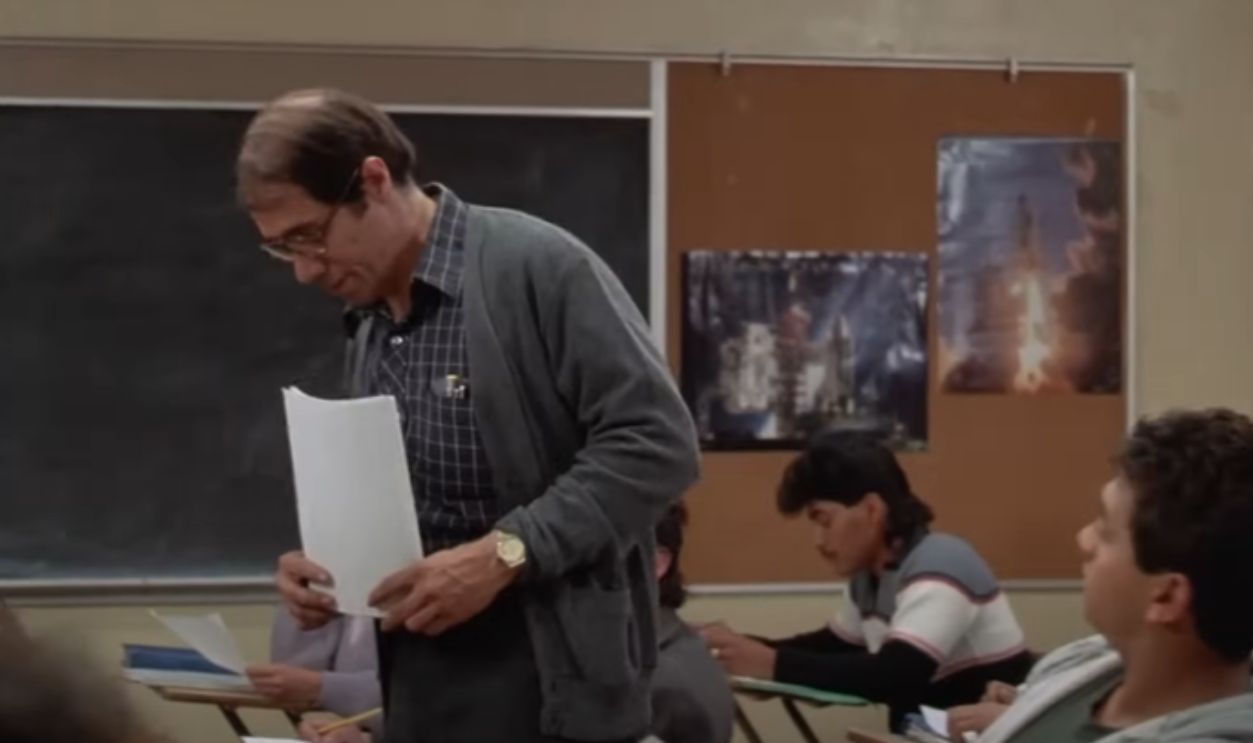 Screenshot from Stand and Deliver, Warner Bros. (1988)
Freedom Writers
You watch this and realize how often school is treated like a machine, when it’s actually a room full of people carrying heavy stuff. Erin Gruwell uses writing as a way to get students to tell the truth without getting crushed by it. It rewired the idea that “learning” has to look tidy to be real.
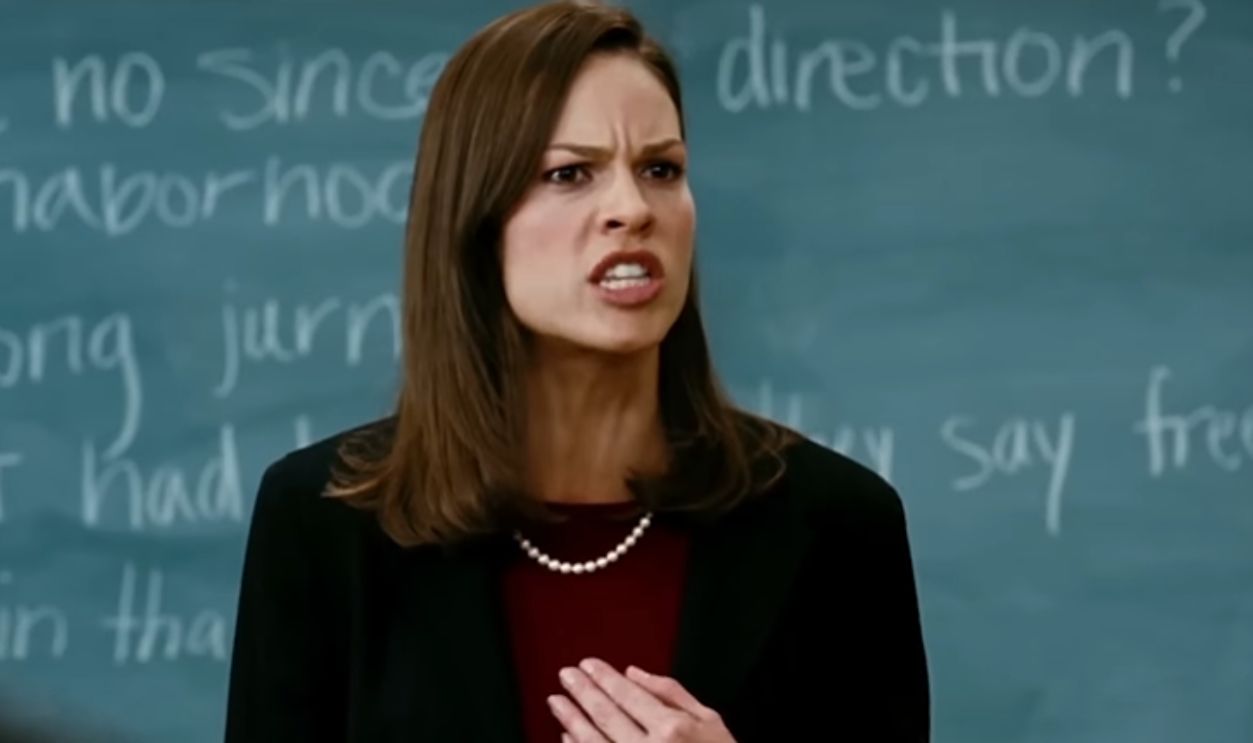 Screenshot from Freedom Writers, Paramount Pictures (2007)
Lean on Me
This is where the school movie turns into a power struggle—with hallways, rules, consequences, and a principal who does not come to play. Joe Clark is intense, complicated, and absolutely not subtle, but the movie makes you ask the big question: what does saving a school even look like. After this, every “tough administrator” character owes this film a royalty check.
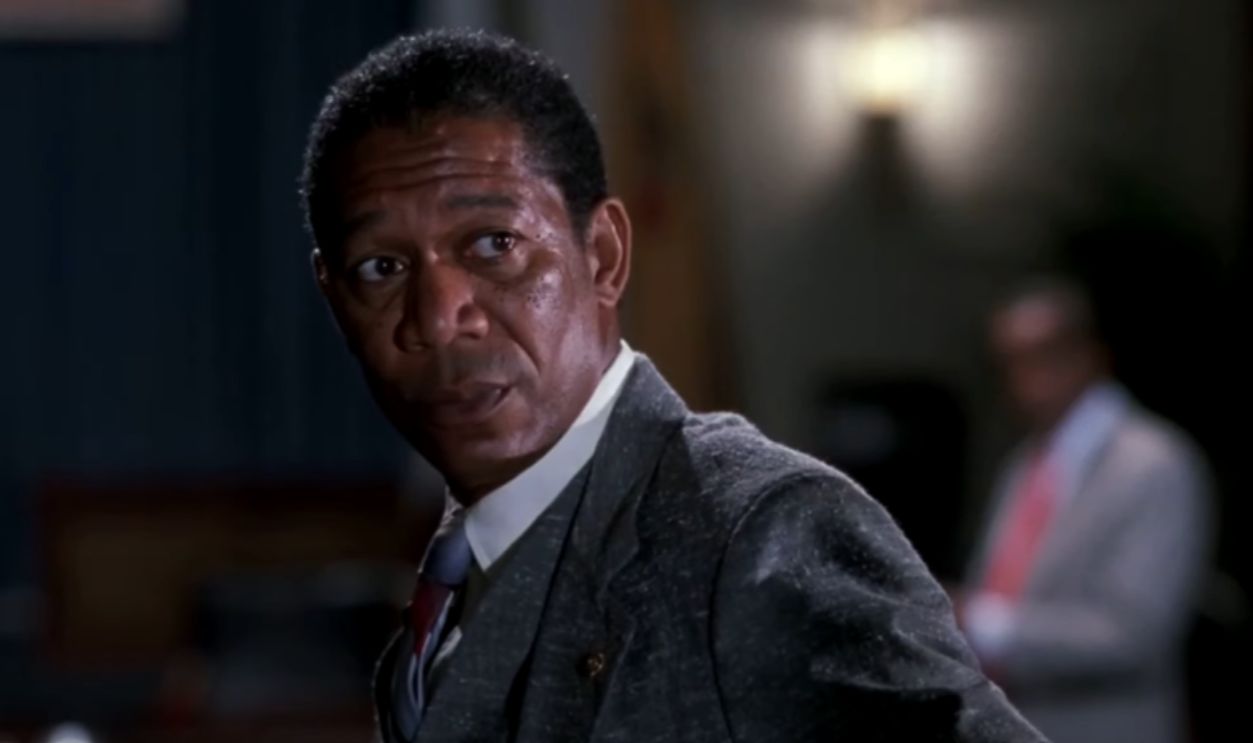 Screenshot from Lean on Me, Warner Bros. (1989)
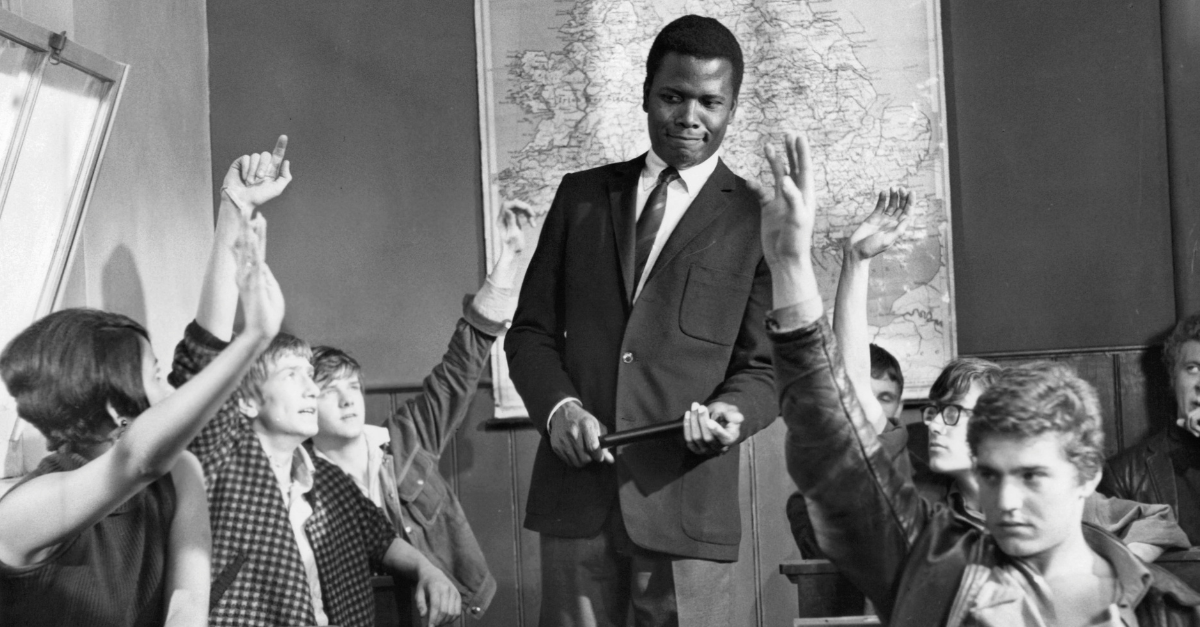
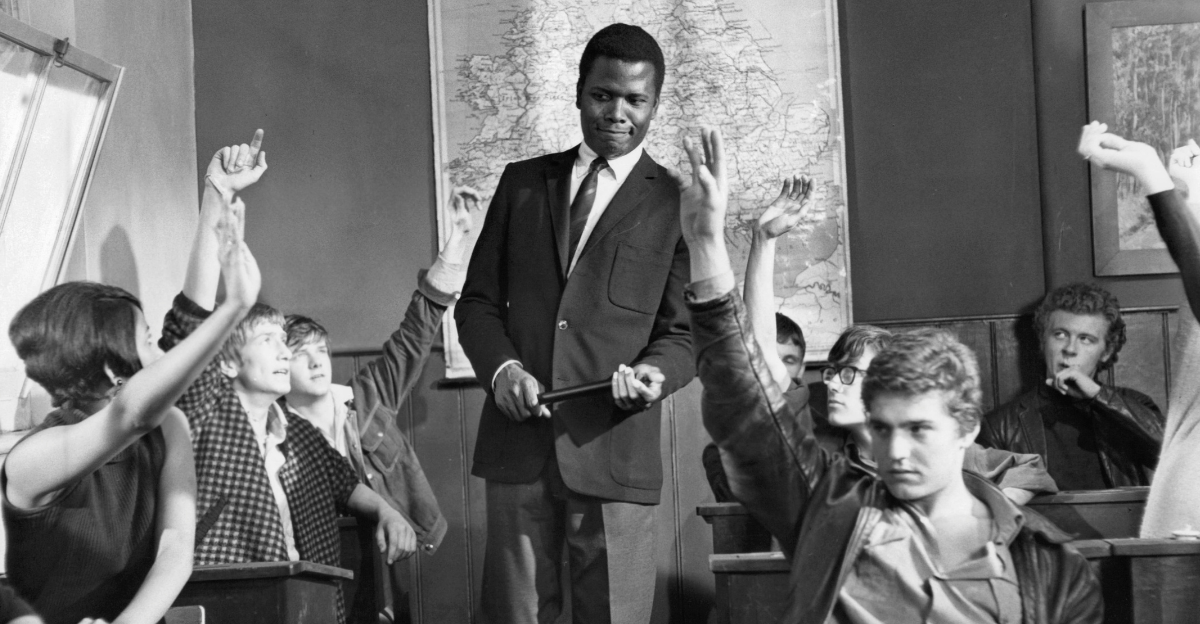
To Sir, With Love
This one is quieter, and that’s kind of why it hits. It shows respect as a teaching strategy, not just something students are supposed to give automatically. And it reframes the classroom as a place where dignity is taught—sometimes more effectively than any subject on the syllabus.
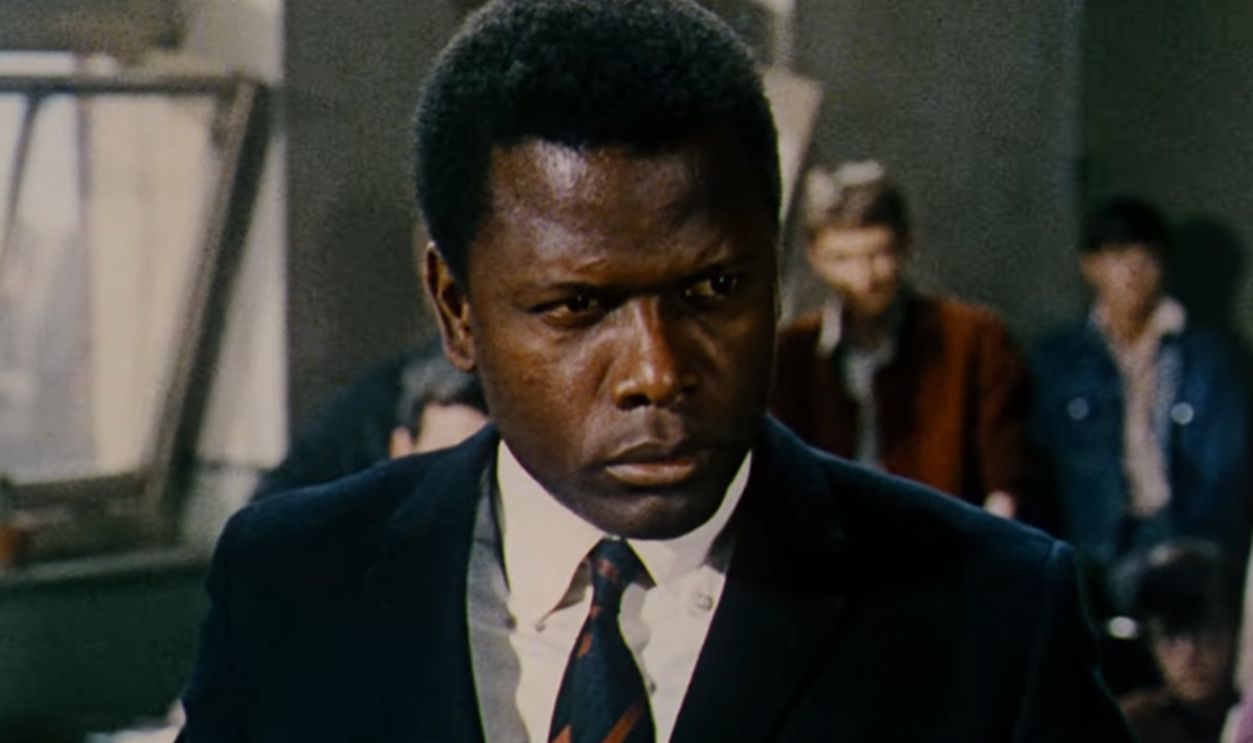 Screenshot from To Sir, With Love, Columbia Pictures (1967)
Akeelah and the Bee
It’s a spelling bee movie, yes, but it’s also a movie about a kid realizing she’s allowed to be brilliant. The mentorship feels personal, but the community support matters just as much, which is rare in these stories. It makes success feel like something built, not something you’re either born with or not.
 Screenshot from Akeelah and the Bee, Lionsgate Films (2006)
Mr. Holland’s Opus
This is the teacher movie that sneaks up on you. It starts as “guy wants to do his own thing,” and then teaching slowly becomes the thing that defines him most. By the end, it’s impossible not to see education as its own kind of legacy.
 Screenshot from Mr. Holland’s Opus, Buena Vista Pictures (1995)
Dangerous Minds
This movie basically invented a whole vibe: the teacher who walks into a hostile classroom and refuses to be scared off. It’s dramatic, it’s stylized, and it’s very much a product of its era, but it still rewired what audiences expected from a “classroom turnaround” story. It also made pop culture feel like a legitimate teaching tool, which movies copied constantly afterward.
 Screenshot from Dangerous Minds, Buena Vista Pictures (1995)
Mona Lisa Smile
It’s a reminder that “smart” isn’t the same as “free”. The students here are capable, polished, and trapped inside expectations they’re not supposed to question. This film made the idea of a teacher-as-disruptor feel elegant instead of loud.
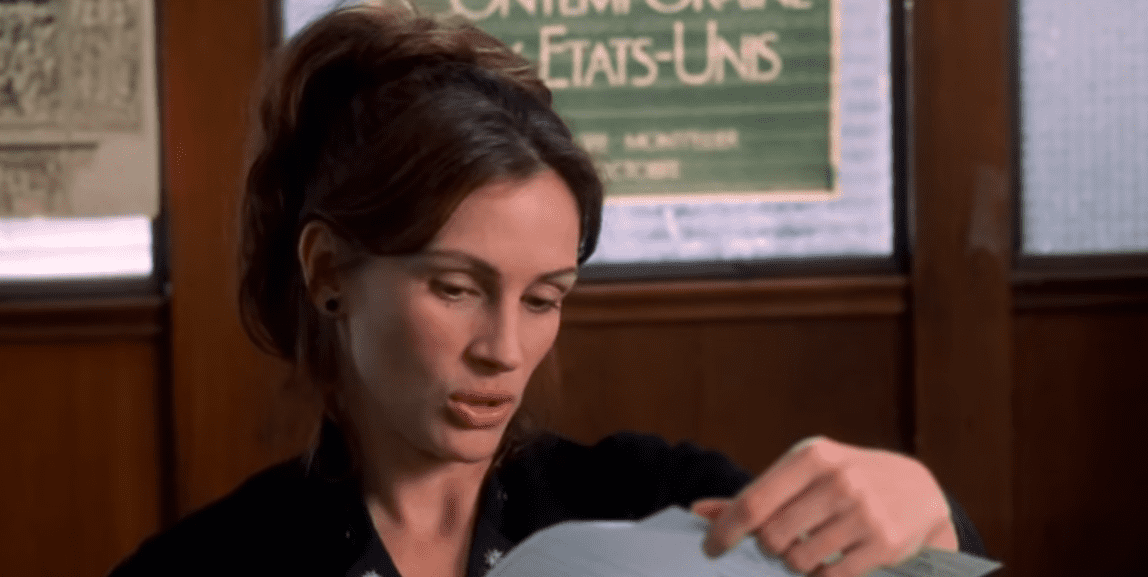 Screenshot from Mona Lisa Smile, Columbia Pictures (2003)
Blackboard Jungle
Before modern school dramas, there was this—raw, tense, and focused on how chaotic a classroom can get when nobody feels safe or heard. It doesn’t romanticize the job, and it doesn’t hand out easy wins. It helped set the blueprint for every gritty “inner-city classroom” story that followed.
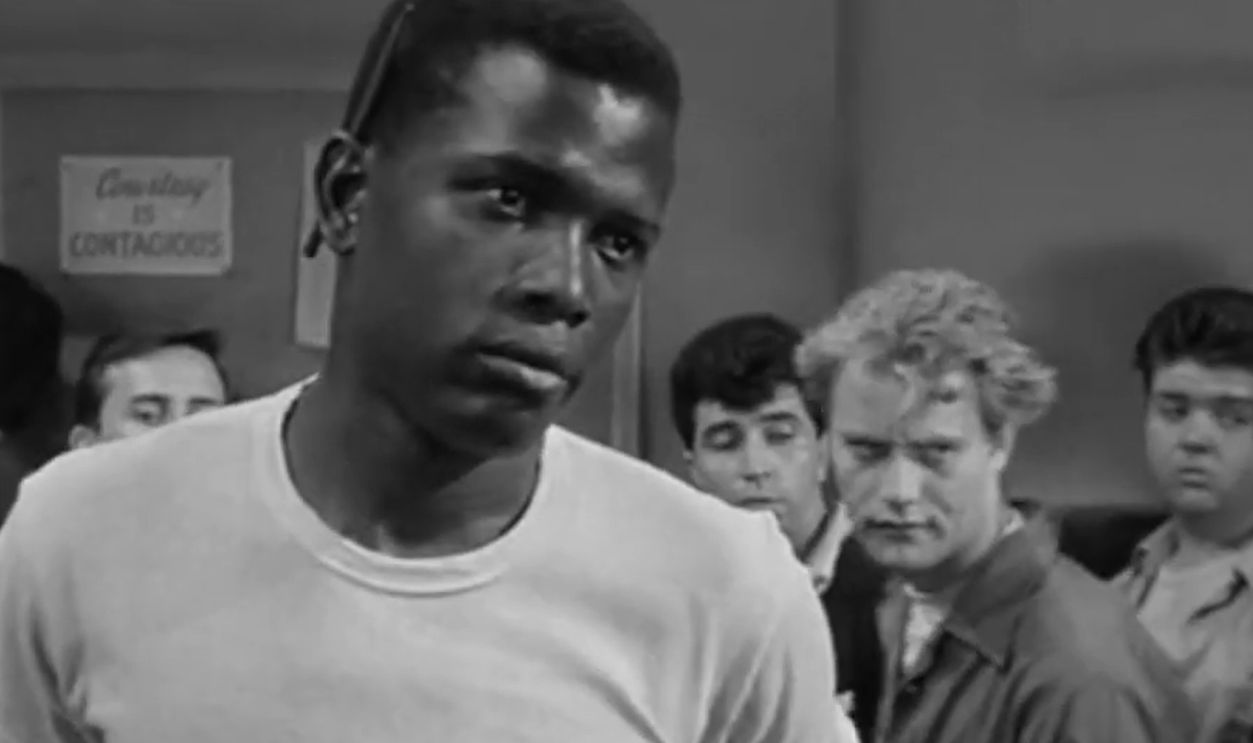 Screenshot from Blackboard Jungle, MGM (1955)
The Emperor’s Club
This movie asks a question teacher movies love to dodge: what happens when your influence doesn’t land the way you hoped. It’s about character, legacy, and how one student can haunt a teacher’s sense of purpose. It rewires the feel-good formula by suggesting that sometimes the lesson is real, but the outcome still stings.
 Screenshot from The Emperor’s Club, Universal Pictures (2002)
Good Will Hunting
Not a traditional teacher movie, but it might be one of the most influential “teaching” movies ever. The real education here isn’t calculus—it’s emotional honesty, trust, and letting someone stop hiding behind intellect. It made mentorship feel like therapy with homework.
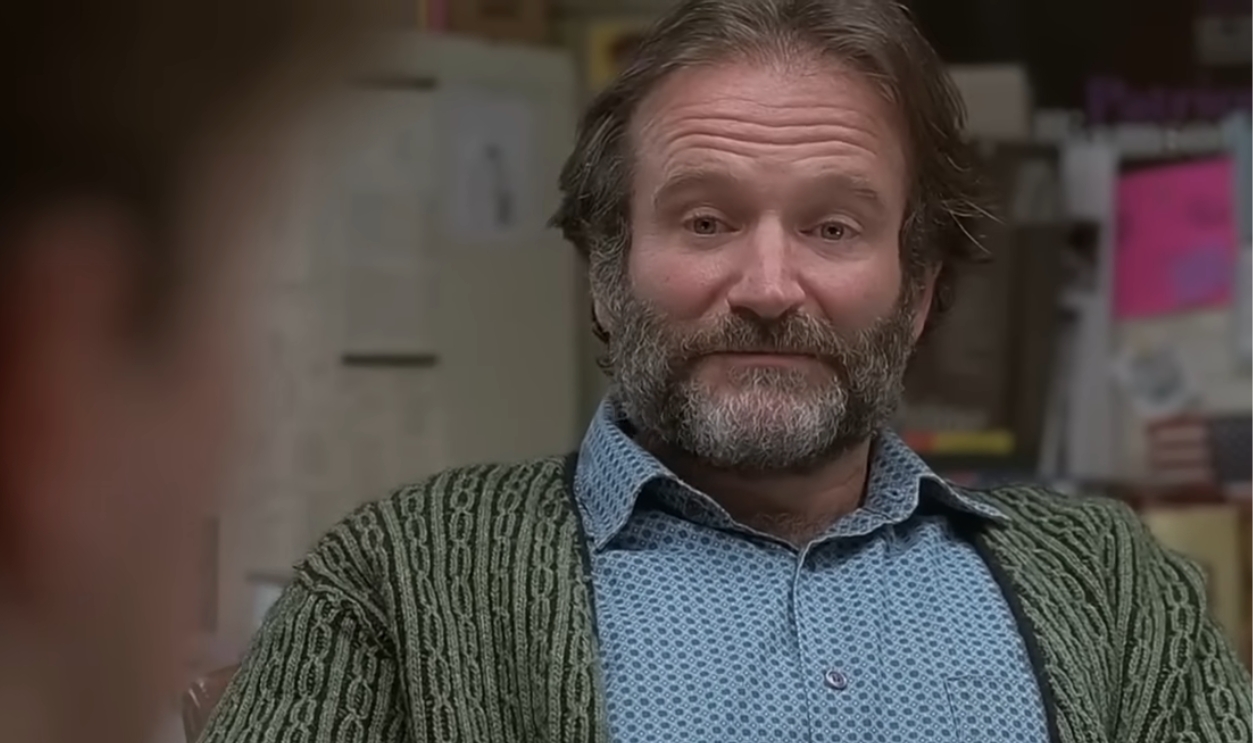 Screenshot from Good Will Hunting, Miramax Films (1997)
Remember the Titans
On paper it’s a sports film, but the coach is basically a teacher, and the team becomes a classroom. The lessons are about leadership, unity, and what happens when people are forced to grow up together in public. It rewired the idea that education only happens at a desk.
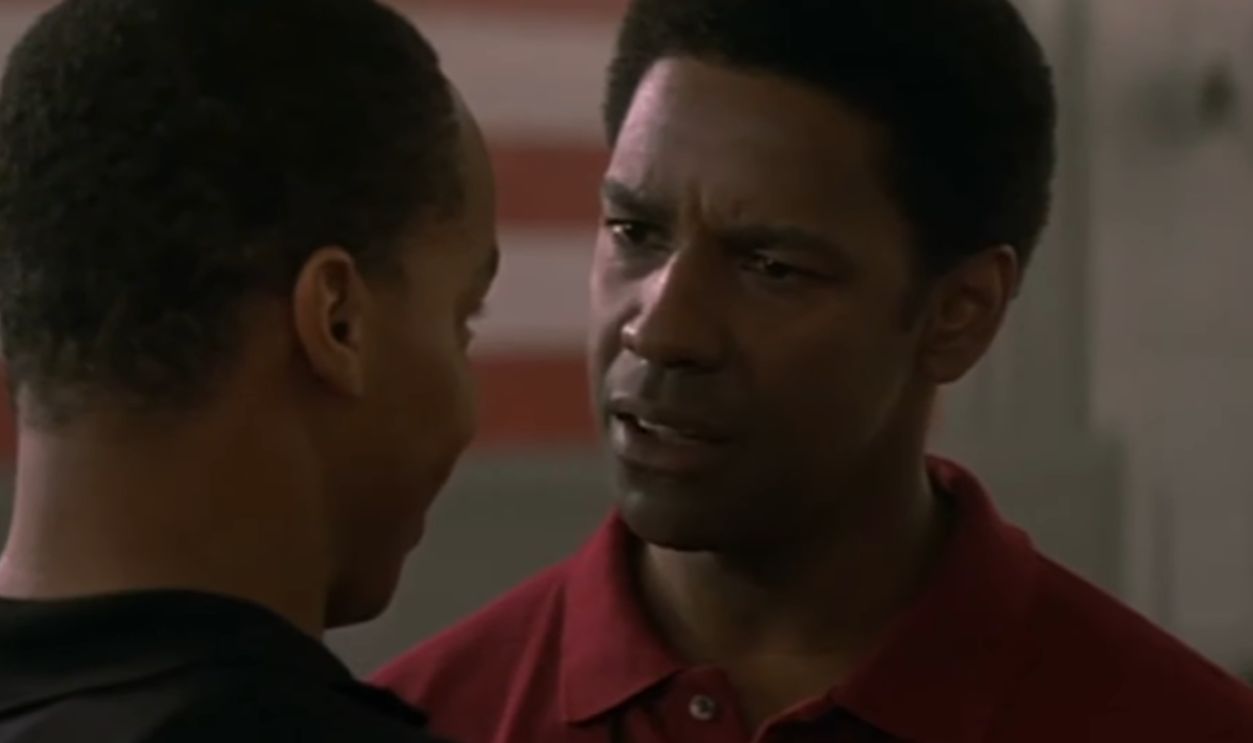 Screenshot from Remember the Titans, Buena Vista Pictures (2000)
Half Nelson
This one flips the inspirational teacher trope inside out. The teacher cares, he connects, he tries—and he’s also struggling in ways that complicate everything. It’s an uncomfortable reminder that teachers aren’t motivational quotes—they’re people, and sometimes the “hero” is barely holding it together.
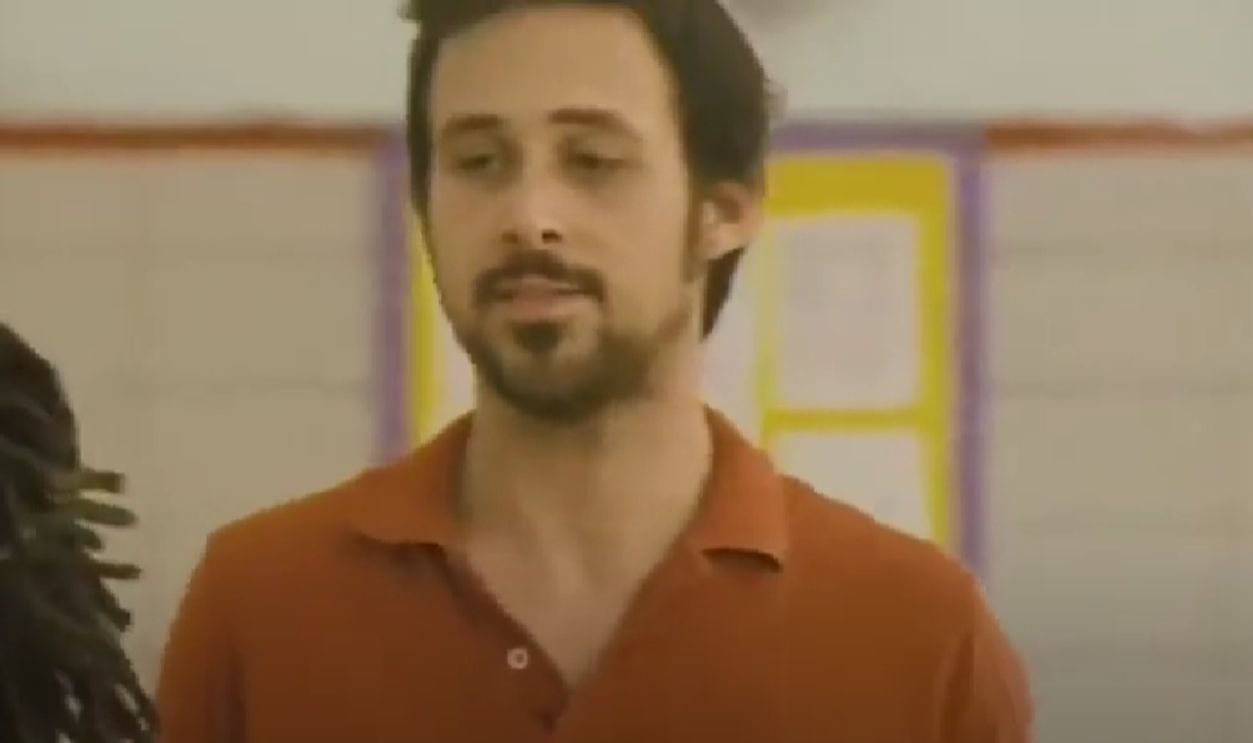 Screenshot from Half Nelson, THINKFilm (2006)
The Class
If you’re used to teacher movies where one big speech fixes everything, this film will feel like a cold splash of reality. It’s messy, conversational, frustrating, funny, and often unresolved—like an actual school year. It rewired what “authentic” looks like in a classroom story.
 Screenshot from The Class, Brainstorm Media (2022)
Up the Down Staircase
This movie understands the soul-draining part of teaching: the paperwork, the bureaucracy, and the constant feeling that the system is its own worst enemy. The students matter, but so do the forces that keep teachers from actually teaching. It’s the rare school film that says, “Sometimes it’s not the kids—it’s the machine.”
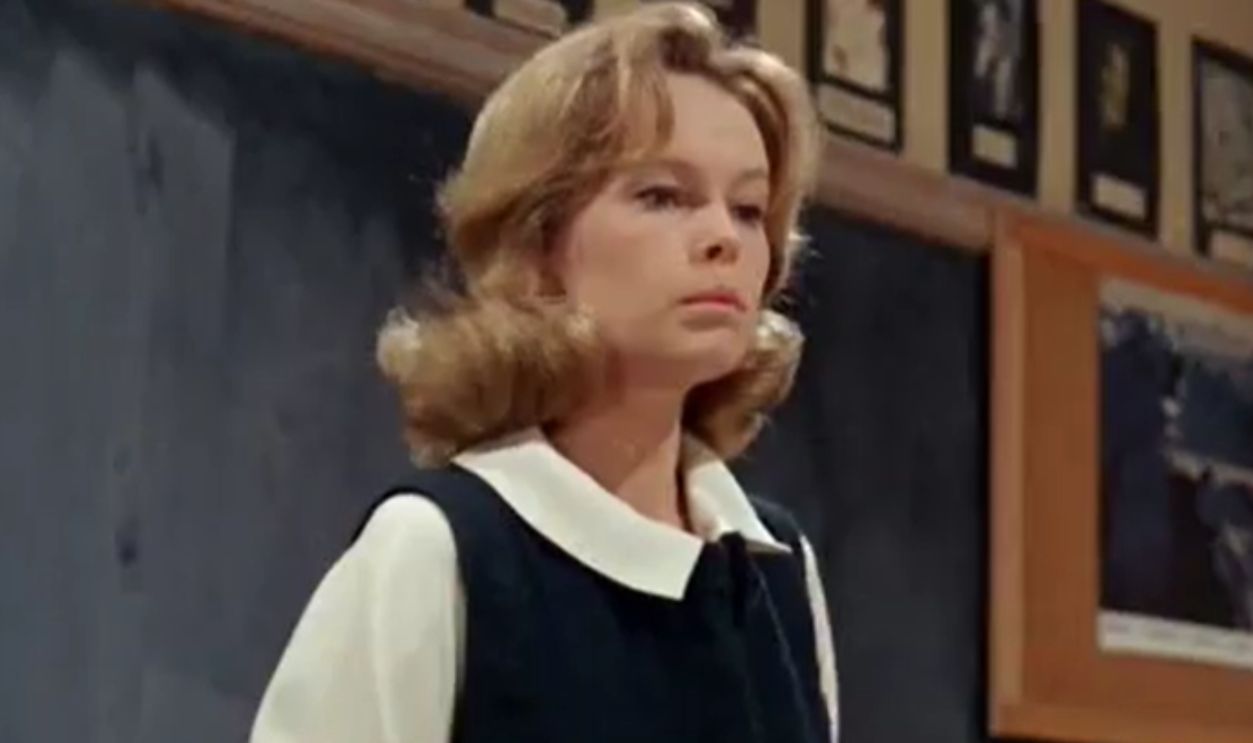 Screenshot from Up the Down Staircase, Warner Bros. Pictures (1967)
The Ron Clark Story
This one goes full heart-on-sleeve, and honestly, sometimes that’s what you want. It’s about taking risks, believing in students loudly, and showing up even when you don’t feel like you’re winning. It rewired the idea that passion isn’t fluff—it can be strategy.
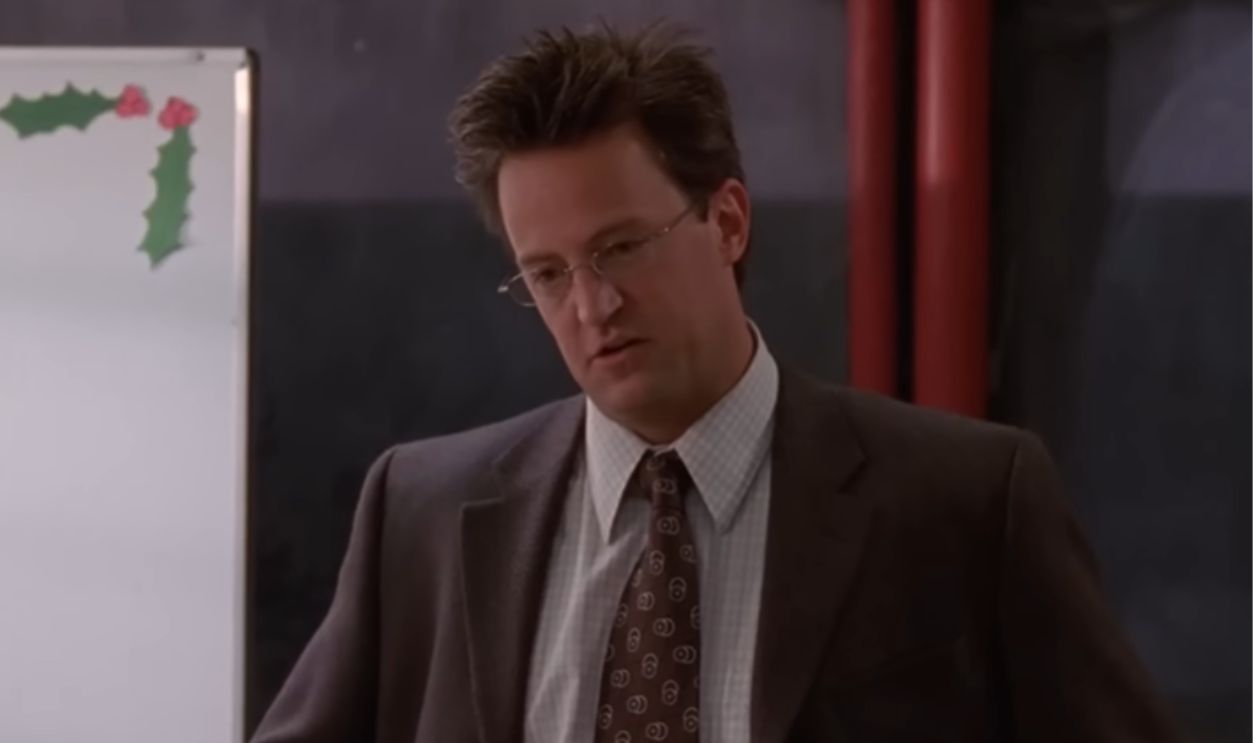 Screenshot from The Ron Clark Story, TNT (2006)
The Prime of Miss Jean Brodie
This is a teacher movie with a sharper edge than people expect. It’s about influence, charisma, and how easily admiration can become control. It rewired the comforting idea that every beloved teacher is automatically a good one.
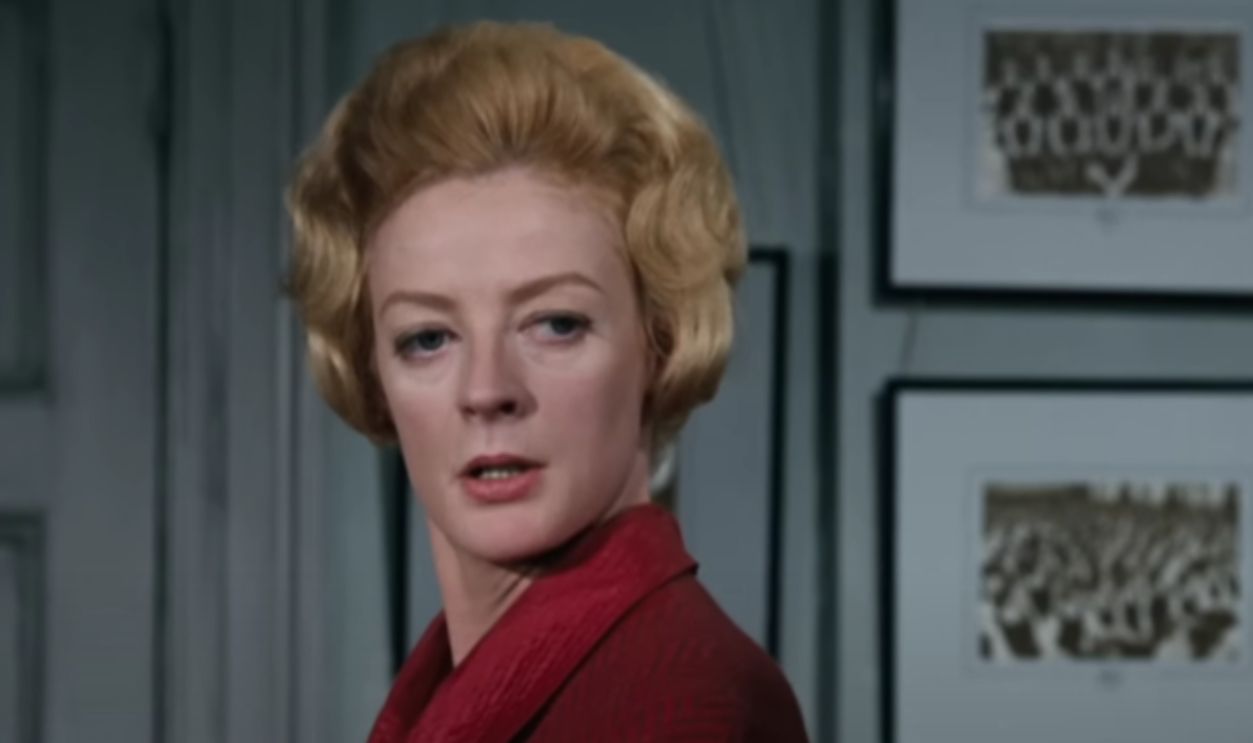 Screenshot from The Prime of Miss Jean Brodie, 20th Century Fox (1969)
Coach Carter
This film made the phrase “student athlete” feel like the emphasis was finally in the right place. Carter isn’t just coaching for wins—he’s setting standards, drawing lines, and forcing students to think bigger than the scoreboard. It rewires the sports-teacher story by making academics the real non-negotiable.
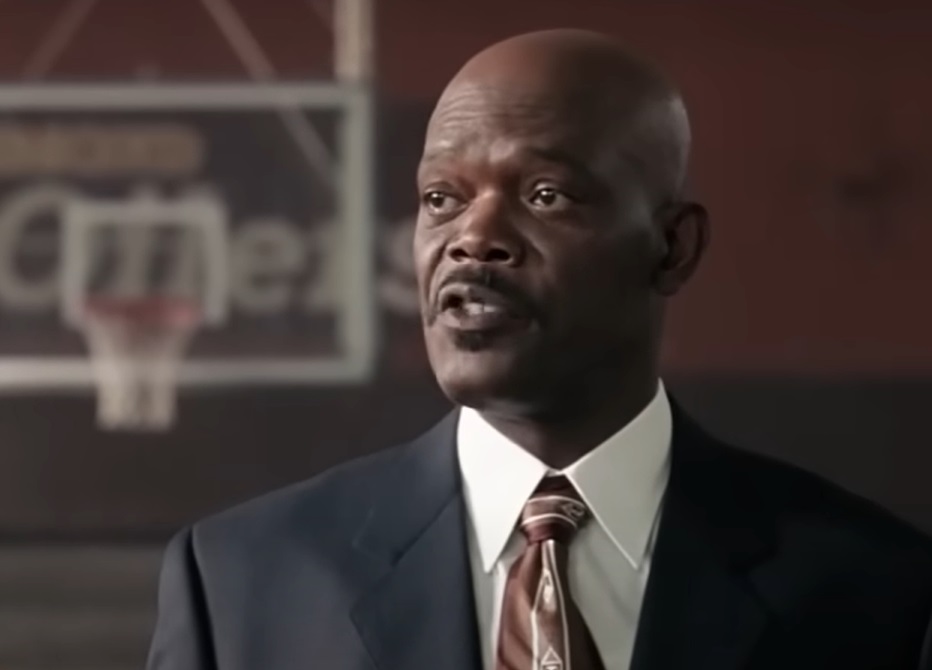 Screenshot from Coach Carter, Paramount Pictures (2005)
School of Rock
Yes, it’s ridiculous, and yes, it still counts. It turned the classroom into a stage and made learning feel like something you do with your whole body, not just your brain. It also rewired the idea that the “right” teacher doesn’t always look right at first—sometimes they just know how to unlock people.
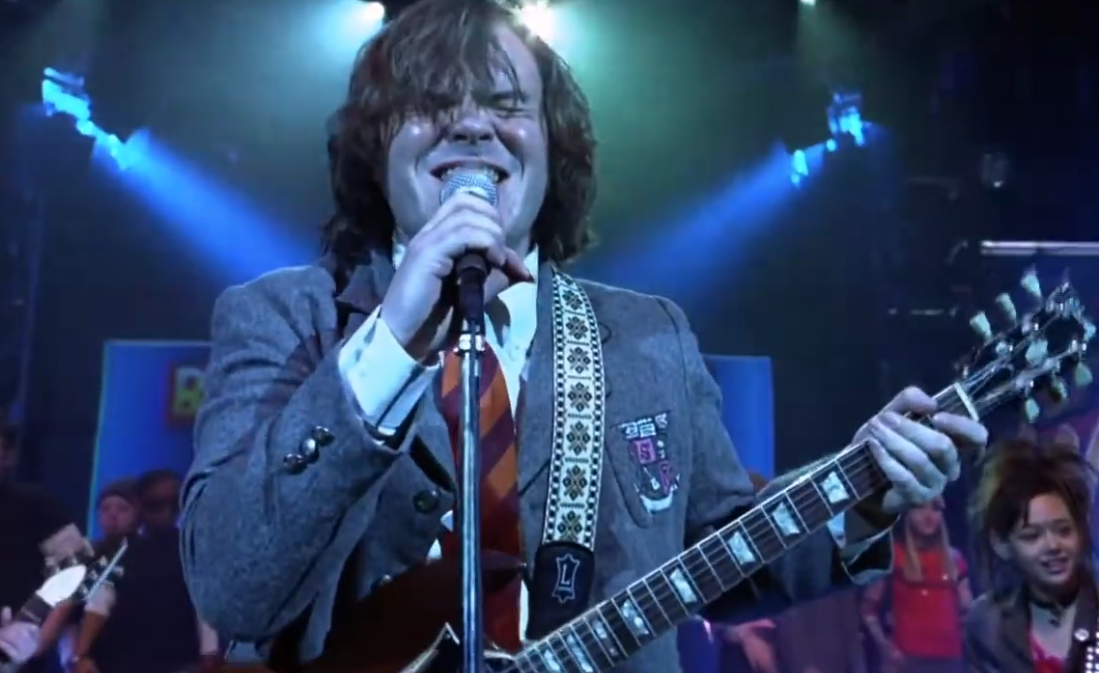 Screenshot from School of Rock, Paramount Pictures (2003)
You May Also Like:
Times That American Cinema Butchered A Beautiful Foreign Film
Movies That Were Banned Around The World—For Reasons That Range From Absurd To Completely Fair
The Greatest Sports Documentaries Ever Made
Source: 1