A Year That Changed Movies Forever
Some years are good for movies. Others become legends. 1999 belongs firmly in the second category. It was a time when studios were willing to take risks, directors were given creative freedom, and audiences showed up ready to be challenged. Before franchises dominated release calendars and before streaming reshaped how we watch, movie theaters were packed with films that felt daring, strange, emotional, and unforgettable. Looking back now, it’s astonishing how many classics arrived within the same twelve months.
The Matrix
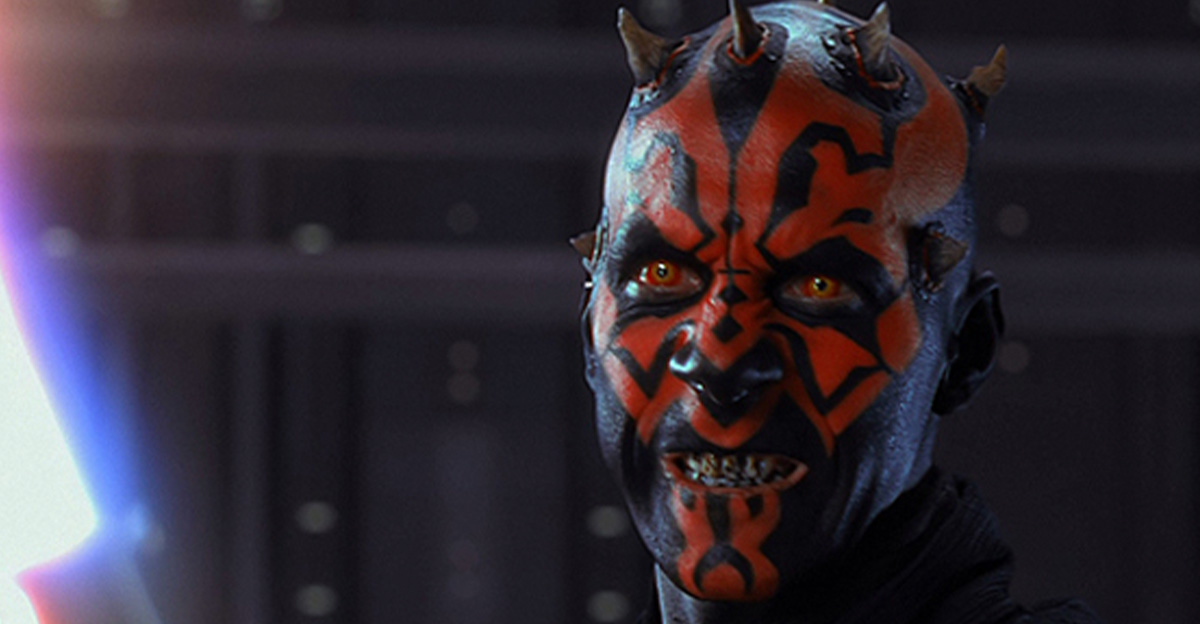
Watching The Matrix for the first time felt like stepping into the future. The action was unlike anything audiences had seen, but it was the ideas beneath the surface that made it stick. Questions about reality, control, and identity were wrapped in leather coats, slow-motion gunfights, and mind-blowing visuals. It wasn’t just a hit—it completely rewired what sci-fi blockbusters could be.
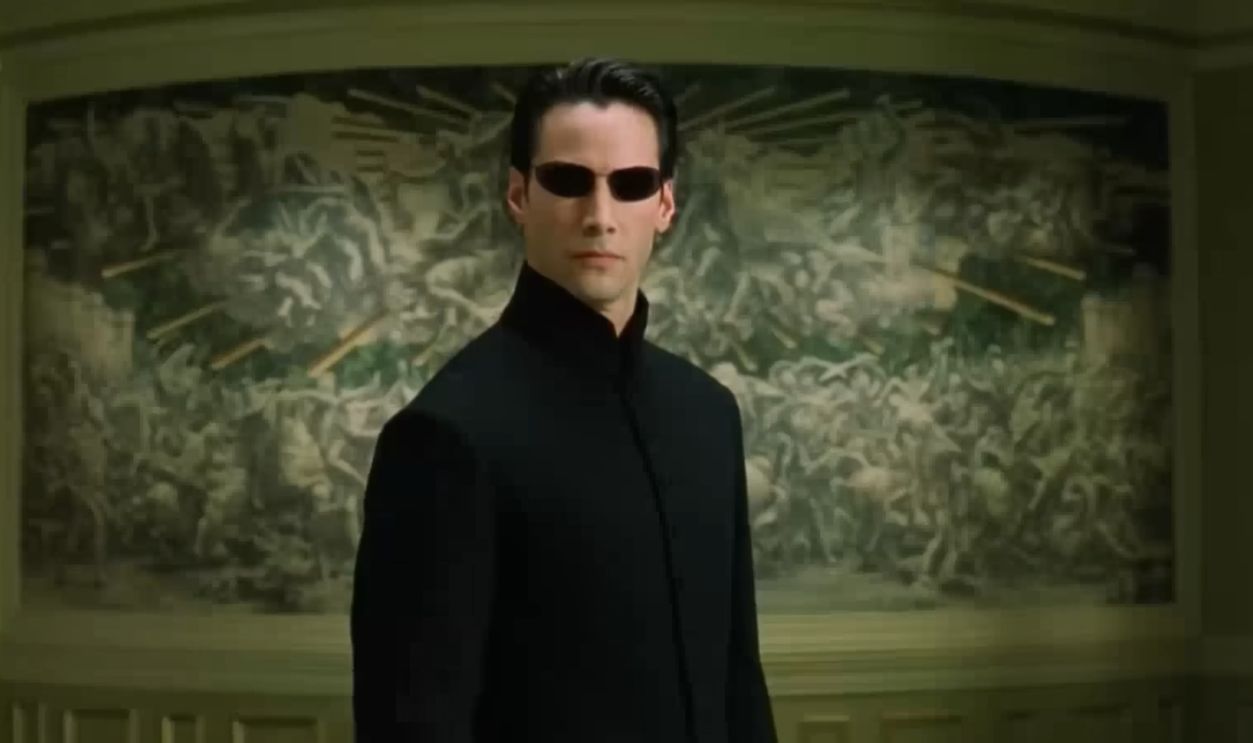 Screenshot from The Matrix, Warner Bros. Pictures (1999)
Fight Club
Fight Club arrived angry, messy, and unapologetic. It challenged viewers to confront consumer culture, masculinity, and personal identity in ways that were deeply uncomfortable. David Fincher’s slick direction clashed brilliantly with the film’s chaotic ideas, while Brad Pitt and Edward Norton gave performances that defined an era. Love it or hate it, nobody walked away indifferent.
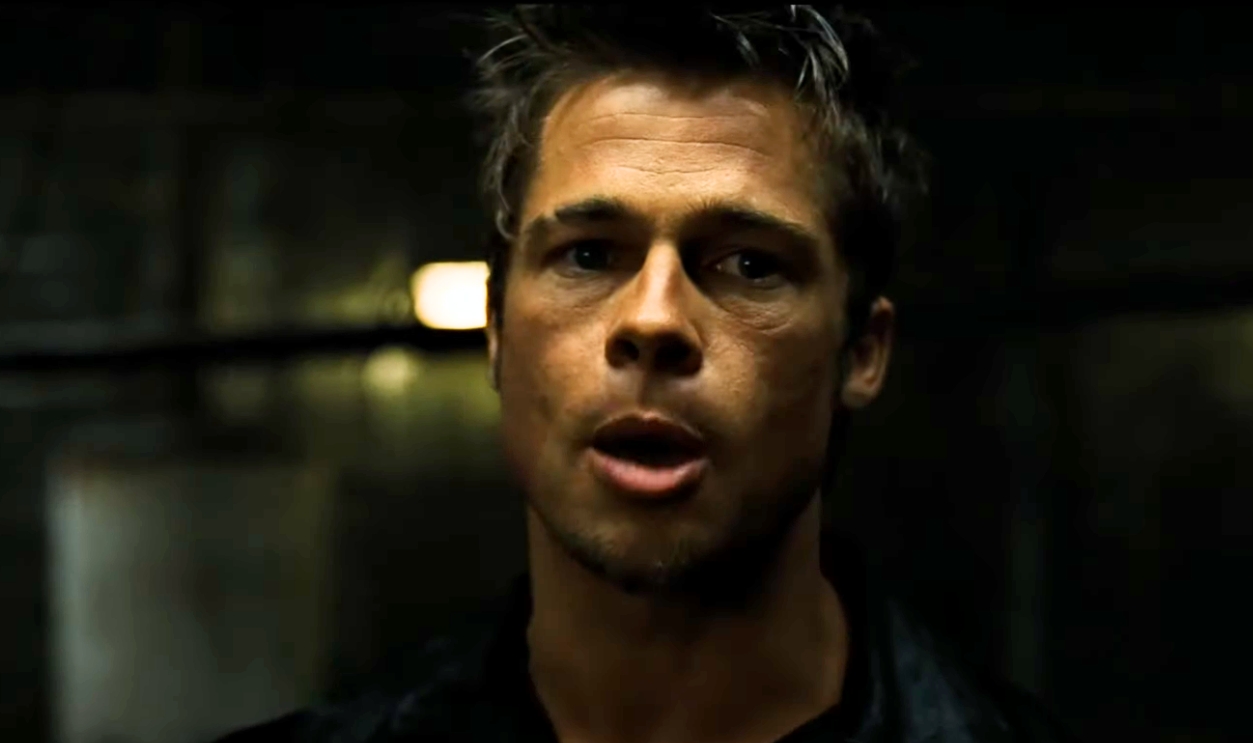 Screenshot from Fight Club, 20th Century Fox (1999)
The Sixth Sense
Not all great movies shout for attention. The Sixth Sense earned its reputation through quiet tension, emotional weight, and careful storytelling. The twist became legendary, but what really resonates is the film’s sadness and humanity. Haley Joel Osment’s performance brought vulnerability rarely seen in horror, making the film linger long after the credits rolled.
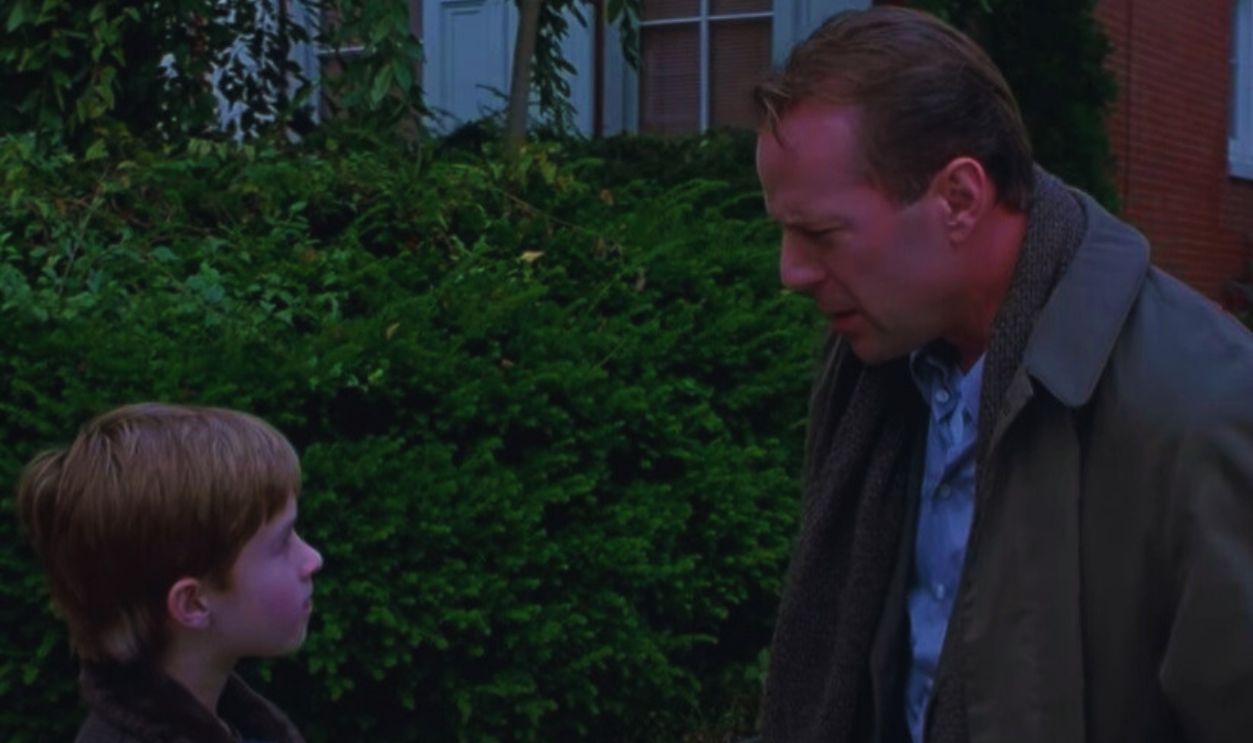 Screenshot from The Sixth Sense, Buena Vista Pictures Distribution (1999)
American Beauty
At the time, American Beauty felt like a mirror held up to suburban life. Beneath manicured lawns and polite smiles, it revealed loneliness, obsession, and longing. The film was provocative and sometimes uncomfortable, but it captured the emotional contradictions of the late ’90s with striking honesty.
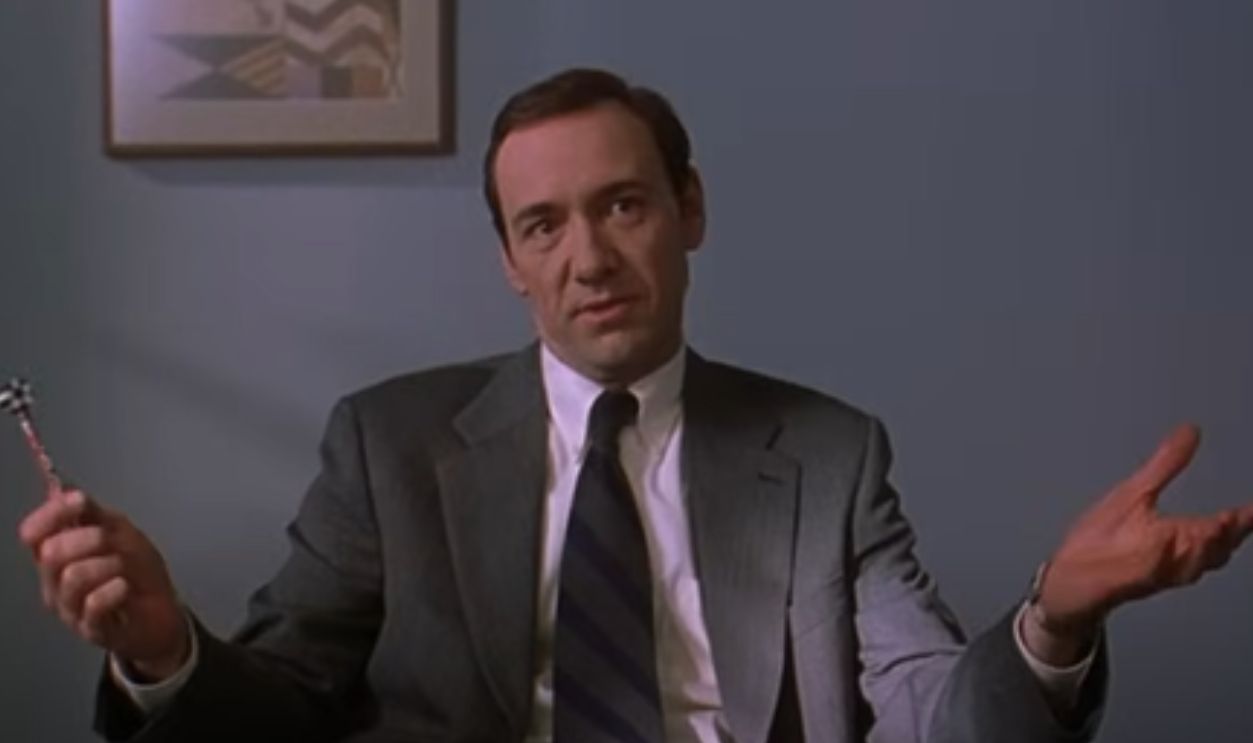 Screenshot from American Beauty, DreamWorks Pictures (1999)
Toy Story 2
Toy Story 2 had no business being as good as it was. Instead of coasting on familiarity, Pixar delivered a sequel that expanded the story in meaningful ways. Jessie’s emotional arc hit surprisingly hard, proving that animated films could explore loss, identity, and purpose just as powerfully as live-action dramas.
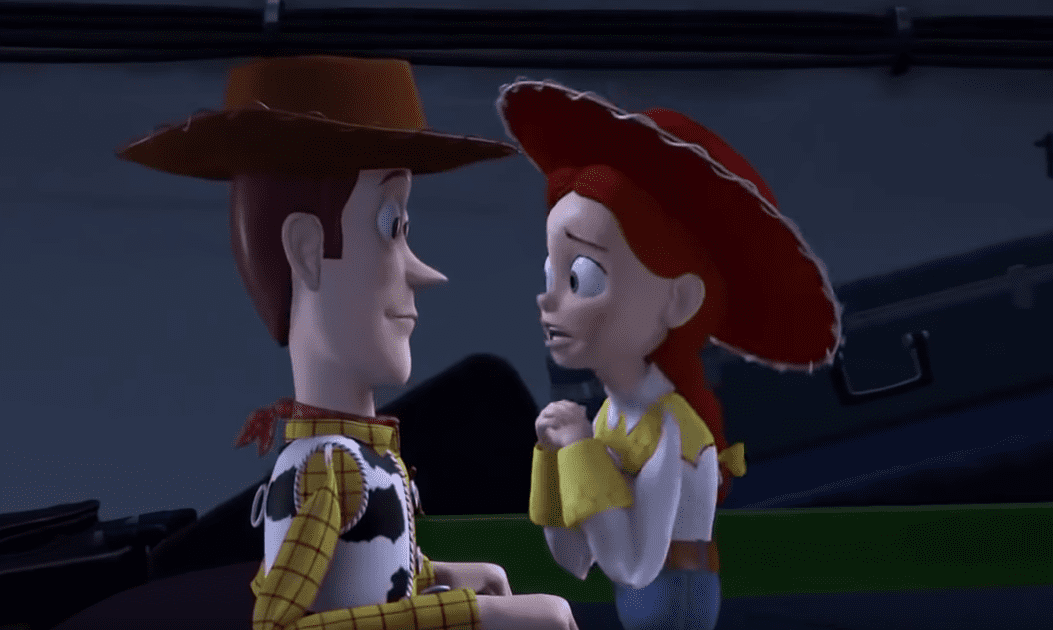 Screenshot from Toy Story 2, Pixar Animation Studios (1999)
Eyes Wide Shut
Stanley Kubrick’s final film feels like a dream you can’t quite shake. Eyes Wide Shut moves slowly and deliberately, pulling viewers into a world of temptation, secrecy, and unease. It’s mysterious, unsettling, and endlessly debated—a fitting final statement from one of cinema’s most enigmatic directors.
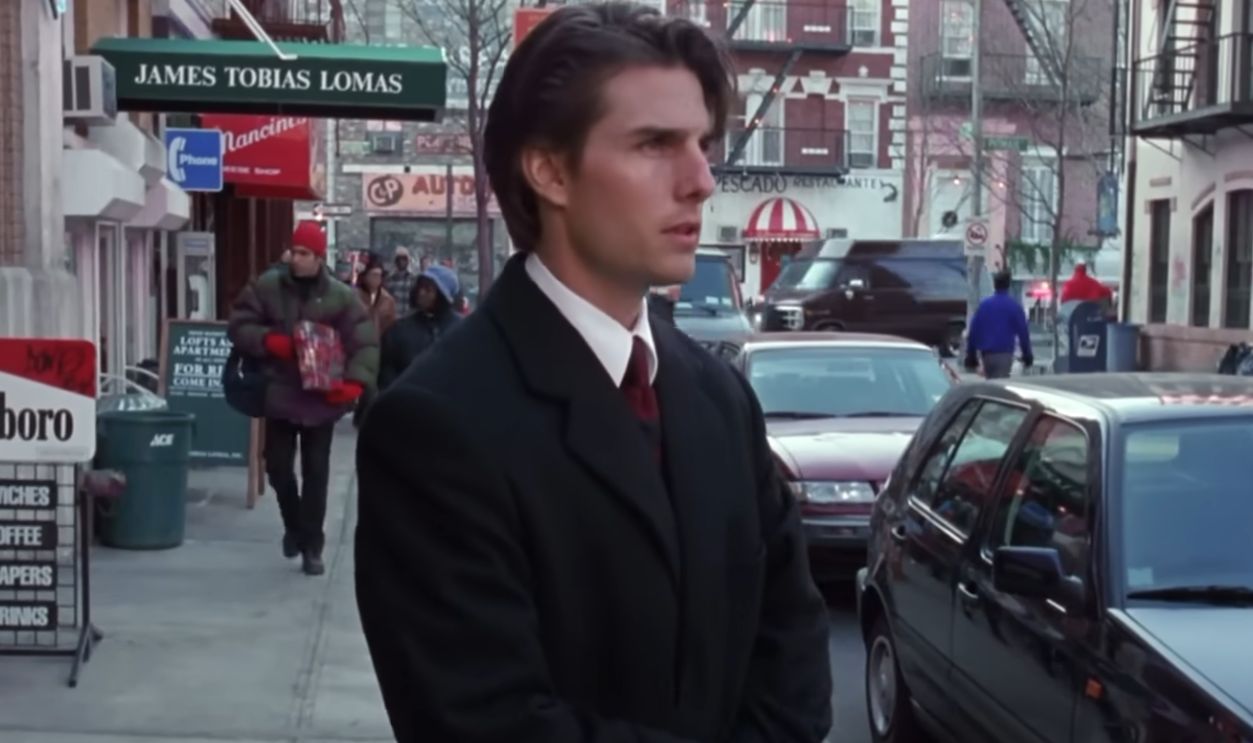 Screenshot from Eyes Wide Shut, Warner Bros. (1999)
Magnolia
Magnolia is big, emotional, and sometimes overwhelming—and that’s exactly the point. Paul Thomas Anderson’s sprawling ensemble drama connects characters through pain, regret, and the hope for forgiveness. It doesn’t aim for subtlety; it aims for truth, even when that truth is messy and uncomfortable.
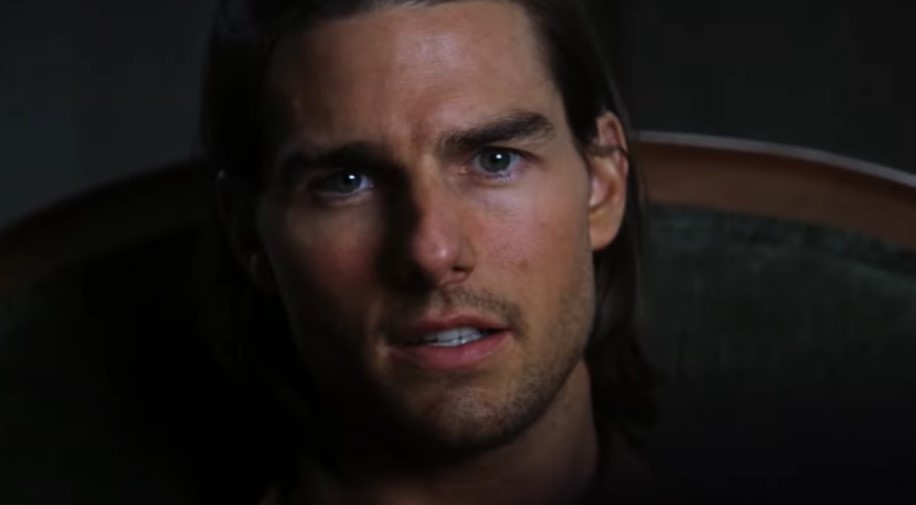 Screenshot from Magnolia, New Line Cinema (1999)
Being John Malkovich
No one walked into Being John Malkovich knowing what to expect. The premise alone sounds absurd, yet the film turns that absurdity into something deeply human. It’s funny, strange, and quietly sad, exploring identity and desire in ways that feel completely original even decades later.
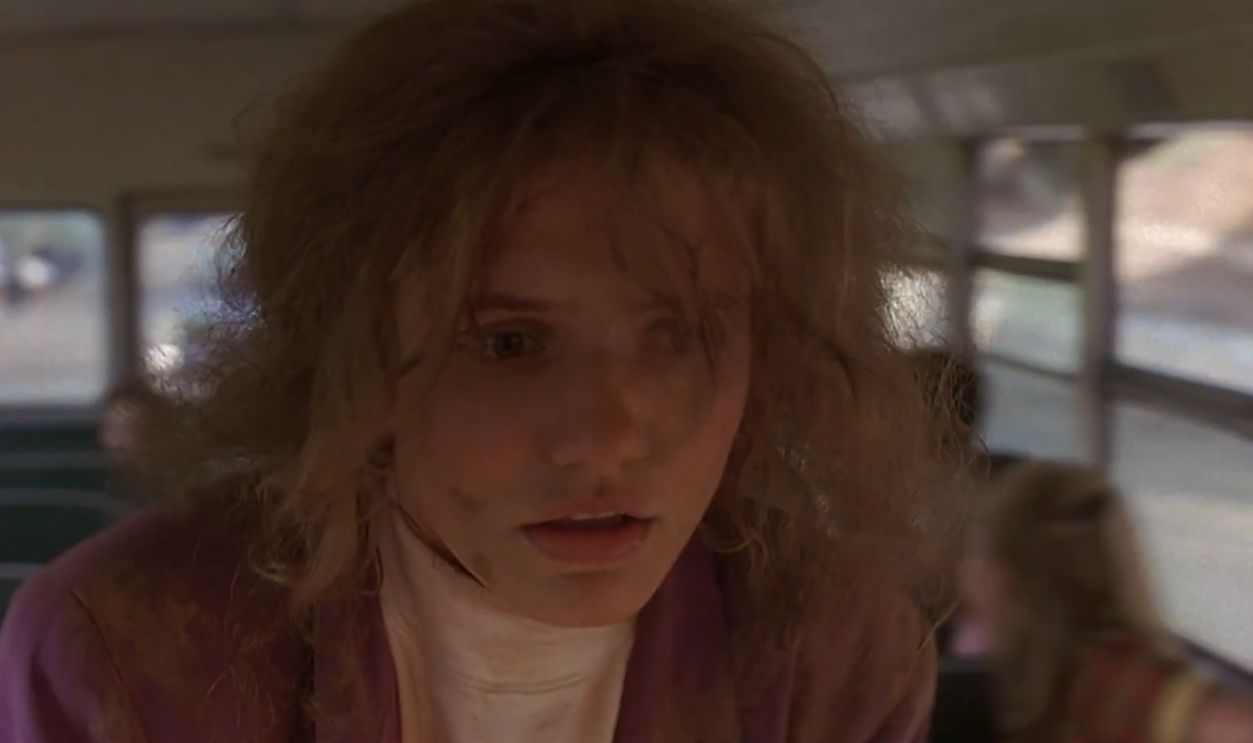 Screenshot from Being John Malkovich, Universal Pictures International (1999)
The Blair Witch Project
Few films have ever weaponized imagination like The Blair Witch Project. By showing almost nothing, it let fear fill in the gaps. Its low-budget realism convinced audiences they were watching something real, forever changing horror filmmaking and marketing in the process.
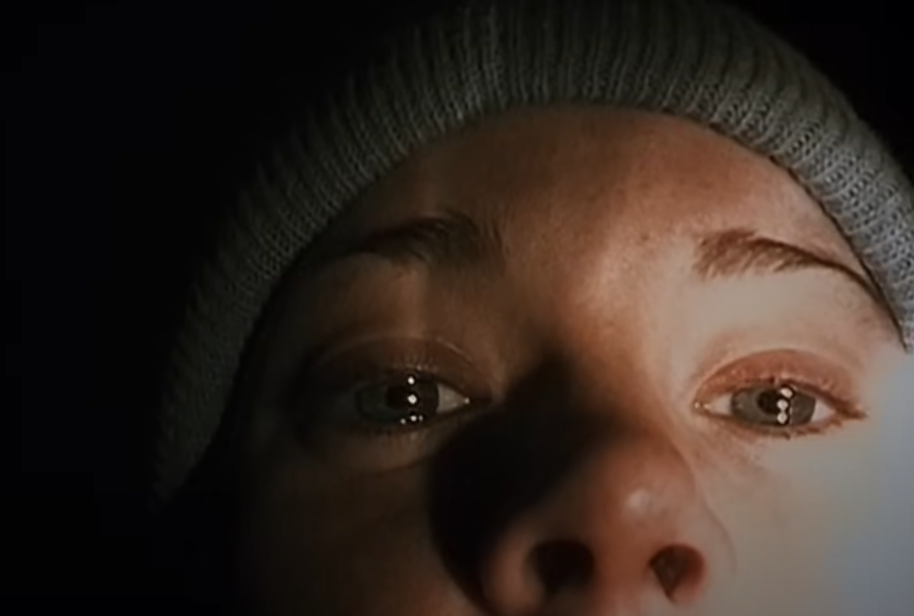 Screenshot from The Blair Witch Project, Artisan Entertainment (1999)
The Green Mile
The Green Mile is emotionally exhausting in the best way. It’s a story about cruelty and kindness, injustice and mercy, anchored by Michael Clarke Duncan’s unforgettable performance. The film doesn’t rush its emotions, allowing moments of beauty and heartbreak to fully land.
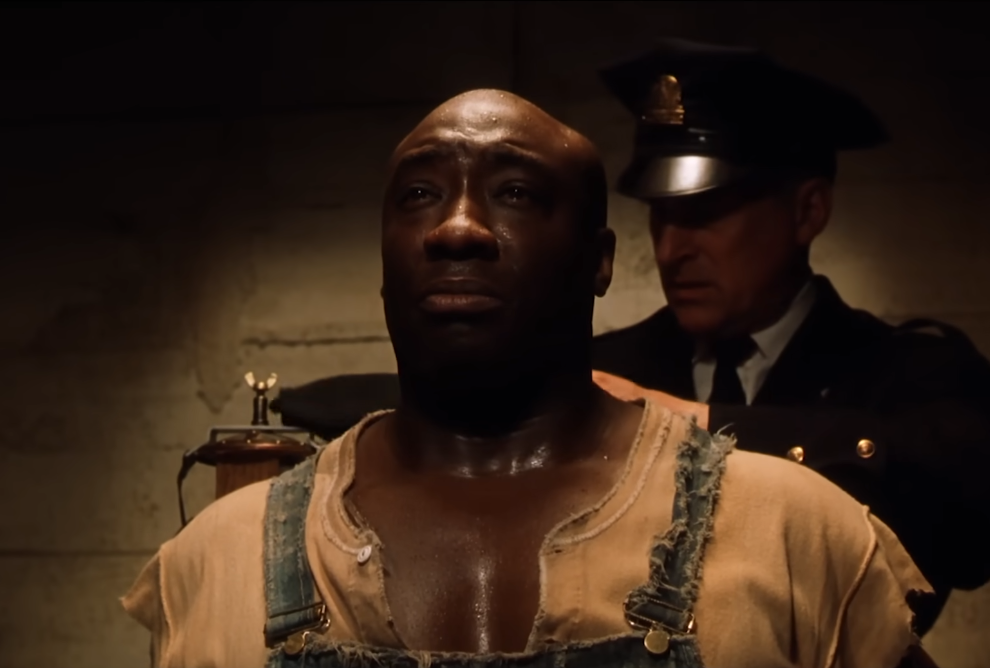 Screenshot from The Green Mile, Warner Bros. (1999)
The Talented Mr. Ripley
Beautiful and deeply unsettling, The Talented Mr. Ripley draws viewers in with charm before slowly revealing something darker underneath. The performances elevate the material, turning a psychological thriller into a chilling study of envy and identity.
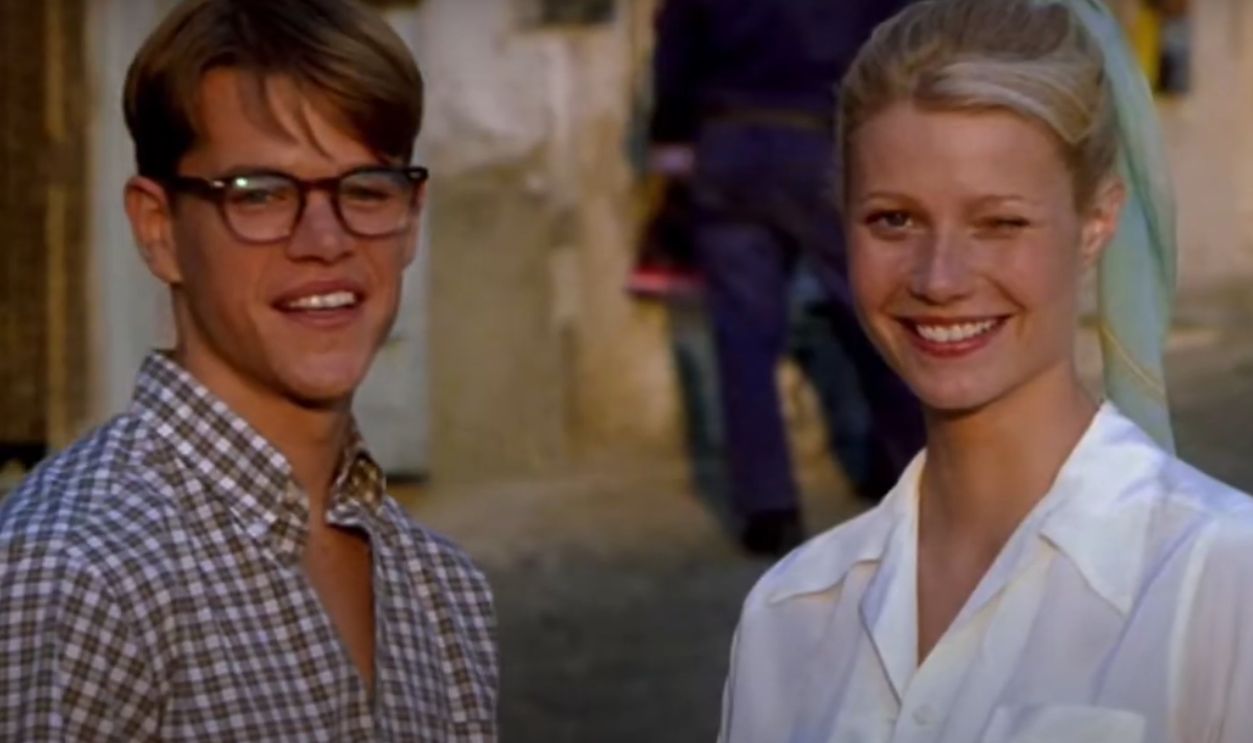 Screenshot from The Talented Mr. Ripley, Paramount Pictures (1999)
Office Space
What started as a modest comedy slowly became a cultural touchstone. Office Space captures the soul-crushing absurdity of modern work life with painfully accurate humor. Its jokes have only grown more relatable with time, cementing its cult-classic status.
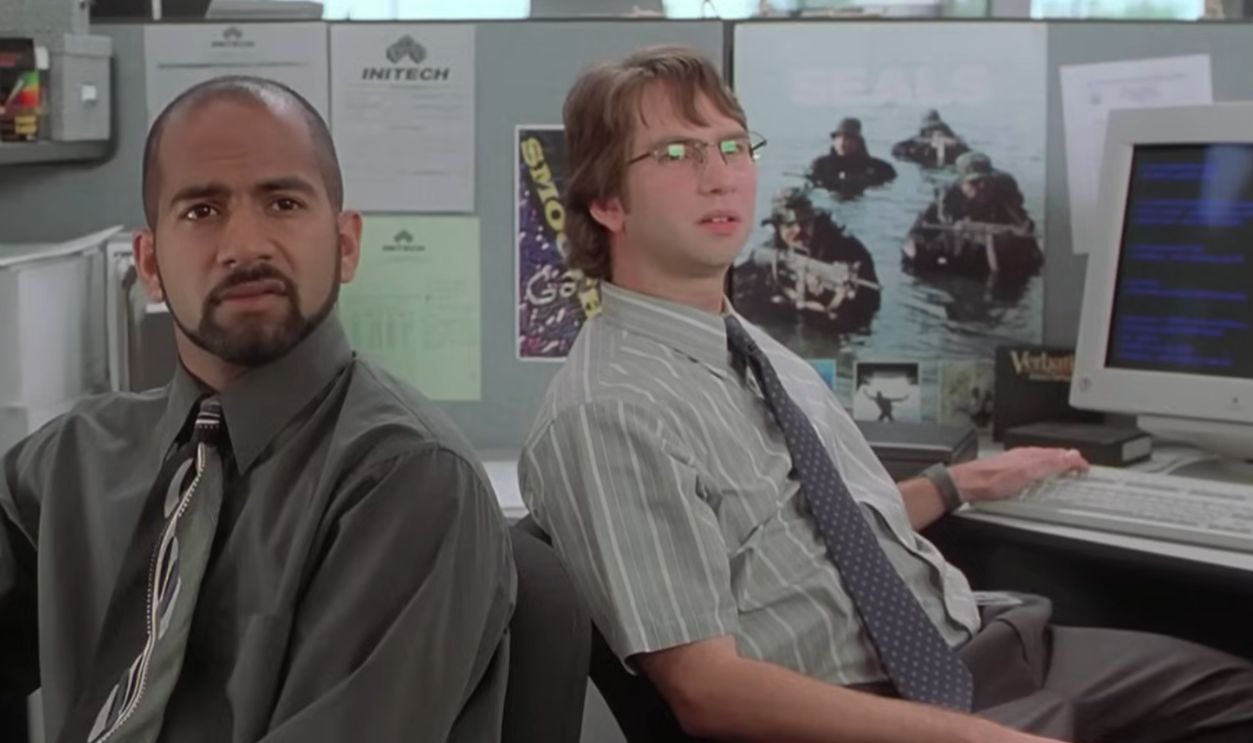 Screenshot from Office Space, 20th Century Fox (1999)
The Iron Giant
The Iron Giant sneaks up on you. What begins as a simple story about a boy and a robot evolves into something deeply emotional and meaningful. Its message about choice, fear, and sacrifice gives the film a timeless quality that continues to resonate.
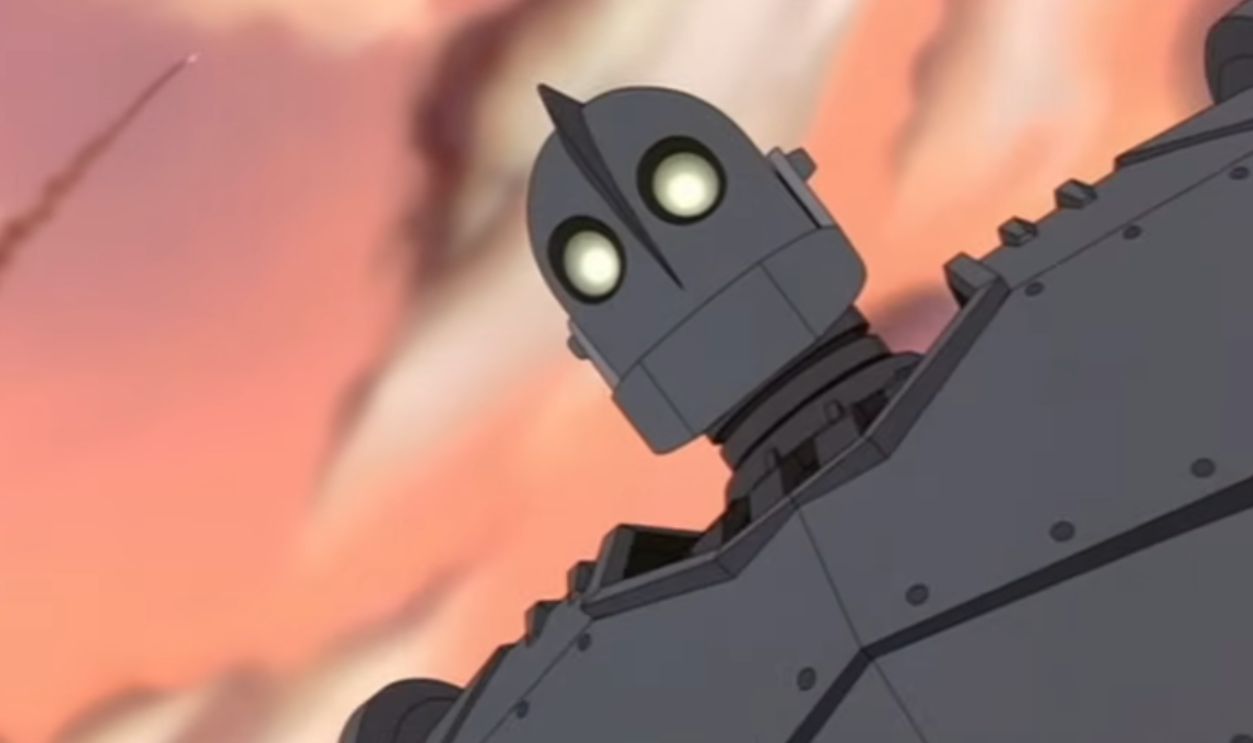 Screenshot from The Iron Giant, Warner Bros. Pictures (1999)
South Park: Bigger, Longer & Uncut
Loud, profane, and shockingly sharp, South Park: Bigger, Longer & Uncut pushed boundaries while delivering real satire. Beneath the chaos lies a clever critique of censorship and moral outrage, proving that even the crudest comedy can have something to say.
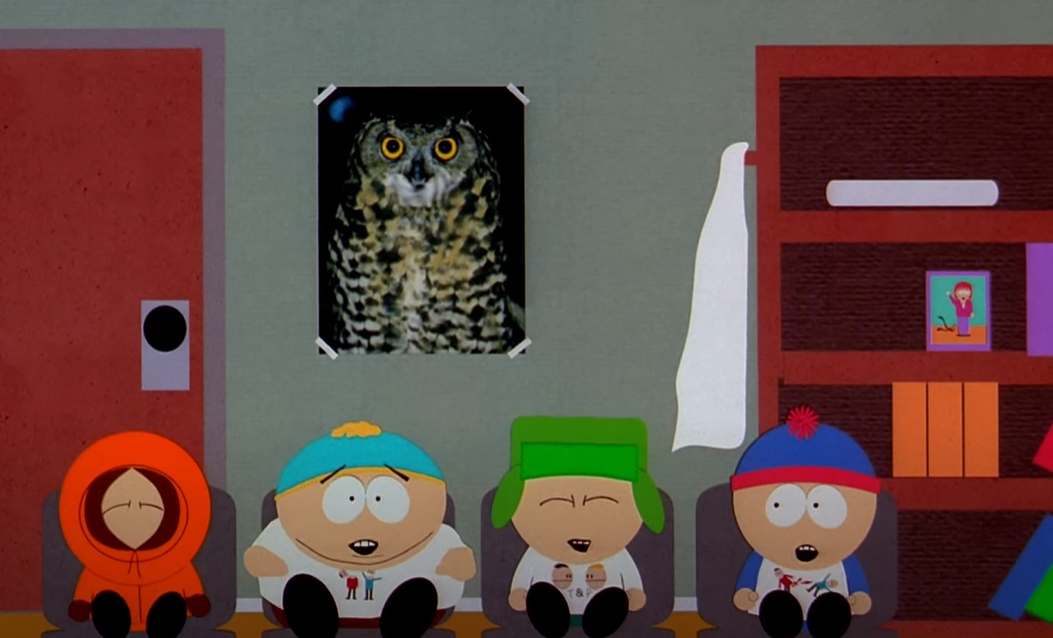 Screenshot from South Park: Bigger, Longer & Uncut, Paramount (1999)
Three Kings
Three Kings blends action, satire, and moral reflection into something uniquely offbeat. Set after the Gulf War, it questions greed and heroism while keeping one foot firmly planted in entertainment. It’s a war movie that refuses to be simple.
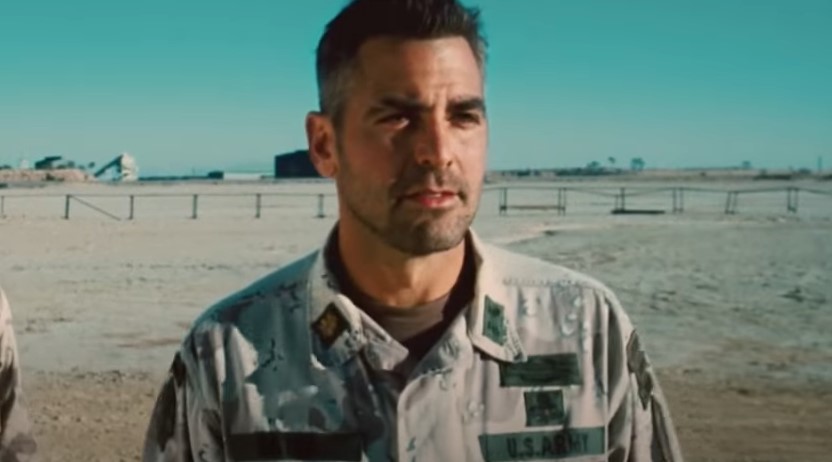 Screenshot from Three Kings, Warner Bros. Pictures (1999)
The Insider
On paper, a movie about corporate whistleblowing doesn’t sound thrilling. The Insider proves otherwise. Driven by intense performances and relentless pacing, the film turns truth and integrity into high-stakes drama that feels urgent and alive.
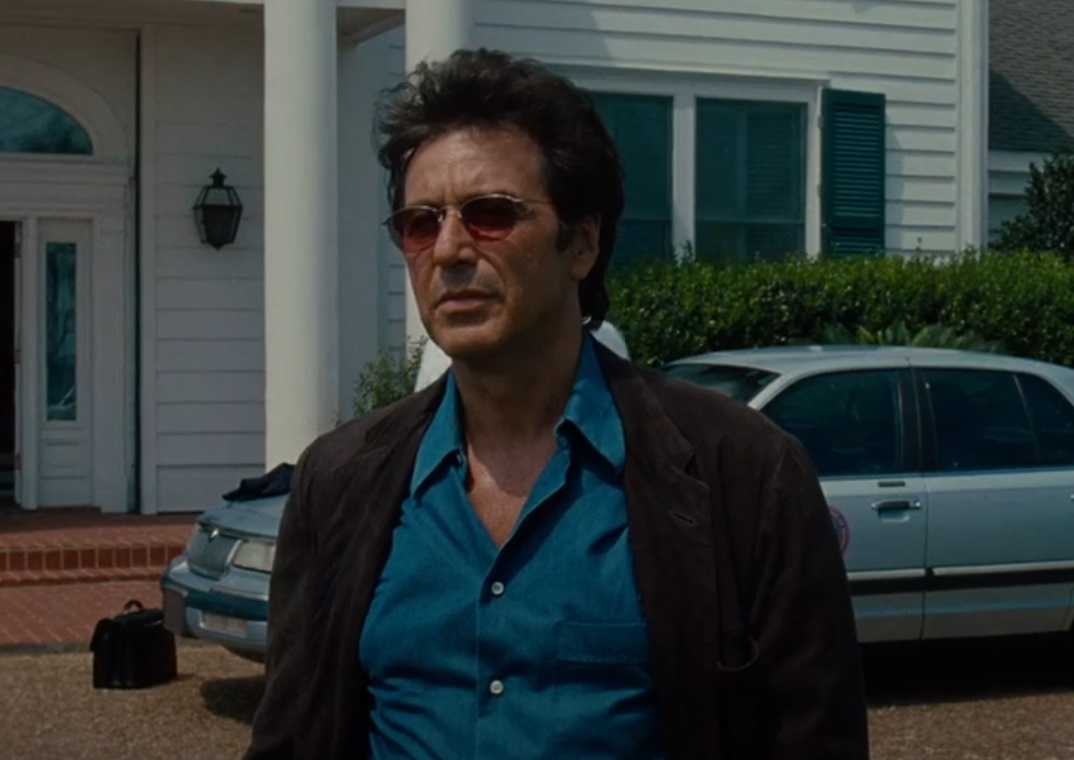 Screenshot from The Insider, Touchstone Pictures (1999)
Election
Sharp and ruthless, Election exposes ambition in its most uncomfortable form. Reese Witherspoon’s Tracy Flick is unforgettable, embodying determination and self-righteousness in equal measure. The film’s dark humor cuts close to the bone—and that’s why it works.
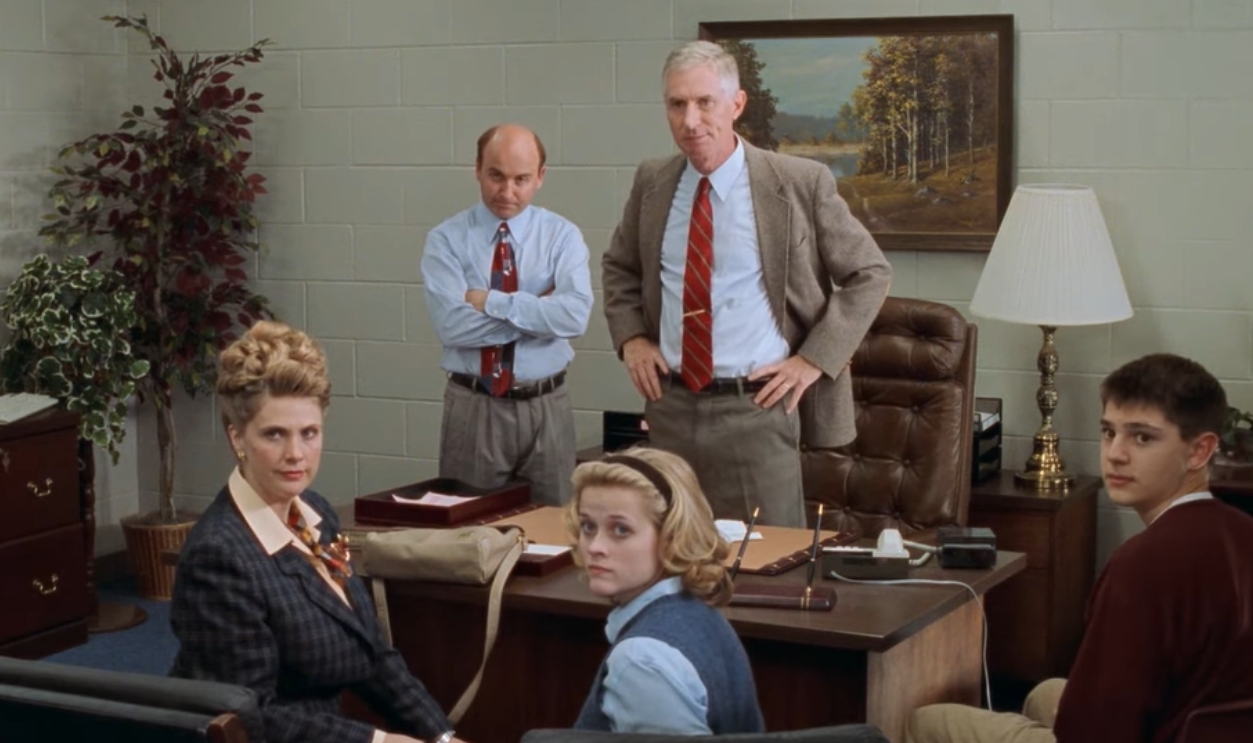 Screenshot from Election, Paramount Pictures (1999)
Boys Don’t Cry
Boys Don’t Cry is devastating, but essential. Hilary Swank’s performance brings humanity and dignity to a tragic true story, forcing audiences to confront intolerance and violence without flinching. It remains one of the most emotionally powerful films of the year.
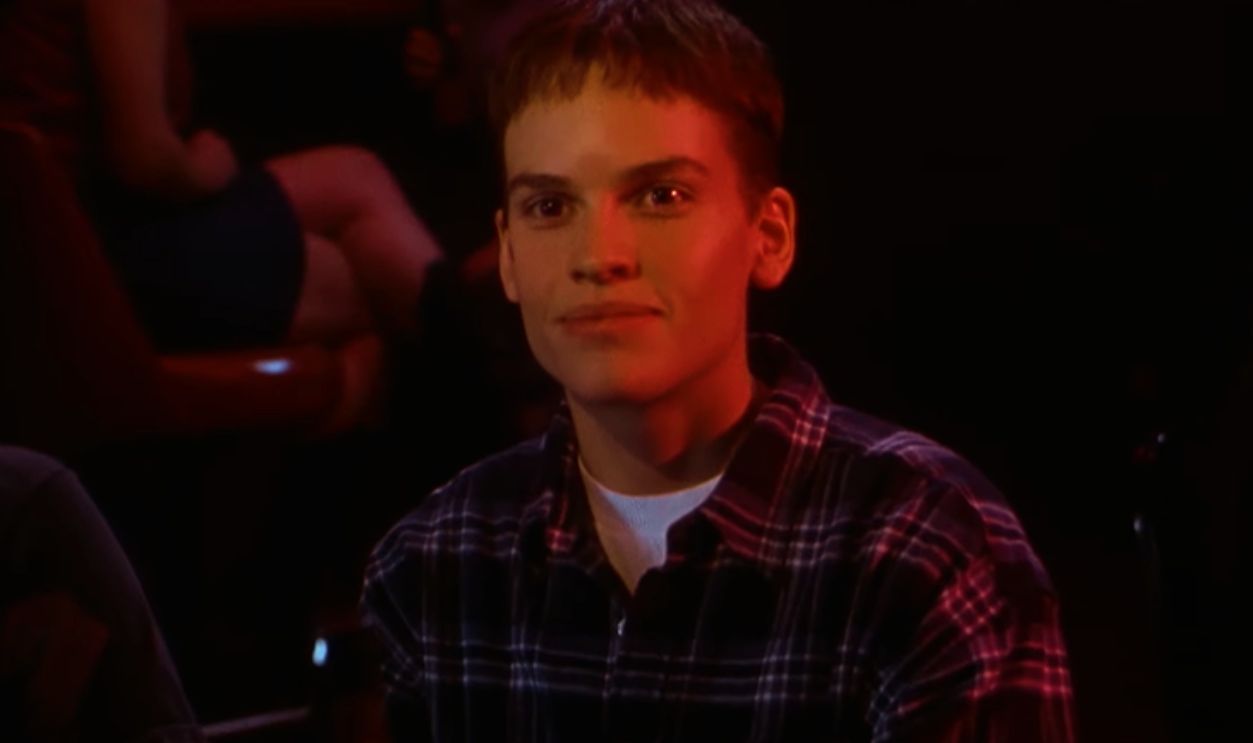 Screenshot from Boys Don’t Cry, Fox Searchlight Pictures (1999)
The Virgin Suicides
Sofia Coppola’s debut feels like a memory—soft, hazy, and haunting. The Virgin Suicides captures adolescence through mood and emotion rather than answers, exploring longing, mystery, and loss with poetic restraint.
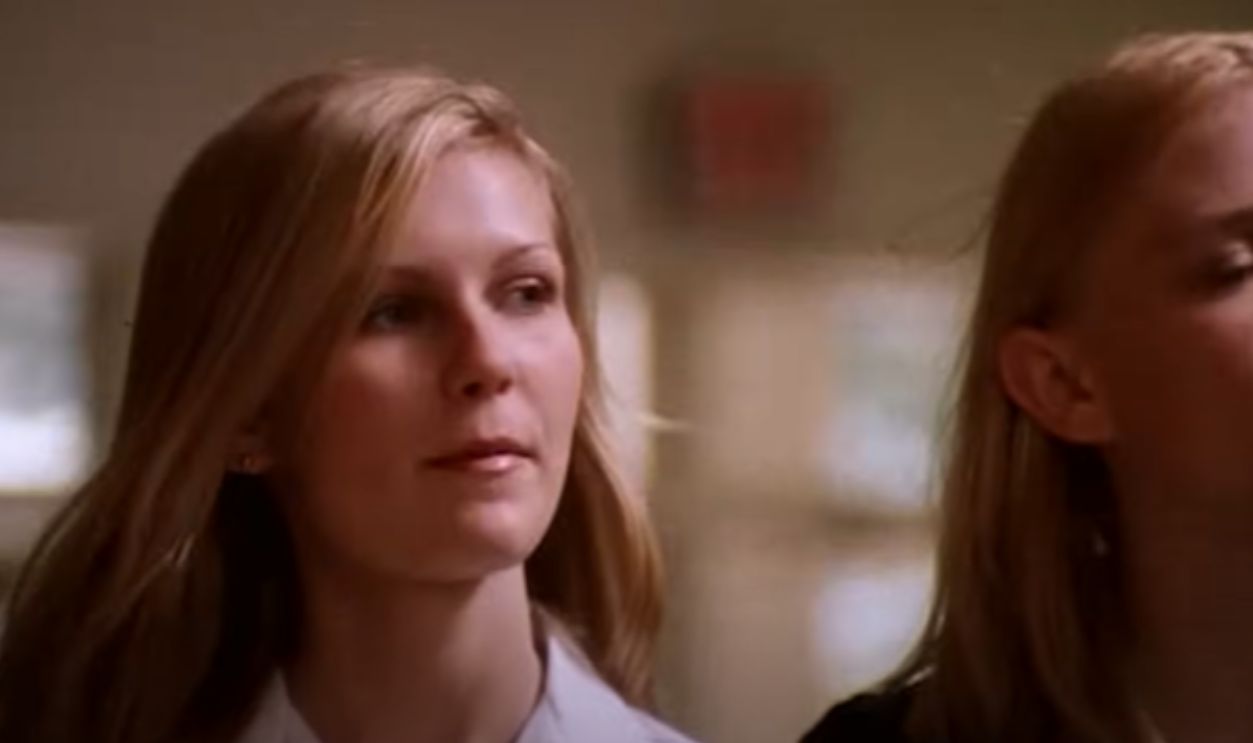 Screenshot from The Virgin Suicides, Paramount Pictures (1999)
Run Lola Run
Run Lola Run is pure adrenaline. Its looping structure and relentless pace make every second feel urgent. Stylish and inventive, the film proves that storytelling rules are meant to be bent—and sometimes broken.
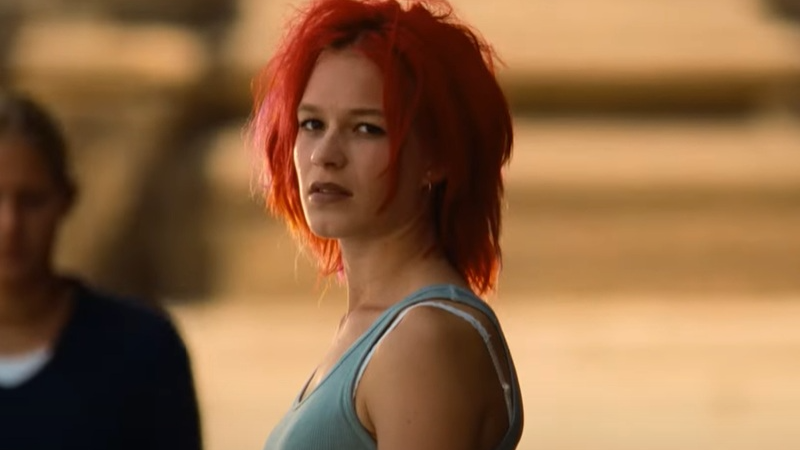 Screenshot from Run Lola Run, X-Filme Creative Pool (1998)
Audition
Audition plays a dangerous game with audience expectations. What begins quietly turns horrifying, using patience as its greatest weapon. Its final act is unforgettable, leaving a permanent mark on the horror genre.
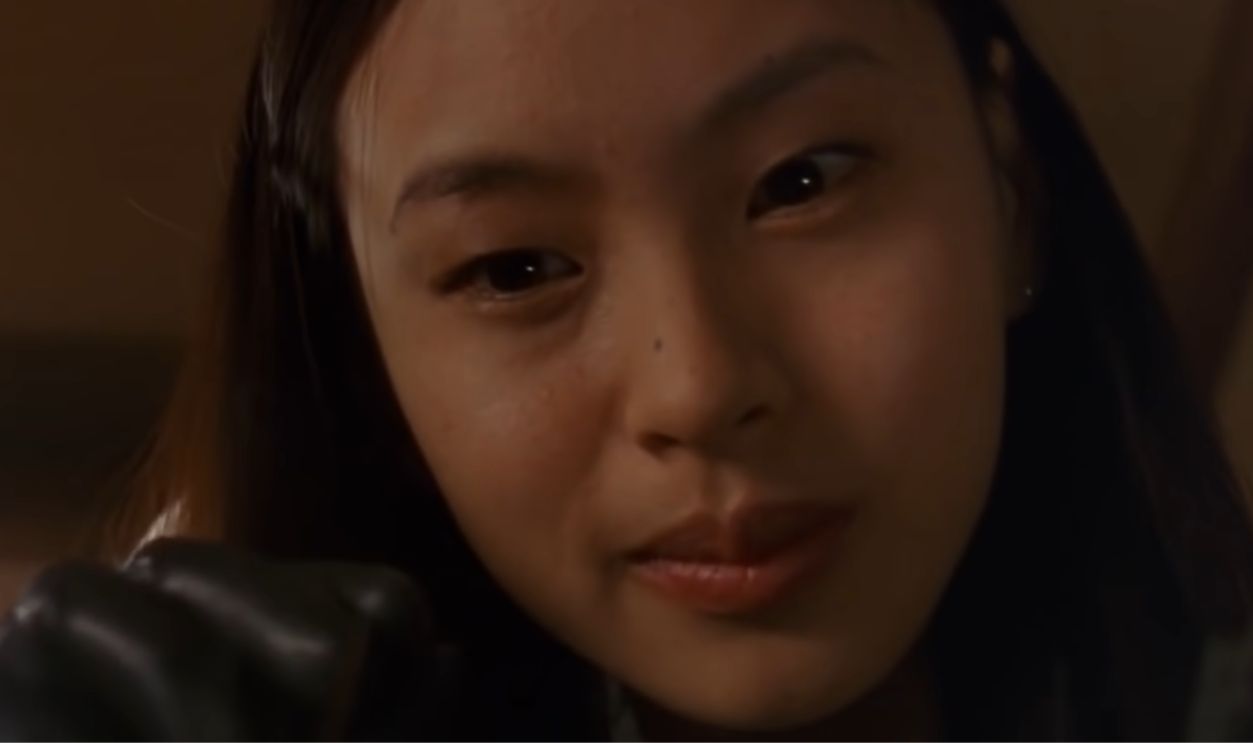 Screenshot from Audition, Omega Project (1999)
Galaxy Quest
What could have been a throwaway parody turned into one of the most beloved sci-fi comedies ever made. Galaxy Quest balances humor with genuine affection for fandom, resulting in a film that’s funny, heartfelt, and endlessly rewatchable.
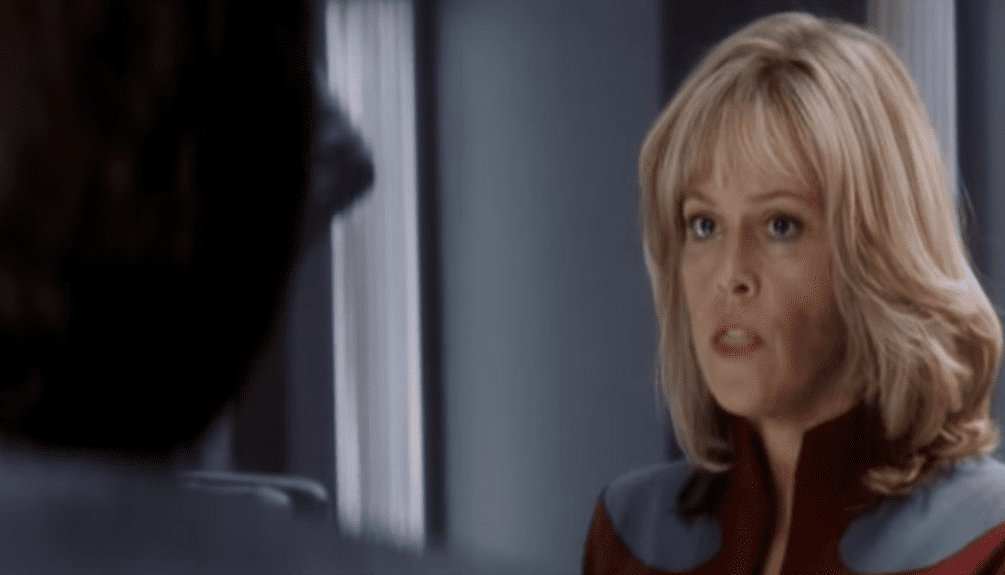 Screenshot from Galaxy Quest, DreamWorks Pictures (1999)
Sleepy Hollow
Tim Burton’s Sleepy Hollow is dripping with gothic atmosphere. From its foggy forests to its macabre humor, the film feels like a dark fairy tale brought vividly to life. It’s style and substance working in perfect harmony.
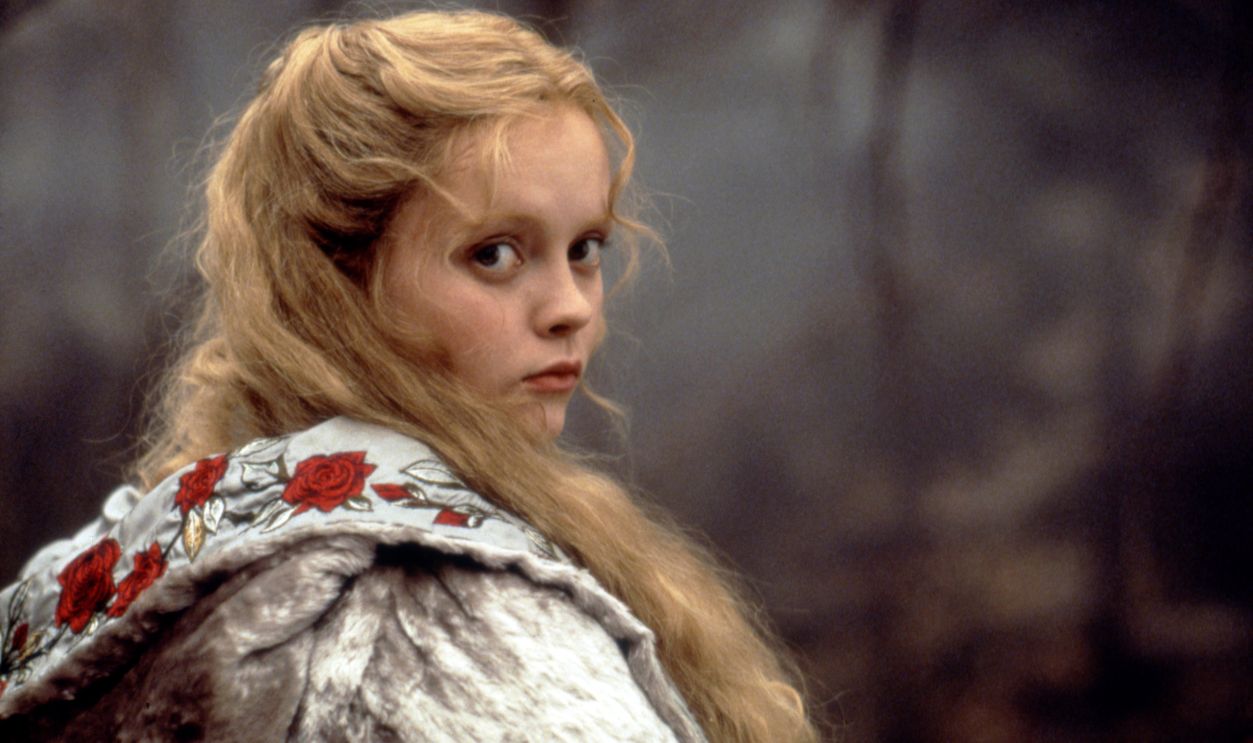 Sunset Boulevard, Getty Images
Star Wars: Episode I – The Phantom Menace
No film in 1999 generated more conversation. While opinions remain divided, The Phantom Menace was undeniably a massive cultural moment. Its ambition, scale, and world-building ensured its place in movie history, debate and all.
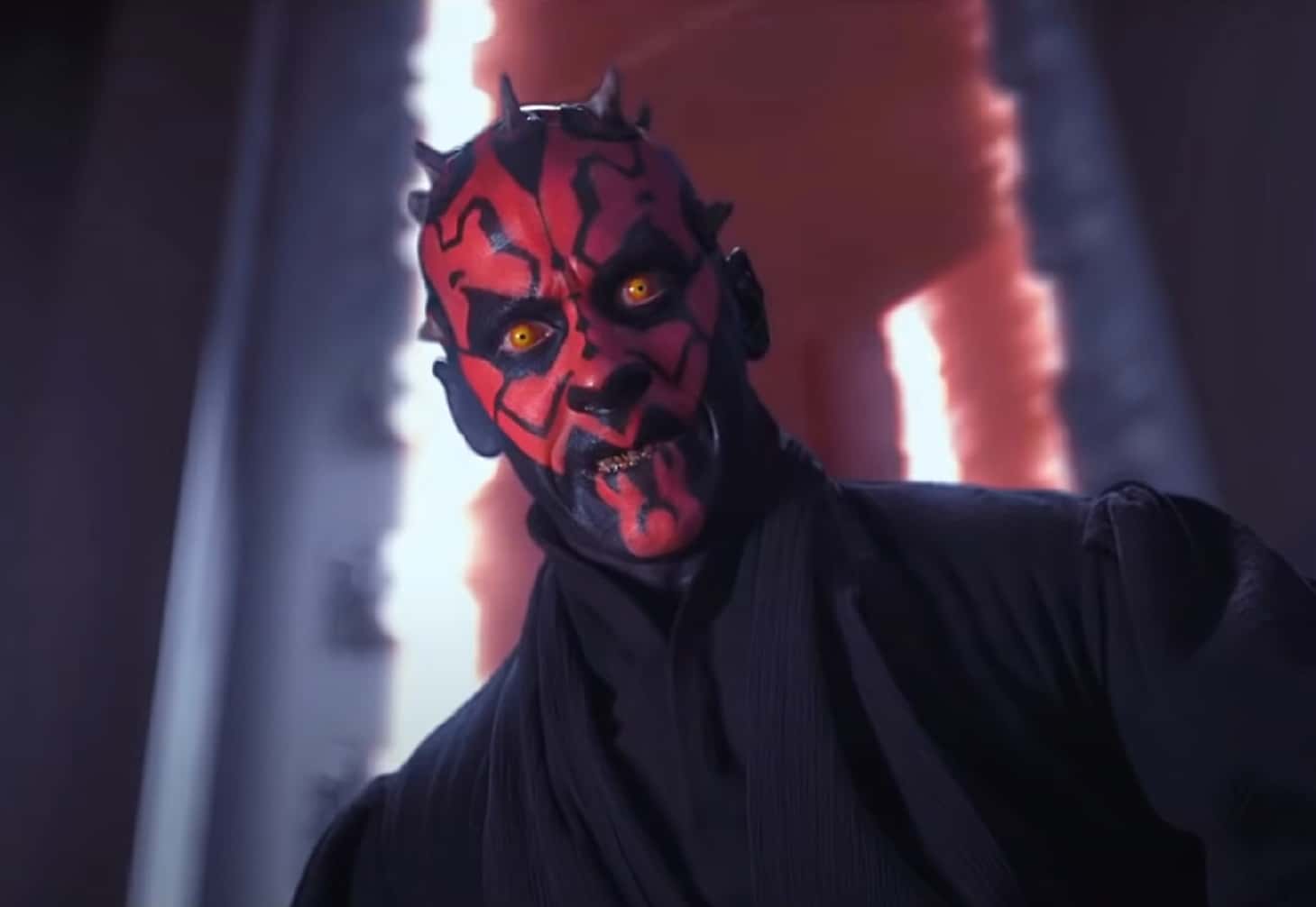 Screenshot from Star Wars: Episode I – The Phantom Menace, Lucasfilm (1999)
Closing The Century With A Bang
Looking back, it’s hard to believe one year delivered so many unforgettable films. 1999 was bold, weird, emotional, and unafraid to take chances. These movies didn’t just entertain—they challenged audiences and reshaped cinema as a whole. Before the new millennium arrived, movies went out on a creative high note, leaving behind a legacy that still feels unmatched today.
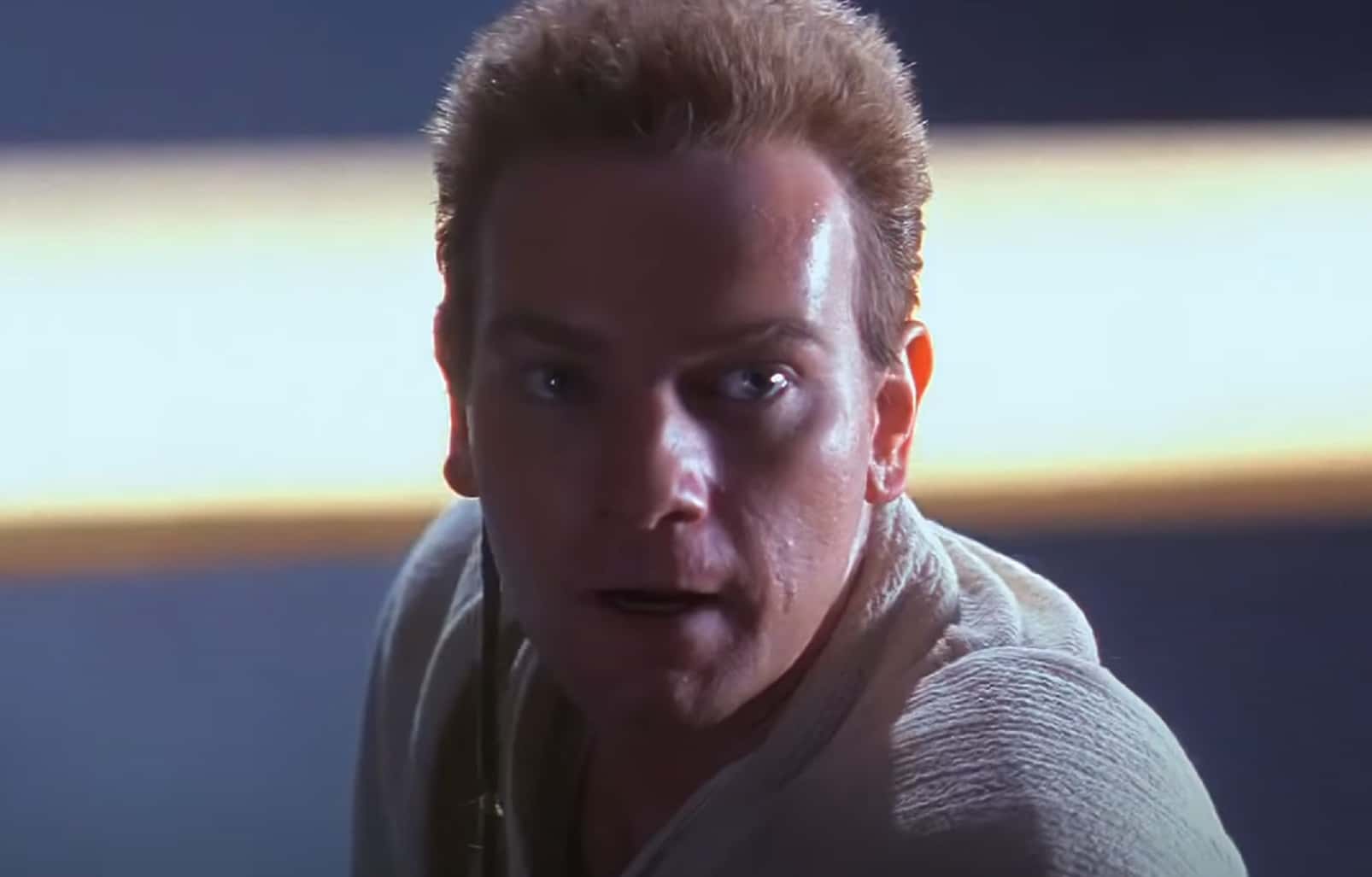 Screenshot from Star Wars: Episode I – The Phantom Menace, Lucasfilm (1999)
You May Also Like:
Movies That Prove The 80s Were The Best Decade In Film
Times That American Cinema Butchered A Beautiful Foreign Film