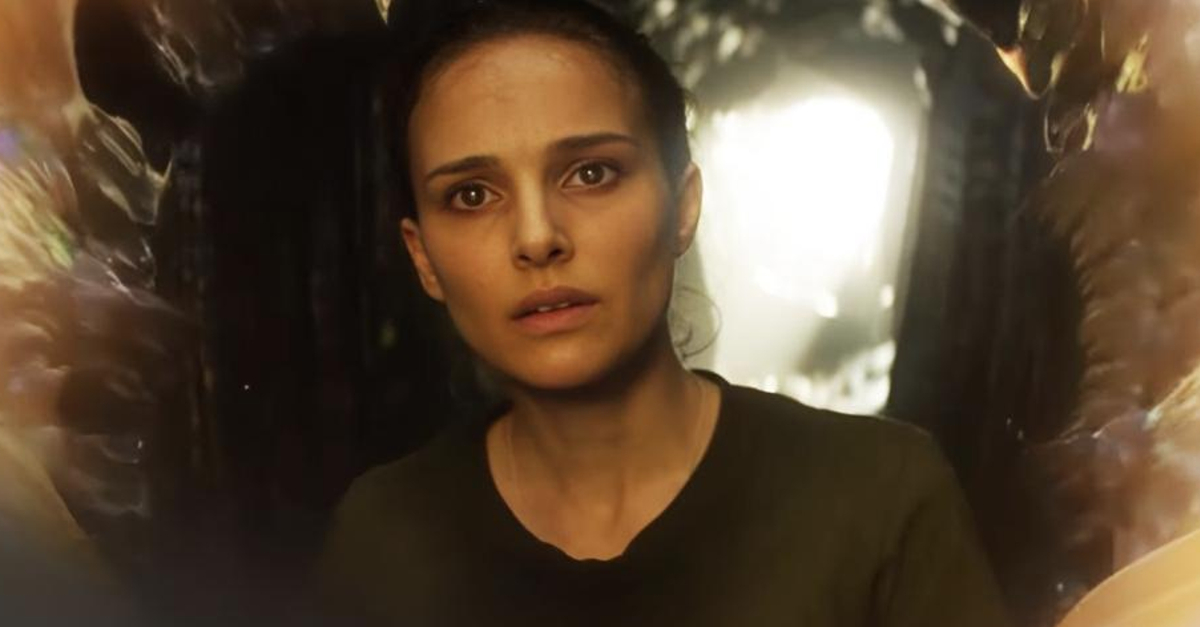
Wait...Even The Actors Needed Help?
We've all been there. The credits roll, the lights come up, and somebody says, 'So...what was that about?' Usually, you assume the actors know the answer. After all, they were actually in the movie. As it turns out, that's a rather dangerous assumption.
"Donnie Darko" (2001)
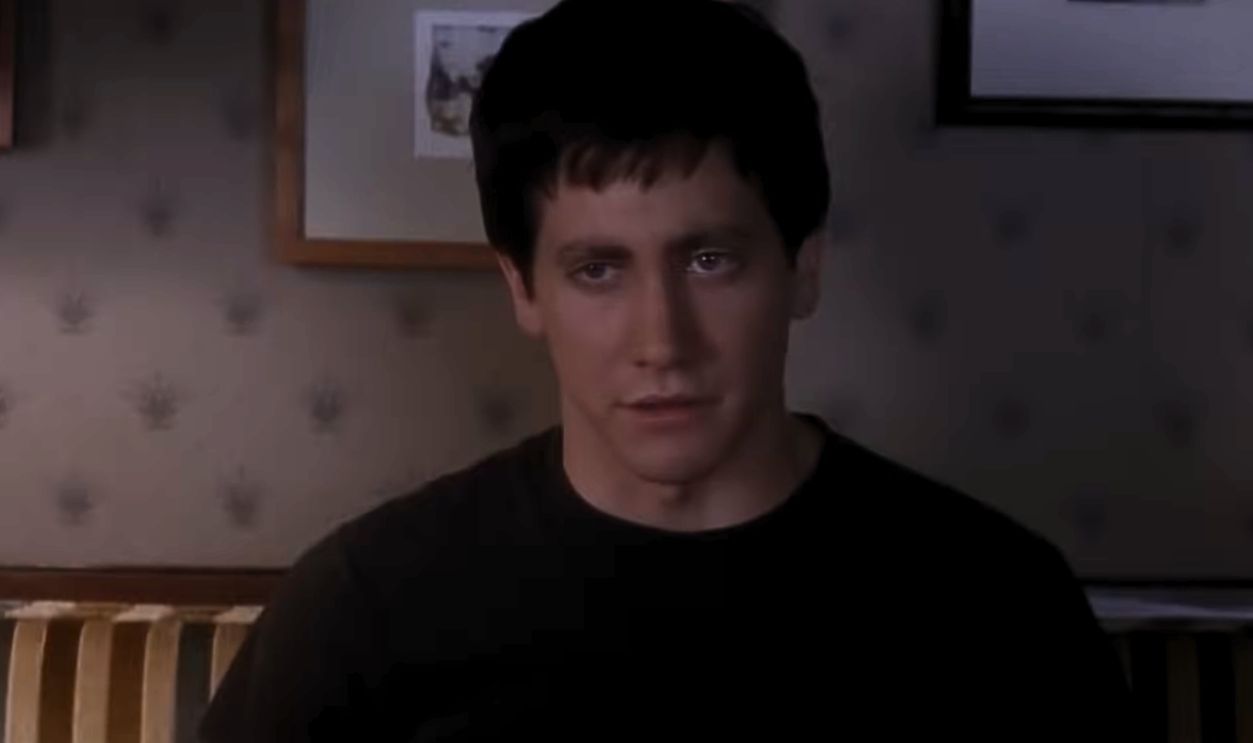
Jake Gyllenhaal has admitted he didn't fully understand Donnie Darko while making it. That's not exactly surprising when your movie involves giant rabbits, alternate timelines, and the possible end of the world. The funny part is that Gyllenhaal's confusion ended up matching the audience's. More than 20 years later, people are still trying to figure it out.
 Screenshot from Donnie Darko, Newmarket Films (2001)
"Mulholland Drive" (2001)
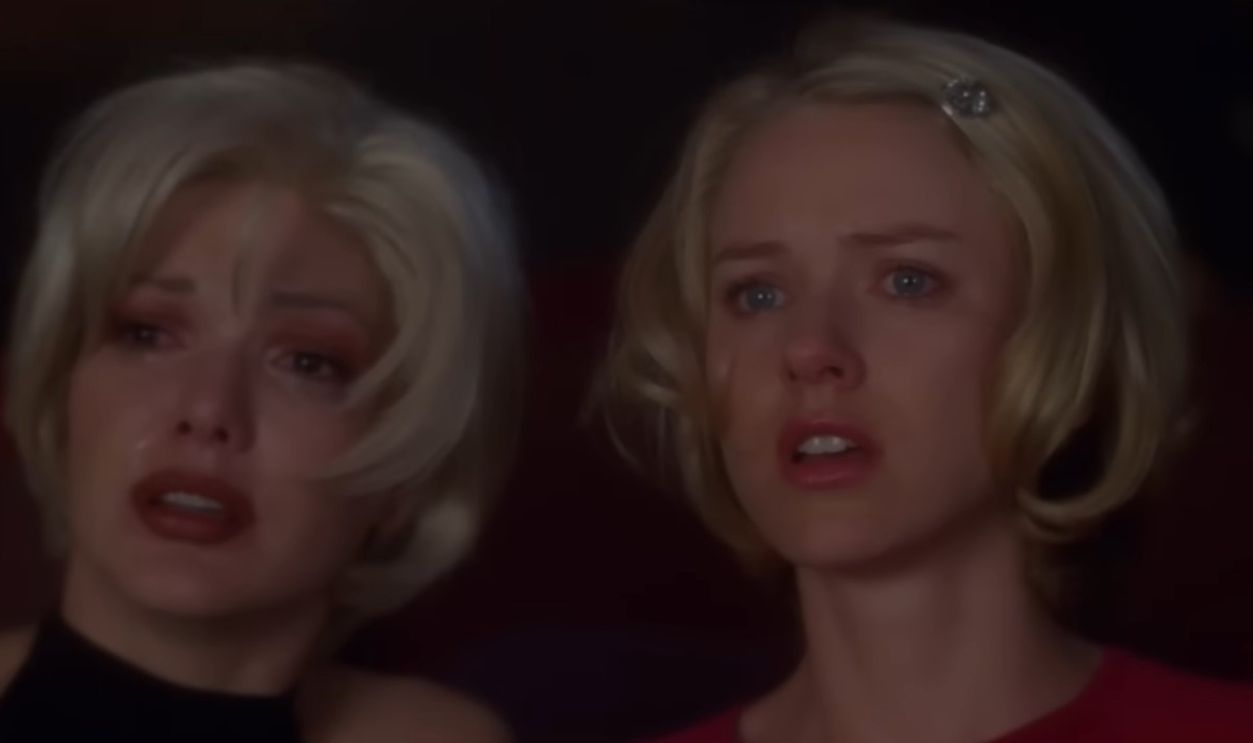
Naomi Watts has said David Lynch never explained what was really happening in Mulholland Drive. The cast was expected to play the emotions and trust the process. That's great until someone asks what the movie actually means. Audiences have spent decades arguing about it, and the actors weren't exactly handed an answer key either.
 Screenshot from Mulholland Drive, Universal Pictures (2001)
"Still Trying To Solve It"
The wild part is that Mulholland Drive came out in 2001 and people are still debating it today. Was it a dream? A fantasy? A guilt-ridden alternate reality? David Lynch never cleared things up. Which means Naomi Watts and the rest of us have basically been stuck working on the same puzzle for more than 20 years.
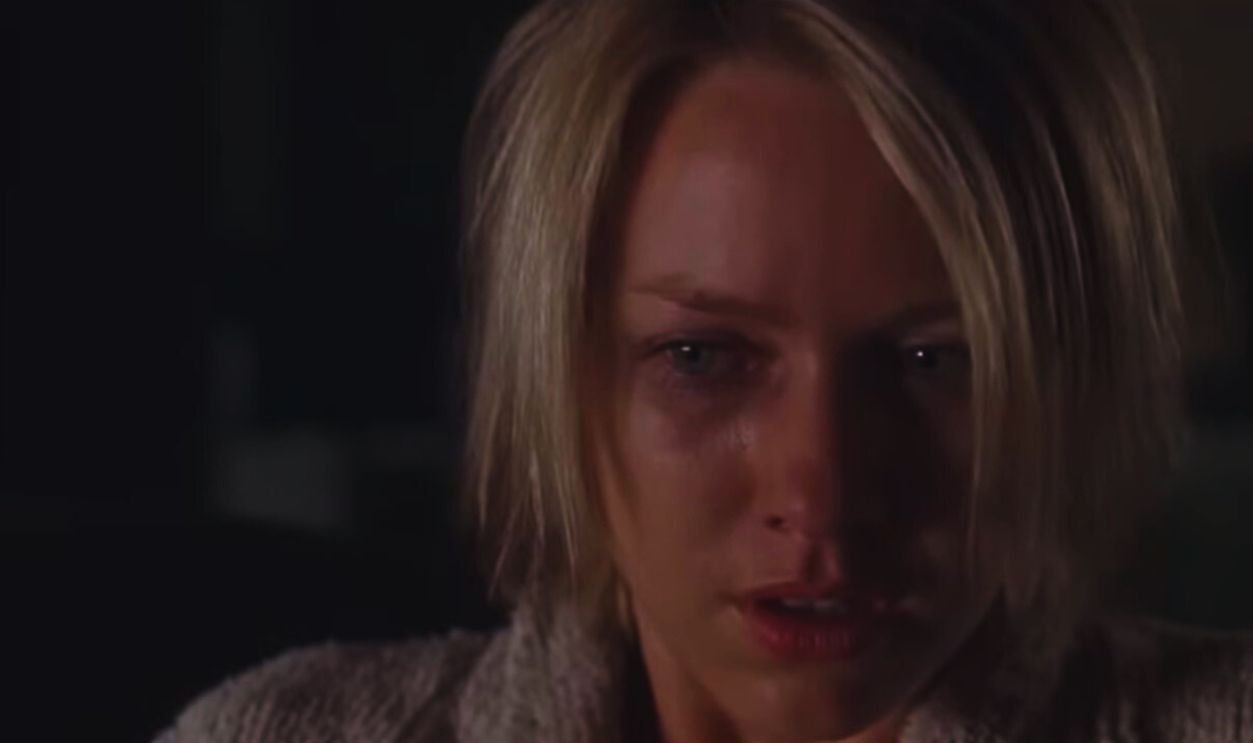 Screenshot from Mulholland Drive, Universal Pictures (2001)
"Tenet" (2020)
John David Washington admitted he was constantly asking Christopher Nolan questions while filming Tenet. That's understandable. Most actors don't have to worry about whether a fight scene is moving forward through time or backward through it. If the lead actor needed regular clarification, the audience never really stood a chance.
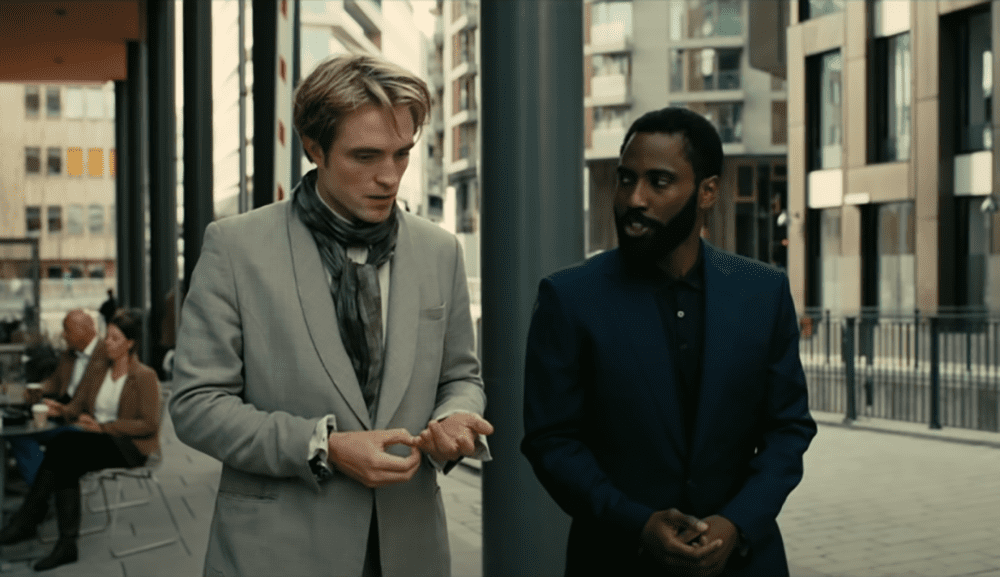 Screenshot from Tenet, Warner Bros. Pictures (2020)
"Inception" (2010)
If you've ever nodded along while secretly having no idea what was happening in Inception, Michael Caine can relate. Christopher Nolan eventually gave him one simple rule: if Caine was in the scene, it was real. Everything else? Don't worry about it. Honestly, that's still one of the clearest explanations of the movie.
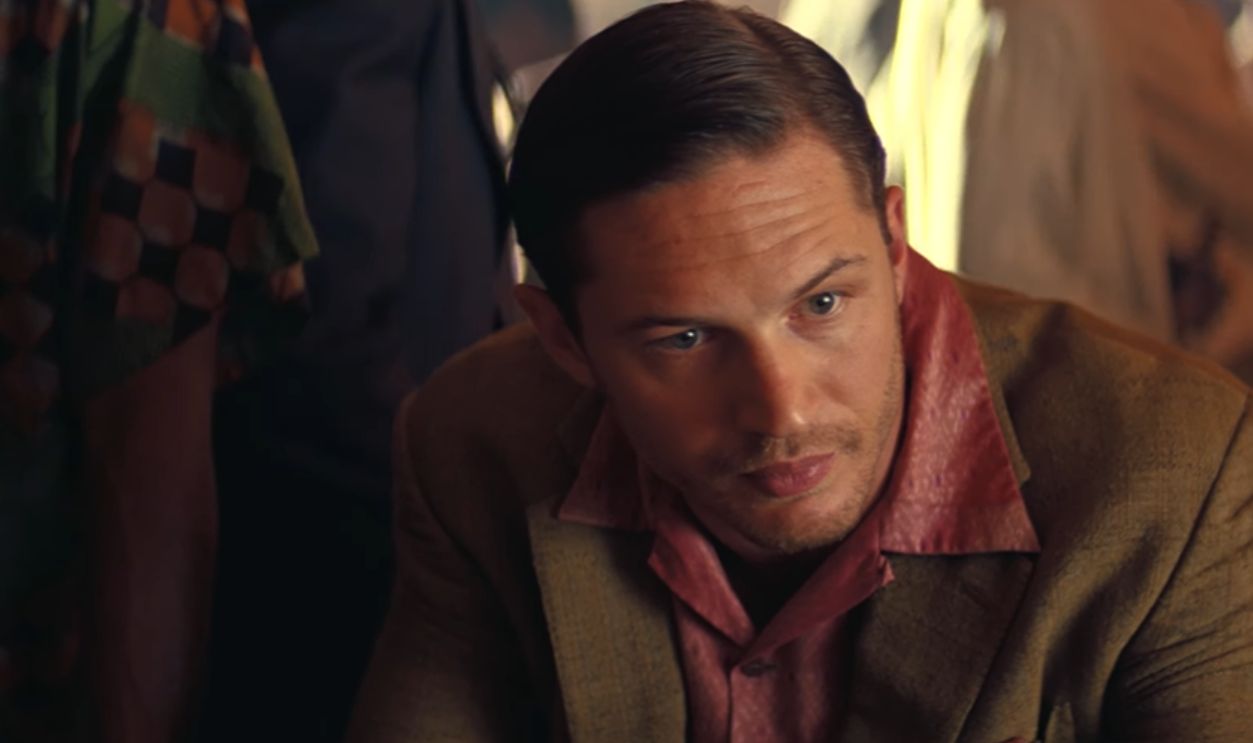 Screenshot from Inception, Warner Bros. Pictures (2010)
"The Rule Didn’t Help Everyone Else"
Michael Caine got a simple rule. The audience got dream layers inside dream layers inside dream layers. Then Nolan ended the movie with a spinning top and walked away. More than a decade later, people are still arguing about what that ending means. Some mysteries simply refuse to stay solved.
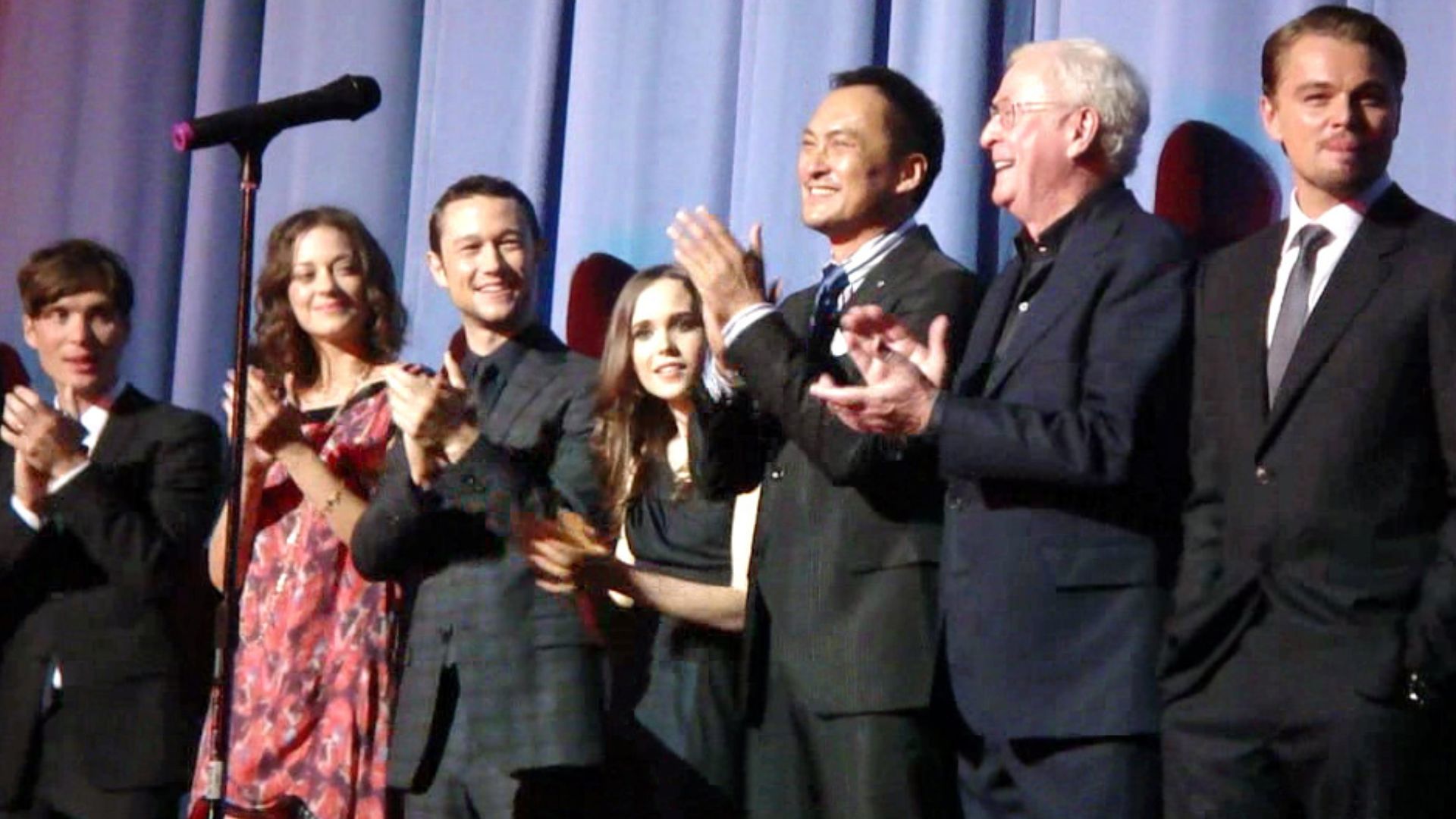 Craig Grobler at http://www.theestablishingshot.com/, Wikimedia Commons
"The Big Sleep" (1946)
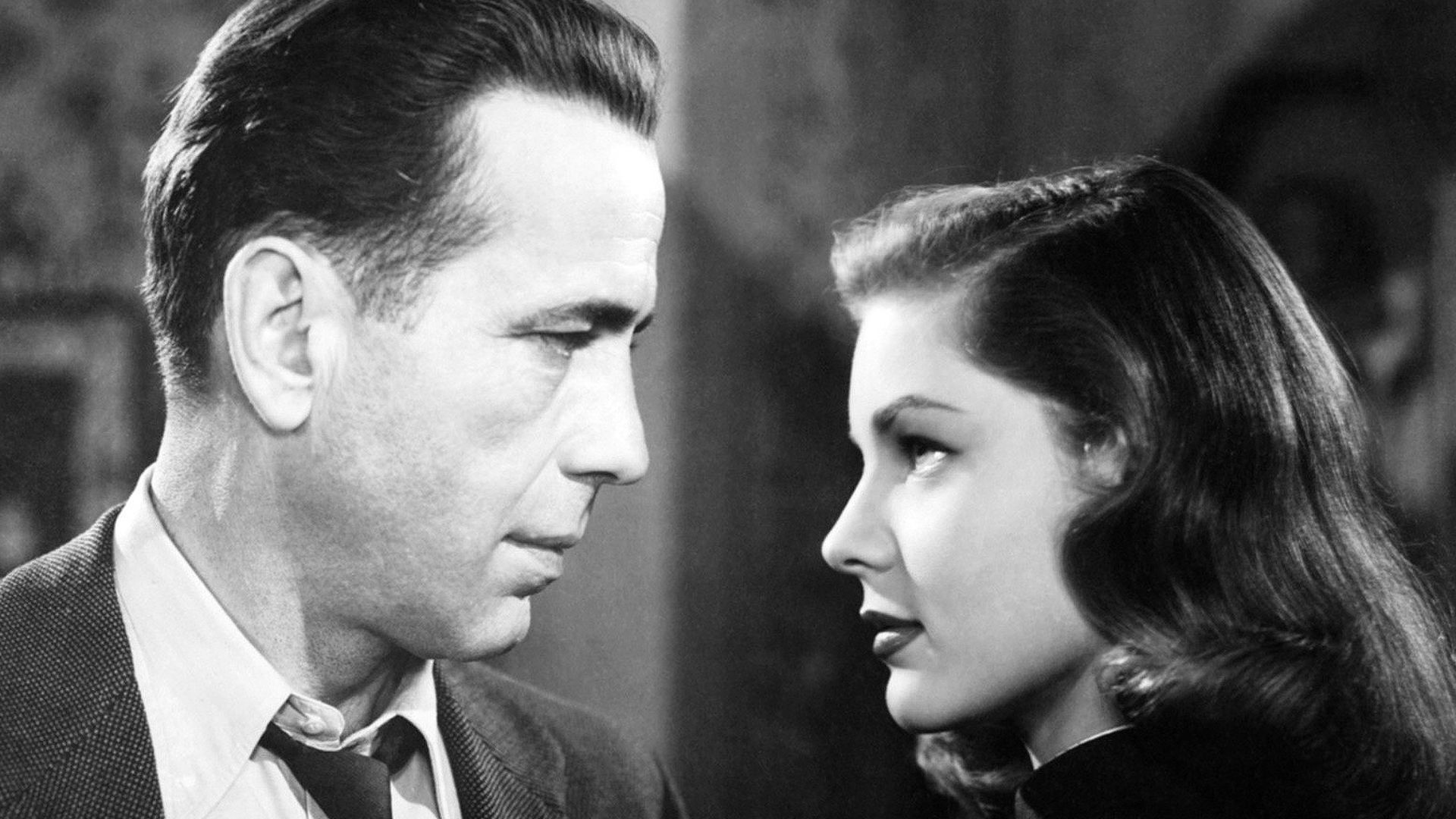
Humphrey Bogart wasn't the only one struggling with The Big Sleep. During production, the filmmakers reportedly became so confused by the mystery that they couldn't determine who killed one of the characters. They even contacted author Raymond Chandler. His answer wasn't exactly helpful.
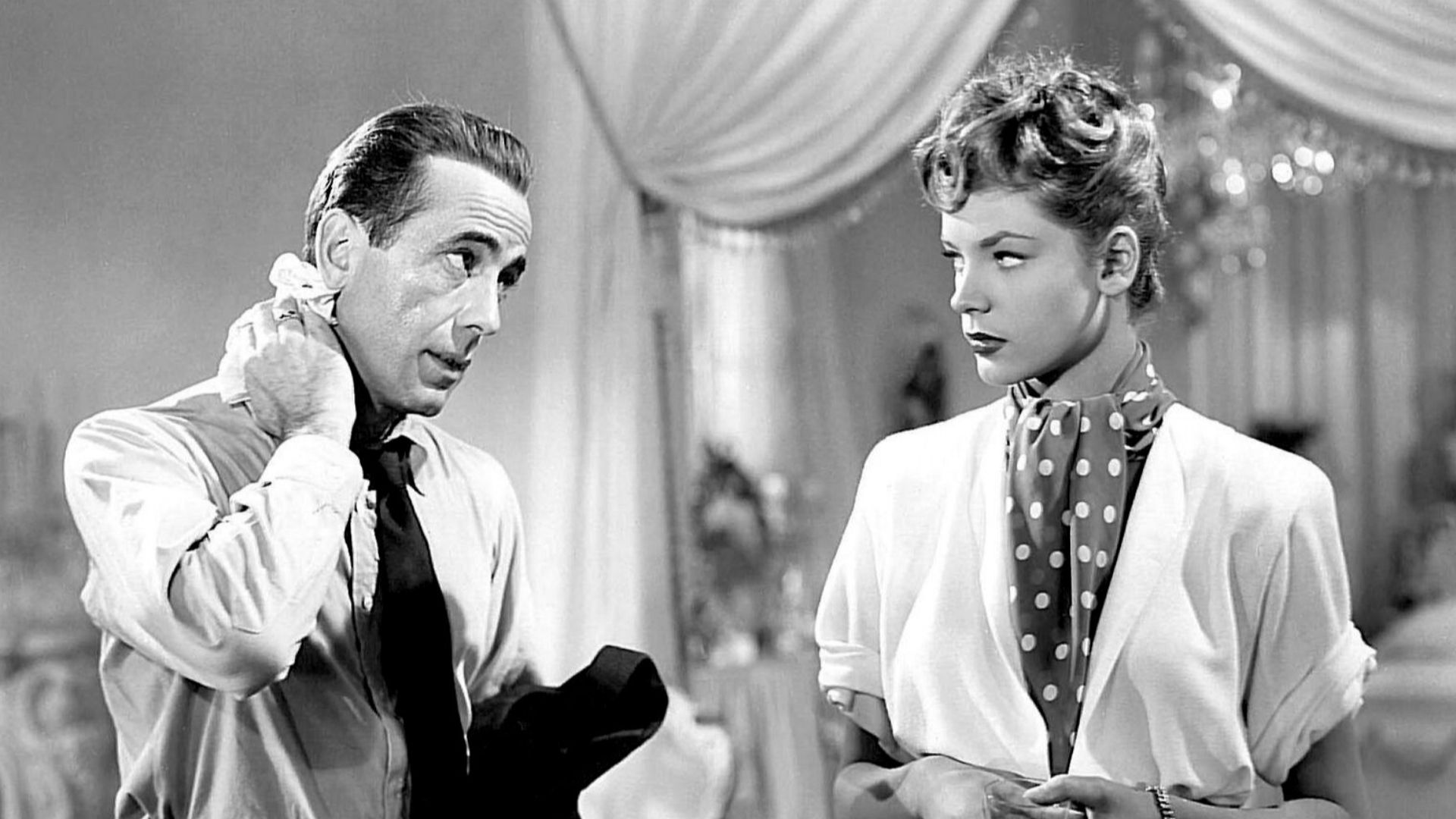 Warner Bros., Wikimedia Commons
"Even The Author Didn’t Know"
The famous story is that when the filmmakers asked Chandler who killed the chauffeur, he couldn't give them a clear answer. Think about that for a second. The movie was so confusing that the people making it asked the guy who wrote the book—and even he couldn't completely straighten things out.
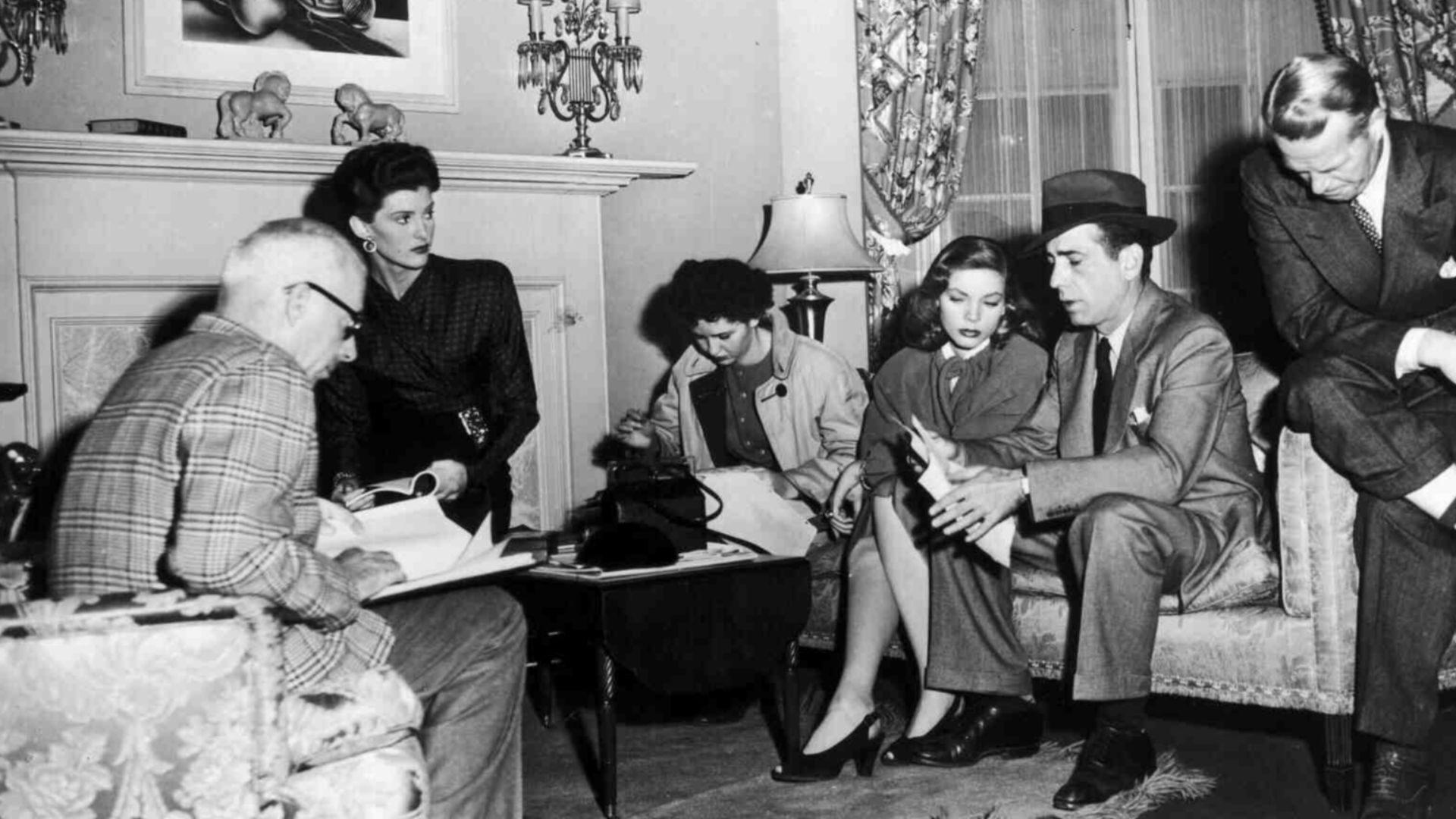 Unknown authorUnknown author, Wikimedia Commons
"The Tree Of Life" (2011)
Jessica Chastain has said Terrence Malick often didn't explain how scenes would be used in the finished film. Entire storylines changed during editing, and actors sometimes discovered the final shape of the movie at the same time as everyone else. Imagine starring in a film and then trying to figure out what kind of film it became.
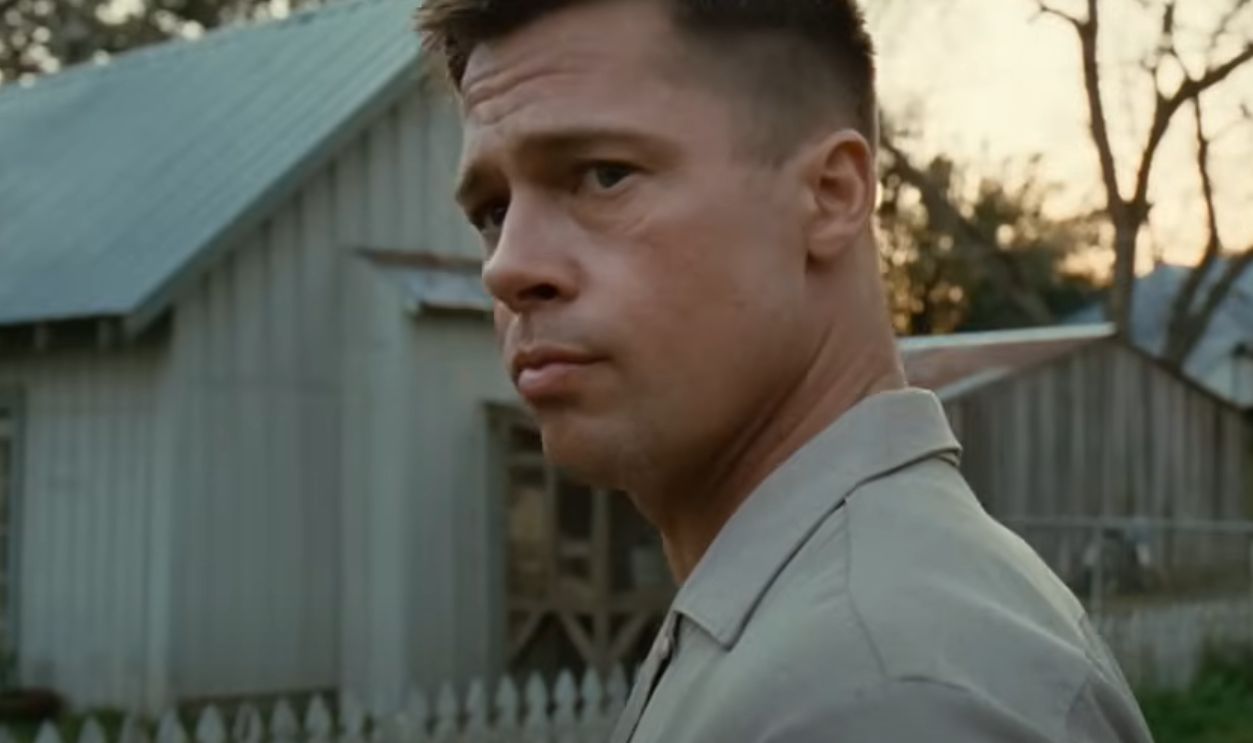 Screenshot from The Tree of Life, Fox Searchlight Pictures (2011)
"2001: A Space Odyssey" (1968)
Stanley Kubrick famously wasn't interested in explaining his masterpiece, even to the people starring in it. Keir Dullea has said he wasn't given detailed answers about what everything meant. Which means the audience and the cast were basically solving the same puzzle together.
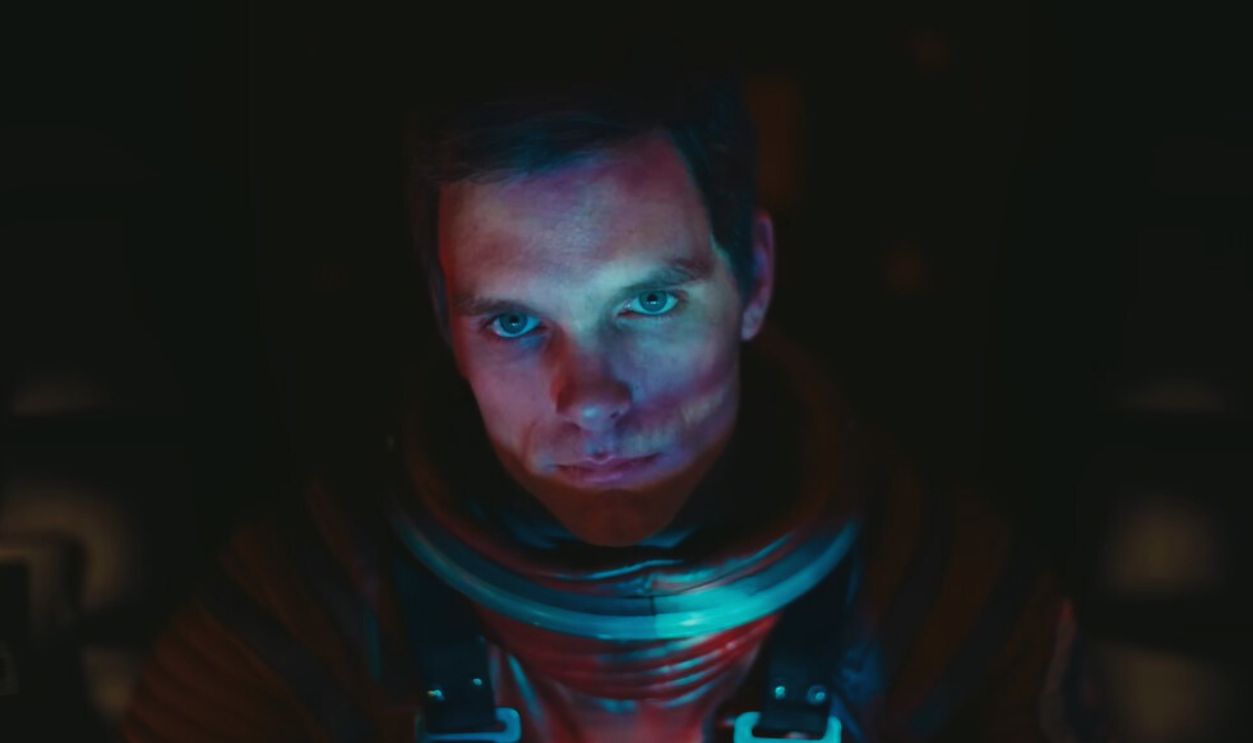 Screenshot from 2001: A Space Odyssey, Metro-Goldwyn-Mayer (1968)
"Then Came The Space Baby"
If you've ever watched the ending of 2001: A Space Odyssey and immediately looked for an explanation online, you're not alone. Kubrick intentionally left the ending open to interpretation. Decades later, viewers are still arguing about the meaning of the Star Child. Apparently, confusion ages very well.
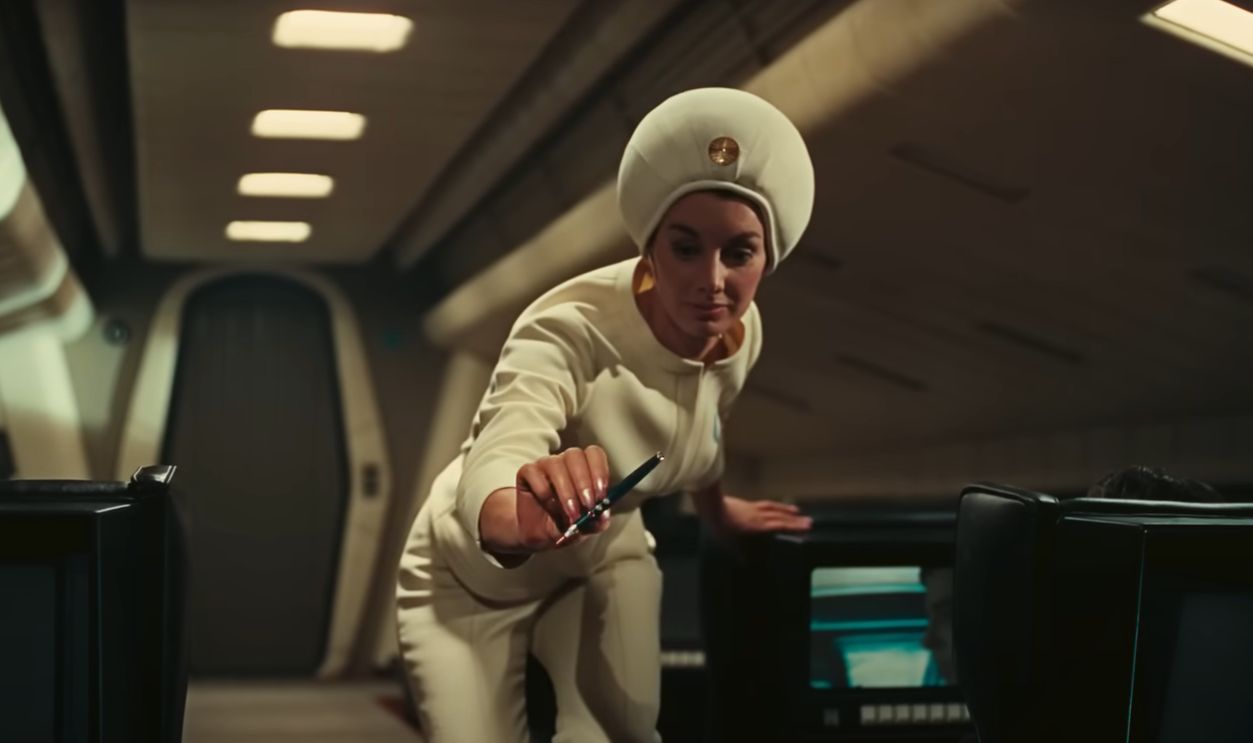 Screenshot from 2001: A Space Odyssey, Metro-Goldwyn-Mayer (1968)
"Interstellar" (2014)
Matthew McConaughey has said Christopher Nolan and physicist Kip Thorne spent time explaining concepts like wormholes and time dilation during production. The emotional story was easy enough to follow. The science was another matter. If you've ever understood the ending emotionally but not scientifically, welcome to the club.
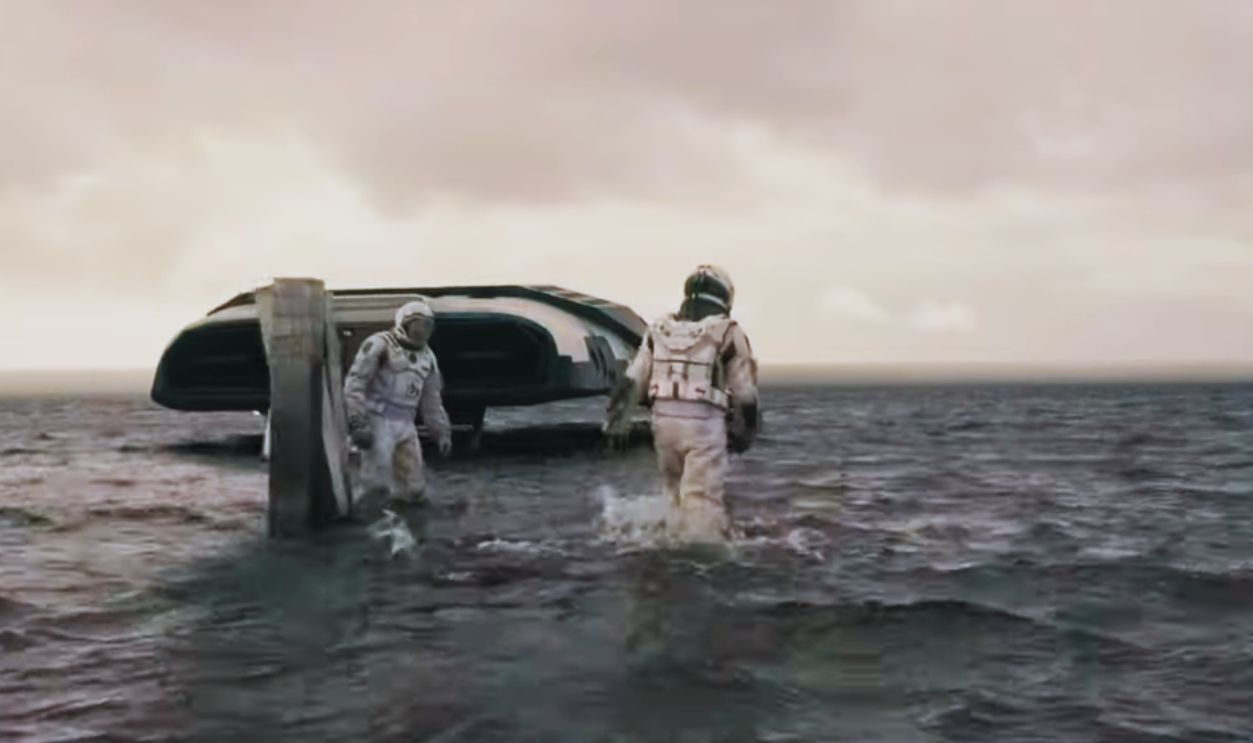 Screenshot from Interstellar, Paramount Pictures (2014)
"Eraserhead" (1977)
David Lynch refused to explain Eraserhead, and star Jack Nance spent years answering questions about the movie without pretending he had all the answers. That's about as David Lynch as it gets. You star in the nightmare, then spend the next few decades trying to explain something nobody fully understands.
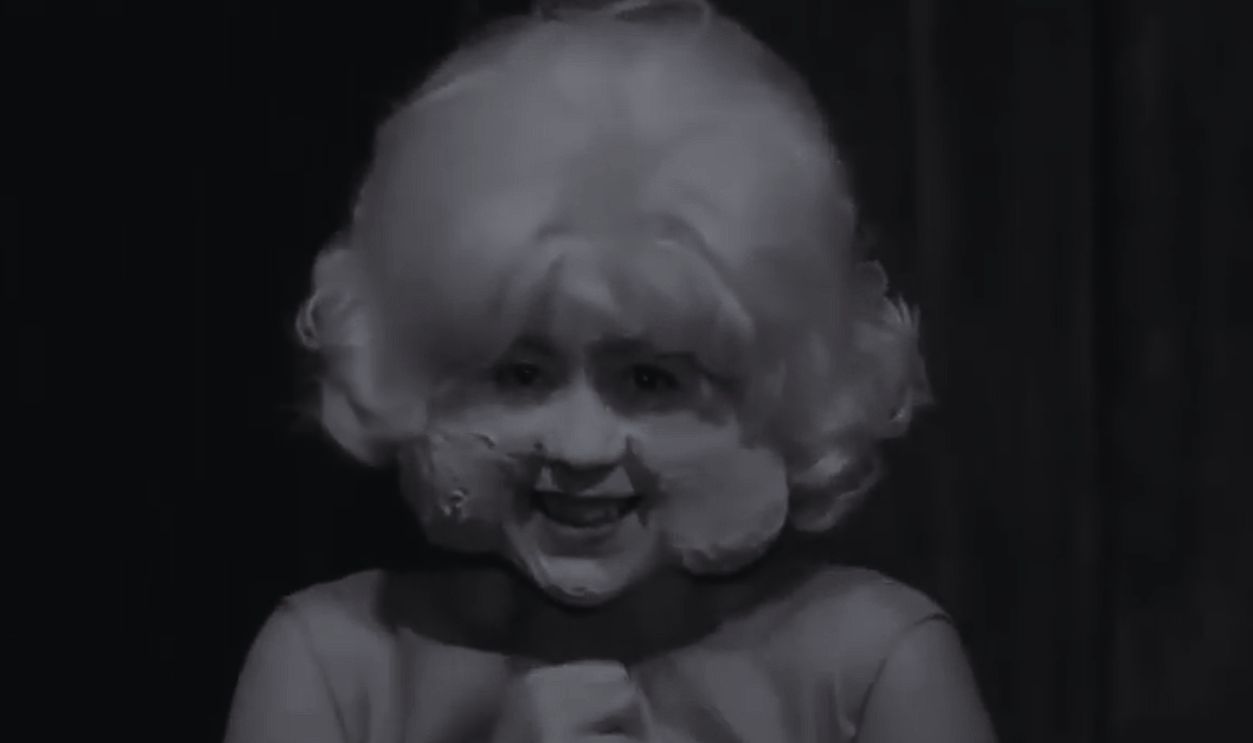 Screenshot from Eraserhead, Libra Films International (1977)
"Mother!" (2017)
Jennifer Lawrence has said Darren Aronofsky eventually had to walk her through parts of Mother! because she didn't fully understand all the biblical symbolism woven into the story. That's a pretty good sign the average moviegoer wasn't going to catch everything on the first watch either.
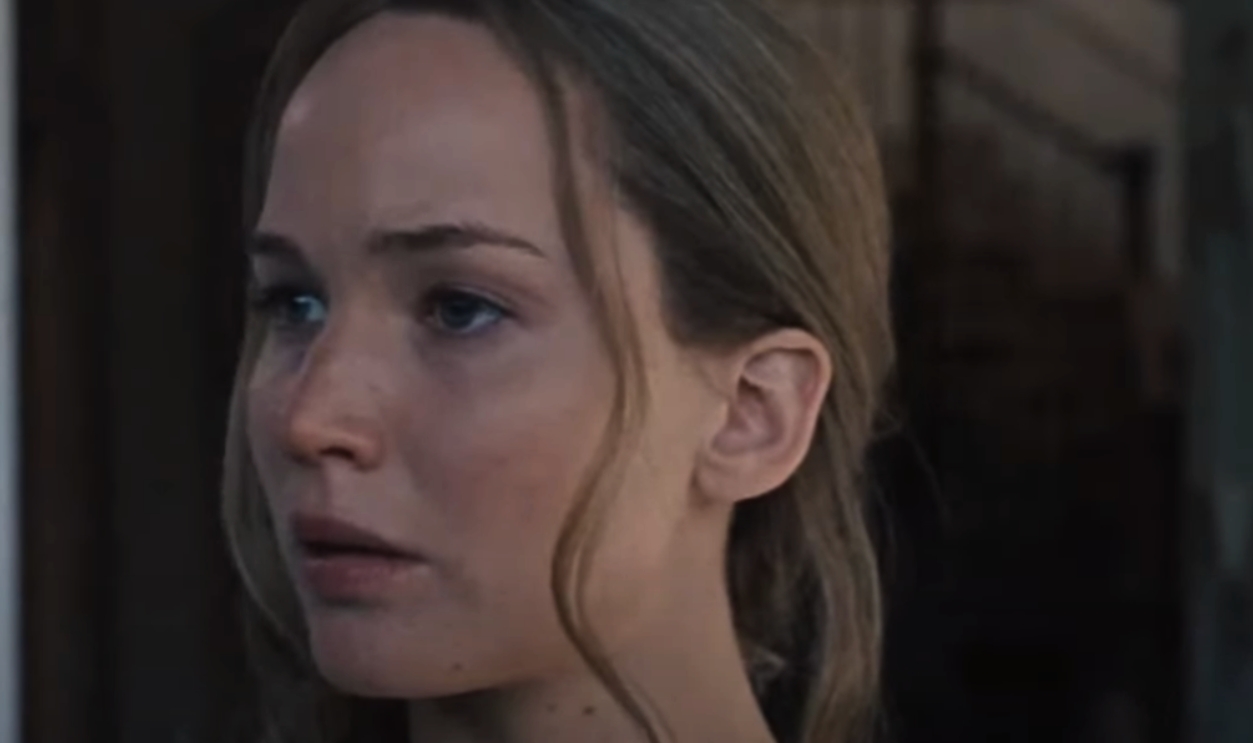 Screenshot from Mother!, Paramount Pictures (2017)
"The Symbolism Hit Hard"
A lot of viewers spent Mother! trying to figure out what was actually happening. The answer is that Aronofsky wasn't telling a literal story at all. Once Lawrence understood the biblical allegory behind the movie, everything clicked into place. Before that? She was just as confused as everyone else.
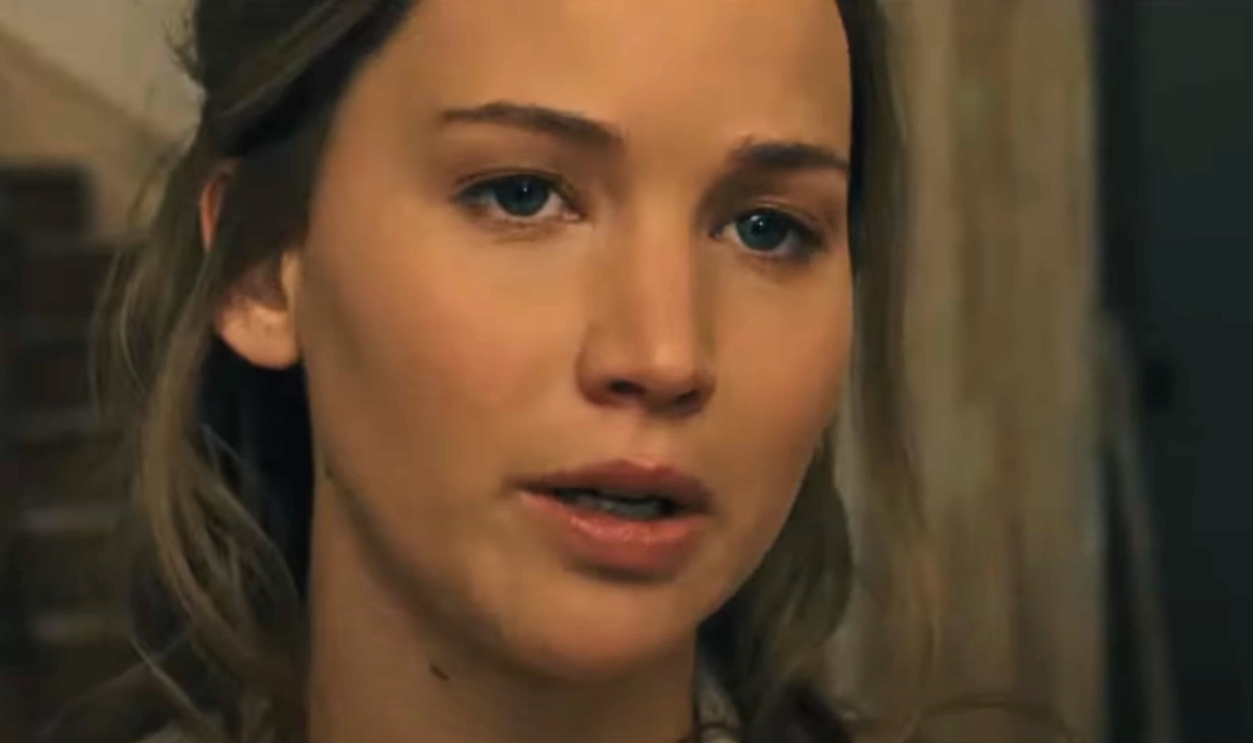 Screenshot from Mother!, Paramount Pictures (2017)
"Inland Empire" (2006)
Laura Dern has described working with David Lynch as an experience built more on instinct than explanation. That approach reached its peak with Inland Empire, where identities, realities, and timelines seem to change without warning. Even many Lynch fans admit they couldn't confidently explain it.
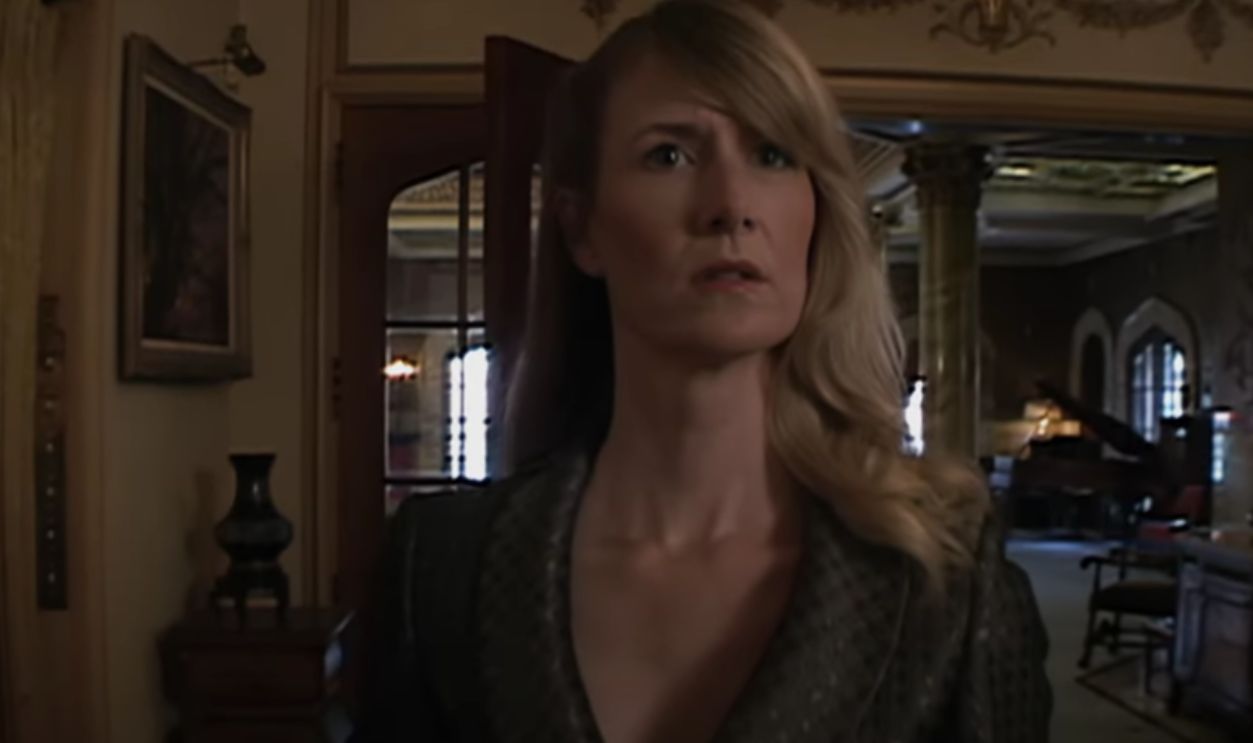 Screenshot from Inland Empire, StudioCanal (2006)
"Annihilation" (2018)
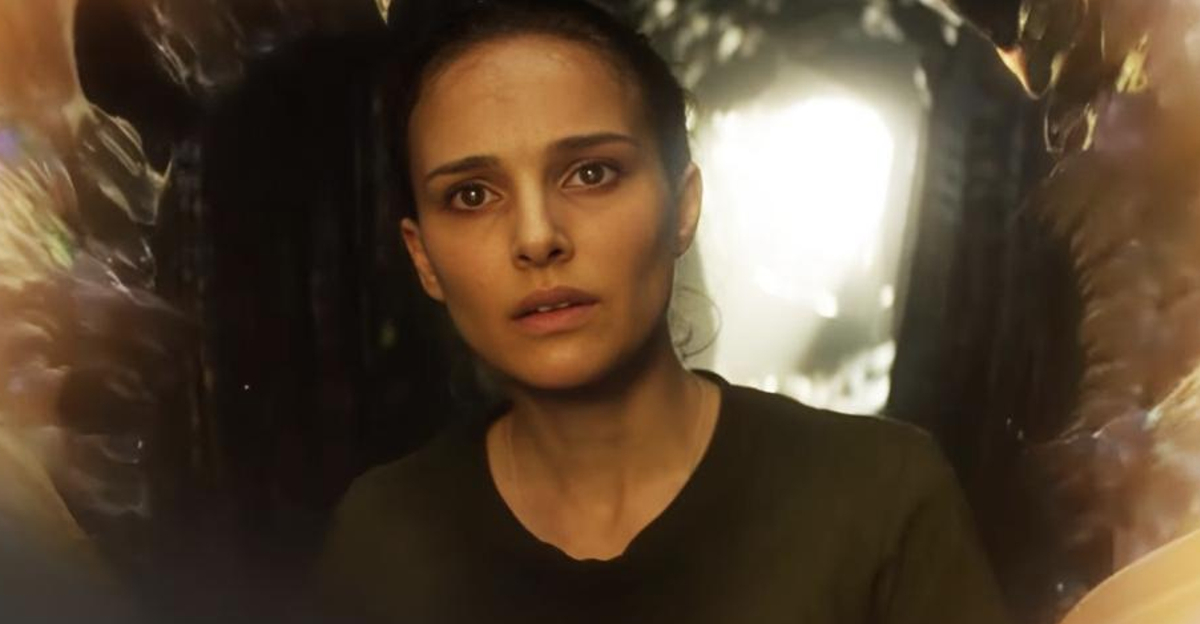
Natalie Portman has talked about how Alex Garland wasn't interested in giving neat explanations for Annihilation. In fact, the movie's ending was intentionally left open to interpretation. That's part of what makes it so fascinating—and so frustrating. When the star of the movie is talking about possible interpretations instead of definitive answers, you know you're dealing with something unusual.
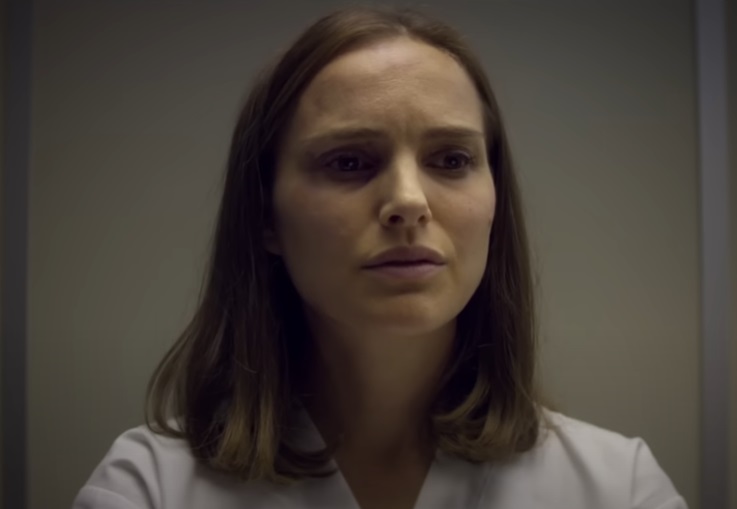 Screenshot from Annihilation, Netflix (2018)
"Nobody Got A Straight Answer"
The ending of Annihilation launched years of debates about identity, transformation, and what really happened inside the Shimmer. Garland deliberately avoided spelling everything out. Which means Natalie Portman, the audience, and just about everyone else were left piecing together the clues on their own.
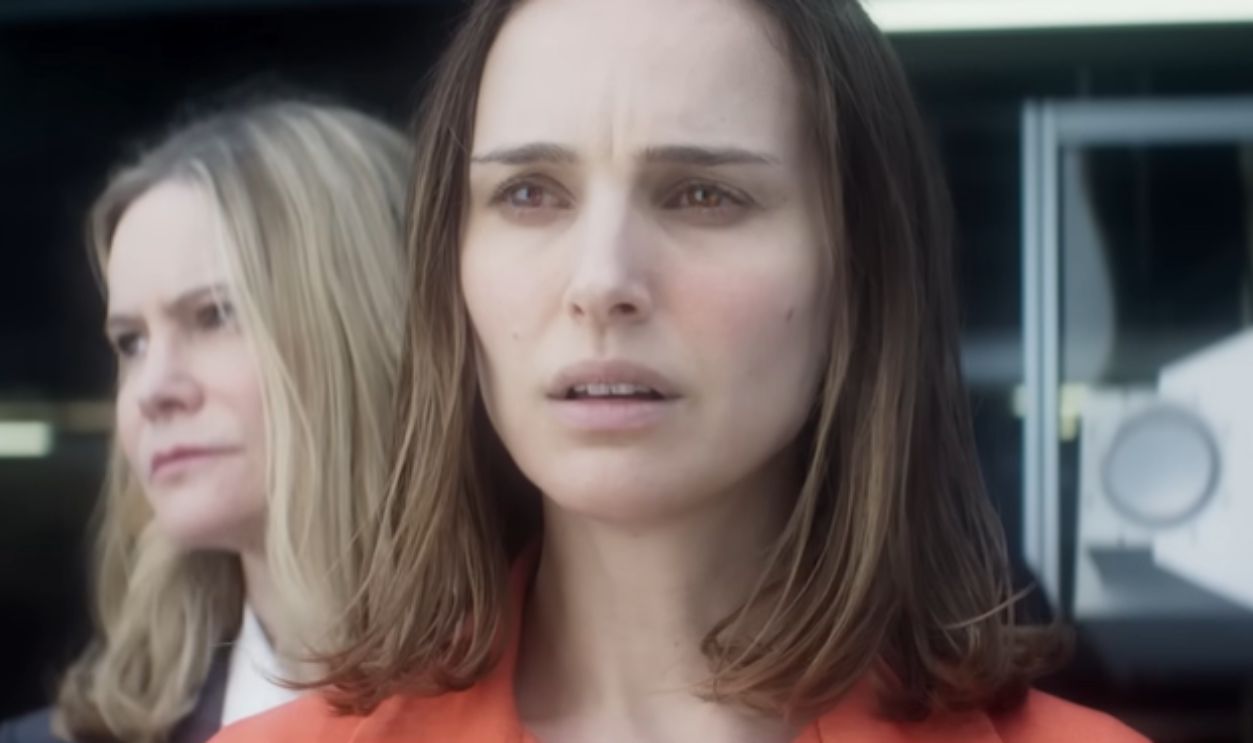 Screenshot from Annihilation, Netflix (2018)
Maybe That's Why We Keep Watching Them
Most movies give you answers. These movies hand you a puzzle and wish you luck. In some cases, the actors were trying to solve the same puzzle as everyone else.
 National Motion Picture Council, Wikimedia Commons
You Might Also Like:
If You Actually Understand These Songs, You Probably Have An Above Average IQ