A Warm Hug Of Nostalgia
Nostalgia can be a powerful storytelling tool, but it’s easy to get it wrong. Some films lean too hard on references and reminders, mistaking memory for meaning. The movies below tap into the past without feeling like a souvenir shop. They earn their emotion honestly, letting story and character do the heavy lifting.
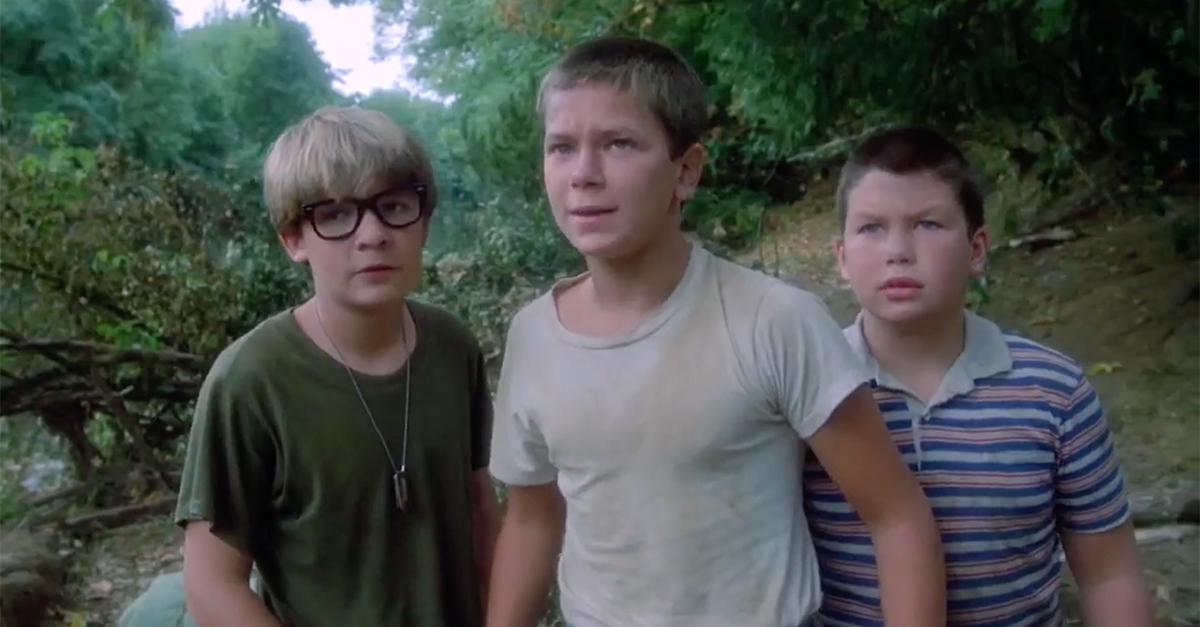
 Columbia Pictures, Stand by Me (1986)
Dazed and Confused (1993)
Richard Linklater’s portrait of the last day of school in 1976 feels lived-in rather than staged. The music, clothes, and cruising culture are vivid, but they never overshadow the aimless conversations and small rituals that make adolescence universal.
Starring some familiar faces like Matthew McConaughey and Ben Affleck, rewatching this classic is sure to send audiences reeling back in time. It’s nostalgia filtered through memory, not marketing.
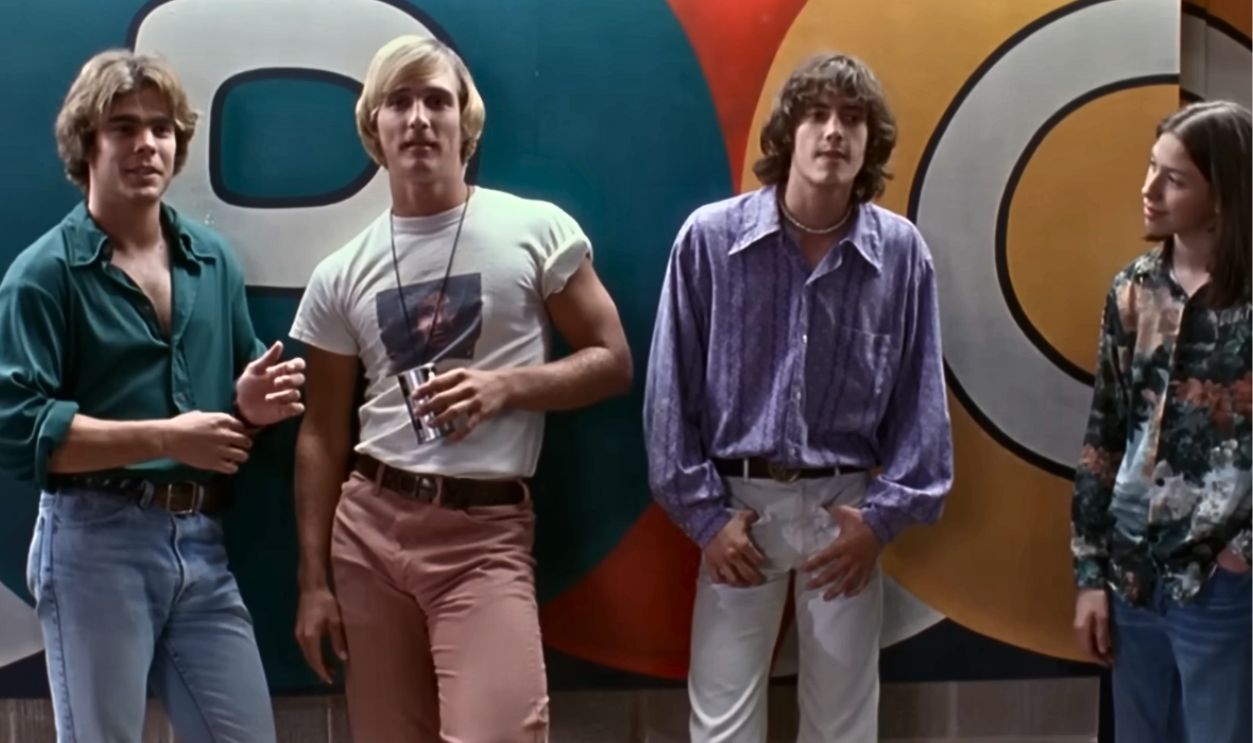 Screenshot from Dazed and Confused, Gramercy Pictures (1993)
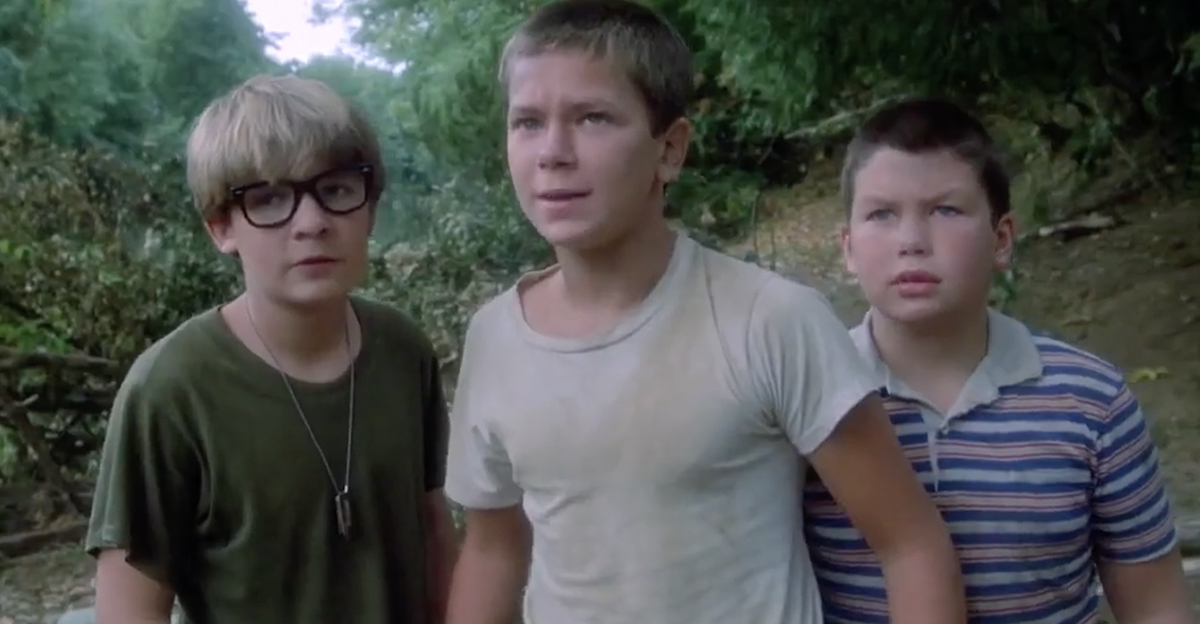
Stand by Me (1986)
Some of the best nostalgic movies are the ones that can truly capture the essence of childhood. Directed by Rob Reiner, Stand by Me might be one of the greatest films about friendship and growing up. It feels less like a tribute to the '50s era and more like a memory you didn’t realize you shared.
 Columbia Pictures, Stand By Me (1986)
Almost Famous (2000)
Cameron Crowe’s love letter to 1970s rock works because it’s a coming-of-age story rooted in longing. The backstage glow and vinyl warmth are enhanced by the infectious soundtrack. The scene where everyone sings "Tiny Dancer" by Elton John on the bus? Absolute cinema.
This movie takes you right back to what it feels like to be a carefree kid with your entire future stretched out before you. Anything is possible, and at the same time, you're learning that life is an unpredictable rollercoaster.
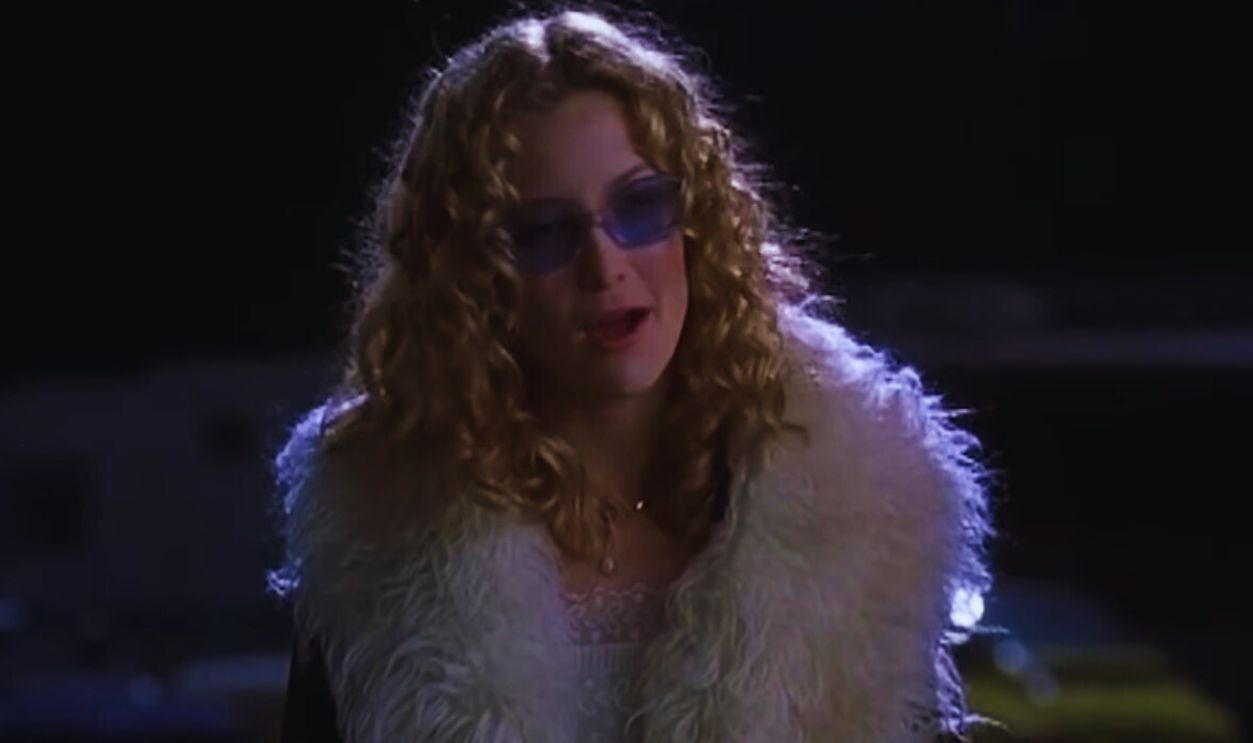 Screenshot from Almost Famous, DreamWorks Pictures (2000)
Lady Bird (2017)
Greta Gerwig’s early-2000s Sacramento isn’t exaggerated for laughs. The thrift-store fashion and college dreams feel specific yet familiar. Its nostalgia lives in strained family dinners and bedroom ceilings, not in obvious “remember this?” cues. It’s a time capsule with emotional weight. After all, who doesn't like to be reminded of teenage angst and the bittersweet growing pains of leaving childhood behind?
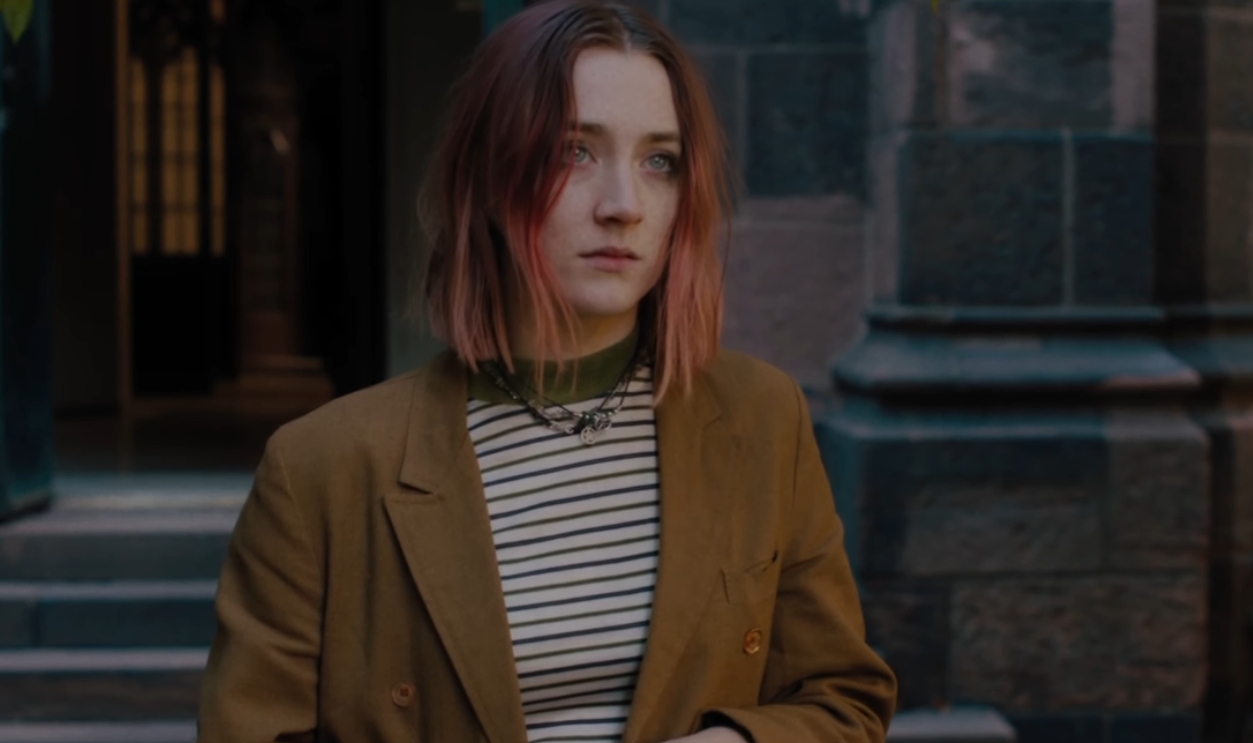 Screenshot from Lady Bird, A24 (2017)
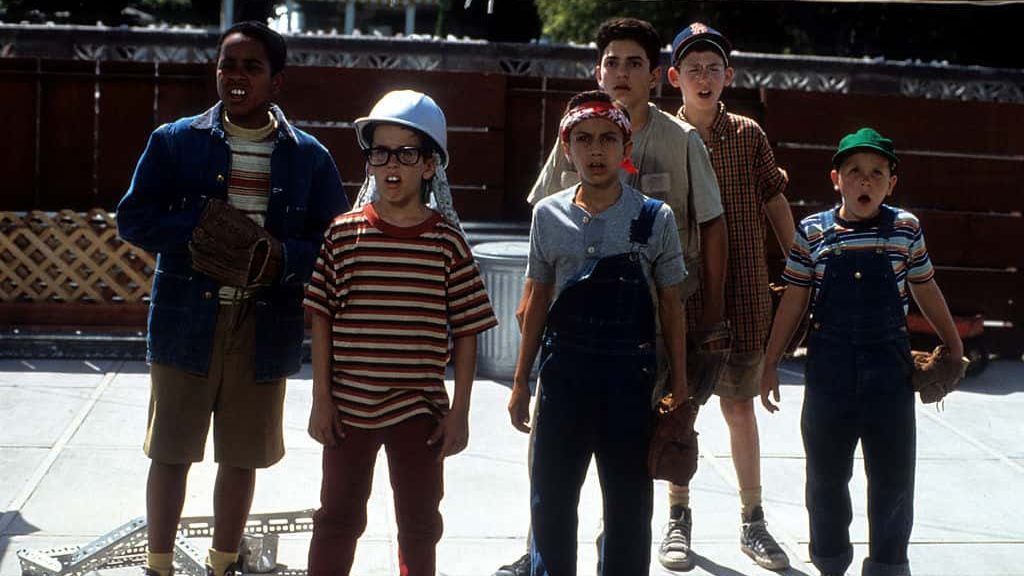
The Sandlot (1993)
The Sandlot romanticizes summer in the early ’60s, but it never feels artificial. The neighborhood games and tall tales are heightened through childlike perspective. Instead of chasing period accuracy for its own sake, it captures how big and endless those summers once felt.
Mid90s (2018)
Jonah Hill’s Mid90s recreates skate culture with raw edges intact. The film doesn’t treat the era like a costume party; it lets awkward silences and rough friendships define the mood. Its nostalgia is tactile—VHS fuzz, scraped knees, and music leaking from headphones.
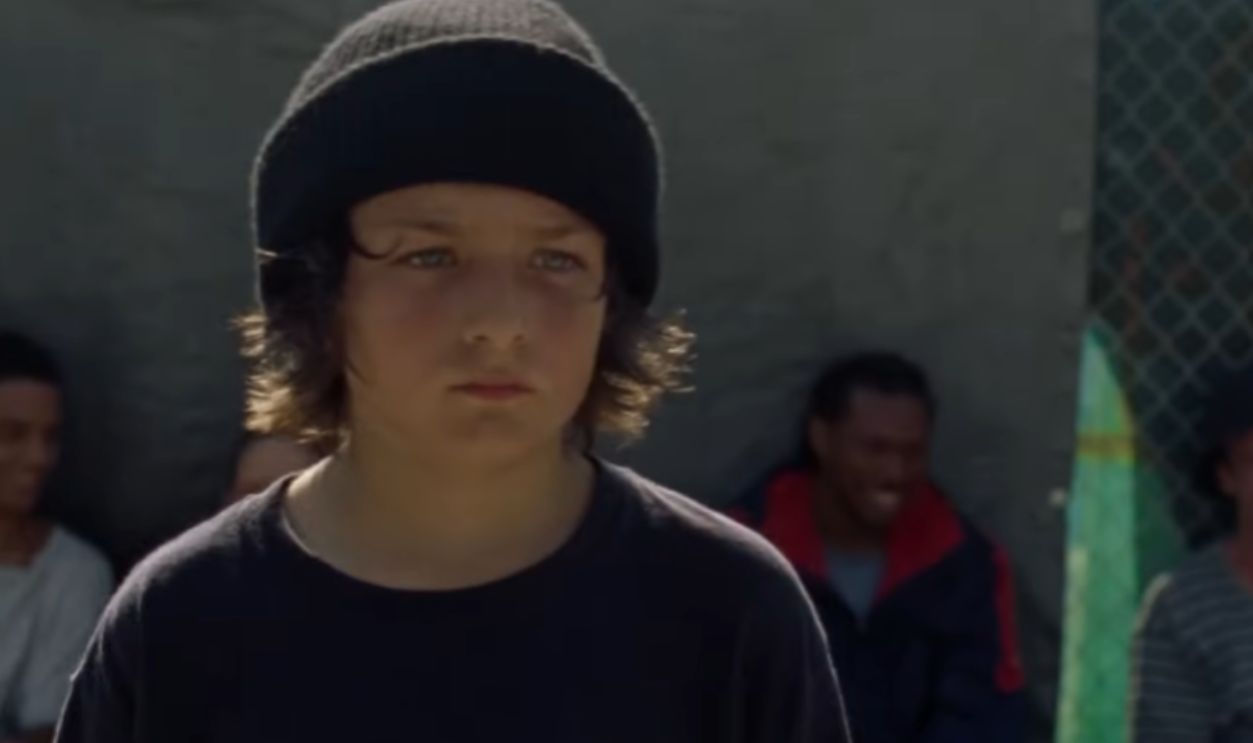 Screenshot from Mid90s, A24 (2018)
Brooklyn (2015)
Brooklyn revisits 1950s immigration with restraint. The clothes and city streets are elegant, but the heart of the film is homesickness. Nostalgia here is complicated—less about returning to the past than choosing where to build a future. Starring Saoirse Ronan, this period piece's cinematography really immerses its audiences, but also touches on that universal feeling of coming to a crossroads in one's life.
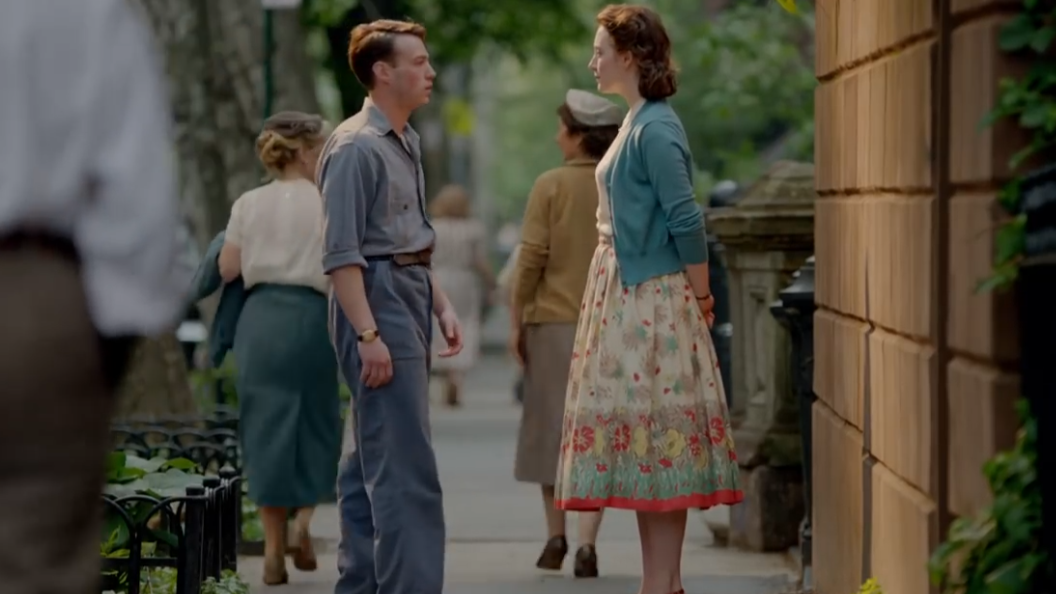 Screenshot from Brooklyn, Wildgaze Films (2015)
Once Upon a Time in Hollywood (2019)
Quentin Tarantino’s vision of 1969 Los Angeles is dreamy without being naive. The film luxuriates in radio jingles and neon marquees, yet it also confronts fading stardom and cultural shifts. It captures the feeling of an industry on the brink rather than embalming it. Something about this film is both familiar yet unfamiliar, and acts as a twisted escape for viewers.
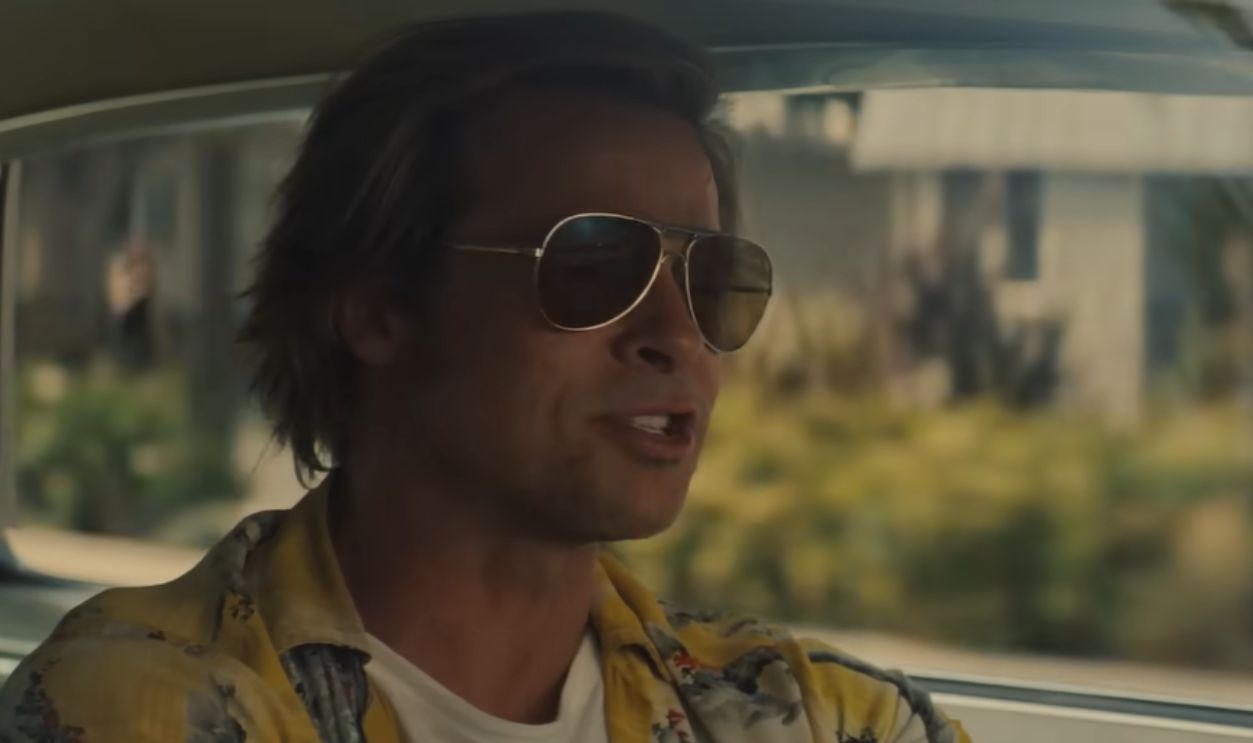 Screenshot from Once Upon a Time in Hollywood, Sony Pictures Releasing (2019)
Coco (2017)
Though animated, Coco channels nostalgia through family memory rather than retro references. Its celebration of Día de los Muertos honors tradition with sincerity. The film’s warmth comes from intergenerational bonds, reminding viewers that nostalgia often begins at home.
 Screenshot from Coco, Pixar (2017)
Inside Out (2015)
There's a reason why so many parents were crying in the theaters when they took their kids to see Inside Out. The film explores our emotions through real characters. Childhood memories glow, but they also fade and change shape. By personifying feelings, the film shows how we curate the past—and why it can hurt to let parts of it go.
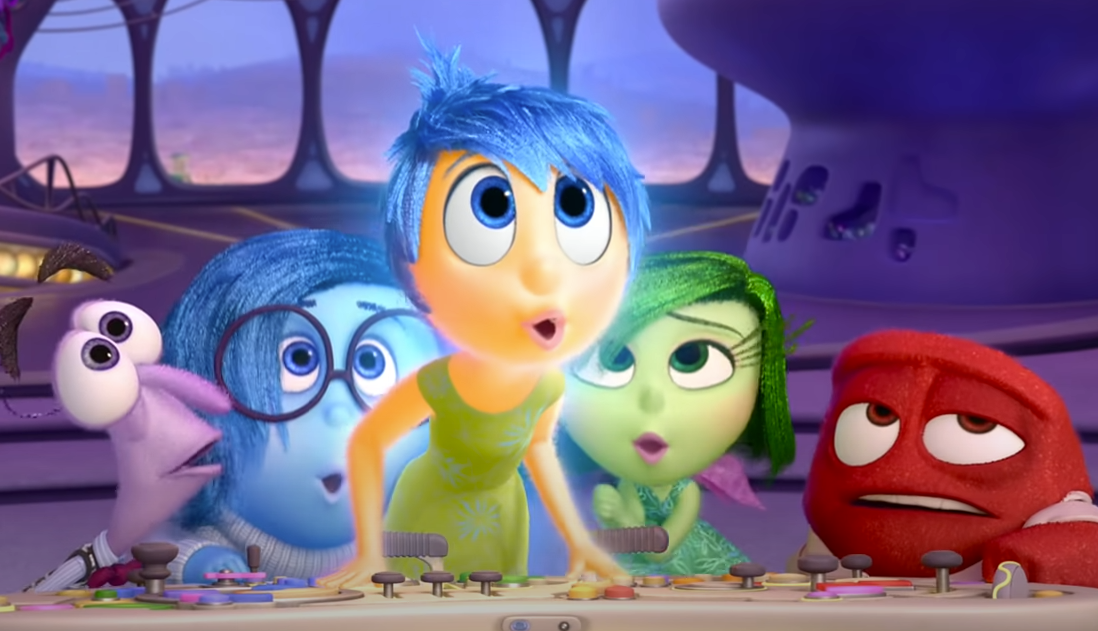 Screenshot from Inside Out, Pixar (2015)
The Holdovers (2023)
If you haven't seen The Holdovers yet, then buckle up, because it might be one of the best holiday films to be made in years. Set in the early 1970s, the film recreates its era with quiet detail. The film feels like an old paperback rediscovered—weathered, funny, and surprisingly moving. With gut-wrenching performances from actors like Paul Giamatti and Dominic Sessa, The Holdovers is brimming with heart.
...The soundtrack is also really good.
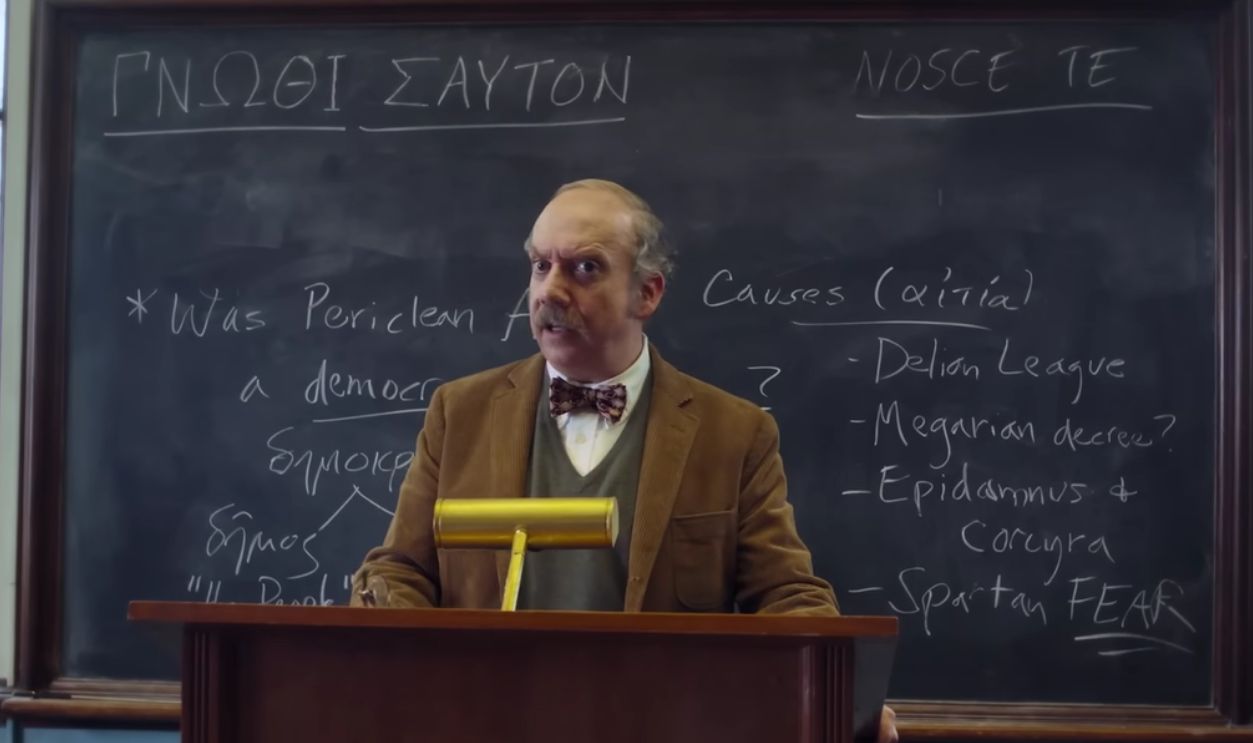 Screenshot from The Holdovers, Focus Features (2023)
Call Me by Your Name (2017)
This sun-soaked story of first love feels timeless despite its 1980s setting. The music and scenery hum gently in the background while emotion takes center stage. Its nostalgia isn’t about the decade; it’s about the ache of remembering who you were.
This film is sure to remind viewers of that one last innocent summer of their youth—or maybe that idyllic Italian getaway you wish you could've had. Think: fresh apricot juice, swimming in the river, reading in the sun, biking to the village.
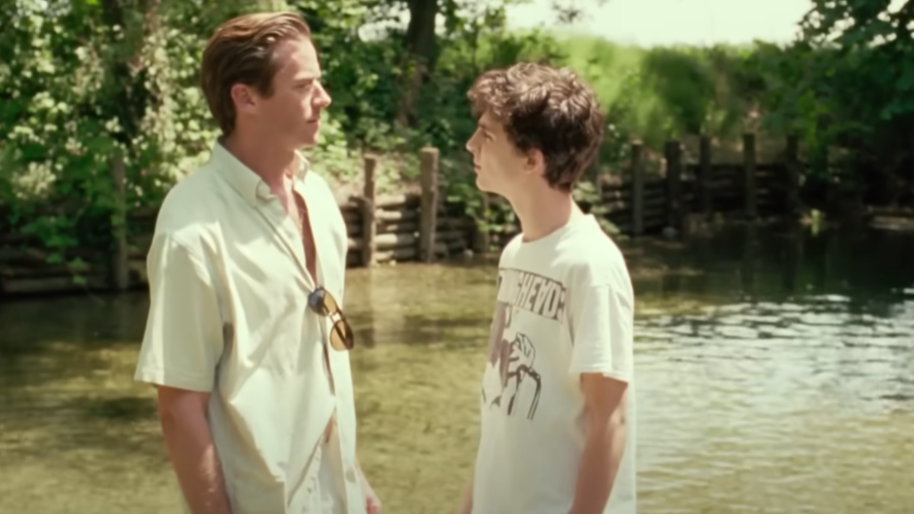 Screenshot from Call Me by Your Name, Sony Pictures Classics (2017)
The Fabelmans (2022)
Steven Spielberg turns his own adolescence into a meditation on memory in The Fabelmans. The mid-century setting is vivid but not glossy. What lingers isn’t the era’s texture, but the quiet realization that nostalgia often reshapes truth to make sense of it.
 Screenshot from The Fabelmans, Universal Pictures (2022)
The Big Chill (1983)
The Big Chill reunites former activists in the 1980s, reflecting on the optimism of the ’60s. Its soundtrack is iconic, yet the film resists romanticizing the past. Instead, it questions what survives when youthful ideals collide with adulthood.
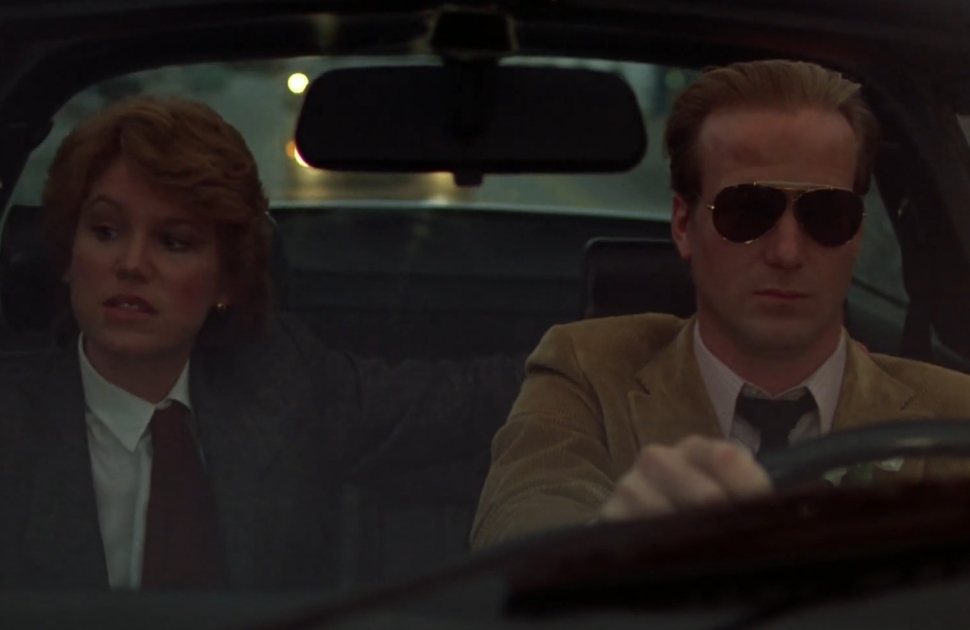 Screenshot from The Big Chill, Columbia Pictures (1983)
American Graffiti (1973)
George Lucas captures early-’60s cruising culture with warmth and melancholy. The film’s looping night feels suspended in time, yet it hints that change is inevitable. The nostalgia works because it recognizes that even golden nights eventually end.
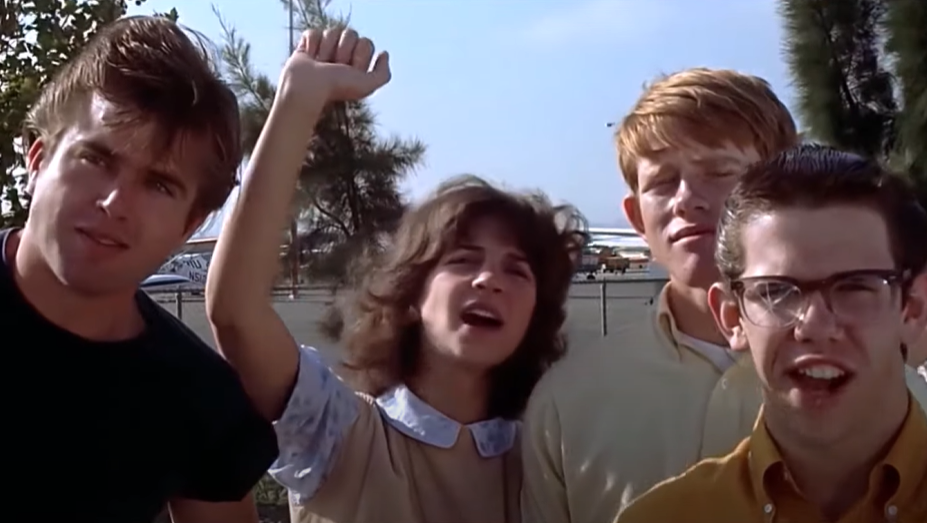 Screenshot from American Graffiti, Lucasfilm (1973)
Before Sunrise (1995)
Before Sunrise encapsulates the feeling of really connecting with someone—and how magical that can feel. The dialogue and effortless conversation between Ethan Hawke and Julie Delpy's characters demonstrates this connection so beautifully. Its 1990s setting fades behind long conversations and shared glances. It also reminds us of how a single night can stay with us forever.
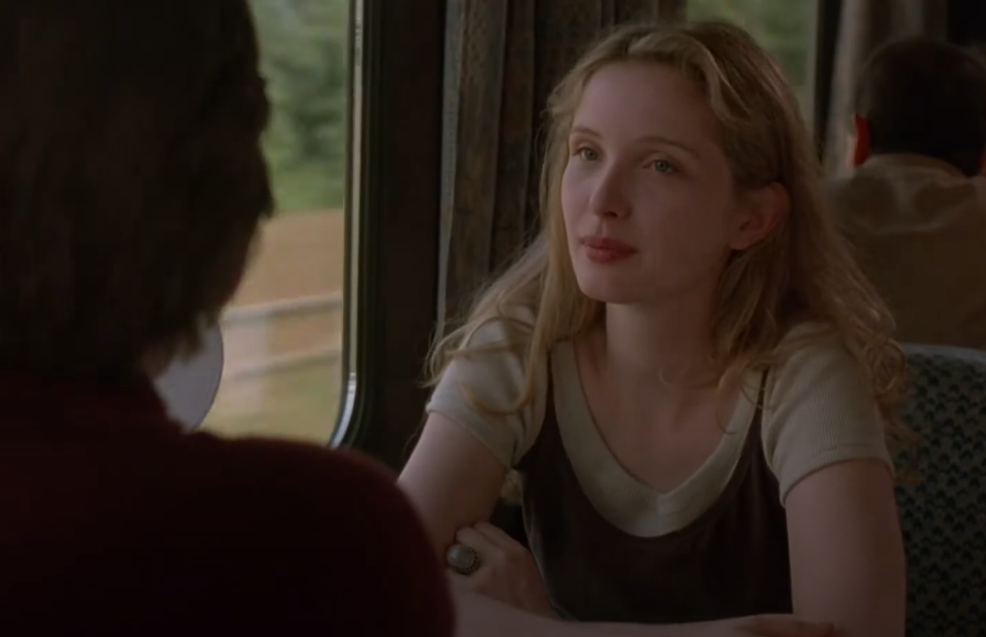 Screenshot from Before Sunrise, Detour Filmproduction (1995)
Little Women (2019)
Greta Gerwig’s adaptation honors the 19th-century setting without freezing it in amber. By restructuring the timeline, it lets nostalgia and ambition coexist. The past feels vibrant and active, not preserved behind glass.
There's so much playfulness and fun in this version—especially when Jo and her sisters are experiencing the "good times." It also illustrates the harsh realities of growing up and the responsibilities of adulthood—experiences that so many different people can relate to.
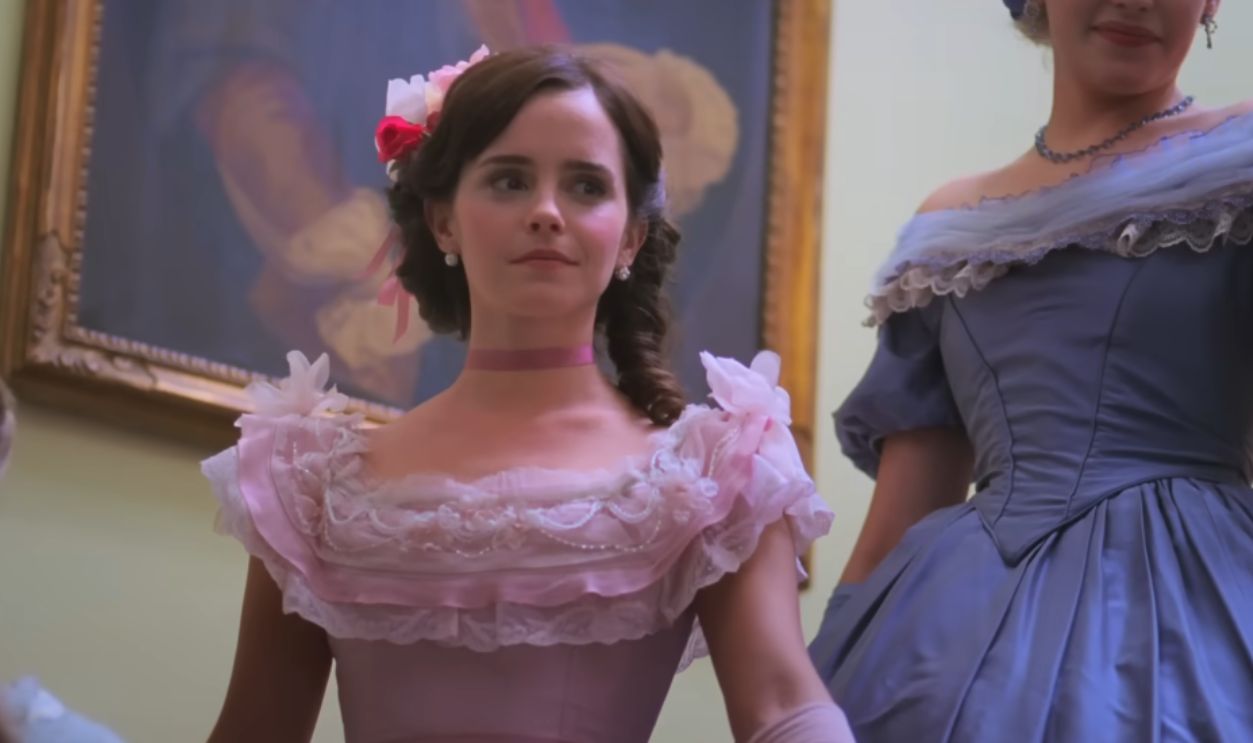 Screenshot from Little Women, Columbia Pictures (2019)
Roma (2018)
Alfonso Cuarón recreates 1970s Mexico City with painstaking care, yet the film resists sentimentality. Its black-and-white palette feels like memory, but the story refuses to simplify hardship. Nostalgia here is layered—beautiful, but never blind.
 Screenshot from Roma, Netflix (2018)
Super 8 (2011)
J.J. Abrams channels 1980s suburban adventure with clear affection for Spielberg-era storytelling. The film balances wonder with genuine grief, ensuring the era isn’t just window dressing. It’s homage anchored by emotional stakes.
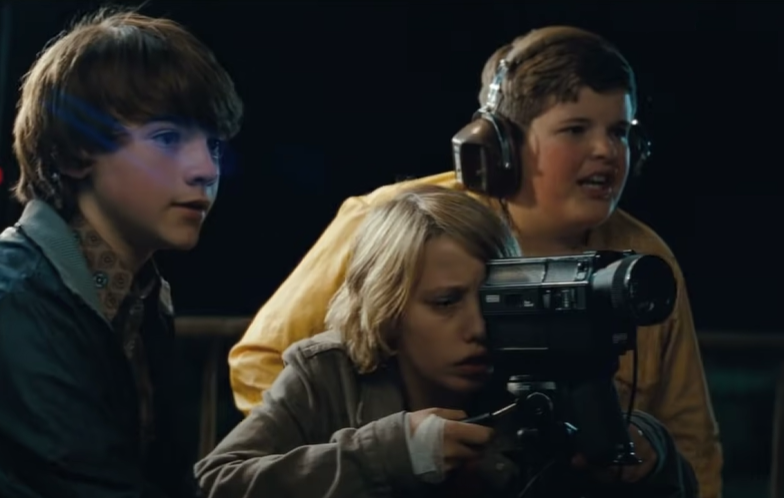 Screenshot from Super 8, Paramount (2011)
The Florida Project (2017)
Set in modern times, The Florida Project still feels nostalgic for a fleeting childhood. The bright colors and chaotic energy mirror how kids see the world. It reminds viewers that nostalgia often hides just beneath present-day struggles.
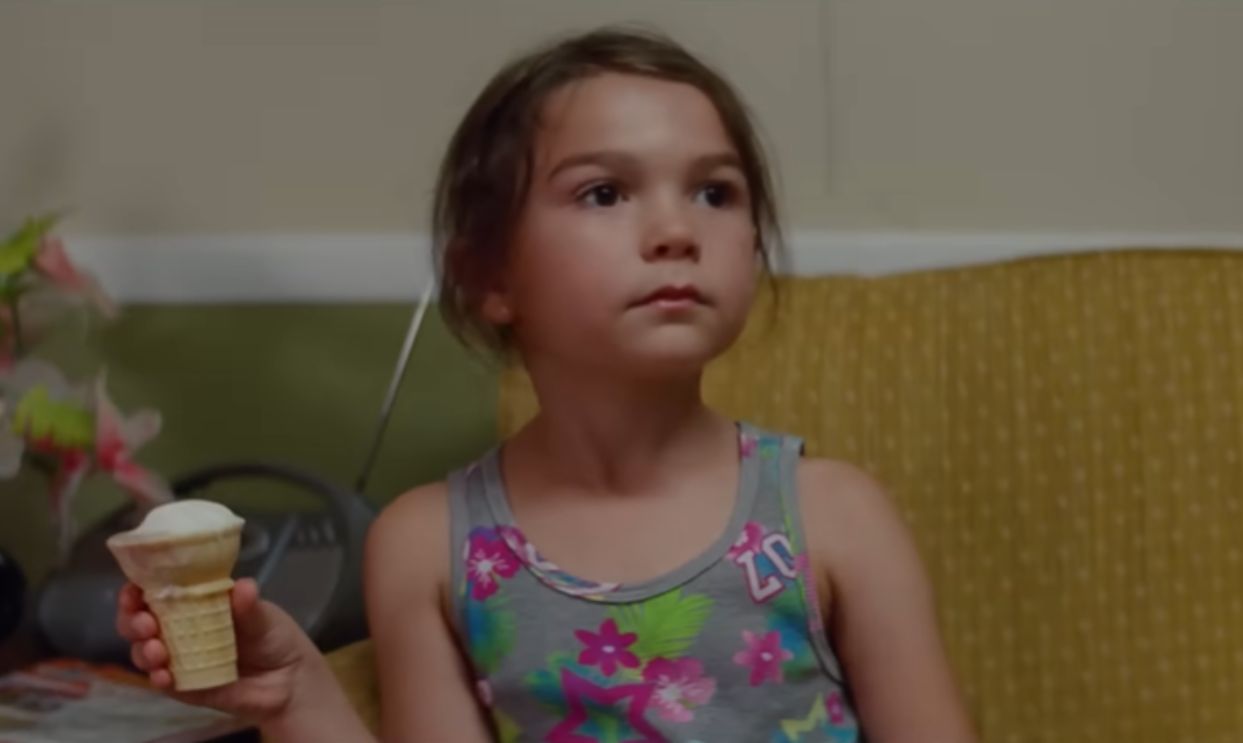 Screenshot from The Florida Project, A24 (2017)
Sing Street (2016)
Sing Street dives into 1980s Dublin with infectious music and teen rebellion. The fashion and synth beats are joyful, but the film grounds its energy in economic hardship and family tension. Its nostalgia feels earned because it's a coming-of-age story that acknowledges reality.
 Screenshot from Sing Street, Cosmo Films (2016)
E.T. the Extra-Terrestrial (1982)
E.T. evokes suburban childhood in a way that still resonates decades later. The bikes and cul-de-sacs are iconic, but so is that youthful sense of wonder that wants to believe in something greater than ourselves. It's a movie about love and friendship and finding connection despite differences.
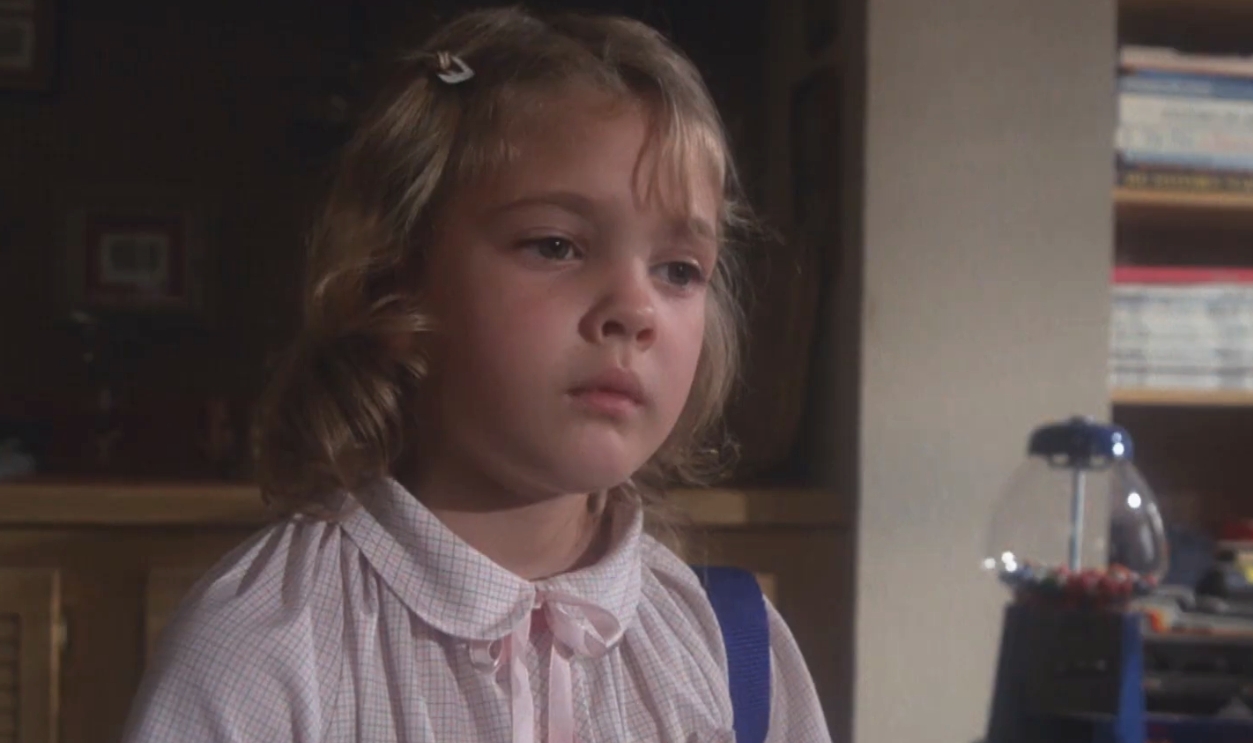 Screenshot from E.T. the Extra-Terrestrial, Universal Pictures (1982)
The Perks of Being a Wallflower (2012)
Though set in the early ’90s, The Perks of Being a Wallflower sidesteps cliché. The mixtapes and tunnel scenes matter because of the characters’ vulnerability. Not everything about growing up is bathed in gold light and good times. This film really taps into how painful figuring yourself out can be—and that's exactly what makes it feel so real.
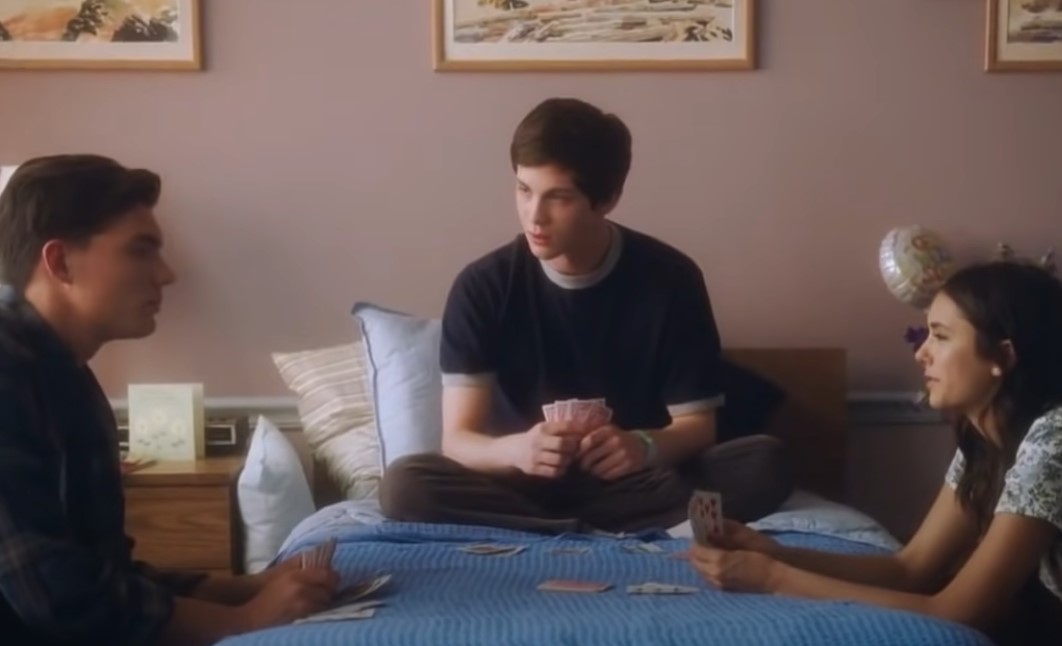 Screenshot from The Perks of Being a Wallflower, Summit Entertainment (2012)
Boyhood (2014)
Filmed over 12 years, Boyhood creates nostalgia in real time. It doesn’t recreate the past—it documents it. The changing music and technology drift by quietly, while the emotional growth remains central. Its authenticity makes the passage of time feel tangible.
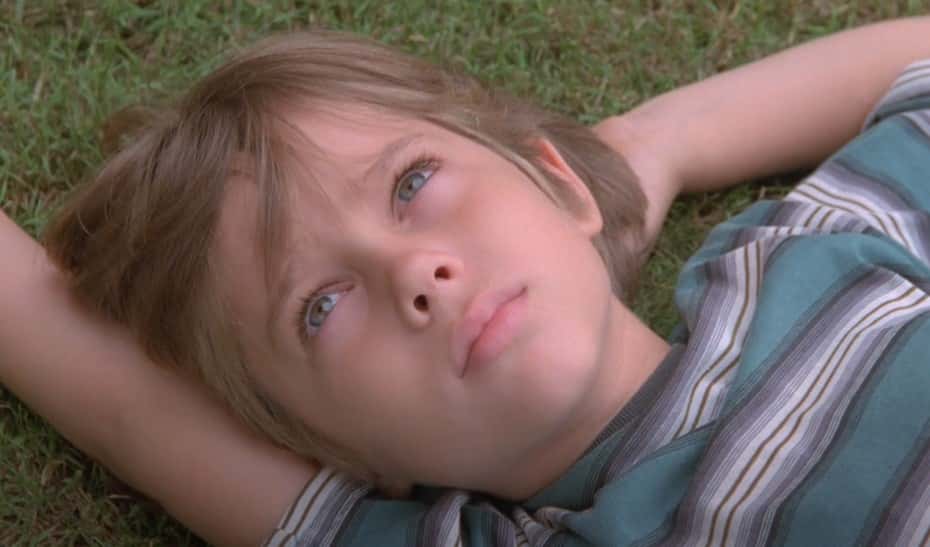 Screenshot from Boyhood, Detour (2014)
Licorice Pizza (2021)
Paul Thomas Anderson’s portrait of 1970s California is playful yet grounded. The period details sparkle, but the film’s charm comes from awkward ambition and first love. It feels like flipping through an old photo album that still smells faintly of summer.
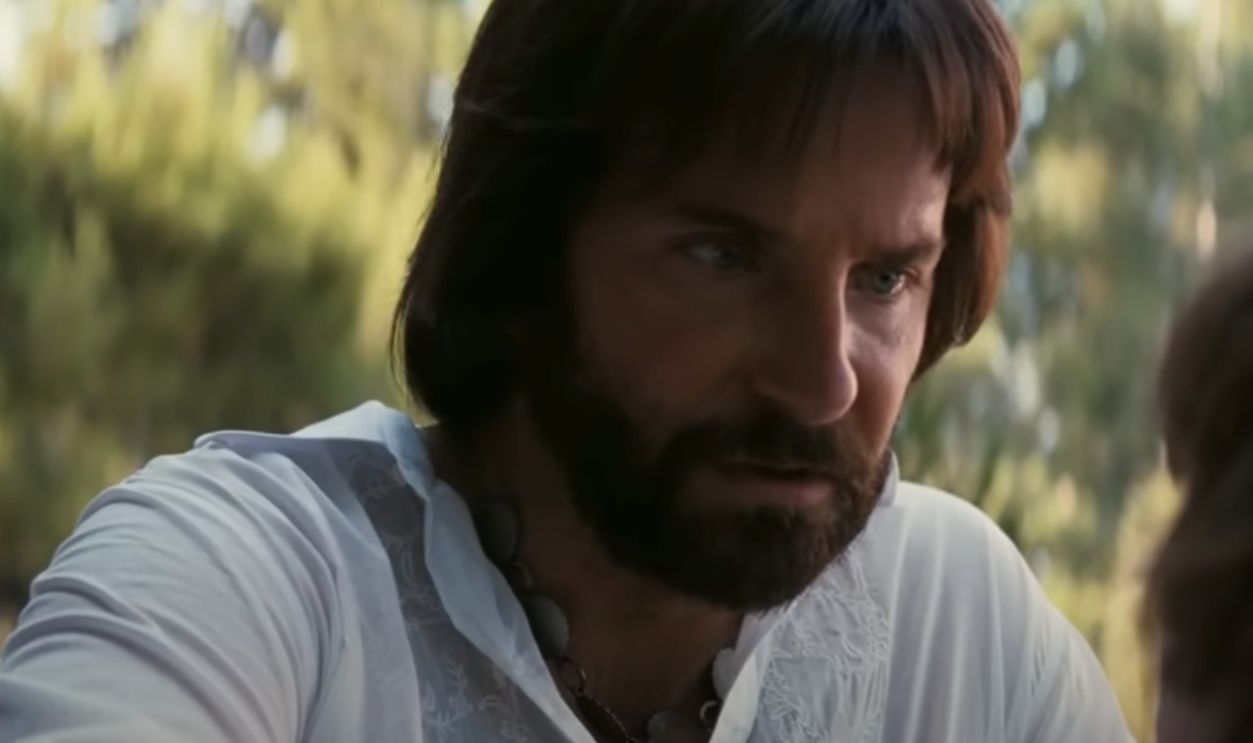 Screenshot from Licorice Pizza, Metro-Goldwyn-Mayer (2021)
You May Also Like:
The Best Feel-Good Movies To Lift Your Spirits
The Most Upsetting Romance Movies Of All Time