The Bad Guys Who Stole The Decade
The 1980s gave moviegoers plenty of heroes to cheer for, but sometimes the person trying to destroy them was far more interesting. These villains had the voices, costumes, one-liners, and entrances that people were still imitating decades later. Some became so famous that you barely need to remember who defeated them. And one of the best examples walked into an office Christmas party wearing a very expensive suit.
 Touchstone Pictures / Amblin Entertainment
Hans Gruber Made Being Evil Look Effortless
Bruce Willis gave Die Hard its scrappy hero, but Alan Rickman gave it Hans Gruber. Calm, elegant, and almost insultingly relaxed, Gruber was very different from the muscle-bound heavies filling many action movies of the era. Remarkably, the 1988 film was Rickman’s first credited feature-film role. He walked into movies as one of the decade’s most polished villains and immediately became almost impossible to imitate.
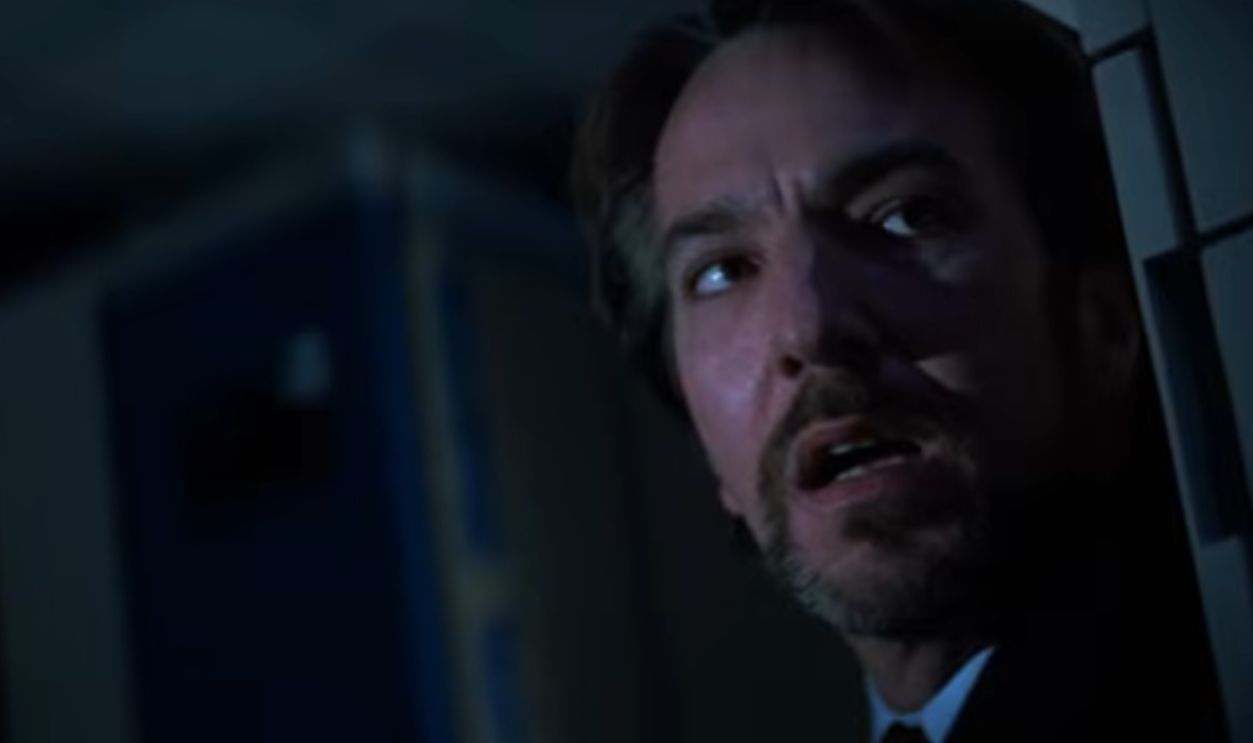 Screenshot from Die Hard, 20th Century Studios (1988)
Alex Forrest Became Bigger Than Fatal Attraction
Michael Douglas may have been the established movie star, but Glenn Close's Alex Forrest became the character everyone talked about after Fatal Attraction. Close later said strangers still recognized her as Alex and admitted that the character had become something of an icon. The American Film Institute eventually placed Forrest among its most notable movie villains, although Close has repeatedly said she never personally viewed Alex that way. That tension arguably makes the performance even more fascinating today.
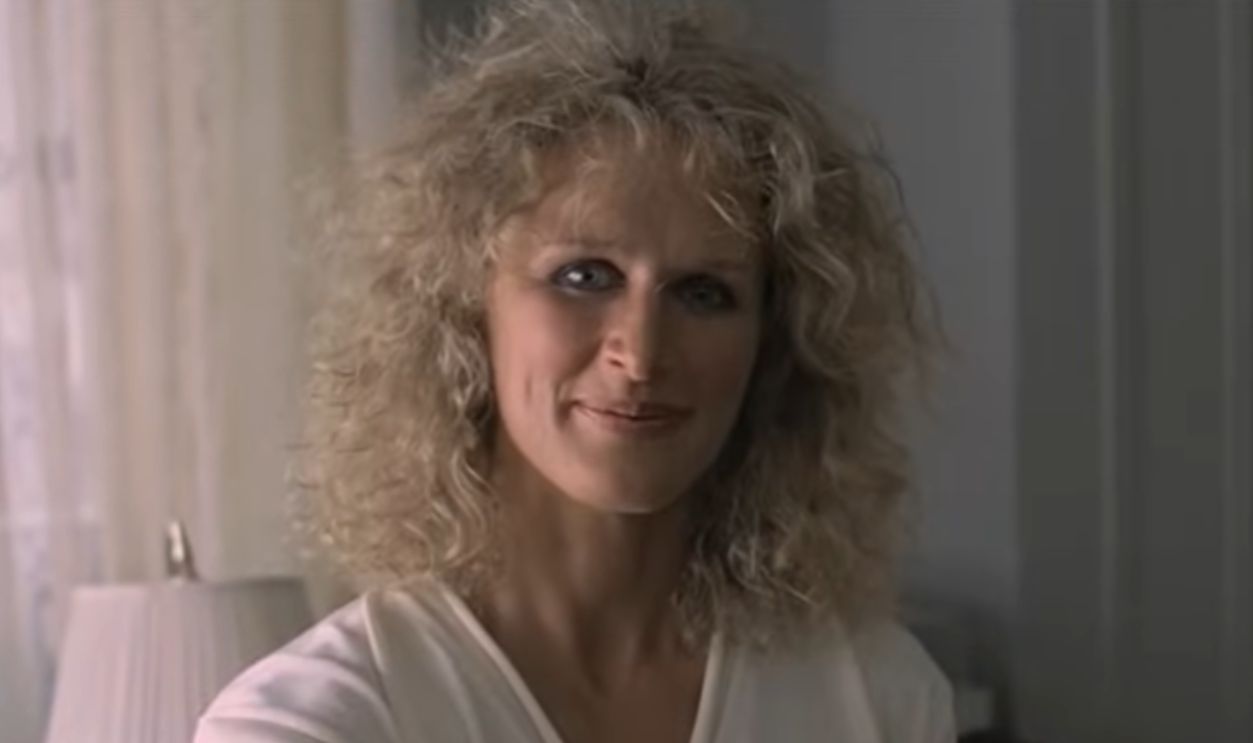 Screenshot from Fatal Attraction, Paramount Pictures (1987)
Freddy Krueger Would Not Stay In One Movie
Most slashers could only chase you down the hallway. Freddy Krueger could wait until you fell asleep. Robert Englund first played the burned, razor-gloved killer in Wes Craven’s A Nightmare on Elm Street in 1984, giving Freddy a personality that separated him from many silent horror killers. As the sequels continued, his cruel humor became almost as recognizable as his glove.
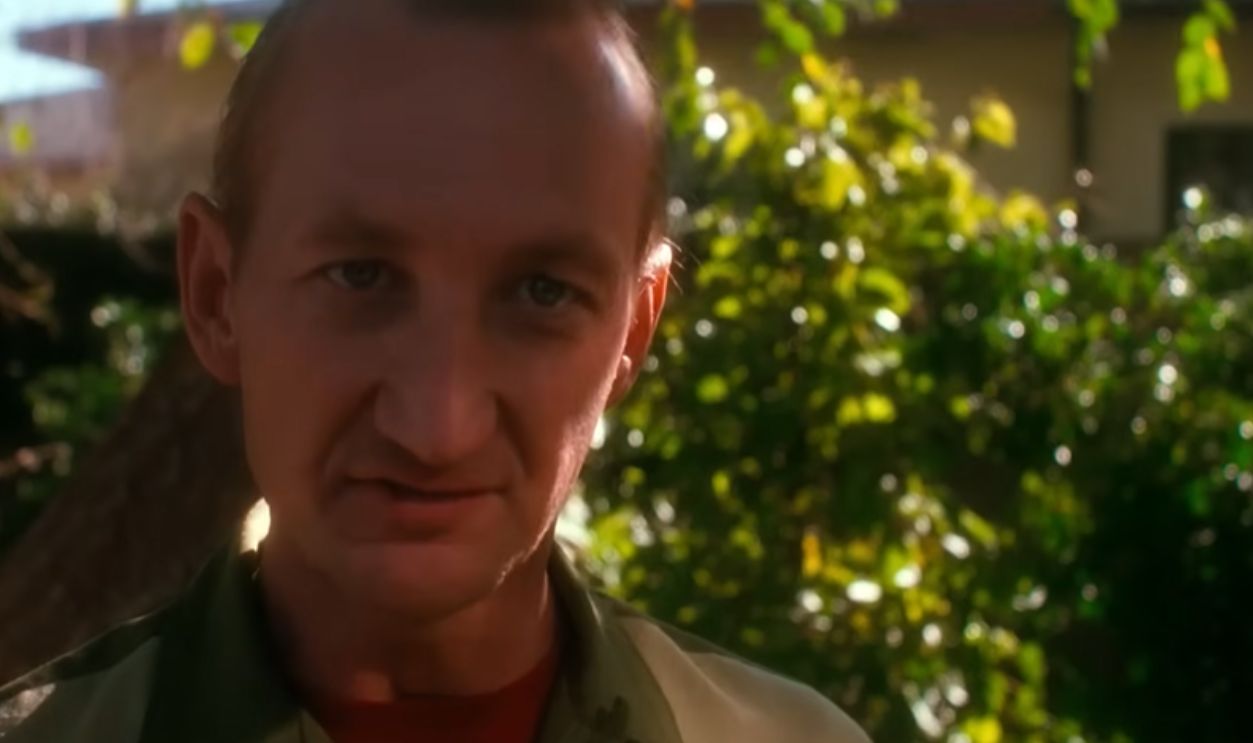 Screenshot from Freddy's Dead: The Final Nightmare, New Line Cinema (1991)
Biff Tannen Made Bullying Look Timeless
Marty McFly travels across decades in Back to the Future, and somehow Biff Tannen is obnoxious in nearly all of them. Thomas F. Wilson made his motion-picture debut as the bully, playing Biff as the kind of tormentor who seems almost permanently stuck in George McFly’s life. Yet Wilson made the character ridiculous enough to be funny without taking away his ability to seem genuinely threatening. Biff proved so useful that the sequels kept finding new versions of him.
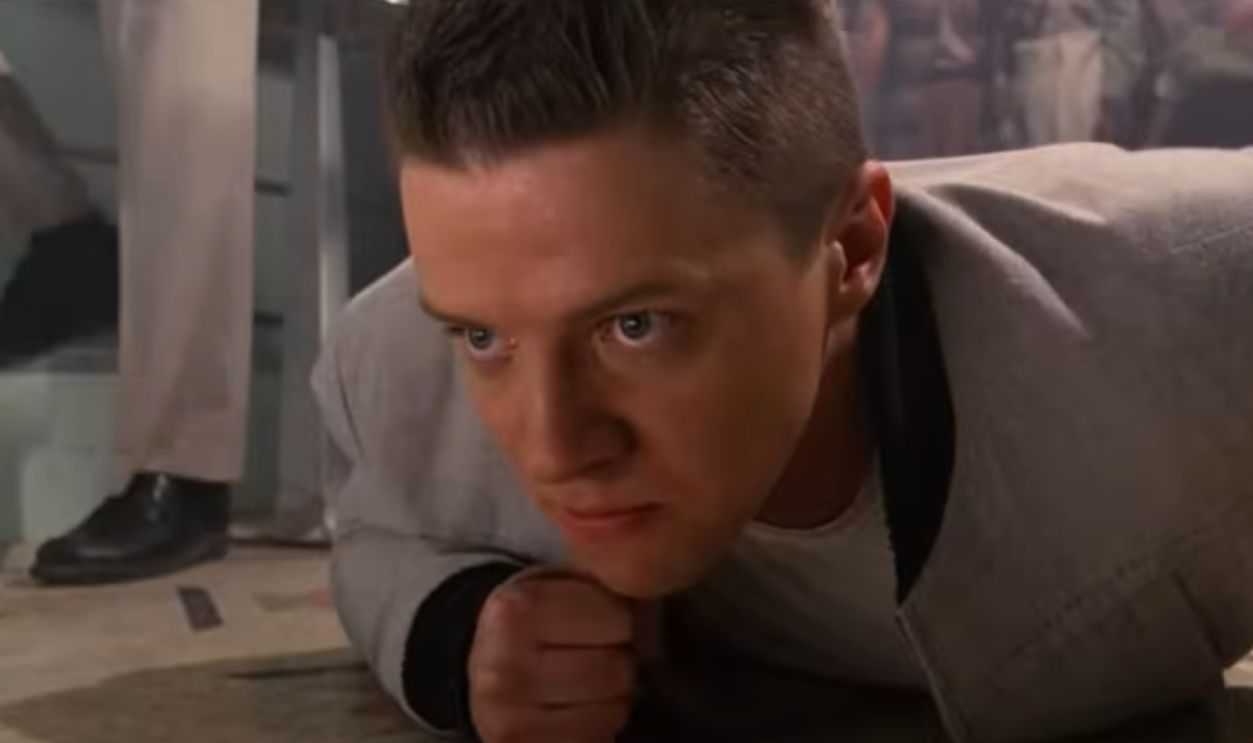 Screenshot from Back to the Future, Universal Pictures (1985)
Queen Bavmorda Ruled Willow With Pure Menace
Willow had Val Kilmer’s swaggering Madmartigan and Warwick Davis’s lovable title character, but Jean Marsh got to play the person everyone was terrified of. Queen Bavmorda rules through dark magic while desperately trying to stop the infant Elora Danan, who is prophesied to end her reign. Lucasfilm itself describes Bavmorda as the evil queen Willow must ultimately help defeat. In a movie packed with fantasy creatures and elaborate effects, Marsh still manages to make a glare feel dangerous.
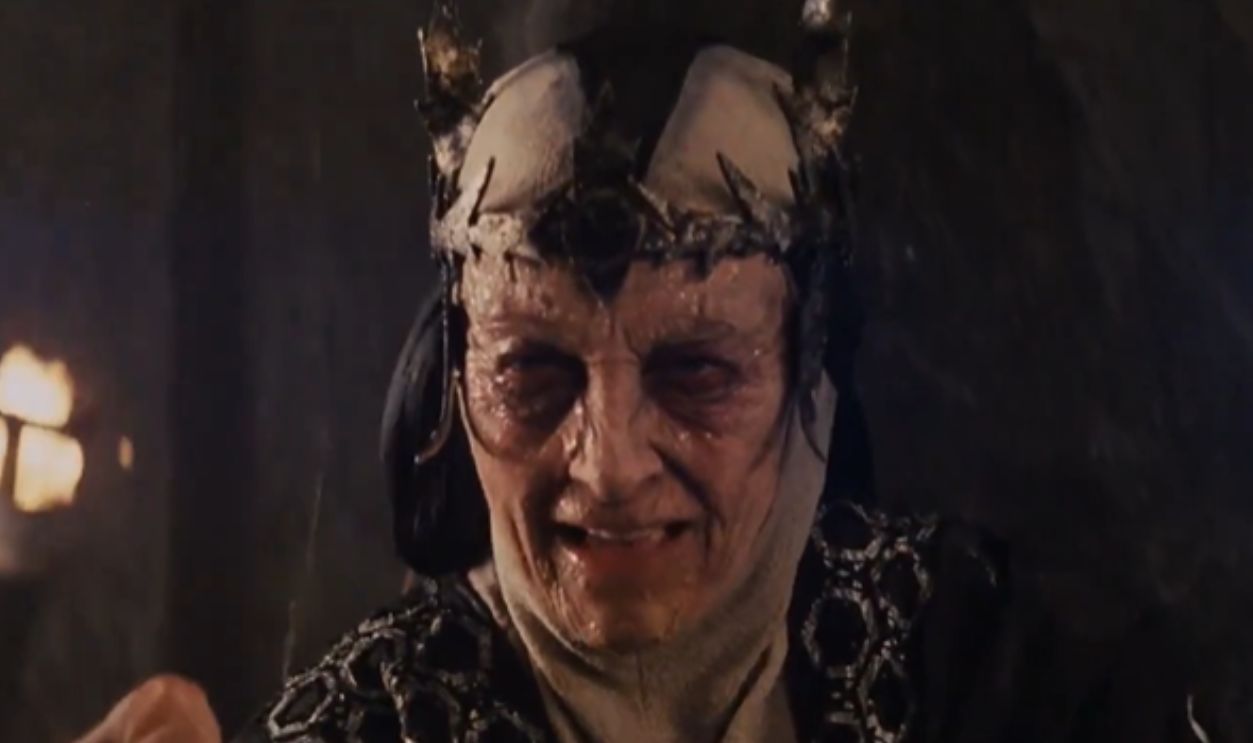 Screenshot from Willow, MGM (1988)
Jason Finally Found His Face
Jason Voorhees did not even wear his famous hockey mask when he first became the killer of the Friday the 13th series. That image arrived in Friday the 13th Part III in 1982, after he had hidden his face behind a sack in the previous film. Once the hockey mask appeared, however, it became inseparable from the franchise. The survivors could change from movie to movie, but audiences always knew who they had really come to see.
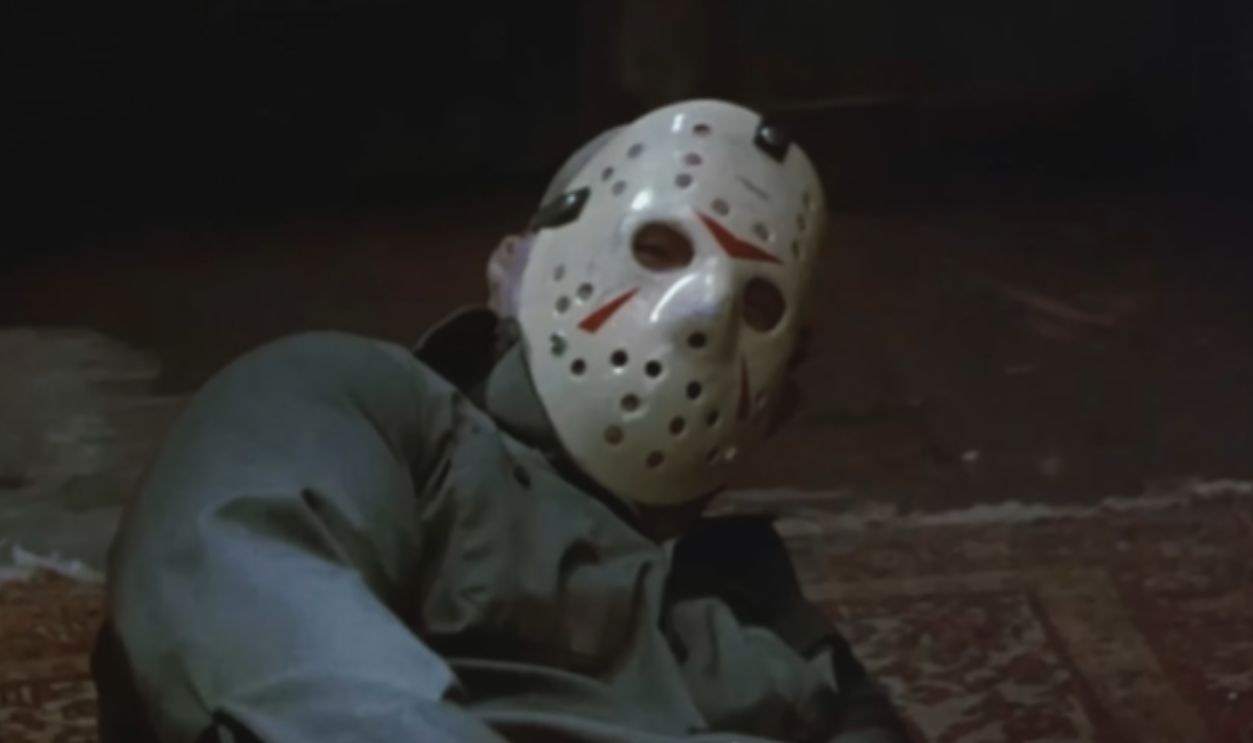 Screenshot from Friday the 13th Part III, Paramount Pictures (1982)
The Terminator Barely Needed To Speak
Arnold Schwarzenegger would eventually become one of Hollywood’s biggest action heroes, but James Cameron first turned him into an almost unstoppable killing machine in The Terminator. Schwarzenegger’s enormous physical presence, rigid movements, and limited dialogue made the character feel less like a conventional assassin than a machine wearing human skin. Cameron had initially met with Schwarzenegger while another role was under discussion before realizing he was far more interesting as the Terminator. The character was so memorable that the sequel would eventually turn Arnold's intimidating presence in an entirely different direction.
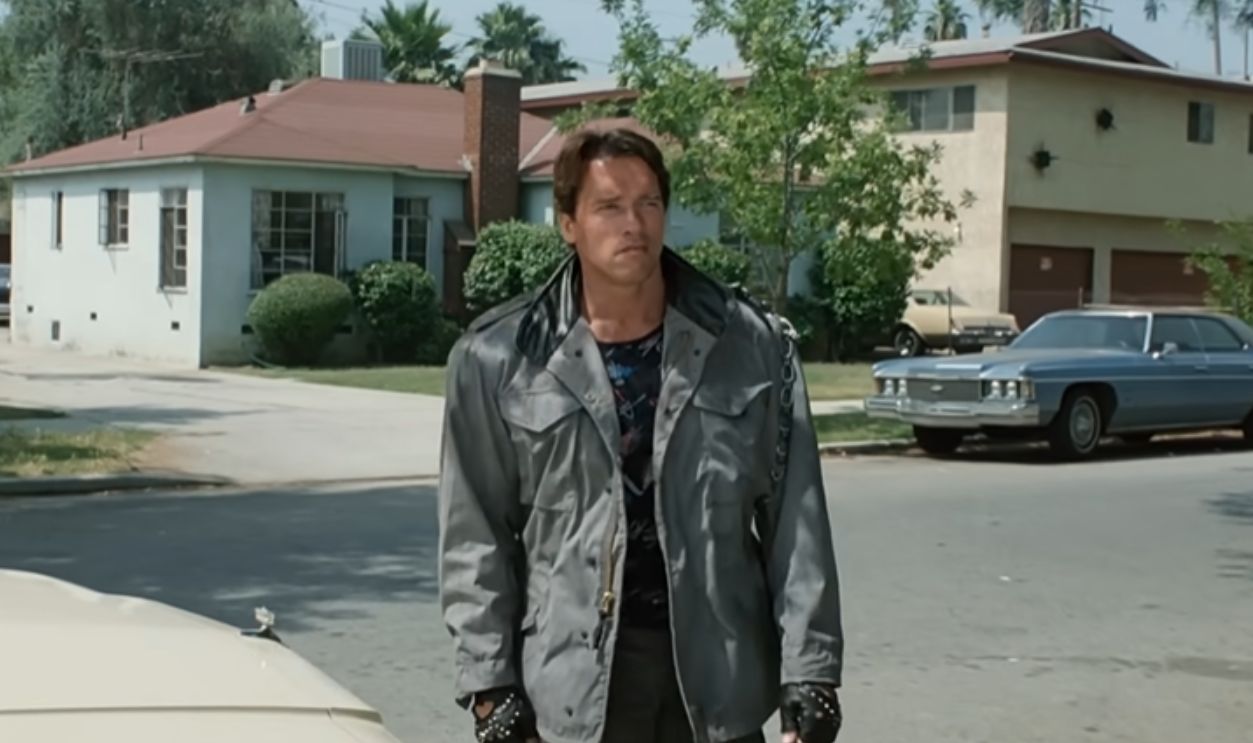 Screenshot from The Terminator, MGM (1984)
Gordon Gekko Made Greed Sound Seductive
Gordon Gekko does not have a mask, supernatural powers, or an army of henchmen. He simply knows how to make ruthless behavior sound sophisticated. Michael Douglas won the Academy Award for Best Actor for playing the corporate raider in Oliver Stone’s Wall Street, while Gekko later landed on the American Film Institute’s list of notable movie villains. Charlie Sheen’s Bud Fox is the central character, but Gekko became the movie’s cultural symbol.
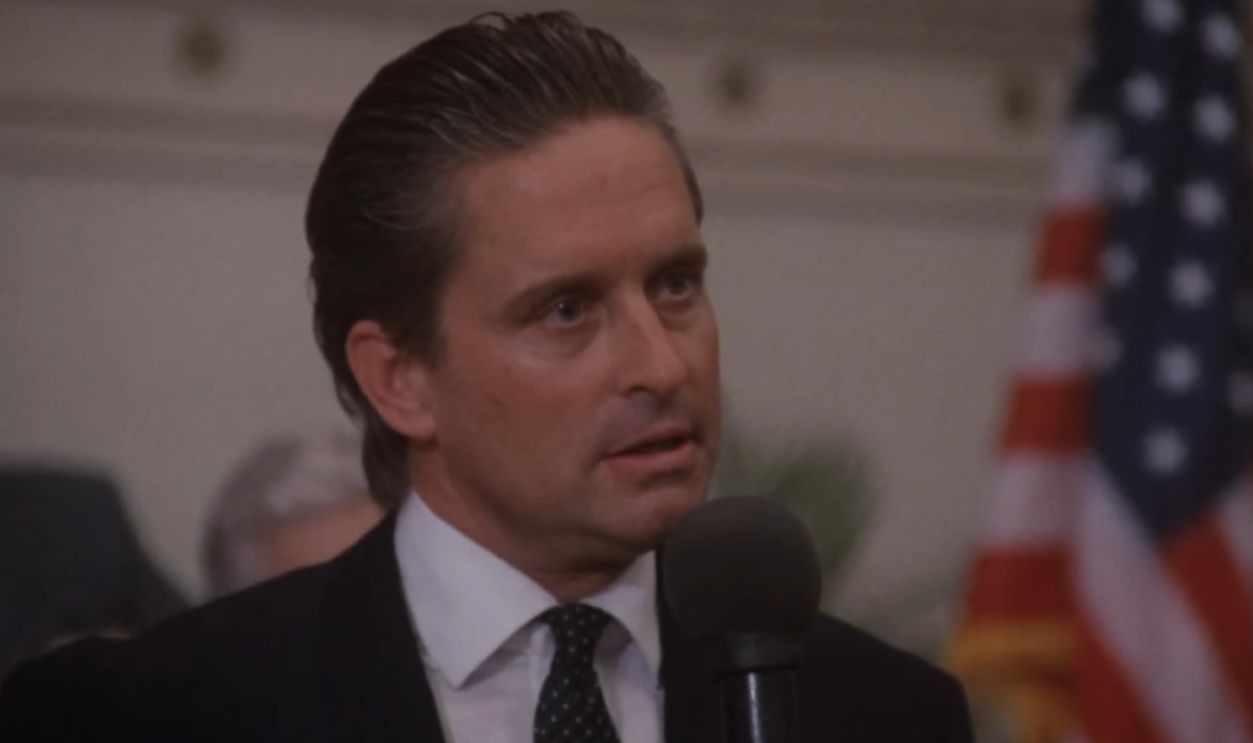 Screenshot from Wall Street, 20th Century Studios (1987)
The Joker Practically Took Over Gotham
Michael Keaton had the title role in Tim Burton’s Batman, but Jack Nicholson entered Gotham with every intention of stealing scenes. His Joker danced, joked, murdered, destroyed priceless art, and treated the entire city like his personal theater production. Nicholson was already one of Hollywood’s biggest stars, which made the villain feel unusually important for a comic-book movie of the period. Batman got the Batmobile, but Joker got many of the movie’s wildest moments.
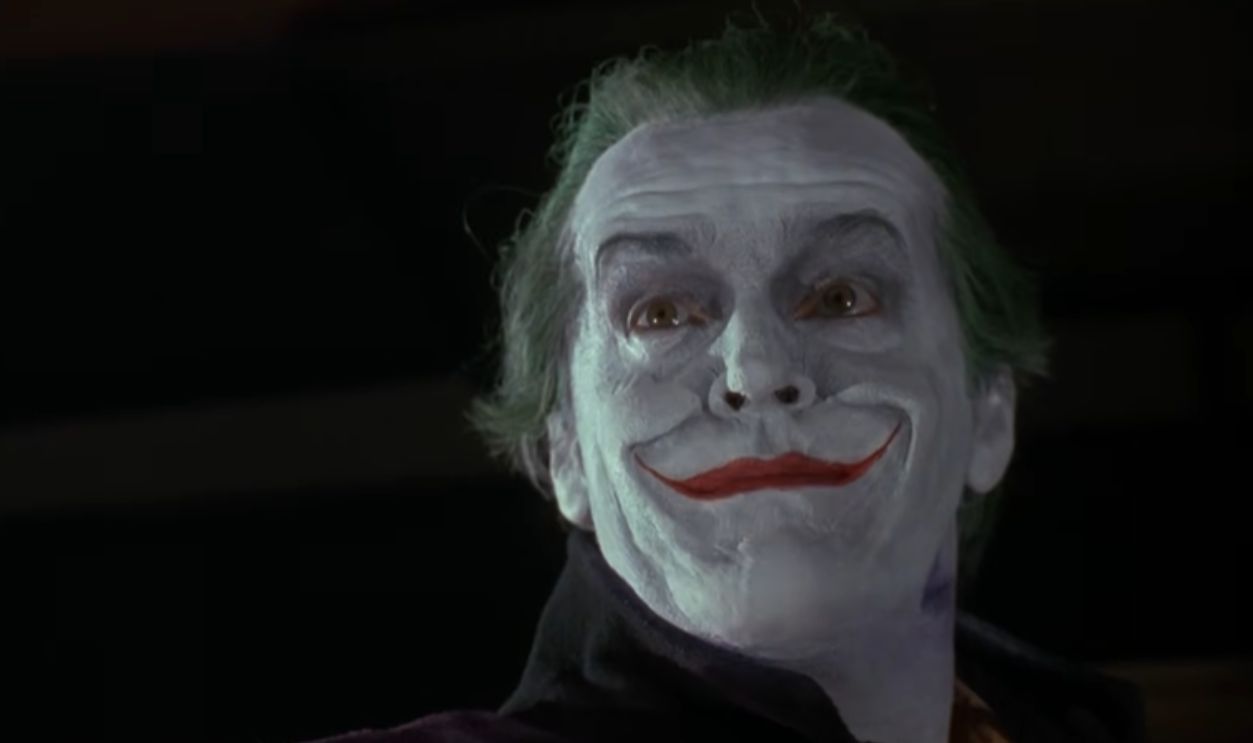 Screenshot from Batman, Warner Bros. (1989)
Prince Humperdinck Was Wonderfully Easy To Hate
The Princess Bride is overflowing with lovable characters, which makes Chris Sarandon’s Prince Humperdinck stand out for all the right reasons. He is smug, cowardly, manipulative, and willing to murder Buttercup if it helps him get the war he wants. Even with Westley, Inigo, Fezzik, and Miracle Max competing for attention, Humperdinck remains an essential part of what makes the story work. Few villains have been so satisfying to watch get completely humiliated.
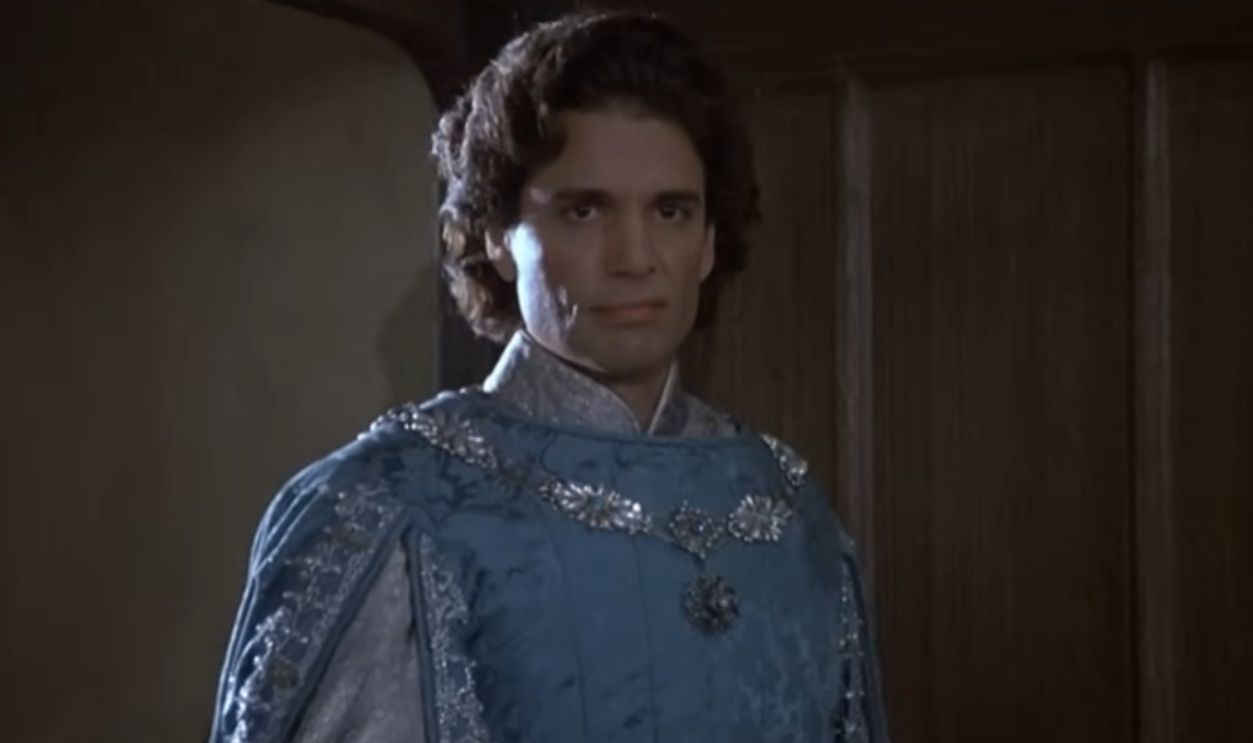 Screenshot from The Princess Bride, 20th Century Studios (1987)
Khan Turned Revenge Into Grand Opera
Star Trek II: The Wrath of Khan brought Ricardo Montalban back as Khan Noonien Singh, a character first introduced on the original television series. Montalban plays him with so much wounded pride that Khan's vendetta against Kirk feels enormous even when the two men are separated by viewscreens and starships. In fact, their rivalry works without requiring the conventional face-to-face showdown audiences might expect. Kirk is the franchise icon, but Khan's name ended up right there in the title.
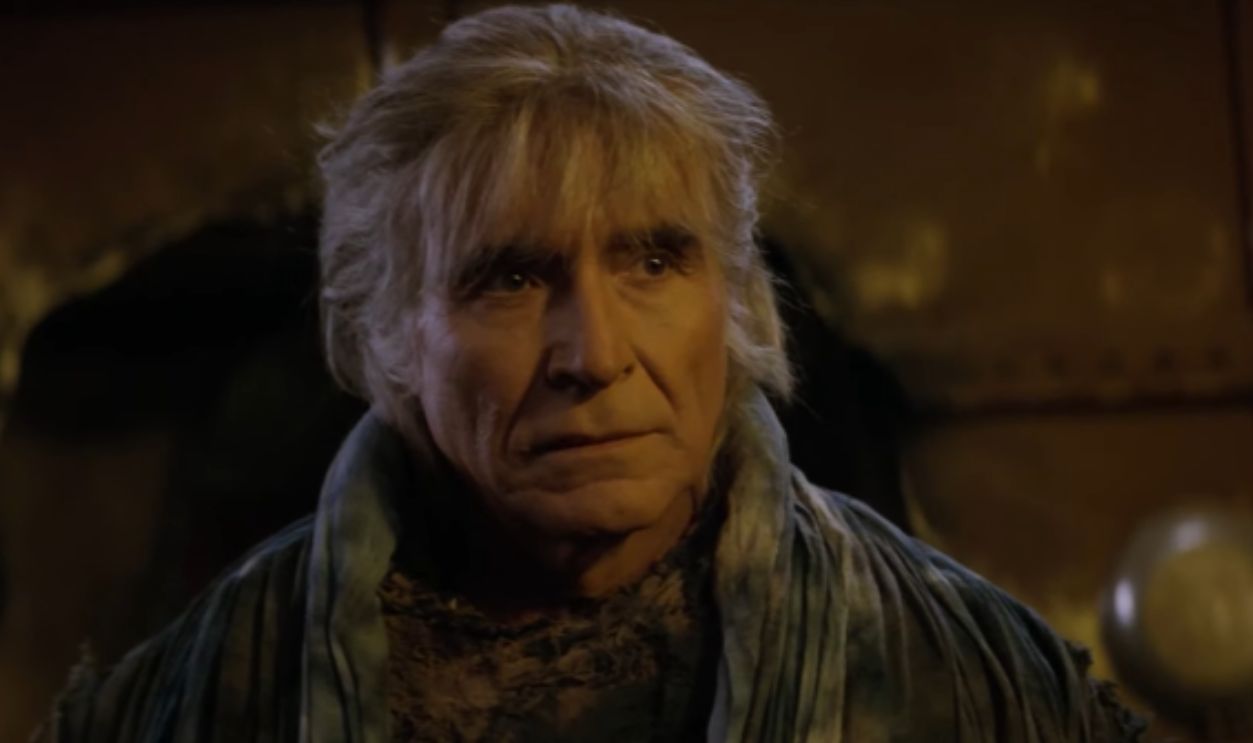 Screenshot from Star Trek II: The Wrath of Khan, Paramount Pictures (1982)
Clubber Lang Entered The Ring Like A Star
Before Mr. T became synonymous with The A-Team, Sylvester Stallone cast him as Rocky Balboa’s ferocious challenger in Rocky III. The mohawk, gold chains, glare, and enormous physical presence made Clubber Lang instantly distinctive. Then he defeats Rocky and turns the movie into a comeback story almost by himself. Apollo Creed had become Rocky's friend, so the franchise needed somebody audiences could immediately fear, and Clubber arrived ready-made for the job.
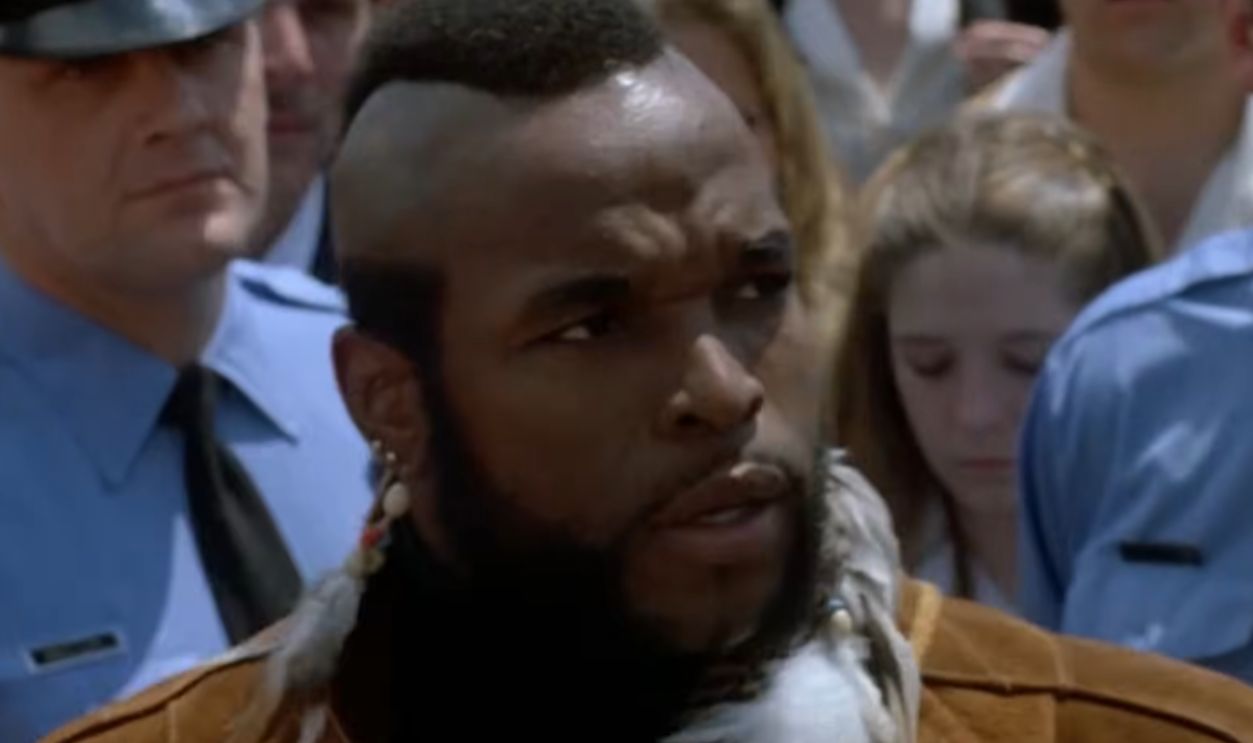 Screenshot from Rocky III, MGM (1982)
Ivan Drago Looked Engineered To Beat Rocky
Dolph Lundgren was still a relatively unfamiliar face to American movie audiences when Rocky IV turned him into Ivan Drago. That actually helped. His towering frame and icy delivery made the Soviet boxer seem less like another colorful opponent and more like something Rocky had never encountered before. Lundgren later discussed trying to find humanity inside a character who could easily have remained a simple Cold War caricature, but his intimidating first impression was almost impossible to shake.
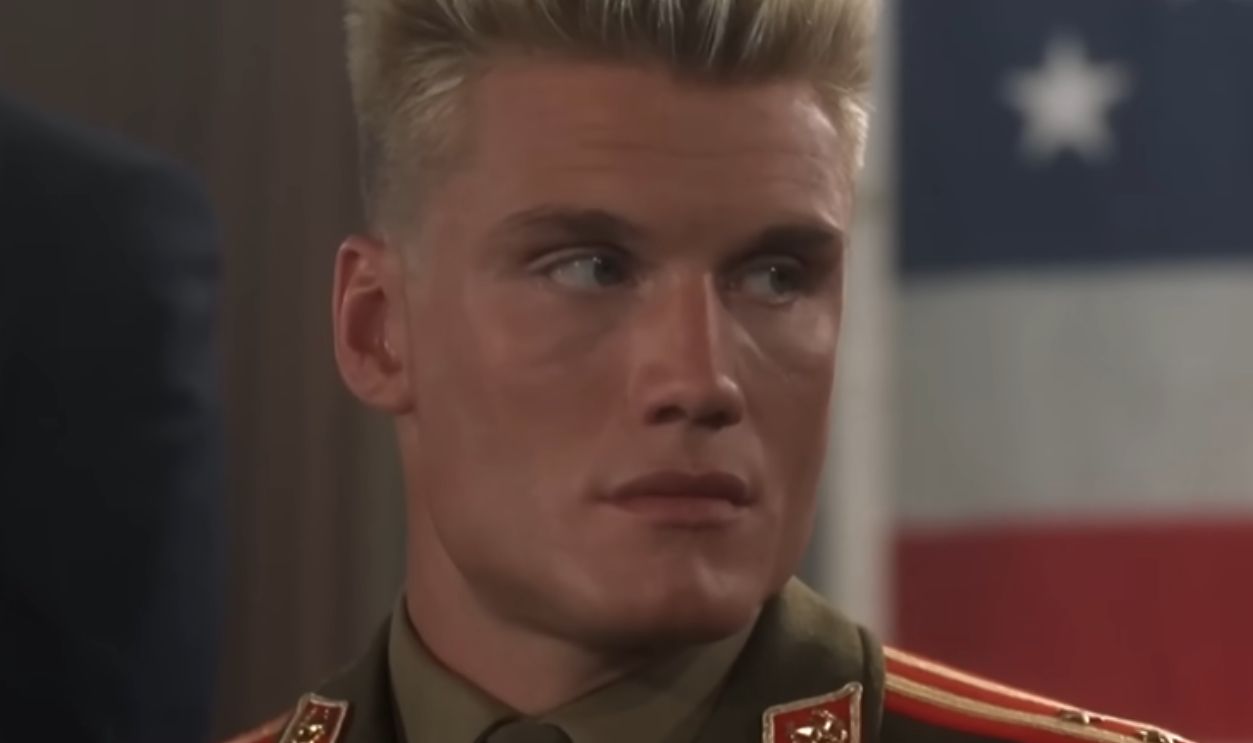 Screenshot from Rocky IV, MGM (1985)
General Zod Outgrew His Original Movie
Terence Stamp had appeared briefly as General Zod in the first Superman, but Superman II finally let him take over Earth. His calm superiority made a perfect contrast with Christopher Reeve’s fundamentally decent Superman. Interestingly, Stamp later said the movie's enormous success did not immediately transform his career, yet Zod's reputation kept growing as the children who watched the film became adults. Eventually, the imperious Kryptonian became one of the characters most closely associated with Stamp himself.
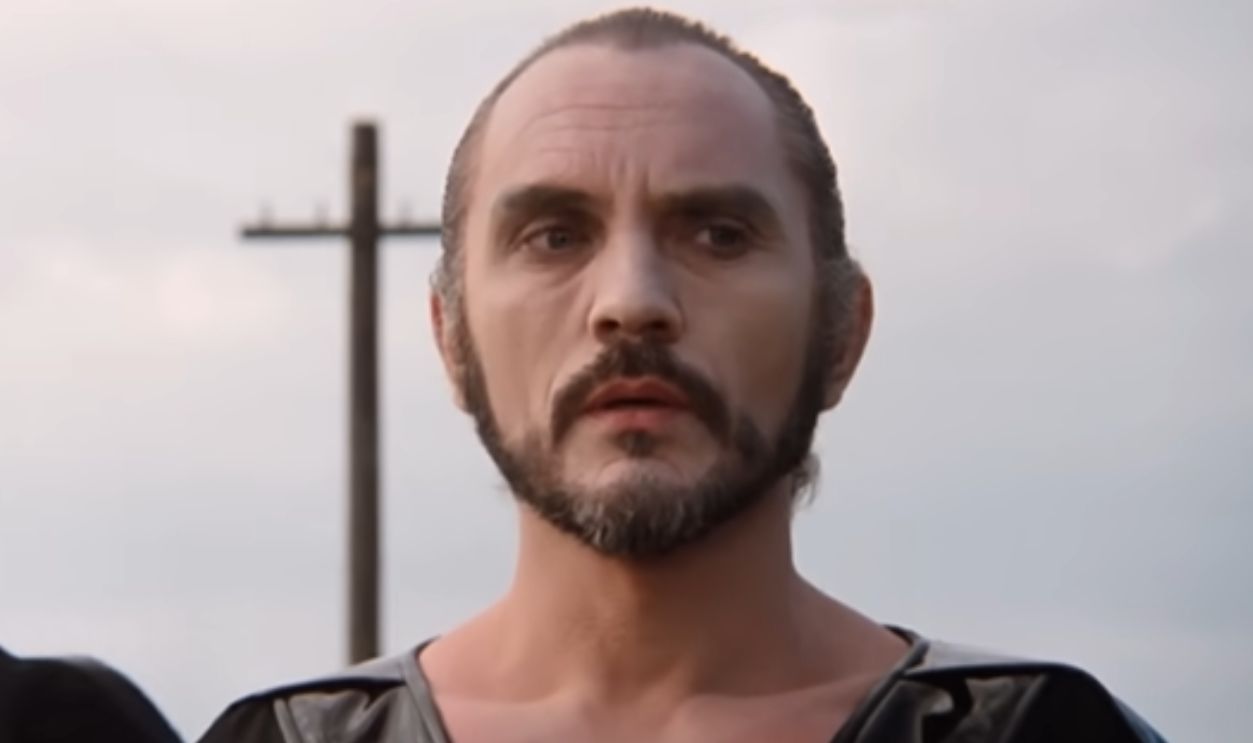 Screenshot from Superman II, Warner Bros. (1980)
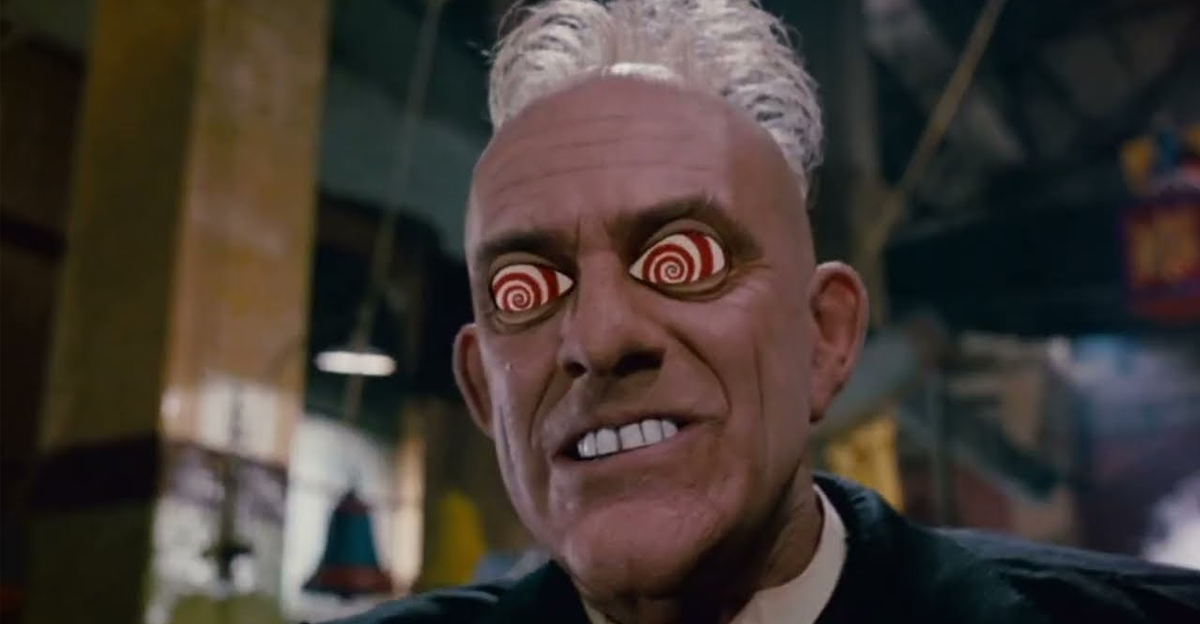
Judge Doom Turned A Comedy Into A Nightmare
For much of Who Framed Roger Rabbit, Judge Doom looks like an unusually severe human villain trapped in a world filled with cartoons. Then Christopher Lloyd’s performance takes a turn that terrified plenty of younger viewers. Doom’s true identity transforms the movie’s finale into something much closer to horror, complete with an increasingly unnatural voice and one unforgettable pair of eyes. Roger Rabbit may be on the poster, but Doom is the reason some kids probably wished they had stopped watching early.
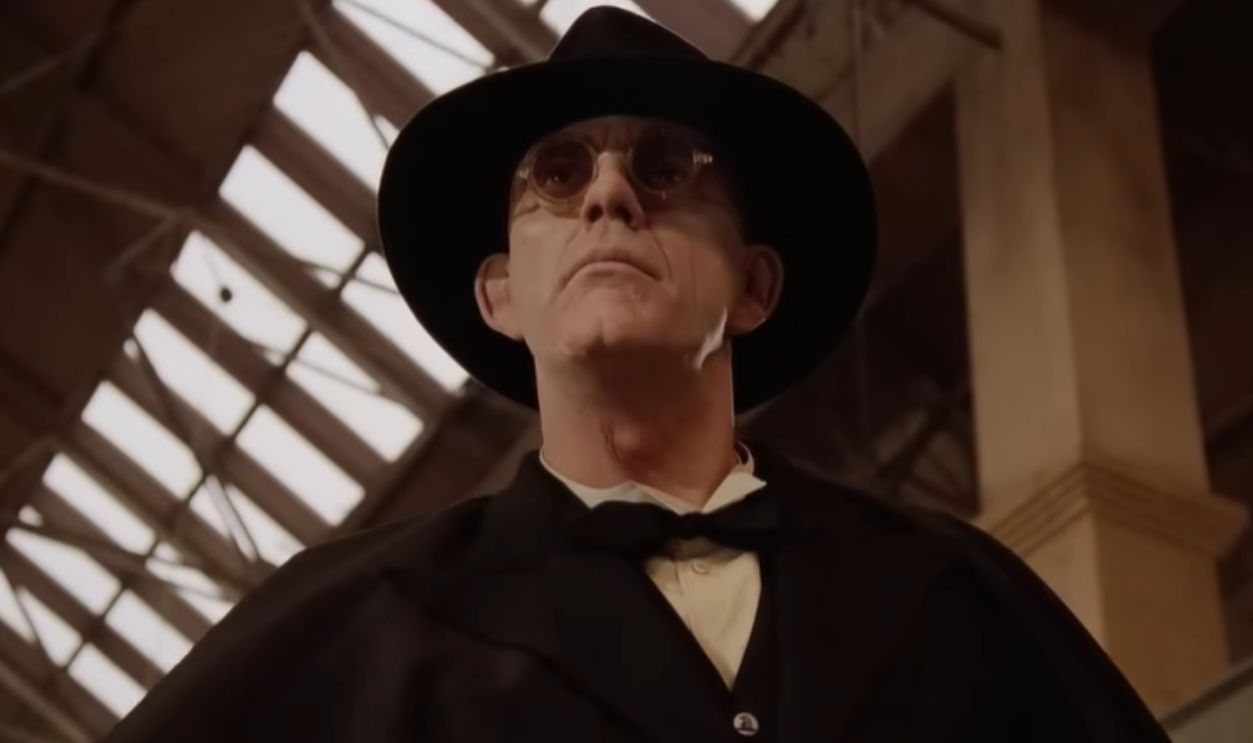 Screenshot from Who Framed Roger Rabbit, Buena Vista Pictures Distribution (1988)
David Lo Pan Had Main-Character Energy
Big Trouble in Little China is overflowing with bizarre characters, yet James Hong’s David Lo Pan nearly swallows the whole movie. Hong plays the ancient sorcerer with a combination of menace, comedy, loneliness, and enormous theatrical confidence. He later explained that he found a human motivation inside Lo Pan by focusing on the character's desperate search for love. It is exactly the sort of wonderfully strange performance that helped the movie become a cult favorite.
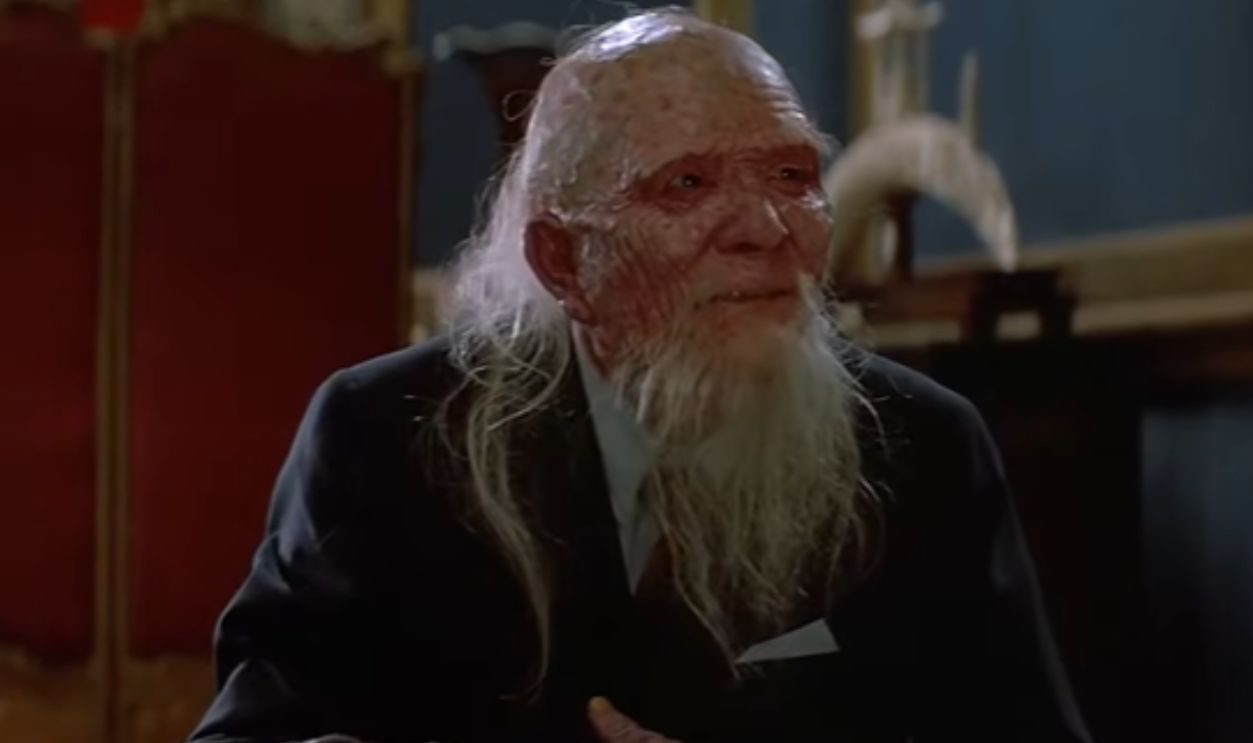 Screenshot from Big Trouble in Little China, 20th Century Studios (1986)
Jareth Made Being The Villain Look Glamorous
Sarah is unquestionably the hero of Labyrinth, but David Bowie arrives as Jareth the Goblin King with an enormous advantage: he is David Bowie. Jim Henson cast the musician as the ruler of the strange world Sarah must cross to rescue her baby brother. Bowie also wrote and performed original songs for the film, giving Jareth a presence no ordinary fantasy villain could match. The movie grew into a cult favorite, and Jareth became one of its defining attractions.
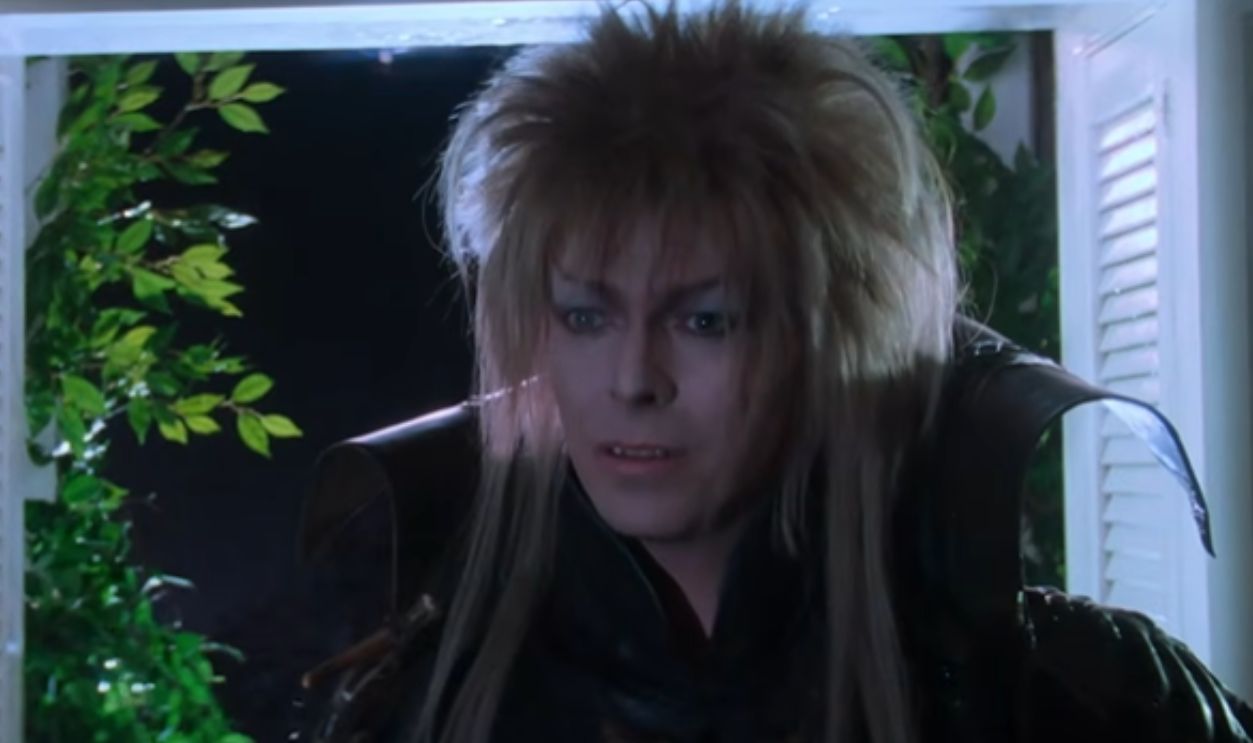 Screenshot from Labyrinth, TriStar Pictures (1986)
Frank Booth Made Every Scene Feel Dangerous
Dennis Hopper’s Frank Booth in Blue Velvet belongs to a completely different category from the decade’s fantasy and comic-book villains. Hopper famously told director David Lynch that he understood Frank on a deeply personal level, and that disturbing certainty is visible in the performance. Frank can shift from bizarre vulnerability to terrifying violence with almost no warning. Kyle MacLachlan plays the young man uncovering the mystery, but Hopper is the reason every encounter feels dangerously unstable.
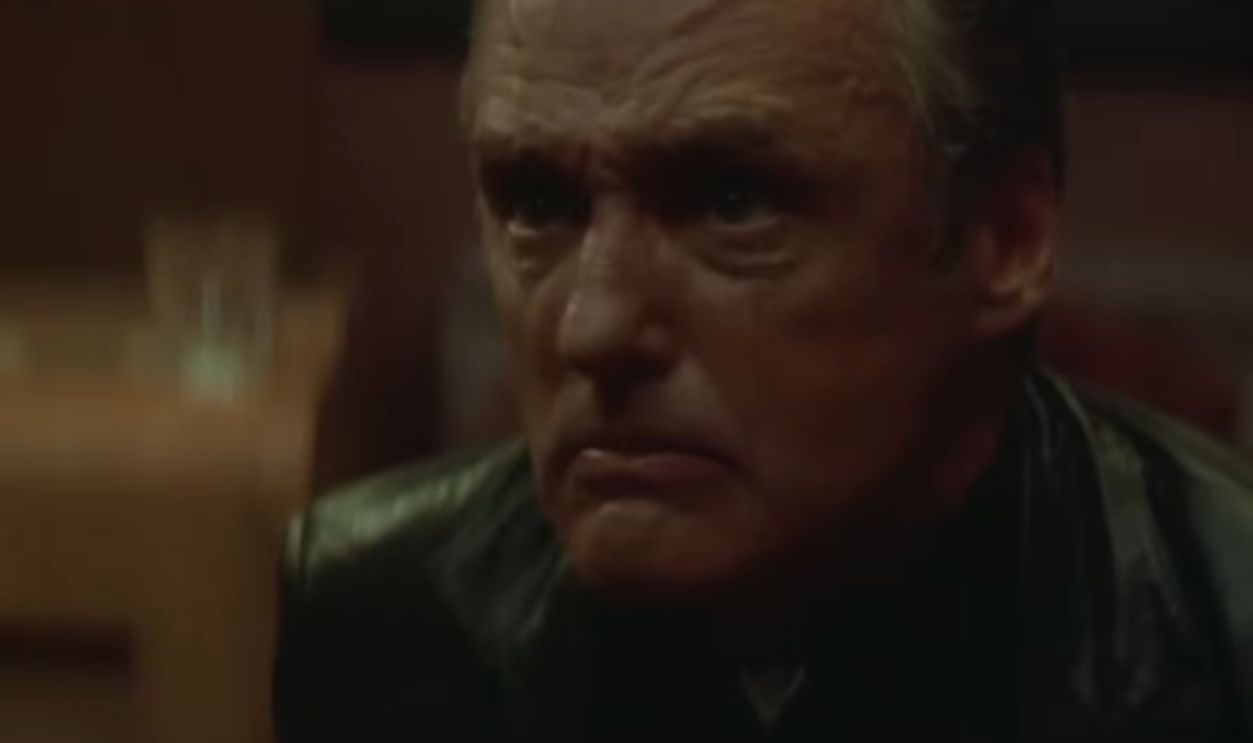 Screenshot from Blue Velvet, MGM (1986)
Clarence Boddicker Looked Almost Too Ordinary
The world of RoboCop is packed with giant corporations, armored machines, and futuristic technology. Then Kurtwood Smith’s Clarence Boddicker strolls in looking strangely ordinary and starts behaving like an absolute monster. Smith later recalled that director Paul Verhoeven gave him room to develop the character rather than forcing him into a standard movie-thug mold. That contrast between Boddicker’s appearance and his casual brutality makes him one of the film’s nastiest surprises.
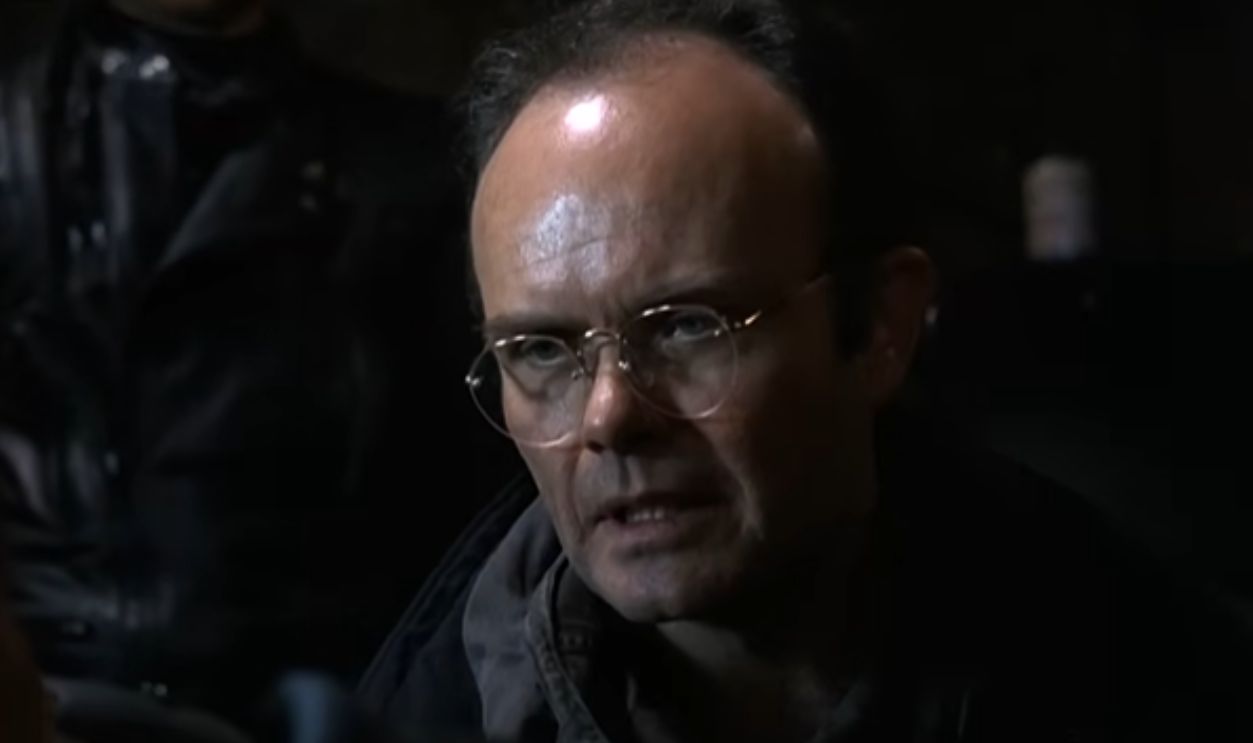 Screenshot from RoboCop, Orion Pictures (1987)
The Predator Hunted An Entire Action Movie
Predator begins by assembling a squad so absurdly tough that they look capable of winning almost any 1980s action movie. Then something begins dismantling them one by one. Effects legend Stan Winston helped create the final creature design, while the towering Kevin Peter Hall physically performed the Predator. By the time the camouflage disappears and audiences finally see that face, Arnold Schwarzenegger has somehow become the underdog.
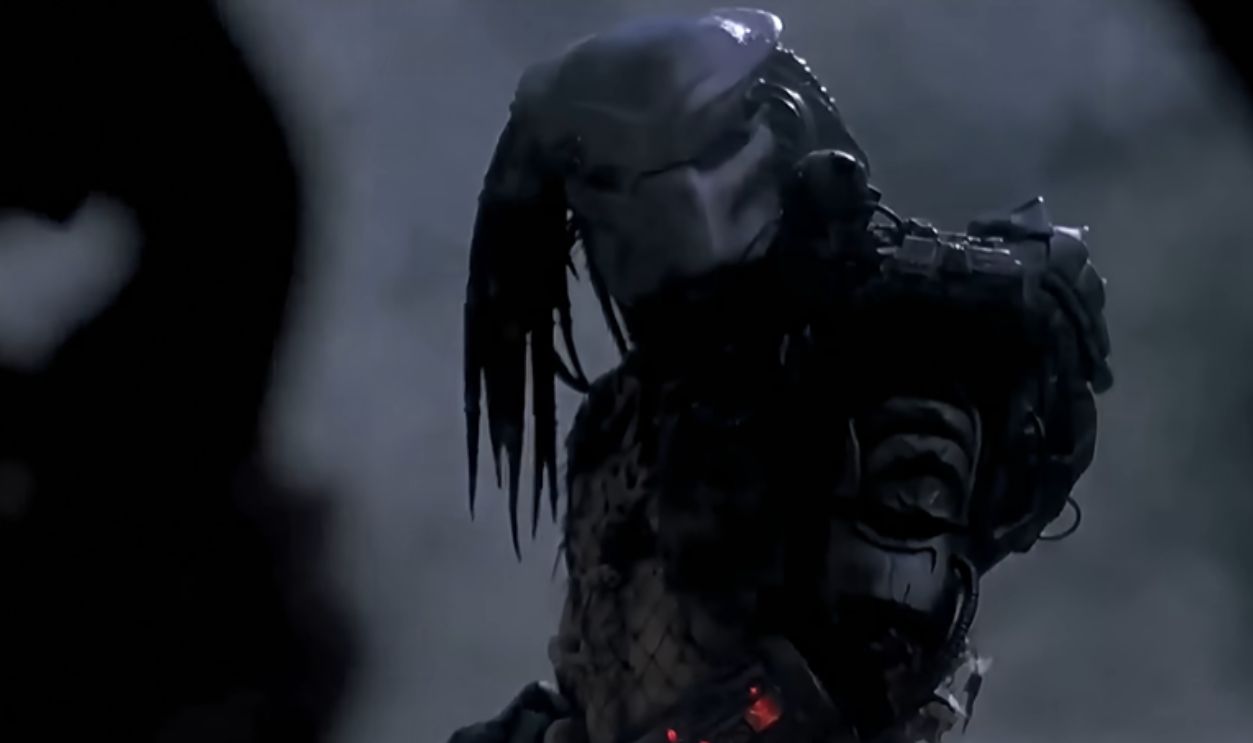 Screenshot from Predator, 20th Century Studios (1987)
Belloq Was Indiana Jones Without The Conscience
Indiana Jones faces Nazis, snakes, traps, and supernatural forces in Raiders of the Lost Ark, but René Belloq is dangerous for a simpler reason. He understands Indy. Paul Freeman plays the rival archaeologist as a smoother and more morally flexible reflection of Harrison Ford’s hero, someone capable of anticipating how Jones will react. Belloq does not need to overpower Indiana physically because he is often already waiting for him at the finish line.
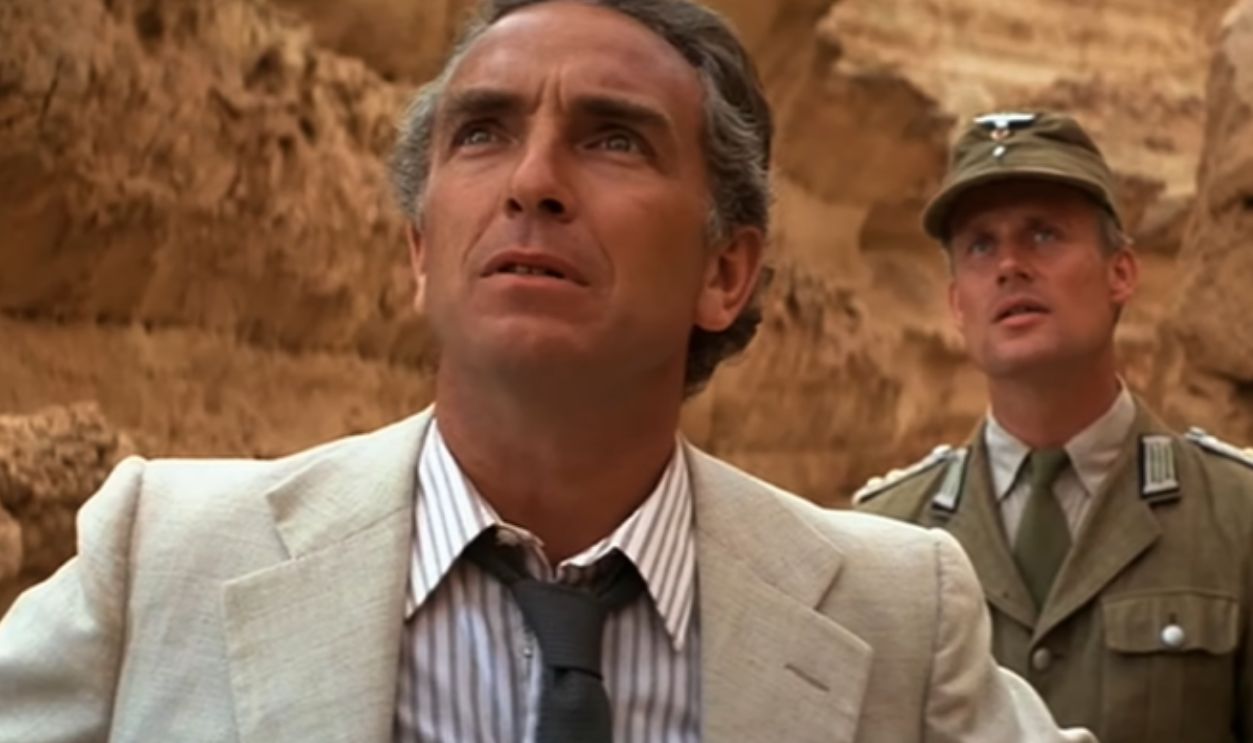 Screenshot from Raiders of the Lost Ark, Paramount Pictures (1981)
Mola Ram Gave Temple Of Doom Its Nightmare Fuel
Indiana Jones and the Temple of Doom gets considerably darker once Indy reaches the underground temple. At the center of that nightmare is Amrish Puri’s Mola Ram, whose elaborate appearance and ritual scenes dominate the movie’s most unsettling stretch. Harrison Ford still gets the escapes, fights, and heroics, but Mola Ram supplies the images many viewers never forgot. Few Indiana Jones villains made evil look quite so theatrical.
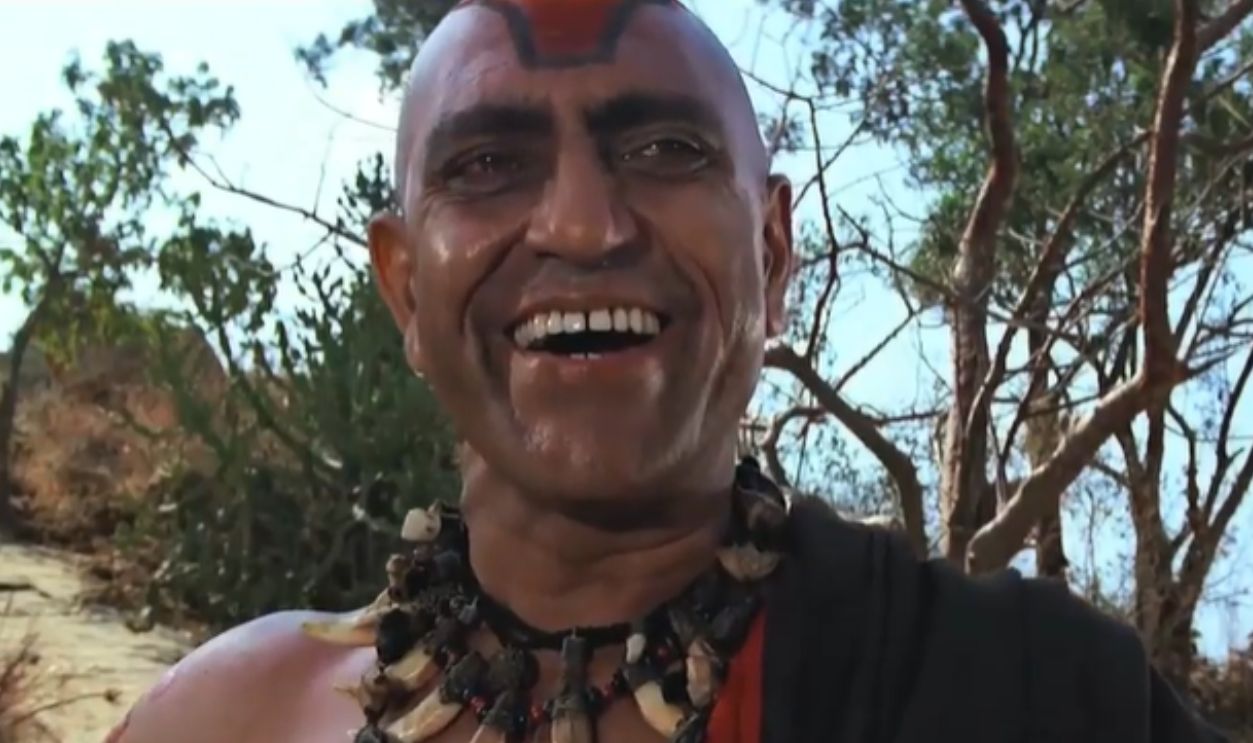 Screenshot from Indiana Jones and the Temple of Doom, Paramount Pictures (1984)
Thulsa Doom Barely Had To Raise His Voice
Arnold Schwarzenegger brought enormous physical presence to Conan the Barbarian, but James Earl Jones did not try to compete with him through muscle. His Thulsa Doom is calm, hypnotic, and confident enough to command fanatical followers through sheer presence. Co-star Gerry Lopez later remembered Jones using his theater-trained voice to carry across a huge set filled with extras. Conan had the sword, but Doom had something arguably more intimidating: everybody's attention.
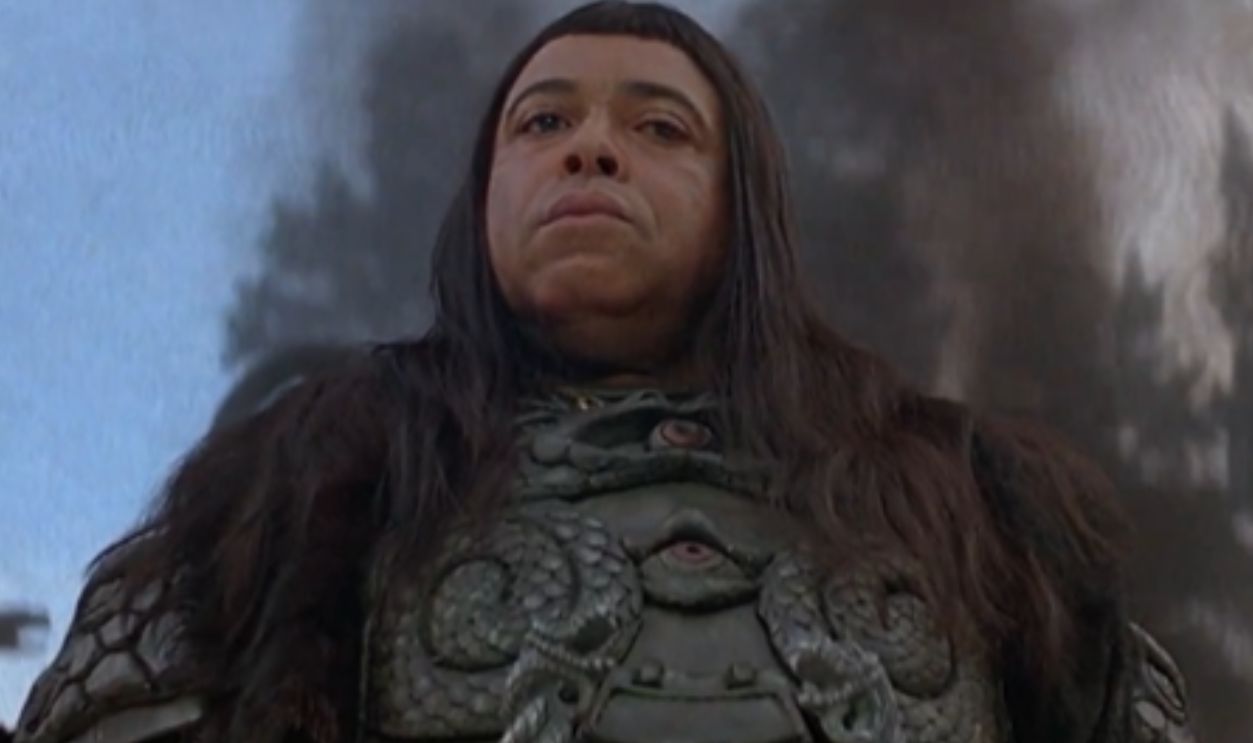 Screenshot from Conan the Barbarian, Universal Pictures (1982)
David Made Vampires Look Cool Again
The Lost Boys gave audiences a whole gang of young vampires, but Kiefer Sutherland’s David clearly stood at the center of them. With bleached hair, sunglasses, a leather jacket, and a permanently amused expression, he made vampirism look dangerously appealing before the movie showed how deadly his group could be. Jason Patric’s Michael provides the audience’s way into the story, but David provides the image people remember. The best vampire villains make joining them look like it might actually be fun.
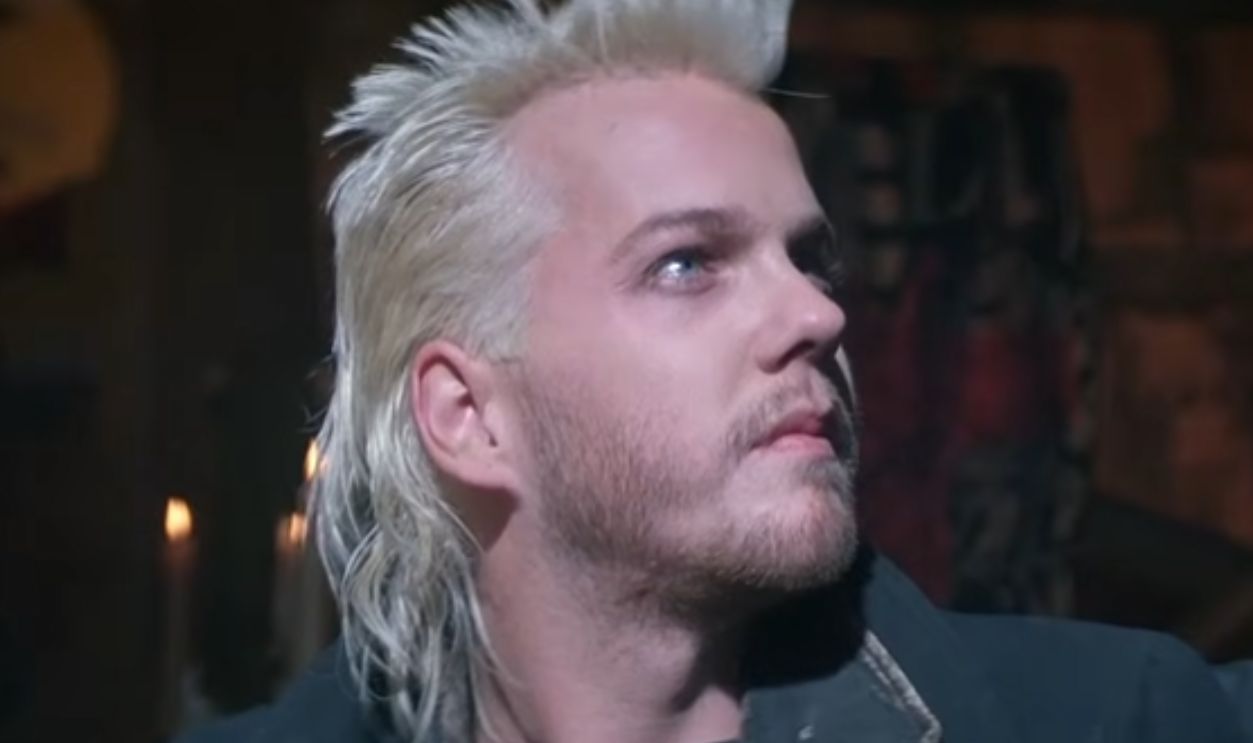 Screenshot from The Lost Boys, Warner Bros. (1987)
Stripe Was Gizmo's Evil Opposite
Gizmo may be the adorable face of Gremlins, but Stripe gives the movie its title real meaning. The mohawked Gremlin quickly becomes the ringleader once the creatures begin tearing through Kingston Falls. He is nasty, clever, and visually distinctive enough that viewers can immediately pick him out from the crowd. By the finale, the movie has essentially become adorable little Gizmo versus the worst possible version of his own species.
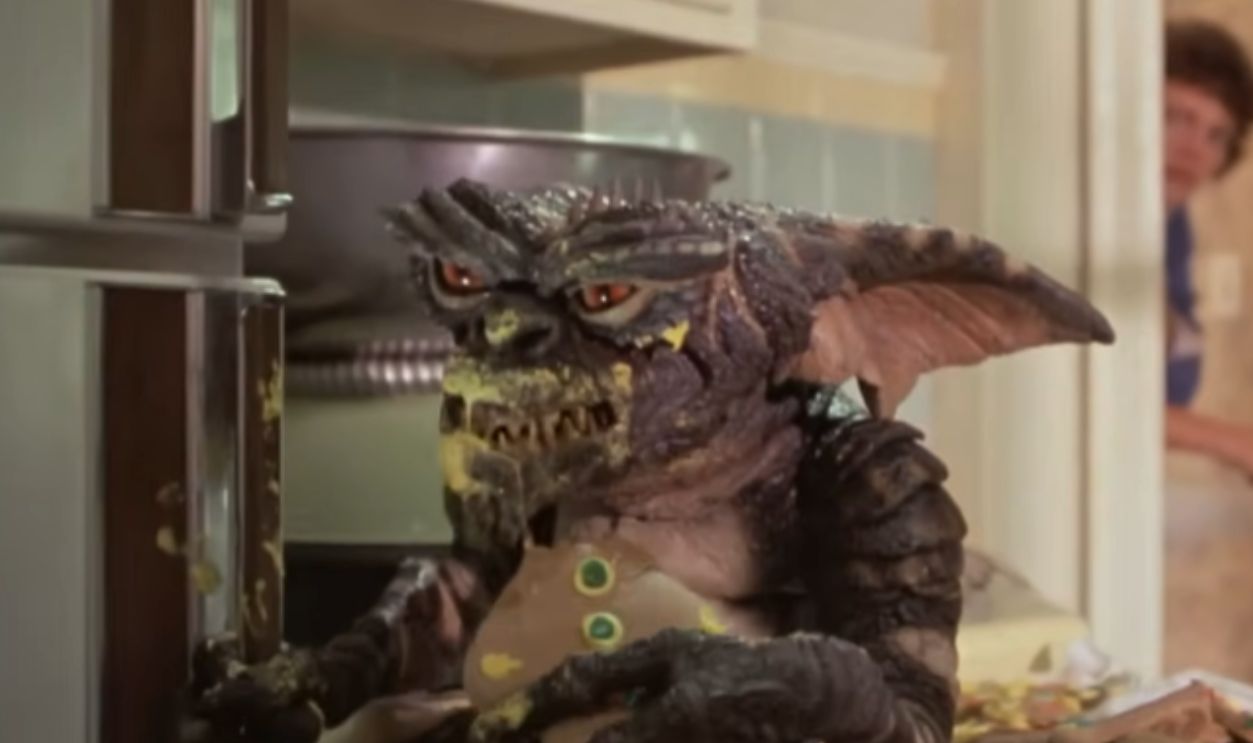 Screenshot from Gremlins, Warner Bros. (1984)
Darkness Looked Like He Escaped From A Nightmare
Ridley Scott’s Legend starred a young Tom Cruise, but Tim Curry received the transformation nobody could forget. Playing Darkness meant disappearing beneath extensive prosthetics, giant horns, hooves, and an elaborate demonic appearance that left Curry relying heavily on his unmistakable voice. The result looks less like a man in fantasy makeup and more like an illustration of the devil suddenly stepped off the page. Cruise may have played the hero, but Darkness was practically designed for the poster.
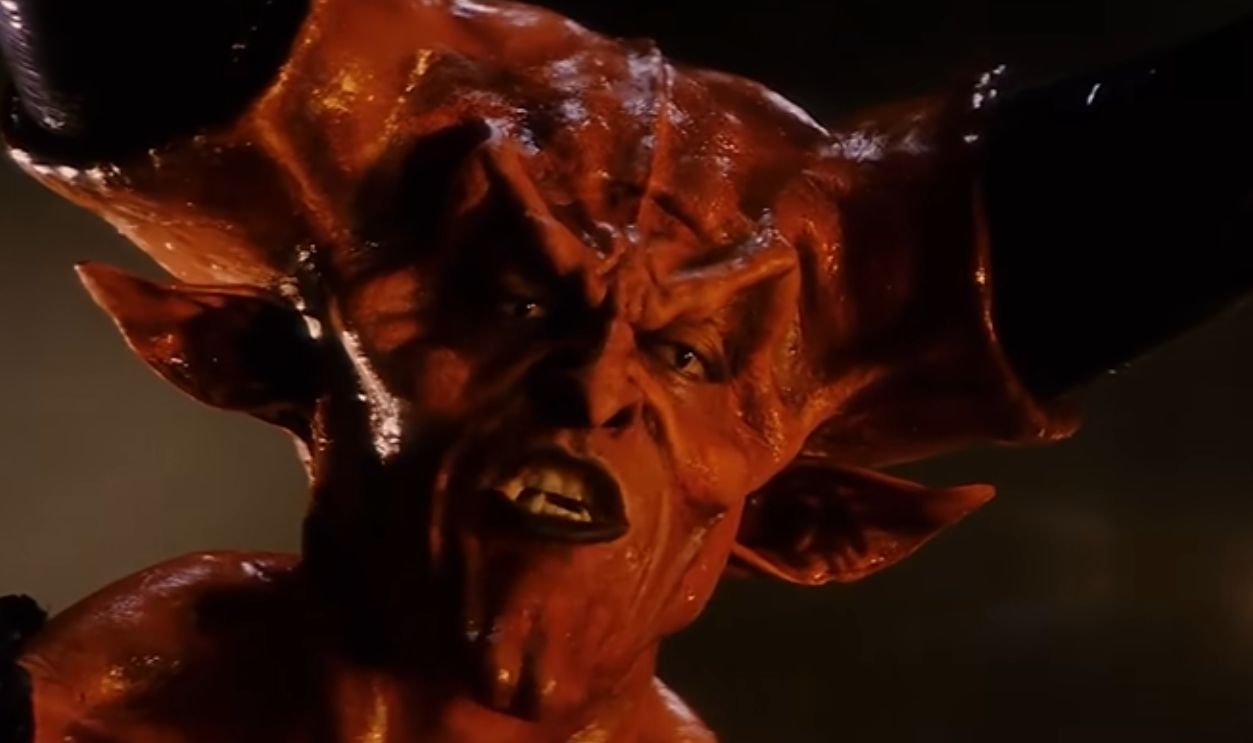 Screenshot from Legend, Universal Pictures (1985)
The Villains Became Their Own Kind Of Stars
The heroes of these movies usually won, but victory did not guarantee they would be the character people talked about afterward. The best 1980s villains had silhouettes, voices, costumes, personalities, and sometimes just one perfectly nasty expression that worked even outside their original movies. Some became franchise mascots, while others turned supporting performances into career-defining roles. In a decade built around larger-than-life movies, sometimes being the bad guy was simply the better part.
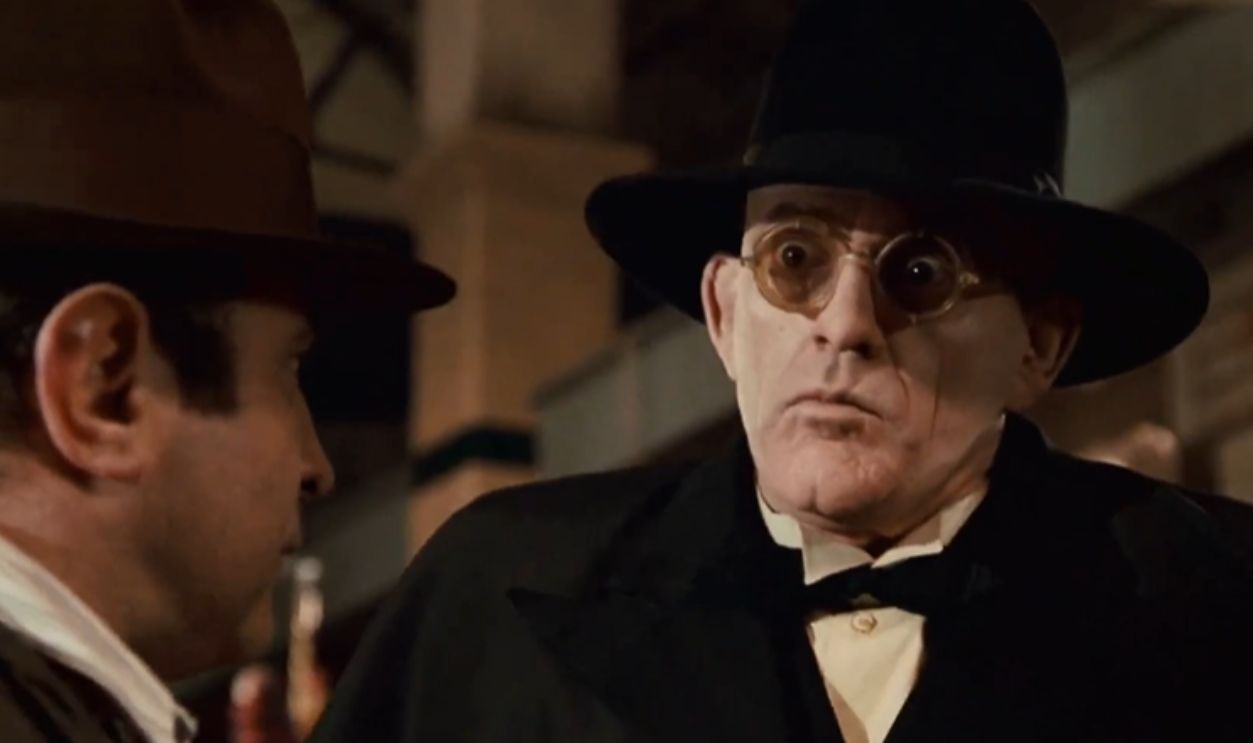 Screenshot from Who Framed Roger Rabbit, Buena Vista Pictures Distribution (1988)
You May Also Like:
Movies That Prove The 80s Were The Best Decade In Film
Incredible TV Shows From The 80s Most People Forgot About
Sources: 1, 2, 3, 4, 5, 6, 7, 8, 9, 10, 11, 12, 13, 14, 15, 16, 17, 18, 19, 20, 21, 22, 23