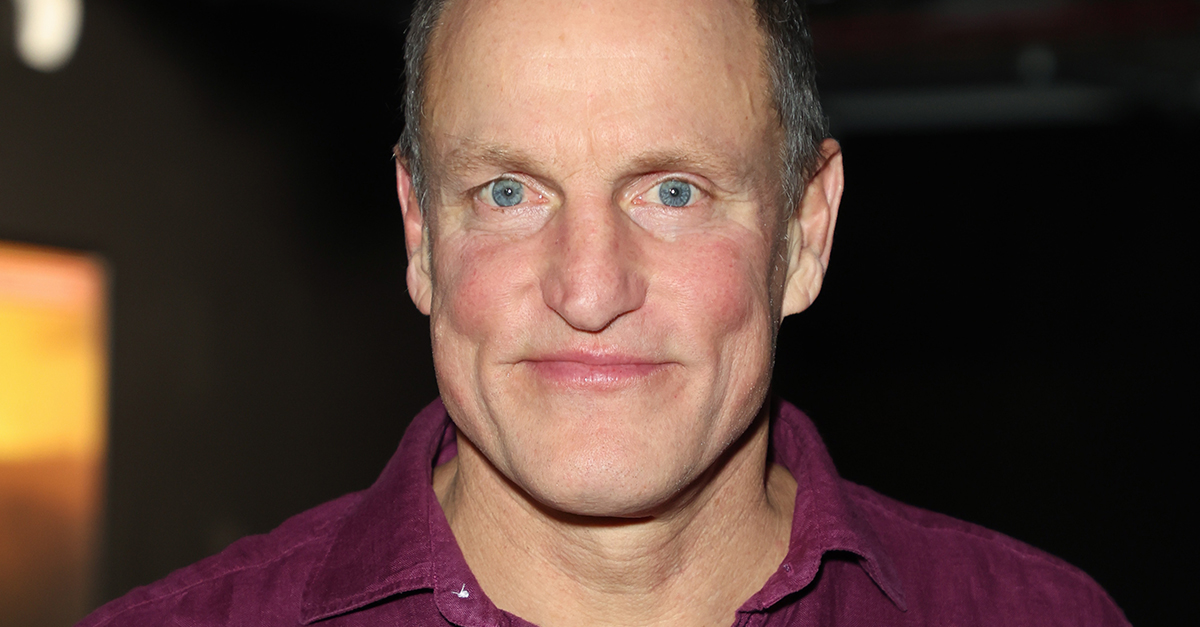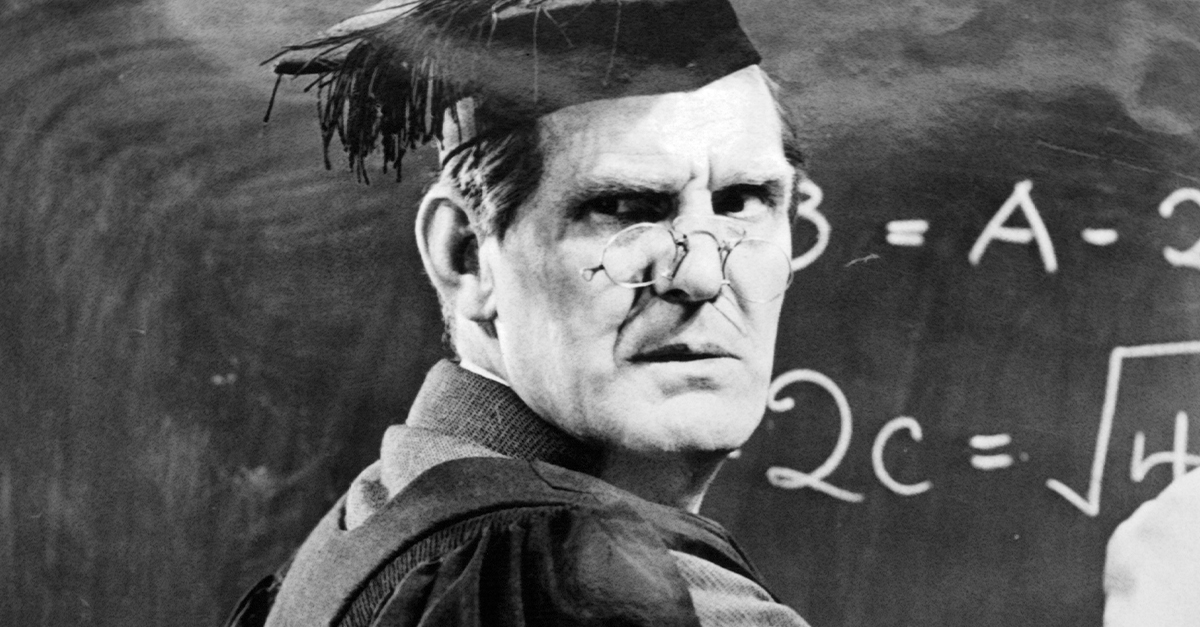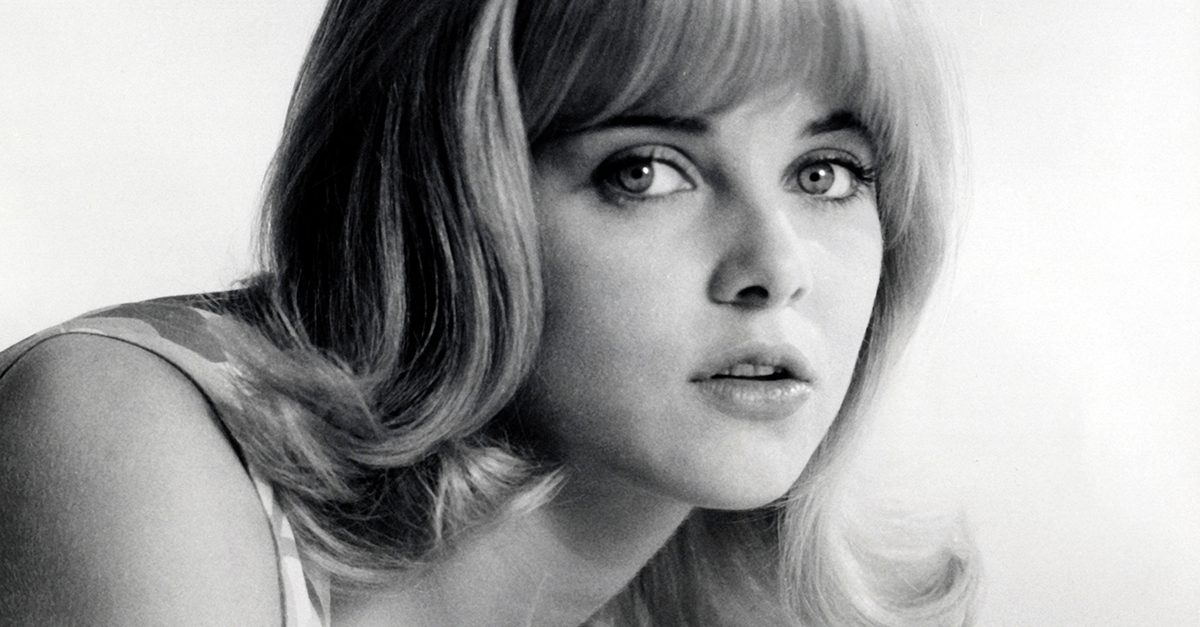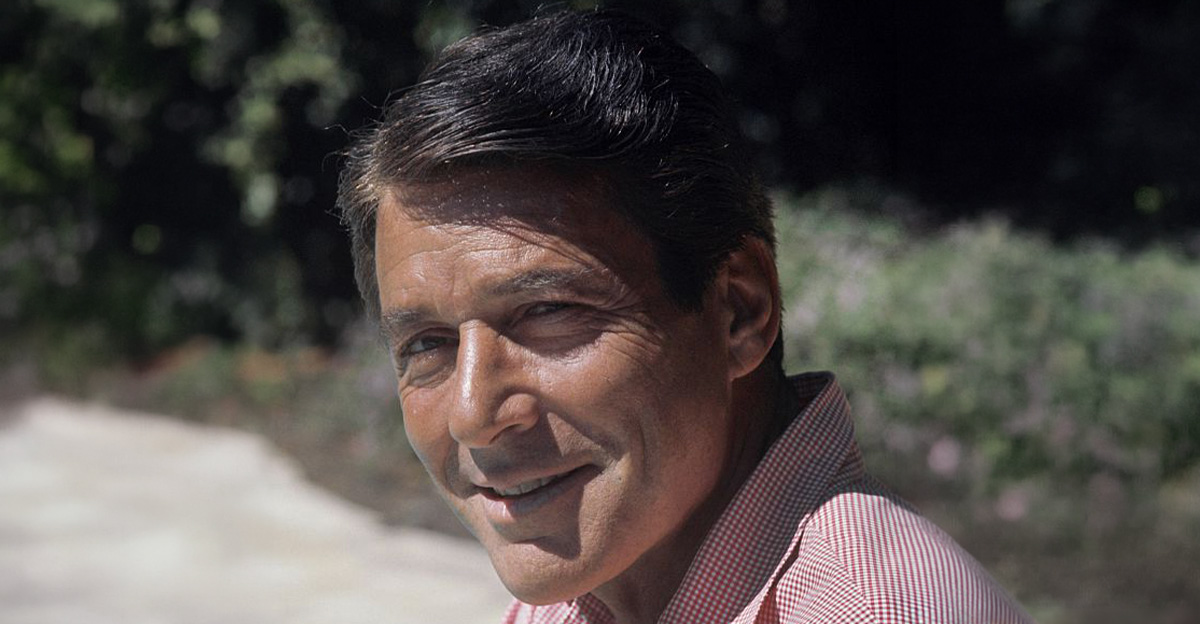
When Movie Stars Had Movie-Star Names
The 1960s produced celebrities with names so wonderfully dramatic that younger audiences might assume someone invented them for an old Hollywood parody. Yet to Baby Boomers, stars like Troy Donahue, George Peppard, and Tuesday Weld require no explanation. They were everywhere—and once upon a time, everybody knew exactly who they were.
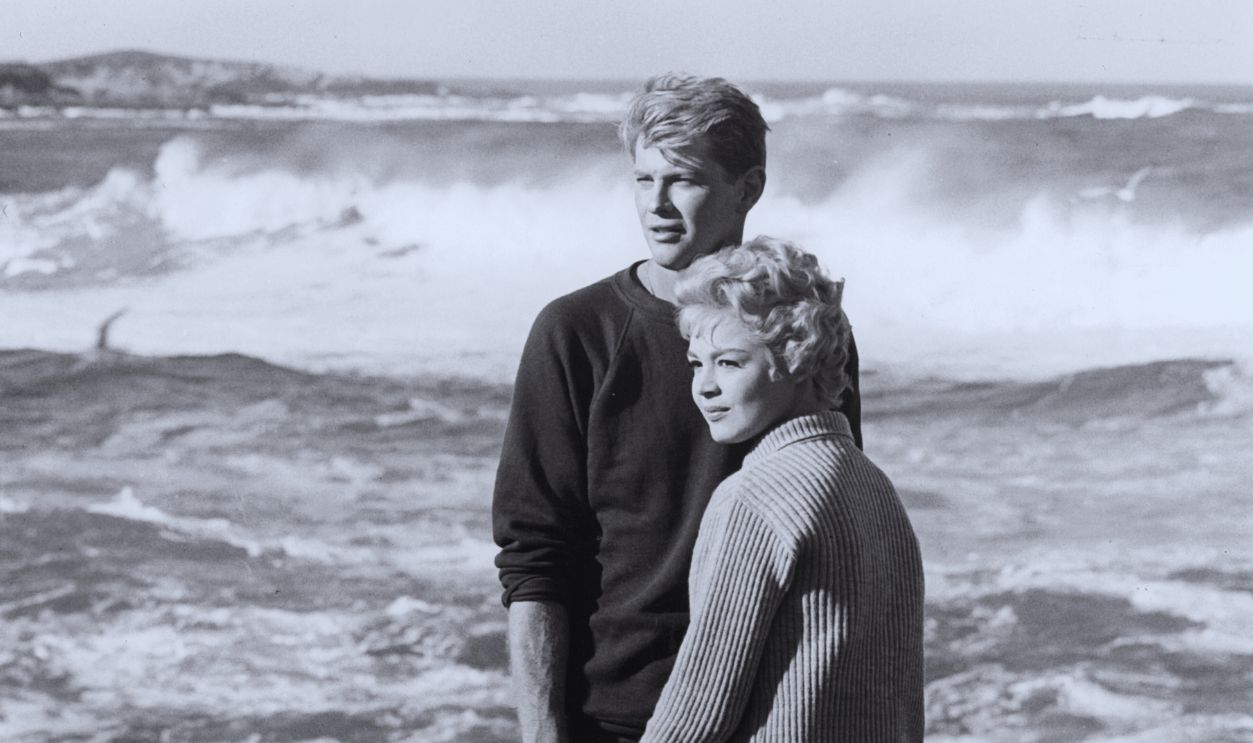
Troy Donahue
Try telling someone born after 1995 that one of America's biggest romantic idols was named Troy Donahue. It sounds suspiciously perfect. Yet with movies like A Summer Place, Donahue became the blond, impossibly handsome face of teenage romance, plastered across magazines and bedroom walls throughout the early 1960s.
Tab Hunter
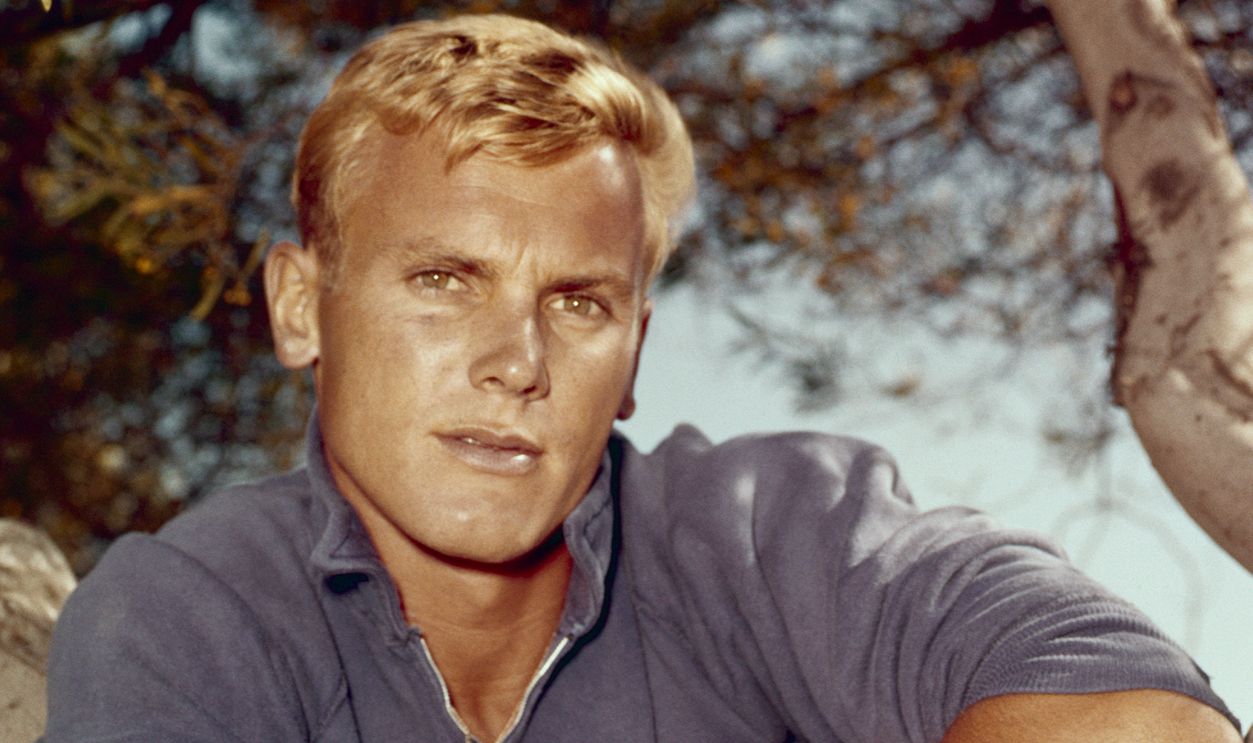
Yes, Tab Hunter was a real person, and yes, that was really the name movie audiences knew him by. Hunter had actually become a major heartthrob during the 1950s, but he remained familiar throughout the following decade. His California looks made him practically the blueprint for the clean-cut Hollywood dreamboat.
 Silver Screen Collection, Getty Images
Tuesday Weld
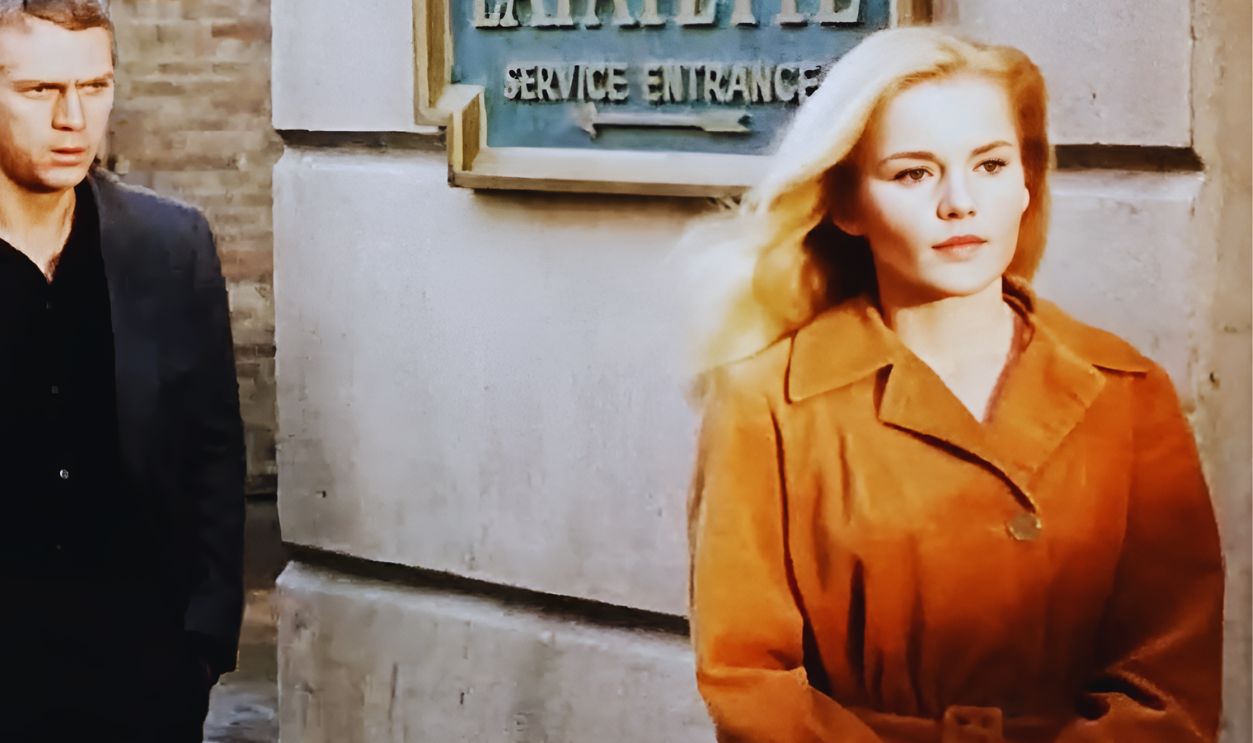
Tuesday Weld sounds less like an actress and more like an obscure indie band playing at 11 p.m. on a Wednesday. But Weld was one of the most fascinating performers of her generation. She appeared in films including The Cincinnati Kid and became famous for playing complicated young women rather than conventional sweethearts.
 Screenshot from The Cincinnati Kid, Metro Goldwyn Mayer (1965), Enhanced
George Peppard
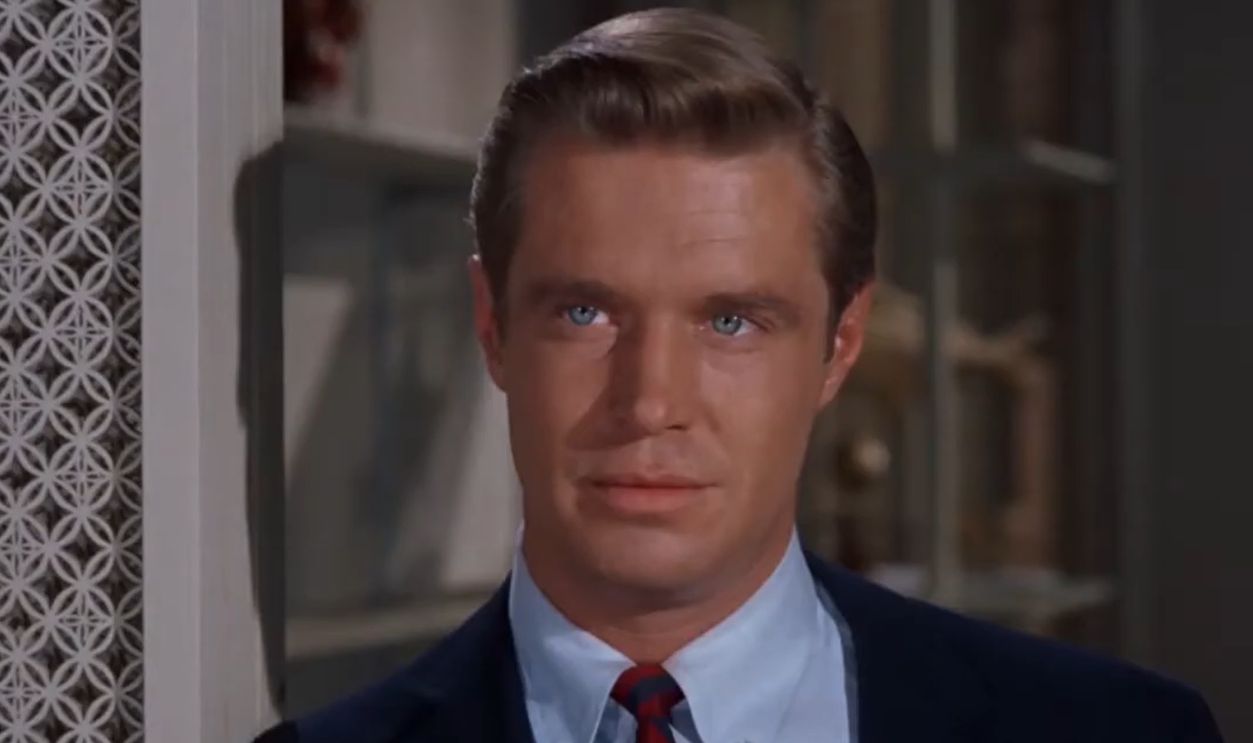
Long before younger viewers encountered reruns of The A-Team, George Peppard was a genuine movie star. He starred opposite Audrey Hepburn in Breakfast at Tiffany's and appeared in several major 1960s productions. His name carried the kind of instant recognition that disappeared surprisingly quickly once Hollywood moved on.
 Screenshot from Breakfast at Tiffany's, Paramount Pictures (1961)
Rod Taylor
Australian-born Rod Taylor became one of Hollywood's dependable leading men during the decade. He battled futuristic creatures in The Time Machine and survived Alfred Hitchcock's feathered nightmare in The Birds. Boomers immediately recognize the square-jawed star, while younger viewers may simply wonder why they've never heard his name before.
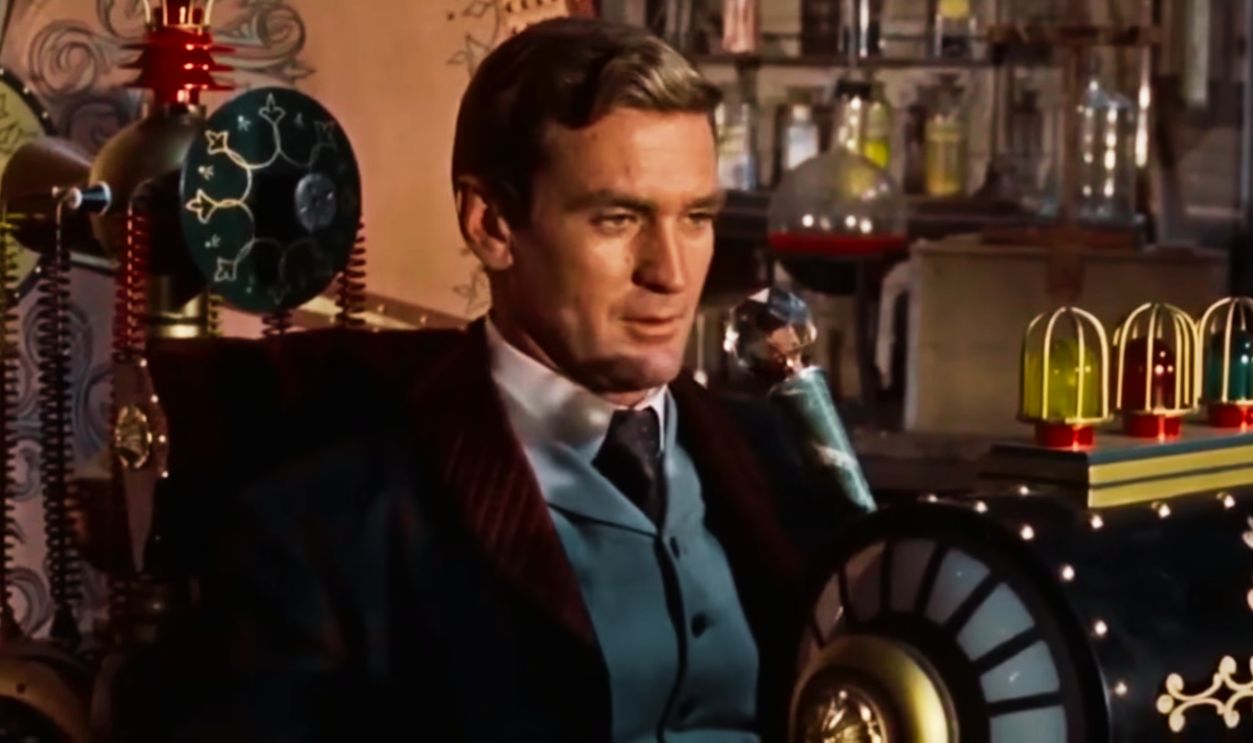 Screenshot from The Time Machine, Metro Goldwyn Mayer (1960)
George Chakiris
Winning an Academy Award usually guarantees some level of permanent fame, but George Chakiris shows how quickly Hollywood memory can fade. His performance as Bernardo in West Side Story earned him the Oscar for Best Supporting Actor. For audiences of the era, he wasn't obscure whatsoever—he was an international star.
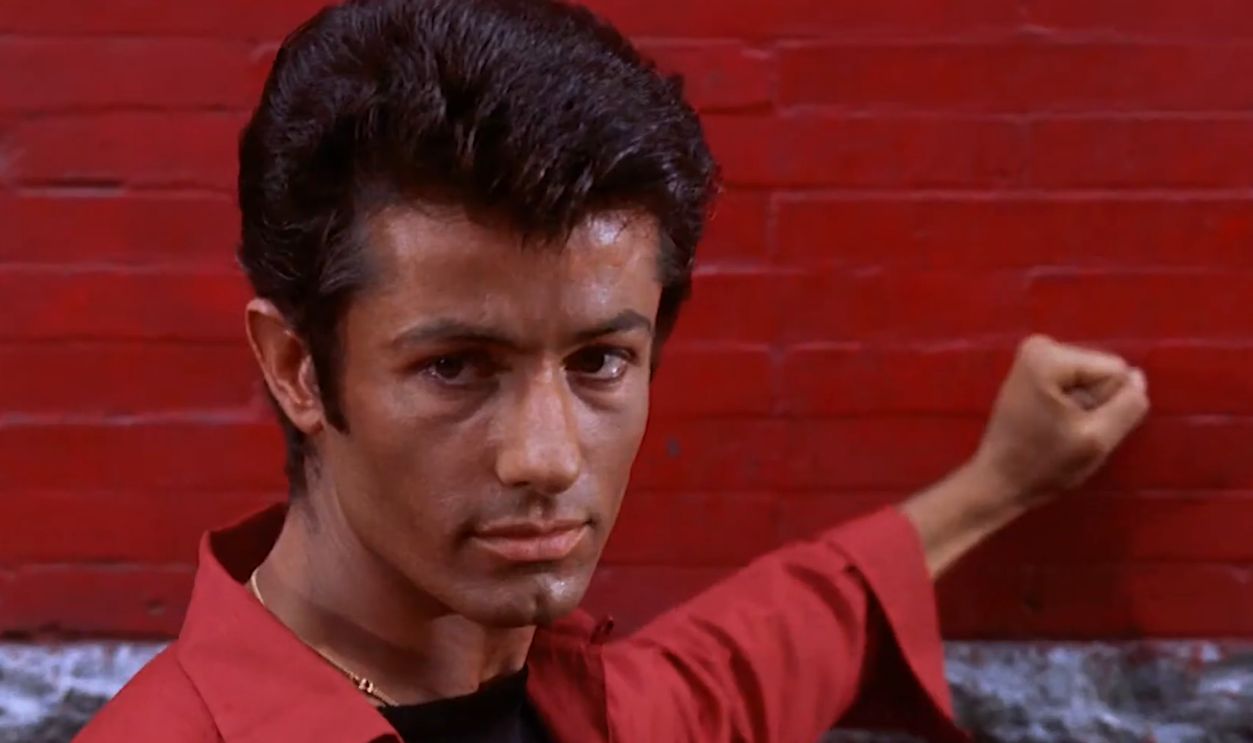 Screenshot from West Side Story, United Artists (1961)
Paula Prentiss
With her distinctive voice, comic timing, and towering presence, Paula Prentiss became one of the most recognizable actresses of early-1960s Hollywood. She appeared in movies like Where the Boys Are and Man's Favorite Sport? Today her name rarely surfaces, but audiences once knew exactly what kind of lively performance Prentiss would deliver.
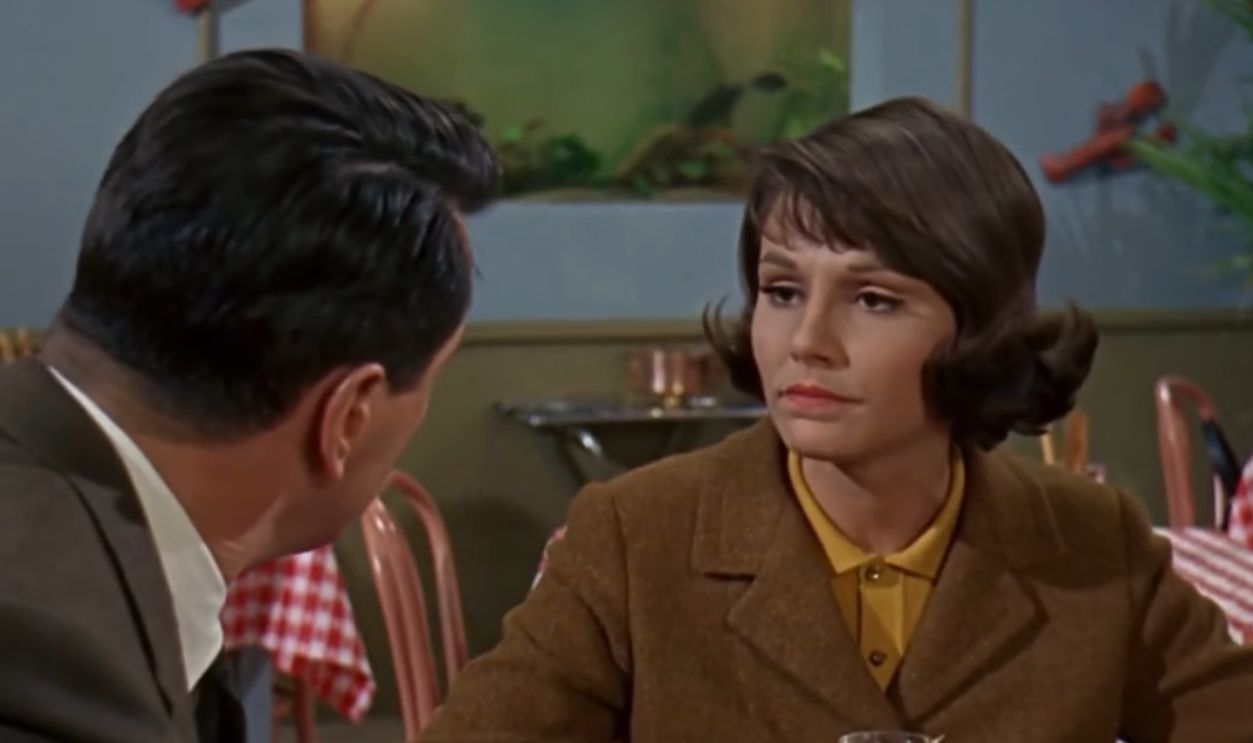 Screenshot from Man's Favorite Sport?, Universal Pictures (1964)
Bobby Darin
Younger people who know Bobby Darin usually know him as the singer behind classics like “Mack the Knife.” Boomers also remember that Hollywood seriously tried turning him into a movie star. Darin appeared in numerous films and even received an Academy Award nomination for his dramatic performance in Captain Newman, M.D.
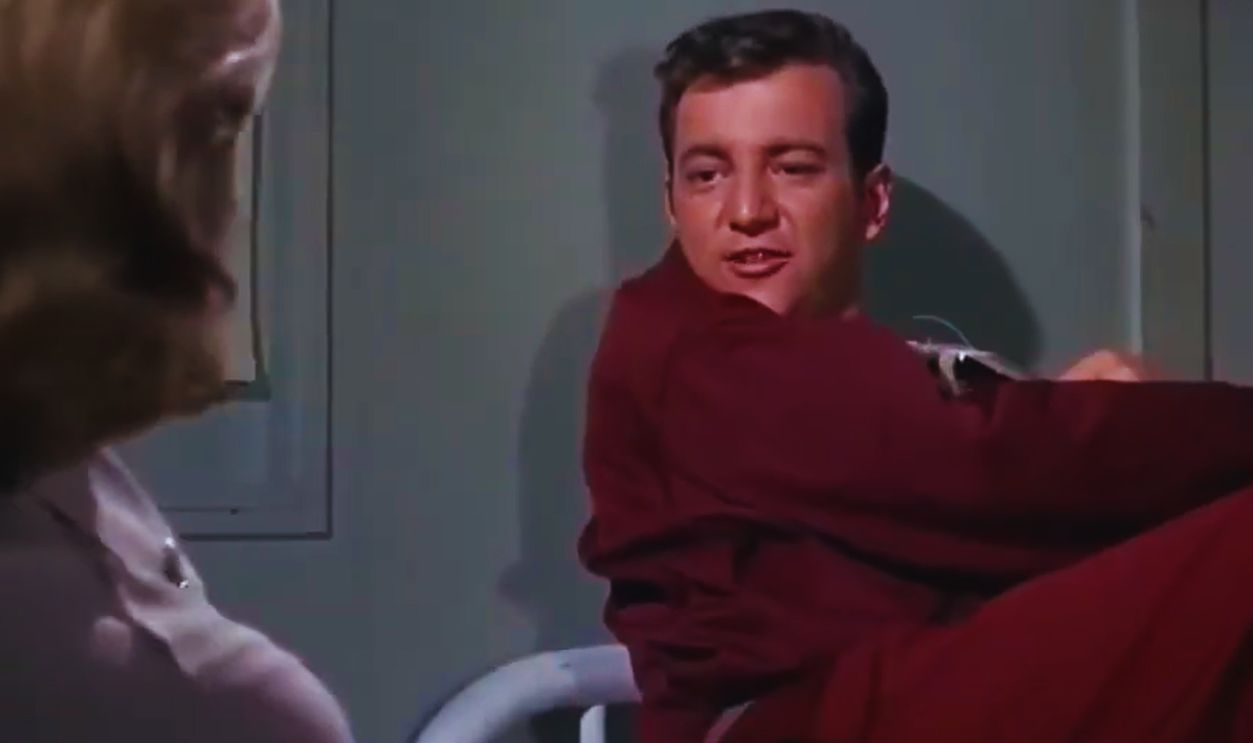 Screenshot from Captain Newman, M.D., Universal Pictures (1963)
Ann-Margret
Unlike many names on this list, Ann-Margret never completely disappeared from public consciousness. Still, younger generations may not realize how enormous she was during the 1960s. Bye Bye Birdie and Viva Las Vegas transformed her into a pop-culture phenomenon whose combination of acting, singing, dancing, and charisma seemed almost unfair.
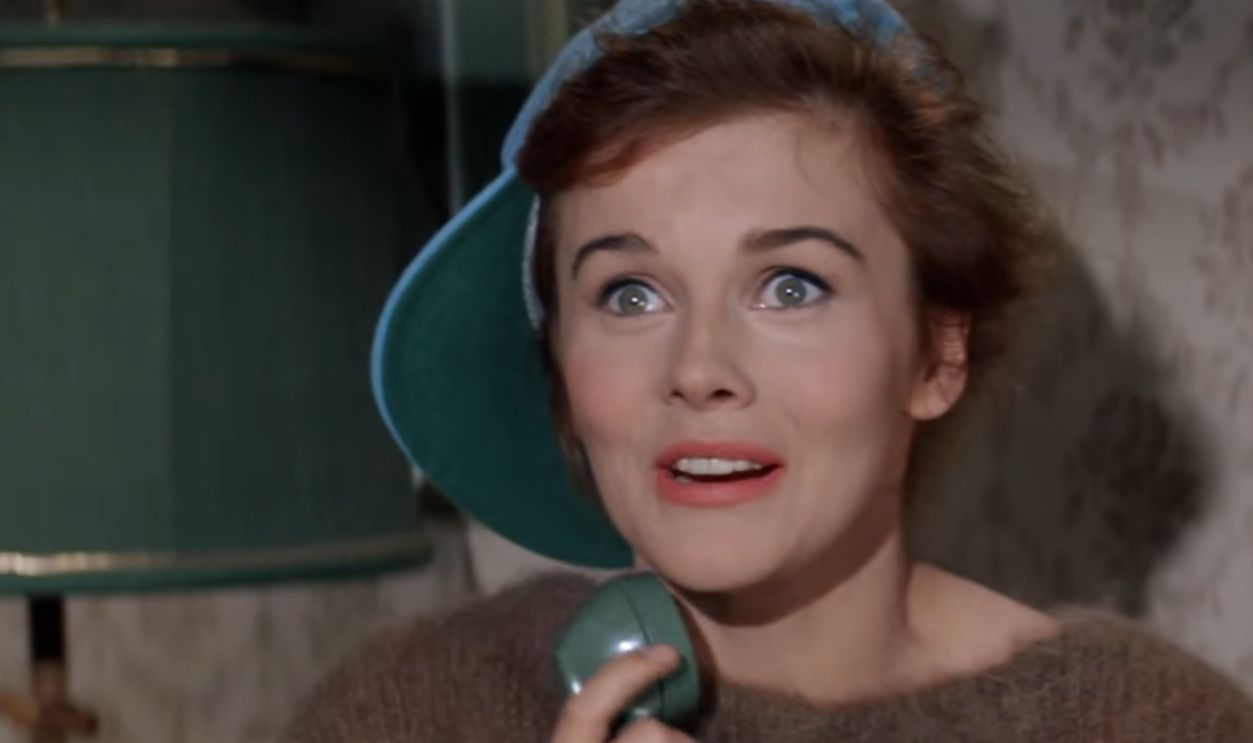 Screenshot from Bye Bye Birdie, Columbia Pictures (1963)
Jim Hutton
Jim Hutton was tall, charming, funny, and seemingly designed for the breezy comedies Hollywood churned out during the decade. He starred in movies like Where the Boys Are and later became television's Ellery Queen. His son, Timothy Hutton, may actually be the more recognizable name among younger film fans today.
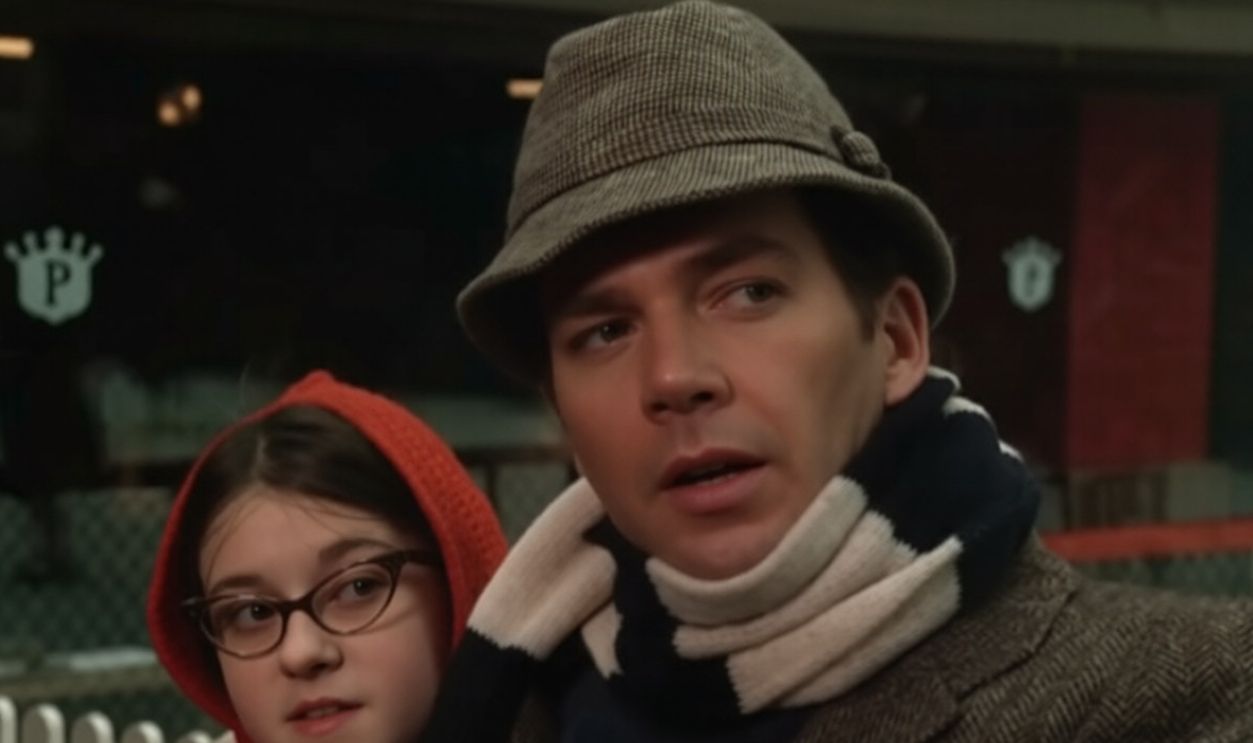 Screenshot from Ellery Queen, NBC (1975–1976), Enhanced
Stella Stevens
Stella Stevens had one of those faces that appeared practically everywhere during 1960s Hollywood. She starred opposite Elvis Presley in Girls! Girls! Girls! and worked with major figures including Jerry Lewis and Dean Martin. Glamorous but also genuinely funny, Stevens was far more versatile than her pinup reputation sometimes suggested.
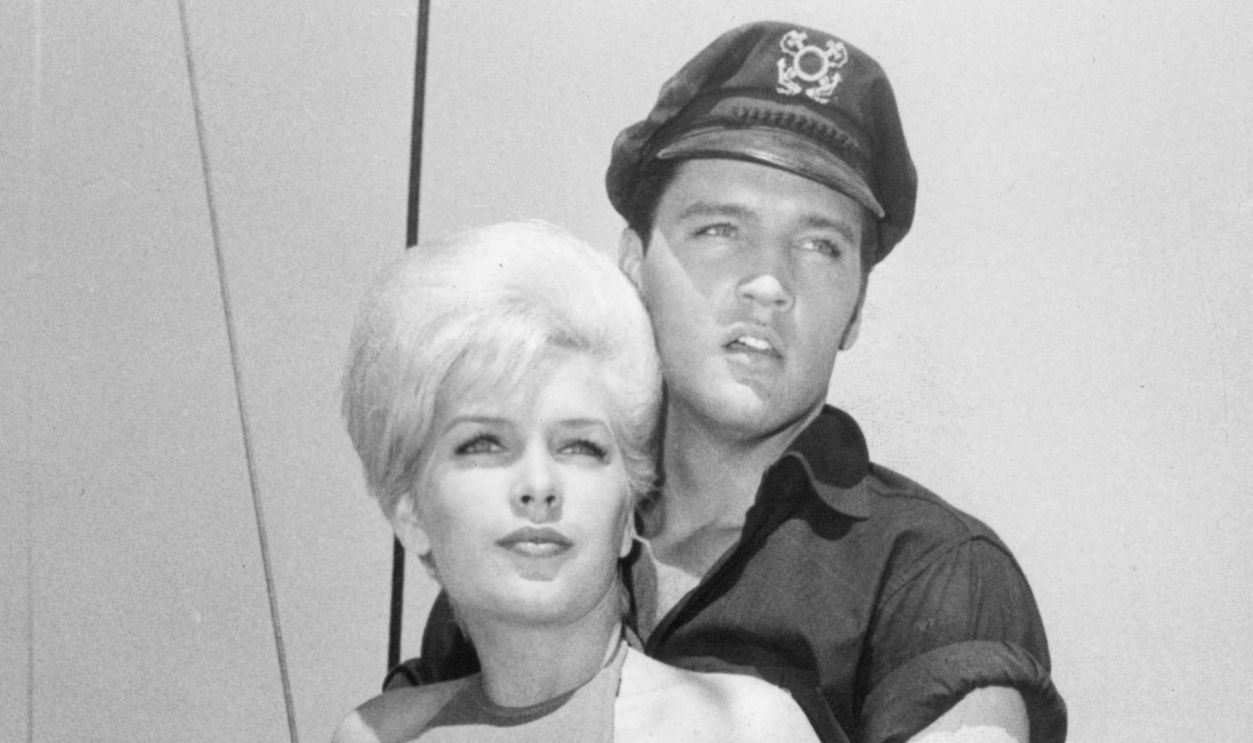
Alain Delon
Ask an older European film fan about Alain Delon and prepare for a very long conversation. The impossibly handsome French star became an international symbol of cool through movies including Purple Noon, The Leopard, and Le Samouraï. Younger cinephiles increasingly know him, but mainstream audiences can still draw a surprising blank.
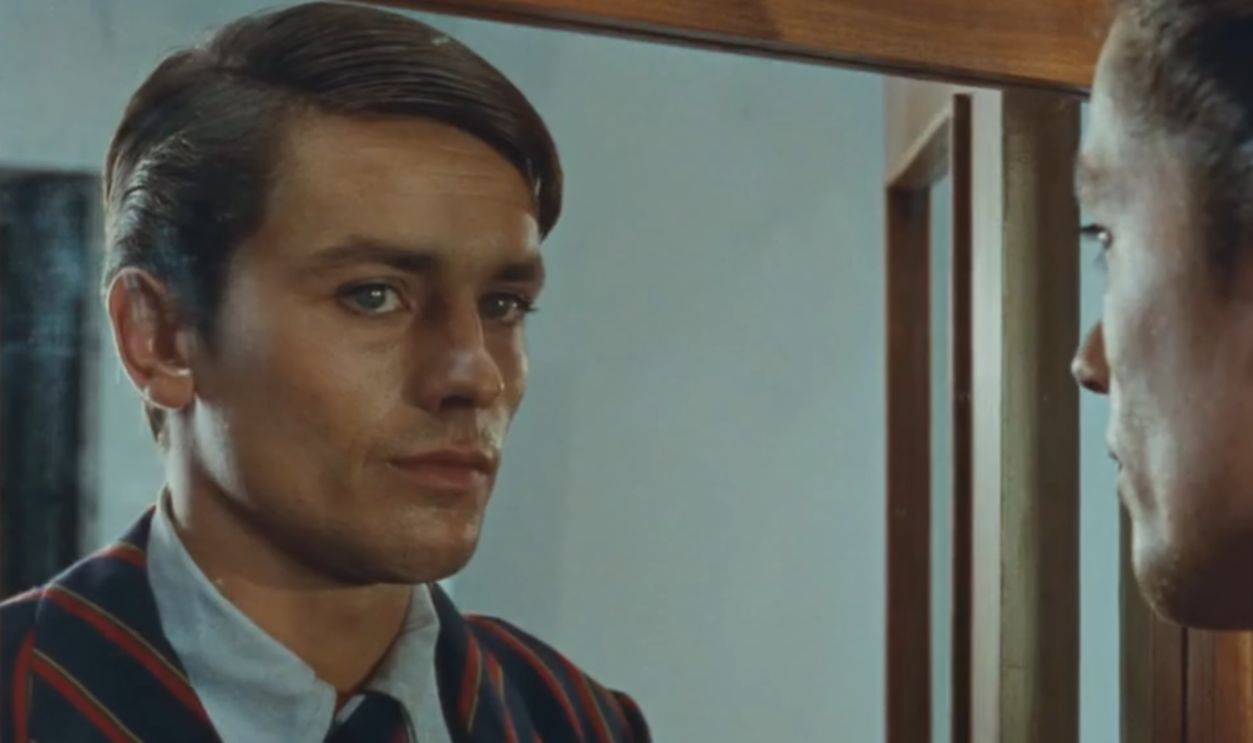 Screenshot from Purple Noon, Titanus (1960)
James Franciscus
James Franciscus had the classic leading-man package: strong jaw, serious stare, magnificent hair. He worked steadily in both movies and television, appearing in projects like Youngblood Hawke. Boomers may also remember him from Beneath the Planet of the Apes, where he essentially inherited Charlton Heston's very stressful futuristic vacation.
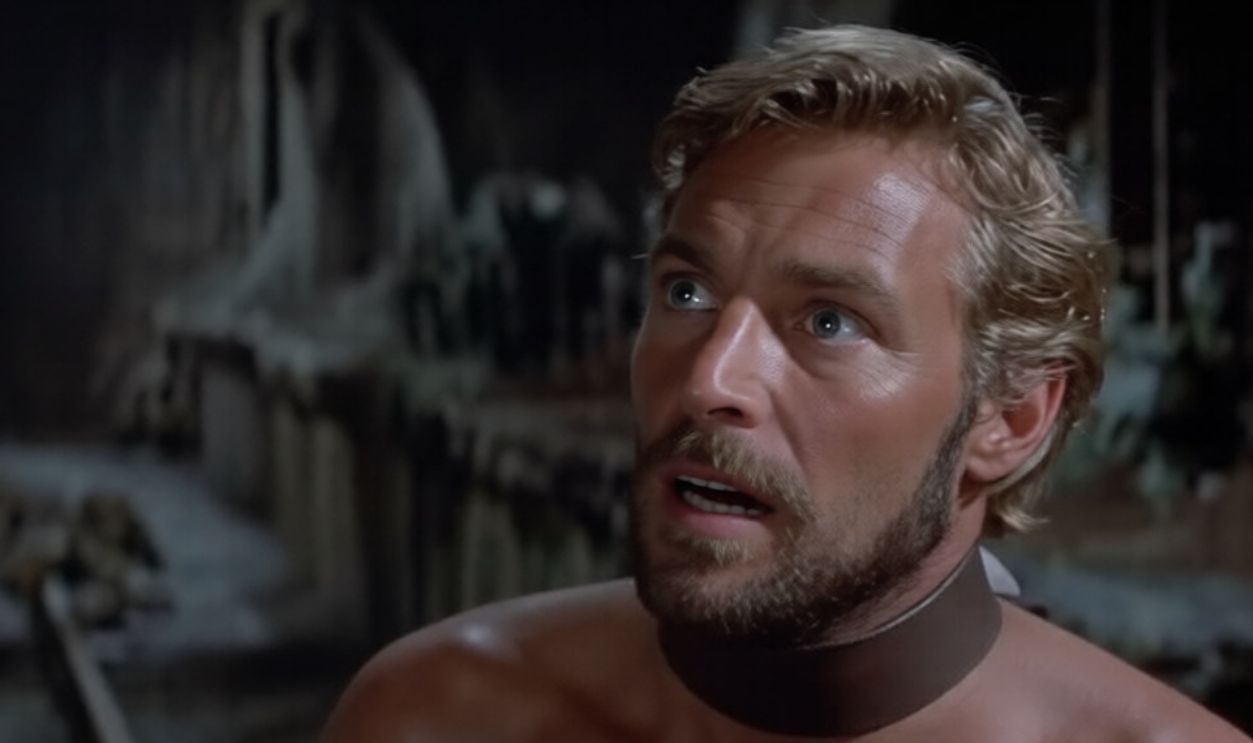 Screenshot from Beneath the Planet of the Apes, 20th Century Fox (1970), Enhanced
Carol Lynley
Carol Lynley was one of those actresses whose name once appeared constantly in entertainment magazines. After beginning as a teenage model, she moved into movies including Return to Peyton Place and later The Poseidon Adventure. Her delicate appearance often disguised performances that were considerably tougher than audiences initially expected.
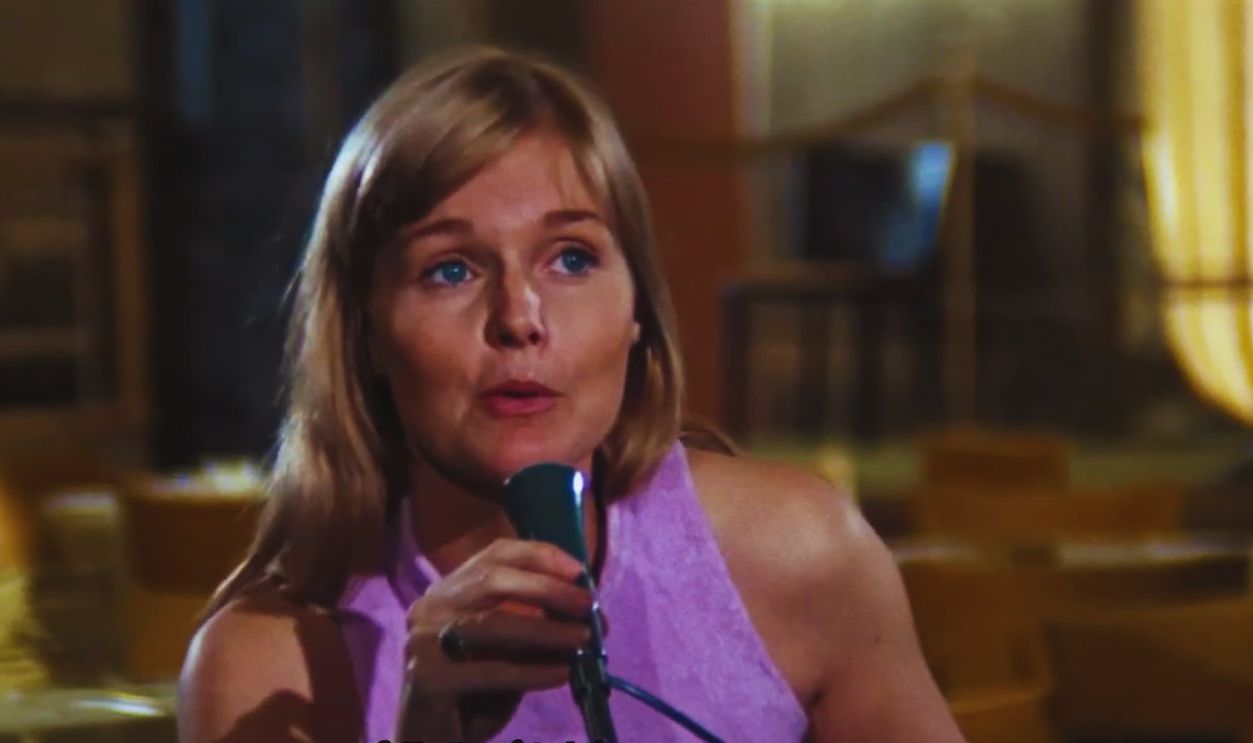 Screenshot from The Poseidon Adventure, 20th Century Fox (1972)
Keir Dullea
Keir Dullea will forever be associated with one of the most famous science-fiction movies ever made. As astronaut Dave Bowman in 2001: A Space Odyssey, he calmly faced HAL 9000 while audiences tried figuring out what on Earth Stanley Kubrick was doing. Somehow, the film stayed famous while Dullea's name became less familiar.
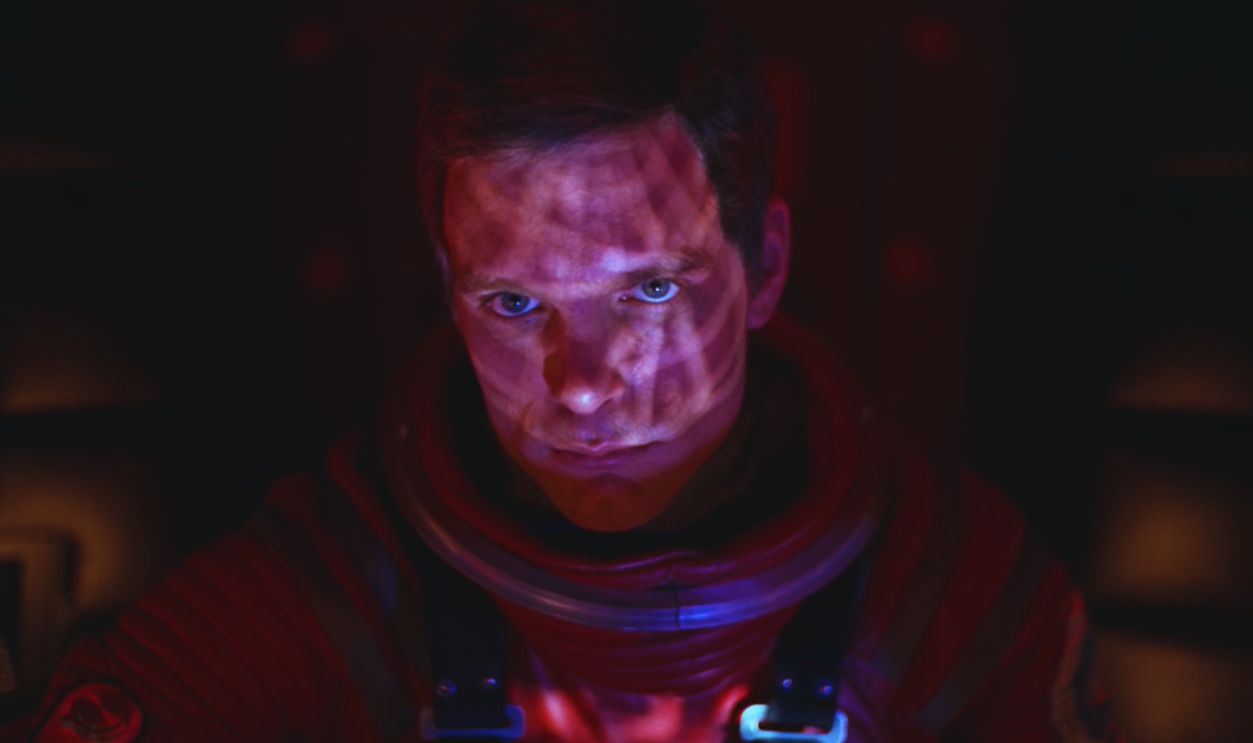 Screenshot from 2001: A Space Odyssey, Metro Goldwyn Mayer (1968)
Jean Seberg
Jean Seberg became an icon of French New Wave cinema despite being born in Iowa. Her short haircut and effortlessly modern presence in Breathless made her one of the defining screen faces of the early 1960s. Film students still recognize her immediately, but outside cinephile circles, her once-famous name now requires explanation.
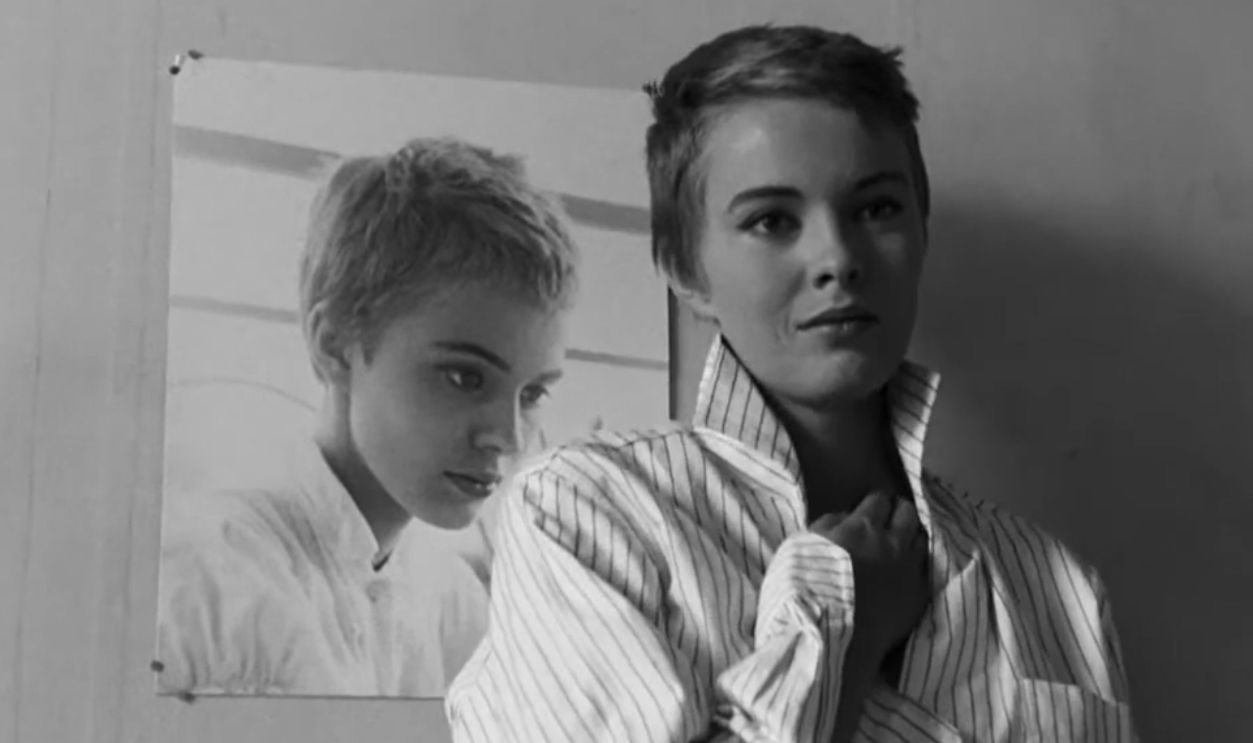 Screenshot from Breathless, Les Films Imperia (1960)
Terence Stamp
Before he became General Zod to another generation, Terence Stamp was one of Britain's coolest young actors. His breakthrough in Billy Budd earned him an Oscar nomination, and films like The Collector and Far from the Madding Crowd cemented his reputation. Few performers could look quite so elegant while being deeply unsettling.
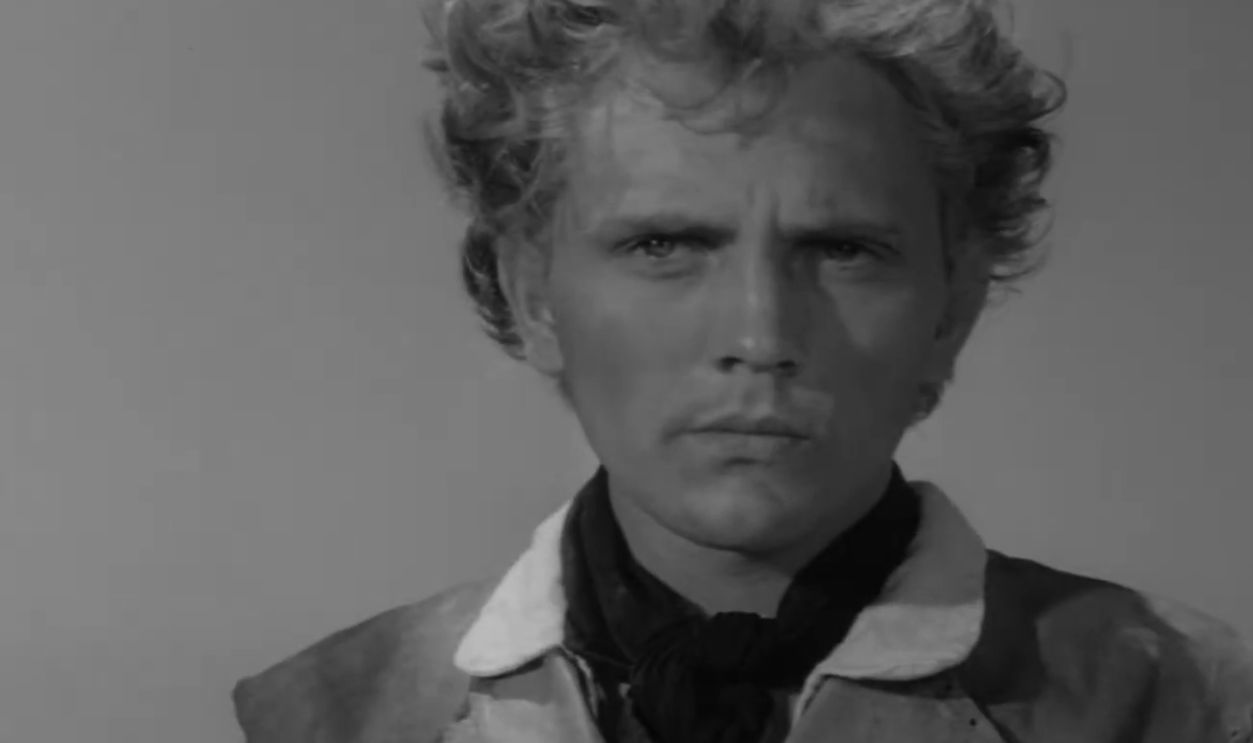 Screenshot from Billy Budd, Allied Artists Pictures (1962)
Elke Sommer
There was a period when German actress Elke Sommer seemed to appear wherever Hollywood needed continental glamour. She starred with Paul Newman, Peter Sellers, and numerous other leading men while becoming a familiar television guest as well. Her movie-star name sounds almost suspiciously glamorous now—which was probably exactly the point.
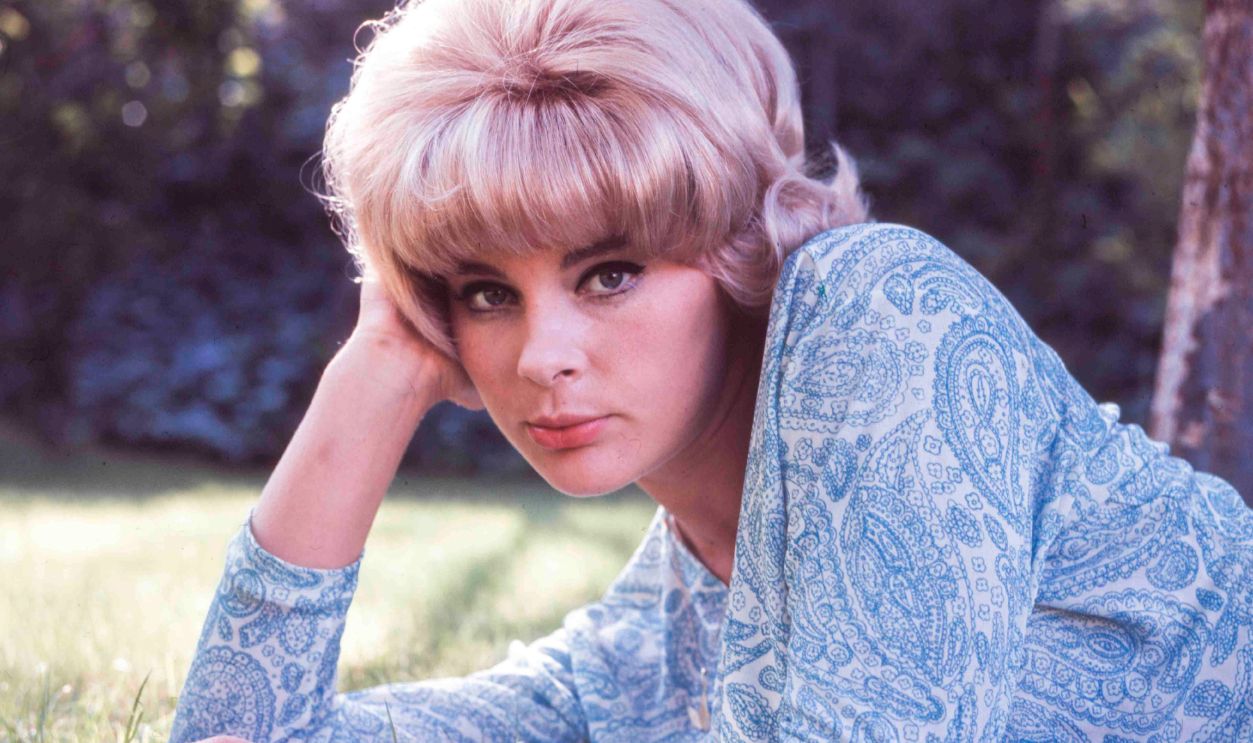 Universal History Archive, Getty Images
Daliah Lavi
Israeli actress Daliah Lavi appeared in several international productions before becoming particularly memorable in the wonderfully chaotic 1967 James Bond spoof Casino Royale. She later enjoyed a successful singing career in Europe. Baby Boomers may remember that distinctive name instantly, while younger audiences might reasonably assume it belongs to a fictional princess.
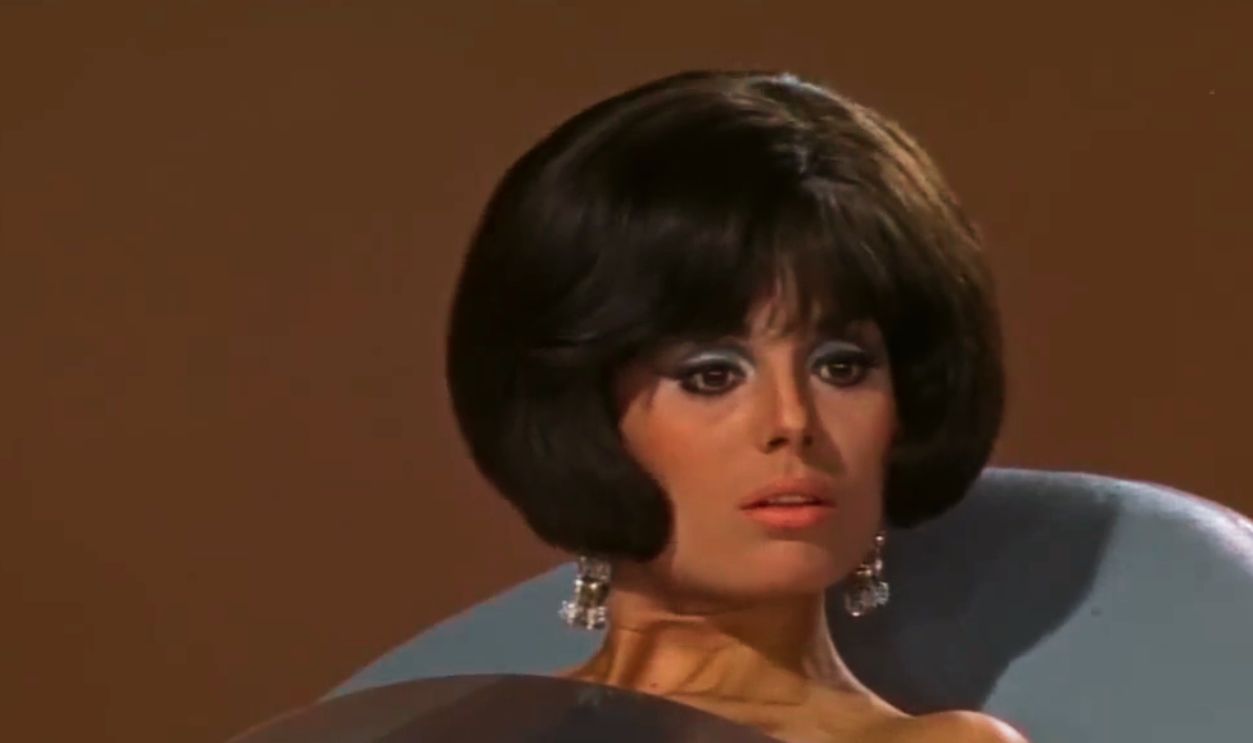 Screenshot from Casino Royale, Columbia Pictures (1967)
Michael Sarrazin
Michael Sarrazin became one of the more interesting young leading men to emerge during the late 1960s. His haunted appearance suited darker films, most notably They Shoot Horses, Don't They? Sarrazin never became a conventional superstar, but his face was instantly familiar to moviegoers during a rapidly changing Hollywood era.
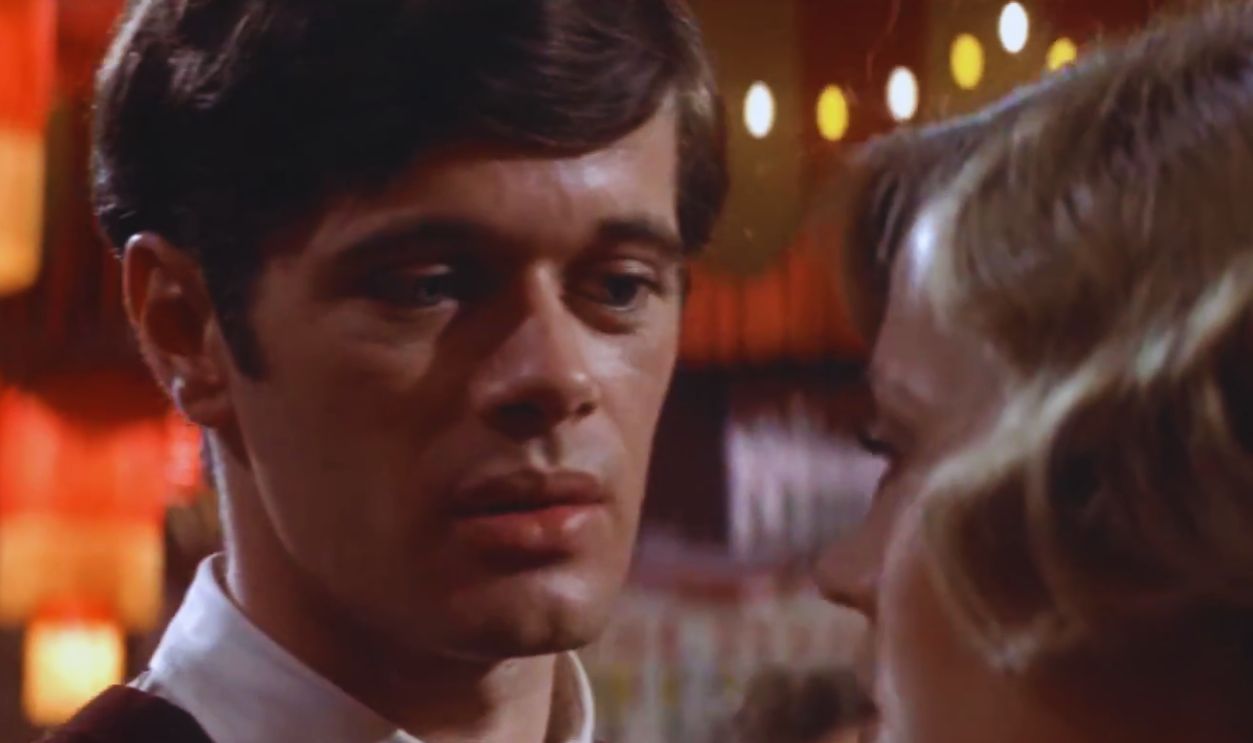 Screenshot from They Shoot Horses, Don't They?, ABC Pictures (1969)
Jan-Michael Vincent
Before his later television fame, Jan-Michael Vincent began building his career near the end of the 1960s. Even his name sounds engineered by Hollywood executives determined to fit several heartthrobs into one person. He eventually became famous through projects like Big Wednesday and Airwolf, but his rise began during the decade.
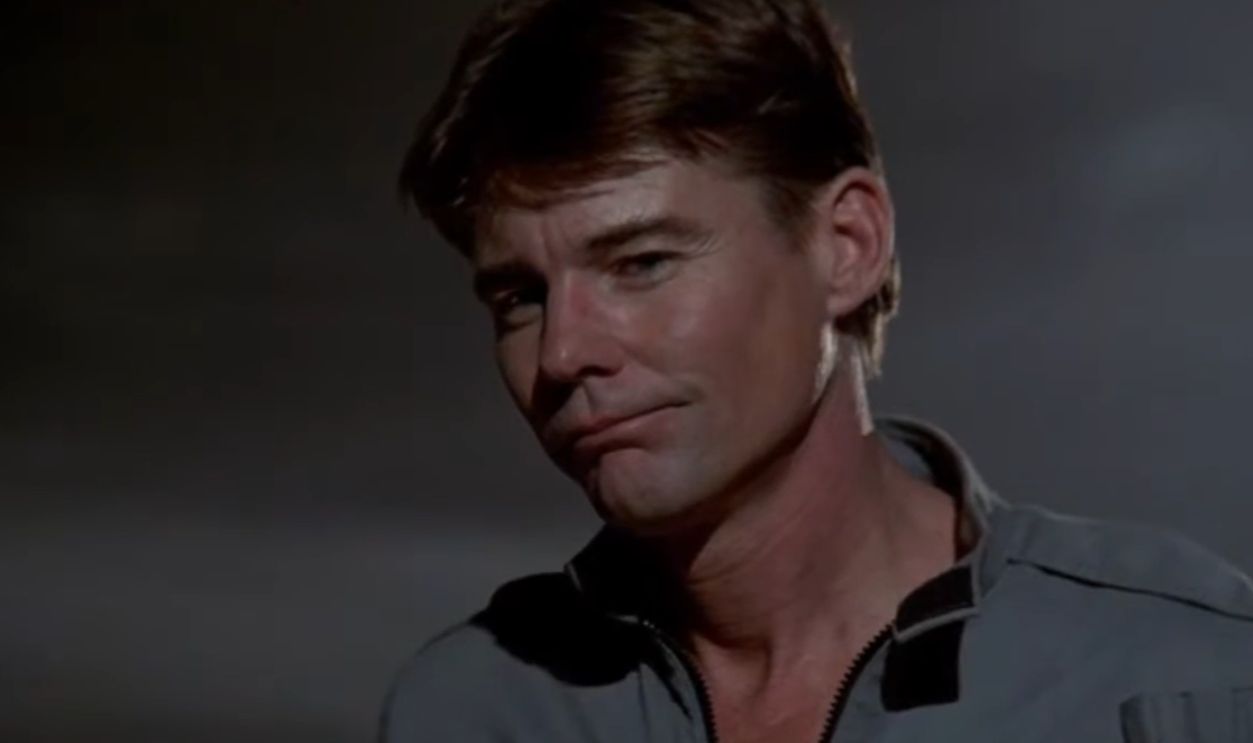 Screenshot from Airwolf, CBS (1984-1987)
Pamela Tiffin
Pamela Tiffin was only a teenager when Hollywood noticed her, and she quickly found herself appearing alongside major stars. She received a Golden Globe nomination for Summer and Smoke and later became especially popular in Italy. Her career was relatively brief, which helps explain why such a familiar 1960s face feels forgotten today.
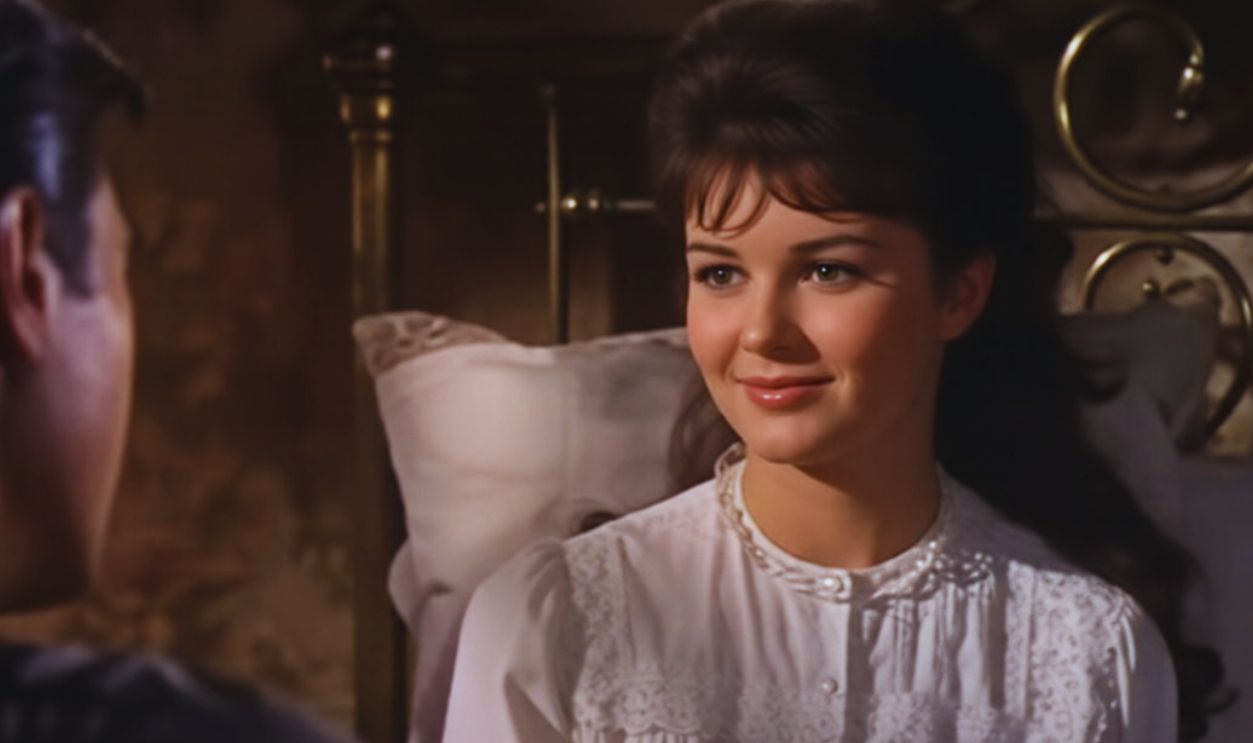 Screenshot from Summer and Smoke, Paramount Pictures (1961), Enahanced
Horst Buchholz
German actor Horst Buchholz became an international star after appearing as Chico in The Magnificent Seven. He later joined James Cagney in Billy Wilder's frantic comedy One, Two, Three. His name was once familiar on both sides of the Atlantic, although younger audiences may understandably need help placing him.
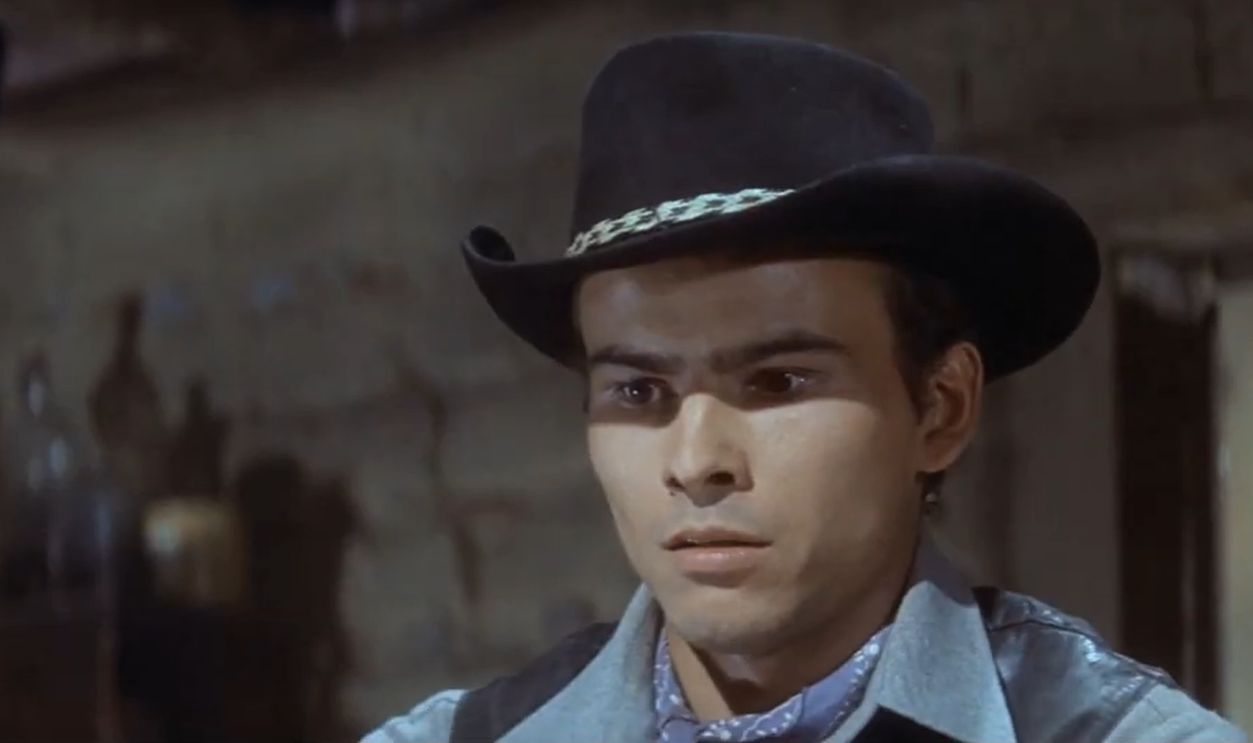 Screenshot from The Magnificent Seven, United Artists (1960)
Yvette Mimieux
Yvette Mimieux became instantly recognizable after starring opposite Rod Taylor in The Time Machine. She followed it with films such as Where the Boys Are and Light in the Piazza. With her distinctive looks and slightly mysterious screen presence, Mimieux seemed destined for permanent fame, yet Hollywood history slowly moved her name aside.
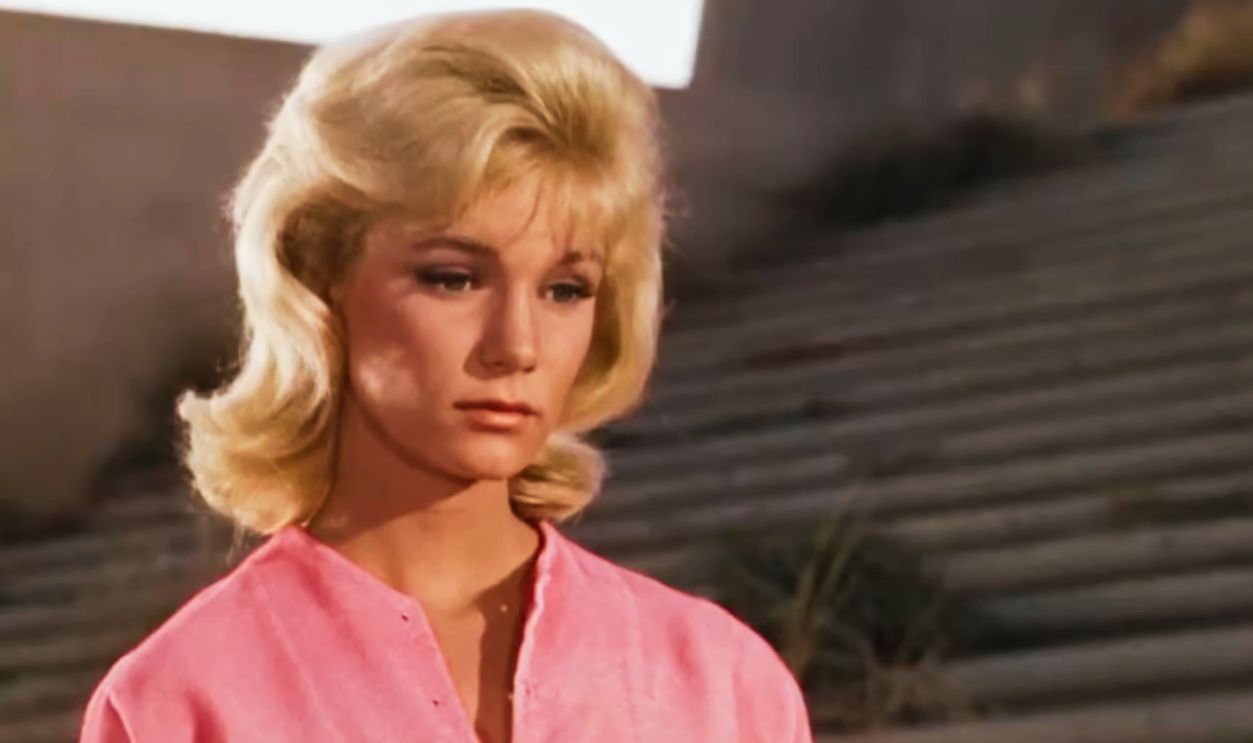 Screenshot from The Time Machine, Metro Goldwyn Mayer (1960)
Efrem Zimbalist Jr.
Now there is a movie-star name. Efrem Zimbalist Jr. sounded like someone who should own a mansion, a yacht, and possibly a small European country. He was actually a hugely familiar television and film actor, starring in 77 Sunset Strip before becoming the sophisticated lead of The F.B.I.
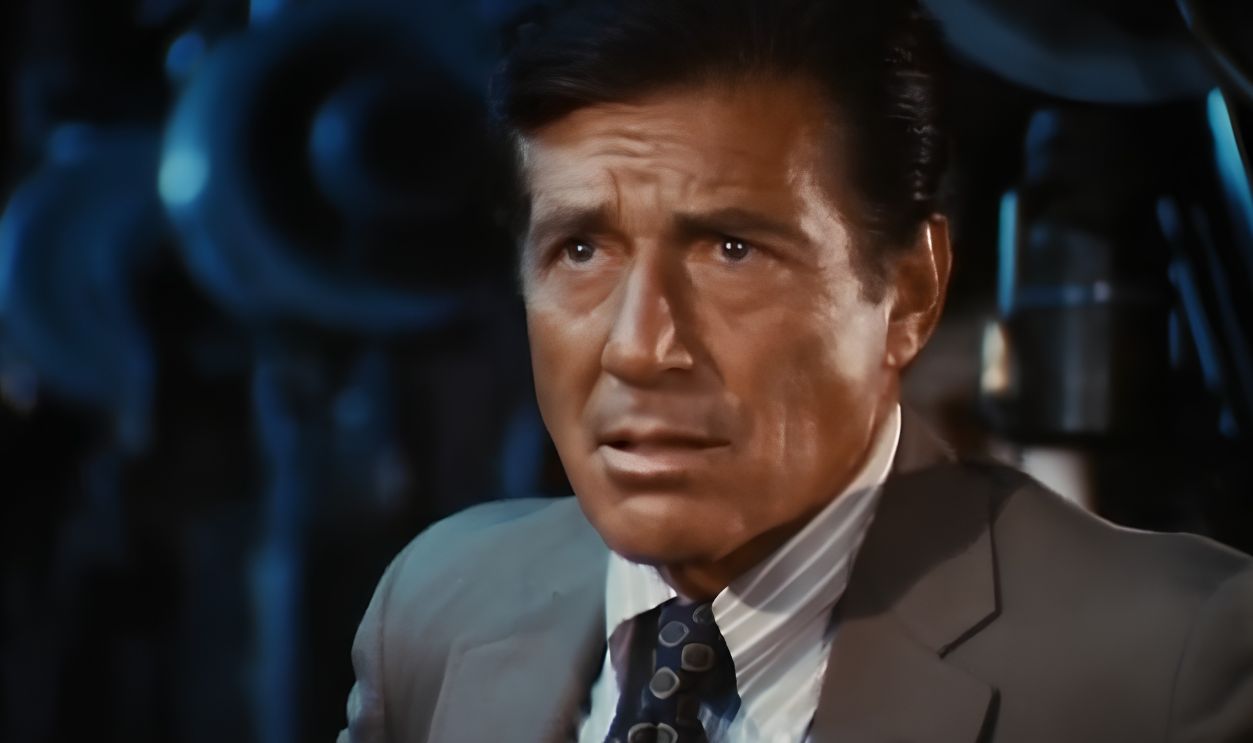 Screenshot from The F.B.I., ABC (1965-1974)
Gig Young
Gig Young had already built a substantial career before the 1960s, but the decade gave him one of his finest performances in They Shoot Horses, Don't They? His work earned him an Academy Award. The remarkably short, punchy stage name once meant instant Hollywood recognition, even if it sounds almost cartoonish today.
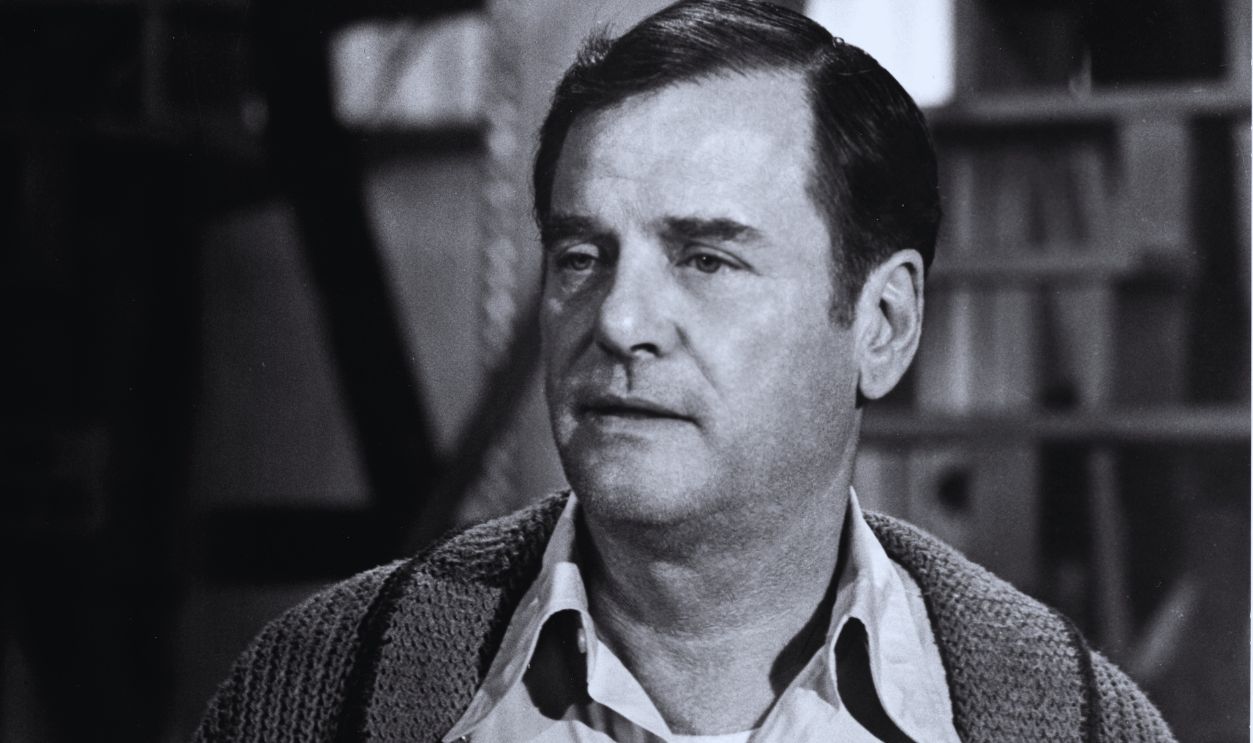 Michael Ochs Archives, Getty Images
Stardom Has A Short Memory
That's the strange thing about fame: it feels permanent right up until it isn't. These actors once filled theaters, magazine covers, television appearances, and dinner-table conversations. Baby Boomers didn't need anyone explaining who Troy Donahue or Tuesday Weld were. Younger generations discovering them today get something even better—a whole forgotten Hollywood waiting to be explored.
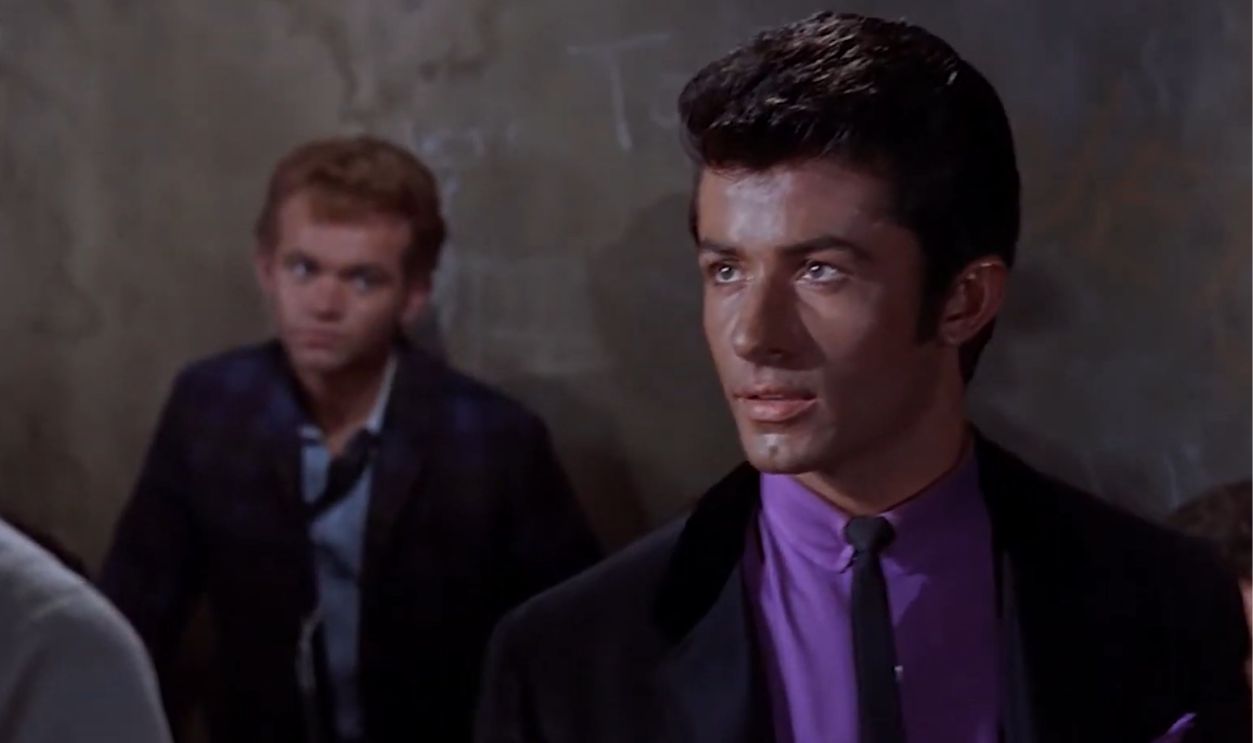 Screenshot from West Side Story, United Artists (1961)
You May Also Like: