Then the 80s Happened
During the 70s, these actors were everywhere. They chased villains, wrecked cars, threw punches and somehow always looked cool doing it. Then the 80s showed up...
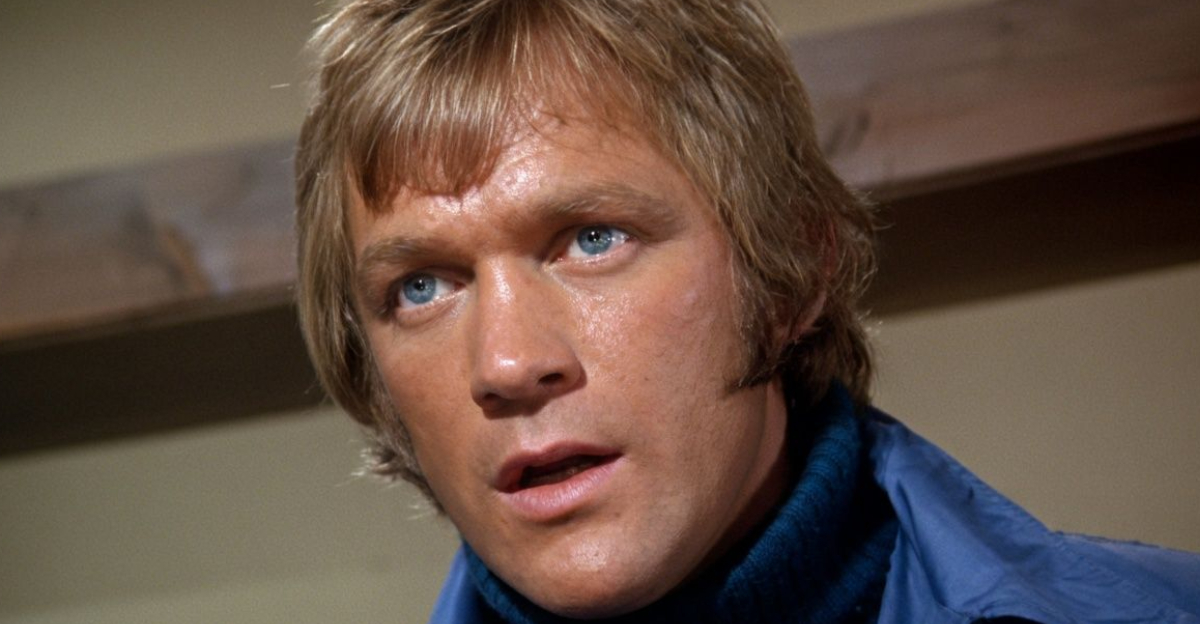
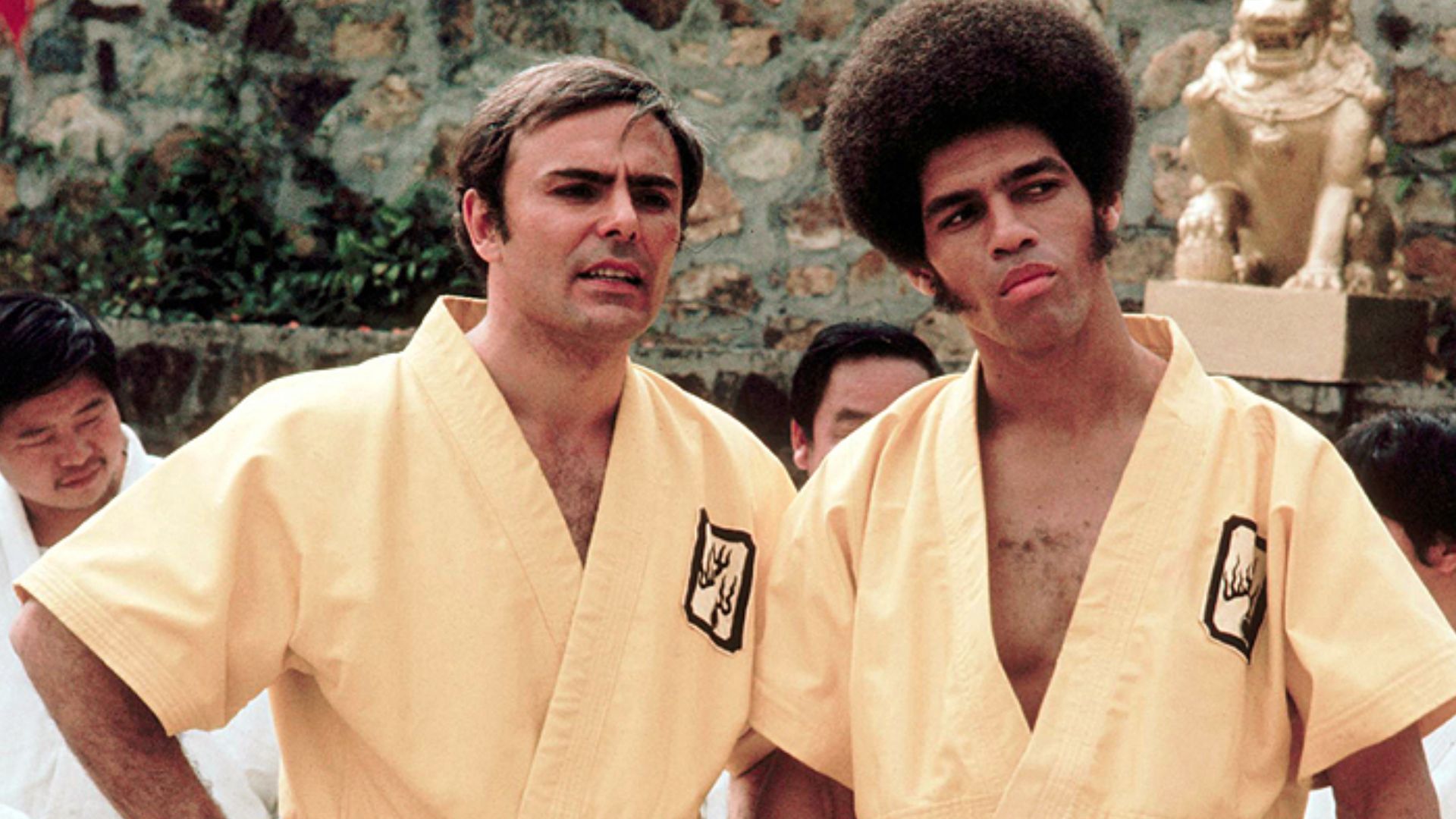
Jim Kelly
Jim Kelly walked into Enter the Dragon and nearly stole the movie from Bruce Lee. That performance led to Black Belt Jones, Three the Hard Way and several other starring vehicles. But after One Down, Two to Go in 1982, Kelly largely walked away. The offers had not completely stopped—he just did not think the scripts were good enough.
 Unknown authorUnknown author, Wikimedia Commons
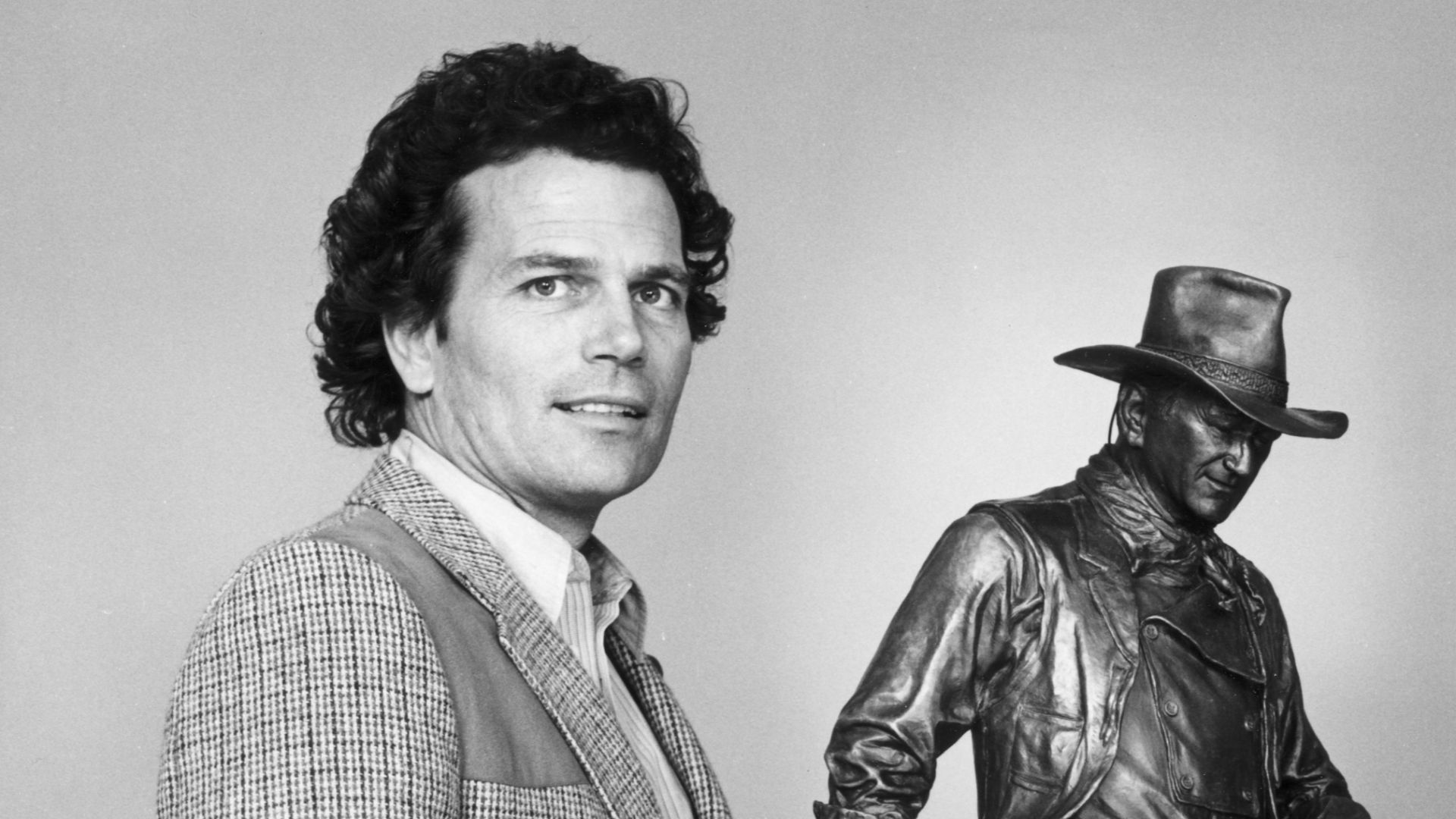
Patrick Wayne
Patrick Wayne appeared ready to escape his famous father’s shadow when he led Sinbad and the Eye of the Tiger and The People That Time Forgot in 1977. Instead, those movies became the peak. The 80s brought scattered television appearances and supporting parts rather than another major adventure. Apparently, even being John Wayne’s son only got you so far.
 Orange County Archives, Wikimedia Commons
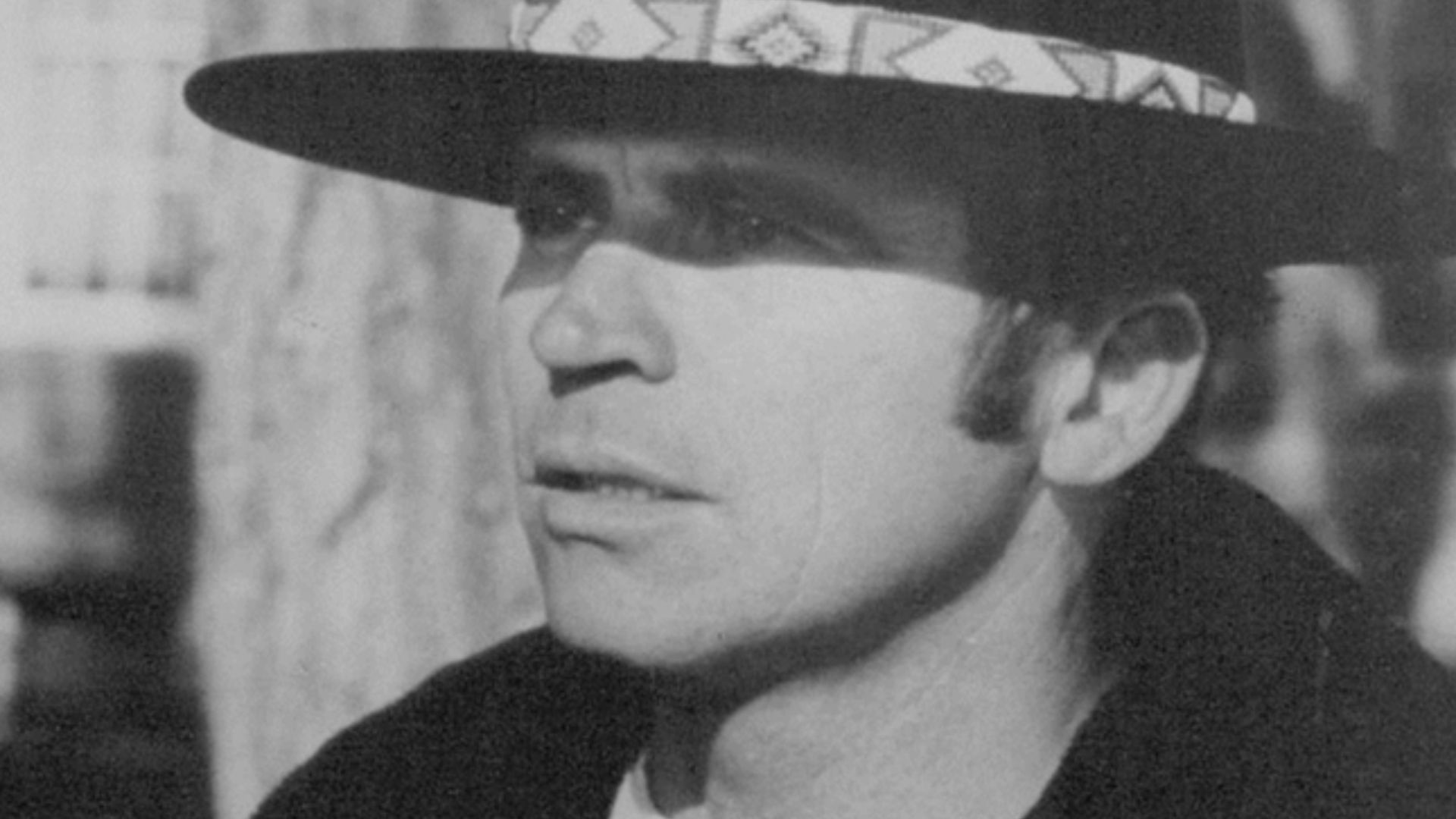
Tom Laughlin
Tom Laughlin turned Billy Jack into something much bigger than a movie character. Audiences lined up, the films made millions and Laughlin seemed to have found a franchise he could ride forever. Then Billy Jack Goes to Washington barely received a release, and an attempted 80s comeback fell apart before the movie could even be completed.
 Unknown authorUnknown author, Wikimedia Commons
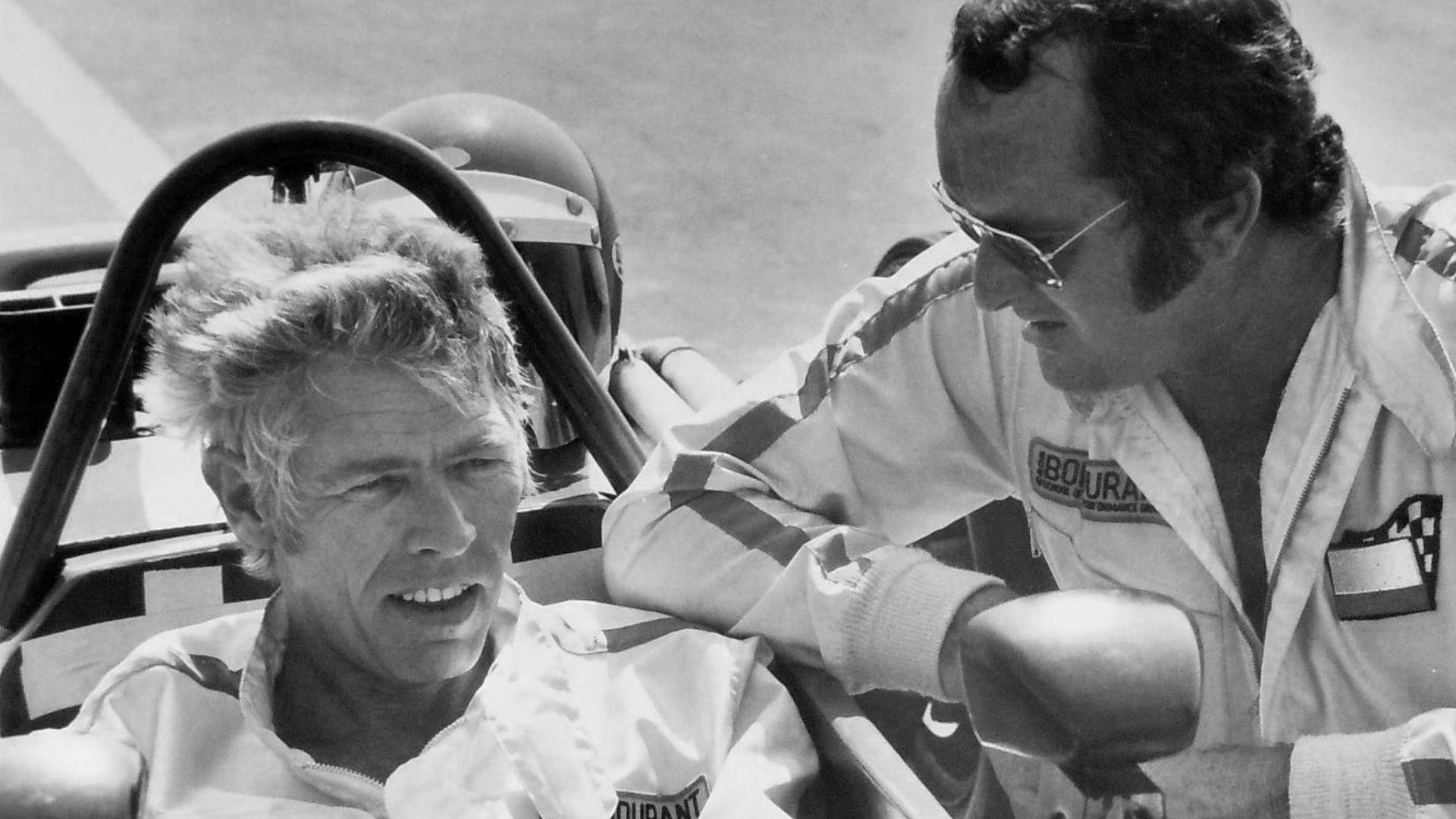
James Coburn
James Coburn had one of those faces that made every movie instantly cooler. But severe rheumatoid arthritis made acting increasingly painful during the 80s, and his once-busy career slowed dramatically. Supporting roles replaced starring vehicles, while long stretches passed without him appearing at all. Hollywood eventually welcomed him back—but it took far too long.
 ABC Television, Wikimedia Commons
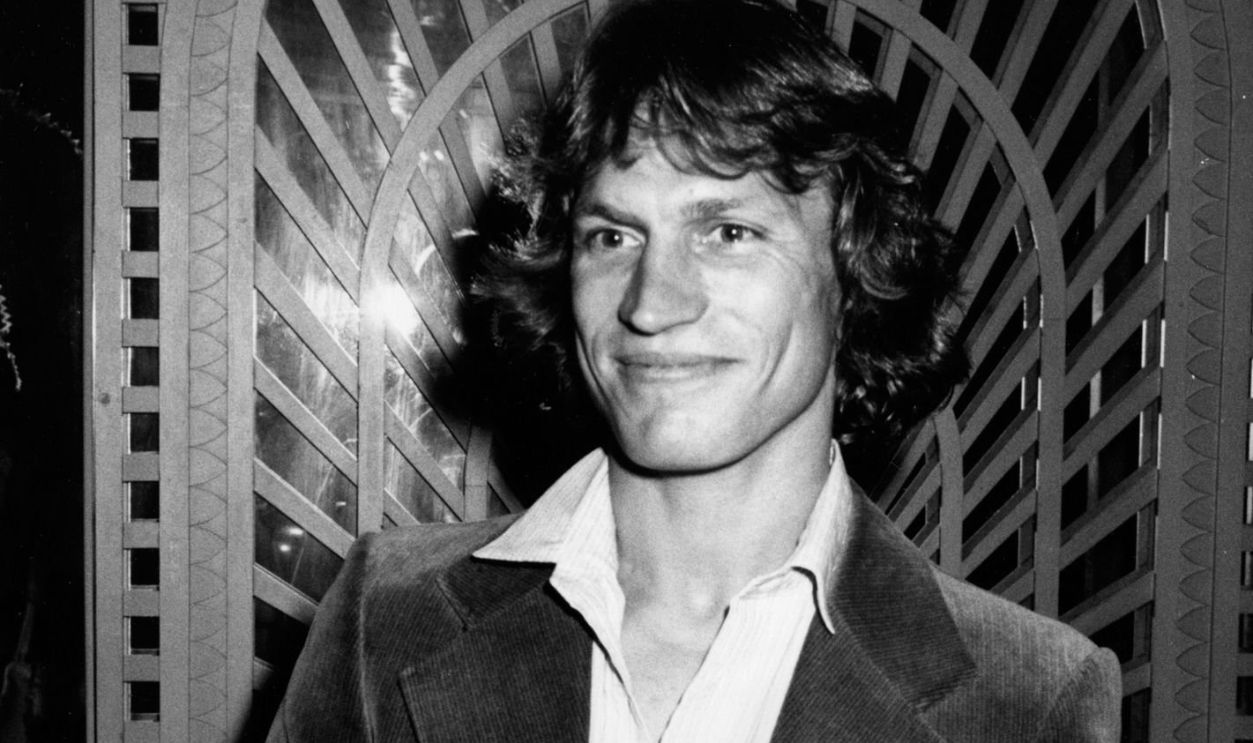
Michael Beck
The Warriors arrived in 1979 and made Michael Beck look like Hollywood’s next great action star. Then he followed it with Xanadu. Beck later joked that The Warriors opened Hollywood’s doors for him—and Xanadu slammed them shut. He continued working, but the starring career he appeared destined for never came back.
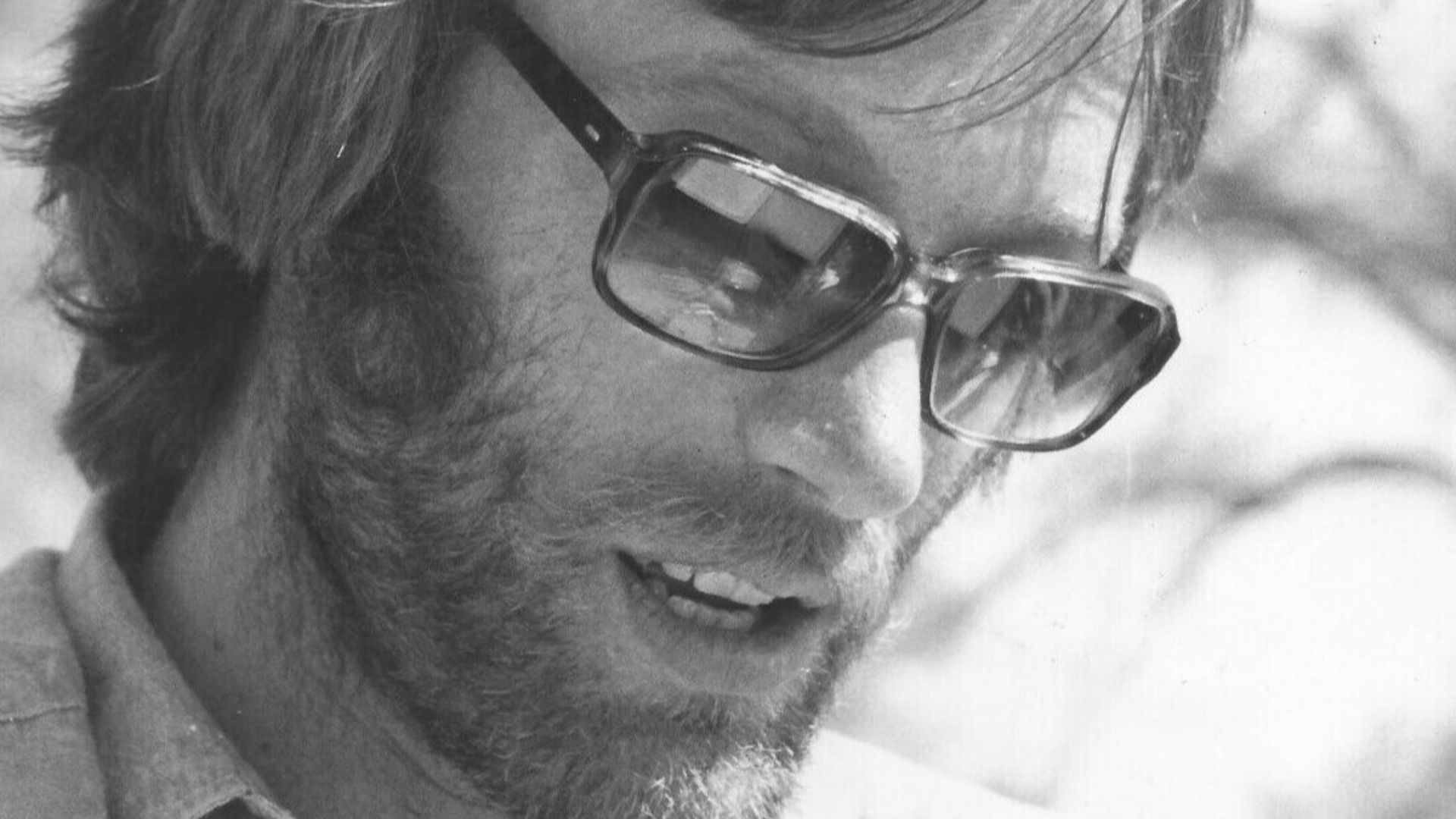
Peter Fonda
After Easy Rider, Peter Fonda became the face of an entire generation. Movies such as Dirty Mary, Crazy Larry kept him firmly in the action world throughout the 70s. But the 80s brought television roles, foreign productions and low-budget movies that barely made a ripple. His real comeback would not arrive until Ulee’s Gold in 1997.
 not credited, Wikimedia Commons
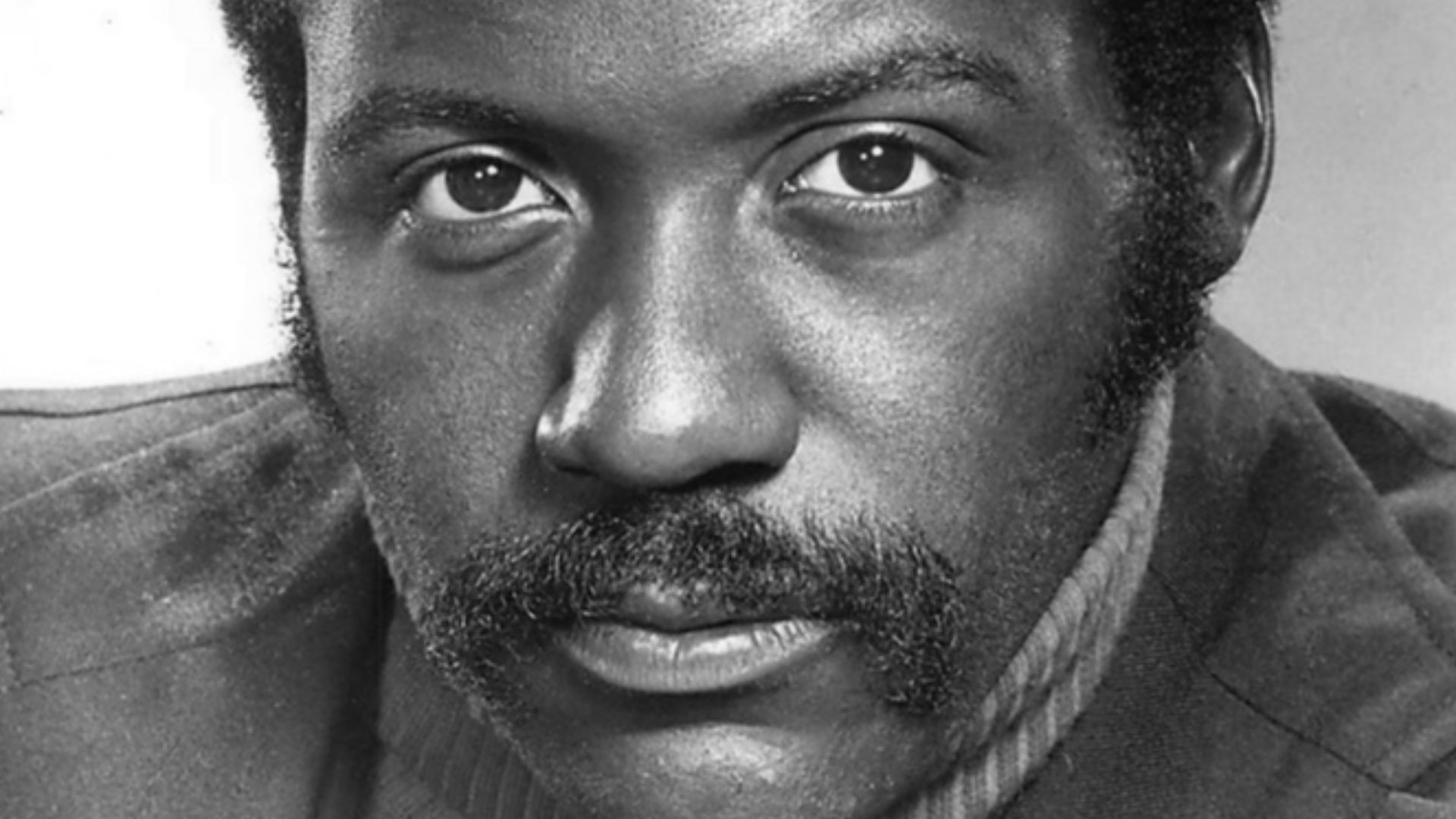
Richard Roundtree
Richard Roundtree did not simply star in Shaft. He became Shaft—one of the coolest and most important action heroes of the entire decade. Yet when the 80s arrived, Hollywood stopped building movies around him. Roundtree kept working, but mostly in supporting roles, television appearances and films that felt very far removed from his glory days.
 CBS Television, Wikimedia Commons
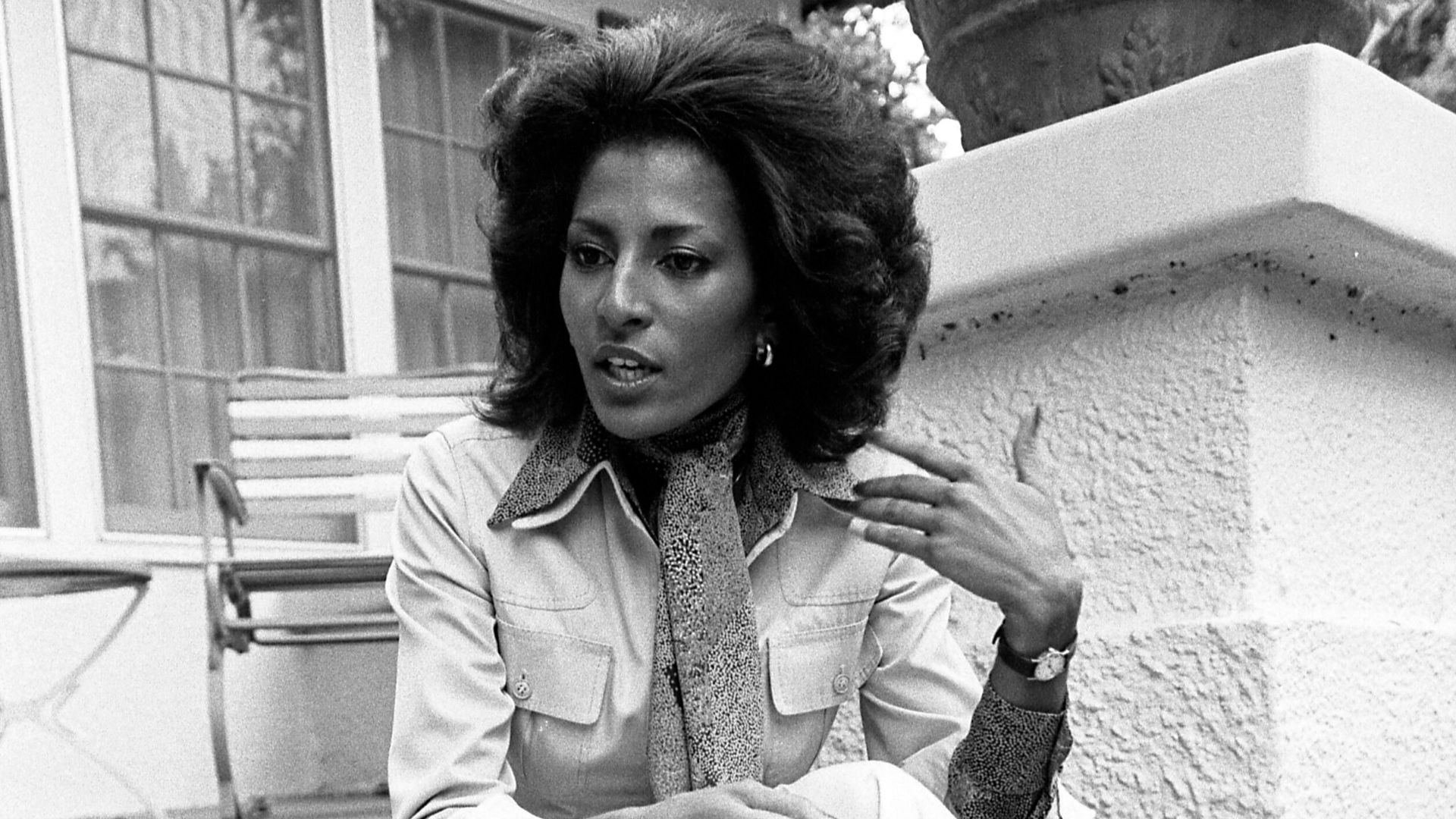
Pam Grier
Pam Grier spent the 70s proving that an action movie did not need a man in the lead. Coffy, Foxy Brown and Friday Foster made her an icon. Then the genre that had made her famous vanished, and Hollywood seemed to forget what she could do. It took Jackie Brown to remind everyone—more than 20 years later.
 Marilynn K. Yee, Los Angeles Times, Wikimedia Commons
Robert Forster
Robert Forster looked like the kind of actor who should have worked forever. He had the talent, the voice and the face of a man who had already seen everything. Instead, the major offers slowly disappeared. Eventually, it took the same movie that rescued Pam Grier—Jackie Brown—to remind Hollywood what it had thrown away. Thank you once again, Quentin Tarantino.
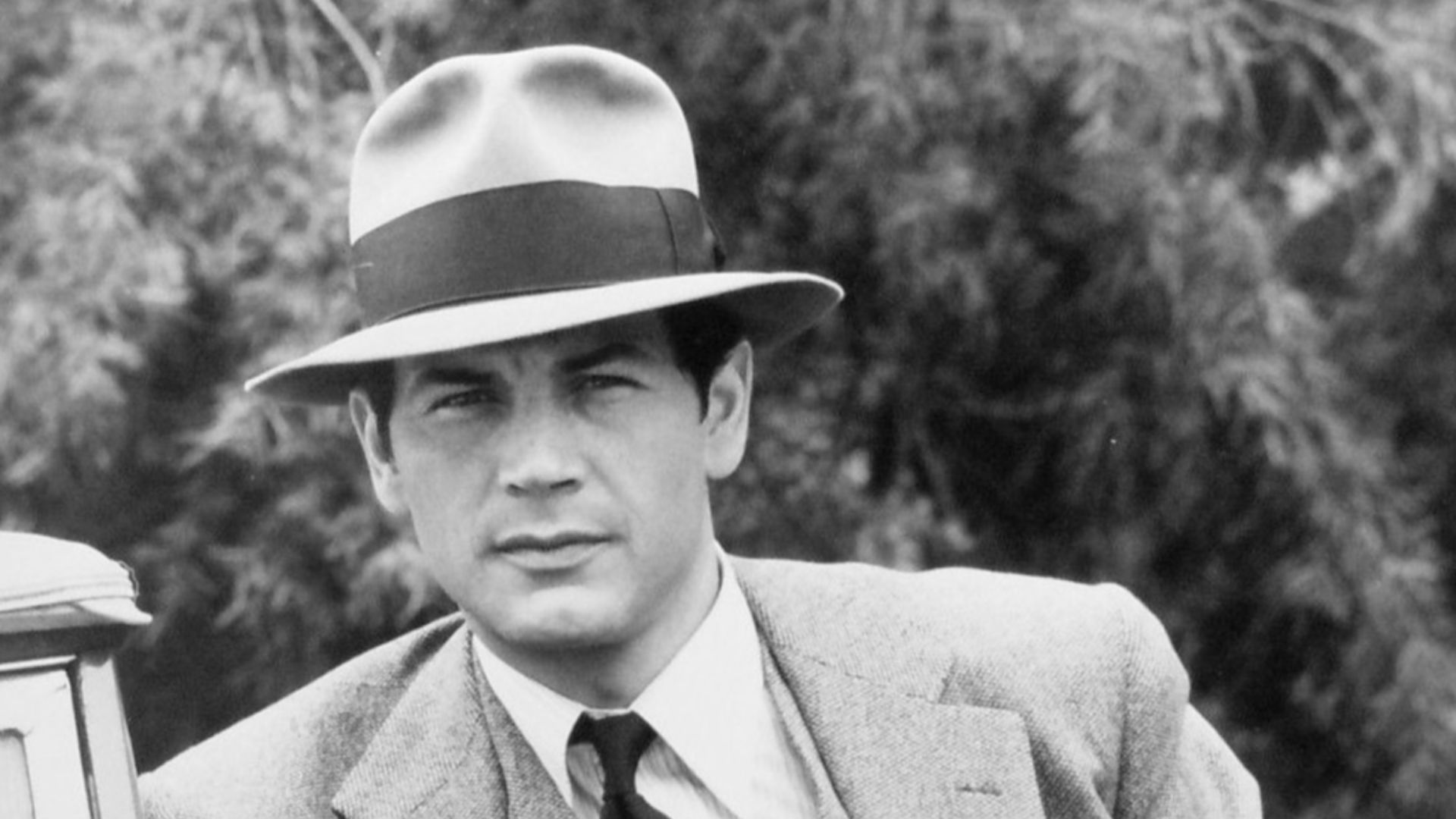 NBC Television, Wikimedia Commons
Barry Newman
Vanishing Point turned Barry Newman and a white Dodge Challenger into movie legends. He followed it with the successful television series Petrocelli and earned major award nominations. Newman still appeared in projects such as the acclaimed 1984 miniseries Fatal Vision, but his 80s résumé was surprisingly thin for someone who had once seemed headed for permanent stardom.
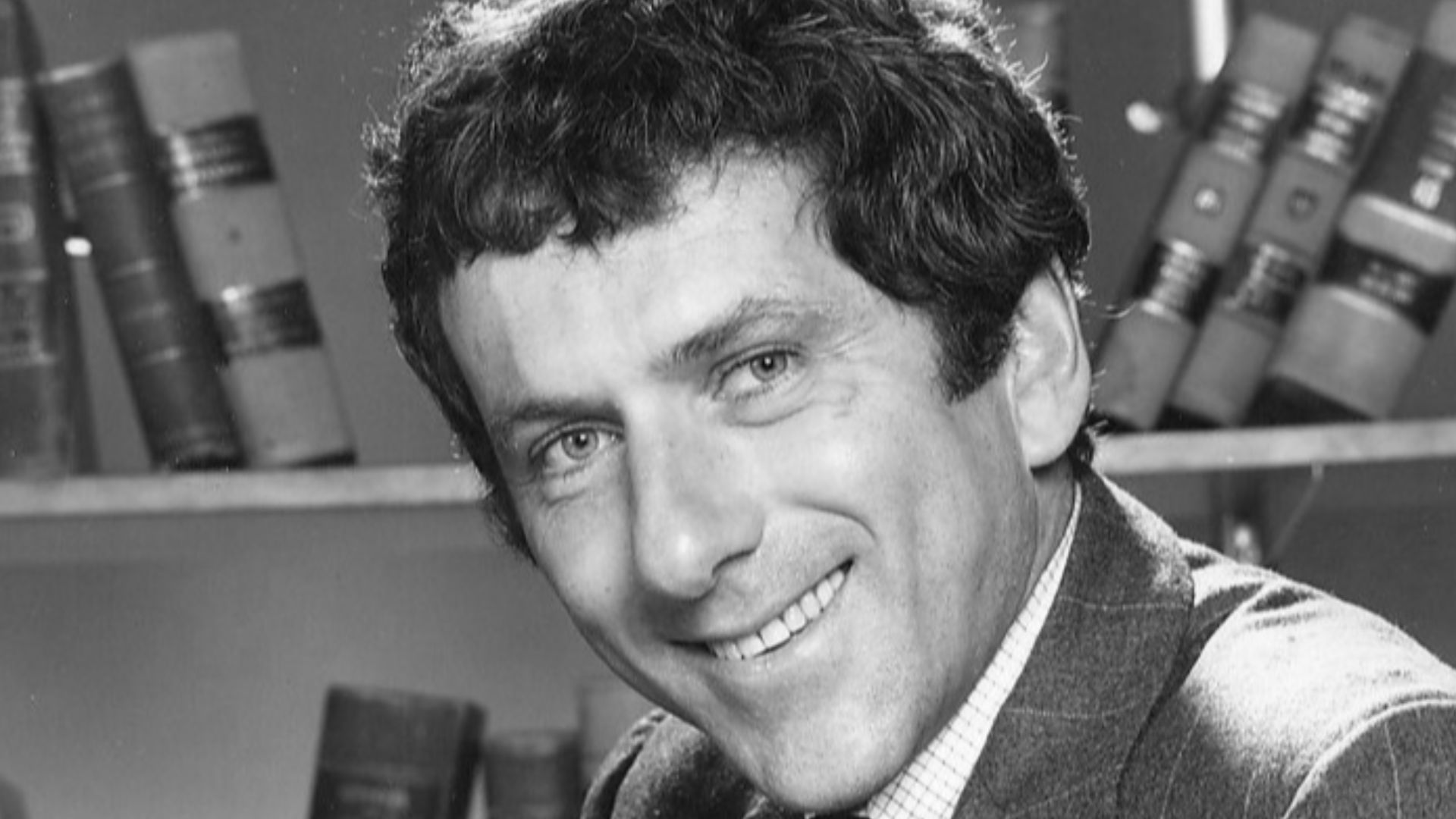 NBC Television, Wikimedia Commons
Vonetta McGee
Vonetta McGee appeared in Shaft in Africa, Thomasine & Bushrod, Blacula and The Eiger Sanction, making her one of the most recognizable action heroines of the 70s. Health problems caused her to take a break, and when Repo Man brought her back in 1984, the big action-leading roles were already behind her.
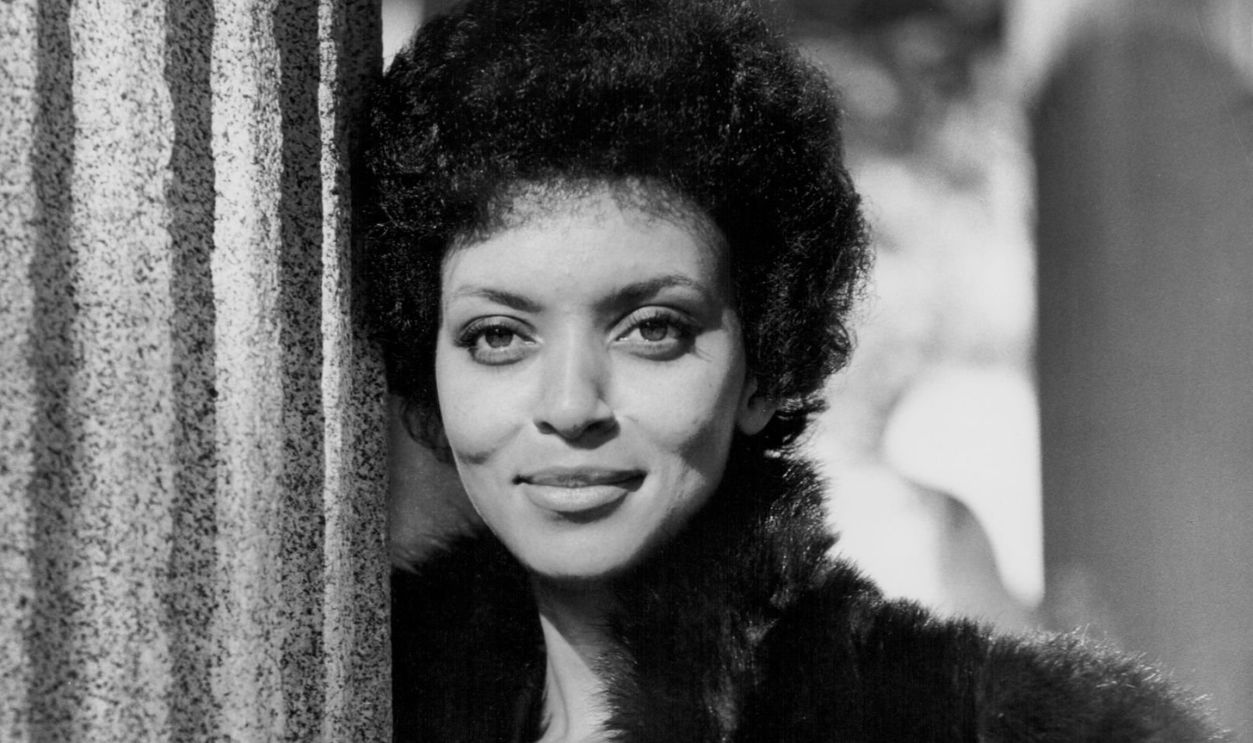 Stanley Bielecki Movie Collection, Getty Images
Tony Anthony
Tony Anthony spent years producing and starring in Spaghetti Westerns before bringing 3-D action back with Comin’ at Ya! in 1981. He tried it again with Treasure of the Four Crowns two years later—and then effectively retired from acting. His early-80s comeback did not fade slowly. It simply ended.
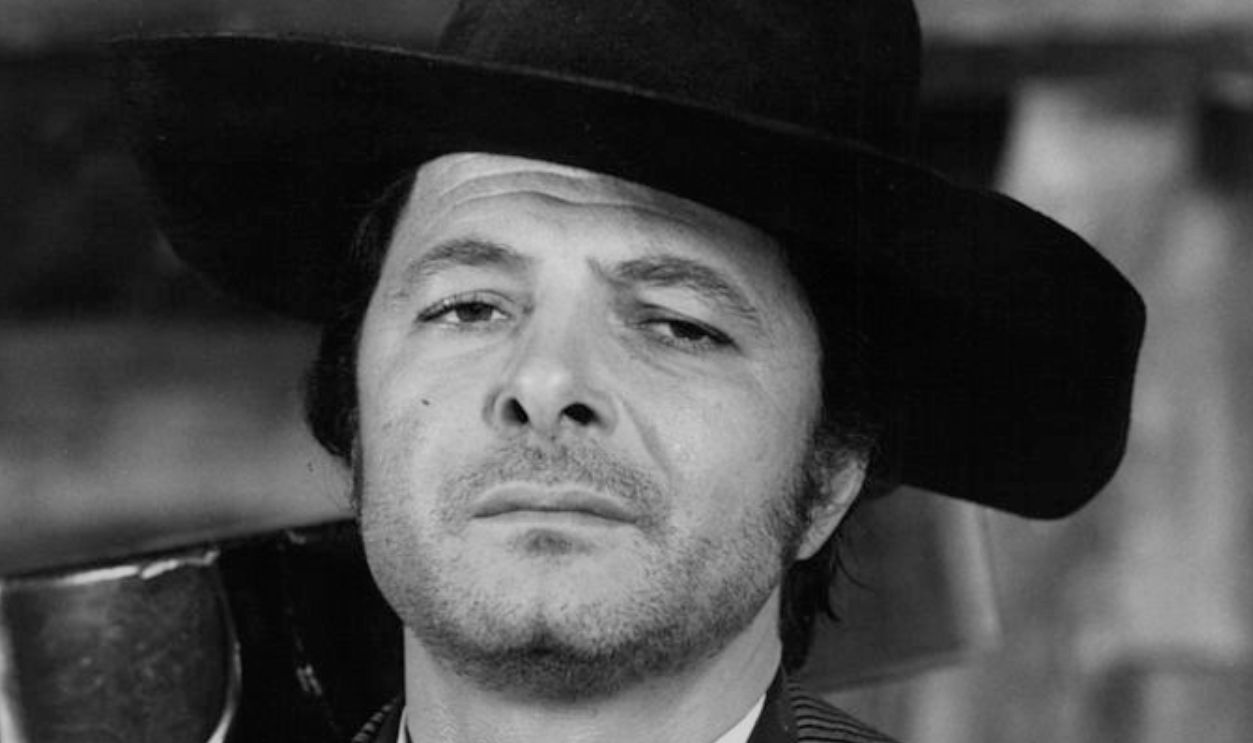 Michael Ochs Archives, Getty Images
Fred Williamson
Fred Williamson was never going to sit by the phone waiting for Hollywood to remember him. When the American blaxploitation cycle faded, he produced his own movies and took plenty of work in Italy. Williamson remained busy throughout the 80s. The difference was that the major studios were no longer treating him like the star he had been.
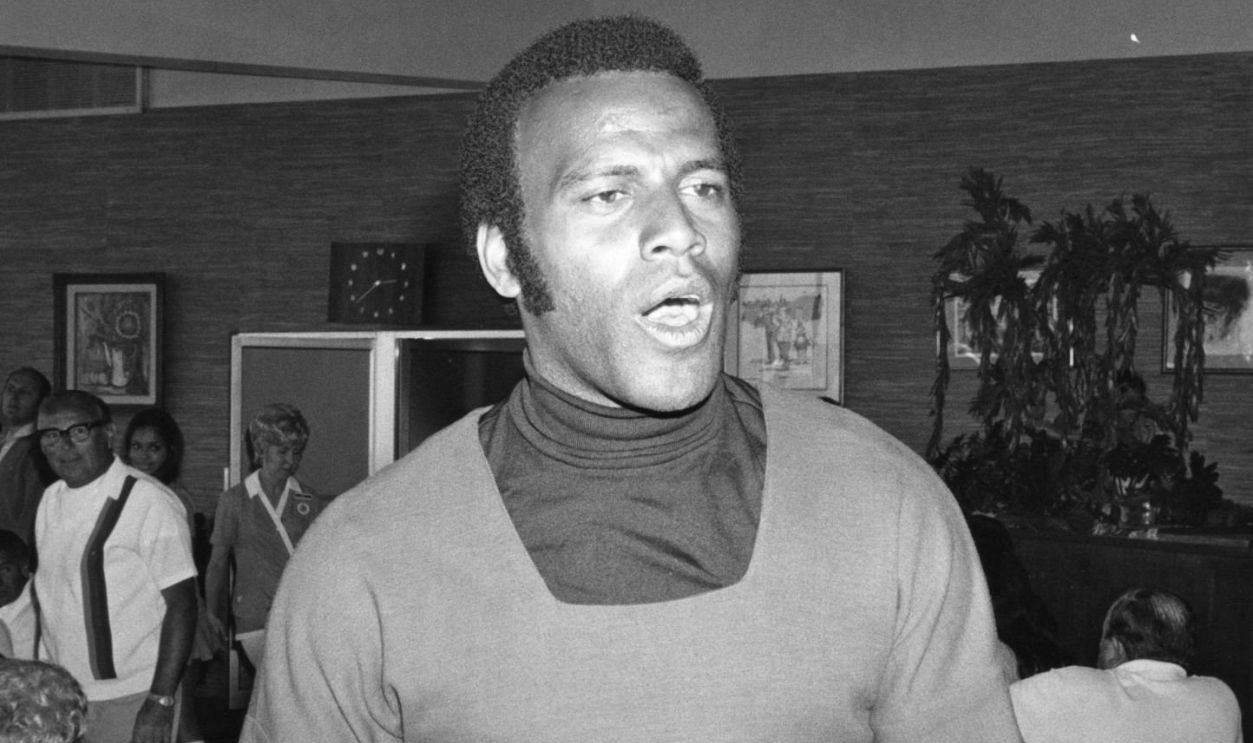 Michael Ochs Archives, Getty Images
Fabio Testi
Fabio Testi spent the 70s leading Italian crime movies, Westerns and thrillers while working with directors such as Enzo G. Castellari and Monte Hellman. Then Italy’s genre-film industry began collapsing. By the middle of the 80s, Testi was appearing far more often on television. The movies that had made him a star had practically disappeared.
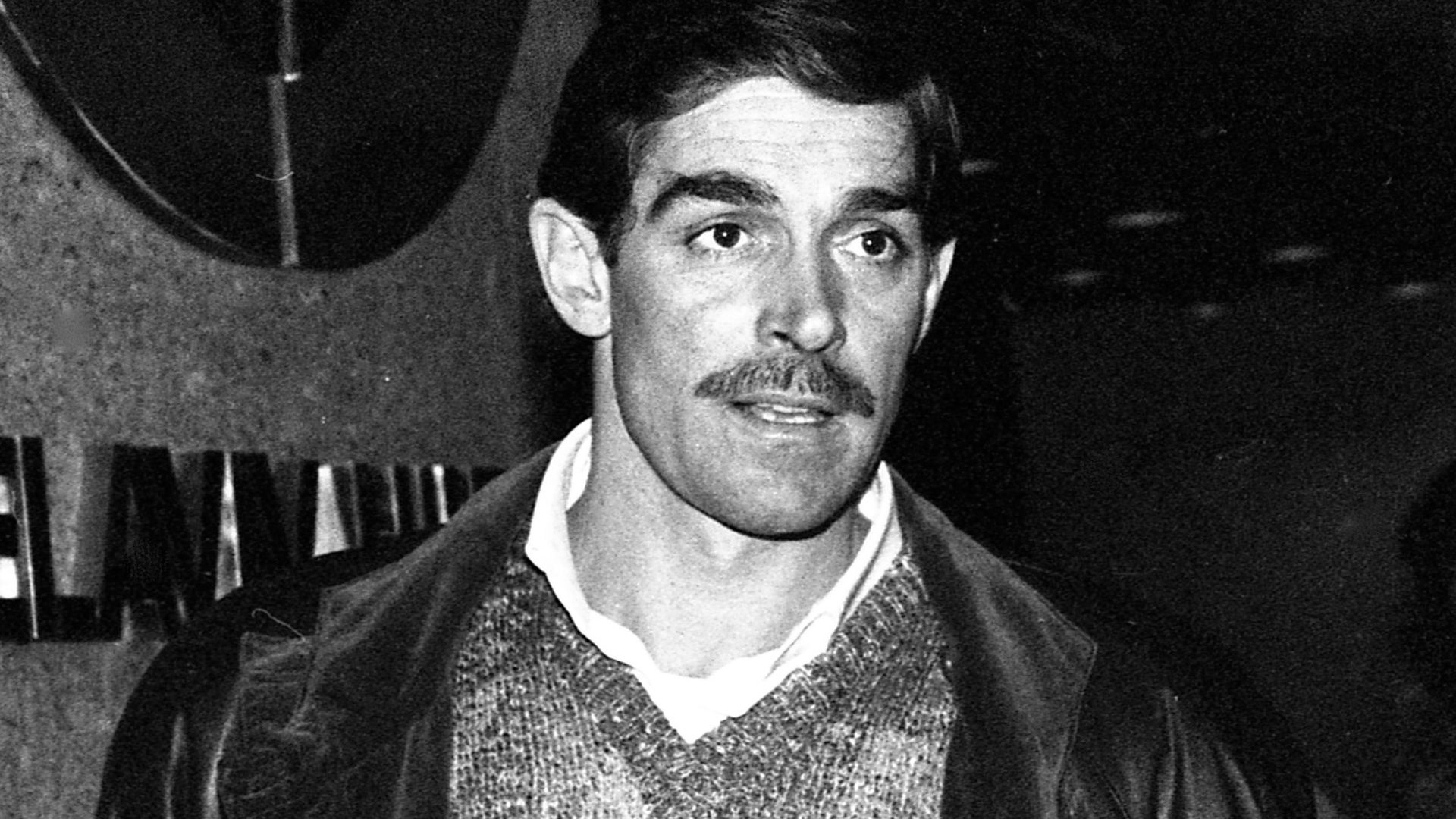 Tsevi Goldfarb, Wikimedia Commons
Tamara Dobson
At 6-foot-2, with model looks and enough presence to dominate every scene, Tamara Dobson should have had a much longer run. Cleopatra Jones looked like the beginning of a major action franchise. Instead, she received one sequel, a few more roles and almost nothing substantial after that. Her final feature-film appearance came in 1983.
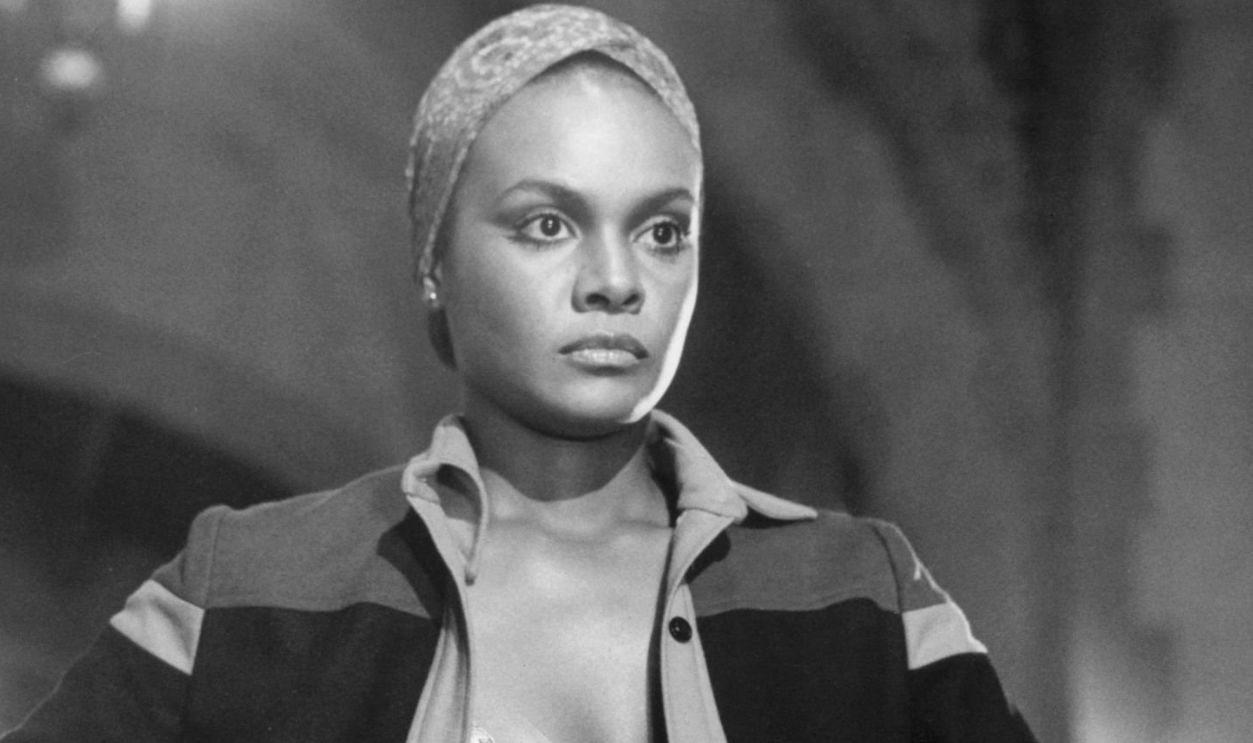 Michael Ochs Archives, Getty Images
Michael Sarrazin
Michael Sarrazin was so visible during the 70s that he even hosted Saturday Night Live in 1978. He also starred in The Groundstar Conspiracy, The Gumball Rally and the expensive adventure film Caravans. Then Hollywood seemed to lose interest. By the 80s, he was appearing mostly in low-budget thrillers, television and Canadian productions.
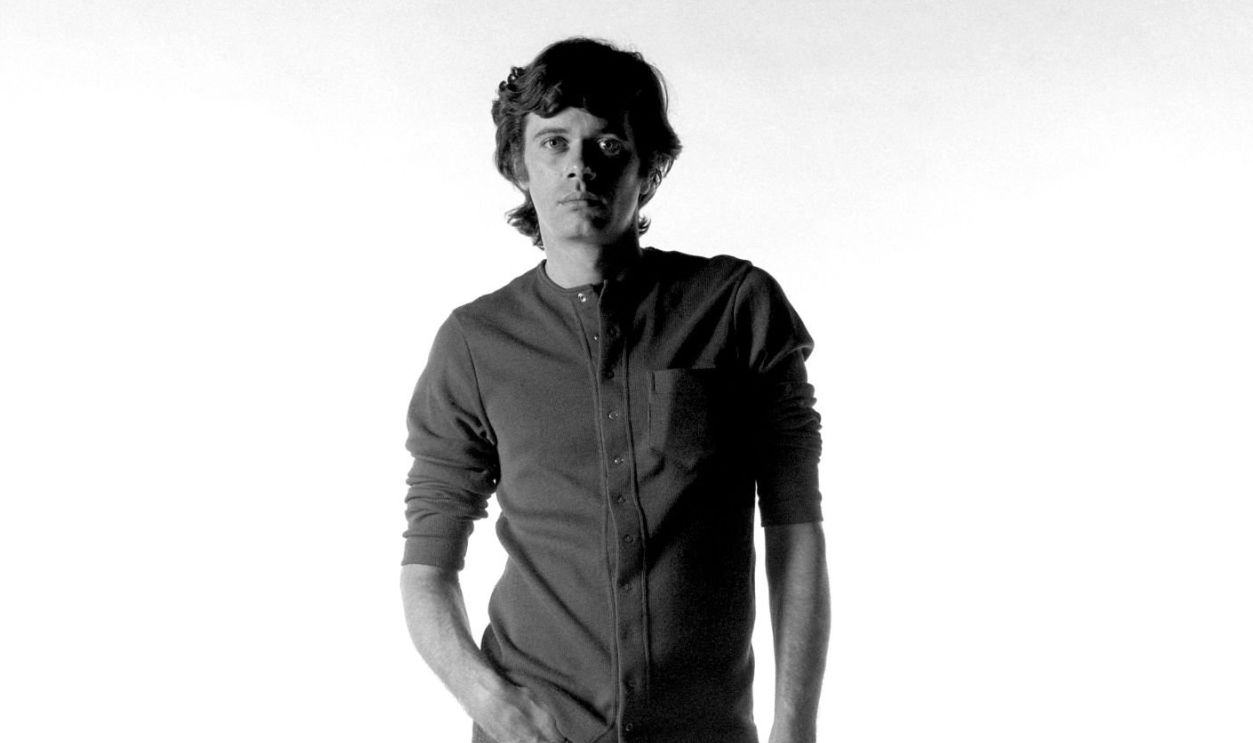
Maurizio Merli
Maurizio Merli spent the second half of the 70s playing furious Italian cops in one hit after another. Violent Rome, The Tough Ones and The Cynic, the Rat and the Fist made him the face of an entire genre. Then audiences moved on, and Italian filmmakers suddenly had no idea what to do with him. His workload collapsed almost completely.
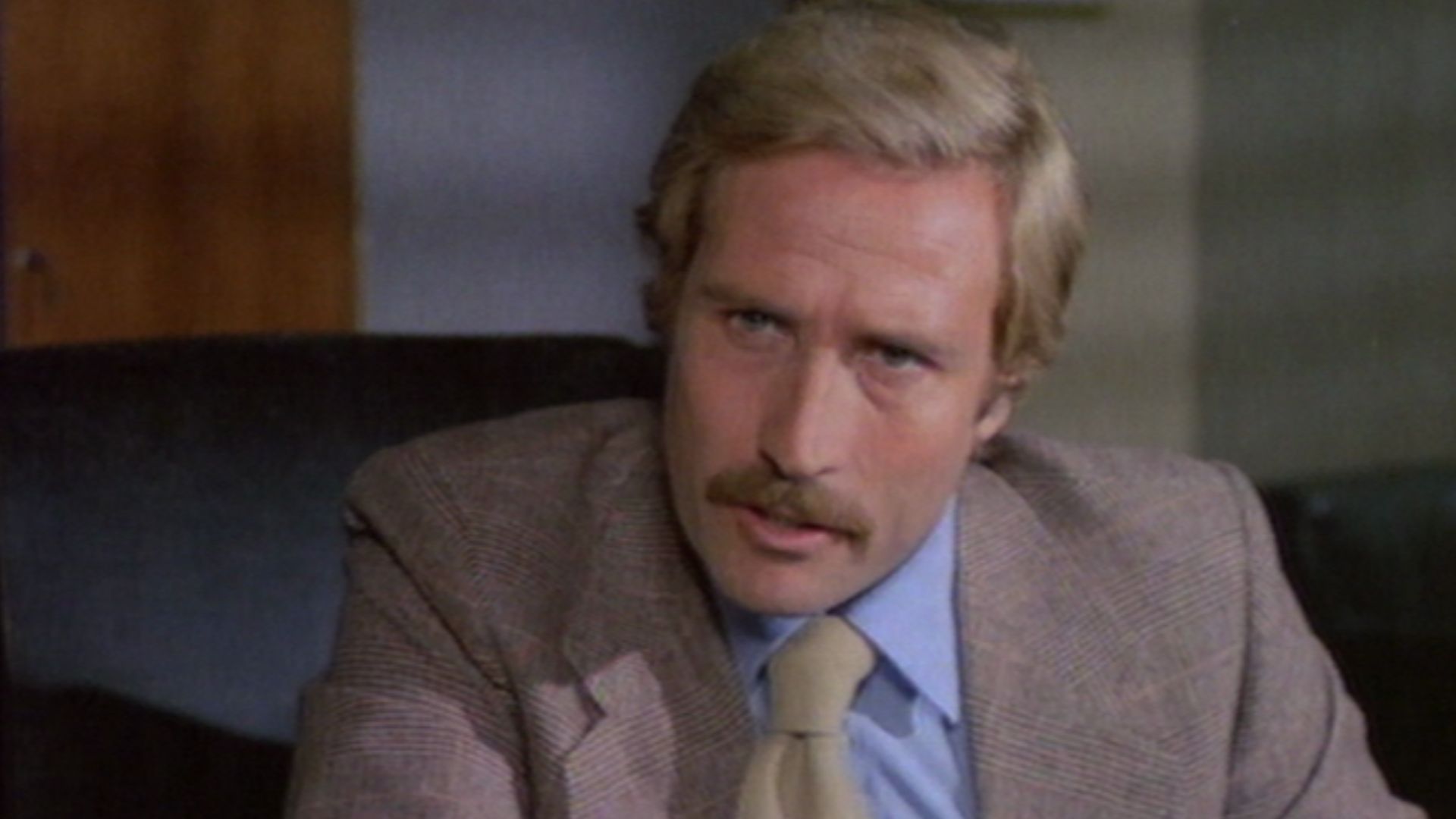 Marino Girolami (director) / Fausto Zuccoli (cinematographer), Wikimedia Commons
Ron O’Neal
Super Fly made Ron O’Neal famous almost overnight. Unfortunately, it also made Hollywood think that was the only kind of character he could play. O’Neal spent years trying to escape the image. He appeared in movies such as The Final Countdown and Red Dawn, but another major leading role never came his way.
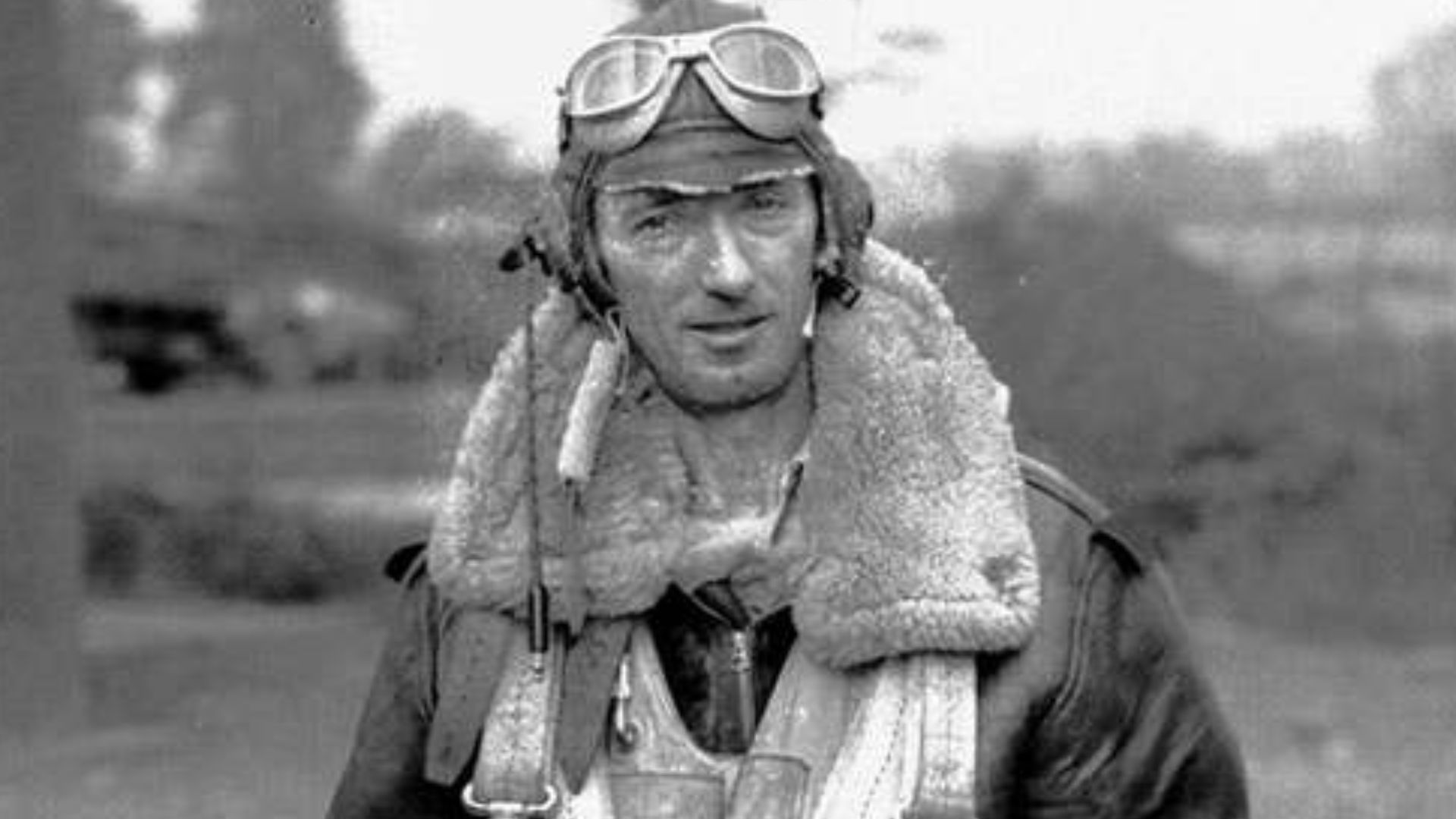 Historical U.S. government, Wikimedia Commons
Caroline Munro
Caroline Munro spent the 70s battling monsters, pirates and James Bond. She was one of Britain’s most recognizable genre stars, and it looked as though bigger things had to be coming. Munro continued working throughout the 80s, but the lavish international productions gave way to smaller horror, science-fiction and action movies with far less mainstream attention.
![Collectie / Archief : Fotocollectie Anefo
Reportage / Serie : [ onbekend ]
Beschrijving : Actrice Caroline Munro in Amsterdam n.a.v. premiere van de film](https://www.factinate.com/storage/app/media/theshot/2026/8/1/178555440003c9c2af2878c57d0da2639bf47532b81b856642.jpg) Hans Peters for Anefo, Wikimedia Commons
Hans Peters for Anefo, Wikimedia Commons
Luc Merenda
Luc Merenda was one of the biggest leading men in Italy’s gritty 70s crime movies. He chased criminals, traded punches and looked like he belonged on every poster. But when that genre collapsed, so did his film career. The 80s brought mostly television work, and Merenda eventually left acting to become an art and antiques dealer.
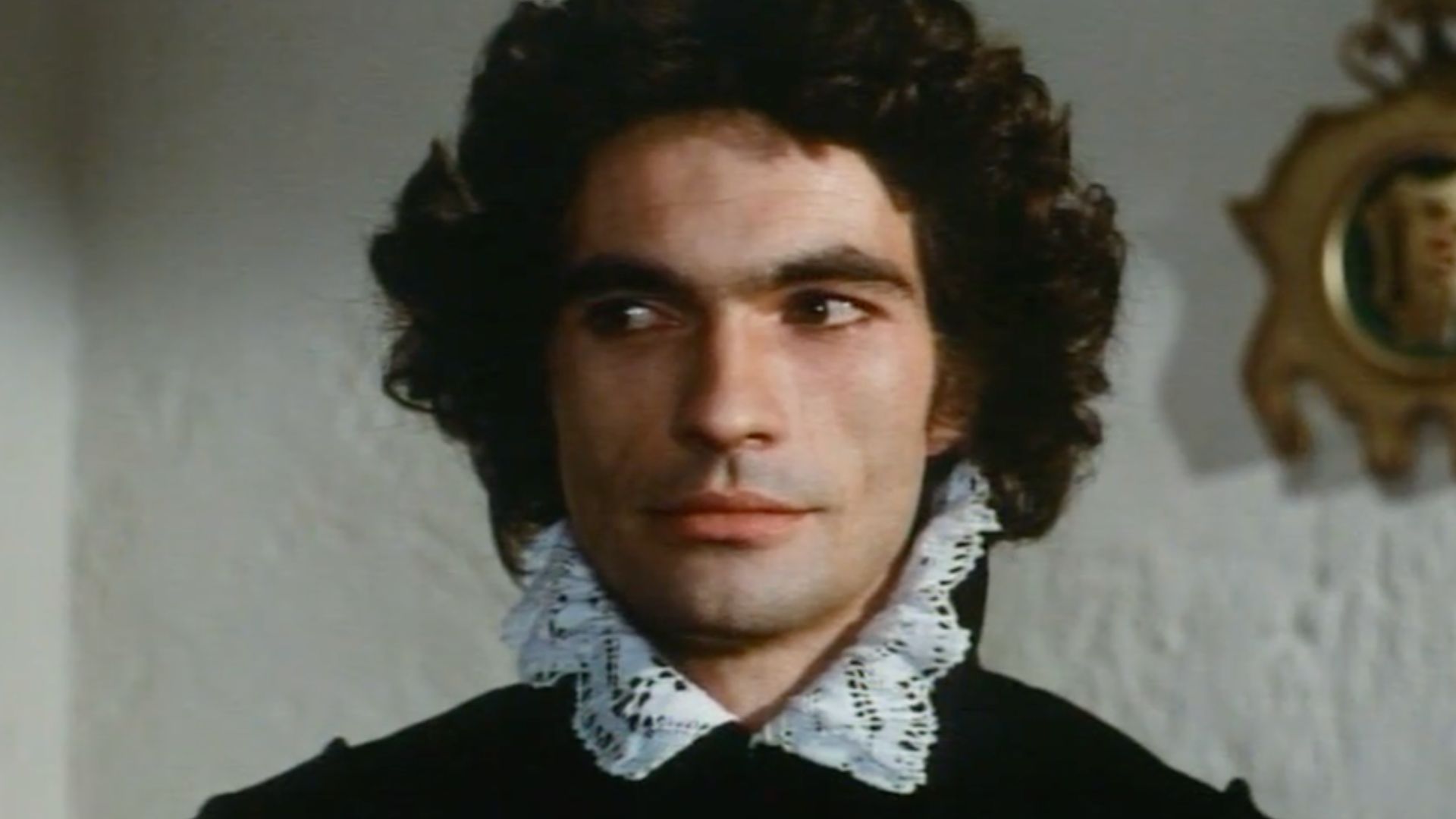
Jim Brown
Jim Brown walked away from football while still one of the sport’s biggest names—and somehow became a movie star almost immediately. During the 70s, he headlined films such as Slaughter, Black Gunn and Three the Hard Way. By the 80s, the leading roles had mostly disappeared, leaving guest appearances and occasional supporting parts.
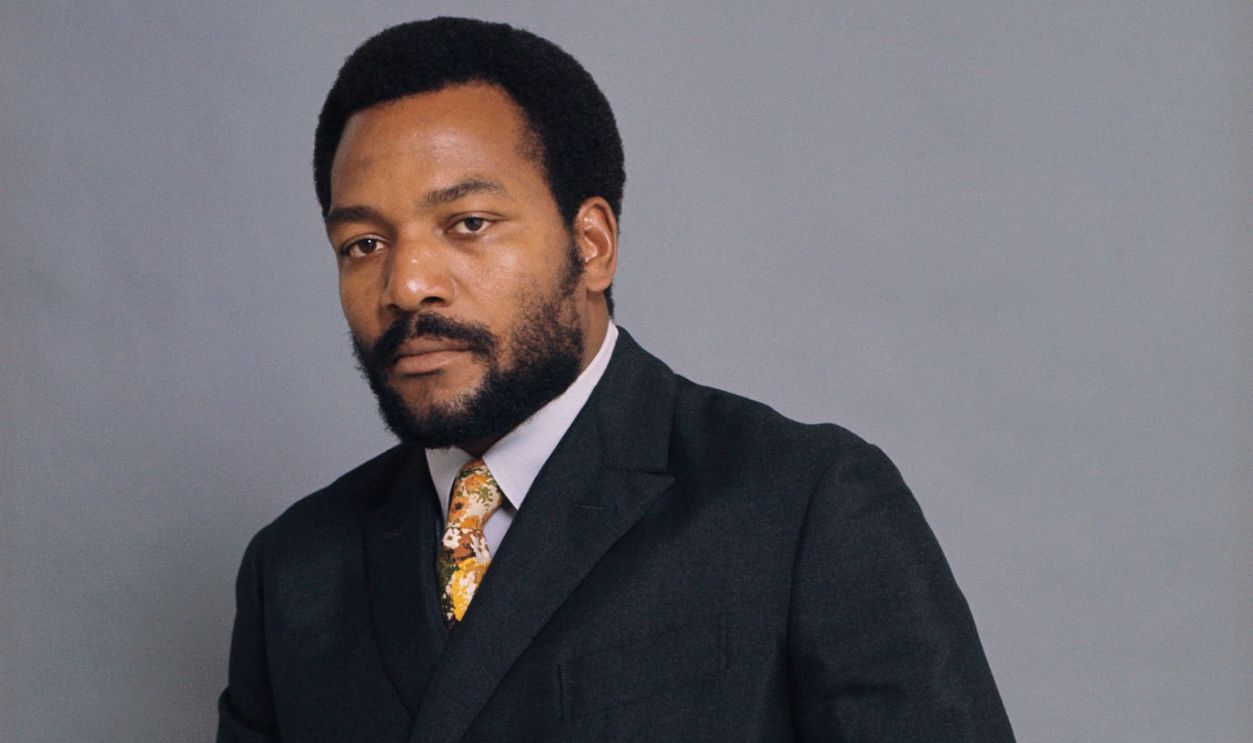
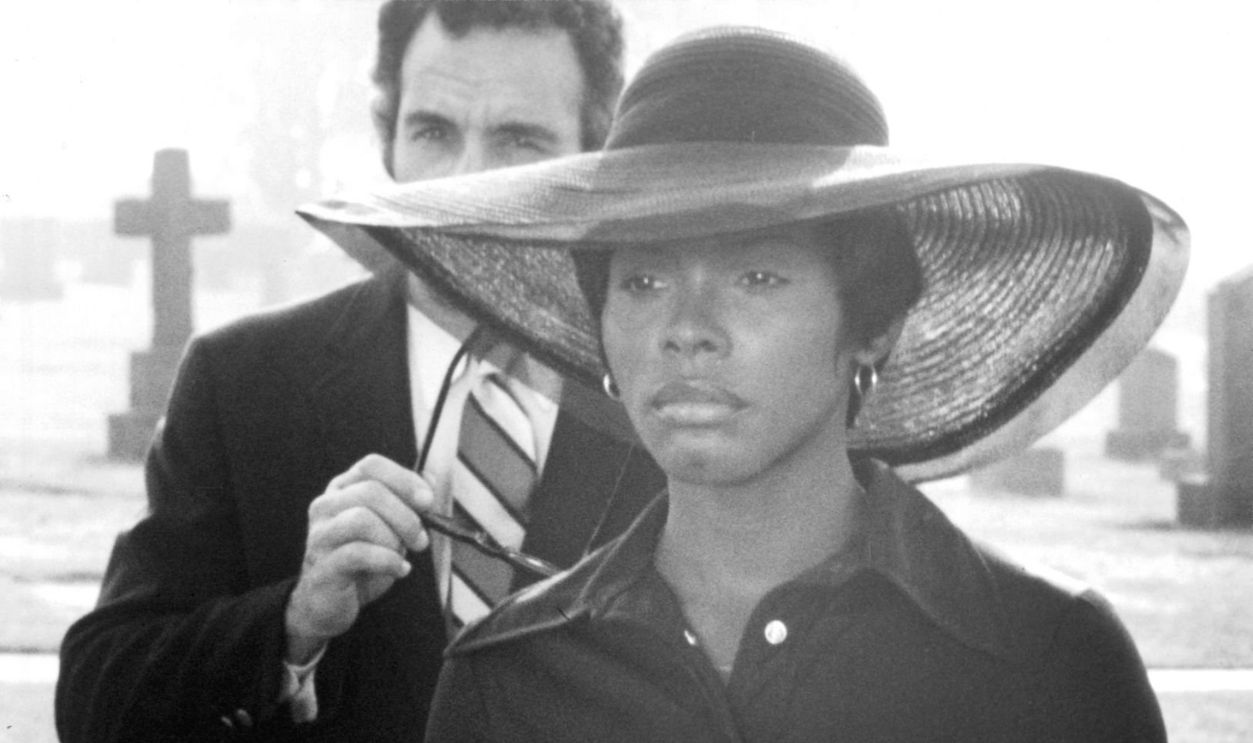
Gloria Hendry
Gloria Hendry appeared in Live and Let Die, Black Caesar, Slaughter’s Big Rip-Off, Black Belt Jones and Savage Sisters in barely two years. For a moment, she seemed to be in every action movie that mattered. Then that incredible run ended. By the time the 80s arrived, her screen appearances had become extremely rare.
 Michael Ochs Archives, Getty Images
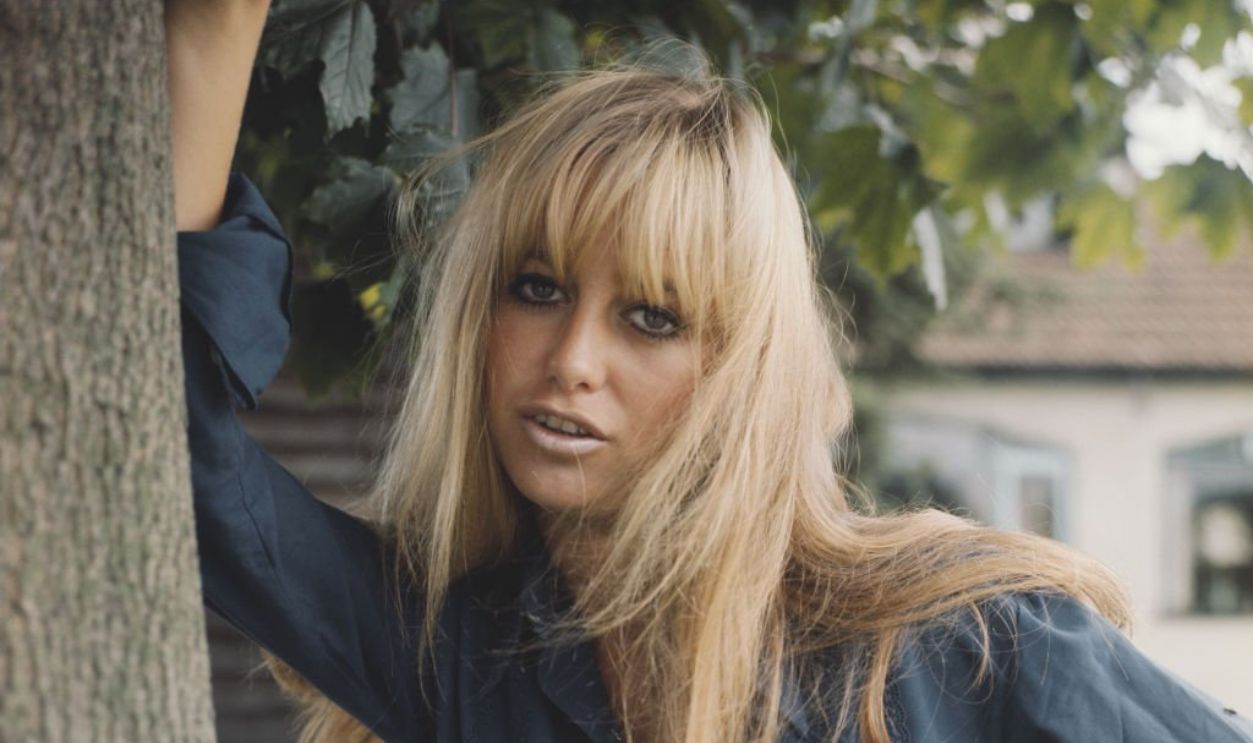
Susan George
Susan George followed Straw Dogs with Dirty Mary, Crazy Larry, one of the great car-chase movies of the 70s. She continued acting through the 80s, but her mainstream profile gradually faded. George returned to Britain, started her own production company and eventually devoted much of her life outside Hollywood to breeding horses.
 Larry Ellis Collection, Getty Images
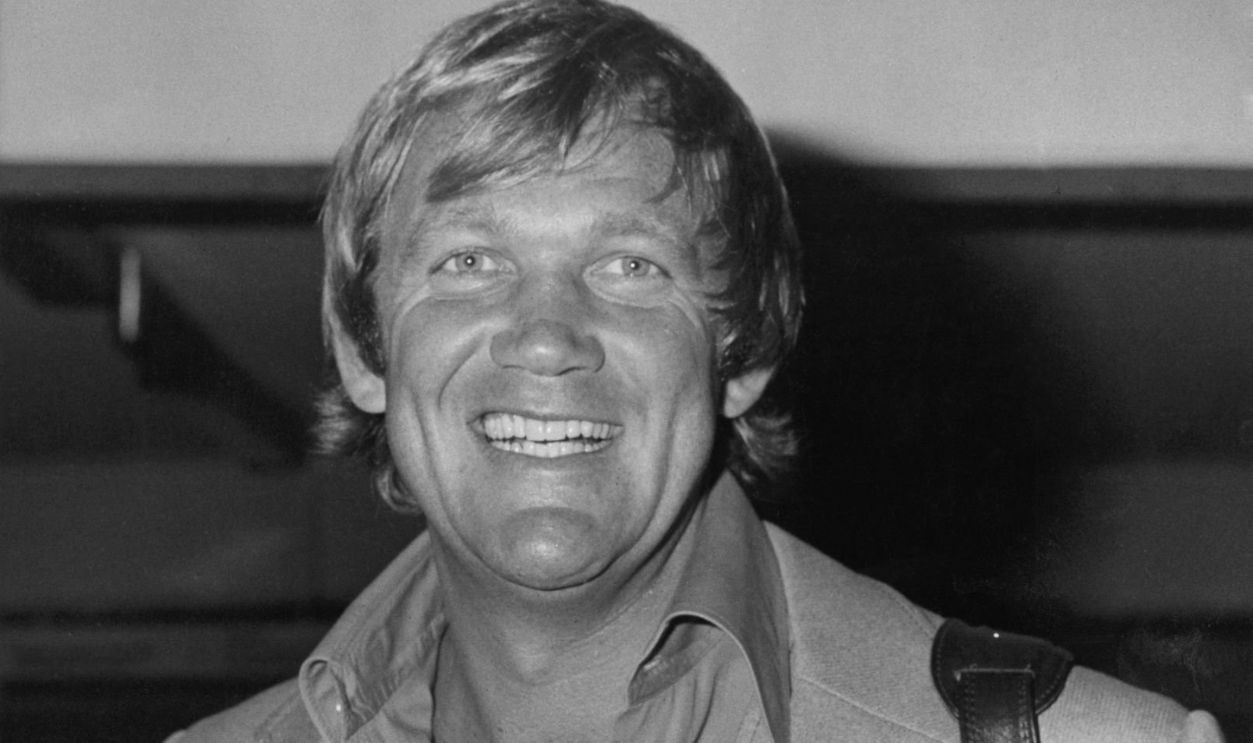
Bo Svenson
Bo Svenson looked like an action star built in a laboratory. He was huge, imposing and had already taken over the Walking Tall franchise before starring in The Inglorious Bastards. Yet the major Hollywood push never came. Svenson spent the 80s working steadily in independent films, forever looking like a star in movies that rarely treated him like one.
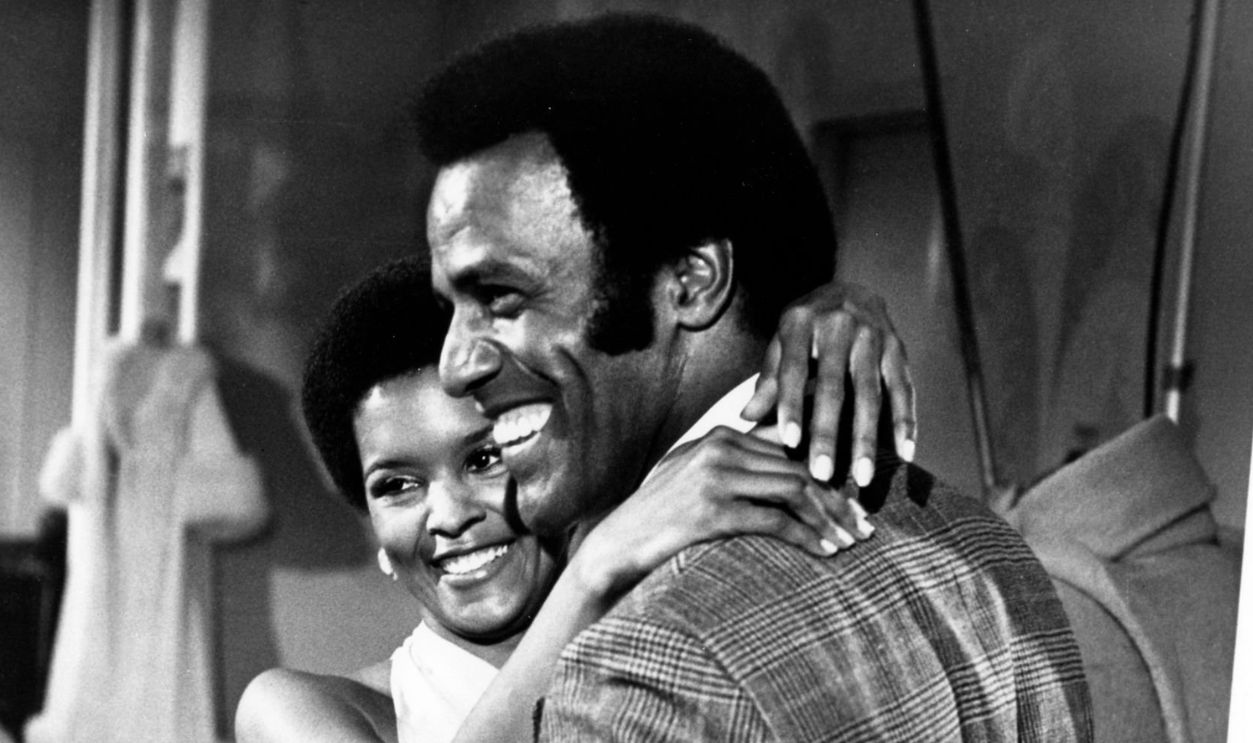
Jeannie Bell
For a few years, Jeannie Bell seemed to be everywhere drive-in action movies were playing. She starred in TNT Jackson, Policewomen and The Muthers, while also appearing in Three the Hard Way. Then, after a burst of roles in 1977, her acting credits simply stopped. The 80s did not demote her to smaller movies—she never reached them.
 Michael Ochs Archives, Getty Images
John Phillip Law
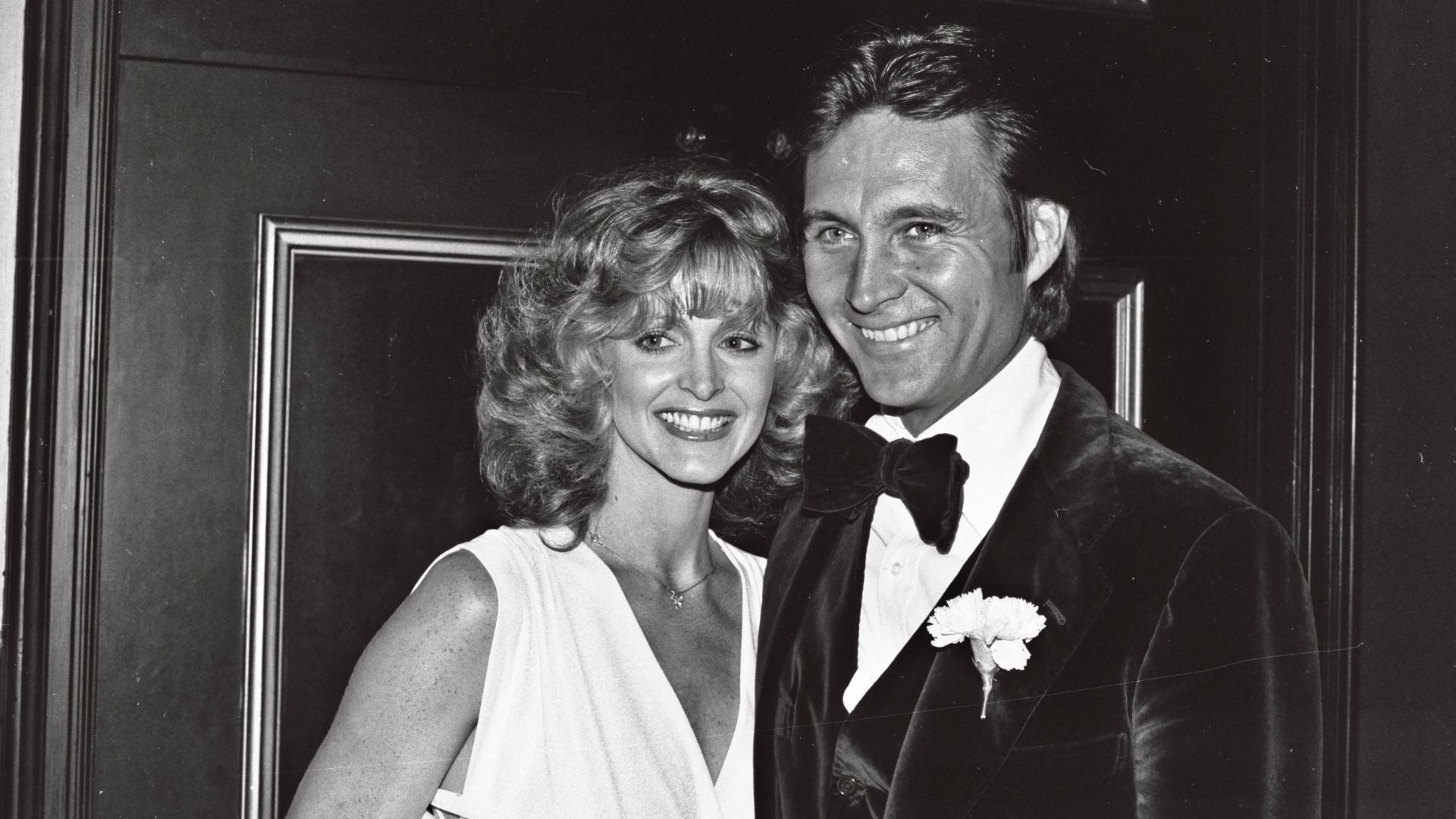
John Phillip Law had the looks, the height and the résumé of a major movie star. He had appeared in Barbarella, Death Rides a Horse and The Golden Voyage of Sinbad. Yet Hollywood never seemed to know what to do with him. By the 80s, he was working mostly in international productions and increasingly forgettable genre films.
Doug McClure
Doug McClure became the dependable hero of 70s adventure movies such as The Land That Time Forgot, At the Earth’s Core and Warlords of Atlantis. Then that entire style of movie disappeared. McClure kept acting, but the big-screen adventures were over. By the end of the 80s, he was playing a small-town mayor on a sitcom.
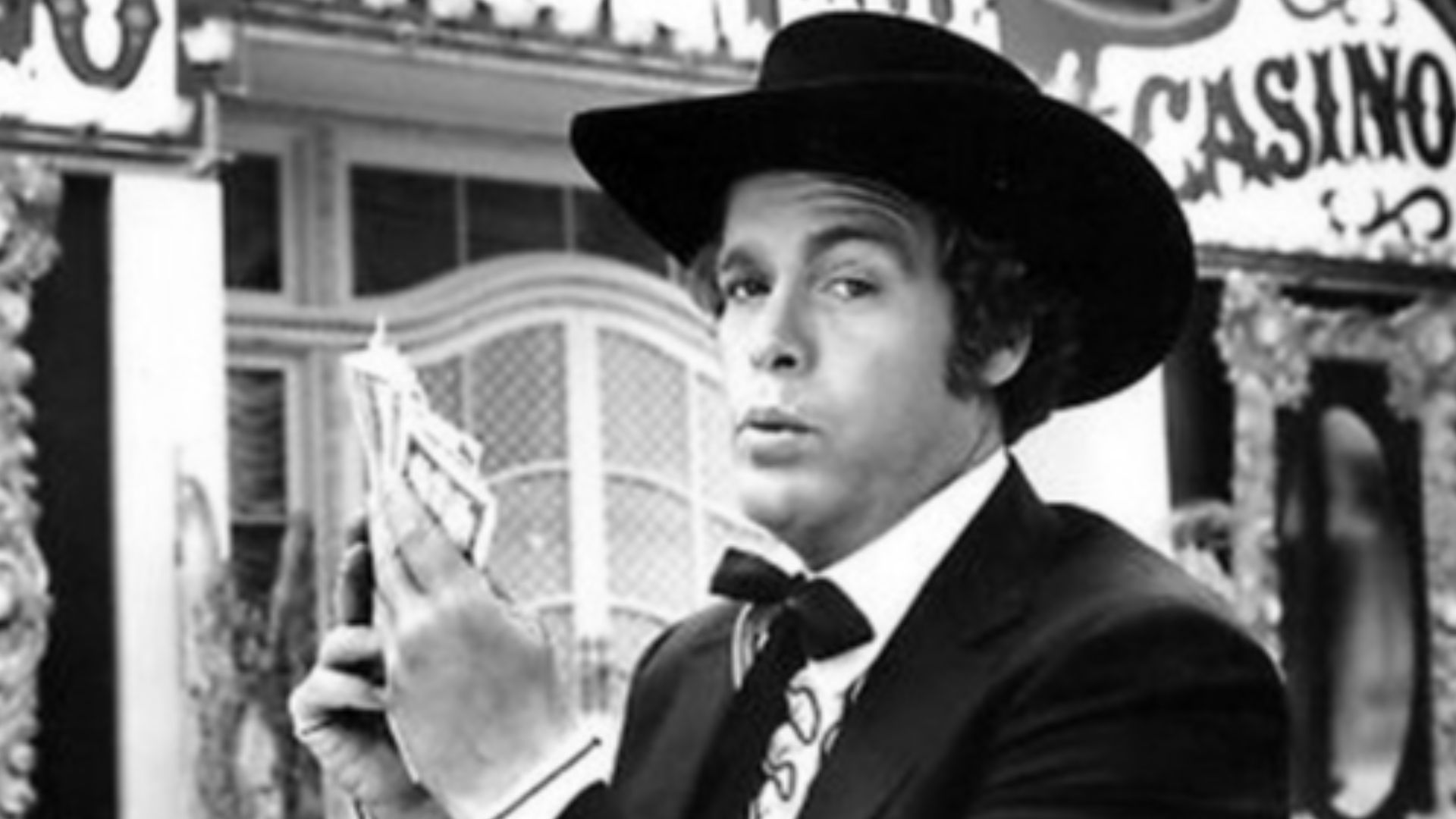 ABC Television, Wikimedia Commons
Max Julien
For a short time after The Mack, Max Julien looked like one of the coolest men alive. He also helped create Cleopatra Jones and starred in Thomasine & Bushrod. Then he practically vanished. After 1974, Julien did not appear in another theatrical feature until 1997—an astonishing disappearance for someone who had once seemed impossible to ignore.
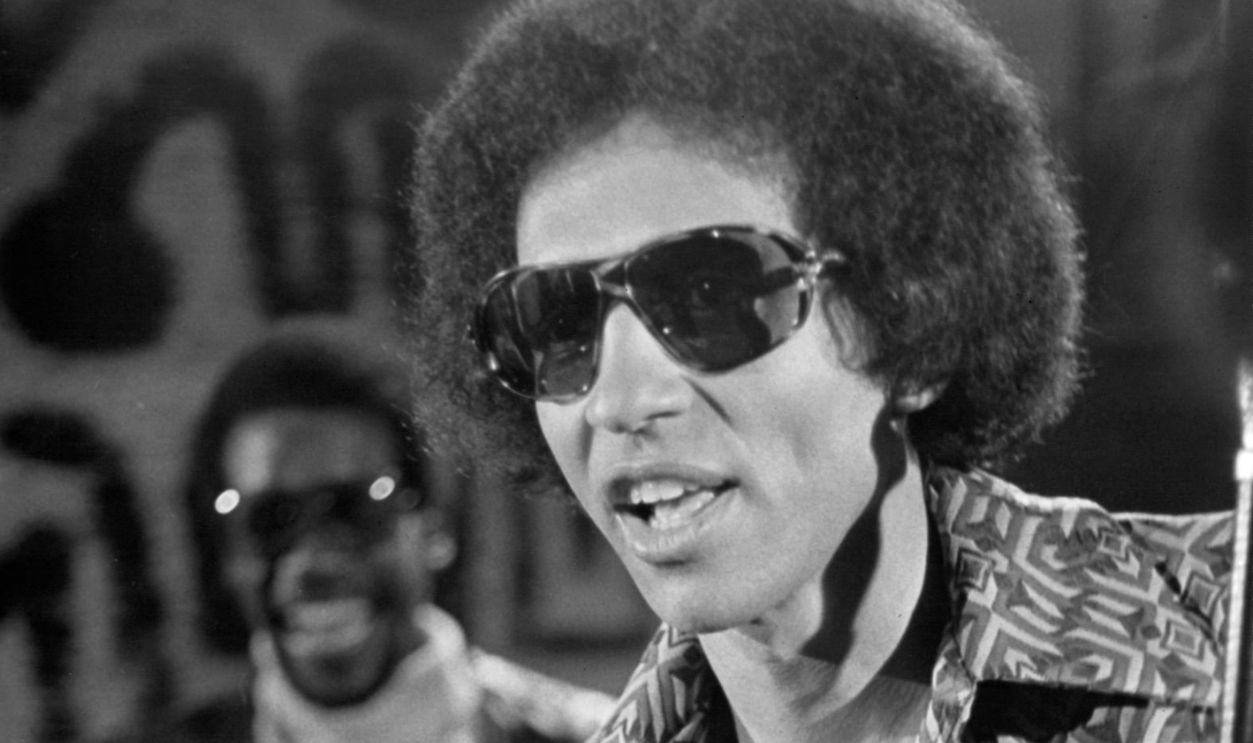 Michael Ochs Archives, Getty Images
You Might Also Like:
The remarkable career of Richard Crenna before and after The Real McCoys
These Actors Appeared In Nearly Every TV Western Of The 1950s And 60s—How Many Do You Remember?