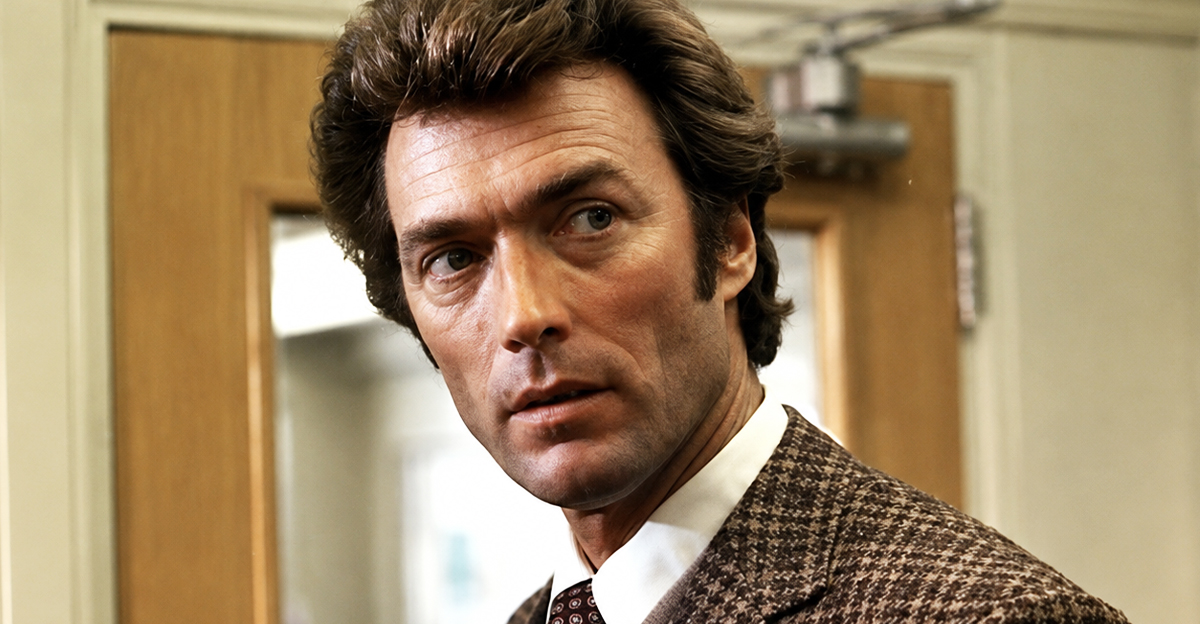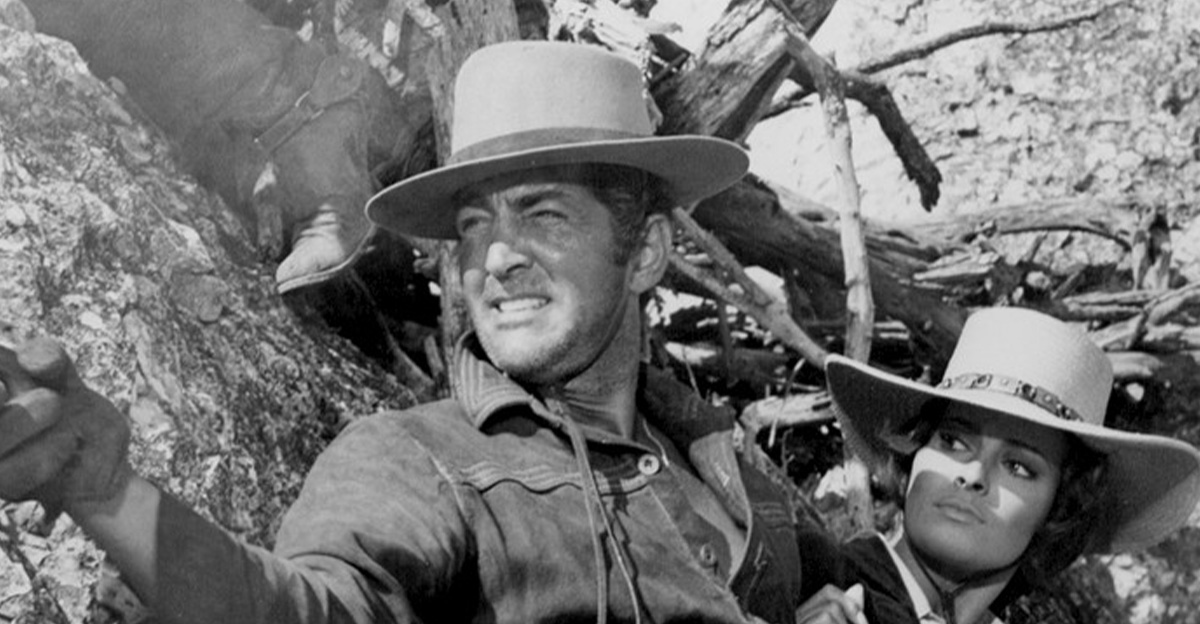
Hollywood Invaded Normandy
20th Century Fox chief Darryl F. Zanuck approached The Longest Day (1962) on a scale appropriate to D-Day itself. American stars, European legends, rising young actors, former servicemen and even genuine D-Day participants crowded into the enormous production. Some appear only briefly, making the cast list an extraordinary time capsule of early-1960s Hollywood.
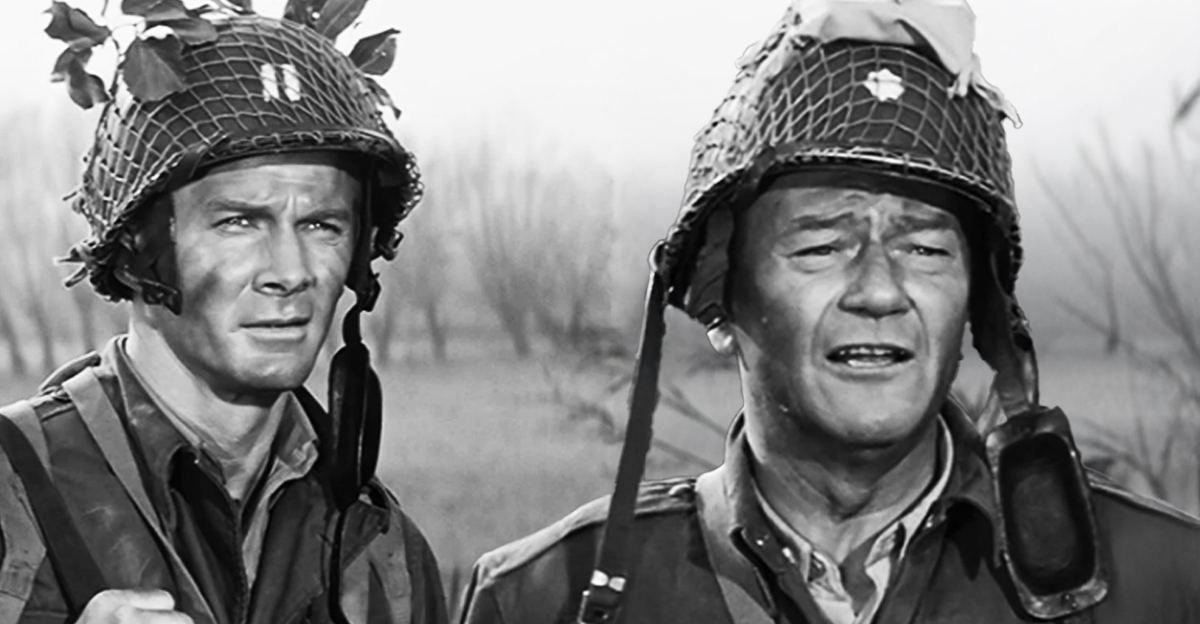
 Screenshot of John Wayne and Steve Forrest in 'The Longest Day' (1962); 20th Century Fox
Joseph Lowe
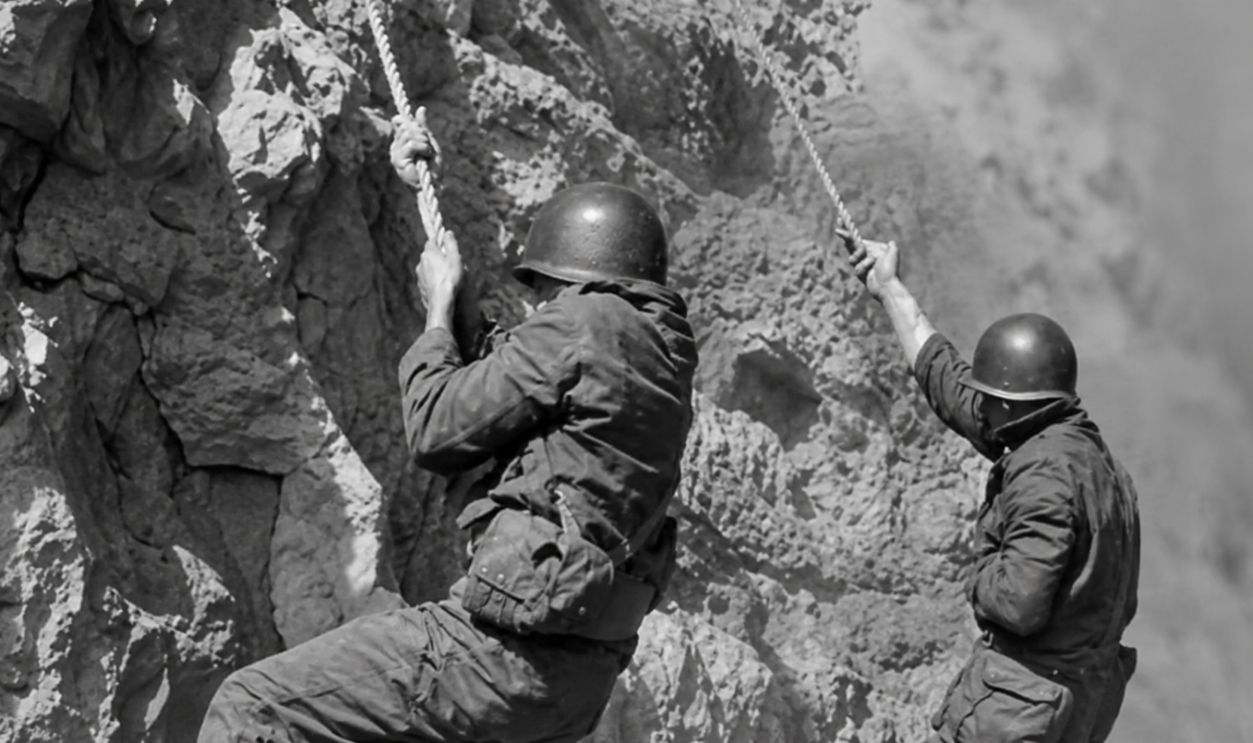
Joseph Lowe wasn't really an actor at all. He had been a U.S. Army Ranger on D-Day and returned to Normandy for The Longest Day, appearing as a Ranger. His participation gave Zanuck something no casting director could manufacture: a performer who had actually experienced the invasion being recreated.
 Screenshot from The Longest Days, 20th Century-Fox(1962)
Pauline Carton
French character actress Pauline Carton was already in her late 70s when she appeared as a maid in The Longest Day. She had accumulated an enormous screen résumé dating back to silent cinema, making her tiny appearance another example of Zanuck filling even peripheral roles with experienced performers.
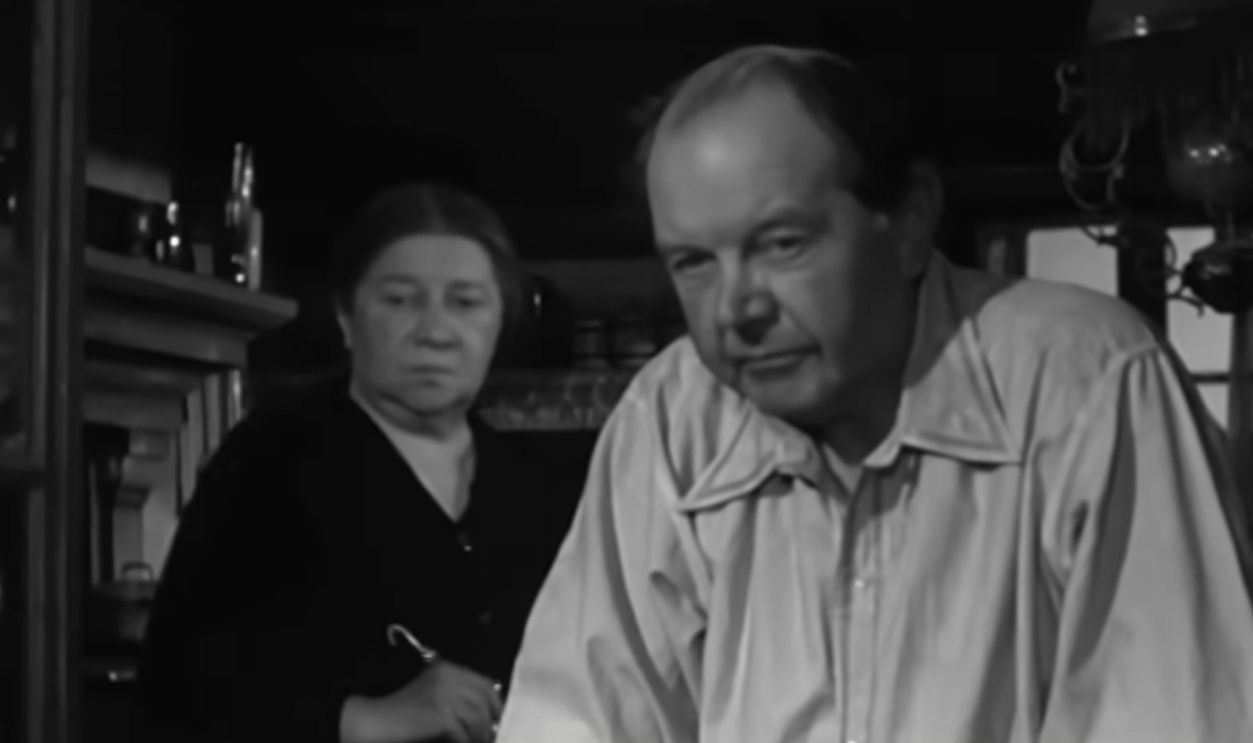 Screenshot from The Longest Day, 20th Century-Fox(1962)
Madeleine Renaud
One of France's great stage actresses, Madeleine Renaud played the Mother Superior in the Ouistreham sequence. She had spent decades working in French theater and cinema before The Longest Day, and later continued performing with the celebrated theater company she formed with her husband, actor-director Jean-Louis Barrault.
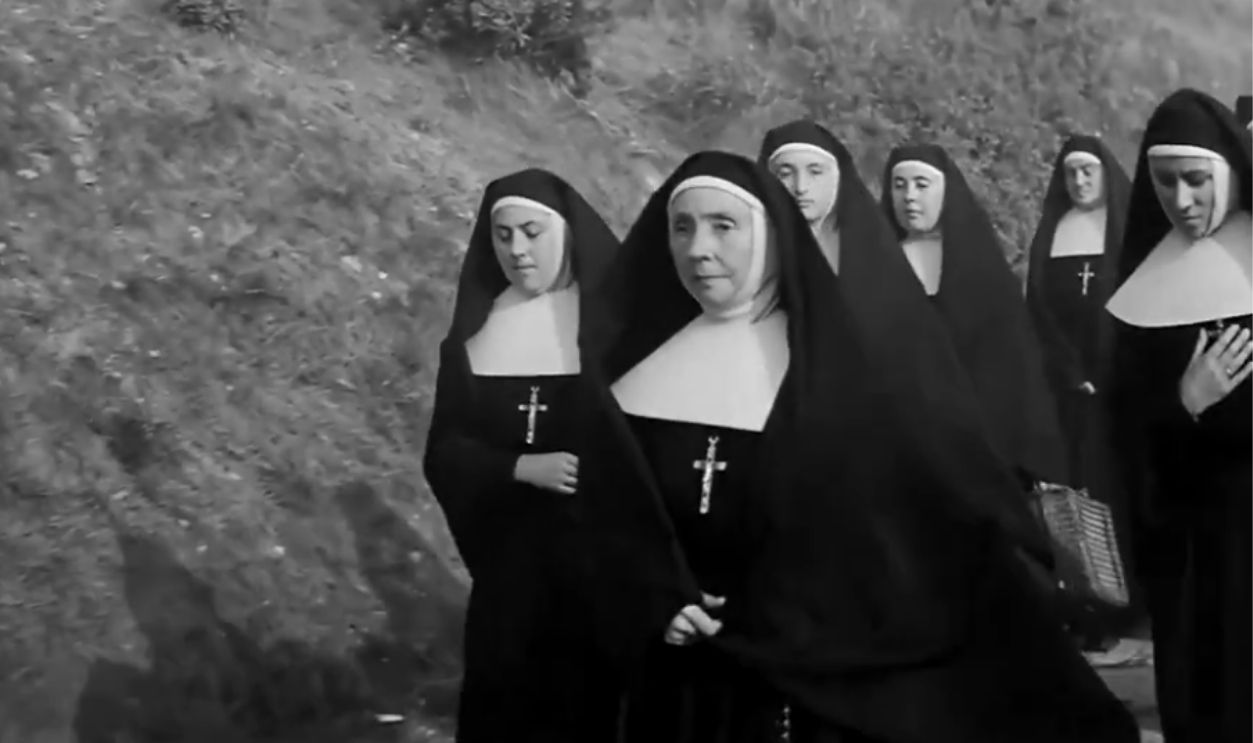 Screenshot from The Longest Day, 20th Century-Fox(1962)
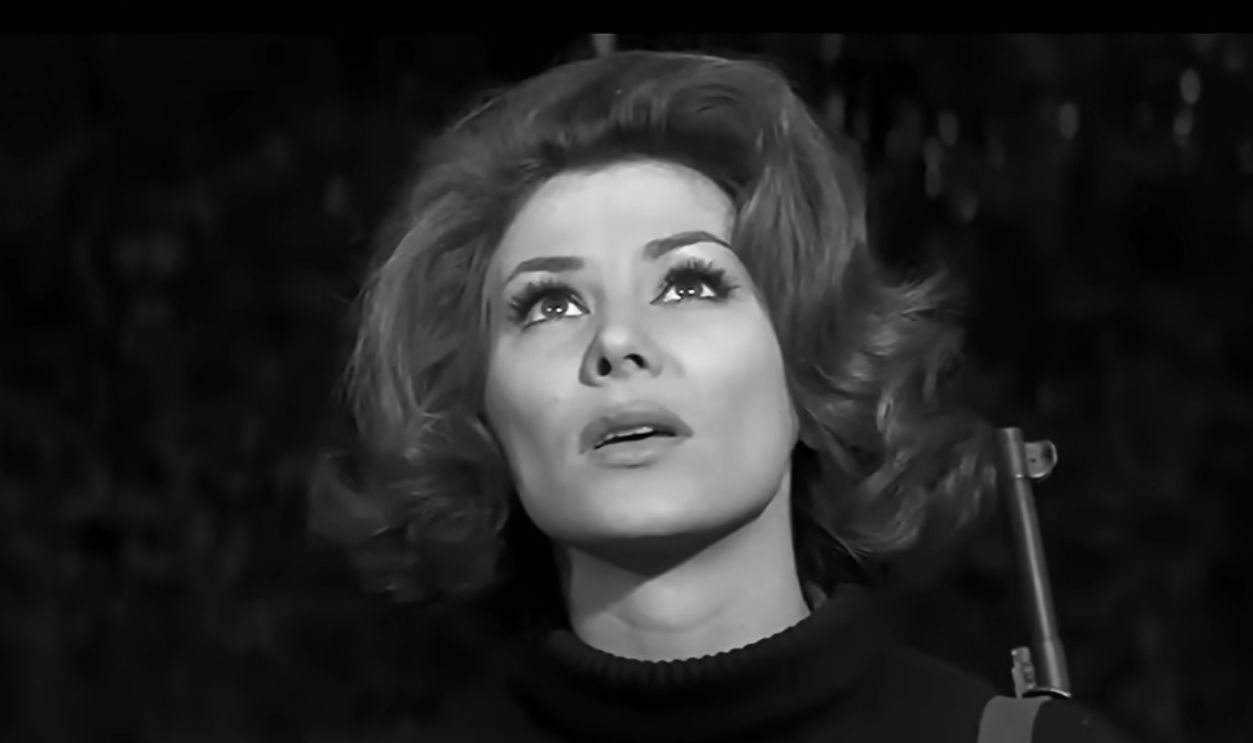
Irina Demick
Irina Demick played French Resistance member Janine Boitard, one of the movie's relatively few substantial female characters. Boitard was a real Resistance figure, although the film considerably dramatized her D-Day exploits. Demick subsequently appeared in international productions including Those Magnificent Men in Their Flying Machines (1965).
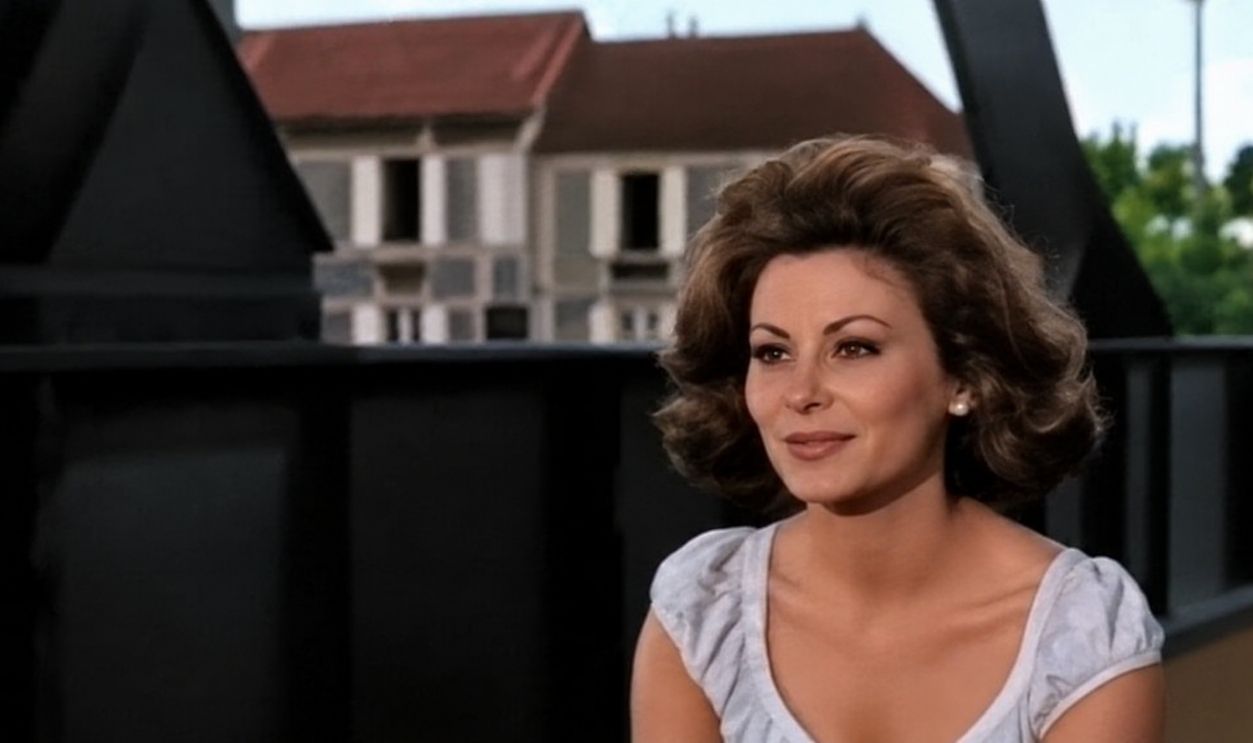 Screenshot from The Longest Day, 20th Century-Fox(1962)
Arletty
French audiences certainly didn't need an introduction to Arletty. The legendary actress of Children of Paradise (1945) appears in The Longest Day as Madame Barrault, a resident of Sainte-Mère-Église. Her casting demonstrates just how seriously Zanuck pursued recognizable stars from each country represented in the story.
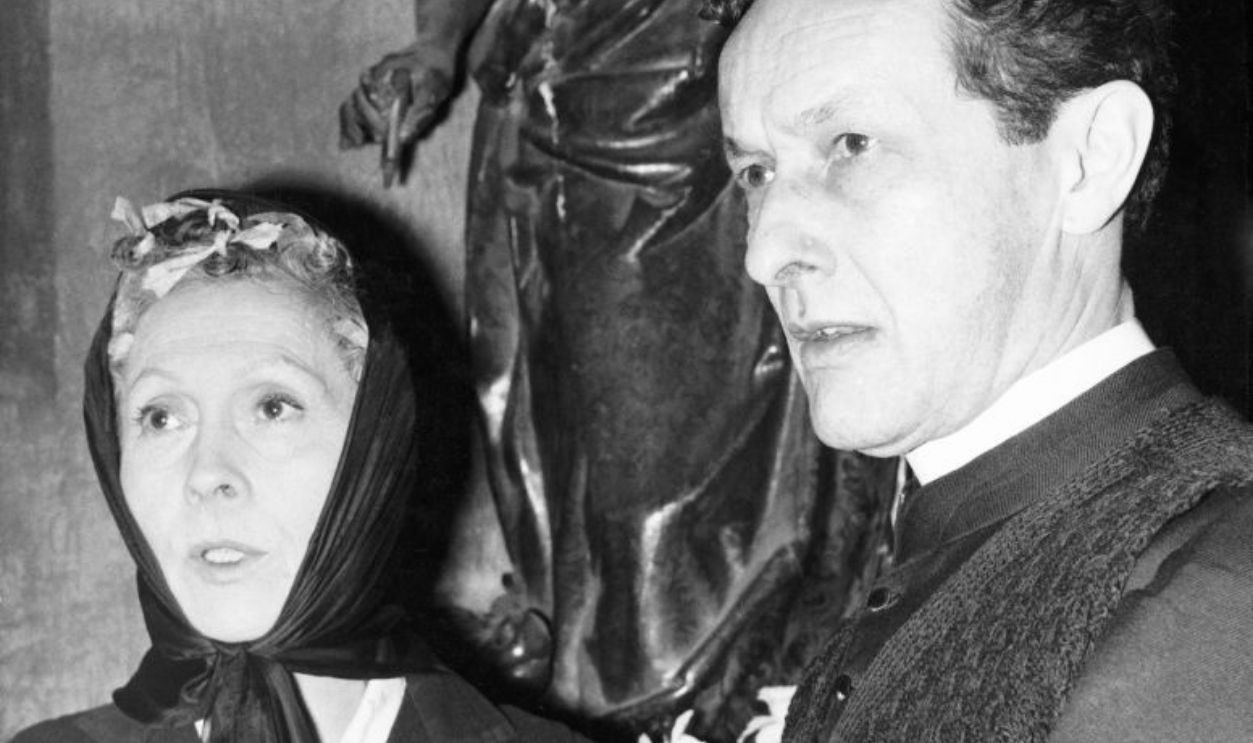
Tommy Sands
Singer and teen idol Tommy Sands was better known for records than war pictures when he appeared as an American Ranger. He had recently starred in Babes in Toyland (1961), and The Longest Day placed him alongside fellow young music stars Fabian and Paul Anka in the Pointe du Hoc sequences.
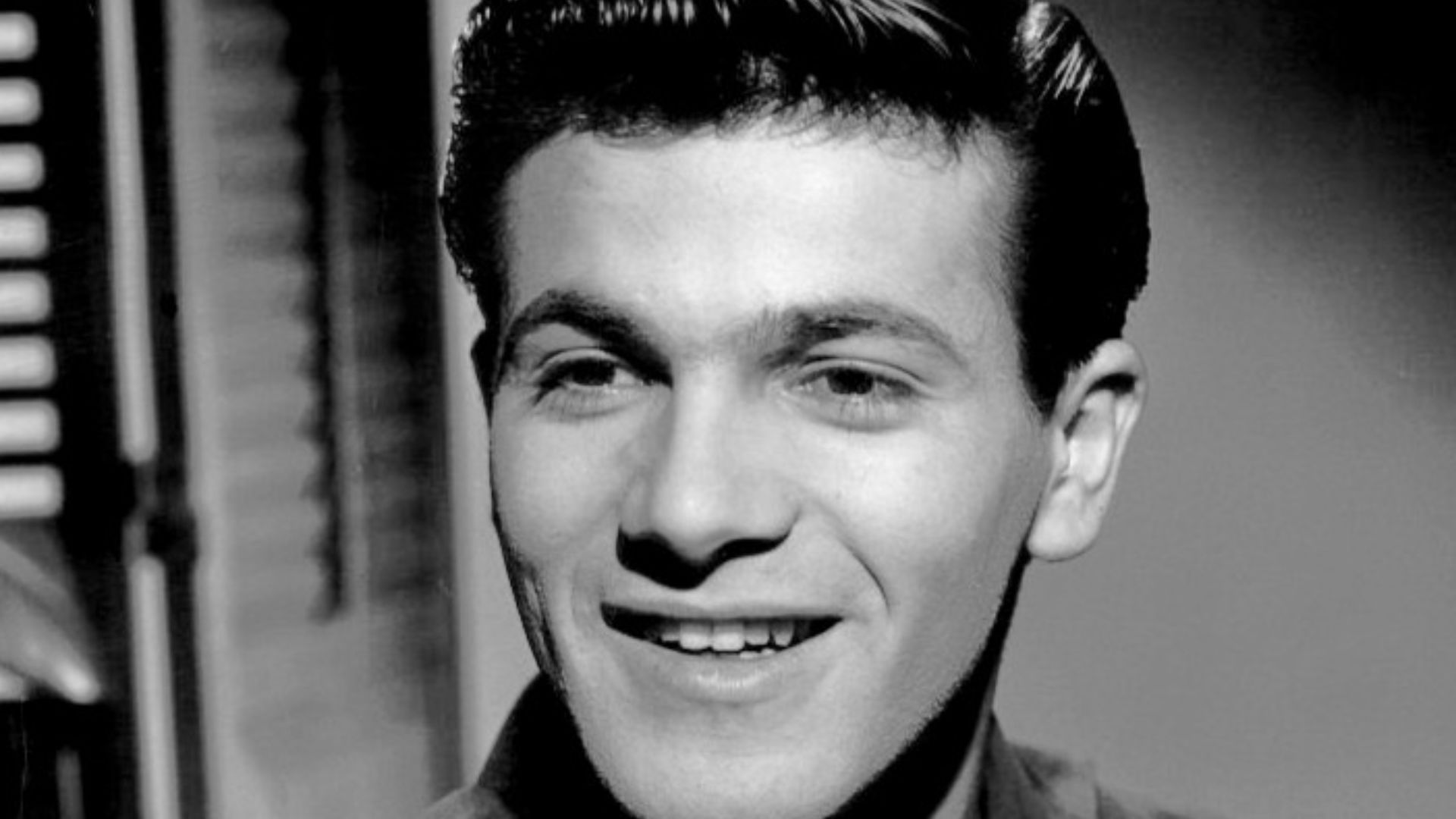 Capitol Records, Wikimedia Commons
Fabian
Another teen idol recruited for the Rangers was Fabian, who had already expanded from pop music into acting with movies including North to Alaska (1960). His Ranger discovers that the supposedly formidable guns at Pointe du Hoc are missing from their expected Pointe du Hoc emplacements, giving Fabian a memorable moment amid one of the movie's most spectacular action sequences.
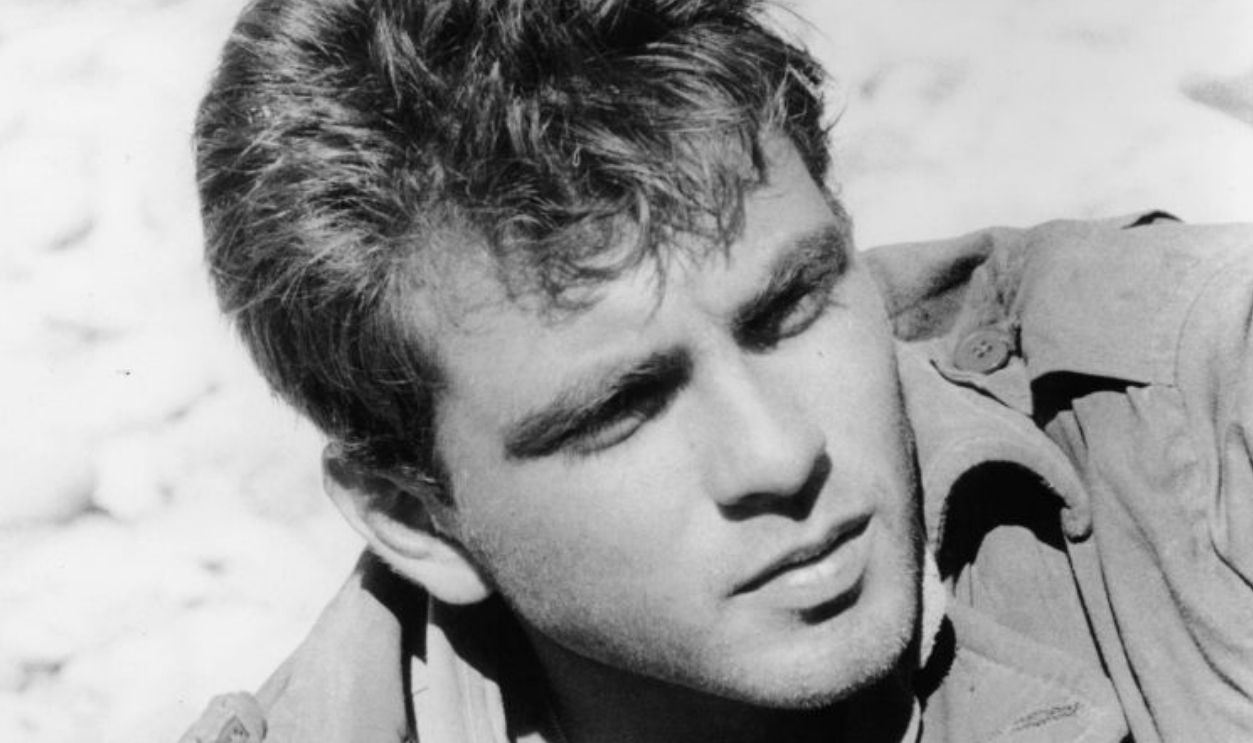
Paul Anka
Canadian-born Paul Anka was another pop phenomenon playing an American Ranger, but he contributed something more lasting behind the scenes. Anka wrote the film's memorable title song, performed by Mitch Miller and his orchestra and chorus, giving the young singer-songwriter an unusual dual credit in Zanuck's epic.
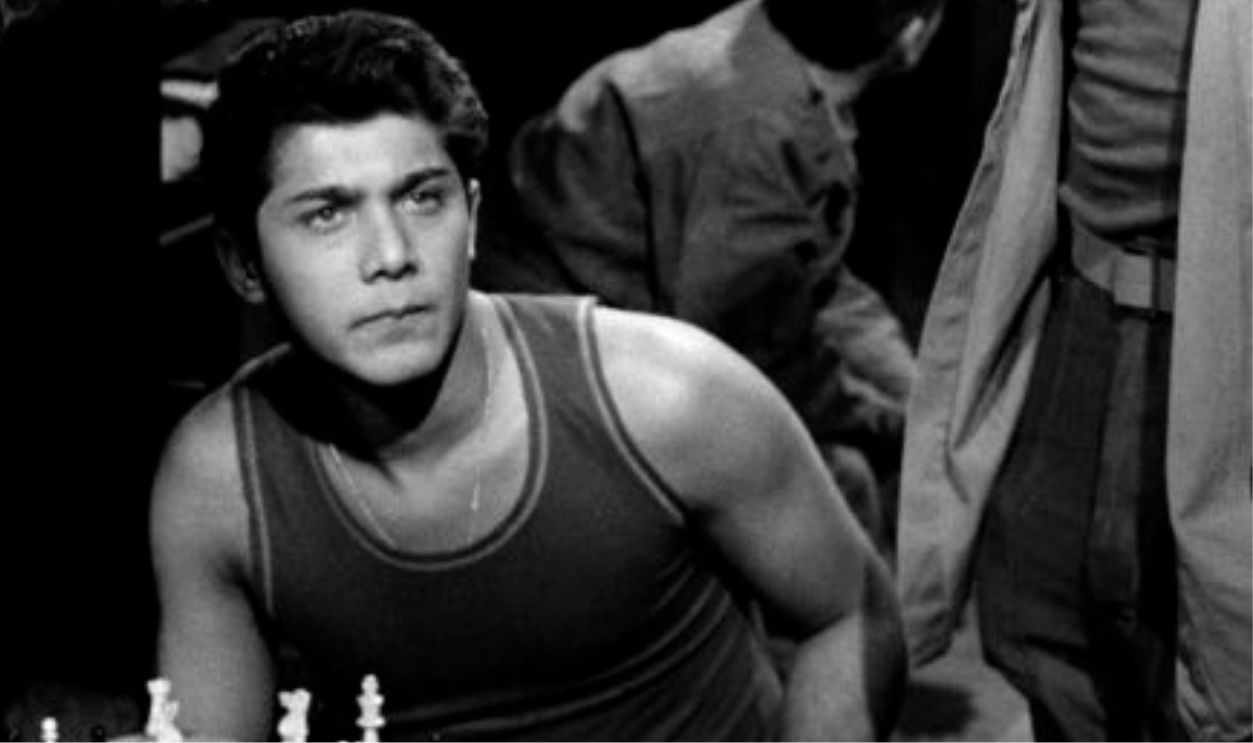 REPORTERS ASSOCIES, Getty Images
Thomas Tryon
Thomas Tryon played Lt. Wilson in The Longest Day, another stop in an acting career that included the sci-fi cult favorite I Married a Monster from Outer Space (1958), and starring roles in The Cardinal (1963) and In Harm's Way (1965). He eventually abandoned acting for an even more successful second career as a novelist. Writing as Thomas Tryon, he became an acclaimed figure in psychological horror with the bestselling The Other (1971) and Harvest Home (1973), both of which were adapted for the screen.
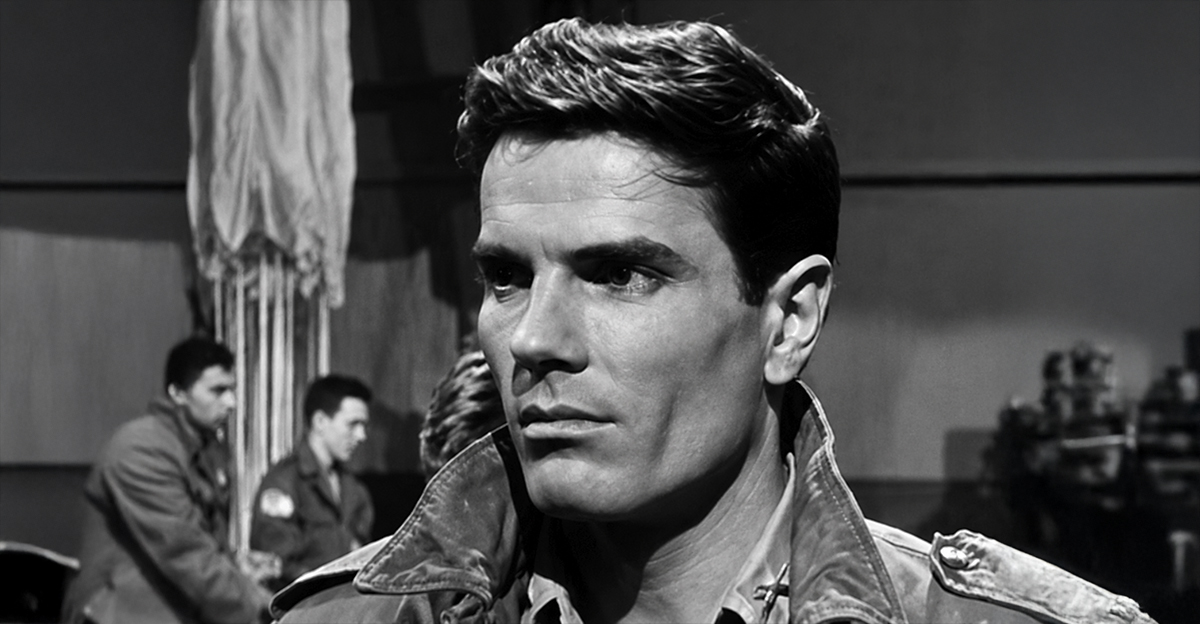 Screenshot of Thomas Tryon in 'The Longest Day' (1962), 20th Century Fox
George Segal
George Segal was still virtually unknown to movie audiences. His film debut had come in The Young Doctors (1961), and he appears as an American Ranger in The Longest Day. Within four years, his performance in Who's Afraid of Virginia Woolf? (1966) would earn him an Academy Award nomination.
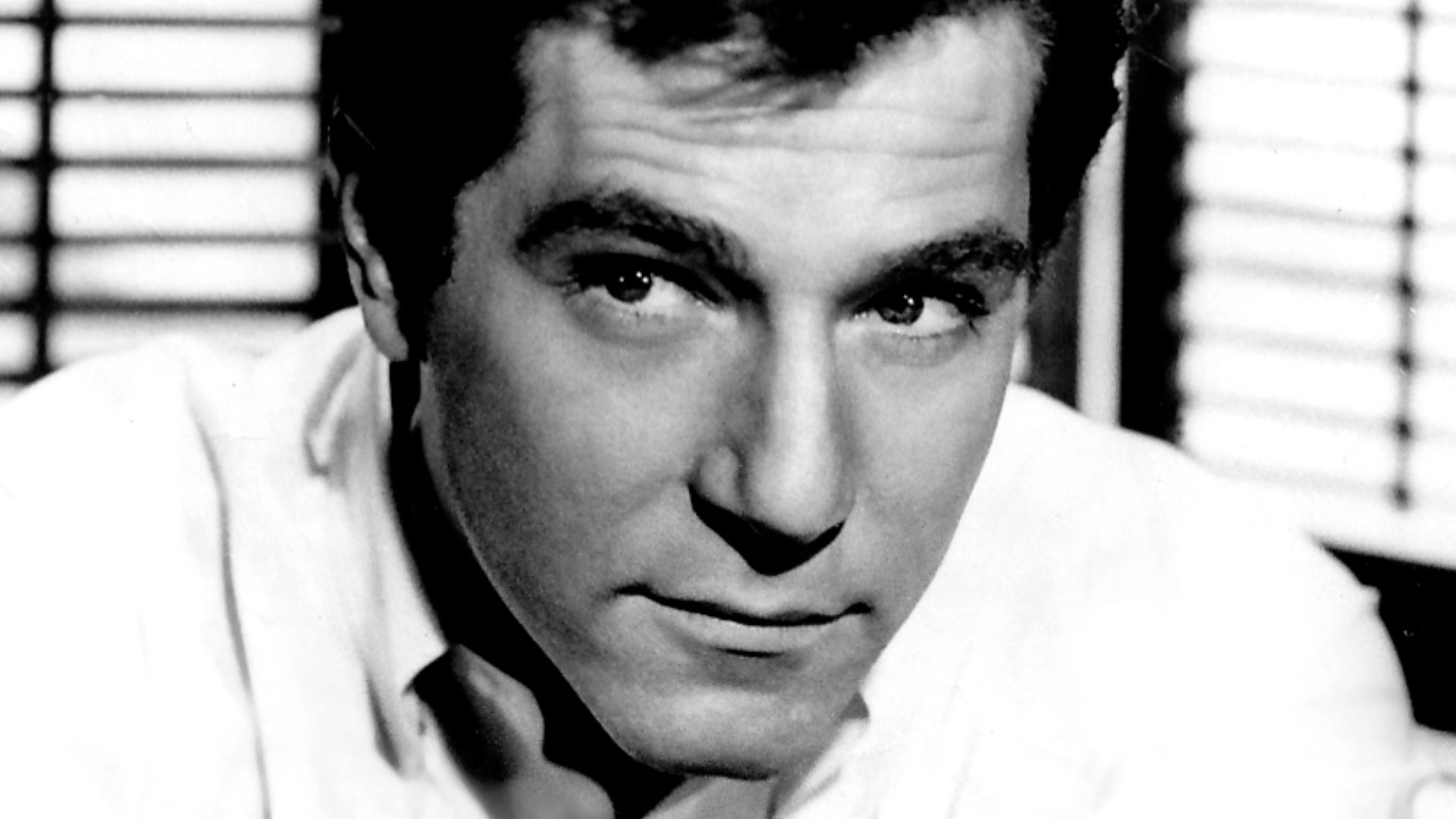 Press photo, Wikimedia Commons
Ray Danton
Ray Danton played Captain Frank, adding another familiar American face to the military ensemble. Danton had recently starred in crime pictures including The Rise and Fall of Legs Diamond (1960), and continued working prolifically afterward before eventually becoming a television director as well as an actor.
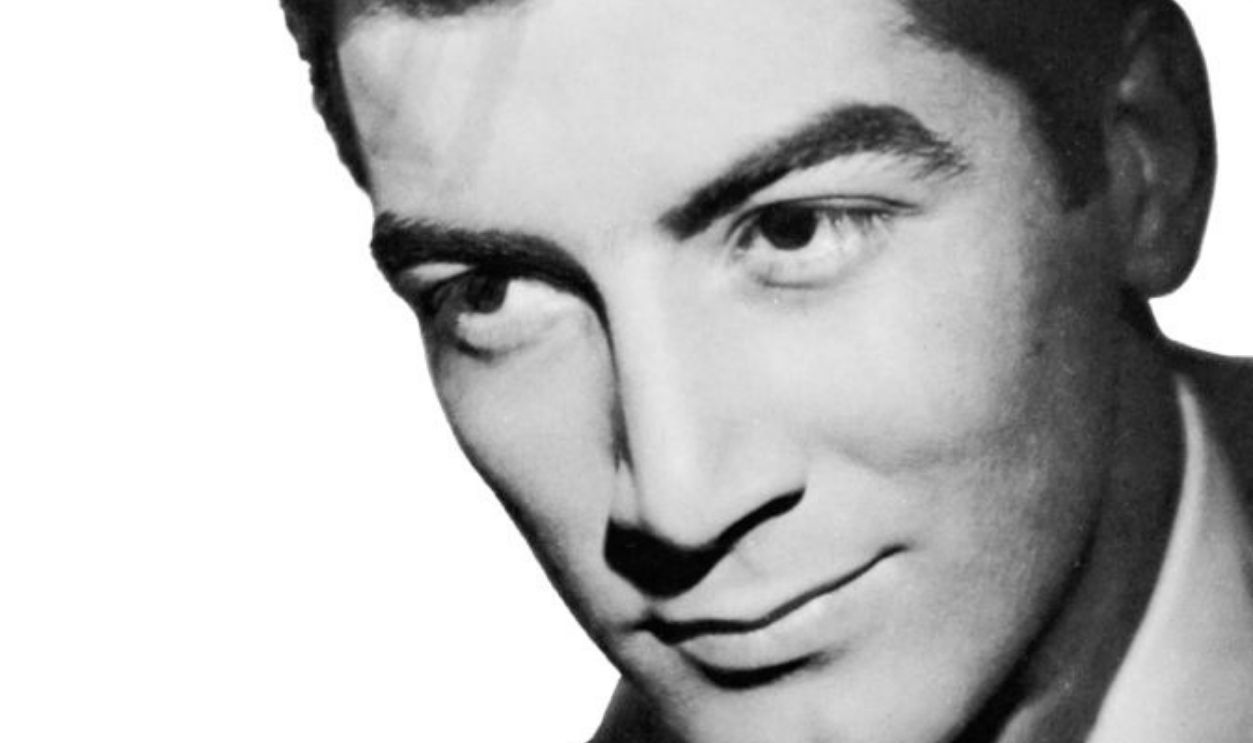 Universal History Archive, Getty Images
Steve Forrest
Steve Forrest appears as Captain Harding. The younger brother of actor Dana Andrews, Forrest had already spent a decade working in films and television before joining The Longest Day. He later became especially familiar to television audiences as Lt. Dan "Hondo" Harrelson on S.W.A.T.
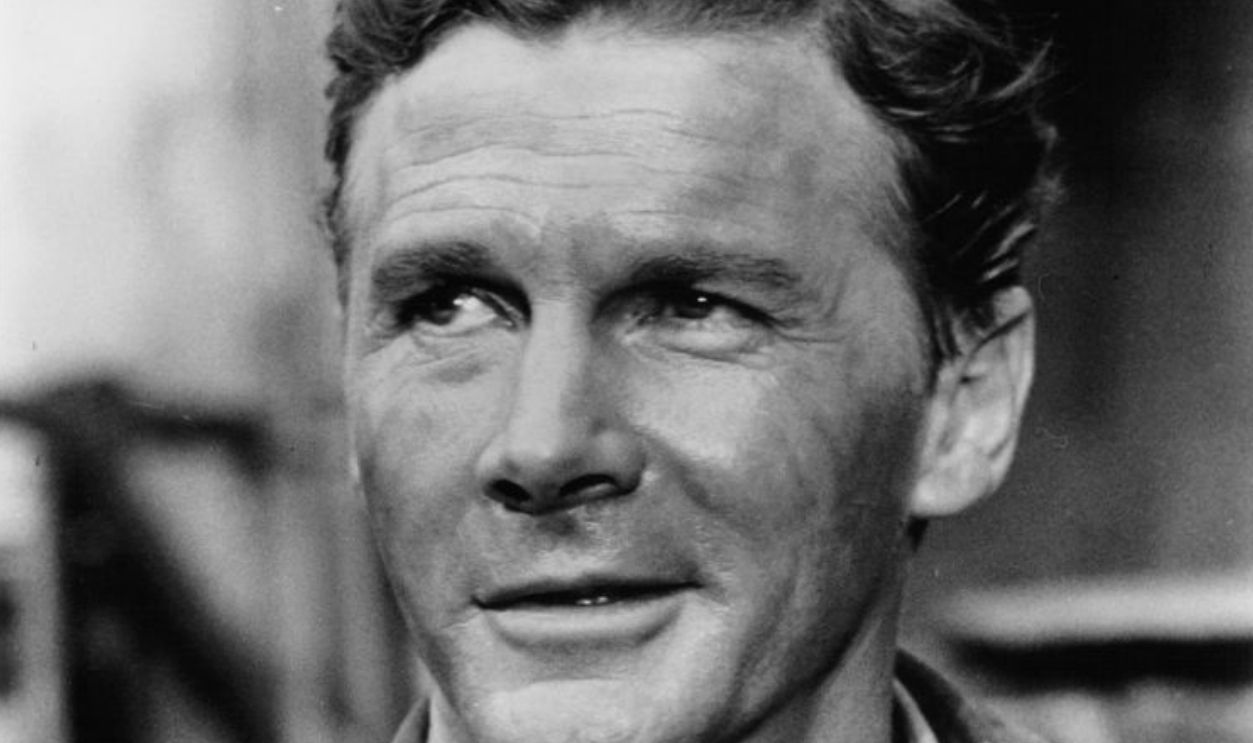
Richard Beymer
Richard Beymer was fresh from one of the biggest roles imaginable: Tony opposite Natalie Wood's Maria in West Side Story (1961). In The Longest Day, he became Private Dutch Schultz. Decades later, another generation would recognize him immediately as Benjamin Horne on Twin Peaks.
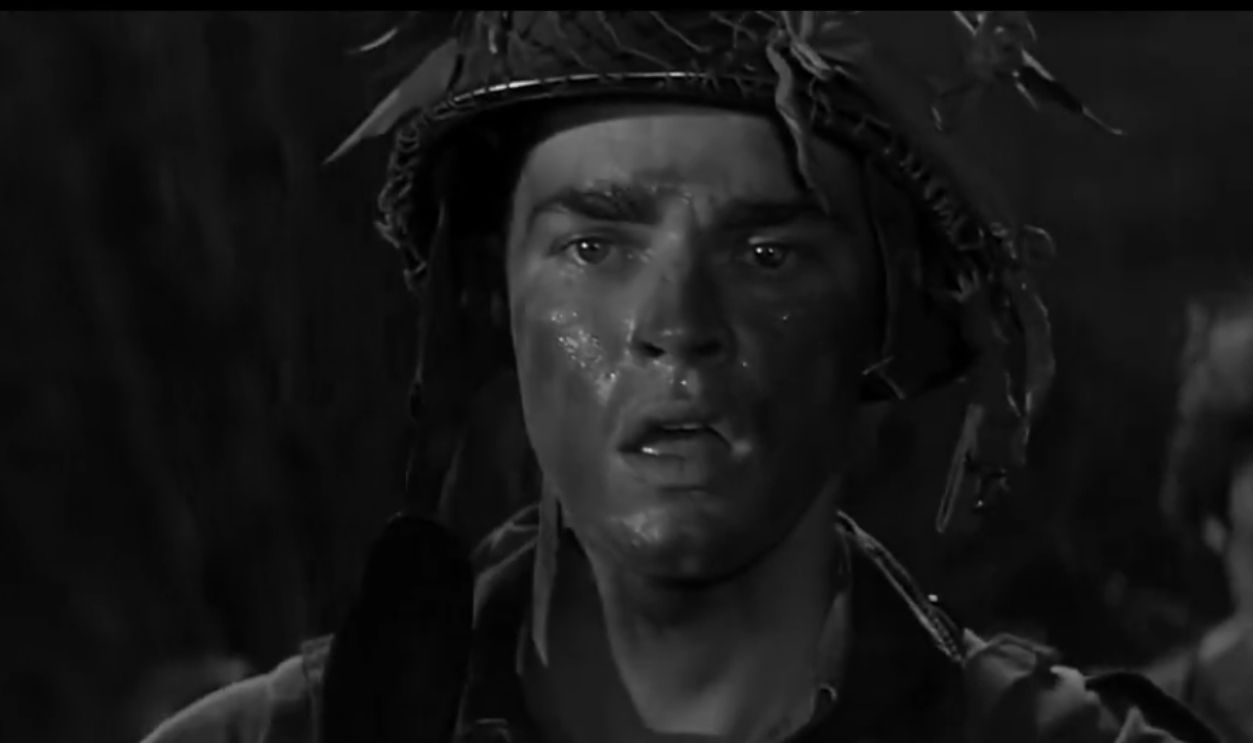 Screenshot from The Longest Day, 20th Century-Fox (1962)
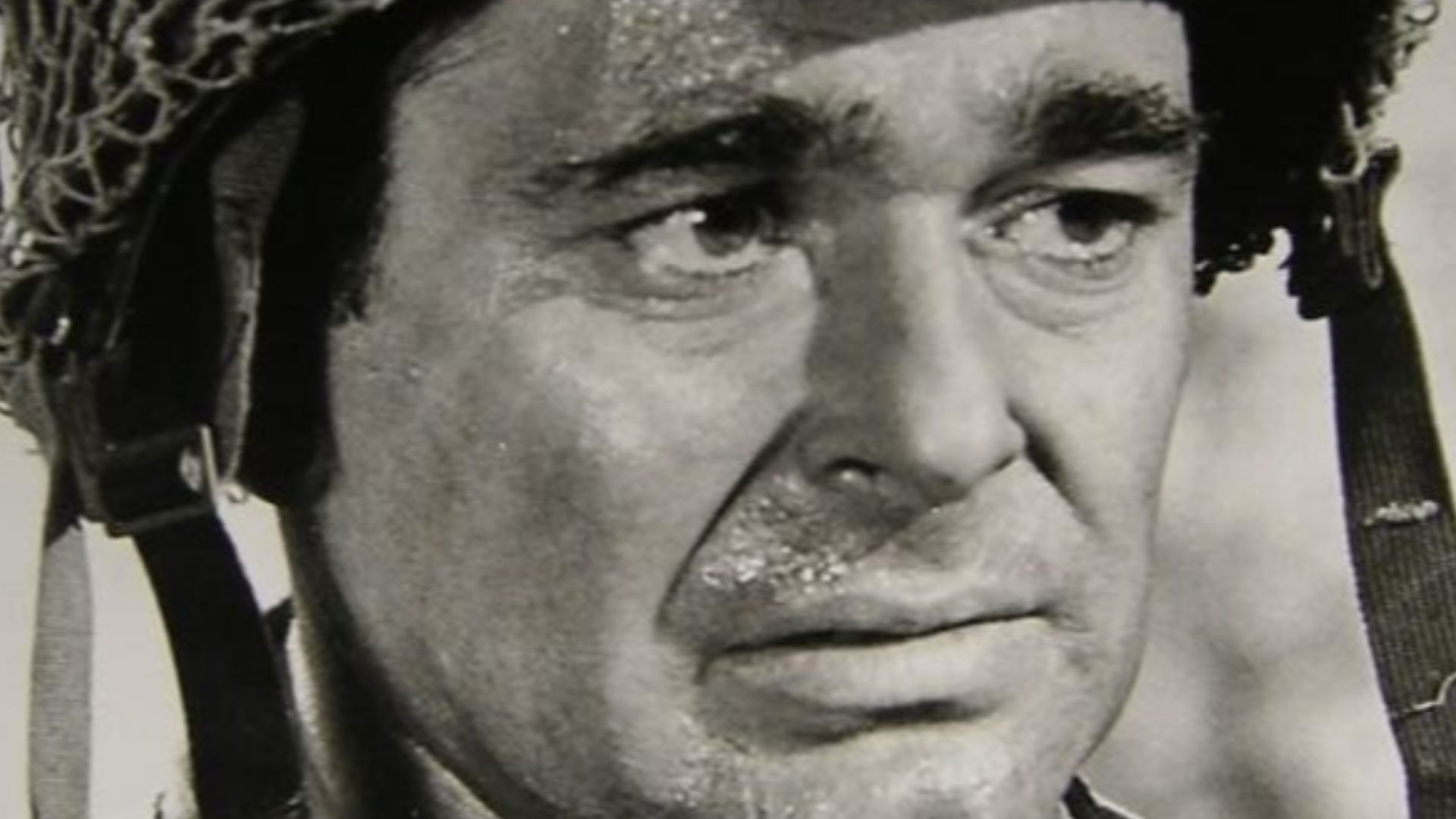
Stuart Whitman
Stuart Whitman was moving rapidly toward leading-man status when he played Lt. Sheen. He had recently starred in The Comancheros (1961) opposite John Wayne and had already earned an Academy Award nomination for The Mark (1961), establishing himself as one of the era's busiest rugged American actors.
 unknown (20th Century Fox), Wikimedia Commons
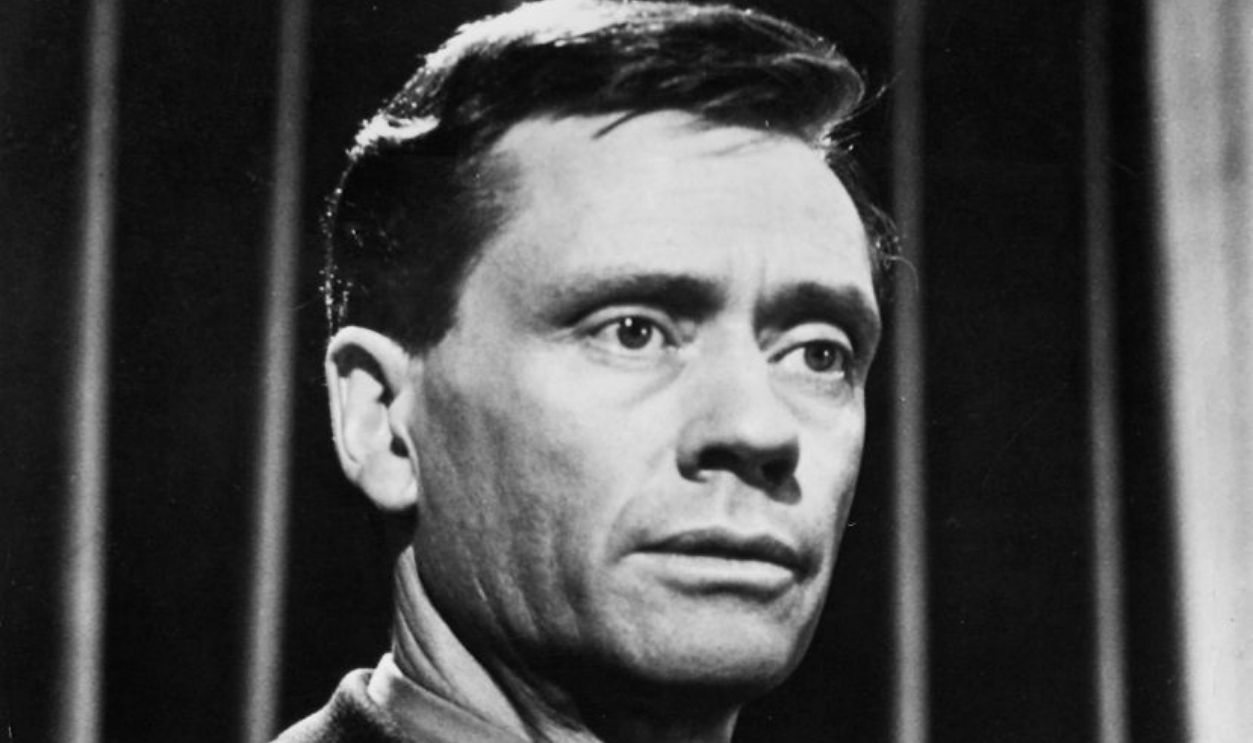
Mel Ferrer
Mel Ferrer was already an established actor and director when he played Major General Robert Haines. Shortly before The Longest Day, he had directed his then-wife Audrey Hepburn alongside Anthony Perkins in Green Mansions (1959). Ferrer continued acting internationally while increasingly working behind the camera.
 ullstein bild Dtl., Getty Images
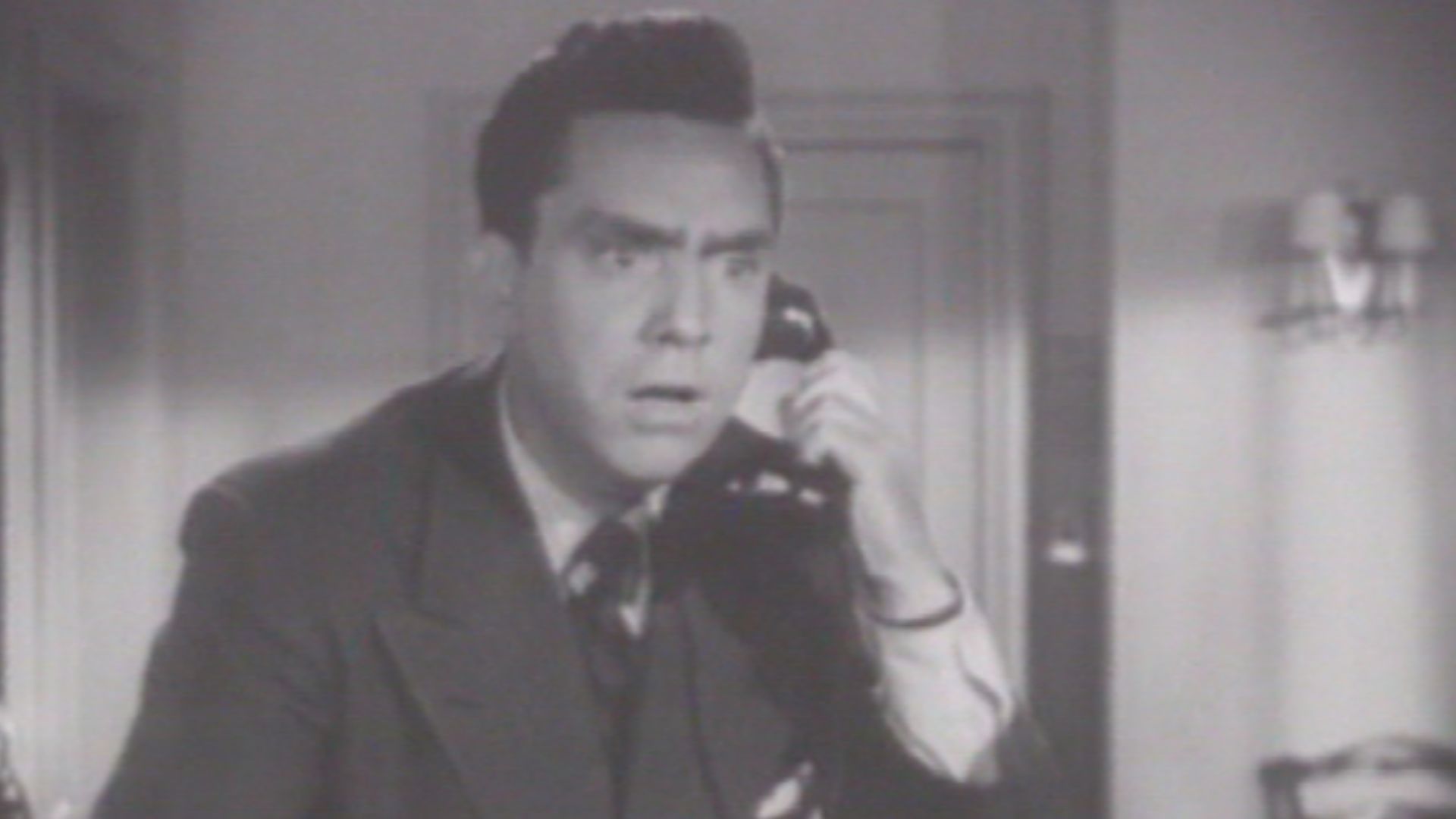
Edmond O'Brien
Oscar winner Edmond O'Brien portrayed Major General Raymond O. Barton, commander of the U.S. 4th Infantry Division. By then, O'Brien had already accumulated classics including White Heat (1949), D.O.A. (1950), and The Barefoot Contessa (1954), the latter having earned him his supporting-actor Academy Award.
 Film screenshot, Wikimedia Commons
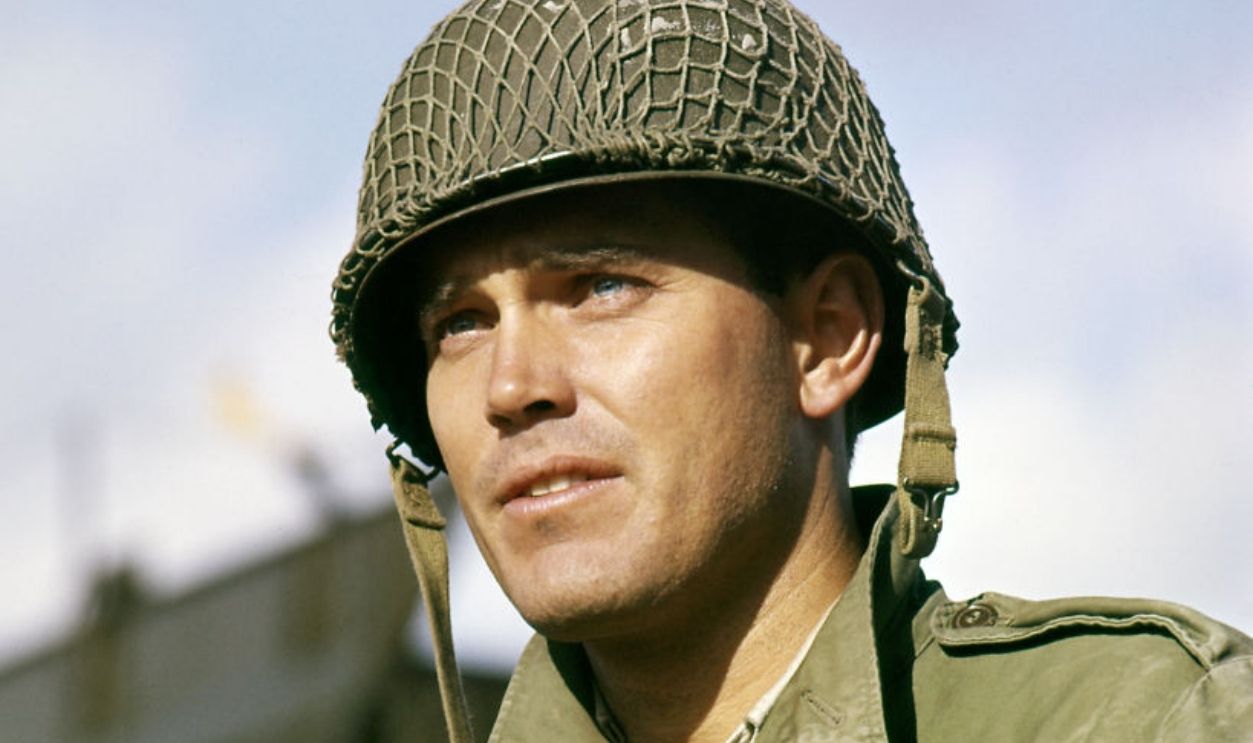
Jeffrey Hunter
Jeffrey Hunter played Sergeant John H. Fuller, who is wounded during the fighting. Hunter had recently starred as Jesus in King of Kings (1961), following major roles in The Searchers (1956) and Sergeant Rutledge (1960). He would later become famous for playing Captain Christopher Pike in the original Star Trek pilot.
 Silver Screen Collection, Getty Images
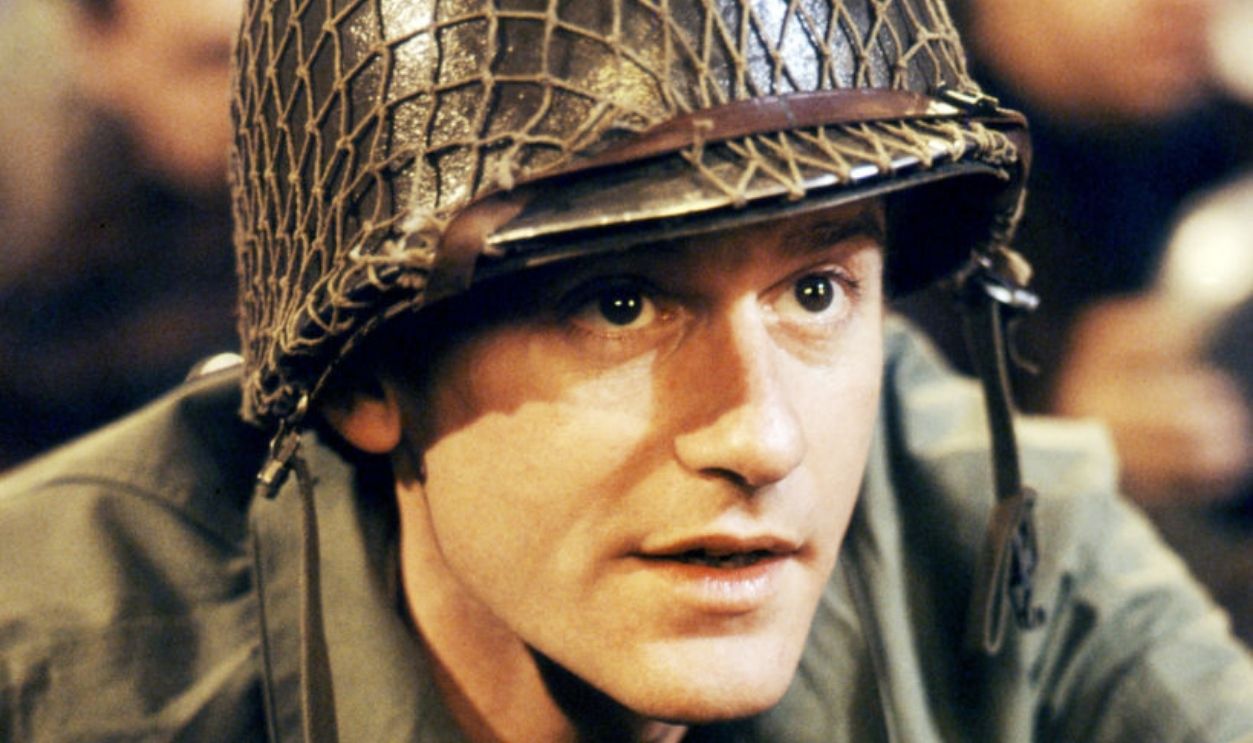
Roddy McDowall
Roddy McDowall had been a screen presence since childhood, appearing memorably in How Green Was My Valley (1941) and Lassie Come Home (1943). He plays Private Morris in The Longest Day, years before achieving another wave of fame as Cornelius and Caesar in the Planet of the Apes films.
 Silver Screen Collection, Getty Images
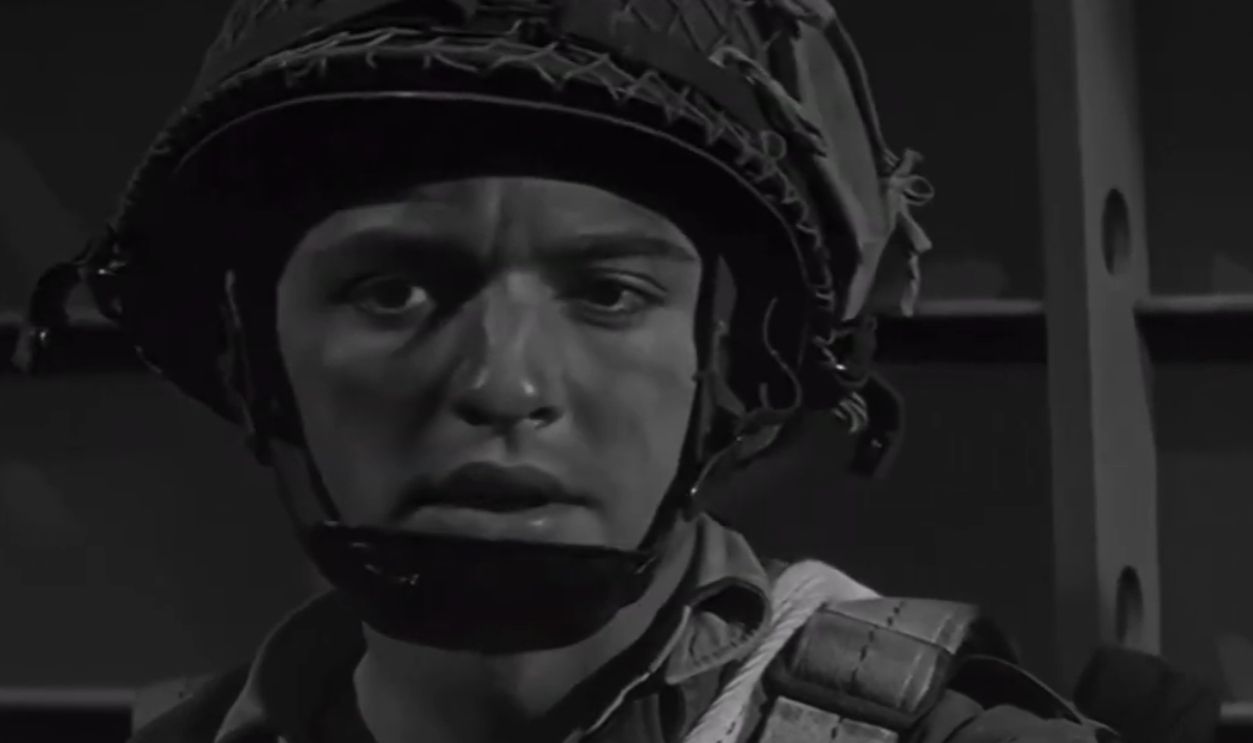
Sal Mineo
Sal Mineo had already received two Academy Award nominations before playing Private Martini, one of the American paratroopers. His breakthrough opposite James Dean in Rebel Without a Cause (1955) made him a major young star, while Exodus (1960) brought his second Oscar nomination only two years before The Longest Day.
 Screenshot from The Longest Day, 20th Century-Fox (1962)
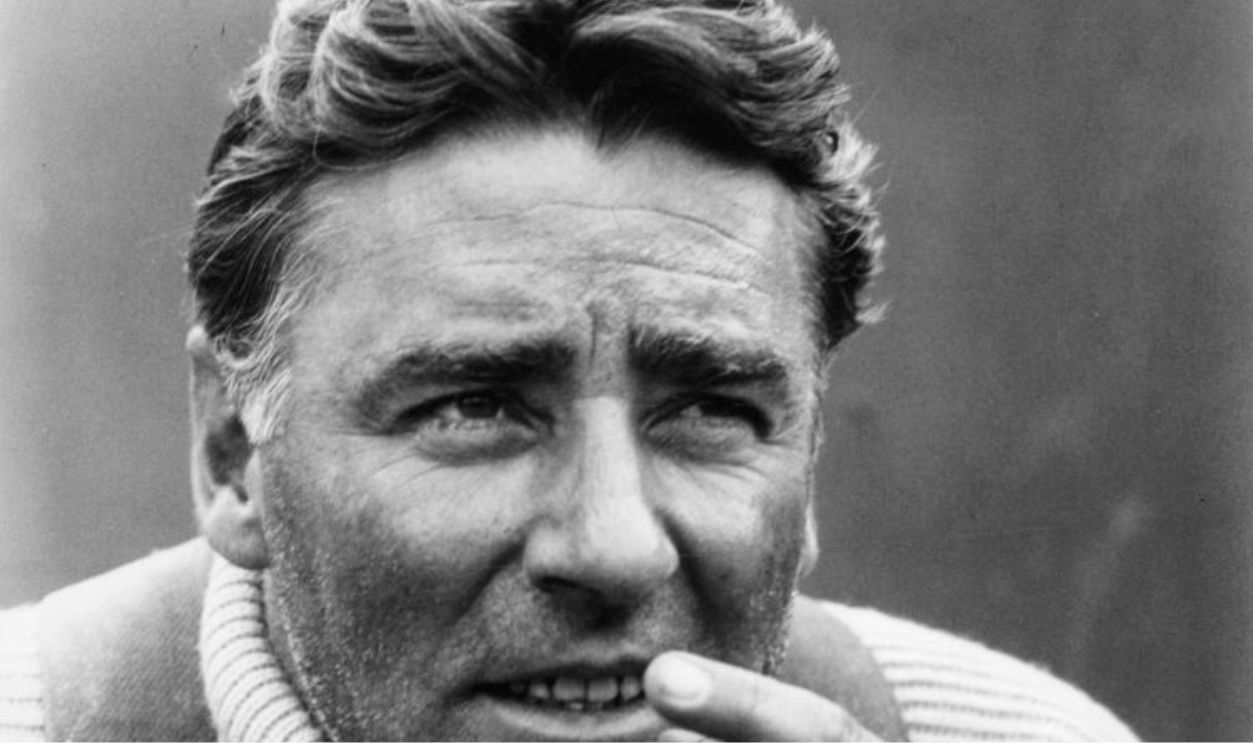
Peter Lawford
Peter Lawford portrayed Lord Lovat, who famously arrives with his commandos accompanied by bagpiper Bill Millin. Lawford had recently become closely associated with Frank Sinatra's Rat Pack through Ocean's 11 (1960), and his marriage to Patricia Kennedy also made him President John F. Kennedy's brother-in-law.
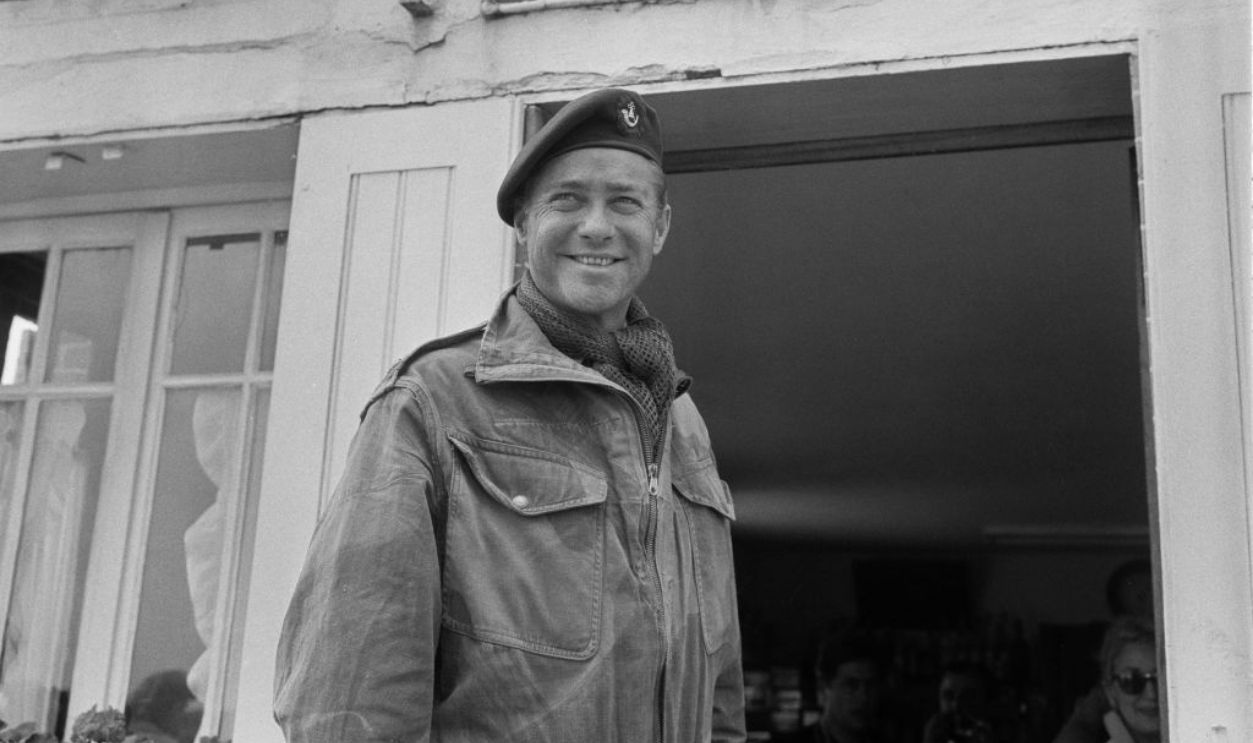
Richard Todd
Richard Todd's casting was unlike anybody else's. He played Major John Howard, whose glider troops captured Pegasus Bridge, but Todd himself had parachuted into Normandy on D-Day with the 7th Parachute Battalion and helped reinforce Howard's position. He was essentially dramatizing a battle in which he had personally fought.
 Evening Standard, Getty Images
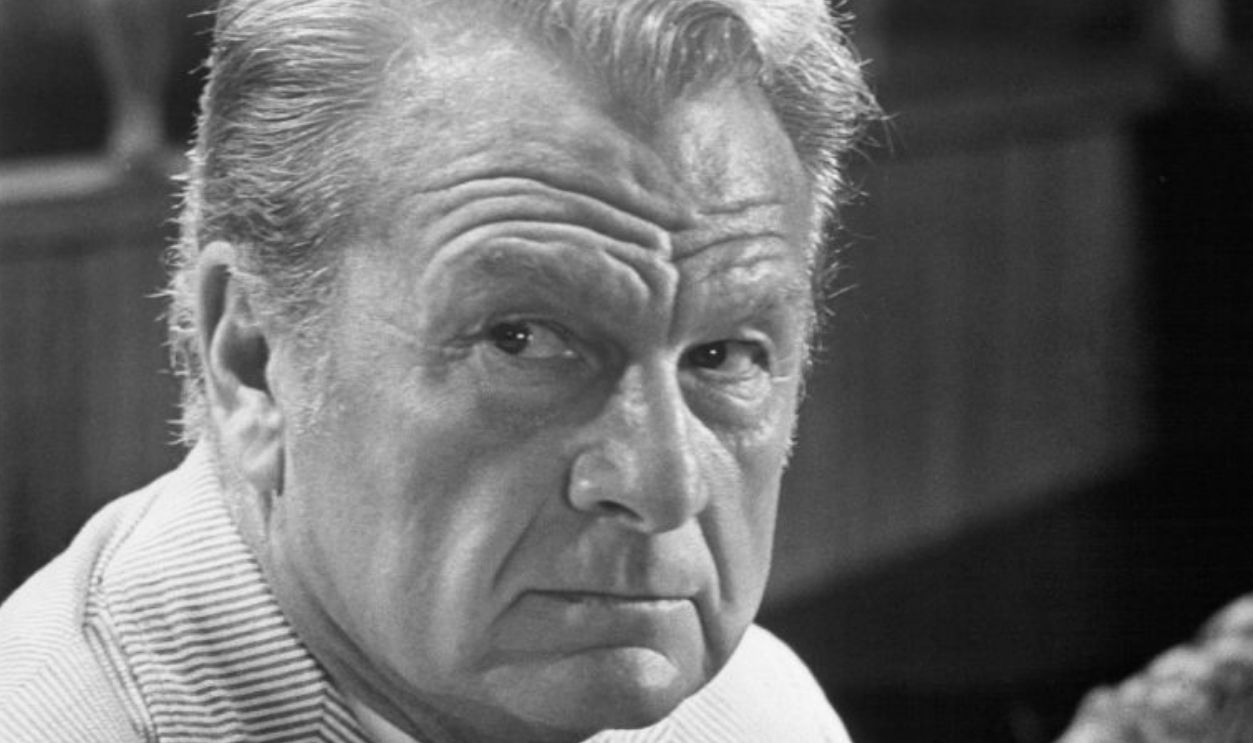
Eddie Albert
Eddie Albert played an American colonel in the Omaha Beach sequences, but he brought genuine wartime experience to the picture as well. Long before Green Acres made him a television favorite, Albert had served in the U.S. Navy during World War II. His extensive movie career had already included Roman Holiday (1953), which earned him an Oscar nomination.
 Michael Ochs Archives, Getty Images
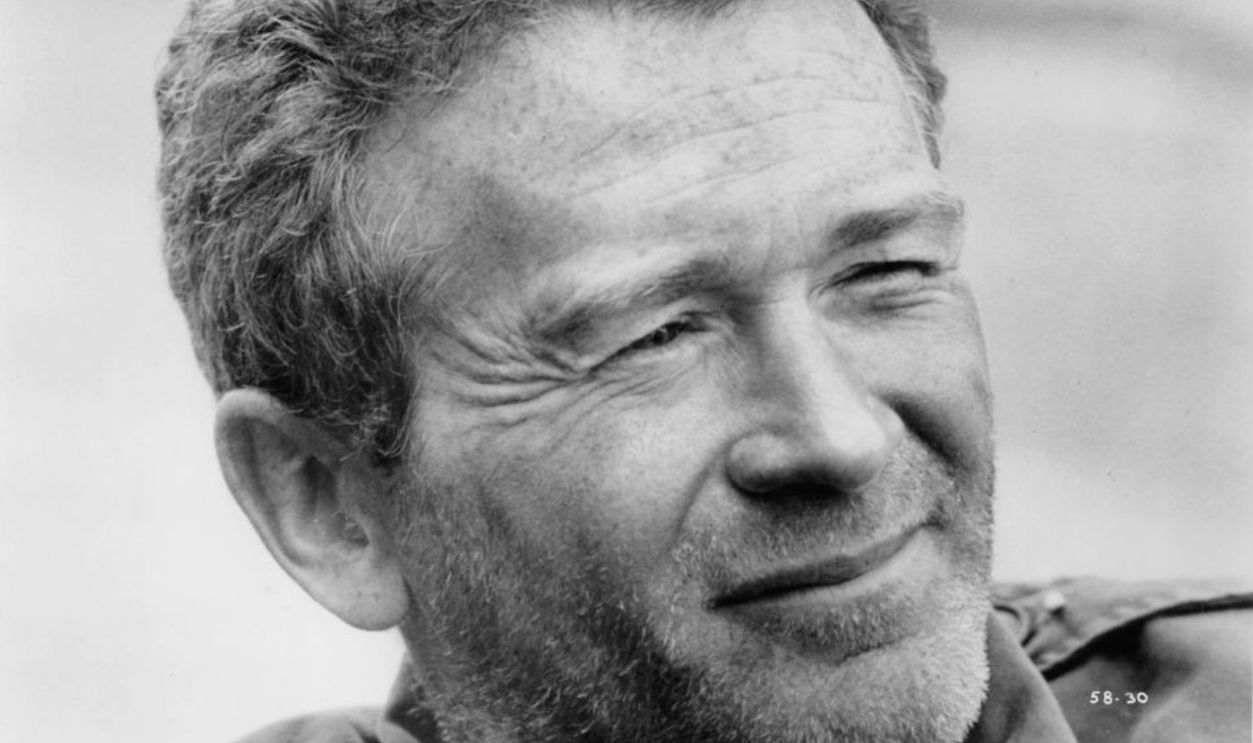
Red Buttons
Comedian Red Buttons played one of the film's most unforgettable real-life figures, paratrooper John Steele, whose parachute catches on the church at Sainte-Mère-Église. Buttons had dramatically expanded his reputation by winning the supporting-actor Oscar for Sayonara (1957), proving he was considerably more than a television comedian.
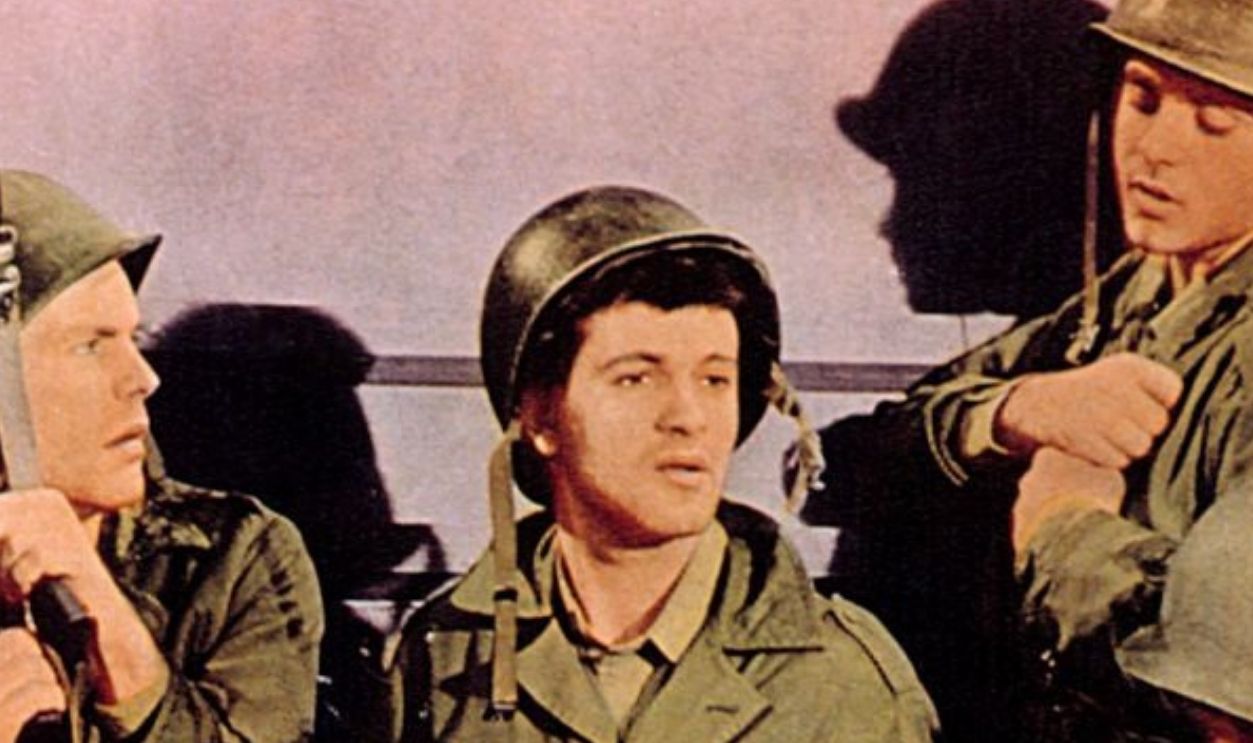
Robert Wagner
Robert Wagner appears as an American Ranger in the Pointe du Hoc action. Already an established leading man, Wagner had recently appeared in All the Fine Young Cannibals (1960). His later television successes, particularly It Takes a Thief, Switch, and Hart to Hart, would make him even more recognizable.
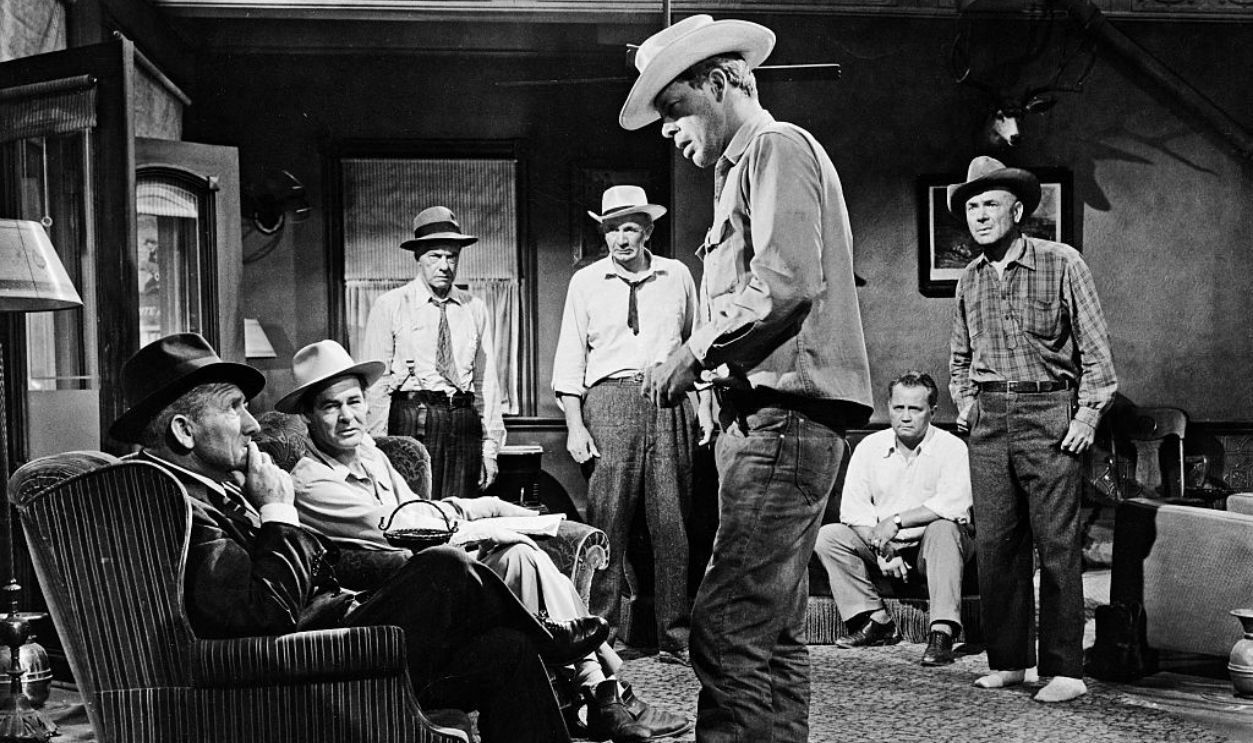
Robert Ryan
Robert Ryan portrayed Brigadier General James Gavin of the 82nd Airborne Division. Ryan had already starred in Crossfire (1947), The Set-Up (1949), and Bad Day at Black Rock (1955). Gavin himself was among the real D-Day commanders who served as technical advisers to the production.
 John Springer Collection, Getty Images
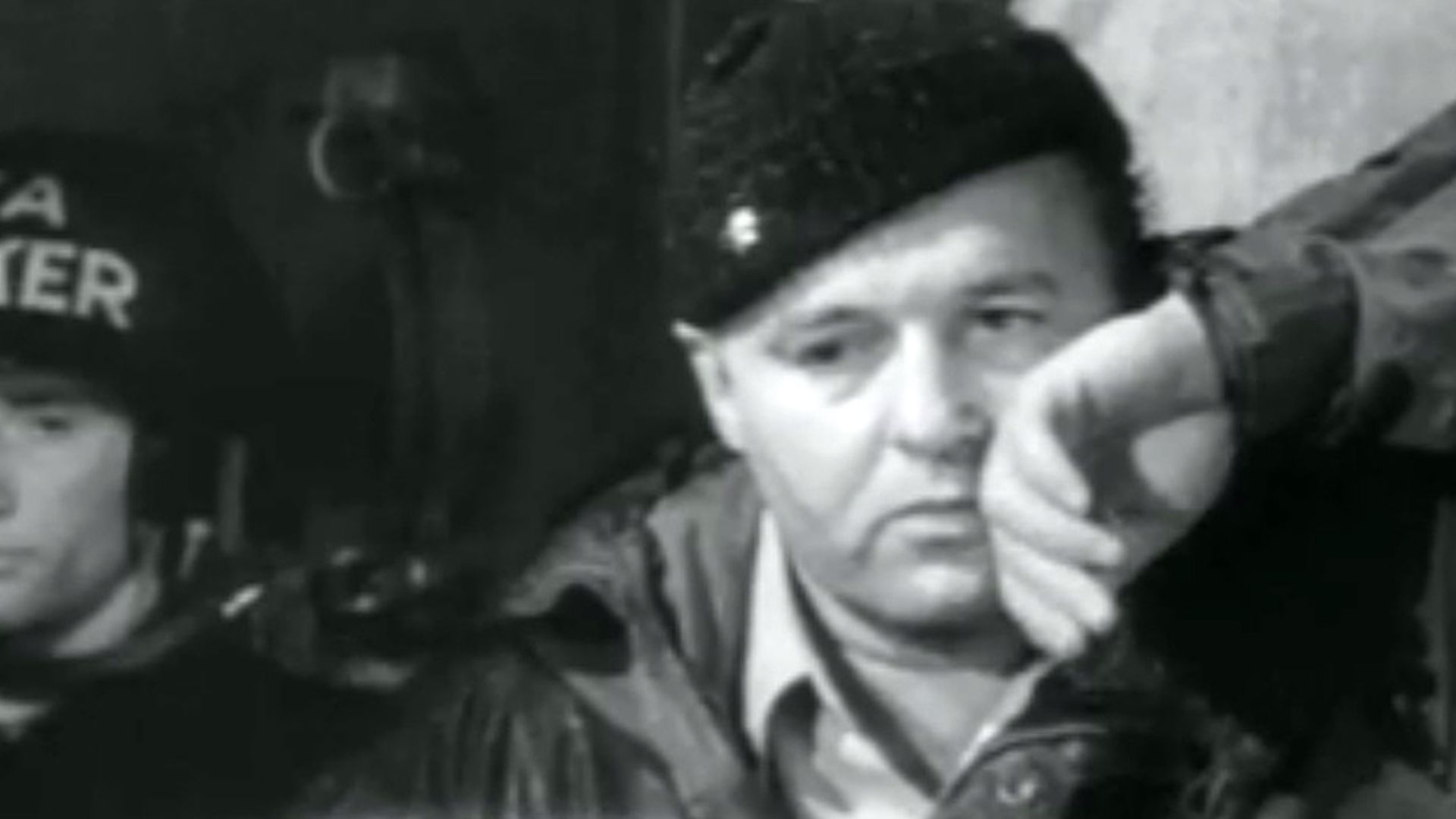
Rod Steiger
Rod Steiger played Lt. Cmdr. Joseph Witherow Jr., commander of USS Satterlee, who takes his ship dangerously close to shore to fire directly on German defenses. Steiger himself had served aboard a U.S. Navy destroyer during World War II. Five years after The Longest Day, he starred opposite Sidney Poitier in In the Heat of the Night (1967) and won Best Actor.
 Darryl F. Zanuck Productions-20th Century Fox., Wikimedia Commons
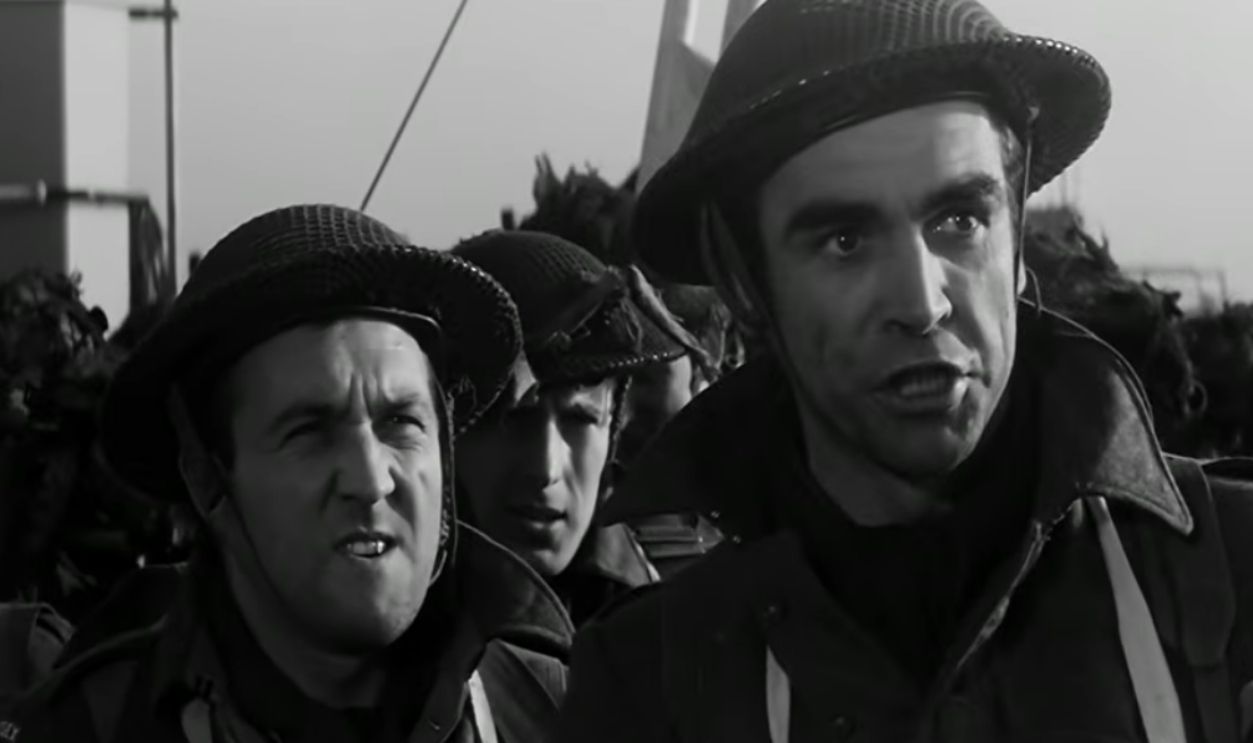
Sean Connery
Sean Connery was not yet the international superstar audiences remember. He played Private Flanagan in The Longest Day, the same year another movie transformed his life: Dr. No (1962). Suddenly the supporting player in Zanuck's enormous ensemble was James Bond, and one of cinema's biggest stars had arrived.
 Screenshot from The Longest Day, 20th Century-Fox (1962)
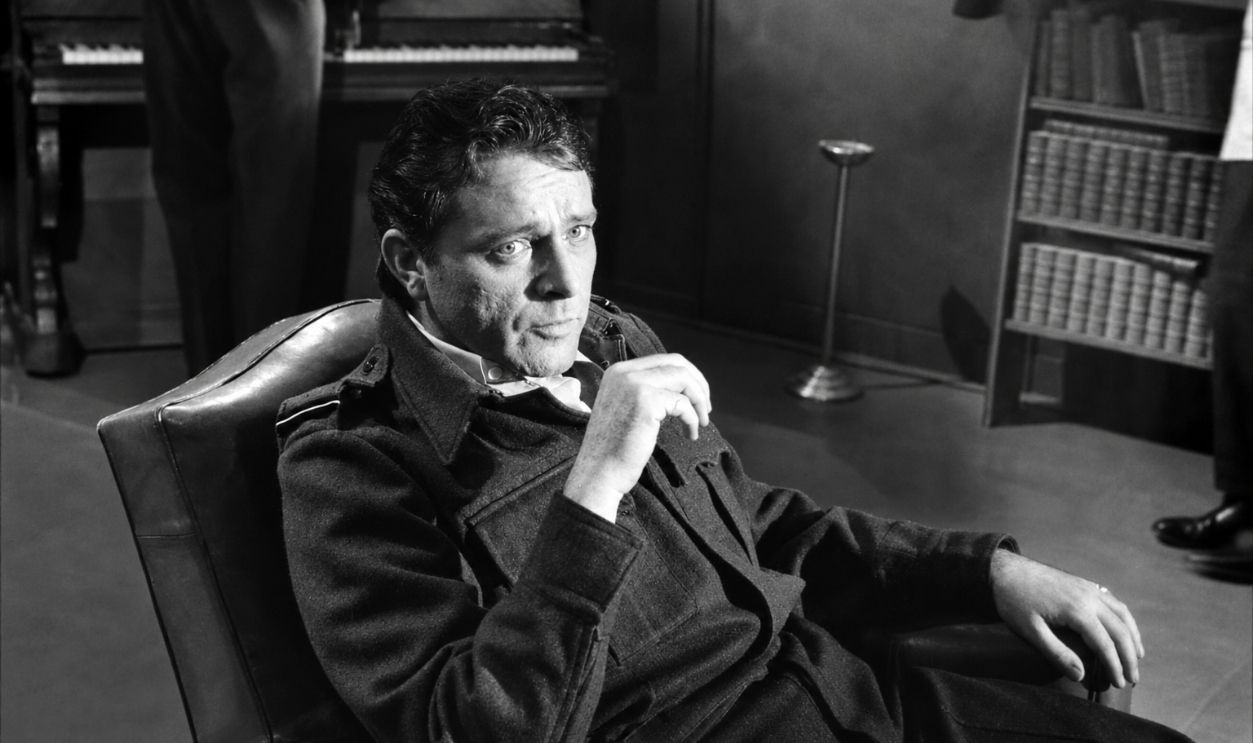
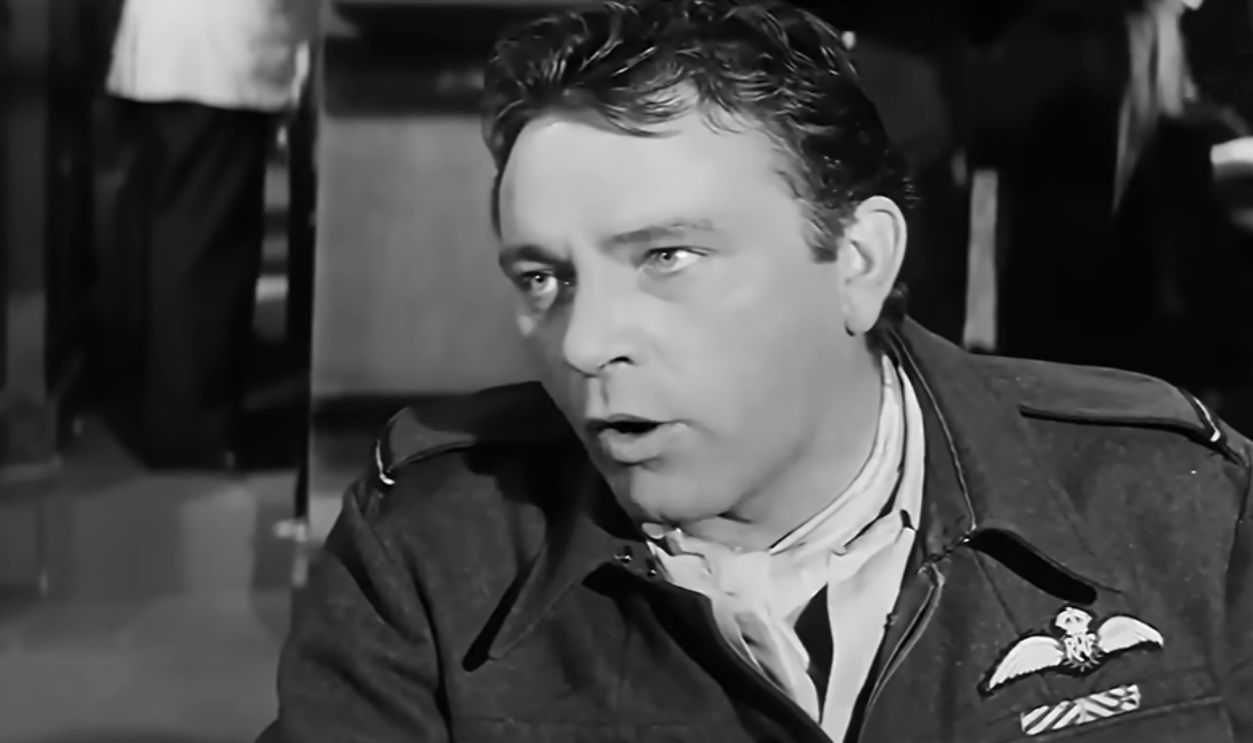
Richard Burton
Richard Burton appears as RAF Flying Officer David Campbell, an injured pilot encountered late in the film. He was already an acclaimed stage and screen actor, but The Longest Day arrived just before Cleopatra (1963), his relationship with Elizabeth Taylor, and the extraordinary international celebrity that followed.
 Trailer at TCM, Wikimedia Commons, Modified
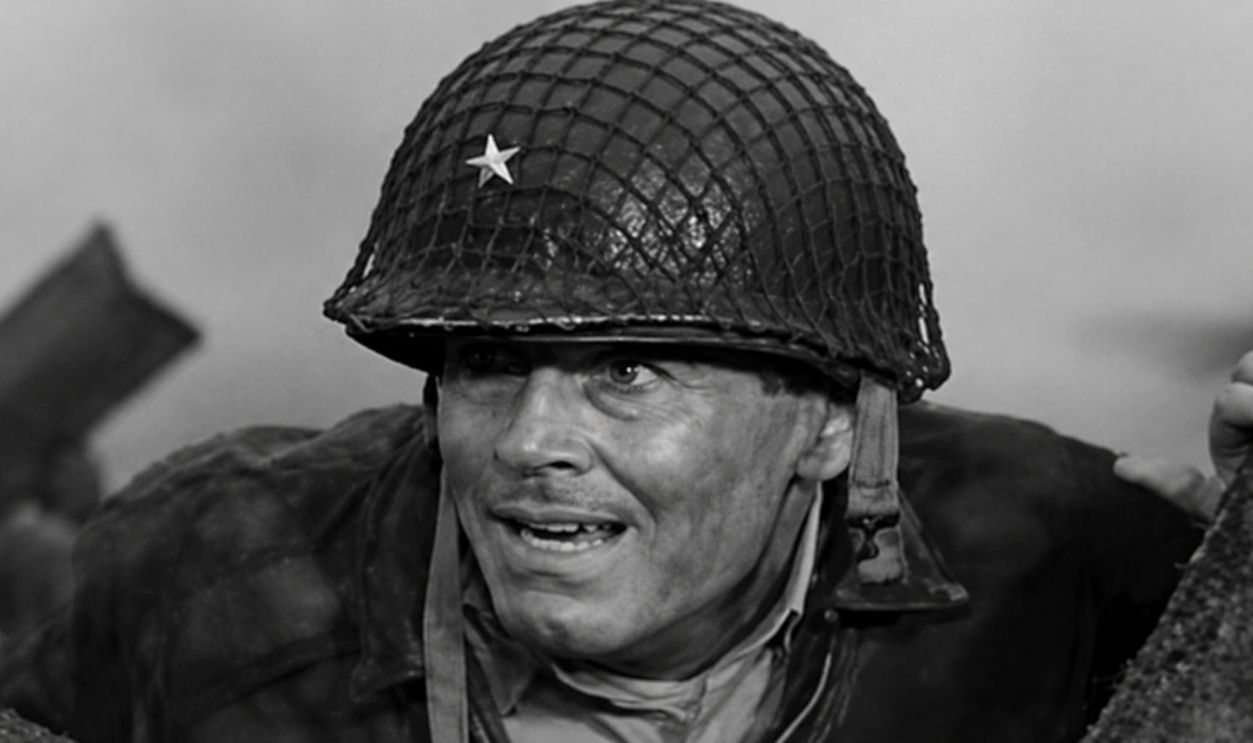
Henry Fonda
Henry Fonda played Brigadier General Theodore Roosevelt Jr., who landed with the first wave at Utah Beach and famously insisted that the troops should begin the battle from where they had accidentally landed. Fonda himself was a World War II U.S. Navy veteran and already one of America's most revered actors.
 Screenshot from The Longest Day, 20th Century-Fox (1962)
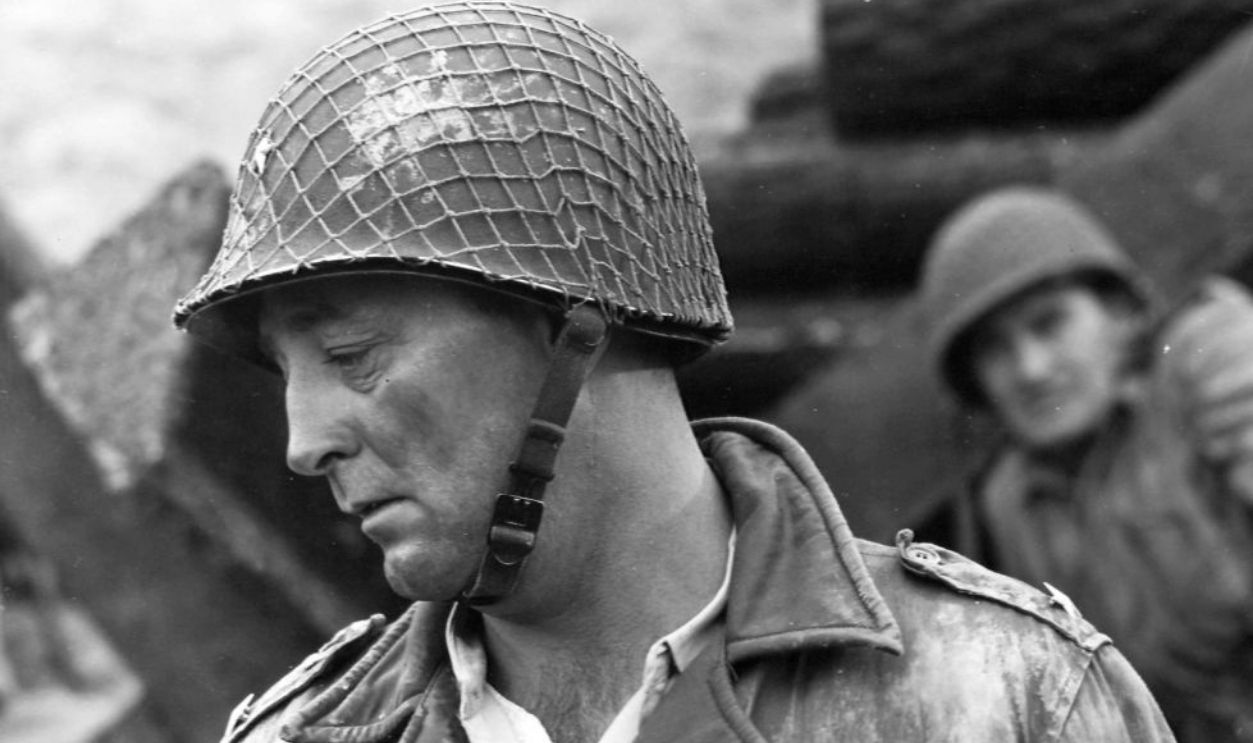
Robert Mitchum
Robert Mitchum played Brigadier General Norman Cota and gets some of the film's defining Omaha Beach scenes, pushing stunned troops off the exposed shoreline. By 1962, Out of the Past (1947), The Night of the Hunter (1955), and Cape Fear (1962) had made Mitchum one of Hollywood's most distinctive stars.
 ullstein bild Dtl., Getty Images
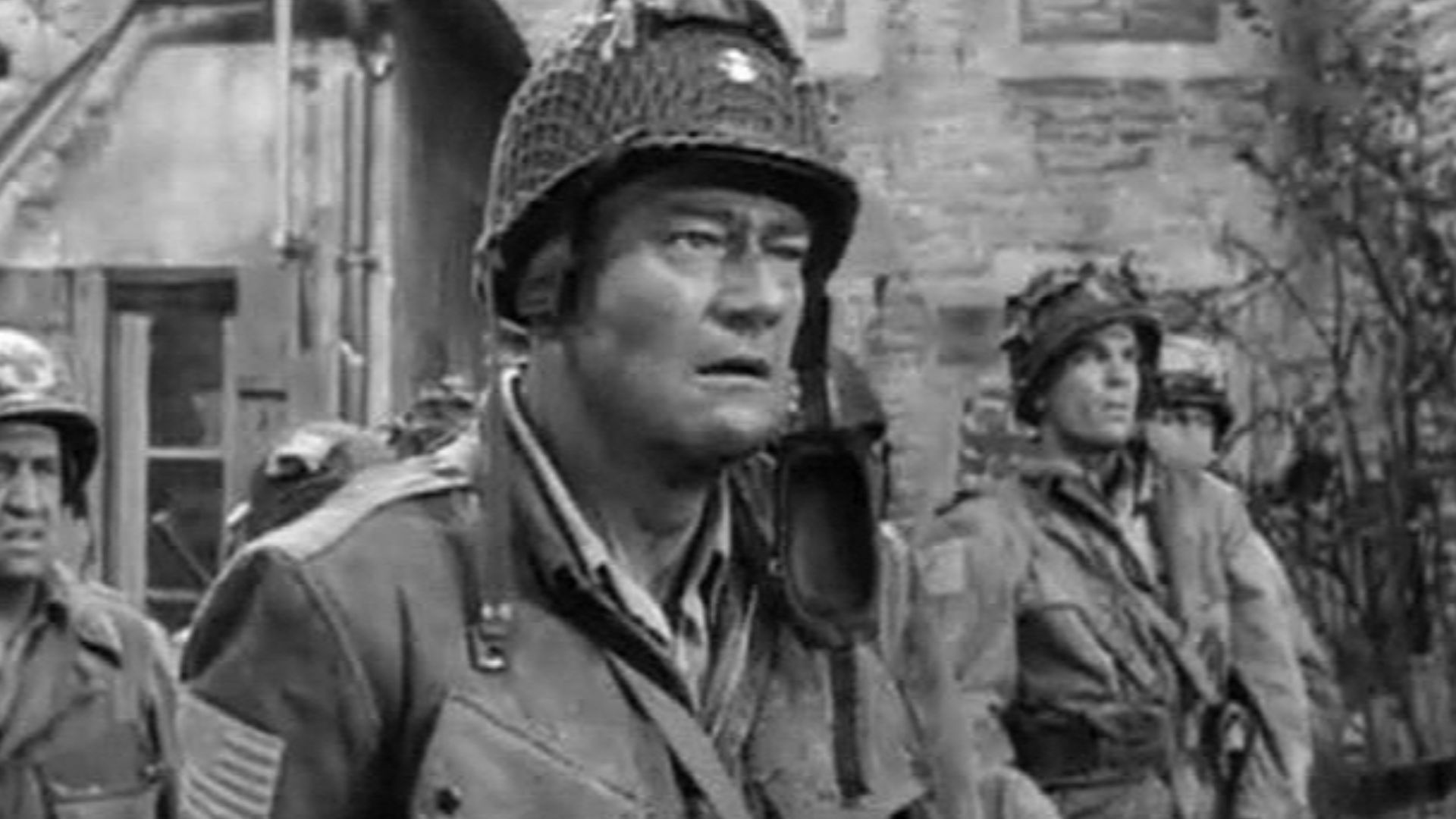
John Wayne
Nobody in the cast was more unmistakable than John Wayne. Fresh from movies including The Comancheros (1961) and The Man Who Shot Liberty Valance (1962), Wayne played Lt. Col. Benjamin Vandervoort. Casting America's quintessential screen warrior gave Zanuck's D-Day epic an instantly recognizable center of gravity.
 trailer screenshot (20th Century Fox), Wikimedia Commons
An Extraordinary Experiment
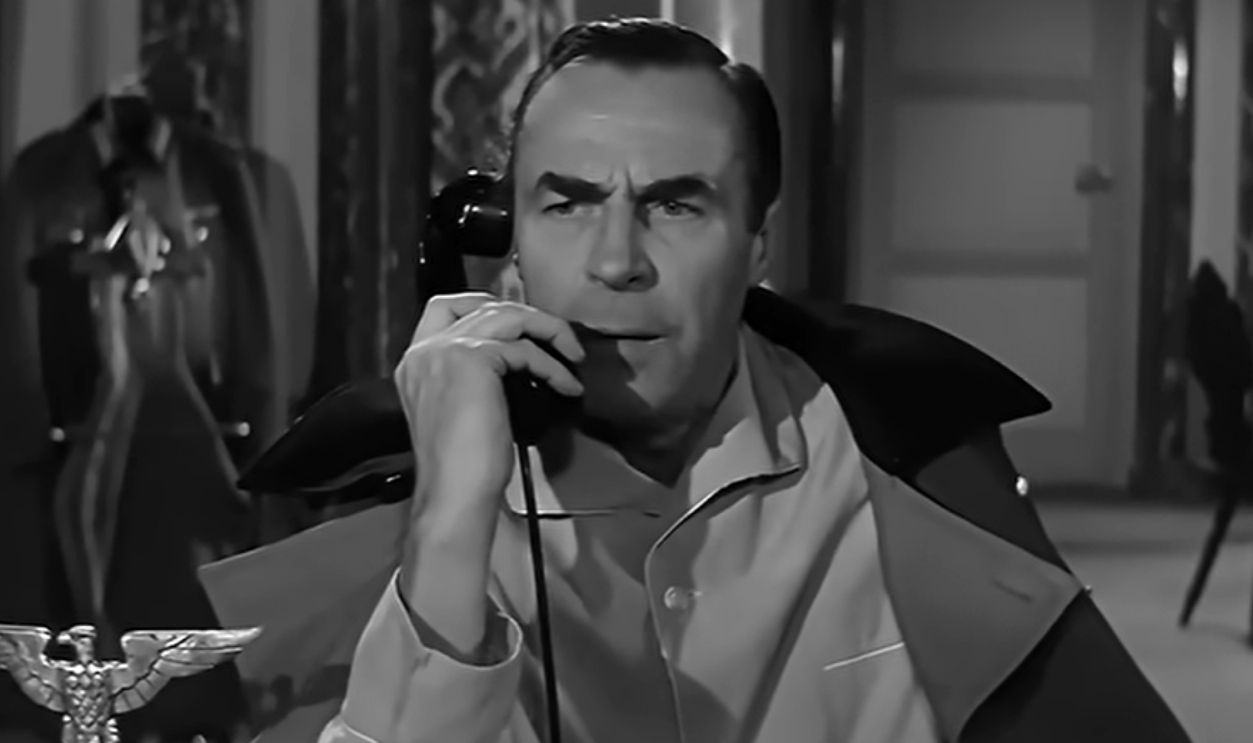
The star power was only part of Zanuck's strategy. The Longest Day presented American, British, French and German perspectives, employed different directors for different portions, and used numerous real D-Day participants as technical advisers, including James Gavin, John Howard, Lord Lovat, Philippe Kieffer, Werner Pluskat and Josef Priller.
 Screenshot from The Longest Day, 20th Century-Fox (1962)
Fox Needed A Victory
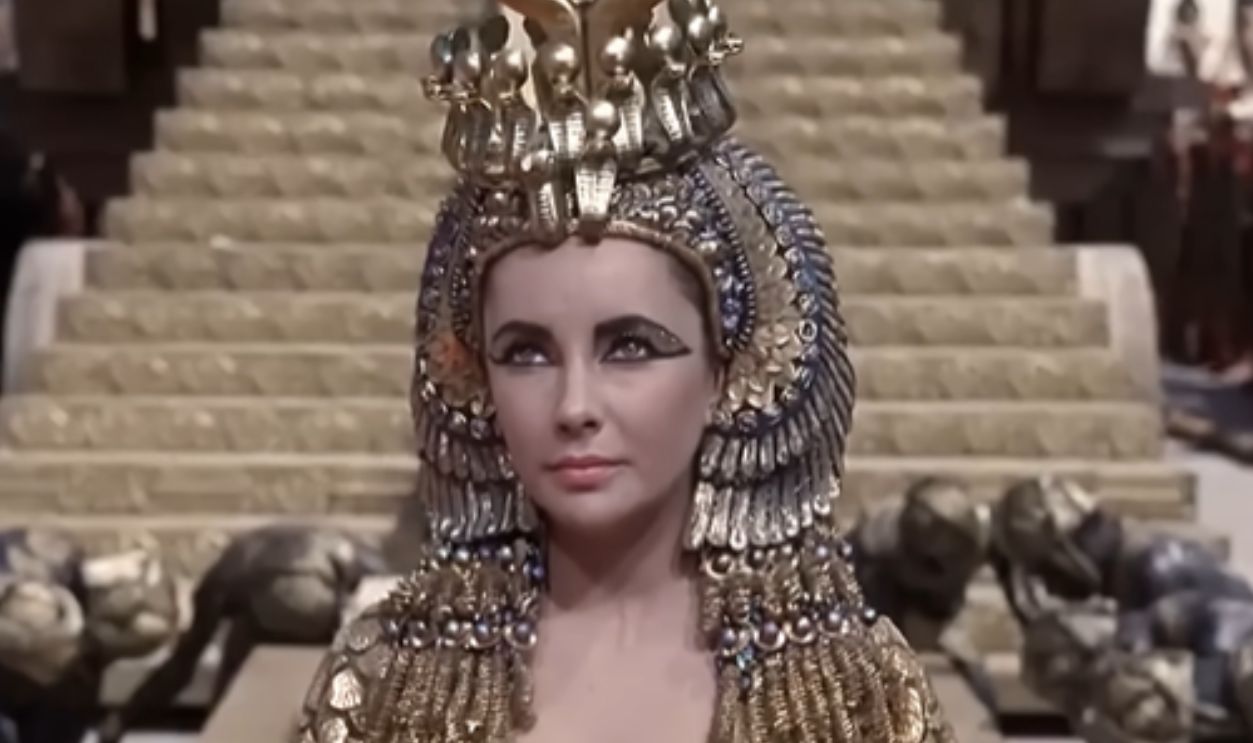
The production was enormously expensive, with contemporary accounts placing its budget around $7.5 million. More importantly, 20th Century Fox was simultaneously enduring the financial crisis surrounding the epic Cleopatra (1963). The studio wanted a quicker conventional release, while Zanuck reportedly fought for the more prestigious roadshow strategy.
 Screenshot from Cleopatra, 20th Century Fox (1963)
The Gamble Paid Off
The Longest Day became the kind of hit Fox desperately needed. It earned five Academy Award nominations, including Best Picture, and won for black-and-white cinematography and special effects. Its commercial performance proved that a three-hour black-and-white D-Day epic could still become a major popular attraction.
 Screenshot from The Longest Day, 20th Century-Fox (1962)
The Epic Endures
Later war movies would become grittier and more intimate, but few attempted D-Day on this scale. The Longest Day remains remarkable because Hollywood made it while the invasion was still living memory, employed men who had actually been there, and surrounded them with one of the most astonishing international casts ever assembled.
 Screenshot from The Longest Day, 20th Century-Fox (1962)
You May Also Like:
War Movies Boomers Love That Most Millennials Haven’t Even Heard Of
The Best Portrayals Of World War II In Movies, Definitively Ranked