Childhood Entertainment Was Apparently Allowed To Be Terrifying
Some family movies seemed perfectly harmless until the witches pulled off their faces, the puppets started draining life from people, or a child was chased by something that lived under the bed. These films weren’t necessarily horror movies, but it seems nobody told their directors that. Years later, plenty of the scenes meant for younger audiences still feel remarkably creepy.
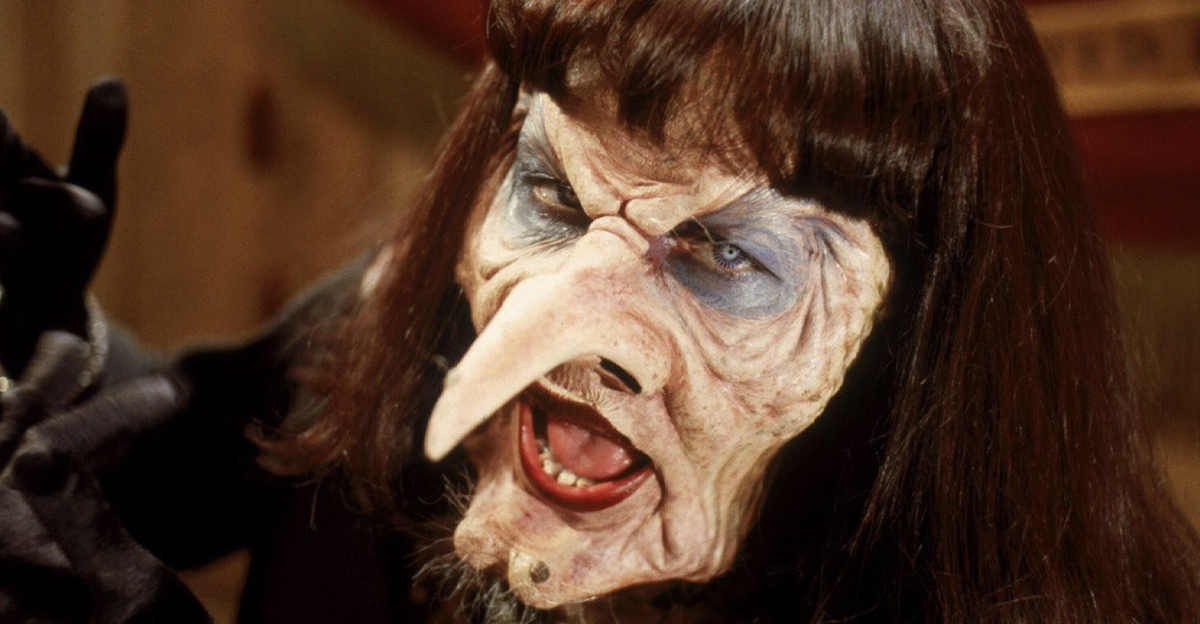
 Screenshot from The Witches, Warner Bros. (1990)
The Dark Crystal (1982)
Jim Henson proved that puppets didn’t have to be friendly. The dying world of Thra is ruled by the Skeksis, grotesque birdlike creatures obsessed with extending their lives, while young Jen attempts to repair the broken Dark Crystal. Brian Froud’s creature designs give everything a wonderfully alien quality, particularly the Skeksis and their lumbering Garthim forces. The scene in which life essence is drained from a helpless captive feels especially grim for a fantasy adventure associated with the creator of the Muppets.
 Screenshot from The Dark Crystal, Universal Pictures (1982)
Ernest Scared Stupid (1991)
Jim Varney’s Ernest movies were usually goofy enough that parents could safely expect harmless chaos. Then Ernest accidentally released Trantor, an ancient troll who stalks children and turns his victims into little wooden figures. The creature itself is surprisingly effective, with an enormous face and grotesque practical makeup that inspired plenty of childhood nightmares. Eartha Kitt adds spooky credibility as Old Lady Hackmore, while the small-town Halloween setting gives the whole thing the feeling of a legitimate folk-horror story that happens to star Ernest P. Worrell.
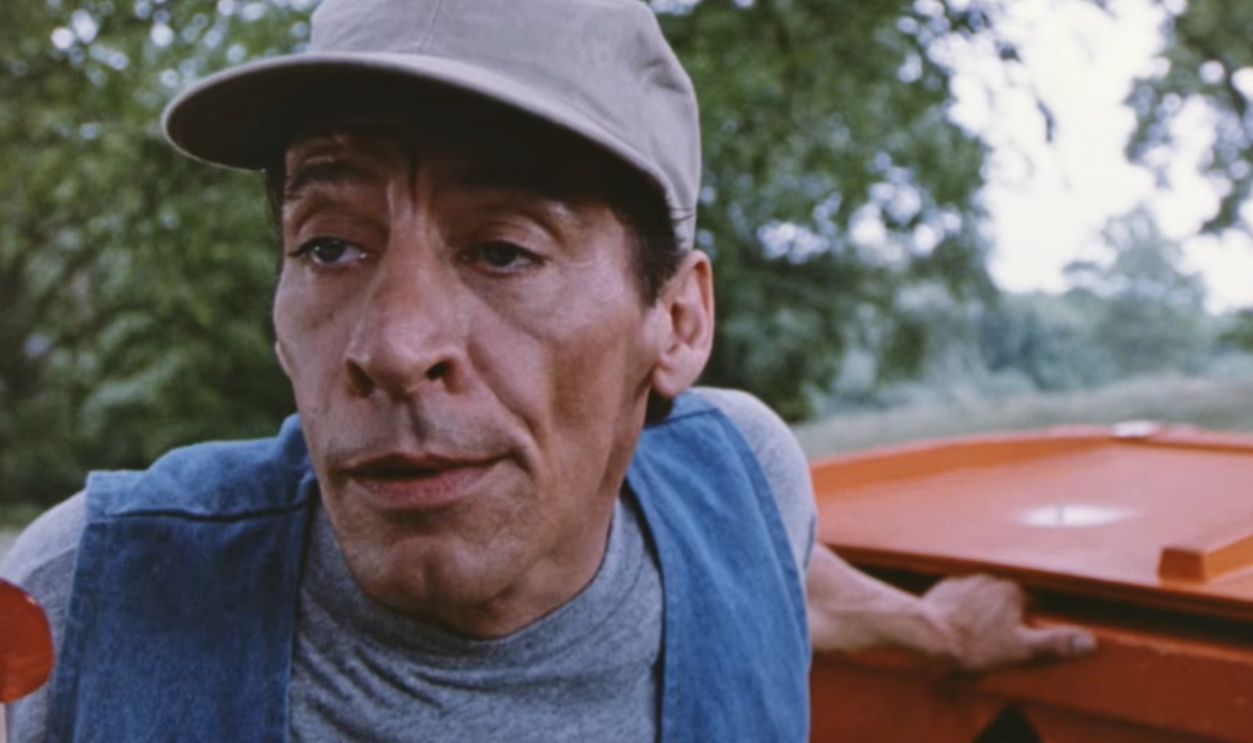 Screenshot from Ernest Scared Stupid, Touchstone Pictures (1991)
Matilda (1996)
Danny DeVito’s adaptation of Roald Dahl is hilarious, but life at Crunchem Hall is genuinely horrifying. Principal Agatha Trunchbull throws a girl through the air by her pigtails, forces Bruce Bogtrotter to eat an enormous chocolate cake as punishment, and locks children inside the Chokey, a tiny cupboard lined with nails and broken glass. Matilda’s own parents aren’t much better. Pam Ferris plays Trunchbull so ferociously that the magical revenge is satisfying largely because the movie spends so much time convincing viewers that this woman really might slay a student someday.
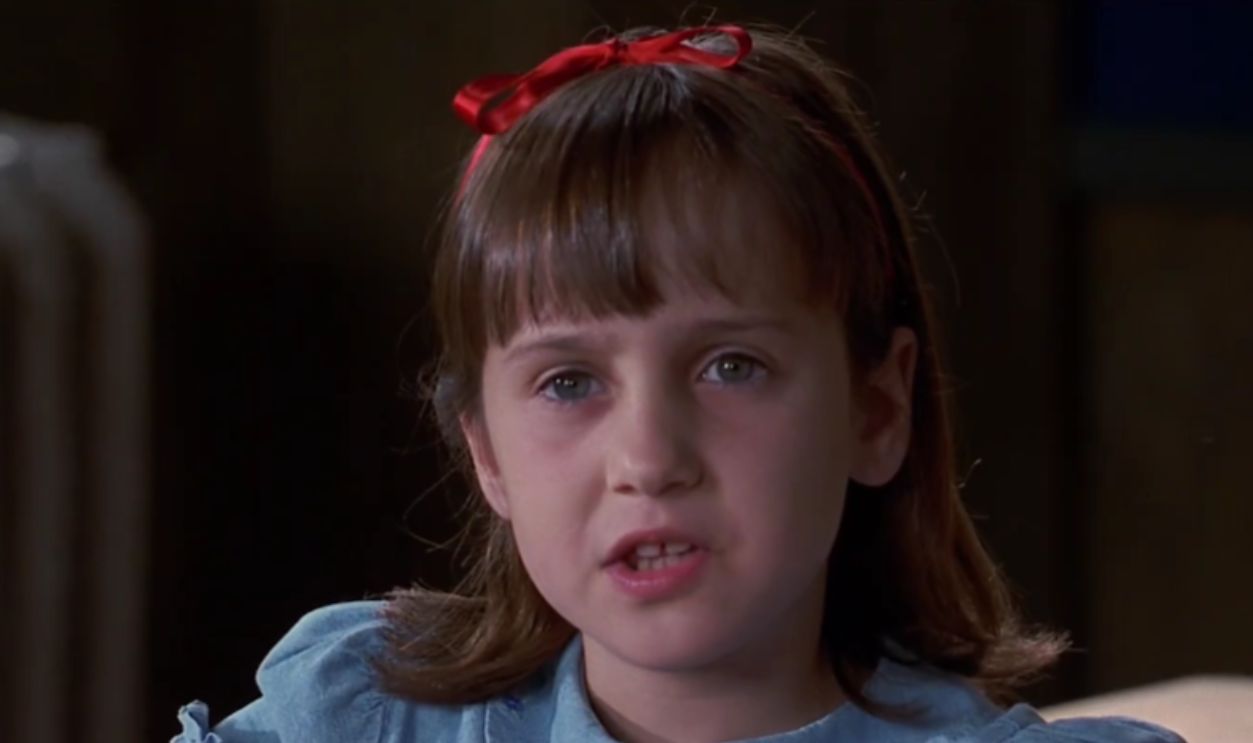 Screenshot from Matilda, Sony Pictures Releasing (1996)
Return To Oz (1985)
Dorothy returns from Oz and is promptly taken to a psychiatric clinic where doctors plan to subject her to electrotherapy. Somehow, the movie gets creepier after she escapes. Oz has been devastated, its inhabitants have been turned to stone, the Wheelers chase Dorothy while screeching on all fours, and Princess Mombi keeps a collection of interchangeable heads in glass cases. Walter Murch’s film was much closer in tone to some of L. Frank Baum’s stranger Oz material, but kids expecting another cheerful trip down the Yellow Brick Road got something closer to a fever dream.
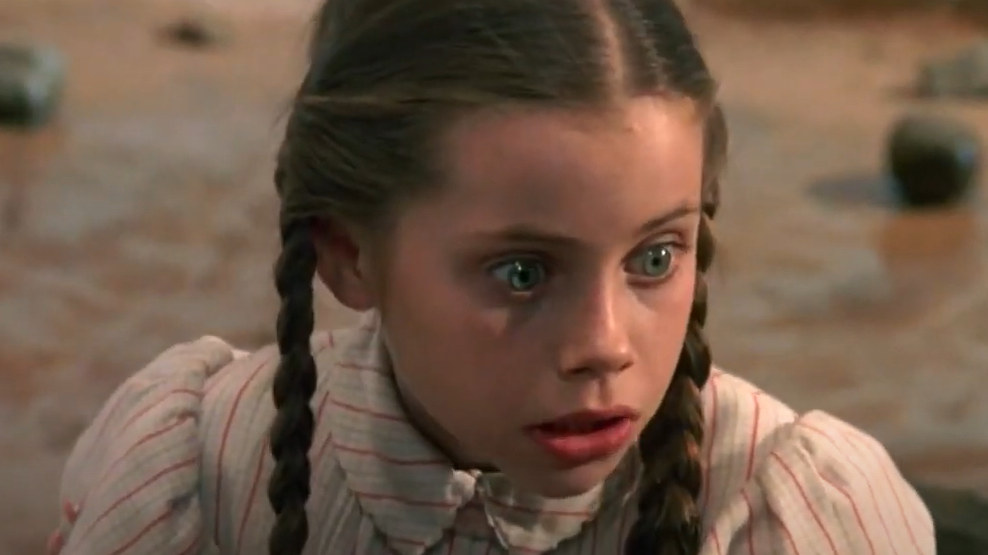 Screenshot from Return to Oz, Walt Disney Pictures (1985)
Watership Down (1978)
Parents understandably saw animated rabbits and assumed they were bringing their children to something gentle. Watership Down quickly corrected that misunderstanding. Fiver receives apocalyptic visions of doom before a group of rabbits flees their threatened warren and encounters predators, traps, authoritarian rabbit societies, and brutal combat. Blood appears frequently, including during the ferocious climactic fight involving General Woundwort. The stylized opening mythology also introduces death immediately. It’s a beautiful movie about survival and freedom, but it never pretends nature is going to spare somebody just because they happen to be adorable.
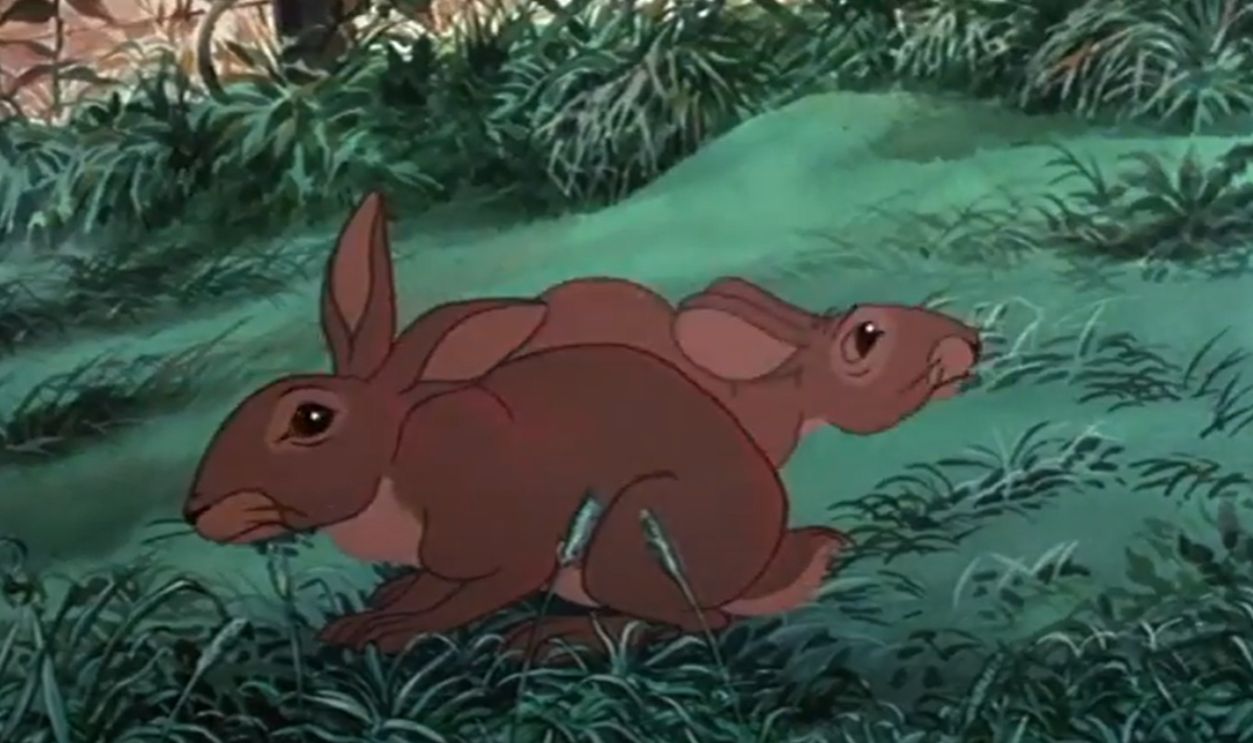 Screenshot from Watership Down, Nepenthe Productions (1978)
The Brave Little Toaster (1987)
Talking household appliances sound like the foundation for harmless fun. Instead, The Brave Little Toaster repeatedly confronts its characters with abandonment, obsolescence, and destruction. Toaster has a nightmare involving a monstrous firefighter clown, an air conditioner overheats while screaming at the others, and the journey eventually reaches a junkyard where unwanted cars sing “Worthless” while being crushed into cubes. The final conveyor-belt sequence involves an enormous electromagnet relentlessly forcing the appliances toward destruction. For a movie about a toaster searching for its owner, it has an awfully strong existential streak.
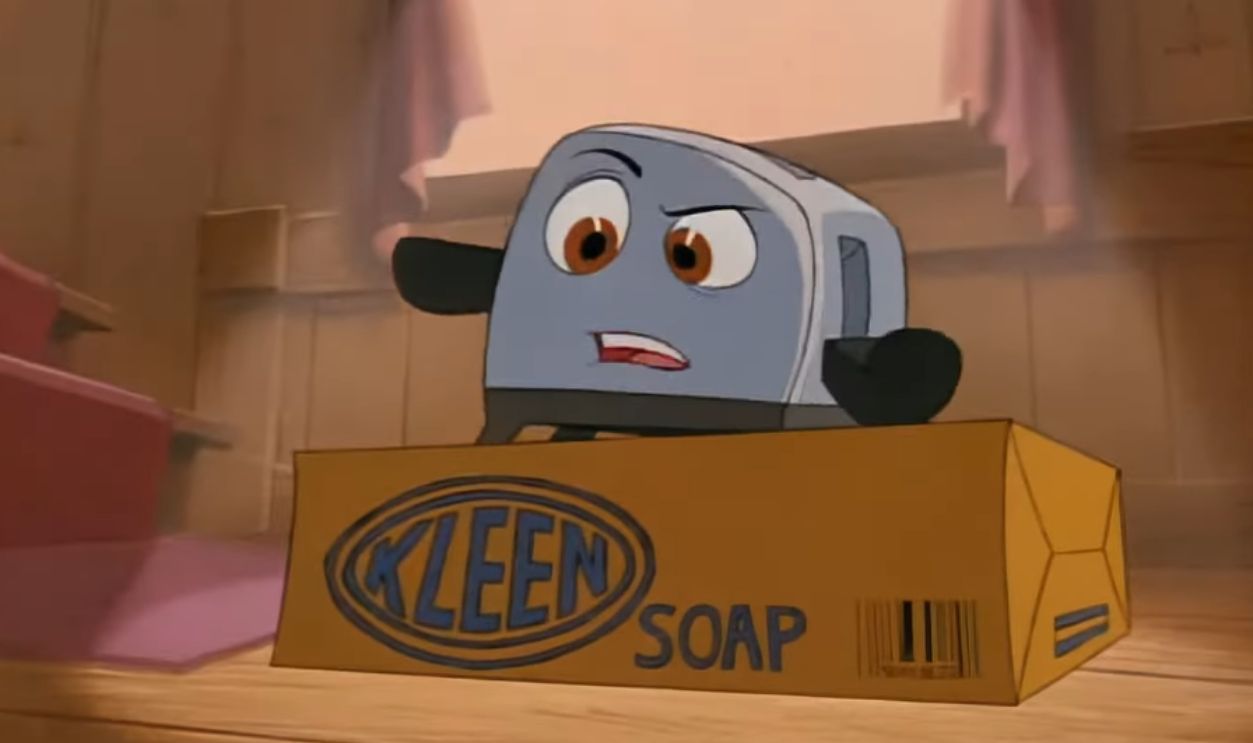 Screenshot from The Brave Little Toaster, Hyperion Pictures (1987)
The Witches (1990)
Roald Dahl supplied the nightmare, Jim Henson’s Creature Shop supplied the faces, and director Nicolas Roeg made sure children got a very good look at them. Anjelica Huston’s Grand High Witch gathers witches from across Britain and orders them to remove their human disguises. Bald heads, enormous noses, clawed hands, and grotesque faces suddenly fill the hotel ballroom. Her plan is worse: turn every child in England into a mouse so adults unknowingly take their lives. Even the protagonist winds up transformed, and the movie doesn’t offer quite the conventional return to normal that most family films would.
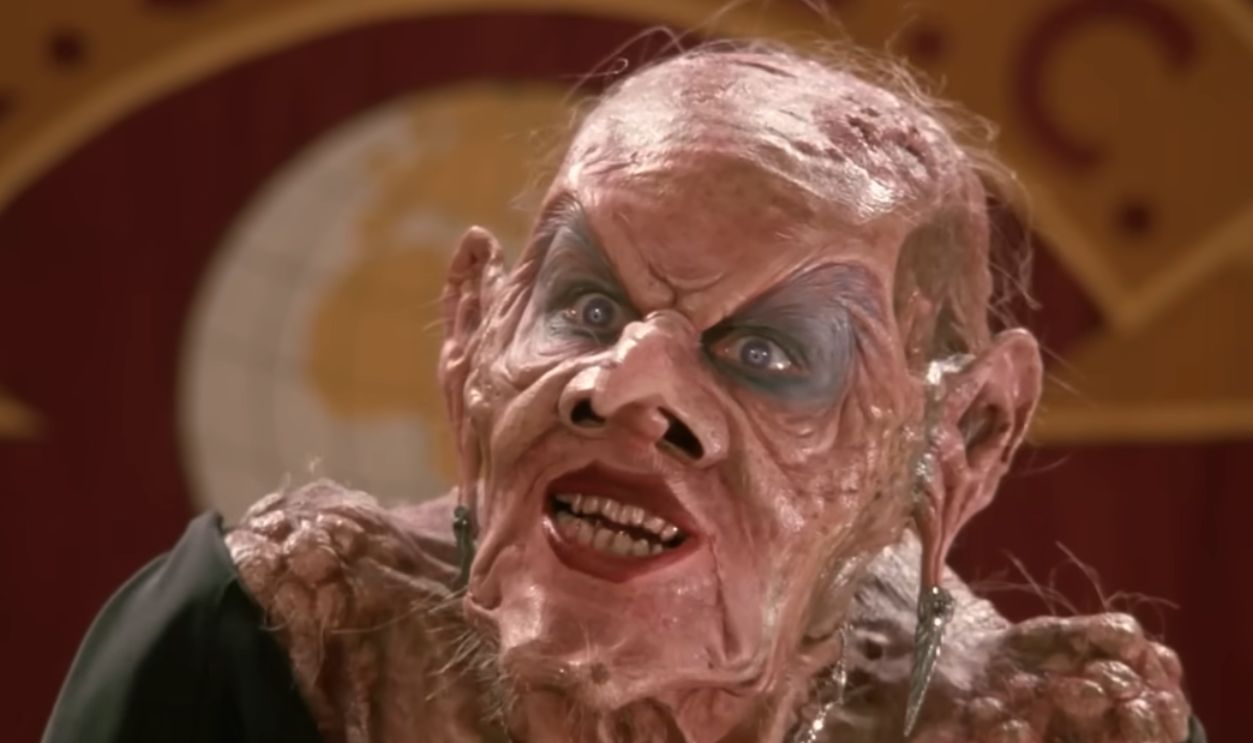 Screenshot from The Witches, Warner Bros. (1990)
Don’t Look Under The Bed (1999)
Disney Channel went unusually hard with this tale of Frances Bacon McCausland, a teenager who discovers that a genuine Boogeyman is terrorizing her town. She receives help from imaginary friend Larry Houdini, but the deeper they venture into the supernatural world beneath the bed, the darker everything becomes. The Boogeyman’s appearance alone was enough to unsettle plenty of young viewers, and the story eventually introduces the idea that forgotten imaginary friends can transform into monsters. Disney reportedly gave the movie a TV-PG rating, unusual territory for its original movies at the time.
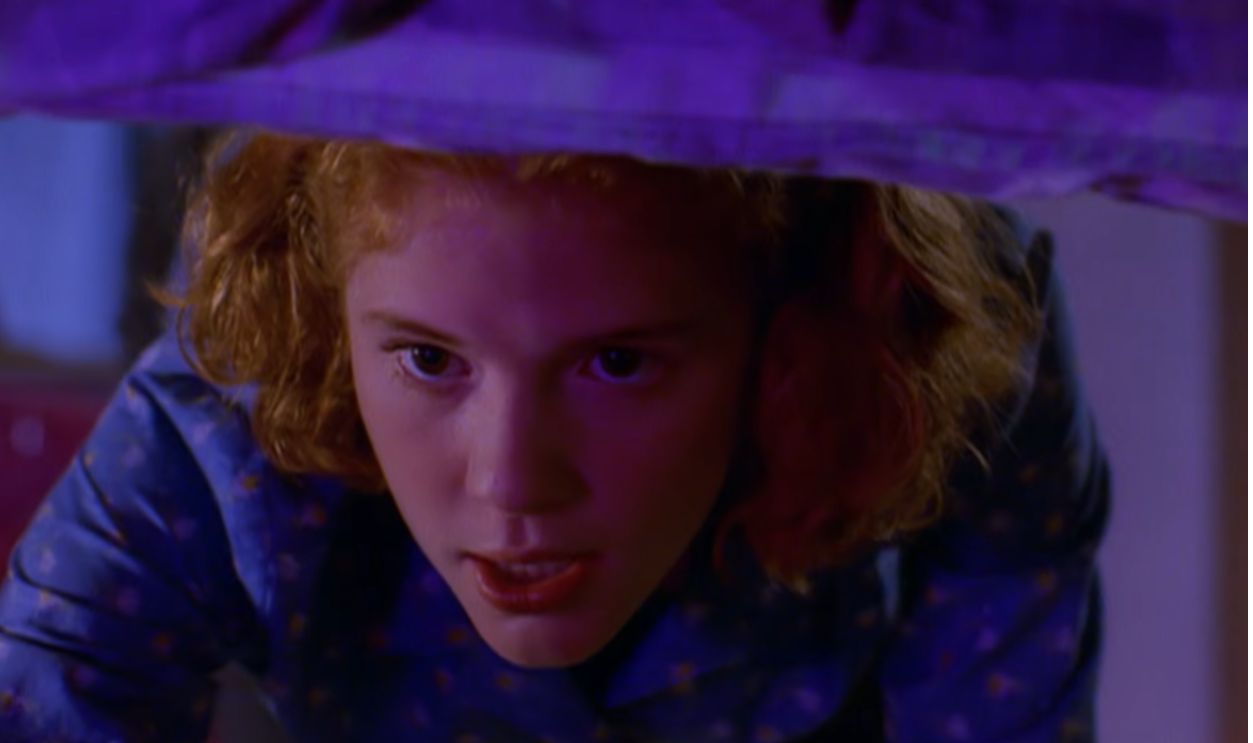 Screenshot from Don’t Look Under the Bed, Disney Channel (1999)
Mrs. Doubtfire (1993)
Robin Williams makes Mrs. Doubtfire warm enough that it’s easy to overlook how strange the setup actually is. Daniel Hillard constructs an elaborate prosthetic disguise, creates a fake identity, changes his voice, and convinces his estranged wife to hire him as an elderly housekeeper so he can secretly spend time with their children. The makeup sequences themselves can be surprisingly uncanny, particularly when Daniel’s prosthetic face begins coming apart. Williams’ charm keeps everything in comedy territory, but remove that charm and the basic premise suddenly sounds much more like a psychological thriller.
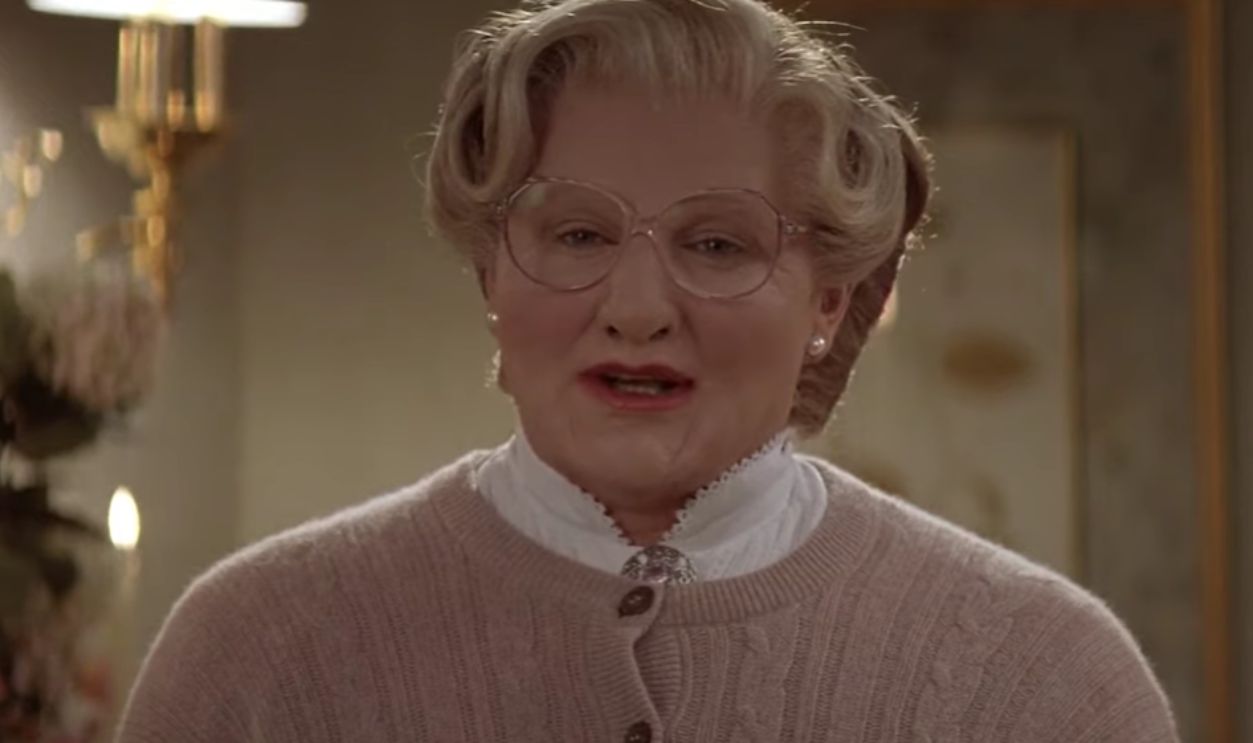 Screenshot from Mrs. Doubtfire, 20th Century Fox (1993)
Willy Wonka & The Chocolate Factory (1971)
A magical chocolate factory should feel like the safest place imaginable. Willy Wonka’s definitely doesn’t. Children disappear one after another through bizarre industrial accidents while Gene Wilder’s Wonka reacts with unnerving calm. Augustus gets sucked into a pipe, Violet swells into a giant blueberry, and Mike Teavee is shrunk by experimental technology. Then there’s the infamous boat ride, where disturbing images flash across the walls as Wonka sings with increasing intensity. The movie never clearly shows the children safely leaving the factory, giving their various punishments a surprisingly sinister edge.
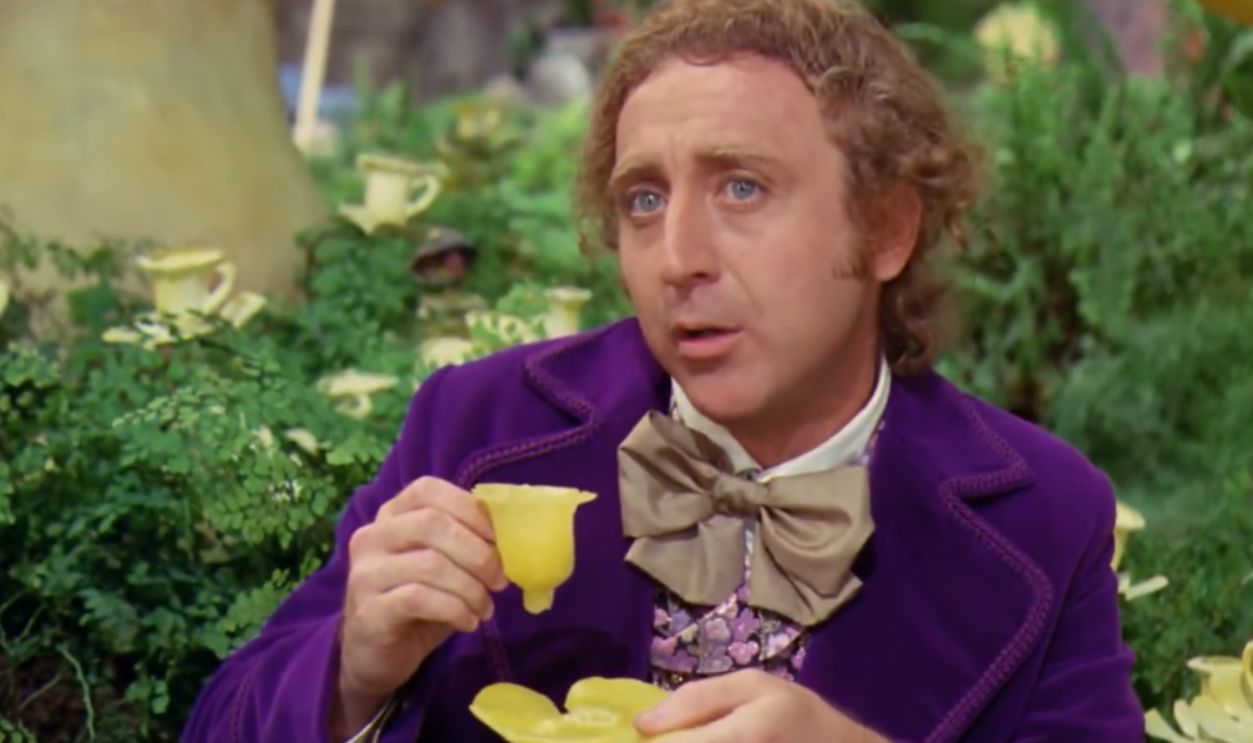 Screenshot from Willy Wonka & the Chocolate Factory, Warner Bros. Discovery (1971)
We’re Back! A Dinosaur’s Story (1993)
Most of this animated adventure involves friendly dinosaurs wandering around New York, which makes Professor Screweyes feel as though he has wandered in from a completely different movie. His Eccentric Circus trades in fear, and his Brain Drain transforms intelligent dinosaurs back into terrifying beasts. He also manipulates two children into signing a sinister contract. Then comes his ending. After everyone else leaves, Screweyes is surrounded by crows and disappears beneath them, leaving behind only the screw that served as his artificial eye. That’s an unexpectedly grim exit for a Spielberg-produced children’s cartoon.
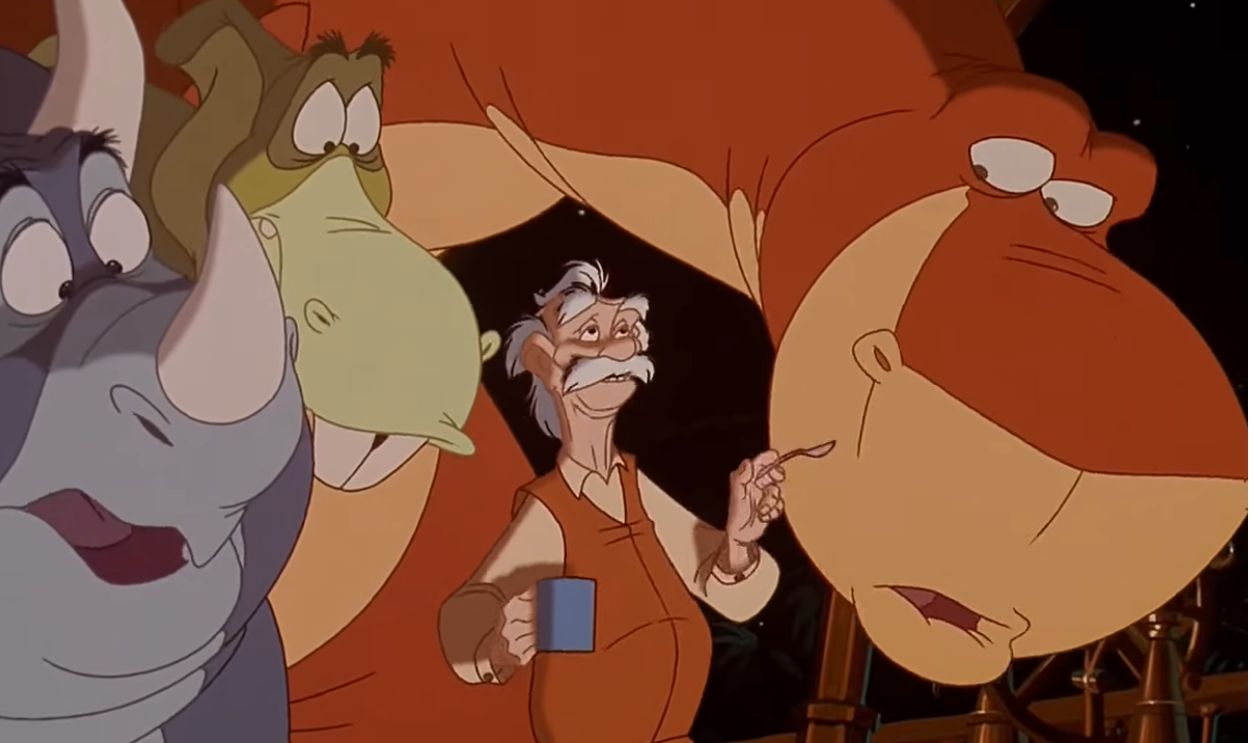 Screenshot from We’re Back! A Dinosaur’s Story, Universal Pictures (1993)
Tower Of Terror (1997)
This Disney television movie took the already creepy premise of the theme-park attraction and built a supernatural mystery around it. Steve Guttenberg’s disgraced journalist and his niece investigate the abandoned Hollywood Tower Hotel, where five people mysteriously vanished inside an elevator on Halloween night in 1939. Their ghosts remain trapped in the building decades later. Empty hallways, flickering lights, ghostly hotel guests, and an elevator with a tragic history give the movie a surprisingly effective haunted-hotel atmosphere, especially for children already suspicious of elevators.
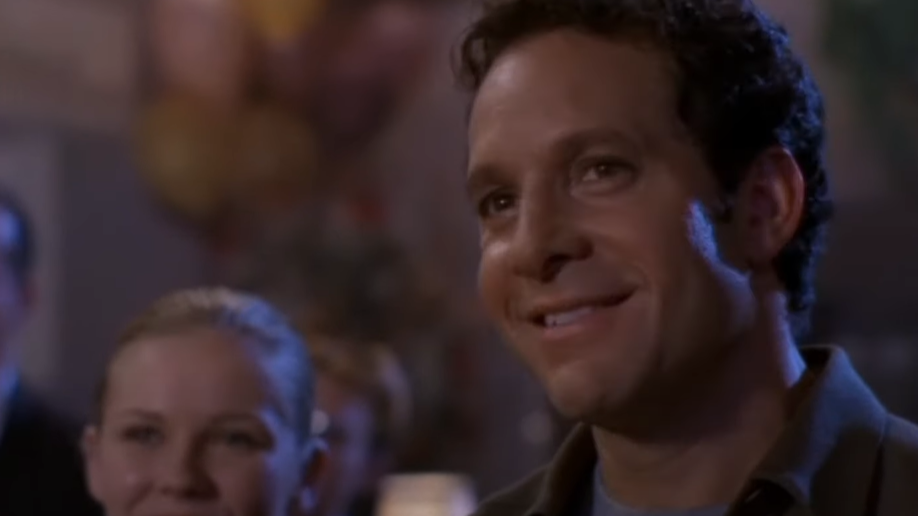 Screenshot from Tower Of Terror, Walt Disney (1997)
Labyrinth (1986)
David Bowie’s songs and Jim Henson’s creatures make Labyrinth enormously entertaining, but its fantasy world is never particularly safe. Sarah wishes her baby brother away and discovers that Jareth the Goblin King has actually taken him. She must navigate a constantly shifting maze filled with strange creatures, misleading paths, the eerie Fireys, and helping hands that drop her deeper underground. Bowie’s Jareth is charismatic enough to make the risk feel enticing rather than straightforwardly monstrous. The ballroom sequence is beautiful, but it also feels like Sarah is being slowly trapped inside somebody else’s dream.
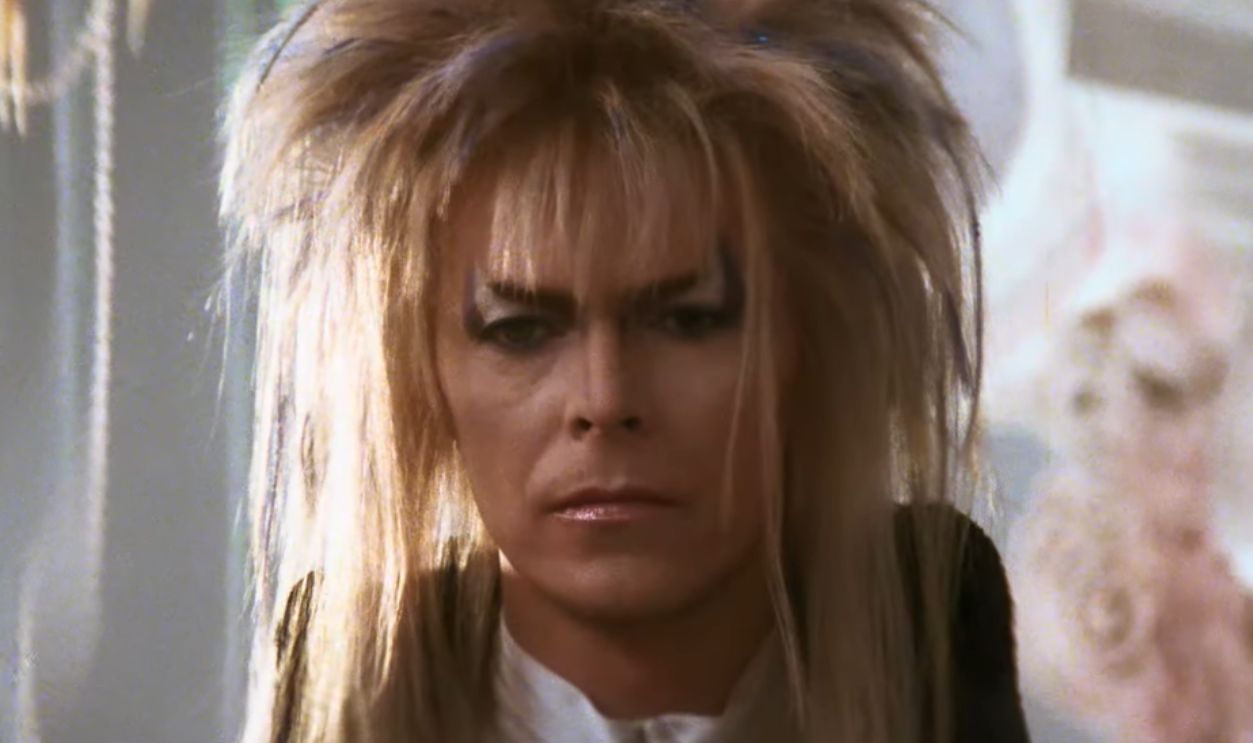 Screenshot from Labyrinth, TriStar Pictures (1986)
E.T. The Extra-Terrestrial (1982)
E.T. himself eventually becomes lovable, but Steven Spielberg makes his arrival genuinely unsettling. Elliott first sees strange movement in the darkness outside his house, hears noises in the shed, and follows mysterious tracks through the woods. Later, E.T. becomes pale and sick beside a creek before government agents in faceless protective suits invade the family home and seal it beneath plastic. For younger viewers, that medical sequence could be far scarier than the alien. The movie understands that childhood fear often comes from adults suddenly taking control while nobody explains what is happening.
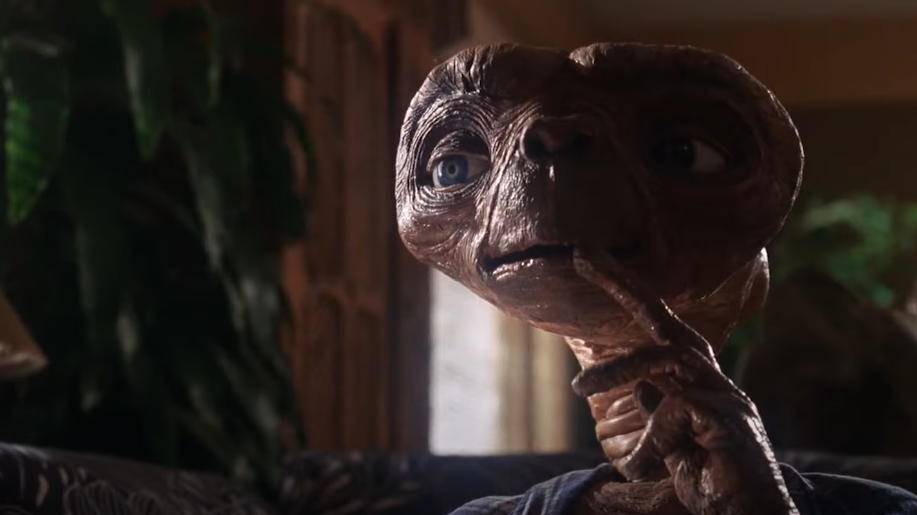 Screenshot from E.T. the Extra-Terrestrial, Universal Pictures (1982)
The NeverEnding Story (1984)
Fantasia is disappearing into a force called the Nothing, and the concept alone is unusually bleak for a children’s fantasy. Atreyu’s journey takes him past enormous stone creatures, deadly gates, swamps that cause victims to surrender to despair, and Gmork, a monstrous wolf working for the Nothing. Then there’s Artax. The horse slowly sinking into the Swamp of Sadness while Atreyu desperately begs him to keep moving remains one of the most famously upsetting sequences in 1980s family cinema. The movie doesn’t simply threaten its fantasy world with destruction. It threatens it with absolute nonexistence.
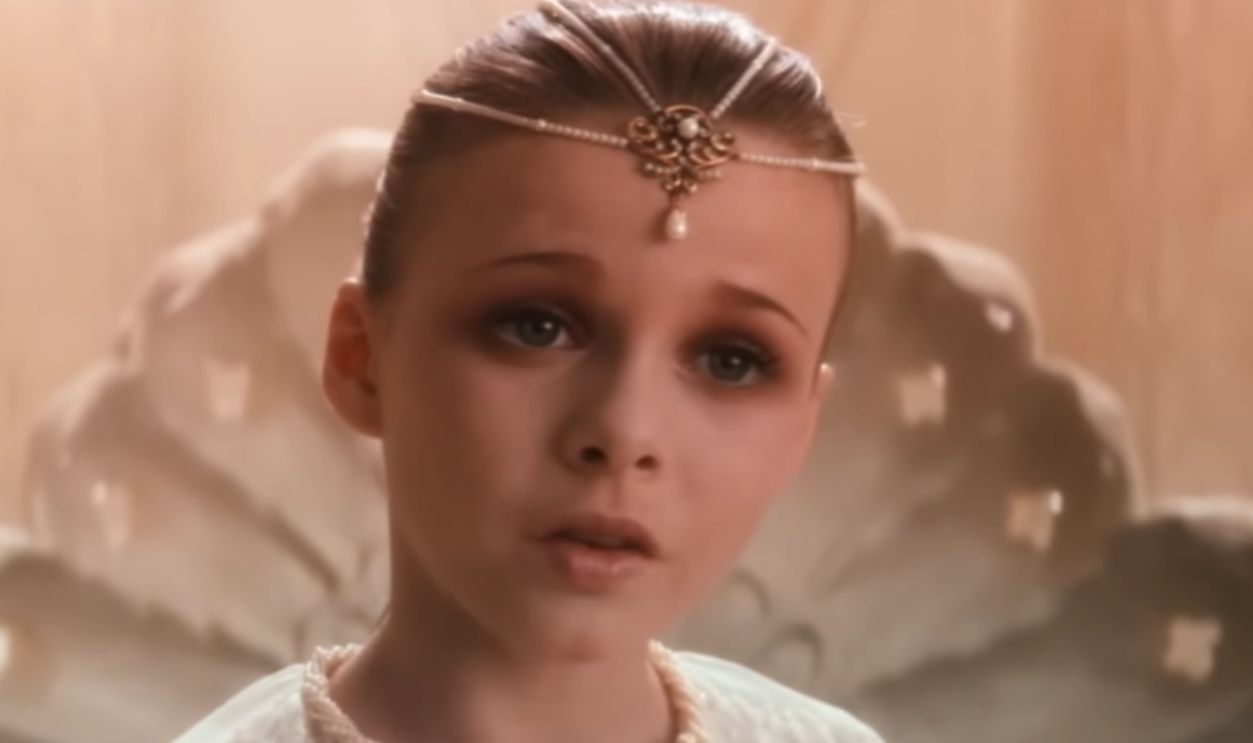 Screenshot from The NeverEnding Story, Warner Bros.(1984)
The Secret Of NIMH (1982)
Don Bluth’s first feature after leaving Disney immediately announced that he wasn’t interested in making animation overly comfortable. Mrs. Brisby is a widowed field mouse trying to save her sick son before a farmer destroys their home. Her search for help leads to enormous predators, frightening machinery, a mysterious society of laboratory-enhanced rats, and a violent struggle for power. The Great Owl’s introduction alone is intimidating enough, while the rats’ underground world is filled with shadows and danger. The animation is gorgeous precisely because Bluth never seems afraid of darkness.
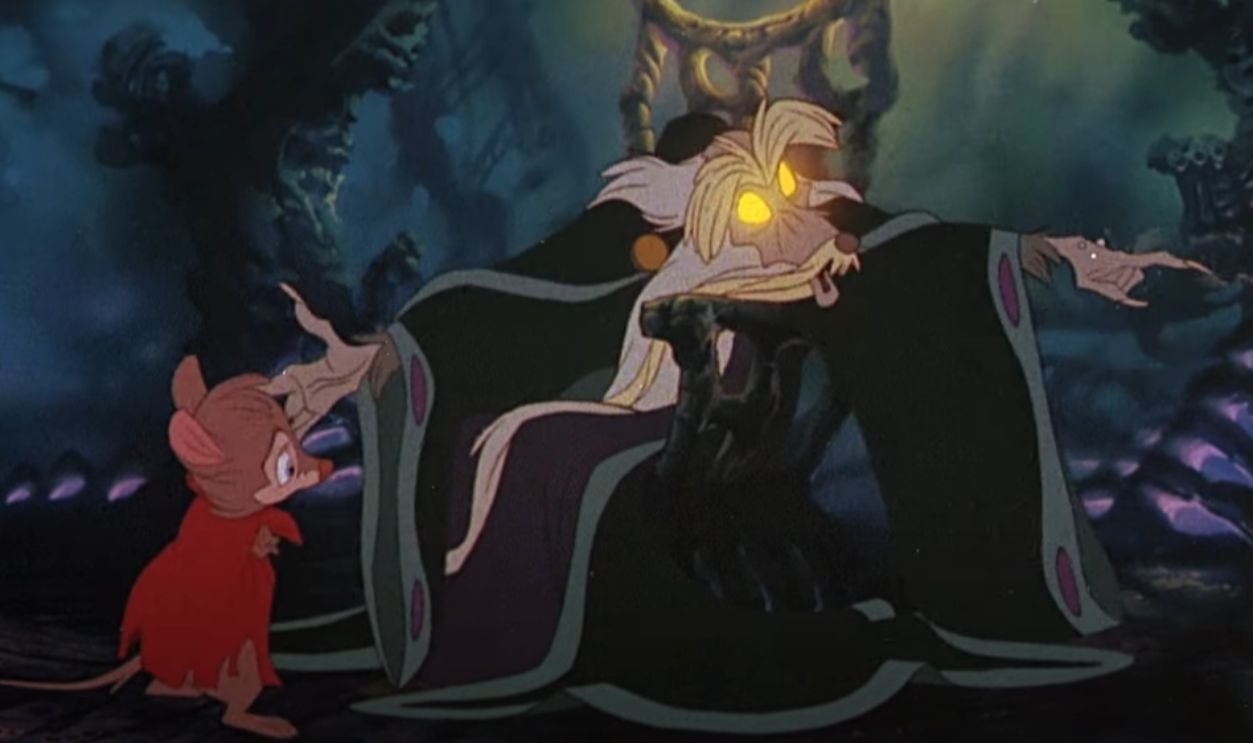 Screenshot from The Secret of NIMH, MGM (1982)
Jumanji (1995)
The board game at the center of Jumanji doesn’t simply create inconveniences. It unleashes a fresh catastrophe with practically every roll. Giant mosquitoes attack people, a monsoon floods the house, enormous spiders appear, vines try to eat humans, and a stampede tears through town. Most unsettling is hunter Van Pelt, played by Jonathan Hyde, who emerges from the game specifically determined to end the life of Alan Parrish. The young Alan has already spent 26 years trapped alone in a jungle by that point. Family game night has rarely carried higher stakes.
 Screenshot from Jumanji, TriStar Pictures (1995)
Chitty Chitty Bang Bang (1968)
For much of its running time, Chitty Chitty Bang Bang is a cheerful musical about an eccentric inventor and his magical car. Then the Child Catcher arrives. Robert Helpmann plays him with a long black coat, exaggerated nose, top hat, and enormous net, wandering through Vulgaria searching for hidden children. His most infamous tactic involves pretending to be a candy seller, luring Jeremy and Jemima toward a colorful wagon before trapping them inside. He barely occupies much of the movie, yet generations of viewers remember him more vividly than almost anything else in it.
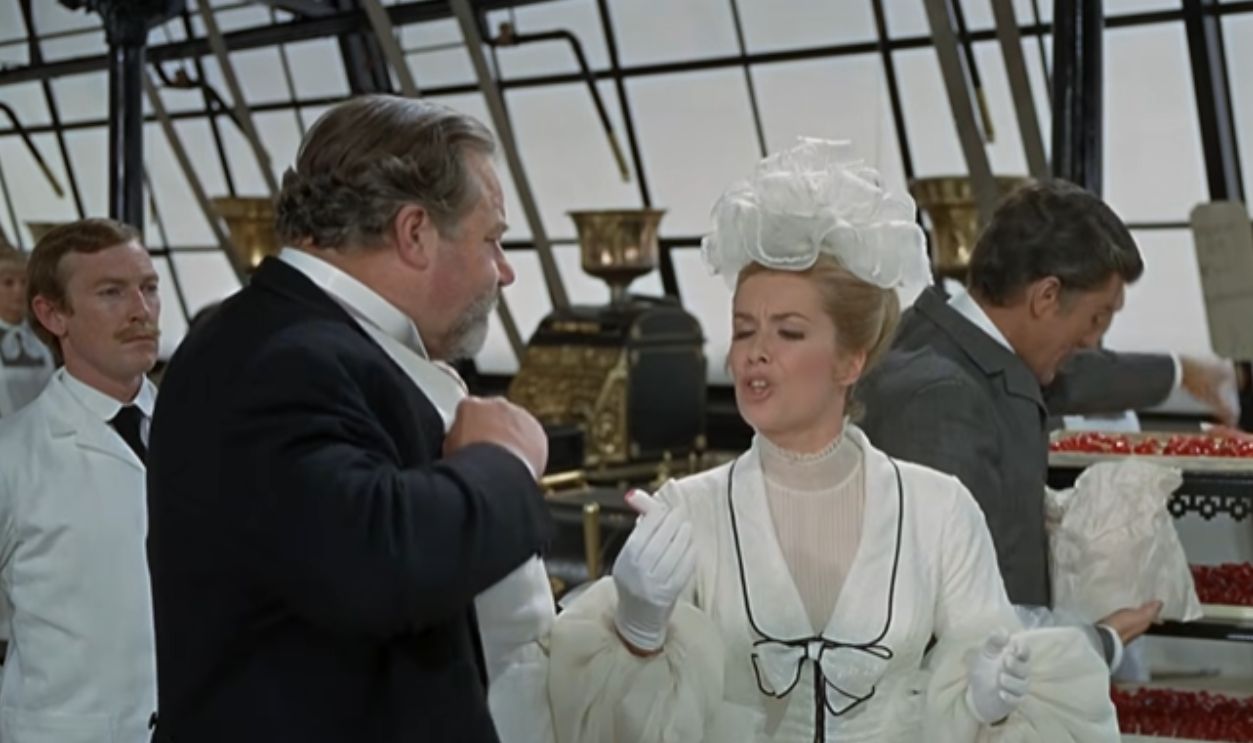 Screenshot from Chitty Chitty Bang Bang, United Artists (1968)
The Watcher In The Woods (1980)
Disney experimented with full Gothic mystery here, casting Bette Davis as the unsettling owner of an English manor whose daughter disappeared decades earlier. When an American family moves onto the property, teenager Jan begins seeing strange lights, eerie reflections, and images of a blindfolded girl. Her younger sister starts behaving strangely too. The mystery eventually involves an abandoned chapel, an eclipse, and something that may exist beyond normal reality. Disney famously reworked the ending after the film’s troubled initial release, but the shadowy woods and slow-building supernatural unease remain its strongest ingredients.
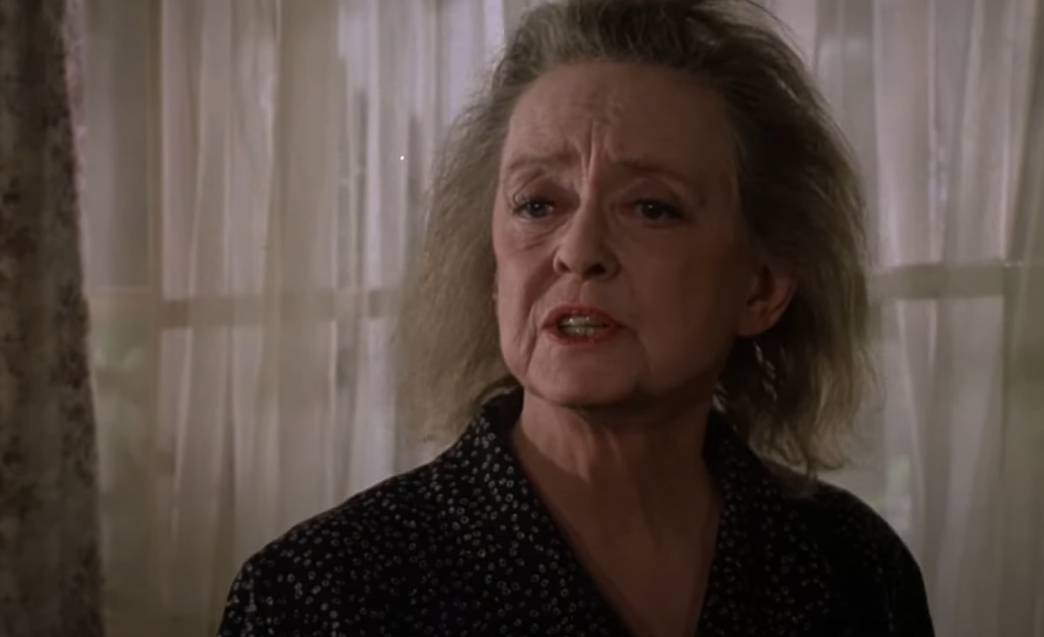 Screenshot from The Watcher In The Woods, Walt Disney (1980)
The Last Unicorn (1982)
Rankin/Bass gave this fantasy beautiful animation and a lovely soundtrack by America, then populated it with some deeply unsettling creatures. The Unicorn discovers that the rest of her kind have vanished and goes searching for them, encountering witch Mommy Fortuna and her grotesque Midnight Carnival along the way. Fortuna keeps the genuinely monstrous harpy Celaeno imprisoned for display, a decision that ends badly. Looming over everything is the Red Bull, an enormous fiery creature that has driven the unicorns into the sea. Even the movie’s prettiest moments carry an unmistakable sadness.
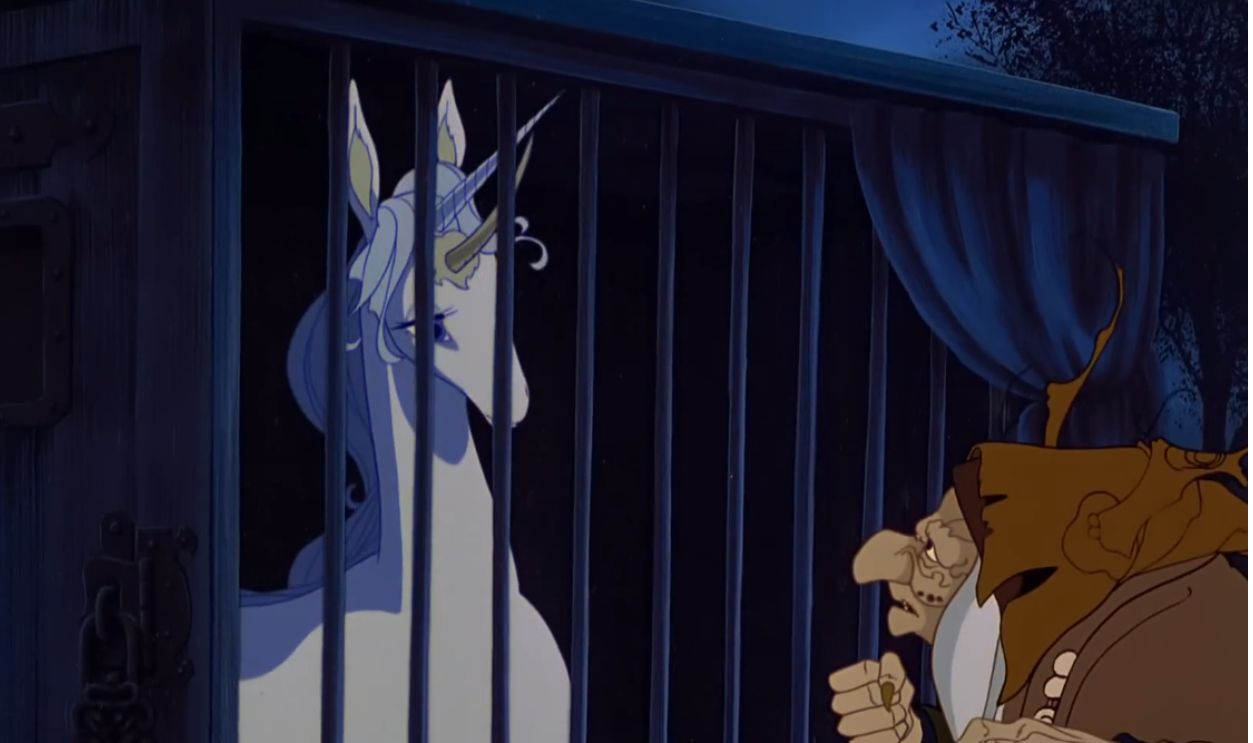 Screenshot from The Last Unicorn, ITC Films (1982)
Chicken Run (2000)
Aardman disguised a jailbreak movie as a charming Claymation comedy about chickens. Ginger and the other hens spend their lives trapped inside a farm where failing to produce enough eggs can mean execution. Then Mrs. Tweedy decides ordinary egg production isn’t profitable enough and installs a gigantic machine designed to turn the entire flock into chicken pies. The sequence where Ginger and Rocky become trapped inside the machine gets remarkably intense. Once you realize the heroes are desperately trying to avoid being slaughtered and processed into food, the stakes become a lot less cuddly.
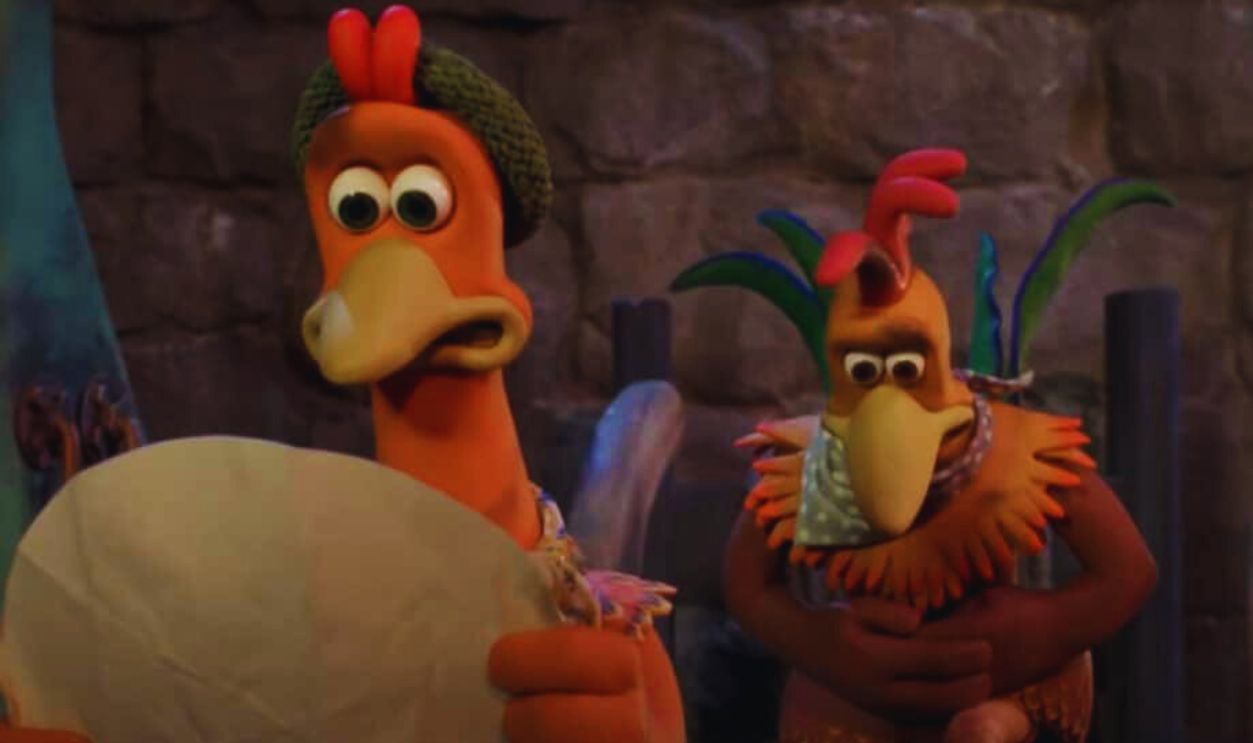 Screenshot from Chicken Run, DreamWorks Animation (2000)
Cry Baby Lane (2000)
Nickelodeon’s Cry Baby Lane begins with an undertaker telling children about conjoined twins, one supposedly good and one evil, who passed before their father separated their bodies with a saw. The boys later conduct a séance and accidentally unleash the wrong twin’s spirit, leading to possessions throughout their town. The movie aired in 2000 and then essentially disappeared for years, creating an urban legend that Nickelodeon had banned it for being too frightening. The network later said it had simply been forgotten, before fan interest helped bring it back to television in 2011.
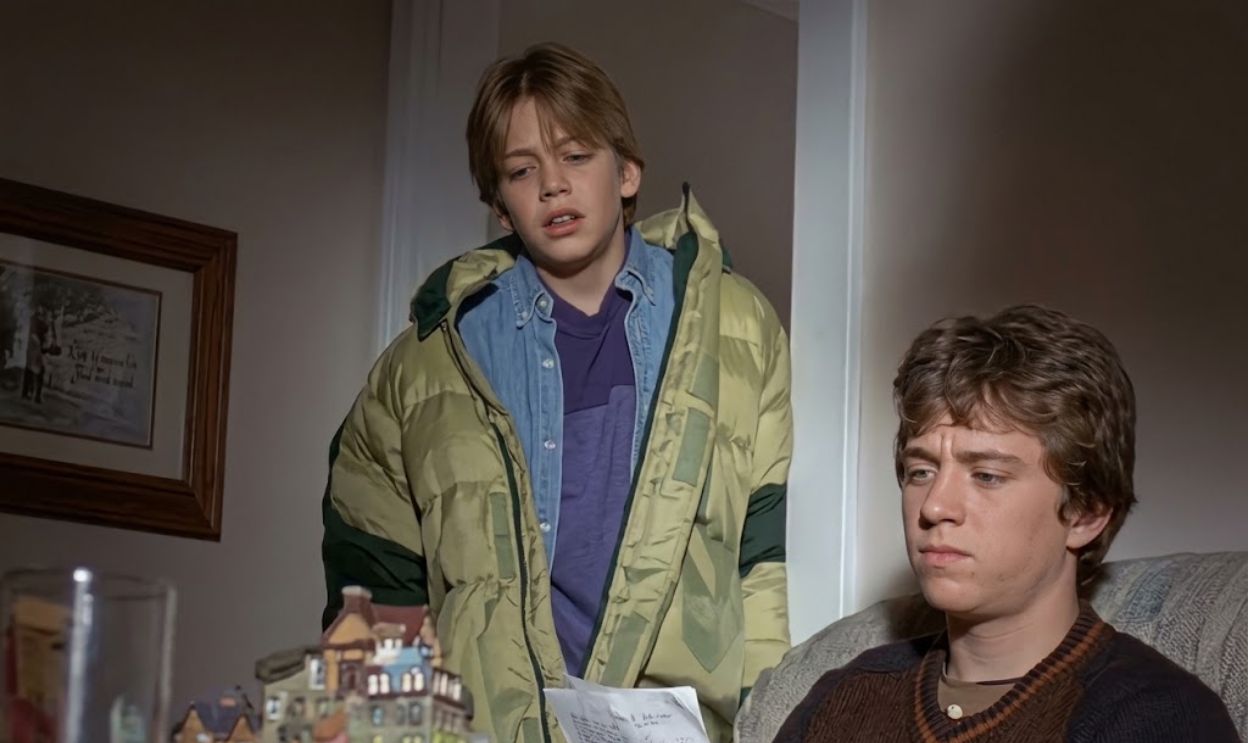 Screenshot from Cry Baby Lane, Nickelodeon (2000), Enhanced
Spy Kids (2001)
Robert Rodriguez packed Spy Kids with colorful gadgets and cartoonish action, but some of its imagery is wonderfully bizarre. Fegan Floop’s castle is filled with Thumb-Thumbs, humanlike creatures consisting almost entirely of thumbs, while imprisoned secret agents have been transformed into grotesque characters known as Fooglies. Carmen and Juni Cortez also discover that their parents have been kidnapped by people capable of turning human beings into bizarre living creations. It’s all treated playfully, but viewed out of context, several images look like they escaped from an especially colorful body-horror movie.
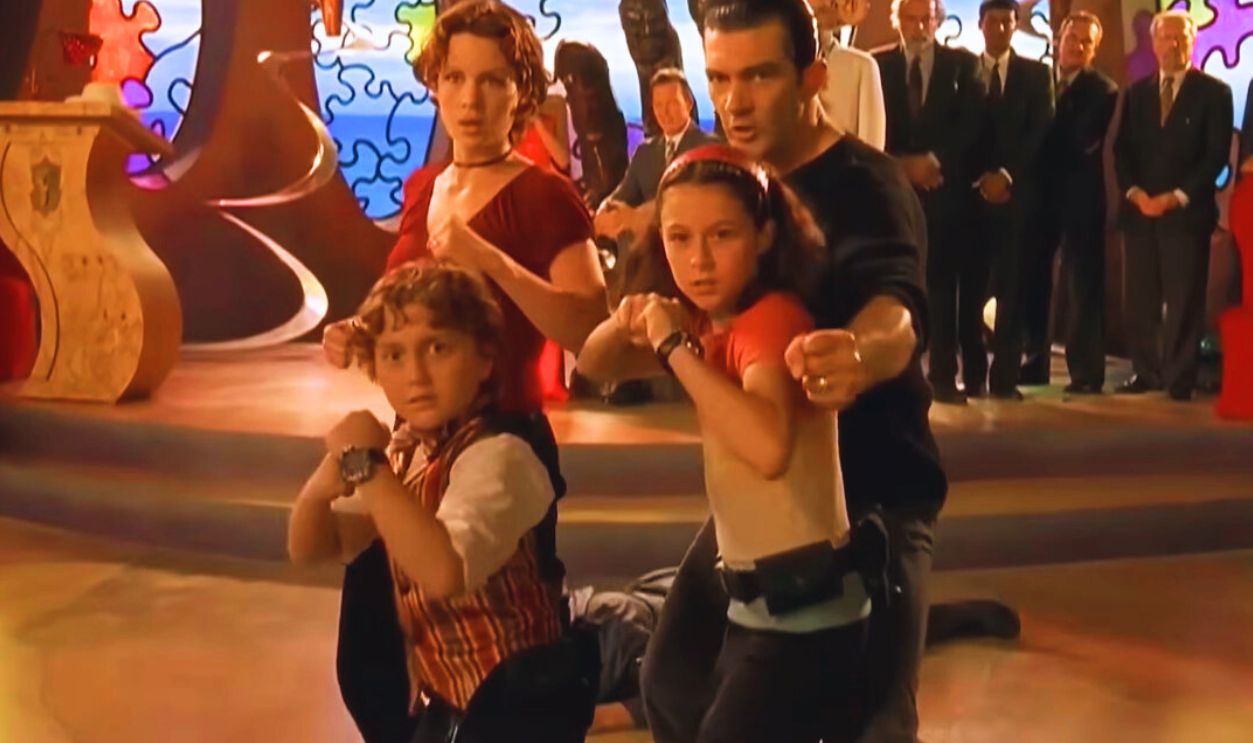 Screenshot from Spy Kids, Miramax Films (2001)
The Triplets Of Belleville (2003)
Sylvain Chomet’s nearly dialogue-free animated film has a visual style that can feel enchanting one moment and deeply unsettling the next. Madame Souza’s grandson Champion is kidnapped during the Tour de France and taken overseas, where gangsters force cyclists to race on stationary bicycles as part of an illicit gambling operation. The exaggerated character designs make everyone look slightly grotesque, while the enormous city of Belleville feels dreamlike and lonely. Add the Triplets’ unusual diet of frogs and the film becomes the sort of surreal childhood experience that’s difficult to describe afterward.
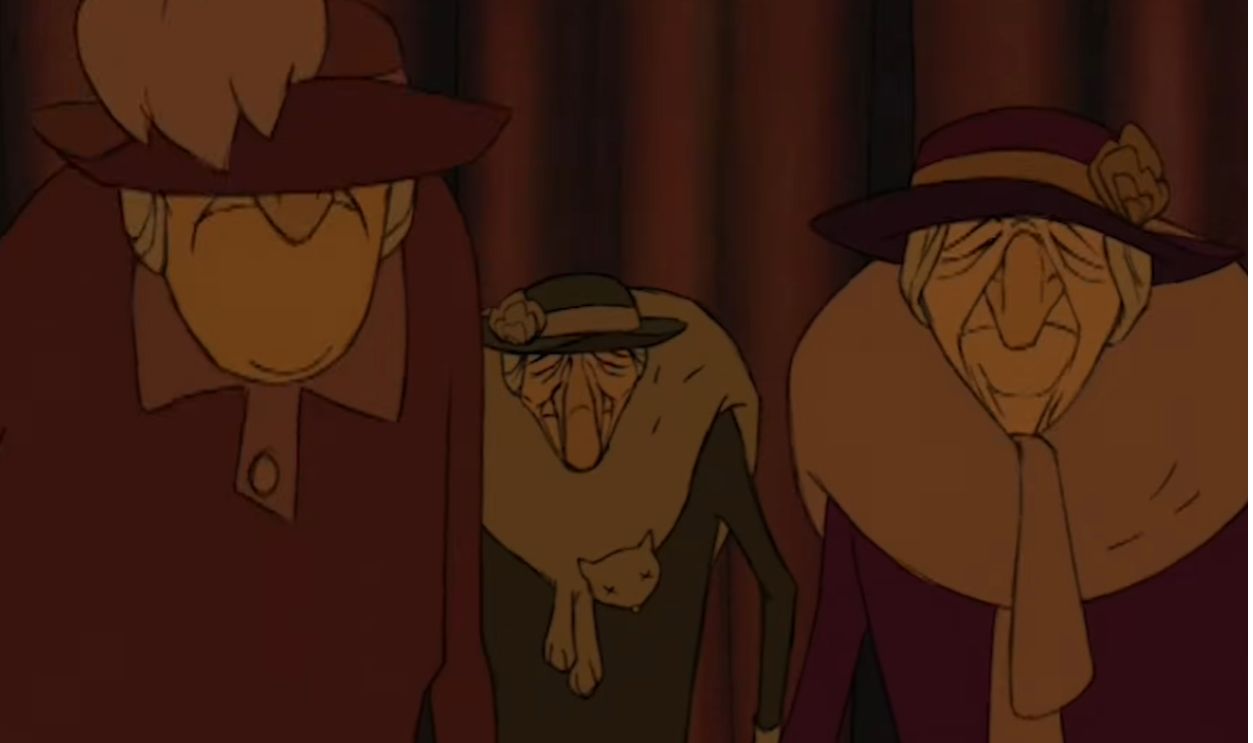 Screenshot from The Triplets of Belleville, Sony Pictures Classics (2003)
Coraline (2009)
Coraline thinks she has discovered a better version of her life when she crawls through a hidden tunnel and finds the Other World. Her Other Mother cooks better meals, pays attention to her, and seems far more fun than her real parents. There’s just the small matter of the buttons. Once the Other Mother asks Coraline to replace her eyes with them, the fantasy rapidly collapses. Ghost children, trapped souls, enormous spiderlike limbs, and the Other Mother’s increasingly skeletal form make this one of the few children’s movies that barely bothers disguising its horror credentials.
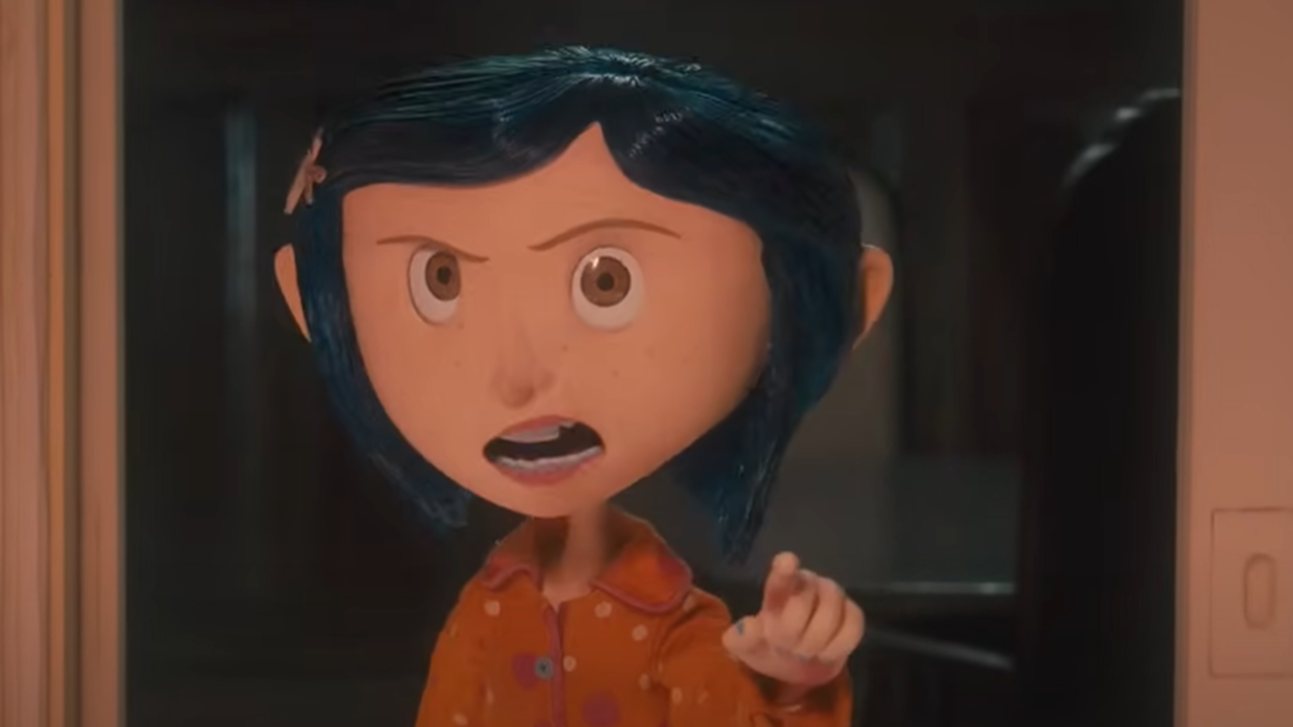 Screenshot from Coraline, Universal Pictures (2009)
You May Also Like:
Childhood Cartoons That Seriously Traumatized Us
90s Cartoons That Still Hit Harder Than Anything Today
The Creepiest Kids In Classic Horror Movies, Ranked From Scary To Absolutely Terrifying