James Whale gave Hollywood some of its most unforgettable nightmares. With Frankenstein (1931), The Invisible Man (1933), and Bride of Frankenstein (1935), the English director transformed horror from simple scares into something stranger, funnier, and surprisingly moving. But the man who brought cinema's most famous monsters to life had endured horrors of his own, and his final years would end in tragedy.
He Came From Humble Beginnings
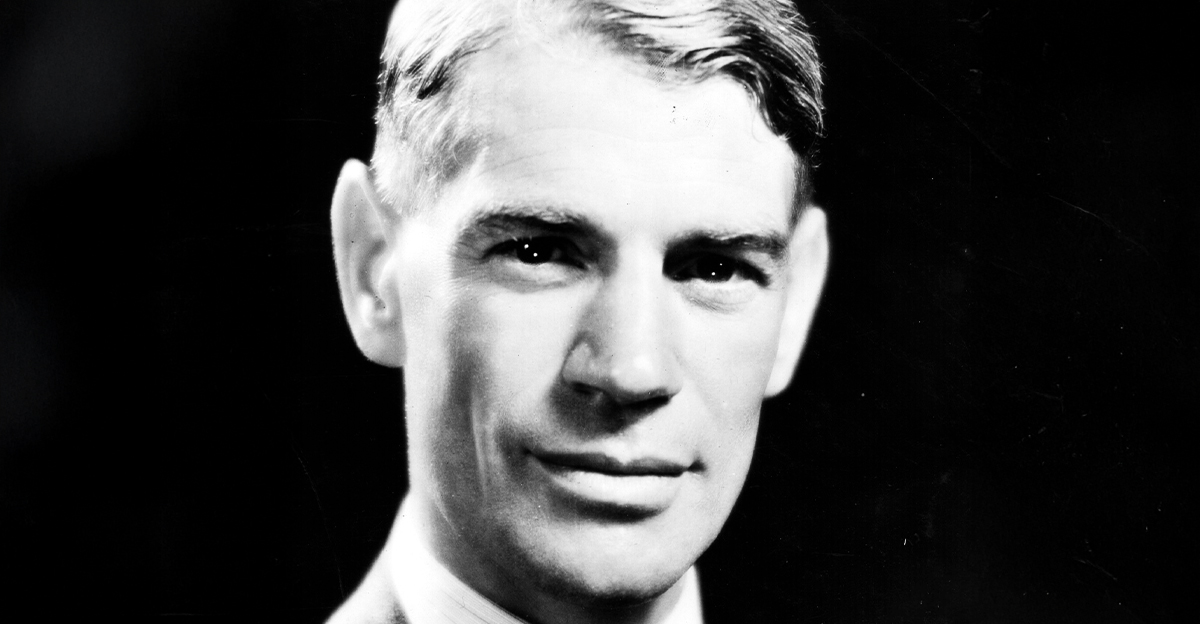
James Whale was born on July 22, 1889, in Dudley, Worcestershire, England, into a large working-class family. His father worked in the iron industry, and money was often tight. Whale showed artistic talent early, but his family's circumstances made formal training difficult. He worked various jobs while developing an interest in drawing, painting, and the theater.
War Changed His Life
During World War I, Whale served in the British Army and was captured by German forces in 1917. While imprisoned, he helped organize theatrical performances to entertain fellow prisoners. The experience revealed his talent for directing and staging productions. After the war, Whale pursued theater professionally, eventually establishing himself as a respected director in London.
Hollywood Came Calling
Whale's breakthrough came with Journey's End, R.C. Sherriff's powerful play about British soldiers during World War I. Whale directed its successful London production in 1928 and subsequently brought it to Broadway. Hollywood noticed, and he directed the film adaptation, Journey's End (1930). Its emotional intensity and sophisticated handling of sound helped establish him as a promising filmmaker.
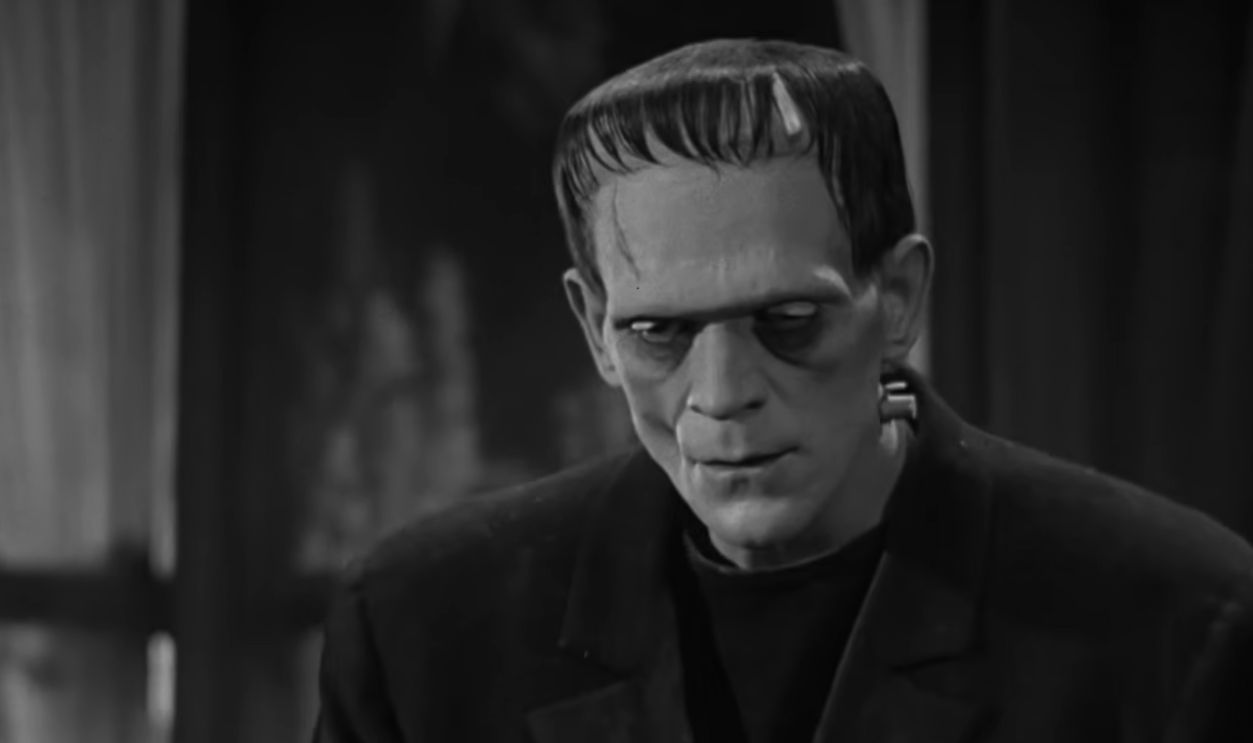 Screenshot from Frankenstein, Universal Pictures (1931)
Frankenstein Made Him Famous
After directing Waterloo Bridge (1931), Whale was offered another Universal project and chose Frankenstein (1931). Starring Colin Clive as the obsessed scientist and Boris Karloff as his tragic creation, the film became a sensation. Whale's dramatic lighting, towering laboratory sets, and unsettling atmosphere helped establish the visual identity of cinematic horror. Karloff's monster became one of Hollywood's most recognizable characters.
He Made Monsters Sympathetic
What distinguished Whale's approach was his willingness to make audiences pity the creatures they feared. Karloff's monster was frightening, but also confused, lonely, and mistreated. Whale understood that horror could be more powerful when the supposed villain possessed recognizable human emotions. This mixture of terror and compassion became one of his most important contributions to the genre.
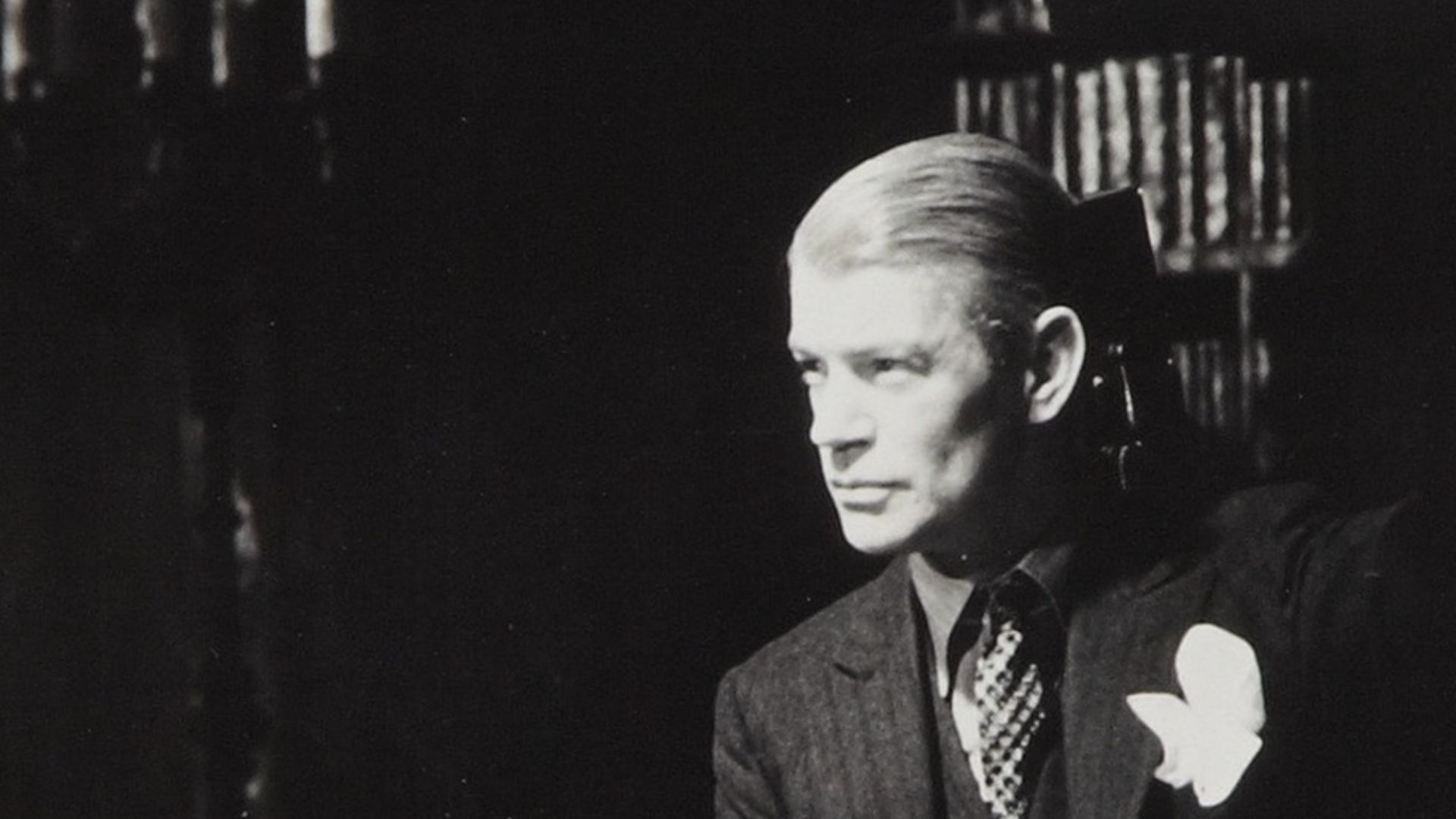 Universal Studios, Wikimedia Commons
His Horror Films Kept Coming
Whale followed Frankenstein with The Old Dark House (1932), featuring Karloff, Charles Laughton, and Gloria Stuart. Then came The Invisible Man (1933), starring Claude Rains and showcasing remarkable special effects. Both films mixed suspense with eccentric characters and dark comedy. Whale was proving that horror didn't need to be relentlessly grim to leave audiences unsettled.
His Greatest Sequel Arrived
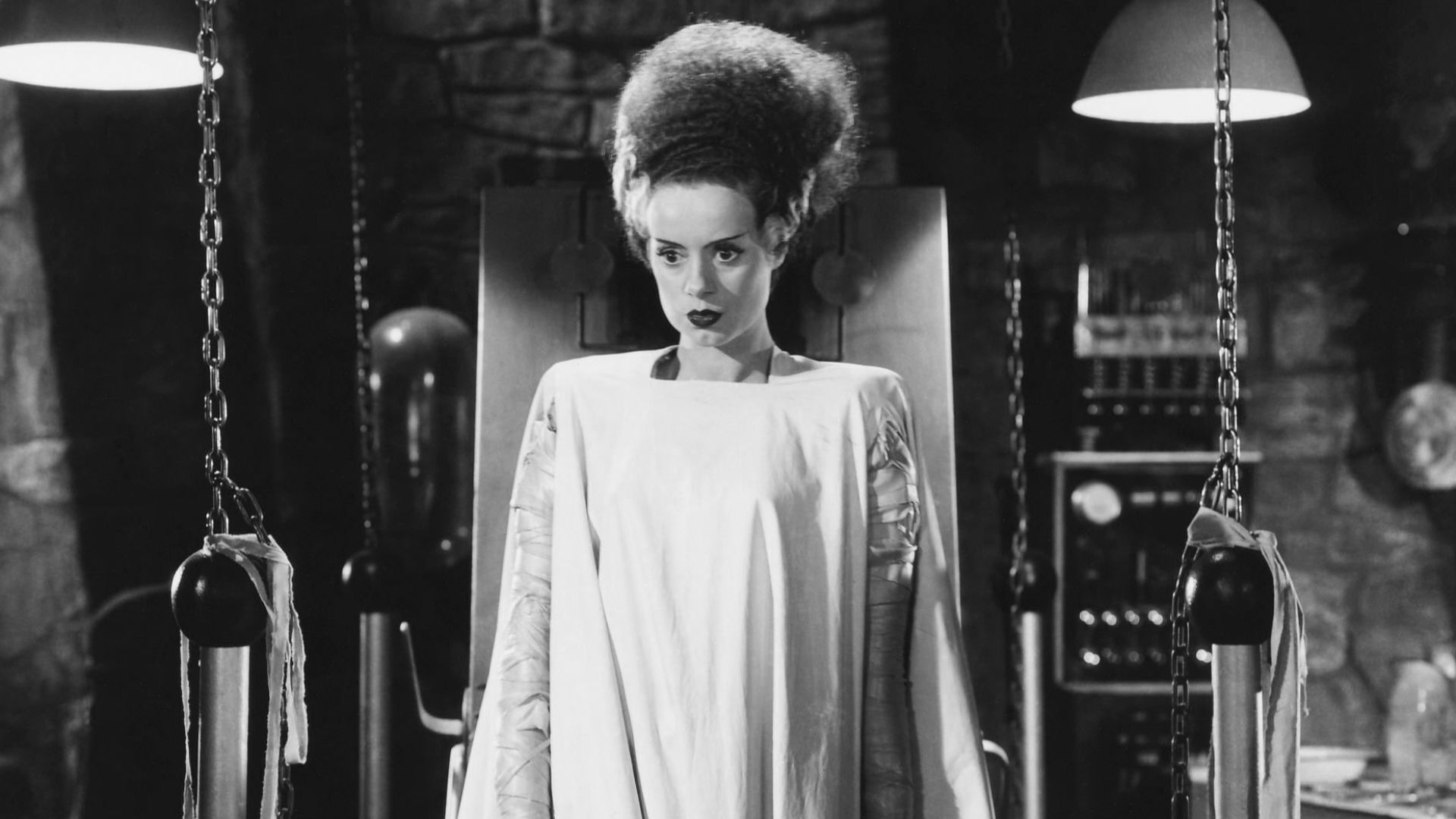
With Bride of Frankenstein (1935), Whale reunited Karloff and Clive while introducing Elsa Lanchester as the Bride. The film combined elaborate Gothic imagery, grotesque humor, and unexpected tenderness. Its unforgettable ending reinforced the monster's desperate desire for companionship. Many critics consider it superior to the original, and its influence can still be seen in horror films nearly a century later.
He Lived Openly In Hollywood
Whale was unusually open about being gay during an era when that carried serious social and professional risks. He maintained a long relationship with film producer David Lewis, and the couple moved within Hollywood's social circles. Scholars have interpreted the outsiders and rejected creatures in Whale's films through the lens of his sexuality, although these readings remain interpretations rather than confirmed explanations of every artistic choice.
His Career Began Unraveling
Whale demonstrated his versatility with the acclaimed musical Show Boat (1936), starring Irene Dunne, Paul Robeson, and Helen Morgan. But his fortunes changed with The Road Back (1937), an antiwar drama subjected to substantial studio alterations amid political pressure. Frustrated by interference and diminishing opportunities, Whale left Universal. After several less successful films, his Hollywood directing career effectively ended in 1941.
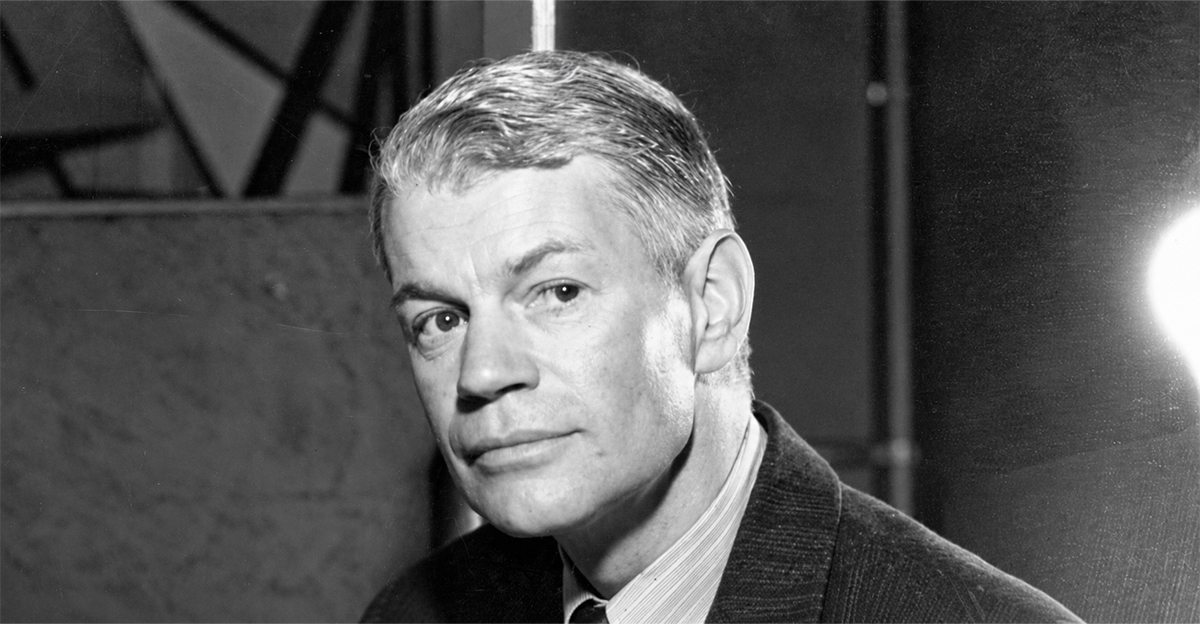 John Kisch Archive/Getty Images
His Final Years Turned Dark
Financially secure, Whale devoted much of his retirement to painting, travel, and entertaining friends. However, his health deteriorated dramatically after he suffered strokes in 1956. Depression, physical pain, and declining independence increasingly troubled him. On May 29, 1957, Whale was found drowned in the swimming pool of his Pacific Palisades home. He was 67. Although initially ruled accidental, it was later confirmed that he had taken his own life after a previously concealed note came to light.
His Monsters Never Disappeared
Whale's legacy outlived him by generations. His influence can be found in everything from Gothic horror to films that portray monsters as misunderstood outsiders. His life also inspired Gods and Monsters (1998), starring Ian McKellen as Whale and Brendan Fraser as his fictional gardener. Yet his greatest achievement remains his original films. He didn't invent cinematic horror, but he helped give it a recognizable face, a distinctive personality, and, most importantly, a human heart.
You May Also Like:
Horrifying Facts About Elsa Lanchester, Cinema’s Bride Of Frankenstein