When Thrillers Were Meaner, Stranger, And Far Less Reassuring
The best 1970s thrillers rarely cared whether audiences left feeling comfortable. Heroes failed, institutions lied, endings stayed ugly, and even the victories came with bruises. Whether the threat was political corruption, a hijacked subway, a shark, or one very bad trip into the wilderness, these movies knew exactly how to tighten the screws.
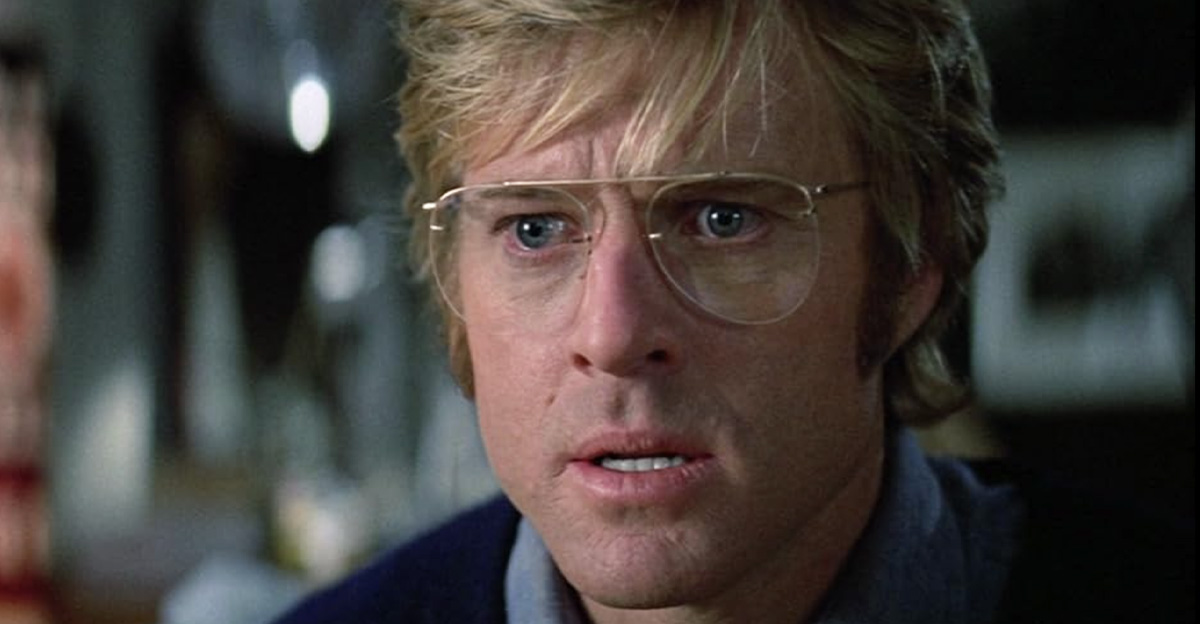
 Screenshot from Three Days of the Condor, Paramount Pictures (1975)
Three Days Of The Condor (1975)
Robert Redford plays Joe Turner, a CIA researcher whose office is massacred while he happens to be out getting lunch. Suddenly, a man who spends his days reading books for intelligence clues has to figure out why his own agency may want him dead. Sydney Pollack turns that simple setup into a chilly conspiracy thriller where almost nobody seems trustworthy, including the people supposedly protecting the country.
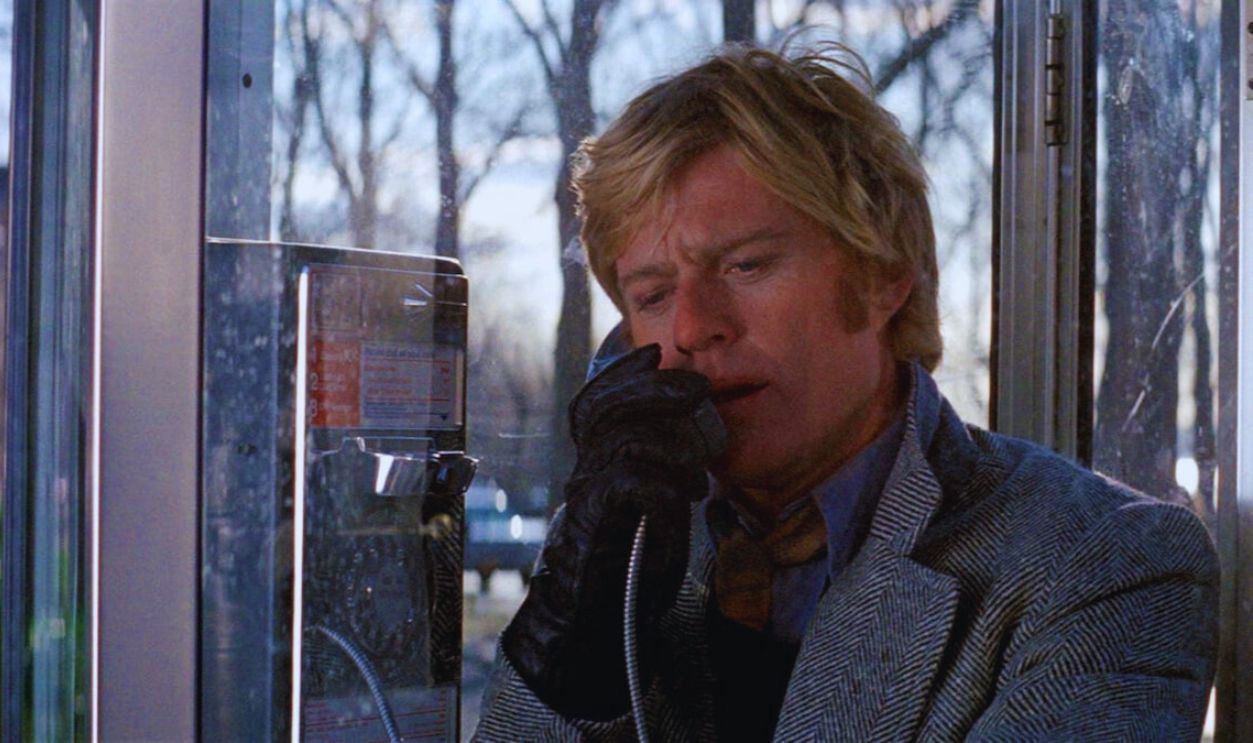 Screenshot from Three Days of the Condor, Paramount Pictures (1975)
The Day Of The Jackal (1973)
Fred Zinnemann builds suspense out of procedure in The Day of the Jackal. Edward Fox plays an almost emotionless assassin hired to kill French president Charles de Gaulle, while investigator Claude Lebel slowly tries to identify and stop him. The movie spends serious time on forged documents, disguises, surveillance, and weapons preparation, yet somehow every tiny logistical detail makes the tension tighter.
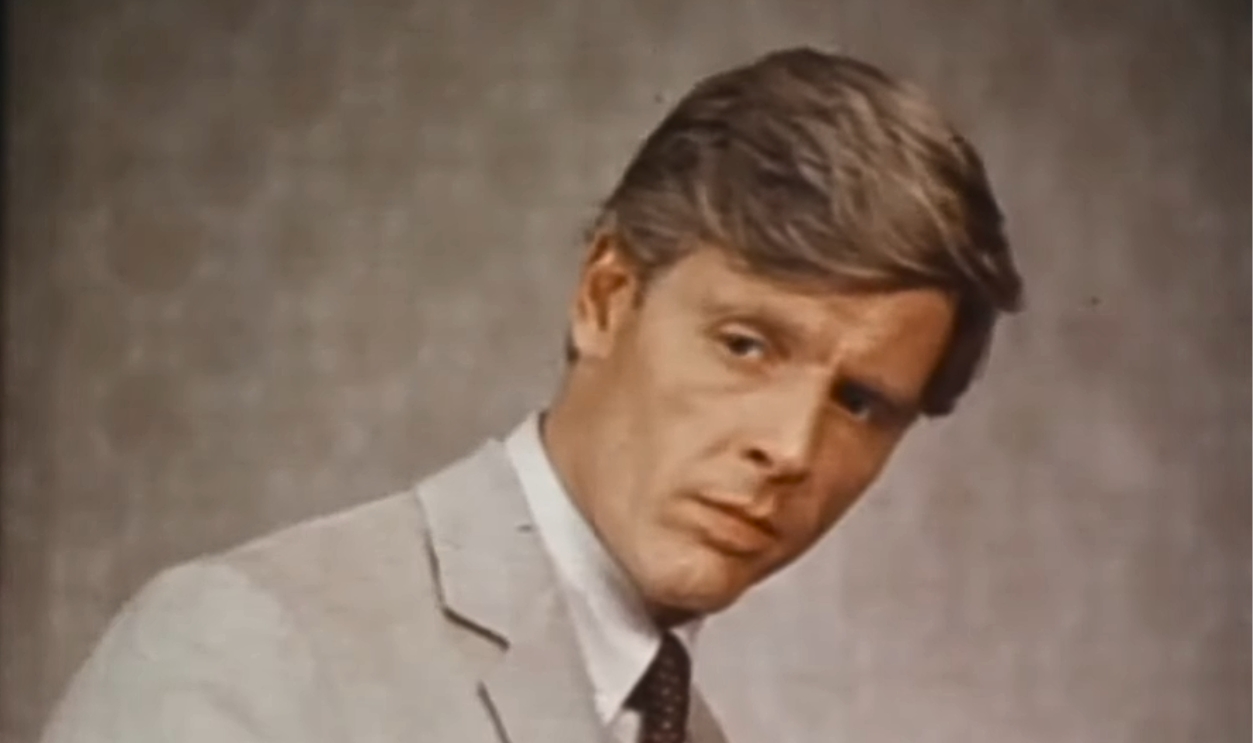 Screenshot from The Day of the Jackal, Universal Pictures (1973)
The Parallax View (1974)
Warren Beatty plays a journalist who becomes convinced that a supposedly lone political assassination is connected to something much larger. His investigation leads toward the mysterious Parallax Corporation, which appears to have a very disturbing interest in recruiting unstable people. Alan J Pakula makes conspiracy feel enormous and impersonal, with characters swallowed by giant buildings, empty spaces, and institutions they cannot begin to control.
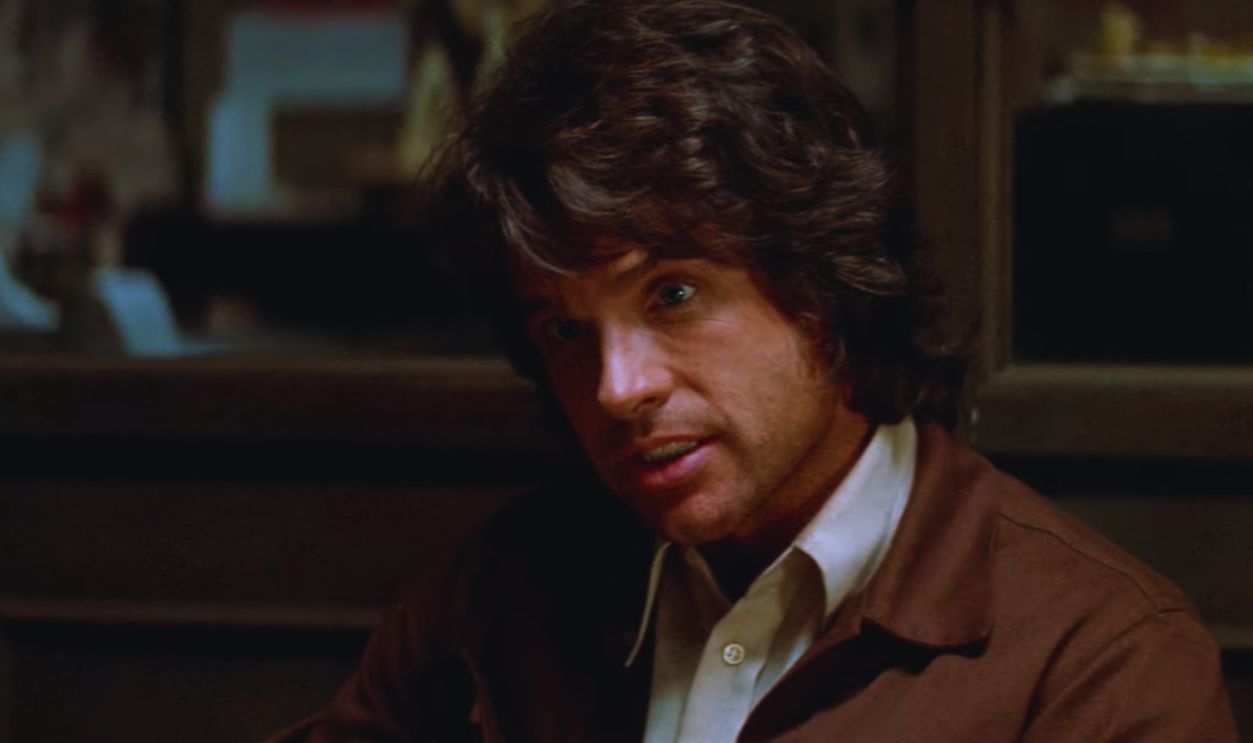 Screenshot from The Parallax View, Paramount Pictures (1974)
The Killing Of A Chinese Bookie (1976)
John Cassavetes takes film noir and makes it uncomfortable, sweaty, and deeply personal. Ben Gazzara plays nightclub owner Cosmo Vitelli, whose gambling debts leave him owing dangerous people far more than he can repay. Their solution is simple: murder someone for them. The crime plot matters, but Cassavetes is even more interested in watching Cosmo desperately preserve the image of himself he has built.
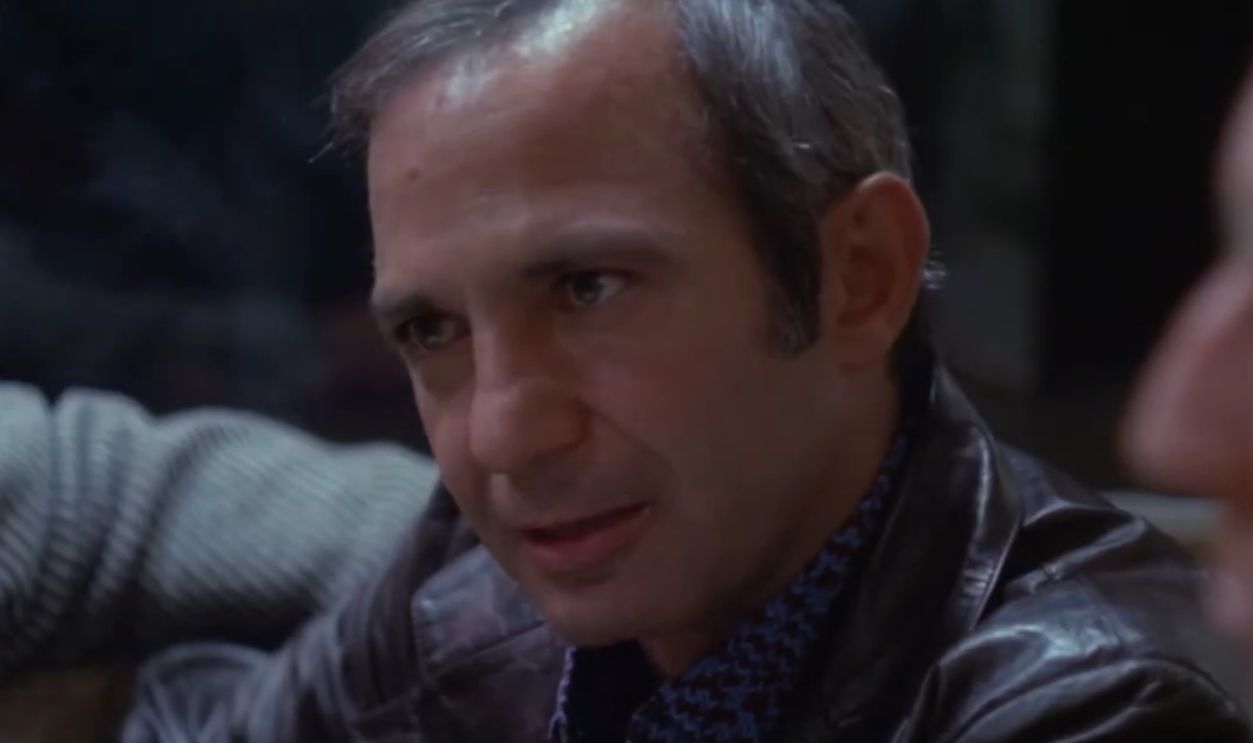 Screenshot from The Killing Of A Chinese Bookie, Faces Distribution (1976)
The Driver (1978)
Walter Hill strips the crime movie down until almost nothing remains except attitude, cars, and professional obsession. Ryan O’Neal plays a getaway driver known simply as the Driver, while Bruce Dern plays the detective determined to trap him. The characters barely need names because the whole movie operates like a modern urban Western, built around skill, pursuit, and two men refusing to back down.
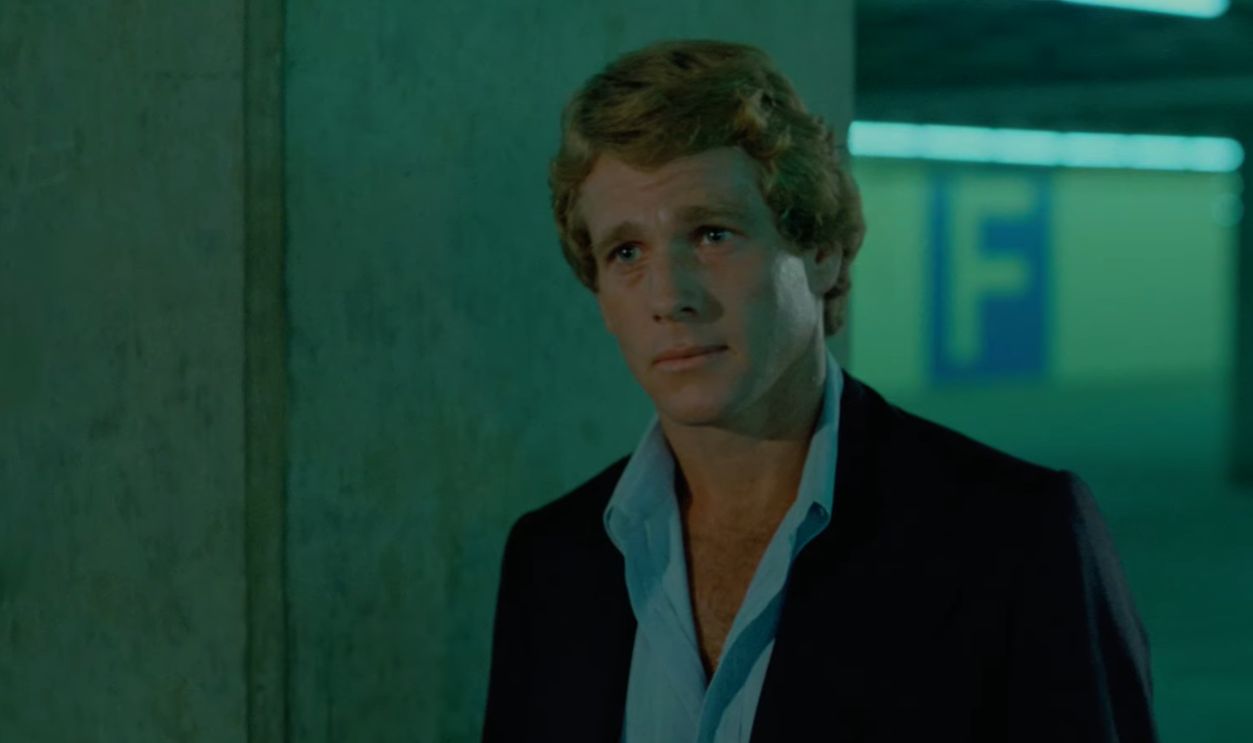 Screenshot from The Driver, 20th Century Fox (1978)
Deliverance (1972)
Four Atlanta men head into rural Georgia for what should be an adventurous canoe trip before a river valley is flooded by a dam. What follows is one of the decade’s most disturbing survival stories. John Boorman moves from beautiful wilderness photography into violence, panic, and moral compromise without much warning, while Jon Voight and Burt Reynolds play men discovering that civilization can disappear frighteningly fast.
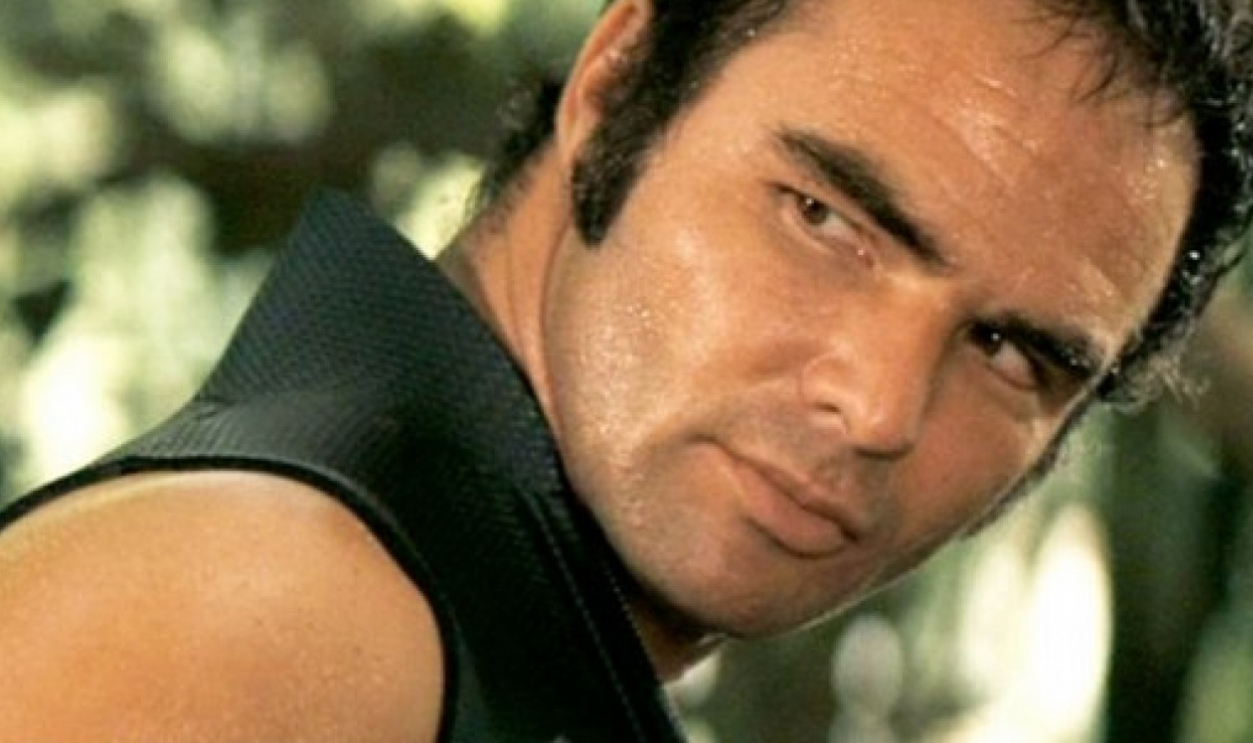 Screenshot from Deliverance, Warner Bros. Pictures (1972)
Investigation Of A Citizen Above Suspicion (1970)
Elio Petri’s Italian thriller starts with an incredible premise: a senior police inspector murders his mistress, then deliberately leaves evidence everywhere to see whether anyone will dare accuse him. Gian Maria Volonté plays the inspector with swaggering arrogance, turning the movie into both a murder story and vicious political satire. The real suspense comes from watching an entire system bend around someone powerful enough to abuse it.
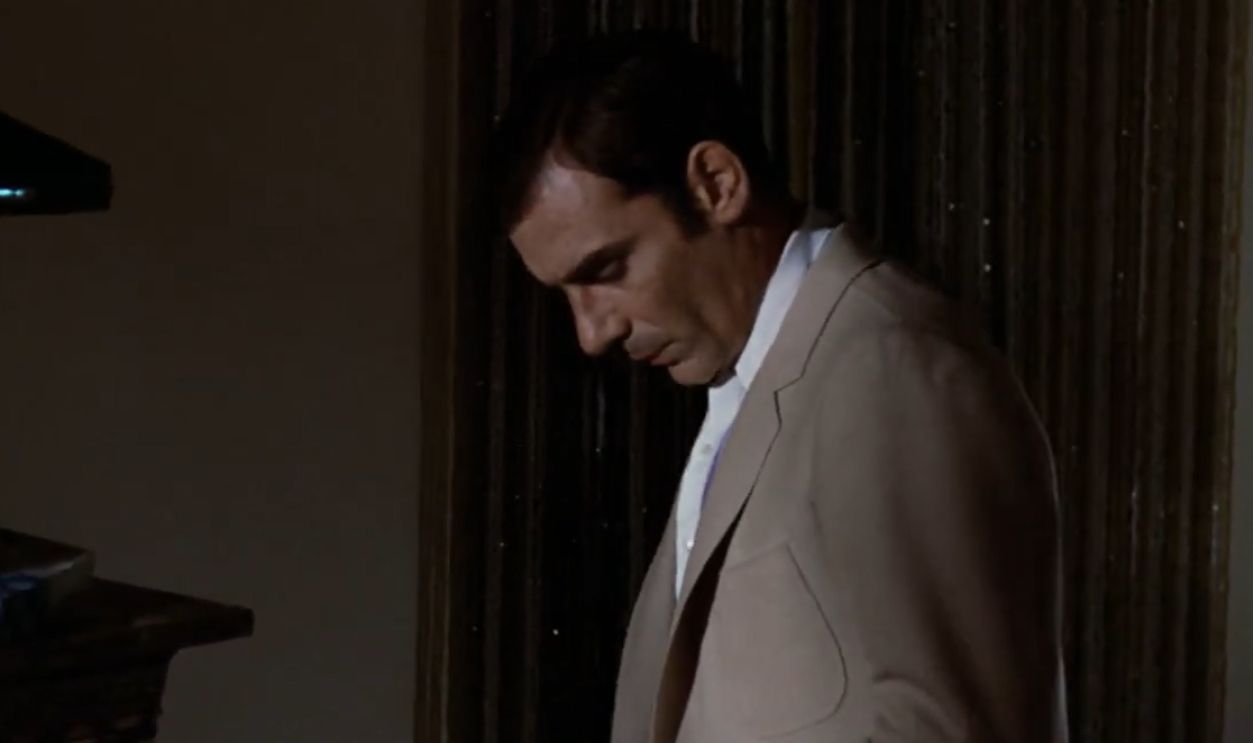 Screenshot from Investigation Of A Citizen Above Suspicion, Euro International Films (1970)
Wake In Fright (1971)
A schoolteacher headed home for Christmas gets stuck overnight in a remote Australian mining town and makes the mistake of joining the locals for a drink. Then another. Then gambling. Then much worse. Ted Kotcheff turns hospitality into something almost predatory as the teacher’s money, dignity, and sense of self disappear. The infamous kangaroo-hunting sequence only adds to the film’s brutal, feverish atmosphere.
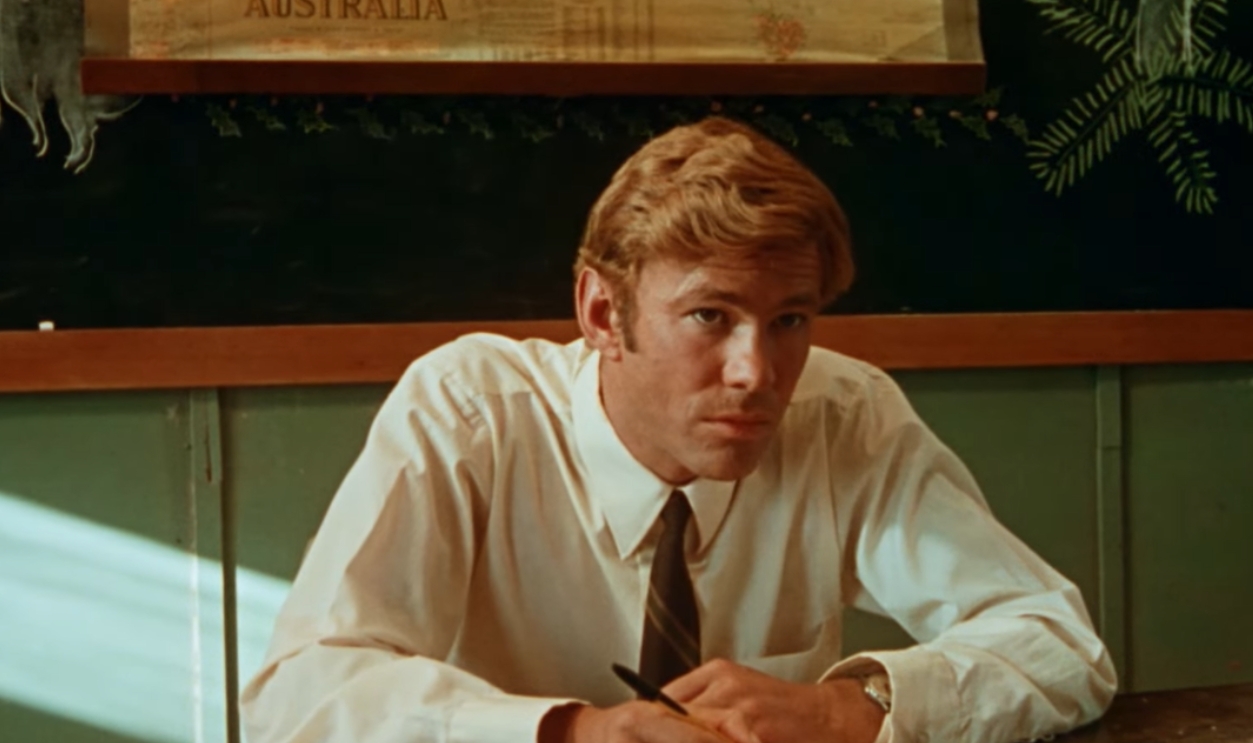 Screenshot from Wake in Fright, Madman Entertainment (1971)
Night Moves (1975)
Gene Hackman plays Harry Moseby, a private investigator hired to find the runaway daughter of a former actress. What sounds like a straightforward missing-person case gradually becomes a maze of broken relationships, crime, and secrets Harry cannot fully understand. Arthur Penn deliberately frustrates the usual detective formula, giving viewers a smart investigator who keeps finding pieces without ever gaining the control he thinks the job should give him.
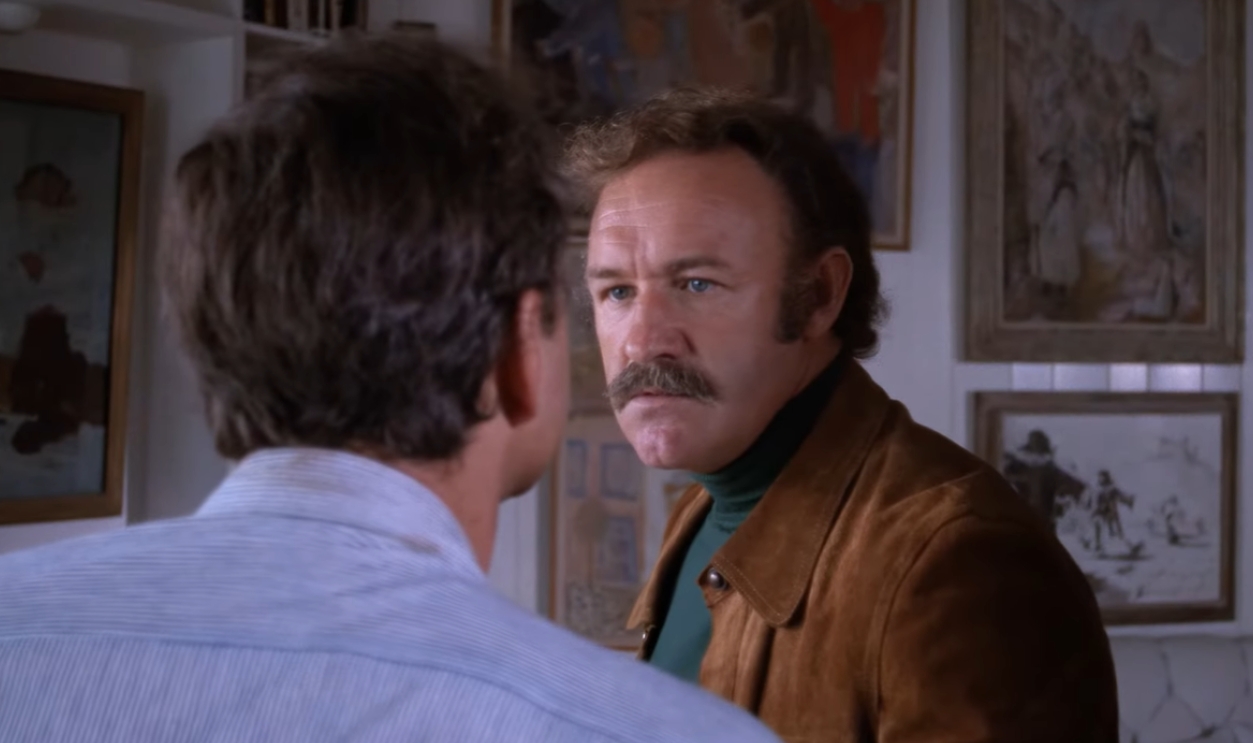 Screenshot from Night Moves, Warner Bros. Pictures (1975)
Assault On Precinct 13 (1976)
Years before Halloween, John Carpenter made this brutally efficient siege thriller about cops, prisoners, and civilians trapped inside a nearly abandoned Los Angeles police station. Outside, a heavily armed street gang closes in. Carpenter borrows the basic setup of a Western and places it in an urban nightmare, using sparse dialogue, sudden violence, and his own pulsing electronic score to make the station feel increasingly isolated.
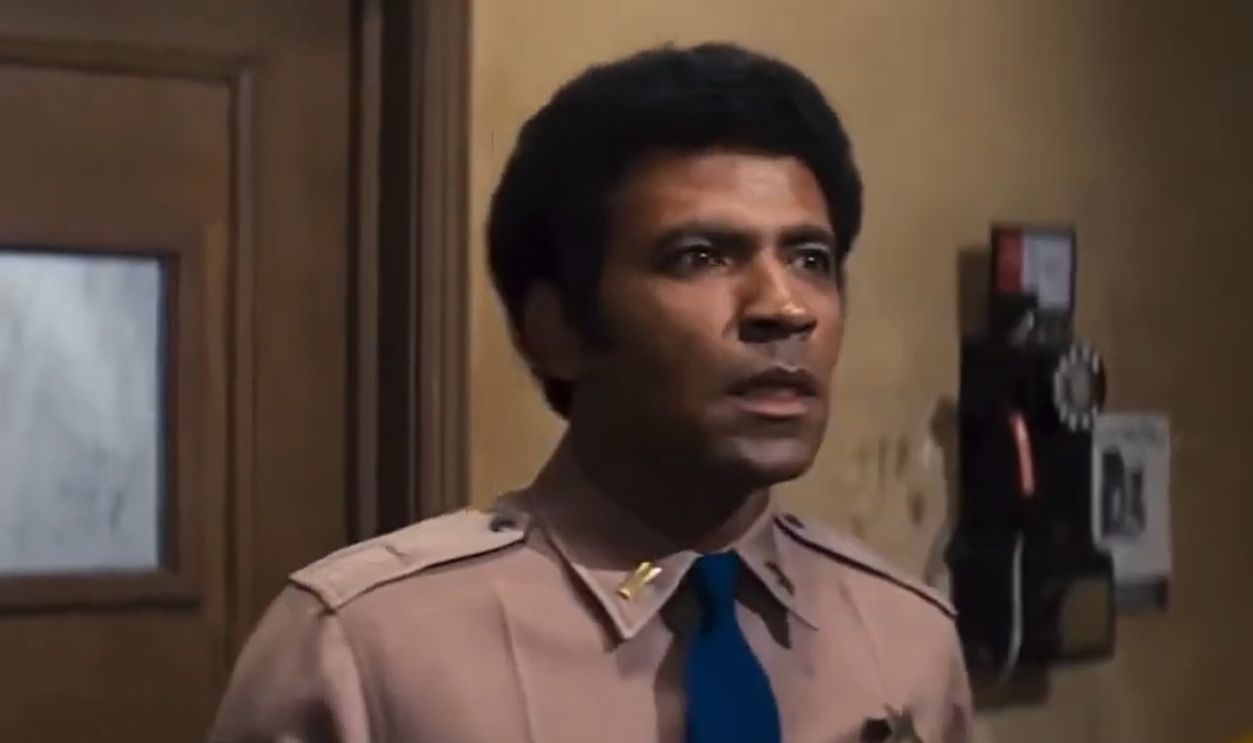 Screenshot from Assault On Precinct 13, Turtle Releasing (1976)
All The President’s Men (1976)
Robert Redford and Dustin Hoffman play Washington Post reporters Bob Woodward and Carl Bernstein as they slowly uncover the Watergate scandal. Alan J Pakula makes phone calls, notebooks, parking garages, and tiny factual discrepancies as suspenseful as gunfights. The movie’s power comes from how difficult the investigation feels. Every important fact has to be chased, confirmed, challenged, and connected before the larger shape of the conspiracy becomes visible.
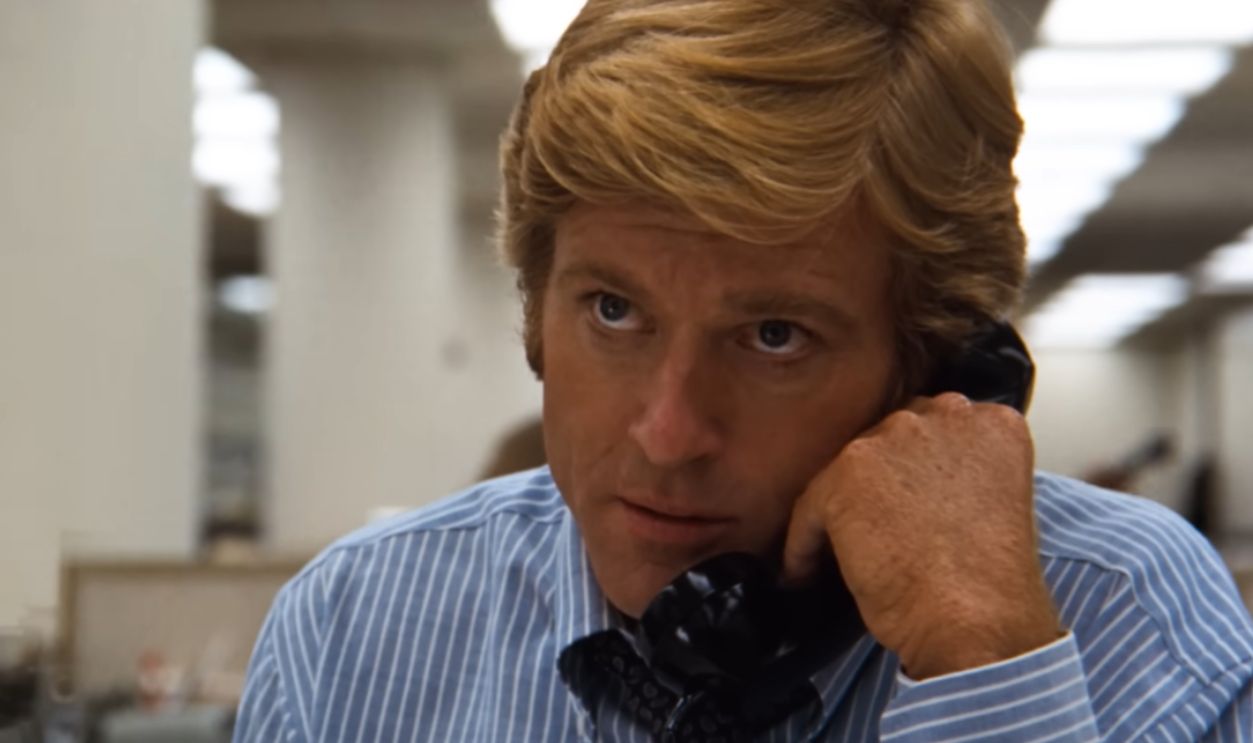 Screenshot from All The President’s Men, Warner Bros. Discovery (1976)
The Taking Of Pelham One Two Three (1974)
Four men hijack a New York subway train, hold the passengers hostage, and demand $1 million within an hour. Walter Matthau’s exhausted transit cop has to determine how they plan to escape from a train trapped underground. Robert Shaw makes the leader chillingly professional, while the movie fills the control rooms and city offices with irritated New Yorkers who keep working even while everything is falling apart.
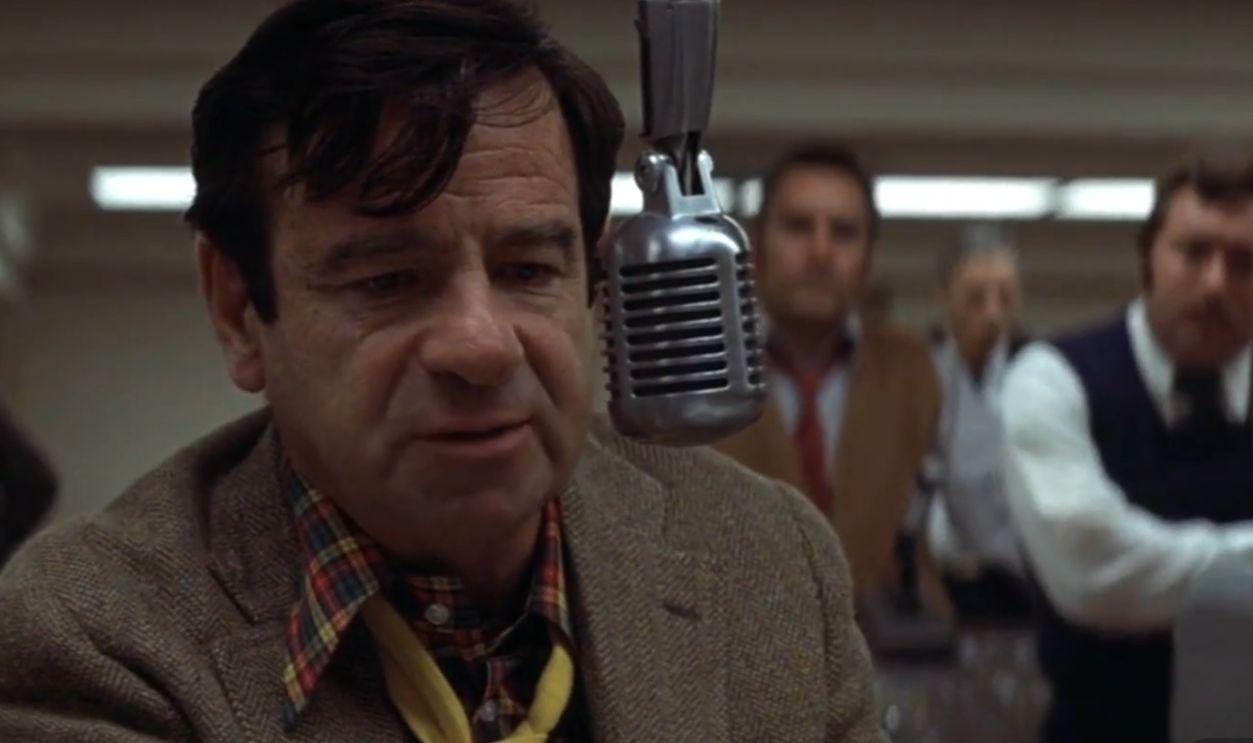 Screenshot from The Taking of Pelham One Two Three, United Artists (1974)
The French Connection (1971)
William Friedkin made New York look freezing, dirty, dangerous, and completely real in The French Connection. Gene Hackman’s Popeye Doyle is relentless in pursuing a major shipment of illicit substances, but he is also reckless and frequently unpleasant. Then there is the legendary sequence where Doyle races beneath an elevated train, one of cinema’s great chases because it feels less choreographed than barely controlled.
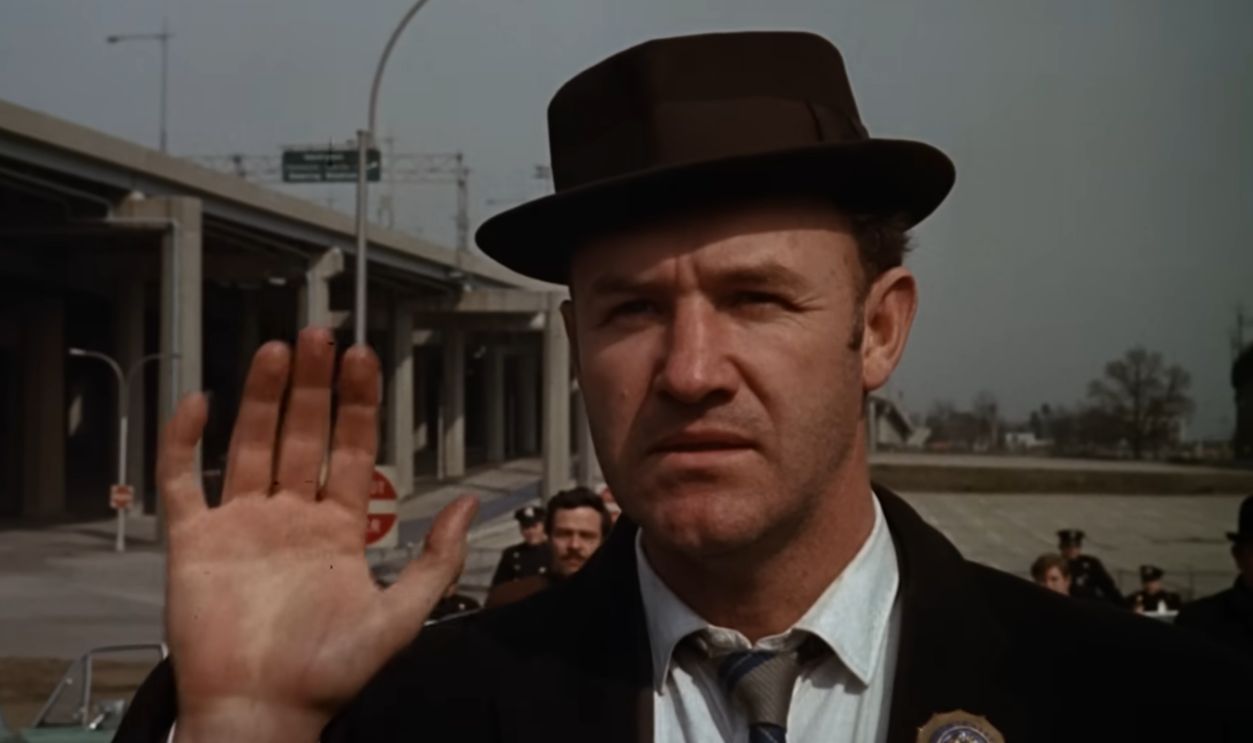 Screenshot from The French Connection, 20th Century Fox (1971)
Bring Me The Head Of Alfredo Garcia (1974)
The title is not metaphorical. Warren Oates plays Bennie, a down-on-his-luck American bartender in Mexico who discovers there is a bounty on Alfredo Garcia and decides to collect it. Sam Peckinpah turns the search into a grimy road movie filled with alcohol, death, flies, and increasingly desperate violence. Bennie eventually starts talking to the severed head he is carrying around, which tells you where this journey is headed.
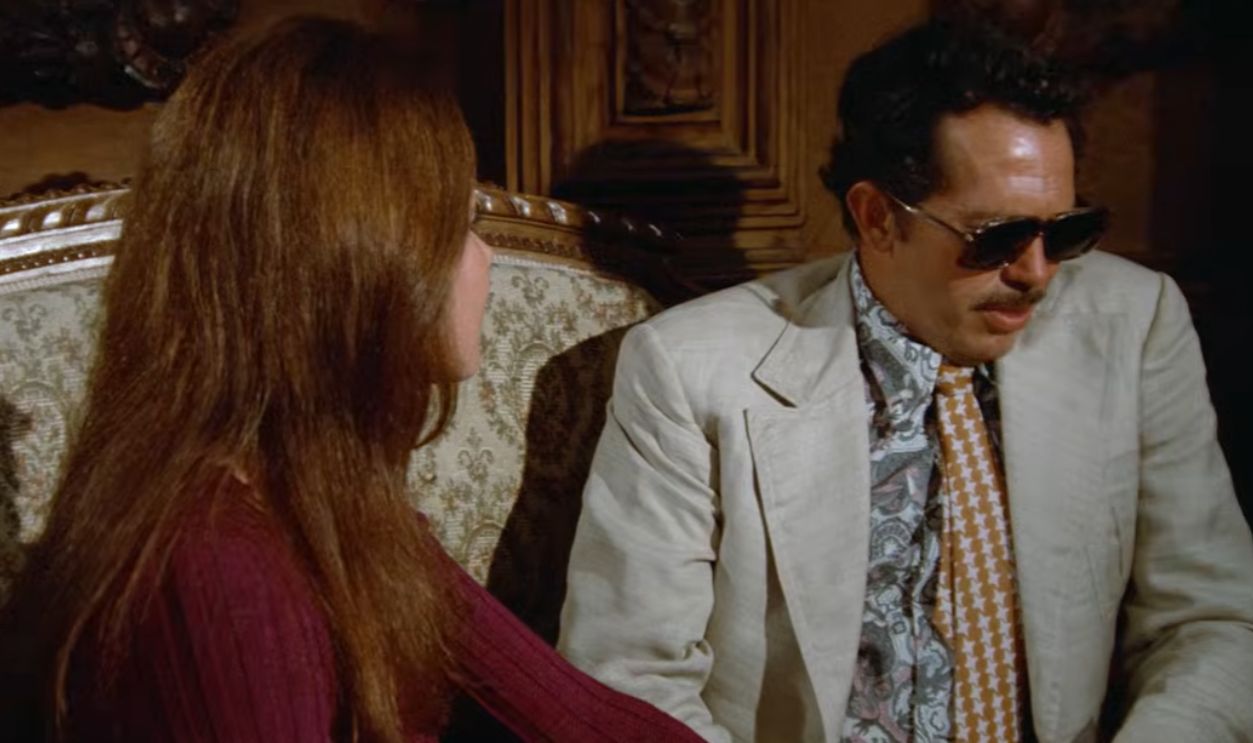 Screenshot from Bring Me The Head Of Alfredo Garcia, United Artists (1974)
Le Cercle Rouge (1970)
Jean-Pierre Melville’s French crime masterpiece brings together a newly released prisoner, an escaped suspect, and an alcoholic former police sharpshooter for an elaborate jewelry heist. Alain Delon barely needs to speak to dominate the film. The centerpiece is an extraordinarily long, nearly wordless robbery sequence where planning, silence, and tiny movements create more tension than most action movies manage with explosions.
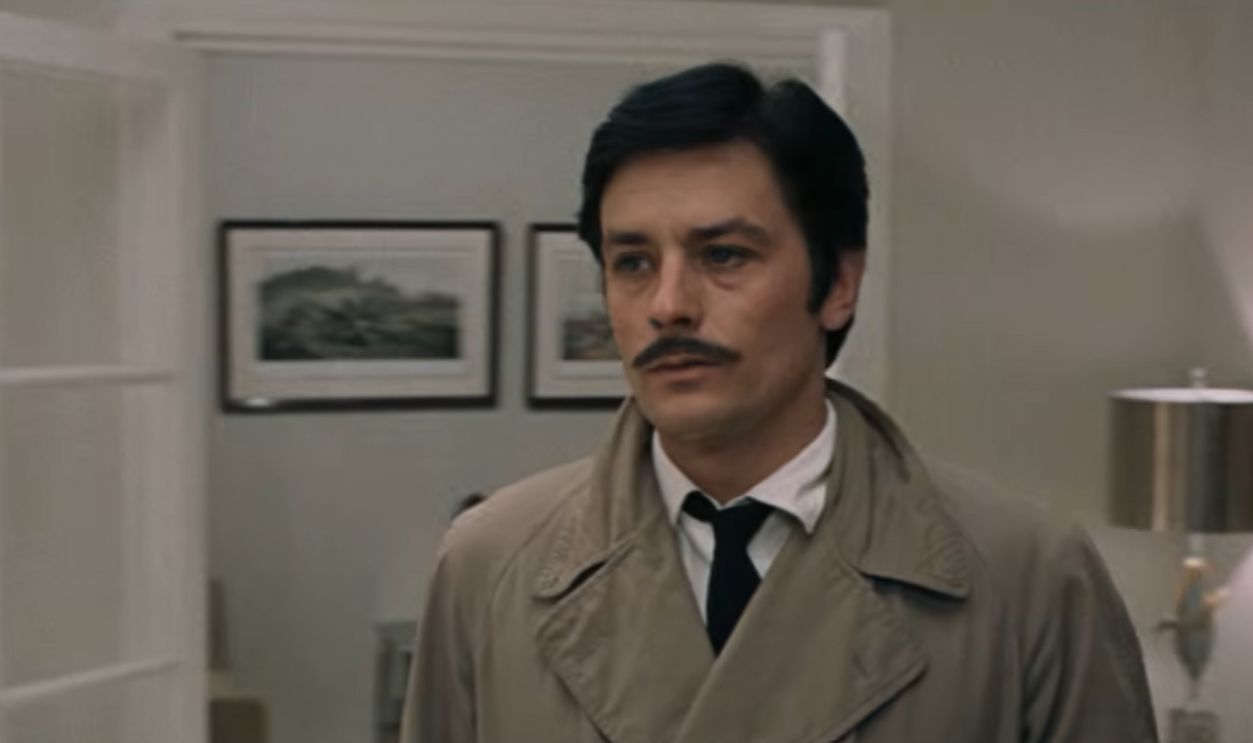 Screenshot from Le Cercle Rouge, Rialto Pictures (1970)
The Long Goodbye (1973)
Robert Altman drags Raymond Chandler’s private eye Philip Marlowe into 1970s Los Angeles and lets him look completely out of place. Elliott Gould plays Marlowe as a rumpled, muttering detective still following an old code nobody else seems interested in. What begins with a favor for a friend leads into murder, betrayal, and a mystery where Marlowe’s loyalty may be his biggest weakness.
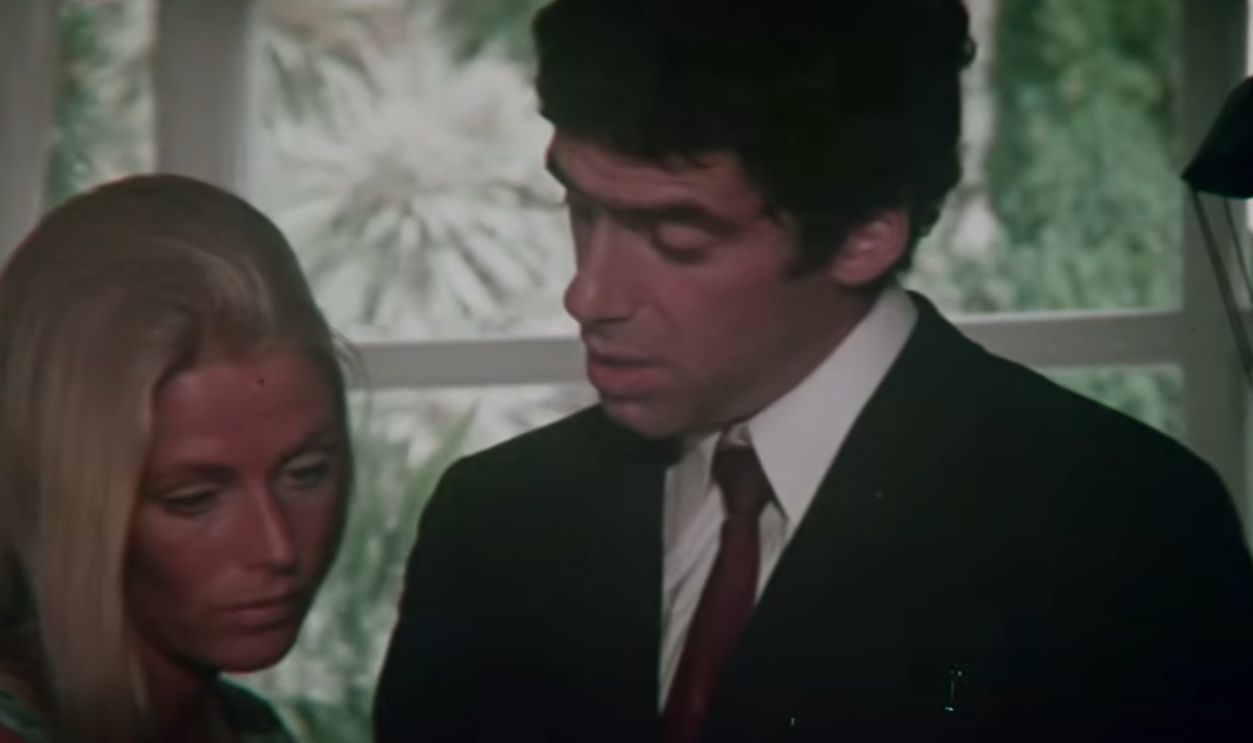 Screenshot from The Long Goodbye, United Artists (1973)
Sorcerer (1977)
Four desperate men hiding in South America agree to drive trucks loaded with unstable explosives across miles of jungle terrain. William Friedkin treats every pothole, rotten bridge, and rainstorm like a potential death sentence. The famous rope-bridge sequence is almost unbearable, but the entire movie runs on the same idea: these men are transporting cargo that could detonate from one wrong jolt, and there is no safer option.
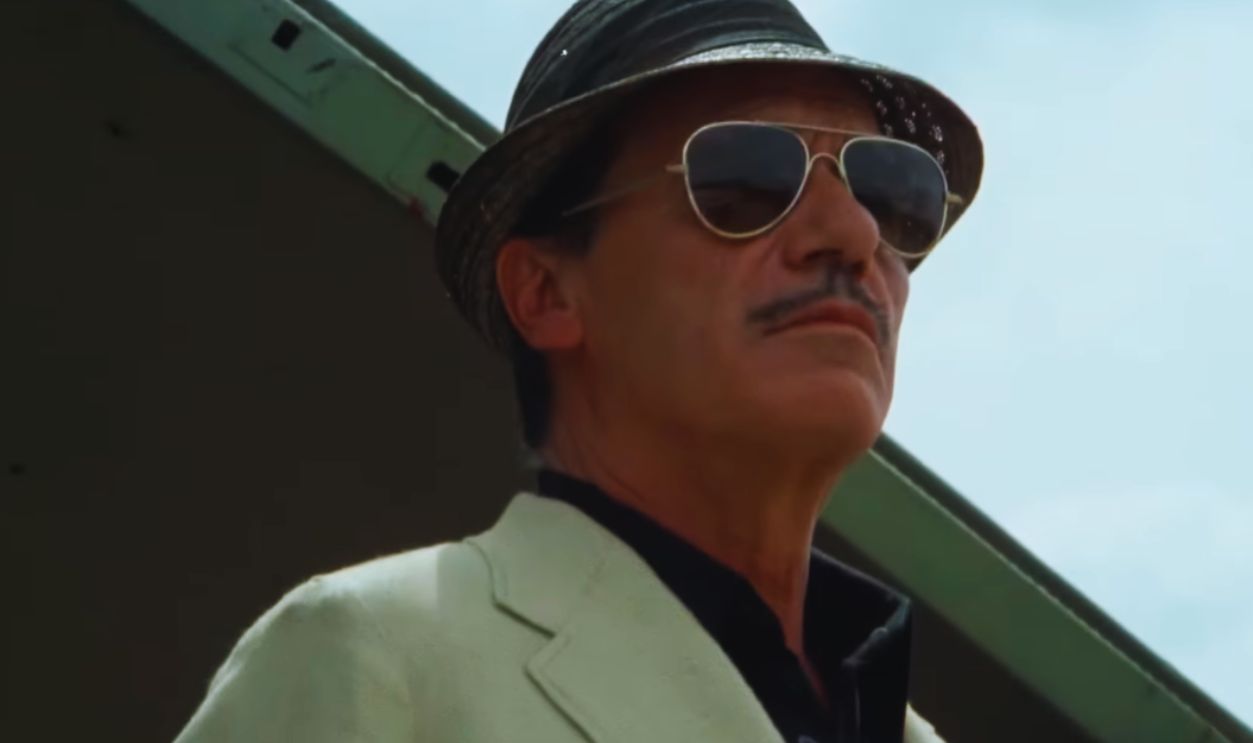 Screenshot from Sorcerer, Universal Pictures (1977)
The Conversation (1974)
Gene Hackman gives one of his finest performances as Harry Caul, a surveillance expert who prides himself on never caring why clients want people recorded. Then he becomes convinced his latest job may lead to a murder. Francis Ford Coppola traps Harry inside his own paranoia, replaying fragments of recorded dialogue until their meaning seems to change. The man who listens to everyone eventually cannot trust anything he hears.
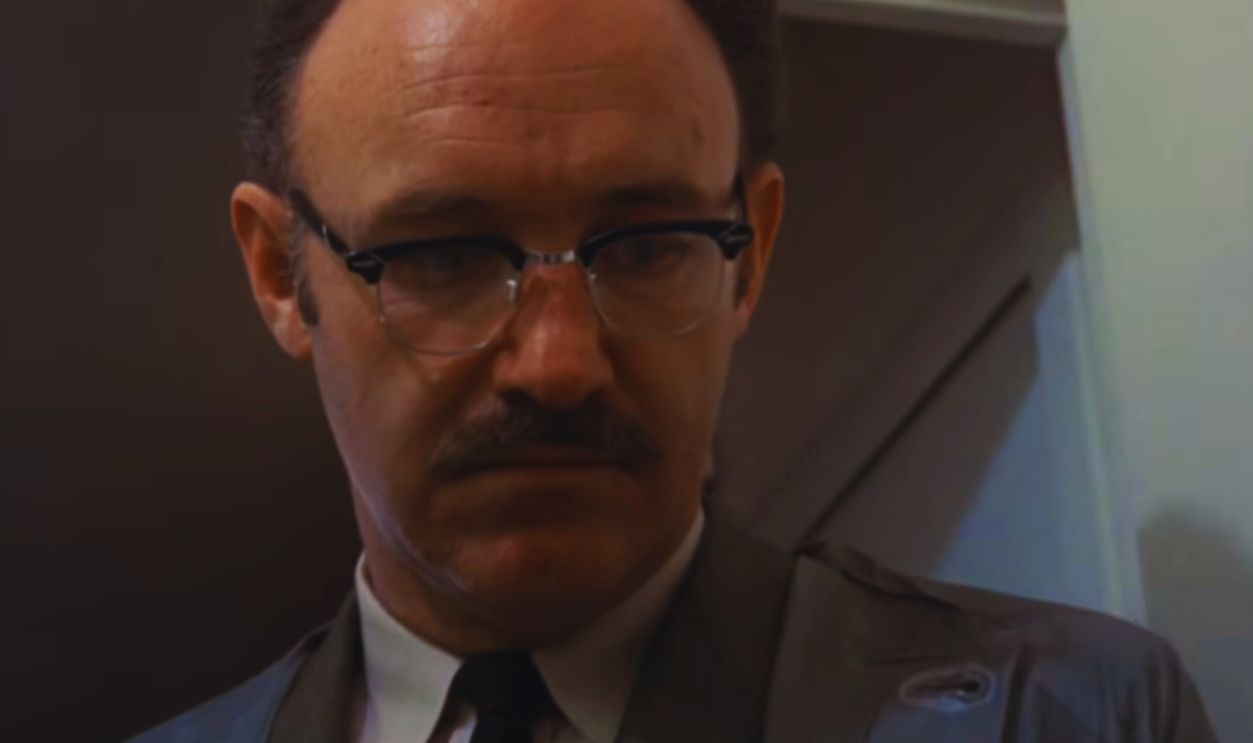 Screenshot from The Conversation, Paramount Pictures (1974)
Dog Day Afternoon (1975)
A simple Brooklyn bank robbery falls apart almost immediately, leaving Sonny Wortzik and his nervous accomplice trapped inside with hostages while police and television crews gather outside. Al Pacino makes Sonny frantic, funny, angry, sympathetic, and completely overwhelmed. Sidney Lumet draws tension from the messiness of the situation, especially as the robbery turns into a public spectacle and Sonny unexpectedly becomes a celebrity to the crowd.
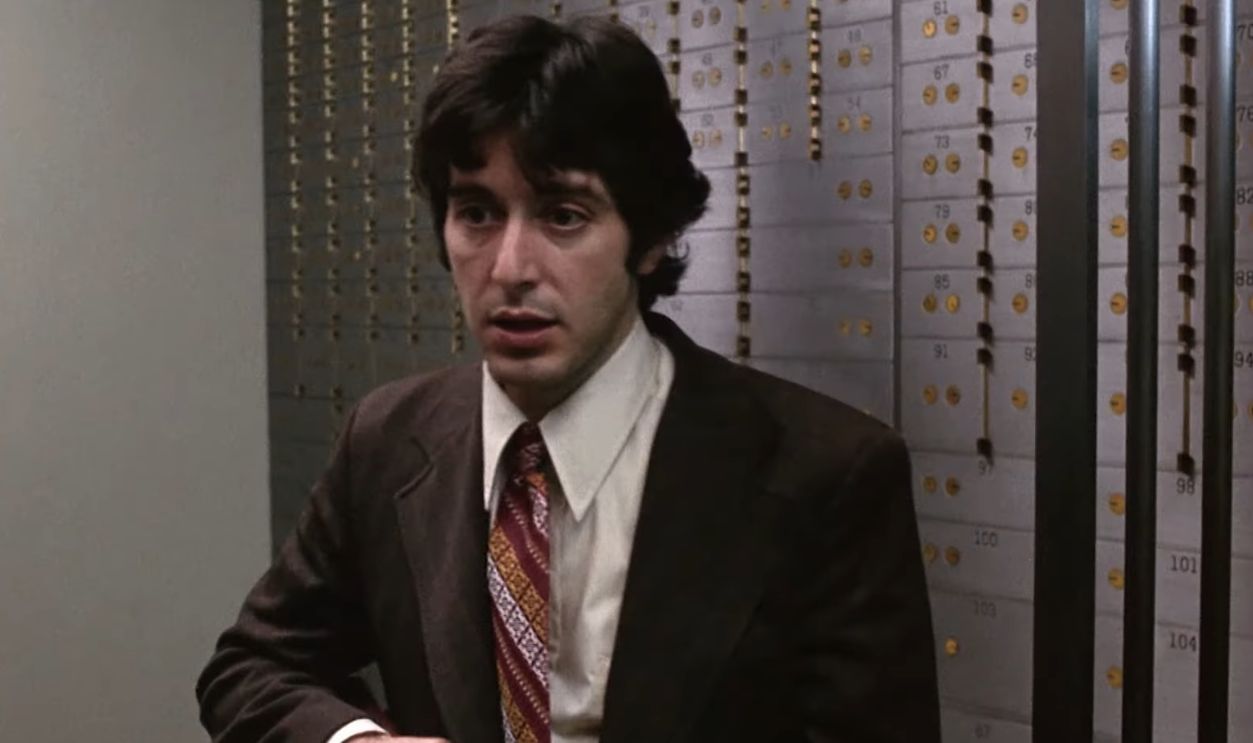 Screenshot from Dog Day Afternoon, Warner Bros. (1975)
Chinatown (1974)
Jack Nicholson’s private detective Jake Gittes thinks he has been hired to investigate adultery. Instead, he wanders into murder, political corruption, stolen water, old money, and secrets far darker than he expects. Robert Towne’s screenplay keeps widening the mystery until Jake realizes how little power he actually has. John Huston’s Noah Cross remains terrifying precisely because he rarely needs to raise his voice.
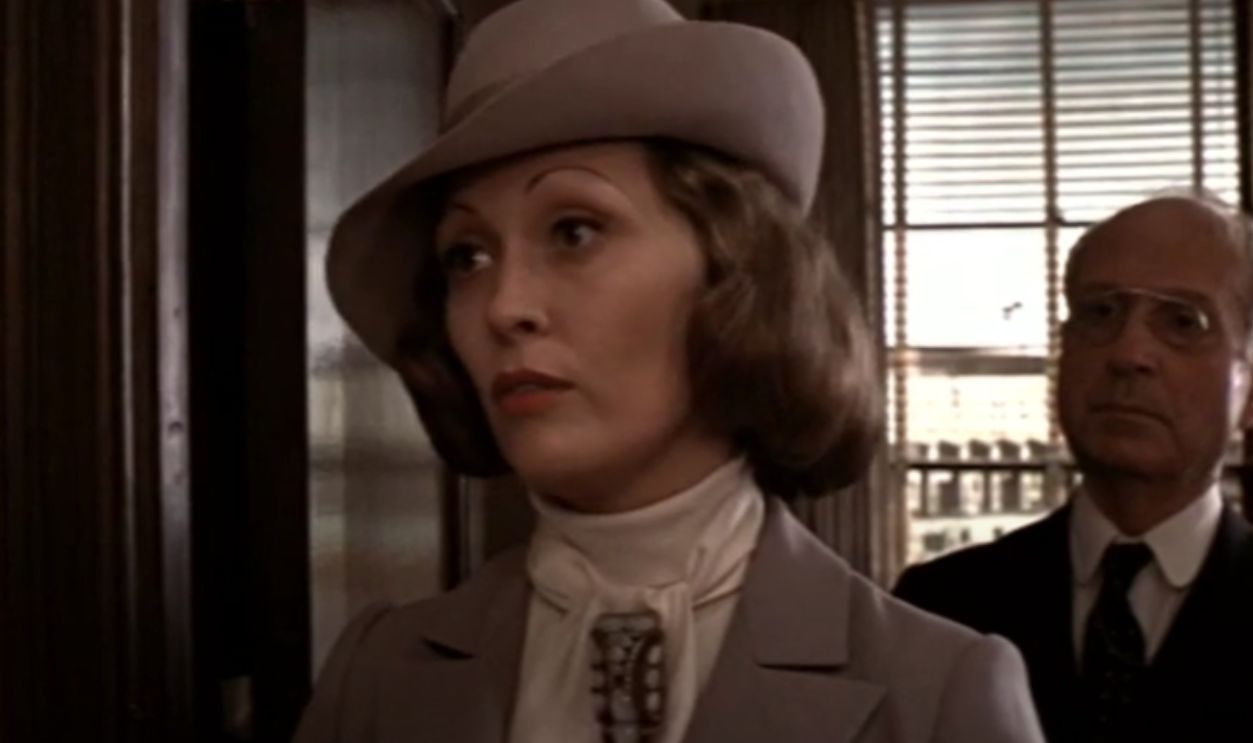 Screenshot from Chinatown, Paramount Pictures (1974)
Sisters (1973)
Brian De Palma was already showing the obsessions that would define his later thrillers: voyeurism, split screens, murder, doubles, and people seeing things nobody believes. Margot Kidder plays Danielle, a model with a deeply unsettling connection to her formerly conjoined twin. When reporter Grace Collier witnesses what appears to be a murder, her investigation becomes stranger and more psychologically unstable with every discovery.
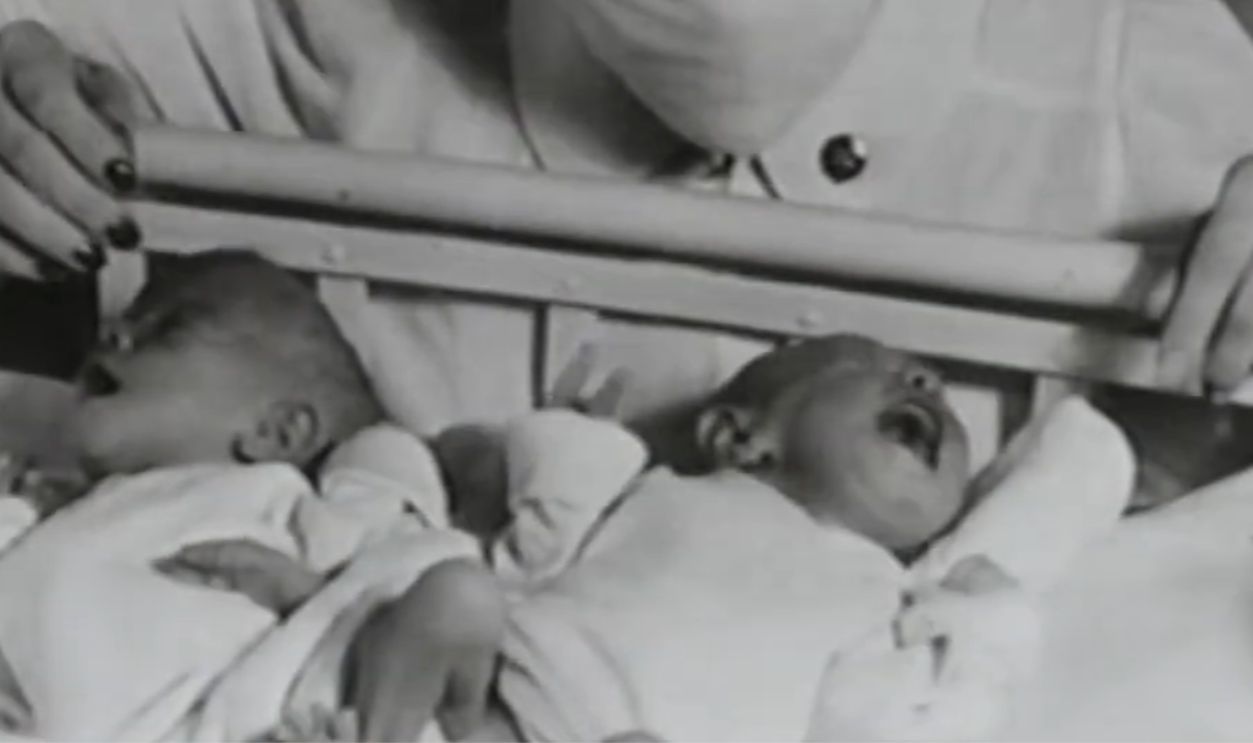 Screenshot from Sisters, American International Pictures (1973)
Klute (1971)
Donald Sutherland may play the title character, but Jane Fonda owns Klute as Bree Daniels, a New York sex worker being stalked by someone connected to a missing-person investigation. Alan J Pakula mixes detective mystery with an unusually intimate character study, letting Bree remain complicated, funny, guarded, and frightened. Gordon Willis’s shadow-heavy cinematography makes New York feel like someone could be watching from practically anywhere.
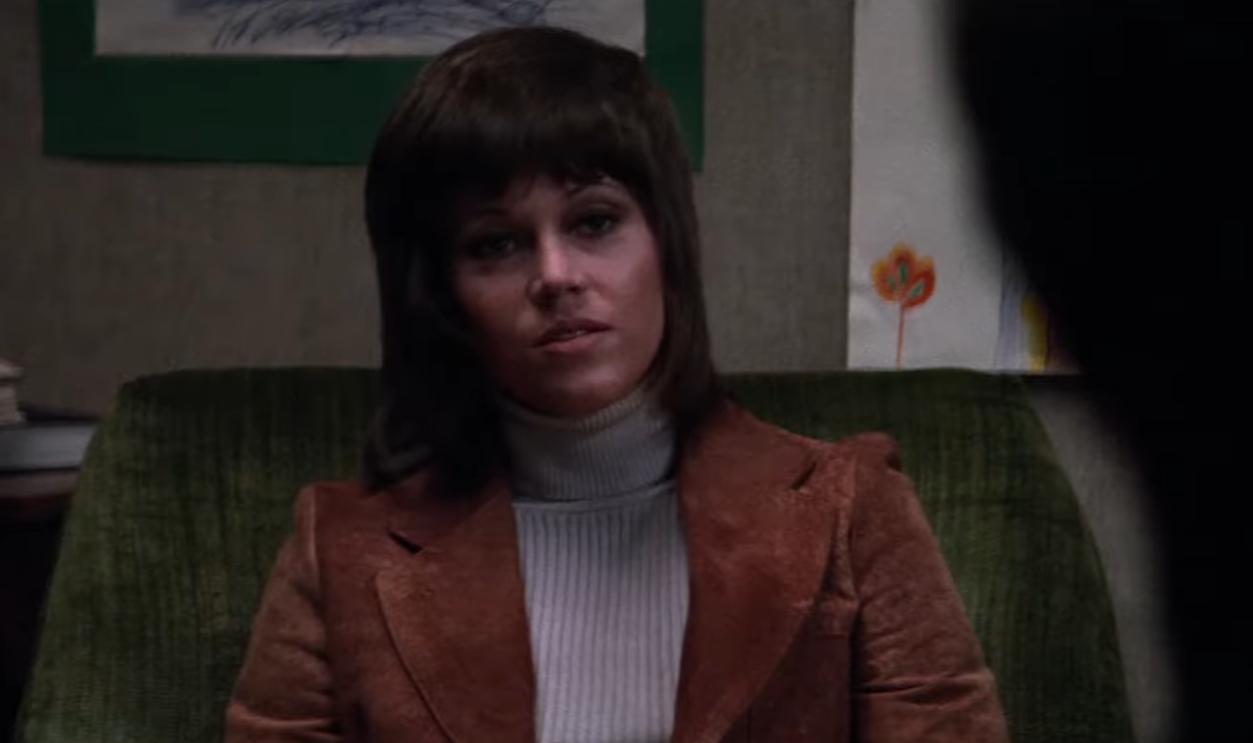 Screenshot from Klute, Warner Bros. (1971)
Don’t Look Now (1973)
After their young daughter dies, John and Laura Baxter travel to Venice, where John is restoring a church. Then Laura meets a blind psychic who claims their daughter is still trying to communicate with them. Nicolas Roeg cuts between memory, grief, sex, supernatural possibility, and ominous flashes of red until time itself seems unstable. Venice has rarely looked more beautiful, lonely, or quietly threatening.
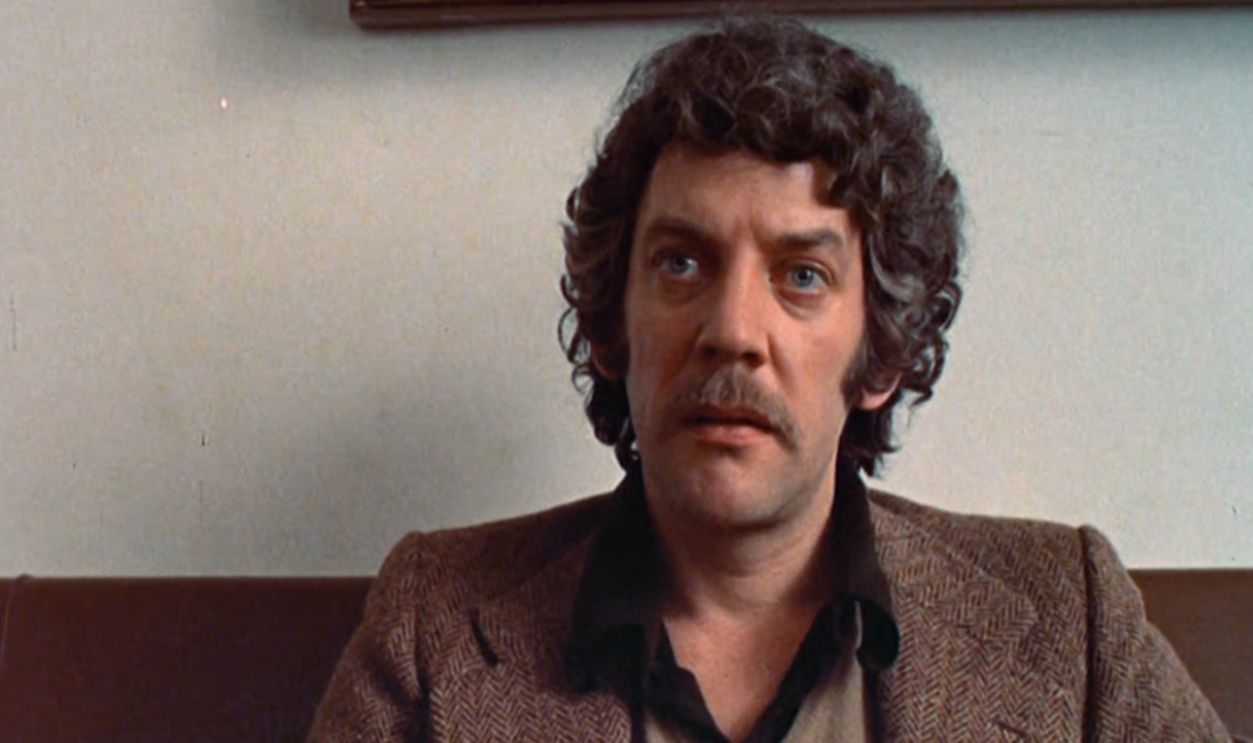 Screenshot from Don’t Look Now, Paramount Pictures (1973)
Straw Dogs (1971)
Sam Peckinpah’s Straw Dogs remains one of the decade’s most controversial thrillers. Dustin Hoffman and Susan George play a married couple who move to rural Cornwall, where tensions with local men escalate into sexual violence and eventually a brutal siege. The film’s treatment of violence, masculinity, and assault has been argued over for decades, but there is no denying how deliberately uncomfortable Peckinpah makes the entire experience.
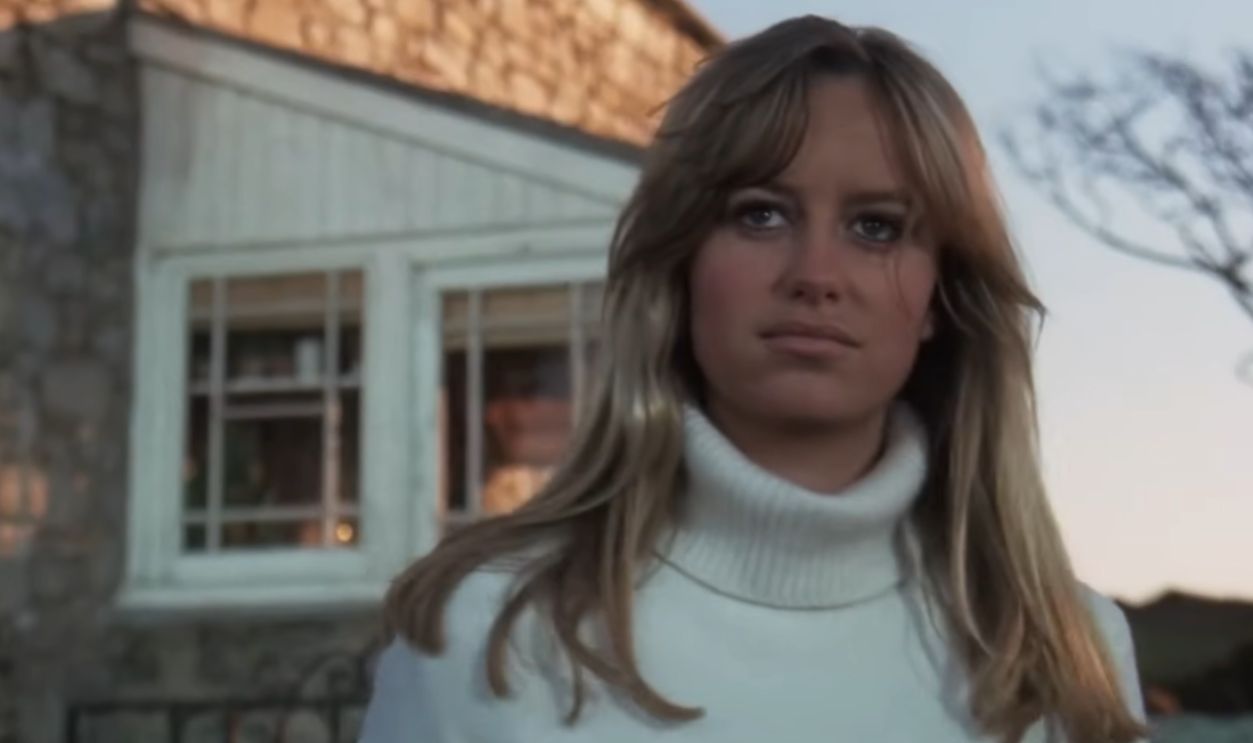 Screenshot from Straw Dogs, 20th Century Fox (1971)
Jaws (1975)
Everyone remembers the shark, but Jaws works because Steven Spielberg spends so much time making viewers fear what they cannot see. Roy Scheider’s police chief knows the beaches should close, while local officials know what that would do to summer tourism. Once the story moves aboard the Orca with Richard Dreyfuss and Robert Shaw, the movie becomes a stripped-down survival thriller about three men hunting something perfectly designed to hunt them back.
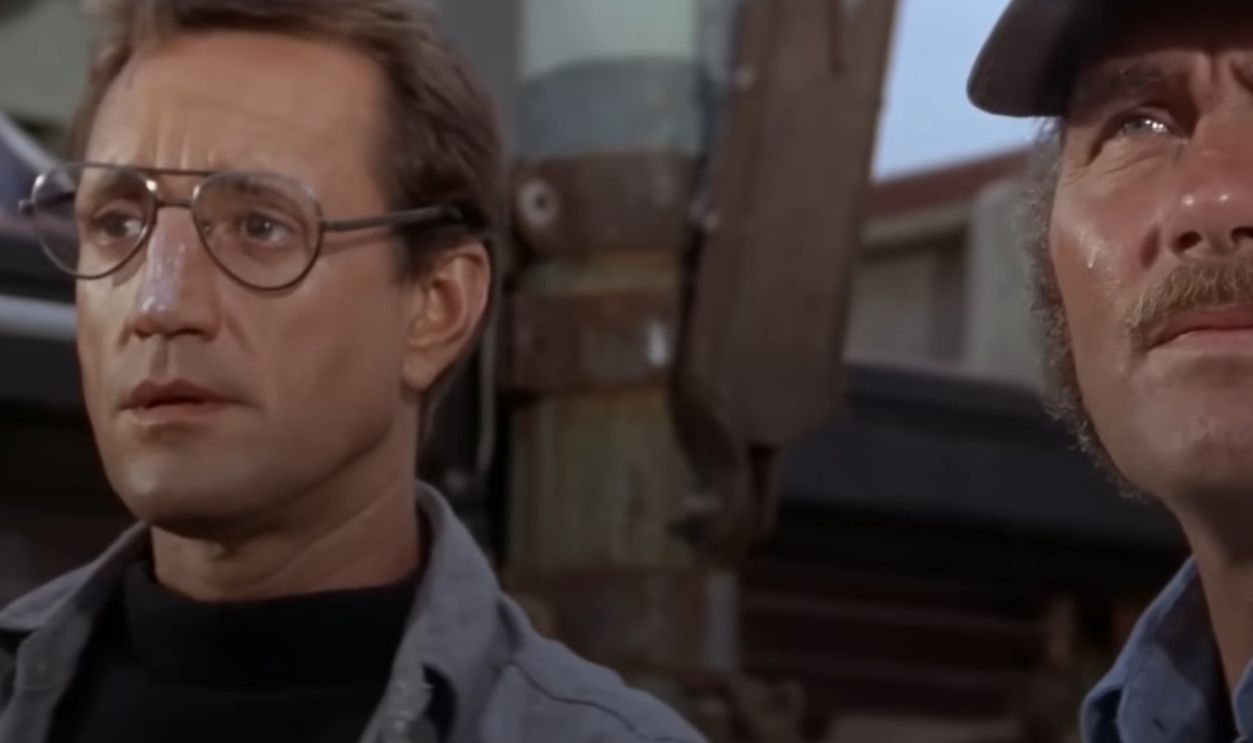 Screenshot from Jaws, Universal Pictures (1975)
You May Also Like:
1970s Singers Who Had One Big Hit And Then Seemed To Disappear
Forgotten Rock Bands From The 1970s—Their Songs Survived, But Their Names Didn’t