The Father Of The Zombie Film
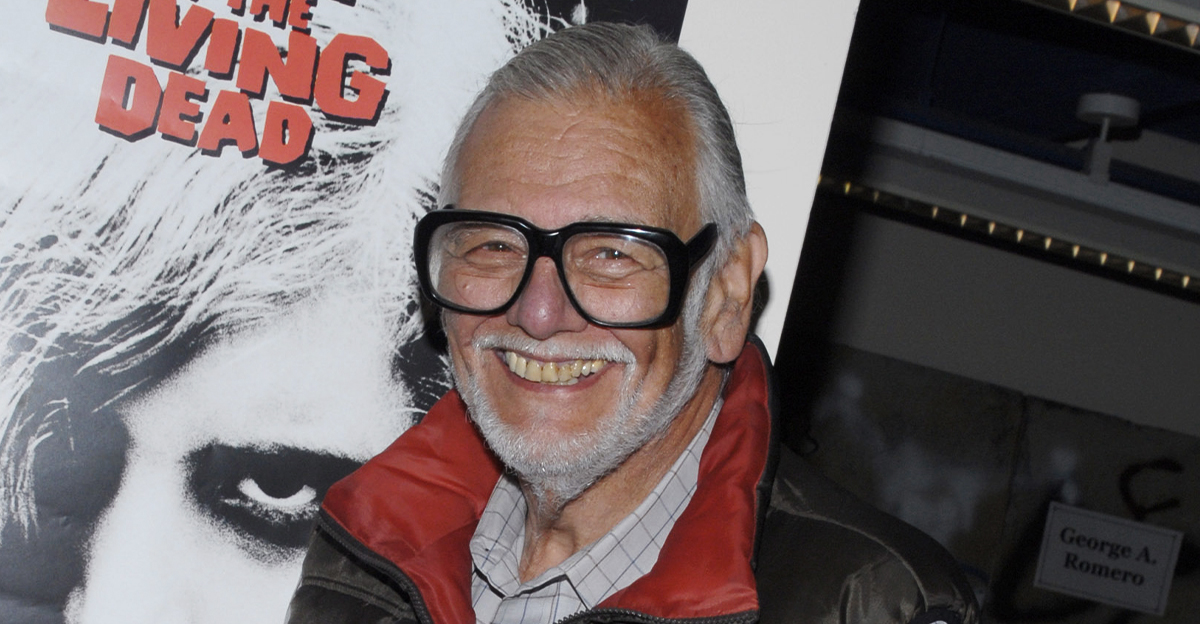
Few filmmakers changed an entire genre the way George A. Romero did. His zombie films redefined horror and inspired generations of directors, writers, and artists. But despite his enormous influence, Romero spent most of his career working outside the Hollywood system, creating fiercely independent films that blended scares with social and political commentary.
A Boy From The Bronx
George Andrew Romero was born in New York City in 1940. Raised in the Bronx, he developed an early fascination with movies and filmmaking. Rather than pursue a conventional Hollywood path, Romero gravitated toward independent production, eventually helping establish a community of avid filmmakers in Pittsburgh that would become central to his career.
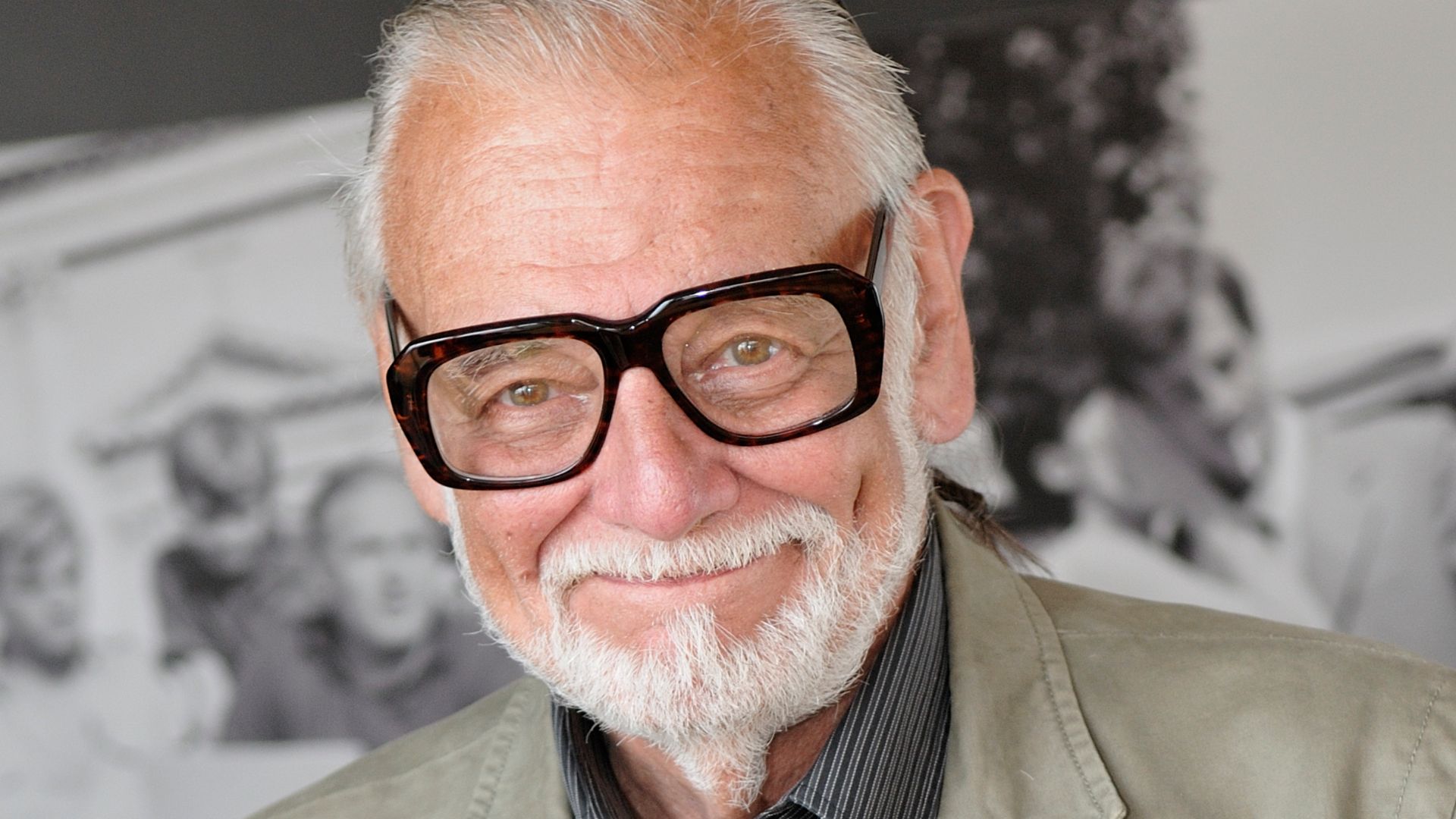 nicolas genin, Wikimedia Commons
The Film That Changed Everything
Romero often cited The Tales Of Hoffmann (1951) as the film that inspired him to become a director. The Powell and Pressburger fantasy impressed him with its visual storytelling and imagination. Watching it convinced the young Romero that filmmaking could be both artistic and emotionally powerful.
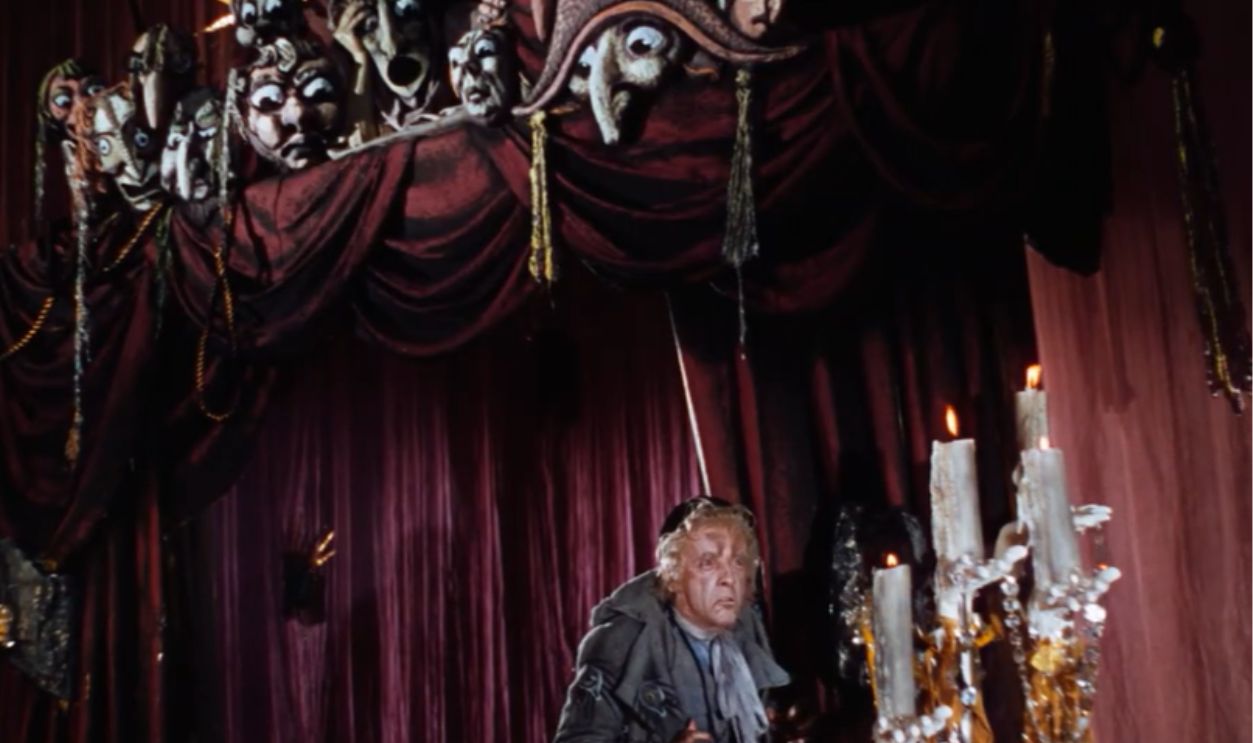 Screenshot from The Tales of Hoffmann, British Lion Films (1951)
Early Independent Dreams
Before directing feature films, Romero worked in advertising and industrial filmmaking. Along with friends and collaborators, he founded a production company and developed the skills that would later define his career. These early years taught him how to work creatively on limited budgets while maintaining complete artistic control.
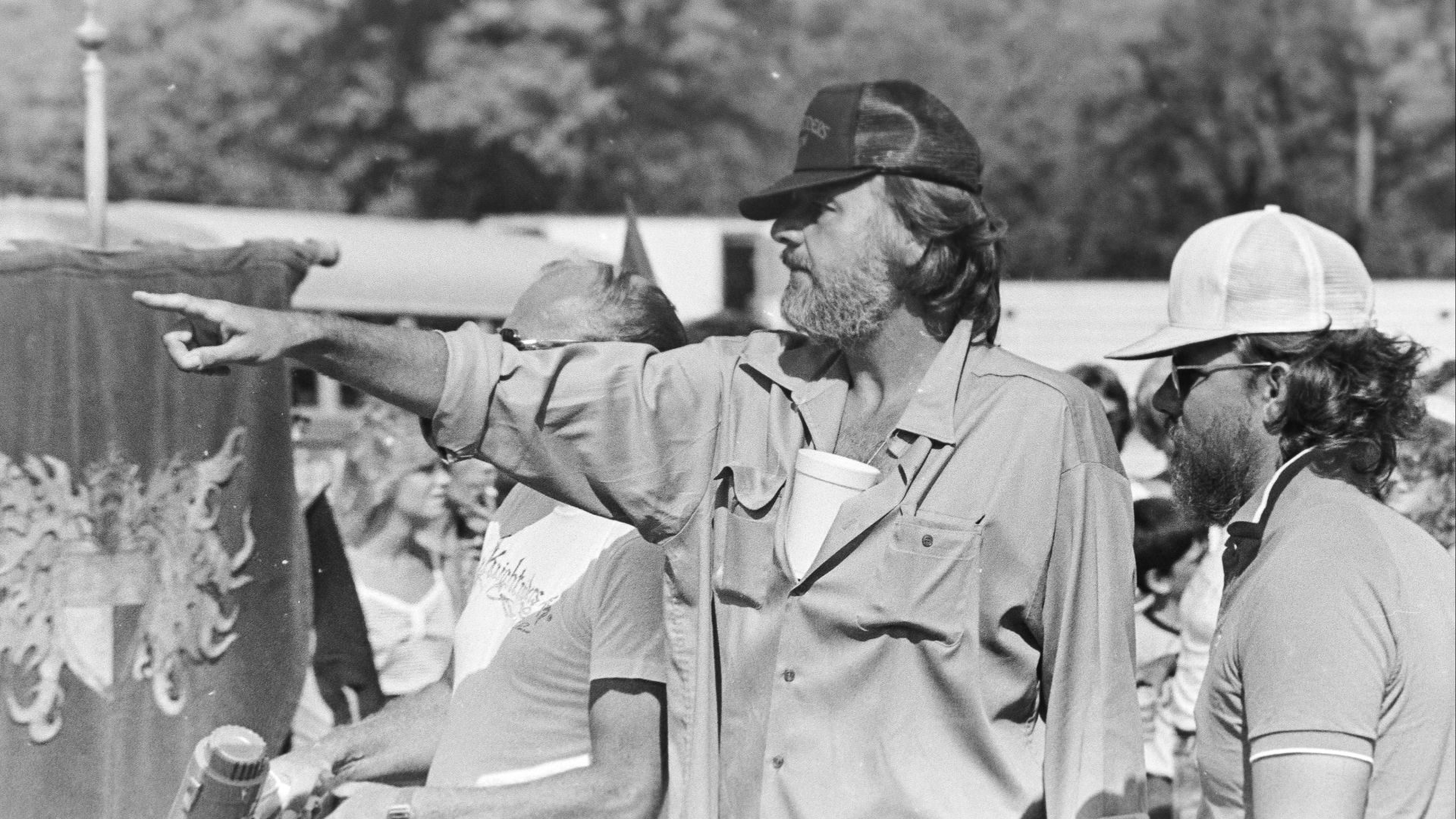 Eduardo Montes-Bradley, Wikimedia Commons
Night Of The Living Dead
Night Of The Living Dead (1968) starred Duane Jones, Judith O’Dea, and Karl Hardman. Produced independently on a tiny budget, it transformed zombie mythology and shocked audiences with its violence and bleak ending. Audiences were divided initially, but the film has gone on to become one of the most influential horror movies ever made.
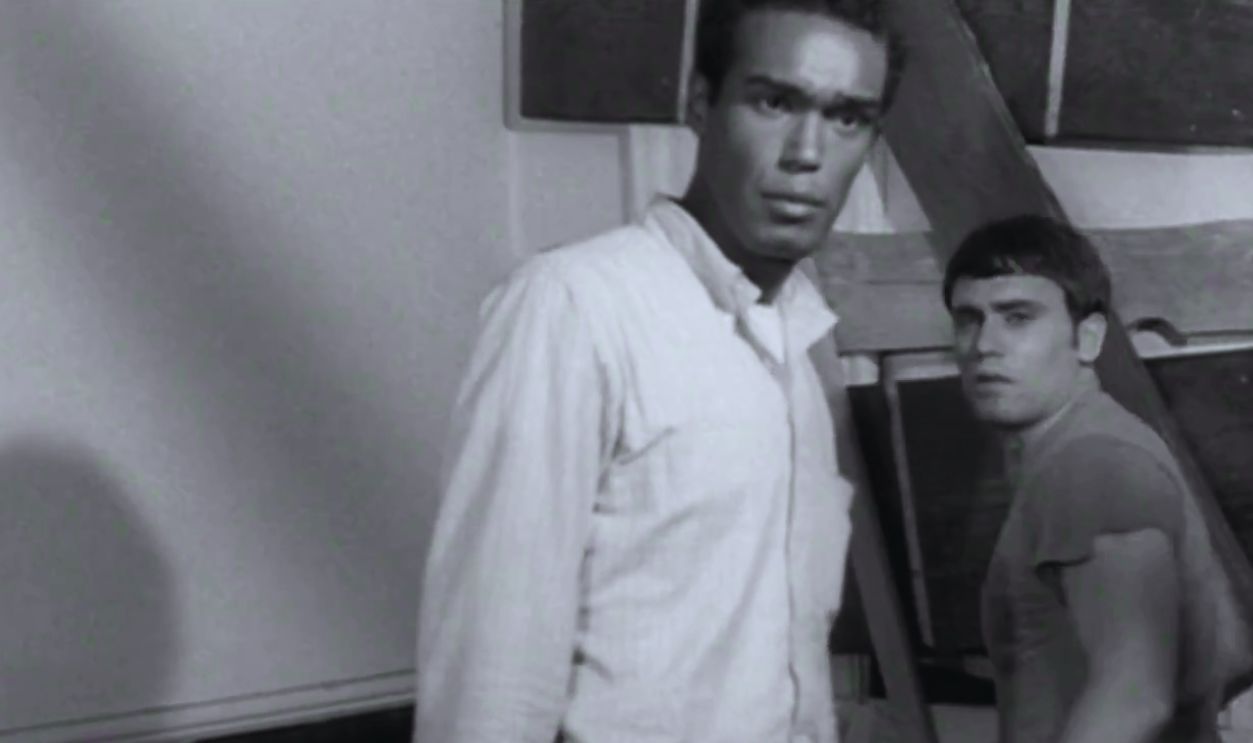 Screenshot from Night Of The Living Dead, Continental Distributing
There’s Always Vanilla
There’s Always Vanilla (1971) was an early attempt by Romero to move beyond horror. Starring Raymond Laine and Judith Ridley, the romantic drama explored personal relationships and uncertainty. The film generated mixed reactions and never really achieved the impact of Romero’s horror work, though it demonstrated his desire to avoid being typecast.
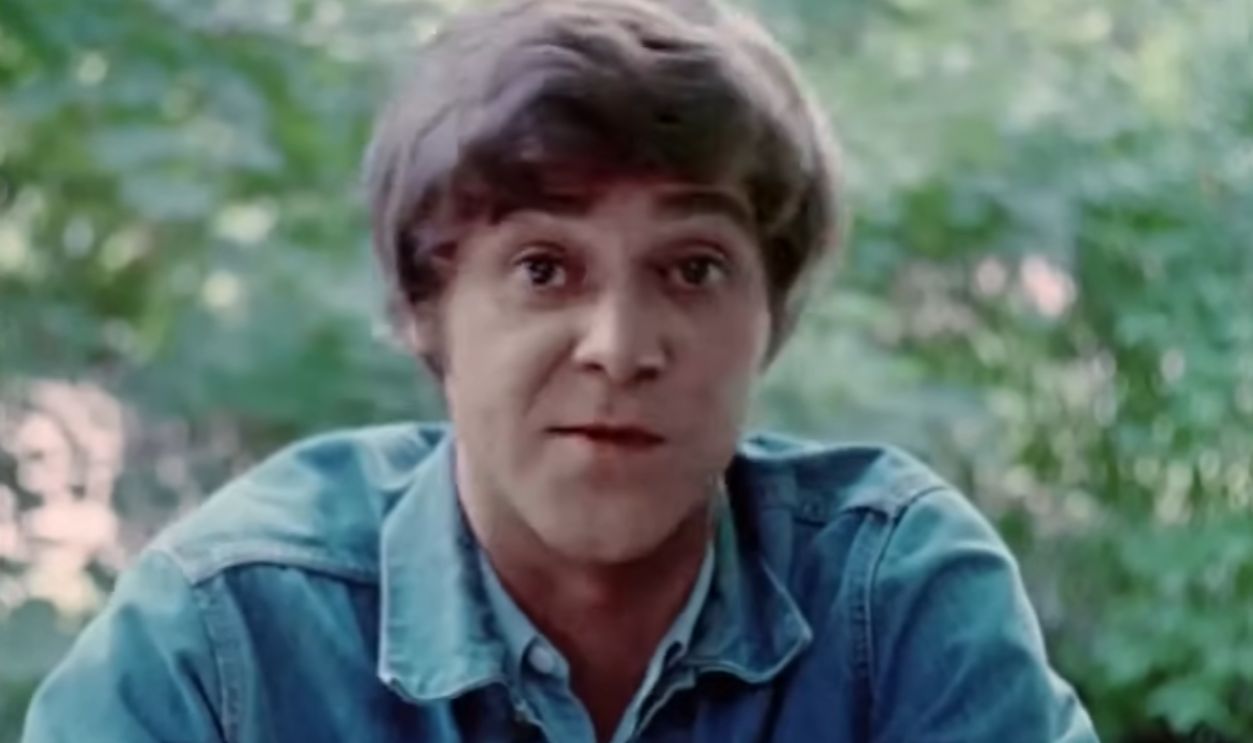 Screenshot from There's Always Vanilla, Cannon Releasing Corporation (1971)
Season Of The Witch
Season Of The Witch (1972), originally titled Jack’s Wife, starred Jan White and Raymond Laine. The film focused on a suburban housewife drawn toward witchcraft and self-discovery. Critics pointed out the film’s poor production, though praising the ideas behind it. Over the years the film has come to be viewed as one of Romero’s most personal works, exploring themes that extended far beyond traditional horror.
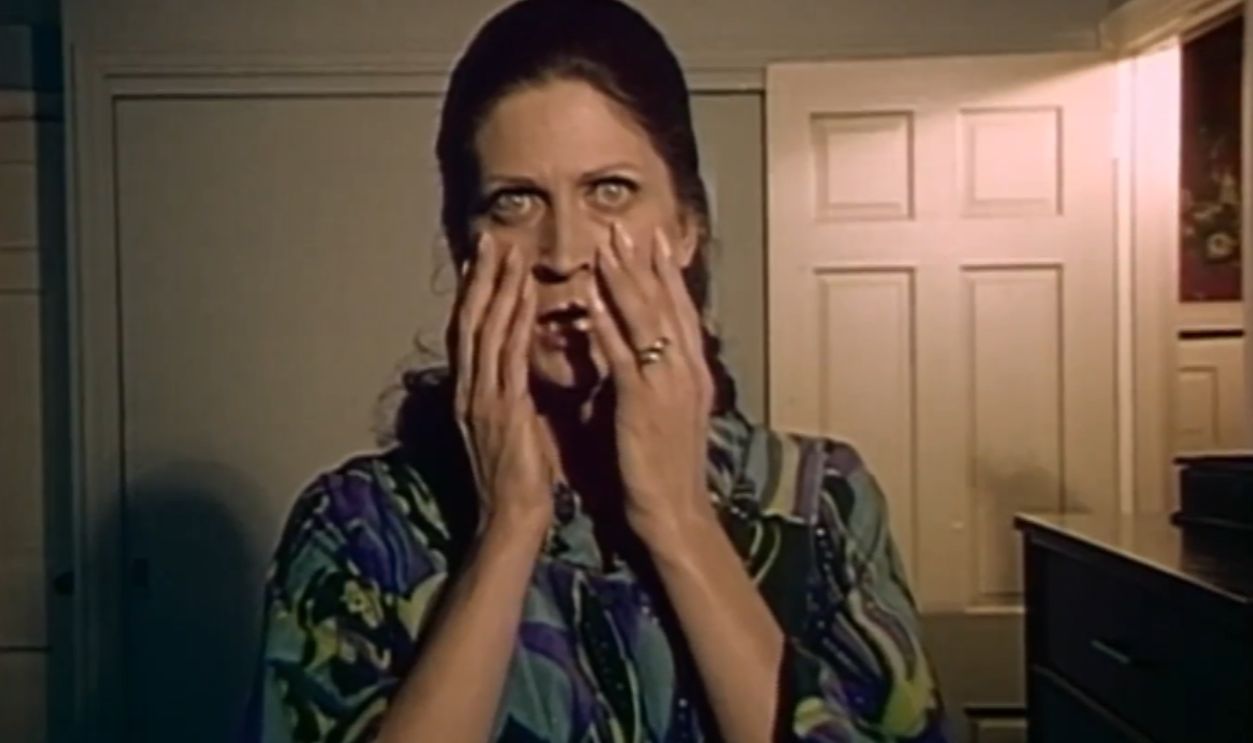 Screenshot from Season of the Witch, Joseph Green Pictures (1972)
The Crazies
The Crazies (1973) featured Lane Carroll, Will MacMillan, and Harold Wayne Jones. The story follows a government attempt to contain a biological disaster that drives people insane. The film reflected Romero’s growing interest in authority, institutions, and social breakdown, themes that we would see again and again throughout his career.
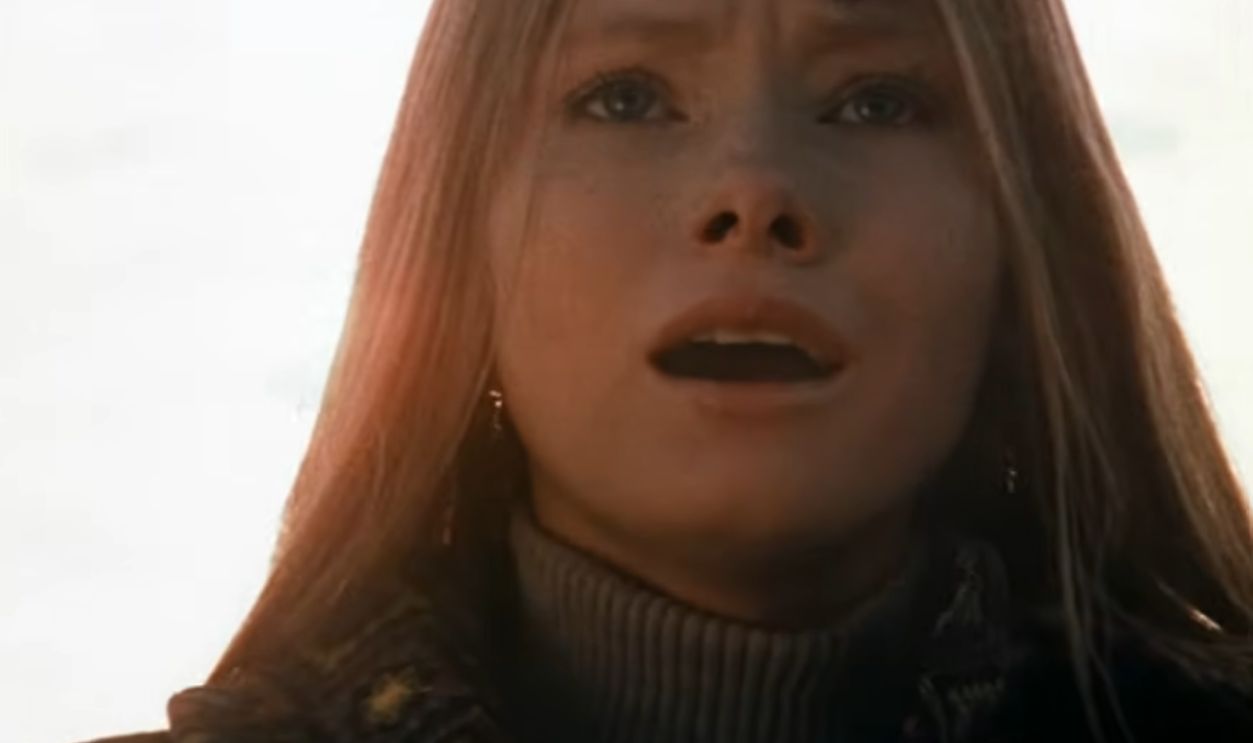 Screenshot from The Crazies, Cambist Films (1973)
Martin
Martin (1977) starred John Amplas as a troubled young man who may or may not be a vampire. Romero later called this his favorite of all the films he directed. Critics praised its ambiguity and emotional depth, and many fans regard it as one of his most sophisticated achievements.
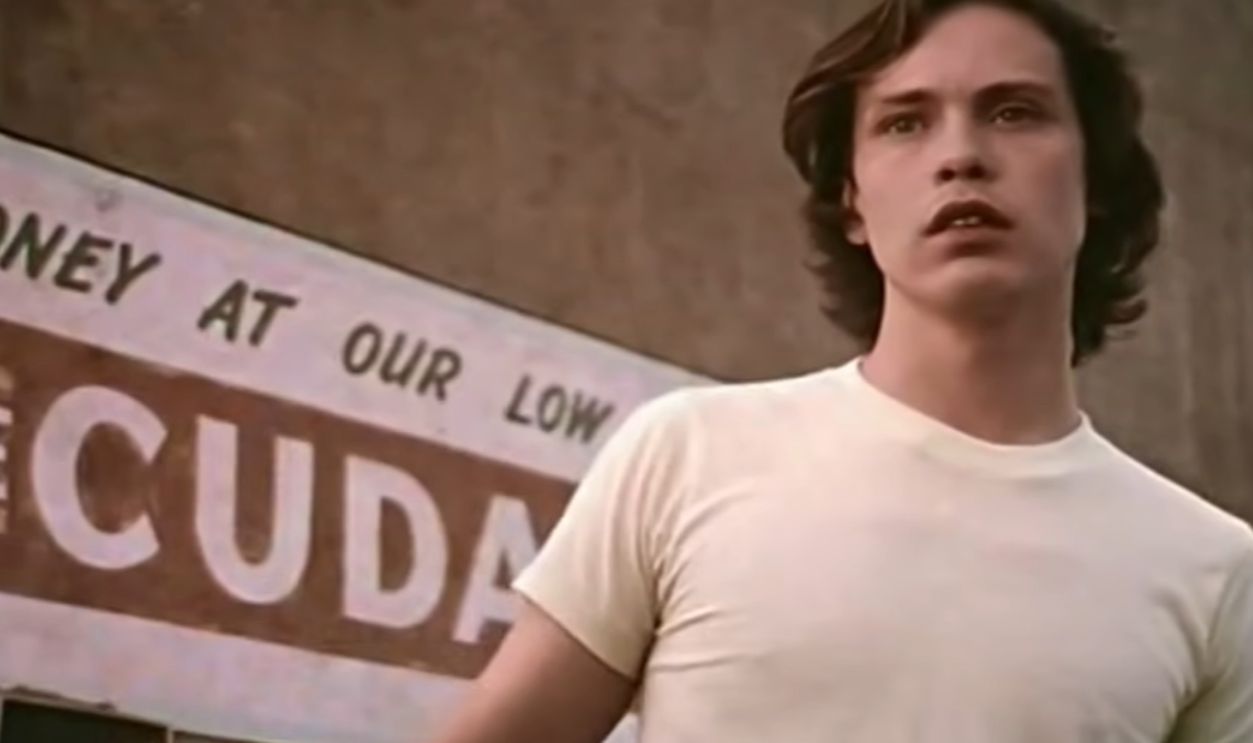 Screenshot from Martin, Libra Films International (1977)
Dawn Of The Dead
Dawn Of The Dead (1978) starred David Emge, Ken Foree, Scott Reiniger, and Gaylen Ross. Set largely inside a shopping mall, the film expanded Romero’s zombie universe while satirizing our North American consumer culture. It became an international success and firmly established him as horror’s most important independent filmmaker.
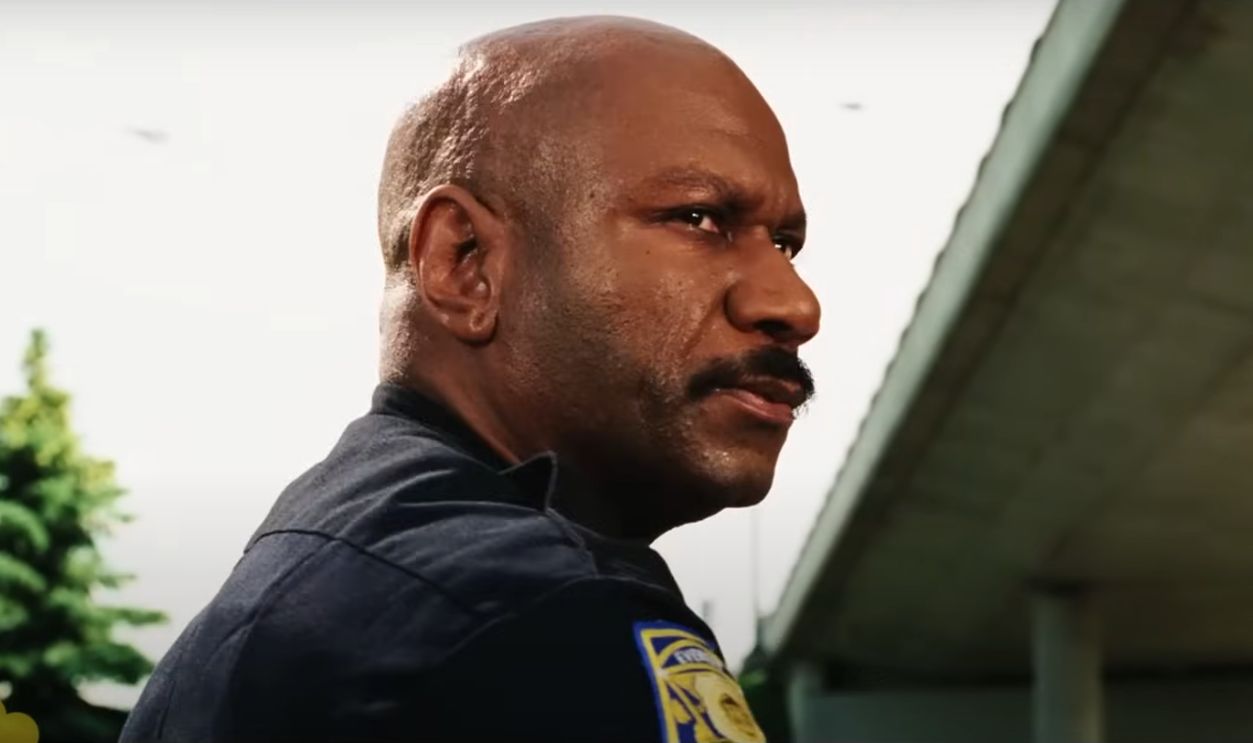 Screenshot from Dawn of the Dead, United Film Distribution Company (1978)
Knightriders
Knightriders (1981) featured Ed Harris and Tom Savini. The unusual drama centered on a traveling troupe that reenacted medieval tournaments using motorcycles. Although it wasn’t exactly a roaring commercial success, the film reflected Romero’s affection for outsiders and communities struggling to preserve their ideals in a changing world.
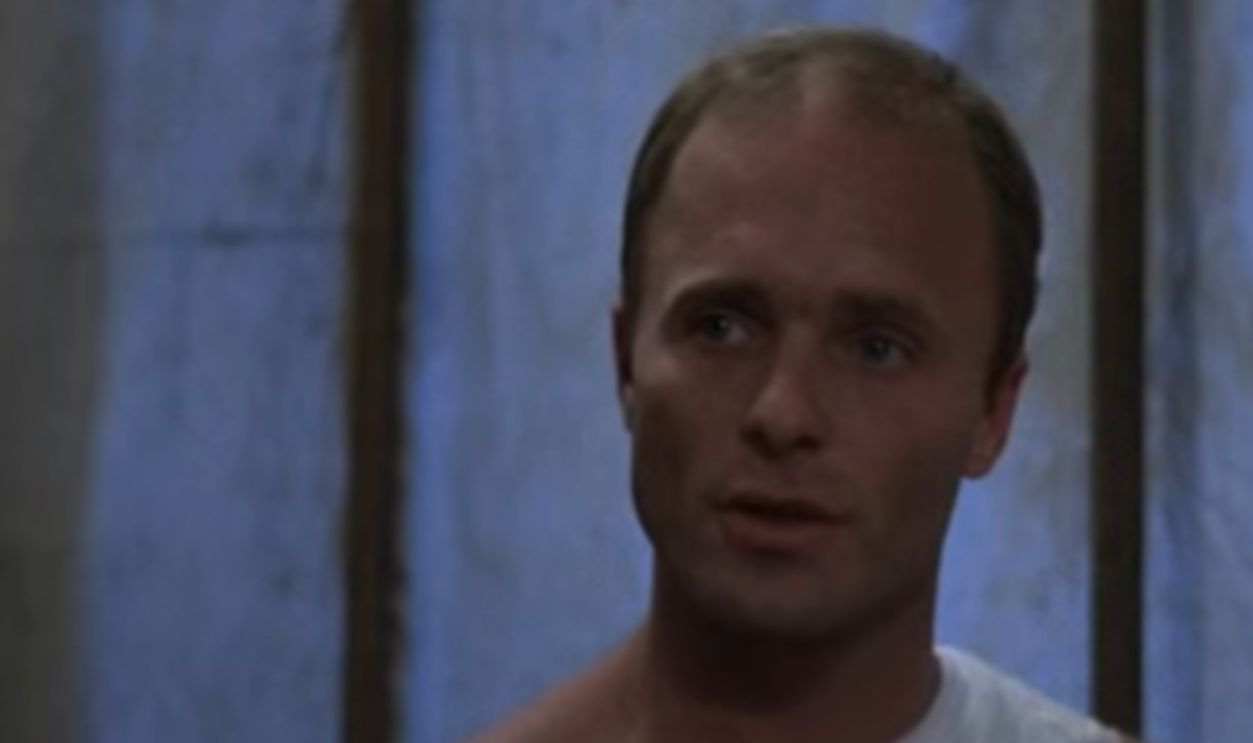 Screenshot from Knightriders, United Film Distribution Company (1981)
Creepshow
Creepshow (1982) teamed Romero with author Stephen King. The anthology featured performers including Hal Holbrook, Adrienne Barbeau, Leslie Nielsen, and King himself. Inspired by classic horror comics, the film garnered strong reviews and became one of the most beloved horror anthologies ever produced.
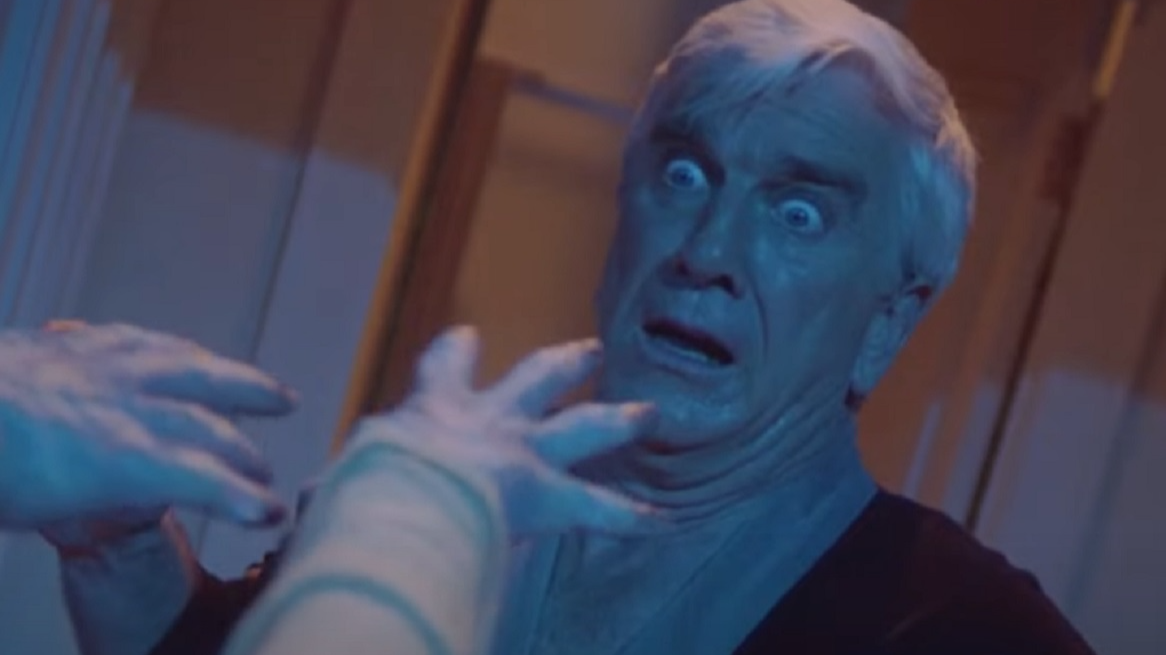 Screenshot from the movie - Creepshow (1982)
Day Of The Dead
Day Of The Dead (1985) starred Lori Cardille, Terry Alexander, Joseph Pilato, and Richard Liberty. The film examined the collapse of civilization as survivors hid in an underground bunker. Initially divisive, it later gained recognition for its ambitious themes and memorable special-effects work.
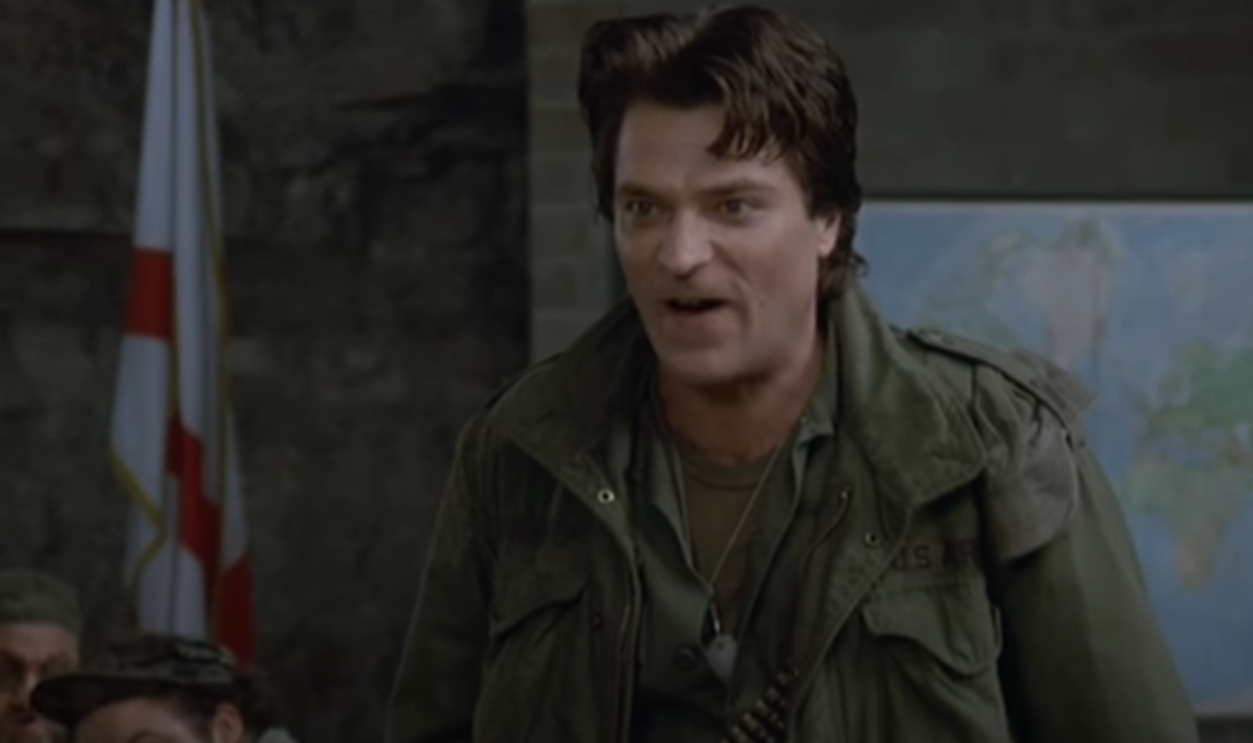 Screenshot from Day of the Dead, United Film Distribution Company (1985)
Monkey Shines
Monkey Shines (1988) starred Jason Beghe, John Pankow, and Kate McNeil. The psychological horror story followed a quadriplegic man whose service monkey develops a dangerous bond with him. The film was by no means a masterpiece, but it showed Romero’s ability to work within a studio framework while still effectively probing into some unsettling human relationships.
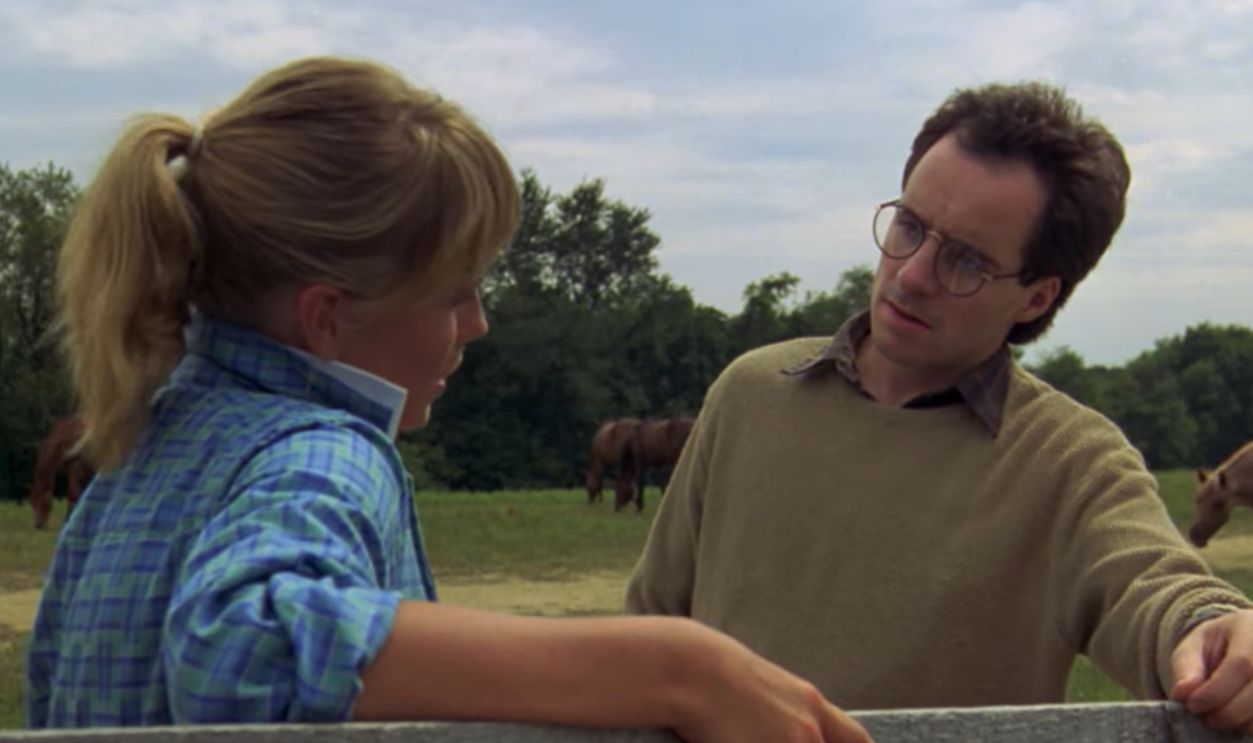 Screenshot from Monkey Shines, Orion Pictures (1988)
Two Evil Eyes
Two Evil Eyes (1990) was a collaboration between Romero and Italian horror master Dario Argento. Based on stories by Edgar Allan Poe, the anthology starred performers including Adrienne Barbeau and Harvey Keitel. The project brought together two influential horror directors from widely differing filmmaking traditions.
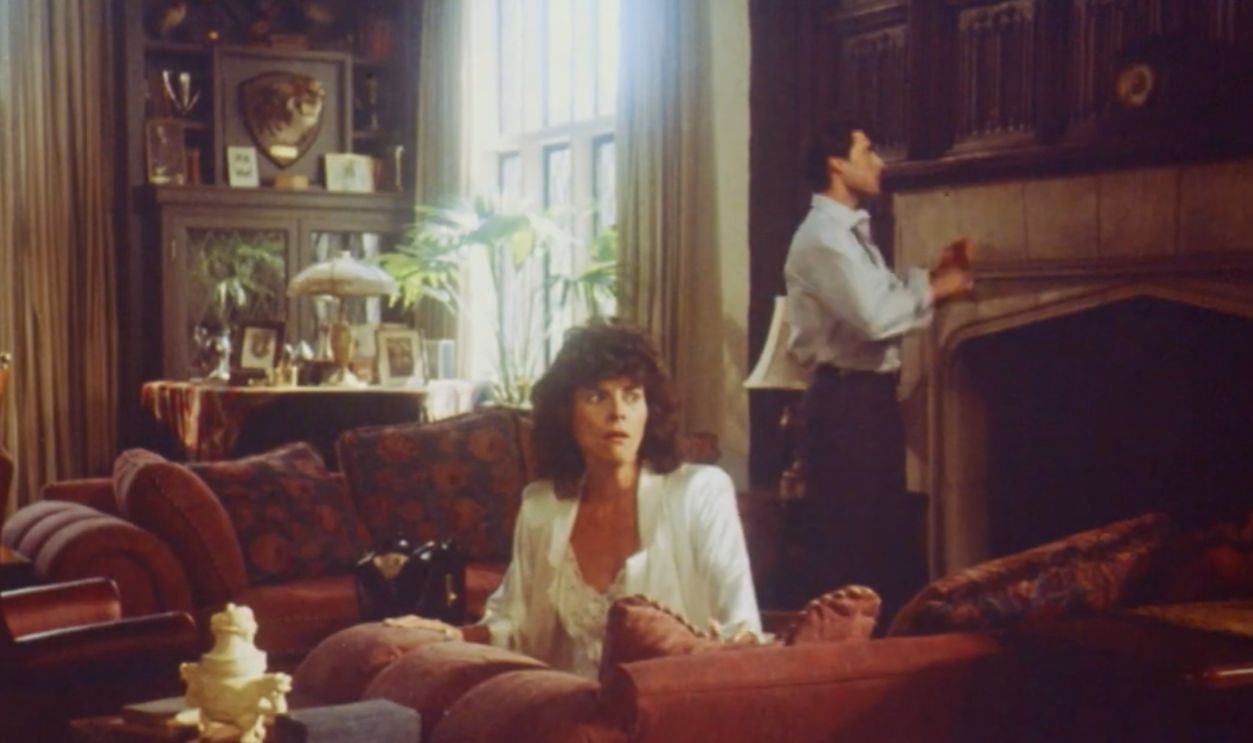 Screenshot from Two Evil Eyes, ADC Films (1990)
The Dark Half
The Dark Half (1993) adapted Stephen King’s novel and starred Timothy Hutton, Amy Madigan, and Michael Rooker. The story explored a writer haunted by his murderous alter ego. Critics praised several performances, while the film reinforced Romero’s long-standing interest in psychological conflict and identity.
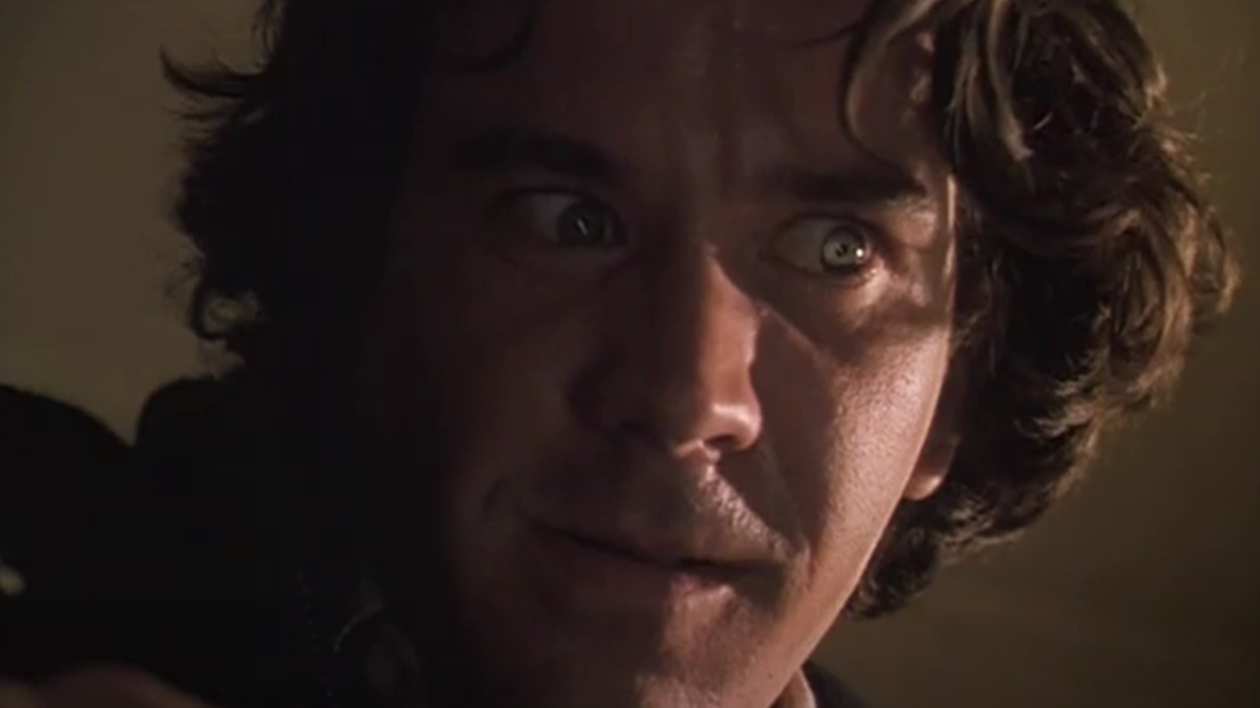 Screenshot from the movie - The Dark Half (1993)
Bruiser
Bruiser (2000) starred Jason Flemyng, Peter Stormare, and Leslie Hope. The film follows the life of a downtrodden man who goes through a Jekyll and Hyde transformation after enduring years of humiliation in his marriage and his work. Although less celebrated than Romero’s zombie movies, some Romero fans consider it his best work. It continued his exploration of alienation, social pressures, and personal transformation.
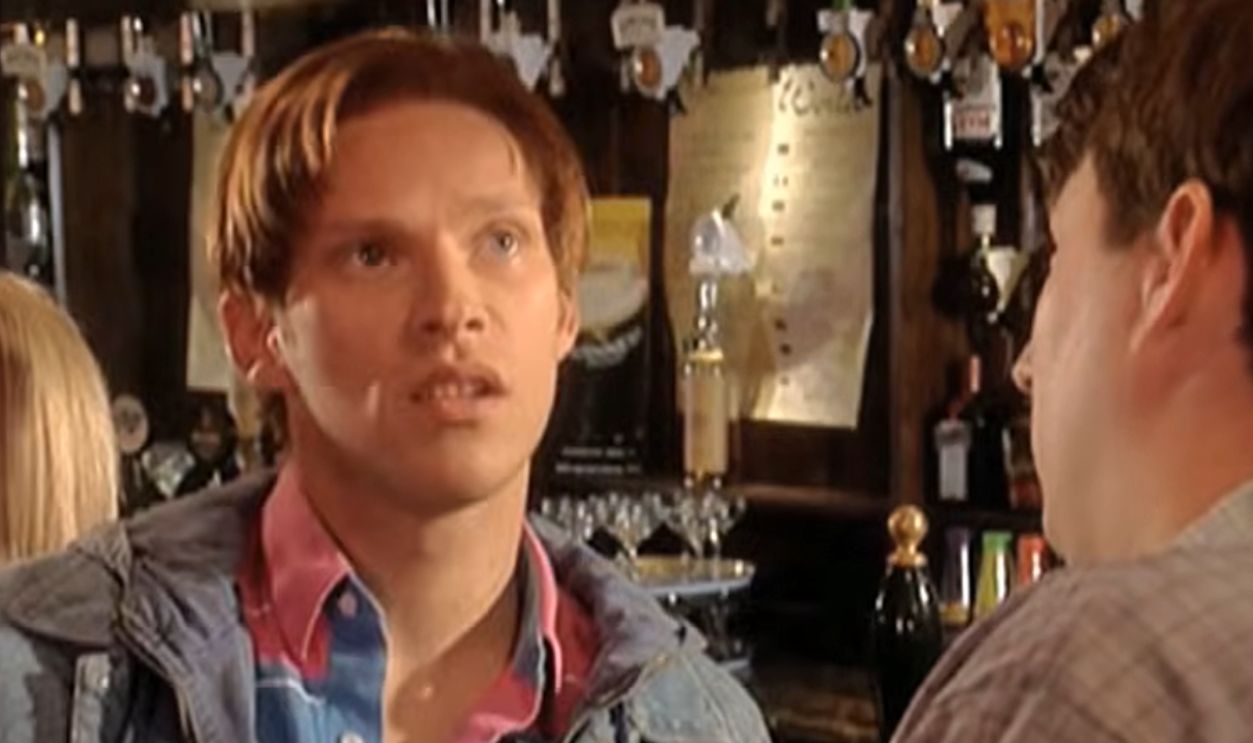 Screenshot from Bruiser, Lionsgate Films (2000)
Land Of The Dead
Land Of The Dead (2005) featured Simon Baker, John Leguizamo, Dennis Hopper, and Asia Argento. Returning to his zombie roots after many years, Romero examined class divisions and social inequality through a larger-budget production. The film introduced his ideas to a new generation of horror fans.
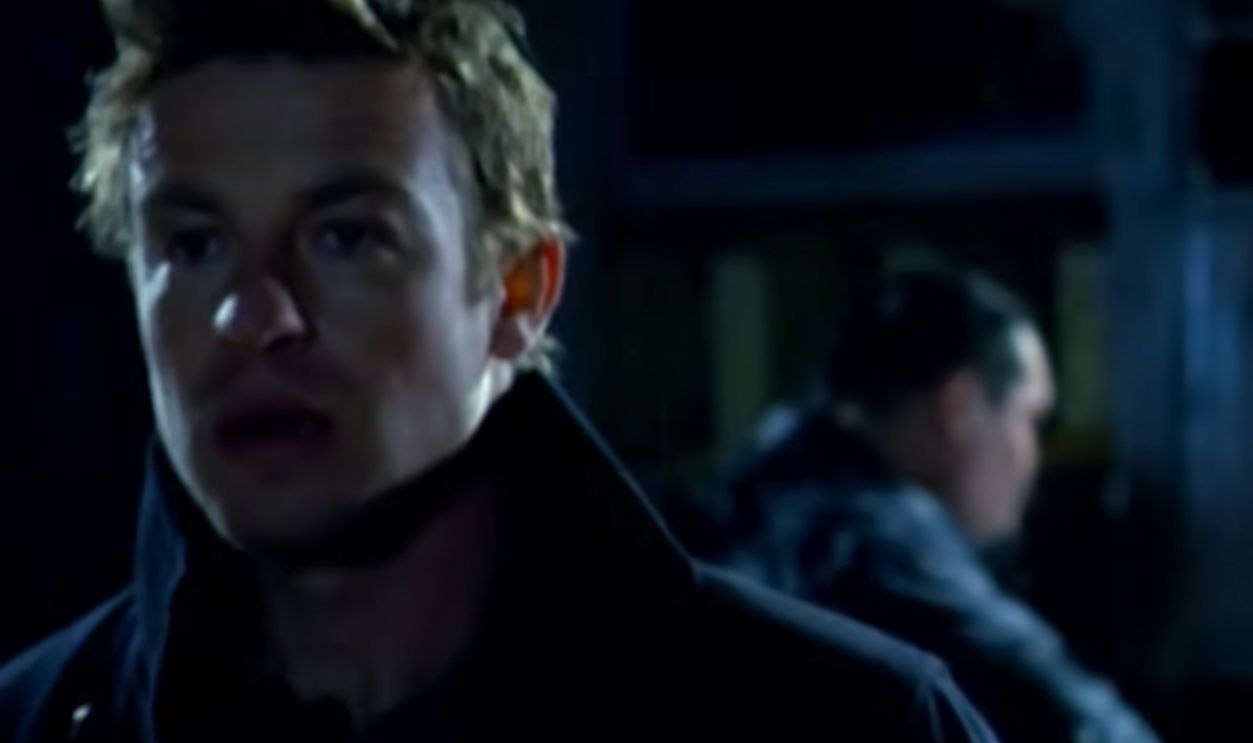 Screenshot from Land of the Dead, Universal Pictures (2005)
Diary Of The Dead
Diary Of The Dead (2007) followed film students documenting a zombie outbreak. The movie reflected Romero’s interest in media and information technology. By incorporating found-footage techniques, he adapted his familiar themes to the world as it was two decades ago: one that increasingly resembles our own in its dependence on digital communication.
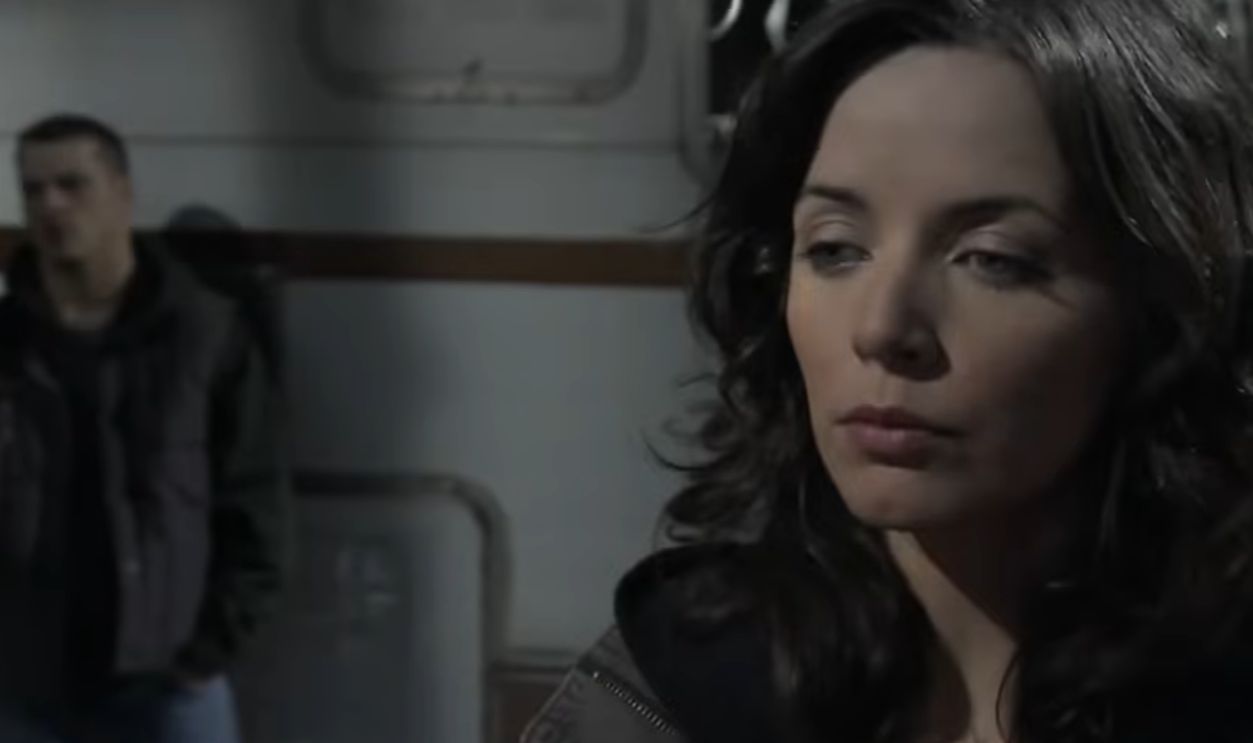 Screenshot from Diary of the Dead, The Weinstein Company (2007)
Survival Of The Dead
Survival Of The Dead (2009) starred Alan Van Sprang, Kenneth Welsh, and Kathleen Munroe. The story focused on feuding families attempting to survive a zombie apocalypse. The film represented Romero’s final entry in his long-running zombie saga and continued his examination of social conflict.
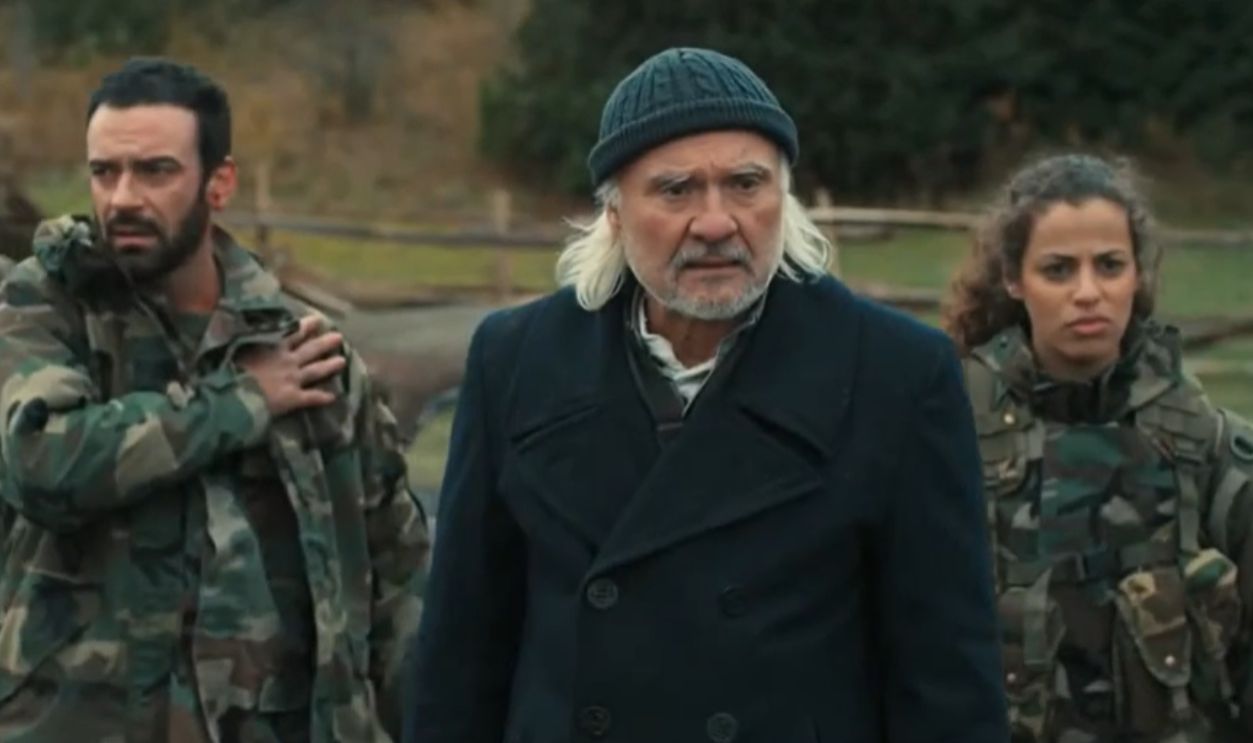 Screenshot from Survival of the Dead, Magnolia Pictures (2009)
Horror With A Purpose
According to Romero, horror worked best when it reflected the real world. As he explained in interviews, monsters were often vehicles for examining political, social, and cultural issues. His films regularly addressed authority, inequality, consumerism, fear, and the failures of institutions.
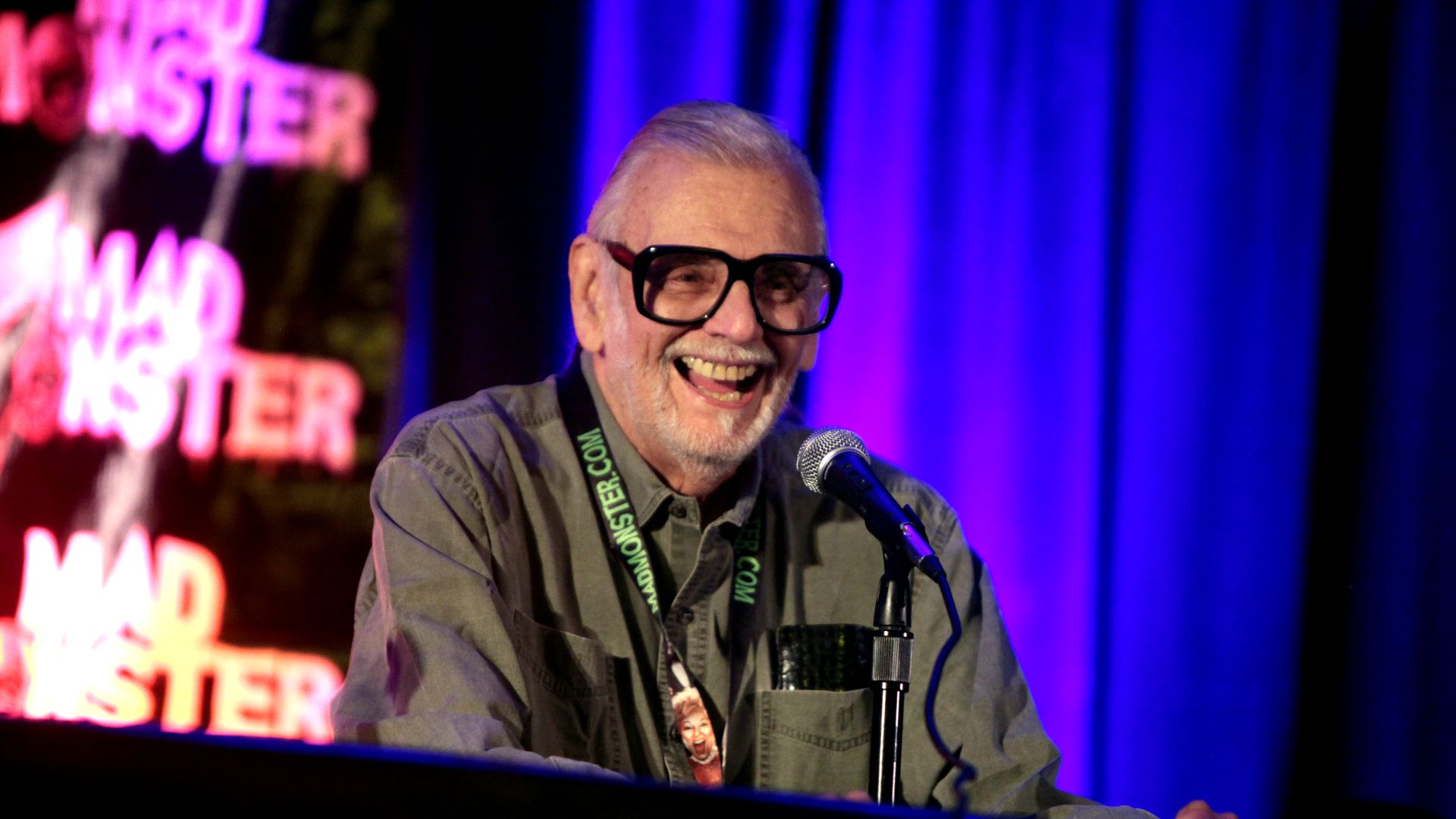 Gage Skidmore from Surprise, AZ, United States of America, Wikimedia Commons
Influencing Generations
Romero’s impact on modern horror is difficult to overstate. Countless zombie films, television series, novels, video games, and directors trace their lineage to Night Of The Living Dead. His approach demonstrated that horror could be intelligent, socially conscious, and artistically ambitious without sacrificing entertainment value.
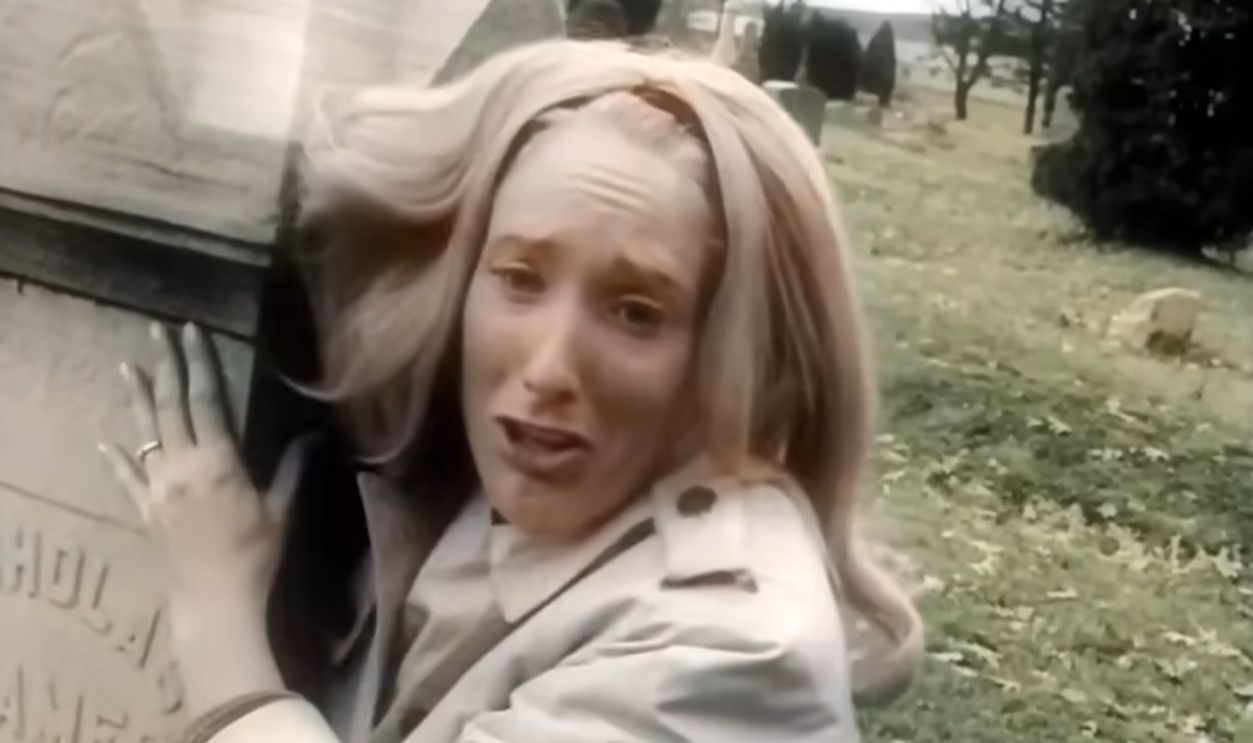 Screenshot from Night of the Living Dead, Image Ten (1968)
Forever An Outsider
Despite his influence, Romero often felt like a Hollywood outsider. He spent much of his career working independently rather than within major studio systems. That independence allowed him unusual creative freedom, but it also meant he never enjoyed the mainstream status afforded to many filmmakers he influenced.
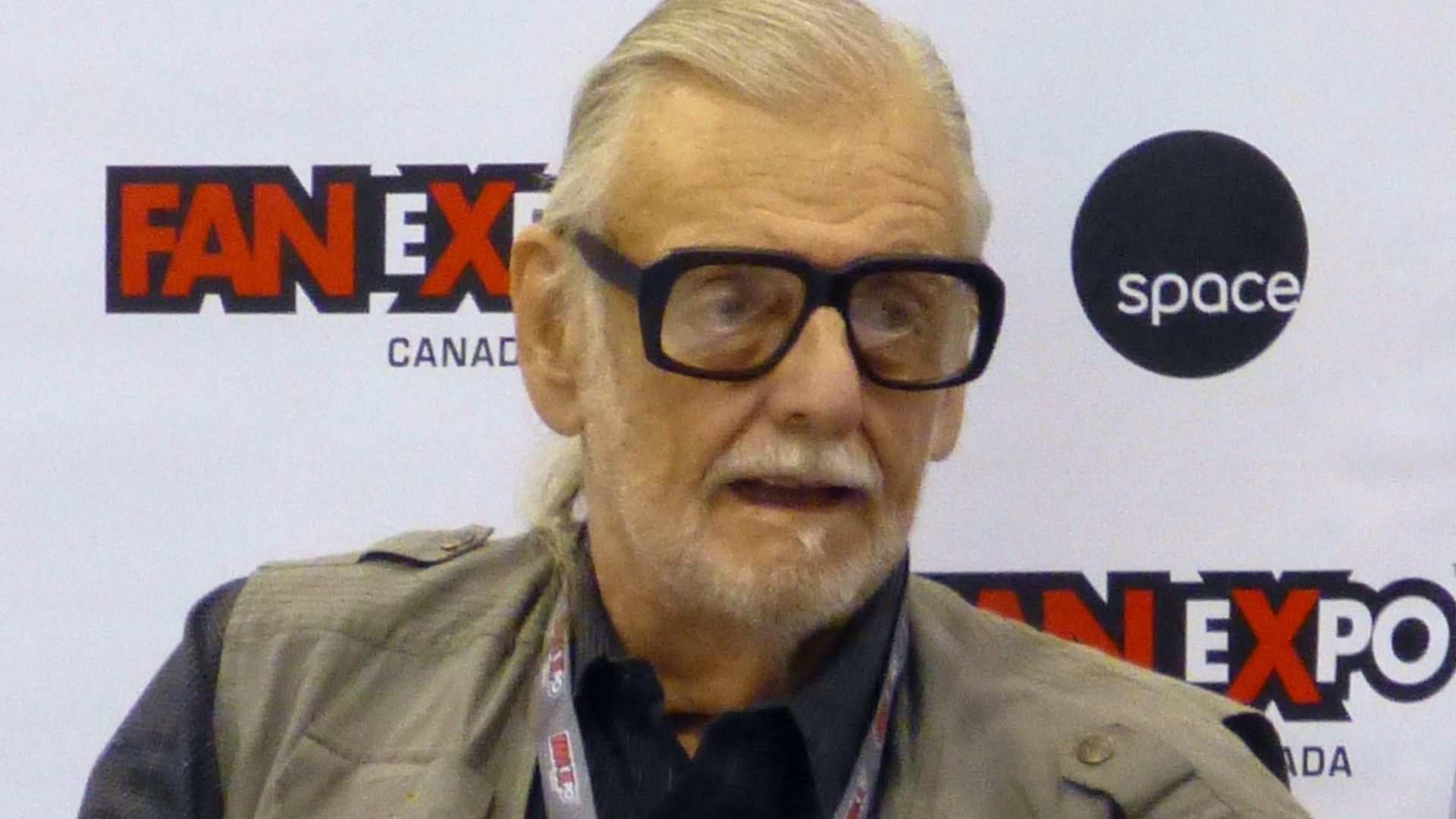
Death And Tributes
George Romero died in 2017 after a brief battle with lung cancer. Tributes poured in from across the film industry, with filmmakers, actors, critics, and fans recognizing his enormous contribution to cinema. Although he never fully joined Hollywood’s inner circle, his influence remains visible throughout modern horror.
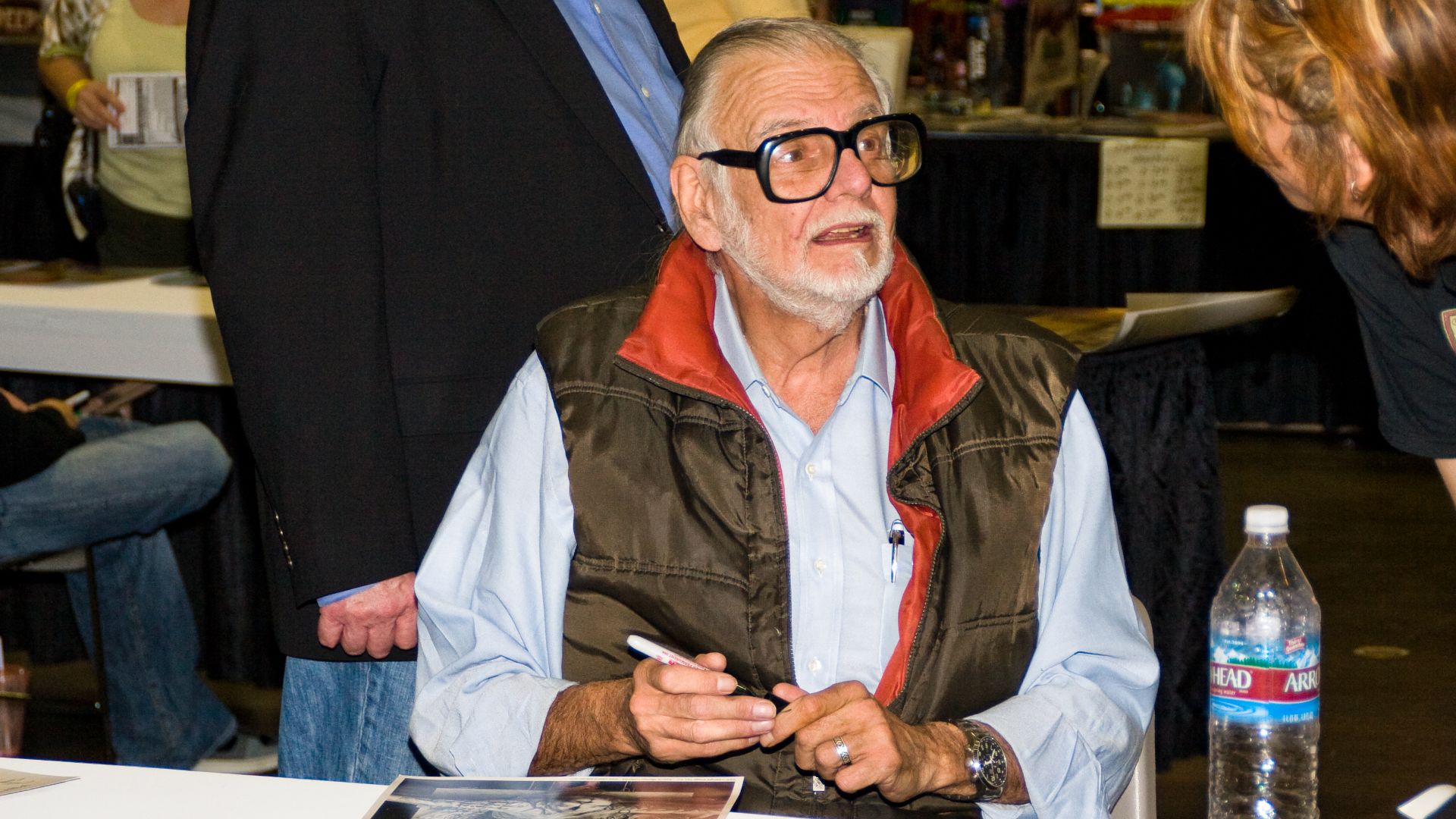 Kevin Stanchfield, Wikimedia Commons
Undying Legacy
Today, Romero is remembered not only as the Father of the Zombie Film but also as one of cinema’s most important independent filmmakers. His movies continue to attract new audiences, inspire filmmakers, and provoke discussion. Few directors changed their genre so profoundly while remaining so defiantly true to themselves.
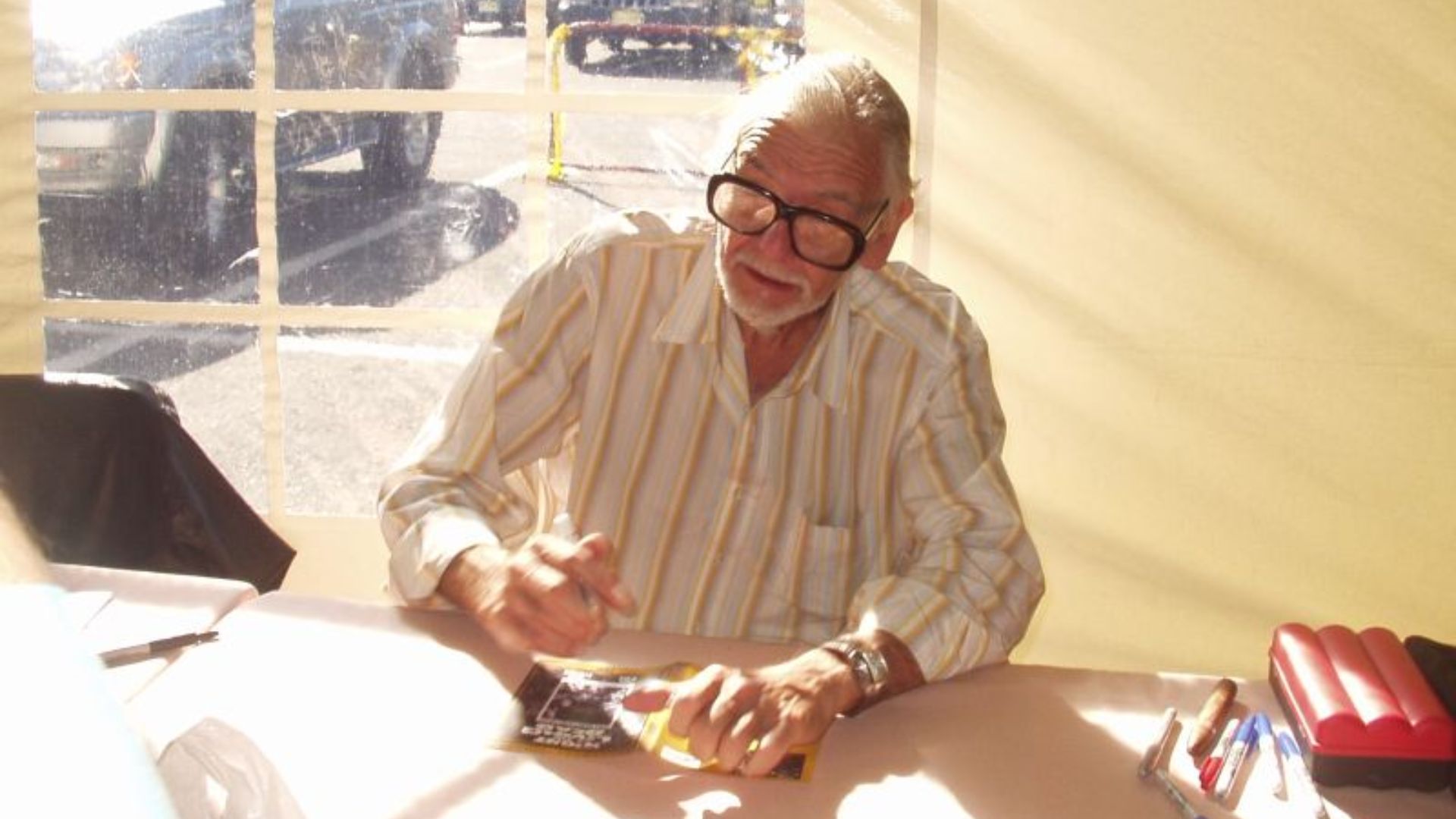 Leslie Gottlieb, Wikimedia Commons
You May Also Like:
Why We Keep Watching Horror—The Strange Comfort Of Being Scared In A Safe Space