The Challenge Of Bringing Lovecraft To The Screen
H. P. Lovecraft’s stories have influenced horror for over a century, but adapting his tales to film has always been difficult. Much of his writing focused on cosmic dread, indescribable monsters, and a psychological terror that characters struggle to describe. Transposing that atmosphere and scale into visual Hollywood storytelling is a challenge. We look at the filmmakers who managed to capture Lovecraft’s eerie vision remarkably well.
Re-Animator (1985)
Stuart Gordon’s Re-Animator is one of the most famous Lovecraft adaptations ever made. Loosely based on the serialized story Herbert West–Reanimator, the film is a mix of dark comedy and outrageous gore. Jeffrey Combs’ performance as the obsessive scientist Herbert West helped make the film a cult classic. The film’s energetic style and unforgettable practical effects made it a defining horror movie of the mid-80s.
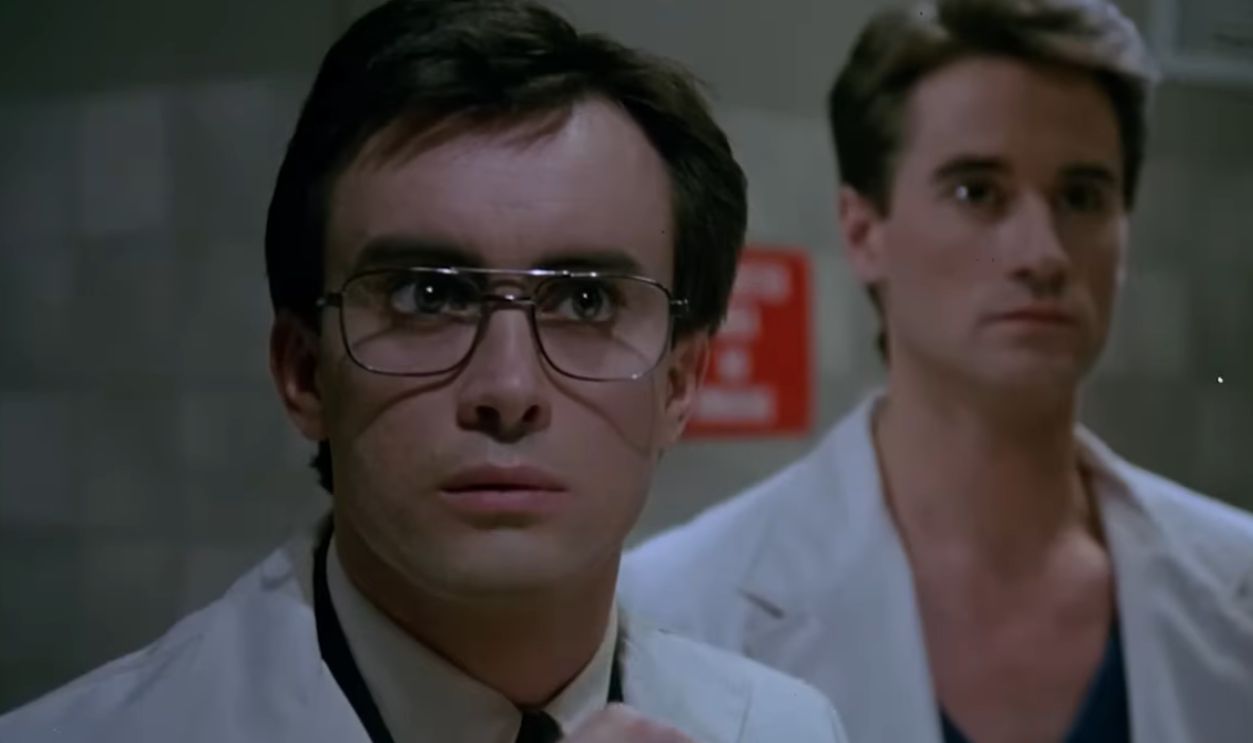 Screenshot from Re-Animator, Empire Pictures (1985)
From Beyond (1986)
Director Stuart Gordon returned to Lovecraft the following year with From Beyond. The story follows a mad scientist who builds a machine to stimulate the pineal gland, allowing humans to perceive terrifying creatures from another dimension. The film takes one of Lovecraft’s shortest and least known stories and creates a wild blend of science fiction and horror, successfully capturing the unsettling cosmic ideas behind Lovecraft’s work. Starring Jeffrey Combs and Barbara Crampton.
 Screenshot from From Beyond, Empire Pictures (1986)
Dagon (2001)
Despite its title, Dagon is largely inspired by Lovecraft’s famous tale The Shadow Over Innsmouth. This is the story of a man who gets trapped in a coastal Spanish town populated by strange cultists devoted to ancient sea gods. Director Stuart Gordon again created an atmosphere of dread that reaches the Lovecraftian, with grotesque sea creatures and a bottomless vortex of paranoia.
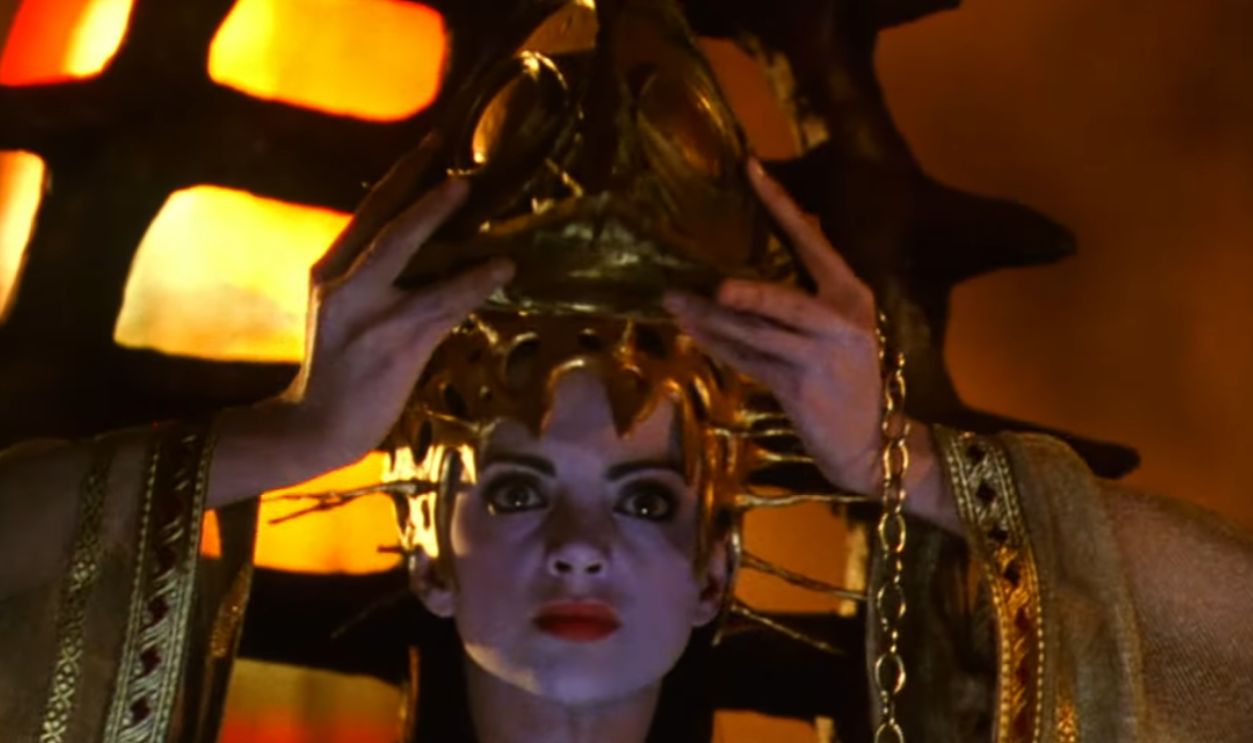 Screenshot from Dagon, Lions Gate Entertainment (2001)
The Call Of Cthulhu (2005)
For decades, Lovecraft’s most famous story was thought to be impossible to film. The H. P. Lovecraft Historical Society solved that problem with a creative approach. Their adaptation of The Call of Cthulhu was made as a silent black and white film styled like a movie from the 1920s. The result, directed by Andrew Leman with a screenplay by Sean Branney, captured the eerie tone of the original story surprisingly well.
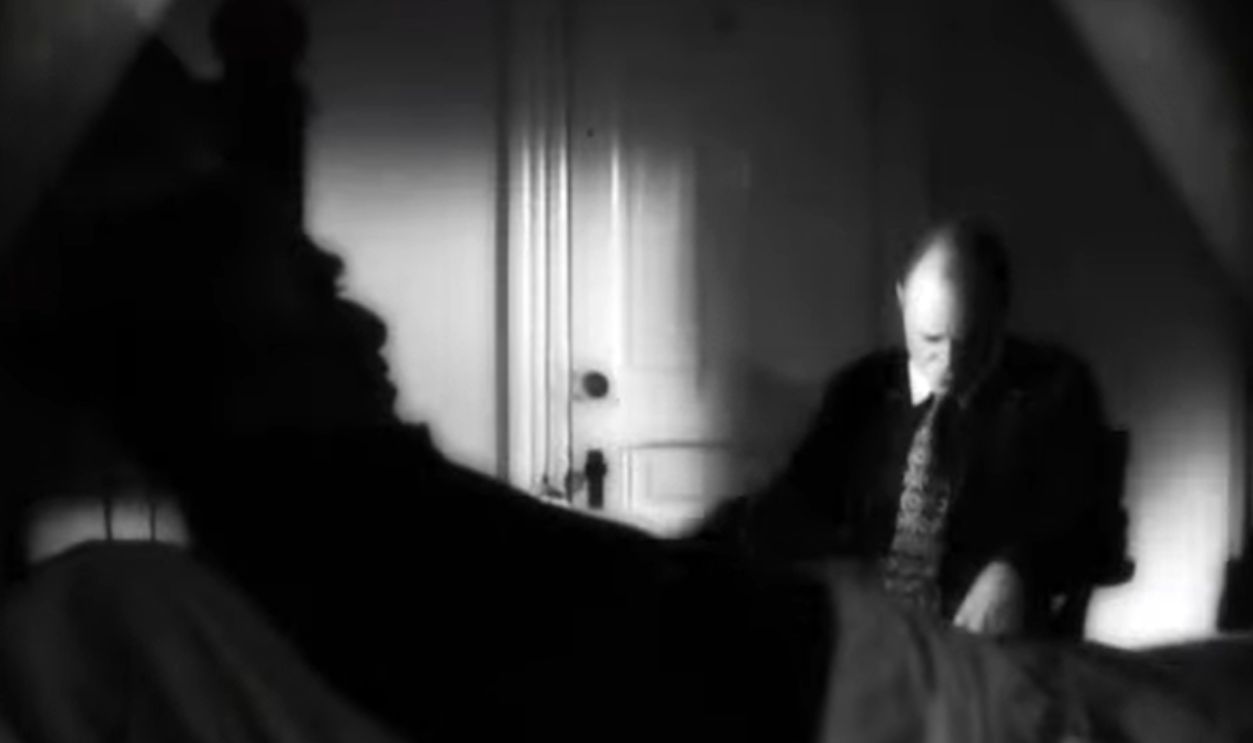 Screenshot from The Call Of Cthulhu, HPLHS (2005)
The Whisperer In Darkness (2011)
After the success of The Call of Cthulhu, the same filmmaking team created The Whisperer in Darkness. This adaptation of Lovecraft’s 1930 story mixes cosmic horror with pulp adventure. The filmmakers deliberately styled the movie like a sci-fi serial from the 1930s, complete with vintage visual effects and dramatic narration.
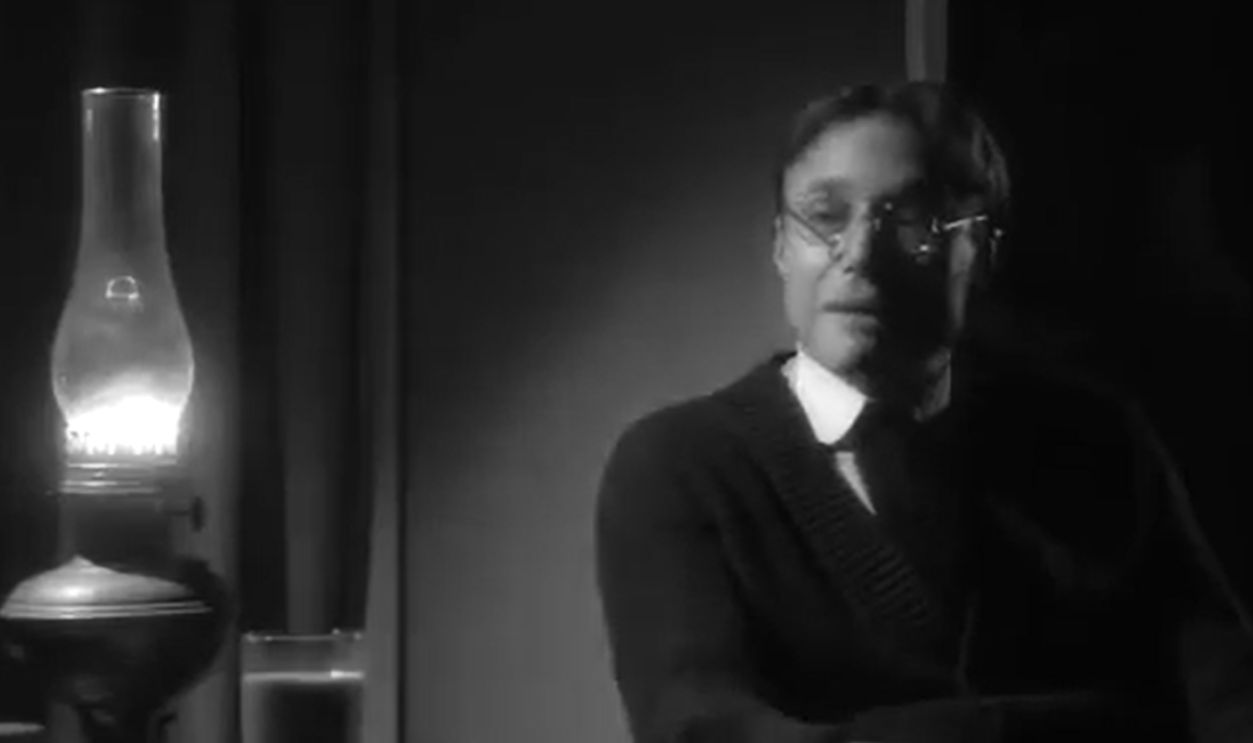 Screenshot from The Whisperer In Darkness, HPLHS (2011)
Color Out Of Space (2019)
Richard Stanley’s Color Out of Space brought Lovecraft back to mainstream cinema with a bigger budget and some recognizable actors like Nicolas Cage. The film tells the story of a meteorite that lands on a rural farm and begins to slowly warp the texture of reality itself. Its psychedelic visuals and escalating madness make it one of the most memorable modern Lovecraft adaptations.
 Screenshot from Color Out Of Space, RLJE Films (2019)
The Dunwich Horror (1970)
One of the earliest Lovecraft film adaptations, The Dunwich Horror introduced audiences to the author’s strange universe decades ago. Directed by Daniel Haller and starring Dean Stockwell, the film follows the simple plotline of a cult trying to summon cosmic beings known as the Old Ones. Though the movie takes liberties with the story, the film helped establish Lovecraft as a reliable if challenging cinematic source of horror.
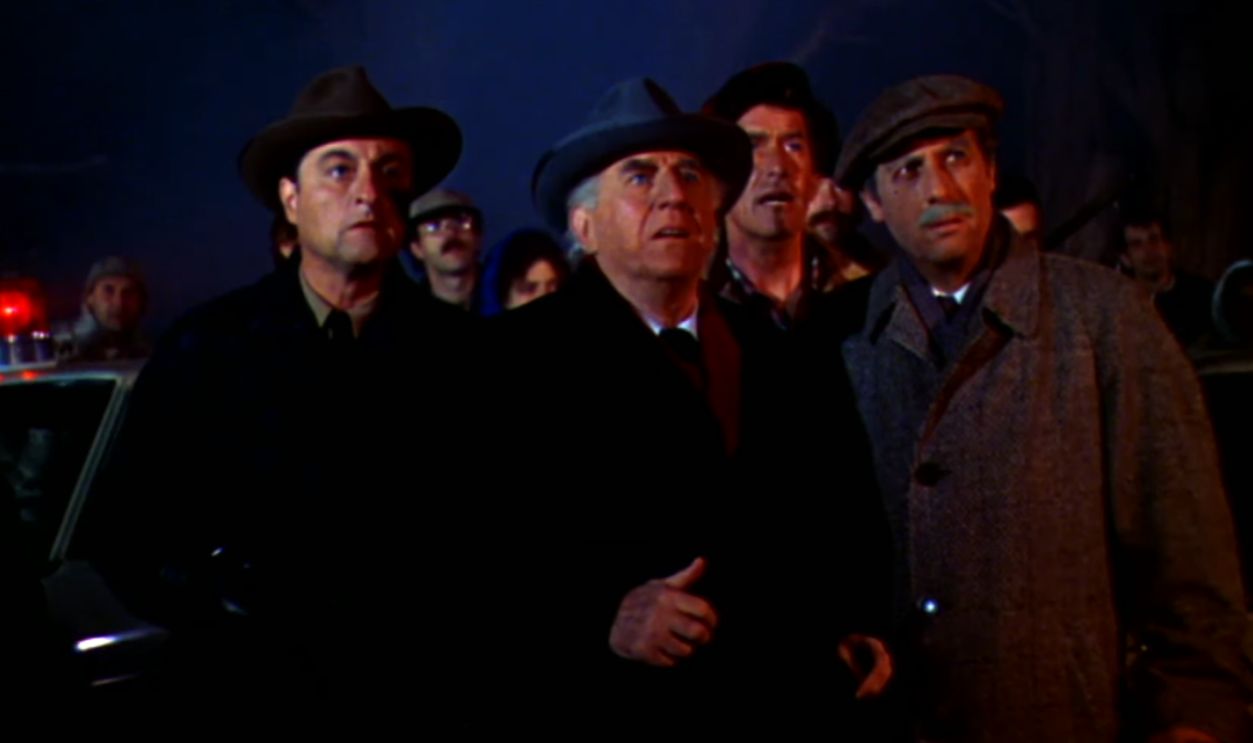 Screenshot from The Dunwich Horror, American International Pictures (1970)
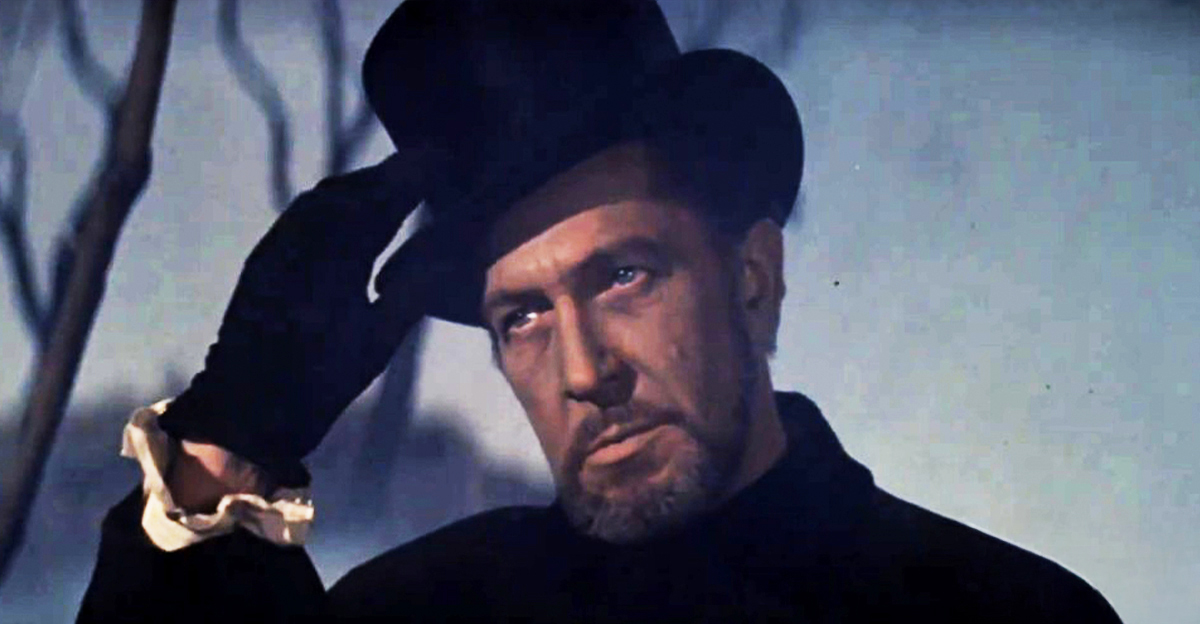
The Haunted Palace (1963)
Although marketed as part of Roger Corman’s series of films based on stories by Edgar Allan Poe, The Haunted Palace is actually based on Lovecraft’s novel The Case of Charles Dexter Ward. The film stars Vincent Price and features themes of possession, ancient curses, and forbidden knowledge. This is one of the earliest attempts to adapt Lovecraft’s ideas for the big screen.
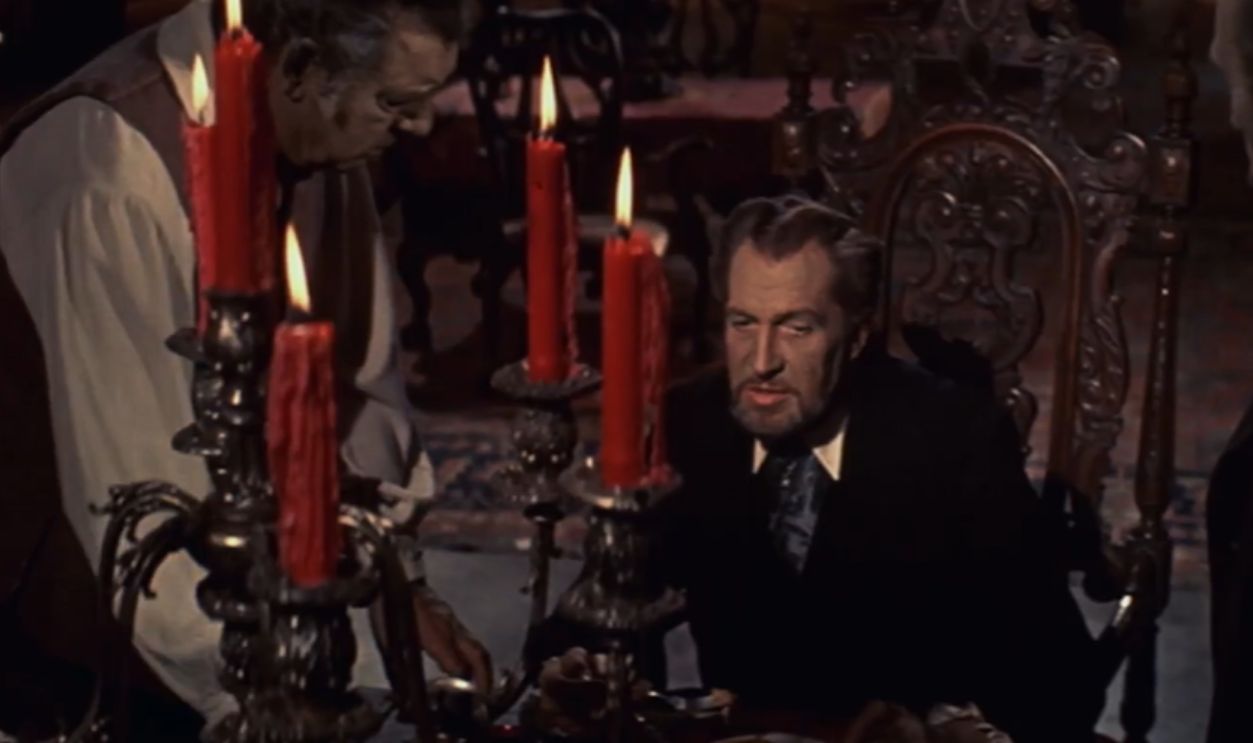 Screenshot from The Haunted Palace, American International Pictures (1963)
Necronomicon: Book Of The Dead (1993)
This anthology film takes inspiration from Lovecraft’s infamous fictional tome, the Necronomicon. The movie presents several interconnected stories involving cults, monsters, and forbidden rituals. With a variety of different directors and screenwriters, the film was uneven in quality, but it effectively captured the pulpy horror and occult themes that frequently appear throughout Lovecraft’s mythos.
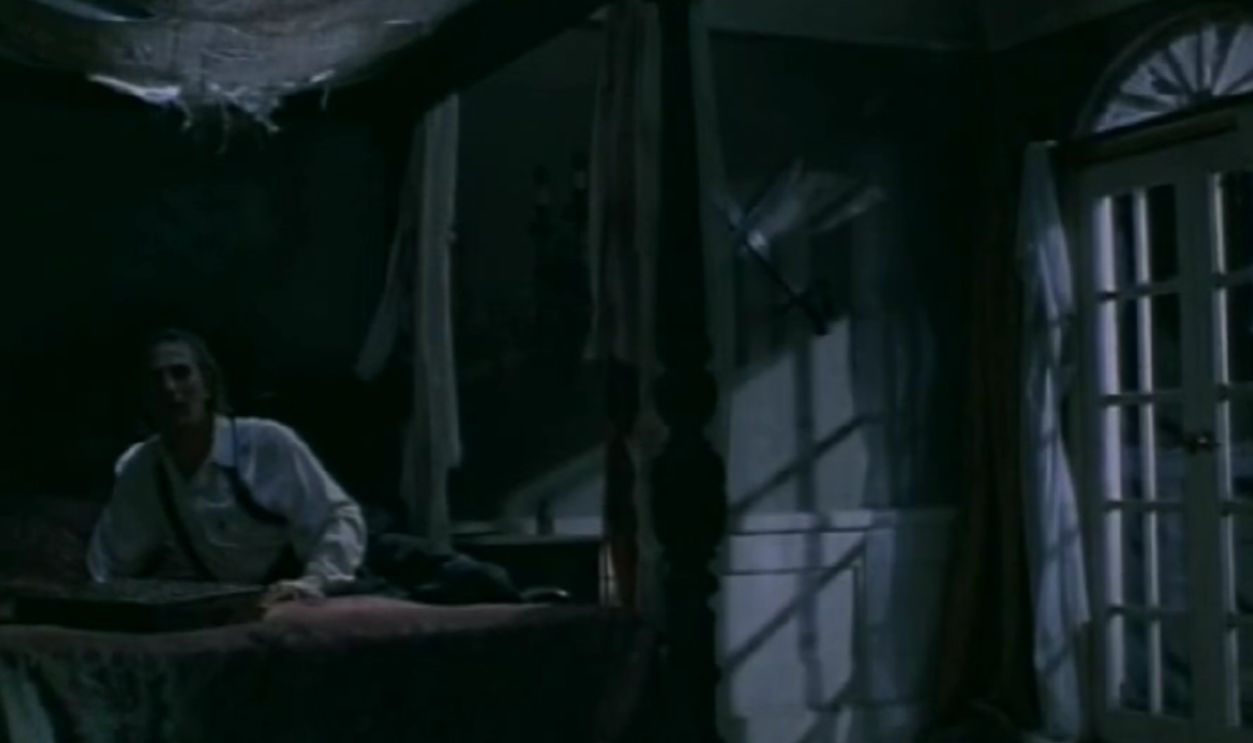 Screenshot from Necronomicon: Book Of The Dead, New Line Cinema (1993)
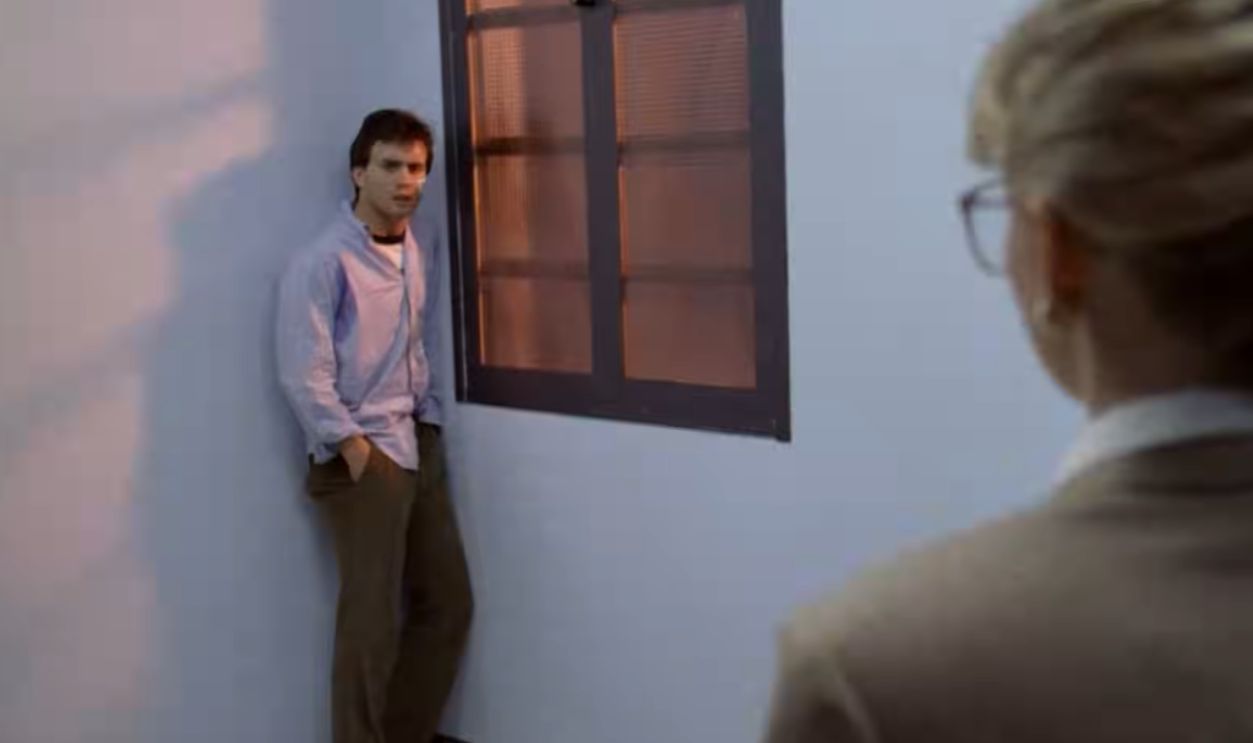
The Resurrected (1991)
Dan O’Bannon’s The Resurrected is another attempt at Lovecraft’s novel The Case of Charles Dexter Ward. The story revolves around a detective investigating a man obsessed with trying to revive his sinister ancestor. Going forth from this fascinating premise, the film successfully blends detective noir with supernatural horror, resulting in one of the more faithful Lovecraft adaptations.
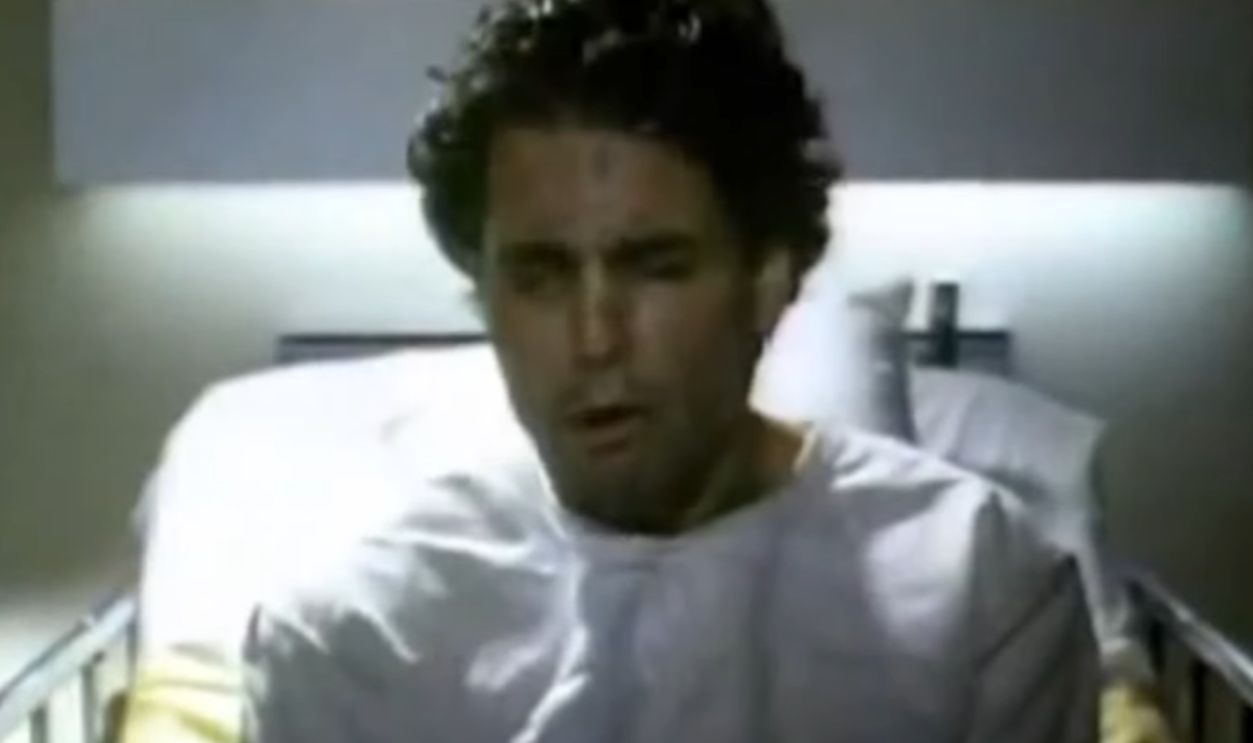 Screenshot from The Resurrected, Lionsgate (1991)
Die Farbe (2010)
This adaptation of The Colour Out of Space, directed by Huan Vu, took a unique approach. Shot mostly in black and white, the mysterious alien influence in the story appears in color, creating an unsettling visual effect for the viewer. This original stylistic choice accentuates the strange, indescribable nature of Lovecraft’s cosmic horror. Lovecraft biographer S.T. Joshi called this film "the best Lovecraft film adaptation ever made." That’s high praise!
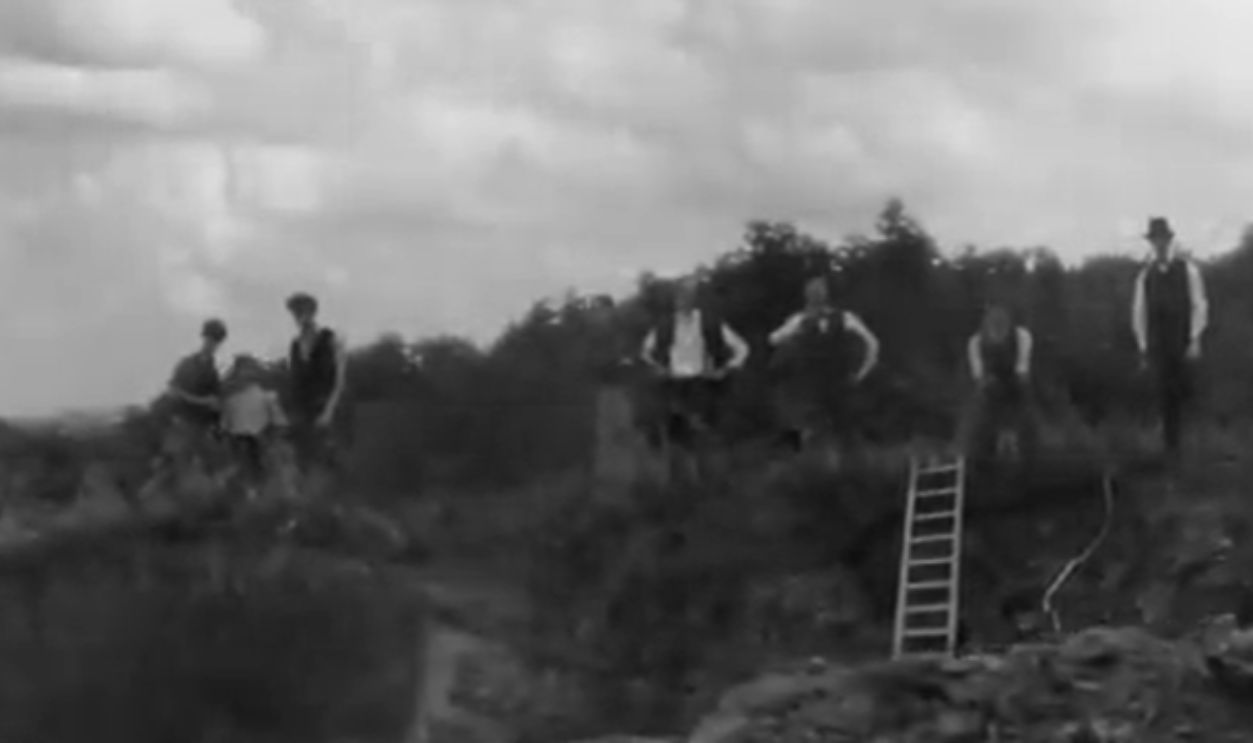 Screenshot from Die Farbe, Amazon Prime (2010)
The Curse (1987)
Another adaptation of The Colour Out of Space, The Curse shifts the story from the customary New England backdrop to a rural American setting. After a meteorite crashes near a farm, the surrounding land and water become contaminated by an alien force. The film blends Lovecraft’s cosmic horror with classic 1980s cinematic creature effects and body horror.
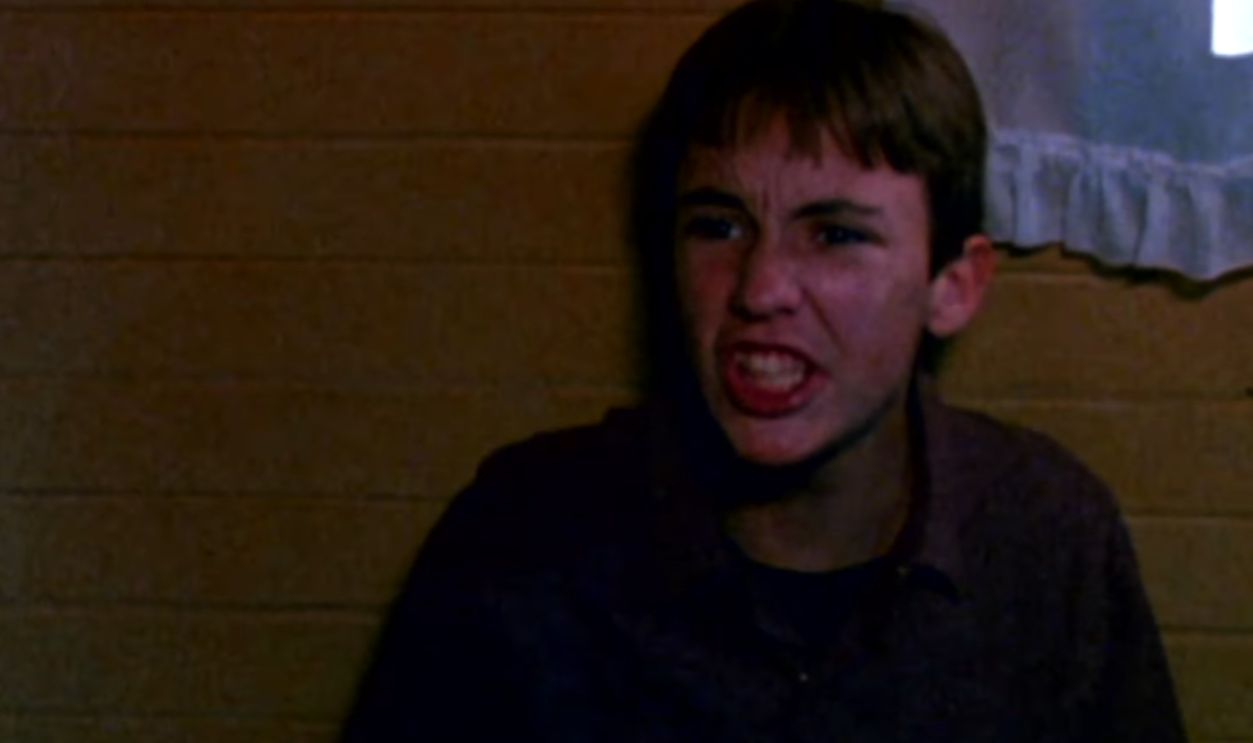 Screenshot from The Curse, Metro-Goldwyn-Mayer (1987)
Castle Freak (1995)
Directed by the accomplished Lovecraft story director Stuart Gordon, Castle Freak draws inspiration from Lovecraft’s short story The Outsider. The movie follows a family that inherits an ancient Italian castle, only to learn of a horrifying secret hidden within its walls. Gordon once again showed his skill in turning Lovecraft’s unsettling themes into visceral cinematic horror.
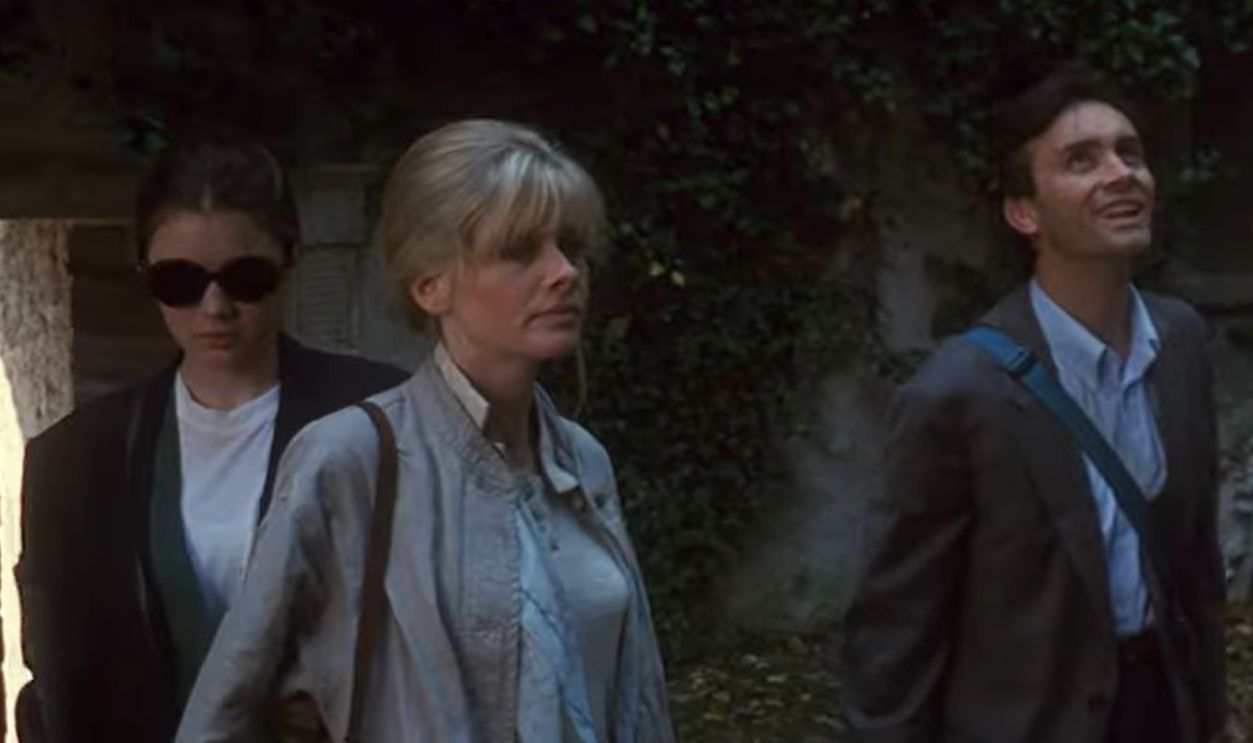 Screenshot from Castle Freak, Full Moon Entertainment (1995)
The Unnamable (1988)
Based on Lovecraft’s short story of the same name, The Unnamable explores the legend of a monstrous creature haunting a colonial mansion. In perfect horror movie style, a group of curious college students look into the legend and learn the terrifying truth. The film serves up classic supernatural horror while drawing directly from Lovecraft’s fascination with ancient curses and forgotten histories. Directed by Jean-Paul Ouellette.
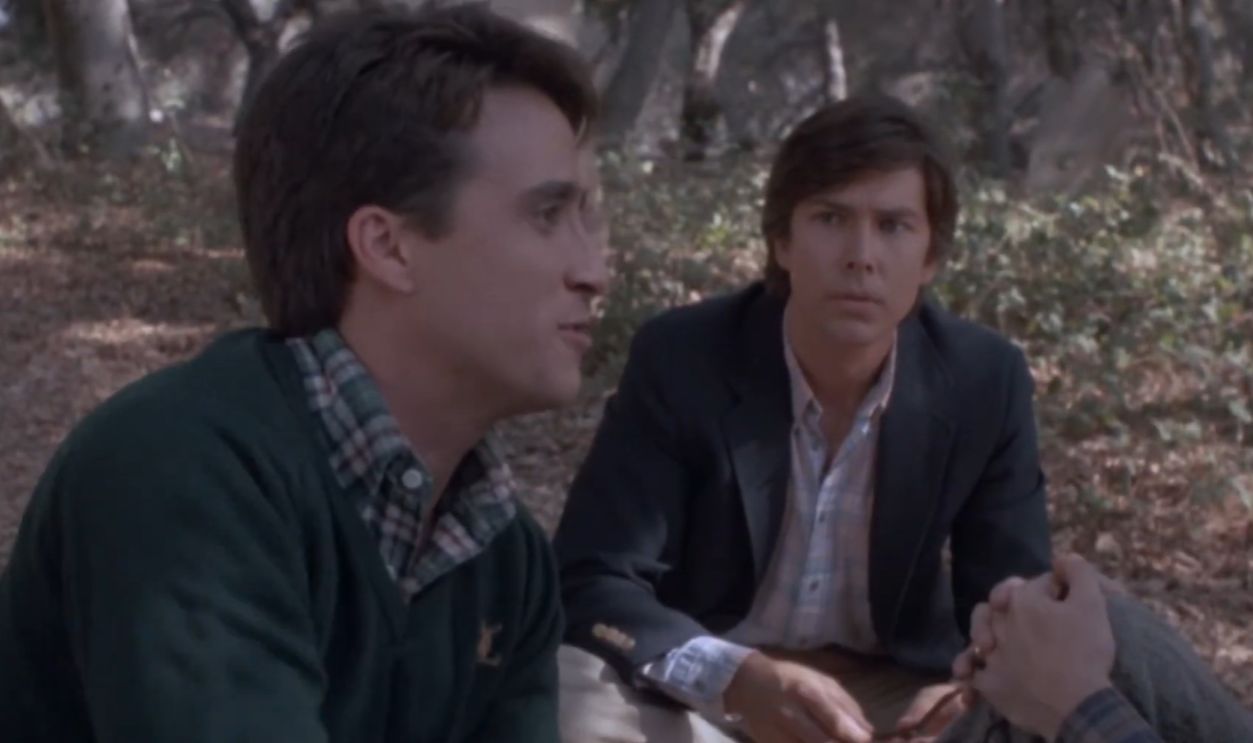 Screenshot from The Unnamable, Trimark Pictures (1988)
Bleeders (1997)
Also known as Hemoglobin, this film adapts Lovecraft’s atmospheric story The Lurking Fear. The plot centers on a remote island community plagued by grotesque subterranean creatures. While the film strays significantly from the original tale, its disturbing monsters and bleak tone capture Lovecraft’s obsession with unstoppable decline and hidden horrors beneath the thin veneer of civilization.
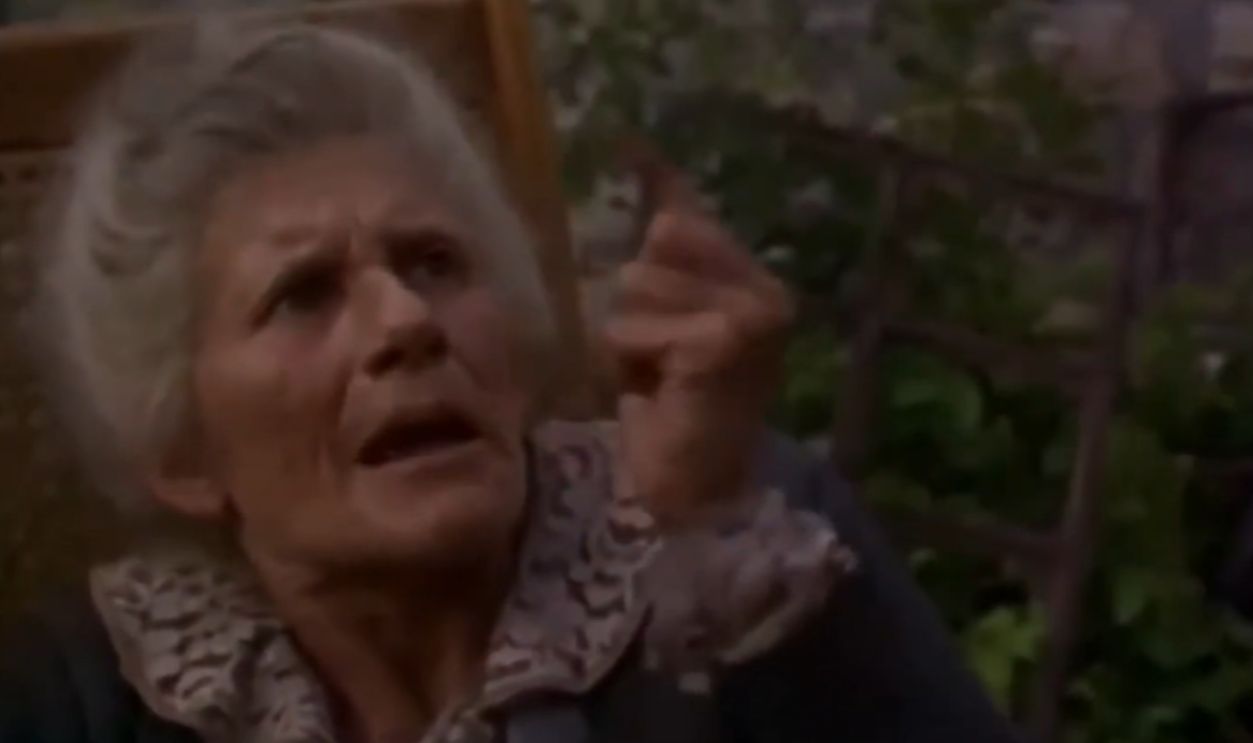 Screenshot from Bleeders, Fries/Schultz Film Group (1997)
Dreams In The Witch House (2005)
Stuart Gordon returned to direct this episode for the Showtime TV series Masters of Horror. The episode adapts Lovecraft’s story about mathematics, witchcraft, and interdimensional travel. The story follows a student at Miskatonic University who rents a room in a house rumored to be a haven of supernatural events. The adaptation highlights Lovecraft’s obsession with the intersection between science and cosmic terror.
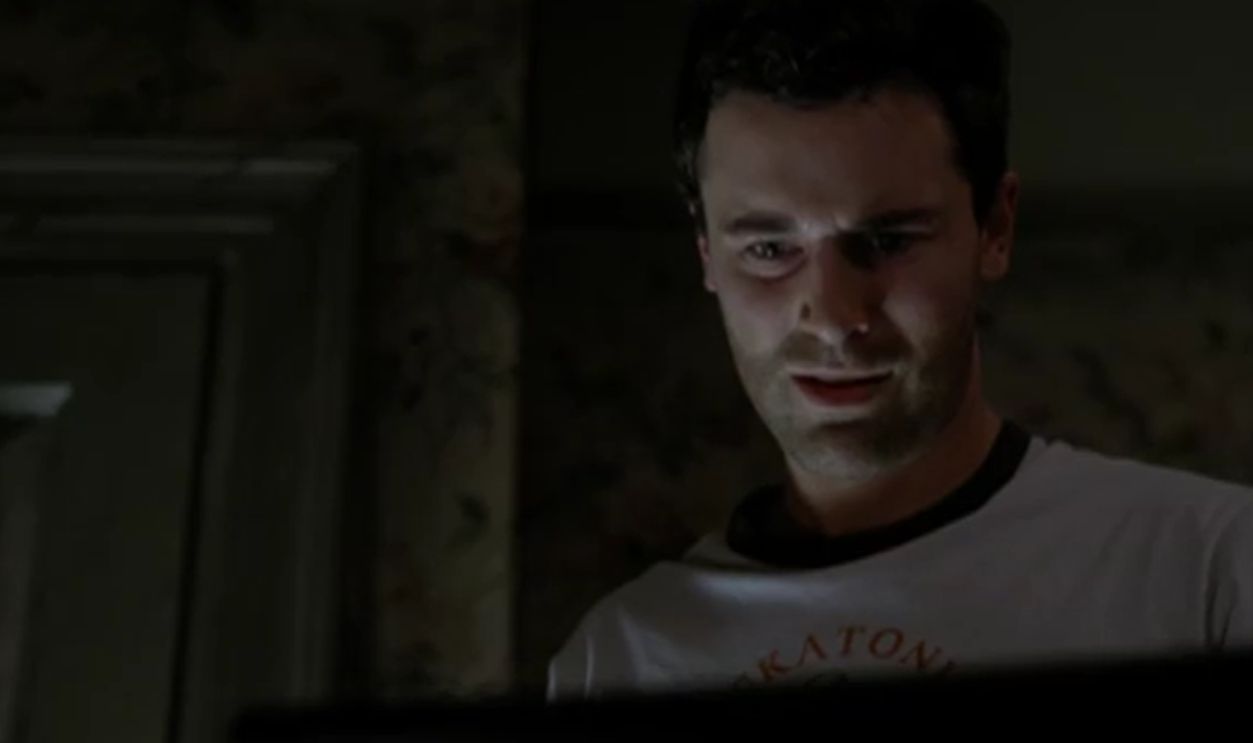 Screenshot from Dreams In The Witch House, Anchor Bay Entertainment (2005)
Die Monster Die (1965)
Yet another early cinematic interpretation of The Colour Out of Space, this film starred Boris Karloff and featured the Gothic tone more typical of 1960s horror films. Though the title differs from Lovecraft’s story, the plot retains the central idea of an alien presence corrupting the environment and driving people beyond the bounds of human sanity.
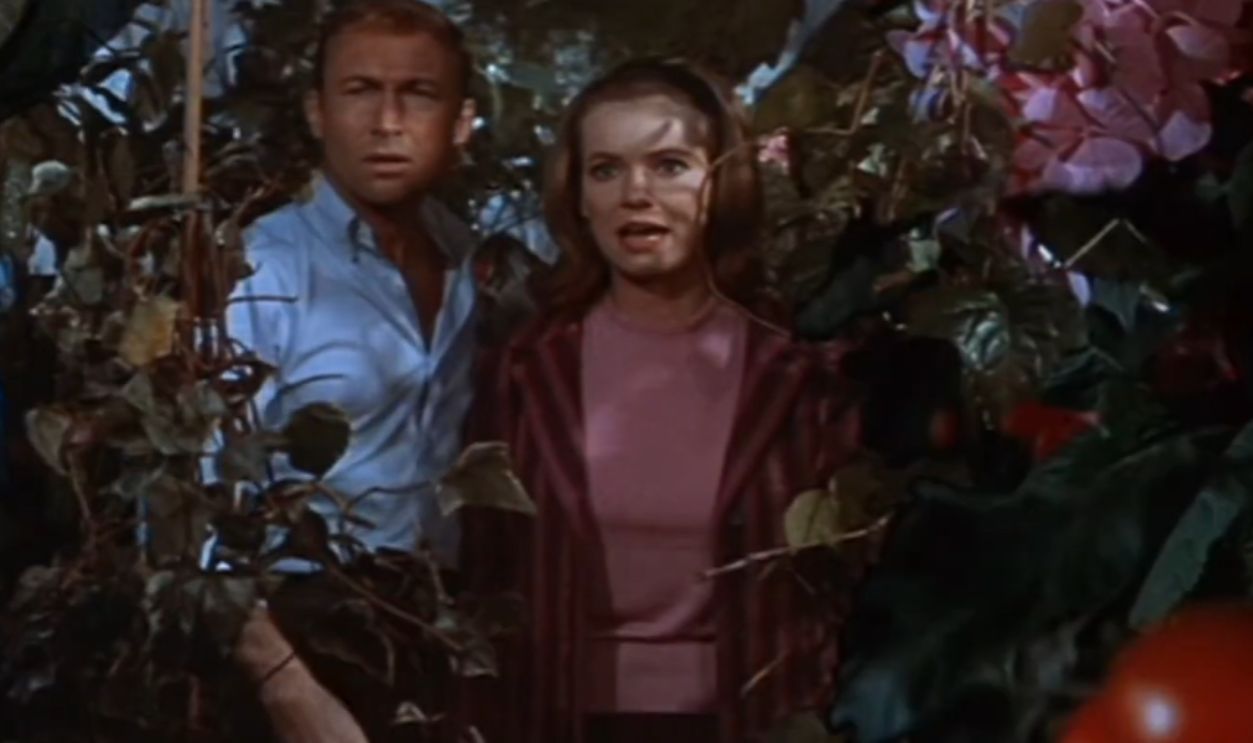 Screenshot from Die Monster Die, American International Pictures(1965)
In The Mouth Of Madness (1994)
John Carpenter’s In the Mouth of Madness is not a direct adaptation, but it is one of the most Lovecraftian films ever made. The movie follows an insurance investigator searching for a missing horror writer whose books seem to alter reality itself. The film’s cosmic dread and themes of madness have strong Lovecraft’s influence.
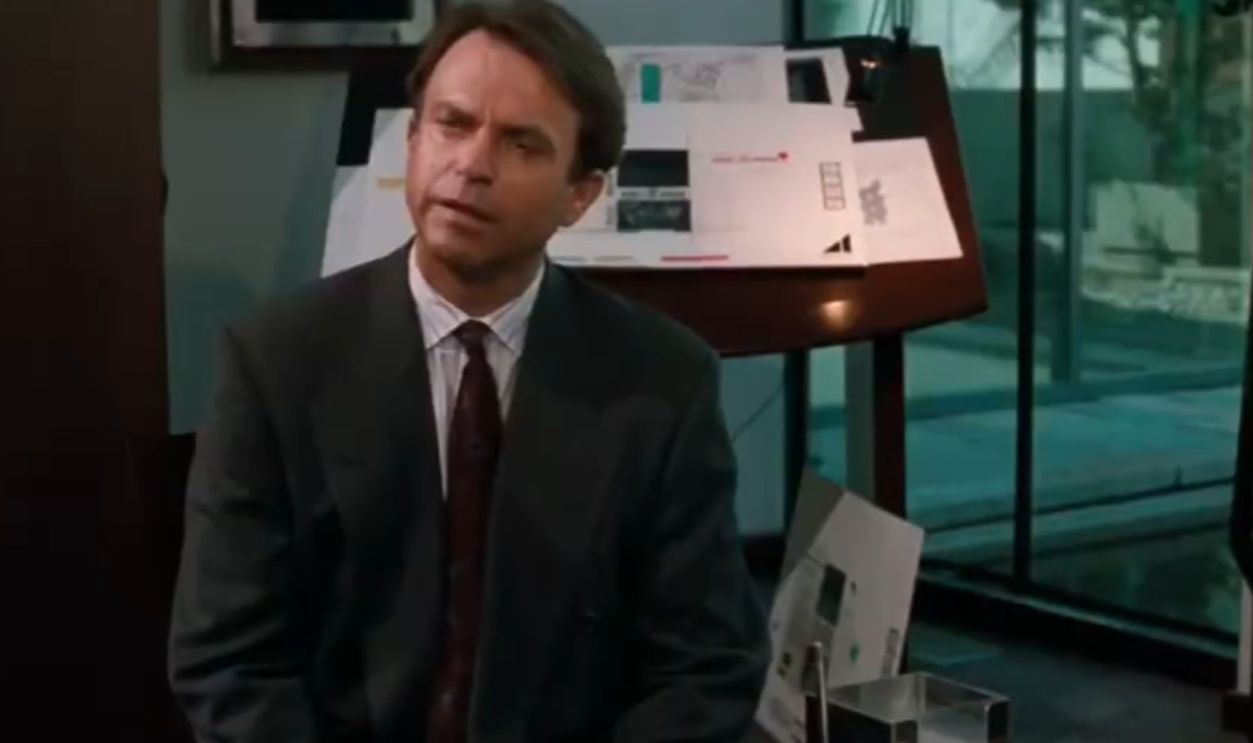 Screenshot from In The Mouth Of Madness, New Line Cinema (1994)
The Thing (1982)
Although John Carpenter’s The Thing was actually based on John W. Campbell’s great novel “Who Goes There?” , the film’s themes of cosmic terror and incomprehensible alien life perfectly capture the Lovecraft spirit. The shape-shifting creature and hopeless Antarctic setting generate an atmosphere of paranoia and existential doom that feels unmistakably Lovecraftian. Carpenter acknowledged Lovecraft’s influence on this film.
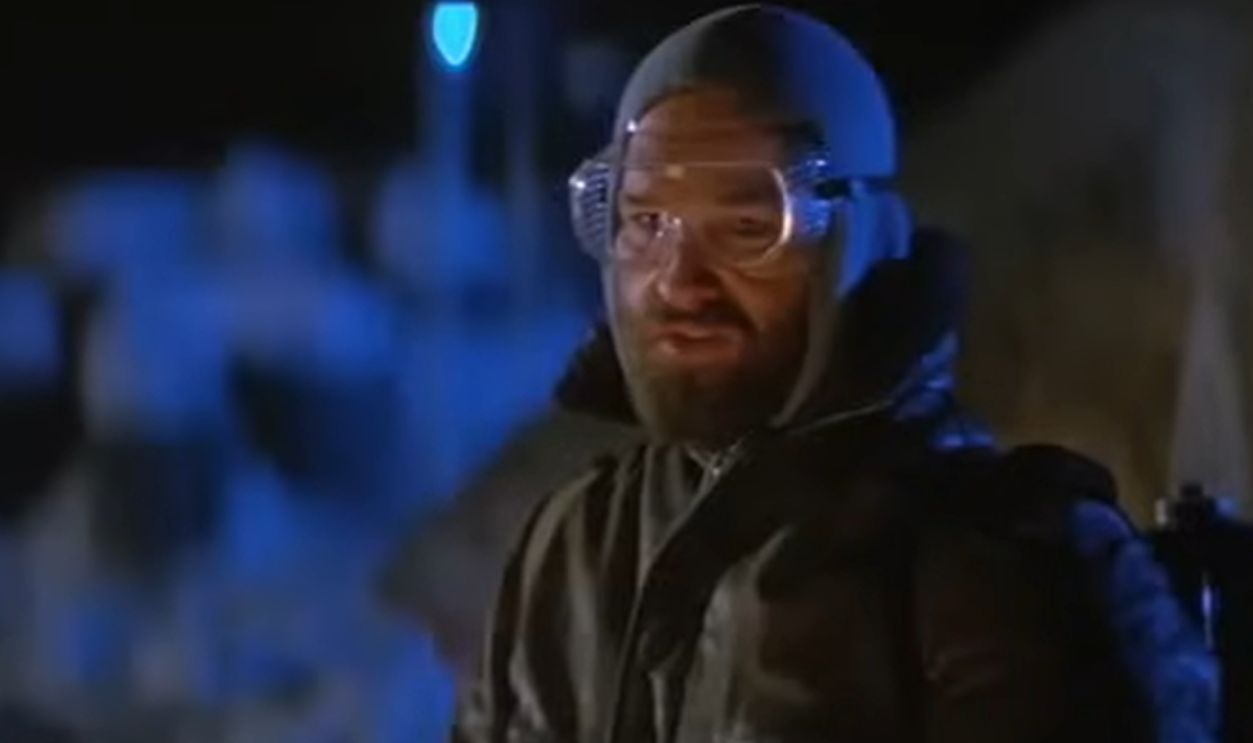 Screenshot from The Thing, Universal Pictures (1982)
Why Lovecraft Adaptations Continue To Fascinate
Lovecraft’s work has lured generations of filmmakers, even when direct adaptations prove difficult. His stories focus on humans facing ancient cosmic forces far beyond comprehension. When filmmakers capture that feeling of dread and mystery, the results are unforgettable. That is why Lovecraft remains one of the most enduring influences in horror cinema.
 Screenshot from Color Out Of Space, RLJE Films (2019)
You May Also Like:
Chilling Facts About Alfred Hitchcock, The Dark Genius
Blood-Curdling Facts About Horror Movies