When The Movie Outshines The Page
Book lovers, don’t come for us, but sometimes the movie really is better. A great adaptation doesn’t just mimic the book; it refines it, elevates it, and often becomes the version we remember most. These films didn’t just make the source material cinematic—they made it iconic, sharpening characters, ditching messy subplots, and turning good stories into unforgettable ones.
Jurassic Park (1993)
Michael Crichton’s novel is riveting but dense, stuffed with technical science and lengthy explanations. Steven Spielberg transforms it into pure blockbuster magic, emphasizing awe, tension, and character-friendly storytelling. The film tightens the pacing, streamlines the plot, and adds emotional beats—especially through the kids—that the book doesn’t fully deliver. Its groundbreaking effects and iconic score seal the deal, making it a cultural phenomenon rather than just a techno-thriller.
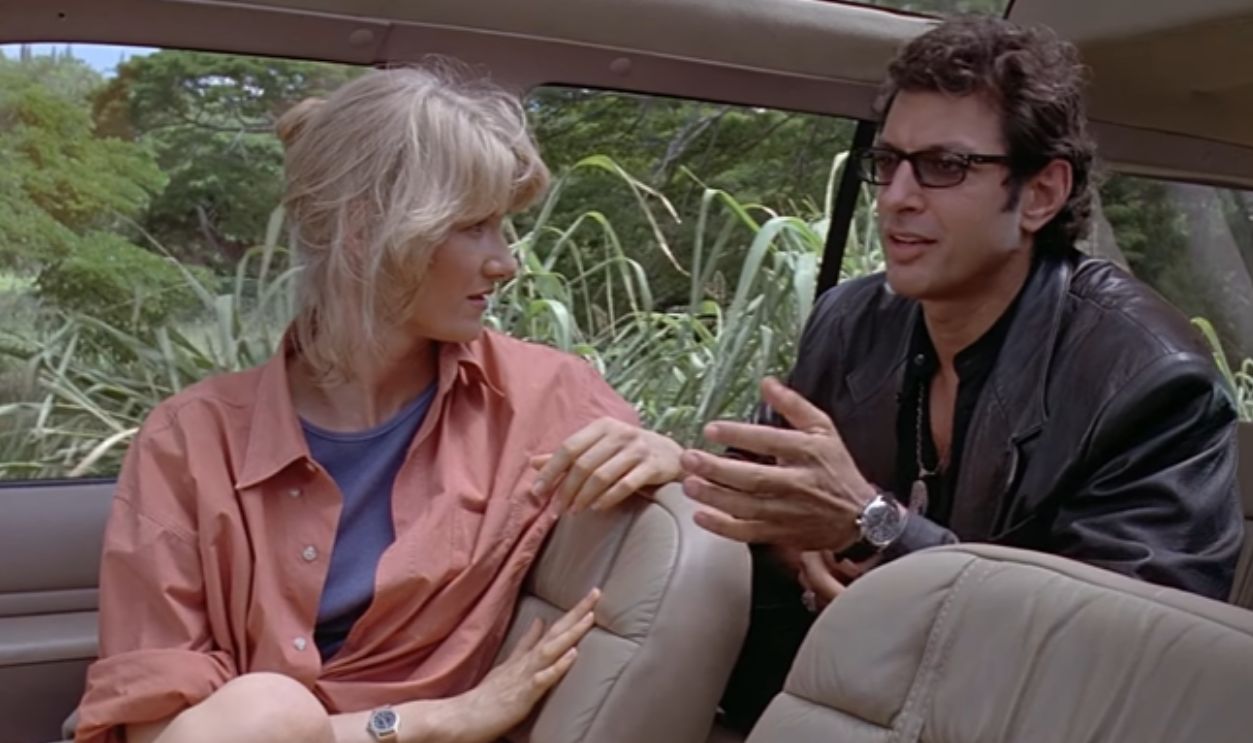 Screenshot from Jurassic Park, Universal Pictures (1993)
Adaptation (2002)
While Susan Orlean’s The Orchid Thief is engaging nonfiction, Charlie Kaufman uses it as a trampoline into something wildly original. The film becomes a meta-commentary on writing, creativity, and the agony of adaptation itself. With layers of self-parody, dual Nicolas Cage performances, and a third-act spiral into dark absurdity, Adaptation becomes a richer, stranger, more ambitious piece of art than the book could ever intend to be.
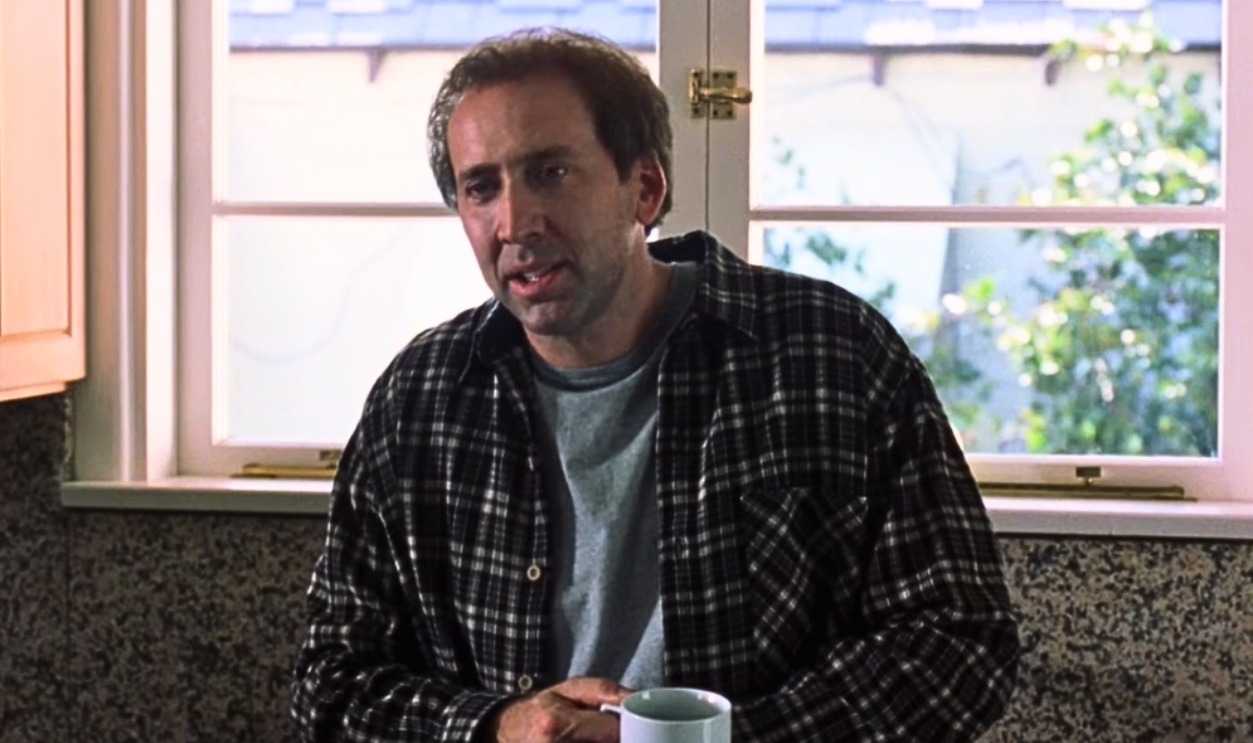 Screenshot from Adaptation, Sony Pictures Releasing (2002)
Blade Runner (1982)
Philip K. Dick’s novel Do Androids Dream of Electric Sheep? is imaginative but tonally scattered, balancing humor, noir, and philosophical musings. Ridley Scott distills it into a sleek, atmospheric meditation on humanity, memory, and identity. The film’s haunting visuals, minimalist storytelling, and ambiguous ending elevate it into a timeless sci-fi masterpiece that far surpasses its meandering, sometimes uneven source material.
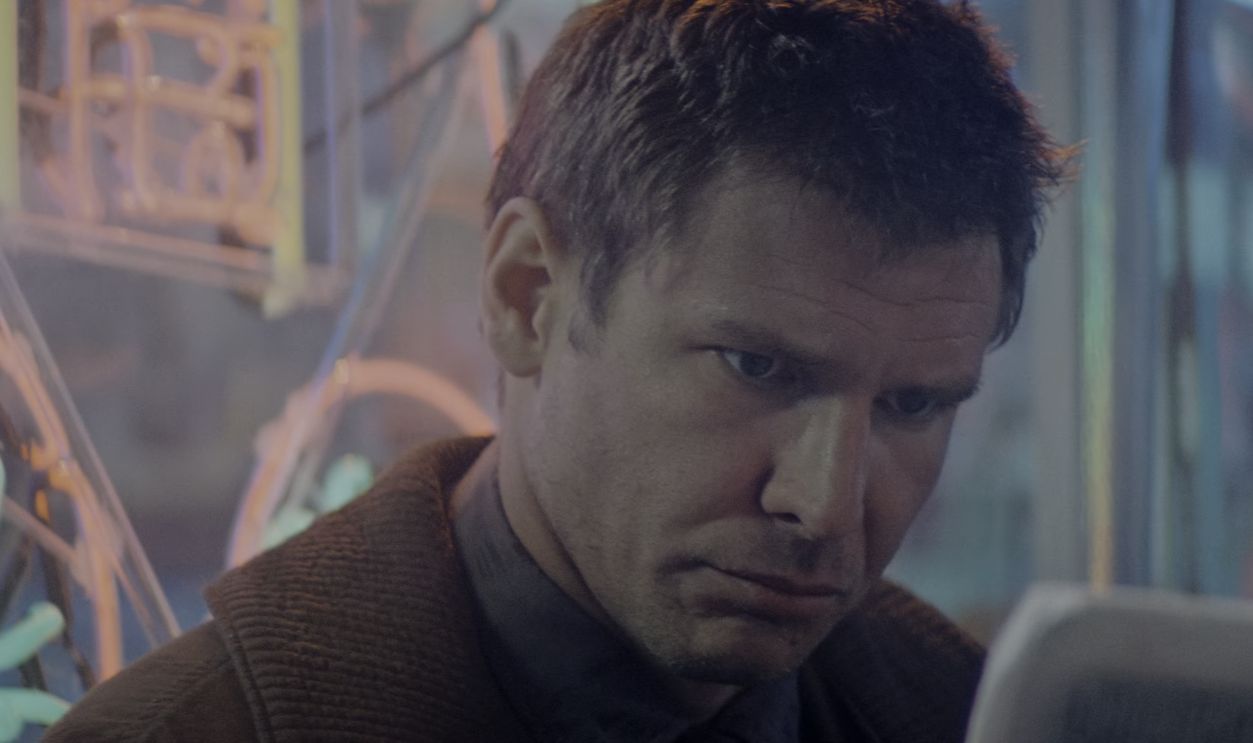 Screenshot from Blade Runner, Warner Bros. (1982)
The Shawshank Redemption (1994)
Stephen King’s novella is a tight and beautifully written story, but Frank Darabont deepens it into an emotionally sweeping tale of hope, friendship, and redemption. The film expands characters like Red, enriches thematic subtext, and creates cinematic moments that simply don’t exist on the page. Layered performances and a near-perfect ending make the film feel more profound and emotionally resonant than the original work.
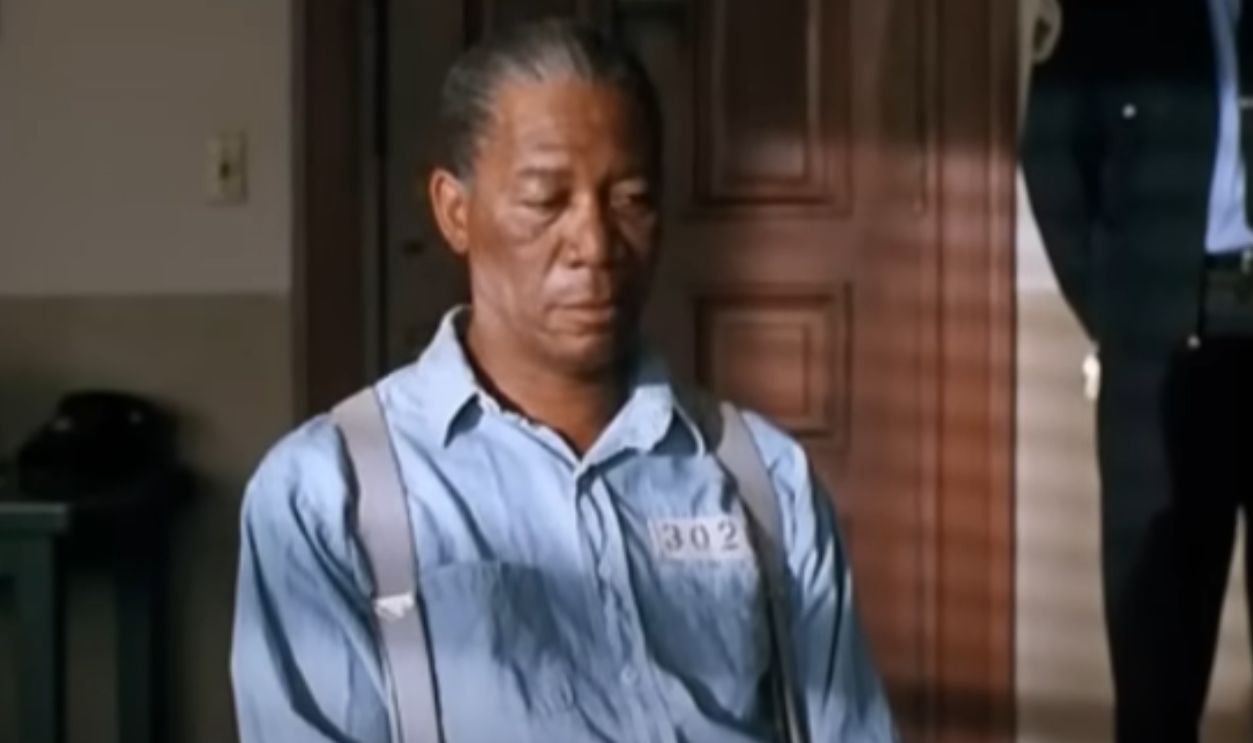 Screenshot from The Shawshank Redemption, Columbia Pictures (1994)
All The President’s Men (1976)
The Woodward–Bernstein book is essential but sprawling, filled with granular political detail. The film focuses that energy into a crisp, suspenseful thriller. Robert Redford and Dustin Hoffman bring charisma and urgency, and the movie highlights the tension and paranoia of investigative journalism in a far more visceral way. It transforms meticulous reporting into gripping cinema.
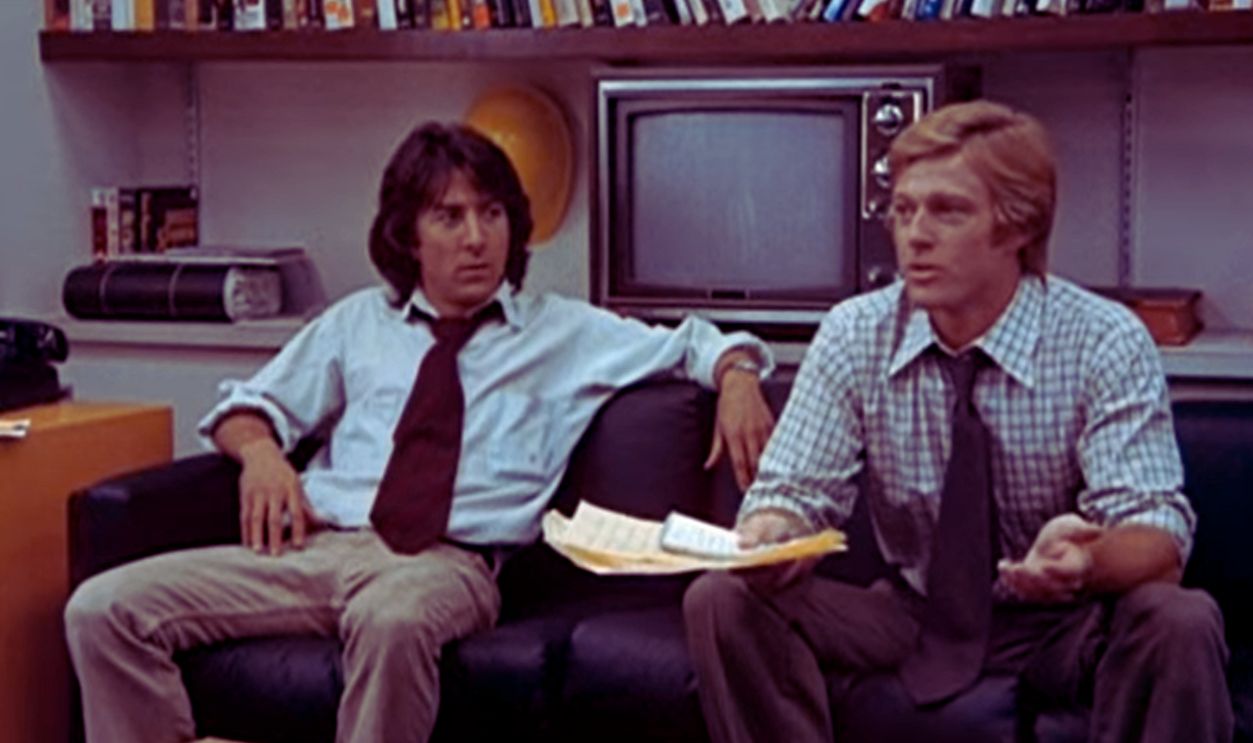 Screenshot from All The President’s Men, Warner Bros. (1976)
The Handmaiden (2016)
Sarah Waters’s Fingersmith is clever and twisty, but Park Chan-wook completely reinvents it with bold stylistic choices. By relocating the story to Japanese-occupied Korea and experimenting with shifting perspectives, the film becomes richer, sexier, and more psychologically layered. Its meticulous direction, stunning visuals, and sharply intensified twists create a version that surpasses the already excellent novel.
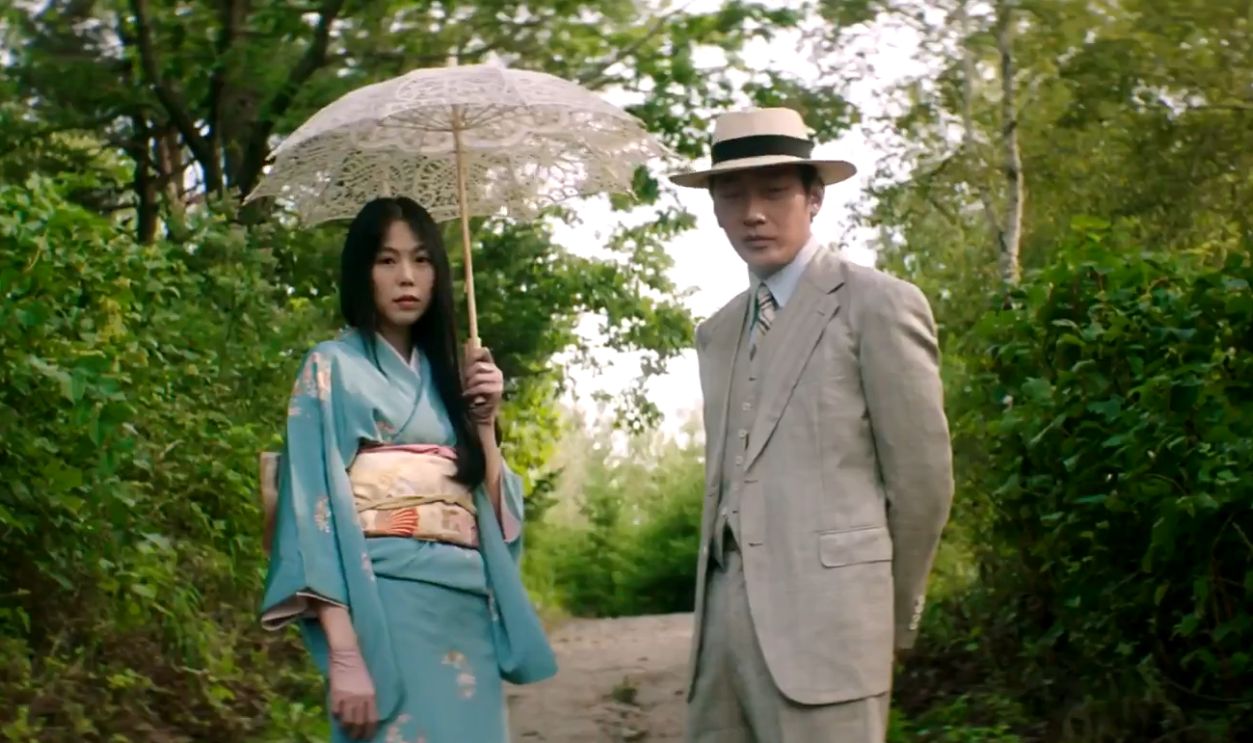 Screenshot from The Handmaiden, CJ Entertainment (2016)
The Maltese Falcon (1941)
Dashiell Hammett’s novel is foundational noir, but John Huston’s adaptation perfects the tone and pacing. Humphrey Bogart’s cool, controlled performance elevates Sam Spade into the definitive cinematic detective. The dialogue becomes snappier, the tension more focused, and the storytelling cleaner.
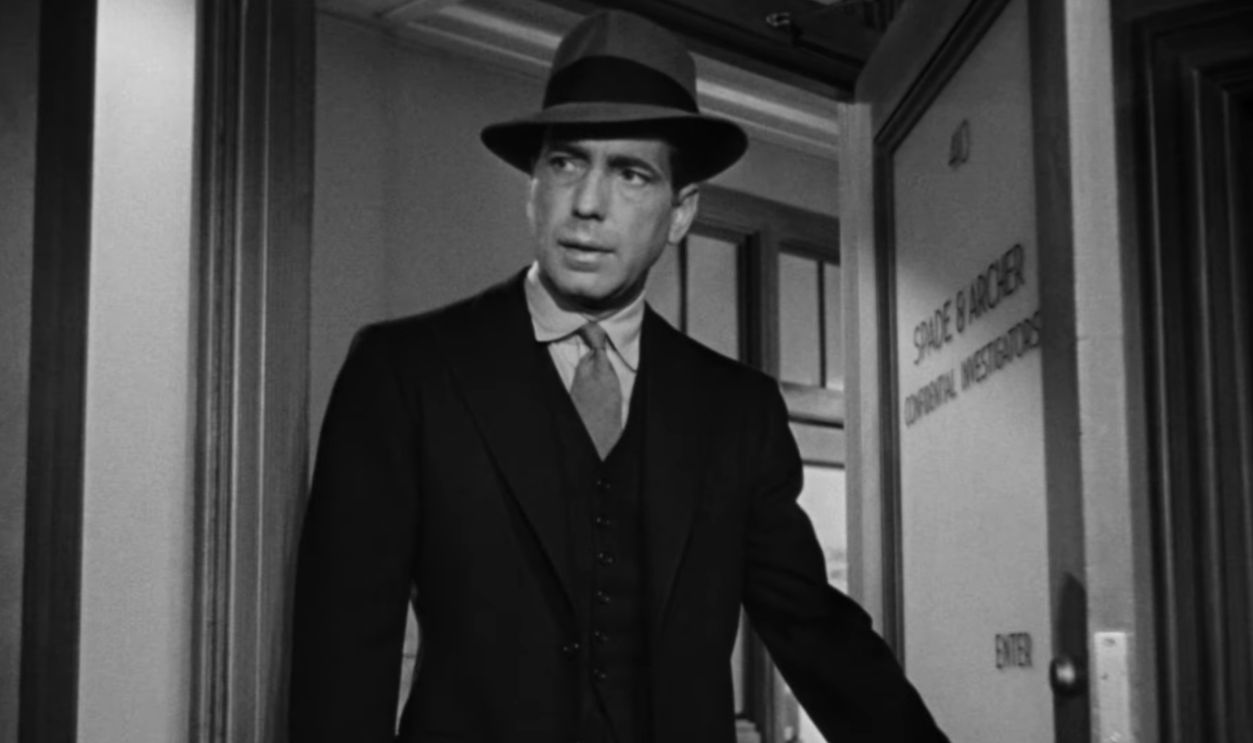 Screenshot from The Maltese Falcon, Warner Bros. (1941)
A Simple Favor (2018)
Darcey Bell’s novel has a fun concept but inconsistent tone and clunky plotting. Paul Feig’s adaptation embraces dark comedy, sharpens the mystery, and gives Blake Lively and Anna Kendrick irresistible chemistry. The film leans into stylish excess, fixing the book’s awkward twists and creating a breezier, more confident version that’s significantly more entertaining.
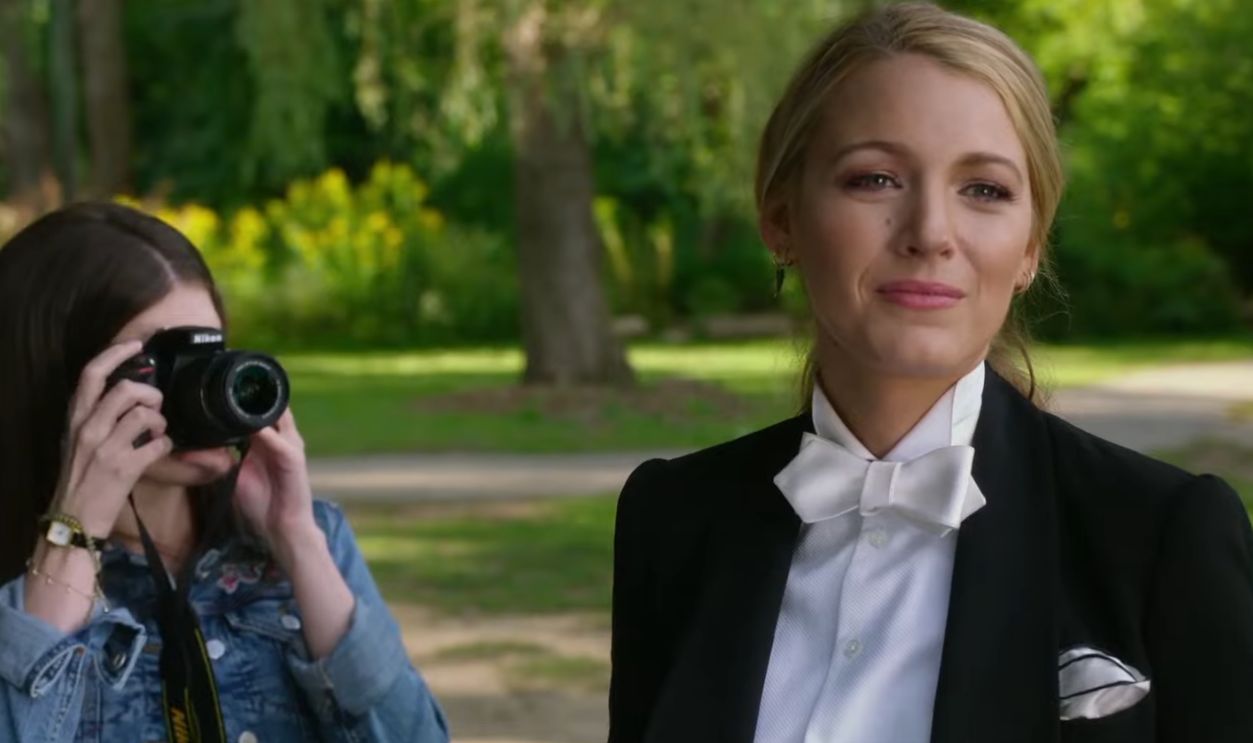 Screenshot from A Simple Favor, Lionsgate (2018)
Jaws (1975)
Peter Benchley’s book is pulpy, bloated, and bogged down by subplots—including a strange affair—that distract from the terror. Spielberg cuts the fat and focuses on the primal fear of the unseen shark. His impeccable pacing, memorable characters, and iconic score create one of the greatest thrillers ever made. The film’s suspense and technical mastery leave the book in the dust.
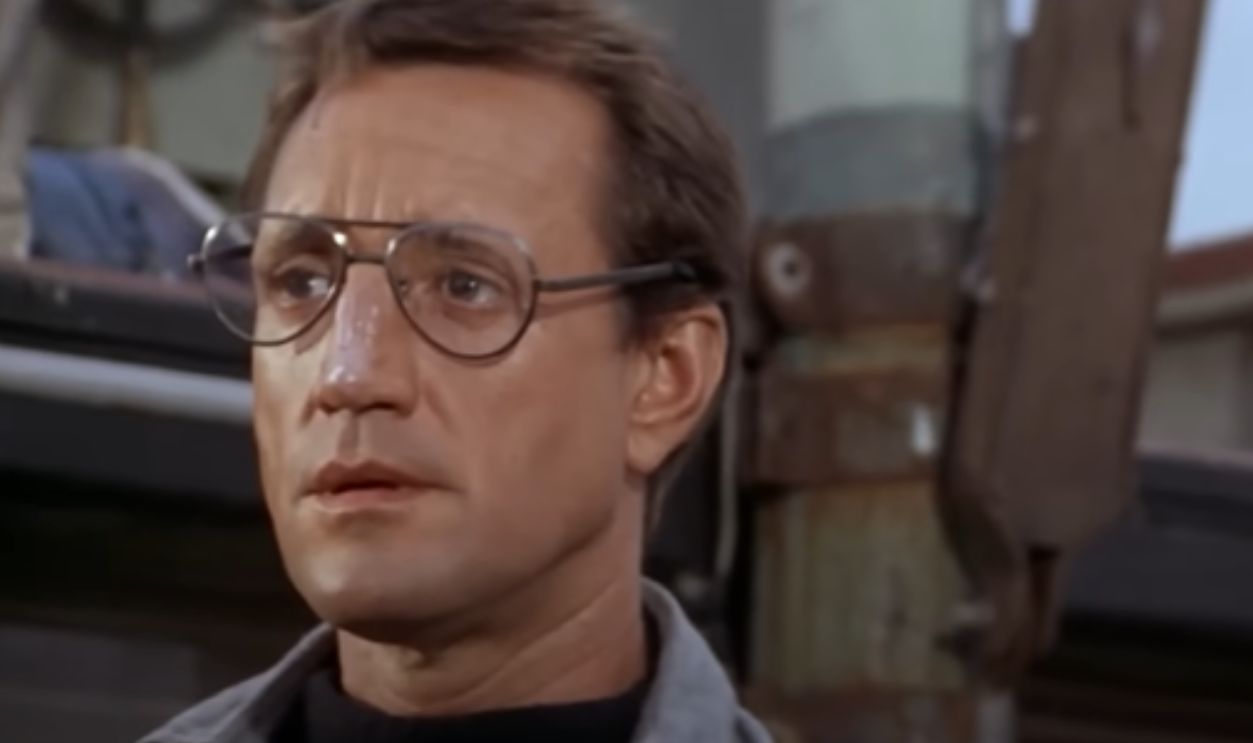 Screenshot from Jaws, Universal Pictures (1975)
The Godfather (1972)
Mario Puzo’s novel is juicy fun but often melodramatic. Francis Ford Coppola trims excess subplots and elevates the story into a Shakespearean tragedy about power and corruption. With impeccable performances, atmospheric cinematography, and tighter emotional arcs, the film becomes a towering masterpiece—more elegant, more focused, and far more culturally impactful than the novel.
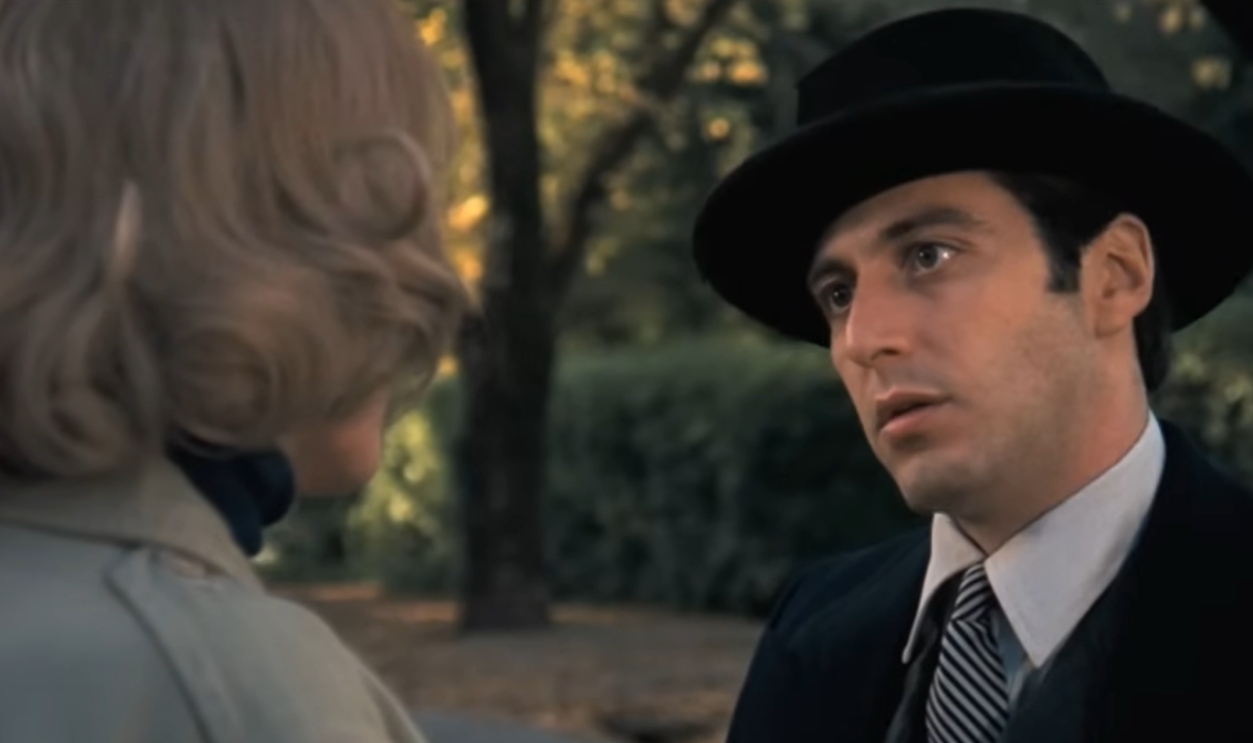 Screenshot from The Godfather, Paramount Pictures (1972)
Cruising (1980)
Gerald Walker’s novel is straightforward crime fiction, but William Friedkin’s film dives into murkier, more psychologically charged territory. Al Pacino’s performance adds layers of ambiguity, and the movie explores identity, subculture, and obsession with unsettling boldness. Though controversial, the film’s visual style and thematic ambition far exceed the book’s procedural simplicity.
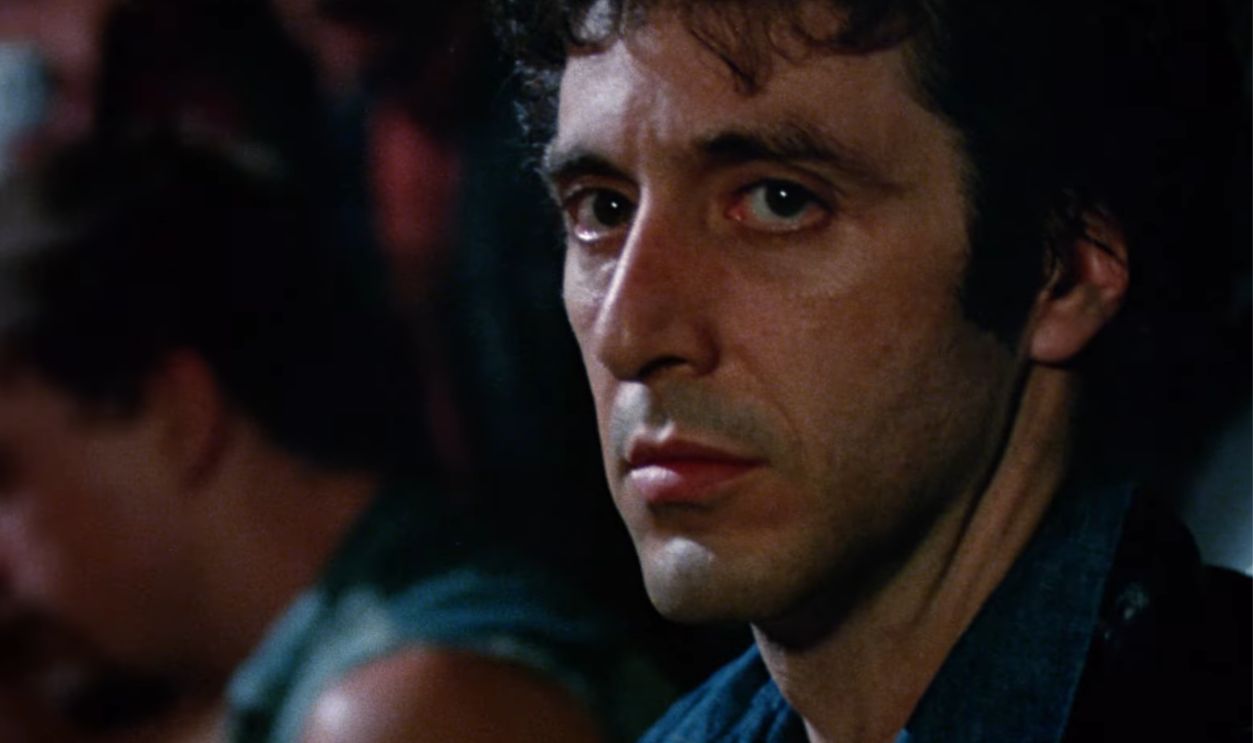 Screenshot from Cruising, United Artists (1980)
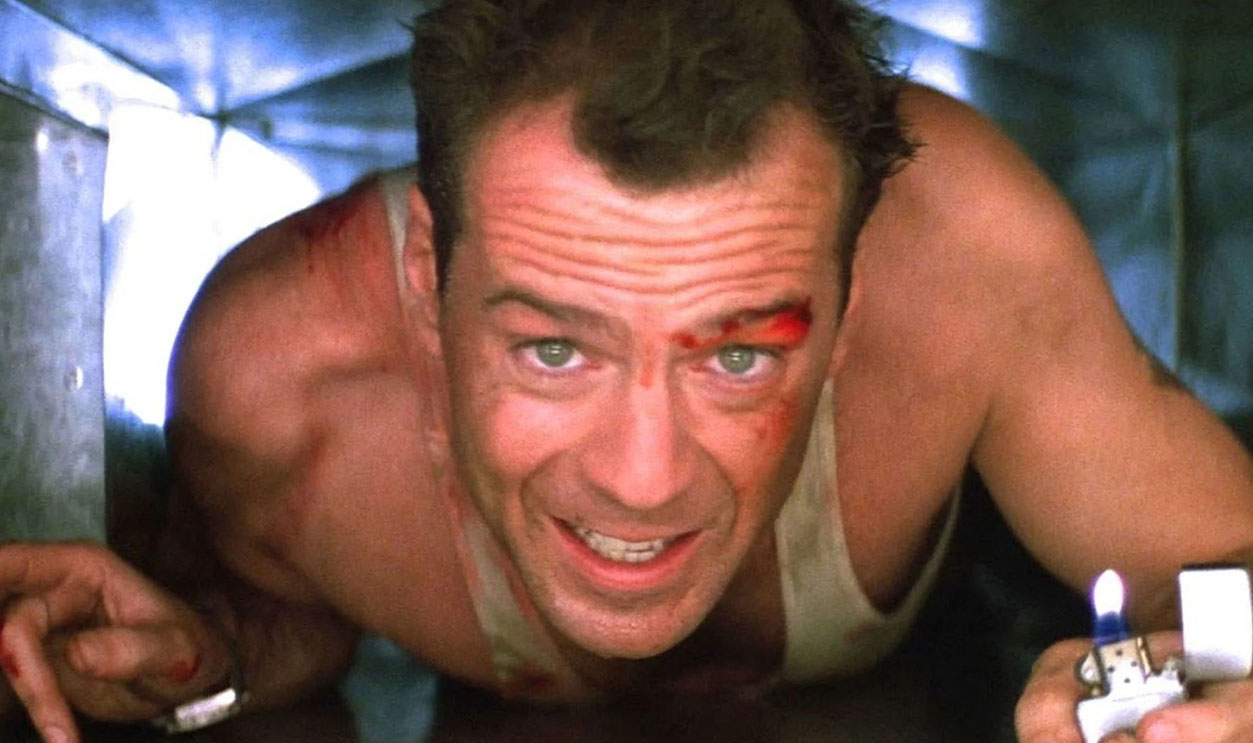
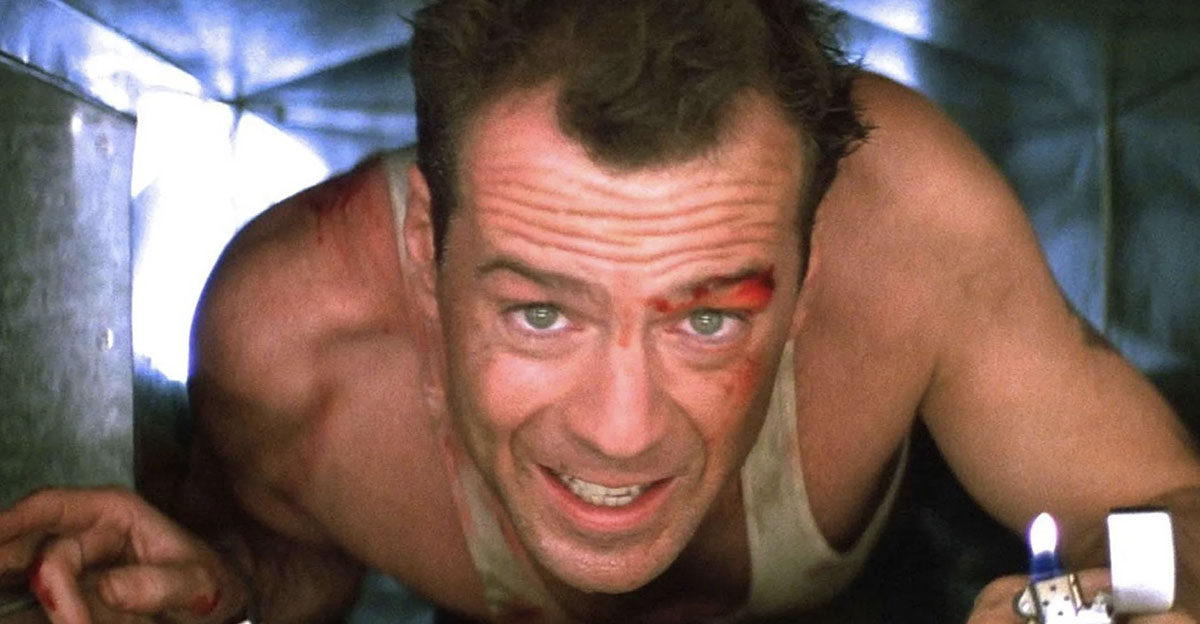
Die Hard (1988)
Roderick Thorp’s Nothing Lasts Forever is darker, bleaker, and saddled with an older protagonist. The film reinvents the hero as John McClane—charismatic, flawed, funny, and instantly iconic. With tighter action sequences, sharper dialogue, and emotional stakes that feel more immediate, Die Hard transforms an average thriller into the gold standard of action cinema.
 Screenshot from Die Hard, 20th Century Fox (1988)
Big Fish (2003)
Daniel Wallace’s novel is imaginative but episodic, lacking emotional cohesion. Tim Burton expands the story into a visually lush, deeply moving tale about fathers, sons, and the myths we build about those we love. The film enriches the emotional core and makes the magical realism more vibrant, giving it a resonance that surpasses the book.
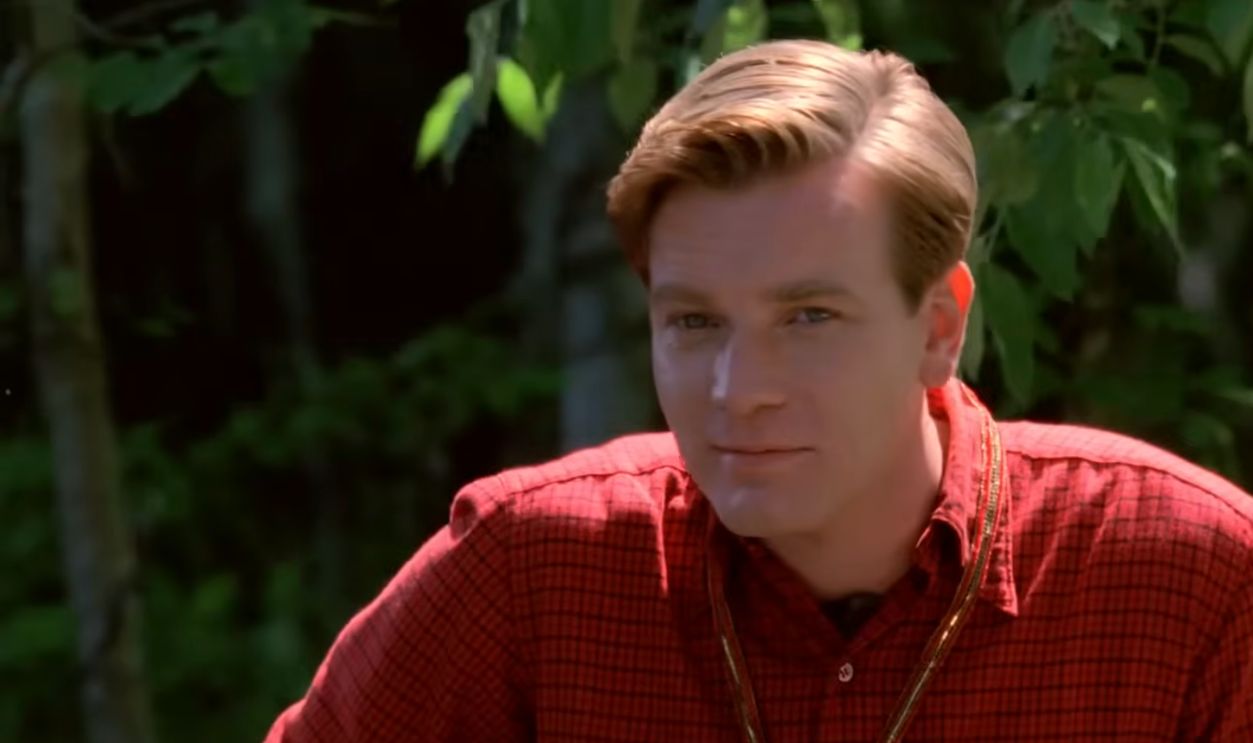 Screenshot from Big Fish, Sony Pictures Releasing (2003)
The Shining (1980)
Stephen King’s novel is rich in backstory and supernatural detail, but Kubrick strips it down to something more psychologically ambiguous and terrifyingly restrained. His cold, haunting vision, combined with Jack Nicholson’s unhinged performance and unforgettable imagery, creates an experience that feels more focused and more chilling than the book’s broader horror tapestry.
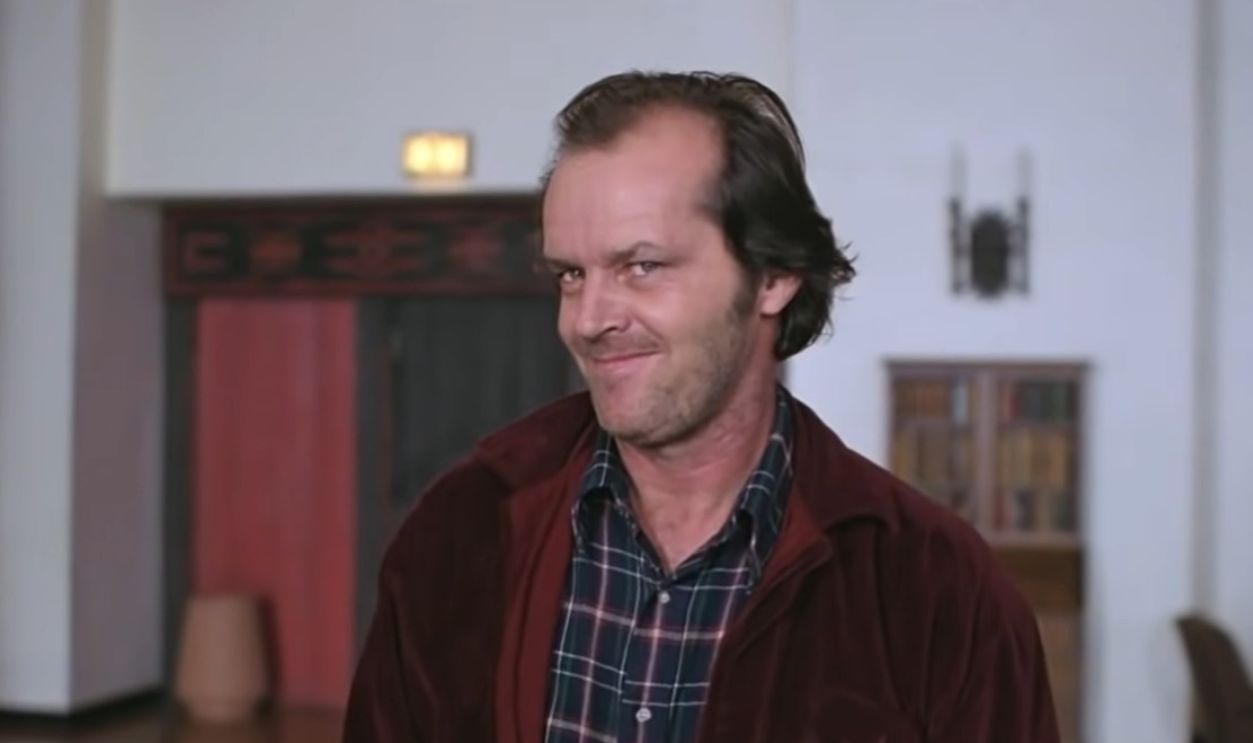 Screenshot from The Shining, Warner Bros. (1980)
The Silence Of The Lambs (1991)
Thomas Harris’s novel is gripping, but the film tightens the pacing, sharpens Clarice’s arc, and gives Hannibal Lecter a presence that transcends the page. Anthony Hopkins and Jodie Foster elevate the characters to iconic status, while the direction adds atmospheric dread. It becomes a masterclass in psychological horror—and far more iconic than the book.
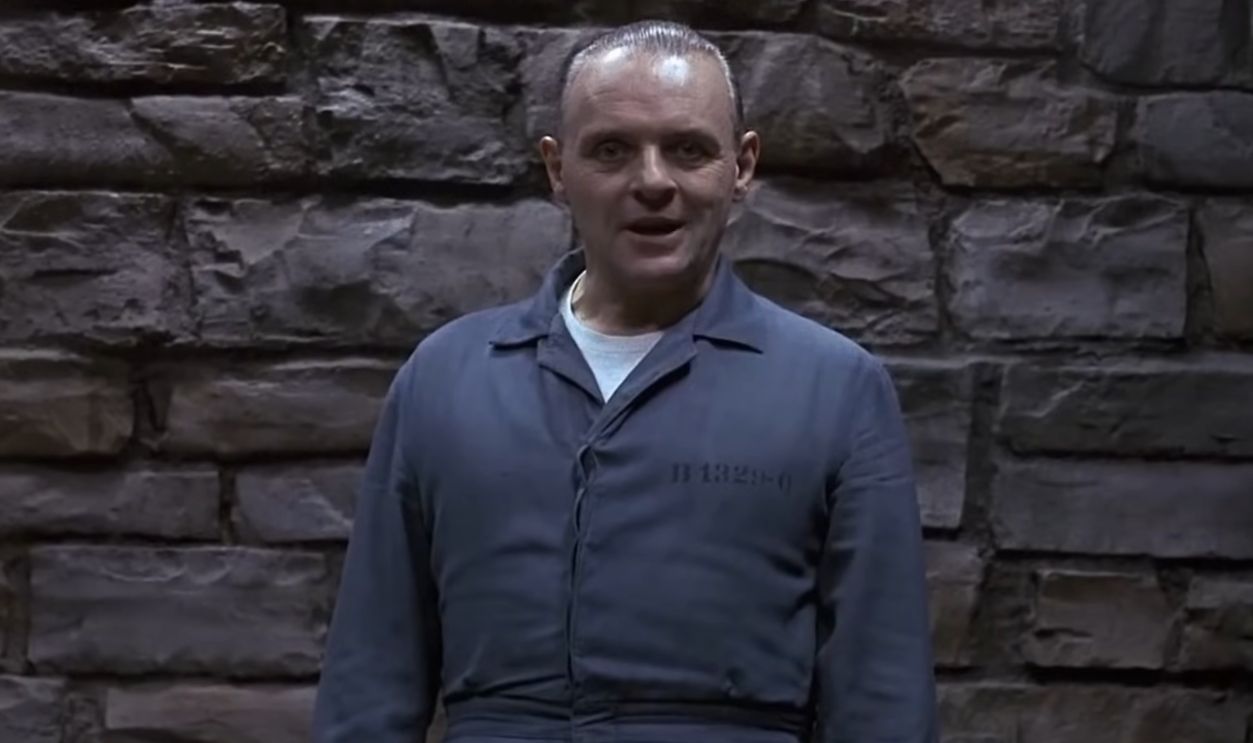 Screenshot from The Silence of the Lambs, Orion Pictures (1991)
127 Hours (2010)
Aron Ralston’s memoir is inspiring but straightforward. Danny Boyle transforms the story with kinetic editing, dreamlike visuals, and inventive storytelling techniques that keep a one-man narrative riveting. James Franco’s performance adds humor, desperation, and emotional nuance, turning a simple recounting into an intense, Oscar-nominated survival drama.
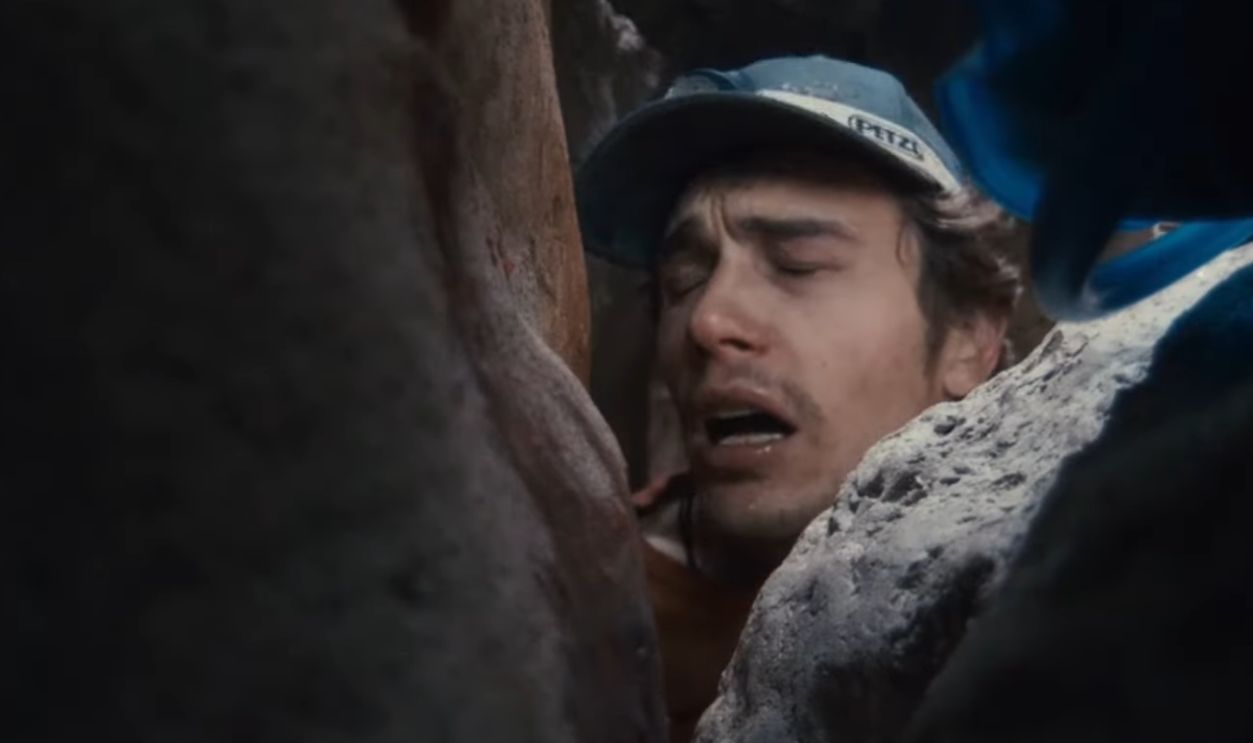 Screenshot from 127 Hours, Fox Searchlight Pictures (2010)
One Flew Over The Cuckoo’s Nest (1975)
Ken Kesey’s novel is powerful but filtered through Chief Bromden’s hallucinations, creating a distancing effect. Miloš Forman reframes the story through McMurphy’s eyes, sharpening the conflict with Nurse Ratched and grounding the narrative in raw human emotion. Nicholson’s rebellious energy and the film’s emotional clarity make it more accessible and devastating than the book.
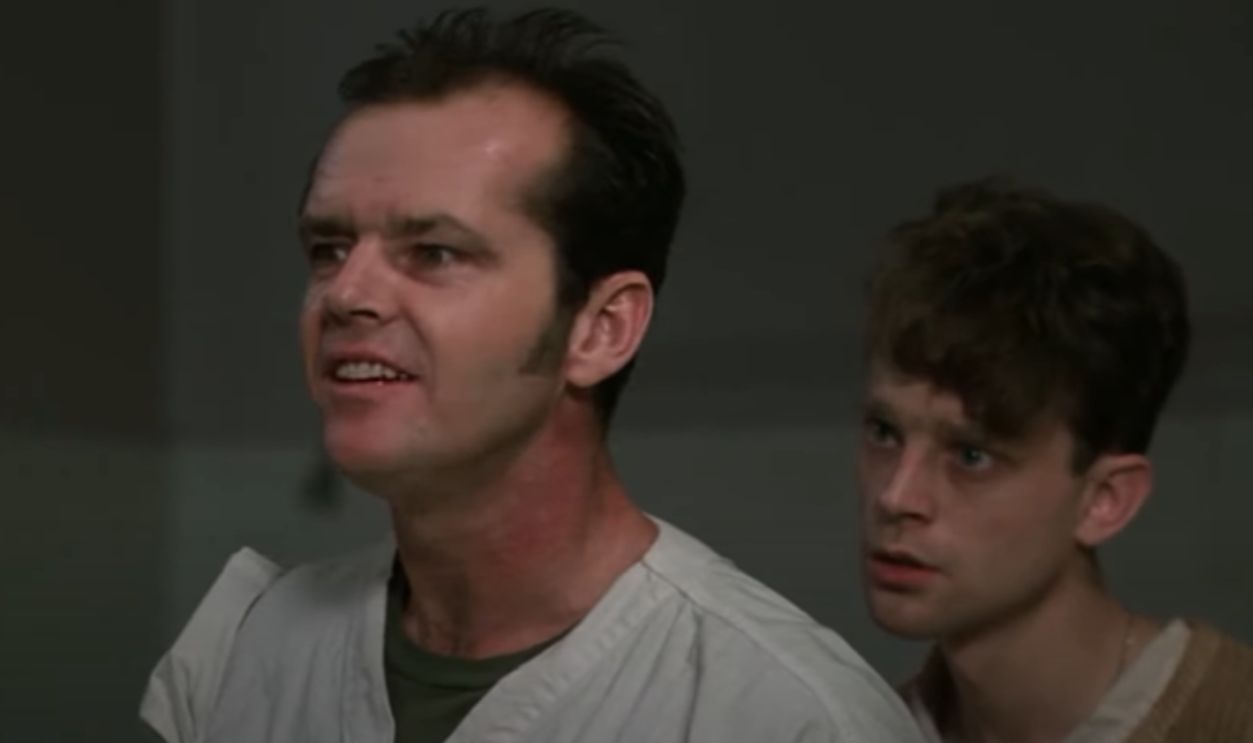 Screenshot from One Flew Over The Cuckoo’s Nest, United Artists (1975)
The Departed (2006)
Infernal Affairs is a sleek Hong Kong thriller, but Martin Scorsese expands it with Boston grit, Irish mob politics, and deeper character arcs. The film adds moral ambiguity, explosive performances, and emotional complexity that elevate the original plot. It becomes a sprawling crime epic rather than a streamlined police thriller.
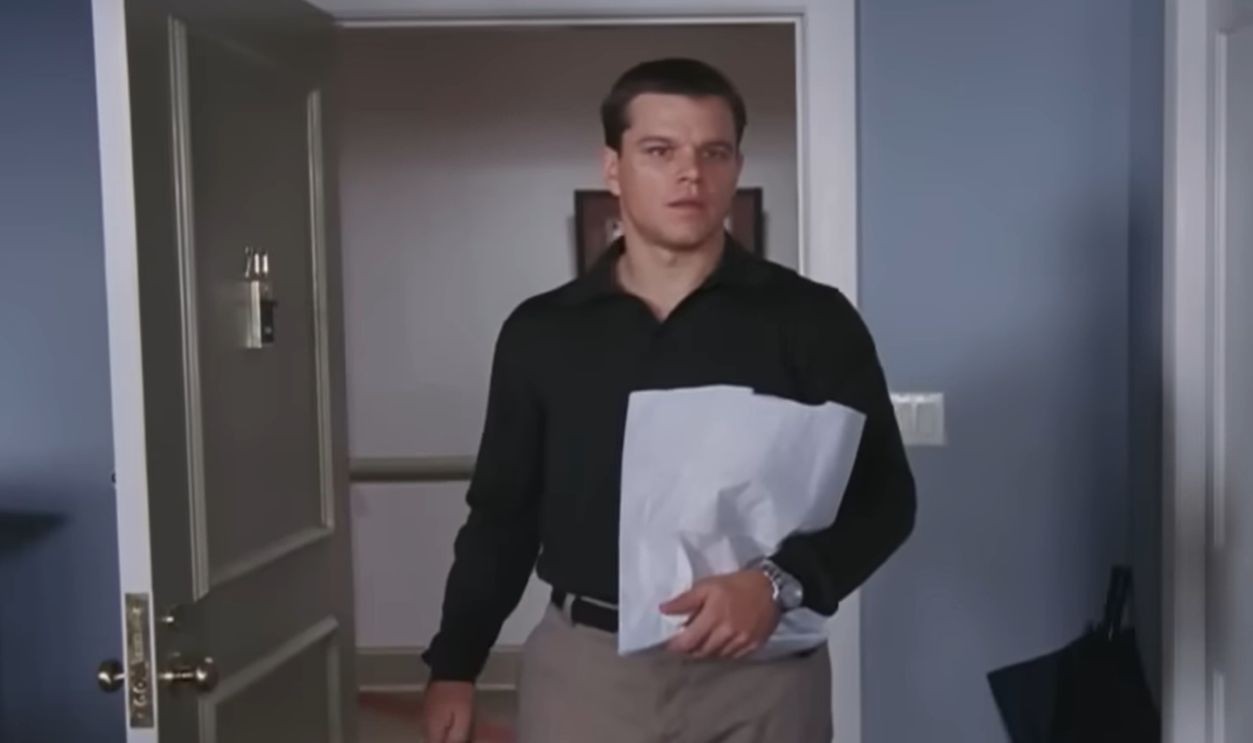 Screenshot from The Departed, Warner Bros. Pictures (2006)
Ghost In The Shell (1995)
Masamune Shirow’s manga is imaginative but dense and tonally inconsistent. Mamoru Oshii distills its themes into a visually stunning, philosophically rich meditation on identity and consciousness. The film’s haunting atmosphere, iconic score, and world-building elevate it far beyond the complexity and clutter of the source material.
 Screenshot from Ghost in the Shell, Shochiku (1995)
No Country For Old Men (2007)
Cormac McCarthy’s novel is brilliant, but the Coen brothers sharpen it into a leaner, more tension-filled masterpiece. Their minimalist dialogue, stark cinematography, and pitch-perfect pacing intensify the story’s dread. Javier Bardem’s chilling performance transforms Chigurh into a cinematic legend, creating a film that resonates even more powerfully than the book.
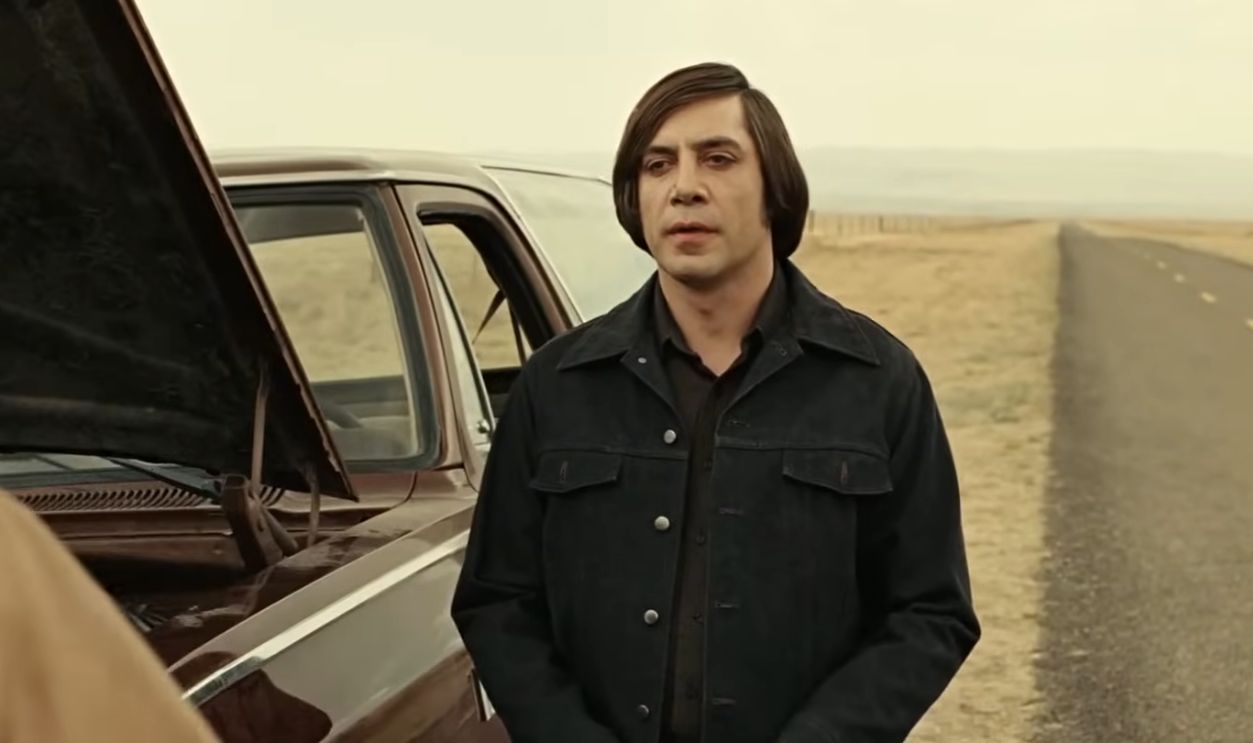 Screenshot from No Country for Old Men, Paramount Pictures(2007)
You May Also Like:
Sequels That Were Better Than The Original
Movie Remakes That Everyone Agrees Are Better Than The Original
We Ranked Disney's Live-Action Remakes From Absolutely Horrid To Cinematic Gold