When The Credits Roll, The Plane Tickets Sell
Some movies do more than win awards or launch stars. They launch vacations. A city that once sat quietly on the map can suddenly become the place everyone wants to see, photograph, and brag about visiting. These films turned real locations into dream destinations almost overnight.
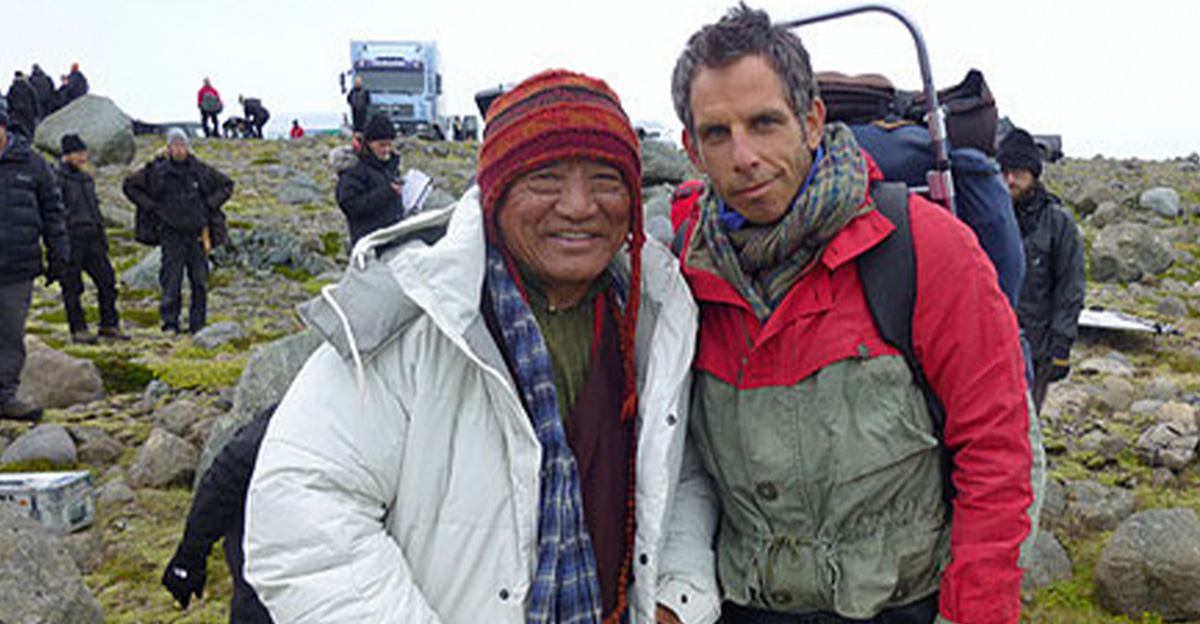 Sanghee01, CC BY-SA 4.0, via Wikimedia Commons
In Bruges Made Bruges Darkly Funny And Gorgeous
Before In Bruges, many travelers treated Bruges like a pretty stop between bigger European cities. Then Colin Farrell sulked through its canals, bell towers, and medieval streets, and suddenly the Belgian city looked like a fairy tale with excellent comic timing. Tourists came for the views and stayed for the weird charm.
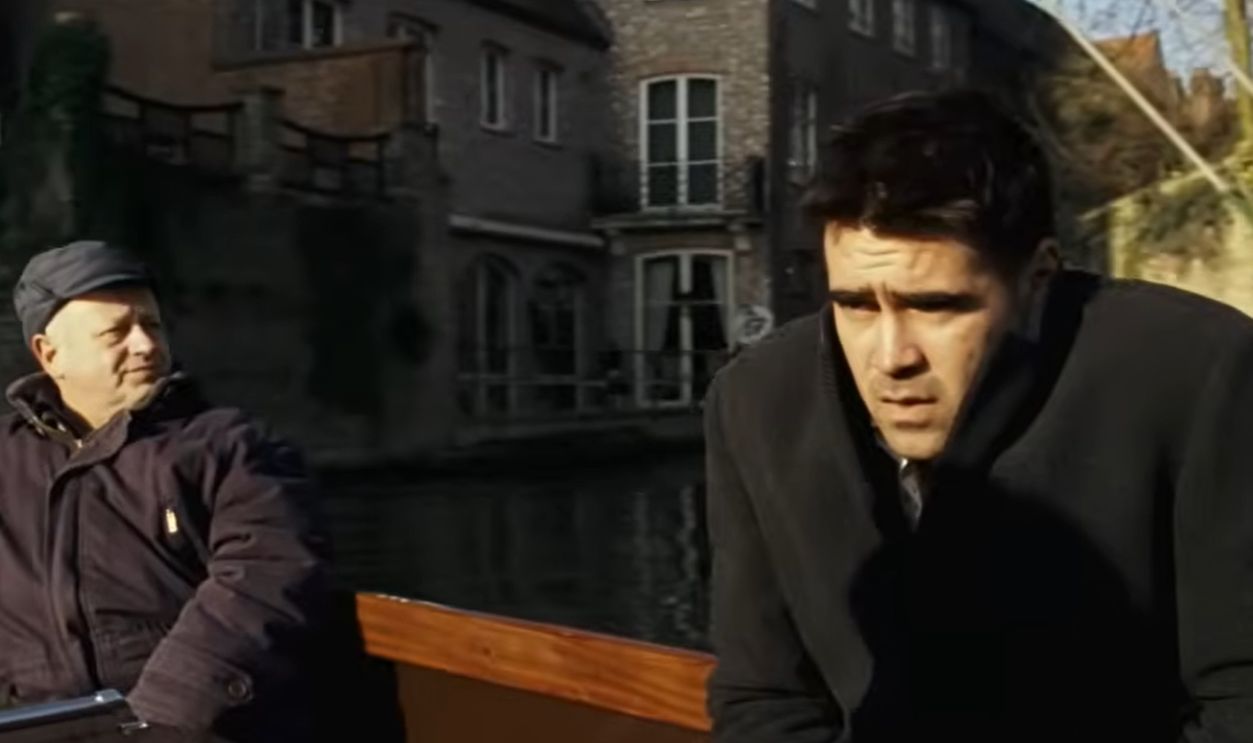 Screenshot from In Bruges, NBCUniversal (2008)
The Lord Of The Rings Put Queenstown On Every Fantasy Fan’s Map
Queenstown was already loved by adventure travelers, but The Lord of the Rings made it feel mythical. Its mountains, lakes, and wild landscapes became Middle-earth in the public imagination. Fans didn’t just want to see New Zealand; they wanted to stand where hobbits, elves, and warriors once stood.
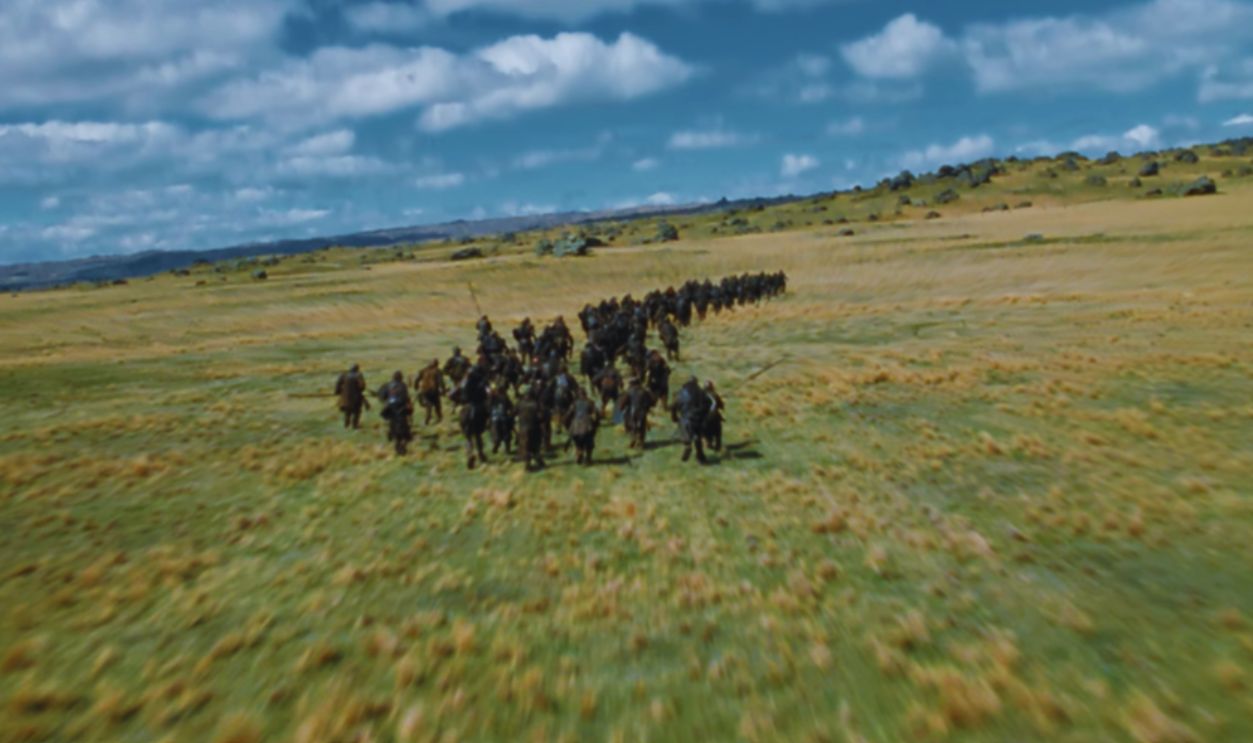 Screenshot from The Lord of the Rings: The Two Towers, Warner Bros. Discovery (2002)
Mamma Mia! Turned Skopelos Into A Singing Postcard
Skopelos was a quiet Greek island until Mamma Mia! made it look like the happiest place on Earth with better beaches. The whitewashed churches, blue water, and cliffside views had viewers planning imaginary weddings before the credits ended. Suddenly, everyone wanted their own ABBA-backed escape.
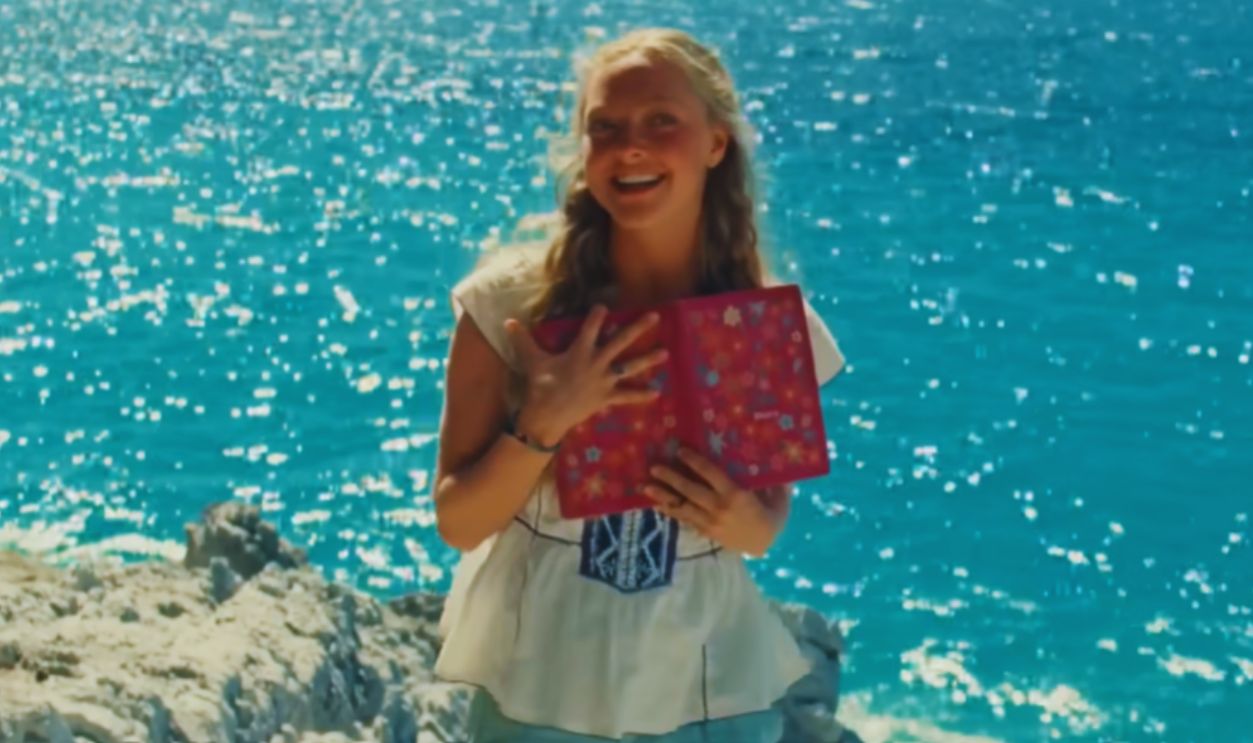 Screenshot from Mamma Mia!, NBCUniversal (2008)
The Beach Made Maya Bay Too Famous For Its Own Good
The Beach sold viewers a dangerous fantasy: a hidden paradise untouched by the world. Maya Bay in Thailand looked so perfect that travelers arrived in huge numbers, chasing Leonardo DiCaprio’s secret lagoon. The attention became overwhelming, proving movie magic can turn fragile beauty into a global obsession.
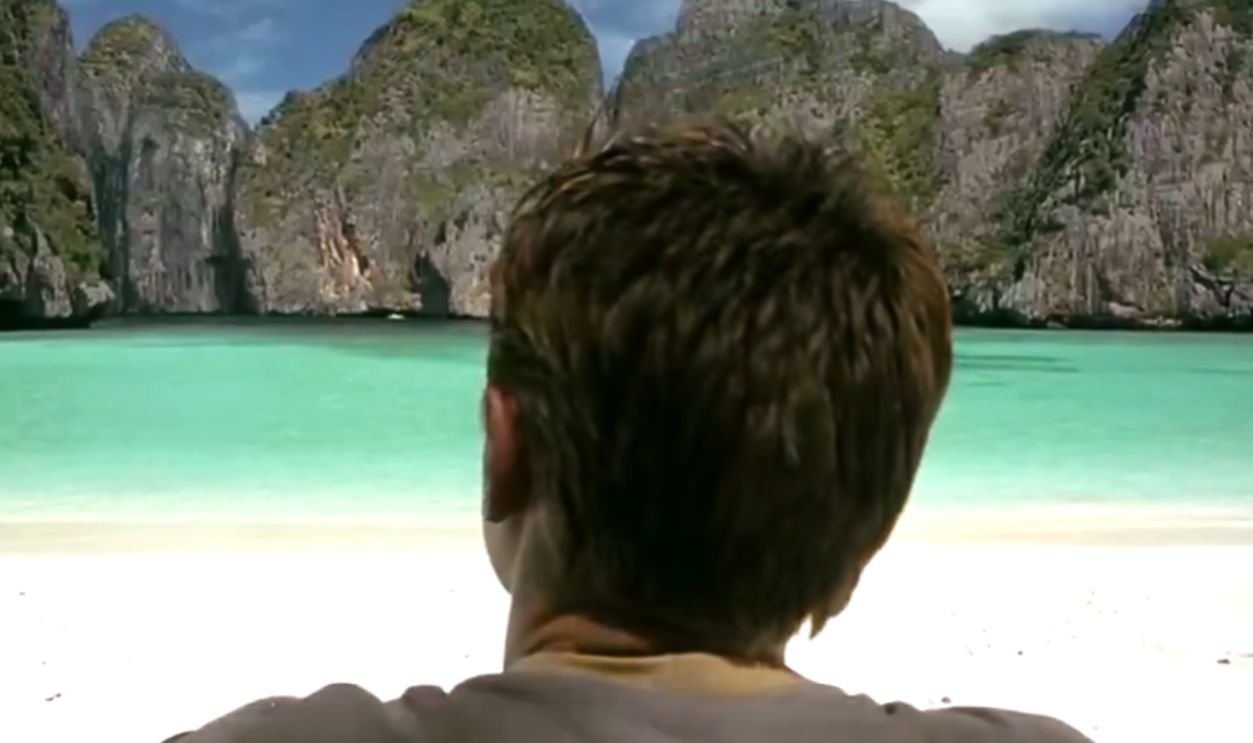 Screenshot from The Beach, The Walt Disney Company (2000)
Lost In Translation Made Tokyo Feel Intimate
Tokyo was never unknown, but Lost in Translation changed how many Western viewers saw it. The film made the city feel dreamy, lonely, funny, and strangely romantic. Its hotel bars, neon streets, and quiet temples became emotional landmarks for travelers looking for their own late-night Tokyo moment.
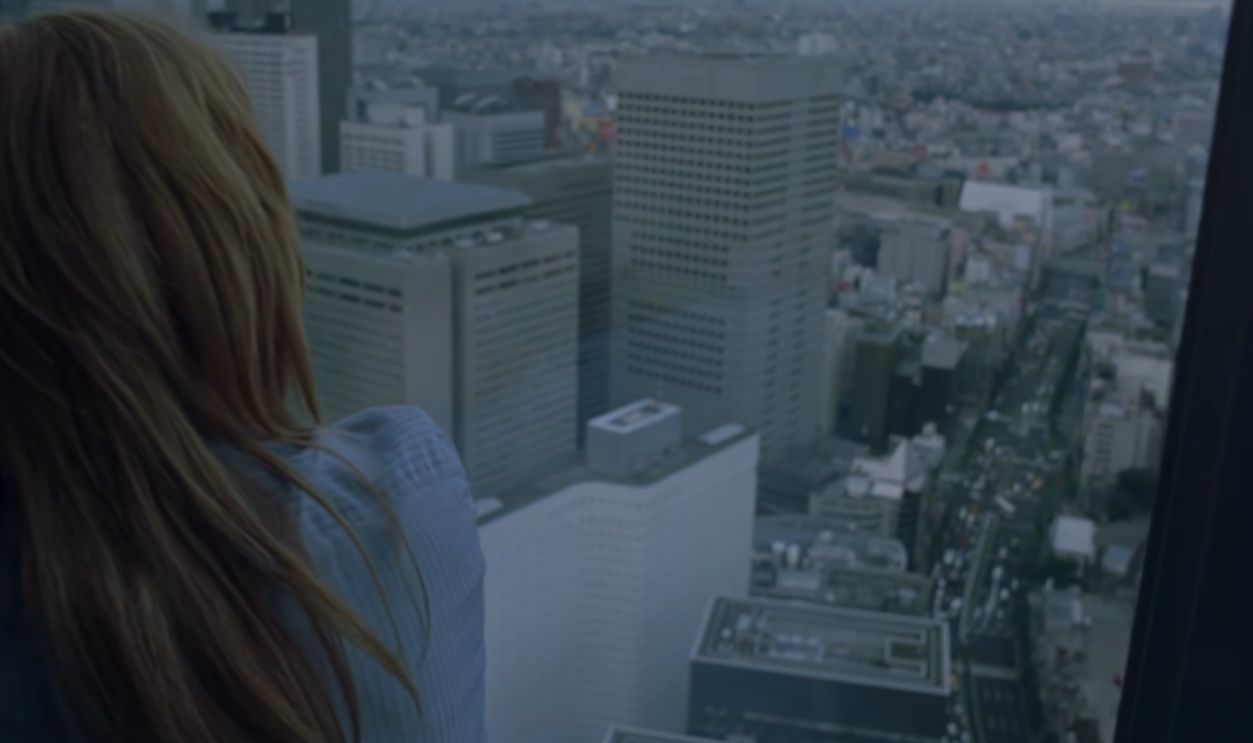 Screenshot from Lost in Translation, NBCUniversal (2003)
Sideways Poured Fame Into California Wine Country
Santa Ynez Valley had wineries before Sideways, of course, but the movie gave the region a personality. Suddenly, wine tasting felt awkward, funny, and oddly soulful. Visitors flocked to Solvang, Buellton, and nearby vineyards, ready to swirl glasses, quote Paul Giamatti, and absolutely avoid ordering Merlot.
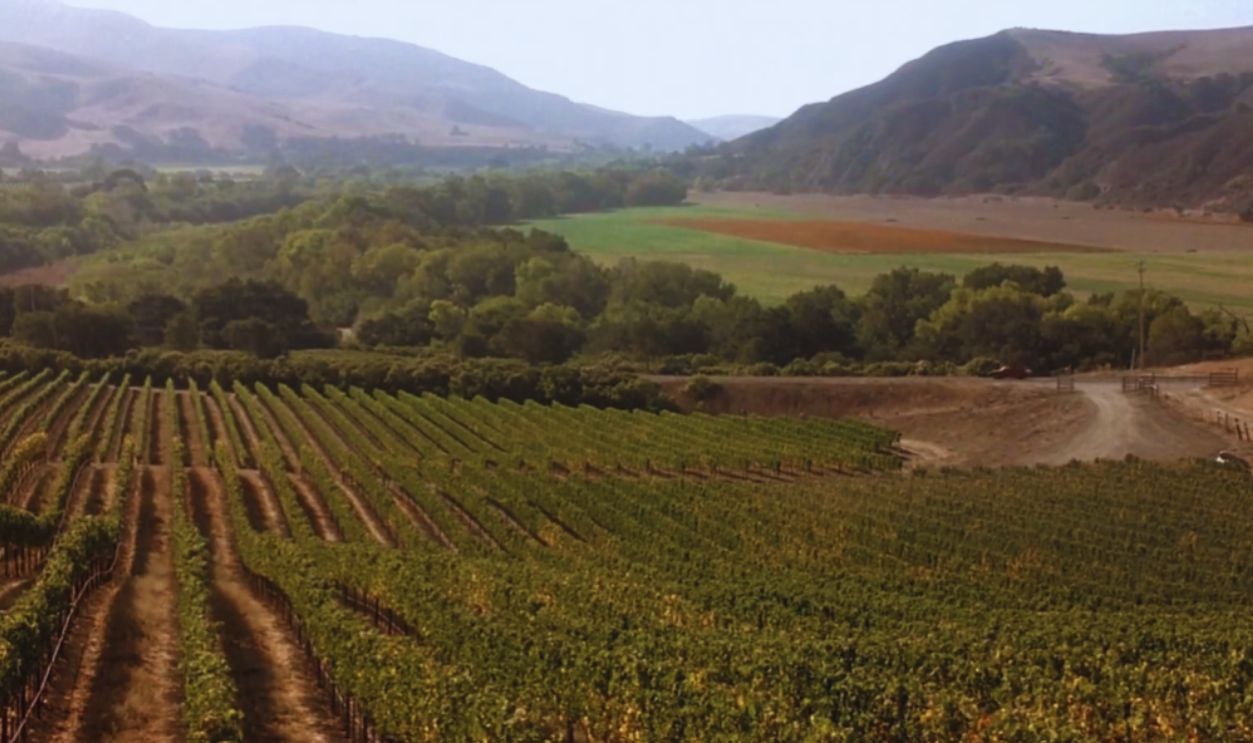 Screenshot from Sideways, The Walt Disney Company (2004)
Before Sunrise Made Vienna Feel Like A First Date
Vienna was already elegant, but Before Sunrise made it feel young, spontaneous, and impossibly romantic. The film turned train stations, record shops, bridges, and quiet streets into emotional pilgrimage stops. Tourists didn’t just want palaces and museums; they wanted one perfect wandering conversation before dawn.
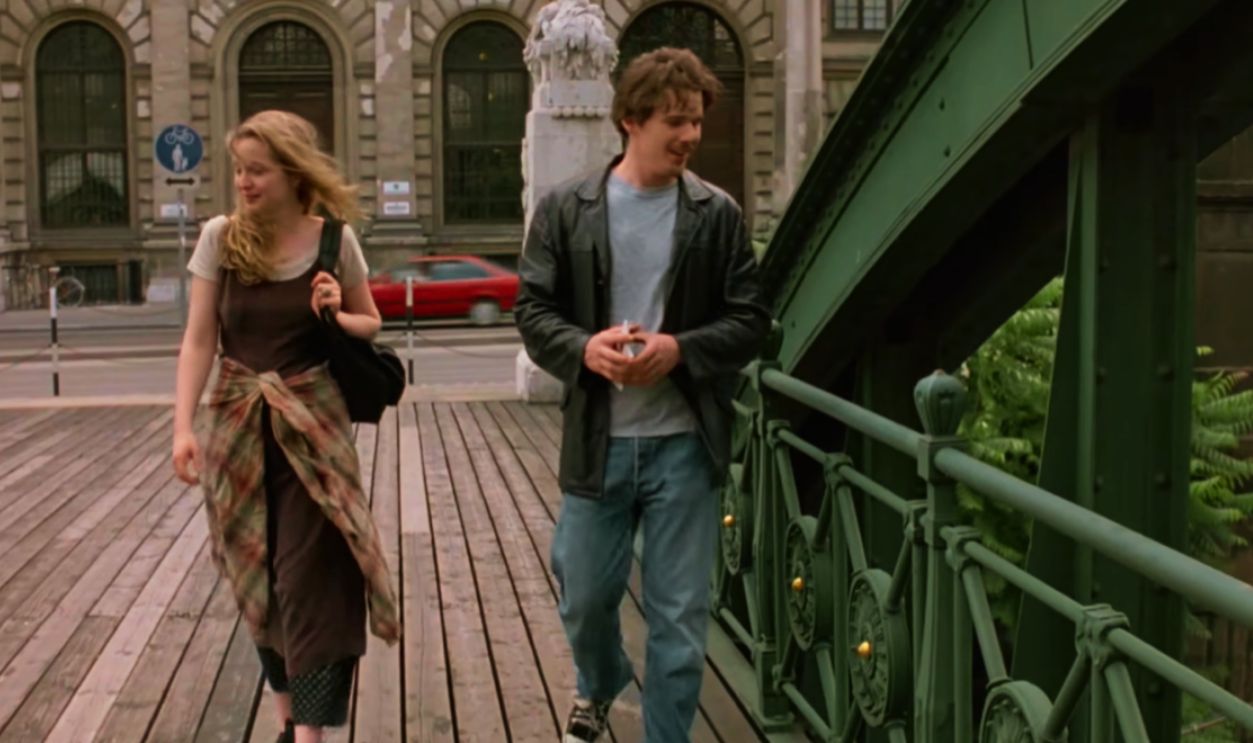 Screenshot from Before Sunrise, Warner Bros. Discovery (1995)
Amélie Made Montmartre A Whimsical Wonderland
Paris was hardly hidden, but Amélie made Montmartre feel like its own little universe. The film painted the neighborhood as quirky, colorful, and full of secret kindness. Fans arrived looking for cafés, grocers, photo booths, and that special feeling that life might be secretly magical.
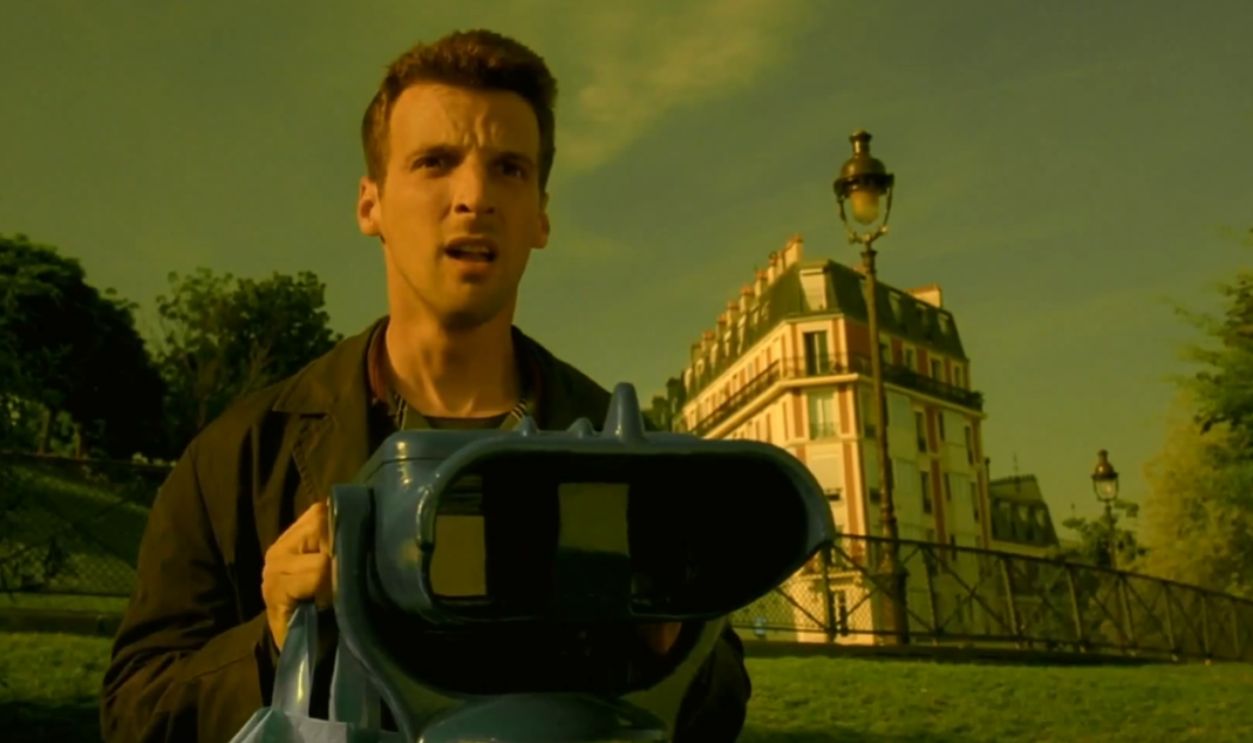 Screenshot from Amelie, Miramax (2001)
Call Me By Your Name Gave Crema A Golden Glow
Crema, Italy was not the obvious Italian fantasy for many travelers before Call Me By Your Name. Then came sun-drenched piazzas, bicycle rides, apricot trees, and aching summer romance. The town became a destination for fans who wanted beauty, heartbreak, and a very photogenic gelato stop.
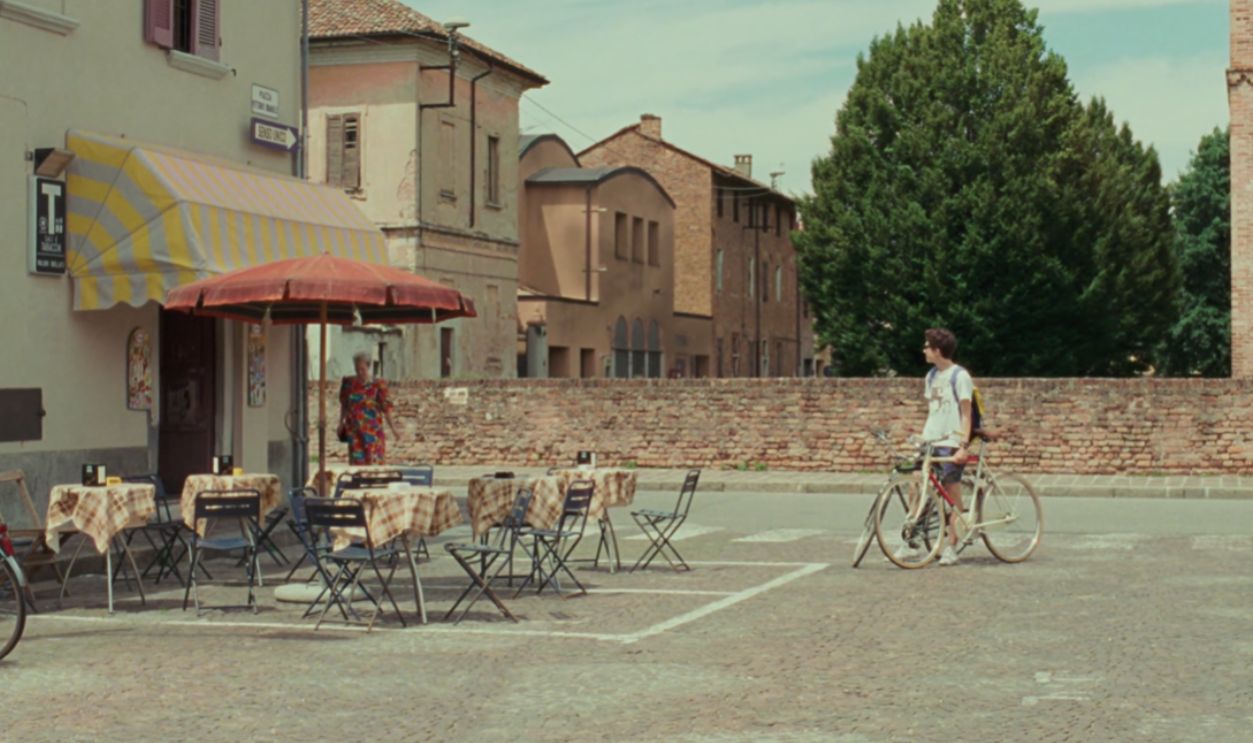 Screenshot from Call Me by Your Name, Sony Pictures Entertainment (2017)
Notting Hill Turned One London Neighborhood Into A Love Story
Notting Hill was known in London, but the movie made it internationally adorable. Hugh Grant’s blue door, the market streets, and the idea of casually bumping into a movie star transformed the neighborhood into a rom-com landmark. Visitors came for charm, bookshops, and hopeful glances.
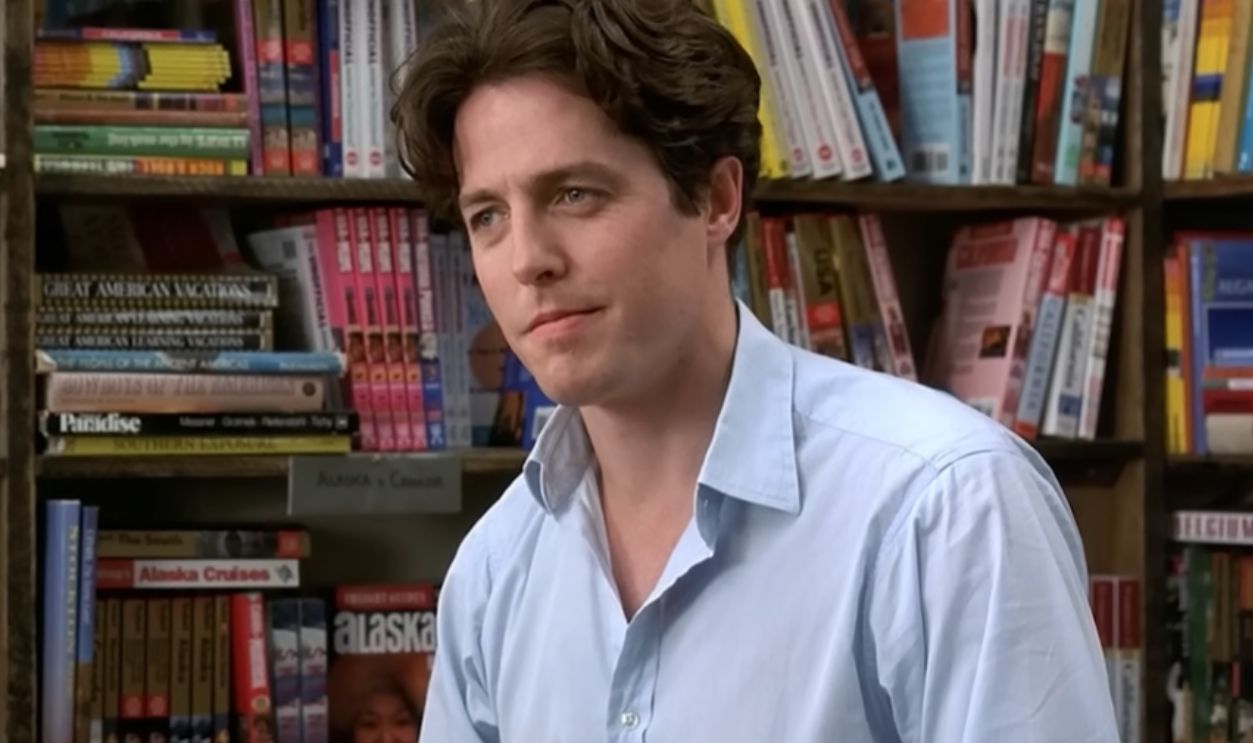 Screenshot from Notting Hill, NBCUniversal (1999)
The Grand Budapest Hotel Made Görlitz Look Storybook Famous
Görlitz, Germany had the architecture, but The Grand Budapest Hotel gave it a candy-colored spotlight. Wes Anderson’s fictional world used the city’s elegant old buildings to create something strange and beautiful. Film fans began noticing Görlitz as a real place, not just a perfect backdrop.
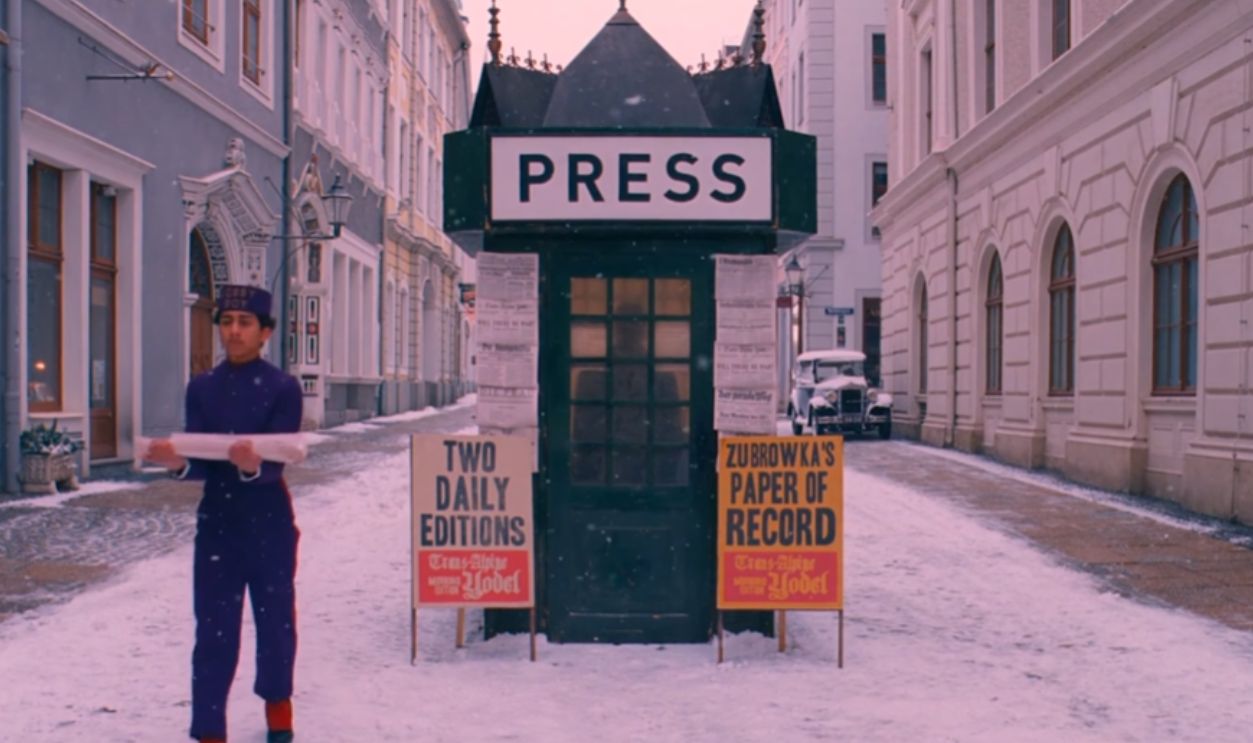 Screenshot from The Grand Budapest Hotel, The Walt Disney Company (2014)
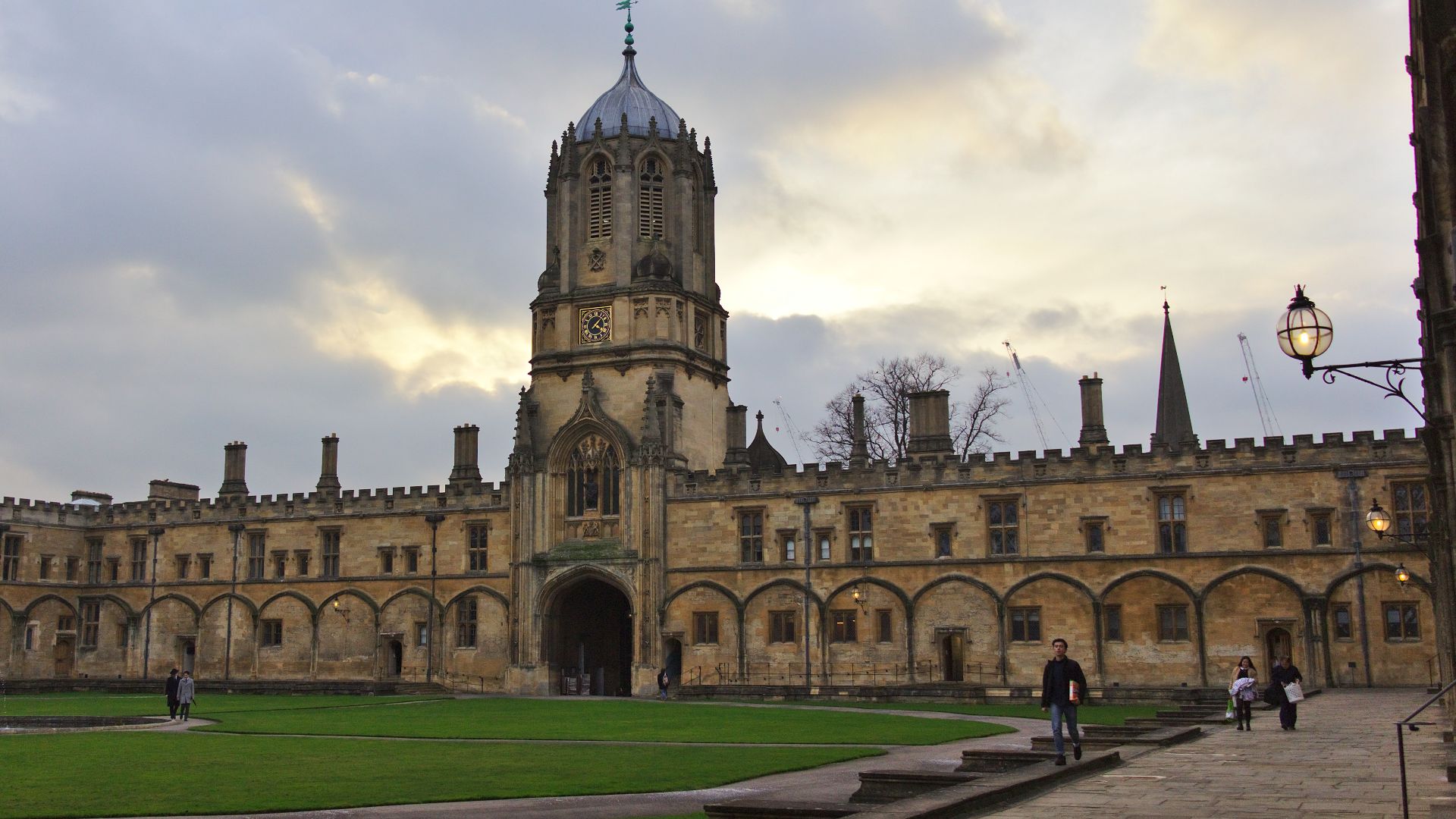
Harry Potter Made Oxford Feel Even More Magical
Oxford had centuries of history, but Harry Potter gave its halls a fresh spell. Dining rooms, staircases, libraries, and courtyards suddenly looked like portals to Hogwarts. Visitors arrived with robes, wands, and cameras, proving academia becomes even more irresistible when it might include secret wizard lessons.
 Pavelklyuyev, Wikimedia Commons
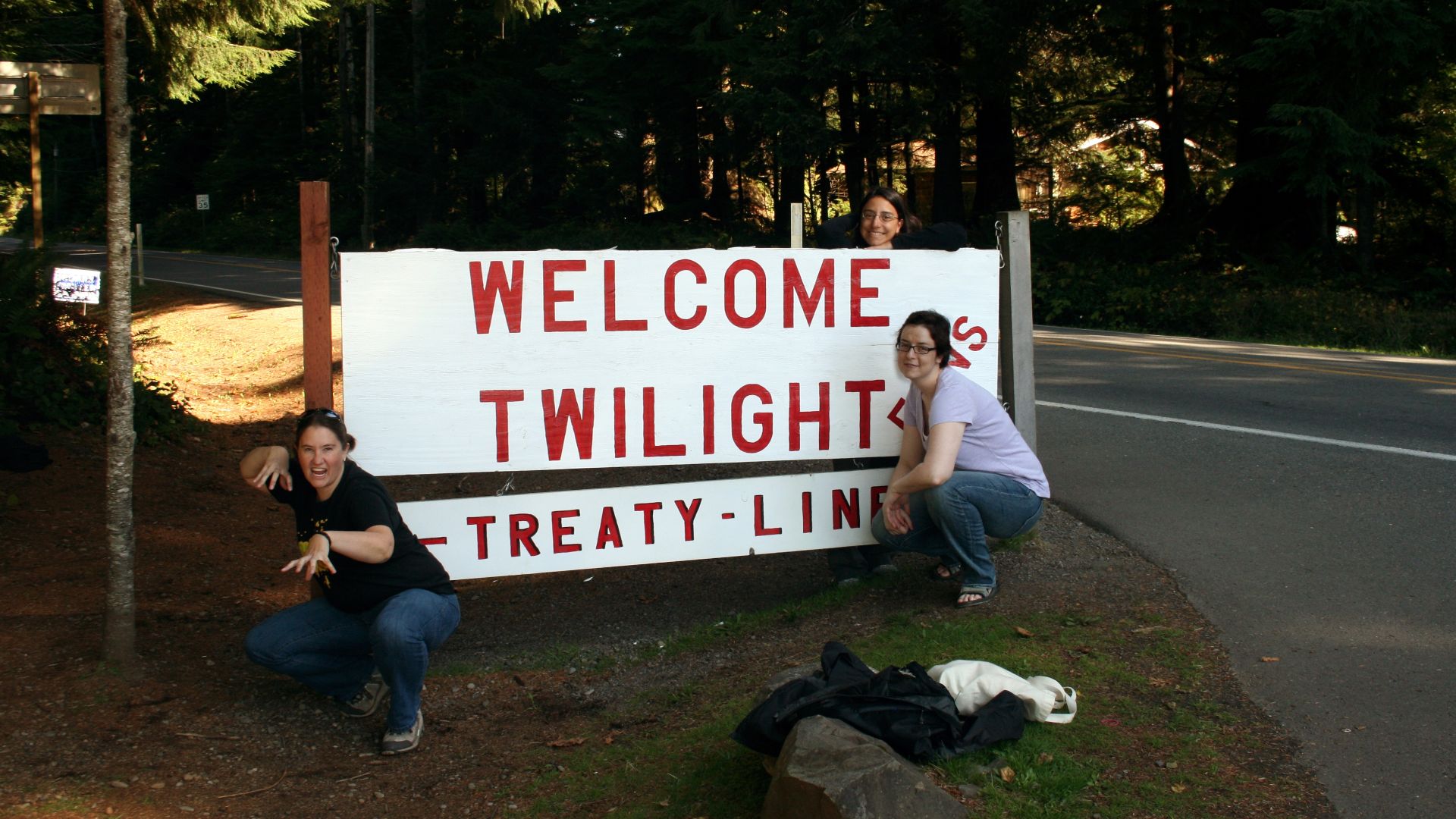
Twilight Brought Vampire Tourism To Forks
Forks, Washington was a small rainy town before Twilight made it a supernatural headquarters. The films and books turned misty forests, gloomy skies, and local signs into fan attractions. Suddenly, cloudy weather was not a drawback. It was atmosphere, and vampire fans were thrilled.
 Caitlin Regan, Wikimedia Commons
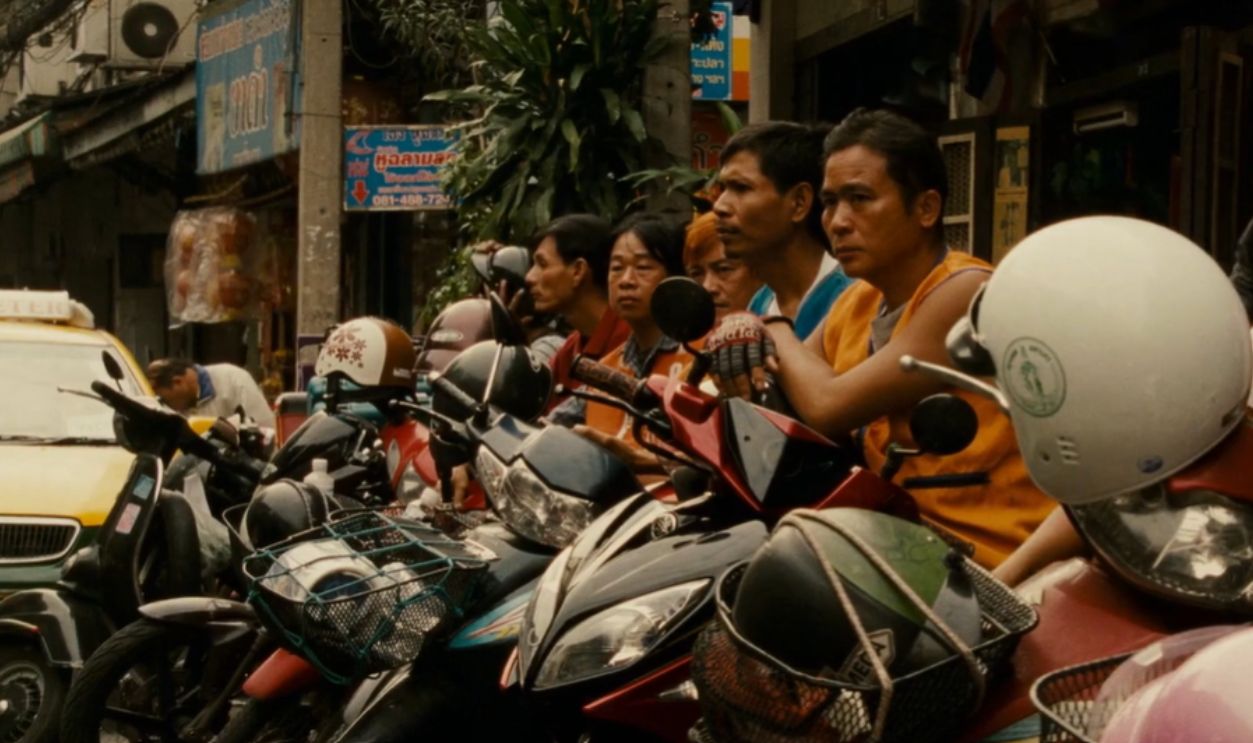
The Hangover Made Bangkok Look Wildly Unforgettable
Bangkok was already a huge destination, but The Hangover Part II gave it a chaotic party-movie reputation. The city’s rooftop bars, crowded streets, and late-night energy became part of the franchise’s madness. Tourists arrived looking for luxury, mayhem, and hopefully fewer missing friends.
 Screenshot from The Hangover Part II, Warner Bros. Discovery (2011)
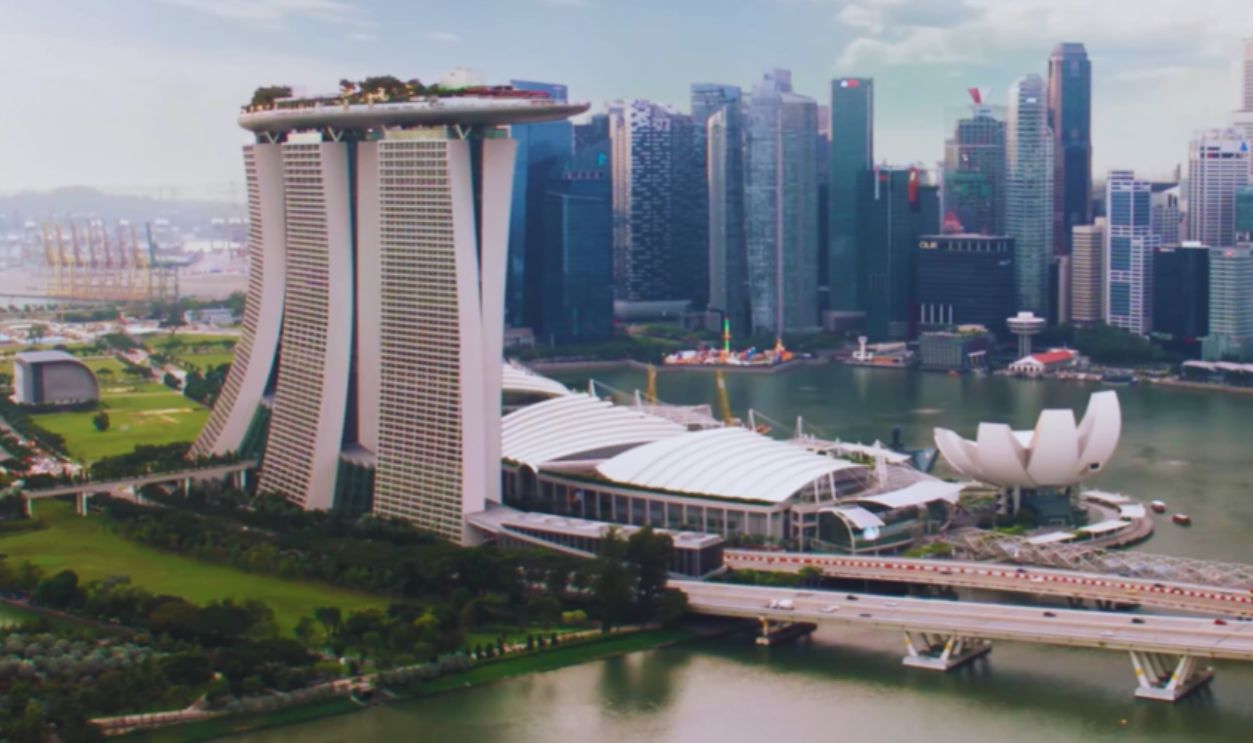
Crazy Rich Asians Made Singapore Look Like Pure Glamour
Crazy Rich Asians showed Singapore as sleek, stylish, colorful, and delicious. From rooftop views to hawker centers, the movie made the city feel both luxurious and alive. Viewers who only knew Singapore as a stopover suddenly saw it as a full-blown destination with movie-star sparkle.
 Screenshot from Crazy Rich Asians, Warner Bros. Discovery (2018)
Eat Pray Love Sent Travelers Searching For Balance In Ubud
Ubud was already beloved by artists and spiritual travelers, but Eat Pray Love pushed it into the global spotlight. Bali’s rice terraces, healers, markets, and soft tropical beauty became shorthand for starting over. Many visitors arrived hoping a vacation might also become a personal transformation.
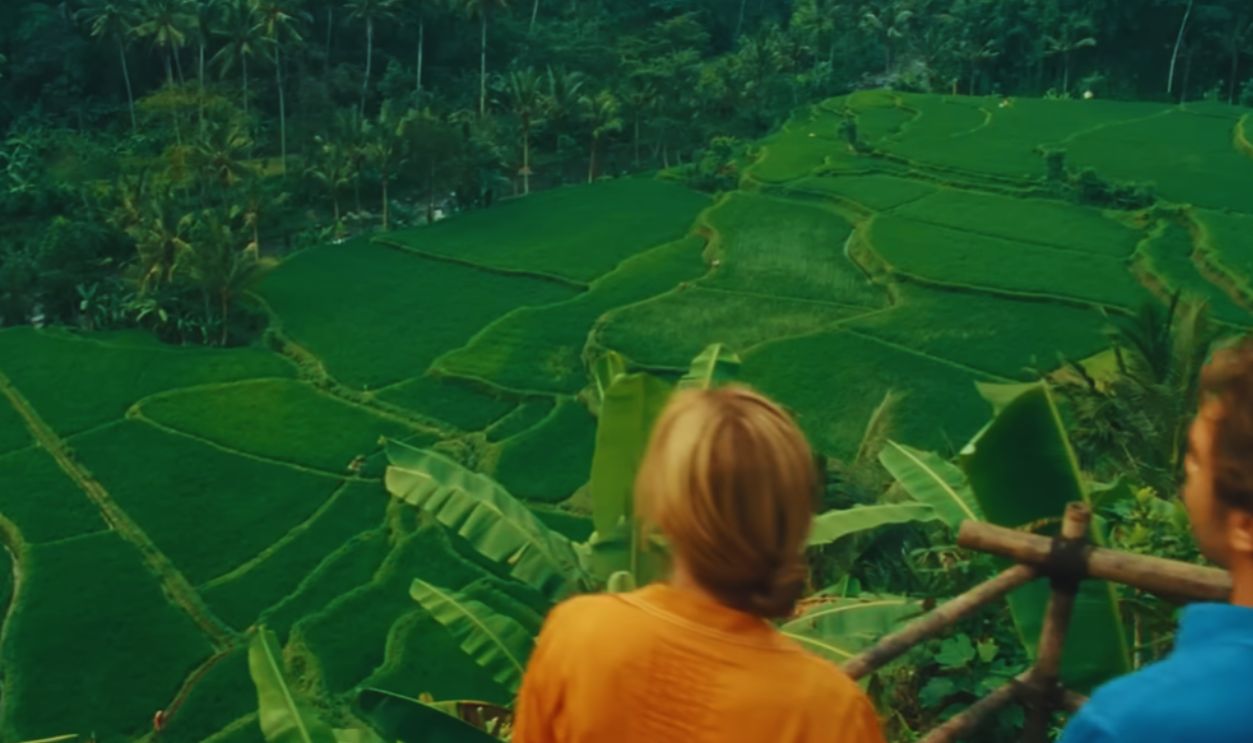 Screenshot from Eat Pray Love, Sony Pictures Entertainment (2010)
The Best Exotic Marigold Hotel Made Jaipur Irresistible
Jaipur had long been a jewel of Indian tourism, but the film introduced it to a new crowd. Its pink walls, bustling streets, palaces, and warm chaos became part of a feel-good reinvention fantasy. Viewers saw the city as colorful, welcoming, and full of second chances.
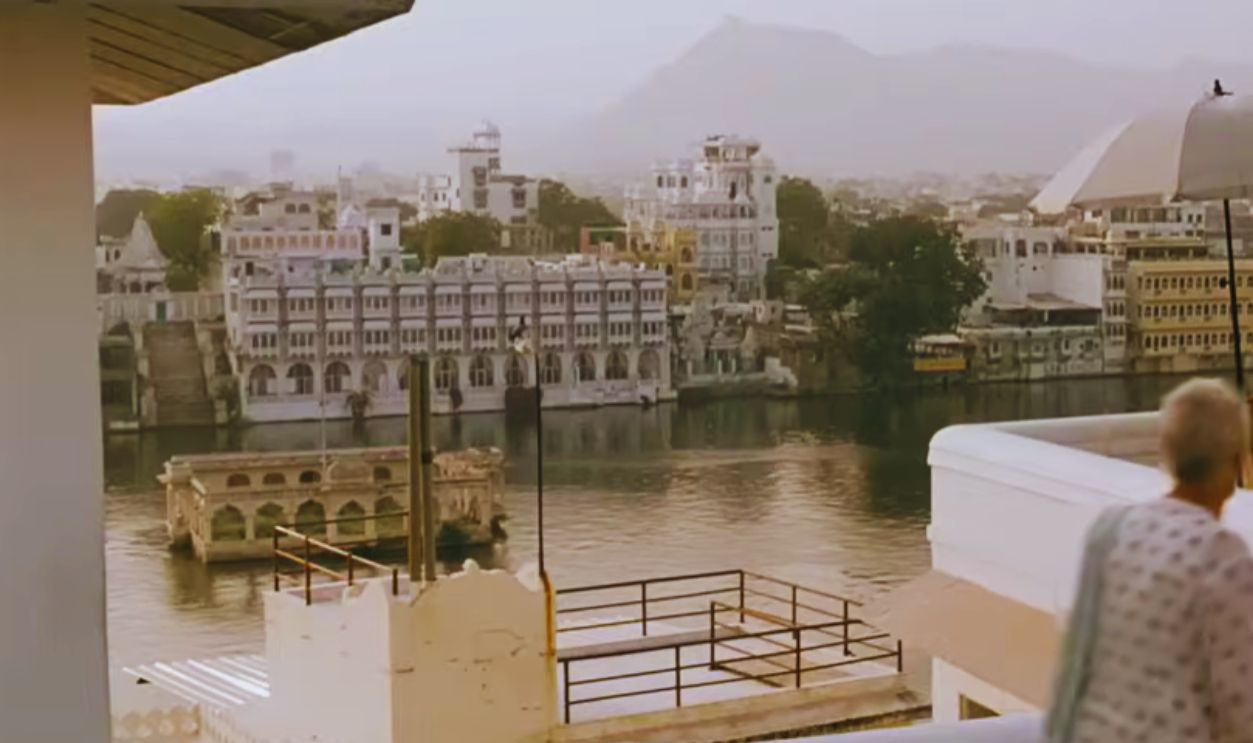 Screenshot from The Best Exotic Marigold Hotel, The Walt Disney Company (2011)
Midnight In Paris Made Nostalgia A Travel Plan
Paris needed no help, but Midnight in Paris turned nighttime wandering into an itinerary. The film made the city feel like a time machine, where every corner might lead to jazz, writers, or old glamour. Tourists came looking for romance, rain, and literary ghosts.
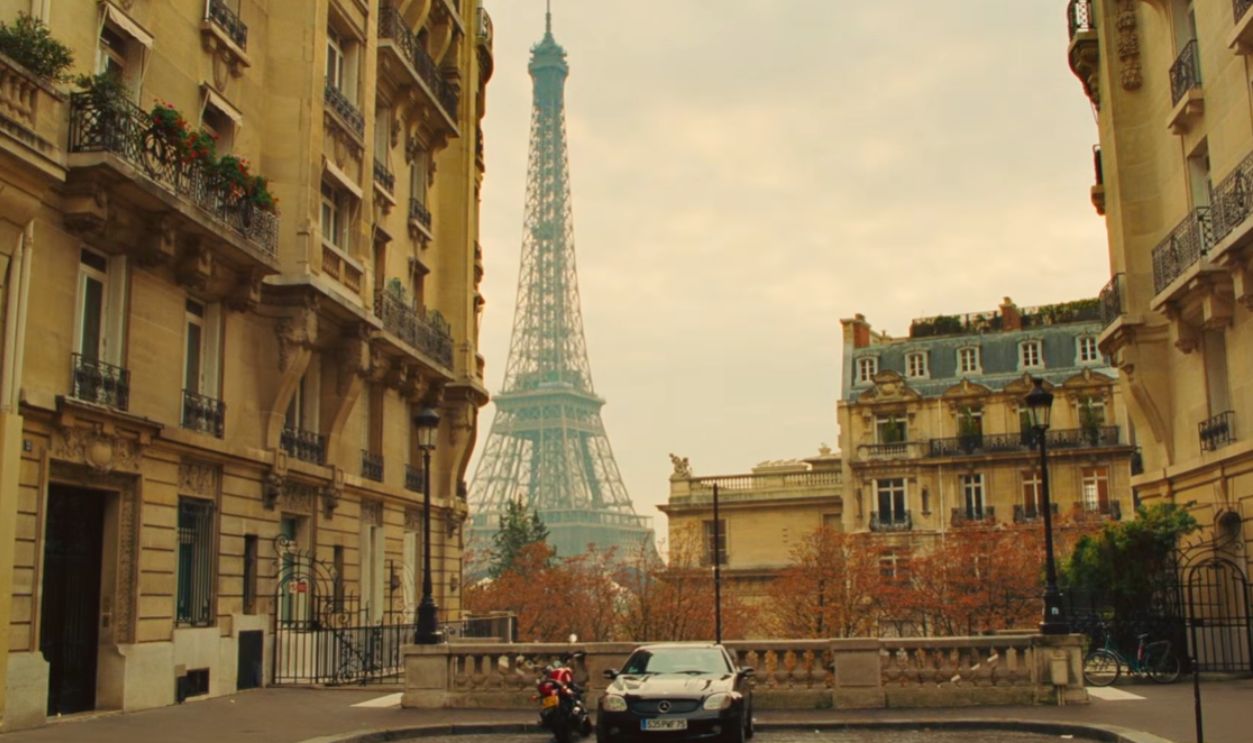 Screenshot from Midnight in Paris, Sony Pictures Entertainment (2011)
The Motorcycle Diaries Put South American Stops In A New Light
The Motorcycle Diaries inspired viewers to see travel as discovery, not just sightseeing. Cities and landscapes across South America gained a romantic, restless energy through the film. Places along the route became more meaningful to backpackers chasing history, youth, politics, and the open road.
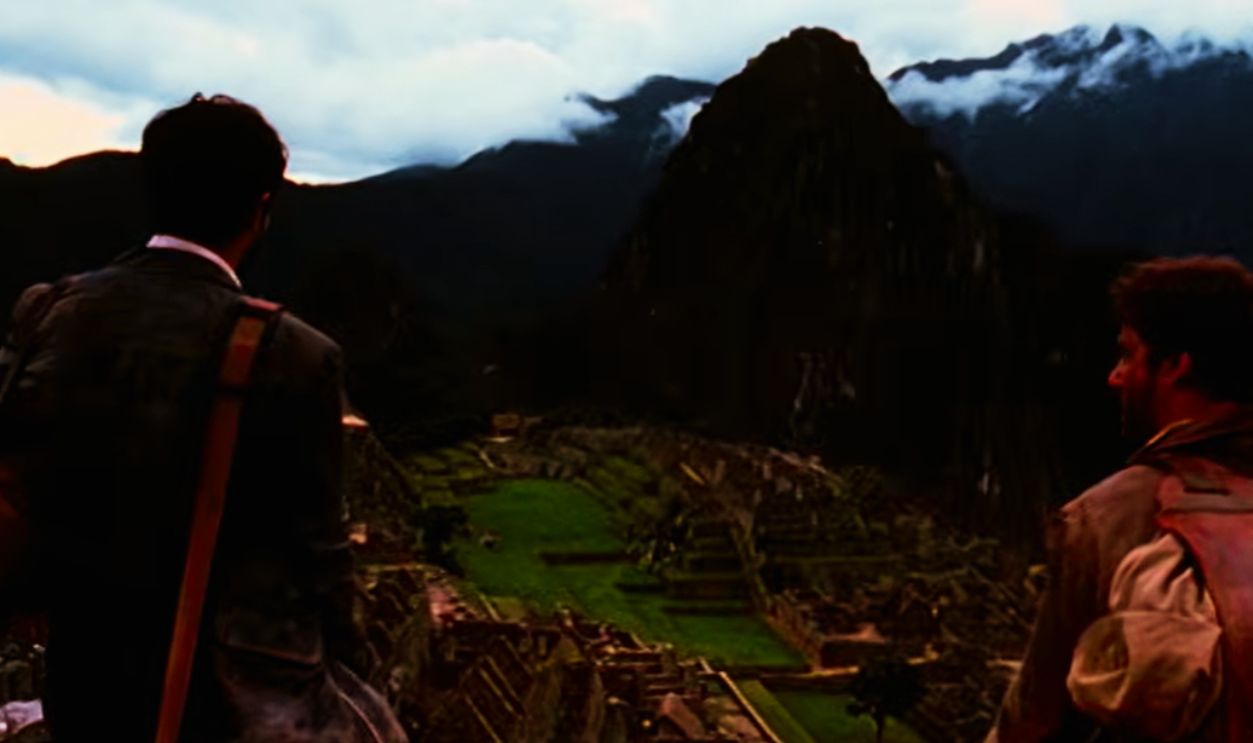 Screenshot from The Motorcycle Diaries, NBCUniversal (2004)
Once Made Dublin Sound Like A Song
Dublin had plenty of fame, but Once made it feel intimate and musical. The film turned ordinary streets, music shops, and busking corners into emotional landmarks. Visitors didn’t just want pubs and history; they wanted the feeling of hearing a song that changes everything.
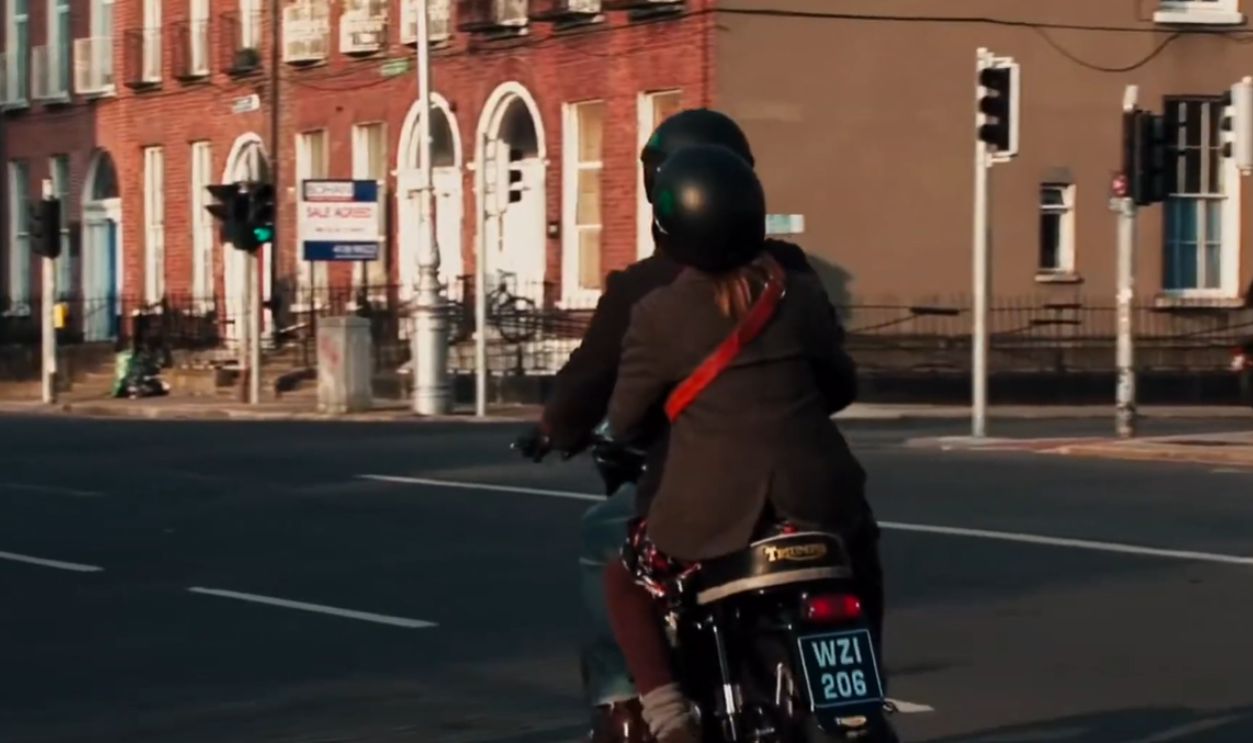 Screenshot from Once, Sony Pictures Entertainment (2007)
Y Tu Mamá También Made Rural Mexico Feel Cinematic
This road movie sent viewers beyond the usual tourist image of Mexico. Its beaches, small towns, highways, and messy human moments made the country feel expansive and alive. Travelers wanted to follow that sense of freedom, even if their own road trip involved fewer dramatic complications.
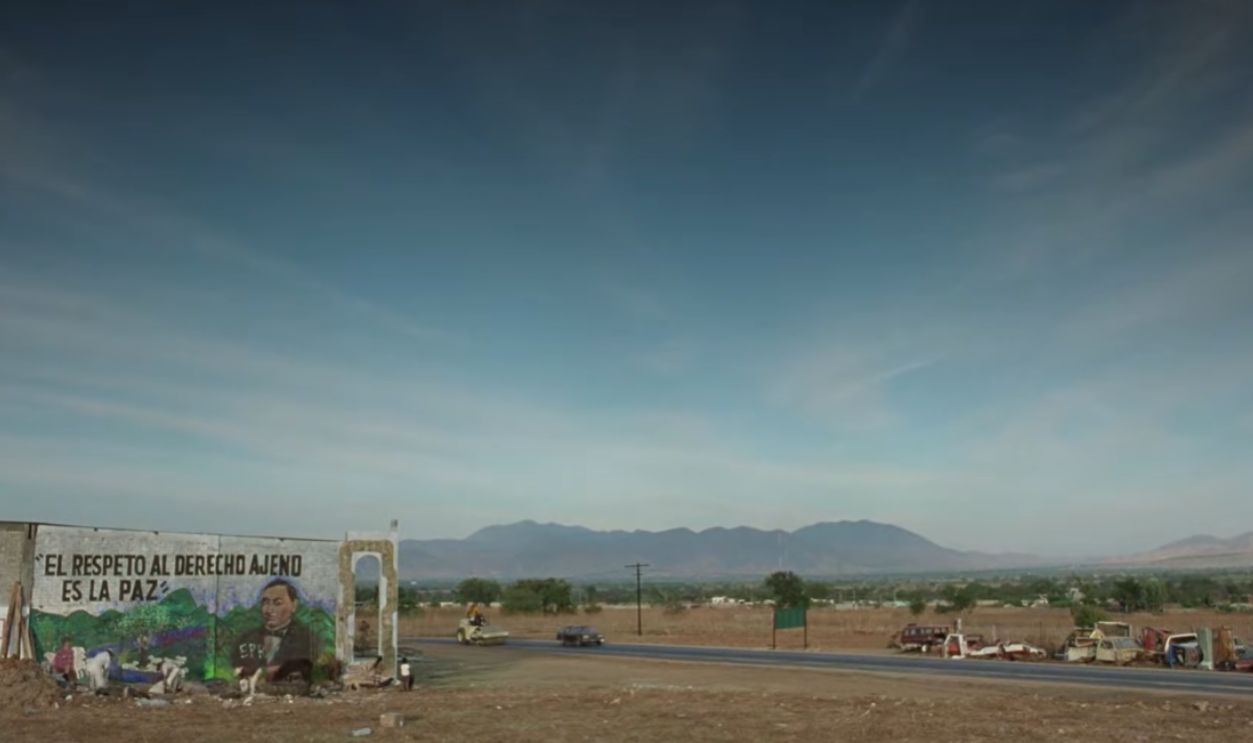 Screenshot from Y Tu Mama Tambien, AMC Networks (2001)
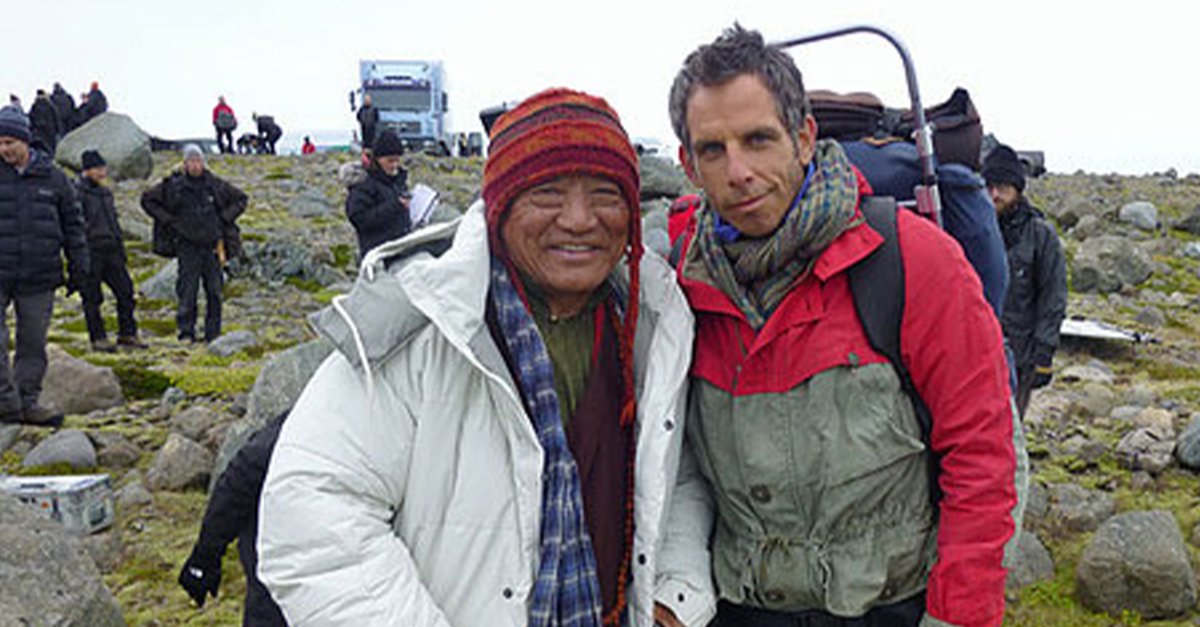
The Secret Life Of Walter Mitty Made Iceland Look Like Adventure Itself
Iceland was rising in popularity already, but The Secret Life of Walter Mitty made it look like the answer to every midlife daydream. Waterfalls, empty roads, mountains, and vast skies turned into a call to action. Viewers wanted to stop scrolling and start going.
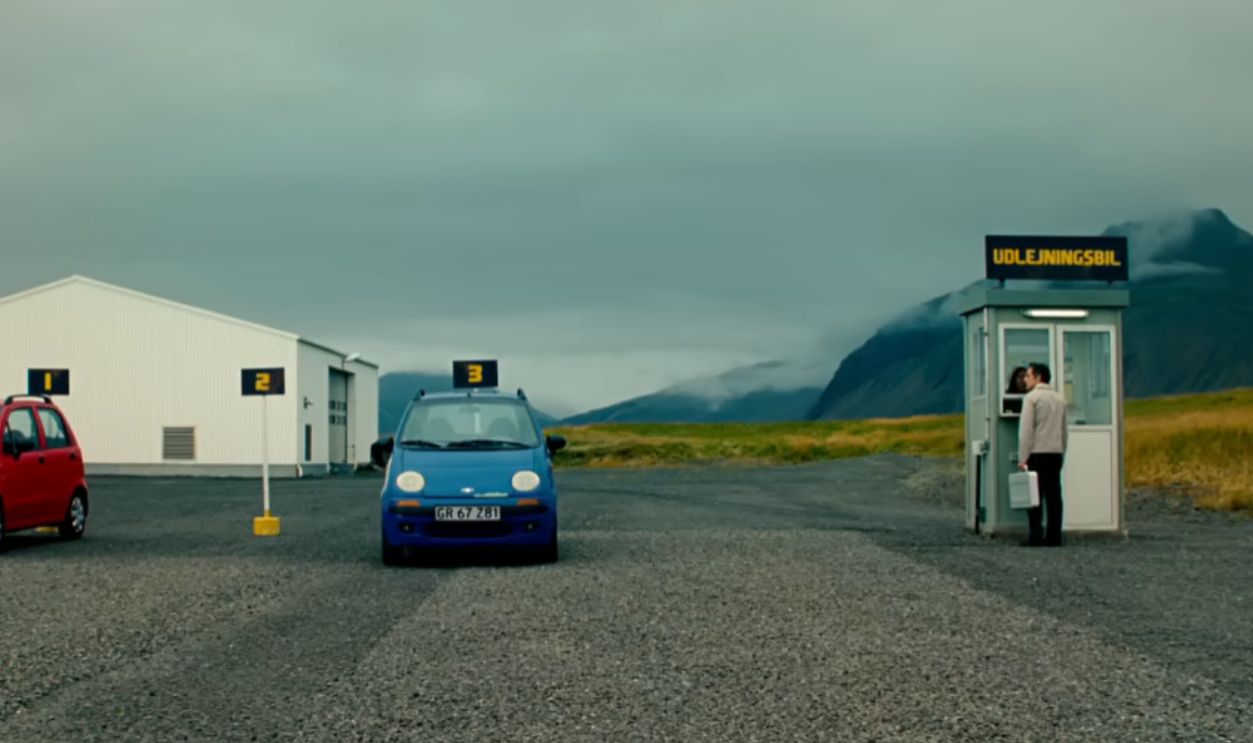 Screenshot from The Secret Life Of Walter Mitty, The Walt Disney Company (2013)
La La Land Made Los Angeles Feel Dreamy Again
Los Angeles has always been a movie city, but La La Land gave it a fresh romantic glow. Freeways, planetariums, jazz clubs, and hilltop views became part of a pastel fantasy. The film reminded visitors that L.A. is not just industry; it is atmosphere.
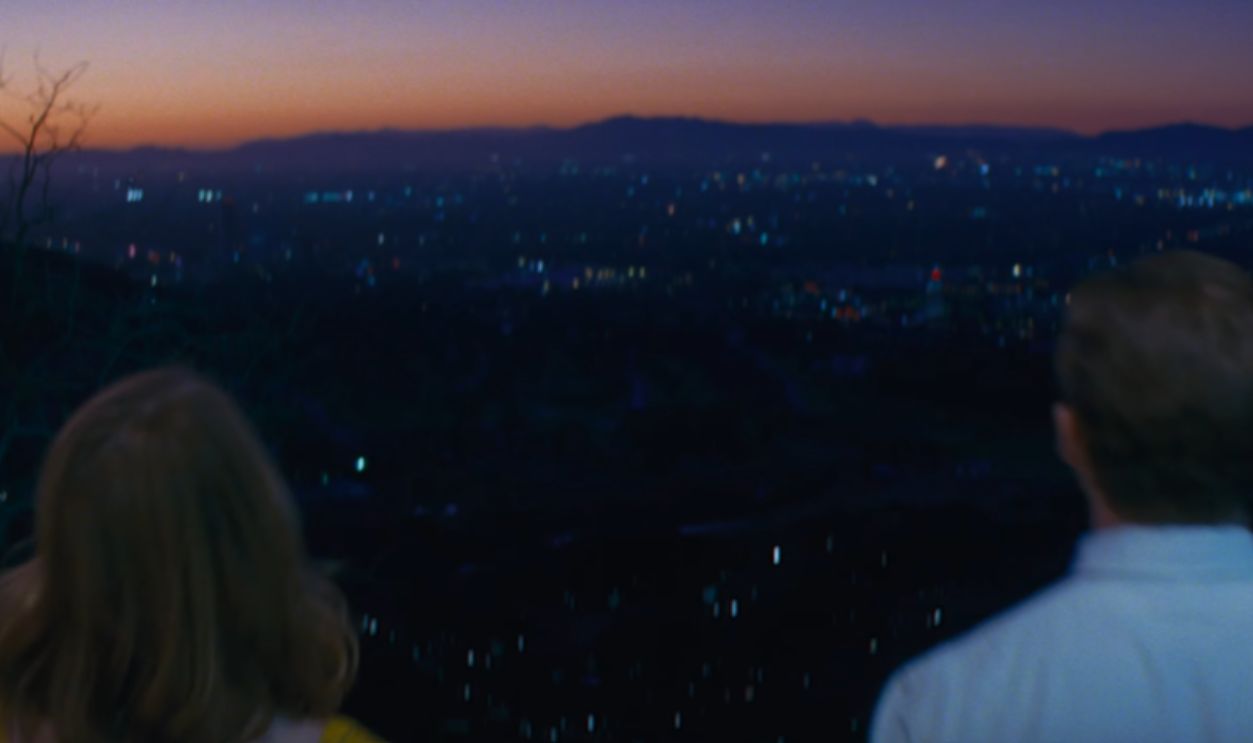 Screenshot from La La La Land, Lionsgate (2016)
Slumdog Millionaire Changed How Many Viewers Saw Mumbai
Slumdog Millionaire offered a fast, emotional, complicated portrait of Mumbai. It was not a simple travel postcard, but it made the city unforgettable to global audiences. The crowds, trains, energy, and contrasts stayed with viewers, encouraging curiosity about a place full of stories.
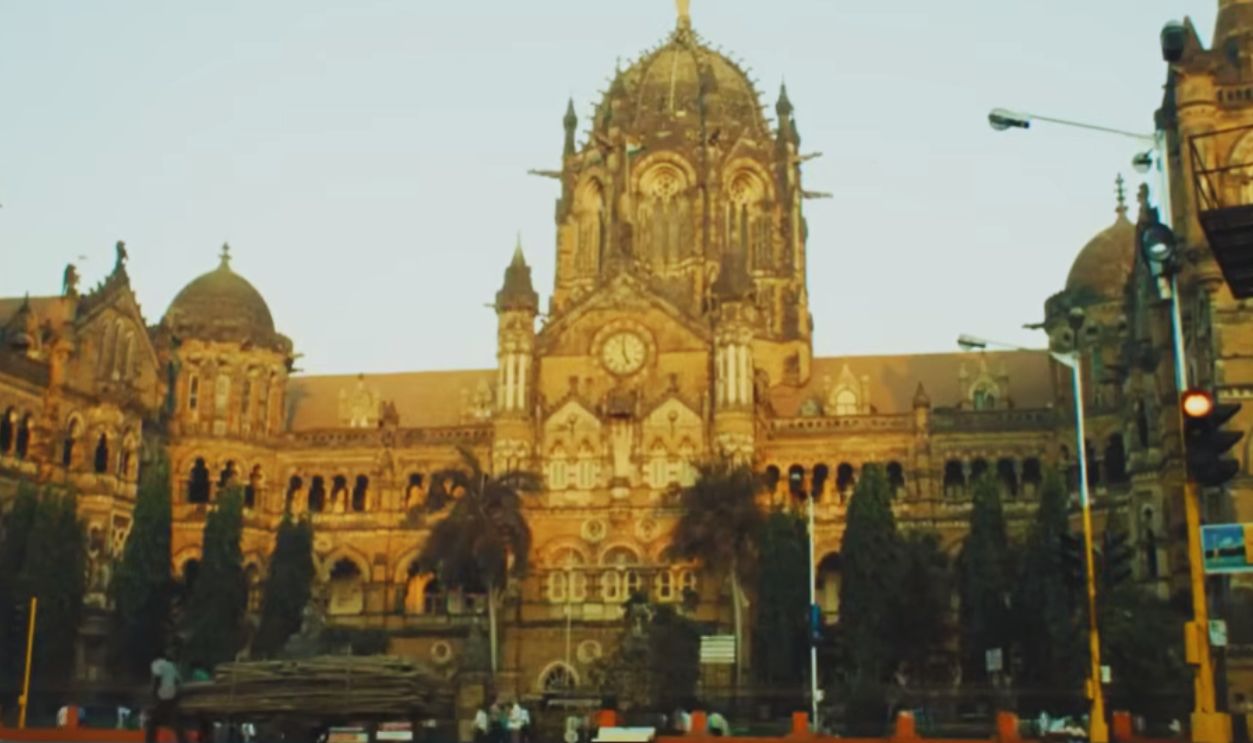 Screenshot from Slumdog Millionaire, The Walt Disney Company (2008)
The White Lotus Made Taormina The Place Everyone Wanted To Gossip
Taormina was already beautiful, but The White Lotus made it feel scandalous, luxurious, and dangerously sunny. Sicily’s cliffs, palaces, beaches, and aperitivo culture became part of the show’s delicious tension. Suddenly, travelers wanted sea views, messy secrets, and a hotel lobby worthy of drama.
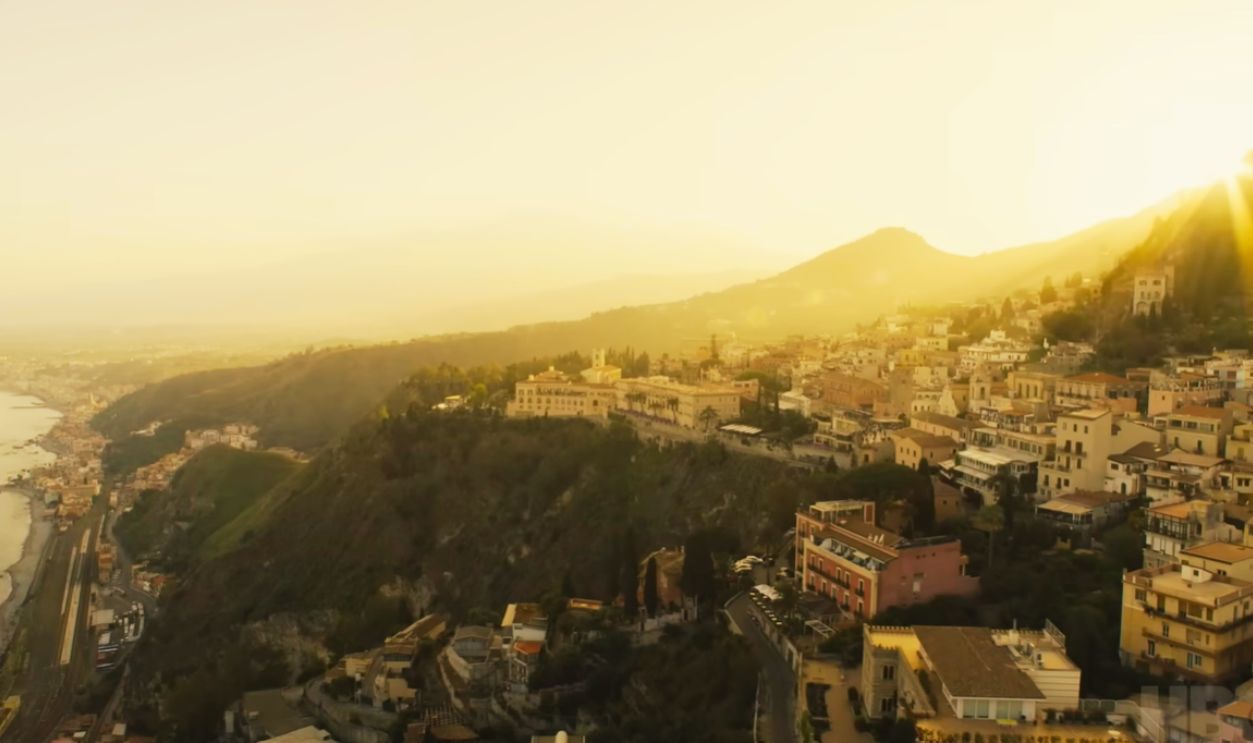 Screenshot from The White Lotus, Warner Bros. Discovery (2021-)
Why Movie Tourism Works Every Time
The best screen destinations do not just look pretty. They make viewers feel something. Romance, danger, freedom, heartbreak, glamour, or adventure can attach itself to a real street or skyline forever. That is why one great movie can turn an overlooked city into someone’s dream trip.
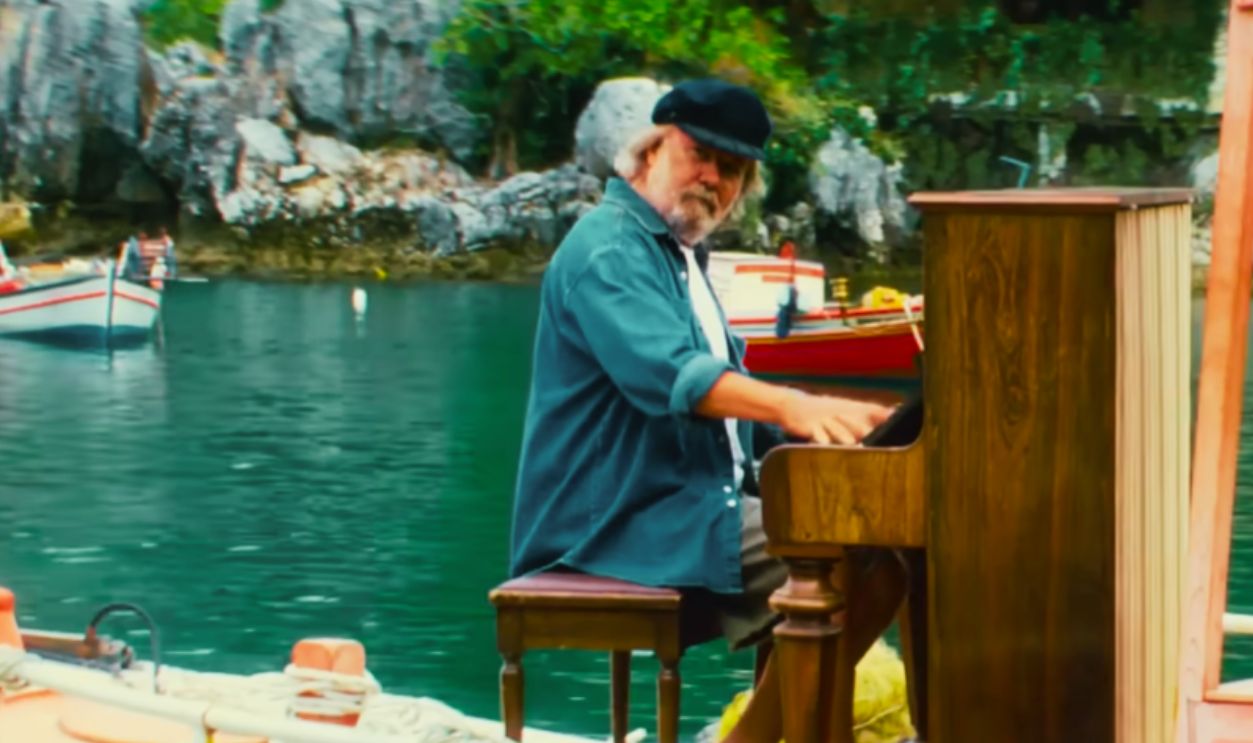 Screenshot from Mamma Mia!, NBCUniversal (2008)
You May Also Like:
Burl Ives Was America’s Jolliest Singer and Guitarist
Jim Carrey Is The Last Truly Unhinged Movie Star
One Flew Over the Cuckoo’s Nest: A Gathering of Extraordinary People