Even Legends Slip Sometimes
Even the greatest directors alive have made at least one film that didn’t land. Sometimes it’s a misunderstood swing for the fences, sometimes it’s a bizarre miscalculation, and sometimes it’s a spectacular box-office implosion that haunts studio executives to this day. Either way, as legendary as these directors are, there's still one time they absolutely did not stick the landing.
Francis Ford Coppola — Megalopolis
Coppola, the mastermind behind The Godfather, The Conversation, and Apocalypse Now, is responsible for some of cinema’s greatest achievements. But his long-gestating passion project Megalopolis (2024) debuted to polarizing reviews, baffled audiences, and some critics calling it ambitious to the point of incoherence. After decades of hype and massive personal investment from Coppola himself, the film proved deeply divisive and financially shaky—a rare misfire from a legendary filmmaker.
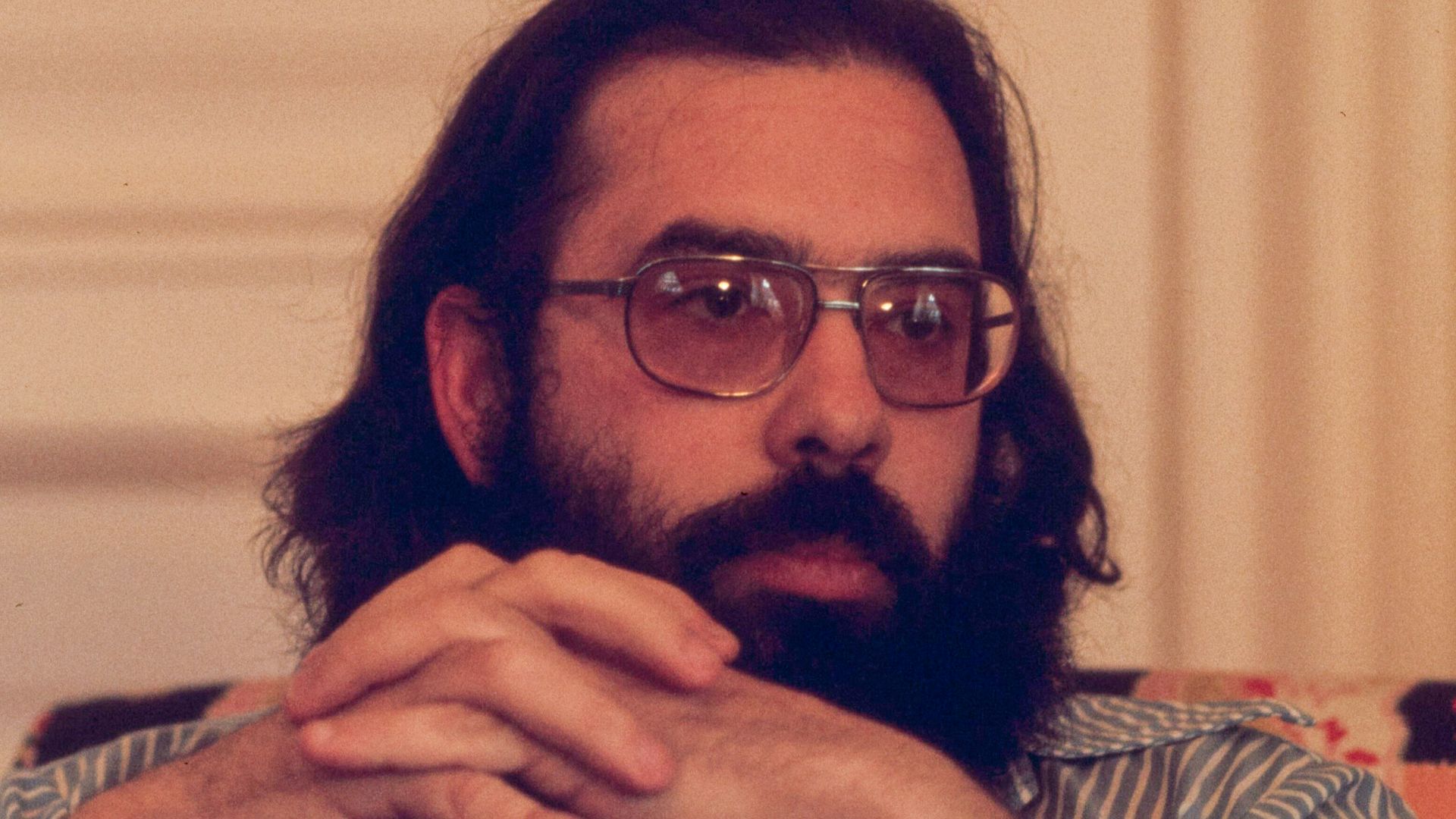 Gotfryd, Bernard, photographer, Wikimedia Commons
Martin Scorsese — Hugo
Scorsese’s filmography is stacked with masterpieces (Goodfellas, Taxi Driver, The Departed), but Hugo, though critically acclaimed and visually stunning, was a financial disaster. The 3D children’s fantasy cost nearly $150 million to produce and earned back far less theatrically, losing an estimated $60–100 million. It’s a charming film, but undeniably a box-office flop from a director who rarely draws an empty house.
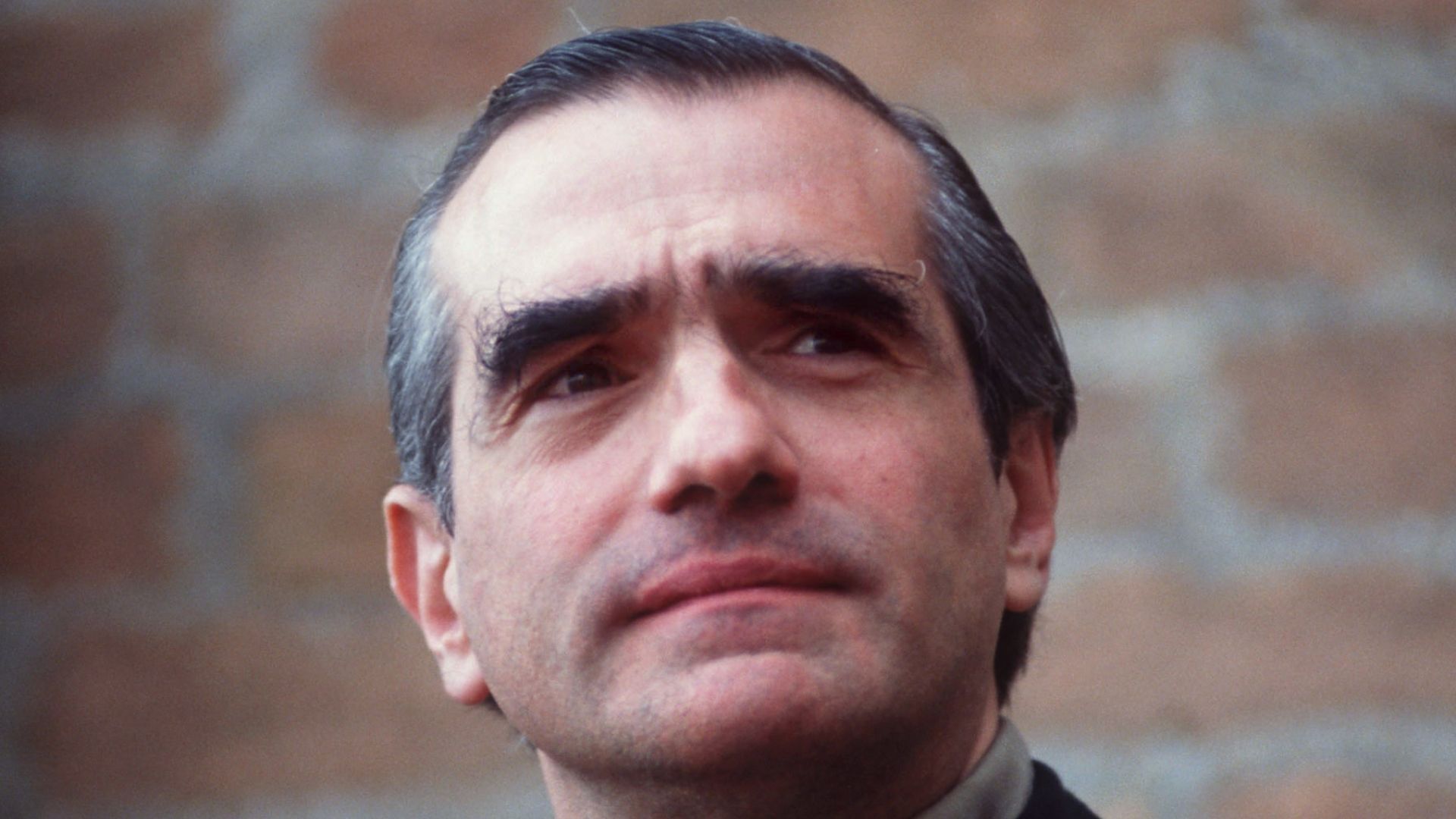 Gorupdebesanez, Wikimedia Commons
Oliver Stone — Alexander
Stone’s bold, politically charged films like JFK, Platoon, and Born on the Fourth of July defined entire decades. But Alexander (2004) was a chaotic, historically muddled epic that critics panned for its incoherent structure and uneven performances. Despite Stone releasing multiple alternate cuts, the film struggled commercially and critically, failing to make back its immense $155 million budget in the US.
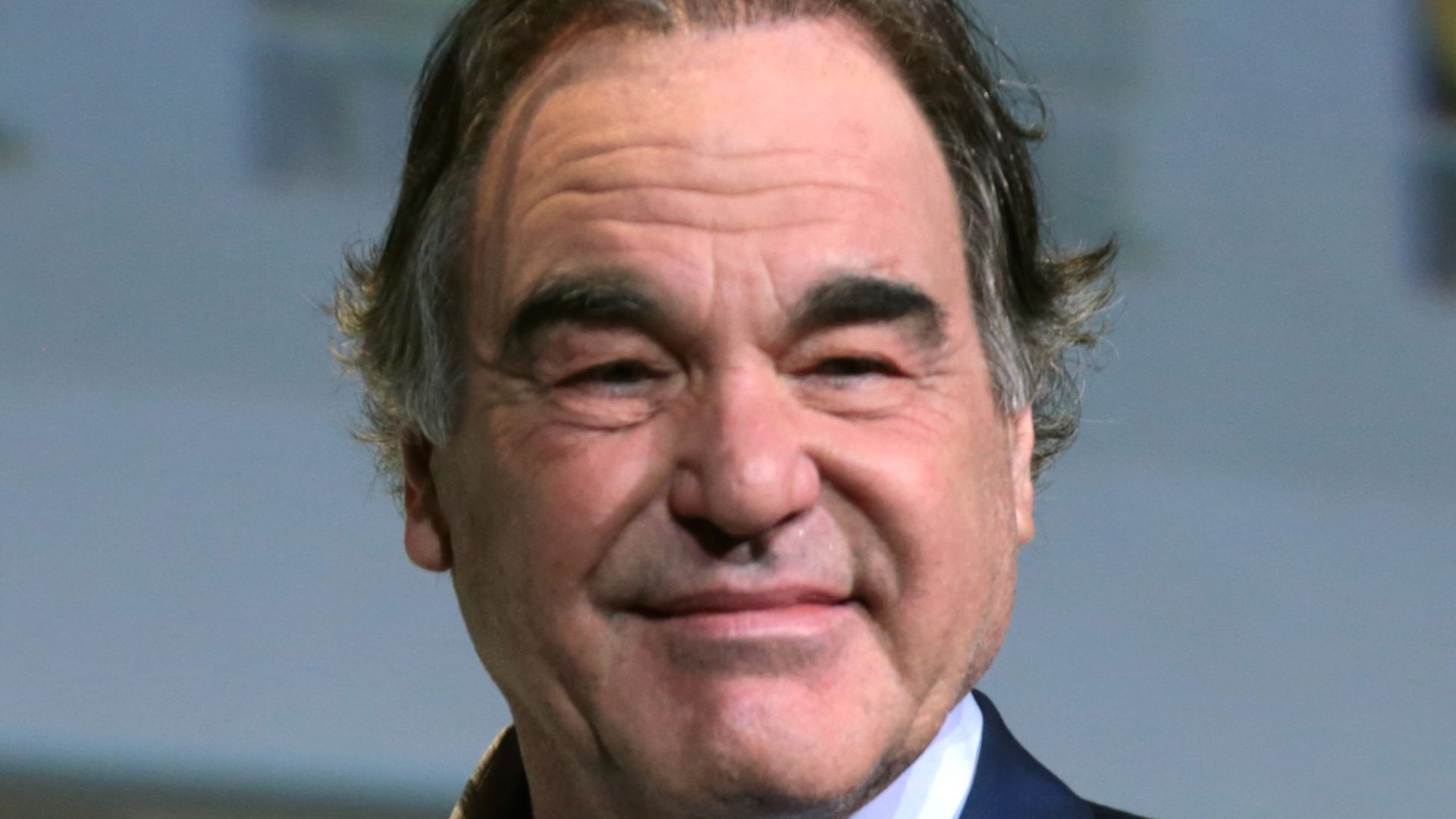 Gage Skidmore, Wikimedia Commons
Michael Cimino — Heaven’s Gate
Cimino soared to fame with the Oscar-winning The Deer Hunter—then crashed spectacularly with Heaven’s Gate (1980), a production so bloated and over-budget it nearly destroyed United Artists. Costing more than $40 million and earning under $4 million, it became the quintessential Hollywood bomb. Its failure is legendary, overshadowing Cimino’s once-meteoric rise.
 MagicLantern19, Wikimedia Commons
Christopher Nolan — Tenet
Nolan reshaped blockbuster filmmaking with The Dark Knight, Inception, and Dunkirk. But Tenet (2020), released mid-pandemic, left audiences confused and theaters mostly empty. Though visually thrilling, the film’s muddled audio mix, labyrinthine plot, and unusual release strategy led to lackluster box office numbers. It performed modestly worldwide, but for Nolan, it’s easily his most divisive and financially compromised effort.
 Photograph by Richard Goldschmidt, www.piqtured.com Derivative by Keraunoscopia, Wikimedia Commons
Alfred Hitchcock — Marnie
The master of suspense crafted landmark thrillers like Psycho, Vertigo, and Rear Window. But Marnie (1964) stands out as his most notorious stumble. Intended as a psychological drama, the film was criticized for stilted performances, uncomfortable themes, and narrative inconsistency. It fared poorly at the box office compared to Hitchcock’s usual successes and received lukewarm critical reception. Though it has gained some retrospective appreciation, Marnie remains the title most often cited as Hitchcock’s rare misfire.
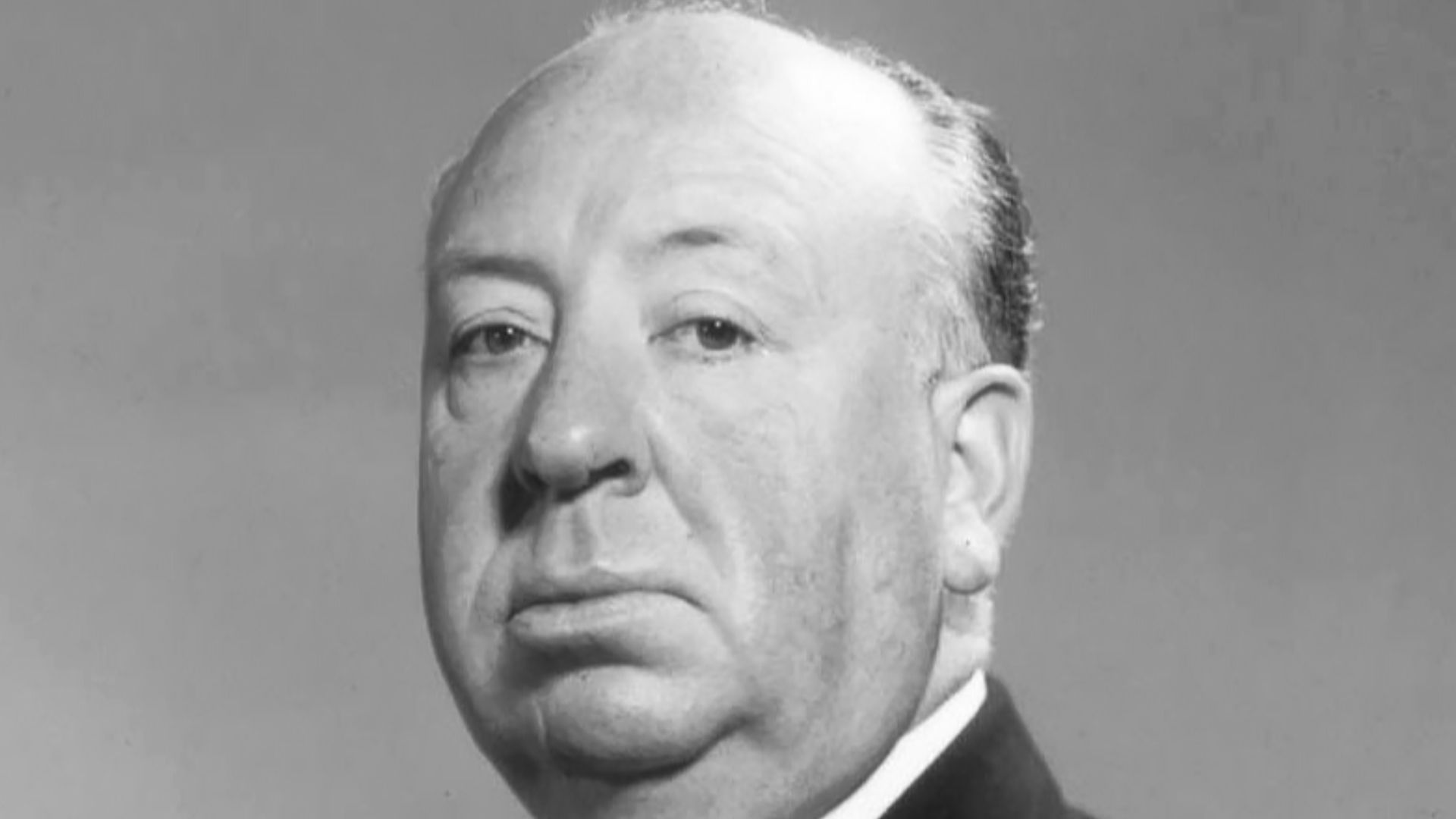
Quentin Tarantino — Death Proof
Tarantino’s filmography is packed with culture-defining hits (Pulp Fiction, Kill Bill, Inglourious Basterds). But Death Proof (2007), his half of the Grindhouse double feature, became his only financial flop. Though admired by some for its stunt work and throwback charm, it grossed just $30 million worldwide—far below expectations. Tarantino himself has admitted it’s his “worst film”.
 Siebbi (original), Gryllida (crop), Wikimedia Commons
David Lynch — Dune (1984)
The master of surrealism (Blue Velvet, Mulholland Drive, Twin Peaks) delivered one of the most infamous sci-fi disasters with Dune. Lynch has openly disowned the film, citing studio interference and a chaotic production that left him unable to realize his vision. Critics hated it, audiences were baffled, and the movie lost Universal millions. Today it’s a cult oddity, but still a miss from a genius.
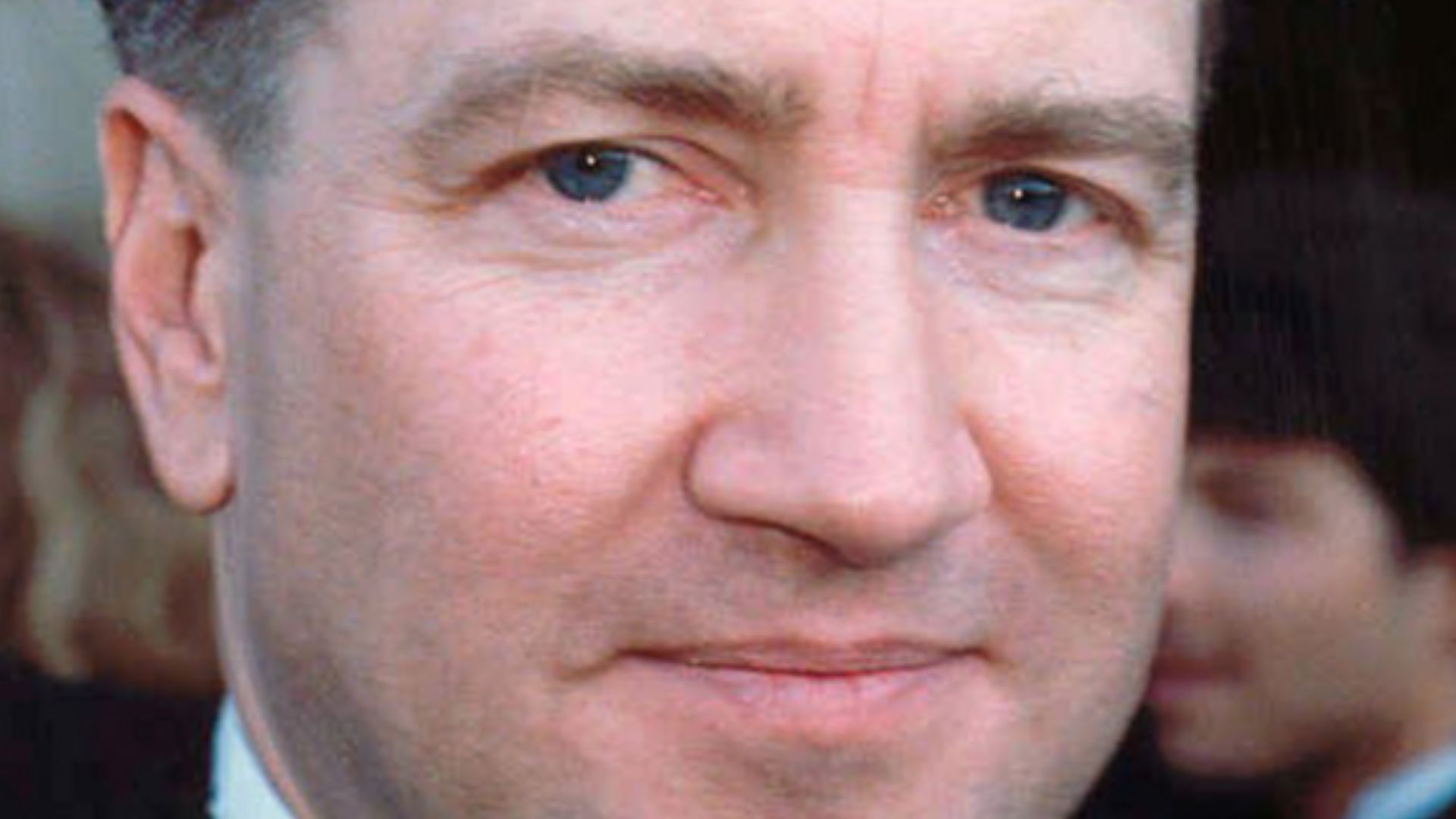
Guy Ritchie — Swept Away (2002)
Ritchie’s stylish crime hits like Snatch, Lock, Stock and Two Smoking Barrels made him a defining voice of British cinema. But Swept Away, starring Madonna, was critically eviscerated. The romantic drama felt overwrought, tonally confused, and nothing like the sharp filmmaking he was known for. It bombed at the box office and won multiple Razzie Awards.
 Kathy Hutchins, Wikimedia Commons
Kevin Costner — The Postman (1997)
Coming off successes like Dances with Wolves and Robin Hood: Prince of Thieves, Costner’s post-apocalyptic epic The Postman became a notorious flop. With a $80 million budget and only $20 million in returns, it was mocked for its earnestness, sprawling length, and unintentionally cheesy tone. The film’s ambition couldn’t save its soggy execution.
 Arielaortizb, Wikimedia Commons
David Fincher — Mank
Fincher, known for razor-sharp masterpieces like Se7en, Fight Club, The Social Network, and Gone Girl, rarely falters. But Mank (2020), his black-and-white homage to Old Hollywood, proved divisive. While critics praised its technical brilliance, many viewers found it cold, meandering, and inaccessible. Released straight to streaming, it failed to achieve cultural impact, especially compared to Fincher’s usual genre-defining hits. Stylish yet distant, it’s easily his least-loved film.

Joel Schumacher — Batman & Robin
Schumacher delivered hits like The Lost Boys and Falling Down, but Batman & Robin (1997) became a superhero disaster of legendary proportions. Critically reviled for its campy tone, clunky dialogue, and toy-driven production notes, it effectively killed the Batman franchise for a decade. Though financially decent, its reputation remains one of Hollywood’s most notorious misfires.
 Kasper2006 (talk), Wikimedia Commons
Ridley Scott — 1492: Conquest Of Paradise
Yes, Ridley appears twice—because he’s an icon and he’s taken some massive swings. 1492 is visually stunning but narratively uneven, failing to connect with audiences. Released alongside another Columbus biopic during the 500-year anniversary, it became a costly box-office disappointment despite Vangelis’s gorgeous score and Scott’s sweeping direction.
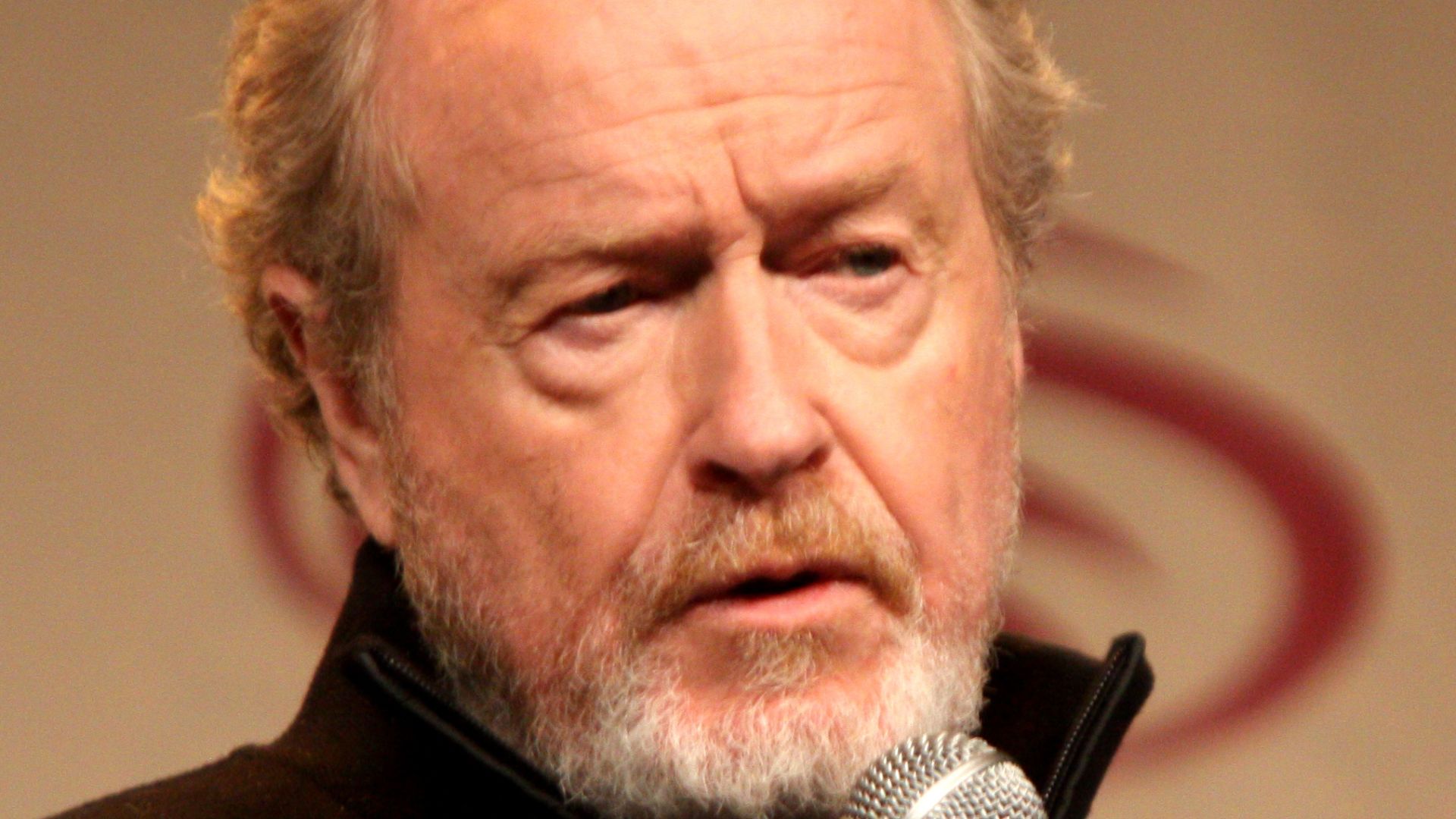 Gage Skidmore, Wikimedia Commons
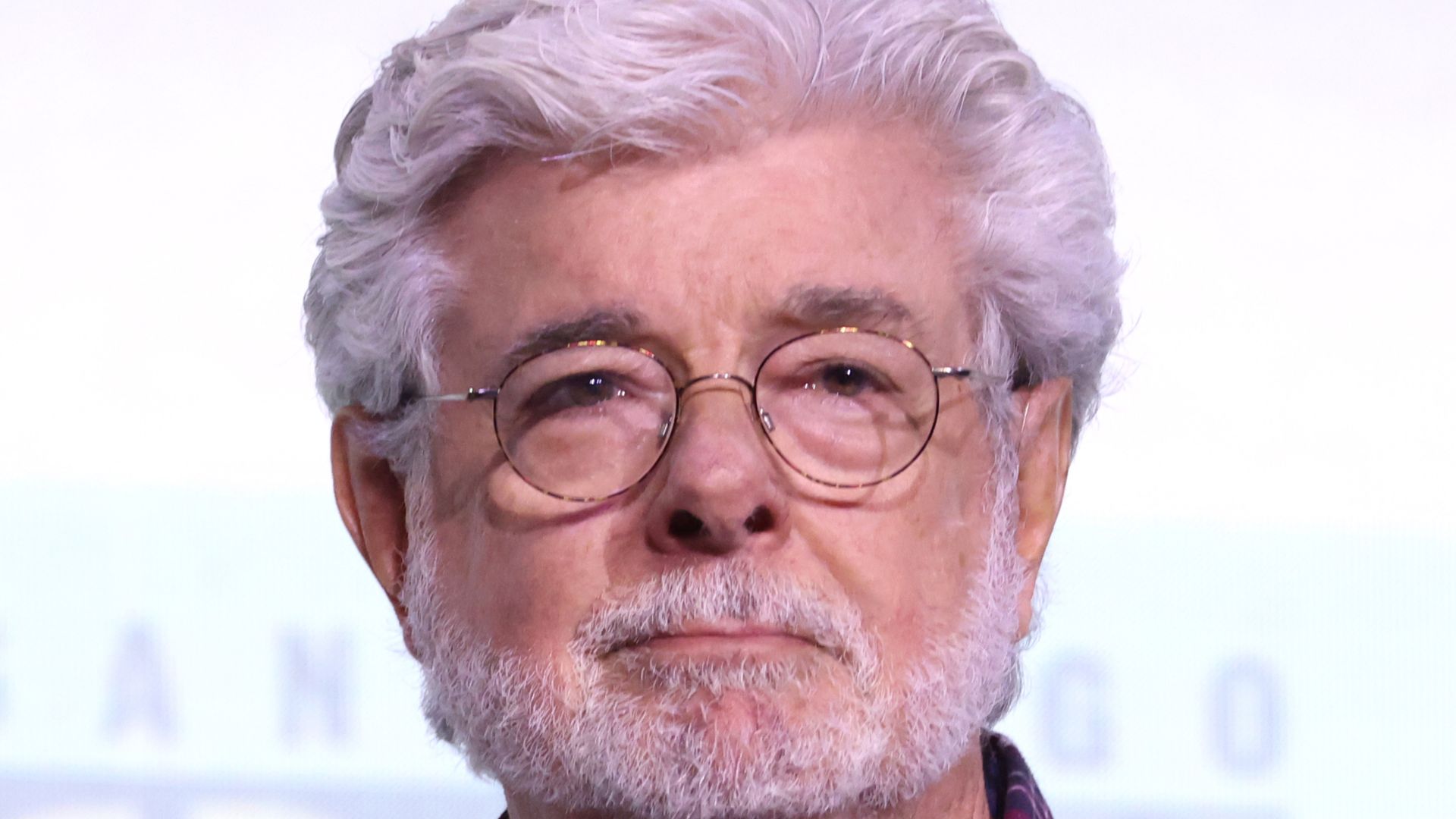
George Lucas — Howard The Duck (1986)
Lucas revolutionized cinema with Star Wars and Indiana Jones, but Howard the Duck is one of Hollywood’s most infamous bombs. Critics trashed it, audiences avoided it, and it reportedly lost over $20 million. Its bizarre tone—part gritty noir, part kids’ movie, part anthropomorphic romance—baffled everyone. It’s since become a cult oddity, but still a massive Lucas-produced flop.
 Gage Skidmore, Wikimedia Commons
Troy Miller — Jack Frost (1998)
Known for directing comedy specials and TV films, Miller scored well with holiday-themed entertainment, but Jack Frost did him no favors. The film, starring Michael Keaton as a reincarnated snowman father, was critically panned and underperformed financially. Clunky CGI, tonal confusion, and an unintentionally creepy premise cemented its place as a holiday misfire.
 Tripolishores, Wikimedia Commons
Peter Yates — Krull (1983)
Yates directed classics like Bullitt and Breaking Away, but his sci-fi fantasy hybrid Krull was a strange detour. The film’s ambitious world-building was impressive, but its muddled plot and uneven tone led to disappointing box office returns. Still, it later developed a quirky cult following among fans of 80s fantasy oddities.
 William Randolph Prescott, Wikimedia Commons
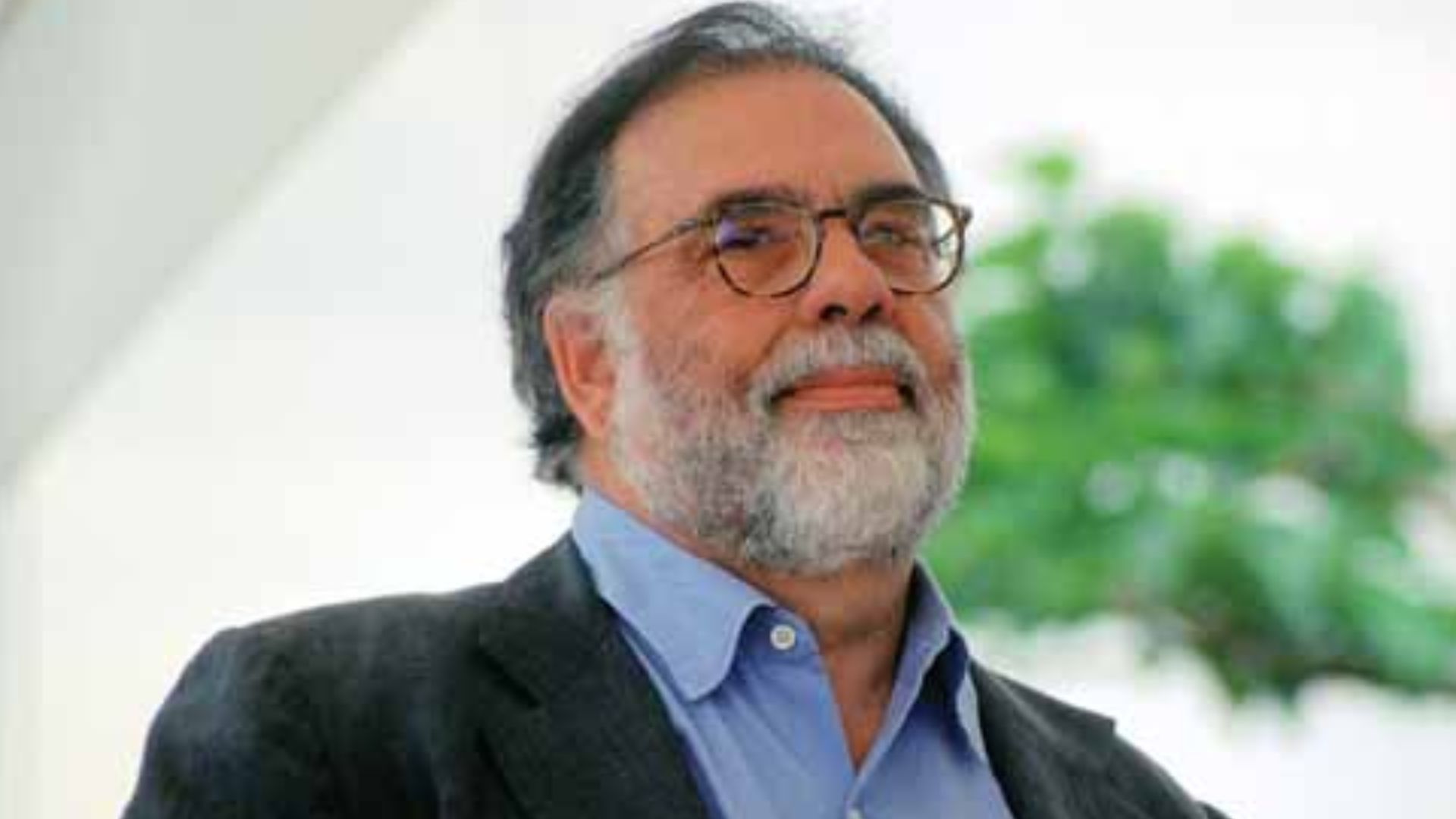
Francis Ford Coppola — The Godfather Part III (1990)
After delivering The Godfather and The Godfather Part II, two films widely regarded as some of the greatest ever made, Francis Ford Coppola returned to the Corleone saga with a third chapter that struggled to meet impossible expectations. Though Part III performed well financially and earned several Oscar nominations, it was met with mixed reviews, criticized for its uneven pacing, muddled story, and a sense of finality that lacked the emotional force of its predecessors.
 No machine-readable author provided. Rodrigo assumed (based on copyright claims)., Wikimedia Commons
Stanley Kubrick — Fear and Desire (1953)
Kubrick is synonymous with perfection, from 2001: A Space Odyssey to The Shining and Dr. Strangelove. But his debut feature Fear and Desire is the one film he publicly disowned, calling it “a bumbling amateur film exercise”. Made on a tiny budget, it contains early hints of his talent, but lacks the polish, confidence, and thematic mastery that later defined him.

John Hughes — She’s Having a Baby (1988)
Hughes created iconic teen classics (The Breakfast Club, Ferris Bueller’s Day Off, Sixteen Candles), but his attempt at a more adult dramedy didn’t resonate. She’s Having a Baby was modestly received and made little cultural impact. Though not a disaster, it lacked the energy, humor, and authenticity that made Hughes a household name.
 Glenbrook North High School, Wikimedia Commons
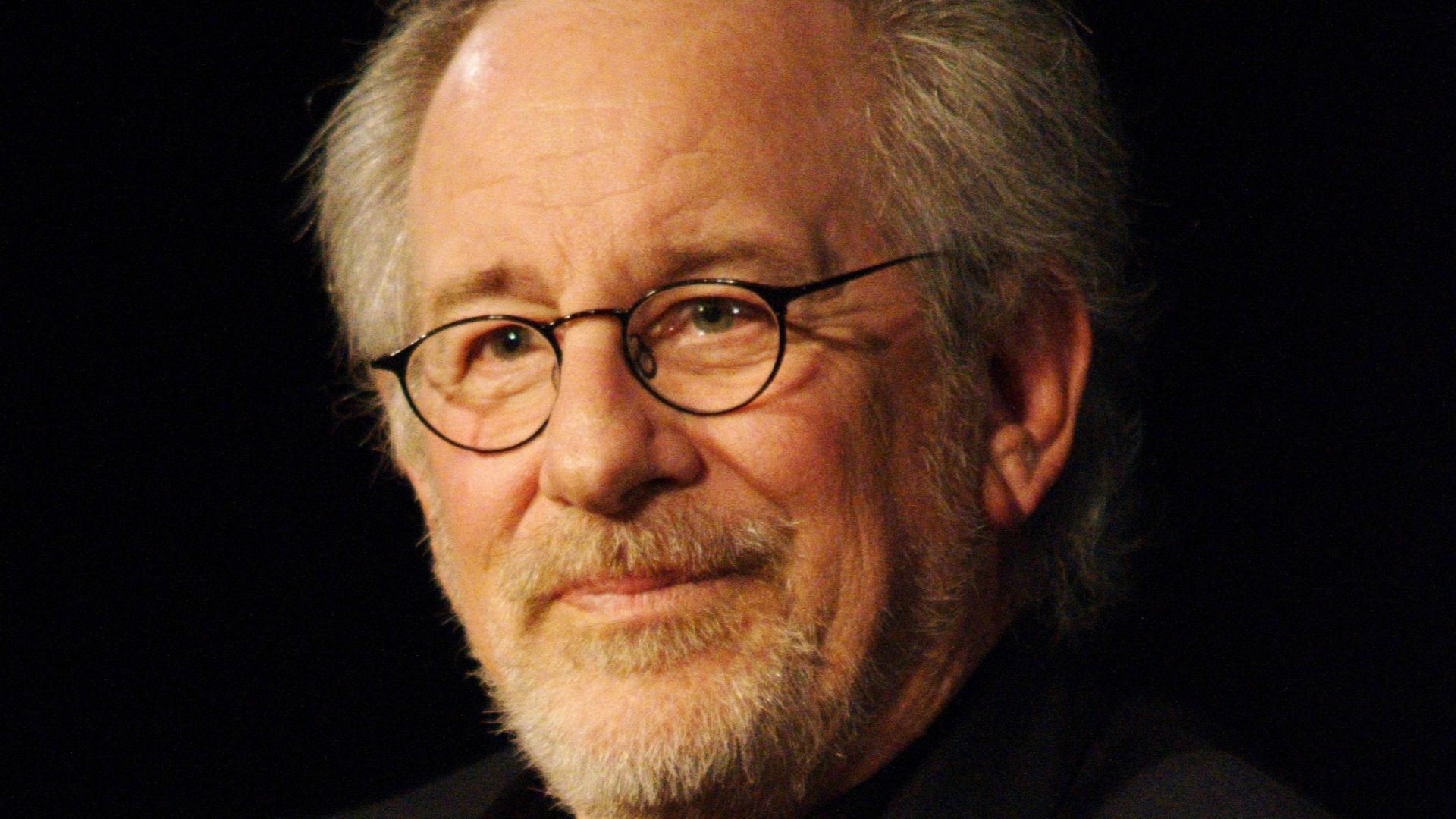
Steven Spielberg — West Side Story
Spielberg rarely misses; his classics include Jaws, E.T., and Jurassic Park. Yet his stylish and heartfelt remake of West Side Story, despite critical acclaim and Oscar buzz, was a huge box office letdown. Budgeted at around $100 million, it pulled in under $75 million globally. The movie itself is terrific; the audience turnout was not.
 Romain DUBOIS, Wikimedia Commons
You May Also Like:
Directors Who Got Fired Mid-Production
Directors Whose Styles Are So Distinct, You Know It’s Them In Seconds
Are These Directors All Better Than Steven Spielberg? We Think So—Do You Agree?